Journal Description
Obesities
Obesities
is an international, peer-reviewed, open access journal on all aspects of obesity published bimonthly online by MDPI.
- Open Access— free for readers, with article processing charges (APC) paid by authors or their institutions.
- High Visibility: indexed within ESCI (Web of Science), Scopus and other databases.
- Rapid Publication: manuscripts are peer-reviewed and a first decision is provided to authors approximately 18.6 days after submission; acceptance to publication is undertaken in 2.2 days (median values for papers published in this journal in the second half of 2025).
- Recognition of Reviewers: APC discount vouchers, optional signed peer review, and reviewer names published annually in the journal.
- Journal Cluster of Food, Nutrition, and Health Science: Beverages, Dietetics, Foods, Nutraceuticals, Nutrients and Obesities.
Impact Factor:
1.3 (2024);
5-Year Impact Factor:
1.2 (2024)
Latest Articles
Real-World Evaluation of L-Carnitine L-Tartrate for Weight Management in Adults with Obesity: A Prospective Observational Study
Obesities 2026, 6(3), 37; https://doi.org/10.3390/obesities6030037 - 2 Jun 2026
Abstract
►
Show Figures
Obesity remains a major global health concern associated with increased cardio-metabolic risk and healthcare burden. L-Carnitine plays a central role in mitochondrial fatty acid transport and has been investigated as a potential adjunct in weight management. This study evaluated the real-world effectiveness and
[...] Read more.
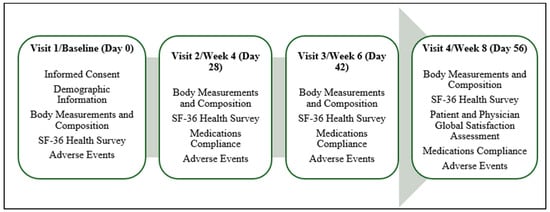
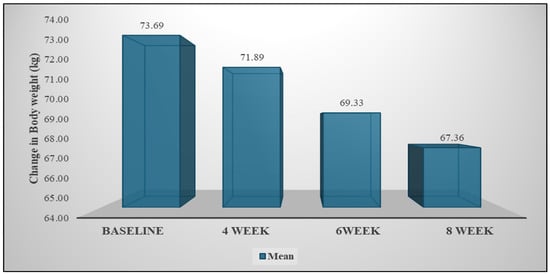
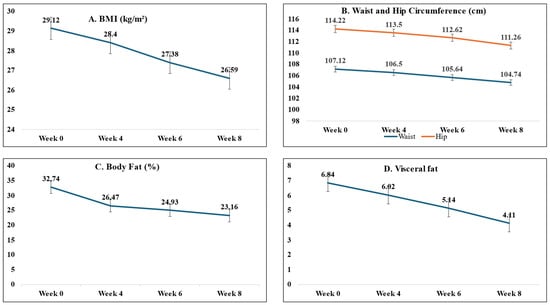
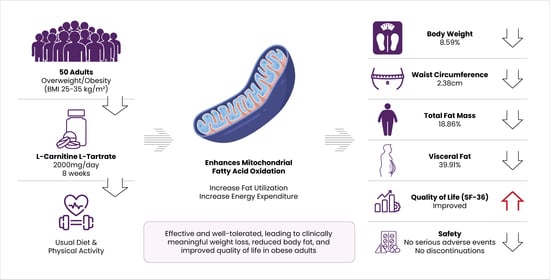
Obesity remains a major global health concern associated with increased cardio-metabolic risk and healthcare burden. L-Carnitine plays a central role in mitochondrial fatty acid transport and has been investigated as a potential adjunct in weight management. This study evaluated the real-world effectiveness and tolerability of L-Carnitine L-Tartrate supplementation in adults with overweight and class I obesity. In this prospective, single-center, uncontrolled observational study, 50 adults (BMI 25–35 kg/m2) newly initiated on L-Carnitine L-Tartrate 2000 mg/day were followed for 8 weeks in a non-comparative, real-world setting, alongside standard lifestyle advice. The primary outcome was the mean change in body weight from baseline. Secondary outcomes included anthropometric measures, body composition parameters assessed by bioelectrical impedance analysis, quality of life using the RAND 36-Item Health Survey, global satisfaction, and safety. Over 8 weeks, mean body weight in this cohort decreased from 73.69 ± 7.73 kg at baseline to 67.36 ± 7.87 kg at Week 8 (mean reduction: 6.33 kg; 8.59%; p < 0.001. Over the follow-up period, we observed reductions in waist circumference (−2.38 cm), hip circumference (−2.96 cm), total fat mass (−3.90 kg), and visceral fat (−39.91%) (all p < 0.001) in within-subject analyses. Quality of life shows progressive improvement over time. No adverse events or treatment discontinuations were reported. In this exploratory, single-arm, real-world observational study, initiation of L-Carnitine L-Tartrate supplementation alongside routine lifestyle advice was associated with reductions in body weight, central adiposity, and improvements in patient-reported outcomes over 8 weeks. While the uncontrolled study design warrants cautious interpretation, these findings provide supportive real-world evidence and generate a basis for future controlled studies to further evaluate the therapeutic potential of L-Carnitine L-Tartrate.
Full article
Open AccessArticle
Glucagon-like Peptide-1 Receptor Agonists in the Real World: Are Clinical Trials Reproducible? A Spanish Pilot Study
by
Olatz Vergniory-Trueba and Carlos Treceño-Lobato
Obesities 2026, 6(3), 36; https://doi.org/10.3390/obesities6030036 - 31 May 2026
Abstract
Introduction: Obesity is a chronic, multifactorial disease associated with significant metabolic and cardiovascular complications. Glucagon-like peptide-1 receptor agonists (GLP-1RAs) have emerged as effective pharmacological options for weight management, demonstrating clinically relevant weight loss in controlled trials. However, real-world evidence is essential to
[...] Read more.
Introduction: Obesity is a chronic, multifactorial disease associated with significant metabolic and cardiovascular complications. Glucagon-like peptide-1 receptor agonists (GLP-1RAs) have emerged as effective pharmacological options for weight management, demonstrating clinically relevant weight loss in controlled trials. However, real-world evidence is essential to assess their effectiveness and safety under routine clinical conditions and to verify if trial results are reproducible in diverse populations. Objective: We aimed to evaluate the effectiveness and safety of GLP-1RAs in terms of weight loss in real-world clinical practice and to compare outcomes among different available agents, focusing on their impact on obesity management. Method: A cross-sectional, observational pilot study was conducted in Spain. Adult patients receiving GLP-1RAs for at least four weeks were included. Data collected included sociodemographic variables, treatment characteristics, anthropometric measurements, and adverse effects. Weight loss outcomes were analyzed using descriptive statistics, ANOVA for inter-drug comparisons, and multivariate ANCOVA to adjust for confounders. This pilot study also validated the protocol for a subsequent nationwide multicenter study. Results: A total of 32 patients (62.5% women; mean age 58.2 years) were analyzed. Mean weight loss was 2.97 kg (3.17%). Significant differences between drugs were observed (p = 0.005), with semaglutide 2.4 mg (Wegovy®) showing the greatest weight reduction (11.0 kg). Patients without diabetes achieved significantly greater weight loss than those with diabetes (5.0 vs. 0.8 kg; p = 0.021). Treatments were well tolerated, with 53.1% reporting no adverse effects; most side effects were mild gastrointestinal symptoms. Conclusions: GLP-1RAs are effective and well-tolerated for obesity treatment in real-world clinical practice, although weight loss is more modest than in pivotal clinical trials. Differences between agents were observed after multivariate adjustment, although these findings should be interpreted cautiously given the exploratory pilot design and limited sample size. These findings support the need for individualized treatment strategies in obesity care. This pilot study successfully validated the methodology for an ongoing nationwide investigation.
Full article
Open AccessArticle
A Preliminary Randomized Crossover Trial Comparing Acute Glucose and Physiological Responses to Active Video Gaming and Traditional Exercise in Sedentary Office Workers
by
Carlos Torres-Hernández, Agali López-Miguel, Bryan Montero-Herrera, Keven Santamaría-Guzmán, Roberto Espinoza-Gutiérrez, Juan J. Calleja-Núñez, Elena C. Guzmán-Gutiérrez and Jorge A. Aburto-Corona
Obesities 2026, 6(3), 35; https://doi.org/10.3390/obesities6030035 - 30 May 2026
Abstract
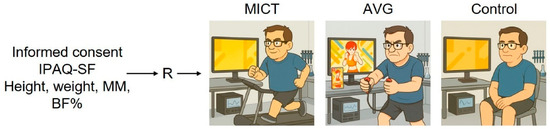
Background: Active video games (AVG) may offer an alternative strategy to increase physical activity in adults with obesity. This study compared the acute effects of AVG, moderate-intensity continuous training (MICT), and a seated control condition on capillary blood glucose, physiological responses, and exercise
[...] Read more.
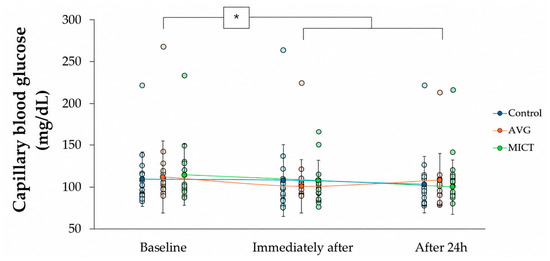
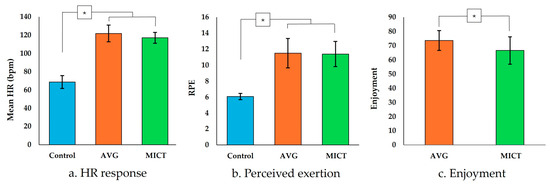
Background: Active video games (AVG) may offer an alternative strategy to increase physical activity in adults with obesity. This study compared the acute effects of AVG, moderate-intensity continuous training (MICT), and a seated control condition on capillary blood glucose, physiological responses, and exercise enjoyment in sedentary office workers with overweight or obesity. Methods: Seventeen sedentary middle-aged adults with obesity (41 ± 8 years; BMI: 30.6 ± 5.3 kg/m2) participated in this randomized crossover study conducted at the Human Movement Biosciences Laboratory of the Autonomous University of Baja California, Mexico. Participants completed three conditions: 30 min of AVG, 30 min of treadmill-based MICT, and a seated control session. Capillary blood glucose was measured at baseline, immediately post-exercise, and 24 h post-exercise. Heart rate (HR), rating of perceived exertion (RPE), and exercise enjoyment were also assessed. Results: A significant main effect of time on capillary blood glucose was observed (p = 0.003), with reductions observed immediately and 24 h post-exercise. No significant condition or interaction effects were found. Significant reductions were observed in the AVG condition from baseline to 24 h post-exercise (p = 0.004). AVG and MICT elicited similar moderate-intensity physiological responses (HR and RPE), while AVG produced greater exercise enjoyment than MICT (p = 0.026). Conclusions: AVG appeared to elicit similar moderate-intensity physiological responses in sedentary office workers with overweight or obesity. Additionally, AVG was associated with greater exercise enjoyment and reductions in capillary blood glucose over time, suggesting that AVG could represent a feasible and engaging alternative strategy for promoting physical activity and supporting metabolic health in workplace settings.
Full article
(This article belongs to the Topic The Effect of Physical Activity on the Population's Health)
►▼
Show Figures

Figure 1
Open AccessArticle
Body Composition and Obesity in Nephrology Patients: Intersecting Effects of Sex, Age, and COVID-19
by
Josipa Radić, Hana Đogaš, Marijan Nikolić, Ema Boras, Marina Grubić, Marijana Vučković, Andrea Gelemanović and Mislav Radić
Obesities 2026, 6(3), 34; https://doi.org/10.3390/obesities6030034 - 30 May 2026
Abstract
Background: Excess body weight is a major global health problem and an established independent risk factor for chronic kidney disease (CKD). This study aimed to determine the prevalence of overweight and obesity and to evaluate sex-, age-, and time-related trends—including the COVID-19 period—among
[...] Read more.
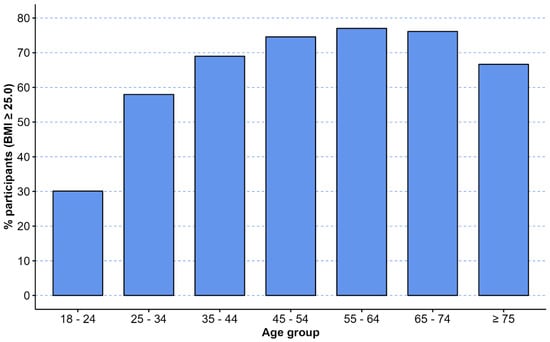
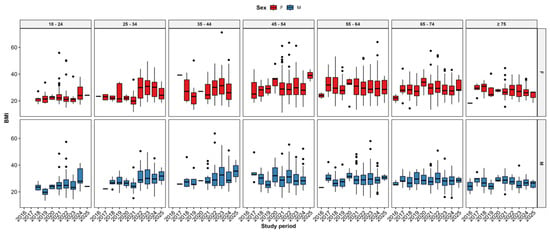
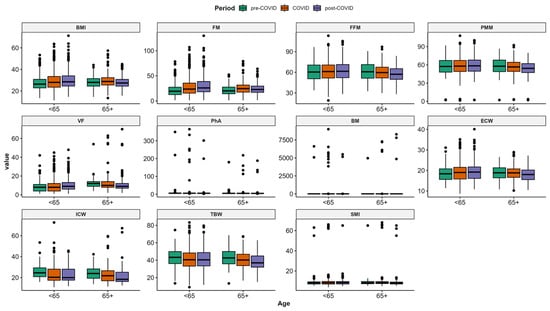
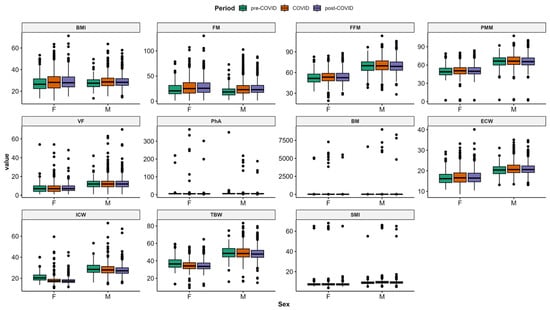
Background: Excess body weight is a major global health problem and an established independent risk factor for chronic kidney disease (CKD). This study aimed to determine the prevalence of overweight and obesity and to evaluate sex-, age-, and time-related trends—including the COVID-19 period—among patients treated at the Outpatient Clinic of the Division of Nephrology, Dialysis and Arterial Hypertension, University Hospital of Split, from 2016 to 2024. Methods: This study included 3033 subjects over 18 years of age, 44.8% men and 55.2% women with a mean age of 60 years. Body composition was assessed using the Tanita MC-780 bioelectrical impedance analyzer and body mass index (BMI, kg/m2) was measured. Results: The study population had median BMI of 28.0 kg/m2, with 33.1% overweight and 37% obese participants, including 6.6% with class III obesity. Men showed greater muscle and bone mass (p < 0.001), whereas women had higher fat mass and obesity prevalence (38.2% vs. 35.6%, p < 0.001). Participants under 65 years had higher absolute fat and muscle mass but similar fat percentage compared to older adults. Overweight and obesity prevalence increased with age, peaking at 75–78% in the 55–74-year group. BMI and fat mass rise significantly during and after the COVID-19 period, while phase angle values declined. Conclusions: Excess body weight is highly prevalent in nephrology patients, particularly in middle-aged adults. The COVID-19 pandemic further worsened body composition indicators, reinforcing the need for preventive strategies.
Full article
(This article belongs to the Special Issue Obesity in the 21st Century: Public Health Perspectives and Population Solutions)
►▼
Show Figures

Figure 1
Open AccessArticle
Novel Targets for Precision Nutrition: Insulin Resistance and Phenotypic Age Mediate the Protective Effect of Gut Microbiota-Targeted Diet on Metabolic Syndrome
by
Xiaodan Li, Jialu Guan, Ying Liu, Shengcong Luo, Youwu Gong, Hongke Jiang and Changzhuan Shao
Obesities 2026, 6(3), 33; https://doi.org/10.3390/obesities6030033 - 28 May 2026
Abstract
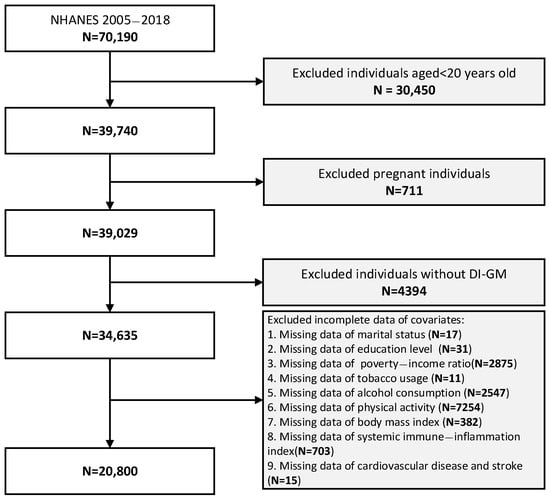
Background: The dietary index for gut microbiota (DI-GM) holds promise for improving metabolic status, yet its mechanistic insight into metabolic syndrome (MetS) is unclear. Methods: In this cross-sectional study, we analyzed data from 20,800 participants in the NHANES (2005–2018). The DI-GM was developed
[...] Read more.
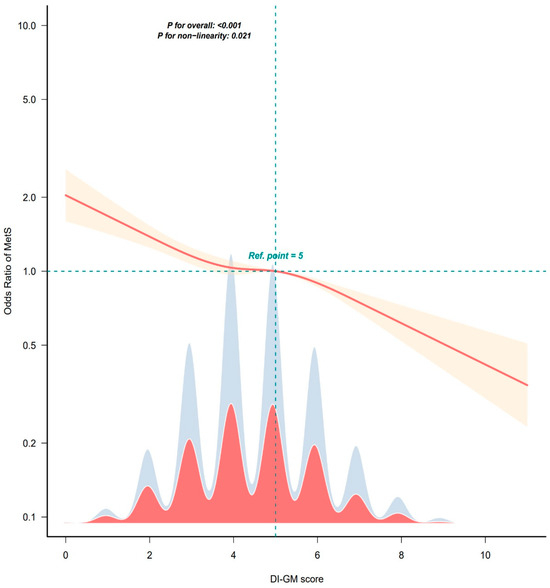
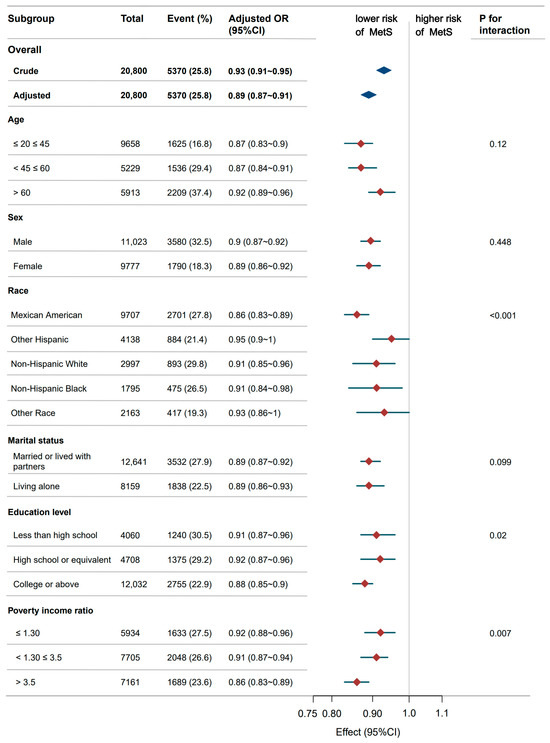
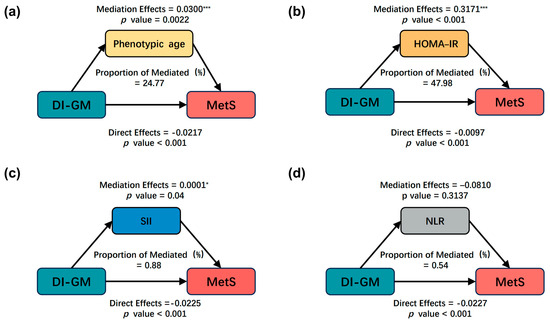
Background: The dietary index for gut microbiota (DI-GM) holds promise for improving metabolic status, yet its mechanistic insight into metabolic syndrome (MetS) is unclear. Methods: In this cross-sectional study, we analyzed data from 20,800 participants in the NHANES (2005–2018). The DI-GM was developed based on dietary patterns, and MetS was defined according to the NCEP-ATP III criteria. Global DI-GM scores came from the Global Dietary Database (164 nations), with MetS burden estimation employing Global Burden of Disease data. We explored mediation by phenotypic age, insulin resistance (HOMA-IR), and inflammation. Secondary analyses involved subgroup stratification, restricted cubic splines (RCS), sensitivity testing, propensity score matching, and multiple imputations. Results: Globally, higher national DI-GM correlated inversely with metabolic risk factor frequency and major MetS sequelae. NHANES analysis found each one-unit DI-GM rise was associated with an 11% lower MetS likelihood (adjusted OR = 0.89, 95%CI: 0.87–0.91). RCS indicated a non-linear exposure–response curve, with prevalence reduction stabilizing above DI-GM = 4.972. Stratification showed significant effect modification by race/ethnicity, education, and income (p-interaction < 0.05). Mediation analysis identified significant roles for phenotypic aging (24.77%) and HOMA-IR (47.98%), but not inflammation (0.54%). Conclusions: A DI-GM-aligned diet correlated with lower MetS prevalence, with insulin sensitivity and phenotypic aging accounting for part of this association. Microbiota-targeted nutrition guidelines for MetS should prioritize metabolic health over anti-inflammation.
Full article
(This article belongs to the Topic Dietary Habits in Liver Health and Disease: Preclinical and Clinical Studies)
►▼
Show Figures

Figure 1
Open AccessReview
Adipose Tissue–Brain Crosstalk: The Role of Adipokines in the Regulation of Cognitive Function
by
Mateusz Żołyniak, Julia Soczyńska, Klaudia Kania, Jagoda Szwach, Mateusz Kurowski, Wiktor Gawełczyk and Sławomir Woźniak
Obesities 2026, 6(3), 32; https://doi.org/10.3390/obesities6030032 - 28 May 2026
Abstract
►▼
Show Figures
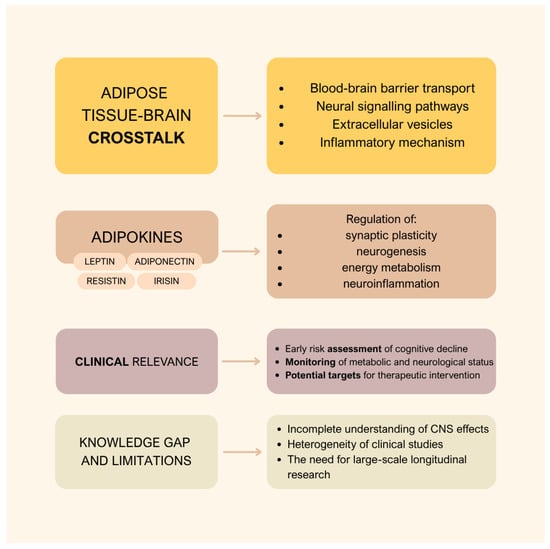
Obesity is recognized as a significant risk factor for cognitive impairment. A growing number of studies point to the role of communication between adipose tissue and the brain, in which adipokines play a key role. Adipokines are biologically active molecules secreted by adipose
[...] Read more.
Obesity is recognized as a significant risk factor for cognitive impairment. A growing number of studies point to the role of communication between adipose tissue and the brain, in which adipokines play a key role. Adipokines are biologically active molecules secreted by adipose tissue that participate in the regulation of metabolic processes and inflammation. This review presents the mechanisms of communication within the adipose tissue–brain axis, including transport across the blood–brain barrier, neuronal signaling, the involvement of extracellular vesicles, and the modulation of inflammatory processes. We describe the roles of selected adipokines, such as leptin, adiponectin, resistin, and irisin, in modulating synaptic plasticity, neurogenesis, and neuronal metabolism. We present the results of current clinical studies on factors modulating adipokine concentrations and on the potential significance of adipokines as biomarkers for early risk of cognitive impairment or Alzheimer’s disease. Despite promising research findings, we still do not fully understand all aspects of adipokine function in the central nervous system. Further research is crucial for a full understanding of their role in the pathogenesis of cognitive impairment and their potential application in clinical practice.
Full article

Figure 1
Open AccessArticle
An Examination of Putative Mediators of the Relationship Between Internalized Weight Bias and Psychological Well-Being and Body Image
by
Robert A. Carels, Emily Jansen, Lydia Mansour, Rhonda Byrd, Abigail T. Shonrock, Julia Caroline Force and Abigail Metzler
Obesities 2026, 6(3), 31; https://doi.org/10.3390/obesities6030031 - 23 May 2026
Abstract
Internalized Weight Bias (IWB) is consistently associated with poor body image, elevated depression, and diminished self-esteem. However, very little research has examined how additional psychological constructs may indirectly influence the association between IWB and these outcomes. This investigation examined whether IWB was associated
[...] Read more.
Internalized Weight Bias (IWB) is consistently associated with poor body image, elevated depression, and diminished self-esteem. However, very little research has examined how additional psychological constructs may indirectly influence the association between IWB and these outcomes. This investigation examined whether IWB was associated with body image, depression, and self-esteem among individuals with overweight and obesity indirectly through body shame, experiential avoidance, and self-compassion. The current sample included 403 participants, with slightly over half the participants (51%) identifying as a female with an average age of 48.3 (SD = 16.9, range 18 to 84), and an average BMI of 33.1 (SD = 7.5, range 25 to 68). Participants were recruited through a Qualtrics research panel that was reflective of the United States population on variables of education, geographic location, income, and biological sex. All participants were aged 18+ and had a BMI ≥ 25. To maximize racial/ethnic diversity, the current sample contained three equally represented self-identified racial/ethnic groups: Black non-Hispanic or Latino/a (N = 140), Hispanic or Latino/a (N = 133), and White non-Hispanic or Latino/a (N = 130). Results showed a significant indirect effect of IWB on psychological and body image outcomes through body shame, experiential avoidance, and self-compassion. Future longitudinal research examining the contexts in which body shame, experiential avoidance, and self-compassion may act as mediators will be important to further develop an understanding of IWB.
Full article
Open AccessSystematic Review
Cycling-Based HIIT Versus MICT for Weight and Fat Loss in Obese Adults: A Meta-Analysis
by
Calvin Sasongko, Siti Asyifa Mustafa, Lisa Lestari, Melvin Andrean and Gabriela Angela
Obesities 2026, 6(3), 30; https://doi.org/10.3390/obesities6030030 - 20 May 2026
Abstract
►▼
Show Figures
Background: Evidence comparing high-intensity interval training (HIIT) and moderate-intensity continuous training (MICT) for obesity remains inconsistent, particularly with respect to cycling-based protocols. Therefore, this meta-analysis aimed to evaluate randomized controlled trials comparing bicycle-ergometer HIIT with cycling-based MICT in adults with overweight or obesity.
[...] Read more.
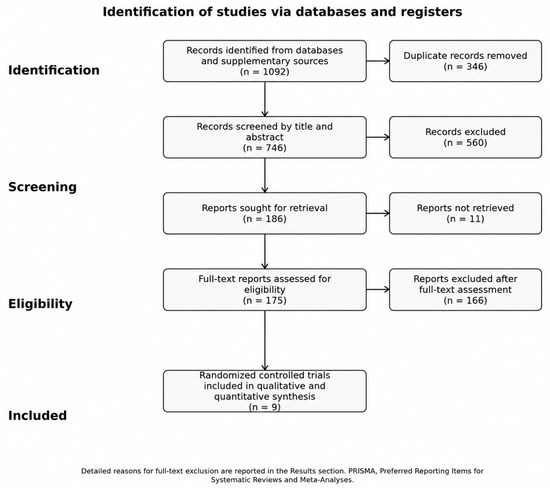
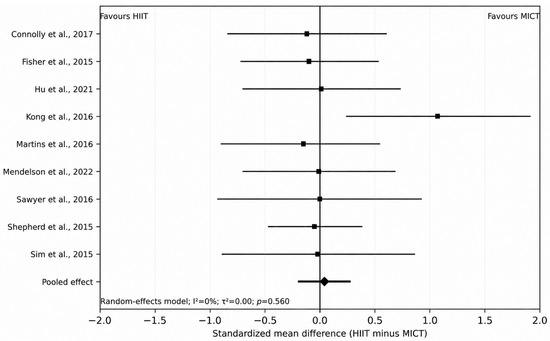
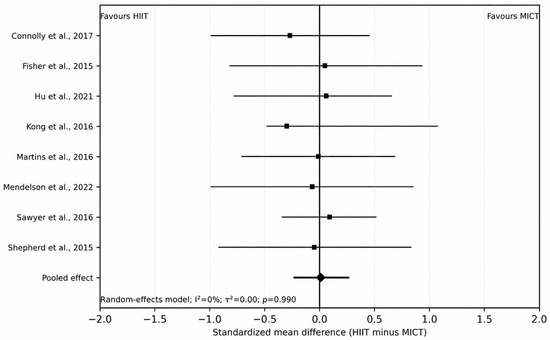
Background: Evidence comparing high-intensity interval training (HIIT) and moderate-intensity continuous training (MICT) for obesity remains inconsistent, particularly with respect to cycling-based protocols. Therefore, this meta-analysis aimed to evaluate randomized controlled trials comparing bicycle-ergometer HIIT with cycling-based MICT in adults with overweight or obesity. Methods: PubMed, Scopus, Cochrane Library, and Google Scholar were searched from January 2015 to September 2025; Google Scholar was used as a supplementary source. Eligible studies included adults aged 18–60 years and compared cycling-based HIIT with MICT interventions conducted over a minimum duration of 5 weeks. The primary outcomes were changes in body mass and fat mass. Between-group standardized mean differences (SMDs) were pooled using random-effects models. Results: Nine RCTs involving 394 enrolled participants were included, although analyzable samples varied by outcome. No significant between-group difference was observed for body mass (SMD: 0.04; 95% CI: −0.19 to 0.27; p = 0.710; I2 = 0%; τ2 = 0.00) or fat mass (SMD: 0.01; 95% CI: −0.23 to 0.26; p = 0.810; I2 = 0%; τ2 = 0.00). The pooled effects were close to zero and should be interpreted as short-term findings because interventions lasted 5–12 weeks. Conclusion: Current evidence from randomized controlled trials does not demonstrate the superiority of either cycling-based HIIT or MICT for reducing body mass or fat mass in adults with overweight or obesity. These findings do not establish equivalence and should therefore be interpreted with caution, given the small sample sizes, short follow-up, limited dietary control, and possible measurement error in body-composition outcomes.
Full article

Figure 1
Open AccessSystematic Review
Psychobiotics and CNS-Targeting Pharmacotherapies for Binge-Eating Disorder: Dual Systematic Reviews and Meta-Analyses
by
Jasjot Kaur Sandhu, Ria Kumar, Shymaa E. Bilasy, Gratiana Chen, Catherine Yang and Ahmed El-Shamy
Obesities 2026, 6(3), 29; https://doi.org/10.3390/obesities6030029 - 13 May 2026
Abstract
►▼
Show Figures
Binge-eating disorder (BED), defined as recurrent episodes of consuming large amounts of food in a short period of time while experiencing a loss of control, remains difficult to manage. Although several pharmacological options are available, they often provide limited long-term benefit and may
[...] Read more.
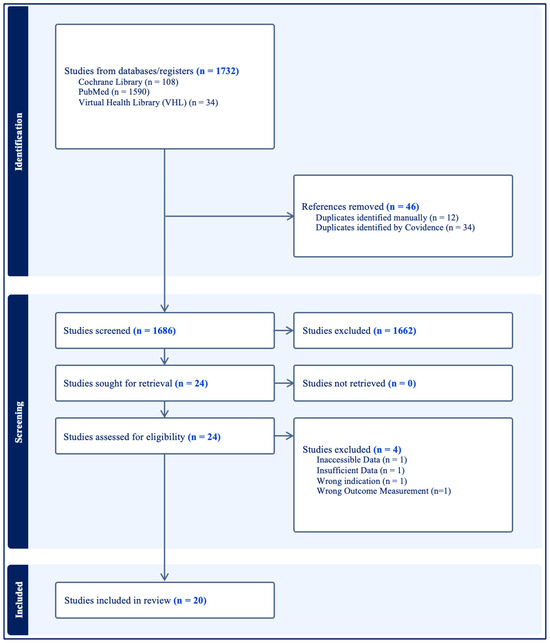
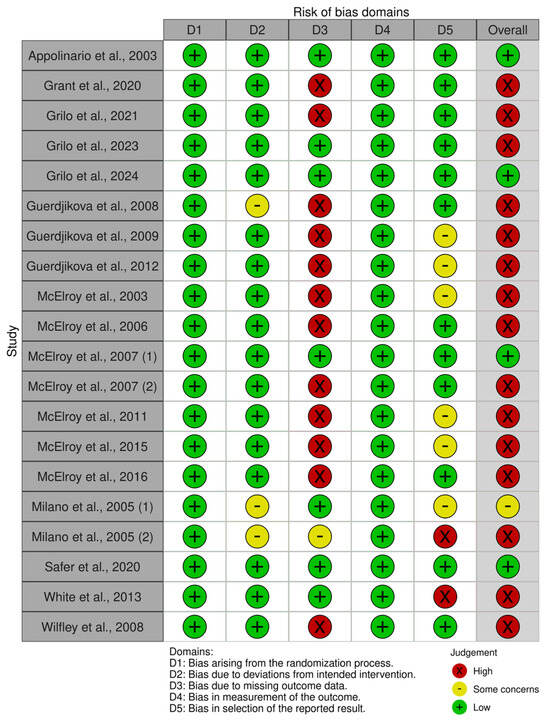
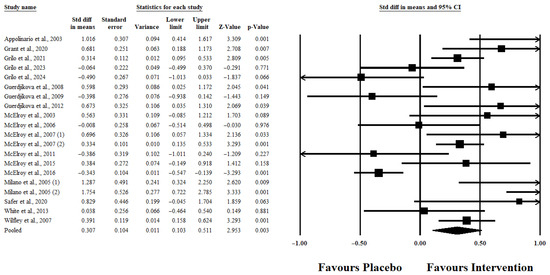
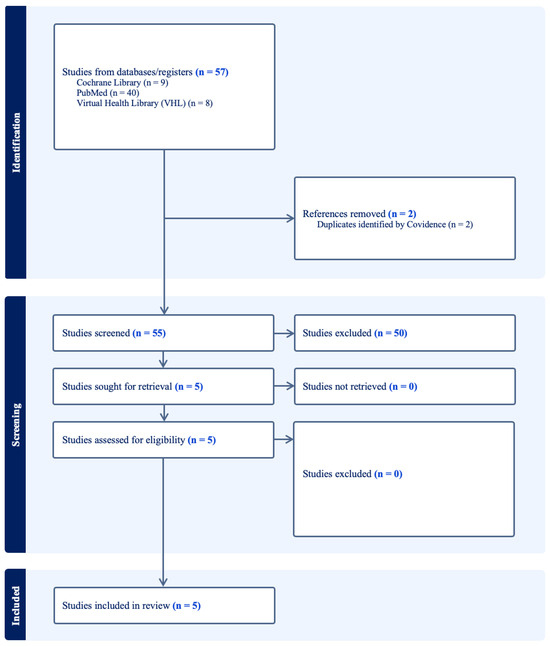
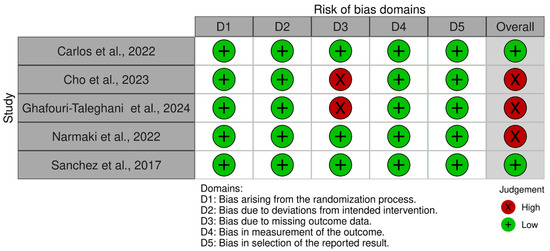
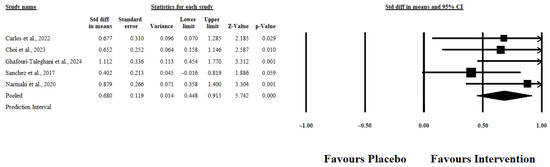
Binge-eating disorder (BED), defined as recurrent episodes of consuming large amounts of food in a short period of time while experiencing a loss of control, remains difficult to manage. Although several pharmacological options are available, they often provide limited long-term benefit and may cause adverse effects. Emerging evidence suggests that gut microbiota dysbiosis contributes to BED pathophysiology. Cytokine infiltration of the gut barrier ultimately causes neuroinflammation, highlighting the gut–brain axis as a potential therapeutic target. This systematic review and meta-analysis evaluated the effectiveness and safety of central nervous system-targeting pharmacotherapies and psychobiotics for BED. Cochrane Library, PubMed, and the Virtual Health Library were searched for randomized controlled trials published from January 2000 to January 2026. Eligible studies evaluated monotherapy with a central nervous system-acting drug or psychobiotics in clinically diagnosed BED populations. Twenty pharmacological trials (n = 2154) and five psychobiotic trials (n = 304) met the inclusion criteria. Risk of bias was assessed using the Cochrane RoB 2 tool, and pooled estimates were calculated using random-effects models. Pharmacological interventions showed a significant pooled effect versus placebo (Standard Mean Difference (SMD) = 0.307, 95% Confidence Interval (CI): 0.103–0.511, p = 0.003), although heterogeneity warrants cautious interpretation. Psychobiotics showed a moderate and significant effect (SMD = 0.680, 95% CI: 0.448–0.913; I2 (heterogeneity index) = 0%) and no reported adverse events. Overall, our study implies that psychobiotics may be a safe and potentially effective adjunctive approach for BED, but larger, well-designed trials are needed.
Full article

Figure 1
Open AccessArticle
When Training Is Not Enough: The Role of Relative Body Mass and Body Image in Predicting Eating Behaviours in Young Judo Athletes—A Companion Cross-Sectional Study
by
Paulina Baran, Katarzyna Szczepanik, Łukasz Kapica and Piotr Mamcarz
Obesities 2026, 6(3), 28; https://doi.org/10.3390/obesities6030028 - 28 Apr 2026
Abstract
►▼
Show Figures
Judo, as a weight-category combat sport, exposes young athletes to body mass pressures that may foster abnormal eating behaviours. Building on a companion study that documented the prevalence and sex-specific characteristics of abnormal eating behaviours in this cohort, this secondary analysis aimed to
[...] Read more.
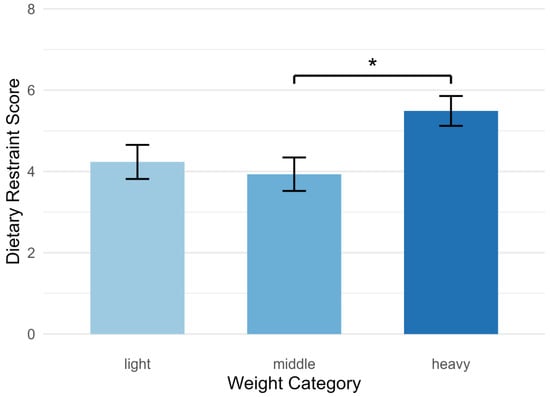
Judo, as a weight-category combat sport, exposes young athletes to body mass pressures that may foster abnormal eating behaviours. Building on a companion study that documented the prevalence and sex-specific characteristics of abnormal eating behaviours in this cohort, this secondary analysis aimed to identify training-related predictors of eating behaviours in young Polish judo athletes, examine body image satisfaction as a mediator, and assess whether patterns observed in elite adult athletes apply to younger populations. The participants were 150 athletes (70 girls, 80 boys) aged 12–17. Eating behaviours were assessed using the Three-Factor Eating Questionnaire (TFEQ-13) and the Test of Eating Situation Style (TSJ); training characteristics, pre-competition weight control, and appearance satisfaction were examined through hierarchical regression, mediation analysis, latent profile analysis, and two-way ANOVA. Training-related factors—including tenure, session frequency, competitive level, and pre-competition weight control—showed no significant associations with eating behaviours. However, in a subsample of N = 136 athletes, relative weight grouping predicted dietary restraint (p = 0.015, η2p = 0.066), with athletes in the heaviest tertile reporting higher restriction; lower appearance satisfaction was associated with greater restraint (p = 0.031, β = −0.192), independently of sport-mandated weight control; females demonstrated higher emotional eating across instruments (p < 0.001). These findings suggest that body image and weight classification may be more strongly associated with eating behaviours than training demands, highlighting the need for body image interventions and the monitoring of athletes near weight category boundaries.
Full article

Figure 1
Open AccessArticle
Towards Classifying Obesity Risk: A Cross-Validated XGBoost Model Optimized for Imbalanced Data
by
Jamal Haggouni, Salma Azzouzi and Moulay El Hassan Charaf
Obesities 2026, 6(3), 27; https://doi.org/10.3390/obesities6030027 - 28 Apr 2026
Abstract
Obesity is ranked as one of the biggest health challenges facing humanity today. Globally, the number of obese people has almost tripled since 1975, and this lifestyle disease currently affects hundreds of millions of adults who suffer from major health problems due to
[...] Read more.
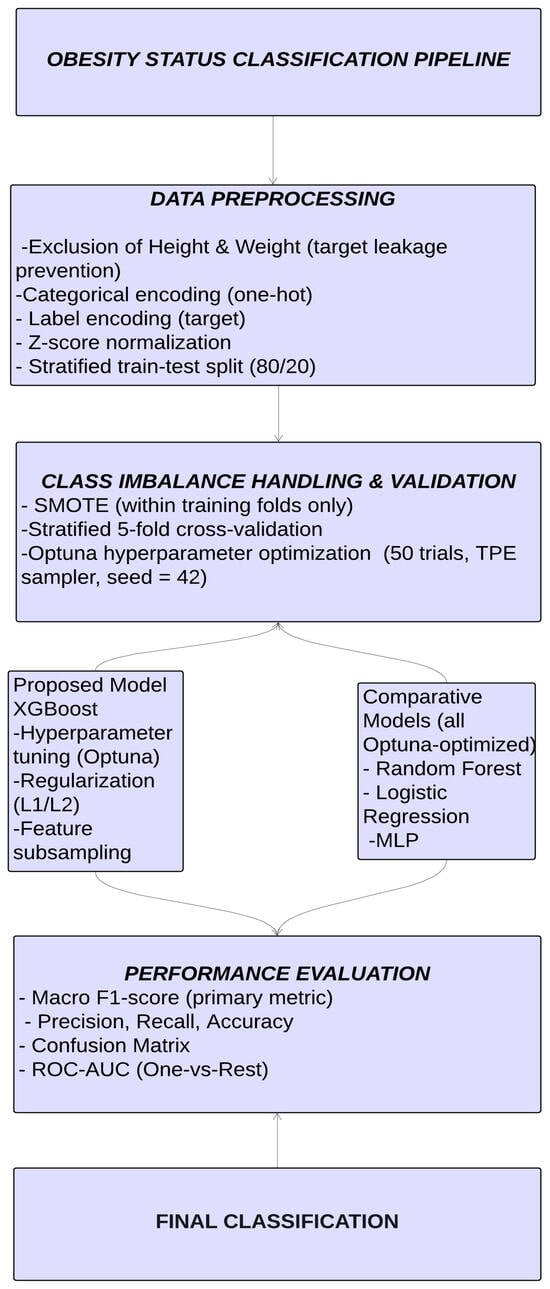
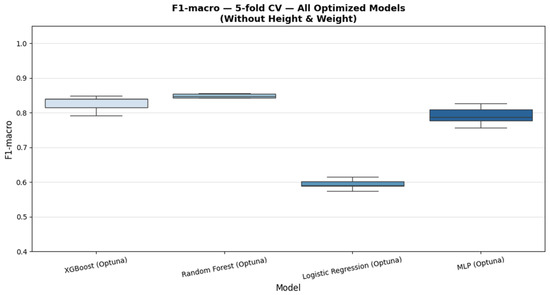
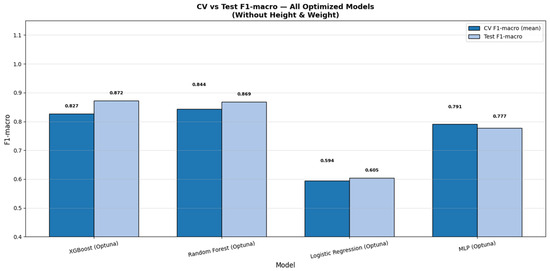
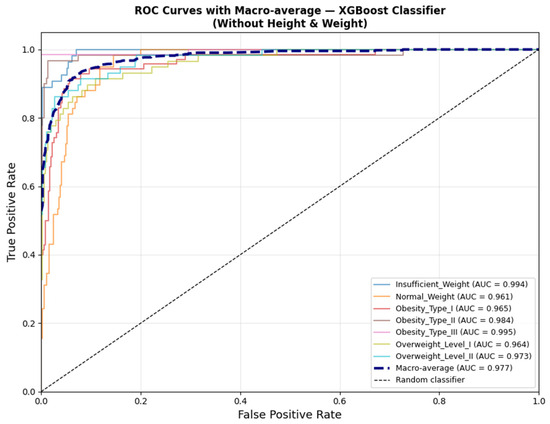
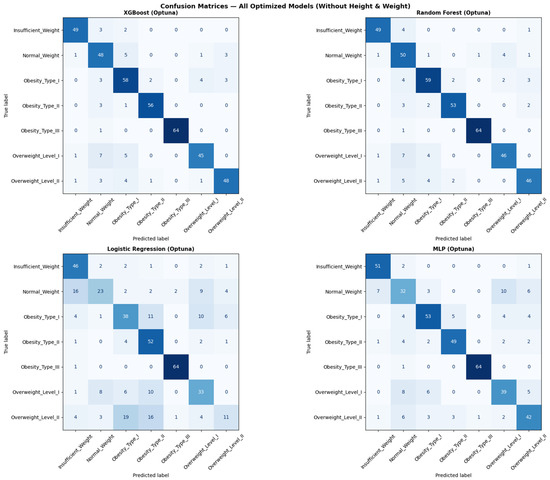
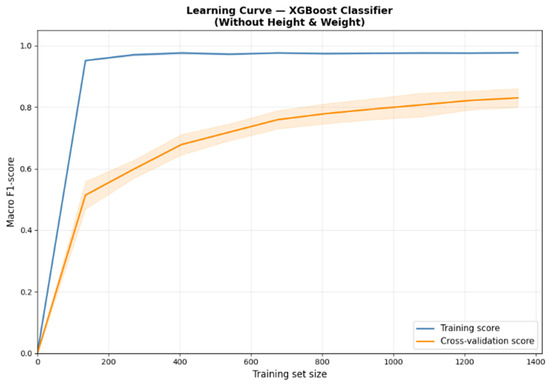
Obesity is ranked as one of the biggest health challenges facing humanity today. Globally, the number of obese people has almost tripled since 1975, and this lifestyle disease currently affects hundreds of millions of adults who suffer from major health problems due to it, such as heart disease, type 2 diabetes and some cancers, that weigh heavily on the global health systems, In order to keep high standards for methods, anthropometric variables, i.e., Height and Weight have been intentionally excluded from the features, because labels for obesity classes are based on these measurements; thus, including them would introduce target leakage. All models were individually tuned with Optuna (50 trials, TPE sampler), and the class imbalance was managed by the synthetic minority over-sampling technique (SMOTE), which was done only in training folds. The models were evaluated by stratified five-fold cross-validation, with the macro-averaged F1-score being used as the main metric for evaluation. The best model was the fine-tuned XGBoost, which gave a test macro F1-score value of 0.872 and a macro-AUC of 0.977. The model was higher performing than others such as Random Forest (F1 = 0.869), MLP (F1 = 0.777), and Logistic Regression (F1 = 0.605). This means that behavioral and lifestyle variables may have a very strong and sufficient signal to identify obesity status, even when there are no direct anthropometric measurements available. However, it is worth noting that results here represent only performance on a single public benchmark dataset, so they cannot be taken as proof that the model would do well in real-world clinical settings. With the advent of ML methods for obesity prediction, rigorous, leakage-free evaluation becomes indispensable. Apart from external validation of the clinical models on independent datasets, the use of interpretability tools such as SHapley Additive exPlanations (SHAP) and Local Interpretable Model-Agnostic Explanations (LIME) for understanding decision-making, as well as sex and gender subgroup analyses for evaluating fairness and equity, should also be pursued in the future. This study highlights the importance of rigorous, leakage-free evaluation in machine learning-based obesity research. Future work should focus on external validation using independent clinical cohorts, the integration of interpretability techniques such as SHapley Additive exPlanations (SHAP) and Local Interpretable Model-Agnostic Explanations (LIME), and subgroup analyses by sex and gender to assess model fairness and clinical equity.
Full article
(This article belongs to the Special Issue Obesity and Its Comorbidities: Prevention and Therapy 2026)
►▼
Show Figures

Figure 1
Open AccessArticle
Exploring Psychological, Economic, and Cultural Factors Affecting Obesity by Sex: A Qualitative Analysis of Low-Income Participants in Southern Puerto Rico
by
Andrés A. López-Cancel, Jennifer Navas-Rosado, David A. Vélez-Maldonado, Jeannie Aguirre-Hernández, Dorimar Rodríguez-Torruella, Jorge L. Motta-Pagán, Juan Derieux-Cruz, Fernando J. Rosario-Maldonado, Will Torres-Ruiz, Delyris Rodríguez-Rodríguez, Alannys García-Muriel, Elizabeth Rivera-Mateo, Luisa Morales-Torres, Axel Ramos-Lucca, Eida Castro-Figueroa, Melissa Marzán-Rodríguez and Julio Jiménez-Chávez
Obesities 2026, 6(3), 26; https://doi.org/10.3390/obesities6030026 - 24 Apr 2026
Abstract
Background: Overweight and obesity remain major public health challenges in Puerto Rico, affecting over 70% of adults and contributing to cardiovascular, metabolic, and mental health disorders. This study explores the psychosocial and behavioral factors influencing obesity within low-income Puerto Rican communities, emphasizing both
[...] Read more.
Background: Overweight and obesity remain major public health challenges in Puerto Rico, affecting over 70% of adults and contributing to cardiovascular, metabolic, and mental health disorders. This study explores the psychosocial and behavioral factors influencing obesity within low-income Puerto Rican communities, emphasizing both biological sex differences and socially defined sex-role influences, along with their respective mental health dimensions. Method: Using a qualitative approach, Community-Based Participatory Research (CBPR), ten focus groups were conducted with 71 participants (37 women and 34 men) from two municipalities in southern Puerto Rico. Discussions were analyzed thematically with the Socioecological and Health Belief Models to identify key determinants. Results: The data collected revealed that women expressed greater emotional vulnerability, frequently citing anxiety, depression, body image concerns, and stress-related eating as contributors to obesity. Men, meanwhile, reported frustration with diet adherence, economic limitations, and healthcare inaccessibility. Across participants, economic hardship, cultural norms, and limited health education emerged as major obstacles. Conclusions: Findings underscore the need for holistic, sex-informed and socially responsive interventions that integrate mental health support with nutritional and physical health strategies. Addressing self-esteem, emotional regulation, and stress management alongside behavioral modification can promote sustainable, culturally tailored obesity prevention in Puerto Rico.
Full article
Open AccessArticle
Effects of Peru’s National School Feeding Program (Qali Warma) on Overweight and Obesity Among Children Aged 36–59 Months
by
Pedro Francke, Gustavo Acosta and Diego Quispe
Obesities 2026, 6(3), 25; https://doi.org/10.3390/obesities6030025 - 22 Apr 2026
Abstract
►▼
Show Figures
Background: School feeding programs aim to improve child nutrition, and they may influence weight outcomes insofar as program modalities and household responses alter children’s total energy intake. This is especially relevant in countries facing the double burden of malnutrition, where undernutrition and micronutrient
[...] Read more.
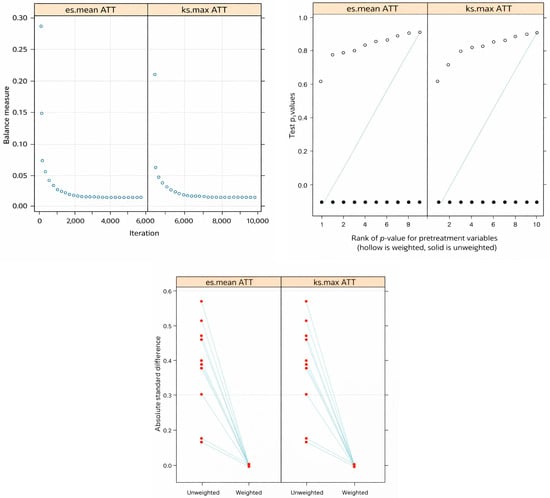
Background: School feeding programs aim to improve child nutrition, and they may influence weight outcomes insofar as program modalities and household responses alter children’s total energy intake. This is especially relevant in countries facing the double burden of malnutrition, where undernutrition and micronutrient deficiencies coexist with rising overweight and obesity. This study estimates the effect of Peru’s former National School Feeding Program on obesity and excess weight among children aged 36 to 59 months under a selection-on-observables identification strategy and assesses whether impacts differ across operational modalities, particularly breakfast-only versus breakfast plus lunch and ready-to-eat rations versus foods delivered for preparation. Methods: We use repeated cross-sectional microdata from the Demographic and Health Survey (ENDES) pooled over 2014 to 2018 and link them to administrative information. The sample includes 18,959 children aged 36 to 59 months. To improve comparability, we estimate propensity score weights targeting the average treatment effect on the treated (ATT) using a machine learning generalized boosted model (GBM), and assess covariate balance using standardized mean differences and Kolmogorov–Smirnov statistics. Identification assumes conditional independence given observed covariates and overlap (common support). Main estimates rely on weighted probit models with fixed effects, progressively adding exposure duration, modality indicators, and controls. Distributional effects are examined using quantile regression on the continuous weight-for-height z-score. Results: Without differentiating modalities, beneficiary status is not associated with a statistically significant change in obesity, while pooled baseline estimates indicate a statistically significant higher probability of excess weight. Modality-specific results show that obesity declines only when Qali Warma is delivered as breakfast plus lunch through products to be prepared (approximately −1.0 percentage point in parsimonious models and −0.4 percentage points after controls). Evidence for excess weight is directionally consistent by modality but less conclusive once controls are included. Conclusions: Qali Warma’s effects on early-childhood weight outcomes depend on implementation modality. Evaluations of school feeding programs should incorporate operational heterogeneity, particularly during program redesign.
Full article

Figure 1
Open AccessArticle
Dietary Habits Contributing to Weight Gain Among a Random Sample of Undergraduate College Males
by
Cedric Harville II, Delores C. S. James and Sobit Regmi
Obesities 2026, 6(2), 24; https://doi.org/10.3390/obesities6020024 - 17 Apr 2026
Abstract
Background: Male college students are at risk for weight gain due to unhealthy dietary habits. This study assessed the dietary habits of undergraduate college males. Methods: Online cross-sectional survey (n = 235) of randomly sampled male undergraduate college students. Results: The mean
[...] Read more.
Background: Male college students are at risk for weight gain due to unhealthy dietary habits. This study assessed the dietary habits of undergraduate college males. Methods: Online cross-sectional survey (n = 235) of randomly sampled male undergraduate college students. Results: The mean age was 21.15 ± 3.21. Most were enrolled full-time (91.5%), lived off-campus (77.4%), upper class (59.6%), had a campus meal plan (52.8%), and white (51.9%). Mean body mass index (BMI) was 25.02 ± 4.86. Males gained an average of 10.81 ± 13.01 lbs while in college. Most ate one to two servings of fruits (67.1%) and vegetables (65.1%). Significant differences in weight gained during college and fruit consumed was significant [p = 0.02 *]. Male students reported on 20 different foods and drinks they consumed at least “a few times per week.” Most ate fresh fruits (76.1%), prepared a hot meal at home (72.7%), ate fresh vegetables (68.1%). Males also ate at fast-food restaurants (47.7%) and drank coffee (44.4%). Males that reported they drank alcohol (p = 0.03*), diet soda (p = 0.03 *), coffee (p = 0.01 *), and ate at fast-food restaurants (p = 0.02 *) “a few times per week” were found to have significantly gained more weight. Conclusions: Increased intake and consumption of alcohol, diet soda, and fast-food was associated with increased weight gain among college males.
Full article
(This article belongs to the Topic Dietary and Lifestyle Determinants of Non‑Communicable Diseases: Salt, Sugar, Alcohol and Physical Activity)
Open AccessReview
Active Breaks in School Settings and Their Impact on Children and Adolescents’ Lifestyle and Obesity-Related Behaviors: A Narrative Review
by
Domenico Martone, Enzo Iuliano and Johnny Padulo
Obesities 2026, 6(2), 23; https://doi.org/10.3390/obesities6020023 - 15 Apr 2026
Abstract
Low levels of physical activity and prolonged sedentary behavior among young people are important contributors to the growing prevalence of overweight and obesity worldwide. Because children and adolescents spend a large proportion of their waking hours in school environments that often involve extended
[...] Read more.
Low levels of physical activity and prolonged sedentary behavior among young people are important contributors to the growing prevalence of overweight and obesity worldwide. Because children and adolescents spend a large proportion of their waking hours in school environments that often involve extended periods of sitting, schools represent a strategic setting for interventions aimed at promoting healthier movement behaviors and lifestyle habits. Classroom-based active breaks, defined as short bouts of physical activity integrated into regular lessons, have been proposed as a practical and scalable strategy to interrupt sedentary time without substantially disrupting academic instruction. This narrative review examines how active breaks have been implemented in school settings and synthesizes current evidence regarding their effects on physical activity, sedentary behavior, lifestyle-related outcomes, and obesity-related indicators among children and adolescents. Relevant literature published since 2006 was identified through searches of PubMed, Scopus, and Web of Science. The available evidence suggests that active breaks can increase in-school physical activity and reduce prolonged sedentary exposure, while also contributing to improvements in classroom behavior, cognitive engagement, and several lifestyle-related and psychosocial outcomes. However, direct effects on adiposity indicators appear modest and are often difficult to isolate because active breaks are frequently implemented within broader school-based health interventions. Overall, active breaks represent a feasible and low-cost strategy that may support healthier lifestyle behaviors and contribute to obesity prevention when regularly integrated into school routines.
Full article
Open AccessArticle
Cinnamon Supplementation Improves Uric Acid Levels in Adolescents with Obesity: Secondary Metabolic Outcomes from a Randomized Controlled Trial
by
Nancy Lucero Martinez-Rodriguez, Jessie Nallely Zurita-Cruz, Israel Parra-Ortega, Jenny Vilchis-Gil, Miguel Angel Villasis-Keever and Juan Manuel Dominguez-Salgado
Obesities 2026, 6(2), 22; https://doi.org/10.3390/obesities6020022 - 13 Apr 2026
Abstract
Background: Serum uric acid (SUA) has emerged as a relevant cardiometabolic and hepatic risk marker in adolescents with obesity. Cinnamon has shown metabolic benefits in adults; however, its effects on SUA and hepatic markers in pediatric populations remain unclear. This study aimed to
[...] Read more.
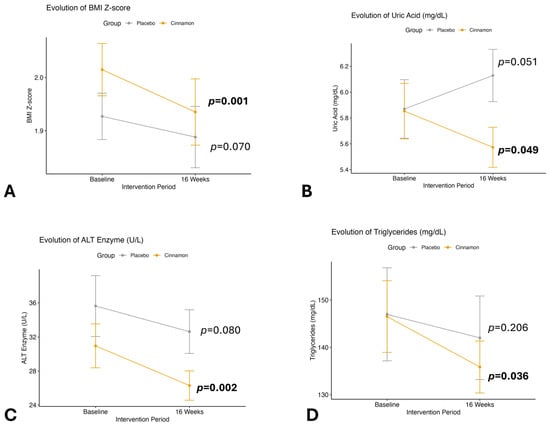
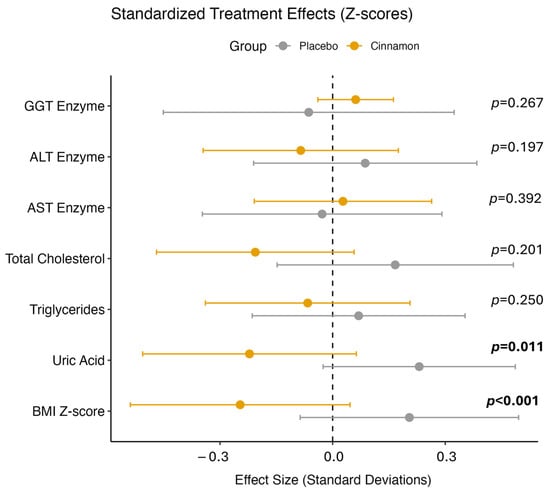
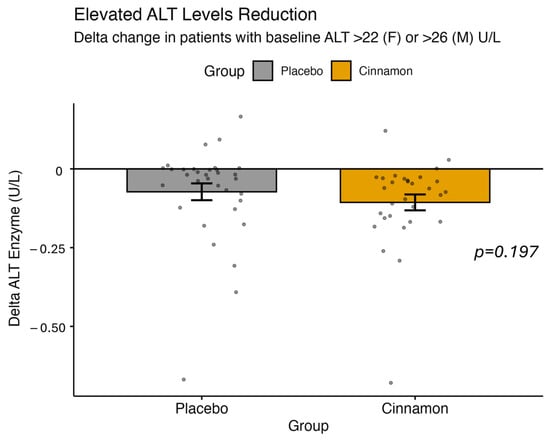
Background: Serum uric acid (SUA) has emerged as a relevant cardiometabolic and hepatic risk marker in adolescents with obesity. Cinnamon has shown metabolic benefits in adults; however, its effects on SUA and hepatic markers in pediatric populations remain unclear. This study aimed to evaluate the efficacy of cinnamon supplementation on serum uric acid, hepatic enzymes, and lipid profiles in adolescents with obesity. Methods: This is a secondary analysis of a randomized, double-blind, placebo-controlled clinical trial including 93 adolescents (10–18 years) with obesity (BMI ≥ 95th percentile). Participants received either 3 g/day of Cinnamomum verum or a placebo for 16 weeks, alongside lifestyle intervention. Changes in BMI z-score, SUA, alanine aminotransferase (ALT), aspartate aminotransferase (AST), gamma-glutamyl transferase (GGT), and triglycerides were analyzed. Results: The cinnamon group showed a greater reduction in BMI z-score compared to placebo (Δ −0.08 vs. −0.02; p < 0.001). Serum uric acid decreased significantly in the cinnamon group (median change: −0.5 mg/dL [IQR: −1.0 to −0.2]) compared to placebo (−0.1 mg/dL [IQR: −0.4 to 0.2]; p < 0.01). Triglycerides also decreased in the cinnamon group (−18 mg/dL [IQR: −35 to −5]) versus placebo (−5 mg/dL [IQR: −20 to 10]; p < 0.05). Hepatic enzymes (ALT, AST, and GGT) decreased significantly within both groups, without significant differences between groups. In a subgroup of participants with elevated baseline ALT (n = 67), ALT decreased in both groups (placebo: 32.0 to 30.0 U/L, p = 0.004; cinnamon: 33.0 to 26.0 U/L, p = 0.001), with a greater but non-significant reduction in the cinnamon group (Δ −6.0 vs. −2.0 U/L; p = 0.197). Conclusions: Cinnamon supplementation significantly reduced serum uric acid and improved metabolic parameters in adolescents with obesity. These findings suggest that cinnamon may act as an adjunct strategy targeting early cardiometabolic risk markers, particularly uric acid.
Full article
(This article belongs to the Special Issue Obesity and Its Comorbidities: Prevention and Therapy 2026)
►▼
Show Figures

Figure 1
Open AccessArticle
Joint Associations of Sleep Quality, Mediterranean Diet, and Physical Activity with Central and Visceral Adiposity in 88,343 Spanish Workers
by
Laura López Velasco, Pedro Juan Tárraga López, Ángel Arturo López-González, Carla Busquets-Cortés, María Teófila Vicente Herrero, Joan Obrador de Hevia and José Ignacio Ramírez-Manent
Obesities 2026, 6(2), 21; https://doi.org/10.3390/obesities6020021 - 5 Apr 2026
Cited by 1
Abstract
►▼
Show Figures
Background: Obesity remains a major public health challenge, with central and visceral fat distribution conferring particularly high cardiometabolic risk. Lifestyle factors, including diet, physical activity, and sleep quality, have been implicated in adiposity, yet their combined and interactive effects in working populations remain
[...] Read more.
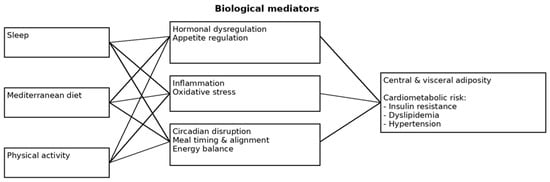
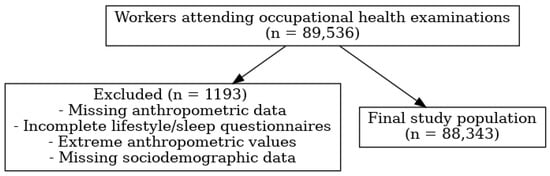
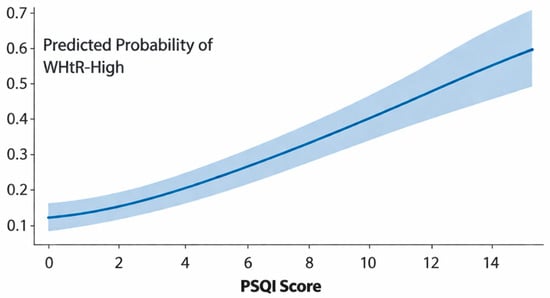
Background: Obesity remains a major public health challenge, with central and visceral fat distribution conferring particularly high cardiometabolic risk. Lifestyle factors, including diet, physical activity, and sleep quality, have been implicated in adiposity, yet their combined and interactive effects in working populations remain insufficiently characterized. Methods: We conducted a cross-sectional study in 88,343 Spanish employees (53,122 men, 35,221 women) attending occupational health examinations between 2021 and 2024. Obesity was assessed using four complementary indices: body mass index (BMI), waist-to-height ratio (WHtR), Clínica Universidad de Navarra–Body Adiposity Estimator (CUN-BAE), and Metabolic Score for Visceral Fat (METS-VF). Lifestyle factors included sleep quality (Pittsburgh Sleep Quality Index), Mediterranean diet adherence (MEDAS), and physical activity (IPAQ). Multivariable logistic regression models were adjusted for sociodemographic and lifestyle variables, with interaction, stratified, joint exposure, and dose–response analyses. Results: Obesity prevalence varied widely by index, ranging from 18.9% (BMI) to 55.6% (CUN-BAE). Poor sleep quality was independently associated with higher odds of obesity across all indices, particularly central obesity (WHtR OR 1.58, 95% CI 1.48–1.69), with stronger associations observed in women. Physical inactivity and non-adherence to the Mediterranean diet were robust predictors, with inactivity showing the largest effect sizes (METS-VF OR 9.92, 95% CI 8.70–11.15). Interaction analyses indicated that both Mediterranean diet adherence and regular physical activity attenuated the adverse association between poor sleep and obesity outcomes. Restricted cubic spline models revealed a progressive dose–response relationship between increasing PSQI score and central obesity. Joint exposure analyses showed nearly five-fold higher odds of central obesity among workers with concurrent poor sleep, physical inactivity, and low Mediterranean diet adherence. A graded inverse association was observed between a composite healthy lifestyle score (0–3) and obesity, with a score of 3 associated with 72–75% lower odds of BMI-obesity and WHtR-high. Conclusions: In this large occupational cohort, poor sleep quality, physical inactivity, and low Mediterranean diet adherence emerged as independent and combined determinants of general, central, and visceral obesity. Integrated workplace strategies promoting sleep hygiene, physical activity, and dietary quality—particularly among women and lower socioeconomic groups—may represent an effective approach to reducing obesity risk in working populations.
Full article

Figure 1
Open AccessArticle
Current Body Mass Index Is Associated with Reported Weight Gain as a Reason for Discontinuing Oral Contraceptive Pill Use
by
Adnin Zaman, Myla Strawderman, Susan W. Groth, Barbara Lohse, Wendy Vitek, Roland J. Thorpe, Jr. and Elizabeth Heitman
Obesities 2026, 6(2), 20; https://doi.org/10.3390/obesities6020020 - 29 Mar 2026
Abstract
►▼
Show Figures
Concerns about weight gain are commonly cited with combined oral contraceptive pill (COCP) use, yet it remains unclear whether perceived weight gain as a reason for discontinuation differs by body mass index (BMI). We analyzed data from the 2017–2019 National Survey of Family
[...] Read more.
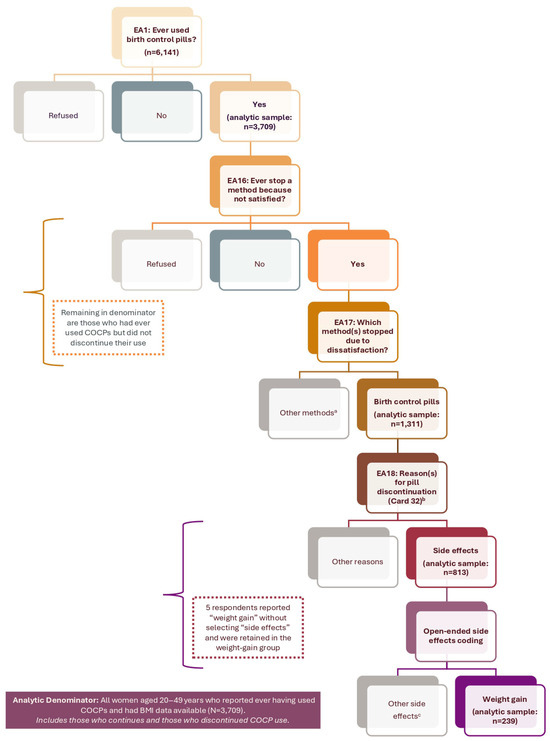
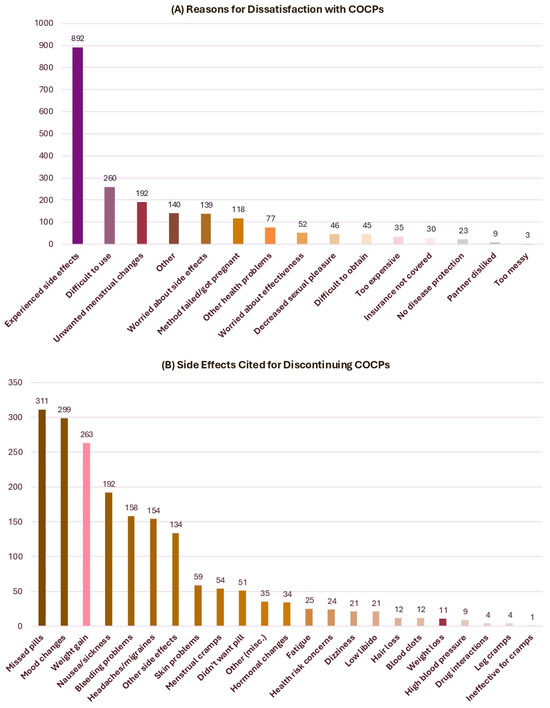
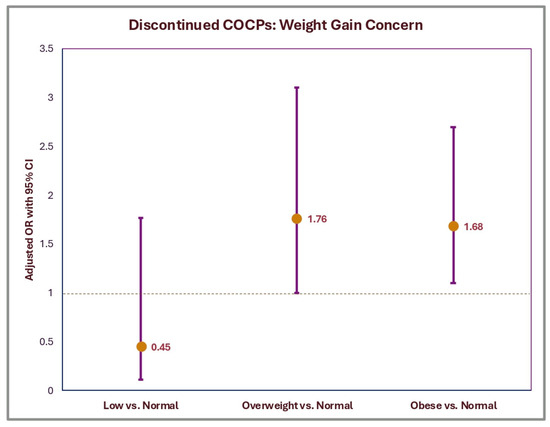
Concerns about weight gain are commonly cited with combined oral contraceptive pill (COCP) use, yet it remains unclear whether perceived weight gain as a reason for discontinuation differs by body mass index (BMI). We analyzed data from the 2017–2019 National Survey of Family Growth (NSFG), including 3709 non-pregnant women aged 20–49 years who had ever used COCPs and had BMI calculated from self-reported height and weight. Trained NSFG staff interviewed participants on reasons for discontinuation and coded them into predefined categories, including weight gain. Discontinuation was examined by BMI category (underweight, normal weight, overweight, obesity) using survey-weighted logistic regression adjusted for demographic and socioeconomic covariates. Overall, 35.2% (95% CI 32.3–38.1%) of women reported discontinuing COCPs due to dissatisfaction, with 20.2% (95% CI 18.1–22.3%) citing side effects. Weight gain was reported by 7.0% (95% CI 5.6–8.4%) of ever-users, with higher prevalence among women with overweight (8.4%) and obesity (7.7%) compared with normal-weight women (5.5%). In adjusted analyses, women with overweight (aOR 1.76, p = 0.048) and obesity (aOR 1.68, p = 0.033) had higher odds of COCP discontinuation due to self-reported weight gain. These findings highlight the importance of addressing weight-related concerns during contraceptive counseling, particularly for women with higher BMI.
Full article

Figure 1
Open AccessReview
Applying AI Tools for Monitoring Nutrition and Physical Activity in Populations with Obesity: Are We Ready?
by
Alessandra Amato, Sara Baldassano and Giuseppe Musumeci
Obesities 2026, 6(2), 19; https://doi.org/10.3390/obesities6020019 - 27 Mar 2026
Abstract
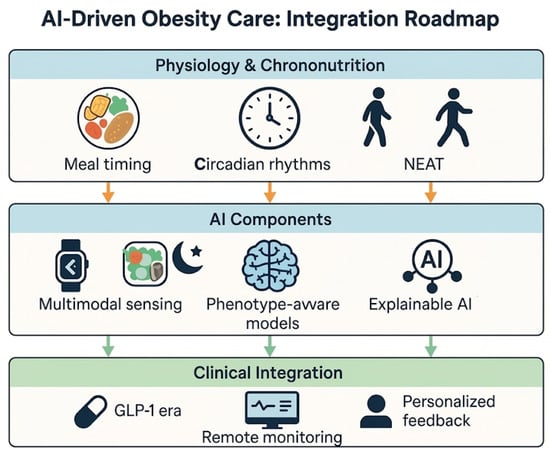
This review examines the current state of development and application of artificial intelligence (AI) tools for monitoring nutrition and physical activity in individuals with obesity, with a focus on the physiological complexity of energy balance and the role of chrono-nutrition. Energy intake and
[...] Read more.
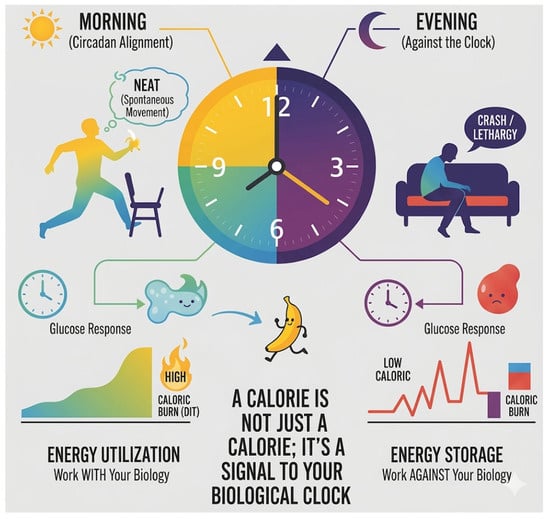
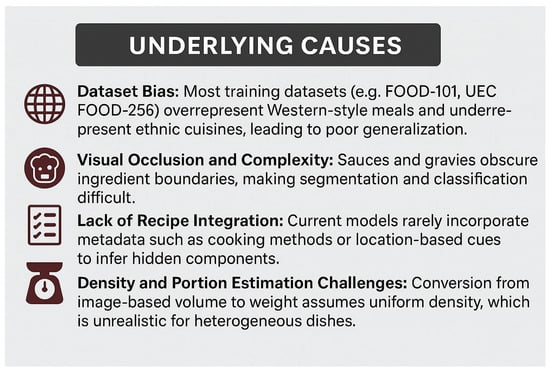
This review examines the current state of development and application of artificial intelligence (AI) tools for monitoring nutrition and physical activity in individuals with obesity, with a focus on the physiological complexity of energy balance and the role of chrono-nutrition. Energy intake and expenditure are dynamically coupled and circadian-regulated: meal timing and movement patterns influence insulin sensitivity, thermogenesis, and Non-Exercise Activity Thermogenesis within the same day. Traditional monitoring methods suffer from recall bias and low granularity, while isolated sensors operate in data silos, limiting accuracy. Effective solutions require multimodal, continuous, and temporally aligned data streams. Current AI models exhibit critical limitations in obesity-specific contexts: inaccurate gait and energy expenditure estimates due to biomechanical differences, dietary models underestimating glycemic variability, poor performance on mixed dishes, sauces, and culturally diverse foods, and a lack of validation against gold standards such as doubly labelled water (DLW) and weighed food records. This review proposes a paradigm shift toward obesity-specific AI design, including enriched datasets and multimodal integration. Physical activity monitoring faces similar challenges: systematic measurement bias in wearables, sensor placement issues, and algorithms trained on normal-weight cohorts. In the GLP-1/GIP era, if transparency, ethical safeguards, and equitable access are ensured, AI will act as a catalyst for personalized care, remote monitoring, trial optimization, and next-generation drug discovery. In conclusion, the integration of AI with rigorous validation procedures and inclusive sampling strategies is essential to achieve reliable, fair, and clinically relevant monitoring approaches for obesity management.
Full article
(This article belongs to the Special Issue Novel Technology-Based Exercise for Childhood Obesity Prevention)
►▼
Show Figures

Figure 1
Open AccessArticle
Expert Consensus on the Appropriateness of Saccharomyces cerevisiae Hydrolysate in Obesity Management Using the RAND/UCLA Appropriateness Method
by
Jorge Yamamoto, Coralys Abreu-Rosario, Ramón Arellano, Cesar Ochoa-Martínez, Ariana Morales, José Héctor Sánchez-Mijangos, Jorge Vázquez-García, Rafael Violante-Ortiz, Paola Zarza, Berenice Cerón-Trujillo, Edgar Ramírez-Ramírez, Juan Carlos Castillo-Salinas and Alberto Agustín Palacios-García
Obesities 2026, 6(2), 18; https://doi.org/10.3390/obesities6020018 - 26 Mar 2026
Abstract
►▼
Show Figures
Nutraceuticals are bioactive compounds with potential roles in disease prevention and treatment. Their accessibility and affordability have driven growing interest in obesity care. Among them, bioactive hydrolysates derived from Saccharomyces cerevisiae show promise, yet clinical guidelines seldom address their use. We aimed to
[...] Read more.
Nutraceuticals are bioactive compounds with potential roles in disease prevention and treatment. Their accessibility and affordability have driven growing interest in obesity care. Among them, bioactive hydrolysates derived from Saccharomyces cerevisiae show promise, yet clinical guidelines seldom address their use. We aimed to develop a guidance statement on their appropriateness using the RAND/UCLA consensus method. A multidisciplinary panel of ten experts rated the appropriateness of a bioactive hydrolysate derived from Saccharomyces cerevisiae across clinical scenarios relevant to obesity care, informed by a targeted evidence review and conducted using the two-round RAND/UCLA consensus method, with ratings on a 1–9 scale. The panel deemed the use of the bioactive hydrolysate derived from Saccharomyces cerevisiae, in combination with lifestyle modifications, as an appropriate intervention for managing obesity-related outcomes. This included its use in patients with specific comorbidities, as an adjunct to standard pharmacotherapy, and in a set of selected clinical scenarios. Based on evidence and expert consensus, a bioactive hydrolysate derived from Saccharomyces cerevisiae is appropriate across a range of clinical scenarios within comprehensive obesity care. Further studies should evaluate long-term effectiveness, broader populations and combination regimens.
Full article

Figure 1
Highly Accessed Articles
Latest Books
E-Mail Alert
News
15 May 2026
Nutrients 2026—Clinical Nutrition: From Research to Practice—Submissions Approaching & Plenary Speaker Announcement, 22–24 October 2026, Barcelona, Spain
Topics
Topic in
Behavioral Sciences, Children, Healthcare, IJERPH, JFMK, Obesities
The Effect of Physical Activity on the Population's Health
Topic Editors: Stefania Paduano, Federica ValerianiDeadline: 31 August 2026
Topic in
Geriatrics, IJMS, Life, Sports, Neurology International, Obesities
Exercise and Human Aging: Physiological and Psychological Functions
Topic Editors: Samuel Da Silva Aguiar, Ismael Perez-SuarezDeadline: 20 September 2026
Topic in
Nutrients, Metabolites, Healthcare, Children, Obesities, Life
Non-Communicable Diseases Silent Killer: Metabolic and Obesity Risks of Sedentary Behaviors
Topic Editors: Kotsedi Daniel Monyeki, Machoene Derrick SekgalaDeadline: 30 September 2026
Topic in
Dietetics, Nutrients, Obesities, Diseases, IJMS, Metabolites
Dietary Habits in Liver Health and Disease: Preclinical and Clinical Studies
Topic Editors: Evelyn Nunes Goulart Da Silva Pereira, Rosane Harter Griep, Anissa DaliryDeadline: 31 December 2026
Conferences
Special Issues
Special Issue in
Obesities
The Impact of Food Compounds on Obesity Mechanisms
Guest Editor: Nobuyuki TakahashiDeadline: 30 June 2026
Special Issue in
Obesities
Obesity and Its Comorbidities: Prevention and Therapy 2026
Guest Editor: Carmine FinelliDeadline: 30 June 2026
Special Issue in
Obesities
How to Prevent Obesity and Inflammatory Disease 2025-2026
Guest Editor: Sara BaldassanoDeadline: 31 August 2026
Special Issue in
Obesities
Exercise and Obesity Beyond Caloric Expenditure: Insights from Clinical and Tactical Populations
Guest Editors: Diego Ribeiro De Souza, Sandro Massao Hirabara, Gabriel Nasri Marzuca Nassr, Diogo Antonio Alves De Vasconcelos, Tiago Fernandes, Filip KukićDeadline: 15 September 2026