
Due to scheduled maintenance work on our servers, there may be short service disruptions on this website between 11:00 and 12:00 CEST on March 28th.
Journal Description
Micro
Micro
is an international, peer-reviewed, open access journal on microscale and nanoscale research and applications in physics, chemistry, materials, biology, medicine, food, environment technology, engineering, etc., published quarterly online by MDPI.
- Open Access— free for readers, with article processing charges (APC) paid by authors or their institutions.
- High Visibility: indexed within Scopus, ESCI (Web of Science) and other databases.
- Journal Rank: CiteScore - Q2 (Engineering (miscellaneous))
- Rapid Publication: manuscripts are peer-reviewed and a first decision is provided to authors approximately 23.2 days after submission; acceptance to publication is undertaken in 2.7 days (median values for papers published in this journal in the second half of 2025).
- Recognition of Reviewers: APC discount vouchers, optional signed peer review, and reviewer names published annually in the journal.
- Micro is a companion journal of Micromachines.
Impact Factor:
1.9 (2024);
5-Year Impact Factor:
2.0 (2024)
Latest Articles
Highly Sensitive CO Sensor Based on ZnO/SnO2 and ZnO/Au Nanorods
Micro 2026, 6(2), 23; https://doi.org/10.3390/micro6020023 - 26 Mar 2026
Abstract
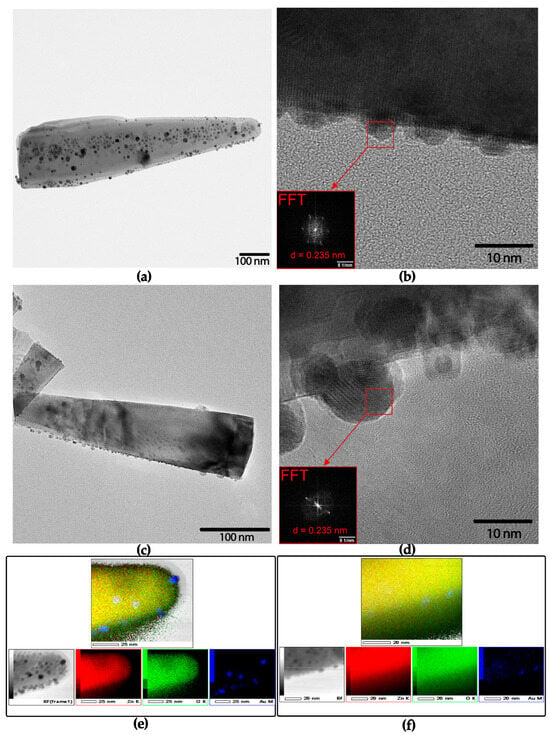
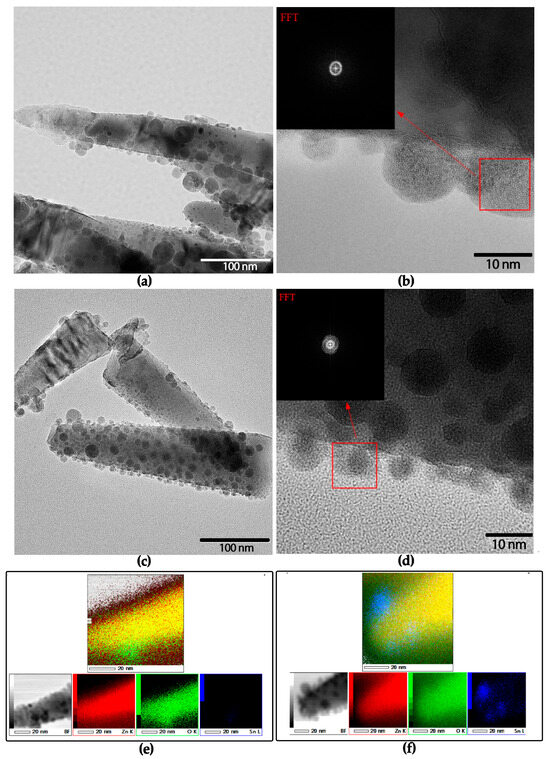
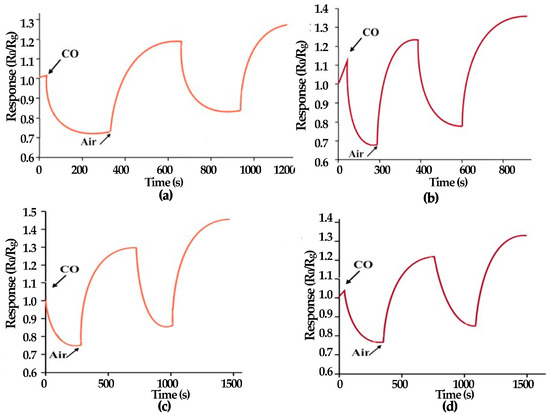
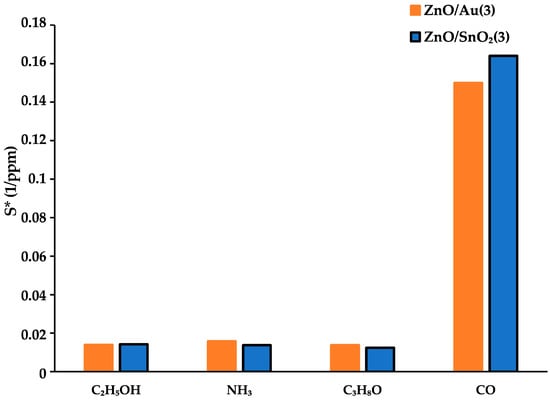
This study investigates the properties of ZnO nanorod-based sensors and ZnO nanorods modified with tin dioxide (ZnO/SnO2) and gold (ZnO/Au) nanoclusters and their response to low concentrations of carbon monoxide (CO). It was demonstrated that the ZnO/SnO2(3) nanorod-based sensor
[...] Read more.
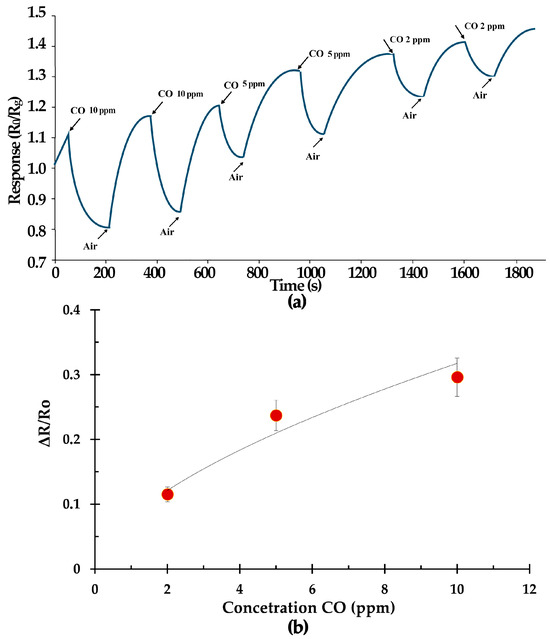
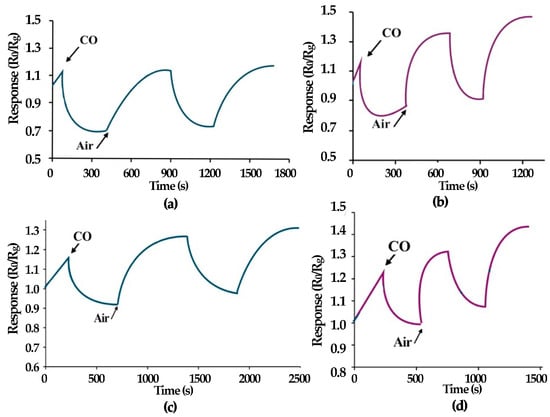
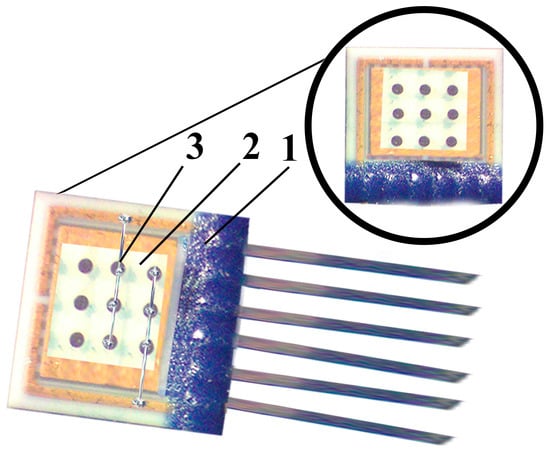
This study investigates the properties of ZnO nanorod-based sensors and ZnO nanorods modified with tin dioxide (ZnO/SnO2) and gold (ZnO/Au) nanoclusters and their response to low concentrations of carbon monoxide (CO). It was demonstrated that the ZnO/SnO2(3) nanorod-based sensor exhibited the highest sensitivity (S = 1.64) to 10 ppm CO, while the ZnO/Au(3) sensor displayed the shortest response (69–207 s) and recovery (203–233 s) times. This behavior can be explained by ZnO/Au and ZnO/SnO2 nanostructures having low activation energies (0.23–0.25 eV) and high potential barrier values (0.37–0.43 eV). Sensors based on ZnO/Au and ZnO/SnO2 nanorods demonstrate sensitivity to 10 ppm CO at 250 °C and at 200 °C. In contrast, ZnO nanorod-based sensors are sensitive to 2 ppm CO at 250 °C.
Full article
(This article belongs to the Special Issue Functional Micro- and Nanomaterials: Design, Modulation, and Applications in Energy and Sensing)
►
Show Figures
Open AccessArticle
Effective Energy Harvesting in Polymer Solar Cells Using NiS/Co as Nanocomposite Doping
by
Jude N. Ike and Raymond Tichaona Taziwa
Micro 2026, 6(1), 22; https://doi.org/10.3390/micro6010022 - 21 Mar 2026
Abstract
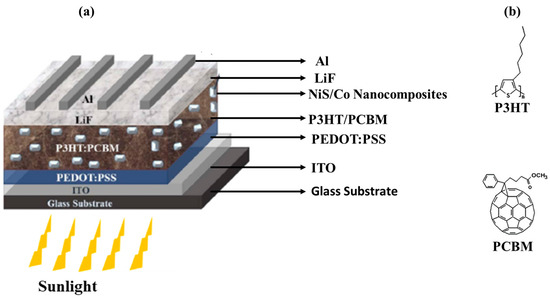
Over the past two decades, organic semiconductors have attracted significant research interest due to their advantageous features, including low-cost fabrication, lightweight properties, and portability, for photonic device applications. In this study, nickel sulfide doped with cobalt
[...] Read more.
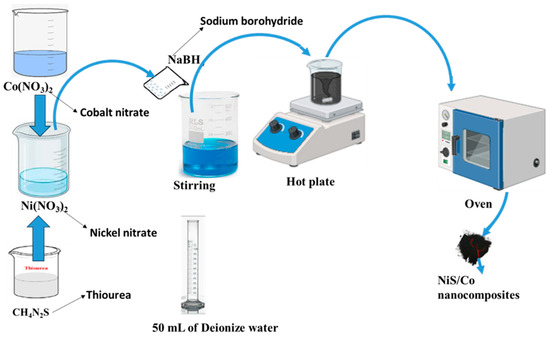
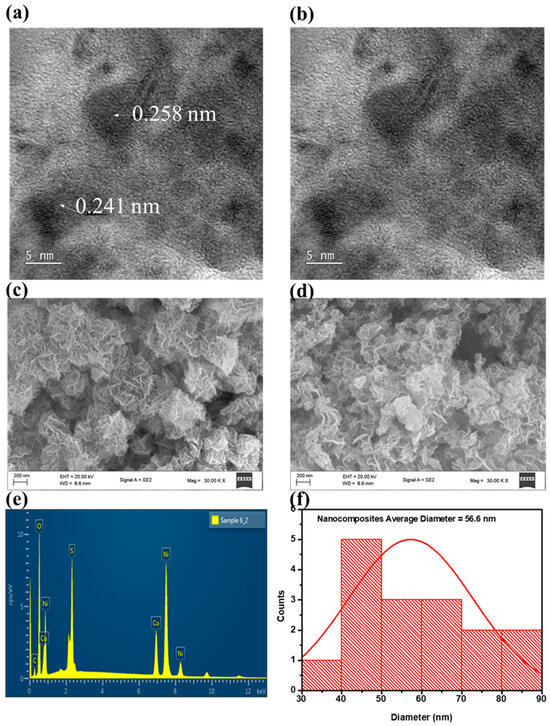
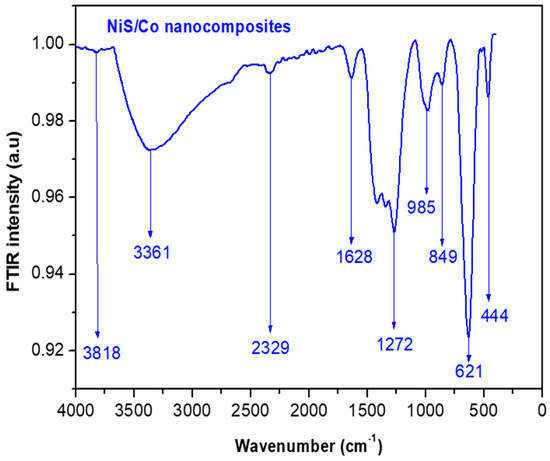
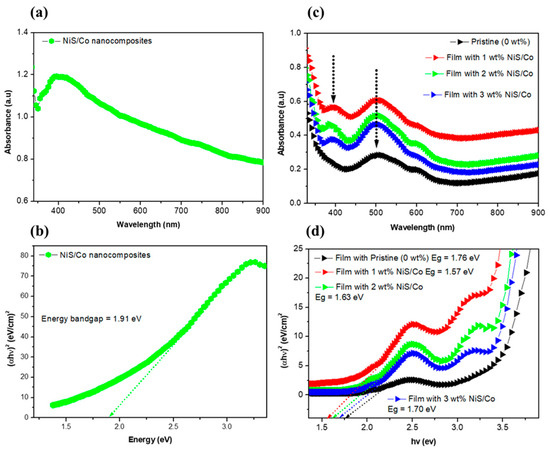
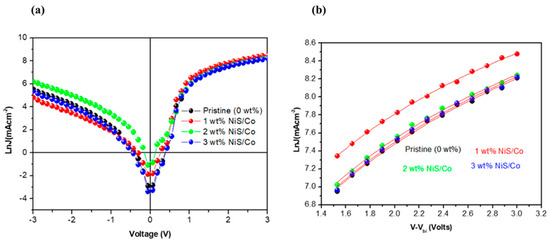
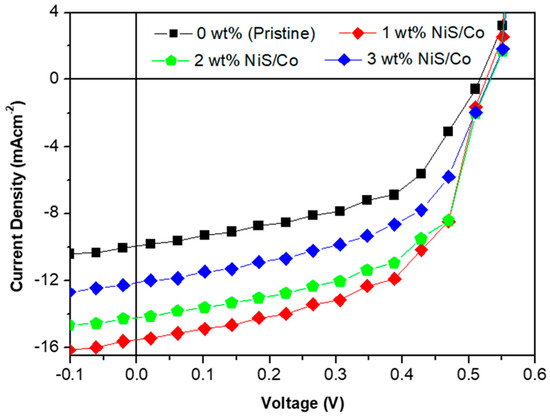
Over the past two decades, organic semiconductors have attracted significant research interest due to their advantageous features, including low-cost fabrication, lightweight properties, and portability, for photonic device applications. In this study, nickel sulfide doped with cobalt nanocomposites were successfully synthesized via a wet-chemical processing technique and used as a dopant in the active layer of thin-film organic solar cells (TFOSCs). The poly(3-hexylthiophene) (P3HT) and [6,6]-phenyl-C61-butyric acid methyl ester (PC61BM) blend was used as the active layer in this investigation. The devices were fabricated with nanocomposites at 1 wt%, 2 wt%, and 3 wt% in the active layer to determine the optimal dopant concentration. However, the experimental evidence clearly showed that the solar cell’s performance depends on the concentration of the nanocomposites. As a result, the highest power conversion efficiency (PCE) recorded in this experimental work was 6.11% at a 1% doping concentration, compared with 2.48% for the pristine reference device under AM 1.5G illumination (100 mW/cm2) in ambient conditions. The optical and electrical properties of the active layers are found to be strongly influenced by the inclusion of nanocomposites in the medium. However, the device doped with 1 wt% nanocomposite exhibits the highest absorption intensity, consistent with the better performance observed in this study, which can be attributed to the localized surface plasmon resonance (LSPR) effect. The optical and morphological characteristics of the synthesized nanocomposites were comprehensively analyzed using high-resolution transmission electron microscopy (HRTEM), high-resolution scanning electron microscopy (HRSEM), and additional complementary techniques.
Full article
(This article belongs to the Section Microscale Physics)
►▼
Show Figures

Figure 1
Open AccessArticle
Laser-Surface-Remelted Powder Metallurgy TiAl Alloys: Microstructure and Mechanical Properties
by
Warlen Monfardini, João Victor Vieira, João Batista Fogagnolo and Juliano Soyama
Micro 2026, 6(1), 21; https://doi.org/10.3390/micro6010021 - 17 Mar 2026
Abstract
Laser processing has been widely investigated as an effective approach for improving surface properties and consolidating advanced materials, particularly complex alloys such as titanium aluminides (TiAl). In this study, laser surface remelting was applied to binary (Ti-45Al) and ternary (Ti-45Al-2Co and Ti-45Al-2Ni) alloys
[...] Read more.
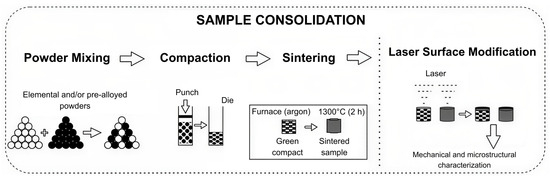
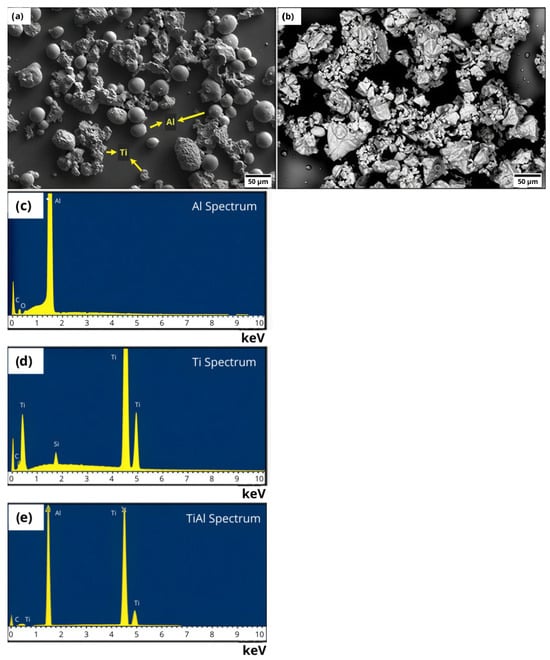
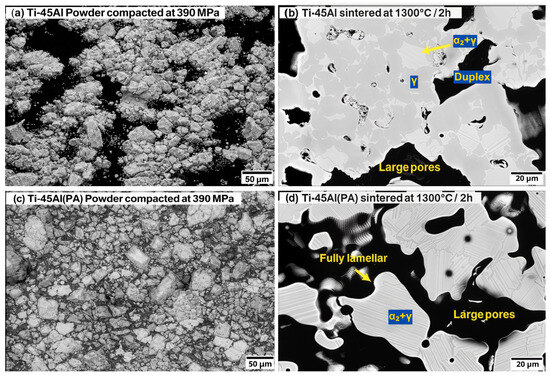
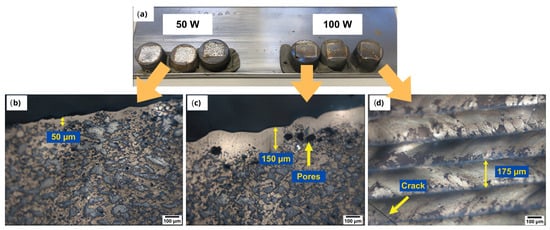
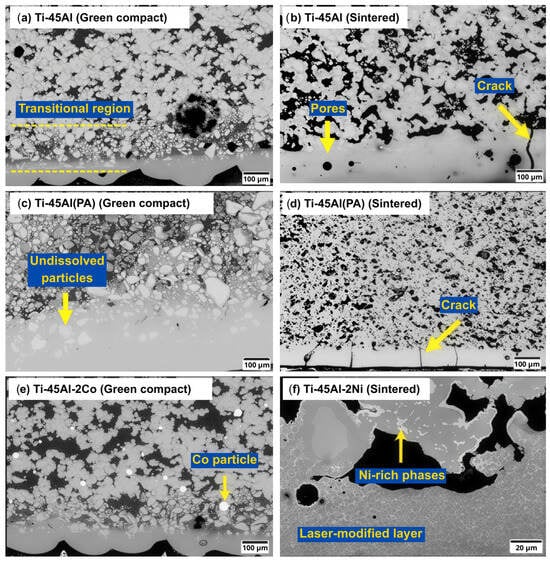
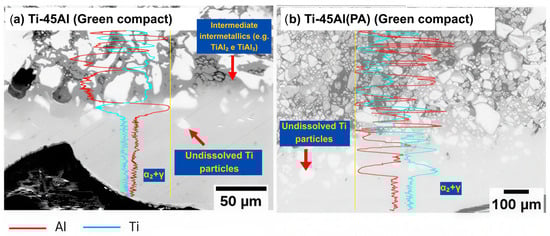
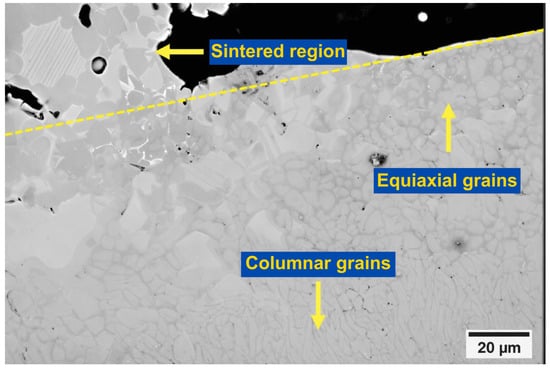
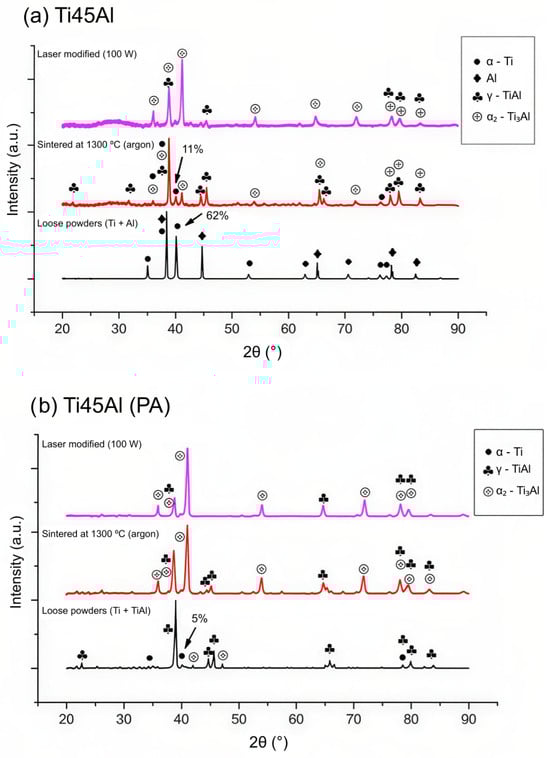
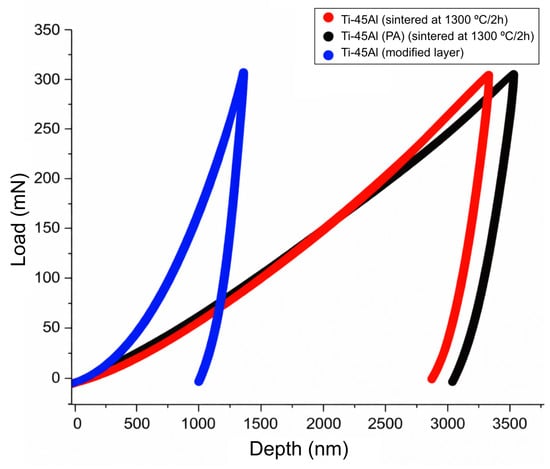
Laser processing has been widely investigated as an effective approach for improving surface properties and consolidating advanced materials, particularly complex alloys such as titanium aluminides (TiAl). In this study, laser surface remelting was applied to binary (Ti-45Al) and ternary (Ti-45Al-2Co and Ti-45Al-2Ni) alloys produced by powder metallurgy via blended elemental (BE) and pre-alloyed (PA) powder routes. Laser powers of 50 and 100 W were employed, resulting in a high-energy-density surface remelting regime applied to both green compacts and sintered samples with relatively high initial porosity, under an argon-controlled atmosphere. Microstructural and phase analyses were performed using scanning electron microscopy (SEM) and X-ray diffraction (XRD), while mechanical behavior was assessed by instrumented microindentation. Laser processing promoted the formation of a dense and homogeneous surface layer, approximately 150 μm thick, accompanied by significant microstructural refinement and enhanced hardness and elastic modulus. While rapid solidification led to crack formation in laser-treated sintered samples, the green compacts exhibited defect-free modified layers. Overall, the results demonstrate that laser surface remelting is an effective strategy for enhancing the surface integrity and mechanical performance of TiAl alloys processed by powder metallurgy.
Full article
(This article belongs to the Special Issue Microstructural Design and Control in Advanced Metallic Materials: From Powder Processing to Additive Manufacturing)
►▼
Show Figures

Figure 1
Open AccessArticle
Effect of Order on the Spin Gapless Semiconducting Behavior of Mn2CoAl
by
Iosif Galanakis
Micro 2026, 6(1), 20; https://doi.org/10.3390/micro6010020 - 10 Mar 2026
Abstract
Employing ab initio electronic structure methods, in this study, I examine the effect of order on the spin gapless semiconducting behavior of the Mn2CoAl Heusler compound. The occurrence of atomic disorder in general destroys the spin gapless semiconductivity observed in the
[...] Read more.
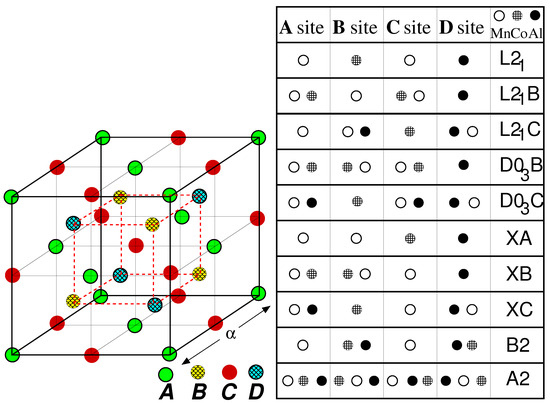
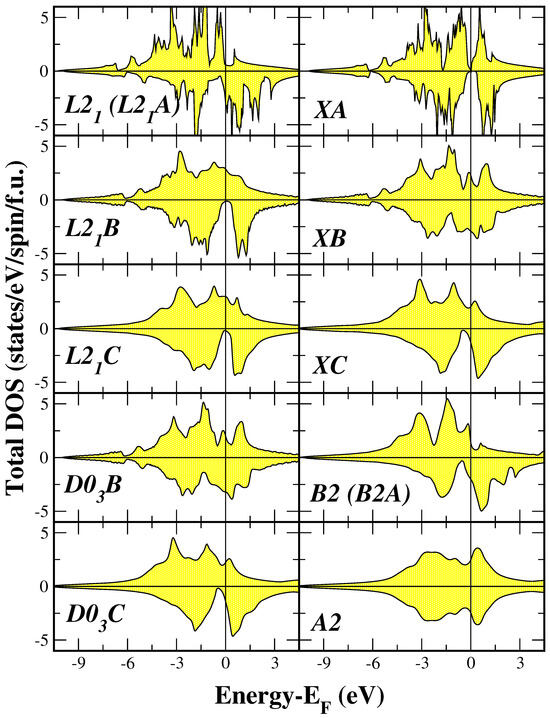
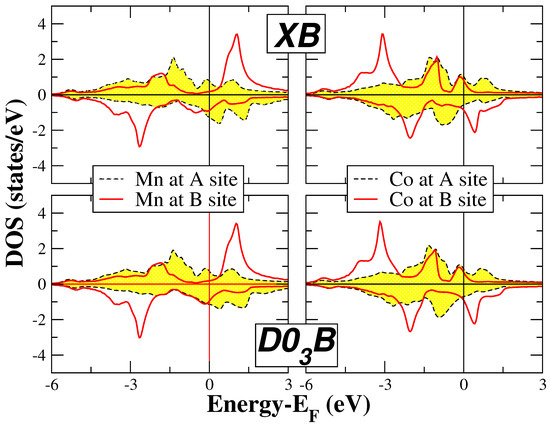
Employing ab initio electronic structure methods, in this study, I examine the effect of order on the spin gapless semiconducting behavior of the Mn2CoAl Heusler compound. The occurrence of atomic disorder in general destroys the spin gapless semiconductivity observed in the inverse XA lattice structure; however, in some cases, novel magnetic configurations emerge. In the case of structures derived from the XA structure, where only Mn-Co or Mn-Al atoms are mixed, Mn2CoAl alloy presents a half-metallic magnetic character. In the case of full disorder (A2 lattice structure), where atoms occupy all sites with the same probability, the ground state is an antiferromagnetic metallic one. The L21 and B2 lattice structures, where Mn atoms occupy both sites of a similar local environment, correspond to a ferromagnetic state of very high spin magnetic moment per formula unit. The present study encompasses a much larger variety of disordered structures in comparison with other studies in the literature. It concludes that the control and minimization of the concentration of impurities at anti-sites is imperative to achieving optimal performance in spintronic devices based on spin gapless semiconducting Mn2CoAl.
Full article
(This article belongs to the Section Microscale Materials Science)
►▼
Show Figures

Figure 1
Open AccessArticle
Fabrication and Properties of Axially Compressed Isotropic Epoxy-Bonded NdFeB Magnets with Partial Rare-Earth Substitution
by
Evangelia Dimeli, Dimitrios I. Anyfantis, Athanasios Sigalos, Alexandros Banis and Dimitrios Niarchos
Micro 2026, 6(1), 19; https://doi.org/10.3390/micro6010019 - 9 Mar 2026
Abstract
This work investigates the fabrication and performance of axially compressed isotropic epoxy-bonded NdFeB-type magnets produced from melt-spun powders with partial substitution of (Nd,Pr) by (La,Ce). Four alloy compositions were synthesized and processed into bonded magnets using two powder-to-binder weight ratios (95:5 and 96.5:3.5).
[...] Read more.
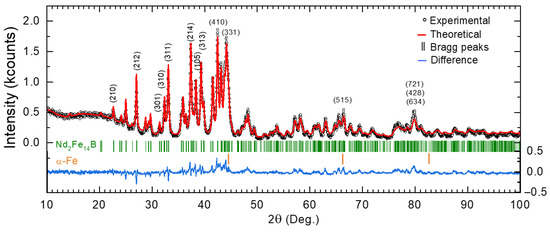
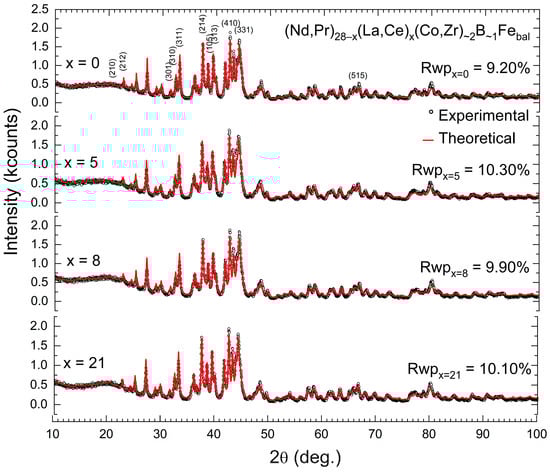
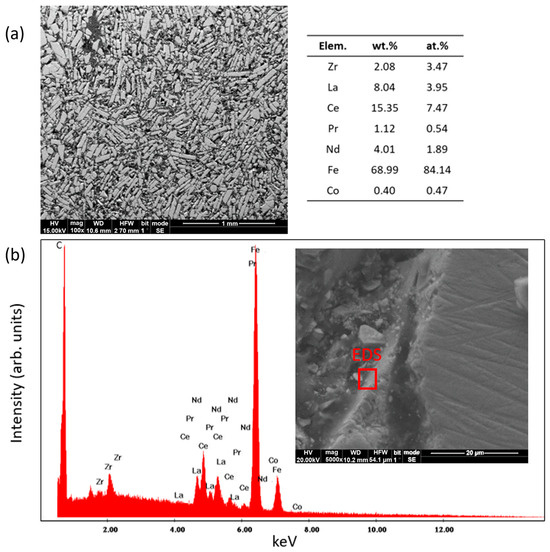
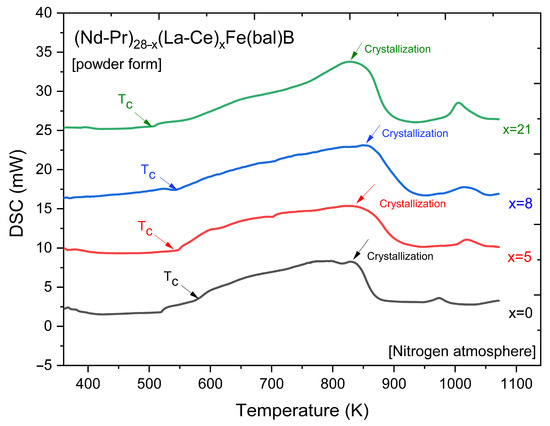
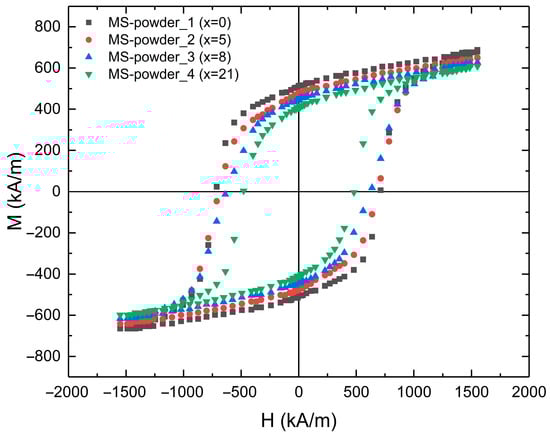
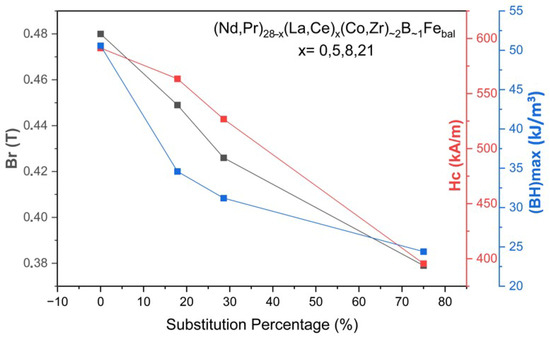
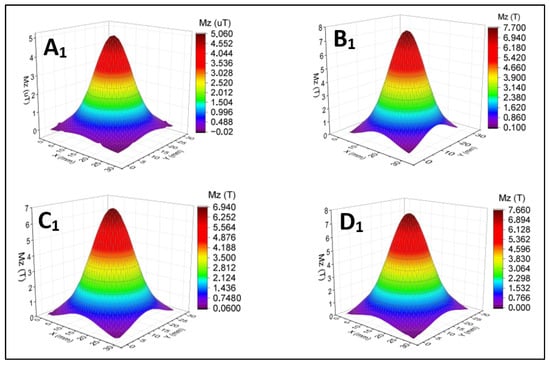
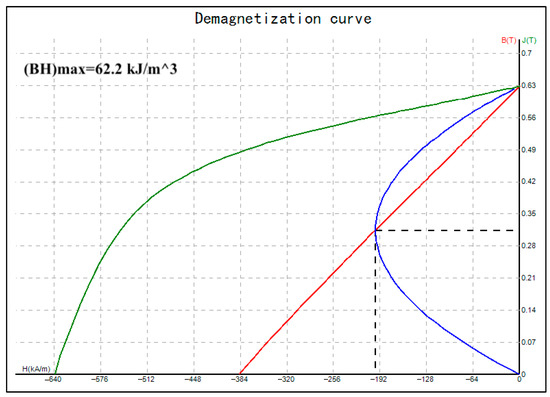
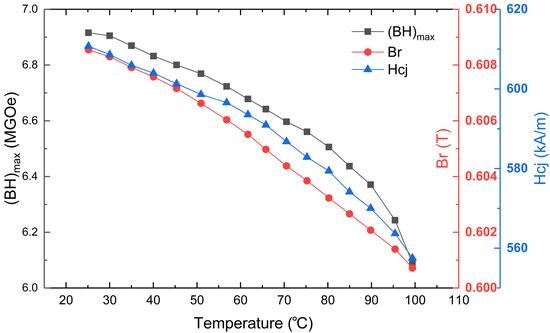
This work investigates the fabrication and performance of axially compressed isotropic epoxy-bonded NdFeB-type magnets produced from melt-spun powders with partial substitution of (Nd,Pr) by (La,Ce). Four alloy compositions were synthesized and processed into bonded magnets using two powder-to-binder weight ratios (95:5 and 96.5:3.5). Structural analysis confirms that all substituted alloys retain the tetragonal Nd2Fe14B phase (up to ~95 wt%) even at high substitution levels, while the lattice parameters decrease slightly with increasing (La,Ce) content. Microscopy analysis confirms a homogeneous distribution of the binder phase around the powder particles, demonstrating uniform binder–powder integration. Thermal analysis reveals composition-dependent Curie temperatures and enhanced crystallization onset in highly substituted powders. Magnetic measurements on both powders and bonded magnets show that increasing substitution leads to a gradual reduction in remanence, coercivity, and energy product, though all samples maintain strong hard-magnetic behavior. Increasing the powder fraction to 96.5 wt.% significantly improves all magnetic parameters due to higher magnetic-phase density and enhanced interparticle coupling, yielding bonded magnets with densities up to ~80% of the theoretical value. The resulting magnets achieve competitive performance, uniform field distribution and isotropic magnetization with (BH)max values about 65 kJ/m3, a coercivity around 660 kA/m, and superior thermal stability compared with commercial bonded NdFeB magnets. Overall, partial substitution with light rare-earth elements (La,Ce) provides a cost-effective route to high-density bonded NdFeB magnets that combine strong magnetic performance, enhanced thermal stability, and suitability for lightweight, complex-shaped industrial applications. Surprisingly, the coefficients of the temperature variation of coercivity and (BH)max are much better compared to the commercial NdFeB bonded magnets.
Full article
(This article belongs to the Section Microscale Materials Science)
►▼
Show Figures

Figure 1

Open AccessCommunication
Electrospun DegraPol® Meshes with Incorporated Bakuchiol: Characterization and Tissue Integration In Ovo—A Pilot Study
by
Julia Rieber, Tiziano A. Schweizer, Gabor Kadler, Gabriella Meier Bürgisser, Pietro Giovanoli and Johanna Buschmann
Micro 2026, 6(1), 18; https://doi.org/10.3390/micro6010018 - 5 Mar 2026
Abstract
Background: Surgical tendon rupture repair suffers from scar formation, leading to tendons with inferior mechanics and consequently to re-ruptures, as well as from adhesion formation to the surrounding tissue, reducing the range of motion. In an approach of re-purposing the phytochemical Bakuchiol to
[...] Read more.
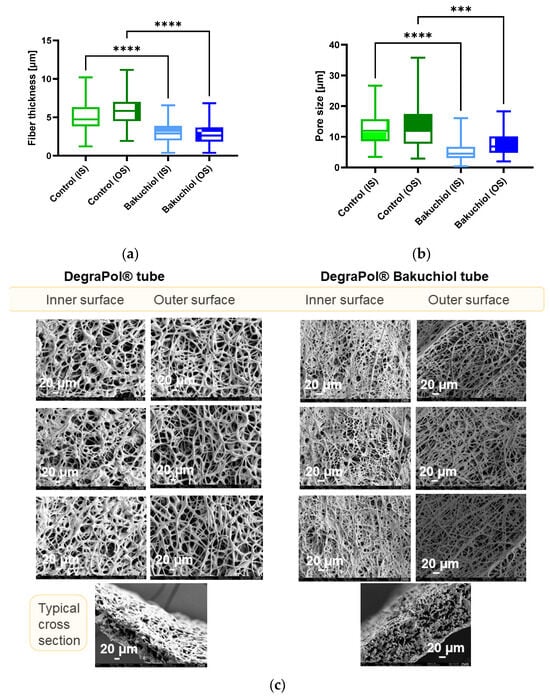
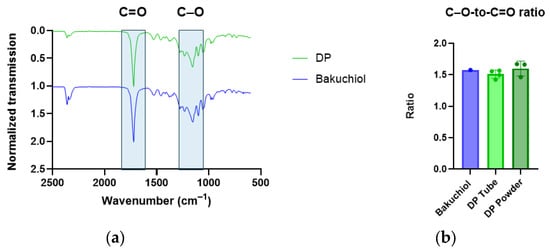
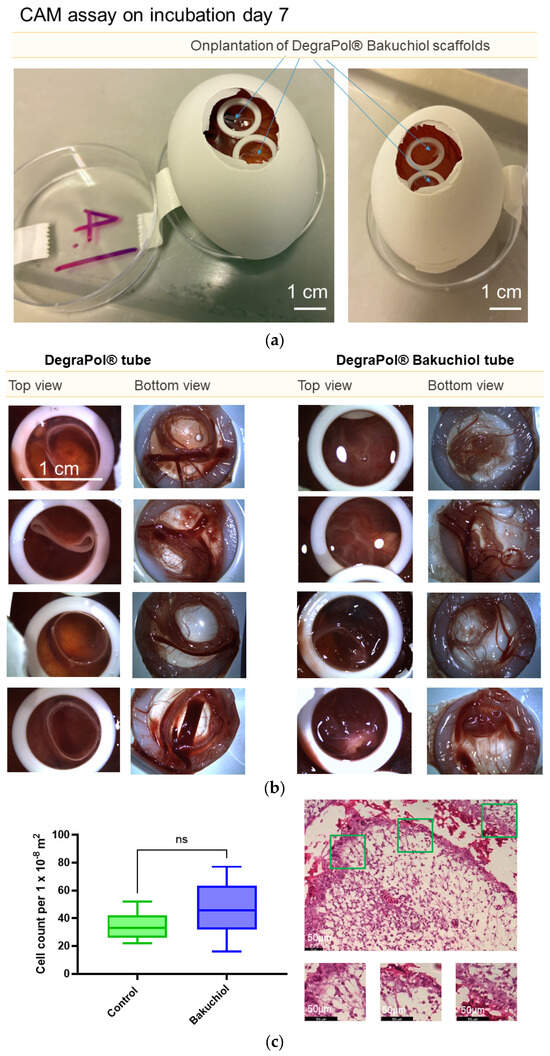
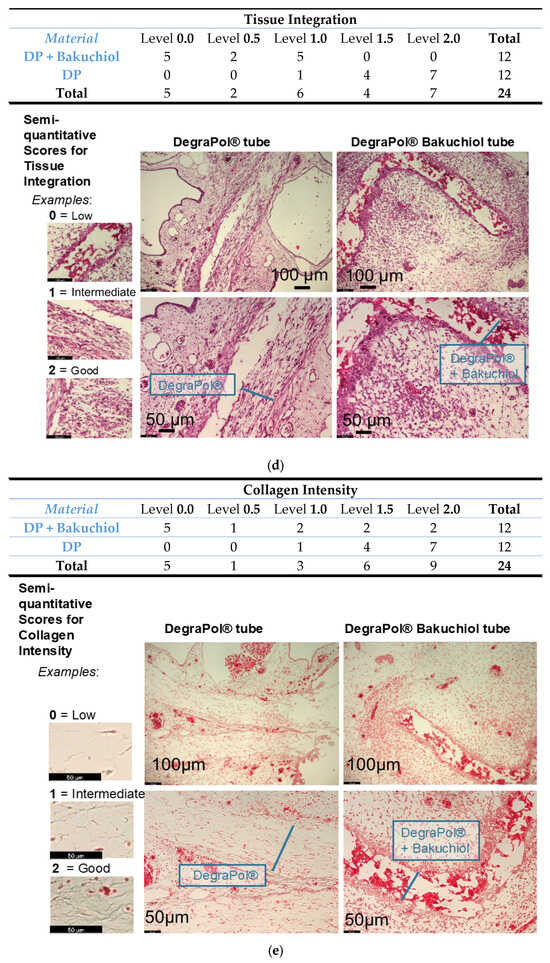
Background: Surgical tendon rupture repair suffers from scar formation, leading to tendons with inferior mechanics and consequently to re-ruptures, as well as from adhesion formation to the surrounding tissue, reducing the range of motion. In an approach of re-purposing the phytochemical Bakuchiol to be incorporated in the polymer DegraPol® (DP), we fabricated a novel implant material by emulsion electrospinning. Methods: To characterize the emulsion electrospun novel materials, we used Scanning Electron Microscopy (SEM) to determine the fiber diameter and pore size. In addition, we used Fourier Transformed Infrared Spectroscopy (FTIR). Finally, we planted the materials onto the chorioallantoic membrane of the chicken embryo (CAM assay) to assess tissue integration and collagen expression. Results: While the pure DP meshes were very well integrated in the CAM assay and showed a significantly higher collagen deposition within the scaffold, the DP + Bakuchiol meshes exhibited poor tissue integration, showing rather the beginning of a fibrous encapsulation. Conclusions: The novel electrospun material DP + Bakuchiol could be used as an anti-adhesion barrier to prevent tendon adhesion.
Full article
(This article belongs to the Section Microscale Biology and Medicines)
►▼
Show Figures

Figure 1
Open AccessArticle
The Influence of Structure-Directing Agent on Preparation and Regulation of Alumina Nanorods
by
Xuening Zhao, Kangyu Liu, Jiaying Yuan and Yuming Li
Micro 2026, 6(1), 17; https://doi.org/10.3390/micro6010017 - 28 Feb 2026
Abstract
►▼
Show Figures
One-dimensional alumina nanorods have garnered significant attention due to their unique physical and chemical properties, which hold great promise for applications in catalysis, sensing, and other fields. However, the precise control over the morphology and properties of these nanorods remains a challenge, particularly
[...] Read more.
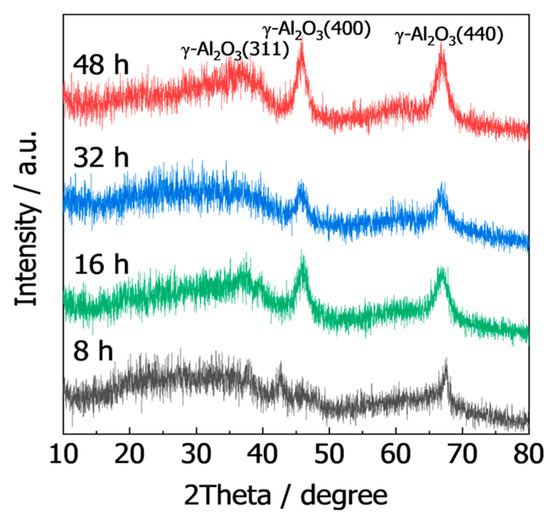
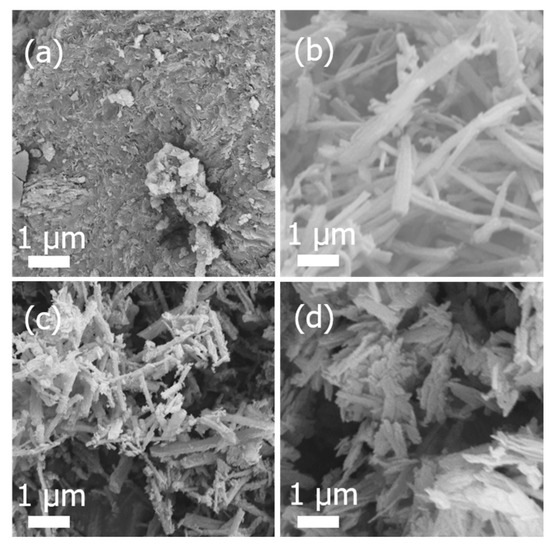
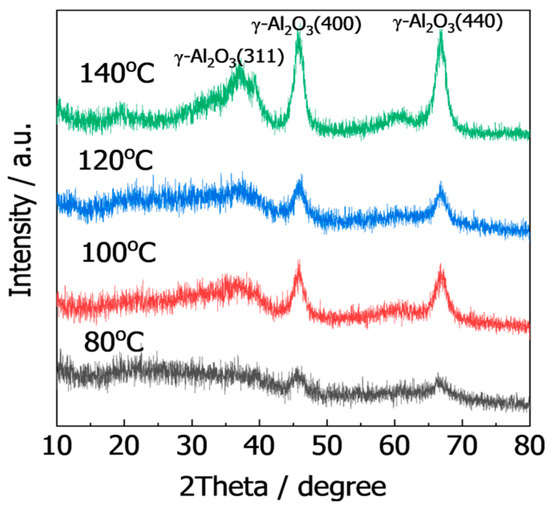
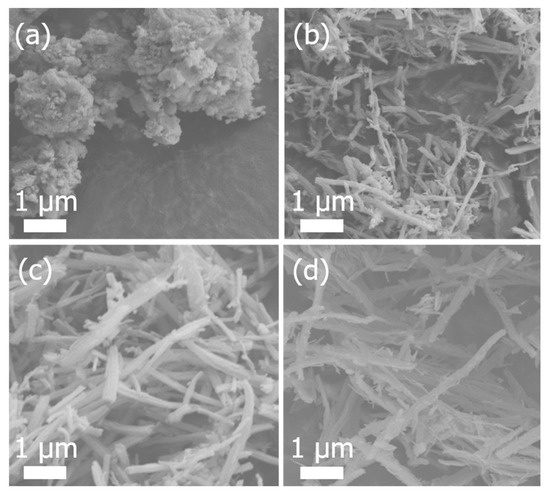
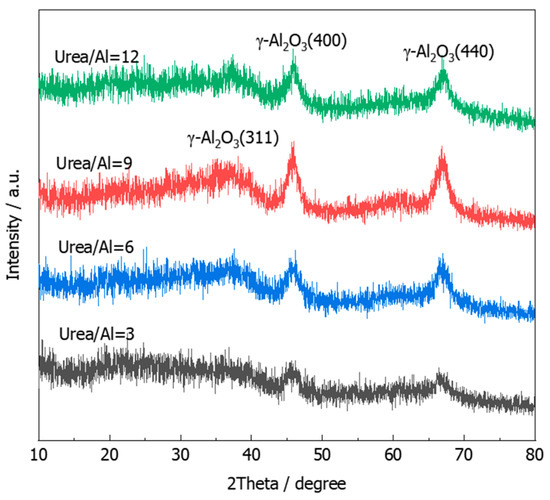
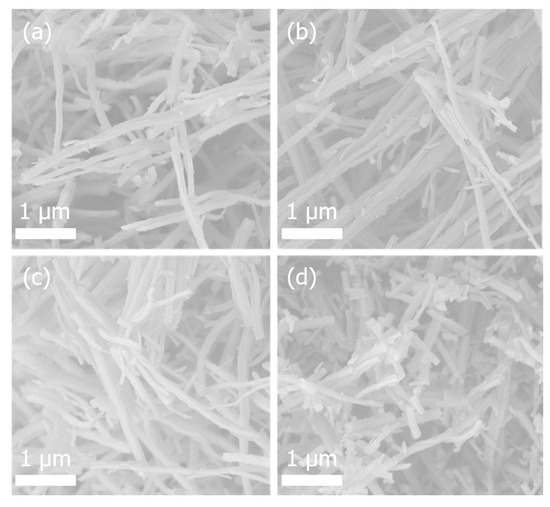
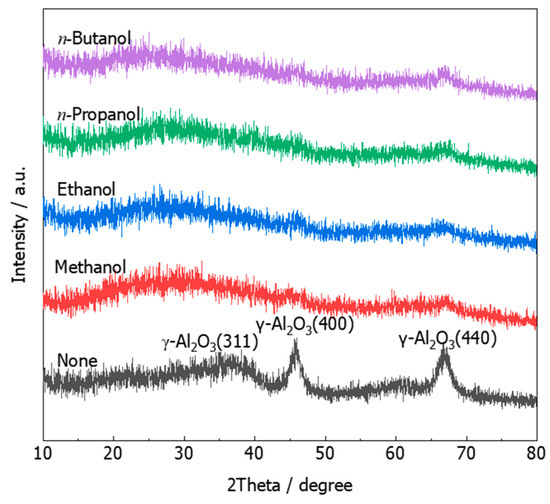
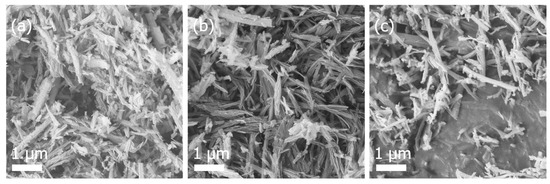
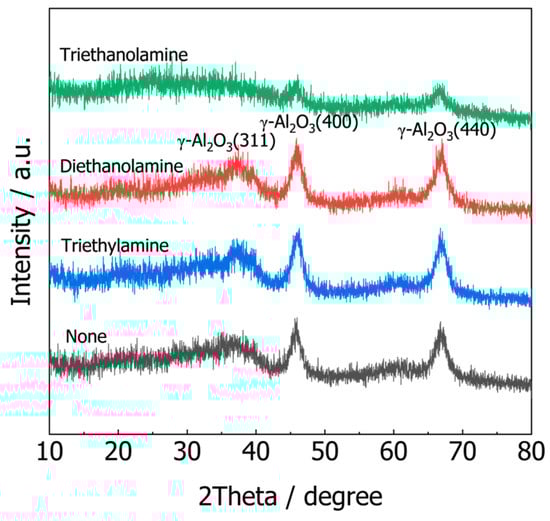
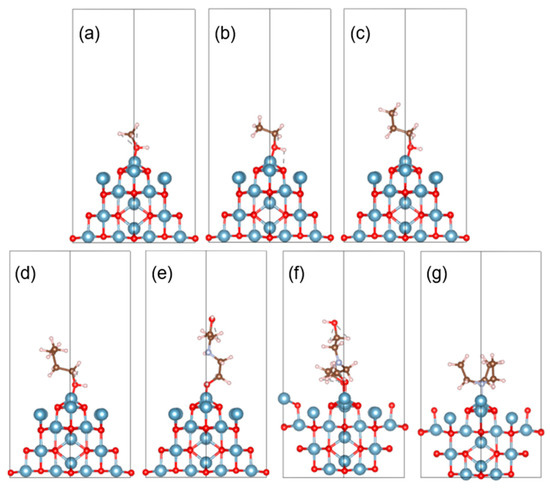
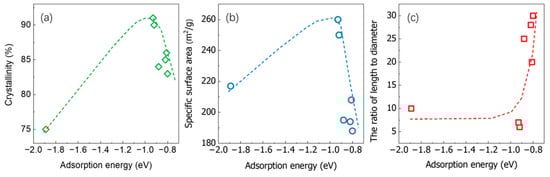
One-dimensional alumina nanorods have garnered significant attention due to their unique physical and chemical properties, which hold great promise for applications in catalysis, sensing, and other fields. However, the precise control over the morphology and properties of these nanorods remains a challenge, particularly in achieving a high specific surface area and desirable crystallinity. In this work, we explored the hydrothermal synthesis of alumina nanorods, focusing on the effects of structure-directing agents. It was observed that extending the hydrothermal time and optimizing the temperature led to the formation of nanorods with enhanced crystallinity and specific surface area. The addition of urea and different structure-directing agents significantly influenced the morphology and properties of the nanorods. Furthermore, density functional theory (DFT) calculations revealed the underlying mechanisms of how these structure-directing agents affect the adsorption and growth of alumina nanorods on different crystal planes. Our findings suggest that by carefully tuning these parameters, it is possible to achieve alumina nanorods with optimized properties. This work not only provides a systematic approach to the synthesis of alumina nanorods but also opens up new possibilities for the development of advanced materials with tailored properties for a wide range of applications.
Full article

Figure 1
Open AccessReview
Polymer Micro-Milling for Cost-Effective Microfluidic and Biosensor Chip Fabrication: A Review
by
Arjun Thakur, Shreeji Pandit, Abhishek Singh, Ashish Mathur and Krishna Kant
Micro 2026, 6(1), 16; https://doi.org/10.3390/micro6010016 - 15 Feb 2026
Abstract
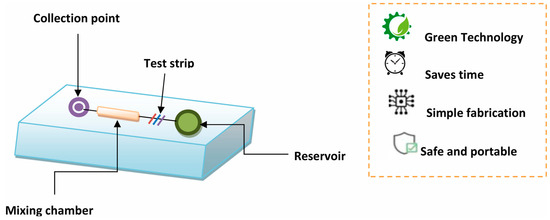
Microfluidics provides precise control of microscale fluid transport and has become central to biomedical, pharmaceutical, and industrial technologies. However, conventional fabrication methods such as photolithography and soft lithography require cleanroom facilities, use costly materials, and offer limited capability for constructing complex or multi-material
[...] Read more.
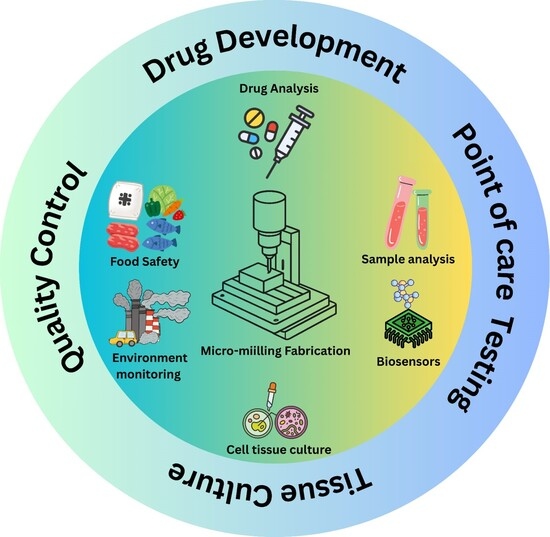
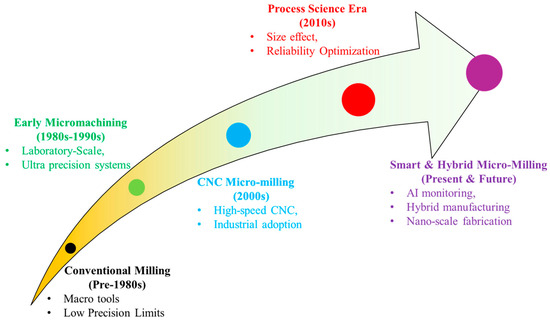
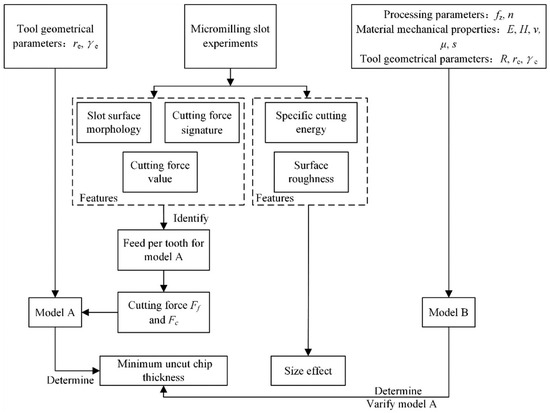
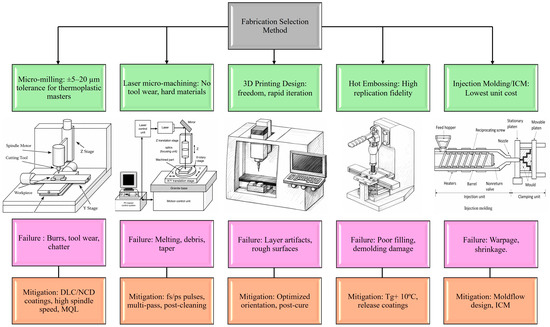
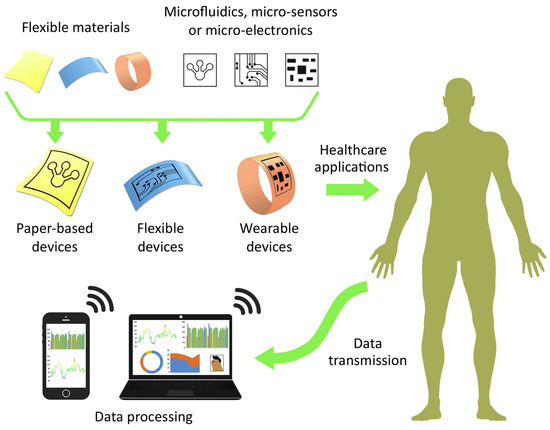
Microfluidics provides precise control of microscale fluid transport and has become central to biomedical, pharmaceutical, and industrial technologies. However, conventional fabrication methods such as photolithography and soft lithography require cleanroom facilities, use costly materials, and offer limited capability for constructing complex or multi-material architectures. This review highlights emerging manufacturing strategies, focusing on polymer-based micro-milling as an accessible and cost-effective alternative for microfluidic device production. Advances in micro-milling now enable the fabrication of microchannels and functional features with improved dimensional accuracy and surface quality, while additive manufacturing offers complementary rapid prototyping and design flexibility. Micro-milling is particularly promising for rapid prototyping of polymeric biosensor chips designed for point-of-care diagnostics. The technique supports diverse materials and eliminates reliance on cleanroom processing. Critical parameters, including tool geometry, spindle speed, and feeding rate, strongly influence fidelity and surface roughness, which directly affect biosensor sensitivity. Despite its advantages, challenges such as tool wear, burr formation, and limits on minimum feature size continue to hinder reproducibility. Recent progress in toolpath optimization, hybrid additive–subtractive methods, and real-time process monitoring shows the potential to overcome these barriers. Overall, micro-milling offers a scalable and economical route for fabricating accessible microfluidic and biosensing platforms, with future work needed to standardize processes and improve integration with surface functionalization methods.
Full article
(This article belongs to the Section Microscale Engineering)
►▼
Show Figures

Graphical abstract
Open AccessArticle
PARAFAC- and PCA-Resolved Excitation–Emission Matrix Fluorescence of Ultra-Fine Polyamide-Derived Carbon Quantum Dots for Mechanistic Microplastic Discrimination
by
Christian Ebere Enyoh and Qingyue Wang
Micro 2026, 6(1), 15; https://doi.org/10.3390/micro6010015 - 12 Feb 2026
Cited by 1
Abstract
►▼
Show Figures
The rapid and selective discrimination of microplastics (MPs) is a critical analytical challenge, particularly as current carbon quantum dot (CQD)-based sensors often rely on single-wavelength “turn-on/off” or staining mechanisms that lack polymer-specific resolution. This work addresses these limitations by presenting a mechanism-driven fluorescence
[...] Read more.
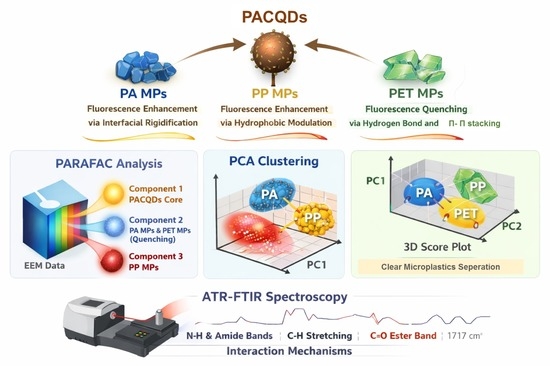
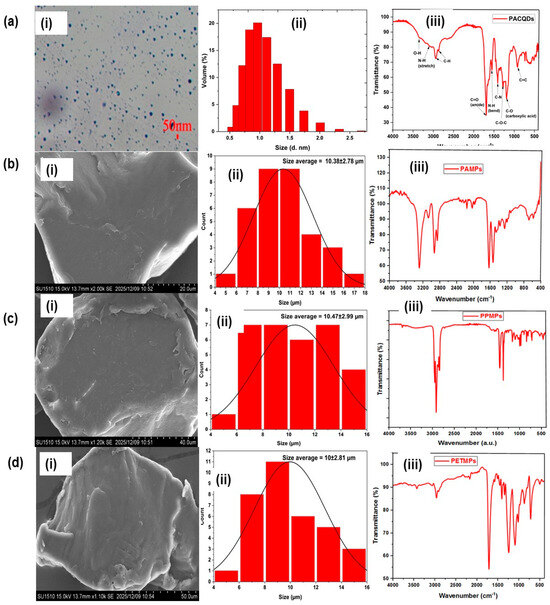
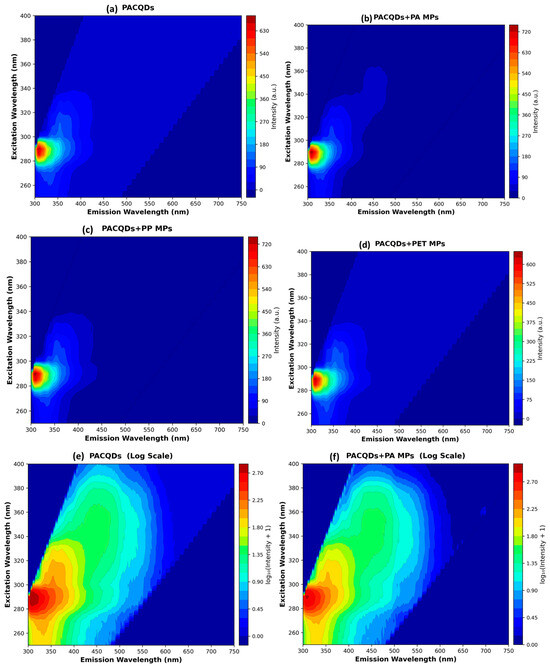
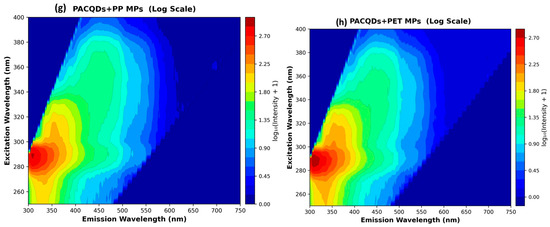
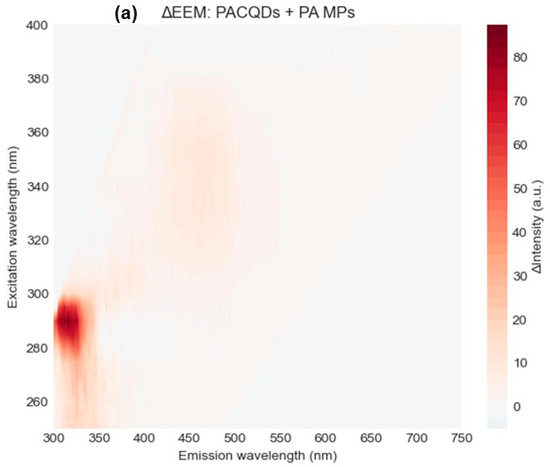
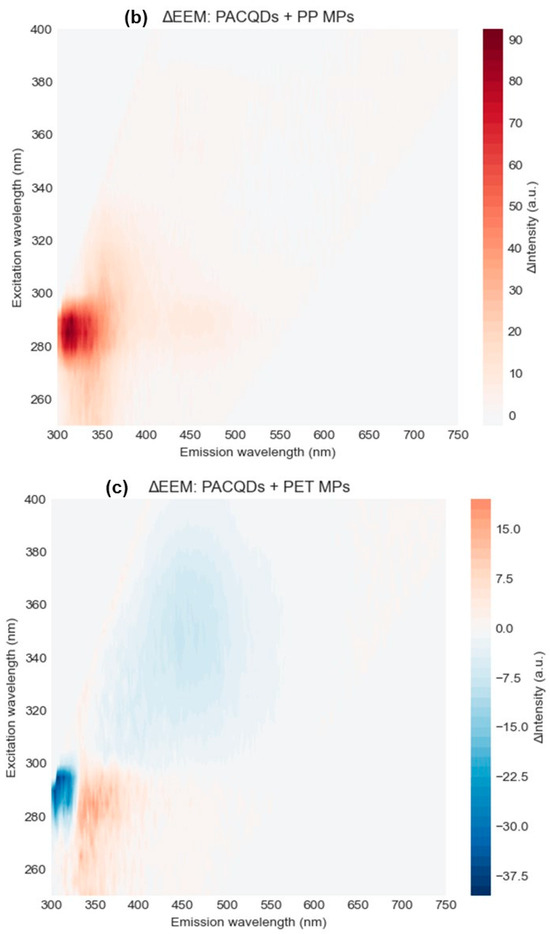
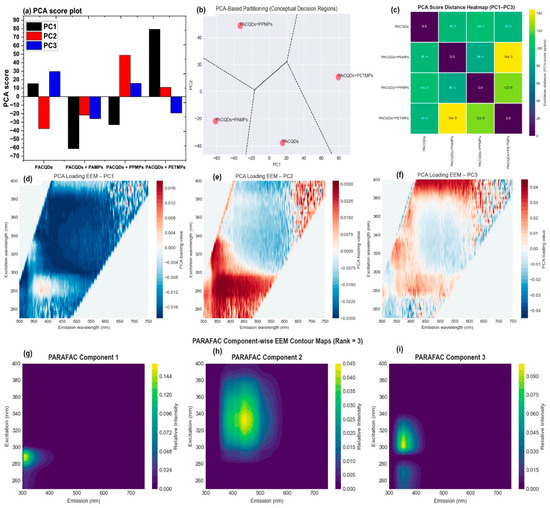
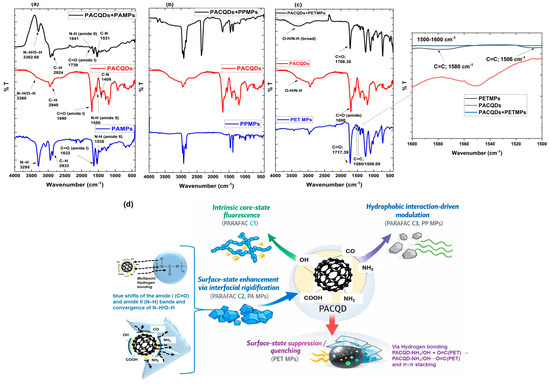
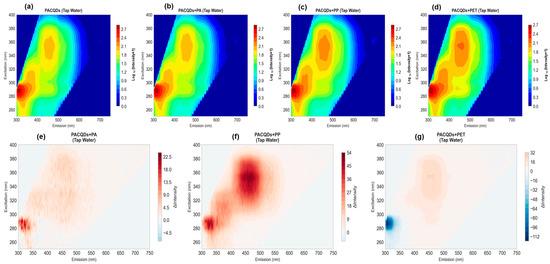
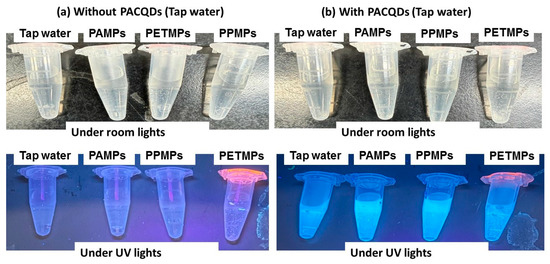
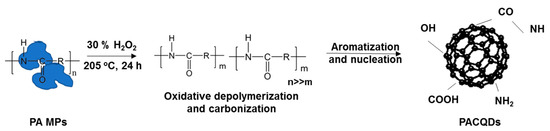
The rapid and selective discrimination of microplastics (MPs) is a critical analytical challenge, particularly as current carbon quantum dot (CQD)-based sensors often rely on single-wavelength “turn-on/off” or staining mechanisms that lack polymer-specific resolution. This work addresses these limitations by presenting a mechanism-driven fluorescence sensing platform using ultra-fine polyamide-derived carbon quantum dots (PACQDs; ~1.4 nm) to identify three prevalent MPs: polyamide (PA), polypropylene (PP), and polyethylene terephthalate (PET). Excitation–emission matrix (EEM) spectroscopy reveals polymer-specific photophysical responses: PAMPs and PPMPs induce fluorescence enhancement of 11.66% and 11.43%, respectively, whereas PETMPs cause net quenching (−4.61%) alongside a distinct, red-shifted emission band. Despite a common scatter-dominated peak at 290/308 nm, quantitative discrimination is achieved via integrated intensity and red/blue emission ratios (0.0137 for PAMPs, 0.0098 for PPMPs, and 0.0072 for PETMPs). Multivariate analysis reinforces this discrimination. Parallel factor analysis (PARAFAC) resolves the EEM data into three fluorescent components representing the intrinsic CQDs core and two interaction-induced surface states with a rank 3 model reducing the relative reconstruction error from 0.1625 to 0.1285. Principal component analysis (PCA) yields clear separation of the polymer classes, with the first two principal components capturing ~88% of the total spectral variance. ATR–FTIR spectroscopy provides direct molecular evidence for the underlying mechanisms: amide–amide coupling and interfacial rigidification for PAMPs; hydrophobic interaction without spectral shifts for PPMPs; and a synergistic interaction involving hydrogen bonding and π–π stacking for PETMPs. In particular, these polymer-specific fluorescence fingerprints are largely preserved in tap water, despite elevated background intensity and partial contrast attenuation, demonstrating the resilience of the EEM–chemometric approach under realistic matrix conditions. Collectively, the strong agreement between fluorescence metrics, multivariate signatures, and interfacial chemistry establishes a robust structure–property framework and positions PACQDs as a rapid, label-free, and matrix-tolerant platform for reliable microplastic discrimination in environmental analysis.
Full article

Graphical abstract
Open AccessArticle
Algorithmic Reconstruction of Multimodal Copper Wire Explosion Products from Extinction Spectra
by
László Égerházi, Erika Griechisch and Tamás Szörényi
Micro 2026, 6(1), 14; https://doi.org/10.3390/micro6010014 - 6 Feb 2026
Abstract
Wire explosion (WE) inherently generates particle ensembles spanning the nano- to microscale, posing challenges for conventional characterization methods in terms of capturing the full particle population. To address this issue, spectrophotometric analysis combined with algorithmic spectrum reconstruction based on Mie theory and constrained
[...] Read more.
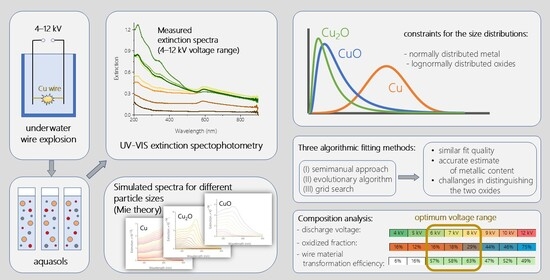
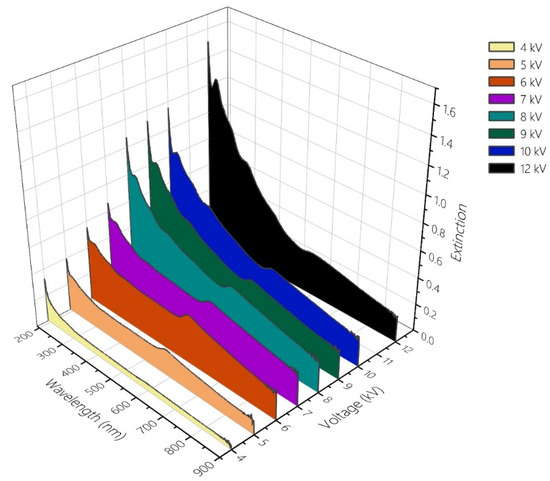
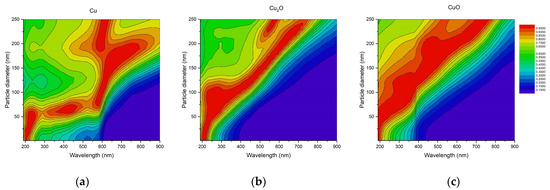
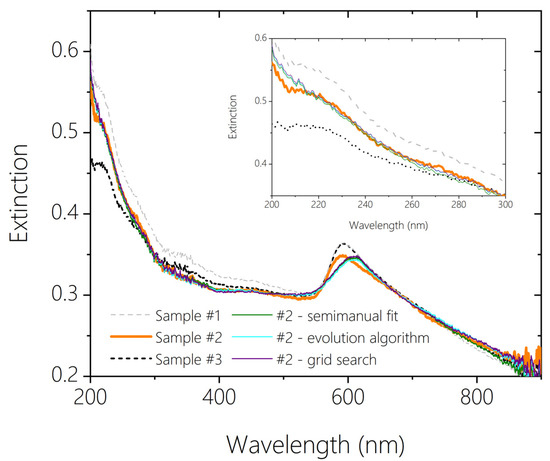
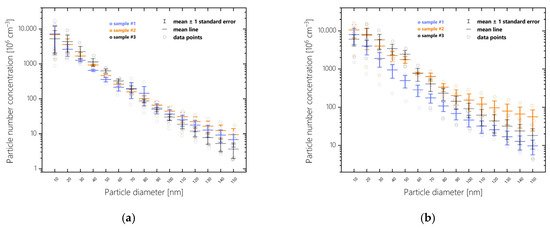
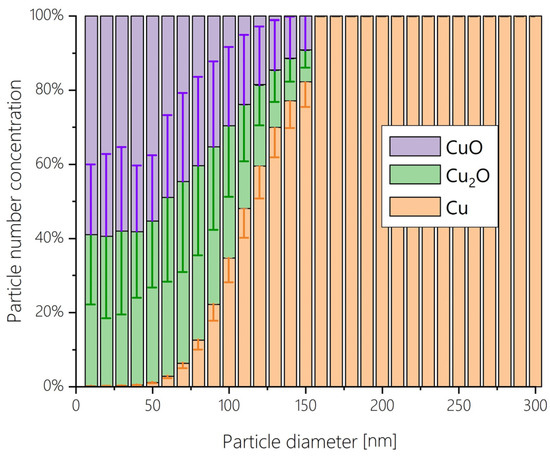
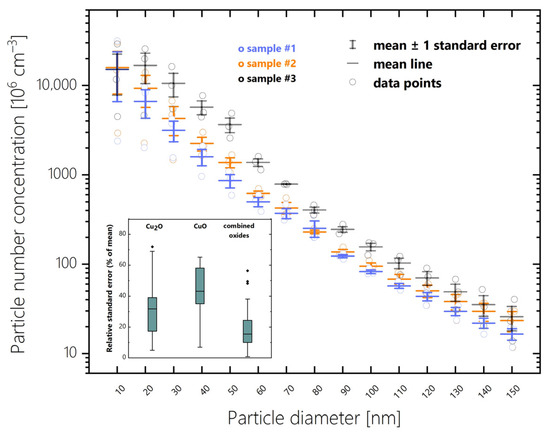
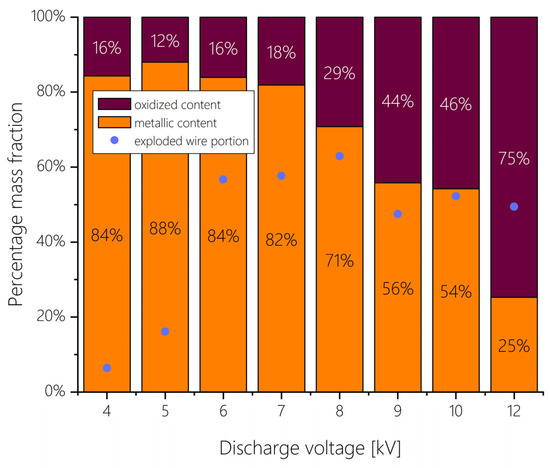
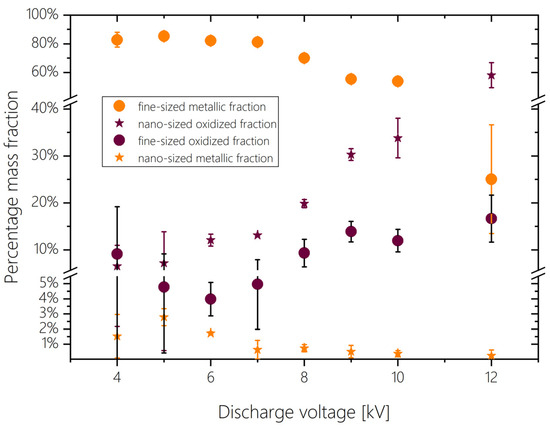
Wire explosion (WE) inherently generates particle ensembles spanning the nano- to microscale, posing challenges for conventional characterization methods in terms of capturing the full particle population. To address this issue, spectrophotometric analysis combined with algorithmic spectrum reconstruction based on Mie theory and constrained distribution models were employed to characterize copper WE products formed in aqueous surroundings within the 4–12 kV discharge voltage range. Three independent fitting strategies, specifically a semimanual fitting, an evolutionary algorithm, and a grid search, were applied to retrieve the size distributions and relative shares of copper and copper oxide particles as a function of discharge voltage. Based on experimental and theoretical findings, lognormal and normal distributions across the 10–300 nm diameter range were assumed as constraints for oxide and metallic fractions, respectively. The reconstructed metallic copper population exhibited mean diameters ranging from 123 to 181 nm, while oxidized fractions followed lognormal distributions centred near 10 nm mode diameters. Voltage-dependent trends revealed an optimal discharge regime between 6 kV and 8 kV, where the exploded fraction reached approximately 63% and the metallic mass share exceeded 80%. These results confirmed that spectrophotometry represents an essential tool for the quantitative characterization of such complex, wide-range systems.
Full article
(This article belongs to the Section Analysis Methods and Instruments)
►▼
Show Figures

Graphical abstract
Open AccessArticle
Computational Modeling of the Functionalization of C60 and Its Doped Derivatives with a Novel Arylalkanone
by
Navaratnarajah Kuganathan and Tharmarajah Manoranjan
Micro 2026, 6(1), 13; https://doi.org/10.3390/micro6010013 - 6 Feb 2026
Abstract
►▼
Show Figures
The functionalization of molecules on C60 is a promising engineering approach, as non-covalently governed fullerene surfaces facilitate reversible host–guest recognition, tunable electronic communication, and conformationally adaptive molecular adsorption. In this work, spin-resolved simulations using density functional theory (DFT) were conducted to examine
[...] Read more.
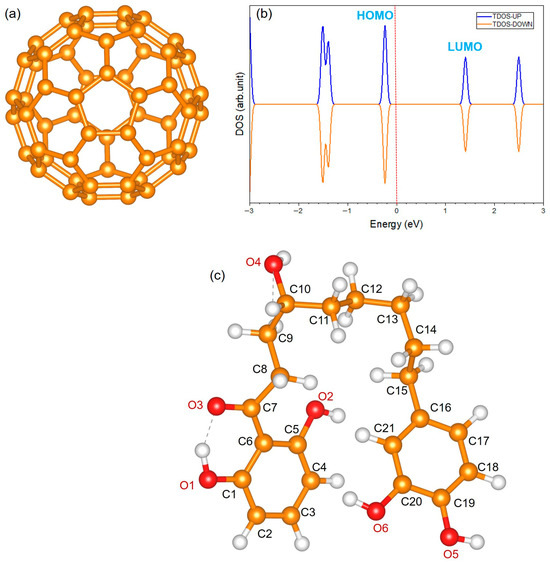
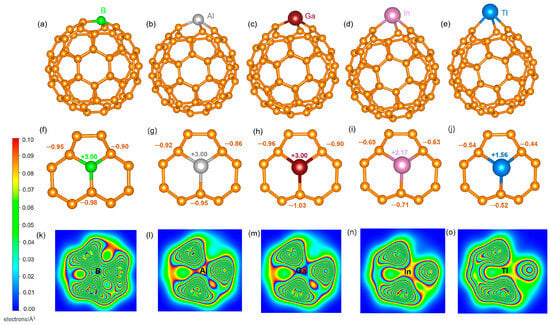
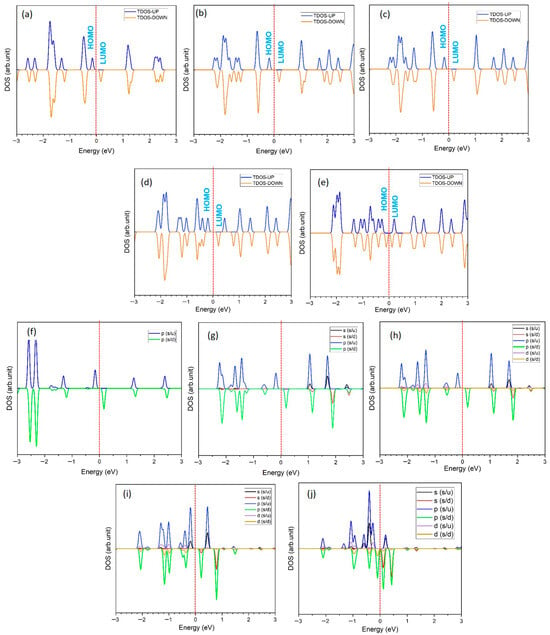
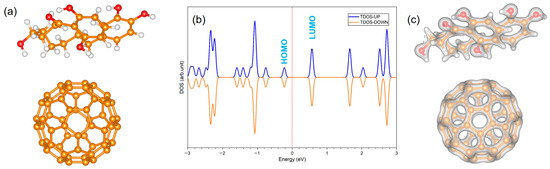
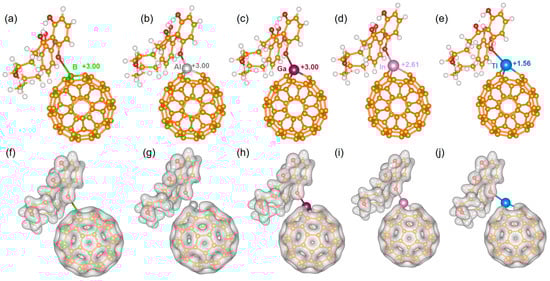
The functionalization of molecules on C60 is a promising engineering approach, as non-covalently governed fullerene surfaces facilitate reversible host–guest recognition, tunable electronic communication, and conformationally adaptive molecular adsorption. In this work, spin-resolved simulations using density functional theory (DFT) were conducted to examine the interaction between a newly identified arylalkanone isolated from the medicinal species Myristica ceylanica and the nanocarbon framework of C60 fullerene, including doped configurations incorporating group III elements (B, Al, Ga, In and Tl). The results indicate that the arylalkanone binds to pristine C60 through an exothermic, energetically favourable binding process, supporting thermodynamically viable molecular uptake. Among the doped models, B substitution exhibits the greatest overall thermodynamic preference; however, Al doping produces the most pronounced enhancement in binding energy, identifying the Al-doped configuration as the most effective surface-uptake architecture in relative terms. Across all complexes, a small amount of charge transfer is noted, signifying weak yet persistent electronic coupling between the ligand and the carbon carrier. Additionally, all doped fullerenes demonstrate induced magnetic behaviour, a property of increasing relevance in spintronics research, suggesting that these complexes may hold future value in spin-dependent electronic and molecular-recognition-guided nanoscale biomedical engineering.
Full article

Figure 1
Open AccessReview
The Cutting-Edge Progress of Nanomaterials and Technologies in Biomedical Applications
by
Heyi Wei, Yang Zou, Xuecheng Qu, Xi Cui and Zhou Li
Micro 2026, 6(1), 12; https://doi.org/10.3390/micro6010012 - 5 Feb 2026
Abstract
Nanomaterials have emerged as a pivotal driving force in the field of biomedicine due to their unique physicochemical properties. This article systematically reviews the design, synthesis, and characterization of novel nanomaterials, with a focus on their application advances in three key areas: targeted
[...] Read more.
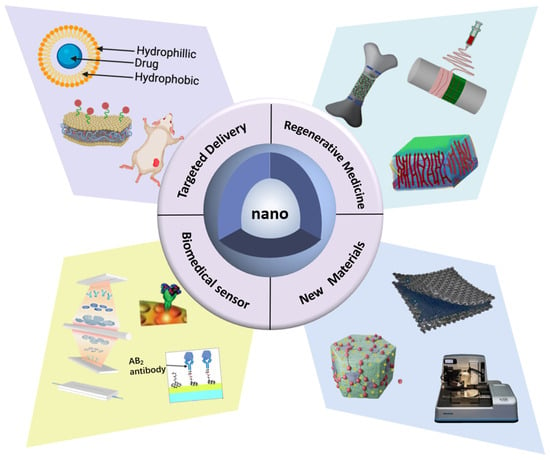
Nanomaterials have emerged as a pivotal driving force in the field of biomedicine due to their unique physicochemical properties. This article systematically reviews the design, synthesis, and characterization of novel nanomaterials, with a focus on their application advances in three key areas: targeted drug delivery, tissue engineering and regenerative medicine, and disease diagnosis and sensing. In drug delivery, nanocarriers enable precise drug targeting and controlled release through surface functionalization and stimuli-responsive design. In tissue engineering, nanocomposite scaffolds mimic the structure and function of the natural extracellular matrix, providing an ideal microenvironment for tissue repair. In disease diagnosis, nanomaterials significantly enhance the sensitivity and specificity of biosensors, promoting the development of real-time, non-invasive, and ultra-early detection technologies. The article further summarizes current challenges in the clinical translation of nanomedicine and envisions its future trends toward intelligence, personalization, and the integration of diagnosis and therapy.
Full article
(This article belongs to the Section Microscale Biology and Medicines)
►▼
Show Figures

Figure 1

Open AccessArticle
Polymeric Micelles Co-Loaded with Cannabidiol, Celecoxib, and Temozolomide—Early-Stage Assessment of Anti-Glioma Properties
by
Ewelina Musielak, Agnieszka Feliczak-Guzik, Aleksandra Majchrzak-Celińska, Anna Rybarczyk and Violetta Krajka-Kuźniak
Micro 2026, 6(1), 11; https://doi.org/10.3390/micro6010011 - 4 Feb 2026
Abstract
►▼
Show Figures
Malignant gliomas, including glioblastoma multiforme (GBM) and grade 4 astrocytoma, are the most common types of brain tumors in adults. Standard treatment for gliomas includes adjuvant chemotherapy, typically based on temozolomide, combined with radiotherapy. However, its effectiveness is severely hindered by the limited
[...] Read more.
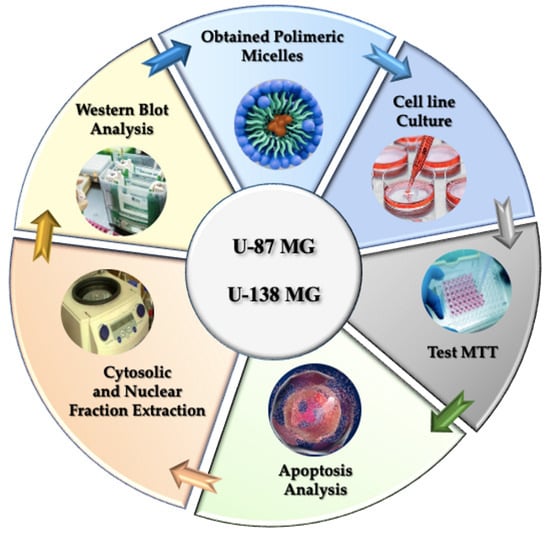
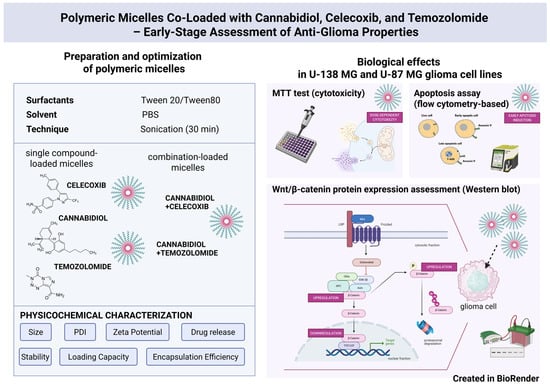
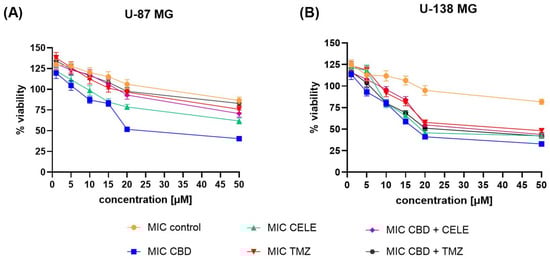
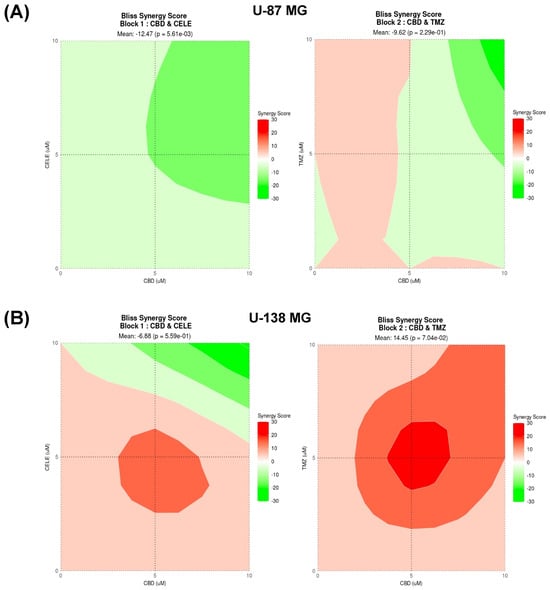
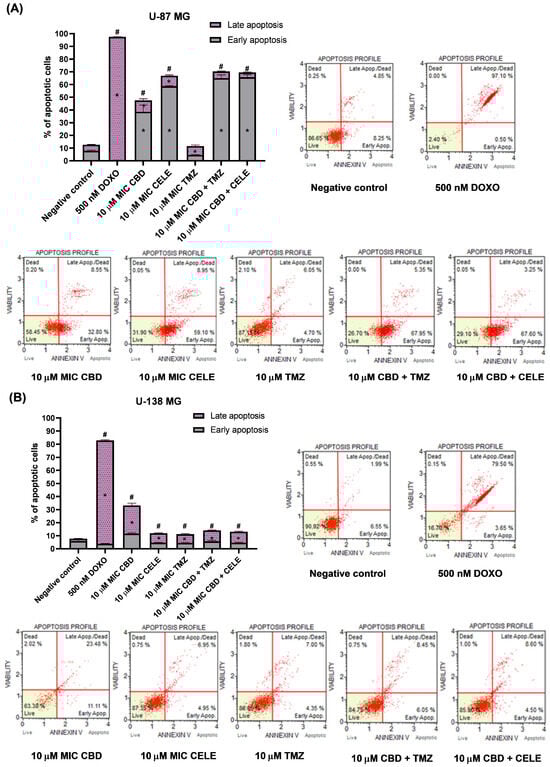
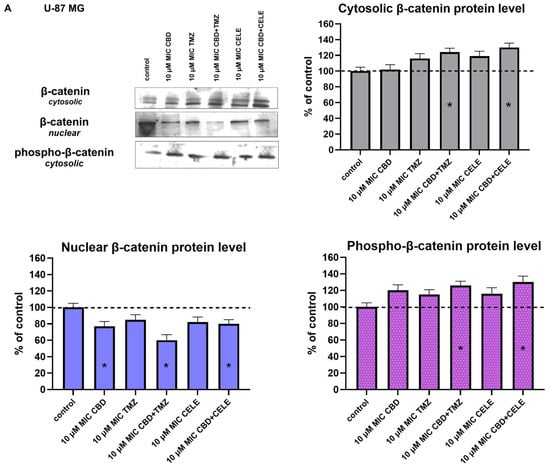
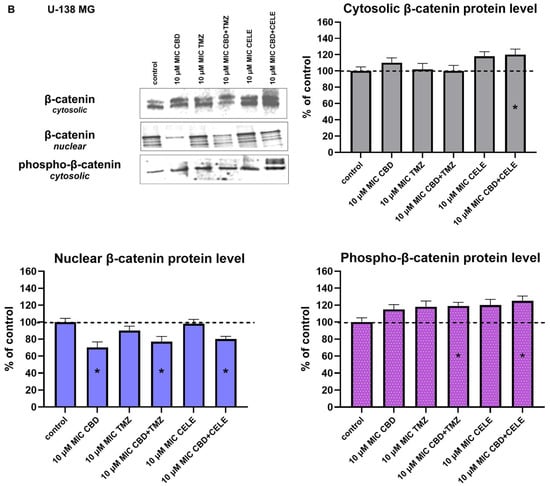
Malignant gliomas, including glioblastoma multiforme (GBM) and grade 4 astrocytoma, are the most common types of brain tumors in adults. Standard treatment for gliomas includes adjuvant chemotherapy, typically based on temozolomide, combined with radiotherapy. However, its effectiveness is severely hindered by the limited ability of drugs to cross the blood–brain barrier and by the hyperactivation of the canonical Wnt signaling pathway, which drives tumor cell survival. Therefore, innovative drug combinations and novel delivery strategies are crucial for overcoming these barriers. Polymeric micelles represent a promising approach for enhancing drug delivery to brain tumors. This study aimed to obtain micelles containing cannabidiol (CBD), celecoxib (CELE), and temozolomide (TMZ), as well as their combinations, and to verify their anti-glioma properties. The study involved optimizing the micelle composition, incorporating active ingredients, and assessing the temporal stability of the resulting nanocarriers under varying temperature conditions. The GBM cell line U-138 MG and astrocytoma cell line U-87 MG were used to evaluate the biologic effects of the tested micelles. Cytotoxicity was assessed using the MTT assay, and flow cytometry was used to analyze the effect of the micelles on apoptosis. Western blot analysis was employed to assess the impact of the tested nanoformulations on the Wnt/β-catenin signaling pathway. The optimized micelles demonstrated strong cytotoxic and proapoptotic effects, accompanied by attenuation of the Wnt/β-catenin pathway. These preliminary findings support the therapeutic potential of polymeric micelles for treating malignant gliomas; however, further in vitro and in vivo studies are required to confirm their clinical applicability.
Full article

Graphical abstract
Open AccessArticle
Cellular Toxicity of Zinc Quantum Dots in a Mammalian Model (CHO Cells)
by
Luis Alamo-Nole and Glorimar Rivera-Rodriguez
Micro 2026, 6(1), 10; https://doi.org/10.3390/micro6010010 - 1 Feb 2026
Abstract
►▼
Show Figures
The production of quantum dots (QDs) has increased due to their wide variety of commercial products and applications. QDs can be dangerous in the environment because their small size can encourage their incorporation into living systems. In this project, ZnS and ZnSSe were
[...] Read more.
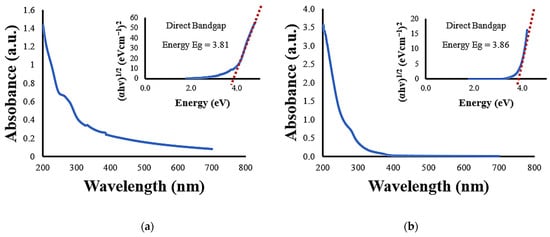
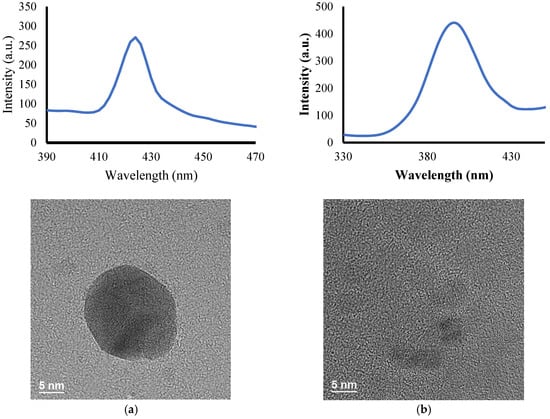
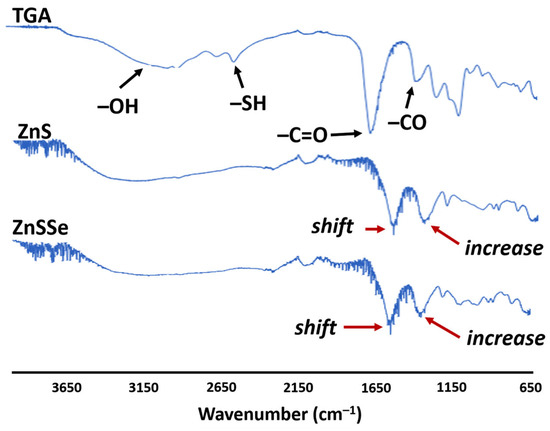
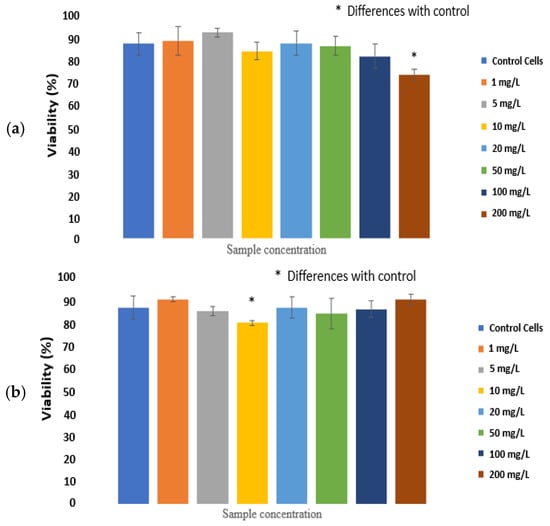
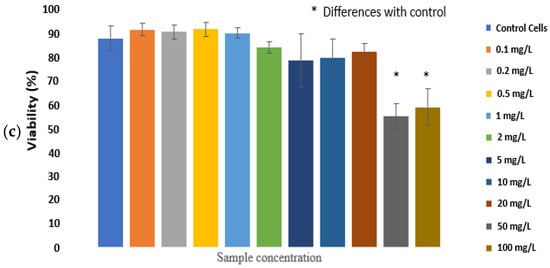
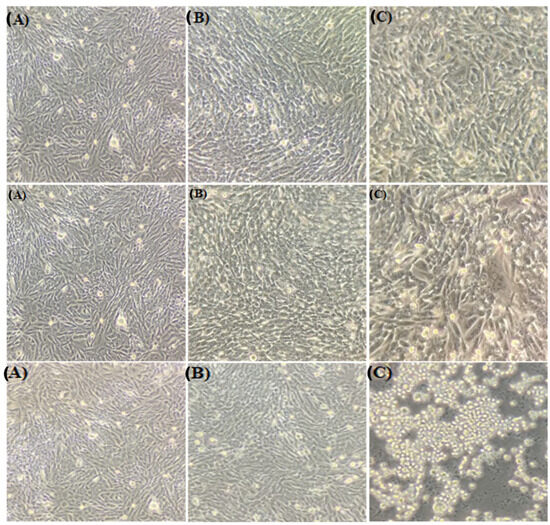
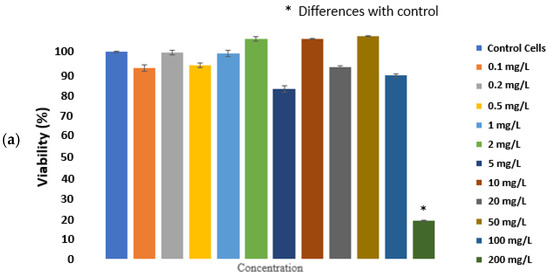
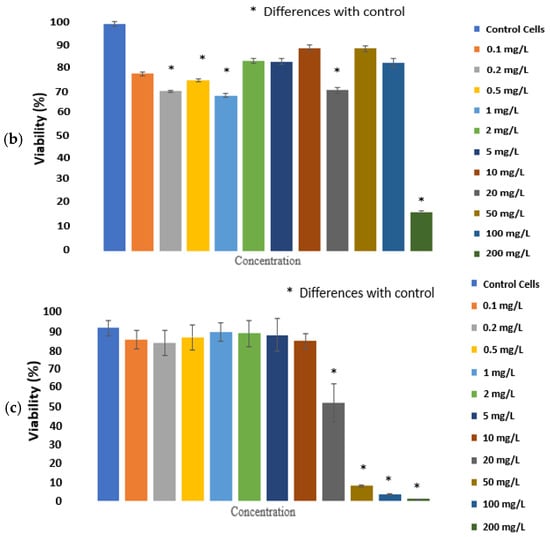
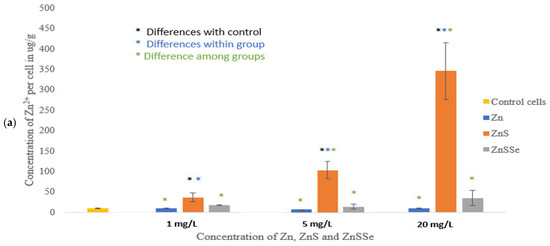
The production of quantum dots (QDs) has increased due to their wide variety of commercial products and applications. QDs can be dangerous in the environment because their small size can encourage their incorporation into living systems. In this project, ZnS and ZnSSe were synthesized under microwave irradiation, generating a water-stable nanomaterial. The bandgap energies calculated using the UV-Vis spectra were 3.81 and 3.86 eV for ZnS and ZnSSe QDs, respectively, indicating that the selenium worked as a dopant agent. The photoluminescence analysis shows narrow emission peaks, confirming a low size distribution, and the selenium doping generated a blue shift. The crystal size of both nanomaterials was around 7 nm. The cellular toxicity of these nanomaterials was evaluated using Chinese Hamster Ovary (CHO) Cells (a standard mammalian cell model). The results suggest that ZnS and ZnSSe QDs slightly affect the viability of CHO Cells, but Zn2+ decreases the viability at concentrations higher than 20 mg/L. The content of zinc inside cells (by ICP-OES) suggested that QDs can enter cells more easily than Zn2+. Therefore, the decrease in cell viability caused by Zn2+ outside the cells is likely due to its effect on cell membrane integrity, suggesting that these nanomaterials are less toxic than bulk materials.
Full article

Figure 1
Open AccessArticle
Impact of Pure and Metal-Doped Ferrihydrite Particles on Growth Medium Chemistry and Microbiological Activity of Pseudomonas putida
by
Abbass Akhdar, Amine Geneste, Asfaw Zegeye, Bénédicte Prélot and Jerzy Zajac
Micro 2026, 6(1), 9; https://doi.org/10.3390/micro6010009 - 29 Jan 2026
Abstract
Fe-oxyhydroxides can incorporate toxic metals during the formation of mineral phases in soils and sediments, thereby potentially altering the environmental reactivity of metals and impacting the microbial communities. In this study, isothermal microcalorimetry has been used to monitor the metabolic activity of Pseudomonas
[...] Read more.
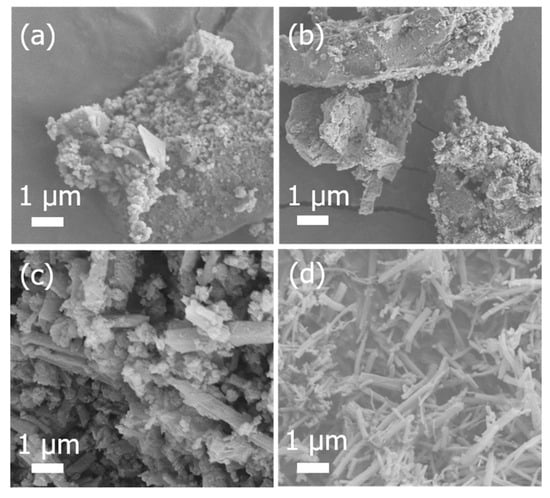
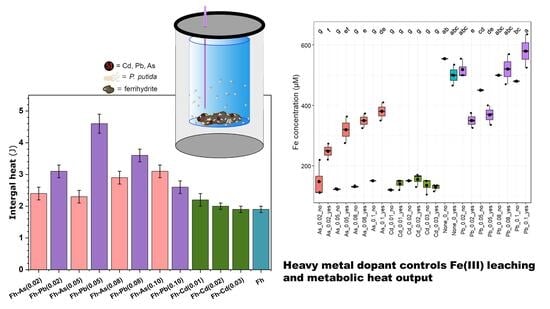
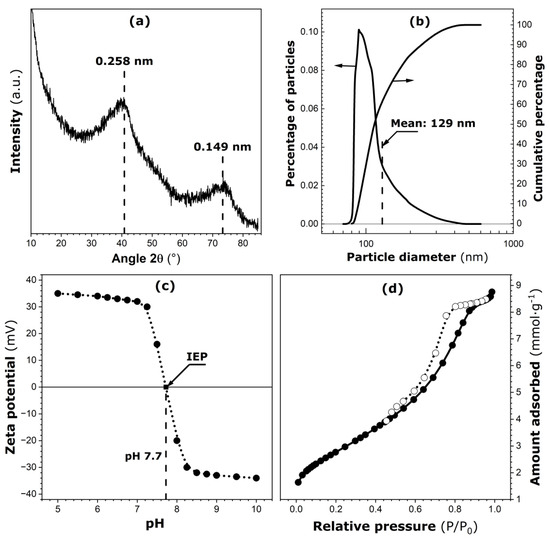
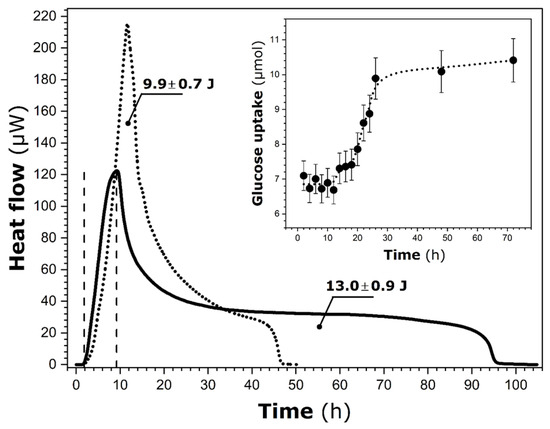
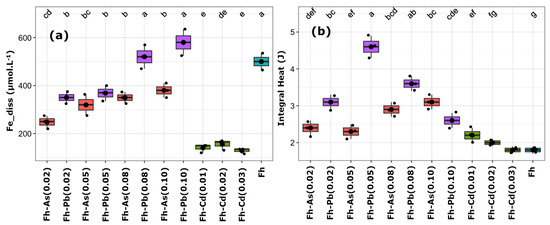
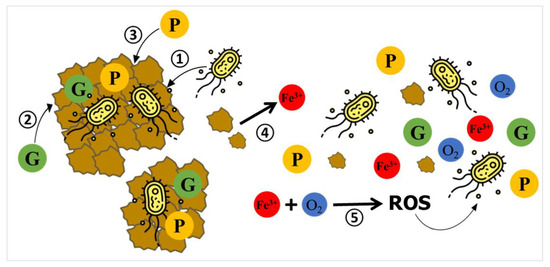
Fe-oxyhydroxides can incorporate toxic metals during the formation of mineral phases in soils and sediments, thereby potentially altering the environmental reactivity of metals and impacting the microbial communities. In this study, isothermal microcalorimetry has been used to monitor the metabolic activity of Pseudomonas putida KT2440 exposed to pure ferrihydrite and to Pb-, Cd-, and As-bearing ferrihydrites under oxygen-limited conditions. Calorimetric measurements of the integral heat released during the exponential growth were combined with the analysis of dissolved iron and heavy metals, as well as the glucose uptake, to understand how heavy metal incorporation modifies mineral reactivity and microbial heat output. Pure ferrihydrite decreased the integral heat by about 45%, primarily due to glucose and phosphate depletion, Fe(III) leaching, and mineral–cell aggregation. Heavy metal dopants were found to modulate nutrient availability, surface charge, and Fe solubilization, which, in turn, influenced the integral heat. Pb-Fh generated the highest ferrihydrite dissolution and metabolic heat, with a maximum effect at intermediate substitution levels. As-Fh induced moderate Fe release and metabolic activity, consistent with the enhanced phosphate sorption and lowered surface charge. Cd-bearing Fh showed minimal reactivity and yielded the lowest heat output. Microcalorimetry was proven useful for unraveling microbe–mineral interactions in complex contaminated environments.
Full article
(This article belongs to the Section Microscale Biology and Medicines)
►▼
Show Figures

Graphical abstract
Open AccessReview
Advanced 3D/4D Bioprinting of Flexible Conductive Materials for Regenerative Medicine: From Bioinspired Design to Intelligent Regeneration
by
Kuikui Zhang, Lezhou Fang, Can Xu, Weiwei Zhou, Xiaoqiu Deng, Chenkun Shan, Quanling Zhang and Lijia Pan
Micro 2026, 6(1), 8; https://doi.org/10.3390/micro6010008 - 21 Jan 2026
Abstract
Regenerative medicine is increasingly leveraging the synergies between bioinspired conductive biomaterials and 3D/4D bioprinting to replicate the native electroactive and hierarchical microenvironments essential for functional tissue restoration. However, a critical gap remains in the intelligent integration of these technologies to achieve dynamic, responsive
[...] Read more.
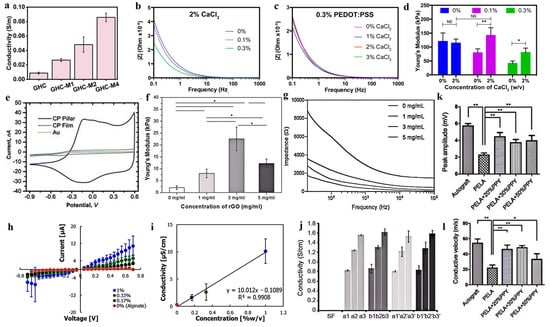
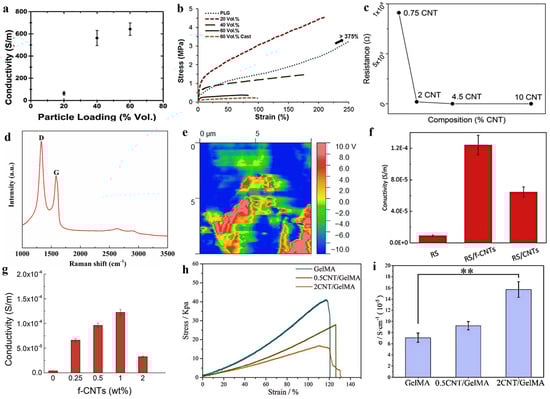
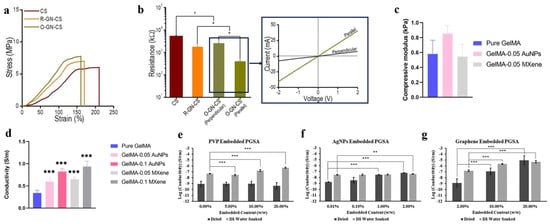
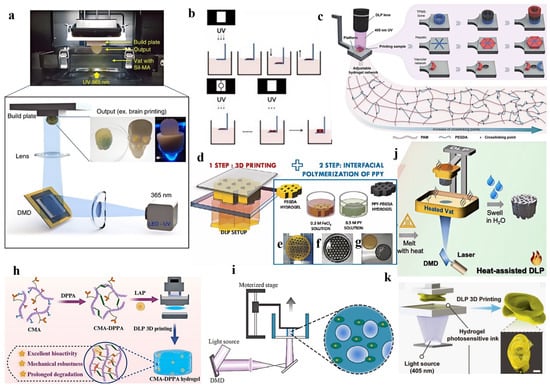
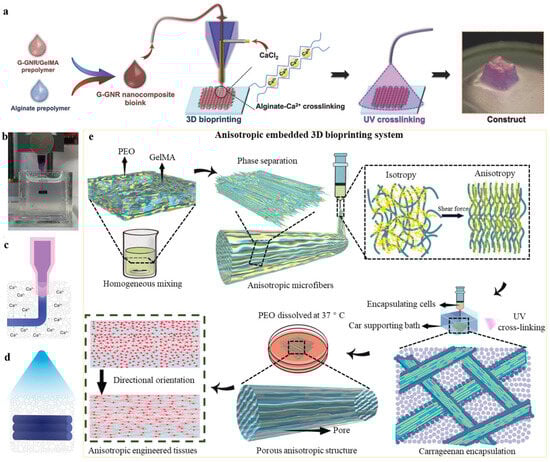
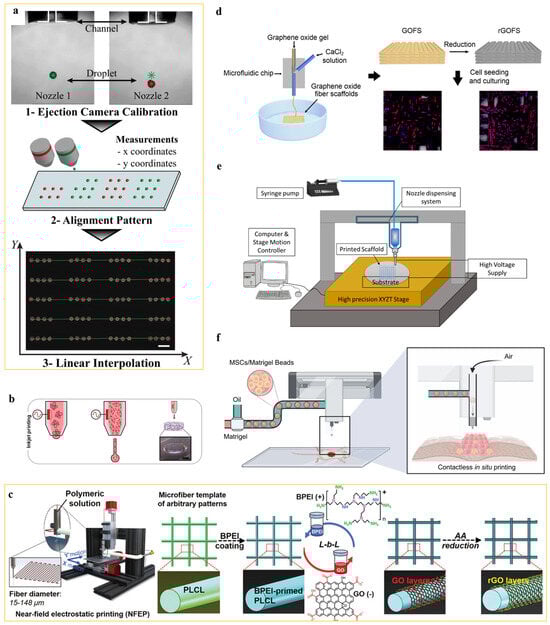
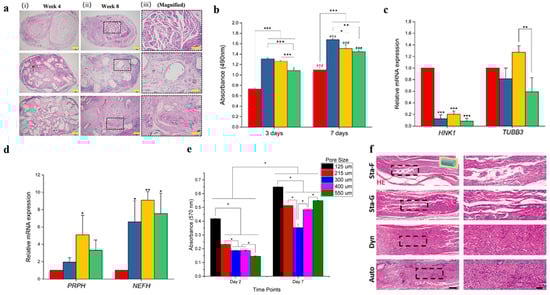
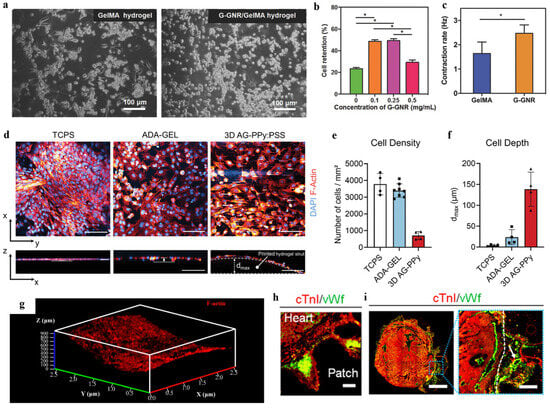
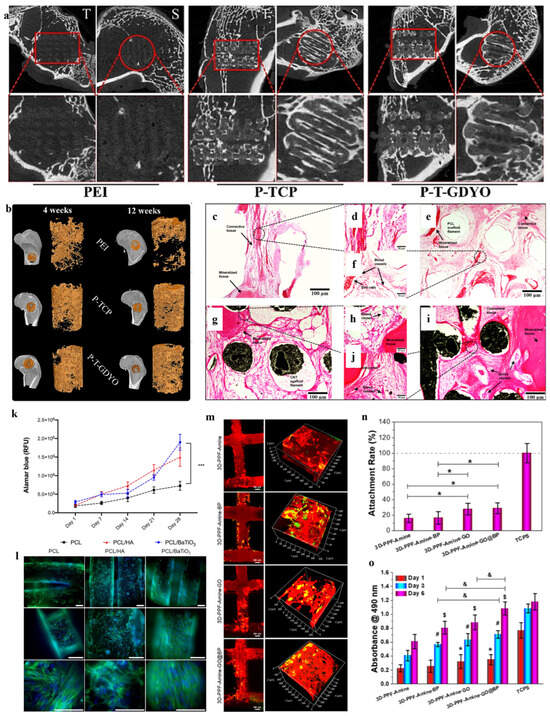
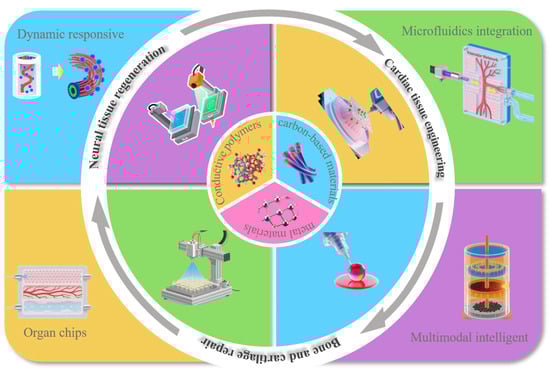
Regenerative medicine is increasingly leveraging the synergies between bioinspired conductive biomaterials and 3D/4D bioprinting to replicate the native electroactive and hierarchical microenvironments essential for functional tissue restoration. However, a critical gap remains in the intelligent integration of these technologies to achieve dynamic, responsive tissue regeneration. This review introduces a “bioinspired material–printing–function” triad framework to systematically synthesize recent advances in: (1) tunable conductive materials (polymers, carbon-based systems, metals, MXenes) designed to mimic the electrophysiological properties of native tissues; (2) advanced 3D/4D printing technologies (vat photopolymerization, extrusion, inkjet, and emerging modalities) enabling the fabrication of biomimetic architectures; and (3) functional applications in neural, cardiac, and musculoskeletal tissue engineering. We highlight how bioinspired conductive scaffolds enhance electrophysiological behaviors—emulating natural processes such as promoting axon regeneration cardiomyocyte synchronization, and osteogenic mineralization. Crucially, we identify multi-material 4D bioprinting as a transformative bioinspired approach to overcome conductivity–degradation trade-offs and enable shape-adaptive, smart scaffolds that dynamically respond to physiological cues, mirroring the adaptive nature of living tissues. This work provides the first roadmap toward intelligent electroactive regeneration, shifting the paradigm from static implants to dynamic, biomimetic bioelectronic microenvironments. Future translation will require leveraging AI-driven bioinspired design and organ-on-a-chip validation to address challenges in vascularization, biosafety, and clinical scalability.
Full article
(This article belongs to the Special Issue Innovative Materials for Bioelectronics in Wearable and Implantable Applications)
►▼
Show Figures

Figure 1

Open AccessArticle
Dual-Target Antimicrobial Strategy Combining Cell-Penetrating Protamine Peptides and Membrane-Active ε-Poly-L-lysine
by
Ryosuke Nakamura, Rie Togawa, Daisuke Koizumi, Masataka Kawarasaki, Keishi Iohara and Michiyo Honda
Micro 2026, 6(1), 7; https://doi.org/10.3390/micro6010007 - 21 Jan 2026
Abstract
Dental caries is a major global health issue associated with biofilm formation by Streptococcus mutans (S. mutans). Conventional antimicrobials often fail to eliminate biofilms due to their structural resistance, highlighting the need for new strategies. This study investigated the antibacterial and
[...] Read more.
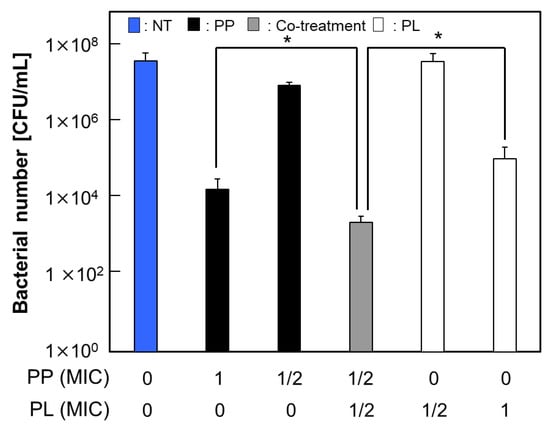
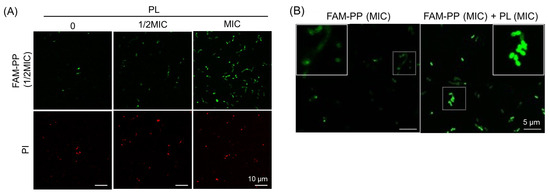
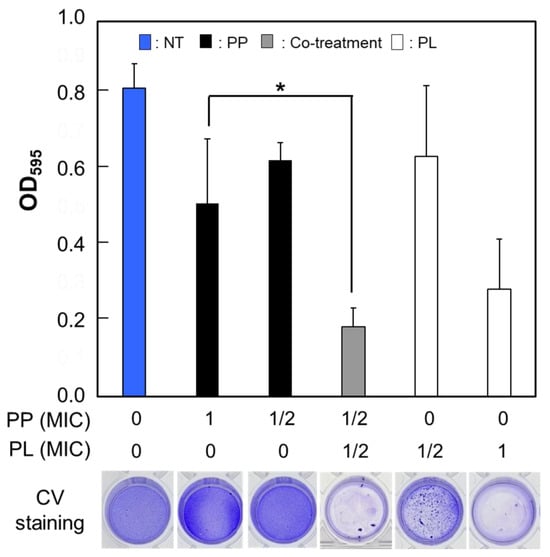
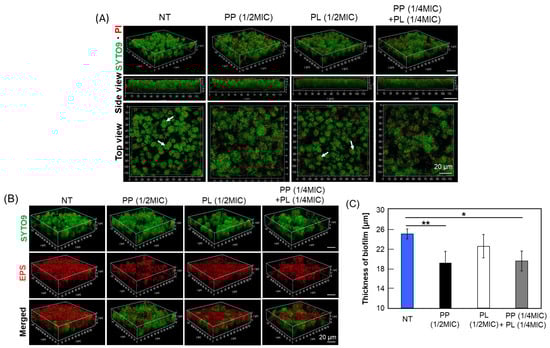
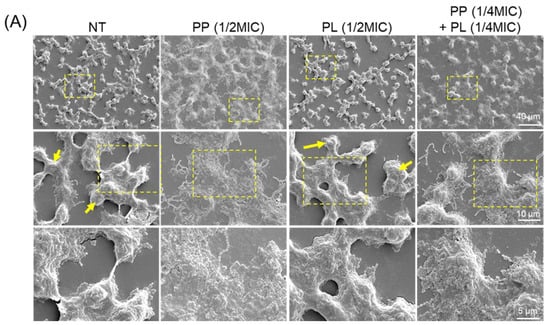
Dental caries is a major global health issue associated with biofilm formation by Streptococcus mutans (S. mutans). Conventional antimicrobials often fail to eliminate biofilms due to their structural resistance, highlighting the need for new strategies. This study investigated the antibacterial and antibiofilm effects of protamine peptides (PPs), which are cell-penetrating antimicrobial peptides derived from salmon protamine, alone and in combination with antimicrobial agents. Antimicrobial susceptibility was evaluated using alamarBlue® and colony count assays, while biofilm formation was analyzed using crystal violet staining, confocal microscopy, and extracellular polysaccharide (EPS) quantification. PP exhibited moderate antibacterial activity but strongly suppressed EPS accumulation and biofilm development, leading to a flattened biofilm structure. Cotreatment with ε-poly-L-lysine (PL) significantly enhanced antibacterial and antibiofilm effects compared with either agent alone, whereas this effect was not observed with other cationic polymers. Fluorescence imaging revealed that PL promoted the intracellular localization of PP without increasing membrane damage, indicating a cooperative mechanism by which PL enhances membrane permeability and PP targets intracellular sites. These findings demonstrate that combining a cell-penetrating peptide with a membrane-active agent is a novel approach to overcome bacterial tolerance. The PP–PL combination effectively suppressed S. mutans growth and biofilm formation through dual action on membranes and EPS metabolism, offering a promising basis for the development of peptide-based preventive agents and biofilm-resistant dental materials.
Full article
(This article belongs to the Section Microscale Biology and Medicines)
►▼
Show Figures

Figure 1

Open AccessArticle
Popcorn-like Particles from an Amino Acid, Poly(L-Cysteine) as Drug Delivery System with Blood-Compatible, Bio-Compatible, Antibacterial, and Antioxidant Properties
by
Nurettin Sahiner, Sahin Demirci, Betul Ari, Selin S. Suner, Mehtap Sahiner and Olgun Guven
Micro 2026, 6(1), 6; https://doi.org/10.3390/micro6010006 - 13 Jan 2026
Abstract
A facile and single-step synthesis of poly(L-Cysteine) (p(L-Cys)) particles through microemulsion polymerization using tetrakis(hydroxymethyl) phosphonium chloride (THPC) as crosslinker is accomplished for the first time. The L-Cys:THPC ratio in p(L-Cys) particles was calculated as 80:20% (by weight) with elemental analyses, and the generation
[...] Read more.
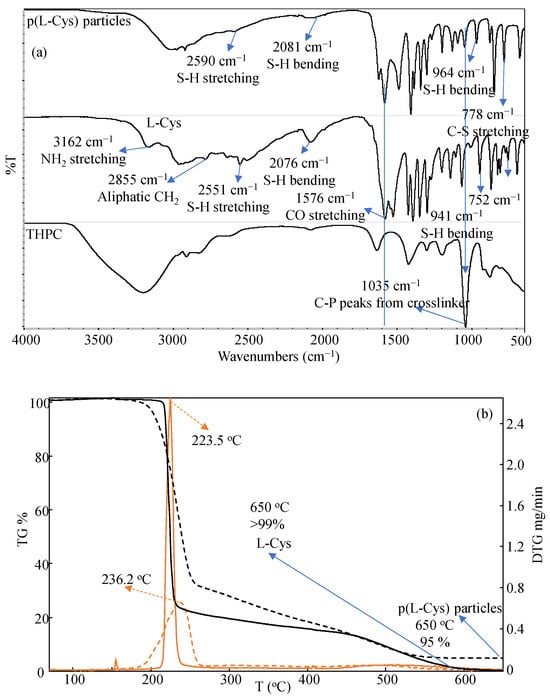
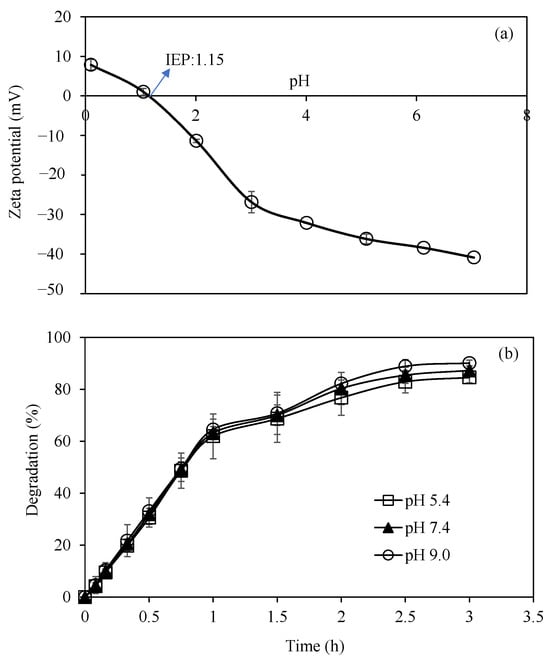
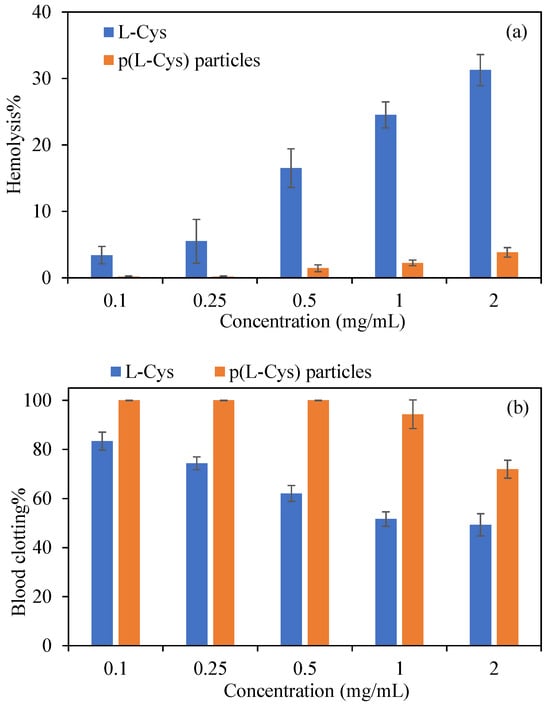
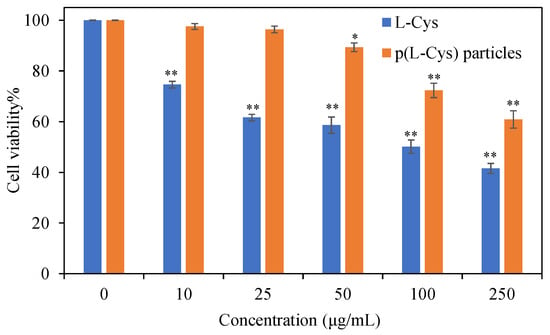
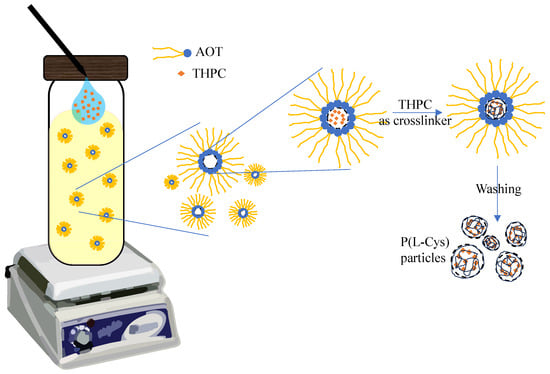
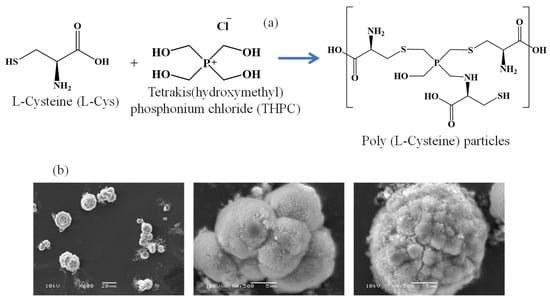
A facile and single-step synthesis of poly(L-Cysteine) (p(L-Cys)) particles through microemulsion polymerization using tetrakis(hydroxymethyl) phosphonium chloride (THPC) as crosslinker is accomplished for the first time. The L-Cys:THPC ratio in p(L-Cys) particles was calculated as 80:20% (by weight) with elemental analyses, and the generation of p(L-Cys) particles was confirmed. SEM imaging revealed a popcorn-like morphology of the p(L-Cys) particles with a 1–20 µm particle size range. The isoelectric point of p(L-Cys) particles was determined at pH 1.15 via zeta potential measurements. The hydrolytic degradation of p(L-Cys) particles was determined as about 85% within 3 h (by weight). The p(L-Cys) particles displayed excellent blood compatibility with a hemolysis % ratio of <2.3% and a blood clotting index of 95% at 1 mg/mL concentration. Moreover, cell compatibility tests up to 50 mg/mL against L929 fibroblast cells exhibited about 90% cell viability for p(L-Cys) particles versus 58% for L-Cys molecule. The antimicrobial efficacy of the L-Cys molecules was notably enhanced in p(L-Cys) particles, exhibiting a 5-fold reduction in minimal bactericidal concentration (MBC) values against E. coli (Gram-negative, ATCC 8739) and a 2-fold reduction against S. aureus (Gram-positive, ATCC 6538). Additionally, the antioxidant capacity of p(L-Cys) particles was retained somewhat, measured as 0.14 ± 0.01 µM versus 2.25 ± 0.03 µM Trolox equivalent/g for L-Cys. Therefore, p(L-Cys) particles are versatile and offer a unique avenue for immense biomedical use.
Full article
(This article belongs to the Special Issue Responsive Polymeric Nanomaterials and Hydrogels: Synthesis, Characterization, and Applications)
►▼
Show Figures

Figure 1
Open AccessReview
Production Techniques for Antibacterial Fabrics and Their Emerging Applications in Wearable Technology
by
Azam Ali, Muhammad Zaman Khan, Sana Rasheed and Rimsha Imtiaz
Micro 2026, 6(1), 5; https://doi.org/10.3390/micro6010005 - 13 Jan 2026
Abstract
►▼
Show Figures
Integrating antibacterial fabrics into wearable technology represents a transformative advancement in healthcare, fashion, and personal hygiene. Antibacterial fabrics, designed to inhibit microbial growth, are gaining prominence due to their potential to reduce infections, enhance durability, and maintain cleanliness in wearable devices. These fabrics
[...] Read more.
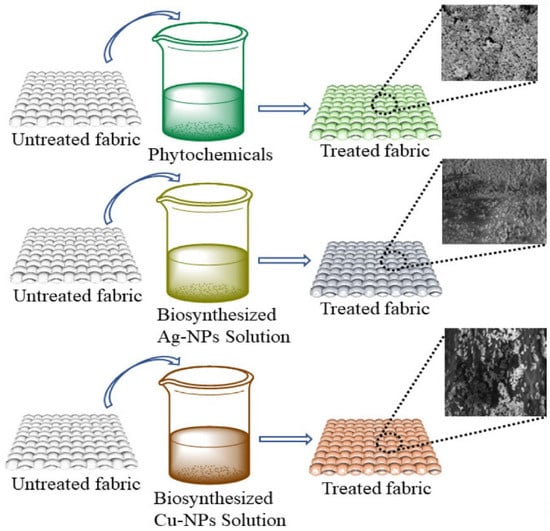
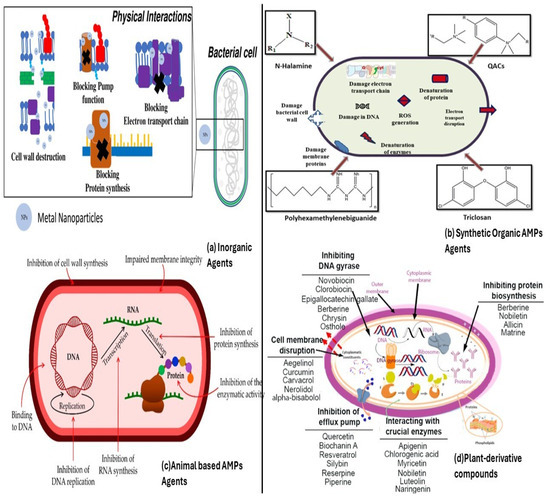
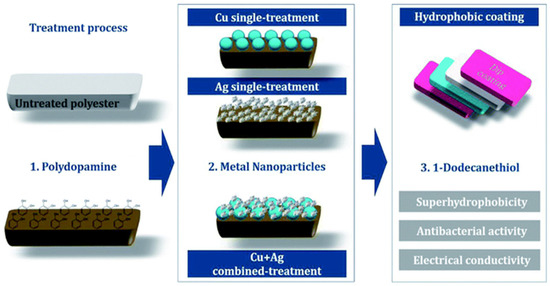
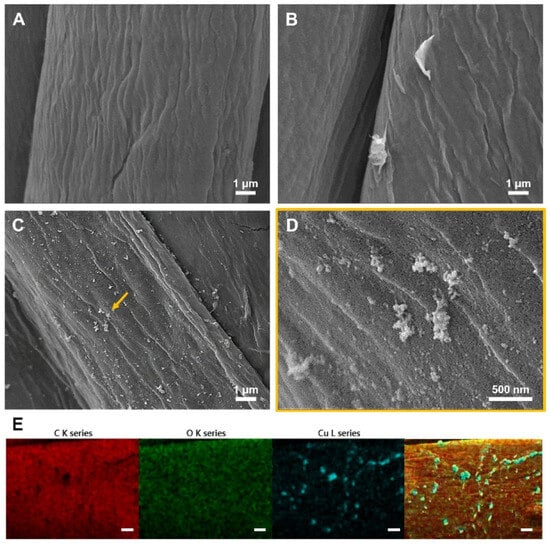
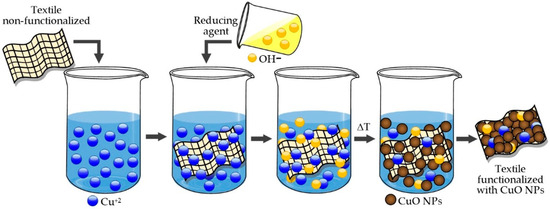
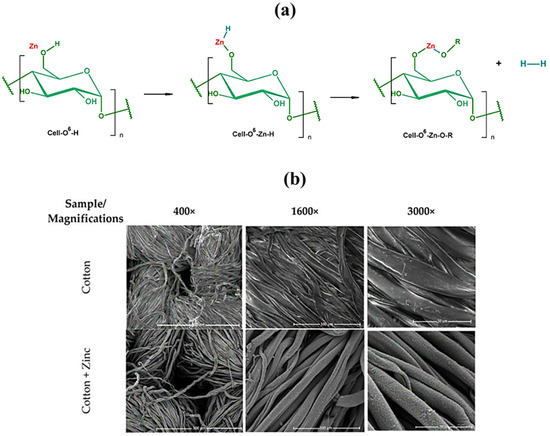
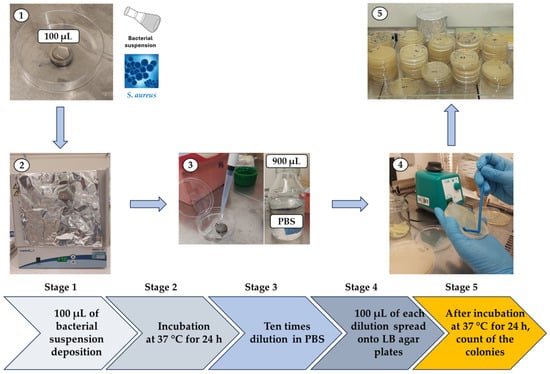
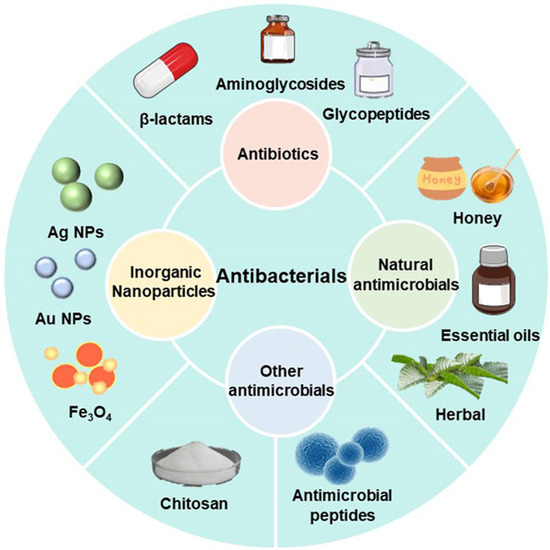
Integrating antibacterial fabrics into wearable technology represents a transformative advancement in healthcare, fashion, and personal hygiene. Antibacterial fabrics, designed to inhibit microbial growth, are gaining prominence due to their potential to reduce infections, enhance durability, and maintain cleanliness in wearable devices. These fabrics offer effective antimicrobial properties while retaining comfort and functionality by incorporating nanotechnology and advanced materials, such as silver nanoparticles, zinc oxide, titanium dioxide, and graphene. The production techniques for antibacterial textiles range from chemical and physical surface modifications to biological treatments, each tailored to achieve long-lasting antibacterial performance while preserving fabric comfort and breathability. Advanced methods such as nanoparticle embedding, sol–gel coating, electrospinning, and green synthesis approaches have shown significant promise in enhancing antibacterial efficacy and material compatibility. Wearable technology, including fitness trackers, smart clothing, and medical monitoring devices, relies on prolonged skin contact, making the prevention of bacterial colonization essential for user safety and product longevity. Antibacterial fabrics address these concerns by reducing odor, preventing skin irritation, and minimizing the risk of infection, especially in medical applications such as wound dressings and patient monitoring systems. Despite their potential, integrating antibacterial fabrics into wearable technology presents several challenges. This review provides a comprehensive overview of the key antibacterial agents, the production strategies used to fabricate antibacterial textiles, and their emerging applications in wearable technologies. It also highlights the need for interdisciplinary research to overcome current limitations and promote the development of sustainable, safe, and functional antibacterial fabrics for next-generation wearable.
Full article

Figure 1
Open AccessArticle
Tuning the Mechanical and Antibacterial Properties of ZrO2 Thin Films by Varying Deposition Angle and Orientation for Biomedical Applications
by
Asma Gzaiel, Khalil Aouadi, Aurélien Besnard, Yoann Pinot, Corinne Nouveau, Faker Bouchoucha, Yahya Agzenai Ben Salem, Amina Guessabi and Boudjemaa Bouaouina
Micro 2026, 6(1), 4; https://doi.org/10.3390/micro6010004 - 8 Jan 2026
Abstract
This paper investigates the properties of zirconium oxide thin films deposited on Ti6Al4V and Si substrates via oblique angle deposition, using varying out-of-plane θ (15 to 85°) and in-plane Φ (0 and 180°) substrate orientations. ZrO2 films have garnered significant interest due
[...] Read more.
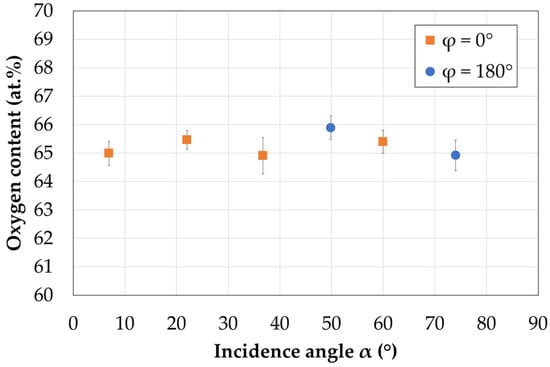
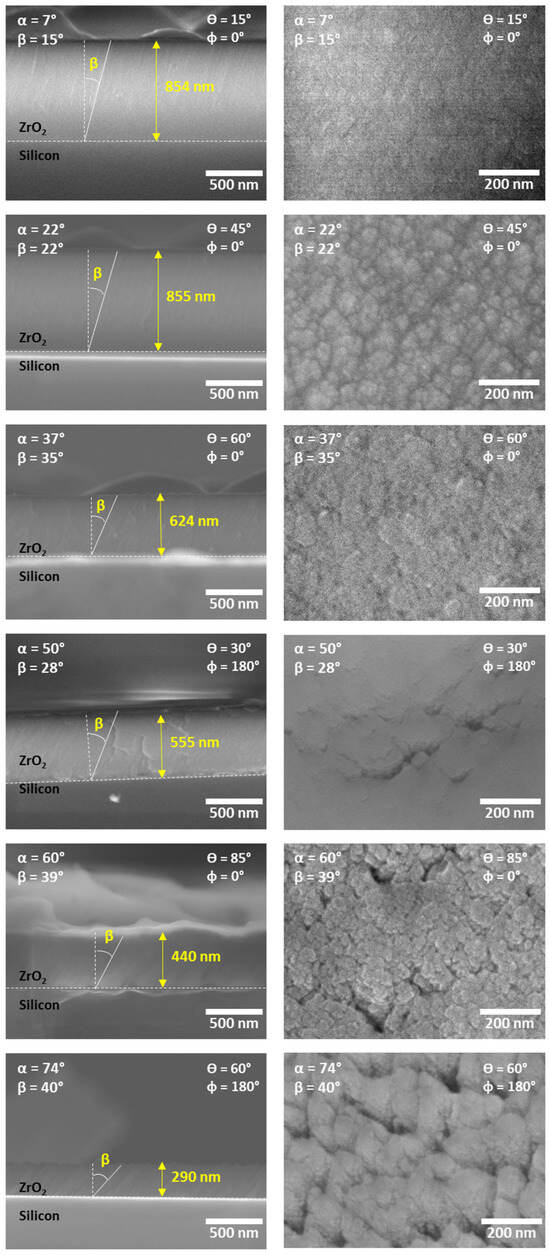
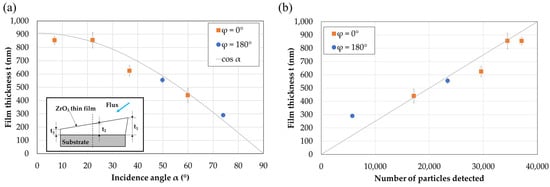
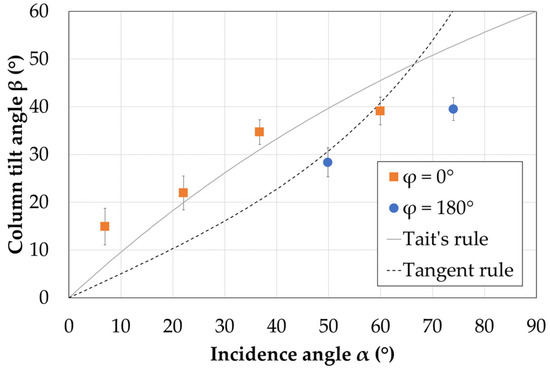
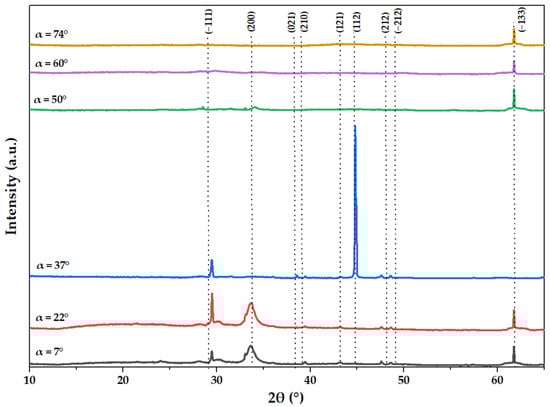
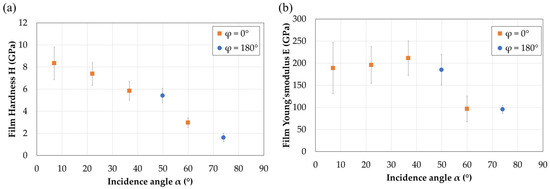
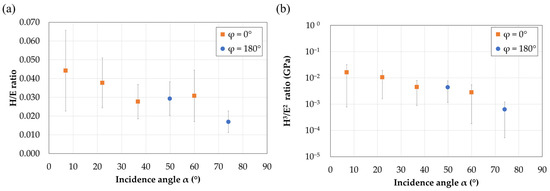
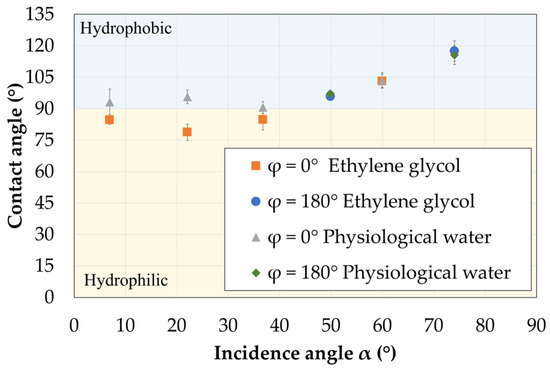
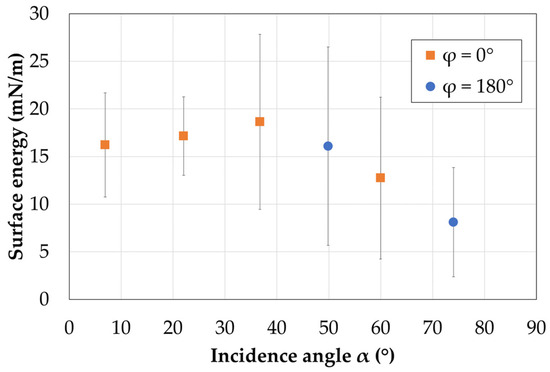
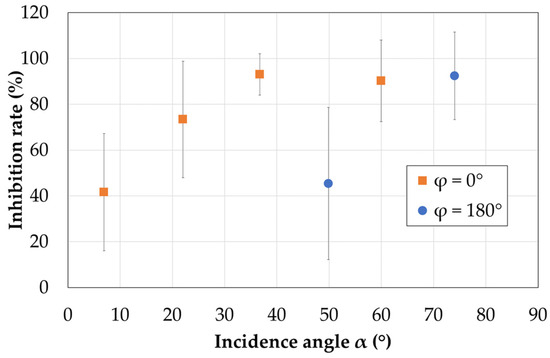
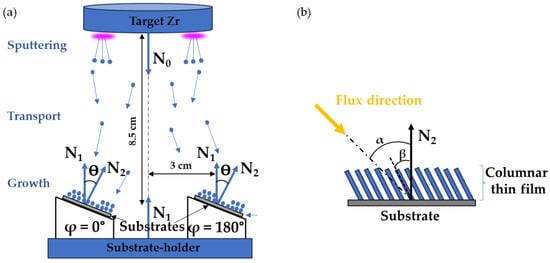
This paper investigates the properties of zirconium oxide thin films deposited on Ti6Al4V and Si substrates via oblique angle deposition, using varying out-of-plane θ (15 to 85°) and in-plane Φ (0 and 180°) substrate orientations. ZrO2 films have garnered significant interest due to their antibacterial properties and mechanical performance. The aim is to engineer surfaces capable of inhibiting bacterial growth while maintaining excellent mechanical integrity. The methodology combines experimental deposition by DC magnetron sputtering with multi-scale simulations using SRIM and SIMTRA. Structural analyses were conducted via X-ray diffraction, while microstructure and surface morphology were examined using scanning electron microscopy and atomic force microscopy. Nanoindentation tests were performed to assess hardness and elastic modulus. Results revealed that increasing the incidence angle α from 7 to 74° significantly affected surface morphology, microstructure, film thickness, and columnar tilt. The hardness and Young’s modulus of the films exceeded those of Ti6Al4V, for incidence angle α between 7 and 50°, but decreased with the increasing incidence angle α. Furthermore, the films exhibited strong antibacterial activity against Gram-positive pathogens (Staphylococcus aureus), particularly at the highest incidence angle α, with inhibition rates exceeding 90%.
Full article
(This article belongs to the Section Microscale Materials Science)
►▼
Show Figures

Figure 1

Highly Accessed Articles
Latest Books
E-Mail Alert
News
Topics
Topic in
Diagnostics, Electronics, Eng, Micro, Micromachines
Micro-Nanoelectronic Systems for Diagnosis and Therapies
Topic Editors: Wubin Bai, Jiho ShinDeadline: 30 June 2026
Topic in
Electronics, Eng, Materials, Micro, Micromachines
Wide Bandgap Semiconductor Electronics and Devices
Topic Editors: Joseph Bernstein, Asaf AlboDeadline: 31 July 2026
Topic in
Biomolecules, IJMS, Micro, Molecules, Antibiotics, Nanomaterials, Microorganisms, JFB
Antimicrobial Agents and Nanomaterials—2nd Edition
Topic Editors: Vasco D. B. Bonifácio, Sandra PintoDeadline: 31 December 2026
Topic in
Biophysica, Cells, IJMS, Materials, Micro, Biomimetics, Biomolecules
Biofabrication Technologies for Tissue Repair and Regeneration
Topic Editors: Lorenzo Vannozzi, Eugenio Redolfi RivaDeadline: 20 February 2027
Conferences
Special Issues
Special Issue in
Micro
Micro- and Nanosized Polymer Powders: From Design to Processing Technologies and Advanced Applications
Guest Editors: Zlatan Denchev, Nadya Vasileva DenchevaDeadline: 30 April 2026
Special Issue in
Micro
Microplastics: From Characterization to Environmental and Biological Impacts
Guest Editors: Estefan Monteiro Da Fonseca, Christine GaylardeDeadline: 31 May 2026
Special Issue in
Micro
Micro/Nano-Engineered Lead-Free Electroceramic Materials and Devices
Guest Editors: Leandro Alfredo Ramajo, Miguel Angel Ramirez GilDeadline: 30 June 2026
Special Issue in
Micro
Micro- and Nano-Structured Biopolymer Materials for Biomedical, Environmental, and Sustainable Applications
Guest Editors: José Agustín Tapia Hernández, Carlos Gregorio Barreras-Urbina, Francisco Rodríguez-FélixDeadline: 31 July 2026
Topical Collections
Topical Collection in
Micro
Advances in Microtechnology for Cell/Tissue Engineering and Biosensing
Collection Editor: Eiichi Tamiya
Topical Collection in
Micro
Microsystem and Nanosystem Research for Sensors, Actuators and Energy Conversion Devices
Collection Editors: Vittorio Ferrari, Marco Baù, Dario Zappa