


Abstract
Integrating antibacterial fabrics into wearable technology represents a transformative advancement in healthcare, fashion, and personal hygiene. Antibacterial fabrics, designed to inhibit microbial growth, are gaining prominence due to their potential to reduce infections, enhance durability, and maintain cleanliness in wearable devices. These fabrics offer effective antimicrobial properties while retaining comfort and functionality by incorporating nanotechnology and advanced materials, such as silver nanoparticles, zinc oxide, titanium dioxide, and graphene. The production techniques for antibacterial textiles range from chemical and physical surface modifications to biological treatments, each tailored to achieve long-lasting antibacterial performance while preserving fabric comfort and breathability. Advanced methods such as nanoparticle embedding, sol–gel coating, electrospinning, and green synthesis approaches have shown significant promise in enhancing antibacterial efficacy and material compatibility. Wearable technology, including fitness trackers, smart clothing, and medical monitoring devices, relies on prolonged skin contact, making the prevention of bacterial colonization essential for user safety and product longevity. Antibacterial fabrics address these concerns by reducing odor, preventing skin irritation, and minimizing the risk of infection, especially in medical applications such as wound dressings and patient monitoring systems. Despite their potential, integrating antibacterial fabrics into wearable technology presents several challenges. This review provides a comprehensive overview of the key antibacterial agents, the production strategies used to fabricate antibacterial textiles, and their emerging applications in wearable technologies. It also highlights the need for interdisciplinary research to overcome current limitations and promote the development of sustainable, safe, and functional antibacterial fabrics for next-generation wearable.
1. Introduction
The demand for antibacterial textiles has increased significantly in recent decades [1] particularly in healthcare, where they help prevent the transmission of pathogens during surgical procedures. Antibacterial finishing enhances textile durability by resisting microorganisms, preventing fiber damage and discoloration [2]. Wearable technologies have emerged as a crucial field driven by continuous technological advancements, including electronic chips, GPS, Wi-Fi, sensors, and nanotechnology. While wearable devices have existed for centuries, their popularity and functionality have surged only recently [3]. Despite their increasing importance, the design and uses of these systems are still not well understood. Because they are broad and continually evolving, wearable technologies can be divided into three main categories: wearable health devices, wearable textile technologies, and wearable consumer electronics. Wearable technology has significantly transformed healthcare by enabling real-time health monitoring, personalized care, and improved disease management. Devices like smartwatches, biosensors, and continuous glucose monitors (CGMs) help track vital signs, detect cardiovascular anomalies, and manage chronic conditions such as diabetes [4]. Additionally, wearable sensors aid in the early detection of neurological disorders, such as Parkinson’s and Alzheimer’s, by tracking tremors and cognitive responses [5]. The COVID-19 pandemic further highlighted the potential of wearables in infectious disease monitoring, with devices tracking symptoms like temperature and respiratory rate [6]. Moreover, AI-integrated wearables help improve medication adherence and even support smart drug delivery systems. With ongoing advancements, wearable technology continues to enhance healthcare efficiency, reduce hospitalizations, and improve patient outcomes [7]. Biomechanics applies mechanical engineering principles to living organisms, with a focus on studying tissues and joints. It examines the effects of force on the human body using motion sensors, such as IMUs, which incorporate accelerometers, gyroscopes, and magnetometers for motion analysis [8]. IMUs are used in swimming, posture analysis, and exercise tracking. Various sensors, including piezoelectric, resistive, and capacitive elements, aid in force and motion detection, with TENG systems enabling wearable applications. Cotton fabrics often harbor bacteria such as Escherichia coli (E. coli) and Staphylococcus aureus (S. aureus), raising concerns about cross-infection. The textile industry is advancing antibacterial fabrics for healthcare to enhance infection control [1]. Antibacterial finishing enhances the durability and resistance of textiles to microorganisms, preventing fiber degradation and discoloration while improving hygiene in clinical and sensitive environments [2]. Various methods, including surface modification and finishing, have been developed to inhibit microbial growth on fabric surfaces [9]. Gao and Cranston reviewed antibacterial agents used in textiles, highlighting conventional processes such as exhaust, pad-dry-cure, spraying, and foam finishing, which utilize triclosan and silicon-based quaternary agents [9]. A range of antibacterial agents has been explored, including synthetic organic compounds like quaternary ammonium salts, polybiguanides [10], and N-halamines, as well as inorganic agents like TiO2, ZnO, and silver nanoparticles. Naturally derived antimicrobials, such as chitosan, have also been studied. Mohammad et al. developed dual-functional antibacterial textiles by immobilizing silver nanoparticles and modifying them with octyltriethoxysilane (OTES) for hydrophobicity [3]. Thirumalaisamy et al. employed bimetallic deposition to produce a superhydrophobic and antibacterial cotton fabric [11]. Chen et al. introduced an environmentally friendly finishing with siloxane sulfopropylbetaine (SSPB), ensuring non-toxicity and non-leachability from the fabric [12]. Rong et al. developed hydrophobic antibacterial cotton fabric via heterogeneous transesterification, constructing enamine bonds between acetoacetyl groups and cotton fibers, resulting in a 99.99% bacteria-resistance rate against E. coli and S. aureus [13]. Additionally, Zhao et al. extensively investigated graphene oxide-based antibacterial cotton fabric. Despite these advancements, large-scale industrial production of such antibacterial textiles remains a challenge [14].
Antibacterial fabrics are gaining prominence in wearable technology due to their ability to enhance hygiene, comfort, and durability. In recent studies, the constant advancement of antibacterial textiles faces multiple implementation barriers when used in wearable technology settings. Modern antibacterial treatments exhibit weak resistance to normal textile wear and washing processes due to their limited durability. Traditional manufacturing relies on toxic substances and energy-intensive processing techniques, which raise security risks alongside sustainability demands and concerns about skin contact compatibility. The integration of antibacterial functionality with essential properties, including flexibility, breathability, and electronic compatibility, remains a significant unaddressed need in wearable system development. This review focuses on the antimicrobial agents used (e.g., silver, zinc oxide, titanium dioxide, copper, and graphene), the production techniques applied (such as nanoparticle coating, electrospinning, plasma treatment, and green synthesis), and their emerging applications in smart textiles. These fabrics play a vital role in reducing microbial contamination, odor, and skin irritation in wearable devices used for healthcare, fitness, and everyday wear. Despite their potential, challenges persist in achieving long-term efficacy, ensuring material safety, promoting environmental sustainability, and scaling up production. Addressing these issues is key to advancing antibacterial fabrics for widespread adoption in next-generation wearable technologies.
Despite the extensive literature on antimicrobial textile finishing, existing reviews largely emphasize antibacterial agents or coating chemistries without sufficiently addressing the functional requirements and constraints of wearable and smart textile systems. The present review distinguishes itself by adopting a wearable technology-oriented perspective, in which antimicrobial materials, fabrication strategies, and performance metrics are critically analyzed in relation to long-term skin contact, mechanical deformation, laundering durability, and compatibility with textile-based sensors and electronics. In contrast to prior reports that rely primarily on qualitative descriptions, this review integrates quantitative antimicrobial performance data, including bacterial reduction efficiency and wash durability, to enable meaningful comparison between different approaches. Furthermore, the scope is expanded to a detailed discussion of toxicity, cytocompatibility, and environmental safety, which are particularly relevant for prolonged human exposure in wearable applications. By consolidating recent laboratory advances with selected real world and commercially implemented examples, this review provides a structured and application driven overview that bridges the gap between traditional antimicrobial textiles and emerging wearable technologies.
2. Need for Antibacterial Fabrics
Researchers studied various materials to enhance cotton fabric’s features, such as self-cleaning, UV protection, flame retardancy, and antibacterial properties, with a particular emphasis on antibacterial capabilities [15,16]. Microorganisms proliferate rapidly in healthcare environments. Cotton fabric has an expansive surface and good hygroscopicity, which makes it easy for bacteria to stick to it, which will affect its usability [17]. Therefore, it is necessary to apply chemicals that are antimicrobial to give cotton fabric antibacterial activity in the medical field [18]. As technology advances, the presence of organic, natural, and inorganic antibiotics on cotton fabric is increasing. Recently, there has been growing interest in organic antimicrobial agents like quaternary ammonium salts, guanidine (peptide), zwitterionic betaine compounds, and halides. Besides natural antimicrobials, various substances derived from plants or animals, such as chitosan derivatives and dyes, have also demonstrated antibacterial properties [19].
Inorganic antibacterial agents, including nano ZnO, nano TiO2, nano CeO2, nano Ag, and carbon quantum dots, are efficient candidates for their effective antibacterial activity [20,21,22]. However, traditional methods only give cotton cloth antibacterial properties for a brief period. Developing long-lasting antibacterial cotton fabrics requires establishing strong and stable interactions such as covalent grafting, electrostatic attraction, hydrogen bonding, or polymer nanoparticle entrapment between the antibacterial agent and the fiber surface. These stable interactions reduce the risk of leaching the active compounds during laundering and mechanical wear, thereby preserving antimicrobial performance over extended period of time [23]. Typically, long-term antibacterial cotton fabric is produced by treating cotton fabric with various washing processes, based on standard textile tests, to ensure it maintains its antibacterial properties over time. These antibacterial properties are vital for smart fabrics used in wearable health monitors, sensors, and biomedical applications, as they help prevent microbial contamination [23].
3. Types of Antibacterial Agents Used for Textiles
Antibacterial agents used in textiles are broadly categorized into three types based on their chemical nature and mode of action: inorganic agents (such as metal particles and carbon-based materials), natural agents (derived from plants and animals), and synthetic agents (like triclosan and synorin chloride). Natural materials, especially plant-based biopolymers, offer eco-friendly antimicrobial alternatives. Inorganic agents provide long-lasting antibacterial effects by inducing oxidative stress and disrupting membranes. Synthetic agents, often composed of engineered polymers and nanoparticle coatings, offer strong antibacterial activity with enhanced durability, including resistance to washing. Incorporating these agents into textiles improves antimicrobial efficacy while maintaining fabric flexibility and structural integrity [24]. Figure 1 shows the different types of antibacterial agents [25].
Figure 1.
Different types of antibacterial agents [25]. Reproduced from Gou Y. et al. (2024), Frontiers in Bioengineering and Biotechnology, 12:1431949. Open-access article under CC BY 4.0.
3.1. Natural Antibacterial Agents Used for Textiles
Natural antibacterial agents, derived from plant and animal sources, have gained significant attention as sustainable and eco-friendly alternatives to synthetic antimicrobials in textile applications. These agents encompass a diverse range of bioactive compounds, including essential oils, flavonoids, tannins, alkaloids, chitosan, and sericin. Plant-derived extracts, such as neem, aloe vera, turmeric, and pomegranate, possess inherent antimicrobial properties, primarily through mechanisms including cell wall disruption, enzyme inhibition, and interference with microbial metabolism [26]. Animal-derived biopolymers, such as chitosan obtained from crustacean shells and sericin from silkworm cocoons, exhibit excellent biocompatibility and antimicrobial efficacy. These natural agents not only reduce environmental impact but also support skin-friendly textile finishes, making them ideal for use in medical textiles, wound dressings, and wearable health-related fabrics. However, challenges such as stability, controlled release, and durability under repeated washing remain areas of ongoing research and development [27].
3.1.1. Plant-Based Antibacterial Agents
Azadirachtin, a vital antibacterial compound in neem, is a complex tetranortriterpenoid limonoid that promotes bactericidal activity by disrupting the cell wall [28]. Neem is an evergreen shrub native to India that exhibits remarkable medicinal, antibacterial, and insect-repellent properties. Traditional medicine has been using it since ancient times to treat a wide range of human diseases. The study’s results show that fabrics treated with plant combinations Terminalia chebula (Myrobalan), Aloe barbadensis (Aloe vera), and Azadirachta indica (Neem) achieved bacterial reduction rates of 59% to 69% against Gram-negative bacteria and 58% to 64% against Gram-positive bacteria [29]. Neem extract does not encourage bacterial growth; rather, it is widely recognized for its antibacterial, antifungal, and insect-repellent properties. Textiles treated with neem extract have been shown to eliminate various pathogens, including S. aureus, E. coli, Pseudomonas aeruginosa, and Candida albicans. These textiles maintain their antibacterial properties even after multiple washes [30].
Punicalagin, a bioactive compound in pomegranate peels, offers antibacterial benefits. Pomegranates have been used for centuries to impart antibacterial properties to textiles and as a natural dye for garments. The antimicrobial effect is also linked to compounds like tannins and ellagic acid. A study tested fabric dyed with pomegranate extract and found it could kill bacteria, with effectiveness increased by combined extracts from P. granatum (pomegranate), A. cepa (onion), and R. tinctorum (rose madder). Additionally, a wool sample stained with pomegranate showed a bacterial growth reduction ranging from 4% to 80% [31].
The antimicrobial efficacy of honey arises from multiple synergistic mechanisms rather than solely its high sugar content. Recent studies confirm that honey’s high osmolarity and low water activity create an inhospitable environment for microbes, drawing water out of cells and inhibiting growth, but this effect works in concert with biochemical activity. Hydrogen peroxide generated by the enzyme glucose oxidase upon dilution is a major antimicrobial factor, producing reactive oxygen species that damage cellular membranes, proteins, and DNA, thereby inhibiting bacterial viability. Honey also contains bioactive phytochemicals, including flavonoids and phenolic acids, which enhance antimicrobial action by disrupting microbial metabolism and inhibiting biofilm formation. In addition, compounds such as methylglyoxal (MGO), which are particularly abundant in Manuka-type honeys, contribute broad-spectrum antimicrobial activity by altering bacterial membrane integrity and impairing adhesion and motility. Thus, these components act synergistically, and their relative contribution depends on honey’s floral origin, processing, and storage conditions, making the antimicrobial properties of honey multifactorial and context-dependent. Hence, honey’s antimicrobial function in fabrics and biomedical applications is best understood as a composite effect of osmotic stress, hydrogen peroxide production, low pH, and bioactive phytochemicals rather than a single causative factor [32]. Natural antimicrobial systems function through the combined action of multiple bioactive components, including the production of reactive oxygen species (such as peroxides), nitric oxide (NO), and antimicrobial lipid mediators such as prostaglandins, which collectively inhibit microbial growth by inducing oxidative stress, disrupting cellular membranes, and interfering with microbial metabolic pathways. Recent studies indicate that nitric oxide plays a critical role in antimicrobial defense by damaging bacterial DNA and proteins, while peroxide-based mechanisms contribute to broad-spectrum antibacterial activity through oxidative membrane disruption [33]. Essential oils offer various benefits, including antiviral, antioxidant, insecticidal, anticancer, antiallergic, anti-inflammatory, and antibacterial effects. These secondary metabolites are derived from different parts of plants. They have been effectively incorporated into biopolymer nanofibers to create wound dressings for medical use. Their antimicrobial activity primarily stems from phenolic compounds, such as thymol and carvacrol, which are key contributors [34]. Herbal extracts are gaining significant attention and are expected to be combined with biopolymer nanofibers. Nonetheless, their therapeutic effectiveness is limited by factors such as the lack of targeted delivery and low absorption. Ahn et al. investigated alfalfa, an ancient medicinal plant rich in antibacterial and oxygenating chlorophylls, as well as bioactive phytoestrogens. Their findings indicate that alfalfa-based nanofibers enhance wound healing by promoting re-epithelialization and tissue granulation in both mouse and human skin [35].
Polyphenols are primarily secondary metabolites that make up polyphenol structures. Food sources like tea and coffee beans are among the most common providers of polyphenols. In recent years, polyphenols have gained significant attention due to their potential in wound healing, thanks to their various biological functions, including antibacterial and anti-inflammatory effects. EGCG and 3-acrylamido-phenylboronic acid can be combined to create a hydrogel dressing [36].
3.1.2. Animal-Based Antibacterial Agents
Chitin is a polymer sourced from microorganisms, marine organisms, and insects. Chitosan, an eco-friendly polymer derived from the deacetylation of chitin, is often used in textile finishing. When incorporated into fabric, chitosan imparts antibacterial properties. It can be applied to textiles through various methods, including layer-by-layer deposition, coating, impregnation, press-rolling, and wet spinning. An example is the chitosan-based ChSN/carboxymethylcellulose composite, which is applied using a layer-by-layer approach and shows antiviral activity against coronavirus with 99.99% efficiency [37]. Additionally, the molecular weight of chitosan is a significant physicochemical characteristic. The viscosity and water solubility of chitosan can be adjusted by changing its molecular weight. Lu et al. (2023) used 4-arm-PEG-CHO and 4-arm-PEG-NH to crosslink chitosan in an alkaline environment, resulting in a topologically structured hydrogel [38]. These macromolecular cross-linked chitosan hydrogels exhibit notable advantages in terms of mechanical strength, antibacterial activity, and swelling capacity, making them suitable for use in dressings. Several researchers enhanced the water solubility and mechanical robustness of hydrogels by substituting chitosan with polyethylene glycol monomethyl ether, also discovering excellent biocompatibility. Chitosan is highly biocompatible and recyclable, with low toxicity and beneficial biological properties like antibacterial and antioxidant effects [39].
3.2. Inorganic Antibacterial Agents
Inorganic antibacterial agents are commonly used because they are durable, effective, and resistant to environmental damage. These agents primarily break down bacterial cell membranes, disrupt cellular metabolism, or generate reactive oxygen species (ROS). Nanoparticle-based coatings are commonly applied to both natural and synthetic textiles to enhance their antimicrobial properties. Silver nanoparticles (AgNPs) (~10 nm in size) exhibit strong toxicity toward a broad range of microbes with lower toxicity toward human cells, offering long-term durability and increased dyeability. AgNPs are also known for their self-cleaning and antimicrobial activities, including antiviral activity against SARS-CoV-2 [40]. Besides silver, other metals and metal oxide nanoparticles, such as titanium, tin, zinc, gold, and copper, have been applied to textiles. The antimicrobial activity of CuO NP-coated textiles against both Gram-positive and Gram-negative bacteria is attributed to the release of copper ions, direct contact with bacteria, and the production of reactive oxygen species. Additionally, amino-capped TiO2 NPs coated on functional cotton fabric via a two-step sol–gel and hydrothermal method showed effective antibacterial activity against S. aureus and E. coli [41].
3.2.1. Metal Oxide Nanoparticles as an Antibacterial Agent for Textiles
Silver (Ag) and its compounds are the most studied inorganic antimicrobial agents used in textiles. Its effectiveness depends on the concentration of Ag cations (Ag+) and/or nanoparticles (Ag NPs) retained by the textile fibers. Once released into the environment, these species include various microorganisms, such as Gram-negative and Gram-positive bacteria, fungi, molds, viruses, yeasts, and algae. Besides its antibacterial properties, silver is thought to pose minimal risks to human health when present at low levels [42]. Ag’s antibacterial property is linked to the controlled release of both Ag+ and Ag NPs, which are nanoscale clusters of metallic silver atoms, Ag°. Ag+ ions are released when silver salts, such as AgNO3 and AgCl, dissociate in water [43]. Additionally, Ag+ can form through the oxidation of Ag NPs when water and oxygen are present, as shown in the following reaction:
4Ag + O2 + H2O → 4Ag+ 4OH−
The antibacterial property of Ag-functionalized fibers largely depends on the concentration, particle size, and shape of Ag. Ag adsorption on fibers increases as the Ag concentration in the finishing solution increases, regardless of the application method. Smaller Ag NPs have a higher surface area, resulting in better interactions with microorganisms and improved Ag+ release [43]. Figure 2 represents the Scheme representing the coating of different types of antimicrobial agents used for the fabrication of the textile [44].
Figure 2.
Scheme representing the coating of different types of antimicrobial agents used for the fabrication of the textile [44]. Reproduced from Tahir M.F. et al. (2022), Nanomaterials, 12(20):3629. Open-access article under CC BY 4.0.
Copper nanoparticles (Cu NPs) are effective antibacterial agents for textiles, existing in cuprous (Cu2O, Cu+) and cupric (CuO, Cu2+) forms. CuO, a stable p-type semiconductor, has applications in medicine, catalysis, sensors, and batteries. It demonstrates antibacterial, antiviral, and antifungal properties. Textiles can be functionalized with CuO NPs using in situ (one-step) or ex situ (two-step) methods. CuO is directly deposited onto textiles through an in situ synthesis process [45]. Perelshtein et al. [46] used ultrasound-assisted CuO synthesis on cotton, confirming its antibacterial activity against E. coli and S. aureus, with resistance to 20 washing cycles. Dip-coating further improves Cu2+ adsorption by pre-treating textiles with oxalic acid or hydroxylation agents [47]. While CuO-functionalized textiles demonstrated high catalytic activity for wastewater treatment, their antimicrobial efficiency varied depending on the bacterial strain. Rezaie’s group s [48] synthesized CuO using plant-derived precursors, revealing that higher oxalic acid concentrations resulted in a CuO-dominant phase. Another study functionalized cotton via the exhaust dyeing method, showing E. coli inhibition and CuO-cellulose bonding. However, CuO-functionalized textiles exhibit strong antibacterial properties, durability, and minimal ion leaching, making them promising for various applications, including medical, industrial, and environmental uses [49].
3.2.2. Carbon Nanotubes (CNT) as Antibacterial Agents for Textiles
Carbon nanotubes (CNTs) have emerged as effective antibacterial agents for textile applications due to their unique physicochemical properties, including high surface area, mechanical strength, electrical conductivity, and chemical stability. Additionally, SWCNTs are more toxic to bacteria than multi-walled carbon nanotubes (MWCNTs) [50]. Yang et al. (2010) reported that the length of SWCNTs affects their antibacterial activity, with longer SWCNTs (5 μm) exhibiting stronger antimicrobial effects due to their higher aggregation with bacterial cells [51]. Several studies have explored the application of CNTs in antibacterial textiles. Chen et al. (2013) demonstrated that CNTs, including SWCNTs, short and long MWCNTs, and functionalized MWCNTs, exhibited broad-spectrum antibacterial activity against Lactobacillus acidophilus, Bifidobacterium adolescentis, E. coli, Enterococcus faecalis, and S. aureus [52]. In another study, Alimohammadi et al. (2012) coated cotton fabric with CNTs using the exhaustion method and found that MWCNTs significantly enhanced the antibacterial properties of the fabric [53]. Furthermore, Yazhini and Prabu (2015) synthesized ZnO-BTCA-CNT composites and found that fabrics coated with these materials exhibited stronger antibacterial activity against S. aureus and E. coli compared to fabrics coated with ZnO-BTCA alone [54].
3.2.3. Graphene Oxide (GO) as an Antibacterial Agent
Graphene-based materials have demonstrated significant antibacterial properties, making them promising candidates for antibacterial textiles. Graphene, with its sp2 hybridized carbon structure, exerts cytotoxic effects on bacteria through mechanisms similar to those of other carbon-based nanomaterials, such as CNTs, by physically damaging bacterial membranes and leading to leakage of intracellular content [55]. To develop antibacterial fabrics, Yaghoubidoust and Salimi coated cotton with graphene oxide (GO) using a dip-coating method [56]. The modified fabric effectively neutralized 70% of E. coli and 93% of Streptococcus iniae, highlighting its efficiency and cost-effectiveness for broader applications. Similarly, Jia et al. [57] incorporated TiO2 nanofibers and GO sheets into cellulose acetate nanofibers using electrospinning, creating TiO2/GO/CA@cotton, which demonstrated over 95% inhibition against Bacillus subtilis and Bacillus cereus, with enhanced hydrophilicity and antibacterial efficacy. Another approach by Sun et al. [58] involved functionalizing melamine sponge (MS) with reduced graphene oxide (RGO) and Ag/RGO, producing materials with high oil absorption and antibacterial effects against Staphylococcus sciuri, Shewanella MR-1, Pseudoalteromonas lipolytica, and Vibrio natriegens. Additionally, the ion implantation of Fe3+ ions onto GO-coated cotton fabrics enhanced both antibacterial activity and durability. These studies demonstrate the potential of graphene-based coatings and composites in developing durable, high-performance antibacterial textiles for medical, environmental, and industrial applications [59].
3.3. Other Antimicrobial Agents for Textiles
3.3.1. N-Halamines
N-halamines are nitrogen–halogen (N–X)-bonded organic compounds with strong antibacterial properties, commonly using chlorine for antimicrobial action. They release chlorine-free cations that disrupt bacterial metabolism, leading to cell death [60]. Applied to fabrics via the pad-dry method and chlorine bleach treatment, they retain approximately 85% efficacy after 15 days. They are compatible with various textiles like cotton, wool, polyester, and polyamide [1]. Their durability improves with the addition of reactive vinyl groups. Combining N-halamines with siloxane and quaternary ammonium compounds enhances antimicrobial performance, making them ideal for long-lasting medical and hygiene fabrics [60].
3.3.2. Triclosan
Triclosan (C12H7Cl3O2) is a synthetic chlorinated bisphenol with strong antimicrobial properties against bacteria, fungi, and viruses. It disrupts lipid biosynthesis and cell membrane integrity. Due to its non-ionized nature, Triclosan has excellent wash fastness, making it suitable for antibacterial fabrics. Widely used for over 30 years, it is incorporated into synthetic fibers, such as polyester, nylon, and polypropylene, in commercial products like Microban (UK), Irgaguard (Germany), BiofresH (USA), and Silfresh (Italy) [1]. For cellulose fibers, polycarboxylic acids are used as crosslinking agents or as host–guest complexes with cationic β-cyclodextrins to enhance stability and antimicrobial efficiency. Encapsulation in biodegradable polylactide further improves durability and environmental sustainability [61].
3.4. Mechanisms of Antimicrobial Action of Different Antibacterial Agents
The antimicrobial activity of functionalized textiles stems from distinct yet sometimes overlapping mechanisms, depending on the nature of the antibacterial agent. Inorganic agents, particularly metals and metal oxides such as silver (Ag), copper (Cu), zinc oxide (ZnO), and titanium dioxide (TiO2), primarily exert their antibacterial effects through cell wall and membrane disruption, the release of metal ions, and the generation of reactive oxygen species (ROS). Released metal ions (e.g., Ag+ or Cu2+) interact electrostatically with negatively charged bacterial cell envelopes, leading to membrane destabilization, increased permeability, and eventual cell lysis. Concurrently, metal oxides catalyze ROS formation (e.g., hydroxyl radicals, superoxide anions), which induce oxidative stress, damage intracellular proteins and nucleic acids, and inhibit respiratory enzymes, ultimately causing bacterial death. The entire mechanism for the inorganic agent is illustrated in Figure 3a [62,63,64]. In contrast, synthetic organic antimicrobial agents, such as triclosan and quaternary ammonium compounds, act predominantly through biochemical pathway interference and membrane activity. Triclosan inhibits fatty acid synthesis by targeting enoyl-acyl carrier protein reductase, thereby preventing the formation of cell membranes and bacterial replication. Quaternary ammonium compounds disrupt bacterial membranes through hydrophobic interactions, leading to the leakage of cytoplasmic contents and a rapid loss of viability. However, their non-specific action raises concerns regarding the development of resistance and cytotoxicity under prolonged exposure. The antimicrobial mechanism for the synthetic organic antimicrobial agent has been shown in Figure 3b [65,66,67]. Animal-based antimicrobial agents, including chitosan, peptides, and protein-derived compounds, exhibit activity mainly through electrostatic interactions and barrier disruption. Chitosan’s polycationic structure enables strong binding to negatively charged bacterial surfaces, forming an impermeable layer that blocks nutrient transport and interferes with cellular metabolism. Additionally, chitosan can penetrate bacterial cells, bind to DNA, and inhibit RNA transcription, thereby suppressing growth. Antimicrobial peptides derived from animal sources also contribute by inserting into lipid bilayers and forming pores, which leads to membrane rupture [68]. Figure 3c shows the effectiveness of animal-derived agents against microbes. Plant-based antimicrobial agents, such as polyphenols, flavonoids, alkaloids, and essential oils, operate through multi-target mechanisms, including membrane disruption, enzyme inhibition, metal chelation, and the induction of oxidative stress. Phenolic compounds destabilize bacterial membranes by altering lipid bilayer fluidity, while flavonoids inhibit nucleic acid synthesis and energy metabolism. Essential oils penetrate microbial membranes due to their lipophilic nature, causing structural collapse and leakage of intracellular components. These mechanisms often act synergistically, resulting in broad-spectrum antimicrobial activity with comparatively low toxicity [69]. The systematic mechanism of plant-derived antimicrobial agents and their effectiveness is illustrated in Figure 3d. Overall, although the fundamental antimicrobial mechanisms differ across inorganic, synthetic, animal-based, and plant-derived agents, most converge on cell envelope damage, oxidative stress induction, and metabolic interference. Understanding these mechanistic pathways is crucial for selecting suitable antimicrobial systems for wearable textiles, where durability, skin safety, and long-term efficacy are key considerations.
Figure 3.
(a) Antibacterial mechanisms for inorganic antibacterial agents of metal nanoparticles [62]. (b) Mechanism of action of synthetic organic materials as antimicrobial agents for textiles [67]. (c) Antibacterial activity mechanisms of animal-based AMPs [68]. (d) Antibacterial mechanism of action of plant-derivative compounds [69]. (a) Reprint with permission from [Franco D], [Metal-Based Nanoparticles: Antibacterial Mechanisms and Biomedical Application]; published by [MDPI], [2022] [62]. (b) Reprint with permission from [Bibi A], [Synthetic vs. natural antimicrobial agents for safer textiles: a comparative review]; published by [RSC] [2024] [67]. (c) Reprint with permission from [Talapko J], [Antimicrobial Peptides—Mechanisms of Action, Antimicrobial Effects and Clinical Applications]; published by [MDPI] [68]. (d) Reprint with permission from [Khameneh B], [Phytochemicals: A Promising Weapon in the Arsenal against Antibiotic-Resistant Bacteria]; published by [MDPI] [69].
The antibacterial activity of treated textiles is increasingly evaluated using quantitative parameters such as percentage bacterial reduction, log-reduction value, minimum inhibitory concentration (MIC), and minimum bactericidal concentration (MBC). Silver nanoparticle (AgNP)-functionalized cotton fabrics typically achieve >99.9% inhibition of Staphylococcus aureus and Escherichia coli within 24 h, corresponding to a 3–5 log reduction [70]. Similarly, ZnO-coated cotton fabrics exhibit 95–99% bacterial reduction depending on nanoparticle size and surface density, with MIC values ranging from 0.5 to 1.0 mg/mL [20]. Plant-based antibacterial agents also demonstrate quantifiable effects: pomegranate peel extract provides an 80–99% reduction in S. aureus and Klebsiella pneumoniae, depending on dye concentration [71]. Chitosan-coated textiles typically show 85–98% bacterial reduction, which increases to nearly 100% when chitosan is combined with AgNPs or ZnO nanocomposites [72]. These quantitative comparisons highlight the relative strengths of inorganic, biopolymer, and natural antimicrobial systems, reinforcing the importance of integrating numerical efficacy metrics when assessing antibacterial textile performance.
3.5. Antifungal and Antiviral Agents in Antimicrobial Textiles
Beyond antibacterial treatments, antifungal and antiviral functionalities are increasingly incorporated into textiles for healthcare, sportswear, filtration media, and wearable electronics. Antifungal agents such as zinc oxide, copper oxide, quaternary ammonium compounds, and natural extracts (e.g., neem, tea tree oil, and cinnamon bark) effectively inhibit fungal pathogens, including Candida albicans, Aspergillus niger, and Trichophyton mentagrophytes [73]. Metal oxide nanoparticles exhibit strong antifungal efficacy due to their ability to generate reactive oxygen species (ROS) and disrupt fungal membranes, with ZnO-treated cotton achieving >95% inhibition of Candida albicans after 24 h [74]. Antiviral textiles often employ silver nanoparticles, copper compounds, titanium dioxide, and vesicle-based lipid disruptors to inactivate enveloped viruses such as influenza, SARS-CoV-2, and human coronavirus 229E. Silver- and copper-functionalized fabrics have demonstrated rapid viral deactivation, achieving a >99% reduction within 2 h through ion-mediated protein denaturation and membrane disruption [73]. Commercial antiviral coatings such as HeiQ Viroblock leverage synergistic AgNP–liposome systems to destabilize viral envelopes, demonstrating strong performance even after repeated laundering [75]. Additionally, natural polyphenols and plant-derived flavonoids serve as eco-friendly antiviral agents, offering broad-spectrum activity with minimal toxicity [76]. Integrating antifungal and antiviral components alongside antibacterial treatments yields multifunctional fabrics with enhanced protection, making them suitable for emerging wearable technologies and health-oriented applications.
3.6. Long-Term Durability and Innovations for Sustained Antibacterial Performance
Maintaining antibacterial performance over extended periods remains a significant challenge, particularly due to factors such as washing, abrasion, sweat exposure, and environmental degradation. Recent research has demonstrated that covalent grafting of antimicrobial agents, such as N-halamine precursors, quaternary ammonium compounds, and plant-derived polyphenols, onto cotton and cellulose fibers significantly enhances wash durability, with fabrics retaining more than 90% antibacterial efficiency even after 30–50 laundering cycles [77]. Microencapsulation technologies, particularly those utilizing cyclodextrins or polymeric shells, enable the controlled release of essential oils, copper ions, or natural extracts, providing prolonged antimicrobial action and reduced volatility [78]. Metal–polymer hybrid coatings, such as polydopamine-assisted Ag/ZnO nanoparticles, adhere strongly to various textile substrates and exhibit 95–100% inhibition of E. coli and S. aureus after 20–40 washes due to their hierarchical binding and slow-release capabilities [79]. Additionally, sol–gel matrices incorporating inorganic biocides enhance durability through the formation of silica-based networks that resist leaching and mechanical abrasion [80]. Layer-by-layer (LBL) assemblies and plasma-induced graft polymerization also enhance long-term performance by creating mechanically robust interfaces between the active agent and the fiber surface [81]. Collectively, these innovations demonstrate considerable progress in enhancing the practical longevity of antibacterial textiles for real-world wearable applications.
3.7. Sustainable and Environmentally Friendly Antibacterial Textiles
Recent advances in textile functionalization have emphasized a shift toward sustainable antimicrobial technologies that reduce chemical toxicity, minimize wastewater generation, and enhance biodegradability. Natural biopolymers such as chitosan, alginate, sericin, and cellulose nanofibers provide intrinsic antibacterial activity while offering full biodegradability and excellent biocompatibility. Their use significantly decreases reliance on synthetic antimicrobials and halogenated compounds [19]. Similarly, green-synthesized inorganic nanoparticles, which include silver (Ag), zinc oxide (ZnO), and copper oxide (CuO), are produced using plant extracts, polysaccharides, amino acids, or microbial metabolites and show antimicrobial efficacy comparable to chemically synthesized nanoparticles but with markedly reduced environmental hazards [24]. Environmentally benign fabrication methods such as aqueous sol–gel processing, low-pressure plasma activation, and low-temperature in situ metal oxide growth reduce energy consumption and eliminate the need for toxic organic solvents [22]. Additionally, biodegradable antimicrobial coatings derived from natural tannins, polyphenols, essential oils, and flavonoids have demonstrated strong wash durability and broad-spectrum antibacterial function when applied to cotton, wool, and cellulose textiles [71]. Collectively, these advancements mark a significant shift toward eco-friendly, sustainable antibacterial textiles that align with global green chemistry principles and the growing demand for sustainable wearable technologies.
4. Methods to Produce Antibacterial Fabrics
Producing antibacterial fabrics involves various methods that incorporate antimicrobial agents into textile materials to inhibit or eliminate microbial growth. These methods can be broadly classified into chemical, physical, and natural methods involving surface modification techniques and bulk incorporation approaches. Surface treatments include techniques such as coating, padding, spraying, and microencapsulation, where antibacterial agents are applied onto the fabric surface, often using binders or fixatives for durability. More advanced techniques, such as plasma treatment, sol–gel processing, and electrospinning, are employed to enhance bonding efficiency and functional performance. To enhance clarity, several key fabrication methods used in the development of antibacterial textiles are defined here. Sol–gel coating is a wet-chemical process in which metal alkoxides or inorganic precursors undergo hydrolysis and condensation to form a nanostructured oxide network that can immobilize antimicrobial agents on textile surfaces. This technique is valued for producing uniform, durable, and chemically stable coatings at low temperatures. Electrospinning refers to the use of a high-voltage electric field to draw polymer solutions into ultrafine nanofibers, enabling the incorporation of antimicrobial nanoparticles, biopolymers, or plant extracts into porous nanofibrous mats with high surface area [82]. Plasma treatment utilizes ionized gas to activate or functionalize fiber surfaces without the use of chemicals, thereby improving the adhesion of antimicrobial agents while maintaining fabric integrity [83]. Layer-by-layer (LBL) assembly is a sequential deposition technique in which oppositely charged polymers or nanoparticles are alternately adsorbed onto textile fibers, creating multilayered antibacterial architectures with controlled thickness and release behavior [84]. In situ nanoparticle synthesis involves generating metal or metal-oxide nanoparticles directly on the textile substrate through thermal, chemical, or biological reduction, ensuring strong anchoring and reduced nanoparticle leaching [85]. These definitions provide context for the fabrication techniques discussed in subsequent sections. These production strategies are designed to preserve the fabric’s original properties, including breathability, softness, and strength, while delivering durable antimicrobial performance suitable for applications in healthcare, sports, and everyday use.
4.1. Chemical Solution Methods
Chemical methods involve the application or incorporation of antibacterial agents through chemical reactions, bonding, or the use of coatings. These techniques ensure effective and often long-lasting antibacterial activity by forming strong interactions between the fabric and active agents, such as metal nanoparticles, quaternary ammonium compounds, or antimicrobial polymers.
4.1.1. Coating by Solution Method
The production of antibacterial fabrics through metal coating involves depositing metal nanoparticles, such as silver (Ag), zinc oxide (ZnO), or copper (Cu), onto textile surfaces to impart antimicrobial properties [86]. Surface treatment is crucial to ensure uniform coating, strong adhesion, and long-lasting antibacterial effects. Copper (Cu) and silver (Ag) treatments enhance the antibacterial properties of textiles by depositing metal nanoparticles onto a polydopamine (PDA)-modified fiber surface, where the PDA layer acts as a bioinspired adhesive that promotes strong nanoparticle anchoring, uniform distribution, and improved wash durability, ultimately resulting in sustained antibacterial activity [87]. In a recent study, to prepare Cu-treated fabric, the fabric is immersed in a 0.2 M copper(II) acetate solution, followed by the addition of hydrazine monohydrate as a reducing agent. After 8.5 h at room temperature, the fabric is washed and dried at 60 °C. For Ag treatment, a similar process is followed with 0.2 M silver nitrate solution and hydrazine monohydrate, ensuring silver deposition. In the combined Cu-Ag treatment, copper is applied first, and the fabric is later immersed in a 0.1 M silver nitrate solution with stirring for 30 min. The dual-metal treatment enhances antibacterial effectiveness as both metals work synergistically to inhibit microbial growth. The final fabric exhibits strong, durable antibacterial properties after drying at 60 °C [11]. Previous research focused on the individual effects of Ag and Cu nanoparticles; their dual application created a synergistic effect, improving antibacterial performance and forming nano-scale roughness that contributed to water repellency (Figure 4). Polyester, commonly used in outer garments, tends to retain oily soils, creating a favorable environment for bacterial growth. The dual-metal treatment addressed this issue, making the fabric more resistant to moisture and bacterial colonization. The results highlight the potential of Ag and Cu nanoparticles to create multifunctional textiles suitable for applications in medical, activewear, and protective clothing, offering promising improvements in hygiene and durability [88].
Figure 4.
Schematic of surface treatment of polyester fabrics [88]. Reproduced from Hong. et al., RSC Advances, 2018, 8, 41782. Open-access article licensed under CC BY-NC 3.0.
4.1.2. Coating by the Dip Method
Dip coating is a simple and effective process used to apply thin films or coatings onto surfaces, including textiles. The method involves immersing a material (like fabric) into a solution containing the desired coating material, such as metal nanoparticles for antibacterial purposes, and then withdrawing it at a controlled speed [89]. The dip-coating method was used to produce antibacterial fabrics with copper nanoparticles (Cu NPs). Cotton fabric samples were first coated with graphene oxide (GO) by immersing them in a 0.25 mg/mL GO solution at 27 °C with constant stirring for 3 h. After washing off excess GO, the fabrics were immersed in a 5 mM CuCl2 solution for 1 h, allowing Cu2+ ions to bind to the negatively charged GO via electrostatic attraction [90]. The Cu2+-coated fabrics were then treated with NaBH4 to reduce the Cu2+ ions into Cu NPs and simultaneously reduce GO. After thorough washing and drying at 70 °C overnight, the Cu NPs were confirmed using FE-SEM and EDS, while ICP-MS was used to measure the Cu content. This process created antibacterial fabrics with Cu NPs uniformly coated on the surface, enhancing antimicrobial performance [91]. In a recent study, Kim et al. reported the development of antibacterial and biofilm-inhibiting cotton fabrics coated with reduced graphene oxide (rGO) and copper nanoparticles (Cu NPs). These rGO/Cu-coated fabrics demonstrate significant hydrophobic, antimicrobial, and anti-biofilm properties, effectively preventing the growth of E. coli, Pseudomonas aeruginosa, Staphylococcus epidermidis, Corynebacterium xerosis, and Micrococcus luteus. The FE-SEM images (Figure 5) show the morphological change of the cotton surface after coating, revealing a uniform deposition of rGO sheets and Cu nanoparticles [92].
Figure 5.
FE-SEM images of untreated cotton fabric (A), cotton fabric coated with reduced graphene oxide (rGO) (B), and rGO/Cu-decorated fabric (C,D). Panel (E) shows EDS element-mapping of the rGO/Cu fabric. Reproduced from Kim J. et al., Scientific Reports, 2023, 13:11947. Open-access article licensed under CC BY 4.0 [92].
4.1.3. Coating by Pad Dry Cure Method
The pad-dry-cure method is a common textile finishing process used to apply functional coatings such as antibacterial, water-repellent, or flame-retardant layers to fabrics. This three-step procedure guarantees uniform coating application and strong adherence to fabric fibers, resulting in durable and effective treatments that withstand multiple washes. It is particularly effective for enhancing antibacterial properties, providing long-lasting microbial protection along with other features like hydrophobicity [93]. Various antibacterial agents have been integrated into fabrics through this process, including quaternary ammonium salts, polybiguanides, N-halamines, and metal oxide nanoparticles such as TiO2, ZnO, and silver nanoparticles [94]. A recent innovation involved the immobilization of silver nanoparticles onto cotton fabric, followed by modification with octyltriethoxysilane (OTES) to impart hydrophobic characteristics. The pad-dry-cure process involves immersing fabric in an antibacterial solution, squeezing to ensure uniform distribution, drying to remove moisture, and curing at elevated temperatures to bind the agents to fabric fibers. This method has proven versatile and efficient, paving the way for more sustainable antimicrobial textiles [95].
4.1.4. In Situ Deposition of Metal Particles
The in situ synthesis and deposition of silver nanoparticles (AgNPs) on cotton fabrics have become a promising method for creating antibacterial textiles [96,97]. This process involves soaking cotton in a silver ion solution, then reducing it to form nanoparticles that are embedded deep within the fibers, providing improved durability over surface coatings [98]. Various chemical and green reducing agents have been explored to optimize nanoparticle formation. Unlike post-synthesis deposition methods, which only coat the fiber surface, in situ synthesis enables silver ions to penetrate deeply, resulting in a more uniform distribution of nanoparticles. Additionally, the crystalline regions of cotton, due to strong hydrogen bonding, may hinder silver ion complexation, resulting in weaker interactions and potentially leading to nanoparticle release during use [99]. In a recent study, the green chemistry method was applied to immobilize zinc oxide (ZnO) nanoparticles (NPs) onto polydopamine (PDA)-templated polyester (PET) fabrics for potential use in medical textiles [100]. The in situ synthesis process aligns well with existing textile industry practices, making large-scale production of antibacterial nanotextiles feasible. This method holds promise for creating durable antibacterial fabrics for use in medical, hygiene, and protective clothing applications. As shown in Figure 6, the in situ approach involves synthesizing nanoparticles in the presence of the fabric. In this process, nanoparticles are directly grown inside the textile material [45].
Figure 6.
Scheme of textile functionalization by the in situ method [45]. Reproduced with permission from Román J. et al., Molecules, 25, 5802 (2020). Open access article under the CC BY 4.0 license.
4.1.5. Coating by Electroless Solution Method
Electroless plating is an effective method for producing antibacterial fabrics by uniformly depositing metal coatings, such as silver (Ag), copper (Cu), and zinc (Zn), onto textiles without the use of an external electrical current. The process involves pre-treating fabrics to improve metal adhesion, followed by immersion in a solution containing metal ions and a reducing agent to facilitate metal deposition. Electroless plating not only imparts antibacterial properties but also enhances the durability, wash resistance, and wearability of the fabric. Further research extended this method by directly growing Ag and Cu nanoparticles within the textile structure itself, filling spaces between microfibers and forming conductive networks [96]. This process not only enhanced the fabric’s antibacterial capabilities but also improved its electrical conductivity, making it suitable for multifunctional applications. The antibacterial performance was evaluated using a direct contact assay, measuring the bacterial colony-forming units (CFUs) of E. coli after contact with Ag-coated polyester and cotton fabrics. Results showed a 38% reduction in CFUs at 5 min and 95% at 30 min for Ag-coated polyester, achieving complete bacterial elimination after 120 min. Ag-coated cotton also demonstrated significant antibacterial effects, reducing CFU by 47% at 60 min and 78% at 120 min. The effectiveness of silver coatings in preventing E. coli growth was further confirmed through qualitative analysis. In broth suspensions incubated with Ag-coated samples, no bacterial growth was observed after 24 h, in contrast to uncoated textiles, which showed turbidity due to bacterial proliferation. These findings highlight the potential of electroless plating in producing antibacterial fabrics with long-lasting performance, making them suitable for medical textiles and hygiene applications [101]. Ali et al. investigated the surface metallization of cotton fabrics with Ag and Cu nanoparticles through electroless plating. Initially, the fabric was activated by depositing silver and copper nanoparticles onto its surface, ensuring that proper attachment sites were created for the subsequent metal coating. The fabrics were then subjected to the electroless plating process, resulting in the formation of a thin copper layer. Electroless copper-plated fabrics made a clear zone of inhibition against both types of bacteria (Gram-negative and Gram-positive) [102].
4.2. Physical Methods
Physical methods utilize mechanical or energy-based processes to deposit antibacterial materials onto textiles, relying less heavily on chemical reactions. These techniques include sputtering, plasma treatment, and incorporation during fiber spinning, resulting in uniform and durable coatings or fibers with embedded antibacterial agents.
4.2.1. Coating by the Sputtering Method
Sputtering is a physical vapor deposition (PVD) technique used to deposit thin antimicrobial coatings onto fabric surfaces. In this process, a target material (such as silver, copper, zinc oxide, or titanium dioxide) is bombarded with high-energy plasma ions inside a vacuum chamber. The ejected atoms from the target settle onto the fabric, forming a uniform and durable antibacterial coating. Medical cotton fabric was enhanced with antibacterial properties by applying a zinc coating using a DC magnetron sputtering system. The process involved coating the fabric under controlled conditions, with a discharge power of 700 W, power density of 0.72 W/cm2, and working pressure of 2.0 × 10⁻³ mbar. To assess the effect of zinc content, three deposition variants were tested: 5 min of one-sided deposition (COT–Zn-5 (1 s)), 10 min of one-sided deposition (COT–Zn-10 (1 s)), and 10 min of two-sided deposition (COT–Zn-10 (2 s)) [103]. The antibacterial performance was evaluated against E. coli (ATCC 25,922) and S. aureus (ATCC 6538) using the agar diffusion method, in accordance with PN-EN ISO 20645:2006 standards [104]. After incubation at 38 °C for 24 h, antibacterial activity was measured by the diameter of the clear inhibition zones around each sample. Results showed that the Zn-coated fabrics exhibited notable antibacterial activity, with increased deposition time and two-sided coating enhancing bacterial inhibition. These findings highlight the effectiveness of zinc coatings applied via magnetron sputtering in enhancing the antibacterial properties of medical textiles, making them suitable for healthcare applications that require infection control. The aim of this investigation was to evaluate the biological properties of cotton–zinc composites.
In a previous study, cotton–zinc (Zn) composites were created using DC magnetron sputtering with a high-purity Zn target to improve the biological properties of textile materials. The Zn coating was verified through SEM/EDS, UV/Vis transmittance, and FAAS analyses (Figure 7). The composite showed strong antimicrobial and antifungal activity against Staphylococcus aureus, E. coli, Aspergillus niger, and Chaetomium globosum, demonstrating that Zn deposition effectively gives cotton fabrics biocidal functionality [105].
Figure 7.
(a) Putative mechanism of the reaction of zinc with cellulose during sputtering deposition of zinc on cotton. (b) SEM results (magnifications: 400×, 1600×, and 3000×) of the tested samples recorded before and after magnetron sputtering with a zinc target. Adapted from Kudzin M.H. et al., Materials, 2022, 15(8), 2746. Open-access article distributed under the CC BY 4.0 license [105].
4.2.2. Melt Incorporation into Textile Structure by the Melt Spinning Method
Melt spinning is a technique used to produce antibacterial fibers by incorporating antibacterial agents into a fiber matrix. This method requires temperature resistance, a small particle size, and good polymer compatibility for the effective production of ZnO NP-based antibacterial fibers. Erem et al. [106] developed ZnO NP-polyamide composite fibers through melt spinning, utilizing commercially sourced ZnO NPs, and evaluated their antibacterial activity against S. aureus and Klebsiella pneumonia. The fibers exhibited significant antibacterial effects, which increased with higher concentrations of ZnO NPs. Similarly, Zhang et al. [107] synthesized ZnO nanoparticles using zinc acetate and an amino hyperbranched polymer, then integrated them into polypropylene (PP) fibers through melt spinning. The resulting PP/ZnO fibers exhibited potent antibacterial effects against E. coli and S. aureus. These results underscore the promise of melt-spun ZnO nanoparticle fibers for use in antibacterial textiles.
4.2.3. Melt Incorporation into Textile Structure by the Dry-Jet Wet Spinning Method
Dry-jet wet spinning is a method in which a spinning solution is extruded through a spinneret, passes through air, and then enters a coagulation bath to form antibacterial fibers. Li et al. synthesized ZnO nanoparticles using Zn (NO3)2·6H2O, C6H8O7·H2O, and Al (NO3)2·9H2O, incorporating them into polyacrylonitrile-derived activated carbon fibers through dry-jet wet spinning. The fibers showed antibacterial effects against E. coli and Staphylococcus aureus, with higher ZnO NP content boosting their antimicrobial efficacy [108]. Similarly, Fu et al. synthesized ZnO nanoparticles using sodium dodecyl sulfonate (SDS), Zn (NO3)2·6H2O, and NaOH, then incorporated them into cellulose fibers via dry-jet wet spinning. These fibers exhibited strong antibacterial activity against S. aureus and E. coli, demonstrating the potential of this method for creating antimicrobial textiles [109].
4.2.4. Melt Incorporation into Textile Structure by the Electrospinning Method
Electrospinning is a process that applies a strong electric field to charge a polymer solution or melt, resulting in the creation of continuous fibers through solvent evaporation or cooling. Norouzi et al. synthesized ZnO nanoparticles (NPs) from zinc acetate dehydrate and NaOH and then integrated them into polyvinyl alcohol (PVA) fibers using electrospinning. These fibers showed antibacterial effects against S. aureus and E. coli, were non-toxic to human cells, and supported wound healing, making them ideal for medical dressings with anti-inflammatory benefits [110]. Similarly, Chen et al. synthesized ZnO NPs using Zn (CH3COO)2·2H2O and diethylene glycol, then incorporated them into gelatin fibers via electrospinning. The fibers demonstrated excellent antibacterial activity, reducing bacterial numbers by more than 90%. These results highlight the potential of electrospun ZnO NP fibers for antimicrobial and wound-healing applications [111].
5. Applications of Antibacterial Fabrics
Antibacterial fabrics have garnered significant attention across various industries due to their ability to inhibit or eliminate harmful microorganisms upon contact. These textiles are engineered to provide long-lasting protection against bacteria, fungi, and viruses, making them highly valuable in settings where hygiene, safety, and health are critical. The integration of antimicrobial agents into fabrics enhances their functionality without compromising comfort, durability, or breathability. As a result, antibacterial textiles have a wide range of applications in various sectors, including healthcare, sports, military, hospitality, public transportation, and household goods. From surgical masks and hospital gowns to odor-resistant athletic wear and antimicrobial upholstery, these fabrics contribute to infection control, odor management, and improved overall hygiene. In public areas such as hotels, restaurants, and trains, antimicrobial fabrics are highly sought after for items like towels, curtains, and carpets, which could otherwise be sources of infection. Additionally, odor control in textiles is an expanding area of research. Frequent laundering is the most effective way to reduce the microbial load in textiles; however, in hospital settings, continuous shifts make this impractical. Instead, antimicrobial textiles offer a viable solution. They are also beneficial for sanitation workers and sewage treatment employees who face a high risk of infection. Various surface modification techniques, including electrospinning, nanotechnology, plasma treatment, polymerization, microencapsulation, and sol–gel methods, enhance the properties of textiles such as water repellency, flame retardancy, and antibacterial activity [112]. Antimicrobial winter wear is particularly valuable since it is washed infrequently and stored for extended periods, creating conditions that favor the growth of microbes. Similarly, antimicrobial textiles can be useful in non-plastic shopping bags and food packaging, where antimicrobial coatings help prevent the growth of pathogenic and spoilage microbes. Key sectors requiring antimicrobial textiles, along with esthetic considerations like color, print, and design, include the following:
- Apparel includes caps, jackets, sanitary pads, sportswear, undergarments, and winter wear.
- Commercial products encompass carpets, seat covers, vehicle interiors, dusting cloths, military fabric, tents, and uniforms.
- Healthcare items consist of bandages, earbuds, scrubs, masks, lab coats, and protective kits.
- Household goods cover bedding, carpets, curtains, mop cloths, pillows, and towels.
Advances in material science and surface modification technologies have further expanded the versatility and effectiveness of antibacterial fabrics, positioning them as essential materials for the development of safer, cleaner, and more functional textile products.
5.1. Applications in Wearable Technology
Antimicrobial textiles are crucial in hospitals, public spaces, and environments prone to the presence of harmful microbes, as they help prevent the spread of infections. Clothing worn by patients, healthcare workers, and doctors can carry microbes that can easily be transmitted from one person to another. The demand for antimicrobial fabrics is increasing due to their ability to control infectious microorganisms. These textiles can be classified as antibacterial, antifungal, or antiviral, with some acting against multiple pathogens simultaneously. Broad-spectrum antimicrobial agents target a wide range of microbes [113].
Several methods are used to determine the antimicrobial properties of textiles. Sometimes, the active antimicrobial agent is tested separately. The Clinical and Laboratory Standards Institute (CLSI) provides standardized methods for antibacterial testing. The broth microdilution method, which relies on optical density measurements, is one of the most reliable techniques, determining the minimum inhibitory concentration (MIC) necessary to stop bacterial growth and the minimum bactericidal concentration (MBC) that kills bacteria [114]. The tube dilution method can also be used to calculate inhibitory concentrations (IC50), a key factor in evaluating antimicrobial efficiency.
5.2. Applications in Bandage Technology
Cotton fabrics, including lab coats, surgical coats, and masks, are more susceptible to microbial contamination [115]. Several studies have investigated the application of nanoparticles in developing antimicrobial fabric bandages [116]. El Shishtawy et al. utilized silver nanoparticle coatings on cotton fabrics to create highly effective, non-toxic bandages [117]. Turakhia et al. produced iron nanoparticles from Zingiber officinale root extracts and then created antibacterial surgical cotton with iron nanoparticle coating [118]. Román et al. created antibacterial cotton fabric bandages by enhancing them with copper oxide nanoparticles [45]. In additional investigations, the natural agent Carica papaya is commonly used as a natural treatment for various medical conditions, including neurological, vascular, and dermatological disorders. Wounds treated with an aqueous derivative of Carica papaya leaves show notable wound healing features, reduced infection potential, and limited odor development [119]. Recently, Ahlawat et al. [120] investigated the incorporation of Carica papaya leaf extract into PVA/GE nanofibers for wound healing applications. The resulting biohybrid dressing demonstrated significant antibacterial activity against E. coli and Staphylococcus aureus.
5.3. Applications in Wearable Devices (ECG, EMG, TENs)
The integration of antibacterial fabrics into wearable electronic devices such as ECG (electrocardiography), EMG (electromyography), and TENS (transcutaneous electrical nerve stimulation) systems represents a significant advancement in the field of bio-interfacing materials. These wearable devices require prolonged skin contact, making hygiene and skin compatibility critical concerns. Antibacterial fabrics help minimize the risk of microbial growth, skin irritation, and infection, especially during extended or repeated use. In addition to their hygienic properties, these fabrics can be engineered to maintain flexibility, breathability, and electrical conductivity, making them ideal substrates for embedding conductive electrodes or sensors. Their dual functionality, combining pathogen resistance with electronic compatibility, positions them as promising materials for the next generation of safe, durable, and user-friendly wearable health monitoring and therapeutic devices. Capacitive electrodes, a type of dry electrode, utilize an insulating material between the electrode and the skin, enabling biopotential signal recording through capacitive coupling [121]. Textile-based capacitive electrodes prevent skin irritation and enhance user comfort but suffer from high impedance and motion artifacts, which can be mitigated using preamplifiers and shielding. Conductive textile electrodes have been integrated into chairs and sleepwear for non-contact ECG monitoring, with enhancements like hydrogel coatings improving signal quality. Sweat retention in textiles helps reduce skin contact impedance, while conductive inks and materials such as graphene and silver ensure biocompatibility and durability [122].
5.4. Application in Hospital-Acquired Infection Areas
Healthcare textiles harbor microorganisms, contributing to HAIs, including SARS-CoV-2, despite regular cleaning. Hospital curtains and workers’ clothing accumulate significant microbial loads within days [123]. Common infections in nursing homes, such as UTIs, respiratory infections, and sepsis, highlight the need for self-disinfecting textiles. Nanotechnology offers a promising solution, with nanoparticles enhancing textile functionality due to their high surface-to-volume ratio. Silver nanoparticles, widely used in antimicrobial textiles, increased their market share from 9% to 25% between 2004 and 2011 [2]. Various methods integrate nanoparticles into textiles, including spraying, layer-by-layer deposition, and electrospinning. However, nanoparticle leaching affects durability, with up to 80% silver loss during the first wash, raising environmental concerns [124]. A novel Crescoating process grows nanoparticles directly within textiles, improving retention, performance, and environmental safety.
5.5. Applications in Military Clothing
Textile materials are extensively used in military applications, including uniforms, protective clothing, gloves, socks, and sandbags. Air-protective masks with immobilized chemicals, such as lipophilic active carbons, offer protection against toxic gases [125]. Various organic reagents enhance textile properties, such as triclosan for antibacterial action, benzophenone for UV resistance, and fluorocarbons for lipophilicity. Wrinkle resistance is achieved using butane tetra-carboxylic acid, citric acid, and maleic acid. Metal–organic frameworks (MOFs) are emerging as promising adsorbents for protective textiles. Since 2017, research has explored the use of MOFs for enhancing UV protection, water absorbency, antimicrobial action, and permeability, with no reported toxic effects on humans [126]. Military personnel are at a high risk of poor hygiene due to close living conditions and limited access to laundry facilities, which can lead to bacterial and fungal growth, unpleasant odors, and infections [127]. Washing at temperatures below 40 °C does not eliminate skin bacteria, which can exacerbate malodor when clothes are reworn. Antimicrobial textiles incorporate biocides through encapsulation or woven fibers, with most broad-spectrum antimicrobials [128]. Copper, a metal-based biocide, exhibits antibacterial, antiviral, and antifungal activity by inactivating intracellular proteins. Although microbial resistance to copper is rare, it remains a research concern. A study on copper-impregnated socks worn by 56 subjects for 8–10 days showed significant improvement in erythema and moderate improvement in skin scaling and fissuring, with no worsening of symptoms. Copper-treated cotton fibers retain bactericidal activity after 35 washes [129]. Additionally, copper surfaces in hospitals (e.g., door handles and bed rails) effectively prevent infection transmission [130]. The US Environmental Protection Agency has registered solid copper as an antimicrobial material.
5.6. Case Studies and Real-World Implementations of Antibacterial Textiles
Several commercially developed antibacterial textiles demonstrate the transition of laboratory-scale research into viable real-world applications. For example, Polygiene® ViralOff® and HeiQ Viroblock® technologies integrate silver- and vesicle-based antimicrobial systems into sportswear, masks, and healthcare garments, achieving up to 99% viral and bacterial reduction within 2 h and maintaining functionality for more than 30 washes [131]. In clinical settings, copper oxide–impregnated hospital linens have reduced healthcare-associated infections (HAIs) by 24–53% through continuous antimicrobial release and durability under high-temperature laundering [132]. Similarly, bamboo charcoal fibers blended with polyester have been commercialized in odor-control sportswear, where embedded ZnO and activated carbon provide deodorizing and antibacterial performance for over 50 laundering cycles [133]. In the field of wearable electronics, silver-coated conductive fabrics used in ECG/EMG smart shirts maintain >98% antibacterial efficiency while enabling stable biopotential sensing, demonstrating compatibility between antimicrobial function and wearable sensor operation [134]. These case studies highlight how diverse antimicrobial technologies, ranging from inorganic nanoparticles to biopolymer-based systems, are already implemented in commercial textiles and emerging wearable devices.
6. Toxicological, Safety, and Environmental Considerations of Nanoparticle-Based Antibacterial Textiles
Antimicrobial finishes and nanomaterials, such as silver, copper, zinc oxide, titanium dioxide, and engineered polymeric nanoparticles, can significantly improve the performance and hygiene of textiles. However, they also pose specific concerns regarding human health and environmental safety. To effectively assess these risks, it is important to evaluate how people might be exposed to these materials during the normal use, care, and disposal of treated fabrics. Additionally, one must examine the toxicological hazards associated with the active agents and their transformation products, as well as the impact of any released material on wastewater, soil, and living organisms. Copper and copper oxide (CuO) nanoparticles are commonly used as antimicrobial agents in medical devices, wound dressings, and functional textiles because of their broad antimicrobial effects and affordability. They generally work by releasing Cu2+ ions, which cause damage to microbial membranes, disrupt proteins, and generate oxidative stress. However, when CuO-based products are used on wearable or skin-contact textiles, careful consideration of prolonged and repeated skin exposure is needed. Several studies have shown that excessive copper ion release can be toxic to mammalian cells, leading to decreased cell viability, oxidative stress, and inflammation in skin-related cells, especially with long-term or high-dose use [135,136]. Skin irritation and sensitization risks are significant, particularly if the antimicrobial finish is intended to leach partially. Therefore, although copper-based systems are popular for antimicrobial textiles, deploying them in wearables demands careful dosing, strong bonding to fibers, and thorough biocompatibility testing to ensure safety without compromising antimicrobial effectiveness. All silver-based antimicrobials generate and release different amounts of silver ions. Silver-releasing agents emit the least, silver ion exchangers the most, and silver salts fall in between. The study indicates that silver releases ions (Ag+), which attach to proteins in bacterial cells, disrupting their RNA and DNA and hindering their functions. These bioactive silver ions also bind to proteins within and outside the bacteria’s cell membranes, blocking bacterial respiration and reproduction [137]. Another source suggests that ions may inhibit the replication of microorganisms by forming complexes with nitrogenous bases in DNA and RNA. Additionally, metals such as zinc and copper can release antibacterial ions (Zn2+ and Cu2+) upon contact with aqueous media, as shown in multiple studies [138].
Besides antimicrobial efficacy, the safety of treated fabrics in terms of human contact and environmental impact is vital, especially for nanomaterial-based agents such as silver, copper, zinc oxide, and titanium dioxide. Human exposure can occur through prolonged skin contact during wear, inhalation of micro- or nanoparticles released by abrasion, and indirect oral exposure via hand-to-mouth transfer. Therefore, safety assessments should include tests for dermal irritation and sensitization, skin cell cytotoxicity, and, if particle release is likely, inhalation-related evaluations. Studies simulating repeated laundering, sweating, and mechanical wear are crucial to determining realistic exposure levels. Environmentally, antimicrobial agents may be released during washing and disposal, entering wastewater where they can transform, accumulate in sludge, or harm aquatic and soil organisms. Ecotoxicological research indicates that metal nanoparticles and ions can have a negative impact on algae, invertebrates, and microbial communities at environmentally relevant concentrations [139]. To effectively address potential risks to human health and the environment, it is essential to implement lifecycle-oriented risk assessments and maintain transparency in reporting the material characteristics and release behaviors of products. Additionally, adopting safer-by-design strategies, such as using non-leaching or immobilized antimicrobial systems, is strongly recommended. These approaches can help mitigate risks associated with various materials and their impacts [140].
7. Conclusions and Future Aspects
The advancement of antibacterial fabric technology represents a critical solution to combat microbial infections found in healthcare settings and everyday textiles. The review discusses various antibacterial treatments, including metallic nanoparticles, as well as herbal extracts and synthetic compounds, which aim to modify textile substrates. The antibacterial enhancement methods offer unique advantages, including both antimicrobial performance and fabric endurance and resistance properties. Several limitations exist regarding antimicrobial treatments due to their negative environmental effects and cytotoxicity, as well as the regulatory criteria they must meet. Researchers in the future need to combine techniques for green antimicrobial synthesis methods with biodegradable carriers alongside smart-release systems to develop sustainable antibacterial textiles that are safer for use. Nanotechnology, combined with materials science and green chemistry, presents a primary approach to advancing practical fields while meeting the requirements of health and safety systems and environmental protection standards.
Future research on antibacterial fabrics should focus on developing sustainable and eco-friendly solutions, including green nanoparticle synthesis approaches and natural antimicrobial agents, to minimize environmental and health concerns. Manipulated smart textiles with both responsive and controlled antibacterial features show high potential in enhancing functional abilities while extending their effectiveness. A fabric made with integrated multiple features, including UV protection, self-cleaning, and breathability, will have increased utility across numerous applications. The development of sustainable and cost-effective antibacterial treatment technologies should focus on improving durability alongside wash fastness capabilities and scaling up production methods. Security standards and testing protocols must be formalized to ensure the safe and functional operation of these fabrics across various applications, including medical services, industrial production, and consumer use.
Author Contributions
Conceptualization, A.A. and M.Z.K.; Methodology, A.A.; Software, M.Z.K.; Validation, A.A.; Formal Analysis, M.Z.K.; Resources, A.A. and M.Z.K.; Data Curation, S.R.; Writing-original draft preparation, A.A. and M.Z.K.; Writing-review and editing R.I.; Visualization, S.R.; Supervision, A.A.; Project administration M.Z.K.; Funding acquisition, A.A. All authors have read and agreed to the published version of the manuscript.
Funding
This work was supported by the Technology Agency of the Czech Republic (TAČR) under the project “Multifunctional textiles using the heat radiated from the human body” (Project No. FW12010015).
Data Availability Statement
No new data were generated or analyzed in this study. Data sharing is not applicable to this article.
Conflicts of Interest
The authors declare that there is no conflict of interest.
References
- Morais, D.S.; Guedes, R.M.; Lopes, M.A. Antimicrobial Approaches for Textiles: From Research to Market. Materials 2016, 9, 498. [Google Scholar] [CrossRef] [Scilit]
- Windler, L.; Height, M.; Nowack, B. Comparative Evaluation of Antimicrobials for Textile Applications. Environ. Int. 2013, 53, 62–73. [Google Scholar] [CrossRef] [Scilit]
- Shateri Khalil-Abad, M.; Yazdanshenas, M.E. Superhydrophobic Antibacterial Cotton Textiles. J. Colloid Interface Sci. 2010, 351, 293–298. [Google Scholar] [CrossRef] [Scilit]
- Kim, B.Y.; Lee, J. Smart Devices for Older Adults Managing Chronic Disease: A Scoping Review. JMIR mHealth uHealth 2017, 5, e69. [Google Scholar] [CrossRef] [Scilit] [PubMed]
- Cobos Gil, M.Á. Novel Use of Apple Watch 4 to Obtain 3-Lead Electrocardiogram and Detect Cardiac Ischemia. Perm. J. 2020, 24, 93–96. [Google Scholar] [CrossRef] [Scilit]
- Mukherjee, S.; Suleman, S.; Pilloton, R.; Narang, J.; Rani, K. State of the Art in Smart Portable, Wearable, Ingestible and Implantable Devices for Health Status Monitoring and Disease Management. Sensors 2022, 22, 4228. [Google Scholar] [CrossRef] [Scilit]
- Xie, Y.; Lu, L.; Gao, F.; He, S.J.; Zhao, H.J.; Fang, Y.; Yang, J.M.; An, Y.; Ye, Z.W.; Dong, Z. Integration of Artificial Intelligence, Blockchain, and Wearable Technology for Chronic Disease Management: A New Paradigm in Smart Healthcare. Curr. Med. Sci. 2021, 41, 1123–1133. [Google Scholar] [CrossRef] [Scilit] [PubMed]
- Huang, T.; Chen, C.; Li, D.; Ek, M. Hydrophobic and Antibacterial Textile Fibres Prepared by Covalently Attaching Betulin to Cellulose. Cellulose 2019, 26, 665–677. [Google Scholar] [CrossRef] [Scilit]
- Gao, Y.; Cranston, R. Recent Advances in Antimicrobial Treatments of Textiles. Text. Res. J. 2008, 78, 60–72. [Google Scholar] [CrossRef] [Scilit]
- Chindera, K.; Mahato, M.; Kumar Sharma, A.; Horsley, H.; Kloc-Muniak, K.; Kamaruzzaman, N.F.; Kumar, S.; McFarlane, A.; Stach, J.; Bentin, T.; et al. The Antimicrobial Polymer PHMB Enters Cells and Selectively Condenses Bacterial Chromosomes. Sci. Rep. 2016, 6, 23121. [Google Scholar] [CrossRef] [Scilit]
- Suryaprabha, T.; Sethuraman, M.G. Design of Electrically Conductive Superhydrophobic Antibacterial Cotton Fabric through Hierarchical Architecture Using Bimetallic Deposition. J. Alloys Compd. 2017, 724, 240–248. [Google Scholar] [CrossRef] [Scilit]
- Chen, S.; Chen, S.; Jiang, S.; Xiong, M.; Luo, J.; Tang, J.; Ge, Z. Environmentally Friendly Antibacterial Cotton Textiles Finished with Siloxane Sulfopropylbetaine. ACS Appl. Mater. Interfaces 2011, 3, 1154–1162. [Google Scholar] [CrossRef] [Scilit]
- Rong, L.; Liu, H.; Wang, B.; Mao, Z.; Xu, H.; Zhang, L.; Zhong, Y.; Feng, X.; Sui, X. Durable Antibacterial and Hydrophobic Cotton Fabrics Utilizing Enamine Bonds. Carbohydr. Polym. 2019, 211, 173–180. [Google Scholar] [CrossRef] [Scilit] [PubMed]
- Zhao, J.; Deng, B.; Lv, M.; Li, J.; Zhang, Y.; Jiang, H.; Peng, C.; Li, J.; Shi, J.; Huang, Q.; et al. Graphene Oxide-Based Antibacterial Cotton Fabrics. Adv. Healthc. Mater. 2013, 2, 1259–1266. [Google Scholar] [CrossRef] [Scilit]
- Taghavian, H.; Khan, M.Z.; Wiener, J.; Militky, J.; Tomkova, B.; Venkataraman, M.; Zafar, Z.A.; Cernik, M.; Dvorak, L. Green Superhydrophobic Surface Engineering of PET Fabric for Advanced Water-Solvent Separation. Prog. Org. Coat. 2024, 197, 108842. [Google Scholar] [CrossRef] [Scilit]
- Chakrabarti, S.; Banerjee, P. Preparation and Characterization of Multifunctional Cotton Fabric by Coating with Sonochemically Synthesized Zinc Oxide Nanoparticle-Flakes and a Novel Approach to Monitor Its Self-Cleaning Property. J. Text. Inst. 2015, 106, 963–969. [Google Scholar] [CrossRef] [Scilit]
- He, L.; Gao, C.; Li, S.; Chung, C.T.W.; Xin, J.H. Non-Leaching and Durable Antibacterial Textiles Finished with Reactive Zwitterionic Sulfobetaine. J. Ind. Eng. Chem. 2017, 46, 373–378. [Google Scholar] [CrossRef] [Scilit]
- Perera, S.; Bhushan, B.; Bandara, R.; Rajapakse, G.; Rajapakse, S.; Bandara, C. Morphological, Antimicrobial, Durability, and Physical Properties of Untreated and Treated Textiles Using Silver-Nanoparticles. Colloids Surf. A Physicochem. Eng. Asp. 2013, 436, 975–989. [Google Scholar] [CrossRef] [Scilit]
- Islam, S.U.; Sun, G. Thermodynamics, Kinetics, and Multifunctional Finishing of Textile Materials with Colorants Extracted from Natural Renewable Sources. ACS Sustain. Chem. Eng. 2017, 5, 7451–7466. [Google Scholar] [CrossRef] [Scilit]
- Khan, M.Z.; Taghavian, H.; Fijalkowski, M.; Militky, J.; Tomkova, B.; Venkataraman, M.; Adach, K. Effect of Microwave Power on Bactericidal and UV Protection Properties of the ZnO Nanorods Grown Cotton Fabrics. Colloids Surf. A Physicochem. Eng. Asp. 2023, 664, 131135. [Google Scholar] [CrossRef] [Scilit]
- Khan, M.Z.; Baheti, V.; Ashraf, M.; Hussain, T.; Ali, A.; Javid, A.; Rehman, A. Development of UV Protective, Superhydrophobic and Antibacterial Textiles Using ZnO and TiO2 Nanoparticles. Fibers Polym. 2018, 19, 1647–1654. [Google Scholar] [CrossRef] [Scilit]
- Dou, Q.; Fang, X.; Jiang, S.; Chee, P.L.; Lee, T.C.; Loh, X.J. Multi-Functional Fluorescent Carbon Dots with Antibacterial and Gene Delivery Properties. RSC Adv. 2015, 5, 46817–46822. [Google Scholar] [CrossRef] [Scilit]
- Sharif, A.; Islam, M.M. Engineering Antiviral Properties in Cotton: Agents, Methods, and Future Directions. Next Mater. 2025, 9, 101263. [Google Scholar] [CrossRef] [Scilit]
- Aladpoosh, R.; Montazer, M. Nano-Photo Active Cellulosic Fabric through in Situ Phytosynthesis of Star-like Ag/ZnO Nanocomposites: Investigation and Optimization of Attributes Associated with Photocatalytic Activity. Carbohydr. Polym. 2016, 141, 116–125. [Google Scholar] [CrossRef] [Scilit] [PubMed]
- Gou, Y.; Hu, L.; Liao, X.; He, J.; Liu, F. Advances of Antimicrobial Dressings Loaded with Antimicrobial Agents in Infected Wounds. Front. Bioeng. Biotechnol. 2024, 12, 1431949. [Google Scholar] [CrossRef] [Scilit]
- Raghupathi, K.R.; Koodali, R.T.; Manna, A.C. Size-Dependent Bacterial Growth Inhibition and Mechanism of Antibacterial Activity of Zinc Oxide Nanoparticles. Langmuir 2011, 27, 4020–4028. [Google Scholar] [CrossRef] [Scilit]
- Liu, X.; Zhao, X.; Li, B.; Cao, C.; Dong, Y.; Ding, C.; Chu, P.K. UV-Irradiation-Induced Bioactivity on TiO2 Coatings with Nanostructural Surface. Acta Biomater. 2008, 4, 544–552. [Google Scholar] [CrossRef] [Scilit]
- Alzohairy, M.A. Therapeutics Role of Azadirachta Indica (Neem) and Their Active Constituents in Diseases Prevention and Treatment. Evid.-Based Complement. Altern. Med. 2016, 2016, 7382506. [Google Scholar] [CrossRef] [Scilit]
- Murugajothi, K.; Moses, J.J. A Study on the Characteristic Improvement of Property of Terminalia Chebula (Myrobalan) on Cotton Fabric. Orient. J. Chem. 2008, 24, 903–910. [Google Scholar]
- Öncül, N.; Karabıyıklı, Ş. Mechanism of Antibacterial Effect of Plant Based Antimicrobials. Ukr. Food J. 2016, 5, 541–549. [Google Scholar] [CrossRef] [Scilit]
- Yang, R.; Li, J.; Cheng, G.; Inta, A.; Yang, L. Textiles Dyeing with Pomegranate (Punica granatum) Peel Extract Using Natural Mordant. J. Nat. Fibers 2023, 20, 2282056. [Google Scholar] [CrossRef] [Scilit]
- Ogwu, M.C.; Izah, S.C. Honey as a Natural Antimicrobial. Antibiotics 2025, 14, 255. [Google Scholar] [CrossRef] [Scilit] [PubMed]
- Roberts, J.M.; Milo, S.; Metcalf, D.G. Harnessing the Power of Our Immune System: The Antimicrobial and Antibiofilm Properties of Nitric Oxide. Microorganisms 2024, 12, 2543. [Google Scholar] [CrossRef] [Scilit] [PubMed]
- Lomovskaya, O.; Bostian, K.A. Practical Applications and Feasibility of Efflux Pump Inhibitors in the Clinic—A Vision for Applied Use. Biochem. Pharmacol. 2006, 71, 910–918. [Google Scholar] [CrossRef] [Scilit]
- Nikaido, H. Molecular Basis of Bacterial Outer Membrane Permeability Revisited. Microbiol. Mol. Biol. Rev. 2003, 67, 593–656. [Google Scholar] [CrossRef] [Scilit]
- Ciupei, D.; Colişar, A.; Leopold, L.; Stănilă, A.; Diaconeasa, Z.M. Polyphenols: From Classification to Therapeutic Potential and Bioavailability. Foods 2024, 13, 4131. [Google Scholar] [CrossRef] [Scilit]
- Elamri, A.; Zdiri, K.; Bouzir, D.; Hamdaoui, M. Use of Chitosan as Antimicrobial, Antiviral and Antipollution Agent in Textile Finishing. Fibres Text. 2022, 29, 51–70. [Google Scholar] [CrossRef] [Scilit]
- Lu, J.; Chen, Y.; Ding, M.; Fan, X.; Hu, J.; Chen, Y.; Li, J.; Li, Z.; Liu, W. A 4arm-PEG Macromolecule Crosslinked Chitosan Hydrogels as Antibacterial Wound Dressing. Carbohydr. Polym. 2022, 277, 118871. [Google Scholar] [CrossRef] [Scilit]
- Habbal, O.; Hasson, S.S.; El-Hag, A.H.; Al-Mahrooqi, Z.; Al-Hashmi, N.; Al-Bimani, Z.; Al-Balushi, M.S.; Al-Jabri, A.A. Antibacterial Activity of Lawsonia Inermis Linn (Henna) against Pseudomonas Aeruginosa. Asian Pac. J. Trop. Biomed. 2011, 1, 173–176. [Google Scholar] [CrossRef] [Scilit]
- Dastjerdi, R.; Montazer, M. A Review on the Application of Inorganic Nano-Structured Materials in the Modification of Textiles: Focus on Anti-Microbial Properties. Colloids Surf. B Biointerfaces 2010, 79, 5–18. [Google Scholar] [CrossRef] [Scilit] [PubMed]
- Patel, K.; Patel, B.; Naik, J.A.; Bhavsar, M. Eco Friendly Dyeing with Extracts of Tulsi Leaves. In Natural Dyes: Scope and Challenges; M.S. University: Gujarat, India, 2006; Volume 45, pp. 185–195. ISBN1 8172334451. ISBN2 9788172334451. [Google Scholar]
- Torres, J.Á.J.; Cabrera, M.L.C.; Romero, D.M.; Avila, I.P.T.; Goiz, O.; Cruz-Leal, M. Antimicrobial Textile Finishing Based on Silver Nanostructures. Textiles 2025, 5, 61. [Google Scholar] [CrossRef] [Scilit]
- Sati, A.; Ranade, T.N.; Mali, S.N.; Ahmad Yasin, H.K.; Pratap, A. Silver Nanoparticles (AgNPs): Comprehensive Insights into Bio/Synthesis, Key Influencing Factors, Multifaceted Applications, and Toxicity—A 2024 Update. ACS Omega 2025, 10, 7549–7582. [Google Scholar] [CrossRef] [Scilit]
- Tahir, M.F.; Khan, M.Z.; Attacha, S.; Asim, N.; Tayyab, M.; Ali, A.; Militky, J.; Tomková, B. The Comparative Performance of Phytochemicals, Green Synthesised Silver Nanoparticles, and Green Synthesised Copper Nanoparticles-Loaded Textiles to Avoid Nosocomial Infections. Nanomaterials 2022, 12, 3629. [Google Scholar] [CrossRef] [Scilit]
- Román, L.E.; Gomez, E.D.; Solís, J.L.; Gómez, M.M. Antibacterial Cotton Fabric Functionalized with Copper Oxide Nanoparticles. Molecules 2020, 25, 5802. [Google Scholar] [CrossRef] [Scilit] [PubMed]
- Perelshtein, I.; Applerot, G.; Perkas, N.; Wehrschuetz-Sigl, E.; Hasmann, A.; Guebitz, G.; Gedanken, A. CuO–Cotton Nanocomposite: Formation, Morphology, and Antibacterial Activity. Surf. Coat. Technol. 2009, 204, 54–57. [Google Scholar] [CrossRef] [Scilit]
- Marković, D.; Ašanin, J.; Nunney, T.; Radovanović, Ž.; Radoičić, M.; Mitrić, M.; Mišić, D.; Radetić, M. Broad Spectrum of Antimicrobial Activity of Cotton Fabric Modified with Oxalic Acid and CuO/Cu2O Nanoparticles. Fibers Polym. 2019, 20, 2317–2325. [Google Scholar] [CrossRef] [Scilit]
- Rezaie, A.B.; Montazer, M.; Rad, M.M. A Cleaner Route for Nanocolouration of Wool Fabric via Green Assembling of Cupric Oxide Nanoparticles along with Antibacterial and UV Protection Properties. J. Clean. Prod. 2017, 166, 221–231. [Google Scholar] [CrossRef] [Scilit]
- Román, L.E.; Amézquita, M.J.; Uribe, C.L.; Maurtua, D.J.; Costa, S.A.; Costa, S.M.; Keiski, R.; Solís, J.L.; Gómez, M.M. In Situ Growth of CuO Nanoparticles onto Cotton Textiles. Adv. Nat. Sci. Nanosci. Nanotechnol. 2020, 11, 025009. [Google Scholar] [CrossRef] [Scilit]
- Kang, S.; Herzberg, M.; Rodrigues, D.F.; Elimelech, M. Antibacterial Effects of Carbon Nanotubes: Size Does Matter! Langmuir 2008, 24, 6409–6413. [Google Scholar] [CrossRef] [Scilit]
- Yang, C.; Mamouni, J.; Tang, Y.; Yang, L. Antimicrobial Activity of Single-Walled Carbon Nanotubes: Length Effect. Langmuir 2010, 26, 16013–16019. [Google Scholar] [CrossRef] [Scilit]
- Chen, H.; Wang, B.; Gao, D.; Guan, M.; Zheng, L.; Ouyang, H.; Chai, Z.; Zhao, Y.; Feng, W. Broad-Spectrum Antibacterial Activity of Carbon Nanotubes to Human Gut Bacteria. Small 2013, 9, 2735–2746. [Google Scholar] [CrossRef] [Scilit]
- Alimohammadi, F.; Gashti, M.P.; Shamei, A. A Novel Method for Coating of Carbon Nanotube on Cellulose Fiber Using 1,2,3,4-Butanetetracarboxylic Acid as a Cross-Linking Agent. Prog. Org. Coat. 2012, 74, 470–478. [Google Scholar] [CrossRef] [Scilit]
- Yazhini, K.B.; Prabu, H.G. Antibacterial Activity of Cotton Coated with ZnO and ZnO-CNT Composites. Appl. Biochem. Biotechnol. 2014, 175, 85–92. [Google Scholar] [CrossRef] [Scilit]
- Liu, S.; Zeng, T.H.; Hofmann, M.; Burcombe, E.; Wei, J.; Jiang, R.; Kong, J.; Chen, Y. Antibacterial Activity of Graphite, Graphite Oxide, Graphene Oxide, and Reduced Graphene Oxide: Membrane and Oxidative Stress. ACS Nano 2011, 5, 6971–6980. [Google Scholar] [CrossRef] [Scilit]
- Yaghoubidoust, F.; Salimi, E. A Simple Method for the Preparation of Antibacterial Cotton Fabrics by Coating Graphene Oxide Nanosheets. Fibers Polym. 2019, 20, 1155–1160. [Google Scholar] [CrossRef] [Scilit]
- Jia, L.; Huang, X.; Liang, H.; Tao, Q. Enhanced Hydrophilic and Antibacterial Efficiencies by the Synergetic Effect TiO2 Nanofiber and Graphene Oxide in Cellulose Acetate Nanofibers. Int. J. Biol. Macromol. 2019, 132, 1039–1043. [Google Scholar] [CrossRef] [Scilit] [PubMed]
- Sun, S.; Tang, S.; Chang, X.; Wang, N.; Wang, D.; Liu, T.; Lei, Y.; Zhu, Y. A Bifunctional Melamine Sponge Decorated with Silver-Reduced Graphene Oxide Nanocomposite for Oil-Water Separation and Antibacterial Applications. Appl. Surf. Sci. 2019, 473, 1049–1061. [Google Scholar] [CrossRef] [Scilit]
- Olborska, A.; Janas-Naze, A.; Kaczmarek, Ł.; Warga, T.; Che Halin, D.S. Antibacterial Effect of Graphene and Graphene Oxide as a Potential Material for Fiber Finishes. Autex Res. J. 2020, 20, 506–516. [Google Scholar] [CrossRef] [Scilit]
- Simoncic, B.; Tomsic, B. Structures of Novel Antimicrobial Agents for Textiles—A Review. Text. Res. J. 2010, 80, 1721–1737. [Google Scholar] [CrossRef] [Scilit]
- Dong, C.; Qian, L.Y.; Zhao, G.L.; He, B.H.; Xiao, H.N. Preparation of Antimicrobial Cellulose Fibers by Grafting β-Cyclodextrin and Inclusion with Antibiotics. Mater. Lett. 2014, 124, 181–183. [Google Scholar] [CrossRef] [Scilit]
- Franco, D.; Calabrese, G.; Guglielmino, S.P.P.; Conoci, S. Metal-Based Nanoparticles: Antibacterial Mechanisms and Biomedical Application. Microorganisms 2022, 10, 1778. [Google Scholar] [CrossRef] [Scilit]
- Slavin, Y.N.; Asnis, J.; Häfeli, U.O.; Bach, H. Metal Nanoparticles: Understanding the Mechanisms behind Antibacterial Activity. J. Nanobiotechnol. 2017, 15, 65. [Google Scholar] [CrossRef] [Scilit]
- Ali, A.; Baheti, V.; Militky, J.; Khan, Z.; Tunakova, V.; Naeem, S. Copper Coated Multifunctional Cotton Fabrics. J. Ind. Text. 2018, 48, 448–464. [Google Scholar] [CrossRef] [Scilit]
- Shabalina, A.V.; Kozlov, V.A.; Popov, I.A.; Gudkov, S.V. A Review on Recently Developed Antibacterial Composites of Inorganic Nanoparticles and Non-Hydrogel Polymers for Biomedical Applications. Nanomaterials 2024, 14, 1753. [Google Scholar] [CrossRef] [Scilit]
- Saidin, S.; Jumat, M.A.; Mohd Amin, N.A.A.; Saleh Al-Hammadi, A.S. Organic and Inorganic Antibacterial Approaches in Combating Bacterial Infection for Biomedical Application. Mater. Sci. Eng. C 2021, 118, 111382. [Google Scholar] [CrossRef] [Scilit] [PubMed]
- Bibi, A.; Afza, G.; Afzal, Z.; Farid, M.; Sumrra, S.H.; Hanif, M.A.; Kolita Kama Jinadasa, B.K.; Zubair, M. Synthetic vs. Natural Antimicrobial Agents for Safer Textiles: A Comparative Review. RSC Adv. 2024, 14, 30688–30706. [Google Scholar] [CrossRef] [Scilit] [PubMed]
- Talapko, J.; Meštrović, T.; Juzbašić, M.; Tomas, M.; Erić, S.; Horvat Aleksijević, L.; Bekić, S.; Schwarz, D.; Matić, S.; Neuberg, M.; et al. Antimicrobial Peptides—Mechanisms of Action, Antimicrobial Effects and Clinical Applications. Antibiotics 2022, 11, 1417. [Google Scholar] [CrossRef] [Scilit]
- Khameneh, B.; Eskin, N.A.M.; Iranshahy, M.; Fazly Bazzaz, B.S. Phytochemicals: A Promising Weapon in the Arsenal against Antibiotic-Resistant Bacteria. Antibiotics 2021, 10, 1044. [Google Scholar] [CrossRef] [Scilit]
- Perelshtein, I.; Applerot, G.; Perkas, N.; Wehrschetz-Sigl, E.; Hasmann, A.; Guebitz, G.M.; Gedanken, A. Antibacterial Properties of an In Situ Generated and Simultaneously Deposited Nanocrystalline ZnO on Fabrics. ACS Appl. Mater. Interfaces 2008, 1, 361–366. [Google Scholar] [CrossRef] [Scilit]
- Lee, Y.H.; Hwang, E.K.; Kim, H. Do Colorimetric Assay and Antibacterial Activity of Cotton, Silk, and Wool Fabrics Dyed with Peony, Pomegranate, Clove, Coptis Chinenis and Gallnut Extracts. Materials 2009, 2, 10–21. [Google Scholar] [CrossRef] [Scilit]
- Lahooti, B.; Khorram, M.; Karimi, G.; Mohammadi, A.; Emami, A. Modeling and Optimization of Antibacterial Activity of the Chitosan-Based Hydrogel Films Using Central Composite Design. J. Biomed. Mater. Res. A 2016, 104, 2544–2553. [Google Scholar] [CrossRef] [Scilit]
- Galdiero, S.; Falanga, A.; Vitiello, M.; Cantisani, M.; Marra, V.; Galdiero, M. Silver Nanoparticles as Potential Antiviral Agents. Molecules 2011, 16, 8894–8918. [Google Scholar] [CrossRef] [Scilit] [PubMed]
- Sirelkhatim, A.; Mahmud, S.; Seeni, A.; Haida, N.; Kaus, M.; Chuo, L.; Siti, A.; Mohd Bakhori, K.; Hasan, H.; Mohamad, D.; et al. Review on Zinc Oxide Nanoparticles: Antibacterial Activity and Toxicity Mechanism. Nano-Micro Lett. 2015, 7, 219–242. [Google Scholar] [CrossRef] [Scilit]
- Hussain, F.S.; Abro, N.Q.; Ahmed, N.; Memon, S.Q.; Memon, N. Nano-Antivirals: A Comprehensive Review. Front. Nanotechnol. 2022, 4, 1064615. [Google Scholar] [CrossRef] [Scilit]
- Das, K.; Das, P.; Almuqbil, M.; Asdaq, S.M.B.; Nikhil, K.; Preethi, K.; Angelinkiruba, A.; Alomar, N.F.; Al harbi, R.M.; Al Abdullah, W.A.; et al. Inhibition of SARS-CoV-2 Viral Infection with Natural Antiviral Plants Constituents: An in-Silico Approach. J. King Saud Univ. Sci. 2023, 35, 102534. [Google Scholar] [CrossRef] [Scilit]
- Sun, G.; Xu, X.; Bickett, J.R.; Williams, J.F. Durable and Regenerable Antibacterial Finishing of Fabrics with a New Hydantoin Derivative. Ind. Eng. Chem. Res. 2001, 40, 1016–1021. [Google Scholar] [CrossRef] [Scilit]
- de Azeredo, H.M.C.; Mattoso, L.H.C.; McHugh, T.H. Nanocomposites in Food Packaging—A Review. In Advances in Diverse Industrial Applications of Nanocomposites; IntechOpen: London, UK, 2011. [Google Scholar] [CrossRef] [Scilit]
- Li, Y.; Liao, C.; Tjong, S.C. Recent Advances in Zinc Oxide Nanostructures with Antimicrobial Activities. Int. J. Mol. Sci. 2020, 21, 8836. [Google Scholar] [CrossRef] [Scilit]
- Ubhale, Y.S.; More, A.P. Antimicrobial Sol–Gel Coating: A Review. J. Coat. Technol. Res. 2025, 22, 527–548. [Google Scholar] [CrossRef] [Scilit]
- Amin Yavari, S.; Croes, M.; Akhavan, B.; Jahanmard, F.; Eigenhuis, C.C.; Dadbakhsh, S.; Vogely, H.C.; Bilek, M.M.; Fluit, A.C.; Boel, C.H.E.; et al. Layer by Layer Coating for Bio-Functionalization of Additively Manufactured Meta-Biomaterials. Addit. Manuf. 2020, 32, 100991. [Google Scholar] [CrossRef] [Scilit]
- Sharma, G.K.; James, N.R. Electrospinning: The Technique and Applications. In Recent Developments in Nanofibers Research; IntechOpen: London, UK, 2022. [Google Scholar] [CrossRef] [Scilit]
- Wan, G.; Shan, C.L.P.; Feng, S. Advances in Bonding Plastics. In Advances in Structural Adhesive Bonding, 2nd ed.; Woodhead Publishing: Cambridge, UK, 2023; pp. 327–358. [Google Scholar] [CrossRef] [Scilit]
- Deshmukh, P.K.; Ramani, K.P.; Singh, S.S.; Tekade, A.R.; Chatap, V.K.; Patil, G.B.; Bari, S.B. Stimuli-Sensitive Layer-by-Layer (LbL) Self-Assembly Systems: Targeting and Biosensory Applications. J. Control. Release 2013, 166, 294–306. [Google Scholar] [CrossRef] [Scilit]
- Lak, M.; Mohammadi, P.; Ghadam, P.; Momhad Heravi, M.; Ahmadi, S. Enhancing the Antimicrobial Efficacy of Acrylic Polymers through in Situ Biological Synthesis of Copper Nanocomposites Used in Restoration of Stony Cultural Heritage. J. Microb. Biol. 2025, 14, 21–33. [Google Scholar] [CrossRef]
- Šubrová, T.; Wiener, J.; Khan, M.Z.; Šlamborová, I.; Mullerová, S. Development of Novel Eco-Friendly Polyvinyl Alcohol-Based Coating for Antibacterial Textiles. Colloids Surf. A Physicochem. Eng. Asp. 2024, 680, 132719. [Google Scholar] [CrossRef] [Scilit]
- Liu, Y.; Ai, K.; Lu, L. Polydopamine and Its Derivative Materials: Synthesis and Promising Applications in Energy, Environmental, and Biomedical Fields. Chem. Rev. 2014, 114, 5057–5115. [Google Scholar] [CrossRef] [Scilit]
- Hong, H.R.; Kim, J.; Park, C.H. Facile Fabrication of Multifunctional Fabrics: Use of Copper and Silver Nanoparticles for Antibacterial, Superhydrophobic, Conductive Fabrics. RSC Adv. 2018, 8, 41782–41794. [Google Scholar] [CrossRef] [Scilit]
- Seo, Y.; Hwang, J.; Lee, E.; Kim, Y.J.; Lee, K.; Park, C.; Choi, Y.; Jeon, H.; Choi, J. Engineering Copper Nanoparticles Synthesized on the Surface of Carbon Nanotubes for Anti-Microbial and Anti-Biofilm Applications. Nanoscale 2018, 10, 15529–15544. [Google Scholar] [CrossRef] [Scilit]
- Tu, Y.; Li, P.; Sun, J.; Jiang, J.; Dai, F.; Li, C.; Wu, Y.; Chen, L.; Shi, G.; Tan, Y.; et al. Remarkable Antibacterial Activity of Reduced Graphene Oxide Functionalized by Copper Ions. Adv. Funct. Mater. 2021, 31, 2008018. [Google Scholar] [CrossRef] [Scilit]
- Jang, J.; Lee, J.M.; Oh, S.B.; Choi, Y.; Jung, H.S.; Choi, J. Development of Antibiofilm Nanocomposites: Ag/Cu Bimetallic Nanoparticles Synthesized on the Surface of Graphene Oxide Nanosheets. ACS Appl. Mater. Interfaces 2020, 12, 35826–35834. [Google Scholar] [CrossRef] [Scilit] [PubMed]
- Kim, J.; Kang, S.H.; Choi, Y.; Lee, W.; Kim, N.; Tanaka, M.; Kang, S.H.; Choi, J. Antibacterial and Biofilm-Inhibiting Cotton Fabrics Decorated with Copper Nanoparticles Grown on Graphene Nanosheets. Sci. Rep. 2023, 13, 11947. [Google Scholar] [CrossRef] [Scilit] [PubMed]
- Shrestha, P.; Zhang, Y.; Chen, W.J.; Wong, T.Y. Triclosan: Antimicrobial Mechanisms, Antibiotics Interactions, Clinical Applications, and Human Health. J. Environ. Sci. Health C Toxicol. Carcinog. 2020, 38, 245–268. [Google Scholar] [CrossRef] [Scilit]
- Sánchez-López, E.; Gomes, D.; Esteruelas, G.; Bonilla, L.; Lopez-Machado, A.L.; Galindo, R.; Cano, A.; Espina, M.; Ettcheto, M.; Camins, A.; et al. Metal-Based Nanoparticles as Antimicrobial Agents: An Overview. Nanomaterials 2020, 10, 292. [Google Scholar] [CrossRef] [Scilit]
- Paladini, F.; Pollini, M. Antimicrobial Silver Nanoparticles for Wound Healing Application: Progress and Future Trends. Materials 2019, 12, 2540. [Google Scholar] [CrossRef] [Scilit]
- Ali, A.; Baheti, V.; Militky, J.; Khan, Z.; Gilani, S.Q.Z. Comparative Performance of Copper and Silver Coated Stretchable Fabrics. Fibers Polym. 2018, 19, 607–619. [Google Scholar] [CrossRef] [Scilit]
- Ali, A.; Tomkova, B.; Islam, S.; Farooq, A.; Howari, H.; Subrova, T.; Wiener, J.; Militky, J. Silver-Plated Stretchable Elastomeric Electrodes for Electrotherapy Applications. J. Ind. Text. 2024, 54, 1–29. [Google Scholar] [CrossRef] [Scilit]
- Patil, A.H.; Jadhav, S.A.; Gurav, K.D.; Waghmare, S.R.; Patil, G.D.; Jadhav, V.D.; Vhanbatte, S.H.; Kadole, P.V.; Sonawane, K.D.; Patil, P.S. Single Step Green Process for the Preparation of Antimicrobial Nanotextiles by Wet Chemical and Sonochemical Methods. J. Text. Inst. 2020, 111, 1380–1388. [Google Scholar] [CrossRef] [Scilit]
- Nam, S.; Condon, B.D.; Delhom, C.D.; Fontenot, K.R. Silver-Cotton Nanocomposites: Nano-Design of Microfibrillar Structure Causes Morphological Changes and Increased Tenacity. Sci. Rep. 2016, 6, 37320. [Google Scholar] [CrossRef] [Scilit]
- Khan, M.Z.; Taghavian, H.; Wiener, J.; Militky, J.; Wang, Y.; Tomkova, B.; Cernik, M.; Dvorak, L. Green In-Situ Immobilization of ZnO Nanoparticles for Functionalization of Polyester Fabrics. Surf. Interfaces 2024, 55, 105336. [Google Scholar] [CrossRef] [Scilit]
- Jana, A.; Roy, S.; Bose, G.K.; Sarkar, S. Electroless Coating on Non-Conductive Materials: A Review. In Advanced Surface Coating Techniques for Modern Industrial Applications; Bose, G.K., Roy, S., Eds.; IGI Global: Hershey, PA, USA, 2020; pp. 188–208. [Google Scholar]
- Ali, A.; Baheti, V.; Vik, M.; Militky, J. Copper Electroless Plating of Cotton Fabrics after Surface Activation with Deposition of Silver and Copper Nanoparticles. J. Phys. Chem. Solids 2020, 137, 109181. [Google Scholar] [CrossRef] [Scilit]
- The Perkin-Elmer Corporation. Analytical Methods for Atomic Absorption Spectroscopy; The Perkin-Elmer Corp.: Waltham, MA, USA, 1996. [Google Scholar]
- EN ISO 20645:2006; Textile Fabrics. Determination of Antibacterial Activity—Agar Diffusion Plate Test. International Organization for Standardization: Geneva, Switzerland, 2006.
- Kudzin, M.H.; Giełdowska, M.; Król, P.; Sobańska, Z. Preparation of Cotton–Zinc Composites by Magnetron Sputtering Metallization and Evaluation of Their Antimicrobial Properties and Cytotoxicity. Materials 2022, 15, 2746. [Google Scholar] [CrossRef] [Scilit] [PubMed]
- Dural Erem, A.; Ozcan, G.; Skrifvars, M. Antibacterial Activity of PA6/ZnO Nanocomposite Fibers. Text. Res. J. 2011, 81, 1638–1646. [Google Scholar] [CrossRef] [Scilit]
- Zhang, G.; Xiao, Y.; Yan, J.; Xie, N.; Liu, R.; Zhang, Y. Ultraviolet Light-Degradation Behavior and Antibacterial Activity of Polypropylene/ZnO Nanoparticles Fibers. Polymers 2019, 11, 1841. [Google Scholar] [CrossRef] [Scilit]
- Li, Q.M. Preparation and Characterization of Antibacterial Polyacrylonitrile-Based Activated Carbon Fiber Supporting Nano-ZnO. Chem. Res. Chin. Univ. 2013, 29, 1011–1015. [Google Scholar] [CrossRef] [Scilit]
- Fu, R.; Ji, X.; Liu, C.; Ren, Y.; Wang, G.; Cheng, B. Fabrication of Cellulose/Nano Lamellar ZnO Composite Antibacterial Fibers Using Ionic Liquid. Chem. J. Chin. Univ. 2017, 38, 2344–2351. [Google Scholar] [CrossRef]
- Norouzi, M.A.; Montazer, M.; Harifi, T.; Karimi, P. Flower Buds like PVA/ZnO Composite Nanofibers Assembly: Antibacterial, in Vivo Wound Healing, Cytotoxicity and Histological Studies. Polym. Test. 2021, 93, 106914. [Google Scholar] [CrossRef] [Scilit]
- Chen, Y.; Lu, W.; Guo, Y.; Zhu, Y.; Song, Y. Electrospun Gelatin Fibers Surface Loaded ZnO Particles as a Potential Biodegradable Antibacterial Wound Dressing. Nanomaterials 2019, 9, 525. [Google Scholar] [CrossRef] [Scilit]
- Abid, N.; Khan, A.M.; Shujait, S.; Chaudhary, K.; Ikram, M.; Imran, M.; Haider, J.; Khan, M.; Khan, Q.; Maqbool, M. Synthesis of Nanomaterials Using Various Top-down and Bottom-up Approaches, Influencing Factors, Advantages, and Disadvantages: A Review. Adv. Colloid Interface Sci. 2022, 300, 102597. [Google Scholar] [CrossRef] [Scilit]
- Li, J.; Cai, C.; Li, J.; Li, J.; Li, J.; Sun, T.; Wang, L.; Wu, H.; Yu, G. Chitosan-Based Nanomaterials for Drug Delivery. Molecules 2018, 23, 2661. [Google Scholar] [CrossRef] [Scilit]
- Angelucci, A.; Cavicchioli, M.; Cintorrino, I.A.; Lauricella, G.; Rossi, C.; Strati, S.; Aliverti, A. Smart Textiles and Sensorized Garments for Physiological Monitoring: A Review of Available Solutions and Techniques. Sensors 2021, 21, 814. [Google Scholar] [CrossRef] [Scilit] [PubMed]
- Aboyewa, J.A.; Sibuyi, N.R.S.; Meyer, M.; Oguntibeju, O.O. Green Synthesis of Metallic Nanoparticles Using Some Selected Medicinal Plants from Southern Africa and Their Biological Applications. Plants 2021, 10, 1929. [Google Scholar] [CrossRef] [Scilit] [PubMed]
- Homaeigohar, S.; Boccaccini, A.R. Antibacterial Biohybrid Nanofibers for Wound Dressings. Acta Biomater. 2020, 107, 25–49. [Google Scholar] [CrossRef] [Scilit]
- El-Shishtawy, R.M.; Asiri, A.M.; Abdelwahed, N.A.M.; Al-Otaibi, M.M. In Situ Production of Silver Nanoparticle on Cotton Fabric and Its Antimicrobial Evaluation. Cellulose 2010, 18, 75–82. [Google Scholar] [CrossRef] [Scilit]
- Turakhia, B.; Chikkala, S.; Shah, S. Novelty of Bioengineered Iron Nanoparticles in Nanocoated Surgical Cotton: A Green Chemistry. Adv. Pharmacol. Pharm. Sci. 2019, 2019, 9825969. [Google Scholar] [CrossRef] [Scilit]
- Gunde, M.C.; Amnerkar, N.D. Nutritional, Medicinal and Pharmacological Properties of Papaya (Carica Papaya Linn.): A Review. J. Innov. Pharm. Biol. Sci. 2016, 3, 162–169. [Google Scholar]
- Ahlawat, J.; Kumar, V.; Gopinath, P. Carica Papaya Loaded Poly (Vinyl Alcohol)-Gelatin Nanofibrous Scaffold for Potential Application in Wound Dressing. Mater. Sci. Eng. C 2019, 103, 109834. [Google Scholar] [CrossRef] [Scilit]
- Linz, T.; Gourmelon, L.; Langereis, G. Contactless EMG Sensors Embroidered onto Textile. In Proceedings of the 4th International Workshop on Wearable and Implantable Body Sensor Networks (BSN 2007), Aachen, Germany, 26–28 March 2007; Volume 13, pp. 29–34. [Google Scholar] [CrossRef] [Scilit]
- Yang, X.; Wang, S.; Liu, M.; Li, L.; Zhao, Y.; Wang, Y.; Bai, Y.; Lu, Q.; Xiong, Z.; Feng, S.; et al. All-Nanofiber-Based Janus Epidermal Electrode with Directional Sweat Permeability for Artifact-Free Biopotential Monitoring. Small 2022, 18, 2106477. [Google Scholar] [CrossRef] [Scilit]
- Wiener-Well, Y.; Galuty, M.; Rudensky, B.; Schlesinger, Y.; Attias, D.; Yinnon, A.M. Nursing and Physician Attire as Possible Source of Nosocomial Infections. Am. J. Infect. Control 2011, 39, 555–559. [Google Scholar] [CrossRef] [Scilit] [PubMed]
- Geranio, L.; Heuberger, M.; Nowack, B. The Behavior of Silver Nanotextiles during Washing. Environ. Sci. Technol. 2009, 43, 8113–8118. [Google Scholar] [CrossRef] [Scilit] [PubMed]
- Li, X.; Ye, J.; Lin, Y.; Fan, L.; Pang, H.; Gong, W.; Ning, G. Facile Synthesis and Flame Retardant Performance of NaAl(OH)2CO3 Whiskers. Powder Technol. 2011, 206, 358–361. [Google Scholar] [CrossRef] [Scilit]
- Emam, H.E.; Darwesh, O.M.; Abdelhameed, R.M. Protective Cotton Textiles via Amalgamation of Cross-Linked Zeolitic Imidazole Frameworks. Ind. Eng. Chem. Res. 2020, 59, 10931–10944. [Google Scholar] [CrossRef] [Scilit]
- Nazari, A.; Montazer, M.; Mirjalili, M.; Nazari, S. Polyester with Durable UV Protection Properties through Using Nano TiO2 and Polysiloxane Softener Optimized by RSM. J. Text. Inst. 2013, 104, 511–520. [Google Scholar] [CrossRef] [Scilit]
- Emam, H.E.; Abdelhameed, R.M.; Ahmed, H.B. Multi-Finished Protective Viscose Textile via Infrared Assisted One-Pot Incorporation of Ce-Organic Framework. Cellulose 2024, 31, 7015–7030. [Google Scholar] [CrossRef] [Scilit]
- Zhang, J.; Bao, L.; Lou, H.; Deng, J.; Chen, A.; Hu, Y.; Zhang, Z.; Sun, X.; Peng, H. Flexible and Stretchable Mechanoluminescent Fiber and Fabric. J. Mater. Chem. C 2017, 5, 8027–8032. [Google Scholar] [CrossRef] [Scilit]
- Albarqouni, L.; Byambasuren, O.; Clark, J.; Scott, A.M.; Looke, D.; Glasziou, P. Does Copper Treatment of Commonly Touched Surfaces Reduce Healthcare-Acquired Infections? A Systematic Review and Meta-Analysis. J. Hosp. Infect. 2020, 106, 765–773. [Google Scholar] [CrossRef] [Scilit]
- Bar, G.; Biswas, D.; Pati, S.; Chaudhary, K.; Bar, M. Antiviral Finishing on Textiles—An Overview. Text. Leather Rev. 2021, 4, 5–22. [Google Scholar] [CrossRef] [Scilit]
- Lazary, A.; Weinberg, I.; Vatine, J.J.; Jefidoff, A.; Bardenstein, R.; Borkow, G.; Ohana, N. Reduction of Healthcare-Associated Infections in a Long-Term Care Brain Injury Ward by Replacing Regular Linens with Biocidal Copper Oxide Impregnated Linens. Int. J. Infect. Dis. 2014, 24, 23–29. [Google Scholar] [CrossRef] [Scilit] [PubMed]
- Prakash, C.; Saravanan, K. Bamboo Fibres & Their Application in Textiles. Indian Text. J. 2008, CXVIII, 137–140. [Google Scholar]
- Castano, L.M.; Flatau, A.B. Smart Fabric Sensors and E-Textile Technologies: A Review. Smart Mater. Struct. 2014, 23, 053001. [Google Scholar] [CrossRef] [Scilit]
- Fahmy, B.; Cormier, S.A. Copper Oxide Nanoparticles Induce Oxidative Stress and Cytotoxicity in Airway Epithelial Cells. Toxicol. Vitr. 2009, 23, 1365–1371. [Google Scholar] [CrossRef] [Scilit]
- Karlsson, H.L.; Cronholm, P.; Gustafsson, J.; Möller, L. Copper Oxide Nanoparticles Are Highly Toxic: A Comparison between Metal Oxide Nanoparticles and Carbon Nanotubes. Chem. Res. Toxicol. 2008, 21, 1726–1732. [Google Scholar] [CrossRef] [Scilit]
- Sim, W.; Barnard, R.T.; Blaskovich, M.A.T.; Ziora, Z.M. Antimicrobial Silver in Medicinal and Consumer Applications: A Patent Review of the Past Decade (2007–2017). Antibiotics 2018, 7, 93. [Google Scholar] [CrossRef] [Scilit]
- Ibrahim, A.; Laquerre, J.-É.; Forcier, P.; Deregnaucourt, V.; Decaens, J.; Vermeersch, O. Antimicrobial Agents for Textiles: Types, Mechanisms and Analysis Standards. In Textiles for Functional Applications; IntechOpen: London, UK, 2021. [Google Scholar] [CrossRef] [Scilit]
- Nowack, B.; Krug, H.F.; Height, M. 120 Years of Nanosilver History: Implications for Policy Makers. Environ. Sci. Technol. 2011, 45, 1177–1183. [Google Scholar] [CrossRef] [Scilit]
- ISO 10993-1:2009; Biological Evaluation of Medical Devices—Part 1: Evaluation and Testing within a Risk Management Process. International Organization for Standardization: Geneva, Switzerland, 2009. Available online: https://www.iso.org/standard/44908.html (accessed on 18 December 2025).
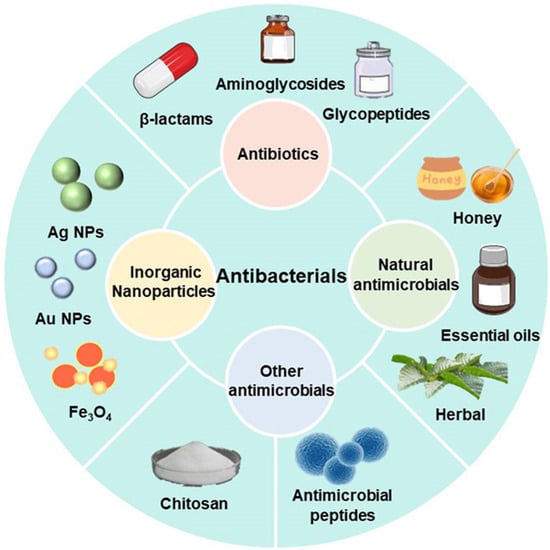
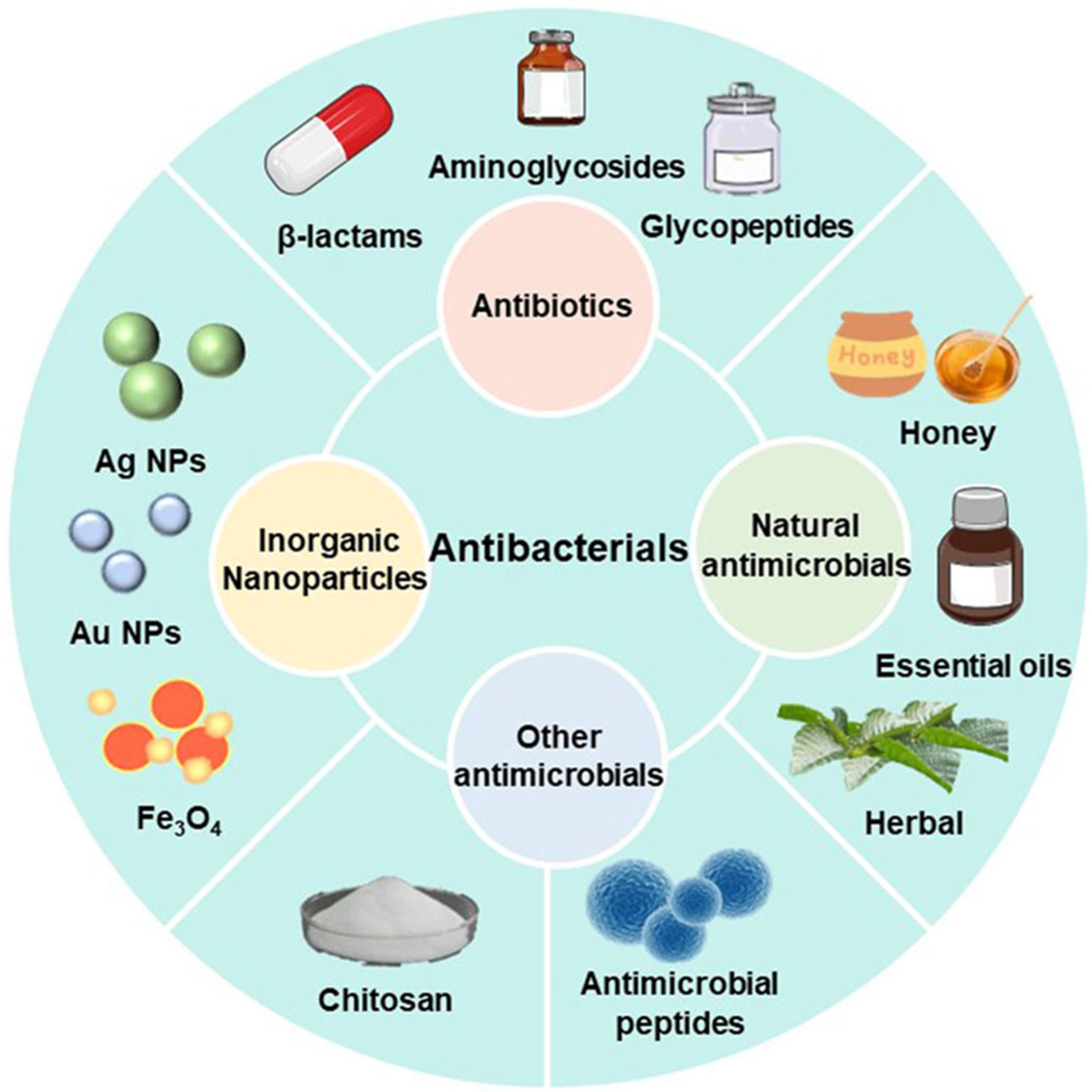
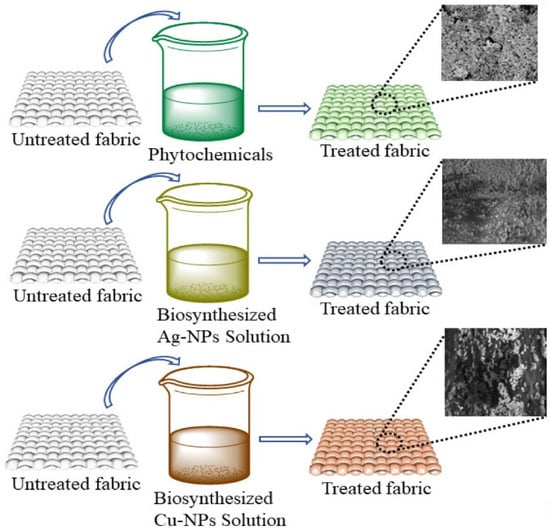
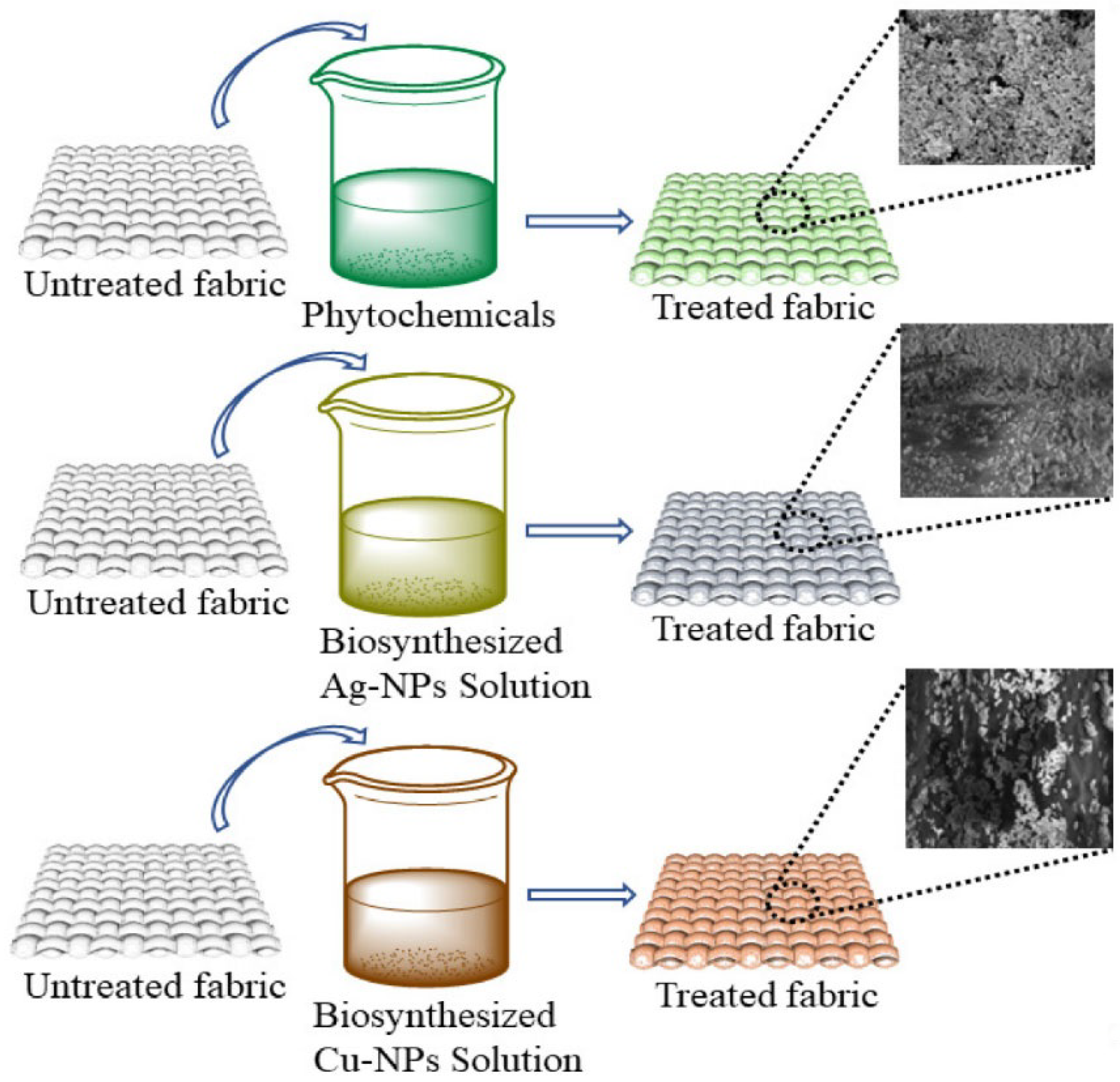
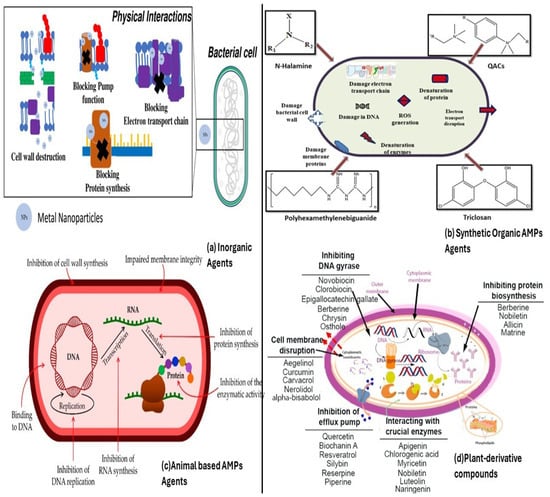
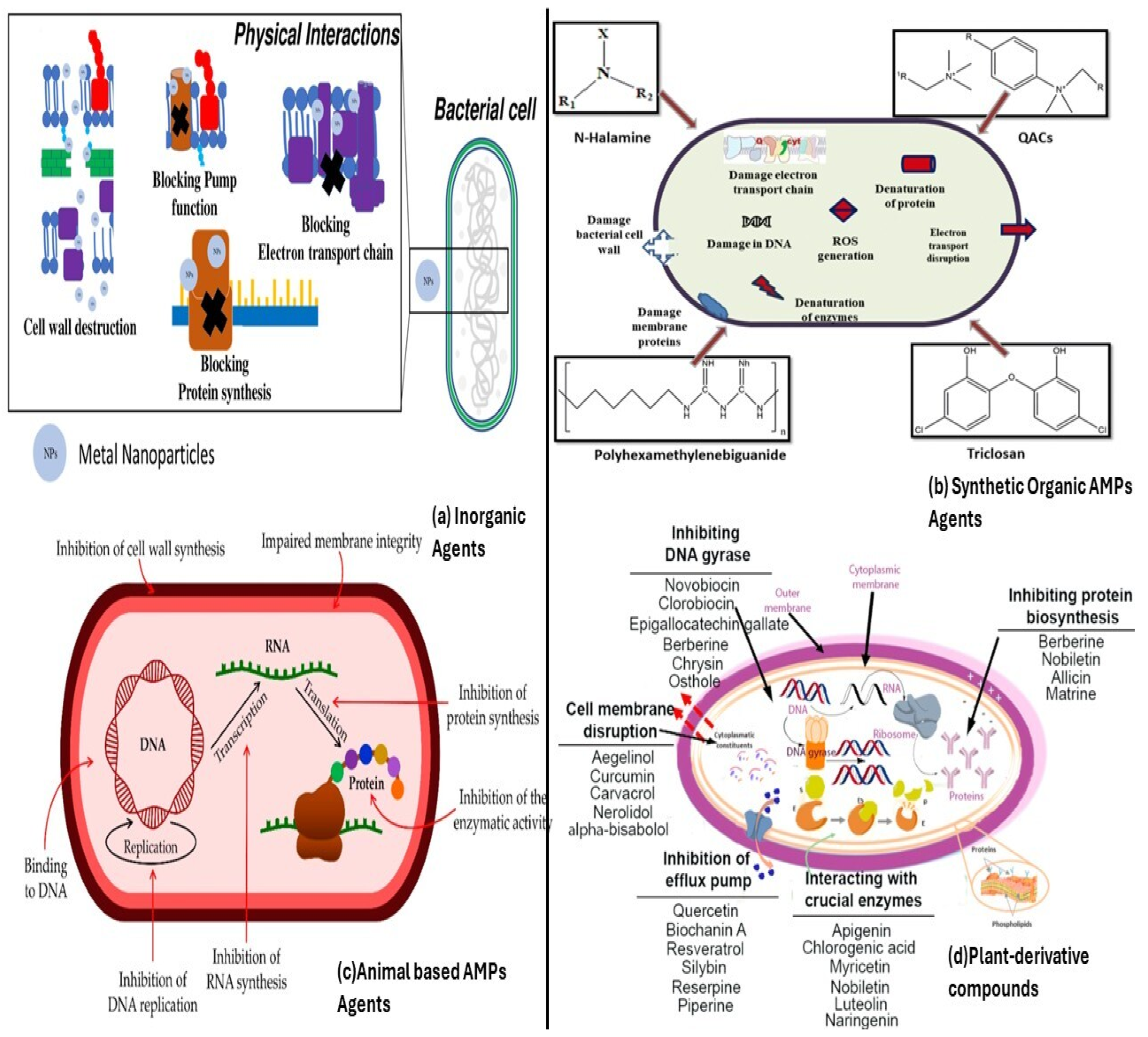
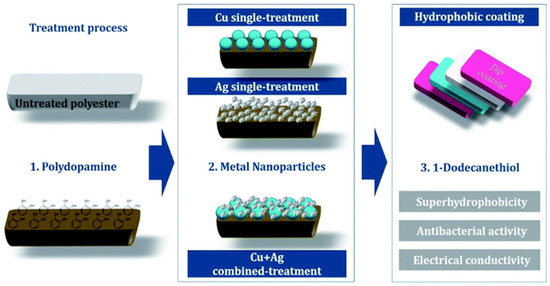
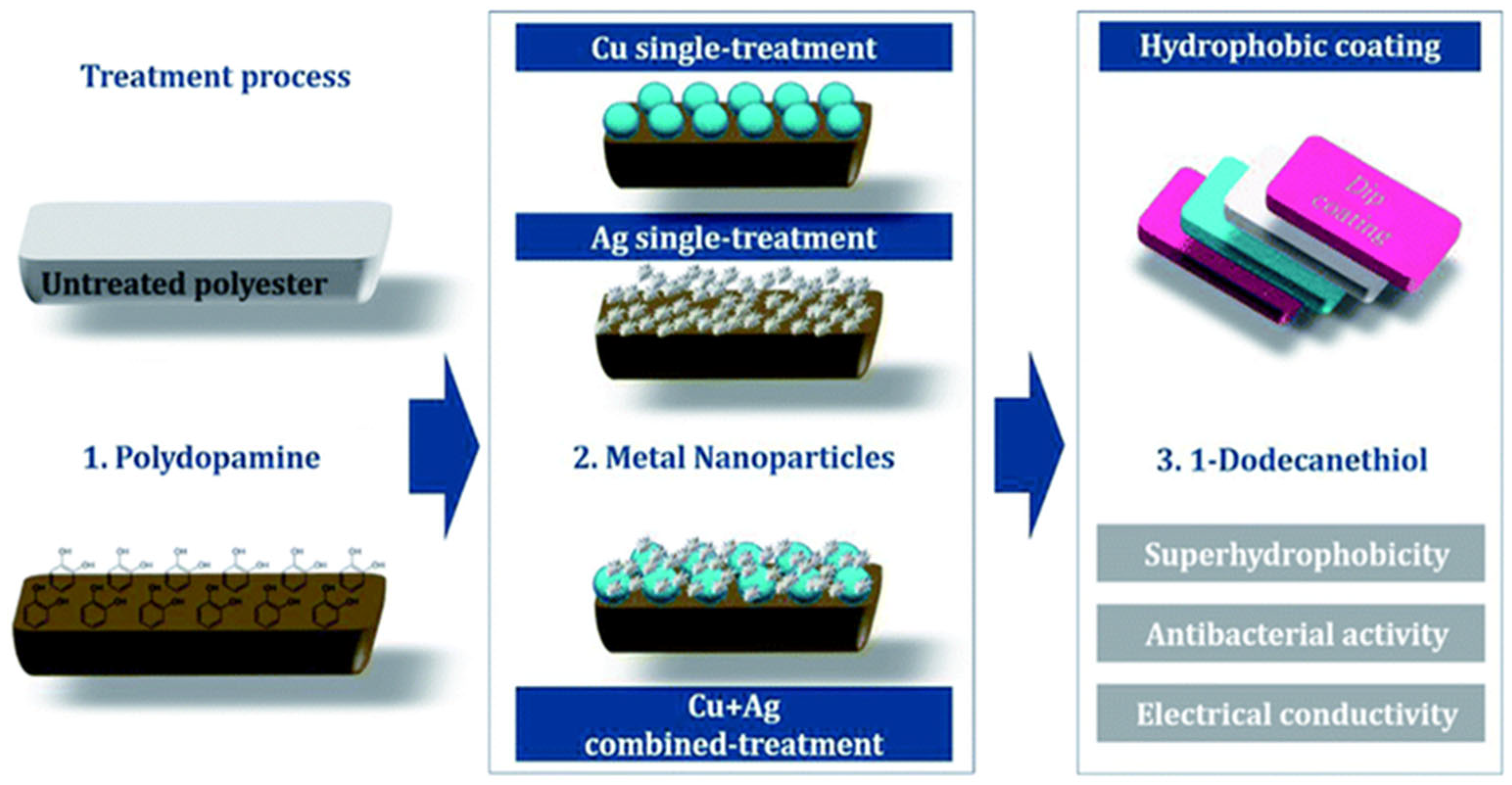
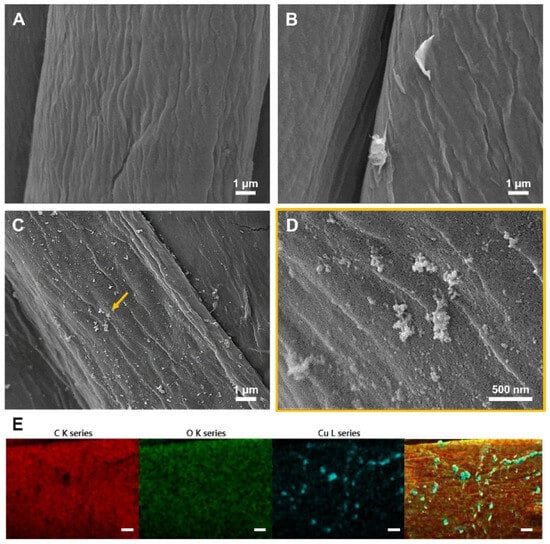
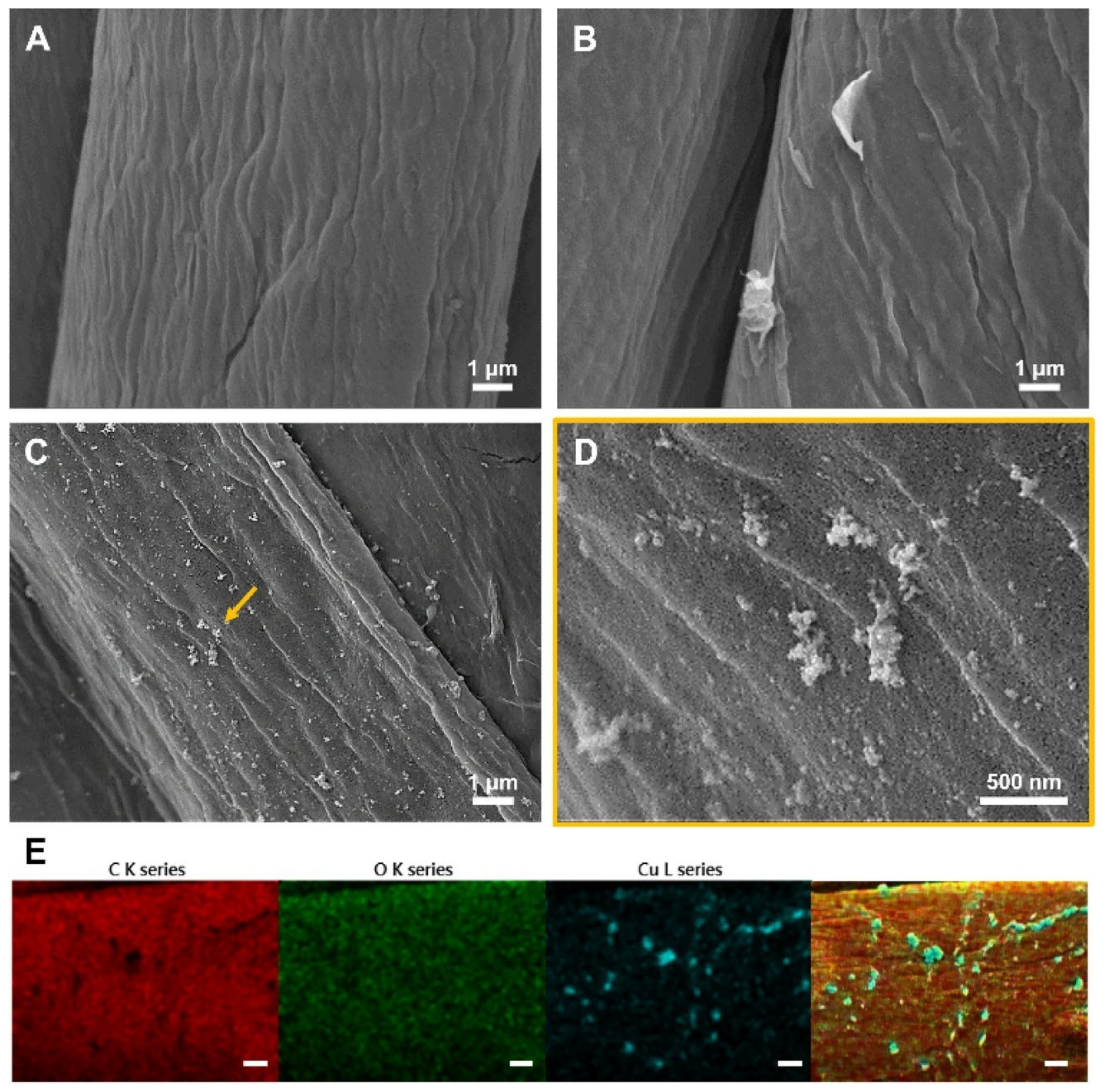
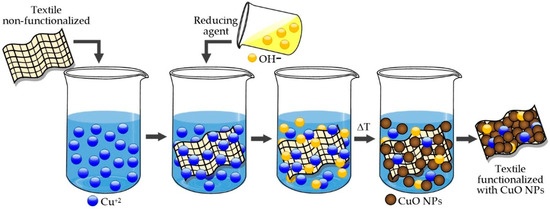
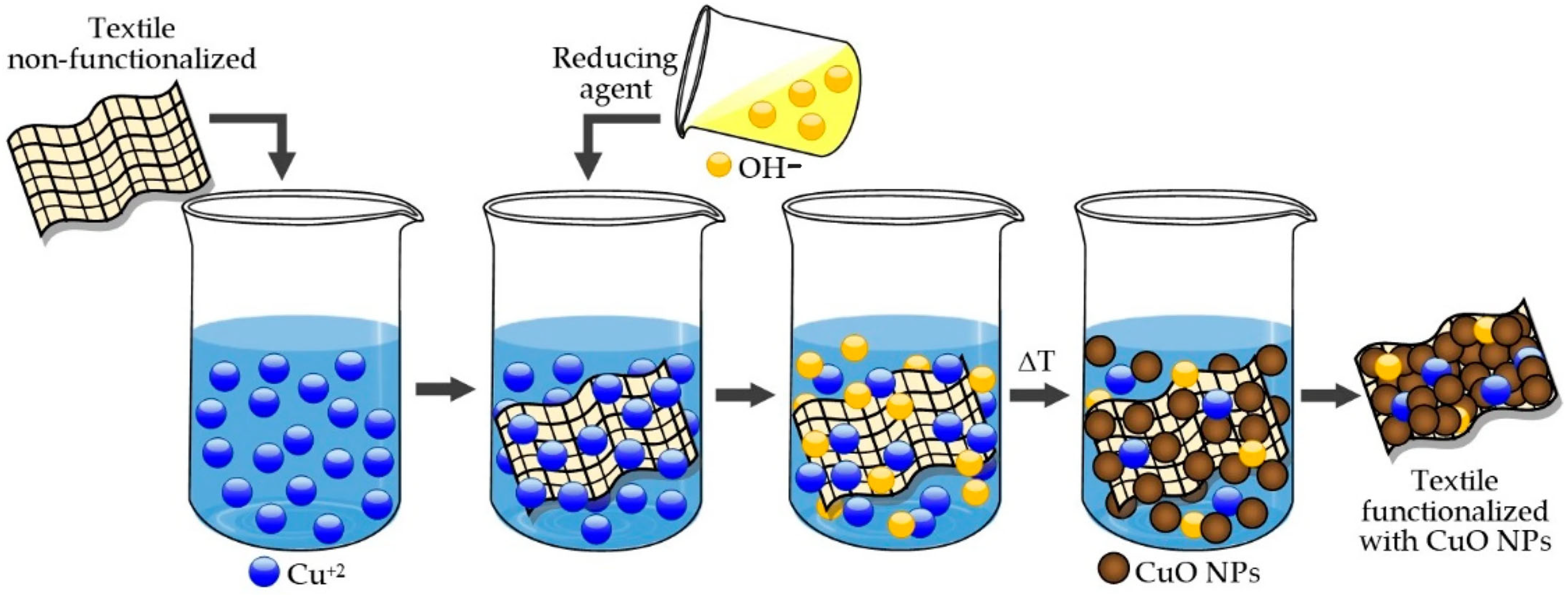
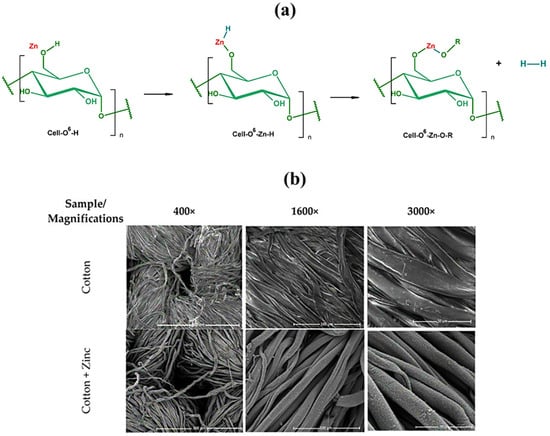
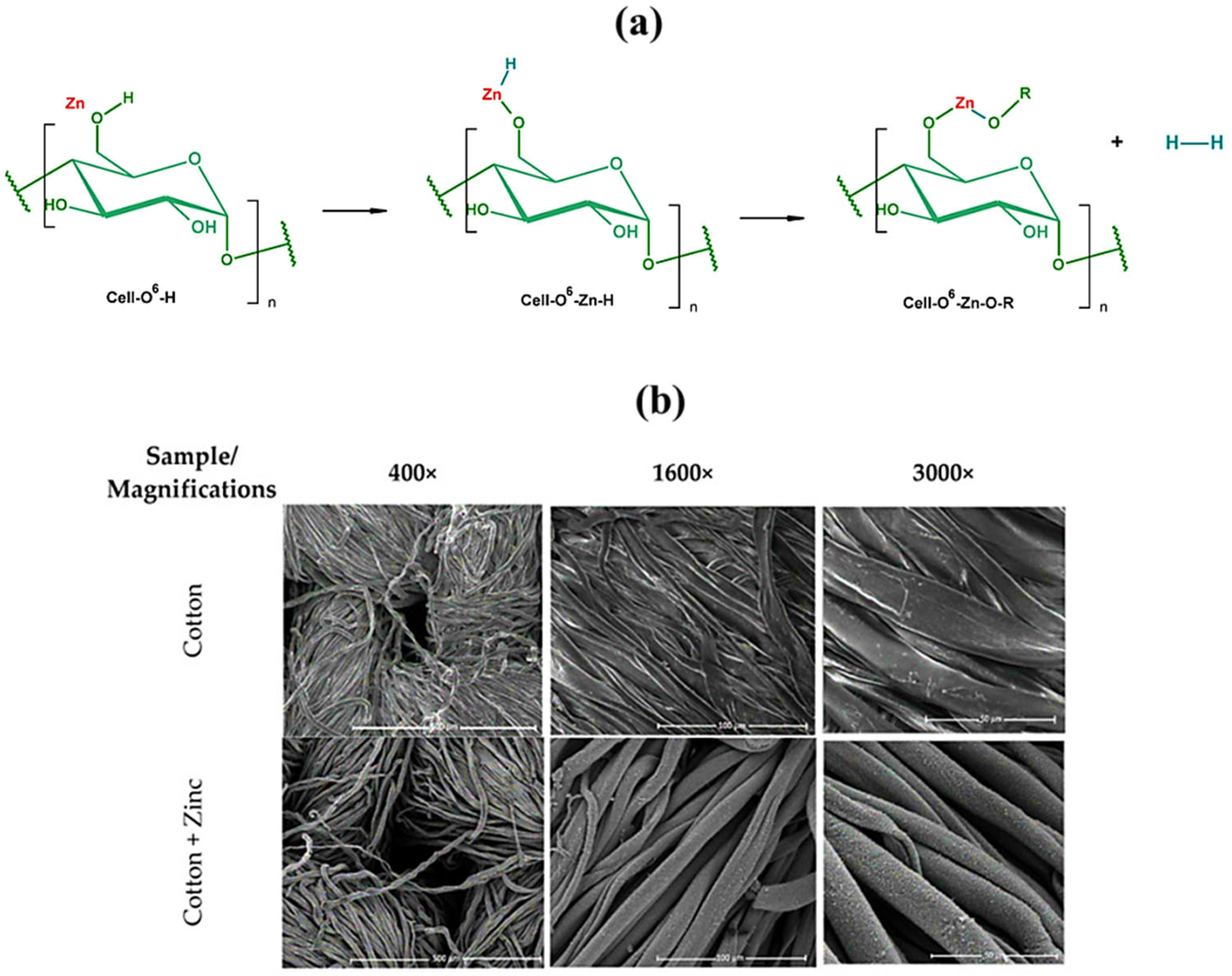
Disclaimer/Publisher’s Note: The statements, opinions and data contained in all publications are solely those of the individual author(s) and contributor(s) and not of MDPI and/or the editor(s). MDPI and/or the editor(s) disclaim responsibility for any injury to people or property resulting from any ideas, methods, instructions or products referred to in the content. |
© 2026 by the authors. Licensee MDPI, Basel, Switzerland. This article is an open access article distributed under the terms and conditions of the Creative Commons Attribution (CC BY) license.