
Metals 2026, 16(8), 916; https://doi.org/10.3390/met16080916 (registering DOI) - 16 Aug 2026
Abstract
►
Show Figures
In ultra-supercritical (USC) power plants, P92 steel welded joints are continuously subjected to creep-fatigue (CF) loading, rendering them susceptible to premature cracking during service. To investigate the CF interaction behavior, CF tests were performed on P92 steel welded joints at 650 °C under
[...] Read more.
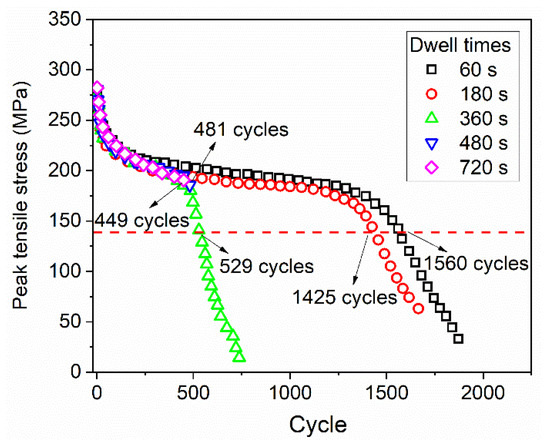
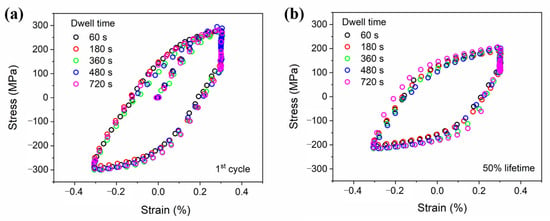
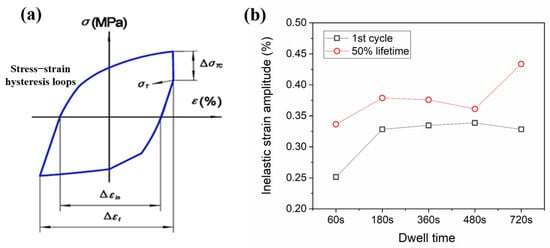
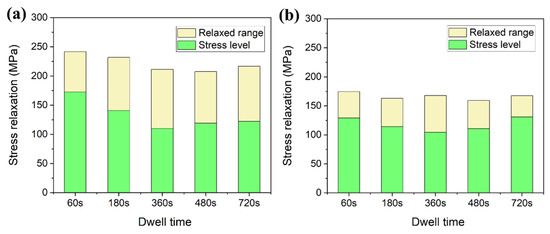
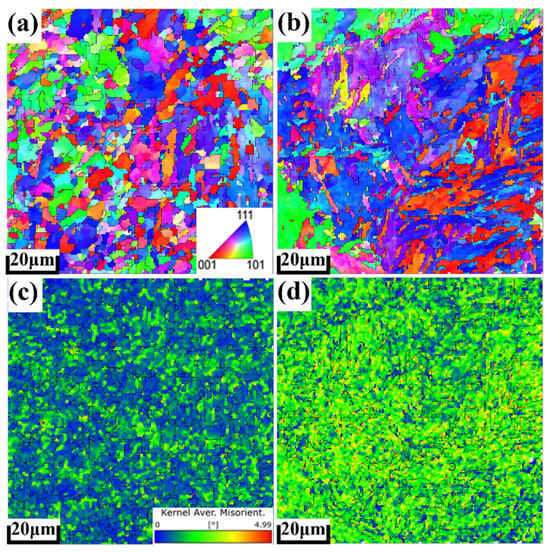
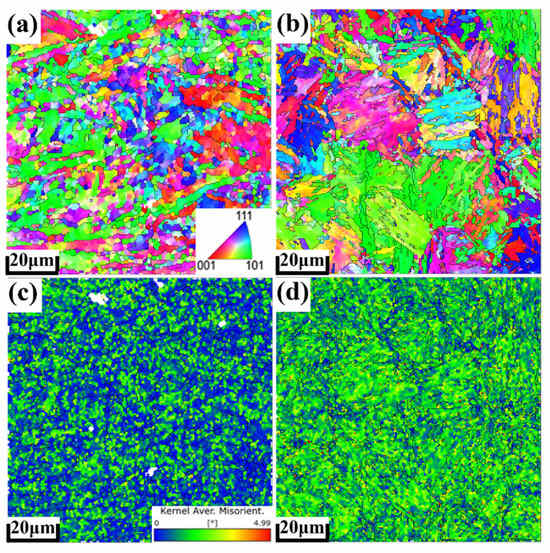
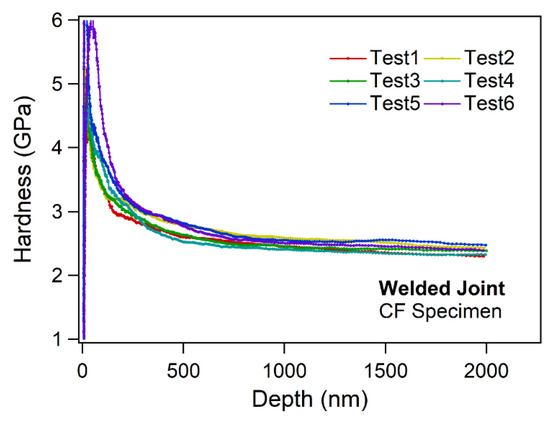
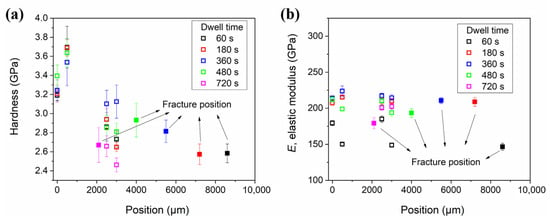
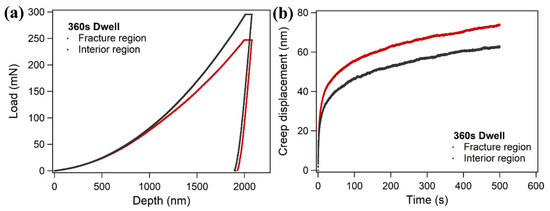
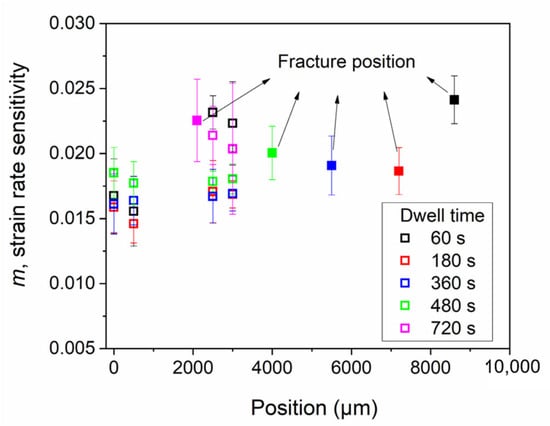
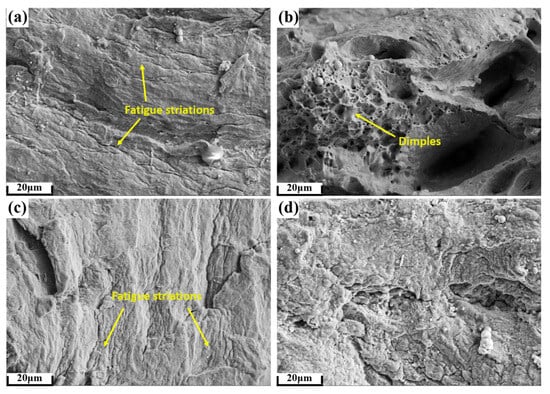
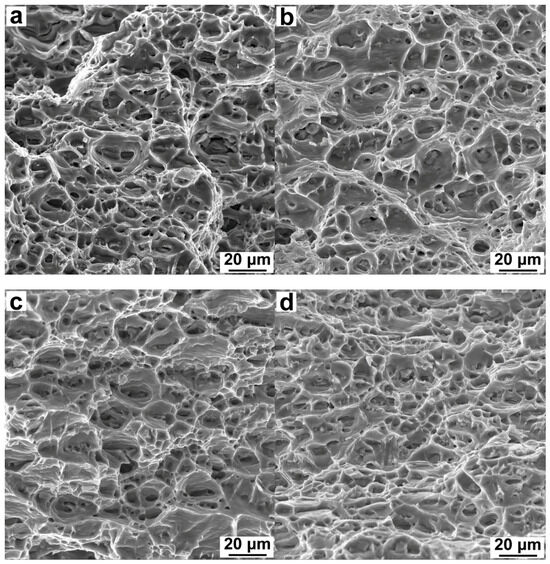
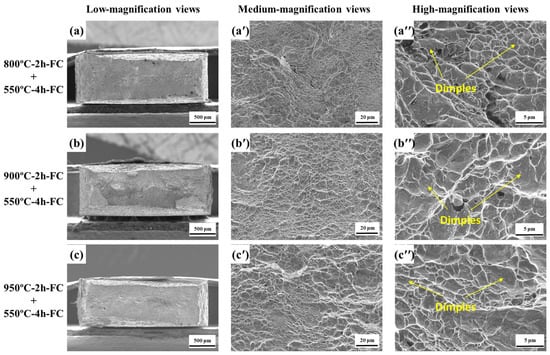
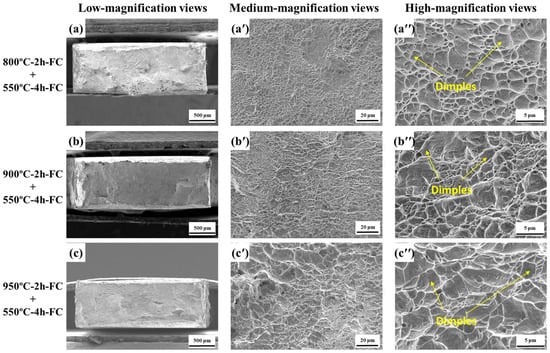
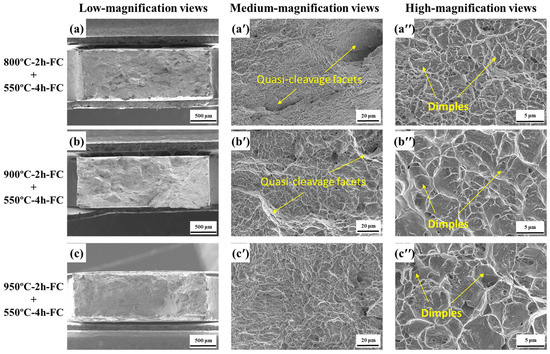
In ultra-supercritical (USC) power plants, P92 steel welded joints are continuously subjected to creep-fatigue (CF) loading, rendering them susceptible to premature cracking during service. To investigate the CF interaction behavior, CF tests were performed on P92 steel welded joints at 650 °C under various dwell times. The results indicate that prolonged dwell periods progressively shorten the cycle life. Scanning electron microscopy (SEM) observations reveal that with increasing dwell time, the fracture mechanism of the P92 steel gradually transitions from a fatigue-dominated failure mode to one governed by creep-fatigue interaction damage. Subsequently, nanoindentation was employed to evaluate the hardness (H), elastic modulus (E), and creep deformation, based on which the strain rate sensitivity (m) was estimated and the underlying damage mechanisms were thoroughly discussed.
Full article
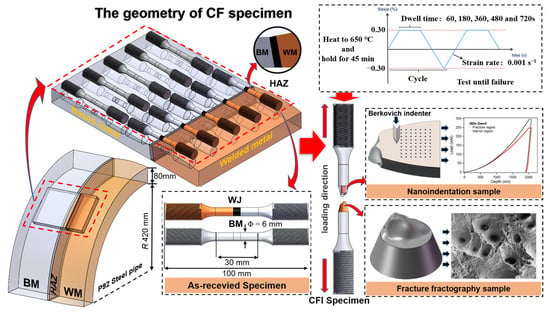
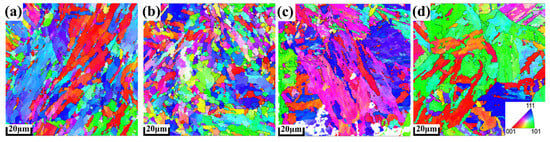
Figure 1