

Journal Description
Materials
Materials
is an international peer-reviewed, open access journal on materials science and engineering published semimonthly online by MDPI. The Spanish Materials Society (SOCIEMAT), Manufacturing Engineering Society (MES) and Chinese Society of Micro-Nano Technology (CSMNT) are affiliated with Materials and their members receive discounts on the article processing charges.
- Open Access— free for readers, with article processing charges (APC) paid by authors or their institutions.
- High Visibility: indexed within Scopus, SCIE (Web of Science), PubMed, PMC, Ei Compendex, CaPlus / SciFinder, Inspec, Astrophysics Data System, and other databases.
- Journal Rank: JCR - Q2 (Materials Science, Multidisciplinary) / CiteScore - Q1 (Condensed Matter Physics)
- Rapid Publication: manuscripts are peer-reviewed and a first decision is provided to authors approximately 14.4 days after submission; acceptance to publication is undertaken in 3.6 days (median values for papers published in this journal in the first half of 2026).
- Recognition of Reviewers: reviewers who provide timely, thorough peer-review reports receive vouchers entitling them to a discount on the APC of their next publication in any MDPI journal, in appreciation of the work done.
- Testimonials: See what our editors and authors say about Materials.
- Companion journals for Materials include: Electronic Materials, Construction Materials and AI Materials.
Impact Factor:
3.7 (2025);
5-Year Impact Factor:
3.8 (2025)
Latest Articles
A Modified Temperature-Dependent Elastoplastic Constitutive Model for Blister Growth in Irradiated Al6061 Cladding
Materials 2026, 19(15), 3233; https://doi.org/10.3390/ma19153233 (registering DOI) - 30 Jul 2026
Abstract
Plate-type fuel elements generate large amounts of fission gases under irradiation, and the resulting cladding blistering caused by fission gas accumulation compromises both fuel integrity and nuclear reactor safety. Up to now, there appears to be insufficient understanding of blister growth behavior under
[...] Read more.
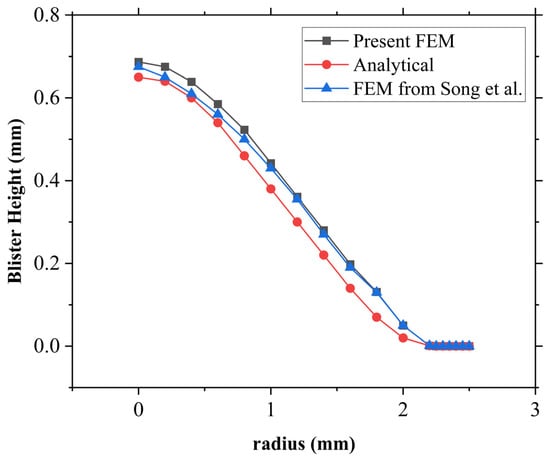
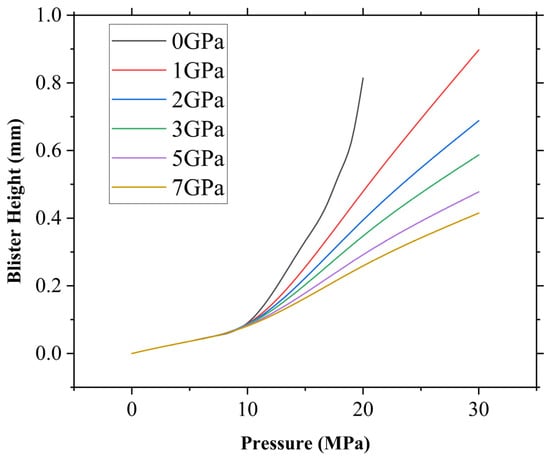
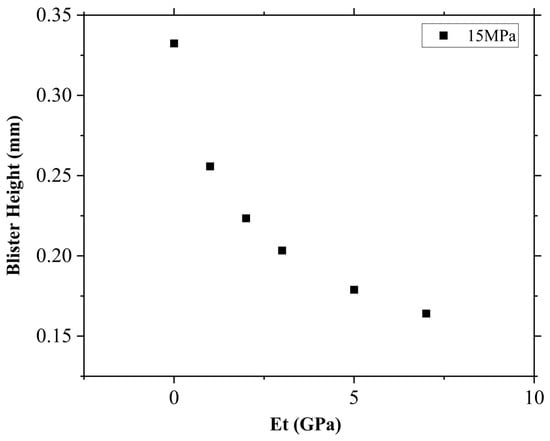
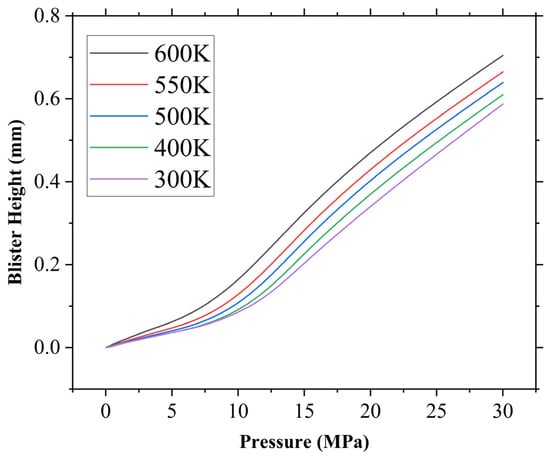
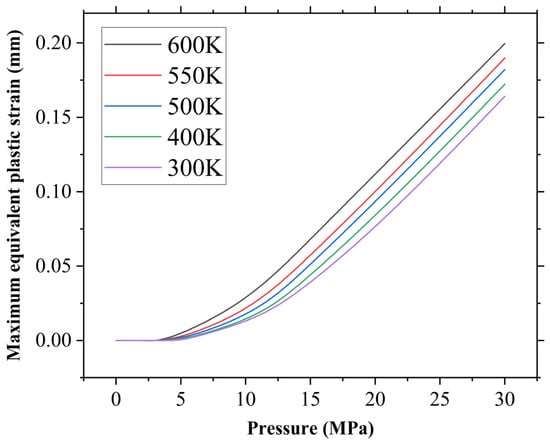
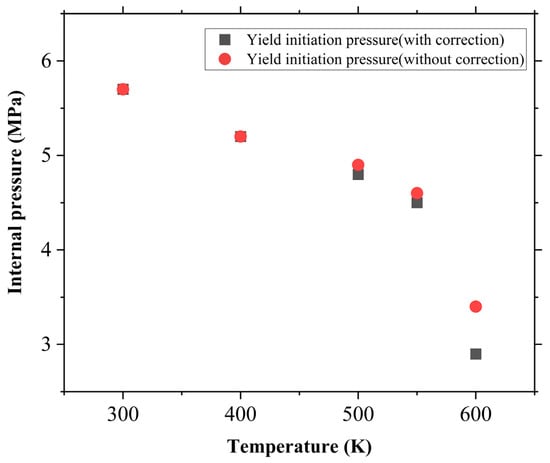
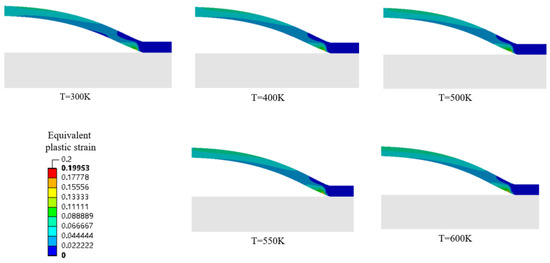
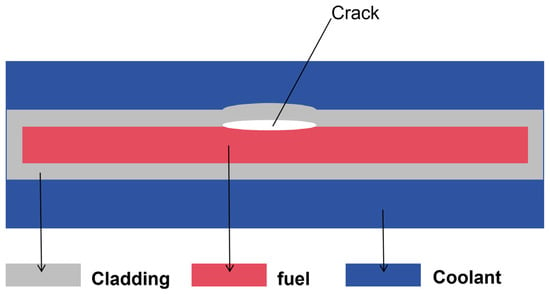
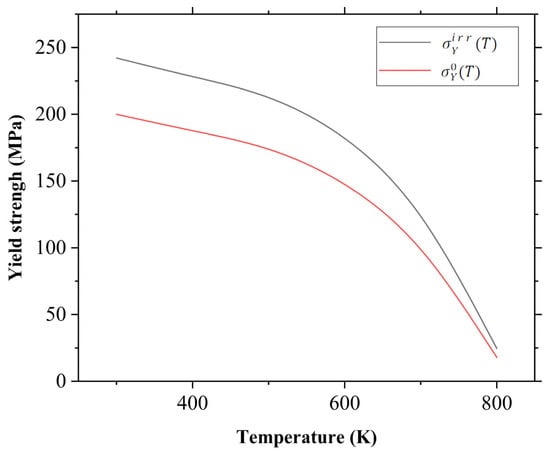
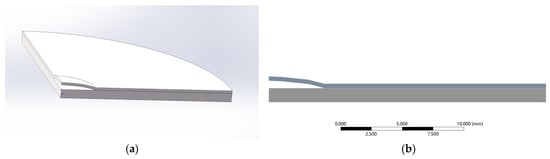
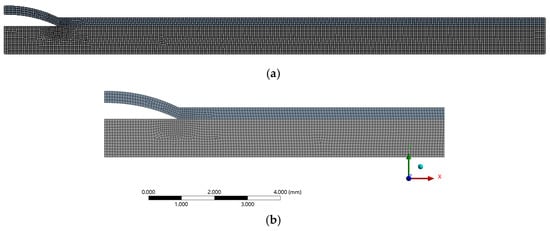
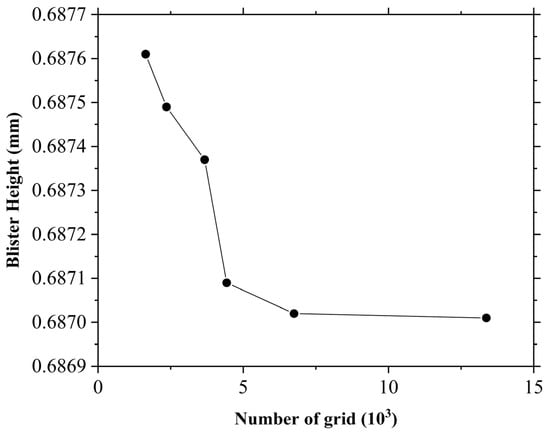
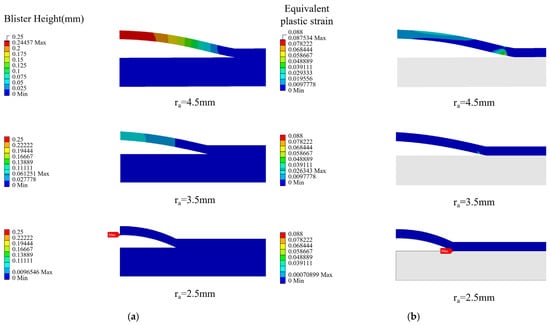
Plate-type fuel elements generate large amounts of fission gases under irradiation, and the resulting cladding blistering caused by fission gas accumulation compromises both fuel integrity and nuclear reactor safety. Up to now, there appears to be insufficient understanding of blister growth behavior under varying temperature conditions. Therefore, for increased accuracy and safety, we develop a modified quasi-static finite-element model incorporating a bilinear isotropic hardening law and temperature-dependent degradation of elastic modulus and yield strength for post-irradiation Al6061 cladding. As temperature rises from 300 K to 600 K under 30 MPa internal pressure, concurrent mechanical degradation increases blister height by +20.0% and plastic strain by +21.6%, with the rate accelerating nonlinearly. Neglecting temperature-dependent elastic modulus overestimates the yield initiation pressure by up to 17.2% at 600 K, giving a non-conservative overestimation of the safety margin. Crack radius drives blister height in a near-exponential manner, whereas initial blister height has a limited effect. The modified framework proposed in this study provides a quantitative reference for the reliability assessment of plate-type fuel elements under irradiation and for blister failure prediction and safety evaluation of similar metallic claddings.
Full article
(This article belongs to the Special Issue Progress in Plastic Deformation of Metals and Alloys (Third Edition))
►
Show Figures
Open AccessArticle
A Novel Multi-Resonator Polygonal Honeycomb Origami Metamaterial for Wave Transmission and Impact Mitigation
by
Boyi Wei, Tengjiao Jiang, Chenyi Shen, Lingkai Wei and Dongliang Xiao
Materials 2026, 19(15), 3232; https://doi.org/10.3390/ma19153232 - 29 Jul 2026
Abstract
Origami structures are recognized for their exceptional deformability and programmability, serving as a promising platform for designing mechanical metamaterials. In this paper, a local-resonant polygonal honeycomb origami metamaterial (LR-OHS) is proposed to achieve low-frequency wave attenuation and impact mitigation. The bandgap (BG), transmission
[...] Read more.
Origami structures are recognized for their exceptional deformability and programmability, serving as a promising platform for designing mechanical metamaterials. In this paper, a local-resonant polygonal honeycomb origami metamaterial (LR-OHS) is proposed to achieve low-frequency wave attenuation and impact mitigation. The bandgap (BG), transmission spectrum, and mode analysis are investigated in detail through numerical calculations and experimental validation. It is demonstrated that two complete BGs in the low-frequency range are found, and the underlying generation mechanism of these BGs is elucidated theoretically by establishing a mass-spring model. Subsequent research discusses the influence of three significant parameters on the two complete BGs within the region of interest, as well as the broadening of the low-frequency BGs through the merger of two narrow BGs induced by an increasing resonator radius. Furthermore, the impact resistance performance of LR-OHS is evaluated under impact pulses, demonstrating a 43.43% reduction in the peak reaction force compared to its non-resonator origami honeycomb metamaterial. Additionally, parametric analysis of the number of resonators identified an optimal configuration of eight resonators per unit cell, ensuring high performance while satisfying lightweight engineering requirements. This work establishes a design framework for origami-based metamaterials, offering a viable path toward high-performance structures for wave attenuation and impact mitigation.
Full article
(This article belongs to the Special Issue Data-Driven Inverse Design of Origami-Inspired Metamaterials for Multi-Functional Elastic Wave Propagation, Impact Mitigation, and Energy Absorption)
Open AccessArticle
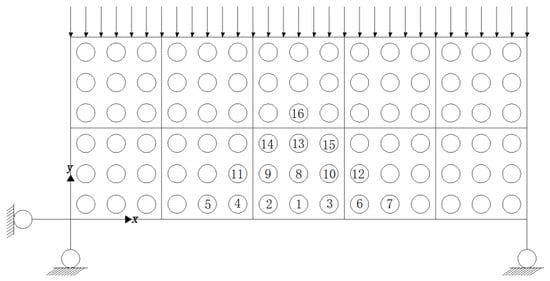
Application of the Specified Stress Method to Crack Propagation Analysis in Reinforced Concrete Members
by
Xiaoqing Zhang, Jialin Wang, Zhijian Yi and Tuo Zhang
Materials 2026, 19(15), 3231; https://doi.org/10.3390/ma19153231 - 29 Jul 2026
Abstract
Reinforced concrete (RC) structures are susceptible to crack initiation and propagation during service, making accurate numerical simulation of crack behavior essential for assessing structural durability and safety. Current numerical approaches for simulating concrete cracking include smeared/continuum approaches, extended finite element method (XFEM), phase-field
[...] Read more.
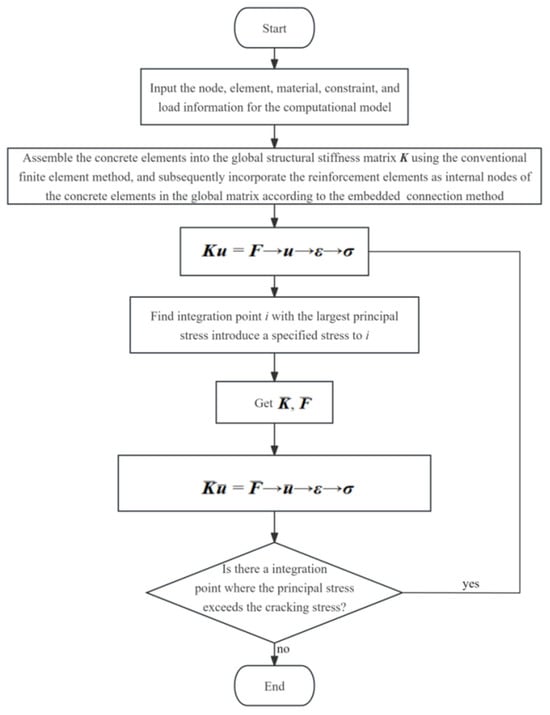
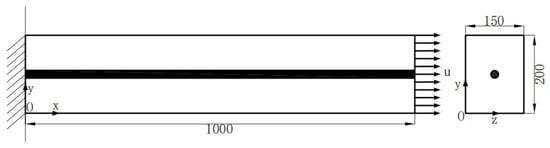
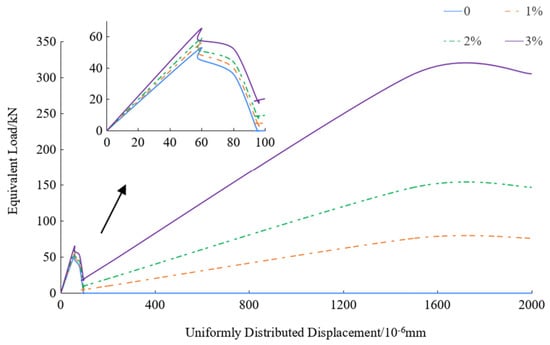
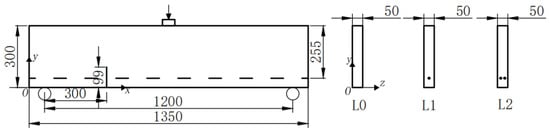
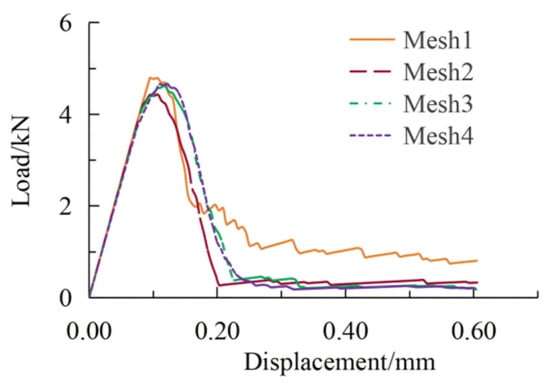
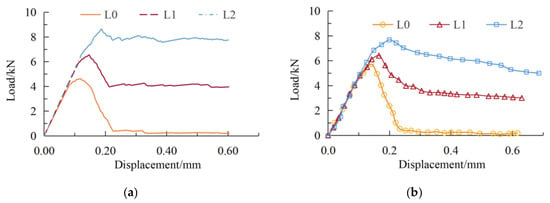
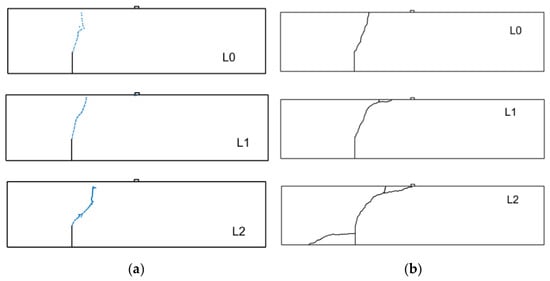
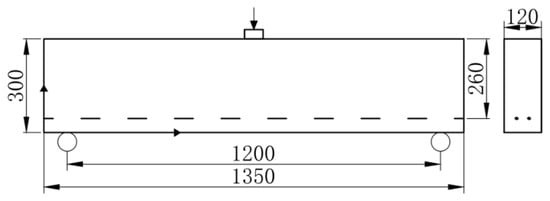
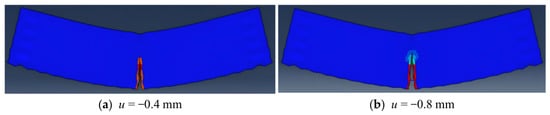
Reinforced concrete (RC) structures are susceptible to crack initiation and propagation during service, making accurate numerical simulation of crack behavior essential for assessing structural durability and safety. Current numerical approaches for simulating concrete cracking include smeared/continuum approaches, extended finite element method (XFEM), phase-field methods, and meso-mechanical models. In particular, smeared/continuum approaches (e.g., smeared crack and plastic-damage models such as CDP) indirectly reflect cracking through diffusive damage fields without providing explicit geometric information on crack locations and propagation paths. The XFEM module in commercial software is further restricted to first-order elements and encounters difficulties in simulating multi-crack propagation. These limitations indicate that further development of complementary crack-simulation frameworks is warranted. To this end, this paper presents a cracking simulation framework for RC members within the theoretical framework of the Specified Stress Method, adopting an adaptive degree-of-freedom strategy to balance computational accuracy and efficiency. The method introduces inelastic strain as an additional unknown and establishes a variational principle and the corresponding virtual work equation. Concrete cracking is described by specifying the stress on the crack plane to zero, so that the crack-surface stress remains zero after cracking, thereby avoiding the issue of damage reversibility and improving computational convergence. The method requires neither a predefined crack path nor remeshing after cracking. Unlike smeared/continuum approaches that rely on diffusive damage fields, the crack propagation paths, distribution characteristics, and evolution of multiple cracks are characterized through the spatial distribution of cracked integration points within the finite element mesh. In the present implementation, crack initiation is governed by the maximum tensile stress criterion, and a linear elastic constitutive model is adopted for concrete as a deliberate simplification to establish and verify the core computational mechanism of the framework. The proposed method was examined through three numerical examples. First, comparison with theoretical solutions confirmed the algorithm’s correctness in simulating cracking in heterogeneous RC tension members. Second, comparison with experimental results demonstrated qualitatively consistent crack propagation trends and load–displacement responses for RC beams under mixed-mode cracking; the calculated ultimate load of the plain concrete beam is lower than the experimental value, which is attributable to the use of the maximum tensile stress criterion without fracture energy considerations, and certain crack morphology deviations are observed due to the neglect of reinforcement–concrete bond-slip. Third, a multi-crack simulation of an under-reinforced RC beam showed that, whereas the XFEM module in ABAQUS captures only a single dominant crack near the mid-span, the proposed algorithm predicts multiple distributed cracking zones on both sides of the mid-span, qualitatively consistent with the typical flexural cracking behavior of under-reinforced RC beams; the algorithm also supports second-order elements (e.g., C3D20R) unavailable in the ABAQUS XFEM implementation. While the method is still in an exploratory stage, these results confirm the feasibility and potential of the Specified Stress Method as a complementary framework for RC cracking simulation, providing a basis for further development.
Full article
(This article belongs to the Special Issue Advanced Concrete and Cementitious Composite Materials)
►▼
Show Figures

Figure 1
Open AccessArticle
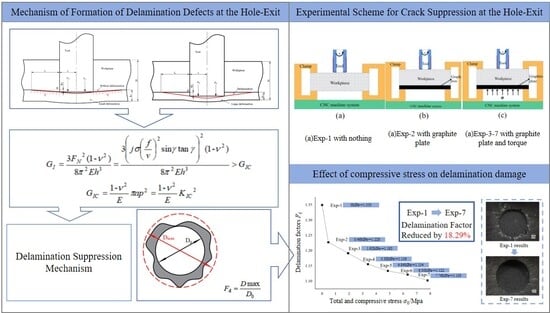
Compressive Stress-Assisted Drilling for Delamination Suppression in C/SiC Composites: Mechanism and Experimental Validation
by
Qiudong Zhang, Zhenyu Shi, Cunwen Wang, Guodong Shao and Xianzhi Zhang
Materials 2026, 19(15), 3230; https://doi.org/10.3390/ma19153230 - 29 Jul 2026
Abstract
Carbon-fiber-reinforced silicon carbide (C/SiC) ceramic matrix composites (CMCs) exhibit substantial application potential in the field of advanced industrial manufacturing, attributed to their inherent superiorities such as high specific strength, excellent high-temperature resistance, and prominent corrosion resistance. Nevertheless, hole-exit delamination is a critical defect
[...] Read more.
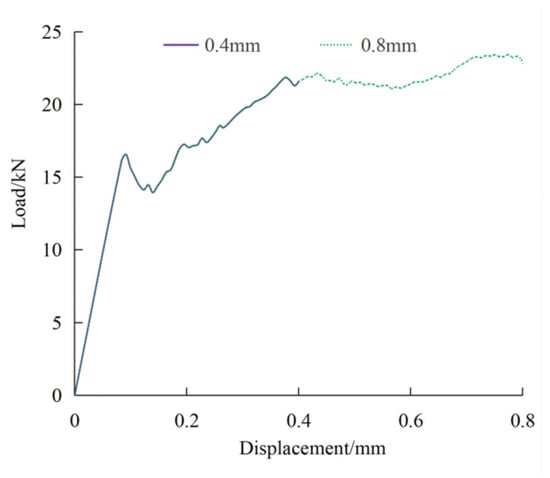
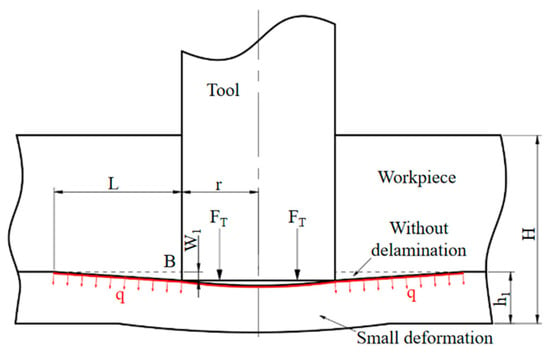
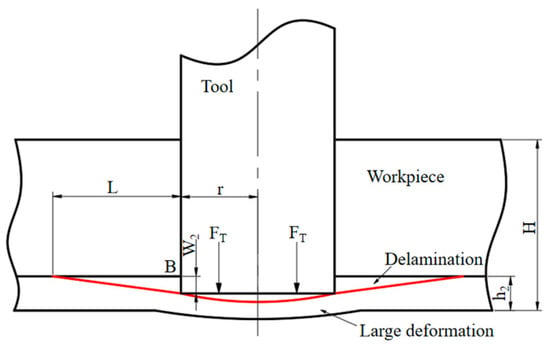
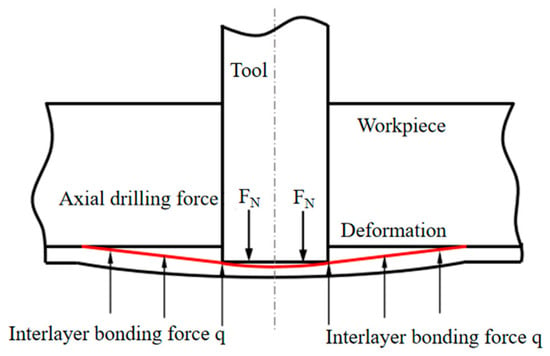
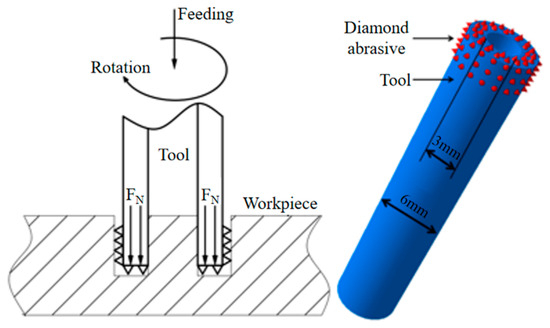
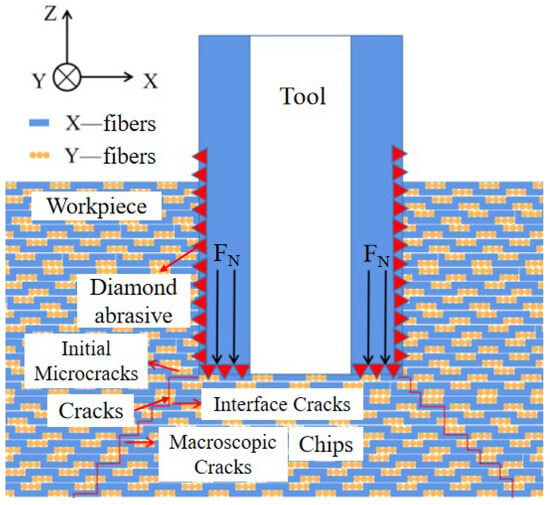
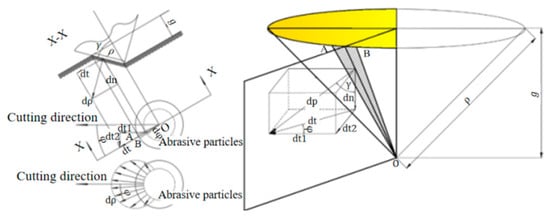
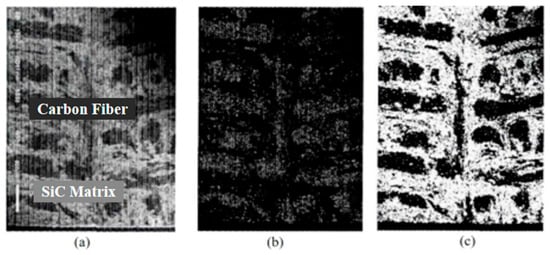
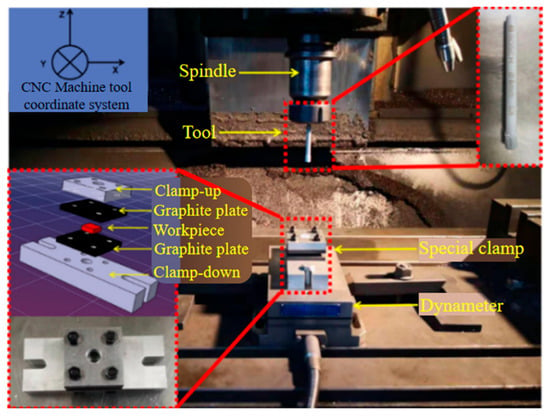
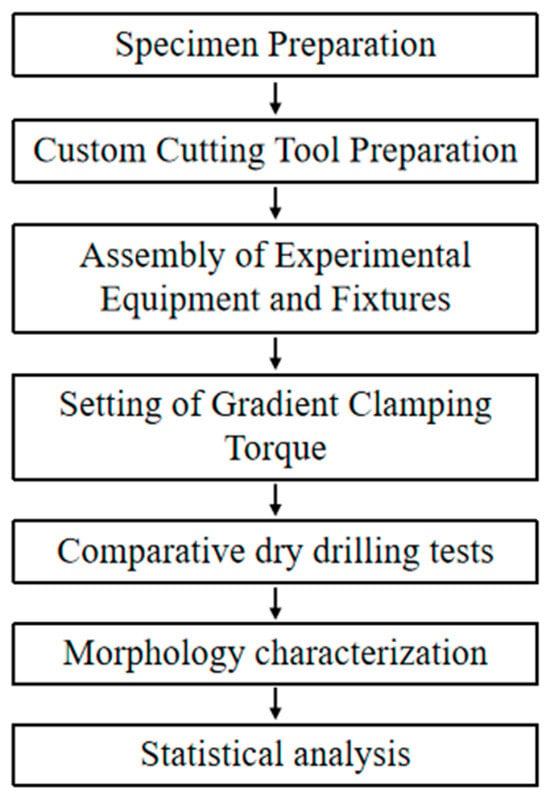
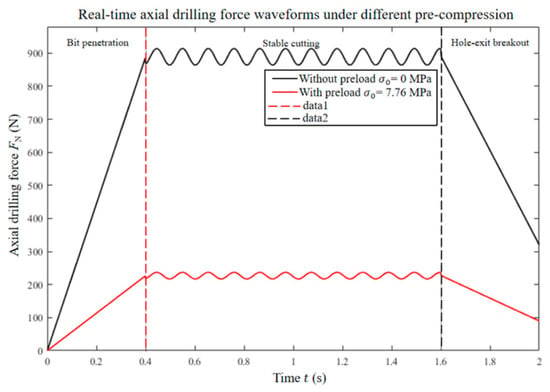
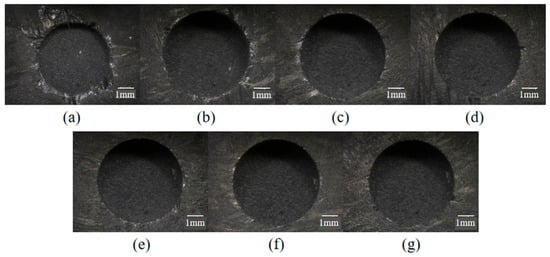
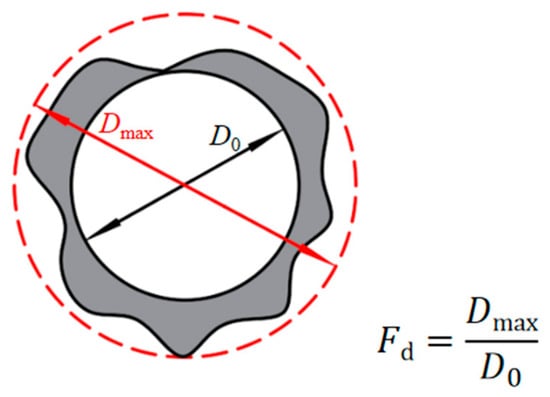
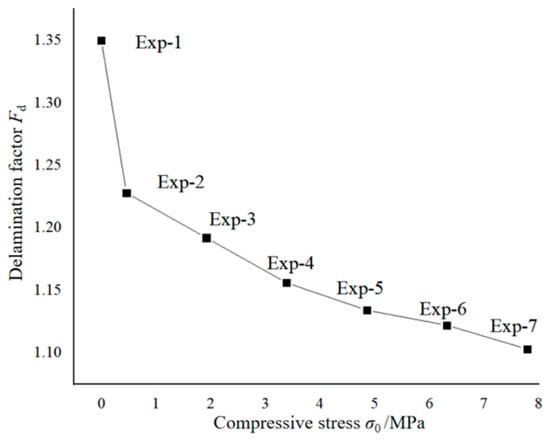
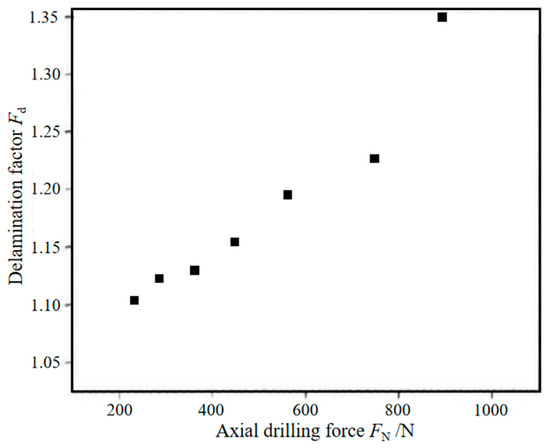
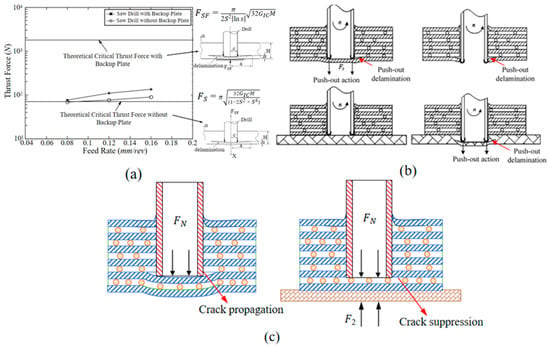
Carbon-fiber-reinforced silicon carbide (C/SiC) ceramic matrix composites (CMCs) exhibit substantial application potential in the field of advanced industrial manufacturing, attributed to their inherent superiorities such as high specific strength, excellent high-temperature resistance, and prominent corrosion resistance. Nevertheless, hole-exit delamination is a critical defect in C/SiC composite drilling, which impairs the structural integrity and service reliability of components, restricting their engineering implementation. To address this issue, this study proposes and systematically investigates a compressive stress-assisted drilling method for delamination suppression via applying external compressive stress. Using the delamination factor for quantitative evaluation, comparative experiments were conducted under unassisted drilling, graphite-plate-assisted drilling without preload, and graphite-plate-assisted drilling with varying preload torques. The results indicate that compressive stress significantly mitigates delamination, with a maximum delamination factor reduction rate of 18.29%. Mechanistically, the compressive stress effectively controls delamination by suppressing Mode I crack propagation at the crack tip and elevating the critical strain energy release rate. Furthermore, this work elucidates that the essential role of the graphite plate is to provide a controllable in-plane pre-compressive stress field for the workpiece drilling zone.
Full article
(This article belongs to the Section Advanced Composites)
►▼
Show Figures

Graphical abstract
Open AccessArticle
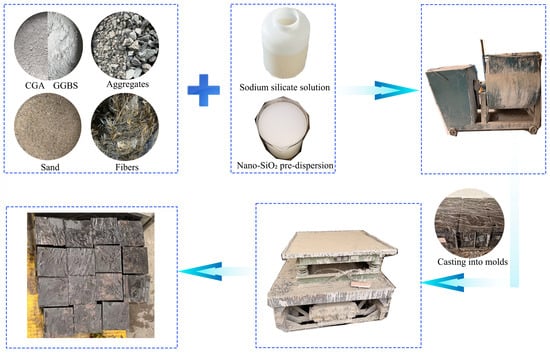
Effects of Nano-SiO2 on the Pore Structure and Crack Behavior of Basalt Fiber-Reinforced Coal Gangue–Slag Geopolymer Concrete
by
Weizi Wang, Lianyong Zhu, Tao Li and Renfei Gao
Materials 2026, 19(15), 3229; https://doi.org/10.3390/ma19153229 - 29 Jul 2026
Abstract
To improve the mechanical performance and crack resistance of coal gangue–slag geopolymer concrete, basalt fiber-reinforced geopolymer concrete was prepared using calcined coal gangue powder and slag as composite precursors. The effects of nano-SiO2 dosage on strength, water absorption, and crack evolution under
[...] Read more.
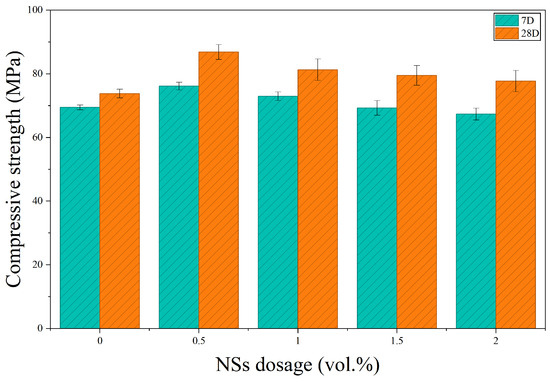
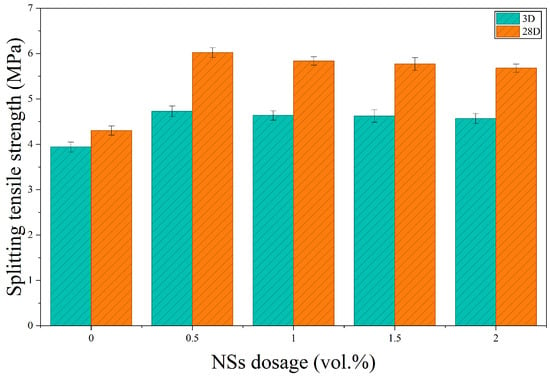
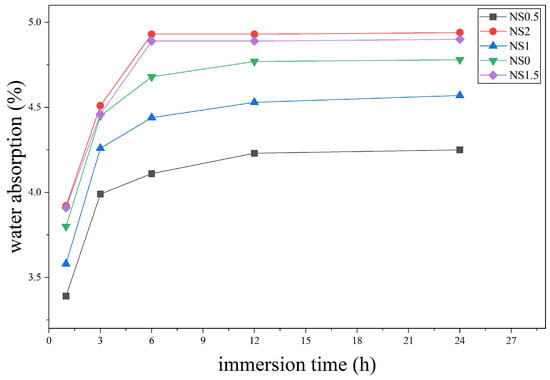
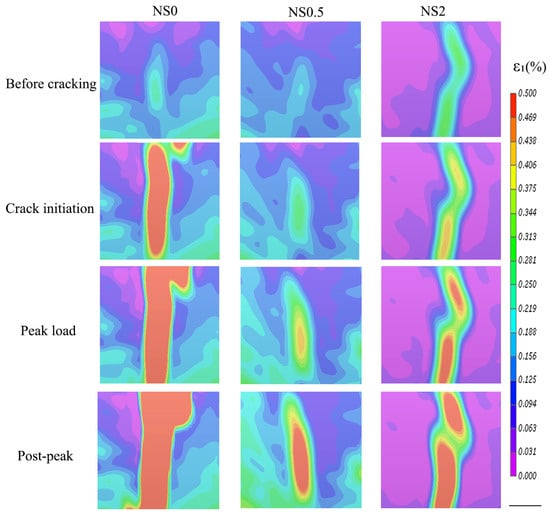
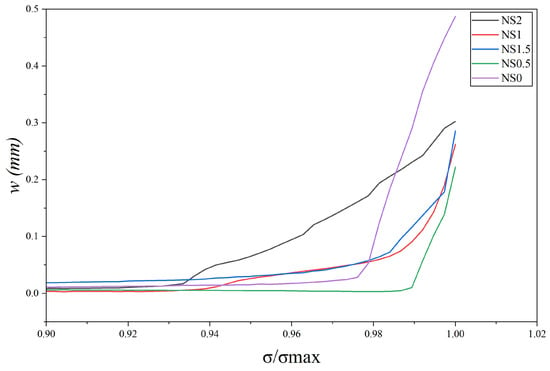
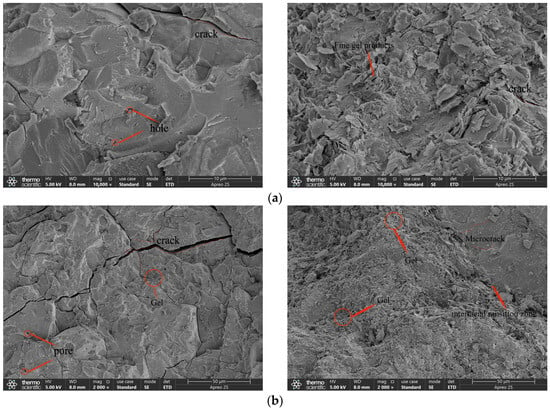
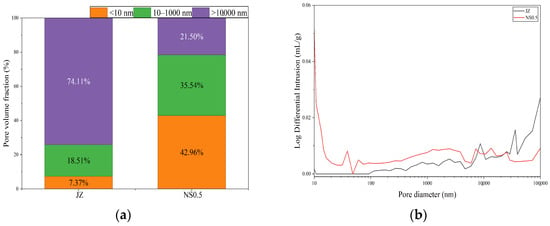
To improve the mechanical performance and crack resistance of coal gangue–slag geopolymer concrete, basalt fiber-reinforced geopolymer concrete was prepared using calcined coal gangue powder and slag as composite precursors. The effects of nano-SiO2 dosage on strength, water absorption, and crack evolution under splitting tensile loading were investigated. Digital image correlation (DIC), scanning electron microscopy (SEM), and mercury intrusion porosimetry (MIP) were further employed to characterize the crack evolution and microstructural changes associated with nano-SiO2 incorporation. The results show that the performance of the specimens was strongly dependent on the nano-SiO2 dosage, with the NS0.5 mixture (0.5% nano-SiO2) exhibiting the most pronounced improvement. Compared with the reference mixture, the 28 d compressive strength and splitting tensile strength of NS0.5 reached 86.80 MPa and 6.02 MPa, corresponding to increases of 17.67% and 39.97%, respectively; meanwhile, the 24 h water absorption decreased from 4.78% to 4.25%. The DIC results indicate that 0.5% nano-SiO2 delayed the localization of maximum principal strain and the penetration of the main crack, reducing the peak crack width from 0.487 mm to 0.222 mm, with a reduction of 54.4%. The microstructural results show that an appropriate nano-SiO2 dosage reduced the total porosity from 13.93% to 5.03%, shifted the pore structure from macropore-dominated to fine-pore-dominated, and decreased the proportion of coarse connected pores and crack-like pores. In contrast, the reduced enhancement observed at higher nano-SiO2 dosages may be associated with poorer nanoparticle dispersion and increased local heterogeneity, although particle agglomeration was not directly verified in this study. Overall, the improvements obtained with 0.5% nano-SiO2 are directly consistent with matrix densification and pore-structure refinement. Micro-filling, heterogeneous nucleation, and additional gel formation are proposed as plausible contributing mechanisms rather than directly verified processes.
Full article
(This article belongs to the Section Construction and Building Materials)
►▼
Show Figures

Figure 1

Open AccessArticle
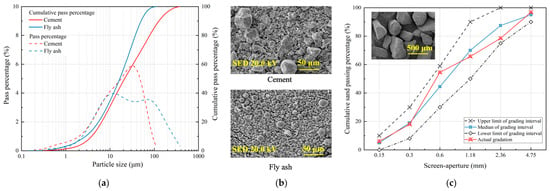
Long-Term Mechanical Properties, Drying Shrinkage, and Creep Behaviour of Manufactured-Sand Concrete in Plateau Regions: 1-Year Measurements and Analysis
by
Yuanjie Liang, Xia Li and Gang Ma
Materials 2026, 19(15), 3228; https://doi.org/10.3390/ma19153228 - 29 Jul 2026
Abstract
Infrastructure construction in plateau areas not only needs to take into account the impact of harsh climatic conditions, but also faces the problem of raw material shortage. Herein, this work investigates the long-term mechanical properties, drying shrinkage, and creep behaviour of manufactured-sand concrete
[...] Read more.
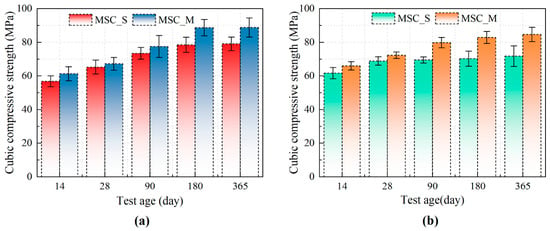
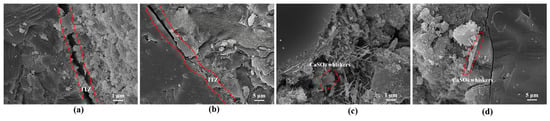
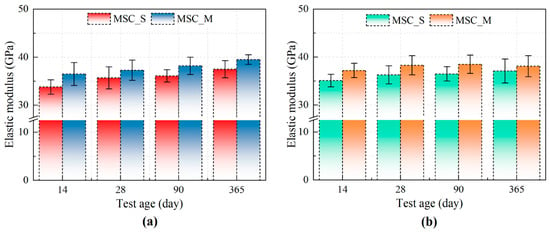
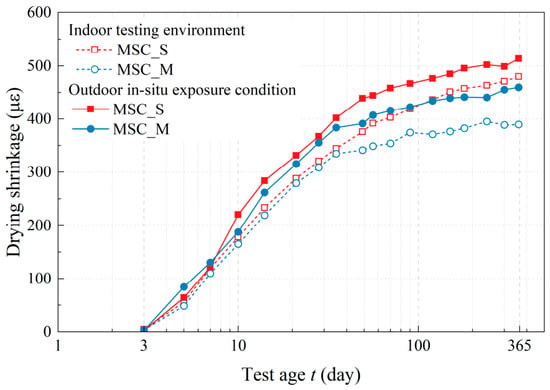
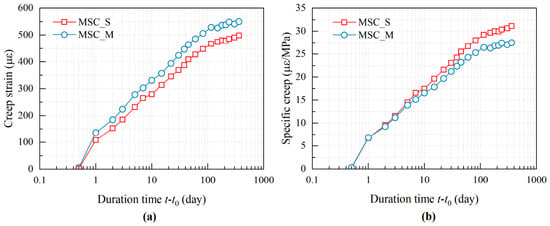
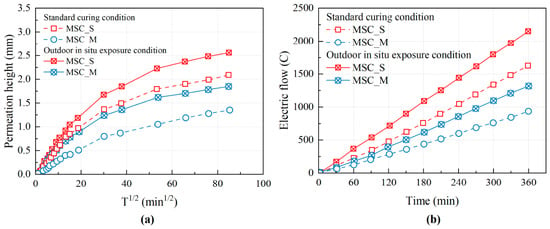
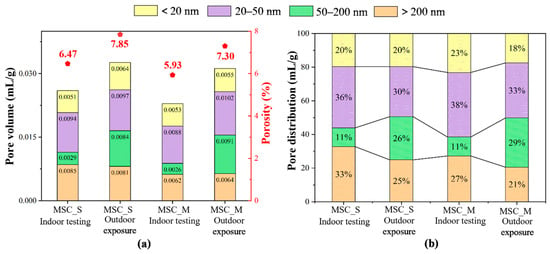
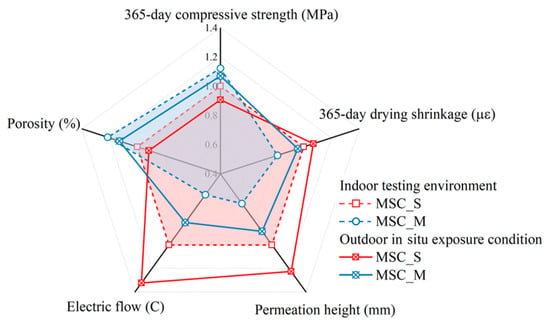
Infrastructure construction in plateau areas not only needs to take into account the impact of harsh climatic conditions, but also faces the problem of raw material shortage. Herein, this work investigates the long-term mechanical properties, drying shrinkage, and creep behaviour of manufactured-sand concrete in plateau regions via 1-year measurements. Results show that the plateau harsh environment coarsens the pore structure of manufactured-sand concrete, leading to the 365-day compressive strength and elastic modulus dropping by at most 10.2% and 5.3%, respectively, while the 365-day drying shrinkage and specific creep increased by at most 15.3% and 9.4%, respectively. Meanwhile, with the synergistic effect of silica fume, calcium sulfate whiskers and shrinkage-reducing agent, the 365-day compressive strength increased by 12.3%, and drying shrinkage and specific creep were reduced by 10.5% and 16.6%, respectively, resulting from its dense microstructure effect. Overall, this work offers guidance for preparing high-performance concrete in plateau areas, promotes the resource utilisation of manufactured sand, and has significant implications for enhancing the service life of concrete while reducing construction costs.
Full article
(This article belongs to the Special Issue Development and Engineering Application of Green and Low-Carbon Infrastructure Construction Materials)
►▼
Show Figures

Figure 1
Open AccessArticle
Twin-Screw Extrusion Desulfurized Crumb Rubber Modified Asphalt: High-Temperature Rheology and Viscoelastic Properties
by
Hongying Zhang, Hongqi Zhao, Changjian Fu, Jingzhuo Zhao, Rui Dong, Jihong Han, Bo Li and Tongzhi Wang
Materials 2026, 19(15), 3227; https://doi.org/10.3390/ma19153227 - 29 Jul 2026
Abstract
To improve the efficiency of waste tire rubber powder modification in asphalt and its high-temperature performance, desulfurized rubber powder with different solubilities was prepared using a twin-screw extrusion process. Desulfurized rubber powder-modified asphalt was then produced using three types of base asphalt, Shell
[...] Read more.
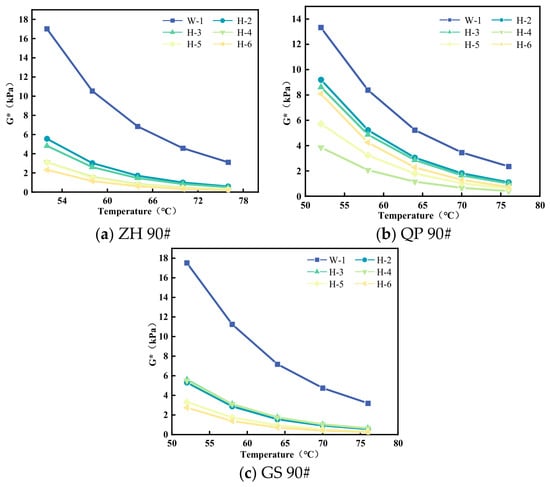
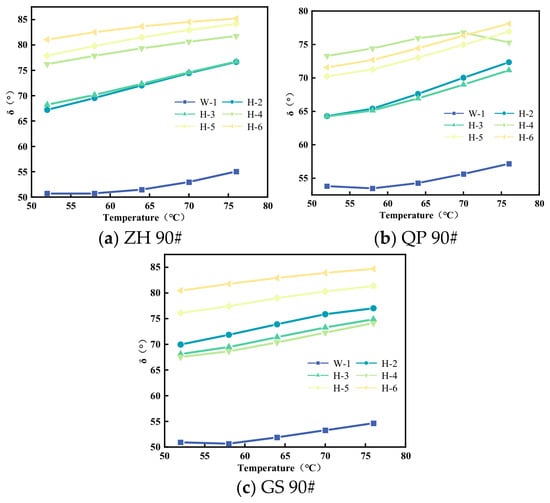
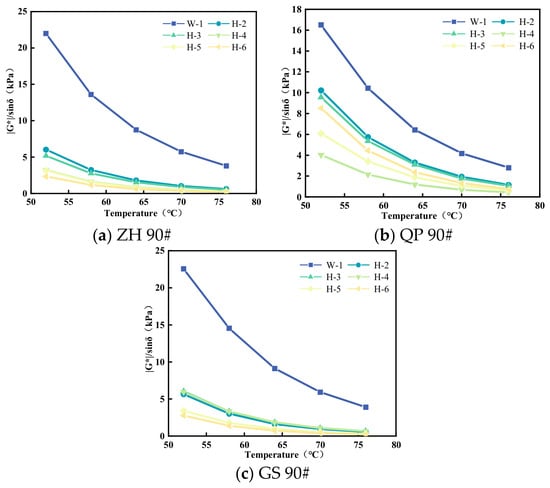
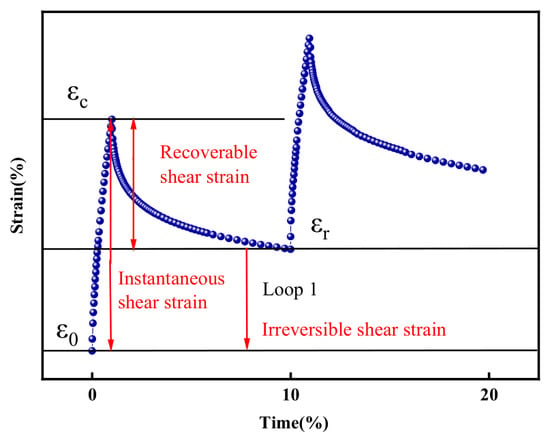
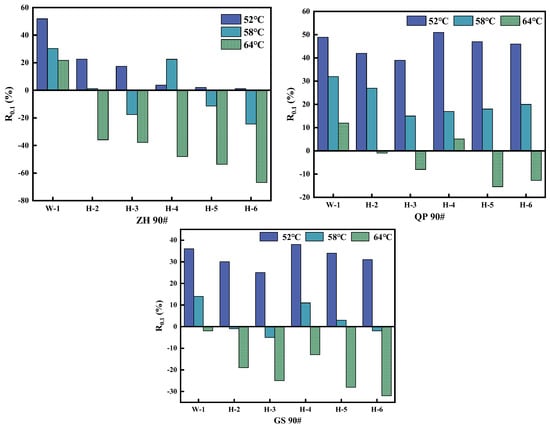
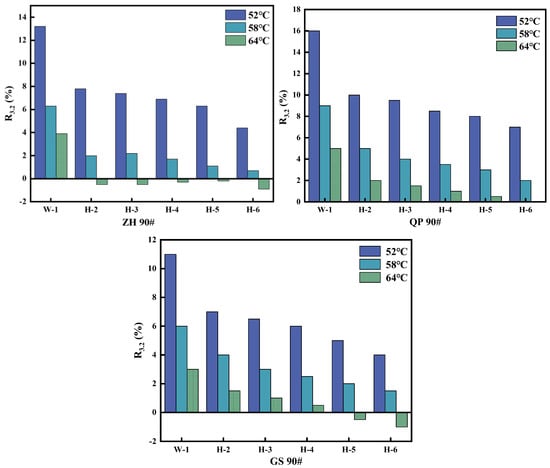
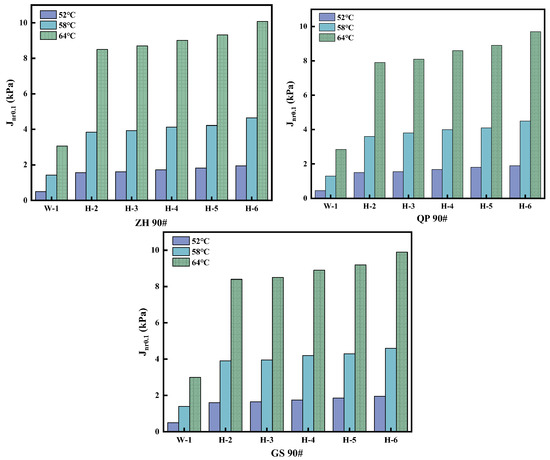
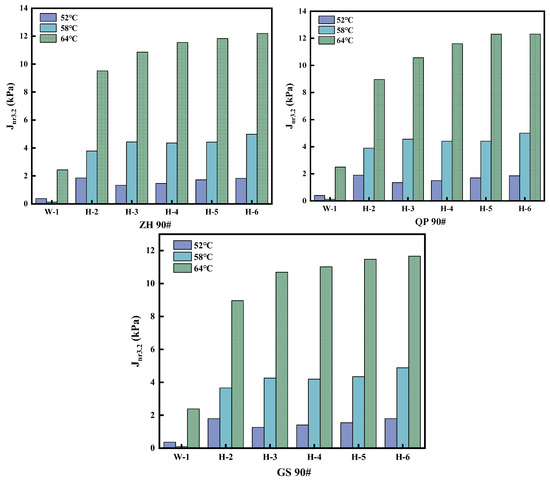
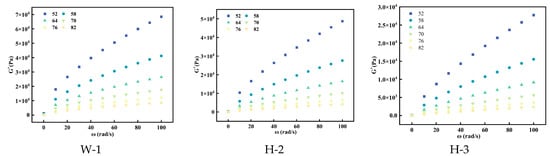
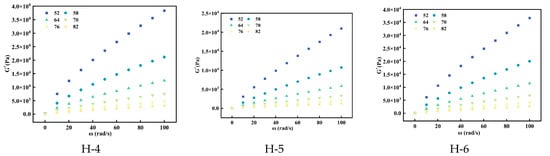
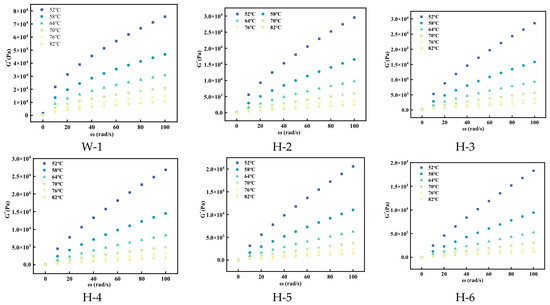
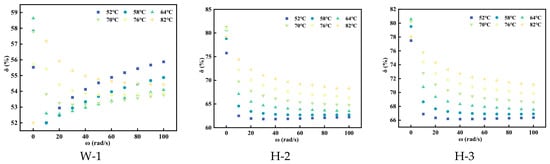
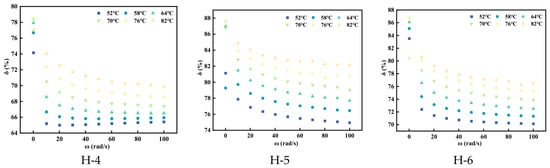
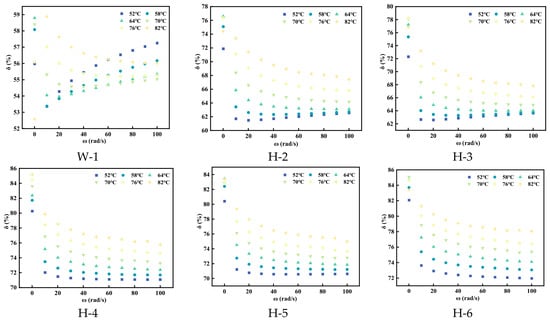
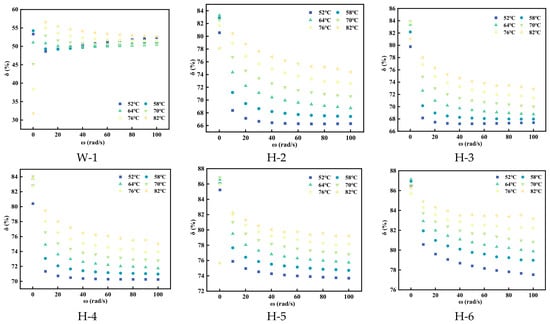
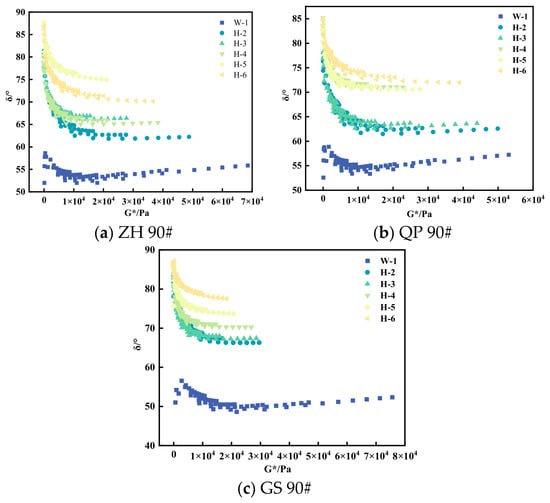
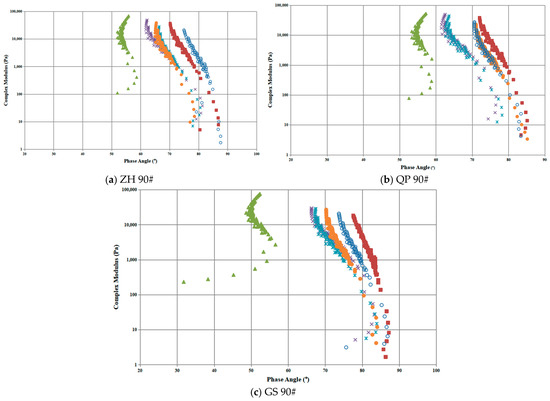
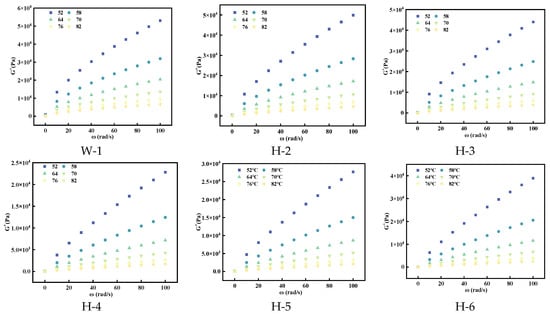
To improve the efficiency of waste tire rubber powder modification in asphalt and its high-temperature performance, desulfurized rubber powder with different solubilities was prepared using a twin-screw extrusion process. Desulfurized rubber powder-modified asphalt was then produced using three types of base asphalt, Shell 90#, Zhenhai 90#, and GS 90#, as the base asphalt matrix. Dynamic shear rheometry (DSR), multi-stress creep recovery (MSCR), frequency scanning, Black curves, and complex modulus master curves were used to investigate the effects of rubber powder solubility. We focused on the complex shear modulus (G*), phase angle (δ), rut factor (|G*|/sin δ), creep recovery rate (R), and irreversible creep modulus (Jnr). The results indicate that desulfurization via twin-screw extrusion effectively breaks the sulfur cross-links in the rubber powder, as inferred from the significant increase in solubility, significantly improving rubber powder-asphalt compatibility. Of the three modified asphalts, Shell 90# desulfurized rubber powder-modified asphalt exhibited the slowest decay in high-temperature complex shear modulus, the smallest increase in phase angle, and the best high-temperature rutting factor stability. MSCR tests further confirmed that Shell 90# desulfurized rubber powder-modified asphalt exhibited the highest creep recovery rate, the lowest irreversible creep modulus, and the greatest resistance to permanent deformation. The black curve and the complex modulus master curve confirm that Shell 90# modified asphalt has the best viscoelastic balance and the most stable microstructure. These findings provide a theoretical basis for designing rubber-modified asphalt pavement materials for use in regions with high temperatures and heavy rainfall.
Full article
(This article belongs to the Section Construction and Building Materials)
►▼
Show Figures

Figure 1
Open AccessArticle
Interface-Driven Carbon Fiber Reinforcement in Graphite Packing Rings for Enhanced Service Stability
by
Yang Shi, Shihao Li, Xubo Bei, Cangeng Wang, Qi Liu, Daniu He, Leya Zhou, Yuting Huang, Peng Sun, Qiang Zhang, Shi He and Jun Jiang
Materials 2026, 19(15), 3226; https://doi.org/10.3390/ma19153226 - 29 Jul 2026
Abstract
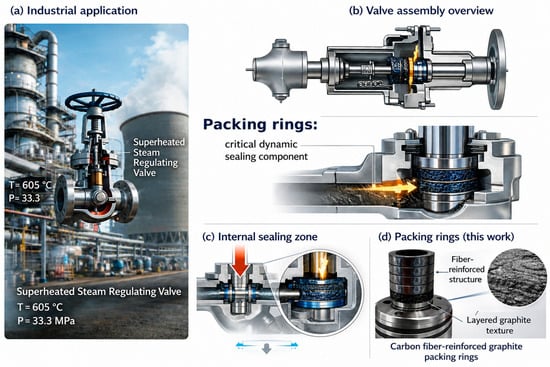
Flexible graphite packing rings are widely employed in high-temperature and high-pressure valve sealing systems owing to their intrinsic lubricity and thermal stability, yet their service reliability is often compromised by low mechanical strength, pronounced creep, and unstable tribological behavior under extreme conditions. Here,
[...] Read more.
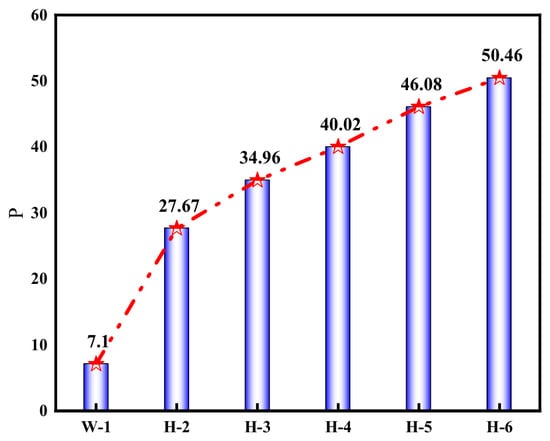
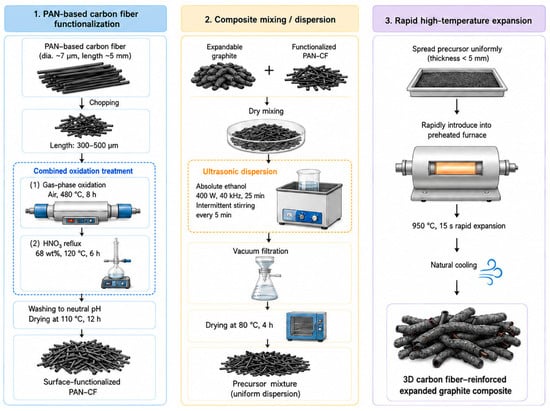
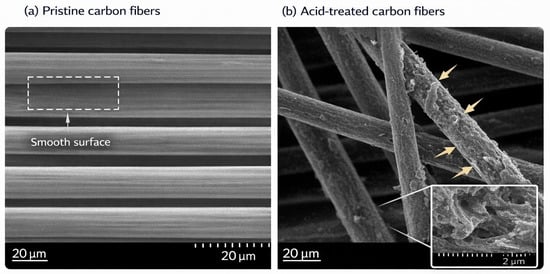
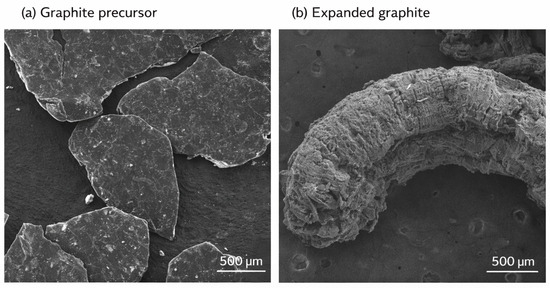
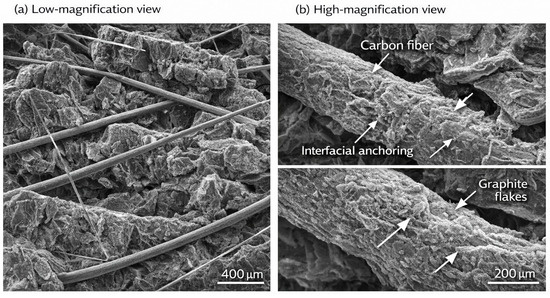
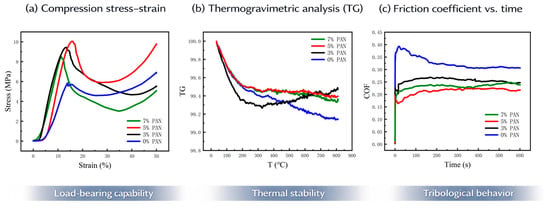
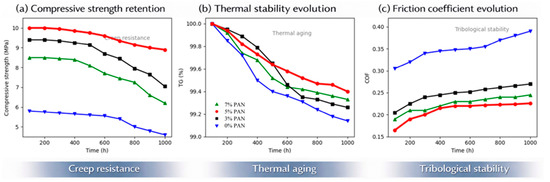
Flexible graphite packing rings are widely employed in high-temperature and high-pressure valve sealing systems owing to their intrinsic lubricity and thermal stability, yet their service reliability is often compromised by low mechanical strength, pronounced creep, and unstable tribological behavior under extreme conditions. Here, we present an interface-engineered strategy to enhance the service performance of graphite packing rings via reinforcement with surface-functionalized PAN-based carbon fibers (PAN-CFs; carbonized fibers derived from polyacrylonitrile precursors). Through controlled oxidative modification of carbon fibers combined with high-temperature graphite expansion, a three-dimensional reinforced graphite network with uniform fiber dispersion was constructed. The influence of PAN-based carbon fiber (PAN-CF) content (0–7 wt%) on compressive strength, thermal stability, friction behavior, and long-term durability was systematically evaluated. An optimal performance was achieved at 5 wt% PAN-CF, featuring a ~58% increase in compressive strength, a stable friction coefficient of 0.15–0.18, and enhanced creep resistance, while retaining over 78% of the initial strength after 1000 h of sustained loading. Microstructural and complementary structural analyses suggest that these improvements are associated with interfacial mechanical anchoring, fiber embedding, and load-transfer reinforcement enabled by fiber surface functionalization and the expanded graphite architecture. This work offers a practical material-level approach to improving the long-term reliability of graphite-based sealing components in demanding industrial environments.
Full article
(This article belongs to the Topic Advanced Carbon Fiber Reinforced Composite Materials, 3rd Edition)
►▼
Show Figures

Figure 1

Open AccessEditorial
On Applications of Polymer Materials—Adsorption, Catalysis, and Degradation
by
Magdalena Sobiesiak
Materials 2026, 19(15), 3225; https://doi.org/10.3390/ma19153225 - 29 Jul 2026
Abstract
This Special Issue was dedicated to the applications of polymers and related materials in adsorption and catalysis, as well as their degradation processes [...]
Full article
(This article belongs to the Special Issue Applications of Polymer Materials: Adsorption, Catalysis, and Degradation)
Open AccessArticle
Icing and Anti-Icing Performance of Superhydrophobic-Coated Steel Members in Long-Span Transmission Towers
by
Shijun Huang, Lang Wang, Mengqi Li, Jiao Zhu, Chengyu Wang and Ruoqiang Feng
Materials 2026, 19(15), 3224; https://doi.org/10.3390/ma19153224 - 29 Jul 2026
Abstract
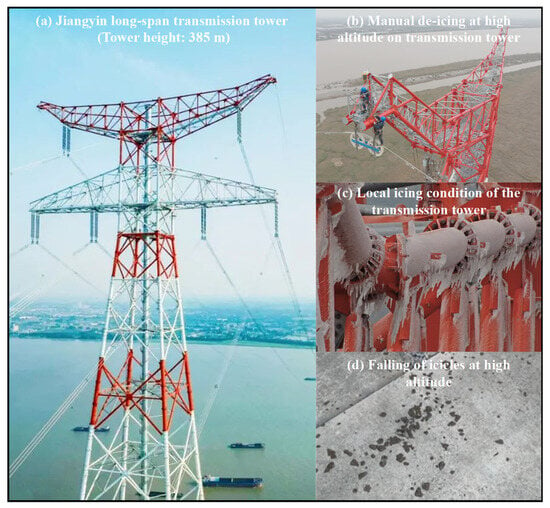
Long-span transmission towers in the Yangtze River basin are exposed to coupled low-temperature, high-humidity and strong-wind conditions, which promote nonuniform ice accretion on steel members and increase structural loads and ice-shedding risks. Although superhydrophobic coatings are promising passive anti-icing materials for civil infrastructure,
[...] Read more.
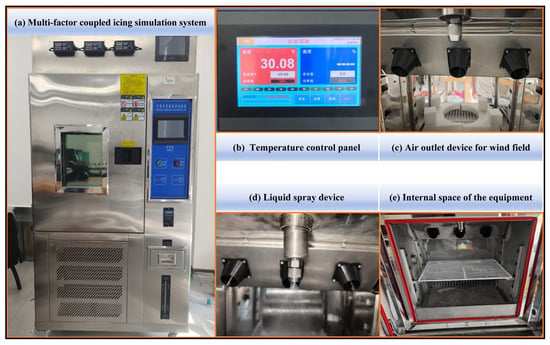
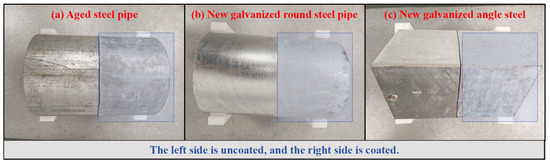
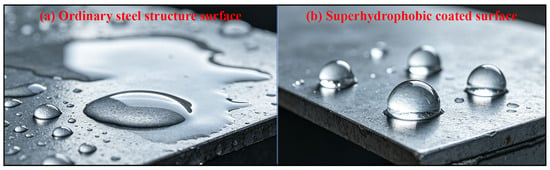
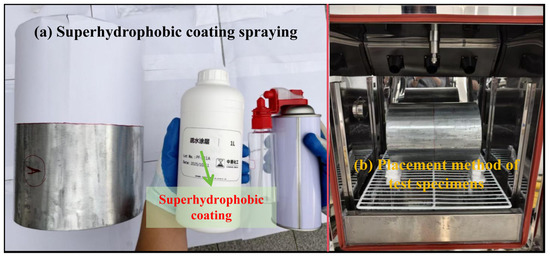
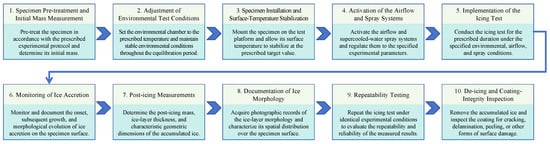
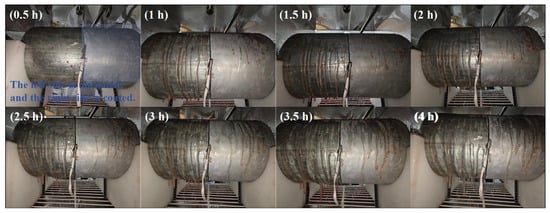
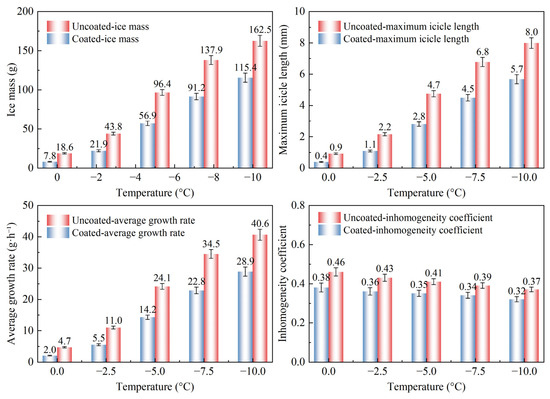
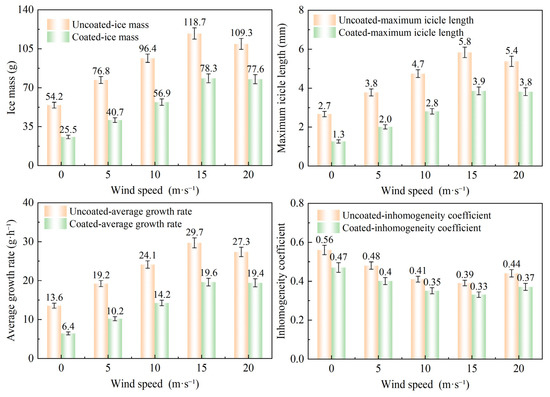
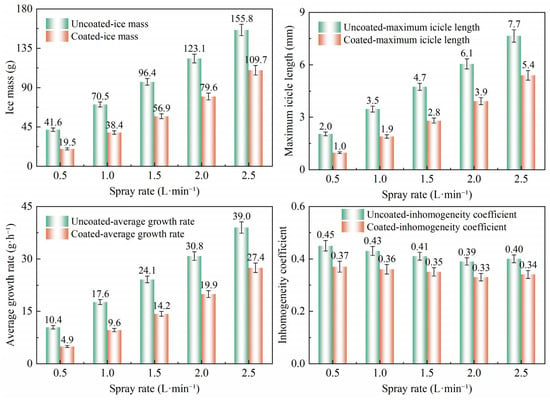
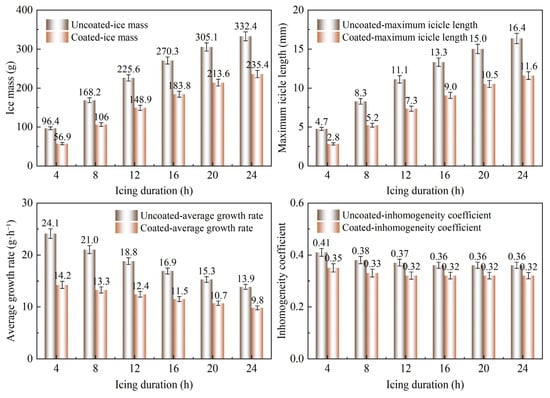
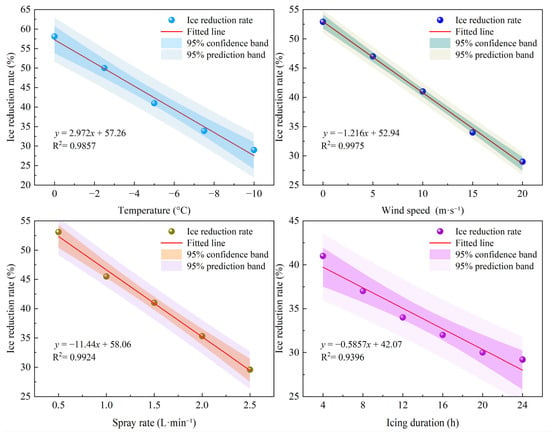
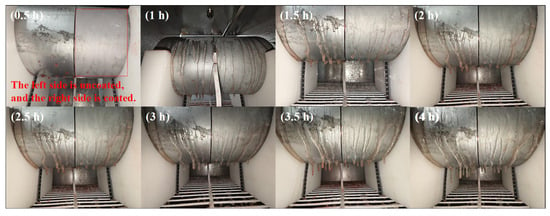
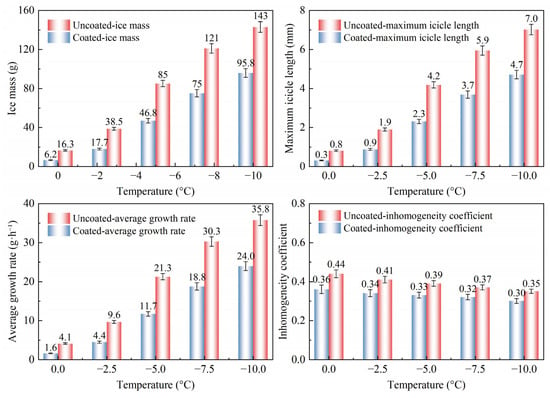
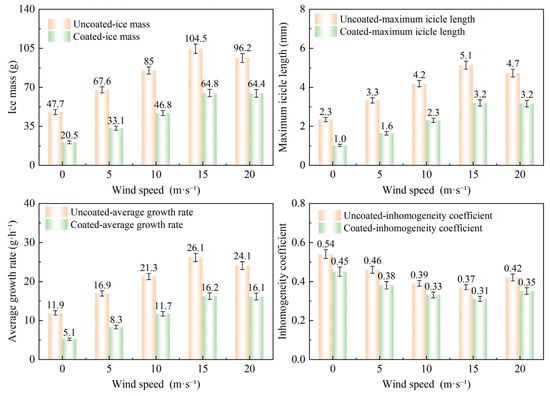
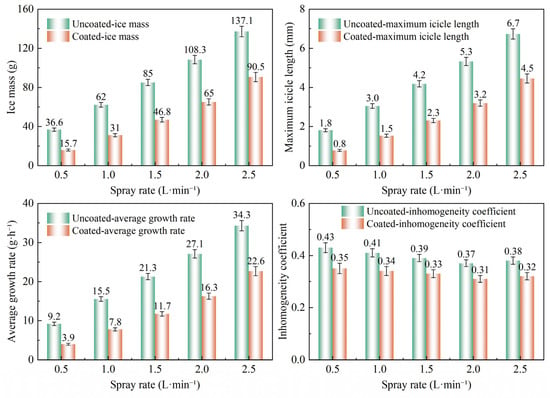
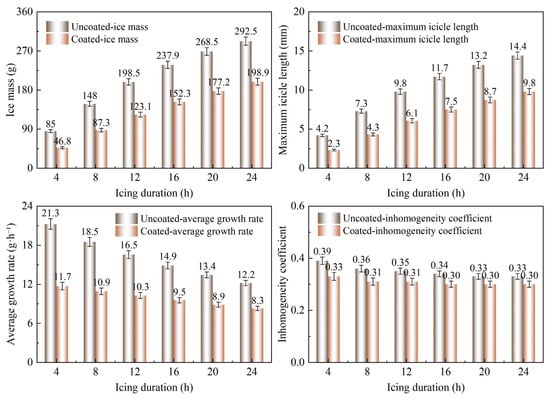
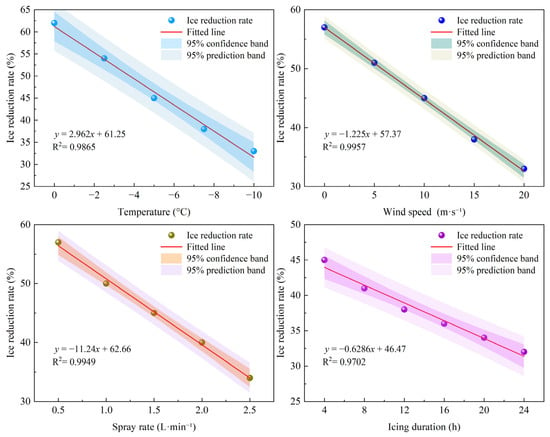
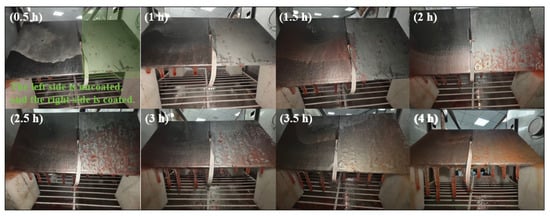
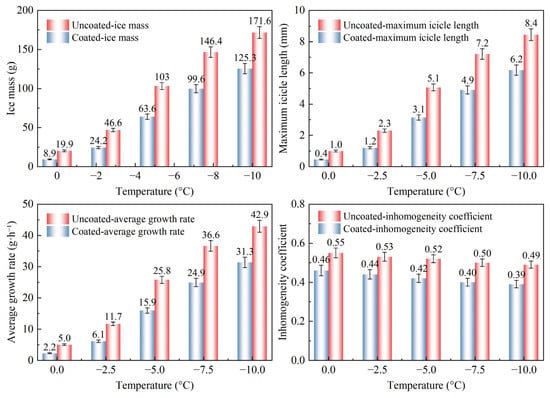
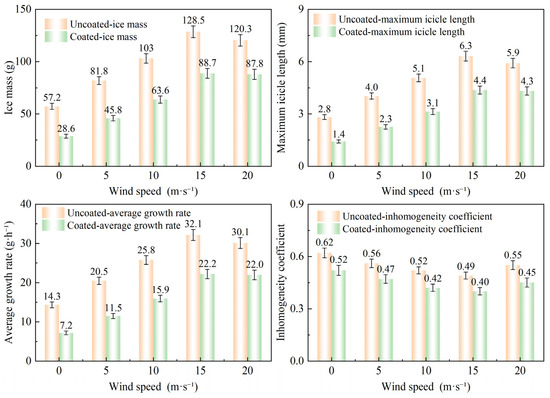
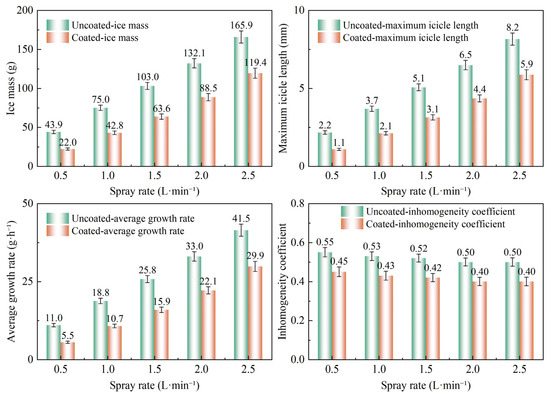
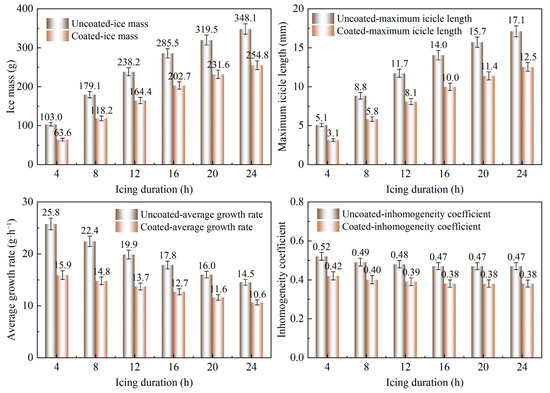
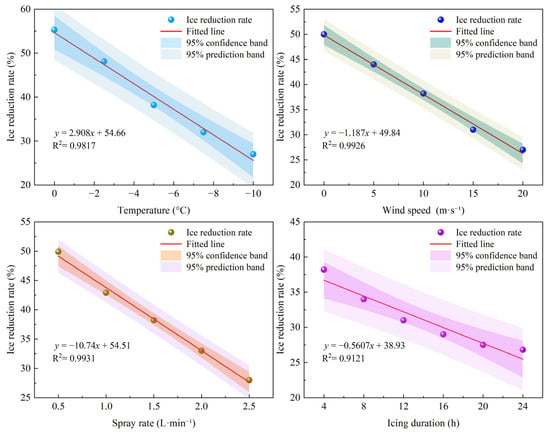
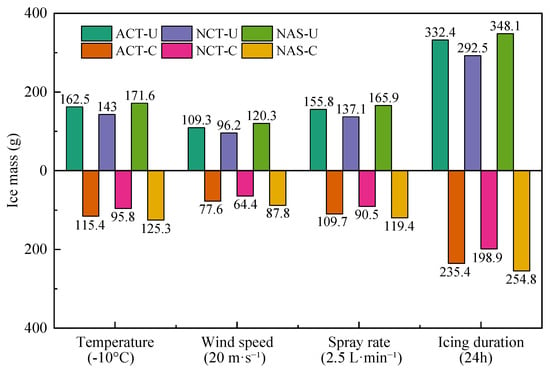
Long-span transmission towers in the Yangtze River basin are exposed to coupled low-temperature, high-humidity and strong-wind conditions, which promote nonuniform ice accretion on steel members and increase structural loads and ice-shedding risks. Although superhydrophobic coatings are promising passive anti-icing materials for civil infrastructure, most existing evaluations use idealized flat or cylindrical specimens and do not capture the geometry, substrate condition and coating uniformity of in-service tower members. Here, a multifactor coupled icing simulation system was developed, and comparative icing tests were conducted on three representative steel members (aged plain circular steel tube, new galvanized circular steel tube and new galvanized angle steel) under controlled temperature, wind speed, spray rate and icing duration. For uncoated members, ice mass increased with supercooling degree and spray rate, first increased and then decreased with wind speed, and exhibited a decelerating growth pattern within 24 h. The superhydrophobic coating reduced ice mass, ice thickness and circumferential nonuniformity under all tested conditions, but its effectiveness depended strongly on environmental loading and member geometry. Under reference conditions, the ice-reduction rates reached 41%, 45% and 38% for the three members, respectively, and remained 27–32% after 24 h of icing. Smooth circular substrates showed the best coating response, whereas angle steel was less effective because edge-induced flow distortion and poor coating uniformity promoted local wetting failure. Performance degradation under harsh conditions was associated with accelerated freezing, water-film formation and localized wetting failure. These findings define the applicability and durability limits of superhydrophobic coatings for passive anti-icing protection of long-span transmission tower steel members.
Full article
(This article belongs to the Special Issue Advancements in Mechanical Properties and Microstructure Optimization of Construction Materials)
►▼
Show Figures

Figure 1
Open AccessReview
Research Progress and Prospects on Poisoning Mechanism and Anti-Poisoning Modification of Cerium-Based NH3-SCR Denitrification Catalysts
by
Qi Zhao, Zhuoya Qu, Suqian Gu, Shengli An, Shan Ren and Yifan Chai
Materials 2026, 19(15), 3223; https://doi.org/10.3390/ma19153223 - 28 Jul 2026
Abstract
Ammonia selective catalytic reduction (NH3-SCR) has become the mainstream core technology for denitrification of industrial sintering flue gas, owing to its high denitrification efficiency and mild reaction conditions. Cerium-based catalysts, with CeO2 as the primary component, have been identified as
[...] Read more.
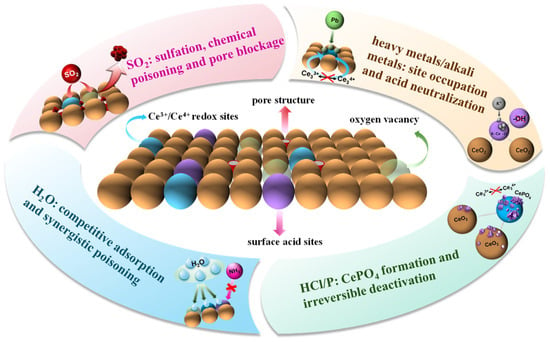
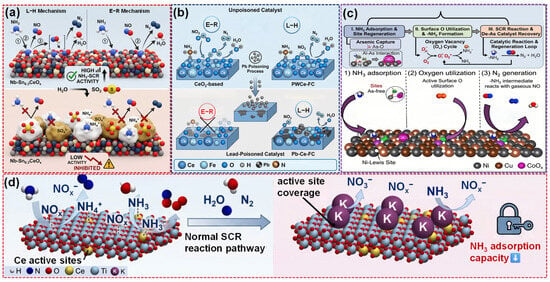
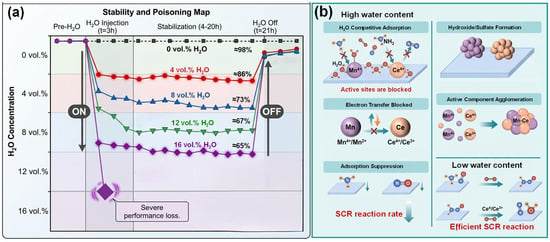
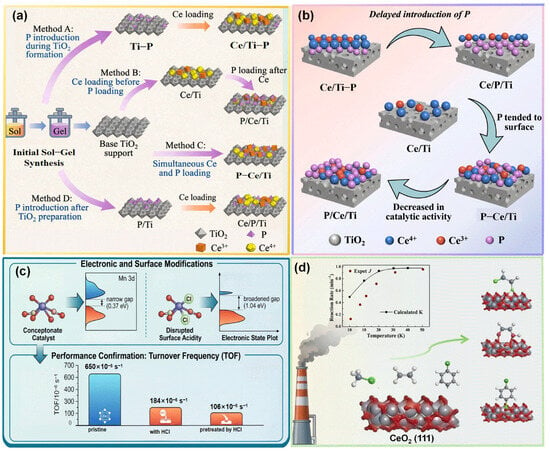
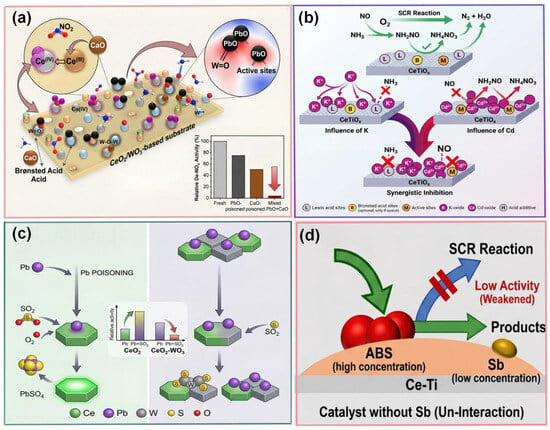
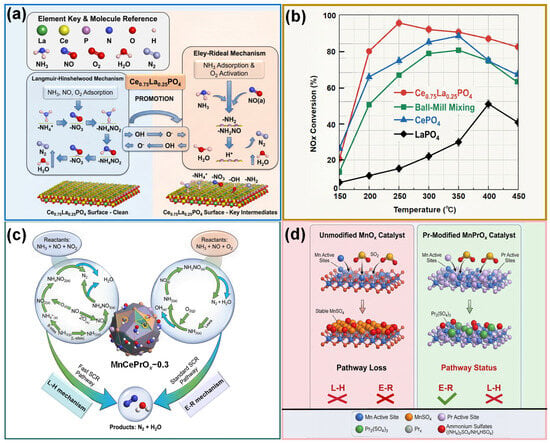
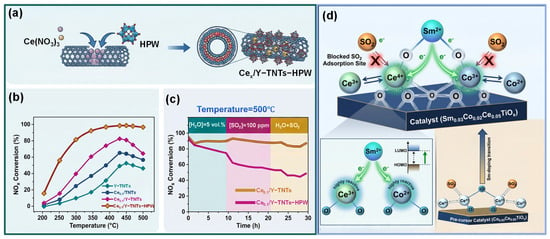
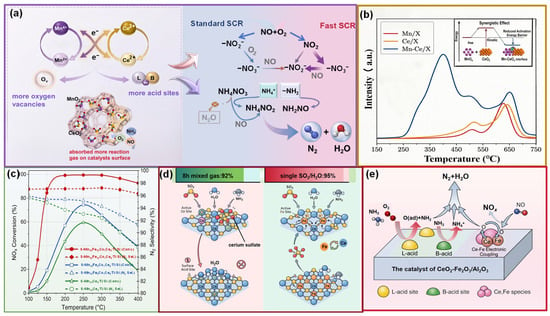
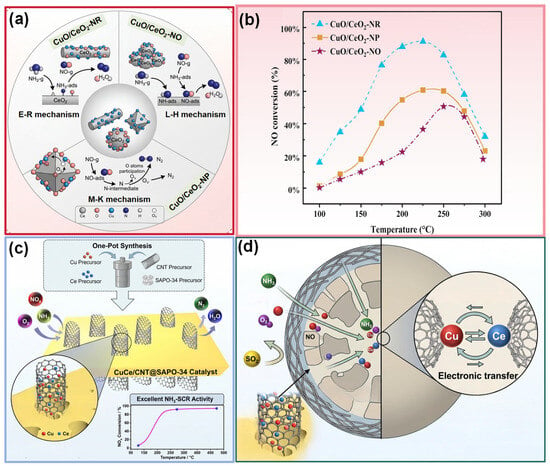
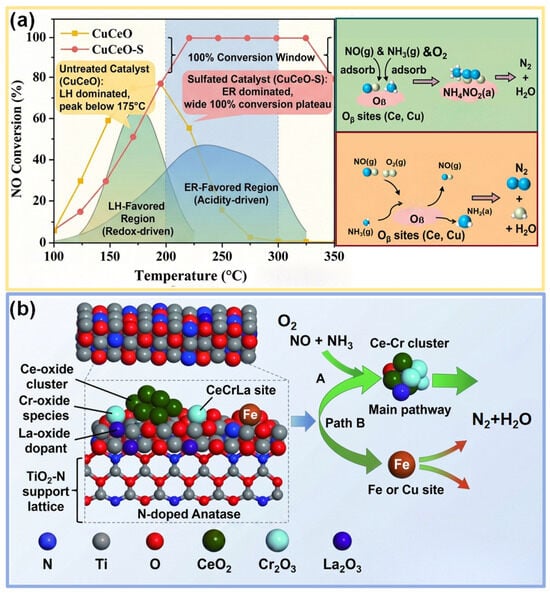
Ammonia selective catalytic reduction (NH3-SCR) has become the mainstream core technology for denitrification of industrial sintering flue gas, owing to its high denitrification efficiency and mild reaction conditions. Cerium-based catalysts, with CeO2 as the primary component, have been identified as a promising system for replacing traditional vanadium-based and noble metal catalysts. These catalysts rely on the reversible Ce3+/Ce4+ redox cycle and exhibit favorable oxygen storage-release capacity derived from lattice oxygen migration. However, the presence of multiple impurities in industrial flue gas can lead to catalyst poisoning and restrict its industrial application. Consequently, there is an urgent need for the development of cerium-based catalysts that exhibit both high denitrification activity and excellent resistance to sulfur, heavy metal and water poisoning for the engineering application of NH3-SCR technology. The present paper undertakes a systematic analysis of the poisoning mechanisms of various pollutants on cerium-based SCR denitrification catalysts. In addition, it discusses the enhancement effects of doping modification with rare earth elements, transition metal elements and non-metallic elements on the sulfur resistance of catalysts. Furthermore, it reveals the intrinsic laws of different modification pathways in improving sulfur resistance by optimizing the electronic structure, regulating surface acidic sites and inducing the formation of oxygen vacancies. The present study provides theoretical support for the design and industrial application of anti-poisoning cerium-based catalysts.
Full article
(This article belongs to the Section Catalytic Materials)
►▼
Show Figures

Figure 1
Open AccessArticle
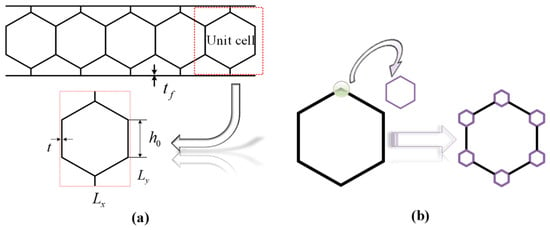
Numerical Study on the Acoustic Transmission Performance of New Hierarchical Honeycomb Sandwich Panel
by
Boyan Zhou and Qiang He
Materials 2026, 19(15), 3222; https://doi.org/10.3390/ma19153222 - 28 Jul 2026
Abstract
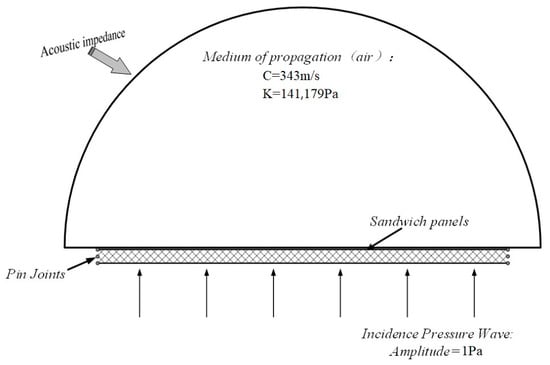
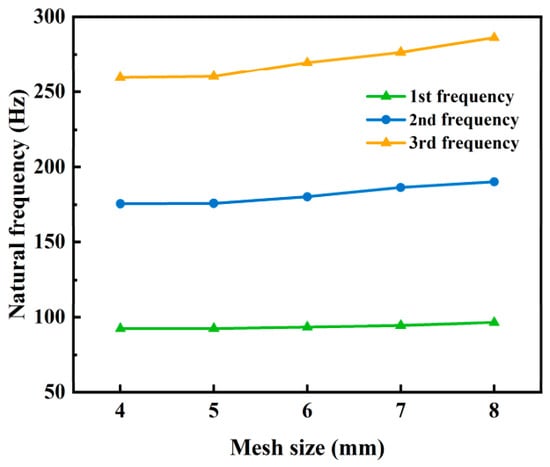
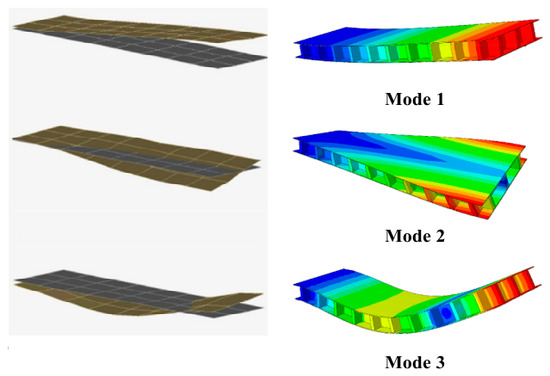
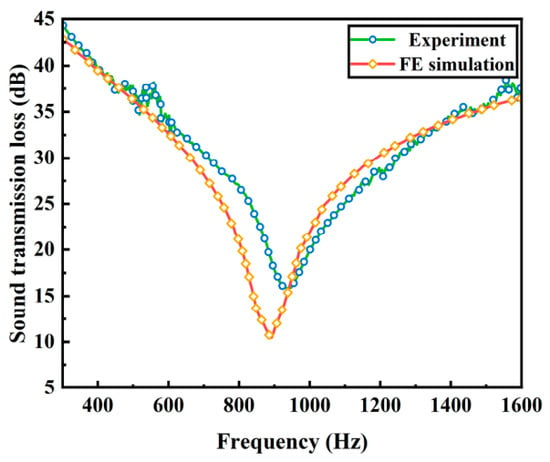
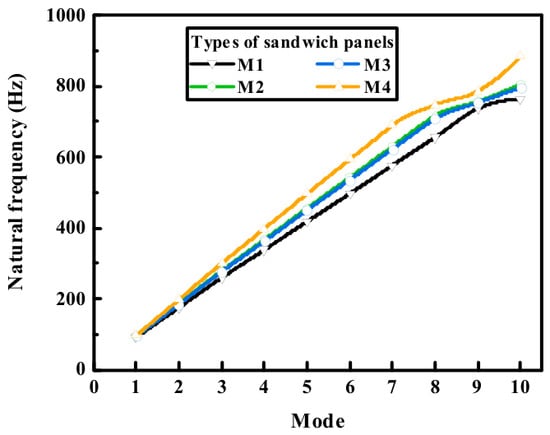
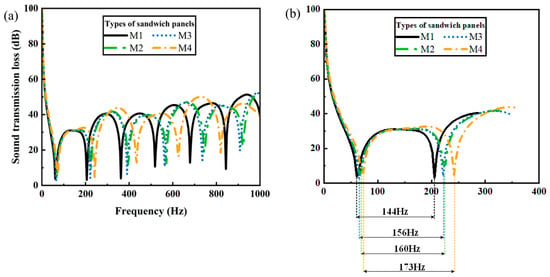
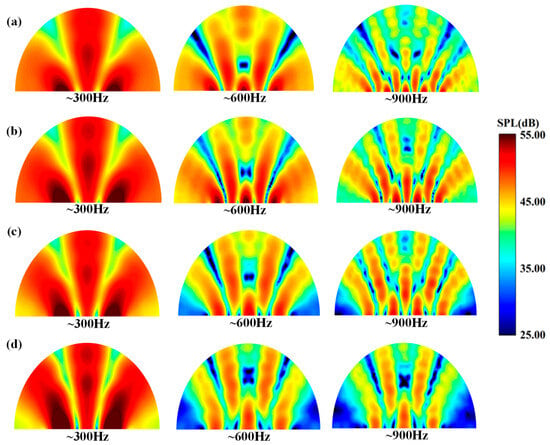
A novel hierarchical honeycomb structure is proposed as the core layer of sandwich panels, replacing the hexagonal vertices with other shapes. Its vibration and sound insulation performance are further discussed. Structural acoustic finite element analysis methods were used to simulate the natural frequency,
[...] Read more.
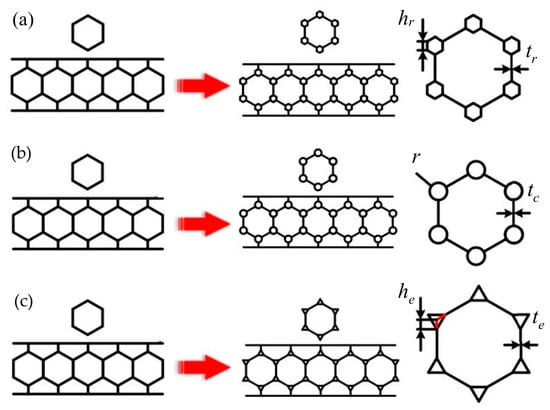
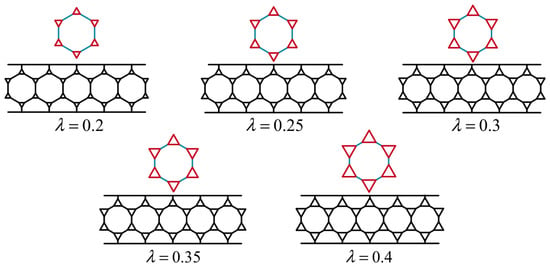
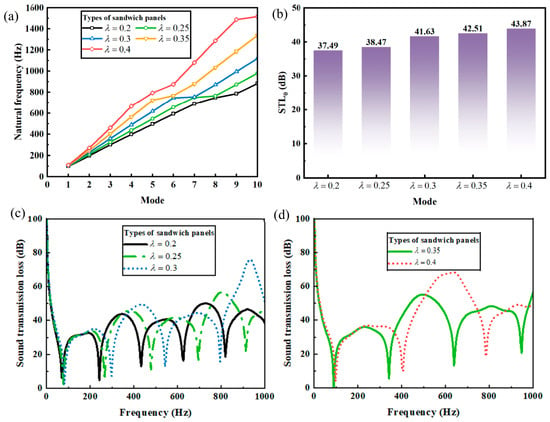
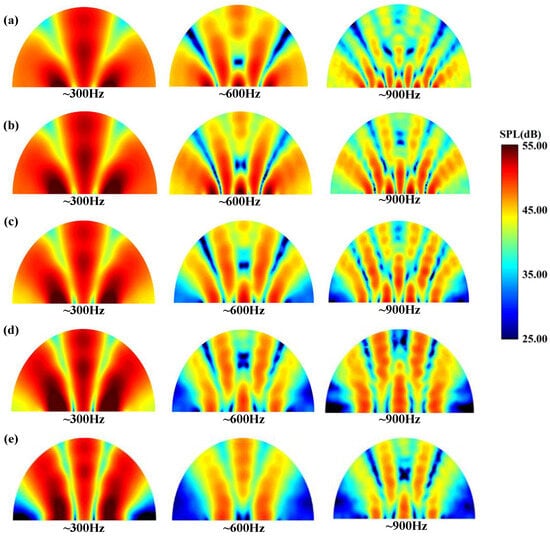
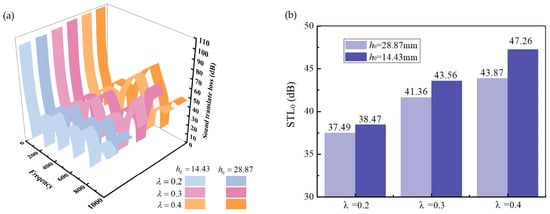
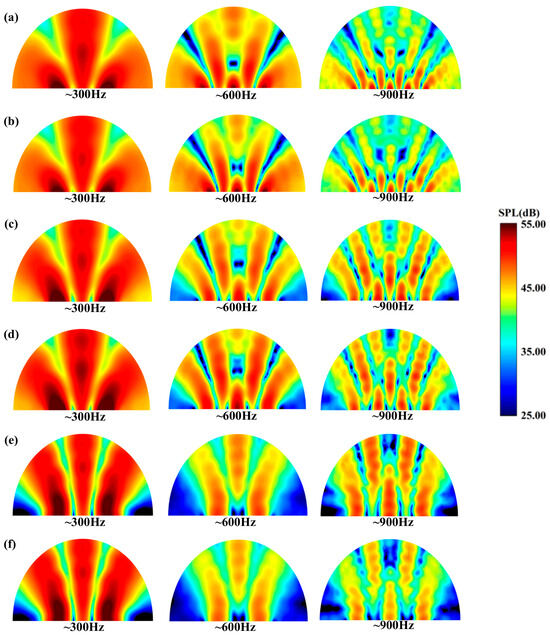
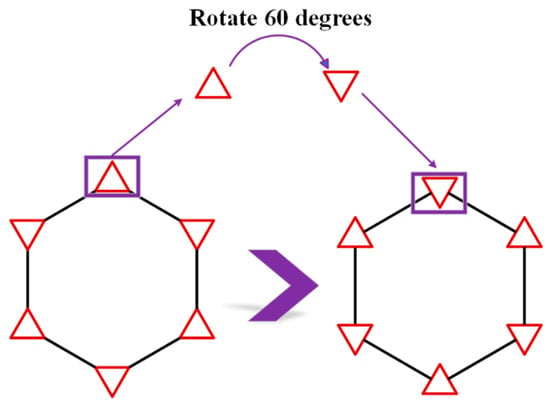
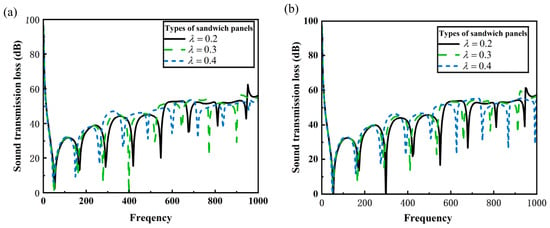
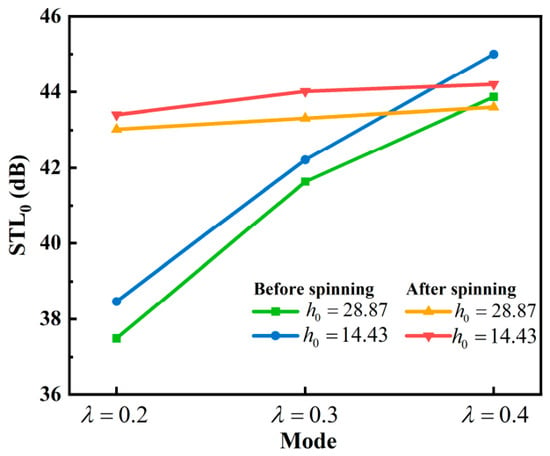
A novel hierarchical honeycomb structure is proposed as the core layer of sandwich panels, replacing the hexagonal vertices with other shapes. Its vibration and sound insulation performance are further discussed. Structural acoustic finite element analysis methods were used to simulate the natural frequency, sound transmission loss (STL), and sound pressure distribution within the acoustic domain of the sandwich panels. Within the given simulation parameter range, the sound insulation efficiency of the new hierarchical honeycomb sandwich panel was significantly improved, and the triangular vertex configuration exhibited the best noise reduction ability. By varying the vertex size and the dimensions of the units, the sandwich panels’ vibration reduction and noise insulation capabilities can be further optimized. The average sound transmission loss (STLo) for hierarchical parameter (the ratio of the vertex edge length to the wall length) = 0.4 increases by 17.2% compared to = 0.2, greatly improving sound reduction efficiency. When the size of the honeycomb unit is small, the sandwich panel exhibits enhanced acoustic transmission loss within the resonance frequency range. The hierarchical honeycombs after vertex triangle rotation show an STLo level of around 43.08–44.24 dB. The influence of vertex triangle rotation on the STLo of hierarchical honeycomb is closely related to the hierarchical parameters, with STLo increasing by 14.8% for λ = 0.2 and 4% for λ = 0.3, while the opposite phenomenon occurs when is 0.4. The research results provide valuable insights into improving the vibration reduction and sound insulation performance of honeycomb sandwich panels within the target frequency range by introducing hierarchical features. However, related engineering applications need to rely on subsequent experimental verification.
Full article
(This article belongs to the Special Issue Lightweight and High-Performance Composite Structures for Engineering Applications)
►▼
Show Figures

Figure 1
Open AccessArticle
Mechanistic Insights into the Aging and Regeneration of SBS-Modified Asphalt Under Coastal Humid–Hot Environmental Conditions
by
Chien-Ta Chen, Ayad Thabet Saeed Alghabsha, Xinxin Cao and Jiaolong Ren
Materials 2026, 19(15), 3221; https://doi.org/10.3390/ma19153221 - 28 Jul 2026
Abstract
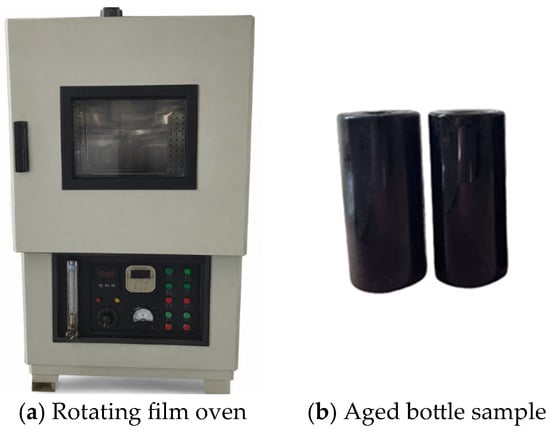
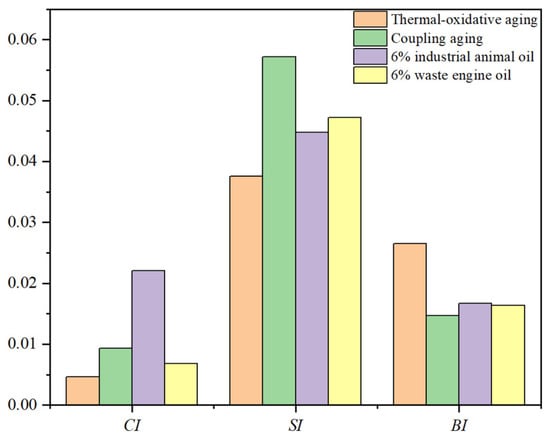
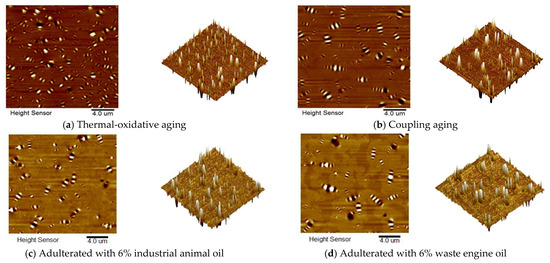
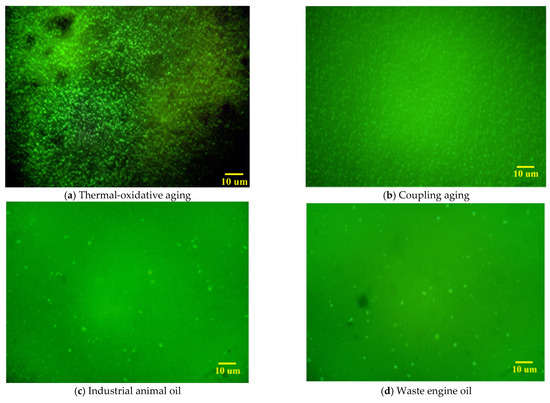
The deterioration of SBS-modified asphalt under coupled temperature–ultraviolet (UV)–coastal humidity conditions is significantly accelerated in coastal regions because of seawater evaporation, leading to severe durability degradation of pavement materials. However, the performance evaluation laws and underlying regeneration mechanisms under such coupled environmental aging
[...] Read more.
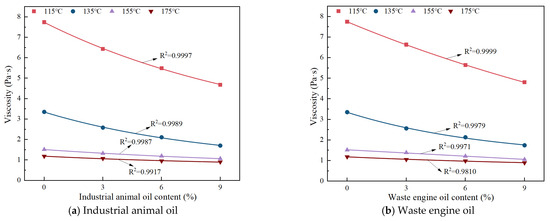
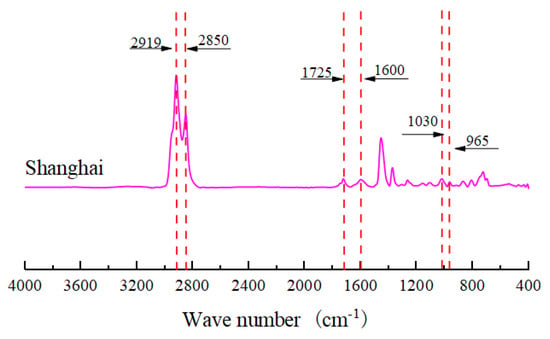
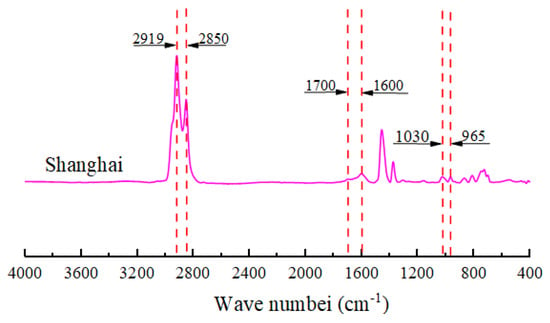
The deterioration of SBS-modified asphalt under coupled temperature–ultraviolet (UV)–coastal humidity conditions is significantly accelerated in coastal regions because of seawater evaporation, leading to severe durability degradation of pavement materials. However, the performance evaluation laws and underlying regeneration mechanisms under such coupled environmental aging conditions remain insufficiently understood. Therefore, taking Shanghai as a representative coastal city, a temperature–UV–coastal humidity coupled aging system was established to simulate the saline and humid environment of coastal regions. Industrial animal oil and waste engine oil were selected as regeneration materials, and a multi-scale experimental approach was adopted to evaluate the performance recovery of aged asphalt. The results indicate that both regeneration materials effectively restore ductility and improve rheological behavior, while reducing viscosity but cause a measurable decrease in softening point, indicating a reduction in high-temperature stability. Industrial animal oil shows superior improvement in ductility, whereas waste engine oil exhibits stronger effects on viscosity reduction and microstructural regulation. A content of approximately 6% was recommended as a practical content to balance performance recovery and high-temperature stability under the tested coupled-aging condition. Microstructural analysis confirms that the regeneration mechanism is dominated by light component replenishment and colloidal structure reconstruction rather than chemical modification of SBS chains.
Full article
(This article belongs to the Special Issue Sustainable Pavement Materials: Design, Application and Performance Evaluation (Third Edition))
►▼
Show Figures

Figure 1
Open AccessArticle
Concrete Shrinkage Behavior Under Varying Degrees of Restraints Using DIC
by
Haolin Guo, Yajie Zhang, Runze Du, Shengfa Fang, Shaowei Wu, Yihong Guo and Jianfu Lv
Materials 2026, 19(15), 3220; https://doi.org/10.3390/ma19153220 - 28 Jul 2026
Abstract
Concrete shrinkage is significantly influenced by the restraint level, and cracking often occurs under specific restraint conditions, thereby adversely affecting structural performance. Investigating the effect of restraint on shrinkage cracking is of great significance for enhancing early-age durability and ensuring structural safety. In
[...] Read more.
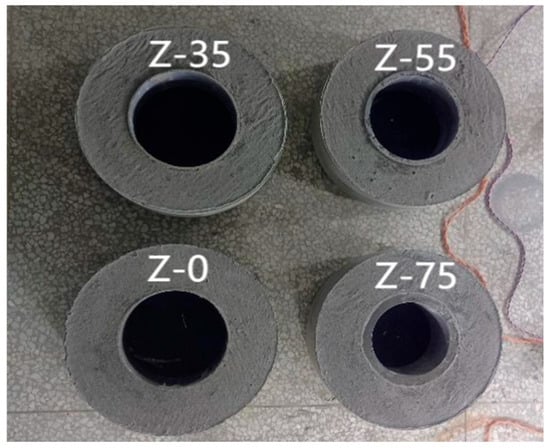
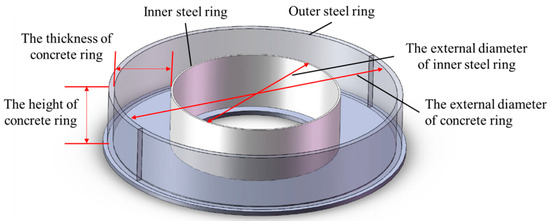
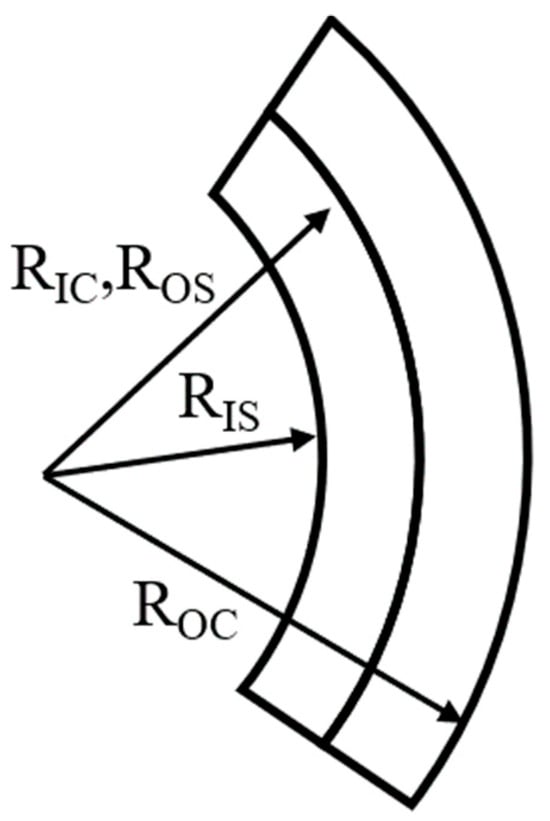
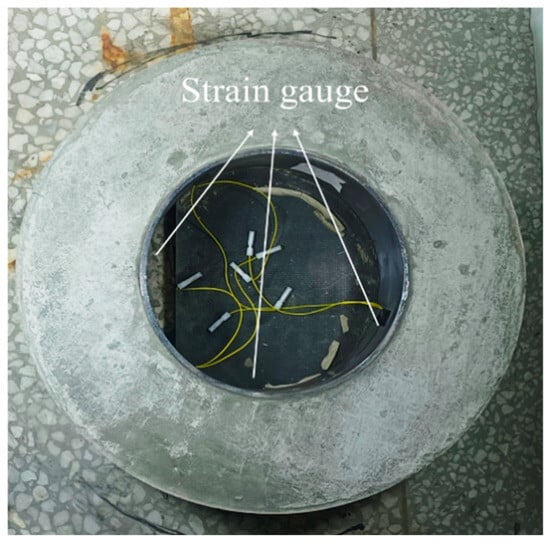
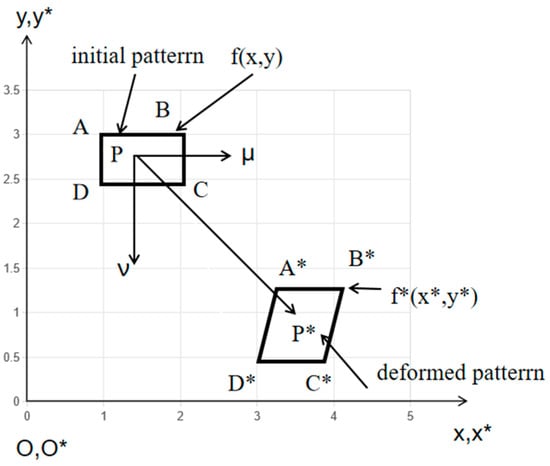
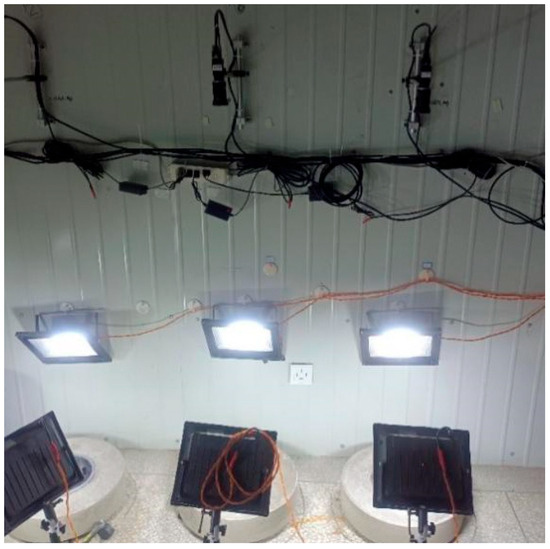
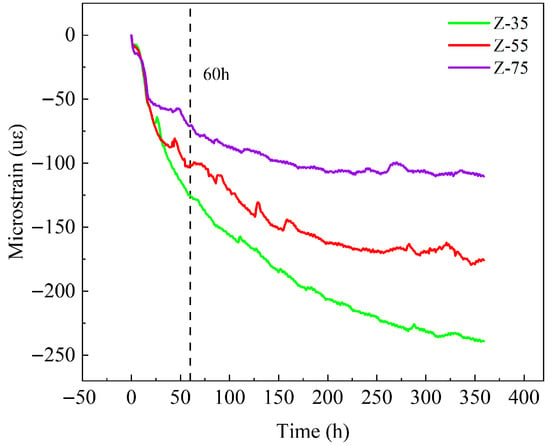
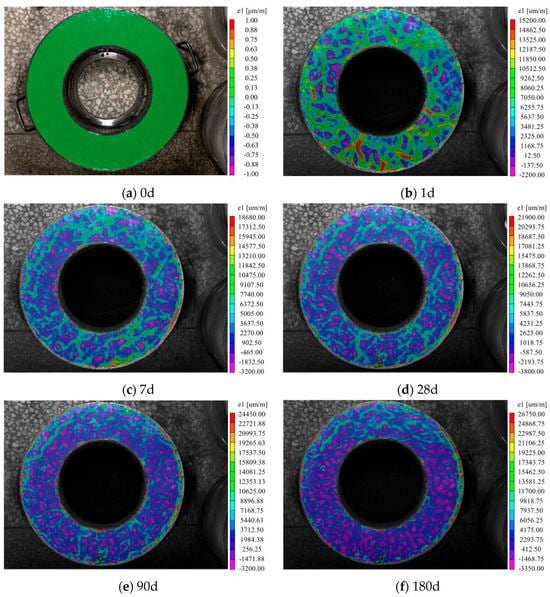
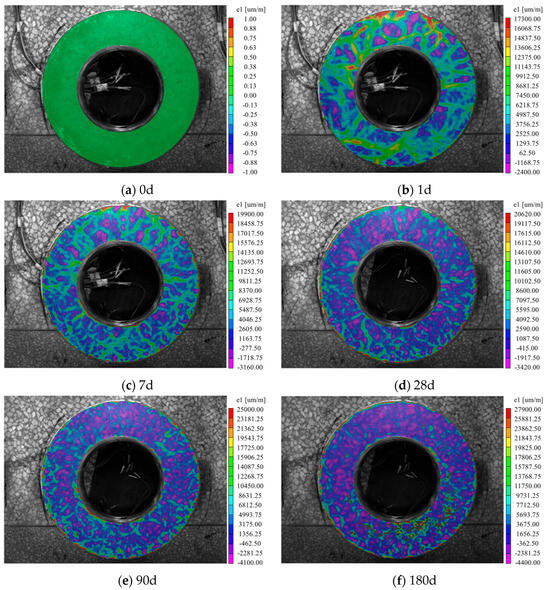
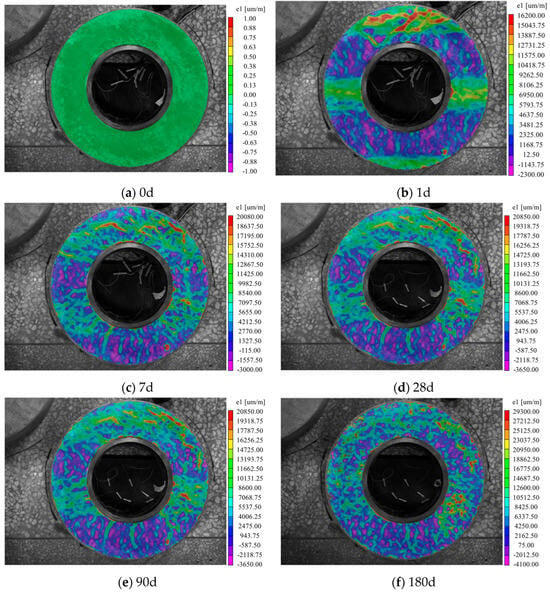
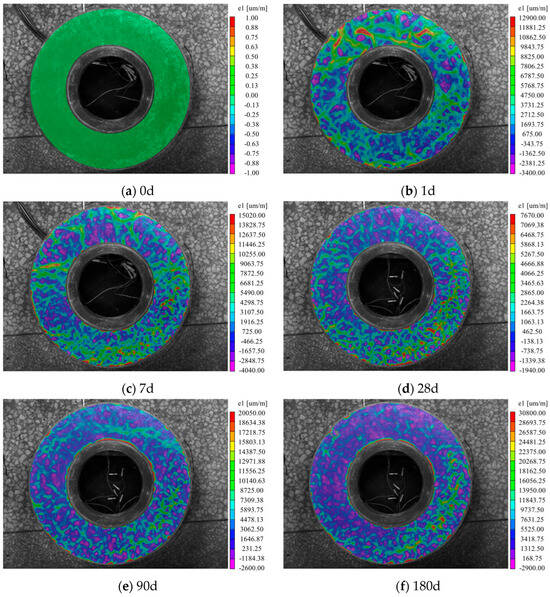
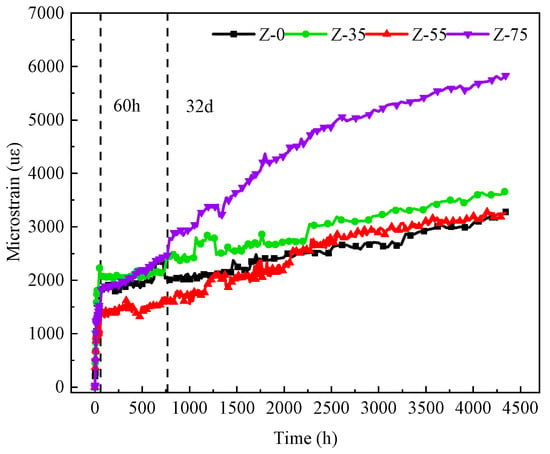
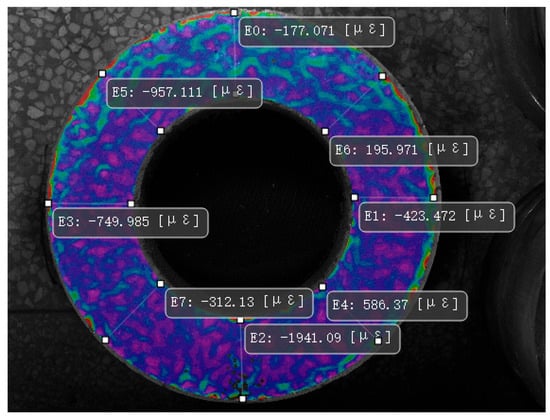
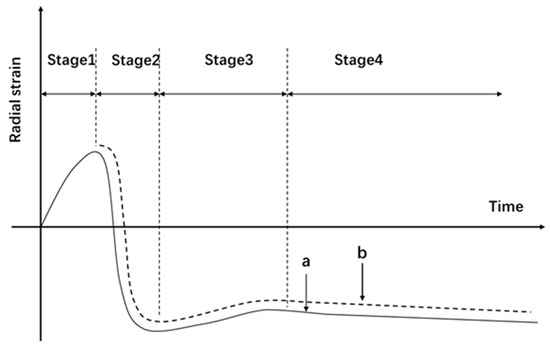
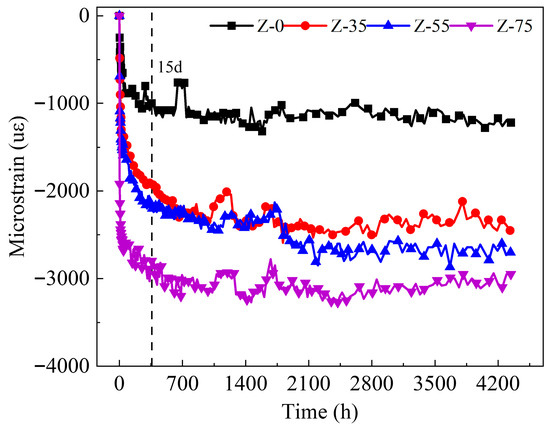
Concrete shrinkage is significantly influenced by the restraint level, and cracking often occurs under specific restraint conditions, thereby adversely affecting structural performance. Investigating the effect of restraint on shrinkage cracking is of great significance for enhancing early-age durability and ensuring structural safety. In this study, four distinct restraint levels (0%, 35%, 55%, and 75%) were established by varying the thickness of the inner steel ring. The influence of varying degrees of restraint on the shrinkage behavior was investigated, with digital image correlation (DIC) and internal strain gauge measurement employed to observe the strain and predict the risk of cracking. As the degree of restraint increases, the inner steel ring inhibits the free radial shrinkage of concrete more significantly, thereby inducing greater tensile strains at both the outer circumferential surface and the interior. The surface strain accumulation far exceeds the interior response due to the drying gradient. During the first 60 h, the shrinkage strain measured by both methods exhibited the most rapid evolution, indicating a critical high-risk period for cracking. These results advance the understanding of restraint effects in concrete and comprehensively clarify the relationship between the degree of restraint and the shrinkage, which accurately captures the evolution of shrinkage, facilitates the transition from empirical to quantitative design for crack-resistant materials and supports their customized optimization under practical engineering loading conditions.
Full article
(This article belongs to the Section Construction and Building Materials)
►▼
Show Figures

Figure 1

Open AccessArticle
The Effect of Hydrated Lime on the Low-Temperature Properties of Foamed Asphalt Mixture (FAM)
by
Mateusz Marek Iwański, Małgorzata Cholewińska and Marcin Podsiadło
Materials 2026, 19(15), 3219; https://doi.org/10.3390/ma19153219 - 28 Jul 2026
Abstract
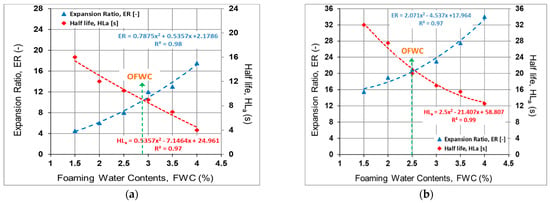
Foamed asphalt mixtures (FAMs) are considered to be among the most environmentally friendly. They are produced at temperatures ranging from 100 °C to 120 °C. In order to produce asphalt mixtures at such a low temperature, it is necessary to produce foamed asphalt
[...] Read more.
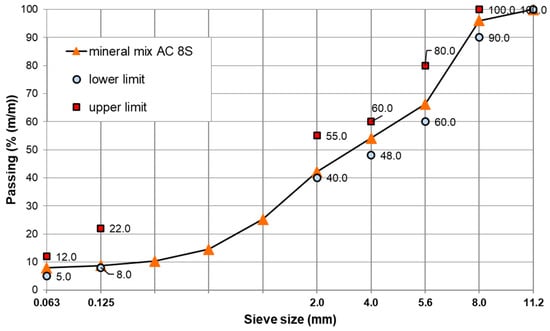
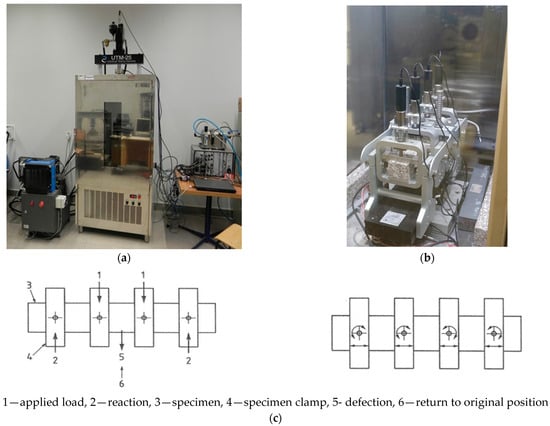
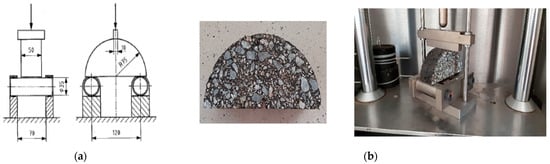
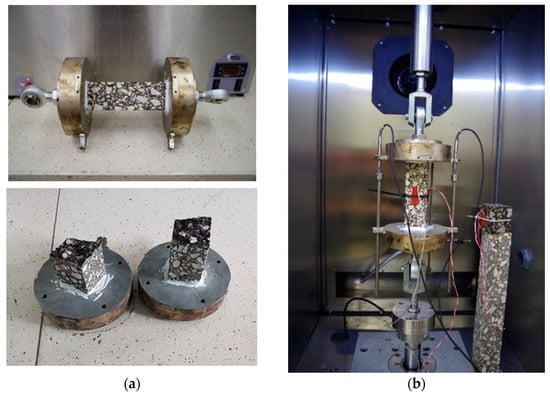
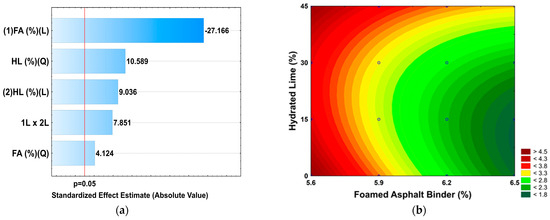
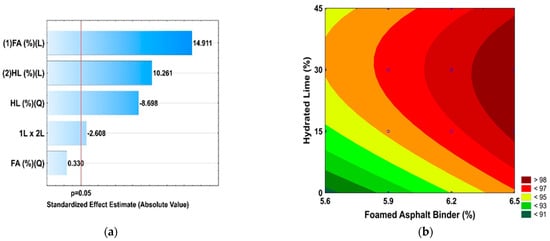
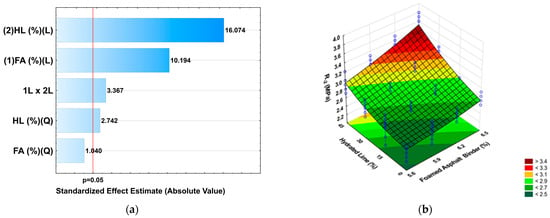
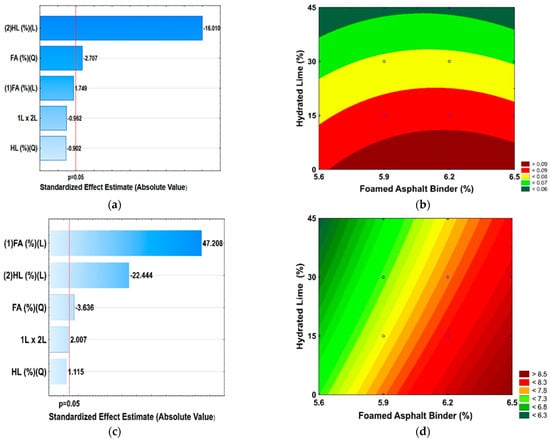
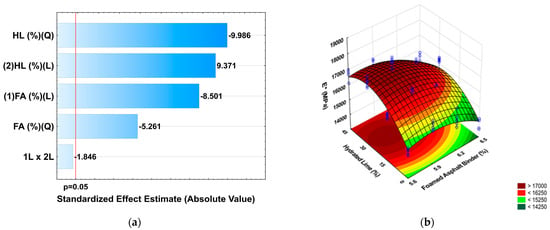
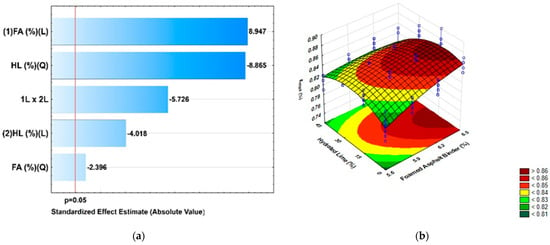
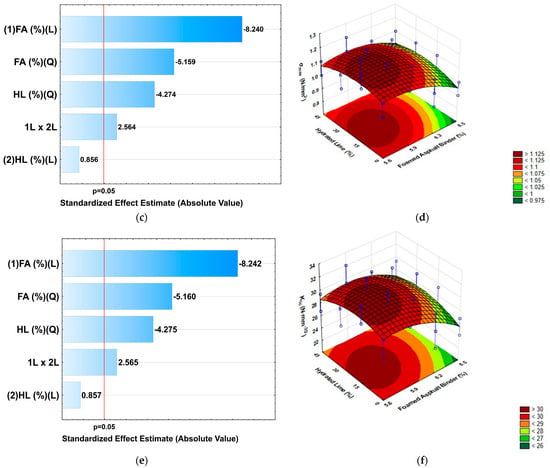
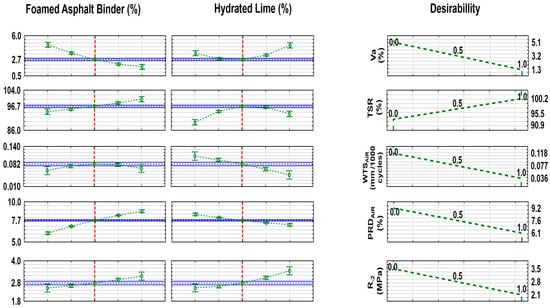
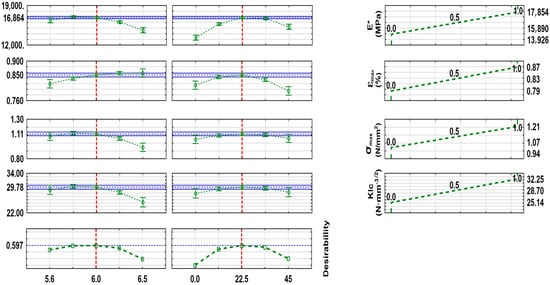
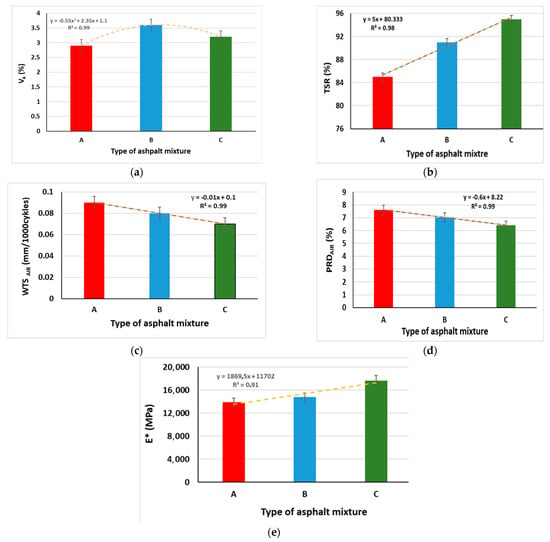
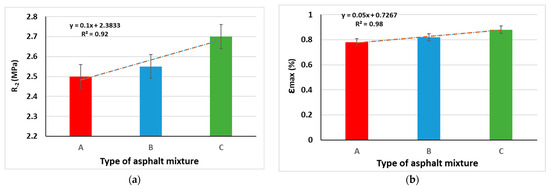
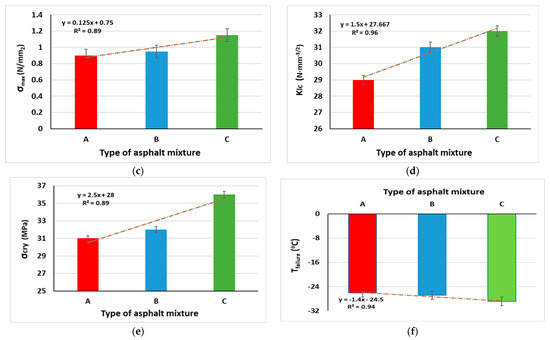
Foamed asphalt mixtures (FAMs) are considered to be among the most environmentally friendly. They are produced at temperatures ranging from 100 °C to 120 °C. In order to produce asphalt mixtures at such a low temperature, it is necessary to produce foamed asphalt binder with high foaming parameters, i.e., maximum expansion (ER) and a half-life (HLa) of the asphalt foam. Consequently, the asphalt binders were modified with a surfactant at a concentration of 0.6% by weight of the binder, prior to its foaming with water. Subsequently, an AC 8 S asphalt mixture was designed using traditional hot-mix asphalt (HMA) technology and with modified foamed asphalt binders in quantities ranging from 5.6% to 6.5% by weight, in increments of 0.3%. To ensure optimal properties of the FAM, hydrated lime was added at levels of 0%, 15%, 30% and 45% by weight as a substitute for filler. The influence of modified foamed asphalt binders and hydrated lime on the void content (Va), resistance to moisture and frost (TSR) and resistance to permanent deformation (WTSAIR and PRDAIR) of the FAM was assessed. A key element of the research was the determination of the complex modulus of stiffness E* and resistance to low-temperature cracking R−2, σcry, Tfailure and crack propagation using the SCB methodology. Analysis of the test results using desirability functions enabled the determination of the optimum proportions of foamed asphalt binders and hydrated lime—5.9% and 30% respectively—in the FAM, ensuring that its properties meet all the requirements of the relevant standards and guaranteeing resistance to low-temperature cracking.
Full article
(This article belongs to the Special Issue Advances in Asphalt Materials (3rd Edition))
►▼
Show Figures

Figure 1
Open AccessArticle
Numerical Simulation of Crack Propagation in Concrete with Prefabricated Array Fractures Based on the Discrete Element Method
by
Haiying Mao, Jun Zhen, Zuodong Zhou, Yaohui He, Xianzheng Zhu, Wenbing Zhang and Shuyang Yu
Materials 2026, 19(15), 3218; https://doi.org/10.3390/ma19153218 - 28 Jul 2026
Abstract
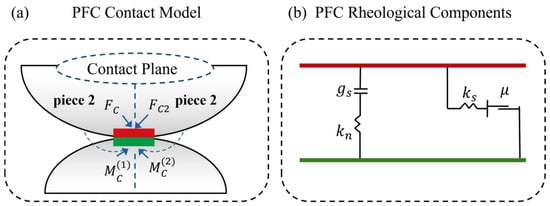
Concrete readily develops cracks under service loads, which poses severe risks to the overall safety of engineering structures. In this work, the discrete element method (DEM) integrated with PFC2D 5.0 numerical software is adopted to construct a mesoscale concrete numerical model containing pre-existing
[...] Read more.
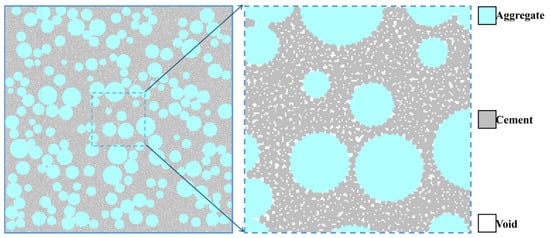
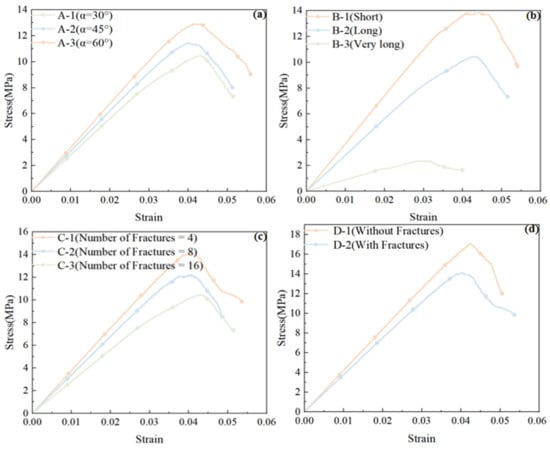
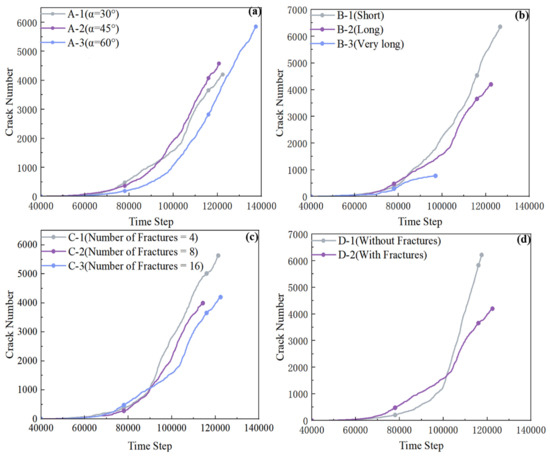
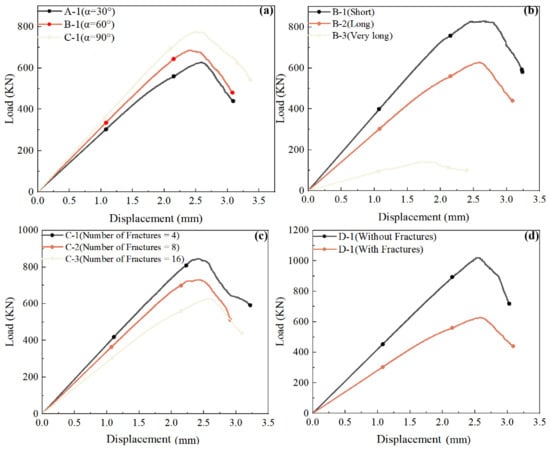
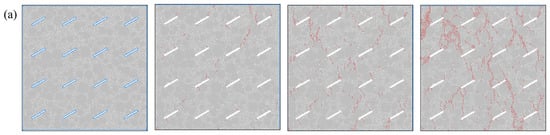
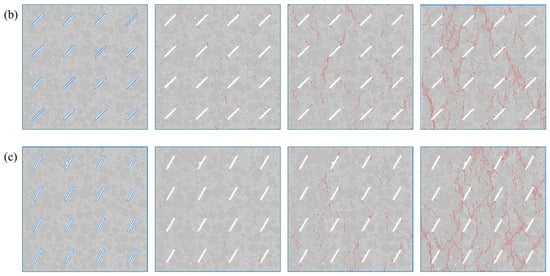
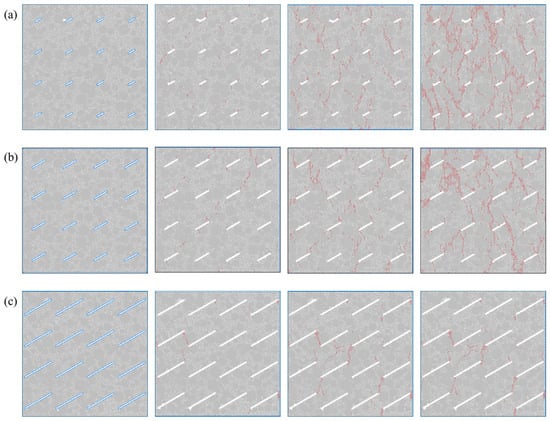
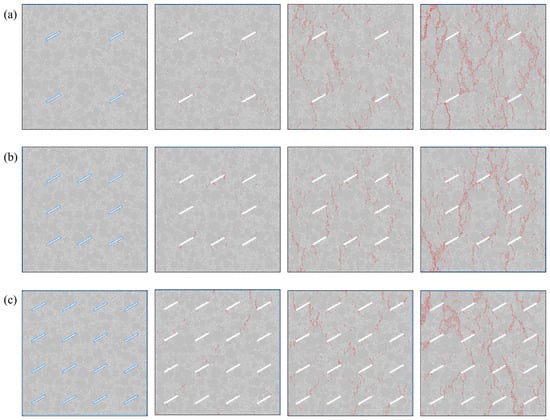
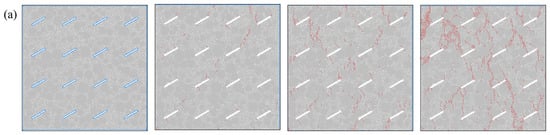
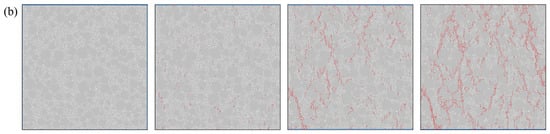
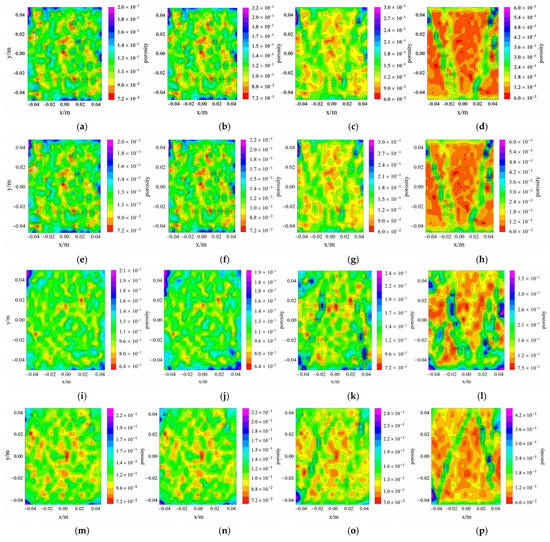
Concrete readily develops cracks under service loads, which poses severe risks to the overall safety of engineering structures. In this work, the discrete element method (DEM) integrated with PFC2D 5.0 numerical software is adopted to construct a mesoscale concrete numerical model containing pre-existing internal fractures, and uniaxial compressive loading simulations are subsequently carried out. Unlike previous studies that predominantly examined isolated fracture parameters, this work systematically investigates the coupled effects of fracture inclination angle, length, and quantity on crack propagation mechanisms at the mesoscale, and for the first time establishes a quantitative relationship between microcrack spatial distribution patterns and macroscopic mechanical degradation. Parametric analyses are performed to quantify the influences of fracture geometric characteristics, including fracture inclination angle (30°, 45°, 60°), fracture length (short, long and extra-long), fracture quantity (4, 8 and 16), as well as the comparison between intact and fractured concrete specimens. The fracture quantities of 4, 8, and 16 are selected to represent low, medium, and high levels of initial defect density within the concrete matrix, corresponding to approximately 1%, 2%, and 4% of the total specimen area, respectively, thereby enabling a systematic investigation into the progressive deterioration of mechanical performance with increasing internal damage severity. The whole evolution process of crack initiation, crack propagation and ultimate failure patterns of concrete is systematically explored. Numerical results reveal that specimens with larger fracture angles exhibit higher compressive strength yet generate abundant newly formed microcracks, whereas low-angle prefabricated fractures are prone to triggering abrupt brittle failure. Specimens embedded with shorter fractures achieve superior mechanical strength and develop denser, more intensive microcrack distributions; in contrast, long pre-existing fractures drastically degrade compressive strength while limiting the generation of secondary cracks. Reducing the number of internal defects simultaneously improves compressive strength and expands the coverage range of the induced fracture network. Specimens with 16 prefabricated fractures deliver the weakest mechanical performance, owing to the excessively high initial defect density inside the matrix. In comparison with fractured samples, intact concrete without pre-set fractures achieves better comprehensive performance in terms of compressive strength, deformation compatibility and uniform microcrack development. A core conclusion drawn from this study is that the total quantity of microcracks cannot serve as a direct indicator to evaluate the damage degradation degree of concrete; instead, the spatial distribution pattern of microcracks dominates the deterioration level. Evenly scattered microcrack populations maintain relatively high residual strength, whereas the concentrated coalescence of microcracks into continuous penetrating macrocracks leads to an abrupt decline in structural load-carrying capacity. The findings of this research can provide theoretical references for stability evaluation and safety diagnosis of defective concrete structures in practical engineering.
Full article
(This article belongs to the Special Issue Advanced Experimental Technology, Theory and Numerical Methods in Concrete Materials)
►▼
Show Figures

Figure 1
Open AccessArticle
Effect of Steel Fiber Content on the Mesoscopic Damage Mechanism of Cemented Gangue Backfill
by
Furong Wang, Xuehua Li, Shenggen Cao, Kaifei Wang, Chiyuan Che, Yang Liu and Yi Li
Materials 2026, 19(15), 3217; https://doi.org/10.3390/ma19153217 - 28 Jul 2026
Abstract
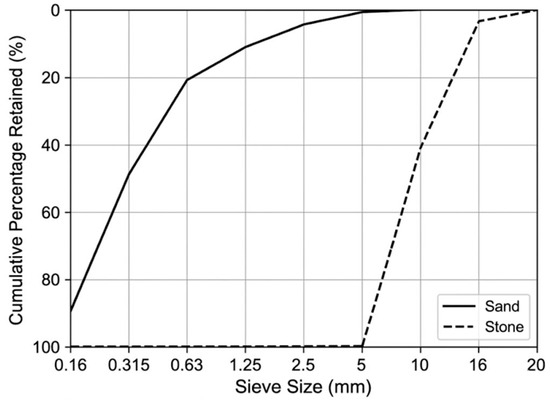
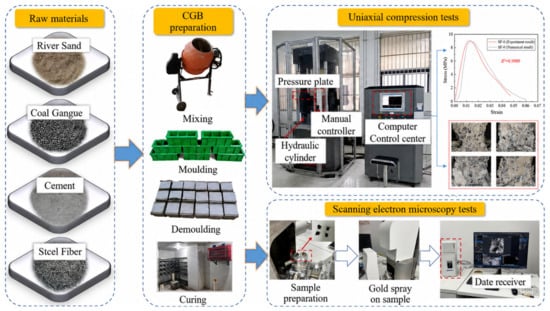
To overcome the limitations of conventional numerical simulations of cemented gangue backfill (CGB), this study developed a refined PFC2D model that incorporates the actual particle size distributions of coal gangue and river sand. Randomly distributed steel fibers were generated using FISH programming. Based
[...] Read more.
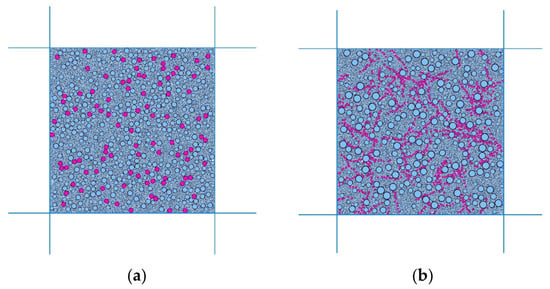
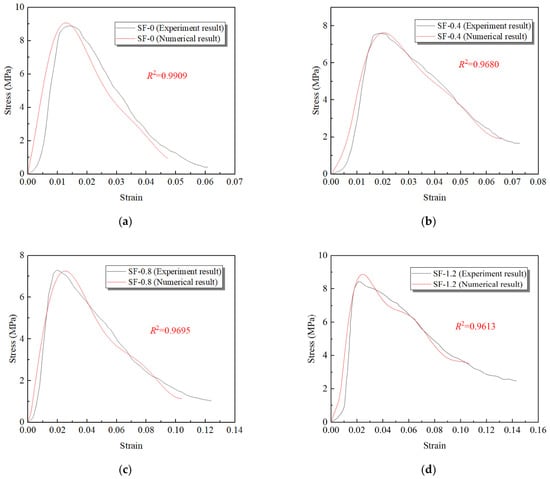
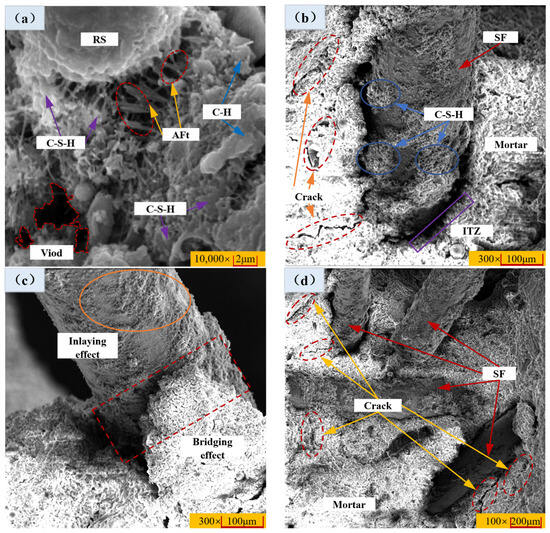
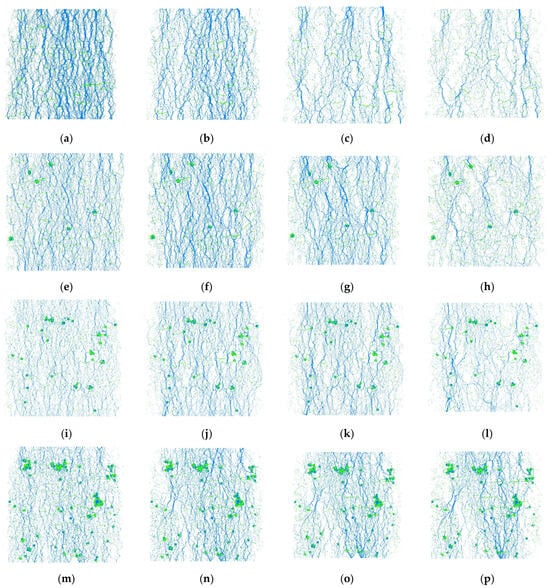
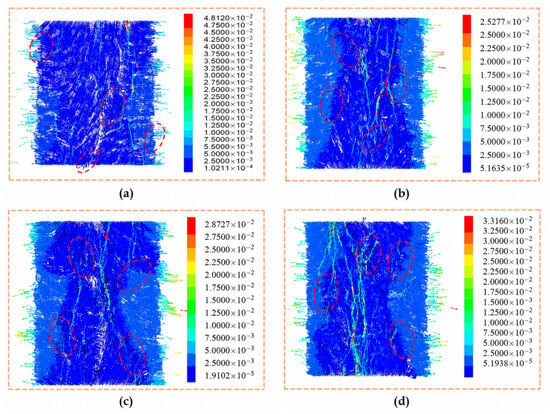
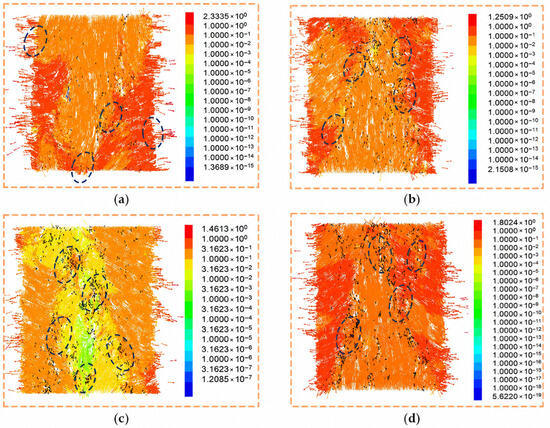
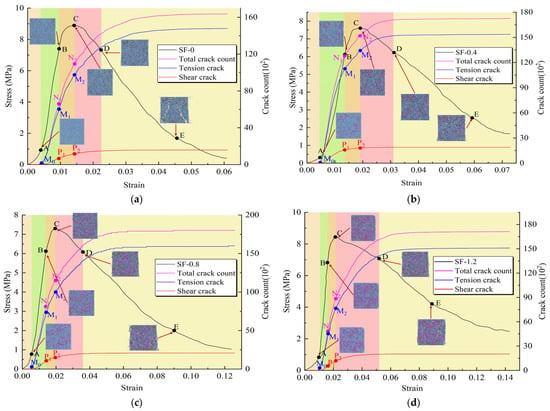
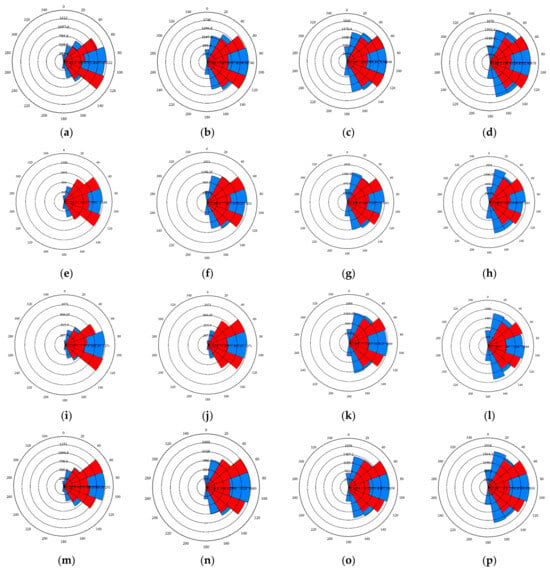
To overcome the limitations of conventional numerical simulations of cemented gangue backfill (CGB), this study developed a refined PFC2D model that incorporates the actual particle size distributions of coal gangue and river sand. Randomly distributed steel fibers were generated using FISH programming. Based on uniaxial compression tests and scanning electron microscopy (SEM) observations, the influence of steel fibers on the mesoscopic damage mechanism of CGB is systematically investigated. The results indicate that: (1) the refined model significantly improves the reliability of numerical simulations, accurately reproducing stress concentration within coarse aggregates and the steel fiber “bridging effect”; (2) a steel fiber volume fraction of 0.8% optimizes force chain distribution and suppresses crack propagation, promoting a transition in failure mode from brittle shear failure to ductile compressive–extrusion failure mode, with the peak strength and residual strength increased by 23.7% and 40.2%, respectively, compared with the fiber-free specimen; (3) PFC simulations reveal that steel fibers markedly retard damage accumulation by modifying the force chain network and crack propagation paths; and (4) SEM analysis demonstrates that steel fibers enhance the toughening effect through the interfacial transition zone, whereas excessive fiber content (1.2%) leads to fiber agglomeration and a 62.5% increase in porosity, resulting in performance deterioration. This study provides a robust theoretical framework for gradation reconstruction and refined fiber modeling in the design of roadside backfill materials.
Full article
(This article belongs to the Section Construction and Building Materials)
►▼
Show Figures

Figure 1
Open AccessArticle
Surface Durability and Mechanical Performance of Sustainable KOH-Activated Hybrid Fly Ash Mortars for Flooring Layers
by
Robinson Rúa-Patiño, Edison A. Hincapie-Atehortua, Sergio A. Arboleda-Lopez, Andres F. Urrego-Higuita, M. A. Rico and Ary A. Hoyos-Montilla
Materials 2026, 19(15), 3216; https://doi.org/10.3390/ma19153216 - 28 Jul 2026
Abstract
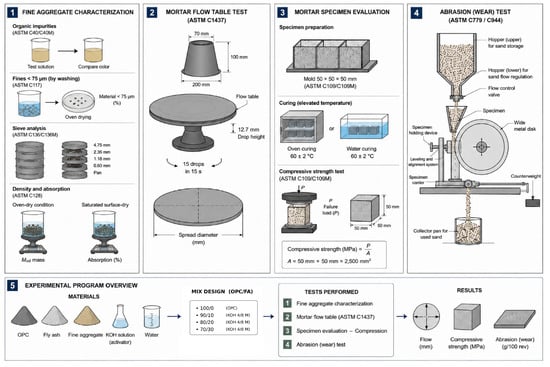
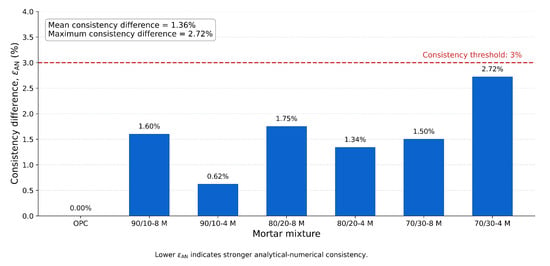
Sustainable mortars for flooring require mechanical stability and surface durability against abrasion, not only compressive strength. This study evaluates potassium hydroxide (KOH)-activated hybrid fly ash mortars as candidate materials for sustainable flooring and surface wear layers. Ordinary Portland cement (OPC) was partially replaced
[...] Read more.
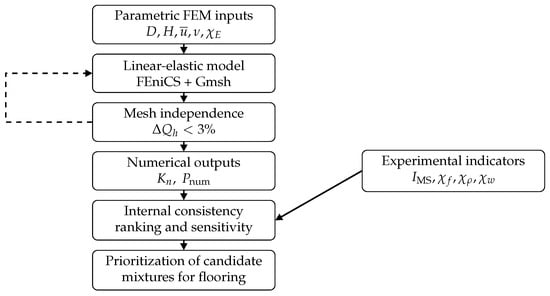
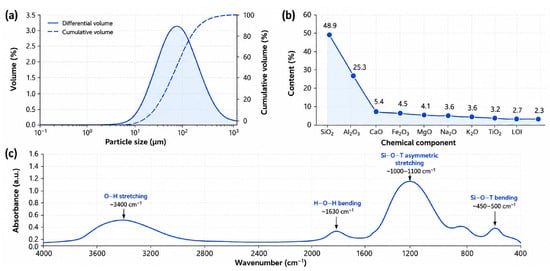
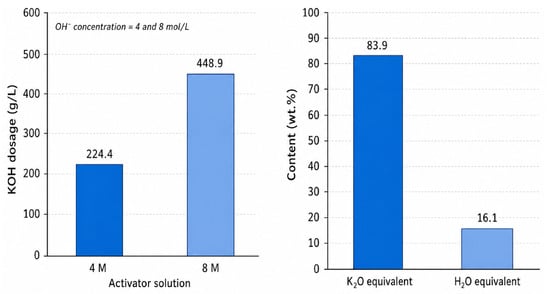
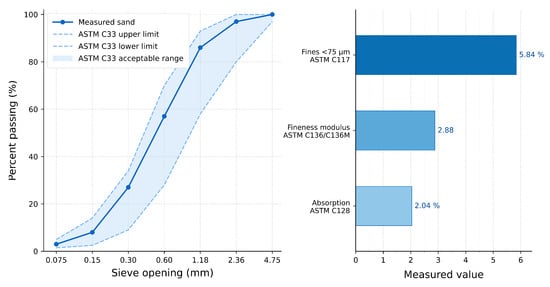
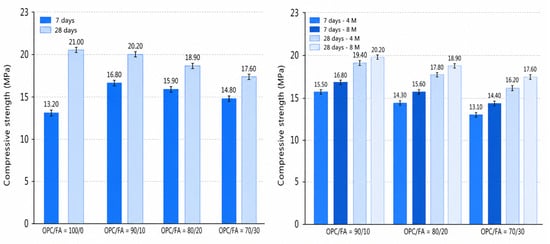
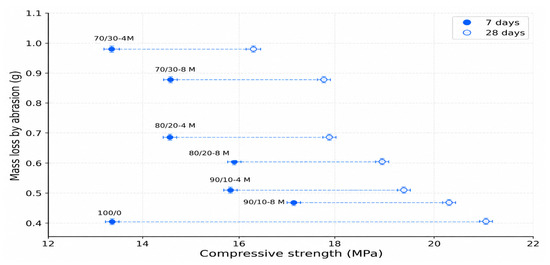
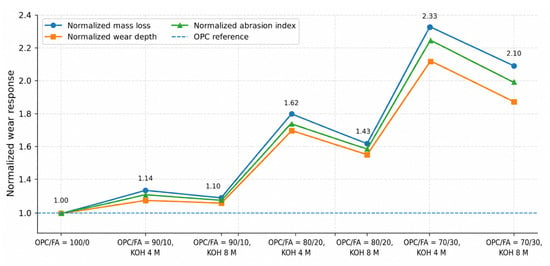
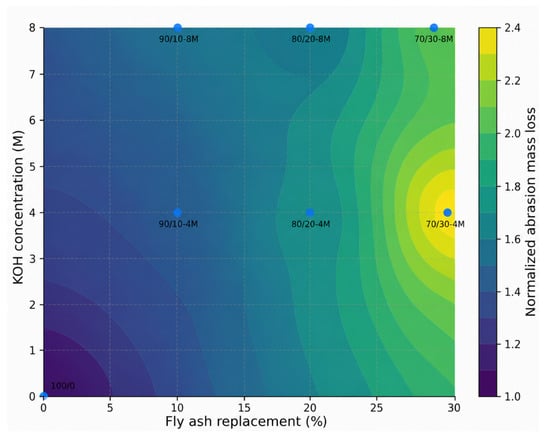
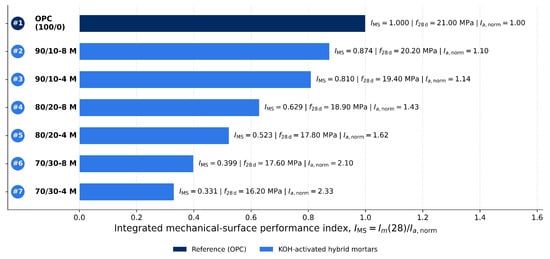
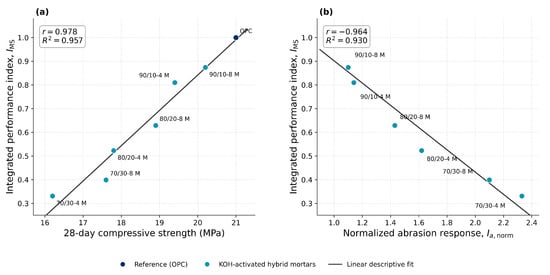
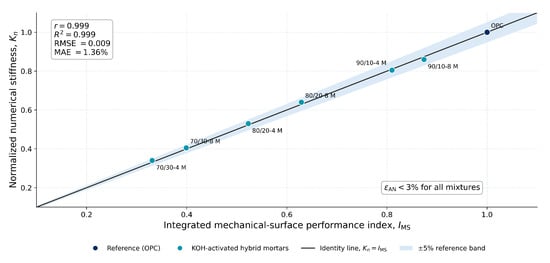
Sustainable mortars for flooring require mechanical stability and surface durability against abrasion, not only compressive strength. This study evaluates potassium hydroxide (KOH)-activated hybrid fly ash mortars as candidate materials for sustainable flooring and surface wear layers. Ordinary Portland cement (OPC) was partially replaced with fly ash (FA) at OPC/FA ratios of 90/10, 80/20, and 70/30, using 4 M and 8 M KOH solutions. The experimental program included the characterization of fly ash, the alkaline solution, and fine aggregate, as well as flowability, bulk density, compressive strength, abrasion mass loss, and numerical consistency analysis. The results showed that OPC exhibited the highest strength and lowest wear; among the hybrid mortars, 90/10–8 M exhibited the highest relative performance, while 80/20–8 M provided the best balance between cement reduction, strength, and wear. The integrated mechanical–surface performance index and the analytical–numerical consistency assessment enabled the formulations to be ranked using an integrated selection criterion.
Full article
(This article belongs to the Special Issue Durability and Performance of Sustainable Concrete)
►▼
Show Figures

Figure 1
Open AccessArticle
FastSAM-Based Automated Segmentation and Data Extraction for Pore Structures of Foamed Concrete
by
Luchang Xiong, Siyu Du, Zhijun Wan, Xuan Cui, Bingrui Chen, Yu Huang and Zhonghua Sun
Materials 2026, 19(15), 3215; https://doi.org/10.3390/ma19153215 - 28 Jul 2026
Abstract
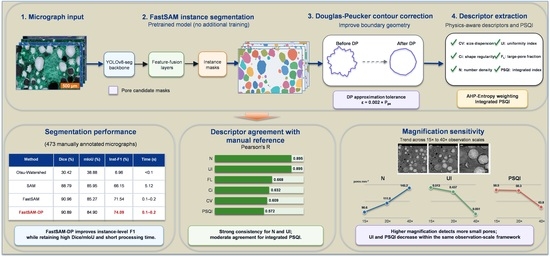
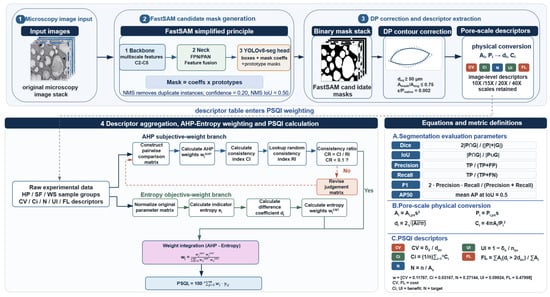
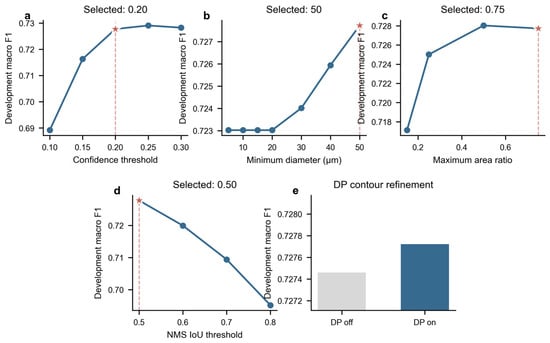
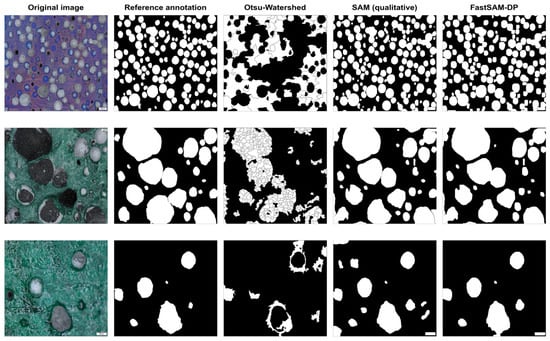
Reliable pore-structure recognition and descriptor extraction from foamed concrete micrographs remain challenging because pore walls are blurred, adjacent pores are often connected, and image statistics vary with observation scale. This study presents a FastSAM-DP workflow for automatic pore segmentation and pore-structure assessment. FastSAM
[...] Read more.
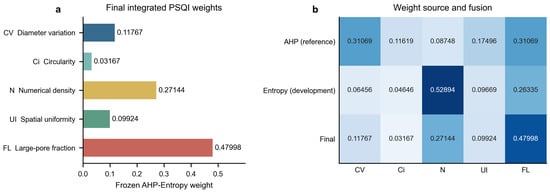
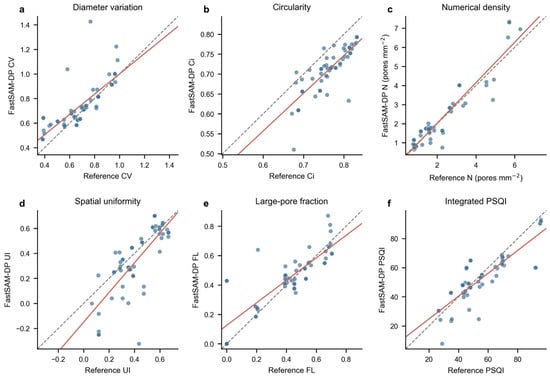
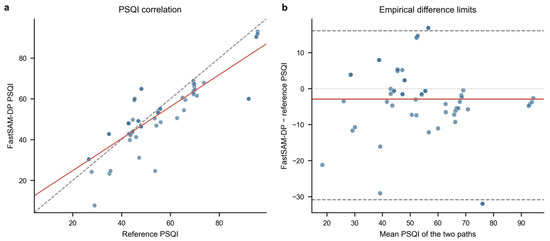
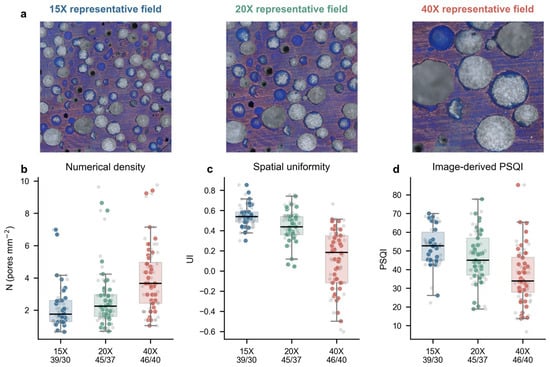
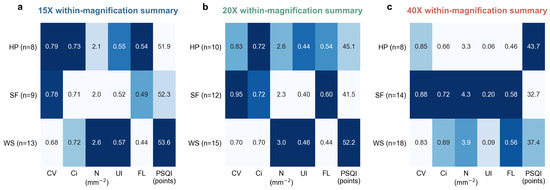
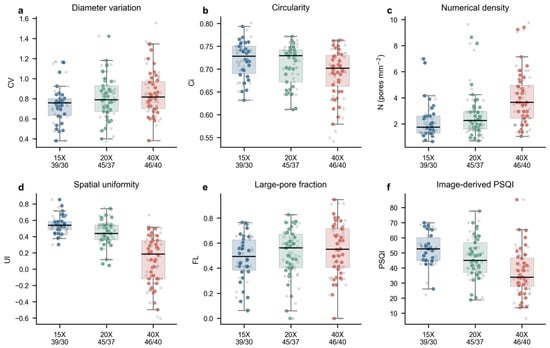
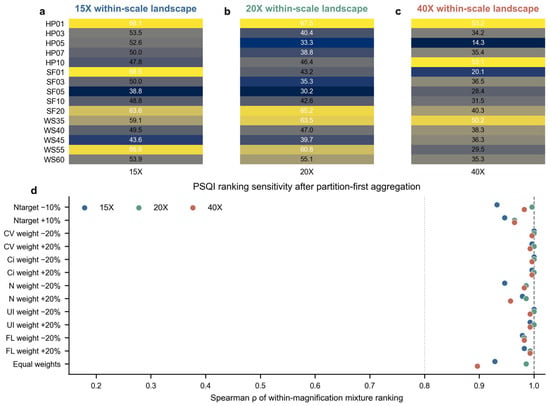
Reliable pore-structure recognition and descriptor extraction from foamed concrete micrographs remain challenging because pore walls are blurred, adjacent pores are often connected, and image statistics vary with observation scale. This study presents a FastSAM-DP workflow for automatic pore segmentation and pore-structure assessment. FastSAM generates pore instance masks, the Douglas–Peucker (DP) algorithm regularizes and simplifies contour geometry, and the workflow extracts the pore-size coefficient of variation (CV), circularity (Ci), number density (N), uniformity index (UI), large-pore area fraction (FL), and an image-derived composite pore-structure descriptor (PSQI). Configuration was selected using development data and assessed by source-filename-group held-out internal evaluation. In the complete 25-group/100-file held-out set, FastSAM-DP achieved an instance F1 of 0.732 (95% CI, 0.696–0.767), compared with 0.050 for fixed Otsu–Watershed; PSQI agreement was r = 0.828 (95% CI, 0.665–0.917), with MAE = 7.94 and RMSE = 11.10. In the post-audit 14-group/56-file non-overlap sensitivity subset, instance F1 was 0.752 (95% CI, 0.713–0.791) and the PSQI agreement was r = 0.838 (95% CI, 0.585–0.942), with MAE = 7.41 and RMSE = 10.50. Multiscale analysis included 130 images in 107 conservative image-field partitions at 15×, 20× and 40×, treated as independent descriptive strata. The workflow is therefore intended for batch pore-structure screening and same-magnification comparison within the present internal dataset.
Full article
(This article belongs to the Section Porous Materials)
►▼
Show Figures

Graphical abstract
Open AccessArticle
Study on Photocatalytic Degradation of NO Gas by Cement Paste Incorporated with Nano-TiO2
by
Zigeng Wang, Tong Liu, Yue Li and Chenwei Gu
Materials 2026, 19(15), 3214; https://doi.org/10.3390/ma19153214 - 28 Jul 2026
Abstract
Nitrogen oxides (NOx) emitted from anthropogenic sources pose severe threats to urban environments. While incorporating nano-TiO2 into cementitious materials offers a promising photocatalytic remediation strategy, the coupled effects of pore-structure modification and curing age on the degradation efficiency remain underexplored. This study
[...] Read more.
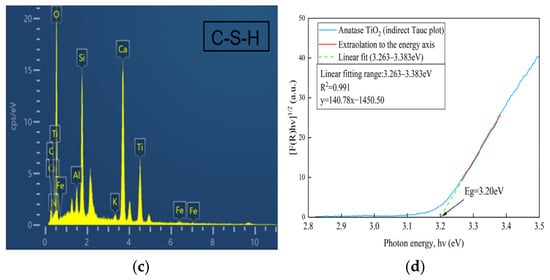
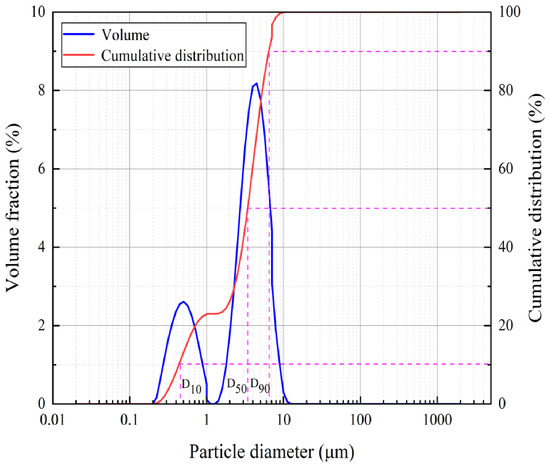
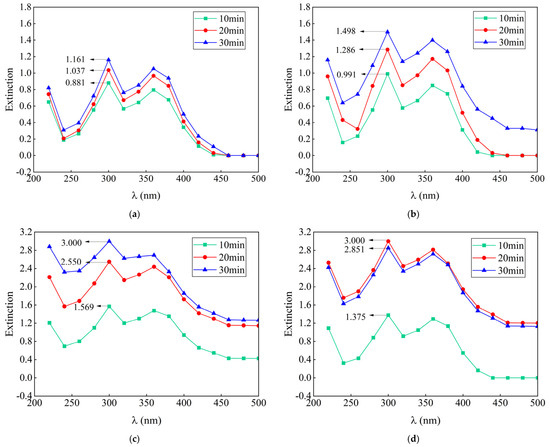
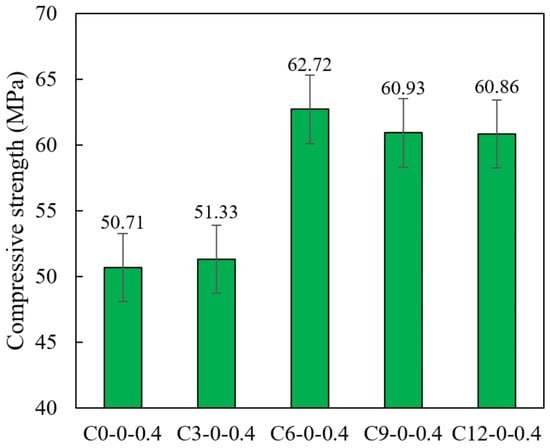
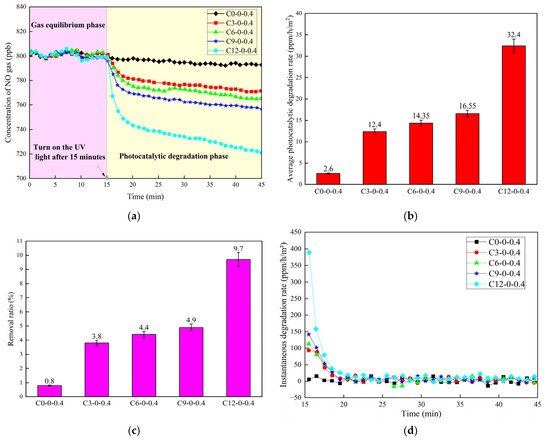
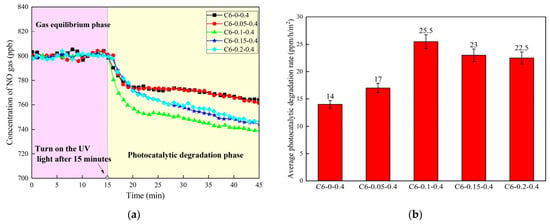
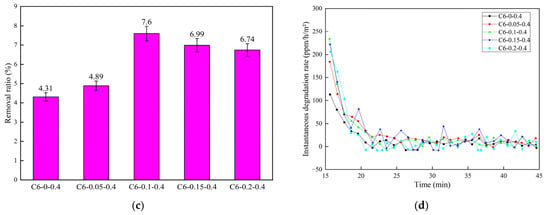
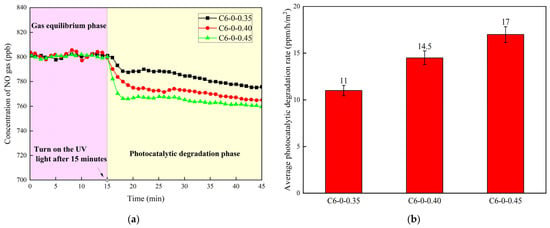
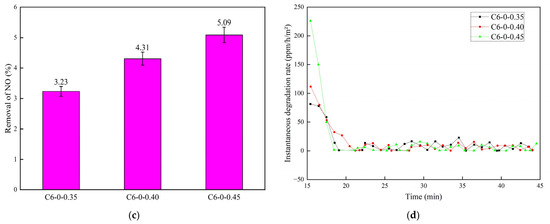
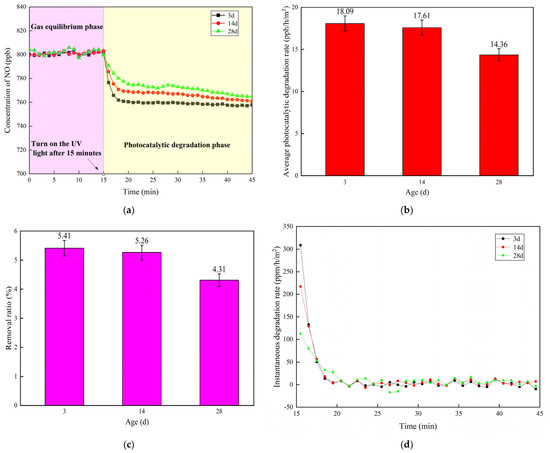
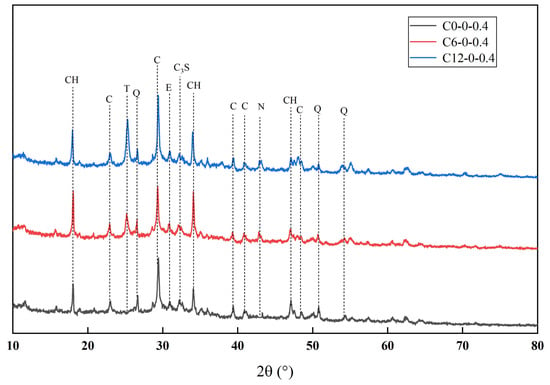
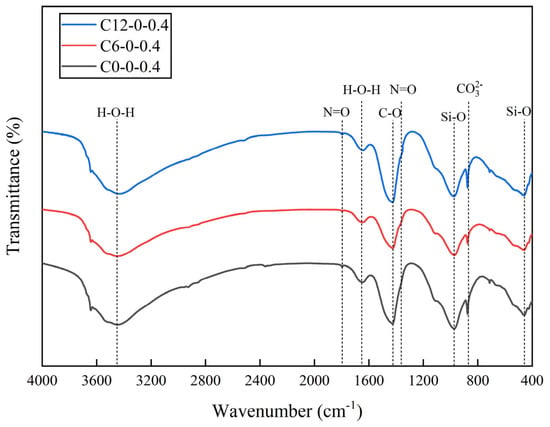
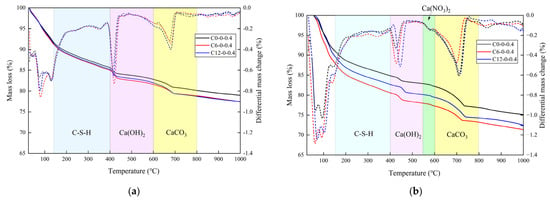
Nitrogen oxides (NOx) emitted from anthropogenic sources pose severe threats to urban environments. While incorporating nano-TiO2 into cementitious materials offers a promising photocatalytic remediation strategy, the coupled effects of pore-structure modification and curing age on the degradation efficiency remain underexplored. This study systematically investigated the NO gas degradation performance of nano-TiO2-modified cement paste by controlling the TiO2 content (3–12%), air-entraining agent content, water-cement ratio, and curing age. The results indicate that an optimal nano-TiO2 content of 6% yields the highest compressive strength. Meanwhile, higher nano-TiO2 content (up to 12%) significantly enhances NO removal (reaching 9.73%), but excessive air-entraining agents trap the photocatalyst, thereby reducing efficiency. Furthermore, increasing the water-cement ratio promotes gas diffusion, whereas prolonged curing densifies the matrix and obstructs UV-catalyst contact, decreasing the removal ratio by 20.3% at 28 days. Microstructural analyses elucidate that NO is photocatalytically oxidized into nitrate ions (NO3−) without degrading the essential C–S–H gel. This study provides critical insights into the microstructural optimization of photocatalytic cements, offering a practical design framework for photocatalytic cements with potential for long-term environmental application, pending durability validation.
Full article
(This article belongs to the Section Construction and Building Materials)
►▼
Show Figures

Figure 1
Journal Menu
► ▼ Journal Menu-
- Materials Home
- Aims & Scope
- Editorial Board
- Reviewer Board
- Topical Advisory Panel
- Early Career Editorial Board
- Instructions for Authors
- Special Issues
- Topics
- Sections & Collections
- Article Processing Charge
- Indexing & Archiving
- Editor’s Choice Articles
- Most Cited & Viewed
- Journal Statistics
- Journal History
- Journal Awards
- Society Collaborations
- Conferences
- Editorial Office
Journal Browser
► ▼ Journal BrowserHighly Accessed Articles
Latest Books
E-Mail Alert
News
Topics
Topic in
Buildings, Construction Materials, Materials, Sustainability
Green Construction Materials and Construction Innovation
Topic Editors: Ahmed Senouci, Walid MaherziDeadline: 31 July 2026
Topic in
Applied Sciences, Architecture, Buildings, CivilEng, Infrastructures, Materials, Modelling
Sustainable Construction Materials, Processes, and Automation Technologies
Topic Editors: Ayman El-Zohairy, Ahmed A. IbrahimDeadline: 20 August 2026
Topic in
Buildings, CivilEng, Construction Materials, Infrastructures, Materials
Sustainable Materials and Resilient Structures: Interdisciplinary Approaches
Topic Editors: Anderson Chu, Adil Tamimi, Haodao Li, Yu-Cun Gu, Baoquan ChengDeadline: 31 August 2026
Topic in
Alloys, Materials, Metals
Development of Light Alloys with Excellent Mechanical Properties
Topic Editors: Zhirou Zhang, Isaac ChangDeadline: 10 October 2026
Conferences
Special Issues
Special Issue in
Materials
Nanomaterials-Based Optoelectronic Devices: Design, Fabrication and Characterization
Guest Editor: Shengyi YangDeadline: 31 July 2026
Special Issue in
Materials
Next-Generation Alloys: Nanostructured Metals, Complex Steels, and Multi-Component Systems
Guest Editors: Saurabh Tiwari, Nagireddy Gari Subba ReddyDeadline: 31 July 2026
Special Issue in
Materials
Advances in Sustainable Construction Materials, Third Edition
Guest Editors: Abbas Solouki, Abir Al-TabbaaDeadline: 31 July 2026
Special Issue in
Materials
Functional Materials for Memristors, Metal-Insulator-Metal (MIM) Tunneling Diodes and Field Effect Transistors (FET)
Guest Editor: Mustafa YavuzDeadline: 10 August 2026
Topical Collections
Topical Collection in
Materials
Alloy and Process Development of Light Metals
Collection Editors: Stefan Pogatscher, Peter J. Uggowitzer
Topical Collection in
Materials
Machining and Manufacturing of Alloys and Steels
Collection Editor: Robert Čep
Topical Collection in
Materials
Alkali‐Activated Materials for Sustainable Construction
Collection Editors: Paola Antonaci, Paola Palmero, Jean-Marc Tulliani
Topical Collection in
Materials
Additive Manufacturing: Alloy Design and Process Innovations
Collection Editors: Prashanth Konda Gokuldoss, Zhi Wang