


Journal Description
Machines
Machines
is an international, peer-reviewed, open access journal on machinery and engineering, published monthly online by MDPI. The International Federation for the Promotion of Mechanism and Machine Science (IFToMM) is affiliated with Machines and its members receive a discount on the article processing charges.
- Open Access— free for readers, with article processing charges (APC) paid by authors or their institutions.
- High Visibility: indexed within Scopus, SCIE (Web of Science), Inspec, and other databases.
- Journal Rank: JCR - Q2 (Engineering, Mechanical) / CiteScore - Q1 (Control and Optimization)
- Rapid Publication: manuscripts are peer-reviewed and a first decision is provided to authors approximately 15.9 days after submission; acceptance to publication is undertaken in 2.9 days (median values for papers published in this journal in the first half of 2026).
- Recognition of Reviewers: reviewers who provide timely, thorough peer-review reports receive vouchers entitling them to a discount on the APC of their next publication in any MDPI journal, in appreciation of the work done.
- Journal Cluster of Mechanical Manufacturing and Automation Control: Aerospace, Automation, Drones, Journal of Manufacturing and Materials Processing, Machines, Robotics and Technologies.
- Companion journals for Machines include: Industries and Precision.
Impact Factor:
3.0 (2025);
5-Year Impact Factor:
2.9 (2025)
Latest Articles
Improved TOPSIS and CRITIC Methods for Failure Mode and Effects Analysis Based on Z-Number Theory
Machines 2026, 14(9), 1023; https://doi.org/10.3390/machines14091023 (registering DOI) - 8 Sep 2026
Abstract
Failure mode and effects analysis (FMEA), as a means of identifying, preventing, and controlling potential system failures, has been widely applied in many industries. However, the classic FMEA method has several drawbacks in practical applications, such as the uncertainty and ambiguity in the
[...] Read more.
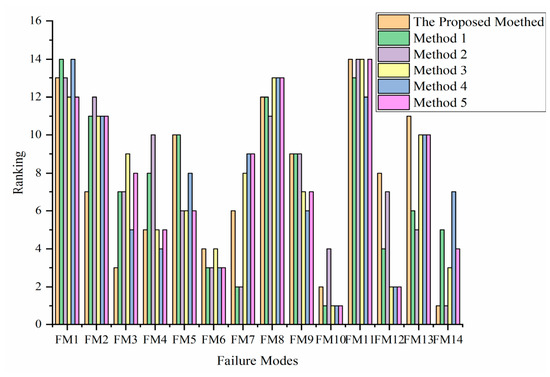
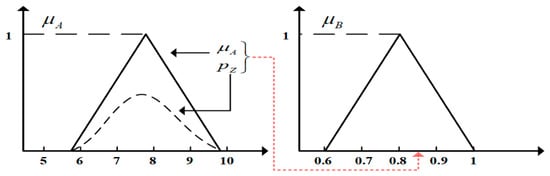
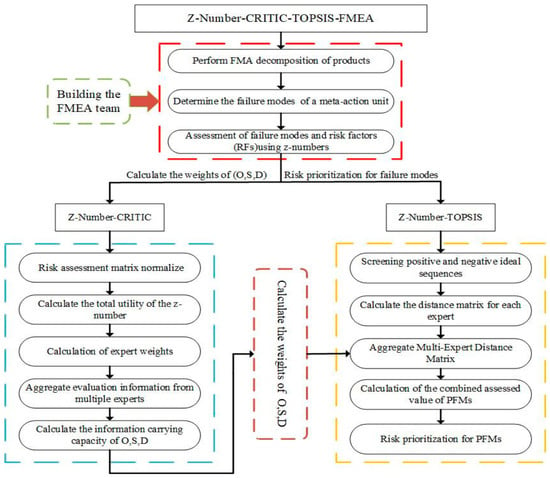
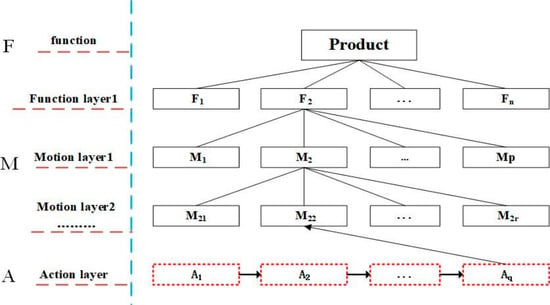
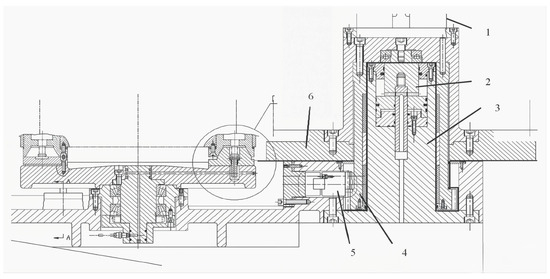
Failure mode and effects analysis (FMEA), as a means of identifying, preventing, and controlling potential system failures, has been widely applied in many industries. However, the classic FMEA method has several drawbacks in practical applications, such as the uncertainty and ambiguity in the expression of evaluation information, the neglect of the reliability of evaluation information, and the failure to consider the psychological behavior of experts, which leads to inaccurate evaluation results. Therefore, this paper proposes an improved FMEA framework that integrates Z-number theory with the criteria importance through intercriteria correlation (CRITIC) and technique for order preference by similarity to ideal solution (TOPSIS) methods to improve the accuracy of failure mode risk ranking. Specifically, Z-numbers are employed to represent expert assessment information, effectively capturing both fuzziness and reliability. The CRITIC method is then extended with Z-numbers to determine the weights of risk factors, which not only accounts for the interrelationships among factors but also prevents information loss caused by defuzzification of weights. Moreover, to handle missing assessment data, a generalized Z-number distance measure is introduced, and the TOPSIS model is enhanced to rank failure modes by considering the reliability and uncertainty of the information. Finally, the effectiveness of the proposed method is verified by taking the pallet exchange device of a CNC machine tool as an example. The results show that, compared with other FMEA methods, the proposed method considers the reliability and fuzziness of the evaluation information, maintains the original Z-number information structure, and provides more accurate and reliable risk-ranking results.
Full article
(This article belongs to the Section Automation and Control Systems)
►
Show Figures
Open AccessArticle
Weld-FHG-YOLO: A Lightweight Multi-Frequency Feature Fusion Network for Weld Keypoint Localization
by
Yunsong Yan, Xiaoning Meng, Wei Liu, Hougao Wang, Haiyang Liu, Chao Chen and Fuxin Du
Machines 2026, 14(9), 1022; https://doi.org/10.3390/machines14091022 - 7 Sep 2026
Abstract
Accurate weld keypoint localization is an important visual perception task for robotic welding, weld tracking, and intelligent manufacturing. However, weld keypoints in line-structured light images are usually small, weakly textured, and easily affected by reflections, noise, and spurious laser stripes. These factors make
[...] Read more.
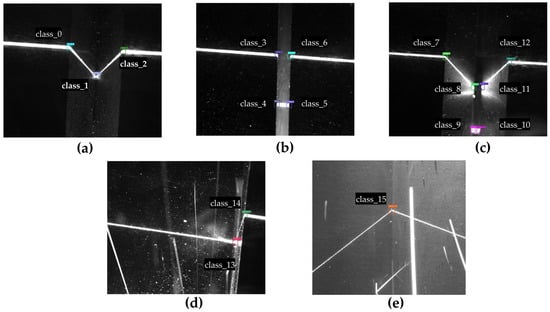
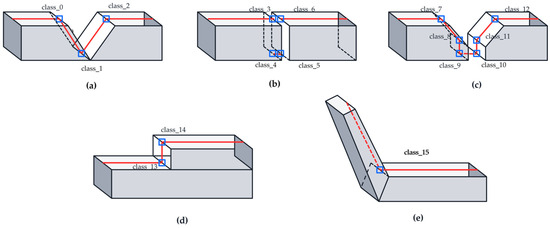
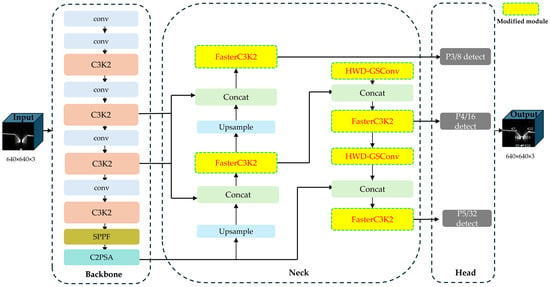
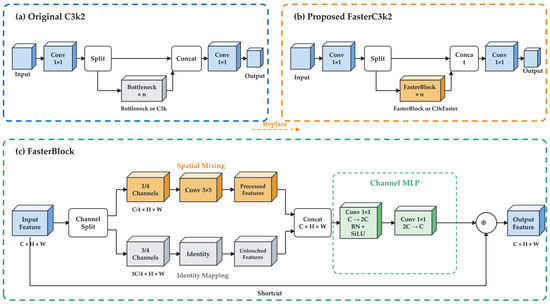
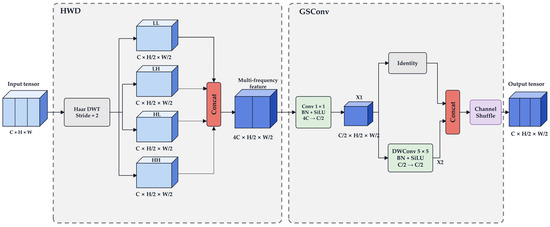
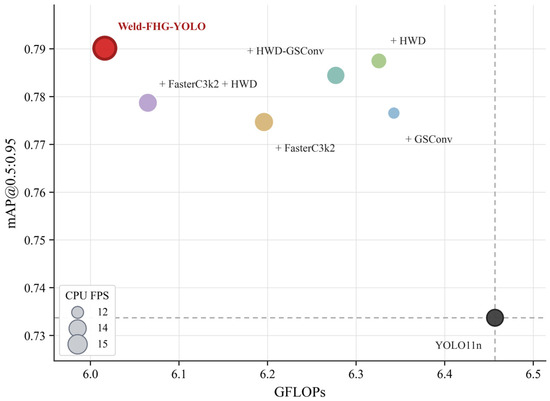
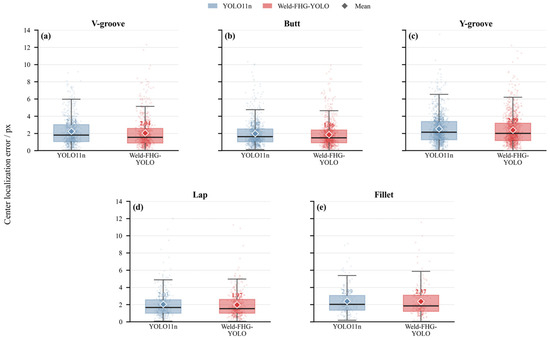
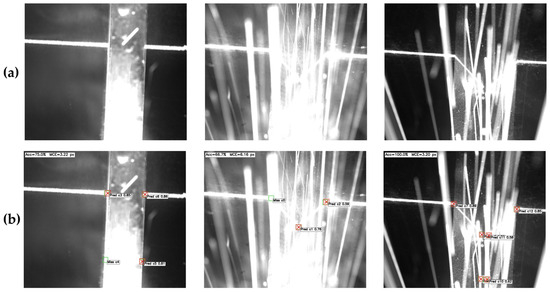
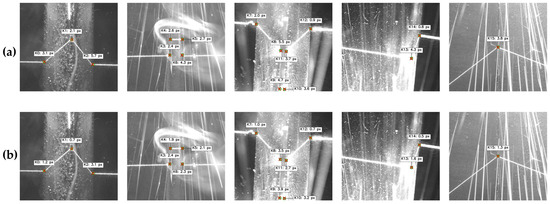
Accurate weld keypoint localization is an important visual perception task for robotic welding, weld tracking, and intelligent manufacturing. However, weld keypoints in line-structured light images are usually small, weakly textured, and easily affected by reflections, noise, and spurious laser stripes. These factors make it difficult for lightweight detection models to balance localization accuracy and computational efficiency. To address this problem, this paper proposes Weld-FHG-YOLO, a lightweight multi-frequency feature fusion network for weld keypoint localization. The proposed model is built on the You Only Look Once version 11 nano (YOLO11n) framework and focuses on optimizing feature fusion and scale transformation in the Neck. Specifically, FasterC3K2 is introduced to replace the original C3K2 modules in the Neck, thereby reducing redundant computation during multi-scale feature fusion. In addition, a Haar Wavelet Decomposition and Group Shuffle Convolution (HWD-GSConv) downsampling fusion module is designed, in which Haar wavelet decomposition preserves low-frequency structural information and high-frequency details, while GSConv performs lightweight multi-frequency feature fusion. Experimental results show that Weld-FHG-YOLO achieves 2.301 M parameters and 6.016 GFLOPs, which are 11.26% and 6.83% lower than those of YOLO11n, respectively. Meanwhile, mAP@0.5:0.95 increases from 0.7337 to 0.7901, the Mean Center Error (MCE) decreases from 2.254 px to 2.131 px, and the CPU inference speed increases from 13.69 to 14.77 frames per second (FPS). These results indicate that the proposed method improves strict localization accuracy and localization stability while maintaining a lightweight computational profile, providing a practical visual perception approach for weld keypoint localization in resource-constrained intelligent manufacturing scenarios.
Full article
(This article belongs to the Section Robotics, Mechatronics and Intelligent Machines)
►▼
Show Figures

Figure 1

Open AccessArticle
Singular Value-Based Analysis of Current Decoupling Control Effect of Permanent Magnet Synchronous Motors
by
Tianyi Zhang, Qi Li, Pengbin Xu, Dafang Wang, Haoyu Zhou and Jinhuan Zhao
Machines 2026, 14(9), 1021; https://doi.org/10.3390/machines14091021 - 7 Sep 2026
Abstract
The dq-axis coupling effect significantly influences the vector control performance of permanent magnet synchronous motors (PMSMs), and traditional proportional-integral (PI) control cannot control the system as desired. Extensive studies have addressed this coupling effect. However, traditional evaluation methods based on pole–zero distribution are
[...] Read more.
The dq-axis coupling effect significantly influences the vector control performance of permanent magnet synchronous motors (PMSMs), and traditional proportional-integral (PI) control cannot control the system as desired. Extensive studies have addressed this coupling effect. However, traditional evaluation methods based on pole–zero distribution are not intuitive, which is unfavorable for engineers to select and apply decoupling strategies. This paper employed singular value analysis to assess coupling trends and magnitude–frequency characteristics of the system. In consideration of the effects of rotor speed, parameter estimation error, and digital delay, a comprehensive evaluation of controllers was conducted. This evaluation included feedforward, feedback, and internal model control (IMC) decoupling, with the analysis facilitated by singular value plots. Under the parameters chosen in this paper, the feedforward decoupling controller improves slightly in decoupling under time delay, but higher rotor speed degrades its performance more. The feedback decoupling controller worsens as the system’s overshoot rate surges from 19.4% to 33.4% under the effect of time delay, though it can decouple completely under ideal conditions. It is evident that the efficacy of all strategies is diminished in the presence of parameter estimation deviation. In contrast, the internal model decoupling controller shows better decoupling capability and stronger robustness, while its overshoot remains under 24%. The effectiveness of the proposed method was confirmed through a combination of simulations and experiments.
Full article
(This article belongs to the Special Issue Advanced Control and Fault Diagnosis in Electrical Drives)
Open AccessArticle
Integrated Multi-Criteria Control of a Dual-Channel Electric Pump-Fed Propellant Feed System for a Small Liquid Rocket Engine Under Energy and Thermal Constraints
by
Kenzhebek Myrzabekov, Alina Fazylova, Kuanysh Alipbayev, Akylbek Bapyshev and Teodor Iliev
Machines 2026, 14(9), 1020; https://doi.org/10.3390/machines14091020 - 7 Sep 2026
Abstract
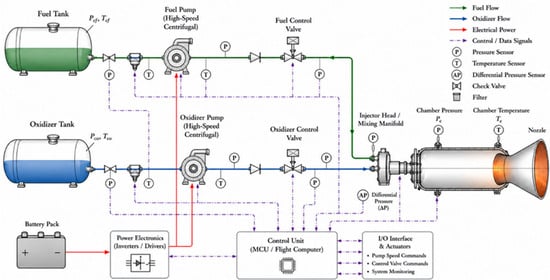
Electric pump-fed liquid rocket engines require coordinated propellant delivery under coupled hydraulic, electrical, actuator, and thermal constraints. This study develops an integrated reduced-order model of a dual-channel electric pump-fed propellant system, including the battery and DC bus, power converters, two independently driven motor–pump
[...] Read more.
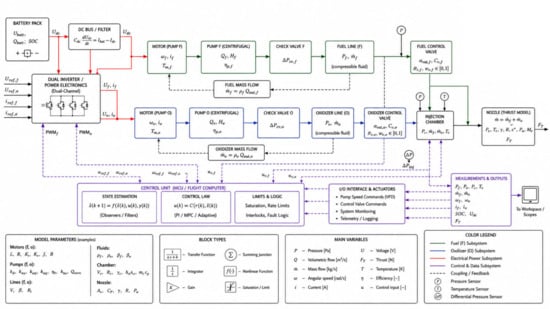
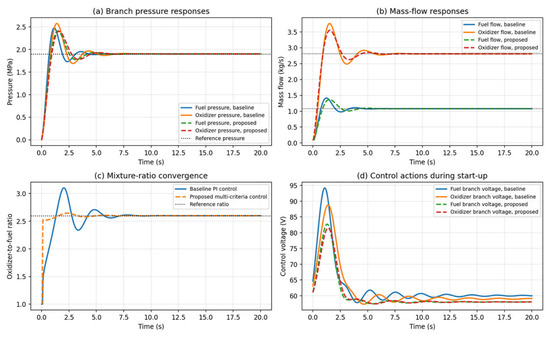
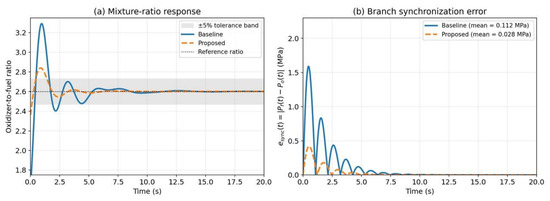
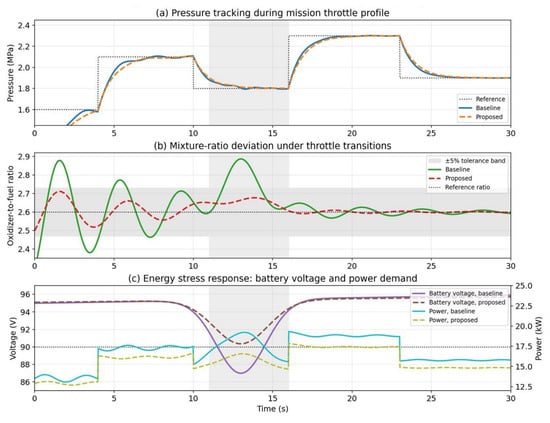
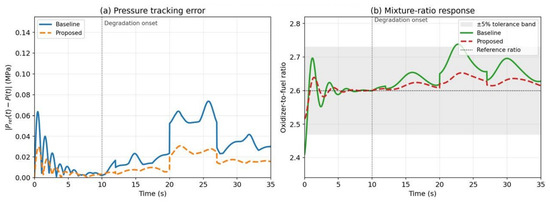
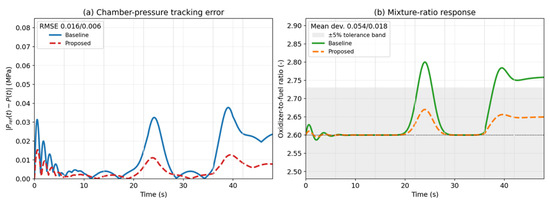
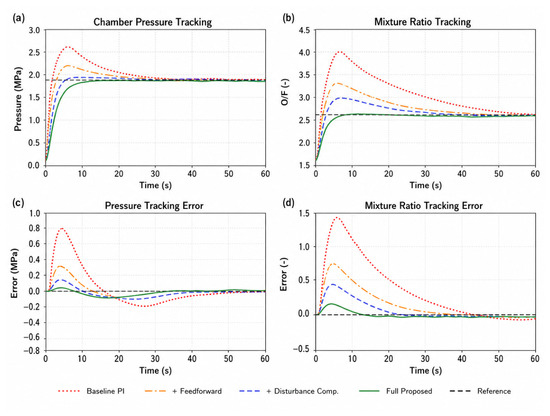
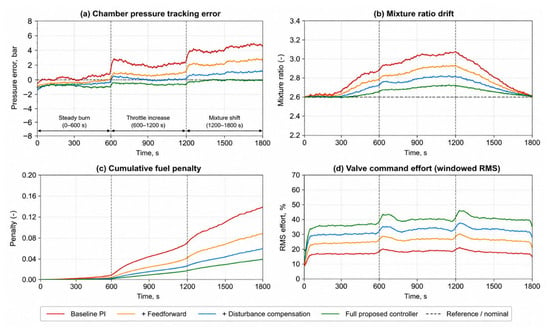
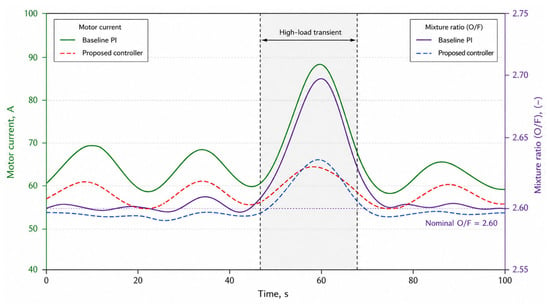
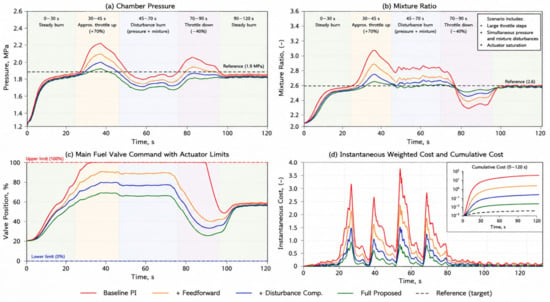
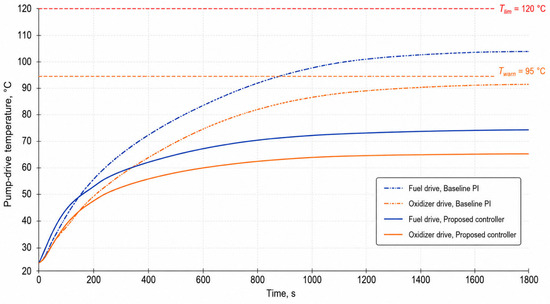
Electric pump-fed liquid rocket engines require coordinated propellant delivery under coupled hydraulic, electrical, actuator, and thermal constraints. This study develops an integrated reduced-order model of a dual-channel electric pump-fed propellant system, including the battery and DC bus, power converters, two independently driven motor–pump units, hydraulic feed lines, control valves, combustion chamber, and thermal states. A hierarchical constrained multi-criteria supervisory controller is formulated to regulate chamber pressure, oxidizer-to-fuel mixture ratio, feed-channel coordination, electrical loading, and thermal response. Performance is compared with a conventional PI controller and an enhanced PI configuration incorporating feedforward and disturbance compensation under nominal, degraded, long-duration, and constraint-active scenarios. Relative to the baseline PI controller, the proposed controller reduced the startup pressure peak from 2.64 to 2.32 MPa, pressure RMSE from 0.016 to 0.006 MPa, and mean branch synchronization error from 0.112 to 0.028 MPa. The minimum battery voltage increased from 87.0 to 90.4 V, while the peak motor current decreased from approximately 88 to 65 A. In the 1800 s thermal case, the maximum fuel-drive temperature decreased from approximately 104 to 74 °C. Numerical verification and comparison with published experimental benchmarks supported the physical plausibility and equilibrium-scale behavior of the reduced-order model, while differences in absolute transient time scales limit its use for quantitative prediction of hardware transient dynamics. The results indicate improved coordinated control within the investigated operating envelope and support the use of the framework for comparative system-level assessment and preliminary design of small-class electric-pump propulsion systems.
Full article
(This article belongs to the Section Automation and Control Systems)
►▼
Show Figures

Figure 1
Open AccessArticle
Stable and Compact Diagnostic Signatures for Demagnetization-Related Faults in BLDC/PMSM Drives: Evidence from Two Measurement Campaigns
by
Agnieszka Piątek and Jerzy Baranowski
Machines 2026, 14(9), 1019; https://doi.org/10.3390/machines14091019 - 7 Sep 2026
Abstract
This paper investigates stable and compact diagnostic feature signatures for faults related to demagnetization in brushless direct-current (BLDC) and permanent-magnet synchronous motor (PMSM) drives. Discovery analysis on the public DUDU-BLDC v1 benchmark—where DUDU is the project name derived from the PolishDiagnostyka Uszkodzeń
[...] Read more.
This paper investigates stable and compact diagnostic feature signatures for faults related to demagnetization in brushless direct-current (BLDC) and permanent-magnet synchronous motor (PMSM) drives. Discovery analysis on the public DUDU-BLDC v1 benchmark—where DUDU is the project name derived from the PolishDiagnostyka Uszkodzeń i Degradacji Urządzeń—compares current, speed, and combined representations under explicit top-k budgets using ReliefF, minimum-redundancy maximum-relevance (mRMR), least absolute shrinkage and selection operator (LASSO), and Bayesian automatic relevance determination (ARD) logistic ranking. The revision is accompanied by DUDU-BLDC 1.5, a new and previously unpublished March 2026 dataset comprising 50 recordings from five physical motors under altered acquisition conditions. On this second campaign, leakage-free nested five-fold recording-grouped validation with three deterministic repeats reached balanced accuracies of 0.760 and 0.758 for the two confirmatory within-motor tasks. Motor-held-out balanced accuracies fell to 0.500 and 0.554, with four of five physical-motor estimates at chance and one estimate at 0.663, exposing substantial between-motor heterogeneity. A paired experiment that quantized the original raw current signals to the approximately 0.08 A resolution of DUDU-BLDC 1.5 produced a mean absolute balanced-accuracy change of 0.0046, although the maximum change was 0.0725 and individual ranking-stability changes were larger. The results support compact signatures for repeated monitoring within an established or calibrated motor population and show aggregate robustness to reduced current resolution. They do not establish universal transfer to unseen motor instances; broader deployment requires motor-specific calibration or more diverse multi-motor training data.
Full article
(This article belongs to the Special Issue Fault Diagnostics and Fault Tolerance of Synchronous Electric Drives, 2nd Edition)
Open AccessArticle
A Two-Layer Multi-Agent Deep Reinforcement Learning Framework for Flexible Job-Shop Scheduling with Multiple Batch-Processing Machines
by
Zepeng Liu and Aimin Wang
Machines 2026, 14(9), 1018; https://doi.org/10.3390/machines14091018 - 7 Sep 2026
Abstract
Advancements in intelligent manufacturing require solutions to the conventional flexible job-shop scheduling problem (FJSP) to accommodate increasingly intricate constraints, particularly in the semiconductor and electronic component sectors, where batch-processing machines (BPMs) significantly intensify scheduling complexity. To address this challenge, this study formulates an
[...] Read more.
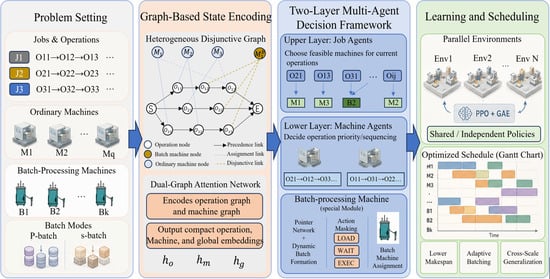
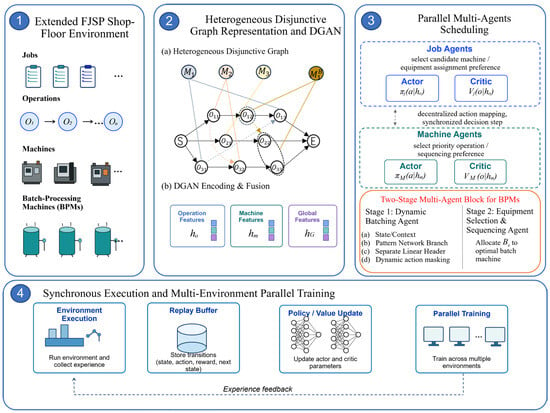
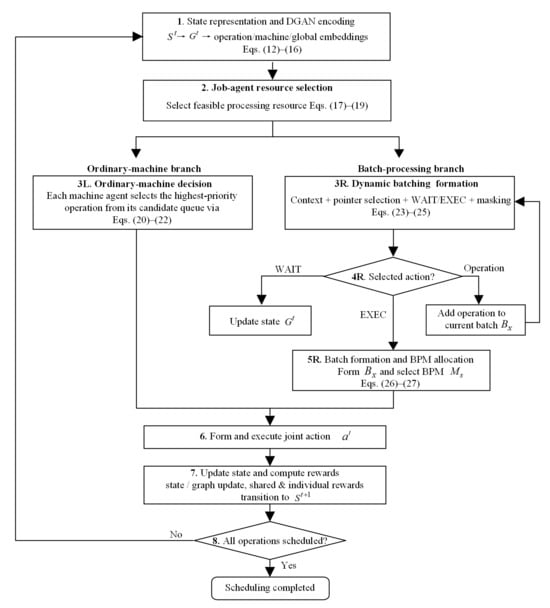
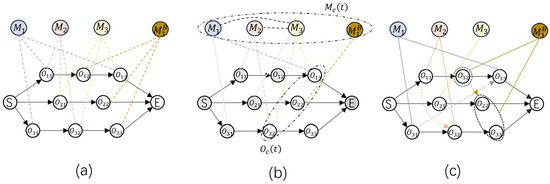
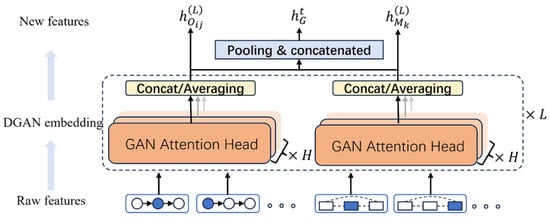
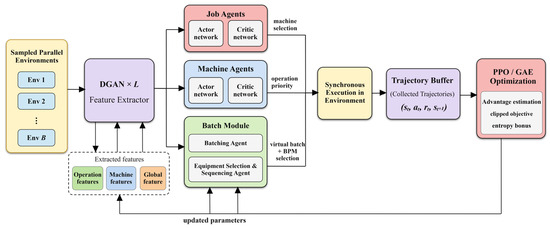
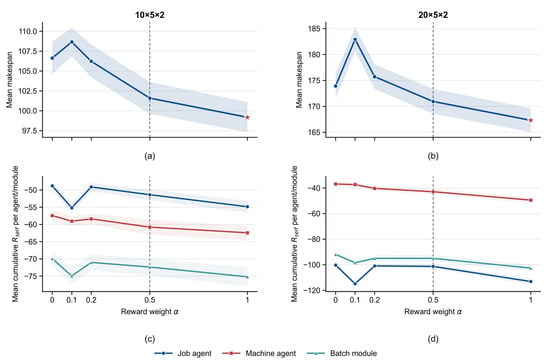
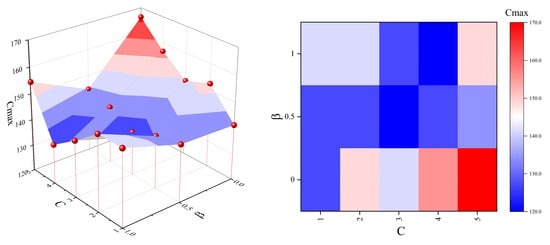
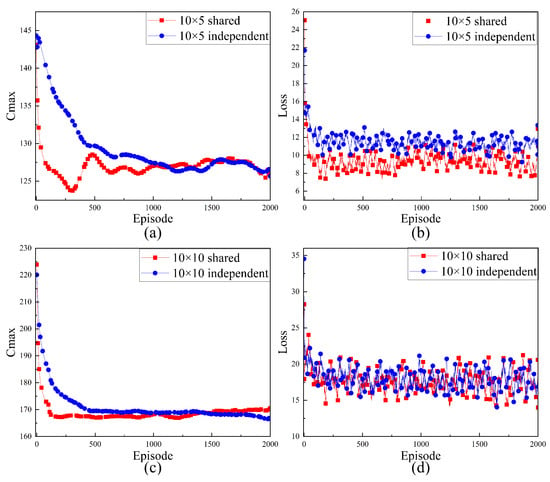
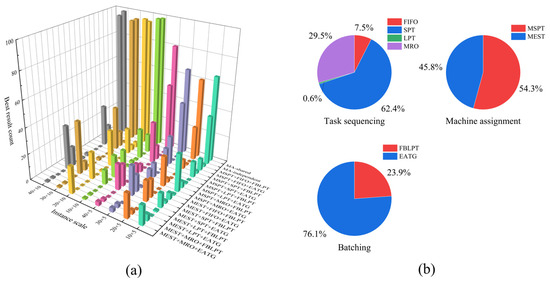
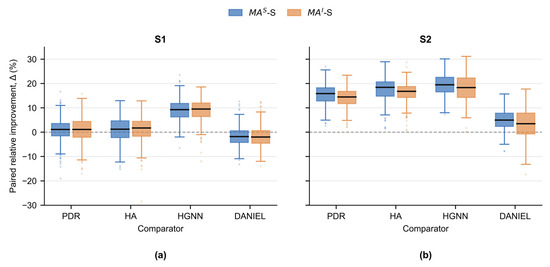
Advancements in intelligent manufacturing require solutions to the conventional flexible job-shop scheduling problem (FJSP) to accommodate increasingly intricate constraints, particularly in the semiconductor and electronic component sectors, where batch-processing machines (BPMs) significantly intensify scheduling complexity. To address this challenge, this study formulates an extended FJSP with multiple BPMs and proposes an end-to-end two-layer multi-agent deep reinforcement learning framework. Job and machine agents perform decentralized action mapping, while workshop states are encoded using a heterogeneous disjunctive graph and a dual-graph attention network. Unlike standard FJSP learning methods that primarily address operation–machine decisions, the proposed framework jointly models machine assignment, operation sequencing, variable-length batch formation, and BPM allocation within a unified policy, with a pointer network-based batching agent and an equipment-selection agent that handle batch-processing decisions under feasibility masking. The framework was validated using plant-derived production data and multi-scale synthetic instances. Numerical results show that the proposed method achieves competitive performance across the tested batching and standard-FJSP settings. In standard-FJSP comparisons, relative performance was scenario-dependent: DANIEL performed better in S1, whereas both proposed variants outperformed all comparators in S2. These results support the framework as an effective scheduling approach for deterministic FJSP with BPMs and indicate cross-scale generalization across evaluated instances.
Full article
(This article belongs to the Special Issue Intelligent Process Planning for Smart Manufacturing Systems)
►▼
Show Figures

Graphical abstract
Open AccessArticle
A Data-Driven Framework for Planetary Winch Reducer Noise Prediction via Feature Selection and Residual Compensation
by
Yiding Sun, Ling Tang, Yongsheng Zhang, Hairong Gu, Fan Li and Min Ye
Machines 2026, 14(9), 1017; https://doi.org/10.3390/machines14091017 - 7 Sep 2026
Abstract
Accurate reducer noise prediction is essential for condition monitoring and predictive maintenance of mechanical transmission systems. However, the strong nonlinear coupling between operating conditions and noise responses, together with measurement uncertainties, remains a major challenge for data-driven prediction methods. This study proposes a
[...] Read more.
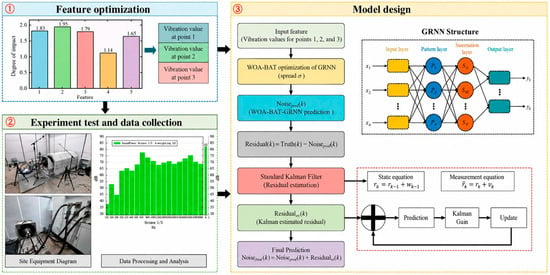
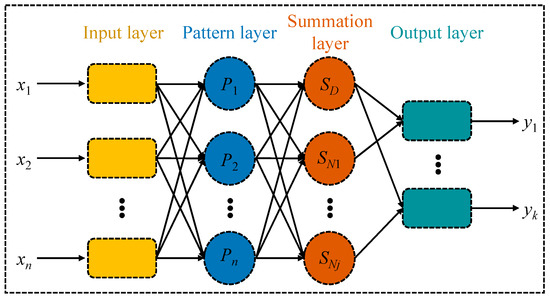
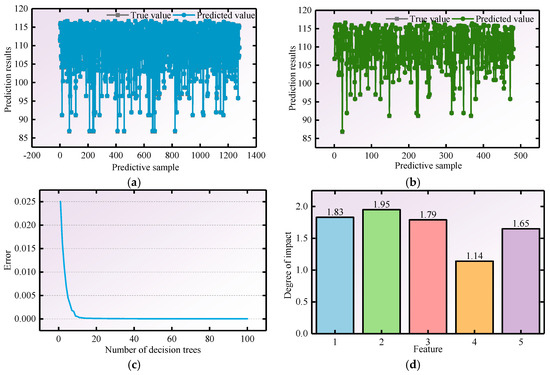
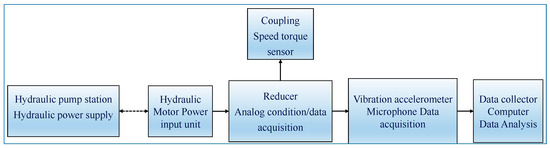
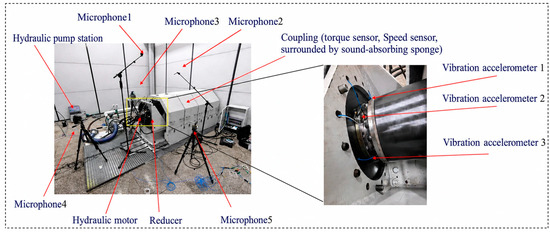
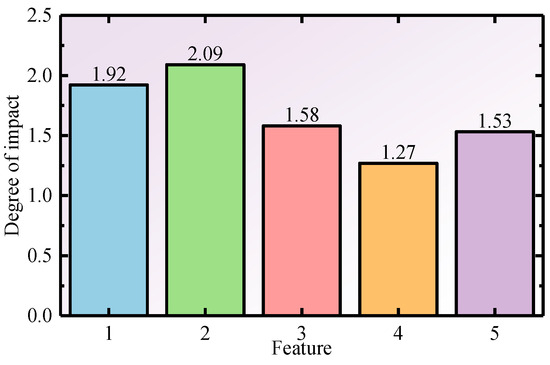
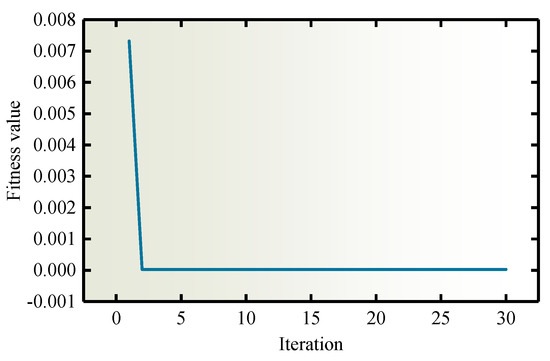
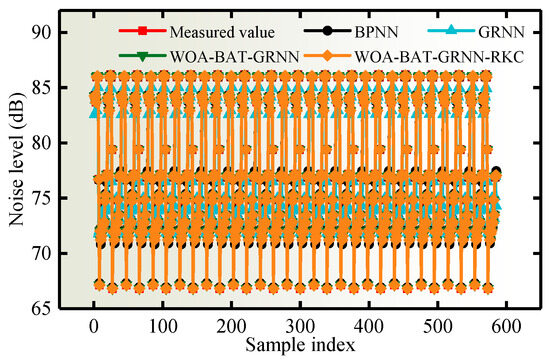
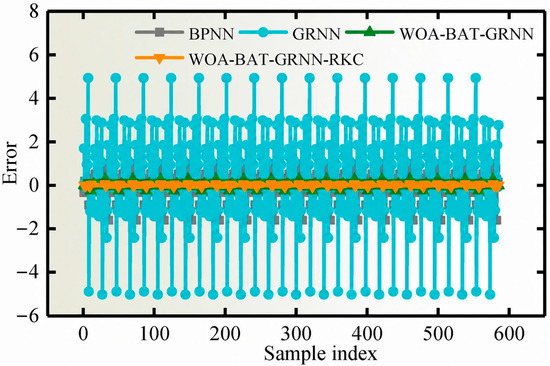
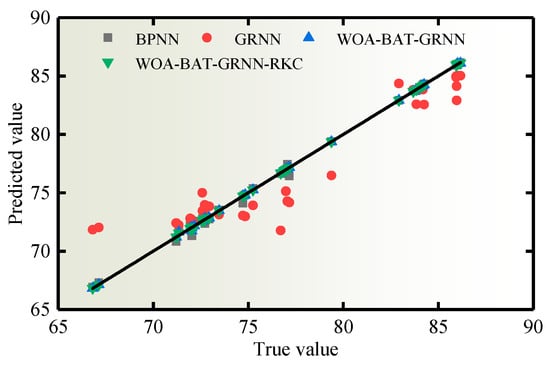
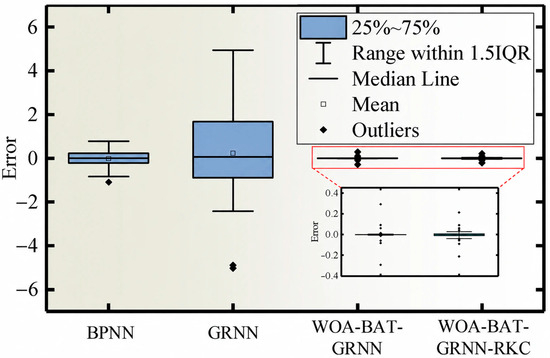
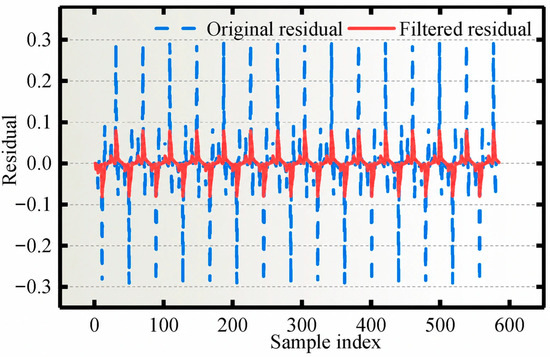
Accurate reducer noise prediction is essential for condition monitoring and predictive maintenance of mechanical transmission systems. However, the strong nonlinear coupling between operating conditions and noise responses, together with measurement uncertainties, remains a major challenge for data-driven prediction methods. This study proposes a hybrid prediction framework integrating feature selection, adaptive neural modeling, and residual compensation to improve the accuracy of planetary winch reducer noise prediction. A random forest (RF)-based feature selection strategy is first employed to identify the most informative vibration characteristics associated with reducer noise. Subsequently, a generalized regression neural network (GRNN) optimized by a hybrid whale optimization and bat algorithm (WOA-BAT) is developed to adaptively determine the smoothing factor and enhance nonlinear prediction capability. Furthermore, a residual Kalman compensation (RKC) mechanism is introduced to suppress prediction fluctuations caused by stochastic disturbances and modeling uncertainties. Experimental results demonstrate that the proposed WOA-BAT-GRNN-RKC framework achieves highly accurate noise prediction, with an RMSE of 0.05631 dB and an MAE of 0.027972 dB. The corresponding MAPE is 0.037897%. The proposed approach provides an effective pathway toward intelligent reducer condition monitoring and predictive maintenance.
Full article
(This article belongs to the Special Issue Vibration-Based Machines Wear Monitoring and Prediction, 2nd Edition)
►▼
Show Figures

Figure 1

Open AccessArticle
Physics-Guided Surrogate-Assisted Reinforcement Learning for Multi-Objective Coordinated Speed Control of a Shearer Under Complex Coal–Rock Conditions
by
Lijuan Zhao, Zhanpeng Zhang, Tiangu Wu, Yadong Wang and Shutian Gong
Machines 2026, 14(9), 1016; https://doi.org/10.3390/machines14091016 - 7 Sep 2026
Abstract
Advanced manufacturing and cutting machinery often operate under variable material properties and uncertain load conditions, making real-time process optimization difficult when high-fidelity simulations and physical experiments are costly. To address this problem, this study proposes a physics-guided surrogate-assisted reinforcement learning framework for multi-objective
[...] Read more.
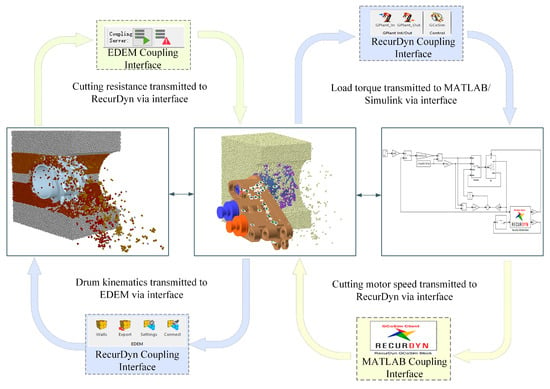
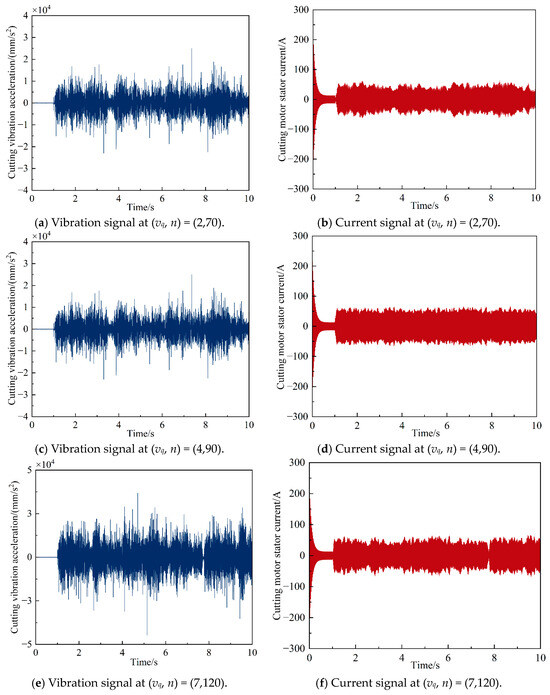
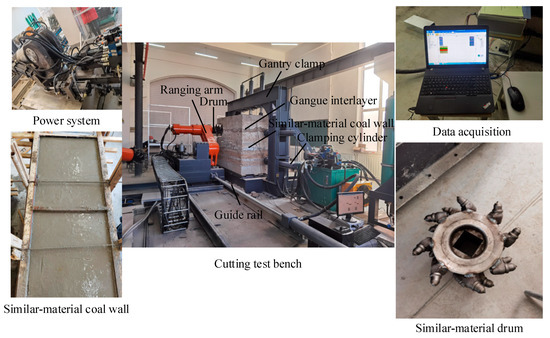
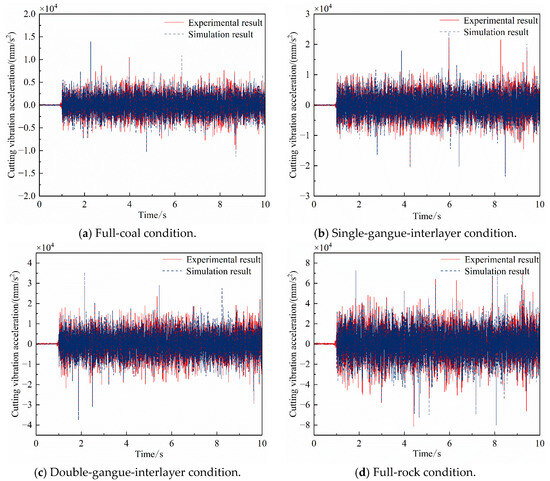
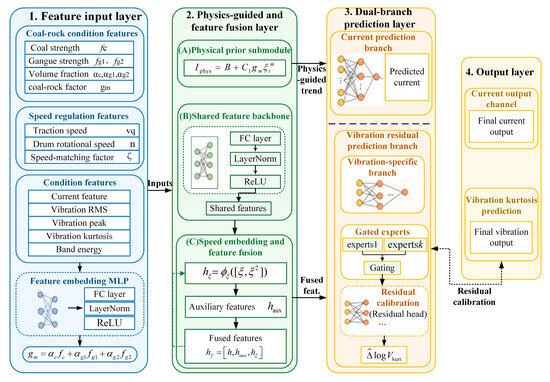
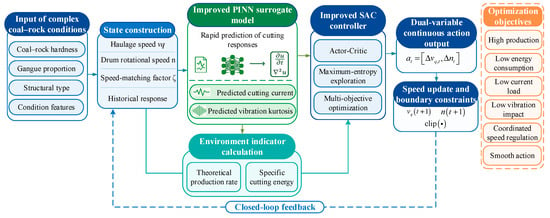
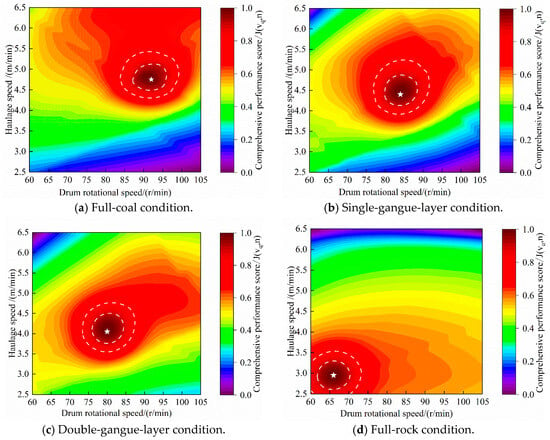
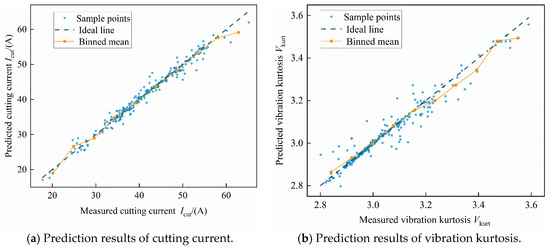
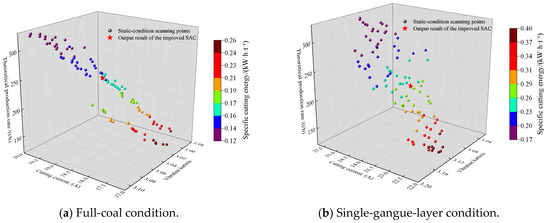
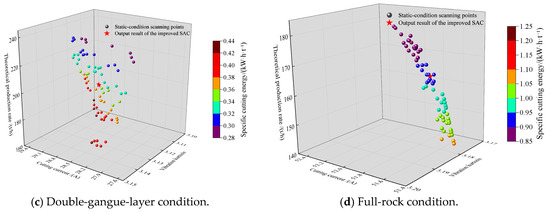
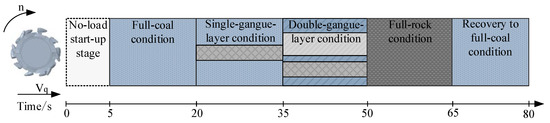
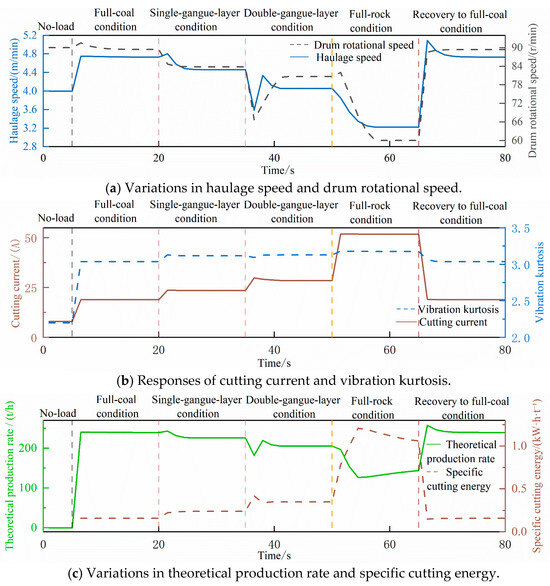
Advanced manufacturing and cutting machinery often operate under variable material properties and uncertain load conditions, making real-time process optimization difficult when high-fidelity simulations and physical experiments are costly. To address this problem, this study proposes a physics-guided surrogate-assisted reinforcement learning framework for multi-objective speed regulation of coal–rock cutting machinery. The haulage speed and drum rotational speed are jointly optimized to balance production rate, cutting specific energy consumption, current load, vibration impact, and speed-regulation stability. First, an EDEM–RecurDyn–Simulink co-simulation model was established to obtain cutting current and vibration response data under different coal–rock structures and speed combinations. Similar-material cutting experiments were conducted to validate the vibration response, with root mean square (RMS) relative errors of 3.38%, 4.21%, 5.75%, and 5.03% under full-coal, single-gangue-layer, double-gangue-layer, and full-rock conditions, respectively. Based on these data, an improved physics-informed neural network (PINN) surrogate model was developed by embedding an equivalent coal–rock difficulty factor, a speed-matching factor, a semi-empirical current prior, and a vibration residual calibration mechanism. The surrogate model achieved R2 values of 0.9623 and 0.9147 for cutting current and vibration kurtosis, respectively. It was then integrated into a Soft Actor–Critic (SAC) control environment to learn continuous dual-variable speed-regulation policies. Across five independent SAC training seeds, the improved SAC achieved an average theoretical productivity of 207.8033 ± 6.5641 t·h−1 and a cutting specific energy consumption of 0.3387 ± 0.0114 kW·h·t−1. Compared with the fixed-speed, empirical speed-regulation, and conventional SAC strategies, the proposed method increased the average theoretical productivity by 2.65%, 5.01%, and 1.77%, respectively, while reducing the corresponding specific cutting energy consumption by 1.37%, 4.05%, and 2.22%. These results demonstrate that the proposed framework provides an efficient intelligent optimization method for condition-aware speed regulation in complex industrial cutting processes.
Full article
(This article belongs to the Section Automation and Control Systems)
►▼
Show Figures

Figure 1

Open AccessArticle
A Hybrid CEEMDAN-GRU Framework with Cooperative Denoising for Vibration Trend Prediction of Hydropower Units
by
Yuhong Li, Shuzhe Hao and Yanhe Xu
Machines 2026, 14(9), 1015; https://doi.org/10.3390/machines14091015 - 7 Sep 2026
Abstract
Accurate vibration prediction is critical for condition monitoring and predictive maintenance of hydropower units, yet it remains challenging due to strong noise interference, severe non-stationarity, and multi-scale coupling characteristics of raw vibration signals. This paper proposes a novel hybrid prediction framework that integrates
[...] Read more.
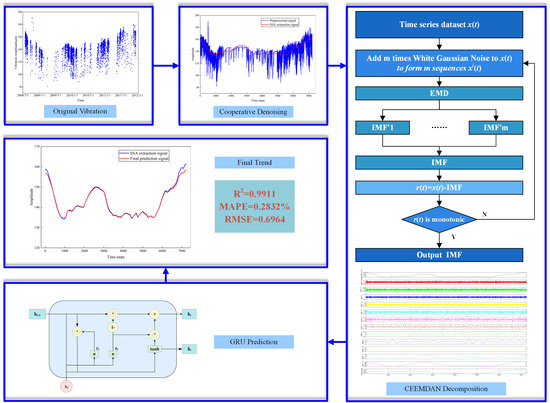
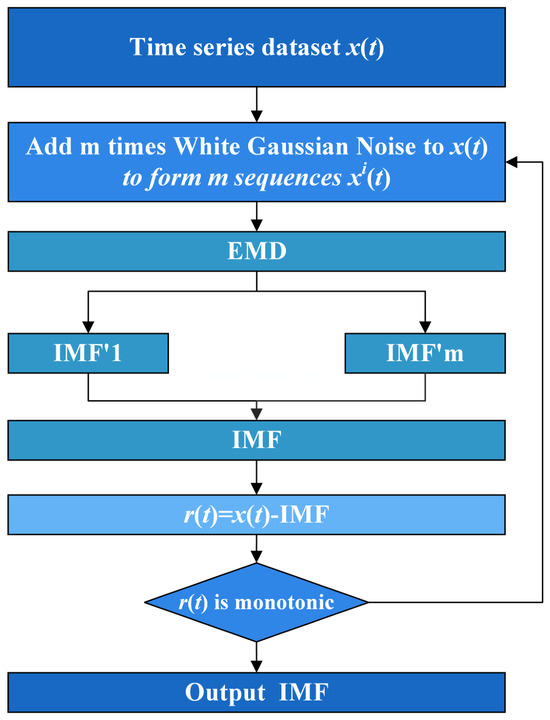
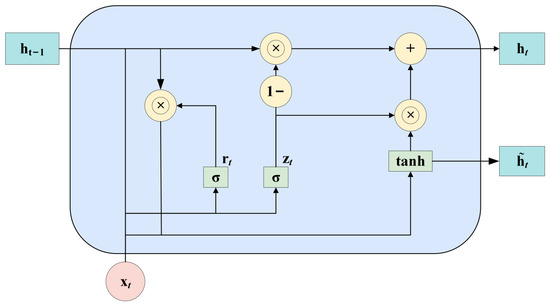
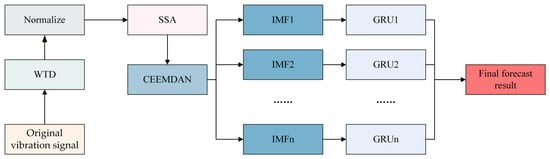
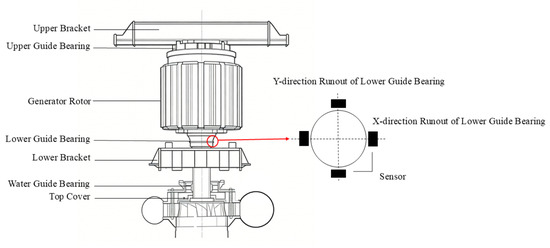
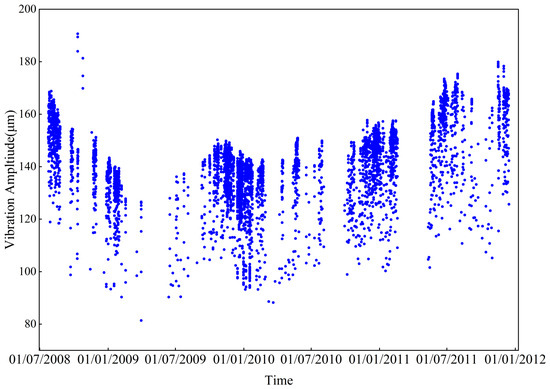
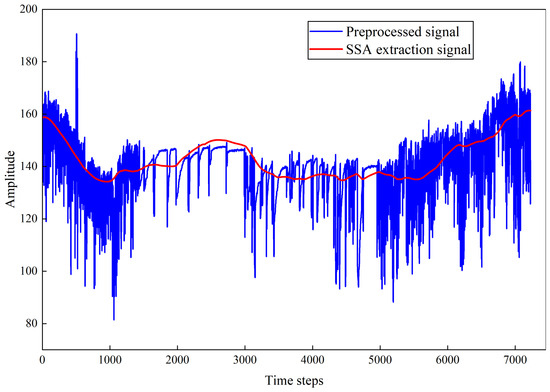
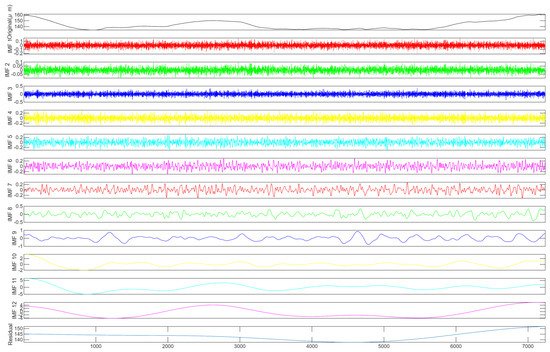
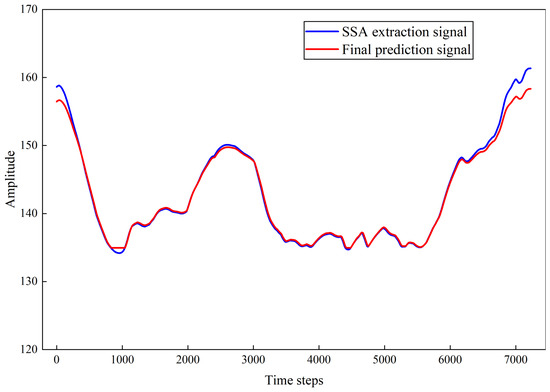
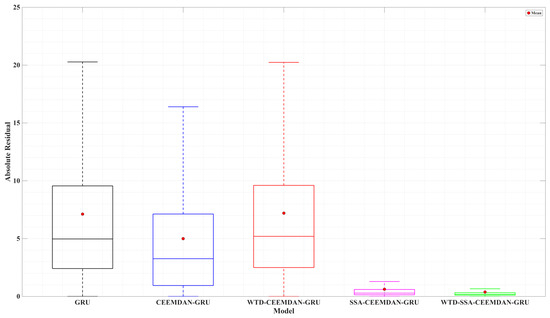
Accurate vibration prediction is critical for condition monitoring and predictive maintenance of hydropower units, yet it remains challenging due to strong noise interference, severe non-stationarity, and multi-scale coupling characteristics of raw vibration signals. This paper proposes a novel hybrid prediction framework that integrates cooperative denoising, multi-scale signal decomposition, and deep learning-based sequential modeling to achieve high-precision long-term vibration forecasting. First, a two-stage cooperative denoising stategy combining wavelet threshold denoising (WTD) and singular spectrum analysis (SSA) is designed to suppress high-frequency noise while effectively preserving the global trend and critical transient features. Then the denoised signal is decomposed into a set of physically interpretable intrinsic mode functions (IMFs) and a residual component via complete ensemble empirical mode decomposition with adaptive noise (CEEMDAN), which alleviates mode mixing and improves decomposition completeness. Subsequently, each IMF component is independently predicted using a gated recurrent unit (GRU) network optimized by the Adam algorithm with adaptive learning rate decay, enabling efficient capture of nonlinear temporal dependencies. The proposed framework is validated using 3.5-year real-world vibration data from an lower guide bearing of a pumped-storage hydropower unit. Experimental results demonstrate that the model achieves MAE = 0.3831, RMSE = 0.6964, MAPE = 0.2832%, and , compared to 0.6666 for the conventional CEEMDAN-GRU model, a 32.45 percentage point increase and a 54% reduction in unexplained variance. Ablation studies and comparative analyses verify the superiority and statistical significance of the cooperative denoising mechanism and the overall hybrid architecture. This work provides a reliable, interpretable, and deployable tool for the condition monitoring and predictive maintenance of hydropower units, supporting proactive operation and reducing unplanned downtime in clean energy systems.
Full article
(This article belongs to the Section Machines Testing and Maintenance)
►▼
Show Figures

Graphical abstract
Open AccessArticle
Exploration of the Inner-to-Outer Diameter Ratio Limit of Field Shaper in Electromagnetic Pulse Tube Forming
by
Qichi Ying, Hao Sun, Yi Lv, Haifan Li, Zhenghao Wei, Junjia Cui and Hao Jiang
Machines 2026, 14(9), 1014; https://doi.org/10.3390/machines14091014 - 7 Sep 2026
Abstract
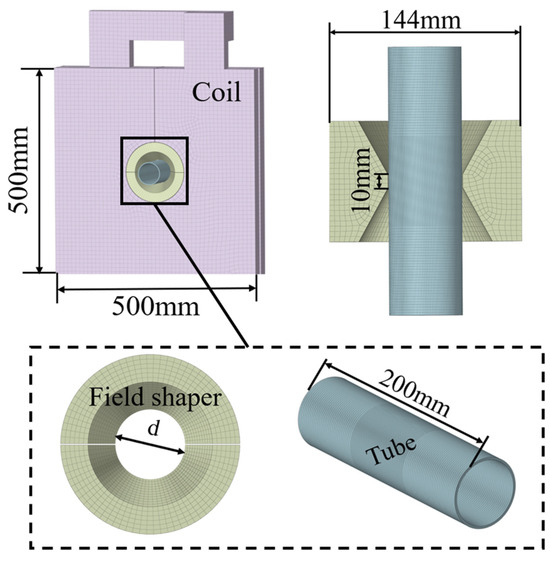
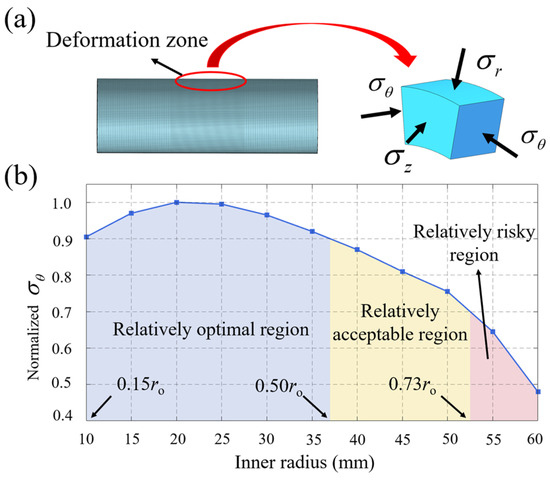
Field shapers concentrate electromagnetic forces on tubes during electromagnetic pulse tube forming and strongly influence deformation capability. This study investigates how the field shaper’s inner-to-outer diameter ratio limits tube compression. A Kirchhoff-law-based analytical model was combined with coupled electromagnetic-mechanical simulations and experiments. The
[...] Read more.
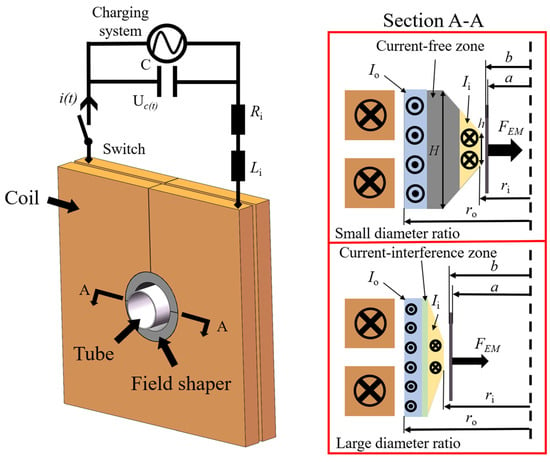
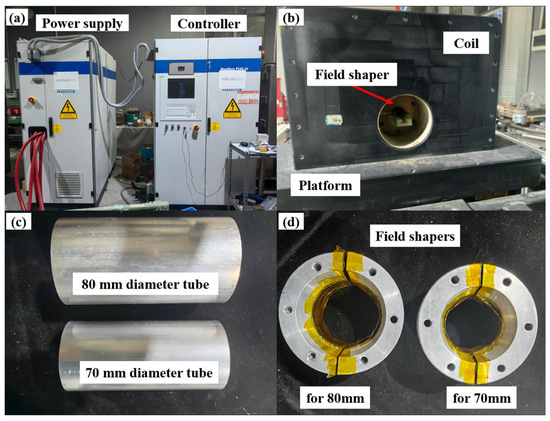
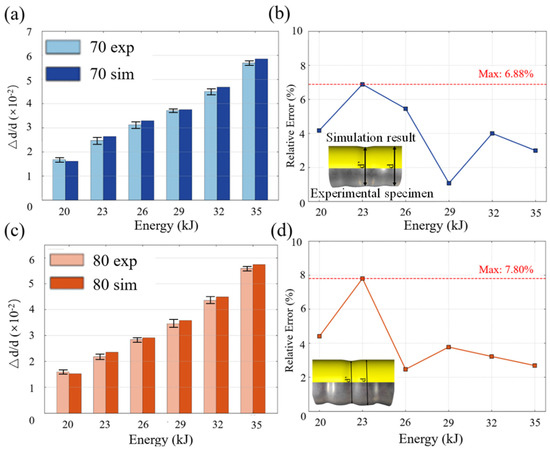
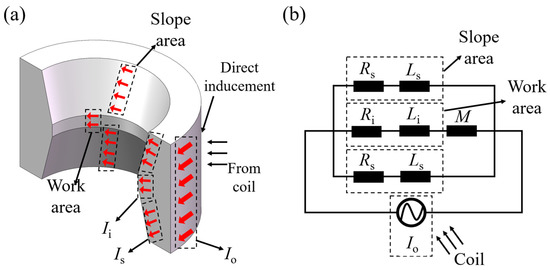
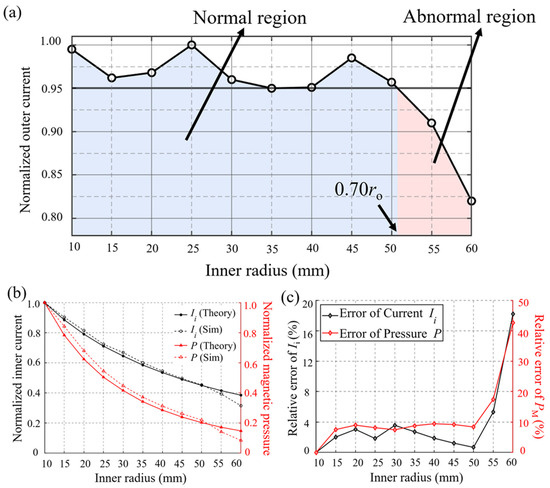
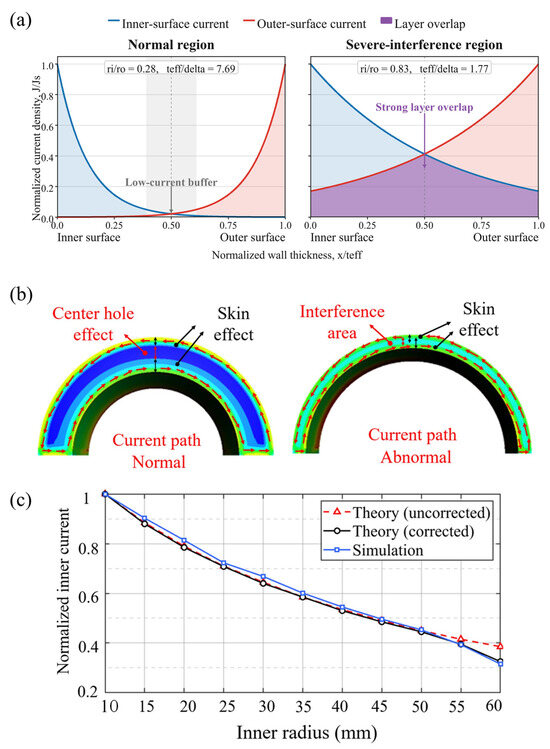
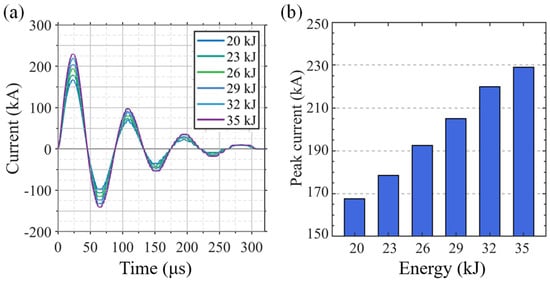
Field shapers concentrate electromagnetic forces on tubes during electromagnetic pulse tube forming and strongly influence deformation capability. This study investigates how the field shaper’s inner-to-outer diameter ratio limits tube compression. A Kirchhoff-law-based analytical model was combined with coupled electromagnetic-mechanical simulations and experiments. The model predicts that increasing the inner diameter reduces both inner-surface current and magnetic pressure. Meanwhile, the hoop-stress indicator first increases and then decreases because the tube radius and pressure exert competing effects. Under the investigated geometry and operating conditions, the favorable inner-to-outer diameter ratio ranges from 0.15 to 0.50. Under these conditions, current-path interference begins near 0.7 and becomes severe above 0.8, rapidly reducing inner-surface current. Experiments using 70 and 80 mm tubes validated the coupled simulation within the investigated range and supported the predicted trend. These findings guide design and indicate that larger tubes require greater field-shaper outer diameters, larger coils, and higher discharge energy.
Full article
(This article belongs to the Special Issue Design and Manufacturing for Lightweight Components and Structures, 2nd Edition)
►▼
Show Figures

Figure 1
Open AccessArticle
DDGF-Net: A Novel Dual-Domain Generative-Discriminative Fusion Network for Gearbox Fault Diagnosis Under Strong Noise Conditions
by
Ruihan Ma, Xuanyue Wang, Jiajun Cheng, Tao Xie, Shuo Li and Chaoge Wang
Machines 2026, 14(9), 1013; https://doi.org/10.3390/machines14091013 - 5 Sep 2026
Abstract
In industrial scenarios, strong background noise can easily overwhelm the weak impulsive signatures of gearbox faults, leading to time-domain waveform distortion and frequency-domain spectral aliasing, which in turn degrades the feature extraction capability of conventional diagnostic models and significantly reduces their diagnostic accuracy
[...] Read more.
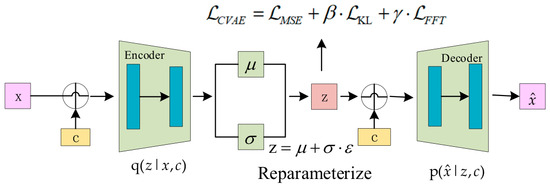
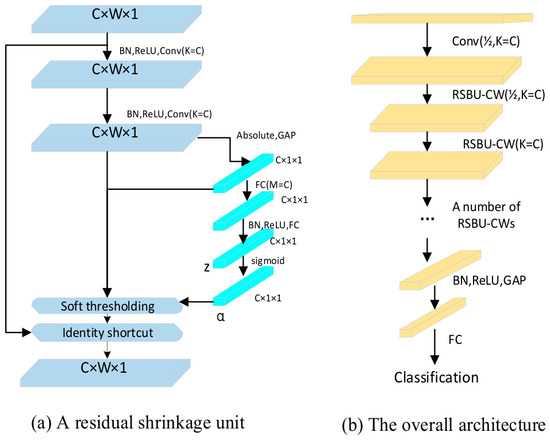
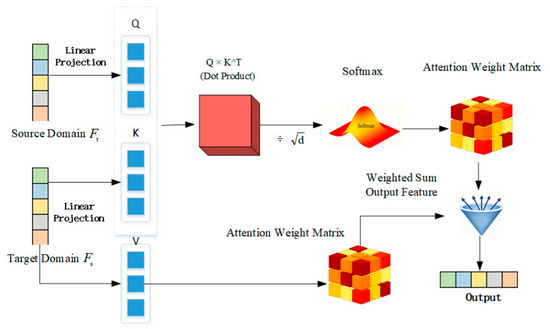
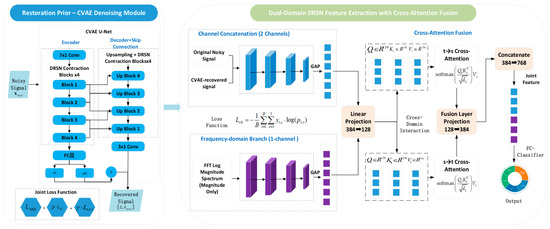
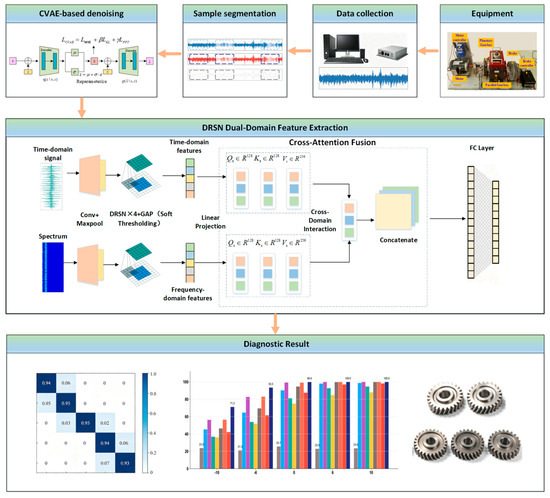
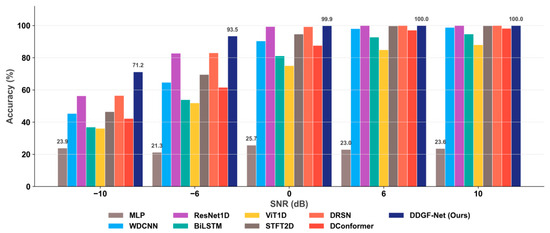
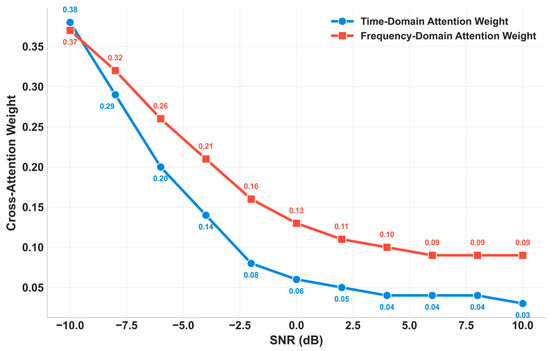
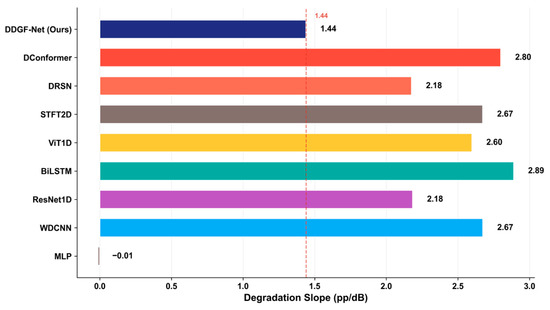
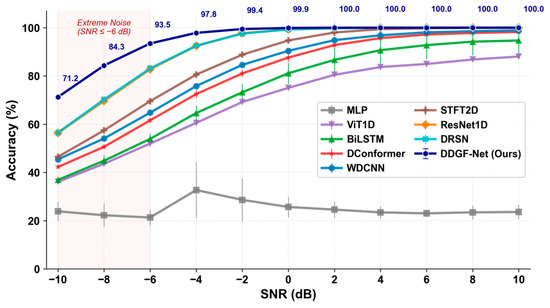
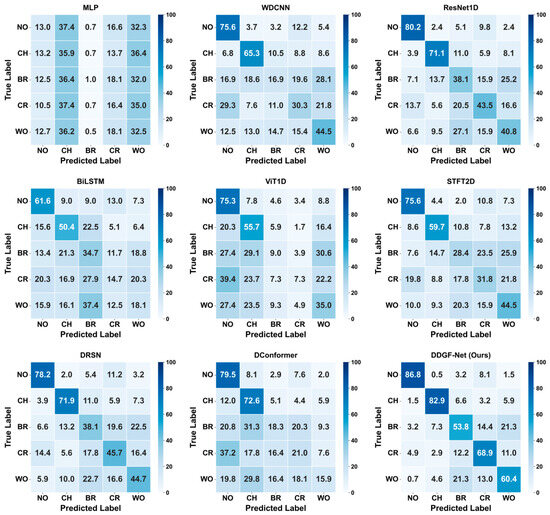
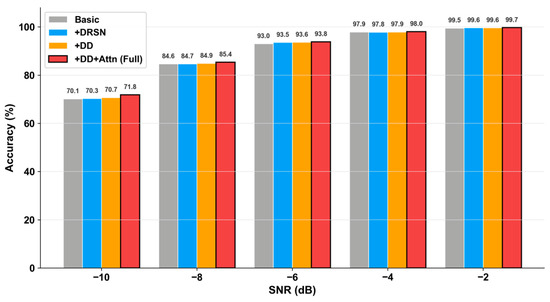
In industrial scenarios, strong background noise can easily overwhelm the weak impulsive signatures of gearbox faults, leading to time-domain waveform distortion and frequency-domain spectral aliasing, which in turn degrades the feature extraction capability of conventional diagnostic models and significantly reduces their diagnostic accuracy and robustness. To overcome this limitation, a dual-domain generative–discriminative fusion network (DDGF-Net) is proposed for robust gearbox fault diagnosis under strong noise interference. The proposed framework consists of three collaborative components. Firstly, an improved conditional variational autoencoder (CVAE) integrating soft-threshold shrinkage and spectral consistency constraints is designed to perform joint time–frequency denoising and signal reconstruction, thereby preserving subtle fault characteristics while effectively suppressing noise. Secondly, parallel time-domain and frequency-domain encoding branches are constructed to extract transient fault impulses and fault characteristic frequencies, respectively, compensating for the inadequacy of single-domain feature representations. Thirdly, a lightweight bidirectional cross-attention mechanism is introduced to overcome the limitations of conventional fixed-weight fusion strategies, enabling dynamic adjustment of the interaction weights between dual-domain features according to the instantaneous noise intensity, thus maximizing the complementary value of cross-domain features. Extensive comparative experiments conducted on the Southeast University(SEU) gearbox dataset demonstrate that DDGF-Net achieves superior diagnostic performance and noise robustness over eight representative methods, particularly under strong noise interference, thereby validating its effectiveness and superiority in harsh diagnostic scenarios.
Full article
(This article belongs to the Special Issue Trustworthy and Intelligent Systems for Machine Health Monitoring and Predictive Maintenance)
►▼
Show Figures

Figure 1

Open AccessArticle
Investigation of Eccentricity Characteristics in a Dual-Stator Single-Rotor Axial Flux Permanent Magnet Synchronous Motor
by
Tao Li, Yuxiu Liang, Ye Yang, Jingyi Tian and Likang Fan
Machines 2026, 14(9), 1012; https://doi.org/10.3390/machines14091012 - 5 Sep 2026
Abstract
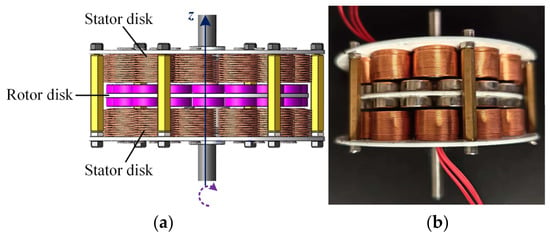
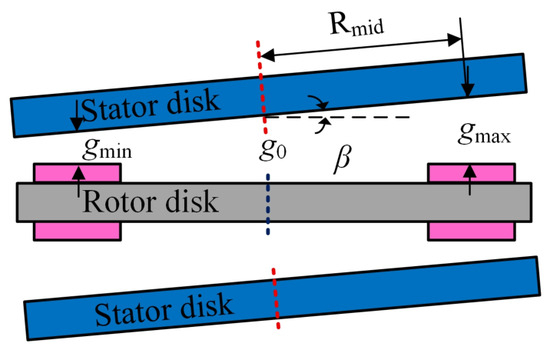
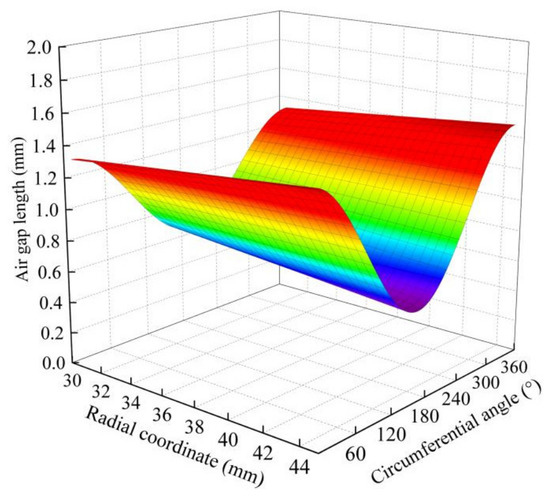
Dual-stator single-rotor (DSSR) axial flux permanent magnet synchronous motors (AFPMSMs) offer high torque density but face reliability challenges due to unbalanced magnetic forces (UMF) and bending moments caused by eccentricity faults. This study investigates the electromagnetic performance of a DSSR AFPMSM under static,
[...] Read more.
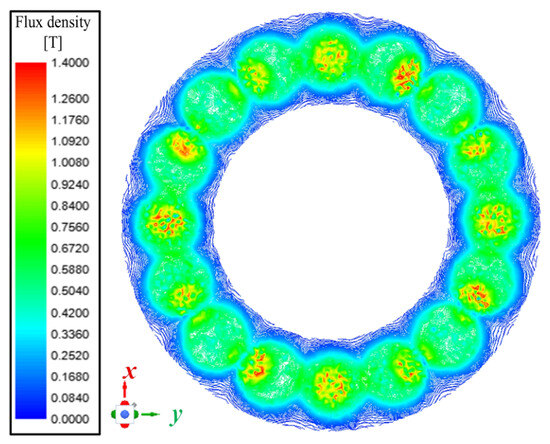
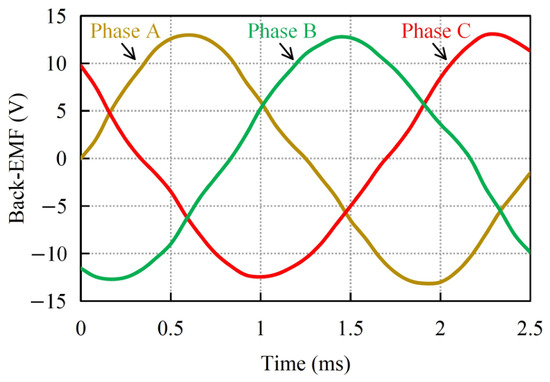
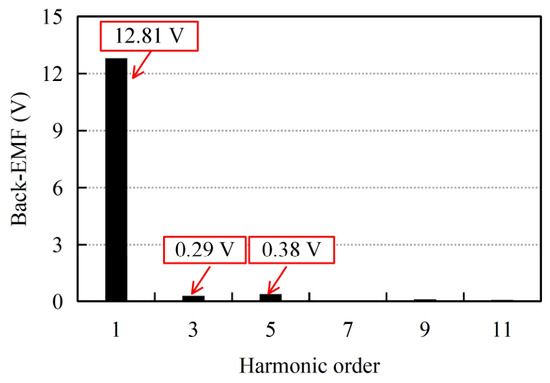
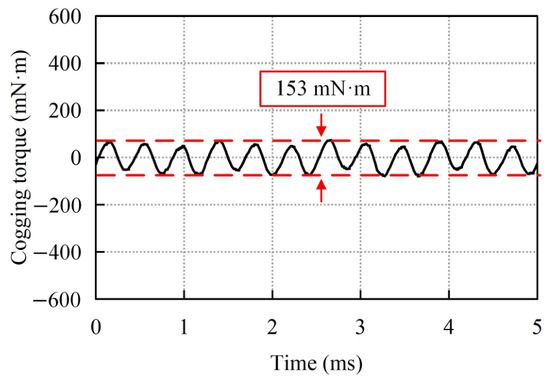
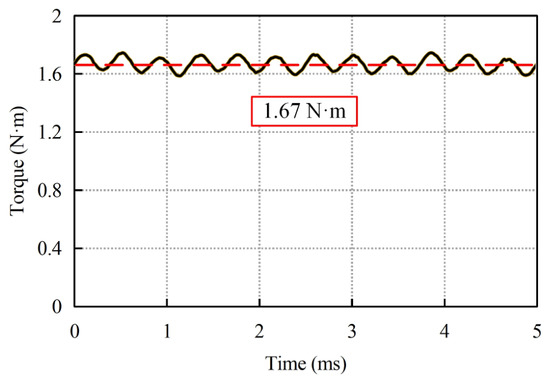
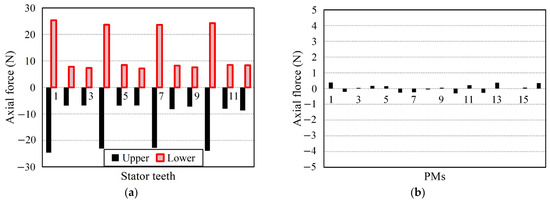
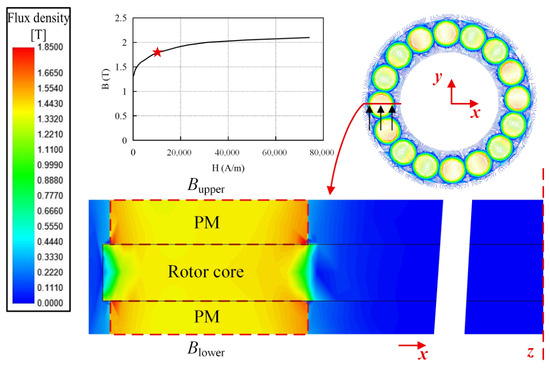
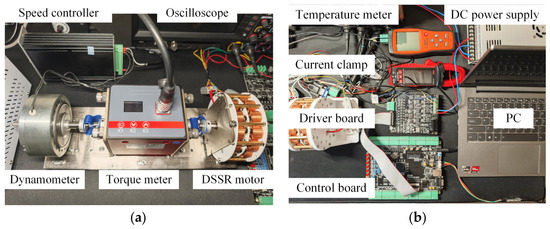
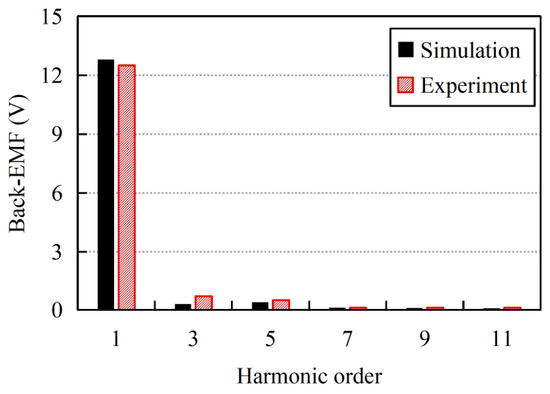
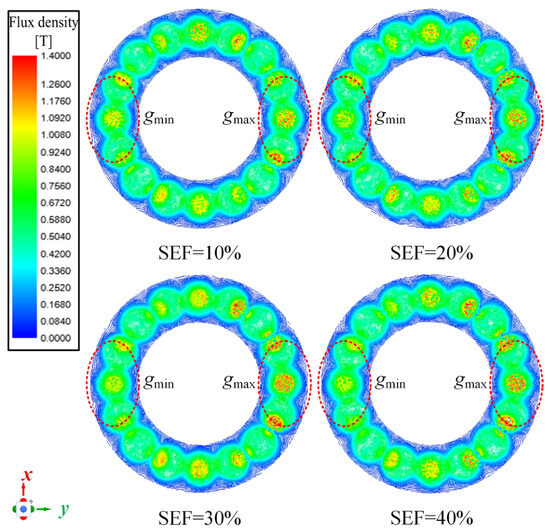
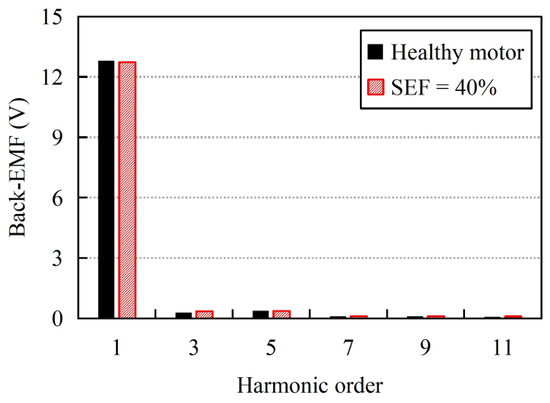
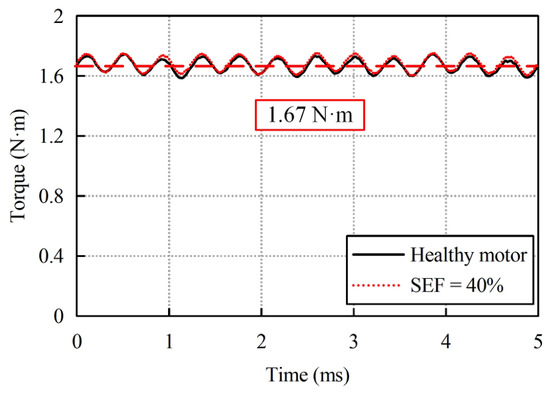
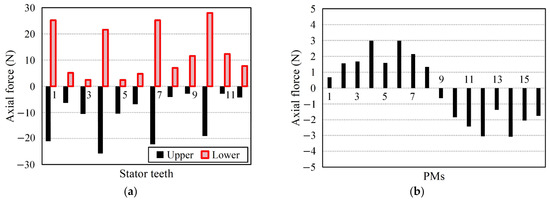
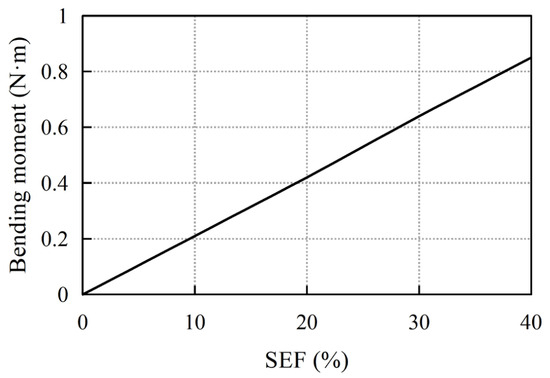
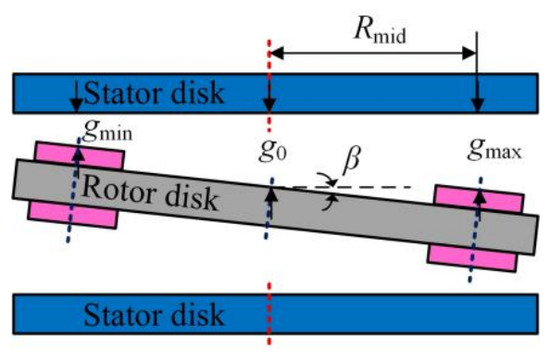
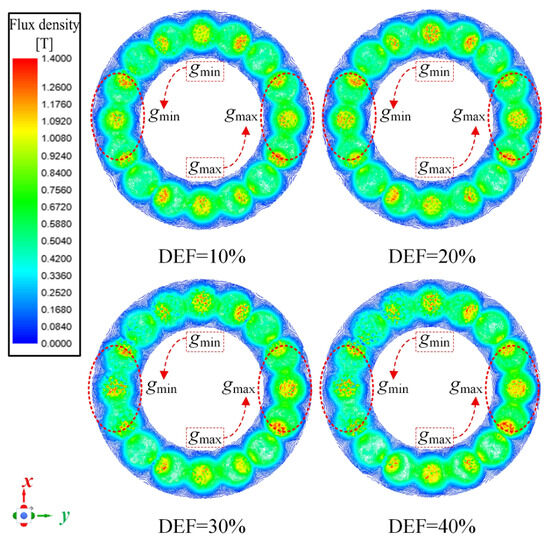
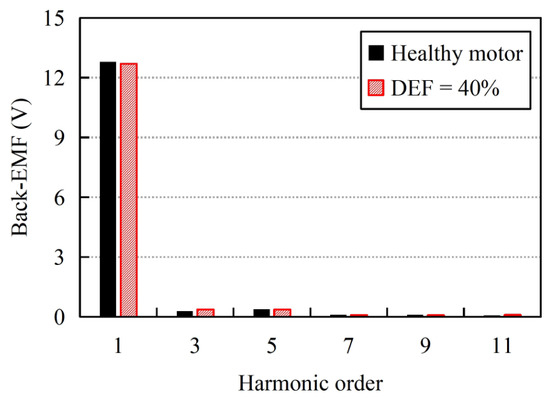
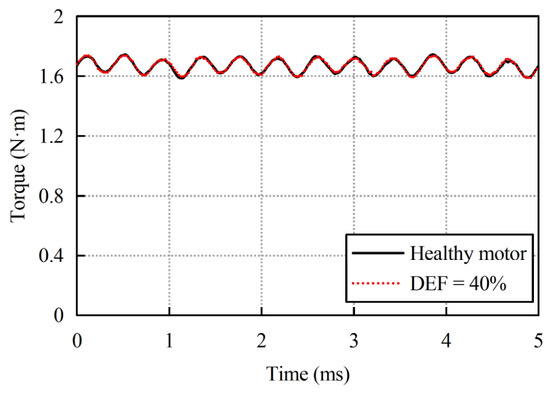
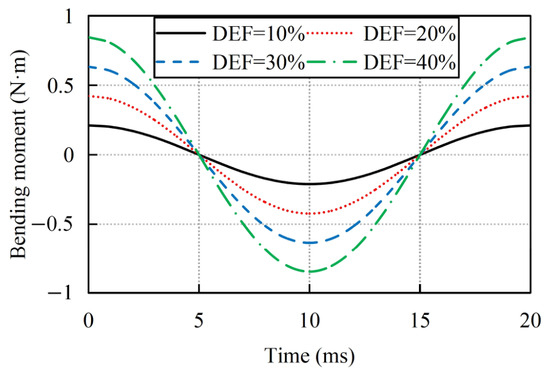
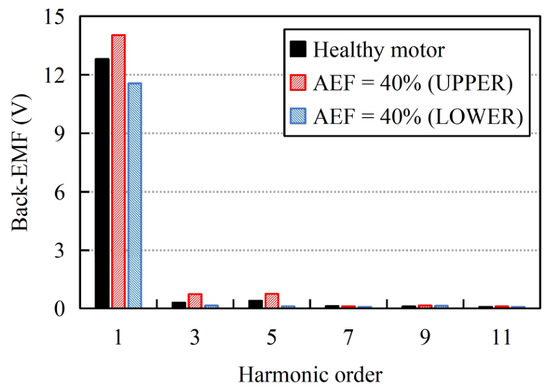
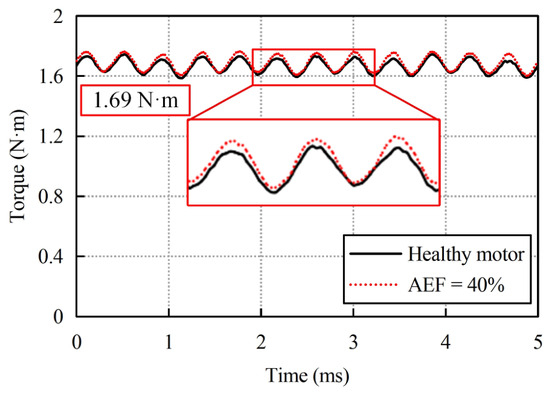
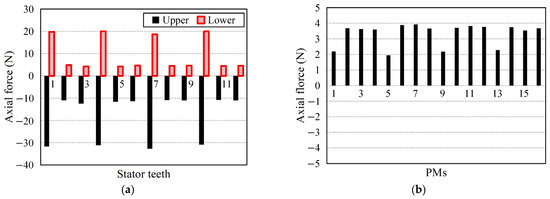
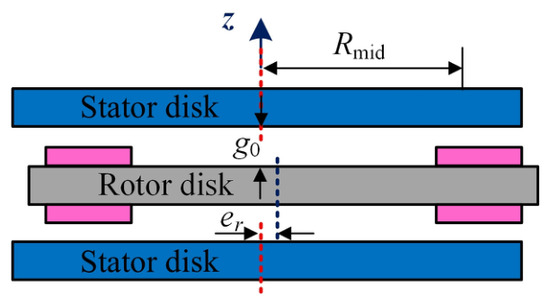
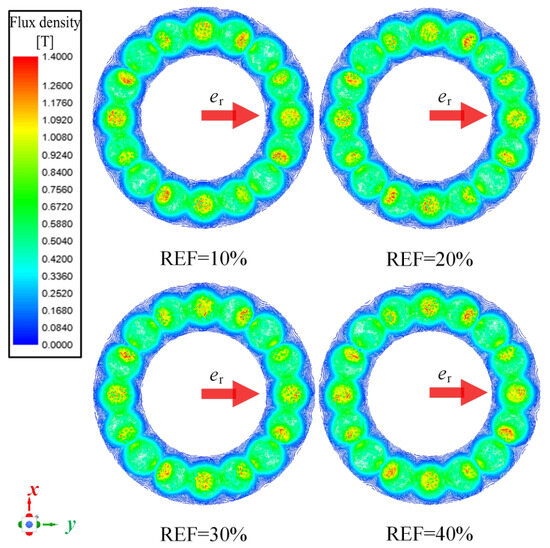
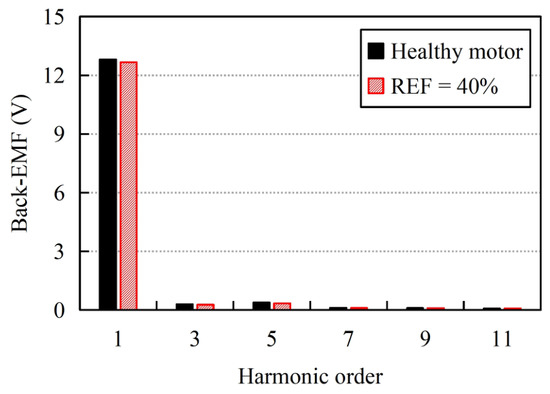
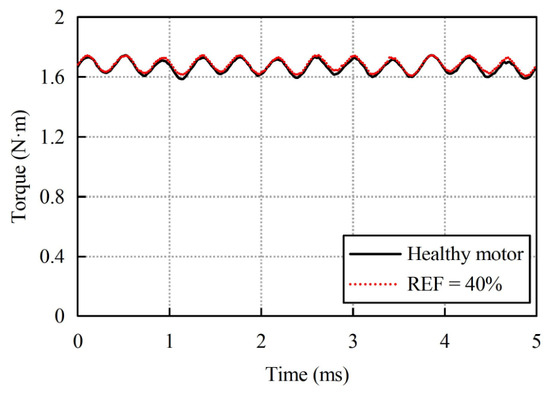
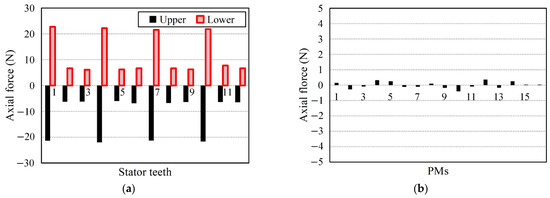
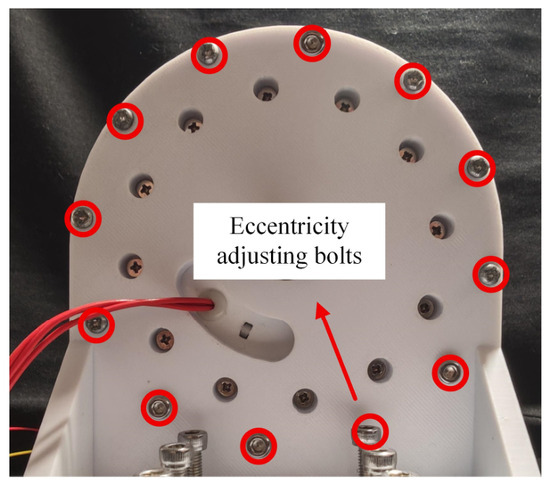
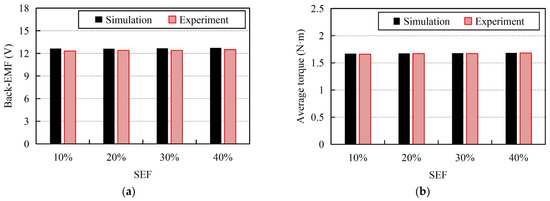
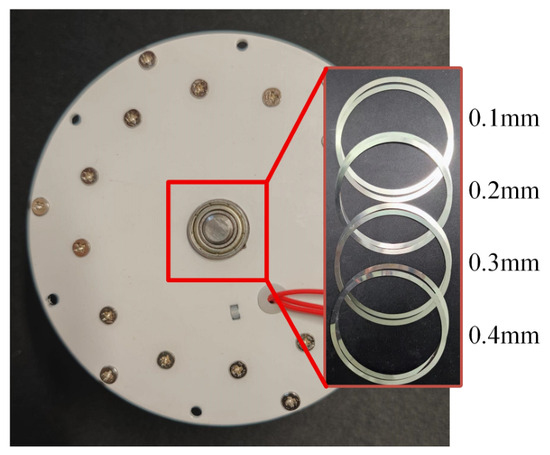
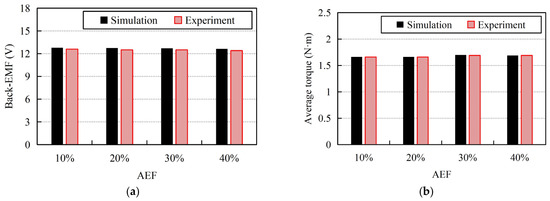
Dual-stator single-rotor (DSSR) axial flux permanent magnet synchronous motors (AFPMSMs) offer high torque density but face reliability challenges due to unbalanced magnetic forces (UMF) and bending moments caused by eccentricity faults. This study investigates the electromagnetic performance of a DSSR AFPMSM under static, dynamic, axial, and radial eccentricities to reveal specific fault signatures and physical mechanisms. The methodology relies on three-dimensional transient finite element analysis (3-D FEA) and is validated by experimental tests on a 500 W prototype. Results indicate that while static and dynamic eccentricities have negligible effects on average torque, they induce significant bending moments where static eccentricity generates a constant moment and dynamic eccentricity produces an alternating one, both proportional to the eccentricity severity. Crucially, axial eccentricity disrupts magnetic symmetry, causing a 17.6% no-load back-EMF imbalance between stators and increasing net axial UMF to 53.2 N at a 40% eccentricity factor. Conversely, radial eccentricity shows minimal impact, confirming the topology’s robustness against radial misalignments. These findings provide essential baseline data for the vibration analysis and condition monitoring of DSSR AFPMSMs.
Full article
(This article belongs to the Section Electrical Machines and Drives)
►▼
Show Figures

Figure 1
Open AccessArticle
Learning Selective Acoustic Signaling for Social Robot Navigation in Heterogeneous Crowds
by
Zhiquan Wang, Wei Zhong, Xiaojun Lu, Yongdong Wang, Atsushi Yamashita and Hajime Asama
Machines 2026, 14(9), 1011; https://doi.org/10.3390/machines14091011 - 5 Sep 2026
Abstract
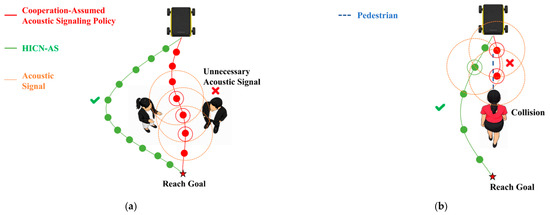
Active acoustic signaling can improve robot navigation in crowds, but methods based on a cooperative-response assumption may generate unnecessary signals near static pedestrians and misjudge signaling effectiveness when non-cooperative pedestrians approach. This study proposes heterogeneous interactive crowd navigation with acoustic signaling, a selective
[...] Read more.
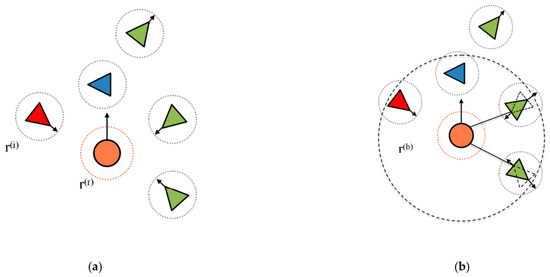
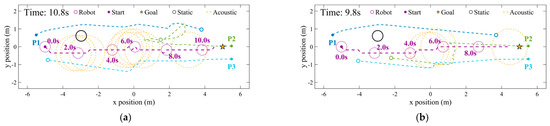
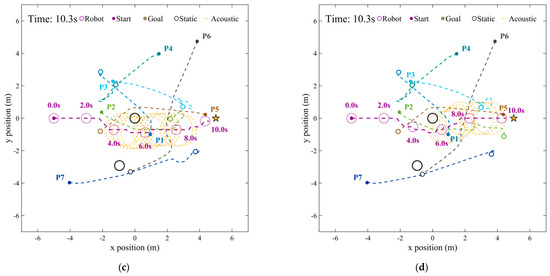
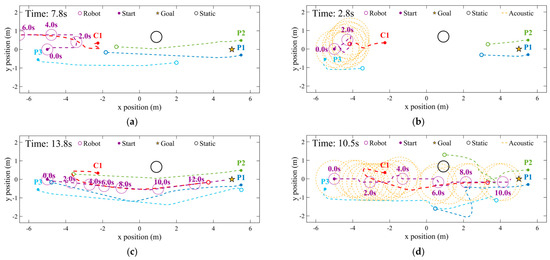
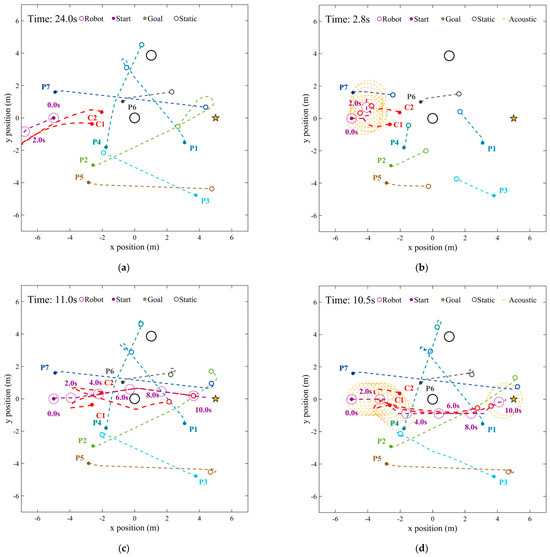
Active acoustic signaling can improve robot navigation in crowds, but methods based on a cooperative-response assumption may generate unnecessary signals near static pedestrians and misjudge signaling effectiveness when non-cooperative pedestrians approach. This study proposes heterogeneous interactive crowd navigation with acoustic signaling, a selective acoustic-signaling method for heterogeneous crowds. The proposed method models dynamic cooperative pedestrians, static non-responsive pedestrians, and approaching non-cooperative chasers. A differentiated reinforcement-learning social reward suppresses ineffective signaling in static-only neighborhoods, while a second training stage introduces non-cooperative chasers controlled by a standard optimal reciprocal collision avoidance policy with fixed parameters to improve motion avoidance when signaling cannot alter chaser motion. Experiments in corridor and square-hall environments used 500 test episodes per setting. The differentiated reward reduced total signaling rates by 41.2% and 47.0%, respectively, and reduced static-condition signaling rates to 0%, while largely preserving dynamic-condition signaling and navigation time. In complete heterogeneous scenarios, the proposed method achieved success rates of 0.94 and 0.91, collision rates of 0.02 and 0.04, and catch rates of 0.08 and 0.12. These results indicate improved signaling selectivity and navigation performance under the evaluated controlled simulation conditions involving predefined cooperative and non-responsive pedestrian behaviors.
Full article
(This article belongs to the Section Robotics, Mechatronics and Intelligent Machines)
►▼
Show Figures

Figure 1

Open AccessArticle
Progressive Attention-Guided Two-Stage Transfer Learning for Few-Shot Cross-Condition Bearing Fault Diagnosis
by
Ziyi Zhang, Longchao Cao, Zhe Wang, Yujun Zhang, Wang Cai, Lizhen Du and Zhongmei Gao
Machines 2026, 14(9), 1010; https://doi.org/10.3390/machines14091010 - 4 Sep 2026
Abstract
Cross-condition bearing fault diagnosis suffers from severe performance degradation due to domain shift across different operating conditions, especially when only a few labeled target-domain samples are available. To address this challenge, this paper proposes a progressive attention-guided two-stage transfer learning framework for few-shot
[...] Read more.
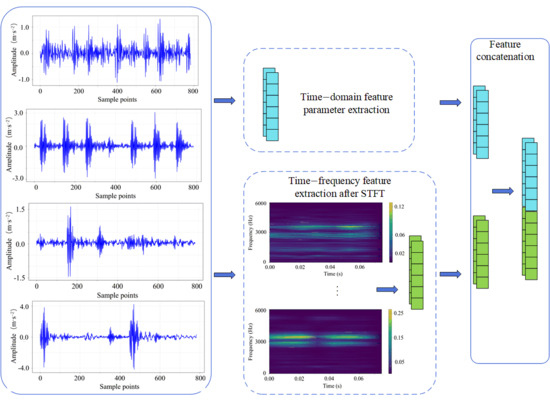
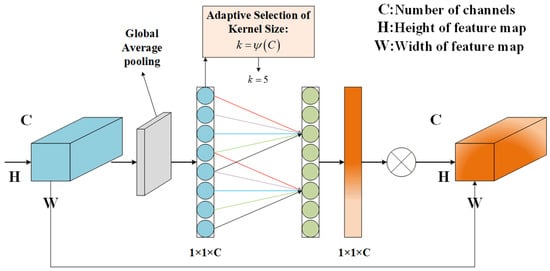
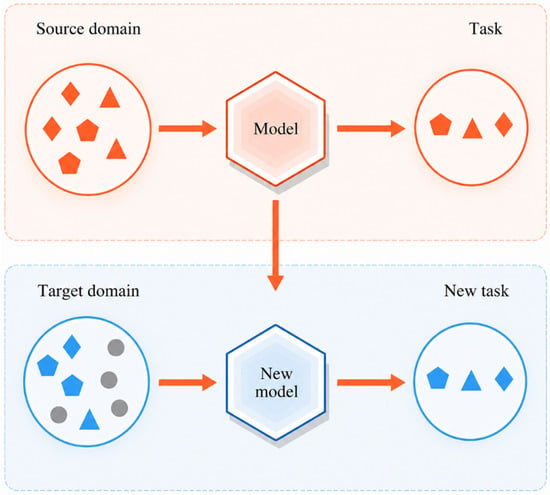
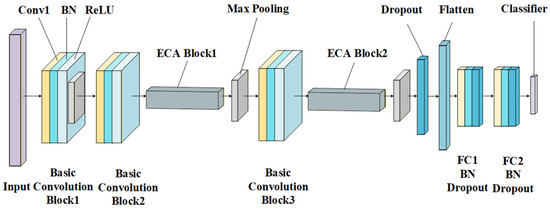
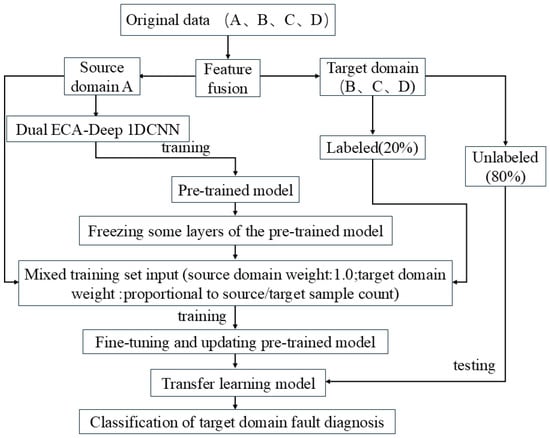
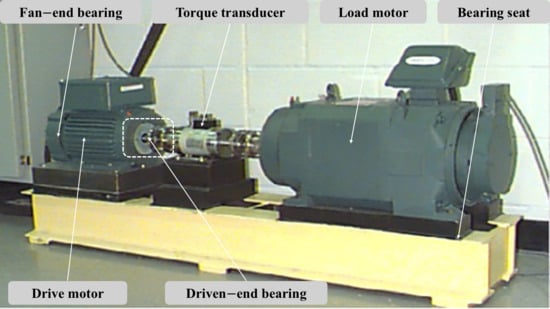
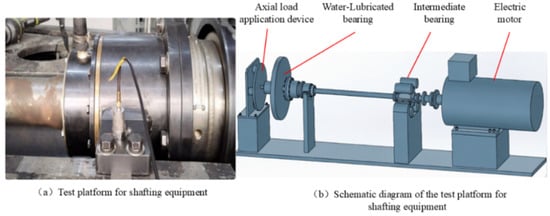
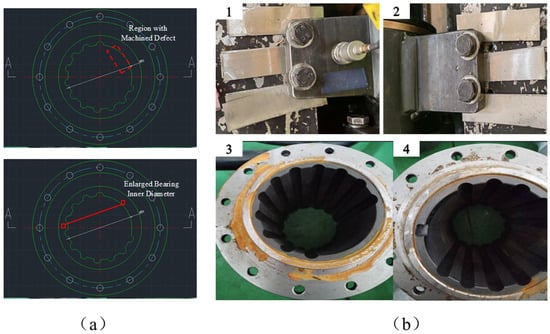
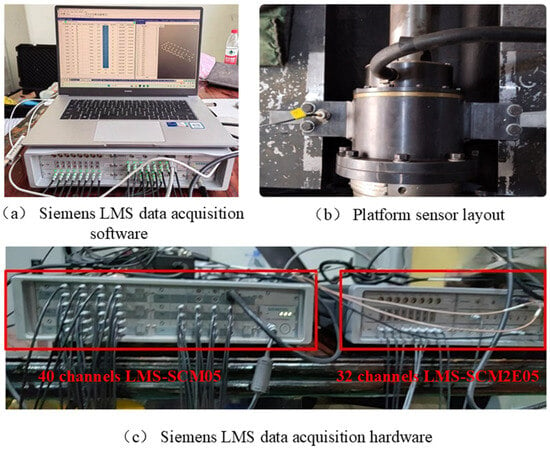
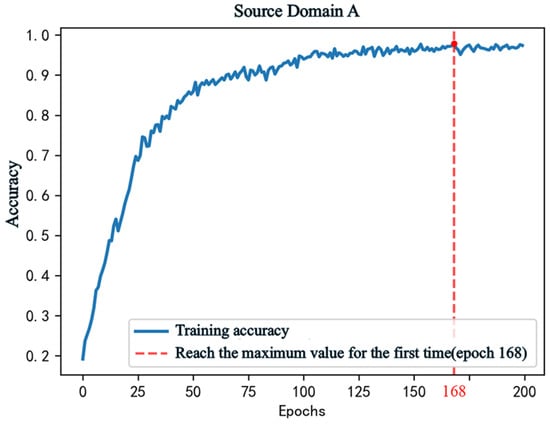
Cross-condition bearing fault diagnosis suffers from severe performance degradation due to domain shift across different operating conditions, especially when only a few labeled target-domain samples are available. To address this challenge, this paper proposes a progressive attention-guided two-stage transfer learning framework for few-shot bearing fault diagnosis across different fixed operating points. First, the raw time-domain vibration signals are fused with frequency-domain representations extracted by short-time Fourier transform (STFT) to enhance fault feature representation. Then, a progressive attention-guided feature learning strategy is developed by integrating dual efficient channel attention (ECA) modules into a deep one-dimensional convolutional neural network (1D-CNN), enabling the network to adaptively emphasize fault-sensitive features while suppressing redundant information. Subsequently, a two-stage transfer learning strategy is designed, consisting of transferable feature learning from the source domain and few-shot adaptation to the target domain. During target-domain adaptation, key feature extraction layers are frozen, and a sample-balanced optimization mechanism is introduced to alleviate the dominance of source-domain samples during joint training. Experimental results on the Case Western Reserve University (CWRU) bearing dataset demonstrate that the proposed method achieves an average accuracy of 99.96% across three cross-condition transfer tasks. Furthermore, experiments conducted on a self-built shaft system dataset show that the proposed method achieves an average accuracy of 87.11% under three representative transfer scenarios. The results verify that the proposed framework effectively mitigates domain shift and enables accurate bearing fault diagnosis with limited labeled target-domain samples.
Full article
(This article belongs to the Section Machines Testing and Maintenance)
►▼
Show Figures

Figure 1

Open AccessArticle
Deep Learning-Based Anomaly Detection in Electric Motor Production Using Mel-Spectrogram Representations and a Hybrid Neural Network
by
Jernej Mlinarič, Boštjan Pregelj and Gregor Dolanc
Machines 2026, 14(9), 1009; https://doi.org/10.3390/machines14091009 - 4 Sep 2026
Abstract
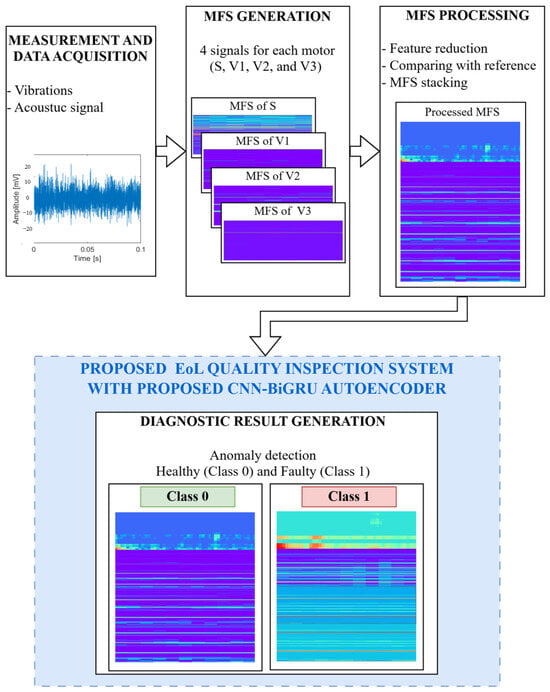
End-of-Line (EoL) quality inspection of electric motors requires reliable detection of manufacturing faults before products leave the production line. However, conventional supervised deep learning approaches depend on a sufficient number of labeled instances of faulty motors, which are scarce in high-quality manufacturing environments.
[...] Read more.
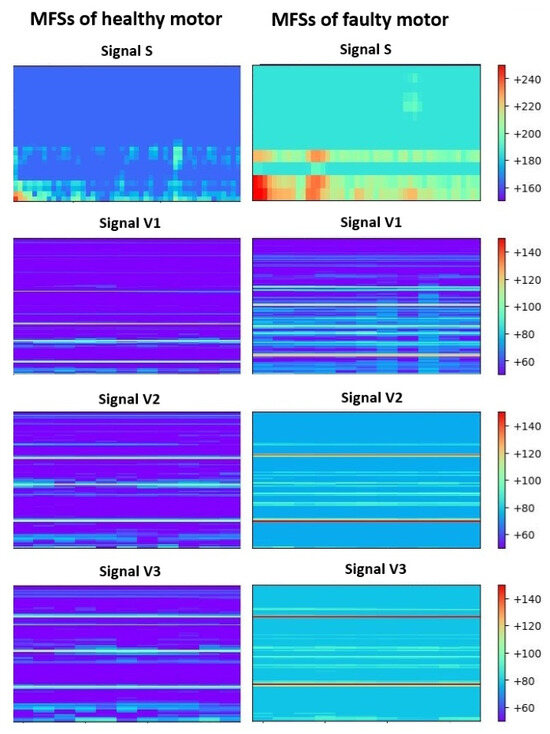
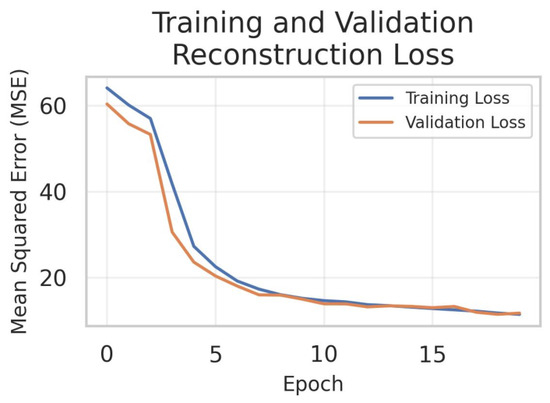
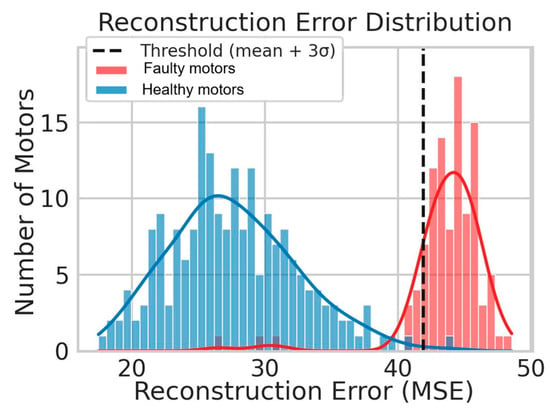
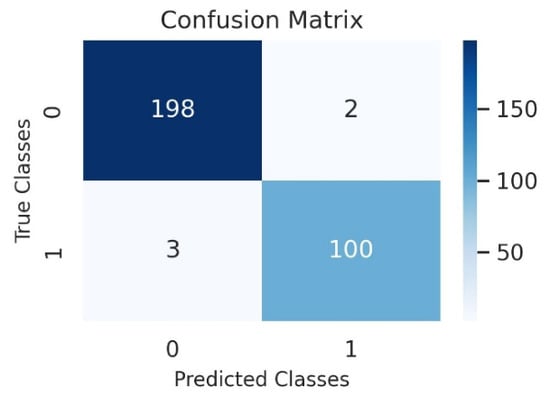
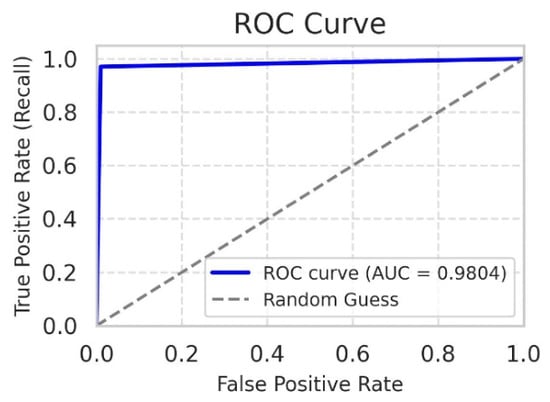
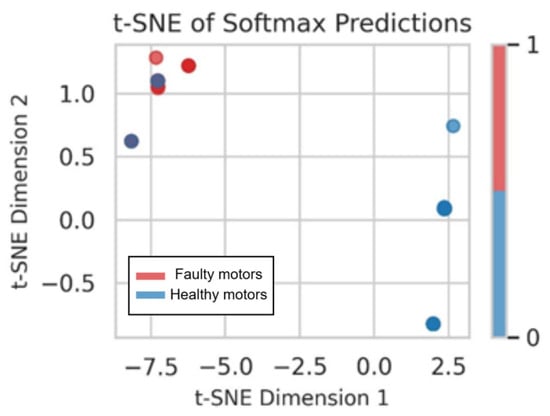
End-of-Line (EoL) quality inspection of electric motors requires reliable detection of manufacturing faults before products leave the production line. However, conventional supervised deep learning approaches depend on a sufficient number of labeled instances of faulty motors, which are scarce in high-quality manufacturing environments. This limits their applicability to newly introduced products and previously unobserved fault types. This paper presents an unsupervised deep learning framework for anomaly detection in motor acoustic and vibration signals, designed for EoL quality inspection in manufacturing. The proposed method leverages Mel-frequency spectrograms (MFSs) as input features and employs a hybrid neural network combining a convolutional neural network (CNN) and bidirectional gated recurrent units (BiGRUs), effectively capturing both local spectral patterns and temporal dependencies. The method is evaluated on real industrial production data from over 2400 motors, of which approximately 4.3% were faulty, reflecting the highly imbalanced nature of high-quality manufacturing. The model was trained exclusively on healthy motor data and therefore does not require labeled faulty samples during training. Experimental results demonstrate strong discrimination between healthy and faulty motors, indicating that the proposed approach is suitable for automated EoL quality inspection in manufacturing environments where labeled faulty data are scarce.
Full article
(This article belongs to the Special Issue Process Monitoring and Quality Optimization in Manufacturing Engineering)
►▼
Show Figures

Figure 1
Open AccessReview
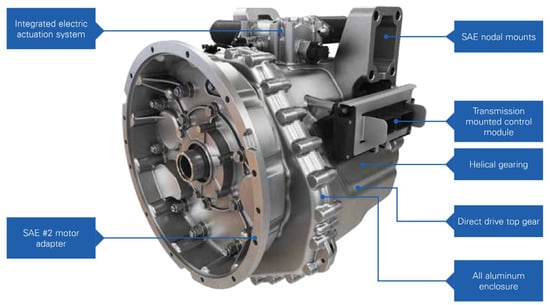
Driveline Efficiency in Electric Vehicles: A Review of Architectures and Gearbox Power Losses
by
Adolfo Senatore and Attila Csobán
Machines 2026, 14(9), 1008; https://doi.org/10.3390/machines14091008 - 4 Sep 2026
Abstract
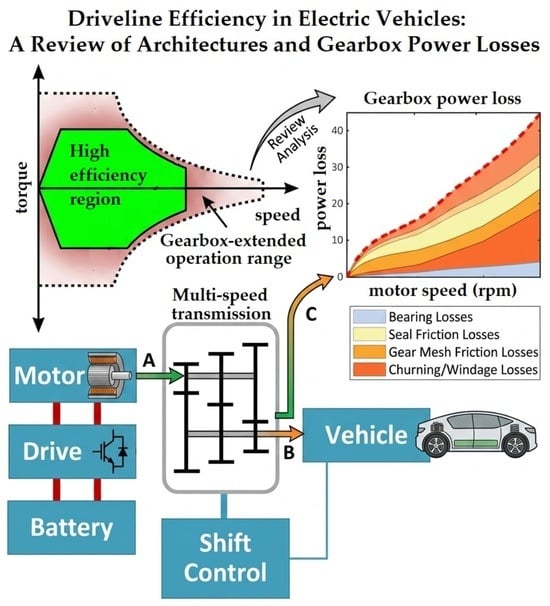
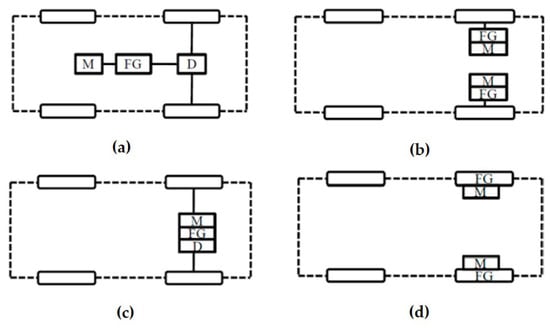
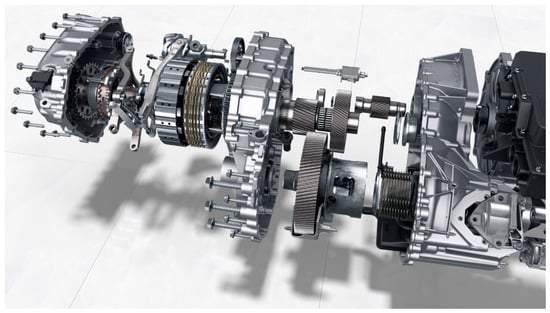
Optimizing transmission efficiency is critical for advancing electric vehicle (EV) technology. This review paper covers advanced driveline schemes for electric cars and electric heavy vehicles through a selection and analysis of articles published over the past decade, focusing on passenger and commercial electric
[...] Read more.
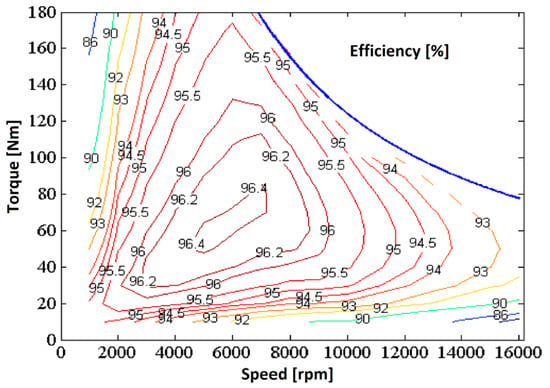
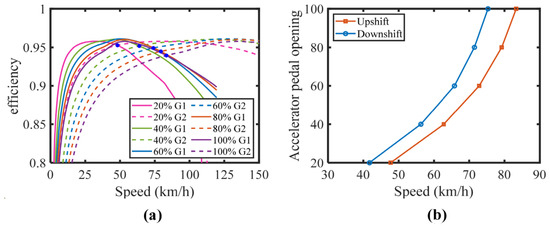
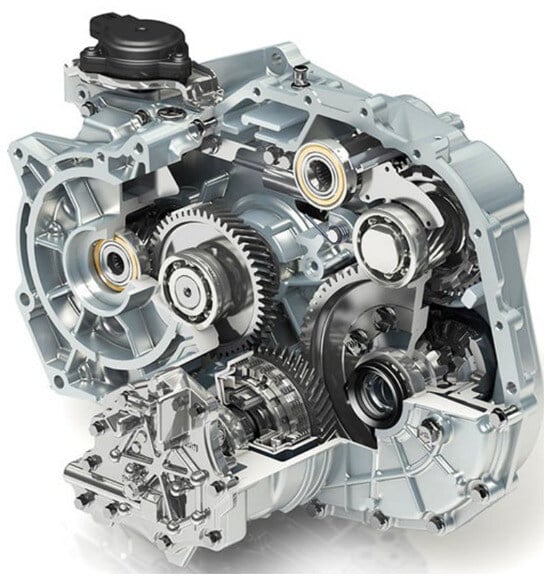
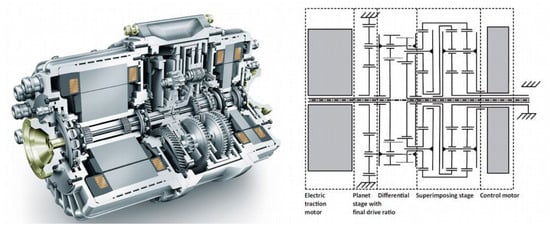
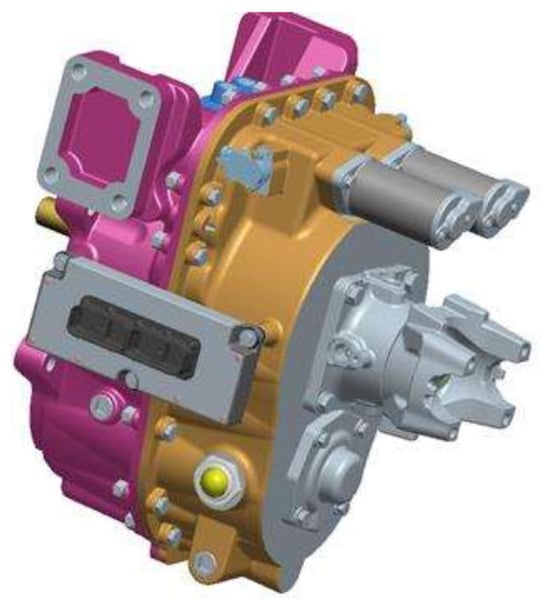
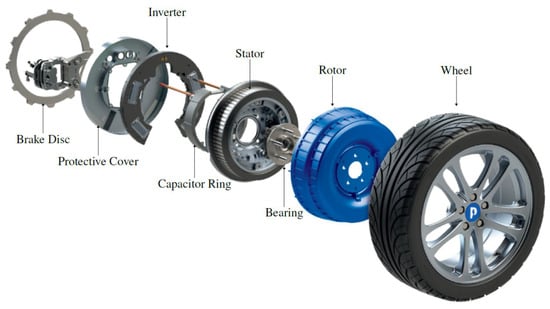
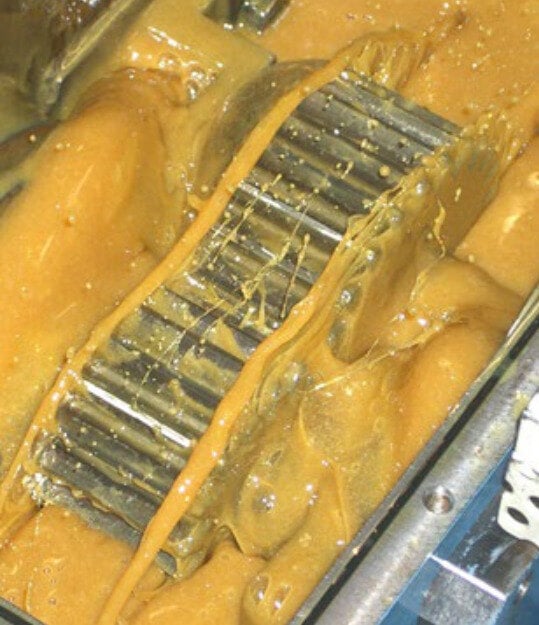
Optimizing transmission efficiency is critical for advancing electric vehicle (EV) technology. This review paper covers advanced driveline schemes for electric cars and electric heavy vehicles through a selection and analysis of articles published over the past decade, focusing on passenger and commercial electric vehicle drivetrains, transmission efficiency modeling, gear optimization, and tribological and NVH outcomes. The selected sources are grouped into analytical themes to map current academic and industrial developments in transmission topologies, specifically comparing single-speed reduction units with two-speed and multi-speed configurations. A comparative summary is discussed to consolidate the characteristics, complexity, efficiency impact, and typical applications of the various gearbox types. The review article is complemented by an examination of loss mechanisms through the lens of international tribological research. Key focal points include mechanical power losses, gear and bearing friction, and the trade-offs associated with low-viscosity fluids for electric vehicles to provide a comprehensive support resource for researchers and designers in the field of transmissions for EVs. Future development trajectories are delivered regarding the increase in efficiency and specific challenges of EV gearboxes.
Full article
(This article belongs to the Special Issue Advanced Intelligent Control for Cyber–Physical Systems)
►▼
Show Figures

Graphical abstract
Open AccessArticle
Interface-DOF-Reduced Craig–Bampton Substructuring for Efficient Dynamic Characteristic Prediction of Shaft Generator Systems
by
Jimin Seo and Seunghun Baek
Machines 2026, 14(9), 1007; https://doi.org/10.3390/machines14091007 - 3 Sep 2026
Abstract
This study applies a Craig–Bampton (CB) substructure reduction procedure to the prediction of natural frequency changes upon rotor replacement in a shaft generator shafting system and quantifies its accuracy and computational cost for that configuration. Because the shafting conditions are determined by the
[...] Read more.
This study applies a Craig–Bampton (CB) substructure reduction procedure to the prediction of natural frequency changes upon rotor replacement in a shaft generator shafting system and quantifies its accuracy and computational cost for that configuration. Because the shafting conditions are determined by the customer, performing full finite element analysis or experimental modal analysis (EMA) for every design change is impractical. The shafting system is divided into shaft and rotor substructures, and CB reduced-order models are constructed independently for each substructure. A three-stage verification framework—FE analysis versus EMA, the CB reduced-order model versus FE analysis, and the CB reduced-order model versus EMA—is employed to separate FE model error from CB reduction error. The CB pipeline reproduced the bending modes of the assembly with a maximum error of 0.26% against the parent finite element model, with a subspace MAC of 1.0000 for every mode group below 720 Hz, while reducing the model from 192,678 to 5379 degrees of freedom. With 20% of the interface degrees of freedom retained, the first three bending modes are predicted within 0.60%, and the reduced model comprises 1173 degrees of freedom, a reduction of 99.39%. The first bending mode error varies monotonically with the retention level, and the errors of all three bending modes remain bounded below 0.60% down to 20% retention. For the annular interface examined, the error-retention relation, therefore, provides a quantitative basis for selecting a retention level against a stated error tolerance, but its extension to other interface topologies, mesh densities, and mode ranges remains to be established.
Full article
(This article belongs to the Special Issue Advanced Planning, Perception, and Control for Autonomous Vehicles and Robots)
Open AccessReview
Generative AI vs. Traditional Machine Learning for Energy-Efficient and Circular Manufacturing in Industry 5.0: A Life-Cycle-Based Framework for Sustainable Manufacturing
by
Izabela Rojek and Dariusz Mikołajewski
Machines 2026, 14(9), 1006; https://doi.org/10.3390/machines14091006 - 3 Sep 2026
Abstract
This study proposes an integrated Industry 5.0 framework that compares and combines generative artificial intelligence (GenAI) with traditional machine learning (ML) to enhance the sustainability of manufacturing systems. This framework supports energy-efficient process optimisation, waste minimisation, material recycling and environmentally friendly production planning
[...] Read more.
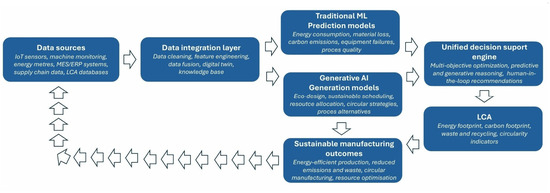
This study proposes an integrated Industry 5.0 framework that compares and combines generative artificial intelligence (GenAI) with traditional machine learning (ML) to enhance the sustainability of manufacturing systems. This framework supports energy-efficient process optimisation, waste minimisation, material recycling and environmentally friendly production planning through data-driven decision-making. GenAI is more commonly used to generate sustainable process configurations and alternative eco-design solutions, whilst traditional ML models predict energy consumption, emissions and material losses in real time. It is proposed that a life cycle assessment (LCA) be carried out to estimate the environmental impact at all stages of production. Preliminary analyses indicate significant potential for reducing resource consumption, improving the circular economy, and supporting more sustainable and resilient manufacturing ecosystems and supply chains.
Full article
(This article belongs to the Special Issue Sustainable Manufacturing and Green Processing Methods, 2nd Edition)
►▼
Show Figures

Figure 1
Open AccessArticle
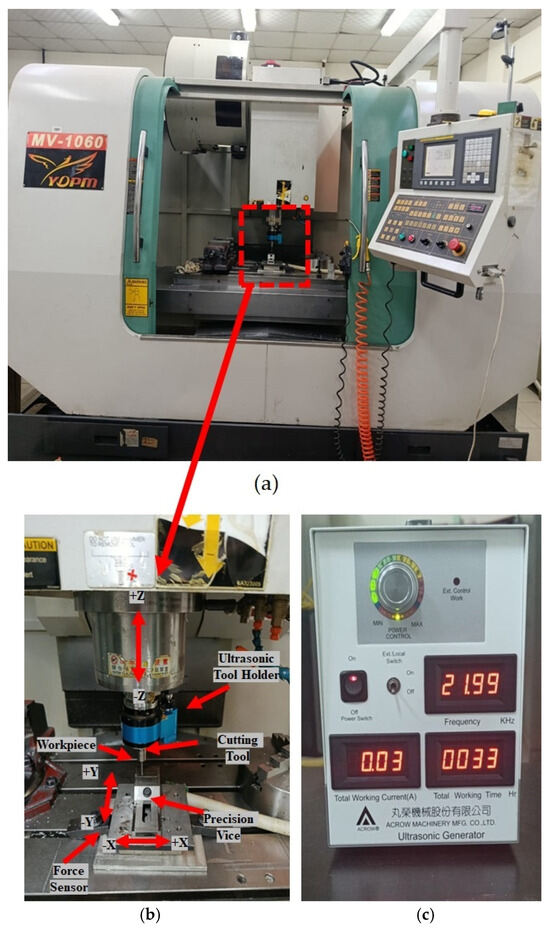
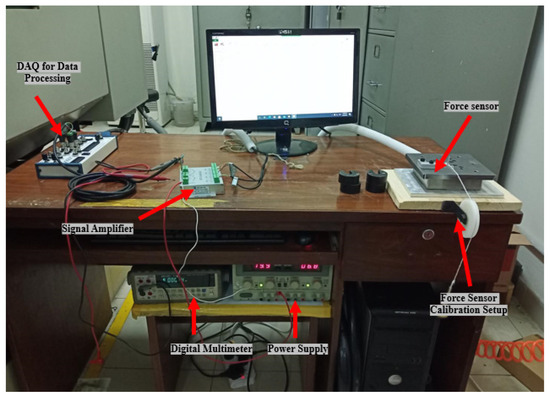
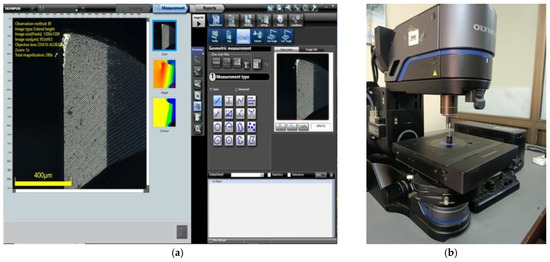
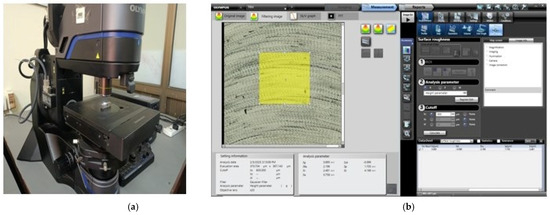
Machine Learning-Based Prediction of Machinability Responses in Meso-Scale Ultrasonic Vibration-Assisted End Milling (UVAEM) of Inconel 718 Superalloy: A Comparative Study of GPR, SVR, Random Forest, and Ridge Regression
by
Danyal Zahid, Muhammad Salman Khan, Muhammad Rizwan Ul Haq and Mushtaq Khan
Machines 2026, 14(9), 1005; https://doi.org/10.3390/machines14091005 - 3 Sep 2026
Abstract
Meso-scale ultrasonic vibration-assisted end milling (UVAEM) is an advanced manufacturing technique. UVAEM of Inconel 718 superalloy presents significant modeling challenges due to complex thermo-mechanical interactions and meso-scale size effects. This study introduces a machine learning framework that systematically compares Gaussian Process Regression (GPR),
[...] Read more.
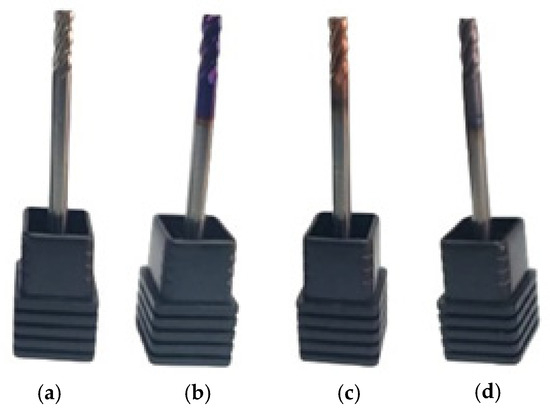
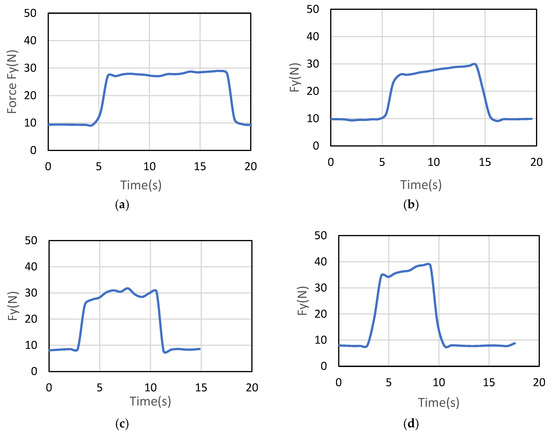
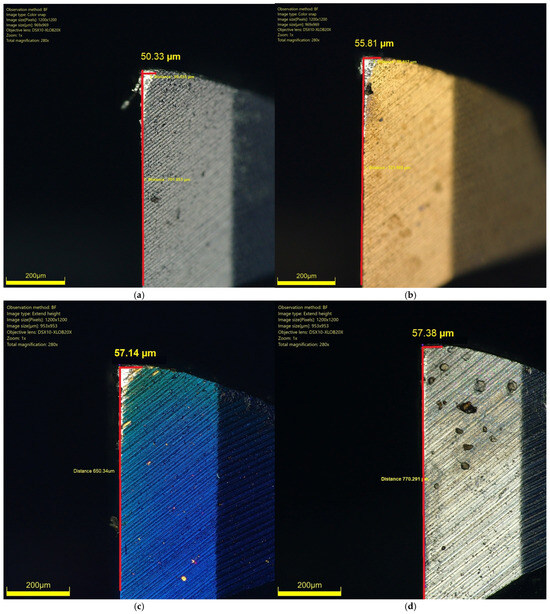
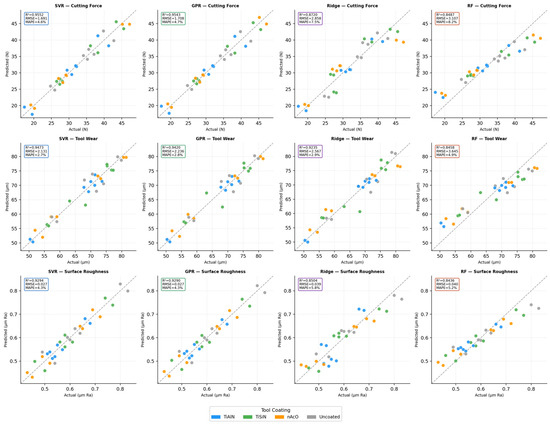
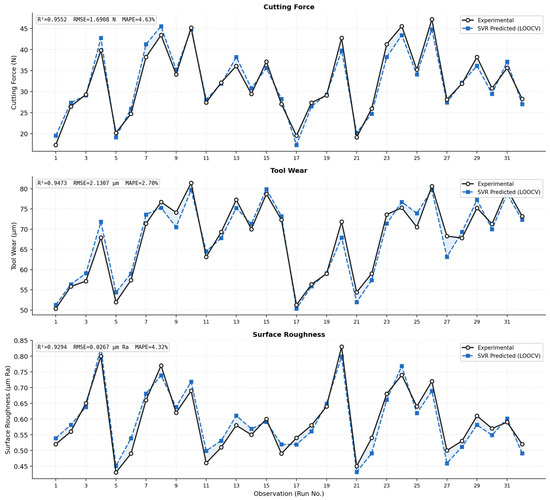
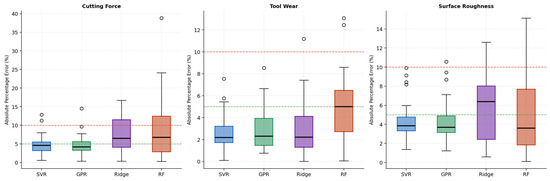
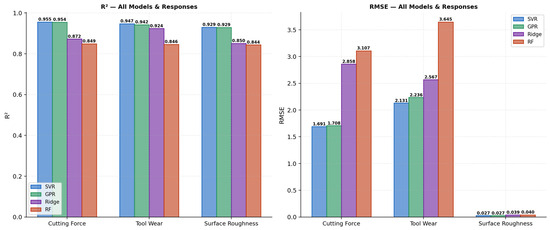
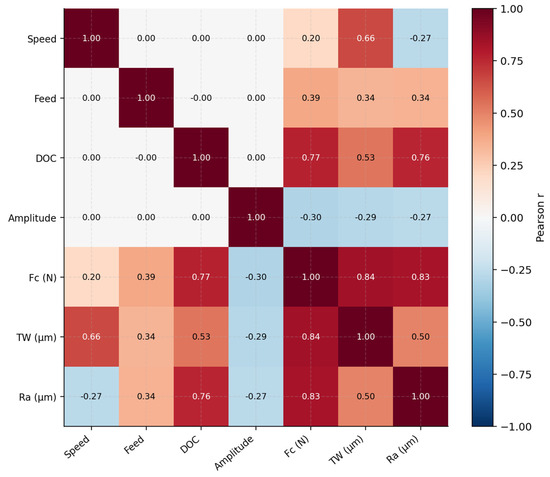
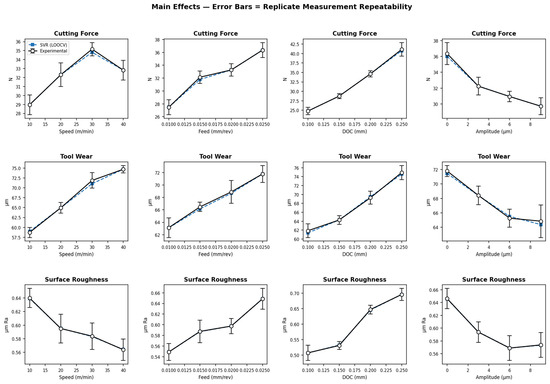
Meso-scale ultrasonic vibration-assisted end milling (UVAEM) is an advanced manufacturing technique. UVAEM of Inconel 718 superalloy presents significant modeling challenges due to complex thermo-mechanical interactions and meso-scale size effects. This study introduces a machine learning framework that systematically compares Gaussian Process Regression (GPR), Support Vector Regression (SVR), Random Forest (RF), and Ridge Regression for predicting cutting force, tool wear, and surface roughness, thereby contributing to sustainable manufacturing. Experiments followed a Taguchi L16 orthogonal array with two replicates (n = 32), varying cutting speed (10–40 m/min), feed rate (0.01–0.025 mm/tooth), depth of cut (0.10–0.25 mm), vibration amplitude (0–9 μm), and tool coating (TiAlN, TiSiN, nACo, Uncoated). Tool coating was one-hot encoded, and strict leave-one-out cross-validation (LOOCV) with within-fold standardization ensured unbiased generalization metrics. Following nested hyperparameter tuning, SVR achieved the highest accuracy (R2 = 0.9552, 0.9473, 0.9294), marginally outperforming GPR (R2 = 0.9543, 0.9420, 0.9290). Ridge regression was competitive for tool wear (R2 = 0.9235), while random forest ranked last due to limited ensemble diversity at n = 32. Pearson correlation identified depth of cut as the dominant driver of cutting force and surface roughness (r = 0.767, 0.759), cutting speed as the primary driver of tool wear (r = 0.663), and vibration amplitude as consistently beneficial across all three responses. SVR and GPR are recommended as reliable surrogate models for process optimization in UVAEM of Inconel 718.
Full article
(This article belongs to the Special Issue Advanced Manufacturing Processes and Technologies: Trends and Innovations)
►▼
Show Figures

Figure 1
Open AccessArticle
RDIC-MSCKF: Risk–Direction-Decoupled and Innovation-Calibrated MSCKF for Stereo Visual-Inertial Odometry
by
Zhidu Huang, Wei Huang, Jianna Ouyang, Haibin Hu, Shen Dong and Bo Dong
Machines 2026, 14(9), 1004; https://doi.org/10.3390/machines14091004 - 3 Sep 2026
Abstract
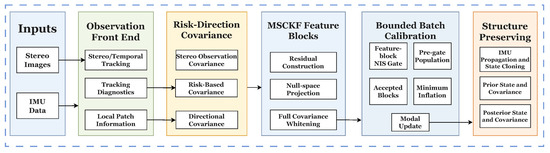
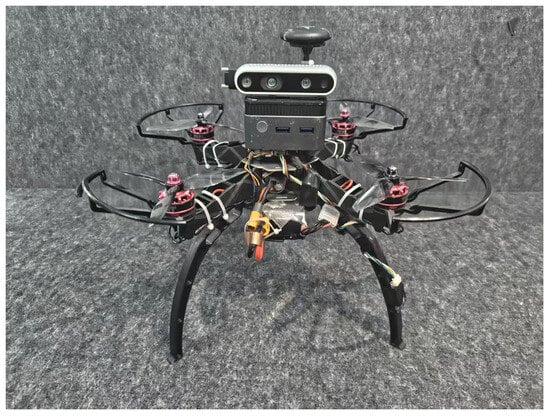
Filtering-based stereo visual-inertial odometry often assigns fixed or uniformly scaled covariance to tracks accepted by the front-end, although accepted observations can differ in terms of tracking reliability, local directional identifiability, and agreement with the batch-level innovation model. This issue is important for UAV-based
[...] Read more.
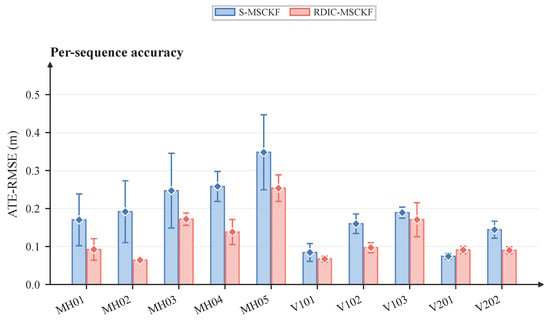
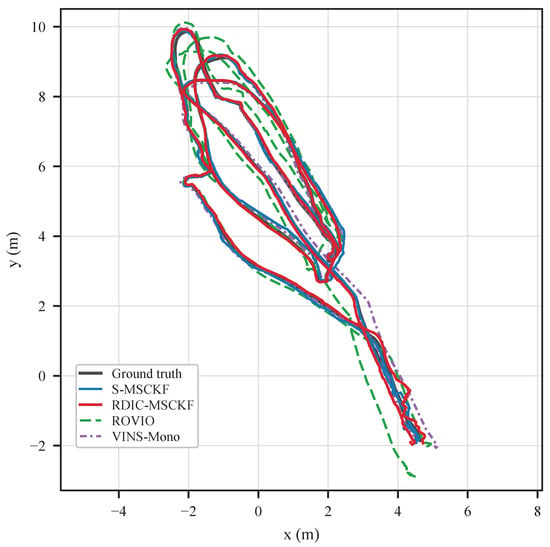
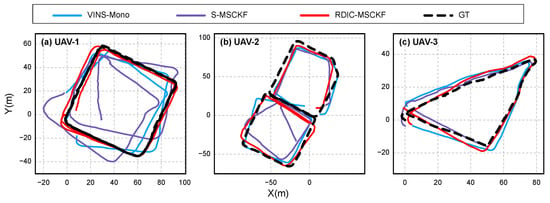
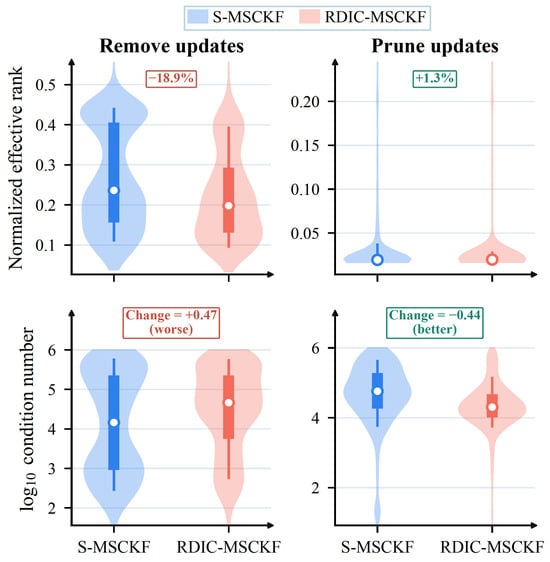
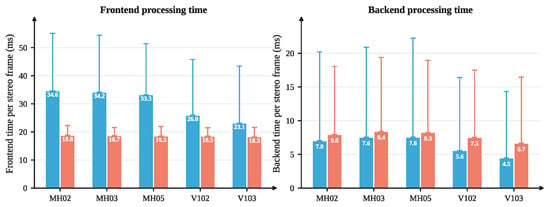
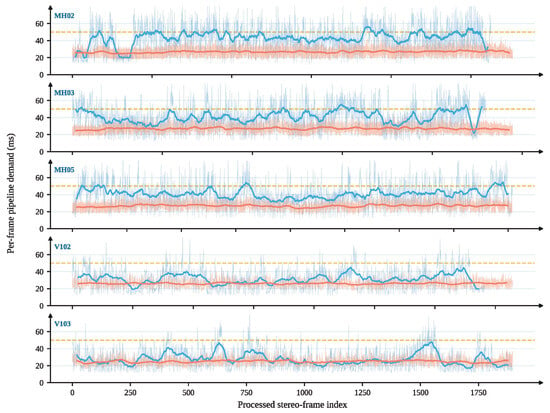
Filtering-based stereo visual-inertial odometry often assigns fixed or uniformly scaled covariance to tracks accepted by the front-end, although accepted observations can differ in terms of tracking reliability, local directional identifiability, and agreement with the batch-level innovation model. This issue is important for UAV-based multisensor inspection platforms, where pose estimates support autonomous flight, measurement registration, repeatable survey lines, and multisensor data fusion. This paper presents RDIC-MSCKF, a Risk–Direction-Decoupled and Innovation-Calibrated MSCKF, where innovation calibration denotes bounded empirical scaling within the visual update. RDIC-MSCKF maps robust tracking diagnostics to a bounded standard-deviation multiplier and uses a robust local photometric information matrix to add penalty-only anisotropic covariance along weak image directions. The resulting observation covariance is preserved during MSCKF landmark elimination through full projected-covariance whitening. In parallel with feature-block innovation gating, bounded minimum measurement-noise inflation is estimated from the pre-gate innovation population and applied through a Kalman-equivalent modal update. On ten evaluated EuRoC MAV sequences, RDIC-MSCKF obtains lower ATE RMSE than the S-MSCKF baseline on nine sequences; averaged over five runs per sequence, the mean RMSE decreases from 0.1869 m to 0.1236 m, corresponding to a 33.8% reduction, and the sequence-mean P90 error decreases by 32.0%. Runtime profiling on five representative EuRoC sequences gives a 26.32 ms mean and 37.33 ms P95 per-frame processing time for RDIC-MSCKF, with 0.01% of profiled frames above the 50 ms reference. Outdoor UAV flights with RTK reference trajectories further demonstrate lower Sim(2)-aligned horizontal RMSE than S-MSCKF on all three evaluated flights.
Full article
(This article belongs to the Special Issue Intelligent Robots and Mechatronic Systems for Complex Outdoor Infrastructure: Perception, Fusion, SLAM and Robust Control)
►▼
Show Figures

Figure 1
Journal Menu
► ▼ Journal Menu-
- Machines Home
- Aims & Scope
- Editorial Board
- Reviewer Board
- Topical Advisory Panel
- Early Career Editorial Board
- Instructions for Authors
- Special Issues
- Topics
- Sections & Collections
- Article Processing Charge
- Indexing & Archiving
- Editor’s Choice Articles
- Most Cited & Viewed
- Journal Statistics
- Journal History
- Journal Awards
- Society Collaborations
- Conferences
- Editorial Office
Journal Browser
► ▼ Journal BrowserHighly Accessed Articles
Latest Books
E-Mail Alert
News
Topics
Topic in
Electronics, Fluids, Machines, Micromachines, Applied Sciences
Micro-Mechatronic Engineering, 2nd Edition
Topic Editors: Teng Zhou, Antonio F. MiguelDeadline: 31 October 2026
Topic in
Applied Sciences, Electronics, J. Imaging, JMSE, Machines, Robotics, Sensors, Drones
Applications and Development of Underwater Robotics and Underwater Vision Technology, 2nd Edition
Topic Editors: Jingchun Zhou, Wenqi Ren, Qiuping Jiang, Yan-Tsung PengDeadline: 30 November 2026
Topic in
Alloys, Metals, Machines, Applied Sciences
Welding Experiment and Simulation
Topic Editors: Yuewei Ai, Jiangwei LiuDeadline: 31 December 2026
Topic in
Actuators, Automation, Electronics, Machines, Robotics, Eng, Technologies
New Trends in Robotics: Automation and Autonomous Systems
Topic Editors: Maki Habib, Fusaomi NagataDeadline: 31 January 2027
Conferences
Special Issues
Special Issue in
Machines
Digital Twin-Driven Machine Performance and Reliability: Replication, Prediction and Front Running Simulation
Guest Editor: Michael GrievesDeadline: 30 September 2026
Special Issue in
Machines
Advanced Estimation, Control, and Optimization Techniques for Synchronous Machines in Next-Generation Electrified Systems
Guest Editors: Peter Azer, Ahmed AbdelrahmanDeadline: 30 September 2026
Special Issue in
Machines
Advanced Manufacturing Technologies for Improving Fatigue Behavior of Metal Components
Guest Editors: Galya Velikova Duncheva, Jordan Todorov MaximovDeadline: 30 September 2026
Special Issue in
Machines
Advanced Control Techniques for Power Electronics in Modern Energy Systems
Guest Editors: Moria Sassonker Elkayam, Dmitri VinnikovDeadline: 30 September 2026
Topical Collections
Topical Collection in
Machines
Machines, Mechanisms and Robots: Theory and Applications
Collection Editor: Raffaele Di Gregorio