


Abstract
This study proposes an integrated Industry 5.0 framework that compares and combines generative artificial intelligence (GenAI) with traditional machine learning (ML) to enhance the sustainability of manufacturing systems. This framework supports energy-efficient process optimisation, waste minimisation, material recycling and environmentally friendly production planning through data-driven decision-making. GenAI is more commonly used to generate sustainable process configurations and alternative eco-design solutions, whilst traditional ML models predict energy consumption, emissions and material losses in real time. It is proposed that a life cycle assessment (LCA) be carried out to estimate the environmental impact at all stages of production. Preliminary analyses indicate significant potential for reducing resource consumption, improving the circular economy, and supporting more sustainable and resilient manufacturing ecosystems and supply chains.
1. Introduction
The transition to Industry 5.0 has shifted the focus of manufacturing from efficiency-driven automation to human-centric, sustainable, and resilient production systems [1]. Growing concerns about climate change, resource depletion, and industrial emissions have intensified the need for intelligent manufacturing approaches that support energy efficiency and the principles of a circular economy [2]. Artificial intelligence (AI) has become a key enabler of sustainable manufacturing by improving decision-making, optimizing resource utilization, and reducing environmental impact throughout a product’s lifecycle [3]. Among AI technologies, traditional machine learning (ML) has demonstrated strong capabilities in predicting energy consumption, material waste, equipment performance, and process efficiency using historical and current production data [4,5]. More recently, generative AI (GenAI) has expanded these capabilities, generating innovative process configurations, eco-design alternatives, and optimized production scenarios that were previously difficult to identify using conventional analytical methods [6,7]. Despite their complementary advantages, a comprehensive comparison of GenAI and traditional ML in the context of an energy-efficient and circular economy remains limited in the current literature [8]. Furthermore, integrating these technologies with life-cycle assessment (LCA) enables the assessment of environmental impacts across all production stages and supports data-driven sustainability decision-making [9,10]. This integrated perspective can promote waste reduction, material recycling, lower carbon emissions, and more efficient use of energy and natural resources, while also increasing supply chain resilience [11]. This study addresses this research gap by proposing a life-cycle-based Industry 5.0 framework that compares and integrates GenAI and traditional ML to realize sustainable manufacturing applications. The proposed framework aims to demonstrate how the complementary use of these AI paradigms can accelerate the transformation toward energy-efficient, circular, and environmentally friendly manufacturing systems.
GenAI is characterized by its ability to generate new content, designs, solutions, or alternative processes by learning patterns from large and diverse datasets. Traditional ML primarily focuses on learning patterns from existing data to perform tasks such as prediction, classification, optimization, anomaly detection, and decision support. Industry 5.0 is a broader industrial paradigm that emphasizes human–machine collaboration, resilience, sustainability, and human-centric production rather than a specific computing technology. The relationship between them is therefore complementary: traditional ML provides data-driven analytical and predictive capabilities, while GenAI extends these capabilities to create new solutions and alternatives. Industry 5.0 provides an overarching production context in which both technologies can be implemented to support human decision-making, sustainable production, resource efficiency, and the goals of a circular economy. Thus, GenAI and traditional ML can be understood as enabling technologies, while Industry 5.0 represents a broader human-centric, sustainable, and resilient manufacturing paradigm within which these technologies are applied.
Although AI has become a cornerstone of smart manufacturing, current research on its application to sustainable and circular production systems within the Industry 5.0 paradigm remains largely fragmented. Existing studies primarily utilize traditional ML for predictive tasks such as forecasting energy consumption, equipment degradation, emissions, and material losses [12,13], while GenAI has only recently been explored for process design, eco-innovation, and production planning [14]. Consequently, the complementary capabilities of predictive AI and GenAI have rarely been explored within a unified decision support framework for sustainable manufacturing. Another significant research gap is the limited integration of AI techniques with LCA, which limits the ability to assess environmental impacts throughout the product and production lifecycle, rather than just at individual stages [15]. Furthermore, current approaches typically optimize single sustainability goals, such as energy efficiency or waste reduction, without also considering the principles of the circular economy, material recovery, carbon footprint reduction, and supply chain resilience [16,17]. Existing frameworks also lack sufficient guidance on selecting the most appropriate AI paradigm for various decision-making problems in manufacturing, leading to fragmented implementation strategies and limited practical utility [18,19,20]. The novelty of the proposed approach lies in the development of an integrated Industry 5.0 framework that systematically compares and combines GenAI and traditional ML based on their complementary functional roles in sustainable production. Unlike previous studies, the proposed framework combines AI-based decision-making with LCA to assess environmental performance and optimize production processes from product planning to end-of-life (which is currently more typical for medical devices under the Medical Devices Regulation (MDR) and ISO 13485 [21]). This integration enables simultaneous support for process optimization in terms of energy efficiency, sustainable product and process design, waste minimization, material recycling, and environmentally sensitive production planning within a single methodology. The main scientific contribution of this study is the introduction of a lifecycle-based decision support model that combines predictive and generative AI, thus providing a comprehensive foundation for the development of resilient, circular and environmentally sustainable production systems aligned with the goals of Industry 5.0.
The aim of this study is to develop an integrated Industry 5.0 framework that systematically compares and combines generative artificial intelligence (GenAI) with traditional machine learning (ML) to support energy-efficient and circular production. The proposed framework integrates the predictive and generative capabilities of artificial intelligence with life cycle assessment (LCA) to optimise manufacturing processes, minimise resource consumption and environmental impact, improve the circular flow of materials, and enhance data-driven decision-making throughout the product life cycle. By identifying the complementary roles of generative artificial intelligence (GenAI) and traditional machine learning (ML), the study aims to develop a comprehensive methodology for designing resilient, sustainable and environmentally friendly production systems in line with the principles of Industry 5.0.
We formulated the following research objectives:
- RQ1: How do GenAI and traditional machine learning differ in their capabilities and effectiveness in supporting energy-efficient and circular production within the Industry 5.0 paradigm?
- RQ2: How can the complementary strengths of GenAI and traditional machine learning be integrated into a unified decision support framework to optimize energy consumption, reduce material waste, enhance recycling, and improve sustainable production planning?
- RQ3: What added value does integrating life-cycle analysis (LCA) provide in assessing the environmental impact and sustainability of AI-based manufacturing decisions across all stages of the product lifecycle?
- RQ4: How does the proposed conceptual Industry 5.0 framework integrate GenAI, traditional ML, and LCA to support resource efficiency, environmental sustainability, circular economy performance, and manufacturing resilience, and what empirical validation is required to assess its practical impact?
These RQs provide key insights into the following areas:
- RQ1: Comparative analysis of GenAI vs. ML;
- RQ2: Methodological integration;
- RQ3: Life-cycle sustainability assessment;
- RQ4: Framework validation and conceptual impact.
2. Materials and Methods
2.1. Data Set
The aim of this bibliometric analysis was to assess the current state of research and emerging trends in the development, planning and implementation of life-cycle-based sustainable production frameworks. Previous research has often focused on local or small-scale applications, which has limited our understanding of the broader, interdisciplinary impact of these technologies. To provide a more comprehensive perspective, this study conducted a systematic review of the global scientific literature using bibliometric methods. The analysis covered publications released over the last decade, from January 2016 to July 2026.
As part of the analysis, the global research landscape was examined by identifying the most influential sources of publications, key research topics, leading countries, institutions and researchers, as well as the field’s alignment with the Sustainable Development Goals (SDGs). This approach highlights the key scientific fields driving the development and implementation of life-cycle-based sustainable production frameworks, whilst revealing the geographical and organisational factors that influence technological innovation, the dissemination of knowledge and its practical application. Incorporating a Sustainable Development Goals (SDGs)-oriented perspective also enables an assessment of how digital twin technologies based on artificial intelligence and agents contribute to sustainable development, particularly in the areas of responsible technologies and advanced manufacturing. Overall, the research findings provide a comprehensive overview of current research priorities, emerging technological trends and key stakeholders shaping this field, whilst offering strategic directions for future research, interdisciplinary collaboration and international partnerships supporting the digital transformation of manufacturing.
2.2. Methods
A comprehensive literature search was conducted using four major bibliographic databases—Web of Science (WoS), Scopus, PubMed and DBLP—selected for their broad coverage of research in the fields of engineering, medicine and interdisciplinary studies. To ensure the quality and relevance of the retrieved publications, pre-defined eligibility criteria were applied, including a restriction to articles in English. All records were independently assessed by three reviewers, and the final decision on inclusion in the analysis was made on the basis of a consensus between two of the three reviewers. The resulting dataset was then analysed using bibliometric techniques to identify leading authors, institutions, contributing countries, key research areas and emerging thematic trends.
Duplicate records were identified by comparing key bibliographic metadata, including titles, digital object identifiers (DOIs), authors, publication years and other citation fields. Records flagged as potential duplicates as a result of the automated process were then verified manually, with particular attention paid to ambiguous cases, such as conference papers and their expanded journal versions. This combined procedure of automated and manual duplicate removal ensured the accurate identification and retention of unique publications. As a result, duplicate and near-duplicate records were removed prior to the selection stage, thereby improving the accuracy, consistency and reliability of the final bibliometric dataset (Table 1).
Table 1.
Workflow of the customized bibliometric analysis framework employed in this study.
This study adhered to ten key components of the PRISMA 2020 guidelines for bibliographic reviews [22], including the rationale, objectives, eligibility criteria, information sources, search strategy, study selection, data collection, synthesis methods, results, and discussion, with additional methodological details provided in the Supplementary Materials. Bibliometric analyses were carried out using analytical tools available in the Web of Science (WoS), Scopus, PubMed and DBLP databases to ensure a systematic and reproducible assessment of the scientific literature. The methodology employed enabled a transparent classification and evaluation of publications by research topics, disciplines, authors, documents and publication sources, and the results were presented in tabular form to facilitate interpretation, comparison and visualisation of research trends. To account for differences in publication quality across the four databases, predefined inclusion criteria, database-specific selection procedures and a standardised quality assessment framework were applied to evaluate methodological rigour, relevance and potential sources of systematic error.
3. Results
3.1. Data Sources
To enhance the precision and relevance of the literature retrieval process, advanced search filters were applied, restricting the results to English-language publications (Table 2). The search strategy was adapted to the indexing capabilities of each database by using the Subject field (title, abstract, keywords, and Keywords Plus) in Web of Science (WoS), the title, abstract, and keywords fields in Scopus, and manually defined keyword combinations in PubMed and DBLP. All databases were searched using the predefined query (“Industry 5.0” OR “Industry 6.0”) AND (GenAI OR ML) AND sustainab*, which was selected to maximize the accuracy, completeness, and efficiency of the literature retrieval process. More specific keyword combinations yielded substantially fewer results (e.g., “Industry 5.0” OR “Industry 6.0”) AND (GenAI OR ML) AND LCA showed only one publication. The authors included Industry 6.0 as a predefined query to capture emerging research that extends or follows the Industry 5.0 paradigm, ensuring that the literature search is not limited to current terminology. This helps identify future developments in AI, sustainability, circular manufacturing, and human–machine collaboration that may influence the evolution of Industry 5.0. Including this term also reduces the risk of missing relevant studies discussing the development/modification of Industry 5.0 concepts toward the emerging Industry 6.0 framework.
Table 2.
Search methodology and keyword selection applied for database retrieval.
The initially collected publications were manually screened to remove irrelevant items and duplicates, resulting in a final dataset that met the predefined inclusion criteria and was suitable for bibliometric analysis (Figure 1). The selected studies were independently assessed by two experts using standard quality assessment tools to evaluate methodological rigour, the risk of systematic error, data reliability and the overall strength of the evidence. As part of the assessment, a distinction was made between well-established findings supported by robust experimental or clinical studies and new evidence based on limited data sets, theoretical models or preliminary studies. This approach enabled a more balanced interpretation of the literature by highlighting differences in the quality and maturity of the evidence across different research areas.
Figure 1.
PRISMA 2020-based flow diagram illustrating the study selection process.
The PRISMA 2020 flowchart systematically outlines the stages of study identification, selection, eligibility assessment and final inclusion, promoting transparency, accuracy and reproducibility throughout the review process. During the identification and selection stages, records obtained from selected databases and additional sources are documented, duplicates are removed, and titles and abstracts are assessed in accordance with pre-defined inclusion and exclusion criteria in order to exclude irrelevant studies. The remaining full-text articles are then assessed for methodological quality, relevance to data collection and data safety aspects, and their contribution to the technologies under investigation. This structured reporting framework ensures that the final set of included studies provides a reliable evidence base for subsequent synthesis and analysis, thereby enhancing the accuracy and reproducibility of the review’s findings.
To sum up: a comprehensive literature search was conducted in four major bibliographic databases: Web of Science (WoS), Scopus, PubMed, and DBLP, selected for their broad coverage of engineering, medical, and interdisciplinary research. The same predefined query (“Industry 5.0” OR “Industry 6.0”) AND (GenAI OR ML) AND sustainab* was adapted to the search fields and indexing capabilities of each database. Searches were limited to English-language publications and refined by publication year, document type, and relevant subject areas. Shortening and Boolean operators were used to increase search sensitivity. Eligible records included books, book chapters, original and review articles, communications, editorials, and conference proceedings. Publications older than ten years, conference abstracts without full text, letters, and publications in languages other than English were excluded. Retrieved records were deduped automatically and manually based on titles, DOIs, authors, publication years, and other bibliographic metadata. In ambiguous cases, such as conference papers and extended versions of journals, these were manually verified. After deduplication, titles and abstracts were screened against predefined eligibility criteria, and potentially relevant publications were subjected to full-text evaluation before final inclusion. Study selection was performed independently by reviewers, and discrepancies were resolved by consensus, reducing the risk of reviewer bias. Included studies were assessed for methodological rigor, risk of bias, data reliability, validity, and overall strength of evidence using predefined and standardized quality assessment criteria. The quality assessment also distinguished well-established evidence supported by solid empirical, experimental, or clinical studies from new evidence based on limited datasets, theoretical models, or preliminary findings. The identification, screening, eligibility, and inclusion stages were presented using the PRISMA 2020 flow framework, while the final dataset was synthesized using bibliometric methods to explore authors, institutions, countries, research areas, and emerging thematic trends.
3.2. General Results of Analysis
A summary of the bibliometric analysis findings is provided in Table 3 and Figure 2, Figure 3, Figure 4, Figure 5, Figure 6, Figure 7, Figure 8 and Figure 9. The analysis included 116 articles published over the past decade (searched January 2016–July 2026, published 2022–2026—older than 2022 were not observed). Publications older than 2016 were excluded due to the rapid evolution of the research field and the replacement of outdated knowledge by more recent developments.
Table 3.
Aggregated bibliometric analysis results from Web of Science, Scopus, PubMed, and DBLP databases.
Figure 2.
Documents by year.
Figure 3.
Documents by type.
Figure 4.
Documents by subject area.
Figure 5.
Documents by country/territory.
Figure 6.
Documents by author.
Figure 7.
Documents by affiliation.
Figure 8.
Documents by funding.
Figure 9.
Documents by SDGs.
The observed increase in publications (Figure 2), particularly in recent years, can be associated with the rapid development of artificial intelligence (AI), digital twins (DTs), additive manufacturing, and other Industry 4.0 technologies that are increasingly applied to personalized healthcare, medical device design, rehabilitation, and advanced engineering solutions.
Bibliometric analysis indicates that the literature is dominated by research articles (28.4%), while book chapters (26.7%) and conference papers (26.7%) constitute nearly equal proportions of the published output. The relatively balanced distribution between journal publications and conference proceedings suggests a dynamic and expanding research field, where new concepts and technological developments are rapidly disseminated through scientific meetings before being consolidated in journal articles. The substantial share of book chapters further reflects the growing maturity of the field, emphasizing knowledge synthesis, educational dissemination, and the development of theoretical frameworks alongside empirical research (Figure 3).
The leading scientific disciplines include computer science (27.4%) and engineering (21.1%), highlighting the technological orientation and interdisciplinary character of this research area (Figure 4). The predominance of these disciplines indicates that research is primarily focused on the development of computational methods, intelligent systems, digital manufacturing technologies, and engineering solutions rather than solely on clinical applications. This disciplinary profile demonstrates the close integration of digital technologies with engineering principles, supporting innovation across healthcare, industrial production, and smart manufacturing environments. At the same time, the relatively lower representation of health-related disciplines suggests continuing opportunities for expanding interdisciplinary collaboration and translating technological advances into broader clinical practice.
The geographical distribution of publications is led by India, the United States, and Australia, demonstrating the global nature of research efforts and reflecting differences in national research priorities, technological capabilities, and investment in digital innovation (Figure 5). The strong contribution from both developed and emerging economies suggests increasing international collaboration and a growing recognition of the importance of AI-driven and engineering-based solutions for addressing complex societal and industrial challenges.
The most productive researchers, including Mikołajewski, D., Rojek, I., Leng, J., and Liu, Q. (Figure 6), together with leading institutions such as Kazimierz Wielki University, Symbiosis International Deemed University, Sri Balaji University, and Guangdong University of Technology (Figure 7), demonstrate the emergence of specialized research groups that significantly contribute to advancing this field. These institutions represent diverse geographical regions and disciplinary backgrounds, emphasizing the international and interdisciplinary character of current research activities.
Available funding information (Figure 8) identifies Kazimierz Wielki University, the European Commission, and the Science and Technology Planning Project of Guangdong Province among the major funding organizations supporting research in this area. The diversity of funding sources illustrates the strategic importance of interdisciplinary research that combines engineering, computer science, and digital technologies with practical applications. Such funding patterns indicate sustained institutional and governmental commitment to technological innovation and international scientific collaboration.
The identified publications are strongly associated with several United Nations SDGs, particularly Responsible Consumption and Production, Industry, Innovation and Infrastructure, Good Health and Well-being, and Sustainable Cities and Communities (Figure 9). This broad alignment demonstrates that the research extends beyond healthcare applications and contributes to sustainable industrial development, technological innovation, and resilient infrastructure while simultaneously supporting improvements in quality of life and public health.
Not all publications included in the review directly addressed the SDGs, as SDG-related content was not established as a criterion for study inclusion. Although the SDGs were introduced by the United Nations as a global framework for promoting sustainable development by 2030, their implementation and consideration vary among countries and research organizations. The inclusion of studies with and without explicit SDG references allows for a broader assessment of diverse perspectives on sustainable development. This approach also facilitates the identification of potential limitations, whether deliberate or unintended, arising from differences in research priorities, institutional practices, and national strategies related to sustainability objectives.
The current bibliometric landscape indicates that this research field is experiencing steady growth and increasing international recognition. The strong representation of computer science and engineering, combined with contributions from leading research institutions and diverse funding organizations, suggests continued technological advancement and expanding interdisciplinary collaboration. Future research is expected to strengthen the integration of emerging digital technologies with practical industrial and healthcare applications while addressing challenges related to implementation, validation, standardization, and long-term sustainability. The expanding network of researchers, institutions, and international partnerships indicates the gradual formation of a mature knowledge ecosystem whose scientific impact and specialization are likely to become more pronounced as research activity continues to increase.
3.3. Current Status and Challenges
Manufacturing systems are increasingly under pressure from market uncertainty, stringent sustainability requirements, and aging equipment, while conventional deterministic planning approaches struggle to balance operational reliability and environmental efficiency in dynamic environments. An adaptive AI-based planning platform was developed and validated that integrates physics-based DT with a Pareto-conditional multi-objective policy optimization algorithm to optimize equipment efficiency, energy consumption, carbon dioxide emissions, and material waste under operational constraints. Built on a four-layer cyber-physical architecture with 60 s real-time planning cycles, the proposed framework achieved statistically significant improvements across 10,000 stochastic simulations and a 12-week industrial pilot, including 96.8% schedule achievement, 84.7% Overall Equipment Effectiveness (OEE), 16.5% lower specific energy consumption, 17.1% less material waste, and 21.4% higher carbon efficiency compared to baseline methods (p = 0.001). Furthermore, the results revealed a strong synergistic relationship between waste reduction and OEE improvements, demonstrating that sustainability initiatives account for 34.1% of the observed OEE benefits and highlighting the framework’s potential to support adaptive, resilient, and Industry 5.0-enabled manufacturing systems [23]. As manufacturing moves away from traditional efficiency-focused optimization toward resilient, resource-efficient, and net-zero production, AI-based digital twins are emerging as key technologies for real-time monitoring, prediction, and adaptive control in cyber-physical systems. A critical analysis of the evolution of digital twins from physics-based and data-driven models to hybrid AI-physics architectures highlights their ability to integrate predictive accuracy, physical consistency, explainability, and sustainability into manufacturing decision-making. It also highlights the growing role of digital twins in real-time optimization, predictive maintenance, and intelligent asset management, while identifying key challenges related to trust, uncertainty propagation, interoperability, scalability, governance, and industrial adaptation. Future AI-based DTs must go beyond throughput-oriented optimization by incorporating life-cycle sustainability, circular economy, and decarbonization goals into manufacturing intelligence, thereby supporting the transition to net-zero emission production systems and Industry 5.0 [24]. Intelligent Manufacturing Systems (SMS) have evolved into intelligent, data-driven environments that combine cyber-physical systems, DTs, and AI to improve production efficiency, sustainability, and resilience. A synthesis of evidence from over 250 recent studies on manufacturing technologies, systems management, sustainable production, and human–robot collaboration demonstrates significant benefits in process optimization, adaptive scheduling, predictive maintenance, and energy efficiency through advanced AI and optimization techniques. It also highlights the environmental benefits of additive manufacturing, recycling, and standardized sustainability frameworks, while emphasizing the growing importance of understandable XAI and human-centered design for improved safety, transparency, and operational resilience. The review identifies key research challenges and future opportunities, setting a roadmap for the further development of intelligent, adaptive, and sustainable manufacturing systems aligned with next-generation industrial goals [25]. DTs are a key enabler of AI-based modeling and metrology in Industry 5.0 and the emerging manufacturing landscape of Industry 6.0, where real-time virtual representations of physical assets enhance transparency, prediction, optimization, and adaptive decision-making through the integration of AI, ML, and sensor data. The role of DTs in improving metrology, process simulation, predictive maintenance, fault detection, quality assurance, and sustainable production is highlighted by supporting accurate measurements, reducing downtime, optimizing energy consumption, minimizing waste, and enabling human-centered collaboration. The transformation toward Industry 6.0 is also discussed, where DTs leverage cognitive intelligence, ethical automation, and autonomous optimization, while identifying key challenges related to interoperability, cybersecurity, scalability, and real-time computing performance [26]. CNC machining simulation has become a key technology for smart manufacturing, but its implementation in post-industrial environments is still limited by legacy hardware, heterogeneous data, limited computing resources, and increasing cybersecurity requirements, particularly for small and medium-sized enterprises (SMEs). This synthesis of research published between 2019 and 2025 on CNC machining simulation, DT architectures, interoperability standards, and AI-assisted optimization offers a practical, standards-based perspective on integration rather than the introduction of new simulation methods. It proposes a seven-layer architecture compliant with ISO 23247 [27] that decouples sensors, communications, DT, analytics, and human–machine interaction, while also offering practical guidance on selecting middleware, edge cloud computing, and choosing mechanistic, finite element, hybrid, or ML-based modeling strategies. Additionally, an SME-focused implementation plan is presented that combines phased digital modernization with measurable operational performance improvements, including overall equipment effectiveness, first-pass performance, uptime, cycle time, and energy efficiency [28]. The transition from Industry 4.0 to Industry 5.0 marks a shift toward sustainable, human-centric manufacturing, where AI and human expertise combine to enhance production flexibility, personalization, and environmental efficiency. Advanced multi-objective optimization methods, including genetic algorithms, particle swarm optimization, and ML, were explored to simultaneously improve operational efficiency, minimize waste, reduce energy consumption, and lower carbon emissions. The proposed framework integrates human creativity with AI-driven decision-making, enabling adaptive optimization that adapts production processes to evolving operational and sustainability goals. By combining theoretical concepts with practical applications in personalized manufacturing, the study provides a comprehensive model for the development of smart, resilient, and sustainable Industry 5.0 manufacturing systems [29]. By leveraging real-time system information from data acquisition systems, it enhances predictive maintenance, improves decision-making, and supports scalable, context-aware diagnostics in applications such as smart grids, manufacturing, and autonomous systems. This framework provides a practical foundation for creating intelligent, reliable, and resilient fault diagnostic solutions adapted to today’s data-intensive industrial environments [30]. AI is rapidly developing in various fields, but the increasing complexity and scale of modern AI models create significant demands on computational power, storage resources, and energy, making implementation on resource-constrained edge devices challenging. The following article reviews the current state of edge intelligence, examining key techniques such as model sparsity, quantization, knowledge distillation, neural architecture search, and federated learning to improve performance while addressing challenges related to scalability, interpretability, privacy, security, and energy consumption. It also compares these approaches, analyzes their pros and cons, and presents an implementation framework for applications spanning industry, healthcare, automotive systems, and consumer technology. Finally, the article outlines future research directions to overcome existing limitations and highlights the transformative potential of edge intelligence in enabling scalable, sustainable, and ubiquitous intelligent services [31]. Although existing research provides well-established methodological guidelines for conducting thematic analysis, there is little work on its application in the era of generative AI. The following article demonstrates how researchers and ChatGPT can collaboratively conduct reflexive, non-positivist thematic analysis, using AI to support tasks such as transcription, code generation, theme development, interpretation, and proofreading. The proposed approach emphasizes the complementary role of human expertise in maintaining reflexivity, minimizing algorithmic bias, ensuring ethical research practices, and generating contextually rich interpretations. Drawing on Braun and Clarke’s six-phase model of reflexive thematic analysis, this study offers a practical model for AI-assisted qualitative research and encourages reflection on best practices for human-AI collaboration in thematic research [32]. The following article presents a prototype implementation of the Predictive Maintenance Model Context Protocol (MCP), an open-source framework that enables machine condition monitoring and predictive maintenance through the interaction of natural language with large language models. The proposed system combines deterministic diagnostic tools such as vibration analysis, Fast Fourier Transform (FFT) spectral analysis, envelope analysis, ISO-compliant vibration assessment, and semi-supervised anomaly detection, while providing structured results that improve traceability and repeatability. Within this framework, the LLM functions as an intelligent orchestrator, selecting appropriate tools, configuring analysis parameters, and generating evidence-based conclusions instead of relying solely on textual reasoning. This repeatable implementation, supported by source code, demonstration datasets, and publicly available repositories, provides a practical foundation for community validation and future industrial-scale applications of predictive maintenance [33]. The next study presents an AI-based framework for predicting production equipment failures using historical operational and maintenance data, supporting sustainable maintenance in Industry 4.0 environments. The proposed approach compares the performance of Random Forest and XGBoost models across different prediction horizons, using explainable AI to interpret model results and convert them into dynamic risk metrics consistent with Failure Mode and Effects Analysis (FMEA). A scenario-based assessment demonstrates the framework’s potential to reduce unplanned downtime, material waste, and energy consumption, while also improving maintenance planning and system reliability. By integrating predictive maintenance, explainable AI, recovery-based maintenance assessment, dynamic FMEA, and sustainability impact assessment into a unified decision support system, the study provides a comprehensive solution for smart and sustainable manufacturing [34]. Agentic AI extends GenAI by introducing autonomous, goal-oriented agents that communicate and collaborate across distributed enterprise systems, enabling the creation of intelligent and self-organizing architectures. Leveraging agent-to-agent communication, the Agent Communication Protocol, and large language model (LLM)-based reasoning, these architectures optimize workflows, strengthen cybersecurity, and increase operational resilience. The proposed enterprise architecture integrates event-driven communication, vector memory, and optional blockchain-based verification to ensure secure, transparent, and adaptive coordination between intelligent agents. Through effective AI governance and oversight, Agentic AI offers a scalable and composable foundation for building agile, resilient, and high-performance enterprise systems [35].
Human factors and ergonomics (HF/E) are fundamental to sustainable manufacturing because they improve employee well-being, reduce occupational risks, and enhance overall system performance, while supporting the human-centered principles of Industry 5.0 and Society 5.0. Manufacturing companies with high occupational health and safety (OHS) scores in a globally recognized investor ranking system were analyzed to identify how they implement HF/E principles and communicate their benefits through sustainability reports and public disclosures. Particular attention was paid to the use of AI and digital technologies to improve workplace safety, including human presence detection in hazardous areas, ergonomic machine design, occupational risk assessment, and employee well-being initiatives. The results provide evidence that integrating HF/E strengthens both organizational competitiveness and sustainability performance, while offering practical guidance for companies seeking to improve OHS practices across manufacturing sectors and countries [36]. Industry 5.0 represents a broader transformation beyond automation, emphasizing the integration of advanced technologies with human well-being, sustainability, and resilience, although current research remains fragmented across technological, industrial, and ecological perspectives. A review of 52 peer-reviewed studies published between January 2021 and March 2026, based on ten research questions covering technologies, applications, methodologies, human-centered approaches, sustainability, and implementation challenges, provides a novel approach. The results, supported by high peer-review reliability (Cohen’s κ = 0.981), point to AI, collaborative robotics, the Internet of Things (IoT), and DTs as dominant technologies, primarily implemented in human-assisted systems in manufacturing and healthcare. Despite reported improvements in safety and workload reduction, the review reveals that sustainability integration remains limited, indicating that an inclusive and sustainable Industry 5.0 requires further conceptual development and practical consolidation [37]. Human-centricity, sustainability, and resilience are fundamental pillars of Industry 5.0, emphasizing the creation of socio-technical systems that improve human health, safety, well-being, and social value. A systematic literature review aimed to identify the fundamental characteristics and requirements of human-centric work environments while also analyzing current developments in the fields of human factors and ergonomics. The findings demonstrate the growing importance of ergonomics but reveal significant research gaps in cognitive ergonomics, particularly regarding cognitive workload, psychological well-being, and their impact on productivity and motivation. The study offers valuable guidance for researchers and industry practitioners by defining key principles for implementing effective human-centric production systems that support both employee well-being and organizational performance [38].
Three-dimensional printers (3DP), a key component of additive manufacturing (AM), are playing a key role in digital transformation, integrating AI to improve print accuracy, handle complex geometries, and support more sustainable and environmentally friendly production systems. To address the challenges organizations face in selecting appropriate 3DP technologies, a hybrid decision-making framework combining Fermatean Fuzzy Stepwise Weight Assessment Ratio Analysis and Fermatean Fuzzy Ranking of Alternatives through Functional Mapping of Criterion Sub-Intervals into a Single Interval is proposed. This framework is applied to two automotive case studies, where an extended Delphi method based on Fermatean fuzzy sets is used to identify and prioritize selection criteria, with accuracy and quality emerging as the most influential factors. Robustness and validation analyses confirm that the proposed model is a reliable and effective decision support tool, supporting the implementation of additive manufacturing using AI and accelerating the digital transformation of industrial production [39]. AM has become a disruptive technology in the manufacturing sector, offering an alternative to conventional processes while simultaneously posing challenges in process selection and early design decision-making. A hybrid multi-criteria decision-making model (MCDM) is proposed that combines the best–worst-method approach for weighting criteria with the proximity index value approach for ranking alternative manufacturing methods, improving performance and reliability. The proposed approach is validated in a case study from the aerospace industry comparing CNC machining, high-pressure die casting, and powder-based laser fusion, with AM being identified as the preferred option for low- and medium-volume production. The results highlight the importance of material selection, process design considerations, and production volume in selecting appropriate manufacturing technologies, providing practical support for informed decision-making by professionals with limited AM expertise [40]. 3D printing has become an important technology for improving the sustainability and competitiveness of aircraft production and maintenance. However, selecting appropriate 3D printers remains challenging due to the increasing number of available technologies, high costs, and complex interdependencies between evaluation criteria. A novel decision-making framework is presented that combines the nonlinear fuzzy geometric mean method for precise criterion prioritization with the fuzzy VIKOR method, which takes into account interdependencies, enabling realistic evaluation and ranking of alternatives. The proposed method was applied to evaluate five 3D printers for the production of aircraft components, demonstrating its effectiveness in solving complex selection problems and supporting more reliable technology investment decisions [41]. Industry 4.0 enables highly customized and competitive production through autonomous and adaptive manufacturing systems, but achieving these benefits requires effectively aligning I4.0 technologies with the outcomes of the manufacturing strategy (MSO). We analyzed the impact of Industry 4.0 technologies on MSO by developing a hybrid, multi-criteria decision-making model that integrates fuzzy DEMATEL and fuzzy TOPSIS methods to eliminate uncertainty in expert assessments. The fuzzy DEMATEL method identifies the relationships between evaluation factors and assigns their weights, while the fuzzy TOPSIS model ranks Industry 4.0 technologies based on their contribution to manufacturing competitiveness. The results indicate that cost, flexibility, and efficiency are the most important factors for MSO, and additive manufacturing was identified as the most suitable Industry 4.0 technology, providing managers with a structured approach to technology selection and strategic decision-making [42].
AI-based and bio-inspired control strategies are transforming industrial robotics by increasing precision, adaptability, and sustainability, supporting the human-centric vision of Industry 5.0 by improving energy efficiency, material circularity, and full-lifecycle emissions. A systematic review analyzed 160 peer-reviewed studies published between 2023 and 2025, following the PRISMA 2020 guidelines, to assess emerging control methods, the role of DTs and 5G connectivity, and the technical, ethical, and environmental challenges associated with advanced robotic systems. The findings indicate significant benefits, including up to 30% lower optimization latency, 22% higher operational efficiency with DTs, and 25% energy savings with bio-inspired control methods, while also identifying significant barriers such as increased computing power requirements and cybersecurity threats. The review concluded that the integration of artificial intelligence, bio-inspired intelligence and quantum computing could accelerate the transition to sustainable and human-centric Industry 5.0 robotics, provided standard frameworks for safety, ethical governance and hybrid control architectures are established [43]. The rapid adoption of AI in industrial automation has made reinforcement learning (RL) a key approach for adaptive control, intelligent optimization, and autonomous decision-making in smart manufacturing environments. We explore the limitations of existing reviews by presenting a bibliometric analysis of the development of RL and deep RL in industrial automation and robotics, based on the results of the PRISMA 2020 project, which draws on 672 peer-reviewed scientific articles published between 2017 and 2026. DRL, multi-agent RL, and classical RL account for 42%, 27%, and 31% of the research, respectively. The results show that RL applications are primarily focused on robot control, process optimization, and predictive maintenance, while limited real-world implementation highlights ongoing challenges in scalability, safety, interpretability, and deployment readiness. The study proposes a strategic roadmap linking theoretical research with industrial implementation across four dimensions: algorithm development, integration technologies, validation maturity, and anthropocentricity, to support scalable, transparent, sustainable, and Industry 5.0-compliant intelligent automation systems [44]. The manufacturing sector is currently undergoing a significant transformation through the integration of Industry 4.0 technologies, including IoT, robotics, DTs, machine learning, and edge computing, to enable smarter and more adaptive production systems. An analysis of 14 empirical studies published between 2019 and 2025, using PRISMA guidelines and the Mixed-Methods Appraisal Tool, identified three key themes: IoT-enabled optimization, robotics and human–robot collaboration, and emerging technologies, demonstrating improvements such as reduced cycle times, improved robot safety, and the strong predictive capabilities of DTs. Despite these advances, challenges related to data integration, standardization, and limited industrial validation remain, requiring further efforts to develop scalable, resilient, and intelligent manufacturing ecosystems [45].
Manual assembly remains a key element of modern manufacturing, but increasing product personalization places increasing cognitive demands on workers and increases the likelihood of assembly errors. At the same time, existing spatial augmented reality (SAR) systems often lack adaptive interaction and real-time feedback. This study presents Gest-SAR, an AI-based SAR platform that integrates a custom gesture recognition model based on MediaPipe to provide adaptive assembly guidance, gesture-based control, and real-time closed-loop error feedback during manual assembly. A ten-participant experiment showed that Gest-SAR significantly outperformed paper and tablet instructions by reducing assembly cycle times, reducing errors by a factor of seven, reducing mental workload, and achieving a 90% user preference for the SAR interface. These findings demonstrate that combining gesture recognition with augmented reality improves assembly efficiency, accuracy, and user comfort, highlighting Gest-SAR as a human-centric solution that supports Industry 5.0 goals of resilience, intelligence, and sustainability [46]. Augmented reality (AR) is gaining importance in industrial environments as a technology to enhance worker training and support complex assembly operations, particularly through advanced devices such as Microsoft HoloLens 2. An integrated assessment framework combining direct observation, performance analysis, interviews, SWOT analysis, life-cycle assessment (PDCA), and economic analysis was developed and applied to examine the effectiveness and potential of implementing AR-based work instructions in real-world production settings. Results indicate improved consistency in task guidance, improved training support, and a favorable strategic positioning. Cost analysis indicates that AR training becomes economically viable when implemented for larger employee groups. Despite challenges related to initial investment, ergonomics, and user adoption, the study confirms that structured AR-based training frameworks can provide a valuable path for industrial learning and workforce development [47]. AR and mixed reality (MR) technologies are rapidly developing in Industry 4.0 manufacturing environments, particularly in applications such as product design, operator training, and assembly assistance. An innovative MR-based assistive application was developed that utilizes dynamic component tracking and advanced programming logic to provide immersive support for novice operators performing assembly tasks. Experimental evaluations with experienced and inexperienced users, supported by performance data and surveys, demonstrate that the system improves instruction clarity, increases user confidence, and provides valuable guidance during assembly operations. Although some users reported that visual cues could sometimes restrict their field of view, the study provides a foundation for the development of more robust and consistent MR-based assistive assembly systems [48]. We have demonstrated that human–robot collaboration (HRC) is a new element of Industry 4.0, enabling flexible and adaptive production by creating new models of interaction between workers and intelligent machines. We propose a hybrid brain–computer interface (BCI) and augmented reality (AR) system that combines NextMind technology with Microsoft HoloLens 2 headsets to support intuitive and hands-free collaboration with robots in industrial environments. The proposed interface utilizes signals from the visual cortex to control the robot, while AR provides real-time information about assembly components, robot state, and interaction signals during collaborative pick-and-place tasks. User evaluations indicate promising usability and performance, suggesting that the BCI-AR approach can provide the basis for affordable, ergonomic, and effective real-time interfaces for HRC [49].
The results can be summarized in four interrelated themes: predictive and generative AI capabilities, energy and resource efficiency, lifecycle sustainability and the circular economy, and human-centric resilience in Industry 5.0. The first theme demonstrates that traditional ML and GenAI should be viewed as complementary, not competitive, approaches. ML primarily supports the prediction and monitoring of energy consumption, emissions, equipment performance, and material waste, while GenAI can support the generation of alternative process configurations, eco-design options, and production scenarios. The second theme indicates that AI-based DTs, predictive maintenance, optimization, robotics, and edge intelligence can contribute to more efficient production by supporting adaptive scheduling, energy management, waste reduction, equipment utilization, and process control, although the scale of these benefits varies depending on the application and validation settings. The third theme addresses sustainability from a broader life-cycle perspective, where LCA, recycling, additive manufacturing, eco-design, and the circular economy provide mechanisms for assessing environmental impacts beyond individual production operations. These findings directly support the proposed framework, as ML-based predictions can provide operational and environmental information that GenAI then uses to explore alternative, sustainable decisions, while LCA provides criteria for evaluating these alternatives throughout the product lifecycle. The fourth theme highlights the Industry 5.0 dimension, where DTs, XAI, augmented and mixed reality, human–robot collaboration, ergonomics, and human-centric interfaces suggest that technological optimization should be considered alongside employee well-being, safety, adaptability, and human decision-making. In relation to these themes, the literature suggests that integrating predictive intelligence, generative capabilities, digital representations, and life-cycle assessment can support more adaptive, resource-efficient, and resilient manufacturing systems. However, because the proposed framework is conceptual in nature, and the studies analyzed differ significantly in their methods, contexts, and levels of empirical validation, these results should be interpreted as evidence of potential rather than as evidence of uniform or statistically confirmed improvements attributed to the proposed framework itself. This thematic synthesis therefore positions the proposed GenAI-ML-LCA framework as an integrated conceptual framework that combines existing technological capabilities and research findings while identifying empirical implementation, interoperability, data quality, explainability, cybersecurity, and lifecycle validation as priorities for future research.
A significant benchmark can be established based on the authors’ own research on fused filament fabrication (FFF), where process parameters, energy consumption, material consumption, and environmental impact can be assessed within a common decision-making framework. A purely ML-based setup utilizes models such as XGBoost or MLP to predict energy consumption, waste, or environmental impact based on design and process parameters. Our studies achieved approximately 98% prediction accuracy, demonstrating the feasibility of data-driven environmental forecasting. A purely GenAI-based setup generates alternative part geometries, material choices, or manufacturing scenarios, but these alternatives still require quantitative analysis and environmental assessment before selection. A combined ML + GenAI + LCA setup therefore utilizes ML to predict process and environmental performance, GenAI to generate and modify feasible design or manufacturing alternatives, and LCA to compare the resulting alternatives in terms of relevant life cycle impacts. This integrated setup demonstrates that AI-LCA approaches can move sustainability assessment from post-production to the design and decision-making stages of the process. In a quantitative simulation, three configurations can be evaluated using identical FFF data sets and constraints, with energy consumption, material losses, global warming potential, and production efficiency as common performance measures. The expected difference is that the ML-only approach provides stronger predictive capabilities, the GenAI-only approach allows for broader exploration of alternatives, and the combined approach provides more sustainable optimization by combining prediction, generation, and life-cycle environmental assessment. Importantly, these comparisons are presented as a proposed benchmark or simulation project, not as a proven superiority claim, as direct empirical evidence comparing ML-only, GenAI-only, and integrated ML + GenAI + LCA production systems remains limited.
3.4. Complementary Capabilities of Predictive AI and GenAI Within a Unified Decision Support Framework for Sustainable Manufacturing
As part of a unified decision support system for sustainable manufacturing, traditional ML and GenAI offer complementary capabilities that improve decision quality throughout the product lifecycle [50,51]. Traditional ML excels at predicting energy consumption, material waste, equipment failures, and greenhouse gas emissions based on historical and current production data [52]. These predictive insights enable continuous monitoring, anomaly detection, and proactive optimization of manufacturing processes to improve operational efficiency [53,54]. GenAI, in turn, generates innovative process configurations, eco-design alternatives, production schedules, and resource allocation strategies that meet sustainability goals [55]. By integrating predictive ML results with GenAI’s creative design capabilities, manufacturers can evaluate multiple sustainable production scenarios before implementation [56]. The system supports closed-loop decision-making by continuously updating GenAI-generated recommendations using real-time predictions from ML models [57,58]. An LCA layer further validates these recommendations by quantifying the environmental impacts associated with energy consumption, emissions, waste generation, and material recycling throughout the product lifecycle [59]. This synergy allows manufacturers to balance efficiency, cost-effectiveness, environmental performance, and circular economy goals in line with Industry 5.0 principles [60]. The combined use of predictive ML and GenAI also improves the resilience of manufacturing systems, enabling adaptive responses to changing production conditions and supply chain disruptions [61]. Therefore, a unified decision support platform demonstrates how the complementary strengths of traditional ML and GenAI can accelerate the transformation toward energy-efficient, circular, and human-centric sustainable production [62,63,64,65].
Figure 10 highlights the complementary roles:
Figure 10.
Decision support framework for sustainable manufacturing (Industry 5.0).
- Traditional ML predicts energy consumption, emissions, material losses, quality, and failures;
- GenAI creates sustainable process plans, eco-designs, schedules, and alternatives for circular production;
- The Decision Support Engine combines forecasts with generated alternatives using multi-criteria optimization;
- LCA assesses environmental impact throughout the product lifecycle;
- A feedback loop continuously updates machine learning models and GenAI recommendations using operational production data, supporting adaptive decision-making in Industry 5.0.
3.5. Integration of AI Techniques with LCA
The integration of traditional ML, GenAI, and LCA creates a comprehensive framework for assessing and improving the sustainability of manufacturing systems in Industry 5.0 [66]. Traditional ML models provide accurate predictions of energy consumption, greenhouse gas emissions, material losses, and equipment performance, leveraging historical and current production data [67,68]. These predictive outputs serve as quantitative inputs to product LCAs, enabling more dynamic and accurate environmental impact assessments throughout the product lifecycle [69]. In parallel, GenAI generates sustainable product designs, manufacturing process configurations, production schedules, and circular economy strategies that meet predefined environmental and operational constraints [70]. Each AI-generated alternative is assessed using a product LCA to quantify its environmental impact throughout all stages: from raw material extraction, through production, distribution, product use, and end-of-life recovery [71]. LCA results provide objective sustainability metrics that guide the selection of manufacturing strategies with lower carbon emissions, reduced energy requirements, and improved resource efficiency [72,73]. LCA feedback continuously refines both the predictive ML models and the GenAI-generated solutions, creating an iterative optimization process that supports continuous sustainability improvement [74]. This integration allows manufacturers to compare multiple production scenarios by simultaneously considering environmental, economic, and operational metrics [75]. The combined use of predictive ML, GenAI, and LCA supports data-driven decision-making, promoting circular production through waste minimization, material reuse, recycling, and life-cycle optimization [76,77]. Therefore, the proposed life-cycle framework demonstrates how AI techniques integrated with LCA can accelerate the transformation towards energy-efficient, environmentally friendly, and resilient production systems aligned with Industry 5.0 principles [78,79,80].
The overall integration path can be described as follows (Table 4): Production data → ML forecasting → Dynamic LCA → GenAI sustainable alternatives → LCA → Feedback optimization → Circular and sustainable Industry 5.0 production.
Table 4.
Stages of Integration of AI techniques with LCA.
3.6. Selecting the Most Appropriate AI Paradigm for Various Decision-Making Problems in Sustainable Manufacturing
Selecting the most appropriate AI paradigm is crucial for solving the diverse decision-making problems in sustainable manufacturing within Industry 5.0 [81]. Traditional ML is best suited for predictive tasks such as energy forecasting, carbon dioxide emission estimation, equipment failure detection, and material loss prediction based on historical and real-time data [82,83,84]. These predictive capabilities enable manufacturers to optimize operational efficiency through accurate monitoring and data-driven forecasting [85]. Generative GenAI, on the other hand, is better suited for design and planning problems that require the creation of novel manufacturing solutions under multiple sustainability constraints [86,87]. GenAI can generate alternative product designs, process configurations, production schedules, and circular resource management strategies that simultaneously improve environmental and operational performance [88]. Therefore, decision-making problems involving scenario exploration, innovation, and multi-criteria optimization benefit more from GenAI than from conventional predictive models alone [89]. For complex manufacturing applications, the combination of machine learning and GenAI offers complementary strengths by integrating accurate predictions with the generation of optimized and feasible alternatives [90]. LCA frameworks further support the choice of AI paradigm by assessing the environmental impact of both predicted operational outcomes and AI-generated production scenarios throughout the product lifecycle [91]. Therefore, the choice of AI paradigm should be guided by the primary decision-making objective, where prediction, classification, and anomaly detection favor ML, while design generation, process innovation, and sustainability-oriented optimization favor GenAI [92]. Therefore, matching the appropriate AI technique to specific decision-making tasks in manufacturing enables more efficient resource use, improved circular economy performance, and greater progress toward energy-efficient and sustainable Industry 5.0 production systems [93,94,95].
The general decision rule for each use case is as follows:
- Prediction, forecasting, classification, and anomaly detection: traditional ML;
- Design generation, innovation, scenario exploration, and sustainability optimization: GenAI;
- Complex sustainable production decisions requiring both prediction and optimization: ML + GenAI supported by LCA.
Table 5.
General selection criteria for AI paradigm choice.
Table 6.
Selected inputs and outputs for sustainable manufacturing decision-making problems.
The proposed framework conceptually integrates GenAI and traditional ML to explore their potential contribution to sustainable production within Industry 5.0. Rather than demonstrating proven improvements, the framework suggests that GenAI can support the development of alternative, sustainable process configurations and eco-design solutions. Traditional ML could complement these capabilities by predicting energy consumption, emissions, and material losses based on available production data. Together, these approaches can support more informed process optimization and potentially contribute to improved energy and resource efficiency. The framework also considers waste minimization, material recycling, and environmentally conscious production planning as potential applications. By incorporating LCA, the framework aims to assess environmental impacts across the various stages of the production lifecycle, rather than focusing solely on individual processes. The conceptual analysis thus indicates the potential for improved resource efficiency, circular economy, and environmental performance, but these benefits require empirical validation before they can be considered proven results. Similarly, GenAI and ML can contribute to more flexible and resilient manufacturing systems and supply chains, although the extent of such improvements depends on implementation, data quality, system integration, and future experimental or industrial evidence.
4. Discussion
A lifecycle-based decision support model that combines predictive ML and GenAI provides a comprehensive approach to sustainable production throughout a product’s lifecycle [96,97]. The model integrates data from raw material extraction, production, distribution, product use, maintenance, and end-of-life recovery to support informed sustainability decisions at every stage [98]. Predictive ML continuously analyzes historical and current production data to estimate energy consumption, carbon dioxide emissions, material losses, equipment health, and process efficiency [99,100]. This predictive output provides quantitative information that identifies operational inefficiencies and outlines constraints for sustainability-focused optimization [101]. Based on these predictions, GenAI generates alternative product designs, production process configurations, production schedules, and circular resource management strategies that meet technical, economic, and environmental objectives [102,103,104]. Each alternative generated by the AI is evaluated using LCA to quantify environmental impacts, including energy demand, greenhouse gas emissions, waste generation, resource depletion, and recycling potential across all lifecycle stages [105,106]. The decision support model utilizes an iterative feedback mechanism where LCA results refine both predictive ML models and GenAI results, enabling continuous learning and incremental improvements in sustainability performance [107]. The model’s multi-objective optimization balances efficiency, product quality, operating costs, environmental impact, and circular economy metrics to identify the most sustainable production solutions [108]. By combining predictive analytics, generative design capabilities, and life-cycle assessment, the model supports adaptive and evidence-based decision-making in dynamic production environments and evolving sustainability requirements [109]. Therefore, the proposed life-cycle decision support model demonstrates how integrating predictive ML, GenAI, and LCA can accelerate the transformation toward energy-efficient, circular, resilient, and human-centric production systems aligned with Industry 5.0 principles [110,111,112].
Through research and analysis, we obtained the following answers to RQs:
- RQ1: GenAI and traditional ML are complementary, not competitive, options for sustainable production. Traditional ML is particularly effective at predicting energy consumption, emissions, equipment efficiency, and material waste using historical and current operational data. GenAI, on the other hand, excels at generating innovative process configurations, alternative eco-design solutions, and optimized production scenarios that support circular economy goals. Comparative analysis indicates that ML is more suitable for predictive analytics, while GenAI provides greater value in design-oriented and strategic decision-making.
- RQ2: Integrating GenAI and traditional ML enables the creation of a comprehensive decision support system that combines predictive intelligence with generative optimization. ML continuously monitors production processes and provides accurate predictions of energy consumption, waste generation, and environmental performance, while GenAI uses these predictions to generate sustainable process improvements and alternative production solutions. The interaction between these two AI paradigms supports adaptive and data-driven optimization throughout the entire production system. As a result, the integrated framework improves energy efficiency, material utilization, production planning, and circular resource management more effectively than either approach used alone.
- RQ3: Incorporating life cycle assessment (LCA) provides a systematic mechanism for assessing the environmental impact of AI-supported manufacturing decisions across all stages of a product’s lifecycle. LCA extends the optimization process beyond individual production operations to consider resource extraction, production, product use, recycling, and end-of-life management. This holistic assessment enables AI-generated solutions to be evaluated based on multiple environmental metrics, not just operational performance. As a result, the proposed framework supports more sustainable decision-making aligned with Industry 5.0 and the circular economy.
- RQ4: The proposed framework provides a conceptual foundation for integrating predictive ML, GenAI, and LCA to support resource-efficient, environmentally sustainable, circular, and resilient production. Instead of demonstrating experimentally validated improvements, the framework identifies potential pathways through which ML-based prediction and GenAI-based solution generation can support more informed production decisions. Incorporating LCA further provides a mechanism for assessing these decisions from a life-cycle perspective, including resource consumption, emissions, recycling, and end-of-life impacts. The framework therefore suggests that combining these approaches can provide broader decision support capabilities than considering GenAI or traditional ML independently. However, the magnitude and statistical significance of any improvements in energy efficiency, waste reduction, circular economy, environmental performance, or resilience cannot be determined solely from the conceptual framework. Empirical validation using industrial case studies, controlled simulations, test datasets, or pilot implementations is required to compare the integrated approach with alternatives based solely on ML and GenAI. Validation should also consider practical factors such as data quality, interoperability, computational requirements, explainability, cybersecurity, scalability, and human-AI collaboration. Therefore, the proposed framework should be considered as a conceptual and testable foundation for the future development and validation of smart, circular, sustainable, and resilient Industry 5.0 production systems.
4.1. Limitations
A major limitation of this study is that the proposed Industry 5.0 framework is conceptual in nature and requires empirical validation through real-world industrial case studies across various manufacturing sectors [113]. The comparative analysis of GenAI and traditional ML is based on their predicted capabilities rather than extensive benchmarking under identical production conditions [114,115,116]. The framework assumes the availability of high-quality, integrated, real-time production data, which may be unavailable in many production environments due to data fragmentation or limited digital infrastructure [117,118]. The proposed LCA approach relies on accurate and comprehensive inventory data, and uncertainty in LCA datasets can impact the reliability of environmental impact assessments [118,119]. The study focuses primarily on environmental sustainability and does not comprehensively assess the long-term economic costs, implementation complexity, or return on investment associated with AI implementation [120]. Differences in production processes, organizational maturity, and technological readiness may limit the generalizability of the proposed framework across industries and geographies [121]. The rapid development of GenAI technologies may lead to changes in their capabilities, which means that some conclusions may be revised as new models, algorithms, and industrial applications emerge [122]. The proposed framework does not fully address challenges related to AI explainability, cybersecurity, data management, and regulatory compliance, which may impact successful industrial implementation [123]. Human factors such as employee acceptance, digital literacy, organizational culture, and change management are included but not explored in sufficient depth within the proposed framework [124].
4.2. Technological Implications
The proposed Industry 5.0 framework integrates GenAI and traditional ML to improve the technological efficiency and sustainability of manufacturing systems throughout the product lifecycle [125]. GenAI enables the automatic creation of energy-efficient process configurations and eco-design alternatives, supporting technological innovation in sustainable production [126]. Traditional machine learning enhances manufacturing intelligence by accurately predicting energy consumption, greenhouse gas emissions, and material losses using real-time production data [127]. The comprehensive use of GenAI and ML enables adaptive decision-making, where generative models design optimal production scenarios and predictive models continuously evaluate their operational performance [128]. The integration of LCA with AI technologies provides a comprehensive technological framework for quantifying environmental impacts, from raw material extraction to end-of-life recycling [129]. AI-based optimization technologies improve resource utilization by reducing energy demand, minimizing production waste, and increasing the recovery and reuse of valuable materials in circular production systems [130]. The proposed framework supports intelligent production planning by dynamically balancing productivity, environmental efficiency, and resource efficiency under changing production conditions. DTs, IoT-based monitoring systems, and AI-based analytics can further enhance the technological capabilities of this framework, enabling continuous process optimization and predictive sustainability management [131,132].
4.3. Economic and Organizational Implications
Integrating GenAI and traditional ML in Industry 5.0 has the potential to reduce production costs by improving energy efficiency, minimizing waste, and optimizing resource utilization [133]. By supporting data-driven production planning, the proposed framework enables organizations to achieve higher operational efficiency while maintaining environmental sustainability goals [134]. GenAI facilitates the development of cost-effective and sustainable product designs by reducing expenses related to material consumption, prototyping, and process redesign [135]. Traditional ML contributes to improved economic performance by accurately forecasting energy demand, emissions, and material losses, enabling manufacturers to implement proactive cost control strategies [136]. Integrating LCA into decision-making allows organizations to identify environmental hotspots and allocate investments to processes that deliver the greatest economic and sustainability benefits [137]. This framework strengthens supply chain resilience by promoting circular economy practices, including material recovery, recycling, and resource recirculation, thereby reducing dependence on volatile raw material markets [138]. Implementing AI-powered manufacturing requires organizational transformation, including cross-functional collaboration, employee upskilling, and the development of digital competencies that support advanced decision-making [139]. The combined use of GenAI and ML increases organizational agility, enabling rapid adaptation to market changes, regulatory requirements, and sustainability goals through intelligent production optimization [140]. Implementing the proposed framework can improve enterprise competitiveness by reducing operating costs, improving environmental performance, and strengthening compliance with increasingly stringent sustainability regulations [141]. Thus, integrating GenAI, traditional ML, and lifecycle-based sustainability assessment provides organizations with a strategic foundation for achieving long-term economic resilience, operational excellence, and sustainable value creation in Industry 5.0 [142,143,144,145].
4.4. Social Implications
Integrating GenAI and traditional machine learning in Industry 5.0 can improve worker well-being by reducing exposure to hazardous, energy-intensive, and repetitive production tasks through intelligent automation. The proposed framework supports a human-centric production environment by combining AI-assisted decision-making with expert knowledge, ensuring that technological innovations complement, not replace, the workforce. Implementing AI-based sustainable production requires continuous upskilling and reskilling of workers to develop competencies in digital technologies, data analytics, and sustainability management [146]. By minimizing energy consumption, emissions, and industrial waste, this framework contributes to healthier communities by improving environmental quality and reducing pollution [147]. Promoting circular production practices fosters greater social responsibility by supporting sustainable resource use and reducing the environmental burden on future generations [148]. Integrating LCA into manufacturing decision-making increases transparency and accountability, enabling organizations to demonstrate their environmental and social performance to stakeholders [149]. Implementing GenAI and machine learning can strengthen collaboration between engineers, production managers, sustainability specialists, and supply chain partners by fostering interdisciplinary teamwork and knowledge sharing [150]. The proposed framework supports the creation of more resilient local and global manufacturing ecosystems by promoting responsible manufacturing practices that benefit companies, workers, consumers, and society [151]. Ethical AI governance, including fairness, transparency, data privacy, and understandability, is crucial to building worker and societal trust in smart manufacturing systems within Industry 5.0 [152]. Integrating GenAI, traditional machine learning, and lifecycle-based sustainability assessment promotes socially responsible manufacturing by empowering the workforce, improving the environment, fostering stakeholder engagement, and contributing to inclusive and sustainable industrial development [153].
4.5. Ethical and Legal Implications
Integrating GenAI and traditional ML in Industry 5.0 requires robust ethical governance to ensure transparency, fairness, and accountability of AI-supported production decisions [153]. The proposed framework should incorporate understandable AI techniques to enable manufacturers and stakeholders to understand how GenAI and ML models generate recommendations for sustainable production and resource optimization. The growing reliance on production data necessitates strict adherence to data privacy and cybersecurity regulations to protect sensitive industrial information and intellectual property. Organizations implementing AI-based production systems must establish clear accountability mechanisms to define responsibility for decisions generated or supported by GenAI and traditional ML models [154]. Ethical AI implementation requires minimizing algorithmic bias to ensure objectivity and fairness in production planning, resource allocation, and sustainability assessments across all production operations. Integrating LCA with AI technologies should be conducted using transparent and verifiable methodologies to ensure the credibility and reliability of environmental performance assessments. Compliance with new AI regulations and sustainability reporting standards is essential for organizations seeking to implement intelligent manufacturing systems while meeting legal and governance requirements. The use of GenAI for eco-design and process generation should respect intellectual property rights by ensuring that AI-generated solutions do not inappropriately replicate proprietary designs, confidential knowledge, or protected innovations [155]. Organizations should implement an ethical AI governance framework, including regular audits, risk assessments, human oversight, and continuous monitoring, to ensure responsible use of AI throughout the product lifecycle [156]. Successful implementation of GenAI and traditional machine learning in Industry 5.0 depends on balancing technological innovation with ethical principles, legal compliance, transparency, data security, and responsible governance to create sustainable and trustworthy production systems.
4.6. Directions of Further Studies
Future research should focus on validating the proposed Industry 5.0 framework through large-scale industrial implementations in various manufacturing sectors, including automotive, aerospace, electronics, and process industries [157,158]. Comparative studies should evaluate the performance of GenAI and traditional ML models under standard conditions to identify their relative advantages in optimizing energy consumption, reducing waste, and managing circular production [159]. Longitudinal studies should be conducted to examine the long-term environmental, economic, and organizational impact of AI-based sustainable production systems and determine their effectiveness across various operational cycles. Further research should focus on integrating GenAI, ML, DTs, IoT technologies, and advanced analytics to create more adaptive and autonomous manufacturing ecosystems [160]. Future research should develop more comprehensive LCA methodologies that consider AI-related factors such as computational energy consumption, impact on data infrastructure, and the sustainability of digital technologies themselves. Additional research should address organizational and human factors, including workforce adaptation, AI literacy, collaborative decision-making, and change management strategies essential for successful Industry 5.0 implementation [161]. Research should also address the ethical, legal, and cybersecurity challenges associated with AI-driven manufacturing, including data protection, algorithm transparency, intellectual property management, and responsible AI governance [162]. Future research should aim to develop universal assessment frameworks and industry benchmarks that enable organizations to measure the sustainability performance, economic benefits, and societal value of combined GenAI and ML applications in diverse production environments [163].
5. Conclusions
The proposed ‘Industry 5.0’ framework demonstrates that the complementary integration of generative artificial intelligence (GenAI) and traditional machine learning (ML) can significantly enhance the sustainability of production systems in environmental, operational and economic terms. Whilst GenAI enables the creation of innovative eco-design solutions and resource-efficient production scenarios, traditional machine learning provides accurate real-time forecasting and optimisation of energy consumption, emissions and material flows. The inclusion of life-cycle assessment (LCA) ensures a comprehensive evaluation of sustainability improvements across all stages of a product’s life cycle, supporting more informed and transparent decision-making. This integrated approach has significant potential to accelerate the transition to circular manufacturing by reducing waste, increasing material recovery and improving energy efficiency throughout the production process. Furthermore, the proposed framework contributes to the achievement of Industry 5.0 objectives by promoting resilient, human-centred and environmentally responsible manufacturing ecosystems, supported by smart, data-driven technologies. Future research should focus on validating this framework through industrial case studies, the integration of digital twins and IoT-based monitoring, and the quantification of its long-term environmental and economic benefits under real-world manufacturing conditions.
Supplementary Materials
The following supporting information can be downloaded at: https://www.mdpi.com/article/10.3390/machines14091006/s1; PRISMA 2020 Checklist (partial only) [22].
Author Contributions
Conceptualization, I.R. and D.M.; methodology, I.R. and D.M.; software, D.M.; validation, I.R. and D.M.; formal analysis, I.R. and D.M.; investigation, I.R. and D.M.; resources, I.R. and D.M.; data curation, I.R. and D.M.; writing—original draft preparation, I.R. and D.M.; writing—review and editing, I.R. and D.M.; visualization, D.M.; supervision, I.R.; project administration, I.R.; funding acquisition, I.R. All authors have read and agreed to the published version of the manuscript.
Funding
This research is being carried out as part of the project funded by the Polish Minister of Science and Higher Education under the ‘Regional Initiative of Excellence’ program (RID/SP/0048/2024/01) for Kazimierz Wielki University. The work presented in this paper has been financed under a grant to maintain the research potential of Kazimierz Wielki University.
Data Availability Statement
No new data were created.
Conflicts of Interest
The authors declare no conflicts of interest.
Abbreviations
The following abbreviations are used in this manuscript:
| 3DP | Three-dimensional printers |
| AM | Additive manufacturing |
| AI | Artificial intelligence |
| DT | Digital twin |
| FFF | Fused filament fabrication |
| FFT | Fast Fourier Transform |
| GenAI | Generative AI |
| HF/E | Human factors and ergonomics |
| LCA | Life cycle analysis |
| LLM | Large language model |
| MCP | Predictive Maintenance Model Context Protocol |
| MDR | Medical devices regulation |
| ML | Machine learning |
| MSO | Manufacturing strategy outcomes |
| OEE | Overall equipment effectiveness |
| OHS | Occupational health and safety |
| RL | Reinforcement learning |
| SDG | Sustainable Development Goals |
| SME | Small- and medium-sized enterprise |
| SMS | Intelligent manufacturing system |
| WoS | Web of Science |
| XAI | eXplainable AI |
References
- Nitulescu, I.V.; Korodi, A.; Curiac, D.I. Industry 5.0: An Extended Experimental Case for Implementing a Multi-Level Framework for Enterprise Integration. IEEE Access 2026, 14, 8839–8853. [Google Scholar] [CrossRef] [Scilit]
- Rojek, I.; Mikołajewski, D.; Mroziński, A.; Macko, M. Green Energy Management in Manufacturing Based on Demand Prediction by Artificial Intelligence—A Review. Electronics 2024, 13, 3338. [Google Scholar] [CrossRef] [Scilit]
- Rojek, I.; Mikołajewski, D.; Galas, K.; Piszcz, A. Advanced Deep Learning Algorithms for Energy Optimization of Smart Cities. Energies 2025, 18, 407. [Google Scholar] [CrossRef] [Scilit]
- Jing, Y.; Zhou, G.; Zhang, C.; Chang, F. Human-centric proactive design for manufacturing with deep generative modeling in Industry 5.0. Adv. Eng. Inform. 2025, 69, 103952. [Google Scholar] [CrossRef] [Scilit]
- Bostan, I.; Lazar, C.M.; Asalos, N.; Toderascu, C.; Bores, A.M. Cyber-Physical Systems and Digital Twins for Human-Centric Manufacturing in Industry 4.0 and Industry 5.0: A Systematic Survey and Integrated Taxonomy. IEEE Access 2026, 14, 101332–101364. [Google Scholar] [CrossRef] [Scilit]
- Zhang, L.; Li, W.; Zhang, H.; Zhou, X.; Dong, A.; Niyato, D.; Han, Z. When Generative AI Meets Industry 5.0: Human-Centered AIGC Service Provision for Cyber-Physical Manufacturing. IEEE Trans. Cogn. Commun. Netw. 2026, 12, 7745–7760. [Google Scholar] [CrossRef] [Scilit]
- Sai, S.; Sai, R.; Chamola, V. Generative AI for Industry 5.0: Analyzing the Impact of ChatGPT, DALLE, and Other Models. IEEE Open J. Commun. Soc. 2025, 6, 3056–3066. [Google Scholar] [CrossRef] [Scilit]
- Mevic, A.; Krivic, S. Explainability Requirements for Industry 5.0: Towards Role-Adaptive Explanation in Semiconductor Manufacturing. In Proceedings of the ACM UMAP Workshops 2026, Gothenburg, Sweden, 8–11 June 2026; pp. 19–29. [Google Scholar]
- Bucci, I.; Fani, V.; Rossi, M.; Sassanelli, C.; Bandinelli, R. Product Lifecycle Management Towards Industry 5.0: A Descriptive Analysis. In International Conference on Problems of Logistics, Management and Operation in the East-West Transport Corridor; Springer: Cham, Switzerland, 2025; Volume 2, pp. 315–324. [Google Scholar]
- Bucci, I.; Fani, V.; Bandinelli, R.; Rossi, M.; Sassanelli, C. Gap Analysis of Industry 5.0-Driven Product Lifecycle Management. In IFIP International Conference on Advances in Production Management Systems; Springer: Cham, Switzerland, 2025; Volume 2, pp. 153–168. [Google Scholar]
- Filho Calixto, M.F.; Szejka, A.L.; Rocha Loures, E. Integrating Product Lifecycle Management, Business Innovation, and Sustainability in the Era of Industry 5.0: A Synergistic Framework. In International Conference on Innovative Intelligent Industrial Production and Logistics; Springer: Cham, Switzerland, 2025; Volume 1, pp. 85–102. [Google Scholar]
- Rojek, I.; Kopowski, J.; Lewandowski, J.; Mikołajewski, D. Use of Machine Learning to Improve Additive Manufacturing Processes. Appl. Sci. 2024, 14, 6730. [Google Scholar] [CrossRef] [Scilit]
- Rojek, I.; Mikołajewski, D.; Mroziński, A.; Macko, M.; Bednarek, T.; Tyburek, K. Internet of Things Applications for Energy Management in Buildings Using Artificial Intelligence—A Case Study. Energies 2025, 18, 1706. [Google Scholar] [CrossRef] [Scilit]
- Johansson, L.O.; Trella, F.; Mattsson, S. An interdisciplinary perspective on generative AI as support for human-centricity in Industry 5.0. Procedia Comput. Sci. 2026, 278, 557–565. [Google Scholar] [CrossRef] [Scilit]
- Alberti, E.; Álvarez-Napagao, S.; Anaya, V.; Barroso, M.; Barrué, C.; Beecks, C.; Bergamasco, L.; Adugna Chala, S.; Gimenez-Abalos, V.; Graß, A.; et al. AI Lifecycle Zero-Touch Orchestration within the Edge-to-Cloud Continuum for Industry 5.0. Systems 2024, 12, 48. [Google Scholar] [CrossRef] [Scilit]
- Khoshsepehr, Z.; Alinejad, S.; Solookian-Jahromi, F.; Ebrahimi, S. A novel decomposed fuzzy approach for addressing Industry 5.0 challenges in smart-sustainable circular supply chain management. Adv. Eng. Inform. 2026, 69, 104036. [Google Scholar] [CrossRef] [Scilit]
- Bamdad, S. Leveraging machine learning and decision analytics for sustainable and resilient environmental monitoring in metal processing industries: A step towards Industry 5.0. Int. J. Prod. Res. 2026, 64, 5162–5188. [Google Scholar] [CrossRef] [Scilit]
- Ghobakhloo, M.; Fathi, M.; Okwir, S.; Al-Emran, O.; Ivanov, D.A. Adaptive social manufacturing: A human-centric, resilient, and sustainable framework for advancing Industry 5.0. Int. J. Prod. Res. 2026, 64, 1127–1160. [Google Scholar] [CrossRef] [Scilit]
- Falkenberg Langås, E.; Hamza Zafar, M.; Sanfilippo, F. Exploring the synergy of human-robot teaming, digital twins, and machine learning in Industry 5.0: A step towards sustainable manufacturing. J. Intell. Manuf. 2026, 37, 999–1022. [Google Scholar] [CrossRef] [Scilit]
- Patalas-Maliszewska, J.; Losyk, H.; Dudek, A. Improving safety in human-robot collaboration towards sustainable production in Industry 5.0. J. Intell. Manuf. 2026, 37, 3069–3104. [Google Scholar] [CrossRef] [Scilit]
- ISO 13485:2016; Medical Devices—Quality Management Systems—Requirements for Regulatory Purposes. ISO: Geneva, Switzerland, 2016. Available online: https://www.iso.org/standard/59752.html (accessed on 31 August 2026).
- Page, M.J.; McKenzie, J.E.; Bossuyt, P.M.; Boutron, I.; Hoffmann, T.C.; Mulrow, C.D.; Shamseer, L.; Tetzlaff, J.M.; Akl, E.A.; Brennan, S.E.; et al. The PRISMA 2020 statement: An updated guideline for reporting systematic reviews. BMJ 2021, 372, n71. [Google Scholar] [CrossRef] [Scilit]
- Li, M.; Yang, C.-M.; Lo, W.; Kao, Y.-W. A Digital-Twin-Enabled AI-Driven Adaptive Planning Platform for Sustainable and Reliable Manufacturing. Machines 2026, 14, 197. [Google Scholar] [CrossRef] [Scilit]
- Omigbodun, F.T. AI-Driven Digital Twins in Sustainable Manufacturing: A Critical Review. Sustainability 2026, 18, 5785. [Google Scholar] [CrossRef] [Scilit]
- Rozhok, A.; Abate, R.; Manoli, E.; Nele, L. A Review of Recent Advanced Applications in Smart Manufacturing Systems. J. Manuf. Mater. Process. 2026, 10, 1. [Google Scholar] [CrossRef] [Scilit]
- Rojek, I.; Mikołajewski, D. Digital Twins as an Emerging Solution in AI-Driven Modeling and Metrology of Industry 5.0/6.0 Production Systems. Appl. Sci. 2026, 16, 4942. [Google Scholar] [CrossRef] [Scilit]
- ISO 23247-1:2021; Automation Systems and Integration—Digital Twin Framework for Manufacturing Part 1: Overview and General Principles. ISO: Geneva, Switzerland, 2021. Available online: https://www.iso.org/standard/75066.html (accessed on 31 August 2026).
- Tang, Y.O.; Ma’arof, M.I.N.; Chala, G.T. Computer Numerical Control Machining Process Simulation in Brownfield Environments: Digital Twin, Artificial Intelligence Optimisation, and Implementation Roadmap. Automation 2026, 7, 66. [Google Scholar] [CrossRef] [Scilit]
- Chen, S.-C.; Chen, H.-M.; Chen, H.-K.; Li, C.-L. Multi-Objective Optimization in Industry 5.0: Human-Centric AI Integration for Sustainable and Intelligent Manufacturing. Processes 2024, 12, 2723. [Google Scholar] [CrossRef] [Scilit]
- Nakti, I.; Mansouri, M.; Al-Hmouz, R.; Khedher, A. Artificial Intelligence Techniques with Digital Twin for Fault Diagnosis in Interconnected Systems: A Review. IEEE Access 2025, 13, 91860–91874. [Google Scholar] [CrossRef] [Scilit]
- Wang, T.; Guo, J.; Zhang, B.; Yang, G.; Li, D. Deploying AI on Edge: Advancement and Challenges in Edge Intelligence. Mathematics 2025, 13, 1878. [Google Scholar] [CrossRef] [Scilit]
- Xu, W. Doing Thematic Analysis in the Age of Generative AI: Practices, Ethics and Reflexivity. Int. J. Qual. Methods 2026, 25, 1–14. [Google Scholar] [CrossRef] [Scilit]
- Di Maggio, L.G. Predictive Maintenance MCP: An Open-Source Framework for Bridging Large Language Models and Industrial Condition Monitoring via the Model Context Protocol. Appl. Sci. 2026, 16, 2812. [Google Scholar] [CrossRef] [Scilit]
- Rakyta, M.; Bubenik, P.; Binasova, V.; Buzalka, M. Predictive Modeling of Failure States in Manufacturing Systems Using Artificial Intelligence in the Context of Sustainability. Electronics 2026, 15, 3194. [Google Scholar] [CrossRef] [Scilit]
- Kumar, P. Agentic AI-driven enterprise architecture: A foundational framework for scalable, secure, and resilient systems. Int. J. Comput. Exp. Sci. Eng. (IJCESEN) 2025, 11, 8262–8278. [Google Scholar] [CrossRef] [Scilit]
- Firescu, V.; Filip, D. Human Factors and Ergonomics in Sustainable Manufacturing Systems: A Pathway to Enhanced Performance and Wellbeing. Machines 2025, 13, 595. [Google Scholar] [CrossRef] [Scilit]
- Acosta-Vargas, P.; Suarez, L.; Cuadrado, T.; Salvador-Ullauri, L. Mapping the Industry 5.0 Landscape: Enabling Technologies, Human-Centered Systems, Sectoral Applications, and SDG Alignment—A PRISMA-ScR Review. Technologies 2026, 14, 268. [Google Scholar] [CrossRef] [Scilit]
- Trstenjak, M.; Benešova, A.; Opetuk, T.; Cajner, H. Human Factors and Ergonomics in Industry 5.0—A Systematic Literature Review. Appl. Sci. 2025, 15, 2123. [Google Scholar] [CrossRef] [Scilit]
- Görçün, Ö.F.; Hashemkhani Zolfani, S.; Küçükönder, H.; Antucheviciene, J.; Pavlovskis, M. 3D Printer Selection for the Sustainable Manufacturing Industry Using an Integrated Decision-Making Model Based on Dombi Operators in the Fermatean Fuzzy Environment. Machines 2024, 12, 5. [Google Scholar] [CrossRef] [Scilit]
- Salmi, A.; Vecchi, G.; Atzeni, E.; Iuliano, L. Hybrid Multi-Criteria Decision Making for Additive or Conventional Process Selection in the Preliminary Design Phase. Designs 2024, 8, 110. [Google Scholar] [CrossRef] [Scilit]
- Wang, Y.-C.; Chen, T.-C.T.; Lin, Y.-C. 3D Printer Selection for Aircraft Component Manufacturing Using a Nonlinear FGM and Dependency-Considered Fuzzy VIKOR Approach. Aerospace 2023, 10, 591. [Google Scholar] [CrossRef] [Scilit]
- Abdullah, F.M.; Al-Ahmari, A.M.; Anwar, S. An Integrated Fuzzy DEMATEL and Fuzzy TOPSIS Method for Analyzing Smart Manufacturing Technologies. Processes 2023, 11, 906. [Google Scholar] [CrossRef] [Scilit]
- Salawu, G.; Glen, B. Exploring the Integration of IoT and Robotics in Manufacturing: A Scoping Review of Disruptive Technologies. Technologies 2025, 13, 566. [Google Scholar] [CrossRef] [Scilit]
- Urrea, C. Artificial Intelligence-Driven and Bio-Inspired Control Strategies for Industrial Robotics: A Systematic Review of Trends, Challenges, and Sustainable Innovations Toward Industry 5.0. Machines 2025, 13, 666. [Google Scholar] [CrossRef] [Scilit]
- Alginahi, Y.M.; Sabri, O.; Said, W. Reinforcement Learning for Industrial Automation: A Comprehensive Review of Adaptive Control and Decision-Making in Smart Factories. Machines 2025, 13, 1140. [Google Scholar] [CrossRef] [Scilit]
- Hasan, N.; Alkan, B. Gest-SAR: A Gesture-Controlled Spatial AR System for Interactive Manual Assembly Guidance with Real-Time Operational Feedback. Machines 2025, 13, 658. [Google Scholar] [CrossRef] [Scilit]
- Malega, P.; Kováč, J.; Leščinský, M.; Sabol, R. Augmented Reality as a Tool for Training Assembly Line Workers. Appl. Sci. 2026, 16, 2175. [Google Scholar] [CrossRef] [Scilit]
- Maffei, A.; Dalle Mura, M.; Monetti, F.M.; Boffa, E. Dynamic Mixed Reality Assembly Guidance Using Optical Recognition Methods. Appl. Sci. 2023, 13, 1760. [Google Scholar] [CrossRef] [Scilit]
- Sanna, A.; Manuri, F.; Fiorenza, J.; De Pace, F. BARI: An Affordable Brain-Augmented Reality Interface to Support Human–Robot Collaboration in Assembly Tasks. Information 2022, 13, 460. [Google Scholar] [CrossRef] [Scilit]
- Mukhuty, S.; Dixon, R.; Upadhyay, A. Industry 5.0 era of digital supply chain: A generative artificial intelligence (GenAI) action model for workforce engagement. In Technological Innovations and Industry 5.0: A Supply Chain Perspective; Elsevier: Amsterdam, The Netherlands, 2025. [Google Scholar] [CrossRef] [Scilit]
- Zhou, T.; Wan, Y.; Liu, Y.; Kumar, M. Enabling Interactive AI in Industry 5.0 with RAG-Enhanced GenAI Chatbots. In Proceedings of the 2025 IEEE International Conference on Engineering, Technology, and Innovation (ICE/ITMC), Valencia, Spain, 16–19 June 2025; pp. 1–10. [Google Scholar] [CrossRef] [Scilit]
- van Erp, T.; Pereira, B.; McMurray, A. Application of Generative AI in Industry 5.0: A Fictional SME Case Study. In Safe and Sustainable Value Creation by Design (GCSM 2025); Lecture Notes in Mechanical Engineering; Kohl, H., Seliger, G., Dietrich, F., Campana, G., Eds.; Springer: Cham, Switzerland, 2026. [Google Scholar] [CrossRef] [Scilit]
- Sethupathi, S.; Sadesh, S.; Kumar, K.G.; Singaravel, G. Digital Twin-Driven Sustainable Cities Using 5G-6G Ultra-Low Latency Networks. J. Innov. Technol. 2026, 19, 171–178. [Google Scholar]
- Rojek, I.; Naprstkova, N.; Mikołajewski, D. Possibilities of Using Generative AI in AI-Based Digital Twins for Industry 5.0/6.0. In Advances in Manufacturing V (MANUFACTURING 2026); Lecture Notes in Mechanical Engineering; Trojanowska, J., Kujawińska, A., Xie, N., Husár, J., Tran, T.T., Eds.; Springer: Cham, Switzerland, 2026. [Google Scholar] [CrossRef] [Scilit]
- Imade, A.; Ounacer, S.; El Ghoumari, M.Y.; Ardchir, S.; Azzouazi, M. Agricultural Yield Prediction Using ML Algorithms in the Industry 5.0. In Industry 5.0 and Emerging Technologies; Studies in Systems, Decision and Control; Chakir, A., Bansal, R., Azzouazi, M., Eds.; Springer: Cham, Switzerland, 2024; Volume 565. [Google Scholar] [CrossRef] [Scilit]
- Ponce, P.; Anthony, B.; Bradley, R.; Xu, W.; Méndez, J.I.; Molina, A. A Comprehensive Framework Integrating ML, Automation Pyramid, and KPIs for Industry 5.0. In Innovative Intelligent Industrial Production and Logistics (IN4PL 2024); Communications in Computer and Information Science; Dassisti, M., Madani, K., Panetto, H., Eds.; Springer: Cham, Switzerland, 2025; Volume 2372. [Google Scholar] [CrossRef] [Scilit]
- Uddin, M.S.; Tanvir, M.H.; Arafat, M.Y.; Jane, J.S. Contributions of ML in Industry 5.0 to Sustainable Development. In Fostering Sustainable Businesses in Emerging Economies: The Impact of Technology; Islam, Q.T., Goel, R., Singh, T., Eds.; Emerald Publishing Limited: Leeds, UK, 2023. [Google Scholar] [CrossRef] [Scilit]
- Moreno-Castellanos, J.; Núñez Velasco, J.M.; De la Prieta, F. Edge Computing and Federated Learning as Enabling Technologies for Industry 5.0: A Literature Review with an Industrial Focus. In Distributed Computing and Artificial Intelligence, Special Sessions II, 22nd International Conference (DCAI 2025); Lecture Notes in Networks and Systems; Marreiros, G., Hernández, G., Caron, A.C., Rocha, T., Román, J.A., González-Vidal, A., Martinho, D., Gil-Merino, R., Parra, J., Eds.; Springer: Cham, Switzerland, 2026; Volume 1630. [Google Scholar] [CrossRef] [Scilit]
- Kalra, A.; Rani, S.; Kumar, R.; Elngar, A.A. (Eds.) Transforming Industries: Capturing the Potential of IIoT and ML in the Era of Industry 5.0, 1st ed.; CRC Press: Boca Raton, FL, USA, 2025. [Google Scholar] [CrossRef] [Scilit]
- Liu, Y.; Wang, R.; Siau, K. FinTech Digital Transformation: Generative AI, Humanoid Robots, Metaverse, Human-AI Collaboration, and Industry 5.0. In Financial Technology (ICFT 2024); Communications in Computer and Information Science; Huang, K.W., Cao, Q., Su, R., Eds.; Springer: Singapore, 2025; Volume 2437. [Google Scholar] [CrossRef] [Scilit]
- Sarkar, J.; Kakarla, J.H.H.; Hazra, A.; Gupta, K.; Kumari, P.; Munusamy, A. Machine Learning for Industry 5.0: A Survey. IEEE Internet Things J. 2025, 12, 44444–44467. [Google Scholar] [CrossRef] [Scilit]
- Leng, J.; Mourtzis, D.; Liu, Q.; Xu, L.; Kusiak, A.; Pham, D.T. Human-centric AI as a partner: Models for augmenting creativity and expertise in Industry 5.0. Int. J. Prod. Res. 2026, 64, 4761–4769. [Google Scholar] [CrossRef] [Scilit]
- Begum, N.; Goyal, A.; Zara, A. Industry 5.0. Enhancing Human–AI Collaboration with Machine Learning. In Driving Innovation and Flexibility in Industry 5.0; Auerbach Publications: Boca Raton, FL, USA, 2026. [Google Scholar]
- Eswaran, U.; Eswaran, V.; Eswaran, V.; Murali, K. Empowering the Factory of the Future: Integrating Artificial Intelligence, Machine Learning, and IoT Innovations in Industry 6.0; CRC Press: Boca Raton, FL, USA, 2024. [Google Scholar]
- Coronado, E. From Large Language Models to Agentic AI in Industry 5.0 and the Post-ChatGPT Era: A Socio-Technical Framework and Review on Human–Robot Collaboration. Robotics 2026, 15, 58. [Google Scholar] [CrossRef] [Scilit]
- Naderi, H.; Shojaei, A.; Huang, L. Foundation Models for Autonomous Robots in Unstructured Environments: Current State-of-the-Art, Challenges, and Future Pathways. Eng 2026, 7, 358. [Google Scholar] [CrossRef] [Scilit]
- Malodey, S.D.; Kumar, V.S. HR Challenges in Industry 5.0 and Smart Workplaces: A Review of Emerging Issues and Future Directions. Int. J. Econ. Bus. Manag. Res. 2026, 2, 1–10. [Google Scholar] [CrossRef] [Scilit]
- Simeone, A.; Fan, Y.; Antonelli, D.; Priarone, P.C.; Settineri, L. Conceptualisation of a multimodal, non-intrusive, generative AI-based assistive system for assembly. CIRP Ann. 2025, 74, 37–41. [Google Scholar] [CrossRef] [Scilit]
- Gao, F.; Xia, L.; Zhang, J.; Liu, S.; Wang, L.; Gao, R.X. Integrating large language model for natural language-based instruction toward robust human-robot collaboration. Procedia CIRP 2024, 130, 313–318. [Google Scholar] [CrossRef] [Scilit]
- Chen, J.; Huang, S.; Wang, X.; Wang, P.; Zhu, J.; Xu, Z.; Wang, G.; Yan, Y.; Wang, L. Perception-decision-execution coordination mechanism driven dynamic autonomous collaboration method for human-like collaborative robot based on multimodal large language model. Robot. Comput.-Integr. Manuf. 2026, 98, 103167. [Google Scholar] [CrossRef] [Scilit]
- Wang, Y.; Guo, Q.; Zheng, L.; Wang, B.; Zheng, P.; Qi, Z. LLM based autonomous agent of human-robot collaboration for aerospace wire harnessing assembly. Robot. Comput.-Integr. Manuf. 2026, 97, 103120. [Google Scholar] [CrossRef] [Scilit]
- Wang, B.; Zheng, L.; Wang, Y.; Qi, Z. LLM-based multi-agent task planning for human-robot collaborative assembly balancing operator experience and efficiency. J. Manuf. Syst. 2025, 82, 1020–1045. [Google Scholar] [CrossRef] [Scilit]
- Ding, P.; Zhang, J.; Zhang, P.; Li, H.; Wang, D. CCM-FCC: LLM-powered cognition-centered AI agent framework for proactive human-robot collaboration. Robot. Comput.-Integr. Manuf. 2026, 98, 103145. [Google Scholar] [CrossRef] [Scilit]
- Sadek, M.; Calvo, R.A.; Mougenot, C. Designing value-sensitive AI: A critical review and recommendations for socio-technical design processes. AI Ethics 2024, 4, 949–967. [Google Scholar] [CrossRef] [Scilit]
- Akbarighatar, P. Operationalizing responsible AI principles through responsible AI capabilities. AI Ethics 2025, 5, 1787–1801. [Google Scholar] [CrossRef] [Scilit]
- Xia, L.; Li, C.; Zhang, C.; Liu, S.; Zheng, P. Leveraging error-assisted fine-tuning large language models for manufacturing excellence. Robot. Comput.-Integr. Manuf. 2024, 88, 102728. [Google Scholar] [CrossRef] [Scilit]
- Sony, M.; Naik, S. Industry 4.0 integration with socio-technical systems theory: A systematic review and proposed theoretical model. Technol. Soc. 2020, 61, 101248. [Google Scholar] [CrossRef] [Scilit]
- Wu, D.; Zheng, P.; Zhao, Q.; Zhang, S.; Qi, J.; Hu, J.; Zhu, G.N.; Wang, L. Empowering natural human–robot collaboration through multimodal language models and spatial intelligence: Pathways and perspectives. Robot. Comput.-Integr. Manuf. 2026, 97, 103064. [Google Scholar] [CrossRef] [Scilit]
- Ma, Y.; Zheng, S.; Yang, Z.; Zheng, P.; Leng, J.; Hong, J. Leveraging large language models in next generation intelligent manufacturing: Retrospect and prospect. J. Manuf. Syst. 2025, 82, 809–840. [Google Scholar] [CrossRef] [Scilit]
- Chen, C.; Zhao, K.; Leng, J.; Liu, C.; Fan, J.; Zheng, P. Integrating large language model and digital twins in the context of Industry 5.0: Framework, challenges and opportunities. Robot. Comput.-Integr. Manuf. 2025, 94, 102982. [Google Scholar] [CrossRef] [Scilit]
- Patil, R.; Gudivada, V. A review of current trends, techniques, and challenges in large language models (llms). Appl. Sci. 2024, 14, 2074. [Google Scholar] [CrossRef] [Scilit]
- Ayyat, M.; Osman, M.; Nadeem, T. Opportunities and challenges of foundation models in industrial manufacturing. IEEE Access 2025, 13, 138745–138775. [Google Scholar] [CrossRef] [Scilit]
- Naveed, H.; Khan, A.U.; Qiu, S.; Saqib, M.; Anwar, S.; Usman, M.; Akhtar, N.; Barnes, N.; Mian, A. A comprehensive overview of large language models. ACM Trans. Intell. Syst. Technol. 2025, 16, 106. [Google Scholar] [CrossRef] [Scilit]
- Ren, L.; Wang, H.; Wang, Y.; Huang, K.; Wang, L.; Li, B. Foundation Models for the Process Industry: Challenges and Opportunities. Engineering 2025, 52, 53–59. [Google Scholar] [CrossRef] [Scilit]
- Di Fede, G.; Alrabie, L.; Andolina, S. Human-Centered LLM. In Handbook of Human-Centered Artificial Intelligence; Xu, W., Ed.; Springer Nature: Singapore, 2025; pp. 1–35. [Google Scholar]
- Ji, Y.; Zhang, Z.; Tang, D.; Zheng, Y.; Liu, C.; Zhao, Z.; Li, X. Foundation models assist in human–robot collaboration assembly. Sci. Rep. 2024, 14, 24828. [Google Scholar] [CrossRef] [Scilit]
- Driess, D.; Xia, F.; Sajjadi, M.S.M.; Lynch, C.; Chowdhery, A.; Ichter, B.; Wahid, A.; Tompson, J.; Vuong, Q.; Yu, T.; et al. PaLM-E: An embodied multimodal language model. In Proceedings of the 40th International Conference on Machine Learning, Honolulu, HI, USA, 23–29 July 2023; pp. 8469–8488. [Google Scholar]
- Coronado, E.; Ueshiba, T.; Ramirez-Alpizar, I.G. A path to Industry 5.0 digital twins for human–robot collaboration by bridging NEP+ and ROS. Robotics 2024, 13, 28. [Google Scholar] [CrossRef] [Scilit]
- Itadera, S.; Ueshiba, T.; Coronado, E.; Domae, Y. Cyber-Physical-Human Systems for Error Recovery in a Bin-Picking Task. J. Robot. Mechatron. 2025, 37, 456–465. [Google Scholar] [CrossRef] [Scilit]
- Zhao, S.; Liu, S.; Jiang, Y.; Zhao, B.; Lv, Y.; Zhang, J.; Wang, L.; Zhong, R.Y. Industrial foundation models (IFMs) for intelligent manufacturing: A systematic review. J. Manuf. Syst. 2025, 82, 420–448. [Google Scholar] [CrossRef] [Scilit]
- Ren, Y.; Liu, Y.; Ji, T.; Xu, X. AI Agents and Agentic AI–navigating a plethora of concepts for future manufacturing. J. Manuf. Syst. 2025, 83, 126–133. [Google Scholar] [CrossRef] [Scilit]
- Qin, Q.; Liu, Z.; Zhong, R.; Wang, X.V.; Wang, L.; Wiktorsson, M.; Wang, W. Robot digital twin systems in manufacturing: Technologies, applications, trends and challenges. Robot. Comput.-Integr. Manuf. 2026, 97, 103103. [Google Scholar] [CrossRef] [Scilit]
- Bongomin, O.; Mwape, M.C.; Mpofu, N.S.; Bahunde, B.K.; Kidega, R.; Mpungu, I.L.; Ngulube, G. Digital twin technology advancing Industry 4.0 and Industry 5.0 across sectors. Results Eng. 2025, 26, 105583. [Google Scholar] [CrossRef] [Scilit]
- Zhao, S.; Yang, H.; Kareck, T.L.; Khan, F.; Wang, Q. Data-driven fault detection and diagnosis in industrial process systems: A systematic review and perspective. Reliab. Eng. Syst. Saf. 2025, 270, 112159. [Google Scholar] [CrossRef] [Scilit]
- Jiang, R.; Fang, F.; Rodríguez-Andina, J.J.; Song, Z.; Liu, J.; Chen, Y.; Wang, H. Artificial intelligence in wind turbine fault diagnosis: A systematic knowledge mapping and trend analysis. Renew. Sustain. Energy Rev. 2026, 226, 116321. [Google Scholar] [CrossRef] [Scilit]
- Chen, C.; Li, L.; Wang, T.; Wang, Z.; Leng, J.; Shao, H.; Cheng, L. Leveraging large language models for smart manufacturing: Reviews, enablers, challenges, and opportunities. J. Manuf. Syst. 2026, 85, 593–612. [Google Scholar] [CrossRef] [Scilit]
- Guang, R.; Li, X.; Lei, Y.; Yang, B.; Li, N. Dynamic vision-based machine vibration sensing and fault diagnosis with signal alignment and feature clustering. Eng. Appl. Artif. Intell. 2025, 162, 112445. [Google Scholar] [CrossRef] [Scilit]
- Tong, X.; Li, K.; Bao, J. GNN-LLM hybrid cognitive architectures for generative task adaptation in multi-human multi-robot collaborative disassembly. Robot. Comput.-Integr. Manuf. 2026, 98, 103169. [Google Scholar] [CrossRef] [Scilit]
- Liu, C.; Song, J.; Tang, D.; Wang, L.; Zhu, H.; Cai, Q. From insight to autonomous execution: VLM-enhanced embodied agents towards digital twin-assisted human-robot collaborative assembly. Robot. Comput.-Integr. Manuf. 2026, 98, 103176. [Google Scholar] [CrossRef] [Scilit]
- Akhavan, M.; Alivirdi, M.; Jamalpour, A.; Kheradranjbar, M.; Mafi, A.; Jamalpour, R.; Ravanshadnia, M. Impact of Industry 5.0 on the construction industry (Construction 5.0): Systematic literature review and bibliometric analysis. Buildings 2025, 15, 1491. [Google Scholar] [CrossRef] [Scilit]
- Masoomi, B.; Sahebi, I.G.; Kumar, A.; Ghobakhloo, M.; Iranmanesh, M. Industry 5.0 and opportunities for promoting supply chain sustainability: The study of the renewable energy industry. Technol. Soc. 2025, 83, 103023. [Google Scholar] [CrossRef] [Scilit]
- Ding, K.; Mao, Q.; Zhang, Y.; Zhang, Y.; Zheng, P.; Wang, L. Review and perspectives on multimodal perception, mutual cognition, and embodied execution for human–robot collaboration in Industry 5.0. Robot. Comput.-Integr. Manuf. 2026, 101, 103280. [Google Scholar] [CrossRef] [Scilit]
- Xu, Q.; Wen, G.; Lei, Z.; Gu, S.; Su, Y.; Zhang, Z.; Chen, X. Deep digital twin-powered large vision-language model for multi-scenario industrial fault diagnosis. Adv. Eng. Inform. 2026, 69, 103997. [Google Scholar] [CrossRef] [Scilit]
- Venanzi, R.; Di Modica, G.; Foschini, L.; Bellavista, P. Towards IT/OT integration in industry digitalization: A comprehensive survey. J. Netw. Comput. Appl. 2025, 245, 104373. [Google Scholar] [CrossRef] [Scilit]
- Zhuang, W.; Pan, X.; Wen, S.; Yu, W.; Li, X.; Bao, J. Large language model-enabled multi-agent self-organised approach for personalised rehabilitation assistive devices design. Int. J. Prod. Res. 2025, 64, 5209–5238. [Google Scholar] [CrossRef] [Scilit]
- Bajestani, M.S.; Mun, D.; Kim, D.B. Human-in-the-loop and large language models in smart manufacturing: Current applications, challenges, and perspectives. J. Manuf. Syst. 2026, 86, 913–941. [Google Scholar] [CrossRef] [Scilit]
- Ouerghemmi, C.; Ertz, M. Integrating large language models into digital manufacturing: A systematic review and research agenda. Computers 2025, 14, 318. [Google Scholar] [CrossRef] [Scilit]
- Wang, Z.; Wan, C.; Liu, J.; Zhang, X.; Wang, H.; Hu, Y.; Hu, Z. MASC: Large language model-based multi-agent scheduling chain for flexible job shop scheduling problem. Adv. Eng. Inform. 2025, 67, 103527. [Google Scholar] [CrossRef] [Scilit]
- Liu, C.; Qian, Y.; Tang, D.; Zhu, H.; Pang, J.; Cai, Q. From insight to action: Embodied multi-agent system integrating vision language model for digital twin-assisted human-robot collaborative assembly. J. Manuf. Syst. 2026, 85, 531–556. [Google Scholar] [CrossRef] [Scilit]
- Teng, H.; Chen, S.; Li, C.; Li, S.; Kurniawan, R.; Xu, M.; Ko, T.J. Cerebrum twin: A 6D semantic digital twin of multi-lobe digital brain functions for human-centric Industry 5.0. J. Manuf. Syst. 2025, 82, 1125–1144. [Google Scholar] [CrossRef] [Scilit]
- Mathias, P.M.; Javier, M.S.; Felipe, M.L.R. Virtual worlds in AECO operations: Towards a human-centric framework. Autom. Constr. 2025, 180, 106529. [Google Scholar] [CrossRef] [Scilit]
- Li, N.; Ma, Z.; Yu, R.; Li, L. LSDTs: LLM-augmented semantic digital twins for adaptive knowledge-intensive infrastructure planning. Proc. AAAI Conf. Artif. Intell. 2026, 40, 38871–38879. [Google Scholar] [CrossRef] [Scilit]
- Lu, Z.; Sun, C.; Li, X. Multimodal large language model-enabled machine intelligent fault diagnosis method with non-contact dynamic vision data. Sensors 2025, 25, 5898. [Google Scholar] [CrossRef] [Scilit]
- Dong, T.; Shu, J.; Yu, H.; Yang, H.; Tu, Y.; Fang, J.; Wu, X.; Xu, S. PhysScaleFormer: A multiscale physics-enhanced deep learning framework for real-time dynamic response prediction in vibratory truss structures. Eng. Appl. Artif. Intell. 2026, 174, 114486. [Google Scholar] [CrossRef] [Scilit]
- Li, J.; Li, S.; Martin, C.; Chen, Z.; Chen, D.; Li, W. An LLM-assisted multi-agent control framework for roll-to-roll manufacturing systems. J. Manuf. Syst. 2026, 86, 569–578. [Google Scholar] [CrossRef] [Scilit]
- Tang, J.; Peng, S.; Guo, J.; Song, D.; Gao, D.; Liu, W.; Wang, F. DT and LLM driven intelligent maintenance system for L-DED and DAG-based LLM fault diagnosis evaluation framework. Appl. Soft Comput. 2025, 185, 113942. [Google Scholar] [CrossRef] [Scilit]
- Tsallis, C.; Papageorgas, P.; Munteanu, R.A.; Dellagi, S. Large language and foundation models for machinery health monitoring: A systematic review. Appl. Sci. 2026, 16, 2493. [Google Scholar] [CrossRef] [Scilit]
- Li, X.; Yu, P.; Yang, B.; Lei, Y.; Li, N.; Feng, K. Dynamic vision-based machinery intelligent fault diagnosis with robustness on camera positions. Eng. Appl. Artif. Intell. 2026, 174, 114548. [Google Scholar] [CrossRef] [Scilit]
- Maldonado-Romo, J.; Bradley, R.; Anthony, B.; Juárez, L.; Yoon, J.; Amador, A.; Ponce, P. A collaborative and sustainable engineering design framework enabled by agentic AI. Int. J. Sustain. Eng. 2026, 19, 2624166. [Google Scholar] [CrossRef] [Scilit]
- Emon, M.M.H.; Khan, T. Revolutionizing Supply Chain Through Industry 6.0 Technologies: Traceability, Transparency, and Security. In Industry 6.0 and Digital Transformation in Supply Chain, Assets, and Services; Murugan, T., Ahamed, N.N., Varalakshmi, P., Eds.; IGI Global Scientific Publishing: Palmdale, PA, USA, 2026; pp. 1–32. [Google Scholar] [CrossRef] [Scilit]
- Vasundhara, R.; Swati, H. Self-Evolving Twins. In Shaping Ethical, Resilient, and Human-Centered Industry 5.0; CRC Press: Boca Raton, FL, USA, 2026. [Google Scholar]
- Bukowski, L.; Werbinska-Wojciechowska, S. Logistics 5.0 in the 5.0 Ecosystem: Bridging Structural Readiness, Functional Capability, and Sustainable System Performance—A Systematic Review and Conceptual Framework. Sustainability 2026, 18, 5630. [Google Scholar]
- Huang, Z.; Guo, X.; Guo, X.; Peng, T.; Huang, S.; Zhao, W.; Wang, J. An LLM-enhanced knowledge service methodology for manufacturing process planning based on task-guided multi-layer knowledge graph. J. Manuf. Syst. 2026, 86, 141–157. [Google Scholar] [CrossRef] [Scilit]
- Bajestani, M.S.; Kim, C.; Lee, K.C.; Kim, D.B. Self-X-based secure human-cyber-physical system (SSHCPS) for autonomous manufacturing in the era of Industry 5.0. Adv. Eng. Inform. 2026, 69, 104054. [Google Scholar] [CrossRef] [Scilit]
- Kadri, I.; Selouani, S.A.; Ghribi, M.; Ghali, R.; Mekhoukh, S. LLM-driven agent for speech-enabled control of industrial robots: A case study in snow-crab quality inspection. Results Eng. 2025, 27, 106660. [Google Scholar] [CrossRef] [Scilit]
- Pang, H.; Zhen, L. Production scheduling optimization for manufacturing cells in smart factory. Transp. Res. Part E Logist. Transp. Rev. 2025, 201, 104223. [Google Scholar] [CrossRef] [Scilit]
- Jeong, Y.; Kober, C.; Fette, M. Integrating Large Language Models and Digital Twins in Manufacturing: Opportunities and Challenges for Production Logistics and Assembly Environments. In IFIP International Conference on Advances in Production Management Systems; Springer Nature: Cham, Switzerland, 2025; pp. 528–542. [Google Scholar]
- Yu, X.; Ma, Z.; Liu, T.; Zhang, Z.; Tang, B. Multi-head memory large language model for predicting degradation trends of gearbox under non-stationary excitation. Measurement 2025, 260, 119792. [Google Scholar] [CrossRef] [Scilit]
- Awill, R.; Khan, W.A.; Hussain, M.; Anderson, B.; Kazmi, S.A. ATLASky-AI: An autonomous framework for physics-based trustworthy verification of LLM-generated spatiotemporal knowledge. Expert Syst. Appl. 2026, 318, 131801. [Google Scholar] [CrossRef] [Scilit]
- Hu, L.; Liu, X.; Wang, S.; Jiang, S.; Shen, J.; Zhao, W. A dual-enhancement framework for constraint-aware job shop scheduling with large language models. J. Manuf. Syst. 2026, 86, 802–814. [Google Scholar] [CrossRef] [Scilit]
- Zhu, D.; Jiang, G.; Liu, X.; Zhao, X.; Shen, Y.; Luo, J. Digital twin-enabled subgrade monitoring: A BIM-integrated data management and visualization. Eng. Res. Express 2025, 7, 025129. [Google Scholar] [CrossRef] [Scilit]
- Le, C.A.; Kannan, D.; Govindan, K.; Nguyen, T.T. Integrated large language models and digital twin-based decision support in closed-loop supply chain operations: Green steel transition case study. Int. J. Prod. Res. 2026, 1–42. [Google Scholar] [CrossRef] [Scilit]
- Xu, Q.; Zhang, C.; Ma, D.; Cao, Y.; Zhou, G. Synergy of giants and specialists: A large-and-small model integration framework driven by generative AI for smart manufacturing. Robot. Comput.-Integr. Manuf. 2026, 100, 103254. [Google Scholar] [CrossRef] [Scilit]
- Liu, B.; Li, Z.; Duan, Q.; Yan, B.; Tan, X. Research on LLM-based assessment methods for international standards’ intelligent contribution to oil and gas pipelines. J. Pipeline Sci. Eng. 2025, 100405. [Google Scholar] [CrossRef] [Scilit]
- Liu, C.; Behdad, S.; Pagilla, P.; Liang, X.; Zheng, M. Transforming remanufacturing automation with large language models: A forward-looking analysis with case studies. Robot. Comput.-Integr. Manuf. 2026, 103, 103361. [Google Scholar] [CrossRef] [Scilit]
- Lyu, S.; Lim, K.Y.H.; Chen, C.H.; Youcef-Toumi, K.; Yang, X.J. Human digital twins in healthcare and occupational well-being: Enabling techniques, applications, datasets and future trends. Comput. Ind. 2026, 177, 104463. [Google Scholar] [CrossRef] [Scilit]
- Yang, W.; Tang, L.; Zhang, G. A generative artificial intelligence framework for automated data quality rule generation in power grid systems. Discov. Comput. 2026, 29, 91. [Google Scholar] [CrossRef] [Scilit]
- Nie, Q.; Tang, D.; Ding, J.; Qian, W.; Liu, C. A multi-agent and vision language model framework of digital twin for shop-floor self-decision-making control towards Industry 5.0 high-performance manufacturing. J. Ind. Inf. Integr. 2026, 53, 101161. [Google Scholar] [CrossRef] [Scilit]
- Li, N.; Xie, G.; Shi, H.; Nie, X.; Wang, Y. CoLMAgent: A collaborative agentic AI system that integrates large and small models for industrial intelligent human–machine interactions. J. Manuf. Syst. 2026, 88, 582–597. [Google Scholar] [CrossRef] [Scilit]
- Mou, X.; Xiao, Q.; Wu, P.; Peng, T.; Yang, Z. Generative Policy-Manifold learning for dynamic heterogeneous Compute-Resource scheduling in Machine-Tool digital twins. Adv. Eng. Inform. 2026, 76, 104981. [Google Scholar] [CrossRef] [Scilit]
- Henkel, V.; Gehlhoff, F.; Kube, D.; Almutareb, A.; Cruz, L.; Hellingrath, B.; Xia, Y. Foundation-Model-Based Agents in Industrial Automation: Purposes, Capabilities, and Open Challenges. arXiv 2026, arXiv:2605.02592. [Google Scholar]
- Shi, Q.; Yang, Y.; Di, J.; Li, L.; Liu, J.; Hu, Y.; Hu, Z. Trust-Aware KG-RAG: A framework for trustworthy question answering for engineering equipment. Adv. Eng. Inform. 2026, 74, 104801. [Google Scholar] [CrossRef] [Scilit]
- Zhu, H.; Zong, L.; Liu, C.; Guo, J. A 3D-enhanced occlusion-aware correlation filter for assembly quality inspection in confined spaces. Eng. Appl. Artif. Intell. 2026, 165, 113418. [Google Scholar] [CrossRef] [Scilit]
- Lin, S.C.; Chen, C.Y. Event-Centric Graph Intelligence for Industrial Information Integration: Early-Warning and Degradation Awareness in Manufacturing. J. Ind. Inf. Integr. 2026, 53, 101171. [Google Scholar] [CrossRef] [Scilit]
- Li, W.; Liu, X.; Du, X.; Shao, H.; Zhu, T.; Yang, S.; Yang, X. Matrix-structured manufacturing systems: Literature review and future directions. Int. J. Prod. Res. 2026, 1–36. [Google Scholar] [CrossRef] [Scilit]
- Zhang, Z.; Li, J.; Xiong, J.; Tang, D.; Wang, Q.; Guo, D. D2M (design-to-manufacturing) by integrating digital twins and large language models: Conceptual framework. Digit. Twin 2026, 2645373. [Google Scholar] [CrossRef] [Scilit]
- Aghaee, F.; Shaker, H.R. Large Language Models in Sensor-Driven Control Systems: Architectures, Challenges, and Opportunities. Sensors 2026, 26, 4350. [Google Scholar] [CrossRef] [Scilit]
- Ponce, P.; Maldonado-Romo, J.; Anthony, B.W.; Bradley, R.; Montesinos, L. A Symbiotic Digital Environment Framework for Industry 4.0 and 5.0: Enhancing Lifecycle Circularity. Eng 2025, 6, 12, 355. [Google Scholar]
- Wang, H.; Ren, W.; Han, C.; Ji, S.; Zhang, X.; Huang, S.; Zhi, Y. Interactive Virtual-Physical safety training for manufacturing workshops via vision and LLMs. Digit. Eng. 2026, 9, 100124. [Google Scholar] [CrossRef] [Scilit]
- Clemmensen, T.; Moghaddam, M.T.; Nørbjerg, J. Cyber-physical systems with Human-in-the-Loop: A systematic review of socio-technical perspectives. J. Syst. Softw. 2025, 226, 112348. [Google Scholar] [CrossRef] [Scilit]
- Turkkan Zencirli, B.; Altin, M. The impact of artificial intelligence on workplace dehumanization: A critical review. J. Hosp. Tour. Horiz. 2025, 1, 128–149. [Google Scholar] [CrossRef] [Scilit]
- Zheng, H.; Geng, Z.; Xu, X. Foundation model-based generative AI for smart manufacturing: A paradigm shift. Eng. Manag. 2026, 13, 265–291. [Google Scholar] [CrossRef] [Scilit]
- Kayyali, M. Ethical AI and Automation in the Workplace. In Leading Inclusive Workplaces Through Digital Transformation and Organizational Change; IGI Global Scientific Publishing: Hershey, PA, USA, 2026; pp. 103–138. [Google Scholar]
- Guo, Y.; Yi, P.; Wei, X.; Zhou, D. Active interaction strategy generation for human-robot collaboration based on trust. Vis. Comput. Ind. Biomed. Art. 2025, 8, 16. [Google Scholar] [CrossRef] [Scilit]
- Rojek, I.; Kotlarz, P.; Dorożyński, J.; Mikołajewski, D. Sixth-Generation (6G) Networks for Improved Machine-to-Machine (M2M) Communication in Industry 4.0. Electronics 2024, 13, 1832. [Google Scholar] [CrossRef] [Scilit]
- Lv, J.; Si, J.; Gao, D.; Bao, J. Historical visual question answering with large language model for Augmented Reality-assisted Human–Robot Collaboration. J. Manuf. Syst. 2025, 83, 546–556. [Google Scholar] [CrossRef] [Scilit]
- Jelodar, H.; Bai, S.; Meymani, M.; Hamedi, P.; Razavi-Far, R.; Ghorbani, A. Integrating graphs, large language models, and agents: Reasoning and retrieval. Inf. Fusion 2026, 104586. [Google Scholar]
- Li, J.; Xiong, J.; Zhang, Z.; Guo, D. A Multimodal Large Model to Enhance Robot Understanding of Human Intentions for Accurate Human Robot Collaborative Manufacturing. IFAC-PapersOnLine 2025, 59, 2820–2825. [Google Scholar] [CrossRef] [Scilit]
- Mikołajczyk, T.; Kłodowski, A.; Mikołajewska, E.; Walkowiak, P.; Berjano, P.; Villafañe, J.H.; Aggogeri, F.; Borboni, A.; Fausti, D.; Petrogalli, G. Design and control of system for elbow rehabilitation: Preliminary findings. Adv. Clin. Exp. Med. 2018, 27, 1661–1669. [Google Scholar] [CrossRef] [Scilit]
- Gazzaneo, L.; Padovano, A.; Umbrello, S. Designing smart operator 4.0 for human values: A value sensitive design approach. Procedia Manuf. 2020, 42, 219–226. [Google Scholar] [CrossRef] [Scilit]
- Khogali, H.O.; Mekid, S. The blended future of automation and AI: Examining some long-term societal and ethical impact features. Technol. Soc. 2023, 73, 102232. [Google Scholar] [CrossRef] [Scilit]
- Mikołajewska, E.; Mikołajewski, D.; Mikołajczyk, T.; Paczkowski, T. A Breakthrough in Producing Personalized Solutions for Rehabilitation and Physiotherapy Thanks to the Introduction of AI to Additive Manufacturing. Appl. Sci. 2025, 15, 2219. [Google Scholar] [CrossRef] [Scilit]
- Moroncelli, A.; Soni, V.; Shahid, A.A.; Maccarini, M.; Forgione, M.; Piga, D.; Spahiu, B.; Roveda, L. Integrating Reinforcement Learning with Foundation Models for Autonomous Robotics: Methods and Perspectives. arXiv 2024, arXiv:2410.16411. [Google Scholar]
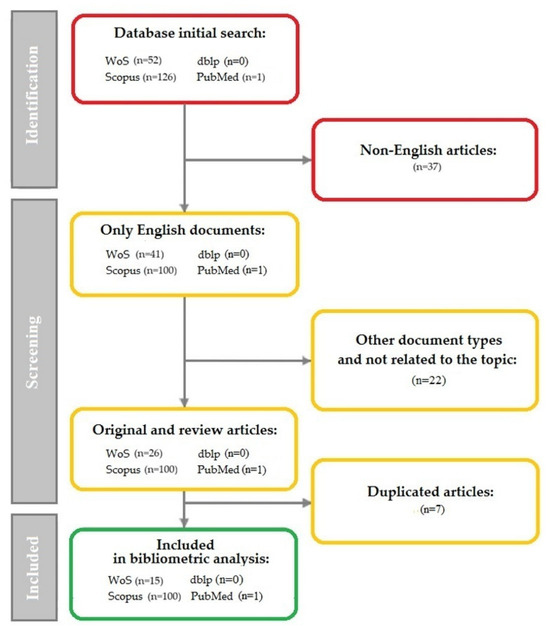
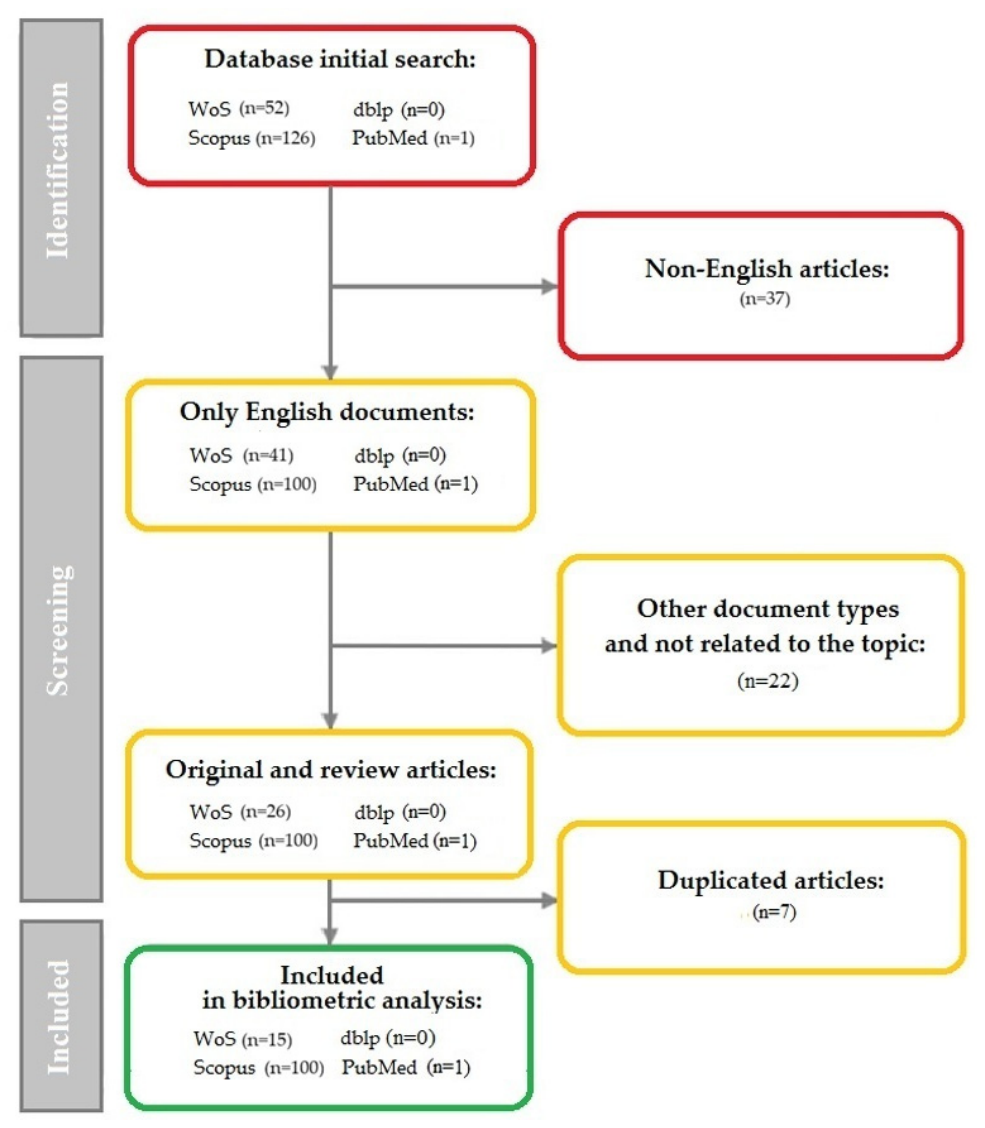
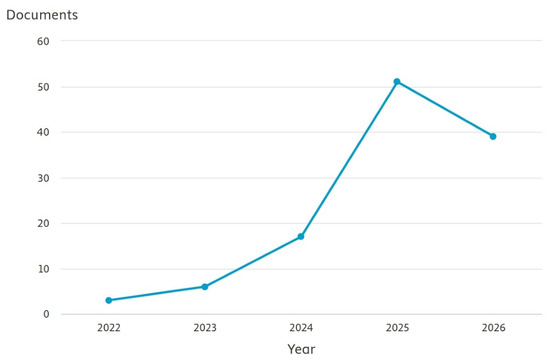
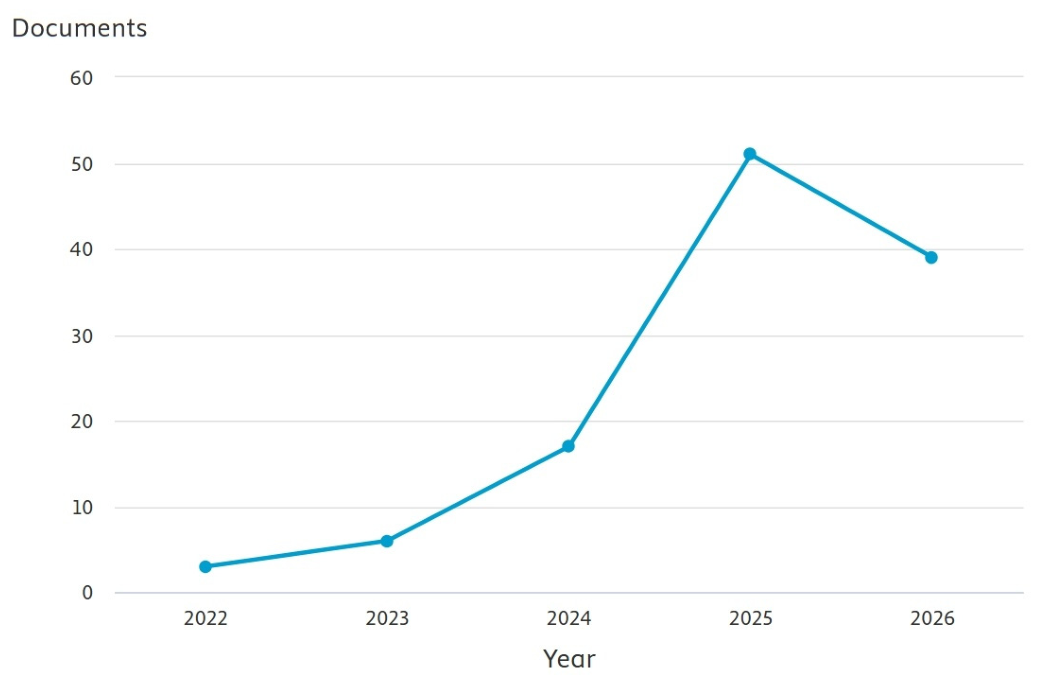
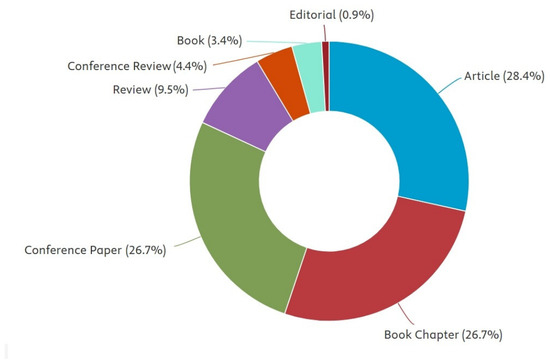
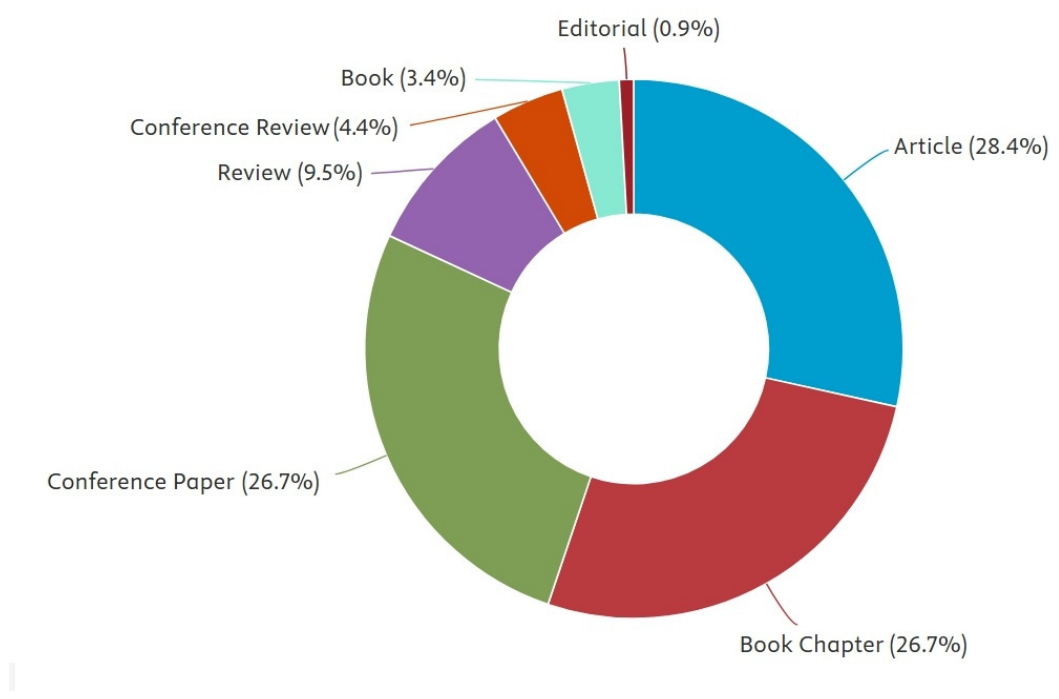
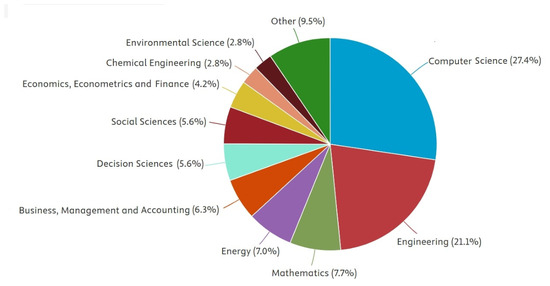
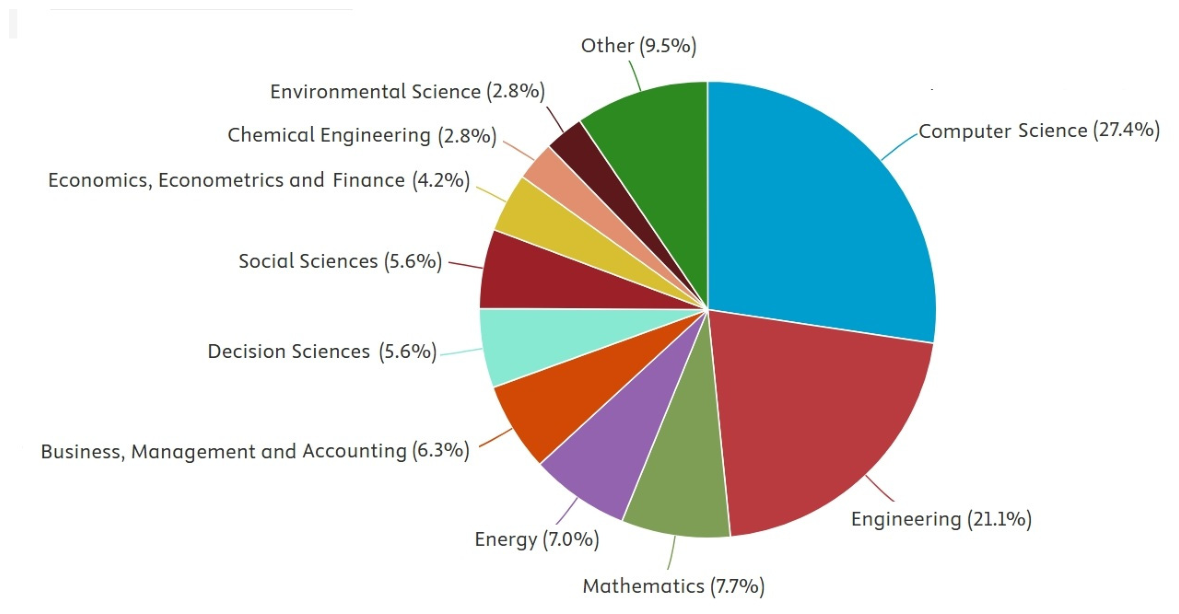
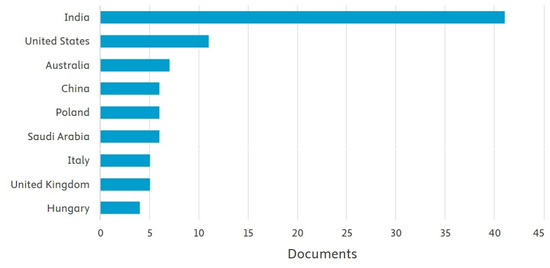
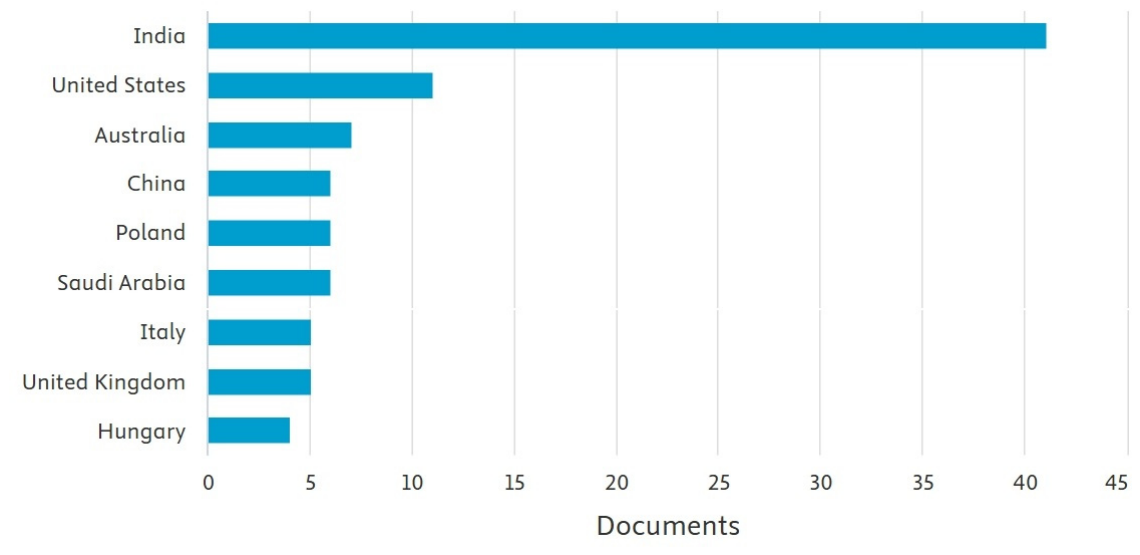
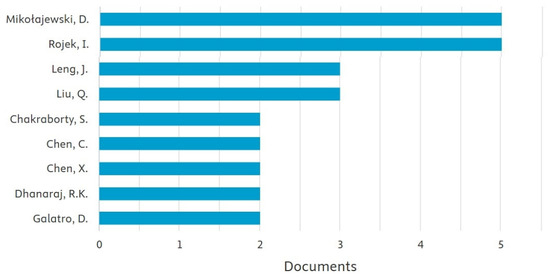
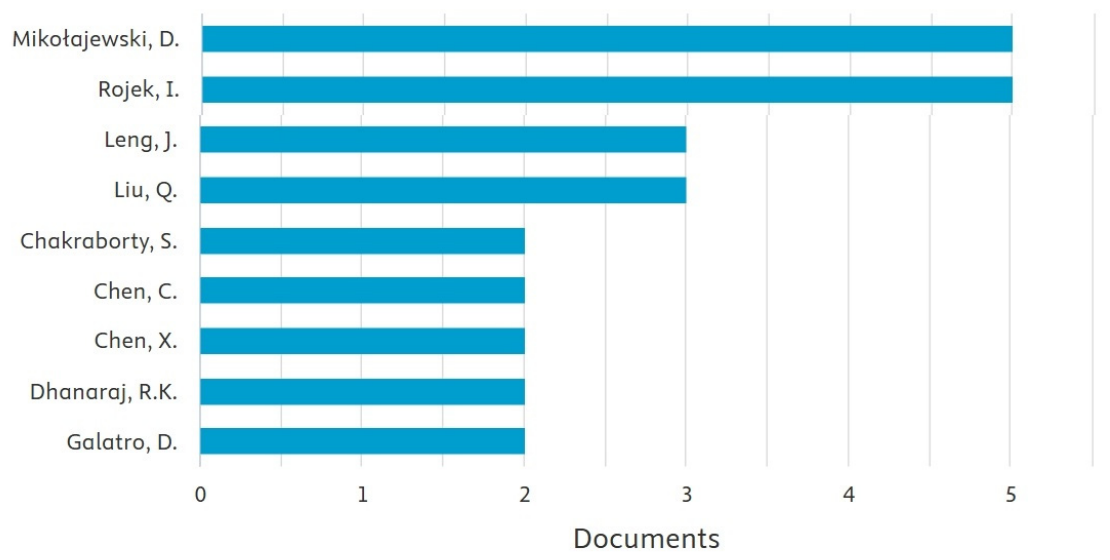
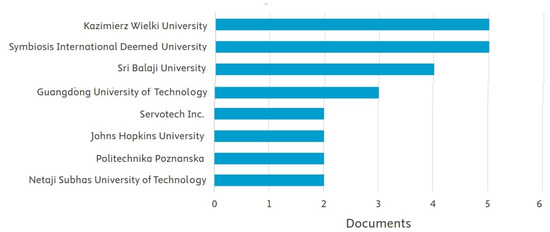
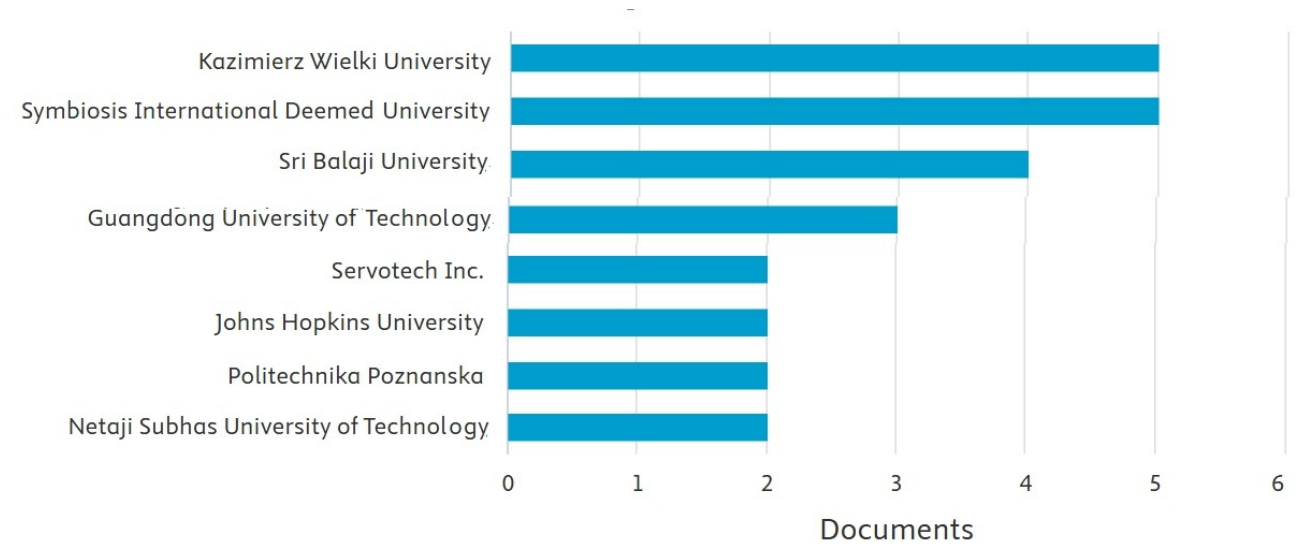
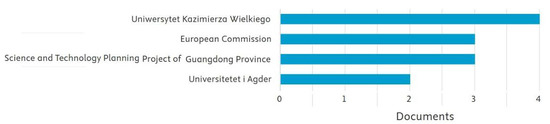
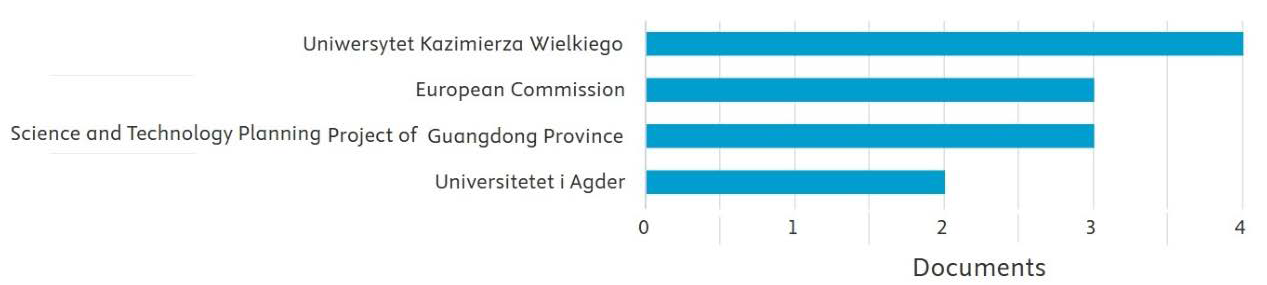
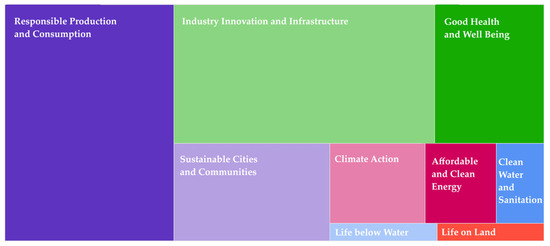
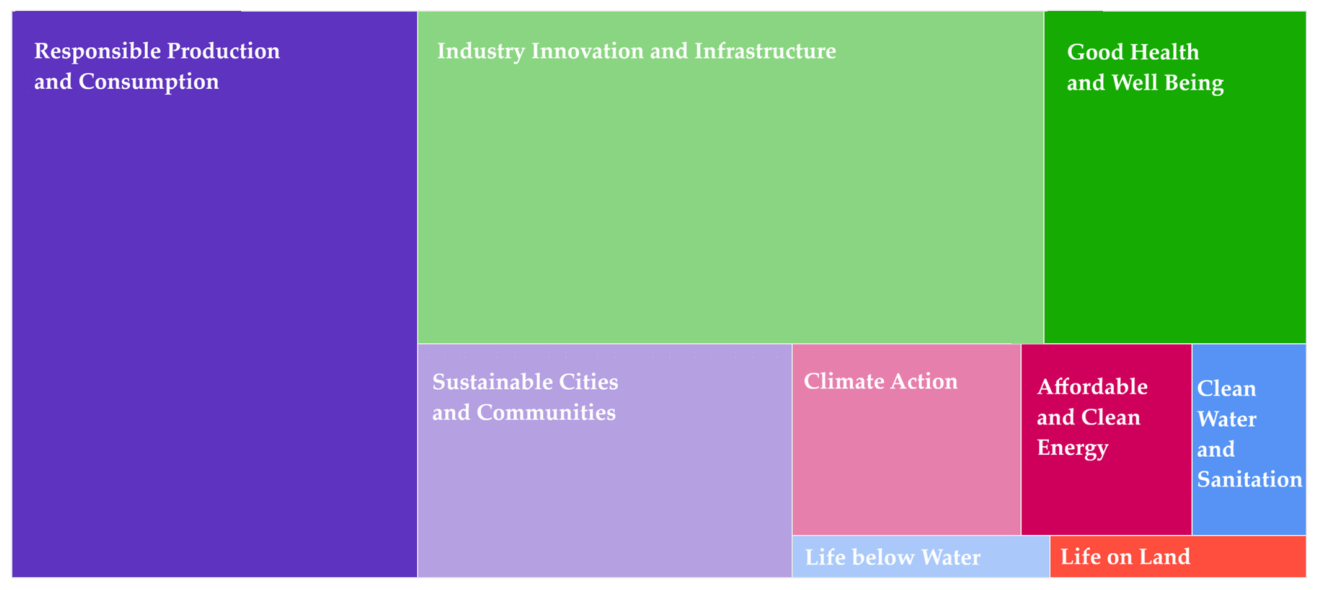
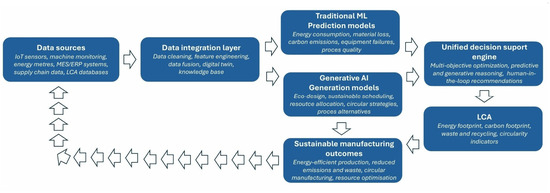
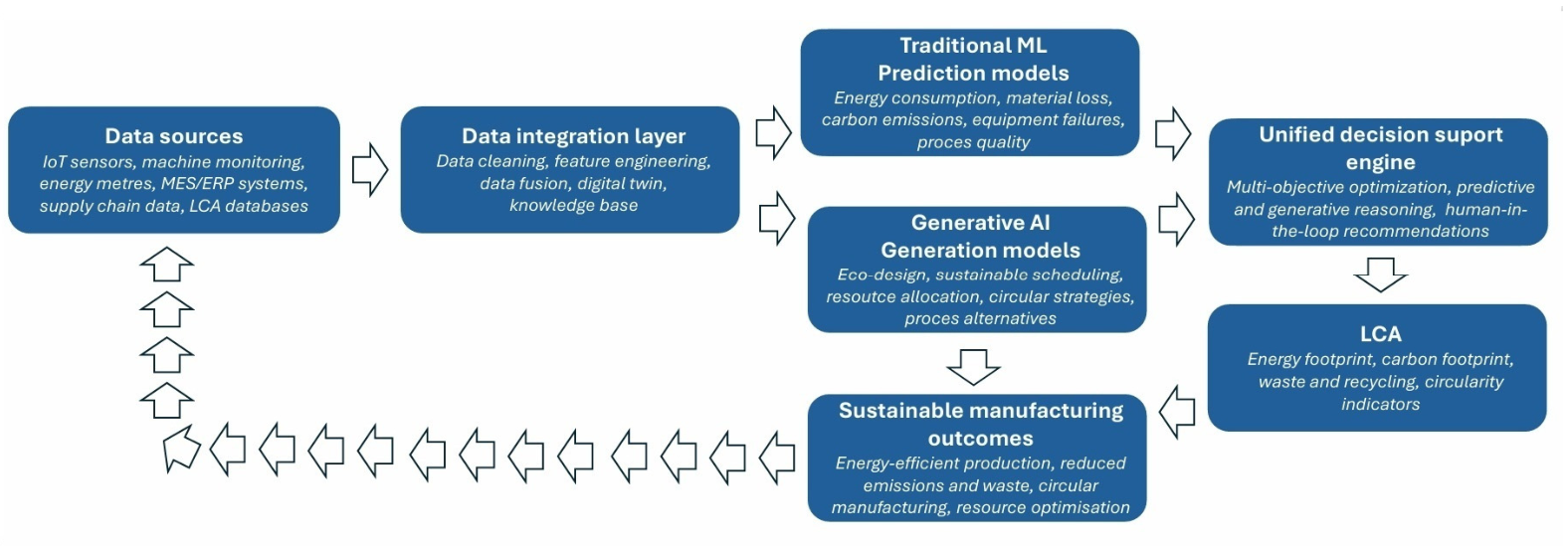

Disclaimer/Publisher’s Note: The statements, opinions and data contained in all publications are solely those of the individual author(s) and contributor(s) and not of MDPI and/or the editor(s). MDPI and/or the editor(s) disclaim responsibility for any injury to people or property resulting from any ideas, methods, instructions or products referred to in the content. |
© 2026 by the authors. Licensee MDPI, Basel, Switzerland. This article is an open access article distributed under the terms and conditions of the Creative Commons Attribution (CC BY) license.