Journal Description
Life
Life
is an international, peer-reviewed, open access journal related to fundamental themes in life sciences from basic to applied research, published monthly online by MDPI. The Spanish Association for Cancer Research (ASEICA) is affiliated with Life and its members receive a discount on the article processing charges.
- Open Access— free for readers, with article processing charges (APC) paid by authors or their institutions.
- High Visibility: indexed within Scopus, SCIE (Web of Science), PubMed, PMC, CAPlus / SciFinder, and other databases.
- Journal Rank: JCR - Q1 (Biology) / CiteScore - Q1 (Paleontology)
- Rapid Publication: manuscripts are peer-reviewed and a first decision is provided to authors approximately 15.3 days after submission; acceptance to publication is undertaken in 2.9 days (median values for papers published in this journal in the first half of 2026).
- Recognition of Reviewers: reviewers who provide timely, thorough peer-review reports receive vouchers entitling them to a discount on the APC of their next publication in any MDPI journal, in appreciation of the work done.
Impact Factor:
3.9 (2025);
5-Year Impact Factor:
3.9 (2025)
Latest Articles
From Detoxified Yam to Bioactive Extracts: Integrated Extraction and In Silico Evidence of Anti-Biofilm Activity of Dioscorea hispida Extracts Against Cutibacterium acnes
Life 2026, 16(9), 1494; https://doi.org/10.3390/life16091494 (registering DOI) - 6 Sep 2026
Abstract
The increasing prevalence of biofilm-associated infections caused by Cutibacterium acnes has stimulated interest in food-derived natural products as alternative sources of anti-biofilm agents. This study investigated the effects of processing and extraction conditions on the phytochemical composition, antibacterial activity, and anti-biofilm properties of
[...] Read more.
The increasing prevalence of biofilm-associated infections caused by Cutibacterium acnes has stimulated interest in food-derived natural products as alternative sources of anti-biofilm agents. This study investigated the effects of processing and extraction conditions on the phytochemical composition, antibacterial activity, and anti-biofilm properties of Dioscorea hispida Dennst. Reflux extraction of dried yam with 80% ethanol produced the crude extracts with the highest yields (1.39–1.80%), whereas fresh yam yielded 0.51–0.97% extract. Using Gas–liquid chromatography–mass spectrometry (GLC-MS) analysis, linoleic acid ethyl ester, n-hexadecanoic acid, 9,12-octadecadienoic acid (Z,Z)-, and stigmasterol were identified as the major constituents. Among the tested extracts, DH-W-F-H (D. hispida-water washing-fresh-hexane) and DH-W-F-E (D. hispida-water washing-fresh-ethanol) were extracted from fresh yam using hexane and ethanol, respectively, while DH-W-D-E (D. hispida-water washing-dry-ethanol) was isolated from dried yam using ethanol and exhibited the strongest antibacterial activity, with minimum inhibitory concentrations (MIC) ranging from 64 to 2048 µg/mL. These extracts demonstrated pronounced concentration-dependent inhibition of biofilm formation by Staphylococcus epidermidis, Staphylococcus aureus, and Cutibacterium acnes. The strongest anti-biofilm activity was observed against C. acnes, with biofilm formation nearly eliminated at MIC concentrations. Moreover, all three extracts significantly reduced established C. acnes biofilms, with DH-W-F-H exhibiting greater eradication efficacy than vancomycin under the tested conditions. To elucidate the underlying mechanism, major fatty acid derivatives were evaluated against C. acnes lipase (CALipase), a virulence factor associated with biofilm development, using molecular docking, molecular dynamics simulations, and the Molecular Mechanics-Generalized Born Surface Area (MM-GBSA) binding free-energy calculations. The compounds exhibited favorable interactions with CALipase, with linoleic acid ethyl ester (FA2) showing the strongest binding affinity, stable protein–ligand interactions throughout a 200 ns simulation, and the most favorable binding free energy. Collectively, the biological and computational findings suggest that fatty acid-rich extracts from processed D. hispida suppress biofilm formation through an antivirulence mechanism involving CALipase inhibition. These results highlight the potential of D. hispida as a source of metabolites for the development of functional food ingredients and value-added cosmetic and dermatological applications.
Full article
(This article belongs to the Special Issue Bioactive Natural Products: From Exploration to Therapeutic Potential)
►
Show Figures
Open AccessArticle
The Vaccine Candidates Against Major Fish Pathogens (Pseudomonas fluorescens and Aeromonas hydrophila) from the Outer Membrane Proteins of P. fluorescens in Fish
by
Xiang Liu, Wei Sun, Ling Zhu, Yuhang Zhan, Yixin Yu, Kai Wang, Qinkai Hu, Xuan Huang, Juan Lu and Xianjie Liu
Life 2026, 16(9), 1493; https://doi.org/10.3390/life16091493 (registering DOI) - 6 Sep 2026
Abstract
Vaccines have demonstrated greater efficiency in providing immunoprotection against bacterial species, making them potentially valuable in aquaculture. In this study, twenty-four outer membrane proteins (OMPs) of Pseudomonas fluorescens were cloned, purified, and 16 OMP mouse antisera were prepared, with titers all exceeding 1:3200.
[...] Read more.
Vaccines have demonstrated greater efficiency in providing immunoprotection against bacterial species, making them potentially valuable in aquaculture. In this study, twenty-four outer membrane proteins (OMPs) of Pseudomonas fluorescens were cloned, purified, and 16 OMP mouse antisera were prepared, with titers all exceeding 1:3200. Subsequently, these 16 antisera were used to passively immunize crucian carp (Carassius auratus) followed by challenge with the pathogenic bacteria. The results showed that five OMP antisera (PF0542, SurA, PF1798, PF2253, and PF4616), as well as the whole OMP serum, provided immune protection rates exceeding 60% against P. fluorescens and Aeromonas hydrophila infection (p < 0.05). Moreover, these five OMP antisera reduced the mRNA expression of inflammatory cytokines and antioxidant factors (p < 0.05), and exerted protective effects on the structural integrity of the kidney, spleen, and intestinal tissues. In addition, active immunization of crucian carp with these five identified OMPs followed by pathogen challenge demonstrated that these proteins could activate non-specific immune responses in fish, confer immune protection against P. fluorescens and A. hydrophila infection, reduce the mRNA expression of inflammatory cytokines and antioxidant factors (p < 0.05), and protect the tissue structure of the kidney, spleen, and intestine. Collectively, these five OMPs (PF0542, SurA, PF1798, PF2253, and PF4616) can activate immune responses in crucian carp, confer protection against bacterial infection, and exhibit reductions in inflammatory/oxidative responses associated with protection following bacterial challenge, and as well as viscera structure-maintaining effects. Therefore, the five OMPs hold promise as vaccine candidates against bacterial infections (P. fluorescens and A. hydrophila) for both passive and active immunization in fish.
Full article
(This article belongs to the Special Issue Molecular Pathogenesis and Resistance Mechanisms of Aquatic Pathogens)
►▼
Show Figures

Figure 1
Open AccessArticle
Effects of Eight Weeks of Unilateral Complex Training on Musculoskeletal Function, Inter-Limb Strength Asymmetry, and Athletic Performance in Competitive Basketball Players
by
Gizem Akarsu Taşman, Erkan Güven, Nasuh Evrim Acar, Bilal Gök and Zarife Pancar
Life 2026, 16(9), 1492; https://doi.org/10.3390/life16091492 (registering DOI) - 6 Sep 2026
Abstract
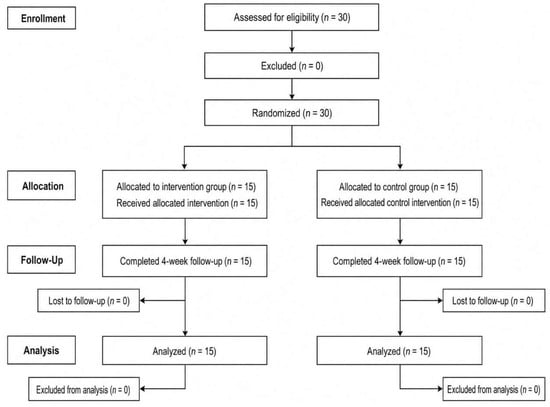
Background: Unilateral complex training has been proposed as an effective strategy to improve lower-limb neuromuscular function; however, its effects on isokinetic strength, inter-limb strength asymmetry, and athletic performance in competitive basketball players remain insufficiently investigated. This study examined the effects of an eight-week
[...] Read more.
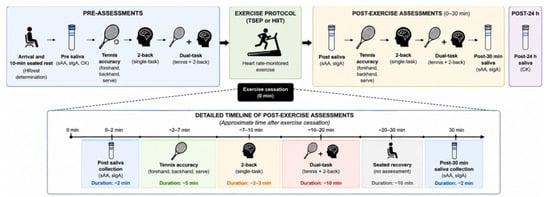
Background: Unilateral complex training has been proposed as an effective strategy to improve lower-limb neuromuscular function; however, its effects on isokinetic strength, inter-limb strength asymmetry, and athletic performance in competitive basketball players remain insufficiently investigated. This study examined the effects of an eight-week unilateral complex training program on lower-limb isokinetic strength, strength asymmetry, hamstring-to-quadriceps (H/Q) ratio, and athletic performance in young male basketball players. Methods: Twenty-nine competitive male basketball players (age: 19.14 ± 0.99 years) competing in the Turkish Basketball Youth League and U18 League were randomly assigned to an experimental group (n = 15) or a control group (n = 14). The experimental group performed unilateral complex training twice weekly for eight weeks in addition to regular basketball practice, whereas the control group continued routine basketball training only. Before and after the intervention, lower-limb isokinetic strength (60°·s−1), bilateral strength asymmetry, H/Q ratio, countermovement jump (CMJ), Abalakov jump, 20-m sprint performance, and force-platform-derived jump variables were assessed. Data were analyzed using two-way mixed-design analysis of variance. Results: Significant Group × Time interactions were observed for right and left knee flexor strength and left knee extensor strength (all p < 0.05). Bilateral quadriceps and hamstring strength asymmetries were significantly reduced by approximately 47% and 63%, respectively, accompanied by an improvement in the left H/Q ratio (p < 0.05). The intervention also produced significant improvements in CMJ height, Abalakov jump performance, flight time, time to takeoff, and 20-m sprint performance (all p < 0.05), whereas no significant interaction was found for peak force (p > 0.05). Conclusions: Adding an eight-week unilateral complex training program to regular basketball training was associated with improvements in selected lower-limb isokinetic strength and athletic performance outcomes, reductions in measured inter-limb strength asymmetry indices, and a side-specific improvement in the left H/Q ratio in competitive young male basketball players. However, because the control group did not receive an additional time- and volume-matched training stimulus, these findings should be interpreted as the effects of adding the overall training program rather than as evidence of the specific effects of its unilateral or complex components.
Full article
(This article belongs to the Special Issue Musculoskeletal Function and Exercise Physiology: Integrative Approaches and Emerging Insights)
►▼
Show Figures

Figure 1
Open AccessReview
Advances in Genes Associated with Straw Degradation in Rice
by
Tao Tong, Yangyan Wei, Qingxia Wang, Fanrong Zeng, Yuting Hu, Shuzhen Ye, Zhijuan Ji, Yanli Wang, Shunan Zheng and Younan Ouyang
Life 2026, 16(9), 1491; https://doi.org/10.3390/life16091491 (registering DOI) - 6 Sep 2026
Abstract
Rice (Oryza sativa L.) generates approximately 300 million tons of straw annually worldwide, and efficient degradation and valorization remain critical bottlenecks for sustainable agriculture. Straw degradability is fundamentally constrained by cell wall recalcitrance, which is determined by the composition and architecture of
[...] Read more.
Rice (Oryza sativa L.) generates approximately 300 million tons of straw annually worldwide, and efficient degradation and valorization remain critical bottlenecks for sustainable agriculture. Straw degradability is fundamentally constrained by cell wall recalcitrance, which is determined by the composition and architecture of cellulose, hemicellulose, and lignin, each under genetic regulation. This review proposes a three-parameter analytical framework, including cellulose crystallinity, hemicellulose side-chain modification, and lignin monomer composition and cross-linking density, to systematically assess the regulatory role of endogenous rice genes in straw degradability. We provide a comprehensive synthesis of recent advances in cellulose synthase genes and brittle culm mutants, lignin biosynthesis, cell wall modification genes, and the integration of genetic mapping with molecular breeding strategies. Particular attention is given to the trade-offs between enhanced degradability and agronomic performance, and to emerging strategies, including semi-dominant alleles, tissue-specific promoters, and multi-gene pyramiding, which hold potential for resolving these trade-offs. We conclude by identifying key research gaps and proposing future directions for developing dual-purpose rice cultivars with both high grain yield and superior straw degradability.
Full article
(This article belongs to the Special Issue Rice Research: Genetic Breeding, Flowering Physiology and Stress Tolerance for Enhanced Population Quality)
►▼
Show Figures

Figure 1

Open AccessArticle
Identification of MRI-Derived Structural Biomarkers in Female Alzheimer’s Disease Subjects Using CAT12 and Mimics: Effects of Voxel Geometry on Biomarker Estimation
by
Devang Nilesh Thakur and Tarun Goswami
Life 2026, 16(9), 1490; https://doi.org/10.3390/life16091490 (registering DOI) - 6 Sep 2026
Abstract
Alzheimer’s disease (AD) is the leading cause of dementia and disproportionately affects women, who experience a higher lifetime risk and more rapid structural brain changes than men. Reliable imaging biomarkers are essential for detecting these changes, although their estimation may be influenced by
[...] Read more.
Alzheimer’s disease (AD) is the leading cause of dementia and disproportionately affects women, who experience a higher lifetime risk and more rapid structural brain changes than men. Reliable imaging biomarkers are essential for detecting these changes, although their estimation may be influenced by voxel geometry, image resolution, and segmentation methodology. In this study, magnetic resonance imaging (MRI) scans from 40 female participants with AD obtained from the Alzheimer’s Disease Neuroimaging Initiative (ADNI) database were analyzed using the Computational Anatomy Toolbox 12 (CAT12), implemented within Statistical Parametric Mapping 12 (SPM12), and Materialise Mimics to identify structural biomarkers associated with neurodegeneration. Cortical thickness, gray matter (GM), white matter (WM), cerebrospinal fluid (CSF), and total intracranial volume (TIV) were quantified, while Brain Parenchymal Volume (BPV) and Brain Parenchymal Fraction (BPF) were calculated to assess global brain tissue preservation. The analyses demonstrated characteristic AD-related changes, including cortical thinning, GM loss, ventricular enlargement, and increased CSF volume. Significant correlations among cortical thickness, tissue volumes, BPV, and BPF further supported their complementary role in characterizing disease-related structural changes. Overall, these findings suggest that MRI-derived measures of cortical thickness, tissue volumes, BPV, and BPF provide useful structural biomarkers of AD and emphasize the importance of considering voxel geometry and segmentation methodology when evaluating neuroimaging biomarkers.
Full article
(This article belongs to the Section Medical Research)
►▼
Show Figures

Figure 1
Open AccessArticle
Construction and Characterization of an Attenuated Vaccine Vector Based on Cucumber Mosaic Virus RNA2
by
Zhao Wang, Shanshan Liu, Mingjing Zhu, Jiagan Zhang, Xueyuan Wang, Zhifei Liu, Kaiqiang Hao, Shuyuan Tian, Xuefeng Yuan and Chengming Yu
Life 2026, 16(9), 1489; https://doi.org/10.3390/life16091489 (registering DOI) - 5 Sep 2026
Abstract
Plant viruses are major plant pathogens and account for nearly half of emerging plant diseases worldwide. To date, few effective management measures are available for the efficient control of plant viral diseases. Cross-protection based on attenuated vaccine is an effective strategy to prevent
[...] Read more.
Plant viruses are major plant pathogens and account for nearly half of emerging plant diseases worldwide. To date, few effective management measures are available for the efficient control of plant viral diseases. Cross-protection based on attenuated vaccine is an effective strategy to prevent plant viral diseases. The primary requirement for the development of attenuated vaccines is a vector with excellent characteristics, such as low pathogenicity, genetic stability, and the capacity for stable insertion of exogenous fragments. In this study, the cucumber mosaic virus (Fny strain) was genetically modified to serve as an attenuated vaccine vector. Based on pre-termination of the 2b protein-coding region and deletion of the 3′ UTR in CMV RNA2, six RNA2 mutants, designated R2-2bPTI, R2-2bPTII, R2-2bPTIII, R2-2bPTIV, R2-2bPTV, and R2-2bPTVI, were constructed. Experiments with different lengths tobacco phytoene desaturase (PDS) fragment insertion evaluated the capacity of each mutant to accommodate exogenous fragment. Based on the R2-2bPTIV, a viral fragment insertion mutant R2-2bPTIV-TMPYTVPX targeting cucumber mosaic virus (CMV), tobacco mosaic virus (TMV), potato virus Y (PVY), tobacco vein banding mosaic virus (TVBMV), and potato virus X (PVX) was constructed. This mutant provided effective cross-protection against these targeted virulent viruses. This study developed a series of CMV-based vaccine vector, providing materials and data for the development of plant viral diseases attenuated vaccines.
Full article
(This article belongs to the Special Issue Plant Virus-Host Interactions: From Pathogenesis to Integrated Disease Management)
Open AccessArticle
Comparative Biochemistry of Wild and In Vitro-Propagated Melilotus officinalis: Phytochemical Composition, Antioxidant, and Antimicrobial Properties
by
Gulmira Zhakupova, Ângela Liberal, Assem Sagandyk, Tayse F. F. da Silveira, Tania Pires, Aigerym Akhmetzhanova, Aknur Muldasheva, Anastassiya Tyurina and Lillian Barros
Life 2026, 16(9), 1488; https://doi.org/10.3390/life16091488 (registering DOI) - 5 Sep 2026
Abstract
Melilotus officinalis (L.) Lam. (yellow sweet clover) is a medicinally valuable Fabaceae species with recognized antioxidant and antimicrobial properties, yet the impact of cultivation system on its secondary metabolism remains poorly characterized for Central Asian populations. This study compared wild and in vitro-grown
[...] Read more.
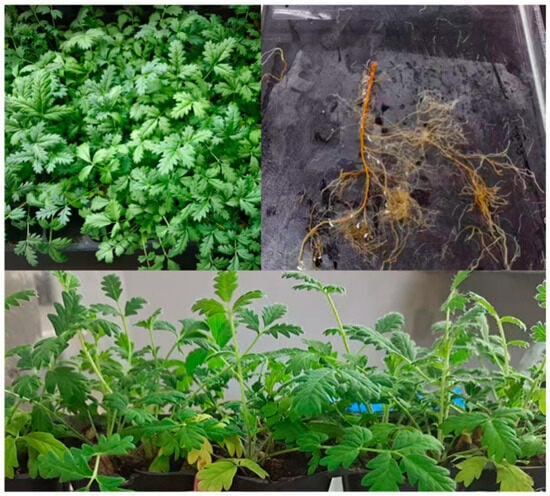
Melilotus officinalis (L.) Lam. (yellow sweet clover) is a medicinally valuable Fabaceae species with recognized antioxidant and antimicrobial properties, yet the impact of cultivation system on its secondary metabolism remains poorly characterized for Central Asian populations. This study compared wild and in vitro-grown Melilotus officinalis from northern Kazakhstan (Astana city), examining phenolic composition, organic acids, antioxidant capacity, and antimicrobial activity as functions of cultivation system. Hydroethanolic extracts were analyzed by HPLC-DAD-ESI-Orbitrap MS/MS and UFLC-PDA, while antioxidant activity was assessed by TBARS and ABTS assays and antimicrobial activity by broth microdilution against eight bacterial and two fungal strains. Thirteen phenolic compounds were tentatively identified, revealing higher total flavonoid content in in vitro plants, dominated by apigenin di-C-pentoside isomers and vicenin-3, whereas wild plants showed greater diversity of phenolic acids and flavonols, including kaempferol and quercetin glycosides. Despite lower total phenolics, wild extracts more effectively inhibited lipid peroxidation, while ABTS radical scavenging was comparable between sources, and antimicrobial effects were strain-specific. Oxalic acid was approximately three-fold higher in in vitro material, a biochemical feature relevant for downstream use. These findings indicate that cultivation system substantially shapes the secondary metabolite profile and bioactivity of this regionally important medicinal species.
Full article
(This article belongs to the Section Plant Science)
►▼
Show Figures

Figure 1
Open AccessReview
Elastic Fibers in the Pathogenesis of Cystic Fibrosis: Mechanisms, Consequences, and Therapeutic Implications
by
Jerome Cantor
Life 2026, 16(9), 1487; https://doi.org/10.3390/life16091487 (registering DOI) - 5 Sep 2026
Abstract
Cystic fibrosis (CF) is a multisystem autosomal recessive disease caused by mutations in the cystic fibrosis transmembrane conductance regulator (CFTR) gene, affecting approximately 100,000 individuals worldwide. While the primary pathology of CF has historically been framed around airway mucus obstruction, chronic infection, and
[...] Read more.
Cystic fibrosis (CF) is a multisystem autosomal recessive disease caused by mutations in the cystic fibrosis transmembrane conductance regulator (CFTR) gene, affecting approximately 100,000 individuals worldwide. While the primary pathology of CF has historically been framed around airway mucus obstruction, chronic infection, and neutrophilic inflammation, emerging evidence points to profound remodeling of the extracellular matrix (ECM), and elastic fibers in particular, as central contributors to disease progression. Elastic fibers, composed of an elastin core surrounded by a fibrillin-rich microfibril scaffold, provide tissues with the resilience and recoil necessary for repetitive mechanical deformation, properties especially critical in the lung, large airways, skin, and vasculature. In CF, a convergence of proteolytic imbalance, oxidative stress, inflammatory mediators, and impaired CFTR-dependent ion transport conspires to degrade and destabilize these fibers at multiple anatomical sites. The consequences include progressive airflow obstruction, bronchiectasis, emphysema-like changes, impaired mucociliary clearance, and systemic connective tissue vulnerabilities. This paper provides a detailed review of elastic fiber biology, the mechanisms by which CF pathophysiology disrupts elastic fiber integrity, the downstream structural and functional consequences, and potential therapeutic avenues targeting elastic fiber preservation or restoration.
Full article
(This article belongs to the Section Medical Research)
Open AccessReview
Genetic Variants Associated with Response to GLP-1 Receptor Agonists in Diabetes and Obesity
by
Mónica T. Fernandes, Joana C. Dias, Margarida Espírito-Santo, Maria Dulce Estêvão and Ana Luísa De Sousa-Coelho
Life 2026, 16(9), 1486; https://doi.org/10.3390/life16091486 (registering DOI) - 5 Sep 2026
Abstract
Genetic variation may contribute to interindividual differences in the efficacy and tolerability of glucagon-like peptide-1 receptor agonists (GLP-1RAs), although the available evidence remains limited. Certain gene variants may underlie variability in glycemic control and weight loss outcomes among patients treated with GLP-1RAs for
[...] Read more.
Genetic variation may contribute to interindividual differences in the efficacy and tolerability of glucagon-like peptide-1 receptor agonists (GLP-1RAs), although the available evidence remains limited. Certain gene variants may underlie variability in glycemic control and weight loss outcomes among patients treated with GLP-1RAs for diabetes and/or obesity. A better understanding of these genetic variations could have significant implications for the development of personalized medicine, contributing to predicting patient responses to GLP-1RAs. Within this review, we collected and synthesized information from different studies about genetic variants that have been reported to be associated with altered therapeutic response to GLP-1RAs, mostly in GLP1R, but also in TCF7L2 and PNPLA3 genes. For the same variants, the differences obtained in the outcomes were, however, inconsistent between studies. Such disparities may partly reflect the diversity of the outcomes analyzed, the specific GLP-1RA in use, and/or the characteristics of each population. Additional genes, such as PPARD, WFS1 and VTRNA2-1, exhibited differences in at least one study. Although still limited, considering the fast expansion of the prescription of this therapeutic class, these results reflect the need for additional studies, before enabling the implementation of pharmacogenetics in clinical practice.
Full article
(This article belongs to the Section Physiology and Pathology)
Open AccessArticle
Novel Homozygous LAMC3 Frameshift Variant Associated with Confluent Leukoencephalopathy and Low-Grade Tectal Glioneuronal Tumor: Expanding the Phenotypic Spectrum with Bioinformatic Characterization
by
Serdar Bozlak, Cuneyd Yavas, Halil Ibrahim Yilmaz, Ozan Sonmez, Peren Perk, Tuna Eren Esen, Duygu Cetinkaya, Tunay Dogan and Sirin Bozlak
Life 2026, 16(9), 1485; https://doi.org/10.3390/life16091485 (registering DOI) - 5 Sep 2026
Abstract
Background: Biallelic loss-of-function variants in LAMC3, encoding laminin gamma-3, cause occipital cortical malformation (OMIM#614115). White matter disease and intracranial neoplasia have not been reported in this spectrum. We report a novel homozygous LAMC3 frameshift variant, expanding its phenotypic and molecular spectrum. Methods:
[...] Read more.
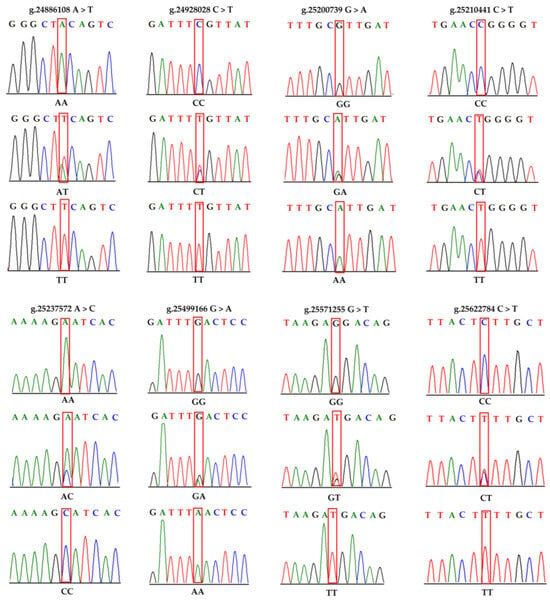
Background: Biallelic loss-of-function variants in LAMC3, encoding laminin gamma-3, cause occipital cortical malformation (OMIM#614115). White matter disease and intracranial neoplasia have not been reported in this spectrum. We report a novel homozygous LAMC3 frameshift variant, expanding its phenotypic and molecular spectrum. Methods: Two adolescent siblings from a consanguineous Turkish family underwent whole-exome sequencing, with segregation confirmed by NGS/IGV and classification per ACMG/AMP criteria. In silico analyses included multiple sequence alignment, AlphaFold modeling of wild-type and mutant proteins, and docking against nidogen-1 (NID1). Results: Both siblings had a novel homozygous LAMC3 variant frameshift variant (NM_006059.4: c.1852_1882del; p.(Pro618Serfs*5)), classified as pathogenic (PVS1, PM2, PP3, PP1) with full cosegregation. Proband II.III, a 17-year-old female, developed postoperative epilepsy after resection of a tectal low-grade glioneuronal tumor harboring a somatic KRAS (NM_004985.3) p.(Gln61Lys) variant (VAF 42.9%), with periventricular white matter gliosis. Proband II.IV, a 15-year-old male, presented with confluent leukoencephalopathy, occipital pachygyria, parietal polymicrogyria, and subcortical band heterotopia, illustrating striking intrafamilial discordance. Conclusions: Docking analysis revealed that the cleavage removes the C-terminal nidogen-binding region, eliminates the predicted wild-type interface (residues 906–1029), and shifts the binding to an unnatural N-terminal surface. This finding is a hypothesis-generating result consistent with loss of function. This study expands the LAMC3 phenotype to include leukoencephalopathy and reports a co-occurring low-grade tectal glioneuronal tumor as a novel, single-case observation, supporting inclusion of LAMC3 in the differential diagnosis of pediatric leukoencephalopathies, particularly with consanguinity.
Full article
(This article belongs to the Special Issue Genetics and Genomics in Human Health and Disease)
►▼
Show Figures

Figure 1

Open AccessArticle
Global and Regional Voltage and Calcium-Transient Responses to Acute Cardiac Contractility Modulation in Isoproterenol-Treated Rat Hearts with Features Compatible with Early Remodeling
by
Kaihao Gu, Danyue Mao, Guoliang Hao, Bo Hu and Xiaomei Wu
Life 2026, 16(9), 1484; https://doi.org/10.3390/life16091484 (registering DOI) - 5 Sep 2026
Abstract
Background: Cardiac contractility modulation (CCM) improves cardiac performance in heart failure, but its acute spatial effects on myocardial voltage and calcium-transient behavior remain incompletely characterized, particularly in the setting of early myocardial remodeling. Methods: In this exploratory, fixed-sequence study, isolated Langendorff-perfused hearts from
[...] Read more.
Background: Cardiac contractility modulation (CCM) improves cardiac performance in heart failure, but its acute spatial effects on myocardial voltage and calcium-transient behavior remain incompletely characterized, particularly in the setting of early myocardial remodeling. Methods: In this exploratory, fixed-sequence study, isolated Langendorff-perfused hearts from Control and isoproterenol (ISO)-treated rats (n = 5 per group) underwent simultaneous voltage and calcium optical mapping during a 40-s protocol consisting of pre-stimulation (Base), active CCM stimulation (CCM-ON), and post-stimulation (CCM-OFF) phases. Global metrics were derived across the mapped ventricular surface and regional metrics from predefined regions proximal and distal to the stimulation electrodes. No time-matched sham-stimulation condition was included. Results: Relative optical action-potential (AP) and calcium-transient (CaT) amplitudes were approximately 5–6% higher during CCM-ON and CCM-OFF than during Base in both groups. Global AP duration at 90% repolarization (APD90) showed modest phase-dependent prolongation, whereas global CaT duration at 90% recovery (CTD90) showed modest shortening. Global CTD90 was longer overall in ISO-treated hearts, without a group-by-phase interaction. Three-way repeated-measures analyses identified phase-by-region interactions for CTD90 and AP–CaT delay (the interval from the 50% AP upstroke to the 50% CaT upstroke) and a group-by-region interaction for CTD90, with no significant phase-by-group-by-region interactions. CTD90 spatial dispersion and the absolute proximal–distal difference in AP–CaT delay showed phase effects, whereas mapped-surface APD90 dispersion did not change detectably. Conclusions: During the acute CCM sequence, CaT recovery and AP–CaT timing showed spatially nonuniform phase-associated patterns in Control hearts and ISO-treated hearts with features compatible with early remodeling, without a parallel detectable increase in mapped-surface APD90 dispersion. These exploratory, hypothesis-generating findings support a spatial dissociation between calcium-related temporal responses and mapped-surface APD90 dispersion under the present experimental conditions.
Full article
(This article belongs to the Section Physiology and Pathology)
►▼
Show Figures

Figure 1
Open AccessArticle
Agmatine Sulfate Is Associated with Altered Redox Status, Apoptosis-Associated Responses, and AKT/JNK Signalling in Ishikawa Endometrial Cancer Cells
by
Neziha Senem Arı and Ayşe Çakır Gündoğdu
Life 2026, 16(9), 1483; https://doi.org/10.3390/life16091483 (registering DOI) - 5 Sep 2026
Abstract
Agmatine is a naturally occurring polyamine with context-dependent effects on cellular redox regulation, survival, and apoptosis; however, its effects in endometrial cancer cells remain poorly characterized. This exploratory in vitro study investigated cellular responses associated with agmatine sulfate exposure in Ishikawa endometrial adenocarcinoma
[...] Read more.
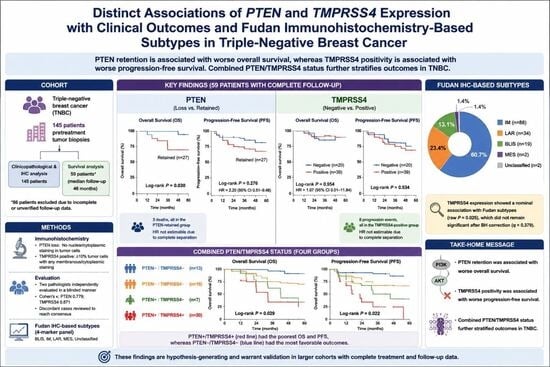
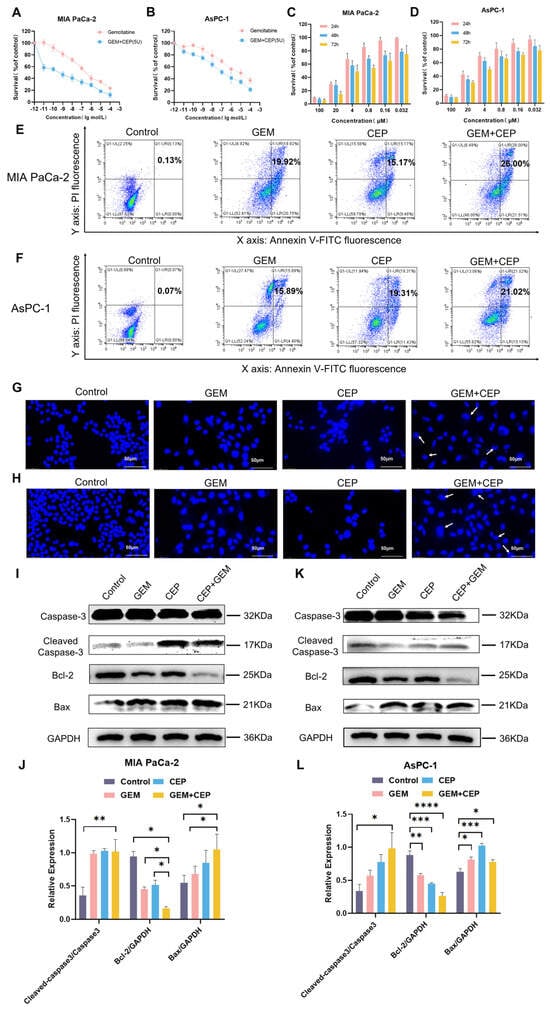
Agmatine is a naturally occurring polyamine with context-dependent effects on cellular redox regulation, survival, and apoptosis; however, its effects in endometrial cancer cells remain poorly characterized. This exploratory in vitro study investigated cellular responses associated with agmatine sulfate exposure in Ishikawa endometrial adenocarcinoma cells, using human dermal fibroblasts (HDFs) as a non-cancerous, non-tissue-matched comparator. Metabolic activity was assessed using the 3-(4,5-dimethylthiazol-2-yl)-2,5-diphenyltetrazolium bromide (MTT) assay following exposure to 0.5–15 mM agmatine sulfate for 24 and 48 h. Based on the 48-h concentration-response analysis in Ishikawa cells, 4.1 and 6.5 mM were selected for subsequent analyses of intracellular reactive oxygen species (ROS), malondialdehyde (MDA), cleaved caspase-3, and p-AKT/p-JNK immunoreactivity. Agmatine sulfate produced concentration- and time-dependent reductions in MTT-derived metabolic activity in both cell lines. In Ishikawa cells, 4.1 and 6.5 mM agmatine sulfate significantly increased ROS, MDA, and cleaved caspase-3 levels, accompanied by decreased p-AKT and increased p-JNK immunoreactivity. In HDF cells, ROS levels increased at both concentrations, whereas significant increases in MDA, cleaved caspase-3, and p-JNK were observed only at 6.5 mM; p-AKT immunoreactivity remained unchanged. These findings indicate that agmatine sulfate exposure is associated with reduced metabolic activity, increased oxidative stress and apoptosis-associated responses, and changes in AKT/JNK-related signalling in Ishikawa cells. However, the responses observed in HDF cells do not support a conclusion of tumour-selective activity. Further studies using additional endometrial cancer cell lines, tissue-matched non-malignant controls, and targeted experimental approaches are warranted to clarify the biological relationships among these responses.
Full article
(This article belongs to the Section Cell Biology and Tissue Engineering)
►▼
Show Figures

Graphical abstract
Open AccessArticle
Environmental Variables and Eyrie Site Characteristics Associated with Breeding Productivity of the Barbary Falcon (Falco peregrinus pelegrinoides): Potential Implications for Release Site Evaluation
by
Monif AlRashidi and Mohammed Shobrak
Life 2026, 16(9), 1482; https://doi.org/10.3390/life16091482 (registering DOI) - 5 Sep 2026
Abstract
Environmental variables and eyrie site characteristics may influence reproductive output, yet their associations with Barbary falcon (Falco peregrinus pelegrinoides) productivity remain poorly understood in the Arabian Peninsula. We quantified fledgling production at 59 monitored eyries in northwestern and southwestern Saudi Arabia
[...] Read more.
Environmental variables and eyrie site characteristics may influence reproductive output, yet their associations with Barbary falcon (Falco peregrinus pelegrinoides) productivity remain poorly understood in the Arabian Peninsula. We quantified fledgling production at 59 monitored eyries in northwestern and southwestern Saudi Arabia during the 2026 breeding season. Poisson generalized linear models evaluated February–May climatic conditions, pair type, eyrie cliff–wind alignment (CosDiff), and elevation and eyrie height where available. Monthly analyses for February–April and COM–Poisson sensitivity models assessed temporal consistency and robustness to departures from Poisson equidispersion. Mean productivity was 1.97 fledglings per eyrie (SD = 1.25; range = 0–4). In the best ranked additive model, a one standard deviation increase in seasonal mean wind speed (0.678 m s−1) was associated with 19.5% lower expected productivity (IRR = 0.805, 95% CI = 0.660–0.982, p = 0.032), and more direct eyrie cliff alignment with incoming prevailing wind was associated with 18.7% lower expected productivity (IRR = 0.813, 95% CI = 0.677–0.976, p = 0.026). Monthly wind estimates were comparable across February–April. These findings may inform preliminary release site evaluation, but multi-year studies with cliff-scale measurements are needed to determine whether these associations persist across breeding seasons.
Full article
(This article belongs to the Section Biodiversity, Ecology and Evolution)
Open AccessReview
Autophagy and Mitophagy in Hypertensive Chronic Kidney Disease: Evidence Grading, Cell-Type Divergence, and a Working Lysosomal Hypothesis
by
Suyeon Han, Yoon-Kyung Chang, Janghyun Jo and Dae Eun Choi
Life 2026, 16(9), 1481; https://doi.org/10.3390/life16091481 - 4 Sep 2026
Abstract
Hypertension is a major attributed cause of chronic kidney disease (CKD) and kidney failure, yet the cellular mechanisms linking chronic hemodynamic and neurohormonal stress to progressive nephron loss remain incompletely defined. Interpretation is further complicated by the clinical heterogeneity and limited pathological validation
[...] Read more.
Hypertension is a major attributed cause of chronic kidney disease (CKD) and kidney failure, yet the cellular mechanisms linking chronic hemodynamic and neurohormonal stress to progressive nephron loss remain incompletely defined. Interpretation is further complicated by the clinical heterogeneity and limited pathological validation of hypertensive nephrosclerosis. Autophagy and mitophagy are important intracellular quality-control pathways and have been increasingly implicated in hypertensive kidney injury. In this review, we critically appraise the available evidence using a multidimensional ACGEM framework that evaluates autophagy/mitophagy measurement (A), cell-type resolution (C), genetic manipulation (G), experimental causality (E), and disease-model relevance (M) as independent dimensions. The available literature does not support a uniform increase or decrease in autophagy during hypertensive kidney disease. Rather, autophagic responses appear to depend on renal cell type, hypertensive stimulus, disease stage, and the component of the pathway being measured. In podocytes, chronic angiotensin II exposure provides evidence of impaired autophagic flux with a protective role for intact autophagy, whereas mineralocorticoid stress can induce a compensatory increase in autophagic flux. Tubular studies likewise suggest protective roles for effective autophagic and mitochondrial quality control, although direct cell-specific causal evidence in hypertensive models remains limited. Across the field, most studies rely on static autophagy-associated markers and bulk kidney measurements, while dynamic flux assessment, cell-specific genetic approaches, and direct evaluation of lysosomal competence remain uncommon. Observations from APOL1-associated kidney disease, chronic interstitial nephritis in agricultural communities, proteinuric overload, aging, and obesity provide mechanistic or pathological precedent for lysosomal vulnerability but do not constitute direct evidence for classical hypertensive nephrosclerosis. We therefore propose, as a falsifiable working hypothesis rather than an established mechanism, that lysosomal clearance may become rate limiting in a subset of hypertensive CKD. Testing this model will require longitudinal, cell-type-resolved flux measurements, direct assessment of lysosomal function, and pathological validation in biopsy-confirmed human hypertensive nephrosclerosis.
Full article
(This article belongs to the Special Issue Management of Chronic Kidney Disease and Its Comorbidities)
►▼
Show Figures

Figure 1

Open AccessArticle
Further Botanical Exploration of Limestone Karst Habitats in Northeastern Thailand Reveals a New Yellow-Flowered Species of Boesenbergia Kuntze (Zingiberaceae)
by
Thawatphong Boonma, Surapon Saensouk, Piyaporn Saensouk, Mukdamas Ruengrit, Pathomthat Srisuk, Prasert Ruannakarn and Min Khant Naing
Life 2026, 16(9), 1480; https://doi.org/10.3390/life16091480 - 4 Sep 2026
Abstract
Limestone karst habitats in tropical Asia support specialized and geographically restricted plant diversity, yet many areas remain incompletely explored. During botanical surveys of limestone habitats in northeastern Thailand, a distinctive, yellow-flowered population of Boesenbergia was discovered in Phu Pha Man District, Khon Kaen
[...] Read more.
Limestone karst habitats in tropical Asia support specialized and geographically restricted plant diversity, yet many areas remain incompletely explored. During botanical surveys of limestone habitats in northeastern Thailand, a distinctive, yellow-flowered population of Boesenbergia was discovered in Phu Pha Man District, Khon Kaen Province. Morphological observations were conducted on living plants in the natural population and spirit-preserved material, supplemented by comparisons with protologues, published descriptions, and herbarium material. Patterns of phenetic similarity among ten selected Boesenbergia taxa were evaluated using 32 morphological characters, Gower distance, UPGMA clustering, and principal coordinates analysis (PCoA). The population is described here as Boesenbergia calcicola Boonma, Saensouk & P.Saensouk, sp. nov. It is morphologically most comparable to B. petiolata but differs by its conspicuously exserted inflorescence, shorter bracts and flowers, distally puberulent floral tube, smaller puberulent lateral staminodes, and distinctive labellum color pattern. Phenetic analyses were used to summarize patterns of overall morphological similarity among the examined taxa. The species is currently known only from its limestone type locality at approximately 385 m a.s.l. and is provisionally assessed as Data Deficient (DD). This discovery further documents localized Boesenbergia diversity associated with limestone karst habitats in northeastern Thailand.
Full article
(This article belongs to the Section Plant Science)
►▼
Show Figures

Figure 1

Open AccessReview
The Invisible Balance: How Prebiotics and Probiotics Can Support Fish Health and Development
by
Horia-Ioanid Stan, Cristian-Alin Barbacariu, Cristina Simeanu, Cristina-Gabriela Radu-Rusu, Lazăr Mircea and Daniel Simeanu
Life 2026, 16(9), 1479; https://doi.org/10.3390/life16091479 - 4 Sep 2026
Abstract
Aquaculture is a field that has developed rapidly over the past decade with the emergence of intensive farming systems that have significantly increased global fish production. However, this intensification has also led to the emergence of diseases caused by various pathogens, often resulting
[...] Read more.
Aquaculture is a field that has developed rapidly over the past decade with the emergence of intensive farming systems that have significantly increased global fish production. However, this intensification has also led to the emergence of diseases caused by various pathogens, often resulting in extensive antibiotic use and, consequently, antimicrobial resistance (AMR). Consequently, research has focused on finding other sustainable alternatives to avoid the overuse of antibiotics and to protect both human and animal health. Probiotics and prebiotics have been extensively studied for their wide range of effects on growth, immunity, and the control of various pathogens. Through their complex mechanisms, they can also improve water quality, mitigate the effects of various physicochemical stressors, and enhance reproduction. This review aims to present the evolution of these concepts, with an emphasis on their effects, which often vary depending on the type of additive used, the dose, and the fish species.
Full article
(This article belongs to the Section Animal Science)
►▼
Show Figures

Figure 1
Open AccessReview
Crataegus Species as a Source of Geroprotective Phytochemicals: Biological Activities, Molecular Mechanisms and Therapeutic Perspectives
by
Assem Kydyrbayeva, Tamara Shalakhmetova, Alina Smalinskiene, Moldir Sharipova, Bulat Aikeshev and Zhuzzhan Kuralai
Life 2026, 16(9), 1478; https://doi.org/10.3390/life16091478 - 4 Sep 2026
Abstract
Population aging has intensified the search for natural compounds capable of promoting healthy aging and preventing age-related diseases. Among medicinal plants, species of the genus Crataegus (hawthorn) have attracted increasing attention because of their rich phytochemical composition and broad spectrum of biological activities.
[...] Read more.
Population aging has intensified the search for natural compounds capable of promoting healthy aging and preventing age-related diseases. Among medicinal plants, species of the genus Crataegus (hawthorn) have attracted increasing attention because of their rich phytochemical composition and broad spectrum of biological activities. This review summarizes and critically evaluates current evidence on the geroprotective potential of Crataegus species, integrating data from phytochemical, pharmacological, and mechanistic studies. Particular attention is given to the major bioactive constituents of Crataegus, including flavonoids, oligomeric proanthocyanidins, phenolic acids, and triterpenoids, which exhibit antioxidant, anti-inflammatory, cardioprotective, neuroprotective, metabolic, and anticancer properties. We discuss the growing evidence that these phytochemicals target multiple hallmarks of aging by modulating oxidative stress, chronic low-grade inflammation (inflammaging), mitochondrial dysfunction, cellular senescence, and the senescence-associated secretory phenotype (SASP). Their biological effects are mediated through key signaling pathways involved in cellular homeostasis and longevity, including Nrf2/ARE, NF-κB, PI3K/Akt/mTOR, AMPK, and SIRT1. The review also critically examines findings from in vitro, in vivo, and available clinical studies, highlighting both the therapeutic potential and current limitations of Crataegus-based interventions for age-related disorders. Although preclinical evidence strongly supports the multi-target geroprotective properties of Crataegus species, clinical validation remains limited. Overall, Crataegus represents a promising source of natural geroprotective agents with the potential to promote healthy aging through the modulation of multiple aging-related molecular pathways. Future well-designed clinical studies are essential to establish their efficacy, safety, optimal dosage, and long-term therapeutic value in humans.
Full article
(This article belongs to the Section Plant Science)
►▼
Show Figures

Figure 1
Open AccessReview
Predictive Factors for Acute and Late Genitourinary and Gastrointestinal Toxicity Following Modern Radiotherapy for Prostate Cancer: A Narrative Review of Clinical, Dosimetric, Immunological, and Genetic Determinants
by
Rares-Nicolae Vadana, Adrian-Cornel Maier, Laurențiu Drăguș, Ștefan Roșca, Simona-Dana Mitincu-Caramfil, Gabriela Rahnea-Nita, Mihaela Dumitru, Raluca Barzu, Daniela Mihalcia and Laura-Florentina Rebegea
Life 2026, 16(9), 1477; https://doi.org/10.3390/life16091477 - 3 Sep 2026
Abstract
Background: Despite advances in prostate cancer (PC) radiotherapy, including intensity-modulated radiotherapy (IMRT), volumetric modulated arc therapy (VMAT), and stereotactic body radiotherapy (SBRT), genitourinary (GU) and gastrointestinal (GI) toxicities remain important complications. Identifying reliable predictors is essential for personalized treatment. Objective: The aim of
[...] Read more.
Background: Despite advances in prostate cancer (PC) radiotherapy, including intensity-modulated radiotherapy (IMRT), volumetric modulated arc therapy (VMAT), and stereotactic body radiotherapy (SBRT), genitourinary (GU) and gastrointestinal (GI) toxicities remain important complications. Identifying reliable predictors is essential for personalized treatment. Objective: The aim of this study was to summarize current evidence on clinical, dosimetric, immunological, and genetic predictors of acute and late GU and GI toxicities after PC radiotherapy. Materials and Methods: A structured literature review of studies published between 2000 and 2026 was conducted using PubMed, Scopus, and Europe PMC. Eligible studies included clinical investigations, randomized controlled trials, meta-analyses, and reviews assessing toxicity according to RTOG and/or CTCAE criteria. Results: GU toxicity was associated with pretreatment International Prostate Symptom Score (IPSS), large prostate volume, prior TURP, smoking, alpha-blocker use, and bladder/urethral dose. GI toxicity correlated with rectal dose–volume parameters, anorectal irradiation, anticoagulant therapy, and cardiovascular comorbidities. Acute grade ≥ 2 toxicity predicts late toxicity. Preliminary data from small single-center cohorts associate elevated IL-6, TGF-β1, TNF-α, and systemic immune-inflammation index with higher toxicity risk, and higher lymphocyte counts with lower risk; these findings require prospective validation. The PROSTOX radiogenomic signature is promising for the prediction of late GU toxicity but still requires independent external validation in larger, ethnically diverse cohorts with longer follow-up, and is not currently suitable for routine clinical decision-making. Conclusions: GU and GI toxicities have distinct predictive profiles. Integrating clinical, dosimetric, immunological, and genetic factors may improve personalized radiotherapy, although prospective multicenter validation remains necessary.
Full article
(This article belongs to the Special Issue Advances and Challenges in Urothelial and Prostate Cancer: Toward Precision Urologic Oncology)
Open AccessReview
Pharmacological Effects and Proposed Mechanisms of Atractylodes Medicinal Plants in Liver Diseases: A Narrative Review
by
Jin Sun, Rumeng Wei, Xinyu Wang, Miaomiao Gao, Shuai Cao, Xiangsong Meng and Juhui Qiao
Life 2026, 16(9), 1476; https://doi.org/10.3390/life16091476 - 3 Sep 2026
Abstract
Medicinal plants of the genus Atractylodes, primarily including Atractylodes lancea (Thunb.) DC., Atractylodes chinensis (DC.) Koidz., and Atractylodes macrocephala Koidz., are important traditional Chinese medicinal herbs that are widely recognized for their functions of “strengthening the spleen and drying dampness” and have
[...] Read more.
Medicinal plants of the genus Atractylodes, primarily including Atractylodes lancea (Thunb.) DC., Atractylodes chinensis (DC.) Koidz., and Atractylodes macrocephala Koidz., are important traditional Chinese medicinal herbs that are widely recognized for their functions of “strengthening the spleen and drying dampness” and have traditionally been used to treat digestive and metabolic disorders. In recent years, with the increasing global burden of liver diseases, Atractylodes species have attracted growing attention for their potential pharmacological value in liver disease management due to their abundant bioactive compounds and diverse pharmacological activities. This review summarizes reported biological and hepatoprotective effects and proposed mechanisms of Atractylodes medicinal plants and their bioactive compounds in liver-related experimental models, including models relevant to MASLD, ALD, hepatic fibrosis, and HCC. Preclinical studies have reported changes in lipid metabolism, oxidative-stress-related markers, inflammatory responses, fibrotic indices, and tumor-cell phenotypes, accompanied by modulation of signaling pathways including AMPK/SIRT1, PPAR, Nrf2/HO-1, TLR4/MyD88/NF-κB, NLRP3, and TGF-β1/Smad. However, much of the mechanistic evidence is based on pathway-associated changes rather than direct compound–target validation, and clinical evidence remains limited. Overall, the available findings provide a preclinical pharmacological rationale for further investigation of Atractylodes-derived compounds in liver diseases, while their clinical efficacy and therapeutic roles remain to be established.
Full article
(This article belongs to the Special Issue Bioactive Phytotherapeutics in Metabolic and Inflammatory Disorders)
►▼
Show Figures

Figure 1
Open AccessArticle
Visual Integration Mechanisms in Young Adults with High and Low Autistic Traits
by
Sara Bertoni, Sandro Franceschini, Simona Carbone, Chiara Filotto, Martina Mancarella, Giovanna Puccio, Andrea Pavan, Simone Gori and Andrea Facoetti
Life 2026, 16(9), 1475; https://doi.org/10.3390/life16091475 - 3 Sep 2026
Abstract
Background: Social interaction requires the efficient extraction and integration of visual information. Although atypicalities in global processing and visual perception have been reported in autism, their relationship with self-reported social-skills-related autistic traits remains unclear. Methods: Using an extreme-groups design, 179 university students completed
[...] Read more.
Background: Social interaction requires the efficient extraction and integration of visual information. Although atypicalities in global processing and visual perception have been reported in autism, their relationship with self-reported social-skills-related autistic traits remains unclear. Methods: Using an extreme-groups design, 179 university students completed the Autism-Spectrum Quotient (AQ). Individuals with scores at least ±1 SD were selected to form high-AQ (n = 20) and low-AQ (n = 22) groups. Participants completed two complementary psychophysical tasks assessing object perception under increasing visual noise and global–local visual processing. Results: The high-AQ group showed reduced recognition under high visual noise and slower responses under the global-incongruent condition. In the exploratory regression, visual-noise accuracy explained significant variance when entered alone, whereas global-incongruent Navon performance explained incremental variance and was the only significant unique contributor in the final model (R2 = 0.280). Conclusions: These findings suggest that, within the selected extreme-AQ sample, AQ Social Skills scores are associated with complementary visual mechanisms responsible for extracting relevant information from noisy environments and integrating spatially distributed visual information into coherent global representations. These behavioural findings are consistent with a possible link between visual processing and self-reported social traits and with theoretical models proposing a role for magnocellular-dependent dorsal visual computations in social perception, although these neural mechanisms were not directly assessed.
Full article
(This article belongs to the Special Issue Objective Tools to Aid the Diagnosis and Treatment of Neurodevelopmental Disorders)
►▼
Show Figures

Figure 1
Journal Menu
► ▼ Journal Menu-
- Life Home
- Aims & Scope
- Editorial Board
- Reviewer Board
- Topical Advisory Panel
- Instructions for Authors
- Special Issues
- Topics
- Sections & Collections
- Article Processing Charge
- Indexing & Archiving
- Editor’s Choice Articles
- Most Cited & Viewed
- Journal Statistics
- Journal History
- Journal Awards
- Society Collaborations
- Conferences
- Editorial Office
Journal Browser
► ▼ Journal BrowserHighly Accessed Articles
Latest Books
E-Mail Alert
News
1 September 2026
MDPI INSIGHTS: The CEO’s Letter #38 – 2 Million Published Articles, Outstanding Reviewers, Michele Parrinello Award, AIS 2026 & WSF-12
27 August 2026
Meet Us at the IV Congress of the Serbian Biological Society, 16–20 September 2026, Divčibare, Serbia
Topics
Topic in
Geriatrics, IJMS, Life, Sports, Neurology International, Obesities
Exercise and Human Aging: Physiological and Psychological Functions
Topic Editors: Samuel Da Silva Aguiar, Ismael Perez-SuarezDeadline: 20 September 2026
Topic in
Nutrients, Metabolites, Healthcare, Children, Obesities, Life
Non-Communicable Diseases Silent Killer: Metabolic and Obesity Risks of Sedentary Behaviors
Topic Editors: Kotsedi Daniel Monyeki, Machoene Derrick SekgalaDeadline: 30 September 2026
Topic in
Molecules, Biomimetics, Chemosensors, Life, AI, Sci
Recent Advances in Chemical Artificial Intelligence
Topic Editors: Pier Luigi Gentili, Jerzy Górecki, David C Magri, Pasquale StanoDeadline: 15 October 2026
Topic in
Cells, IJMS, Metabolites, Physiologia, Life
Animal Models of Human Disease 3.0
Topic Editors: Sigrun Lange, Jameel M. InalDeadline: 31 October 2026
Conferences
Special Issues
Special Issue in
Life
Sleep-Disordered Breathing: Cardiovascular Vulnerability
Guest Editor: Ravi S. AysolaDeadline: 15 September 2026
Special Issue in
Life
Plants: Emerging Bio-Manufacturing Chassis for Bioactive Molecules
Guest Editor: Jianfeng XuDeadline: 15 September 2026
Special Issue in
Life
Obstetrics and Gynecology Medicine: From Bench to Bedside—3rd Edition
Guest Editors: Stefano Canosa, Anna Maria NuzzoDeadline: 15 September 2026
Special Issue in
Life
Bioactive Natural Products: From Exploration to Therapeutic Potential
Guest Editors: Shivankar Agrawal, Laurent DufosséDeadline: 16 September 2026
Topical Collections
Topical Collection in
Life
Antimicrobial Resistance
Collection Editors: Caterina Aurilio, Antonella Paladini, Pasquale Sansone, Vincenzo Pota
Topical Collection in
Life
Heart Failure and Heart Transplantation
Collection Editors: Rasmus Rivinius, Andreas Doesch, Daniel Oehler
Topical Collection in
Life
State of the Art in Plant Science
Collection Editors: Kousuke Hanada, Yoshiteru Noutoshi