Journal Description
Journal of Risk and Financial Management
is an international, peer-reviewed, open access journal on risk and financial management, published monthly online by MDPI (since Volume 6, Issue 1 - 2013).
- Open Access— free for readers, with article processing charges (APC) paid by authors or their institutions.
- High Visibility: indexed within Scopus, EconBiz, EconLit, RePEc, and other databases.
- Journal Rank: CiteScore - Q1 (Business, Management and Accounting (miscellaneous))
- Rapid Publication: manuscripts are peer-reviewed and a first decision is provided to authors approximately 18.8 days after submission; acceptance to publication is undertaken in 5.5 days (median values for papers published in this journal in the second half of 2025).
- Recognition of Reviewers: reviewers who provide timely, thorough peer-review reports receive vouchers entitling them to a discount on the APC of their next publication in any MDPI journal, in appreciation of the work done.
Latest Articles
Comparing Higher-Order Co-Moment Functionals with Conditional Tail Risk Measures
J. Risk Financial Manag. 2026, 19(2), 134; https://doi.org/10.3390/jrfm19020134 - 10 Feb 2026
Abstract
This paper compares higher-order co-moment functionals (co-skewness and co-kurtosis) with conditional tail-risk measures, namely Co-Expected Shortfall (CoES) and Co-Value at Risk (CoVaR), within a unified coherence-based framework. On the theoretical side, we present explicit counterexamples showing that co-skewness violates subadditivity and co-kurtosis violates
[...] Read more.
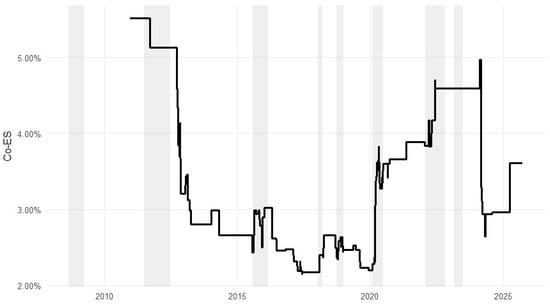
This paper compares higher-order co-moment functionals (co-skewness and co-kurtosis) with conditional tail-risk measures, namely Co-Expected Shortfall (CoES) and Co-Value at Risk (CoVaR), within a unified coherence-based framework. On the theoretical side, we present explicit counterexamples showing that co-skewness violates subadditivity and co-kurtosis violates monotonicity, confirming that higher-order co-moments are descriptive diagnostics rather than admissible risk measures. By contrast, CoES inherits the coherence of Expected Shortfall in a conditional joint-tail setting, while CoVaR remains non-coherent and captures tail events only at a quantile level without accounting for loss severity. Empirically, we adopt a predictive, single-index, lagged-conditioning design to examine temporal conditional tail dependence in S&P 500 daily losses from 2007 to 2023. This framework measures the persistence and amplification of market-wide tail risk rather than cross-sectional contagion across institutions. Conditional tail-risk estimates are reported only when the joint tail is sufficiently populated to ensure reliable identification. When these conditions are met, CoES delivers stable and economically interpretable signals of conditional tail fragility, with pronounced elevations during prolonged stress episodes such as the Lehman collapse and the COVID-19 crisis. Robustness analysis at a less extreme tail level confirms that the qualitative ordering of stress regimes is preserved. CoVaR captures sharp conditional stress episodes but exhibits greater sensitivity to sample size, while higher-order co-moments, both raw and standardized, remain sign-unstable and weakly informative. Overall, the results support a clear hierarchy: co-moments as descriptive supplements, CoVaR as a scenario-based stress indicator, and CoES as the coherent benchmark for conditional tail-risk measurement.
Full article
(This article belongs to the Section Mathematics and Finance)
►
Show Figures
Open AccessArticle
The Effect of Environmental, Social, and Governance on Firm Value in Southeast Asia: The Moderating Role of Digitalization
by
Bahrul Yaman, Deni Pandu Nugraha, Faizul Mubarok, Amanj Mohamed Ahmed, Maria Fekete-Farkas, Istvan Hagen and Zsolt Tégla
J. Risk Financial Manag. 2026, 19(2), 133; https://doi.org/10.3390/jrfm19020133 - 10 Feb 2026
Abstract
With an emphasis on the moderating effect of digitalization, this study links the relationship between corporate valuation in Southeast Asia and environmental, social, and governance (ESG) frameworks. Although the importance of ESG practices for long-term wealth creation and organizational sustainability is becoming more
[...] Read more.
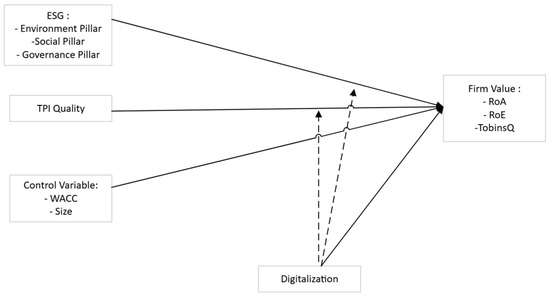
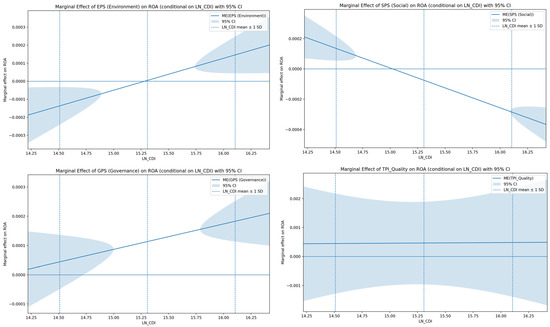
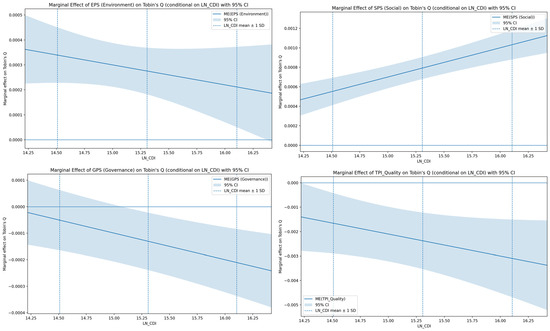
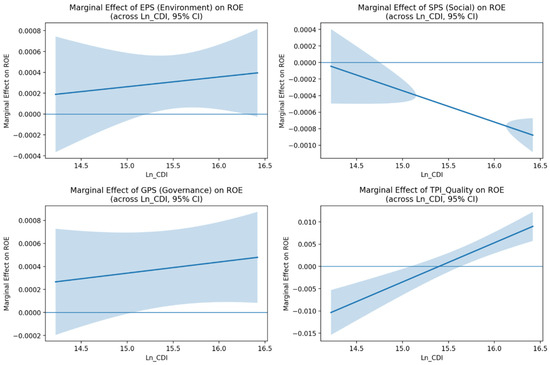
With an emphasis on the moderating effect of digitalization, this study links the relationship between corporate valuation in Southeast Asia and environmental, social, and governance (ESG) frameworks. Although the importance of ESG practices for long-term wealth creation and organizational sustainability is becoming more widely acknowledged, little scholarly attention has been dedicated to how digitalization affects the relationship between ESG and firm value in emerging markets. The influence of social engagement, environmental accountability, and governance quality on firm value metrics such as asset returns, equity return, and Tobin’s Q are assessed by utilizing a longitudinal dataset comprising 132 publicly traded companies from six Southeast Asian nations from 2017 to 2023. Panel Estimated Generalized Least Squares (EGLS) is employed to mitigate heteroskedasticity and cross-sectional dependence. The results show that digitalization has a moderating effect and that social and governance aspects greatly increase firm value. Digitalization specifically increases the influence between governance and asset returns and between social elements and Tobin’s Q, while decreasing the influence between social factors and asset returns, and between governance and Tobin’s Q. Furthermore, another finding shows that digitalization decreases the influence of social factors on return on equity. These findings point out how necessary it is to strategically incorporate technological development into ESG projects in order to optimize sustainable value creation.
Full article
(This article belongs to the Special Issue Corporate Finance: Financial Management of the Firm)
►▼
Show Figures

Figure 1

Open AccessArticle
A Hybrid Framework for Multi-Stock Trading: Deep Q-Networks with Portfolio Optimization
by
Soroush Shahsafi and Farnoosh Naderkhani
J. Risk Financial Manag. 2026, 19(2), 132; https://doi.org/10.3390/jrfm19020132 - 9 Feb 2026
Abstract
This paper presents a hybrid framework for multi-stock trading that combines the decision-making ability of Deep Q-Networks (DQN) with the allocation precision of portfolio optimization models. Realistic markets are noisy and non-stationary, and complex action spaces can hinder reinforcement learning (RL) performance. The
[...] Read more.
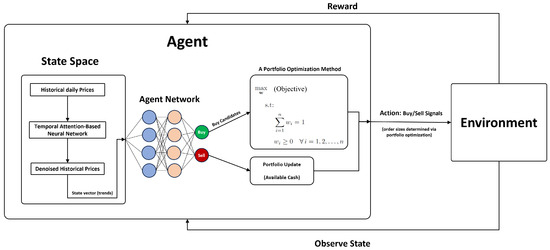
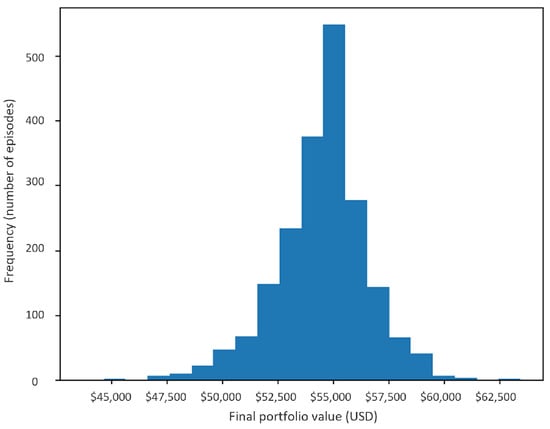
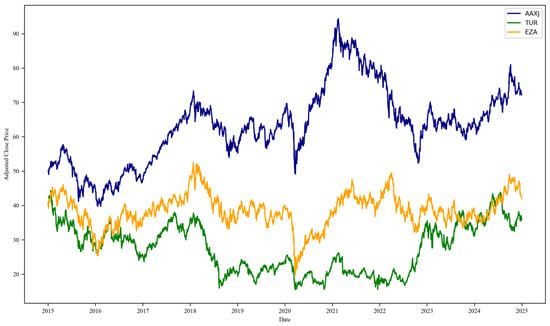
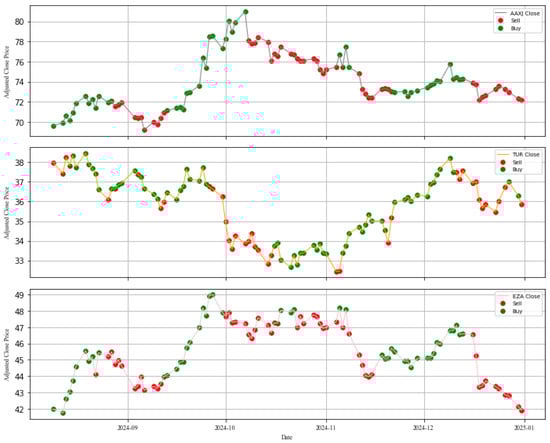
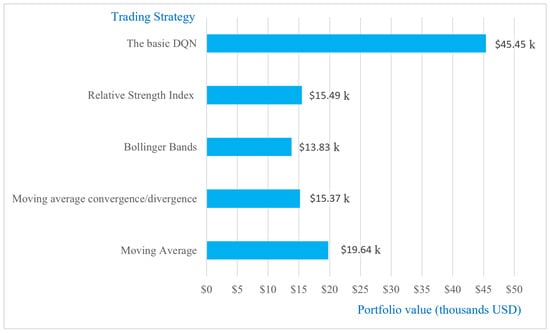
This paper presents a hybrid framework for multi-stock trading that combines the decision-making ability of Deep Q-Networks (DQN) with the allocation precision of portfolio optimization models. Realistic markets are noisy and non-stationary, and complex action spaces can hinder reinforcement learning (RL) performance. The DQN generates buy/sell signals based on market conditions. The framework passes buy-listed assets to an optimizer, which computes portfolio weights. Five allocation strategies are examined: naïve 1/N, Markowitz Mean–Variance, Global Minimum Variance, Risk Parity, and Sharpe Ratio Maximization. Empirical evaluations on emerging-market exchange-traded funds (ETFs), as well as additional tests on U.S. equities, show that even the baseline DQN outperforms traditional technical indicators. Furthermore, integrating any of the optimization approaches with DQN yields measurable improvements in return-risk performance metrics. Among the hybrid frameworks, DQN combined with Sharpe Ratio Maximization delivers the most consistent gains. The findings highlight the value of decomposing stock selection from capital allocation and demonstrate the effectiveness of the proposed DQN-optimization framework on our testbed.
Full article
(This article belongs to the Special Issue AI Applications in Financial Markets and Computational Finance)
►▼
Show Figures

Figure 1

Open AccessArticle
ESG Performance and Firm Value in Indonesia: Do Political Connections and External Assurance Matter?
by
Raja Adri Satriawan Surya, Andreas, Edyanus Herman Halim and Arumega Zarefar
J. Risk Financial Manag. 2026, 19(2), 131; https://doi.org/10.3390/jrfm19020131 - 9 Feb 2026
Abstract
This study examines how ESG performance translates into firm value in an Indonesia setting characterized by high information asymmetry, strong political–business linkages, and weak ESG assurance adoption. Using panel data from non-financial firms listed on the Indonesia Stock Exchange over the 2010–2023 period
[...] Read more.
This study examines how ESG performance translates into firm value in an Indonesia setting characterized by high information asymmetry, strong political–business linkages, and weak ESG assurance adoption. Using panel data from non-financial firms listed on the Indonesia Stock Exchange over the 2010–2023 period (1700 firm-year observations), we analyze whether political connections and external ESG assurance condition the value relevance of ESG performance. The results show that ESG performance is positively associated with firm value; however, this relationship is highly context-dependent. Political connections significantly strengthen the ESG–firm value relationship, suggesting that politically connected firms are better able to convert ESG engagement into economic value by enhancing legitimacy, reducing regulatory uncertainty, and securing stakeholder support. In contrast, external ESG assurance does not significantly moderate this relationship, reflecting the limited credibility and weak differentiation of assurance practices in Indonesia’s immature sustainability assurance market. These findings highlight that, in emerging markets, ESG disclosures are not uniformly credible and may be subject to political capture or symbolic reporting. ESG creates firm value primarily when it is reinforced by institutional mechanisms that reduce perceived risk and enhance credibility. This study contributes to the ESG literature by demonstrating that the valuation effects of sustainability performance depend not only on ESG outcomes but also on the political and institutional environment in which firms operate, with important implications for regulators, investors, and managers in Indonesia.
Full article
(This article belongs to the Section Business and Entrepreneurship)
Open AccessArticle
Reconciling the Energy-Exposure and Sectoral-Risk Hypotheses: Spillover Effects of Oil Shocks to Clean and Dirty Chinese Stocks
by
Eddie Y. M. Lam, Yiuman Tse and Joseph K. W. Fung
J. Risk Financial Manag. 2026, 19(2), 130; https://doi.org/10.3390/jrfm19020130 - 9 Feb 2026
Abstract
This paper develops a new direction of study oil-shocks with two competing hypotheses: (i) the Energy-exposure hypothesis, which posits that clean stocks with less direct reliance on fossil fuel should be less sensitive to oil shocks; and (ii) the Sectoral-risk hypothesis, which argues
[...] Read more.
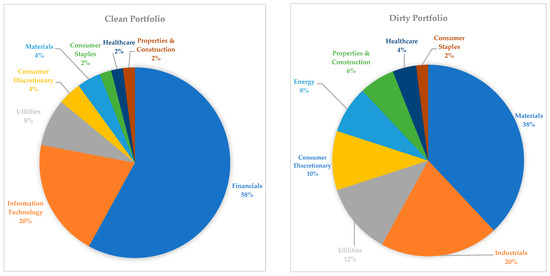
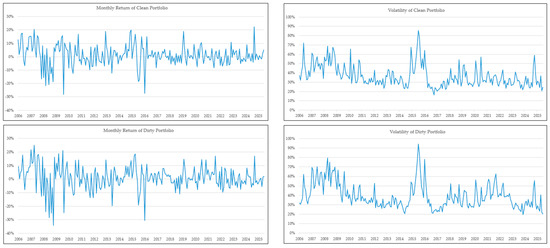
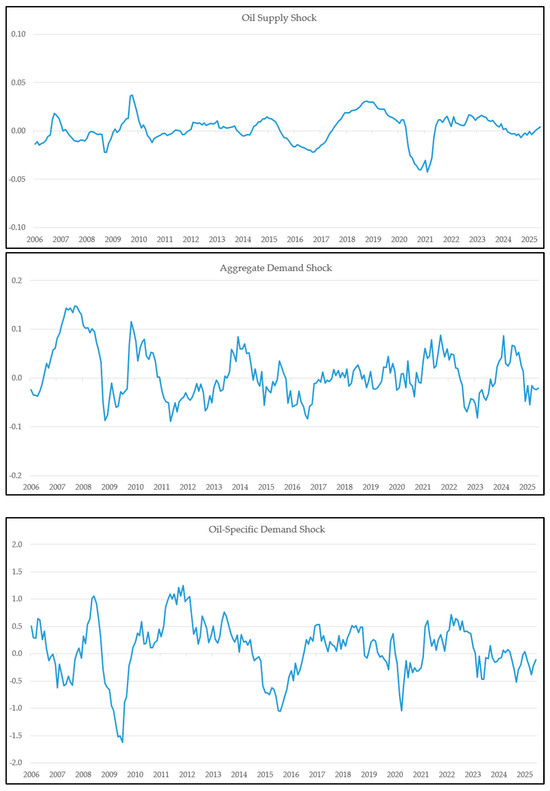
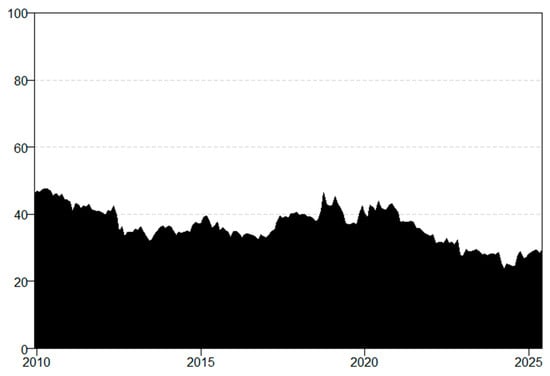
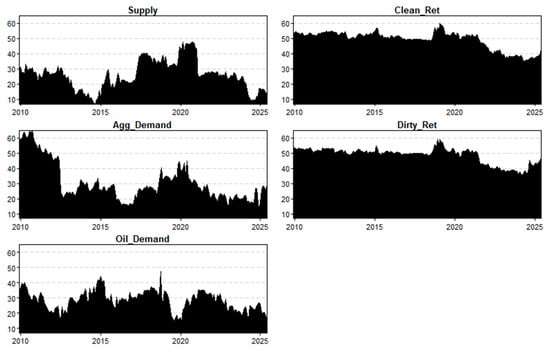
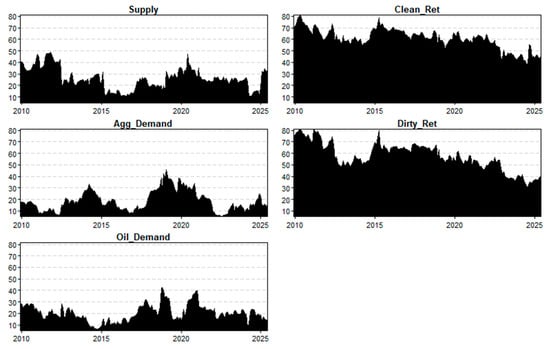
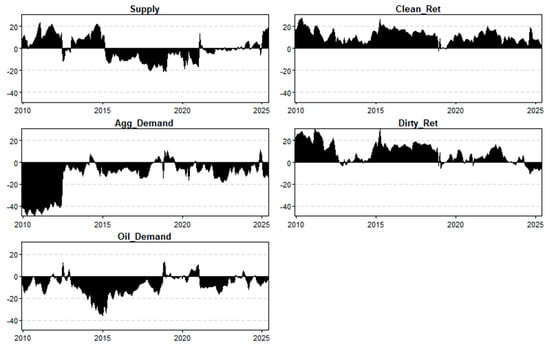
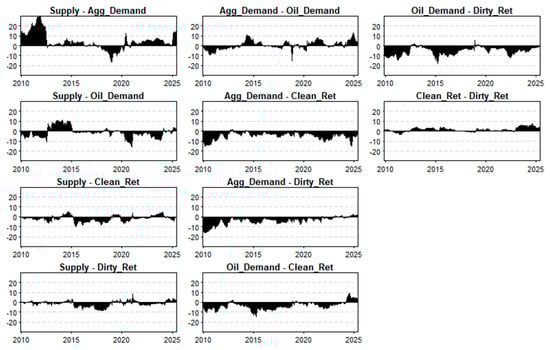
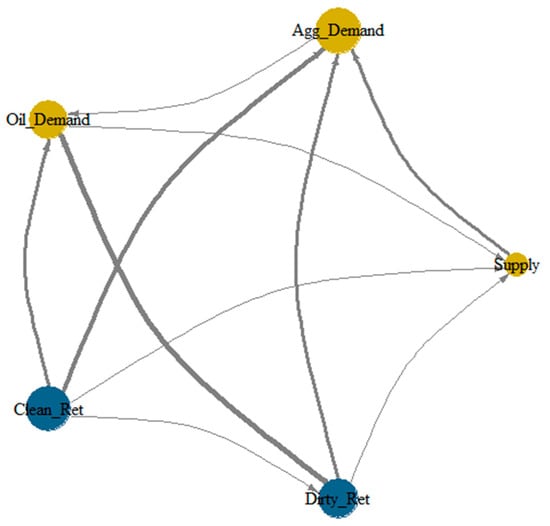
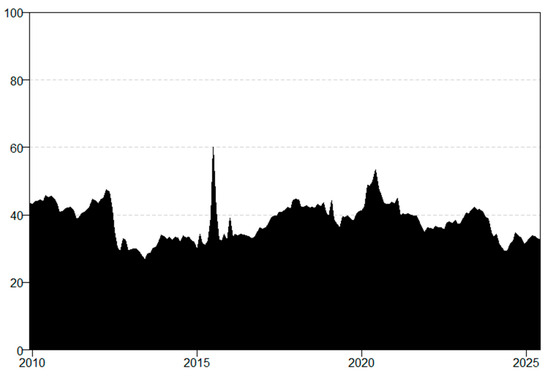
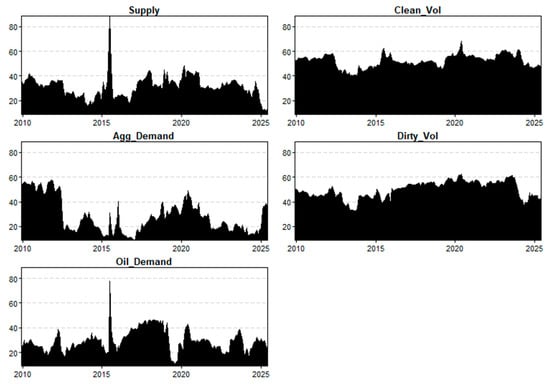
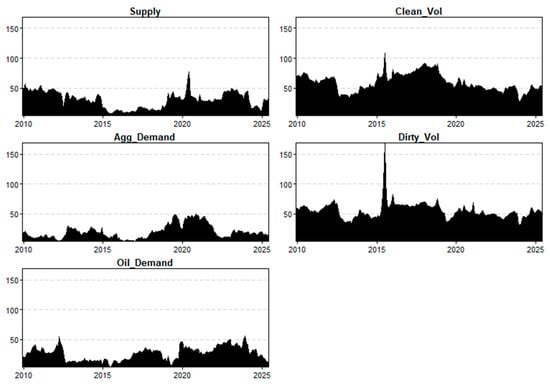
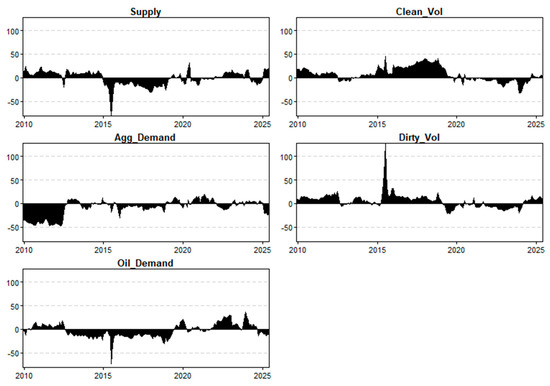
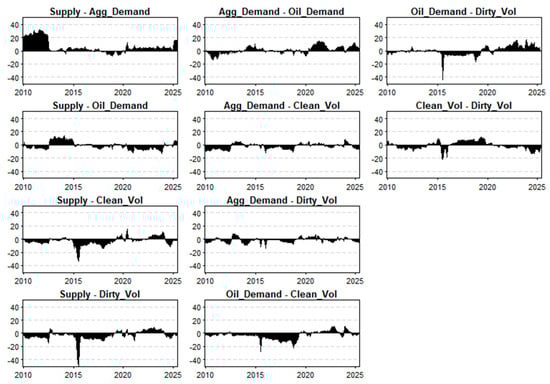
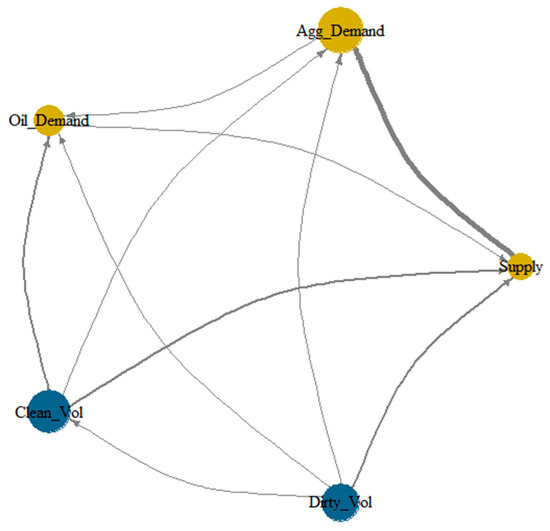
This paper develops a new direction of study oil-shocks with two competing hypotheses: (i) the Energy-exposure hypothesis, which posits that clean stocks with less direct reliance on fossil fuel should be less sensitive to oil shocks; and (ii) the Sectoral-risk hypothesis, which argues that dirty stocks are less sensitive to oil shocks because they exhibit more defensive characteristics and can act as safe-haven assets during oil-induced market stress. Our study constructs clean and dirty portfolios based on firm-level carbon intensity for stocks in the Hang Seng Stock Connect China A 300 (HSCA300) Index, decomposes oil shocks into supply, aggregate demand, and oil-specific demand components, and measures return and volatility spillovers with the connectedness framework. The results show that directional spillovers from all three types of oil shocks to the clean portfolio generally exceed those to the dirty portfolio in both returns and volatility, supporting the sectoral-risk hypothesis. However, volatility spillovers from oil-specific demand shocks are stronger for the dirty portfolio, aligning with the energy-exposure hypothesis.
Full article
(This article belongs to the Special Issue Sustainable Finance and ESG Investment)
►▼
Show Figures

Figure 1

Open AccessArticle
Growth, Fiscal Stance, and Governance: Unveiling Energy Poverty Volatility in the European Union
by
Eftychia Zaroutieri and Athanasios Anastasiou
J. Risk Financial Manag. 2026, 19(2), 129; https://doi.org/10.3390/jrfm19020129 - 9 Feb 2026
Abstract
Social cohesion and inclusive growth constitute the central pillars of the European Commission’s policy agenda. Meanwhile, the recurrence of energy crises exacerbates the living standards and raises the structural inequalities across European households. This paper exploits a Generalized Structural Equation Model (GSEM) to
[...] Read more.
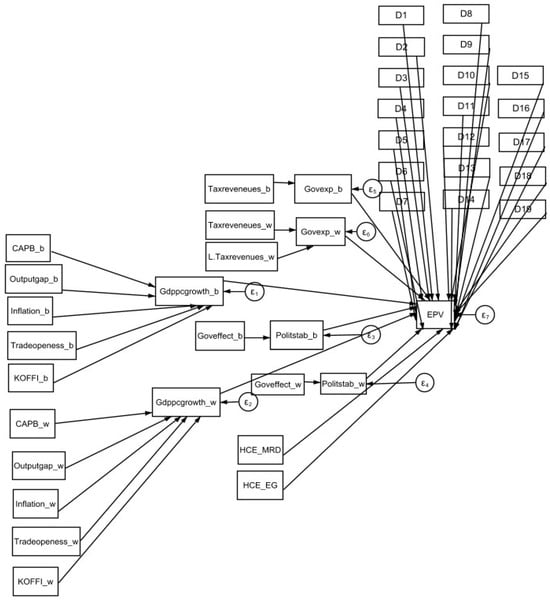
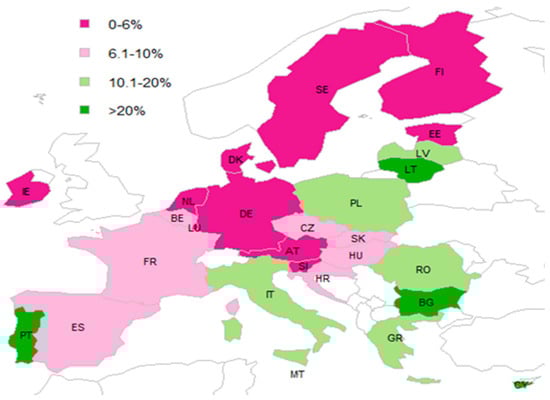
Social cohesion and inclusive growth constitute the central pillars of the European Commission’s policy agenda. Meanwhile, the recurrence of energy crises exacerbates the living standards and raises the structural inequalities across European households. This paper exploits a Generalized Structural Equation Model (GSEM) to identify the effects of macroeconomic and political factors on the volatility in energy poverty. By moving beyond static levels, we examine volatility as a distinct dimension of vulnerability capturing the exposure to short-term shocks in energy affordability. The analysis is founded on a sample of 27 European countries between 2003 and 2022. The GSEM approach clarifies the drivers of the endogenous covariates, that is, the channels through which macroeconomic and political conditions are transmitted to energy poverty volatility. By decomposing the effects into within-country(cyclical) and between-country (structural) components, we find significant relationships that offer valuable insights for the design of effective policy measures. Economic expansion, higher public spending and household expenditure on maintenance of dwellings are directly linked with higher energy poverty volatility. Howbeit, political stability exerts a stabilizing effect, reflecting the importance of institutional quality and government effectiveness. Significant indirect mechanisms transmitted through growth reveal that cyclical expansions, inflationary pressures and short-term fiscal consolidations fuel energy poverty volatility. Growth, inflationary and tax-based driven volatility reflect asymmetrical effects on vulnerable consumers and rising energy deprivation in times of macroeconomic pressures. The results offer valuable evidence for the implication of effective fiscal and institutional policies that shield households from energy vulnerability and ensure affordable access to energy.
Full article
(This article belongs to the Special Issue Corporate Finance and Governance in a Changing Global Environment)
►▼
Show Figures

Figure 1
Open AccessArticle
Managerial Sentiment and Default Risk: Evidence from China
by
Erxuan Ma, Shaun McDowell, Cagri Berk Onuk and Jianing Zhang
J. Risk Financial Manag. 2026, 19(2), 128; https://doi.org/10.3390/jrfm19020128 - 8 Feb 2026
Abstract
This study examines the relationship between managerial sentiment and default risk in China. Using a dataset of managerial sentiment derived from textual emotional tone analysis of corporate reports, and a sample of 13,137 firm-year observations from 2010 to 2022 for publicly listed A-share
[...] Read more.
This study examines the relationship between managerial sentiment and default risk in China. Using a dataset of managerial sentiment derived from textual emotional tone analysis of corporate reports, and a sample of 13,137 firm-year observations from 2010 to 2022 for publicly listed A-share firms, we find that positive managerial sentiment significantly reduces firm default risk. In addition, the mitigating effect of managerial sentiment on default risk is more pronounced under lower ownership concentration, lower research and development expenditure intensity, lower industry competition, and higher firm leverage. Mediation analysis indicates that both financial constraints and environmental, social, and governance ratings provide channels through which managerial sentiment influences default risk. The results are robust to alternative measures of managerial sentiment and default risk. Endogeneity concerns are alleviated through two-stage least squares regression and propensity score matching. This study offers practical implications for investors, corporate managers, and policymakers seeking to mitigate firm financial distress risk in modern capital markets.
Full article
(This article belongs to the Section Risk)
Open AccessArticle
The Effect of Family Ownership on Overall, Firm-Level, and Market-Level Corporate Transparency
by
Euikyu Choi, Jongmoo Jay Choi and Moo Sung Kim
J. Risk Financial Manag. 2026, 19(2), 127; https://doi.org/10.3390/jrfm19020127 - 7 Feb 2026
Abstract
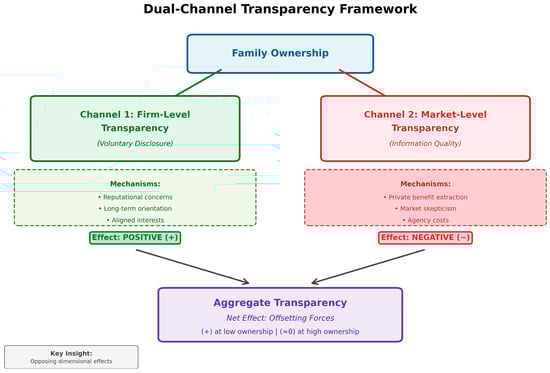
We examine how family ownership shapes overall corporate transparency by analyzing both firm-level and market-level transparency. Drawing on data from Korean-listed companies between 2001 and 2007, we construct separate indices measuring voluntary disclosure by firms, information quality as assessed by market participants, and
[...] Read more.
We examine how family ownership shapes overall corporate transparency by analyzing both firm-level and market-level transparency. Drawing on data from Korean-listed companies between 2001 and 2007, we construct separate indices measuring voluntary disclosure by firms, information quality as assessed by market participants, and overall transparency combining both dimensions. Our analysis uncovers a striking paradox: while family ownership positively correlates with firm-initiated disclosure efforts, it negatively relates to market participants’ assessment of information quality. These opposing forces result in no significant relationship between family ownership and aggregate transparency. However, when we partition our sample by ownership levels, firms with family stakes below 30% show significantly positive transparency associations, while those above this threshold exhibit no significant relationship. We interpret these patterns as reflecting a genuine commitment by family owners to enhanced disclosure that is systematically discounted by markets, with this skepticism becoming more pronounced as family control intensifies.
Full article
(This article belongs to the Section Economics and Finance)
►▼
Show Figures

Figure 1
Open AccessArticle
Predictive Valuation of Non-Fungible Tokens (NFTs): Machine Learning Models in Decentralized Finance
by
Athanasios Kranias
J. Risk Financial Manag. 2026, 19(2), 126; https://doi.org/10.3390/jrfm19020126 - 7 Feb 2026
Abstract
This study examines the pricing dynamics of Non-Fungible Tokens (NFTs) in the secondary market using advanced machine-learning techniques. We construct a large dataset of Ethereum-based NFT transactions initially comprising over 500,000 raw blockchain observations spanning multiple NFT segments, including art, collectibles, gaming, metaverse,
[...] Read more.
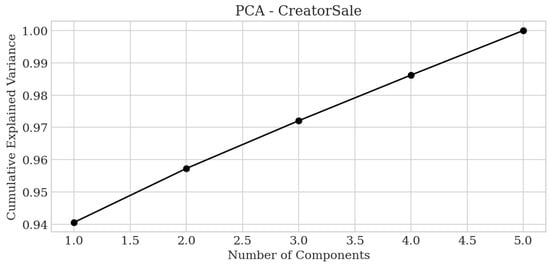
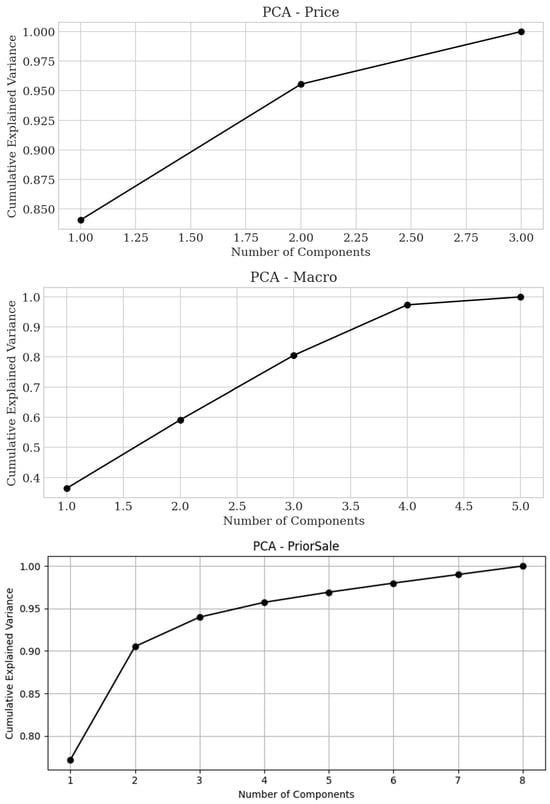
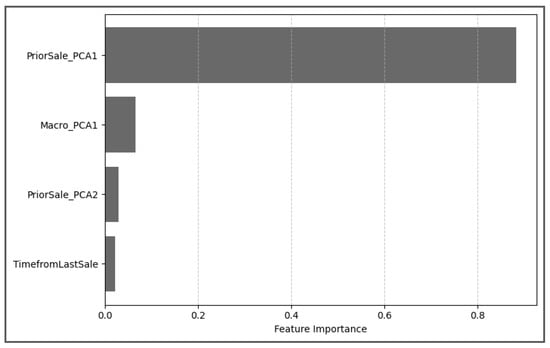
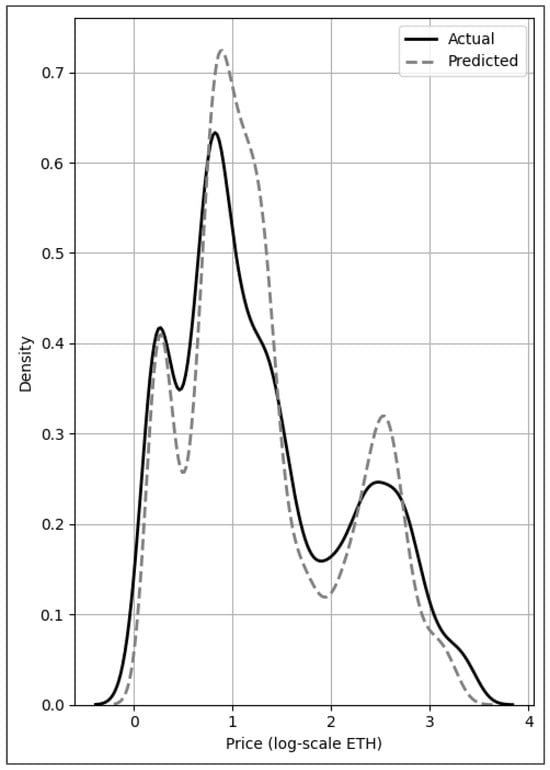
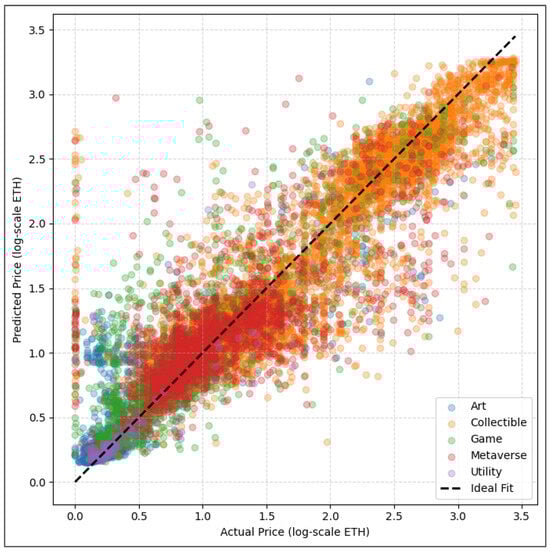
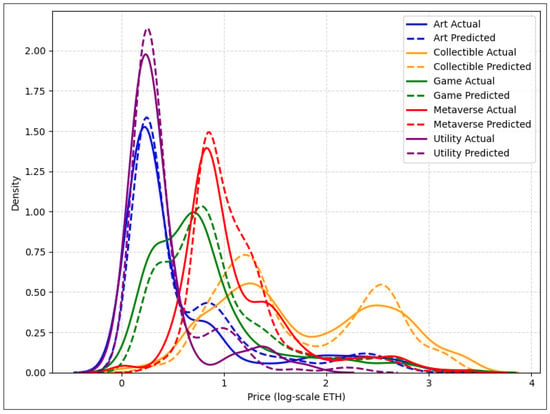
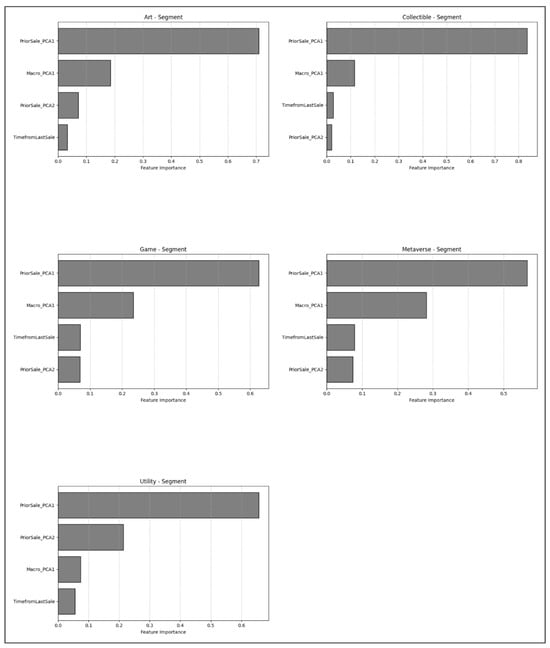
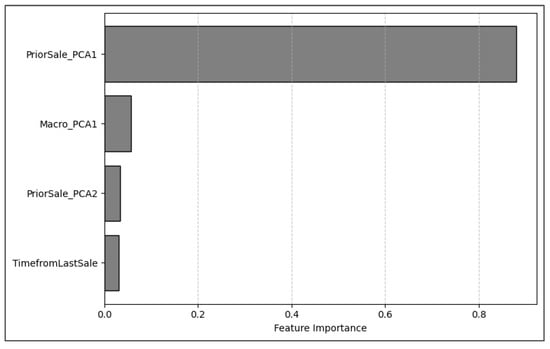
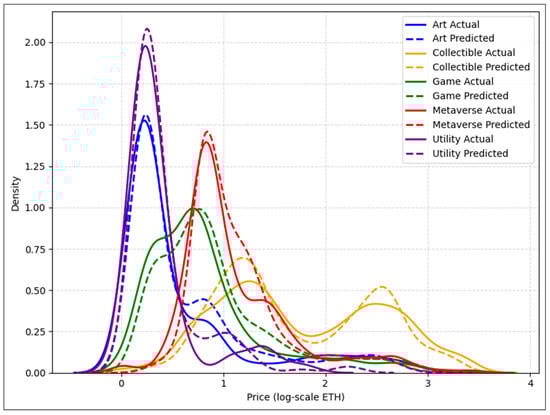
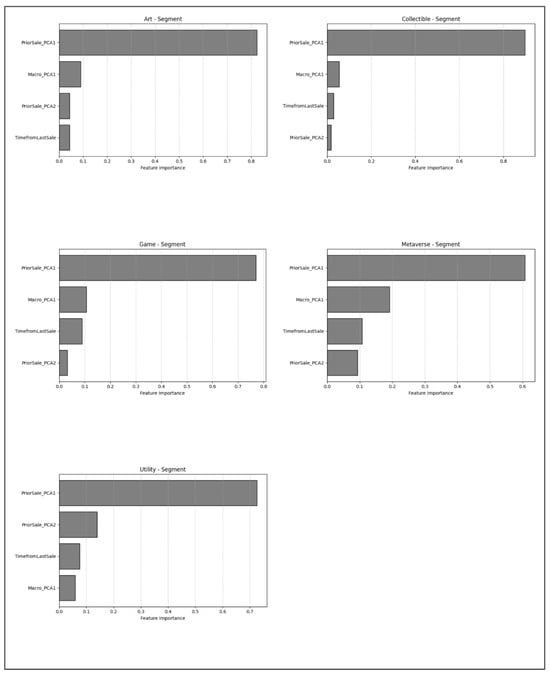
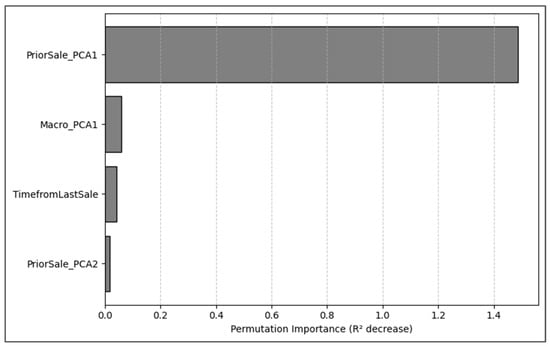
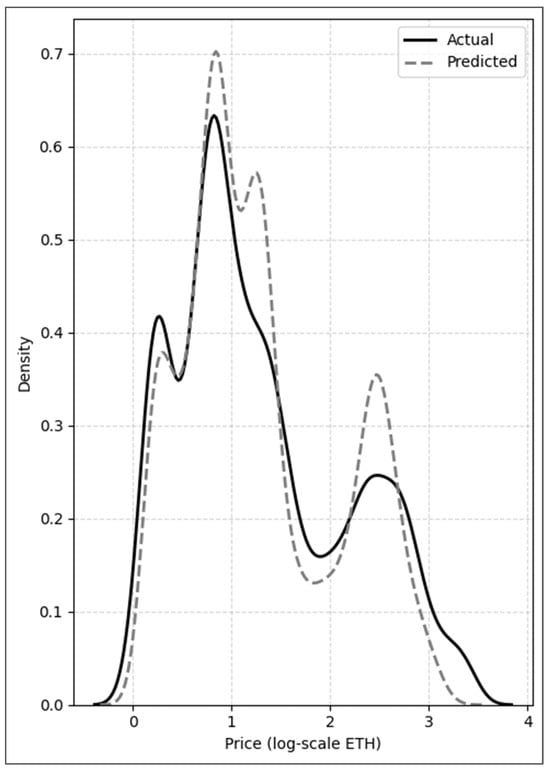
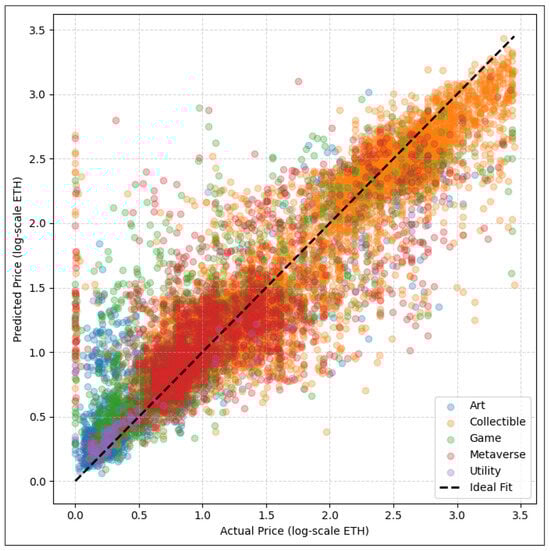
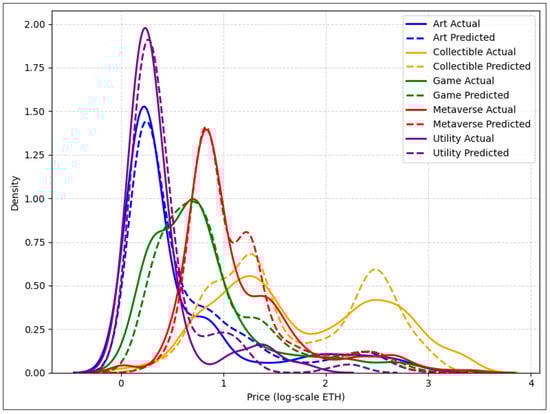
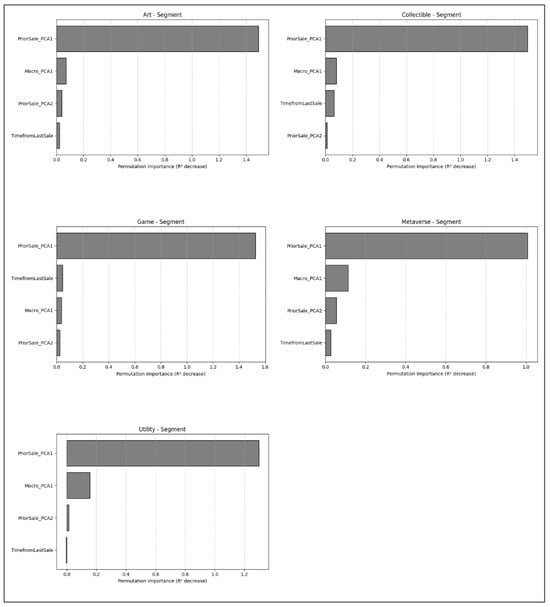
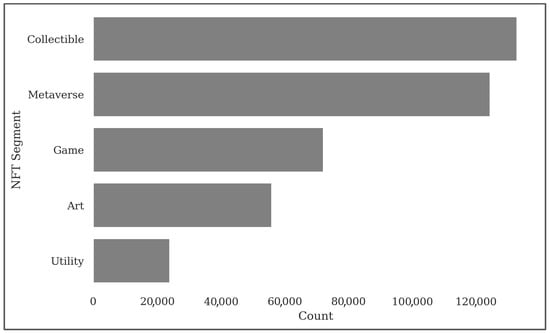
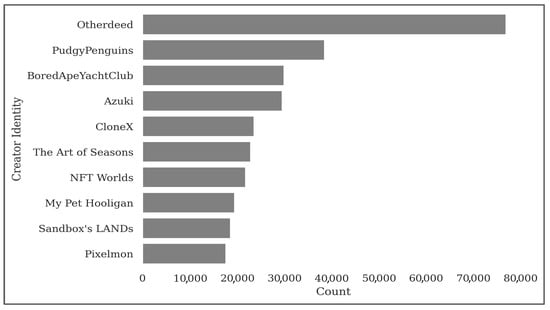
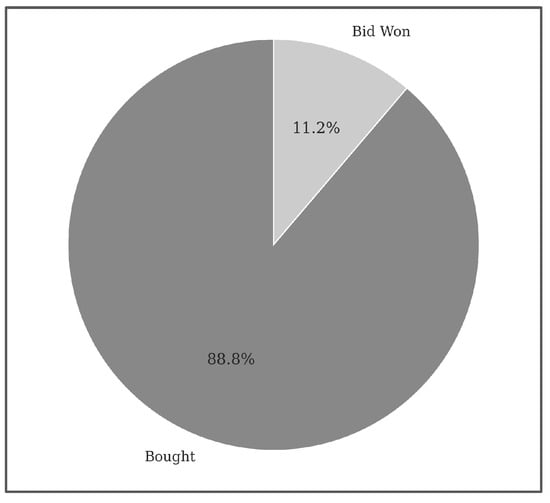
This study examines the pricing dynamics of Non-Fungible Tokens (NFTs) in the secondary market using advanced machine-learning techniques. We construct a large dataset of Ethereum-based NFT transactions initially comprising over 500,000 raw blockchain observations spanning multiple NFT segments, including art, collectibles, gaming, metaverse, and utility assets, over the period from November 2018 to March 2023. Following data preprocessing, synchronization across data sources, and the construction of history-dependent features, the analysis focuses on a final analytical sample of approximately 70,000 transactions. To address the challenges of non-fungibility, thin trading, and high price dispersion, we develop an interpretable predictive framework that integrates domain-informed manual feature engineering, automated Deep Feature Synthesis, and dimensionality reduction via Principal Component Analysis. Three non-linear models—Random Forest, XGBoost, and a Multilayer Perceptron—are trained and evaluated using both random and time-aware validation strategies. The results indicate that XGBoost consistently achieves the highest predictive accuracy, both overall and across individual NFT segments, while historical transaction prices emerge as the dominant predictor of future prices. Segment-level analysis reveals substantial heterogeneity in predictability, with art and collectible NFTs exhibiting more stable pricing patterns than gaming and metaverse assets. Overall, the findings highlight strong path dependence and reputation-driven valuation in NFT markets and demonstrate that carefully designed machine-learning models can deliver high predictive performance without sacrificing economic interpretability.
Full article
(This article belongs to the Special Issue Data and Technology: Shaping the Future of Finance, Accounting, and Business Systems Innovation)
►▼
Show Figures

Figure 1
Open AccessSystematic Review
Bridging Theoretical Assumptions and Empirical Evidence on Family Firms’ Tax Behavior: A Systematic Review
by
Cledilson Viana, Sérgio Cruz and Ana Dinis
J. Risk Financial Manag. 2026, 19(2), 125; https://doi.org/10.3390/jrfm19020125 - 6 Feb 2026
Abstract
This article provides a systematic review of the theoretical foundations underlying tax behavior in family firms. Drawing on 69 empirical studies indexed in Scopus and Web of Science, the review identifies three core limitations: the insufficient contextualization of socioemotional wealth (SEW) across cultural
[...] Read more.
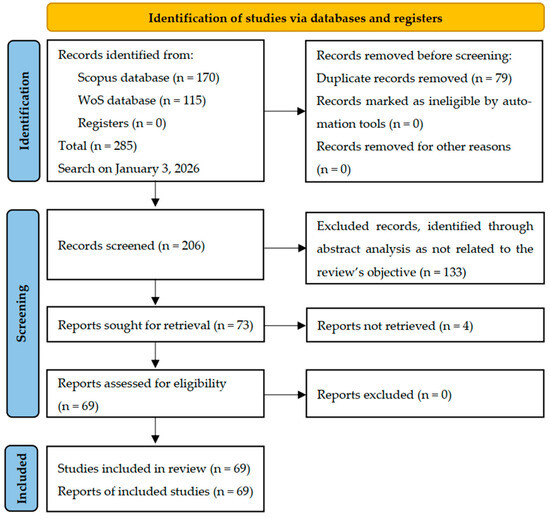
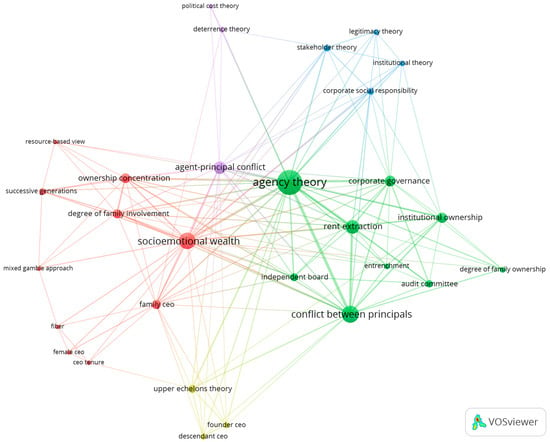
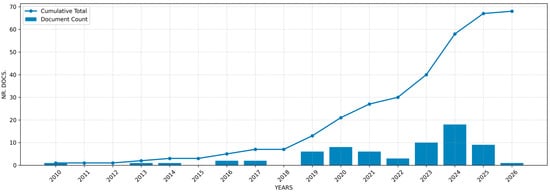
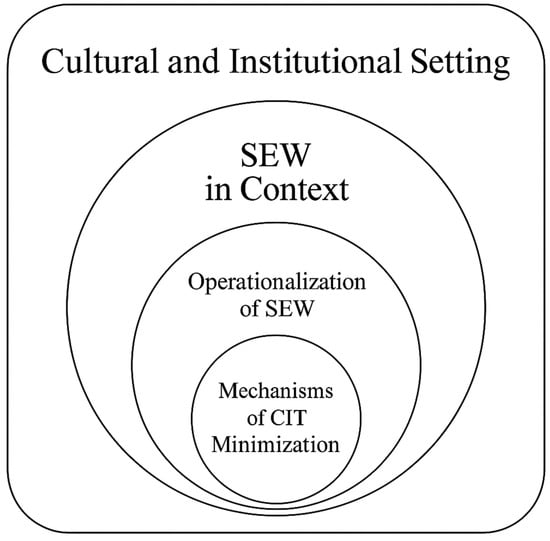
This article provides a systematic review of the theoretical foundations underlying tax behavior in family firms. Drawing on 69 empirical studies indexed in Scopus and Web of Science, the review identifies three core limitations: the insufficient contextualization of socioemotional wealth (SEW) across cultural and institutional settings; the weak operationalization of SEW dimensions, often relying on indirect proxies; and the limited examination of the concrete actions firms take to minimize corporate income tax. We propose a research agenda anchored in a multi-layered framework that calls for contextual sensitivity, improved SEW measurement, and stronger empirical grounding in tax minimization mechanisms.
Full article
(This article belongs to the Special Issue Tax Avoidance and Earnings Management)
►▼
Show Figures

Figure 1

Open AccessArticle
The Impact of AI and Innovation on MNEs’ Product Market and Financial Performance
by
Shumi Akhtar, Farida Akhtar and Jiongcheng Lu
J. Risk Financial Manag. 2026, 19(2), 124; https://doi.org/10.3390/jrfm19020124 - 6 Feb 2026
Abstract
This study empirically examines how artificial intelligence (AI) adoption and innovation shape product market dynamics and financial performance in multinational enterprises (MNEs) using a global firm sample over 1980–2023. We construct an unbalanced panel dataset by integrating textual analysis, manual verification, and data
[...] Read more.
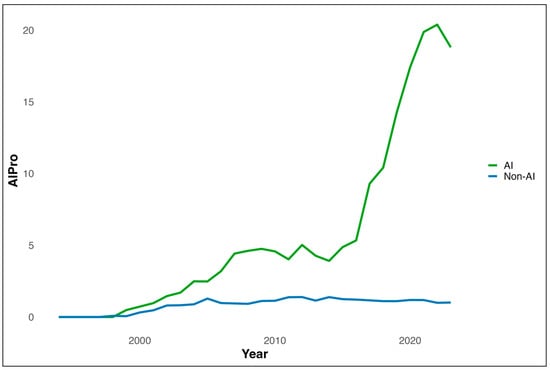
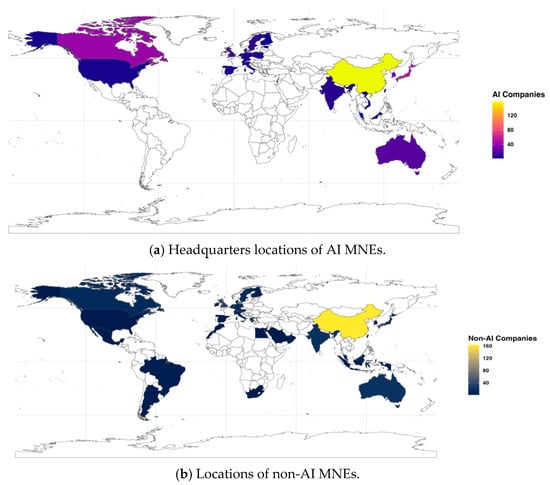
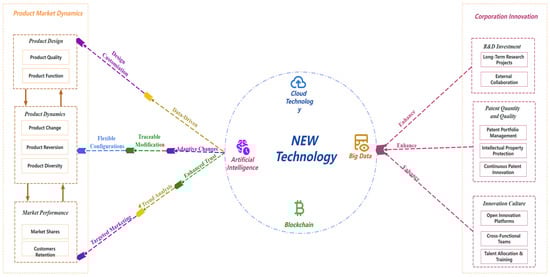
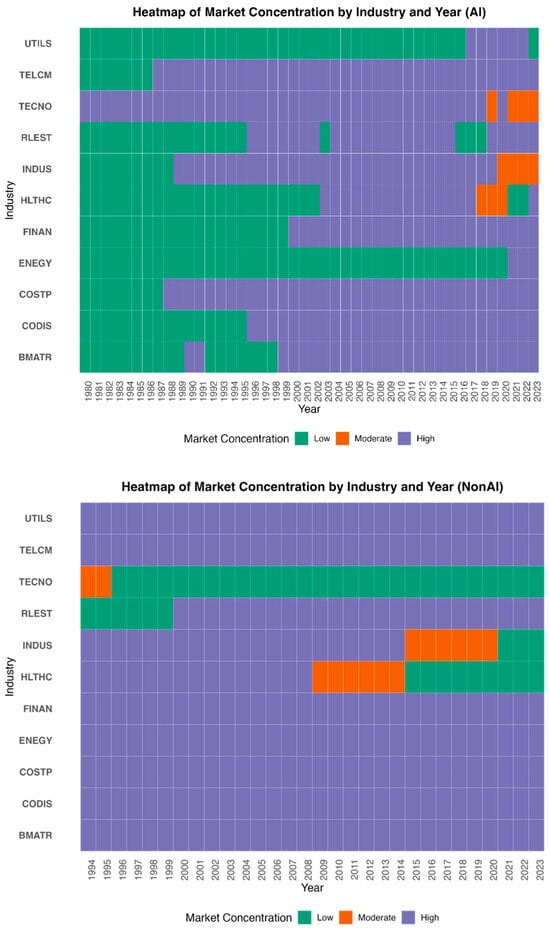
This study empirically examines how artificial intelligence (AI) adoption and innovation shape product market dynamics and financial performance in multinational enterprises (MNEs) using a global firm sample over 1980–2023. We construct an unbalanced panel dataset by integrating textual analysis, manual verification, and data merged from nine major databases, identifying 411 AI-classified MNEs and a matched 411 non-AI MNEs. Using panel regression models with industry and year fixed effects, we test how AI intensity (the proportion of AI-related products/assets) and R&D—individually and jointly—affect product portfolio breadth and change, market share, industry concentration (HHI), and profitability. The results show that greater AI integration is associated with higher product diversification and a stronger competitive positioning, and that the interaction of AI and R&D is particularly important for explaining market share, concentration, and profitability differences across AI and non-AI MNEs. Overall, the findings highlight the strategic value of aligning AI adoption with innovation investments to strengthen product market outcomes and financial performance in global markets.
Full article
(This article belongs to the Special Issue Artificial Intelligence and Machine Learning in Transforming Business and Finance Across Different Sectors)
►▼
Show Figures

Figure 1
Open AccessArticle
Property Tax, Local Sales Tax and Business Activity in Nevada: A Spatial Analysis
by
Quan Sun, Minjie Huang, Mehmet Tosun and Hao Sun
J. Risk Financial Manag. 2026, 19(2), 123; https://doi.org/10.3390/jrfm19020123 - 6 Feb 2026
Abstract
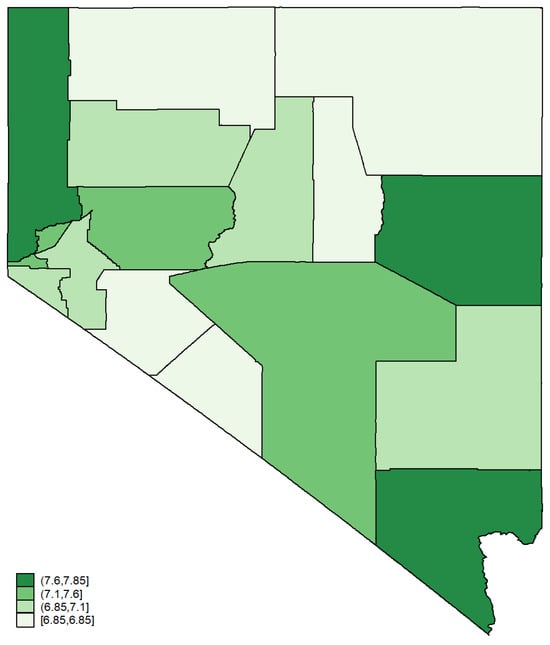
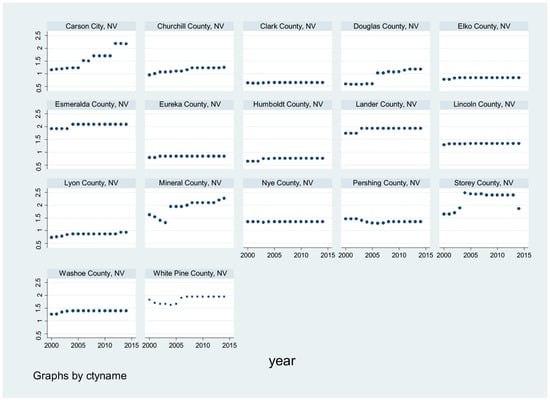
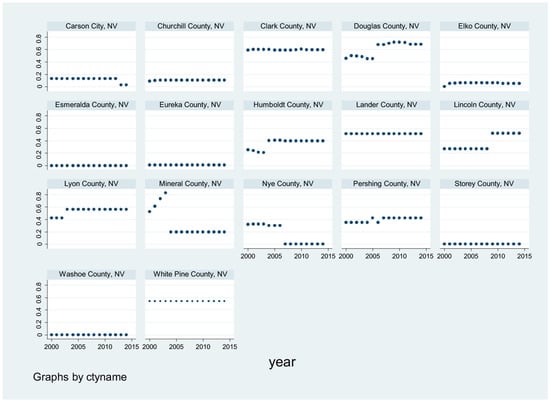
This study examines how business activity responds to local taxation, specifically property tax and local sales tax, in Nevada. Using county-level data for the period 1999–2014, we assess the impact of these taxes on various business activity indicators, including employment, annual payroll, the
[...] Read more.
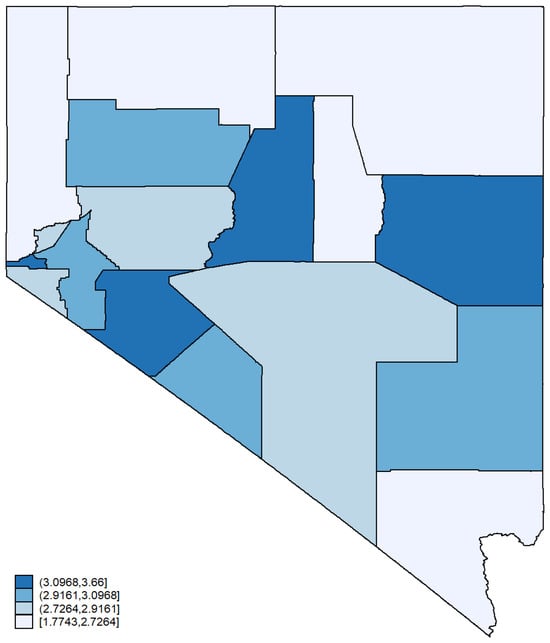
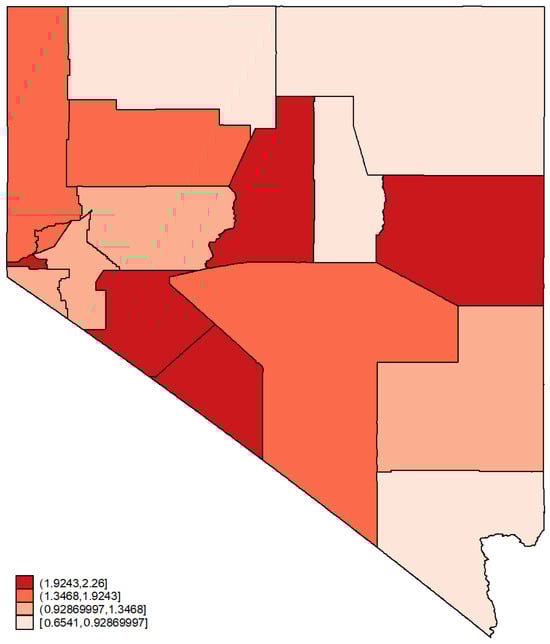
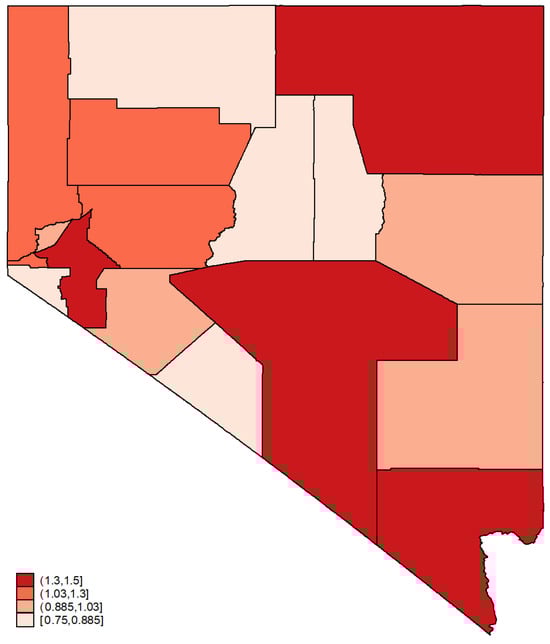
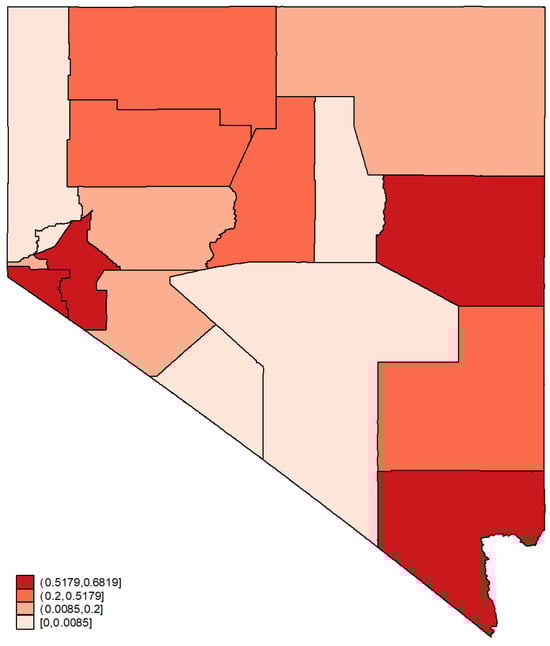
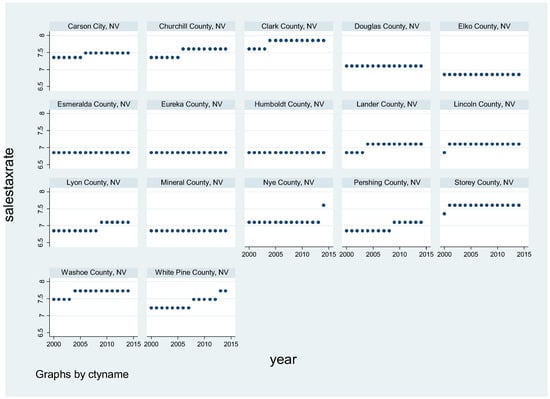
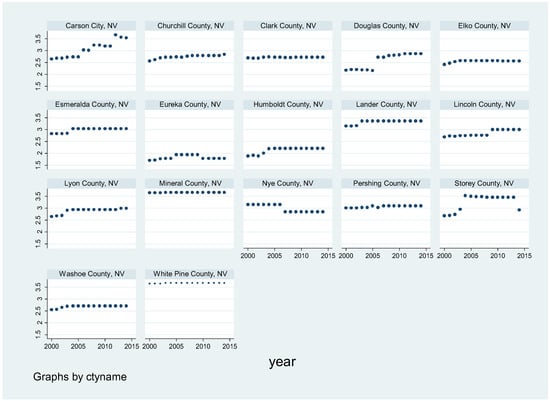
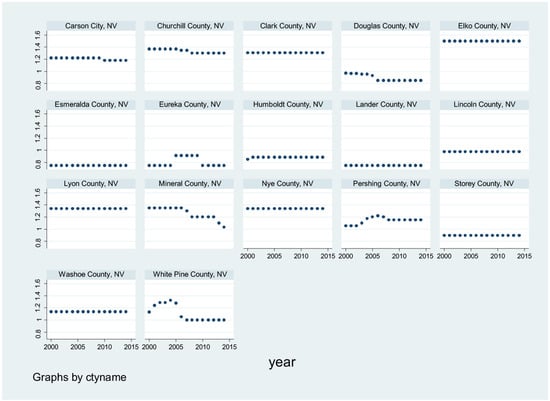
This study examines how business activity responds to local taxation, specifically property tax and local sales tax, in Nevada. Using county-level data for the period 1999–2014, we assess the impact of these taxes on various business activity indicators, including employment, annual payroll, the number of establishments, and the number of small establishments categorized by size. Unlike previous studies that primarily focus on state-level taxation, our research delves into the effects of local tax instruments. By analyzing different components of the property tax (e.g., school district, county, and special district rates) and evaluating the specific effects of local sales tax changes, we provide a nuanced understanding of the local tax–business activity relationship. To address potential policy endogeneity in the sales tax rate, we instrument the sales tax rate using the lagged share of registered Democrats and implement an IV (control-function) spatial Durbin framework, ensuring robust estimates of within-period associations and spatial spillovers. Our analysis is intentionally confined to the 1999–2014 institutional regime, when Nevada businesses were primarily exposed to property and sales taxes. The estimates should, therefore, be interpreted as evidence on how the local tax mix and its components correlate with business activity under this pre-2015 fiscal structure, rather than as a direct forecast for the post-2015 environment shaped by subsequent policy changes and macroeconomic shocks. Across specifications, the IV-identified total effect of the sales tax rate is consistently negative for establishment-related outcomes. Nonetheless, the results remain informative for current debates on the design of local revenue systems because the underlying tax–service bundle and cross-jurisdictional spillover mechanisms continue to be central to local public finance.
Full article
(This article belongs to the Special Issue Real Estate Finance and Risk Management)
►▼
Show Figures

Figure 1
Open AccessSystematic Review
The Impact of Insurtech on Insurance Inclusion: A Systematic Literature Review
by
Farai Borden Mushonga and Syden Mishi
J. Risk Financial Manag. 2026, 19(2), 122; https://doi.org/10.3390/jrfm19020122 - 6 Feb 2026
Abstract
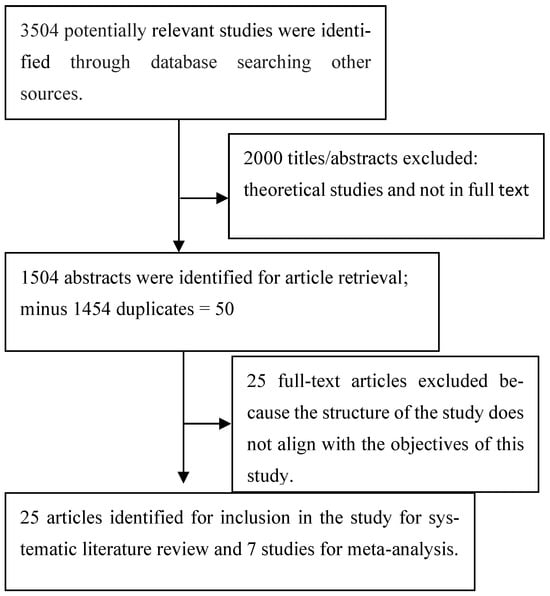
Changing risk dynamics and the demand for more personalized, technology-driven services have spurred innovation in insurance through Insurtech, reshaping how insurance is supplied, purchased, and managed. This paper systematically reviews the impact of Insurtech on insurance inclusion, guided by the PRISMA-P protocol. The
[...] Read more.
Changing risk dynamics and the demand for more personalized, technology-driven services have spurred innovation in insurance through Insurtech, reshaping how insurance is supplied, purchased, and managed. This paper systematically reviews the impact of Insurtech on insurance inclusion, guided by the PRISMA-P protocol. The review finds strong evidence that Insurtech enhances insurance inclusion by lowering transaction costs, improving accessibility, and broadening market participation. These effects are most visible in short-term insurance, where digital platforms and tailored products reach previously underserved populations. Beyond this primary finding, the review highlights how insurance inclusion is conceptualized and measured in the literature. Quantitative measures typically include penetration rates, density, and the proportion of households with insurance coverage, while broader indices account for availability, usage, and accessibility of insurance services. Qualitative approaches often emphasize mismatches between the products offered and those needed, particularly for vulnerable groups. Similarly, studies of Insurtech adopt both demand-side indicators (such as product uptake and coverage per user) and supply-side measures (including patents, capital inflows, and innovation outputs). These insights suggest that fostering Insurtech development, while addressing regulatory, access, and equity concerns, can significantly improve insurance inclusion and narrow protection gaps.
Full article
(This article belongs to the Special Issue InsurTech Development and Insurance Inclusion)
►▼
Show Figures

Figure 1
Open AccessArticle
Limits to Arbitrage and Speculative Bubbles in Emerging Stock Markets: Evidence from Gold-Backed Certificates
by
Turgay Yavuzarslan, Bülent Çelebi and Selman Aslan
J. Risk Financial Manag. 2026, 19(2), 121; https://doi.org/10.3390/jrfm19020121 - 5 Feb 2026
Abstract
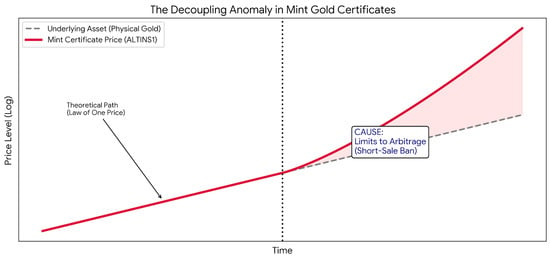
This study examines the pricing efficiency of the Mint Gold Certificate (ALTINS1) traded on Borsa Istanbul and its relationship with the underlying asset (gram gold), focusing on the structural break identified in the data. Analyses conducted using Mann–Kendall trend analysis, the Pettitt structural
[...] Read more.
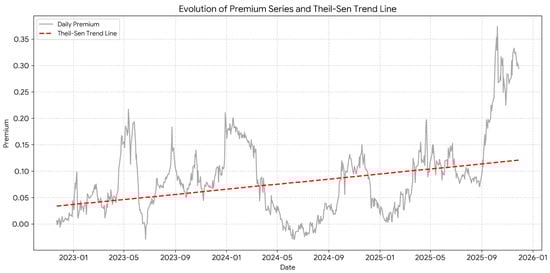
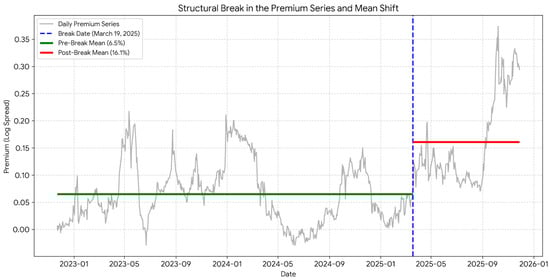
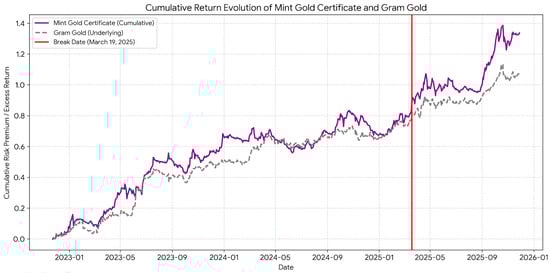
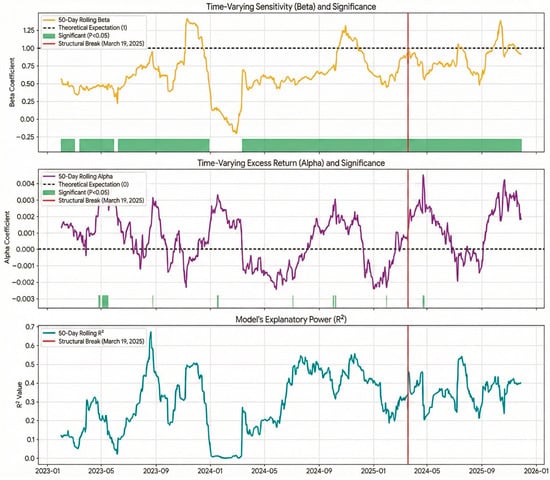
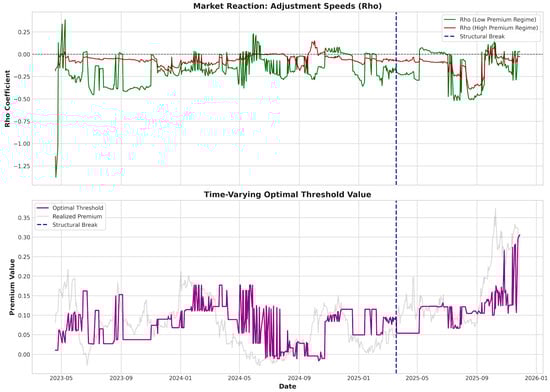
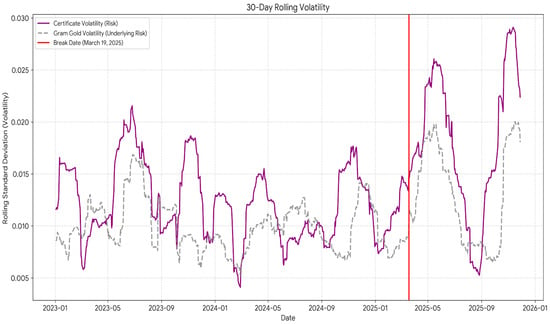
This study examines the pricing efficiency of the Mint Gold Certificate (ALTINS1) traded on Borsa Istanbul and its relationship with the underlying asset (gram gold), focusing on the structural break identified in the data. Analyses conducted using Mann–Kendall trend analysis, the Pettitt structural break test, Rolling Window regression, and the Threshold Error Correction Model (Threshold ECM) reveal that certificate prices have systematically decoupled from the underlying asset, creating a persistent premium exceeding 16%. The findings indicate that the risk structure of the certificate has diverged from the underlying asset, the market has become desensitized to high premium levels (asymmetric threshold effect), and prices move independently of fundamental value through a speculative feedback loop (Granger causality). The study argues that the root cause of this anomaly lies in the “Limits to Arbitrage” problem stemming from supply constraints and short-sale bans, offering new evidence on the pricing efficiency of financial innovations in emerging markets.
Full article
(This article belongs to the Special Issue Behavioral Factors and Risk-Taking in Financial Markets)
►▼
Show Figures

Graphical abstract
Open AccessArticle
Do Carbon Exchanges Make a Difference to Carbon Disclosure and Performance? Evidence from Indonesia
by
Ayu Oktaviani, Syahrial Shaddiq and Novika Rosari
J. Risk Financial Manag. 2026, 19(2), 120; https://doi.org/10.3390/jrfm19020120 - 5 Feb 2026
Abstract
The presence of the Indonesia Carbon Exchange (ICE) puts pressure on management to carry out its active role in reducing the potential of climate change through business strategies such as disclosure and improving carbon performance. This study seeks to prove the significant difference
[...] Read more.
The presence of the Indonesia Carbon Exchange (ICE) puts pressure on management to carry out its active role in reducing the potential of climate change through business strategies such as disclosure and improving carbon performance. This study seeks to prove the significant difference in carbon disclosure and performance after the launch of the ICE, as well as to review the profound differences in the increase in carbon disclosure and performance in the high and low-polluting sectors in the population of companies listed on the Indonesia Stock Exchange for the 2022 and 2024 periods. The two research models used in formulating the results are the Wilcoxon test and the Difference-in-Differences model. The results of this study indicate a significant difference in carbon disclosure and performance after the launch of ICE, which illustrates the changing dynamics of environmental regulations encouraging companies to improve transparency and corporate carbon performance in an effort to maintain their legitimacy. This study shows that there was no significant difference in the comprehensiveness of carbon disclosure or the improvement in carbon performance between high- and low-polluting sectors after the launch of ICE.
Full article
(This article belongs to the Special Issue Carbon Accounting, Climate Reporting, and Sustainable Finance)
Open AccessReview
The Sovereign Wealth Fund Paradox: Evolution, Challenges, and Unresolved Issues
by
David M. Kemme
J. Risk Financial Manag. 2026, 19(2), 119; https://doi.org/10.3390/jrfm19020119 - 5 Feb 2026
Abstract
Sovereign wealth funds enhance the international movement of capital and often facilitate economic development in domestic and host countries. However, the lack of transparency and accountability of SWFs varies, and state ownership gives rise to suspicions and realizations of political motivations, unfair commercial
[...] Read more.
Sovereign wealth funds enhance the international movement of capital and often facilitate economic development in domestic and host countries. However, the lack of transparency and accountability of SWFs varies, and state ownership gives rise to suspicions and realizations of political motivations, unfair commercial advantages, opportunities for corruption, and national security threats, thereby challenging the liberal economic order. This paper provides an overview and identifies major concerns and policy options associated with SWFs. Defining SWFs, measuring their size and transparency, domestic, cultural, and political origins, and policies for oversight and mitigation of geopolitical risk are discussed. The goals and behavior of SWFs are too diverse to draw broad, general conclusions. The growth in the number of funds and assets under management has increased their diversity, but the essential defining characteristic is that they are state-owned financial investment vehicles not subject to the hard budget constraints or regulations of comparable private sector, market-oriented entities. Transparency varies, with democratic country SWFs more transparent and less problematic than those of autocracies. SWFs have evolved into unbounded state-owned entities ushering in a new era of financial statecraft. Policies to guide their behavior and enforcement mechanisms are host-country specific and highly variable. An often-discussed international regulatory framework to mitigate geopolitical risk has not emerged and is not likely.
Full article
(This article belongs to the Special Issue Globalization and Economic Integration)
Open AccessArticle
Examining the Role of Accountant’s Knowledge of Forensic Accounting, Corporate Governance Policies and Fraud Awareness Training in Preventing Fraud: A Survey of Indian Corporates
by
Rakhi P. Sangale, Dipak Santram Vakrani, Suresh B. Pathare and Jewel Kumar Roy
J. Risk Financial Manag. 2026, 19(2), 118; https://doi.org/10.3390/jrfm19020118 - 4 Feb 2026
Abstract
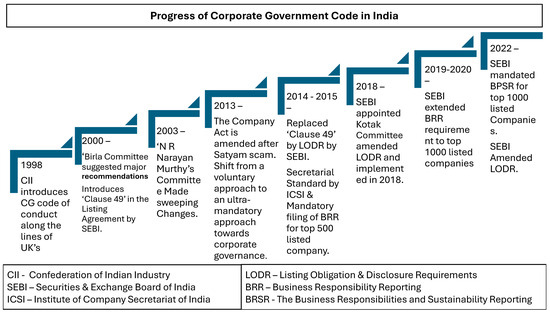
Corporate fraud remains a persistent problem that highlights the need for improved internal control and governance. Research on corporate governance (CG) and forensic accounting (FA) has been largely performed as separate studies. Little has been done to look at how accountants’ knowledge and
[...] Read more.
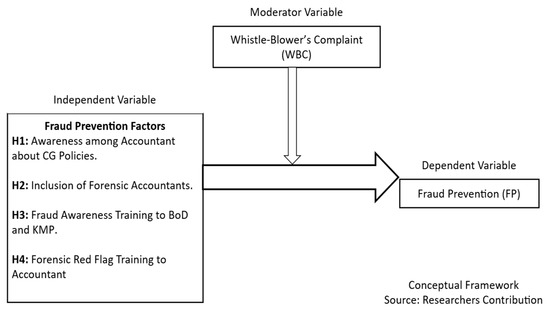
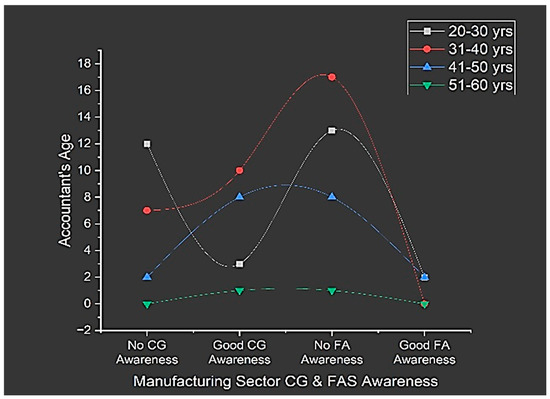
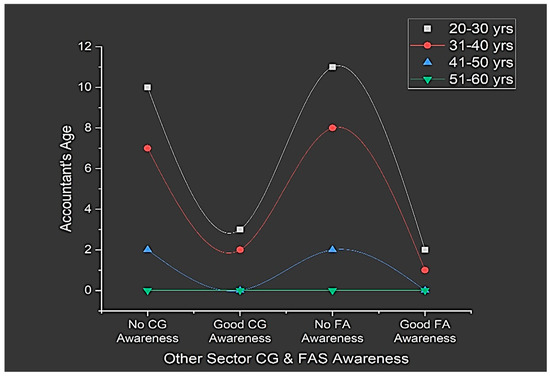
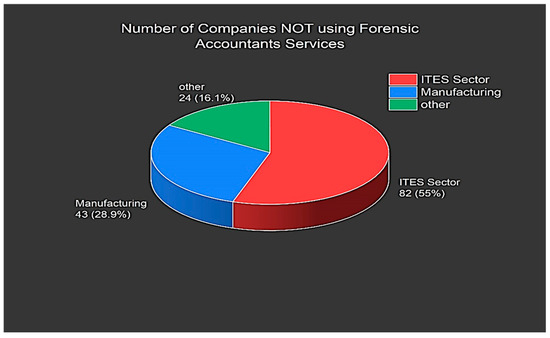
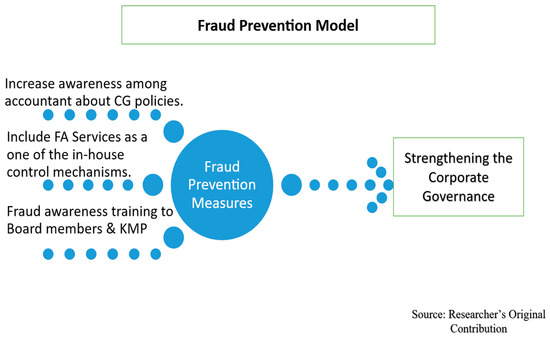
Corporate fraud remains a persistent problem that highlights the need for improved internal control and governance. Research on corporate governance (CG) and forensic accounting (FA) has been largely performed as separate studies. Little has been done to look at how accountants’ knowledge and the specific training of accountants in fraud awareness for their company’s leaders affect preventing fraud (FP). The study surveyed 150 accountants in India from April 2023 to May 2024. The results are based on Chi-Square testing and binary logistic regression. The study investigated how companies in India incorporate CG policy understanding and FG use for KMP and boards and how these factors affect FP. The findings indicate that understanding CG, using FA, and having specific training on fraud awareness for KMPs and boards of directors are all significant factors in reducing the occurrence of fraud. In addition, general employee training has no impact on FP. The theories of agency, stakeholder, and fraud triangle were combined to create one model to provide guidance to both organizations and regulators on how to institutionalize FG and to improve transparency in governance.
Full article
(This article belongs to the Section Economics and Finance)
►▼
Show Figures

Figure 1
Open AccessArticle
Measuring the Spillover Effects from the Stock Market Volatility in Selected Major Economies to the Stock Market Volatility in the United Kingdom
by
Minko Markovski, Salman Almutawa and Jayendira P. Sankar
J. Risk Financial Manag. 2026, 19(2), 117; https://doi.org/10.3390/jrfm19020117 - 4 Feb 2026
Abstract
This study investigates volatility spillovers from the stock markets of the United States, Germany, China, and Japan to the UK stock market using daily data from major benchmark indices (FTSE 100, S&P 500, DAX, Shanghai Composite, and Nikkei 225) and Brent crude oil
[...] Read more.
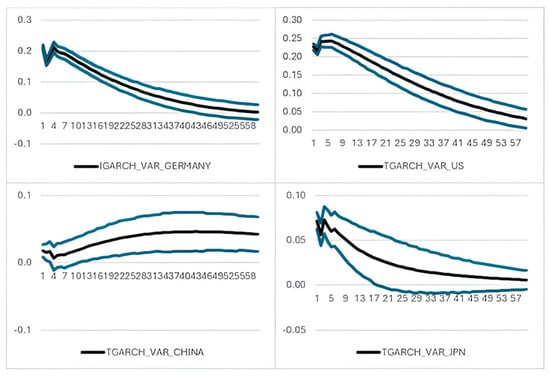
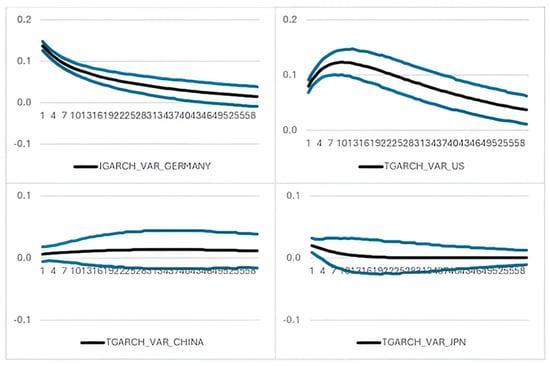
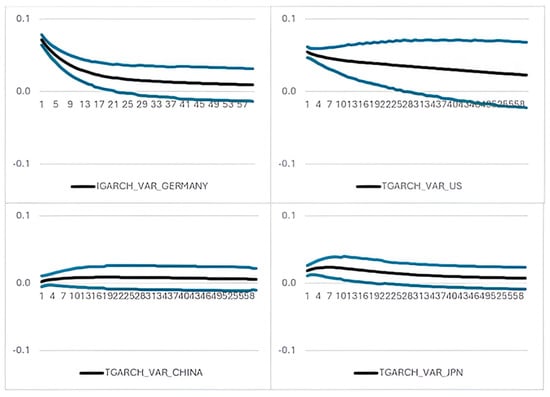
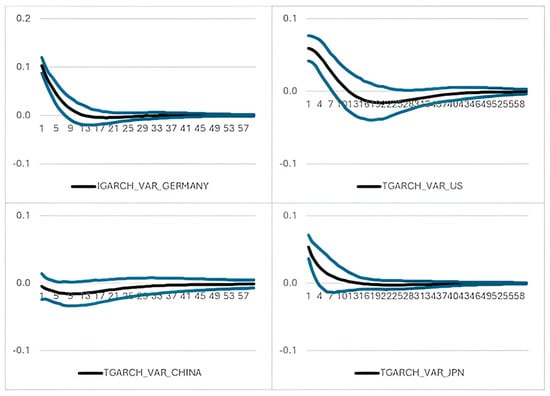
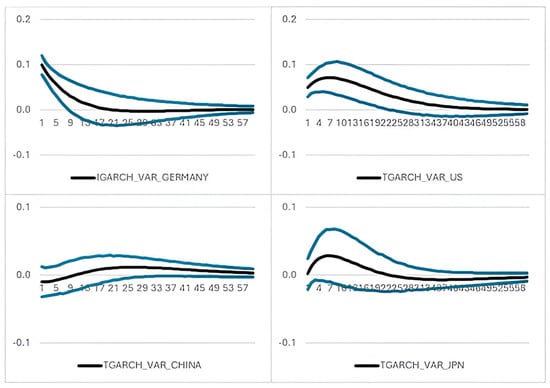
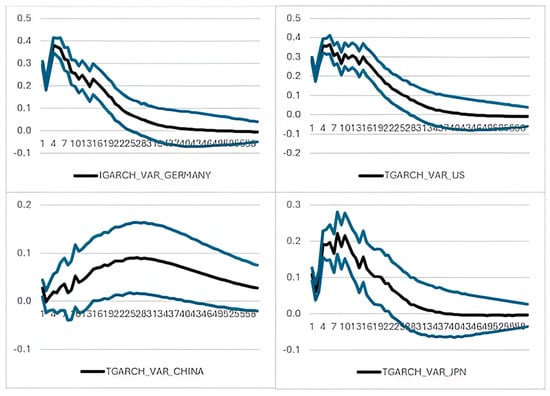
This study investigates volatility spillovers from the stock markets of the United States, Germany, China, and Japan to the UK stock market using daily data from major benchmark indices (FTSE 100, S&P 500, DAX, Shanghai Composite, and Nikkei 225) and Brent crude oil prices. Using a novel two-stage bootstrap framework, we first model time-varying conditional volatilities with GARCH-family models and compare them with long-memory FIGARCH specifications to account for persistent volatility dynamics. These volatilities are then incorporated into a VAR-X model, treating Brent crude oil price volatility as an endogenous or exogenous variable in robustness checks. To overcome limitations of traditional VARs, bootstrap-corrected GIRFs are employed to trace dynamic, order-invariant impacts across key sub-periods: the global financial crisis, Brexit, COVID-19, and the Ukraine war. We also benchmark our results against the Diebold–Yilmaz connectedness index and conduct rigorous out-of-sample forecasting and Value-at-Risk backtesting. Results reveal heterogeneous spillovers: US and German shocks trigger strong, immediate, and persistent UK market volatility, reflecting deep integration; Chinese shocks are delayed and gradual, while Japanese shocks are muted or short-lived. Spillover intensity is time-varying, peaking during global crises. Our model outperforms standard benchmarks in out-of-sample volatility forecasting and risk management applications. The study offers critical insights for investors seeking international diversification and for policymakers aiming to manage systemic risk in an interconnected global financial system.
Full article
(This article belongs to the Section Economics and Finance)
►▼
Show Figures

Figure 1
Open AccessArticle
Internal Capital Markets and Macroprudential Policy Lessons from the 2007–2009 Crisis
by
Nilufer Ozdemir
J. Risk Financial Manag. 2026, 19(2), 116; https://doi.org/10.3390/jrfm19020116 - 4 Feb 2026
Abstract
Financial regulation assumes that parent firms reliably support distressed subsidiaries during crises. We test this assumption with evidence from the 2007–2009 financial crisis and find that parent support was selective rather than reliable. Using novel measures of sibling distress and granular parent-affiliate funding
[...] Read more.
Financial regulation assumes that parent firms reliably support distressed subsidiaries during crises. We test this assumption with evidence from the 2007–2009 financial crisis and find that parent support was selective rather than reliable. Using novel measures of sibling distress and granular parent-affiliate funding flows, our findings reveal that capital allocation within bank holding companies (BHCs) disproportionately favored stronger affiliates. The results show that BHCs channeled capital toward more liquid and resilient subsidiaries while limiting support to weaker ones. Profitable parents became increasingly selective under stress, and nonbank subsidiaries emerged as critical internal liquidity providers when external markets froze. This selective reallocation highlights a gap between regulatory doctrine and actual behavior: intra-group capital allocation mechanisms can amplify systemic stress rather than mitigate it. By examining overlooked internal market dynamics during this major financial crisis, the study offers insights for strengthening financial stability against future systemic shocks. Assessing parent firm strength alone appears insufficient. Effective crisis prevention requires supervisory frameworks that monitor sibling fragility across conglomerates, evaluate the liquidity roles of nonbank affiliates, and stress test intra-group capital flows.
Full article
(This article belongs to the Special Issue Financial Markets and Institutions and Financial Crises)
Open AccessArticle
Do Shiller Macro and Micro Narratives Characterize the S&P 500 Index Returns? New Insights
by
Anastasios G. Malliaris and Mary Malliaris
J. Risk Financial Manag. 2026, 19(2), 115; https://doi.org/10.3390/jrfm19020115 - 4 Feb 2026
Abstract
We propose two narratives to analyze monthly returns for the S&P 500 Index. The first narrative emphasizes variables that represent the macroeconomy: Fed Funds Effective Rate, Real M2, 10-Year T-Note minus 2-Year T-Note, Shiller Housing Index, industrial production, and 1-Year Expected Inflation. The
[...] Read more.
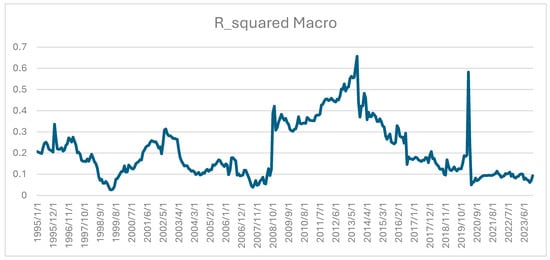
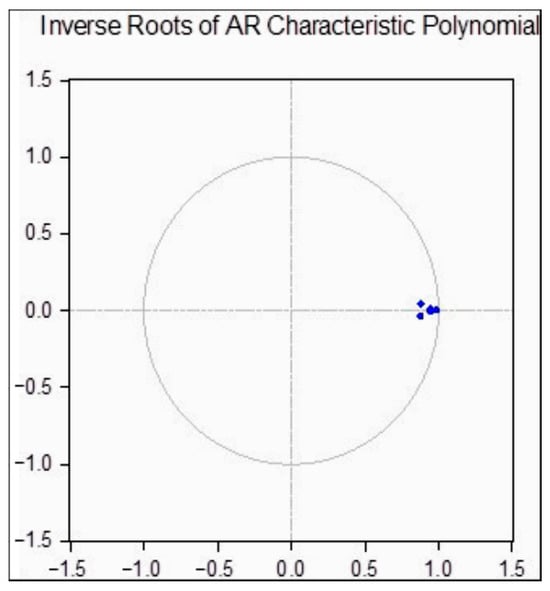
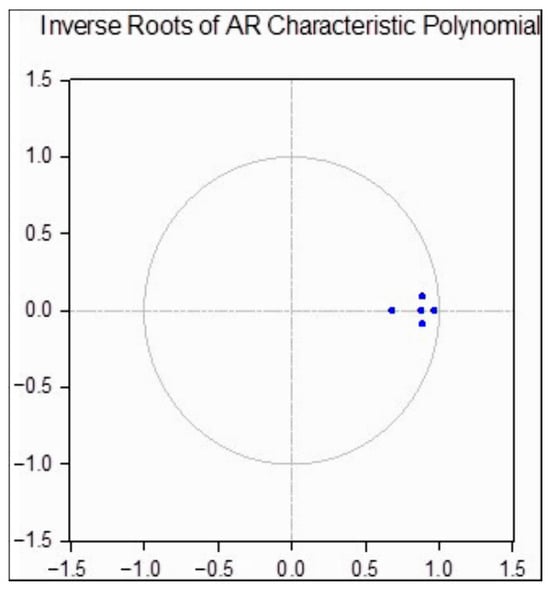
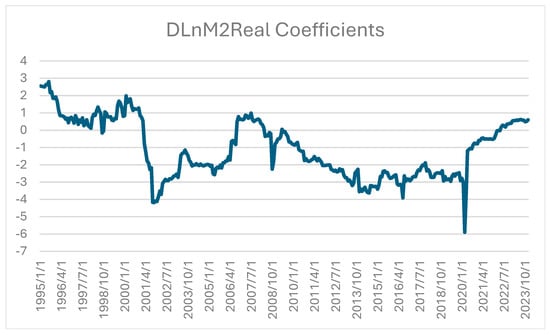
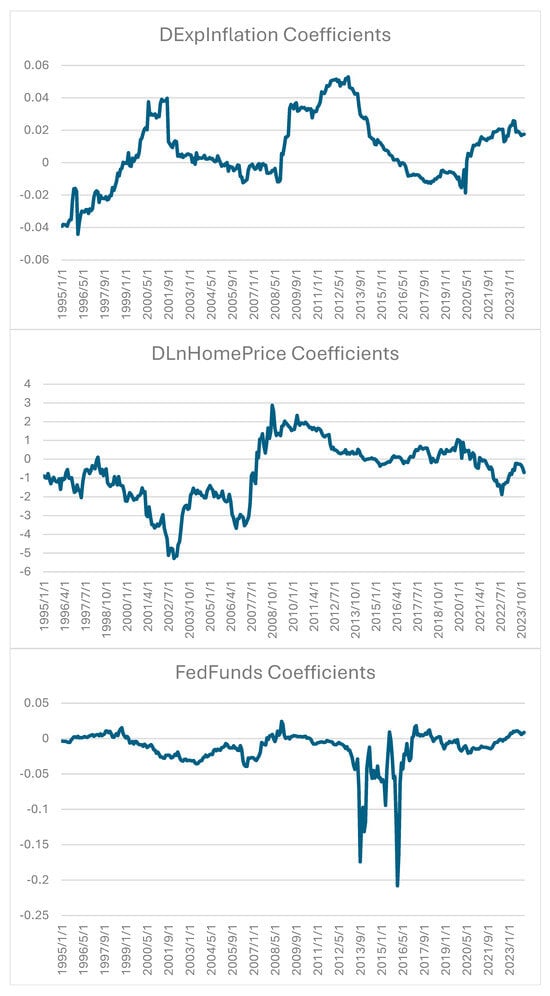
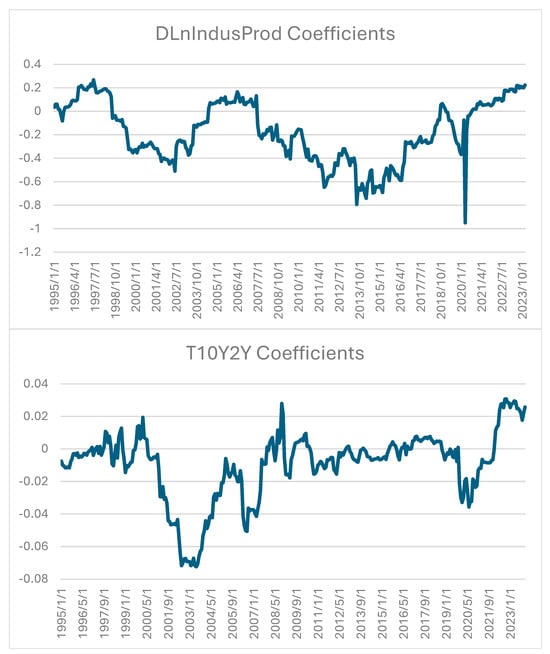
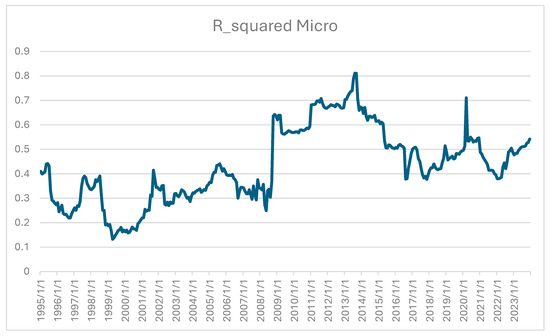
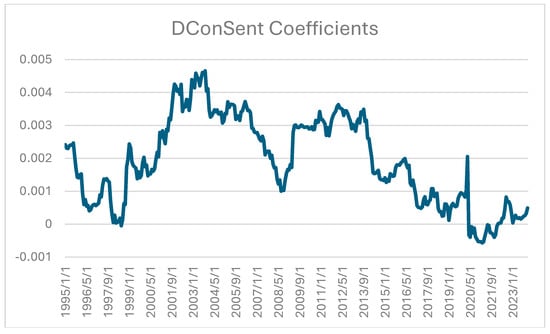
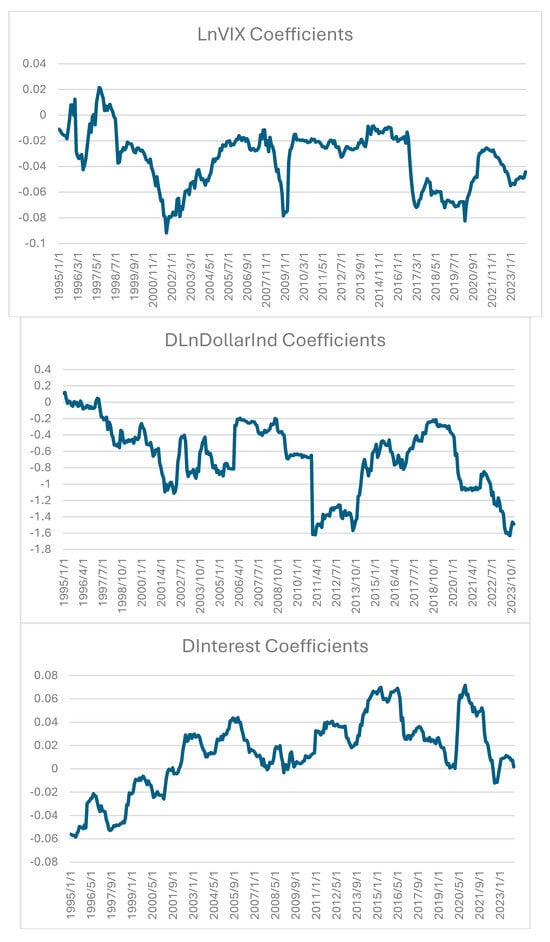
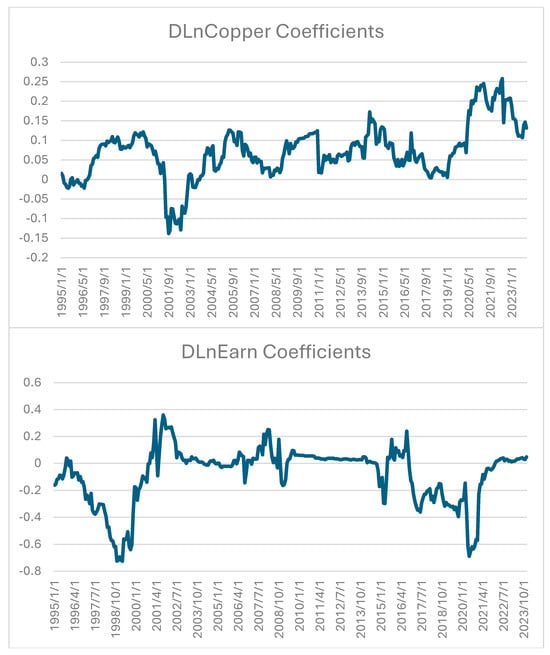
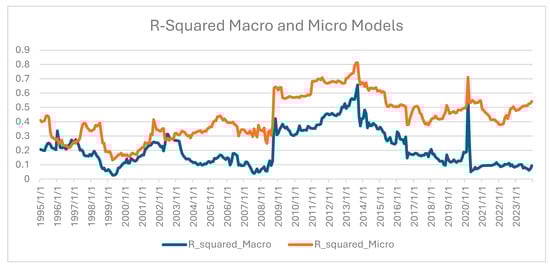
We propose two narratives to analyze monthly returns for the S&P 500 Index. The first narrative emphasizes variables that represent the macroeconomy: Fed Funds Effective Rate, Real M2, 10-Year T-Note minus 2-Year T-Note, Shiller Housing Index, industrial production, and 1-Year Expected Inflation. The second narrative focuses on microeconomic fundamentals that include earnings, CBOE Volatility, consumer sentiment, interest rates, global price of copper, and the Dollar Index. We perform a methodology of 348 rolling regressions for each narrative, each with a sample of 60 monthly observations, and estimate the significance of the independent variables considered. We conclude that the microeconomic narrative with its indicators tied to stock market activities correlates with monthly returns more closely than macro fundamentals do. The new insight from this paper is that it is beneficial to employ both narratives as complementary rather than as competitive.
Full article
(This article belongs to the Special Issue Editorial Board Members’ Collection Series: Journal of Risk and Financial Management, 2nd Edition)
►▼
Show Figures

Figure 1
Journal Menu
► ▼ Journal MenuJournal Browser
► ▼ Journal BrowserHighly Accessed Articles
Latest Books
E-Mail Alert
News
Topics
Topic in
Economies, IJFS, JRFM, Risks, Sustainability
Insurance and Risk Management Advances in the 4A Era—AI, Aging, Abruptions, and Adoptions
Topic Editors: Xiaojun Shi, Lingyan Suo, Feng Gao, Baorui DuDeadline: 30 May 2026
Topic in
Economies, JRFM, Risks, Sustainability
The Future of Global Finance and Business: Trends, Policies and Market Evolution
Topic Editors: John Malindretos, Giuliana Andreopoulos, Eleftherios Thalassinos, Ana Cristina SiqueiraDeadline: 31 July 2026
Topic in
Economies, IJFS, Sustainability, Businesses, JRFM
Sustainable and Green Finance
Topic Editors: Otilia Manta, Maria PalazzoDeadline: 31 October 2026
Topic in
Clean Technol., Economies, FinTech, JRFM, Sustainability
Green Technology Innovation and Economic Growth
Topic Editors: David (Xuefeng) Shao, Miaomiao Tao, Selena ShengDeadline: 31 December 2026
Conferences
Special Issues
Special Issue in
JRFM
Investment Strategies and Market Dynamics
Guest Editors: Wayne Y. Lee, Craig G. RennieDeadline: 28 February 2026
Special Issue in
JRFM
Innovative Approaches to Financial Modeling and Decision-Making
Guest Editors: Gordon H. Dash, Nina Kajiji, Bruno Kamdem, Helper ZhouDeadline: 28 February 2026
Special Issue in
JRFM
Green Finance and Corporate Strategy: Challenges and Opportunities
Guest Editor: Lewis LiuDeadline: 28 February 2026
Special Issue in
JRFM
Applied Public Finance and Fiscal Analysis
Guest Editors: Andrey Zahariev, Borislav Dimitrov BorisovDeadline: 28 February 2026
Topical Collections
Topical Collection in
JRFM
Quantitative Advances and Risks in Asian Financial Markets
Collection Editors: Svetlozar (Zari) Rachev, Shigeyuki Hamori, Yasushi Hamao, Shuangzhe Liu, Ali Jaffri