The collected data were analyzed using both descriptive and inferential statistical techniques to examine the relationships among corporate governance awareness, forensic accounting practices, fraud awareness training, and fraud prevention. The analysis was performed in two parts. The first part provides contextual demographic information on the respondents in relation to their organization, years of experience in the industry, and what industry sectors they represent. The second part contains statistical tests (e.g., Chi-Square and logistic regression) that were performed on the data to support/reject the proposed hypotheses.
7.1. Demographics Analysis
The results of the demographic analysis enable us to determine the characteristics of participating individuals based on their demographics so that we are able to apply the subsequent analytic results in a way that conveys meaningful insights.
Table 2 displays that there was a total of 150 accountants from different corporate sectors in India who participated in the survey. In addition, the demographic profiles of all the participants provide valuable information about the sample. The sample of accountants was predominantly composed of male participants (68%). While 32% of participants were female, this indicates that the accounting profession, particularly at the corporate level in India, may be predominantly male. Sixty-three and three tenths of respondents indicated that they possess postgraduate educational qualifications, while thirty-six and seven-tenths of respondents stated that they only hold graduate qualifications; therefore, this suggests that there are high levels of academic achievement among the respondents, which indicates that the majority of the sample has received sufficient education to fully comprehend the concept of corporate governance and fraud. When looking at the professional experience of the sample, over fifty percent of respondents (51.3%) have between 31 and 40 years of professional service, whereas the next largest percentage (26.7%) is made up of respondents with between 20 and 30 years of professional experience, while 18.7% of respondents have been in professional practice for 41 and 50 years, and only a tiny number of respondents possess over 50 years of experience, with only 0.7% of the sample having worked for more than 60 years. This gives evidence to support the conclusion that the sample is a mature and highly experienced sample group, with over three decades of professional experience. As for sector representation, there were no less than fifteen percent of respondents who worked in the IT/ITES industry (54.7%), while the manufacturing (28.7%) and other (16.7%) industries were also represented; this suggests that, collectively, the majority of respondents are part of service-oriented and technology companies; therefore, the associated governance structures and fraud exposures for these types of organizations may differ substantially from those found in conventional manufacturing environments. Among the cohort of respondents, there was a broad range of work experience within their current roles, with thirty percent of respondents reporting between independent and functional duration of time within five to ten years, twenty-four and seven tenths reporting between independent and functional duration of time between fifteen years and twenty years, twenty-four percent reporting between independent and functional duration of time between ten years and fifteen years, and eighteen percent reporting less than five years of direct functional experience, while only three and three tenths percent have been in their current roles for more than twenty-five years; collectively, these indicate that the respondents possess moderate-to-extensive professional experience overall in their current organizations. Notably, there were forty-six and seven tenths of respondents who were employed by corporations listed on the BSE, while fifty-three and three tenths of respondents were employed by non-listed companies; therefore, this balanced representation of respondents with respect to company type enhances the external validity of the findings from the current study, providing an excellent resource to assess fraud prevention activities within different types of corporate organizational structures across India.
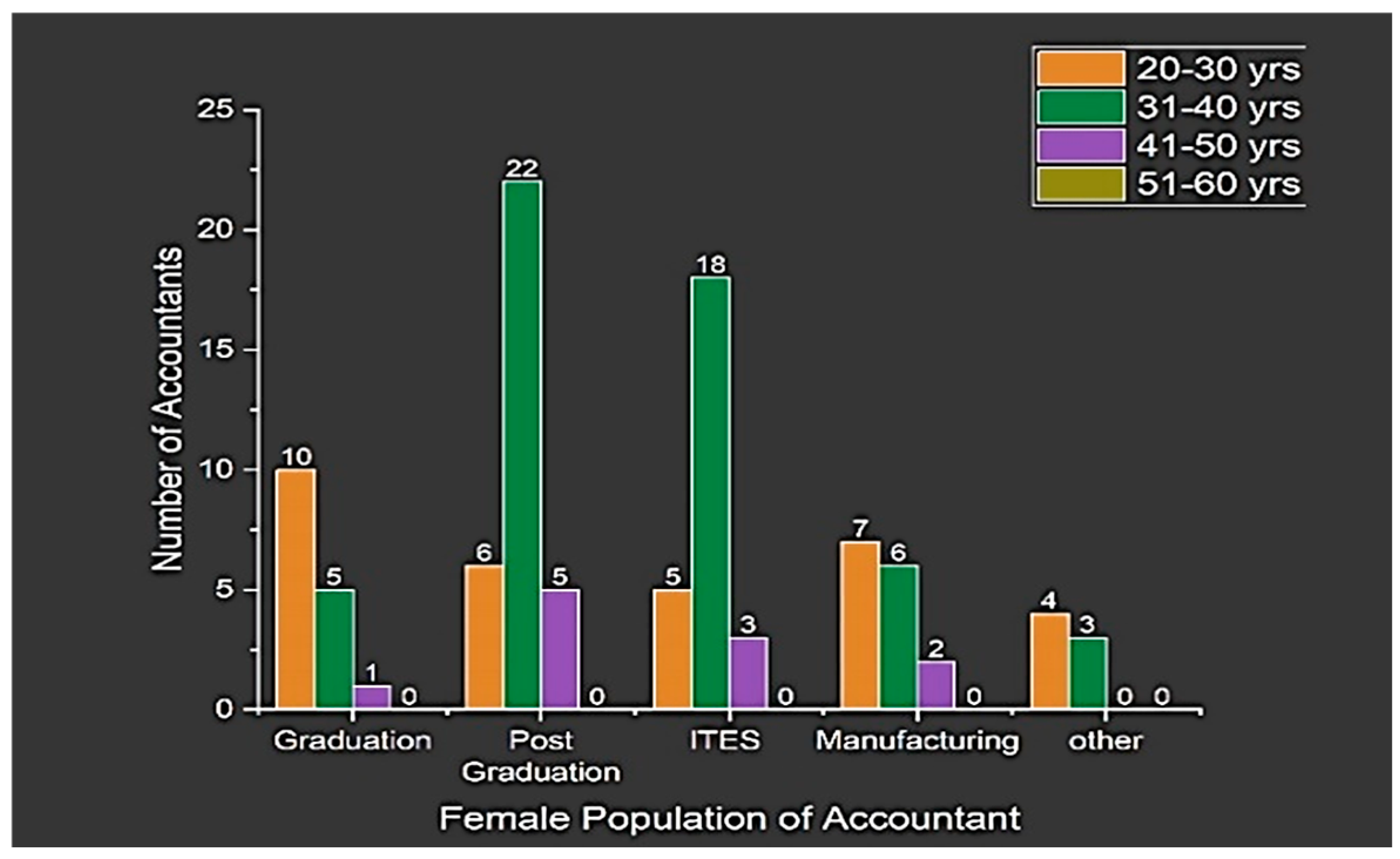
The graphical analysis in
Figure 4 reveals the distribution of female accountants across different age groups, educational qualifications, and sectors. We can see that the majority of the female population is postgraduate and is working is IT/ITES sector.
This shows the demographic patterns and participation levels of women in the accounting profession. This suggests that younger female accountants (20–30 years) are more likely to work across sectors, especially in entry-to-mid-level roles. Women in the age group of 31–40 years with higher education are heavily concentrated in ITES and professional domains.
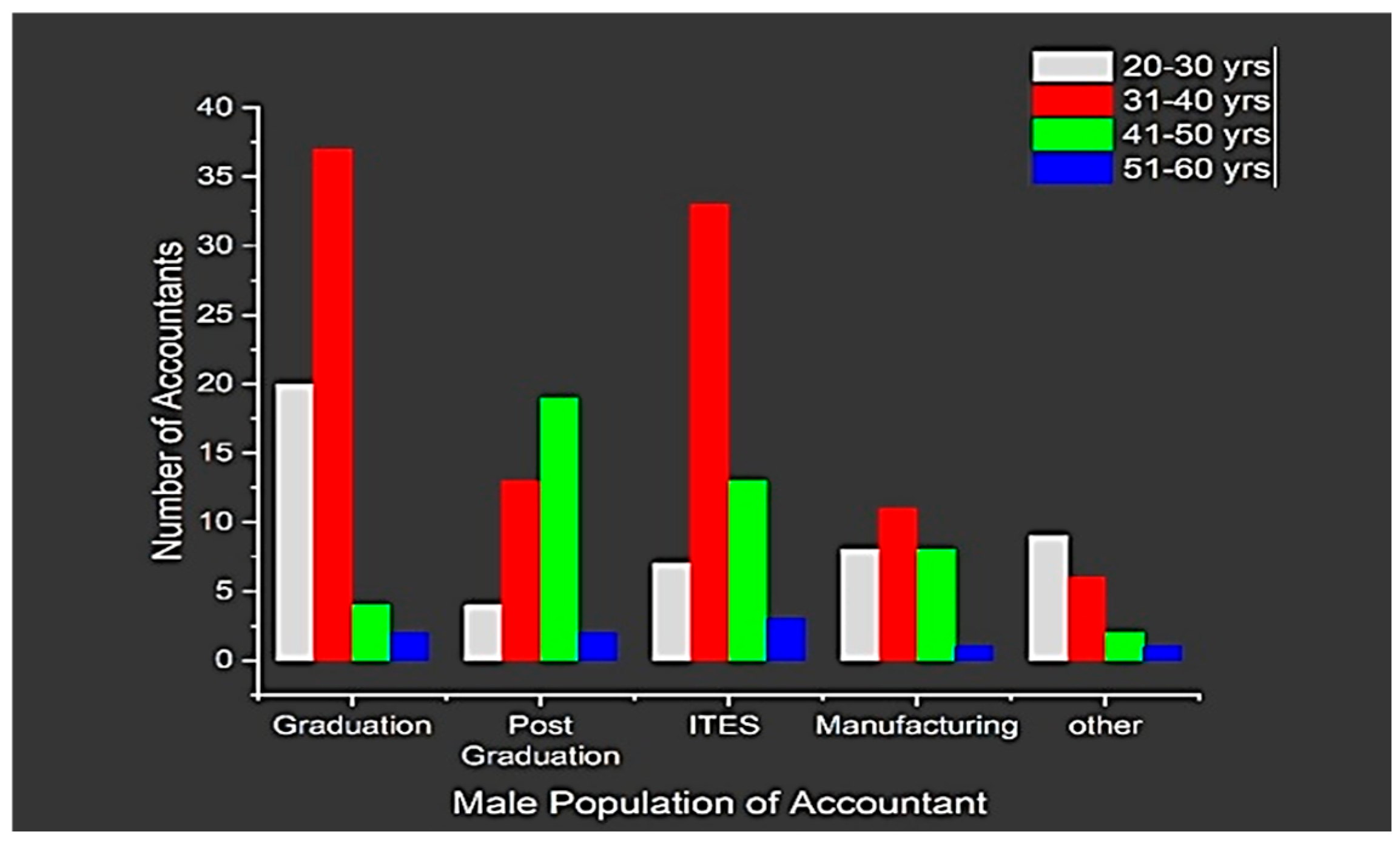
Figure 5 shows the distribution of male accountants across different educational qualifications and sectors, segmented by age groups. Men in the age range of 31–40 years are the most active professional age group. Male participation is more evenly spread across sectors than females, with stronger representation in manufacturing and other sectors. The 41–50 years group in males remained significantly active, especially in skilled roles (postgraduates and ITES), unlike the female data, which showed a decline post-40.
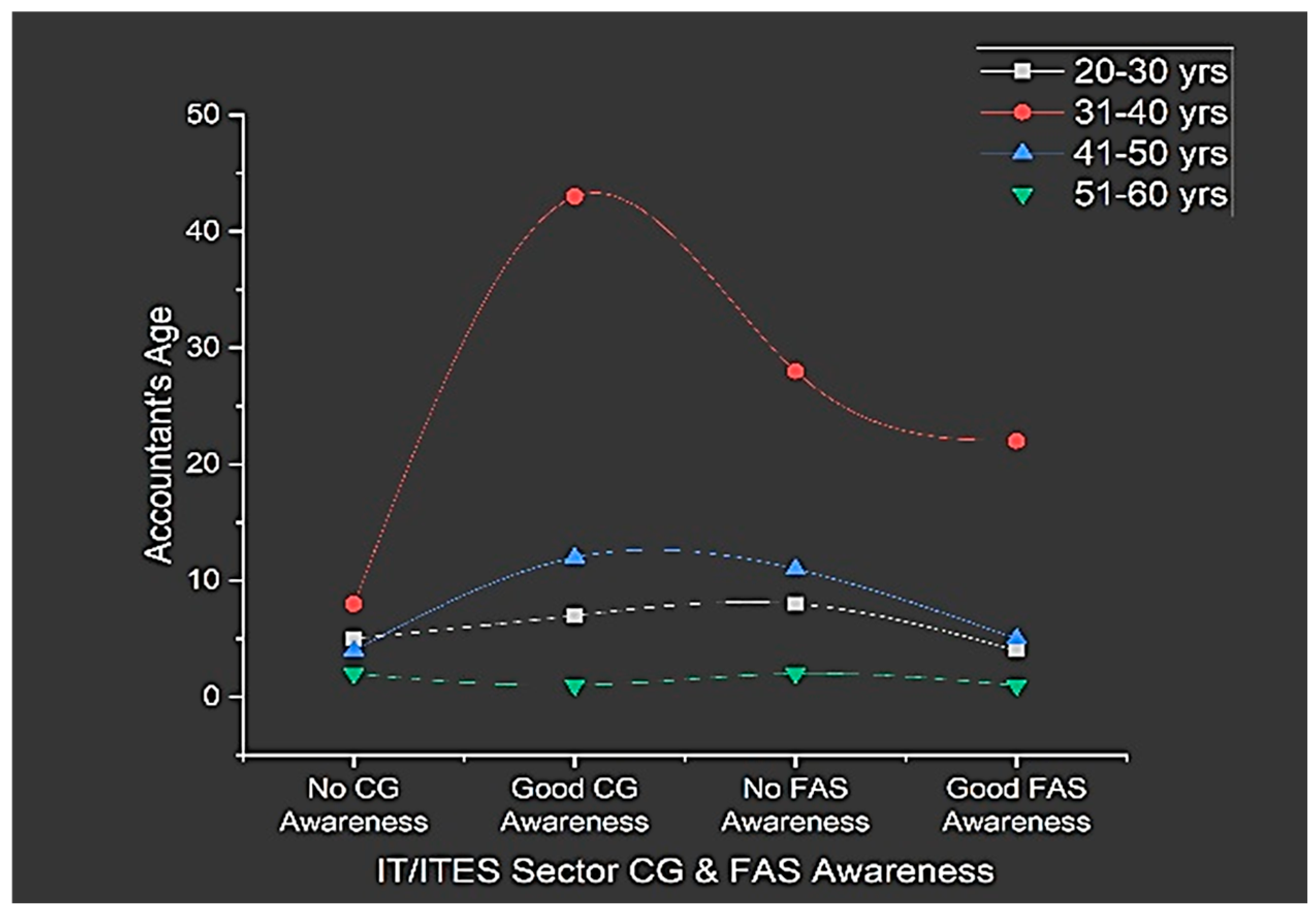
Figure 6 shows a comparative view of accountants’ awareness regarding corporate governance (CG) and forensic accounting services (FAS) across different age groups in the IT/ITES sector. The results in
Figure 6 indicate that corporate governance (CG) awareness is highest among respondents aged 31–40 years, suggesting that mid-career professionals in IT/ITES are more actively engaged with governance practices and regulatory compliance. Individuals aged 51 to 60 have consistently exhibited the least level of awareness toward CG (corporate governance) and forensic accounting services when compared to other age groups. As this age cohort frequently comprises individuals employed in managerial positions or in supervisory capacities who are closest to the implementation of organizational policies and ethical behavior, their lack of CG and FAS awareness may reflect a generational gap in their education about modern governance frameworks, emerging financial technologies, or new fraud detection methods that are becoming more common.
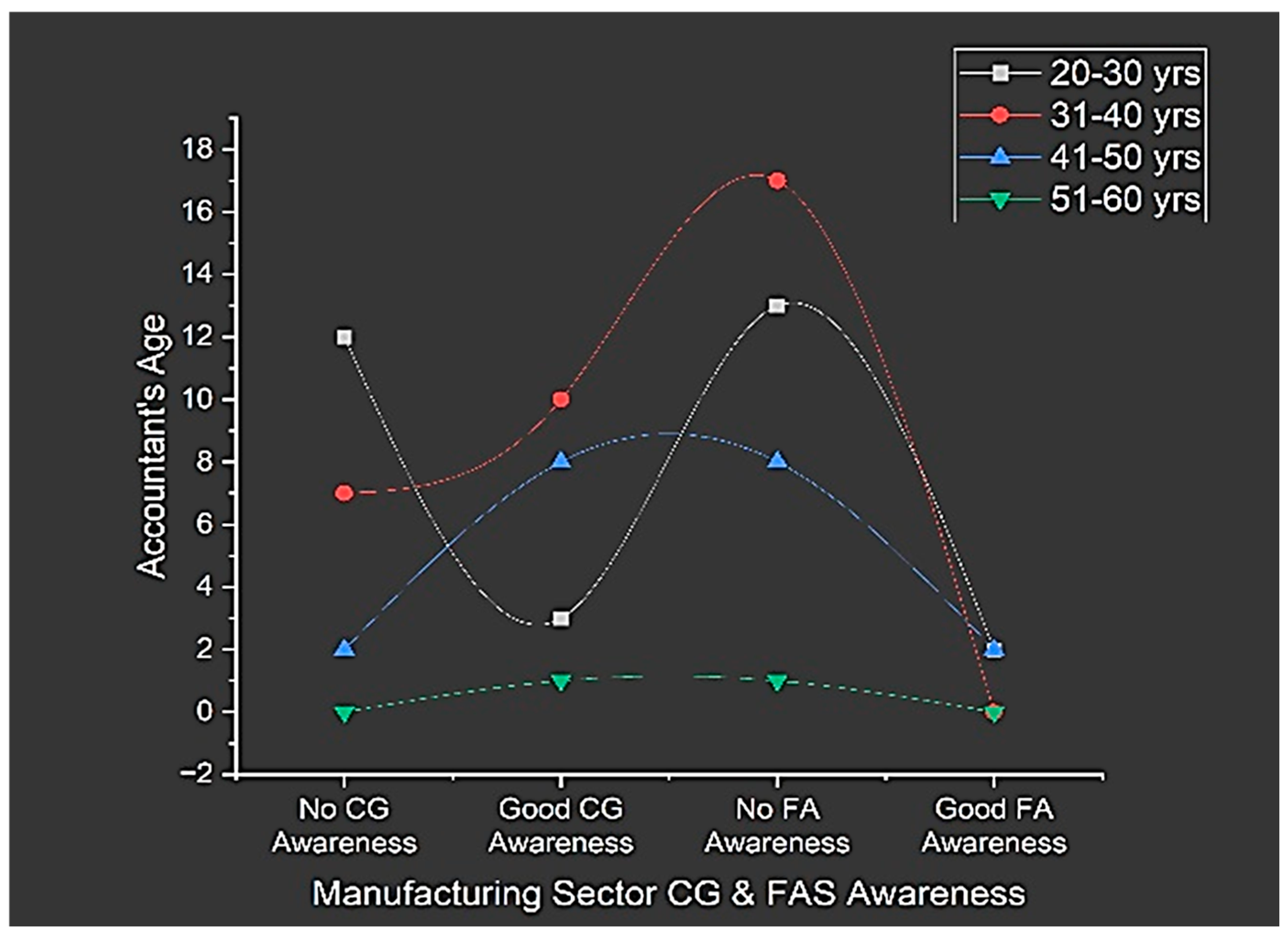
The comparison between manufacturing accountants regarding their levels of understanding and familiarity of CG and FAS as represented on the CG/FAS Chart in
Figure 7 indicates that when comparing the manufacturing sector with the IT/ITES Sector, respondents aged 31–40 years had a lower level of understanding than their younger counterparts. In addition, respondents aged 20–30 exhibited low levels of familiarity with the forensic accounting field (FAS). Together, these two age groups represented approximately 75% of all survey participants, and as such represent a significant portion of the overall employee population. This creates a knowledge gap for early-to-mid-career employees, suggesting that the manufacturing sector is significantly behind in its use of forensic accounting as an anti-fraud control as compared to the IT/ITES Sector.
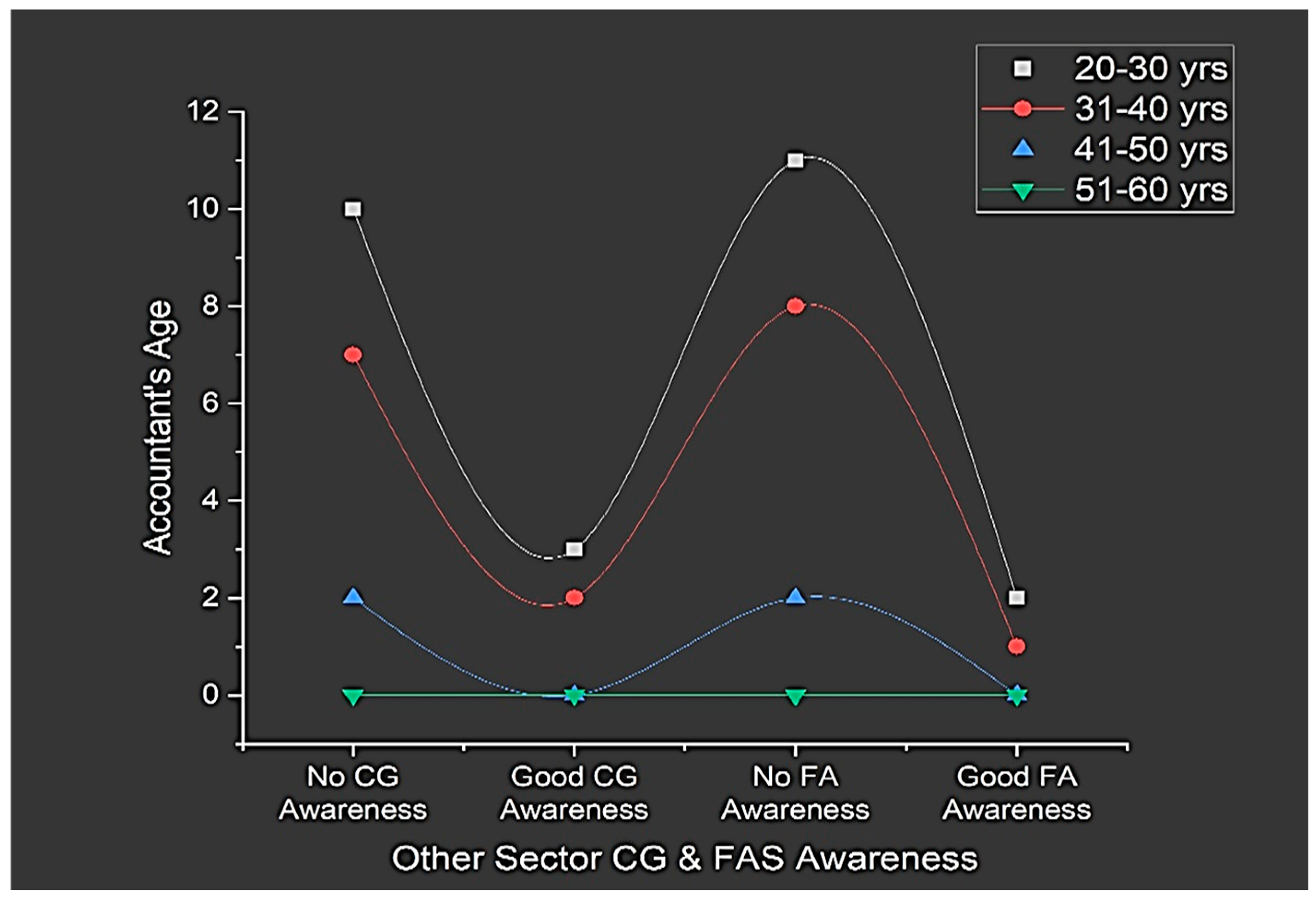
In
Figure 8, different age groups across many other sectors show that accountants in these sectors know CG and FAS policies to varying degrees. The “other” sector (where hospitals, educational institutions and insurance companies are) shows a very low level of familiarity with either CG or FAS policies. Also shown in
Figure 8 is that there are only a small number of accountants aged 20 to 30 that are familiar with these concepts, which suggests that the “other” sector is lagging behind the IT/ITES sectors in adopting CG and FAS practices.
Cross-sectoral observations show that the 31–40 years group consistently exhibits the highest levels of awareness in both CG and FAS across all sectors. Younger professionals (20–30 years) are becoming aware of this but need structured training and exposure. Older professionals of 51–60 years generally lacked awareness or engagement with CG and FAS practices. IT/ITES professionals showed the highest awareness overall, followed by manufacturing; other sectors lagged in FAS awareness. Thus, accountants from all sectors with high awareness of CG also demonstrate a strong understanding of FA. This suggests that a correlation between two accountants who are well-versed in CG policies or codes of conduct are also more likely to be aware of fraud prevention measures.
Table 3 provides a comprehensive overview of accountants’ awareness and organizational practices related to CG and FAS. The results reveal that awareness of CG policies is relatively strong; 60.6% of respondents reported being aware of their organization’s governance policies. Awareness and implementation of FA remain limited. Only 26% of respondents agreed or strongly agreed that FA practices are understood or applied within their organizations, indicating that FA is still an emerging concept among Indian accounting professionals. In addition, nearly all respondents (91.3%) either disagreed or strongly disagreed that fraud awareness (FA) forms part of their organization’s internal control system. This indicates a considerable difference between being aware of FA and implementing FA in practice. Many respondents also expressed a lack of FA training in the last two years, and this is troubling. Only 8.7% of respondents disagreed that their organization has a system for reporting incidents of fraud; however, many remain uninformed about the procedures for reporting fraud and, thus, are unable to use that information to find/prevent fraud.
According to
Table 3, employees are mainly not educated on how to properly report incidents of fraud, which hampers their ability to control fraud risk effectively.
7.3. Results and Hypothesis Interpretation
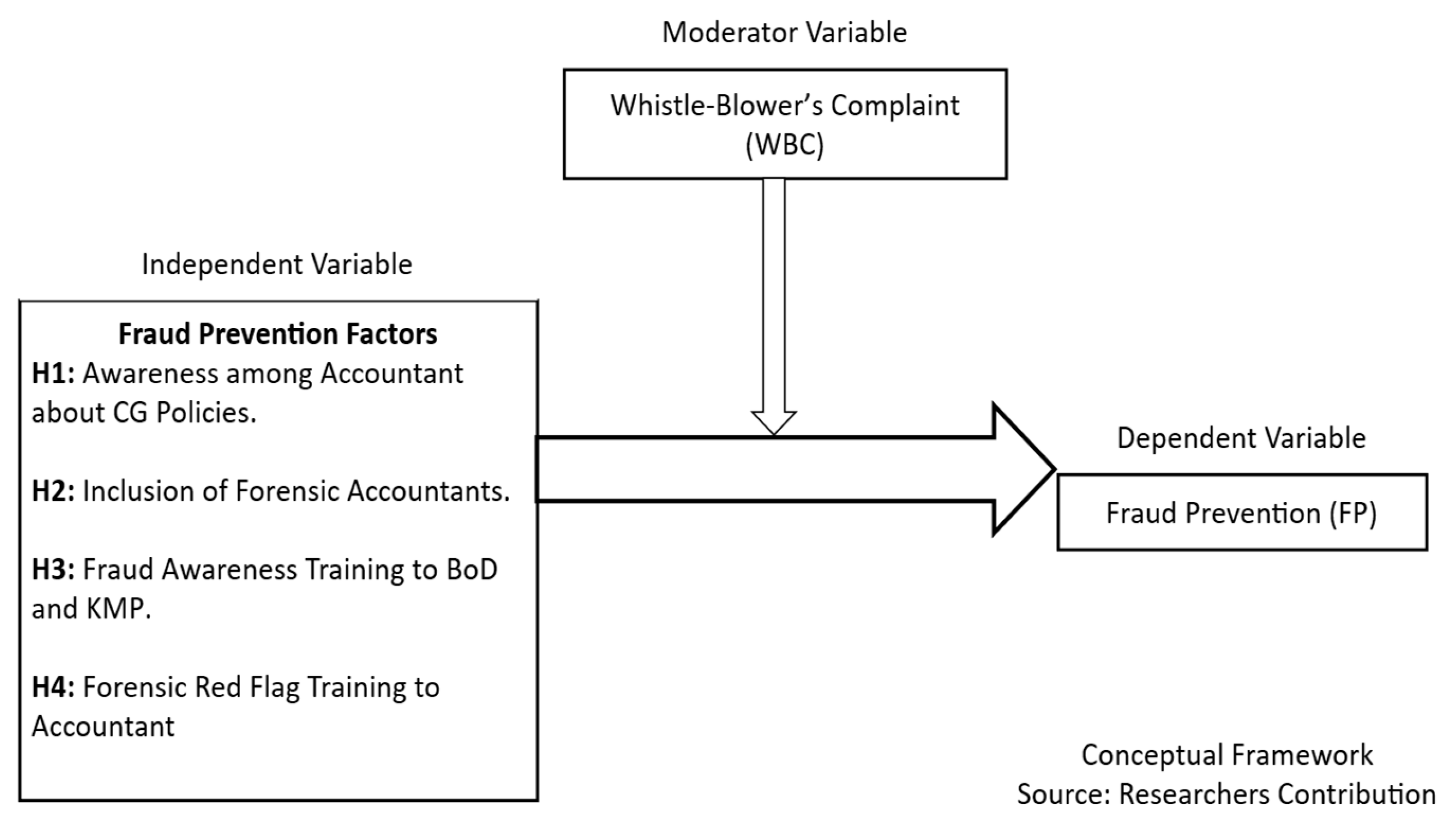
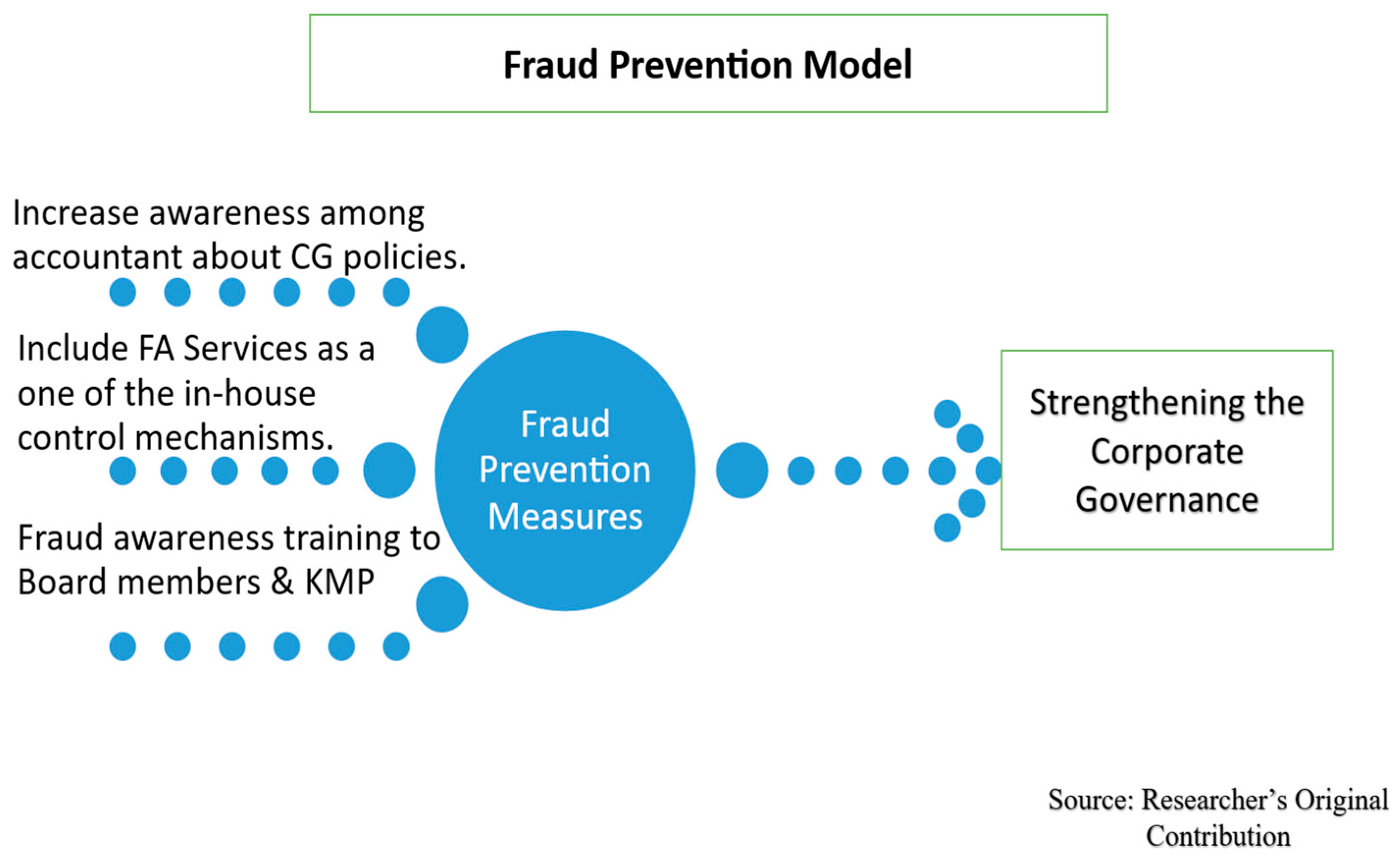
In this section, the authors present the outcomes of their statistical analysis to evaluate their initial hypotheses and to provide empirical support for the proposed conceptual model. The interpretation of the results follows a structure aligned with the four hypotheses (H1–H4) of this thesis, with the addition of combining statistical results with theoretical foundations (agency theory, stakeholder theory and fraud triangle theory). The results show that enhancing governance awareness, using forensic accounting as an internal control system, and providing targeted training in fraud awareness for senior leaders and forensic training for accountants has a significant impact on how fraud prevention mechanisms in Indian corporate organizations are strengthened.
H1a: Accountants’ awareness of CG policies is not associated with fraud prevention.
H1b: Accountants’ awareness of CG policies is associated with fraud prevention.
To test this relationship, a Chi-square test of independence was conducted to examine the association between whistle-blower complaint reporting and awareness of CG policies. The moderating variable whistle-blower complaints (WBC) was measured dichotomously based on responses to the item: “Has any whistle-blower complaint been reported in your company in the last five years?” (Yes/No). The independent variable, AwCGP (Awareness of Corporate Governance Policies), was measured on a five-point Likert scale (1 = Strongly Disagree to 5 = Strongly Agree).
The Chi-square test assessed whether the awareness of corporate governance policies was significantly associated with the incidence of whistle-blower complaints.
The results in
Table 4 indicate a statistically significant relationship between the two variables (χ
2 = 41.113, df = 4,
p < 0.05). This suggests that a higher awareness of CG policies among accountants is associated with a greater likelihood of whistle-blower reporting. As a result, the null hypothesis has been discarded in favor of the alternative hypothesis. The study provides further support for stating that educating employees regarding the principles of corporate governance will assist in establishing within organizations an ethical environment and increasing the effectiveness of fraud deterrence programs. A strong theoretical basis exists for these findings, based on the agency theory. According to the agency theory, the reduction in the amount of asymmetrical information between the principal (owner/shareholder) and the agent (employee/operator) will enhance internal controls and reduce the likelihood of opportunistic behavior by the agent (
Jensen & Meckling, 1976). Furthermore, stakeholder theory posits that increased awareness of a governance framework promotes transparency, accountability, and ethical decision-making and aligns individual behavior with both organizational and societal expectations (
Freeman, 1984). Thus, when an accountant has been educated and also understands the corporate governance policies within their organization, they are likely to be ethically responsible, detect anomalies, and report these via the appropriate channels in a timely manner, thus reducing the potential for fraud. In order to provide additional confirmation of these findings and to quantify the predictive ability of the variables involved, binary logistic regression was performed, comparing the relationship between whistle-blower complaints (WBC) and awareness of corporate governance policies (AwCGP) with WBC acting as a moderating variable and AwCGP (independent predictor) on employee ethical conduct. The Omnibus test of the model coefficients for this analysis resulted in statistically significant data (χ
2 = 45.399,
p < 0.001), indicating that the model can explain approximately 35% variance in WBC behavior (Nagelkerke R
2 = 0.350).
Furthermore, the goodness-of-fit test for logistic regression (Hosmer categorized fit) also confirmed a satisfactory relationship (χ2 = 3.092, p = 0.213). The results of the regression analysis specifically indicate that a positive, statistically significant coefficient was found for the variable awareness of corporate governance code (B = 1.832, SE = 0.329, Wald = 30.925, p < 0.001). The odds ratio Exp(B) = 6.244 indicates that if an employee is aware of their corporate governance code, they will be approximately 6.24× more likely to file a WBC than someone who is not aware of this code. Additionally, the overall model achieved a correct classification rate of 74.7% of cases compared to a baseline accuracy of 56.7%.
As a result, both the Chi-square analysis and the logistic regression analysis illustrate the robustness of the findings to hypothesis 1 that awareness of corporate governance policies significantly improves ethical vigilance and detecting capacity of accountants. By educating employees regarding governance and providing a defined code of ethics, organizations will improve the transparency, accountability, and effectiveness of fraud prevention efforts.
H2a: The inclusion of forensic accountants’ services is not associated with fraud prevention.
H2b: The inclusion of forensic accountants’ services is associated with fraud prevention.
A Chi-square test of independence was used to test for a relationship between the use of forensic accountants as part of an organization’s internal control systems and the likelihood of whistle-blower complaint cases being reported. The independent variable, FASIC forensic accountants, was measured using a five-point Likert scale. This analysis determined that organizations that incorporate forensic accountants into their internal control systems have a greater likelihood of receiving whistle-blower complaints, which indicates that such organizations have stronger fraud deterrence systems in place.
The results of the Chi-square analysis presented in
Table 5 demonstrate that there is a statistically significant association between using forensic accountants as a component of internal control systems and the number of whistle-blower complaints filed. The Pearson Chi-Square statistic was 25.988 with 3 degrees of freedom (
p < 0.001).
This null hypothesis was rejected in favor of the alternative hypothesis. This indicates that organizations with a forensic accountant’s services show increased diligence in preventing fraud. By effectively integrating forensic expertise into an organization, internal controls are strengthened through additional enhancements to early warning systems for fraud detection, therefore reinforcing the reliability of internal control systems.
A binary logistic regression analysis was also undertaken to assess the strength and direction of the relationship between the WBC (Reported/Not Reported) and FASIC as predictor. The Omnibus test of model coefficients was found to be statistically significant (χ2 = 25.818, p < 0.001) and explains 21.2% of the variance in fraud prevention outcome (Nagelkerke R2 = 0.212), with a fair fit of the model confirmed by the Hosmer–Lemeshow test (χ2 = 1.771, p = 0.183), thus indicating that 70% of all cases were correctly classified.
The regression coefficient for the integration of forensic accountants’ services into internal control systems was found to be statistically significant and positive. The regression coefficient is as follows: B = 1.475, SE = 0.328, Wald = 20.265, p < 0.001 with an odds ratio of 4.37 (Exp(B) = 4.370), indicating that organizations that incorporate forensic accountants into their internal control systems have 4.37 times the odds of reporting a whistle-blower complaint than those who do not. This finding reinforces the importance of forensic accountants as a major part of organizational governance, providing a unique and systematic process to prevent fraud and mitigate risk.
Theoretical implications of the findings also highlight how forensic accountants diminish information asymmetry between shareholders and management, thus enhancing the accountability of management to shareholders under the agency theory (
Jensen & Meckling, 1976). The integration of forensic accountants into an organization also enhances the level of confidence among all stakeholders through enhanced accountability under stakeholder theory (
Freeman, 1984). Integrating forensic accountants’ services into the internal control system enhances fraud prevention efficiency, supporting the proposed hypothesis.
H3a: Fraud awareness training for board members and key managerial personnel (KMP) is not associated with fraud prevention.
H3b: Fraud awareness training for board members and key managerial personnel (KMP) is associated with fraud prevention.
To examine the relationship between fraud awareness training for the board of directors (BoD), top management, and the reporting of whistle-blower complaints, a Chi-square test of independence was performed. WBC and the independent variable FATBoDKMP were measured on a five-point Likert scale (Strongly Disagree to Strongly Agree). This analysis aimed to determine whether perceptions regarding the necessity of leadership-level fraud awareness training are associated with organizational whistle-blower activity, which is an indicator of fraud prevention effectiveness.
The Chi-square results from
Table 6 show a Pearson Chi-square value of 13.204 (df = 2,
p = 0.001), which is statistically significant at the 0.05 level.
The alternative hypothesis was supported, suggesting that there was a strong relationship between the need perceived by the BoD and KMP’s for fraud awareness training (FAT) and the ability of organizations to report whistle-blower complaints. Therefore, organizations that provided FAT at the leadership level were more likely to have a greater chance of creating, promoting, and sustaining an ethical environment, as well as having procedures in place that made it easier to detect fraud at the earliest point possible. The findings highlight the role of executive awareness in strengthening the control environment, reinforcing the idea that fraud prevention is most effective when led from the top.
To further evaluate the predictive strength of leadership-level fraud awareness on whistle-blower reporting, a binary logistic regression analysis was conducted, with WBC (reported/not reported) and the perceived need for BoD training, FATBoDKMP, as the independent variable. The overall Omnibus test of model coefficients model was statistically significant, χ2(1) = 13.299, p < 0.001, indicating that the predictor variable significantly improved model fit compared to the constant-only model. The model explained between 8.5% (Cox and Snell R2) and 11.4% (Nagelkerke R2) of the variance in whistle-blower complaint reporting and correctly classified 65.3% of cases, an improvement from the baseline accuracy of 56.7%. The Hosmer–Lemeshow goodness-of-fit test was non-significant (χ2 = 0.202, df = 1, p = 0.653), suggesting an adequate model fit.
The logistic regression coefficient for the predictor variable was positive and statistically significant (B = 1.215, SE = 0.342, Wald = 12.593, p < 0.001), with an odds ratio of 3.371 (Exp(B) = 3.371). This implies that respondents who perceived a need for fraud awareness training for the BoD and KMP were approximately 3.37 times more likely to report whistle-blower complaints compared to those who did not. The constant term was also significant (B = −5.289, p = 0.001), indicating a very low baseline likelihood of whistle-blower reporting in organizations where leadership training was not perceived as necessary.
Theoretical frameworks such as agency theory (
Jensen & Meckling, 1976) provide an understanding how informed and ethical leaders help to mitigate the information asymmetries and agency conflicts between management and shareholders. Similarly, the principles of stakeholder theory (
Freeman, 1984) state that by providing an organization’s leaders with fraud prevention awareness, it enhances the leaders’ ability to be accountable and responsive to stakeholder interests, creating an organizational culture that promotes trust and aligns with ethical governance.
The data from the Chi-square and logistic regression analyses support the conclusion that providing leadership with fraud prevention awareness training enhances an organization’s ability to identify potential fraud risks, as well as the likelihood of ethical reporting (through whistle-blower mechanisms). Therefore, the results provide support for the rejection of the null hypothesis (H0), while supporting the acceptance of the alternative hypothesis (H1) that there is a positive relationship between leadership-level training on fraud awareness and fraud prevention outcomes. Therefore, the data supports the proposition that the effective management of fraud, in addition to having established, documented processes and procedures for mitigating the risk of fraud, also requires the establishment of informed and ethical leaders dedicated to creating an organizational culture that is open, transparent, and accountable.
H4a: Timely training on forensic red flags for accountants is not positively associated with fraud prevention.
H4b: Timely training on forensic red flags for accountants is positively associated with fraud prevention.
To investigate whether timely forensic red-flag training for accountants is associated with enhanced fraud prevention measured through WBC, a Chi-square test of independence was employed. The WBC (response options: Yes/No) and the independent variable TFRF measured on a five-point Likert scale (Strongly Disagree to Strongly Agree). This analysis aimed to determine whether organizations that conduct regular fraud awareness or forensic red-flag training for accountants who are working at lowest level exhibit greater reporting of whistle-blower complaints, which is an indicator of fraud prevention culture.
As shown in
Table 7, the Pearson Chi-square value was 6.913 (df = 4,
p = 0.141), which is not statistically significant at the 0.05 level.
Therefore, the null hypothesis could not be rejected, suggesting that no strong statistical evidence exists to support a direct association between forensic red-flag training to accountants and fraud prevention, as reflected through whistle-blower activity. The results indicate that training initiatives alone may not significantly influence fraud prevention outcomes; it is possible that other contextual or organizational factors such as leadership commitment or reporting mechanisms mediate this relationship.
The results of the linear-by-linear association test showed a statistically significant association between training intensity and reporting misconduct. Increasing the intensity of training has been associated with an increase in the likelihood of reporting misconduct. This indicates a weak but potentially increasing association between training and reporting, suggesting that an increase in training intensity may lead to increased employee awareness and willingness to report wrongdoing as well. There was a moderate level of Chi-square assumptions violations, as 50% of the expected counts were less than the minimum threshold of 5. A smaller number of expected counts can lead to an inflation or distortion of the test statistics. There is also potential for this limitation due to the uneven distribution of responses to the categories. Although the linear-by-linear association test indicated a statistically significant directional relationship (p = 0.028), further caution is urged with interpreting this finding. Future research could employ Fisher’s exact test or category collapsing to address this limitation. However, the subsequent logistic regression analysis, which is robust to such assumption violations, strengthens the overall validity of the observed relationship. To further explore the potential predictive relationship between timely forensic red-flag training for accountants and whistle-blower reporting, a binary logistic regression analysis was conducted. The presence of reported whistle-blower complaints (Yes/No), and the independent variable TFRF was whether the organization had conducted fraud awareness training on forensic red-flag in the past two years (Yes/No).
The Omnibus test of model coefficients was statistically significant (χ2(1) = 5.106, p = 0.024), demonstrating that the inclusion of fraud awareness training significantly improved the prediction of whistle-blower complaint reporting compared to the intercept-only model. The Cox and Snell R2 (0.033) and Nagelkerke R2 (0.045) values indicate that the model explained between 3.3% and 4.5% of the variance in whistle-blower reporting. Although modest, these results confirm that training contributes meaningfully to predicting fraud-related reporting behavior. The Hosmer–Lemeshow test was non-significant (χ2(1) = 0.408, p = 0.523), suggesting a good model fit, while the overall classification accuracy was 59.3%, improving upon the baseline accuracy of 56.7%. Specifically, the model correctly predicted 33.8% of the “Yes” responses and 78.8% of the “No” responses, indicating better performance in predicting companies without whistle-blower complaints.
The logistic regression coefficient for fraud awareness training on forensic red-flag to accountants was positive and statistically significant (B = 0.619, SE = 0.288, Wald = 4.611, p = 0.032), with an odds ratio of 1.857. Organizations that have implemented fraud awareness training within the previous two years have seen a significant increase in the likelihood of whistle-blower complaints, approximately 1.86 times higher than organizations without such training. The constant term (B = −0.857, p = 0.115) was not statistically significant, indicating that organizations without any fraud awareness training will have a very low baseline likelihood of reporting complaints.
While the Chi-square test does not support a strong overall association, the logistic regression analysis demonstrated that organizations that implement fraud awareness have a statistically significant positive effect on the likelihood of reporting a whistle-blowing complaint. This suggests that fraud awareness training creates a greater degree of ethical awareness and encourages an organizational culture favorable to reporting in an early manner and supporting the corporate goal of detecting fraud as early as possible. Based on the fraud triangle theory (
Cressey, 1953;
Kassem & Higson, 2020), regular forensic red-flag training may also reduce the opportunity component for fraud by making employees aware of various cues and developing greater preventive vigilance. The results of this study support the findings of other empirical studies that have shown that organizations that have implemented ethics-oriented training and awareness programs that improve their employees’ potential for reporting misconduct (
Alleyne et al., 2019;
Park & Blenkinsopp, 2009;
Latan et al., 2021;
Alleyne et al., 2018). In addition, viewed through the lens of stakeholder theory (
Freeman, 1984), these results underscore the importance of promoting accountability, trust and integrity at every level of the corporate structure, which is fundamental to preventing the commission of fraud (
Zhang et al., 2022;
Mensah & Azila-Gbettor, 2018).
7.4. Discussions of Findings
Based on this analysis, organizations that provided fraud awareness training to employees during the previous 2 years had a reported incidence of whistle-blower complaint reporting that was approximately 1.86 times greater than organizations that did not provide this training. The negative constant (B = −0.857, p = 0.115) indicates that organizations that did not provide fraud awareness training had low baseline whistle-blower reporting probabilities.
This research reinforces the importance of CG and FA in enhancing the effectiveness of anti-fraud frameworks within organizations. In particular, corporate governance policy awareness among accountants was found to be an essential element of increased professional competence, ethical standards, and regulatory compliance; accountants with an understanding of their organizations’ governance principles will perform key functions, such as detecting fraud, assessing internal controls, mitigating risk, and evaluating governance processes, at a higher level than accountants without this knowledge. These findings are consistent with other studies demonstrating that awareness of CG principles by professionals in the accounting field enhances transparency, accountability, and integrity in financial reporting (
Al-Janadi et al., 2013;
Bhasin, 2016a;
Hajizadeh & Hajizadeh, 2019;
Rehman & Hashim, 2018b,
2021;
Novatiani et al., 2024). CG awareness serves as a major component of corporate governance and, therefore, is also integral to professional ethics.
Forensic accountants provide the skills and knowledge necessary to improve CG practices through their analytical abilities and expertise. Studies have shown that incorporating forensic accountants into the internal control function of an organization increases the ability of that organization to detect and prevent managerial fraud during the earliest stages of fraudulently obtained information. This is consistent with prior research showing that the integration of forensic accountants into internal controls enhances the quality of the audit and improves the organizational ability to identify and address fraud (
Al-Janadi et al., 2013;
Bhasin, 2016b;
Rehman & Hashim, 2021;
Ramaswamy, 2005).
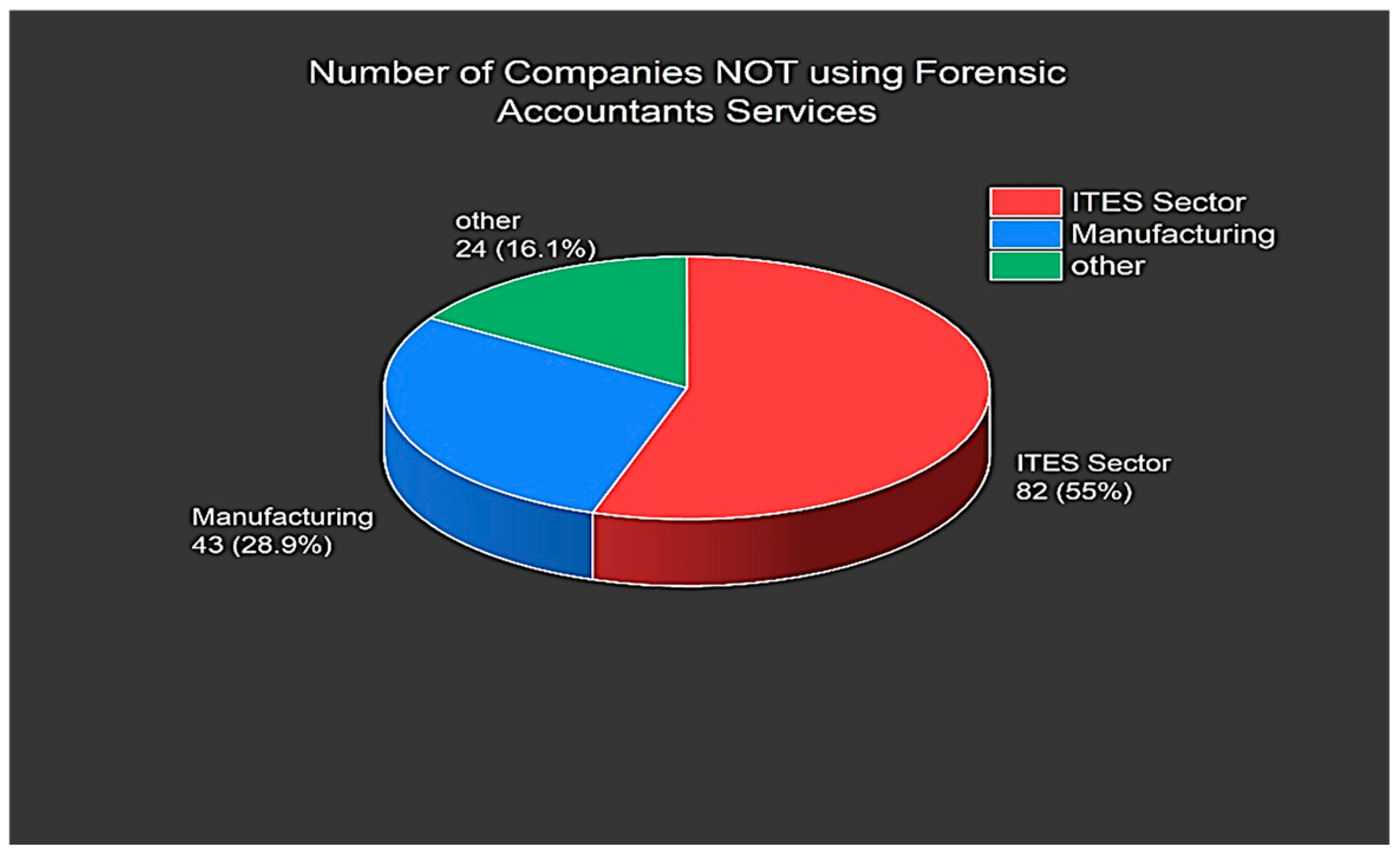
Figure 9 graphically depicts the findings of a survey conducted on how companies use FA services; the survey findings showed that the majority of sample organizations did not employ forensic accountants in-house within their internal control mechanisms. This has significant implications for corporate fraud risk management systems and indicates the need for organizations to establish the use of forensic expertise as part of their institutionalized governance processes to more effectively monitor and combat financial irregularities.
In addition, while there were previous theoretical arguments and empirical literature regarding the value-for-money of providing accountants with training on forensic red flags to help improve early detection of fraud and compliance monitoring, the findings of this study showed that the perceived benefits of training on forensic red flags were not substantiated by the data collected in this study. The Chi-square test (p = 0.141) and results from logistic regression analysis did not reveal a statistically significant association between the training provided to forensic report accountants on how to detect and report whistle-blower complaints and the act of reportingwhistle-blowerr complaints.
There may be several contextual factors that contribute to the lack of empirical evidence supporting the value of providing accountants with training on identifying forensic report patterns and engaging those reporting whistle-blower complaints. While many Indian corporations do not routinely provide training or develop standardized guidelines regarding how to detect forensic report patterns, providing such training typically primarily focuses on compliance. In addition, employees may not feel secure or protected from retaliation for reporting evidence of occupational fraud, thereby making it unlikely for them to act upon what they were trained to do. Third, the short-term or theoretical nature of training sessions may fail to translate into sustained behavioral change or improved reporting culture. Finally, it is possible that fraud awareness and detection responsibilities are concentrated at higher management levels, reducing the perceived relevance of forensic training for accountants and lower-tier employees.
Although the linear-by-linear association was significant (p = 0.028), suggesting a potential positive trend, the overall results must be interpreted cautiously due to 50% of expected cell counts falling below the minimum threshold, which slightly violates Chi-square assumptions.
Further binary logistic regression, shown in
Table 8, corroborated the Chi-square results, indicating no statistically significant relationship between fraud awareness training and whistle-blower complaint reporting. The model constant (B = −0.857,
p = 0.115) represents the log-odds of a whistle-blower complaint being reported in organizations that did not conduct fraud awareness training, corresponding to odds of 0.424. This suggests that organizations without such training had approximately a 30% probability of reporting whistle-blower complaints. However, the non-significant
p-value indicates that this difference may be attributed to random variation rather than a systematic effect.
The results suggest that training businesses with “red flags” for forensic analysis does not appear to directly or significantly influence an employee’s decision to report fraud. While this type of training is likely valuable in theory, the results indicate that training’s impact on actual reporting behavior will ultimately be influenced by contextual variables, including organizational culture, management commitment, and the employees’ belief that reporting is protected.
The qualitative information derived from interviews with corporate finance managers and auditors’ support and provides context for these statistical results. Many of the individuals interviewed expressed concern about providing forensic red-flag training to accountants, fearing that the training would give accountants ‘insider knowledge’ of fraud detection methods, thereby enabling accountants to engage in more advanced types of fraudulent conduct. The apparent tension between the data and the concern regarding the potential for increased fraudulent behavior may account for the relatively weak statistical relationship between reporting behavior and forensic red-flag training.
However, it was found that companies which provided fraud awareness training to their employees were approximately 1.86 times more inclined to receive whistle-blower complaints from those employees. As such, employees who have had some limited exposure to this training are likely to develop a more transparent reporting culture as opposed to engaging in more fraudulent behavior.
Although the empirical relationship between forensic red-flag training and the prevention of fraudulent activity was not statistically significant, it does align conceptually with the theoretical framework of agency theory. Specifically, agency theory suggests that through improved internal governance mechanisms, such as fraud reporting and awareness systems, organizations are able to reduce the agency conflict caused by information asymmetry between the agents (organizational management) and principals (shareholders) of an organization (
Jensen & Meckling, 1976). Likewise, through creating an awareness of the potential for fraud through the training initiatives, employees may become more vigilant or ‘become more ethically’ aware, and, therefore, reduce the opportunity for fraud to occur, as defined by the fraud triangle theory (
Cressey, 1953).
From an implementation perspective, the findings support stakeholders’ theory (
Freeman, 1984), which posits that a company can account for its actions and policies through continuing ethical training and transparent reporting processes with all of its stakeholders.
Collectively, the empirical results of this research demonstrate that the inclusion of forensic accountants within the internal controls of an organization, as well as the provision of fraud awareness training to senior managers, significantly (but not exclusively) improve organizational fraud prevention mechanisms. An improved understanding of CG policies by accountants leads to greater ethical compliance and professional integrity, whereas the integration of the forensic accounting profession leads to an earlier detection and mitigation of financial irregularities. The finding that fraud awareness training of boards (the top managers) and key managerial personnel (KMP) had a positive influence on ethical leadership and developed a culture of transparency through ethical compliance and professional integrity provides evidence to support the stated observations of the CG and stakeholder theories. Furthermore, while forensic red-flag training of accountants appeared to show no statistical significance regarding reporting fraud, it provides evidence that organizations will benefit from offering “red flag” training within the context of the situational and implementation constructs. In summary, the results indicate that CG awareness, continuing professional education, and strategic implementation of forensic accounting improve corporate organizations’ ethical compliance and preventative measures to protect against fraudulent behavior.
7.4.1. Practical Implications
From an academic perspective, the outcomes of this study implement numerous significant insights for practitioners, policymakers, and regulators alike. Employers should develop a systematic framework for educating accountants, board members and senior management regarding fraud awareness. This will create greater ethical awareness and reduce the likelihood of accounting fraud. In addition, the use of forensic accountants in both the internal control system and the audit system has a strong correlation with the detection of fraud risk and the ability to report transparent financial statements. Creating strong mechanisms for whistle-blower would also provide an avenue for those that see instances of wrongdoing or unethical behavior to report what they have seen and be protected from retribution. Governance and ethics training may also be mandated as part of a corporation’s compliance framework to promote ethical competency. Last but not least, continuous monitoring and evaluation of governance training and internal control systems should be the number one priority of an organization to evaluate whether governance training and internal controls prevent future occurrences of fraud in the future. Through all of these measures, corporations have the ability to improve their integrity and the trust of their stakeholders and create a more transparent and resilient governance structure.
7.4.2. Limitations and Future Scope of Research
While this study has been incredibly valuable, there are also some limitations that should be noted when interpreting the results. First, the data was collected using a cross-sectional survey; therefore, the results cannot be used to establish any causal relationships between governance awareness, forensic activities, and outcomes for fraud prevention. Future longitudinal or panel data collection methods could provide additional insight into the time-based dynamics of fraud risk management. Second, the study utilized self-reported perceptions from respondents; as such, the data may reflect some degree of social desirability and/or response bias, particularly with respect to sensitive topics like whistle-blowing and fraud awareness. Future studies should use survey data in conjunction with objective organizational records/audits to bolster validity. Third, even though the sample size was adequate for the statistical methods employed, the generalizability of the findings may be limited due to the sample size having come from one industry and region. Future studies should expand their sample size to include a variety of businesses and multinational settings for improved external validity. The linear-by-linear association test indicated a statistically significant trend (p = 0.028); however, the legitimacy of this finding is limited by the violations of Chi-square assumptions. In particular, half of the expected observations fell below five; thus, the reliability of the Chi-square approximation has been weakened. This suggests that future studies should use larger samples, different statistical techniques (e.g., Fisher’s Exact test) or change the way categories are defined to ensure that the Chi-square assumptions are met, thereby strengthening validity of results. Finally, while whistle-blower reports were a moderating indicator of fraud prevention for this study, it will be interesting for future studies to explore more complex dimensions of mediation and moderation, including psychological, cultural and ethical climate variables, and to apply more sophisticated analytical techniques, such as structural equation modeling (SEM) or multilevel modeling, to elucidate how the concepts of governance awareness and control structures interact with the ethical behaviors of individuals to create greater organizational integrity and accountability.