


Abstract
This study empirically examines how artificial intelligence (AI) adoption and innovation shape product market dynamics and financial performance in multinational enterprises (MNEs) using a global firm sample over 1980–2023. We construct an unbalanced panel dataset by integrating textual analysis, manual verification, and data merged from nine major databases, identifying 411 AI-classified MNEs and a matched 411 non-AI MNEs. Using panel regression models with industry and year fixed effects, we test how AI intensity (the proportion of AI-related products/assets) and R&D—individually and jointly—affect product portfolio breadth and change, market share, industry concentration (HHI), and profitability. The results show that greater AI integration is associated with higher product diversification and a stronger competitive positioning, and that the interaction of AI and R&D is particularly important for explaining market share, concentration, and profitability differences across AI and non-AI MNEs. Overall, the findings highlight the strategic value of aligning AI adoption with innovation investments to strengthen product market outcomes and financial performance in global markets.
JEL Classification:
G1; F23
1. Introduction
We are in golden age of science, innovation, and new technologies. The dawn of new technologies has become a defining feature of the Fourth Industrial Revolution in recent years, fundamentally reshaping global business landscapes. For multinational enterprises (MNEs), understanding the impact of these technologies, particularly artificial intelligence (AI), on product market dynamics is crucial for maintaining a competitive advantage and driving shareholder value through increasing firms’ profitability. AI technologies have the potential to dramatically transform business processes, enhance efficiency, and enable new business models, which are key components of strategic management for MNEs operating in complex, multi-market environments (Brynjolfsson & McAfee, 2014).
The rapid adoption of AI by businesses worldwide highlights the strategic importance placed on innovation and technology alignment with global trends. Between 2021 and 2022, the number of AI patent grants surged by 62.7%, reflecting the aggressive pursuit of AI capabilities by firms across industries (Artificial Intelligence Index Report, 2024). This growth in AI-related patents signifies technological advancement but also firms’ recognition of AI as a tool for achieving competitive differentiation and sustaining market leadership (Furman & Seamans, 2019). It has been predicted that, by 2030, AI could contribute up to USD 13 trillion to the global economy, enhancing labor productivity by as much as 40% in certain sectors (McKinsey & Company, 2021). Additionally, businesses that have adopted AI technologies early have reported profit margin increases of up to 5 percentage points above their peers (McKinsey & Company, 2021).
For MNEs, leveraging AI and innovation can provide a critical edge in anticipating market shifts, responding swiftly to competitive pressures, and positioning themselves as market leaders. AI-driven tools allow firms to analyze vast datasets, predict market trends, and customize product offerings, thereby achieving operational efficiencies and optimizing resource allocation (Porter & Heppelmann, 2017). For example, firms employing AI to enhance product innovation and streamline operations have been said to outperform their competitors, realize higher profitability, and capture a greater market share. The deployment of AI in areas such as supply chain management and customer service automation enables companies to reduce human error, decrease operational costs, and boost productivity (Accenture, 2019).
However, the integration of AI also presents substantial challenges. While AI can drive productivity and open new growth avenues, it also raises critical governance, ethical, and regulatory questions. Issues such as algorithmic bias, data privacy concerns, and the potential for market monopolization require careful management to avoid market distortions and loss of consumer trust (Calo, 2017). The World Economic Forum (World Economic Forum, 2020) has highlighted that an inadequate governance of AI could lead to market failures, reduced consumer confidence, and fragmented markets. Thus, understanding the interplay between AI, innovation, and product market dynamics is essential for formulating policies that maximize AI’s benefits while minimizing its risks. Such policies can create a conducive environment for innovation, protect consumer interests, and ensure fair competition, all of which are vital for shareholder wealth creation through MNEs’ increase in profitability.
AI and innovation are increasingly becoming critical tools for MNEs to navigate complex market dynamics and mitigate associated risks. In dynamic and fast-evolving markets, firms adopting AI are better positioned to identify emerging trends, respond to changing consumer preferences, and pre-empt potential disruptions. It has been shown that companies implementing AI and innovative technologies are 2.3 times more likely to achieve a superior revenue growth and 3.5 times more likely to innovate effectively than their peers (Ransbotham et al., 2018). By maintaining a competitive edge and fostering a culture of continuous innovation, these firms can enhance their market positions, stabilize returns, and thereby create sustained value for shareholders.
Moreover, AI’s role in enhancing risk management capabilities is crucial for supporting shareholder wealth. Advanced AI tools for fraud detection, financial analysis, digital ETF fund management, enhancing environmental, social, and governance outcomes, stock market forecast and performance enhancement, Robo-Advisors, and market prediction help firms protect against potential losses, reduce volatility, and enhance investor confidence (Chopra & Sharma, 2021; Ho et al., 2022; Hamdouni, 2025; Akhtar et al., 2025). These capabilities are particularly valuable for MNEs that operate in multiple jurisdictions and face diverse risks.
The dual potential of AI and innovation—offering significant economic advantages while also presenting possible risks—leads to the critical research question: Do innovation and AI influence product market dynamics and enhance the financial performance of MNEs? Understanding this relationship is essential for informing strategic decisions and securing long-term success in the competitive global market, necessitating a comprehensive global study. This research is motivated by the observation that existing studies in this field are predominantly U.S.-centric (as shown in Figure 1), which may not adequately capture the global market’s product dynamics. Furthermore, the observed disparity in the adoption and utilization of AI products by AI firms compared to non-AI counterparts (as shown in Figure 2) raises important questions about the trillion-dollar impact of AI on product market dynamics. To address this critical knowledge gap, we utilize a globally representative sample, as depicted in Figure 3a,b, leveraging a unique dataset that has been meticulously compiled.
Figure 1.
Bibliometric coupling analysis and keyword co-occurrence visualization map of innovation, AI and product innovation. Utilizing the Web of Science database, we extracted over 500 articles focused on artificial intelligence, innovation, and product market dynamics. First, we conducted a bibliometric coupling analysis to identify the countries that have made the most significant contributions to the research domain of innovation, product dynamics, and artificial intelligence over time. The variation in color depth reflects the average publication year of the articles, with darker shades indicating earlier publications and lighter shades representing more recent ones. Figure 1 highlights that the United States is the leading country in article production, followed by China and England. Other countries are still in the early stages of being studied in this field.
Figure 2.
Proportion of AI product growth by year across AI MNEs and non-AI MNEs. Figure 2 illustrates the average number of AI products producing positive profit (AIPro) between an AI sample of MNEs compared to a non-AI sample of MNEs that are gradually beginning to adopt AI products.
Figure 3.
A visual graph around the world. This figure illustrates two scenarios: (a) displays the headquarters locations of AI multinational enterprises (AI MNEs) in the sample, while (b) presents the headquarters locations of the non-AI multinational enterprises (non-AI MNEs) in the sample. Notes: We follow the geographic coding used in the underlying data sources. In our design, Mainland China, Hong Kong, and Taiwan are treated as geographic region units of analysis to ensure consistent matching across datasets and to preserve comparability in country-level measures. This is a technical convention for statistical purposes only and does not imply any normative position regarding political status.
This paper makes three key contributions. First, it provides global evidence on AI and product market dynamics, moving beyond the predominantly U.S.-centric focus of existing studies. Second, it explicitly examines the complementarity between AI adoption and innovation, highlighting how their joint presence is associated with differences in competitive positioning. Third, it links AI-related product market outcomes to firm-level financial performance, offering a more integrated view of how digital technologies relate to value creation in multinational firms.
This study makes a distinct contribution to the literature by providing the first global, firm-level analysis that jointly examines artificial intelligence adoption and innovation in shaping product market dynamics among multinational enterprises. Unlike prior research that focuses on single-country samples or treats AI and innovation separately, this paper explicitly analyzes their complementarity, demonstrating how AI-enabled innovation is systematically associated with differences in product diversification, market share, and industry concentration. Moreover, by combining detailed product-level AI classification with a long panel of multinational firms spanning more than four decades, the study offers novel evidence on how advanced digital technologies relate to competitive positioning across global markets—an aspect not previously examined in the existing literature.
2. Conceptual Framework and Hypotheses
The interplay between innovation in new technologies such as AI and product market dynamics is complex, particularly for MNEs. By innovating, MNEs introduce new products and disrupt existing market structures, reshaping competitive models and altering supply–demand dynamics through creative destruction (Schumpeter, 2010). New technological advancements such as AI drive this disruption, necessitating agility and strategic responsiveness from firms. Moreover, innovation often seeds new business models, prompting MNEs to rethink traditional competition and collaboration strategies, thereby continuously redefining industry norms and competitive boundaries (Teece, 2010).
Innovation is a critical determinant of financial performance in the modern business backdrop, particularly for MNEs. Firms that prioritize innovation are better positioned to capture market share, enhance profitability, and sustain competitive advantage, especially in sectors characterized by rapid technological change (Christensen, 2015). Innovative MNEs also tend to attract greater investment, as stakeholders recognize their potential for growth and expansion (Rothaermel, 2015). Innovation activities also hold a strong association with firms’ inorganic growth, such as vertical acquisitions (Frésard et al., 2020). By integrating innovation such as AI into their core strategic initiatives, MNEs can bolster their financial outcomes but also contribute to broader economic development through enhanced productivity and value creation (Teece, 2010).
Several studies examine product market behavior from several perspectives, such as capital structure (Rauh & Sufi, 2012), trade credit impacting firms’ bargaining power in the product market (Dass et al., 2015), high product market concentration resulting in higher profit margins, mergers, and acquisition activities (Grullon et al., 2019), and market concentration and liquidation (Salgado et al., 2017); however, no study examines how new technologies can impact the product market dynamics and hence MNEs’ profit maximization. Conceptually, firms that leverage new technologies are better positioned to respond to rapidly changing market conditions and consumer demands. AI-driven data analytics and machine learning algorithms enable firms to anticipate market trends, personalize offerings, and make data-driven decisions in real time. Figure 3 presents a conceptual framework on how AI can help product market dynamics and shareholder wealth creation by increasing profitability for MNEs. Figure 4 illustrates the role of new technologies—AI, blockchain, big data, and cloud technology—in shaping product market dynamics and corporate innovation. It shows how these technologies enhance product design, product dynamics, and market performance through data-driven decision-making, flexible configurations, and targeted marketing. Concurrently, they influence corporate innovation by promoting R&D investments, patent management, and fostering an innovation culture. The integration of these technologies leads to improved market positioning, expanded revenue opportunities, and strengthened shareholder value through continuous adaptation and innovation.
Figure 4.
Conceptual framework of new technology innovations in MNEs and their impact on product market dynamics. This figure illustrates how new technologies—specifically artificial intelligence, cloud technology, big data, and blockchain—impact product market dynamics and corporate innovation. It highlights the influence of these technologies on product design, dynamics, and market performance through adaptive changes, traceable modifications, and targeted marketing.
Figure 5 complements the conceptual framework in Figure 4 by providing descriptive evidence on how market concentration differs between AI MNEs and non-AI MNEs across industries. The figure illustrates that AI-intensive firms tend to operate in industries exhibiting higher concentration levels over time, suggesting that AI adoption may be associated with enhanced market power or the ability to consolidate competitive positions. This visual evidence motivates the subsequent empirical analysis by highlighting potential differences in competitive structures that arise alongside AI adoption, which are formally examined in the hypotheses and regression models that follow.
Figure 5.
Product market concentration between AI firms and non-AI firms. This figure illustrates the market share distribution of sampled AI MNEs and non-AI MNEs across 11 distinct industries, including utilities (UTLS), telecommunications (TELCOM), technology (TECNO), real estate (RLEST), industrials (INDUS), healthcare (HLTHC), and financials (FINAN), over time. The market concentration levels are represented by different color codes: high (purple), medium (orange), and low (green).
To extend the conceptual framework that sets the scene, we first conduct a range of strengths, weaknesses, opportunities, and threats (SWOT) analyses to show how AI and innovation can have implications on product market dynamics and enhance wealth/profit creation for MNEs’ shareholders. Table 1 shows that some of the strengths include enhanced operational efficiency through AI-driven automation, accelerated product development, and improved decision-making and risk management. These advantages can lead to cost reductions and increased profitability, which enhance better shareholder value. Weaknesses involve high initial investment costs and a heavy reliance on data quality, which can strain resources and potentially dilute shareholder wealth. Opportunities for MNEs arise from new market opportunities and revenue streams, along with securing a first-mover advantage through early AI adoption, which can enhance the market share and drive growth. However, the threats with new technologies include regulatory and ethical challenges, such as data privacy and security concerns, and potential market disruptions due to rapid technological advancements without having the right set of rules and regulation to govern or monitor them. Balancing these factors requires strategic management to ensure sustainable shareholder wealth creation in the evolving global marketplace.
Table 1.
SWOT analysis for new technologies (AI, big data, cloud) and product market dynamics for MNEs. Note: This table presents some theoretical arguments on how new technologies can have implications on MNEs.
2.1. AI and Innovation Effect on Product Market Dynamics
AI and innovation have become pivotal in shaping the product market dynamics of MNEs. These technologies are fundamentally transforming how MNEs compete, innovate, and create value through product market channels in global markets. The impact of AI and innovation can be both positive and negative, contingent on various factors, including market conditions, regulatory environments, and the adaptive capabilities of the firms themselves.
AI and innovation have the potential to significantly influence the competitive strategies of MNEs by enhancing operational efficiency and enabling rapid responses to market changes. AI-driven tools for research and development (R&D) optimization have notably accelerated the pace of innovation within MNEs. By leveraging machine learning and data science, MNEs can optimize experimental planning and manage data more effectively, significantly reducing the time required to introduce new products to the market (Gutierrez et al., 2023). This is particularly crucial in industries such as pharmaceuticals, agriculture, mining, and electronics, where speed in product development can deliver a substantial competitive advantage. However, the widespread adoption of AI also introduces challenges, such as managing data privacy, mitigating cybersecurity risks, and navigating the complex ethical implications of AI deployment (Miryala & Gupta, 2022). These challenges affect product market innovation at the local level, as well as in foreign countries where MNE subsidiaries are located.
The local environment and the autonomy of subsidiaries in foreign locations are critical in determining how AI and innovation impact product market dynamics. Research on 172 foreign subsidiaries in Brazil demonstrates that local competitive dynamics significantly affect the subsidiaries’ autonomy to innovate, which subsequently influences global innovation within MNEs (Pereira et al., 2020). This implies the importance of recognizing the unique contexts in which MNEs operate and providing subsidiaries with the freedom to leverage their local market conditions for innovation purposes in the product market.
Additionally, MNEs often encounter challenges related to institutional distance when expanding into new markets. Institutional distance refers to the differences in regulatory, financial, cultural, and economic environments between an MNE’s home country and the host country (Shi, 2022). These differences can adversely affect innovation in the product market and performance, particularly when informal institutional factors, such as cultural norms, hinder technology transfer and organizational learning. However, effective organizational learning strategies can mitigate these negative impacts, allowing MNEs to adapt more effectively and maintain their competitive advantages across diverse markets. In fact, AI technologies have the ability to be virtually in different locations without being fully exposed to those different locations’ risks and challenges.
Open innovation in advance technology strategies has gained prominence among MNEs as a means of sustaining competitiveness. Open innovation involves sourcing ideas and technologies from external entities to complement internal R&D efforts, allowing for a more flexible and diversified approach to innovation (Asakawa et al., 2014). While open innovation can provide substantial competitive advantages by granting access to a broader range of knowledge and resources, it also necessitates a high degree of collaboration and coordination, which can be difficult to manage across global operations.
The impact of AI and innovation on product market dynamics is further complicated by ethical and regulatory challenges. The rapid deployment of AI raises concerns about data privacy, algorithmic bias, and the misuse of AI technologies, which can lead to public distrust and regulatory pushback. Firms that fail to navigate these complexities may suffer reputational damage, legal repercussions, and financial losses (Kumar et al., 2024). Those losses or financial distresses continuously lead to a lower quality of the product (Phillips & Sertsios, 2013). Consequently, while firms adhering strictly to regulations may be at a disadvantage compared to those exploiting regulatory loopholes, this uneven playing field could undermine trust in the market.
The pace of technological adoption and integration also influences how AI impacts product market dynamics. As noted by Nahar (2024), while AI-driven innovations can align with sustainable development goals, they may also disrupt markets if not properly managed. Rapid technological advancements can render existing products and business models obsolete, compelling firms to continuously invest in innovation to remain competitive. This creates a dynamic yet potentially unstable market environment where only firms capable of sustained innovation are likely to thrive. Balancing these complex and often competing dynamics leads to the formulation of the following hypothesis to understand AI’s impact on product market dynamics for MNEs:
H1o:
Innovation or AI has no impact on product market dynamics.
H1a:
Innovation or AI has a significant impact on product market dynamics.
Innovation through R&D and the adoption of new technologies like AI are crucial for enhancing firms’ product offerings and facilitating product changes, which in turn boost competitive advantage and market positioning. In addition, R&D is also strongly associated with product differentiation, creating entry barriers within the market (Hoberg & Phillips, 2016). R&D is essential for driving technological advancements that enable firms to create new products and improve existing ones, thereby enhancing their absorptive capacity and enabling a continuous adaptation to market demands (Cohen & Levinthal, 1990; Griliches, 2007). The integration of AI amplifies these effects by streamlining processes, reducing production costs, and accelerating the time-to-market, allowing firms to rapidly respond to consumer needs (Brynjolfsson et al., 2017). AI-driven analytics enable firms to accurately identify market trends and optimize product development, enhancing the likelihood of successful product introductions (Cockburn et al., 2018).
For AI MNEs, leveraging AI tools facilitates data-driven decision-making and efficient product development, which supports rapid product line expansion and adaptation (Brynjolfsson et al., 2017; Agrawal et al., 2022). Non-AI MNEs, while lacking advanced AI capabilities, can still benefit from integrating AI into traditional R&D processes, allowing for quicker product iterations and an increased product variety. The adoption of these technologies is particularly crucial in global markets, where diverse consumer needs and rapid technological changes demand constant product evolution (Teece, 2010). Thus, R&D and AI collectively drive innovation, enhancing the competitiveness of both AI MNEs and non-AI MNEs in dynamic markets.
2.2. Impact of Innovation and New Technologies on Product Market Share and Competitiveness
Innovation through R&D, product diversity, and new technologies like AI are pivotal drivers of the market share for MNEs. A broader and adaptable product portfolio allows firms to better capture diverse customer segments and respond to evolving market demands, thereby enhancing market share (Griliches, 2007). Independent investment in R&D supports continuous product innovation, which is essential for maintaining competitive differentiation (Cohen & Levinthal, 1990). AI further strengthens these effects by providing advanced tools for market analysis, predictive analytics, and operational efficiencies, enabling firms to make data-driven decisions about product offerings and modifications (Brynjolfsson et al., 2021). AI MNEs, in particular, leverage AI to optimize product development cycles and customize products for international markets, thus gaining market share.
However, the independent impacts of R&D and AI may initially exhibit negative relationships with the market share due to high costs, integration challenges, or a misalignment with core business strategies—factors that can overshadow the benefits of these investments (Saha et al., 2023). This reflects the “innovation paradox,” where substantial investments in technology do not immediately translate into performance gains (Xavier & Maloney, 2017). Despite these initial drawbacks, the interaction of AI and R&D may yield a significant positive impact on the market share for MNEs, which may suggest that the strategic alignment of AI with R&D allows these firms to effectively integrate and leverage these investments, as described by the dynamic capabilities framework (Teece, 2017). This framework posits that firms capable of integrating, building, and reconfiguring their internal and external competencies are better equipped to adapt to changes and create value. Thus, AI firms combining AI with R&D benefit from a cohesive and adaptive innovation strategy that enhances market share, whereas non-AI firms may not achieve the same level of integration, leading to less pronounced benefits. The benefit may also depend on firms’ market share and market concentration or competitive status.
Market concentration measures the degree of competition within an industry; the effects of R&D and AI can vary significantly between AI firms and non-AI firms. For AI MNEs, the independent effects of R&D and AI technologies may exhibit negative or insignificant relationships with market concentration due to initial integration challenges. However, the significant positive relationship of the combined effect of AI and R&D may suggest that these firms can better harness the combined effects of technology and innovation to enhance market concentration, likely through product differentiation and the creation of competitive barriers (Teece, 2017). Conversely, for non-AI MNEs, the joint interaction of AI and R&D may result in a negative relationship with market concentration, indicating difficulties in effectively integrating AI into their R&D processes, potentially leading to misalignment or suboptimal outcomes (R. M. Henderson & Clark, 1990). Therefore, we hypothesize the following:
H2o:
The combined impact of AI and R&D has no significant positive impact on market share or market concentration.
H2a:
The combined impact of AI and R&D has a significant positive impact on market share and market concentration.
2.3. The Impact of AI and Innovation and Product Market Dynamics on MNEs’ Profitability
AI and innovation are fundamental drivers in transforming product market dynamics, directly influencing MNEs’ profitability. These technologies impact MNEs in multiple ways, offering both opportunities for growth and posing potential risks. Their effects depend on how companies adapt to technological advancements and leverage these innovations within competitive and economic frameworks.
2.3.1. Positive Impacts on Profitability for Shareholder Wealth Creation
AI and innovation enhance shareholder wealth creation primarily by optimizing efficiency and fostering market expansion. AI-driven tools improve operational efficiency by streamlining product development, pricing strategies, and customer engagement. For example, Babina et al. (2024) highlight that firms investing in AI report significant gains in productivity, which enables cost reductions and boosts profitability. Such improvements are crucial for creating shareholder value, as a higher profitability is directly linked to an increase in firm value. For instance, AI applications in predictive analytics allow MNEs to better anticipate consumer demand, optimize inventory management, and reduce waste, resulting in substantial cost savings and improved profit margins (Babina et al., 2024). Furthermore, AI supports product differentiation and the capture of new market segments. The strategic configuration of supply chains, supported by AI, enables MNEs to respond effectively to dual-market dynamics—addressing both nascent and mature markets. A firm’s ability to adapt its supply chain to these dynamics can significantly affect its profitability and hence shareholder wealth creation (Amini & Li, 2015). Conversely, a failure to adapt can lead to inefficiencies, lost opportunities, and reduced competitiveness. AI also facilitates the creation of new markets and business models, which can significantly enhance a firm’s revenue potential and, consequently, its market valuation. According to Abuzaid (2024), AI enables firms to innovate beyond existing product lines, allowing them to penetrate untapped markets or create entirely new product categories. This capacity for innovation gives firms a competitive edge, expanding their market share and driving revenue growth.
AI-driven innovation strengthens dynamic capabilities, allowing firms to quickly adapt to changing market conditions and customer preferences. Mikalef et al. (2021) emphasize that AI enhances a firm’s ability to reconfigure its resources and capabilities in response to external pressures, such as technological shifts or competitive threats. This agility is important for sustaining competitiveness over the long term, which directly supports shareholder wealth creation. For example, MNEs that effectively leverage AI to personalize customer experiences and automate marketing strategies often achieve a higher customer loyalty, leading to increased sales and profits (Mikalef et al., 2021).
2.3.2. Negative Impacts on Profitability and Shareholder Wealth Destruction
Despite the positive implications new technologies may have on MNEs’ product market, the adoption of AI and innovation may introduce several risks that can adversely affect MNEs’ profitability and hence negatively affect shareholders’ wealth creation. One significant risk is the potential for market concentration, where a few large firms with substantial AI investments dominate the market, reducing competition and stifling innovation. Abuzaid (2024) shows that such a concentration can create barriers to market entry for smaller firms, leading to reduced market dynamism and possibly diminishing the sector’s attractiveness to investors. A less competitive market environment may result in slower growth, reduced innovation, and lower profitability.
Furthermore, integrating AI into business processes presents ethical, economic, financial, political, and regulatory challenges that can negatively affect market stability and shareholder value for MNEs. Issues such as data privacy, algorithmic bias, and misuse of AI technologies have led to increased regulatory scrutiny worldwide. Mikalef et al. (2021) argue that companies failing to address these concerns risk significant reputational damage, legal penalties, and operational constraints. Such challenges can erode investor confidence, leading to stock price volatility and a negative impact on shareholder wealth. For MNEs operating across multiple jurisdictions, navigating diverse regulatory landscapes adds complexity, increasing compliance risks and costs (Calo, 2017). Therefore, we include country-level financial, economic, and political risk measures because they are causally relevant to the channels through which AI adoption and innovation translate into product market outcomes and profitability for MNEs. AI-related investments are typically intangible, data-intensive, and front-loaded, making their realized returns sensitive to the institutional environments in which subsidiaries operate. Financial risk captures credit-market and currency stability conditions that affect the cost of funding AI infrastructure and scaling AI-enabled products across borders. Economic risk captures macroeconomic volatility and demand uncertainty that influence the expected payoff to AI-driven product diversification, market share expansion, and profitability. Political risk captures the governance and regulatory environment most salient to AI deployment—particularly data privacy, cross-border data flows, algorithmic accountability, and compliance burdens—which can directly constrain implementation and elevate legal or reputational exposure. Accordingly, these variables are not included as generic controls; they proxy institutional frictions that condition (and may moderate) the effectiveness and scalability of AI-enabled business models, helping explain cross-country heterogeneity in the observed AI–product market and AI–performance relationships.
Additionally, the rapid pace of AI innovation poses risks of technological obsolescence. MNEs unable to keep up with technological advancements may lose their competitive position. Nahar (2024) shows that, while AI-based innovations can align with sustainable development goals, they can also create a dynamic and potentially unstable market environment where only those firms capable of continuous innovation can thrive. Firms failing to adapt may experience a declining market share, reduced revenues, and, ultimately, diminished shareholder value. Companies that successfully navigate these challenges can improve their market position and generate significant value for shareholders. However, those failing to adapt may face financial losses and decreased shareholder wealth.
AI and innovation offer substantial opportunities for MNEs to enhance product market dynamics and shareholder wealth by improving efficiency, expanding markets, and strengthening competitive positioning. However, they also introduce risks related to market concentration, ethical challenges, and regulatory pressures. Balancing these impacts requires strategic management, robust regulatory frameworks, and a focus on inclusive growth to ensure that the benefits of AI-driven innovation are broadly distributed, fostering sustainable wealth creation for shareholders. Given these mixed effects, the following hypotheses are proposed:
H3o:
AI and innovation in the product market have no impact on MNEs’ profitability.
H3a:
AI and innovation in the product market have a significant impact on MNEs’ profitability.
3. Data
We develop a unique dataset for this study by integrating textual analysis, manual data collection, and merging information from nine different sources and databases: Bloomberg, Capital IQ, LSEG, WRDS, Datastream, Worldscope, Orbis, Morningstar, and Country Risk Agency (PRS Group). To address our research question, we identify a sample of 411 AI MNE companies (treatment group) and match them with 411 non-AI companies (control group), considering both firm-level and product-level characteristics. Firms are defined as multinational enterprises (MNEs) if they earn revenues from more than one country (e.g., in addition to their home country). MNEs identified as AI companies are defined by Morningstar as an AI company. The treatment group data also undergo manual verification with textual analysis based on business descriptions to confirm whether their classification as AI firms is correct, alongside Morningstar’s labeling. For the control group, we randomly select companies within the same sector and industry, ensuring comparable asset and revenue structures. Our sample spans the period from 1980 to 2023, offering extensive temporal coverage across various data items. The dataset is structured as an unbalanced panel. Data are meticulously filtered to ensure an alignment with our hypothesis testing variables in the models, as detailed in Supplementary Materials Appendix S1.
Table 2 provides descriptive statistics for AI MNEs (Panel A) and non-AI MNEs (Panel B), each comprising 411 firms. The variables show notable differences in the financial and operational profiles of these two groups. AI MNEs exhibit a substantially higher mean AIPro (5.681) compared to non-AI MNEs (0.848), highlighting their stronger focus on AI-driven product offerings. This suggests that AI MNEs are more committed to integrating AI technologies into their product lines, which aligns with their strategic emphasis on innovation and technological differentiation.
Table 2.
Summary statistics. Note: This table presents the results of two sample t-tests, comparing both dependent and independent variables between AI MNE and non-AI MNE paired firms. Variable definitions are provided in Supplementary Materials Appendix S1.
AI MNEs are generally smaller, with a mean FirmSize of 3.746 compared to 6.953 for non-AI MNEs. This size discrepancy might reflect AI MNEs’ focus on niche markets or specialized applications of AI rather than the broad market coverage typically seen in larger, more diversified non-AI MNEs. The smaller size of AI MNEs could also indicate that these firms are in earlier growth stages, potentially reinvesting heavily in R&D and technology rather than expanding their scale.
AI MNEs show a marginally higher efficiency (mean of 3.659) than non-AI MNEs (3.083), suggesting that the integration of AI technologies may provide operational benefits, such as streamlined processes and enhanced decision-making capabilities. However, despite these efficiency gains, AI MNEs report a lower profitability, with a mean profitability of −0.364, compared to 0.016 for non-AI MNEs. This negative profitability in AI MNEs aligns with the “innovation paradox,” where the high costs and challenges associated with adopting cutting-edge technologies like AI may initially suppress financial performance before longer-term benefits are realized (Saha et al., 2023).
Leverage is also notably lower for AI MNEs, with a mean of 0.495 compared to 0.746 for non-AI MNEs. This conservative capital structure may reflect the higher risk profile associated with AI investments, prompting AI MNEs to rely less on debt financing (Myers, 1977). Furthermore, AI MNEs face slightly higher political risks (mean PolRiskRating of 73.145) compared to non-AI MNEs (72.687), which could be due to the complex regulatory and geopolitical landscapes that affect technology-centric firms operating internationally. Overall, these distinctions suggest the diverse strategic priorities and challenges faced by AI MNEs, highlighting the trade-offs between technological innovation, financial performance, and risk management.
4. Method
We employ the following regression model to test whether innovation (measured by R&D) or new technology adoption (measured by the proportion of AI products, AIPro) can explain variations in product dynamics among AI MNE and Non-AI MNE firms, as outlined in Hypothesis 1:
Totalsit+1 = β0 + β1AIProit + β2FirmSizei + β3Leverageit + β4Efficiencyit + β5MTBit + β6Crossit + β7Ageit + ϵi
In our regression Model 1, the subscript iii represents the MNE, and t denotes the year. The dependent variable Totalsit+1 refers to the total number of products, and it is alternatively replaced by TotalChangeit+1, which indicates the year-to-year changes in the number of products. Totalsit+1 reflects the extent of an MNE’s product diversification or breadth. A higher number of products suggests a broader range of goods and services, which can reduce business risk and attract a wider customer base. A large product portfolio enhances an MNEs’ competitive position by occupying more niches in the market, potentially increasing the overall market share. This variable helps assess how extensively AI MNEs or non-AI MNEs cover the market, and a high number of products can also indicate a company’s capability to scale operations and manage a diverse range of products, which is advantageous in dynamic markets.
The TotalChangeit+1 variable captures how frequently a company updates, modifies, or introduces new products, reflecting its innovation efforts. High year-to-year changes suggest that the company is actively adapting its product line in response to market demands, technological advancements, or competitive pressures. Frequent product changes indicate the agility of MNEs and their responsiveness to evolving market conditions. This agility is crucial in dynamic markets where consumer preferences, technology, and competitive landscapes can shift rapidly. Regular product changes also serve as a risk management strategy, allowing firms to continuously align their offerings with market trends and mitigate the risks associated with stagnation.
Overall, these two dependent variables capture AI MNEs’ and non-AI MNEs’ efforts in product management regarding breadth (total number of products) and adaptability (changes in products), providing insights into how they influence the competitive landscape and respond to product market dynamics. To test Hypothesis 1, our key variables of interest are AIProit or RDit, used to independently assess whether innovation (RDit) or the introduction of new technological products, such as AI products (representing the proportion of AI products among all product offerings), explain AI MNEs’ and non-AI MNEs’ product breadth and adaptability.
We control for several variables, including firm size, debt, operational efficiency, growth, cross-listing information, and firm age, which are crucial in explaining variations in product market dynamics. Firm size and growth reflect resources and market presence, influencing product diversification and competitive strategies. Debt levels affect financial flexibility and the capacity to invest in product development (Phillips, 1995). Operational efficiency indicates how well firms convert resources into profit, impacting their market agility. Cross-listing can enhance capital access and global visibility, driving competitive advantages. Firm age provides insights into stability and market experience, influencing strategic decisions. These controls help isolate the effects of product market dynamics driven by firm-specific strategies.
We then employ Model 2 to directly examine whether the combined effect of innovation and new technology (captured by the interaction term AIPro × RD) influences product market dynamics, using two dependent variables, product market share and market concentration, which is Hypothesis 2.
where MarketShareit+1 represents the share of total market sales held by AI MNEs and non-AI MNEs within a specific industry. This variable is then replaced by HHIit+1, which measures market concentration and reflects the level of competition within the industry. Our primary variable of interest is the interaction term (AIPro × RD), which tests whether the combined impact of innovation and new technology can explain variations in product market dynamics, such as market share and competitiveness, for both AI MNEs and non-AI MNEs.
MarketShareit+1 = β0 + β1Totalsit + β2TotalChangei + β3(AIPro × RD)it + β4RDit + β5AIProit + β6Leverageit + β7FirmSizeit + β8Crossit + β9Ageit + ϵi
In short, Model 1 evaluates the relationship between innovation and product market dynamics, while Model 2 extends this specification by incorporating AI intensity and the interaction between AI and innovation.
We then introduce Models 3 and 4 to test Hypothesis 3, which explores whether innovation and new technology (e.g., AI) account for variations at the firm–product level, such as profits generated by AI products (Busst+1), and at the firm level, specifically the overall profitability (Profitabilityt+1), for both AI MNEs and non-AI MNEs. We propose the following fixed effect regression models for each scenario:
Bussit+1 = β0 + β1AIProit + β2FirmSizeit + β3Leverageit + β4Efficiencyit + β5MTBit + β6Crossit + β7Ageit + ϵit
In regression (3), the variable of interest is AIProit, which aims to determine whether new technology significantly impacts the profitability of AI products. The control variables remain the same as previously discussed. Then, regression (4) examines the firm level profitability:
Profitabilityt+1 = β0 + β1Totalsit + β2(AIPro × RD)it + β3RDit + β4AIProit + β5Leverageit + β6FirmSizeit + β7Crossit + β8Ageit + ϵit
In regression (4), the focus is on assessing the interactive impact of both innovation and new technology (AI) on the profitability of AI MNEs and non-AI MNEs. We modify this regression several times, substituting Totalsit with Bussit and TotalsChangeit to evaluate whether the effect of the interaction term AIPro × RD remains consistent. The final version of Equation (4) is presented below as regression (5):
Profitabilityt+1 = β0 + β1Totalsit + β2FinRiskRatingit + β3(AIPro × RD)it + β4RDit + β5AIProit + β6Leverageit + β7FirmSizeit + β8Crossit + β9Ageit + ϵit
In regression (5), we control for MNEs’ foreign involvement through their subsidiaries in different countries, which exposes them to additional risks such as financial, economic, and political risks. To account for these factors, we include additional control variables (note FinRiskRating is replaced with EcoRiskRating and PolRiskRating interchangeably) to assess whether innovation and new technology, represented by the interaction term (AIPro × RD)it, continue to have a significant impact in explaining the profitability for MNEs that ultimately increases shareholders’ wealth. This approach ensures the robustness of our findings regarding the main variable of interest.
Every regression employs control variables and fixed effects. In examining the impact of new technologies like AI on the number of products offered by AI MNEs and non-AI MNEs, it is essential to include control variables such as size, age, cross-listings, leverage, market-to-book ratio, and efficiency to account for the factors influencing firms’ capacity to expand their product lines. Firm size, measured by total assets or sales, reflects the resources available for investing in R&D and new technologies, making it a critical determinant of a firm’s ability to expand product offerings (Cohen & Levinthal, 1990). Age captures a firm’s experience and maturity, which can influence its ability to innovate; however, older firms might face inertia, affecting their adaptability (A. D. Henderson, 1999). Cross-listings can enhance access to capital and global credibility, facilitating a greater investment in innovation and technology (Doidge et al., 2004). Leverage reflects financial risk and flexibility; a high leverage may constrain investments in new technology, whereas a moderate leverage could support innovation efforts through tax benefits (Myers, 1977). The market-to-book ratio indicates investor perceptions of a firm’s growth prospects, potentially linked to product innovation (Morck et al., 1988). Lastly, efficiency, as measured by operational performance, reflects a firm’s capability to successfully implement technologies and manage R&D processes.
The dependent variables used in this study are designed to capture product market dynamics rather than conventional firm performance. Specifically, Totals measures the breadth of a firm’s product offerings, reflecting product scope; TotalChange captures year-to-year changes in product composition, reflecting product reallocation and market adaptation; and Buss proxies for business-line breadth across product categories. These measures align with the literature examining how innovation reshapes product scope and competitive positioning, where changes in product portfolios and business lines are viewed as central outcomes of technological change and competitive pressure. By focusing on these market-facing dimensions, the analysis is consistent with theories of creative destruction, which emphasize product turnover and market restructuring as key manifestations of innovation-driven competition.
All models are estimated using panel fixed-effects regressions. To address potential heteroskedasticity and serial correlation in the error terms, standard errors are clustered at the firm level. This approach allows for the arbitrary correlation of residuals within firms over time and is standard in firm-level panel data analyses. The use of clustered standard errors ensures that statistical inference is robust to heteroskedasticity and autocorrelation.
5. Results
5.1. Preliminary Analysis
Table 3 presents significant differences between AI MNEs and non-AI MNEs across various dimensions of firm characteristics, product market dynamics, and financial performance. AI MNEs show a significant lower mean in research and development (RD) intensity (8.603 vs. 10.64), contrasting with non-AI MNEs, which aligns with the previous literature that AI can offset traditional R&D investments by enhancing productivity through alternative channels (Cockburn et al., 2018). Having a lower mean R&D intensity (RD) compared to non-AI MNEs suggests a different approach to innovation that relies more on AI integration (AIPro), which is significantly higher in AI MNEs (5.681 vs. 0.848). This may suggest that technology adoption can complement or substitute traditional R&D efforts. AI MNEs have a significantly higher AI asset integration (AIPro), demonstrating their strategic focus on new technology. Product dynamism, as reflected by Total and TotalChange, is considerably lower for AI MNEs, suggesting a focus on fewer, potentially more innovative products. AI MNEs also show a smaller firm size and lower leverage, indicating differences in scaling and financial strategy compared to non-AI MNEs. Efficiency is higher for AI MNEs, suggesting a better operational performance despite their smaller scale. Notably, AI MNEs face higher political, economic, and financial risks, leading to their exposure to volatile environments and the need for strategic adaptability, which is crucial for firms operating in high-tech sectors. Market share (MarketShare) and concentration (HHI) are higher for AI MNEs, supporting the view that AI-driven MNEs operate in more fragmented, competitive markets (Agrawal et al., 2018). Notably, the older average age of AI MNEs (11.573 vs. 2.751) may indicate that established firms are more likely to adopt AI technologies, contradicting the typical association of AI adoption with newer firms. Overall, the data demonstrates how AI adoption shapes firm behavior and market outcomes in distinct ways compared to non-AI MNE firms.
Table 3.
Two sample differences. Note: This table shows two sample t-tests of mean differences between AI MNEs and non-AI MNEs across the independent and dependent variables employed in the regression modeling to test three hypotheses. Variable definitions are provided in Supplementary Materials Appendix S1. The table includes the mean and two pair sample mean and t-value test results for each comparison. Statistical significance is denoted by *** and **, corresponding to the 1% and 5%, significance levels, respectively.
5.2. Regression Analysis
5.2.1. Impact of Innovation and New Technology (AI) on Product Market Dynamics
Table 4 shows the impact of R&D investment (RD) and AI-related asset integration (AIPro) on product dynamics, distinguishing between AI MNEs and non-AI MNEs. The regression results in Panel A highlight the role of RD as an innovation proxy, showing that innovation intensity has a negative association with the total number of products (Totals) for both AI MNEs and non-AI MNEs, with a stronger effect in non-AI MNEs (−0.1270 vs. −0.0668). This suggests that, while both firm types reduce product breadth with increased R&D, non-AI MNEs exhibit a more pronounced consolidation, likely focusing on core competencies, consistent with prior findings on R&D-driven strategic product narrowing (e.g., Aghion et al., 2005). However, RD does not significantly influence the annual change in product offerings (TotalChange), indicating that R&D’s role in altering product portfolios may be more about quality and depth rather than breadth or frequency of change.
Table 4.
Impact of innovation and artificial intelligence on product market dynamics. Note: This table presents regression results that analyze the distinct impact of innovation (RD), specifically research and development (R&D) in Panel A, and the adoption of new technology, particularly AI adoption proxied by proportion of AI assets or products (AIPro) in Panel B, on product dynamics across two metrics: the total number of products and the overall change in products. The results are segmented into two categories: AI MNEs and non-AI MNEs. Statistical significance is denoted by ***, **, and *, corresponding to the 1%, 5%, and 10% levels, respectively.
In Panel B, AIPro, which measures the proportion of AI-related assets, significantly and positively impacts Totals for both AI and non-AI MNEs, though the effect is smaller for AI MNEs (0.0037) compared to non-AI MNEs (0.0082). This supports the conjecture of Hypothesis 1 that new technologies can significantly impact product market dynamics. This implies that AI adoption drives product diversification more in non-AI MNEs, potentially due to leveraging AI to enter or expand within new product segments (Brynjolfsson & McAfee, 2014). The lack of a significant relationship between AIPro and TotalChange for AI MNEs suggests that, while AI contributes to a broader product portfolio, it does not necessarily drive frequent changes in product lines, reflecting a possible strategy of stabilizing around core AI-enhanced offerings (Cockburn et al., 2018). In contrast, non-AI MNEs show that AIPro has no effect on TotalChange, highlighting differing utilization and adaptation strategies between the firm types. Overall, these findings indicate that, while R&D and AI integration both shape product strategies, their effects vary significantly between AI and non-AI MNEs, reflecting broader trends in how technological adoption influences product market dynamics in MNEs.
In an unreported regression table (available upon request), we also examine the interaction effect of R&D (RD) and AI-related asset integration (AIPro) on product dynamics for AI and non-AI MNEs. For AI MNEs, the interaction variable AIPro × RD shows a significant positive effect on the total number of products (Totals) for both AI MNEs and non-AI MNEs, indicating that the combination of AI integration and R&D investment enhances product diversification or increases the product number to offer to consumers. This supports findings by Cockburn et al. (2018) that highlight the synergistic role of AI in enhancing R&D-driven innovation outcomes in firms. However, this result was absent in the case of non-AI MNEs.
Table 5 compares AI MNEs and non-AI MNEs regarding the impact of AI-related products (AIPro) on product dynamics, measured by the total number of products (Totals) as the intensity of the foreign proportion of sales increases, proxied as foreign sales to total sales (FSTS). This table examines the impact of AI-related products (AIPro) on product dynamics, measured by the total number of products (Totals) for AI MNEs and non-AI MNEs at varying levels of foreign sales intensity (FSTS thresholds > 5%, >10%, and >15%). For AI MNEs, AIPro consistently exhibits a positive and highly significant impact on product totals across all thresholds, with coefficients ranging from 0.0036 to 0.0038. This aligns with the dynamic capabilities framework, which emphasizes the importance of integrating AI with R&D to create value and drive product innovation (Teece, 2017). It also supports the concept of absorptive capacity, suggesting that AI MNEs that effectively incorporate new knowledge can significantly enhance their product offerings (Cohen & Levinthal, 1990).
Table 5.
The impact of AI products and the product dynamic conditions on the intensity of MNE foreign involvement. Note: This table presents the regression results analyzing the distinct impacts of new technological innovation, particularly AI assets or products (AIPro), on the total number of products. The analysis considers the effects of varying levels or intensities (greater than 5%, 10% and 15%) of foreign sales relative to total sales, which is our definition of a multinational enterprise (MNE). The results are categorized into two groups: AI MNEs and non-AI MNEs. Variable definitions are provided in Supplementary Materials Appendix S1. Statistical significance is indicated by ***, **, and *, corresponding to the 1%, 5%, and 10% levels, respectively.
In contrast, non-AI MNEs display a stronger positive effect of AIPro on product totals, with coefficients ranging from 0.0077 to 0.0093. This suggests that non-AI MNEs may be leveraging AI-related assets more effectively, possibly due to more streamlined AI integration processes or strategic collaborations that mitigate initial implementation challenges. This differential impact between AI MNEs and non-AI MNEs highlights the varied stages and strategic approaches in AI adoption, with non-AI MNEs potentially benefiting from a late-mover advantage or established AI practices.
The negative impact of Size on product Totals in AI MNEs (coefficients from −0.0670 to −0.0761) indicates that smaller firms may possess a greater agility in expanding product lines, while the positive coefficients for non-AI MNEs (0.0805 to 0.0832) suggest that larger firms benefit from economies of scale, facilitating broader product diversification (Teece, 2017). Leverage positively impacts non-AI MNEs significantly, reflecting a reliance on financial strategies for expansion, contrasting with AI MNEs where leverage is not significant, highlighting differing pathways for leveraging AI and financial resources in product market dynamics (Rugman et al., 2011). Overall, these findings on innovation and new technology support Hypothesis 1 and provide data-driven insight for the distinct differences between AI and non-AI MNEs in the factors driving product dynamics. While AI adoption accounts for variations in product offerings, other factors such as firm size, leverage, and maturity play varying roles in shaping outcomes for AI versus non-AI firms. These results reflect the complex interplay between firm characteristics and market strategies in leveraging AI to influence product market dynamics, consistent with the broader literature on innovation and performance heterogeneity.
5.2.2. Impact of Innovation and New Technology (AI) on Market Share and Competition
Following Table 5, we then turn to examine Hypothesis 2 in Table 6, specially addressing how the market share (Market Share) and market concentration or market competitiveness (HHI) of AI MNEs versus non-AI MNEs are influenced by the total number of products, changes in product offerings, and the interaction between innovation (measured by R&D expenditure) and the proportion of AI products (AIPro) among the total products. The table examines the joint impact of innovation and AI-related products (AIPro) on market share for AI MNEs and non-AI MNEs.
Table 6.
The joint impact of innovation and AI products on MNEs’ market share and industry concentration. Note: This table presents regression results that examine the impacts of each of the product market dynamics, such as total product and total product change (Totals and TotalChange), as well as the joint impact of AI product proportion and innovation (AIPro × RD) on market shares (Panel A) and industry concentration (HHI) in Panel B. The regression results are segmented into two categories: AI MNEs non-AI MNEs. Variable definitions are provided in Supplementary Materials Appendix S1. Statistical significance is indicated by ***, **, and *, representing the 1%, 5%, and 10% levels, respectively.
The regression results in Table 6 Panel A show the distinct effects of AI-related assets (AIPro) and R&D on market share dynamics for AI MNEs and non-AI MNEs. For AI MNEs, the interaction term AIPro × RD shows a positive and significant effect on the market share at a 1% significance level (coefficients of 0.0001), highlighting the synergy between AI adoption and R&D investment in enhancing competitive positioning through product innovation (Teece, 2017). This finding supports the dynamic capabilities framework, suggesting that firms that effectively integrate AI with R&D can better adapt to changing market conditions and expand their market share. The absorptive capacity theory also underpins this result, indicating that firms proficient in leveraging new technologies and knowledge can outperform others in product market dynamics (Cohen & Levinthal, 1990).
Conversely, for non-AI MNEs, the independent effect of AIPro is positive but modestly significant (0.0029 and 0.0026), suggesting that, while AI-related assets contribute to the market share, their impact is less pronounced when not coupled with substantial R&D efforts. This observation aligns with the “innovation paradox,” where the high initial costs and integration challenges of AI can dilute its benefits when not strategically aligned with R&D (Bakker et al., 2024). The significant and negative effect of RD alone on the market share for both AI MNEs and non-AI MNEs (−0.0181 to −0.0183 for AI MNEs, and −0.0107 to −0.0113 for non-AI MNEs) further reinforces that R&D investments alone may not suffice in driving market share without new complementary technological adoption.
FirmSize positively influences market share significantly for both AI MNEs (0.0384 to 0.0388) and non-AI MNEs (0.0282 to 0.0286), indicating that larger firms benefit from economies of scale and broader market access, which facilitate product diversification and competitive advantage (Teece, 2017). This trend is more robust in AI MNEs, where firm size, coupled with advanced technological capabilities, allows for a greater agility and responsiveness in product offerings, supporting the competitive dynamics of global markets (Rugman et al., 2011).
The positive and significant impact of TotalChange (0.0355) for AI MNEs suggests that firms actively modifying their product lines are better positioned to capture market share, leveraging AI to drive continuous product adaptation. This adaptability aligns with Teece’s (2017) view that dynamic capabilities enable firms to reconfigure resources effectively in response to evolving market demands. For non-AI MNEs, the relatively weaker yet significant relationship of Totals (0.0043 to 0.0077) suggests that, while expanding product portfolios contributes to the market share, the integration of AI and R&D is pivotal in amplifying these effects, as seen more prominently in AI MNEs.
The contrasting results highlight the critical role of strategic alignment between AI and R&D investments in driving market share growth for MNEs, with AI MNEs demonstrating a superior ability to capitalize on technological synergies compared to non-AI MNEs. These findings emphasize the complex effects of AI and R&D on an MNE’s competitive position, highlighting the importance of adopting integrated innovation strategies. Aligning technological advancements with core product goals is crucial for maximizing success in the market.
We then take a closer look at market concentration (HHI) in Table 6 Panel B to see how innovation and new technology help AI MNEs and Non-AI MNEs gain a competitive edge by dominating their market. Table 6 Panel B examines the effects of product totals, product changes, and the interaction of AI product proportion with R&D (AIPro × RD) on market concentration, measured using the Herfindahl–Hirschman Index (HHI), for AI MNEs and non-AI MNEs. For AI MNEs, the variable “Totals” shows a positive and significant effect on HHI (0.0186), indicating that an increase in the number of products contributes to a higher market concentration, supporting the notion that product diversification can enhance market power. Similarly, “TotalChange” exhibits a strong positive association with HHI (0.0357), suggesting that frequent adjustments in product offerings help strengthen market dominance, in line with the dynamic capabilities framework, which emphasizes the importance of continuous adaptation in competitive markets (Teece, 2017). The interaction term AIPro × RD is positively significant for AI MNEs (0.0002), highlighting that the strategic alignment of AI investments with R&D efforts amplifies market power and reduces competition, reflecting a synergistic impact where AI enhances the effectiveness of R&D (Cohen & Levinthal, 1990). This synergy aligns with the absorptive capacity theory, where firms adept at integrating AI and R&D can better capture market opportunities.
In contrast, non-AI MNEs also demonstrate positive relationships between Totals (0.0019) and HHI, but the magnitude is smaller, suggesting that product variety has a less pronounced effect on market concentration compared to AI MNEs. Notably, the interaction term AIPro × RD shows a negative and significant effect (−0.0003) for non-AI MNEs, indicating potential inefficiencies or integration challenges that could weaken market positioning rather than strengthen it.
R&D independently has a negative impact on HHI for both AI MNEs (−0.0146) and non-AI MNEs (−0.0078), suggesting that continuous R&D efforts generally enhance competitiveness by reducing the market concentration. This finding demonstrates the value of innovation in maintaining competitive dynamics by preventing market dominance. The firm size positively impacts HHI significantly for both AI MNEs (0.0250) and non-AI MNEs (0.0169), indicating that larger firms benefit from economies of scale and broader market access, reinforcing their market power through product diversity. Overall, the results highlight distinct strategic dynamics between AI MNEs and non-AI MNEs, particularly in leveraging AI and R&D to influence market share and market concentration, and hence find strong support for Hypothesis 2. AI MNEs exhibit a superior ability to align AI investments with R&D to bolster market power, whereas non-AI MNEs may face integration challenges that limit the effectiveness of their AI-related investments.
5.2.3. Impact of Innovation and New Technology (AI) on Product Level and Firm Level Profitability
The regression results in Table 7 show the impact of AI product proportion (AIPro) on firm–product-level profitability (Buss) for AI MNEs and non-AI MNEs across varying intensities of foreign sales (>5%, >10%, >15%) among MNEs. For AI MNEs, AIPro shows a positive and highly significant relationship with product level profitability at all thresholds (coefficients ranging from 0.0036 to 0.0038), indicating that AI-driven innovations are instrumental in enhancing financial performance by improving operational efficiencies and expanding product offerings. This aligns with the strategic benefits of technology adoption in global markets, as discussed by Aghion et al. (2019). In contrast, for non-AI MNEs, AIPro also positively influences profitability with even larger coefficients (0.0076 to 0.0086), suggesting that these firms might experience more substantial gains from AI investments. This could be due to lower initial baselines in AI adoption, allowing for greater marginal improvements upon integrating AI technologies.
Table 7.
Impact of AI adoption on MNEs’ AI product profitability. Note: This table presents the regression results analyzing the distinct impacts of new technological innovation, particularly AI assets or products (AIPro), on the total number of products. The analysis considers the effects’ varying levels (at the greater than 95%, 10%, and 15% levels) or the intensity of foreign sales relative to total sales, which is our definition of a multinational enterprise (MNE). The results are categorized into two groups: AI MNEs and non-AI MNEs. All variables’ definitions are presented in Supplementary Materials Appendix S1. Statistical significance is indicated by *** corresponding to the 1% levels.
Firm size negatively impacts profitability in AI MNEs’ product level (coefficients from −0.0718 to −0.0762), indicating scalability challenges with AI assets, while, in non-AI MNEs, firm size has a positive effect (0.0637 to 0.0651), highlighting that larger firms without a primary AI focus may better exploit economies of scale. Leverage is positive and significant for non-AI MNEs (0.3248 to 0.3312), reflecting a reliance on financial strategies rather than technological leverage, contrasting with AI MNEs, where leverage is not significant. Additionally, cross-border diversification significantly enhances profitability for non-AI MNEs (0.2228 to 0.2337), indicating the importance of geographic diversification in these MNEs’ financial strategies (Rugman & Verbeke, 2004). Overall, the results find strong support for Hypothesis 3, highlighting the critical role of AI in driving product-level profitability. We then turn to MNEs’ firm level profitability next.
We then assess the joint impact of AI product proportion combined with R&D (AIPro × RD) on profitability for AI MNEs and non-AI MNEs at a firm level, highlighting how the strategic integration of AI assets and R&D influences value creation. For AI MNEs, the interaction term AIPro × RD is consistently positive and highly significant (coefficients from 0.0010 to 0.0011), suggesting that the synergy between AI adoption and R&D enhances profitability by leveraging AI to optimize innovation processes and create competitive advantages (Brynjolfsson & McAfee, 2014). This supports the view that the effective integration of AI and R&D in AI MNEs can drive substantial value creation, consistent with the dynamic capabilities framework that emphasizes the importance of reconfiguring resources to adapt to changing environments.
For non-AI MNEs, AIPro × RD also exhibits positive and significant effects on profitability (coefficients consistently at 0.0011), although slightly higher than those for AI MNEs. This indicates that non-AI MNEs can also derive significant benefits from AI-related R&D, likely due to complementarities between their existing processes and AI enhancements, which aligns with findings by Cockburn et al. (2018) on the broad applicability of AI across different business models.
Notably, the individual impact of AIPro is negative and significant for both AI MNEs and non-AI MNEs (AI MNEs: −0.0106 to −0.0106; non-AI MNEs: −0.0137 to −0.0138), suggesting that, without strategic integration into R&D, AI investments alone may not yield immediate profitability gains, reflecting the innovation paradox (Hitt et al., 1996). This emphasizes the critical role of complementary investments in R&D to realize the potential benefits of AI on MNEs’ profitability. The conjecture in Hypothesis 3 is further validated in Table 7.
Furthermore, we examine the effects of AI asset proportion (AIPro), its interaction with R&D (AIPro × RD), and various country risk ratings (e.g., for countries where MNE subsidiaries operate) on profitability for AI MNEs and non-AI MNEs. For AI MNEs, the interaction term “AIPro × RD” consistently exhibits a positive and significant impact on profitability (coefficients ranging from 0.0027 to 0.0028 in Table 8), suggesting that AI assets enhance value creation when integrated effectively with R&D efforts. This finding supports the notion that AI technologies can amplify innovation processes, leading to an increased profitability when paired with strategic R&D investments (Brynjolfsson & McAfee, 2014). However, AIPro alone demonstrates a significant negative effect on profitability (coefficients from −0.0412 to −0.0429), highlighting that AI investments without proper R&D alignment may result in value destruction, likely due to high implementation costs, integration challenges, or inefficiencies. In comparison, non-AI MNEs also benefit from the positive and significant impact of the AIPro × RD interaction term on profitability (coefficients consistently at 0.0029), with slightly higher magnitudes compared to AI MNEs. This suggests that non-AI MNEs, despite not being AI-centric, can derive substantial advantages from AI when strategically combined with R&D, reflecting potentially untapped opportunities in AI utilization among these firms.
Table 8.
Joint impact of new technologies (AI) and innovation on MNEs’ profitability. Note: This table presents regression results that analyze the effect of new technology adoption and innovation (AIPro × RD), each product market dynamic such as total products (Totals) and product change (TotalChange), and product-level positive profitability (Buss) on firm-level profitability (Profitability) for MNEs. The results are also segmented into two categories: AI multinational enterprises and non-AI multinational enterprises. All variables’ definitions are presented in Supplementary Materials Appendix S1. Statistical significance is denoted by ***, **, and *, corresponding to the 1%, 5%, and 10% levels, respectively.
The coefficients of country-level risk rating results further demonstrate that, as the financial risk rating (FinRiskRating) becomes safer, it positively influences profitability for AI MNEs (coefficient 0.0492 in Table 9), implying that operating in financially stable environments supports returns from AI investments. Economic risk rating (EcoRiskRating) also positively affects AI MNEs (coefficient 0.0805) as the subsidiaries’ countries’ economies return to their stable states, highlighting the importance of macroeconomic stability in fostering the profitability of technology-intensive firms. However, political risk rating (PoRiskRating) does not significantly impact profitability for AI MNEs, suggesting that political stability is less critical for AI-driven firms, which may benefit from less location-dependent digital operations. These results draw attention to the significance of aligning AI with R&D and the varying effects of country-specific risks, highlighting that AI MNEs thrive in favorable economic and financial conditions, whereas non-AI MNEs can still leverage AI benefits through targeted R&D efforts to increase their profitability, which ultimately contributes to shareholders’ wealth increase.
Table 9.
The impact of innovation, new technologies (AI), and country-level risk effects on profitability. Note: This table shows the impact of AIPro × RD after controlling for MNEs’ subsidiaries’ countries’ financial risk, economic risk, and political risk on AI MNEs’ and non-AI MNEs’ firm-level Profitability. All variables’ definitions are presented in Supplementary Materials Appendix S1. Statistical significance is denoted by ***, **, and *, corresponding to the 1%, 5%, and 10% levels, respectively.
Beyond statistical significance (in Table 6, Table 7 and Table 8), the estimated magnitudes indicate that AI adoption combined with innovation has economically meaningful effects on product market outcomes and firm performance. For example, the interaction between AI intensity and R&D expenditure is associated with a non-trivial increase in market share and profitability for AI MNEs. Evaluated at the sample mean, a one-standard-deviation increase in AIPro × RD corresponds to an economically meaningful improvement in the market share and a sizable increase in the firm-level profitability relative to the median firm. These effects are comparable in magnitude to, and in some cases larger than, traditional drivers such as firm size or leverage, highlighting that AI-enabled innovation is not merely statistically relevant but strategically important. Importantly, while the standalone effect of AI adoption is sometimes negative or muted—reflecting adjustment costs and the innovation paradox—the interaction results suggest that firms that effectively integrate AI into their R&D processes can offset these costs and generate substantial economic gains. Taken together, the results imply that AI adoption reshapes competitive positioning through tangible improvements in product market power and profitability, with effects large enough to matter for managerial decision-making and shareholder value, rather than representing marginal or purely statistical improvements.
It is worthwhile to clarify that, although AI MNEs exhibit a lower (and in some cases negative) average accounting profitability in the descriptive statistics (Table 2), this does not contradict the regression-based findings regarding performance. The descriptive statistics capture unconditional profitability levels, which reflect the substantial upfront costs, learning frictions, and organizational adjustments associated with AI adoption. These transitional costs are consistent with the well-documented innovation and productivity J-curve, whereby investments in intangible capital depress short-term accounting returns before generating longer-term gains.
Importantly, the regression results do not suggest that negative profitability is superior to positive profitability. Rather, they show that AI adoption in isolation is often negatively associated with profitability, while profitability improves only when AI is strategically integrated with firm-level innovation capabilities, as captured by the interaction between AI intensity and R&D. In this sense, AI MNEs are described as “performing better” conditionally, meaning that they experience stronger product market positioning and higher marginal profitability when AI complements innovation efforts, holding firm characteristics and risk exposures constant.
5.3. Robustness and Sensitivity Tests
A summary of all main findings is provided in Supplementary Materials Appendix S2, followed by a comprehensive set of sensitivity and robustness tests (Supplementary Materials Appendices S3–S7) conducted to assess the stability and reliability of the results. First, Supplementary Materials Appendix S3 shows that the central profitability result—the positive interaction between AI adoption and innovation—remains statistically significant under alternative variable definitions and measurement strategies. Using alternative profitability measures, the interaction term (AIPro × RD) remains positive and significant for both AI firms (0.0010) and non-AI firms (0.0011), confirming that the complementarity between AI and R&D is not driven by a specific accounting construction. Similarly, redefining AI intensity using a capex-based measure yields coefficients on product breadth (AI firms: 0.0024; non-AI firms: 0.0080) that closely match the baseline asset-based estimates.
Supplementary Materials Appendices S4 and S5 further demonstrate that the product diversification effects of AI adoption persist under deeper lag structures (one to three years). Lagged AI coefficients remain positive and significant across all specifications, indicating that AI-driven product expansion reflects durable strategic adjustment rather than short-term noise.
Finally, Supplementary Materials Appendix S6 employs a permutation-based placebo test. When AI labels are randomly reassigned, the key AI coefficients become statistically insignificant, ruling out chance correlations. Supplementary Materials Appendix S7 complements these results using an instrumental-variable approach, with strong first-stage (F = 10.98) and significant second-stage effects. Together, these analyses confirm that the main conclusions are robust, systematic, and unlikely to be driven by endogeneity or model specification choices.
5.4. Summary of Findings and Practical Implications
This study’s findings highlight the critical role of AI in shaping product market dynamics and enhancing financial performance in MNEs. AI adoption not only complements traditional R&D investments but also offers unique pathways for innovation, market expansion, and profitability growth. The strategic alignment of AI and R&D emerges as a key differentiator in achieving competitive advantage, enabling firms to navigate complex market environments and capture significant value. As such, MNEs that prioritize the integration of AI with their innovation strategies are better positioned to thrive in the evolving global marketplace, indicating the transformative potential of AI in redefining the future of business in the product market. We also perform a series of robustness and sensitivity tests using alternative model specifications, variable reconstructions, and longer lag structures (presented in Supplementary Materials Appendices S3–S7). The results remain similar. Further, this study documents empirical associations rather than causal effects. While the use of fixed effects, lagged variables, and matched sampling mitigates several potential sources of endogeneity, the absence of plausibly exogenous shocks or valid firm-level instruments precludes a causal identification strategy, as such data are not available to our knowledge. Endogeneity concerns are examined where feasible given data availability, and the corresponding results are presented in Supplementary Materials Appendix S7.
The findings of this study offer several important implications for managers and practitioners in multinational enterprises. First, the results highlight that AI adoption alone is insufficient to reshape product market positioning; rather, competitive advantages are most pronounced when AI investments are strategically aligned with firm-level innovation capabilities. Managers should therefore treat AI as a complement to, rather than a substitute for, traditional R&D and product development processes. Isolated AI experimentation without integration into broader innovation strategies is unlikely to generate meaningful product market advantages.
Second, the evidence that AI-enabled innovation is associated with changes in product diversification and market share suggests that practitioners should view AI as a strategic tool for product portfolio management. Firms can leverage AI to identify unmet customer needs, accelerate product customization, and dynamically adjust product offerings across markets. This has direct implications for pricing strategies, market entry decisions, and resource allocation across product lines, particularly for MNEs operating in heterogeneous markets.
Third, the association between AI adoption and industry concentration underscores the need for managers to consider the competitive and strategic risks of AI deployment. While AI may strengthen market positioning for early adopters, it may also intensify competitive pressures and raise entry barriers. Practitioners should therefore anticipate heightened competition from both technologically advanced incumbents and agile non-traditional entrants and proactively adapt their competitive strategies.
Finally, for industry practitioners and regulators, the findings emphasize the importance of capability development and governance frameworks. As AI reshapes product market dynamics, firms must invest in data governance, talent development, and organizational structures that support responsible and scalable AI deployment. A failure to do so may erode trust, invite regulatory scrutiny, and undermine long-term value creation.
5.5. Limitaions and Future Research
Despite the breadth of the dataset and the robustness of the empirical patterns documented in this study, several important limitations merit explicit discussion. First, the empirical framework is not designed to establish causal effects. Although the analysis employs industry–year fixed effects, lagged explanatory variables, and matched samples to mitigate concerns related to unobserved heterogeneity and reverse timing, these approaches cannot fully eliminate endogeneity. In particular, reverse causality remains a concern: firms with stronger product market positions, superior growth opportunities, or greater unobserved innovative capacity may be more likely to adopt artificial intelligence (AI) and intensify R&D investment, rather than AI adoption itself driving these outcomes.
Second, the study does not rely on a fully exogenous identification strategy such as instrumental variables or difference-in-differences. The absence of plausibly exogenous, firm-level shocks to AI adoption—such as regulatory mandates, sudden technology supply constraints, or abrupt changes in data-access regimes—precludes a stronger causal inference. To our knowledge, no firm-level instruments satisfy both relevance and exclusion restrictions in a global, multi-industry setting over a long time horizon. Consequently, the estimated coefficients should be interpreted as robust associations rather than causal treatment effects.
Third, omitted variable bias may still be present. While the models control for a wide range of firm characteristics and country-level risk factors, unobserved time-varying factors—such as managerial quality, organizational culture, internal digital capabilities, or unmeasured strategic complementarities—may jointly influence AI adoption, innovation intensity, and product market outcomes. Accordingly, the results should be interpreted with appropriate caution.
These limitations point to several promising avenues for future research. First, future studies could exploit exogenous variation in AI adoption arising from regulatory changes, data governance reforms, AI-specific subsidies, or industry-level technology supply shocks to implement quasi-experimental designs. Natural experiments linked to staggered AI regulation across countries or industries may allow for a credible difference-in-differences estimation and stronger causal claims.
Second, access to more granular data on the timing, intensity, and functional deployment of AI within firms would enable a sharper identification and deeper understanding of the mechanisms through which AI affects product market dynamics and firm performance. Distinguishing between early experimentation, scaling, and mature AI deployment—and between different AI applications such as predictive analytics, automation, and generative AI—represents an important extension.
Third, although the global sample enhances external validity, future work could more explicitly incorporate cross-country institutional heterogeneity. Differences in data governance, competition policy, and digital infrastructure may meaningfully moderate the impact of AI on product market outcomes. Examining these institutional channels would further advance the empirical literature on AI, innovation, and firm behavior.
6. Conclusions
This study examines the empirical associations between AI adoption, innovation, and product market outcomes rather than establishing causal effects. While fixed effects, lagged variables, and matched sampling help mitigate endogeneity concerns, reverse causality and omitted variable bias may still be present. Therefore, the results should be interpreted as correlations, providing evidence of systematic relationships rather than causal impacts.
The results reveal new insights into how AI and R&D influence MNEs’ market behavior, competitive positioning, and profitability, emphasizing the complex interplay between these factors. The results challenge conventional views on innovation, highlighting how AI integration redefines competitive landscapes and firm profitability in the global market. This research makes three key new contributions. First, it finds that innovation and AI significantly influence product market dynamics. The findings robustly support this hypothesis, showing that AI adoption is a critical driver of product diversification for both AI MNEs and non-AI MNEs, albeit with varying intensity. Specifically, while AI MNEs strategically leverage AI to streamline their product lines, focusing on core AI-enhanced offerings, non-AI MNEs use AI to explore and expand into new product segments, suggesting a more aggressive approach to market penetration. The interaction between AI-related asset integration and traditional R&D investment is shown to enhance product breadth, highlighting the complementary nature of AI and R&D in fostering innovation. However, the data also indicate that the impact of AI on product dynamism differs; for AI MNEs, AI drives a broader yet more stable product portfolio, while non-AI MNEs exhibit more frequent changes, reflecting differing strategic priorities in utilizing AI for market agility.
Second, the combined impact of AI and R&D on the market share and market concentration demonstrates that AI and R&D jointly enhance market share for AI MNEs, reinforcing their competitive positioning. The synergistic effect of AI and R&D investments was particularly pronounced in AI MNEs, where the alignment of technological capabilities with innovation efforts allowed these firms to adapt more effectively to market changes, thereby expanding their market presence. Non-AI MNEs also benefited from AI and R&D, but their impact on the market share was less pronounced, suggesting that, without a strong AI integration strategy, the gains from R&D alone might be limited. Furthermore, AI MNEs achieved higher market concentration, driven by their ability to leverage AI for product differentiation and market power consolidation. This highlights the strategic importance of integrating AI with R&D to not only expand but also dominate market spaces. In contrast, non-AI MNEs, while still benefiting from AI, did not exhibit the same level of market concentration, pointing to potential inefficiencies or strategic misalignments in their adoption of AI technologies.
Thirdly, this study shows the impact of AI and innovation on MNEs’ profitability. The findings strongly support that AI-driven innovations significantly enhance profitability at both the product and firm levels for AI MNEs. For AI MNEs, the integration of AI assets with R&D efforts was shown to drive substantial profitability gains, highlighting the importance of a cohesive strategy that aligns technological adoption with innovation goals. This synergy enables AI MNEs to optimize their operational processes, reduce costs, and deliver enhanced value to customers, ultimately translating into superior financial performance. Notably, AI alone, without proper integration into R&D, showed limited profitability gains, reflecting the innovation paradox where high implementation costs and integration challenges can undermine the potential benefits of AI. Conversely, non-AI MNEs also experienced profitability improvements from AI, particularly when combined with R&D, although the effects were somewhat muted compared to AI MNEs. This suggests that non-AI MNEs can still capture significant value from AI investments, provided they adopt a strategic approach that effectively integrates AI into their innovation frameworks.
The study provides valuable insights for managers and business leaders aiming to foster technological adoption and innovation-led growth. Future studies could extend these findings by exploring the role of specific AI technologies, such as machine learning or automation, in different industries that have horizontal product lines or vertical product lines for listed and private MNEs, or by examining the long-term impacts of AI on global value chains and international trade dynamics.
Supplementary Materials
The following supporting information can be downloaded at https://www.mdpi.com/article/10.3390/jrfm19020124/s1. Appendix S1. Variable definitions; Appendix S2. Summary of main findings; Appendix S3. Alternative measurements of dependent and independent variables; Appendix S4. Robustness test using deeper lag structures for Main Table 4, Panel B; Appendix S5. Robustness test using deeper lags for Table 5 (one- to three-year lags); Appendix S6. Placebo test using randomisation inference (permutation method); Appendix S7. Endogeneity.
Author Contributions
Conceptualization, S.A. and F.A.; methodology, J.L., F.A. and S.A.; software, J.L.; validation, J.L. F.A. and S.A.; formal analysis, J.L., F.A. and S.A.; investigation, S.A., F.A. and J.L.; resources, S.A. and J.L.; data curation, S.A. and J.L.; writing—original draft preparation, S.A., F.A. and J.L.; writing—review and editing, S.A. and F.A.; visualization, S.A. and F.A.; supervision, S.A. and F.A.; project administration, S.A. and F.A.; funding acquisition, S.A. and F.A. All authors have read and agreed to the published version of the manuscript.
Funding
This project has been funded by an Australian Research Council Grant (DP DP200102935).
Institutional Review Board Statement
Not applicable.
Informed Consent Statement
Not applicable.
Data Availability Statement
The original contributions presented in this study are included in the article/Supplementary Material. Further inquiries can be directed to the corresponding author.
Conflicts of Interest
The authors declare no conflict of interest.
References
- Abuzaid, A. N. (2024). AI and business innovation: Analyzing disruptive effects on industry dynamics and competitive strategies. In 2024 international conference on knowledge engineering and communication systems (ICKECS) (Vol. 1, pp. 1–5). IEEE. [Google Scholar]
- Accenture. (2019). AI: Built to scale. Available online: https://www.accenture.com/content/dam/accenture/final/a-com-migration/thought-leadership-assets/accenture-built-to-scale-pdf-report.pdf (accessed on 25 July 2025).
- Aghion, P., Antonin, C., & Bunel, S. (2019). Artificial intelligence, growth and employment: The role of policy. Economie et Statistique/Economics and Statistics, 510–511–512, 150–164. [Google Scholar] [CrossRef] [Scilit]
- Aghion, P., Bloom, N., Blundell, R., Griffith, R., & Howitt, P. (2005). Competition and innovation: An inverted-U relationship. The Quarterly Journal of Economics, 120(2), 701–728. [Google Scholar]
- Agrawal, A., Gans, J., & Goldfarb, A. (2018). Prediction machines: The simple economics of artificial intelligence. Harvard Business Review Press. [Google Scholar]
- Agrawal, A., Gans, J., & Goldfarb, A. (Eds.). (2022). The economics of artificial intelligence: An agenda (pp. 23–60). University of Chicago Press. [Google Scholar]
- Akhtar, F., Akhtar, S., & Laeeq, M. (2025). Evolution of robo-advisors: A literature review and future research agenda. International Journal of Consumer Studies, 49(6), e70131. [Google Scholar] [CrossRef] [Scilit]
- Amini, M., & Li, H. (2015). The impact of dual-market on supply chain configuration for new products. International Journal of Production Research, 53, 5669–5684. [Google Scholar] [CrossRef] [Scilit]
- Artificial Intelligence Index Report. (2024). Available online: https://hai.stanford.edu/ai-index/2024-ai-index-report (accessed on 7 October 2025).
- Asakawa, K., Song, J., & Kim, S. J. (2014). Open innovation in multinational corporations. In New frontiers in open innovation (pp. 157–168). Oxford University Press. [Google Scholar]
- Babina, T., Fedyk, A., He, A. X., & Hodson, J. (2024). Artificial intelligence, firm growth, and product innovation. Journal of Financial Economics, 151, 103745. [Google Scholar] [CrossRef] [Scilit]
- Bakker, B. B., Chen, S., Vasilyev, D., Bespalova, O., Chin, M., Kolpakova, D., Singhal, A., & Yang, Y. (2024). What can artificial intelligence do for stagnant productivity in Latin America and the Caribbean? IMF Working Paper No. 2024/219. International Monetary Fund. [Google Scholar] [CrossRef] [Scilit]
- Brynjolfsson, E., & McAfee, A. (2014). The second machine age: Work, progress, and prosperity in a time of brilliant technologies. WW Norton & Company. [Google Scholar]
- Brynjolfsson, E., Rock, D., & Syverson, C. (2017). Artificial intelligence and the modern productivity paradox: A clash of expectations and statistics. NBER WP No. 24001.I. National Bureau of Economic Research. [Google Scholar]
- Brynjolfsson, E., Rock, D., & Syverson, C. (2021). The productivity J-curve: How intangibles complement general purpose technologies. American Economic Journal: Macroeconomics, 13(1), 333–372. [Google Scholar] [CrossRef] [Scilit]
- Calo, R. (2017). Artificial intelligence policy: A primer and roadmap. UC Davis Law Review, 51, 399. [Google Scholar]
- Chopra, R., & Sharma, G. (2021). Application of artificial intelligence in stock market forecasting: A critique, review, and research agenda. Journal of Risk and Financial Management, 14(11), 526. [Google Scholar] [CrossRef] [Scilit]
- Christensen, C. M. (2015). The innovator’s dilemma: When new technologies cause great firms to fail. Harvard Business Review Press. [Google Scholar]
- Cockburn, I. M., Henderson, R., & Stern, S. (2018). The impact of artificial intelligence on innovation. NBER WP No. 24449. National Bureau of Economic Research. [Google Scholar]
- Cohen, W. M., & Levinthal, D. A. (1990). Absorptive capacity: A new perspective on learning and innovation. Administrative, Science Quarterly, 35(1), 128–152. [Google Scholar] [CrossRef] [Scilit]
- Dass, N., Kale, J., & Vikram, N. (2015). Trade credit, relationship-specific investment and product market power. Review of Finance, 19, 1867–1923. [Google Scholar] [CrossRef] [Scilit]
- Doidge, C., Karolyi, G. A., & Stulz, R. M. (2004). Why are foreign firms listed in the U.S. worth more? Journal of Financial Economics, 71(2), 205–238. [Google Scholar] [CrossRef] [Scilit]
- Dunning, J. H., & Lundan, S. M. (2008). Multinational enterprises and the global economy (2nd ed.). Edward Elgar Publishing. [Google Scholar]
- Frésard, L., Hoberg, G., & Phillips, G. (2020). Innovation activities and integration through vertical acquisitions. The Review of Financial Studies, 33(7), 2937–2976. [Google Scholar] [CrossRef] [Scilit]
- Furman, J., & Seamans, R. (2019). AI and the economy. Innovation Policy and the Economy, 19(1), 161–191. [Google Scholar] [CrossRef] [Scilit]
- Ghemawat, P., & Hout, T. (2016). Globalization, capabilities, and distance: Theory and a case study (of China). The Oxford Handbook of Dynamic Capabilities. [Google Scholar]
- Griliches, Z. (2007). R&D and productivity: The econometric evidence. University of Chicago Press. ISBN 0-226-30886-3. [Google Scholar]
- Grullon, G., Larkin, Y., & Michaely, R. (2019). Are US industries becoming more concentrated? Review of Finance, 23, 697–743. [Google Scholar] [CrossRef] [Scilit]
- Gutierrez, D. P., Folkmann, L. M., Tribukait, H., & Roch, L. M. (2023). How to accelerate R&D and optimize experiment planning with machine learning and data science. CHIMIA International Journal for Chemistry, 77(1–2), 7–16. [Google Scholar] [CrossRef] [Scilit]
- Hamdouni, A. (2025). The role of artificial intelligence in enhancing ESG outcomes: Insights from Saudi Arabia. Journal of Risk and Financial Management, 18(10), 572. [Google Scholar] [CrossRef] [Scilit]
- Henderson, A. D. (1999). Firm strategy and age dependence: A contingent view of the liabilities of newness, adolescence, and obsolescence. Administrative Science Quarterly, 44(2), 281–314. [Google Scholar] [CrossRef] [Scilit]
- Henderson, R. M., & Clark, K. B. (1990). Architectural innovation: The reconfiguration of existing product technologies and the failure of established firms. Administrative Science Quarterly, 35(1), 9–30. [Google Scholar] [CrossRef] [Scilit]
- Hitt, M. A., Hoskisson, R. E., Johnson, R. A., & Moesel, D. D. (1996). The market for corporate control and firm innovation. Academy of Management Journal, 39(5), 1084–1119. [Google Scholar] [CrossRef] [Scilit]
- Ho, L., Gan, C., Jin, S., & Le, B. (2022). Artificial intelligence and firm performance: Does machine intelligence shield firms from risks? Journal of Risk and Financial Management, 15(7), 302. [Google Scholar] [CrossRef] [Scilit]
- Hoberg, G., & Phillips, G. (2016). Text-based network industries and endogenous product differentiation. Journal of Political Economy, 124(5), 1423–1465. [Google Scholar] [CrossRef] [Scilit]
- Huang, S., & Cantwell, J. (2017). FDI location choice: The role of locational ambidexterity. In Multinational business review (Vol. 25, pp. 28–51). Rutgers University. [Google Scholar]
- Kshetri, N. (2021). The role of artificial intelligence in promoting financial inclusion in developing countries. Journal of Global Information Technology Management, 24(1), 1–6. [Google Scholar] [CrossRef] [Scilit]
- Kumar, V., Ashraf, A., & Nadeem, W. (2024). AI-powered marketing: What, where, and how? International Journal of Information Management, 77, 102783. [Google Scholar] [CrossRef] [Scilit]
- Lee, J., Kim, D., Choi, B., & Jiménez, A. (2023). Early evidence on how Industry 4.0 reshapes MNEs’ global value chains: The role of value creation versus value capturing by headquarters and foreign subsidiaries. Journal of International Business Studies, 54(4), 599–630. [Google Scholar] [CrossRef] [Scilit]
- McKinsey & Company. (2021). The state of AI in 2021. Available online: https://www.mckinsey.com/capabilities/quantumblack/our-insights/global-survey-the-state-of-ai-in-2021 (accessed on 18 May 2024).
- Mikalef, P., Conboy, K., & Krogstie, J. (2021). Artificial intelligence as an enabler of B2B marketing: A dynamic capabilities micro-foundations approach. Industrial Marketing Management, 98, 80–92. [Google Scholar] [CrossRef] [Scilit]
- Miryala, N. K., & Gupta, D. (2022). Data security challenges and industry trends. International Journal of Advanced Research in Computer and Communication Engineering, 11(11), 300–309. [Google Scholar] [CrossRef] [Scilit]
- Morck, R., Shleifer, A., & Vishny, R. W. (1988). Management ownership and market valuation: An empirical analysis. Journal of Financial Economics, 20, 293–315. [Google Scholar] [CrossRef] [Scilit]
- Mudambi, R. (2007). Offshoring: Economic geography and the multinational firm. Journal of International Business Studies, 38(1), 206–210. [Google Scholar]
- Müller, V., & Bostrom, N. (2016). Future progress in artificial intelligence: A survey of expert opinion. In Fundamental issues of artificial intelligence. Springer. [Google Scholar]
- Myers, S. C. (1977). Determinants of corporate borrowing. Journal of Financial Economics, 5(2), 147–175. [Google Scholar] [CrossRef] [Scilit]
- Nahar, S. (2024). Modeling the effects of artificial intelligence (AI)-based innovation on sustainable development goals (SDGs): Applying a system dynamics perspective in a cross-country setting. Technological Forecasting and Social Change, 201, 123203. [Google Scholar] [CrossRef] [Scilit]
- Pereira, R., Borini, F., Santos, L., & Junior, M. (2020). Environmental conditions, subsidiaries’ autonomy and global innovation in multinational enterprises. Journal of Science and Technology, 11(2), 246–261. [Google Scholar] [CrossRef] [Scilit]
- Phillips, G. (1995). Increased debt and industry product markets an empirical analysis. Journal of Financial Economics, 37(2), 189–238. [Google Scholar] [CrossRef] [Scilit]
- Phillips, G., & Sertsios, G. (2013). How do firm financial conditions affect product quality and pricing? Management Science, 59(8), 1764–1782. [Google Scholar] [CrossRef] [Scilit]
- Porter, M. E., & Heppelmann, J. E. (2017). Why every organization needs an augmented reality strategy. HBR’S 10 MUST, 85, 2–18. [Google Scholar]
- PwC. (2017). Sizing the prize: What’s the real value of ai for your business and how can you capitalize? Available online: https://www.pwc.com.au/government/pwc-ai-analysis-sizing-the-prize-report.pdf (accessed on 7 May 2024).
- Ransbotham, S., Gerbert, P., Reeves, M., Kiron, D., & Spira, M. (2018). Artificial intelligence in business gets real. MIT Sloan Management Review, 60(4), 1–14. [Google Scholar]
- Rauh, J. D., & Sufi, A. (2012). Explaining corporate capital structure: Product markets, leases, and asset similarity. Review of Finance, 16, 115–155. [Google Scholar] [CrossRef] [Scilit]
- Rothaermel, F. (2015). Strategic management (2nd ed.). McGraw-Hill Education. [Google Scholar]
- Rugman, A., & Verbeke, A. (2004). A perspective on regional and global strategies of multinational enterprises. Journal of International Business Studies, 35(1), 3–18. [Google Scholar] [CrossRef] [Scilit]
- Rugman, A., Verbeke, A., & Yuan, W. (2011). Re-conceptualizing Bartlett and Ghoshal’s classification of national subsidiary roles in the multinational enterprise. Journal of Management Studies, 48(2), 253–277. [Google Scholar] [CrossRef] [Scilit]
- Saha, G., Menon, R., Paulin, M., Yerasuri, S., Saha, H., & Dongol, P. (2023). The impact of artificial intelligence on business strategy and decision-making processes. European Economic Letters, 13(3), 926–934. [Google Scholar]
- Salgado, P., Carrasco, V., & De Mello. (2017). Product market competition and the severity of distressed asset sales. Review of Finance, 21, 2007–2043. [Google Scholar] [CrossRef] [Scilit]
- Schumpeter, J. A. (2010). Capitalism, socialism and democracy. Routledge. ISBN 9780415567893. [Google Scholar]
- Shi, J. (2022). Formal institutional distance and innovation from OFDI: Evidence from China. Sustainability, 14, 5368. [Google Scholar] [CrossRef] [Scilit]
- Teece, D. J. (2010). Business models, business strategy and innovation. Long Range Planning, 43(2–3), 172–194. [Google Scholar] [CrossRef] [Scilit]
- Teece, D. J. (2017). Dynamic capabilities and (digital) platform lifecycles. In Entrepreneurship, innovation, and platforms (Vol. 37, pp. 211–225). Emerald Publishing Limited. [Google Scholar]
- Wade, M., Joshi, A., & Teracino, E. (2021). 6 Principles to build your company’s strategic agility. Harvard Business Review. [Google Scholar]
- World Economic Forum. (2020). Global AI governance and its impact on markets. World Economic Forum. [Google Scholar]
- Xavier, C., & Maloney, W. (2017). The innovation paradox: Developing-country capabilities and the unrealized promise of technological catch-up. World Bank. [Google Scholar]
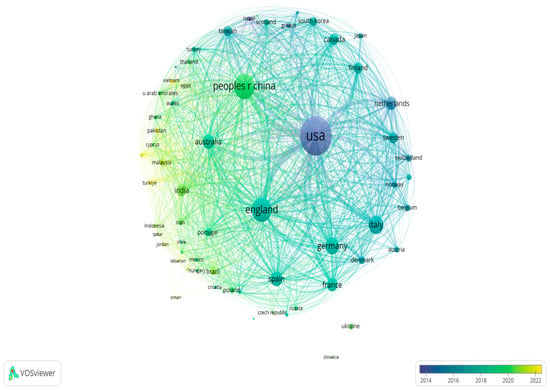
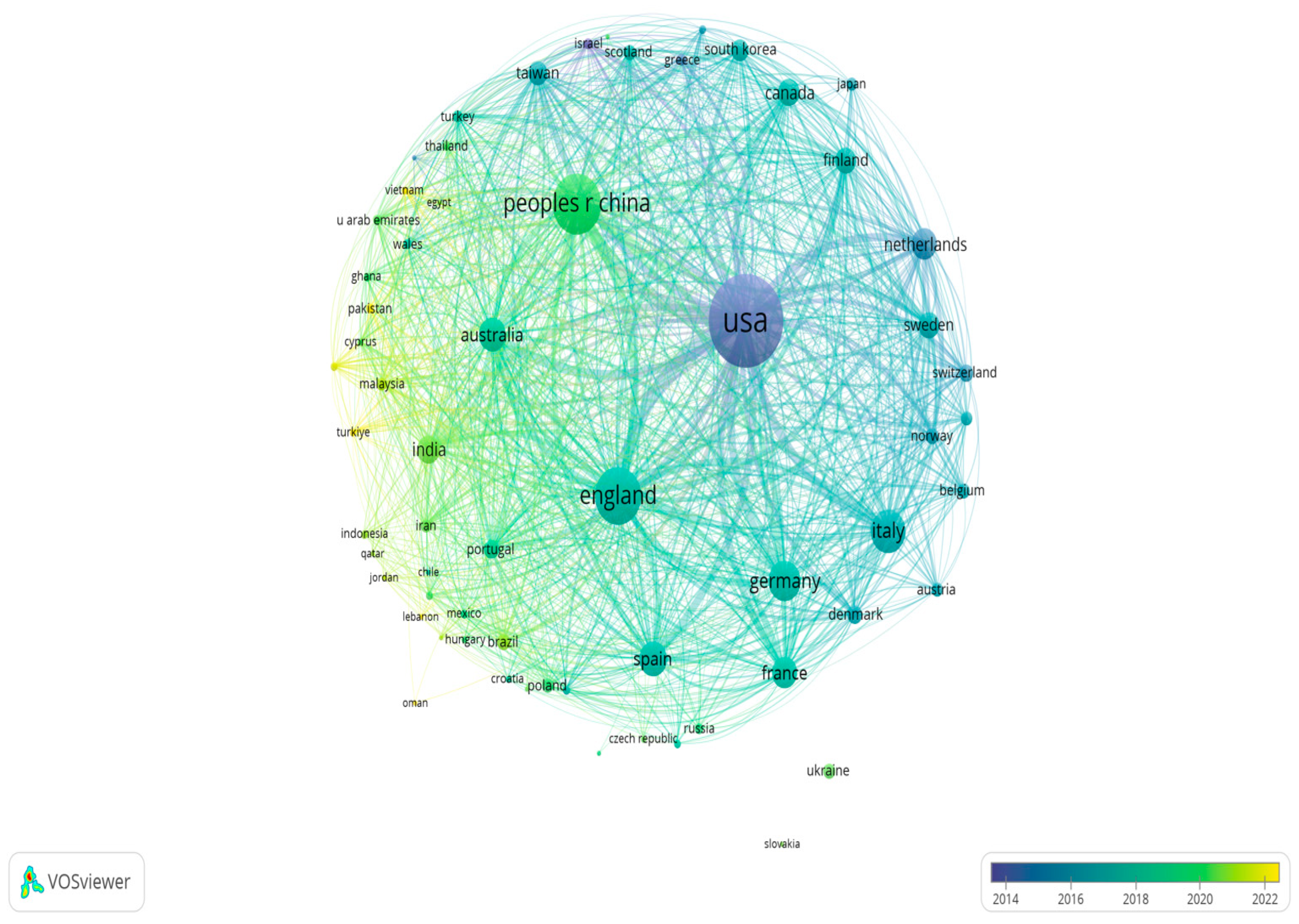
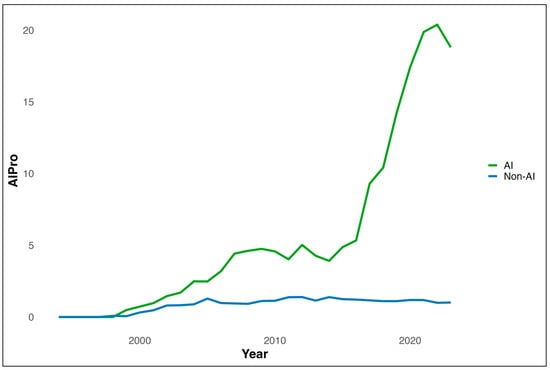
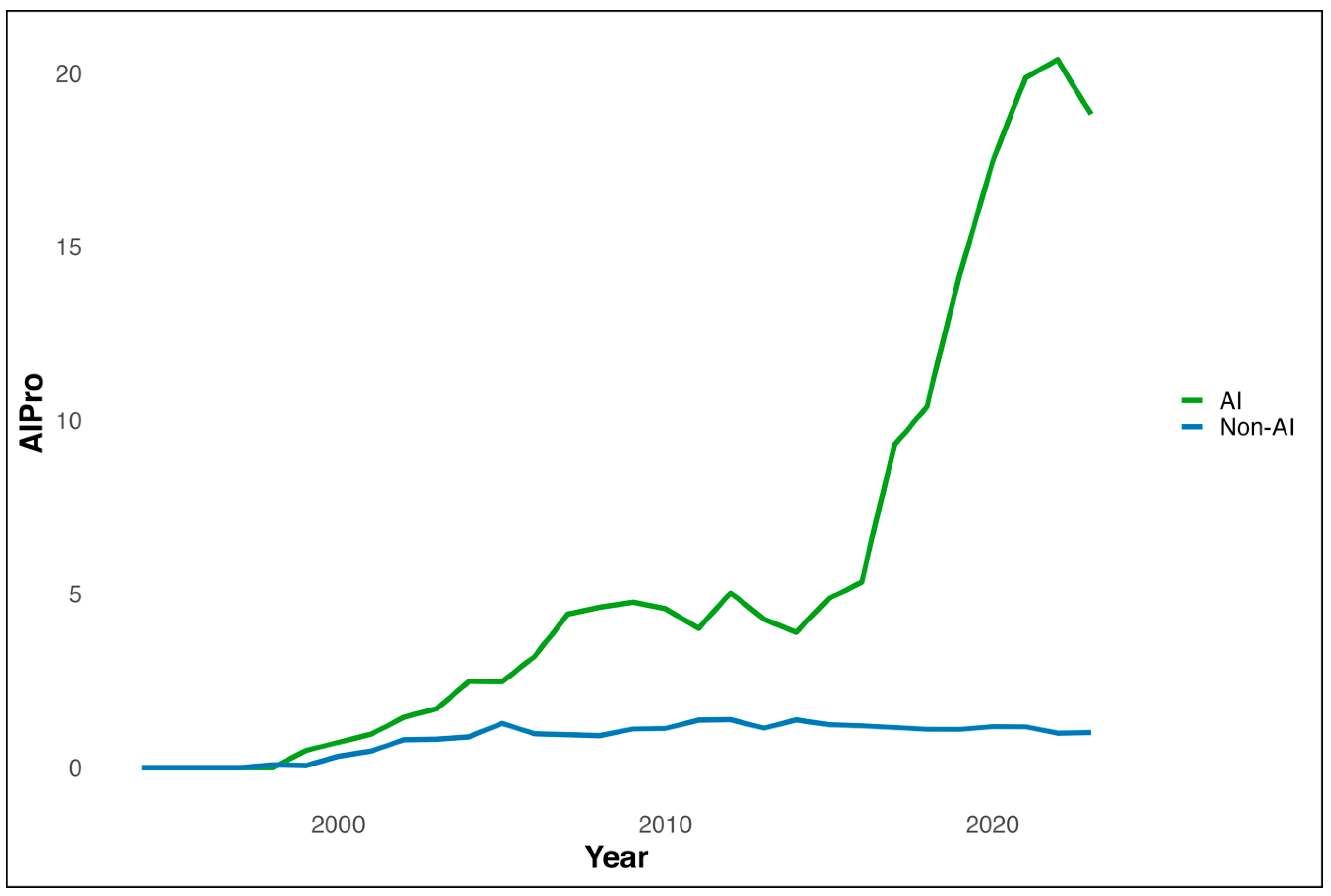
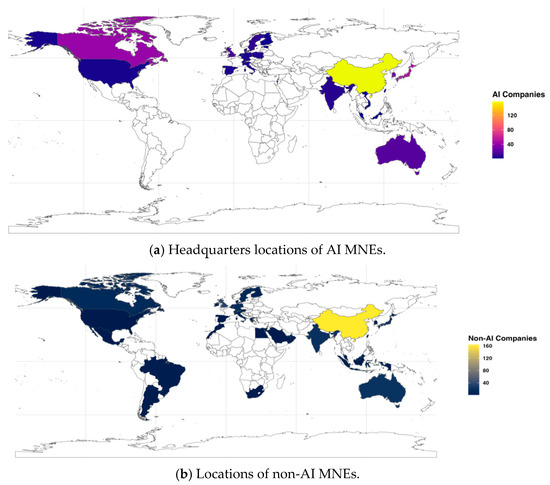
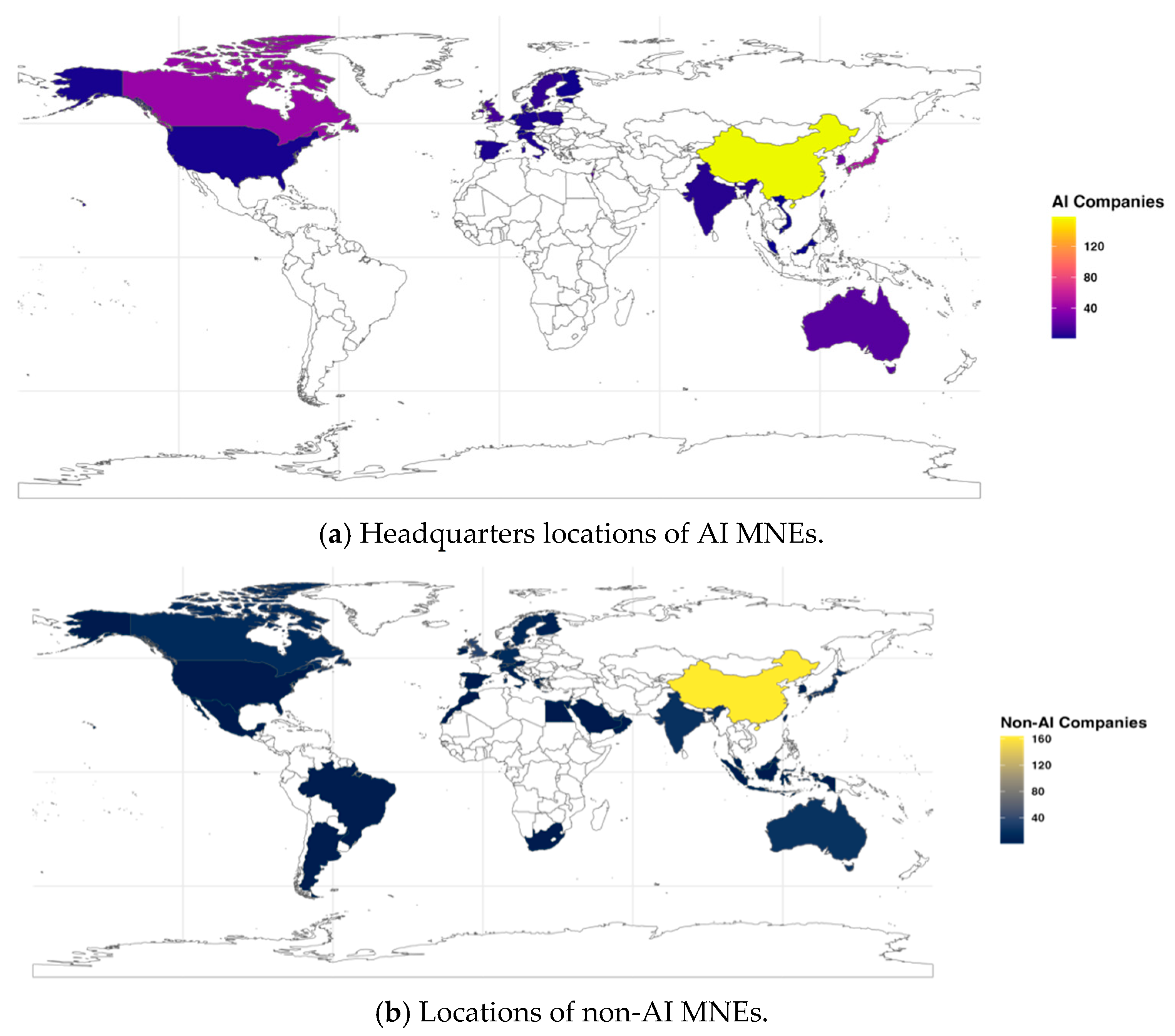
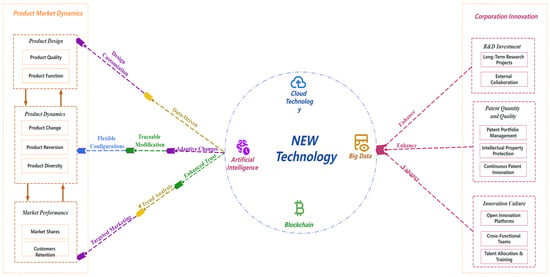
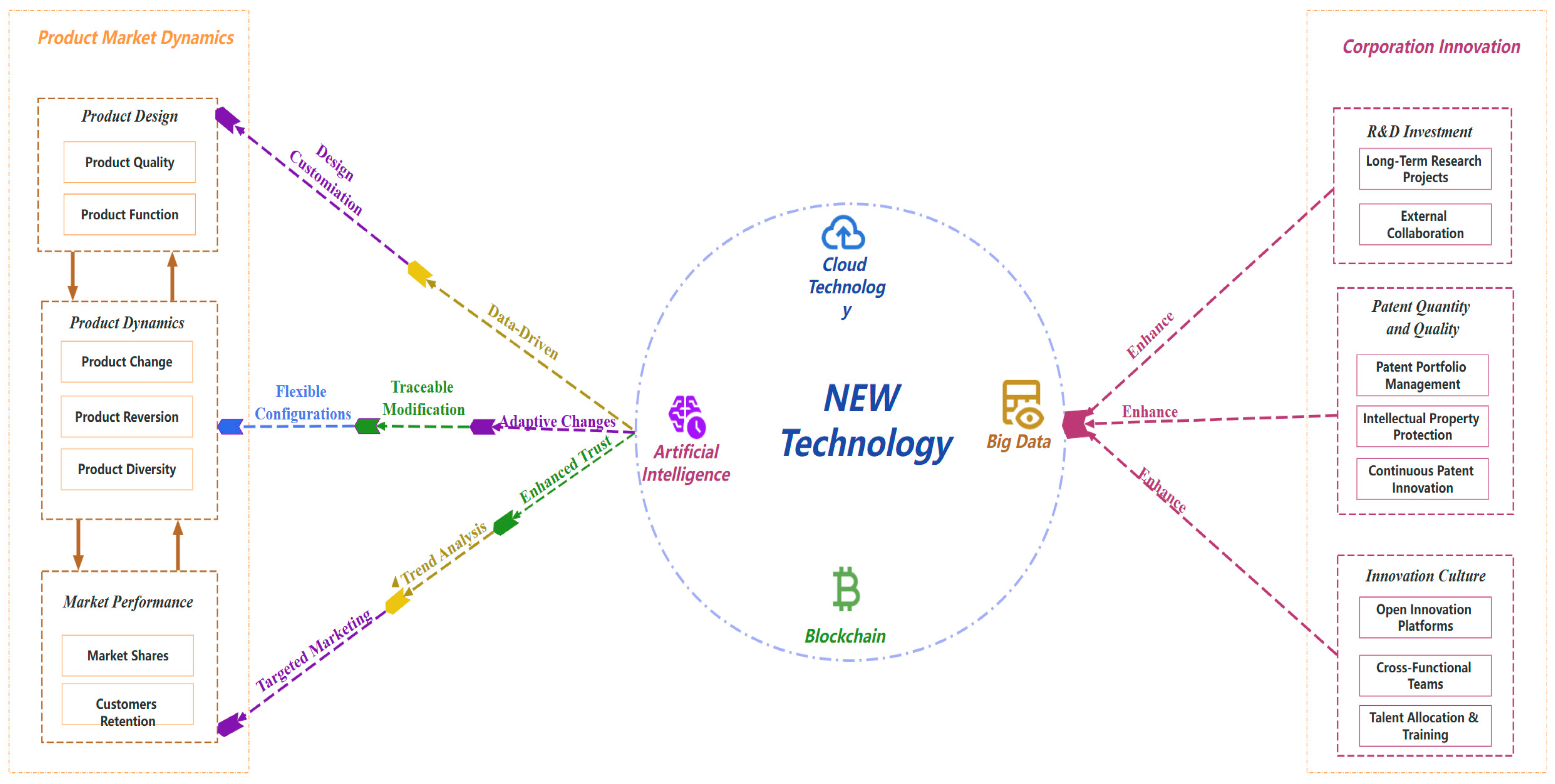
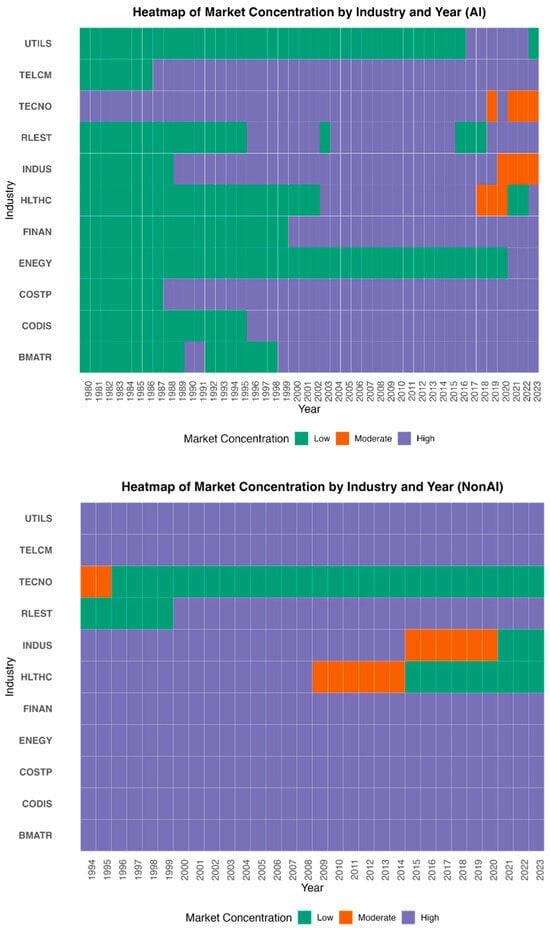

Disclaimer/Publisher’s Note: The statements, opinions and data contained in all publications are solely those of the individual author(s) and contributor(s) and not of MDPI and/or the editor(s). MDPI and/or the editor(s) disclaim responsibility for any injury to people or property resulting from any ideas, methods, instructions or products referred to in the content. |
© 2026 by the authors. Licensee MDPI, Basel, Switzerland. This article is an open access article distributed under the terms and conditions of the Creative Commons Attribution (CC BY) license.