

Journal Description
International Journal of Environmental Research and Public Health
(IJERPH) is a transdisciplinary, peer-reviewed, open access journal that covers global health, healthcare sciences, behavioral and mental health, infectious diseases, chronic diseases and disease prevention, exercise and health related quality of life, environmental health and environmental sciences, and is published monthly online by MDPI. The International Society Doctors for the Environment (ISDE), Italian Society of Environmental Medicine (SIMA) and Environmental Health Association of Québec (ASEQ‑EHAQ) are affiliated with IJERPH and their members receive discounts on the article processing charges.
- Open Access— free for readers, with article processing charges (APC) paid by authors or their institutions.
- High Visibility: indexed within Scopus, PubMed, MEDLINE, PMC, Embase, GEOBASE, CAPlus / SciFinder, and other databases.
- Journal Rank: CiteScore - Q1 (Public Health, Environmental and Occupational Health)
- Rapid Publication: manuscripts are peer-reviewed and a first decision is provided to authors approximately 29.5 days after submission; acceptance to publication is undertaken in 3.9 days (median values for papers published in this journal in the second half of 2025).
- Recognition of Reviewers: reviewers who provide timely, thorough peer-review reports receive vouchers entitling them to a discount on the APC of their next publication in any MDPI journal, in appreciation of the work done.
- Testimonials: See what our editors and authors say about IJERPH.
- Sections: published in 7 topical sections.
- Journal Cluster of Healthcare Sciences and Services: Geriatrics, Journal of Ageing and Longevity, Healthcare, Hospitals, Hygiene, International Journal of Environmental Research and Public Health and Nursing Reports.
Latest Articles
Seasonality, Weather, and Obstetric Level of Care: An Analysis of Rural Delivery Locations
Int. J. Environ. Res. Public Health 2026, 23(6), 731; https://doi.org/10.3390/ijerph23060731 (registering DOI) - 30 May 2026
Abstract
Birth seasonality in the United States typically peaks in late summer, yet research has rarely examined these patterns in northern mountainous regions or across different hospital obstetric levels. This study investigates the temporal dynamics of maternal healthcare-seeking behavior in Montana, specifically focusing on
[...] Read more.
Birth seasonality in the United States typically peaks in late summer, yet research has rarely examined these patterns in northern mountainous regions or across different hospital obstetric levels. This study investigates the temporal dynamics of maternal healthcare-seeking behavior in Montana, specifically focusing on seasonality in birth volume and obstetric bypassing (delivering at a non-local hospital). We conducted a retrospective analysis of 98,524 birth records (2014–2022) at hospitals with Level 1, 2, and 3 obstetric units, integrating driving distances and monthly county-level climate data. Statistical analyses included calculating observed-to-expected (O-E) ratios to identify seasonality and regression models to test interactions between season, hospital level, and weather. Montana birth volume is distinguished by a peak in June and a trough in January, with seasonality most pronounced at Level 3 hospitals. Obstetric bypassing significantly decreases during winter (O-E ratio 0.95), particularly for Level 1 hospitals, while increasing during warm, high-precipitation months. Over time, bypassing toward Level 3 hospitals has risen from 13.6% to 20%. We conclude that seasonality and weather correlates are associated with significant variation in care-seeking patterns, reflecting the unique challenges facing rural hospitals.
Full article
(This article belongs to the Special Issue Access and Utilization of Maternal Health Services in Rural Areas)
Open AccessArticle
Urban-Scale Chikungunya Risk Mapping in the Western Guangdong-Hong Kong-Macao Greater Bay Area Using Remote Sensing
by
Yufeng Liu and Suhong Liu
Int. J. Environ. Res. Public Health 2026, 23(6), 730; https://doi.org/10.3390/ijerph23060730 (registering DOI) - 30 May 2026
Abstract
This study presents a reproducible high-resolution framework for assessing urban chikungunya environmental suitability and outbreak-related spatial heterogeneity during the 2025 outbreak in the western Guangdong–Hong Kong–Macao Greater Bay Area. Using Sentinel-2–derived environmental indicators together with a random forest–based residual correction of Landsat surface
[...] Read more.
This study presents a reproducible high-resolution framework for assessing urban chikungunya environmental suitability and outbreak-related spatial heterogeneity during the 2025 outbreak in the western Guangdong–Hong Kong–Macao Greater Bay Area. Using Sentinel-2–derived environmental indicators together with a random forest–based residual correction of Landsat surface temperature, we developed a 10 m weighted additive Mosquito Habitat Suitability Index (MHSI). Index weights were empirically derived by comparing reported case locations at the street and town level with randomly sampled background points. The optimized weighting scheme indicated that humidity- and water-related conditions contributed more strongly to habitat suitability than vegetation and temperature. Reported case locations generally corresponded to higher MHSI values than background locations, suggesting that the index captures broad spatial patterns of environmental suitability. Comparison with a coarser, model-derived global chikungunya risk map was used as an external comparative consistency assessment rather than predictive validation, showing moderate agreement at the macro-spatial scale (Pearson r = 0.3421) after correction for spatial autocorrelation. Residual-difference analysis, combined with multiple points-of-interest (POI) categories, ordinary least squares (OLS), and geographically weighted regression (GWR), further suggested that human activity, transport connectivity, and healthcare accessibility may account for part of the remaining spatial mismatch not explained by environmental suitability alone. Sensitivity analyses indicated that the broad LST downscaling pattern and the exploratory GWR interpretation were reasonably stable under alternative sampling, smoothing, grid-size, and bandwidth settings. Taken together, this framework provides preliminary spatial evidence for high-resolution environmental suitability assessment and exploratory interpretation of outbreak-related spatial heterogeneity, while underscoring the need for finer-scale epidemiological data and more explicit representation of human-driven processes.
Full article
(This article belongs to the Topic Applications of Spatial Science and Technology in Health Research, 2nd Edition)
►▼
Show Figures

Figure 1
Open AccessArticle
Preventing Musculoskeletal Strain in Dental Training: Effects of a Movement-Based Intervention
by
Dorsaf Sahli, Carlos Oteo-Calatayud, Juan López-Quiles, Cristina Madrigal, Carmen López-Carriches, Pablo Revuelta-Cortés and Carlos Oteo-Morilla
Int. J. Environ. Res. Public Health 2026, 23(6), 729; https://doi.org/10.3390/ijerph23060729 (registering DOI) - 30 May 2026
Abstract
Work-related musculoskeletal disorders (WMSDs) are highly prevalent among dental professionals and often begin during clinical training. Preventive strategies within dental education remain limited. This study aimed to evaluate the effects of integrating a structured yoga-based programme into postgraduate dental training on musculoskeletal symptoms,
[...] Read more.
Work-related musculoskeletal disorders (WMSDs) are highly prevalent among dental professionals and often begin during clinical training. Preventive strategies within dental education remain limited. This study aimed to evaluate the effects of integrating a structured yoga-based programme into postgraduate dental training on musculoskeletal symptoms, perceived stress, and resilience. A randomized controlled pilot study was conducted in which participants were allocated to either an intervention group undertaking a 12-week yoga programme (one session per week) or a control group continuing usual clinical activities. Musculoskeletal symptoms were assessed using the adapted Nordic Musculoskeletal Questionnaire (NMQ) recall measure, while psychological outcomes were assessed using the Perceived Stress Scale (PSS-10) and the Connor–Davidson Resilience Scale (CD-RISC-10). Over the study period, musculoskeletal symptom scores decreased in the intervention group, whereas they remained relatively stable in the control group. Significant Group × Time interactions were observed for the primary musculoskeletal outcomes. No significant differences were found for work-related impairment, perceived stress, or resilience. These preliminary findings suggest that structured movement-based interventions may represent a potentially feasible preventive approach within dental training environments to address early occupational musculoskeletal strain. Further research with larger samples and longer intervention periods is needed to confirm these findings.
Full article
Open AccessArticle
The Relationship Between State Boredom and Sleep–Wake Disruptions: A Mediation Model via Smartphone Addiction and Bedtime Procrastination
by
Marco Fabbri and Monica Martoni
Int. J. Environ. Res. Public Health 2026, 23(6), 728; https://doi.org/10.3390/ijerph23060728 (registering DOI) - 30 May 2026
Abstract
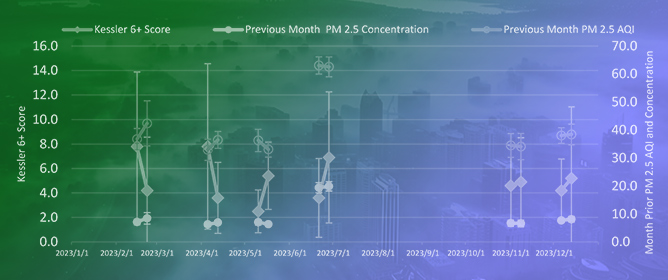
Bedtime procrastination is linked to poor sleep quality, daytime sleepiness, and altered sleep timing. Identifying the factors influencing this behavior is crucial. Among them, problematic smartphone use can delay bedtime. State boredom, a multidimensional concept (high and low arousal, disengagement, inattention, and time
[...] Read more.
Bedtime procrastination is linked to poor sleep quality, daytime sleepiness, and altered sleep timing. Identifying the factors influencing this behavior is crucial. Among them, problematic smartphone use can delay bedtime. State boredom, a multidimensional concept (high and low arousal, disengagement, inattention, and time perception), triggers problematic smartphone use as a way to cope with boredom, resulting in delayed bedtime and sleep–wake issues. This study aimed to test mediation models where state boredom predicts sleep-related outcomes both directly and indirectly through smartphone addiction and bedtime procrastination. A total of 259 participants (138 women; mean age = 38.44 years) completed an online survey, including the Mini-Sleep Questionnaire, Bedtime Procrastination Scale, Mobile Addiction Scale, Multidimensional State Boredom Scale, and measures of sleep timing on workdays and free days. Results showed significant positive associations among all variables. Mediation analyses revealed that state boredom directly predicted poor sleep quality and daytime sleepiness, and indirectly predicted smartphone addiction and bedtime procrastination. Additionally, boredom indirectly influenced sleep timing via bedtime procrastination. Overall, the findings suggest that boredom can lead to problematic smartphone use, which in turn delays bedtime, resulting in poorer sleep quality, increased daytime sleepiness, and delayed sleep timing.
Full article
(This article belongs to the Special Issue Problematic Internet and Smartphone Use as a Public Health Concern)
►▼
Show Figures

Figure 1
Open AccessArticle
Examining Emotional Climates as a Function of Maternal Parenting Style: A Growth Model That Examines Authoritarian Beliefs and Emotional Expressivity During Parent–Child Interaction
by
Heather J. Risser and Alexandra E. Morford
Int. J. Environ. Res. Public Health 2026, 23(6), 727; https://doi.org/10.3390/ijerph23060727 (registering DOI) - 30 May 2026
Abstract
Parental emotional expressivity toward their child is an integral component of creating a family emotional climate, which is the primary context in which children develop social–emotional skills. The current study sought to empirically test Darling and Steinberg’s model that parent attitudes that make
[...] Read more.
Parental emotional expressivity toward their child is an integral component of creating a family emotional climate, which is the primary context in which children develop social–emotional skills. The current study sought to empirically test Darling and Steinberg’s model that parent attitudes that make up parenting style effect parental emotional expressivity during parent–child interaction. Using longitudinal data from the NICHD Study of Early Child Care and Youth Development (SECCYD), the authors examined the compounding effects of maternal authoritarian attitudes measured soon after birth on maternal emotional expressivity toward their infant across three time points (child at 6, 15, and 24 months old). Hierarchical linear modeling analyses (HLMs) demonstrated that a mother’s (n = 1165, Mage = 28.2 years) authoritarian attitudes were associated with both decreased positive expressivity and increased negative expressivity toward their child at 6 months of age. Mothers who held more authoritarian attitudes at baseline demonstrated an increased rate of growth in negative expressivity toward their child over time. Maternal race and income were also significantly associated with the linear rate of growth of negative expressivity over time but not in positive expressivity. This suggests that authoritarian attitudes measured when the child is 1 month old continue to impact parent behavior up to 23 months later. This pattern suggests a potential window for effective universal prevention efforts in promoting nurturing parent behavior and promoting positive parent–child relationships. A possible target of prevention intervention could be providing parents with components of a modularized emotion regulation curriculum. The content could help parents to regulate their negative expressivity toward the child and focus on the message they want to convey to the child related to the child’s specific behavior.
Full article
(This article belongs to the Special Issue The Influence of Parenting Styles on Children's Mental Health)
Open AccessArticle
Accessibility to Primary Care Services for Immigrants Experiencing Homelessness in England: A Qualitative Exploratory Study
by
Carol Namata
Int. J. Environ. Res. Public Health 2026, 23(6), 726; https://doi.org/10.3390/ijerph23060726 (registering DOI) - 29 May 2026
Abstract
Access to primary care services is essential for promoting mental health, yet immigrants experiencing homelessness face significant barriers to care. This study explores factors that influence access to primary care services in the UK. A qualitative design was employed, involving in-depth semi-structured interviews
[...] Read more.
Access to primary care services is essential for promoting mental health, yet immigrants experiencing homelessness face significant barriers to care. This study explores factors that influence access to primary care services in the UK. A qualitative design was employed, involving in-depth semi-structured interviews with 30 immigrants experiencing homelessness and 30 stakeholders across healthcare, voluntary, and local authority sectors. Data were analysed using thematic analysis, guided by the Levesque framework of healthcare access and an intersectionality lens. Findings reveal that access is influenced by intersecting structural barriers, including fear of detention and deportation, cultural stigma surrounding mental health, digital exclusion, and financial hardship. These barriers delay help-seeking and shift care-seeking toward emergency services. Increasing reliance on digital systems in primary care further excludes individuals with limited access to devices, connectivity, or digital skills. These findings indicate that barriers to accessing primary care services may hinder the early identification and preventive management of mental health needs among homeless immigrants. Improving access requires structural reforms that address legal, financial, and digital barriers, alongside more culturally responsive and trust-based care. Without such changes, digital health innovations risk reinforcing existing inequalities and limiting the role of primary care in early mental health intervention and prevention.
Full article
(This article belongs to the Special Issue Public Mental Health Promotion for Vulnerable Populations: Opportunities in the Digital Era)
Open AccessArticle
Connection to Nature and Psychological Wellbeing: The Role of Mindfulness and Spirituality
by
Simin Kazemi, Julia C. Torquati and Tuyen Huynh
Int. J. Environ. Res. Public Health 2026, 23(6), 725; https://doi.org/10.3390/ijerph23060725 (registering DOI) - 29 May 2026
Abstract
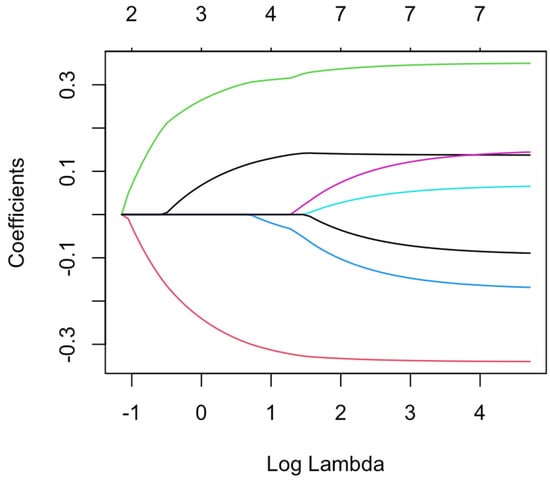
This study examined mindfulness and spirituality as potential explanatory mechanisms underlying the associations between connection to nature and young adults’ psychological wellbeing (depression, anxiety, perceived stress, life satisfaction, and positive states of mind). Two studies employed structural equation modeling (SEM) to test these
[...] Read more.
This study examined mindfulness and spirituality as potential explanatory mechanisms underlying the associations between connection to nature and young adults’ psychological wellbeing (depression, anxiety, perceived stress, life satisfaction, and positive states of mind). Two studies employed structural equation modeling (SEM) to test these pathways using different conceptualizations and measures of mindfulness and spirituality. Participants (Study 1: N = 219, 69.4% female; Study 2: N = 180, 75% female) completed self-report measures of connection to nature, mindfulness, spirituality, and psychological wellbeing. In Study 1, mindful attention functioned as a significant mediating mechanism reducing anxiety and perceived stress, while mindful awareness mediated reductions in depression and increases in positive states of mind. Conversely, spirituality (life scheme and self-efficacy) was not a significant mediator. In Study 2, using alternative measures, spirituality (self-transcendence) significantly operated as a mediating mechanism across all wellbeing outcomes except anxiety, whereas none of the five facets of mindfulness acted as significant mediating mechanisms. Overall, these findings suggest that the roles of mindfulness and spirituality in linking connection to nature and psychological wellbeing may vary depending on how these constructs are conceptualized and measured, highlighting the need for greater conceptual clarity in future research.
Full article
(This article belongs to the Section Behavioral and Mental Health)
►▼
Show Figures

Figure 1
Open AccessArticle
Families Flourish: Triangulating Housing, Neighborhood, and Life Coaching for Health
by
Jason Reece, Jee Young Lee and Rachel Kleit
Int. J. Environ. Res. Public Health 2026, 23(6), 724; https://doi.org/10.3390/ijerph23060724 (registering DOI) - 29 May 2026
Abstract
Previous research demonstrates that housing security and quality influence physical and mental health. Despite a rich literature on housing and health, less is known about the processes through which housing mobility programs directly affect family health. We use a single-case design to examine
[...] Read more.
Previous research demonstrates that housing security and quality influence physical and mental health. Despite a rich literature on housing and health, less is known about the processes through which housing mobility programs directly affect family health. We use a single-case design to examine how the health of families with children is impacted by Families Flourish, a mobility program that combines three years of rental assistance with life coaching and placement in safe, well-resourced neighborhoods. Drawing on developmental and formative evaluation data, including longitudinally collected surveys, interviews, and administrative records, we trace families’ experiences over time. Our analysis identifies distinct pathways through which mobility improves mental and physical health—via improved indoor air quality, reduced environmental and parental stress, and enhanced access to resources. Initial health gains are subsequently leveraged to improve educational and economic outcomes. We observe a temporal sequence in outcomes, with early physical health gains and later mental health improvements as stability and safety increase. We conclude by situating these identified pathways within existing scholarship and discussing implications for planning and fair housing practice.
Full article
(This article belongs to the Special Issue Healthy Spaces, Healthy Lives: Analyzing the Role of Built Environment on Human Health)
►▼
Show Figures

Figure 1
Open AccessArticle
Monitoring Emerging Risks for Consumers: DIY Projects Using Epoxy Resins in YouTube Videos
by
Eva Charlotte Rogasch and Marie Bergner
Int. J. Environ. Res. Public Health 2026, 23(6), 723; https://doi.org/10.3390/ijerph23060723 (registering DOI) - 28 May 2026
Abstract
Epoxy resins are associated with health risks, including skin sensitization and allergies. They are used by consumers in DIY applications such as the making of decorative objects and jewelry. To determine whether those uses pose a risk for consumers, a search on the
[...] Read more.
Epoxy resins are associated with health risks, including skin sensitization and allergies. They are used by consumers in DIY applications such as the making of decorative objects and jewelry. To determine whether those uses pose a risk for consumers, a search on the online platform YouTube was conducted. The results revealed about 200 videos with more than 10,000 views, in which DIY applications of epoxy resins are shown, with a growing number of uploads in recent years. The main DIY applications for epoxy resins were making small decorative objects, jewelry, lamps, tabletops, kitchen countertops and floors. In 41% of the videos, no gloves were worn during the handling of epoxy resins. The analysis of content on YouTube shows that the application of epoxy resins by consumers in the DIY sector may present an emerging risk for consumers’ health.
Full article
Open AccessArticle
Registered Prevalence and Regional Characteristics of Congenital Anomalies in the Turkistan Region
by
Ardak Ayazbekov, Ainash Oshibayeva, Secil Ozkan, Gulzhaukhar Taskinova and Makpal Taubekova
Int. J. Environ. Res. Public Health 2026, 23(6), 722; https://doi.org/10.3390/ijerph23060722 (registering DOI) - 28 May 2026
Abstract
Background: Congenital disorders (CDs) are a major contributor to perinatal morbidity and mortality, and their prevalence may vary by region. This study aimed to assess the epidemiological characteristics and regional features of congenital anomalies (CAs) in the Turkistan Region and to evaluate temporal
[...] Read more.
Background: Congenital disorders (CDs) are a major contributor to perinatal morbidity and mortality, and their prevalence may vary by region. This study aimed to assess the epidemiological characteristics and regional features of congenital anomalies (CAs) in the Turkistan Region and to evaluate temporal trends and forecast near-term dynamics. Methods: A retrospective analysis was conducted using data from regional perinatal centers and medical institutions in the Turkistan Region for 2020–2024. The total number of registered pregnancies and diagnosed CA cases were summarized annually. Results: From 2020 to 2024, 53,169 pregnancies were registered and 848 cases of CAs were identified, yielding an overall prevalence of 1.6%. The registered prevalence of CAs increased from 0.8% in 2020 to 2.4% in 2024. This temporal increase coincided with the expansion of prenatal screening and diagnostic services in the region during the study period. Conclusion: The findings demonstrate an increase in the registered prevalence of CAs in the Turkistan Region over the study period. The observed trend may reflect both changes in case detection and registration practices, as well as possible epidemiological influences, highlighting the importance of continued surveillance and prenatal diagnostic services.
Full article
Open AccessBrief Report
Stigma and Barriers to Mental Health and Substance Use Care for Hispanic/Latine Individuals Living with HIV or at Risk for HIV in Texas, United States
by
Roxana Guzman, Daniel Castellanos, Evelio Salinas Escamilla, Sana Malik, Melissa Bessaha and Miguel Muñoz-Laboy
Int. J. Environ. Res. Public Health 2026, 23(6), 721; https://doi.org/10.3390/ijerph23060721 - 28 May 2026
Abstract
Objectives: To describe levels of barriers to mental health and substance use services and to examine the associations, if any, between these barriers and substance use and mental health stigma among Hispanic/Latine adults receiving services for HIV prevention or HIV treatment. Methods: We
[...] Read more.
Objectives: To describe levels of barriers to mental health and substance use services and to examine the associations, if any, between these barriers and substance use and mental health stigma among Hispanic/Latine adults receiving services for HIV prevention or HIV treatment. Methods: We conducted a cross-sectional survey as part of a mixed-method, community-based statewide study among Hispanic/Latine individuals served by HIV service delivery organizations in Texas, United States, between September 2022 and May 2023 (n = 300). Participants completed a computer-based survey at collaborating organizations. Analyses included descriptive statistics and linear regression modeling. Results: Demographic and background characteristics were significantly associated with differences in reported barriers to mental health and substance use services. Mental health-related stigma was significantly associated with barriers to mental health services. Conclusions: Strategies to reduce barriers, tailored to specific demographic subgroups, and interventions to address mental health-related stigma should be prioritized by HIV service delivery organizations serving Hispanic/Latine communities.
Full article
(This article belongs to the Special Issue Breaking Down Barriers: Ensuring Healthcare Access for Migrant and Refugee Communities)
Open AccessArticle
“When the Worlds Change and We Get Old”: Indigenous Older Adults Reflecting on Dementia and Aging
by
Tamar Ginossar, Erika L. Partridge, John C. Adair, Donica M. Ghahate, Michele M. Quam, Jillian L. Prestopnik, Janice A. Knoefel, Sephira G. Ryman, Gary A. Rosenberg and Vallabh O. Shah
Int. J. Environ. Res. Public Health 2026, 23(6), 720; https://doi.org/10.3390/ijerph23060720 (registering DOI) - 28 May 2026
Abstract
Background. Understanding the perspectives of Indigenous older adults about aging and dementia in different Indigenous communities can inform the provision of culturally grounded services and advance equity. However, the experiences and perspectives of Southwestern Pueblo communities are under-researched. Methods. Approved by the Zuni
[...] Read more.
Background. Understanding the perspectives of Indigenous older adults about aging and dementia in different Indigenous communities can inform the provision of culturally grounded services and advance equity. However, the experiences and perspectives of Southwestern Pueblo communities are under-researched. Methods. Approved by the Zuni Tribal Government and IRB, this community-engaged, qualitative research explored Zuni older adults’ perceptions, experiences, and support needs. Two co-authors who are community members co-led four focus groups and transcribed them. Results. Twenty participants in four focus groups shared holistic perceptions of dementia. Whereas they often described dementia as a part of aging, they also expressed a strong desire for specialized dementia care and information. They expressed a strong commitment to caregiving as a cultural value, along with challenges and the need for resources to support caregiving as part of specialized dementia healthcare. The challenges experienced by community members were exacerbated by the devastating impact of the COVID-19 pandemic, including the loss of loved ones, long-term COVID-19, disruption of gatherings, loneliness and social isolation. Conclusions. The need for culturally grounded services is inseparable from Zuni participants’ requests for specialized dementia services (including prevention, screening, and caregiving). As the first study to report on the impact of the COVID-19 pandemic on Zuni aging, it highlights the importance of re-building social services and gatherings in planning of service provision.
Full article
(This article belongs to the Special Issue Dementia Prevention and Care in Indigenous Communities: Opportunities to Advance Cognitive Health Equity)
Open AccessArticle
University Students’ Perceptions and Intentions to Use Digital Mental Health Services Including Online Therapy and Mental Health Apps: A Cross-Sectional Study
by
Tamadhir Al-Mahrouqi, Maryam Al Wardy, Abdullah Al Lawati, Ahmed Al Maskari, Alazhar Al Azri, Qaiser Al Riyami, Hamood Al Aufi, Sachin Jose and Hamed Al Sinawi
Int. J. Environ. Res. Public Health 2026, 23(6), 719; https://doi.org/10.3390/ijerph23060719 - 28 May 2026
Abstract
This study examined the association between attitudes toward digital technology and intentions to use digital mental health solutions, with perceptions of mental health apps and online therapy as potential mediators. A cross-sectional survey was conducted with 360 undergraduate students at Sultan Qaboos University
[...] Read more.
This study examined the association between attitudes toward digital technology and intentions to use digital mental health solutions, with perceptions of mental health apps and online therapy as potential mediators. A cross-sectional survey was conducted with 360 undergraduate students at Sultan Qaboos University (SQU) (July 2025). The mean age was 21.24 (SD = 3.12), with 50.3% of female respondents and 49.7% male. Using a validated questionnaire, we included assessments of attitudes and beliefs about digital technology, perceptions of mental health apps and online therapy, and intention to use digital mental health solutions. Mediation analysis was performed using structural equation modeling. Attitudes toward digital technology were significantly associated with intention (β = 0.358, p < 0.001). Perceptions of mental health apps significantly mediated this relationship (indirect effect = 0.065, p = 0.006), while perceptions of online therapy did not (indirect effect = 0.030, p = 0.109). The total indirect effect through both mediators was significant (0.095, p = 0.002), with a strong total effect on intention (0.454, p < 0.001). These findings suggest that improving students’ perceptions of mental health apps may help them use digital mental health services. Implementation strategies in similar university settings should target service-specific perceptions to drive adoption of these tools.
Full article
(This article belongs to the Special Issue AI Chatbots and Human Assistants for Mental Health)
►▼
Show Figures

Figure 1
Open AccessArticle
Linking Perceived Hospital-Generated Content to Psychological Well-Being Through Integrated Cognitive and Emotional Resilience Mechanisms Among Emerging Adults
by
Audrey Hamdoyo, Ferdi Antonio and Janeline Rivana Sefty Tengor
Int. J. Environ. Res. Public Health 2026, 23(6), 718; https://doi.org/10.3390/ijerph23060718 - 28 May 2026
Abstract
►▼
Show Figures
Background: Hospital-generated digital health content (HGC) represents an emerging psychosocial influence on young adults’ internalizing trajectories. This study examined how perceived HGC variables may associate with psychological well-being (PWB) through cognitive-behavioral and affective mediators, with neuroticism (NEU) moderating these associations. Methods: In a
[...] Read more.
Background: Hospital-generated digital health content (HGC) represents an emerging psychosocial influence on young adults’ internalizing trajectories. This study examined how perceived HGC variables may associate with psychological well-being (PWB) through cognitive-behavioral and affective mediators, with neuroticism (NEU) moderating these associations. Methods: In a cross-sectional online survey, 248 Indonesian respondents (born 1997–2012) who regularly consumed HGC completed validated and adapted instruments. The data were analyzed using PLS-SEM. Results: Perceptions of HGC function as key social-cognitive correlates of PWB in emerging adults. Perceived scientific reliability (PSR) and peace of mind (PEM) are positively associated with digital health literacy (DHL), cyberchondria resilience (CYR), and emotional regulation strategies (ERS). Conversely, humanizing value (HMV) is linked with a potential “comfort-without-competence” trajectory. The CYR construct emerged as the primary mediating mechanism for PWB, whereas NEU was found to weaken the positive association between DHL and PWB. Conclusion: These results suggest that HGC is associated with enhanced PWB by facilitating information competence, reducing compulsive health-seeking, and supporting emotional regulation, though emotionally warm formats may be linked with lower literacy development. The personality trait NEU selectively moderates cognitive pathways while leaving affective and behavioral pathways intact, suggesting a need for risk-stratified approaches. By providing clinically screened content that integrates cognitive-behavioral scaffolding, healthcare institutions can support early psychological prevention and self-regulation.
Full article

Figure 1
Open AccessSystematic Review
Estrogen Status and Temporomandibular Disorders: A Systematic Review
by
Alexandru Mazareanu, Claudia Grigorov, Alin Pandea, Maria Iacob, Dragos George Balaiasa, Tzvika Greenbaum and Petr Konecny
Int. J. Environ. Res. Public Health 2026, 23(6), 717; https://doi.org/10.3390/ijerph23060717 - 28 May 2026
Abstract
Background: Temporomandibular disorders (TMDs) exhibit a marked female predominance, suggesting a potential role for estrogen in their pathophysiology. However, evidence linking estrogen status to TMD remains inconsistent. Objective: To systematically review the association between estrogen-related factors and TMD prevalence and clinical presentation in
[...] Read more.
Background: Temporomandibular disorders (TMDs) exhibit a marked female predominance, suggesting a potential role for estrogen in their pathophysiology. However, evidence linking estrogen status to TMD remains inconsistent. Objective: To systematically review the association between estrogen-related factors and TMD prevalence and clinical presentation in women. Methods: PubMed, Embase, Scopus, Web of Science, and Google Scholar were searched through September 2025. Observational studies evaluating hormonal contraceptive use, menopausal status, menstrual cycle variation, pregnancy, or estrogen receptor polymorphisms in women with TMD were included. Two reviewers independently performed study selection, data extraction, and risk-of-bias assessment using the Newcastle-Ottawa Scale. Due to substantial heterogeneity, a narrative synthesis was conducted. Results: Seven studies met the inclusion criteria, including six clinical studies involving 2735 participants and one mechanistic supportive study. Moderate-certainty evidence suggested associations between hormonal contraceptive use, menopausal/climacteric status, and increased TMD risk or symptom severity. Additional low-certainty evidence supported associations involving menstrual cycle variation, pregnancy, and estrogen receptor polymorphisms. Conclusions: Current evidence suggests that hormonal factors may influence TMD risk and symptom presentation in women. However, heterogeneity in definitions of hormonal exposure and diagnostic criteria limits definitive conclusions. Further prospective studies using standardized diagnostic protocols and real-time biochemically validated hormonal assessments correlated with clinical symptoms are needed.
Full article
(This article belongs to the Special Issue Headache and Evidence-Based Rehabilitation Strategies)
►▼
Show Figures

Figure 1
Open AccessArticle
Sitting by the Fire: Dene Perspectives on Indigenous Traditional Ecological Knowledges, Land Stewardship, and Community Wellbeing
by
Danya Carroll, Jennie Vandermeer, Dëneze Nakehk’o, John B. Zoe, Celine Mackenzie Vukson and Nicole Redvers
Int. J. Environ. Res. Public Health 2026, 23(6), 716; https://doi.org/10.3390/ijerph23060716 - 27 May 2026
Abstract
Indigenous Peoples continue to steward their Lands through their traditional ecological knowledge (TEK), their Laws, and their kinship-driven processes as they have for millennia. There are various factors, including climate change, that threaten Indigenous TEK, Lands, and other processes including intergenerational knowledge transfer.
[...] Read more.
Indigenous Peoples continue to steward their Lands through their traditional ecological knowledge (TEK), their Laws, and their kinship-driven processes as they have for millennia. There are various factors, including climate change, that threaten Indigenous TEK, Lands, and other processes including intergenerational knowledge transfer. Our team carried out a qualitative research study with Indigenous community members to increase understanding of Dene Peoples’ connections with Land, community TEK protection and stewardship, as well as changes in local environments. Semi-structured interviews were conducted with ten participants from the Northwest Territories (NWT), Canada, from December 2024 to February 2025. Coding and reflexive thematic analysis were carried out using qualitative software. Six themes were characterized from the interview data including: (1) intergenerational TEK are central to our ways of life; (2) despite various factors, our communities continue to share TEK across generations; (3) our collective health and healing are tied to our TEK as well as our values; (4) climate change-related threats and damages are impacting our People and the Land; (5) protecting and governing our own data is crucial for preserving our stories and knowledge; and (6) we need to protect Mother Earth for future generations. This study further demonstrates that the protection of Indigenous TEK is deeply important for the overall health and wellbeing of Indigenous Peoples. Additionally, the honouring of Indigenous sovereignty and Land rights is essential to transform current climate change approaches.
Full article
Open AccessArticle
Characterising Occupational Solar UVA Exposure Intensity and Self-Reported Health Outcomes Among Outdoor Military Workers in Lohatla, South Africa
by
Sipho David Galawe, Phoka Caiphus Rathebe and Kgomotso Lebelo
Int. J. Environ. Res. Public Health 2026, 23(6), 715; https://doi.org/10.3390/ijerph23060715 - 27 May 2026
Abstract
This study aimed to assess the risks associated with ultraviolet radiation (UVR) exposure among military outdoor workers at Lohatla Military Base, South Africa, and to inform targeted risk reduction strategies. A quantitative, cross-sectional design was employed, using a questionnaire survey with 161 participants
[...] Read more.
This study aimed to assess the risks associated with ultraviolet radiation (UVR) exposure among military outdoor workers at Lohatla Military Base, South Africa, and to inform targeted risk reduction strategies. A quantitative, cross-sectional design was employed, using a questionnaire survey with 161 participants (81% completion rate; 58.39% male; the largest age group was 19–25 years) and five days of objective environmental monitoring. Environmental data confirmed the presence of elevated solar ultraviolet radiation conditions, with peak irradiance levels recorded between 12:00 PM and 1:00 PM, while temperature highs frequently exceeded 35 °C (peaking at 39 °C). Statistical analysis using Spearman’s rank-order correlation revealed strong positive associations among sun protection behaviours, including wearing protective clothing, hat use, sunscreen use, and avoidance of peak sun exposure hours (ρ values up to 0.764, p < 0.001), indicating the clustered and interdependent nature of effective sun safety practices. Furthermore, engagement in protective behaviours was significantly associated with improved health outcomes, including a lower incidence of sunburn (ρ = 0.407, p < 0.001) and reduced hyperpigmentation (ρ = 0.438, p < 0.001). These findings indicate that combined protective strategies are associated with reduced self-reported dermatological outcomes. Despite the benefits of individual behaviours, military personnel remain exposed to high levels of environmental ultraviolet radiation, underscoring the need for institutional, evidence-based policy interventions to mitigate occupational exposure risks. The study concludes that military organisations should implement mandatory administrative controls (e.g., schedule adjustments), standardise high-ultraviolet-protection-factor protective gear, and enhance targeted health literacy training to mitigate long-term UV-related health risks and improve the operational effectiveness of their workers.
Full article
(This article belongs to the Topic Environmental Exposure and Health Risks for Vulnerable Populations)
Open AccessArticle
The Modifying Effect of Individual-Level Neighborhood Perceptions on the Relationship Between Census-Level Neighborhood Social Vulnerability and Cognition in Older Latinos
by
Melissa Lamar, Cheyenne V. Parson, Crystal M. Glover, Ana W. Capuano, Mayra L. Estrella, Emily P. Morris, Lisa L. Barnes, David A. Bennett and David X. Marquez
Int. J. Environ. Res. Public Health 2026, 23(6), 714; https://doi.org/10.3390/ijerph23060714 - 27 May 2026
Abstract
Residents of vulnerable neighborhoods show lower levels of, and faster longitudinal declines in cognition across most, but not all studies. Mixed results may exist, in part, because residents’ self-reported (individual-level) perceptions of their neighborhood do not always reflect Census-level measurements. We investigated both
[...] Read more.
Residents of vulnerable neighborhoods show lower levels of, and faster longitudinal declines in cognition across most, but not all studies. Mixed results may exist, in part, because residents’ self-reported (individual-level) perceptions of their neighborhood do not always reflect Census-level measurements. We investigated both types of neighborhood characteristics to reexamine previously reported null associations between neighborhood vulnerability and cognition within an interactive socio-environmental framework. Self-identified Latinos (N = 224; age = 70.4) without dementia completed a modified Perception of Neighborhood Environment Scale (mPNES; higher scores = more positive perceptions of total and domain-specific community cohesiveness, health opportunities, and ambience), annual cognitive assessments, and had baseline addresses geocoded to a Census-derived Social Vulnerability Index (SVI; higher scores = higher vulnerability). Separate mixed effects regression models adjusted for relevant confounders tested relationships between mPNES and cognitive composite z-scores, and modifying effects of mPNES on the SVI-cognition associations. Higher total mPNES scores were associated with higher baseline global cognition and working memory (driven by community cohesiveness). Higher domain-specific health opportunities associated with slower rates of global cognitive decline. mPNES modified relationships between SVI and cognition, particularly baseline global cognition and episodic memory. Results demonstrate the importance of incorporating individual-level neighborhood perceptions when examining relationships between Census-level measures of neighborhood health and cognition.
Full article
(This article belongs to the Section Behavioral and Mental Health)
►▼
Show Figures

Figure 1
Open AccessReview
Barriers and Enablers in Implementing Technology-Enabled Care for Older Adults in Rural and Remote Settings: A Scoping Review
by
Michelle A. Krahe, Stephanie Baker, Emma Anderson, Edward Strivens and Sarah L. Larkins
Int. J. Environ. Res. Public Health 2026, 23(6), 713; https://doi.org/10.3390/ijerph23060713 - 27 May 2026
Abstract
Existing reviews of technology-enabled care for older adults have primarily focused on technology usability, patient acceptance, and clinical outcomes. However, there remains limited synthesis of the organizational and system-level factors influencing the implementation of technology-enabled care in rural, regional, and remote contexts. This
[...] Read more.
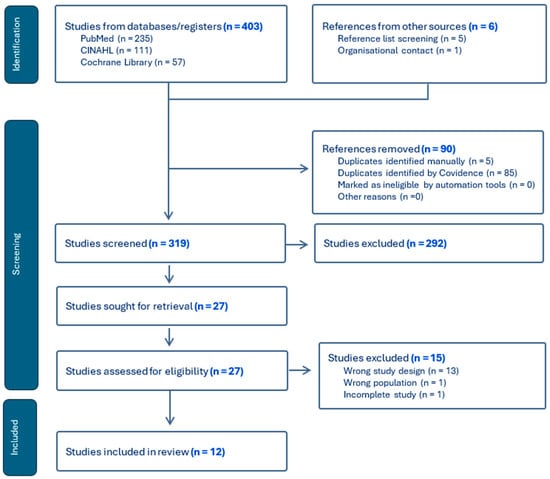
Existing reviews of technology-enabled care for older adults have primarily focused on technology usability, patient acceptance, and clinical outcomes. However, there remains limited synthesis of the organizational and system-level factors influencing the implementation of technology-enabled care in rural, regional, and remote contexts. This review addresses this gap by mapping barriers and facilitators using the Consolidated Framework for Implementation Research. Using technology to enable or enhance healthcare, rehabilitation, and self-management offers significant potential to improve access, outcomes, and equity for older adults; however, adoption and sustained use in rural, regional, and remote (RRR) settings remain limited. This scoping review aimed to identify factors influencing the implementation of technology-enabled care interventions for community-dwelling older adults in RRR contexts. Searches were conducted in PubMed, MEDLINE, CINAHL, Web of Science, and Scopus for empirical studies published from 2014 onwards. Barriers and enablers were mapped to the Consolidated Framework for Implementation Research (CFIR) and synthesized narratively. The search identified 807 records, of which 433 remained after duplicate removal and 105 proceeded to full-text assessment. Five studies met the inclusion criteria, examining telehealth, telerehabilitation, remote monitoring, and mobile health applications. Across the included studies, 71 implementation factors were identified, comprising 39 barriers and 32 enablers mapped across five CFIR domains and 20 constructs. The most frequently reported barriers related to innovation recipients’ capability, innovation design, innovation complexity, and outer setting local conditions. The most frequently reported enablers related to innovation adaptability, innovation complexity, and innovation recipients’ motivation. Findings suggest that implementation in RRR settings depends less on technological sophistication than on aligning design and delivery with user capability and local system capacity, reducing cognitive and technical burden, and embedding relational and contextual support.
Full article
(This article belongs to the Special Issue Digital Health Equity: Bridging the Gap for Elderly People and People with Disabilities)
Open AccessSystematic Review
Indoor Radon Exposure Among Schoolchildren: A Systematic Review of Risk Factors
by
Rasaq A. Yusuf, Thokozani P. Mbonane and Phoka C. Rathebe
Int. J. Environ. Res. Public Health 2026, 23(6), 712; https://doi.org/10.3390/ijerph23060712 - 27 May 2026
Abstract
Radon (222Rn) is a naturally occurring radioactive gas. It is colourless, odourless, and tasteless, produced through the spontaneous decay of uranium in soil and rocks. Among school-aged children, exposure to radon is a major public health concern because, during school hours, learners spend
[...] Read more.
Radon (222Rn) is a naturally occurring radioactive gas. It is colourless, odourless, and tasteless, produced through the spontaneous decay of uranium in soil and rocks. Among school-aged children, exposure to radon is a major public health concern because, during school hours, learners spend an average of 6–8 h daily inside school buildings, often on the ground floor or in basement classrooms, where radon levels tend to be highest. This study aims to contextualize radon exposure among children in educational settings, with a focus on the associated risk factors. A systematic review of the literature on radon exposure in classrooms among schoolchildren was conducted, analysing associated risk factors and methods of radon measurement. A literature search was performed across reputable databases to ensure compliance with systematic review standards. The quality of the evidence was appraised using the Grading of Recommendations Assessment, Development and Evaluation (GRADE) tool. A total of 32 studies met the inclusion criteria and were analyzed. Radon levels measured in classrooms exhibit variability based on geographic location. Certain classrooms in Continental Europe and North America exceed the WHO reference limit of 100 Bq/m3, as well as regional thresholds, including the European Union limit of 300 Bq/m3 and the United States Environmental Protection Agency (EPA) limit of 148 Bq/m3. Indoor radon exposure in classrooms is a worldwide concern because children are particularly vulnerable during their formative years. Those attending daycare centers and kindergartens are at greater risk due to their nascent respiratory systems.
Full article
(This article belongs to the Special Issue Environmental Determinants of Children's Respiratory Health)
►▼
Show Figures

Figure 1
Journal Menu
► ▼ Journal Menu-
- IJERPH Home
- Aims & Scope
- Editorial Board
- Reviewer Board
- Topical Advisory Panel
- Instructions for Authors
- Special Issues
- Topics
- Sections & Collections
- Article Processing Charge
- Indexing & Archiving
- Editor’s Choice Articles
- Most Cited & Viewed
- Journal Statistics
- Journal History
- Journal Awards
- Society Collaborations
- Conferences
- Editorial Office
Journal Browser
► ▼ Journal Browser-
arrow_forward_ios
Forthcoming issue
arrow_forward_ios Current issue - Vol. 23 (2026)
- Vol. 22 (2025)
- Vol. 21 (2024)
- Vol. 20 (2023)
- Vol. 19 (2022)
- Vol. 18 (2021)
- Vol. 17 (2020)
- Vol. 16 (2019)
- Vol. 15 (2018)
- Vol. 14 (2017)
- Vol. 13 (2016)
- Vol. 12 (2015)
- Vol. 11 (2014)
- Vol. 10 (2013)
- Vol. 9 (2012)
- Vol. 8 (2011)
- Vol. 7 (2010)
- Vol. 6 (2009)
- Vol. 5 (2008)
- Vol. 4 (2007)
- Vol. 3 (2006)
- Vol. 2 (2005)
- Vol. 1 (2004)
Highly Accessed Articles
Latest Books
E-Mail Alert
News
6 May 2026
International Journal of Environmental Research and Public Health Outstanding Special Issue Award—Winners Announced
25 November 2025
Meet Us Virtually at the 1st International Online Conference on Behavioral Sciences (IOCBS2026), 1–3 April 2026
Topics
Topic in
IJERPH, Microplastics, Polymers, Toxics
Plastic Contamination (Plastamination): An Environmental and Public Health-Related Concern
Topic Editors: Rosaria Meccariello, Antonino Testa, Francesco Cappello, Antonietta SantoroDeadline: 30 June 2026
Topic in
IJERPH, Medicina, Hospitals, Healthcare, Safety, Geriatrics
The Imperative of Patient Safety and Safety Culture in Contemporary Healthcare
Topic Editors: Hana Brborović, Ognjen Brborovic, Reinhard StrametzDeadline: 8 July 2026
Topic in
Behavioral Sciences, Children, Healthcare, IJERPH, JFMK, Obesities
The Effect of Physical Activity on the Population's Health
Topic Editors: Stefania Paduano, Federica ValerianiDeadline: 31 August 2026
Topic in
Behavioral Sciences, Children, EJIHPE, IJERPH, Healthcare
Mental Health and the 2030 Sustainable Development Agenda: Old Problems and New Perspectives
Topic Editors: Carlos Laranjeira, Ana QueridoDeadline: 31 October 2026
Conferences
Special Issues
Special Issue in
IJERPH
Living Conditions, Nutrition and Health Among Indigenous Peoples and Other Ethnic Minorities
Guest Editors: Aline Alves Ferreira, Verônica Gronau LuzDeadline: 30 May 2026
Special Issue in
IJERPH
Public Mental Health Promotion for Vulnerable Populations: Opportunities in the Digital Era
Guest Editors: Eleni Hatzidimitriadou, Theo FotisDeadline: 30 May 2026
Special Issue in
IJERPH
Leveraging AI-Powered Tools and Big Data for Global Health Surveillance
Guest Editors: Elena Naumova, Kristin E. LeonbergDeadline: 30 May 2026
Special Issue in
IJERPH
Recovery Strategies for Optimizing Exercise and Fitness' Health Benefits
Guest Editors: Gian Mario Migliaccio, Luca RussoDeadline: 31 May 2026
Topical Collections
Topical Collection in
IJERPH
Health Behaviors, Risk Factors, NCDs and Health Promotion
Collection Editor: Stefano Campostrini
Topical Collection in
IJERPH
2nd Edition of Achieving Environmental Health Equity: Great Expectations
Collection Editors: Timothy E. Ford, Margaret J. Eggers