

Journal Description
International Journal of Environmental Research and Public Health
(IJERPH) is a transdisciplinary, peer-reviewed, open access journal that covers global health, healthcare sciences, behavioral and mental health, infectious diseases, chronic diseases and disease prevention, exercise and health related quality of life, environmental health and environmental sciences, and is published monthly online by MDPI. The International Society Doctors for the Environment (ISDE), Italian Society of Environmental Medicine (SIMA) and Environmental Health Association of Québec (ASEQ‑EHAQ) are affiliated with IJERPH and their members receive discounts on the article processing charges.
- Open Access— free for readers, with article processing charges (APC) paid by authors or their institutions.
- High Visibility: indexed within Scopus, PubMed, MEDLINE, PMC, Embase, GEOBASE, CAPlus / SciFinder, and other databases.
- Journal Rank: CiteScore - Q1 (Public Health, Environmental and Occupational Health)
- Rapid Publication: manuscripts are peer-reviewed and a first decision is provided to authors approximately 29.5 days after submission; acceptance to publication is undertaken in 3.9 days (median values for papers published in this journal in the second half of 2025).
- Recognition of Reviewers: reviewers who provide timely, thorough peer-review reports receive vouchers entitling them to a discount on the APC of their next publication in any MDPI journal, in appreciation of the work done.
- Testimonials: See what our editors and authors say about IJERPH.
- Sections: published in 7 topical sections.
- Journal Cluster of Healthcare Sciences and Services: Geriatrics, Journal of Ageing and Longevity, Healthcare, Hospitals, Hygiene, International Journal of Environmental Research and Public Health and Nursing Reports.
Latest Articles
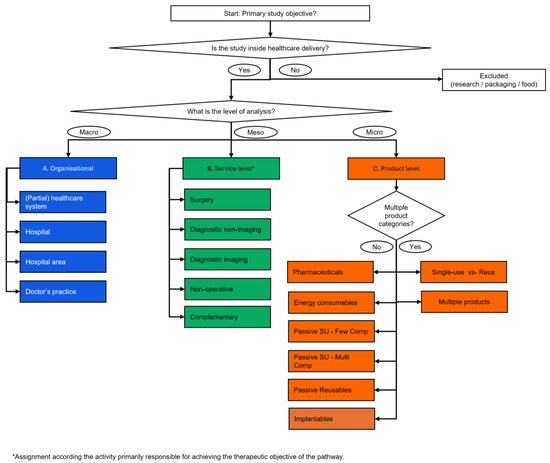
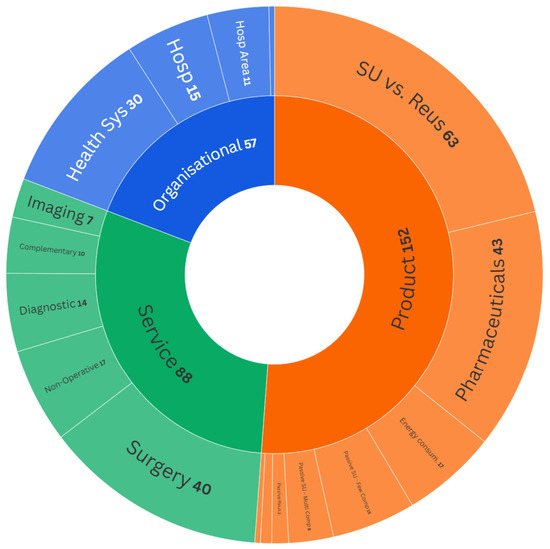
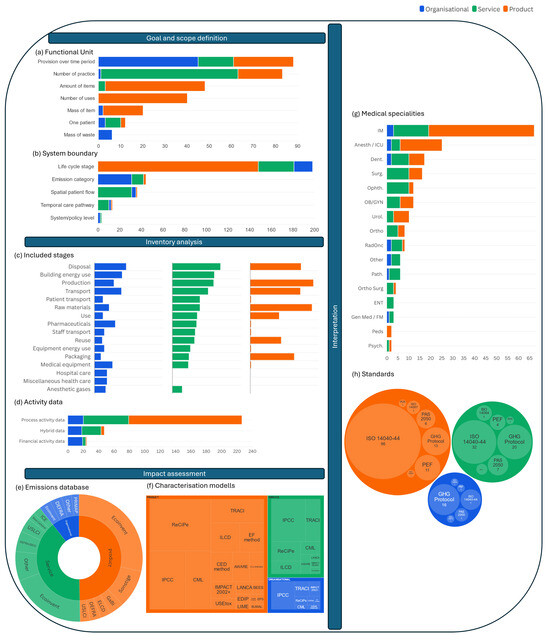
Life Cycle Assessments in Healthcare: Insights and Standardisation Needs
Int. J. Environ. Res. Public Health 2026, 23(7), 828; https://doi.org/10.3390/ijerph23070828 (registering DOI) - 23 Jun 2026
Abstract
Life cycle assessment is increasingly applied in healthcare, yet the healthcare-specific standardisation landscape and its relation to current practice remain unclear. This study maps existing frameworks and analyses their alignment with published healthcare LCA to identify standardisation gaps. Healthcare-specific standards and product category
[...] Read more.
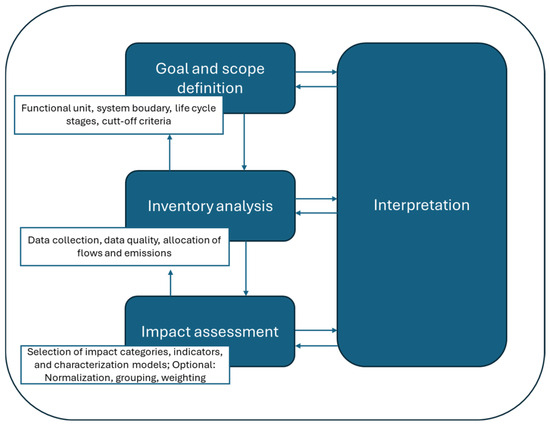
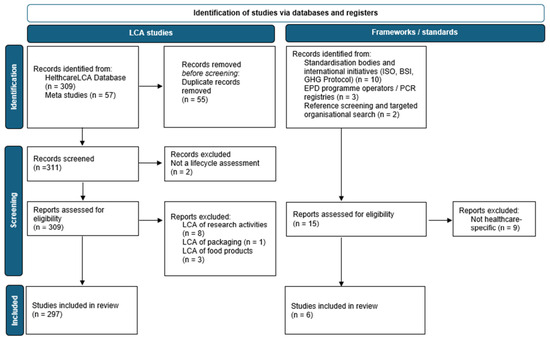
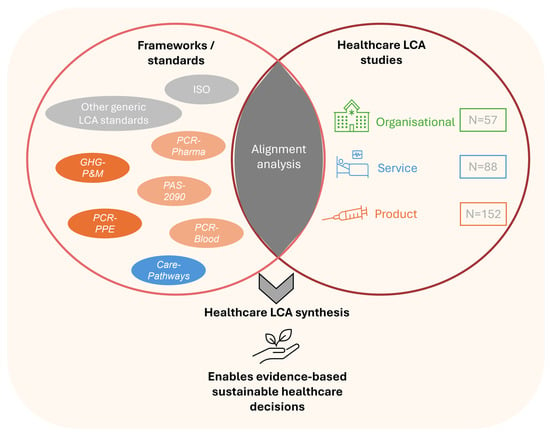
Life cycle assessment is increasingly applied in healthcare, yet the healthcare-specific standardisation landscape and its relation to current practice remain unclear. This study maps existing frameworks and analyses their alignment with published healthcare LCA to identify standardisation gaps. Healthcare-specific standards and product category rules were identified through grey literature searches. Published healthcare LCA studies were quantitatively analysed and compared with the identified frameworks to assess methodological convergence and divergence. Six healthcare-specific frameworks were identified: five address medical products, one addresses services, and none cover organisational assessment. Product-level applications showed strong alignment in structural modelling elements including system boundaries and life cycle stages, while substantial heterogeneity persisted in functional unit definitions and impact assessment approaches. Service and organisational assessments showed broader variability in modelling approaches, functional units, and system boundary conceptualisations, indicating distinct modelling logics of healthcare delivery across assessment levels. Healthcare LCA practice is consistent with ISO-based principles but lacks a shared conceptual modelling logic for healthcare delivery systems. Rather than reflecting a single methodological paradigm, healthcare LCA combines product-, intervention-, pathway-, and organisational-oriented approaches. Standardisation efforts should therefore focus not only on harmonising calculation methods but also on developing healthcare-specific modelling conventions for products, services, and organisational structures.
Full article
(This article belongs to the Section Environmental Sciences)
►
Show Figures
Open AccessArticle
Bioaccumulation and Human Health Risk Assessment of Potentially Toxic Elements in Commercial Fish Species (Oreochromis niloticus, Clarias gariepinus, Mugil cephalus) from Slaughterhouse Wastewater-Impacted Rivers in Nigeria
by
Onyedikachi Uchechi Bliss, Edene Osemudiamen Anao, Paul Promise Chibuike, Ugorji Chizoba Agatha, Peter Chinedu Agu and Emmanuel Anuoluwapo Oke
Int. J. Environ. Res. Public Health 2026, 23(7), 827; https://doi.org/10.3390/ijerph23070827 (registering DOI) - 23 Jun 2026
Abstract
►▼
Show Figures
Slaughterhouse wastewater introduces potentially toxic elements into aquatic ecosystems, yet bioaccumulation patterns in commercial fish species and associated human health risks remain underexplored in West Africa. This study quantified zinc (Zn), lead (Pb), iron (Fe), magnesium (Mg), chromium (Cr), and cadmium (Cd) in
[...] Read more.
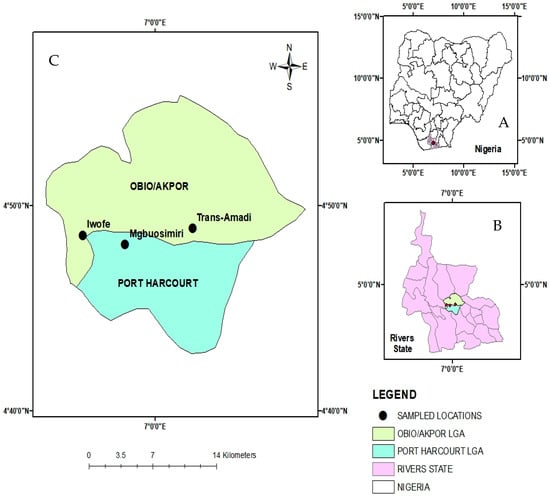
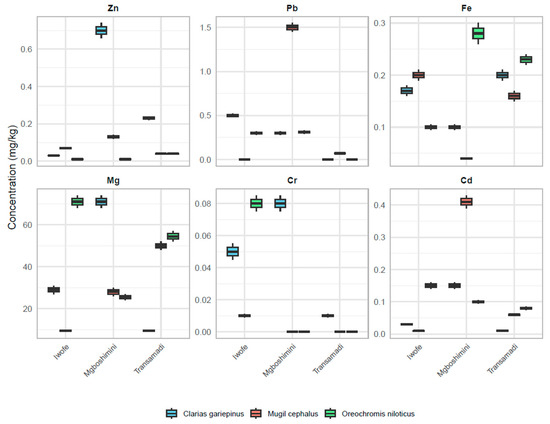
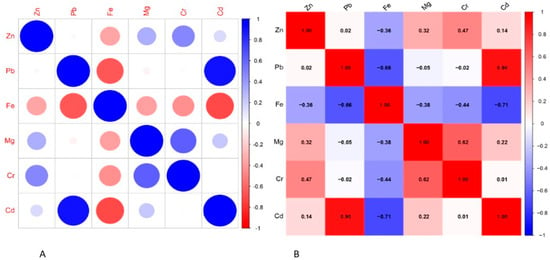
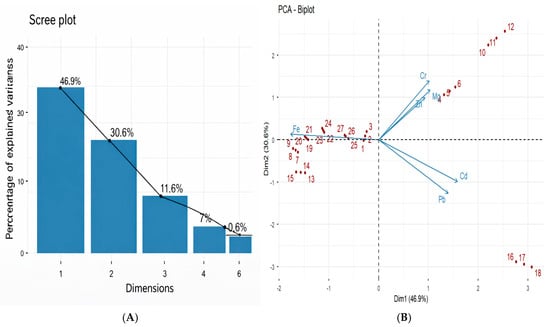
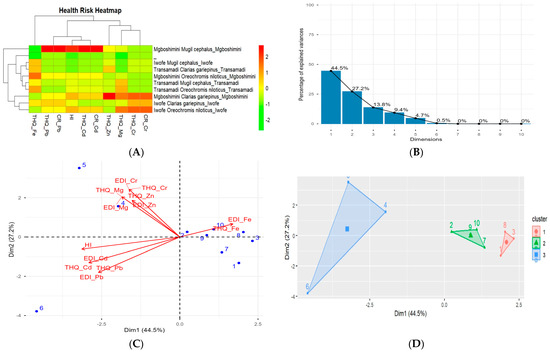
Slaughterhouse wastewater introduces potentially toxic elements into aquatic ecosystems, yet bioaccumulation patterns in commercial fish species and associated human health risks remain underexplored in West Africa. This study quantified zinc (Zn), lead (Pb), iron (Fe), magnesium (Mg), chromium (Cr), and cadmium (Cd) in three ecologically distinct fish species—Oreochromis niloticus (Nile tilapia), Clarias gariepinus (African sharptooth catfish), and Mugil cephalus (Flathead grey mullet)—from two slaughterhouse-impacted rivers (Transamadi and Mgbuosimini) and a control site (Iwofe) in Rivers State, Nigeria. Metal concentrations were measured using atomic absorption spectrophotometry. Two-way ANOVA assessed species and location effects. Principal component analysis (PCA) was performed, with Mg used as a potential geogenic tracer, as its loading pattern was independent of Pb and Cd and consistent with the natural background. A Water Quality Index (WQI) classified Mgboshimini and Iwofe as having poor water quality (WQI > 75), while Transamadi had medium quality. Health risks were evaluated using estimated daily intake (EDI), target hazard quotients (THQ), and hazard indices (HI) following USEPA guidelines. Metal levels varied significantly by species and location (p < 0.001). Flathead grey mullet from Mgbuosimini had the highest Pb (1.50 ± 0.05 mg/kg) and Cd (0.41 ± 0.02 mg/kg), exceeding EU maximum levels for fish muscle (Pb 0.30 mg/kg, Cd 0.05 mg/kg) by 500% and 800%, respectively. PCA explained 77.5% of the variance, with Pb and Cd clustering as anthropogenic sources, while Mg loaded independently. THQ for Pb approached unity in Flathead grey mullet (0.88), and THQ for Cd reached 0.97. HI exceeded 1.0 in all species from Mgbuosimini, peaking at 2.07 in Flathead grey mullet. Uncertainty analysis (using ±SD) gave a HI range of 1.89–2.25 for this species, all above the safety threshold. Carcinogenic risk for Flathead grey mullet (3.97 × 10⁻⁴) approached the upper acceptable limit. Slaughterhouse effluent appears to elevate Pb and Cd burdens in fish, with detritivorous Flathead grey mullet posing the highest health risk. Exceedance of safety thresholds and HI > 1.0 indicate potential non-carcinogenic and carcinogenic risks. We recommend improved wastewater treatment and species-specific consumption advisories.
Full article

Figure 1
Open AccessArticle
Effectiveness of an AI- and Gamification-Based Health Literacy Program for Improving Alcohol-Preventive Behaviors Among Hazardous-Drinking Vocational Students: A Quasi-Experimental Study
by
Potjana Jitjamnong, Chakkrit Ponrachom and Nannapat Ketkosan
Int. J. Environ. Res. Public Health 2026, 23(7), 826; https://doi.org/10.3390/ijerph23070826 (registering DOI) - 23 Jun 2026
Abstract
►▼
Show Figures
Low health literacy is associated with risky alcohol use among young people, particularly those exposed to social and environmental factors that normalize drinking. In digital contexts, innovative and engaging interventions are needed to strengthen alcohol-preventive competencies among hazardous drinkers. This study evaluated the
[...] Read more.
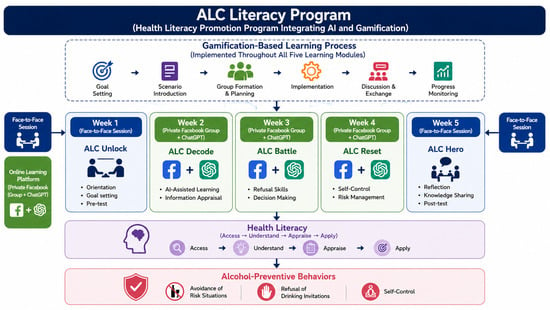
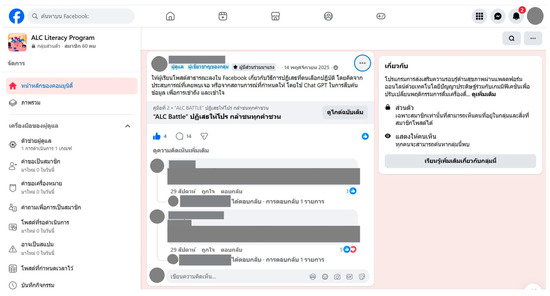
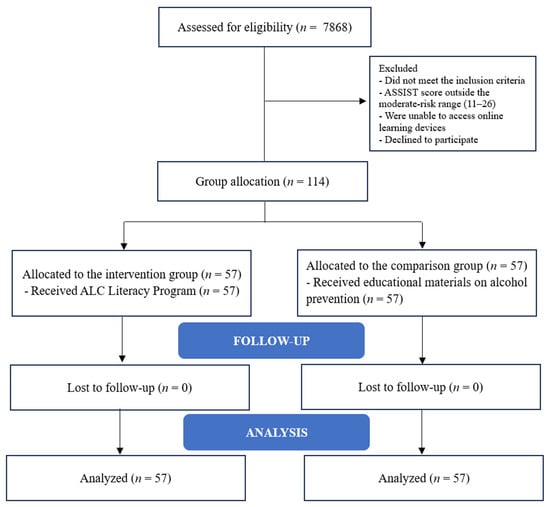
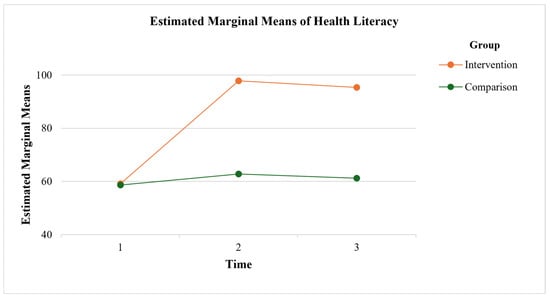
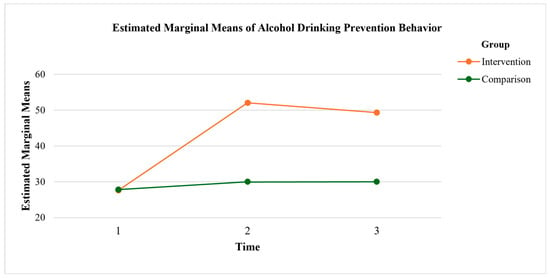
Low health literacy is associated with risky alcohol use among young people, particularly those exposed to social and environmental factors that normalize drinking. In digital contexts, innovative and engaging interventions are needed to strengthen alcohol-preventive competencies among hazardous drinkers. This study evaluated the effectiveness of an online health literacy promotion program integrating artificial intelligence (AI) and gamification in improving health literacy and alcohol-preventive behaviors among hazardous-drinking vocational students. A quasi-experimental two-group pre-test–post-test design with a 1-month follow-up was conducted among 114 first-year Higher Vocational Certificate students aged 18–20 years in Bangkok, Thailand. Participants were assigned to an intervention group (n = 57) or a comparison group (n = 57). The intervention group received the ALC Literacy Program, while the comparison group received standard educational materials on alcohol prevention. Data were analyzed using descriptive statistics, chi-square tests, independent t-tests, and two-way mixed-design repeated-measures ANOVA with Bonferroni post hoc comparisons. At baseline, no significant between-group differences were observed. After the intervention and at 1-month follow-up, the intervention group showed significantly greater improvements in both health literacy and alcohol-preventive behaviors than the comparison group (p < 0.001). Large interaction effect sizes were observed for health literacy (partial η2 = 0.623) and alcohol-preventive behaviors (partial η2 = 0.622). These findings indicate that the ALC Literacy Program was effective in enhancing health literacy and strengthening alcohol-preventive behaviors among hazardous-drinking vocational students. This intervention may represent a potentially useful digital health promotion approach for alcohol prevention in educational settings.
Full article

Figure 1
Open AccessArticle
“Shelter-in-Place” Policies and Changes in Caregiving for Older Adults During the COVID-19 Pandemic
by
Lei Chen and Joanne Spetz
Int. J. Environ. Res. Public Health 2026, 23(7), 825; https://doi.org/10.3390/ijerph23070825 (registering DOI) - 23 Jun 2026
Abstract
During the COVID-19 pandemic, family support for older adults living with disabilities was disrupted due to “Shelter-in-Place (SIP)” orders. This study examined the impact of SIP policies on caregiving changes for people with disabilities who were not married. We used the National Health
[...] Read more.
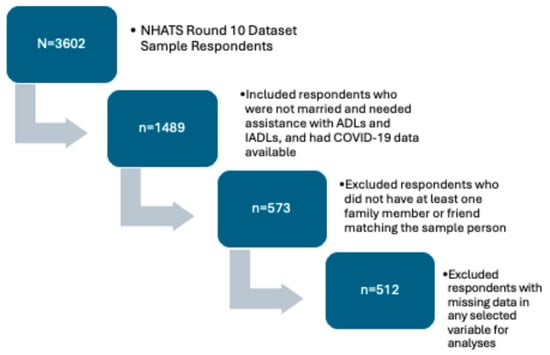
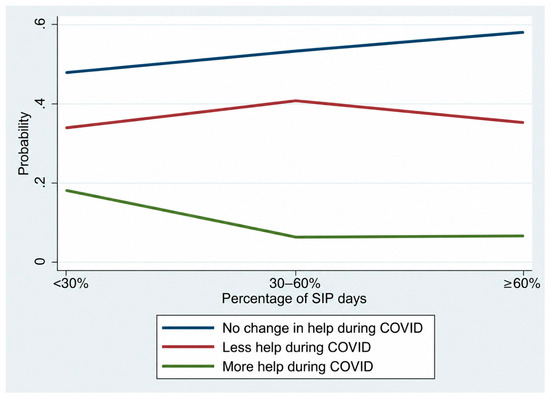
During the COVID-19 pandemic, family support for older adults living with disabilities was disrupted due to “Shelter-in-Place (SIP)” orders. This study examined the impact of SIP policies on caregiving changes for people with disabilities who were not married. We used the National Health and Aging Trends Survey (NHATS) round 10 data and previously published data regarding SIP policies. The study sample included NHATS community-dwelling respondents who needed assistance with activities of daily living (ADLs) or instrumental activities of daily living (IADLs) and who were not married (n = 512). More than half of people (55.1%) reported no change in receiving help, approximately one-third (36.7%) reported receiving less help, and 8.2% reported receiving more help during COVID-19 than before. Compared with people who lived in areas that had fewer than 30%, people living in areas with 30–59% and with 60% or more of SIP days had 12 percentage points lower probability of reporting they received more help during COVID-19 (p = 0.02 for 30–59% and p = 0.03 for ≥60%). It is crucial to address caregiving needs during public health emergencies and to examine how policy disruptions impact support for individuals reliant on family assistance.
Full article
(This article belongs to the Special Issue Long-Term Care and Aging: Evolving Needs, Challenges, and Solutions)
►▼
Show Figures

Figure 1
Open AccessBrief Report
Housing and Stroke Outcomes: Why Aging in Place Needs to Be Equitable
by
Roshanak Mehdipanah, Leanna Delhey, Fatema Shafie Khorassani, Sehee Kim, Xu Shi, Lewis B. Morgenstern, Erin Case and Lynda D. Lisabeth
Int. J. Environ. Res. Public Health 2026, 23(7), 824; https://doi.org/10.3390/ijerph23070824 (registering DOI) - 23 Jun 2026
Abstract
Limited research on the impacts of housing conditions on post-stroke outcomes exists, particularly in minoritized neighborhoods that face greater housing disparities than non-Hispanic White neighborhoods. This is largely due to the unavailability of data that combines residential conditions and post-stroke outcomes in diverse
[...] Read more.
Limited research on the impacts of housing conditions on post-stroke outcomes exists, particularly in minoritized neighborhoods that face greater housing disparities than non-Hispanic White neighborhoods. This is largely due to the unavailability of data that combines residential conditions and post-stroke outcomes in diverse communities. This brief report explored whether neighborhood housing values, a proxy of housing conditions, mediate the association between neighborhood ethnic composition (%Hispanic) and post-stroke outcomes in Nueces County, a bi-ethnic community in south Texas. Linear regression models were used to assess associations adjusted for socio-demographics, pre-stroke factors and stroke severity. A total of 782 ischemic stroke cases in 78 neighborhoods were included. Greater %Hispanic was associated with worse post-stroke outcomes and lower housing values. Higher housing values did not change the association between %Hispanic and post-stroke outcomes. Future studies should consider including individual-level data on housing conditions and the capacity to make modifications in research related to post-stroke recovery.
Full article
(This article belongs to the Special Issue Environmental and Social Determinants of Health in Stroke)
Open AccessArticle
Small-Scale School-Based Cancer Education to Improve Awareness and Risk Reduction Knowledge Among Adolescents: A Pilot Study
by
Nia Imani Bailey, Jenna Bucolo, Katelyn Bucolo, Brittnee Cannon, Samuel Elenwo, Monique Gary, Trudean Haye and Rebecca Kusters
Int. J. Environ. Res. Public Health 2026, 23(7), 823; https://doi.org/10.3390/ijerph23070823 (registering DOI) - 23 Jun 2026
Abstract
Cancer incidence among adolescents is increasing, yet cancer risk reduction education remains largely absent from school-based curricula. This pilot study assessed whether a small-scale early, developmentally appropriate intervention could improve cancer literacy to support long-term risk reduction. This pilot study used a convergent
[...] Read more.
Cancer incidence among adolescents is increasing, yet cancer risk reduction education remains largely absent from school-based curricula. This pilot study assessed whether a small-scale early, developmentally appropriate intervention could improve cancer literacy to support long-term risk reduction. This pilot study used a convergent parallel mixed-methods pre–post design to evaluate two separate, 45 min, school-based cancer education interventions delivered to 24 middle-school students in Pennsylvania. The intervention delivered developmentally appropriate content on cancer biology, modifiable risk factors, genetics, HPV vaccination, and self-advocacy using a low-resource, low-investment model easy for schools to implement. Pre- and post-intervention surveys assessed student knowledge, awareness, and health-related perceptions. Survey data were analyzed both descriptively using frequencies and percentages and thematically. Post-intervention results demonstrated substantial improvements across all domains. Correct definition of cancer increased from 16% to 100%. Awareness of modifiable risk factors increased to 96%, sunscreen knowledge to 90%, genetic testing awareness to 83%, and HPV vaccine understanding from 21% to 57%. Students also reported increased confidence in recognizing symptoms and engaging in health-seeking behaviors. Findings suggest that small-scale, school-based cancer education interventions are feasible and effective in improving adolescent cancer literacy. These results support the need for larger, controlled studies to evaluate long-term knowledge retention and behavioral outcomes.
Full article
Open AccessArticle
Active Aging for L.I.F.E.: An Intergenerational Program to Improve Adolescents’ Aging Attitudes in Rural Communities
by
Xuewei Chen and Emily Roberts
Int. J. Environ. Res. Public Health 2026, 23(7), 822; https://doi.org/10.3390/ijerph23070822 (registering DOI) - 23 Jun 2026
Abstract
Rural adolescents face persistent health inequities driven by limited access to preventive health education, intergenerational engagement, and resources that support lifelong wellness. This study evaluated the effectiveness of Active Aging for L.I.F.E., a school-based intergenerational health literacy program, in improving adolescents’ attitudes toward
[...] Read more.
Rural adolescents face persistent health inequities driven by limited access to preventive health education, intergenerational engagement, and resources that support lifelong wellness. This study evaluated the effectiveness of Active Aging for L.I.F.E., a school-based intergenerational health literacy program, in improving adolescents’ attitudes toward aging and health. The four-session program, delivered through a train-the-trainer model involving older adults and undergraduate students, was implemented in three rural schools during the 2024–2025 academic year. A total of 86 junior high and high school students participated, with 77 completing pre- and post-program surveys assessing attitudes toward aging, health consciousness, and intergenerational engagement. Paired t-tests and multiple regression analyses examined overall program effects and differences by sex/gender and age group. Students demonstrated significant improvements in aging attitudes, perceived relevance of aging topics, enjoyment of intergenerational interaction, and awareness of health-promoting behaviors across the lifespan. Several baseline sex/gender and age-based gaps in health-related perceptions were reduced following participation, with stronger future-oriented attitude shifts observed among younger adolescents. These findings suggest that brief, scalable intergenerational interventions embedded in rural school settings can support early prevention, health literacy, and community capacity building, offering a promising strategy for advancing rural public health outcomes across the life course.
Full article
(This article belongs to the Special Issue Public Health: Rural Health Services Research—2nd Edition)
Open AccessArticle
Drinking Water Quality and Health Risk Assessment in Rural Ghana: Evidence from North-East and North Gonja Districts in the Savannah Region
by
Elvis Kichana, Solomon A. Minyila, Braimah Apambire, Collins Gbeti, Abukari Wumbei and Fati Alhassan
Int. J. Environ. Res. Public Health 2026, 23(6), 821; https://doi.org/10.3390/ijerph23060821 (registering DOI) - 22 Jun 2026
Abstract
►▼
Show Figures
Background: Access to safe drinking water remains a critical public health concern in rural Ghana, particularly in climatically vulnerable and underserved settings. This study assessed the microbiological and chemical quality of drinking water and evaluated nitrate-related health risks in the North Gonja and
[...] Read more.
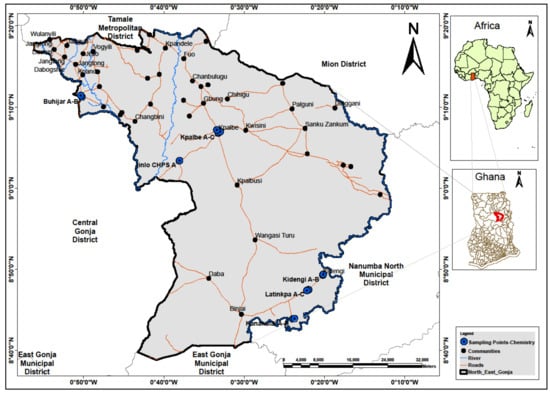
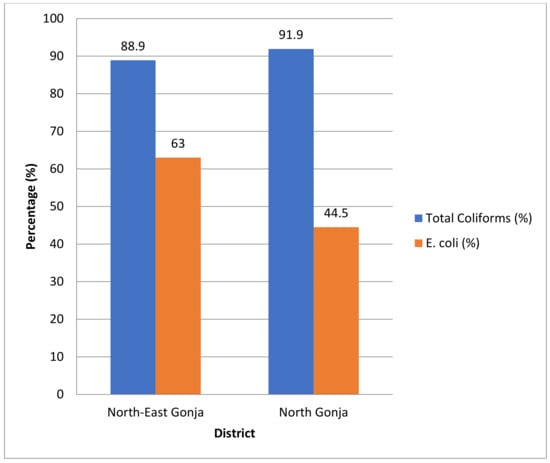
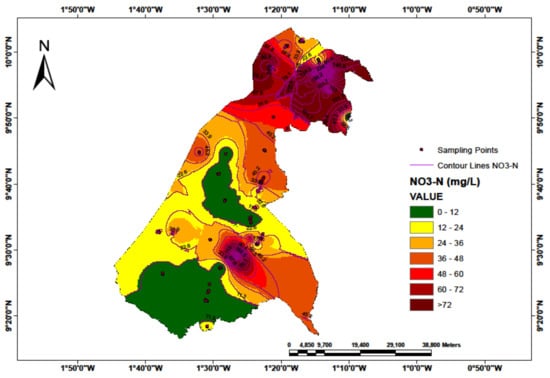
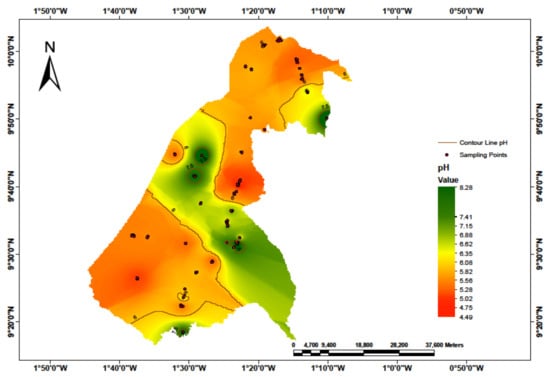
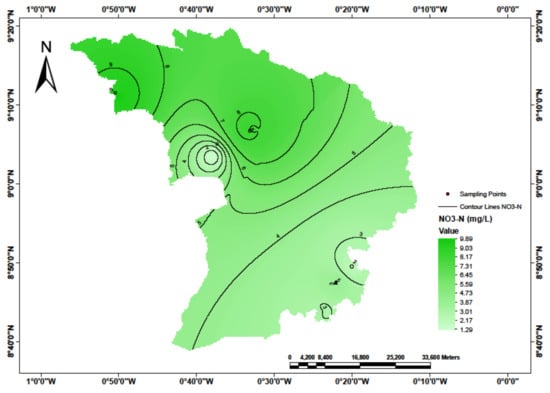
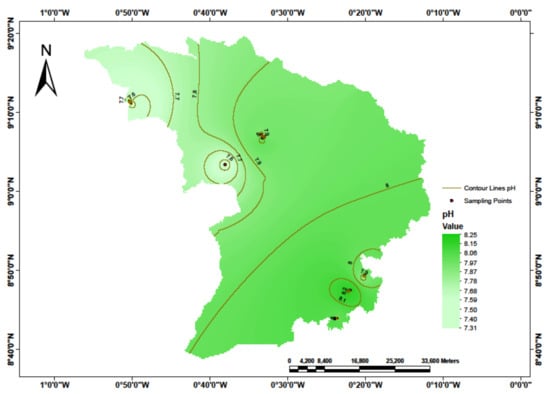
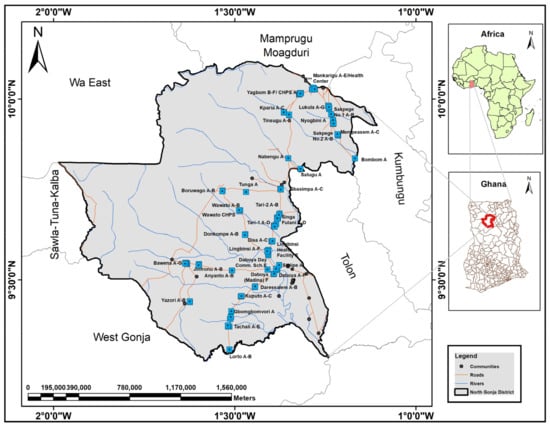
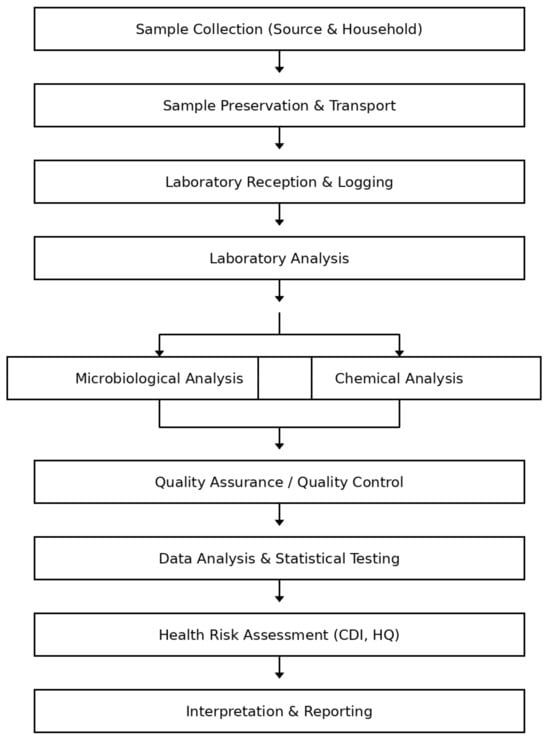
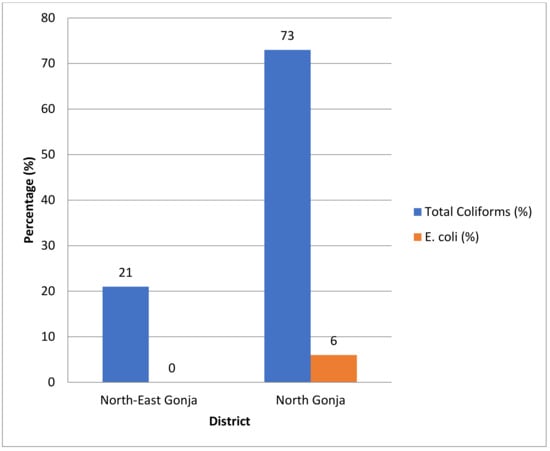
Background: Access to safe drinking water remains a critical public health concern in rural Ghana, particularly in climatically vulnerable and underserved settings. This study assessed the microbiological and chemical quality of drinking water and evaluated nitrate-related health risks in the North Gonja and North-East Gonja Districts of the Savannah Region. Methods: A cross-sectional study was conducted between January and March 2025. A total of 460 water samples were collected from groundwater sources and household storage containers. Microbial analyses targeted total coliforms and Escherichia coli. Physicochemical and chemical parameters included nitrate-nitrogen, pH, residual chlorine, major ions, and trace metals. Data was analyzed using descriptive statistics, chi-square tests, spatial interpolation, and non-carcinogenic health risk assessment based on the hazard quotient (HQ) approach. Results: Widespread microbial contamination was observed, with 91.5% of household water samples positive for total coliforms and 46.6% for E. coli. Contamination of source water was significantly higher in North Gonja than in North-East Gonja. Overall, 49.1% (n = 55) of groundwater sources exceeded the World Health Organization guideline value for nitrate-nitrogen, with exceedances predominantly occurring in North Gonja. Additionally, 67.0% (n = 75) of samples were outside the acceptable pH range (6.5–8.5), including 74 samples below 6.5 and one above 8.5. Residual chlorine was not detected in any of the samples. Health risk assessment indicated potential non-carcinogenic risks associated with nitrate exposure, particularly among infants and children. Conclusions: The study demonstrates significant microbial contamination and nitrate-related health risks in the study area, particularly in North Gonja. Interventions such as improved source protection, routine water quality monitoring, chlorination, household water treatment, and implementation of Water Safety Plans are recommended to enhance drinking water safety and reduce associated public health risks.
Full article

Figure 1
Open AccessArticle
Physical Activity of University Students During COVID-19 Restrictions: Evidence from Poland
by
Piotr Gabryjończyk, Anna Jęczmyk, Monika Wojcieszak-Zbierska, Jarosław Uglis and Jan Zawadka
Int. J. Environ. Res. Public Health 2026, 23(6), 820; https://doi.org/10.3390/ijerph23060820 (registering DOI) - 20 Jun 2026
Abstract
This study aims to empirically analyze the patterns, intensity, and perceived barriers to physical activity among Polish university students during the COVID-19 pandemic. The research utilized a diagnostic survey method, employing a questionnaire. The online survey was conducted from December 2020 to May
[...] Read more.
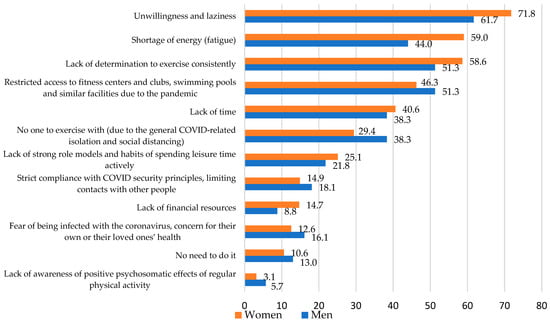
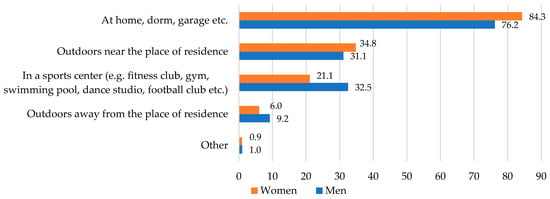
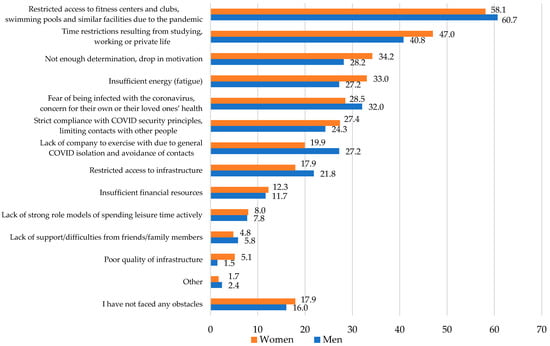
This study aims to empirically analyze the patterns, intensity, and perceived barriers to physical activity among Polish university students during the COVID-19 pandemic. The research utilized a diagnostic survey method, employing a questionnaire. The online survey was conducted from December 2020 to May 2022 via the Webankieta.pl platform. The minimum sample size, calculated using the standard formula for estimating a proportion in a large population, was set at 1100 participants and was exceeded, with 1260 students providing valid responses. The results show that over half (55.8%, mainly women) of the respondents did not participate in regular physical activity during the pandemic. Participants cited lack of desire, fatigue, and low motivation—not pandemic restrictions—as primary reasons. Conversely, 44.2% of respondents, mostly men, reported engaging in regular physical activity. Most engaged in moderate-intensity activities two to five times a week, with vigorous activities performed slightly less often. Women were more likely to do both types, while men favored strength training. The most common activities included walking (61.6%), simple gymnastic exercises (43.1%), strength training with equipment (35.0%), cycling (34.5%), and calisthenics (30.2%). The majority (81.3%) exercised at home or nearby (33.4%). Reported barriers, especially among those who exercised regularly, were pandemic-related, such as limited or closed access to gyms, fitness centers, and pools (59.1%), along with time constraints (44.7%) and low motivation or determination (32.0%). The findings emphasize the importance of targeted interventions to boost physical activity among university students, particularly women and those with fewer financial resources. Universities should consider implementing programs that promote accessible, regular activity and initiatives to enhance motivation and foster long-term, health-promoting habits.
Full article
(This article belongs to the Special Issue Physical Activity and Its Association with Health in University Students)
►▼
Show Figures

Figure 1
Open AccessArticle
Assessment of Occupational Health and Safety Hazards in Mosquito Control Personnel in North Carolina and Virginia, USA
by
Naina Sharma Bastakoti, Stephanie L. Richards, Avian White and Jo Anne Balanay
Int. J. Environ. Res. Public Health 2026, 23(6), 819; https://doi.org/10.3390/ijerph23060819 (registering DOI) - 19 Jun 2026
Abstract
Mosquito control personnel work within health departments, public works, private companies, and other agencies. These essential outdoor workers have highly specialized training and are faced with a variety of potential health and safety hazards (e.g., arthropod bites and stings, exposure to insecticides and
[...] Read more.
Mosquito control personnel work within health departments, public works, private companies, and other agencies. These essential outdoor workers have highly specialized training and are faced with a variety of potential health and safety hazards (e.g., arthropod bites and stings, exposure to insecticides and other chemicals, working with heavy equipment, noise, heat, solar ultraviolet radiation, slips, trips, and/or falls). Mosquito control personnel undergo employer-provided and other types of training on a variety of topics from regulatory updates to new surveillance and control techniques that are required for safety purposes and to maintain their applicator license. Here, an exploratory baseline survey was conducted among members of the North Carolina Mosquito and Vector Control Association (NCMVCA) and the Virginia Mosquito Control Association (VMCA). There was a 28% response rate so results should be interpreted with caution in this pilot study. Most respondents reported utilizing ultra-low volume insecticide application equipment for controlling adult mosquitoes. Backpack sprayers were utilized by less than half of respondents. Those who reported using respirators showed higher concern about insecticide-related health effects than those who did not use respirators. Outdoor workers encounter various potential hazards and utilize several forms of personal protective equipment to reduce risks. This baseline work can be considered a starting point for implementing and strengthening occupational safety and health awareness and preventive measures for mosquito control workers. Knowledge of health and safety hazards can reduce workplace risk.
Full article
Open AccessArticle
Association Between Dysfunctional Parenting Practices and Suspected Gaming Disorder Among Japanese Male Junior High School Students: A Cross-Sectional Study of Parental Assessment
by
Daisuke Takahara, Misuzu Takahara, Noudéhouénou Credo Adelphe Ahissou and Daisuke Nonaka
Int. J. Environ. Res. Public Health 2026, 23(6), 818; https://doi.org/10.3390/ijerph23060818 (registering DOI) - 19 Jun 2026
Abstract
The growing prevalence of gaming disorder (GD) in adolescents is a global concern. Despite parents’ critical role in addressing GD, how dysfunctional parenting practices are associated with adolescent GD remains understudied. This study assessed the association between dysfunctional parenting practices and adolescent GD
[...] Read more.
The growing prevalence of gaming disorder (GD) in adolescents is a global concern. Despite parents’ critical role in addressing GD, how dysfunctional parenting practices are associated with adolescent GD remains understudied. This study assessed the association between dysfunctional parenting practices and adolescent GD among Japanese male junior high school students. Data were collected in 2024 via web-based, self-administered questionnaires from 300 parents (183 fathers and 117 mothers), each reporting on one male junior high school student. Suspected GD was assessed using a validated parent report measure (i.e., the Gaming Disorder Scale for Parents). Dysfunctional parenting practices were measured using the Parenting Scale, comprising two dimensions: Overreactivity and Laxness. Mean factor scores of Overreactivity and Laxness were compared between the suspected and non-suspected GD groups using a t-test. Logistic regression models assessed the association of Overreactivity and Laxness with suspected GD, controlling for covariates. The mean score of Overreactivity was significantly higher in the suspected GD group than in the non-suspected group, whereas that of Laxness was not. After adjustment, overreactive parenting was significantly associated with suspected GD (adjusted odds ratio: 1.89, 95% CI [1.31, 2.74]). This study showed that overreactive parenting was independently and significantly associated with increased odds of suspected GD.
Full article
(This article belongs to the Special Issue Psychological Wellbeing, Mental Health and Problematic Internet Use Among Adolescents)
Open AccessProject Report
A National Virtual Peer Support Group for Women Veterans Living with Breast Cancer: Lessons from the Field
by
Jenny K. Cohen, Kara Zamora-Rogoski, Caitlin L. McLean, Mariam E. Jacob, Evana Mack, Haley Moss and Aimee Kroll-Desrosiers
Int. J. Environ. Res. Public Health 2026, 23(6), 817; https://doi.org/10.3390/ijerph23060817 (registering DOI) - 19 Jun 2026
Abstract
Within the Veteran’s Health Administration (VHA), peer support specialists (PSSs) have traditionally worked in mental health and behavioral health settings. PSS-facilitated cancer support groups are less common and underused in this setting. The purpose of this study was to understand the acceptability, feasibility,
[...] Read more.
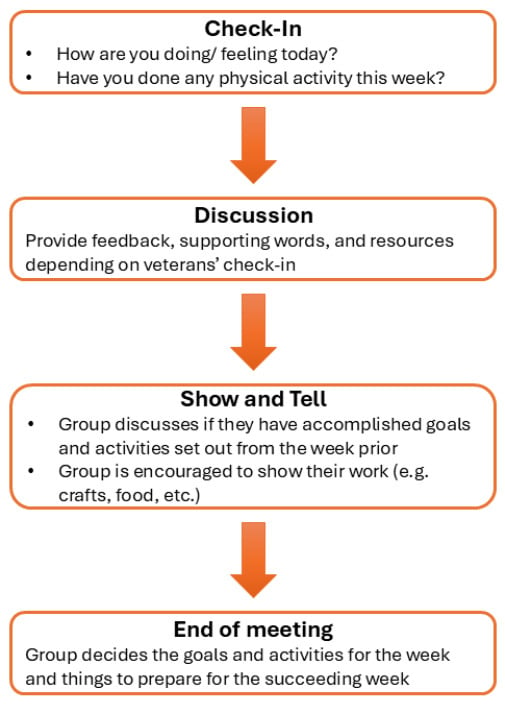
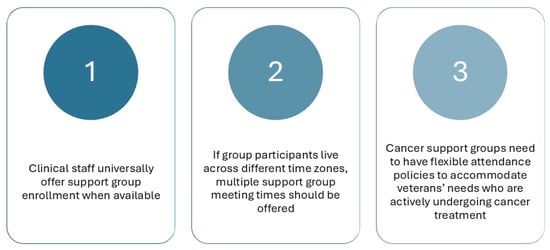
Within the Veteran’s Health Administration (VHA), peer support specialists (PSSs) have traditionally worked in mental health and behavioral health settings. PSS-facilitated cancer support groups are less common and underused in this setting. The purpose of this study was to understand the acceptability, feasibility, and perceived benefits of a PSS-facilitated peer support group for women veterans with breast cancer. Semi-structured interviews were conducted among veteran participants and health system leaders (HSLs) and were recorded, transcribed, and analyzed using rapid qualitative analysis. Key findings from interviews with veterans and HSLs emerged across several domains: The value of shared experiences, peer status and “matching”, virtual aspect, group structure, beneficial topics, and desired outcomes. Veteran participants greatly valued the ability to share experiences and connect with other women veterans with breast cancer and shared a desire for the facilitator to be a peer with an overlapping shared lived experience as they described benefits from peer interactions including supportive coping and instrumental coping. Veterans also reflected on the acceptability of the group being virtual, and uncovered attitudes and preferences regarding group structure, beneficial topics, and desired outcomes. HSLs noted that target outcomes might be linked to feeling connected with community and having an increased feeling of support. Findings suggest that cancer support groups, unlike more traditional mental health support groups at the VHA, may require greater specificity regarding programmatic content and PSS-cancer-experience-matching for group experience to feel authentic and meaningful.
Full article
(This article belongs to the Special Issue Public Health: Rural Health Services Research—2nd Edition)
►▼
Show Figures

Figure 1
Open AccessArticle
Faecal Pathogen Survival and Risks of Use of Ecological Sanitation By-Products in Burera District, Rwanda: A Quantitative Microbial Risks Assessment
by
Celestin Banamwana, David Musoke, Theoneste Ntakirutimana, Esther Buregyeya, John Ssempebwa, Gakenia Wamuyu Maina, Charles Drago Kato, Lordrick Alinaitwe, Patrick Albert Ipola and Nazarius Mbona Tumwesigye
Int. J. Environ. Res. Public Health 2026, 23(6), 816; https://doi.org/10.3390/ijerph23060816 (registering DOI) - 19 Jun 2026
Abstract
►▼
Show Figures
Reuse of human excreta and derivatives is becoming a common practice in areas with agricultural predominance. While in situ treated faeces through ecological sanitation (Ecosan), known as “faecal by-products” are being used to sustain soil nutrients and improve on-site sanitation, the concern remains
[...] Read more.
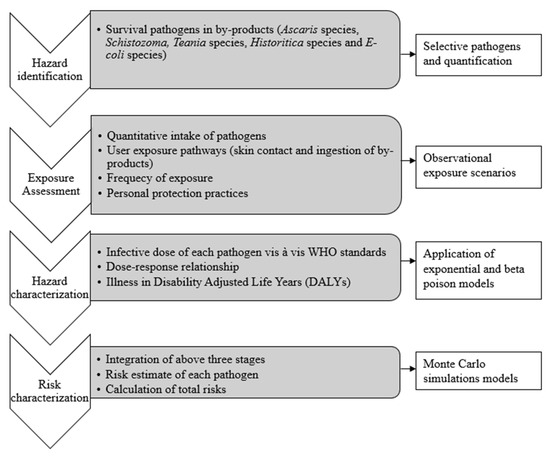
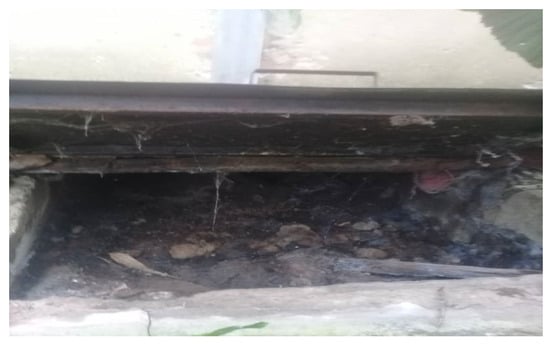
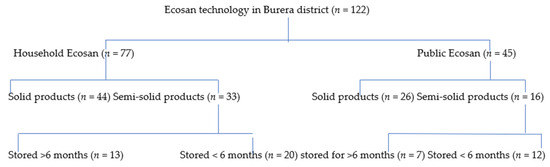
Reuse of human excreta and derivatives is becoming a common practice in areas with agricultural predominance. While in situ treated faeces through ecological sanitation (Ecosan), known as “faecal by-products” are being used to sustain soil nutrients and improve on-site sanitation, the concern remains about the health risks related to the survival of pathogens in these by-products in the community of farmers. This study assessed the survival of faecal pathogens and estimated microbial risks associated with the use of Ecosan faecal by-products in agriculture. The quantitative microbial risks assessment (QMRA) framework was used to estimate the risks posed by each faecal pathogen in solid and semi-solid faecal by-products under the probabilistic model of Monte Carlo simulation. Ascaris lumbricoides (6.5 eggs/gr), Taenia species (0.3 egg/gr), Schistosoma species (9.3 cercariae/gr), Entamoeba species (4.4 cysts/gr), and Escherichia coli (451 Cfu/gr) were detected in semi-solid faecal products. Exposure scenarios were observed throughout four critical points: vault faecal by-products removal/unloading, transport, collection, and application of faecal by-products in the gardens. Due to the presence of eggs and cysts, an estimated annual risk of infections was found in semi-solid faecal by-products with Schistosoma species (88%) and Ascaris lumbricoides (90%). Both concentrations were above World Health organisation (WHO) standards of associated infective risks of 0–10% of helminths in faecal sludge applied in the gardens. The users of faecal by-products, particularly farmers are exposed not only to high concentrations of helminth eggs but also to protozoa and bacteria with infective risks of Entamoeba species (99%) and E. coli species (62%). A stepwise implementation of faecal pathogens die-off during treatment of faecal by-products in compliance with the WHO’s 2018 guidelines can prevent the use of unsanitary faecal by-products. According to these findings, the proper control of intestinal protozoa and soil-transmitted helminths (STHs) should be enforced through personal protective measures in Burera district, Rwanda.
Full article

Figure 1
Open AccessArticle
Association Between Nutritional Biomarkers and Low Muscle Mass, Obesity, and Low Muscle Mass with Obesity Across Physical Activity Levels Among U.S. Adults: Finding from the National Health and Nutrition Examination Survey 2015–2018
by
Uraiporn Booranasuksakul, Mario Siervo, Alongkote Singhato, Narisa Rueangsri, Tepparit Samrit, Wichukorn Suriyawongpaisal and Piyapong Prasertsri
Int. J. Environ. Res. Public Health 2026, 23(6), 815; https://doi.org/10.3390/ijerph23060815 (registering DOI) - 19 Jun 2026
Abstract
Background: Nutritional biomarkers are linked to body composition changes, but limited evidence has studied how nutritional biomarkers relate to low muscle mass, excess adiposity, and both coexisting conditions across different physical activity levels. This study aims to investigate associations between low muscle mass,
[...] Read more.
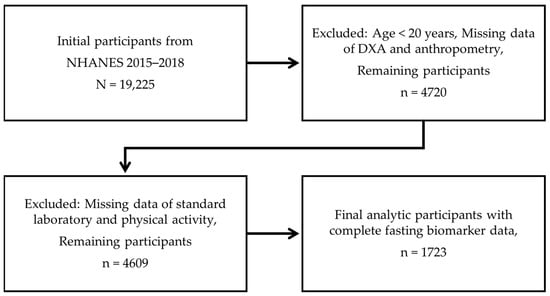
Background: Nutritional biomarkers are linked to body composition changes, but limited evidence has studied how nutritional biomarkers relate to low muscle mass, excess adiposity, and both coexisting conditions across different physical activity levels. This study aims to investigate associations between low muscle mass, obesity, and low muscle mass with obesity and nutritional biomarkers across physical activity levels among U.S. adults across physical activity levels. Methods: This cross-sectional study analyzed data from adults aged 20–59 years from the 2015–2018 cycles of the National Health and Nutrition Examination Survey (NHANES) 2015–2018. Low muscle mass was defined by low appendicular lean mass relative to body weight (LALM/W). Obesity was classified using body mass index (BMI1), waist circumference (WC2), and body fat percentage (FM%3), and low muscle mass with obesity was defined using three coexisting phenotypes (LALM/W-O1, LALM/W-O2, LALM/W-O3). Nutritional biomarkers included serum albumin, vitamin D, triglyceride, cholesterol, LDL cholesterol, iron, insulin resistance (HOMA IR), and high-sensitivity C-reactive protein (hs-CRP). Physical activity was categorized as inactive, insufficiently active, or sufficiently active based on MET minutes per week. Multivariable regression models accounted for the complex survey design and relevant covariates. Results: After adjustment, LALM/W was significantly associated with low serum albumin, low vitamin D, high triglyceride, high HOMA-IR, and high CRP. Obesity was significantly associated with low serum albumin, low vitamin D, high triglyceride, high LDL cholesterol, high HOMA-IR, and high CRP. LALM/W-O in all phenotypes were significantly associated with low serum albumin, low vitamin D, high triglyceride, high LDL cholesterol, high HOMA-IR, and high CRP. LALM/W-O phenotypes demonstrated the strongest associations, particularly with high HOMA-IR and hs-CRP. Although the associations varied by physical activity level, sufficiently active group was associated with lower odds of adverse nutritional biomarkers compared with insufficient activity. Conclusions: Nutritional biomarkers are associated with LALM/W and obesity. Sufficient physical activity was associated with fewer adverse outcomes. This suggests that adequate physical activity may be associated with better nutritional status and body composition.
Full article
(This article belongs to the Special Issue Exercise and Active Living in Diverse Environments for Health Promotion)
►▼
Show Figures

Figure 1
Open AccessArticle
Perceived Exertion Is Associated with Cardiovascular Strain but Not Glycemic Response to Gym-Based Exercise in Adults with Type 1 Diabetes: An Exploratory Randomized Crossover Trial
by
José Adevalton Feitosa Gomes, Anthony Rodrigues de Vasconcelos, José Roberto Andrade do Nascimento Júnior, Ysadora Verena Ribeiro de Souza, Fabiana Oliveira dos Santos Camatari, Bruno Bavaresco Gambassi, Manoel da Cunha Costa, Paulo Adriano Schwingel and Jorge Luiz de Brito Gomes
Int. J. Environ. Res. Public Health 2026, 23(6), 814; https://doi.org/10.3390/ijerph23060814 (registering DOI) - 19 Jun 2026
Abstract
Adults with type 1 diabetes mellitus (T1DM) face elevated cardiovascular risk, and regular exercise is a key non-pharmacological mitigation strategy. However, safe prescription requires cardiovascular and glycemic monitoring, often unfeasible in real-world gyms. Low-cost psychophysiological tools (ratings of perceived exertion—RPE and enjoyment) may
[...] Read more.
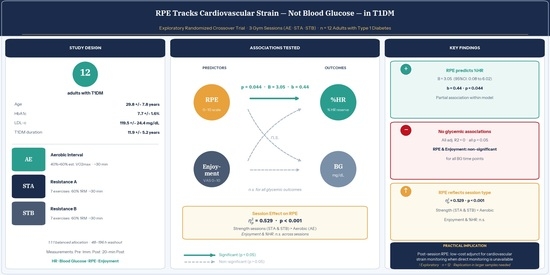
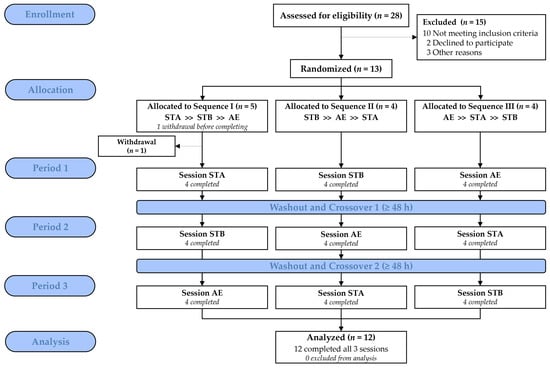
Adults with type 1 diabetes mellitus (T1DM) face elevated cardiovascular risk, and regular exercise is a key non-pharmacological mitigation strategy. However, safe prescription requires cardiovascular and glycemic monitoring, often unfeasible in real-world gyms. Low-cost psychophysiological tools (ratings of perceived exertion—RPE and enjoyment) may offer practical alternatives. This exploratory randomized crossover trial examined whether post-session RPE and enjoyment are associated with acute heart rate (HR) and capillary blood glucose (BG) responses to gym-based aerobic and resistance training. Twelve adults with T1DM (29.8 ± 7.8 years; HbA1c 7.7 ± 1.6%; LDL-c 119.5 ± 24.4 mg/dL) completed three ~30 min sessions: aerobic interval training (AE) and two resistance protocols (STA, STB). HR and BG were measured pre-, immediately post-, and 20 min post-exercise; RPE and enjoyment, post-session. Multiple linear regression, controlling for exercise session type, examined associations of RPE and enjoyment with resting HR, BG, and percentage of heart rate reserve (%HR). RPE was higher after STA and STB than AE (p < 0.001; η2p = 0.529), while enjoyment and %HR were similar across sessions. Neither variable was associated with resting HR or BG (all adjusted R2 < 0; all p > 0.05). Controlling for exercise session type, RPE was a significant positive predictor of %HR (β = 0.44, p = 0.044), whereas enjoyment was not (β = −0.06, p = 0.719); however, the overall %HR model did not reach statistical significance (adjusted R2 =0.119; F(4,31) = 2.183; p = 0.094). These exploratory findings suggest that RPE, but not enjoyment, may serve as a low-cost adjunct intensity marker to inform exercise prescription in adults with T1DM at elevated cardiovascular risk; however, replication in larger samples is needed before clinical recommendations can be drawn. Direct BG monitoring remains essential for safety.
Full article
(This article belongs to the Special Issue Health Effects of Physical Activity and Exercise in People at Risk for Cardiovascular Diseases)
►▼
Show Figures

Graphical abstract
Open AccessArticle
A Qualitative Phenomenological Study of Treatment Options for Patients with SCD and Chronic Pain: Buprenorphine–Naloxone or Full-Agonist Therapy
by
Najibah Galadanci, Calia Torres, Terrika Johnson and Julie Kanter
Int. J. Environ. Res. Public Health 2026, 23(6), 813; https://doi.org/10.3390/ijerph23060813 - 18 Jun 2026
Abstract
►▼
Show Figures
Data in sickle cell disease (SCD) shows that 30–50% of adults have chronic pain. Chronic pain is a life-shaping condition that is often inadequately managed with chronic opioid therapy (COT). Buprenorphine–naloxone (bup-nal) is an alternative (to COT), yet patient perspectives on its use
[...] Read more.
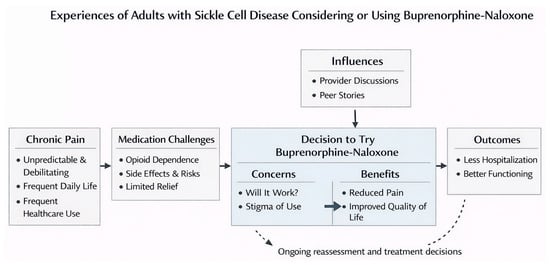
Data in sickle cell disease (SCD) shows that 30–50% of adults have chronic pain. Chronic pain is a life-shaping condition that is often inadequately managed with chronic opioid therapy (COT). Buprenorphine–naloxone (bup-nal) is an alternative (to COT), yet patient perspectives on its use remain limited. This is a phenomenological qualitative study exploring how adults with SCD experience chronic pain and consider treatment options including COT and bup-nal. Semi-structured interviews were conducted with 26 adults with SCD and chronic pain who were offered pain management with bup-nal, including individuals who declined or discontinued treatment. Participants described pain as a constant, embodied experience around which they structured their daily functioning, relationships, well-being, and treatment. Those receiving bup-nal consistently reported improved daily functioning, greater independence, enhanced mood, and reduced healthcare utilization. In contrast, participants not receiving bup-nal described ongoing pain interference, reduced daily functioning, and continued reliance on acute care services. Importantly, participants emphasized functional improvement and stability, rather than pain elimination, as the most meaningful outcomes. These findings suggest that buprenorphine–naloxone may shift pain from a dominant, disabling experience to a more manageable condition that improves participation in work, relationships, and daily activities. To optimize management of chronic pain in SCD, it is necessary to align treatment with patient priorities.
Full article

Figure 1
Open AccessArticle
Changes in Bone Parameters and Serum Zinc Levels Following Oral Zinc Supplementation in Duchenne Muscular Dystrophy: A Quasi-Experimental Study
by
Thaís Borges, Evellyn Grilo, Thais Alves Cunha, Luana Lima, Karina Vermeulen-Serpa, Mário Dourado-Júnior, Marília Lopes, Núbia Torres, Breno Bezerra, José Brandão-Neto and Sancha Vale
Int. J. Environ. Res. Public Health 2026, 23(6), 812; https://doi.org/10.3390/ijerph23060812 - 18 Jun 2026
Abstract
Individuals with Duchenne muscular dystrophy (DMD) are prone to nutritional imbalances, and zinc deficiency may contribute to impaired bone health. This study evaluated serum zinc status and the effects of oral supplementation on bone parameters in DMD. In this quasi-experimental before-and-after study, 34
[...] Read more.
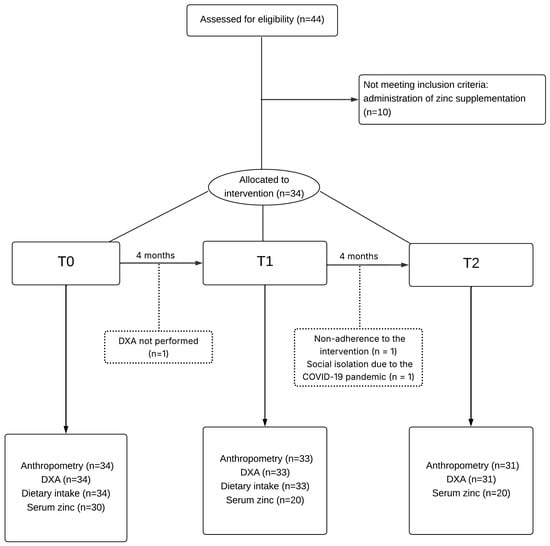
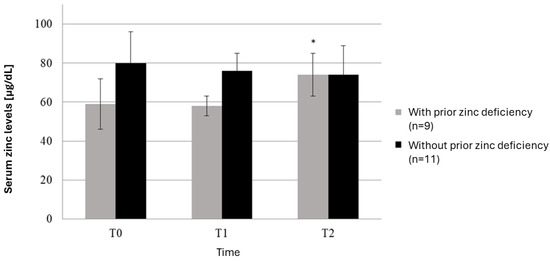
Individuals with Duchenne muscular dystrophy (DMD) are prone to nutritional imbalances, and zinc deficiency may contribute to impaired bone health. This study evaluated serum zinc status and the effects of oral supplementation on bone parameters in DMD. In this quasi-experimental before-and-after study, 34 patients were assessed at three time points over eight months. Eligible participants who met the inclusion criteria and agreed to participate received the proposed interventions during routine follow-up at the Neurology outpatient clinic. Anthropometry, dietary intake, bone mineral density (BMD), bone mineral content (BMC), and serum zinc were measured; supplementation (5–15 mg/day) was provided for four months. Baseline zinc deficiency was observed in 36.7% of participants. No significant overall changes were detected. Stratified analyses revealed a modest increase in total body BMD among individuals with adequate baseline BMD (p = 0.02). As this finding emerged from a subgroup analysis, it should be interpreted cautiously, and the potential contribution of physiological growth to the observed change cannot be excluded. In addition, zinc-deficient participants showed a significant rise in serum zinc levels (p = 0.008). These findings suggest that the response to zinc supplementation may vary according to baseline nutritional and skeletal status and underscore the relevance of micronutrient monitoring in individuals with DMD. Trial registration: The trial was also registered in the Brazilian Registry of Clinical Trials under the code RBR-7cfdxm, approved on 14 June 2018.
Full article
(This article belongs to the Special Issue Healthcare Delivery and Nutritional Support in Rare Diseases)
►▼
Show Figures

Figure 1
Open AccessArticle
Risk of Diabetes Mellitus and Its Association with Cardiorespiratory Endurance in Zenú Indigenous People in Momil, Córdoba, Colombia
by
Leily Montoya-Alvarez, Edgar Rodriguez-Sepúlveda, Claudia Galeano-Páez, Osnamir Elias Bru-Cordero and Noelba Alcala-Tafur
Int. J. Environ. Res. Public Health 2026, 23(6), 811; https://doi.org/10.3390/ijerph23060811 - 18 Jun 2026
Abstract
Type 2 diabetes mellitus (T2DM) represents a growing public health concern in Indigenous populations, where early risk identification remains limited. This study aimed to analyze the association between estimated T2DM risk and cardiorespiratory endurance in a Zenú Indigenous community in northern Colombia. A
[...] Read more.
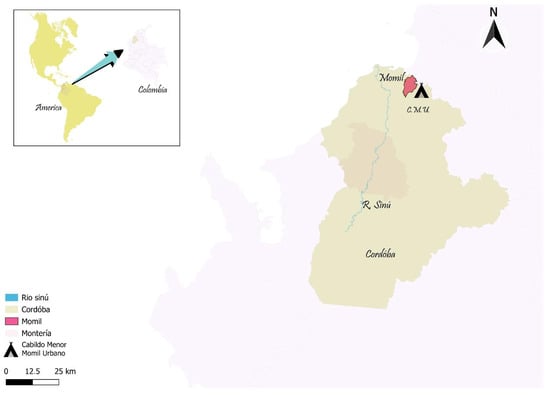
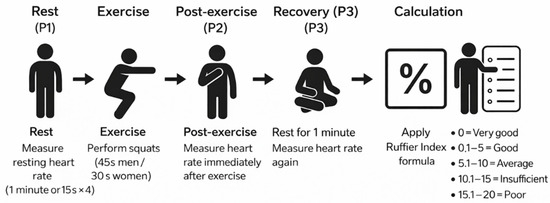
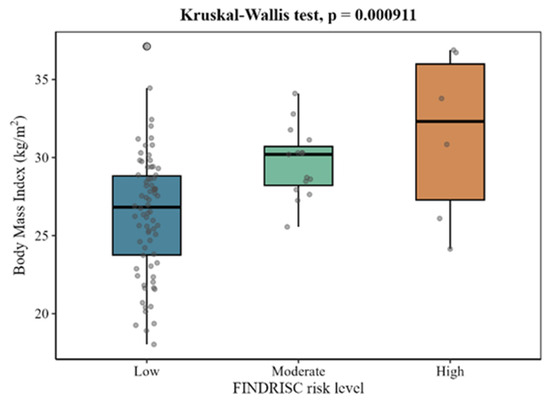
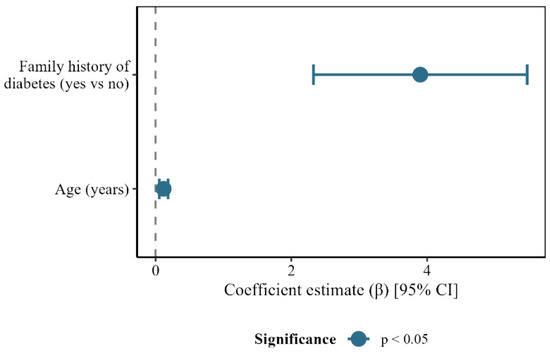
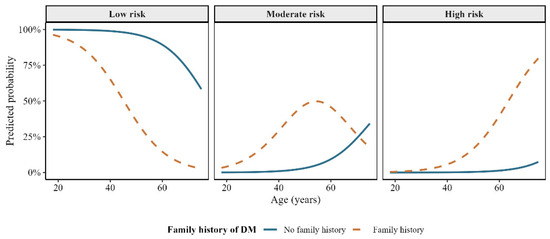
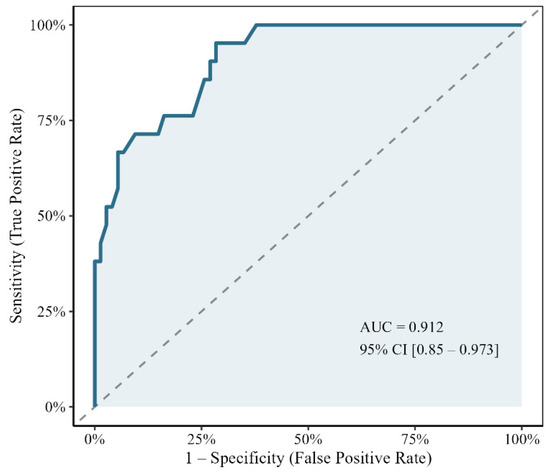
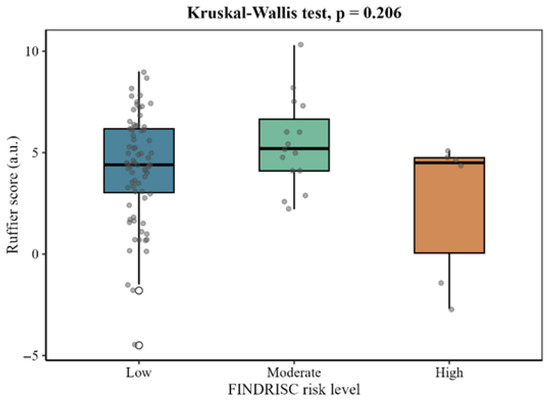
Type 2 diabetes mellitus (T2DM) represents a growing public health concern in Indigenous populations, where early risk identification remains limited. This study aimed to analyze the association between estimated T2DM risk and cardiorespiratory endurance in a Zenú Indigenous community in northern Colombia. A cross-sectional study was conducted among adults aged 18–70 years belonging to the Momil Urban Minor Indigenous Cabildo (Córdoba, Colombia). T2DM risk was assessed using the Finnish Diabetes Risk Score (FINDRISC), and cardiorespiratory endurance was evaluated through the Ruffier index. Associations were examined using a multivariable ordinal logistic regression model, and discriminative performance was evaluated using receiver operating characteristic (ROC) curve analysis. A total of 95 participants were included, most of whom were classified as low risk according to FINDRISC, while cardiorespiratory endurance assessed by the Ruffier index was predominantly classified as moderate to good. Age was significantly associated with higher risk categories in the adjusted model, whereas cardiorespiratory endurance was not significantly associated with estimated T2DM risk. The model demonstrated excellent discriminative capacity (AUC = 0.912; 95% CI: 0.850–0.973). In this population, age and family history were key determinants of estimated T2DM risk. Findings regarding cardiorespiratory endurance should be interpreted cautiously given sample size limitations.
Full article
(This article belongs to the Section Infectious Diseases, Chronic Diseases, and Disease Prevention)
►▼
Show Figures

Figure 1
Open AccessArticle
First-Mile Walking to Transit and Physical Activity: A Cross-Sectional Study of the MRT Pink Line Corridor in Bangkok, Thailand
by
Sigit D. Arifwidodo, Nattanon Ubontip, Natsiporn Sangyuan, Orana Chandrasiri, Panitat Ratanawichit and Putthipanya Rueangsom
Int. J. Environ. Res. Public Health 2026, 23(6), 810; https://doi.org/10.3390/ijerph23060810 - 18 Jun 2026
Abstract
Background. First-mile walking to mass rapid transit (MRT) has two methodological problems. Composite walkability scores blur which features drive walking. And because walking to transit is itself transport physical activity (PA), linking it to total PA is circular. Both issues are sharper in
[...] Read more.
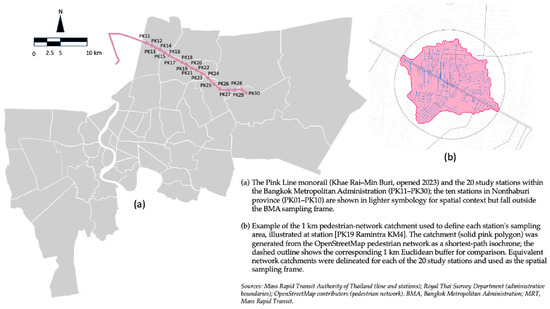
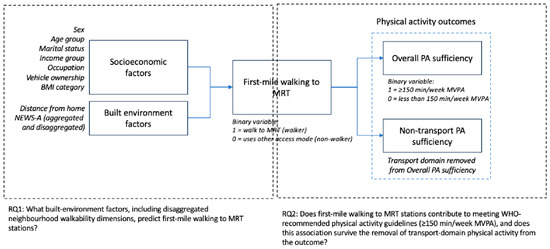
Background. First-mile walking to mass rapid transit (MRT) has two methodological problems. Composite walkability scores blur which features drive walking. And because walking to transit is itself transport physical activity (PA), linking it to total PA is circular. Both issues are sharper in tropical Asian cities. Methods. We surveyed 378 adults within a 1 km network distance of 20 stations on Bangkok’s Pink Line MRT. Walkability was measured with NEWS-A (aggregate and eight subscales); PA with the GPAQ. Binary logistic regression with station-cluster-robust standard errors tested which NEWS-A subscales predict first-mile walking and whether walkers meet the WHO PA guideline (≥150 min/week MVPA). A tautology sensitivity test removed transport PA from the outcome. Results. Walkers were 71.7% of the sample. Disaggregating NEWS-A improved fit; two subscales were the dominant predictors: pedestrian infrastructure and traffic safety. Walkers were 30.6 percentage points more likely to meet the overall PA guideline; with transport PA removed, the gap was 17.5 points and still significant. The pedestrian infrastructure effect was strongest 201–1000 m from a station, not at the immediate frontage. Conclusions. Perceived pedestrian infrastructure quality and perceived traffic safety drive first-mile walking in suburban Bangkok. The walking–PA link is not entirely a measurement artefact. The 201–1000 m ring is a plausible priority for pedestrian investment.
Full article
(This article belongs to the Special Issue Building Healthy Cities: Influences of the Urban Environment on Active Mobility and Human Health)
►▼
Show Figures

Figure 1
Open AccessBrief Report
Comparison of Heart Rate Variability Between Sexes: Impact of a Physically Active Lifestyle
by
Reberth Magalhães Da Silva, Ariane Viana, Fernanda Monma, Fernando Alves Santa Rosa, José Robertto Zaffalon, Jr. and Kátia De Angelis
Int. J. Environ. Res. Public Health 2026, 23(6), 809; https://doi.org/10.3390/ijerph23060809 - 18 Jun 2026
Abstract
Sex differences and lifestyle factors such as physical activity play an important role in cardiovascular autonomic regulation. Heart rate variability (HRV) is a widely used marker of cardiac autonomic modulation and cardiovascular health. However, the combined influence of sex and physical activity levels
[...] Read more.
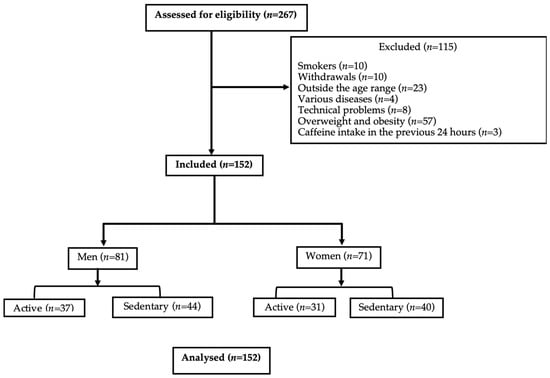
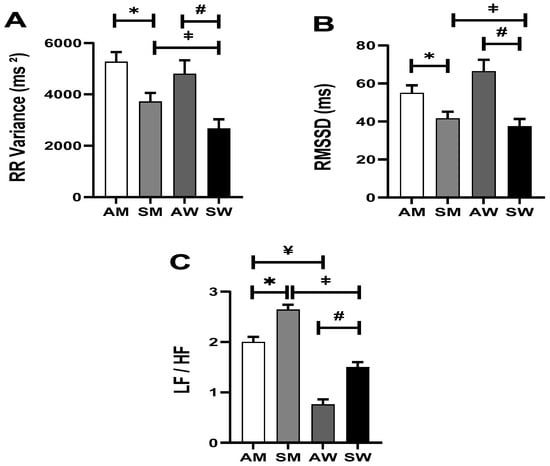
Sex differences and lifestyle factors such as physical activity play an important role in cardiovascular autonomic regulation. Heart rate variability (HRV) is a widely used marker of cardiac autonomic modulation and cardiovascular health. However, the combined influence of sex and physical activity levels on HRV in young, healthy adults has not been sufficiently explored. Therefore, this study investigated the effects of sex and a physically active lifestyle on HRV in men and women. A cross-sectional study was conducted on a cohort of young, healthy adults aged 18–30 and categorized into four groups based on: physically active men (AM; n = 37), sedentary men (SM; n = 44), and physically active women (AW; n = 31) and sedentary women (SW; n = 40). Regarding the impact of lifestyle, the AM group exhibited 41% higher total variance (VAR-RR) and 34% higher RMSSD (a parasympathetic index) than the SM group. The AW exhibited 74% and 78% higher VAR-RR and RMSSD, respectively, compared to the SW. Furthermore, the physically active groups (AM and AW) displayed a 75% and 50% lower LF/HF ratio, respectively, compared to their sedentary counterparts. Interestingly, the LF/HF ratio was 66% higher, and the RMSSD was 20% lower in the AM group than in the AW group. HRV indices demonstrated large to very large effect sizes. In conclusion, these findings demonstrate significantly advantage in cardiac autonomic modulation among physically active individuals and women. Together, these results reinforce the roles of female sex and an active lifestyle as important protective factors for cardiovascular health.
Full article
(This article belongs to the Special Issue Health Effects of Physical Activity and Exercise in People at Risk for Cardiovascular Diseases)
►▼
Show Figures

Figure 1
Journal Menu
► ▼ Journal Menu-
- IJERPH Home
- Aims & Scope
- Editorial Board
- Reviewer Board
- Topical Advisory Panel
- Instructions for Authors
- Special Issues
- Topics
- Sections & Collections
- Article Processing Charge
- Indexing & Archiving
- Editor’s Choice Articles
- Most Cited & Viewed
- Journal Statistics
- Journal History
- Journal Awards
- Society Collaborations
- Conferences
- Editorial Office
Journal Browser
► ▼ Journal Browser-
arrow_forward_ios
Forthcoming issue
arrow_forward_ios Current issue - Vol. 23 (2026)
- Vol. 22 (2025)
- Vol. 21 (2024)
- Vol. 20 (2023)
- Vol. 19 (2022)
- Vol. 18 (2021)
- Vol. 17 (2020)
- Vol. 16 (2019)
- Vol. 15 (2018)
- Vol. 14 (2017)
- Vol. 13 (2016)
- Vol. 12 (2015)
- Vol. 11 (2014)
- Vol. 10 (2013)
- Vol. 9 (2012)
- Vol. 8 (2011)
- Vol. 7 (2010)
- Vol. 6 (2009)
- Vol. 5 (2008)
- Vol. 4 (2007)
- Vol. 3 (2006)
- Vol. 2 (2005)
- Vol. 1 (2004)
Highly Accessed Articles
Latest Books
E-Mail Alert
News
Topics
Topic in
IJERPH, Microplastics, Polymers, Toxics
Plastic Contamination (Plastamination): An Environmental and Public Health-Related Concern
Topic Editors: Rosaria Meccariello, Antonino Testa, Francesco Cappello, Antonietta SantoroDeadline: 30 June 2026
Topic in
IJERPH, Medicina, Hospitals, Healthcare, Safety, Geriatrics
The Imperative of Patient Safety and Safety Culture in Contemporary Healthcare
Topic Editors: Hana Brborović, Ognjen Brborovic, Reinhard StrametzDeadline: 8 July 2026
Topic in
Behavioral Sciences, Children, Healthcare, IJERPH, JFMK, Obesities
The Effect of Physical Activity on the Population's Health
Topic Editors: Stefania Paduano, Federica ValerianiDeadline: 31 August 2026
Topic in
Behavioral Sciences, Children, EJIHPE, IJERPH, Healthcare
Mental Health and the 2030 Sustainable Development Agenda: Old Problems and New Perspectives
Topic Editors: Carlos Laranjeira, Ana QueridoDeadline: 31 October 2026
Conferences
Special Issues
Special Issue in
IJERPH
Active Health Promotion in Older Age
Guest Editor: Luis Henrique Telles da RosaDeadline: 30 June 2026
Special Issue in
IJERPH
Integration of Cyberspace Behavior and E-Therapy in Mental Health Care
Guest Editors: Jorge Oliveira, Pedro Gamito, Sofia Mateus FranciscoDeadline: 30 June 2026
Special Issue in
IJERPH
Silent Scars: Violence, Trauma and the Health Equity of Women and Children
Guest Editor: Obasanjo BolarinwaDeadline: 30 June 2026
Special Issue in
IJERPH
Indigenous Foods: Bridging Tradition and Innovation for Global Nutrition and Health
Guest Editors: Hema Kesa, Alex Tchuenchieu KamgainDeadline: 30 June 2026
Topical Collections
Topical Collection in
IJERPH
Bullying, Cyberbullying, Dating Violence, and Cyber Dating Violence in Adolescence
Collection Editor: María-Jesús Cava
Topical Collection in
IJERPH
2nd Edition of Achieving Environmental Health Equity: Great Expectations
Collection Editors: Timothy E. Ford, Margaret J. Eggers