Journal Description
International Journal of Environmental Research and Public Health
(IJERPH) is a transdisciplinary, peer-reviewed, open access journal that covers global health, healthcare sciences, behavioral and mental health, infectious diseases, chronic diseases and disease prevention, exercise and health related quality of life, environmental health and environmental sciences, and is published monthly online by MDPI. The International Society Doctors for the Environment (ISDE), Italian Society of Environmental Medicine (SIMA) and Environmental Health Association of Québec (ASEQ‑EHAQ) are affiliated with IJERPH and their members receive discounts on the article processing charges.
- Open Access— free for readers, with article processing charges (APC) paid by authors or their institutions.
- High Visibility: indexed within Scopus, PubMed, MEDLINE, PMC, Embase, GEOBASE, CAPlus / SciFinder, and other databases.
- Journal Rank: CiteScore - Q1 (Public Health, Environmental and Occupational Health)
- Rapid Publication: manuscripts are peer-reviewed and a first decision is provided to authors approximately 24 days after submission; acceptance to publication is undertaken in 3.8 days (median values for papers published in this journal in the first half of 2026).
- Recognition of Reviewers: reviewers who provide timely, thorough peer-review reports receive vouchers entitling them to a discount on the APC of their next publication in any MDPI journal, in appreciation of the work done.
- Testimonials: See what our editors and authors say about IJERPH.
- Sections: published in 7 topical sections.
- Journal Cluster of Public Health: International Journal of Environmental Research and Public Health, Infectious Disease Reports, Epidemiologia, Occupational Health, International Journal of Environmental Medicine (IJEM), Journal of Market Access & Health Policy (JMAHP), Hygiene, Trends in Public Health, Digital Health and Innovation (DHI), Green Health and Health Economics and Policy.
Latest Articles
Antibiotic Resistance Genes in Dust from Kindergarten Environments: A Systematic Review of Occurrence, Diversity, Determinants, and Exposure Implications
Int. J. Environ. Res. Public Health 2026, 23(8), 1036; https://doi.org/10.3390/ijerph23081036 (registering DOI) - 9 Aug 2026
Abstract
Kindergarten environments combine high microbial exposure with increased immunological vulnerability, yet antibiotic resistance genes (ARGs) in kindergarten dust remain poorly characterized. This systematic review synthesized evidence on the occurrence and potential health relevance of ARGs in kindergarten dust. Following PRISMA 2020 guidelines, PubMed,
[...] Read more.
Kindergarten environments combine high microbial exposure with increased immunological vulnerability, yet antibiotic resistance genes (ARGs) in kindergarten dust remain poorly characterized. This systematic review synthesized evidence on the occurrence and potential health relevance of ARGs in kindergarten dust. Following PRISMA 2020 guidelines, PubMed, Scopus, and Web of Science were searched. Four studies from China, Hong Kong, and Norway (2018–2024) met the inclusion criteria. ARGs were detected in all kindergarten dust samples, indicating that dust is a consistent reservoir of antibiotic resistance determinants. A consensus resistome (classes detected in ≥2 studies) encompassed sulfonamide, macrolide–lincosamide–streptogramin B (MLSB), tetracycline, beta-lactam, aminoglycoside, and multidrug resistance genes; beta-lactam resistance genes were the only class reported in all four studies. Clinically important ARGs associated with last-resort antibiotics, including mecA, vanA, blaNDM, and mcr-5, were reported in three studies. Class 1 integron-integrase genes (intI1) frequently co-occurred with ARGs, suggesting potential horizontal gene transfer. Limited evidence indicated higher ARG abundance in urban and winter samples. One study reported antibiotic-resistant bacteria carrying resistance markers concordant with those in kindergarten dust in the urine of children attending the same facilities; however, this cross-sectional, single-site evidence is consistent with, but not sufficient to establish, a dust-to-child exposure pathway. The available evidence supports the plausibility that kindergarten dust may contribute to children’s exposure to ARGs and ARG-carrying bacteria, but current studies do not establish causal transmission from dust to child colonization or infection. Standardized monitoring and longitudinal studies are needed to assess health risks and guide mitigation strategies in early childhood educational settings.
Full article
(This article belongs to the Special Issue Antimicrobial Resistance in Global Public Health: Challenges and Responses)
►
Show Figures
Open AccessArticle
Walkable Intelligent Parks: Can a Large Language Model Turn Urban Park Audit Findings into Actionable Recommendations?
by
Md. Sabbir Hossain Khan, Mohammad Javad Koohsari, Jiuling Li, Jing Zhao, Yufeng Luo, Akitomo Yasunaga, Koichiro Oka and Andrew T. Kaczynski
Int. J. Environ. Res. Public Health 2026, 23(8), 1035; https://doi.org/10.3390/ijerph23081035 (registering DOI) - 8 Aug 2026
Abstract
Park audits can inform neighbourhood-scale urban design strategies that support health. However, interpreting park audit data is time-consuming and requires specialised expertise. Recent advances in large language models suggest potential for assisting with structured data interpretation, but their application to park audits remains
[...] Read more.
Park audits can inform neighbourhood-scale urban design strategies that support health. However, interpreting park audit data is time-consuming and requires specialised expertise. Recent advances in large language models suggest potential for assisting with structured data interpretation, but their application to park audits remains unexplored. This study examined whether a large language model (ChatGPT-5) can assist in interpreting park audit data from public parks in Dhaka City, Bangladesh. Using a modified park audit tool, 59 parks were audited, of which 26 met the predefined completeness threshold and were included in the analysis. ChatGPT-5 and human experts received identical park audit datasets and instructions for interpretation. Outputs were evaluated using content analysis and a pre-defined scoring framework to assess accuracy and comprehensiveness. Paired t-tests compared ChatGPT-5 outputs with the expert benchmark. ChatGPT-5 showed no statistically significant difference from the expert benchmark in overall accuracy in this sample (p = 0.13). The unadjusted analysis showed a higher recommendation-match count for ChatGPT-5 (p < 0.05), but this result should be interpreted as exploratory because multiple criteria were tested. No statistically significant differences were detected across accuracy domains or other comprehensiveness criteria. These findings suggest that ChatGPT-5 may assist with preliminary interpretation of structured park audit data. However, the results do not establish equivalence with expert assessment. Expert review remains necessary to assess feasibility, contextual relevance, and alignment with local planning standards.
Full article
Open AccessArticle
Changes in Kitchen Thermal Exposure Following the Introduction of Electric Cooking: A Before-and-After Case Study of Three Kampala Kitchens
by
Rihab Khalid, Agnes Naluwagga, Jimmy Agaba, Adrian Okorio and Charles Kayemba
Int. J. Environ. Res. Public Health 2026, 23(8), 1034; https://doi.org/10.3390/ijerph23081034 - 7 Aug 2026
Abstract
Institutional and commercial cooks may experience sustained heat exposure from combustion-based cooking, yet field evidence on thermal conditions following the introduction of electric cooking remains limited. This exploratory before-and-after case study examined three purposively selected kitchens in Kampala, Uganda, combining five-minute temperature and
[...] Read more.
Institutional and commercial cooks may experience sustained heat exposure from combustion-based cooking, yet field evidence on thermal conditions following the introduction of electric cooking remains limited. This exploratory before-and-after case study examined three purposively selected kitchens in Kampala, Uganda, combining five-minute temperature and relative humidity monitoring at three spatial positions with cooking diaries, repeated thermal comfort and sensation votes, and enumerator observations. Heat Index (HI) was used as a temperature–humidity screening proxy, and Kampala weather data were used to calculate weather-adjusted differences. On documented active e-cooking days, mean hourly near-stove HI fell from 33.26 °C to 26.00 °C at Site A, 31.35 °C to 29.55 °C at Site B, and 31.71 °C to 27.50 °C at Site C. Time in the Safe HI category increased from 23.5% to 67.8%, 17.0% to 33.3%, and 25.4% to 53.0%, respectively. Day-level tests and a sensitivity analysis using all weather-matched intervention period logger days showed the same overall direction. Raw cooking durations declined for several meals, although, after normalisation by the number of people served, the reductions remained statistically detectable only for Site B breakfast and lunch. The results provide exploratory evidence of lower environmental thermal exposure under documented active e-cooking conditions. Sequential timing, purposive sampling, workload differences, incomplete intervention records and the absence of radiant, air speed and physiological measurements prevent causal interpretation as reduced occupational heat strain.
Full article
(This article belongs to the Section Environmental Health)
Open AccessArticle
Exploratory Spatial and Temporal Analysis of the Territorial Coexistence of Undernutrition and Excess Weight Among Children Under Five Years of Age in Peru, 2014–2024
by
Jaime Cesar Prieto-Luna, Luis Alberto Holgado-Apaza, Mixel Luigui Corrido-Ninahuaman, Nestor Antonio Gallegos Ramos, Nelly Jacqueline Ulloa-Gallardo, Dany Dorian Isuiza-Perez, Roxana Madueño-Portilla, Pierre Vidaurre-Rojas and Miguel Angel Valles-Coral
Int. J. Environ. Res. Public Health 2026, 23(8), 1033; https://doi.org/10.3390/ijerph23081033 - 7 Aug 2026
Abstract
The coexistence of undernutrition and excess weight is an important child public health challenge. This study described temporal trends and departmental spatial configurations of wasting, stunting, overweight, and obesity among children under five years of age in Peru during 2014–2024. Analyses used anthropometric
[...] Read more.
The coexistence of undernutrition and excess weight is an important child public health challenge. This study described temporal trends and departmental spatial configurations of wasting, stunting, overweight, and obesity among children under five years of age in Peru during 2014–2024. Analyses used anthropometric assessment records from the Nutritional Status Information System (SIEN), collected in public healthcare facilities and aggregated by department and year. Annual Percentage Change summarized average temporal trends, while observed prevalence maps, Global Moran’s I, Local Indicators of Spatial Association (LISA), and a median-based bivariate classification were applied independently to 2014, 2019, and 2024. Queen contiguity was the primary spatial specification, along with KNN-4 sensitivity analysis. Wasting and obesity increased on average, stunting decreased, and overweight showed no significant long-term trend. Global autocorrelation was most consistent for wasting, whereas findings for excess-weight indicators were sensitive to the weights matrix. LISA identified local spatial classifications at nominal p < 0.05; however, these findings were exploratory because no multiple-testing correction was applied. The bivariate classification identified two, four, and three departments with concurrent high relative undernutrition and excess-weight scores in 2014, 2019, and 2024, respectively. These record-based findings show territorial heterogeneity within SIEN but do not represent population prevalence, causal geographic effects, or an integrated spatiotemporal process.
Full article
(This article belongs to the Section Infectious Diseases, Chronic Diseases, and Disease Prevention)
►▼
Show Figures

Figure 1
Open AccessArticle
It’s Not Really the Words; It’s How They Land: Lived Experience Perspectives on the Use of Language and Labels in Mental Health
by
Anna Foxcroft, Craig Allen, Julia Dray, Amelia Gulliver, Dianna Smith, Grenville Rose, Bridget Berry and Michelle Banfield
Int. J. Environ. Res. Public Health 2026, 23(8), 1032; https://doi.org/10.3390/ijerph23081032 - 7 Aug 2026
Abstract
►▼
Show Figures
The language used to describe and discuss mental ill-health continues to evolve and improve, driven by advocacy and commitment to reducing the harmful effects of stigma. However, from a lived experience perspective, room for improvement remains. This project aimed to explore the use
[...] Read more.
The language used to describe and discuss mental ill-health continues to evolve and improve, driven by advocacy and commitment to reducing the harmful effects of stigma. However, from a lived experience perspective, room for improvement remains. This project aimed to explore the use of language and labels within the mental health sector and its impact on people with lived experience of mental ill-health. Interviews were conducted with mental health consumers and/or carers (n = 15), and co-researchers with lived experience of mental ill-health contributed researcher positionality to the research. Six themes were generated using reflexive thematic analysis; they accented how participants expressed complex and nuanced experiences of language and labels, and the overlapping themes highlight the ‘blurry edges’ when people with lived experience discuss language, with the individual at the centre. Responses reflected the nature of inclusive and exclusive language in the medical system and the community. Central to experiences of exclusion were times when people felt dismissed and misunderstood due to the language and labels others use and how the words are delivered. These negative experiences reflect the influence of stigma. Positive language provides validation, understanding and a sense of hope. Health professionals may have opportunities to apply more personalised communication approaches, which could improve outcomes for the people they support.
Full article

Figure 1
Open AccessSystematic Review
Navigating the Threshold: Barriers and Facilitators to Accessing Primary Care Among People Living with Dementia—A Systematic Review and Meta-Synthesis
by
I Gede Juanamasta, Rapin Polsook, Bootan Ahmed, Yupin Aungsuroch, Ni Made Ratih Comala Dewi, I Gede Griya Suparta and Ferry Efendi
Int. J. Environ. Res. Public Health 2026, 23(8), 1031; https://doi.org/10.3390/ijerph23081031 - 6 Aug 2026
Abstract
Background: Dementia is a global health priority affecting more than 55 million people worldwide, with projections indicating this figure will rise to 139 million by 2050. People living with dementia (PLWD) face profound difficulties accessing primary care services—the critical gateway to dementia diagnosis,
[...] Read more.
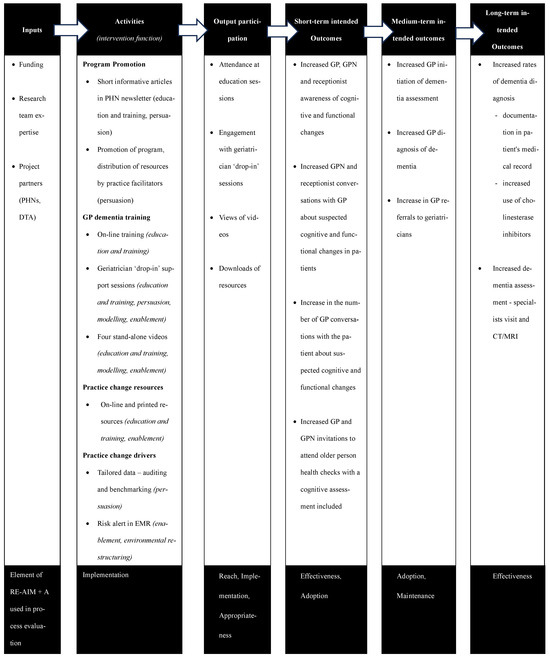
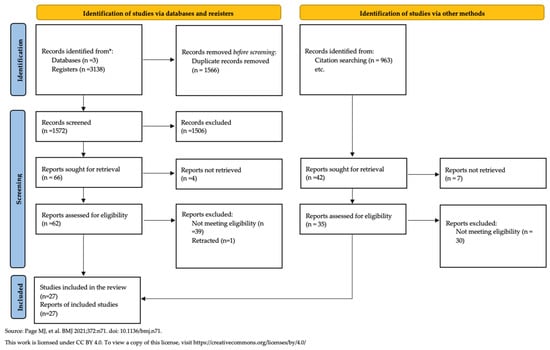
Background: Dementia is a global health priority affecting more than 55 million people worldwide, with projections indicating this figure will rise to 139 million by 2050. People living with dementia (PLWD) face profound difficulties accessing primary care services—the critical gateway to dementia diagnosis, ongoing management, and coordinated specialist referral. Despite growing evidence on individual barriers, a comprehensive synthesis integrating patient, caregiver, and system-level perspectives is lacking. Objectives: This systematic review and meta-synthesis aimed to identify, appraise, and synthesize evidence on the barriers and facilitators experienced by PLWD and their caregivers when accessing primary care services, and to propose evidence-based recommendations to address inequities. Methods: A systematic search was conducted to identify relevant articles in six electronic databases: PubMed, MEDLINE, EMBASE, PsycINFO, CINAHL, Cochrane Library, and Web of Science from January 2000 to December 2024, following the Preferred Reporting Items for Systematic Reviews and Meta-Analyses (PRISMA) 2020 guidelines. Qualitative, quantitative, and mixed-methods studies reporting barriers or facilitators to primary care access for PLWD were included. A convergent integrated synthesis and thematic meta-synthesis approach was applied. Quality was assessed using the Mixed Methods Appraisal Tool (MMAT). Results: Forty-three studies from 18 countries met inclusion criteria. Barriers were categorized across five domains: (1) patient-level factors (stigma, denial, symptom normalization, and limited health literacy); (2) caregiver-level factors (burden, late symptom recognition, and cultural barriers); (3) provider-level factors (insufficient training, therapeutic nihilism, and time constraints); (4) system-level factors (fragmented care pathways, long waiting times, and poor care coordination); and (5) structural and societal factors (rurality, poverty, and ethnic minority status). Facilitators included caregiver advocacy, strong patient–GP relationships, dementia literacy campaigns, availability of memory clinics, and integrated care models. Disparities were consistently greater for ethnic minority groups, rural populations, and those with lower socioeconomic status. Conclusions: Barriers to primary care access in dementia are complex, overlapping, and mutually reinforcing. Effective strategies require multi-level interventions addressing individual, relational, provider, and system dimensions simultaneously.
Full article
(This article belongs to the Special Issue Barriers and Facilitators to Accessing Primary Care for People with Dementia)
►▼
Show Figures

Figure 1
Open AccessArticle
Supporting Sustainable Return to Work in Large Organizations: A Cluster Randomised Feasibility Trial of a Multi-Level Intervention
by
Fehmidah Munir, Alice Sinclair, Oliver Davis, Jeremy Dawson, Lizzie Degerdon, Jaime Delgadillo, Umesh Kadam and Joanna Yarker
Int. J. Environ. Res. Public Health 2026, 23(8), 1030; https://doi.org/10.3390/ijerph23081030 - 6 Aug 2026
Abstract
Long-term sickness absence is a growing public health issue, reducing workforce participation and widening health inequalities. Effective interventions must address both health and workplace factors to enable not only return-to-work but sustained employment. This study evaluated the feasibility of a multi-level workplace intervention
[...] Read more.
Long-term sickness absence is a growing public health issue, reducing workforce participation and widening health inequalities. Effective interventions must address both health and workplace factors to enable not only return-to-work but sustained employment. This study evaluated the feasibility of a multi-level workplace intervention to support sustainable RTW in large organizations. A two-arm cluster randomised feasibility trial was conducted in nine UK organizations (≥600 employees). Participants included senior leaders and HR professionals (n = 91), workers on long-term sick leave (n = 112), and line managers (n = 83). The IGLOo intervention combined e-learning for leaders/HR with structured toolkits for workers and managers to support RTW before and after return. Feasibility outcomes included recruitment, retention, engagement, acceptability, and usability. Secondary outcomes included RTW timing, sustained participation, mental health, and workplace factors. A mixed methods process evaluation explored implementation and context. Retention, acceptability, and usability met targets, but recruitment and engagement were lower than expected. Potential mechanisms included improved confidence, communication, and self-management. Organizational systems and pressures affected delivery. Exploratory analyses suggested different patterns of return-to-work trajectories across trial arms. Overall, the intervention was acceptable to participants who engaged with it, but recruitment barriers and organizational constraints require substantial modification before any future efficacy trial.
Full article
(This article belongs to the Section Behavioral and Mental Health)
►▼
Show Figures

Figure 1
Open AccessArticle
A Longitudinal Study of Psychosocial and Behavioral Adaptations to Continuous Community Violence in Culiacán, Sinaloa, México
by
Ángel Radamés Rábago-Monzón, Karyme Mylenia Alemán-Villa, Emiliano Terán, Javier Abednego Magaña-Gómez, Verónica Judith Picos-Cárdenas, Beatriz Kazuko De la Herrán-Arita, Loranda Calderón-Zamora and Alberto Kousuke De la Herrán-Arita
Int. J. Environ. Res. Public Health 2026, 23(8), 1029; https://doi.org/10.3390/ijerph23081029 - 6 Aug 2026
Abstract
This study examined how residents of Culiacán, México, adapted over time to prolonged community violence and perceived insecurity. We evaluated a two-speed adaptation theory, which proposes that indicators of acute psychological distress and economic strain decline over time, whereas protective behavioral responses persist
[...] Read more.
This study examined how residents of Culiacán, México, adapted over time to prolonged community violence and perceived insecurity. We evaluated a two-speed adaptation theory, which proposes that indicators of acute psychological distress and economic strain decline over time, whereas protective behavioral responses persist as a state of chronic vigilance. A mixed-longitudinal design was employed, consisting of a baseline survey of 1163 residents conducted in October 2024 and a longitudinal cohort of 100 participants followed in February and June 2025. Longitudinal changes were evaluated using Cochran’s Q tests with exact McNemar post hoc comparisons, proportions were reported with 95% Clopper–Pearson confidence intervals, and multivariable logistic regression was used to examine predictors of migration intent. Pharmacologic treatment utilization declined significantly from 36% to 20%, and reported economic strain decreased from 62% to 35% over the study period. In contrast, behavioral routine modifications remained persistently high, decreasing only from 95% to 88%, with no statistically significant longitudinal change. These findings are consistent with the proposed theory, suggesting that while acute psychosocial and economic impacts may diminish over time, protective behavioral adaptations remain comparatively stable. Regarding migration intent, individual economic strain was not significantly associated with the intention to leave the city. Instead, participants who attributed insecurity primarily to social contract collapse, conceptualized as the perceived erosion of community trust, institutional legitimacy, social polarization, and the breakdown of social order, had substantially greater odds of reporting migration intent than those primarily concerned with economic factors (OR = 11.56, 95% CI 1.55–85.98). Overall, these findings suggest that prolonged community violence produces distinct trajectories of psychosocial adaptation, in which acute distress decreases while chronic vigilance persists. Furthermore, migration intentions appear to be more strongly associated with perceived deterioration of the social environment than with individual economic hardship, highlighting the importance of restoring community trust and institutional legitimacy alongside traditional public health and economic interventions.
Full article
(This article belongs to the Special Issue Psychological Well‑Being and Psychosocial Risks in Evolving Workplaces and Communities)
►▼
Show Figures

Figure 1
Open AccessPerspective
Sustainable Healthcare: A Perspective on the Current Landscape, Frameworks, Barriers, and Implementation Model in a Quaternary Hospital System
by
Hubert Tuyishime, Carole Lin, Amandeep Chawla, Bryan Khoo and Kevin G. Shea
Int. J. Environ. Res. Public Health 2026, 23(8), 1028; https://doi.org/10.3390/ijerph23081028 - 6 Aug 2026
Abstract
►▼
Show Figures
Healthcare services account for approximately 4–5% of global greenhouse gas emissions worldwide, and nearly 10% of emissions in the United States are primarily from general hospital operations, surgical and anesthetic care, and pharmaceutical and medical device supply chains. Healthcare services and operations also
[...] Read more.
Healthcare services account for approximately 4–5% of global greenhouse gas emissions worldwide, and nearly 10% of emissions in the United States are primarily from general hospital operations, surgical and anesthetic care, and pharmaceutical and medical device supply chains. Healthcare services and operations also generate substantial plastic and chemical waste that pollute the environment and disproportionately affect vulnerable communities. Although global and national organizations have introduced decarbonization frameworks, adoption remains hindered by limited leadership engagement, competing institutional priorities, and insufficient regulatory accountability. This article synthesizes the published literature on the current landscape of healthcare sustainability, summarizes key policy frameworks, and identifies major barriers to implementation; these findings are then illustrated through sustainability initiatives at Stanford Medicine, a quaternary hospital system. These efforts are presented as implementation examples that other institutions may adapt to their own resources and contexts, to reduce emissions and ensure more sustainable healthcare delivery.
Full article

Figure 1

Open AccessReview
Understanding HPV Vaccine Uptake Among American Indian and Alaska Native College Students: A Scoping Review
by
Vanessa Wright, Katy Fisher-Cunningham, Brayton Amidon and Shari Clifton
Int. J. Environ. Res. Public Health 2026, 23(8), 1027; https://doi.org/10.3390/ijerph23081027 - 6 Aug 2026
Abstract
American Indian and Alaska Native (AI/AN) communities experience disproportionate rates of HPV-associated cancers, yet vaccination uptake remains low. This scoping review mapped research on HPV vaccination among AI/AN college students aged 18–26, including vaccine uptake, knowledge, perceptions, and barriers. Using Joanna Briggs Institute
[...] Read more.
American Indian and Alaska Native (AI/AN) communities experience disproportionate rates of HPV-associated cancers, yet vaccination uptake remains low. This scoping review mapped research on HPV vaccination among AI/AN college students aged 18–26, including vaccine uptake, knowledge, perceptions, and barriers. Using Joanna Briggs Institute scoping review methodology and the PRISMA-ScR checklist, MEDLINE (Ovid), CINAHL Ultimate, Embase (Ovid), ERIC (Ovid), Scopus, and Web of Science Core Collection were searched with no restrictions on publication year. Eligible studies included AI/AN college students aged 18–26 and examined factors influencing HPV vaccine uptake; studies that did not disaggregate AI/AN data were excluded. Of 911 abstracts identified, three publications met inclusion criteria; all included studies drew exclusively on American Indian samples and did not include Alaska Native participants. The findings reveal low HPV knowledge, limited perceived risk, gender differences in attitudes, and barriers including stigma, access challenges, and mistrust of healthcare systems. The near absence of contemporary research reflects ongoing data invisibility and structural factors affecting AI/AN young adults. AI/AN college students represent a critical yet overlooked population for catch-up HPV vaccination, requiring community-engaged strategies to advance cancer equity.
Full article
(This article belongs to the Special Issue Cultural Resilience and Health Equity: Centering on American Indian and Alaska Native Communities)
►▼
Show Figures

Figure 1
Open AccessArticle
Evaluation of a Reduced Work Schedule and Housing Authority Employee Wellbeing
by
Morgan A. Valley, Katie McMahon, Aurora Koren and Lorann Stallones
Int. J. Environ. Res. Public Health 2026, 23(8), 1026; https://doi.org/10.3390/ijerph23081026 - 6 Aug 2026
Abstract
Background: Public housing employees work in challenging conditions with many stressors. A Colorado housing authority requested an evaluation of its voluntary reduced work schedule pilot program and its association with employee wellbeing. Previous research has shown promising short-term improvements in employee productivity and
[...] Read more.
Background: Public housing employees work in challenging conditions with many stressors. A Colorado housing authority requested an evaluation of its voluntary reduced work schedule pilot program and its association with employee wellbeing. Previous research has shown promising short-term improvements in employee productivity and morale from reduced schedule programs, but researchers have questioned whether impacts on wellbeing could be sustained. The study aimed to evaluate if program participants and non-participants reported differences in wellbeing measures over 18 months post-implementation. Methods: A longitudinal survey based on the NIOSH WellBQ over three timepoints and a series of four focus groups were conducted with program participants and non-participants. Linear mixed modeling was used to test for differences between participant and non-participant wellbeing outcomes over time. Deductive thematic analysis was used to analyze focus group data. Results: Program participants reported significantly lower work overload than non-participants; differences in work stress and work-to-non-work conflict were smaller and did not reach statistical significance. There was no evidence that the magnitude of these differences changed across timepoints, although limited statistical power constrains interpretation of this finding. Qualitative findings demonstrated that participants perceived benefits for work–life integration and decreased work stress and work overload, which participants attributed to the program. Conclusions: Findings suggest that reduced work schedules may be associated with differences in employee wellbeing over the study period, particularly reduced work overload.
Full article
(This article belongs to the Special Issue Health and Safety Promotion at the Workplace)
Open AccessArticle
Nutritional Status, Abdominal Obesity, and Predictors of BMI Categories Among Community-Dwelling Older Adults in Southern Thailand: A Cross-Sectional Study
by
Urai Jaraeprapal, Pornchanuch Chumpunuch, Arthit Boonrodchu, Uraiwan Pantong and Ladda Thiamwong
Int. J. Environ. Res. Public Health 2026, 23(8), 1025; https://doi.org/10.3390/ijerph23081025 - 5 Aug 2026
Abstract
Geriatric nutritional problems are increasingly characterized by the co-existence of undernutrition and obesity, yet community-level evidence from Southern Thailand remains limited. Grounded in the social determinants of health (SDH) framework, this cross-sectional study examines the prevalence and independent predictors of BMI categories and
[...] Read more.
Geriatric nutritional problems are increasingly characterized by the co-existence of undernutrition and obesity, yet community-level evidence from Southern Thailand remains limited. Grounded in the social determinants of health (SDH) framework, this cross-sectional study examines the prevalence and independent predictors of BMI categories and abdominal obesity among 13,458 community-dwelling older adults across 20 sub-districts in Southern Thailand. Anthropometric measurements and structured interview data were analyzed using chi-square tests and multinomial logistic regression, with normal weight as the reference category. Overall, 50.3% of participants were overweight or obese, 40.5% had abdominal obesity, and 7.7% were underweight. Advancing age, continued employment, and asthma were independently associated with higher odds of underweight, whereas abdominal obesity was the strongest predictor of elevated BMI categories, increasing the odds of overweight, obesity Class I, and obesity Class II. Female sex, literacy, dyslipidemia, hypertension, and diabetes were also associated with excess BMI categories. Moderate, regular physical activity was a protective factor. These findings support risk-stratified community interventions that integrate BMI with WC screening and address regional occupational, behavioral, clinical, and food culture determinants of nutritional health in older adults.
Full article
(This article belongs to the Special Issue The Management of Nutrition and Obesity: Second Edition)
►▼
Show Figures

Figure 1
Open AccessArticle
Racial Differences in Social Capital Volunteer Activities: A Mixed-Methods Longitudinal Study of How Race and Place Influence Opportunities
by
Ester Villalonga-Olives, Abdolvahab Khademi, Alisha A. Crump, Christopher M. Amissah, Inez Adams, Candace Hall, Yun-Yi Pan and Yusuf Ransome
Int. J. Environ. Res. Public Health 2026, 23(8), 1024; https://doi.org/10.3390/ijerph23081024 - 5 Aug 2026
Abstract
►▼
Show Figures
Volunteering is a key component of social capital associated with improved health outcomes. However, it remains unclear how volunteer patterns differ by race and education and whether standard measures adequately capture racial and contextual differences in how volunteering is understood and reported. This
[...] Read more.
Volunteering is a key component of social capital associated with improved health outcomes. However, it remains unclear how volunteer patterns differ by race and education and whether standard measures adequately capture racial and contextual differences in how volunteering is understood and reported. This mixed-methods study examined racial and educational differences in volunteer activities over time and evaluated how individuals from different racial backgrounds define, engage in, and value volunteering. This study used a mixed-methods longitudinal design combining secondary analysis of the Midlife in the United States (MIDUS) study (1995–2016; n = 5921) with qualitative interviews (n = 47) in the United States. The quantitative outcome was the number of self-reported volunteer hours per month across four domains: healthcare, youth-related, political, and other organizations. Linear mixed-effects models were used to examine differences by race, volunteer context, and time, adjusting for age, gender, and educational attainment. Qualitative interviews used MIDUS item probes and open-ended questions to examine participants’ interpretations of volunteer work, unpaid activities, and forms of engagement. Black participants reported significantly higher volunteer hours than White participants (β = 0.97, p = 0.007). Volunteering varied by context, with higher engagement in school and youth-related (β = 1.12, p < 0.001) and other organizational activities (β = 2.80, p < 0.001) and lower engagement in political contexts (β = −0.45, p < 0.001), relative to healthcare settings. Volunteering increased modestly over time (Wave 2: β = 0.45, p < 0.001; Wave 3: β = 0.39, p < 0.001). Interaction analyses indicated that racial differences varied across contexts, with a significantly smaller increase in volunteering within “other” organizations among Black participants relative to White participants (β = −1.29, p = 0.006). Qualitative findings indicated that Black participants more often engaged in community-based and informal activities, including work within community organizations, whereas White participants more frequently participated in formal volunteering. Urban residents reported more flexible engagement compared with suburban residents’ structured participation. Volunteering is shaped by structural and contextual factors. Public health research and interventions should adopt more inclusive measures to better capture diverse forms of civic engagement.
Full article

Figure 1

Open AccessArticle
Childhood Trauma and Subjective Symptoms of Inflammatory Bowel Disease Health-Related Quality of Life in the General Population: The Mediating Roles of Emotional Suppression and Cognitive Control
by
Lisa Roque, Lorelei Van Hees, Bebiana Leonardo, Teresa Santos and Paulo Ferrajão
Int. J. Environ. Res. Public Health 2026, 23(8), 1023; https://doi.org/10.3390/ijerph23081023 - 5 Aug 2026
Abstract
►▼
Show Figures
Background: Inflammatory bowel disease (IBD) affects millions worldwide, imposing substantial clinical consequences and mental health implications. This burden leads to reduced quality of life (QoL) and growing pressure on healthcare systems and economies. This cross-sectional study examined the effects of childhood trauma on
[...] Read more.
Background: Inflammatory bowel disease (IBD) affects millions worldwide, imposing substantial clinical consequences and mental health implications. This burden leads to reduced quality of life (QoL) and growing pressure on healthcare systems and economies. This cross-sectional study examined the effects of childhood trauma on subjective symptoms of IBD health-related QoL, focusing on the mediating roles of emotional suppression and cognitive control, providing an integrative model for the general population. Methods: A sample of 402 Portuguese adults completed self-report measures, including the Childhood Trauma Questionnaire, the Emotion Regulation Questionnaire, the Cognitive Control and Flexibility Questionnaire, and the Short IBD Questionnaire. Multiple-step mediation analyses with bootstrapped confidence intervals tested indirect effects. Results: The two-step mediation effects indicated that childhood trauma was associated with subjective symptoms of IBD health-related QoL through both expressive suppression and cognitive control. Conclusions: These findings highlight the pivotal role of developmental, emotional and cognitive factors in understanding IBD health-related QoL in the general population, offering an opportunity to capture undiagnosed, mild, atypical, or intermittent cases, often discarded from most clinical studies. General-population-based data collection on IBD, beyond clinical settings, is vital for informed resource allocation and the design of effective screening, prevention and public health interventions that capture both diagnosed and undiagnosed cases.
Full article

Figure 1
Open AccessArticle
Social Determinants Associated with Health Care Empowerment Among University Students: A Cross-Sectional Pilot Study
by
Miluska Vega-Guevara, Felipe Aguirre-Chávez, Rosa Millones Rivalles and Vicenta Irene Tafur Anzualdo
Int. J. Environ. Res. Public Health 2026, 23(8), 1022; https://doi.org/10.3390/ijerph23081022 - 4 Aug 2026
Abstract
Health care empowerment is essential for self-care, informed decision-making, and appropriate use of health services among university students. This cross-sectional pilot study examined the association between selected social determinants of health and health care empowerment among university students in Peru. A sample of
[...] Read more.
Health care empowerment is essential for self-care, informed decision-making, and appropriate use of health services among university students. This cross-sectional pilot study examined the association between selected social determinants of health and health care empowerment among university students in Peru. A sample of 336 undergraduate and graduate students from six universities completed an online survey that included the Empowerment Scale for Health Care Empowerment in University Students (ECSU). The instrument demonstrated adequate psychometric properties (Cronbach’s α = 0.859; McDonald’s ω = 0.835). Descriptive analyses and ordinal logistic regression were conducted to identify factors associated with health care empowerment and its dimensions. Income level, family type, and housing situation were associated with overall empowerment. Lower income levels and extended family structures were associated with lower empowerment levels, while university type and educational level were associated with specific dimensions related to decision-making and the ability to empower others. The explanatory capacity of the models was modest (pseudo-R2 = 5.0–12.8%). These findings provide preliminary evidence on the relationship between social determinants and health care empowerment in university students. However, results should be interpreted with caution due to the cross-sectional design and convenience sampling. Future studies using probabilistic sampling and longitudinal designs are needed to confirm these associations.
Full article
(This article belongs to the Special Issue Addressing Health Inequities Among Underserved and Minority Populations Through Cognitive Justice: A Focus on Social Determinants of Health)
►▼
Show Figures

Figure 1
Open AccessReview
Structural Inequalities in Ambulatory Care: A Scoping Review of Access and Quality and the Neglected Dimension of Patient Safety
by
Andreas Müller, Eitan Bronschtein and Ferdinand Sasváry
Int. J. Environ. Res. Public Health 2026, 23(8), 1021; https://doi.org/10.3390/ijerph23081021 - 4 Aug 2026
Abstract
►▼
Show Figures
(1) Background: Ambulatory services are the main interface between populations and health systems, yet their benefits are unevenly distributed due to structural inequalities—systemic differences rooted in the social, economic, and political organisation of society. Inequities in access and quality are well documented, but
[...] Read more.
(1) Background: Ambulatory services are the main interface between populations and health systems, yet their benefits are unevenly distributed due to structural inequalities—systemic differences rooted in the social, economic, and political organisation of society. Inequities in access and quality are well documented, but patient safety remains the least examined. (2) Methods: Following Joanna Briggs Institute methodology and PRISMA-ScR guidelines, PubMed/MEDLINE and Scopus were searched for studies published from 2010 to 2026. In total, 44 studies were included, predominantly from the USA (n = 31), and synthesised narratively. (3) Results: Inequalities operated through geographic maldistribution, financial barriers, exclusionary institutional cultures, and market-driven practices. Access and quality were each addressed by 17 studies, whereas only four examined patient safety directly; the limited safety evidence indicated disproportionate diagnostic errors, medication-safety failures, and care-coordination breakdowns among vulnerable groups. Evidence was concentrated in the USA. (4) Conclusions: Structural inequalities are well documented for access and quality but are markedly under-studied for patient safety—the principal evidence gap identified. Patient safety warrants treatment as an equity outcome, measured with stratification by structural disadvantage and addressed through system-level interventions.
Full article

Figure 1
Open AccessArticle
Associations of Happiness, Ikigai, and Enjoyment of Daily Life with Frequency of Forest Walking in a Japanese General Population: The Japan Multi-Institutional Collaborative Cohort Daiko Study
by
Emi Morita, Sayo Kawai, Tae Sasakabe, Rieko Okada, Yoko Kubo, Yoko Mitsuda, Yasufumi Kato, Takashi Matsunaga, Mako Nagayoshi, Takashi Tamura and Kenji Wakai
Int. J. Environ. Res. Public Health 2026, 23(8), 1020; https://doi.org/10.3390/ijerph23081020 - 4 Aug 2026
Abstract
A number of studies have examined the acute effects of shinrin-yoku (forest bathing), or forest walking; however, only a limited number of epidemiological studies have examined the association between habitual forest walking and daily health. The aim of this study was to examine
[...] Read more.
A number of studies have examined the acute effects of shinrin-yoku (forest bathing), or forest walking; however, only a limited number of epidemiological studies have examined the association between habitual forest walking and daily health. The aim of this study was to examine the association of daily happiness, the Japanese concept of ikigai, and enjoyment of daily life with the frequency of forest walking. We used data from the secondary survey of the Japan Multi-Institutional Collaborative Cohort (J-MICC) Daiko study for this cross-sectional study. A total of 3472 participants (2518 women) were included in the analysis. Logistic regression analysis showed that the aORs for frequency of feeling happy, degree of happiness, ikigai, and daily life enjoyment were 1.72 (95% confidence interval [CI]: 1.29–2.28), 1.54 (95% CI: 1.14–2.09), 1.65 (95% CI: 1.25–2.20), and 2.38 (95% CI: 1.60–3.35), respectively, for those who reported going for forest walks at least once per month when those who reported rarely engaging in this practice served as the reference. This study found that the frequency of forest walking was associated with daily happiness, ikigai, and enjoyment of daily life, suggesting that occasional forest bathing may lead to improved well-being and quality of life.
Full article
Open AccessArticle
Systematic Co-Design of Artificial Intelligence-Enabled Innovations for Healthy Aging: A Demonstration Study Involving Socially Assistive Robots for Dementia Care
by
Sajay Arthanat, Jing Wang, Dain LaRoche, Heather Fritz, Rosanne DiZazzo-Miller, Mostafa Hussein, Ola Ghattas, Moniruzzaman Akash and Momotaz Begum
Int. J. Environ. Res. Public Health 2026, 23(8), 1019; https://doi.org/10.3390/ijerph23081019 - 4 Aug 2026
Abstract
Artificial intelligence-enabled technologies offer new opportunities to support healthy aging and the long-term care needs of older adults. However, inclusive practices are paramount to ensuring that accessibility, usability, privacy, and equitable use are factored into the design and deployment of these emerging technologies.
[...] Read more.
Artificial intelligence-enabled technologies offer new opportunities to support healthy aging and the long-term care needs of older adults. However, inclusive practices are paramount to ensuring that accessibility, usability, privacy, and equitable use are factored into the design and deployment of these emerging technologies. This article explores the role of co-design in health technology development and highlights the application of three methodological tools—the NIH Stage Model for Behavioral Intervention Development, the Unified Theory of Acceptance and Use of Technology, and Goal Attainment Scaling—to create a smart-home-based socially assistive robot (SAR) for the care of individuals living with Alzheimer’s disease and related dementias (ADRD). Ten participants (five caregiver–care recipient dyads) from an ongoing mixed-methods pilot feasibility study trialed the SAR in their homes for 1–6 months, with the robot personalized to their daily functioning, home layout, and caregiving needs. Qualitative analysis of monthly interviews derived themes pertaining to technical design, care protocol design, training management, and complementary care. These themes, combined with goal attainment analysis, offered several insights that allowed us to iteratively scale and refine the technology tailored to ADRD care. The study offers a practical framework for future co-design efforts aimed at enhancing the adoption of AI-enabled health technologies among older adults.
Full article
(This article belongs to the Special Issue New Trends in Health Status and Care Needs Among Older Adults)
►▼
Show Figures

Figure 1
Open AccessArticle
Problems, Causes, Impact, and Preventive Measures for Addressing Violence Faced by Nurses in Healthcare Settings in Thailand
by
Nithinan Mahawan, Rachadaporn Jantasuwan and Hasanah Pairoh
Int. J. Environ. Res. Public Health 2026, 23(8), 1018; https://doi.org/10.3390/ijerph23081018 - 4 Aug 2026
Abstract
Workplace violence (WPV) is a major occupational hazard for nurses in Thailand, negatively affecting psychological well-being, professional confidence, and patient care. In this quantitative cross-sectional analytic study involving 415 nurses, 43.61% reported experiencing at least one incident of WPV during the previous 12
[...] Read more.
Workplace violence (WPV) is a major occupational hazard for nurses in Thailand, negatively affecting psychological well-being, professional confidence, and patient care. In this quantitative cross-sectional analytic study involving 415 nurses, 43.61% reported experiencing at least one incident of WPV during the previous 12 months. Verbal abuse (41.20%) and physical violence (13.25%) were the most frequently reported forms, with a higher prevalence observed in urban hospitals than in rural hospitals (53.66% vs. 33.81%). Higher WPV risk was associated with working in medical wards (adjusted incidence rate ratio [Adj IRR] 3.33) and emergency departments (Adj IRR 2.47), caring for male-only patients (Adj IRR 1.87), younger age (Adj IRR 3.31), divorced or separated status (Adj IRR 3.05), rotating day and night shifts (Adj IRR 2.03), and extreme concern about WPV (Adj IRR 4.57). The psychological impact was considerable. Hypervigilance was the most common response (66.30%), especially following physical violence (76.36%). More than 41% of affected nurses reported intentions to resign or transfer and reduced professional confidence. Reporting incidents was often perceived as ineffective, contributing to underreporting. Nurses identified clear disciplinary measures, increased staffing, improved workplace environments, stronger security systems, and organizational support as key prevention priorities. These findings highlight the urgent need for context-specific interventions, targeted staff training, and organizational strategies to protect nurse well-being, strengthen workforce resilience, and maintain quality patient care.
Full article
(This article belongs to the Section Health Care Sciences)
Open AccessArticle
The Right to Be Counted: Unmasking First Nations and Métis Population Undercounts in Winnipeg, Manitoba
by
Lisa Avery, Marcie Snyder, Monica Cyr, Della Herrera, Leona Star, Stephanie Sinclair, Janet Smylie and Michael Rotondi
Int. J. Environ. Res. Public Health 2026, 23(8), 1017; https://doi.org/10.3390/ijerph23081017 - 4 Aug 2026
Abstract
Background: Evidence of systematic under-counting of First Nations, Inuit, and Métis (FNIM) populations living in urban centres in Canada has been documented for the previous three census rounds (2012, 2016, 2021). Methods: In partnership with Aboriginal Health and Wellness Centre of Winnipeg, Inc.
[...] Read more.
Background: Evidence of systematic under-counting of First Nations, Inuit, and Métis (FNIM) populations living in urban centres in Canada has been documented for the previous three census rounds (2012, 2016, 2021). Methods: In partnership with Aboriginal Health and Wellness Centre of Winnipeg, Inc. and the First Nations Health and Social Secretariat of Manitoba, a respondent-driven sampling survey of First Nations and Métis peoples living in Winnipeg was conducted and the population living in Winnipeg was estimated using the multiplier method in conjunction with participants’ responses to census participation. Results: We estimated a population of 300,000 (95% CI 248,000 to 379,000) First Nations and Métis people living in Winnipeg, three times higher than the 2021 Census count of 90,535. Interpretation: The Canadian census continues to systematically undercount Indigenous peoples living in urban centres. Improving the accuracy and precision of Indigenous population enumeration is required for equitable health services funding and delivery. Partnerships with FNIM governing and health service organizations, addition of Indigenous identity to the short form-census participation and coverage, and improved collection methods for people living in collective dwellings or experiencing housing insecurity are recommended.
Full article
(This article belongs to the Section Global Health)
Journal Menu
► ▼ Journal Menu-
- IJERPH Home
- Aims & Scope
- Editorial Board
- Reviewer Board
- Topical Advisory Panel
- Instructions for Authors
- Special Issues
- Topics
- Sections & Collections
- Article Processing Charge
- Indexing & Archiving
- Editor’s Choice Articles
- Most Cited & Viewed
- Journal Statistics
- Journal History
- Journal Awards
- Society Collaborations
- Conferences
- Editorial Office
Journal Browser
► ▼ Journal Browser-
arrow_forward_ios
Forthcoming issue
arrow_forward_ios Current issue - Vol. 23 (2026)
- Vol. 22 (2025)
- Vol. 21 (2024)
- Vol. 20 (2023)
- Vol. 19 (2022)
- Vol. 18 (2021)
- Vol. 17 (2020)
- Vol. 16 (2019)
- Vol. 15 (2018)
- Vol. 14 (2017)
- Vol. 13 (2016)
- Vol. 12 (2015)
- Vol. 11 (2014)
- Vol. 10 (2013)
- Vol. 9 (2012)
- Vol. 8 (2011)
- Vol. 7 (2010)
- Vol. 6 (2009)
- Vol. 5 (2008)
- Vol. 4 (2007)
- Vol. 3 (2006)
- Vol. 2 (2005)
- Vol. 1 (2004)
Highly Accessed Articles
Latest Books
E-Mail Alert
News
Topics
Topic in
Behavioral Sciences, Children, Healthcare, IJERPH, JFMK, Obesities
The Effect of Physical Activity on the Population's Health
Topic Editors: Stefania Paduano, Federica ValerianiDeadline: 31 August 2026
Topic in
Behavioral Sciences, Children, EJIHPE, IJERPH, Healthcare
Mental Health and the 2030 Sustainable Development Agenda: Old Problems and New Perspectives
Topic Editors: Carlos Laranjeira, Ana QueridoDeadline: 31 October 2026
Topic in
Behavioral Sciences, Healthcare, IJERPH, Social Sciences, EJIHPE
Mental Health in Trauma Survivors
Topic Editors: Hyojin Im, Asli Cennet Yalim, Gashaye Melaku Tefera, Isok KimDeadline: 30 November 2026
Topic in
Applied Sciences, Toxics, IJERPH, Biology, Cancers, Radiation
Disease Risks from Environmental Radiological Exposure
Topic Editors: Valentina Venuti, Francesco CaridiDeadline: 31 December 2026
Conferences
Special Issues
Special Issue in
IJERPH
Health Promotion and Mental Health Among People with Breast Cancer
Guest Editor: Cannas KwokDeadline: 13 August 2026
Special Issue in
IJERPH
Improving the Quality of Maternity Care
Guest Editor: Ruth E. ZielinskiDeadline: 30 August 2026
Special Issue in
IJERPH
Prevention and Treatment of Trauma-Related Mental Illness
Guest Editors: Clint A. Bowers, Deborah C. BeidelDeadline: 30 August 2026
Special Issue in
IJERPH
Advancing Breast Health and Breast Cancer Prevention Through Policy, Community, System and Technological Change
Guest Editors: Mi Hwa Lee, Deeonna FarrDeadline: 30 August 2026
Topical Collections
Topical Collection in
IJERPH
2nd Edition of Achieving Environmental Health Equity: Great Expectations
Collection Editors: Timothy E. Ford, Margaret J. Eggers