
Journal Description
Forecasting
Forecasting
is an international, peer-reviewed, open access journal on all aspects of forecasting published bimonthly online by MDPI.
- Open Access— free for readers, with article processing charges (APC) paid by authors or their institutions.
- High Visibility: indexed within Scopus, ESCI (Web of Science), RePEc, and other databases.
- Journal Rank: JCR - Q1 (Multidisciplinary Sciences) / CiteScore - Q1 (Economics, Econometrics and Finance (miscellaneous))
- Rapid Publication: manuscripts are peer-reviewed and a first decision is provided to authors approximately 23.8 days after submission; acceptance to publication is undertaken in 2.9 days (median values for papers published in this journal in the first half of 2026).
- Recognition of Reviewers: reviewers who provide timely, thorough peer-review reports receive vouchers entitling them to a discount on the APC of their next publication in any MDPI journal, in appreciation of the work done.
Impact Factor:
4.2 (2025);
5-Year Impact Factor:
3.3 (2025)
Latest Articles
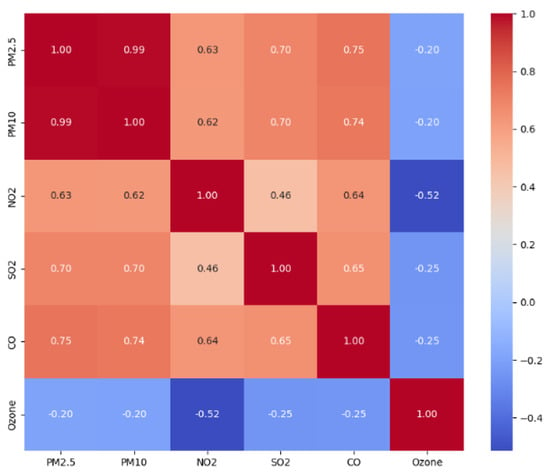
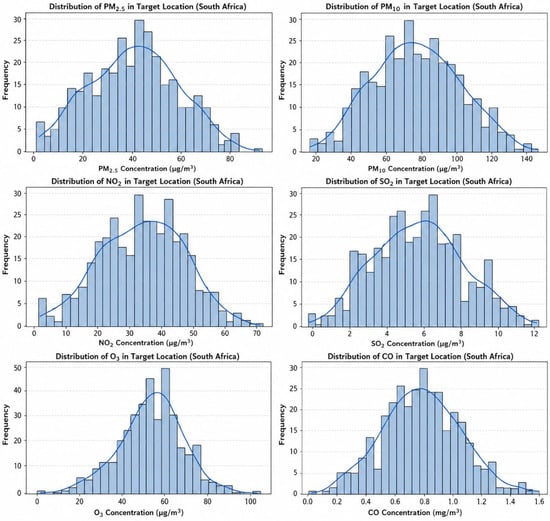
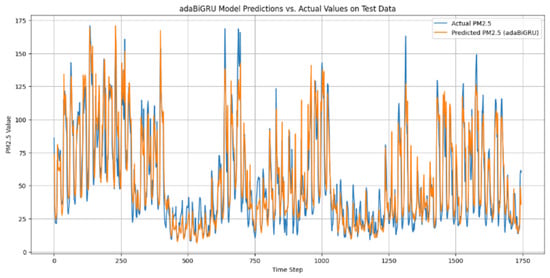
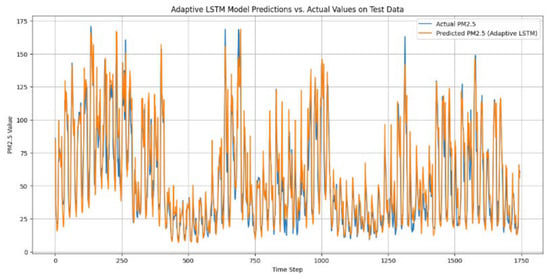
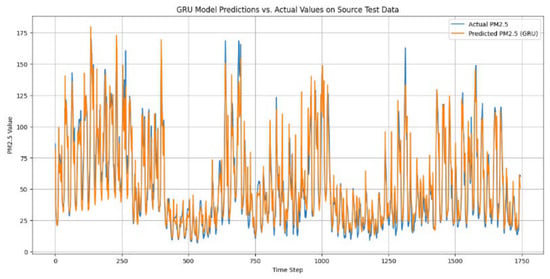
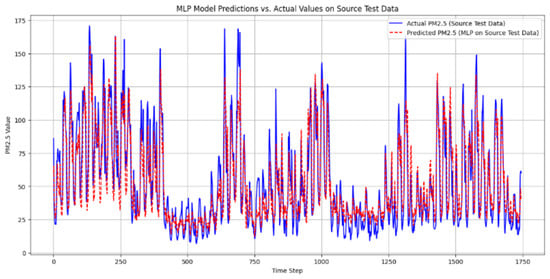
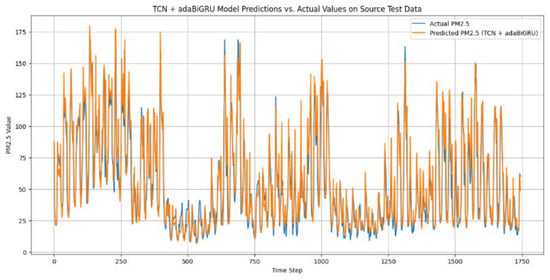
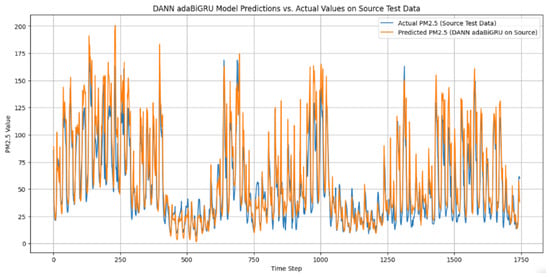
Integrating Explainability into an Adaptive Transfer Learning with Uncertainty Quantification for PM2.5 Prediction in the Data-Scarce Region of South Africa
Forecasting 2026, 8(4), 57; https://doi.org/10.3390/forecast8040057 (registering DOI) - 4 Jul 2026
Abstract
►
Show Figures
South Africa faces significant challenges in monitoring air pollution from different provinces due to the sparse nature of the sensor network and heterogeneous pollutant sources. Notably, some provinces continue to record a limited amount of data on air pollution, thus making monitoring in
[...] Read more.
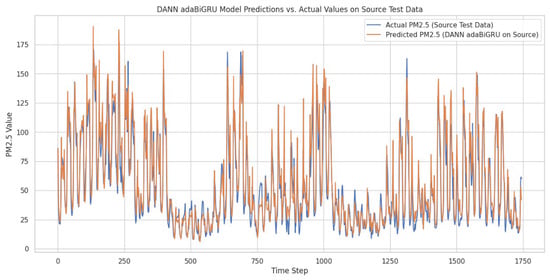
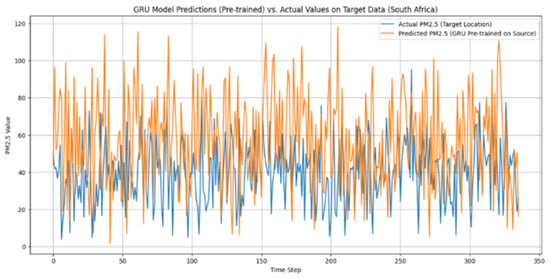
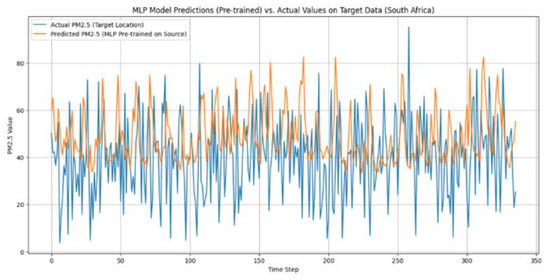
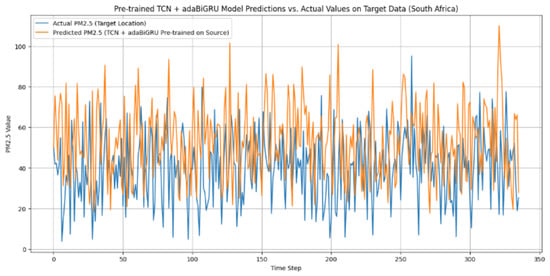
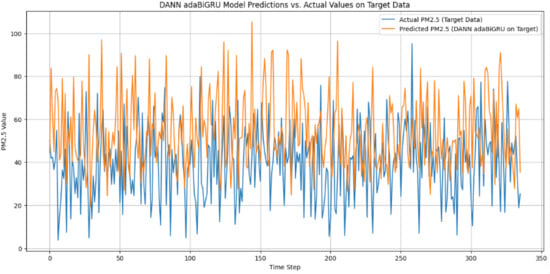
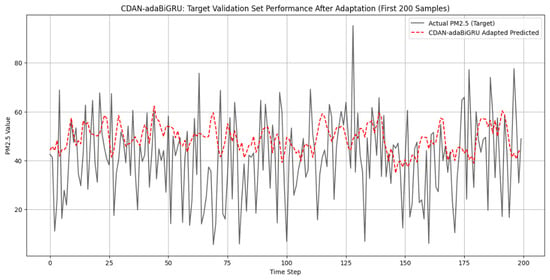
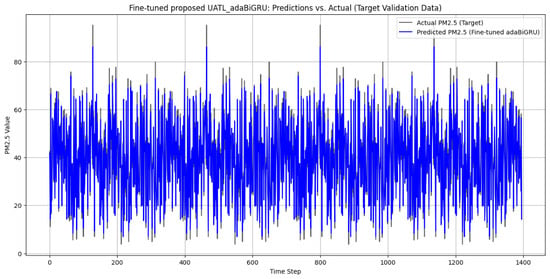
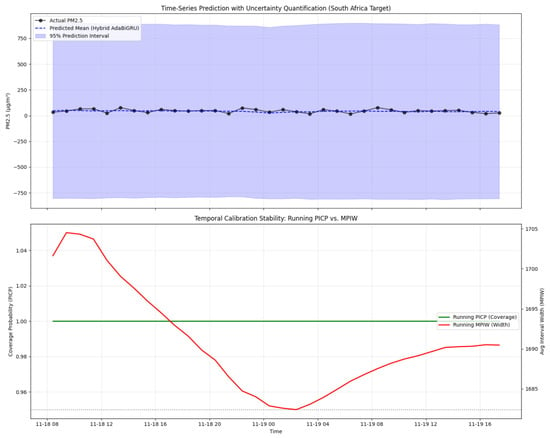
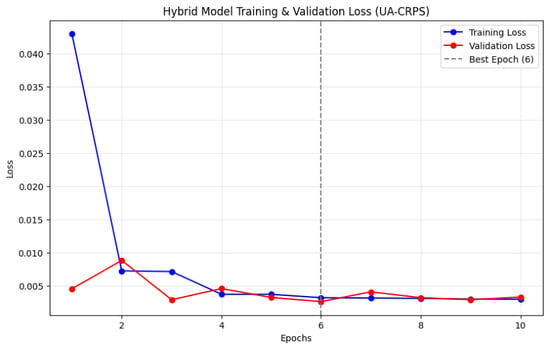
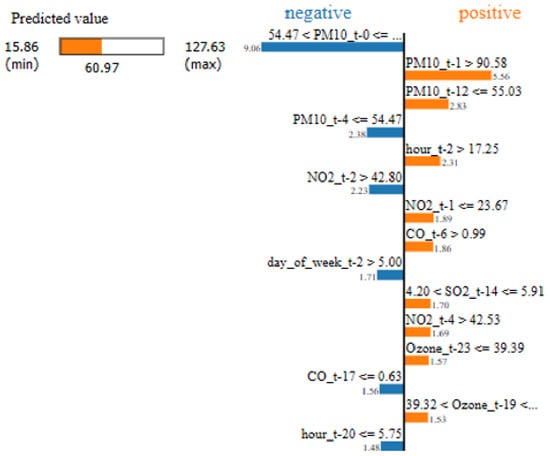
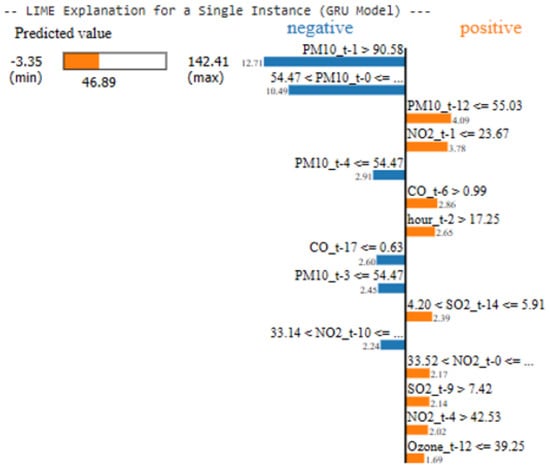
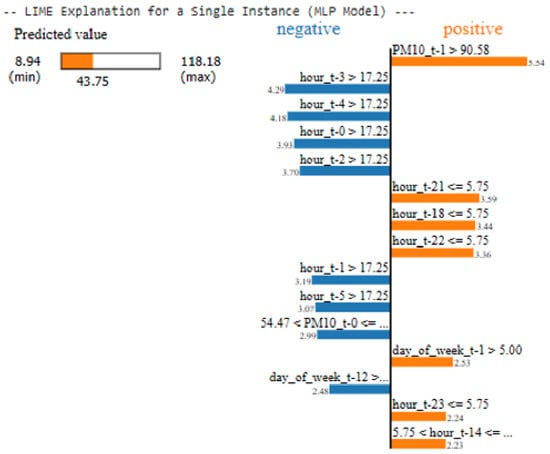
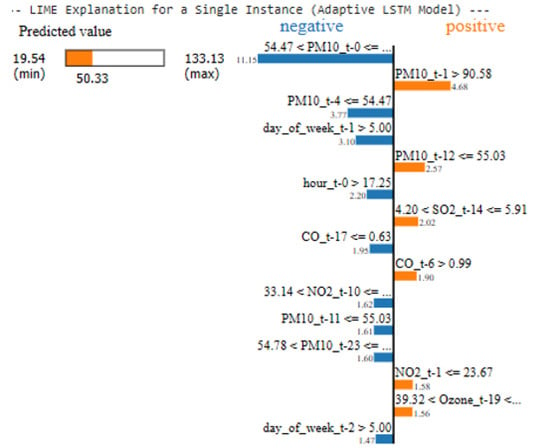
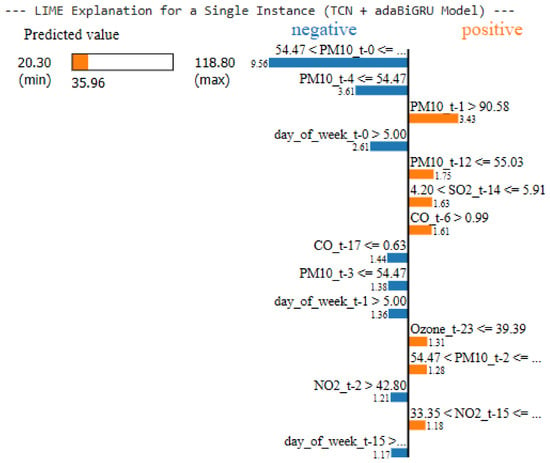
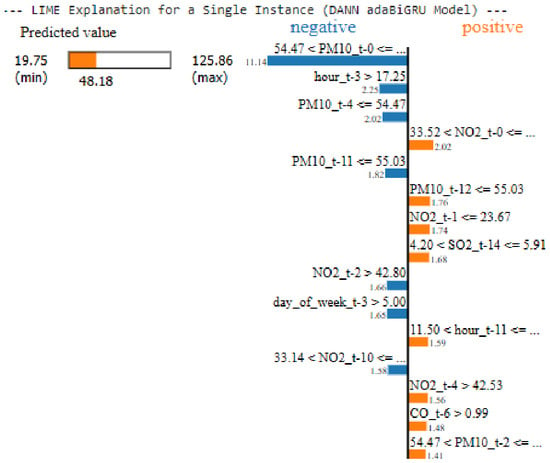
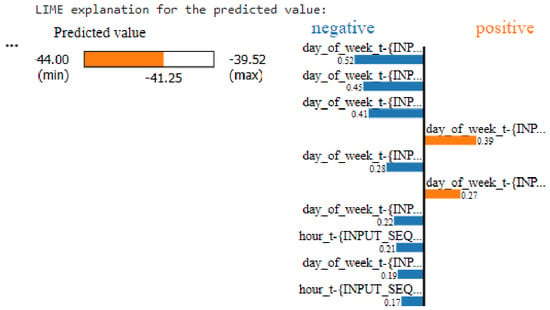
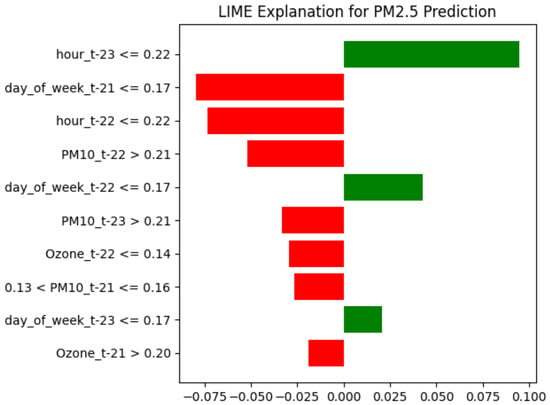
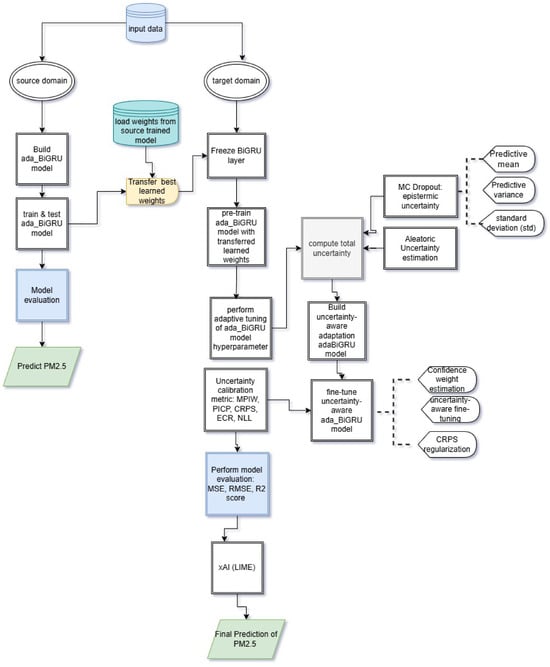
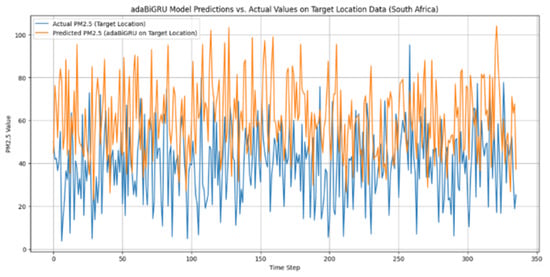
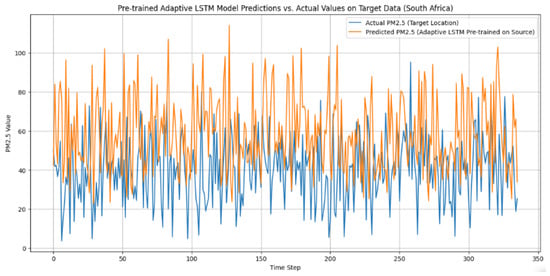
South Africa faces significant challenges in monitoring air pollution from different provinces due to the sparse nature of the sensor network and heterogeneous pollutant sources. Notably, some provinces continue to record a limited amount of data on air pollution, thus making monitoring in those locations problematic. Fortunately, the capabilities of deep learning models to facilitate effective monitoring in data-scarce locations have been highlighted by researchers; however, these models within the context of transfer learning still lack transparency and uncertainty quantification. Using air pollutants and meteorological factors, this study proposes a transfer learning model for particulate matter (PM2.5) prediction in a data-scarce region. This transfer learning (TL) model leverages an adaptive Bi-directional Gated Recurrent Unit (adaBiGRU) with explainable artificial intelligence (xAI) and uncertainty quantification (UQ) to provide a novel uncertainty-aware adaptation transfer learning (UATL_adaBiGRU) model for a data-scarce location. Variant models based on the adaBiGRU technique, such as the temporal convolution network adaBiGRU (TCN-adaBiGRU) and domain-adversarial neural network adaBiGRU (DANNadaBiGRU), are presented as comparative models. The performance evaluation metrics are root mean squared, R2 score and mean squared error. The R2 score of pre-trained models in source domain is adaBiGRU (0.888), DANN_adaBiGRU (0.7788) and TCN_adaBiGRU (0.876). Furthermore, other comparative TL models include GRU (0.898), MLP (0.802) and adaptive LSTM (0.886). Afterwards, the pre-trained baseline model (adaBiGRU) was fine-tuned in the target domain dataset and the unpromising result contributed to the proposition of the UATL_adaBiGRU model for a data-scarce location, with R2 score of 0.9618. Uncertainty assessment metrics results were also presented for the proposed model. Ablation assessment demonstrates that each component of the UATL_adaBiGRU contributes to enhancing the predictive performance. Again, the Diebold–Mariano (DM) test statistic demonstrates a statistically significant difference between baseline model and UATL_adaBiGRU model. Finally, the local interpretable model-agnostic explanation highlights multi-scaled features as contributing towards the prediction of PM2.5 in the target domain. In view of this result, model fine-tuning is strongly recommended to enhance the robustness of the proposed uncertainty-aware adaption model in data-limited regions in South Africa.
Full article
Open AccessArticle
Forecasting Intermittent Sales in Fashion Retail: A Two-Stage Machine Learning Approach
by
Betül Yılmaz Sucuoğlu, Ömer Faruk Beyca and Fuat Kosanoğlu
Forecasting 2026, 8(4), 56; https://doi.org/10.3390/forecast8040056 - 30 Jun 2026
Abstract
►▼
Show Figures
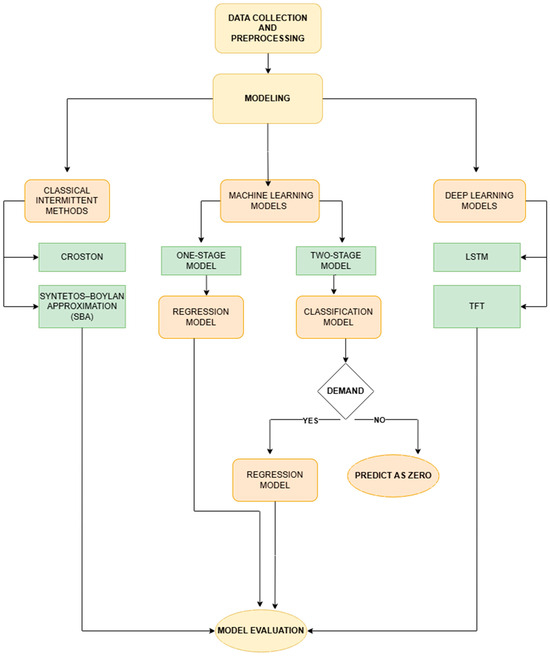
Intermittent sales patterns, prevalent in fast-fashion retail, pose a critical challenge for conventional forecasting methods. This study empirically compares one-stage and two-stage machine learning (ML) frameworks with classical benchmarks (Croston, SBA). The two-stage approach uses a Random Forest classifier for demand occurrence, followed
[...] Read more.
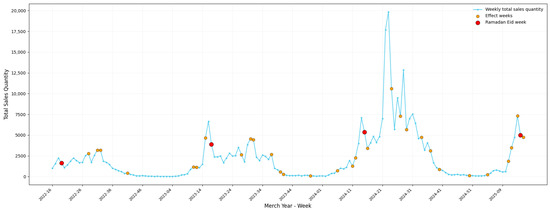
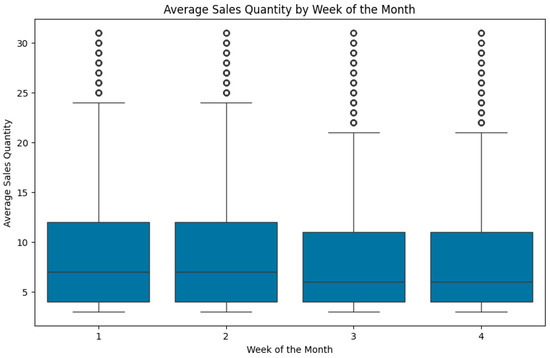
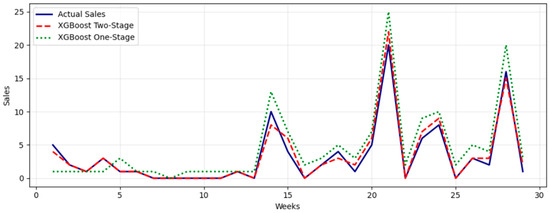
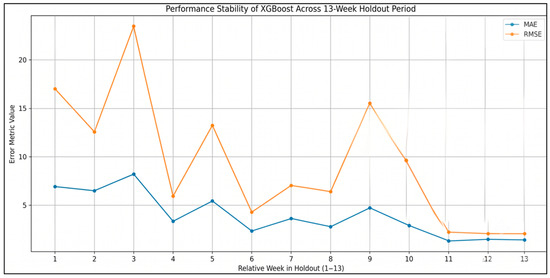
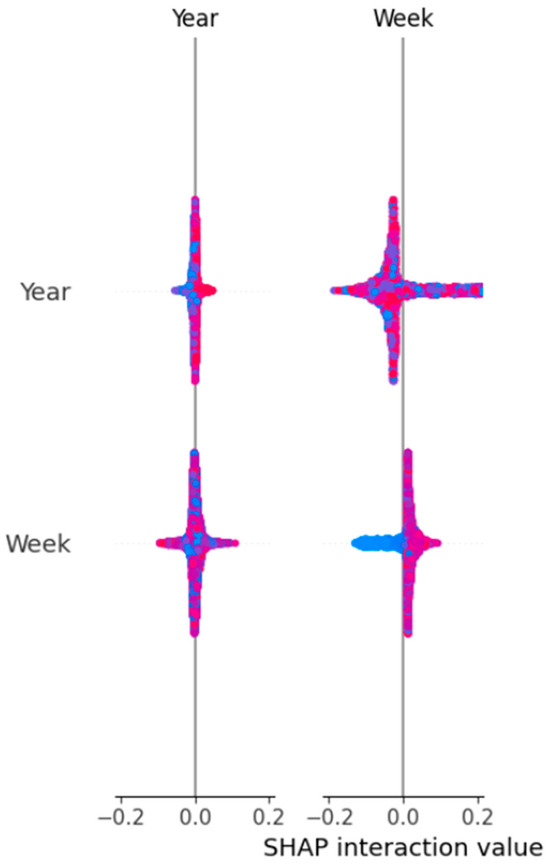
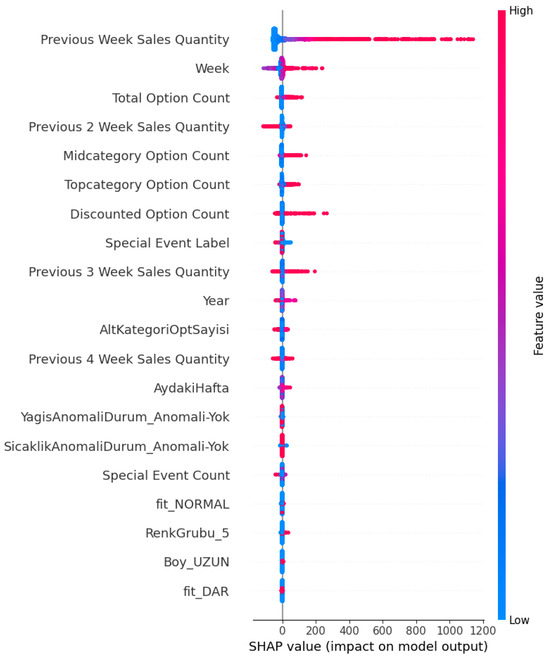
Intermittent sales patterns, prevalent in fast-fashion retail, pose a critical challenge for conventional forecasting methods. This study empirically compares one-stage and two-stage machine learning (ML) frameworks with classical benchmarks (Croston, SBA). The two-stage approach uses a Random Forest classifier for demand occurrence, followed by regression models (RF, GBM, XGBoost, LightGBM) for magnitude. Models are evaluated using weekly sales data from an Iraqi fashion retailer, incorporating rich exogenous features like product attributes, pricing, weather, and special events across 64 unique attribute-defined product group time series. Performance is assessed via a fixed 13-week holdout and rolling-origin cross-validation, with LSTM and Temporal Fusion Transformer (TFT) serving as deep learning benchmarks. Empirical findings show that machine learning configurations achieve superior WRMSSE accuracy, with two-stage models often outperforming one-stage counterparts, and both significantly surpassing classical and deep learning baselines. The Two-Stage XGBoost yielded the lowest WRMSSE, establishing the feature-engineered two-stage framework as the strongest overall for this intermittent retail setting. Furthermore, a detailed SHAP analysis elucidated the distinct feature contributions to demand occurrence versus demand magnitude, providing actionable insights for inventory management. This rigorous benchmarking analysis offers practical implications for inventory planning and demand management in volatile markets, highlighting the effectiveness of explicit demand occurrence modeling.
Full article

Figure 1

Open AccessArticle
DG-TFT-CQR: A Dynamic Graph–Temporal Fusion Transformer with Conformalized Quantile Regression for Wind Power Forecasting
by
Yassir El Bakkali, Nissrine Krami, Youssef Rochdi and Achraf Boukaibat
Forecasting 2026, 8(4), 55; https://doi.org/10.3390/forecast8040055 - 26 Jun 2026
Abstract
The operational integration of renewable energy into contemporary power systems requires accurate and dependable wind power forecasting, particularly in multi-site settings with nonlinear temporal dynamics, inter-site dependence, and forecast uncertainty. Static site conditioning, conditional variable selection, dynamic graph learning, encoder–decoder temporal fusion, interpretable
[...] Read more.
The operational integration of renewable energy into contemporary power systems requires accurate and dependable wind power forecasting, particularly in multi-site settings with nonlinear temporal dynamics, inter-site dependence, and forecast uncertainty. Static site conditioning, conditional variable selection, dynamic graph learning, encoder–decoder temporal fusion, interpretable temporal attention, quantile regression, and post hoc split conformal calibration are all combined in this work to create DG-TFT-CQR, a global multi-site historical-power-based probabilistic forecasting framework. A representative eight-site subset of the AEMO 5 Minute Wind Power benchmark was used to evaluate the model under four different forecasting settings: H1, H3, H6, and H12. The proposed model demonstrated the most balanced probabilistic behavior and the strongest overall point-forecasting performance over these horizons among the compared baselines. The MAE/RMSE/R2 values for the point-forecasting results were 0.025490/0.043186/0.980096 at H1, 0.037241/0.062569/0.958221 at H3, 0.047917/0.079747/0.932133 at H6, and 0.062891/0.102751/0.887340 at H12. Additionally, the model preserved competitive interval sharpness while maintaining empirical coverage near the nominal 90% target. DG-TFT-CQR is the most robust balanced framework, with particularly evident advantages at H1 and H12, according to ablation, site-wise, daily case, statistical, and complexity analyses. In pairwise comparisons, H3 and H6 correspond to more mixed regimes. All things considered, the suggested approach offers a reliable and practically significant solution for multi-site wind power forecasting that takes uncertainty into account.
Full article
(This article belongs to the Section Power and Energy Forecasting)
Open AccessArticle
S-NODE-ANF-RRC: Stochastic Neural ODE for Financial Regime Forecasting and False Alarm Control on JSE Equities
by
Ntebogang Dinah Moroke
Forecasting 2026, 8(4), 54; https://doi.org/10.3390/forecast8040054 - 24 Jun 2026
Abstract
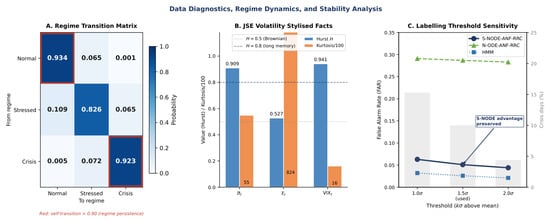
Emerging-market equity exchanges require regime forecasting systems that are continuous in time, robust to heavy-tailed distributions, and optimised against false alarms. No existing method addresses all three simultaneously, and no prior study has reported a crisis false-alarm rate on JSE equities. We propose
[...] Read more.
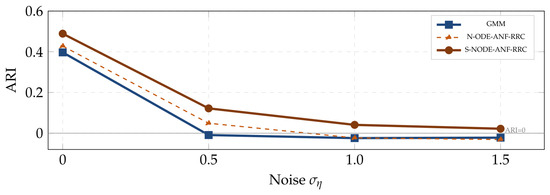
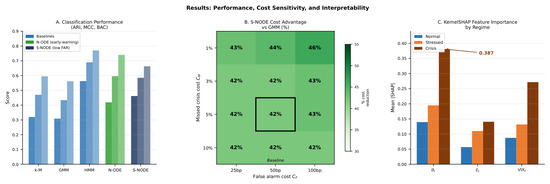
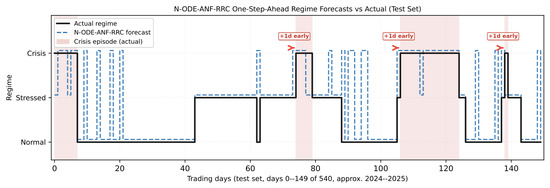
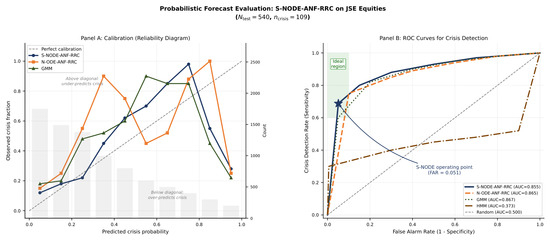
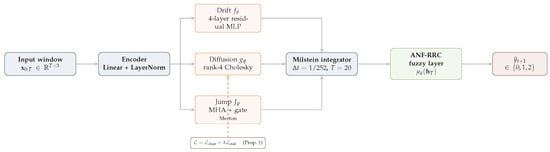
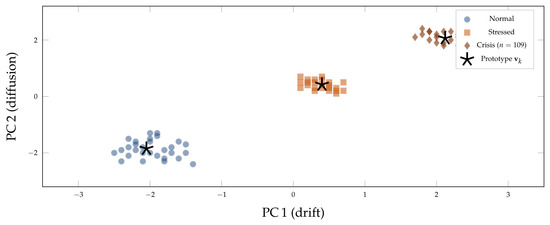
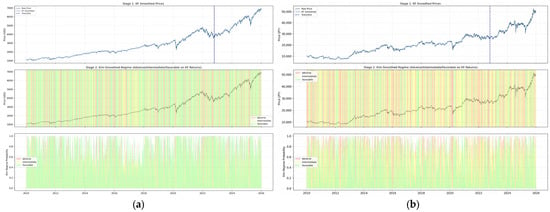
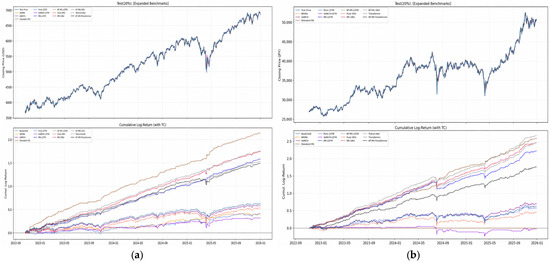
Emerging-market equity exchanges require regime forecasting systems that are continuous in time, robust to heavy-tailed distributions, and optimised against false alarms. No existing method addresses all three simultaneously, and no prior study has reported a crisis false-alarm rate on JSE equities. We propose S-NODE-ANF-RRC: a stochastic neural ODE within an Adaptive Neuro-Fuzzy Risk-Regime Clustering architecture, integrated by a Milstein scheme with Lyapunov-regularised dual-loss training. The system is evaluated as a one-step-ahead probabilistic forecaster ( trading day) on 2696 daily observations across 17 JSE securities (March 2015–March 2026). Gaussian mixture clustering on raw features (kurtosis 54.8) inflates ARI by 1.3×; log-transformation corrects this artefact. Two operational profiles emerge: the N-ODE-ANF-RRC achieves the lowest cost (10,350 bp, 65.1% below GMM) and longest lead time (0.71 days); the S-NODE-ANF-RRC achieves the lowest false alarm rate among probabilistic architectures (FAR = 0.051), with a 42.0% cost reduction versus GMM (McNemar , power ; bootstrap CI [5250, 19,600] bp excludes zero). Ablation confirms drift, diffusion, and dual-loss as the minimum viable daily-frequency configuration.
Full article
(This article belongs to the Special Issue Advanced Forecasting in an Era of Uncertainty and Its Impact on Strategic Investment Decisions)
►▼
Show Figures

Figure 1
Open AccessArticle
Modeling Positive Seasonal Time Series with Dynamic Precision: The Generalized BPSARMA Model
by
Kleber H. Santos and Francisco Cribari-Neto
Forecasting 2026, 8(4), 53; https://doi.org/10.3390/forecast8040053 - 24 Jun 2026
Abstract
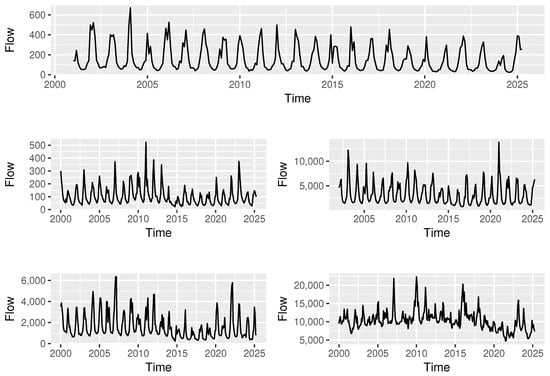
This paper proposes a generalized seasonal beta prime autoregressive moving average model with dynamic precision, denoted by BPSARMA, for modeling and forecasting positive-valued seasonal time series. The proposed framework extends the generalized BPARMA model by incorporating stochastic seasonal dynamics in the conditional mean
[...] Read more.
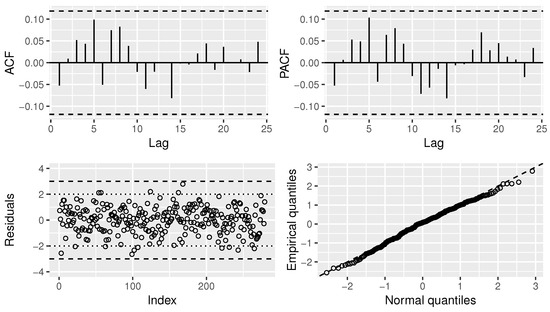
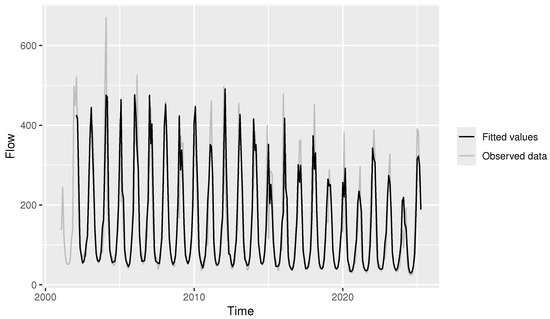
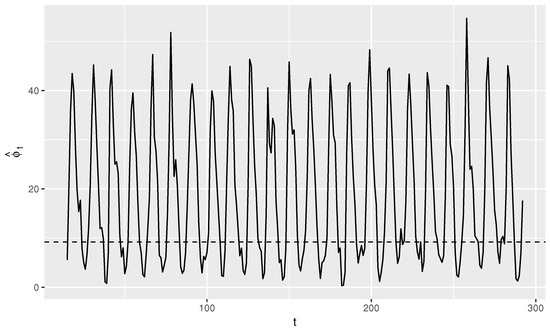
This paper proposes a generalized seasonal beta prime autoregressive moving average model with dynamic precision, denoted by BPSARMA, for modeling and forecasting positive-valued seasonal time series. The proposed framework extends the generalized BPARMA model by incorporating stochastic seasonal dynamics in the conditional mean through seasonal autoregressive and moving average components while allowing a flexible autoregressive structure for the conditional precision parameter, thereby accommodating time-varying uncertainty. The model also allows the inclusion of covariates and deterministic seasonal regressors. Parameter estimation is carried out by conditional maximum likelihood, and the main inferential and diagnostic tools are discussed. Monte Carlo simulations are conducted to examine the finite-sample behavior of the estimators and associated inference procedures. The practical usefulness of the proposed approach is illustrated through hydro-environmental time series applications, where its forecasting performance is evaluated using both in-sample and out-of-sample predictive measures. The empirical results indicate that the BPSARMA specification often provides competitive or superior forecasting accuracy relative to competing models, highlighting its usefulness for modeling and prediction in positive seasonal time series.
Full article
(This article belongs to the Section Environmental Forecasting)
►▼
Show Figures

Figure 1
Open AccessReview
Learning Rare Events: Deep Learning Approaches to Extreme Price Prediction
by
Mark Sinclair, Andrew J. Shepley and Farshid Hajati
Forecasting 2026, 8(3), 52; https://doi.org/10.3390/forecast8030052 - 17 Jun 2026
Abstract
►▼
Show Figures
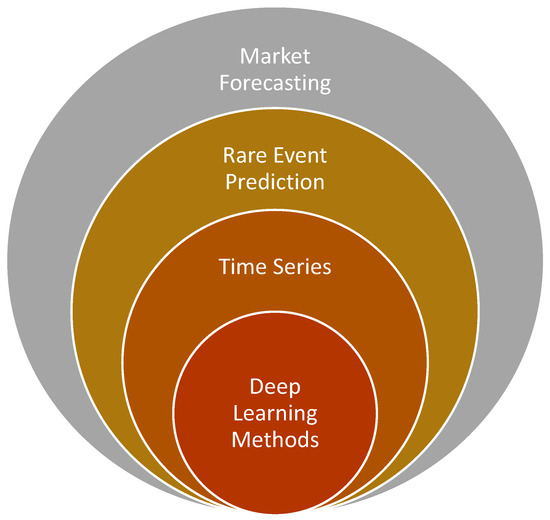
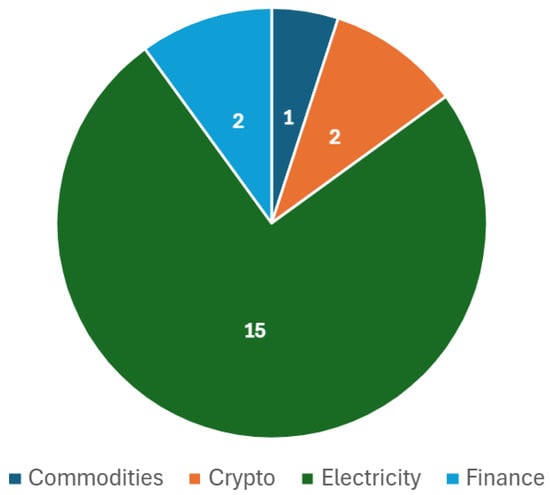
Price spikes are rare but economically significant events observed across electricity, financial, commodity, and cryptocurrency markets. Their abrupt magnitude, heavy-tailed distributions, and severe class imbalance make them difficult to forecast using conventional time-series methods. This systematic literature review, conducted in accordance with the
[...] Read more.
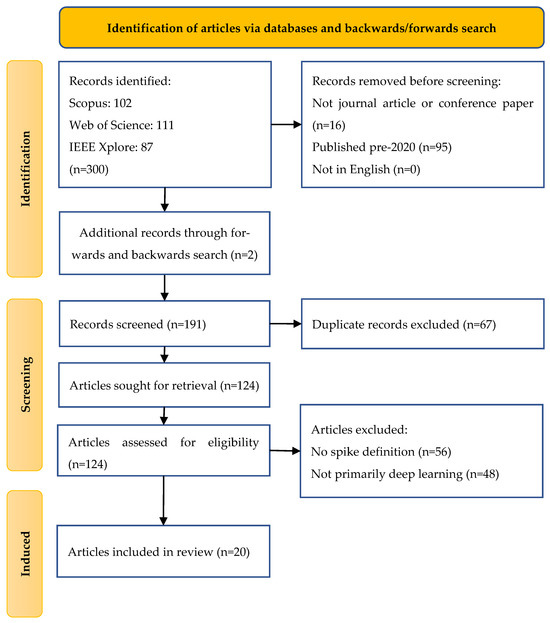
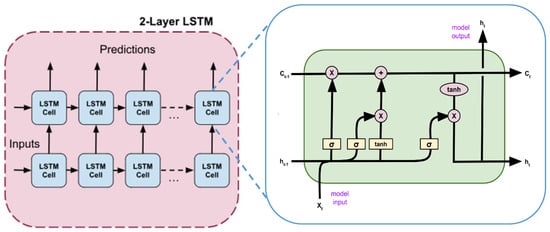
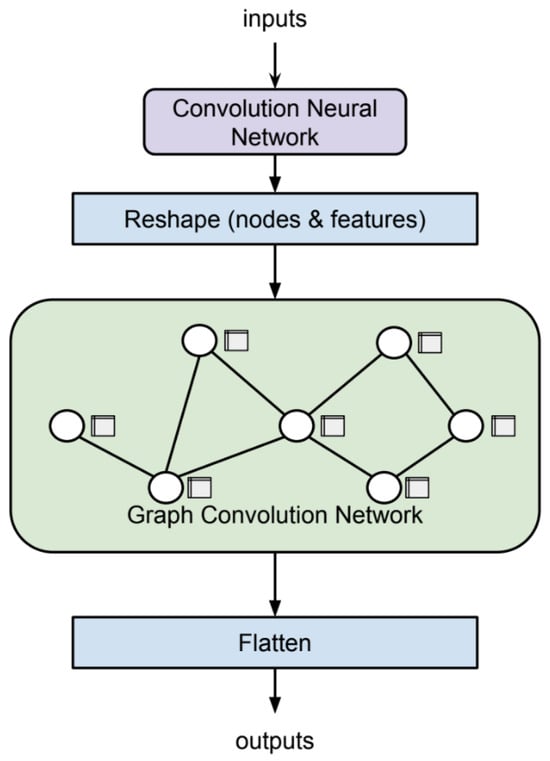
Price spikes are rare but economically significant events observed across electricity, financial, commodity, and cryptocurrency markets. Their abrupt magnitude, heavy-tailed distributions, and severe class imbalance make them difficult to forecast using conventional time-series methods. This systematic literature review, conducted in accordance with the Preferred Reporting Items for Systematic Reviews and Meta-Analyses (PRISMA) framework, synthesises recent deep learning approaches to forward-looking price-spike prediction and classification. Searches of Scopus, Web of Science, and IEEE Xplore identified studies published between 2020 and 2026. Following screening and full-text eligibility assessment of approximately 300 studies, only 20 met the inclusion criteria and were included in the final synthesis, comprising 19 peer-reviewed papers and one doctoral thesis. The review develops a structured taxonomy spanning spike definitions, task formulations, model architectures, input design, and evaluation practices. A central finding is that predictive performance is driven more by problem formulation, label construction, and evaluation design than by model architecture. While architectures have diversified to include recurrent networks, transformers, graph neural networks, and hybrid frameworks, improvements are often attributable to differences in how the prediction problem is defined rather than the models themselves. Key limitations stem from inconsistent spike definitions and insufficient treatment of class imbalance, leading to a misalignment between modelling objectives and evaluation practices, further exacerbated by the absence of standardised benchmarks. These issues hinder comparability and can lead to overstated model performance by masking poor detection of rare but economically critical spike events. The review therefore identifies clear directions for future research, including standardised spike labelling, adoption of rare-event-appropriate evaluation frameworks, and problem formulations that explicitly target extreme-event prediction.
Full article

Figure 1
Open AccessArticle
Interactions Between Business Cycles, Financial Cycles and Monetary Policy in South Africa
by
Malibongwe Cyprian Nyati, Paul-Francois Muzindutsi and Christian Tipoy
Forecasting 2026, 8(3), 51; https://doi.org/10.3390/forecast8030051 - 16 Jun 2026
Abstract
►▼
Show Figures
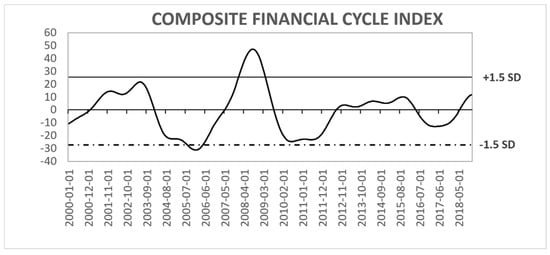
This study set out to investigate the interactions between business cycles, financial cycles and monetary policy in South Africa. Explicitly, the study aims to examine the role of financial factors in business cycle models and the possibility of a unified macroeconomic framework in
[...] Read more.
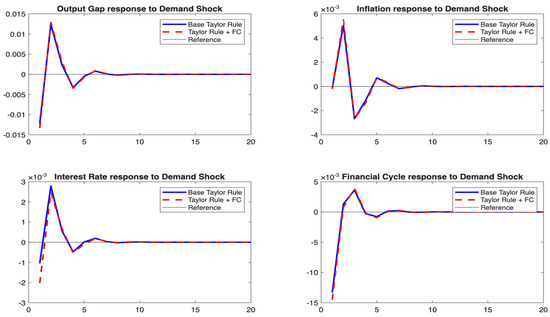
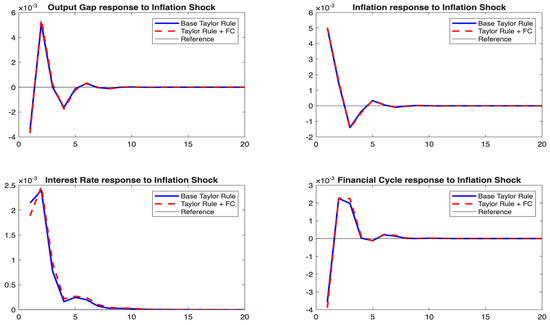
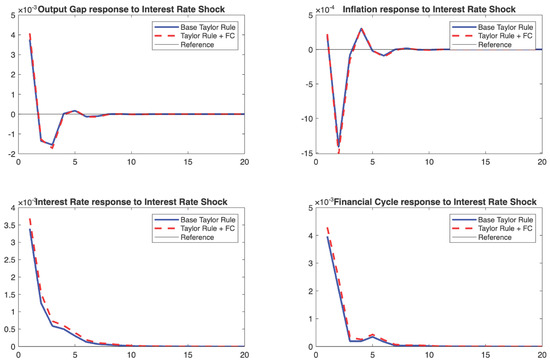
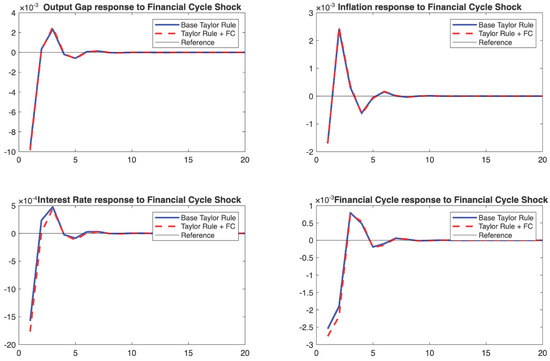
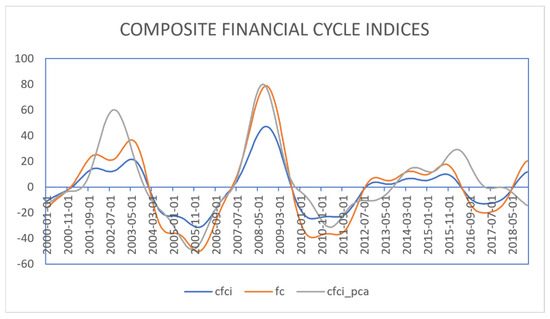
This study set out to investigate the interactions between business cycles, financial cycles and monetary policy in South Africa. Explicitly, the study aims to examine the role of financial factors in business cycle models and the possibility of a unified macroeconomic framework in South Africa. Further, the study assesses the effects of demand shocks, supply shocks, interest rate shocks, and financial shocks on macroeconomic fluctuations. The study applied an analytical approach integrating the Generalised Method of Moments and System Generalised Method of Moments with a Structural New Keynesian Dynamic Stochastic General Equilibrium framework. Accordingly, it was concluded that the financial cycle plays a significant role in business cycle models and is a main driver of macroeconomic fluctuations in South Africa. Further, a unified macroeconomic framework for monetary policy analysis that links the financial system to the real economy in South Africa possibly exists. This study contributes to the South African Reserve Bank’s efforts by deepening understanding of the interactions between the financial system and the real economy and their implications for monetary policy in South Africa. By comparing the standard Taylor rule with a finance-augmented Taylor rule in a DSGE framework, the study helps answer the question of whether financial stability should be adopted as a second objective of monetary policy.
Full article

Figure 1
Open AccessArticle
Regime-Aware Stock Index Forecasting Under Latent Market States: A Hybrid Statistical Learning Framework with Cross-Market Validation
by
Chunxia Tian, Roengchai Tansuchat and Songsak Sriboonchitta
Forecasting 2026, 8(3), 50; https://doi.org/10.3390/forecast8030050 - 12 Jun 2026
Abstract
►▼
Show Figures
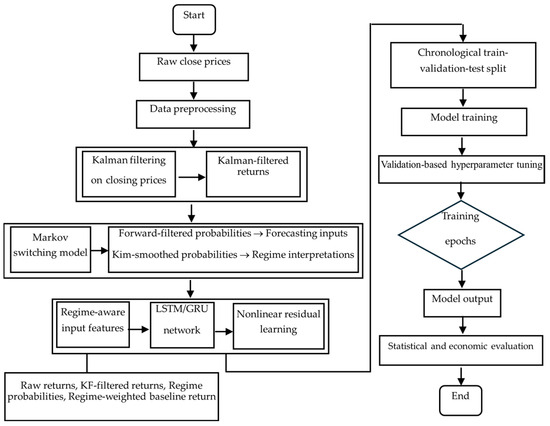
This study proposes a hybrid forecasting framework that integrates Kalman Filtering (KF), Markov Switching (MS), and nonlinear recurrent learning for stock-index prediction. The KF component smooths short-term price noise, the MS model identifies latent return–volatility regimes, and the LSTM/GRU components learn nonlinear temporal
[...] Read more.
This study proposes a hybrid forecasting framework that integrates Kalman Filtering (KF), Markov Switching (MS), and nonlinear recurrent learning for stock-index prediction. The KF component smooths short-term price noise, the MS model identifies latent return–volatility regimes, and the LSTM/GRU components learn nonlinear temporal patterns from regime-conditioned information. The framework is evaluated using the CSI 300, S&P 500, and Nikkei 225 indices through forecasting-accuracy measures, Bootstrap Diebold–Mariano tests with Modified Bayes Factor evidence, out-of-sample trading simulations, and robustness checks. The empirical results show that regime conditioning is the primary source of forecasting and economic improvement. KF–MS–LSTM performs best for the CSI 300 and Standard MS performs strongest for the S&P 500, while KF–MS–LSTM and KF–MS–GRU are more competitive for the Nikkei 225. In contrast, models without regime information, including pure LSTM/GRU and the standalone Transformer, generally exhibit weaker forecasting and trading performance. The findings suggest that latent market-state information is more important than neural-network complexity alone for robust financial forecasting, while the incremental value of Kalman filtering and recurrent learning remains market dependent. Overall, the results support regime-aware forecasting as an interpretable and economically meaningful approach for stock-index prediction under heterogeneous market environments.
Full article

Figure 1

Open AccessArticle
Prediction of Scour Hole Geometry Downstream of Ski-Jump Spillways Using Novel Intelligent Computational Machine Learning Models
by
Mehrshad Samadi, Aydin Shishegaran, Mina Torabi and Zohreh Sheikh Khozani
Forecasting 2026, 8(3), 49; https://doi.org/10.3390/forecast8030049 - 12 Jun 2026
Abstract
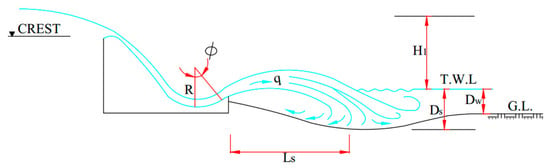
The ski-jump spillway is an energy-dissipating structure that discharges extra water beyond the dam’s capacity. The scour process occurs below spillways due to the collision of the water jet with high energy. It is critical to acquire information on scour holes to improve
[...] Read more.
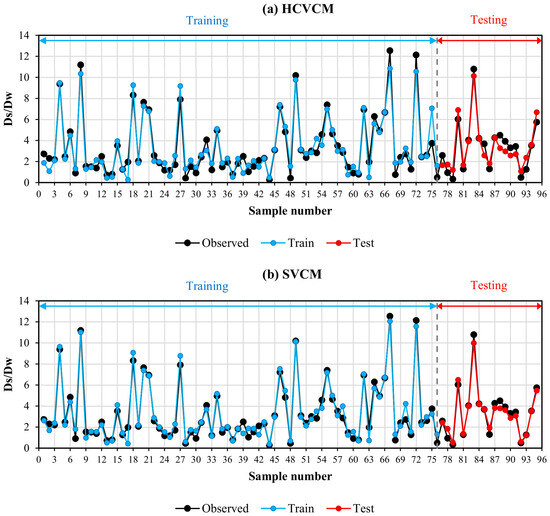
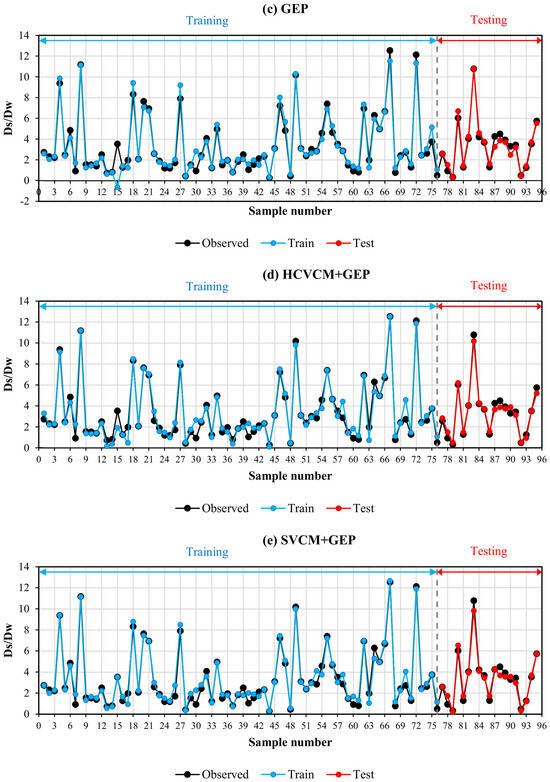
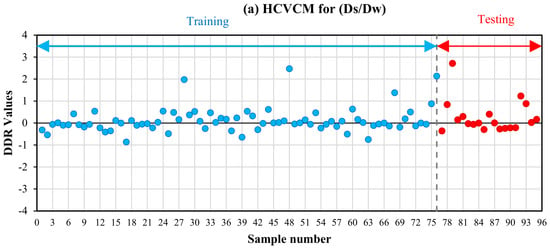
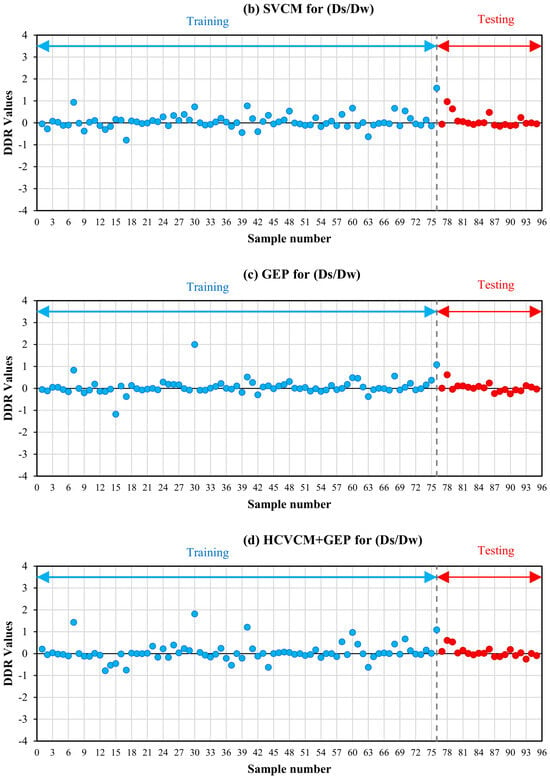
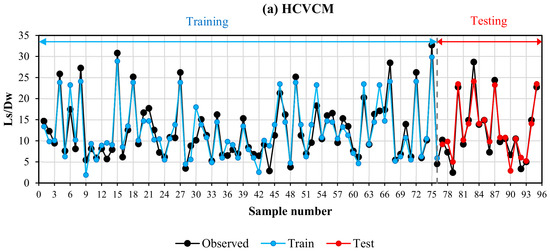
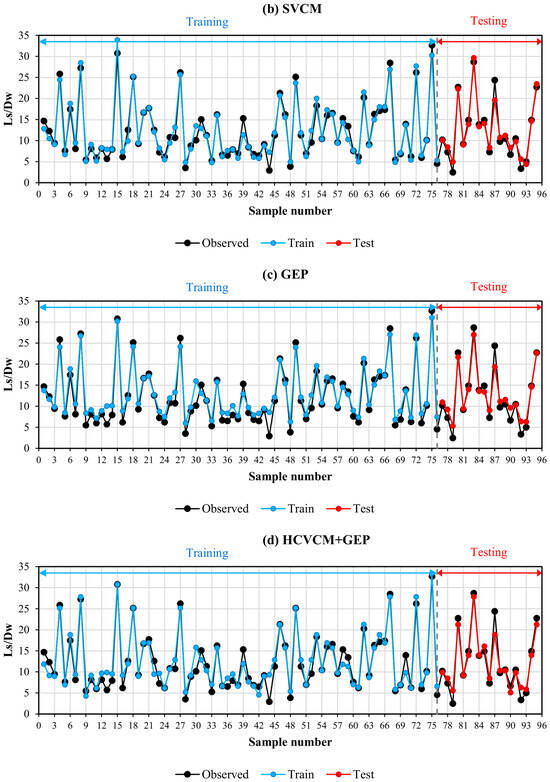
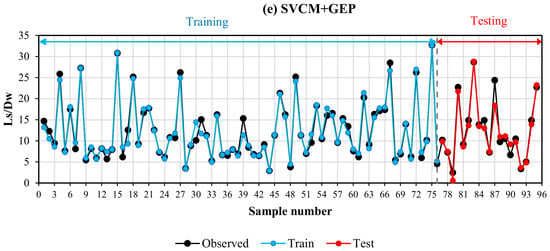
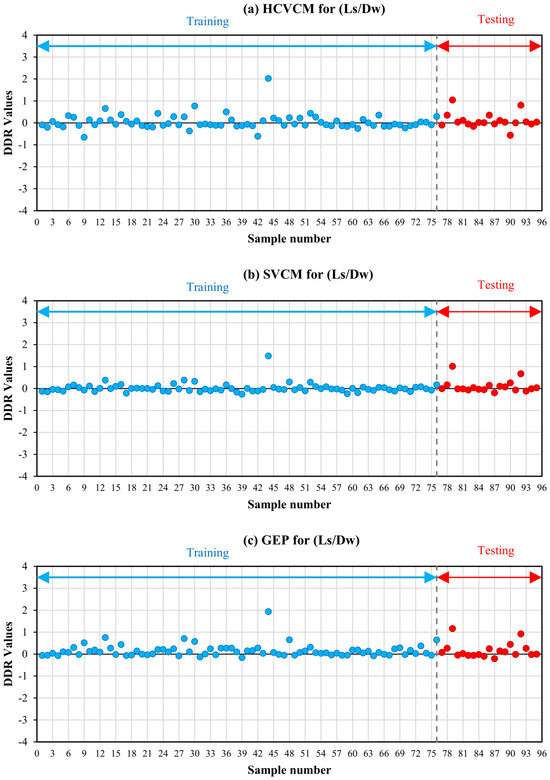
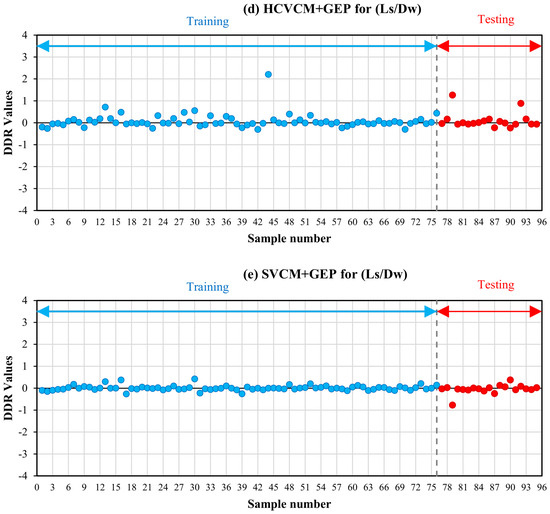
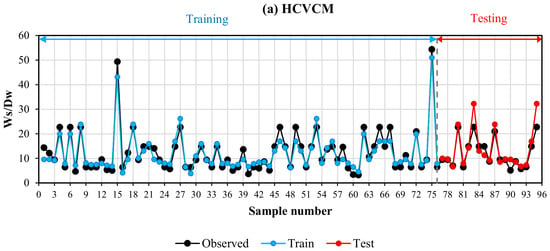
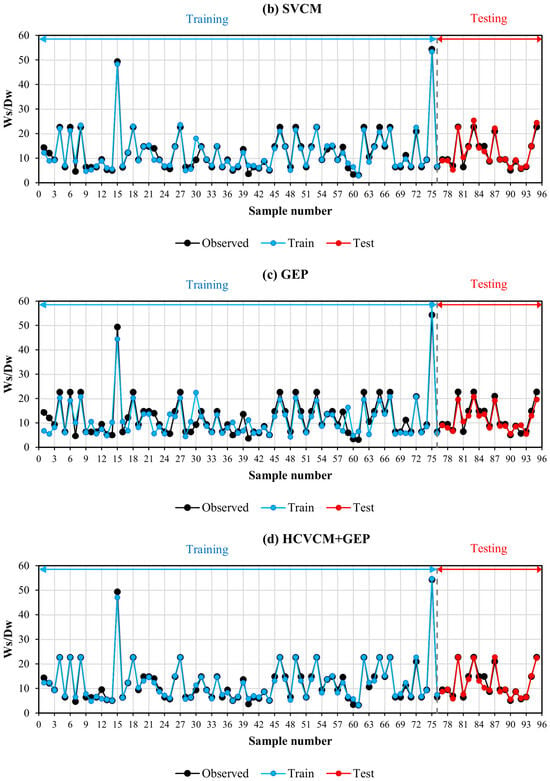
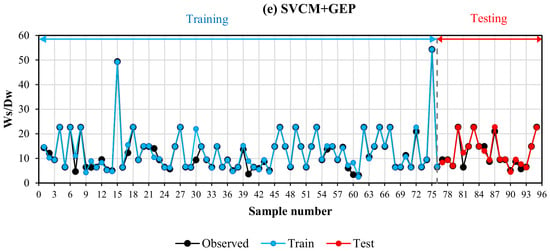
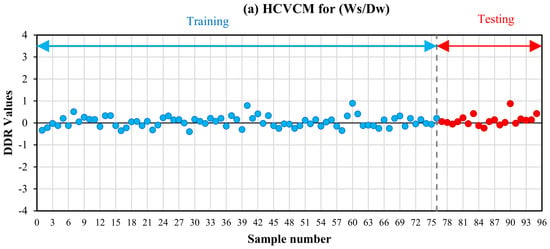
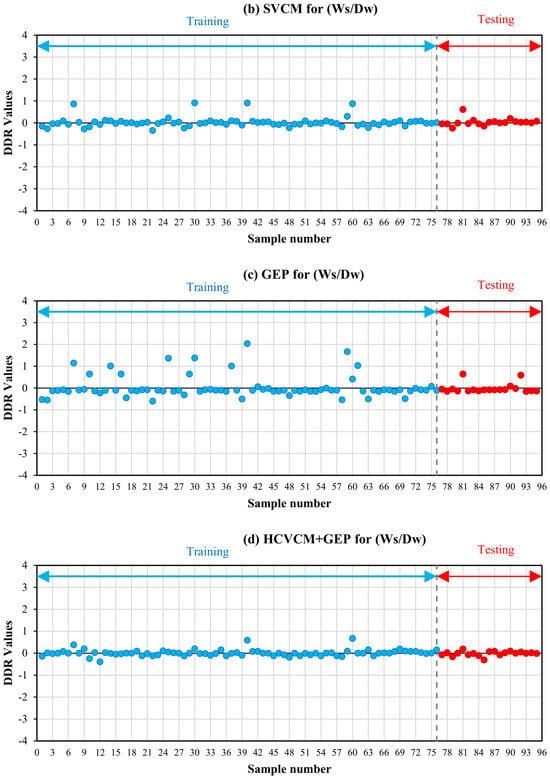
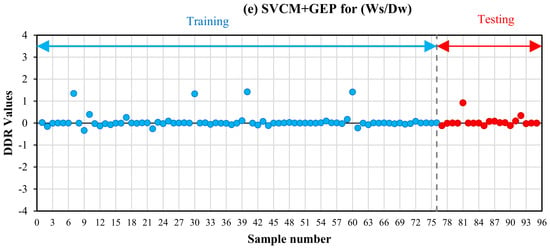
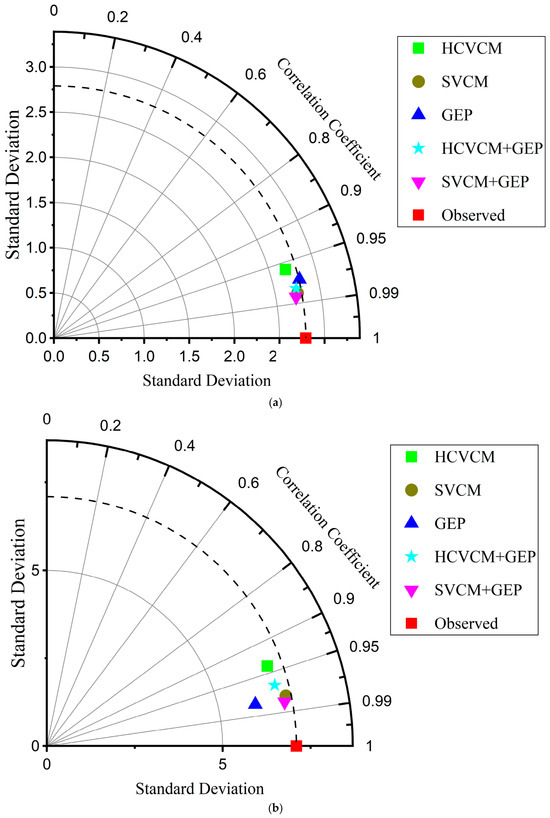
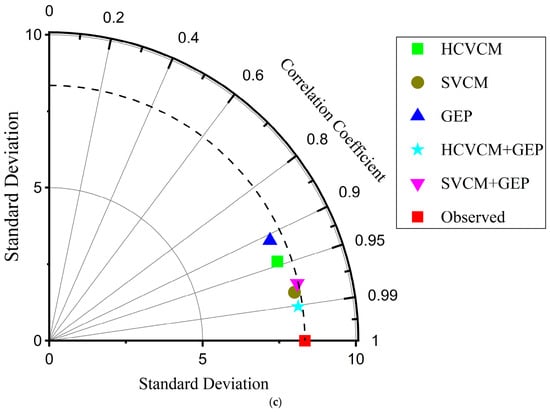
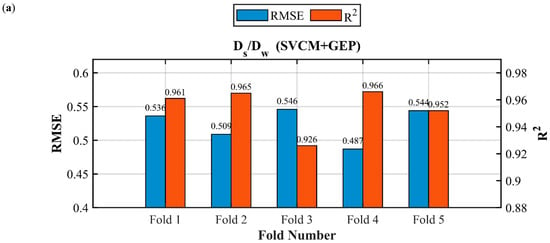
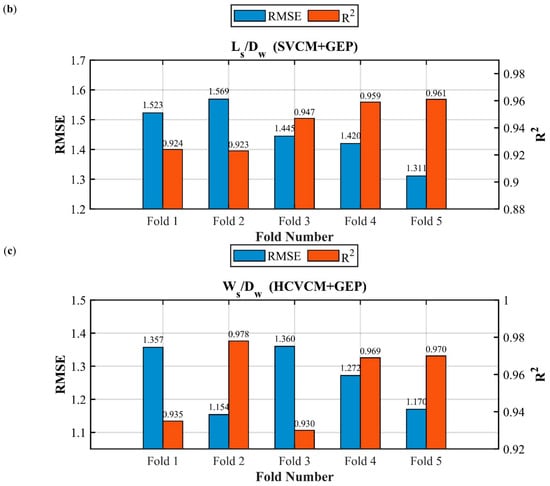
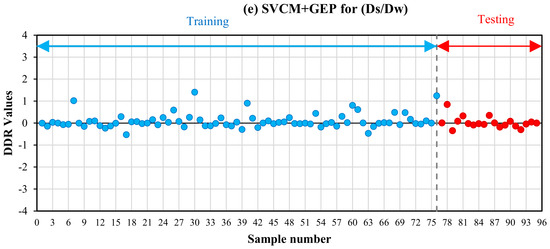
The ski-jump spillway is an energy-dissipating structure that discharges extra water beyond the dam’s capacity. The scour process occurs below spillways due to the collision of the water jet with high energy. It is critical to acquire information on scour holes to improve the dam’s safety and related components. Machine learning (ML) techniques have successfully demonstrated their effectiveness for modeling scour in hydraulic engineering. The present research considers novel approaches of ML models for estimating the scour hole geometries below ski-jump bucket spillways. This study investigates the capability of two novel feature-engineering approaches, namely Stronger Variable Creator Machine (SVCM) and High Correlated Variables Creator Machine (HCVCM), along with Gene Expression Programming (GEP) and their hybrid forms (SVCM+GEP and HCVCM+GEP), which were employed to predict normalized scour depth, scour length, and scour width below ski-jump spillways. Statistical metrics, graphical analyses, the Rank Mean (RM) method, the cross-validation approach, and index were used for the evaluation and reliability assessment of the proposed ML models. The results showed that hybrid ML models consistently outperformed individual algorithms. The results indicated that the SVCM+GEP method with and had the highest performance compared to other methods for the prediction of and , respectively. In addition, the HCVCM+GEP method with was the best model for the prediction of . In comparison with the conventional regression-based equations and previously reported ML methods, the proposed hybrid approaches improved the prediction results. In addition, the cross-validation method confirmed the robustness and generalization capability of the suggested hybrid ML models. The superior performance of the hybrid models is attributed to their ability to capture complex nonlinear interactions among hydraulic and geometric variables. The developed SVCM/HCVCM+GEP models provide accurate approaches for predicting scour parameters in hydraulic structures.
Full article
(This article belongs to the Section Environmental Forecasting)
►▼
Show Figures

Figure 1
Open AccessArticle
Chaos and Predictability in Cryptocurrencies
by
Salim Lahmiri and Stelios Bekiros
Forecasting 2026, 8(3), 48; https://doi.org/10.3390/forecast8030048 - 12 Jun 2026
Abstract
►▼
Show Figures
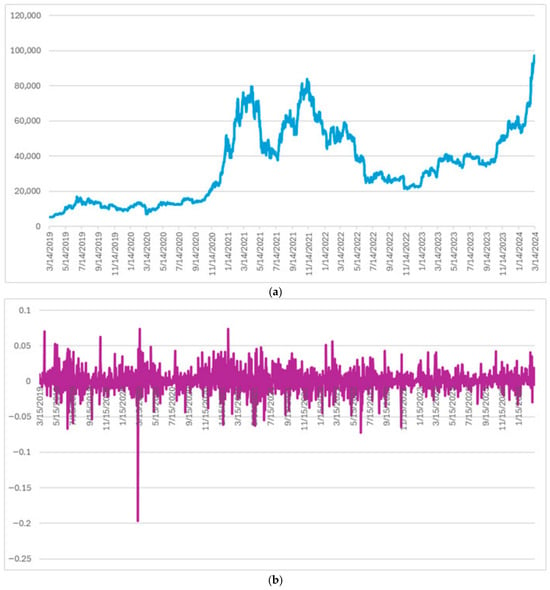
Background: Lyapunov exponent has been used in many science and engineering problems to quantify chaos in systems and understand their nonlinear dynamics. In financial engineering and forecasting, evaluation of chaos in financial data helps determine whether the data are predictable and if profits
[...] Read more.
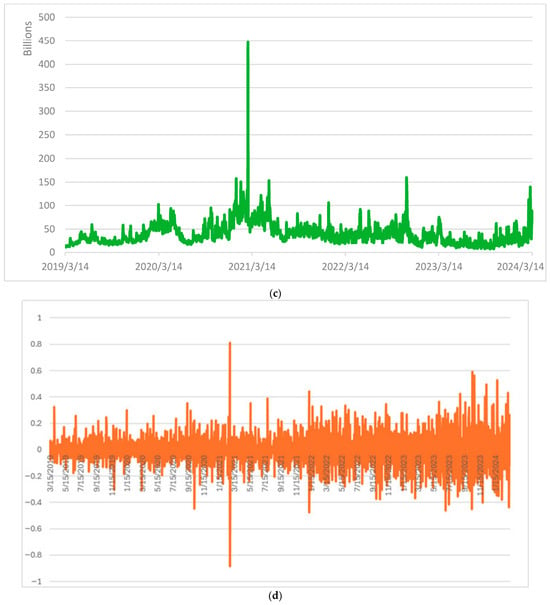
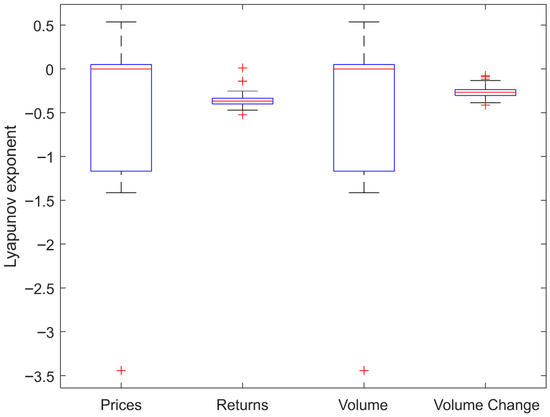
Background: Lyapunov exponent has been used in many science and engineering problems to quantify chaos in systems and understand their nonlinear dynamics. In financial engineering and forecasting, evaluation of chaos in financial data helps determine whether the data are predictable and if profits can be generated. The purpose of this study is to examine presence of chaos in cryptocurrency markets. Methods: To examine chaos, Lyapunov exponent is computed from a set of 50 cryptocurrencies and statistical one-sided and two-sided Student-t tests are performed to check if on average the computed Lyapunov exponents are equal, less, or larger than zero. Results: The statistical results reveal strong evidence that prices, returns, and trading volume changes are all chaotic; hence, they show nonlinear and deterministic characteristics. Conclusions: Prices, returns, and trading volume changes in cryptocurrencies could be predicted in the short run; for instance, on a daily basis. In this regard, active traders and investors may implement predictive systems to generate daily profits.
Full article

Figure 1
Open AccessArticle
Forecasting South Africa’s Coal-to-Clean Energy Transition: A Monte Carlo Simulation
by
Luyanda Majenge, Simiso Msomi and Sakhile Mpungose
Forecasting 2026, 8(3), 47; https://doi.org/10.3390/forecast8030047 - 12 Jun 2026
Abstract
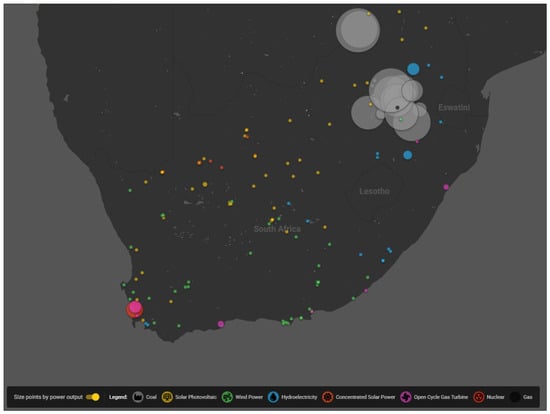
South Africa remains one of the world’s most coal-dependent electricity systems, with coal accounting for 81.57% of generation in 2023. Despite policy interventions to diversify the energy mix, structural change is slow to emerge. This study provides the first integrated, empirically calibrated forecast
[...] Read more.
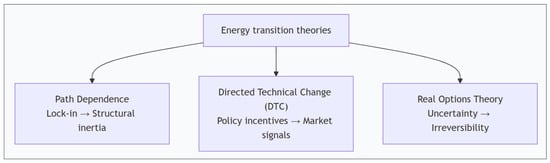
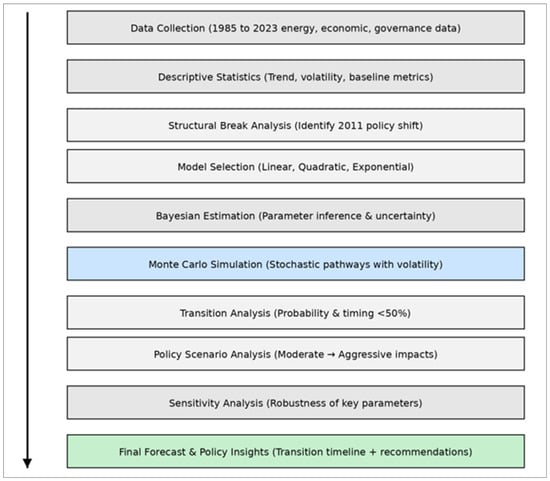
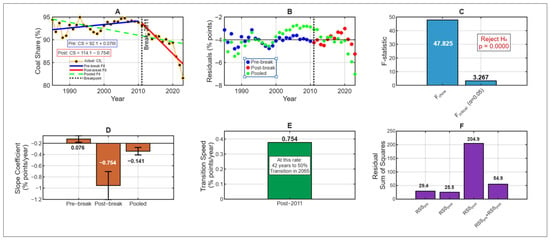
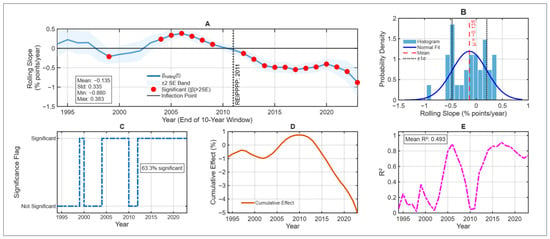
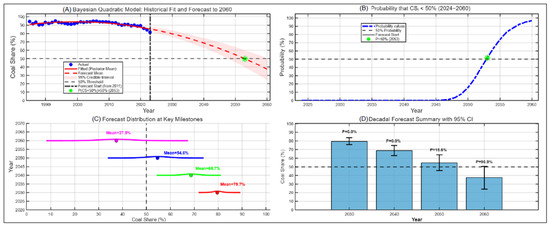
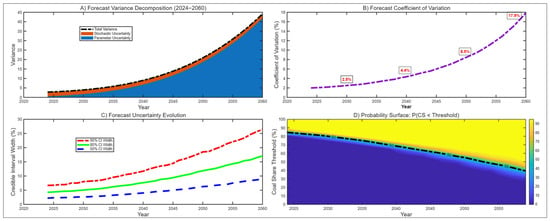
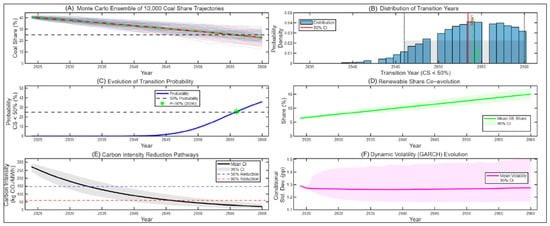
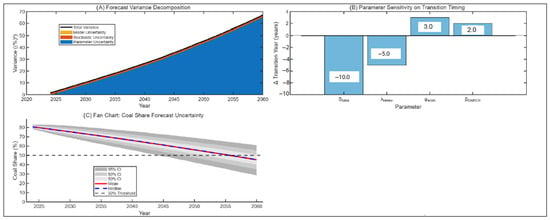
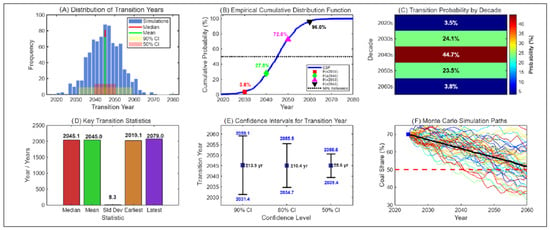
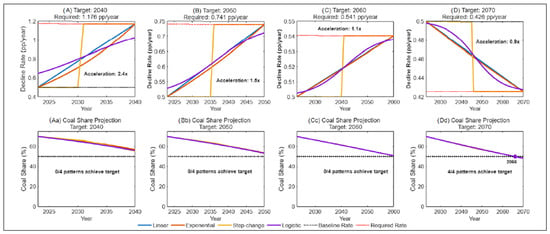
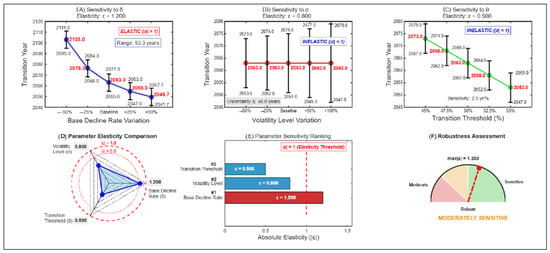
South Africa remains one of the world’s most coal-dependent electricity systems, with coal accounting for 81.57% of generation in 2023. Despite policy interventions to diversify the energy mix, structural change is slow to emerge. This study provides the first integrated, empirically calibrated forecast of South Africa’s coal-to-clean-energy transition using a unified modelling architecture that combines structural break analysis, Bayesian estimation, and an enhanced Monte Carlo simulation with dynamic volatility (10,000 stochastic pathways). The findings confirm a permanent structural break in 2011 that coincided with the implementation of REIPPPP, following which coal began a statistically significant and sustained decline of approximately 0.7–0.75% points per year. The simulation produced a full probability distribution for the transition year (2053) when coal share falls below 50%. This demonstrated that long-term uncertainty rises faster than linearly and that, under current conditions, deep decarbonisation milestones are unattainable before mid-century. Policy scenario experiments also demonstrated that accelerating the annual decline rate necessitates coordinated, synergistic policy portfolios rather than isolated interventions. These findings provide a transparent, uncertainty-explicit forecast of South Africa’s transition trajectory, as well as a decision-relevant evidence base for planning, regulation, and equitable transition implementation.
Full article
(This article belongs to the Section Power and Energy Forecasting)
►▼
Show Figures

Figure 1
Open AccessArticle
Extreme Event Modelling and Forecasting: Empirical Evidence from Predicting GDP and Unemployment in the USA
by
R. Shankar, A. Alroomi, V. Bougioukos and K. Nikolopoulos
Forecasting 2026, 8(3), 46; https://doi.org/10.3390/forecast8030046 - 9 Jun 2026
Abstract
►▼
Show Figures
This paper contributes to the stream of literature on extreme event modelling and forecasting by comparing various forecasting methods for predicting extreme movements in GDP and unemployment in the United States. The data were obtained from multiple open sources for the USA, including
[...] Read more.
This paper contributes to the stream of literature on extreme event modelling and forecasting by comparing various forecasting methods for predicting extreme movements in GDP and unemployment in the United States. The data were obtained from multiple open sources for the USA, including CNBC, the U.S. National Library of Medicine, the National Institutes of Health, the Centres for Disease Control and Prevention, the Bureau of Transportation Statistics site, Investing Com, the U.S. Bureau of Labour Statistics, Yahoo Finance, The Balance and Wikipedia. The research focuses on identifying the optimal forecasting method between Machine Learning and time-series forecasting algorithms, for predicting extreme values of GDP and unemployment, accounting for natural disasters and industrial and economic factors. The statistical and analytical insights derived from this study, if used judiciously, can inform policymaking and planning.
Full article

Figure 1

Open AccessArticle
Longitudinal Growth Dynamics and Future Potential for the Supply–Demand Trend of Mango and Avocado Exports in Australia
by
Sabrina Haque, Nuruzzaman Khan, Delwar Akbar, Susan Kinnear and Azad Rahman
Forecasting 2026, 8(3), 45; https://doi.org/10.3390/forecast8030045 - 5 Jun 2026
Abstract
Export supply chains (ESCs) for perishable fruits, such as mangoes and avocados, are shaped by complex supply–demand dynamics and macroeconomic conditions. However, limited forecasting of these dynamics constrains strategic planning and investment in Australia’s horticultural sector. This study assesses the longitudinal growth and
[...] Read more.
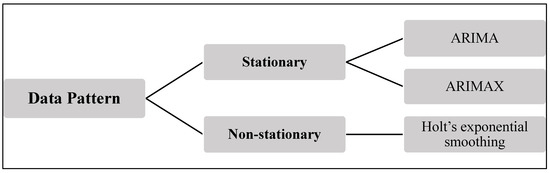
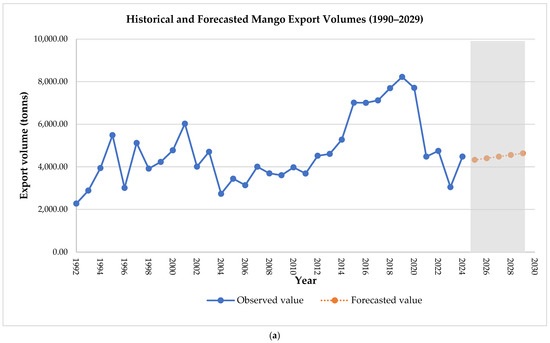
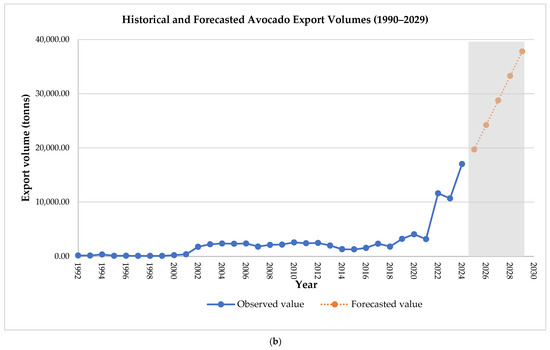
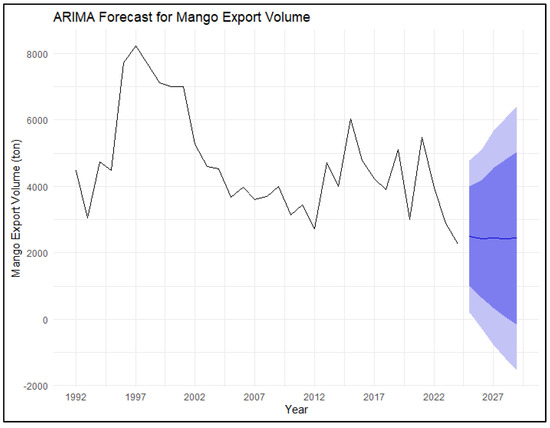
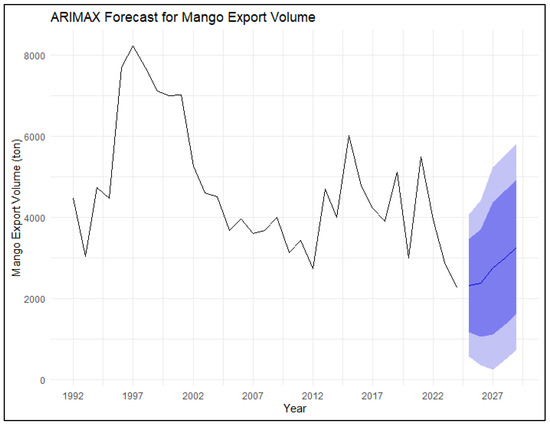
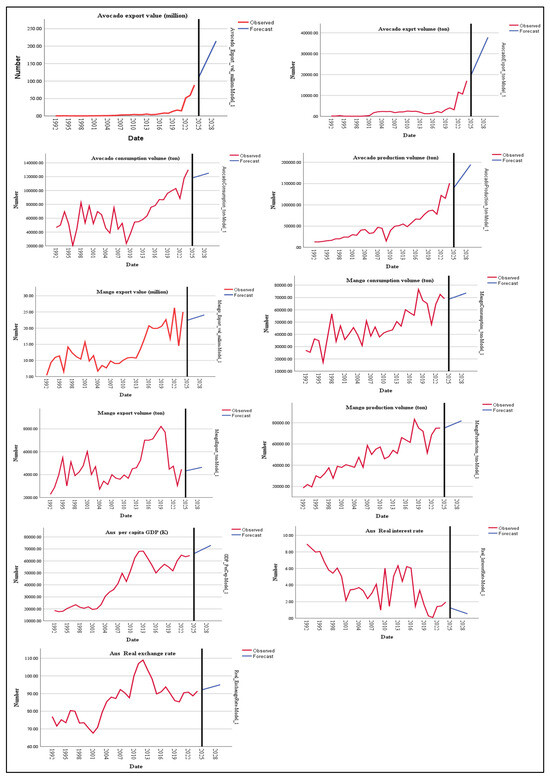
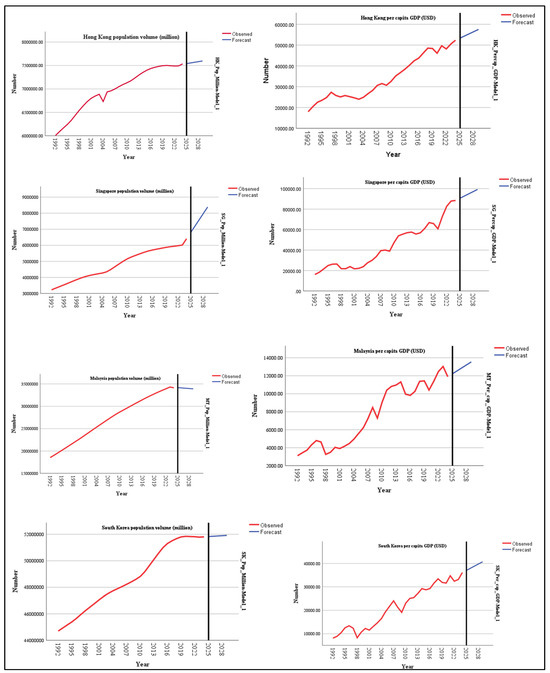
Export supply chains (ESCs) for perishable fruits, such as mangoes and avocados, are shaped by complex supply–demand dynamics and macroeconomic conditions. However, limited forecasting of these dynamics constrains strategic planning and investment in Australia’s horticultural sector. This study assesses the longitudinal growth and future potential of mango and avocado exports. To achieve this, the study identifies influential supply–demand dynamics and applies time-series forecasting to understand the export trends. Historical export–import data were analysed for mango and avocado from 1992 to 2024, including volume, value, per capita GDP (Australia and key importing nations), real exchange rate, and real interest rate. Holt’s exponential smoothing was used to forecast export trends, supported by unit root testing in RStudio 4.2.3 and model execution in SPSS version 30. ARIMA and ARIMAX models were applied to stationary variables to improve mango export forecasts. The results show that avocado exports follow a strong upward trajectory, while mango exports remain volatile due to logistical inefficiencies and informal trade disruptions. ARIMAX modelling confirmed that production and consumption volumes significantly enhance forecast accuracy. Macroeconomic trends, rising GDP, declining real interest rates, and stable real exchange rates further reinforce Australia’s competitive position in the destination markets. The long-run trends in export volume and value suggest that both the mango and avocado sectors hold potential for further export growth, although the higher volatility observed in the avocado series indicates that expansion should be approached cautiously. To sustain this growth, maintaining a balanced relationship between production capacity and export demand, particularly for commodities exhibiting higher volatility, will be essential for ensuring stable and efficient export performance over time.
Full article
(This article belongs to the Section Forecasting in Economics and Management)
►▼
Show Figures

Figure 1
Open AccessArticle
Standardized Precipitation Index Forecasting Comparison Using Transformer Models
by
Rafael Magallanes-Quintanar, Carlos Eric Galván-Tejada, Jorge Isaac Galván-Tejada, Santiago de Jesús Méndez-Gallegos and Antonio García-Domínguez
Forecasting 2026, 8(3), 44; https://doi.org/10.3390/forecast8030044 - 2 Jun 2026
Abstract
Accurate long-horizon drought forecasting is essential for water resource management and early warning systems in semi-arid regions. This study evaluates five state-of-the-art Transformer architectures—Vanilla Transformer, Informer, Autoformer, Temporal Fusion Transformer (TFT), and PatchTST—for 24-month forecasting of the Standardized Precipitation Index (SPI-12) across four
[...] Read more.
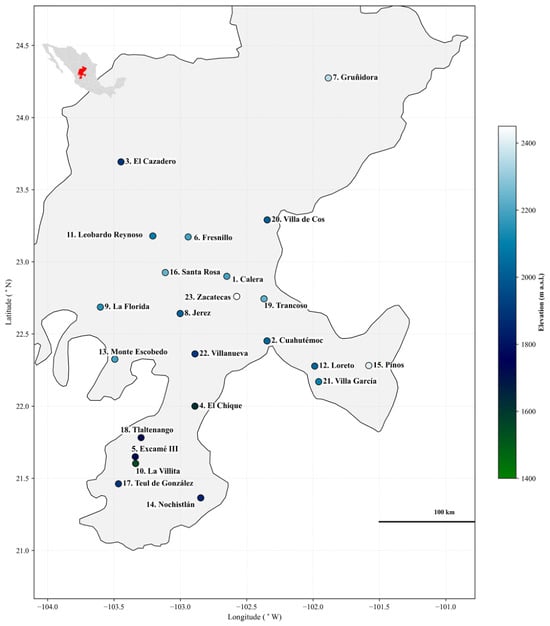
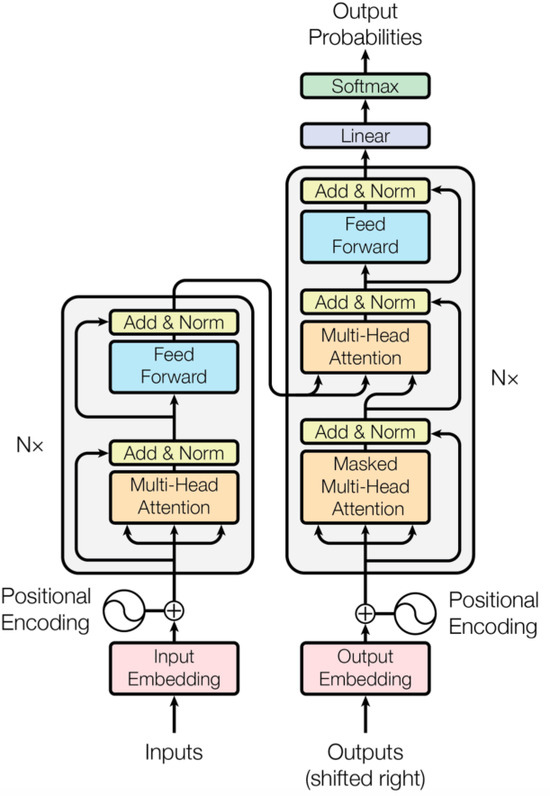
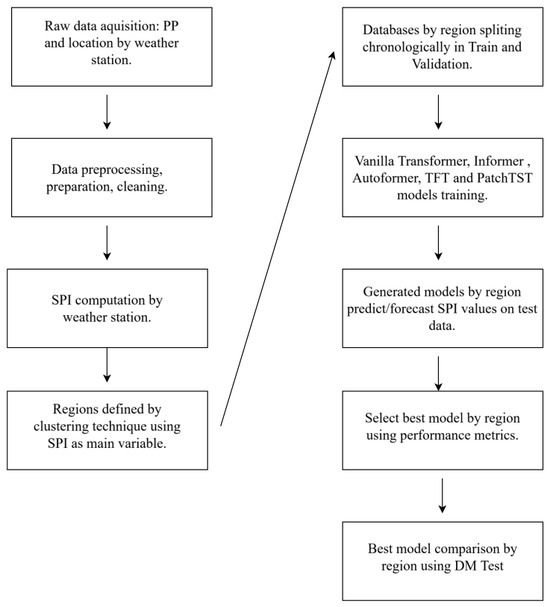
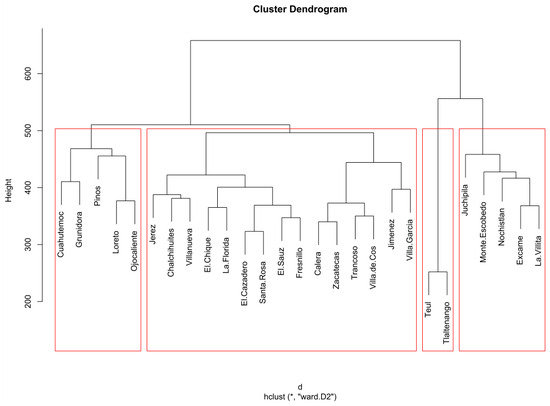
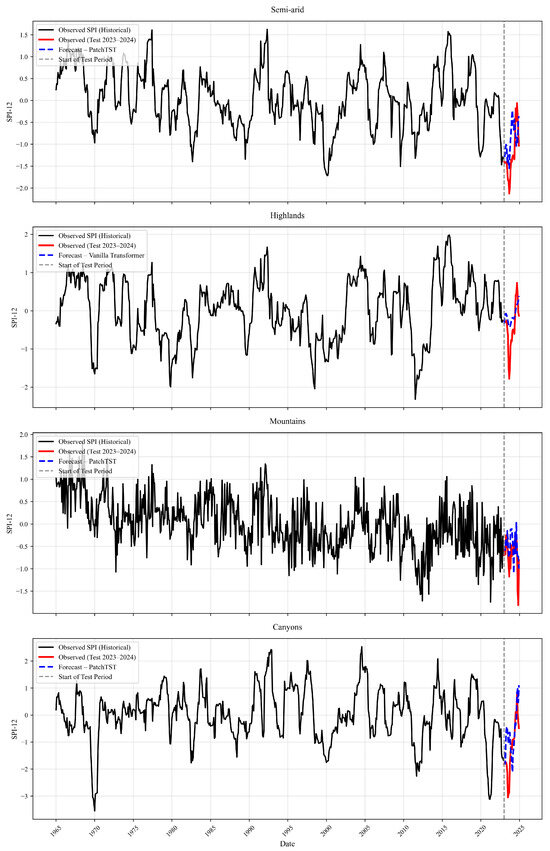
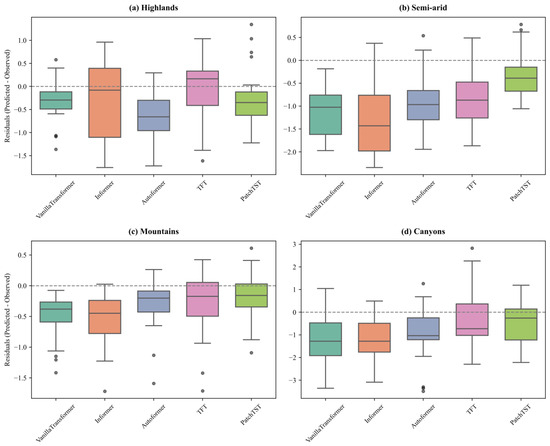
Accurate long-horizon drought forecasting is essential for water resource management and early warning systems in semi-arid regions. This study evaluates five state-of-the-art Transformer architectures—Vanilla Transformer, Informer, Autoformer, Temporal Fusion Transformer (TFT), and PatchTST—for 24-month forecasting of the Standardized Precipitation Index (SPI-12) across four climatically homogeneous regions of Zacatecas, Mexico (Semi-arid, Highlands, Mountains, and Canyons). Models were trained on monthly precipitation data from 1965–2022 and evaluated on an independent test period (2023–2024) using MAE, RMSE, Pearson correlation, and the Diebold–Mariano test. The results show that PatchTST achieved the best overall performance in three of the four regions, significantly outperforming the other models in most cases. The Vanilla Transformer performed best in the less variable Highlands region. These findings demonstrate that the model’s suitability is strongly dependent on regional climatic characteristics. PatchTST’s patch-based approach proved particularly effective for capturing complex temporal dependencies in highly variable semi-arid environments. This study highlights the potential of Transformer architectures, especially PatchTST, to improve long-horizon SPI forecasting and strengthen operational drought monitoring systems in water-scarce regions.
Full article
(This article belongs to the Section Environmental Forecasting)
►▼
Show Figures

Figure 1
Open AccessArticle
Multi-Scale Forecasting of Natural Rubber Prices Using VMD-Augmented BiLSTM: A Hybrid Architecture Ablation Study
by
Montchai Pinitjitsamut
Forecasting 2026, 8(3), 43; https://doi.org/10.3390/forecast8030043 - 25 May 2026
Abstract
►▼
Show Figures
This study examines whether decomposition-based deep learning forecasts of daily changes in natural rubber prices can appear directionally accurate while failing to preserve the dispersion of the target series—a failure mode that conventional accuracy metrics cannot detect. Using daily RSS3 FOB price changes
[...] Read more.
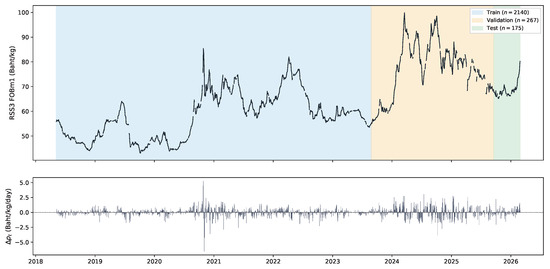
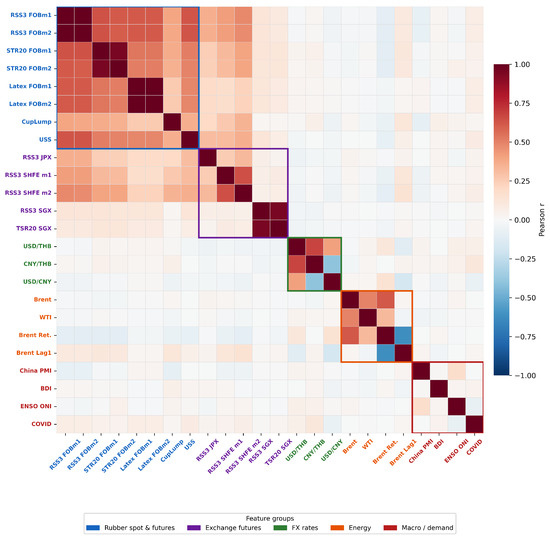
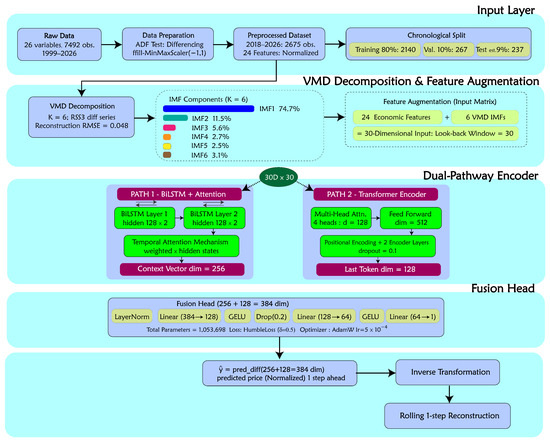
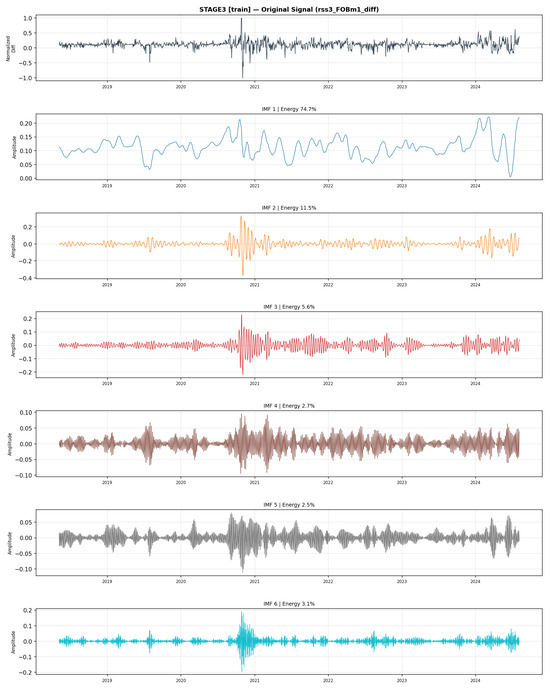
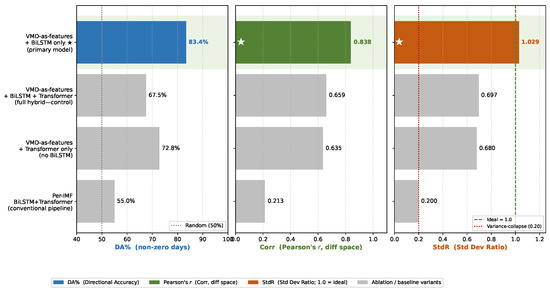
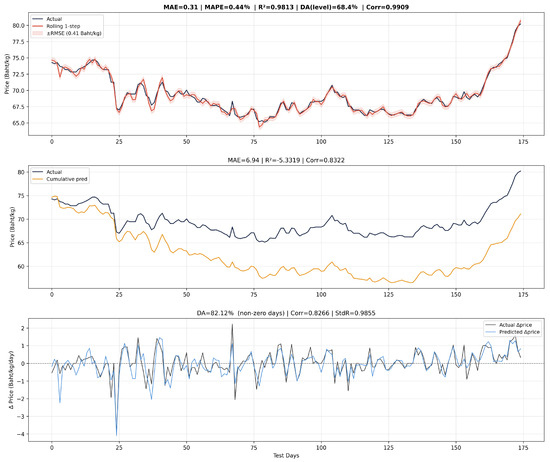
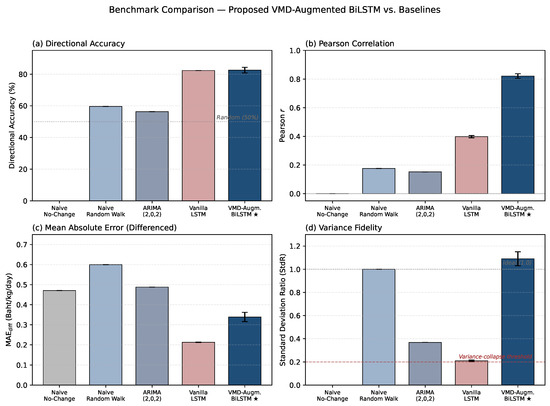
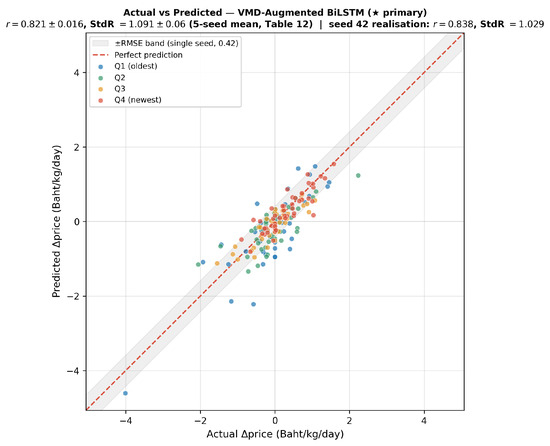
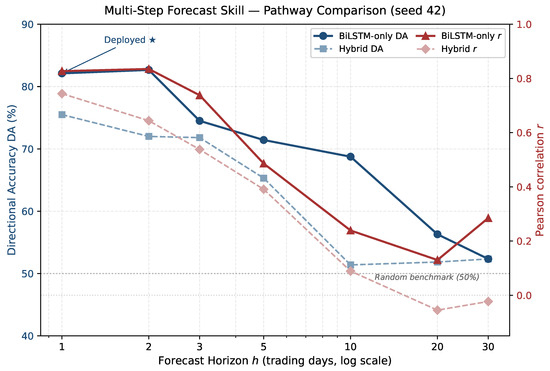
This study examines whether decomposition-based deep learning forecasts of daily changes in natural rubber prices can appear directionally accurate while failing to preserve the dispersion of the target series—a failure mode that conventional accuracy metrics cannot detect. Using daily RSS3 FOB price changes in the period 2018–2026, a VMD-Augmented BiLSTM forecasting design is employed as the empirical vehicle for testing this question. Forecasts are evaluated jointly through Pearson correlation, directional accuracy, class-conditional recall, and the Standard Deviation Ratio (StdR), with StdR serving as a diagnostic for variance collapse on differenced series. The deployed model appends all Variational Mode Decomposition (VMD) components directly to the economic feature matrix and feeds the augmented sequence into a bidirectional LSTM encoder with temporal attention; VMD is fitted using an expanding-window procedure to prevent information leakage. The design is compared to a conventional per-IMF decomposition–forecast pipeline, a Vanilla LSTM, ARIMA(2,0,2), and a dual-pathway BiLSTM–Transformer control. On a 175-observation deduplicated test set, the deployed model attains Pearson correlation of , directional accuracy of , and StdR across five random seeds. The Vanilla LSTM baseline attains directional accuracy of —statistically indistinguishable from that of the deployed model—yet exhibits variance collapse (StdR ), confirming that DA alone cannot distinguish predictive skill grounded in conditional dynamics from forecasts that merely reproduce the unconditional sign distribution. The principal contribution is methodological: A variance-sensitive evaluation protocol that distinguishes forecast skill grounded in conditional dynamics from directional but underdispersed predictions, demonstrated across three empirically distinct mechanisms by which variance collapse arises in this setting.
Full article

Figure 1

Open AccessArticle
Role of High-Resolution Land Surface Representation in WRF Model for Forecasting Extreme Heatwave Conditions over Cyprus
by
Avinash N. Parde, Kartik Koundal, Utkarsh Bhautmage, Michael Mau Fung Wong, Christina Oikonomou and Haris Haralambous
Forecasting 2026, 8(3), 42; https://doi.org/10.3390/forecast8030042 - 19 May 2026
Abstract
The Eastern Mediterranean, notably Cyprus, is a climate change hotspot facing severe heatwaves. Accurate numerical weather prediction of these extremes requires precise land–atmosphere modeling and initial and boundary conditions. This study assesses replacing the default USGS Land-Use and Land-Cover (LULC) dataset with the
[...] Read more.
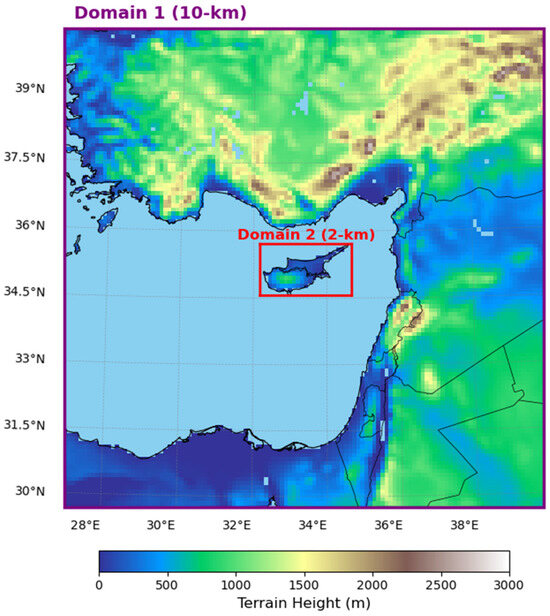
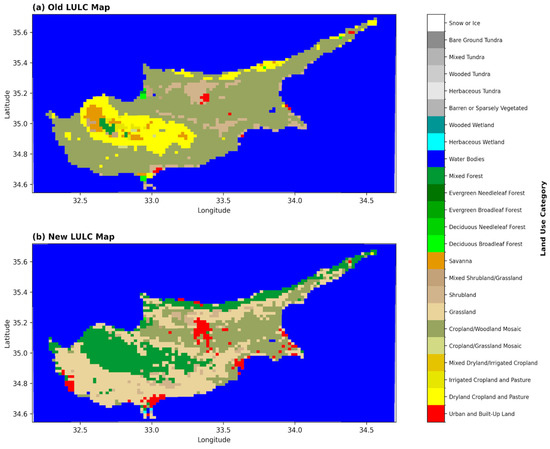
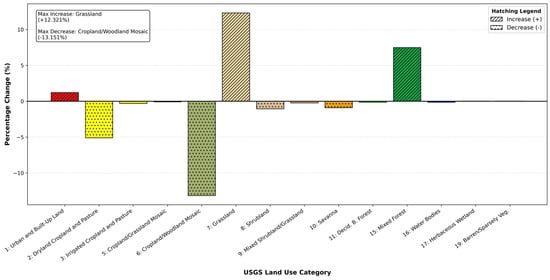
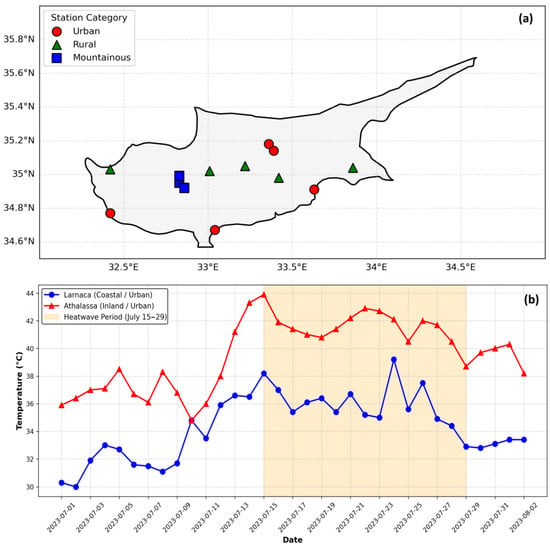
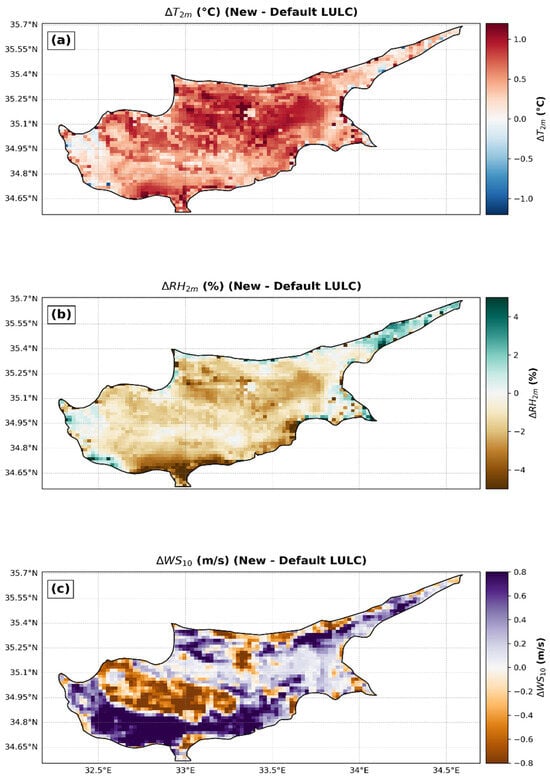
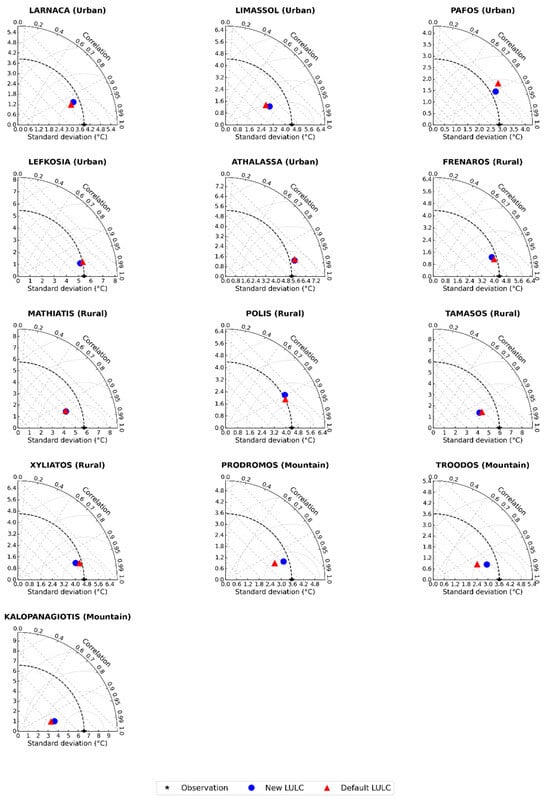
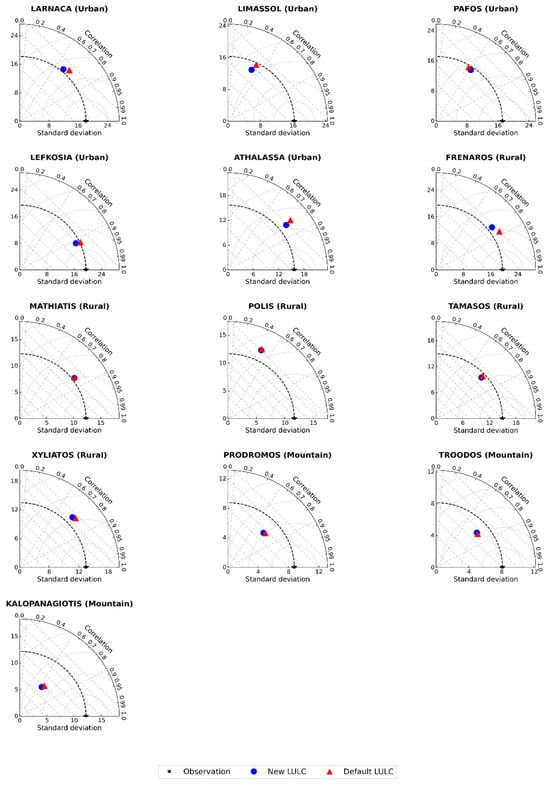
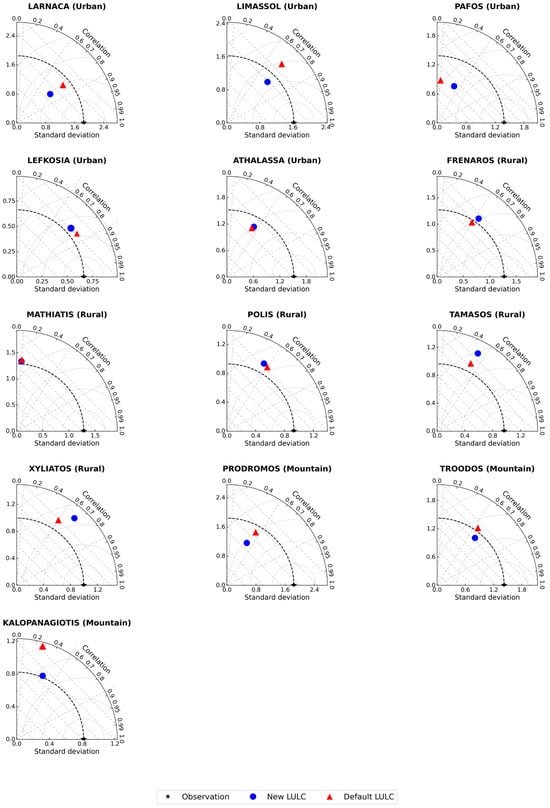
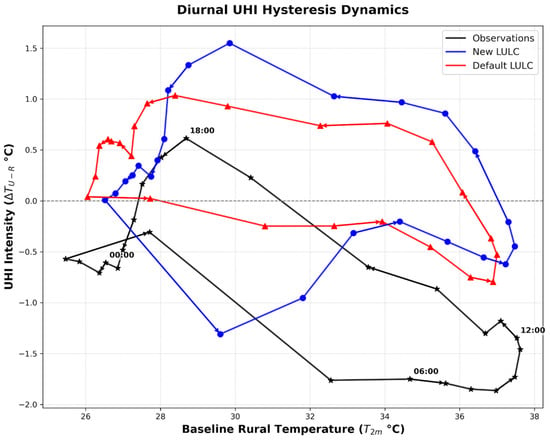
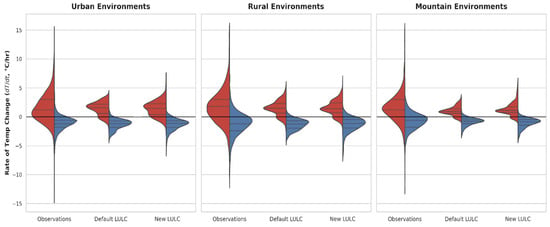
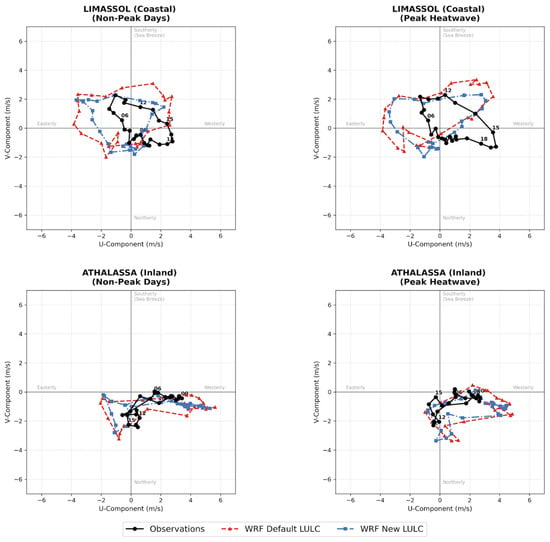
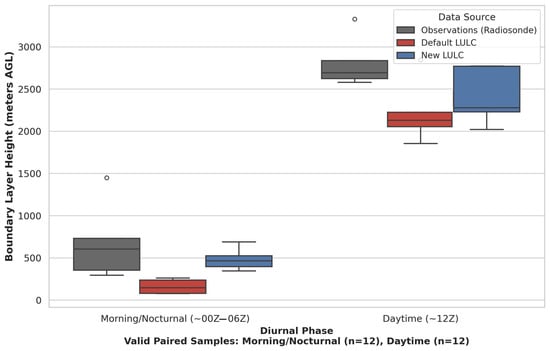
The Eastern Mediterranean, notably Cyprus, is a climate change hotspot facing severe heatwaves. Accurate numerical weather prediction of these extremes requires precise land–atmosphere modeling and initial and boundary conditions. This study assesses replacing the default USGS Land-Use and Land-Cover (LULC) dataset with the 10 m ESA WorldCover 2021 dataset in the Weather Research and Forecasting (WRF) model to simulate the 15–29 July 2023 Cyprus heatwave. The updated LULC increased urban representation six-fold. Statistical validations showed significant improvements in 2 m temperature, relative humidity, and 10 m wind speed predictions across 85% of observational sites. Dynamically, it restored urban thermal memory, effectively capturing the daytime Urban Cool Island effect and nocturnal heat release. Furthermore, radiosonde validations showed that the update corrected nocturnal Planetary Boundary Layer Height (PBLH) underestimations and dampened exaggerated daytime convective mixing. However, crucial limitations remain. High-frequency diagnostics indicated the model still suffers from damped thermal inertia, missing the abrupt temperature spikes and rapid nocturnal cooling typical of semi-arid microclimates. Additionally, the updated configuration failed to capture severe atmospheric stagnation during peak heatwave conditions, highlighting that deep-rooted kinetic errors persist within default boundary layer parameterizations despite static surface improvements.
Full article
(This article belongs to the Section Weather and Forecasting)
►▼
Show Figures

Figure 1
Open AccessArticle
Bitcoin Volatility Forecasting Through Market Sentiment, Blockchain Fundamentals, and Endogenous Market Uncertainty
by
Marcel Figura, Martin Bugaj, Elvira Nica and Gheorghe H. Popescu
Forecasting 2026, 8(3), 41; https://doi.org/10.3390/forecast8030041 - 19 May 2026
Abstract
The study develops and empirically evaluates a forecasting-orientated structural model in which future Bitcoin historical volatility is modelled as being associated with market sentiment and blockchain fundamentals through market uncertainty. Market Sentiment (MS) is specified as a behavioural construct, Blockchain Fundamentals (BF) as
[...] Read more.
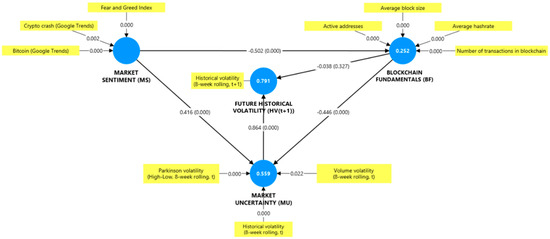
The study develops and empirically evaluates a forecasting-orientated structural model in which future Bitcoin historical volatility is modelled as being associated with market sentiment and blockchain fundamentals through market uncertainty. Market Sentiment (MS) is specified as a behavioural construct, Blockchain Fundamentals (BF) as network conditions, and Market Uncertainty (MU) as an endogenous regime construct that consolidates signals shaping historical volatility at t+1. Using 262 weekly observations from January 2021 to January 2026, the analysis applies partial least squares structural equation modelling (PLS-SEM) with formative constructs and a forward-dated volatility target to preserve temporal ordering. Paths are evaluated with bootstrapping, effect sizes, and mediation analysis, while predictive performance is assessed using PLSpredict, the cross-validated predictive ability test (CVPAT), benchmark-based comparison, and Diebold-Mariano (DM) tests. MU emerges as the dominant predictor of Future Historical Volatility, denoted as HV(t+1) in the structural model (β = 0.864, p-value < 0.001; f2 = 2.036). The effect of BF is largely indirect, with 91.02% of the total effect transmitted via uncertainty, indicating indirect-only mediation. The model explains substantial variation in HV(t+1) (R2 = 0.791) and shows predictive relevance (Q2 predict = 0.287), while the benchmark-based results indicate mixed but competitive forecasting performance relative to persistence-based and econometric alternatives. These findings are consistent with a regime-based interpretation of Bitcoin volatility and highlight the explanatory and predictive relevance of an integrated behavioural-network-uncertainty architecture.
Full article
(This article belongs to the Special Issue Advanced Forecasting in an Era of Uncertainty and Its Impact on Strategic Investment Decisions)
►▼
Show Figures

Figure 1
Open AccessArticle
Multi-Timeframe Feature Engineering for Bitcoin Market Prediction: A Price-Level-Agnostic Machine Learning Approach
by
Pedro Sobreiro, Domingos Martinho, Rui Martins and Ricardo Vardasca
Forecasting 2026, 8(3), 40; https://doi.org/10.3390/forecast8030040 - 18 May 2026
Abstract
Predicting profitable entry signals in Bitcoin markets remains challenging due to price volatility, the absence of fundamental valuation frameworks, and methodological pitfalls that are common in the literature. In this study, we evaluate five machine learning classifiers using a 37-feature hierarchical multi-timeframe pipeline
[...] Read more.
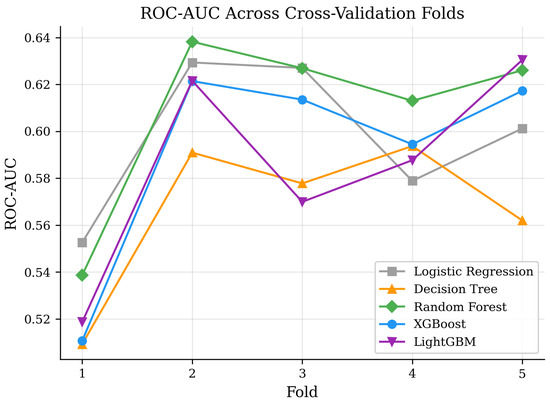
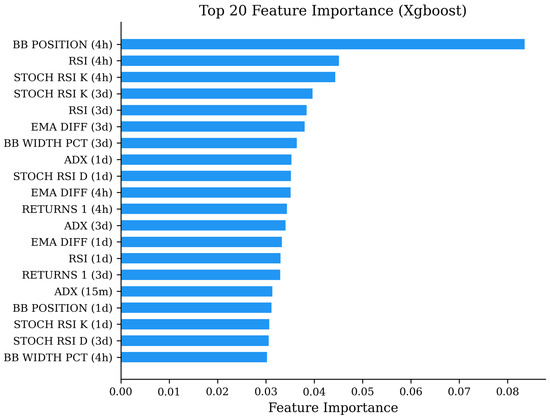
Predicting profitable entry signals in Bitcoin markets remains challenging due to price volatility, the absence of fundamental valuation frameworks, and methodological pitfalls that are common in the literature. In this study, we evaluate five machine learning classifiers using a 37-feature hierarchical multi-timeframe pipeline with price-level-agnostic normalization across four temporal resolutions (15-min, 4-h, daily, and 3-day), spanning January 2020 to November 2025. Binary training labels were generated via majority-vote aggregation across 54 stop-loss/take-profit combinations, producing 6951 balanced samples (48.5% positive class). Five algorithms—Logistic Regression, Decision Tree, Random Forest, XGBoost, and LightGBM—are compared using expanding-window TimeSeriesSplit validation (5 folds). Random Forest achieved the highest cross-validated ROC-AUC (0.6086), with all models showing modest but consistent discriminative ability (range 0.57–0.61). Feature importance analysis identifies 4-hour Bollinger Band position and RSI as dominant predictors, with all timeframes contributing meaningfully. A true out-of-sample holdout on 1136 independently generated 2025 samples confirms generalization, with Logistic Regression achieving 0.6087 ROC-AUC. A subtle multi-timeframe look-ahead bias in higher-timeframe data alignment is identified and corrected, which inflated performance by approximately 0.20 ROC-AUC points before correction. Event-driven backtesting on 2025 out-of-sample data yields a gross upper-bound return of +35.97% (185 trades, SL = 1%, TP = 2%, threshold = 0.7, Sharpe = 0.14) before transaction costs, after realistic round-trip fees, net returns are likely negligible. The central finding is that models with ROC-AUC ≈ 0.60 cannot reliably generate economically significant returns once transaction costs are accounted for. The methodology provides a reproducible framework for ML-based binary classification studies requiring transparent, bias-corrected validation across diverse market regimes.
Full article
(This article belongs to the Special Issue Advanced Forecasting in an Era of Uncertainty and Its Impact on Strategic Investment Decisions)
►▼
Show Figures

Figure 1
Open AccessArticle
Determinants of Successful IoT and AI Initiatives in the SMART Economy: An Enterprise Perspective
by
Jan Dvorsky, Matus Senci, Abdul Bashiru Jibril and Zora Petrakova
Forecasting 2026, 8(3), 39; https://doi.org/10.3390/forecast8030039 - 12 May 2026
Abstract
AI/IoT initiatives are increasingly adopted in business, yet reported success varies substantially across firms. This study develops and evaluates a firm-level predictive framework for the reported AI/IoT success rate, measured on a bounded 0–100 scale. Using enterprise survey data from Slovakia and the
[...] Read more.
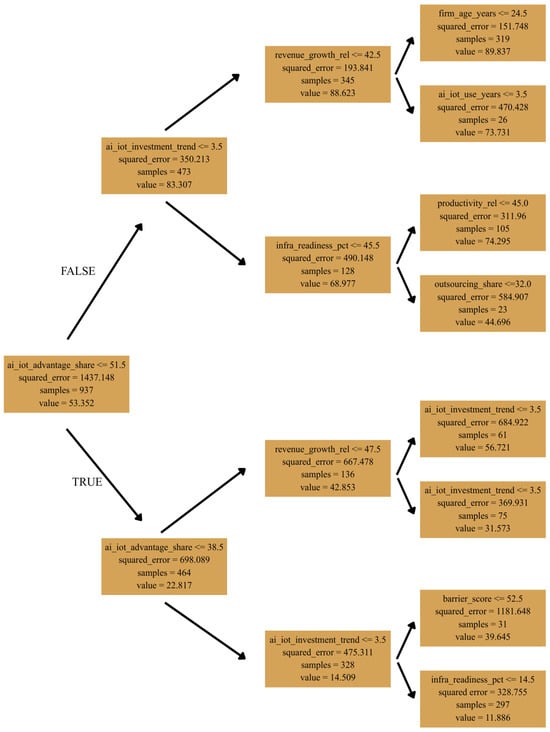
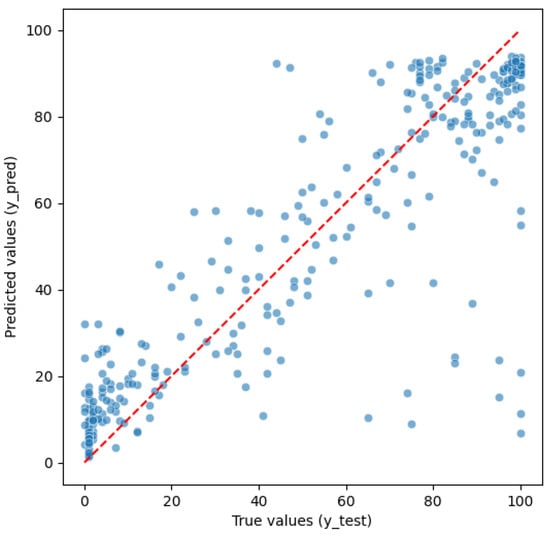
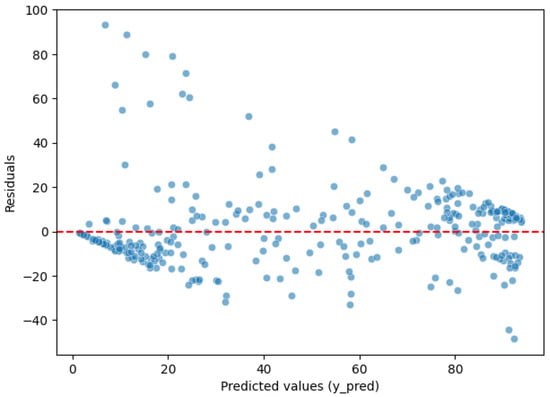
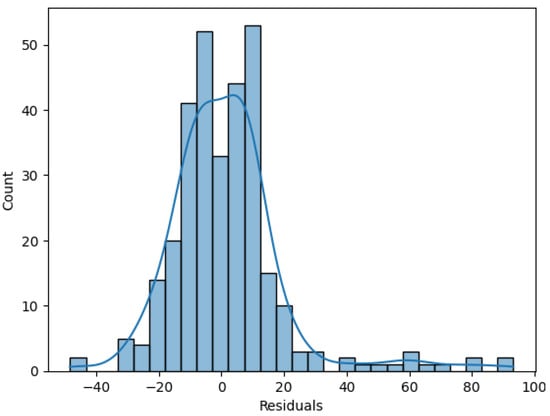
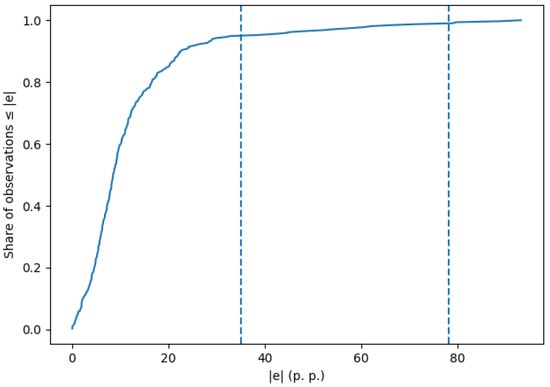
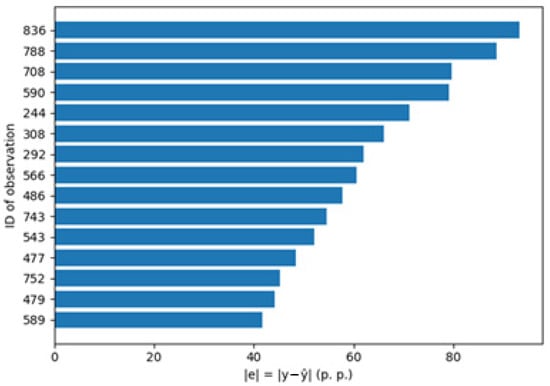
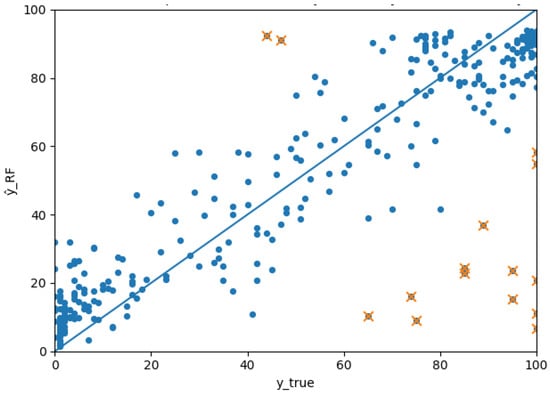
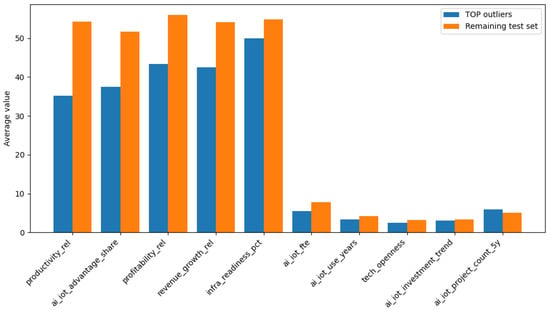
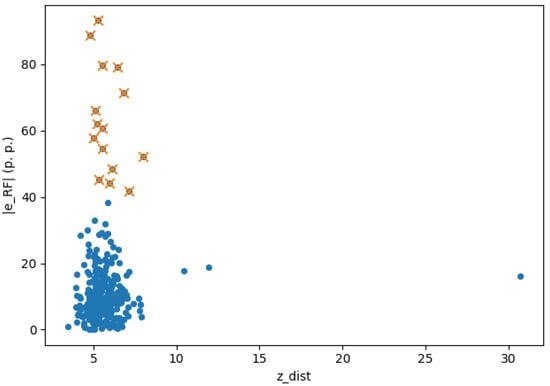
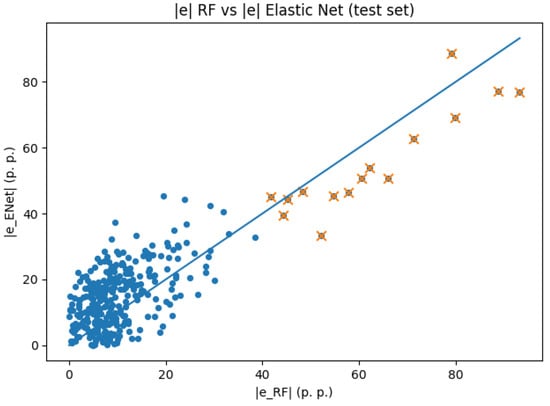
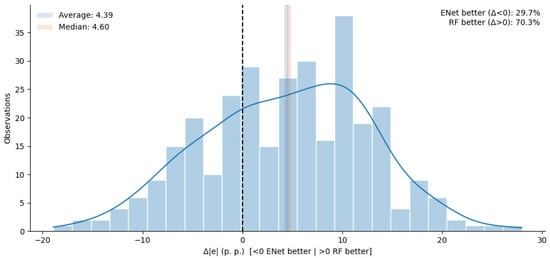
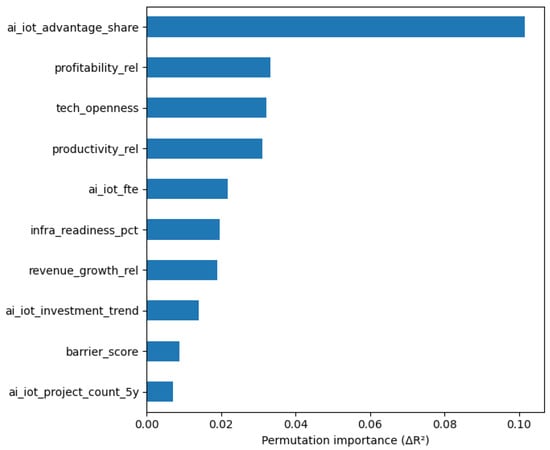
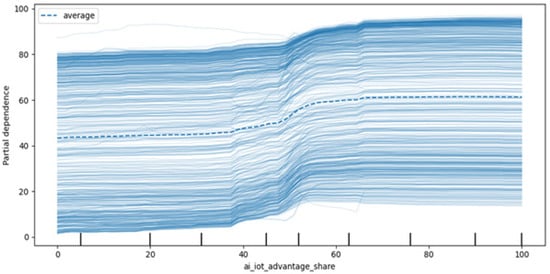
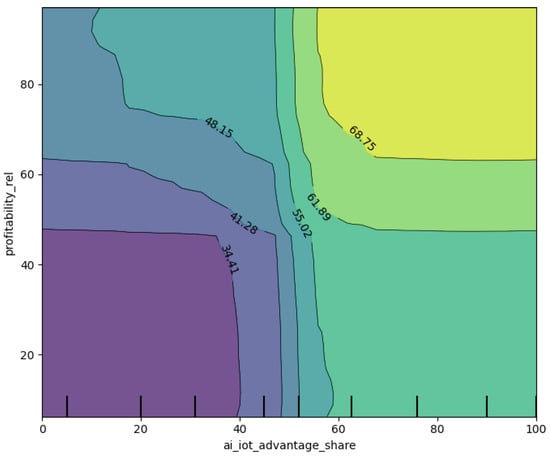
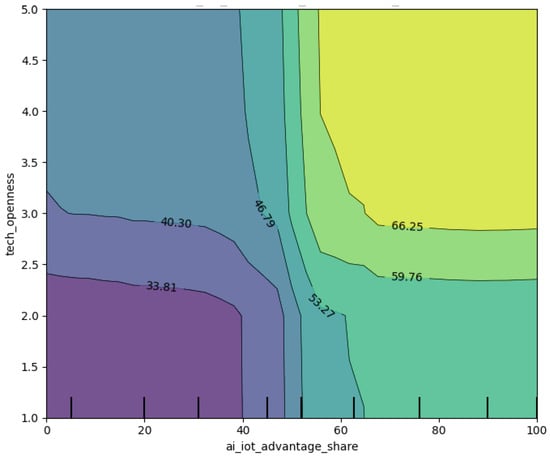
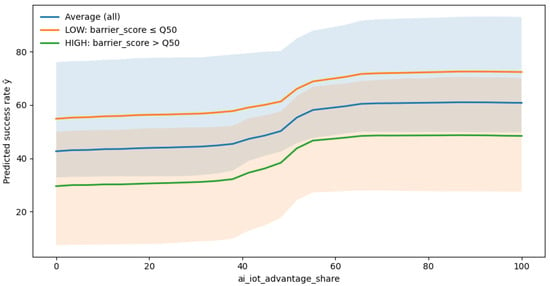
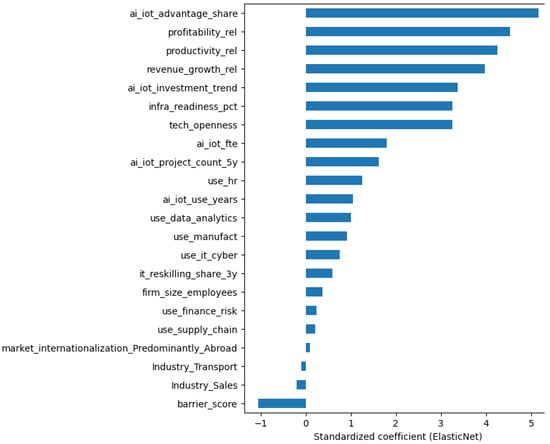
AI/IoT initiatives are increasingly adopted in business, yet reported success varies substantially across firms. This study develops and evaluates a firm-level predictive framework for the reported AI/IoT success rate, measured on a bounded 0–100 scale. Using enterprise survey data from Slovakia and the Czech Republic (n = 1250), we compare a regularized linear baseline (Elastic Net) with nonlinear approaches (Decision Tree and Random Forest) under a consistent out-of-sample evaluation framework, and we examine the best-performing model using permutation importance and PDP/ICE tools. Random Forest achieves the strongest out-of-sample predictive performance and reduces absolute errors relative to Elastic Net for most test observations, although diagnostics also reveal a small tail of extreme errors. Across model families, ai_iot_advantage_share emerges as the most stable predictor of reported AI/IoT success. Nonlinear diagnostics indicate a threshold-like transition in predicted success around the mid-range of advantage attribution and a saturation pattern at higher values. Readiness and performance-related variables are associated with higher predicted success, whereas higher barrier levels are associated with lower predicted success. The results position value realization as the most informative predictive signal in the dataset and provide an interpretable basis for enterprise-level screening and managerial reflection rather than causal inference.
Full article
(This article belongs to the Special Issue Advanced Forecasting in an Era of Uncertainty and Its Impact on Strategic Investment Decisions)
►▼
Show Figures

Figure 1
Open AccessArticle
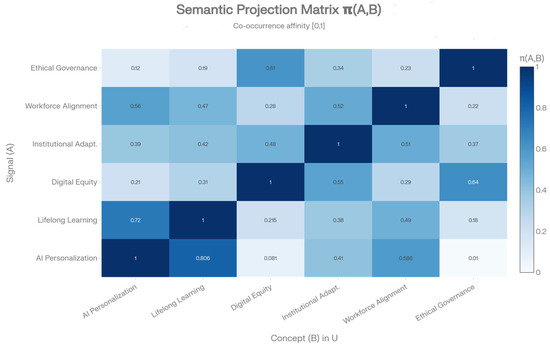
Singular Design Foresight: A Foundational Method for Auditable Anticipation and Decision Closure
by
Pablo Lara-Navarra, Antonia Ferrer-Sapena and Enrique A. Sánchez-Pérez
Forecasting 2026, 8(3), 38; https://doi.org/10.3390/forecast8030038 - 2 May 2026
Abstract
►▼
Show Figures
Singular Design Foresight (SDF) is proposed as a foundational methodological framework for advancing Design Foresight (DF) toward a more explicit, traceable, and evaluable scientific discipline. The framework formalizes DF as a structured cycle in which qualitative foresight inputs—such as signals, trends, and expert
[...] Read more.
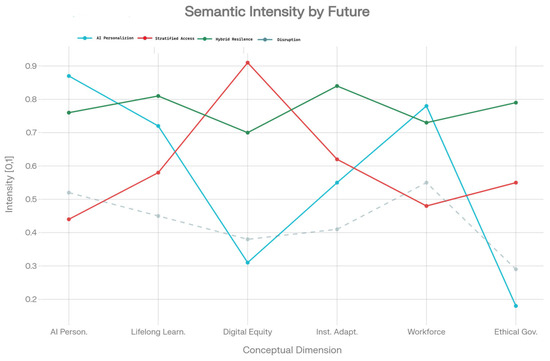
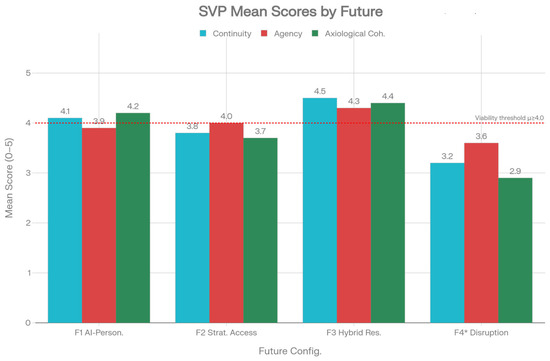
Singular Design Foresight (SDF) is proposed as a foundational methodological framework for advancing Design Foresight (DF) toward a more explicit, traceable, and evaluable scientific discipline. The framework formalizes DF as a structured cycle in which qualitative foresight inputs—such as signals, trends, and expert interpretations—are progressively transformed into analyzable representations that support decision closure under conditions of structural uncertainty. SDF combines an expert-defined conceptual universe with semantic projections to relate textual and contextual evidence to anticipatory constructs, enabling the generation of traceable indicators and structured configurations of viable futures. Within this architecture, the Stakeholder Viability Principle (SVP) functions as a filtering mechanism that delimits relevant futures according to continuity, agency, and axiological coherence, while Social Singularity captures context-specific critical transitions that shape when and why decision closure becomes necessary. The framework is organized in alignment with Design Science Research (DSR), adopting an evaluation logic centered on validity, utility, and attribution. Rather than presenting conclusive system-level validation, the article synthesizes summative evidence from previously published studies on semantic projections, singularity detection, and mixed expert–corpus foresight applications to support the plausibility, internal coherence, and operational feasibility of the proposed framework, while delimiting full integrated validation as a future research objective. SDF does not aim to provide deterministic prediction; instead, it enables auditable anticipatory representations and justified closure under uncertainty. In this sense, the framework is compatible with forecasting understood as the production of evaluable anticipations under explicit assumptions, while preserving the interpretive and situated character of strategic decision-making.
Full article

Figure 1
Highly Accessed Articles
Latest Books
E-Mail Alert
News
Topics
Topic in
Applied Sciences, Energies, Forecasting, Solar, Wind, Batteries
Solar and Wind Power and Energy Forecasting, 2nd Edition
Topic Editors: Emanuele Ogliari, Alessandro Niccolai, Sonia LevaDeadline: 31 July 2026
Topic in
Econometrics, Economies, JRFM, Forecasting
Modern Challenges and Innovations in Financial Econometrics
Topic Editors: Agnieszka Szmelter-Jarosz, Hamed NozariDeadline: 31 August 2027
Topic in
Electronics, Energies, Processes, Sci, Sustainability, Wind, Forecasting, Applied Sciences
Advanced Forecasting Methods for Sustainable Power Systems
Topic Editors: Cristina Ventura, Santi Agatino RizzoDeadline: 30 November 2027
Conferences
Special Issues
Special Issue in
Forecasting
Advancing Time Series Forecasting with Large Language Models: Innovations and Applications
Guest Editors: Manuela Pedio, Massimo Guidolin, Walayat Hussain, Kaijian HeDeadline: 1 August 2026
Special Issue in
Forecasting
Advanced Forecasting in an Era of Uncertainty and Its Impact on Strategic Investment Decisions
Guest Editors: Marek Nagy, Katarina ValaskovaDeadline: 30 November 2026
Special Issue in
Forecasting
Fire Weather in a Warming Climate: From Surface Indices to Atmospheric Dynamics
Guest Editors: Theodore M. Giannaros, Georgios PapavasileiouDeadline: 31 December 2026
Special Issue in
Forecasting
Forecasting Impacts of Air Pollution and Hydro-Meteorological Extremes: Models, Methods, and Applications
Guest Editors: Chibuike Chiedozie Ibebuchi, Richard DamoahDeadline: 31 December 2026
Topical Collections
Topical Collection in
Forecasting
Supply Chain Management Forecasting
Collection Editors: Gokhan Egilmez, Juan Ramón Trapero Arenas