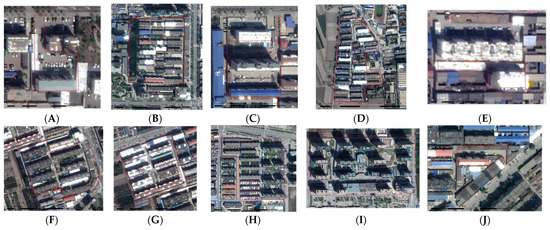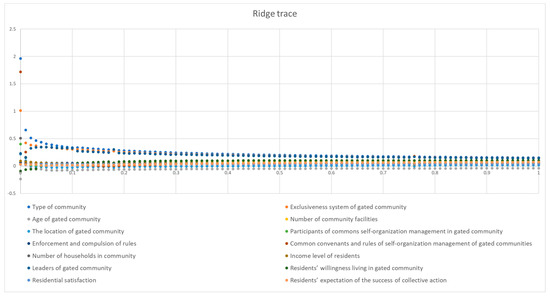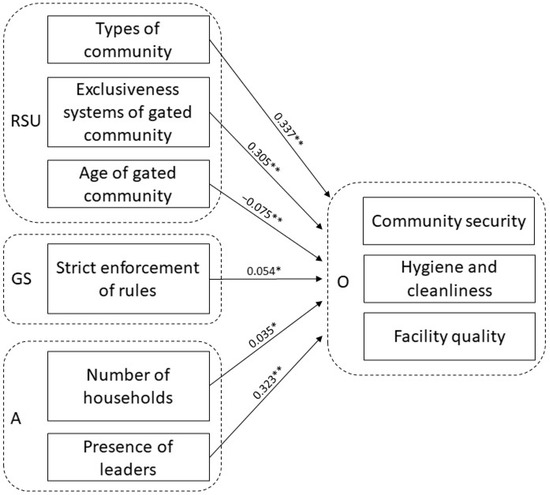



Special Issue "Sustainable Buildings in the Built Environment"

A special issue of Buildings (ISSN 2075-5309). This special issue belongs to the section "Building Energy, Physics, Environment, and Systems".

Deadline for manuscript submissions: 30 November 2021.

Special Issue Editors

Dr. Chyi Lin Lee
E-Mail Website
Guest Editor
School of Built Environment, University of New South Wales, Kensington 2054, Australia
Interests: sustainable property; housing economics; housing submarkets; REITs; real estate finance and investment
Special Issues and Collections in MDPI journals
Dr. Samad M. E. Sepasgozar
E-Mail Website
Guest Editor
Faculty of Built Environment, University of New South Wales, Sydney, NSW 2052, Australia
Interests: sustainability; energy efficiency; artificial intelligence; smart city; digital twin; applications of the Internet of Things; advanced GIS; LiDAR; BIM; digital technology in infrastructure; mixed reality applications; information and communication technology; spatial analysis and visualization; authentic education
Special Issues and Collections in MDPI journals
Dr. Lan Ding
E-Mail Website
Guest Editor
Faculty of Built Environment, University of New Sourth Wales, NSW 2052, Australia
Interests: sustainable buildings and cities; energy efficiency; climate change adaptation and mitigation; smart cities; regenerative cities; decision-making model; building and urban information modelling
Special Issues and Collections in MDPI journals

Special Issue Information

Dear Colleagues,

The sustainable development goals (SDGs) were introduced by the United Nations in 2015. The SDGs aim to improve health and education, minimise inequality, and boost economic growth by ending poverty and other deprivations, while also addressing issues related to climate change and the preservation of our oceans and forests. In other words, the SDGs cover a number of aspects, including environmental, social and economic issues.

A sustainable built environment industry plays a crucial role in balancing environmental, social and economic issues to create buildings that improve productivity, wellbeing and health of their occupants. Further, well-designed sustainable buildings should also promote a better social inclusion and sustainable economic development.

Despite many studies being devoted to examining sustainable development, the literature, arguably, has yet to fully address the challenges and opportunities of sustainability in the built environment from the environmental, social and economic perspectives. In this regard, the journal Buildings announces a call for papers for a Special Issue devoted to “Sustainable Buildings in the Built Environment”. The Special Issue seeks papers that expand upon the current literature and understanding of the environmentally sustainable built environment. Papers discussing how to move activities and design services or materials towards environmental sustainability are also welcome. Original research and review papers on the following topics are welcome:

  • Sustainable buildings and occupants’ productivity and wellbeing
  • Sustainable property development and investment
  • Affordable and sustainable housing
  • Digital construction of sustainable buildings
  • Social procurements and green infrastructure
  • Smart sustainable green cities
  • Sustainable architecture and green buildings
  • Structural and architectural design considering sustainability and low embodied energy and carbon emissions
  • Carbon management of sustainable construction and property firms
  • Building Information Modelling (BIM)-enabled structural design
  • Sustainability-based lifecycle management
  • Adoption of BIM/6D BIM and GIS for sustainability
  • Case studies of the implications of the sustainable development goals (SDGs)
  • Sustainability in education and training

Dr. Chyi Lin Lee
Dr. Samad M. E. Sepasgozar
Dr. Lan Ding
Guest Editors

Manuscript Submission Information

Manuscripts should be submitted online at www.mdpi.com by registering and logging in to this website. Once you are registered, click here to go to the submission form. Manuscripts can be submitted until the deadline. All papers will be peer-reviewed. Accepted papers will be published continuously in the journal (as soon as accepted) and will be listed together on the special issue website. Research articles, review articles as well as short communications are invited. For planned papers, a title and short abstract (about 100 words) can be sent to the Editorial Office for announcement on this website.

Submitted manuscripts should not have been published previously, nor be under consideration for publication elsewhere (except conference proceedings papers). All manuscripts are thoroughly refereed through a single-blind peer-review process. A guide for authors and other relevant information for submission of manuscripts is available on the Instructions for Authors page. Buildings is an international peer-reviewed open access monthly journal published by MDPI.

Please visit the Instructions for Authors page before submitting a manuscript. The Article Processing Charge (APC) for publication in this open access journal is 1600 CHF (Swiss Francs). Submitted papers should be well formatted and use good English. Authors may use MDPI's English editing service prior to publication or during author revisions.

Keywords

  • green buildings
  • sustainability
  • green architecture
  • sustainable property development
  • bim for sustainability
  • buildings and sdgs
  • sustainable firms
  • sustainable and affordable housing
  • low-carbon cities
  • social procurements

Published Papers (5 papers)

Order results
Result details
Select all
Export citation of selected articles as:

Research

Jump to: Review

Article
Insights into Public Perceptions of Earthship Buildings as Alternative Homes
Buildings 2021, 11(9), 377; https://doi.org/10.3390/buildings11090377 - 25 Aug 2021
Viewed by 308
Abstract
Sustainable futures necessitate a concomitant requirement for both sustainable buildings and sustainable behaviours under one roof. The defining principles behind Earthship buildings are to promote the use of local, recycled, waste, natural and renewable materials in their construction, for the adoption of a [...] Read more.
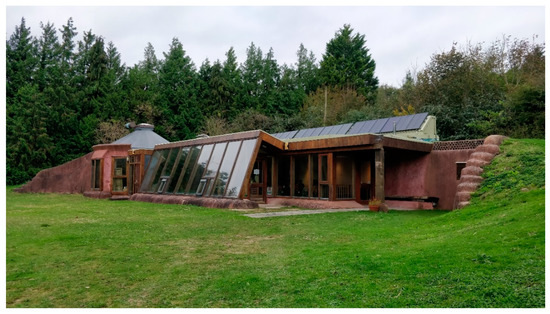
Sustainable futures necessitate a concomitant requirement for both sustainable buildings and sustainable behaviours under one roof. The defining principles behind Earthship buildings are to promote the use of local, recycled, waste, natural and renewable materials in their construction, for the adoption of a passive solar design for internal heating/cooling, collection of rainwater as a potable water supply, and encourage the onsite recycling of used water for plants to aid food production. However, despite growth in Earthship buildings constructed across many countries of the world, their appeal has not yet made a noticeable contribution to mainstream housing. Therefore, this study is the first to attempt to explore public perceptions towards the benefits and barriers of Earthship buildings as a means of understanding their demand by potential home builders/owners. Opinions were sought through questionnaire surveys completed by visitors to the Brighton Earthship building. Results reveal that the public believe that the reclamation of rainwater and greywater, renewable energy consumption and use of recycled materials included in the design/build are the major benefits of Earthship buildings, whilst the opportunity for a modern living style in a conservative lifestyle/setting, having a building that is cheaper than an ordinary home and the possibility of living totally off grid are considered the least beneficial reasons for building Earthship homes. Results also reveal that the public believe acquiring necessary permits/permissions to build may be more complicated, securing financial support (mortgage/loan) may be more challenging, and identifying/attaining suitable building plots are major barriers of Earthship buildings, whilst the futuristic/alternative building design, being built from waste materials and being entirely dependent on renewable resources (rainfall/wind/sunshine) are considered the least important barriers to building Earthship homes. Notwithstanding the participants included in this study already having an interest in Earthship buildings/lifestyles, it is concluded that the general public deem the general principles of Earthships as an acceptable choice of building/living but it is the formal means of building or buying an Earthship home that is the greatest hurdle against the uptake of Earthship buildings. Therefore, if sustainable futures are to be realized, it is proposed that a shift away from traditional house building towards Earthship building will require the involvement of all stakeholders immersed in the building process (architects, planners, builders, investors, lawyers) to path an easier journey for Earthship buildings and sustainable living. Full article
(This article belongs to the Special Issue Sustainable Buildings in the Built Environment)
Show Figures

Figure 1

Article
Evaluating the Effect of External Horizontal Fixed Shading Devices’ Geometry on Internal Air Temperature, Daylighting and Energy Demand in Hot Dry Climate. Case Study of Ghardaïa, Algeria
Buildings 2021, 11(8), 348; https://doi.org/10.3390/buildings11080348 - 12 Aug 2021
Viewed by 481
Abstract
The present study investigates the effect of fixed external shading devices’ geometry on thermal comfort, daylighting and energy demand for cooling and heating in the hot and dry climate of the city of Ghardaïa (Algeria). A parametric analysis was performed by using three [...] Read more.
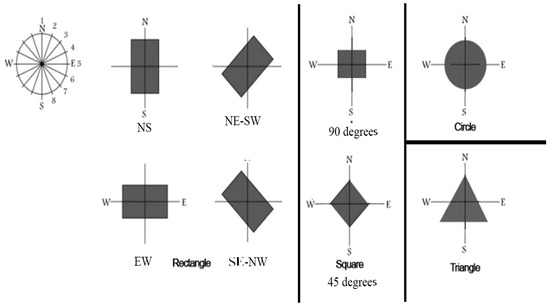
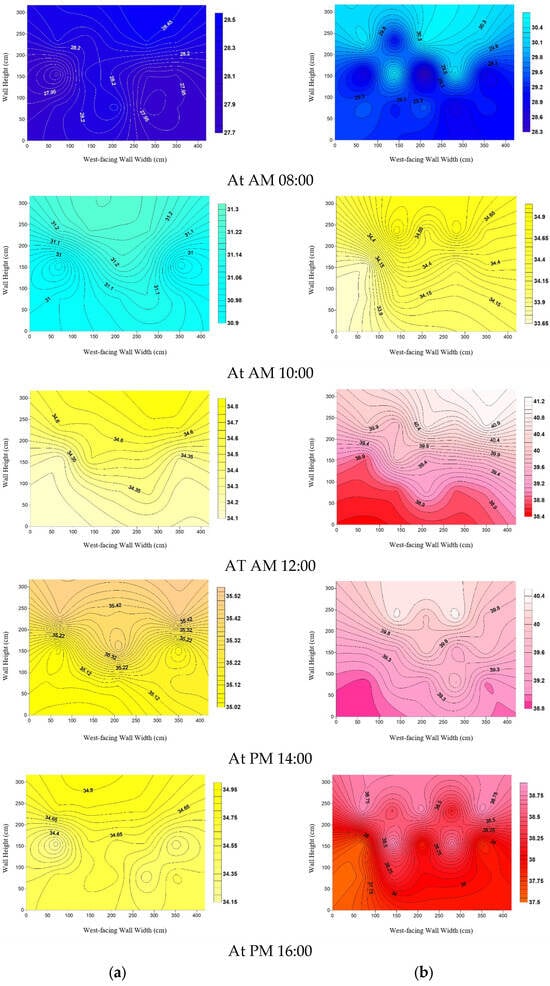
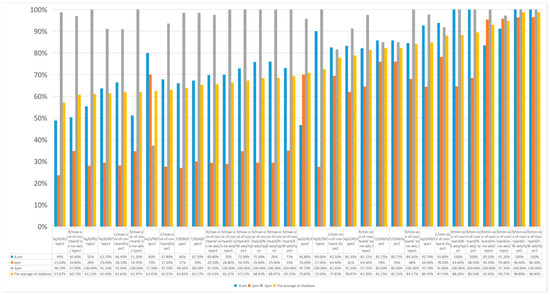
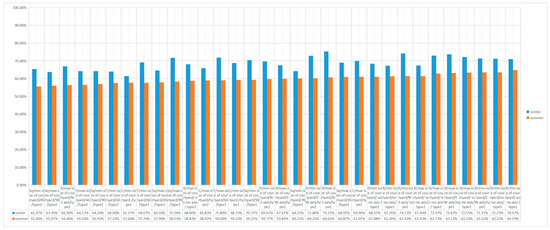
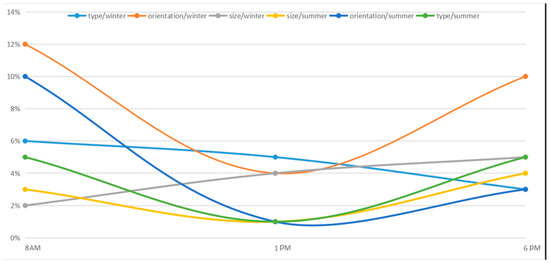
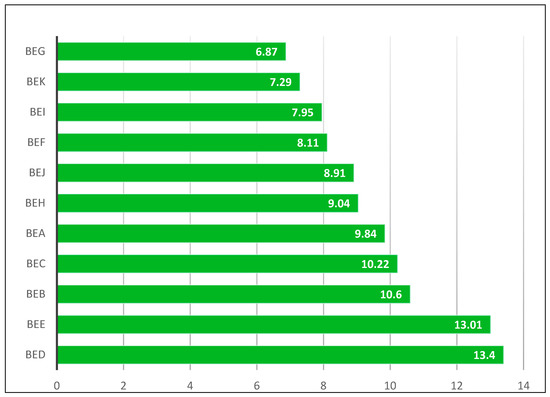
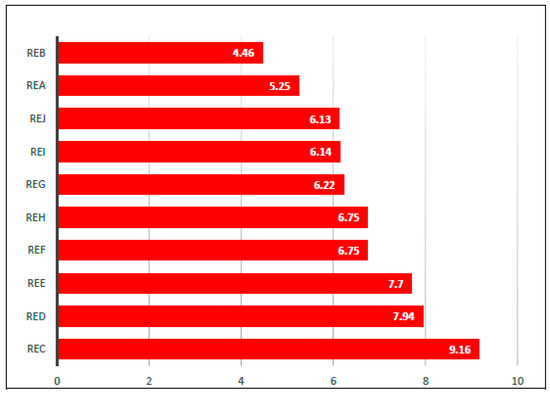
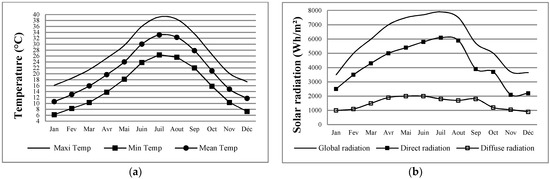
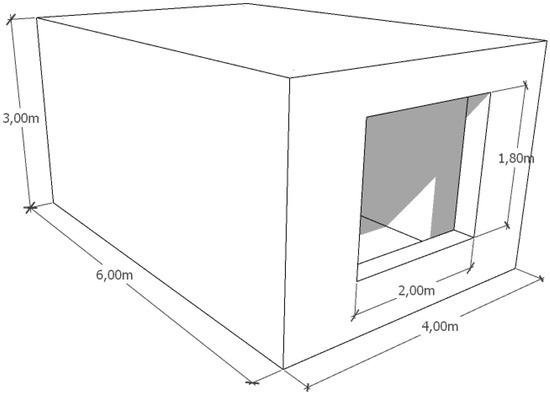
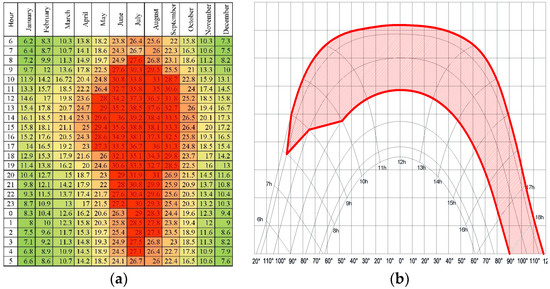
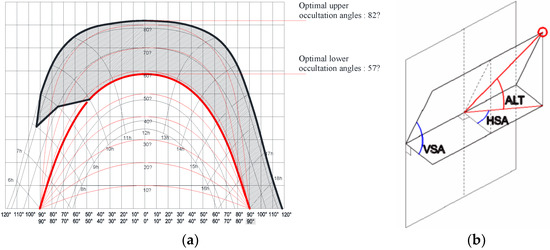
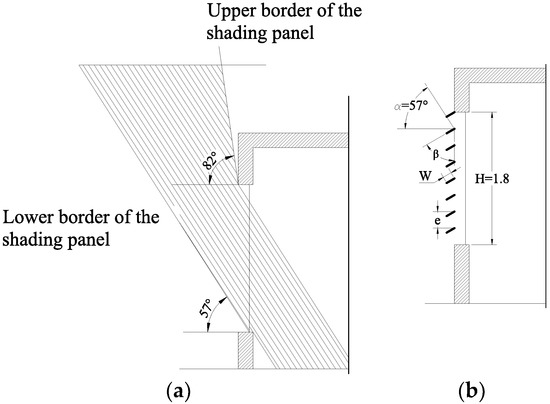
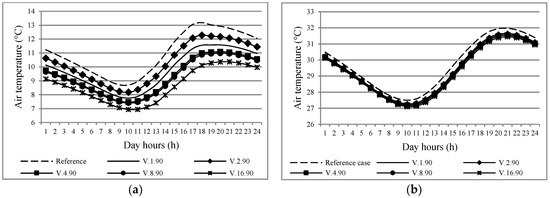
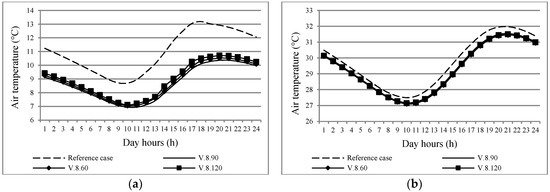
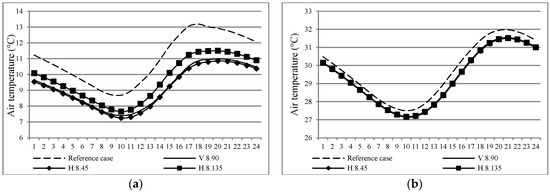
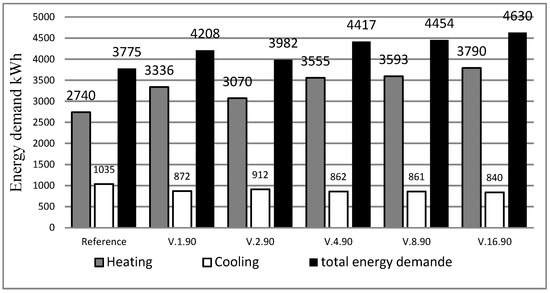
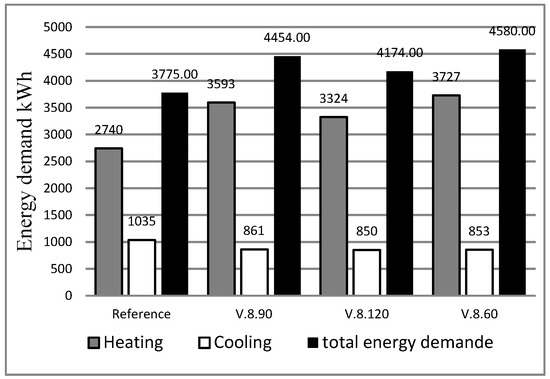
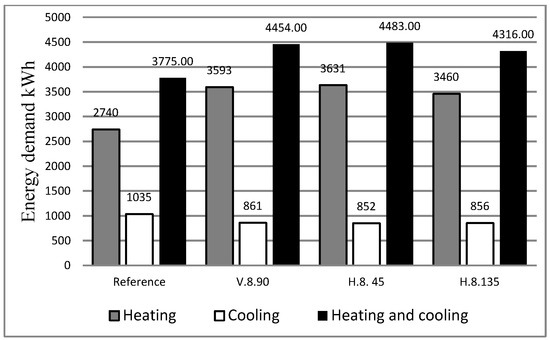
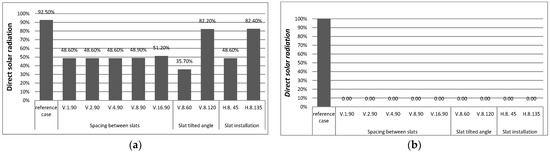
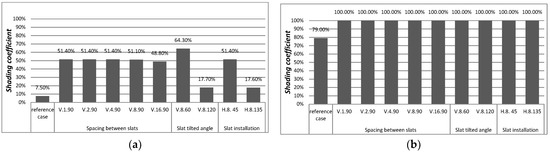
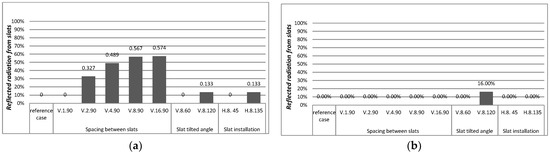
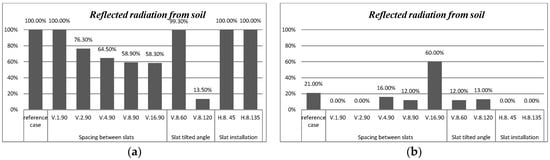
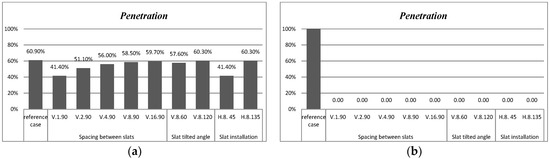
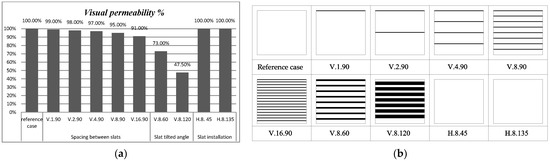
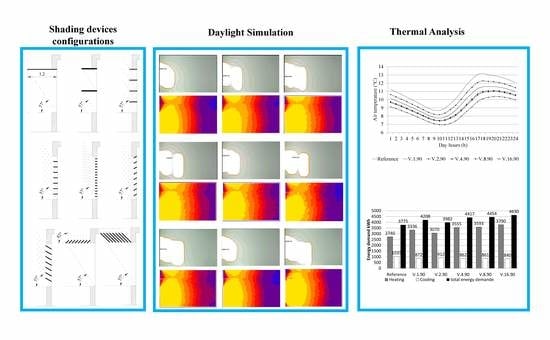
The present study investigates the effect of fixed external shading devices’ geometry on thermal comfort, daylighting and energy demand for cooling and heating in the hot and dry climate of the city of Ghardaïa (Algeria). A parametric analysis was performed by using three software: RADIANCE 2.0 and DAYSIM 3.1 for daylighting simulation and TRNSYS.17 for thermal dynamic simulation. Three shading device parameters were assessed: the spacing between slats, the tilted angle and the slats installation. The vertical shading angle “VSA” is fixed; it is equal to the optimum shading angle measured for Ghardaïa. The simulation results indicate that fixed external shading devices have a significant impact on decreasing the energy demand for cooling; however, they are unable to reduce the total energy demand since they significantly increase heating loads. It was found that fixed external shading devices remove all risks associated with glare in summer by decreasing illuminance close to the window; however, they do not improve daylighting performance in winter because of glare. We note that even if the vertical shading angle “VSA” was the same for all cases, these did not present the same thermal and luminous behavior. This is mainly due to the amount and the way that the solar radiation penetrates space. Full article
(This article belongs to the Special Issue Sustainable Buildings in the Built Environment)
Show Figures

Graphical abstract
Article
Can Underground Buildings Be Beneficial in Hot Regions? An Investigation of Field Measurements in On-Site Built Underground Construction
Buildings 2021, 11(8), 341; https://doi.org/10.3390/buildings11080341 - 08 Aug 2021
Viewed by 457
Abstract
Globally, there has been a remarkable growth in the number of underground constructions (UGC) such as railways, offices, hospitals and shopping malls. This expansion is a result of urban area extensions that are limited by the availability of buildable land. Underground construction can [...] Read more.
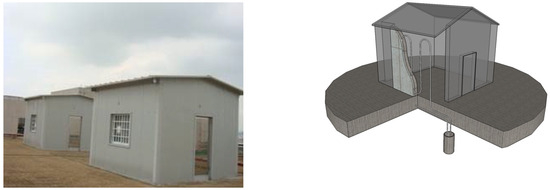
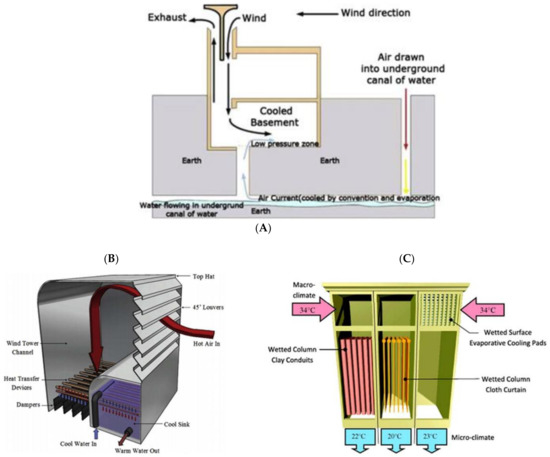
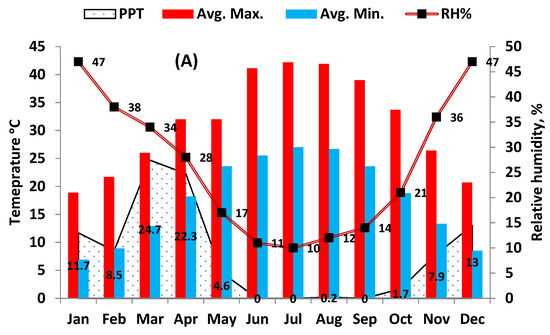
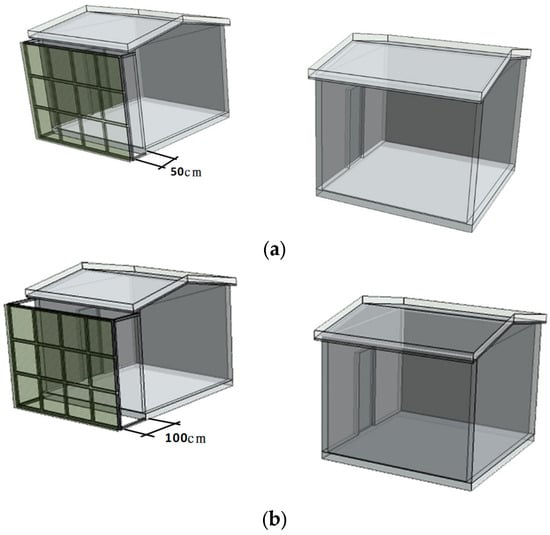
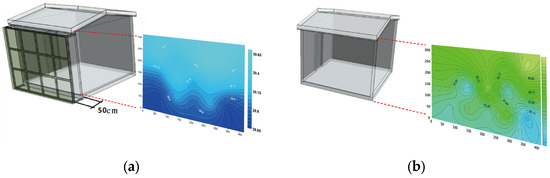
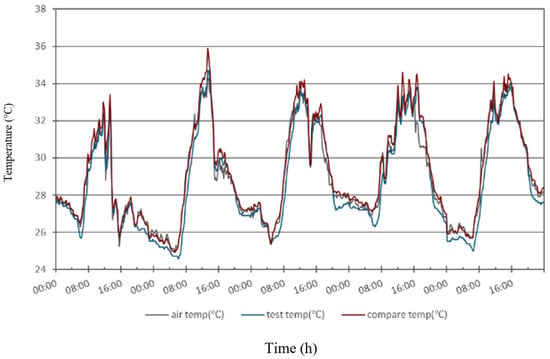
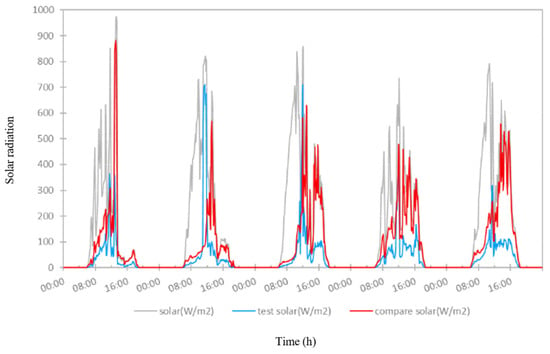
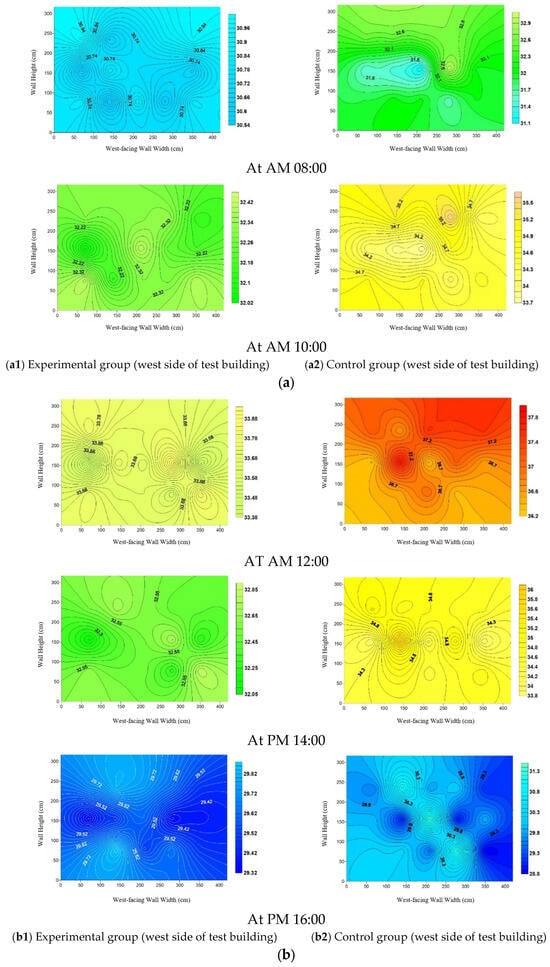
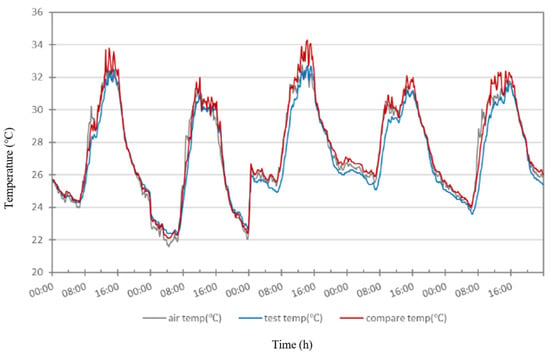
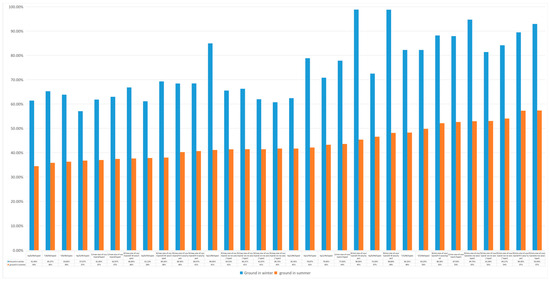
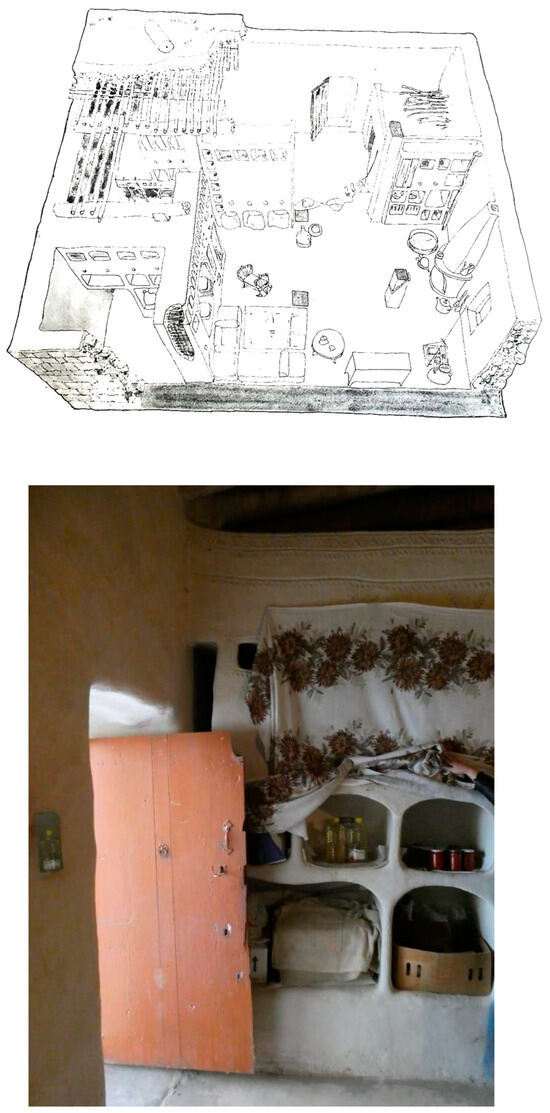
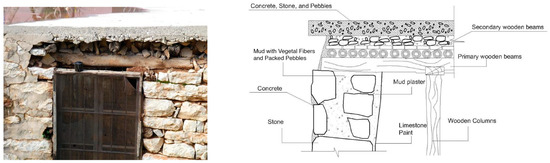
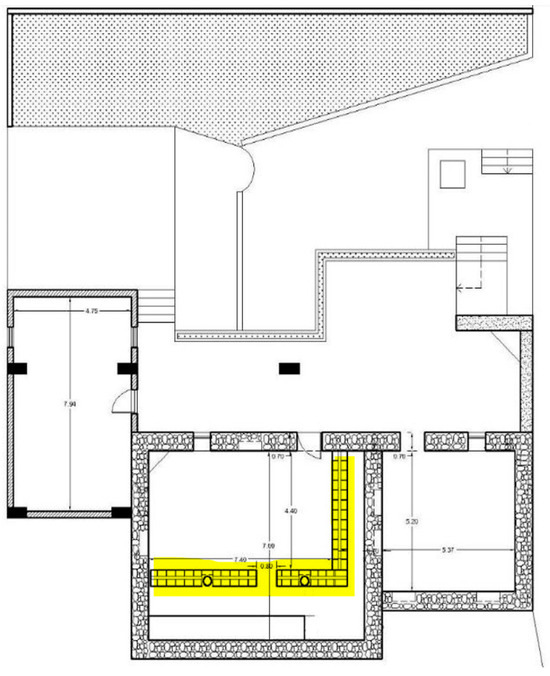
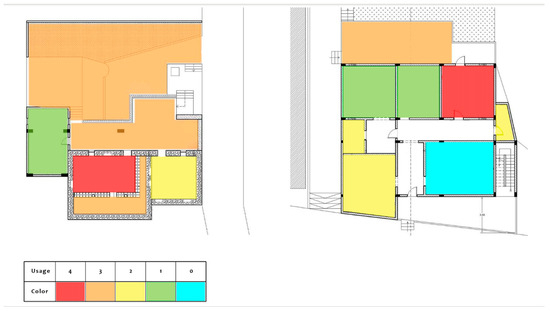
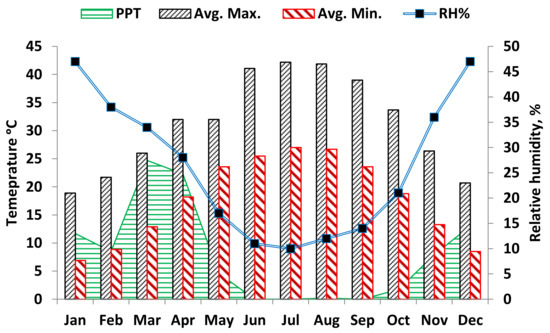
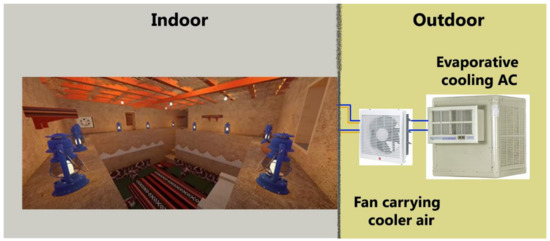
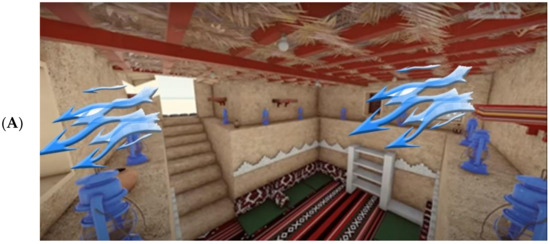
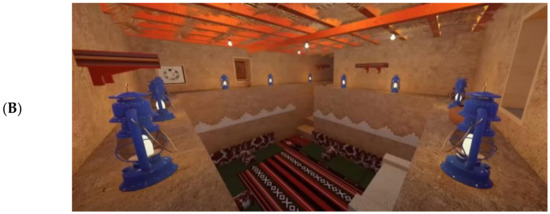
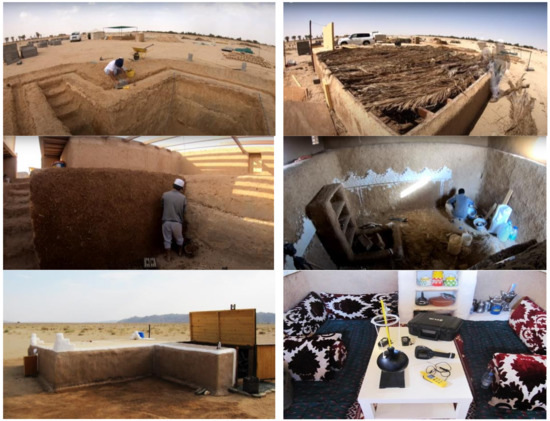
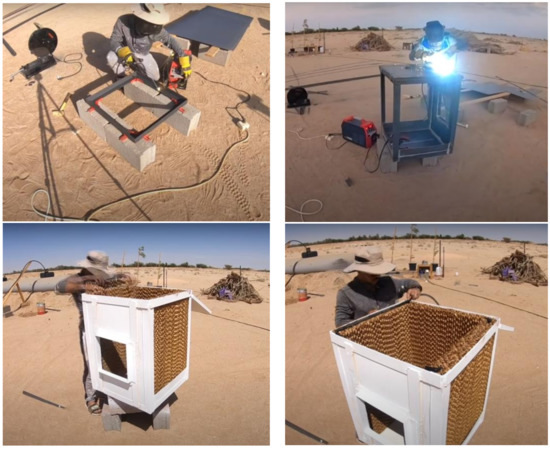
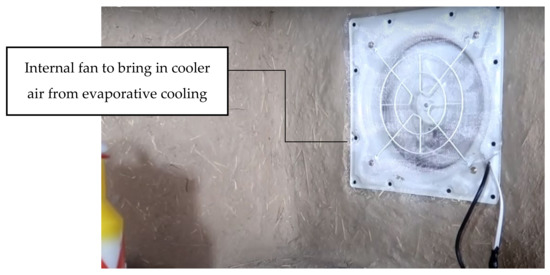
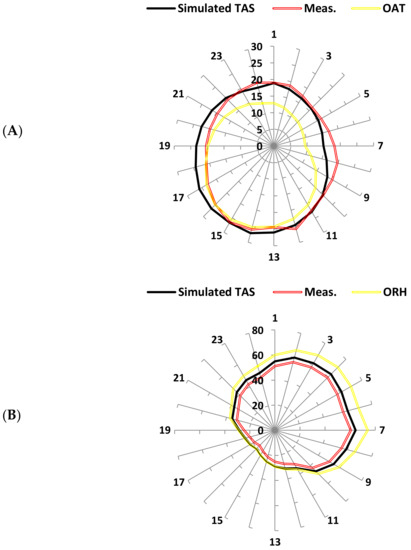
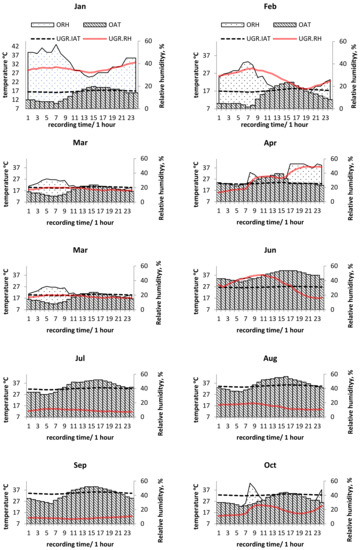
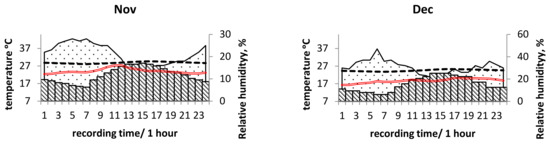
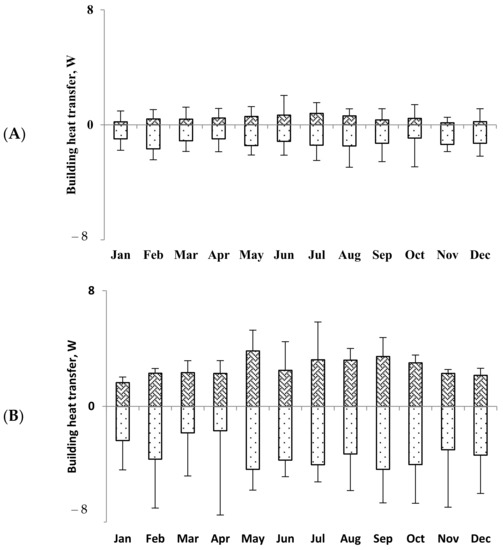
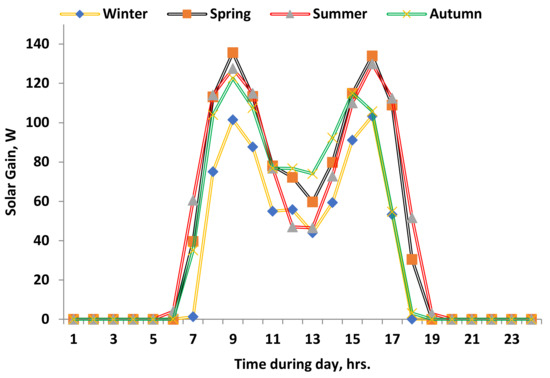
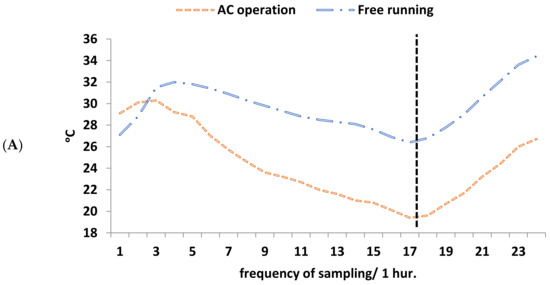
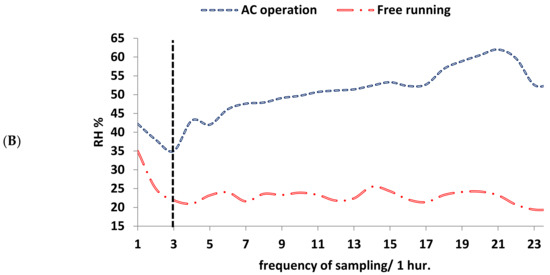
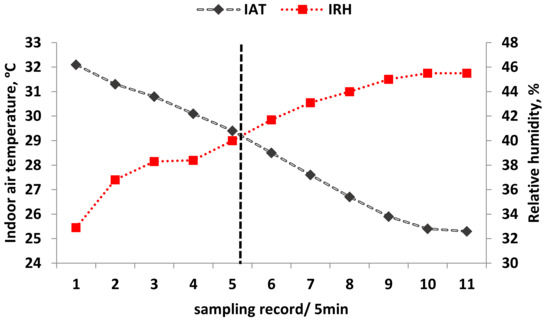
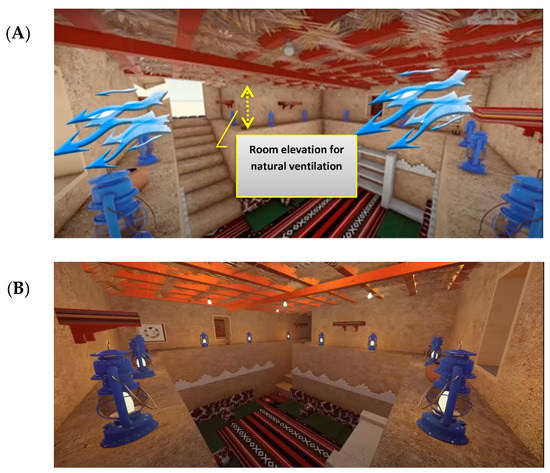
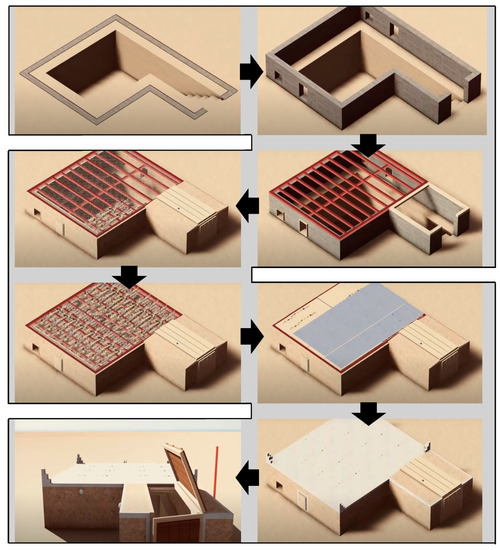
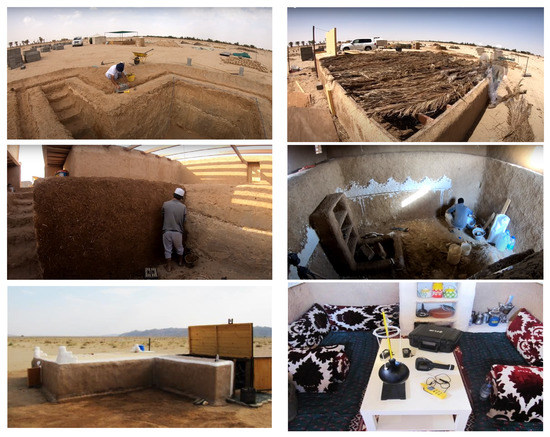
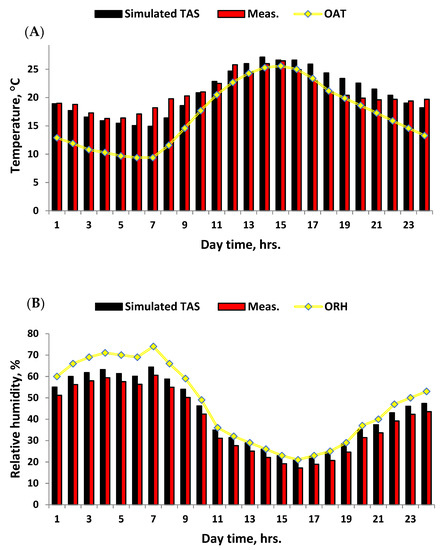
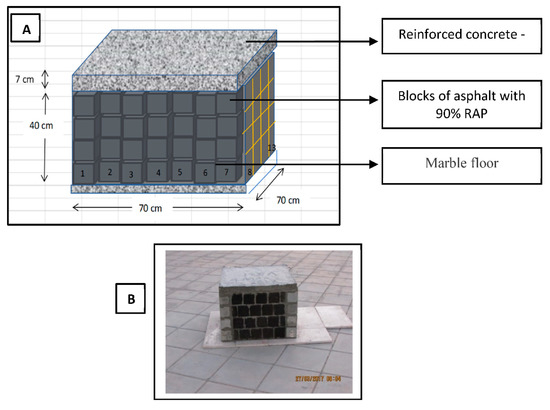
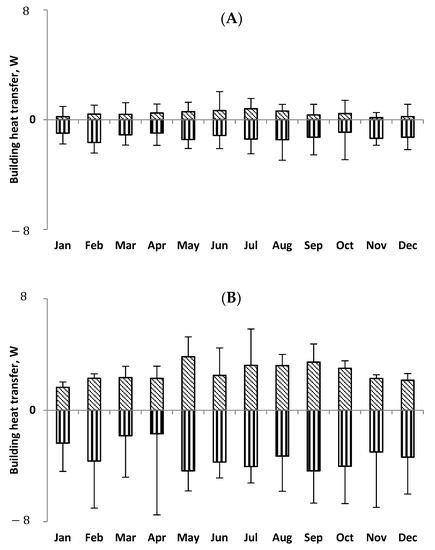
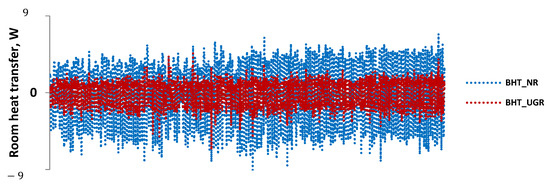
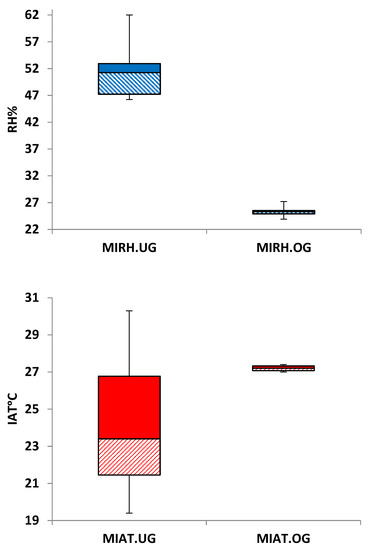
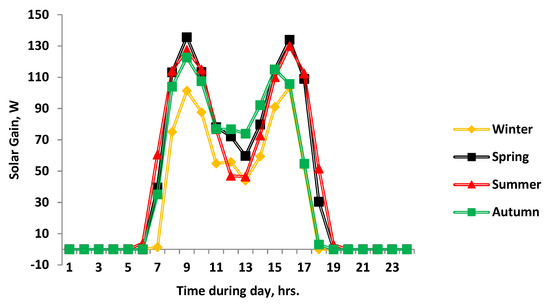
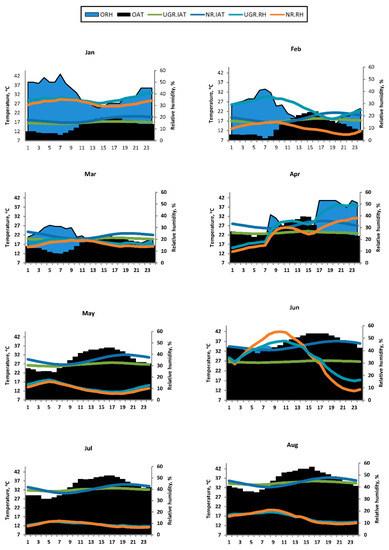
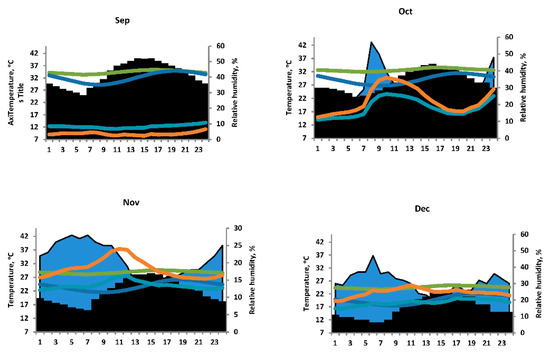
Globally, there has been a remarkable growth in the number of underground constructions (UGC) such as railways, offices, hospitals and shopping malls. This expansion is a result of urban area extensions that are limited by the availability of buildable land. Underground construction can also be used to protect people from the harshness of the outdoor conditions. The aim of this research is to investigate the impact of underground construction in hot regions. The major issue with most of the current UGC is the lack of natural ventilation and daylight. This has a clear negative impact on the user’s perception and comfort. The new design elevates the external walls to place some of the windows above ground for the purpose of natural ventilation and providing a view. The study conducted an experiment using an underground room enhanced with field measurements to ascertain the indoor temperature as well as relative humidity. In addition, the study used an energy simulation to calculate building heat transfer and solar heat gain. It was revealed that the use of UGC in hot regions promoted with the addition of natural ventilation can lower the indoor temperature by 3 °C in summer. Full article
(This article belongs to the Special Issue Sustainable Buildings in the Built Environment)
Show Figures

Figure 1

Article
A Critical Success Factor Framework for Implementing Sustainable Innovative and Affordable Housing: A Systematic Review and Bibliometric Analysis
Buildings 2021, 11(8), 317; https://doi.org/10.3390/buildings11080317 - 23 Jul 2021
Viewed by 665
Abstract
The actualization of affordable housing remains a challenge. This challenge is exacerbated by the increasing societal demand for the incorporation of sustainability principles into such housing types to improve levels of occupant health and well-being whilst avouching the desired levels of affordability. Innovative [...] Read more.
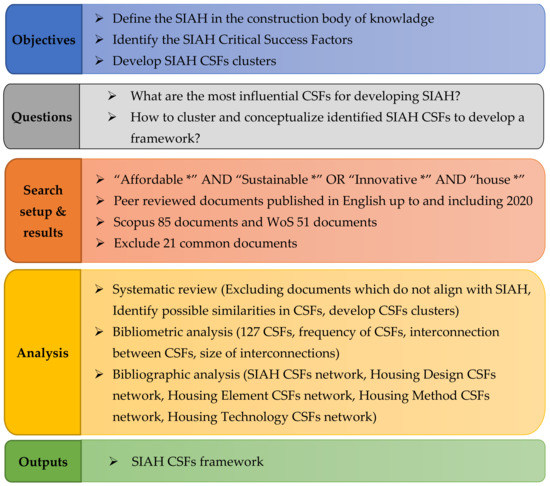
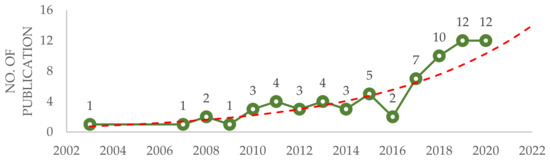
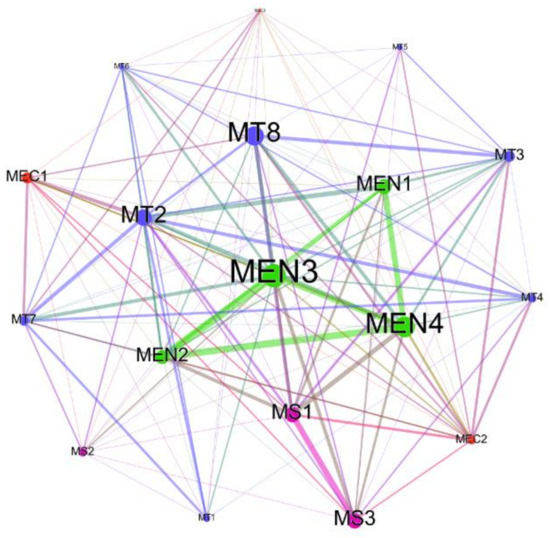
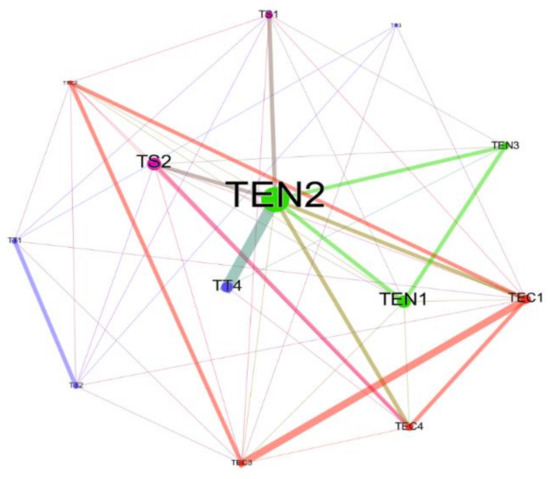
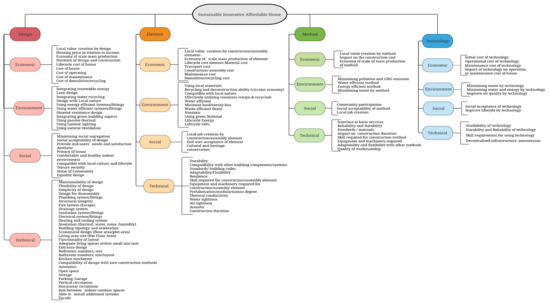
The actualization of affordable housing remains a challenge. This challenge is exacerbated by the increasing societal demand for the incorporation of sustainability principles into such housing types to improve levels of occupant health and well-being whilst avouching the desired levels of affordability. Innovative technologies and practices have been described as beneficial to the effectuation of sustainable affordable housing. However, knowledge concerning the deployment of innovative technologies and practices in sustainable affordable housing (sustainable, innovative, affordable housing—SIAH) delivery remains nascent. Consequently, there is a lack of a common ontology among stakeholders concerning how to realize SIAH. This study aims to contribute toward the development of this body of knowledge through the establishment of the critical success factors (CSFs) for effective SIAH implementation. To achieve this objective, a systematic review and bibliometric analysis focusing on a juxtaposition of sustainable, innovative and affordable housing concepts was carried out based on the relevant literature. This led to the identification and clustering of CSFs for these housing concepts at individual levels and as a collective (SIAH). The findings of the study consisted of the establishment of four distinct yet interrelated facets through which SIAH can be achieved holistically, namely, housing design, house element, housing production method and housing technology. A total of 127 CSFs were found to be aligned to these facets, subsequently clustered, and conclusively used for the development of a SIAH CSF framework. The most frequently occurring CSFs with predominant interconnections were the utilization of energy-efficient systems/fittings, tenure security, a comfortable and healthy indoor environment, affordable housing price in relation to income and using water-efficient systems/fittings CSFs, and establishing the emergent SIAH CSF framework. The framework in this study is useful in the documentation of SIAH features for construction projects and further studies into SIAH CSFs. Full article
(This article belongs to the Special Issue Sustainable Buildings in the Built Environment)
Show Figures

Figure 1

Review

Jump to: Research

Review
Stakeholder-Associated Factors Influencing Construction and Demolition Waste Management: A Systematic Review
Buildings 2021, 11(4), 149; https://doi.org/10.3390/buildings11040149 - 02 Apr 2021
Cited by 2 | Viewed by 844
Abstract
Construction and demolition (C&D) activities generate a large amount of waste and have significant impacts on the environment. Thus, it is necessary to implement C&D waste management (WM), which requires the involvement of stakeholders and is influenced by a variety of factors. This [...] Read more.

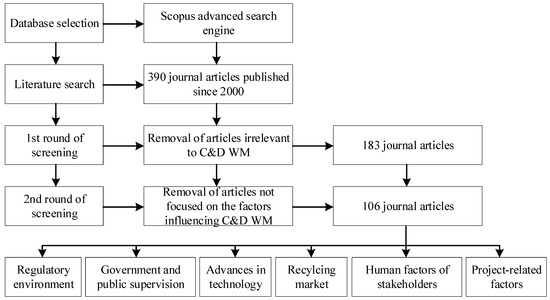
Construction and demolition (C&D) activities generate a large amount of waste and have significant impacts on the environment. Thus, it is necessary to implement C&D waste management (WM), which requires the involvement of stakeholders and is influenced by a variety of factors. This study aims to undertake a systematic review of the stakeholder-associated factors influencing C&D WM. The Scopus search engine was used in a literature search, and two rounds of screening were performed. Only journal articles or reviews that were published in English after 2000 were used in this study. A total of 106 journal articles were reviewed. The review identified 35 stakeholder-associated factors influencing C&D WM and categorized them into six groups: regulatory environment, government and public supervision, advances in technologies, recycling market, knowledge, awareness, attitude, and behaviour of stakeholders, and project-specific factors. All the 35 factors are discussed in detail with considerations into relevant stakeholders. Although there have been studies focused on the factors influencing C&D WM, few have attempted to take stakeholders’ perspectives into consideration. This study expands the C&D WM literature by mapping the influential factors with relevant stakeholders and enables the practitioners to clearly understand their roles and responsibilities and make better informed decisions in the C&D WM process. Full article
(This article belongs to the Special Issue Sustainable Buildings in the Built Environment)
Show Figures

Figure 1

Back to TopTop