
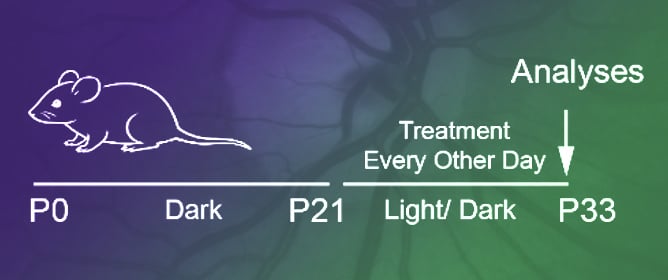


-
Dual Targeting of Galanin Receptor 3 Signaling and Redox Homeostasis Enhances Photoreceptor Survival in a Mouse Model of Retinitis Pigmentosa -
Efficacy and Mechanisms of Butyric Acid Derivatives as Feed Additives in Weaned Piglet Nutrition: A Review -
Oxidative Stress in Glaucoma: From Pathogenic Mechanisms to Emerging Antioxidant Therapies
Journal Description
Antioxidants
Antioxidants
is an international, peer-reviewed, open access journal related to the science and technology of antioxidants, published monthly online by MDPI. The International Coenzyme Q10 Association (ICQ10A), Israel Society for Oxygen and Free Radical Research (ISOFRR) and European Academy for Molecular Hydrogen Research (EAMHR) are affiliated with Antioxidants and their members receive discounts on the article processing charge.
- Open Access— free for readers, with article processing charges (APC) paid by authors or their institutions.
- High Visibility: indexed within Scopus, SCIE (Web of Science), PubMed, PMC, FSTA, PubAg, CAPlus / SciFinder, and other databases.
- Journal Rank: JCR - Q1 (Chemistry, Medicinal) / CiteScore - Q1 (Clinical Biochemistry)
- Rapid Publication: manuscripts are peer-reviewed and a first decision is provided to authors approximately 18.7 days after submission; acceptance to publication is undertaken in 2.9 days (median values for papers published in this journal in the first half of 2026).
- Recognition of Reviewers: Reviewers whose reports are timely and of high quality receive an APC discount voucher for a future publication in an MDPI journal. Become a reviewer.
- Companion journals for Antioxidants include: Oxygen and Bioactives.
Impact Factor:
8.2 (2025);
5-Year Impact Factor:
8.5 (2025)
Latest Articles
Xiaochaihutang Extract Ameliorates Metabolic Dysfunction-Associated Steatohepatitis in Mice and Modulates the Gut–Liver Axis
Antioxidants 2026, 15(10), 1268; https://doi.org/10.3390/antiox15101268 - 1 Oct 2026
Abstract
Metabolic dysfunction-associated steatohepatitis (MASH) is a progressive liver disease characterized by lipid metabolism dysregulation, insulin resistance, inflammation, and potential progression to severe liver conditions. Xiaochaihutang (XCHT), a traditional Chinese medicine, has been explored for its therapeutic potential. This study aimed to systematically investigate
[...] Read more.
Metabolic dysfunction-associated steatohepatitis (MASH) is a progressive liver disease characterized by lipid metabolism dysregulation, insulin resistance, inflammation, and potential progression to severe liver conditions. Xiaochaihutang (XCHT), a traditional Chinese medicine, has been explored for its therapeutic potential. This study aimed to systematically investigate the role and mechanisms of XCHT in the treatment of MASH. Network pharmacology and ultra-high-performance liquid chromatography coupled with quadrupole time-of-flight mass spectrometry (UHPLC-QTOF-MS) were used to identify active components and pathways. In vitro models using free fatty acids (FFAs) and an in vivo methionine-choline-deficient (MCD) diet-induced MASH mouse model were employed to evaluate hepatoprotective effects, metabolic improvements, and gut microbiota modulation. XCHT reduced FFA-induced injury, decreased aspartate aminotransferase (AST)/alanine aminotransferase (ALT) levels, inhibited lipid accumulation (72% reduction in triglyceride, TG), and alleviated oxidative stress (67% decrease in oxygen species, ROS; 92% restoration of glutathione, GSH). It also modulated gut microbiota, increasing beneficial bacteria, and activated the AMP-activated protein kinase (AMPK)/acetyl-CoA carboxylase (ACC) pathway (2.2-fold increase in phosphorylated AMPK, p-AMPK). Quercetin, kaempferol, β-sitosterol, and baicalin were predicted as key active components. XCHT ameliorates MASH through multi-target regulation of the AMPK pathway and gut–liver axis, supporting its potential as a complementary treatment for metabolic liver diseases.
Full article
Open AccessArticle
Associations of Serum MOTS-c with Exercise Capacity and Antioxidant Markers in Young Males: A Cross-Sectional Study
by
Ziyi Zhang, Xiaonan Zhang, Chengchen Wang, Yong Zhang and Hai Bo
Antioxidants 2026, 15(10), 1267; https://doi.org/10.3390/antiox15101267 - 1 Oct 2026
Abstract
Mitochondrial-derived peptide MOTS-c is an exercise-responsive mitokine, yet its associations with exercise capacity and antioxidant markers remain unclear. This cross-sectional study examined serum MOTS-c across three stratified groups of 30 healthy young males aged 18 to 25 years: elite track and field athletes
[...] Read more.
Mitochondrial-derived peptide MOTS-c is an exercise-responsive mitokine, yet its associations with exercise capacity and antioxidant markers remain unclear. This cross-sectional study examined serum MOTS-c across three stratified groups of 30 healthy young males aged 18 to 25 years: elite track and field athletes (n = 10), recreationally active individuals (n = 10), and sedentary controls (n = 10). Measurements included serum MOTS-c, SOD, post-exercise MDA, VO2max, forced vital capacity, vertical jump height, handgrip strength, back muscle endurance, and post-fatigue back muscle force. Serum MOTS-c increased progressively across groups (athletes: 507.51 ± 67.42 pg/mL; active: 440.32 ± 32.83 pg/mL; sedentary: 319.31 ± 99.07 pg/mL; p < 0.001; Hedges’ g = 2.13 for athlete vs. sedentary comparison). Serum MOTS-c was strongly correlated with absolute VO2max (r = 0.892), SOD (r = 0.847), post-exercise MDA (r = −0.910), back muscle endurance (r = 0.725), and post-fatigue back muscle force (r = 0.812) (all p < 0.001). In exploratory hierarchical regression, post-exercise MDA remained significantly associated with serum MOTS-c after adjustment for VO2max, whereas SOD was not independently associated. Handgrip strength showed no significant correlation with MOTS-c (r = 0.315, p = 0.090). These findings suggest that serum MOTS-c is associated with exercise capacity and circulating antioxidant markers in young males, although the cross-sectional design precludes causal inference.
Full article
(This article belongs to the Section Health Outcomes of Antioxidants and Oxidative Stress)
Open AccessArticle
Phenolic Profiling of Grapevine Leaves and the Protective Effect of a Polyphenol-Rich Vitis amurensis Extract on Lactiplantibacillus plantarum Under Oxidative Stress
by
László Kőrösi, Okba Hatem, Franco Röckel, György Schneider and Szilvia Papp
Antioxidants 2026, 15(10), 1266; https://doi.org/10.3390/antiox15101266 - 1 Oct 2026
Abstract
Polyphenols are plant secondary metabolites widely recognized for their antioxidant properties and potential health benefits. Grapevine leaves are a rich yet underexplored source of these bioactive compounds. In this study, caftaric acid, and predominant flavonol glycosides were characterized in leaves of seventeen grapevine
[...] Read more.
Polyphenols are plant secondary metabolites widely recognized for their antioxidant properties and potential health benefits. Grapevine leaves are a rich yet underexplored source of these bioactive compounds. In this study, caftaric acid, and predominant flavonol glycosides were characterized in leaves of seventeen grapevine genotypes by high-performance liquid chromatography, while total phenolic content (TPC) was determined using the Folin–Ciocalteu assay. In addition, the growth-promoting effect of a polyphenol-rich Vitis amurensis leaf extract on Lactiplantibacillus plantarum and its protective effect under H2O2-induced oxidative stress were evaluated. Both TPC and phenolic composition were strongly genotype-dependent, with TPC ranging from approximately 20 to 100 mg gallic acid equivalents (GAE) g−1 dry weight (DW). Quercetin and kaempferol glycosides were the predominant flavonols, and quercetin-3-O-glucuronide, one of the most abundant derivatives, varied nearly tenfold among genotypes (approximately 2100–20,000 mg kg−1 DW). The leaf extract of V. amurensis, the genotype with the highest TPC, significantly promoted the in vitro growth of L. plantarum in a dose-dependent manner, resulting in higher viable cell counts after 24 h. The extract also markedly enhanced bacterial survival under H2O2-induced oxidative stress. At 2 mM H2O2, no bacterial growth was detected in the absence of the extract, whereas extract-supplemented cultures maintained substantial growth and reached a viable cell count of 1.8 × 10⁸ colony-forming units (CFU) mL−1 after 24 h. The phenolic patterns identified across the investigated genotypes provide a basis for selecting Vitis genotypes as sources of specific flavonol glycosides. Furthermore, our microbiological results provide preliminary evidence of the beneficial effects of V. amurensis leaf extract on L. plantarum and warrant further investigation of its potential functional applications.
Full article
(This article belongs to the Special Issue Phenolic Compounds from Novel Natural Sources and Fermented Foods)
Open AccessArticle
Influence of Limonene, Ethyl Lactate, and Diethyl Adipate on the Functional Properties of Chitosan-Based Films Loaded with Fumaria officinalis L. Extract and Propolis
by
Rabiea Ashowen Ahmoda, Milena Milošević, Tihomir Kovačević, Sanja Savić, Ivona Janković-Častvan, Boban Anđelković, Tamara Erceg, Aleksandra A. Jovanović and Aleksandar Marinković
Antioxidants 2026, 15(10), 1265; https://doi.org/10.3390/antiox15101265 - 1 Oct 2026
Abstract
The development of chitosan (CS)-based films incorporating antioxidant compounds offers a promising approach for the design of functional biobased materials. CS films containing propolis and Fumaria officinalis extract (FOE) were prepared with triglyceryl citrate (TGC) and modified with limonene, ethyl lactate (EL), or
[...] Read more.
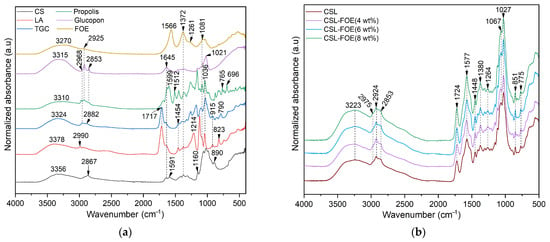
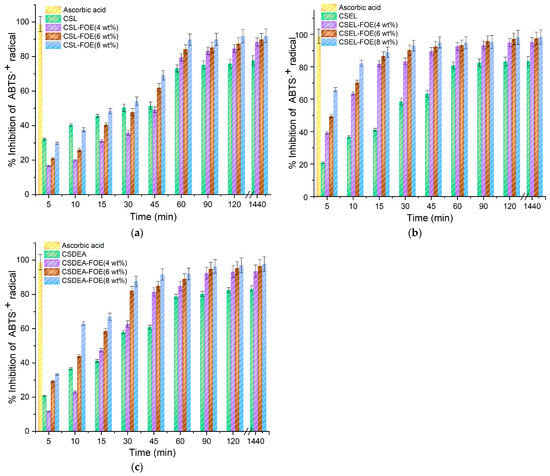
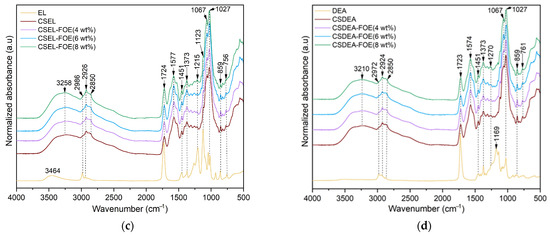
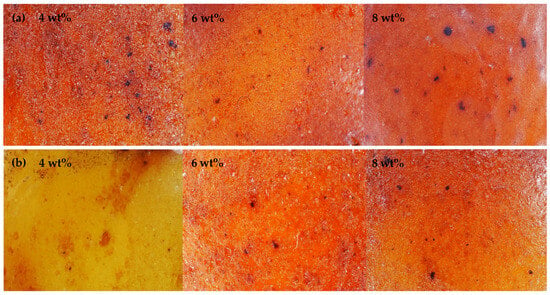
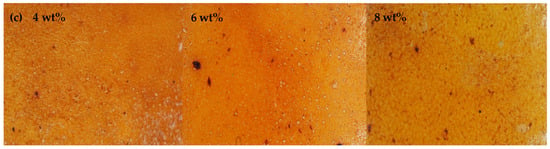
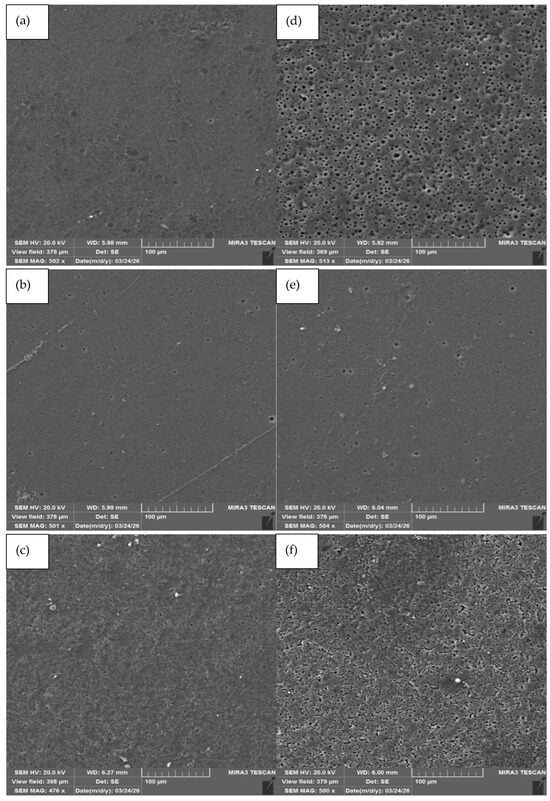
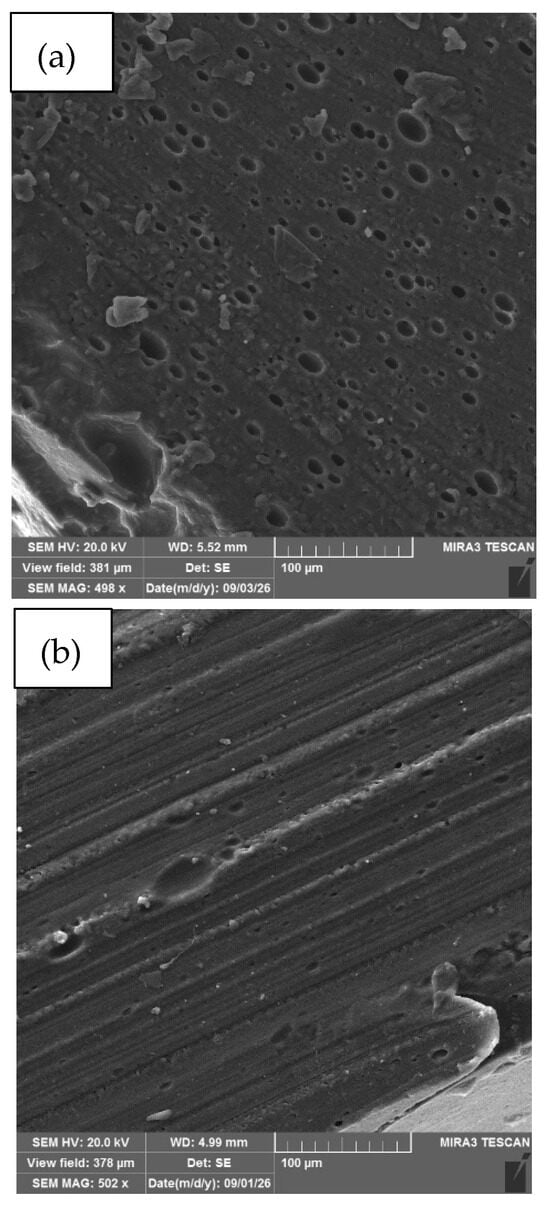
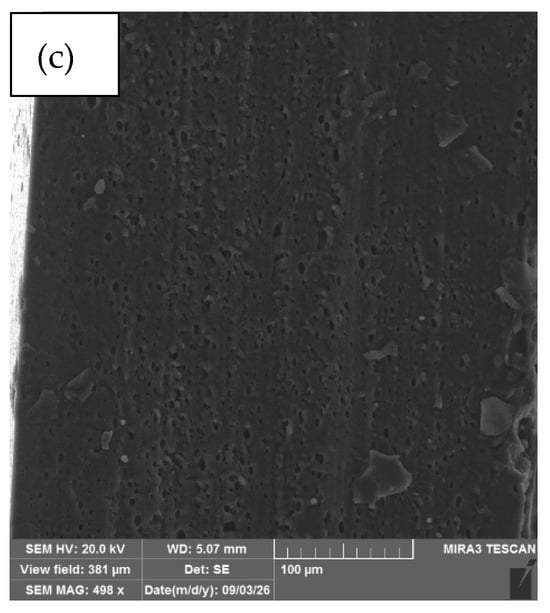
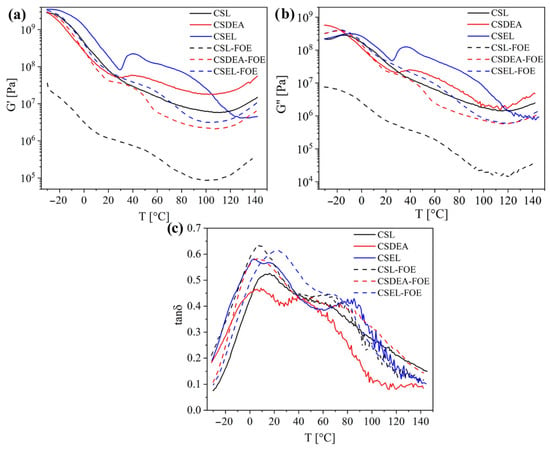
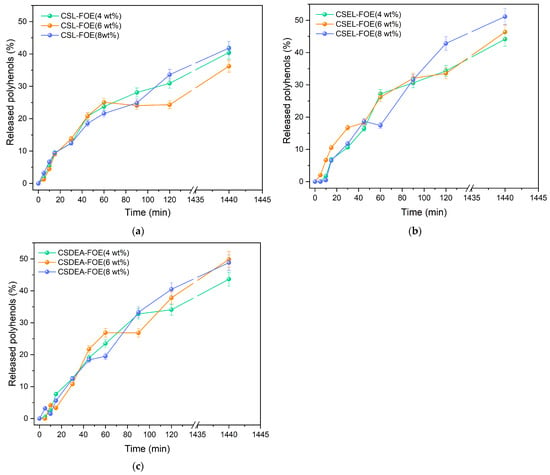
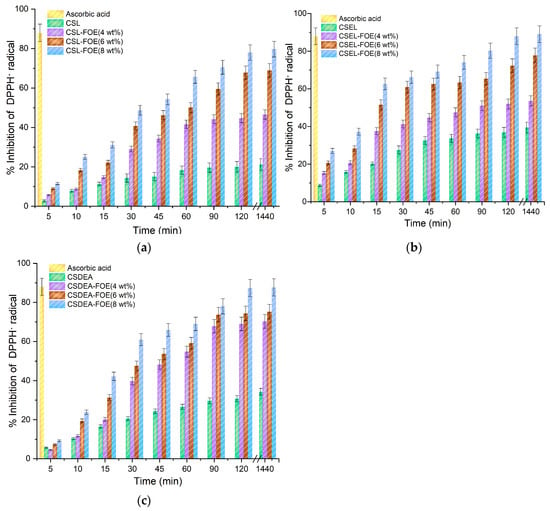
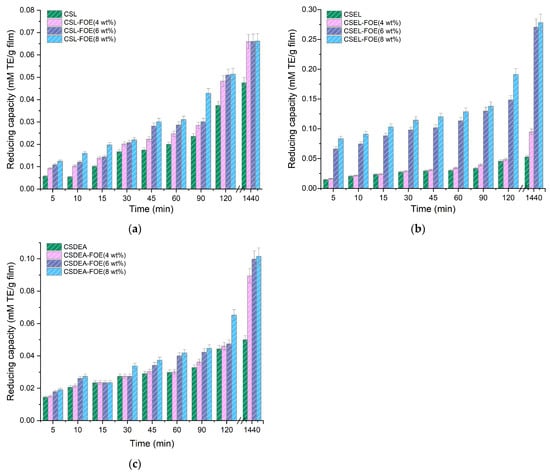
The development of chitosan (CS)-based films incorporating antioxidant compounds offers a promising approach for the design of functional biobased materials. CS films containing propolis and Fumaria officinalis extract (FOE) were prepared with triglyceryl citrate (TGC) and modified with limonene, ethyl lactate (EL), or diethyl adipate (DEA); their physicochemical, release, and antioxidant properties were evaluated. EL- and DEA-containing films exhibited greater structural homogeneity than limonene-based; higher FOE concentrations increased surface heterogeneity and porosity. Dynamic mechanical analysis showed that the viscoelastic response depended on the additive, with CSEL retaining the highest moduli and CSL-FOE exhibiting the most pronounced softening after FOE/propolis incorporation (G′~105 Pa at 100–110 °C; G″~104 Pa at 120 °C). EL-based films retained the highest tensile resistance and the most balanced strength-deformability profile (stress at break: ~53.58 N/mm2; strain at break: ~14.05%); increasing FOE content reduced stress at break. Film wettability and water uptake were governed by additive and FOE concentration. The release study demonstrated sustained polyphenol delivery, with EL- and DEA-based systems showing approximately 50% release after 24 h. Antioxidant assays confirmed a time- and concentration-dependent increase in activity. The antioxidant response profiles differed among the films, with EL films showing an earlier increase in antioxidant activity, limonene films exhibiting a more gradual response, and DEA films displaying an intermediate response pattern.
Full article
(This article belongs to the Section Extraction and Industrial Applications of Antioxidants)
►▼
Show Figures

Figure 1
Open AccessArticle
Limosilactobacillus mucosae LM410 Enhances Intestinal Barrier and Antioxidant Capacity in Weaned Piglets via Microbial Tyrosine Metabolism and AhR/STAT3 Pathway
by
Jing Liu, Rui Jia, Pengfei Wang, Yuhao Liang, Fen Feng, Fei Wang and Qiaoli Yang
Antioxidants 2026, 15(10), 1264; https://doi.org/10.3390/antiox15101264 - 1 Oct 2026
Abstract
Oxidative stress compromises intestinal barrier function and antioxidant defense in weaned piglets, causing substantial economic losses in the pig industry. Probiotic interventions to improve gut health are considered a highly promising solution; research indicates that certain Lactobacillus species can promote the proliferation of
[...] Read more.
Oxidative stress compromises intestinal barrier function and antioxidant defense in weaned piglets, causing substantial economic losses in the pig industry. Probiotic interventions to improve gut health are considered a highly promising solution; research indicates that certain Lactobacillus species can promote the proliferation of Lgr5+ stem cells and activate the AhR/STAT3 pathway by modulating microbiota metabolism, thereby enhancing intestinal barrier and antioxidant function. Although Limosilactobacillus mucosae (L. mucosae) has demonstrated antioxidant properties in rodent models, its involvement in modulating intestinal stem cell (ISC) fate in piglets, as well as the associated mechanisms, remains unclear. We hypothesized that L. mucosae could alleviate oxidative stress in weaned piglets by modulating intestinal microbiota and activating the aryl hydrocarbon receptor/signal transducer and activator of transcription 3 (AhR/STAT3) signaling-mediated intestinal epithelial renewal. We compared the gut microbiota composition between Hezuo pigs (a subgroup of the plateau-type Tibetan breed) and Landrace × Yorkshire (LY) pigs, and isolated L. mucosae LM410 from Hezuo pigs. The strain was evaluated for acid and bile tolerance, antioxidant activity, and inhibitory properties. Subsequently, a 14-day animal trial was conducted using Duroc × Landrace × Yorkshire (DLY) weaned piglets orally administered with 1 × 10⁹ CFU/mL L. mucosae LM410. Intestinal morphology, barrier integrity, immune responses, antioxidant capacity and cecal microbiota composition and metabolic pathways were assessed. We found that Hezuo pigs harbored a higher abundance of L. mucosae in the gut compared with LY pigs. The isolate L. mucosae LM410 from Hezuo pigs, demonstrated strong acid and bile salt tolerance, as well as antioxidant and antimicrobial activities, and effectively improved intestinal morphology, barrier integrity, immune responses, and antioxidant capacity in DLY weaned piglets. Mechanistically, L. mucosae LM410 reshaped the cecal microbiota by enriching short-chain fatty acid (SCFA)-producing bacteria and upregulating the tyrosine metabolic pathway. Concomitantly, L. mucosae LM410 activated the AhR/STAT3 signaling axis, which likely promoted ISC proliferation and differentiation into goblet cells. These findings demonstrate for the first time that L. mucosae may enhance piglet antioxidant defense through coordinated cecal microbiome remodeling, upregulation of tyrosine metabolism and AhR/STAT3-driven epithelial renewal, providing a theoretical foundation for developing L. mucosae LM410 as a candidate probiotic to improve piglet health.
Full article
(This article belongs to the Special Issue Antioxidant Defenses Against Stress Caused by Physical or Chemical Environmental Changes)
Open AccessReview
PRDX1 as a Redox Gatekeeper at Mitochondrial-ER Contact Sites: Implications for Kidney Fibrosis Progression and Therapy
by
Yang Zhang, Jaeyeon Lee, Nan Nan Yu, Mei-Hua Jin, Ying-Hao Han, Hyo-Jin Park, Deog-Bon Koo, Hu-Nan Sun and Dong-Seok Lee
Antioxidants 2026, 15(10), 1263; https://doi.org/10.3390/antiox15101263 - 1 Oct 2026
Abstract
Peroxiredoxins (PRDXs) constitute a class of thiol-dependent oxidoreductive regulatory factors whose functions extend beyond peroxide detoxification to include the regulation of oxidoreductive signaling, organelle homeostasis, and cell fate determination. The emerging role of PRDX1–6 in fibrotic diseases—particularly PRDX1’s function as an oxidoreductive signaling
[...] Read more.
Peroxiredoxins (PRDXs) constitute a class of thiol-dependent oxidoreductive regulatory factors whose functions extend beyond peroxide detoxification to include the regulation of oxidoreductive signaling, organelle homeostasis, and cell fate determination. The emerging role of PRDX1–6 in fibrotic diseases—particularly PRDX1’s function as an oxidoreductive signaling modulator dependent on specific pathological contexts during renal injury and fibrosis—calls for further investigation. We propose a dual-regulatory model in which PRDX1 simultaneously governs both the mitochondrial reactive oxygen species (ROS)–JNK/Smad signaling pathway and the endoplasmic reticulum (ER) stress–protein kinase R-like endoplasmic reticulum kinase (PERK)/eukaryotic initiation factor 2α (eIF2α)/activating transcription factor 4 (ATF4)/C/EBP homologous protein (CHOP)-gasdermin E (GSDME) signaling pathway, thereby linking organelle oxidoreductive imbalance to epithelial cell injury, inflammatory cell death, and fibrotic remodeling. Notably, we hypothesize that the mitochondria-associated membranes (MAMs) serve as a critical spatial interface for the convergence of these signaling pathways. At the MAMs, PRDX1 may function as an “oxidoreductive gatekeeper,” buffering local peroxide signaling while coordinating the oxidoreductive balance, Ca2+ transport, and mitochondrial homeostasis between the ER and mitochondria. This theoretical framework provides a potential basis for elucidating the context-dependent role of PRDX1 in both acute and chronic renal injury, and identifies the PRDX1–MAMs oxidoreductive gating axis as a promising therapeutic target for renal fibrosis.
Full article
(This article belongs to the Topic Cell Signaling and Redox Biology: From Molecular Mechanisms to Therapeutic Applications)
Open AccessArticle
Molecular Cloning and Functional Characterization of TaWRKY65-3B: Constitutive Overexpression in Rice Reduces Grain Yield and Reprograms Simulated-Drought-Responsive Metabolism via Diterpenoid Biosynthesis
by
Yanfei Zhang, Mengyuan Li, Gezi Li, Geng Ma, Haiyan Zhang, Lifang Wang, Wei Feng, Yingxin Xie, Wanzhang Wang, Dongyun Ma and Chenyang Wang
Antioxidants 2026, 15(10), 1262; https://doi.org/10.3390/antiox15101262 - 1 Oct 2026
Abstract
WRKY (WRKY domain-containing) transcription factors represent one of the largest families of plant-specific transcription regulators and play pivotal roles in plant growth, development, nutrient acquisition, and responses to biotic and abiotic stresses. In this study, the coding sequence of TaWRKY65-3B was cloned from
[...] Read more.
WRKY (WRKY domain-containing) transcription factors represent one of the largest families of plant-specific transcription regulators and play pivotal roles in plant growth, development, nutrient acquisition, and responses to biotic and abiotic stresses. In this study, the coding sequence of TaWRKY65-3B was cloned from the hexaploid wheat cultivar Hanxuan 10. Domain analysis revealed that TaWRKY65-3B contains a conserved WRKY domain and a typical C2H2-type zinc finger motif. The gene spans 1478 bp and comprises two exons and one intron. Promoter analysis identified multiple cis-acting regulatory elements, including those responsive to abscisic acid, methyl jasmonate, drought, and low temperature. Quantitative real-time PCR (qRT-PCR) demonstrated that TaWRKY65-3B was significantly upregulated under polyethylene glycol (PEG)-simulated-drought stress in wheat. Overexpression of TaWRKY65-3B in rice resulted in marked growth inhibition, characterized by reduced plant height, shortened grains, and decreased grain width, perimeter, and surface area. These morphological changes led to a significant reduction in thousand-grain weight and overall grain yield. Mechanistically, TaWRKY65-3B activated the expression of OsCPS2, OsCPS4, and OsKS4, which encode key enzymes in the diterpenoid phytoalexin biosynthetic pathway. Subsequent oxidative modifications catalyzed by the cytochrome P450 monooxygenase OsCYP76M7 facilitated the accumulation of the defensive diterpenoid neoabietic acid. Integrated transcriptomic and metabolomic analyses revealed that constitutive TaWRKY65-3B overexpression reprograms simulated-drought-responsive metabolism in rice, with a diterpenoid metabolite annotated as neoabietic acid as a key correlative feature—though definitive structural confirmation requires authentic standards. These findings identify a WRKY-mediated regulatory module connecting diterpenoid phytoalexin metabolism to simulated-drought stress responses, although the precise molecular cascades governing the growth-defence trade-off between stress adaptation and yield warrant further investigation.
Full article
Open AccessReview
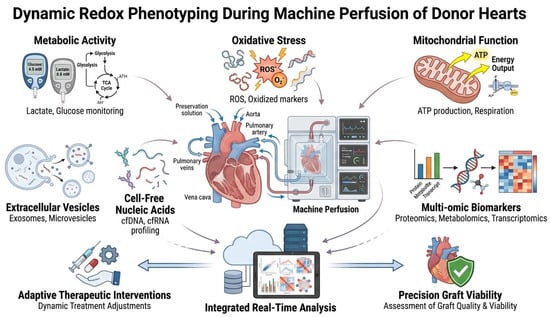
Redox Phenotyping of the Donor Heart: A New Paradigm for Precision Heart Transplantation
by
Tomasz Urbanowicz, Mariusz Kowalewski, Giuseppe Maria Raffa, Beata Krasińska, Calogera Pisano, Vincenzo Nuzzi, Mansur Rahnama, Piotr Suwalski, Zbigniew Krasiński and Ewelina Grywalska
Antioxidants 2026, 15(10), 1261; https://doi.org/10.3390/antiox15101261 - 1 Oct 2026
Abstract
Heart transplantation remains the definitive treatment for selected patients with advanced heart failure, yet current donor heart assessment relies predominantly on clinical, functional, and biochemical variables that incompletely reflect the biological resilience of the graft. Increasing evidence indicates that oxidative stress represents a
[...] Read more.
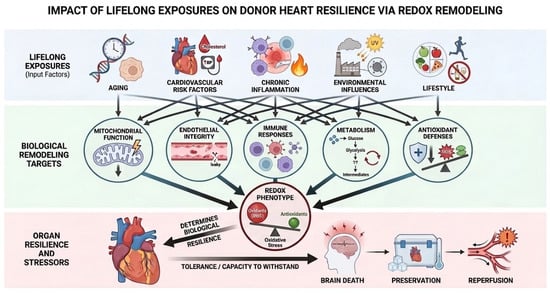
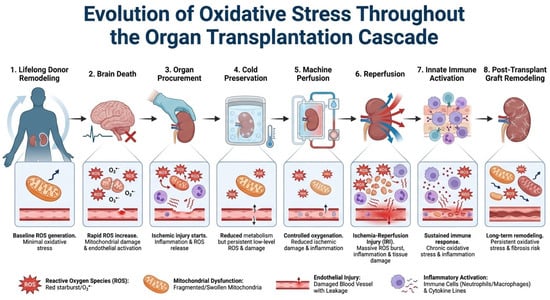
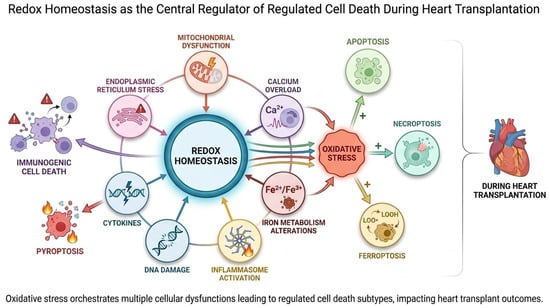
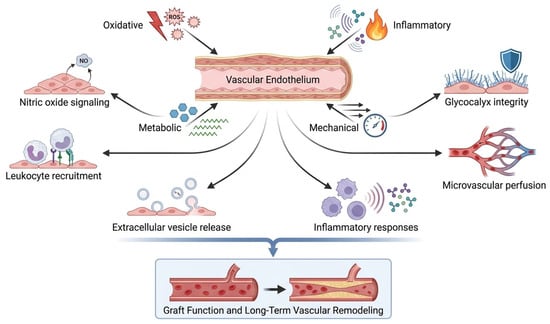
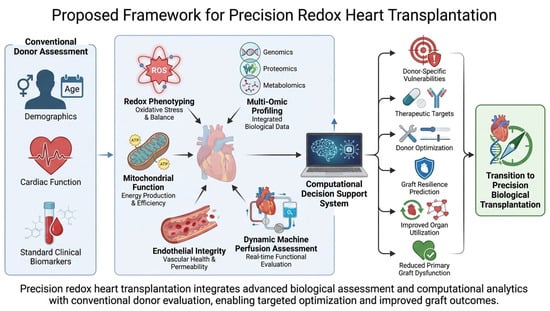
Heart transplantation remains the definitive treatment for selected patients with advanced heart failure, yet current donor heart assessment relies predominantly on clinical, functional, and biochemical variables that incompletely reflect the biological resilience of the graft. Increasing evidence indicates that oxidative stress represents a central mechanism linking donor characteristics, brain death, ischemia–reperfusion injury, endothelial dysfunction, mitochondrial impairment, inflammation, and regulated cell death. These interconnected processes collectively determine graft susceptibility to preservation injury and post-transplant dysfunction. This review introduces redox phenotyping as a novel conceptual framework for donor heart evaluation, integrating oxidative injury, antioxidant defenses, mitochondrial competence, endothelial integrity, metabolic adaptation, and redox-sensitive molecular signaling into a multidimensional assessment of graft biology. We summarize the mechanisms underlying donor heart oxidative remodeling throughout life, the molecular basis of ischemia–reperfusion injury, and emerging biomarkers, including metabolomics, lipidomics, extracellular vesicles, cell-free nucleic acids, and mitochondrial biomarkers. We further discuss how ex vivo machine perfusion enables real-time biological assessment and targeted therapeutic intervention, transforming organ preservation into a platform for dynamic redox characterization. Finally, we explore the integration of multi-omic profiling with artificial intelligence to enable individualized donor assessment and biological optimization.
Full article
(This article belongs to the Special Issue Antioxidant Therapies, Mitochondrial Function, and Transplantation Strategies: Mechanisms and Emerging Therapeutics)
►▼
Show Figures

Figure 1
Open AccessArticle
Temporal Kinetics of Circulating Oxidative Stress Markers in Intracerebral Hemorrhage and Their Association with Perihematoma Edema
by
Sandeep Kumar Gupta, Jayantee Kalita, Prakash C. Pandey, Dhiraj Kumar, Vivek Singh and Roopali Mahajan
Antioxidants 2026, 15(10), 1260; https://doi.org/10.3390/antiox15101260 - 1 Oct 2026
Abstract
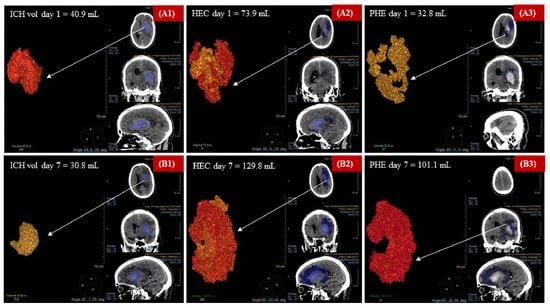
In intracerebral hemorrhage (ICH), an elevated oxidant level may lead to perihematoma edema (PHE) and adversely affect its outcome. We report circulating oxidative stress markers in ICH patients at different time points and their association with PHE on computerized tomographic (CT) scans. A
[...] Read more.
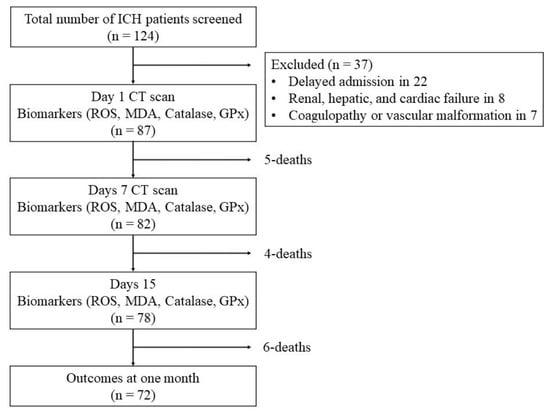
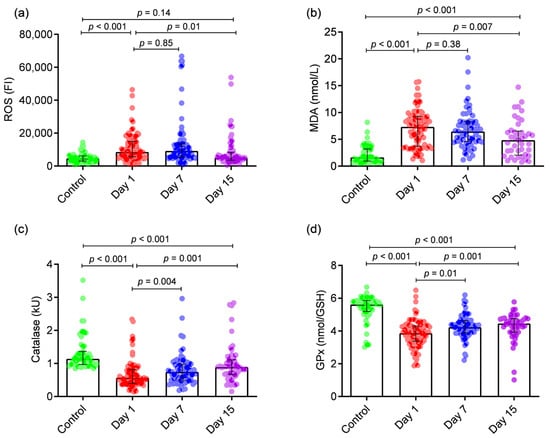
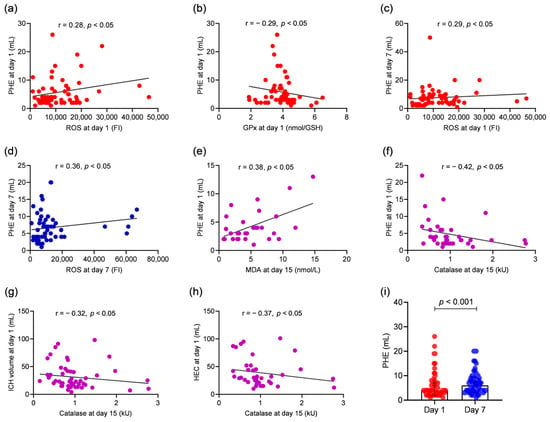
In intracerebral hemorrhage (ICH), an elevated oxidant level may lead to perihematoma edema (PHE) and adversely affect its outcome. We report circulating oxidative stress markers in ICH patients at different time points and their association with PHE on computerized tomographic (CT) scans. A total of 87 patients with CT confirmed ICH within 24 h of ictus were prospectively included, and a follow-up CT scan was performed on day 7. The location and volume of hematoma, hematoma edema complex (HEC), PHE, and intraventricular extension of hemorrhage were noted on both CT scans. Blood samples were collected on days 1, 7, and 15, and reactive oxygen species (ROS), malondialdehyde (MDA), catalase (CAT), and glutathione peroxidase (GPx) levels were measured using a microplate reader. These biomarkers were also measured in 57 age-matched healthy controls. The patients had elevated ROS (p < 0.001) and MDA (p < 0.001) levels, whereas CAT (p < 0.001) and GPx (p < 0.001) levels were reduced compared to the controls. The oxidants remained elevated on day 7 and decreased on day 15 but did not reach the control levels. Furthermore, the CAT and GPx showed recovery on day 7 and day 15 but did not achieve the control levels. ROS (r = 0.28, p = 0.02) and GPx (r = −0.29, p = 0.02) correlated with PHE, suggesting their role in the pathogenesis. The hematoma volume, HEC, and PHE at day 1 correlated with the day 15 CAT level and MDA with PHE. At one month, 15 (17.24%) patients died, 56 (64.36%) had poor recovery, and 16 (18.39%) had good recovery. The patients with higher antioxidant levels had better survival and good outcomes. Future studies may investigate the efficacy of antioxidant therapy in improving clinical outcomes and modulating oxidative stress biomarkers in ICH patients.
Full article
(This article belongs to the Special Issue Antioxidants, Metabolic Regulation and Stroke)
►▼
Show Figures

Figure 1
Open AccessArticle
Long-Term Changes in Salivary Oxidative and Nitrosative Stress Biomarkers After Photodynamic Therapy Versus Clobetasol in Oral Lichen Planus: A Randomized Clinical Trial
by
Magdalena Sulewska, Patryk Wiśniewski, Jagoda Tomaszuk, Aleksandra Pietruska, Anna Zalewska, Emilia Szymańska, Katarzyna Winnicka, Mateusz Maciejczyk, Małgorzata Żendzian-Piotrowska and Małgorzata Pietruska
Antioxidants 2026, 15(10), 1259; https://doi.org/10.3390/antiox15101259 - 1 Oct 2026
Abstract
Background: Oxidative and nitrosative stress may contribute to the pathogenesis of oral lichen planus (OLP). This study compared the effects of photodynamic therapy (PDT) and topical corticosteroid therapy (CT) on selected salivary redox biomarkers. Materials and Methods: Thirty-nine patients with OLP were randomized
[...] Read more.
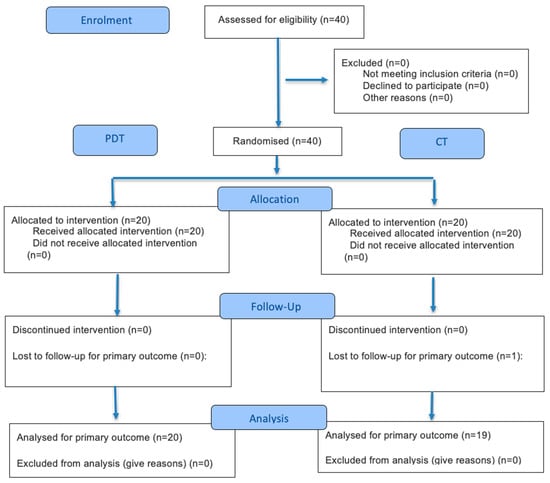
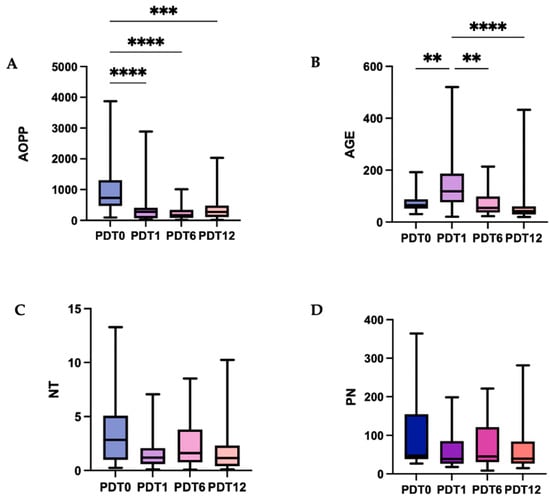
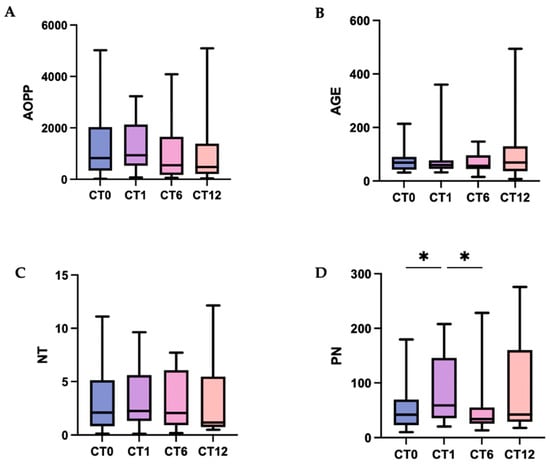
Background: Oxidative and nitrosative stress may contribute to the pathogenesis of oral lichen planus (OLP). This study compared the effects of photodynamic therapy (PDT) and topical corticosteroid therapy (CT) on selected salivary redox biomarkers. Materials and Methods: Thirty-nine patients with OLP were randomized to five weekly sessions of 5-aminolevulinic acid PDT (n = 20) or topical clobetasol applied for 14 days (n = 19). Salivary advanced oxidation protein products (AOPP), advanced glycation end products (AGE), 3-nitrotyrosine (NT), and peroxynitrite (PN) were measured before treatment, immediately after treatment, and after 6 and 12 months. Associations with lesion area and pain intensity were also assessed. Results: PDT significantly reduced AOPP concentrations, which remained below baseline throughout follow-up and were lower than after CT at all post-treatment assessments. AGE increased transiently after PDT but decreased thereafter and was lower than after CT at 12 months. NT was lower after PDT than after CT immediately after treatment. PN concentrations showed significant within-group changes over time in the CT group; however, baseline PN concentrations differed between the treatment groups, limiting direct interpretation of between-group differences. Biomarker concentrations showed no consistent associations with lesion area or pain intensity. Conclusions: PDT and CT were associated with different patterns of change in selected salivary redox biomarkers in OLP. PDT was particularly associated with a sustained reduction in AOPP concentrations, whereas the investigated biomarkers showed no consistent relationship with clinical disease severity.
Full article
(This article belongs to the Special Issue Reactive Oxygen Species and Growth Factors in Photodynamic Therapy (PDT), Photobiomodulation (PBM), and Radiation Therapy (RT)—2nd Edition)
►▼
Show Figures

Figure 1
Open AccessReview
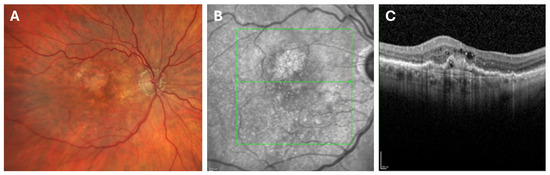
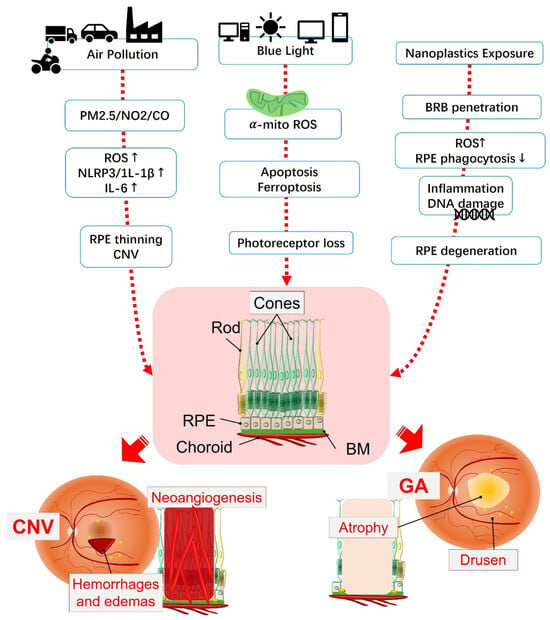
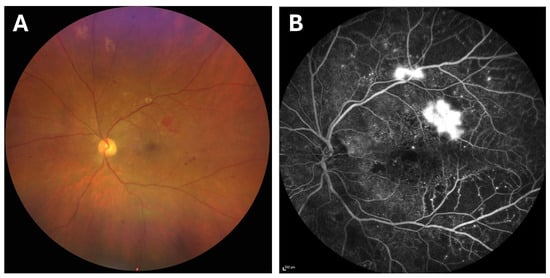
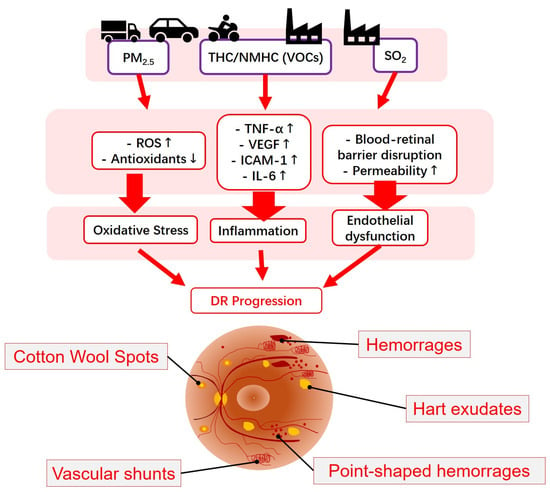
Environmental Pollution and Related Redox Pathways Contributing to Retinal Diseases
by
Liyu Zhang, Qi Tang, Elsa Wilma Böhm, Felix Mathias Wagner and Adrian Gericke
Antioxidants 2026, 15(10), 1258; https://doi.org/10.3390/antiox15101258 - 1 Oct 2026
Abstract
Environmental pollution, a detrimental consequence of industrialization and globalization, is increasingly recognized as a potential risk factor for a wide range of human diseases, including retinal disorders. The retina is particularly vulnerable to environmental stressors, including particulate matter, nitrogen oxides, carbon monoxide, traffic-related
[...] Read more.
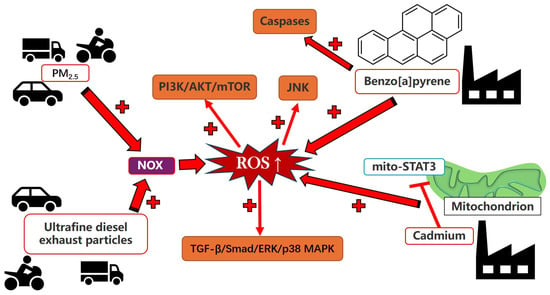
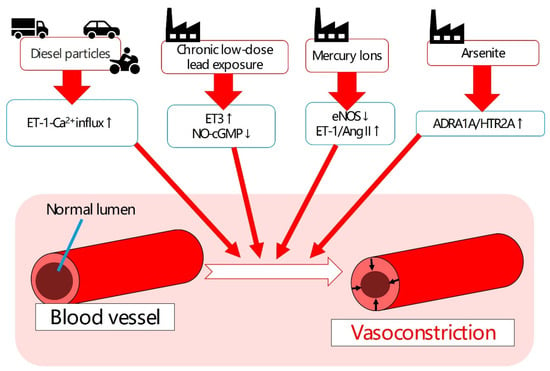
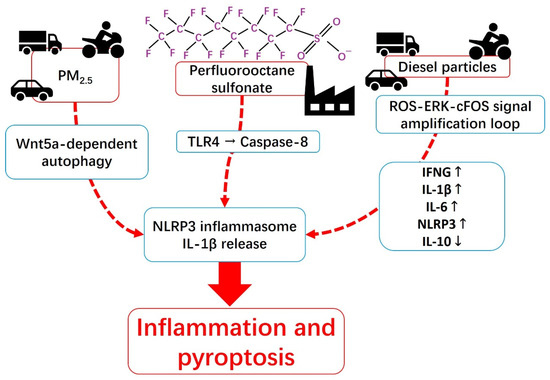
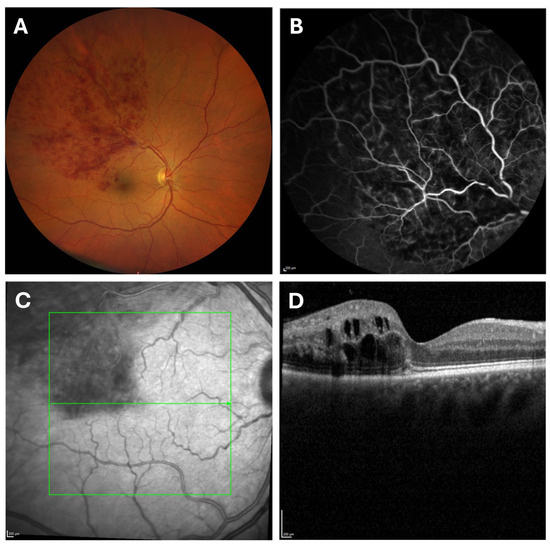
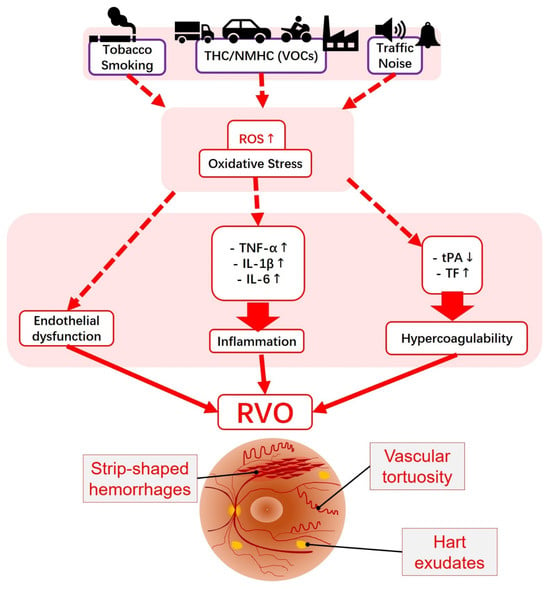
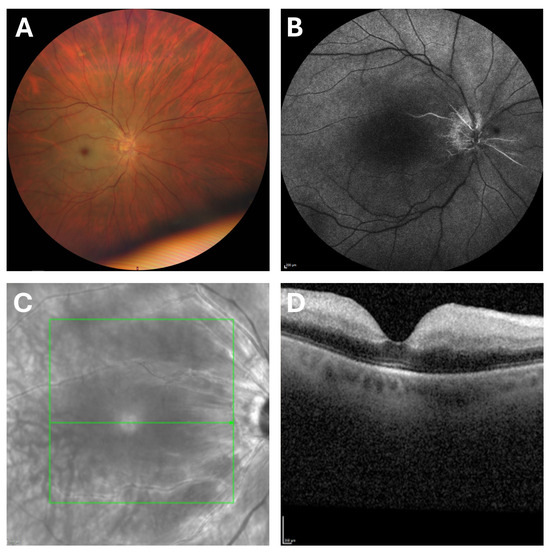
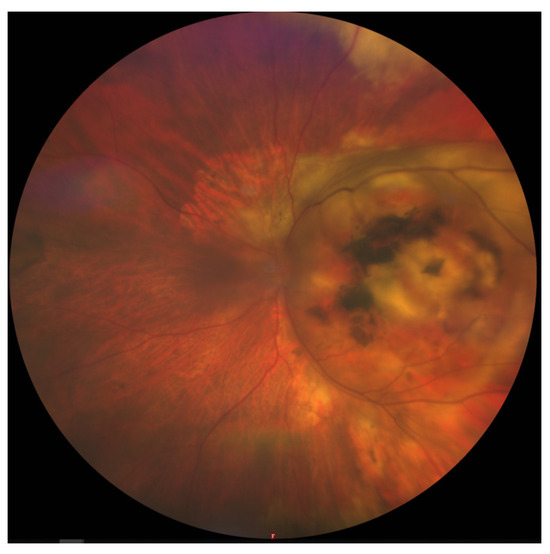
Environmental pollution, a detrimental consequence of industrialization and globalization, is increasingly recognized as a potential risk factor for a wide range of human diseases, including retinal disorders. The retina is particularly vulnerable to environmental stressors, including particulate matter, nitrogen oxides, carbon monoxide, traffic-related noise, and extreme environmental conditions such as elevated temperatures. Epidemiological and experimental evidence suggests that these exposures may contribute to the development and progression of retinal diseases through mechanisms involving oxidative stress, chronic inflammation, immune dysregulation, and vascular dysfunction. These processes may ultimately contribute to retinal vasculopathies and degenerative disorders. Consequently, the pathophysiological mechanisms linking environmental exposures to retinal injury have received increasing attention in recent years. This review provides a disease-centered perspective on the relationship between environmental pollution and retinal diseases, integrating epidemiological evidence with experimental findings across specific retinal disorders. Among the environmental pollutants investigated to date, fine particulate matter (PM2.5) and nitrogen dioxide (NO2) have the most consistent epidemiological evidence for adverse effects on retinal health, particularly in relation to age-related macular degeneration (AMD). The review also discusses the methodological limitations and heterogeneity of the available evidence, as well as current knowledge gaps and future research perspectives.
Full article
(This article belongs to the Topic Bridging Ecosystem Contamination and One Health: Integrating Environmental, Animal, and Human Risk Assessment)
►▼
Show Figures

Figure 1
Open AccessArticle
Effects of Stocking Density on Growth, Hepatic Antioxidant and Inflammatory Responses, and Intestinal Barrier Function in Cage-Cultured Large Yellow Croaker (Larimichthys crocea)
by
Ruoyu Chai, Zheng Liu, Huihui Zhou, Chengdong Liu, Kangsen Mai, Gen He and Xuan Wang
Antioxidants 2026, 15(10), 1257; https://doi.org/10.3390/antiox15101257 - 1 Oct 2026
Abstract
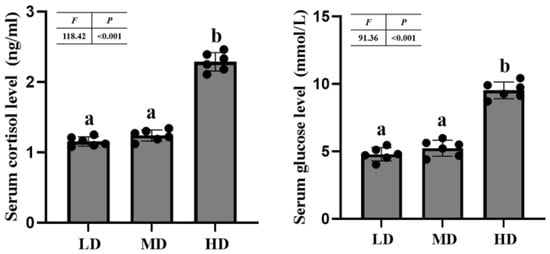
This study investigated the effects of stocking density on growth, antioxidant responses, hepatic inflammatory signaling, and intestinal barrier function in cage-cultured large yellow croaker (Larimichthys crocea). Fish (~288 g) were reared for 8 weeks at low (5.73 kg/m3), medium
[...] Read more.
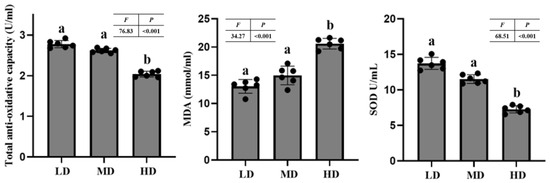
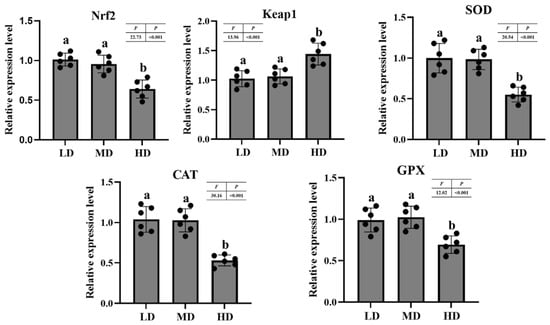
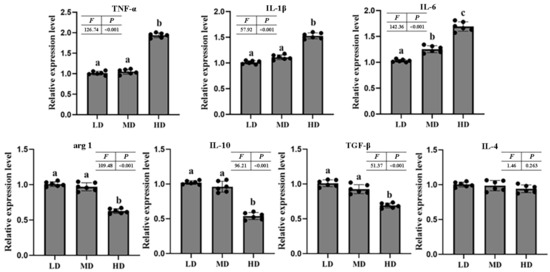
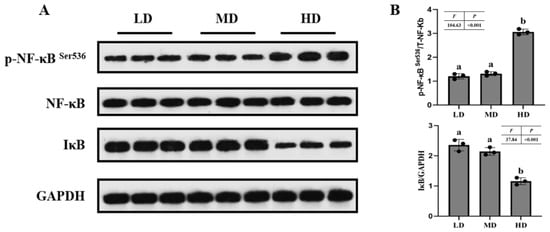
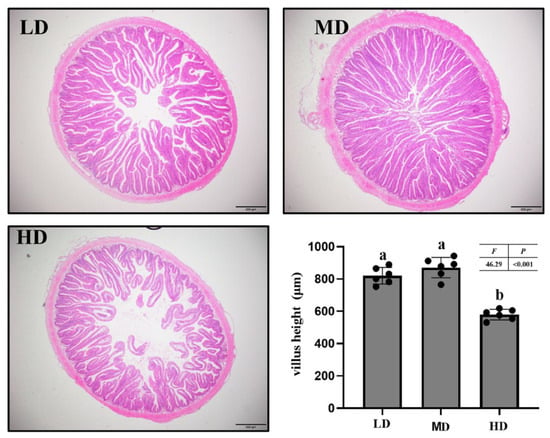
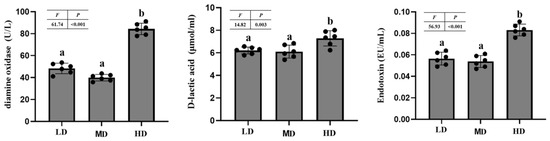
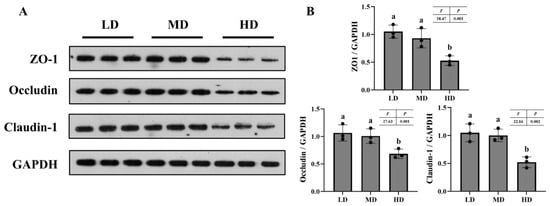
This study investigated the effects of stocking density on growth, antioxidant responses, hepatic inflammatory signaling, and intestinal barrier function in cage-cultured large yellow croaker (Larimichthys crocea). Fish (~288 g) were reared for 8 weeks at low (5.73 kg/m3), medium (8.64 kg/m3), or high (11.55 kg/m3) initial stocking densities. High density reduced growth and survival and increased feed conversion ratio, serum cortisol, glucose, and malondialdehyde, while decreasing total antioxidant capacity and superoxide dismutase activity (p < 0.05). Hepatic Nrf2, SOD, CAT, and GPX expression decreased, whereas Keap1 expression increased at high density. High density also increased pro-inflammatory cytokine expression and NF-κB p65 phosphorylation, decreased anti-inflammatory factors and IκB abundance, shortened intestinal villi, reduced ZO-1, Occludin, and Claudin-1 abundance, and increased serum diamine oxidase, D-lactate, and endotoxin (p < 0.05). Medium-density fish showed generally comparable responses to low-density fish for most endpoints. These findings indicate that high stocking density induces physiological stress and oxidative imbalance associated with an impaired hepatic Nrf2-related antioxidant response, enhanced NF-κB inflammatory signaling, and impaired intestinal barrier integrity in large yellow croaker.
Full article
(This article belongs to the Special Issue Antioxidants and Aquaculture: A Synergistic Approach for Sustainable Aquatic Production—2nd Edition)
►▼
Show Figures

Figure 1
Open AccessArticle
PGC1α/SIRT3-Mediated Oxidative Stress and Downregulation of NLRP3 Expression by Sodium Thiosulfate Pre- and Post-Treatment Accelerates Recovery from Ischemia–Reperfusion-Induced Acute Kidney Injury
by
George J. Dugbartey, Liam McFarlane, Talal Shamma, Jifu Jiang, Sally Major, Aaron Haig and Alp Sener
Antioxidants 2026, 15(10), 1256; https://doi.org/10.3390/antiox15101256 - 1 Oct 2026
Abstract
Background: Renal ischemia–reperfusion injury (IRI) is the leading cause of acute kidney injury (AKI). It is associated with reduced blood flow as encountered in vascular surgery, including aortic aneurysm repair and kidney transplantation. In this study, we investigated whether pre- and/or post-administration of
[...] Read more.
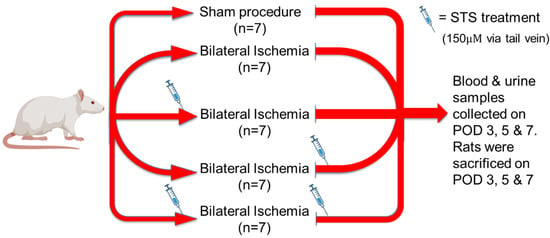
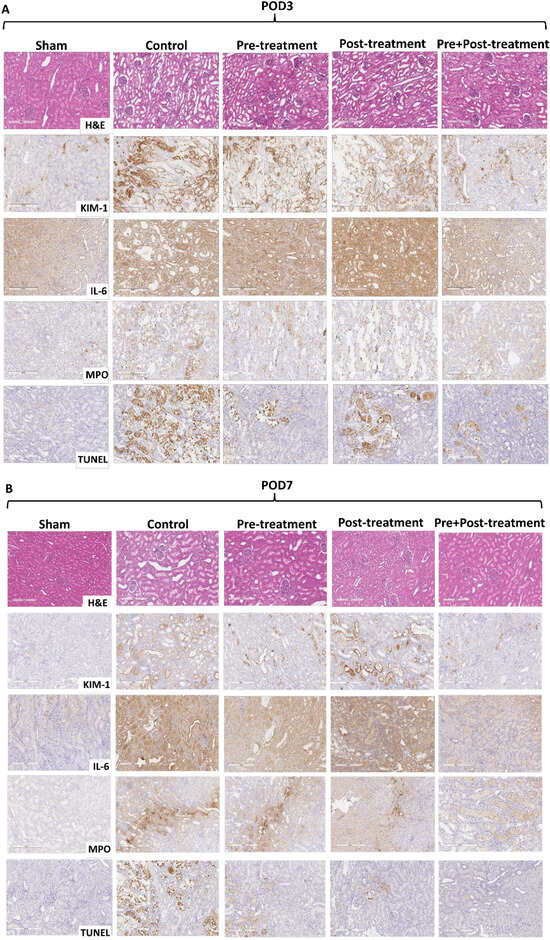
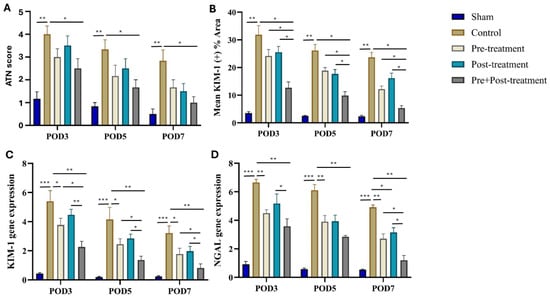
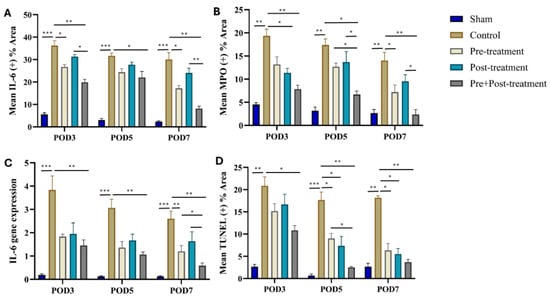
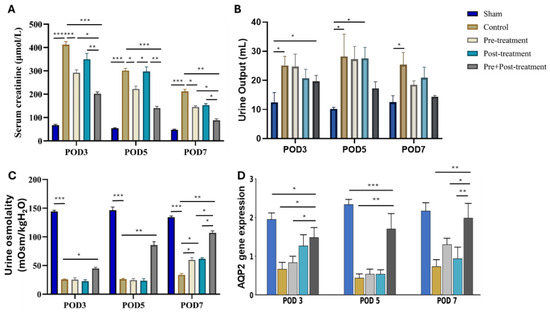
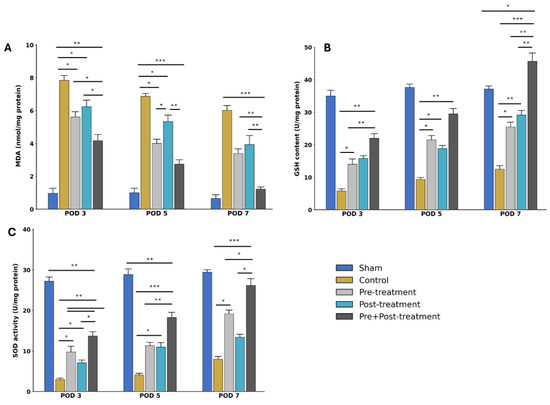
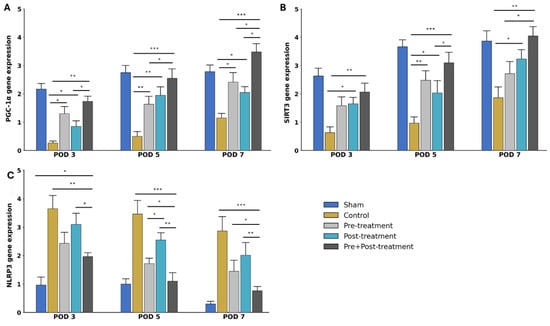
Background: Renal ischemia–reperfusion injury (IRI) is the leading cause of acute kidney injury (AKI). It is associated with reduced blood flow as encountered in vascular surgery, including aortic aneurysm repair and kidney transplantation. In this study, we investigated whether pre- and/or post-administration of sodium thiosulfate (STS), an FDA-approved hydrogen sulfide donor drug, attenuated IRI-induced AKI in rats. Methods: AKI was induced in male rats by clamping both renal arteries for 60 min. At 30 min before clamping, and 30 min after reperfusion, STS was administered at a weigh-based dose to achieve a circulating concentration of 150 μM, after which the rats were kept in metabolic cages for urine and blood collection on postoperative days (POD) 3, 5, and 7. Rats were sacrificed on POD3, POD5, and POD7, and kidneys were harvested for analysis. Sham-operated rats received no treatment. Results: AKI was evidenced by markedly higher acute tubular necrosis score, and renal protein and gene expression of damage markers (KIM-1 and NGAL), as well as markers of oxidative stress (MDA, GSH, and SOD), inflammation (MPO, IL-6), and apoptosis (TUNEL). While significant incremental improvement was observed in the expression of these markers in the pre-treatment only and post-treatment only groups over the POD3–7 observation period compared to untreated control group (p < 0.05), superior renal protection was observed in the pre + post-treatment group (p < 0.01). Functionally, serum creatinine levels were significantly higher over the POD3–7 observation period in the untreated group relative to pre-treatment and post-treatment groups (p < 0.05), and markedly lower in the pre + post-treatment group (p < 0.001), which positively correlated with urine output. Urine osmolality was statistically similar to sham-operated rats on POD5 and 7, while all other groups showed decreased urine osmolality on POD3 and 5 (p < 0.05). Mechanistically, the protective effect of STS correlated with upregulation of PGC1α and SIRT3 protein and gene expression and downregulation of NLRP3 protein and mRNA expression in the pre + post-treatment group compared to other groups (p < 0.05). Conclusions: The present study reports for the first time the protective effect of STS against IRI-induced AKI, and indicates PGC1α, SIRT3, and NLRP3 as molecular targets of STS.
Full article
(This article belongs to the Special Issue Targeting Oxidative Stress in Ischemia/Reperfusion Injury)
►▼
Show Figures

Figure 1
Open AccessReview
Gut Microbiota–Host Redox Crosstalk: Molecular Mechanisms, Disease Pathogenesis, and Therapeutic Interventions
by
Shuaihu Chen, Yulong Yin, Jie Yin and Xihong Zhou
Antioxidants 2026, 15(10), 1255; https://doi.org/10.3390/antiox15101255 - 1 Oct 2026
Abstract
The crosstalk between the gut microbiota and the host redox system is essential for maintaining intestinal homeostasis and systemic health. Disruption of this bidirectional interaction impairs redox balance, promotes oxidative stress, and contributes to the initiation and progression of a wide range of
[...] Read more.
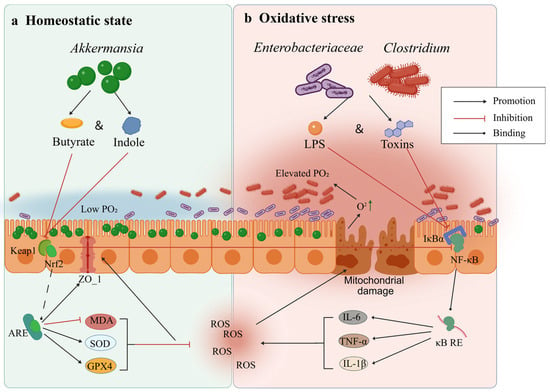
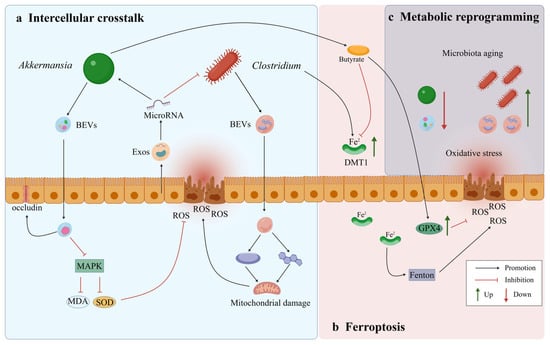
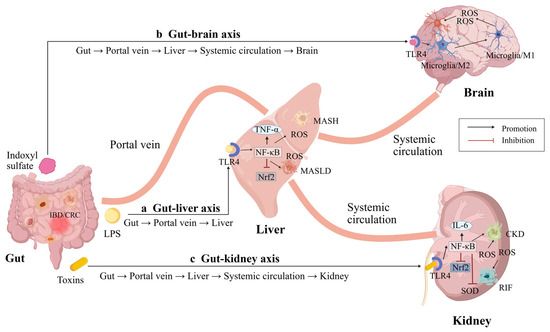
The crosstalk between the gut microbiota and the host redox system is essential for maintaining intestinal homeostasis and systemic health. Disruption of this bidirectional interaction impairs redox balance, promotes oxidative stress, and contributes to the initiation and progression of a wide range of diseases, including inflammatory bowel disease, metabolic liver disease, neurodegenerative disorders, and chronic kidney disease. In this review, we comprehensively summarize the molecular mechanisms by which the gut microbiota regulates host redox homeostasis, focusing on microbial metabolites, immune signaling, and host antioxidant pathways. We also discuss emerging mechanisms underlying microbiota–host redox interactions, including extracellular vesicle (EV)-mediated interkingdom communication, microbiota-driven regulation of intestinal epithelial ferroptosis, and microbial metabolic reprogramming. Furthermore, we highlight how gut microbiota dysbiosis extends oxidative stress beyond the intestine through the gut–liver, gut–brain, and gut–kidney axes, thereby driving the development of multiple organ diseases. Finally, we summarize recent advances in microbiota-targeted therapies and engineered bacterial EVs as innovative strategies for restoring redox homeostasis, and discuss their potential for the precision prevention and treatment of oxidative stress-associated diseases as well as the development of next-generation microbiome-based therapeutics.
Full article
(This article belongs to the Special Issue The Interaction Between Gut Microbiota and Host Oxidative Stress)
►▼
Show Figures

Scheme 1
Open AccessArticle
Salidroside May Attenuate Palmitic Acid-Induced Bovine Oocyte Impairment Associated with Mitochondrial and Antioxidant Restoration
by
Shu-Xian Guo, Zhi-Qiang Feng, Run-Bo Li, Fan Zhao, Yan-Hua Li, Wang Han, Jian-Yong Han, Zhi-Shen Mu and Su-Ying Cao
Antioxidants 2026, 15(10), 1254; https://doi.org/10.3390/antiox15101254 - 1 Oct 2026
Abstract
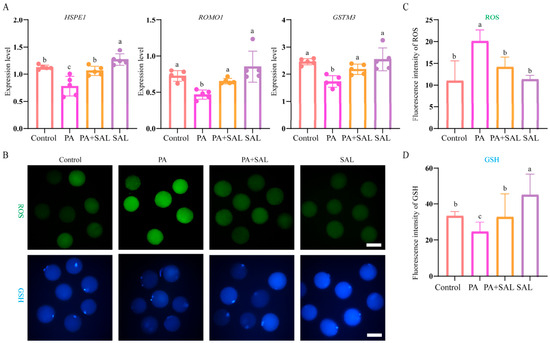
Negative energy balance (NEB) in postpartum dairy cows elevates systemic non-esterified fatty acid (NEFA) levels, including palmitic acid (PA), which impair oocyte quality and contribute to reduced reproductive performance. Salidroside (SAL) has attracted attention for its prominent role in maintaining mitochondrial homeostasis. However,
[...] Read more.
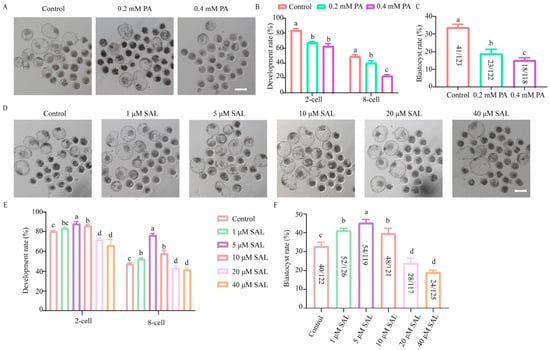
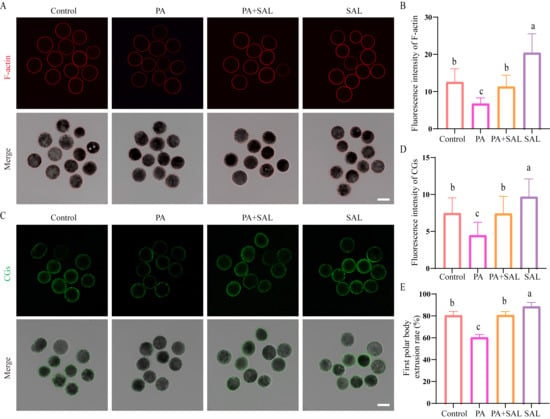
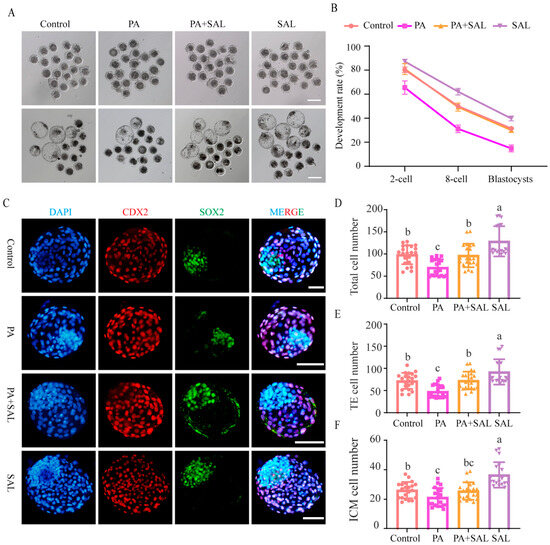
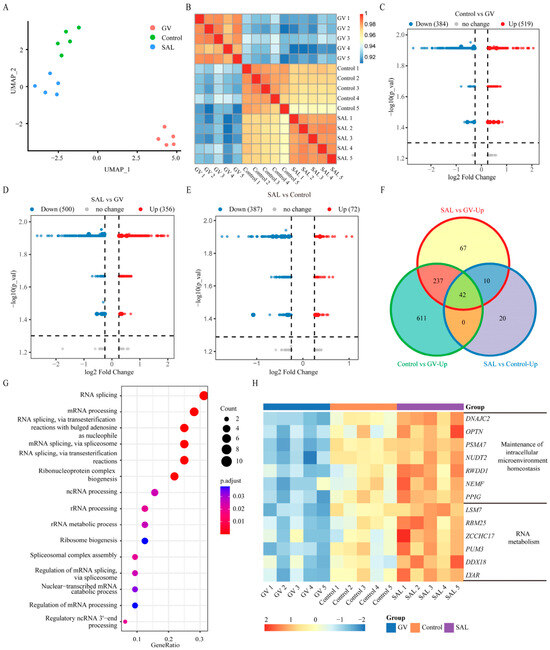
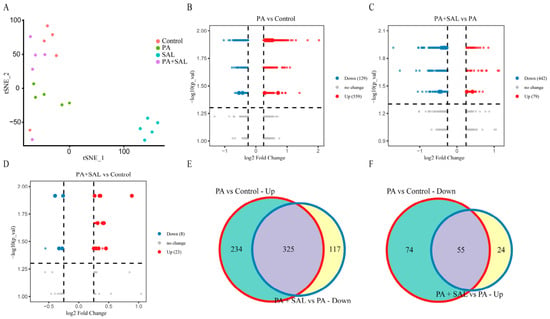
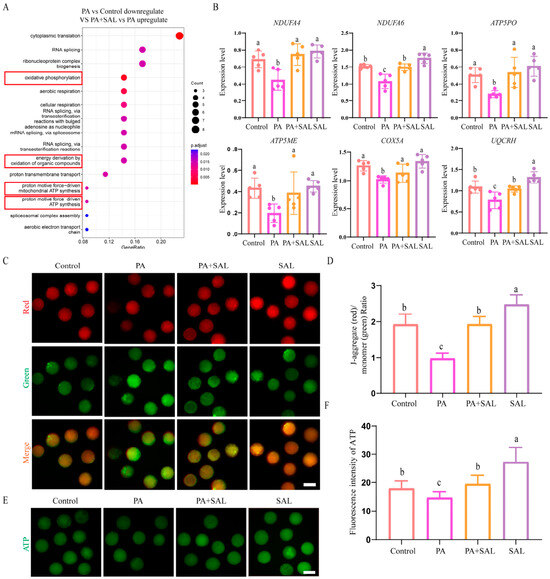
Negative energy balance (NEB) in postpartum dairy cows elevates systemic non-esterified fatty acid (NEFA) levels, including palmitic acid (PA), which impair oocyte quality and contribute to reduced reproductive performance. Salidroside (SAL) has attracted attention for its prominent role in maintaining mitochondrial homeostasis. However, whether SAL can alleviate PA-induced oocyte damage remains unclear. Therefore, the present study was designed to investigate the protective effects of SAL against PA-induced oocyte damage and to explore the underlying mechanisms. We found that 0.2 mM PA triggered oxidative stress in oocytes, as evidenced by fluorescent staining results showing elevated ROS levels, reduced GSH content, and single-cell transcriptomic data revealing transcriptional suppression of HSPE1, ROMO1, and GSTM3. Meanwhile, PA treatment impaired mitochondrial function, reflected by decreased mitochondrial membrane potential and ATP levels, along with significant downregulation of mitochondrial function related genes, including NDUFA4, NDUFA6, ATP5PO, ATP5ME, COX5A, and UQCRH. These changes help explain why PA exposure reduces oocyte maturation rate and embryonic developmental potential. Notably, supplementation with 5 μM SAL effectively reversed the PA induced damage and restored oocyte developmental competence to control level to levels comparable to untreated controls. These findings suggest that SAL can restore oocyte developmental potential by mitigating the lipotoxic microenvironment induced by PA administration.
Full article
(This article belongs to the Section Health Outcomes of Antioxidants and Oxidative Stress)
►▼
Show Figures

Figure 1
Open AccessReview
Submergence Response and Tolerance of Rice: Morphological and Physiological Strategies, and Regulatory Mechanisms
by
Tingting Feng, Shengqin Liu, Boxin Shi, Liangliang Lv, Xinyu Huang, Ruining Li, Hao Ai, Zhanglun Sun, Aifeng Zhou, Yali Liu, Rongfeng Cui, Yuan Liu and Xianzhong Huang
Antioxidants 2026, 15(10), 1253; https://doi.org/10.3390/antiox15101253 - 30 Sep 2026
Abstract
Rice, as a globally vital food crop, is frequently threatened by flooding, which adversely affects its growth and yield. The most immediate and prominent influence of waterlogging or submergence induced by flooding on rice is hypoxia (reduced oxygen availability) or anoxia (absence of
[...] Read more.
Rice, as a globally vital food crop, is frequently threatened by flooding, which adversely affects its growth and yield. The most immediate and prominent influence of waterlogging or submergence induced by flooding on rice is hypoxia (reduced oxygen availability) or anoxia (absence of oxygen) stress and the consequent energy deficiency. Rice has evolved specific acclimation strategies to counteract or alleviate flooding stress, including leaf gas film (LGF) formation, adventitious root (AR) emergence, aerenchyma formation, radial oxygen loss (ROL) barrier development, and the stunted or elongated growth of coleoptiles or internodes, all of which serve to secure oxygen supply and maintain energy homeostasis for sustaining survival. These adaptive traits and strategies are governed by the regulatory genes involved in the reprogramming of energy and carbohydrate metabolism, the accumulation and scavenging of reactive oxygen species (ROS), and the programmed cell death (PCD) process, as well as the phytohormone biosynthesis and signaling pathways. To facilitate a comprehensive understanding of the submergence response and tolerance and the intricate regulatory mechanisms in rice, this review integrates the impacts of flooding on the growth and development, the strategies employed to adapt to submergence, the physiological and biochemical characteristics, the phytohormonal signaling and crosstalk, and the molecular mechanistic framework of rice subjected to submergence stress. It also highlights the importance of key superior genes for flooding-tolerance, flooding-tolerant germplasms, and molecular breeding technologies in developing submergence-tolerant rice varieties. By aligning these advances, this review provides valuable insights into and guidance for improving resilience to submergence stress and enhancing crop production under constantly changing climate conditions.
Full article
(This article belongs to the Special Issue Advances in Plant Redox Biology Research)
Open AccessReview
Oxidative Stress and Its Molecular Effectors in Uterine Smooth Muscle Tumors: Bridging Epigenetic Regulation and Glycoprotein Biomarkers
by
Areti Kourti, Paraskevi Karioti, Foteini Chouliara, Elisavet Georgiou, Kali Makedou and Ioannis Kalogiannidis
Antioxidants 2026, 15(10), 1252; https://doi.org/10.3390/antiox15101252 - 30 Sep 2026
Abstract
Background: Uterine smooth muscle tumors present a diverse clinical spectrum, ranging from ubiquitous benign leiomyomas to highly lethal uterine leiomyosarcomas (uLMSs). The preoperative differentiation of these entities, alongside the intermediate smooth muscle tumors of uncertain malignant potential (STUMP), remains an unresolved clinical challenge.
[...] Read more.
Background: Uterine smooth muscle tumors present a diverse clinical spectrum, ranging from ubiquitous benign leiomyomas to highly lethal uterine leiomyosarcomas (uLMSs). The preoperative differentiation of these entities, alongside the intermediate smooth muscle tumors of uncertain malignant potential (STUMP), remains an unresolved clinical challenge. Methods: This comprehensive review synthesizes the current literature on the pathogenesis of uterine smooth muscle tumors, focusing on the role of oxidative stress and its downstream molecular effectors. We evaluate the interplay between oxidative stress markers, epigenetic regulation via microRNAs (miRNAs), and circulating glycoproteins. Results: Increased oxidative stress is a hallmark associated with uLMS, characterized by altered antioxidant enzyme activity and elevated lipid peroxidation products such as malondialdehyde (MDA). This oxidative burden is associated with DNA damage and profound genomic instability, participating in the evolution of the malignant phenotype. Concurrently, the stressed tumor microenvironment exhibits significant epigenetic deregulation. Tumor-suppressive miRNAs (e.g., the miR-29 and miR-200 families) are downregulated, while oncogenic miRNAs (e.g., miR-21) are upregulated, promoting survival and proliferation pathways. Furthermore, galectin-1, a glycoprotein responsive to microenvironmental stress, is elevated in the serum of uLMS and STUMP patients, demonstrating high specificity in investigated cohorts, though limited sensitivity (47%), whereas mucin-1 (MUC1) shows no significant diagnostic utility. Conclusions: Oxidative stress is strongly associated with the genomic instability and molecular derangements observed in uterine sarcomas. Integrating oxidative stress indicators with specific miRNA signatures and galectin-1 levels could potentially yield robust, non-invasive diagnostic panels. However, prospective validation in large, independent cohorts is strictly required before these markers can be implemented to improve preoperative risk stratification and guide targeted therapeutic interventions.
Full article
(This article belongs to the Special Issue Oxidative Stress in Cancers of the Female Reproductive Tract: Bridging Current Knowledge with New Technologies)
Open AccessArticle
Dihydromyricetin Is Associated with Healthspan-Related Phenotypes and Neuroprotection in Caenorhabditis elegans, Alongside Redox and Mitochondrial Quality-Control Changes
by
Yong-Ha Jo, Hannah Cho, Dong-Sung Lee and Jeong Hoon Cho
Antioxidants 2026, 15(10), 1251; https://doi.org/10.3390/antiox15101251 - 30 Sep 2026
Abstract
Dihydromyricetin (DHM), a dietary flavanonol known for its antioxidant and neuroprotective properties, has been connected to mitochondrial homeostasis, yet how it engages mitochondrial quality control during aging has not been resolved. This study examined DHM’s effects on lifespan, neuronal integrity, resistance to oxidative
[...] Read more.
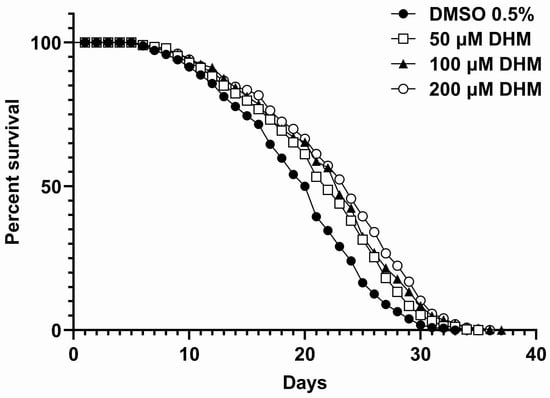
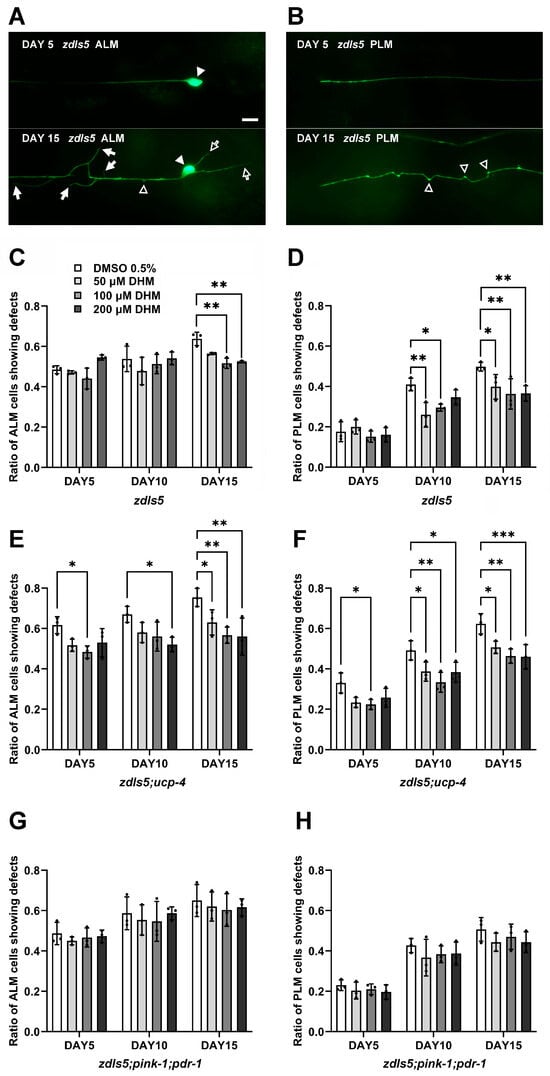
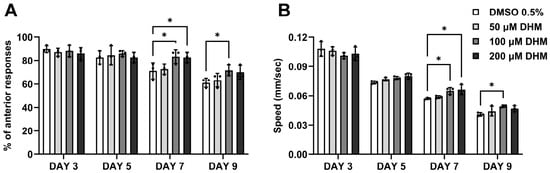
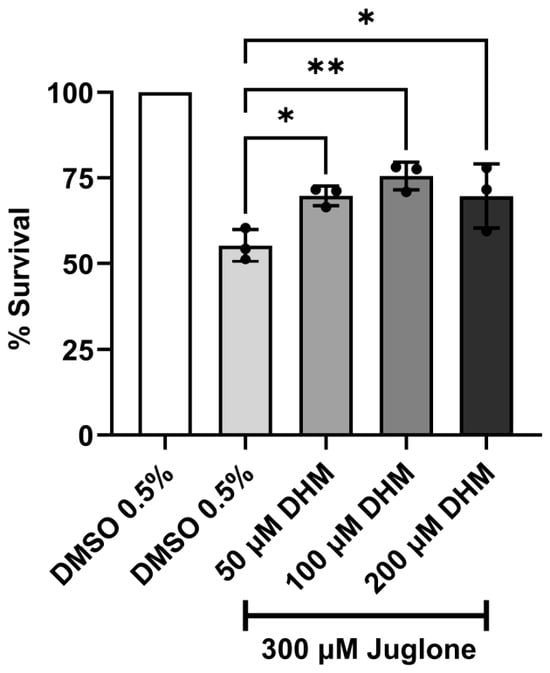
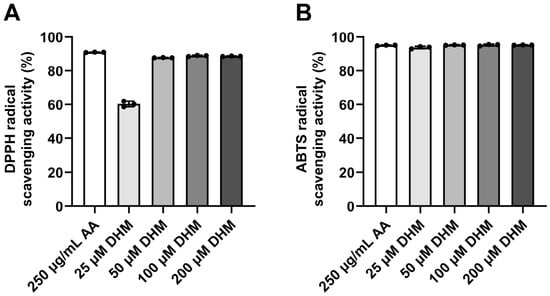
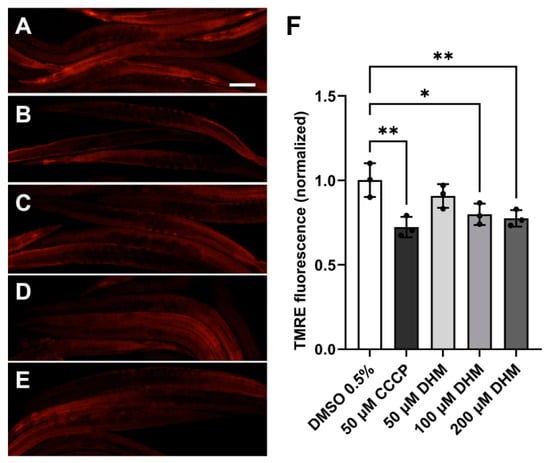
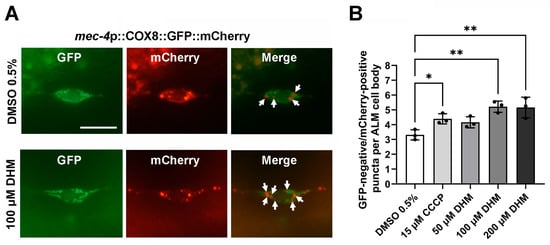
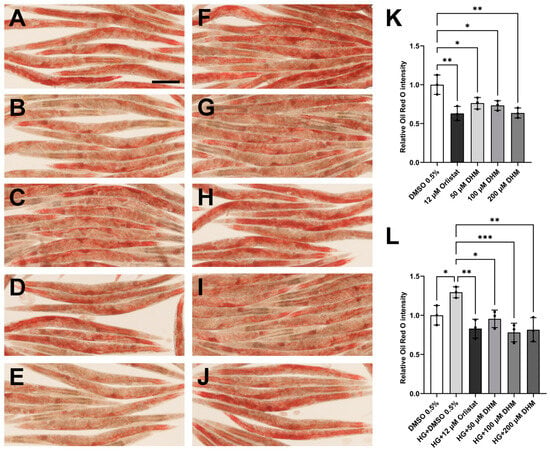
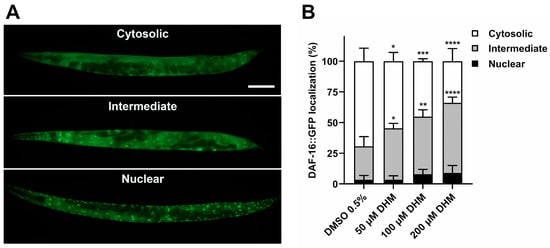
Dihydromyricetin (DHM), a dietary flavanonol known for its antioxidant and neuroprotective properties, has been connected to mitochondrial homeostasis, yet how it engages mitochondrial quality control during aging has not been resolved. This study examined DHM’s effects on lifespan, neuronal integrity, resistance to oxidative stress, mitochondrial status, and lipid handling in Caenorhabditis elegans. DHM (50–200 μM) extended mean lifespan by 9.1–15.0%, reduced age-related degeneration of ALM (anterior lateral microtubule) and PLM (posterior lateral microtubule) touch-receptor neurons, and preserved locomotor and anterior touch-response performance into later adulthood. Survival after juglone challenge improved with DHM treatment, and the compound showed robust 2,2-diphenyl-1-picrylhydrazyl (DPPH) and 2,2′-azino-bis(3-ethylbenzothiazoline-6-sulfonic acid) (ABTS) radical-scavenging activity. DHM modestly lowered tetramethylrhodamine ethyl ester (TMRE) fluorescence. In a separate cohort assessed under a different exposure schedule, the mtDNA copy number did not differ significantly from that of the vehicle. DHM also increased GFP-negative/mCherry-positive mitochondrial puncta in ALM neurons, patterns consistent with a shifted mitochondrial energetic state and greater mitochondrial trafficking to acidic degradative compartments. The neuroprotective effect persisted in ucp-4(ok195) mutants but was not statistically detected in pink-1(tm1779); pdr-1(gk448) double mutants; since a formal cross-genotype interaction test was not performed, this pattern is treated as hypothesis-generating rather than definitive evidence of pathway dependency. DHM lowered intestinal lipid stores, suppressed fat-5, fat-6, and fat-7 expression, and modestly upregulated atfs-1. Neither the SOD-3 nor GST-4 canonical reporters showed significant induction, and DHM’s lifespan-extending effect was retained in daf-16(mu86) mutants, with an exploratory Cox model providing no evidence of a genotype × dose interaction. Together, these findings indicate that DHM is associated with healthspan-related phenotypes alongside a coordinated pattern of redox regulation, mitochondrial quality-control responses, and metabolic adjustment.
Full article
(This article belongs to the Special Issue Studies on Antioxidants and Anti-Aging Substances Using Model Organisms and Cell Cultures)
►▼
Show Figures

Figure 1
Open AccessArticle
Cross-Platform Comparison of Multispectral and Time-Resolved Singlet Oxygen Luminescence Dosimetry Under Matched Irradiation Conditions in a Liquid Protoporphyrin IX Phantom
by
Baozhu Lu, Vikas Vikas, Weibing Yang, Robert H. Hadfield, Brian C. Wilson and Timothy C. Zhu
Antioxidants 2026, 15(10), 1250; https://doi.org/10.3390/antiox15101250 - 29 Sep 2026
Abstract
Accurate quantification of singlet oxygen (1O2) production is central to photodynamic therapy (PDT) dosimetry, yet direct measurement remains challenging due to the weak and transient nature of 1O2 luminescence. To our knowledge, this study presents the first
[...] Read more.
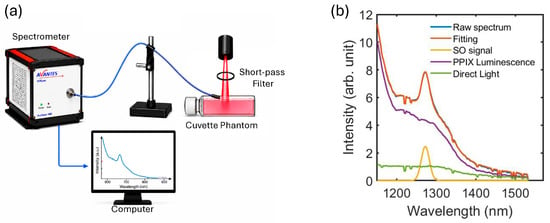
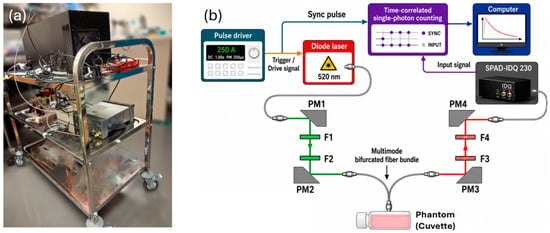
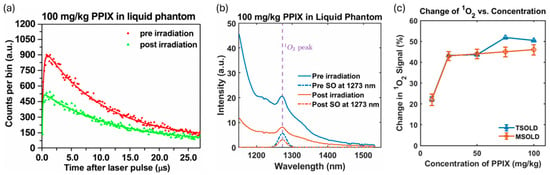
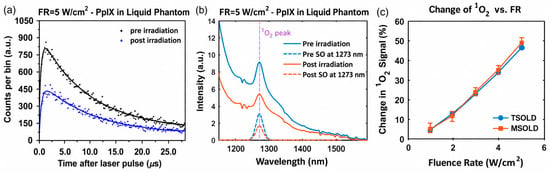
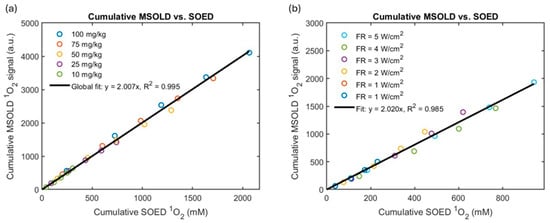
Accurate quantification of singlet oxygen (1O2) production is central to photodynamic therapy (PDT) dosimetry, yet direct measurement remains challenging due to the weak and transient nature of 1O2 luminescence. To our knowledge, this study presents the first controlled exploratory cross-platform comparison of Multispectral Singlet Oxygen Luminescence Dosimetry (MSOLD) and Time-Resolved Singlet Oxygen Luminescence Detection (TSOLD) under matched irradiation conditions. MSOLD enables continuous monitoring during irradiation through spectral decomposition of near-infrared emission, whereas TSOLD uses pulsed excitation and time-correlated single-photon counting to provide lifetime-resolved 1O2 measurements. Across PpIX concentrations of 10–100 mg/kg, both methods detected irradiation-induced decreases in 1O2 luminescence, while TSOLD provided stable lifetime estimates of approximately 10 µs in the methanol-rich phantom. Across fluence rates of 1–5 W/cm2, both techniques showed progressively larger irradiation-induced reductions in 1O2 luminescence with increasing irradiance. Cumulative MSOLD-derived 1O2 signals showed an approximately linear relationship with Singlet Oxygen Explicit Dosimetry (SOED) calculations (R2 > 0.98) under the investigated conditions. Together, these results demonstrate consistent concentration- and fluence-rate-dependent trends between MSOLD and TSOLD and highlight their complementary measurement characteristics: MSOLD provides continuous spectral monitoring during irradiation, whereas TSOLD provides lifetime-resolved characterization of 1O2 and photosensitizer kinetics. These findings provide a basis for future replicated and biologically relevant studies of luminescence-based PDT dosimetry.
Full article
(This article belongs to the Section ROS, RNS and RSS)
►▼
Show Figures

Figure 1
Open AccessArticle
Phytosterol-Rich Delonix regia Seed Oil Exhibits Antimicrobial, Antibiofilm, Radical-Scavenging and Pancreatic Lipase-Inhibitory Activities: Integrated GC-MS Profiling and Molecular Docking of Stigmasterol
by
Husam Qanash, Aisha M. H. Al-Rajhi, Abdulrahman S. Bazaid, Fahad Almarshadi, Walid Alesefir, Abdu Aldarhami, Waleed Hakami, Amro Duhduh and Abeer Omar Ahmed
Antioxidants 2026, 15(10), 1249; https://doi.org/10.3390/antiox15101249 - 28 Sep 2026
Abstract
Natural products may address infection, oxidative stress and metabolic disorders. This study used gas chromatography-mass spectrometry (GC-MS), bioassays and molecular docking to characterize Delonix regia seed oil and evaluate its antimicrobial, antibiofilm, radical-scavenging and pancreatic lipase-inhibitory activities. The most abundant tentatively identified peaks
[...] Read more.
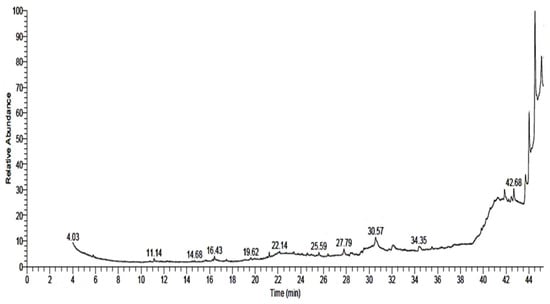
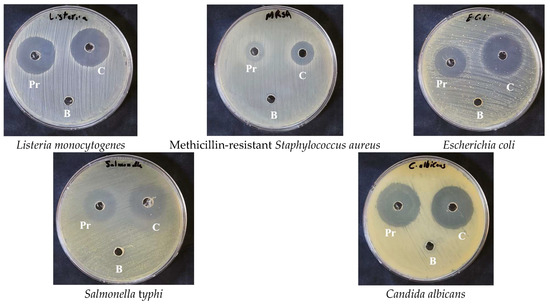
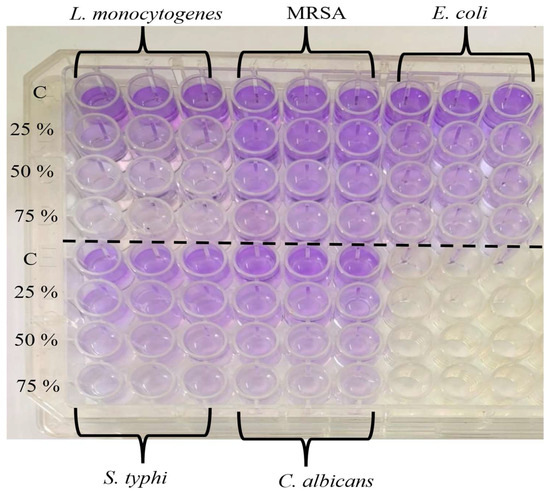
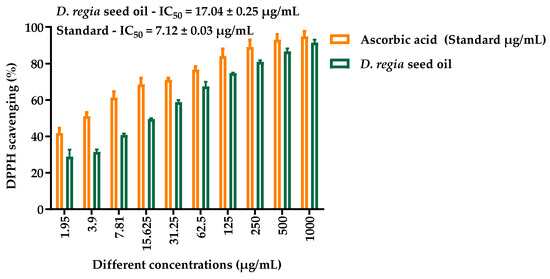
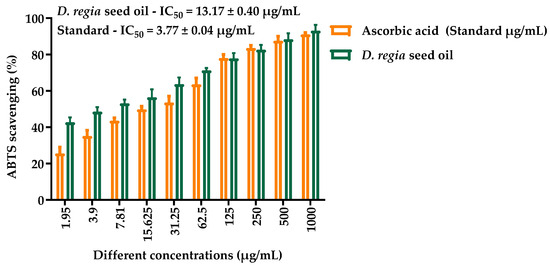
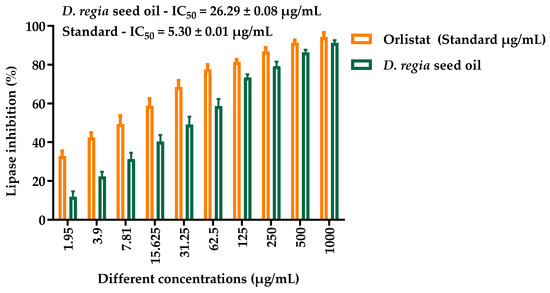
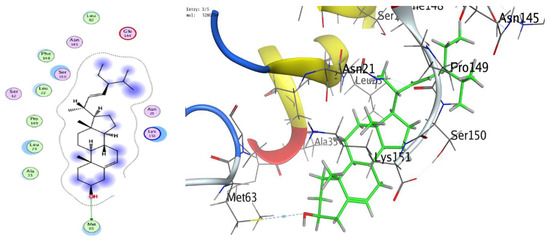
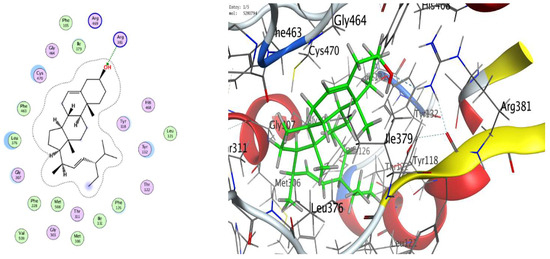
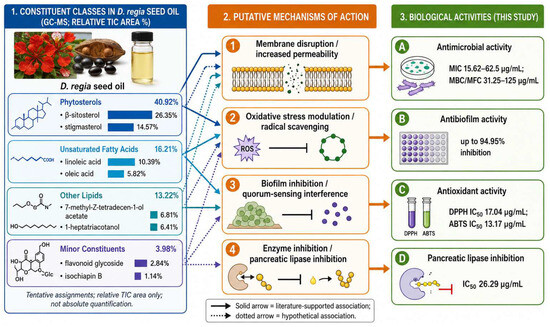
Natural products may address infection, oxidative stress and metabolic disorders. This study used gas chromatography-mass spectrometry (GC-MS), bioassays and molecular docking to characterize Delonix regia seed oil and evaluate its antimicrobial, antibiofilm, radical-scavenging and pancreatic lipase-inhibitory activities. The most abundant tentatively identified peaks in the GC-MS total ion chromatogram were β-sitosterol (26.35%), stigmasterol (14.57%), linoleic acid (10.39%), and oleic acid (5.82%). Minimum inhibitory concentrations (MICs) were 15.62 µg/mL for Listeria monocytogenes, Salmonella typhi, and Candida albicans, and 62.5 µg/mL for methicillin-resistant Staphylococcus aureus. The corresponding inhibition zones were 28 ± 0.7, 21 ± 0.3, 31 ± 0.1, and 15 ± 0.5 mm, respectively. At 75% of the minimum bactericidal/fungicidal concentration, the oil inhibited biofilm formation by 94.95% for both L. monocytogenes and C. albicans. DPPH and ABTS radical-scavenging IC50 values were 17.04 ± 0.25 and 13.17 ± 0.40 µg/mL, respectively, while the pancreatic lipase IC50 was 26.29 ± 0.08 µg/mL. Time-kill assays demonstrated ≥3 log10 CFU/mL reductions, with no recoverable colonies for any of the five tested pathogens within 3 h. Docking predicted stronger stigmasterol binding to L. monocytogenes Sortase A (−6.60 kcal/mol) than to C. albicans lanosterol 14α-demethylase (CYP51; −3.41 kcal/mol), involving hydrogen bonds with Met63 and Arg381, respectively, and hydrophobic contacts. These findings identify a phytosterol-enriched GC-MS-detectable fraction of Delonix regia seed oil with in vitro activities warranting further mechanistic and in vivo investigation.
Full article
(This article belongs to the Special Issue Bioactive Phytochemicals: Antioxidant Activities and Pharmacological Potential)
►▼
Show Figures

Figure 1
Journal Menu
► ▼ Journal Menu-
- Antioxidants Home
- Aims & Scope
- Editorial Board
- Reviewer Board
- Topical Advisory Panel
- Early Career Editorial Board
- Instructions for Authors
- Special Issues
- Topics
- Sections & Collections
- Article Processing Charge
- Indexing & Archiving
- Editor’s Choice Articles
- Most Cited & Viewed
- Journal Statistics
- Journal History
- Journal Awards
- Society Collaborations
- Conferences
- Editorial Office
Journal Browser
► ▼ Journal BrowserHighly Accessed Articles
Latest Books
E-Mail Alert
News
Topics
Topic in
Animals, Antioxidants, Metabolites, Pets, Veterinary Sciences
Research on Companion Animal Nutrition
Topic Editors: Baichuan Deng, Lian Li, Yun JiDeadline: 26 October 2026
Topic in
Antioxidants, Biomedicines, Biomolecules, Cells, IJMS, Metabolites, Nutrients, Sci
Muscle Aging and Sarcopenia: Mechanisms, Metabolic Regulation, and Intervention Strategies
Topic Editors: Hélio José Coelho Júnior, Mariam El Assar, Javier AnguloDeadline: 15 December 2026
Topic in
Antioxidants, Biomolecules, Nutraceuticals, Nutrients, Foods, Sci. Pharm., Pharmaceuticals
Functional Foods and Nutraceuticals in Health and Disease
Topic Editors: Srinivas Nammi, Dennis ChangDeadline: 20 December 2026
Topic in
Antioxidants, Biomedicines, Disabilities, JCDD, Hearts, JCRM
Cardiovascular Disease in Special Populations: From Basic Science to Clinical Practice
Topic Editors: Song-Young Park, Rafael Mejia-AlvarezDeadline: 31 January 2027
Conferences
Special Issues
Special Issue in
Antioxidants
Interplay Between Gut Microbiota and Oxidative Stress
Guest Editor: Sunmin ParkDeadline: 10 October 2026
Special Issue in
Antioxidants
Antioxidant Properties in Novel Feed Ingredients for Fish
Guest Editor: Inês GuerreiroDeadline: 10 October 2026
Special Issue in
Antioxidants
Nutritional Antioxidants and Redox Regulation
Guest Editors: Daniela-Saveta Popa, Ionel Fizesan, Roxana BancDeadline: 10 October 2026
Special Issue in
Antioxidants
Antioxidant Activity of Natural Bioactive Compounds in Food and Agricultural Byproducts
Guest Editors: Fabiana Pizzolongo, Filosa StefaniaDeadline: 20 October 2026
Topical Collections
Topical Collection in
Antioxidants
Advances in Antioxidant Ingredients from Natural Products
Collection Editors: Carla Susana Correia Pereira, Lillian Barros