Journal Description
Aerospace
Aerospace
is a peer-reviewed, open access journal of aeronautics and astronautics, published monthly online by MDPI. The European Aerospace Science Network (EASN) and ECATS International Association are affiliated with Aerospace and their members receive a discount on the article processing charges.
- Open Access— free for readers, with article processing charges (APC) paid by authors or their institutions.
- High Visibility: indexed within Scopus, SCIE (Web of Science), Inspec, Ei Compendex, and other databases.
- Journal Rank: JCR - Q2 (Engineering, Aerospace) / CiteScore - Q2 (Aerospace Engineering)
- Rapid Publication: manuscripts are peer-reviewed and a first decision is provided to authors approximately 22.9 days after submission; acceptance to publication is undertaken in 2.4 days (median values for papers published in this journal in the second half of 2025).
- Recognition of Reviewers: reviewers who provide timely, thorough peer-review reports receive vouchers entitling them to a discount on the APC of their next publication in any MDPI journal, in appreciation of the work done.
- Companion journal: Astronautics
- Journal Cluster of Mechanical Manufacturing and Automation Control: Aerospace, Automation, Drones, Journal of Manufacturing and Materials Processing, Machines, Robotics and Technologies.
Impact Factor:
2.2 (2024);
5-Year Impact Factor:
2.4 (2024)
Latest Articles
Photogrammetry-Based Analysis of Local Regression Rate in Solid Fuel Ramjets
Aerospace 2026, 13(6), 512; https://doi.org/10.3390/aerospace13060512 (registering DOI) - 30 May 2026
Abstract
Solid fuel ramjets (SFRJs) are air-breathing propulsion systems with a high specific impulse, but their sudden expansion combustors often exhibit axially nonuniform fuel regression because of the distinct recirculation, reattachment, and downstream turbulent diffusion flame regions. However, previous studies have primarily focused on
[...] Read more.
Solid fuel ramjets (SFRJs) are air-breathing propulsion systems with a high specific impulse, but their sudden expansion combustors often exhibit axially nonuniform fuel regression because of the distinct recirculation, reattachment, and downstream turbulent diffusion flame regions. However, previous studies have primarily focused on the average regression rate, with limited attention to local combustion characteristics. This study applied a photogrammetry-based three-dimensional shape reconstruction technique to obtain the post-combustion internal port geometry of a sudden-expansion SFRJ combustor burning high-density polyethylene fuel under different chamber pressure and air mass flux conditions. This geometry was employed to determine the axial distributions of the local regression rates. The analysis procedure was validated against the corresponding space–time averaged regression rate obtained from fuel mass loss, showing suitable agreement with relative errors of 1.7–5.7%. The axial distributions consistently exhibited low values in the upstream, increased rapidly in the middle region, and sustained high or gradually decreasing in the downstream. In addition, an empirical expression for the space–time averaged regression rate indicated greater sensitivity to air mass flux than chamber pressure. These results confirm that photogrammetry is an effective tool for resolving the axially nonuniform regression behavior and informing spatial insights beyond the average regression rate alone.
Full article
(This article belongs to the Section Astronautics & Space Science)
Open AccessArticle
Downwash-Aware Design of a Long-Reach Aerial Manipulator for Multirotor UAVs
by
Boyang Jiang, Zhongjing Ren, Xicai Li and Aibin Yang
Aerospace 2026, 13(6), 511; https://doi.org/10.3390/aerospace13060511 (registering DOI) - 30 May 2026
Abstract
Aerial manipulation tasks performed by multirotor unmanned aerial vehicles (UAVs) are often constrained by rotor-induced downwash, which generates a concentrated high-momentum axial core capable of destabilizing lightweight manipulators and payloads. This paper proposes a downwash-aware design framework for a long-reach, three-degree-of-freedom (3-DOF) aerial
[...] Read more.
Aerial manipulation tasks performed by multirotor unmanned aerial vehicles (UAVs) are often constrained by rotor-induced downwash, which generates a concentrated high-momentum axial core capable of destabilizing lightweight manipulators and payloads. This paper proposes a downwash-aware design framework for a long-reach, three-degree-of-freedom (3-DOF) aerial manipulator explicitly optimized to mitigate aerodynamic disturbances. The framework integrates CFD-based characterization of the rotor downwash, forward-kinematic modeling, workspace reconstruction, and experimental validation under controlled and real-flight conditions to ensure that the end-effector operates outside the strong-disturbance zone. Link lengths of 0.40 m and 0.80 m were selected to balance operational reach, aerodynamic safety, and platform stability. A controlled measurement setup was established for validation of the CFD numerical model, where the UAV was laterally fixed on a rigid support frame to eliminate flight-induced motion. The experimental results on the velocities at targeted locations show a good agreement with the CFD-predicted velocity profiles, confirming the reliability of the flow-field prediction model. A prototype integrated with a six-rotor UAV was experimentally validated under real flight conditions, demonstrating stable takeoff, manipulator deployment, and retraction, with a visually observable reduction in end-effector oscillation tendency. Several representative grasping configurations where the airflow velocity at the end-effector remained below the threshold of 1 m/s, or a weak-disturbance region, were identified and achieved via manipulation of the UAV system. We envision promising applications of the downwash-aware design of multirotor UAVs with aerial manipulator in high-altitude sampling, precision harvesting, and other contact-intensive aerial manipulation tasks.
Full article
(This article belongs to the Section Aeronautics)
Open AccessArticle
A TCN-FEP Hybrid Model with Multi-Scale Feature Interaction Network for Departure Runway Occupation Time Prediction
by
Zhousheng Huang, Zichao Yue, Weizhen Tang, Tianjiao Wang and Xu Zhang
Aerospace 2026, 13(6), 510; https://doi.org/10.3390/aerospace13060510 (registering DOI) - 30 May 2026
Abstract
Currently, improving runway utilization under operational safety constraints has become a critical concern for small and medium airports. Existing research focuses primarily on landing-phase runway occupation time, while predictive studies on the takeoff phase remain limited. Analysis of 1749 Quick Access Recorder (QAR)
[...] Read more.
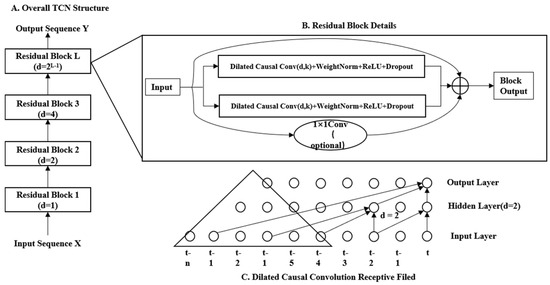
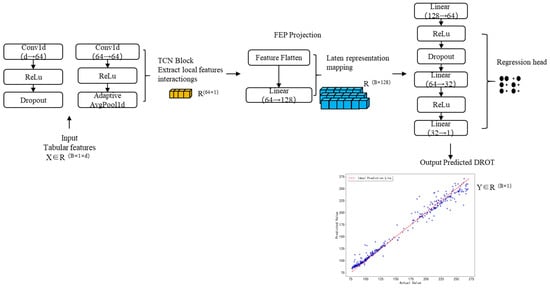
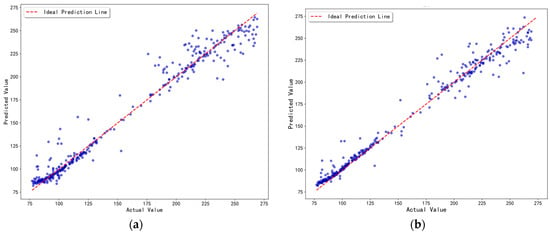
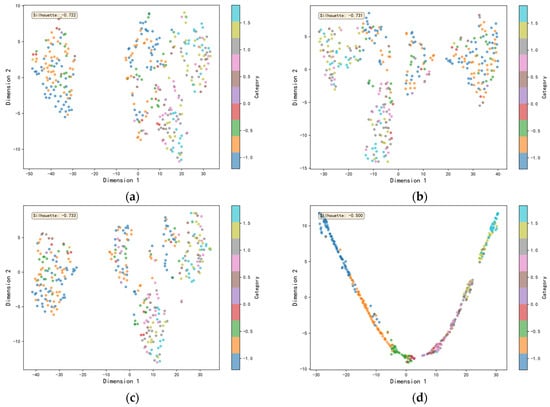
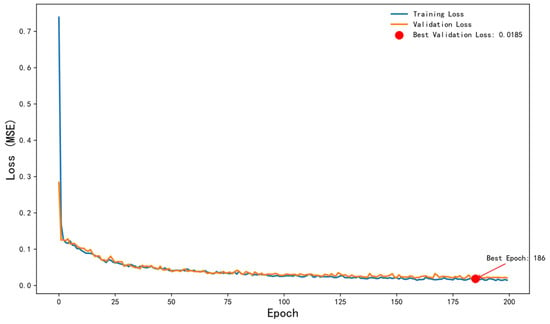
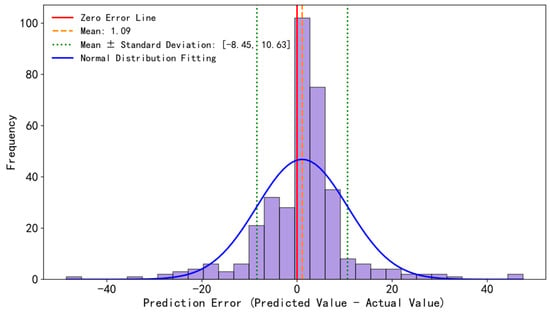
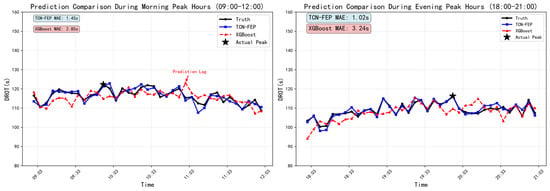
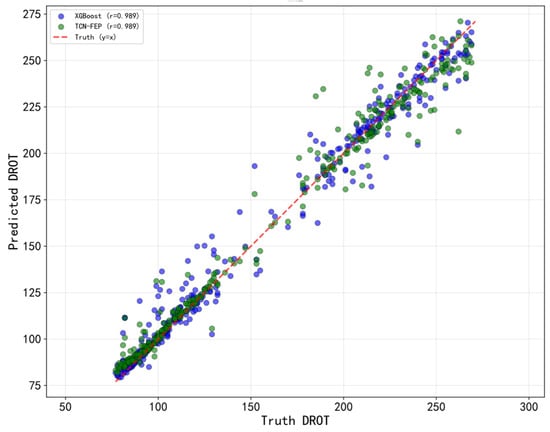
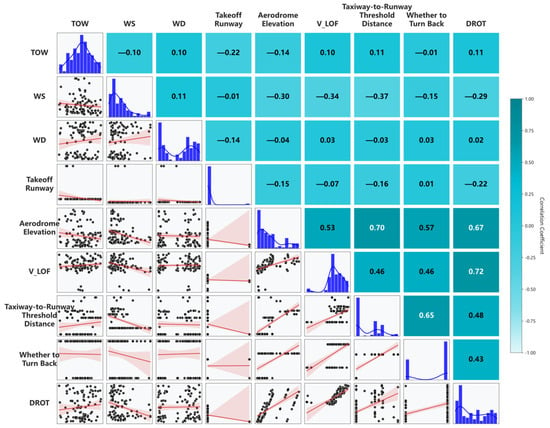
Currently, improving runway utilization under operational safety constraints has become a critical concern for small and medium airports. Existing research focuses primarily on landing-phase runway occupation time, while predictive studies on the takeoff phase remain limited. Analysis of 1749 Quick Access Recorder (QAR) records from ten airports reveals that departure runway occupation time is strongly correlated with ground speed at liftoff (0.72) and airport elevation (0.67) but weakly correlated with aircraft weight and meteorological conditions, providing guidance for feature engineering. To address the prediction of departure runway occupation time, this study proposes a TCN-FEP hybrid model. The model employs an enhanced Temporal Convolutional Network (TCN) module with multi-scale convolutions (kernel sizes 3, 5, 7) and dilated convolutions (rates 2, 4, 8) to capture multi-scale feature interactions, alongside a Feature Enhancement Projection (FEP) module that maps local features into a high-dimensional latent space for implicit relationship mining and global information integration. Experimental results demonstrate that the proposed TCN-FEP model achieves an MSE of 90.20, RMSE of 9.49, MAE of 5.84 s, MAPE of 3.80%, and R2 of 0.97, outperforming Informer (MSE 117.95), Longformer (MSE 132.11), XGBoost (MSE 92.30), and LightGBM (MSE 91.45). Under 5% outlier injection, MSE increases by 7.9%, compared to 24.3% for LSTM and 18.4% for Informer. With 94% of prediction errors within ±5 s, the model’s accuracy may offer a useful reference for runway resource optimization at small and medium airports.
Full article
(This article belongs to the Special Issue AI-Driven Innovations in Air Traffic Management and Aviation Safety)
►▼
Show Figures

Figure 1
Open AccessArticle
Fixed-Time Adaptive Sliding Mode Disturbance Observer-Based Nonsingular Fixed-Time Terminal Sliding Mode Control for Uncertain Space Robot with External Disturbance
by
Yanzhe Yang, Zhiping Chen, An Zhu, Xiaodong Fu and Haiping Ai
Aerospace 2026, 13(6), 509; https://doi.org/10.3390/aerospace13060509 (registering DOI) - 30 May 2026
Abstract
In this paper, a nonsingular fixed-time terminal sliding mode control (NFTSMC) strategy based on a fixed-time adaptive sliding mode disturbance observer (FASMDOB) is proposed for a space robot in the presence of dynamic uncertainties and external disturbance. Firstly, based on fixed-time theory, a
[...] Read more.
In this paper, a nonsingular fixed-time terminal sliding mode control (NFTSMC) strategy based on a fixed-time adaptive sliding mode disturbance observer (FASMDOB) is proposed for a space robot in the presence of dynamic uncertainties and external disturbance. Firstly, based on fixed-time theory, a novel FASMDOB is designed to mitigate the impacts of the lumped disturbance including dynamic uncertainties and external disturbance, improving the robustness of the control system and utilizing an adaptive technique to reduce chattering. Additionally, compared to finite-time disturbance observers (FTDOB), FASMDOB converges estimation errors to zero within a fixed time, regardless of the information about the initial states of the system. Next, a nonsingular fixed-time terminal sliding mode (NFTSM) surface is developed for the following control system design. By replacing the high-order fractional term with a piecewise function, the singularity problem in conventional terminal sliding mode control is effectively avoided. Combining FASMDOB and NFTSM surface, a FASMDOB-based NFTSMC strategy is developed, which guarantees the fixed-time convergence of the sliding mode surface and tracking errors. Notably, the proposed NFTSMC method utilizes the arctangent function to construct the reaching law, improving the performance of the control system. Lastly, based on Lyapunov theory, the fixed-time stability of the proposed control system is rigorously proven. With several comparative simulations being conducted, the feasibility and effectiveness of the proposed FASMDOB-based NFTSMC strategy are verified and highlighted.
Full article
(This article belongs to the Special Issue Advanced Spacecraft/Satellite Technologies (2nd Edition))
Open AccessArticle
Hierarchical Decision-Making for UAV Close-Range Dynamic Tracking Using a Pursuit-Strategy Action Space
by
Yu Lai, Yong Chen, Yang Yang, Jialong Jian and Yuanfei Liu
Aerospace 2026, 13(6), 508; https://doi.org/10.3390/aerospace13060508 (registering DOI) - 29 May 2026
Abstract
►▼
Show Figures
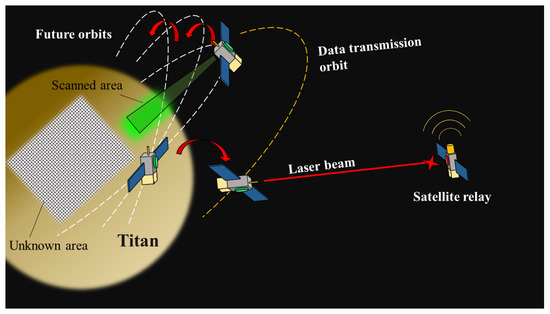
In close-range dynamic UAV tracking, the sharp decrease in relative distance and rapidly changing relative-motion conditions require UAVs to execute highly dynamic maneuvers. Traditional autonomous decision-making systems struggle with the curse of dimensionality in continuous action spaces or suffer from strategy-level rigidity when
[...] Read more.
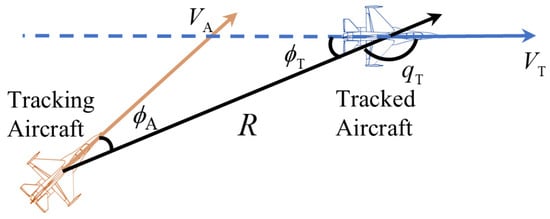
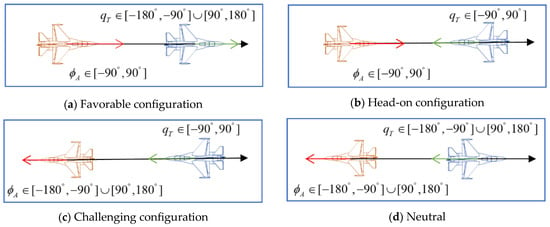
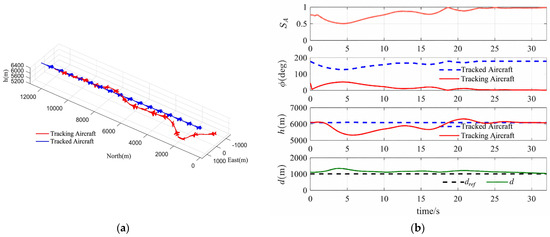
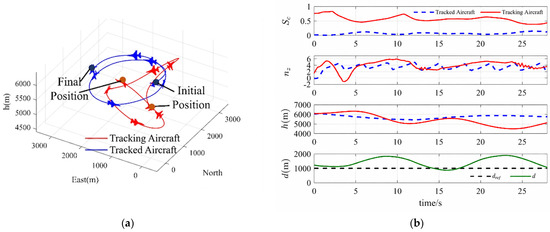
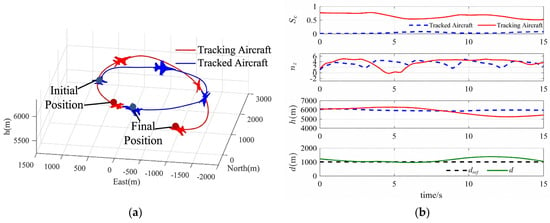
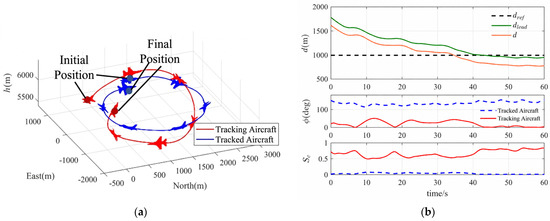
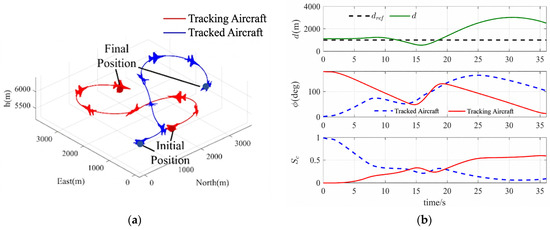
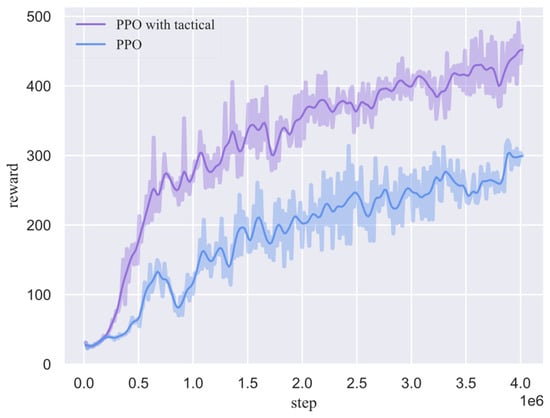
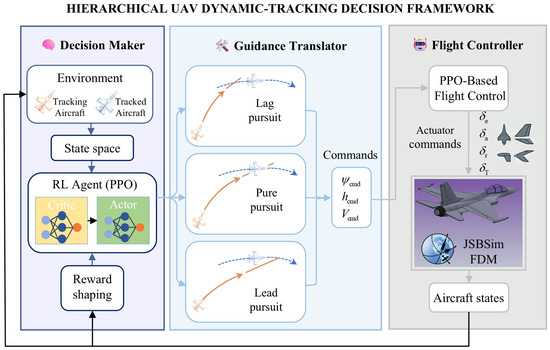
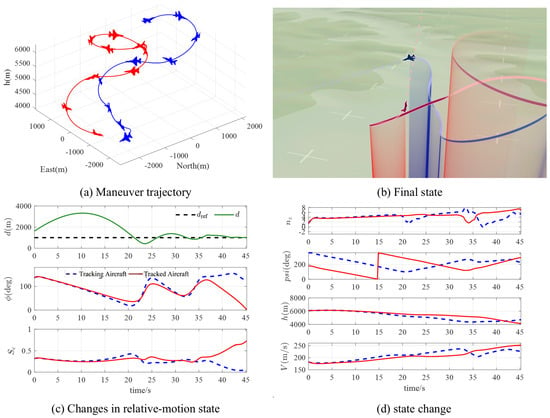
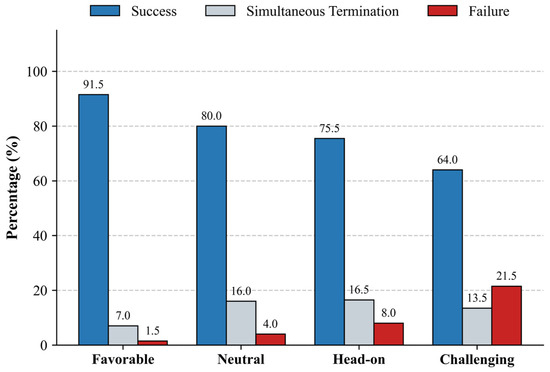
In close-range dynamic UAV tracking, the sharp decrease in relative distance and rapidly changing relative-motion conditions require UAVs to execute highly dynamic maneuvers. Traditional autonomous decision-making systems struggle with the curse of dimensionality in continuous action spaces or suffer from strategy-level rigidity when using predefined discrete maneuver primitives. This paper aims to resolve these limitations by developing a dimension-reduced yet highly continuous decision-making framework. We propose a hierarchical deep reinforcement learning architecture based on a geometric pursuit-strategy action space. The top-level Proximal Policy Optimization agent evaluates the relative-motion state to output discrete guidance-mode commands: lag pursuit, lead pursuit, or pure pursuit. A mid-level guidance translator converts these intents into continuous flight reference commands based on angular geometry and energy maneuverability. The bottom-level guidance translator utilizes a high-fidelity JSBSim fixed-wing aircraft flight-dynamics model for precise aerodynamic control. Monte Carlo simulations and comparative experiments across representative initial postures show that the proposed framework improves training convergence compared with a conventional continuous-control PPO baseline and achieves more stable high-level guidance-mode selection than a Double-DQN baseline. In simulation tests under predefined geometric tracking-success criteria, the model achieved a 91.5% success rate in initially favorable configurations and a 64.0% success rate when starting from a challenging configuration. By abstracting complex maneuvers into geometric pursuit strategies, this hierarchical framework lowers exploration dimensionality while maintaining the continuous kinematic logic of flight trajectories, providing an interpretable and simulation-validated decision-making framework for UAV close-range dynamic tracking and autonomous flight control.
Full article

Figure 1
Open AccessArticle
Research on Refined Design Method for Large-Diameter Hypersonic Nozzle Contours
by
Chenxi Sun, Huiqi Ren, Zailin Yang and Renjie Wang
Aerospace 2026, 13(6), 507; https://doi.org/10.3390/aerospace13060507 (registering DOI) - 29 May 2026
Abstract
With the advancement of aerospace technology, full-scale wind tunnel testing has become a crucial approach to overcoming bottlenecks in hypersonic technology. The design of ultra-large, high-performance nozzles stands out as one of the core challenges. This paper focuses on a profiling design method
[...] Read more.
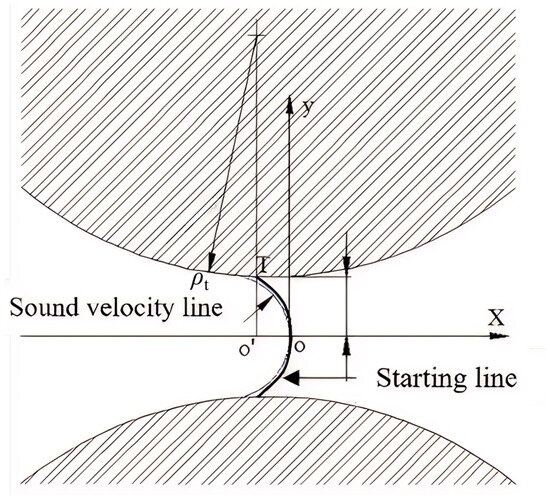
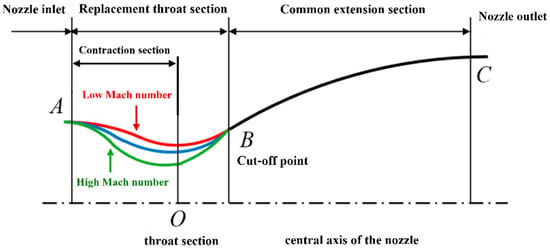
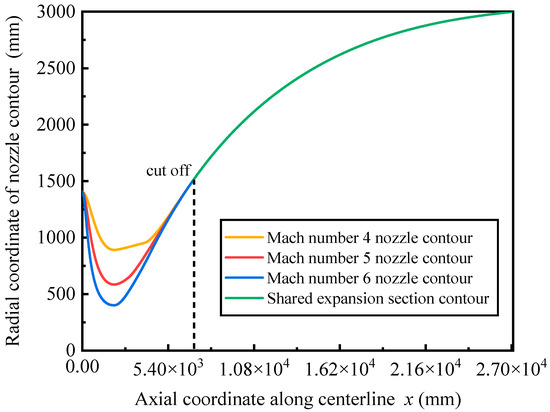
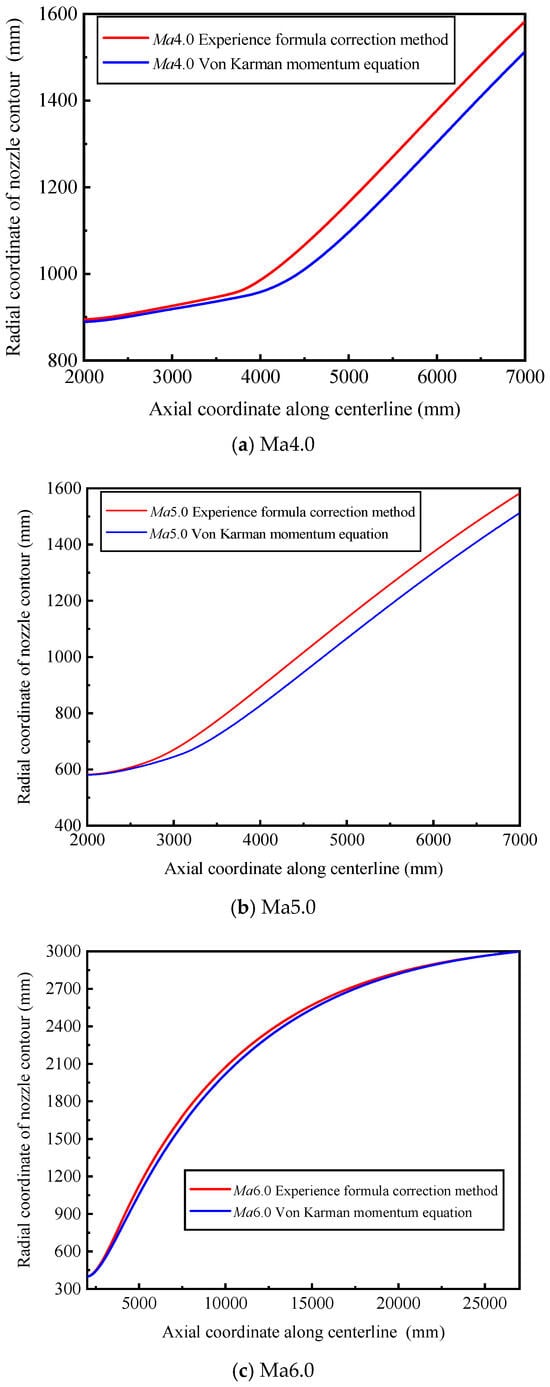
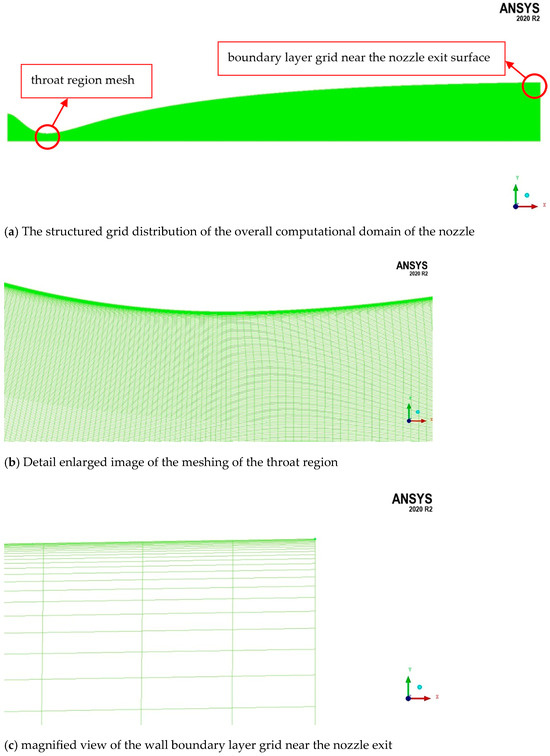
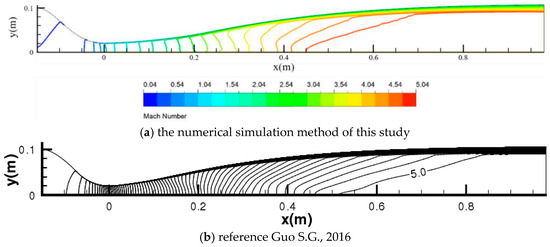
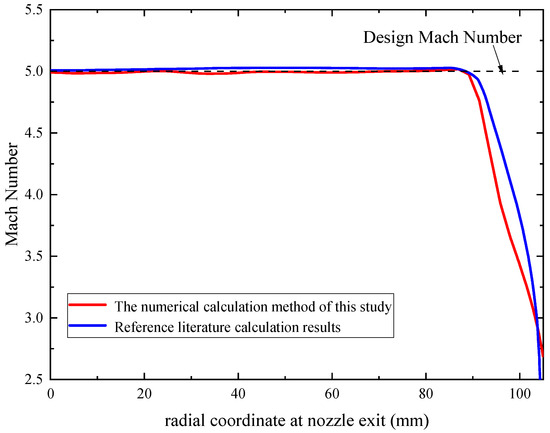
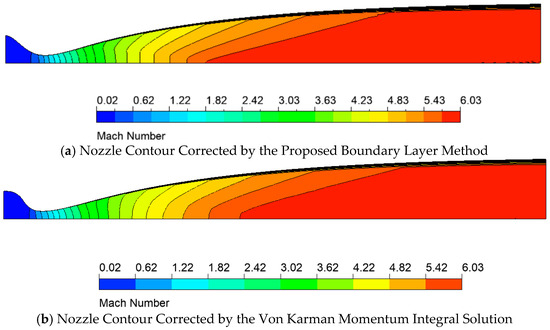
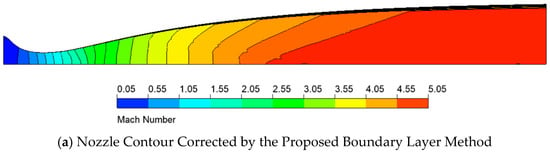
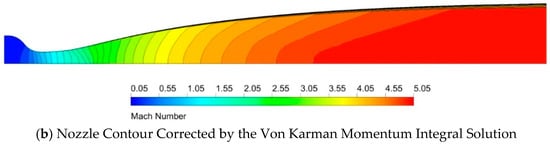
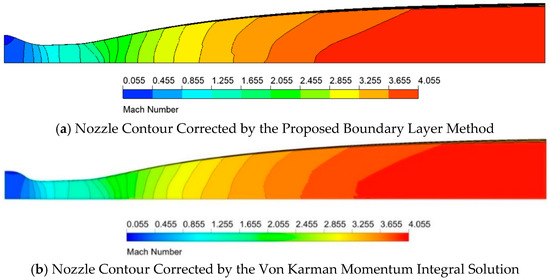
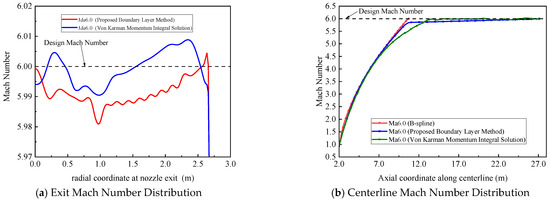
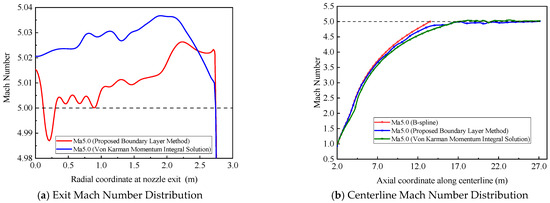
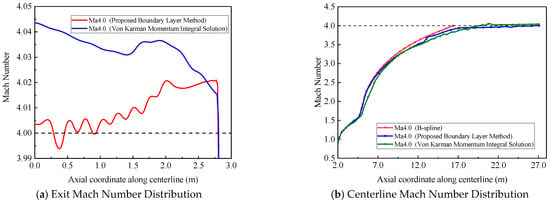
With the advancement of aerospace technology, full-scale wind tunnel testing has become a crucial approach to overcoming bottlenecks in hypersonic technology. The design of ultra-large, high-performance nozzles stands out as one of the core challenges. This paper focuses on a profiling design method for supersonic/hypersonic nozzles with interchangeable throats at the 6 m outlet scale, addressing issues such as significant boundary layer effects and difficulties in achieving variable Mach numbers due to the large dimensions. An empirical boundary layer correction method is proposed to efficiently compensate for viscous effects. By parameterizing and controlling the Mach number distribution along the nozzle axis using cubic B-spline curves and applying the method of characteristics for accurate inviscid supersonic flow field computation, the nozzle profile is optimized. To enable multi-Mach-number operation, a design strategy is adopted, where the high-Mach-number profile serves as the baseline, and the low-Mach-number throat section is inversely designed to ensure a smooth transition between multi-Mach nozzles and a shared expansion section. Using this approach, nozzle profiles for Mach numbers 4, 5, and 6 were successfully designed and validated through fully viscous CFD simulations. Results demonstrate that under all design conditions, a wide and uniform core flow region forms at the nozzle exit, with no strong shock waves present in the flow field. This study confirms the effectiveness and reliability of the integrated design method for large-scale interchangeable-throat nozzles, providing important theoretical foundation and technical support for the future development of advanced large-scale hypersonic wind tunnels.
Full article
(This article belongs to the Section Aeronautics)
►▼
Show Figures

Figure 1
Open AccessArticle
A Spatio-Temporal Collaborative Improved Multi-Strategy Dung Beetle Optimization Algorithm for 3D Path Planning of Multiple Unmanned Aerial Vehicles in Urban Environments
by
Yaowei Yu and Meilong Le
Aerospace 2026, 13(6), 506; https://doi.org/10.3390/aerospace13060506 (registering DOI) - 29 May 2026
Abstract
Collaborative 3D path planning for multiple unmanned aerial vehicles (UAVs) in dense urban airspace is difficult, which does not come from one factor alone. Buildings, flight restrictions, moving obstacles, and inter-UAV coupling all act together, and the search space grows quickly as the
[...] Read more.
Collaborative 3D path planning for multiple unmanned aerial vehicles (UAVs) in dense urban airspace is difficult, which does not come from one factor alone. Buildings, flight restrictions, moving obstacles, and inter-UAV coupling all act together, and the search space grows quickly as the scene becomes more crowded. In such cases, a standard swarm optimizer may still find a path, but it often struggles with early feasibility, later-stage refinement, and local replanning after the environment changes. To deal with these issues, this paper develops a spatio-temporal collaborative improved multi-strategy dung beetle optimization algorithm, called STC-IMSDBO, for urban multi-UAV path planning. The framework combines five linked components: feasible-airspace population initialization, spatio-temporal variable-step search, multi-factor adaptive weighting, local game-based conflict handling, and rolling-horizon replanning. A normalized multi-objective cost is used to balance flight efficiency, smoothness, obstacle avoidance, airspace compliance, and cooperative safety. The method is tested in four simulated urban scenarios and compared with six representative methods. In the tested cases, the STC-IMSDBO generates shorter feasible routes, uses less energy, converges in fewer iterations, and maintains better cooperative safety than the comparison methods. These results suggest that the method is a useful planning option for dense urban missions such as logistics, inspection, and emergency response. That said, larger-swarm runtime tests and field validation are still needed.
Full article
(This article belongs to the Section Air Traffic and Transportation)
Open AccessArticle
Discharge Ignition Modes of Electrodeless Plasma Thruster with Magnetic Thrust-Vectoring (MTVEPT)
by
Ekaterina Kudryashova, Diana Rakhimova, Artur Andronov and Andrei Shumeiko
Aerospace 2026, 13(6), 505; https://doi.org/10.3390/aerospace13060505 (registering DOI) - 29 May 2026
Abstract
The desire to use space in the most rational and efficient way to address contemporary challenges leads to the necessity of creating multi-purpose space missions capable of solving a wide range of diverse tasks. This creates a demand for propulsion systems that can
[...] Read more.
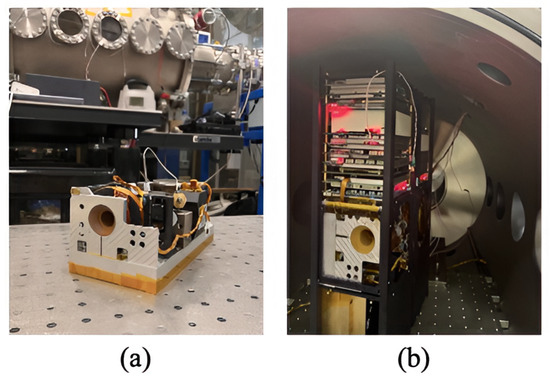
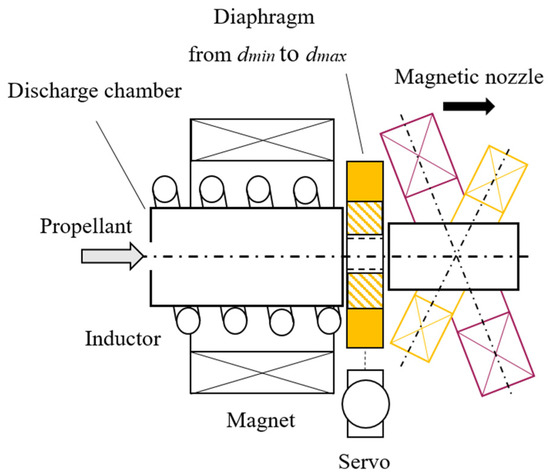
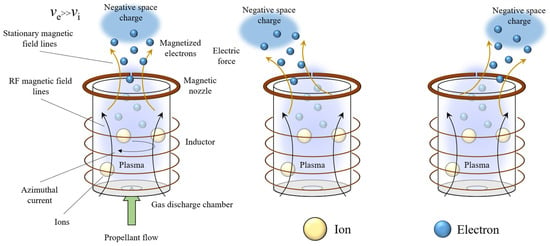
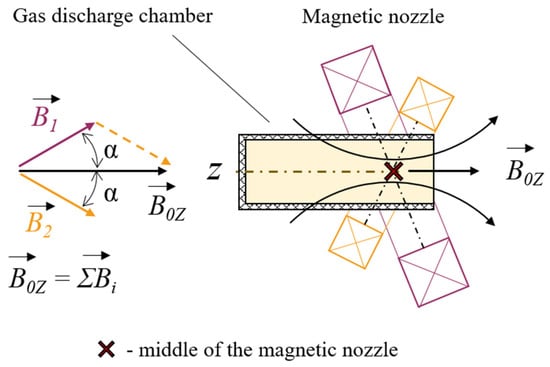
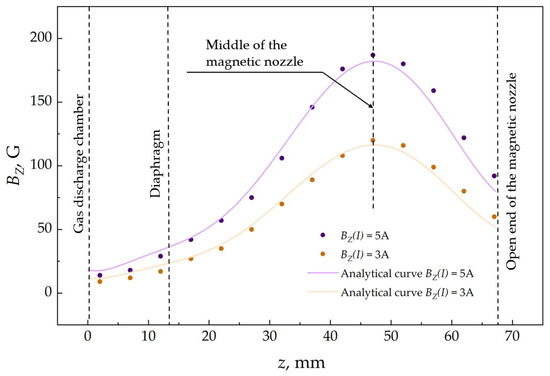
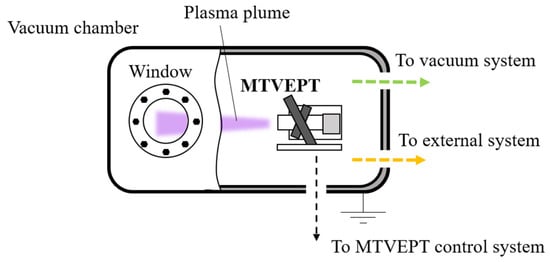
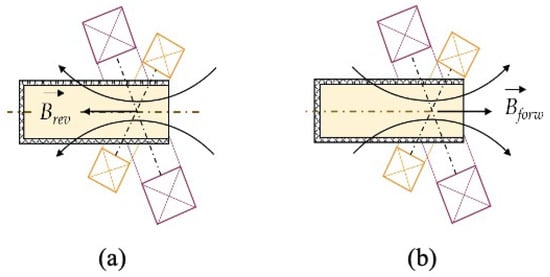
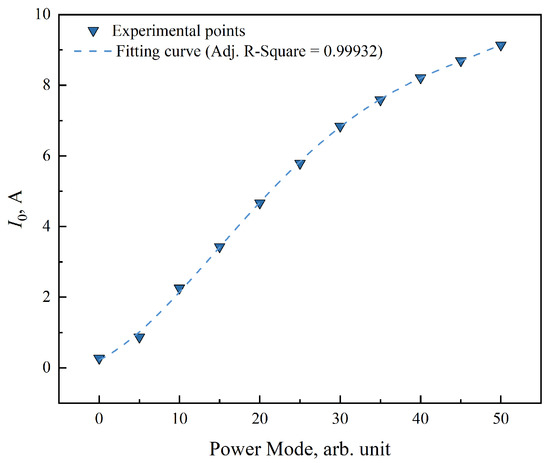
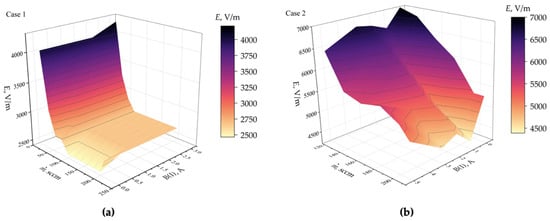
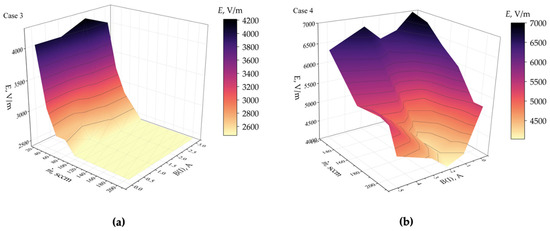
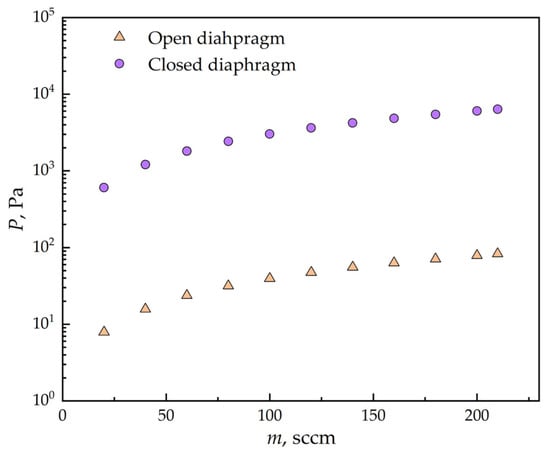
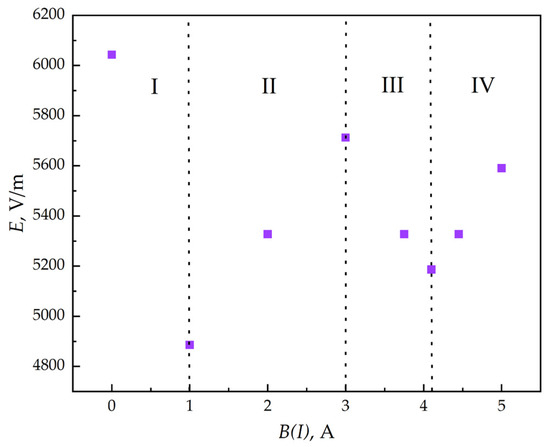
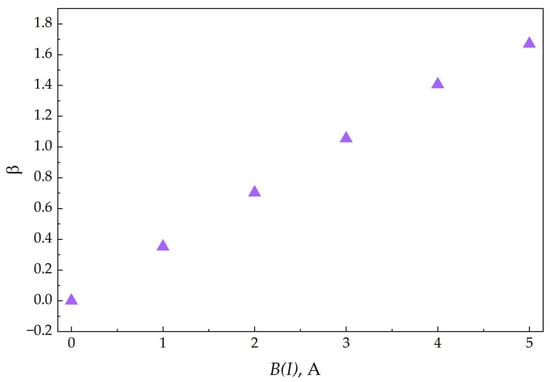
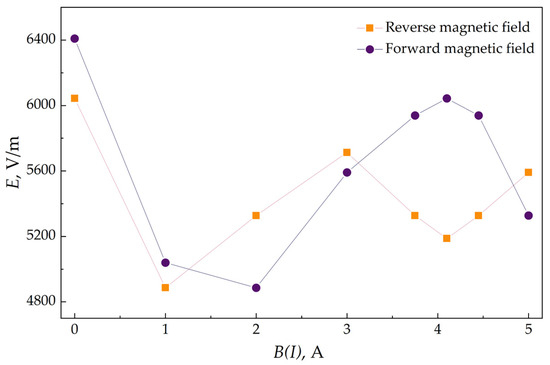
The desire to use space in the most rational and efficient way to address contemporary challenges leads to the necessity of creating multi-purpose space missions capable of solving a wide range of diverse tasks. This creates a demand for propulsion systems that can provide high maneuverability for modern and future spacecraft. One potential solution to increase the maneuverability of satellites is the use of electrodeless plasma thrusters with magnetic thrust-vectoring (MTVEPT). Their simple design and acceptable thrust-to-power characteristics can improve the cost-effectiveness of a space mission, increase its reliability and operational lifetime, and enable the required orbital maneuvers. This paper presents an experimental study on the ignition thresholds of a radiofrequency discharge in an electrodeless plasma thruster utilizing argon. The study is conducted over a gas flow rate range of 20 to 210 sccm, with solenoid currents from 0 to 5 A, for two magnetic field directions and two diameters of the exhaust orifice, which is varied using a diaphragm. It is found that a 93% relative reduction in the channel diameter leads to an average twofold decrease in the discharge ignition threshold, reaching a minimum value of 2.5 × 10³ V/m at a flow rate of 100 sccm. This can be used to reduce the thruster’s power consumption for the repetitive discharge ignitions when the propellant reserves are limited. Furthermore, four distinct discharge ignition regions are identified, depending on the solenoid current. The existence of a minimum threshold electric field for the discharge ignition of 4.0 × 10³ V/m is demonstrated for a multidirectional electrodeless plasma thruster without changing the discharge channel geometry within the studied parameter range, occurring at a solenoid current of I = 2 A.
Full article
(This article belongs to the Section Astronautics & Space Science)
►▼
Show Figures

Figure 1
Open AccessArticle
From Single-Parameter Reinforcement Learning to Integrated Multi-Parameter Optimization: A Data-Driven Design Framework for Airship Aerodynamics
by
Qian Zhao, Yue Yu and Carlo E. D. Riboldi
Aerospace 2026, 13(6), 504; https://doi.org/10.3390/aerospace13060504 - 28 May 2026
Abstract
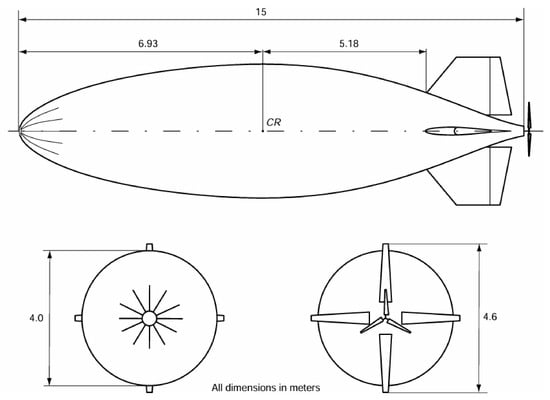
This study presents a reinforcement learning (RL)-based framework for the aerodynamic optimization of the Lotte airship, combining mid-fidelity dynamic simulations with adaptive learning strategies. To address the complex nonlinear coupling between the hull shape and tail configuration, a staged, data-driven optimization strategy is
[...] Read more.
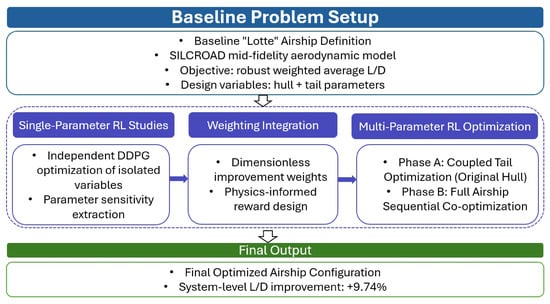
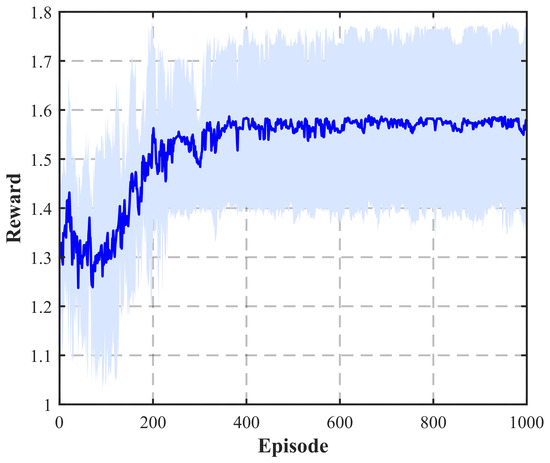
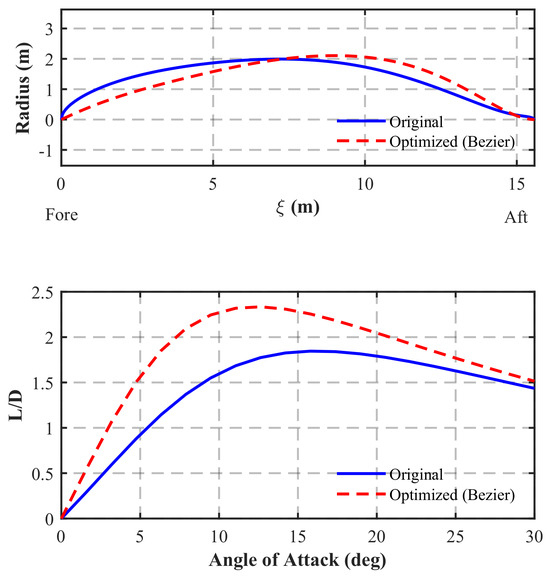
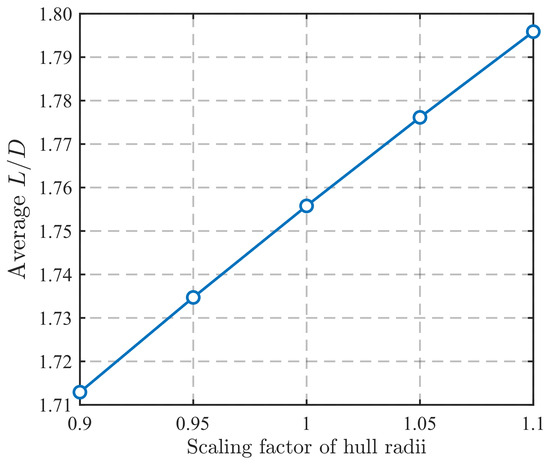
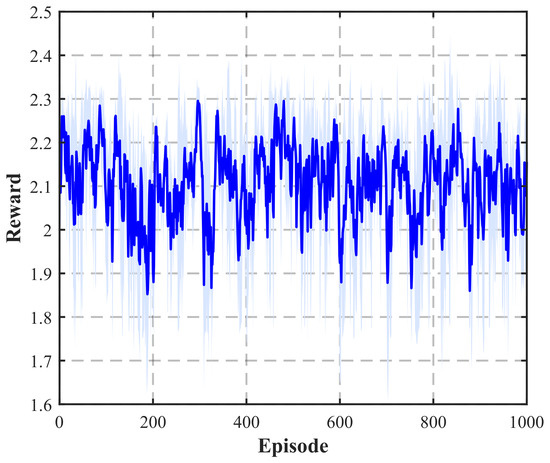
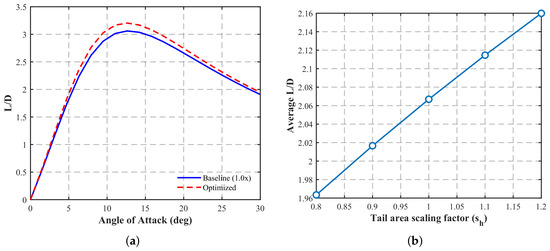
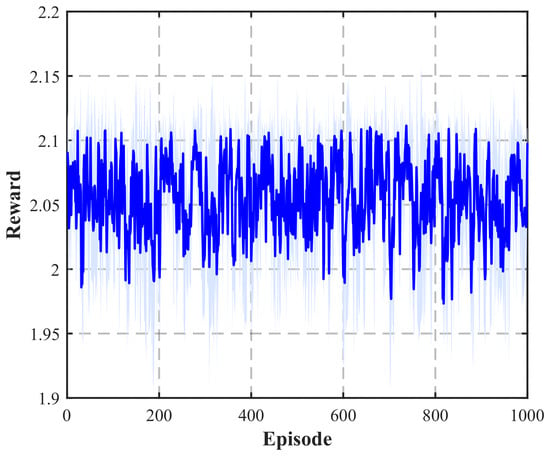
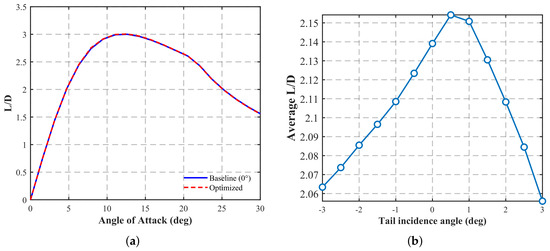
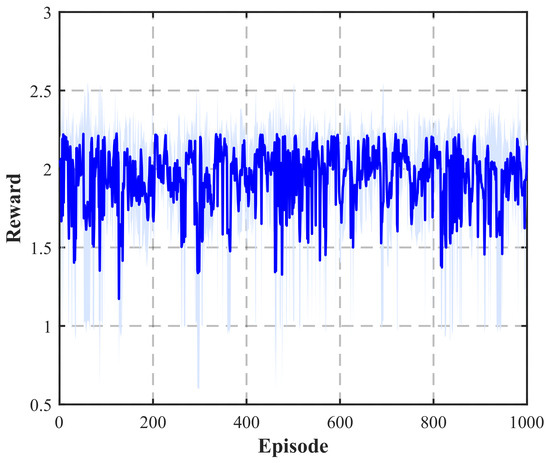
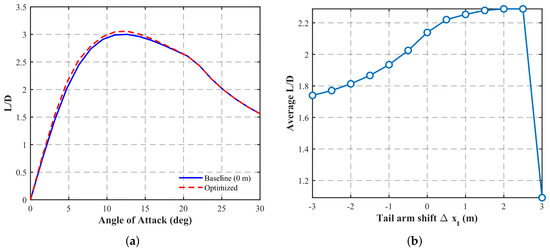
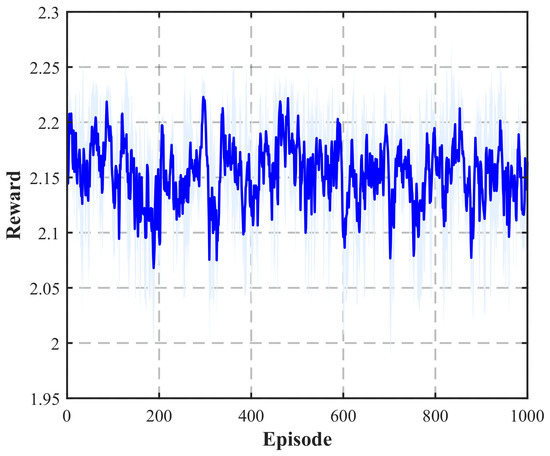
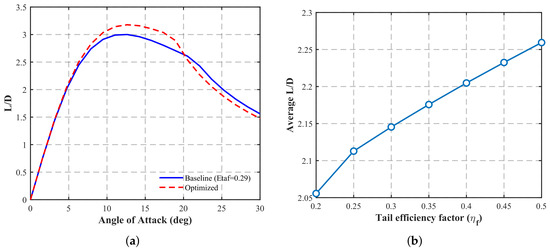
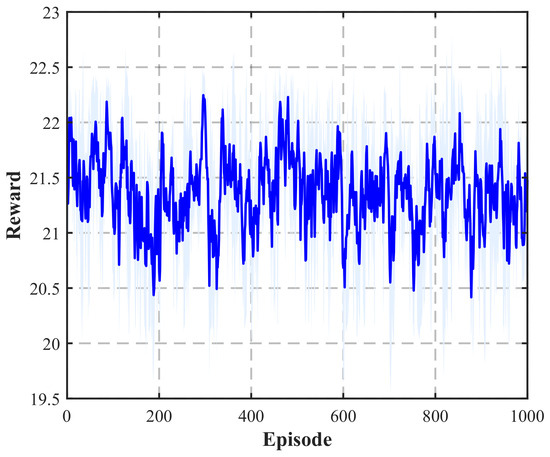
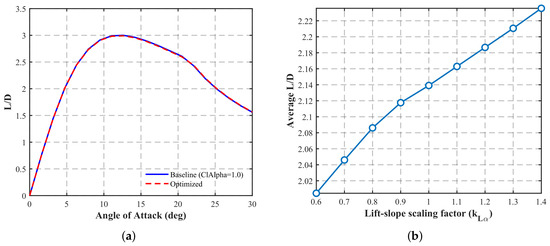
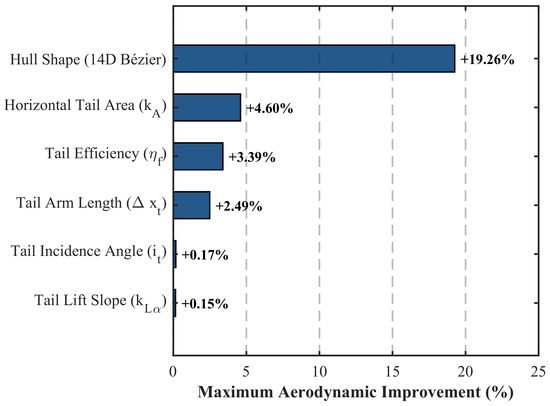
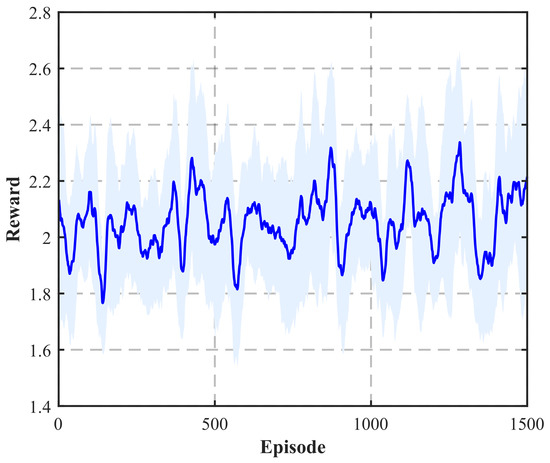
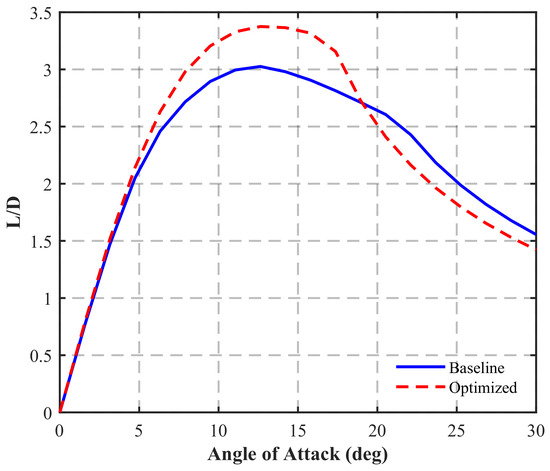
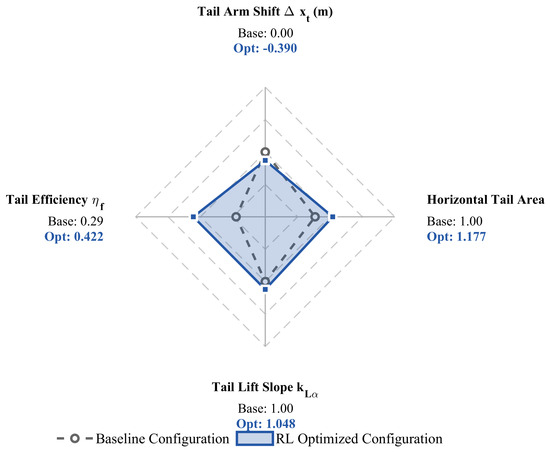
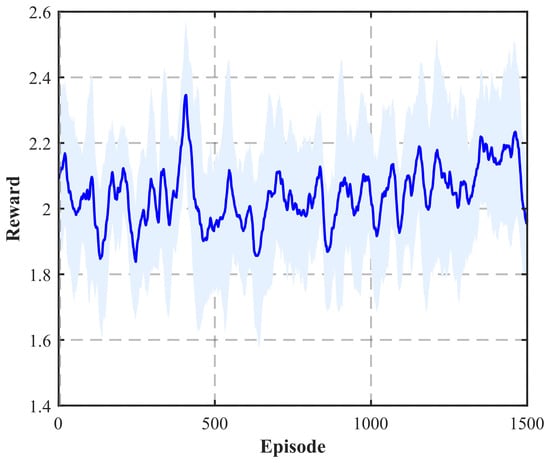
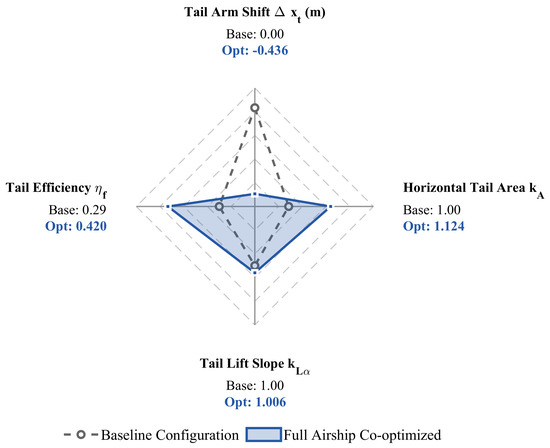
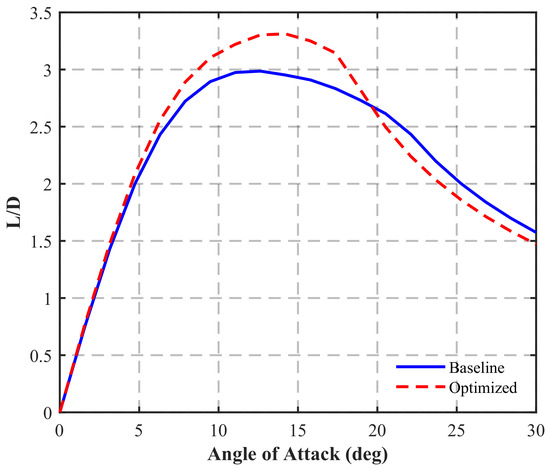
This study presents a reinforcement learning (RL)-based framework for the aerodynamic optimization of the Lotte airship, combining mid-fidelity dynamic simulations with adaptive learning strategies. To address the complex nonlinear coupling between the hull shape and tail configuration, a staged, data-driven optimization strategy is developed. In the first stage, single-parameter RL experiments are conducted to independently analyze the aerodynamic sensitivity of key design variables. This conceptual stage isolates pure aerodynamic potential, focusing on the unconstrained optimization of the hull’s Bézier parameterized profile, alongside the individual sensitivities of empennage area, longitudinal shift, lift slope factor, and efficiency. These experiments yield a comprehensive sensitivity map, clarifying each parameter’s independent influence on the average lift-to-drag ratio ( ) of the airship. In the second stage, the obtained sensitivities are utilized to structure an integrated multi-parameter optimization scenario. Crucially, this unified environment integrates the hull and tail while enforcing rigorous longitudinal trim constraints via a dynamic bisection search. This forces the RL agent to balance system-level aerodynamic recovery against inevitable trim drag penalties. The proposed framework is implemented in MATLAB R2023b using the SILCROAD airship dynamics environment and trained by the Deep Deterministic Policy Gradient (DDPG) algorithm. Results demonstrate that the initial single-parameter sensitivity extraction not only accelerates algorithmic convergence but also significantly improves the interpretability and physical validity of the final trimmed full airship configuration. This hierarchical approach establishes a systematic path from isolated parameter understanding to holistic, physics-informed aerodynamic design, offering a transferable methodology for future autonomous airship optimization.
Full article
(This article belongs to the Section Aeronautics)
►▼
Show Figures

Figure 1
Open AccessArticle
A Multi-Fidelity Kriging-Based Experiment Optimization Framework with an Augmented Lagrangian Method for Distributed Optimal Design
by
Shixuan Zhang and Jie Ma
Aerospace 2026, 13(6), 503; https://doi.org/10.3390/aerospace13060503 - 27 May 2026
Abstract
►▼
Show Figures
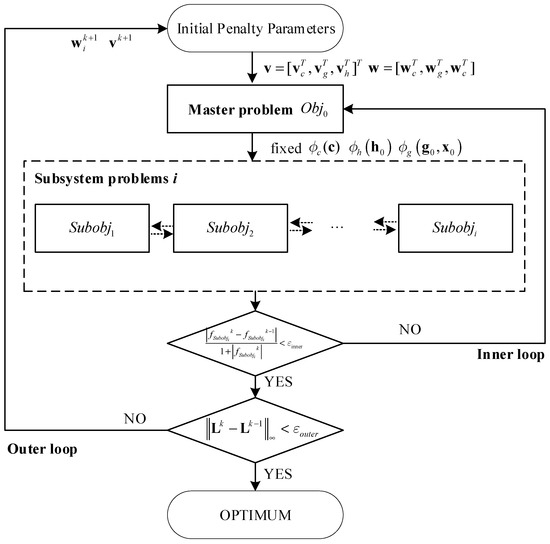
Distributed optimal design brings significant solutions for experiment optimization in complex engineering design problems. A Kriging-based augmented Lagrangian Method is proposed with the help of the Multi-fidelity Hamiltonian Kriging (MHK) surrogate model. The Multi-fidelity Hamiltonian Kriging-based Augmented Lagrangian Method (MHK-ALM) uses subsystem surrogate
[...] Read more.
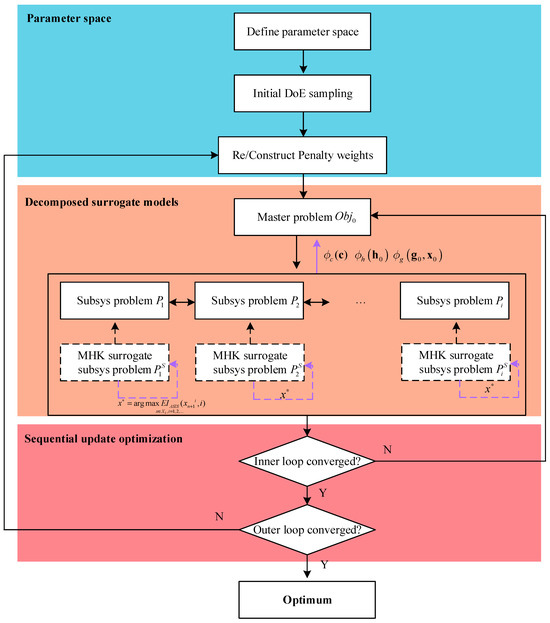
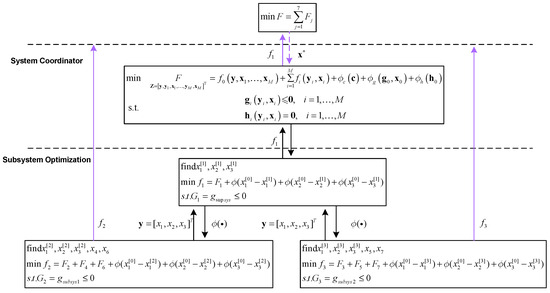
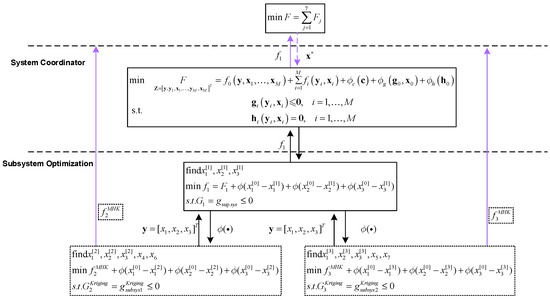
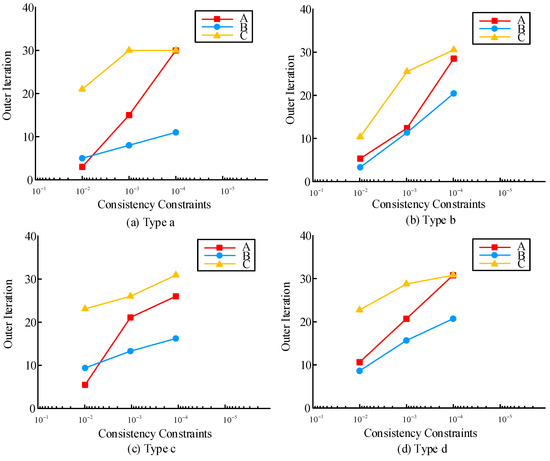
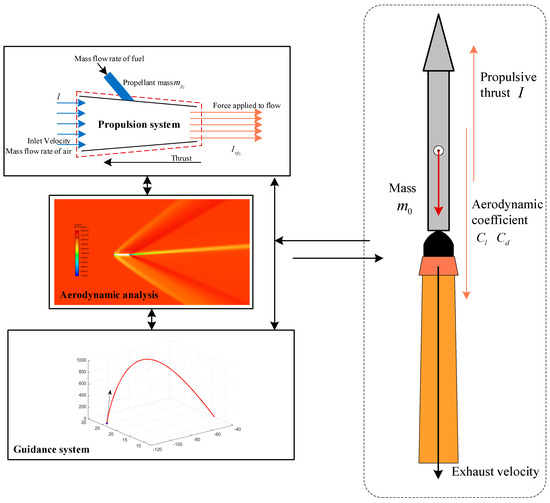
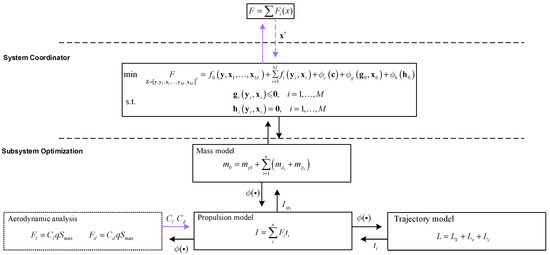
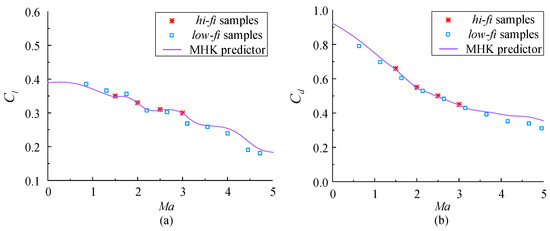
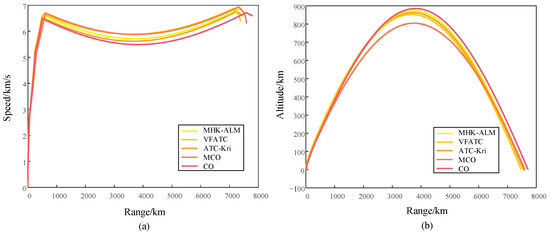
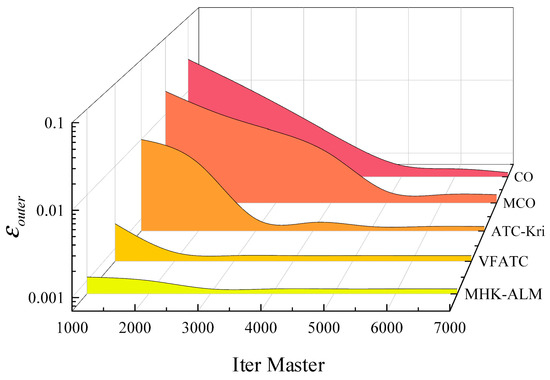
Distributed optimal design brings significant solutions for experiment optimization in complex engineering design problems. A Kriging-based augmented Lagrangian Method is proposed with the help of the Multi-fidelity Hamiltonian Kriging (MHK) surrogate model. The Multi-fidelity Hamiltonian Kriging-based Augmented Lagrangian Method (MHK-ALM) uses subsystem surrogate models constructed from multi-fidelity data to speed up the inner loop solution of ALM, while also reducing the iterations of the outer loop of ALM. The MHK-ALM is illustrated with one numerical simulation of a multi-fidelity constrained NASA speed reducer problem, demonstrated with a multidisciplinary design optimization of a solid-propellant ballistic missile. The engineering application of the multidisciplinary design optimization (MDO) problem shows that the proposed method can perform precisely over certain advanced surrogate-based optimization frameworks. The MHK-ALM can be applied for any other distributed optimal design problems where one need complex subsystem decomposition.
Full article

Figure 1
Open AccessArticle
Radiation-Tolerant Design Strategies Using Commercial Bipolar Transistors in Power Systems for Small Satellites
by
Pablo Hernández, David Marroquí, Ausiàs Garrigós and Ferdinando Tonicello
Aerospace 2026, 13(6), 502; https://doi.org/10.3390/aerospace13060502 - 26 May 2026
Abstract
The increase in small satellites demands the integration of commercial components to reduce costs and development time. However, the lack of standardized system-level methodologies to mitigate radiation-induced degradation limits their adoption. Although majority-carrier technologies such as MOSFET transistors dominate space power electronics, modern
[...] Read more.
The increase in small satellites demands the integration of commercial components to reduce costs and development time. However, the lack of standardized system-level methodologies to mitigate radiation-induced degradation limits their adoption. Although majority-carrier technologies such as MOSFET transistors dominate space power electronics, modern commercial off-the-shelf BJT transistors present a robust and cost-effective alternative. This paper evaluates the viability of the new-generation commercial off-the-shelf BJT transistors in space radiation environments by analyzing their response to total ionizing dose (measured at the circuit level) and single-event effects (inferred from component-level data). A fault-tolerant design methodology is proposed based on the strict definition of the safe operating area: the collector-emitter voltage is limited to safe values to mitigate single-event burnout, and an overdrive margin, specifically a 5× worst-case factor, is applied to compensate for the parametric degradation of the current gain. These strategies are empirically validated through two circuits: a voltage clamp and a proportional base driver operating in the 5 W to 40 W range. Experimental tests on the voltage clamp demonstrate stable operation up to one hundred kilorads, exceeding the 50 krad mission requirement by 100%. This indirectly supports the proportional base driver through shared mitigation principles, which rely on base current over-dimensioning to compensate for TID degradation. In conclusion, by applying appropriate derating rules, commercial off-the-shelf BJT transistors constitute a viable and robust alternative for small satellite power systems, mitigating the need for expensive radiation-hardened components.
Full article
(This article belongs to the Section Astronautics & Space Science)
Open AccessArticle
Damage-Coupled Physics-Informed Neural Networks for Predicting Long-Term Creep Strain Evolution in Lightweight Aerospace Alloys
by
Hongmin Li, Shuo Huang, Shuanglong Rong, Cheng Qian and Baiyang Zheng
Aerospace 2026, 13(6), 501; https://doi.org/10.3390/aerospace13060501 - 26 May 2026
Abstract
Lightweight alloys in aerospace precision structures undergo slow but cumulative creep deformation during long-term storage, wherein strain accumulation over years can compromise dimensional stability and operational reliability. However, continuum damage mechanics (CDM) constitutive models, while physically grounded, require extensive parameter calibration and exhibit
[...] Read more.
Lightweight alloys in aerospace precision structures undergo slow but cumulative creep deformation during long-term storage, wherein strain accumulation over years can compromise dimensional stability and operational reliability. However, continuum damage mechanics (CDM) constitutive models, while physically grounded, require extensive parameter calibration and exhibit degraded accuracy during the primary creep stage. Meanwhile, purely data-driven approaches are impractical for the sparse datasets typical of accelerated creep testing, wherein as few as 14 data points may be available per condition. Although physics-informed neural networks (PINNs) have shown promise in computational mechanics, existing PINN-based creep studies predict only scalar life quantities rather than the full strain–time curve , and none embed damage evolution equations as differential constraints. This study proposes a damage-coupled PINN framework (termed DC-PINN) that predicts the complete creep strain evolution by embedding CDM damage evolution ordinary differential equations (ODEs) as hierarchical differential constraints within the learning process. The framework couples the predicted strain rate with the damage state through material-specific constitutive ODEs, supplemented by monotonicity enforcement and boundary conditions. Alloy-specific formulations are developed for 2A12-T4 aluminum (Arrhenius kinetics, no damage) and ZM6 magnesium (Sandström dislocation model with Ostwald-ripening-driven grain coarsening damage). Validated on 13 experimental conditions spanning both alloys (50–100 C, 20–60 MPa, 14–100 points per condition), DC-PINN achieves for 2A12-T4 and for ZM6 across all tested conditions. Ablation studies show that the total physics-driven improvement is 5.8 times larger for the data-sparse ZM6 (14–34 points) than for the data-rich 2A12-T4 (∼100 points), with the CDM damage coupling alone accounting for 22% of the improvement in ZM6. To the best of our knowledge, this represents the first integration of CDM damage evolution ODEs as differential constraints within PINNs for creep strain modeling, providing a physically consistent and data-efficient tool for the storage life assessment of aerospace structures.
Full article
(This article belongs to the Special Issue Structural Strength, Life Reliability and Design Optimization of Aircraft Engines)
Open AccessReview
Whither CRM?—30 Years on: A Narrative Review and Position Paper on the Future of Aviation CRM Training
by
Alex Pollitt, Daan Vlaskamp, James Blundell and Annemarie Landman
Aerospace 2026, 13(6), 500; https://doi.org/10.3390/aerospace13060500 - 26 May 2026
Abstract
For almost fifty years, Crew Resource Management (CRM) has been a cornerstone of aviation safety and training. This narrative review examines the current state of CRM training and identifies key directions for future development, including the integration of artificial intelligence, increasing attention on
[...] Read more.
For almost fifty years, Crew Resource Management (CRM) has been a cornerstone of aviation safety and training. This narrative review examines the current state of CRM training and identifies key directions for future development, including the integration of artificial intelligence, increasing attention on mental health and resilience, and workforce diversity. While there is evidence of gradual evolution in CRM practices, reflected in updated regulatory frameworks, competency-based approaches, and a growing community of human factors and aviation psychology specialists, progress remains uneven across the industry. We argue that many aviation operators and training organizations still lack robust institutional mechanisms to systematically translate emerging scientific evidence into training design and delivery. As a result, advances in research on teaching and learning methods and human performance are not consistently brought forward into everyday training practices. The review concludes with a set of practical recommendations aimed at strengthening knowledge exchange between researchers and operational stakeholders, enhancing evidence-informed training, and supporting the modernization of CRM in a rapidly changing operational environment.
Full article
(This article belongs to the Special Issue Human Factors and Performance in Aviation Safety)
Open AccessArticle
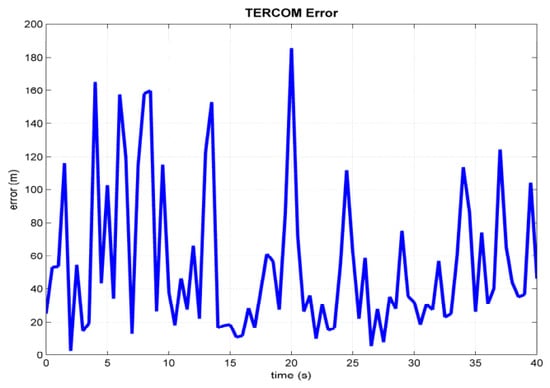
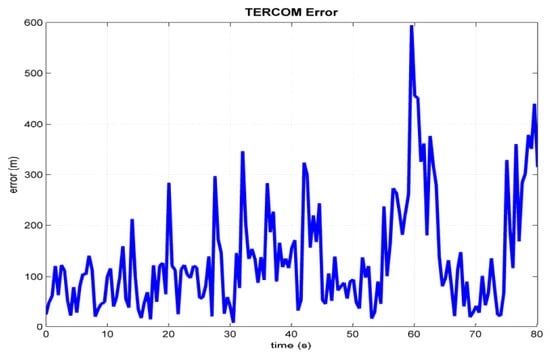
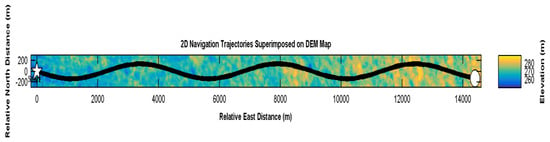
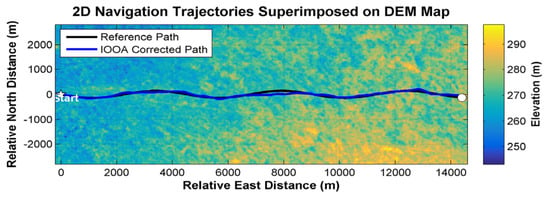
Research on a 2D TERCOM Method Based on an Improved Osprey Optimization Algorithm
by
Tao Sui, Dechen Sun, Zhishuo Ji, Jingqi Li and Xiuzhi Liu
Aerospace 2026, 13(6), 499; https://doi.org/10.3390/aerospace13060499 - 25 May 2026
Abstract
►▼
Show Figures
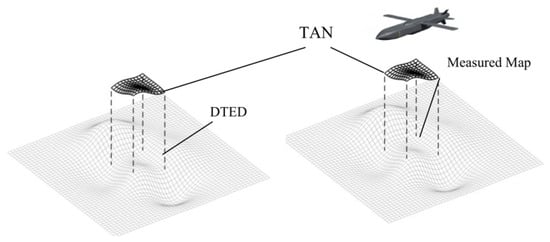
To address the challenges of time-dependent error divergence in Strapdown Inertial Navigation Systems (SINS) and the insufficient accuracy of traditional terrain matching algorithms in feature-sparse flat terrain environments, this paper proposes an intelligent terrain-aided navigation method integrating an Improved Osprey Optimization Algorithm (IOOA),
[...] Read more.
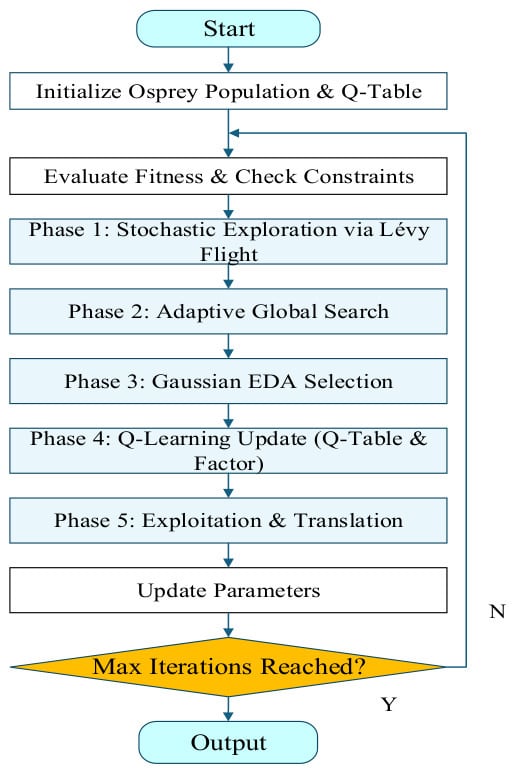
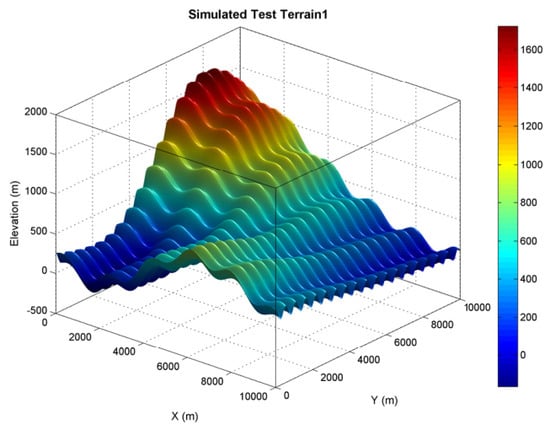
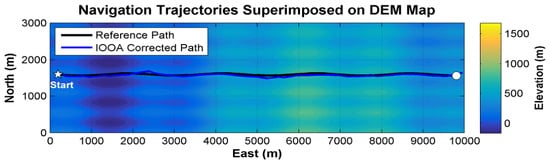
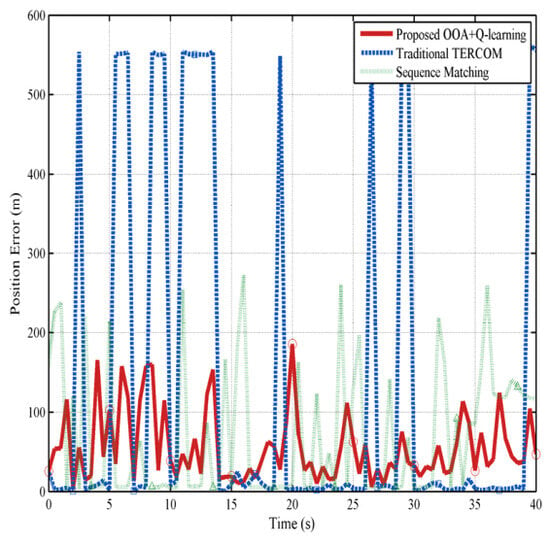
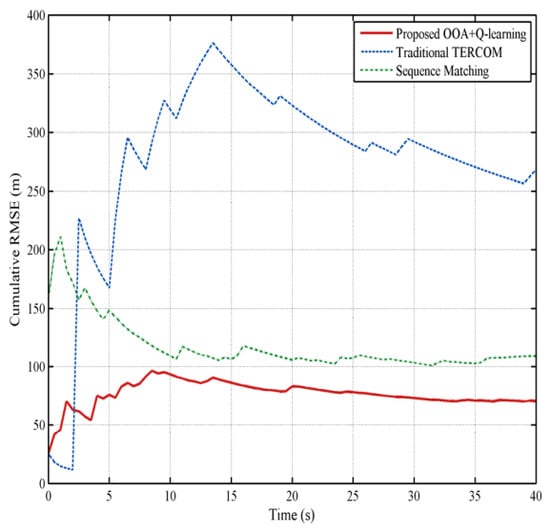
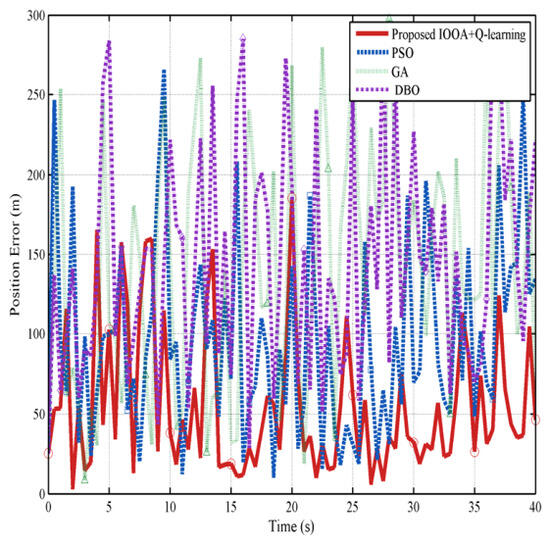
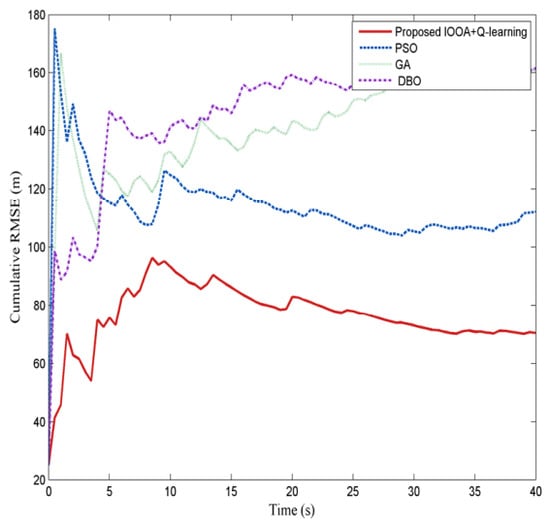
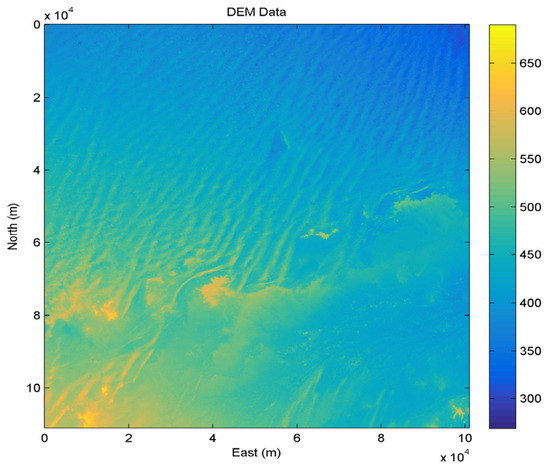
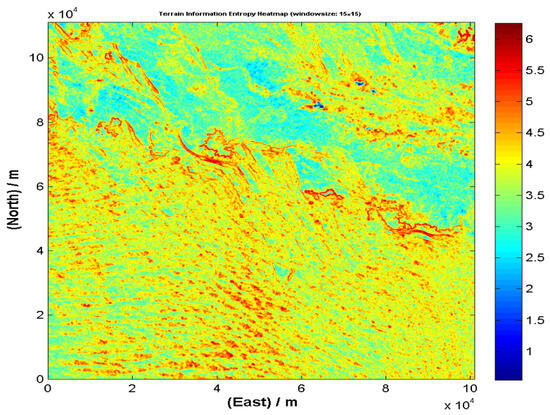
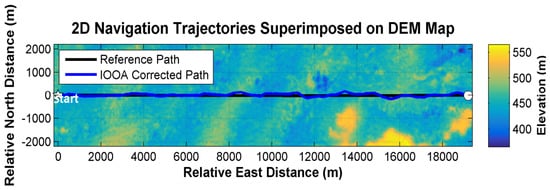
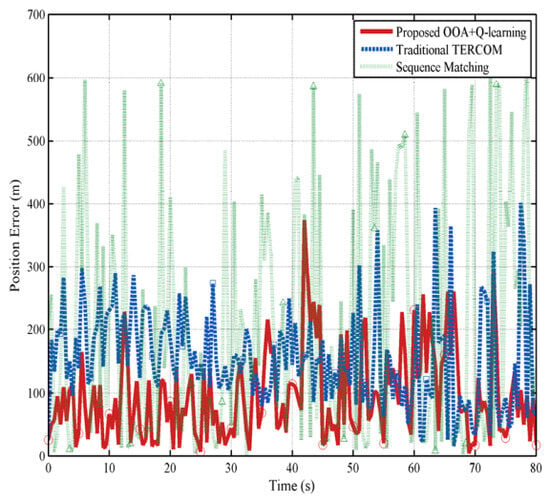
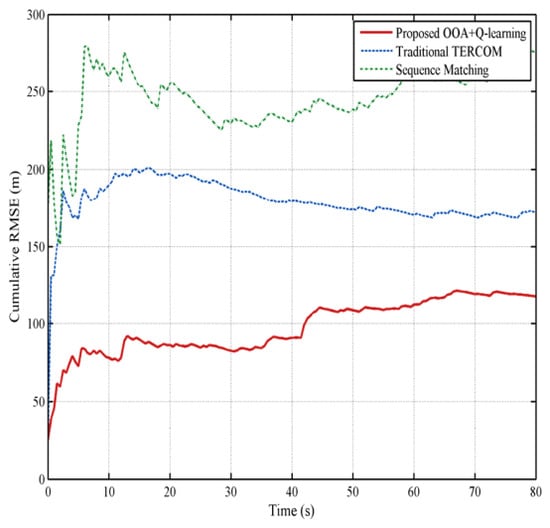
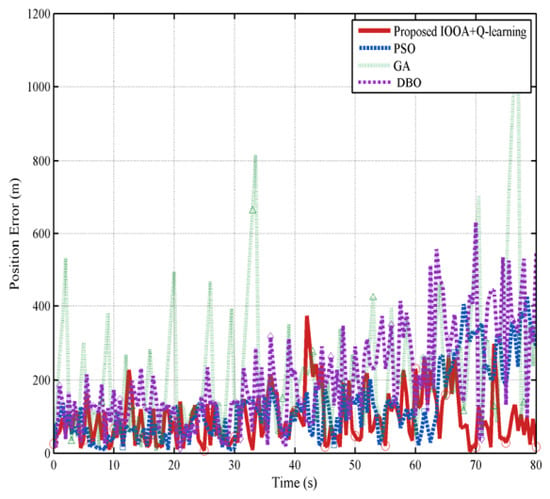
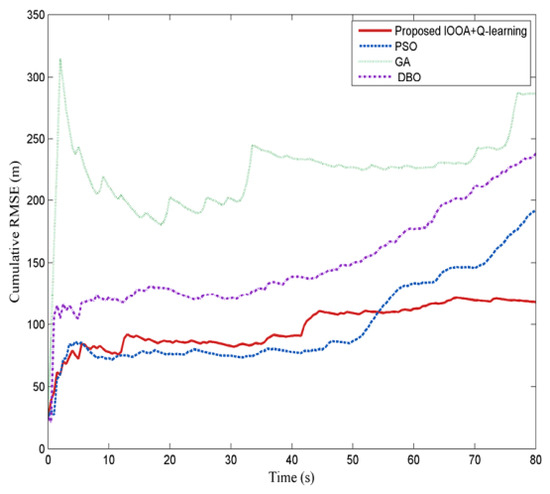
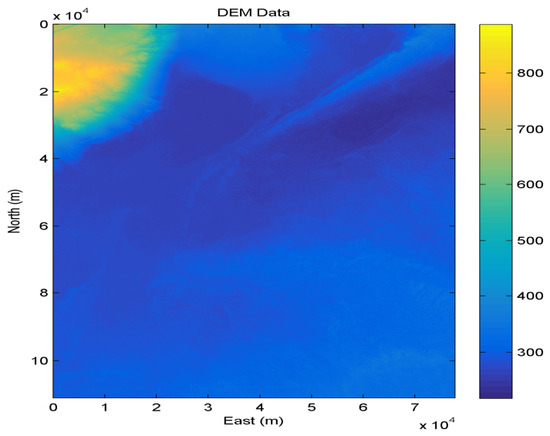
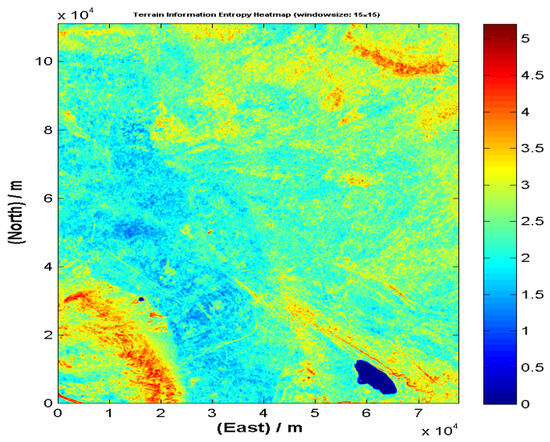
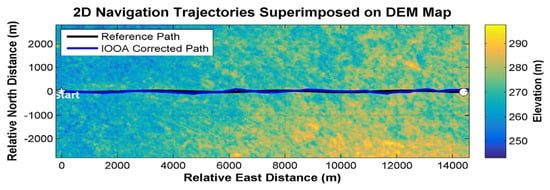
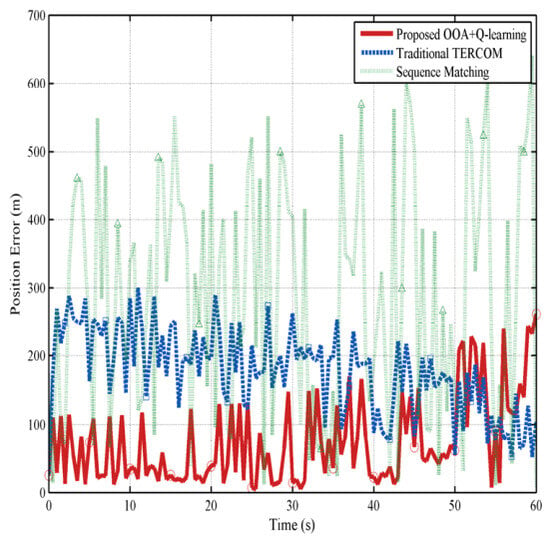
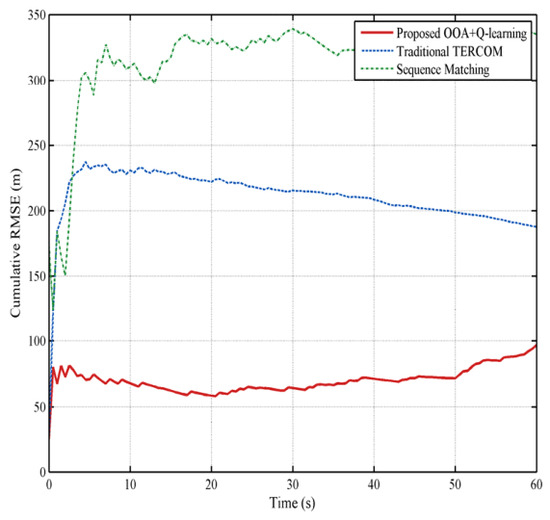
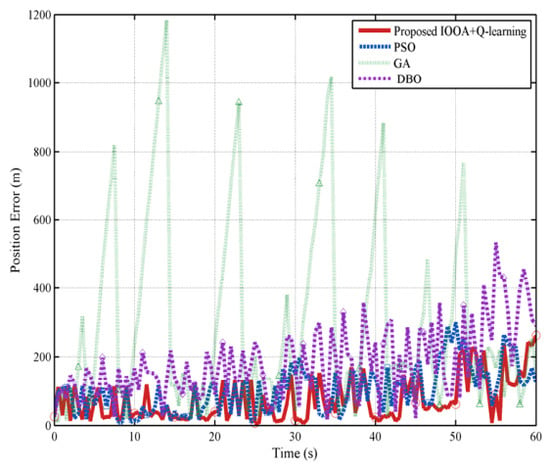
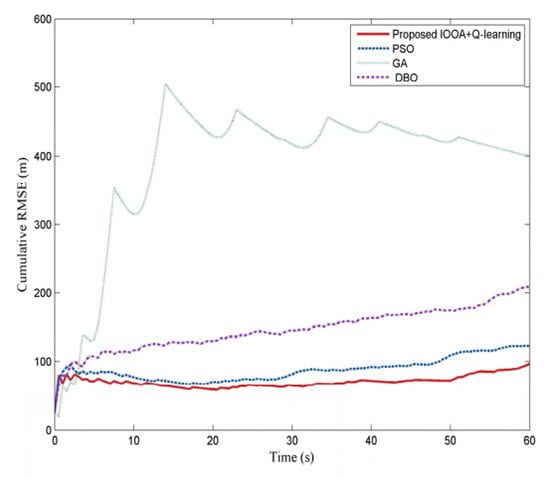
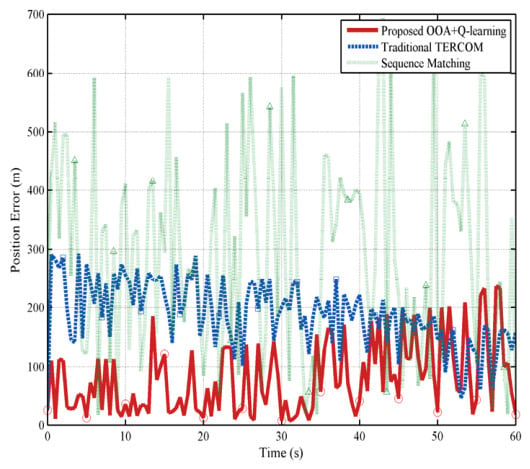
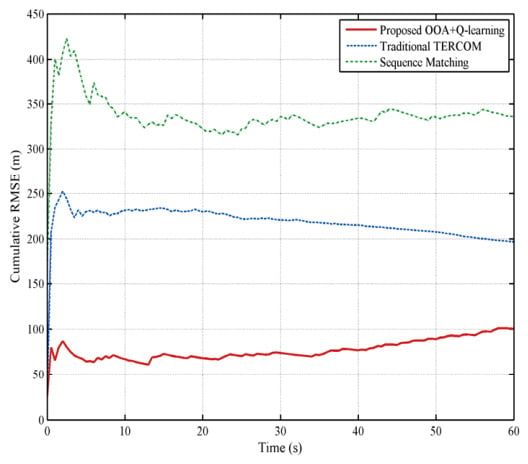
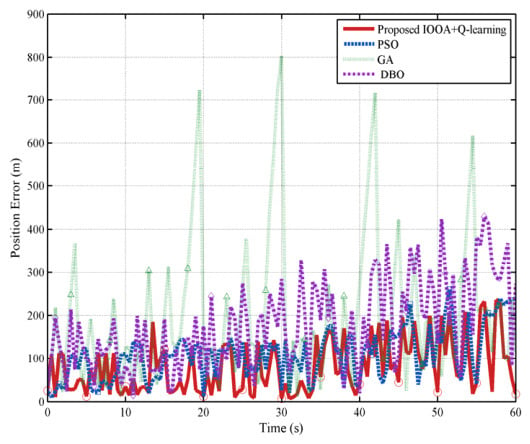
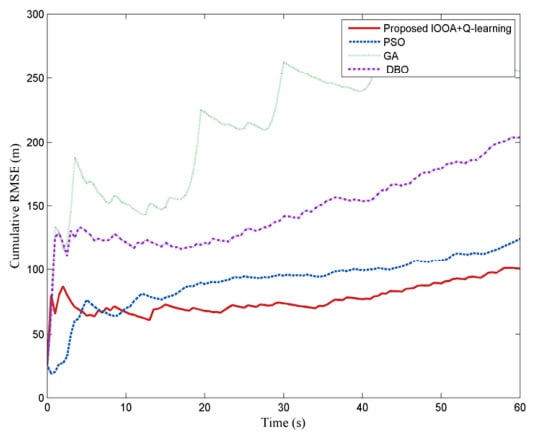
To address the challenges of time-dependent error divergence in Strapdown Inertial Navigation Systems (SINS) and the insufficient accuracy of traditional terrain matching algorithms in feature-sparse flat terrain environments, this paper proposes an intelligent terrain-aided navigation method integrating an Improved Osprey Optimization Algorithm (IOOA), Distribution Estimation, and Q-learning. Utilizing terrain information entropy as a robust matching metric, the algorithm establishes a two-phase evolutionary framework comprising Lévy flight-based random search (exploration phase) and elite-guided Gaussian Estimation of Distribution (exploitation phase). By introducing a Q-learning mechanism to adaptively regulate exploration parameters, an intelligent balance between population diversity and convergence speed is achieved. Under a unified computational benchmark, systematic multi-scenario simulations were conducted using datasets from simulated moderately undulating foothill terrain, the Libyan Sahara, and the real Digital Elevation Model (DEM) of the Junggar Basin in Xinjiang, China. Experimental results demonstrate that, compared to traditional TERCOM and mainstream swarm intelligence algorithms, the proposed algorithm drastically reduces positioning errors in the aforementioned complex terrains and significantly enhances matching accuracy. Robustness and real-time performance tests indicate that the algorithm achieves an average single-match processing time of only 0.08 s and maintains error variability as low as ±0.83 m under random perturbations. Furthermore, an ablation study confirms the necessity of the multi-strategy fusion mechanism in suppressing local optima entrapment and non-convergent oscillations. This study validates the engineering feasibility of the algorithm under conditions of low computational dependency, providing an effective technical approach for high-precision autonomous navigation in GPS-denied environments.
Full article

Figure 1
Open AccessArticle
Reentry Vehicle Intelligent Trajectory Convex Optimization Method Based on Terminal Time Prediction
by
Feng Yang, Geng Tian, Ziheng Cheng and Kai Liu
Aerospace 2026, 13(6), 498; https://doi.org/10.3390/aerospace13060498 - 25 May 2026
Abstract
To address the efficiency problem of traditional sequential convex optimization (SCO) methods with uncertain terminal time for long-range hypersonic vehicle reentry, this paper proposes an improved method with neural network-based terminal time prediction strategy, which has distinctly higher computational efficiency than the traditional
[...] Read more.
To address the efficiency problem of traditional sequential convex optimization (SCO) methods with uncertain terminal time for long-range hypersonic vehicle reentry, this paper proposes an improved method with neural network-based terminal time prediction strategy, which has distinctly higher computational efficiency than the traditional one. In the improved method, a neural network is used to fit the mapping between the vehicle’s current state and the terminal time, thereby replacing the parametric computation in the optimization process and thus improving efficiency. For network training, a large number of sample trajectories are first generated using the traditional sequential convex optimization method. Then, a multi-layer feedforward neural network is employed to approximate the mapping from the reentry vehicle’s flight states to the terminal time, thus completing the offline training. The simulation results demonstrate that the proposed algorithm reduces computation time by more than 50% compared to the SCO algorithm, satisfies the requirements for online trajectory generation, and can also adapt to special cases where the initial and terminal positions vary.
Full article
(This article belongs to the Special Issue Dynamic Control for High-Speed Flights)
Open AccessArticle
High-Speed Flight Vehicle Strong Interference Data-Driven Control Based on Self-Organizing Map and Improved Moth-Flame Optimization
by
Chenghao Wang, Kaiqiang Feng, Jie Li, Li Qin, Xi Zhang, Junlong Li, Songhao Zhang and Yanchun Suo
Aerospace 2026, 13(6), 497; https://doi.org/10.3390/aerospace13060497 - 25 May 2026
Abstract
►▼
Show Figures
Owing to their reliance on detailed mathematical modeling, traditional control methods encounter challenges such as high control complexity and low precision when applied to high-speed flight vehicle control under strongly disturbed atmospheric conditions. To address this limitation, this study introduces a data-driven neural
[...] Read more.
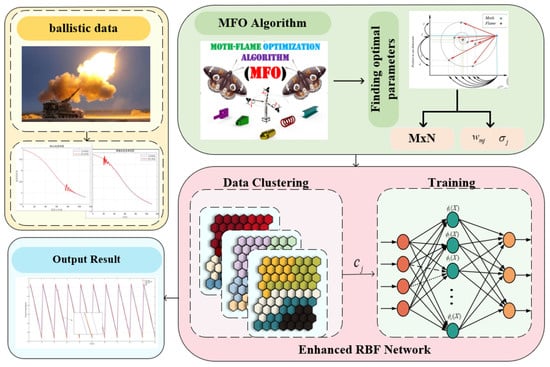
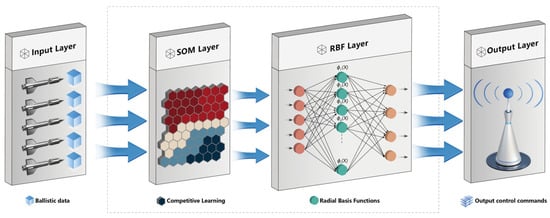
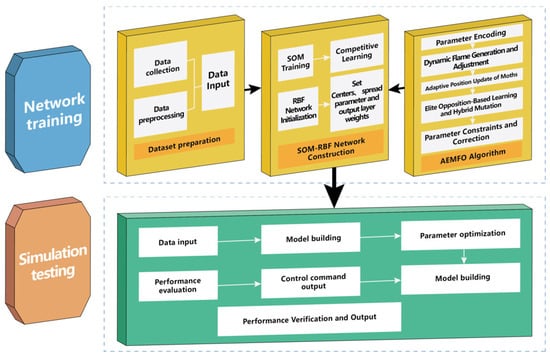
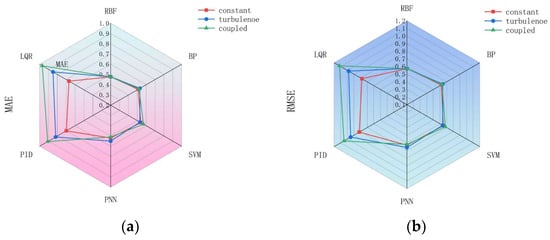
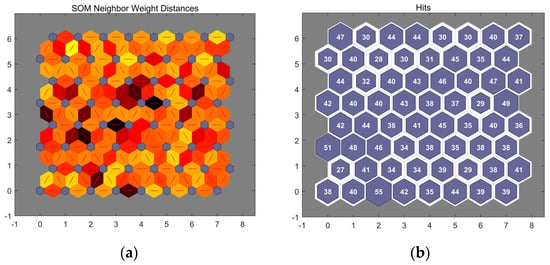
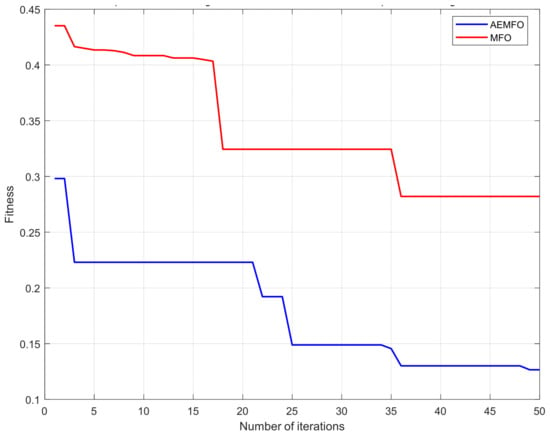
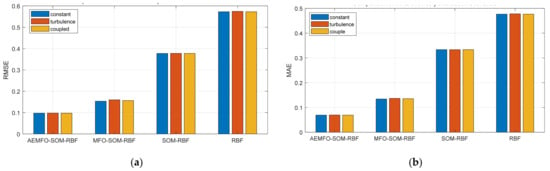
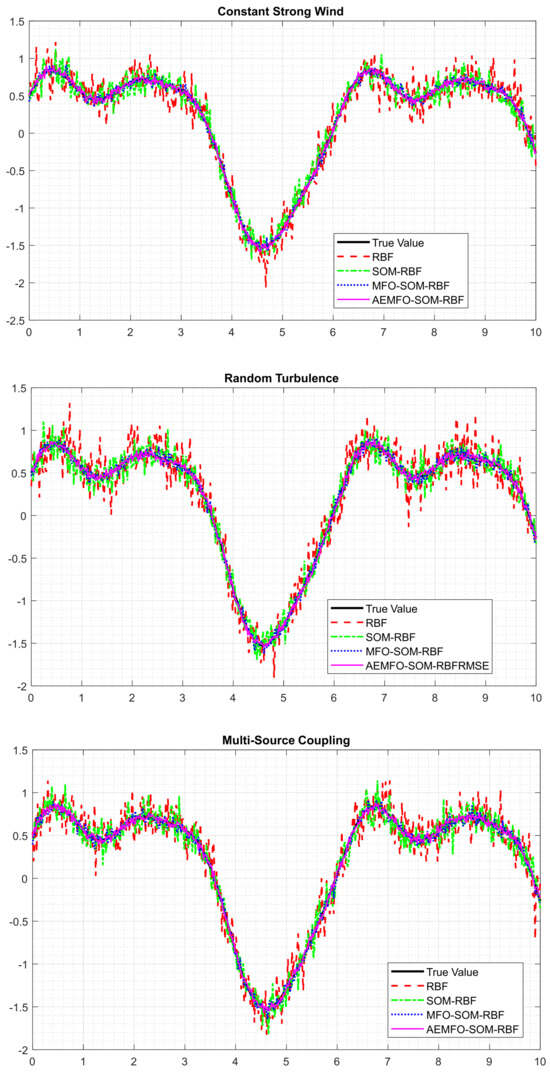
Owing to their reliance on detailed mathematical modeling, traditional control methods encounter challenges such as high control complexity and low precision when applied to high-speed flight vehicle control under strongly disturbed atmospheric conditions. To address this limitation, this study introduces a data-driven neural network mapping approach into the field of flight vehicle control. By excavating the underlying patterns in operational data and leveraging the nonlinear mapping capability of neural networks, accurate prediction and generation of control commands are achieved, thereby eliminating the dependence on precise mathematical models and offering a novel solution for complex control problems. Building on this foundation, a self-organizing map (SOM) radial basis function (RBF) neural network is proposed. Leveraging the competitive learning mechanism of SOM, it performs adaptive clustering on input samples, dynamically optimizes the number of clusters to determine the number of hidden-layer nodes in RBF, and adopts the SOM cluster centers as the centers of RBF basis functions. This design enables the one-click data-driven determination of both the number of nodes and their corresponding center vectors, significantly simplifying the network structure design process. Meanwhile, to address inherent limitations of this network, such as suboptimal output weights, unoptimized width functions, and the inherent drawbacks of the traditional Moth-Flame Optimization (MFO) algorithm, an Adaptive Enhanced Moth-Flame Optimization (AEMFO) algorithm is developed, drawing inspiration from biological swarm intelligence. By integrating strategies such as adaptive spiral update and elite opposition-based learning, it balances the global exploration and local exploitation capabilities, and performs targeted optimization of the RBF width parameters and output-layer weights. This optimization significantly enhances the accuracy of the network in mapping attitude-control commands in strongly disturbed environments, providing robust support for the stable attitude control of high-speed flight vehicles. Finally, simulation results demonstrate that the proposed method achieves high control accuracy for flight vehicle attitude control under strongly disturbed environments.
Full article

Figure 1
Open AccessArticle
Prediction of Transonic Shock Buffet Onset Based on Fluorescent Mini-Tufts Dynamic Flow Pattern
by
Bin Qi, Siyuan Gao, Lejie Yang, Peng Qiao, Dawei Liu, Hai Du, Guoshuai Li and Jifei Wu
Aerospace 2026, 13(6), 496; https://doi.org/10.3390/aerospace13060496 - 25 May 2026
Abstract
Shock buffet is one of the critical issues affecting the aerodynamic performance, flight quality, and flight safety of large aircraft. To overcome the limitations of traditional experimental measurement methods, such as insufficient capability in capturing flow features and high cost, an integrated experimental
[...] Read more.
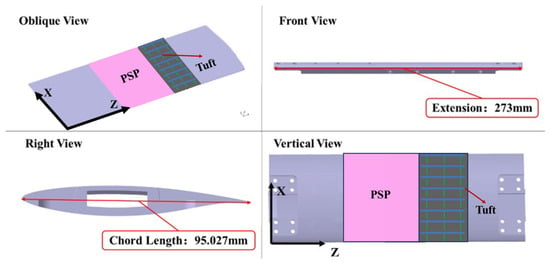
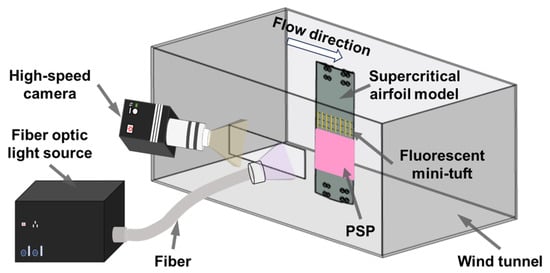
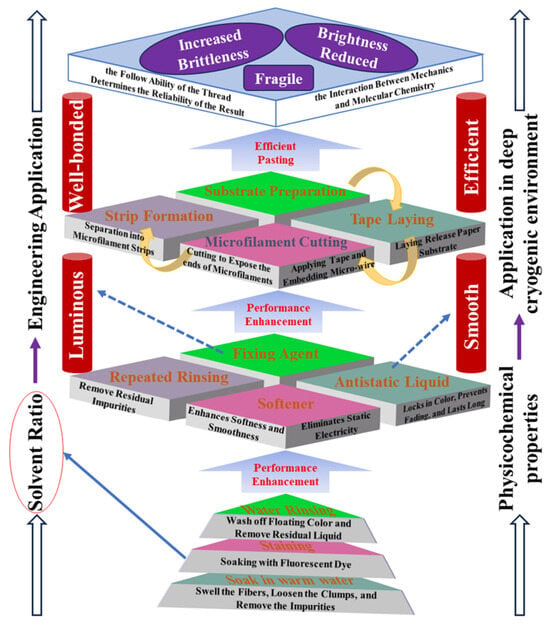
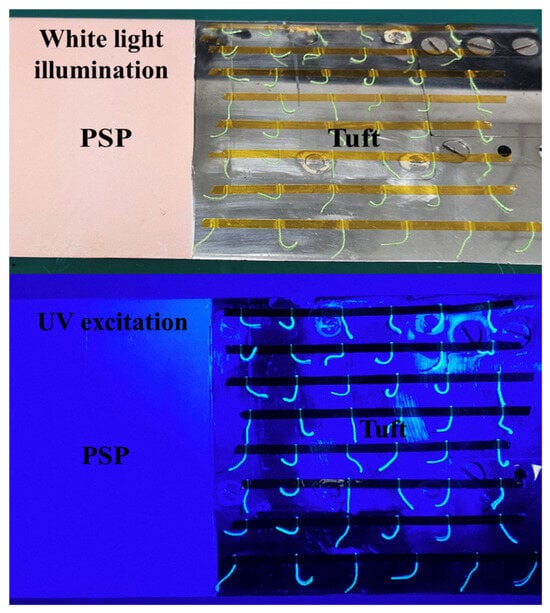
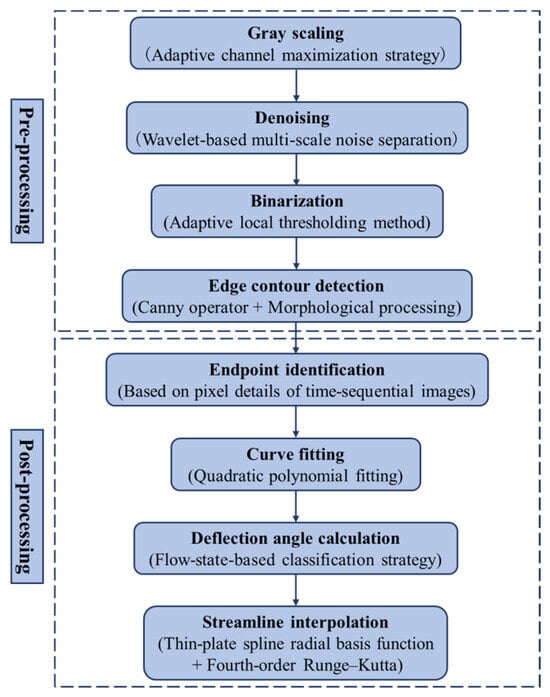
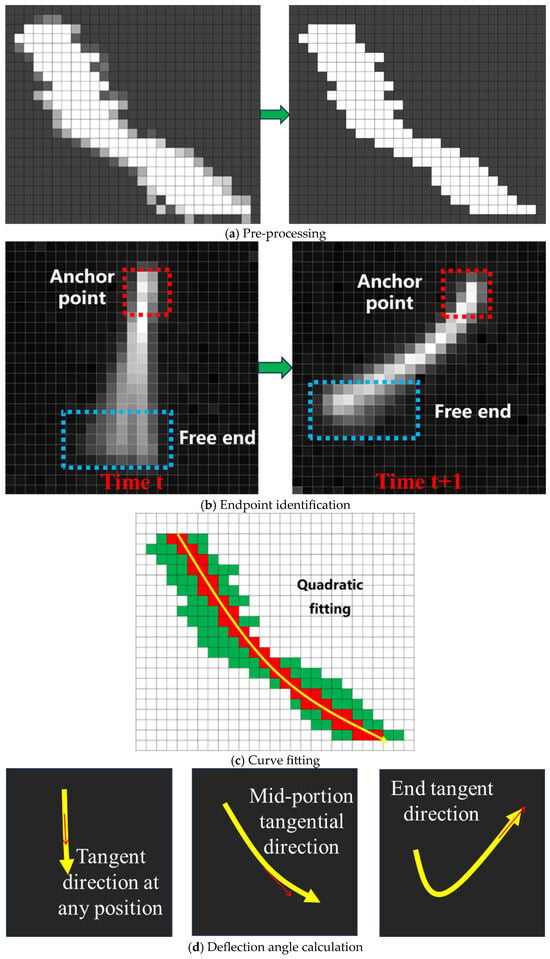
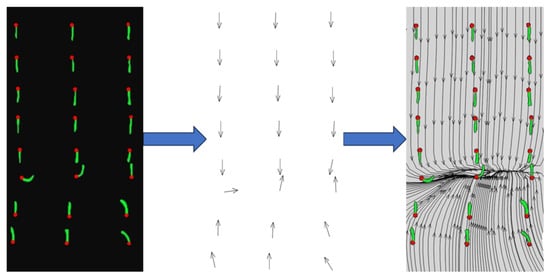
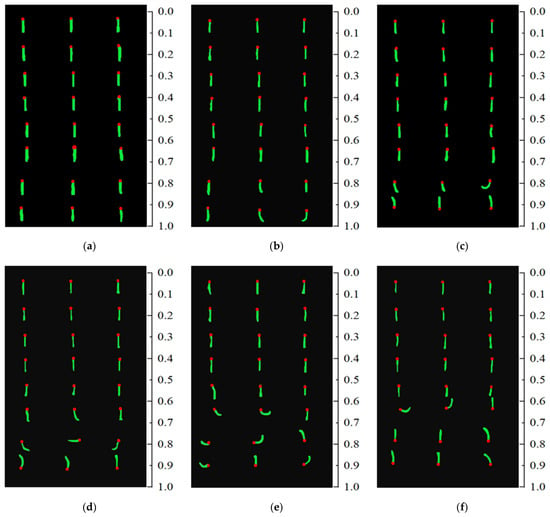
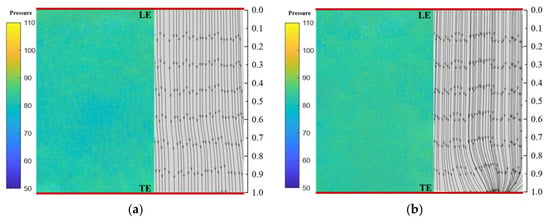
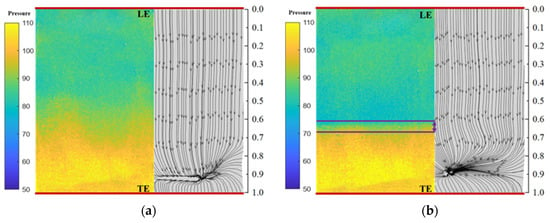
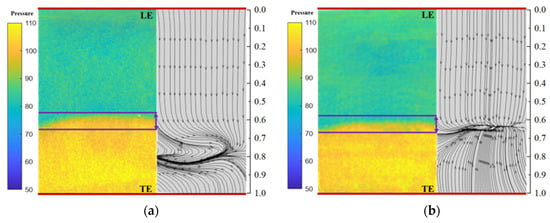
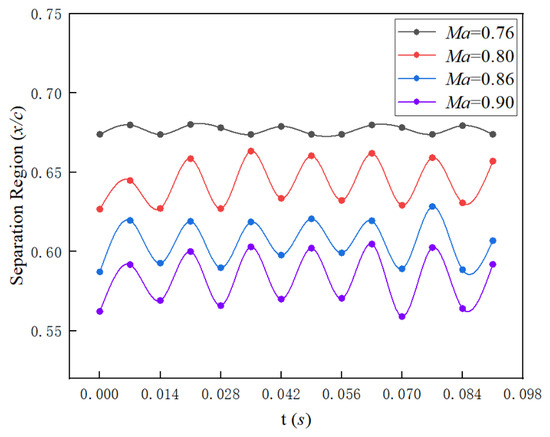
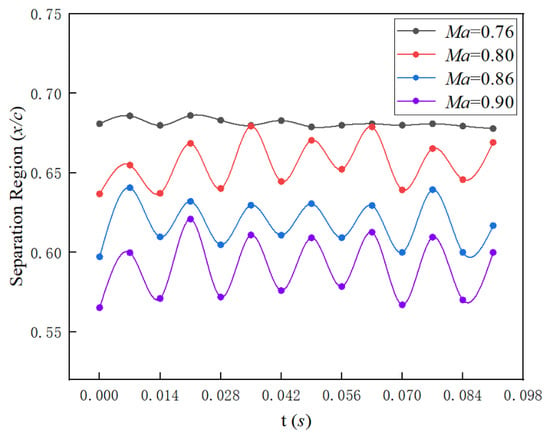
Shock buffet is one of the critical issues affecting the aerodynamic performance, flight quality, and flight safety of large aircraft. To overcome the limitations of traditional experimental measurement methods, such as insufficient capability in capturing flow features and high cost, an integrated experimental system tailored for extreme cryogenic and high-Reynolds-number conditions is developed based on the conventional tuft technique. This system comprises “preparation of low-flow-disturbance fluorescent mini-tufts, high-efficiency large-area tuft taping, automatic generation of digital streamline, and flow topology analysis”. Furthermore, a technique for assessing the transonic shock buffet onset using dynamic flow visualization with fluorescent mini-tufts is proposed. This paper takes a typical supercritical airfoil as the research object. First, through high-precision numerical simulations, it reveals that low-energy, unstable boundary-layer separation is the core driving force for the development and maintenance of shock buffet, and that flow separation characteristics serve as an important basis for determining the shock buffet onset. Subsequently, experimental validation is conducted in a 0.3 m high-Reynolds-number transonic wind tunnel. Using a dual-excitation-band composite light source, simultaneous measurements of pressure-sensitive paint (PSP) and fluorescent mini-tuft patterns are realized. The experimental results show that under extreme conditions, characterized by a wide total temperature range of 110 K to 280 K and strong scouring at Mach numbers from 0.6 to 0.9, the fluorescent mini-tufts (approximately 0.05 mm in diameter) exhibit excellent flow-following capability without any detachment. The digitized flow patterns of the fluorescent mini-tufts, obtained via computer image recognition algorithms, clearly reveal the location and area of boundary-layer separation. The trends show good agreement with the cryogenic PSP results, providing an important reference for determining the shock buffet onset.
Full article
(This article belongs to the Section Aeronautics)
►▼
Show Figures

Figure 1
Open AccessReview
Applications of Commercial-Grade Electronic Components in Space Projects: A Review
by
Luz del Carmen García-Rodríguez, Mario Alberto Mendoza-Barcenas, Javier Díaz-Carmona, Agustín Sancén-Plaza, Luis Enrique Chinea-Mujica, Francisco Javier Pérez-Pinal and Alejandro Espinosa-Calderón
Aerospace 2026, 13(6), 495; https://doi.org/10.3390/aerospace13060495 - 25 May 2026
Abstract
Electronic components play a fundamental role in critical missions, performing functions such as data processing, measurement of physical variables, data storage, communication, power generation and storage, and algorithm computation. However, their performance can be compromised in harsh environments like those encountered in aerospace
[...] Read more.
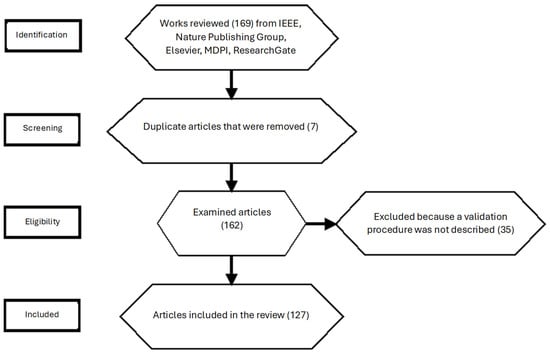
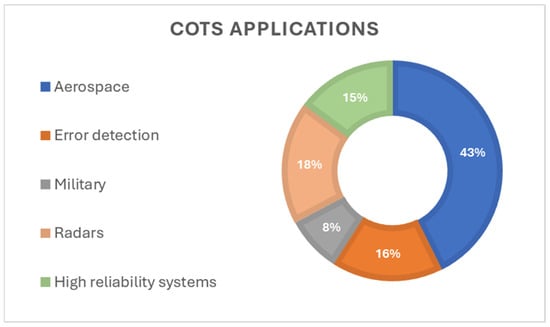
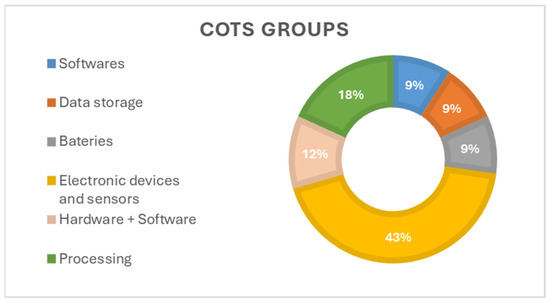
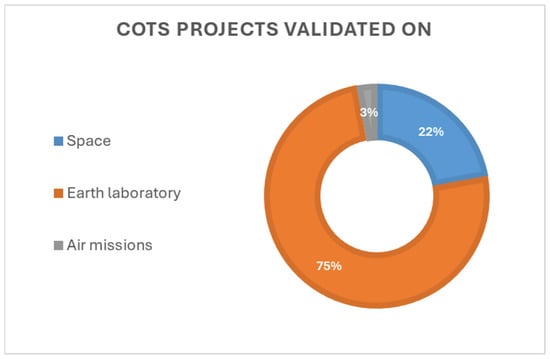
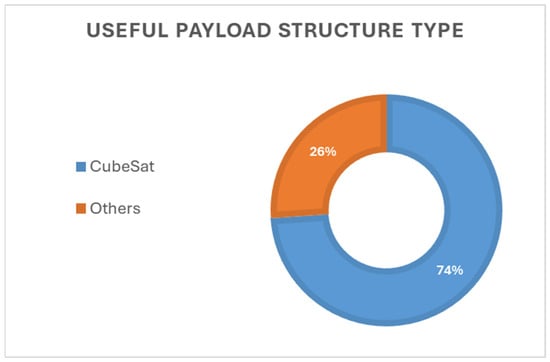
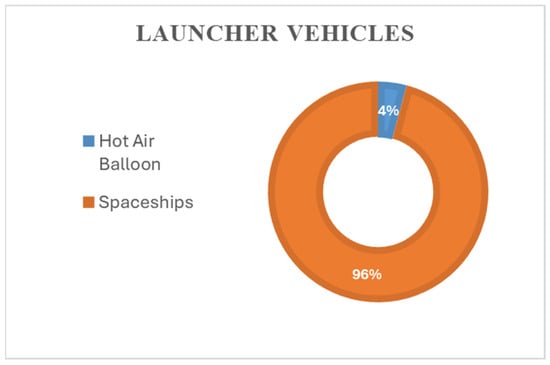
Electronic components play a fundamental role in critical missions, performing functions such as data processing, measurement of physical variables, data storage, communication, power generation and storage, and algorithm computation. However, their performance can be compromised in harsh environments like those encountered in aerospace applications, where components are exposed to extreme conditions including radiation, temperature variations, and vibrations. To ensure reliability, electronic components used in aerospace missions must comply with strict specifications, typically requiring space- or military-grade standards. These components are significantly more expensive than commercial alternatives and often involve long development and design times for custom platforms. The use of COTS (Commercial-Off-The-Shelf) components has emerged as a viable solution for aerospace applications where cost and development time are critical factors. This paper presents a state-of-the-art review of COTS components used in aerospace missions. After an extensive literature review and document screening process, the results indicate that COTS components are commonly employed in critical missions, representing 44% of the studies analyzed. Furthermore, approximately 81% of the reviewed projects focused on space applications, with validation performed in space (22%), ground (75%), and air (3%) environments. Among the systems validated for space missions, half used CubeSat-based payload structures, while the rest relied on other platforms. Most launches were conducted using spacecraft (96%), with the remainder using balloons.
Full article
(This article belongs to the Special Issue Space Power and Electronic Systems)
►▼
Show Figures

Figure 1
Open AccessArticle
Data-Driven LPV Modeling via Parametric DMD and Predictive Control of Highly Flexible Aircraft
by
Larry Catalasan, Tianyi He and Weihua Su
Aerospace 2026, 13(6), 494; https://doi.org/10.3390/aerospace13060494 - 25 May 2026
Abstract
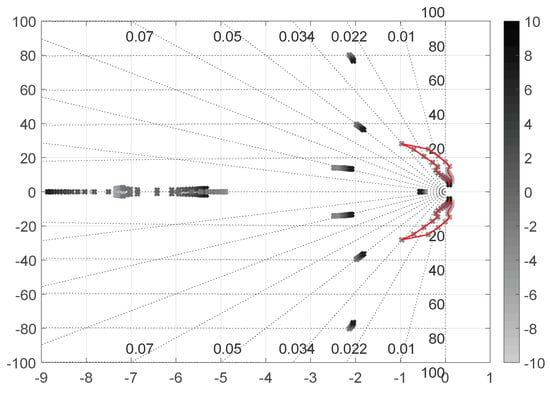
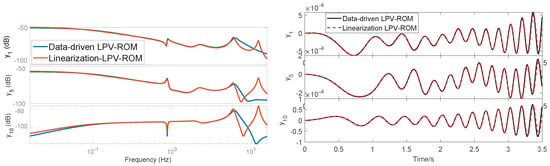
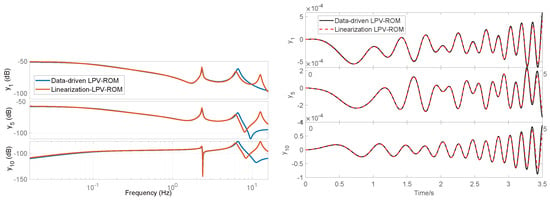
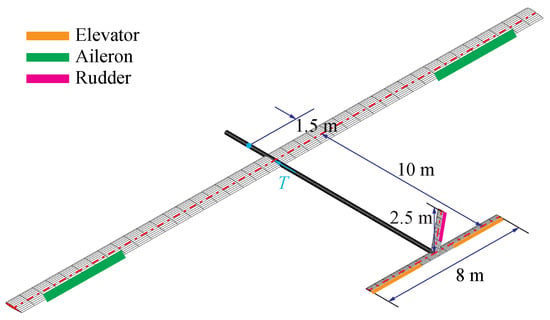
This paper presents a method of data-driven parametric dynamic mode decomposition (p-DMD) to derive a linear parameter-varying reduced-order model (LPV-ROM) and predictive control for the nonlinear aeroelasticity of highly flexible aircraft. It directly uses the data snapshots obtained at varying flight conditions and
[...] Read more.
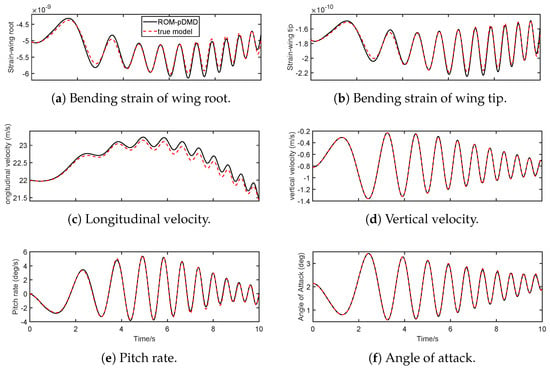
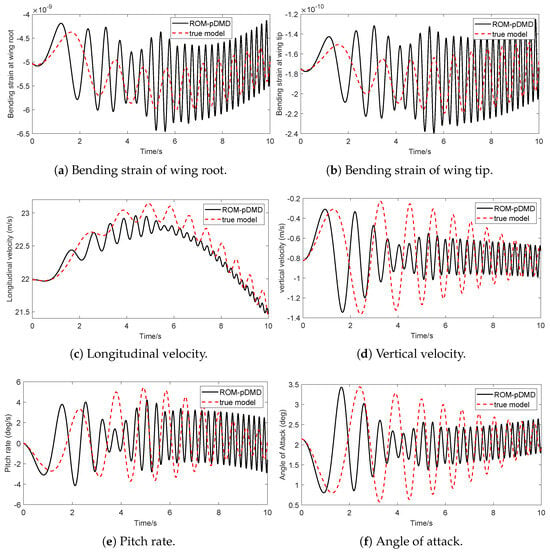
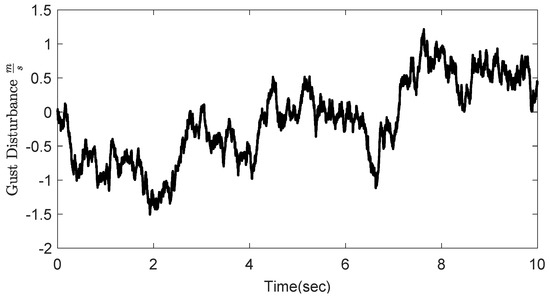
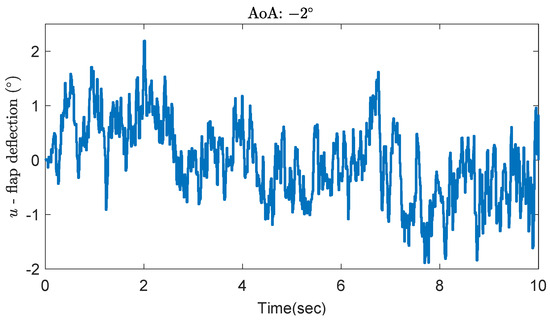
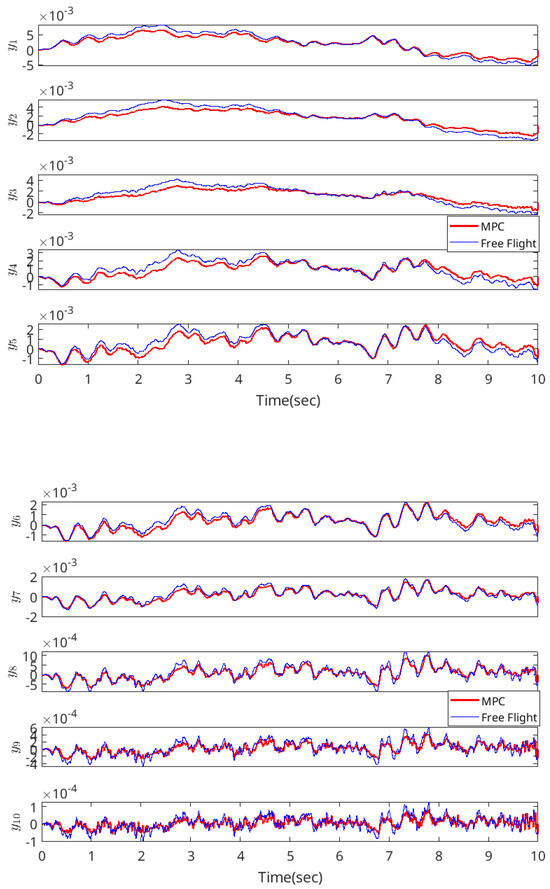
This paper presents a method of data-driven parametric dynamic mode decomposition (p-DMD) to derive a linear parameter-varying reduced-order model (LPV-ROM) and predictive control for the nonlinear aeroelasticity of highly flexible aircraft. It directly uses the data snapshots obtained at varying flight conditions and encodes a nonlinear model’s polynomial dependency on flight conditions to produce a polynomial-dependent LPV-ROM. The modeling method can handle not only equilibrium flight conditions but also continuously varying flight conditions. In numerical studies, the proposed data-driven p-DMD modeling is applied to a highly flexible cantilever wing perturbed around equilibrium conditions and a flexible aircraft with time-varying angles of attack in dynamic maneuvers. The numerical results demonstrate that the current p-DMD model can capture the non-equilibrium (or transient) aeroelastic and flight dynamic behaviors of highly flexible aircraft in both time and frequency domains with over 95% accuracy in the simulated representative cases. Accuracy is quantified by the normalized root mean square error (NRMSE) in the time domain and the normalized error between the frequency responses over the frequency range of interest. The data-driven reduced-order model is further implemented in predictive control to suppress the vibrations excited by Dryden gust disturbances. The simulation results demonstrate that for a Dryden gust profile, data-driven predictive control can suppress the strains by 18.34% as quantified by the reduction in the root mean square of strains compared to the uncontrolled case.
Full article
(This article belongs to the Special Issue Structural Dynamics Modelling, Aeroelastic Analysis and Experimental Verification Methods for Aircraft Systems)
►▼
Show Figures

Figure 1
Open AccessArticle
Introducing a Safety Assessment to Support the Safe and Efficient Integration of Launch and Re-Entry Operations in Europe
by
Lorenz Losensky, Tobias Rabus, Nicolas Fota, Maria Buzatu, Christopher Brain and Augustin Udristioiu
Aerospace 2026, 13(6), 493; https://doi.org/10.3390/aerospace13060493 - 24 May 2026
Abstract
The expected rise in space operations challenges the European Air Traffic Management (ATM), as traditional static airspace segregation causes operational inefficiencies. To mitigate this, a new function within the European Network Manager Operations Centre (NMOC), supported by the novel Network Real-time Mission Monitoring
[...] Read more.
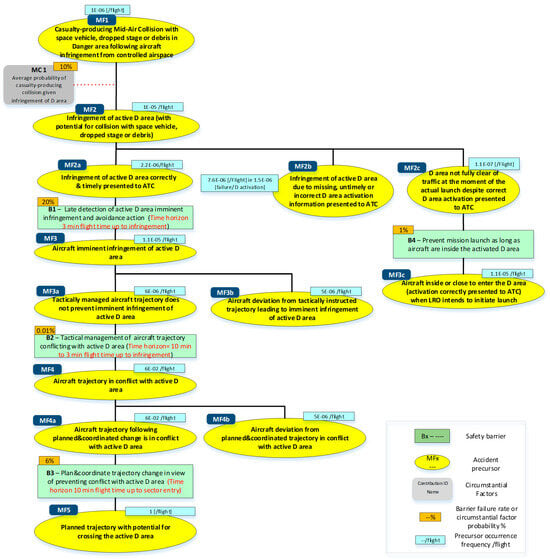
The expected rise in space operations challenges the European Air Traffic Management (ATM), as traditional static airspace segregation causes operational inefficiencies. To mitigate this, a new function within the European Network Manager Operations Centre (NMOC), supported by the novel Network Real-time Mission Monitoring (N-RMM) tool, and complemented by ad hoc Debris Response Areas (DRAs), are being developed. This paper introduces the safety assessment of this approach using the Expanded Safety Reference Material (E-SRM) methodology. By developing specialised Accident Incident Models (AIMs) for mid-air collisions with space debris, we quantify safety barrier efficiencies and define a Risk Classification Scheme (RCS). The results indicate that by developing dedicated AIMs for the proposed dynamic airspace-management concept, the derived safety criteria, under the stated assumptions, are compatible with the targeted safety thresholds. The potential reduction in segregated airspace volume and duration remains an expected operational benefit to be quantified in subsequent validation work.
Full article
(This article belongs to the Special Issue 15th EASN International Conference on Innovation in Aviation & Space Towards Sustainability Today and Tomorrow)
►▼
Show Figures

Figure 1
Journal Menu
► ▼ Journal Menu-
- Aerospace Home
- Aims & Scope
- Editorial Board
- Reviewer Board
- Topical Advisory Panel
- Instructions for Authors
- Special Issues
- Topics
- Sections & Collections
- Article Processing Charge
- Indexing & Archiving
- Most Cited & Viewed
- Journal Statistics
- Journal History
- Journal Awards
- Society Collaborations
- Conferences
- Editorial Office
Journal Browser
► ▼ Journal BrowserHighly Accessed Articles
Latest Books
E-Mail Alert
News
14 May 2026
Meet Us at the 35th International Conference on Adaptive Structures and Technologies (ICAST 2026), 1–3 June 2026, Hongkong, China
12 May 2026
MDPI’s Journal Cluster of Mechanical Manufacturing and Automation Control Webinar | Robotics Innovation: Precision & Wearable Technology, 19 May 2026
Topics
Topic in
Aerospace, Drones, Electronics, Remote Sensing, Sensors, Signals
Civil and Public Domain Applications of Unmanned Aviation 2025
Topic Editors: Kimon P. Valavanis, Nikolaos VitzilaiosDeadline: 30 June 2026
Topic in
Aerospace, Applied Sciences, Catalysts, Energies, Modelling
Theoretical, Numerical and Experimental Studies on Clean Energy and Combustion, 2nd Edition
Topic Editors: Pedro Miguel Rebelo Resende, Mohsen Ayoobi, Alexandre M. AfonsoDeadline: 30 September 2026
Topic in
Aerospace, Applied Sciences, Astronautics, Coatings, J. Compos. Sci., JMMP, Materials, Polymers
Advanced Materials and Manufacturing for Extreme Environments in Energy and Aerospace
Topic Editors: Richard E. Wirz, Chih-Hung (Alex) Chang, Tianyi Chen, Somayeh Pasebani, Dong Lin, Devin J. Roach, Jesse A. RodriguezDeadline: 31 October 2026
Topic in
Aerospace, Applied Sciences, Drones, Electronics, Eng, Remote Sensing, Sensors
Unmanned Vehicles Technology and Embodied Intelligence Systems for Intelligent Transportation
Topic Editors: Jian Chen, Min Xia, Hui XieDeadline: 20 November 2026
Conferences
Special Issues
Special Issue in
Aerospace
Spacecraft Orbit Transfers (2nd Edition)
Guest Editor: Zhenbo WangDeadline: 31 May 2026
Special Issue in
Aerospace
Flight Performance and Planning for Sustainable Aviation
Guest Editor: Judith RosenowDeadline: 31 May 2026
Special Issue in
Aerospace
Heat and Mass Transfer in Rocket Propulsion
Guest Editors: Giuseppe Gallo, Harunori Nagata, Landon KampsDeadline: 31 May 2026
Special Issue in
Aerospace
High Speed Aircraft and Engine Design
Guest Editors: Chengxiang Zhu, Jun LiuDeadline: 31 May 2026
Topical Collections
Topical Collection in
Aerospace
Air Transportation—Operations and Management
Collection Editors: Michael Schultz, Judith Rosenow
Topical Collection in
Aerospace
Avionic Systems
Collection Editors: Carlos Insaurralde, Francesco Dell’Olio