

-
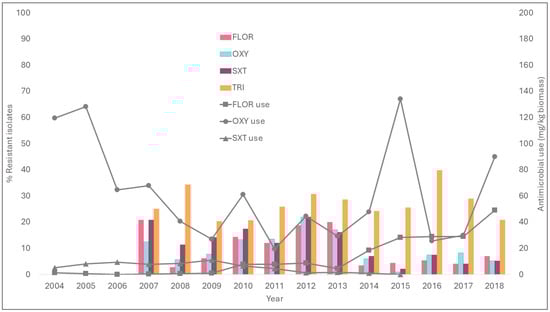
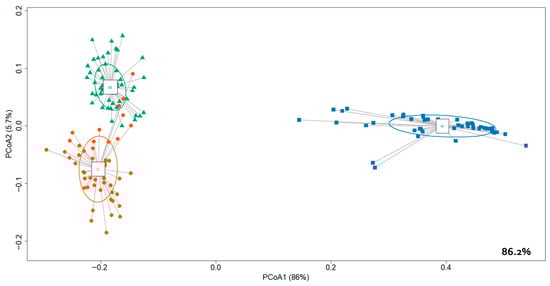
Antimicrobial Resistance in the British Columbia, Canada, Finfish Aquaculture Industry (2007–2018): A Historical Provincial Collection of Reported Isolates -
Antimicrobial and Antibiofilm Activities of Pseudoalteromonas Bacterial Strains Isolated from Marine Environment Against Potential Fish Pathogen Tenacibaculum discolor Strain FMCC B487 -
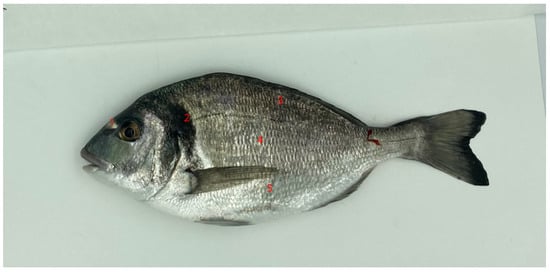
Seawater Temperature at Harvest Shapes Fillet Proteolytic Activity at Chilled Storage in Three Mediterranean-Farmed Fish -
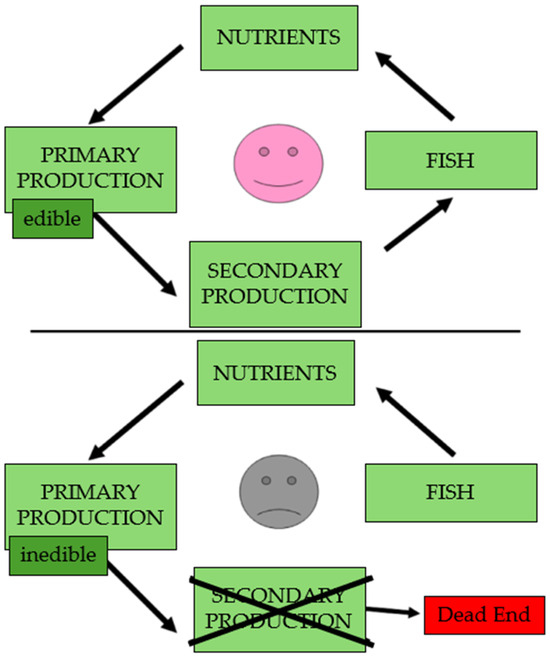
Determining the Minimum Mature Inoculum Requirement for Nitrification Efficiency and Enhanced Zootechnical Performance of Penaeus vannamei in BFT System
Journal Description
Aquaculture Journal
Aquaculture Journal
is an international, peer-reviewed, open access journal on aquaculture-related aquatic science published quarterly online by MDPI.
- Open Access— free for readers, with article processing charges (APC) paid by authors or their institutions.
- High Visibility: indexed within ESCI (Web of Science), Scopus and other databases.
- Rapid Publication: manuscripts are peer-reviewed and a first decision is provided to authors approximately 20.1 days after submission; acceptance to publication is undertaken in 5.8 days (median values for papers published in this journal in the second half of 2025).
- Recognition of Reviewers: APC discount vouchers, optional signed peer review, and reviewer names published annually in the journal.
- Aquaculture Journal is a companion journal of Fishes.
Latest Articles
Population Structure and Genetic Connectivity of Malabar Red Snapper (Lutjanus malabaricus) Across the South China Sea and Northern Australia: Implications for Aquaculture and Broodstock Management
Aquac. J. 2026, 6(2), 17; https://doi.org/10.3390/aquacj6020017 - 18 May 2026
Abstract
Malabar red snapper (Lutjanus malabaricus) is widely farmed across Asia (e.g., China, Malaysia, Singapore, Taiwan) and is highly valued in regional markets. Despite its importance to fisheries and aquaculture, population structure and genetic connectivity between wild and farmed populations across the
[...] Read more.
Malabar red snapper (Lutjanus malabaricus) is widely farmed across Asia (e.g., China, Malaysia, Singapore, Taiwan) and is highly valued in regional markets. Despite its importance to fisheries and aquaculture, population structure and genetic connectivity between wild and farmed populations across the South China Sea remain poorly understood. We analyzed 594 individuals retained after quality filtering from an initial dataset of 930 samples, representing eight wild and farmed populations spanning north-eastern Australia (Queensland) and the South China Sea region (Hong Kong, Malaysia, Singapore, Taiwan), using 18,177 SNPs to quantify genetic diversity, population structure, and effective population size (Ne). Genetic differentiation was low but significant. Wild populations from Australia were differentiated from all other populations, indicating regional genetic isolation. In contrast, farmed populations from Malaysia and Singapore clustered closely with wild populations from Hong Kong and Singapore, indicating regional connectivity. Effective population size (Ne) in farmed populations was low (Ne = 49.1–138.6). Farmed populations from Malaysia and Singapore formed a genetically connected cluster, whereas the Taiwan farm population was genetically distinct. Low Ne was observed in farmed populations from Singapore and Taiwan. These findings support aquaculture management by identifying Australian populations as a distinct unit and enabling biosecure broodstock exchange within the Malaysia–Singapore cluster to minimize inbreeding and strengthen sustainable selective breeding programs.
Full article
Open AccessArticle
Cost and Sustainability of Recycling Sludge into Bio-Based Fertilizer: A Case Study from Norwegian Smolt Aquaculture
by
Per Harald Rødvei, Knut Ingar Westeren, Eva Brod and Jon Meisfjord
Aquac. J. 2026, 6(2), 16; https://doi.org/10.3390/aquacj6020016 - 15 May 2026
Abstract
Smolt production in freshwater is an essential component of the salmonid aquaculture production chain. But it generates sludge (feed waste and fish feces) that must be managed to meet environmental regulations. While sludge can be reused as a resource, there are limited empirical
[...] Read more.
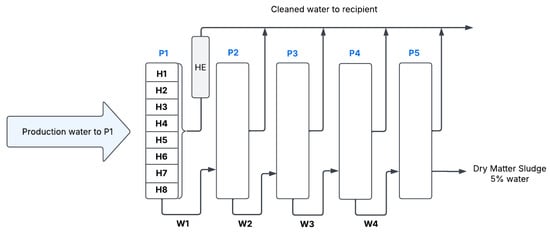
Smolt production in freshwater is an essential component of the salmonid aquaculture production chain. But it generates sludge (feed waste and fish feces) that must be managed to meet environmental regulations. While sludge can be reused as a resource, there are limited empirical results about cost structures, market conditions, and energy implications in industrial aquaculture. This study analyzes sludge collection, processing, and utilization based on a single-case study of a Norwegian smolt producer (Sisomar AS). The analysis combines company-level production data, accounting information, and process descriptions. In 2023, the company produced approximately 9.2 million smolt (1184 tons of biomass), generating 140 tons of dried sludge. Sisomar’s value creation from production of bio-based fertilizer from sludge is relatively close to that of comparable mineral fertilizers, but a direct comparison here is difficult because of large variations in the prices of mineral fertilizers. The energy consumption is significantly lower for organic fertilizer from Sisomar compared to standard technology for mineral fertilizer production. Bio-based fertilizers are looked at as an important contribution to dealing with environmental challenges, and this study discusses the characteristics of how market structures have importance for this.
Full article
(This article belongs to the Special Issue Recent Advances in Sustainable Aquaculture)
►▼
Show Figures

Figure 1
Open AccessReview
Insect-Derived Frass in Aquafeeds: Prospects and Limitations for Advancing Aquaculture Sustainability
by
Tiruken Aziz Atnafu, Anisa Mitra, Folasade Damilola Amulejoye, Missinhoun Dagoudo, Chikumbutso Memory Phiri, Amoah Kwaku, Lee Seong Wei and Sahya Maulu
Aquac. J. 2026, 6(2), 15; https://doi.org/10.3390/aquacj6020015 - 7 May 2026
Abstract
►▼
Show Figures
Aquaculture is expanding rapidly, creating a greater need for sustainable and cost-effective feed ingredients to reduce reliance on traditional protein sources such as fishmeal (FM) and soybean meal (SBM). Insect-derived frass, which consists of insect excrement, molted exoskeletons, uneaten substrate, plus associated microbial
[...] Read more.
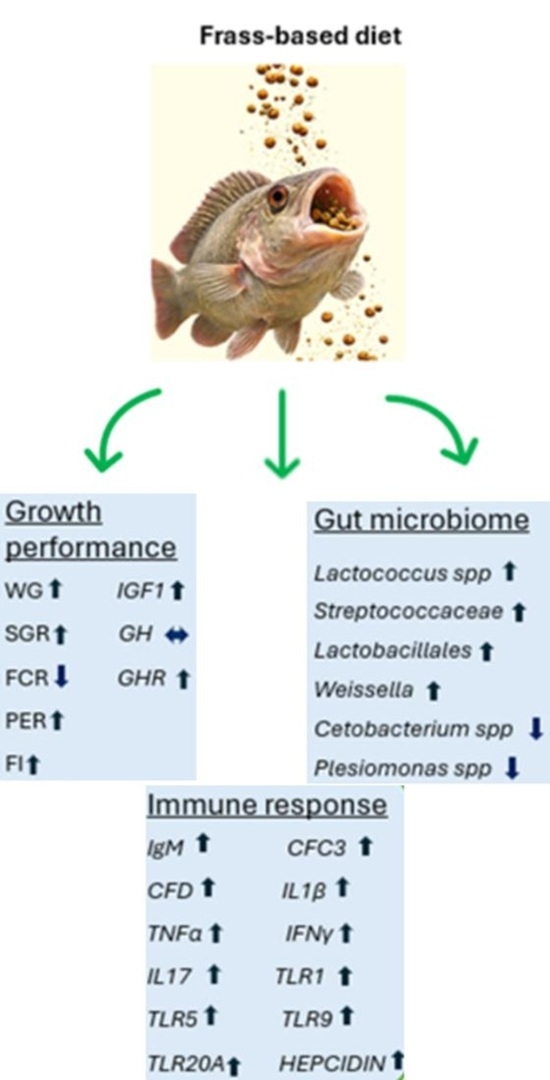
Aquaculture is expanding rapidly, creating a greater need for sustainable and cost-effective feed ingredients to reduce reliance on traditional protein sources such as fishmeal (FM) and soybean meal (SBM). Insect-derived frass, which consists of insect excrement, molted exoskeletons, uneaten substrate, plus associated microbial biomass, has shown potential as a viable and sustainable ingredient in aquafeed. Although traditionally used as an organic fertilizer, its richness in essential nutrients and bioactive compounds highlights its potential as a partial substitute for conventional feedstuffs. This study synthesizes current research on insect-derived frass, focusing on its nutritional composition and effects on growth performance, immunity, health, and gut microbiota in aquaculture species, alongside environmental, economic, safety, and regulatory considerations. Although a wide range of insect species have been evaluated for use in aquafeeds, research on insect frass has primarily focused on black soldier fly and yellow mealworm, with most studies examining its application in omnivorous fish species. Despite its promise as a circular economy-aligned aquafeed ingredient, challenges remain due to nutritional and amino acid variability, largely influenced by the quality of the original insect rearing substrate, as well as species-specific responses and potential contamination risks. To promote widespread adoption of insect-derived frass in aquafeed, there is a need to optimize insect rearing substrate selection and processing, define inclusion levels by insect and target aquatic species, establish safety protocols, and develop harmonized international standards.
Full article

Graphical abstract
Open AccessArticle
Influence of Shrimp Farm Effluents on the Biological Performance of the Pacific Oyster Magallana gigas in the Gulf of California
by
Felipe de Jesús Reynaga-Franco, José Pablo Vega-Camarena, Jaime Edzael Mendivil-Mendoza, Alejandro García-Ramírez, Martina Hilda Gracia-Valenzuela and Jorge Chávez-Villalba
Aquac. J. 2026, 6(2), 14; https://doi.org/10.3390/aquacj6020014 - 30 Apr 2026
Abstract
►▼
Show Figures
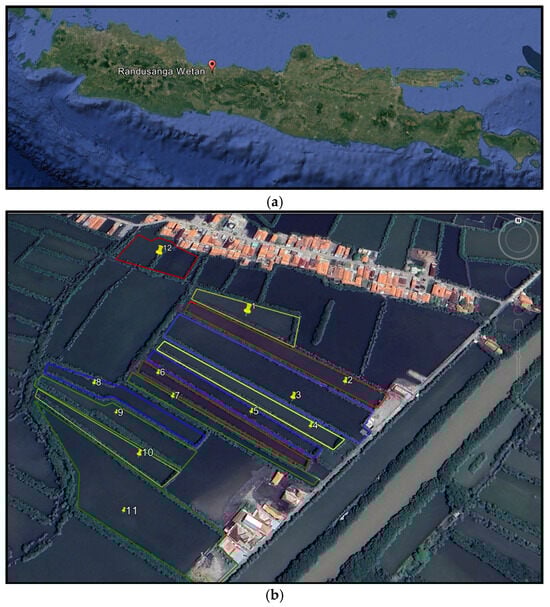
The discharge of effluents from shrimp farms into coastal lagoons can alter food availability, water quality, and pollutant load, potentially affecting the biological performance and safety of farmed bivalves. This study evaluated the influence of shrimp farm effluents on the growth, total weight,
[...] Read more.
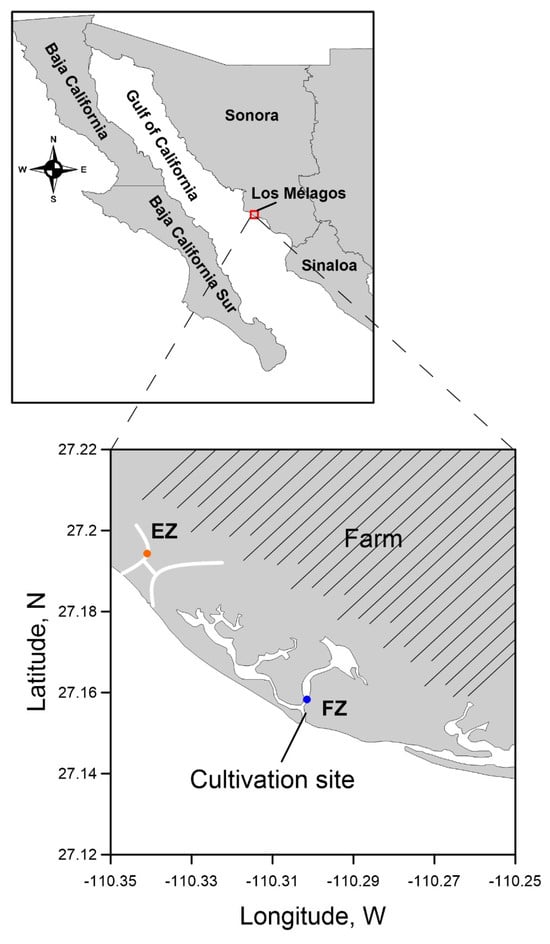
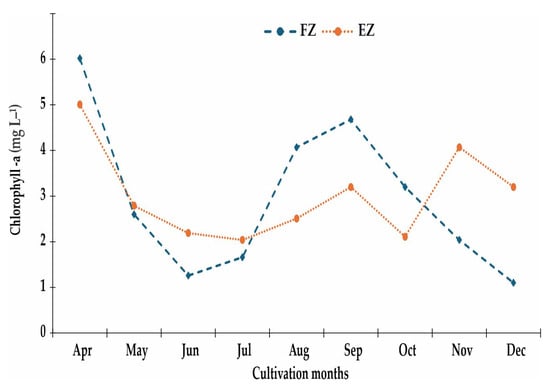
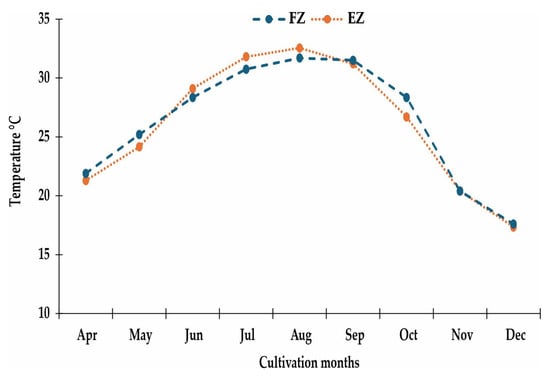
The discharge of effluents from shrimp farms into coastal lagoons can alter food availability, water quality, and pollutant load, potentially affecting the biological performance and safety of farmed bivalves. This study evaluated the influence of shrimp farm effluents on the growth, total weight, and condition index of the Pacific oyster Crassostrea (Magallana) gigas. Two oyster cultivation zones were established in the coastal lagoon of Los Melagos (Sonora, Mexico): one near a shrimp effluent zone (EZ) and the other in a reference effluent-free zone (FZ). Shell height and length, total weight, and condition index were measured monthly, along with environmental variables, including chlorophyll “a” concentration and sea surface temperature obtained from satellite imagery. Oysters cultivated in EZ showed significantly higher total weight, condition index, and growth rates compared to those in FZ. Seasonal fluctuations in chlorophyll “a” were observed, reflected in growth patterns, suggesting greater food availability in waters influenced by effluents. However, these environments pose health risks that require continuous, integrated environmental and health monitoring.
Full article

Figure 1
Open AccessArticle
Comparative Time-Series Modeling and Forecasting of Tilapia Broodfish Growth in Pond and Recirculating Aquaculture Systems (RAS) Using ARIMA
by
Mohammad Abu Baker Siddique, Ilias Ahmed, Balaram Mahalder, Mohammad Mahfujul Haque, Mariom and A. K. Shakur Ahammad
Aquac. J. 2026, 6(2), 13; https://doi.org/10.3390/aquacj6020013 - 17 Apr 2026
Abstract
►▼
Show Figures
This study applied time-series modeling using autoregressive integrated moving average (ARIMA) to compare the growth performance of tilapia broodfish in pond and recirculating aquaculture systems (RAS) from June 2023 to May 2024. Descriptive statistics showed a higher mean percentage weight gain under RAS
[...] Read more.
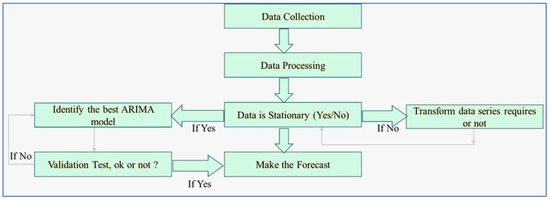
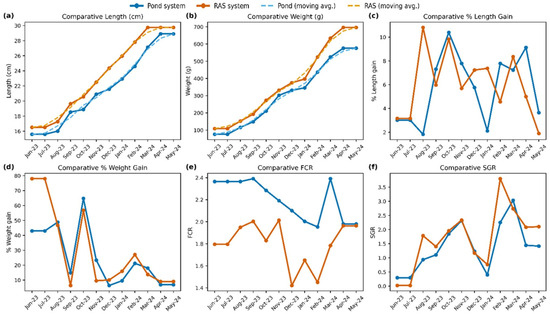
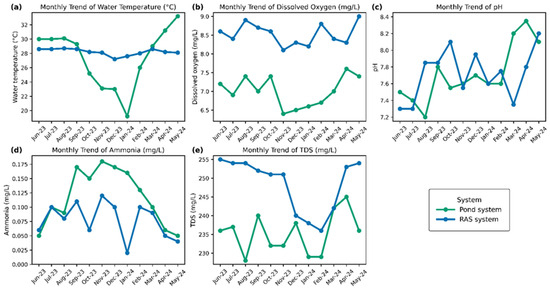
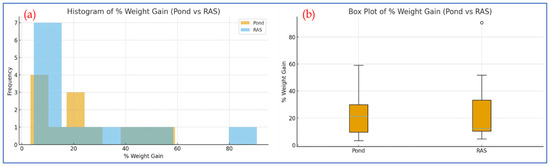
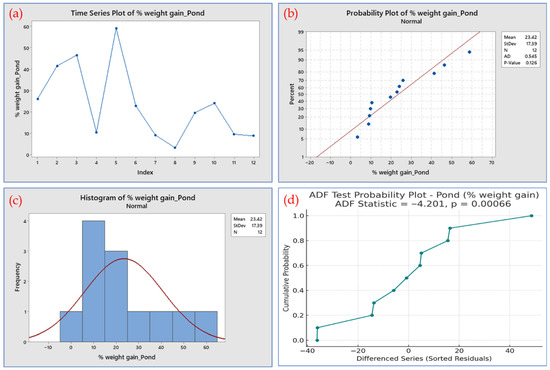
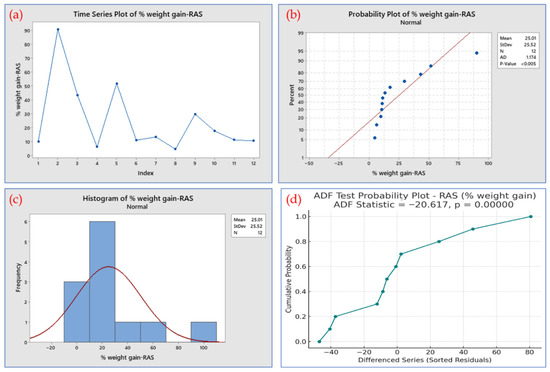
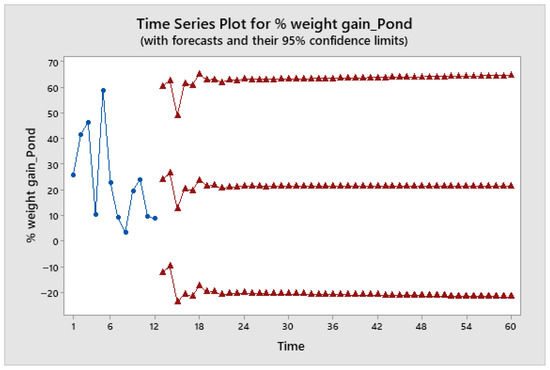
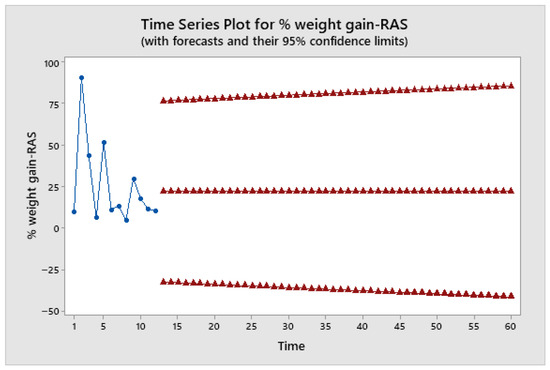
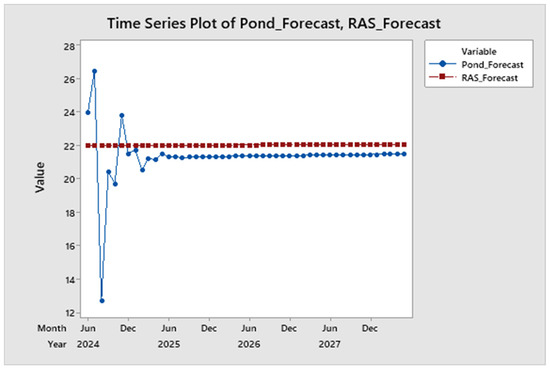
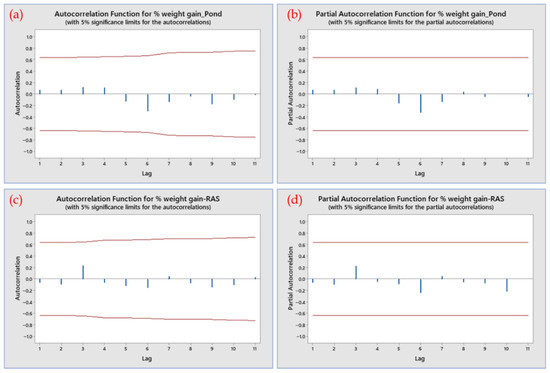
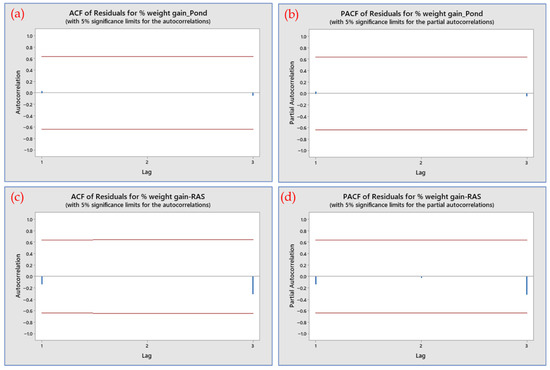
This study applied time-series modeling using autoregressive integrated moving average (ARIMA) to compare the growth performance of tilapia broodfish in pond and recirculating aquaculture systems (RAS) from June 2023 to May 2024. Descriptive statistics showed a higher mean percentage weight gain under RAS (26.69%) than pond culture (23.75%), although monthly variability in the RAS dataset was influenced by an outlier, which may be attributed to influential exogenous factors rather than water-quality parameters. Normality, stationarity, and autocorrelation diagnostics confirmed that both datasets were appropriate for ARIMA modeling without differencing. Multiple ARIMA models were evaluated based on RMSE, MAPE, MAE, AIC, BIC, and residual behavior; ARIMA (1,0,1) emerged as the best fit for both systems. Forecasting up to May 2028 revealed stable long-term growth patterns, with RAS consistently showing slightly higher forecasted growth compared to pond culture, although the difference remained small in absolute terms. Predictions remained within model-generated 95% confidence intervals; however, these results indicate internal model consistency rather than independent validation of predictive accuracy. The findings highlight that RAS offers more consistent and slightly superior growth performance, supporting its potential for optimized broodfish production. Recommendations emphasize adopting RAS for enhanced growth predictability and improved management in tilapia aquaculture.
Full article

Figure 1
Open AccessArticle
Improving Pre-Fattening Protocols for Manila Clam (Ruditapes philippinarum): A Technical Comparison of Upwelling and Flat-Bottom Rearing Systems
by
Lorenzo Zanella, Giulio Rova, Marco Morin, Matteo Martellato, Emanuele Rossetti and Renato Palazzi
Aquac. J. 2026, 6(2), 12; https://doi.org/10.3390/aquacj6020012 - 13 Apr 2026
Abstract
►▼
Show Figures
Pre-fattening (also referred to as nursery culture) of Manila clam is a priority for this sector of aquaculture, as it allows hatchery-produced seed (1–3 mg) to reach sowable juvenile sizes of 30–100 mg and reduces reliance on natural juvenile recruitment. This study evaluated
[...] Read more.
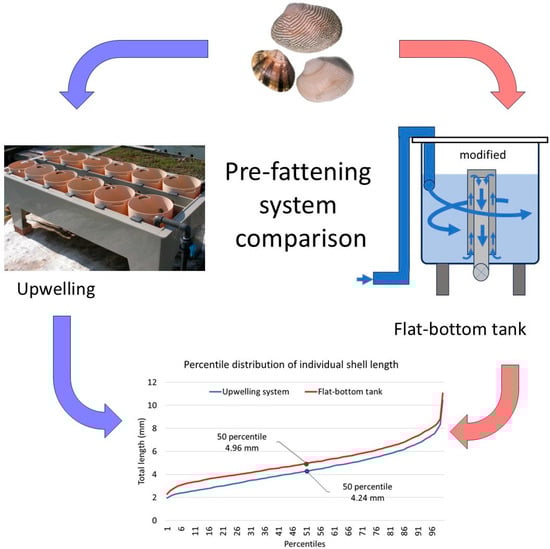
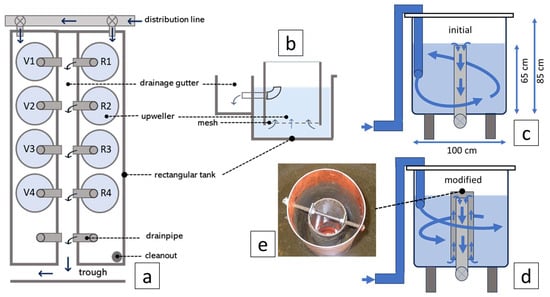
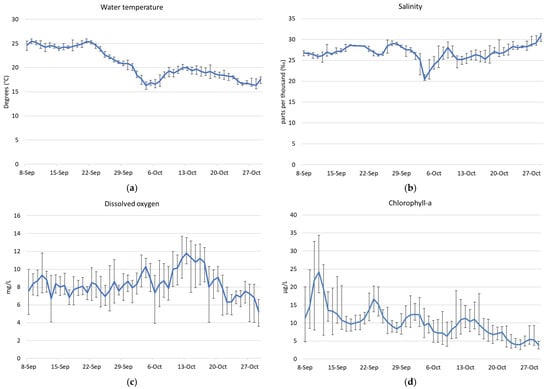
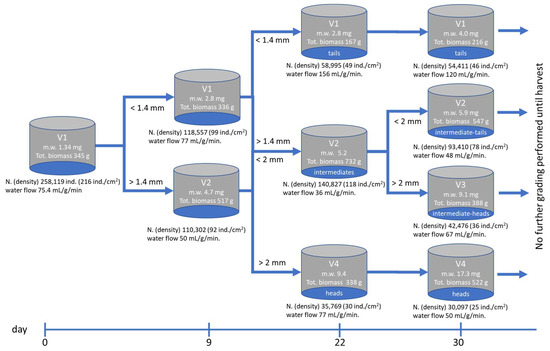
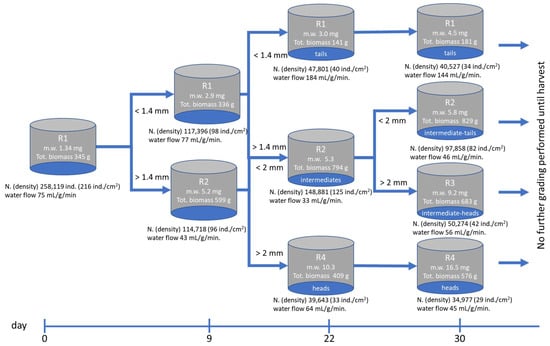
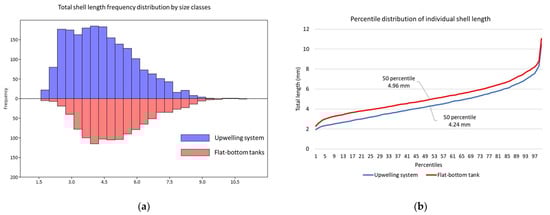
Pre-fattening (also referred to as nursery culture) of Manila clam is a priority for this sector of aquaculture, as it allows hatchery-produced seed (1–3 mg) to reach sowable juvenile sizes of 30–100 mg and reduces reliance on natural juvenile recruitment. This study evaluated the efficiency of two early pre-fattening systems, both in economic terms and in product quality: conventional upwelling units (a high-density system) and flat-bottom tanks (a mid-density system), the latter tested with and without a sand layer. The 51-day trial was conducted under autumn environmental conditions (temperature 13–25.8 °C; salinity 25–28 ppt; chlorophyll-a 3–24 µg/L), starting with 1.34 mg seed maintained under a water flow rate ≥ 15–20 mL/min/g. In upwelling units, the initial density was ~216 ind./cm2. Four grading events produced four size classes, with total mean weights ranging from 6.4 mg in the smallest (tails) to 46.3 mg in the largest (heads). The overall population mean size was 19.0 mg, with a specific growth rate (SGR) of 5.2%/day and mortality of 17.6%. Flat-bottom tanks, stocked at ~30 ind./cm2, achieved higher growth (overall weighted mean: 28.0 mg; SGR ~6%/day), but exhibited higher mortality (26.0% on average), with no significant effect from the presence of bottom sand. Overall, flat-bottom systems showed promising growth performance with reduced labor requirements, suggesting that this system could represent a viable alternative to upwelling. However, the associated rearing protocol could still be improved by optimizing stocking density and water exchange rates.
Full article

Graphical abstract
Open AccessReview
Sustainability in Ponds Management: Recent Developments, Challenges and Prospects
by
Serge Dossou, Matthew Alun Griffiths Owen and Rodrigue Yossa
Aquac. J. 2026, 6(2), 11; https://doi.org/10.3390/aquacj6020011 - 1 Apr 2026
Abstract
►▼
Show Figures
Sustainable aquaculture growth necessitates innovative strategies to meet the global protein demand while minimizing environmental impacts. This narrative review synthesizes the current understanding and emerging approaches for optimizing nutrient cycling and trophic transfer efficiency in pond-based aquaculture systems. We highlight two primary strategies:
[...] Read more.
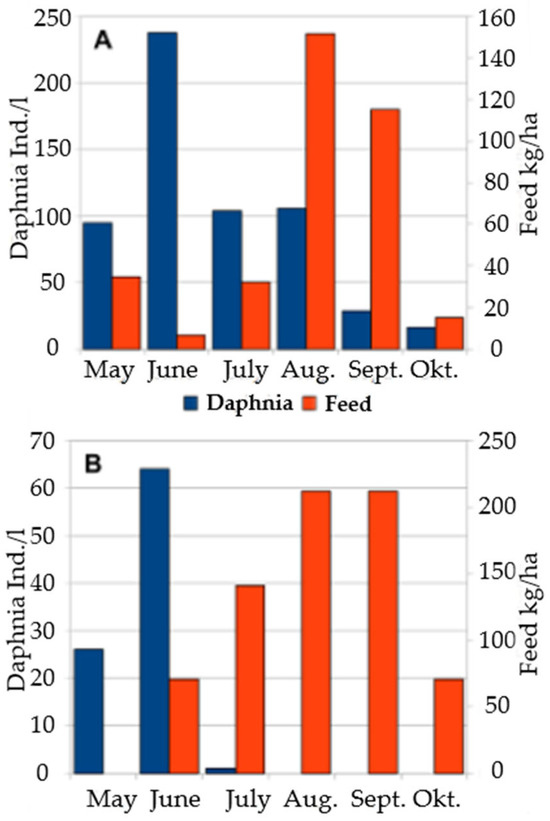
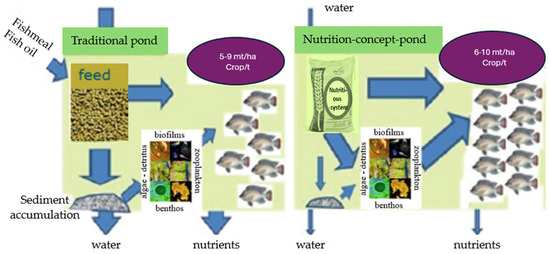
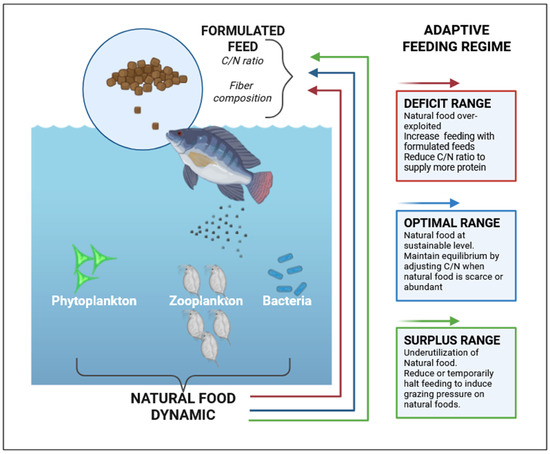
Sustainable aquaculture growth necessitates innovative strategies to meet the global protein demand while minimizing environmental impacts. This narrative review synthesizes the current understanding and emerging approaches for optimizing nutrient cycling and trophic transfer efficiency in pond-based aquaculture systems. We highlight two primary strategies: ‘demand-oriented feeding’, which adaptively balances feed inputs with natural food availability, and the ‘nutritious pond concept’, which enhances pond ecology through carbon/nitrogen ratio management and waste-driven nutrient recycling. A critical examination of the scalability and environmental trade-offs associated with these strategies is also presented. Despite the challenges presented by these strategies, their combination could create a more dynamic, ecosystem-based approach to aquaculture that is more resource-efficient and environmentally friendly, contributing to the development of ponds as sustainable, productive ecosystems that enhance efficiency, reduce waste, and support economic viability. Finally, we explored polyculture as an ecological strategy, highlighting its synergistic mechanisms for maximizing food web efficiency and its potential to enhance the two primary strategies.
Full article

Figure 1
Open AccessCommunication
Effects of Lyophilized Dietary Yeast Rhodotorula mucilaginosa on Skin and Fillet Pigmentation of Gilthead Seabream (Sparus aurata): A Computer-Based Image Analysis Assessment
by
Christina Zantioti and Emmanouil E. Malandrakis
Aquac. J. 2026, 6(1), 10; https://doi.org/10.3390/aquacj6010010 - 23 Mar 2026
Abstract
►▼
Show Figures
Skin pigmentation is a crucial factor influencing the market value of gilthead seabream. A three-month feeding trial evaluated the effects of dietary inclusion of Rhodotorula mucilaginosa on skin and fillet pigmentation of gilthead seabream (Sparus aurata). Four diets containing yeast were
[...] Read more.
Skin pigmentation is a crucial factor influencing the market value of gilthead seabream. A three-month feeding trial evaluated the effects of dietary inclusion of Rhodotorula mucilaginosa on skin and fillet pigmentation of gilthead seabream (Sparus aurata). Four diets containing yeast were tested in triplicate tanks using 120 fish in total. Skin and fillet colours were assessed via computer-based image analysis in CIELAB, RGB and HSB spaces. Analysis of total carotenoids was also performed. Yeast inclusion increased L* and Whiteness values in the operculum and enhanced lightness in ventral skin regions. In the abdominal area, RGB values decreased, particularly in the 3% diet. Fillet responses were limited to the red muscle, where the 3% diet significantly increased a* and Chroma values. Overall, inclusion of R. mucilaginosa exceeding 2% influenced seabream skin brightness and total carotenoid content, while 3% inclusion enhanced red muscle pigmentation, suggesting potential as a natural pigment source in seabream feeds.
Full article

Figure 1
Open AccessArticle
Antimicrobial Use and Antimicrobial Resistance in the British Columbia, Canada, Finfish Aquaculture Industry (2007–2018)
by
Etienne J. de Jongh, Kelsey Robertson, Jacob A. Narbonne, F. Carl Uhland, Richard J. Reid-Smith and Simon J. G. Otto
Aquac. J. 2026, 6(1), 9; https://doi.org/10.3390/aquacj6010009 - 10 Mar 2026
Abstract
►▼
Show Figures
The objective of this study was to evaluate relationships between antimicrobial use (AMU) and antimicrobial resistance (AMR) in isolates from farmed Atlantic salmon that could represent finfish pathogens in the British Columbia (BC) aquaculture industry using historical surveillance data. Antimicrobial susceptibility data were
[...] Read more.
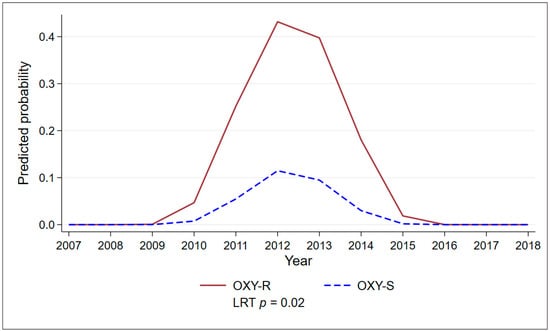
The objective of this study was to evaluate relationships between antimicrobial use (AMU) and antimicrobial resistance (AMR) in isolates from farmed Atlantic salmon that could represent finfish pathogens in the British Columbia (BC) aquaculture industry using historical surveillance data. Antimicrobial susceptibility data were obtained for 1040 bacterial isolates from farmed Atlantic salmon submissions to the BC Animal Health Centre for 2007–2018. Antimicrobial use data were provided by the BC Ministry of Agriculture and Food from feed mill prescriptions for BC farmed Atlantic salmon for 2007–2018. Multivariable logistic regression models for all bacterial isolates with a random intercept for species were developed to determine associations with outcomes of resistance to trimethoprim-sulfadiazine (SXT), oxytetracycline (OXY), and florfenicol (FLOR). Resistance to SXT, FLOR, and/or OXY were all significantly associated with each resistance outcome in their respective models. Only the SXT resistance model was significantly associated with AMU, specifically potentiated sulfonamide use, but use was not significantly associated with AMR for any other resistance outcome. The results of this study contribute to the rapidly growing and increasingly pertinent body of literature on AMU and AMR in the unique marine aquaculture environment. Future research at the farm level linking pen-specific AMU to AMR outcomes will provide more understanding of selection pressure for AMR at the local level and provide more guidance for antimicrobial stewardship in finfish aquaculture.
Full article

Figure 1
Open AccessArticle
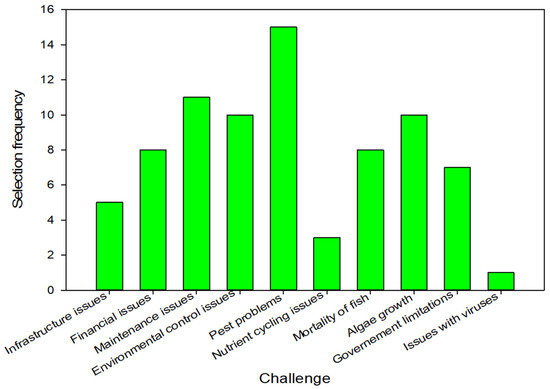
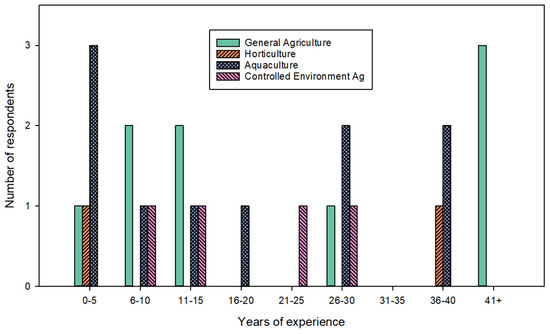
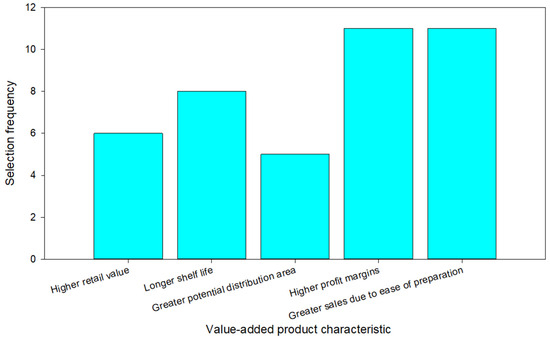
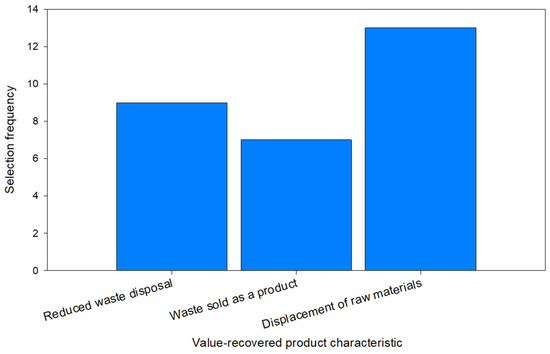
Understanding Aquaculture and Aquaponics General Operational Parameters and Attitudes Towards Value-Added and Value-Recovered Products—Surveying Current and Former United States Midwest Cold Climate Producers
by
Marissa Breitenstein, Elisabeth Bautista, Alexis Daniels and Andrea Hicks
Aquac. J. 2026, 6(1), 8; https://doi.org/10.3390/aquacj6010008 - 4 Mar 2026
Abstract
►▼
Show Figures
With the global population projected to continue to increase, the necessity for food security (i.e., a region’s ability to reliably provide food to its residents) becomes ever-present. Aquaculture is currently one of the most prevalent methods for propagating aquatic species, though aquaponics (i.e.,
[...] Read more.
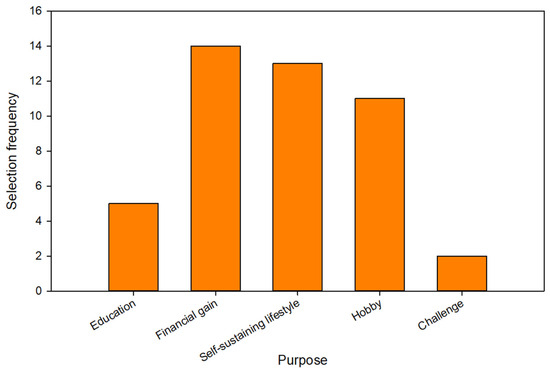
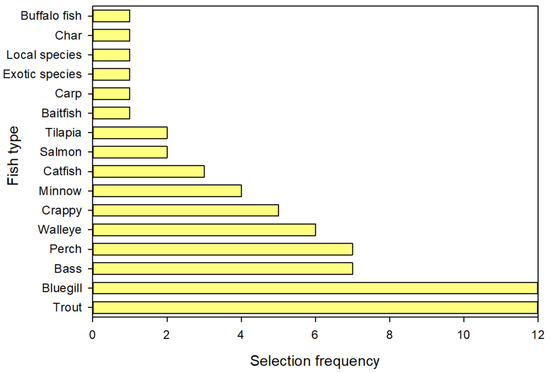
With the global population projected to continue to increase, the necessity for food security (i.e., a region’s ability to reliably provide food to its residents) becomes ever-present. Aquaculture is currently one of the most prevalent methods for propagating aquatic species, though aquaponics (i.e., combining aquaculture and hydroponics to artificially propagate aquatic species and plants) is often considered a more sustainable food production method in comparison. Though aquaponics is promising both environmentally and socially, the general aquaponics business model is failing to generate proper revenue in many instances. The addition of value-added and value-recovered processes is one option for producers to increase the value of their final products without major capital investment. A paper survey was deployed for this study for both aquaculture and aquaponics operations, given the current prevalence of aquaculture and infancy of aquaponics in the United States. The survey aims to understand the basic parameters of their operation while also gauging interest in the addition of value-added and value-recovered products for their operations. Less than half of the respondents were interested in value-added and value-recovered products for several different reasons. The survey also provides useful information related to operation, prior experiences, and potential future directions for aquaponics in the United States, though investigation into consumer preferences is required for optimized success of the aquaponics industry.
Full article

Figure 1
Open AccessArticle
Photoperiod-Mediated Transcriptomic Regulation of Spawning in Octopus mimus
by
Calixto Quispe-Pilco, Inês Ferreira, Diogo Oliveira, Rui Resende-Pinto, André Gomes dos Santos, Freddy Walter Delgado-Cabrera, Khiara Aliyah Bet Moreno-Salazar-Calderon, Cintia P. Fernández-Cárdenas, Fredy Esfrayn Tapia-Alave, L. Filipe C. Castro and Manuel Nande
Aquac. J. 2026, 6(1), 7; https://doi.org/10.3390/aquacj6010007 - 3 Mar 2026
Abstract
►▼
Show Figures
Background: The reproductive cycle of Octopus mimus is regulated by environmental and hormonal factors, with photoperiod playing a key role in spawning induction and reproductive maturation. Understanding its underlying molecular mechanisms is essential for developing strategies to enhance controlled reproduction in aquaculture. Methods:
[...] Read more.
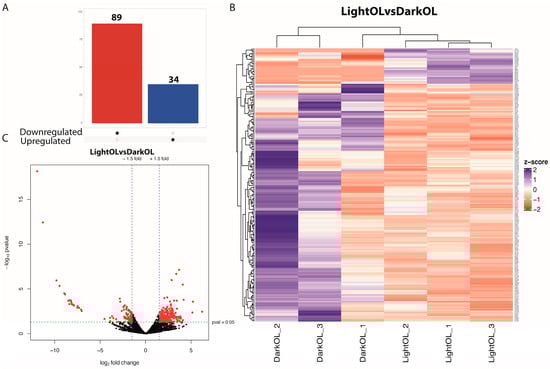
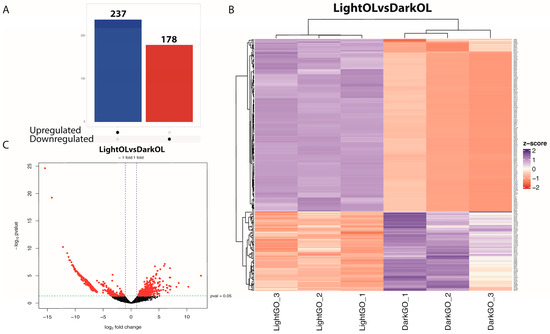
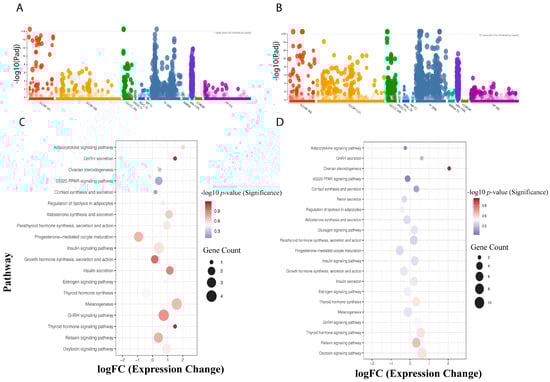
Background: The reproductive cycle of Octopus mimus is regulated by environmental and hormonal factors, with photoperiod playing a key role in spawning induction and reproductive maturation. Understanding its underlying molecular mechanisms is essential for developing strategies to enhance controlled reproduction in aquaculture. Methods: We analyzed the expression of genes involved in the photoperiod-activated spawning induction cascade in the optic lobe and its downstream effects on the oviducal gland by performing transcriptomic analyses on females exposed to continuous light (24:0), which inhibits reproductive development, and a natural photoperiod, which induces spawning. The mRNA sequencing (RNA-Seq), quality control, gene annotation, and differential expression analyses were conducted using edgeR. Results: Spawning was completely inhibited under constant light, while 80% of control females spawned. Expression profiling revealed 89 downregulated and 34 upregulated genes in the optic lobe, and 178 downregulated and 237 upregulated genes in the oviducal gland (FDR < 0.05, |log2FC| ≥ 2), including key orthologs such as FMRFamide and myomodulin. Conclusions: These results show that the optic lobe integrates photoperiodic cues that modulate reproductive activation via a neuroendocrine cascade and coordinates spawning regulation through the oviducal gland, providing insights for improving reproductive control in aquaculture systems.
Full article

Figure 1
Open AccessEditor’s ChoiceArticle
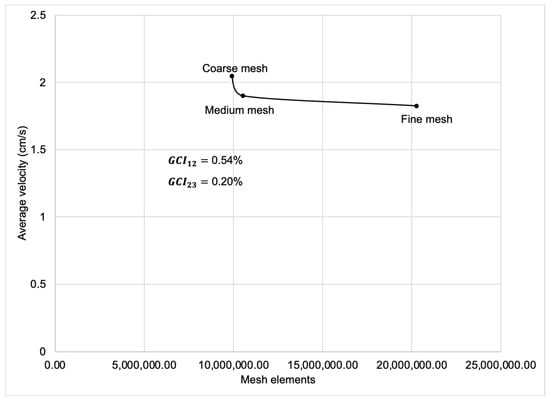
Determining the Minimum Mature Inoculum Requirement for Nitrification Efficiency and Enhanced Zootechnical Performance of Penaeus vannamei in BFT System
by
Wilson Wasielesky, Lucélia Borges, Kiefer Menestrino, Mariana Holanda, Geraldo Fóes, Luís Poersch and Dariano Krummenauer
Aquac. J. 2026, 6(1), 6; https://doi.org/10.3390/aquacj6010006 - 28 Feb 2026
Abstract
►▼
Show Figures
The biofloc technology (BFT) system is widely used in aquaculture for the cultivation of Pacific white shrimp (Penaeus vannamei). While the practice of reusing percentages of water from previous crops to initiate the system is common, this study aimed to determine
[...] Read more.
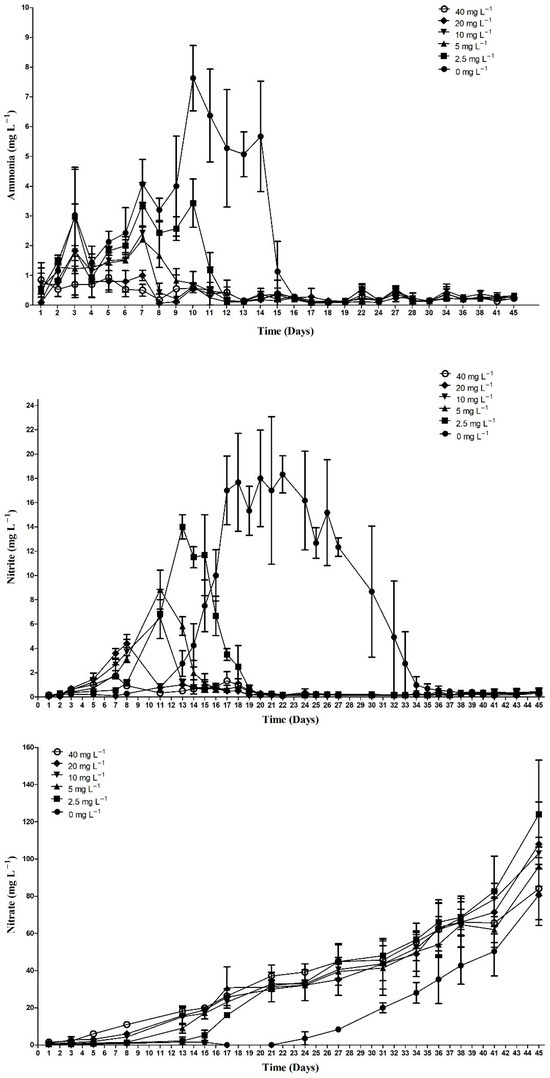
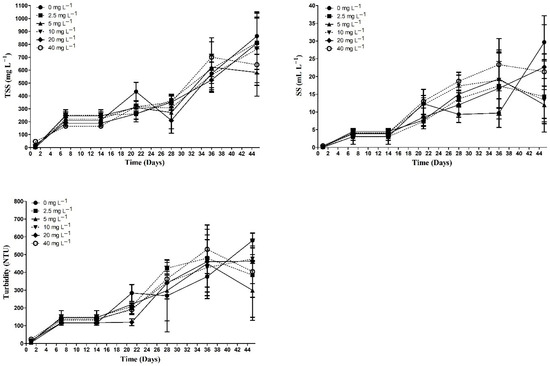
The biofloc technology (BFT) system is widely used in aquaculture for the cultivation of Pacific white shrimp (Penaeus vannamei). While the practice of reusing percentages of water from previous crops to initiate the system is common, this study aimed to determine the minimum inoculum of total suspended solids (TSS) required for the rapid stabilization of nitrogen compounds and the bacterial community. The experiment was conducted in 400 L experimental units stocked with juvenile P. vannamei. We compared six treatments with different initial inoculum concentrations: control (0 mg/L), 2.5 mg/L, 5 mg/L, 10 mg/L, 20 mg/L, and 40 mg/L. These concentrations corresponded to inoculations of 0%, 0.625%, 1.25%, 2.5%, 5%, and 10% of mature biofloc water with an initial TSS concentration of 400 mg/L. Treatments with an inoculum showed a more effective oxidation of ammonia and nitrite compared to the control. However, the 2.5 mg/L treatment differed significantly (p < 0.05) from the other inoculated treatments, exhibiting persistently high ammonia concentrations and a slower stabilization time. Survival rates in the 5, 10, 20, and 40 mg/L treatments were significantly higher (p < 0.05) than in the control and 2.5 mg/L treatments, remaining around 95%, while the latter had survival rates of 48.75% and 65.83%, respectively. The final biomass were as follows: control: 479.7 ± 30 g; 2.5 mg 628.1 ± 93.3 g; 5 mg 976.5 ± 128.1 g; 10 mg 850.3 ± 158.1 g; 20 mg 789.6 ± 122.7 g; 40 mg 856 ± 96.9 g. Final biomass and productivity were highest in the 5 mg/L treatment and did not differ significantly among the 10, 20, and 40 mg/L treatments. The results suggest that in a BFT system for P. vannamei, a minimum inoculum of 5 mg/L of TSS is sufficient to achieve high water quality and superior zootechnical performance.
Full article

Figure 1
Open AccessEditor’s ChoiceArticle
Antimicrobial and Antibiofilm Activities of Pseudoalteromonas Bacterial Strains Isolated from Marine Environment Against Potential Fish Pathogen Tenacibaculum discolor Strain FMCC B487
by
Eirini Schoina, Christine Delbarre-Ladrat, Laetitia Kolypczuk, Françoise Leroi, Delphine Passerini and George-John Nychas
Aquac. J. 2026, 6(1), 5; https://doi.org/10.3390/aquacj6010005 - 5 Feb 2026
Abstract
►▼
Show Figures
Tenacibaculosis is a major bacterial disease in aquaculture, with Tenacibaculum discolor being characterized as one of the causative agents. This study evaluated the antimicrobial and antibiofilm potential of three isolated Pseudoalteromonas strains—Pseudoalteromonas sp. GY795-2 (deep-sea), Pseudoalteromonas spongiae MB2 (aquaculture installation), and Pseudoalteromonas
[...] Read more.
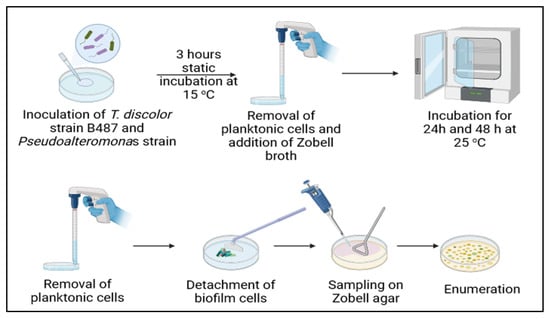
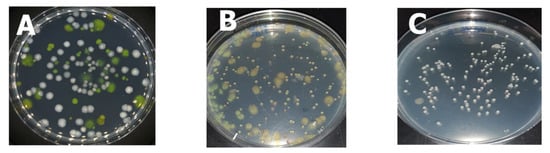
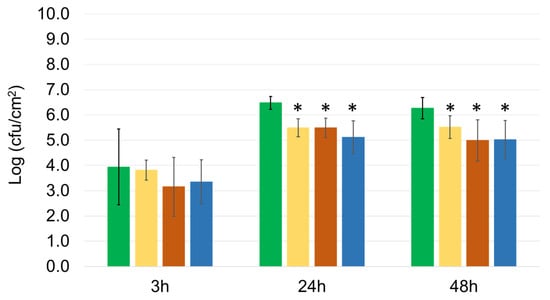
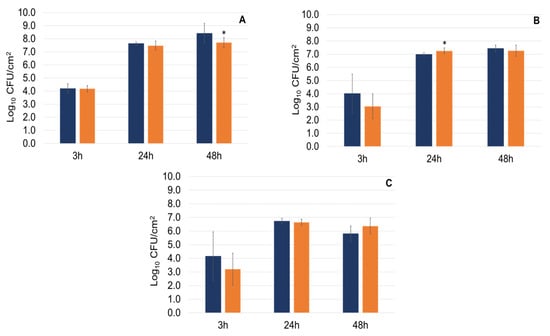
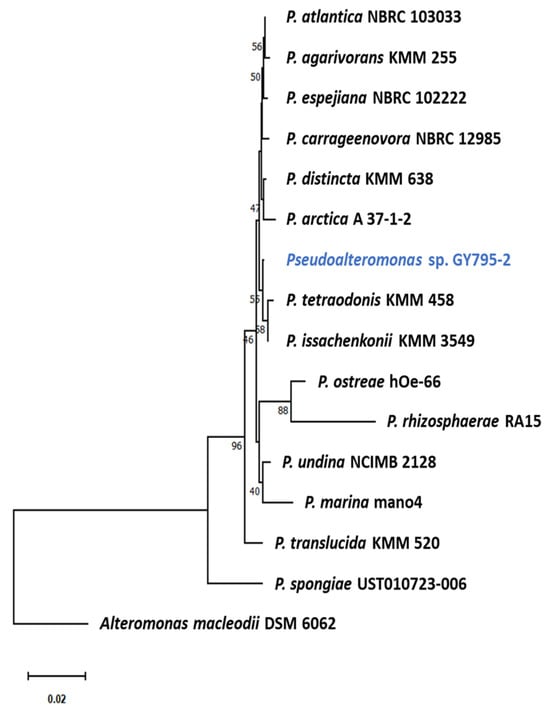
Tenacibaculosis is a major bacterial disease in aquaculture, with Tenacibaculum discolor being characterized as one of the causative agents. This study evaluated the antimicrobial and antibiofilm potential of three isolated Pseudoalteromonas strains—Pseudoalteromonas sp. GY795-2 (deep-sea), Pseudoalteromonas spongiae MB2 (aquaculture installation), and Pseudoalteromonas tetraodonis SAE 20 (kelps)—against T. discolor strain FMCC B487. Cell-free supernatants (SNs) from each Pseudoalteromonas culture were tested in microtiter assays, assessing planktonic growth measured by OD600 and biofilm biomass quantified by crystal violet (CV) staining. The addition of the Pseudoalteromonas SNs affected both growth and biofilm development of T. discolor strain FMCC B487. A significant decrease in T. discolor strain FMCC B487 growth and biofilm was observed in the presence of P. spongiae MB2 SN, whereas the SN of Pseudoalteromonas sp. GY795-2 promoted both growth and biofilm development of T. discolor strain FMCC B487. To assess whole-cell activity, dual-species biofilms were formed on plastic surfaces. After 24 h, all three Pseudoalteromonas strains reduced the viable T. discolor strain FMCC B487 population while maintaining their own cell numbers comparable to single-culture controls, suggesting an inhibitory interaction. These results demonstrate that these Pseudoalteromonas strains’ metabolites and cells can modulate T. discolor growth and biofilm development, highlighting their potential as biocontrol agents in aquaculture.
Full article

Figure 1
Open AccessArticle
Antimicrobial Resistance in the British Columbia, Canada, Finfish Aquaculture Industry (2007–2018): A Historical Provincial Collection of Reported Isolates
by
Etienne J. de Jongh, Kelsey Robertson, F. Carl Uhland, Richard J. Reid-Smith, Kazal Ghosh and Simon J. G. Otto
Aquac. J. 2026, 6(1), 4; https://doi.org/10.3390/aquacj6010004 - 4 Feb 2026
Cited by 1
Abstract
Antimicrobial use (AMU) in finfish aquaculture production raises concerns about the link between AMU and the development of antimicrobial resistance (AMR) in bacteria found in aquatic organisms and potential transmission to humans and the environment. The objective of this study was to describe
[...] Read more.
Antimicrobial use (AMU) in finfish aquaculture production raises concerns about the link between AMU and the development of antimicrobial resistance (AMR) in bacteria found in aquatic organisms and potential transmission to humans and the environment. The objective of this study was to describe the antimicrobial susceptibilities of a historical collection of bacterial isolates from diagnostic submissions from farmed finfish in British Columbia (BC), Canada. Antimicrobial susceptibility data were obtained from the BC Ministry of Agriculture via submissions to the Animal Health Centre for 2007 to 2018 for florfenicol (FLOR), oxytetracycline (OXY), trimethoprim-sulfadiazine (SXT), and triple-sulfa compound (TRI). There were 1237 unique isolates from all finfish species (68 unique bacterial species), of which 1042 were from Atlantic salmon. For all fish species, the most common bacterial species isolated were Aeromonas salmonicida (n = 174), Aliivibrio wodanis (n = 84), and Yersinia ruckeri (n = 79). Resistance was detected to most antimicrobials tested, but levels were generally low. Resistance to FLOR was only detected in A. salmonicida. Low annual isolate numbers precluded genera-specific annual comparisons for all pathogens. Multi-drug resistance was detected, but at low levels. These results provide an important baseline for antimicrobial susceptibility data from bacterial isolates that may cause disease in finfish aquaculture in BC, Canada that will support future Canadian AMR surveillance in farmed aquaculture.
Full article
Open AccessReview
A Review of Non-Destructive Technologies for Quality Assessment in Aquaculture
by
Guoxiang Huang, Kunlapat Thongkaew and Supapan Chaiprapat
Aquac. J. 2026, 6(1), 3; https://doi.org/10.3390/aquacj6010003 - 30 Jan 2026
Abstract
►▼
Show Figures
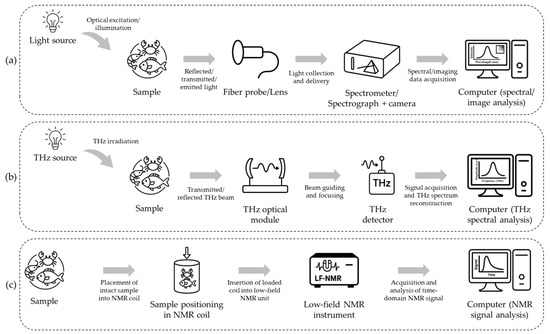
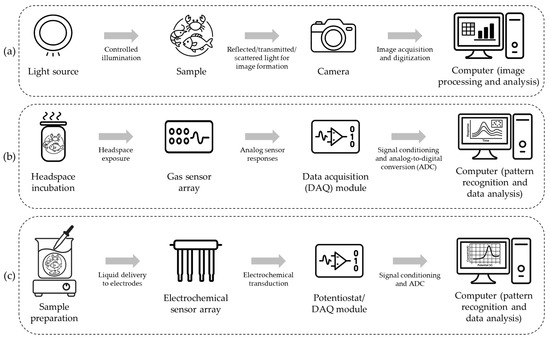
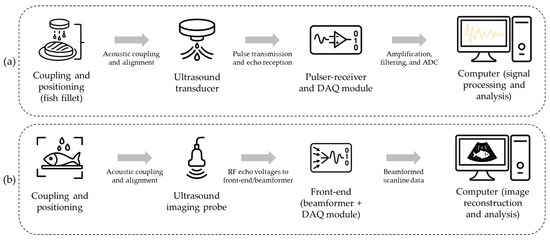
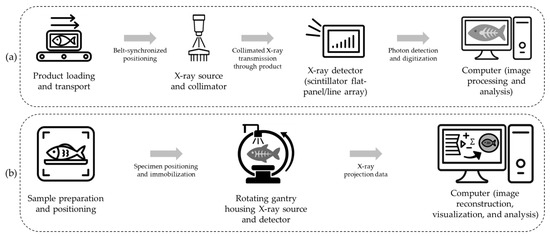
Aquatic animal products are vital to global food security and nutrition, necessitating accurate, scalable, and non-destructive methods for quality assessment in aquaculture. Conventional techniques such as dissection and biochemical analysis are invasive, labor-intensive, and unsuitable for real-time or high-throughput decision-making. This review synthesizes
[...] Read more.
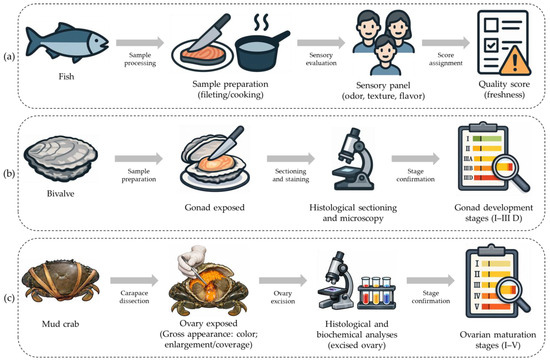
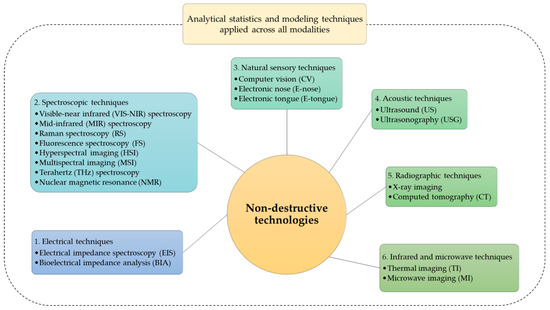
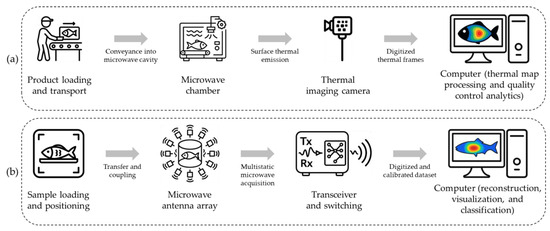
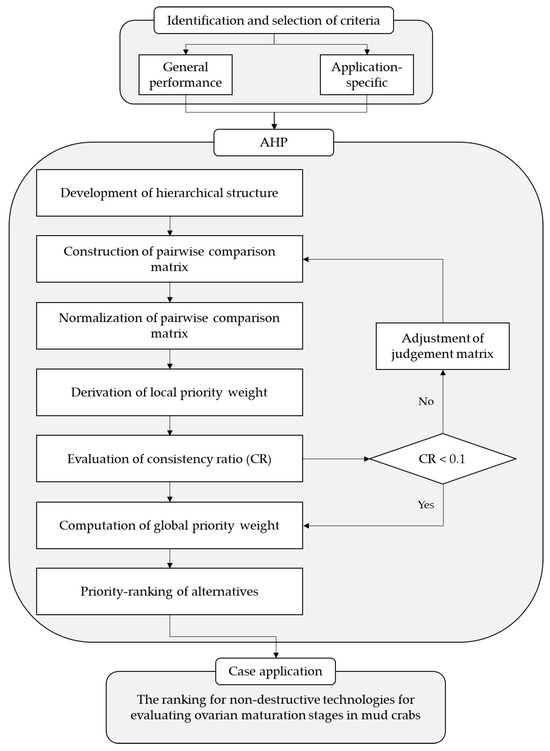
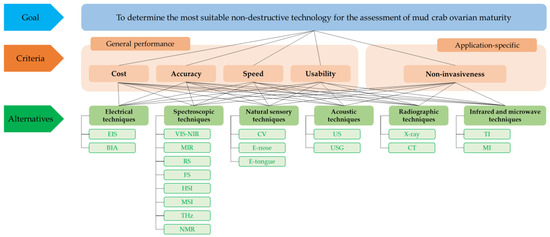
Aquatic animal products are vital to global food security and nutrition, necessitating accurate, scalable, and non-destructive methods for quality assessment in aquaculture. Conventional techniques such as dissection and biochemical analysis are invasive, labor-intensive, and unsuitable for real-time or high-throughput decision-making. This review synthesizes six major categories of non-destructive technologies—electrical, spectroscopic, natural sensory, acoustic, radiographic, and infrared and microwave—classified by their underlying sensing mechanisms and therefore differing measurement capabilities and deployment feasibilities. To support objective technology selection, an Analytic Hierarchy Process (AHP) framework was developed using general performance criteria (cost, accuracy, speed, usability) and one decision-critical application-specific criterion (non-invasiveness), and was demonstrated for ovarian maturation staging in mud crabs by ranking 19 candidate techniques. Accuracy had the highest weight (0.416), but non-invasiveness (0.224) and usability (0.197) substantially influenced the final ranking, illustrating how operational and welfare constraints could shift preferred solutions despite differences in analytical accuracy. Based on the global priority weights (GA), computer vision (CV) was identified as the most suitable option (GA = 0.076), balancing affordability, throughput, ease of deployment, and animal welfare compatibility, whereas high-end modalities such as nuclear magnetic resonance (NMR; GA = 0.073) and computed tomography (CT; GA = 0.070) were constrained by cost and operational complexity. Overall, this review–AHP–case study pipeline provides a transparent and reproducible decision-support basis for selecting non-destructive technologies across aquaculture species and quality targets.
Full article

Figure 1
Open AccessEditor’s ChoiceArticle
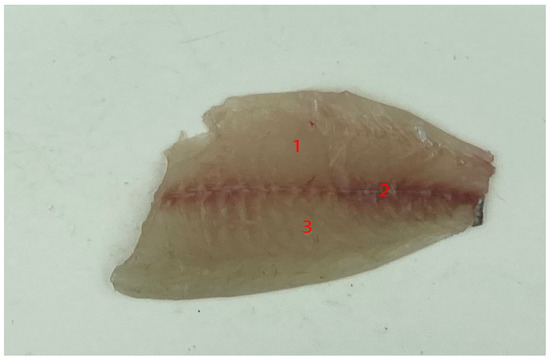
Seawater Temperature at Harvest Shapes Fillet Proteolytic Activity at Chilled Storage in Three Mediterranean-Farmed Fish
by
Rafael Angelakopoulos, Alexia E. Fytsili, Arkadios Dimitroglou, Leonidas Papaharisis and Katerina A. Moutou
Aquac. J. 2026, 6(1), 2; https://doi.org/10.3390/aquacj6010002 - 28 Jan 2026
Abstract
►▼
Show Figures
Fish is highly prone to spoilage due to a combination of intrinsic biochemical processes and microbial proliferation, which together drive rapid quality deterioration during post-harvest handling and storage. These processes are further accelerated by factors such as elevated temperatures, mechanical damage, and suboptimal
[...] Read more.
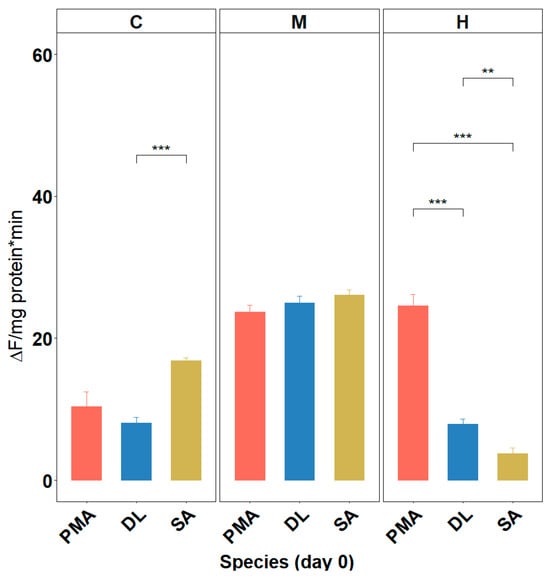
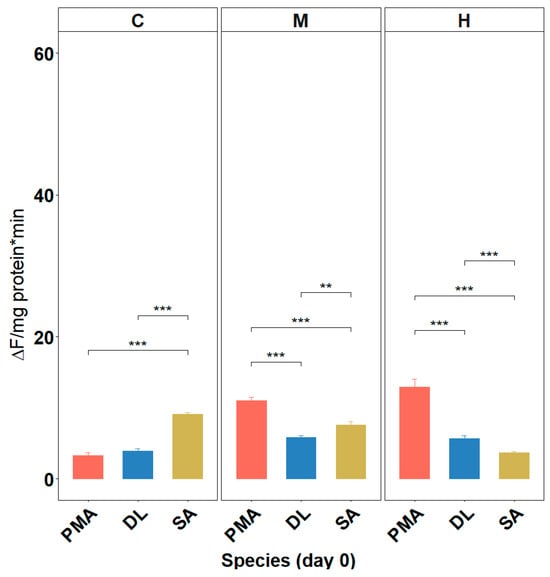
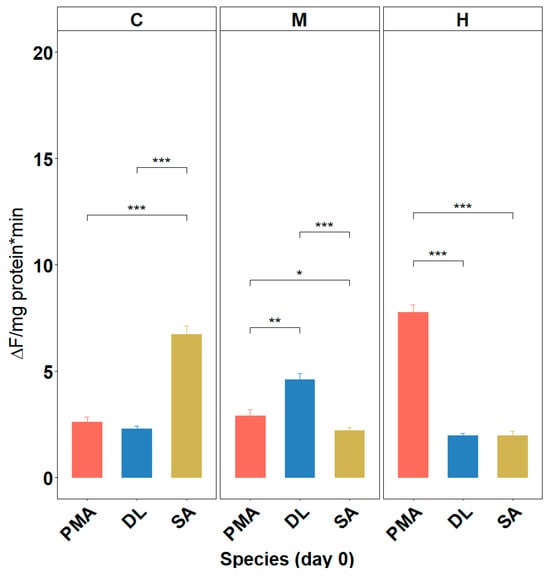
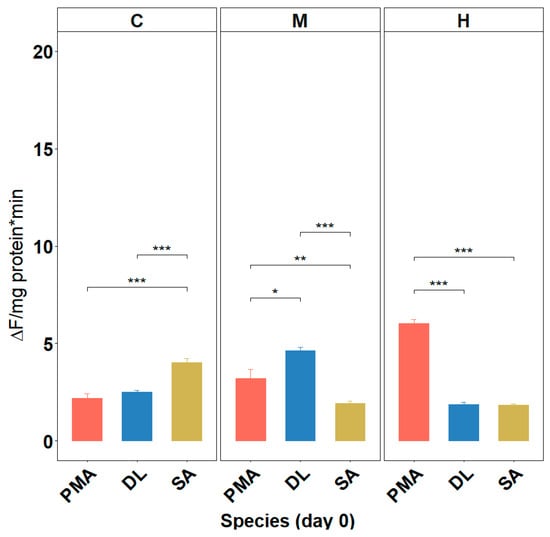
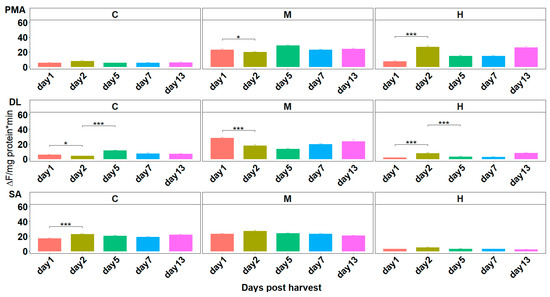
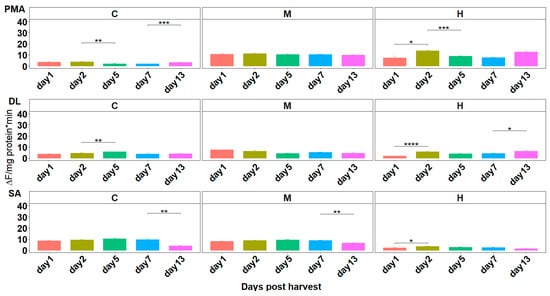
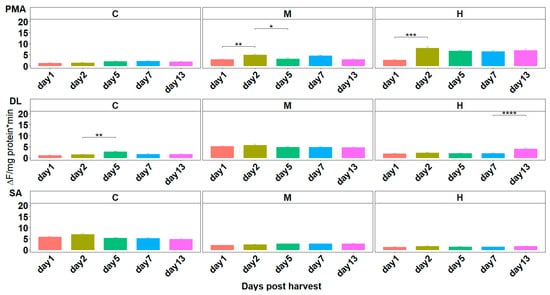
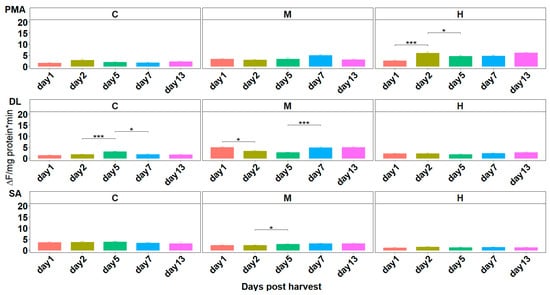
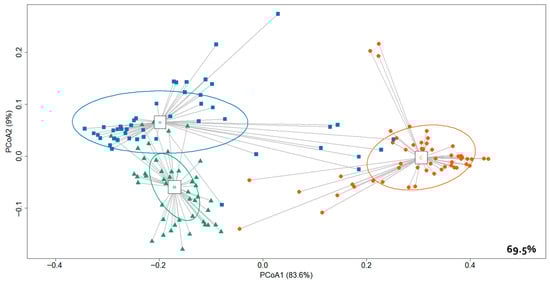
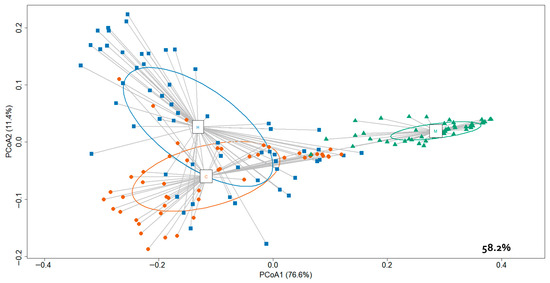
Fish is highly prone to spoilage due to a combination of intrinsic biochemical processes and microbial proliferation, which together drive rapid quality deterioration during post-harvest handling and storage. These processes are further accelerated by factors such as elevated temperatures, mechanical damage, and suboptimal handling. In Mediterranean aquaculture, ice slurry is the standard harvesting method. This study aimed to characterize the initial post-harvest enzymatic activity of key proteolytic enzymes, calpain, collagenase, cathepsin B (CTSB), and cathepsin L (CTSL), in the white muscle of three commercially important species (Sparus aurata, Dicentrarchus labrax, and Pagrus major) harvested under standard practices across three seawater harvest temperatures (low, medium, and high). Muscle samples were collected over a 13-day chilled storage period post-harvest, and enzymatic activity was assessed using standardized fluorometric assays. Our findings establish the basal post-mortem proteolytic profiles for each species and reveal marked species-specific differences in enzyme activity patterns. Calpain and collagenase exhibited early and parallel activation, while CTSB and CTSL showed a coordinated increase during storage. Harvest temperature emerged as a critical factor, with the highest enzymatic activities consistently observed during the moderate temperature period. These results underscore the importance of species-specific physiology and seasonal conditions in shaping post-harvest filet degradation, offering a basis for refining harvest strategies to enhance quality management in Mediterranean aquaculture.
Full article
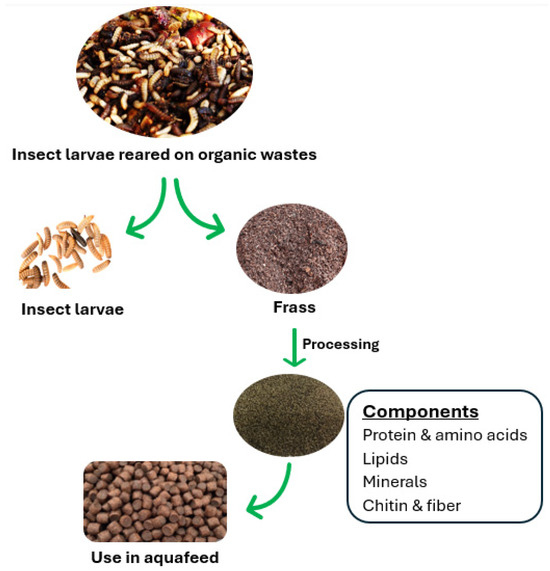
Figure 1
Open AccessArticle
A Methodology for Evaluating the Distribution of Dissolved Oxygen in Aquaculture Ponds: An Approach Based on In Situ Respirometry and Computational Fluid Dynamics
by
Aylin Trujillo-Rogel, Iván Gallego-Alarcón, Boris Miguel López-Rebollar, David García-Mondragón, Iván Cervantes-Zepeda, Ricardo Arévalo-Mejía and Jesús Ramiro Félix-Félix
Aquac. J. 2026, 6(1), 1; https://doi.org/10.3390/aquacj6010001 - 19 Dec 2025
Abstract
►▼
Show Figures
Inefficient management of dissolved oxygen (DO) in intensive aquaculture systems limits fish welfare and productivity by creating oxygen-deficient zones and promoting hydrodynamic conditions that hinder their dispersion. Because water movement directly influences how oxygen is transported and mixed within the culture unit, inadequate
[...] Read more.
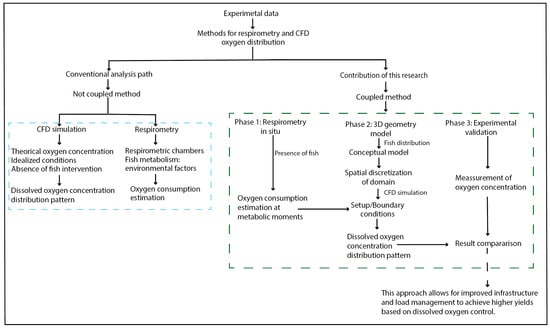
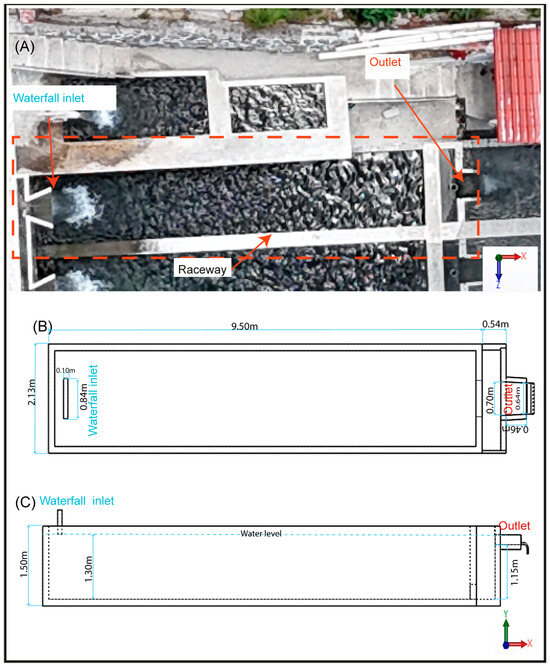
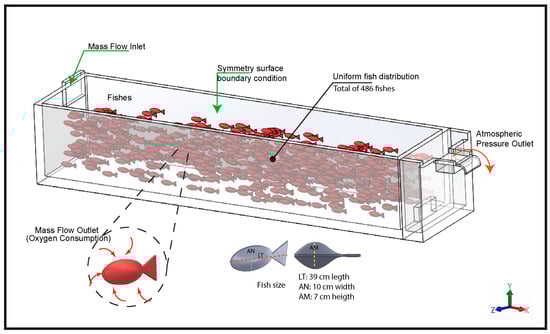
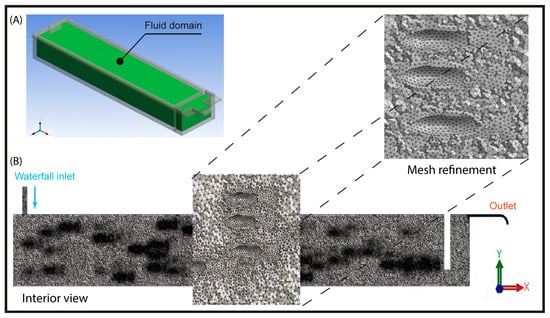
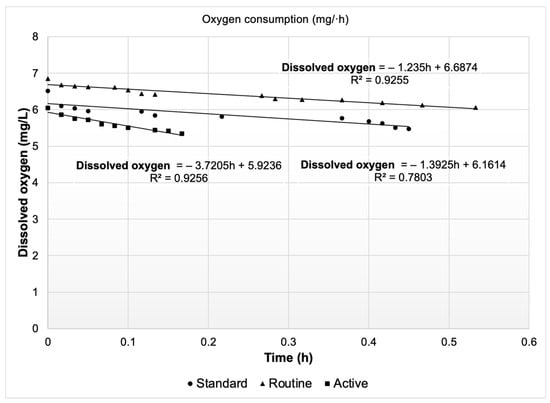
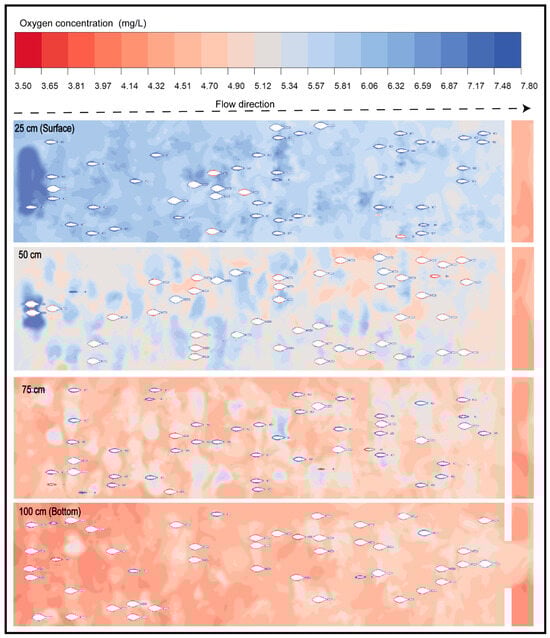
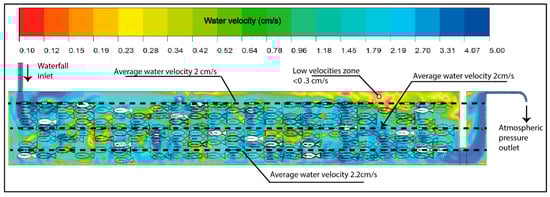
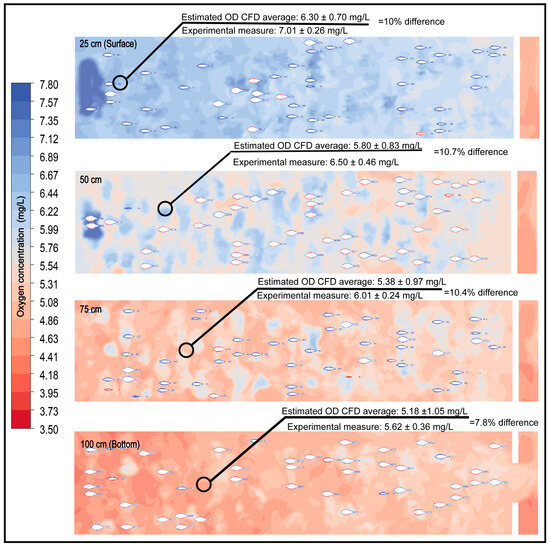
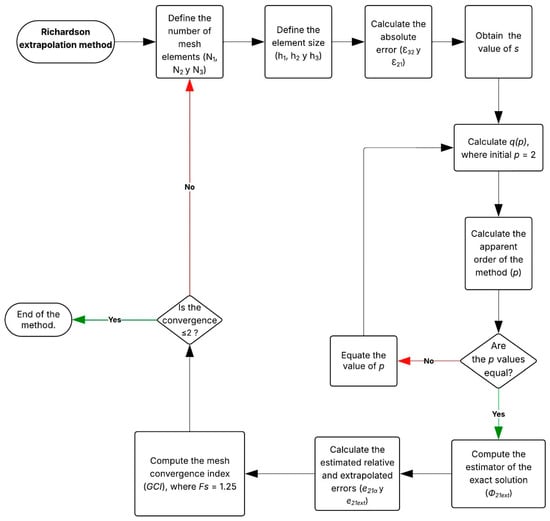
Inefficient management of dissolved oxygen (DO) in intensive aquaculture systems limits fish welfare and productivity by creating oxygen-deficient zones and promoting hydrodynamic conditions that hinder their dispersion. Because water movement directly influences how oxygen is transported and mixed within the culture unit, inadequate flow management can allow localized hypoxia to persist even when total oxygen input appears sufficient. To address this issue, this study proposes an integrated methodology that combines in situ respirometry measurements with Computational Fluid Dynamics (CFD) simulations to evaluate the spatial distribution of DO and diagnose the operational performance of aquaculture systems. The methodology quantifies oxygen consumption using intermittent-flow respirometry, applies a three-dimensional two-phase CFD model (water–oxygen) incorporating experimental oxygen consumption rates as boundary conditions, and validates the model under real operating conditions, focusing on active metabolism as the most demanding physiological state. The model generates a spatial distribution of DO patterns that are significantly modified by pond geometry, water flow characteristics, the metabolism of the fish and fish positioning. The differences between experimental and simulated values ranged from 7.8% to 10.7%, confirming the accuracy of the proposed method. The integration of in situ metabolic measurements with CFD modeling provides a realistic representation of DO dynamics, enabling system optimization and promoting more efficient and sustainable aquaculture.
Full article
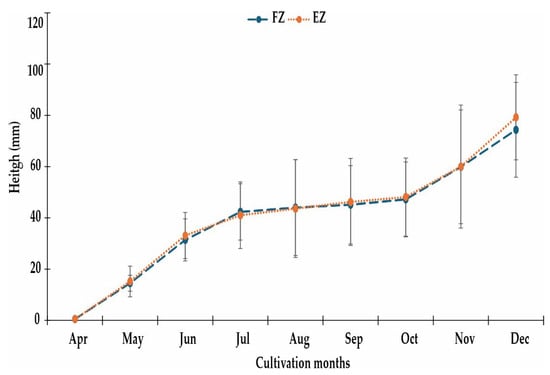
Figure 1
Open AccessArticle
Continuous Exposure to Light Modulates Biochemical Responses in Ulva ohnoi: Implication for Feedstock Production
by
Jasmine V. Rajai, Mukesh Baraiya, Bhavik Kantilal Bhagiya, Jigar A. Sutariya, Payal A. Bodar, Mujeer Habsi, Digvijay Singh Yadav, Ramalingam Dineshkumar, Harshad Brahmbhatt, Santlal Jaiswar, Rajendra Singh Thakur, Mangal S. Rathore, Khanjan Trivedi and Vaibhav A. Mantri
Aquac. J. 2025, 5(4), 28; https://doi.org/10.3390/aquacj5040028 - 15 Dec 2025
Abstract
►▼
Show Figures
Controlled environment agriculture technologies are traditionally applied to higher plants to enhance growth and cultivation periods, but such a concept has seldom been applied to seaweed aquaculture. A new dimension has been opened, wherein preliminary investigations in Ulva ohnoi revealed that continuous exposure
[...] Read more.
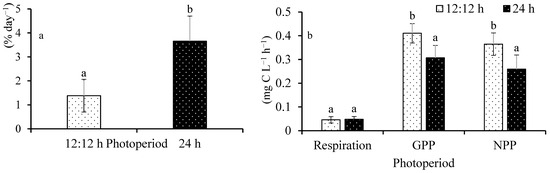
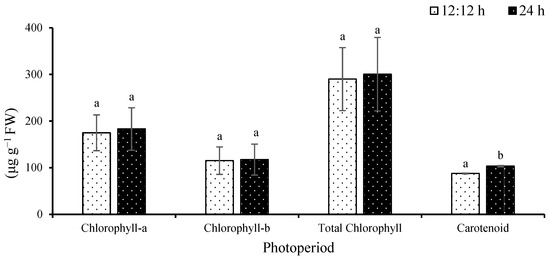
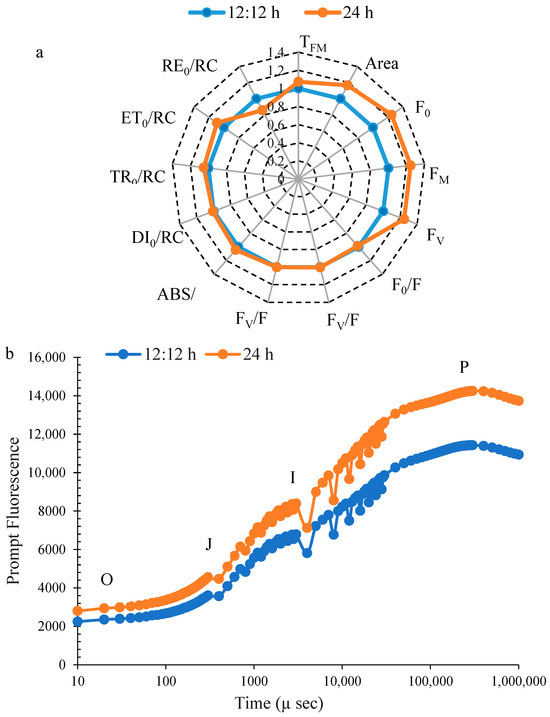
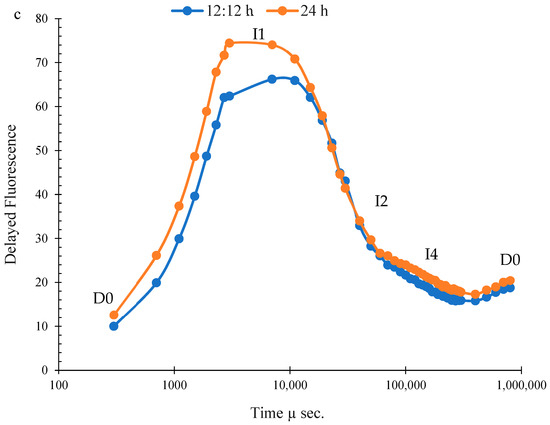
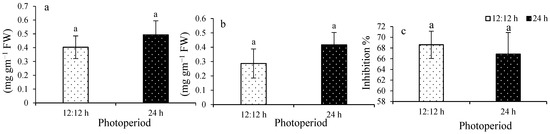
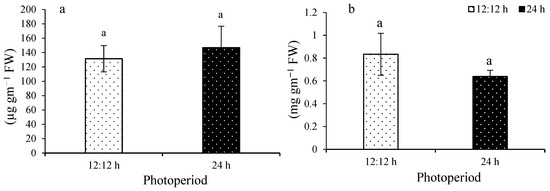
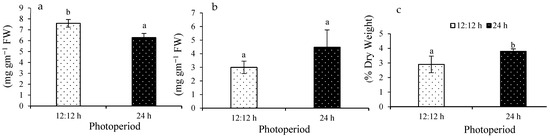
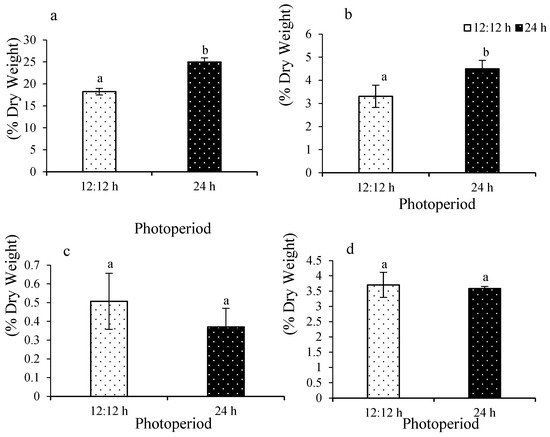
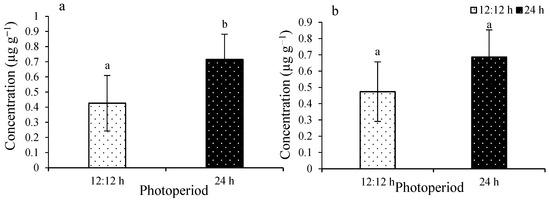
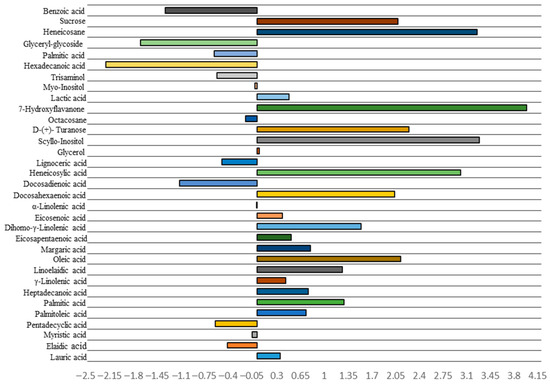
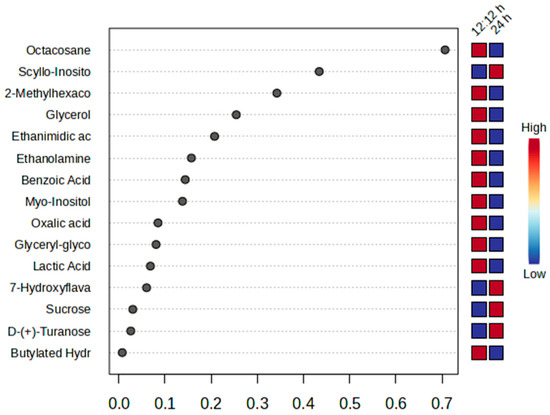
Controlled environment agriculture technologies are traditionally applied to higher plants to enhance growth and cultivation periods, but such a concept has seldom been applied to seaweed aquaculture. A new dimension has been opened, wherein preliminary investigations in Ulva ohnoi revealed that continuous exposure (24 h) of light modulates chlorophyll-a fluorescence, carbohydrate content, and biochemical composition affecting the daily growth rate. DGR (daily growth rate) increased 2.6 times under continuous illumination for 24 h compared to the 12 h L/D photoperiod. Mg and carbohydrate contents were raised by 1.1 and 1.2 times, respectively, under continuous illumination. DGR formed a strong positive correlation with carbohydrate, protein, carotenoid, chlorophyll-a fluorescence, C, H, and Mg levels. A short cultivation cycle (15 days) was proposed to enable a consistent, continuous high growth and to avoid the induction of reproduction. The feedstock demand for bio-products, aquaculture feed, biomaterials, functional food, and food additives is registering unprecedented feedstock demand for Ulva. However, further detailed studies are desired to understand the seasonality and economic viability of scaling up this technique for commercial implementation.
Full article
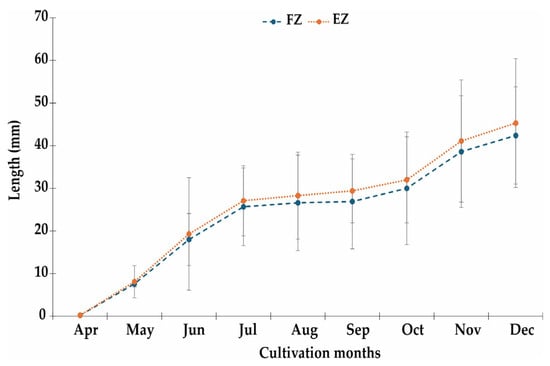
Figure 1
Open AccessArticle
Prediction of Shrimp Growth by Machine Learning: The Use of Actual Data of Industrial-Scale Outdoor White Shrimp (Litopenaeus vannamei) Aquaculture in Indonesia
by
Muhammad Abdul Aziz Al Mujahid, Fahma Fiqhiyyah Nur Azizah, Gun Gun Indrayana, Nina Rachminiwati, Yutaro Sakai and Nobuyuki Yagi
Aquac. J. 2025, 5(4), 27; https://doi.org/10.3390/aquacj5040027 - 5 Dec 2025
Abstract
►▼
Show Figures
Accurate prediction of shrimp body weight is critical for optimizing harvest timing, feed management, and stocking density decisions in intensive aquaculture. While prior studies emphasize environmental factors, operational management variables—particularly harvesting metrics—remain understudied. This study quantified the predictive importance of harvesting-related variables using
[...] Read more.
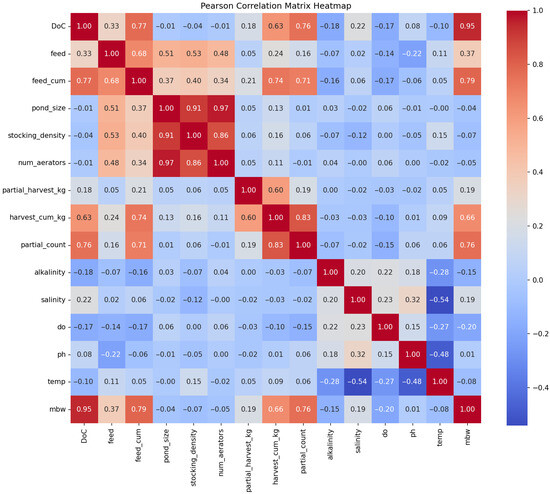
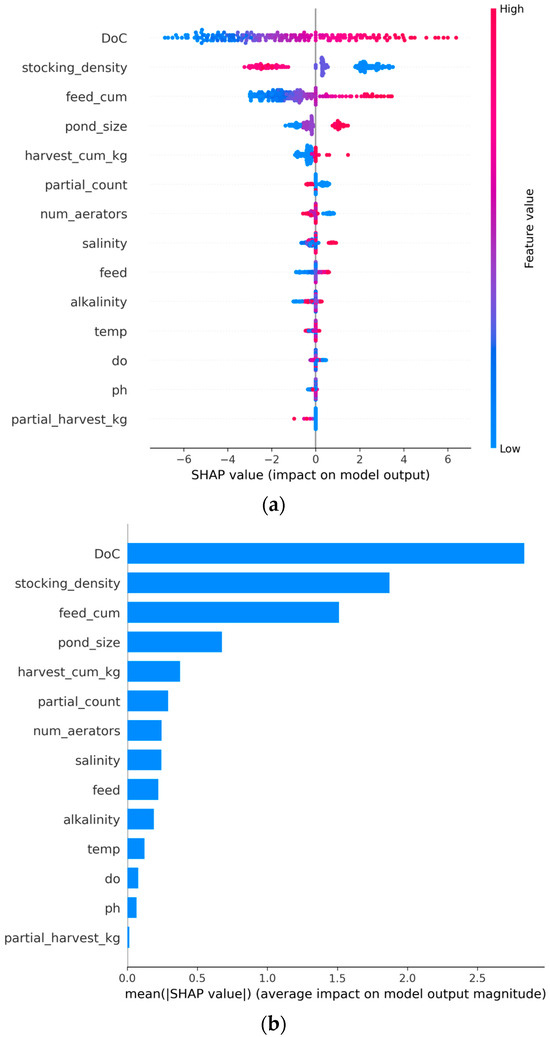
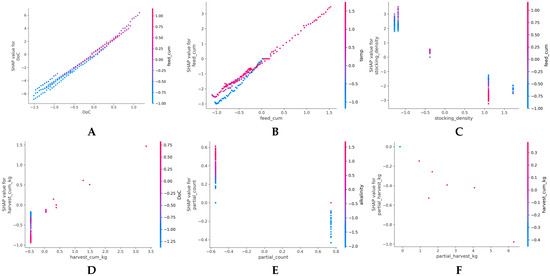
Accurate prediction of shrimp body weight is critical for optimizing harvest timing, feed management, and stocking density decisions in intensive aquaculture. While prior studies emphasize environmental factors, operational management variables—particularly harvesting metrics—remain understudied. This study quantified the predictive importance of harvesting-related variables using 5 years of industrial-scale operational data from 12 ponds (5479 cleaned records, 34.94% retention rate). We trained seven machine learning models and applied three independent feature importance methods: consensus importance ranking, SHAP explainability analysis, and Pearson correlations. Main findings: Operational variables (days of culture: 2.833 SHAP, stocking density: 1.871, cumulative feed: 1.510) ranked substantially above environmental variables (temperature: 0.123, pH: 0.065, dissolved oxygen: 0.077). Partial harvest frequency showed bimodal clustering, indicating two distinct viable operational strategies. The Weighted Ensemble model achieved the highest performance (R2 = 0.829, RMSE = 4.23 g, MAE = 3.12 g). Model stability analysis via 10-fold GroupKFold cross-validation showed that the Artificial Neural Network (ANN) exhibited the tightest confidence bounds (0.708 g width, 27.7% coefficient of variation), indicating exceptional consistency. This is the first study to systematically analyze the importance of harvesting variables using SHAP explainability, revealing that operational management decisions may yield greater returns than marginal environmental control investments. Our findings suggest that operational optimization may be more impactful than environmental fine-tuning in well-managed systems.
Full article
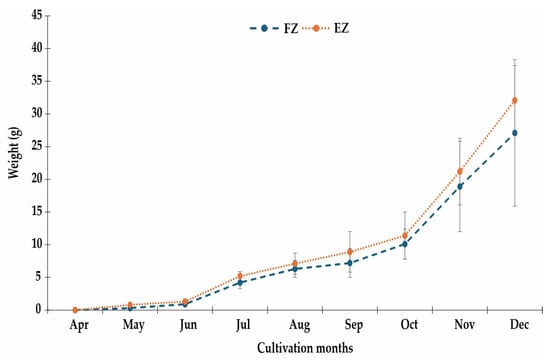
Figure 1
Open AccessArticle
Assessing Productivity and Economic Returns of Integrated Aquaculture of Red Seaweed with Shrimp and Fish During Extensive Floodings in Central Java, Indonesia
by
Reindert Wieger Nauta, Lestari Lakhsmi Widowati, Restiana Wisnu Ariyati, Sri Rejeki and Adolphe Oscar Debrot
Aquac. J. 2025, 5(4), 26; https://doi.org/10.3390/aquacj5040026 - 5 Dec 2025
Abstract
►▼
Show Figures
The Indonesian coastline holds significant potential for aquaculture but is increasingly vulnerable to climate change impacts such as land subsidence, salinization, and floodings. Ensuring stable income for local communities is essential, especially during extreme events like King Tides, which cause extensive floodings. This
[...] Read more.
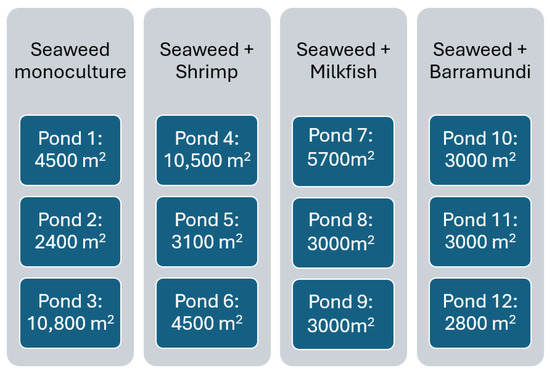
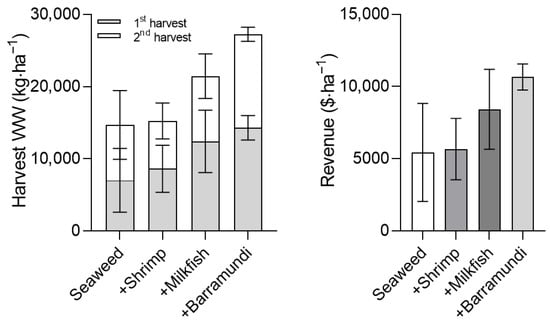
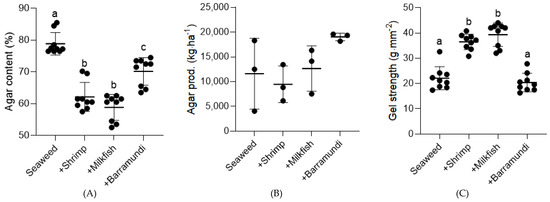
The Indonesian coastline holds significant potential for aquaculture but is increasingly vulnerable to climate change impacts such as land subsidence, salinization, and floodings. Ensuring stable income for local communities is essential, especially during extreme events like King Tides, which cause extensive floodings. This study assessed the productivity and economic returns of an agaroid seaweed monoculture compared to co-cultivation with Giant tiger prawn, Milkfish, and Barramundi during a King Tide. The experiment was conducted in conventional ponds with seaweed monoculture or combined with one of the three other commodities. The experiment ran from May until October in 2022 and was performed in triplicate. Floodings equalized water parameters. The results demonstrated that all systems provided stable income, with co-cultivation increasing profitability. Average revenues per hectare were USD 777 (seaweed monoculture), USD 832 (with shrimp), USD 1622 (with Milkfish), and USD 2014 (with Barramundi). Agar content was significantly higher in the seaweed monoculture, and gel strength was found to be significantly higher in the seaweeds co-cultivated with shrimp and Milkfish. Total agar production did not differ between the treatments. These findings suggest that integrated aquaculture systems can enhance income resilience while supporting food security in climate-impacted coastal zones. The approach offers a promising strategy for combining livelihood stability with adaptive coastal management and reduced environmental impact but needs to be tailored to local conditions.
Full article
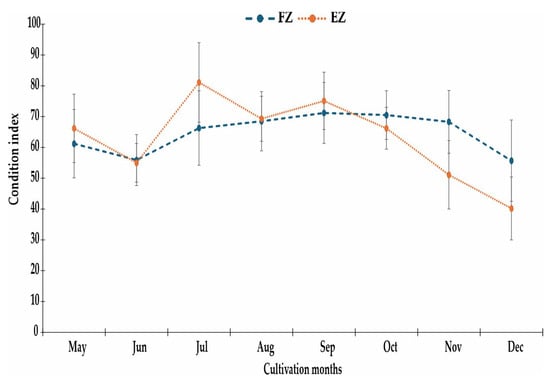
Figure 1
Highly Accessed Articles
Latest Books
E-Mail Alert
News
Topics
Topic in
Animals, Aquaculture Journal, Biology, Fishes, Life
Sex Differentiation Mechanisms in Aquatic Species
Topic Editors: Mingyou Li, Zhihui Sun, Jun ZhangDeadline: 31 January 2027
Topic in
Aquaculture Journal, Fishes, Microorganisms, Animals, Sustainability
Women's Topic Series: Aquaculture
Topic Editors: Patrícia Díaz-Rosales, Camino OrdásDeadline: 8 May 2027
Topic in
Animals, Aquaculture Journal, Biology, Fishes, Pathogens, Vaccines, IJMS
Novel Insights and Advanced Research in Aquatic Animal Diseases and Immunology
Topic Editors: Erlong Wang, Zihao YuanDeadline: 30 July 2027
Conferences
Special Issues
Special Issue in
Aquaculture Journal
Aquaculture in Central and Eastern Europe
Guest Editors: László Váradi, Béla UrbányiDeadline: 31 August 2026
Special Issue in
Aquaculture Journal
Recent Advances in Sustainable Aquaculture
Guest Editors: Mirza Masum Beg, Yari VecchioDeadline: 30 September 2026
Special Issue in
Aquaculture Journal
Feature Papers in Aquaculture 2026
Guest Editor: Aires Oliva-TelesDeadline: 31 December 2026