

Journal Description
Geotechnics
Geotechnics
is an international, peer-reviewed, open access journal on geotechnical engineering published quarterly online by MDPI.
- Open Access— free for readers, with article processing charges (APC) paid by authors or their institutions.
- High Visibility: indexed within ESCI (Web of Science), Scopus, GeoRef, and other databases.
- Journal Rank: CiteScore - Q2 (Engineering (miscellaneous))
- Rapid Publication: manuscripts are peer-reviewed and a first decision is provided to authors approximately 20.6 days after submission; acceptance to publication is undertaken in 4.8 days (median values for papers published in this journal in the second half of 2025).
- Recognition of Reviewers: APC discount vouchers, optional signed peer review, and reviewer names published annually in the journal.
- Journal Cluster of Geotechnical Engineering and Geology: Minerals, GeoHazards, Mining, Geotechnics, Glacies.
Impact Factor:
1.9 (2024);
5-Year Impact Factor:
2.3 (2024)
Latest Articles
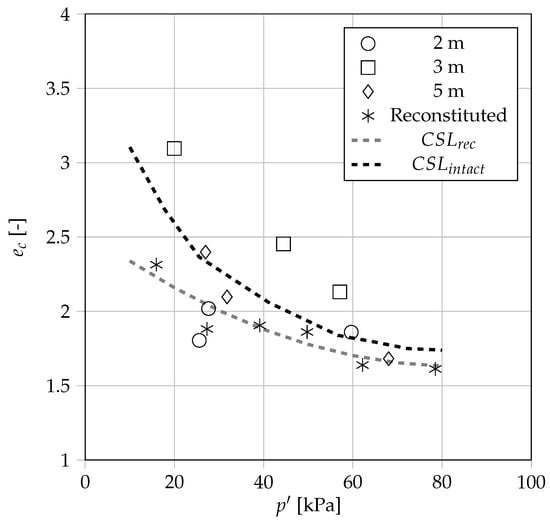
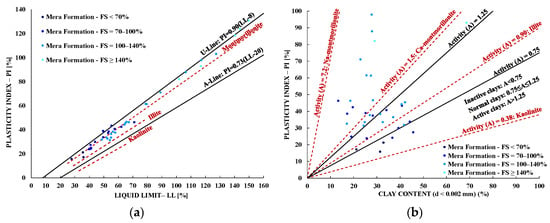
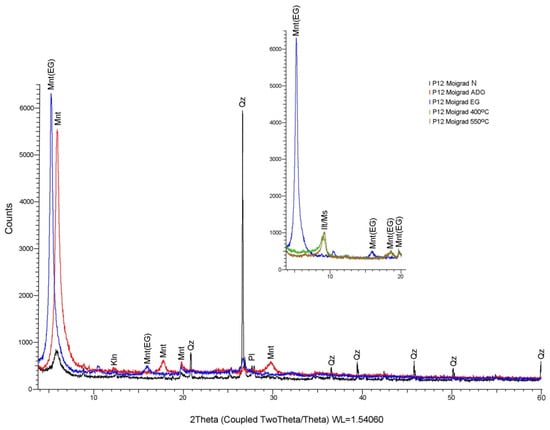
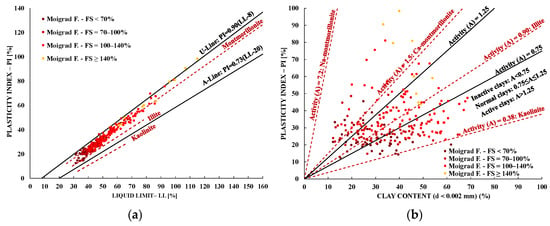
Geotechnical Characterization and Parameter Correlation of Paleogene Formations in the Transylvanian Basin, Romania
Geotechnics 2026, 6(1), 12; https://doi.org/10.3390/geotechnics6010012 - 29 Jan 2026
Abstract
►
Show Figures
The Transylvanian Basin is an intra-Carpathian sedimentary unit displaying complex tectonic and sedimentary evolution that started in the Late Cretaceous. This study presents a geotechnical characterization of three Paleogene lithostratigraphic units located in the northwestern part of the basin, i.e., Brebi, Mera, and
[...] Read more.
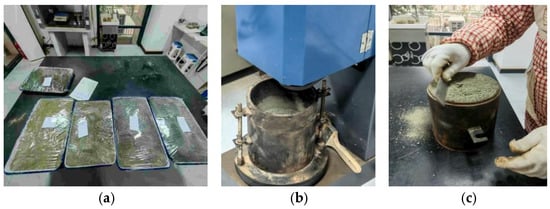
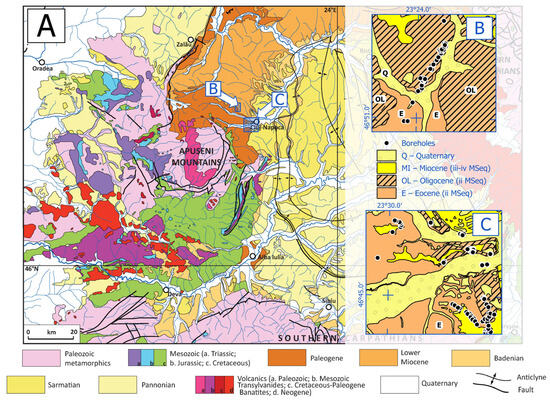
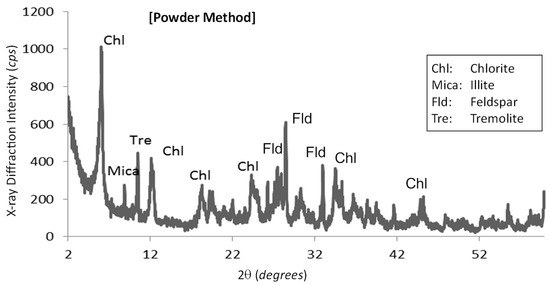
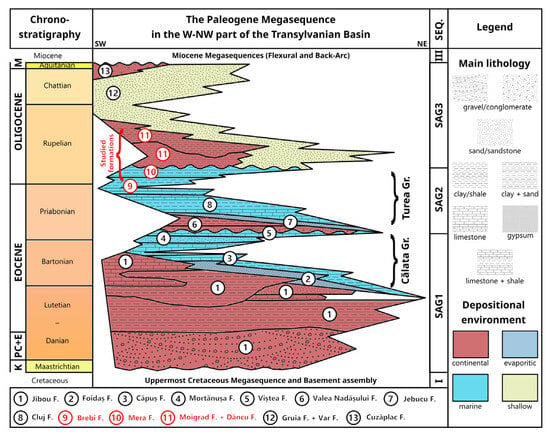
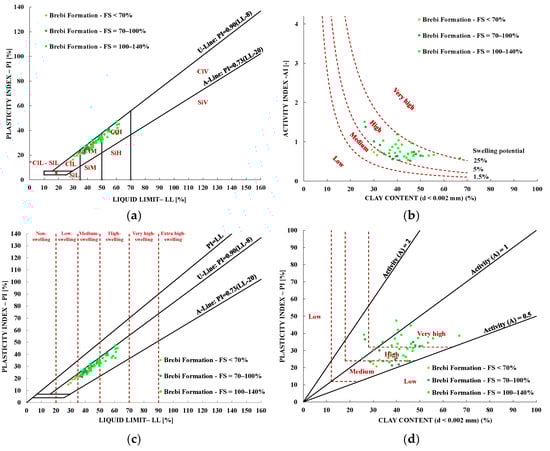
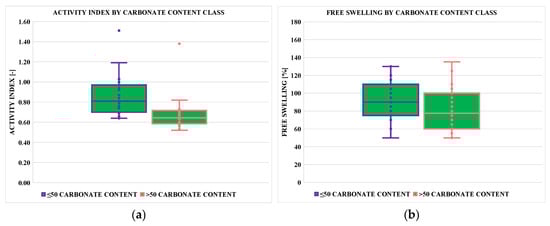
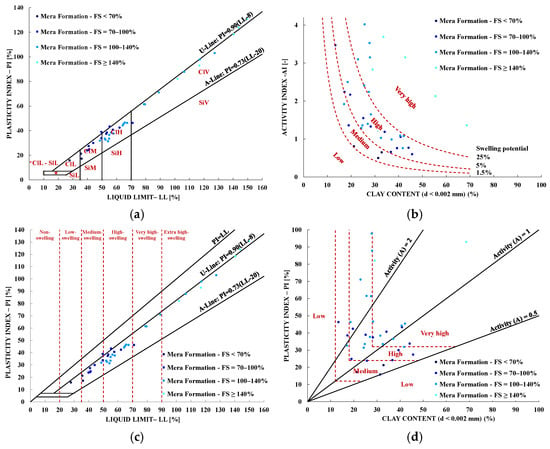
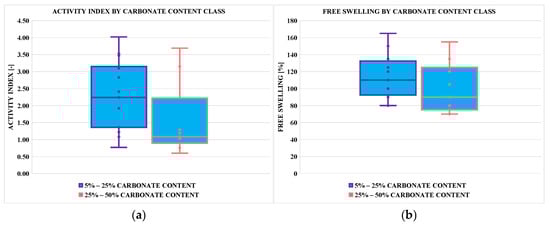
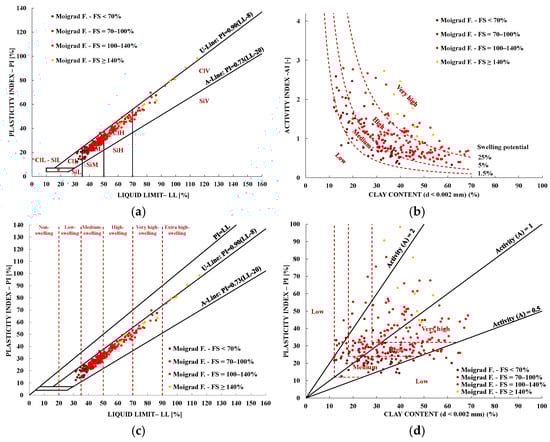
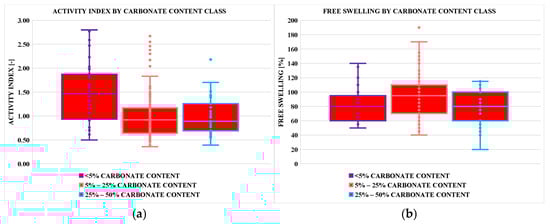
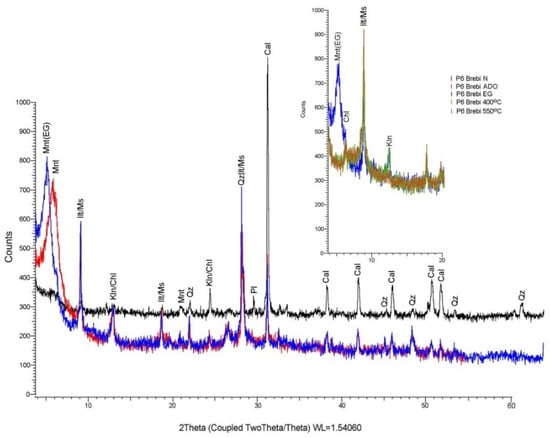
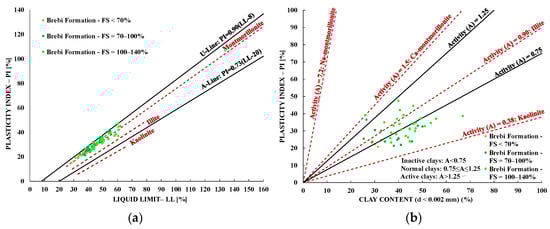
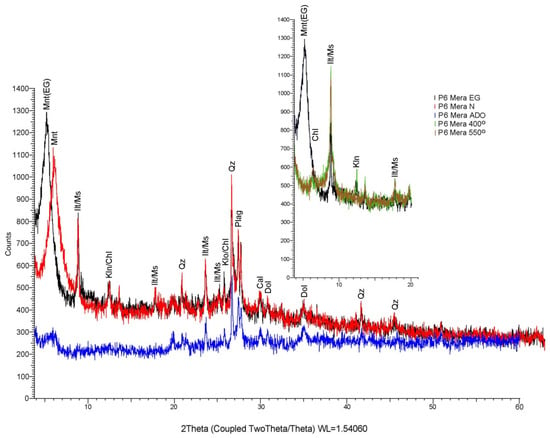
The Transylvanian Basin is an intra-Carpathian sedimentary unit displaying complex tectonic and sedimentary evolution that started in the Late Cretaceous. This study presents a geotechnical characterization of three Paleogene lithostratigraphic units located in the northwestern part of the basin, i.e., Brebi, Mera, and Moigrad. These formations record the transition from marine carbonate facies to brackish and subsequently fluvial environments, controlled by tectonic uplifts, marine regressions, and fluctuations in sediment supply. A total of 583 soil samples were collected through geotechnical boreholes and analyzed in the laboratory according to EN ISO standards, assessing natural moisture content, bulk density, grain size distribution, Atterberg limits, carbonate content, unconfined compressive strength, and shear strength parameters. Characteristic values of these properties were determined based on probabilistic distributions. The analyzed formations exhibit well-differentiated lithological and geotechnical characteristics, primarily governed by the degree of plasticity and the presence of calcium carbonate. The Brebi Formation predominantly consists of medium-plasticity clays with highly to very highly carbonate content, indicating a partially cemented microstructure. The Mera Formation is mainly composed of high-plasticity clays having a variable content of carbonates, with frequent sandy intercalations, resulting in significant variability in mechanical properties. The Moigrad Formation consists of two distinct lithological complexes: a clay-rich complex composed of variably plastic calcareous clays spanning all four plasticity classes and a sandy unit made up of weakly cohesive sediments with a granular structure and locally developed carbonate microcementation.
Full article
Open AccessArticle
Efficient and User Friendly 3D Simulations of Underground Excavations Using the Isogeometric Boundary Element Method
by
Gernot Beer, Nicola Grillanda and Vincenzo Mallardo
Geotechnics 2026, 6(1), 11; https://doi.org/10.3390/geotechnics6010011 - 28 Jan 2026
Abstract
►▼
Show Figures
Using current approaches, which are almost entirely based on volume methods, 3D simulations of complex underground excavations can be cumbersome and time-consuming. This is because the rock mass, which for practical purposes is of infinite extent, has to be discretised. This leads to
[...] Read more.
Using current approaches, which are almost entirely based on volume methods, 3D simulations of complex underground excavations can be cumbersome and time-consuming. This is because the rock mass, which for practical purposes is of infinite extent, has to be discretised. This leads to very large meshes, which have to be truncated at a distance assumed to be “safe”. Consequently, the demand for human and computer resources can be significant. To ascertain the quality of the result is difficult because it depends on the fidelity of the volume mesh and the truncation distance. The aim of this paper is to present a novel approach that does not require volume discretisation. Using the isogeometric boundary element method (IGABEM), only excavation surfaces need to be defined. The geometry of the excavations can be defined in a highly accurate and smooth manner with computer-aided design (CAD) data, eliminating the requirement for mesh generation. Volume effects, such as nonlinear, anisotropic, and heterogeneous ground conditions, as well as the effect of ground support, can be considered. On several examples, related to real projects, it is shown that excavations of high complexity can be simulated, and highly refined results can be obtained in a mesh-free setting.
Full article

Figure 1
Open AccessArticle
Hydromechanical Behaviour and Reinforcement Performance of Railway Embankments Under Seasonal Inundation: A Laboratory Investigation and Numerical Modelling
by
Baitak Apshikur, Temyrbay Chigambayev, Alizhan Almas, Murat Alimkulov, Bisenbay Makhanov and Yerbulan Abaikhan
Geotechnics 2026, 6(1), 10; https://doi.org/10.3390/geotechnics6010010 - 21 Jan 2026
Abstract
►▼
Show Figures
Seasonal groundwater rise of 2.5–3.0 m leads to full saturation of the lakeside slope of the railway embankment, significantly reducing the strength of clayey–sandy loam layers. Laboratory shear tests showed that saturation decreases the internal friction angle from 24–26° to 16–19°, while effective
[...] Read more.
Seasonal groundwater rise of 2.5–3.0 m leads to full saturation of the lakeside slope of the railway embankment, significantly reducing the strength of clayey–sandy loam layers. Laboratory shear tests showed that saturation decreases the internal friction angle from 24–26° to 16–19°, while effective cohesion drops from 12–18 kPa to 0–3 kPa, identifying the 3–6 m depth interval as the critical weak zone. These parameters were incorporated into PLAXIS 2D/3D hydro-mechanical models to assess the embankment behaviour under three scenarios: natural conditions, high water level, and reinforced configuration. Under elevated water levels, lateral displacement toward the lakeside increased to 0.16–0.21 m, and the plastic strain zone expanded by a factor of 2.4, reducing the safety factor from FS ≈ 1.32 to below 1.10. The proposed stabilization system—replacement of a 1.5 m weak layer, installation of geotextile reinforcement, and application of a bituminous waterproofing layer—substantially improved stability, reducing maximum lateral displacement to 0.12 m (≈43% reduction) and restoring the safety factor to FS = 1.25–1.40. The results demonstrate that low-cost geosynthetic barriers provide an effective and practical engineering solution for maintaining the long-term stability of railway embankments exposed to seasonal inundation.
Full article

Graphical abstract
Open AccessArticle
Clarifying the Tip Resistance Mechanism of Open-Ended Steel Pipe Piles: A Fundamental Evaluation Under Partially Plugged Conditions
by
Kei Katayama and Takashi Matsushima
Geotechnics 2026, 6(1), 9; https://doi.org/10.3390/geotechnics6010009 - 16 Jan 2026
Abstract
►▼
Show Figures
This study aims to investigate the tip resistance mechanism of open-ended steel pipe piles under partially plugged conditions by decomposing the load-sharing contribution of the ring zone and the internal soil core. A virtual static loading test was performed using the two-dimensional discrete
[...] Read more.
This study aims to investigate the tip resistance mechanism of open-ended steel pipe piles under partially plugged conditions by decomposing the load-sharing contribution of the ring zone and the internal soil core. A virtual static loading test was performed using the two-dimensional discrete element method (2D-DEM). Note that the findings of this study were obtained within the range of the 2D-DEM analysis conditions and do not intend to directly reproduce the three-dimensional arching mechanism or to establish equivalence between 2D and 3D responses. Quasi-static conditions were ensured by identifying loading parameters such that the energy residual remained ≤5% during driving, rest, and static loading phases, and the sensitivity criterion |Δq_b|/q_b ≤ 3% was satisfied when the loading rate was halved or doubled. The primary evaluation range of static loading was set to s/D = 0.1 (10% D), corresponding to the displacement criterion for confirming the tip resistance in the Japanese design specifications for highway bridges. For reference, the post-peak mechanism was additionally tracked up to s/D = 0.2 (20% D). Within a fixed evaluation window located immediately beneath the pile tip, high-contact-force (HCF) points were binarized using the threshold τ = μ + σ, and their occupancy ratio φ and normalized force intensity I* were calculated separately for the ring and core regions. A density-based contribution index (“K-density share”) was defined by combining “strength × area” and normalizing by the geometric width. The results suggest that, for the sand conditions and particle-scale ratios examined (D/d_50 = 25–100), the ring zone tends to carry on the order of 85–90% of the tip resistance within the observed cases up to the ultimate state. Even at high plugging ratios (CRs), the internal soil core gradually increases its occupancy and intensity with settlement; however, high-contact-force struts beneath the ring remain active, and it is suggested that the ring-dominant load-transfer mechanism is generally preserved. In the post-peak plastic regime, the K-density share remains around 60%, indicating that the internal core plays a secondary, confining role rather than becoming dominant. These findings suggest that the conventional plug/unplug classification based on PLR can be supplemented by a combined use of plugging ratio CR (a kinematic indicator) and the ring contribution index (K-density share), potentially enabling a continuous interpretation of plugged and unplugged behaviors and contributing to the establishment of a design backbone for tip resistance evaluation. Calibration of design coefficients, scale regression, and mapping to practical indices such as N-values will be addressed in part II of this study. (Note: “Contribution” in this study refers to the HCF-based density contribution index K-density share, not the reaction–force ratio.)
Full article

Figure 1
Open AccessArticle
Shear Mechanism Differentiation Investigation of Rock Joints with Varying Lithologies Using 3D-Printed Barton Profiles and Numerical Modeling
by
Yue Chen, Yinsheng Wang, Yongqiang Li, Guoshun Lv, Quan Dai, Le Liu and Lianheng Zhao
Geotechnics 2026, 6(1), 8; https://doi.org/10.3390/geotechnics6010008 - 15 Jan 2026
Abstract
►▼
Show Figures
To investigate the shear behavior of rock mass joint surfaces with varying roughness and lithology, this study introduces a novel experimental framework that combines high-precision 3D printing and direct shear testing. Ten artificial joint surfaces were fabricated using Barton standard profiles with different
[...] Read more.
To investigate the shear behavior of rock mass joint surfaces with varying roughness and lithology, this study introduces a novel experimental framework that combines high-precision 3D printing and direct shear testing. Ten artificial joint surfaces were fabricated using Barton standard profiles with different joint roughness coefficients (JRC) and were cast using two representative rock-like materials simulating soft and hard rocks. The 3D printing technique employed significantly reduced the staircase effect and ensured high geometric fidelity of the joint morphology. Shear tests revealed that peak shear strength increases with JRC, but the underlying failure mechanisms vary depending on the lithology. Experimental results were further used to back-calculate JRC values and validate the empirical JRC–JCS (joint wall compressive strength) model. Numerical simulations using FLAC3D captured the shear stress–displacement evolution for different lithologies, revealing that rock strength primarily influences peak shear strength and fluctuation characteristics during failure. Notably, despite distinct lithologies, the post-peak degradation behavior tends to converge, suggesting universal residual shear mechanisms across rock types. These findings highlight the critical role of lithology in joint shear behavior and demonstrate the effectiveness of 3D-printing-assisted model tests in advancing rock joint characterization.
Full article

Figure 1
Open AccessArticle
Experimental and Analytical Assessment of Shaft Resistance and Critical Depth of Piles Subjected to Uplift Loads in Overconsolidated Sand
by
Abdulnaser Alamari and Adel Hanna
Geotechnics 2026, 6(1), 7; https://doi.org/10.3390/geotechnics6010007 - 15 Jan 2026
Abstract
►▼
Show Figures
Pile foundations are widely used to transfer axial loads to deeper strata, where uplift resistance is critical for offshore structures, towers, and retaining systems. Uplift capacity is governed primarily by shaft resistance mobilized along the pile–soil interface, yet its behavior in sand remains
[...] Read more.
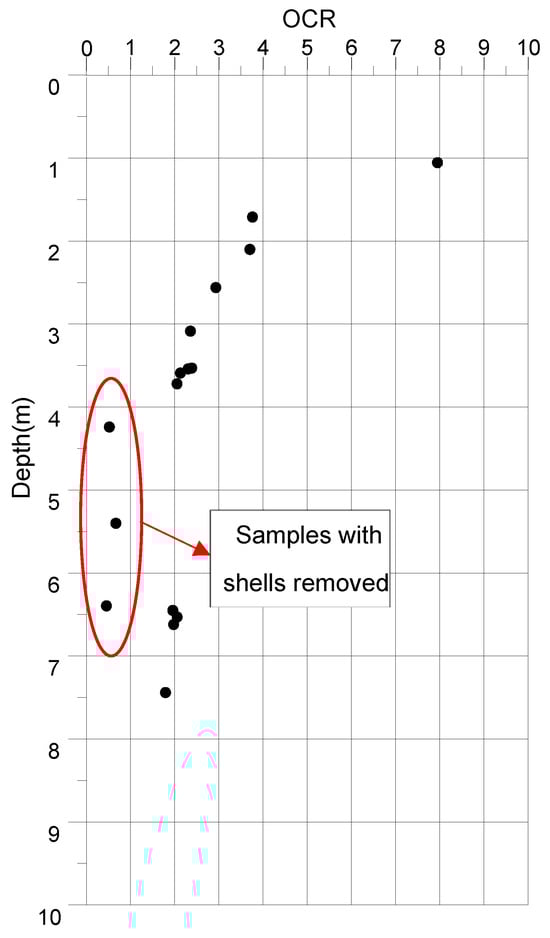
Pile foundations are widely used to transfer axial loads to deeper strata, where uplift resistance is critical for offshore structures, towers, and retaining systems. Uplift capacity is governed primarily by shaft resistance mobilized along the pile–soil interface, yet its behavior in sand remains inadequately defined. This study investigates the shaft resistance of vertical model piles subjected to pure pullout loading in dry sand, using instrumented steel piles in a rigid steel tank with reaction beams and earth pressure sensors to capture lateral stress distribution. The effects of pile diameter D, embedment ratio L/D, and sand relative density Dr on uplift performance were systematically examined. The results show that higher relative density produces higher earth pressure coefficients Ks and, accordingly, higher uplift capacity. An analytical model was developed to predict the earth pressure coefficient Ks and shaft resistance, introducing a friction-based critical depth ratio linked to the sand friction angle. The critical depth ratio increases with friction angle and is greater in denser sands under uplift loading. This study contributes in the following ways: (1) developing an improved analytical framework for uplift prediction, (2) introducing a friction-based critical depth ratio concept, and (3) establishing an empirical OCR relationship for sand.
Full article

Figure 1
Open AccessArticle
Investigating the Uncertainty Quantification of Failure of Shallow Foundation of Cohesionless Soils Through Drucker–Prager Constitutive Model and Probabilistic FEM
by
Ambrosios-Antonios Savvides
Geotechnics 2026, 6(1), 6; https://doi.org/10.3390/geotechnics6010006 - 14 Jan 2026
Abstract
Uncertainty quantification in science and engineering has become increasingly important due to advances in computational mechanics and numerical simulation techniques. In this work, the relationship between uncertainty in soil material parameters and the variability of failure loads and displacements of a shallow foundation
[...] Read more.
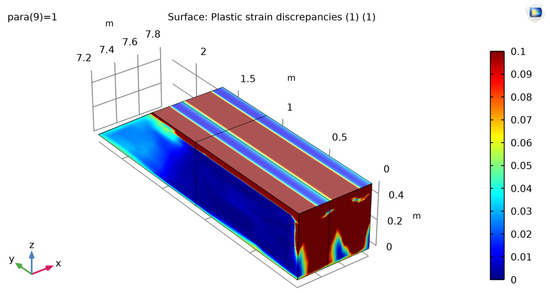
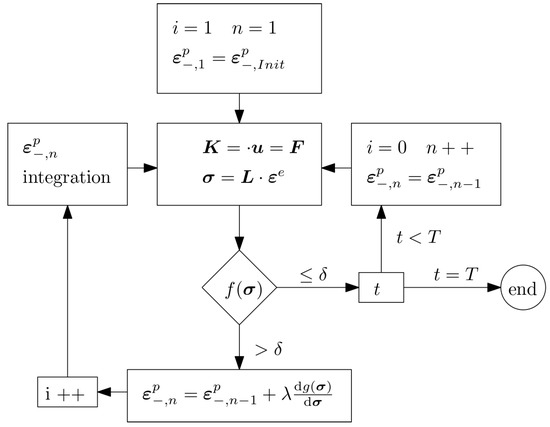
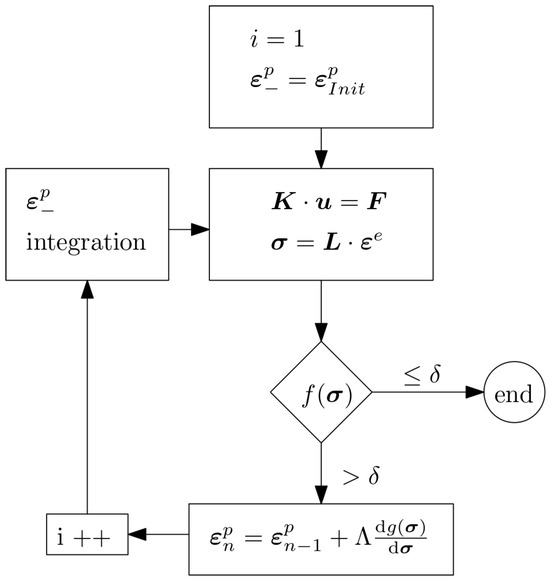
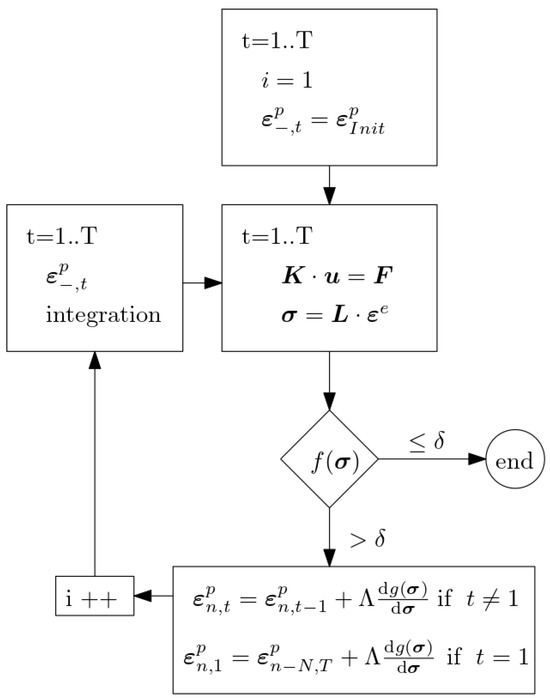
Uncertainty quantification in science and engineering has become increasingly important due to advances in computational mechanics and numerical simulation techniques. In this work, the relationship between uncertainty in soil material parameters and the variability of failure loads and displacements of a shallow foundation is investigated. A Drucker–Prager constitutive law is implemented within a stochastic finite element framework. The random material variables considered are the critical state line slope c, the unload–reload path slope , and the hydraulic permeability k defined by Darcy’s law. The novelty of this work lies in the integrated stochastic u–p finite element framework. The framework combines Drucker–Prager plasticity with spatially varying material properties, and Latin Hypercube Sampling. This approach enables probabilistic prediction of failure loads, displacements, stresses, strains, and limit-state initiation points at reduced computational cost compared to conventional Monte Carlo simulations. Statistical post-processing of the output parameters is performed using the Kolmogorov–Smirnov test. The results indicate that, for the investigated configurations, the distributions of failure loads and displacements can be adequately approximated by Gaussian distributions, despite the presence of material nonlinearity. Furthermore, the influence of soil depth and load eccentricity on the limit-state response is quantified within the proposed probabilistic framework.
Full article
(This article belongs to the Special Issue Recent Advances in Geotechnical Engineering (3rd Edition))
►▼
Show Figures

Figure 1
Open AccessArticle
Variational Elastic Solution for Dynamic Torsional Soil–Pile Interaction Using Fictitious Soil Pile Model
by
Bochen Wang, Hongqian Lu, Weiming Gong, Jiaqing Shu, Xiaoqing Gu and Geng Cao
Geotechnics 2026, 6(1), 5; https://doi.org/10.3390/geotechnics6010005 - 14 Jan 2026
Abstract
Soil–structure interaction (SSI) under torsional loading plays a critical role in the dynamic performance of foundations supporting offshore structures and machine foundations. However, existing simplified or semi-analytical approaches often idealize the pile tip boundary and may not adequately capture the frequency-dependent torsional impedance
[...] Read more.
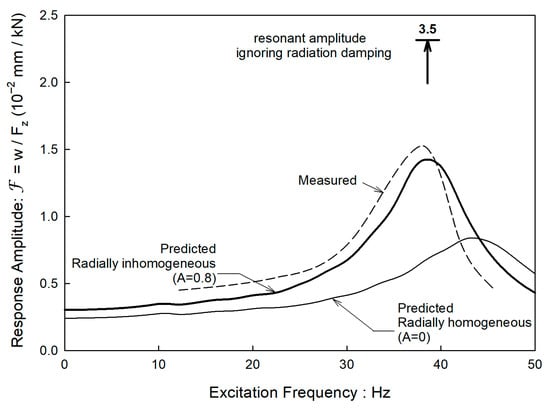
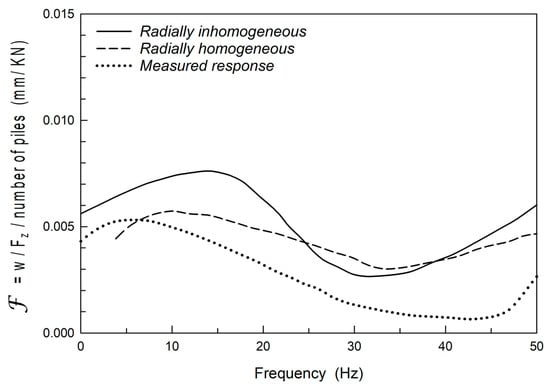
Soil–structure interaction (SSI) under torsional loading plays a critical role in the dynamic performance of foundations supporting offshore structures and machine foundations. However, existing simplified or semi-analytical approaches often idealize the pile tip boundary and may not adequately capture the frequency-dependent torsional impedance induced by finite soil thickness beneath the pile tip in layered deposits. This study develops a Hamilton-based variational solution for dynamic torsional soil–pile interaction in layered viscoelastic soils by explicitly incorporating a fictitious soil pile (FSP) beneath the pile tip within an energy-consistent framework. Admissible torsional displacement fields for the pile, layered soil, and FSP are adopted to establish a frequency-domain variational functional, and an iterative scheme is used to obtain the convergent frequency-dependent torsional impedance at the pile head. The formulation is verified against an existing semi-analytical solution for piles in layered soils and shows excellent agreement. Parametric results indicate that introducing a finite FSP reduces torsional stiffness and increases damping compared with a rigid base condition, while the thickness and stiffness of the bearing stratum govern the variation in impedance, providing physical insight into torsional SSI in layered ground.
Full article
(This article belongs to the Special Issue Recent Advances in Soil–Structure Interaction)
►▼
Show Figures

Figure 1
Open AccessArticle
Study on Influencing Factors and Mechanism of Activated MgO Carbonation Curing of Tidal Mudflat Sediments
by
Hui Lu, Qiyao Zhang, Zhixiao Bai, Liwei Guo, Zeyu Shao and Erbing Li
Geotechnics 2026, 6(1), 4; https://doi.org/10.3390/geotechnics6010004 - 4 Jan 2026
Abstract
►▼
Show Figures
Offshore wind farm construction faces significant geotechnical challenges posed by tidal mudflat sediments, including high moisture content, low bearing capacity, and high sensitivity to disturbance. Utilizing MgO—a material characterized by abundant raw materials, low embodied energy, and environmental compatibility—for the stabilization of such
[...] Read more.
Offshore wind farm construction faces significant geotechnical challenges posed by tidal mudflat sediments, including high moisture content, low bearing capacity, and high sensitivity to disturbance. Utilizing MgO—a material characterized by abundant raw materials, low embodied energy, and environmental compatibility—for the stabilization of such soft soils represents a promising and sustainable approach worthy of further investigation. This study elucidates the carbonation-induced stabilization mechanism of coastal mucky soil from Ningbo, Zhejiang Province, through systematic monitoring of reaction temperature and unconfined compressive strength (UCS) testing under varying levels of reactive MgO content, carbonation duration, and initial moisture content. Microstructural characterization was performed using X-ray diffraction (XRD), scanning electron microscopy (SEM) and mercury intrusion porosimetry (MIP) to reveal the evolution of mineralogical and pore structure features associated with carbonation. The results indicate that increasing MgO content leads to higher peak reaction temperatures and shorter time-to-peak values. However, the rate of reduction in time-to-peak diminishes beyond 20% MgO. A secondary temperature rise is commonly observed between 3–3.5 h of carbonation in most specimens. When the MgO content is below 30%, UCS peaks within 6–10 h, with the peak time decreasing as MgO content increases. When MgO exceeds 45%, strength deterioration occurs due to structural damage. The correlation between deformation modulus and UCS is found to be comparable to that of conventional cement-stabilized soils. Microstructural analysis reveals that, with increased MgO dosage and prolonged carbonation, carbonation products progressively fill voids and bind soil particles, resulting in reduced total porosity and a refinement of pore size distribution—evidenced by a leftward shift in the most probable pore diameter. Nevertheless, at excessively high MgO levels (e.g., 50%), crystallization pressure from rapid product formation may generate macro-pores, compromising soil fabric integrity. This study presents a low-carbon and efficient ground improvement approach for access road construction in tidal mudflat wind farm developments.
Full article

Figure 1
Open AccessReview
Review of Numerical Simulation of Overburden Grouting in Foundation Improvement
by
Pengfei Guo, Weiquan Zhao, Linxiu Qu, Xifeng Li, Yahui Ma and Pan Li
Geotechnics 2026, 6(1), 3; https://doi.org/10.3390/geotechnics6010003 - 1 Jan 2026
Abstract
Overburden layers, composed of unconsolidated sediments, are widely distributed in construction, transportation, and water conservancy projects, but their inherent defects (e.g., developed pores, low strength) easily induce engineering disasters. Grouting is a core reinforcement technology, yet traditional design relying on empirical formulas and
[...] Read more.
Overburden layers, composed of unconsolidated sediments, are widely distributed in construction, transportation, and water conservancy projects, but their inherent defects (e.g., developed pores, low strength) easily induce engineering disasters. Grouting is a core reinforcement technology, yet traditional design relying on empirical formulas and on-site trials suffers from high costs and low prediction accuracy. Numerical simulation has become a key bridge connecting grouting theory and practice. This study systematically reviews the numerical simulation of overburden grouting based on 82 core articles screened via the PRISMA framework. First, the theoretical system is clarified: core governing equations for seepage, stress, grout diffusion, and chemical fields, as well as their coupling mechanisms (e.g., HM coupling via effective stress principle), are sorted out, and the advantages/disadvantages of different equations are quantified. The material parameter characterization focuses on grout rheological models (Newtonian, power-law, Bingham) and overburden heterogeneity modeling. Second, numerical methods and engineering applications are analyzed: discrete (DEM) and continuous (FEM/FDM) methods, as well as their coupling modes, are compared; the simulation advantages (visualization of diffusion mechanisms, parameter controllability, low-cost risk prediction) are verified by typical cases. Third, current challenges and trends are identified: bottlenecks include the poor adaptability of models in heterogeneous strata, unbalanced accuracy–efficiency, insufficient rheological models for complex grouts, and theoretical limitations of multi-field coupling. Future directions involve AI-driven parameter optimization, cross-scale simulation, HPC-enhanced computing efficiency, and targeted models for environmentally friendly grouts. The study concludes that overburden grouting simulation has formed a complete “theory–parameter–method–application” system, evolving from a “theoretical tool” to the “core of engineering decision-making”. The core contradiction lies in the conflict between refinement requirements and technical limitations, and breakthroughs rely on the interdisciplinary integration of AI, multi-scale simulation, and HPC. This review provides a clear technical context for researchers and practical reference for engineering technicians.
Full article
(This article belongs to the Special Issue Recent Advances in Geotechnical Engineering (3rd Edition))
►▼
Show Figures

Figure 1
Open AccessReview
A One-Dimensional Model Used for the Analysis of Seismic Site Response and Soil Instabilities: A Review of SCOSSA 1.0 Computer Code
by
Giuseppe Tropeano and Anna Chiaradonna
Geotechnics 2026, 6(1), 2; https://doi.org/10.3390/geotechnics6010002 - 25 Dec 2025
Abstract
►▼
Show Figures
This review aims to provide a complete and comprehensive state of the art of the SCOSSA computer code, which is a one-dimensional nonlinear computer code used for the analysis of seismic site response and soil instability. Indeed, among the effects of earthquakes, the
[...] Read more.
This review aims to provide a complete and comprehensive state of the art of the SCOSSA computer code, which is a one-dimensional nonlinear computer code used for the analysis of seismic site response and soil instability. Indeed, among the effects of earthquakes, the activation of landslides and liquefaction constitute two of the predominant causes of vulnerability in the physical and built environment. The SCOSSA computer code (Seismic Code for Stick–Slip Analysis) was initially developed to evaluate the permanent displacements of simplified slopes using a coupled model, and introduced several improvements with respect to the past, namely, the formulation for solving the dynamic equilibrium equations incorporates the capability for automated detection of the critical sliding surface; an up-to-date constitutive model to represent hysteretic material behavior and a stable iterative algorithm to support the solution of the system in terms of kinematic variables. To address liquefaction-induced failure, a simplified pore water pressure generation model was subsequently developed and integrated into the code, coupled with one-dimensional consolidation theory. This review retraces the main features, developments, and applications of the computer code from the origin to the present version.
Full article

Figure 1
Open AccessArticle
Transient Pressure Build-Up in Saturated Column System from Buffering-Induced CO2 Generation: Implications for Soil Liquefaction in Lignite Overburden Dumps
by
Donata N. W. Wardani, Nils Hoth, Sarah Amos, Kofi Moro, Johanes Maria Vianney and Carsten Drebenstedt
Geotechnics 2026, 6(1), 1; https://doi.org/10.3390/geotechnics6010001 - 24 Dec 2025
Abstract
►▼
Show Figures
Spontaneous liquefaction in the Lusatian lignite dump sites has raised significant geotechnical and environmental concerns. While mechanical influences have been extensively studied, hydrochemical investigations suggest an inner initial that is highly correlated to CO2 generation, attributed to buffering reactions, which lays the
[...] Read more.
Spontaneous liquefaction in the Lusatian lignite dump sites has raised significant geotechnical and environmental concerns. While mechanical influences have been extensively studied, hydrochemical investigations suggest an inner initial that is highly correlated to CO2 generation, attributed to buffering reactions, which lays the foundation for this study. This study aims to understand the process behind and to quantify the transient evolution of excess pore-pressure induced by CO2 accumulation, both dissolved and as free gas, in saturated medium using a series of column experiments. Excess pore-pressures up to 7.7 kPa were recorded following a period of buffering reaction, with discharged gas confirmed as CO2. The results demonstrate that the buffering process strongly influences the elevated pressure, while, in turn, elevated pressures affect the chemical conditions within the column. Secondary mineral precipitation, as one of the effects, was observed to reduce buffering reactivity and modify pore structure, thereby altering pore-pressure response. These findings highlight hydrochemical feedback as critical internal triggers and amplifiers in liquefaction events, complementing mechanical explanations and advancing understanding of coupled hydro-chemo-mechanical processes in dump site stability.
Full article

Figure 1
Open AccessArticle
Long-Term Effects of Cement Kiln Dust (CKD) on the Permeability of a Treated Soil Slope
by
Sandra A. A. O. Donkor, Mehrdad Razavi, Claudia Mara Dias Wilson, Benjamin Abankwa, Richard Otoo and Abraham Armah
Geotechnics 2025, 5(4), 87; https://doi.org/10.3390/geotechnics5040087 - 16 Dec 2025
Abstract
Soil permeability is an important factor in the mining and geotechnical industry, impacting slope stability and tailings management. It directly influences the stability of structures, the control of water in tailings ponds, and the safety of workers. Various additives, such as cement kiln
[...] Read more.
Soil permeability is an important factor in the mining and geotechnical industry, impacting slope stability and tailings management. It directly influences the stability of structures, the control of water in tailings ponds, and the safety of workers. Various additives, such as cement kiln dust (CKD), bentonite, fly ash, polymers, lime, and asphalt, are incorporated into soil structures to improve permeability and stability. Any significant changes in soil permeability will alter the soil’s behavior. However, the long-term effect of most additives on structures remains unexplored. This study investigates the long-term impact of CKD on the permeability of a CKD-treated slope. The slope surface was treated with 0%, 5%, 10%, and 15% of CKD by the dry weight of the soil in 2008 and was evaluated in 2024. The permeability test results of the collected soil sample from the slope (2024) showed that the permeability of the soil decreases with an increase in the soil CKD content. The coefficient of permeability, k, is more than 100 times less for a CKD content of 15% by the dry weight of the soil compared to the permeability of the untreated native soil. The treated soil becomes almost impermeable when the CKD content increases to 20% (by the dry weight of the soil). However, the treated slope’s permeability increased over time, possibly due to erosion, resulting in a reduction in CKD content. The surface permeability of the slope exhibits an irregular distribution, resulting from the evolving spatial distribution of Cement Kiln Dust over time.
Full article
(This article belongs to the Topic Support Theory and Technology of Geotechnical Engineering, 2nd Edition)
►▼
Show Figures

Figure 1
Open AccessArticle
Bayesian Networks: Application in Tailings Design Process and Risk Assessment
by
Keith Mandisodza and David Williams
Geotechnics 2025, 5(4), 86; https://doi.org/10.3390/geotechnics5040086 - 12 Dec 2025
Abstract
Tailings dams, critical for storing mine waste and water, must maintain stability and functionality throughout their lifespan. Their design and risk assessment are complicated by significant uncertainties stemming from multivariable parameters, including material properties, loading conditions, and operational decisions. Traditional dam design and
[...] Read more.
Tailings dams, critical for storing mine waste and water, must maintain stability and functionality throughout their lifespan. Their design and risk assessment are complicated by significant uncertainties stemming from multivariable parameters, including material properties, loading conditions, and operational decisions. Traditional dam design and risk assessment procedures often rely on first-order probabilistic approaches, which fail to capture the complex, multi-layered nature of these uncertainties fully. This paper reviews the current tailings dam design practice and proposes the application of Bayesian networks (BNs) to analyse the epistemic and aleatory uncertainty inherent in tailings dam design parameters and risk assessment. By representing these uncertainties explicitly, BNs can facilitate more robust and targeted design strategies. The proposed approach involves several key steps, including parameterisation—design input variable probability density function and uncertainty, knowledge elicitation, and model assessment and integration. This methodology provides a sophisticated and comprehensive approach to accounting for the full spectrum of uncertainties, thereby enhancing the reliability of tailings dam designs and risk management decisions.
Full article
(This article belongs to the Topic Advanced Risk Assessment in Geotechnical Engineering)
►▼
Show Figures

Figure 1
Open AccessArticle
Preliminary Results on Mechanical Degradation and Strain Evolution of Carrara Marble Under Freeze–Thaw Cycles and Acid Weathering
by
Azemeraw Wubalem, Chiara Caselle, Anna Maria Ferrero and Gessica Umili
Geotechnics 2025, 5(4), 85; https://doi.org/10.3390/geotechnics5040085 - 11 Dec 2025
Abstract
►▼
Show Figures
Environmental stressors, such as freeze–thaw (F–T) cycling and acid rain, affect the durability of carbonate rocks used in engineering and cultural heritage structures. This study investigates the mechanical degradation and strain evolution of Carrara marble subjected to 10 F–T cycles and immersion in
[...] Read more.
Environmental stressors, such as freeze–thaw (F–T) cycling and acid rain, affect the durability of carbonate rocks used in engineering and cultural heritage structures. This study investigates the mechanical degradation and strain evolution of Carrara marble subjected to 10 F–T cycles and immersion in a simulated sulfuric acid solution (pH 5) for 3, 7, and 28 days. The mechanical strength of the samples was tested under uniaxial compression using a displacement-controlled loading rate, while full-field deformation and fracture evolution were analyzed with Digital Image Correlation (DIC). Results show that F–T cycling led to a substantial reduction in uniaxial compressive strength (UCS) and a very large decrease in tangent Young’s modulus. Acid exposure also caused progressive degradation, with both UCS and stiffness continuing to decline as exposure time increased, reaching their greatest reduction at the longest treatment duration. Additionally, DIC strain maps revealed a change in deformation response as a function of the treatment. The findings provide the integrated assessment of Carrara marble mechanical response under both F–T and acid weathering, linking bulk strength loss with changes in strain localization behavior, highlighting the vulnerability of marble to environmental stressors, and providing mechanical insights relevant to infrastructure resilience and heritage conservation.
Full article

Figure 1
Open AccessArticle
Degradation and Decay of Rocks: Linking Wetting–Drying and Slake Durability Tests for Climate-Sensitive Maintenance
by
Markus Kaspar, Christine Latal, Gerhard Pittino and Volker Reinprecht
Geotechnics 2025, 5(4), 84; https://doi.org/10.3390/geotechnics5040084 - 10 Dec 2025
Abstract
►▼
Show Figures
Soft and weak rocks present challenges for construction activities in various environments. Their genetic origin, geological and tectonic evolution, and exposure to atmospheric conditions control their weathering and degradation over time. Therefore, a sound characterization of the associated rock parameters is essential. Numerous
[...] Read more.
Soft and weak rocks present challenges for construction activities in various environments. Their genetic origin, geological and tectonic evolution, and exposure to atmospheric conditions control their weathering and degradation over time. Therefore, a sound characterization of the associated rock parameters is essential. Numerous tests have been developed and standardized or defined in recommendations to assess various geomechanical, petrological, and mineralogical parameters. However, these tests are still subject to modification or extension to address project-specific issues. Additionally, standardized tests do not consider regional climatic conditions that may affect weathering, meaning they do not reflect the degradation behavior that is observed in the field. The present study investigates the slaking resistance and degradability of a range of soft rocks. The workflow of widely used tests is employed to evaluate their representativeness for different rock types in practical applications. Depending on their genetic origin and mineral composition, fabric alterations affect the rate and style of rock disintegration differently. Soft sedimentary rocks react already to static slaking, i.e., water immersion, whereas crystalline and grain-bound rocks slake under dynamic action while undergoing attrition in a rotating slake durability drum. Zones of structural weakness, such as foliation planes, are responsible for material removal in the latter; sedimentary rocks, on the other hand, are subject to surface particle separation (suspension) and suction due to the presence of clay minerals. This study presents an approach that combines the results of several routine tests to help identify and refine the slaking susceptibility of different rock types. A routine for inspecting and documenting the evaluated slaking characteristics for infrastructure maintenance is proposed, and the wider implications in light of climate change are discussed. Some limitations of the transferability of laboratory values to field sites still have to be evaluated and validated in the future.
Full article

Figure 1
Open AccessArticle
Construction Test and Numerical Analysis on Reinforcing Bar Insertion Method Prestressed Before Grout Hardening for Natural Slopes
by
Kakuta Fujiwara
Geotechnics 2025, 5(4), 83; https://doi.org/10.3390/geotechnics5040083 - 9 Dec 2025
Abstract
►▼
Show Figures
Slope failures frequently occur during rainfall, earthquakes, and long-term weathering, and reinforcing bar insertion is widely used worldwide to prevent such failures. In this method, steel bars are installed in pre-drilled holes and bonded to the ground with grout, with a pressure plate
[...] Read more.
Slope failures frequently occur during rainfall, earthquakes, and long-term weathering, and reinforcing bar insertion is widely used worldwide to prevent such failures. In this method, steel bars are installed in pre-drilled holes and bonded to the ground with grout, with a pressure plate resisting deformation; however, tensile forces generated during slope movement may crack the hardened grout and reduce performance. To address this issue, we propose an Early-stage Prestressed Reinforcing Bar Insertion Method, in which tensile load is applied to the bar before grout hardening. Grout is injected while maintaining tension, allowing the bar to remain prestressed after construction and inducing compressive stress in the grout, which is expected to improve resistance against tensile loading. A field construction test and numerical finite-element analysis were conducted to verify performance. The test confirmed constructability within half a day and retained tensile force of 42 kN after 30 days. The numerical model reproduced measured axial forces and indicated that the hardened grout remained in compression, with an average compressive stress of 3680 kN/m2. These results demonstrate that prestressing can enhance grout tensile resistance. The method shows promise for future application and potential extension to similar anchoring systems.
Full article

Figure 1
Open AccessArticle
The Influence of Strain Rate Variations on Bonded-Particle Models in PFC
by
Ömer Ündül and Enes Zengin
Geotechnics 2025, 5(4), 82; https://doi.org/10.3390/geotechnics5040082 - 6 Dec 2025
Cited by 1
Abstract
►▼
Show Figures
Understanding the strain rate behavior of rock materials is key to geomechanical engineering. However, in numerical tools such as the Particle Flow Code (PFC), the chosen bonded-particle contact model also fundamentally dictates the mechanical response. A systematic comparison of how quasi-static strain rates
[...] Read more.
Understanding the strain rate behavior of rock materials is key to geomechanical engineering. However, in numerical tools such as the Particle Flow Code (PFC), the chosen bonded-particle contact model also fundamentally dictates the mechanical response. A systematic comparison of how quasi-static strain rates affect different contact models, Parallel-Bonded (PBM), Soft-Bonded (SBM), and Flat-Jointed (FJM), using a common calibration baseline, has been lacking. This study addresses that gap by first calibrating all three models against identical laboratory data from the siltstone of Paleozoic-aged Trakya formation in Cebeciköy-Istanbul, Türkiye. Subsequently, numerical uniaxial loading simulations were conducted on the calibrated models at three distinct quasi-static strain rates (0.01, 0.005, and 0.001 s−1) to compare their stress–strain response, crack evolution, and failure patterns. The results demonstrate that while the initial elastic stiffness was largely insensitive to the applied strain rates across all models, the post-peak behavior and failure mechanism remained fundamentally distinct and model dependent. PBM consistently produced an abrupt, localized brittle failure, SBM exhibited more gradual softening with distributed tensile damage, and FJM displayed the most widespread, mixed-mode failure pattern. It is concluded that within the quasi-static loading conditions, the intrinsic formulation of the chosen contact model is a more dominant factor in controlling the failure style, damage localization, and post-peak characteristics than the specific strain rate applied.
Full article

Figure 1
Open AccessArticle
Theoretical Solutions of Wave-Induced Seabed Response Under Fully Drained and Undrained Conditions for Verification of a Numerical Analysis Code
by
Takumi Iijima, Tomohiro Toyoda and Toshihiro Noda
Geotechnics 2025, 5(4), 81; https://doi.org/10.3390/geotechnics5040081 - 4 Dec 2025
Abstract
►▼
Show Figures
Yamamoto’s theoretical solution for a two-dimensional wave-induced response of an elastic seabed with finite permeability needs a simultaneous equation to be solved. Analysis of the dimensionless simultaneous equation demonstrated that it becomes unsolvable due to the singularity of its matrix when the permeability
[...] Read more.
Yamamoto’s theoretical solution for a two-dimensional wave-induced response of an elastic seabed with finite permeability needs a simultaneous equation to be solved. Analysis of the dimensionless simultaneous equation demonstrated that it becomes unsolvable due to the singularity of its matrix when the permeability coefficient of the seabed approaches infinity and zero, representing (elementwise) fully drained and undrained conditions, respectively. To address this limitation and thus expand the verifiable drainage condition for a finite element analysis code, theoretical solutions for seabed responses under the fully drained and undrained conditions were derived. The feasibility of these solutions was discussed through comparison of the forms of these solutions with the one of Yamamoto. Furthermore, characteristics of seabed behaviors explained by these solutions were obtained. Finally, these theoretical solutions and Yamamoto’s solution were utilized to verify a finite element analysis code by considering horizontally periodic seabed behavior in the numerical analysis. It turned out that the numerical code was capable of expressing seabed behavior in any drainage condition without any approximation to a governing equation as made in the derivation of the fully drained and undrained solutions. Therefore, the numerical analysis code is now reliably used for further studies on wave-induced seabed behaviors even out of the verifiable range of drainage conditions by Yamamoto’s solution.
Full article

Figure 1
Open AccessReview
Pore Ice Content and Unfrozen Water Content Coexistence in Partially Frozen Soils: A State-of-the-Art Review of Mechanisms, Measurement Technology and Modeling Methods
by
Mohammad Ossama Waseem, Dave Sego, Lijun Deng and Nicholas Beier
Geotechnics 2025, 5(4), 80; https://doi.org/10.3390/geotechnics5040080 - 30 Nov 2025
Abstract
►▼
Show Figures
Partially frozen soil (PFS) is comprises of coexisting unfrozen water and ice within its pores at subzero temperatures. The review paper examines how unfrozen water content (UWC) and pore ice content interact during phase changes under near-freezing conditions, governed by microscopic thermodynamic equilibrium.
[...] Read more.
Partially frozen soil (PFS) is comprises of coexisting unfrozen water and ice within its pores at subzero temperatures. The review paper examines how unfrozen water content (UWC) and pore ice content interact during phase changes under near-freezing conditions, governed by microscopic thermodynamic equilibrium. Key theories describing why UWC persists (premelting, disjoining pressure) and the soil freezing characteristic curve (SFCC), along with measurement techniques, including the gravimetric approach to advanced nuclear magnetic resonance for characterization of water content. The influence of the water–ice phase composition on mechanical behavior is discussed, signifying pore pressure and effective stress. Various modelling approaches categorized into empirical SFCC, physio-empirical estimations, and emerging machine learning and molecular simulations are evaluated for capturing predictions in PFS behavior. The relevance of PFS to infrastructure foundation, tailings dams, permafrost slope stability, and climate change impacts on cold regions’ environmental geotechnics is also highlighted as a challenges in practical application. Hence, understanding pore pressure dynamics and effective stress in PFS is critical when assessing frost heave, thaw weakening, and the overall performance of geotechnical structures in cold regions. By combining micro-scale phase interaction mechanisms and macro-scale engineering observations, this review paper provides a theoretical understanding of the underlying concepts vital for future research and practical engineering in cold regions.
Full article

Figure 1
Highly Accessed Articles
Latest Books
E-Mail Alert
News
Topics
Topic in
GeoHazards, Geosciences, Geotechnics, Remote Sensing, Sensors, Standards
Advanced Risk Assessment in Geotechnical Engineering
Topic Editors: Meho-Saša Kovačević, Vassilis MarinosDeadline: 25 July 2026
Topic in
Applied Sciences, Energies, Geosciences, Geotechnics, Minerals, Eng
Support Theory and Technology of Geotechnical Engineering, 2nd Edition
Topic Editors: Qi Wang, Bei Jiang, Xuezhen Wu, Hongke GaoDeadline: 30 September 2026
Topic in
C, Environments, Geotechnics, Resources, Sustainability
Deep Carbon Storage Space Utilization Potential and Suitability Assessment
Topic Editors: Qiqing Wang, Jishi GengDeadline: 30 November 2026
Conferences
Special Issues
Special Issue in
Geotechnics
Recent Advances in Geotechnical Engineering (3rd Edition)
Guest Editors: Md Rajibul Karim, Md. Mizanur Rahman, Khoi NguyenDeadline: 30 April 2026
Special Issue in
Geotechnics
New Trends in Ground Response Analysis and Liquefaction Assessment
Guest Editor: Anna ChiaradonnaDeadline: 30 April 2026
Special Issue in
Geotechnics
Recent Developments in the Machine Learning Modeling of Geotechnical Data
Guest Editor: Yunfeng ZhangDeadline: 30 May 2026
Special Issue in
Geotechnics
Recent Advances in Soil–Structure Interaction
Guest Editors: Grigorios Tsinidis, Anna KaratzetzouDeadline: 30 June 2026