
Journal Description
Nutraceuticals
Nutraceuticals
is an international, peer-reviewed, open access journal on research and development of nutraceuticals, published quarterly online by MDPI.
- Open Access— free for readers, with article processing charges (APC) paid by authors or their institutions.
- High Visibility: indexed within Scopus and other databases.
- Rapid Publication: manuscripts are peer-reviewed and a first decision is provided to authors approximately 21.1 days after submission; acceptance to publication is undertaken in 5.7 days (median values for papers published in this journal in the second half of 2025).
- Recognition of Reviewers: APC discount vouchers, optional signed peer review, and reviewer names published annually in the journal.
- Journal Cluster of Food, Nutrition, and Health Science: Beverages, Dietetics, Foods, Nutraceuticals, Nutrients and Obesities.
Latest Articles
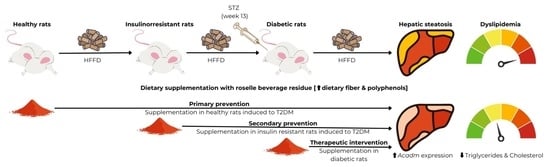
Dietary Intervention with Hibiscus sabdariffa L. Beverage Residue Attenuates Dyslipidemia and Hepatic Steatosis in Late-Stage Type 2 Diabetic Rats
Nutraceuticals 2026, 6(2), 23; https://doi.org/10.3390/nutraceuticals6020023 - 8 Apr 2026
Abstract
►
Show Figures
Roselle beverage residue (RBR), a by-product of Hibiscus sabdariffa L. processing, retains bioactive compounds, including soluble and insoluble dietary fiber and polyphenols. Its antihyperglycemic effect in type 2 diabetes mellitus (T2DM) has been previously demonstrated; however, its role in lipid metabolism remains unknown.
[...] Read more.
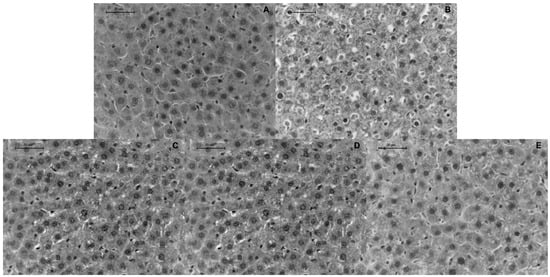
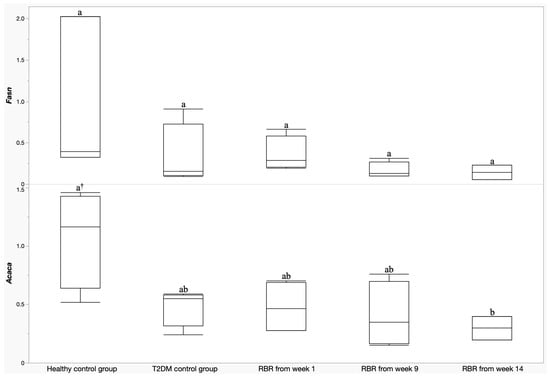
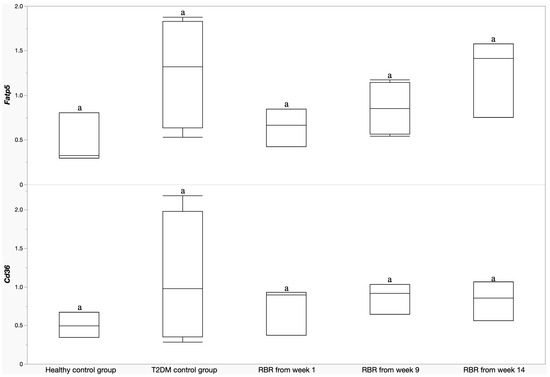
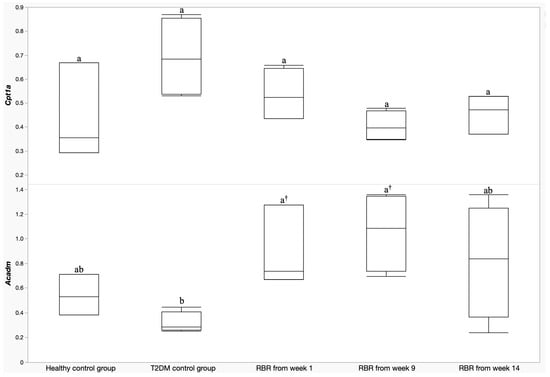
Roselle beverage residue (RBR), a by-product of Hibiscus sabdariffa L. processing, retains bioactive compounds, including soluble and insoluble dietary fiber and polyphenols. Its antihyperglycemic effect in type 2 diabetes mellitus (T2DM) has been previously demonstrated; however, its role in lipid metabolism remains unknown. This study assessed the preventive and therapeutic potential of RBR on dyslipidemia and hepatic steatosis in a rodent model of late-stage T2DM characterized by hyperglycemia and hypoinsulinemia. Male Wistar rats with T2DM induced by a high-fat and high-fructose diet combined with streptozotocin received 6% RBR supplementation as either a preventive intervention (starting at week 1 in healthy rats or week 9 in insulin-resistant rats) or a therapeutic intervention (starting at week 14 in diabetic rats). After 17 weeks, RBR supplementation significantly reduced serum triglycerides and total cholesterol, attenuating hepatic lipid accumulation regardless of the timing of intervention. Hepatic Acadm expression, involved in fatty acid β-oxidation, was significantly upregulated in rats treated with RBR from week 1 and 9, whereas no significant modulation was observed for genes related to fatty acid synthesis or uptake. These findings suggest that RBR supplementation may contribute to improving lipid metabolism and hepatic steatosis in a rat model of late-stage T2DM.
Full article
Open AccessArticle
An Exploratory Study on a Multispecies Probiotic Formulation and Markers of Intestinal Health in Healthy People
by
Maria Cristina Verdenelli, Maria Magdalena Coman, Francesco Martino Carpi and Stefania Silvi
Nutraceuticals 2026, 6(2), 22; https://doi.org/10.3390/nutraceuticals6020022 - 1 Apr 2026
Abstract
►▼
Show Figures
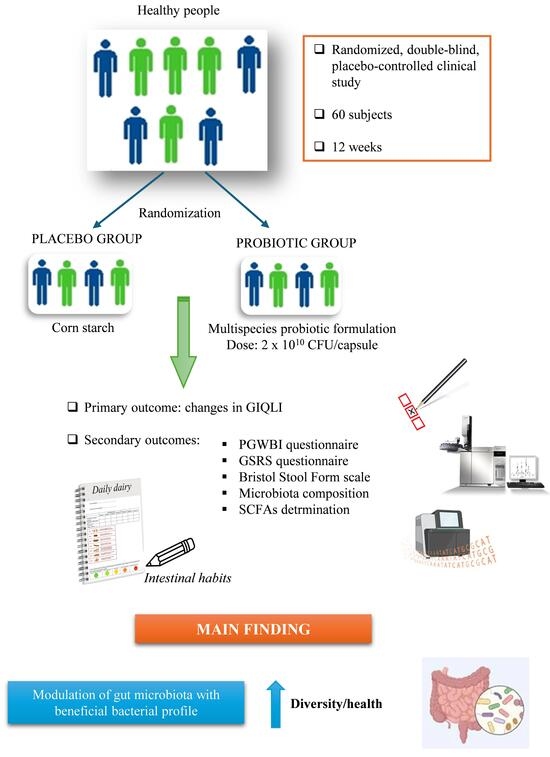
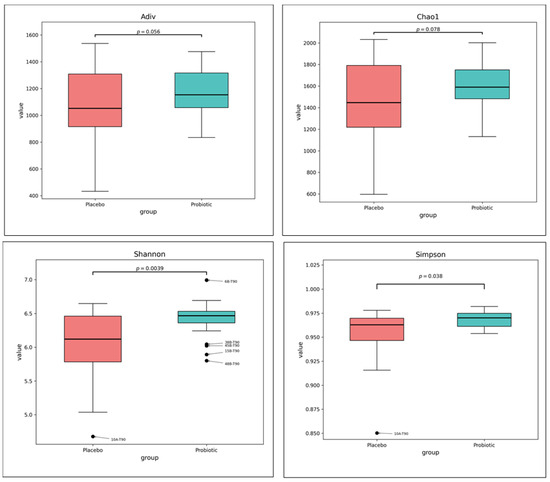
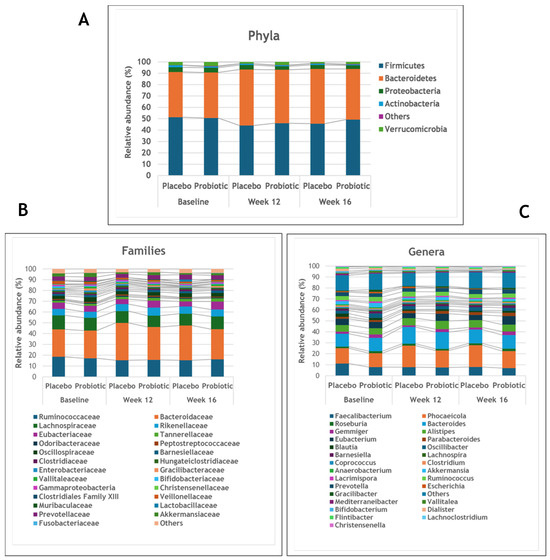
This study aimed to explore the efficacy of oral supplementation with 11 probiotic strains, combined in the strain mix Probatech™ (Centro Sperimentale del Latte S.r.l Strada Provinciale per Merlino, 326839 Zelo Buon Persico (LO), Italy) and delivered through the food supplement PROBAFLOR and
[...] Read more.
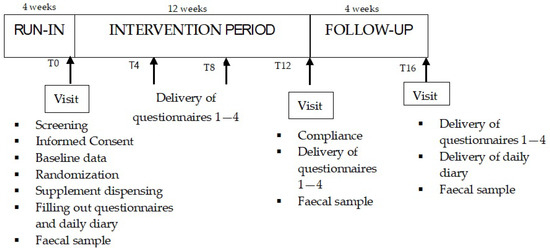
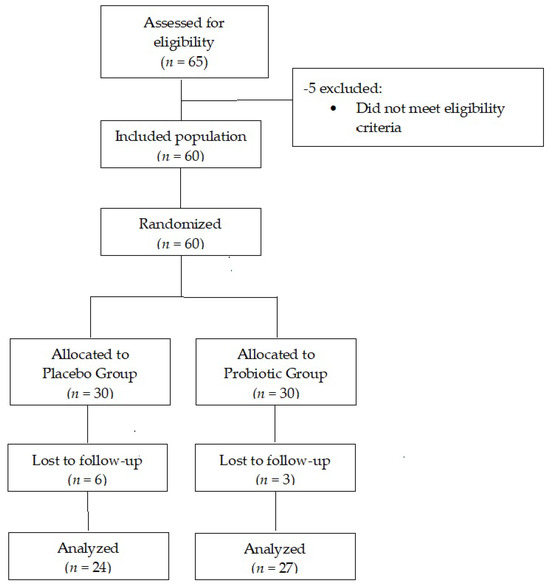
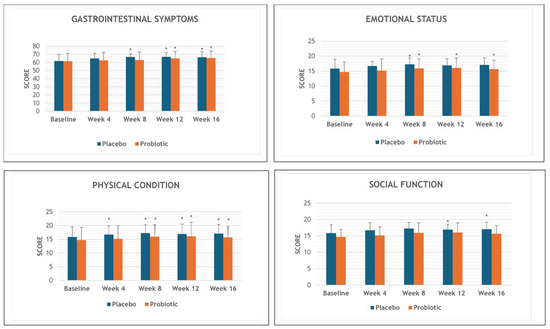
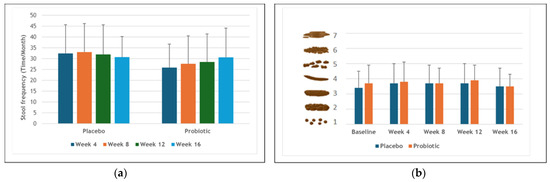
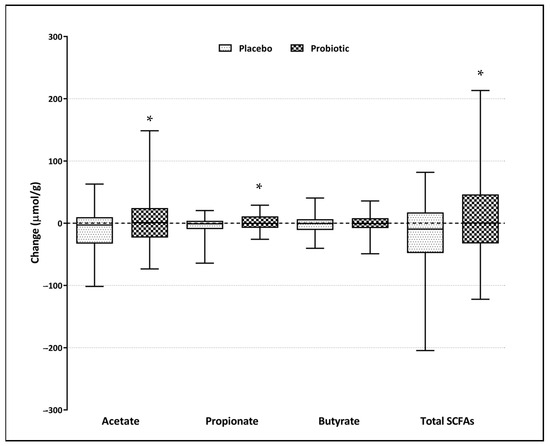
This study aimed to explore the efficacy of oral supplementation with 11 probiotic strains, combined in the strain mix Probatech™ (Centro Sperimentale del Latte S.r.l Strada Provinciale per Merlino, 326839 Zelo Buon Persico (LO), Italy) and delivered through the food supplement PROBAFLOR and how it plays a positive role in maintaining normal intestinal function, providing benefits in healthy adult subjects. A 16-week, randomized, double-blind, placebo-controlled clinical study was conducted starting with 60 participants. Participants were randomly assigned to either the probiotic or placebo group. Participants were asked to provide one faecal sample at the beginning of the study, another one after 12 weeks of supplementation and the final one after 16 weeks. Amplicon 16S rRNA gene sequencing and GC-MS Short-Chain Fatty Acid (SCFA) profiling were performed on the faecal samples. Participants filled out questionnaires to assess their gastrointestinal health and psychological well-being. The overall mean GIQLI scores increased in both groups over time. The increases were significant within both groups but not between groups. Following the administration of PROBAFLOR, Shannon and Simpson diversity indices showed a significant increase at day 90 (week 12) (p < 0.05), demonstrating that the intervention effectively enhanced gut microbiota diversity. A shift in the intestinal microbiota towards SCFA-producing families and genera was observed. Moreover, the change in total and single SCFAs was significantly different between probiotic and placebo groups at the end of the supplementation period. Once-daily consumption of the PROBAFLOR probiotics formula regulated gut microbiota balance by modulating SCFA production. It may be beneficial for gut health, improving defecation habits and satisfaction, normalizing stool frequency, and promoting bacterial metabolism.
Full article

Graphical abstract
Open AccessArticle
Comparative Study of Anti-Inflammatory and Antimicrobial Potentials of Natural By-Products
by
Na-Hyeon Park, Ji-A Byeon, Moon-Pil Jung, Ju-Young Kim, Seulki Yoon, Gyu Hoon Kim, Bo-Ae Kim and Yong-Jin Kwon
Nutraceuticals 2026, 6(2), 21; https://doi.org/10.3390/nutraceuticals6020021 - 30 Mar 2026
Abstract
Natural by-products (NBPs), including pomace, peels, stems, and skins, account for over 50% of materials generated during fresh fruit processing. Most of these are discarded or landfilled, contributing to environmental pollution. NBPs are rich in bioactive compounds, including polyphenols and flavonoids, suggesting their
[...] Read more.
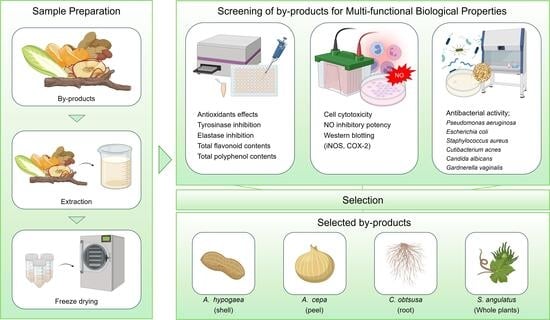
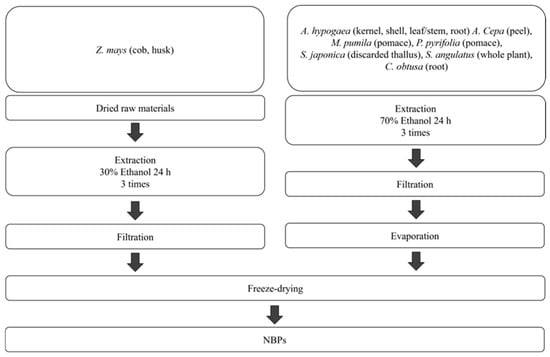
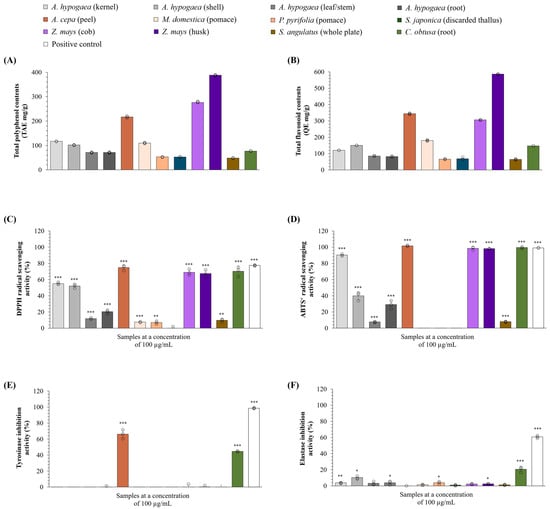
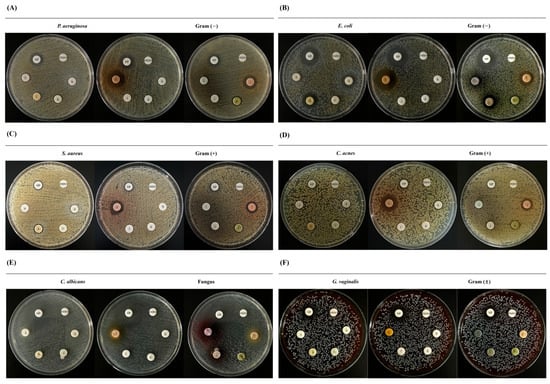
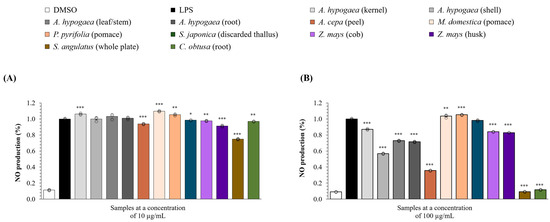
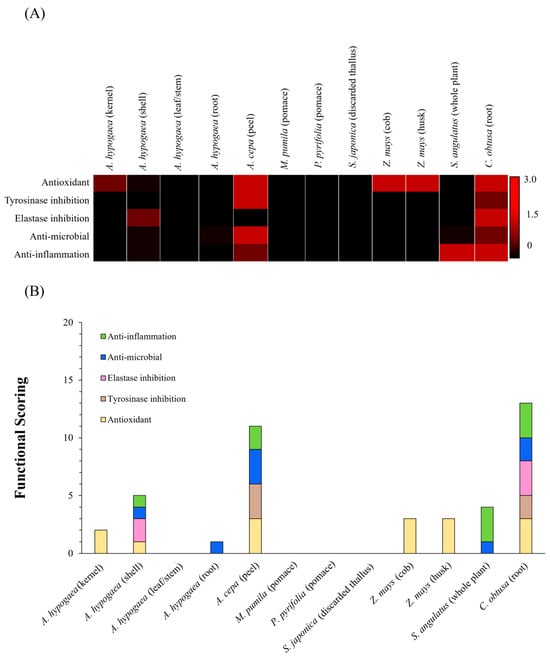
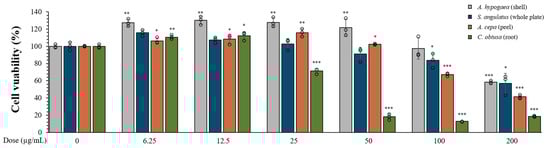
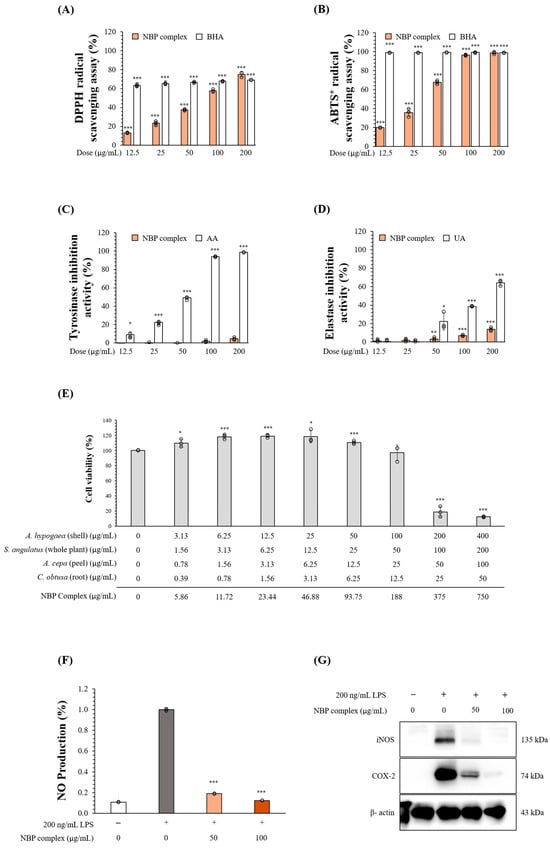
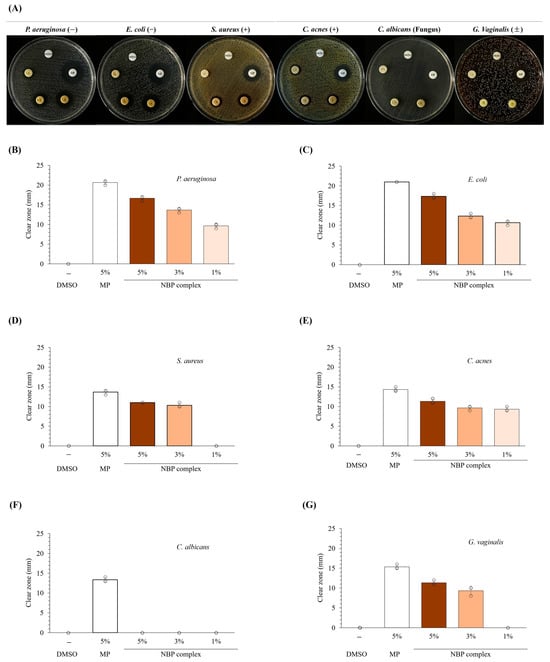
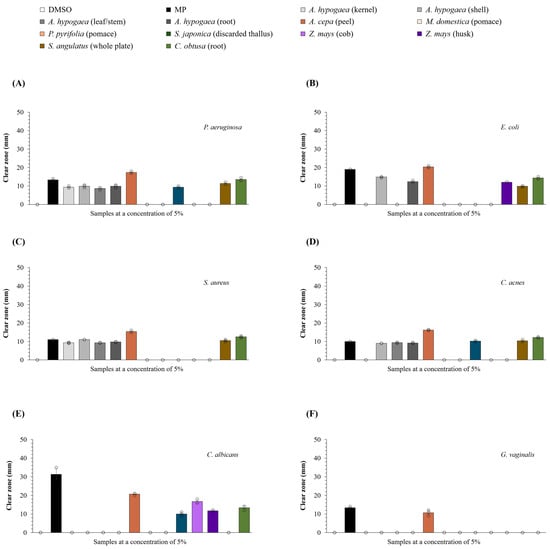
Natural by-products (NBPs), including pomace, peels, stems, and skins, account for over 50% of materials generated during fresh fruit processing. Most of these are discarded or landfilled, contributing to environmental pollution. NBPs are rich in bioactive compounds, including polyphenols and flavonoids, suggesting their potential as functional ingredients for health promotion. Accordingly, twelve types of NBPs from Korea were extracted with 70% ethanol. Each extract was comparatively evaluated at a uniform concentration for antioxidant, tyrosinase inhibition, and elastase inhibition activities. Anti-inflammatory and antimicrobial activities were additionally evaluated to identify extracts with superior overall activity profiles. Based on these findings, four extracts exhibiting the highest activities were combined, and the NBP complex was further tested for its antioxidant, anti-inflammatory, and antimicrobial effects. Although certain individual NBPs extracts showed strong activities, the NBP complex exhibited enhanced overall effects. These findings indicate that selected NBPs, both individually and in combination, possess significant potential as health-promoting functional ingredients. The study provides scientific evidence supporting the valorization of fruit processing residues into value-added products while addressing environmental concerns associated with their disposal.
Full article
(This article belongs to the Topic Functional Foods and Nutraceuticals in Health and Disease)
►▼
Show Figures

Graphical abstract
Open AccessCorrection
Correction: Davis et al. Nutraceuticals in the Treatment of Major Depressive Disorder. Nutraceuticals 2025, 5, 27
by
Allyson Davis, Jacquelyn Pence and Richard J. Bloomer
Nutraceuticals 2026, 6(1), 20; https://doi.org/10.3390/nutraceuticals6010020 - 20 Mar 2026
Abstract
There was an error in the original publication [...]
Full article
Open AccessArticle
In Vitro Insights on a Gut–Testis Axis Model by a Nutraceutical Combination of Ceratonia siliqua, Ribonucleotides and Bifidobacterium longum
by
Simone Mulè, Rebecca Galla, Francesca Parini, Matteo Musu and Francesca Uberti
Nutraceuticals 2026, 6(1), 19; https://doi.org/10.3390/nutraceuticals6010019 - 12 Mar 2026
Abstract
►▼
Show Figures
Oxidative stress and environmental factors impair spermatogenesis and testicular function. The gut–testis axis has emerged as an important regulator of male reproductive health, influencing spermatogenesis beyond traditional endocrine control. This study evaluated the efficacy of a combination of Carob (Ceratonia siliqua),
[...] Read more.
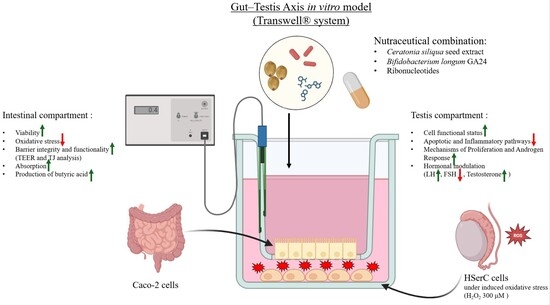
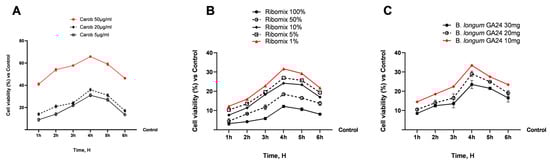
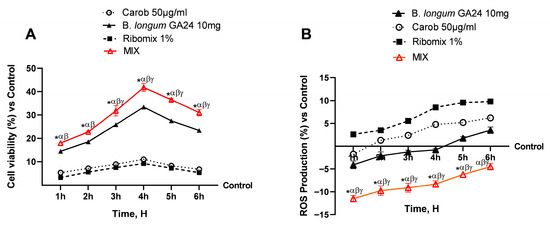
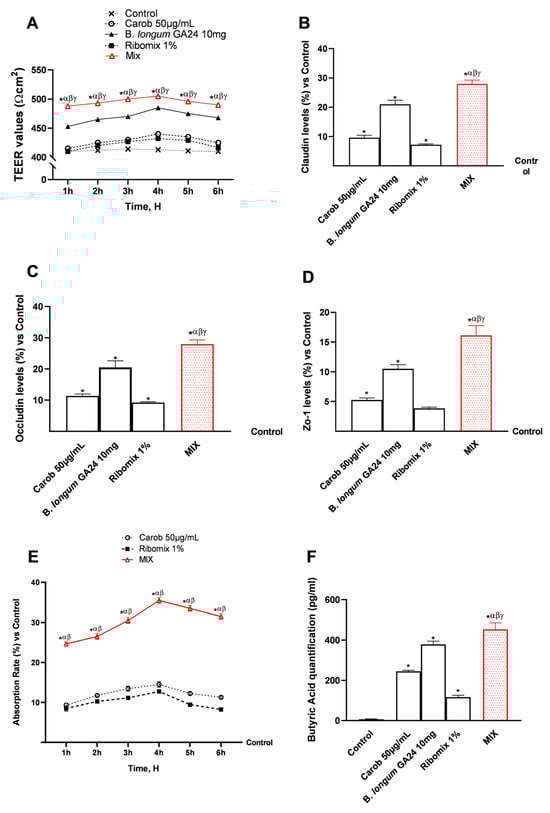
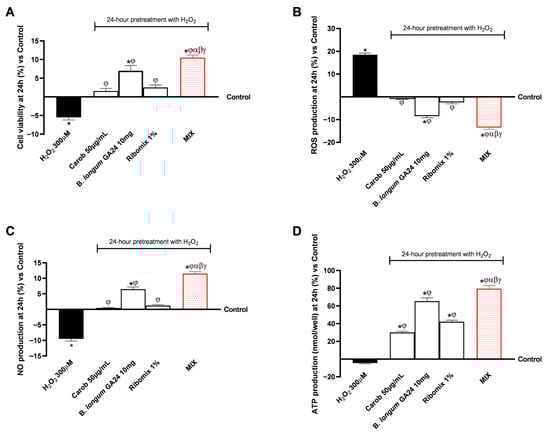
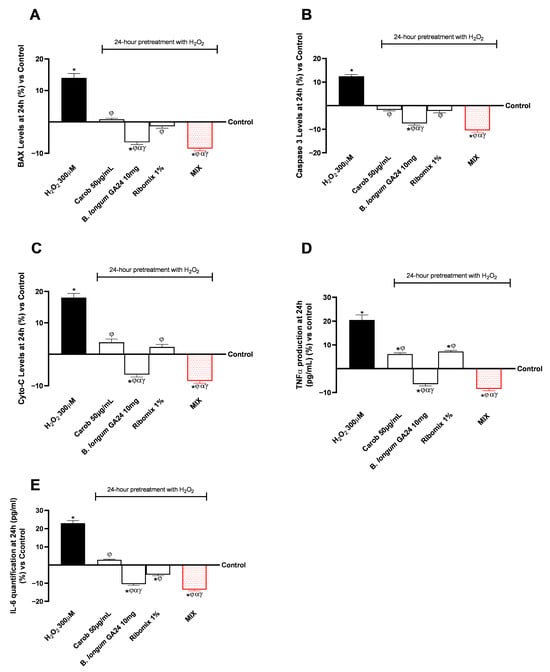
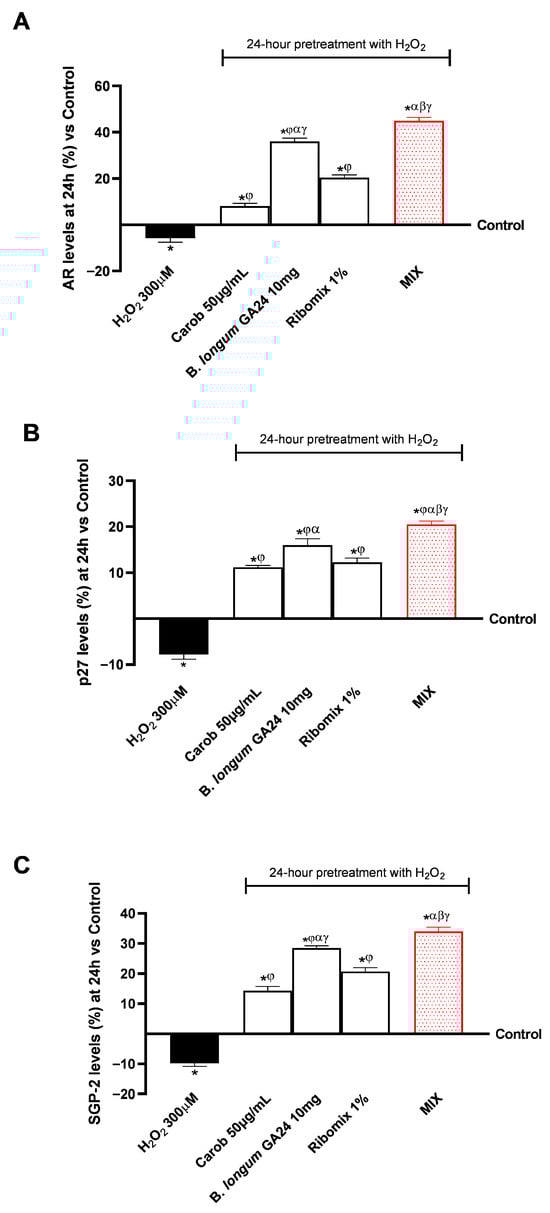
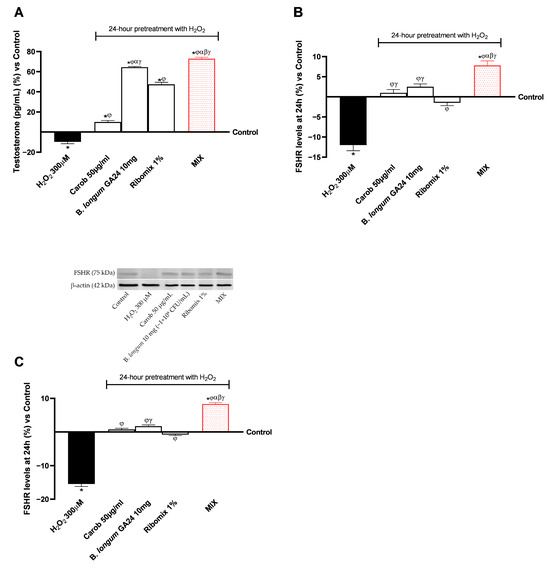
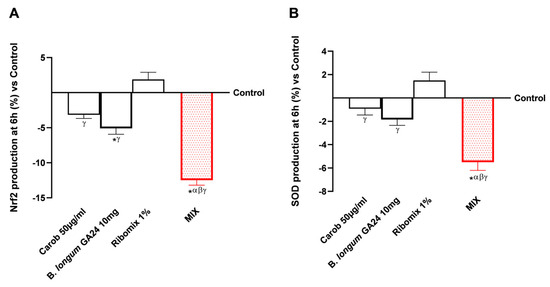
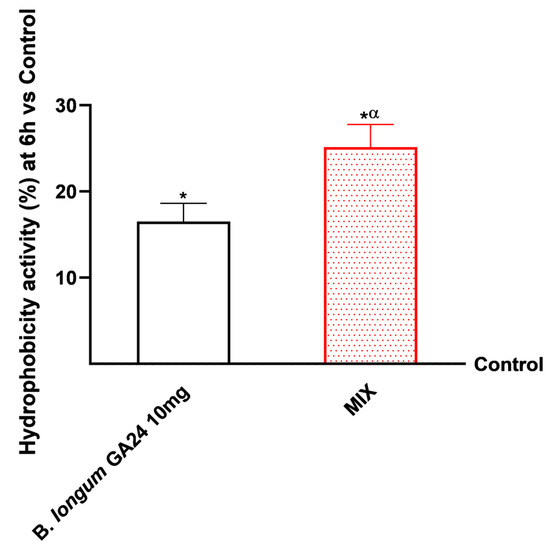
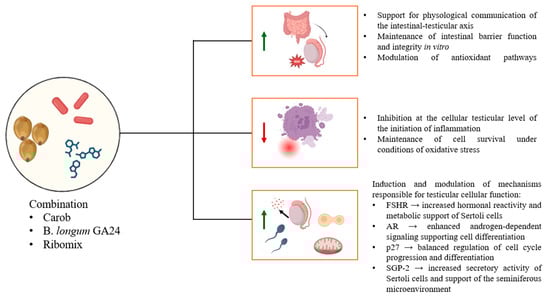
Oxidative stress and environmental factors impair spermatogenesis and testicular function. The gut–testis axis has emerged as an important regulator of male reproductive health, influencing spermatogenesis beyond traditional endocrine control. This study evaluated the efficacy of a combination of Carob (Ceratonia siliqua), Bifidobacterium longum GA24, and ribonucleotides (MIX) on in vitro models of the gut–testis axis (co-culture Caco-2/HSerC on Transwell® system). At the intestinal level, MIX increased Caco-2 cell viability, improved tight junction levels, regulated ROS production, and increased butyrate synthesis beyond physiological values, highlighting improved intestinal barrier function and integrity. In the gut–testis model, HSerC cells subjected to H2O2 300 μM showed 1.5-fold increased viability, 81% reduction in ROS, increased ATP (+1.7-fold) and NO (+1.8-fold). The MIX combination reduced the apoptotic markers BAX (−1.6-fold), caspase-3 (−1.84-fold), and Cyto-C (−1.52-fold), and the inflammatory mediators TNFα and IL-6. MIX enhanced Sertoli cell maturation markers, increasing AR by 6-fold, p27 by 1.64-fold, and SGP-2 by 2.5-fold, and modulated hormonal-related markers by increasing testosterone and FSHR expression. These findings indicate that MIX may positively modulate the gut–testicular axis, supporting the intestinal barrier, testicular health, and spermatogenesis.
Full article

Graphical abstract
Open AccessReview
The Role of Different Dietary Fibers in Modulating Human Gut Microbiota
by
Subir Das, CheKenna J. Fletcher and Ying Wu
Nutraceuticals 2026, 6(1), 18; https://doi.org/10.3390/nutraceuticals6010018 - 11 Mar 2026
Abstract
Dietary fiber (DF) has a profound influence on human health mainly by modulating the gut microbiota. This review provides an overview of DF derived from cereals, legumes, fruits, vegetables, fungi, and seaweeds, specifically addressing the relationship between microbial utilization and source-specific structural characteristics
[...] Read more.
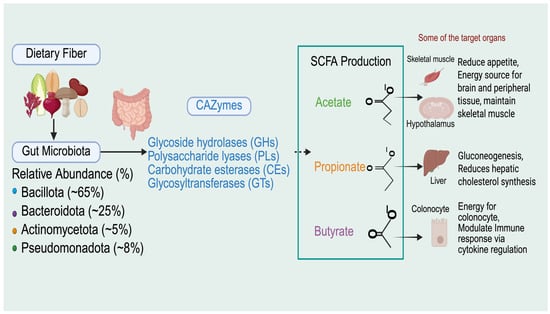
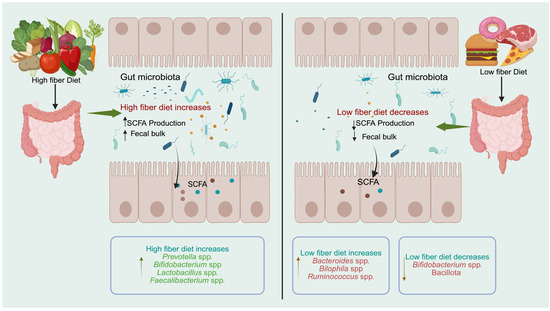
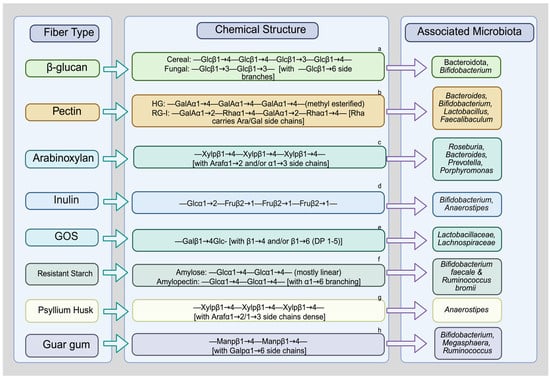
Dietary fiber (DF) has a profound influence on human health mainly by modulating the gut microbiota. This review provides an overview of DF derived from cereals, legumes, fruits, vegetables, fungi, and seaweeds, specifically addressing the relationship between microbial utilization and source-specific structural characteristics (such as linking patterns, conformation, solubility, and fermentability). Due to these structural properties, different DFs display selective microbial responses that favor fermentation and the production of short-chain fatty acids (SCFAs). These microbial responses and fermentation-derived metabolites associated with DF intake may contribute to reduced risk of obesity, diabetes, inflammatory bowel disease, and other chronic disorders. This review does not address the trial heterogeneity, dose response, safety, and conflicting evidence, and much of the available evidence is largely observational and heterogeneous. Future studies should focus on dose–response trials of defined DF structures with standardized microbiome and metabolomic endpoints, including validation in human interventions. This review summarizes the DF source and structure, selective changes in the microbiota across various study types, including in vitro, animal models, and human studies, and how these relate to overall health.
Full article
(This article belongs to the Special Issue Feature Review Papers in Nutraceuticals)
►▼
Show Figures

Graphical abstract
Open AccessReview
The Medicinal Landscape of Chrysanthemum indicum L.: Bridging Traditional Wisdom and Modern Evidence
by
Gavin Liu, Elena-Alexandra Alexa and Tao Zhang
Nutraceuticals 2026, 6(1), 17; https://doi.org/10.3390/nutraceuticals6010017 - 5 Mar 2026
Abstract
Chrysanthemum indicum L. (C. indicum), a perennial herb widely distributed across East Asia, has long been utilised in traditional medicine and as a functional food ingredient. Contemporary research has revealed a chemically diverse phytochemical profile, dominated by flavonoids, phenolic acids, sesquiterpene
[...] Read more.
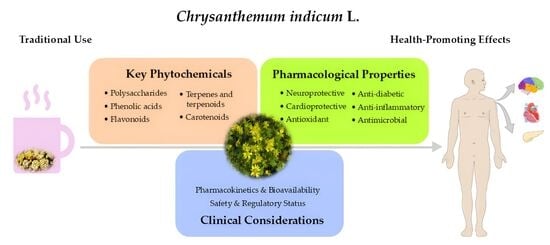
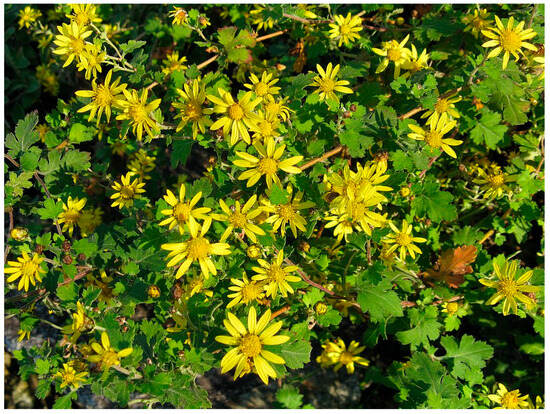
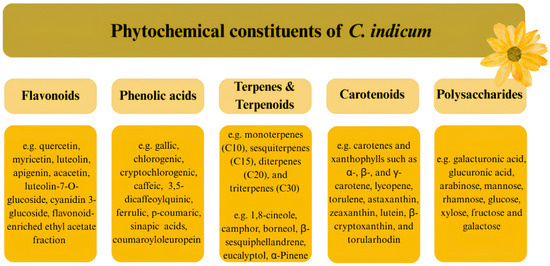
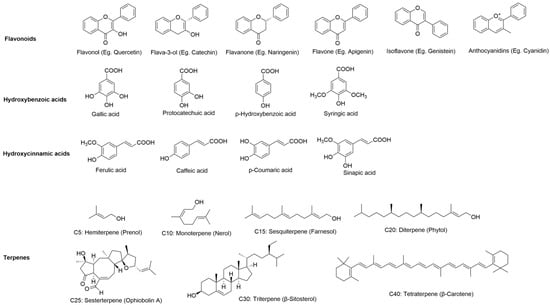
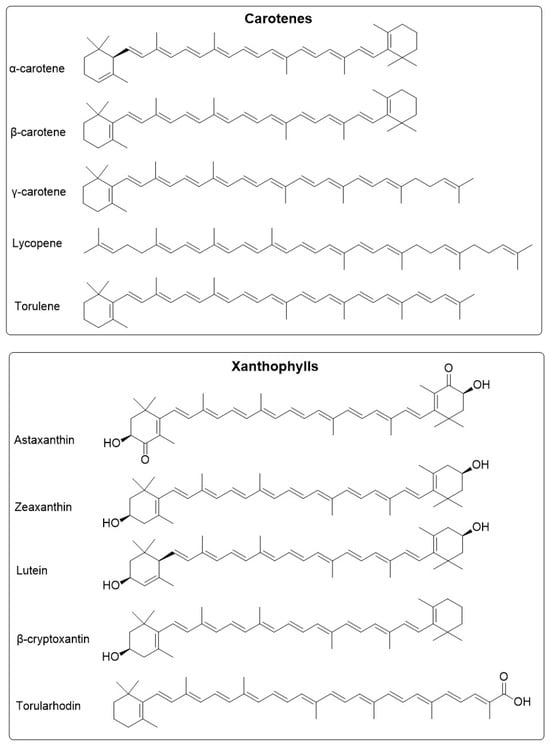
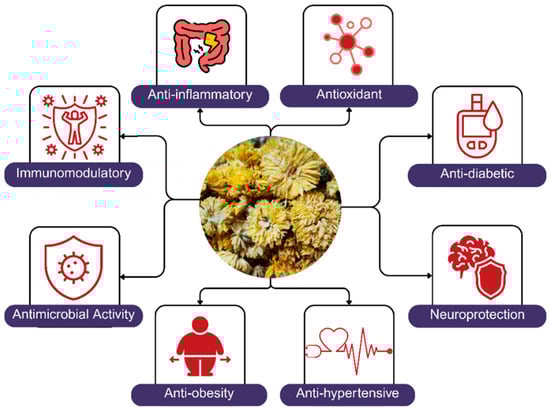
Chrysanthemum indicum L. (C. indicum), a perennial herb widely distributed across East Asia, has long been utilised in traditional medicine and as a functional food ingredient. Contemporary research has revealed a chemically diverse phytochemical profile, dominated by flavonoids, phenolic acids, sesquiterpene lactones, essential oils, carotenoids, and polysaccharides, which collectively underpin its broad pharmacological potential. Experimental studies demonstrate that extracts and isolated constituents of C. indicum exert pronounced antioxidant, anti-inflammatory, antimicrobial, hepatoprotective, cardioprotective, and anticancer effects in vitro and in vivo, often through modulation of key molecular pathways such as NF-κB, NLRP3 inflammasomes, AMPK–SIRT1, and Nrf2 signalling. Emerging pharmacokinetic evidence indicates variable oral bioavailability and metabolic transformation of major bioactive compounds, highlighting formulation challenges that may influence therapeutic efficacy. Toxicological studies suggest a generally favourable safety profile at traditionally used doses, although long-term and clinical safety data remain limited. Regulatory positioning varies internationally, with applications spanning traditional herbal preparations, dietary supplements and functional foods. Despite promising preclinical findings, significant challenges persist, including chemical standardisation, bioavailability optimisation, mechanistic clarification and the paucity of well-designed clinical trials. This review critically synthesises current knowledge on the botany, phytochemistry, pharmacological activities, pharmacokinetics, safety considerations and regulatory landscape of C. indicum, identifying key research gaps and outlining future directions to support its evidence-based development as a therapeutic and dietary agent.
Full article
(This article belongs to the Special Issue Feature Review Papers in Nutraceuticals)
►▼
Show Figures

Graphical abstract
Open AccessCorrection
Correction: Cotas et al. Seaweed as a Safe Nutraceutical Food: How to Increase Human Welfare? Nutraceuticals 2024, 4, 323–362
by
João Cotas, Joana O. Tavares, Rita Silva and Leonel Pereira
Nutraceuticals 2026, 6(1), 16; https://doi.org/10.3390/nutraceuticals6010016 - 4 Mar 2026
Abstract
The authors would like to make the following correction to their published paper [...]
Full article
Open AccessFeature PaperReview
Dietary D-Amino Acids as Context-Dependent Contronymic Molecules in Health and Oxidative Stress
by
Hideo Yamasaki, Kakeru B. Mizumoto, Riko F. Naomasa and Michael F. Cohen
Nutraceuticals 2026, 6(1), 15; https://doi.org/10.3390/nutraceuticals6010015 - 3 Mar 2026
Abstract
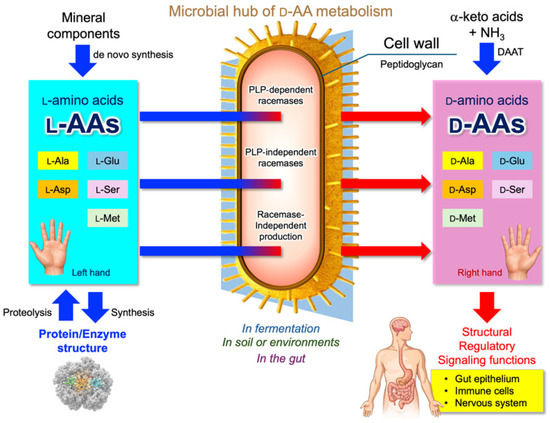
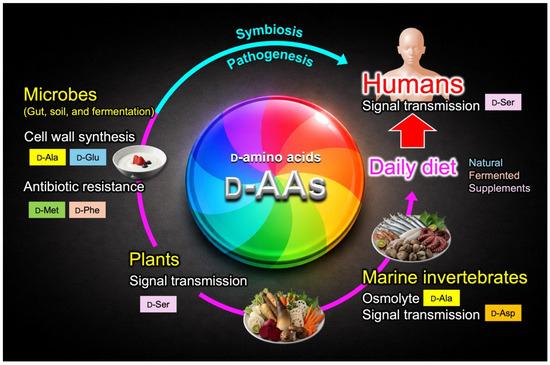
Recent advances in chiral analytical chemistry have revealed that fermented and natural foods contain substantial amounts of D-amino acids (D-AAs), the mirror-image counterparts of L-amino acids, leading to their recognition as nutraceutical components with potential health relevance. Although clinical evidence provides only limited
[...] Read more.
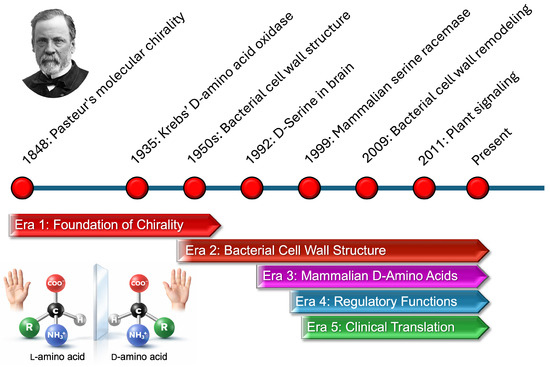
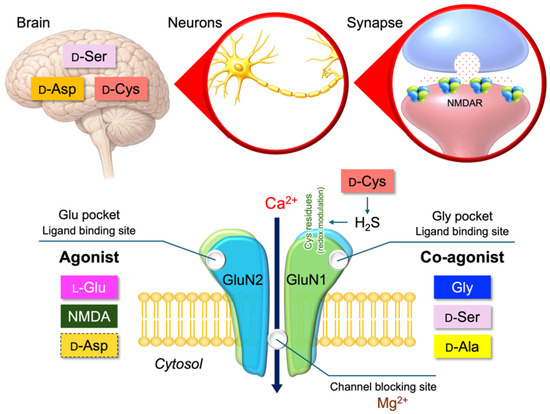
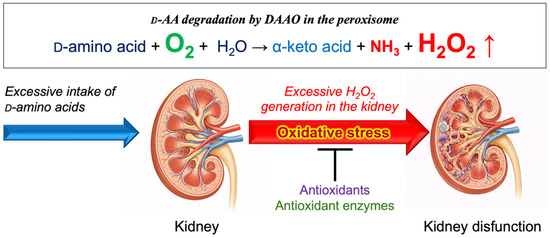
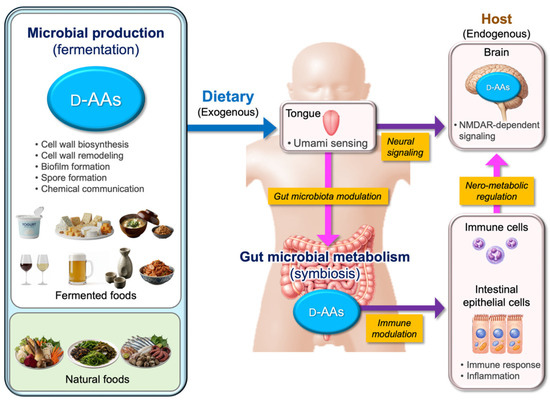
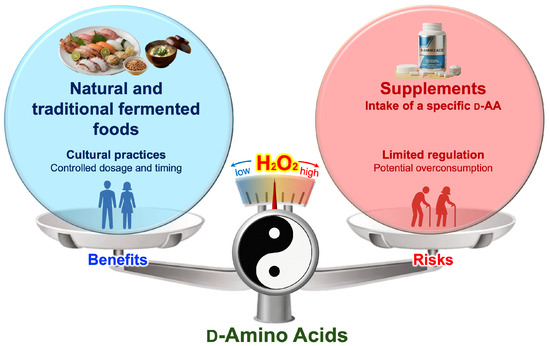
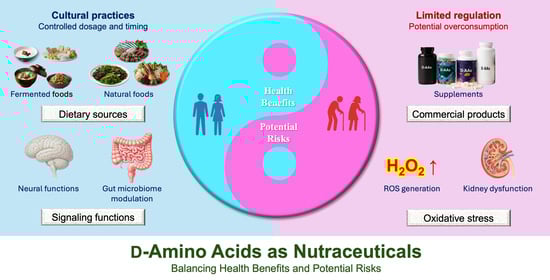
Recent advances in chiral analytical chemistry have revealed that fermented and natural foods contain substantial amounts of D-amino acids (D-AAs), the mirror-image counterparts of L-amino acids, leading to their recognition as nutraceutical components with potential health relevance. Although clinical evidence provides only limited support for their therapeutic efficacy, commercial expectations have outpaced scientific validation, and recent safety concerns emphasize the need for critical evaluation. In this review, we integrate findings from food chemistry, microbiology, biochemistry, physiology, and clinical research to provide a critical overview of dietary D-AAs. We examine how dietary exposure, microbial metabolism, host clearance capacity, and redox status collectively shape their context-dependent biological effects. We highlight the mechanistic linkage between D-amino acid oxidase (DAAO)-mediated hydrogen peroxide (H2O2) generation and organ-specific vulnerability, thereby clarifying the molecular basis of their “double-edged sword” actions. Within this interdisciplinary framework, we propose that D-AAs function as context-dependent “contronymic” molecules in cellular communication. By distinguishing physiological regulation, experimental modulation, and clinical application, this review aims to support evidence-based nutraceutical strategies and safety assessments that harness the potential benefits of D-AAs while minimizing associated risks.
Full article
(This article belongs to the Topic Functional Foods and Nutraceuticals in Health and Disease)
►▼
Show Figures

Graphical abstract
Open AccessBrief Report
Daidzein Reduces Food Intake Through Light-Phase-Specific Upregulation of Hypothalamic Urocortin in Female Rats
by
Taro Kishida, Takafumi Mizushige, Manabu Nagamoto and Joanita Balikagala
Nutraceuticals 2026, 6(1), 14; https://doi.org/10.3390/nutraceuticals6010014 - 27 Feb 2026
Abstract
►▼
Show Figures
Estrogen suppress food intake, and soy isoflavones exhibit estrogen-like activities. However, the specific isoflavone components responsible for appetite regulation and their underlying neuroendocrine mechanisms remain unclear. We investigated whether the major soy isoflavones daidzein and genistein differentially influence feeding behavior and hypothalamic appetite-regulating
[...] Read more.
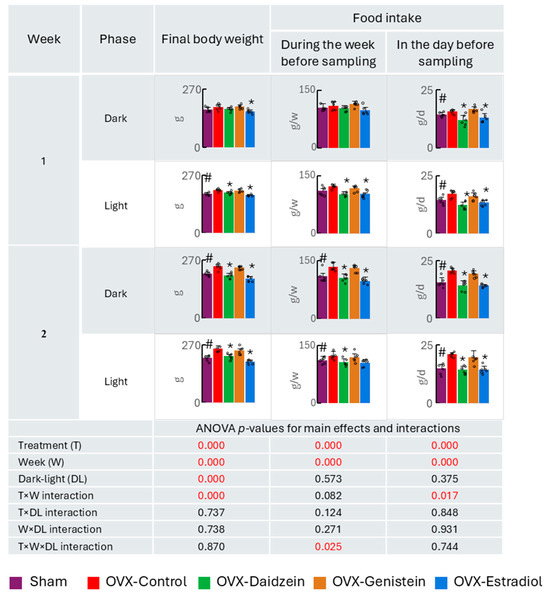
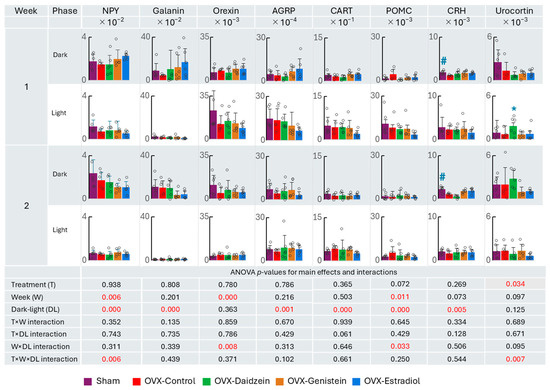
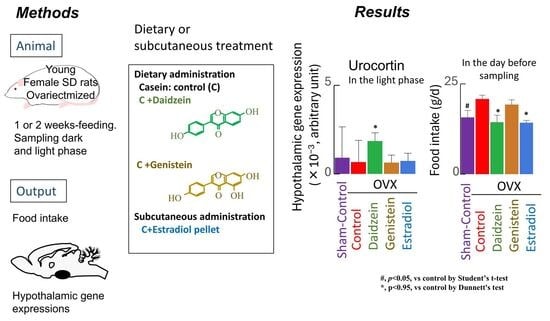
Estrogen suppress food intake, and soy isoflavones exhibit estrogen-like activities. However, the specific isoflavone components responsible for appetite regulation and their underlying neuroendocrine mechanisms remain unclear. We investigated whether the major soy isoflavones daidzein and genistein differentially influence feeding behavior and hypothalamic appetite-regulating neuropeptides in female rats. Ovariectomized (OVX) and sham-operated female rats were fed a control diet or diets supplemented with daidzein or genistein (150 mg/kg diet) for one or two weeks under ad libitum conditions. A separate OVX group received subcutaneous estradiol. Hypothalamic expression of orexigenic and anorexigenic neuropeptides was quantified during the dark (active) and light (inactive) phases. Daidzein, but not genistein, significantly reduced food intake, body weight gain, and body fat in both OVX and intact females, whereas estradiol decreased these parameters only in OVX rats. Among all hypothalamic neuropeptides examined, urocortin was the only gene that responded to dietary daidzein, showing a significant increase exclusively during the light phase of Week 1. Neither NPY nor CRH expression was altered by daidzein. The temporal pattern of urocortin induction closely paralleled the reduction in food intake, suggesting a potential mechanistic link. Daidzein exerts a female-specific anorectic effect that cannot be explained solely by estrogenic activity. The selective upregulation of hypothalamic urocortin during the light phase represents a novel neuroendocrine response to dietary daidzein and may contribute to its suppression of food intake. These findings provide new insight into the sex-specific metabolic actions of dietary isoflavones.
Full article

Graphical abstract
Open AccessCorrection
Correction: Fidelis et al. Saline Extract from Moringa oleifera Leaves Has Antidepressant and Anxiolytic Effects in Mouse Models. Nutraceuticals 2024, 4, 65
by
Kleber Ribeiro Fidelis, Robson Raion de Vasconcelos Alves, Leydianne Leite de Siqueira Patriota, Luana Cassandra Breitenbach Barroso Coelho, Magda Rhayanny Assunção Ferreira, Luiz Alberto Lira Soares, Alisson Macário de Oliveira, Thiago Henrique Napoleão and Patrícia Maria Guedes Paiva
Nutraceuticals 2026, 6(1), 13; https://doi.org/10.3390/nutraceuticals6010013 - 13 Feb 2026
Abstract
The authors would like to make the following correction to their published paper [...]
Full article
Open AccessArticle
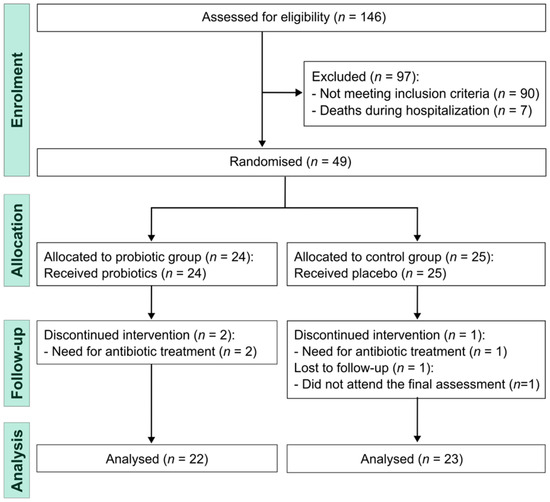
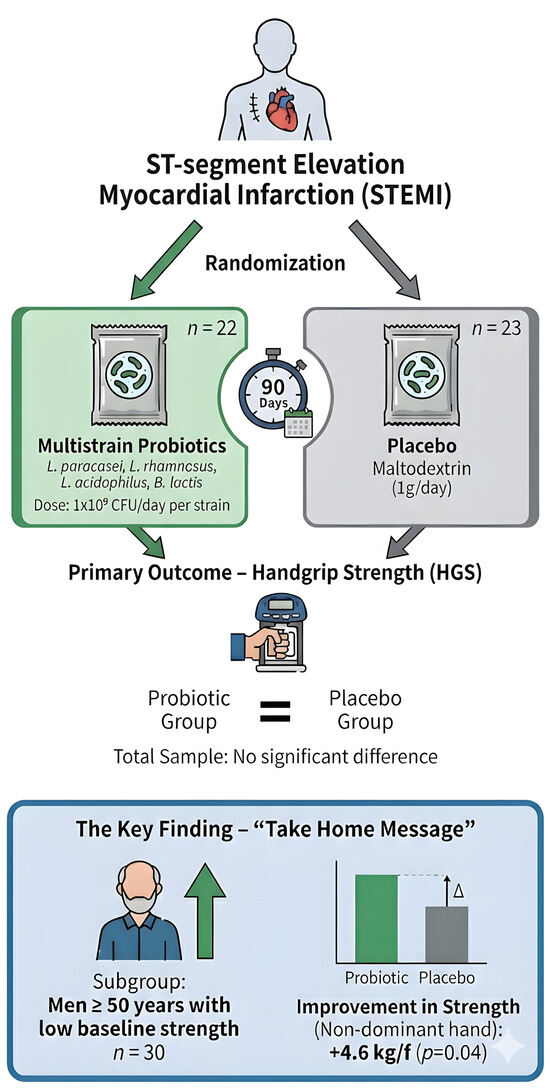
Effect of Probiotic Supplementation on Muscle Strength After Myocardial Revascularization: A Randomized, Controlled, Triple-Blind Clinical Trial
by
Isabela Militão Gimenes, Ester Godoy Silvestre, Ludmilla Quaresma Teixeira Cabral, Marcos Antônio Cantero, Rayana Loch Gomes, Anne Kastelianne França da Silva, Erasmo Benicio Santos de Moraes Trindade and Ricardo Fernandes
Nutraceuticals 2026, 6(1), 12; https://doi.org/10.3390/nutraceuticals6010012 - 11 Feb 2026
Abstract
►▼
Show Figures
Evidence suggests that gut dysbiosis may contribute to acute myocardial infarction (AMI) and its complications, including reduced physical performance and muscle weakness. We hypothesized that probiotic supplementation could improve muscle strength during post-AMI recovery. In a randomized, controlled, triple-blind clinical trial, adults and
[...] Read more.
Evidence suggests that gut dysbiosis may contribute to acute myocardial infarction (AMI) and its complications, including reduced physical performance and muscle weakness. We hypothesized that probiotic supplementation could improve muscle strength during post-AMI recovery. In a randomized, controlled, triple-blind clinical trial, adults and older adults undergoing myocardial revascularization received either a multistrain probiotic formulation (Lacticaseibacillus paracasei, Lacticaseibacillus rhamnosus, Lacticaseibacillus acidophilus, and Bifidobacterium lactis) or placebo for 90 days. The primary outcome was handgrip strength (HGS). Forty-five participants completed the study. No significant between-group differences were observed in the main analysis. However, in an exploratory subgroup of men aged 50 years and older with low baseline HGS (n = 30), probiotic supplementation led to a greater improvement in non-dominant HGS after 90 days compared with placebo (mean difference: +4.6 kg/f; p = 0.04). A baseline-adjusted ANCOVA confirmed a significant baseline-by-treatment interaction for the non-dominant hand (β = +0.33; 95% CI: +0.02 to +0.62; p = 0.038), indicating greater improvements among participants with lower initial strength. Although the primary analysis yielded null results, these exploratory findings indicate a potential benefit of probiotic supplementation in a clinically vulnerable subgroup of revascularized men with low baseline strength. Larger and prospectively powered trials are warranted to confirm these observations. Trial registration: RBR-6ztyb7.
Full article

Graphical abstract
Open AccessArticle
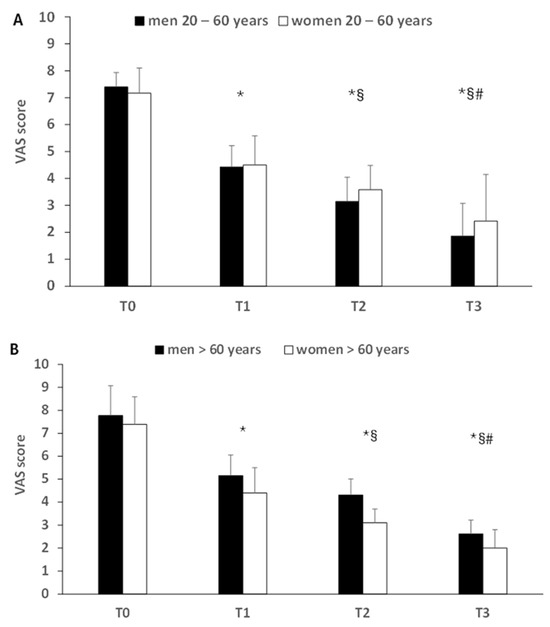
The Effectiveness and Safety of a New Nutraceutical in Patients with Knee Osteoarthritis: A Pilot Study
by
Cristina Vocca, Vincenzo Rania, Gianmarco Marcianò, Caterina Palleria, Lucia Muraca, Laura Gallelli, Davida Mirra, Diana Marisol Abrego-Guandique, Maria Cristina Caroleo, Erika Cione and Luca Gallelli
Nutraceuticals 2026, 6(1), 11; https://doi.org/10.3390/nutraceuticals6010011 - 5 Feb 2026
Abstract
Background: Nutraceuticals are increasingly used in clinical practice for their anti-inflammatory, antiproliferative, and antioxidant properties. This study aimed to evaluate the safety and efficacy of a fixed nutraceutical combination containing chondroitin sulfate, α-lipoic acid, astaxanthin, lycopene, escin, and omega-3 fatty acids (eicosapentaenoic acid
[...] Read more.
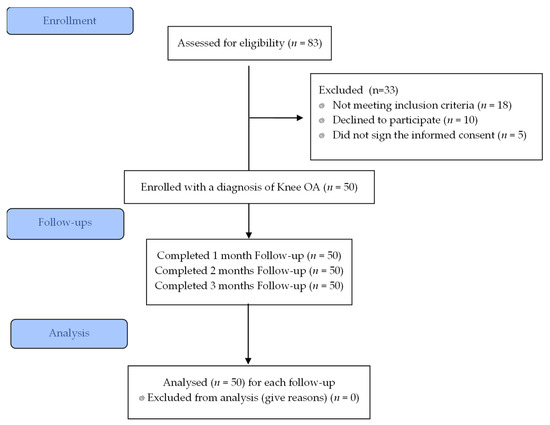
Background: Nutraceuticals are increasingly used in clinical practice for their anti-inflammatory, antiproliferative, and antioxidant properties. This study aimed to evaluate the safety and efficacy of a fixed nutraceutical combination containing chondroitin sulfate, α-lipoic acid, astaxanthin, lycopene, escin, and omega-3 fatty acids (eicosapentaenoic acid and docosahexaenoic acid) in improving pain and quality of life in patients with chronic knee osteoarthritis (OA). Methods: This observational study included patients with chronic knee OA who were referred to the ambulatory pain clinic at Dulbecco University Hospital, Catanzaro, Italy. Participants received one tablet daily for three months. Quality of life was assessed using the 36-Item Short Form Health Survey (SF-36), and adverse drug reactions (ADRs) were evaluated using the Naranjo scale. Results: Fifty patients (20 men and 30 women; mean age, 63.6 ± 11.4 years; range, 26–88 years; mean body mass index, 26.9 ± 3.7 kg/m2) were enrolled. Pain symptoms demonstrated a statistically significant improvement over time (p < 0.01). No ADRs were reported during the study period. Conclusions: The fixed nutraceutical combination improved pain and quality of life in patients with chronic knee OA and demonstrated an excellent safety profile.
Full article
(This article belongs to the Special Issue Dietary Supplements in Clinical and Translational Practice: Mechanisms, Applications and Future Directions)
►▼
Show Figures

Figure 1
Open AccessArticle
Morus alba Calli: A Sustainable Source of Phytochemicals and Nutritive Supplements
by
Vanessa Dalla Costa, Anna Piovan, Paola Brun and Raffaella Filippini
Nutraceuticals 2026, 6(1), 10; https://doi.org/10.3390/nutraceuticals6010010 - 2 Feb 2026
Abstract
►▼
Show Figures
Morus alba L., a member of the Moraceae family, is known for its positive effects on human health, linked to the presence of different classes of secondary metabolites, including flavonoids, stilbenoids, and alkaloids, found in different parts of the plant. Stilbenoids, in particular,
[...] Read more.
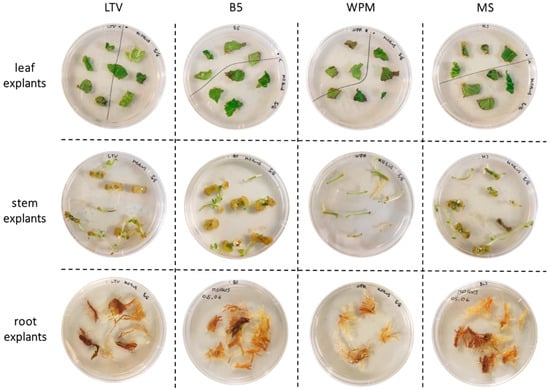
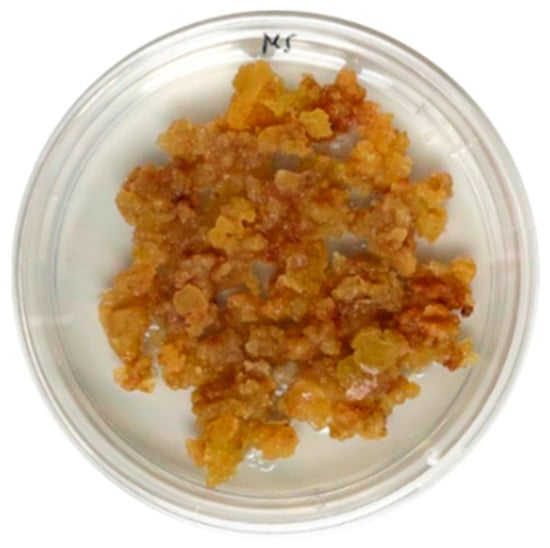
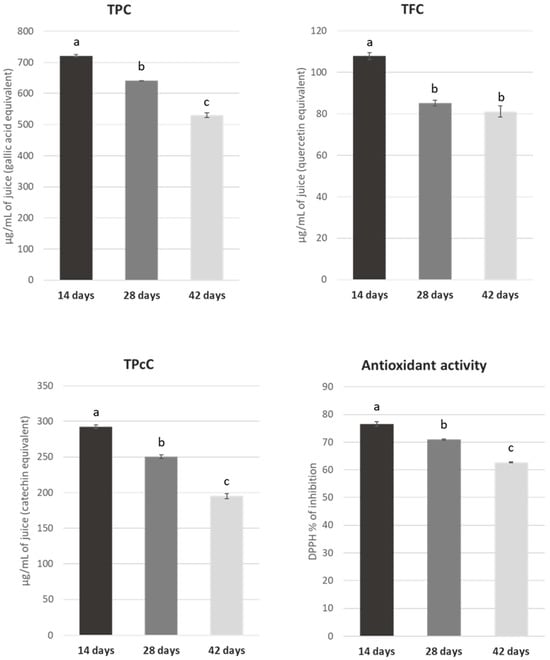
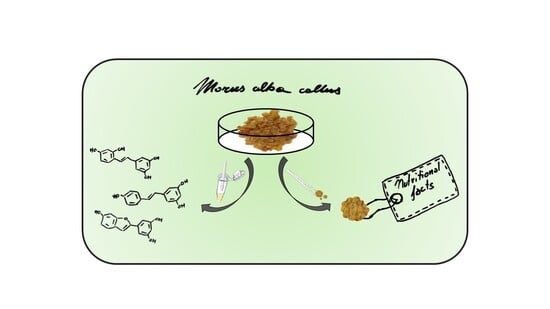
Morus alba L., a member of the Moraceae family, is known for its positive effects on human health, linked to the presence of different classes of secondary metabolites, including flavonoids, stilbenoids, and alkaloids, found in different parts of the plant. Stilbenoids, in particular, are mainly present at the root cortex level and, owing to their valuable activities, have attracted scientific interest in recent years. Since roots are a non-renewable source, in this study, M. alba in vitro callus cultures were established. The biomass with the appropriate growth and texture was selected for juice extraction, and the total phenol, flavonoid, and proanthocyanidin contents, along with the antioxidant activity, were estimated in the juices. The analyses throughout the callus growth cycle revealed the juice of 14-day-old calli to be the richest, resulting in the most active. In this juice, the LC-MS/MS-DAD analysis unveiled the presence of seventeen stilbenoids. Together with the data obtained by the nutritional analysis, the results showed that M. alba cell cultures have the potential to be utilised for producing innovative healthy food materials, bridging the gap between the ever-increasing natural-based-product demand and the need for more environmental, social, and economic development.
Full article

Graphical abstract
Open AccessArticle
Exploring the Effects of Reactive Extrusion on Spent Coffee Grounds: Chemical Composition, Bioactive Compounds and Techno-Functional Properties
by
Jaquellyne B. M. D. Silva, Mayara T. P. Paiva, Fabíola A. Carvalho, Eduardo Lolato, Nathália Silvestre, Marta T. Benassi and Suzana Mali
Nutraceuticals 2026, 6(1), 9; https://doi.org/10.3390/nutraceuticals6010009 - 2 Feb 2026
Abstract
►▼
Show Figures
The objective of this study was to investigate the effect of reactive extrusion (thermomechanical and chemical process) on the chemical composition, techno-functional properties, glucose and cholesterol adsorption capacity, and bioactive compound profile of spent coffee grounds (SCG). SCG was extruded using citric acid
[...] Read more.
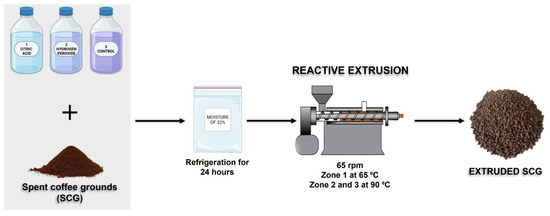
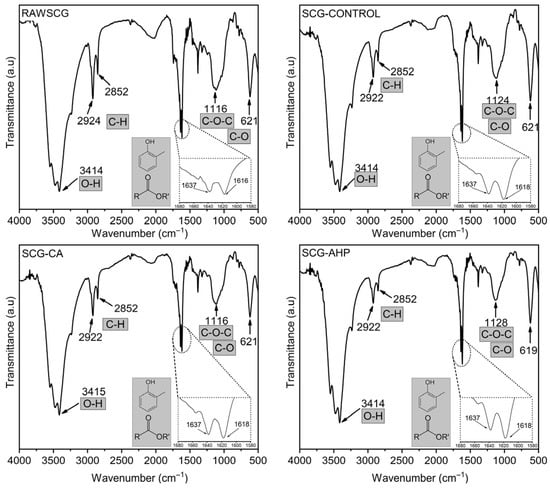
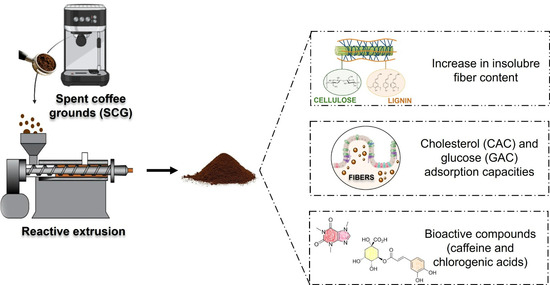
The objective of this study was to investigate the effect of reactive extrusion (thermomechanical and chemical process) on the chemical composition, techno-functional properties, glucose and cholesterol adsorption capacity, and bioactive compound profile of spent coffee grounds (SCG). SCG was extruded using citric acid or alkaline hydrogen peroxide as reagents, and a control sample was extruded without reagents. Treatment with citric acid resulted in the highest levels of total dietary fiber (79.6 g/100 g) and insoluble fiber (76.2 g/100 g), especially cellulose, and significantly improved glucose (32.7 mmol/L) and cholesterol (4.5 mg/g) adsorption at neutral pH. Treatment with alkaline hydrogen peroxide increased water retention capacity (3.9 g/g). Although chemical treatments reduced total polyphenol and antioxidant activity, they effectively broke down the lignocellulosic matrix, thereby increasing fiber availability and functionality. Extrusion without reagents (processes induced by mechanical and thermal factors) favored the retention of caffeine and chlorogenic acids, increasing soluble fiber and maintaining antioxidant capacity. Therefore, reactive extrusion is a technological strategy that aligns with the principles of the circular economy, offering an environmentally friendly alternative to landfill disposal and adding value to spent coffee grounds by transforming lignocellulosic residue into functional ingredients with broad application potential.
Full article

Graphical abstract
Open AccessReview
Is Arachidonic Acid Supplementation a Valuable Support in the Context of Resistance Training? A Narrative Review
by
Venere Quintiero, Daniele Diotti, Oscar Crisafulli and Giuseppe D’Antona
Nutraceuticals 2026, 6(1), 8; https://doi.org/10.3390/nutraceuticals6010008 - 27 Jan 2026
Abstract
►▼
Show Figures
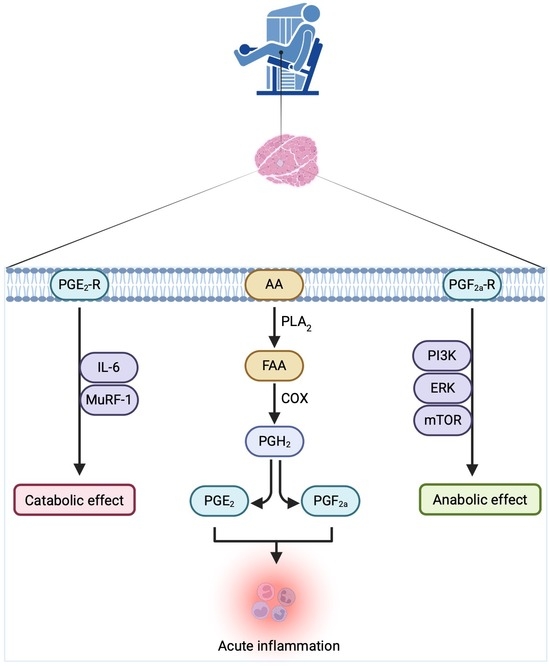
Arachidonic acid (AA), an omega-6 polyunsaturated fatty acid, serves as a metabolic precursor for prostaglandins (PGs) such as PGE2 and PGF2α, which have been implicated in the regulation of skeletal muscle adaptations to resistance exercise. On this basis, AA supplementation
[...] Read more.
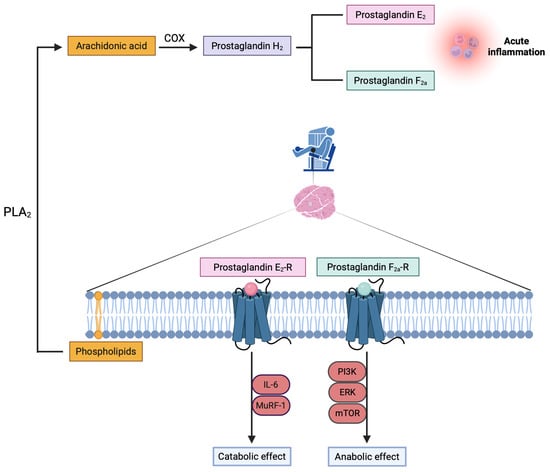
Arachidonic acid (AA), an omega-6 polyunsaturated fatty acid, serves as a metabolic precursor for prostaglandins (PGs) such as PGE2 and PGF2α, which have been implicated in the regulation of skeletal muscle adaptations to resistance exercise. On this basis, AA supplementation has been proposed as a potential ergogenic aid in resistance training, under the hypothesis that increasing endogenous AA availability through supplementation may enhance PGs synthesis, thereby potentially influencing muscle remodeling and recovery process. However, AA remains a relatively underexplored candidate. This review aimed to summarize and critically evaluate the current evidence regarding the effects of AA supplementation in the context of resistance exercise. The limited available studies provide preliminary mechanistic observations suggesting that AA supplementation may be associated with changes in muscle strength and anaerobic performance and with modulation of the acute inflammatory response to exercise, without affecting chronic inflammation. Conversely, findings related to body composition and muscle hypertrophy remain inconsistent and a significant effect has not been consistently observed. Despite these preliminary insights, the current body of evidence is insufficient and heterogeneous, precluding the recommendation of routine clinical or practice-based use. Future well-designed, long-term investigations are warranted to clarify the efficacy, optimal dosage, and timing of AA supplementation, as well as its safety profile and potential applications across populations differing in age, sex, nutritional status, and training background.
Full article

Graphical abstract
Open AccessArticle
Water Kefir and Olive Leaf Polyphenols Attenuate Body Weight Gain and Excessive Adiposity in Diet-Induced Obese Rats
by
Miguel Lopez-Yoldi, Amaia Huguet-Casquero, Paula Aranaz, José Ignacio Riezu-Boj, Marian Fernández-Fernández, Gorka Alkorta-Aranburu, Dante Fratebianchi, Eusebio Gainza and Fermin I. Milagro
Nutraceuticals 2026, 6(1), 7; https://doi.org/10.3390/nutraceuticals6010007 - 26 Jan 2026
Abstract
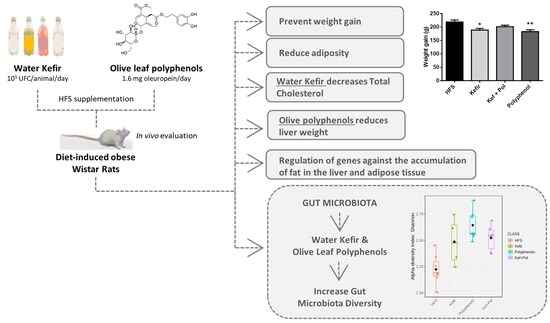
Fermented foods and prebiotics are increasingly studied for their potential therapeutic roles in metabolic disorders. In this study, 52 male Wistar rats maintained on a high-fat, high-sucrose (HFS) diet were supplemented for 8 weeks with either water kefir (providing approximately 105 CFU
[...] Read more.
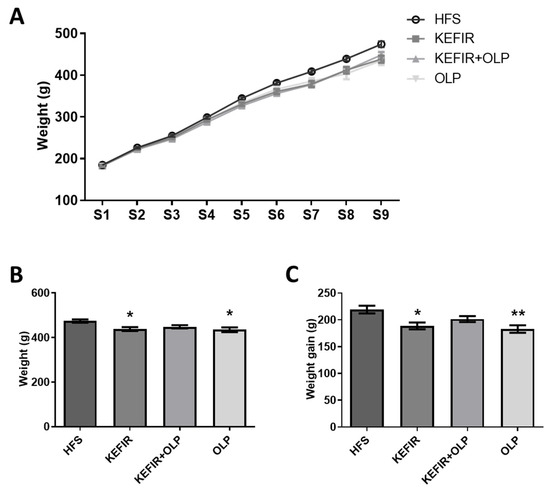
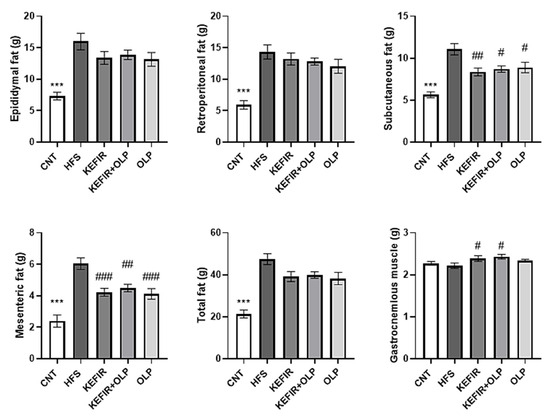
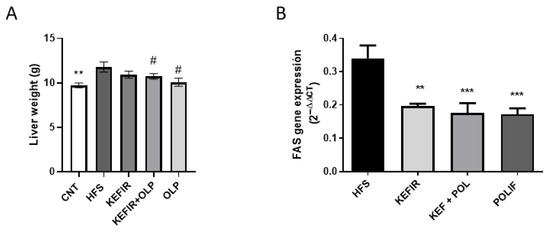
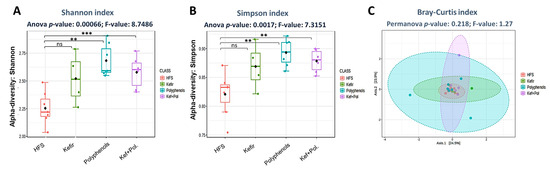
Fermented foods and prebiotics are increasingly studied for their potential therapeutic roles in metabolic disorders. In this study, 52 male Wistar rats maintained on a high-fat, high-sucrose (HFS) diet were supplemented for 8 weeks with either water kefir (providing approximately 105 CFU per rat per day), olive leaf polyphenols (equivalent to 1.6 mg oleuropein daily), or a combination of both. Both interventions ameliorated HFS-diet induced weight gain, accompanied by reductions in subcutaneous and mesenteric fat, without additive effects when combined. Moreover, olive polyphenols decreased liver weight, suggesting a potential protective effect against hepatic steatosis through Fasn modulation. These metabolic improvements were accompanied by enhanced gut microbiota diversity. Together, these findings highlight water kefir and olive leaf polyphenols as potential dietary strategies for the management of obesity, hepatic steatosis, and dyslipidemia.
Full article
(This article belongs to the Topic Functional Foods and Nutraceuticals in Health and Disease)
►▼
Show Figures

Graphical abstract
Open AccessReview
Value of Diet and Nutraceuticals in the Prevention and Treatment of Mixed Alzheimer’s Disease and Vascular Dementia
by
Mutaz Sarhan, Christian Wohlfeld, Evan See, James R. Fadel, E. Angela Murphy and Daping Fan
Nutraceuticals 2026, 6(1), 6; https://doi.org/10.3390/nutraceuticals6010006 - 13 Jan 2026
Abstract
►▼
Show Figures
Mixed dementia, most often caused by the coexistence of Alzheimer’s disease and vascular dementia pathologies, presents unique preventive and therapeutic challenges that may be addressed through dietary and nutraceutical interventions. Current evidence demonstrates that diets emphasizing polyphenol-rich foods like olive oil, berries, and
[...] Read more.
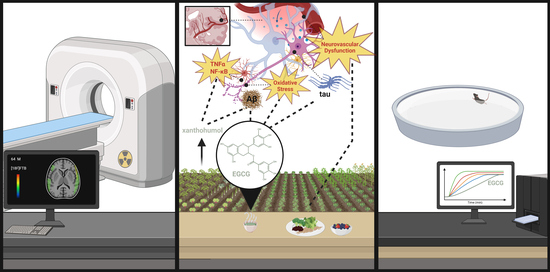
Mixed dementia, most often caused by the coexistence of Alzheimer’s disease and vascular dementia pathologies, presents unique preventive and therapeutic challenges that may be addressed through dietary and nutraceutical interventions. Current evidence demonstrates that diets emphasizing polyphenol-rich foods like olive oil, berries, and leafy greens exert neuroprotective effects by reducing oxidative stress, inflammation, and amyloid pathology while improving cerebrovascular function. Specific bioactive compounds, including resveratrol, curcumin, quercetin, epigallocatechin gallate, N-acetylcysteine, and Huperzine A, among some others, have demonstrated therapeutic potential through their multimodal mechanisms targeting the pathogenic pathways of Alzheimer’s disease and vascular dementia, including Aβ and tau pathology, neuroinflammation, oxidative stress, and neurovascular dysfunction. However, our limited appreciation of the pharmacokinetics and pharmacodynamics of natural compounds and the inadequate extent of clinical studies underscore the need for further research. This review synthesizes current knowledge on diet and nutraceutical compounds that may be of value in the prevention and treatment of mixed Alzheimer’s disease and vascular dementia. We focus on their molecular mechanisms of action relevant to the dual pathophysiological basis of mixed Alzheimer’s disease and vascular dementia.
Full article

Graphical abstract
Open AccessReview
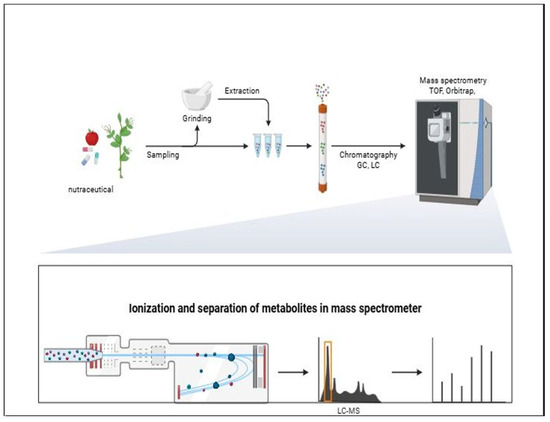
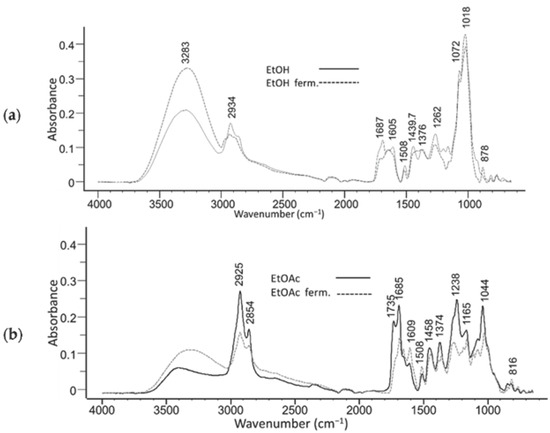
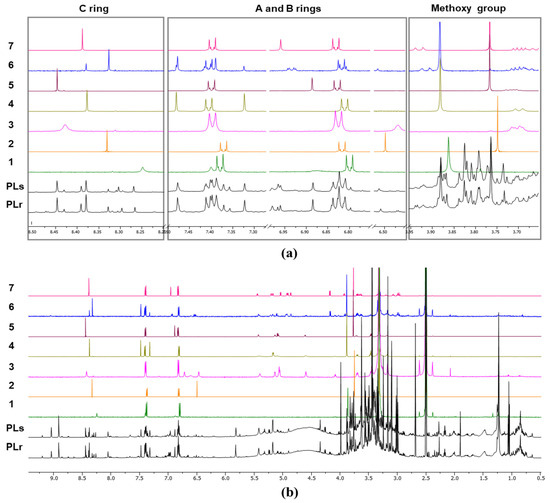
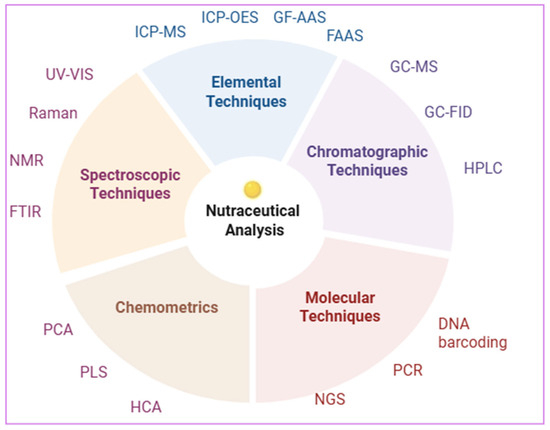
Advances in Analytical Methods for Quality Control and Authentication of Nutraceuticals: A Comprehensive Review
by
Gergana Kirilova Kirova
Nutraceuticals 2026, 6(1), 5; https://doi.org/10.3390/nutraceuticals6010005 - 12 Jan 2026
Cited by 1
Abstract
Nutraceuticals are food-based products that provide health benefits beyond basic nutrition and play an increasingly important role in preventive healthcare. Ensuring their quality, safety, and efficacy is critical as the global market expands. A systematic literature search was conducted in Scopus, Web of
[...] Read more.
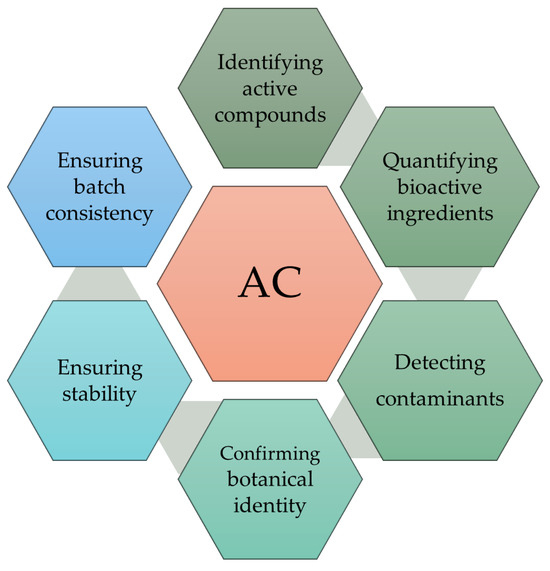
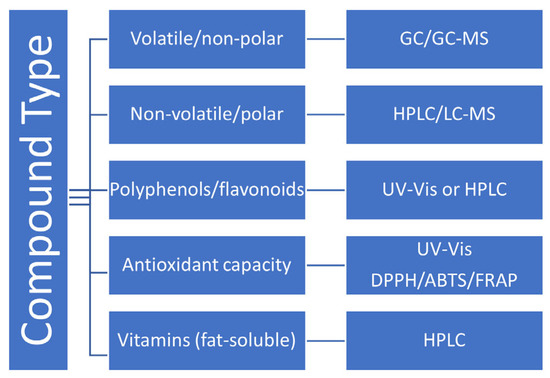
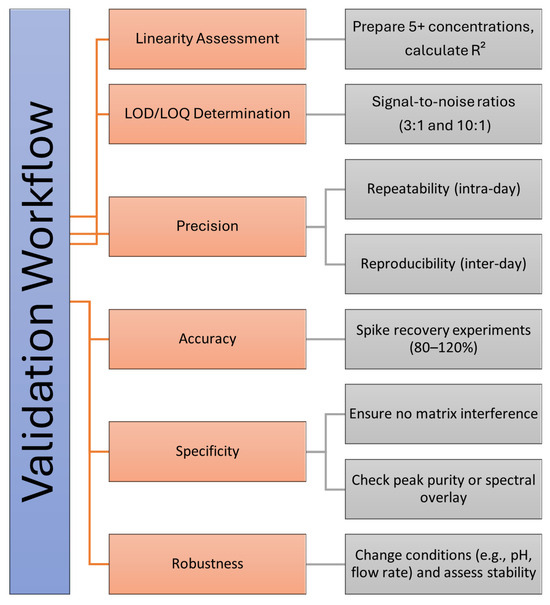
Nutraceuticals are food-based products that provide health benefits beyond basic nutrition and play an increasingly important role in preventive healthcare. Ensuring their quality, safety, and efficacy is critical as the global market expands. A systematic literature search was conducted in Scopus, Web of Science, and PubMed using keywords such as ‘nutraceuticals,’ functional foods,’ and ‘quality control,’ with studies selected based on their focus on methods for standardization, characterization, and quality assessment. This review summarizes current analytical approaches, including spectroscopic, chromatographic, and techniques for elemental analysis, highlighting their applications in compound identification, quantification, detection of adulterants, and overall quality control. Emerging challenges and future trends, such as the integration of chemometrics and real-time analytical strategies, are also discussed, providing a comprehensive perspective on the evolving field of nutraceutical analysis.
Full article
(This article belongs to the Special Issue Feature Review Papers in Nutraceuticals)
►▼
Show Figures

Figure 1
Open AccessArticle
Modulation of Iron Homeostasis by Hepcidin in Response to Elevated Dietary Vitamin D Intake in Rats: An Exploratory Study
by
Yukiko Kobayashi, Tomoya Hiraishi, Ayane Tatara, Wataru Aoi and Masashi Kuwahata
Nutraceuticals 2026, 6(1), 4; https://doi.org/10.3390/nutraceuticals6010004 - 7 Jan 2026
Abstract
The interrelationship between iron metabolism and vitamin D has attracted increasing attention; however, nutritional knowledge regarding the relationship between iron and vitamin D remains scarce. We hypothesized that a continuous increase in dietary vitamin D intake would enhance biological iron levels through the
[...] Read more.
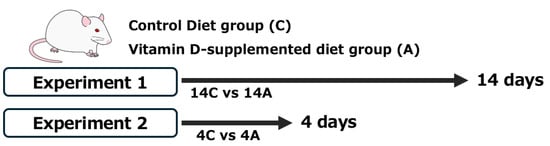
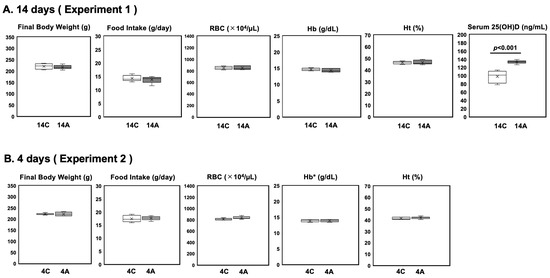
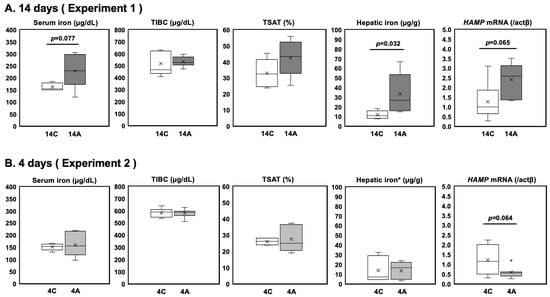
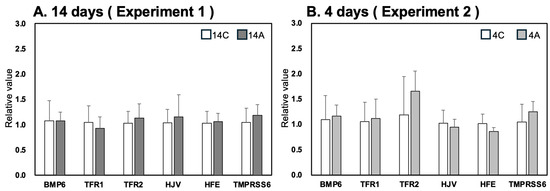
The interrelationship between iron metabolism and vitamin D has attracted increasing attention; however, nutritional knowledge regarding the relationship between iron and vitamin D remains scarce. We hypothesized that a continuous increase in dietary vitamin D intake would enhance biological iron levels through the regulation of hepcidin, and we investigated whether dietary vitamin D levels alter iron dynamics and blood cell status. Twenty-five male Wistar rats aged 7 and 8 weeks were used in experiments 1 (14 days) and 2 (4 days), respectively. Rats were divided into control and vitamin D-supplemented diet groups (14C vs. 14A in Experiment 1; 4C vs. 4A in Experiment 2) and fed the experimental diet ad libitum. In Experiment 2, no significant differences were observed in serum and liver iron levels, total iron-binding capacity, and serum transferrin saturation between groups; however, hepcidin (HAMP) mRNA expression was lower in the 4A group. By contrast, the 14A group showed significantly higher serum and liver iron levels and higher HAMP mRNA expression than the 14C group. These results indicate that high-dose dietary vitamin D alters iron metabolism in rats, characterized by transient suppression of hepatic hepcidin expression and increased liver iron, suggesting modulation of iron regulatory pathways.
Full article
(This article belongs to the Special Issue Dietary Supplements in Clinical and Translational Practice: Mechanisms, Applications and Future Directions)
►▼
Show Figures

Figure 1
Highly Accessed Articles
Latest Books
E-Mail Alert
News
Topics
Topic in
Antioxidants, Molecules, Nutraceuticals, Nutrients, Plants
Memory-Enhancing Activity of Bioactive Compounds: From Natural Sources to Brain, 2nd Edition
Topic Editors: Lucian Hritcu, Simone CarradoriDeadline: 30 April 2026
Topic in
Antioxidants, Biomedicines, IJMS, Life, Oxygen, Cosmetics, Nutraceuticals
Oxidative Stress and Inflammation, 3rd Edition
Topic Editors: Maria Letizia Manca, Amparo Nacher, Matteo Perra, Ines Castangia, Mohamad AllawDeadline: 31 July 2026
Topic in
Microorganisms, Foods, Beverages, Fermentation, Applied Microbiology, Nutraceuticals, Applied Biosciences
The Biotechnological Potential of Non-Saccharomyces Yeasts
Topic Editors: Spiros Paramithiotis, Maria Dimopoulou, Jayanta Kumar Patra, Yorgos KotseridisDeadline: 30 September 2026
Topic in
Antioxidants, Biomolecules, Nutraceuticals, Nutrients, Foods, Sci. Pharm., Pharmaceuticals
Functional Foods and Nutraceuticals in Health and Disease
Topic Editors: Srinivas Nammi, Dennis ChangDeadline: 20 December 2026
Conferences
Special Issues
Special Issue in
Nutraceuticals
Feature Review Papers in NutraceuticalsGuest Editor: Ivan Cruz-ChamorroDeadline: 31 May 2026
Special Issue in
Nutraceuticals
Healthy Aging: The Contribution of Nutraceuticals to the Microbiota of Centenarians
Guest Editors: Emanuel Vamanu, Gretta Veronica Badillo PazmayDeadline: 31 May 2026
Special Issue in
Nutraceuticals
Dietary Supplements in Clinical and Translational Practice: Mechanisms, Applications and Future Directions
Guest Editors: George Jitca, Amelia Tero-Vescan, Bianca-Eugenia ŐszDeadline: 20 December 2026