


Abstract
Chrysanthemum indicum L. (C. indicum), a perennial herb widely distributed across East Asia, has long been utilised in traditional medicine and as a functional food ingredient. Contemporary research has revealed a chemically diverse phytochemical profile, dominated by flavonoids, phenolic acids, sesquiterpene lactones, essential oils, carotenoids, and polysaccharides, which collectively underpin its broad pharmacological potential. Experimental studies demonstrate that extracts and isolated constituents of C. indicum exert pronounced antioxidant, anti-inflammatory, antimicrobial, hepatoprotective, cardioprotective, and anticancer effects in vitro and in vivo, often through modulation of key molecular pathways such as NF-κB, NLRP3 inflammasomes, AMPK–SIRT1, and Nrf2 signalling. Emerging pharmacokinetic evidence indicates variable oral bioavailability and metabolic transformation of major bioactive compounds, highlighting formulation challenges that may influence therapeutic efficacy. Toxicological studies suggest a generally favourable safety profile at traditionally used doses, although long-term and clinical safety data remain limited. Regulatory positioning varies internationally, with applications spanning traditional herbal preparations, dietary supplements and functional foods. Despite promising preclinical findings, significant challenges persist, including chemical standardisation, bioavailability optimisation, mechanistic clarification and the paucity of well-designed clinical trials. This review critically synthesises current knowledge on the botany, phytochemistry, pharmacological activities, pharmacokinetics, safety considerations and regulatory landscape of C. indicum, identifying key research gaps and outlining future directions to support its evidence-based development as a therapeutic and dietary agent.
1. Introduction
Chrysanthemum indicum L. (C. indicum), historically known as Dendranthema indicum, is a perennial herbaceous species belonging to the genus Chrysanthemum within the Asteraceae family [1,2]. Native to East Asia, this plant has held a revered place in traditional medicine and cultural symbolism for over three millennia. In Chinese, Japanese, and Korean traditions, C. indicum (Juhua) is emblematic of longevity, rejuvenation, and vitality [3]. Its earliest documented use dates back to the Shennong Bencao Jing (Shennong’s Classic of Materia Medica) from the Han dynasty (206 BCE–220 AD), where it was prescribed for ailments like headaches and eye disorders [3].
Through history, C. indicum has been integrated into daily life and ceremonial practice across East Asia. In China, its floral infusions gained popularity during the Tang and Song dynasties; in Japan, it was adopted into seasonal rituals and Kampo medicine; and in Korea, it was incorporated into the national herbal pharmacopoeia [4,5]. These traditions collectively shaped the medicinal use of C. indicum in various ethnopharmacological systems of East Asian medicine.
Within Traditional Chinese Medicine, C. indicum is classified as a cooling herb that clears heat and detoxifies the liver. In Kampo and Korean traditional medicine, it is used to treat conditions such as vertigo, cephalalgia, sore throat, hypertension, and respiratory ailments [6,7]. Common modes of administration include teas, decoctions, topical poultices, and eye washes, reflecting its broad therapeutic applications [3].
In recent decades, the medicinal value of C. indicum has received growing attention from the scientific community. Advances in pharmacognosy have substantiated many traditional uses by revealing a complex phytochemical composition, including flavonoids (e.g., luteolin, quercitrin), terpenoids, phenolic acids, and essential oils [8]. These constituents exhibit a wide array of bioactivities, including antioxidant, anti-inflammatory, hepatoprotective, antimicrobial, and anticancer properties, supporting the plant’s potential role in preventing or managing chronic diseases such as cardiovascular disorders, neurodegeneration, diabetes, and obesity [3].
Mechanistic insights have further elucidated the molecular pathways through which C. indicum exerts its effects. Notably, activation of the adenosine monophosphate (AMP)-activated protein kinase-Sirtuin 1 (AMPK–SIRT1) axis and the Kelch-like ECH-associated protein 1–nuclear factor erythroid 2-related factor 2 (Keap1–Nrf2) antioxidant response pathway has been documented, linking its bioactive molecules to key cellular defence mechanisms [3]. Moreover, beyond conventional pharmacology, C. indicum has shown potential in emerging domains such as green nanotechnology—for instance, in the biosynthesis of silver nanoparticles with antimicrobial activity—and as a functional ingredient in health-promoting foods and nutraceuticals [8,9].
This review explores the medicinal and therapeutic landscape of C. indicum, integrating traditional ethnomedical knowledge with contemporary scientific findings. The following section introduces the botanical and ecological characteristics of the plant, laying the foundation for an in-depth exploration of its phytochemical profile, pharmacological significance and therapeutic relevance. Building on this foundation, this review aims to provide a comprehensive and critical synthesis of the current scientific evidence on the phytochemistry, pharmacological activities, pharmacokinetics, safety, and regulatory status of C. indicum. Specifically, it seeks to: (i) summarise and evaluate the major bioactive constituents; (ii) examine experimental evidence supporting its therapeutic potential; (iii) assess pharmacokinetic and safety considerations relevant to medicinal and nutraceutical applications; and (iv) identify key knowledge gaps and future research priorities.
2. Methodology
This review was developed through a comprehensive literature search focused on C. indicum, covering publications up to 30 November 2025. Searches were conducted across multiple scientific databases, including Scopus and PubMed. This review was conducted as a narrative literature review rather than a formal systematic review. ScienceDirect and Google Scholar were also used to identify supplementary references and for citation tracking. The primary search terms were “Chrysanthemum indicum”, “C. indicum”, and “Dendranthema indicum”, combined using Boolean operators (AND/OR) with keywords such as “health”, “therapeutic effects”, “phytochemistry”, “bioactivities”, and “biological effects” to ensure broad coverage of the plant’s chemical composition and biological potential. The primary database search (Scopus and PubMed) yielded approximately 1040 records prior to duplicate removal. All retrieved citations were exported into reference management software, where overlapping entries across databases were identified and removed. After duplicate removal, approximately 620 unique records remained for screening. Titles and abstracts were screened for relevance. Studies were included if they investigated C. indicum (whole plant, extracts, or isolated compounds) and reported phytochemical characterisation, biological activity, toxicological evaluation, or nutraceutical applications. Only peer-reviewed original research articles and relevant review papers were considered. Studies focusing on other Chrysanthemum species without clear reference to C. indicum, lacking primary data, or not accessible in full text were excluded. Although no formal language restrictions were applied during the search process, the majority of included articles were published in English. Several potentially relevant studies in Chinese, Korean, and Japanese were identified but excluded where full-text translations were unavailable; this is acknowledged as a potential source of language bias. Following full-text evaluation, 144 studies met the inclusion criteria and were incorporated into the final synthesis. Where overlapping datasets were identified, the most comprehensive or recent study was retained to avoid duplication of evidence. Additional references were identified by manually screening the bibliographies of relevant articles, reviews, and meta-analyses. Both original research articles and review papers were considered; the former provided primary data on the phytochemistry and biological activities of C. indicum, while the latter supported background and contextual understanding. Studies were prioritised from the past 20 years to reflect recent advancements. The included studies were synthesised qualitatively, with particular attention to the nature of the tested material (isolated compounds, characterised extracts, or crude preparations) and the strength and relevance of the reported biological evidence. As this was a narrative review, no formal risk-of-bias assessment tool was applied; however, study quality and relevance were critically considered during data interpretation. Pharmacological data were reported using the original units provided in the cited studies to preserve accuracy and avoid misinterpretation, as differences in experimental design, model systems, and reporting formats may limit direct standardisation across studies. All schematic figures were created using Microsoft PowerPoint and Canva to visually summarise and clarify key concepts. Only peer-reviewed sources were used for visual content, while grey literature, conference abstracts, and unpublished materials were excluded.
3. Botanical Profile
C. indicum is an herbaceous perennial belonging to the family Asteraceae. It typically grows up to 1 metre in height and is characterised by ovate to lobed leaves and small capitula bearing bright yellow ray florets (Figure 1), which represent the predominant floral phenotype in wild populations [10]. Despite this, the genus Chrysanthemum is noted for extensive floral colour variation, ranging from white and pink to purple and red, driven largely by differential biosynthesis and accumulation of carotenoids and anthocyanins [11,12,13]. Within C. indicum, naturally occurring variants have been documented, such as C. indicum var. albescens with white florets, and pale pink hybrids, reflecting notable genetic and phenotypic plasticity [12,14].
Figure 1.
Chrysanthemum indicum L. (Image @KENPEI, licenced under [CC BY-SA 3.0 Unported]) (https://creativecommons.org/licenses/by-sa/3.0/) (accessed on 1 September 2025).
Morphologically, C. indicum exhibits features useful for species identification and authentication. Pollen morphology is distinct: grains are trizonocolporate with characteristic spines possessing broad, flattened bases marked with grooves and elongated spine lengths averaging 5.9 μm, enabling discrimination from closely related taxa [15]. Vegetative traits include purple–black slender hairs along the stems and oval leaves; when dried, the plant material produces a yellow-brown powder [16]. A key diagnostic feature is the presence of T-shaped trichomes restricted to the adaxial leaf surface, which distinguishes C. indicum from morphologically similar species such as C. morifolium and C. boreale [17].
The broader genus Chrysanthemum encompasses more than 40 recognised species with considerable morphological and ecological diversity [12]. For instance, C. lavandulifolium is characterised by finely dissected leaves and narrow ray florets, while C. zawadskii bears broader foliage and purple-pink flowers [10]. Among cultivated taxa, C. morifolium is the most extensively domesticated, having undergone centuries of selection and hybridisation to yield a remarkable diversity of floral forms (single, double, pompon types) and colours [18,19]. In contrast, wild species such as C. indicum retain simpler floral morphologies but are highly valued for their abundance of bioactive metabolites, which underpin their traditional medicinal applications and growing role in functional food development [10,14].
Beyond morphology, the species is notable for its phytochemical profiles. It contains abundant polyphenolic acids, flavonoids, and sesquiterpene lactones such as alantolactone, compounds associated with its biological activity [20]. Fertilisation practices have been shown to influence both morphological parameters and metabolite composition, with significant increases in polyphenol content reported in leaves and flowers [20].
From a phylogenetic perspective, C. indicum occupies a foundational position within the Chrysanthemum lineage. It is widely regarded as a basal or ancestral species that has contributed significantly to the evolutionary history of cultivated Chrysanthemum [12,14]. Molecular studies and genomic sequencing indicated that C. indicum has played a crucial role in the domestication process through recurrent hybridisation and polyploidisation events.
Introgression of genetic material from wild C. indicum has conferred important agronomic traits, such as stress tolerance, extended floral longevity, and enhanced resistance to pathogens, on modern cultivars [13,21,22]. Phylogenomic analyses further support its close relationship to the ancestral node of current polyploid varieties and underscore its genetic contribution to the cultivated gene pool [22,23].
Ecologically, C. indicum demonstrates wide adaptability and considerable ecological plasticity. It grows in a wide range of environments, including grasslands, forest margins, mountain slopes, riverbanks, and disturbed areas such as roadsides. The species favours moist soils and can tolerate mildly saline conditions, flourishing at elevations from 100 to 2900 metres [24].
This ecological breadth is underpinned by notable cytogenetic diversity: C. indicum occurs in both diploid (2n = 18) and tetraploid (2n = 36) cytotypes, with polyploid forms especially prevalent in central and Southern China [23]. Polyploidy is believed to enhance environmental resilience and has facilitated the species’ role in Chrysanthemum breeding programmes [25]. The primary centre of genetic diversity lies in the Chinese provinces of Anhui, Henan, Hubei, and Jiangxi, which have served as a source for both natural dispersal and human-mediated selection [26].
Together, these botanical, phylogenetic, and ecological characteristics establish C. indicum as a genetically and pharmacologically significant species within the genus. Its ancestral role in Chrysanthemum evolution, combined with its broad ecological adaptability and phytochemical richness, underscores its continuing relevance in both horticultural improvement and medicinal research.
4. Phytochemistry
The phytochemical complexity of C. indicum reflects its longstanding therapeutic relevance and underpins many of its reported pharmacological effects. The species contains a broad array of bioactive secondary metabolites, including flavonoids, phenolic acids, terpenoids, essential oils, carotenoids, and polysaccharides (Figure 2) [12]. These compounds contribute to its documented antioxidant, anti-inflammatory, antimicrobial, and immunomodulatory activities, supporting both its traditional medicinal use and its growing value as a functional food and nutraceutical [27,28].
Figure 2.
Major phytochemical constituents of C. indicum.
4.1. Flavonoids
Flavonoids constitute one of the most pharmacologically important classes of secondary metabolites in C. indicum. These polyphenols share a C6–C3–C6 backbone [29,30] and are subdivided into flavonols, flavones, flavanones, flavan-3-ols, isoflavones, and anthocyanins (Figure 3) [30]. Structural modifications such as hydroxylation, glycosylation, and methylation influence polarity, solubility, and bioactivity, thereby affecting pharmacokinetics and therapeutic potential [31,32]. Given their moderate to high polarity, particularly in glycosylated forms, flavonoids are most efficiently extracted using an aqueous alcohol mix [33,34].
Figure 3.
Chemical structures of major phytochemical classes found in C. indicum, including flavonoids (e.g., quercetin, catechin, naringenin, apigenin, genistein, cyanidin), hydroxybenzoic acids (e.g., gallic acid, protocatechuic acid, p-hydroxybenzoic acid, syringic acid), hydroxycinnamic acids (e.g., ferulic acid, caffeic acid, p-coumaric acid, sinapic acid), and terpenes (ranging from hemiterpenes to tetraterpenes, including examples such as prenol, nerol, farnesol, phytol, ophiobolin A, β-sitosterol, and β-carotene).
In C. indicum, numerous flavonoids have been identified, including quercitrin, myricetin, luteolin, apigenin, acacetin, and luteolin-7-O-glucoside [35,36]. These compounds have been consistently associated with antioxidant, anti-inflammatory, hepatoprotective, and cytotoxic activities [29,32]. Quantitative studies, however, show wide variability, reflecting differences in plant organ, developmental stage, and extraction methodology.
Specific plant organs and flowering stages influence the flavonoid yield. Wei et al. quantified the total flavonoid content (TFC) of 70% ethanolic extracts of C. indicum aerial parts (leaf, stem, and flower), expressing the results as rutin equivalents (RE)/g extract. Across different growth stages, TFC peaked at the early vegetative stage (G2), with leaves containing the highest levels (265.7 mg RE/g) and stems much lower (86.8 mg RE/g). After declining through mid-stages, TFC rose again at full bloom (G5), with leaves again showing the greatest concentration (215.4 mg RE/g), followed by flowers (143.3 mg RE/g) and stems (49.8 mg RE/g) [27].
Complementary evidence comes from Abalkhail et al., who also reported organ-specific variation in the methanolic extracts of C. indicum, expressing TFC as quercetin equivalents (QE)/g dry extract. Flowers contained significantly higher TFC (95.2 ± 2.3 mg QE/g) compared to leaves (73.2 ± 3.3 mg QE/g), confirming organ-dependent distribution of flavonoids [37]. However, as only a single collection stage was examined, direct stage-based comparisons to Wei et al. are not possible [27]. Conventional hot solvent extraction with 60% ethanol yielded a TFC of 137.29 ± 1.13 mg/g dry flower, based on the sum of individually quantified flavonoids by high-performance liquid chromatography (HPLC) [35].
Uranishi et al. extracted C. indicum leaves with 50% ethanol and quantified flavonoids, reporting TFC values of 2.3–11.4 mg QE/g (dry weight—DW). Antioxidant potency showed only a moderate correlation to TFC (R2 = 0.42). Chromatographic profiling identified acacetin, acacetin 7-O-glucoside, and acacetin 7-O-malonylglucoside as the principal leaf flavonoids, underscoring organ-specific chemistry relative to flower glycosides [24].
Further insights come from fractionation studies. Luyen et al. extracted flowers with methanol under reflux, and then partitioned the crude into dichloromethane, ethyl acetate, and aqueous fractions. Further, 9.27 ± 0.97 mg QE/g dry residue (DR) was reported for the crude extract, with marked enrichment in the ethyl acetate fraction (63.49 ± 3.32 mg QE/g DR) and a more modest content in the aqueous fraction (12.47 ± 0.58 mg QE/g DR) [38]. In contrast, little flavonoid was detected in the dichloromethane fraction, consistent with the greater polarity of flavonoids, which preferentially partition into more polar solvents such as ethyl acetate or water. This reveals how post-extraction partitioning can markedly alter apparent flavonoid levels.
Taken together, these findings suggest that both extraction/fractionation techniques and biological variables (organ type, developmental stage) critically shape reported flavonoid yields. A summary of extraction conditions, solvents, and principal flavonoids identified across studies is presented in Table 1, illustrating how methodological and biological variables jointly influence the reported TFC and composition in C. indicum. As shown in Table 1, the predominance of flavonols such as quercetin, luteolin, and apigenin is consistent across most studies, though the absolute TFC varies widely depending on solvent polarity and extraction intensity. Such variability emphasises the need for methodological transparency and careful cross-study interpretation when comparing flavonoid data.
Table 1.
Extraction methods, solvents, and key flavonoids identified in C. indicum.
4.2. Phenolic Acids
Phenolic acids form another important phytochemical group in C. indicum, particularly hydroxybenzoic acids (e.g., gallic acid) and hydroxycinnamic acids (e.g., caffeic, chlorogenic, and dicaffeoylquinic acids) (Figure 3), with the latter subgroup predominating in floral and leaf tissues [12,39]. These compounds, characterised by hydroxylated aromatic structures, contribute significantly to the plant’s antioxidant and anti-inflammatory potential. Given their hydrophilicity, phenolic acids are generally extracted using aqueous ethanol or methanol, with quantification achieved through spectrophotometry, HPLC or liquid chromatography coupled with tandem mass spectrometry (LC-MS/MS)/ultra-performance liquid chromatography coupled with MS/MS (UPLC-MS/MS) [12,35,40].
Chlorogenic acid is the most consistently reported phenolic marker, found across flowers, leaves, and aerial tissues. For example, leaves at full bloom (G5) extracted with 70% ethanol contained 9.62 ± 0.14 mg/g chlorogenic acid, within a total phenolic content (TPC) of 16.82 ± 0.25 mg gallic acid equivalent (GAE)/g [27]. In contrast, the UAE with 70% ethanol and 2% acetic acid flowers yielded a TPC of 12.7 ± 0.8 mg GAE/g. HPLC-MS identified several phenolic acids, with prenyl-dimethoxy-caffeoyl-p-coumaric acid (0.89 ± 0.06 mg/g) as the dominant constituent, alongside coumaroyloleuropein (0.42 ± 0.03 mg/g), and gallic acid (0.31 ± 0.02 mg/g) [39].
Further evidence comes from fractionation and isolation work on C. indicum flowers. Luyen et al. extracted the dried material by refluxing with methanol, and subsequently partitioned the crude methanolic extract into dichloromethane, ethyl acetate, and aqueous fractions. The ethyl acetate extract was richest in phenolics (525.84 ± 23.51 mg GAE/g DR), yielding multiple caffeoylquinic acid derivatives, including chlorogenic acid, cynarin, and methylated dicaffeoylquinates [38].
Complementary insights are provided by Uranishi et al., who analysed the ethanolic extracts of C. indicum leaves from 22 habitats in Kochi Prefecture (Japan). Chlorogenic acid (0.3–3.3% DW) and dicaffeoylquinic acid isomers (0.6–7.5% DW) predominated, with antioxidant activity correlating positively with 1,5- and 3,5-dicaffeoylquinic acid content [24].
Similarly, Cao et al. found that ray florets contained higher concentrations of phenolic acids than disc florets, suggesting intra-floral variation can significantly shape bioactive profiles [40]. Such discrepancies underscore the influence of tissue type and extraction method on yield.
Sequential methanolic extractions analysed by UPLC confirmed chlorogenic acid as the predominant phenolic acid across tissues. Reported levels in C. indicum flowers ranged from 0.14 to 0.39 g/100 g, while leaves contained higher concentrations (0.36–2.55 g/100 g), and stems showed intermediate values (0.13–0.55 g/100 g). Corresponding TPC varied from 0.31 to 6.78 g GAE/100 g among C. indicum samples, with higher values generally correlating with stronger antioxidant activity (DPPH assay). These data highlight the tissue-specific enrichment of phenolic acids in C. indicum, particularly in the leaves [41]. Representative phenolic compounds, extraction methods, and total phenolic contents reported for C. indicum are summarised in Table 2.
Table 2.
Representative phenolic compounds, extraction methods, and TPC in C. indicum.
Table 2 highlights chlorogenic acid as a consistent chemotaxonomic marker, present across tissues and extraction types, while other hydroxycinnamic derivatives show marked variation across developmental stages and habitats. The data also reinforce the dominant role of ethyl acetate fractions in concentrating phenolic acids and the strong influence of geography and cultivation conditions on their accumulation.
Geographical origin and environmental factors also influence phenolic profiles. A metabolomics survey of C. indicum conducted by Zou et al. across seven Chinese habitats detected 802 metabolites, with flavonoids and phenylpropanoids varying significantly across regions; multivariate analyses grouped samples by habitat, indicating strong geographic structuring of phenolic composition, though climatic factors were not significantly correlated with metabolite levels [42].
Similarly, in Thailand, cultivation practices using compost and chemical fertilisers altered the bioactive content of C. indicum flowers, with total phenolic content ranging from 8.74 to 10.42 mg GAE/g DW, and fertilised plants exhibiting stronger antioxidant activity than unfertilised controls, underscoring the role of soil management and environment in shaping phenolic accumulation [43].
While HPLC-UV and HPLC-DAD offer reliable quantification, LC-MS or LC-MS/MS provides superior sensitivity, enabling the detection of low-abundance derivatives such as coumaroyloleuropein and gallic acid derivatives [12,39].
Overall, these findings identify chlorogenic acid as a consistent chemotaxonomic marker while demonstrating that tissue type, geography, cultivation practices, and extraction methodology substantially influence the broader phenolic profile.
4.3. Terpenes and Terpenoids
Terpenes and their oxygenated derivatives (terpenoids) represent another major phytochemical class in C. indicum, primarily contributing to its essential oil profile and associated bioactivities [44]. Derived biosynthetically from isoprene units, these compounds are classified by carbon skeleton size: monoterpenes (C10), sesquiterpenes (C15), diterpenes (C20), and triterpenes (C30) [6,45] (Figure 3). In C. indicum, monoterpenes and sesquiterpenes are the most abundant, particularly in flowers and leaves, whereas triterpenoids are less abundant but pharmacologically relevant [8,28].
Gas chromatography coupled with mass spectrometry (GC-MS) analysis of C. indicum flower extracts detected 63 volatiles, with terpenoids forming a major fraction; the dominant sesquiterpene was germacrene D (6.15%), while the principal monoterpene was eucalyptol (1,8-cineole, 4.94%) [35].
Developmental stage further shapes terpenoid output. Zhu et al. profiled C. indicum var. aromaticum across three flower stages using headspace solid-phase microextraction coupled with GC-MS (HS-SPME-GC-MS), identifying 370 volatiles (34.82% terpenoids). Sesquiterpenes predominated in early flower buds, whereas monoterpenes such as linalool increased in blooming flowers. Transcriptome analysis revealed stage-specific expression of terpene synthases (TPS14, GERD), consistent with dynamic emission patterns [46].
Drying conditions significantly alter composition: camphor remained abundant in freeze-dried samples (35.2%), whereas shade-drying yielded higher borneol (28.3%). These shifts suggest enzymatic and oxidative transformations between camphor and borneol, highlighting the need for consistent sample preparation in terpene profiling [47].
Genetic and cytogenetic factors also modulate terpenoid profiles. Feng et al. showed with GC-MS that diploid C. indicum accumulated relatively more monoterpenes, whereas tetraploids were enriched in sesquiterpenes, indicating polyploidy as a driver of metabolic shifts in terpene biosynthesis with implications for chemotaxonomy and breeding [45].
More detailed terpene synthase (TPS) functional analyses confirm ploidy-driven shifts. Yuan et al. identified 938 volatile organic compounds and cloned seven TPS genes in C. indicum var. aromaticum. Enzyme assays showed multifunctional TPS-a proteins producing α-terpineol, β-bisabolene, and (E)-β-farnesene, while a TPS-b enzyme specifically generated β-myrcene and ocimenes. Tetraploid plants accumulated higher proportions of floral terpenoids, whereas diploids exhibited stronger woody notes, highlighting TPS diversification as a molecular basis for ploidy-dependent aroma divergence [48].
Tissue specificity is evident: Zhou et al. found β-farnesene dominated root volatiles (~70% of total, ~25.2% in flower buds), while α-pinene (18.8%) and camphor (~10%) were abundant in flower buds. Petasitene, a newly characterised sesquiterpene, was localised only in roots, whereas β-caryophyllene was more broadly distributed across aerial organs [28].
Comparisons across Chrysanthemum-related species reveal both shared volatiles and distinct chemotypes. Guo et al. analysed essential oils from five wild taxa, including C. indicum, C. nankingense, C. lavandulifolium, C. vestitum, and O. taihangensis, identifying common terpenoids such as camphor, α-pinene, and 1,8-cineole, but with markedly different concentrations [49].
Complementing this, Mohammad and Zahari reported that while C. morifolium oils were richer in β-caryophyllene, C. indicum displayed greater antimicrobial efficacy, likely linked to higher camphor and cineole content. These interspecific differences underscore the functional implications of both phytochemical diversity across species and the importance of detailed profiling in evaluating therapeutic potential.
Collectively, these studies emphasise the complex interplay between developmental stage, genetic background, and processing conditions in shaping the volatile terpenoid profile of C. indicum. A detailed summary of terpenoid composition under varying extraction and plant conditions is provided in Table 3, offering a comparative perspective on key monoterpenes and sesquiterpenes across different analytical methodologies. As shown, germacrene D, camphor, and 1,8-cineole consistently dominate the essential oil profile of C. indicum, whereas monoterpene–sesquiterpene ratios vary according to developmental stage, drying conditions, and ploidy level. These results reinforce the chemotaxonomic value of terpenoids within Chrysanthemum species and their influence on aroma and biological activity.
Table 3.
Terpenoid profiles of C. indicum under different extraction and plant material conditions.
4.4. Carotenoids
Carotenoids are naturally occurring pigments responsible for the vivid yellow, orange, and red colours in many flowering plants, including Chrysanthemum species. Structurally, these tetraterpenoids (C40), synthesised from eight isoprene units, are generally classified into carotenes (hydrocarbons, e.g., β-carotene, lycopene) and xanthophylls (oxygenated derivatives, e.g., lutein, zeaxanthin) [50] (Figure 4). Functionally, carotenoids play both photoprotective and antioxidative roles in plants, while in humans, they provide provitamin A activity (β-carotene) and ocular protection (lutein, zeaxanthin) [51]. In C. indicum, compositional surveys have identified carotenoids as key contributors to yellow pigmentation alongside flavonoids and anthocyanins. Al Sayed confirmed their presence using chromatographic and spectrophotometric methods, estimating a total carotenoid content of 0.37% (w/w) in dried herb material, although without compound-level resolution [52].
Figure 4.
Chemical structures of major carotenoids, including carotenes (hydrocarbons; e.g., α-, β-, and γ-carotene, lycopene, torulene) and xanthophylls (oxygenated derivatives; e.g., astaxanthin, zeaxanthin, lutein, β-cryptoxanthin, and torularhodin).
Processing methods strongly affect pigment retention in C. indicum. Li et al. quantified carotenoids in fresh flowers at 9.8 mg/g DW, with levels decreasing after blanching. Infrared-assisted steam blanching best preserved carotenoids (9.05 mg/g), compared with steam (8.25 mg/g) and infrared blanching (7.61 mg/g). The treatment also minimised colour loss and prevented peroxidase activity regeneration during storage. These findings underline the thermolabile nature of carotenoids and demonstrate the importance of optimised blanching in preserving pigment quality in Chrysanthemum flower tea [53].
Environmental stress can also alter carotenoid levels. Nosratabadi et al. exposed C. indicum to increasing soil copper concentrations (0–400 mg/kg) and found carotenoids remained stable up to 200 mg/kg but significantly increased at 400 mg/kg, reaching 3.87 mg/g FW compared with 2.63 mg/g FW in controls. The results suggest carotenoids play a protective role in oxidative stress tolerance in C. indicum, buffering plants against heavy metal toxicity [54].
Carotenoids are also key quality determinants in processed C. indicum tea products. Prabawa et al. studied drying regimes (40–60 °C) for yellow flowers and identified β-carotene, lutein, and α-carotene as the dominant pigments responsible for yellow colouration. Although not quantified, cabinet drying at 60 °C was found to best preserve pigment quality, yielding products with high antioxidant activity (87.67%) and favourable sensory scores. The study emphasises carotenoids as central to both functional and sensory attributes of C. indicum drinks [55].
Carotenoid biosynthesis in plants occurs within plastids via the methylerythritol phosphate pathway, with accumulation influenced by both genetic regulation and processing conditions [56]. In Chrysanthemum, pigment profiling rather than transcriptomics has provided key insights. Lu et al. quantified carotenoids in C. morifolium breeding lines and found lutein and β-carotene as dominant pigments, with total carotenoid content strongly correlated with the b (yellow–blue) colour parameter, confirming that carotenoids underpin yellow floral colouration [57]. In contrast, Din et al. showed that pale or white cultivars express higher levels of carotenoid cleavage dioxygenase 4a (CCD4a), leading to pigment degradation, while yellow cultivars accumulate carotenoids due to lower CCD4a activity. CCD4 homologues are also present in wild species, including C. indicum, indicating that pigment levels reflect a balance between biosynthesis and degradation pathways [58].
Although knowledge of C. indicum carotenoids remains fragmentary, lutein, zeaxanthin, and β-carotene are likely key constituents, consistent with patterns observed in related taxa. Accumulation of these pigments appears to reflect an interaction between genetic background (flower colour, ploidy), developmental stage, environmental stress responses, and post-harvest processing conditions. Such variability has direct implications for both compositional consistency and biological value, given the established roles of carotenoids in oxidative defence and human health. Future work integrating genotype selection, cultivation management, and standardised analytical methodologies will be critical to defining the carotenoid profile of C. indicum and consolidating its position as a reproducible nutraceutical resource.
4.5. Saccharides (Mono- and Polysaccharides)
Saccharides include both monosaccharides and structurally complex polysaccharides, which contribute to the plant’s physicochemical properties and biological activities. Monosaccharides such as glucose, galactose, arabinose, and rhamnose are commonly identified as constituent units, while polysaccharides are structurally diverse macromolecules composed of monosaccharide residues linked via glycosidic bonds [59,60]. In C. indicum, they are typically heteropolysaccharides containing galacturonic acid, glucuronic acid, arabinose, rhamnose, glucose, and galactose in varying ratios [61,62]. These heteropolysaccharides exhibit considerable variation in branching patterns, molecular weight, and functional group modification, which strongly influence solubility, extractability, and biological activity.
Yuan et al. used microwave-assisted extraction (MAE) with ethanol precipitation and dialysis to prepare JHP-2 (purified polysaccharide fraction from C. indicum tea), achieving a yield of 7.3%, total sugars of 84.3%, and a composition rich in galacturonic acid, arabinose, and galactose [63].
Liu et al. focused on polysaccharides from C. indicum branches and leaves. Under the optimal MAE conditions, the yield reached 9.85%. The crude extract was purified by alcohol precipitation, Sevage deproteinisation, and cellulose chromatography, with the fractions showing dose-dependent hydroxyl and superoxide radical scavenging, confirming antioxidant potential from non-floral tissues [64].
Du et al. extracted polysaccharides from C. indicum flowers using hot water extraction (HWE) followed by ethanol precipitation, Sevage treatment, decolourisation, and dialysis. The process yielded 4.71 g (≈2.35%) from 200 g of raw material. The purified polysaccharide had a total sugar content of 97.2% and consisted primarily of rhamnose, arabinose, xylose, mannose, glucose, galactose, and a trace of fructose.
Xiong et al. employed HWE followed by diethylaminoethyl (DEAE)-cellulose and Sephadex G-100 chromatography to isolate four polysaccharide fractions (CIP1–CIP4) from C. indicum flowers, obtaining a crude yield of 28.07% with carbohydrate contents above 90%, and CIP3 characterised by 91.93% total sugars and a molecular weight (MW) of 8.74 × 10³ Da [61].
Chemical modification can further enhance the functionality of C. indicum polysaccharides. Ming et al. phosphorylated a crude extract using the STMP–STPP method, yielding a phosphorylated derivative (pCIPS) with a polysaccharide content of 90.27% and a degree of substitution of 0.317 [65]. The phosphorylation process preserved the primary carbohydrate structure while altering morphology and improving bioactivity.
Li and colleagues extracted polysaccharides from C. indicum flowers using HWE, ethanol precipitation, Sevage deproteinisation, and chromatographic purification, yielding 36.2% with a MW of 5.85 × 10⁴ g/mol. The fraction was composed mainly of galacturonic acid (32.5%), glucose (26.6%), and arabinose (19.4%). Carboxymethylated derivatives (CMCI-1 to CMCI-3) were prepared, with CMCI-3 (DS 0.60) showing a smaller particle size, greater negative charge, and enhanced bioactivity [66]. The structural diversity of C. indicum polysaccharides, including their extraction yields and monosaccharide composition, is summarised in Table 4.
Table 4.
Extraction methods, yields, and monosaccharide composition of C. indicum polysaccharides.
As outlined in Table 4, extraction techniques and purification strategies exert substantial influence on both yield and sugar composition. Microwave-assisted and hot water extractions dominate the literature, with fractions rich in galacturonic acid, glucose, and arabinose. Chemical derivatisation (e.g., phosphorylation, carboxymethylation) further enhances solubility and biological activity, confirming polysaccharides as promising multifunctional biomaterials from C. indicum.
While phenol–sulfuric acid assays are widely used to quantify total polysaccharide content, many studies combined this with additional structural analyses. For instance, monosaccharide profiling via High-Performance Anion-Exchange Chromatography (HPAEC)-Pulsed Amperometric Detection (PAD) or GC-MS was frequently used to determine sugar composition [62,63], while molecular weight determination was performed using gel permeation chromatography or dynamic light scattering [67]. These methods collectively enhance the resolution of polysaccharide characterisation and enable more informed evaluations of structure–function relationships across different fractions.
Purification strategy also contributes to the observed differences. Studies employing ion-exchange chromatography (e.g., DEAE-cellulose) and size-exclusion techniques (e.g., Sephadex G-100) tend to yield more chemically uniform fractions compared to crude ethanol precipitates [61,63].
Chemical derivatisation has been explored to enhance bioactivity. Phosphorylation, for example, improves solubility and has been associated with increased hepatoprotective effects, while maintaining the underlying carbohydrate backbone [65]. Such modifications demonstrate the potential of polysaccharides as versatile functional biomaterials, although structural integrity must be preserved to retain biological relevance.
Overall, these findings illustrate the dynamic and context-dependent nature of C. indicum phytochemistry, shaped by genetic background, developmental stage, environmental conditions, and extraction methodology. This compositional plasticity is particularly evident within the terpenoid fraction, where core constituents such as camphor and 1,8-cineole recur across studies as potential chemical markers, yet their relative abundance varies according to ploidy level, tissue type, and processing conditions. Such variability has important implications for chemotaxonomic interpretation and bioactivity assessment. As discussed in the following sections, appreciating these underlying phytochemical dynamics is essential when interpreting biological effects or designing pharmacologically relevant preparations of C. indicum.
5. Pharmacological Properties
The pharmacological activities of C. indicum have attracted increasing attention in contemporary research, particularly owing to the plant’s longstanding use in traditional East Asian medicine for treating inflammatory, infectious, and immune-related conditions [10,12]. A growing body of preclinical studies supports these traditional claims, revealing a broad range of bioactivities, including antioxidant [27,33], anti-inflammatory [68,69,70], antimicrobial [71], hepatoprotective [60], and immunomodulatory [70] effects. These bioactivities are primarily linked to the plant’s rich and diverse phytochemical content, especially flavonoids, phenolic acids, terpenoids, and polysaccharides, which modulate key signalling pathways implicated in oxidative stress, inflammation, immune regulation, and apoptosis [30]. The following sections provide a critical overview of the experimental evidence underpinning these effects, indicating the mechanistic relevance of C. indicum in modern pharmacology (Figure 5).
Figure 5.
Biological properties of C. indicum.
5.1. Antimicrobial Activity
The antimicrobial potential of C. indicum has been demonstrated across a variety of experimental systems, spanning Gram-positive and Gram-negative bacteria and selected fungi. Potency and spectrum are strongly dependent on extraction solvent, formulation (e.g., native extract vs. nanoparticle), phytochemical composition, cultivation/processing conditions, and the microbiological assay employed.
Karnwal assessed ethanolic, methanolic, and aqueous C. indicum flower extracts against seven common foodborne pathogens, including Staphylococcus aureus (S. aureus), Clostridium perfringens (C. perfringens), Escherichia coli (E. coli), Salmonella typhi (S. typhi), Listeria monocytogenes (L. monocytogenes), Bacillus cereus (B. cereus), and Pseudomonas aeruginosa (P. aeruginosa). The aqueous and methanolic extracts exhibited the strongest antibacterial activity, with minimum inhibitory concentrations (MICs) and minimum bactericidal concentrations (MBCs) as low as 3.75% and 1.87% (v/v, respectively, particularly against C. perfringens, L. monocytogenes, and E. coli. The ethanolic extract, by comparison, was less effective (MIC 7.5%, MBC 3.75%) [72]. These findings suggest that polar solvents may extract a broader spectrum of bioactive constituents with antimicrobial potential.
Arokiyaraj et al. took a green-nanotechnology approach using aqueous C. indicum flower extract as the reducing/capping agent to prepare silver nanoparticles (AgNPs; mean diameter ~52.9 nm, range 37.7–71.9 nm). Antibacterial activity of the AgNPs was tested through disc diffusion assay (25 µg/disc) and broth microdilution assay against B. subtilis, S. aureus, S. epidermidis, E. coli, K. pneumoniae, and P. aeruginosa. The AgNPs displayed strong inhibitory activity against K. pneumoniae (zone of inhibition: 19.1 mm; MIC: 6.25 µg/mL), followed by E. coli (zone 13.0 mm; MIC: 12.5 µg/mL) while also affecting S. aureus to a lesser extent (zone 8.3 mm; MIC: 25 µg/mL) and P. aeruginosa (zone 9.6 mm; MIC: 37.5 µg/mL). S. epidermidis showed no inhibition zone but a measurable MIC (25 µg/mL), whereas B. subtilis was effectively resistant at the tested doses (>25 µg/mL). These findings highlight the selective activity of C. indicum—derived AgNPs against Gram-negative pathogens, particularly K. pneumoniae [9].
Manipulation of cultivation conditions can alter bioactivity. Pavasupree and colleagues supplemented in vitro cultures of C. indicum with titanium dioxide nanoparticles (TiO2, 10–40 mg/L). The aqueous extracts from plants treated with 10 mg/L TiO2 displayed markedly enhanced antimicrobial activity against S. aureus, E. coli, and Candida albicans (C. albicans), with MIC and MBC < 3.125 mg/mL. Higher TiO2 concentrations (30–40 mg/L) were less effective, resembling the control group. The enhancement was attributed to increased production of phenolic compounds in the plants following nanoparticle treatment, rather than the presence of TiO2 in the extracts [73].
Hydrodistilled essential oil from air-dried flowers yielded a distinct antimicrobial profile. Youssef et al. reported moderate activity against Gram-positive bacteria, with MICs of 62.5 µg/mL for B. subtilis, S. agalactiae and S. pyogenes, and slightly higher MICs of 125–250 µg/mL for S. aureus, S. epidermidis, and Staphylococcus capitis (S. capitis). By contrast, Gram-negative bacteria (E. coli, P. fluorescens, S. flexneri and S. typhimurium) and fungi (A. fumigatus, C. albicans, G. candidum, and S. racemosum) were weakly susceptible (MICs ≥ 500 µg/mL). These data indicate that the volatile oil has selective rather than broad-spectrum activity and is generally less potent than many polar extracts or nanoparticle formulations [74].
Polysaccharide chemistry can be modified to produce antimicrobial activity. Li et al. (2025) [66] isolated a water-soluble polysaccharide (CIP) from dried C. indicum flowers (yield 36.2%; MW 5.85 × 10⁴ g/mol). Native CIP was inactive against S. aureus and E. coli, whereas carboxymethylation (CMCI-1/2/3; degree of substitution 0.27–0.60) generated activity: CMCI-3 (degree of substitution ≈ 0.60) produced inhibition zones against S. aureus of 4.6/9.6/11.1 mm at 50/100/200 mg/mL and against E. coli of 4.0/8.4/9.6 mm at the same concentrations; MICs were 2.5 mg/mL (S. aureus) and 5.0 (E. coli) mg/mL. The authors attributed the activity gain to increased anionic charge disrupting bacterial envelopes; importantly, CMCI-3 showed low haemolytic activity and acceptable cytocompatibility in the assays reported [66].
Specific activity against oral anaerobes has also been documented. The essential oil inhibited periodontopathogens, P. gingivalis, P. intermedia and F. nucleatum, with MICs of 0.1–0.2 mg/mL and MBCs of 0.2–0.8 mg/mL (e.g., P. gingivalis 0.1/0.2 mg/mL; F. nucleatum 0.2/0.4 mg/mL). The crude oil was consistently more potent than major individual constituents (camphor, 1,8-cineole, α-pinene; component MICs 0.4–12.8 mg/mL), suggesting intra-mixture synergy; checkerboard assays also indicated synergism with ampicillin or gentamicin (FICI ≤ 0.5), producing up to ≥8-fold reductions in MIC/MBC) for the combinations tested, findings that imply intra-mixture potentiation and potential adjuvant use with antibiotics [71].
Shen and He developed a composite hydrogel (CTS/PVA/Ag/CHR) by reducing silver ions with Chrysanthemum extract within a chitosan–polyvinyl alcohol matrix. In agar diffusion assays, the hydrogel exhibited large inhibition zones against E. coli (32.5 mm), S. aureus (30.5 mm), and P. aeruginosa (34.0 mm). Plate count tests further confirmed strong bactericidal activity, with complete inhibition achieved within 5 h across concentrations tested, and antimicrobial efficacy was maintained for up to 25 days and after ten reuse cycles. Ex vivo application in milk demonstrated delayed spoilage and effective microbial suppression, while cytotoxicity assays indicated acceptable safety at concentrations up to 0.1 mg/mL, with cell viability exceeding 75%. These findings highlight the broad-spectrum antimicrobial activity and stability of the hydrogel, suggesting its potential application in infection control, wound healing, and related biomedical uses; however, further in vivo validation and clinical studies are required to confirm efficacy and safety in practice [75].
A concise overview of the antimicrobial studies on C. indicum, including extract types, key findings, and experimental models, is summarised in Table 5. Collectively, C. indicum exhibits broad-spectrum antimicrobial activity across diverse extract types. However, potency is strongly influenced by solvent, formulation (e.g., carboxymethylated polysaccharides > native; nanoparticle- and hydrogel-based systems > crude extracts), chemotype, and assay conditions, indicating the need for further in vivo validation. Recent work on Chrysanthemum-mediated silver nanoparticle hydrogels demonstrated robust in vitro and ex vivo efficacy, with broad inhibition of Gram-positive and Gram-negative bacteria and suppression of spoilage in food models [75]. While these findings suggest translational relevance for infection control and wound-healing applications, further in vivo animal studies and well-designed clinical trials are needed to establish dose–exposure–response relationships, pharmacokinetics, safety, and therapeutic efficacy in clinically relevant infections.
Table 5.
Summary of antimicrobial activity of C. indicum.
5.2. Anti-Inflammatory
Anti-inflammatory effects represent one of the most widely studied pharmacological actions of C. indicum, corroborating its traditional use in treating inflammatory disorders. Multiple in vitro and in vivo studies have demonstrated modulation of pro-inflammatory mediators, suppression of key signalling pathways, and concurrent antioxidant activity.
Kim et al. first reported that the methanol/water extracts of C. indicum flowers inhibited inflammatory mediator production in LPS-stimulated RAW264.7 macrophages. At 62.5–125 µg/mL, the extracts dose-dependently suppressed nitric oxide (NO) release and reduced TNF-α expression, while also downregulating COX-2 protein and prostaglandin E2 (PGE2). Extracts from far infrared-dried flowers showed the strongest effects, consistent with their higher phenolic and flavonoid content [69].
Building on this, Luyen et al. demonstrated that flavonoids and quinic acid derivatives isolated from C. indicum flowers suppressed LPS-induced responses in RAW264.7 macrophages. Quercetin showed the greatest inhibition of NO production (46% at 10 µM), while quercetin and quercimetrin both reduced COX-2 and iNOS protein expression. Other flavonoids, including tricin, isorhamnetin-3-O-glucoside, and apigetrin, consistently lowered TNF-α secretion, confirming phenolic compounds as key contributors to the plant’s anti-inflammatory effects [76].
Yu et al. extended this evidence by demonstrating inhibition of inflammasome activation in both cell-based and animal models. In LPS-primed bone marrow-derived macrophages, C. indicum extract (25–100 µg/mL) suppressed NLRP3 and AIM2 inflammasomes, reducing IL-1β and caspase-1 secretion, and blocked ASC speck formation and phosphorylation, thereby preventing pyroptosis without affecting NLRC4. In a monosodium urate (MSU)-induced peritonitis mouse model, the extract significantly lowered IL-1β secretion and neutrophil infiltration. Chemical profiling identified dicaffeoylquinic acid, luteolin, and chlorogenic acid as major active constituents, supporting inflammasome inhibition as a mechanism of action [77].
Although chrysanthemum stems and leaves contain chemical constituents similar to the medicinal flowers, their anti-inflammatory properties and mechanisms remain insufficiently characterised. Li et al. evaluated aqueous and 80% ethanolic extracts of C. indicum stems and leaves in a zebrafish model of dextran sulphate sodium (DSS)-induced inflammatory bowel disease (IBD). Both extract types reduced intestinal damage, downregulated IL-1β, IL-8, and MMP9 expression, and increased superoxide dismutase (SOD) activity, indicating synergistic antioxidant and anti-inflammatory effects [78].
Lee et al. examined a 70% ethanolic flower extract in 12-O-tetradecanoylphorbol-13-acetate (TPA)-induced mouse ear dermatitis. At 200 mg/kg intraperitoneally, the extract significantly reduced ear thickness and weight in both acute and chronic models. It also decreased serum IL-1β and TNF-α, lowered plasma myeloperoxidase activity, and histological analysis showed diminished neutrophil infiltration [79].
Wu et al. confirmed the broad in vivo efficacy of a supercritical CO2 extract of C. indicum flowers and buds (CISCFE) across multiple models. Oral administration (40–120 mg/kg) significantly inhibited xylene-induced ear oedema, acetic acid-induced vascular permeability, and carrageenan-induced paw oedema, with the highest dose showing comparable effects to indomethacin (10 mg/kg). In a rat cotton pellet granuloma model, CISCFE suppressed granuloma formation. Biochemical assays revealed reduced TNF-α, IL-1β, IL-6, NF-κB, PGE2, NO, iNOS, and COX-2, along with decreased MPO and MDA, and enhanced antioxidant enzymes (SOD, GPx, GRd), consistent with both anti-inflammatory and antioxidant activity [80].
Cheng et al. evaluated a butanol fraction enriched in flavonoids (CIBF) from the ethanolic extracts of C. indicum buds. Oral dosing at 150 mg/kg significantly inhibited xylene-induced auricle oedema (~35% reduction). In cyclophosphamide-suppressed mice, CIBF (150–300 mg/kg) enhanced DNFB-induced delayed-type hypersensitivity, boosted IgG and IgM antibody production, and increased carbon-clearance indices, showing concurrent anti-inflammatory and immunostimulatory effects [70].
Finally, Yang et al. assessed a water extract of C. indicum flowers in a capsaicin-induced systemic low-grade inflammation mouse model. Oral treatment for three days (7–28 g/kg/day) reduced serum TNF-α by ~55–63% and circulating LPS by ~76–77%, while increasing IL-10. It also restored gut microbiota richness and composition and markedly raised faecal short-chain fatty acids, suggesting that anti-inflammatory efficacy may be mediated through a microbiota–SCFA axis [81].
Across models, C. indicum extracts, specifically flavonoid and polysaccharide-rich fractions, consistently suppress pro-inflammatory mediators (e.g., TNF-α, IL-1β/6) and pathways (NF-κB, MAPK, COX-2), often with concurrent antioxidant effects. Together, the findings, as summarised in Table 6, indicate a dual anti-inflammatory and immunomodulatory action. Key next steps are pharmacodynamic testing in disease-relevant models, dose–response and pharmacokinetics work, and bioavailability-enhancing formulations to support translation.
Table 6.
Summary of anti-inflammatory studies on C. indicum.
In addition to general inflammatory models, several bioactive constituents of C. indicum, particularly flavonoids such as luteolin, apigenin, and linarin, have demonstrated anti-inflammatory effects in disease-relevant experimental systems [82]. These compounds have been reported to modulate key inflammatory mediators involved in chronic inflammatory disorders, including suppression of pro-inflammatory cytokines and inhibition of NF-κB signalling pathways associated with conditions such as rheumatoid arthritis and neuroinflammation [82]. Furthermore, neuroprotective effects linked to attenuation of microglial activation and oxidative stress have also been described [83]. Although direct clinical evidence for C. indicum in specific inflammatory diseases such as psoriasis and neuroinflammatory disorders remains limited, these findings highlight its potential relevance in disease-oriented inflammatory modulation and support the need for further investigation.
5.3. Antioxidant
C. indicum has been widely investigated for its antioxidant properties, owing to its abundance of flavonoids, phenolic acids, and other redox-active phytochemicals. Both in vitro and in vivo studies provide compelling evidence of its ability to neutralise reactive oxygen species (ROS) and enhance endogenous antioxidant defences.
In early in vitro investigations, Debnath et al. employed a wide range of assays, including 2,2′-Azino-bis(3-ethylbenzothiazoline-6-sulfonic acid (ABTS), superoxide and hydroxyl radical scavenging, and DNA protection tests, to demonstrate that C. indicum not only neutralises free radicals but also prevents oxidative damage at the biomolecular level [33]. Wang et al. further supported these findings by linking antioxidant capacity in ethanolic extracts to elevated total phenolic and flavonoid contents, consistent with known structure–activity relationships of plant polyphenols [84].
More recent studies have confirmed and extended these results. Dolongtelide et al. compared antioxidant activity across different solvent fractions (ethanolic, aqueous, and n-hexane), reporting that the n-hexane fraction showed the strongest DPPH scavenging (IC50 = 1.109 µg/mL), followed by ethanolic (1.350 µg/mL), while the aqueous fraction was weaker (7.588 µg/mL) [85]. Fatimawali et al. reported the potent radical scavenging activity of C. indicum ethanolic extracts, with IC50 values of ~1.35 mg/mL for DPPH, 10.4 µg/mL for ABTS, and 26.7 µg/mL for FRAP assays [86].
In vivo studies reinforce these findings and indicate the physiological relevance of C. indicum’s antioxidant effects. Jeong et al. demonstrated that daily administration of hot aqueous extracts (50 and 100 mg/kg) for 7 days protected rats from CCl4-induced liver injury by reducing serum markers of hepatocellular damage such as glutamate oxaloacetate transaminase (GOT), glutamate pyruvate transaminase (GPT), alkaline phosphatase (ALP), and lactate dehydrogenase (LDH), and downregulating hepatic CYP2E1, a key enzyme implicated in oxidative liver damage [87]. Kim et al. further showed that pretreatment with a 70% ethanolic extract of C. indicum (200 mg/kg for 7 days) preserved hippocampal neurons in a Mongolian gerbil model of transient cerebral ischemia. The extract significantly upregulated endogenous antioxidant enzymes (SOD1, SOD2, CAT, GPx), resulting in ~67.5% neuronal survival—demonstrating neuroprotective efficacy under oxidative stress [88].
Luo et al. evaluated a CISCFE in a UV-induced cutaneous squamous cell carcinoma mouse model. Topical application of CISCFE at doses of 0.48 and 1.6 mg/cm2 significantly enhanced antioxidant enzyme activities, including SOD and CAT, while reducing malondialdehyde (MDA) and 8-OHdG levels in skin tissue. CISCFE also lowered pro-inflammatory cytokines such as IL-6 and TNF-α, reduced CD11b+ immune cell infiltration, and modulated apoptotic pathways by downregulating cleaved caspase-3 and Bax while upregulating Bcl-2. These results support the antioxidant, anti-inflammatory, and anti-apoptotic properties of CISCFE in the context of UV-induced skin damage [89].
In summary, these studies affirm the strong antioxidant capacity of C. indicum across diverse models and extract types (Table 7). Importantly, the therapeutic relevance extends beyond free radical scavenging, encompassing organ-specific protection and modulation of oxidative signalling pathways. Further standardisation of extract composition and bioactive markers would facilitate clinical translation.
Table 7.
Summary of antioxidant activity of C. indicum.
5.4. Anti-Obesity
Evidence from cellular and animal models indicates that C. indicum exerts multi-targeted anti-obesity effects by inhibiting adipogenesis and lipogenesis, enhancing lipid oxidation, and dampening metabolic inflammation. In adipocytes, extracts suppress mitotic clonal expansion and downregulate PPARγ/C/EBPα with associated targets (FABP4, FAS, SCD1), while fermented preparations activate Hedgehog signalling (GLI1) to block differentiation. In vivo, oral extracts reduce body weight and adiposity, improve serum lipids and glycaemia, and limit hepatic steatosis alongside increased PPARα activity and lower inflammasome-linked cytokines.
Kim et al. investigated the anti-adipogenic effects of an aqueous extract of C. indicum enriched with phenolics, including 1,3-dicaffeoylquinic acid, chlorogenic acid, and apigenin. At 2 mg/mL, the extract inhibited adipogenesis via G0/G1 cell cycle arrest, suppression of mitotic clonal expansion, and downregulation of cell cycle proteins (cyclin D1, cyclin A1, CDK2). It also reduced triglyceride content and the expression of adipogenic and lipogenic proteins (PPAR-γ, C/EBP-α, FABP4, FAS, SCD-1), with concurrent inhibition of the Akt and ERK1/2 signalling pathways—both of which are closely tied to lipid biosynthesis and insulin sensitivity [90].
Lee et al. assessed methanolic extracts from Compositae species in 3T3-L1 adipocytes; the C. indicum extract reduced lipid accumulation to ~80%, 73% and 53% of control at 10, 50 and 100 μg/mL, respectively, without stimulating lipolysis (free glycerol release ~94–107% of control). At 200 μg/mL, the extract was cytotoxic. These data indicate a clear anti-adipogenic effect of C. indicum in vitro [91].
Most recently, Cho et al. explored the effects of a C. indicum extract and its fermented counterpart (LLF15), prepared using Lactococcus lactis KCTC 3115. In 3T3-L1 adipocytes, treatment with 1 mg/mL LLF15 significantly reduced lipid accumulation and downregulated key adipogenic transcription factors, PPAR-γ and C/EBP-α. LLF15 also activated the Hedgehog (Hh) signalling pathway by enhancing GLI1 expression via PTCH1 inhibition and SMO activation [92]. This dual modulation suggests that C. indicum may influence both early progenitor commitment and late-stage adipocyte differentiation, offering potential for early-intervention strategies in obesity management.
Complementary studies provide strong support for the physiological relevance of these cellular findings. Yu et al. demonstrated that methanolic extracts of C. indicum inhibited activation of the NLRP3 and AIM2 inflammasomes in LPS-primed bone marrow-derived macrophages, suppressing ASC phosphorylation and reducing IL-1β release. In vivo, the extract also attenuated MSU-induced peritonitis by decreasing neutrophil recruitment and IL-1β secretion [77]. As adipose tissue inflammation is a hallmark of insulin resistance, these anti-inflammatory effects likely contribute to improved metabolic homeostasis.
Lee et al. evaluated a viscozyme- and tannase-treated C. indicum extract in a high-fat diet-induced obesity male C57BL/6 mice model. Oral doses of 4, 20, or 100 mg/kg/day reduced body weight gain, epididymal fat, liver lipids, and improved serum profiles, lowering triglycerides, cholesterol, LDL-c, and leptin while elevating HDL-c and adiponectin. Notably, the extract enhanced lipid oxidation via downregulation of PPAR-γ and C/EBP-α, and upregulation of PPAR-α in adipose and liver tissues, supporting its anti-obesity efficacy through modulation of lipid metabolism and adipogenic transcription [93].
Cha et al. further confirmed the anti-obesity activity of an ethanolic extract of C. indicum in HFD-fed mice. Oral administration of the extract (8–200 mg/kg/day) for six weeks significantly reduced body weight, liver weight, and epididymal white adipose tissue (eWAT) mass, accompanied by improvements in serum lipid profiles. At the molecular level, the extract suppressed adipogenic proteins (PPAR-γ, C/EBP-α, and FAS) in adipose tissue and upregulated hepatic PPAR-α, indicating a dual mechanism involving inhibition of lipid accumulation and enhancement of lipid oxidation [94].
Nepali and their colleagues also demonstrated similar results with an ethyl acetate fraction of C. indicum suppressed obesity in high-fat-diet C57BL/6 mice over six weeks (2–50 mg/kg, p.o.), reducing body-weight gain, epididymal fat, and liver mass; micro-CT confirmed lower abdominal fat, and hepatic TG/TC and ALT/AST decreased. Mechanistically, CIEA improved serum lipids, lowered leptin, increased adiponectin, downregulated PPARγ and C/EBPα/β/δ, and upregulated PPARα with AMPK phosphorylation in adipose and liver, indicating inhibited adipogenesis and enhanced lipid oxidation [95].
More recently, Zhou et al. evaluated a buddleoside-rich extract (BUDE) of C. indicum in a rat model of metabolic syndrome induced by a high-fat, high-sugar, and alcohol-rich diet. Oral plant treatment (75 or 150 mg/kg/day) over six weeks significantly improved serum lipid profiles, lowering triglycerides, total cholesterol, LDL-c, and fasting glucose, while elevating HDL-c. Histological analysis showed reduced hepatic and pancreatic fat deposition. The extracts also suppressed the inflammatory markers IL-6, IL-1β, and NF-κB [96]. These findings suggest a dual mechanism involving metabolic correction and immune modulation.
Collectively, these data position C. indicum as a promising adjunct for obesity management via coordinated control of adipocyte differentiation, lipid handling, and metabolic inflammation. Table 8 summarises the anti-obesity evidence across different studies, detailing extract type, key findings and key mechanisms/pathways (PPARγ/α, C/EBPα, AKT/ERK, Hedgehog–GLI1, NF-κB/NLRP3). The table highlights a convergent pattern of reduced adipogenesis/lipogenesis, enhanced lipid oxidation, and attenuated inflammatory signalling. It serves as a quick cross-study reference to prioritise extract chemotypes and mechanistic endpoints for future work.
Table 8.
Summary of anti-obesity activity of C. indicum.
5.5. Anti-Diabetic
The antidiabetic potential of C. indicum has been increasingly recognised in recent years, with studies highlighting its ability to modulate multiple aspects of glucose metabolism, insulin signalling, and diabetic complications. Its therapeutic efficacy appears to be mediated by a range of biochemical mechanisms, including enzyme inhibition, anti-glycation activity, oxidative stress reduction, and inflammatory modulation.
Initial mechanistic insight was provided by Yu et al., who demonstrated that the methanolic extracts of C. indicum suppressed NLRP3 and AIM2 inflammasome activation in macrophages, leading to reduced IL-1β secretion and neutrophil infiltration in a monosodium urate-induced peritonitis model. Given the established role of inflammasome activity and IL-1β in obesity-driven insulin resistance, these results indicate that the anti-inflammatory actions of C. indicum may indirectly enhance insulin sensitivity [77].
Building on this, Salah et al. tested aqueous C. indicum leaf extract and its biosynthesised TiO2 nanoparticles in vitro for digestive enzyme inhibition. Both preparations dose-dependently suppressed α-amylase activity, achieving up to 85% inhibition at 1000 µg/mL—greater than the reference drug metformin at equivalent concentration. Antioxidant and anti-inflammatory effects were also observed, suggesting dual potential for postprandial glucose control and attenuation of oxidative stress [97].
Additional evidence of complication prevention was offered by Yu et al., who showed that the aqueous flower extracts inhibited protein glycation in a human αA-crystallin–fructose model. By suppressing the formation of advanced glycation end-products (AGEs; 43.36% at 50 µg/mL), these extracts may help mitigate microvascular complications of diabetes, such as retinopathy, nephropathy, and neuropathy [98].
Extending from cellular assays to whole-animal models, Wang et al. isolated linarin, a major flavonoid of C. indicum flowers, and confirmed its anti-diabetic efficacy in vitro and in vivo. In HepG2 hepatocytes, linarin enhanced glucose consumption while activating AMPK and ACC phosphorylation and downregulating gluconeogenic enzymes (PEPCK, p-GS). Consistently, oral treatment of MSG-induced insulin-resistant mice with linarin (25–100 mg/kg for 4 weeks) improved insulin and glucose tolerance and reduced plasma triglyceride and cholesterol, validating its action through AMPK-dependent pathways [99].
Placing this in a broader metabolic framework, Lee et al. evaluated DKB114, a polyherbal formulation combining C. indicum flower extract with Cinnamomum cassia (C. cassia) bark. The formulation inhibited xanthine oxidase activity (IC50 = 104.4 µg/mL) and lowered serum uric acid in hyperuricemic rats through downregulation of renal URAT1 and GLUT9 transporters. Since uric acid excess and xanthine oxidase-derived oxidative stress are linked to β-cell dysfunction and insulin resistance, these results imply that C. indicum may also exert anti-diabetic benefits by modulating metabolic comorbidities that exacerbate glucose dysregulation [100].
Finally, Zhou et al. provided a comprehensive evaluation of BUDE in rats with diet-induced metabolic syndrome. The extract administration significantly lowered fasting blood glucose and improved pancreatic β-cell function. Mechanistically, these improvements were linked to enhanced insulin signalling, with upregulation of key proteins involved in glucose transport and metabolic regulation (IRS1, IRS2, GLUT2) [96]. These findings suggest that C. indicum not only improves insulin sensitivity but may also preserve or restore β-cell integrity.
These studies, as summarised in Table 9, establish C. indicum as a promising multi-targeted agent for the management of hyperglycaemia and metabolic syndrome. Its bioactivities span enzymatic inhibition, glycation suppression, oxidative stress reduction, and immune modulation, hallmarks of comprehensive antidiabetic therapy. Nevertheless, clinical validation remains necessary to confirm its efficacy in human populations, clarify pharmacokinetic profiles under diabetic conditions, and ensure long-term safety.
Table 9.
Summary of anti-diabetic activity of C. indicum.
5.6. Anti-Hypertensive
C. indicum has demonstrated promising anti-hypertensive potential through multifaceted mechanisms, including vasodilation, modulation of vascular smooth muscle cell activity, metabolic regulation, and anti-inflammatory effects.
Mechanistic cell-based work has provided insight into the vascular actions of C. indicum flavonoids. Wu et al. showed that commercially sourced luteolin, a major C. indicum flavone, suppressed vascular smooth-muscle cell proliferation and migration in A7r5 and HASMC lines [101]. The mechanism involved inhibition of TGFBR1/Smad2/3 signalling, thereby limiting vascular remodelling processes relevant to hypertension [101].
Complementary ex vivo and endothelial studies have demonstrated direct vasorelaxant properties. Si et al. found that luteolin (10–100 µM) relaxed rat aortic rings pre-contracted with phenylephrine or KCl, with the effect partly attenuated by the eNOS inhibitor L-NAME. In parallel, luteolin increased phosphorylation of eNOS at Ser1177 in rat aorta and enhanced NO production in primary human aortic endothelial cells. These findings indicate that luteolin promotes endothelium-dependent vasorelaxation through NO-mediated pathways, supporting its potential antihypertensive relevance [102].
Another flavone documented in C. indicum, apigenin, has shown similar endothelial effects. Jin et al. reported that 0.5–72 µM apigenin induced concentration-dependent endothelium-dependent relaxation of rat thoracic aortic rings. Under oxidative stress induced by pyrogallol, apigenin restored acetylcholine-mediated relaxation, elevating NO levels and constitutive NOS activity while suppressing superoxide generation and inducible NOS. These results demonstrate that apigenin exerts vasodilatory and endothelial-protective actions directly relevant to antihypertensive mechanisms [103].
Qin et al. examined the Zhenju antihypertensive compound (ZJAHC), which contains C. indicum extract alongside hydrochlorothiazide, clonidine, rutin, and pearl powder. Using Caco-2 cells, in situ intestinal perfusion, and pharmacokinetic studies in rats, they found that co-administration with ZJAHC significantly enhanced hydrochlorothiazide absorption and bioavailability. Compared with HCT alone, the ZJAHC group showed a 2.2-fold higher cumulative intestinal absorption and more than a twofold increase in plasma AUC, suggesting that C. indicum extract and other constituents potentiate antihypertensive efficacy by improving diuretic exposure [104].
Animal studies strengthen the evidence by confirming blood pressure effects in vivo. Lv et al. tested a flavonoid-rich fraction comprising luteolin and buddleoside in spontaneously hypertensive rats. Oral administration reduced blood pressure in a dose-dependent manner, accompanied by increased NO bioavailability and suppression of endothelin-1, while thromboxane B2 and prostacyclin I2 remained unchanged [105].
Further in vivo support comes from Wang and their team, where they combined molecular assays and in vivo work in an LFHSH rat model, using C. indicum flower extracts. In vivo, treatment decreased SBP, DBP, MAP, and heart rate, while in vitro assays showed modulation of NF-κB and PI3K–Akt signalling. Molecular docking further suggested direct interactions with renin–angiotensin system targets, including ACE and AT1R [106].
Sun et al. investigated flavonoids from C. morifolium flowers, specifically luteolin and luteoloside compounds, also documented in C. indicum. In hyperlipidaemic rats, these flavonoids lowered total cholesterol, triglycerides, and LDL-cholesterol, increased SOD, CAT, and GSH-Px activity, and reduced malondialdehyde levels (a lipid-peroxidation marker). These changes could secondarily support vascular function and, by extension, antihypertensive potential; however, the study did not measure blood pressure or vascular reactivity [107].
In a study by Zhou et al., rats with diet-induced metabolic syndrome were treated with BUDE. Test results show improved blood pressure, reduced serum and tissue levels of IL-6 and IL-1β and suppressed NF-κB activation in the liver and pancreas. The antihypertensive effects were linked to downregulation of NF-κB activity and pro-inflammatory cytokines IL-6 and IL-1β [96].
Taken together, these studies, summarised in Table 10, support the therapeutic potential of C. indicum as a complementary antihypertensive agent, mediated by convergent vasodilatory, antioxidant, metabolic, and immunomodulatory pathways. Nevertheless, direct in vitro studies on anti-hypertensive activity specifically for C. indicum remain limited, underscoring the need for standardised extract testing and deeper mechanistic work.
Table 10.
Summary of anti-hypertensive activity of C. indicum.
5.7. Immunomodulatory
C. indicum has demonstrated immunomodulatory properties by modulating both innate and adaptive immune responses. Evidence from both in vitro and in vivo studies highlights their potential in regulating inflammatory cascades, promoting immune cell activation, and restoring immune homeostasis.
Yu et al. demonstrated that the methanolic extract of C. indicum suppressed activation of the NLRP3 and AIM2 inflammasome in LPS-primed bone marrow-derived macrophages, leading to reduced IL-1β secretion and inhibition of caspase-1 cleavage. Mechanistically, the extract inhibited ASC speck formation and oligomerization, and reduced ASC phosphorylation at Tyr144, thereby interfering with inflammasome assembly [77].
Polysaccharide fractions have also shown potent immunostimulatory effects. Wang et al. reported that polysaccharides stimulated RAW264.7 macrophage proliferation, phagocytosis, and increased cytokine (TNF-α and IFN-γ) and NO production. These effects were dependent on structural differences such as molecular weight and sugar composition. While the study examined polysaccharides from C. morifolium cultivars rather than C. indicum, the findings remain relevant since structural motifs such as glucose-, arabinose-, galactose- and uronic acid-rich backbones are highly conserved across Chrysanthemum species, and comparable immunostimulatory activity has been reported for C. indicum polysaccharides [108].
Using LPS-stimulated RAW264.7 macrophages, the methanol extract of C. indicum var. albescens was observed to suppress NO and PGE2, downregulate iNOS and TNF-α, and block NF-κB nuclear translocation by directly inhibiting AKT1/2; luteolin was a major active component. By tempering the AKT→NF-κB axis that drives cytokine and eicosanoid release, the extract calibrates macrophage output to maintain immune homeostasis—limiting tissue-damaging hyper-inflammation while preserving stimulus-dependent signalling in innate defence [109].
Zhou et al. evaluated a BUDE of C. indicum extract in LPS-challenged RAW264.7 macrophages. BUDE inhibited NF-κB p65 nuclear translocation, reduced p-p65 levels, and significantly lowered IL-1β and IL-6 mRNA expression, as well as secreted IL-1β. BUDE also decreased IL-10 secretion in culture supernatants, indicating a general dampening of cytokine release rather than selective preservation of anti-inflammatory mediators [96]. Kang and colleagues demonstrated that C. indicum extract strongly inhibited Epstein–Barr virus latent membrane protein-1 (LMP1), induced NF-κB activation in lymphoblastoid cell lines. Activity-guided fractionation revealed that the dichloromethane fraction reduced LMP1-driven NF-κB activity by over 60%, blocked IκB kinase (IKK) activation, and markedly decreased lymphoblastoid cell viability, while exerting minimal cytotoxicity on non-NF-κB-dependent cells. Lupeol, a pentacyclic triterpene isolated from this fraction, was identified as one of the active constituents inducing apoptosis and attenuating NF-κB signalling, although with lower potency than the whole fraction—suggesting synergistic interactions between components [110].
C. indicum methanolic extract administration has also been proven to inhibit the activation of the NLRP3 inflammasome in a monosodium urate-induced peritonitis mouse model. Treatment significantly reduced IL-1β levels and neutrophil infiltration in the peritoneal cavity, indicating effective suppression of inflammasome-mediated inflammation [77].
In a proteoglycan-induced ankylosing spondylitis mouse model, C. indicum extract re-balanced immune activation: serum TNF-α, IL-1β and IL-6 decreased, antioxidant enzymes levels increased (SOD, CAT, GSH-Px), and spinal NF-κB p65 fell alongside increases in the Wnt antagonists Dickkopf-related protein 1 (DKK-1) and sclerostin. These changes indicate systemic immunomodulation that tempers inflammatory drive and osteo-immune crosstalk implicated in pathological bone formation [111].
In bleomycin-challenged rats, a supercritical CO2 flower/bud extract of C. indicum lessened fibrosis and remodelled immune–fibrotic signalling. Treatment reversed increases in α-SMA, vimentin, collagen-I and nuclear β-catenin, and normalised MMP-3/9 with restoration of Tissue Inhibitor of Metalloproteinases-1 (TIMP-1). mRNA, protein expression, histology and hydroxyproline assays corroborated reduced lung injury, consistent with re-tuning Wnt/β-catenin activity and limiting pro-fibrotic inflammatory remodelling [112].
In capsaicin-induced food-related low-grade inflammation, water extract of C. indicum flowers reduced systemic inflammatory tone by lowering serum TNF-α and circulating LPS, while restoring IL-6 and IL-10 towards control. Concomitantly it increased gut α-diversity, enriched Lactobacillus and boosted faecal short-chain fatty acids, indicating mucosal–systemic immune recalibration that constrains endotoxemia. These shifts reflect improved barrier function and lower innate activation [81].
Cheng et al. fractioned ethanolic extract of C. indicum inflorescences sequentially into petroleum ether (CIPEF), ethyl acetate (CIEAF), n-butanol (CIBF), and water (CIWF) fractions. Among these, the butanol fraction (CIBF) exhibited the strongest activity, producing ~35% inhibition of xylene-induced ear oedema—greater than the reference drug naproxen (~21%). In cyclophosphamide-immunosuppressed mice, only CIBF significantly enhanced immune function, restoring splenic antibody generation, serum IgG/IgM titres, delayed-type hypersensitivity responses, and macrophage phagocytosis [70].
Together, these findings, summarised in Table 11, emphasise the capacity of C. indicum to modulate immune responses through diverse mechanisms, offering therapeutic promise in both immune enhancement and suppression of pathological inflammation. Future studies should explore standardised preparations and dosage optimisation for potential clinical application.
Table 11.
Summary of immunomodulatory activities of C. indicum.
5.8. Neuroprotection
Growing evidence indicates that C. indicum exerts significant neuroprotective effects through antioxidative, anti-inflammatory, and anti-apoptotic mechanisms, suggesting therapeutic potential in neurodegenerative and cerebrovascular disorders.
In vitro studies have elucidated several mechanisms. Jeong et al. reported that ethanolic extract of C. indicum protected murine hippocampal HT22 cells from H2O2-induced cytotoxicity. Pre-treatment with 50–200 μg/mL increased viability, reduced LDH release, and lowered ROS and mitochondrial depolarisation. Protection involved activation of TrkB/Akt/CREB/BDNF and Nrf2 antioxidant pathways, supporting both trophic and oxidative stress–mitigating mechanisms [113].
Similarly, essential oils derived from C. indicum flowers (at concentrations of 1.56–6.25 μg/mL) increased PC-12 cell viability and reduced ROS generation under oxidative stress. Thymol, a major constituent, showed potent concentration-dependent neuroprotection [114]. Parallel evidence from human SH-SY5Y dopaminergic cells showed that C. indicum extract attenuated MPP+-induced ROS production, stabilised the Bax/Bcl-2 ratio, and prevented PARP cleavage, thereby preventing apoptotic cell death. In BV-2 microglial cells, the extract reduced iNOS and COX-2 expression, inhibited NF-κB p65 translocation, and suppressed inflammatory cytokines such as TNF-α, IL-1β, and IL-6 [115].
Chun et al. tested several traditional stroke remedies, including C. indicum extract. In SK-N-SH neuroblastoma cells, aqueous extract increased viability by 20–27% under oxygen–glucose deprivation, showing in vitro protection. However, in a gerbil two-vessel occlusion model, it failed to preserve hippocampal CA1 neurons, unlike other plant extracts, suggesting context-dependent efficacy [116].
Yoo et al. investigated the effects of C. indicum extract (200 mg/kg orally, 7 days) in gerbil transient cerebral ischemia. In the vehicle-ischemia group, CA1 neuronal survival was reduced by ~92%, with only ~8% of NeuN-positive neurons remaining relative to sham. By contrast, pretreatment with C. indicum preserved 63.6% of CA1 neurons, demonstrating robust protection. This effect was accompanied by reduced astrocytic (GFAP+) and microglial (Iba-1+) activation and maintenance of IL-2 and IL-13 expression in hippocampal tissue, indicating an anti-inflammatory mechanism underlying the neuroprotection [83].
Kim et al. demonstrated that oral pretreatment with C. indicum extract (200 mg/kg for 7 days) provided marked neuroprotection in gerbil global ischemia. In the vehicle-ischemia group, only ~9% of hippocampal CA1 neurons survived at 5 days post-ischemia, whereas pretreatment with C. indicum preserved ~68% of NeuN-positive neurons relative to sham controls. This protection was accompanied by significantly higher SOD1, CAT, and GPx immunoreactivity in CA1 pyramidal neurons, with partial increases in SOD2, indicating that reinforcement of endogenous antioxidant defences contributed to neuronal survival [88].
Bungihan and Balonquita assessed C. indicum extract in hypercholesterolemic rats. Treatment significantly lowered serum total cholesterol, triglycerides, and LDL while elevating HDL. Immunoglobulin levels and lymphocyte proliferation were also reduced [117]. Although no neuronal or behavioural measures were performed, the lipid-lowering and immunomodulatory effects are indirectly relevant since systemic hypercholesterolemia and chronic immune activation are recognised risk factors for cerebrovascular and neurodegenerative disease [118,119].
Yu et al. demonstrated that systemic administration of C. indicum extract suppressed NLRP3 and AIM2 inflammasome activation, reducing IL-1β and IL-6 levels and neutrophil infiltration in a peritonitis model. Although conducted outside the CNS, these inflammasome-related mechanisms are relevant to neuroinflammation and may have implications for neurodegenerative disease [77].
As outlined in Table 12, the neuroprotective effects of C. indicum are well supported across cellular and animal models, though clinical validation remains lacking. Future research should prioritise translational studies to assess its efficacy in human neurological conditions. Cumulative evidence from preclinical studies supports a diverse pharmacological profile for C. indicum, spanning anti-inflammatory, antimicrobial, antioxidant, antihypertensive, immunomodulatory, and neuroprotective activities. These effects appear to be mediated through well-defined molecular targets, including modulation of inflammatory cytokines, inhibition of oxidative stress, regulation of immune responses, and protection against vascular and neuronal injury. The phytochemical complexity, rich in flavonoids, essential oils, polysaccharides, and phenolic compounds, contributes to its pleiotropic effects.
Table 12.
Summary of neuroprotective effects of C. indicum.
However, despite the robustness of in vitro and animal model data, the absence of clinical trials significantly hampers translational relevance. Standardisation of extract types, bioactive compound profiling, dosage optimisation, and mechanistic validation are crucial for the advancement of C. indicum as a credible therapeutic agent. Until such data become available, its use in evidence-based medicine remains suggestive rather than definitive. Nonetheless, the current body of evidence lays a strong foundation for further investigation into its clinical potential.
6. Nutraceutical Properties
C. indicum has long been consumed in East Asia as a floral infusion, valued not only for its delicate aroma and flavour but also for its integration into traditional wellness practices. Naturally caffeine-free, Chrysanthemum tea offers a soothing alternative to conventional teas and is popular among individuals seeking daily health support [7].
Traditional consumption is increasingly supported by contemporary reviews. Shahrajabian et al. highlighted cardiovascular benefits, including cholesterol regulation and arterial health, which are likely mediated by antioxidant and anti-inflammatory constituents [7,96,100]. The tea is also described as improving eyesight and protecting against cataracts and macular degeneration. Duan et al. summarised in vivo evidence where Chrysanthemum extracts alleviated visual fatigue in animal models [7,120], consistent with long-standing use of Chrysanthemum tea for eye health and vision improvement [6,7].
Broader reviews substantiate these claims. Janarny et al. placed C. indicum among edible flowers with strong antioxidant potential [121], highlighting its flavonoids (quercetin, myricetin) and phenolic acids as contributors to, and radical scavenging [33], anti-inflammatory [78,80] and anticancer [89] activities. Liu, Ahmed, and Long [122] documented Chrysanthemum as a central component of the liáng chá (cooling herbal tea) tradition in southern China, consumed for clearing heat, detoxification, improving vision, and promoting systemic wellness [3,6,7].
Quan et al. provided modern validation by developing a Puerariae Flos, Chrysanthemum beverage [123], demonstrating optimal extraction conditions for high flavonoid content and reporting hepatoprotective and antioxidant potential [78,85]. Several studies have reinforced the functional food positioning of Chrysanthemum teas, noting consistent identification of flavonoids (apigenin, luteolin, quercetin), phenolic acids, and volatile oils across species [6,35,38,124].
In addition to polyphenols and volatile oils, Chrysanthemum also contains carotenoids and ascorbic acid that contribute to vitamin activity. Carotenoids such as β-carotene and lutein act as precursors of vitamin A, while ascorbic acid provides vitamin C activity [55]. The health-supportive role of these vitamins, in synergy with plant phenolics, has been widely recognised in the nutraceutical literature [86,87,125]. Shahrajabian et al. further noted Chrysanthemum tea as a source of vitamins A and C, associated with immune-supportive effects [7].
Together, these sources support the classification of C. indicum tea as a functional beverage. Its phytochemicals, flavonoids, phenolic acids, carotenoids, vitamins, and essential oils act synergistically to deliver antioxidant, hepatoprotective, ocular, and cardiovascular benefits, validating its role in integrative health approaches and modern phytomedicine research.
In addition to its pharmacological and nutraceutical properties, C. indicum has attracted interest for industrial and therapeutic applications, as reflected by several patent filings. Representative patents covering extraction methods, functional compositions, and natural pigment preparations are summarised in Table 13, highlighting its potential use in food, medicinal, and cosmetic products. Notably, one international patent application filed under the World Intellectual Property Organisation Patent Cooperation Treaty (WIPO-PCT) indicates growing global interest in the development and commercialisation of C. indicum-derived products.
Table 13.
Representative Patents Related to C. indicum.
7. Pharmacokinetics and Bioavailability Considerations
Pharmacokinetic evaluation of C. indicum indicates that absorption, metabolism, and systemic availability vary considerably depending on the chemical class of the constituent. Flavonoids, terpenoids, polysaccharides, and neolignans exhibit distinct pharmacokinetic behaviours influenced by molecular size, polarity, and metabolic susceptibility.
Flavonoids such as linarin, rutin, luteolin, and apigenin are absorbed following oral administration but undergo extensive phase II metabolism, resulting predominantly in glucuronidated and sulphated conjugates in circulation [132,133,134,135]. For example, pharmacokinetic analysis in rats demonstrated that linarin and related flavonoids are rapidly absorbed and subsequently metabolised into conjugated derivatives and smaller phenolic compounds such as acacetin and apigenin [132,135]. These findings are consistent with general flavonoid pharmacokinetics, where systemic exposure to free aglycones is limited due to rapid metabolic conversion [133,134]. Co-administration with absorption enhancers such as piperine has been shown to increase linarin bioavailability, suggesting that intestinal transport and first-pass metabolism are key determinants of systemic exposure [136].
Volatile terpenoids, including borneol and related compounds present in C. indicum, exhibit more rapid absorption and clearance due to their low molecular weight and lipophilicity. Experimental studies have shown that borneol is rapidly detectable in plasma following oral administration and is largely eliminated within several hours, reflecting efficient absorption and systemic distribution [137]. Similar compounds such as camphor and 1,8-cineole undergo oxidative metabolism primarily mediated by cytochrome P450 enzymes, including CYP2A6 and CYP3A4, supporting the role of hepatic metabolism in their clearance.
In contrast, polysaccharides derived from C. indicum show minimal systemic absorption due to their large molecular size and hydrophilic nature. Instead, these compounds exert biological effects indirectly through modulation of gut microbiota and intestinal barrier function. Experimental studies have demonstrated that Chrysanthemum polysaccharides can alter microbial composition, enhance tight junction protein expression, and reduce circulating inflammatory mediators, suggesting systemic benefits mediated through gut–organ interactions rather than direct systemic bioavailability [60].
For neolignan constituents such as fargesin, in silico pharmacokinetic modelling predicts favourable gastrointestinal absorption but limited penetration across the blood–brain barrier [138]. However, experimental pharmacokinetic validation remains limited, highlighting the need for further investigation.
Overall, available evidence suggests that while many low-molecular-weight constituents of C. indicum are absorbed and distributed systemically, their bioavailability is influenced by rapid metabolic transformation and elimination. In contrast, macromolecular components such as polysaccharides exert biological effects primarily through local gastrointestinal mechanisms. Despite these advances, comprehensive pharmacokinetic data, particularly in humans, remain limited. Further in vivo and clinical studies are required to better understand systemic exposure, metabolic pathways, and potential implications for therapeutic and nutraceutical applications.
8. Safety, Toxicity, and Adverse Effects
The safety profile of C. indicum has been evaluated in several preclinical studies, which generally indicate low toxicity and good tolerability. Acute toxicity studies have reported no mortality or severe clinical toxicity in animal models administered doses up to 2000 mg/kg of C. indicum extracts or essential oil preparations. Genotoxicity assessments, including bacterial reverse mutation and micronucleus assays, have also shown no evidence of mutagenic effects, supporting its genomic safety [139].
Sub-acute toxicity studies have similarly demonstrated favourable safety outcomes. Polyherbal formulations containing C. indicum administered at therapeutic dose ranges did not produce significant adverse effects in animal models, although mild biochemical changes were observed at higher doses. The median lethal dose (LD50) was estimated to be greater than 2000 mg/kg, indicating relatively low acute toxicity [140].
In disease models, C. indicum extracts have shown organ-protective effects without evidence of treatment-related toxicity. For example, administration of ethanol extracts in a thioacetamide-induced hepatofibrosis model significantly improved biochemical and histological markers of liver injury while demonstrating good tolerability [141]. These findings suggest potential therapeutic benefits alongside a favourable safety profile in experimental conditions.
Nevertheless, adverse reactions have been reported, particularly among individuals sensitised to plants of the Asteraceae family. Occupational exposure studies have documented allergic reactions, including rhinitis, conjunctivitis, asthma, and dermatitis, associated with Chrysanthemum pollen and plant materials [142,143]. These effects are attributed primarily to allergenic proteins and sesquiterpene lactones and highlight the need for caution in susceptible individuals.
Safety considerations related to product quality have also been evaluated. Analysis of Chrysanthemum tea preparations has shown that pesticide exposure from consumption is generally below levels of toxicological concern, with risk quotient values indicating minimal health risk under typical consumption conditions [144]. However, variability in cultivation, harvesting, and processing conditions may influence contaminant levels and product safety.
Overall, current evidence supports the relatively safe use of C. indicum in traditional medicine and nutraceutical applications. However, most available safety data are derived from preclinical studies, and well-controlled clinical studies are needed to confirm long-term safety, potential herb–drug interactions, and safety in sensitive populations. Continued quality control and standardisation will be essential to ensure consistent safety and efficacy of C. indicum-derived products.
9. Regulatory Status
Regulatory information for C. indicum varies depending on jurisdiction and intended use. The plant is widely recognised in traditional medicine systems, particularly in East Asia, where it has been used for centuries and is documented in traditional medical texts and pharmacopeial references, including those of China, Korea, and Japan [3,4,5,6,7]. In these regions, Chrysanthemum flowers are commonly used as herbal medicines and functional foods.
Outside of traditional medicine systems, C. indicum is generally marketed as a herbal product, nutraceutical ingredient, or dietary supplement, rather than as an approved pharmaceutical drug. At present, specific regulatory approvals for therapeutic indications by major regulatory agencies such as the U.S. Food and Drug Administration (FDA), European Medicines Agency (EMA), or Health Canada have not been widely reported in the scientific literature [14]. Instead, regulatory oversight typically focuses on product safety, quality control, and appropriate labelling rather than formal drug approval.
Some studies have highlighted the importance of improving regulatory standardisation and quality control for Chrysanthemum-derived products, particularly given variations in cultivation, processing, and chemical composition [14,77]. Overall, while C. indicum has well-established traditional and commercial use, further regulatory harmonisation and clinical evaluation will be important to support its development as an evidence-based nutraceutical or therapeutic agent.
10. Conclusions
C. indicum represents a botanically, chemically, and pharmacologically rich medicinal plant whose traditional applications are increasingly supported by modern scientific investigation. Its diverse phytochemical repertoire, particularly flavonoids, phenolic acids, terpenoids, carotenoids, and structurally complex polysaccharides, supports a wide range of biological activities, most notably antioxidant, anti-inflammatory, antimicrobial, and immunomodulatory effects. Mechanistic studies implicate the regulation of oxidative stress, inflammatory signalling, and immune pathways as central to its therapeutic potential.
Emerging pharmacokinetic evidence highlights variable oral bioavailability and metabolic transformation of key bioactive constituents, while existing toxicological data suggest a generally favourable safety profile at traditionally used doses. Regulatory classification varies across jurisdictions, reflecting its dual positioning as a traditional herbal medicine, dietary supplement, and functional food ingredient. Nevertheless, the translation of preclinical findings into clinical and commercial applications remains constrained by variability in phytochemical composition, lack of standardised extraction protocols, incomplete pharmacokinetic characterisation, insufficient bioavailability data, and the scarcity of well-designed human studies.
Future research should prioritise the establishment of quality control frameworks, harmonised processing strategies, comprehensive pharmacokinetic and long-term safety evaluations, and rigorously controlled clinical studies to substantiate health claims. Addressing these gaps will be essential for realising the full nutraceutical and therapeutic potential of C. indicum and for advancing its integration into evidence-based health products.
Author Contributions
G.L.: Investigation, Writing—original draft, Writing—review and editing. E.-A.A.: Investigation, Supervision, Writing—review and editing. T.Z.: Conceptualization, Investigation, Writing—review and editing, Supervision. All authors have read and agreed to the published version of the manuscript.
Funding
This research received no external funding.
Institutional Review Board Statement
Not applicable.
Informed Consent Statement
Not applicable.
Data Availability Statement
The original contributions presented in this study are included in the article. Further inquiries can be directed to the corresponding author.
Acknowledgments
This review builds upon the final-year research project completed as part of the BSc (Hons) Pharmaceutical Healthcare programme. The authors would like to express their sincere gratitude to the School of Food Science and Environmental Health at Technological University Dublin, Grangegorman, for providing the resources and support necessary for this research.
Conflicts of Interest
The authors declare no conflicts of interest.
Abbreviations
The following abbreviations are used in this manuscript:
| ABTS | 2,2′-Azino-bis(3-ethylbenzothiazoline-6-sulfonic acid |
| ACE | Angiotensin-converting enzyme |
| AGEs | Advanced glycation end products |
| AIM2 | Absent in melanoma 2 |
| AKT | Protein kinase B |
| ALP | Alkaline phosphatase |
| ALT | Alanine aminotransferase |
| AMPK | AMP-activated protein kinase |
| ASC | Apoptosis-associated speck-like protein containing a CARD |
| AST | Aspartate aminotransferase |
| AT1R | Angiotensin II receptor type 1 |
| AUC | Area under the curve |
| Bax | Bcl-2-associated X protein |
| Bcl-2 | B-cell lymphoma 2 |
| BLR | Benzylapigenin-7-β-rutinoside |
| BUDE | Buddleoside-rich extract |
| BV-2 | Murine microglial cell line |
| CA1 | Cornu Ammonis 1 (hippocampal region) |
| CAT | Catalase |
| CDK2 | Cyclin-dependent kinase 2 |
| CE | Catechin equivalent |
| C. indicum | Chrysanthemum indicum |
| CIBF | Chrysanthemum indicum butanol fraction |
| CIP | Chrysanthemum indicum polysaccharide |
| CNS | Central nervous system |
| Cmax | Maximum (peak) plasma concentration |
| COX-2 | Cyclooxygenase-2 |
| CRP | C-reactive protein |
| C/EBP | CCAAT/enhancer-binding proteins |
| CYP2E1 | Cytochrome P450 2E1 |
| DAD | Diode array detection |
| DCM | Dichloromethane |
| DKK-1 | Dickkopf-related protein 1 |
| DNA | Deoxyribonucleic acid |
| DPPH | 2,2-Diphenyl-1-picrylhydrazyl |
| DSS | Dextran sodium sulphate |
| DTH | Delayed-type hypersensitivity |
| DR | Dry residue |
| DW | Dry weight |
| ELISA | Enzyme-linked immunosorbent assay |
| ERK | Extracellular signal-regulated kinase |
| EtOAc | Ethyl Acetate |
| EtOH | Ethanol |
| FABP4 | Fatty acid-binding protein 4 |
| FAS | Fatty acid synthase |
| FRAP | Ferric reducing antioxidant power |
| GAE | Gallic acid equivalent |
| GC | Gas chromatography |
| GI | Gastrointestinal |
| GLI1 | Glioma-associated oncogene homolog 1 |
| GOT | Glutamate oxaloacetate transaminase |
| GPT | Glutamate pyruvate transaminase |
| GPx | Glutathione peroxidase |
| GSH-Px | Glutathione peroxidase |
| H2O2 | Hydrogen peroxide |
| HDL-c | High-density lipoprotein cholesterol |
| HPAEC | High-Performance Anion-Exchange Chromatography |
| HPLC | High-performance liquid chromatography |
| HS-SPME | Headspace-solid phase microextraction |
| IBD | Inflammatory bowel disease |
| IFN-γ | Interferon gamma |
| Ig | Immunoglobulin |
| IKK | IκB kinase |
| IL | Interleukin |
| LDH | Lactate dehydrogenase |
| LDL-c | Low-density lipoprotein cholesterol |
| LPS | Lipopolysaccharide |
| MAE | Microwave-assisted extraction |
| MAPK | Mitogen-activated protein kinase |
| MeOH | Methanol |
| MDA | Malondialdehyde |
| MIC | Minimum inhibitory concentration |
| MBC | Minimum bactericidal concentration. |
| MPP+ | 1-methyl-4-phenylpyridinium |
| MS | Mass spectrometry |
| MS/MS | Tandem mass spectrometry |
| MSU | Monosodium urate |
| NF-κB | Nuclear factor kappa-light-chain-enhancer of activated B cells |
| NLRP3 | NOD-like receptor family pyrin domain-containing 3 |
| NPs | Nanoparticles |
| NO | Nitric oxide |
| eNOS | Endothelial nitric oxide synthase |
| iNOS | Inducible nitric oxide synthase |
| PAD | Pulsed Amperometric Detection |
| PARP | Poly (ADP-ribose) polymerase |
| PGE2 | Prostaglandin E2 |
| PI3K | Phosphoinositide 3-kinase |
| PPAR | Peroxisome Proliferator-Activated Receptor |
| QE | Quercetin equivalent |
| RE | Rutin equivalent |
| RNA | Ribonucleic acid |
| ROS | Reactive oxygen species |
| α-SMA | Alpha-smooth muscle actin |
| SCFAs | Short-chain fatty acids |
| SOD | Superoxide dismutase |
| TFC | Total flavonoid content |
| TIMP-1 | Tissue Inhibitor of Metalloproteinases-1 |
| TNF-α | Tumour necrosis factor alpha |
| TPC | Total phenolic content |
| UAE | Ultrasound-assisted extraction |
| UPLC | Ultra performance liquid chromatography |
| UV | Ultraviolet |
| ZJAHC | Zhenju antihypertensive compound |
References
- Bohm, B.A.; Stuessy, T.F. Flavonoids of the Sunflower Family (Asteraceae); Springer: Vienna, Austria, 2013. [Google Scholar]
- Kang, J.H.; Kim, J.S. New diploid populations of Chrysanthemum indicum L. (Asteraceae) from Korea. Korean J. Plant Taxon. 2020, 50, 17–21. [Google Scholar] [CrossRef] [Scilit]
- Liu, Y.; Lu, C.; Zhou, J.; Zhou, F.; Gui, A.; Chu, H.; Shao, Q. Chrysanthemum morifolium as a traditional herb: A review of historical development, classification, phytochemistry, pharmacology and application. J. Ethnopharmacol. 2024, 330, 118198. [Google Scholar] [CrossRef] [Scilit]
- Nelson, S.E. Revisiting the Eastern Fence: Tao Qian’s Chrysanthemums. Art Bull. 2001, 83, 437–460. [Google Scholar] [CrossRef] [Scilit]
- Teoh, E.S. Medicinal Orchids of Asia; Springer: Berlin/Heidelberg, Germany, 2016. [Google Scholar]
- Lim, T.K. Chrysanthemum indicum. In Edible Medicinal and Non-Medicinal Plants; Springer: Dordrecht, The Netherlands, 2013; Volume 7, pp. 270–286. [Google Scholar]
- Shahrajabian, M.H.; Sun, W.; Zandi, P.; Cheng, Q. A review of Chrysanthemum, the Eastern queen in traditional Chinese medicine with healing power in modern pharmaceutical sciences. Appl. Ecol. Environ. Res. 2019, 17, 13355–13369. [Google Scholar] [CrossRef] [Scilit]
- Mohamad, N.; Mazadillina, C. Biological activities of Chrysanthemum morifolium and Chrysanthemum indicum: Molecular prospective. J. Appl. Pharm. Sci. 2024, 14, 29–41. [Google Scholar] [CrossRef] [Scilit]
- Arokiyaraj, S.; Arasu, M.V.; Vincent, S.; Prakash, N.U.; Choi, S.H.; Oh, Y.K.; Choi, K.C.; Kim, K.H. Rapid green synthesis of silver nanoparticles from Chrysanthemum indicum L. and its antibacterial and cytotoxic effects: An in vitro study. Int. J. Nanomed. 2014, 9, 379–388. [Google Scholar] [CrossRef] [Scilit]
- Shao, Y.; Sun, Y.; Li, D.; Chen, Y. Chrysanthemum indicum L.: A comprehensive review of its botany, phytochemistry and pharmacology. Am. J. Chin. Med. 2020, 48, 871–897. [Google Scholar] [CrossRef] [Scilit]
- Ohmiya, A. Molecular mechanisms underlying the diverse array of petal colors in chrysanthemum flowers. Breed Sci. 2018, 68, 119–127. [Google Scholar] [CrossRef] [Scilit] [PubMed]
- Hao, D.C.; Song, Y.; Xiao, P.; Zhong, Y.; Wu, P.; Xu, L. The genus Chrysanthemum: Phylogeny, biodiversity, phytometabolites, and chemodiversity. Front. Plant Sci. 2022, 13, 973197. [Google Scholar] [CrossRef] [Scilit] [PubMed]
- Mekapogu, M.; Kwon, O.K.; Song, H.Y.; Jung, J.A. Towards the improvement of ornamental attributes in chrysanthemum: Recent progress in biotechnological advances. Int. J. Mol. Sci. 2022, 23, 12284. [Google Scholar] [CrossRef] [Scilit] [PubMed]
- Gu, J.; Scotti, F.; Reich, E.; Kirchhof, R.; Booker, A.; Heinrich, M. Chrysanthemum species used as food and medicine: Understanding quality differences on the global market. S. Afr. J. Bot. 2022, 148, 123–134. [Google Scholar] [CrossRef] [Scilit]
- Meo, A.A.; Khan, M.A. Pollen morphology as an aid to the identification of Chrysanthemum species (compositae-anthemideae) from Pakistan. Pak. J. Bot. 2006, 38, 29–41. [Google Scholar]
- Myung-Won, S.; Jeong, S.-I.; Chol-Gyun, S.; Young-Sung, J. The morphological standard and isolation and structure elucidation of radical scavengers from Chrysanthemum indicum L. Korea J. Herbol. 2003, 18, 133. [Google Scholar]
- Abid, S.; Kaliraj, L.; Arif, M.H.; Hurh, J.; Ahn, J.c.; Yang, D.-C.; Jung, S.-K. Molecular and morphological discrimination of Chrysanthemum indicum using allele-specific PCR and T-shaped trichome. Mol. Biol. Rep. 2020, 47, 7699–7708. [Google Scholar] [CrossRef] [Scilit]
- Mekapogu, M.; Vasamsetti, B.M.K.; Kwon, O.K.; Ahn, M.S.; Lim, S.H.; Jung, J.A. Anthocyanins in floral colors: Biosynthesis and regulation in Chrysanthemum flowers. Int. J. Mol. Sci. 2020, 21, 6537. [Google Scholar] [CrossRef] [Scilit]
- He, J.; Zhang, Q.; Ma, C.; Giancaspro, G.I.; Bi, K.; Li, Q. An effective workflow for differentiating the same genus herbs of Chrysanthemum morifolium flower and Chrysanthemum indicum flower. Front. Pharmacol. 2021, 12, 575726. [Google Scholar] [CrossRef] [Scilit]
- Mircea, C.; Cioancă, O.; Drăghia, L.; Hancianu, M. Morphological Characteristics, Phenolic and Terpenoid Profiles in Garden Chrysanthemum Grown in Different Nutritional Conditions. Not. Bot. Horti. Agrobot. Cluj Napoca 2015, 43, 371–379. [Google Scholar]
- Wang, X.; Lei, D.; Zhu, M.; Zhang, H.; Liao, J.; Zhang, J.; Liu, Y. Phylogeny, genetics and ecological adaptation of the Chrysanthemum indicum complex. Med. Plant Biol. 2023, 2, 17. [Google Scholar] [CrossRef] [Scilit]
- Liu, H.; Hou, Z.; Xu, L.; Ma, Q.; Wei, M.; Tembrock, L.R.; Zhang, S.; Wu, Z. Comparative analysis of organellar genomes between diploid and tetraploid Chrysanthemum indicum with its relatives. Front. Plant Sci. 2023, 14, 1228551. [Google Scholar] [CrossRef] [Scilit] [PubMed]
- Li, J.; Wan, Q.; Abbott, R.J.; Rao, G.-Y. Geographical distribution of cytotypes in the Chrysanthemum indicum complex as evidenced by ploidy level and genome-size variation. J. Syst. Evol. 2013, 51, 196–204. [Google Scholar] [CrossRef] [Scilit]
- Uranishi, R.; Aedla, R.; Alsaadi, D.H.M.; Wang, D.; Kusakari, K.; Osaki, H.; Sugimura, K.; Watanabe, T. Evaluation of environmental factor effects on the polyphenol and flavonoid content in the leaves of Chrysanthemum indicum L. and Its habitat suitability prediction mapping. Molecules 2024, 29, 927. [Google Scholar] [CrossRef] [Scilit]
- Li, J.; Wan, Q.; Guo, Y.-P.; Abbott, R.J.; Rao, G.-Y. Should I stay or should I go: Biogeographic and evolutionary history of a polyploid complex (Chrysanthemum indicum complex) in response to Pleistocene climate change in China. New Phytol. 2014, 201, 1031–1044. [Google Scholar] [CrossRef] [Scilit]
- Spaargaren, J.; van Geest, G. Chrysanthemum; Springer: Berlin/Heidelberg, Germany, 2018; pp. 319–348. [Google Scholar]
- Wei, D.; Sun, W.; Huang, M.; Zeng, X.; Chen, Y.; Yuan, Z. Phenolic characterization and antioxidant activity of Chrysanthemum indicum and Opisthopappus Shih during different growth stages. Chem. Biodivers. 2023, 20, e202300370. [Google Scholar] [CrossRef] [Scilit] [PubMed]
- Zhou, Z.; Xian, J.; Wei, W.; Xu, C.; Yang, J.; Zhan, R.; Ma, D. Volatile metabolic profiling and functional characterization of four terpene synthases reveal terpenoid diversity in different tissues of Chrysanthemum indicum L. Phytochemistry 2021, 185, 112687. [Google Scholar] [CrossRef] [Scilit] [PubMed]
- Safe, S.; Jayaraman, A.; Chapkin, R.S.; Howard, M.; Mohankumar, K.; Shrestha, R. Flavonoids: Structure-function and mechanisms of action and opportunities for drug development. Toxicol. Res. 2021, 37, 147–162. [Google Scholar] [CrossRef] [Scilit] [PubMed]
- Dias, M.C.; Pinto, D.; Silva, A.M.S. Plant flavonoids: Chemical characteristics and biological activity. Molecules 2021, 26, 5377. [Google Scholar] [CrossRef] [Scilit]
- Cuyckens, F.; Claeys, M. Mass spectrometry in the structural analysis of flavonoids. J. Mass Spectrom. 2004, 39, 1–15. [Google Scholar] [CrossRef] [Scilit]
- Nishiumi, S.; Miyamoto, S.; Kawabata, K.; Ohnishi, K.; Mukai, R.; Murakami, A.; Ashida, H.; Terao, J. Dietary flavonoids as cancer-preventive and therapeutic biofactors. Front. Biosci. (Schol. Ed.) 2011, 3, 1332–1362. [Google Scholar] [CrossRef] [Scilit]
- Debnath, T.; Jin, H.A.I.; Hasnat, M.A.; Kim, Y.-S.; Samad, N.; Park, P.-J.; Lim, B. Antioxidant potential and oxidative dna damage preventive activity of Chrysanthemum indicum extracts. J. Food Biochem. 2011, 37, 440–448. [Google Scholar] [CrossRef] [Scilit]
- Zhang, R.; Wang, Y.; Song, X.; Yang, J.; Dong, X.; Xie, T.; Wang, S.; Cao, J. Eco-friendly mechanobiological assisted extraction of phenolic acids and flavonoids from Chrysanthemum. J. Pharm. Biomed. Anal. 2020, 186, 113327. [Google Scholar] [CrossRef] [Scilit]
- Wu, L.Y.; Gao, H.; Wang, X.L.; Ye, J.H.; Lu, J.L.; Liang, Y.R. Analysis of chemical composition of Chrysanthemum indicum flowers by GC/MS and HPLC. J. Med. Plants Res. 2010, 4, 421–426. [Google Scholar]
- Han, A.R.; Nam, B.; Kim, B.R.; Lee, K.C.; Song, B.S.; Kim, S.H.; Kim, J.B.; Jin, C.H. Phytochemical composition and antioxidant activities of twodifferent color Chrysanthemum flower teas. Molecules 2019, 24, 329. [Google Scholar] [CrossRef] [Scilit]
- Abalkhail, T.; Alkubaisi, N.A.; Aziz, I.M.; Alsayed, M.F.; Alodaini, H.A.; AL-Shenifi, A.S.; Farrag, M.A. Evaluation of the antioxidant, anticancer, and antibacterial activities of flower and leaf extracts of Chrysanthemum indicum. ChemistryOpen 2025, 14, e202500252. [Google Scholar] [CrossRef] [Scilit]
- Luyen, B.T.; Tai, B.H.; Thao, N.P.; Lee, Y.M.; Lee, S.H.; Jang, H.D.; Kim, Y.H. The anti-osteoporosis and antioxidant activities of chemical constituents from Chrysanthemum indicum flowers. Phytother. Res. 2015, 29, 540–548. [Google Scholar] [CrossRef] [Scilit]
- Zhong, L.; Yuan, Z.; Rong, L.; Zhang, Y.; Xiong, G.; Liu, Y.; Li, C. An optimized method for extraction and characterization of phenolic compounds in Dendranthema indicum var. aromaticum flower. Sci. Rep. 2019, 9, 7745. [Google Scholar] [CrossRef] [Scilit]
- Cao, X.; Xiong, X.; Xu, Z.; Zeng, Q.; He, S.; Yuan, Y.; Wang, Y.; Yang, X.; Su, D. Comparison of phenolic substances and antioxidant activities in different varieties of chrysanthemum flower under simulated tea making conditions. J. Food Meas. Charact. 2020, 14, 1443–1450. [Google Scholar] [CrossRef] [Scilit]
- Hwang, S.H.; Paek, J.H.; Lim, S.S. Simultaneous ultra performance liquid chromatography determination and antioxidant activity of linarin, luteolin, chlorogenic acid and apigenin in different parts of compositae species. Molecules 2016, 21, 1609. [Google Scholar] [CrossRef] [Scilit] [PubMed]
- Zou, Q.; Guo, Q.; Wang, T.; Chen, J.; Yang, F.; Yang, C. Comparison of metabolome characteristics and screening of chemical markers in Chrysanthemum indicum from different habitats. Physiol. Mol. Biol. Plants 2022, 28, 65–76. [Google Scholar] [CrossRef] [Scilit] [PubMed]
- Phadungsawat, B.; Yeemin, J. Effects of LDD1 compost and chemical fertilizer on the growth, yield and antioxidant activity of Chrysanthemum indicum L. Int. J. Agric. Technol. 2025, 21, 579–592. [Google Scholar] [CrossRef] [Scilit]
- Boncan, D.A.T.; Tsang, S.S.K.; Li, C.; Lee, I.H.T.; Lam, H.M.; Chan, T.F.; Hui, J.H.L. Terpenes and terpenoids in plants: Interactions with environment and insects. Int. J. Mol. Sci. 2020, 21, 7382. [Google Scholar] [CrossRef] [Scilit]
- Feng, L.; Lin, Y.; Cai, Y.; Wei, W.; Yang, J.; Zhan, R.; Ma, D. Terpenoid VOC profiles and functional characterization of terpene synthases in diploid and tetraploid cytotypes of Chrysanthemum indicum L. Plant Physiol. Biochem. 2023, 200, 107766. [Google Scholar] [CrossRef] [Scilit]
- Zhu, L.; Liao, J.; Liu, Y.; Zhou, C.; Wang, X.; Hu, Z.; Huang, B.; Zhang, J. Integrative metabolome and transcriptome analyses reveal the molecular mechanism underlying variation in floral scent during flower development of Chrysanthemum indicum var. aromaticum. Front. Plant Sci. 2022, 13, 919151. [Google Scholar] [CrossRef] [Scilit]
- Choi, H.-S.; Kim, G.-H. Volatile flavor composition of gamguk (Chrysanthemum indicum) flower essential oils. Food Sci. Biotechnol. 2011, 20, 319–325. [Google Scholar] [CrossRef] [Scilit]
- Yuan, C.; Wang, F.; Chen, S.; Lin, Z.; Deng, R.; Tian, X.; Liao, J.; Lei, D.; Zhang, J.; Liu, Y. Identification and functional analysis of terpene synthases revealing the aroma variations among different Chrysanthemum indicum var. aromaticum ploidy germplasm. Int. J. Biol. Macromol. 2025, 312, 143896. [Google Scholar] [CrossRef] [Scilit]
- Guo, Y.; Zhang, T.; Zhong, J.; Ba, T.; Xu, T.; Zhang, Q.; Sun, M. Identification of the volatile compounds and observation of the glandular trichomes in opisthopappus taihangensis and four Species of Chrysanthemum. Plants 2020, 9, 855. [Google Scholar] [CrossRef] [Scilit]
- Riaz, M.; Zia-Ul-Haq, M.; Dou, D. Chemistry of Carotenoids. In Carotenoids: Structure and Function in the Human Body; Zia-Ul-Haq, M., Dewanjee, S., Riaz, M., Eds.; Springer International Publishing: Cham, Switzerland, 2021; pp. 43–76. [Google Scholar]
- Ullas, S.P.; Banyal, N.; Singh, K.; Kundu, A.; Panwar, S.; Krishnan, G.S.; Kumar, G. Profiling of carotenoid pigments and their antioxidant activities in ray florets of chrysanthemum (Chrysanthemum × morifolium). Indian J. Agric. Sci. 2018, 88, 393–399. [Google Scholar] [CrossRef] [Scilit]
- Sayed, W.A. Phytochemical Study of Chrysanthemum indicum Raw Materials. Master’s Thesis, Ministry of Health of Ukraine National University of Pharmacy, Kharkiv, Ukraine, 2024. [Google Scholar]
- Li, Y.-h.; Wu, Z.-f.; Tang, X.; Yu, F.; Wang, X.-c.; Yang, M. Application of infrared-assisted steam blanching to improve enzymatic inactivation and quality retention of Chrysanthemum indicum L. flower. J. Food Sci. Technol. 2019, 56, 4274–4281. [Google Scholar] [CrossRef] [Scilit]
- Nosratabadi, S.; Kavousi, H.R.; Sarcheshmehpour, M.; Mansouri, M. Assessment of the Cu phytoremediation potential of Chrysanthemum indicum L. and Tagetes erecta L. using analysis of growth and physiological characteristics. Environ. Sci. Pollut. Res. 2024, 31, 42445–42460. [Google Scholar] [CrossRef] [Scilit]
- Prabawa, S.; Raida, A.; Hartanto, R.; Yudhistira, B. The physicochemical quality of yellow chrysanthemum flower (Chrysanthemum indicum) brewed drink. Food Res. 2023, 7, 12–21. [Google Scholar] [CrossRef] [Scilit]
- Metibemu, D.S.; Ogungbe, I.V. Carotenoids in drug discovery and medicine: Pathways and molecular targets implicated in human diseases. Molecules 2022, 27, 6005. [Google Scholar] [CrossRef] [Scilit] [PubMed]
- Lu, C.; Li, Y.; Wang, J.; Qu, J.; Chen, Y.; Chen, X.; Huang, H.; Dai, S. Flower color classification and correlation between color space values with pigments in potted multiflora chrysanthemum. Sci. Hortic. 2021, 283, 110082. [Google Scholar] [CrossRef] [Scilit]
- Din, A.; Wani, M.; Malik, S.; Iqbal, S.; Nazki, I.; Naqash, F.; Majeed, M.; Shafi, S. Biosynthesis and degradation of carotenoids in ornamental crops with specific reference to Chrysanthemum. Int. J. Agric. Environ. Biotechnol. 2017, 2, 784–798. [Google Scholar] [CrossRef] [Scilit]
- Du, N.; Tian, W.; Zheng, D.; Zhang, X.; Qin, P. Extraction, purification and elicitor activities of polysaccharides from Chrysanthemum indicum. Int. J. Biol. Macromol. 2016, 82, 347–354. [Google Scholar] [CrossRef] [Scilit]
- Lu, J.; Gong, Y.; Gao, Y.; Yang, Y.; Zhang, Y.; Zhang, Z.; Shi, X. Wolfberry, Yam, and Chrysanthemum polysaccharides increased intestinal Akkermansia muciniphila abundance and hepatic YAP1 expression to alleviate DILI. FASEB J. 2023, 37, e23286. [Google Scholar] [CrossRef] [Scilit]
- Xiong, Q.; Luo, G.; Zheng, F.; Wu, K.; Yang, H.; Chen, L.; Tian, W. Structural characterization and evaluation the elicitors activity of polysaccharides from Chrysanthemum indicum. Carbohydr. Polym. 2021, 263, 117994. [Google Scholar] [CrossRef] [Scilit]
- Liu, C.Y.; Meng, J.; Qiu, J.Y.; Geng, X.Q.; Sun, H.Q.; Zhu, Z.Y. Structural characterization and prebiotic potential of an acidic polysaccharide from Imperial Chrysanthemum. Nat. Prod. Res. 2022, 36, 586–594. [Google Scholar] [CrossRef] [Scilit] [PubMed]
- Yuan, Q.; Fu, Y.; Xiang, P.Y.; Zhao, L.; Wang, S.P.; Zhang, Q.; Liu, Y.T.; Qin, W.; Li, D.Q.; Wu, D.T. Structural characterization, antioxidant activity, and antiglycation activity of polysaccharides from different chrysanthemum teas. RSC Adv. 2019, 9, 35443–35451. [Google Scholar] [CrossRef] [Scilit]
- Liu, C.; Wu, R.; Zhao, H. Study on microwave-assisted extraction process for polysaccharide from the branches and leaves in Chrysanthemum indicum and its anti-oxidant activity. Food Mach. 2018, 34, 36. [Google Scholar] [CrossRef]
- Ming, K.; Chen, Y.; Shi, J.; Yang, J.; Yao, F.; Du, H.; Zhang, W.; Bai, J.; Liu, J.; Wang, D.; et al. Effects of Chrysanthemum indicum polysaccharide and Its phosphate on anti-duck hepatitis A virus and alleviating heatic injury. Int. J. Biol. Macromol. 2017, 102, 813–821. [Google Scholar] [CrossRef] [Scilit]
- Li, X.; Wu, Z.; Shen, H.; Song, Q.; Luo, G.; Qiao, X.; Han, Y.; Wu, Y.; Wu, S.; Tao, Z.; et al. Carboxymethylated polysaccharides from Chrysanthemum indicum with antimicrobial and hemostatic properties for promoting wound healing. Int. J. Biol. Macromol. 2025, 304, 140899. [Google Scholar] [CrossRef] [Scilit]
- Hang, H.; Chen, R.; Wang, C.; Sun, Y.; Du, D. A review of the extraction processes and biological characteristics of Chrysanthemum polysaccharides. Int. J. Biol. Macromol. 2025, 285, 138224. [Google Scholar] [CrossRef] [Scilit]
- Nastiti, G.; Umar, F.; Budiarso, F.; Manampiring, A.; Kepel, B.; Bodhi, W. In vitro analysis of anti-inflammatory effects of purple Chrysanthemum (Chrysanthemum morifolium) leaf extract. Grimsa J. Sci. Eng. Technol. 2025, 3, 18–27. [Google Scholar] [CrossRef] [Scilit]
- Kim, W.-W.; Ghimeray, A.K.; Wu, J.C.; Eom, S.H.; Lee, B.-G.; Kang, W.-S.; Cho, D.-H. Effect of far infrared drying on antioxidant property, anti-inflammatory activity, and inhibitory activity in A549 cells of Gamguk (Chrysanthemum indicum L.) flower. Food Sci. Biotechnol. 2012, 21, 261–265. [Google Scholar] [CrossRef] [Scilit]
- Cheng, W.; Li, J.; You, T.; Hu, C. Anti-inflammatory and immunomodulatory activities of the extracts from the inflorescence of Chrysanthemum indicum Linné. J. Ethnopharmacol. 2005, 101, 334–337. [Google Scholar] [CrossRef] [Scilit]
- Jung, E.-K. Chemical composition and antimicrobial activity of the essential oil of Chrysanthemum indicum against oral bacteria. J. Bacteriol. Virol. 2009, 39, 61–69. [Google Scholar] [CrossRef] [Scilit]
- Karnwal, A. In vitro antibacterial activity of Hibiscus rosa sinensis, Chrysanthemum indicum, and Calendula officinalis flower extracts against Gram negative and Gram positive food poisoning bacteria. Adv. Tradit. Med. 2021, 22, 607–619. [Google Scholar] [CrossRef] [Scilit]
- Pavasupree, S.; Chanchula, N.; Nunya, N.; Kashima, S.; Nakorn, P.N.; Thongaram, E.; Shindo, Y.; Bootchanont, A.; Wattanawikkam, C.; Noonuruk, R.; et al. Influence of low-cost Thai leucoxene minerals on the growth, bioactive compounds, and antibacterial activities of Chrysanthemum indium L. cuttings in in vitro culture. Sci. Rep. 2024, 14, 9505. [Google Scholar] [CrossRef] [Scilit] [PubMed]
- Youssef, F.S.; Eid, S.Y.; Alshammari, E.; Ashour, M.L.; Wink, M.; El-Readi, M.Z. Chrysanthemum indicum and Chrysanthemum morifolium: Chemical composition of their essential oils and their potential use as natural preservatives with antimicrobial and antioxidant activities. Foods 2020, 9, 1460. [Google Scholar] [CrossRef] [Scilit]
- Shen, K.; He, Y. Preparation and application of multifunctional chitosan–polyvinyl alcohol–nanosilver–chrysanthemum extract composite gel. Processes 2025, 13, 517. [Google Scholar] [CrossRef] [Scilit]
- Luyen, B.T.T.; Tai, B.H.; Thao, N.P.; Cha, J.Y.; Lee, H.Y.; Lee, Y.M.; Kim, Y.H. Anti-inflammatory components of Chrysanthemum indicum flowers. Bioorg. Med. Chem. Lett. 2015, 25, 266–269. [Google Scholar] [CrossRef] [Scilit]
- Yu, S.H.; Sun, X.; Kim, M.K.; Akther, M.; Han, J.H.; Kim, T.Y.; Jiang, J.; Kang, T.B.; Lee, K.H. Chrysanthemum indicum extract inhibits NLRP3 and AIM2 inflammasome activation via regulating ASC phosphorylation. J. Ethnopharmacol. 2019, 239, 111917. [Google Scholar] [CrossRef] [Scilit]
- Li, Y.; Liu, X.J.; Su, S.L.; Yan, H.; Guo, S.; Qian, D.W.; Duan, J.A. Evaluation of anti-Inflammatory and antioxidant effectsof Chrysanthemum stem and leaf extract on Zebrafish inflammatory bowel disease model. Molecules 2022, 27, 2114. [Google Scholar] [CrossRef] [Scilit]
- Lee, D.Y.; Choi, G.; Yoon, T.; Cheon, M.S.; Choo, B.K.; Kim, H.K. Anti-inflammatory activity of Chrysanthemum indicum extract in acute and chronic cutaneous inflammation. J. Ethnopharmacol. 2009, 123, 149–154. [Google Scholar] [CrossRef] [Scilit]
- Wu, X.-L.; Li, C.-W.; Chen, H.-M.; Su, Z.-Q.; Zhao, X.-N.; Chen, J.-N.; Lai, X.-P.; Zhang, X.-J.; Su, Z.-R. Anti-inflammatory effect of supercritical-carbon dioxide fluid extract from flowers and buds of Chrysanthemum indicum Linnén. Evid. Based Complement. Alternat. Med. 2013, 2013, 413237. [Google Scholar] [CrossRef] [Scilit]
- Yang, B.; Sun, D.; Sun, L.; Cheng, Y.; Wang, C.; Hu, L.; Fang, Z.; Deng, Q.; Zhao, J. Water extract of Chrysanthemum indicum L. flower inhibits capsaicin-induced systemic low-grade inflammation by modulating gut microbiota and short-chain fatty acids. Nutrients 2023, 15, 1069. [Google Scholar] [CrossRef] [Scilit]
- Rushendran, R.; Chitra, V.; Kaliappan, I.; Pathak, S.; Dhanasekaran, M. A review on medicinal profile of Chrysanthemum indicum: Network analysis. Health Sci. Rev. 2025, 16, 100239. [Google Scholar] [CrossRef] [Scilit]
- Yoo, K.Y.; Kim, I.H.; Cho, J.H.; Ahn, J.H.; Park, J.H.; Lee, J.C.; Tae, H.J.; Kim, D.W.; Kim, J.D.; Hong, S.; et al. Neuroprotection of Chrysanthemum indicum Linne against cerebral ischemia/reperfusion injury by anti-inflammatory effect in gerbils. Neural Regen. Res. 2016, 11, 270–277. [Google Scholar] [CrossRef] [Scilit]
- Wang, W.; Wang, H.; Zhang, Y.; Zu, Y. In vitro antioxidant and antimicrobial activity of anthotaxy extracts from Dendranthema morifolium (Ramat.) Tzvel. and Chrysanthemum indicum L. J. Med. Plants Res. 2013, 7, 2657–2661. [Google Scholar]
- Dolongtelide, J.; Umar, F.; Tallei, T.; Suoth, E.; Simbala, H.; Antasionasti, I.; Kalalo, M. In vitro antioxidant activity of Chrysanthemum indicum flowers extract and Iits fraction. Malacca Pharm. 2023, 1, 43–47. [Google Scholar] [CrossRef] [Scilit]
- Umar, F.; Kepel, B.; Rotty, L.; Tallei, T.; Nurkolis, F. Integrating in vitro and in silico techniques for evaluating the antioxidant activity of Chrysanthemum indicum L. Pharmacia 2025, 72, 1–14. [Google Scholar] [CrossRef] [Scilit]
- Jeong, S.C.; Kim, S.M.; Jeong, Y.T.; Song, C.H. Hepatoprotective effect of water extract from Chrysanthemum indicum L. flower. Chin. Med. 2013, 8, 7. [Google Scholar] [CrossRef] [Scilit]
- Kim, I.H.; Lee, T.K.; Cho, J.H.; Lee, J.C.; Park, J.H.; Ahn, J.H.; Shin, B.N.; Chen, B.H.; Tae, H.J.; Kim, Y.H.; et al. Pre-treatment with Chrysanthemum indicum Linné extract protects pyramidal neurons from transient cerebral ischemia via increasing antioxidants in the gerbil hippocampal CA1 region. Mol. Med. Rep. 2017, 16, 133–142. [Google Scholar] [CrossRef] [Scilit]
- Luo, Q.H.; Chen, H.J.; Zhong, Q.Y.; He, H.E.; Huang, Y.Q.; Liu, Y.C.; Lan, B.; Wen, Y.Q.; Deng, S.L.; Du, X.H.; et al. Prevention of supercritical carbon dioxide fluid extract from Chrysanthemum indicum Linnén on cutaneous squamous cell carcinomas progression following UV irradiation in mice. Exp. Ther. Med. 2024, 28, 330. [Google Scholar] [CrossRef] [Scilit]
- Kim, W.J.; Yu, H.S.; Bae, W.Y.; Ko, K.Y.; Chang, K.H.; Lee, N.K.; Paik, H.D. Chrysanthemum indicum suppresses adipogenesis by inhibiting mitotic clonal expansion in 3T3-L1 preadipocytes. J. Food Biochem. 2021, 45, e13896. [Google Scholar] [CrossRef] [Scilit] [PubMed]
- Lee, J.-H.; Choi, E.J.; Park, H.-S.; Kim, G.H. Evaluation of compositae sp. plants for antioxidant activity, antiinflammatory, anticancer and antiadipogenic activity in vitro. Food Agric. Immunol. 2014, 25, 104–118. [Google Scholar] [CrossRef] [Scilit]
- Cho, Y.J.; Lee, J.B.; Lee, Y.; Lee, M.S.; Choi, J. Inhibition of differentiation of 3T3-L1 cells by increasing glioma-associated oncogene expression in Chrysanthemum indicum L. using Lactococcus lactis KCTC 3115. Prev. Nutr. Food Sci. 2024, 29, 533–545. [Google Scholar] [CrossRef] [Scilit]
- Lee, J.H.; Moon, J.M.; Kim, Y.H.; Lee, B.; Choi, S.Y.; Song, B.J.; Kim, D.K.; Lee, Y.M. Effect of enzymatic treatment of Chrysanthemum indicum Linné extracts on lipid accumulation and adipogenesis in high-fat-diet-induced obese male mice. Nutrients 2019, 11, 269. [Google Scholar] [CrossRef] [Scilit]
- Cha, J.Y.; Nepali, S.; Lee, H.Y.; Hwang, S.W.; Choi, S.Y.; Yeon, J.M.; Song, B.J.; Kim, D.K.; Lee, Y.M. Chrysanthemum indicum L. ethanol extract reduces high-fat diet-induced obesity in mice. Exp. Ther. Med. 2018, 15, 5070–5076. [Google Scholar] [CrossRef] [Scilit]
- Nepali, S.; Cha, J.Y.; Ki, H.H.; Lee, H.Y.; Kim, Y.H.; Kim, D.K.; Song, B.J.; Lee, Y.M. Chrysanthemum indicum inhibits adipogenesis and activates the AMPK pathway in high-fat-diet-induced obese mice. Am. J. Chin. Med. 2018, 46, 119–136. [Google Scholar] [CrossRef] [Scilit]
- Zhou, Y.; Su, J.; Dong, Y.; He, Z.; Wang, Y.; Chen, S.; Lv, G. Buddleoside-rich Chrysanthemum indicum L. extract modulates macrophage-mediated inflammation to prevent metabolic syndrome induced by unhealthy diet. BMC Complement. Med. Ther. 2024, 24, 315. [Google Scholar] [CrossRef] [Scilit]
- Din, M.S.U.; Naveed, M.; Aziz, T.; Makhdoom, S.I.; Waseem, M.; Khan, A.A.; Al-harbi, M.; Alasmari, A.F. Comprehensive characterization and bioactivity assessment of titanium dioxide nanoparticles synthesized using Chrysanthemum indicum leaf extract. Chem. Biodivers. 2025, 22, e202500244. [Google Scholar] [CrossRef] [Scilit] [PubMed]
- Yu, Y.P.; Lin, K.H.; Shih, M.C.; Chen, C.L.; Lu, C.P. Optimization of aqueous extraction of antioxidants from Chrysanthemum (C. morifolium Ramat and C. indicum L.) flowers and evaluation of their protection from glycoxidation damage on human αA-crystallin. Exp. Eye Res. 2023, 235, 109629. [Google Scholar] [CrossRef] [Scilit] [PubMed]
- Wang, Z.; Bai, Z.; Yan, J.; Liu, T.; Li, Y.; Xu, J.; Meng, X.; Bi, Y. Anti-diabetic effects of linarin from Chrysanthemi Indici Flos via AMPK activation. Chin. Herb. Med. 2022, 14, 97–103. [Google Scholar] [CrossRef] [Scilit] [PubMed]
- Lee, Y.S.; Kim, S.H.; Yuk, H.J.; Kim, D.S. DKB114, a mixture of Chrysanthemum indicum Linne flower and Cinnamomum Cassia (L.) J. Presl bark extracts, improves hyperuricemia through Inhibition of xanthine oxidase activity and increasing urine excretion. Nutrients 2018, 10, 1381. [Google Scholar] [CrossRef] [Scilit]
- Wu, Y.-T.; Chen, L.; Tan, Z.-B.; Fan, H.-J.; Xie, L.-P.; Zhang, W.-T.; Chen, H.-M.; Li, J.; Liu, B.; Zhou, Y.-C. Luteolin inhibits vascular smooth muscle cell proliferation and migration by inhibiting TGFBR1 signaling. Front. Pharmacol. 2018, 9, 01059. [Google Scholar] [CrossRef] [Scilit]
- Si, H.; Wyeth, R.P.; Liu, D. The flavonoid luteolin induces nitric oxide production and arterial relaxation. Eur. J. Nutr. 2014, 53, 269–275. [Google Scholar] [CrossRef] [Scilit]
- Jin, B.H.; Qian, L.B.; Chen, S.; Li, J.; Wang, H.P.; Bruce, I.C.; Lin, J.; Xia, Q. Apigenin protects endothelium-dependent relaxation of rat aorta against oxidative stress. Eur. J. Pharmacol. 2009, 616, 200–205. [Google Scholar] [CrossRef] [Scilit]
- Qin, J.; Wang, L.; Bai, Y.; Li, Y.; Jing, Y.; Han, L.; Wang, J. Enhanced absorption and bioavailability of hydrochlorothiazide by Chinese medicines in the Zhenju antihypertensive compound. J. Pharm Pharmacol. 2014, 66, 855–864. [Google Scholar] [CrossRef] [Scilit]
- Lv, G.Y.; Zhang, Y.P.; Gao, J.L.; Yu, J.J.; Lei, J.; Zhang, Z.R.; Li, B.; Zhan, R.J.; Chen, S.H. Combined antihypertensive effect of luteolin and buddleoside enriched extracts in spontaneously hypertensive rats. J. Ethnopharmacol. 2013, 150, 507–513. [Google Scholar] [CrossRef] [Scilit]
- Wang, Y.; Li, Y.; Guo, W.; Yang, X.; Qu, J.; Gao, M.; Chen, S.; Dong, J.; Li, Q.; Wang, T. Comparison of the chemical components, efficacy and mechanisms of action of Chrysanthemum morifolium flower and its wild relative Chrysanthemum indicum flower against liver-fire hyperactivity syndrome of hypertension via integrative analyses. Int. J. Mol. Sci. 2022, 23, 13767. [Google Scholar] [CrossRef] [Scilit]
- Sun, J.; Wang, Z.; Chen, L.; Sun, G. Hypolipidemic effects and preliminary mechanism of Chrysanthemum flavonoids, its main components luteolin and luteoloside in hyperlipidemia rats. Antioxidants 2021, 10., 1309. [Google Scholar] [CrossRef] [Scilit]
- Wang, Y.; Chen, X.; Zhao, P.; Ren, L.; Li, X.; Gao, W. Physicochemical characteristics and immunoregulatory activities of polysaccharides from five cultivars of Chrysanthemi Flos. Food Sci. Nutr. 2022, 10, 1391–1400. [Google Scholar] [CrossRef] [Scilit]
- Yang, W.S.; Kim, D.; Yi, Y.S.; Kim, J.H.; Jeong, H.Y.; Hwang, K.; Kim, J.H.; Park, J.; Cho, J.Y. AKT-targeted anti-inflammatory activity of the methanol extract of Chrysanthemum indicum var. albescens. J. Ethnopharmacol. 2017, 201, 82–90. [Google Scholar] [CrossRef] [Scilit] [PubMed]
- Kang, S.C.; Lim, S.Y.; Song, Y.-J. Lupeol is one of active components in the extract of Chrysanthemum indicum Linne that inhibits LMP1-induced NF-κB activation. PLoS ONE 2013, 8, e82688. [Google Scholar] [CrossRef] [Scilit]
- Dong, M.; Yu, D.; Duraipandiyan, V.; Abdullah Al-Dhabi, N. The protective effect of Chrysanthemum indicum extract against ankylosing spondylitis in mouse models. Biomed. Res. Int. 2017, 2017, 8206281. [Google Scholar] [CrossRef] [Scilit]
- Nie, J.; Liu, Y.; Sun, C.; Zheng, J.; Chen, B.; Zhuo, J.; Su, Z.; Lai, X.; Chen, J.; Zheng, J.; et al. Effect of supercritical carbon dioxide fluid extract from Chrysanthemum indicum Linné on bleomycin-induced pulmonary fibrosis. BMC Complement. Med. Ther. 2021, 21, 240. [Google Scholar] [CrossRef] [Scilit]
- Jeong, Y.H.; Kim, T.I.; Oh, Y.C.; Ma, J.Y. Chrysanthemum indicum prevents hydrogen peroxide-induced neurotoxicity by activating the TrkB/Akt signaling pathway in hippocampal neuronal cells. Nutrients 2021, 13, 3690. [Google Scholar] [CrossRef] [Scilit]
- Lee, B.H.; Nam, T.G.; Park, W.J.; Kang, H.; Heo, H.J.; Chung, D.K.; Kim, G.H.; Kim, D.-O. Antioxidative and neuroprotective effects of volatile components in essential oils from Chrysanthemum indicum Linné flowers. Food Sci. Biotechnol. 2015, 24, 717–723. [Google Scholar] [CrossRef] [Scilit]
- Kim, I.S.; Ko, H.M.; Koppula, S.; Kim, B.W.; Choi, D.K. Protective effect of Chrysanthemum indicum Linne against 1-methyl-4-phenylpridinium ion and lipopolysaccharide-induced cytotoxicity in cellular model of Parkinson’s disease. Food Chem. Toxicol. 2011, 49, 963–973. [Google Scholar] [CrossRef] [Scilit]
- Chun, H.S.; Kim, J.-M.; Choi, E.H.; Chang, N. Neuroprotective effects of several Korean medicinal plants traditionally used for stroke remedy. J. Med. Food 2008, 11, 246–251. [Google Scholar] [CrossRef] [Scilit] [PubMed]
- Bungihan, M.; Balonquita, M. Pre-clinical evaluation of lowering atherosclerosis risk factors in hypercholesterolemic rats and the immunomodulating action of Canoderma lucidum and Chrysanthemum indicum linn. Matter: Int. J. Sci. Technol. 2017, 3, 381–401. [Google Scholar] [CrossRef] [Scilit]
- Solomon, A.; Kivipelto, M.; Wolozin, B.; Zhou, J.; Whitmer, R.A. Midlife serum cholesterol and increased risk of Alzheimer’s and vascular dementia three decades later. Dement. Geriatr. Cogn. Disord. 2009, 28, 75–80. [Google Scholar] [CrossRef] [Scilit] [PubMed]
- Rundek, T.; Tolea, M.; Ariko, T.; Fagerli, E.A.; Camargo, C.J. Vascular cognitive impairment (VCI). Neurotherapeutics 2022, 19, 68–88. [Google Scholar] [CrossRef] [Scilit] [PubMed]
- Duan, H.; Wang, D.; Zheng, Y.; Zhou, Y.; Yan, W. The powerful antioxidant effects of plant fruits, flowers, and leaves help to improve retinal damage and support the relief of visual fatigue. Heliyon 2024, 10, e34299. [Google Scholar] [CrossRef] [Scilit] [PubMed]
- Janarny, G.; Gunathilake, K.D.P.P.; Ranaweera, K.K.D.S. Nutraceutical potential of dietary phytochemicals in edible flowers—A review. J. Food Biochem. 2021, 45, e13642. [Google Scholar] [CrossRef] [Scilit]
- Liu, Y.; Ahmed, S.; Long, C. Ethnobotanical survey of cooling herbal drinks from southern China. J. Ethnobiol. Ethnomed. 2013, 9, 82. [Google Scholar] [CrossRef] [Scilit]
- Quan, C.; Cao, S.; Li, J.; Ma, S. Research on extracting and preparing a Puerariae Flos and Chrysanthemum-based drink. J. Food Sci. Technol. 2024, 61, 1675–1685. [Google Scholar] [CrossRef] [Scilit]
- Lin, X.; Li, H.; Huang, B. Chemical constituents, health-promoting effects, potential risks and future prospective of Chinese herbal tea: A review. J. Funct. Foods 2024, 121, 106438. [Google Scholar] [CrossRef] [Scilit]
- Dillard, C.J.; German, J.B. Phytochemicals: Nutraceuticals and human health. J. Sci. Food Agric. 2000, 80, 1744–1756. [Google Scholar] [CrossRef]
- Li, J.; Lv, X.W.; Jin, Y.; Cheng, W.M.; Chen, F.H.; Shi, J.B. Application of Wild Chrysanthemum Ethanol Extract in the Preparation of Drugs for Preventing and Treating Alcoholic Liver Disease. CN101112407A, 3 August 2007. [Google Scholar]
- Wang, Z.H. Extraction Method of Four-Season Chrysanthemum Pigment. CN102746702A, 24 October 2012. [Google Scholar]
- Gun, H.K.; Min, S.C. Composition Containing Chrysanthemum indicum L. Extract for Preventing Discoloration. US20140127369A1, 8 May 2014. [Google Scholar]
- Miao, L.K.; Cheng, S.F.; Yu, S.T.; Xiao, L.E.; Yang, X.; Xiong, G.X. Method for Extracting Chrysanthemum indicum Essential Oil in Ultrasonic-Assisted Solvent-Free Microwave Extraction Manner. CN104711121A, 28 February 2015. [Google Scholar]
- Kim, D.S. Anti-Gout Composition Containing Mixture Extract of Chrysanthemum indicum and Cinnamomum cassia as Active Ingredient. WO2016105035A3, 9 September 2016. [Google Scholar]
- Kim, J.H.; Kwon, S.Y.; Park, S.J. Composition for Preventing, Ameliorating or Treating Atopic Dermatitis Comprising Chrysanthemum indicum L. Oil Extract as Effective Component. KR20210085334A, 27 December 2021. [Google Scholar]
- Dai, T.; Sun, G. Metabolite profiling analysis of plasma, urine, and feces of rats after oral administration of Flos Chrysanthemi Indici preparation through UHPLC-Q-Exactive-MS combined with pharmacokinetic study of markers by UHPLC-QQQ-MS/MS. Anal. Bioanal. Chem. 2022, 414, 3927–3943. [Google Scholar] [CrossRef] [Scilit]
- Chiang, Y.H.; Wu, Y.T.; Lin, L.C.; Tsai, T.H. Comparative biotransformation of luteolin and apigenin from the flower extract and the stem-and-leaf extract of Dendranthema morifolium Ramat. Tzvel. in rats. J. Sci. Food Agric. 2021, 101, 4934–4945. [Google Scholar] [CrossRef] [Scilit] [PubMed]
- Manach, C.; Williamson, G.; Morand, C.; Scalbert, A.; Rémésy, C. Bioavailability and bioefficacy of polyphenols in humans. I. Review of 97 bioavailability studies. Am. J. Clin. Nutr. 2005, 81, 230s–242s. [Google Scholar] [CrossRef] [Scilit]
- Li, Y.; Guang, C.; Zhao, N.; Feng, X.; Qiu, F. LC-MS/MS method for simultaneous determination of linarin and Its metabolites in rat plasma and liver tissue samples: Application to pharmacokinetic and liver tissue distribution study after oral administration of linarin. Molecules 2019, 24, 3342. [Google Scholar] [CrossRef] [Scilit]
- Feng, X.; Liu, Y.; Wang, X.; Di, X. Effects of piperine on the intestinal permeability and pharmacokinetics of linarin in rats. Molecules 2014, 19, 5624–5633. [Google Scholar] [CrossRef] [Scilit]
- Xu, P.; Li, Y.; Du, S.Y.; Lu, Y.; Bai, J.; Guo, Q.L. Comparative pharmacokinetics of borneol in cerebral ischemia-reperfusion and sham-operated rats. J. Zhejiang Univ. Sci. B. 2014, 15, 84–91. [Google Scholar] [CrossRef] [Scilit]
- Rushendran, R.; Chitra, V. Exploring the potential of Fargesin from Chrysanthemum indicum for chronic migraine: In-silico and pharmacokinetic study. Future Sci. OA 2024, 10, 2428119. [Google Scholar] [CrossRef] [Scilit]
- Hwang, E.S.; Kim, G.H. Safety evaluation of Chrysanthemum indicum L. flower oil by assessing acute oral toxicity, micronucleus abnormalities, and mutagenicity. Prev. Nutr. Food Sci. 2013, 18, 111–116. [Google Scholar] [CrossRef] [Scilit] [PubMed]
- Bhide, S.; Jain, V. A research on toxicity studies on combination extracts of three Plants—Terminalia arjuna, Chrysanthemum indicum and Moringa oleifera. Indo Am. J. Pharm. Res. 2022, 12, 2021. [Google Scholar]
- Chae, Y.-J.; Koppula, S.; Kim, M.-K.; Yoon, T.; Song, M. Chrysanthemum indicum ethanol extract attenuates hepatic stellate cell activation in vitro and thioacetamide-induced hepatofibrosis in rats. Asian Pac. J. Trop. Biomed. 2021, 11, 500–509. [Google Scholar] [CrossRef] [Scilit]
- de Jong, N.W.; Vermeulen, A.M.; van Wijk, R.G.; de Groot, H. Occupational allergy caused by flowers. Allergy 1998, 53, 204–209. [Google Scholar] [CrossRef] [Scilit]
- Groenewoud, G.C.M.; De Jong, N.W.; Burdorf, A.; De Groot, H.; Van Wÿk, R.G. Prevalence of occupational allergy to Chrysanthemum pollen in greenhouses in the Netherlands. Allergy 2002, 57, 835–840. [Google Scholar] [CrossRef] [Scilit] [PubMed]
- Jiang, M.; Zhang, W.; Zhang, T.; Liang, G.; Hu, B.; Han, P.; Gong, W. Assessing transfer of pesticide residues from chrysanthemum flowers into tea solution and associated health risks. Ecotoxicol. Environ. Saf. 2020, 187, 109859. [Google Scholar] [CrossRef] [Scilit] [PubMed]
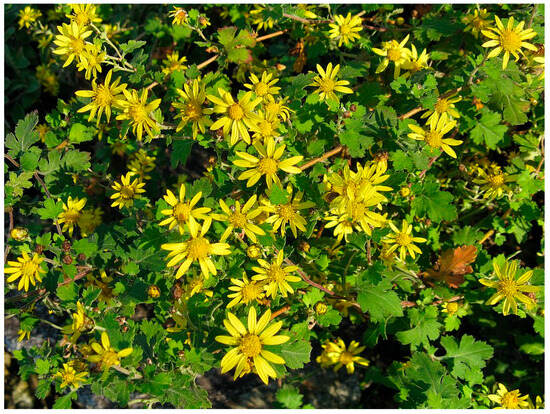
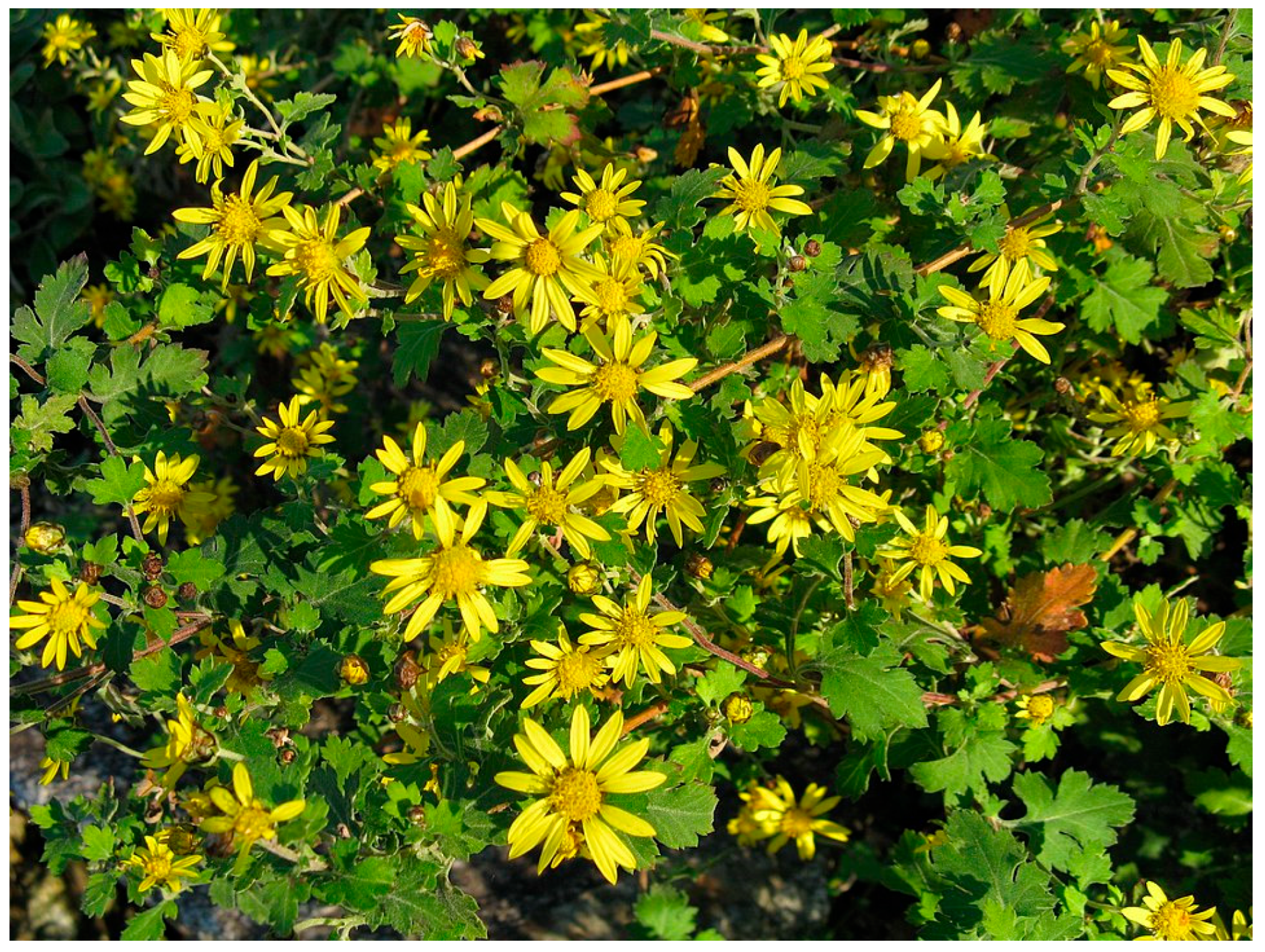
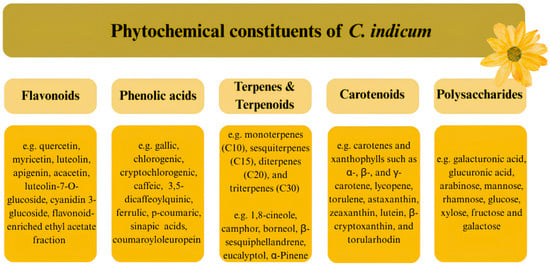
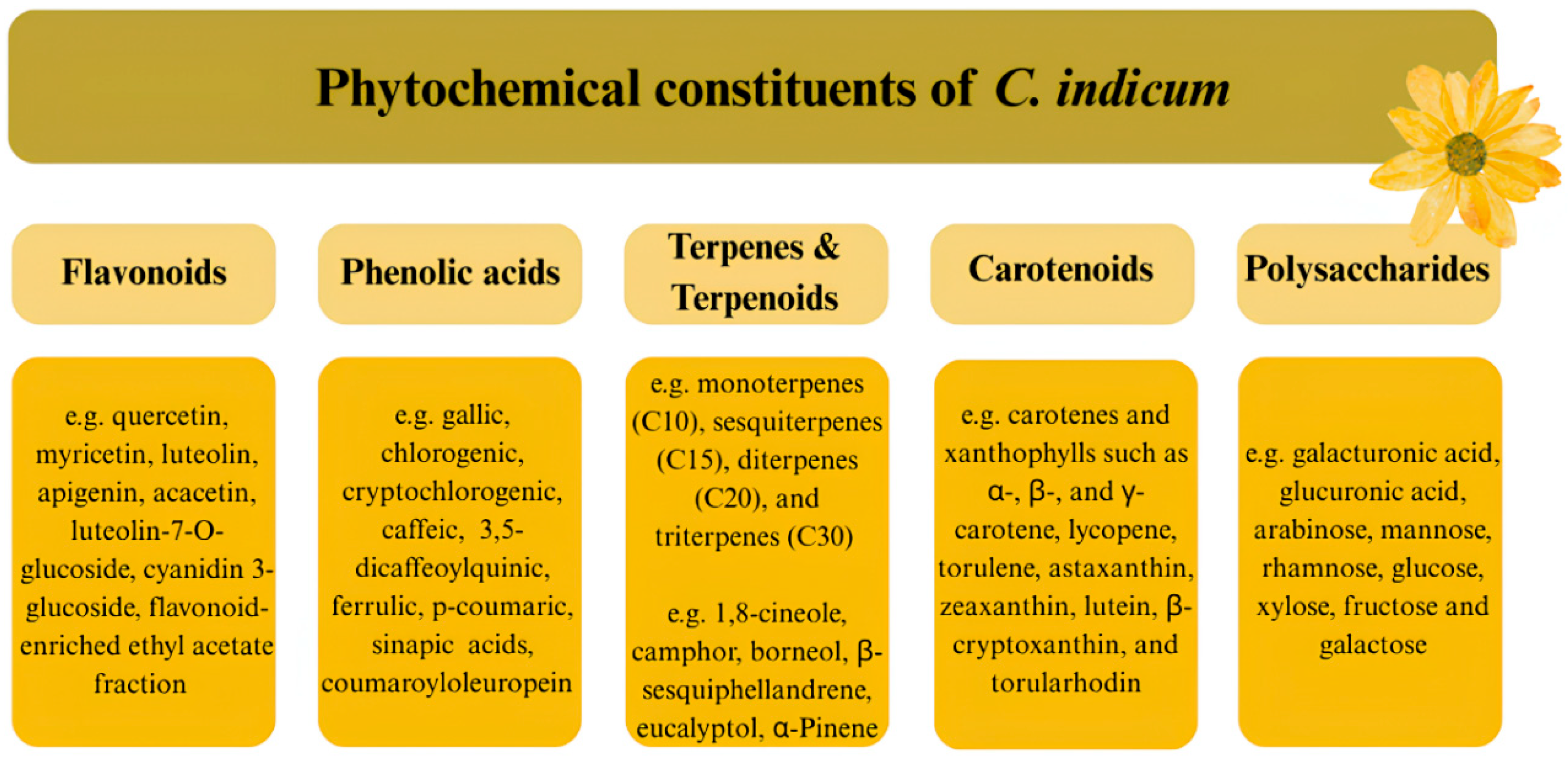
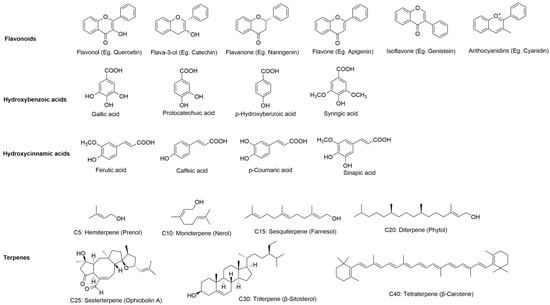
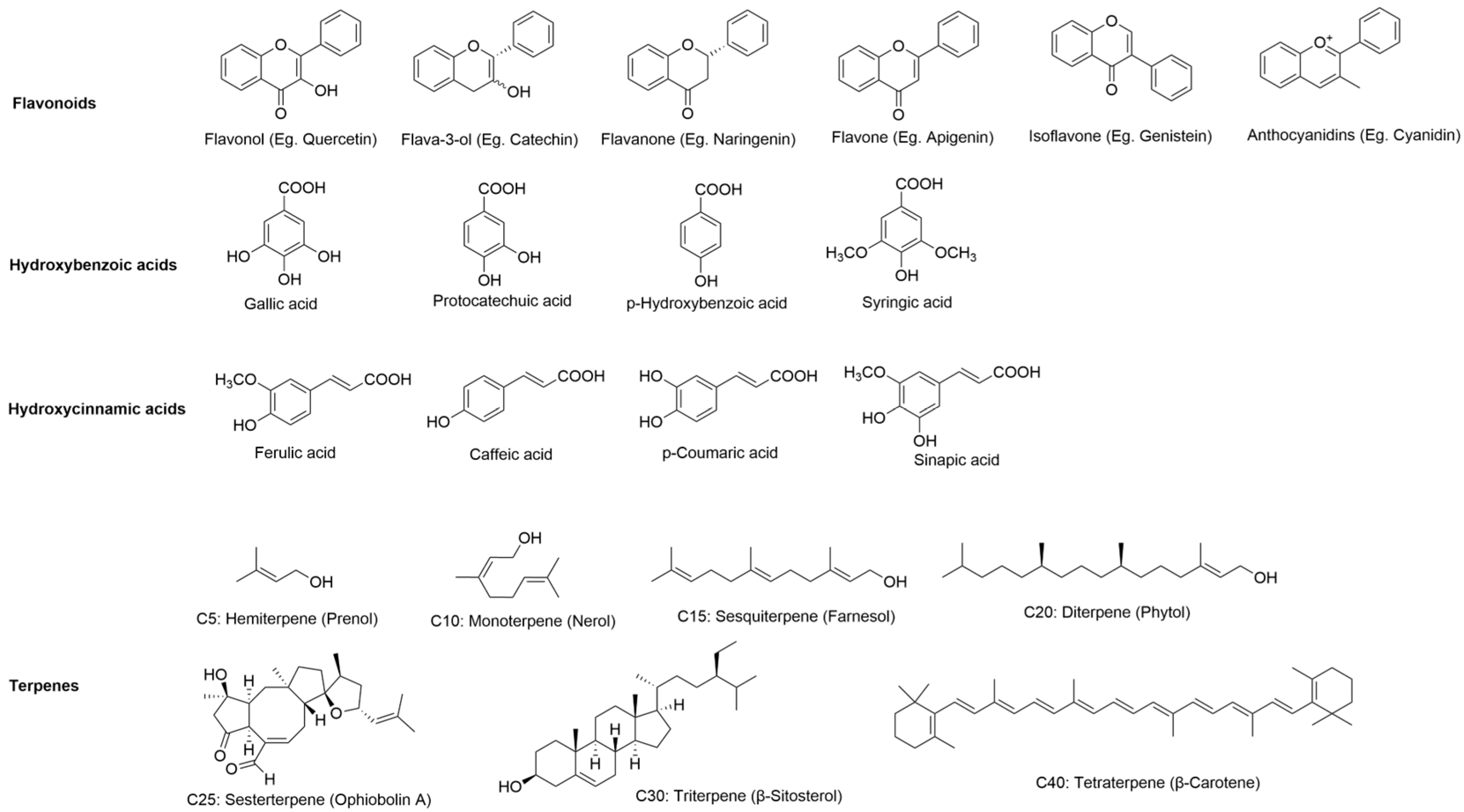
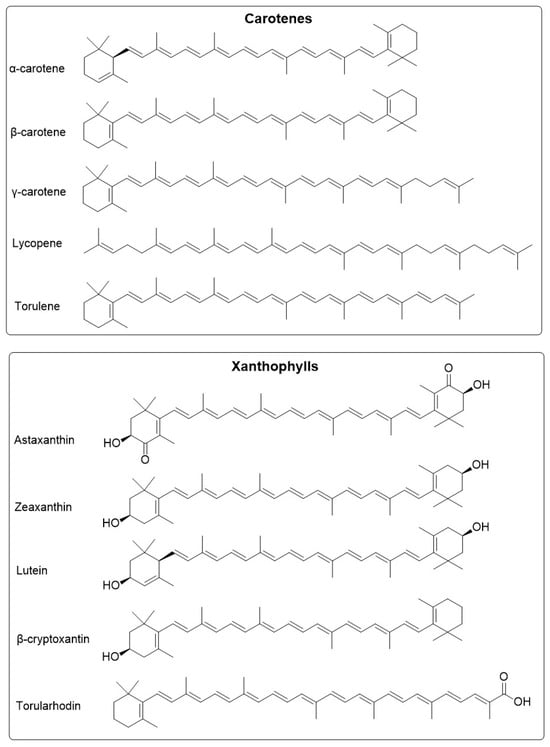
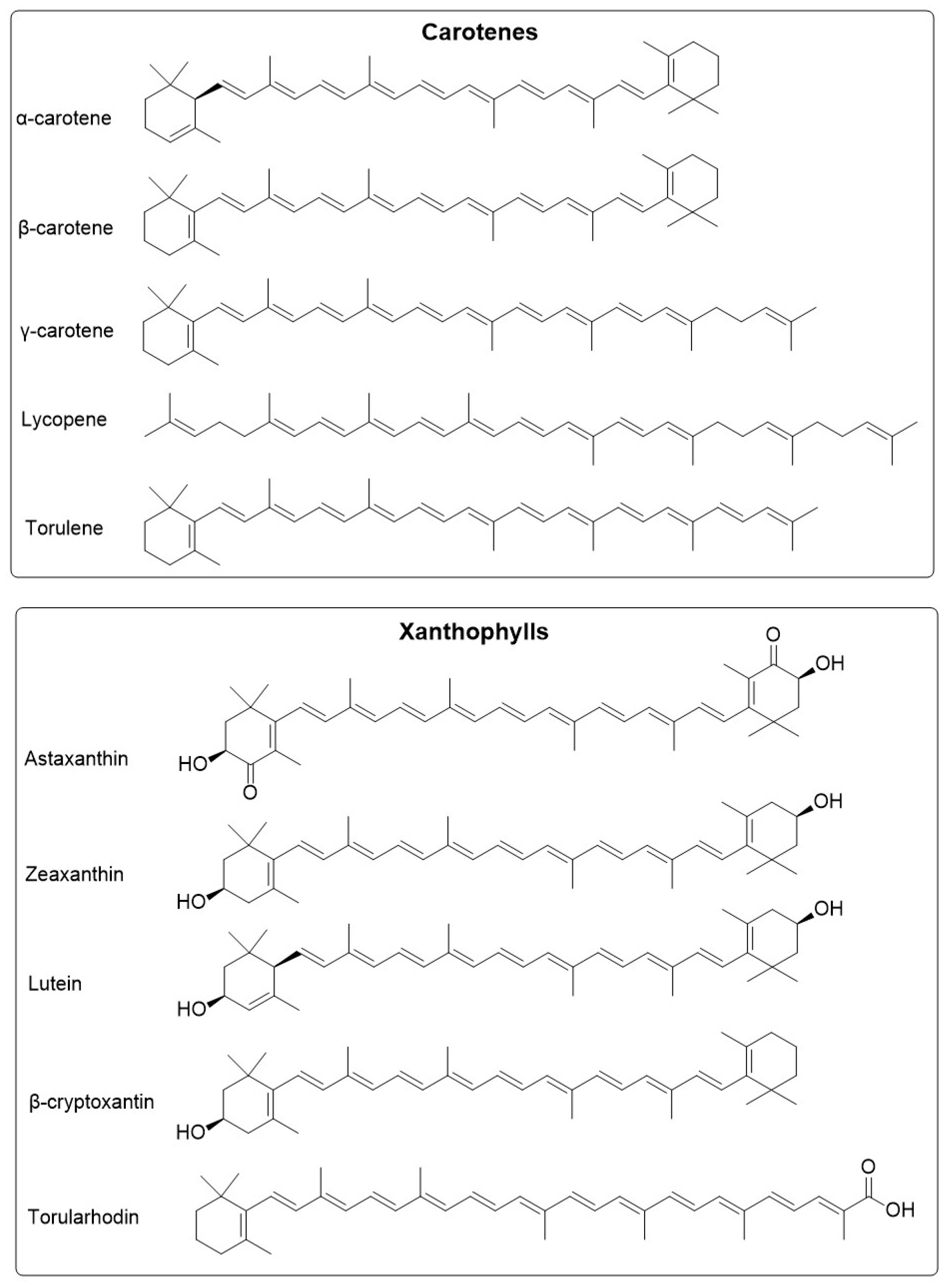
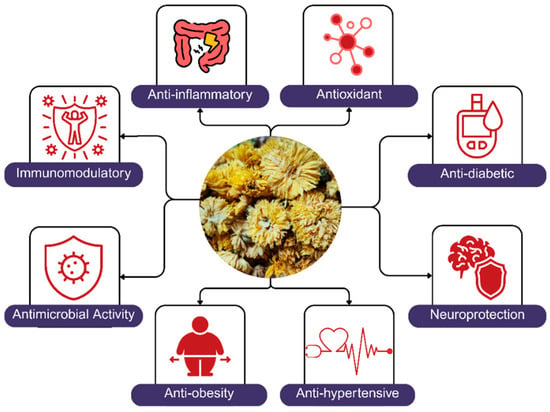
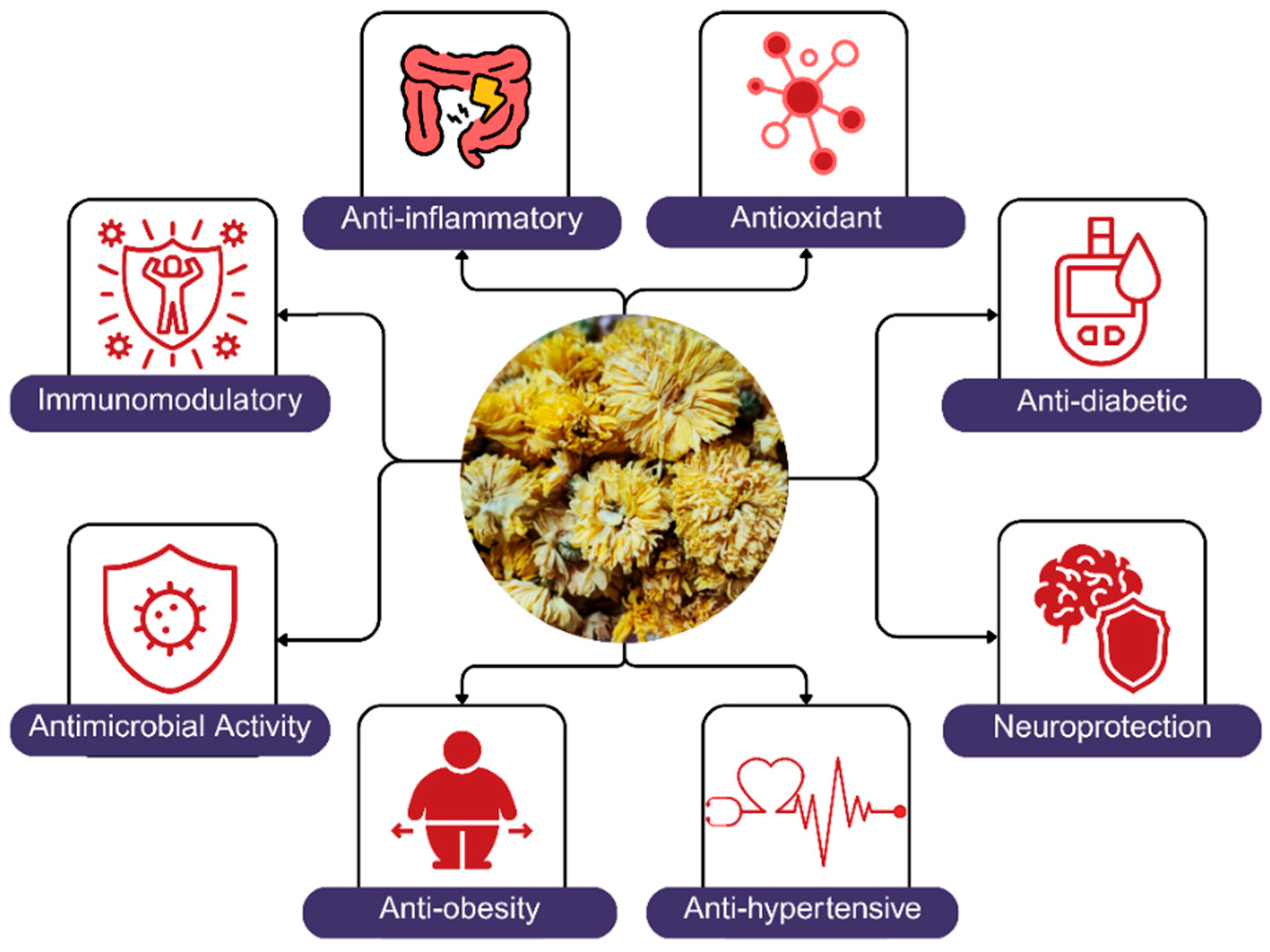

Disclaimer/Publisher’s Note: The statements, opinions and data contained in all publications are solely those of the individual author(s) and contributor(s) and not of MDPI and/or the editor(s). MDPI and/or the editor(s) disclaim responsibility for any injury to people or property resulting from any ideas, methods, instructions or products referred to in the content. |
© 2026 by the authors. Licensee MDPI, Basel, Switzerland. This article is an open access article distributed under the terms and conditions of the Creative Commons Attribution (CC BY) license.