

Health Risks of Environmental Xenobiotics and Nanoparticles: From Molecular Mechanisms to Disease Associations
Topic Information
Dear Colleagues,
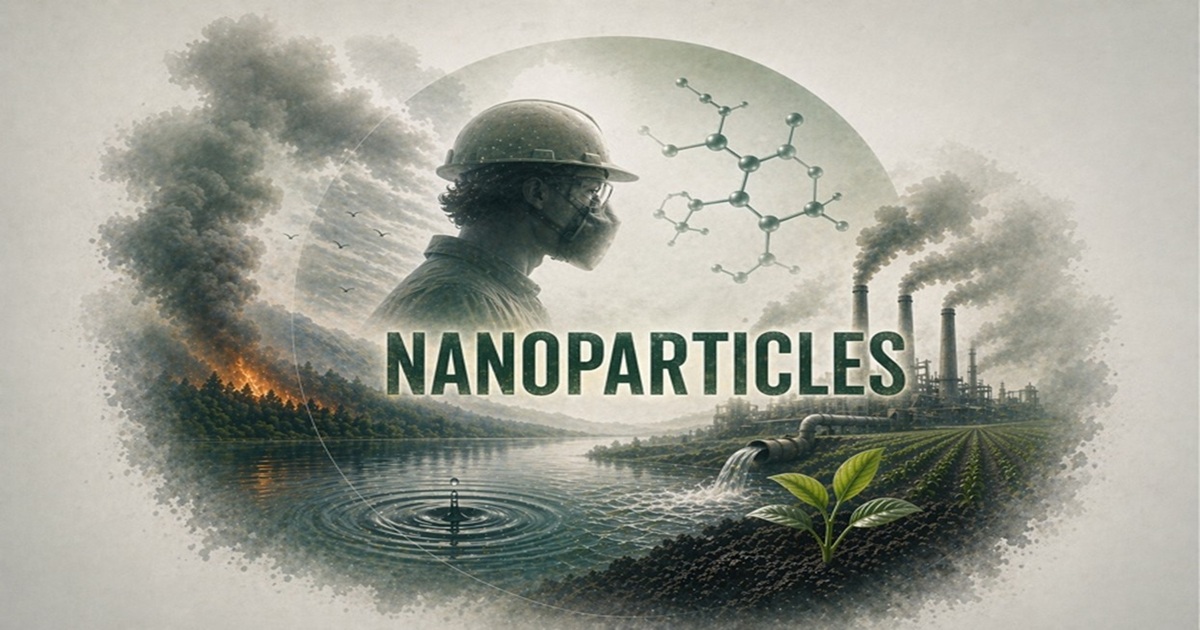
Environmental xenobiotics and nanoparticles are increasingly recognized as significant contributors to ecological stability and disruptions in human homeostasis. These agents originate from various sources, such as wildfires, industrial activities, engine exhaust, tailings ponds, consumer products, agriculture, food chains, and air, water, or soil pollution, resulting in widespread human exposure throughout the lifespan. At the molecular level, xenobiotics and nanoparticles can disrupt cellular homeostasis through oxidative stress, inflammation, mitochondrial dysfunction, endocrine disruption, genotoxicity, immune dysregulation, and the loss of barrier functions in the lung, gastrointestinal lining, and blood–brain barrier. In addition, additive or synergistic impacts with various xenobiotics and nanoparticles may further amplify these effects. These early molecular and cellular perturbations, together with the capacity of biological systems to adapt, play critical roles in the initiation and progression of numerous diseases, including respiratory disorders, cardiovascular diseases, metabolic dysfunction, neurodegenerative conditions, cancers, and developmental abnormalities.
This Topic brings together interdisciplinary research to elucidate the mechanisms by which environmental xenobiotics and nanoparticles interact with environmental management, ecological or biological systems. Areas of interest include disruption of food chains, ecological stability, and impacts on health and disease, as well as strategies for remediation and improved management of air and water discharge. We invite studies ranging from molecular toxicology and biochemical pathways to environmental monitoring, exposure assessment, nanomaterial characterization, filtration and remediation technologies, and occupational or population-level health associations. By integrating contributions from toxicology, biomolecular sciences, nanomaterials research, atmospheric chemistry, environmental pollutants, and air and water quality fields, this Topic aims to foster a comprehensive understanding of exposure-related health risks within the exposome framework and to support the development of effective mitigation, regulatory, policy, and therapeutic strategies.
Dr. Keith R. Brunt
Prof. Dr. Amany El-Sikaily
Dr. Jong Sung Kim
Topic Editors
Keywords
- environmental xenobiotics
- nanoparticles
- molecular toxicology
- oxidative stress and inflammation
- endocrine disruption
- genotoxicity
- air and water pollutants
- ecological hazards
- exposure assessment
- disease associations
- occupational health
Participating Journals


13,039 Articles
Launched in 2010
2.6Impact Factor
5.4CiteScore
20 DaysSubmission to First Decision
3 DaysAcceptance to Publication
Q3Highest JCR Category Ranking

13,753 Articles
Launched in 2011
5.6Impact Factor
9.3CiteScore
17 DaysSubmission to First Decision
3 DaysAcceptance to Publication
Q1Highest JCR Category Ranking

129 Articles
Launched in 2021
-Impact Factor
-CiteScore
44 DaysSubmission to First Decision
5 DaysAcceptance to Publication
-Highest JCR Category Ranking

705 Articles
Launched in 2011
4.6Impact Factor
5.1CiteScore
15 DaysSubmission to First Decision
4 DaysAcceptance to Publication
Q1Highest JCR Category Ranking

66,032 Articles
Launched in 1996
5.1Impact Factor
10.3CiteScore
16 DaysSubmission to First Decision
3 DaysAcceptance to Publication
Q2Highest JCR Category Ranking

22,815 Articles
Launched in 2010
4.8Impact Factor
10.3CiteScore
13 DaysSubmission to First Decision
3 DaysAcceptance to Publication
Q2Highest JCR Category Ranking

237 Articles
Launched in 2021
3.7Impact Factor
5.2CiteScore
28 DaysSubmission to First Decision
7 DaysAcceptance to Publication
Q2Highest JCR Category Ranking

32,622 Articles
Launched in 2009
3.5Impact Factor
6.7CiteScore
18 DaysSubmission to First Decision
3 DaysAcceptance to Publication
Q2Highest JCR Category Ranking