


Journal Description
Vaccines
Vaccines
is an international, peer-reviewed, open access journal on laboratory and clinical vaccine research, utilization and immunization, published monthly online by MDPI.
- Open Access— free for readers, with article processing charges (APC) paid by authors or their institutions.
- High Visibility: indexed within Scopus, SCIE (Web of Science), PubMed, PMC, Embase, CAPlus / SciFinder, and other databases.
- Journal Rank: JCR - Q2 (Medicine, Research and Experimental) / CiteScore - Q1 (Pharmacology (medical))
- Rapid Publication: manuscripts are peer-reviewed and a first decision is provided to authors approximately 18.1 days after submission; acceptance to publication is undertaken in 2.8 days (median values for papers published in this journal in the second half of 2025).
- Recognition of Reviewers: reviewers who provide timely, thorough peer-review reports receive vouchers entitling them to a discount on the APC of their next publication in any MDPI journal, in appreciation of the work done.
Impact Factor:
3.4 (2024);
5-Year Impact Factor:
3.7 (2024)
Latest Articles
Immunogenicity of Theileria parva p67C Antigen Delivered via Adjuvanted CoPoP Liposomes in Cattle and Mice
Vaccines 2026, 14(5), 459; https://doi.org/10.3390/vaccines14050459 - 20 May 2026
Abstract
Background: Effective vaccines are essential to overcome the limitations of livestock immunisation, particularly in low- and middle-income countries (LMICs), where scalable, thermostable, and easy-to-administer solutions are needed. Nanoparticle-based delivery systems, such as the Spontaneous Nanoliposome Antigen Particle (SNAP) technology using CoPoP liposomes, offer
[...] Read more.
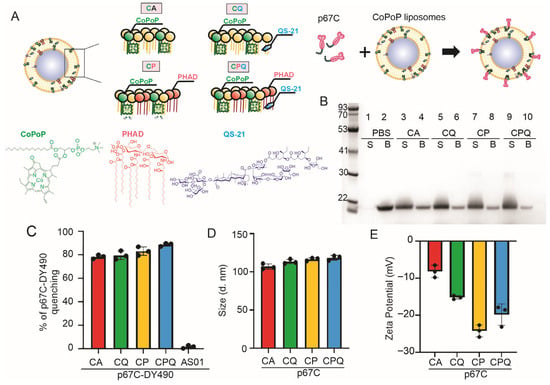
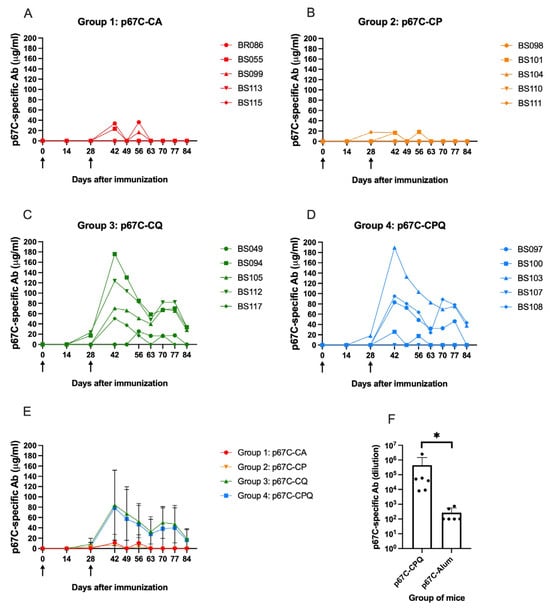
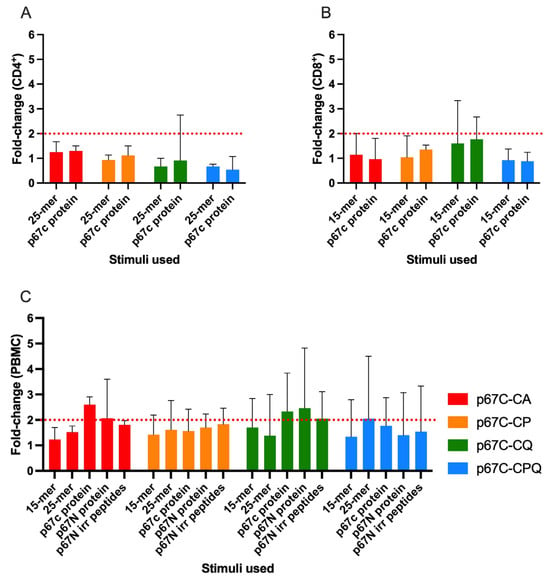
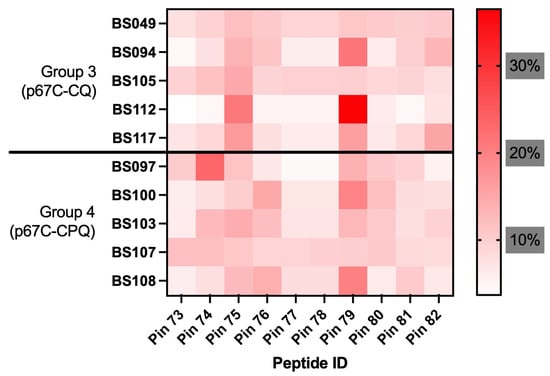
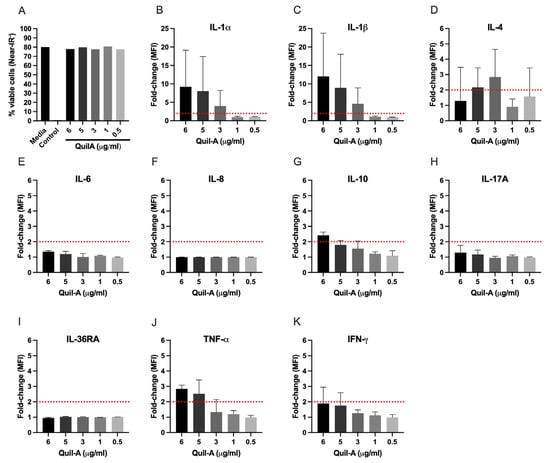
Background: Effective vaccines are essential to overcome the limitations of livestock immunisation, particularly in low- and middle-income countries (LMICs), where scalable, thermostable, and easy-to-administer solutions are needed. Nanoparticle-based delivery systems, such as the Spontaneous Nanoliposome Antigen Particle (SNAP) technology using CoPoP liposomes, offer a promising alternative for subunit vaccine development, although their performance in large animal species remains poorly characterised. CoPoP enables the rapid non-covalent multimeric display of His-tagged protein antigens combined with immunomodulators on liposomes incorporating cobalt porphyrin–phospholipid (CoPoP). Objective: To evaluate the immunogenicity of CoPoP-based liposomes delivering the Theileria parva p67C antigen in cattle and compare their performance in murine models. Methods: Cattle and mice were immunised with p67C formulated in CoPoP liposomes incorporating QS-21 and/or PHAD immunomodulators. Humoral and cellular responses were assessed. Parallel in vitro stimulation of bovine PBMC with Quil-A was used to investigate the mechanistic effects of saponins on bovine cells. Results: CoPoP liposome formulations did not improve p67C immunogenicity in cattle, with antibody responses at least two-fold lower than previously reported results and no detectable cellular responses. In contrast, the same platform induced up to 2000-fold higher antibody titres in mice. This disparity is likely driven by differences in antigen dose relative to body mass, tissue architecture, lymphatic accessibility, and innate immune signalling differences. PHAD-mediated TLR4 activation appeared less effective in cattle, whereas QS-21 induced a broader immune activation, likely through conserved inflammasome pathways. Despite limited immunogenicity, antigen presentation by CoPoP liposomes was preserved. Conclusions: SNAP-based CoPoP liposomes showed strong immunogenicity in mice but limited efficacy in cattle, highlighting the challenges of cross-species translation. Optimisation of antigen dose and adjuvant selection for the targeted species is required, with QS-21 representing a more promising candidate than the TLR4 agonist. The scalability and versatility of SNAP technology support its continued development for multivalent livestock vaccines.
Full article
(This article belongs to the Section Veterinary Vaccines)
►
Show Figures
Open AccessArticle
Strategies to Enhance Seasonal Influenza Vaccination Uptake: Qualitative Insights from Primary Care Physicians in Greece
by
Ilias Pagkozidis, Georgios Papazisis, Anna-Bettina Haidich and Zoi Tsimtsiou
Vaccines 2026, 14(5), 458; https://doi.org/10.3390/vaccines14050458 - 20 May 2026
Abstract
Background/Objectives: Primary Care Physicians (PCPs) are widely regarded as trusted sources of health information and can play a pivotal role in increasing seasonal influenza vaccination (SIV) within their communities. We aimed to explore PCPs’ attitudes toward SIV and their views regarding proposed
[...] Read more.
Background/Objectives: Primary Care Physicians (PCPs) are widely regarded as trusted sources of health information and can play a pivotal role in increasing seasonal influenza vaccination (SIV) within their communities. We aimed to explore PCPs’ attitudes toward SIV and their views regarding proposed strategies to enhance SIV uptake in the evolving post-pandemic landscape. Methods: A qualitative study utilizing semi-structured individual interviews with a nationwide sample of 25 PCPs was conducted. Results: Physicians’ attitudes toward SIV were overwhelmingly positive; they recognized its protective value for individuals and the community alike, its efficacy in averting serious illness, and its proven safety profile. Regarding strengthening SIV uptake, PCPs positively appraised the following strategies: (a) viewing all clinical encounters as opportunities for vaccination; (b) outsourcing vaccination to nursing, allied health staff and community pharmacists, provided that specific prerequisites are met; (c) forwarding personalized notifications to health providers and (d) the public; and (e) establishing at-home vaccinations. Financial incentives would reportedly act as tangible acknowledgement and motivate PCPs to work toward primary prevention. However, others have argued that SIV is inherently embedded in their duty as PCPs, and potential remunerations would dwindle the public’s confidence in PCPs. Establishing incentives for the general population reportedly minimizes confidence and the perceived value of SIVs and was assessed to be ineffective in the Greek context. Promoting SIVs through video games was considered to be less effective for the adult population. Conclusions: Mapping PCPs’ insights is key in designing effective SIV strategies that are concurrent with communities’ values, needs, and learnt experience from the COVID-19 pandemic.
Full article
(This article belongs to the Special Issue Factors Affecting and Strategies Enhancing the Willingness to Receive and Uptake of Seasonal Influenza Vaccination)
Open AccessArticle
Vaccine Effectiveness Estimates Against Influenza A(H3N2)-Associated Hospitalized Severe Acute Respiratory Infections in Beijing, China, 2025/26 Influenza Season
by
Chunna Ma, Jiaojiao Zhang, Jiaxin Ma, Wei Duan, Yingying Wang, Xiaodi Hu, Jia Li, Lu Zhang, Yuanzhi Di, Shuning Yan, Peng Yang, Quanyi Wang, Ying Shen and Daitao Zhang
Vaccines 2026, 14(5), 457; https://doi.org/10.3390/vaccines14050457 - 20 May 2026
Abstract
Background: Data on influenza vaccine effectiveness (VE) against hospitalized severe acute respiratory infection (SARI), particularly in Asia, remain limited for the 2025/26 Northern Hemisphere influenza season. This study aimed to evaluate real-world VE against A(H3N2)-associated SARI hospitalization and provide timely, locally relevant evidence
[...] Read more.
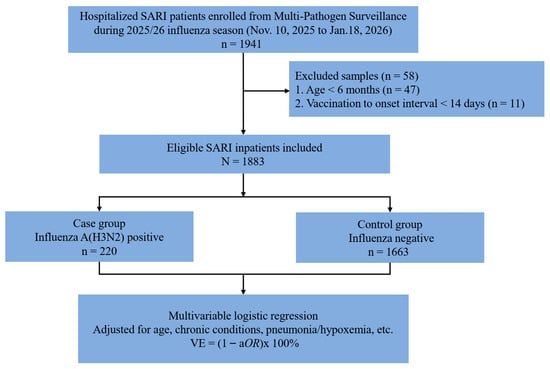
Background: Data on influenza vaccine effectiveness (VE) against hospitalized severe acute respiratory infection (SARI), particularly in Asia, remain limited for the 2025/26 Northern Hemisphere influenza season. This study aimed to evaluate real-world VE against A(H3N2)-associated SARI hospitalization and provide timely, locally relevant evidence to inform seasonal influenza vaccination policy. Methods: A test-negative design was used to estimate VE against influenza A(H3N2)-associated SARI hospitalization in Beijing, China, from 10 November 2025 to 18 January 2026. VE was estimated by comparing the odds of influenza vaccination between case-patients (those who tested positive for A(H3N2)) with controls (those who tested negative for influenza). Results: Among 1883 enrolled SARI inpatients, 220 (11.7%) tested positive for influenza A(H3N2). Overall vaccination coverage was 11.4%, with the highest coverage observed among children aged 5–17 years (29.6%). Influenza positivity was higher among rural residents, patients with pneumonia or hypoxemia, and those with symptom onset in November. The adjusted overall VE was 7.5% (95% CI: −45.8% to 43.3%). Moderate VE was observed among children aged 5–17 years (45.4%, 95% CI: −33.6% to 79.5%), although the confidence interval included zero and the estimate was not statistically significant. Negative VE estimates were observed among younger children and older adults. Among patients with underlying respiratory conditions, VE was 75.4% (95% CI: −27.4% to 98.7%), although this estimate was also not statistically significant. Conclusions: During the 2025/26 influenza season in Beijing, VE against A(H3N2)-associated SARI hospitalization was suboptimal. Moderate protection was observed among children aged 5–17 years, the group with the highest vaccination coverage, but the estimate was not statistically significant. The low overall VE may be attributable to antigenic mismatch between vaccine and circulating strains, as well as low population-level vaccination coverage. These findings highlight the need to improve vaccine formulations and increase vaccination coverage, particularly among adults and older populations.
Full article
(This article belongs to the Section Influenza Virus Vaccines)
►▼
Show Figures

Figure 1

Open AccessReview
Vaccines as Global Health Security Infrastructure: Insights from a Descriptive Analysis of Vaccines Europe Members’ Clinical Pipelines
by
Charlotte Vernhes, Kateryna Khmilevska, Alexis Caron, Emanuele Ciglia, Rosybel Drury, Judith Perez-Gomez and Volker Vetter
Vaccines 2026, 14(5), 456; https://doi.org/10.3390/vaccines14050456 - 19 May 2026
Abstract
Background/Objectives: Vaccine development pipelines are forward-looking indicators of public health preparedness, reflecting the capacity to address unmet medical needs and emerging threats. This descriptive analysis aims to characterise the 2025 clinical-stage pipeline of infectious disease vaccines and prophylactic monoclonal antibody candidates developed by
[...] Read more.
Background/Objectives: Vaccine development pipelines are forward-looking indicators of public health preparedness, reflecting the capacity to address unmet medical needs and emerging threats. This descriptive analysis aims to characterise the 2025 clinical-stage pipeline of infectious disease vaccines and prophylactic monoclonal antibody candidates developed by Vaccines Europe member companies, and to describe how pipeline characteristics address evolving public health priorities. Methods: A descriptive analysis was conducted using publicly available data compiled in the Vaccines Europe Pipeline Review 2025, with validation by participating companies. Candidates in clinical development or regulatory review were classified using a standardised framework by pathogen/disease, target population, public health priority, and technologies. Results: The Vaccines Europe member company pipeline comprises 91 candidates across clinical development phases, 19% of which are in Phase III and 7% undergoing regulatory review. This pipeline is predominantly targeting respiratory pathogens (75%), with a strong life-course focus (85% evaluated in adults and/or older adults), and sustained activity in bacterial pathogens relevant to antimicrobial resistance. Notably, 41% of candidates were classified as addressing diseases, disease combinations, or indications for which no licenced preventive product exists. This category includes candidates targeting diseases without a preventive solution, as well as novel combination vaccines and therapeutic approaches in areas where individual components or preventive vaccines are already available. This captures vaccines candidates in different stages of development, not necessarily first-in-disease innovation. The pipeline shows broad technological diversity (12 technologies), dominated by RNA approaches and multivalent candidates, with growing focus on climate-sensitive, zoonotic, and pandemic-prone pathogens. Conclusions: Within the pipeline of Vaccines Europe member companies, this analysis describes development activity oriented toward broader prevention, platform-based approaches, and preparedness-relevant targets. As a structured and recurring annual assessment, the Vaccines Europe Pipeline Review supports horizon scanning and evidence-based dialogue between industry and vaccine ecosystem stakeholders. In order to maximise the impact of vaccine development pipelines to public health, predictable investment, streamlined trial and regulatory pathways, strong surveillance, and real-world data systems, coordinated decision-making is required to enable timely and equitable access, and complementary incentive and procurement reforms.
Full article
(This article belongs to the Special Issue Communicable Diseases: New and Old Therapies and Preventive Strategies, 2nd Edition)
Open AccessArticle
Are Fathers Being Left Behind? Gender Differences in Parental HPV Vaccination Knowledge and Attitudes Toward Sons’ Vaccination in Greece
by
Magdalini Christodoulou, Chrisoula Paraforou, Erasmia Rouka, Aikaterini Toska and Dimitrios Papagiannis
Vaccines 2026, 14(5), 455; https://doi.org/10.3390/vaccines14050455 - 19 May 2026
Abstract
Objectives: Despite the critical role fathers play in family health decisions, most research on HPV vaccination focuses predominantly on mothers. This study examines gender differences in HPV knowledge and vaccination attitudes among Greek parents, addressing a significant gap in the literature. Methods: A
[...] Read more.
Objectives: Despite the critical role fathers play in family health decisions, most research on HPV vaccination focuses predominantly on mothers. This study examines gender differences in HPV knowledge and vaccination attitudes among Greek parents, addressing a significant gap in the literature. Methods: A cross-sectional study using convenience sampling was conducted in waiting rooms of public primary healthcare settings in the Larissa prefecture of central Greece, between September and December 2024. Of 250 distributed questionnaires, 208 were returned (response rate: 83%), of which 192 were eligible for analysis. The analysis compares responses from fathers (n = 42) and mothers (n = 150) regarding HPV knowledge, intentions to vaccinate their sons, and general vaccine attitudes; no explicit restriction to one respondent per family was applied. Statistical comparisons employed chi-square tests, Fisher’s exact test, and binary logistic regression. Results: Fathers demonstrated significantly lower HPV awareness compared to mothers (42.9% vs. 64.0%, χ2 = 10.907, p = 0.004). Vaccination intentions for sons were similar between groups (fathers: 85.7%, mothers: 85.3%, p = 0.540). No statistically robust association between HPV awareness and vaccination intention was identified in either group, likely reflecting the high overall intention rates and limited outcome variability. Binary logistic regression identified female sex as the only significant independent predictor of HPV awareness (OR = 2.26, 95% CI: 1.12–4.58, p = 0.024). Conclusions: While fathers exhibit significantly lower HPV knowledge than mothers, they demonstrate equal willingness to vaccinate their sons. These findings suggest that knowledge gaps do not necessarily translate to vaccine hesitancy, but highlight the need for targeted, father-inclusive health education interventions. Public health programs should actively engage fathers in HPV vaccination discussions to capitalize on their positive vaccination intentions while addressing their information needs.
Full article
(This article belongs to the Special Issue Human Papillomavirus Vaccine Against Cervical Cancer: New Usage Strategies and Coverage Issues)
Open AccessArticle
An mRNA Vaccine with Tandem Mutated HA-NA Confers Protection Against Multiple Strains of H1N1 Influenza
by
Xuena Du, Yuxia Yuan, Cong Tang, Yanwen Li, Zhaolan Guo, Yun Yang, Hao Yang, Yanan Zhou, Qing Huang, Hongyu Chen, Wenqi Quan, Junbin Wang and Shuaiyao Lu
Vaccines 2026, 14(5), 454; https://doi.org/10.3390/vaccines14050454 - 19 May 2026
Abstract
Background/Objectives: Recurrent influenza epidemics impose a severe global burden, with conventional vaccines constrained by production time lags and rapid viral mutation. This study aims to explore a novel influenza mRNA vaccine design that balances conserved and mutable antigen regions. By combining hemagglutinin (HA)
[...] Read more.
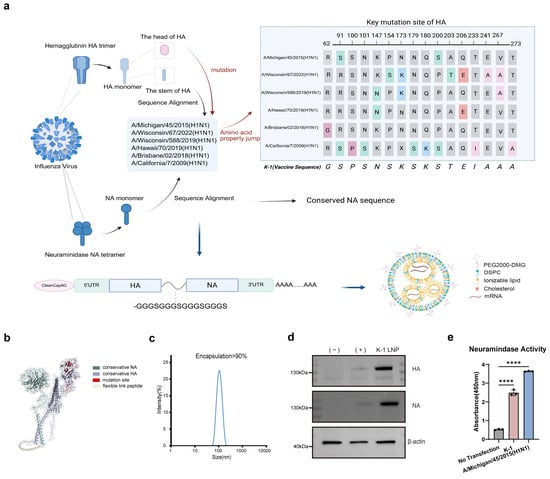
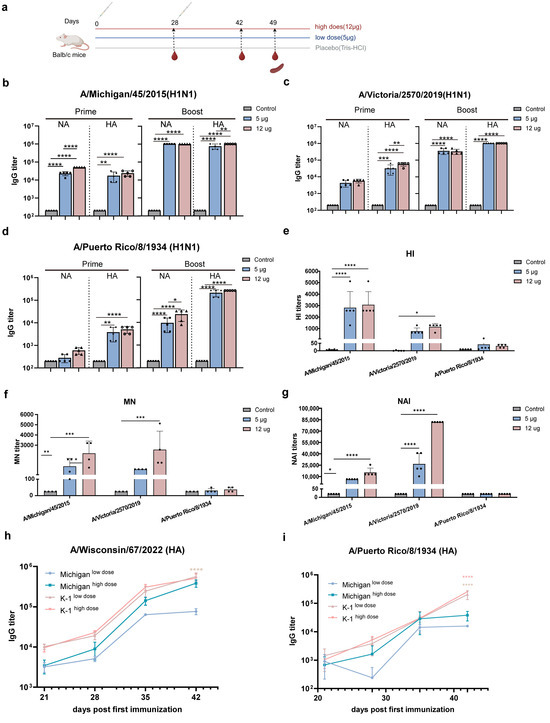
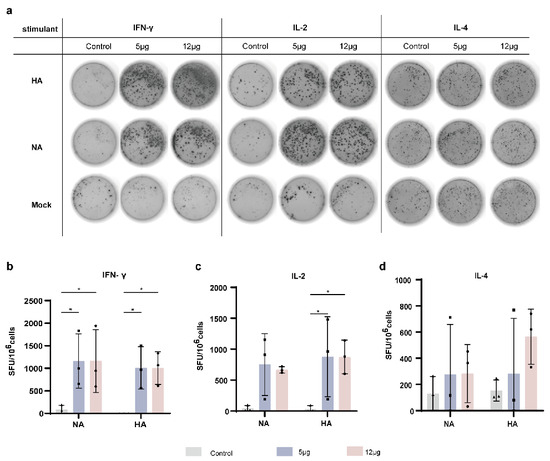
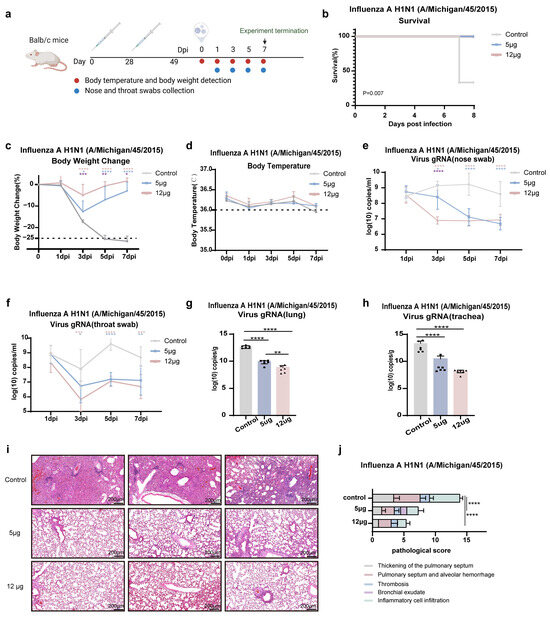
Background/Objectives: Recurrent influenza epidemics impose a severe global burden, with conventional vaccines constrained by production time lags and rapid viral mutation. This study aims to explore a novel influenza mRNA vaccine design that balances conserved and mutable antigen regions. By combining hemagglutinin (HA) and neuraminidase (NA) into a dual-target approach, the objective is to simultaneously block viral entry and inhibit progeny release, potentially establishing a proposed “front-blockade, rear-containment” dual protective barrier against multiple H1N1 strains. Methods: We engineered a dual-target tandem mRNA vaccine linking mutated HA with conserved NA, with strategic amino acid mutations introduced into key antigenic sites within the HA head domain. Vaccine efficacy was evaluated in a mouse model. Humoral immunity was assessed by measuring antigen-specific antibody titers, and cellular immunity was evaluated via ELISpot assay. Protective capacity was determined through lethal challenge experiments using diverse H1N1 viral strains. Results: The vaccine successfully expressed the HA-NA tandem antigen at 130 kDa, and the in vitro-expressed antigen exhibited normal neuraminidase activity. Preliminary evidence supported the dual-target concept in model mice: hemagglutination-inhibiting and micro-neutralizing antibodies targeting HA were detected, and serum neuraminidase-inhibiting activity was also observed. In addition to triggering potent cellular immune responses, the vaccine offered total protection against lethal doses of various H1N1 variants. Conclusions: This study suggests a promising dual-target strategy that harmonizes antigen conservation and mutation while potentially establishing a synergistic front-blockade and rear-containment defense. The approach offers a viable pathway for developing improved H1N1 influenza vaccines.
Full article
(This article belongs to the Special Issue Antibodies in Autoimmune, Chronic, and Infectious Diseases: Pathogenic Mechanisms, Biomarkers, and Vaccine Development)
►▼
Show Figures

Figure 1
Open AccessArticle
Cost-Effectiveness of Nationwide HPV Vaccination in Girls in Kazakhstan: A UNIVAC-Based Analysis
by
Raikhan Nissanova, Markhabat Kassenov, Vladislava Suchshikh, Perizat Akshalova, Zhandos Abay, Vladimir Kirpichenko, Aiken Karabassova, Saira Kaimoldina, Zhibek Zhetpisbay, Elvira Bashenova and Ainur Nurpeisova
Vaccines 2026, 14(5), 453; https://doi.org/10.3390/vaccines14050453 - 19 May 2026
Abstract
Background: Cervical cancer, largely attributable to persistent infection with high-risk human papillomavirus (HPV), remains a major public health burden worldwide, including in Kazakhstan, where limited screening coverage and low public awareness contribute to substantial incidence and mortality. This study evaluated the cost-effectiveness
[...] Read more.
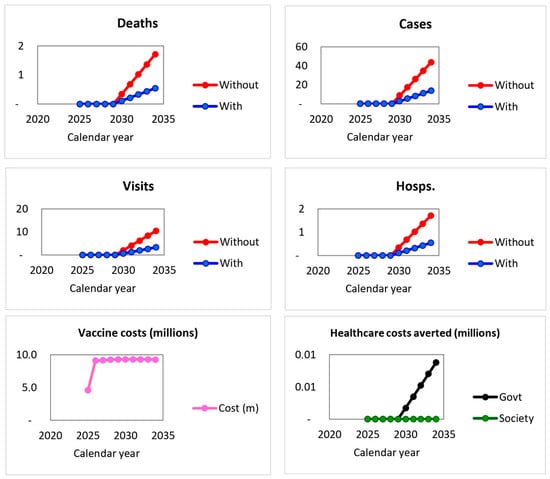
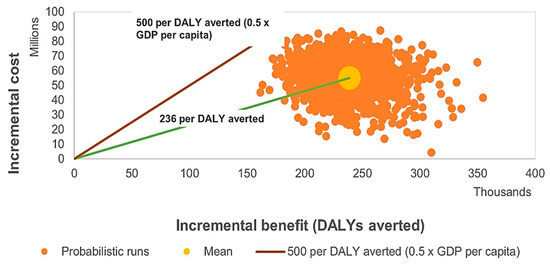
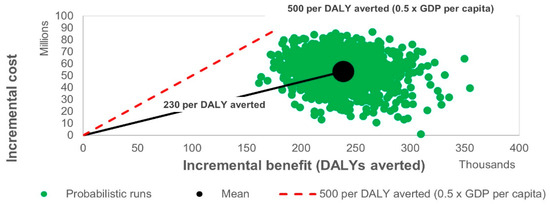
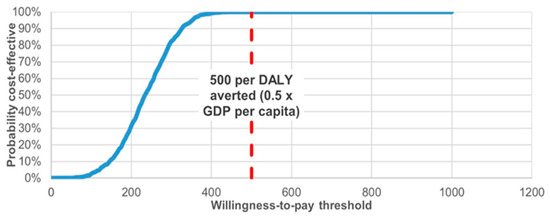
Background: Cervical cancer, largely attributable to persistent infection with high-risk human papillomavirus (HPV), remains a major public health burden worldwide, including in Kazakhstan, where limited screening coverage and low public awareness contribute to substantial incidence and mortality. This study evaluated the cost-effectiveness and epidemiological impact of a nationwide HPV vaccination programme for 10-year-old girls in Kazakhstan using the quadrivalent Gardasil-4 vaccine. Methods: A 10-year modelling analysis (2025–2035) was conducted using the World Health Organization (WHO)-endorsed Universal Vaccination Impact and Cost-Effectiveness Assessment (UNIVAC) tool adapted to Kazakhstan-specific epidemiological and economic parameters. Vaccination coverage was projected at 98.0% for the first dose and 96.5% for the second dose. Incremental cost-effectiveness ratios (ICERs) and disability-adjusted life years (DALYs) averted were estimated from governmental and societal perspectives. Sensitivity analyses assessed uncertainty in vaccine coverage, vaccine costs, and epidemiological inputs. Results: Over the 10-year period, the vaccination programme was projected to reduce HPV-related disease cases by 68.2% (from 112,198 to 35,628) and deaths by 68.3% (from 15,921 to 5056), while averting 67,445 DALYs. The ICER was estimated at US$ 533 per DALY averted from the governmental perspective and US$ 1169 from the societal perspective. Projected healthcare cost savings reached US$ 42.8 million, driven largely by reductions in 21,748 hospitalisations and 13,706 outpatient visits. These findings remained robust in probabilistic sensitivity analysis, with the probability of cost-effectiveness increasing as the willingness-to-pay threshold rose. Conclusions: UNIVAC-based modelling suggests that introduction of a national HPV vaccination programme for 10-year-old girls in Kazakhstan using Gardasil-4 could substantially reduce cervical cancer burden and related mortality while generating considerable healthcare savings. These findings support the cost-effectiveness of nationwide HPV vaccination in Kazakhstan.
Full article
(This article belongs to the Special Issue Prevention of Human Papillomavirus (HPV) and Vaccination)
►▼
Show Figures

Figure 1
Open AccessProject Report
Accelerating Evidence-Informed Vaccine Introductions: Lessons from the Hexavalent Early Adopters Workshop
by
Kathryn L. Hopkins, Sidy Ndiaye, Zeinebou Sidi Abdullah, Rita Atugonza, Ousseynou Badiane, Khassoum Ba, Tyler Best, Jean Claude Bizimana, Dah Cheikh, Jean Claude Andrianirinarison, Eraste Rwagitare, Tene-Alima Essoh, Nhamo Gonah, Stephen C. Hadler, Benjamin M. Kagina, Leopold Lambou, Abdoulaye Mangane, Wilberforce Musoga Kabweru, Osée Rurambya Sebatunzi, Mohamedhen Itawel Oumrou, Priscylla Volazandry, Lalao Harisoa Ramanandraibe, Noeline Ravelomanana, Theresa Sommers, Lisandro Torre, Elisabeth Wilhelm, Atakouma D. Yawo, Allarangar Yokouide, Ronald Wasswa and Lassane Kaboreadd
Show full author list
remove
Hide full author list
Vaccines 2026, 14(5), 452; https://doi.org/10.3390/vaccines14050452 - 19 May 2026
Abstract
Background/Objectives: Transitions to new vaccines or antigen schedules represent complex system changes requiring coordinated governance, reliable data systems, domestic financing, and multisectoral collaboration. In 2025, African countries were moving toward a switch from separate pentavalent and inactivated poliovirus vaccines to the combined
[...] Read more.
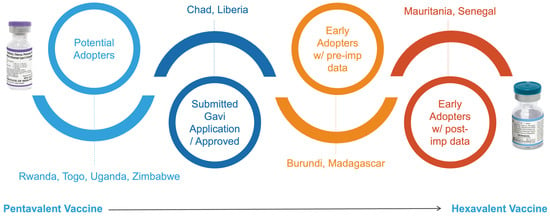
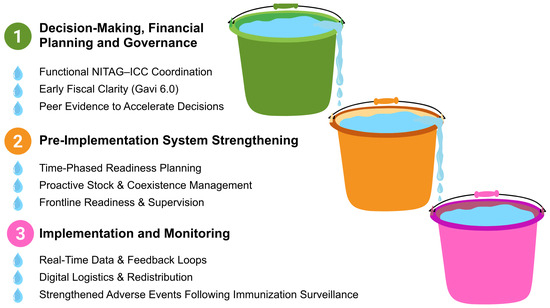
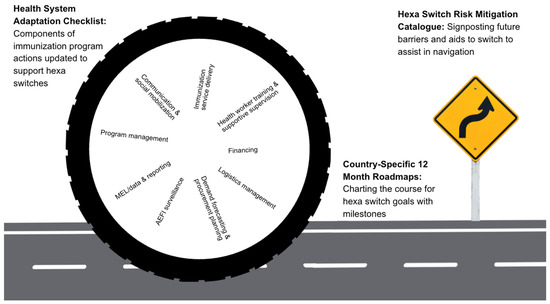
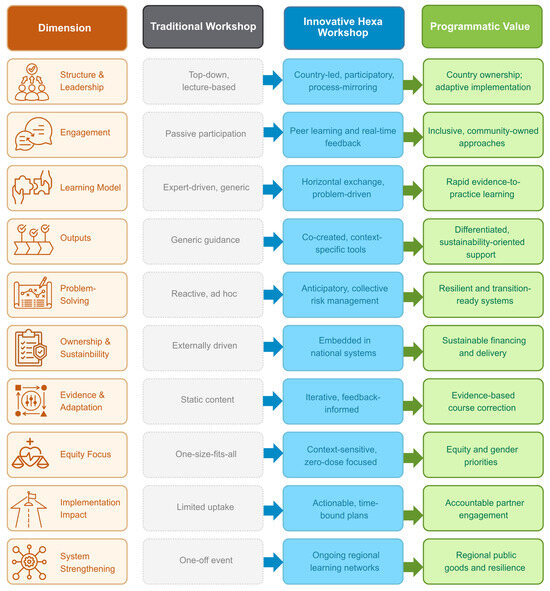
Background/Objectives: Transitions to new vaccines or antigen schedules represent complex system changes requiring coordinated governance, reliable data systems, domestic financing, and multisectoral collaboration. In 2025, African countries were moving toward a switch from separate pentavalent and inactivated poliovirus vaccines to the combined hexavalent vaccine. This project report describes the Hexavalent Vaccine Switch Early Adopters Workshop in Dakar, Senegal, which included ten African countries, and its implications for future vaccine introductions. Methods: We conducted a practice analysis drawing on structured documentation of plenary presentations, country case studies, interactive problem-solving sessions, and national roadmap exercises. A thematic framework aligned to ten process points for the hexa switch guided synthesis. Results: Countries reported shared system vulnerabilities, including coexistence risks of legacy and new vaccine stocks, inconsistent data completeness, under-resourced vaccine safety surveillance, and financing uncertainties. Early adopter countries demonstrated operational feasibility, logistical efficiencies, and opportunities for reducing injection burden. Outputs included a Health System Adaptation Checklist, a Switch Risk Mitigation Catalog, and 12-month national roadmaps. Conclusions: Regional peer-learning mechanisms can accelerate decision-making, improve operational quality, and strengthen accountability for vaccine introductions. Structured cross-country collaborations can transform a product switch into a scalable system-strengthening opportunity.
Full article
(This article belongs to the Section Vaccines and Public Health)
►▼
Show Figures

Figure 1
Open AccessSystematic Review
Distribution of Streptococcus pneumoniae Serotypes in Nasopharyngeal Carriage Among Children in Indonesia and Estimated Coverage of Pneumococcal Conjugate Vaccines: A Systematic Review
by
Ari Prayitno, Mulya Rahma Karyanti, Nina Dwi Putri, Pratama Wicaksana, Felicia Felicia, Shafira Ninditya, Sarah Kemalasari, Aldila Ardine, Hindra Irawan Satari and Sri Rezeki Hadinegoro
Vaccines 2026, 14(5), 451; https://doi.org/10.3390/vaccines14050451 - 19 May 2026
Abstract
Background: Streptococcus pneumoniae may asymptomatically colonize the human nasopharynx and remains a leading cause of invasive and noninvasive disease in children, accounting for an estimated 294,000 global deaths in those aged under five years. Nationally representative serotype data from Indonesia remain limited
[...] Read more.
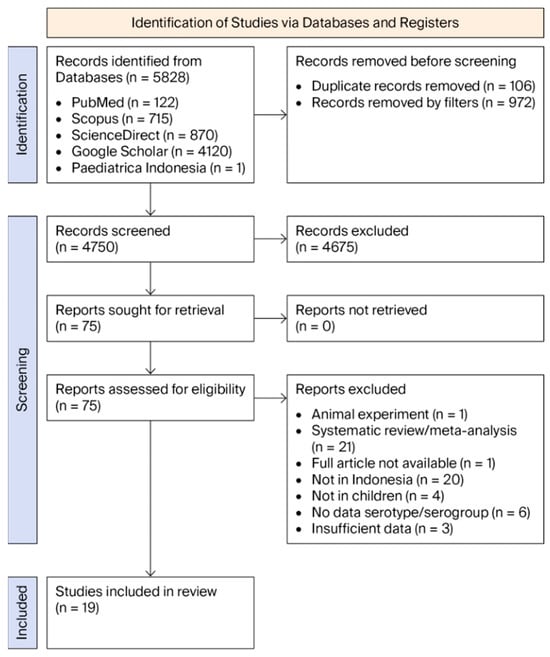
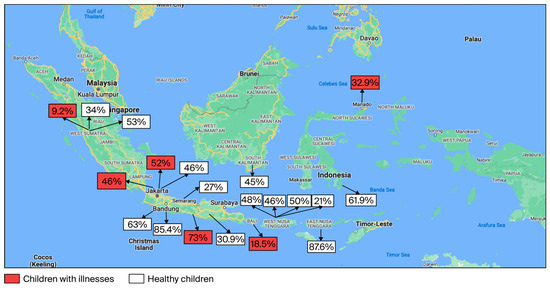
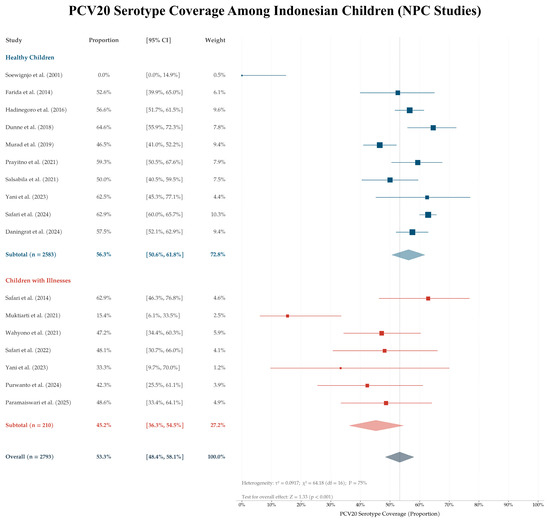
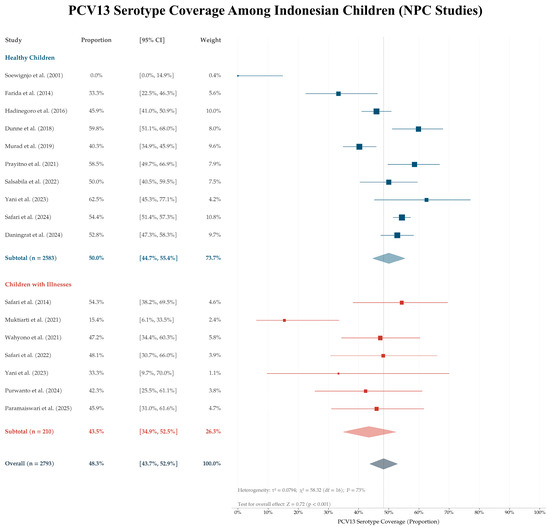
Background: Streptococcus pneumoniae may asymptomatically colonize the human nasopharynx and remains a leading cause of invasive and noninvasive disease in children, accounting for an estimated 294,000 global deaths in those aged under five years. Nationally representative serotype data from Indonesia remain limited despite national PCV13 rollout in 2022. This study aims to evaluate the distribution of Streptococcus pneumoniae serotypes and estimate the coverage of pneumococcal conjugate vaccines (PCVs) among children aged 0–18 years in Indonesia. Methods: Systematic search of PubMed, Scopus, ScienceDirect, Google Scholar, and Paediatrica Indonesiana (to December 2025) for observational studies (PROSPERO CRD420251239935). The extracted data included the study period, setting, population, specimen type, serotypes, sample size, and nasopharyngeal carriage. Pooled serotype prevalence is calculated; vaccine coverage estimated for pneumococcal conjugate vaccines containing 10 (PCV10), 13 (PCV13), 15 (PCV15), and 20 (PCV20) serotypes assuming vaccine-type priority in multicolonization. Risk of bias assessed using the Joanna Briggs Institute’s checklist for prevalence studies. Results: Nineteen studies across 13 regions of Indonesia involving children aged 0–18 years included. Nasopharyngeal carriage ranged from 21.0% to 87.6% in healthy children and 9.2% to 73% in children with illnesses. The most common serotypes were 19F, 23F, 6B, 14, 19A, and 34. Non-typeable isolates accounted for more than 20% of all isolates in several studies. The pooled coverage for PCV10, PCV13, PCV15, and PCV20 was 40.3%, 50.2%, 50.8%, and 57.0% respectively. Low-moderate RoB (63% low). Conclusions: The dominant serotypes largely included in PCV13. Active surveillance is required to monitor serotype shifts and ensure the long-term effectiveness of the national vaccination program.
Full article
(This article belongs to the Section Epidemiology and Vaccination)
►▼
Show Figures

Figure 1

Open AccessReview
Social Context Considerations for Future HIV Vaccine Introduction and Implementation
by
Nivedita L. Bhushan, Rafael Gonzalez and Brian G. Southwell
Vaccines 2026, 14(5), 450; https://doi.org/10.3390/vaccines14050450 - 19 May 2026
Abstract
Background: The development of an efficacious preventive human immunodeficiency virus (HIV) vaccine remains a central goal of global HIV elimination efforts, yet biological performance alone will not determine a future vaccine’s public health impact. Method: This review draws on behavioral science, communication research,
[...] Read more.
Background: The development of an efficacious preventive human immunodeficiency virus (HIV) vaccine remains a central goal of global HIV elimination efforts, yet biological performance alone will not determine a future vaccine’s public health impact. Method: This review draws on behavioral science, communication research, vaccine implementation, and HIV prevention literature to identify cognitive, social, and structural challenges that are likely to shape public acceptance and uptake of a future HIV vaccine, as well as to outline evidence-based opportunities for addressing them. Results: Based on the available literature, mental models of both HIV and vaccination will be a critical determinant of how communities consider a future vaccine, particularly given that emerging mRNA and adjuvanted platforms may generate side effects that could be easily misinterpreted and that highly effective long-acting pre-exposure prophylaxis (PrEP) options already exist and will shape how individuals evaluate a vaccine’s relative value. HIV-related stigma further complicates this landscape by making vaccination a socially interpreted behavior, unlike some other vaccination efforts. Together, these factors suggest that hesitancy and misalignment between public understanding and scientific evidence are predictable and should be anticipated rather than addressed reactively. At the same time, decades of HIV prevention implementation research have established an evidence base for vaccine communication, and existing community engagement infrastructure offers a foundation upon which future rollout efforts can build. We highlight three evidence-based strategies as particularly promising levers for encouraging acceptance and adoption. Conclusions: We conclude with recommendations for HIV vaccine researchers and healthcare professionals to invest in formative research, build community partnerships in advance of vaccine availability, and pilot integrated delivery models within existing HIV prevention services.
Full article
(This article belongs to the Special Issue The Need for an HIV Vaccine in the Era of Highly Effective PrEP)
Open AccessStudy Protocol
The Maternal Vaccine Study Protocol: A Victorian Cohort Study Evaluating Infant and Childhood Safety and Health and Developmental Outcomes After Vaccination Against Respiratory Viruses in Pregnancy
by
Rachael Purcell, Margie Danchin, Nigel W. Crawford, Eric Zhao, Ashleigh Rak, Michelle L. Giles and Jim Buttery
Vaccines 2026, 14(5), 449; https://doi.org/10.3390/vaccines14050449 - 18 May 2026
Abstract
Objectives: Changes in public policy are eroding vaccine confidence. Previously accepted peer-reviewed evidence around vaccination and developmental outcomes for children is being questioned. Robust, methodologically sound safety data are more needed than ever to maintain consumer confidence. Establishing further safety data on infant
[...] Read more.
Objectives: Changes in public policy are eroding vaccine confidence. Previously accepted peer-reviewed evidence around vaccination and developmental outcomes for children is being questioned. Robust, methodologically sound safety data are more needed than ever to maintain consumer confidence. Establishing further safety data on infant health, development, and allergies after COVID-19 and influenza vaccination in pregnancy may improve confidence and acceptance. Methods: This is a state-wide multi-centre prospective cohort study conducted as a sub-study of the Generation Victoria birth cohort. It will examine the risk difference for infant health, developmental, and allergy outcomes between groups of mother–baby pairs who will be examined according to exposure (vaccination against a respiratory virus during pregnancy) and comparator (no vaccination against a respiratory virus). Results: Data contributing to the analysis include GenV-collected developmental, health, and allergy outcomes to 12 months of age, as well as data from state-wide linked datasets. Conclusions: This linked-data longitudinal study will provide information on health, allergy, and developmental outcomes for infants in the first year of life after influenza and COVID-19 vaccination during pregnancy. Implications for Public Health: The reporting of developmental data will be a new contribution to knowledge around outcomes after vaccination during pregnancy.
Full article
(This article belongs to the Section Vaccines and Public Health)
Open AccessArticle
Increasing HPV Vaccination Among Early Adolescents Using a Game-Based Digital Intervention: A Randomized Controlled Trial
by
Angela Chia-Chen Chen, Lihong Ou, Elizabeth Reifsnider, Kimberly Arcoleo, Ashish Amresh and Michael Todd
Vaccines 2026, 14(5), 448; https://doi.org/10.3390/vaccines14050448 - 18 May 2026
Abstract
Background/Objectives: Human papillomavirus (HPV) vaccination coverage among adolescents remains below public health targets despite strong evidence of vaccine effectiveness in preventing HPV-related cancers. Digital interventions (e.g., serious games) may improve HPV vaccine uptake, but evidence for effects on vaccination behavior remains limited. Methods:
[...] Read more.
Background/Objectives: Human papillomavirus (HPV) vaccination coverage among adolescents remains below public health targets despite strong evidence of vaccine effectiveness in preventing HPV-related cancers. Digital interventions (e.g., serious games) may improve HPV vaccine uptake, but evidence for effects on vaccination behavior remains limited. Methods: This secondary analysis of a randomized controlled trial evaluated a co-designed, game-based digital intervention to increase HPV vaccine initiation among unvaccinated youth aged 11–14 years and their parents. The sample included 64 parent–adolescent dyads (33 intervention and 31 usual care dyads). The primary outcome was HPV vaccine initiation at 2-month follow-up. Results: A significantly greater proportion of adolescents in the intervention group initiated HPV vaccination compared with controls (88.5% vs. 46.2%; χ2(1) = 10.58, p = 0.001; risk difference = 0.423, 95% CI = [0.196, 0.650]). No significant between-group baseline differences were observed in parent HPV vaccination intention, knowledge, or psychosocial perceptions, although adolescent vaccination intention was higher in the intervention group. In adjusted logistic regression controlling for adolescent baseline HPV vaccination intention, intervention participants remained significantly more likely to initiate vaccination than controls (OR = 9.31, 95% CI = 2.13–40.70, p = 0.003). Intervention acceptability was high, with most parents and adolescents reporting that the game was easy to use, engaging, and relevant to vaccination decision-making. Conclusions: These findings provide preliminary evidence that a brief, family-centered, game-based digital intervention may help increase HPV vaccination initiation among adolescents. Larger trials with longer follow-up are needed to assess vaccine series completion and effectiveness across diverse settings.
Full article
(This article belongs to the Special Issue Research and Significance of Vaccines Against Sexually Transmitted Diseases)
Open AccessArticle
Social Marketing to Enhance Community Empowerment and Ownership for a Successful Implementation of the “Big Catch-Up” in Togo in 2025: A Mixed-Methods Study
by
Soliou Badarou, Aimé Serge Dali, Kokou Herbert Gounon, Lorraine Shamalla-Hannah, Amevegbe Kodjo Boko, Xavier Richard Sire and Erinna Corinne Dia
Vaccines 2026, 14(5), 447; https://doi.org/10.3390/vaccines14050447 - 18 May 2026
Abstract
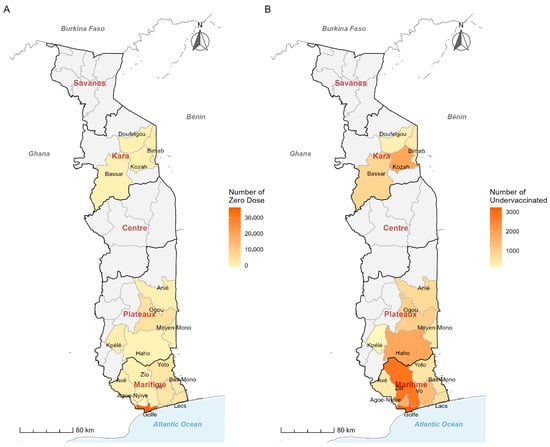
Introduction: The COVID-19 pandemic disrupted immunization services in Togo, resulting in 69,672 “zero-dose” and 24,846 “under-vaccinated” children by the end of 2023. This study assessed the effectiveness, acceptability, and feasibility of a social marketing approach deployed during the 2025 Big Catch-Up initiative in
[...] Read more.
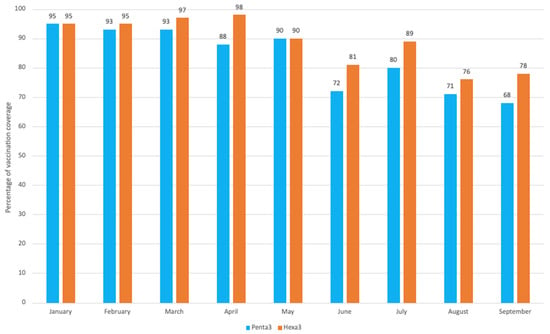
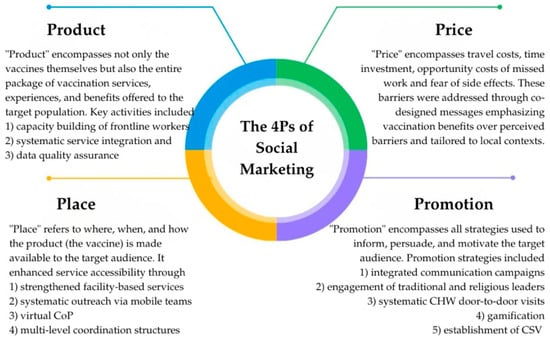
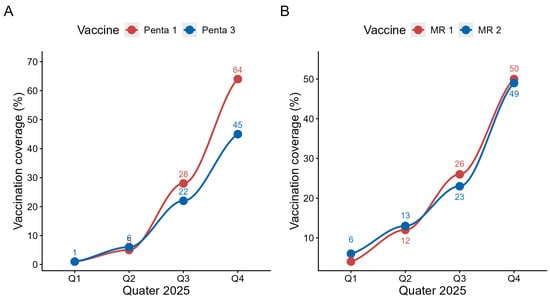
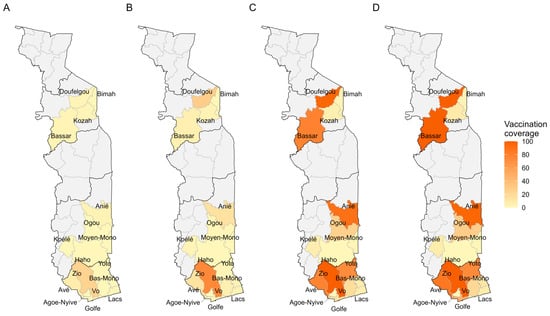
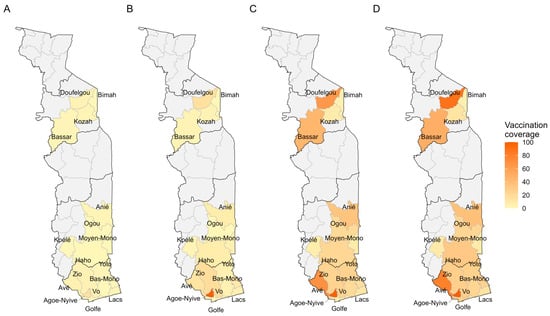
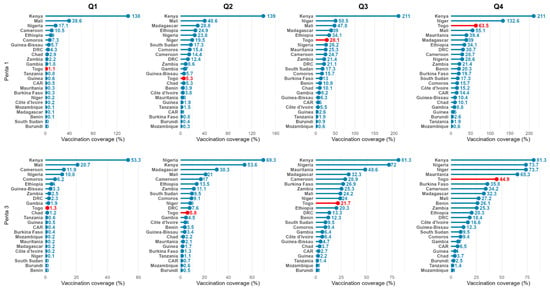
Introduction: The COVID-19 pandemic disrupted immunization services in Togo, resulting in 69,672 “zero-dose” and 24,846 “under-vaccinated” children by the end of 2023. This study assessed the effectiveness, acceptability, and feasibility of a social marketing approach deployed during the 2025 Big Catch-Up initiative in Togo. Methods: A convergent mixed-methods study was conducted in 17 priority health districts. The quantitative component compared vaccination coverage before and after the intervention using administrative data. Chi-squared test for linear trend compared district-level coverages, and statistical significance was set at p < 0.05 for all tests. The qualitative component used in-depth interviews with key informants to collect data, followed by thematic content analysis. The intervention was grounded on the social marketing framework with 4 pillars (4Ps): Product, Price, Place, and Promotion. Results: Coverage increased dramatically: Penta1 from 1% to 64%, Penta3 from 1% to 45%, MR1 from 4% to 50%, and MR2 from 6% to 49% (all p < 0.001). Togo ranked 3rd out of 24 African countries for Penta1 progress. The approach demonstrated high community acceptability, with Vaccination Monitoring Committees praised as being culturally appropriate. Key concerns included sustainability and resource constraints. Conclusions: Social marketing was associated with increased community adherence and immunization coverage improvement. However, long-term sustainability requires the institutionalization of community structures with domestic funding and continued health system strengthening.
Full article
(This article belongs to the Section Epidemiology and Vaccination)
►▼
Show Figures

Figure 1
Open AccessArticle
Evaluation of Safety and Immunogenicity of High-Dose Quadrivalent Seasonal Influenza Split Vaccine: A Preclinical Study
by
Lanxin Jia, Ran Qiu, Jing Liu, Bo Liu, Xuanxuan Nian, Yang Le, Xixin Han, Qingmei Zhang, Xuedan Li, Zheng Gong, Ailin Shen, Zhegang Zhang, Ying Zhao and Jiayou Zhang
Vaccines 2026, 14(5), 446; https://doi.org/10.3390/vaccines14050446 - 17 May 2026
Abstract
Objectives: Seasonal influenza leads to substantial global morbidity and mortality, especially in adults aged 65 years and older, who present poor immune responses to standard-dose influenza vaccines. This study aimed to systematically evaluate the preclinical safety and immunogenicity of a high-dose quadrivalent seasonal
[...] Read more.
Objectives: Seasonal influenza leads to substantial global morbidity and mortality, especially in adults aged 65 years and older, who present poor immune responses to standard-dose influenza vaccines. This study aimed to systematically evaluate the preclinical safety and immunogenicity of a high-dose quadrivalent seasonal influenza split vaccine (HD-QIV), providing preclinical evidence for its clinical application in the elderly. Methods: Following GLP guidelines, we performed single-dose and repeated-dose toxicity tests in Sprague–Dawley rats, active systemic anaphylaxis assays in guinea pigs, and immunogenicity assessments in young and aged BALB/c mice. Safety indicators included general clinical signs, hematology, blood biochemistry, histopathology and allergic reactions; immunogenicity was evaluated via hemagglutination inhibition (HI) antibody titers and antigen-specific cellular immune responses. Results: HD-QIV only caused mild and reversible local irritation in rats without obvious systemic toxicity, and no dose-related systemic anaphylaxis was observed in guinea pigs. HD-QIV induced robust and dose-dependent humoral immune responses, and showed significantly higher HI antibody titers, earlier seroconversion and longer antibody persistence than standard quadrivalent influenza vaccine in aged mice. Cellular immunity was slightly enhanced but not the dominant protective response. Conclusions: The HD-QIV demonstrates favorable preclinical safety and superior immunogenicity, supporting its further clinical development and use as a priority vaccine for the elderly population.
Full article
(This article belongs to the Section Vaccine Advancement, Efficacy and Safety)
Open AccessArticle
Measles in the Post-COVID Era: Incidence Trends, Vaccination Coverage, Demographic and Subnational Distribution in Saudi Arabia, 2015–2024
by
Lama Alzamil
Vaccines 2026, 14(5), 445; https://doi.org/10.3390/vaccines14050445 - 16 May 2026
Abstract
Background/Objectives: The COVID-19 pandemic disrupted routine immunisation globally. Saudi Arabia presents a unique epidemiological context for measles, combining high vaccination coverage with mass pilgrimages and a large expatriate workforce. This study examined measles incidence trends, vaccination coverage, and demographic and geographic burden distribution
[...] Read more.
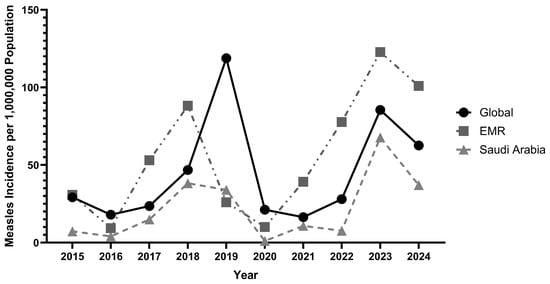
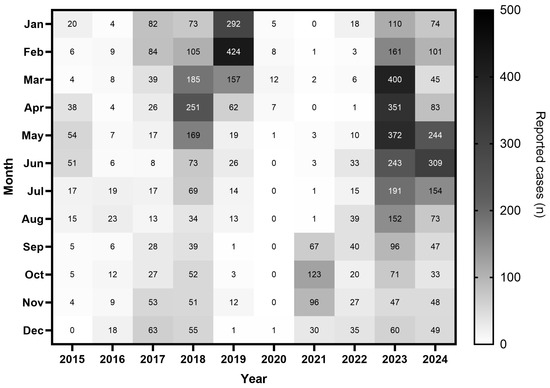
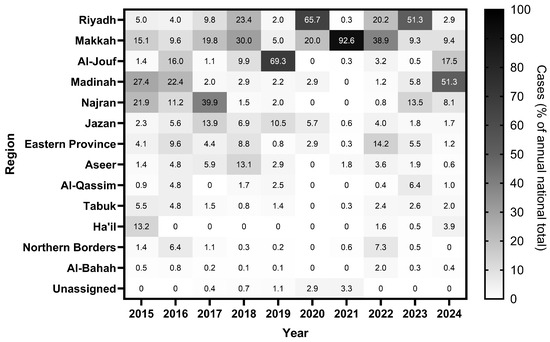
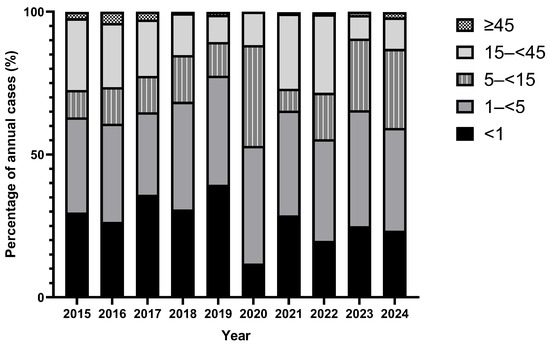
Background/Objectives: The COVID-19 pandemic disrupted routine immunisation globally. Saudi Arabia presents a unique epidemiological context for measles, combining high vaccination coverage with mass pilgrimages and a large expatriate workforce. This study examined measles incidence trends, vaccination coverage, and demographic and geographic burden distribution in Saudi Arabia (2015–2024), with comparative analysis against GCC countries, the Eastern Mediterranean Region (EMR), and global data. Methods: Annual incidence and vaccination coverage data were obtained from the WHO Global Health Observatory and WHO/UNICEF WUENIC; monthly, regional, age- and nationality-stratified data from the Saudi Ministry of Health Annual Statistical Book (2015–2024). Incidence was expressed per 1,000,000 population across three epochs: pre-COVID-19 (2015–2019), pandemic disruption (2020–2021), and post-COVID-19 rebound (2022–2024). Descriptive analyses included period means, percentage changes, rate ratios, and rate differences. Results: Pre-COVID-19 incidence (mean 19.7/1,000,000) remained below EMR and global averages. The pandemic produced near-complete suppression (−96.6% to 1.1/1,000,000 in 2020), exceeding global (−82.2%) and EMR (−61.2%) declines. A marked rebound occurred in 2023 (67.8/1,000,000), surpassing the pre-pandemic peak despite MCV1/MCV2 coverage above 96%. Non-Saudi nationals bore disproportionate burden in 2021 (20.7 vs. 1.1/1,000,000) and 2023 (70.4 vs. 64.8/1,000,000). Children under 15 accounted for 71.6–90.6% of annual cases, with the 5–<15-year group’s contribution rising from 12.7% (pre-COVID mean) to 27.7% in 2024. Geographic burden shifted annually with no consistently dominant region. Conclusions: Saudi Arabia’s post-pandemic rebound despite high national coverage implicates sub-population susceptibility gaps among non-national residents and school-age children, alongside importation risks from mass pilgrimage. Targeted strategies addressing demographic and geographic heterogeneity are essential to meet WHO 2030 elimination targets.
Full article
(This article belongs to the Special Issue Addressing Immunity Gaps: Strengthening Vaccine Confidence and Coverage)
►▼
Show Figures

Figure 1
Open AccessArticle
Safety and Immunogenicity of the Cytomegalovirus Vaccine mRNA-1647 in Healthy Adults: Results from a Phase 2, Randomized, Controlled, Dose-Finding Trial with Long-Term Extension Follow-Up Through Month 48
by
Carlos Fierro, Daniel Brune, Richard Leggett, James Peterson, Benjamin Lorenz, Renato Calabro Calheiros, Jiang Lin, Anita S. Iyer, Kai Wu, Xin Cao, Alaknanda Kondapally, Sheila Marsh, Shiva Kalidindi, Jennifer Husson and Lori Panther
Vaccines 2026, 14(5), 444; https://doi.org/10.3390/vaccines14050444 - 16 May 2026
Abstract
Background/Objectives: No licensed vaccine against cytomegalovirus (CMV) is currently available, despite the significant risk of mother-to-infant transmission leading to serious neurodevelopmental impairment and the substantial morbidity caused by CMV infection in immunocompromised persons. We report results from a phase 2 trial of the
[...] Read more.
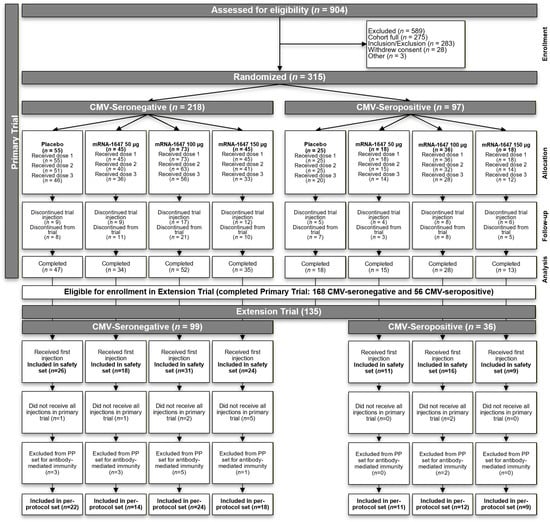
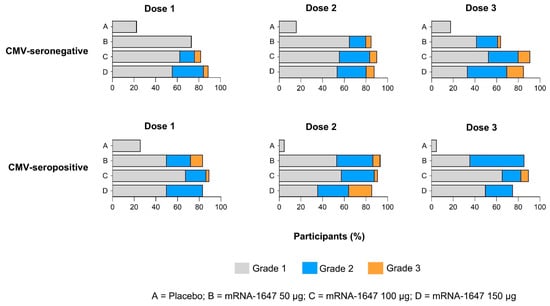
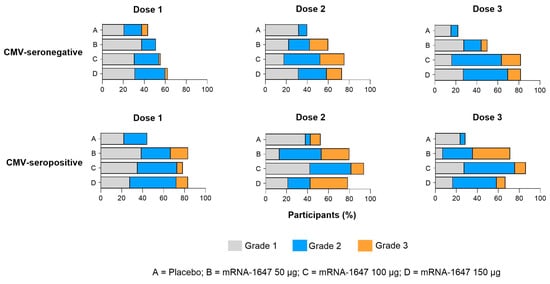
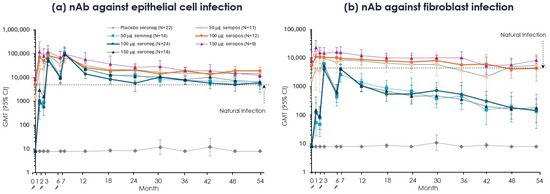
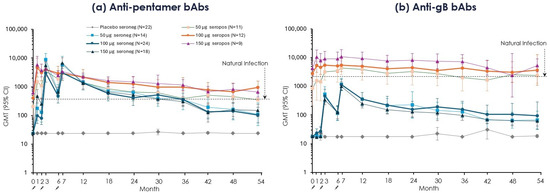
Background/Objectives: No licensed vaccine against cytomegalovirus (CMV) is currently available, despite the significant risk of mother-to-infant transmission leading to serious neurodevelopmental impairment and the substantial morbidity caused by CMV infection in immunocompromised persons. We report results from a phase 2 trial of the investigational CMV mRNA vaccine mRNA-1647 and a long-term extension study (NCT04232280; NCT04975893). Methods: This randomized, observer-blind, placebo-controlled phase 2 study, conducted at 9 US sites, enrolled participants in two parts. In the first part, healthy adults aged 18–40 years were stratified by baseline CMV status into CMV-seronegative and CMV-seropositive parallel cohorts and randomized 3:1 to receive mRNA-1647 (50, 100, or 150 μg) or placebo. In the second part, healthy female participants aged 18–40 years were randomized 3:1 to receive 100 μg mRNA-1647 or placebo. In both parts, vaccine or placebo was administered at Months 0, 2, and 6. Participants completing the Primary Trial through Month 18 were eligible to enroll in the extension study, wherein safety and immunogenicity were assessed every 6 months until all participants reached Month 48 (interim analysis) and a subset had Month 54 immunogenicity samples available. Primary objectives were to assess safety and neutralizing antibody responses. Results: Solicited adverse reactions were mostly grade 1 or 2 in severity, and no notable dose-related safety trends were identified. Neutralizing antibody and antigen-specific binding IgG responses were induced in CMV-seronegative participants and boosted in CMV-seropositive participants, with durability of responses through Month 48 and up to Month 54. Conclusions: The investigational vaccine mRNA-1647 was generally well tolerated and induced durable humoral immune responses across baseline CMV serostatus, with persistence supported through Month 48 and by available Month 54 data.
Full article
(This article belongs to the Section Vaccine Advancement, Efficacy and Safety)
►▼
Show Figures

Figure 1
Open AccessArticle
Structure-Guided Glycosylation of Hemagglutinin Enhances Stability and Modulates Immunogenicity of Influenza Vaccines
by
Zheng Zhang, Zhiying Xiao, Xu Zhang, Qian Ye, Xin Zhang and Wen-Song Tan
Vaccines 2026, 14(5), 443; https://doi.org/10.3390/vaccines14050443 - 15 May 2026
Abstract
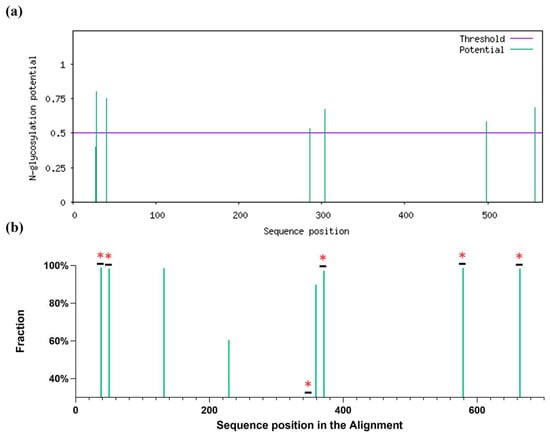
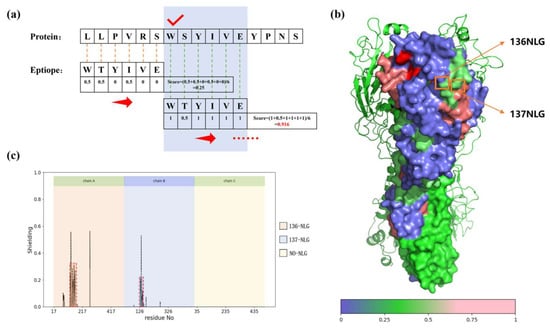
Background: Antigenic drift limits the protective efficacy of influenza vaccine. Glycosylation of hemagglutinin (HA) represents a promising immunofocusing strategy that enhances neutralizing antibody responses by masking immunodominant non-neutralizing epitopes. Methods: B-cell epitopes of influenza viruses were retrieved from the Immune Epitope Database and
[...] Read more.
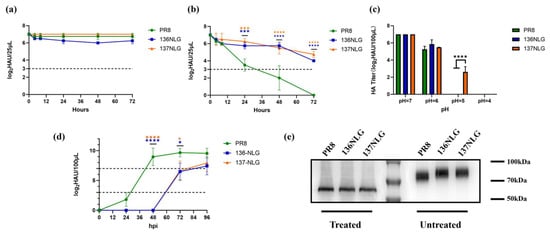
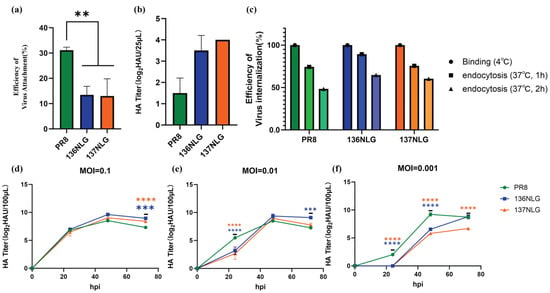
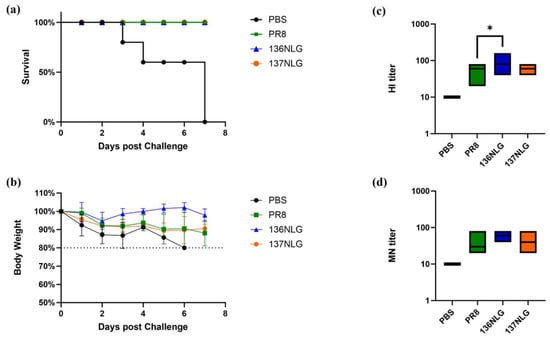
Background: Antigenic drift limits the protective efficacy of influenza vaccine. Glycosylation of hemagglutinin (HA) represents a promising immunofocusing strategy that enhances neutralizing antibody responses by masking immunodominant non-neutralizing epitopes. Methods: B-cell epitopes of influenza viruses were retrieved from the Immune Epitope Database and were mapped onto the HA structure of A/Puerto Rico/8/1934 (H1N1). Structure-guided analysis identified residues 136 and 137 as candidate sites for N-linked glycosylation (NLG). Single-site mutants (136NLG and 137NLG) were generated using reverse genetics and evaluated for stability, receptor binding, viral replication, and immunogenicity in a murine model with inactivated whole-virus vaccines. Results: Both mutants exhibited increased thermostability at 42 °C. Glycosylation reduced the HA–sialic acid affinity, resulting in decreased viral adsorption and internalization efficiency in MDCK cells, and delayed viral replication at low multiplicity of infection (MOI). In vivo, all vaccine groups provided complete protection against lethal challenge; notably, the 136NLG group exhibited reduced weight loss, indicating improved protective efficacy compared with wild-type (WT). Conclusions: Targeted glycosylation at residue 136 in the HA head domain effectively enhances the viral stability and elicits a 1.78-fold increase in hemagglutination inhibition titer (GMT) relative to the WT, thereby improving vaccine performance. These findings establish a rational and structure-based design strategy for developing more stable and effective influenza vaccines.
Full article
(This article belongs to the Section Influenza Virus Vaccines)
►▼
Show Figures

Figure 1
Open AccessArticle
Rv2656c: A Potential Candidate Antigen Associated with Latent Tuberculosis Infection
by
Yunjie Du, Pu He, Wenrui Dang, Ting Zhou, Yinjuan Song, Xiaoping Li, Yuhao Zhao, Fei Li, Aizhen Guo and Bingdong Zhu
Vaccines 2026, 14(5), 442; https://doi.org/10.3390/vaccines14050442 - 15 May 2026
Abstract
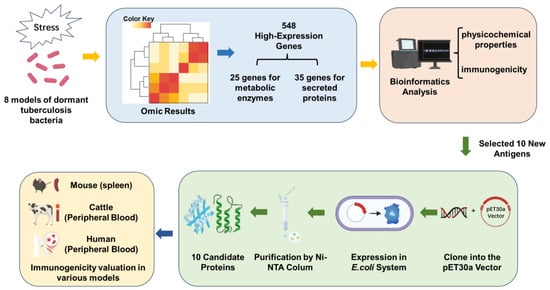
Background/Objectives: Several subunit vaccines for tuberculosis (TB), such as MVA85A and H4:IC31, have not demonstrated ideal protective efficacy in clinical trials, which may be attributed to their limited antigenic profile and lack of effective latency-associated antigens. In this study, we combined bioinformatics with
[...] Read more.
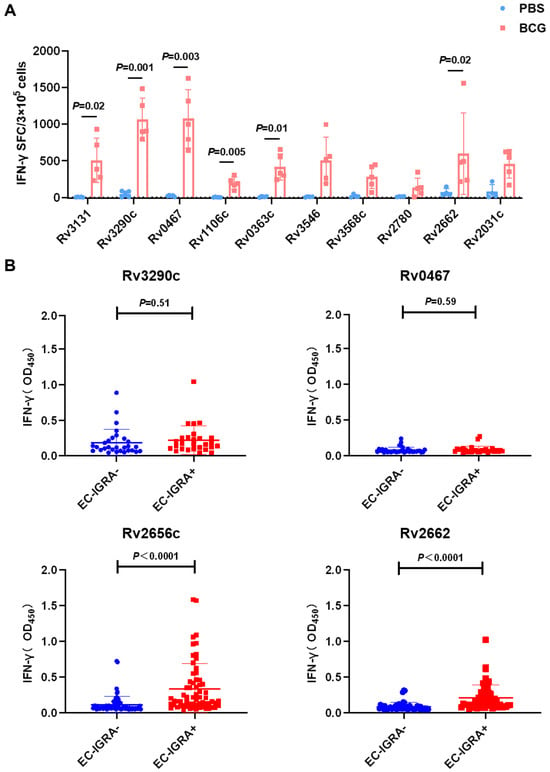
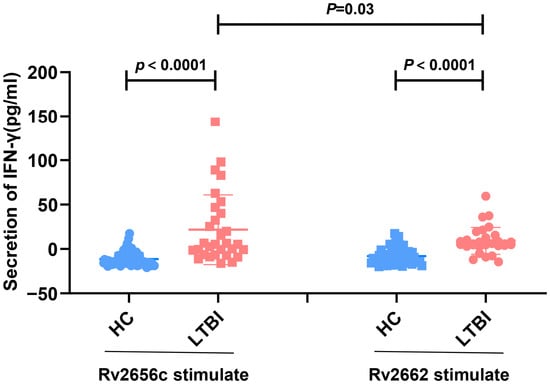
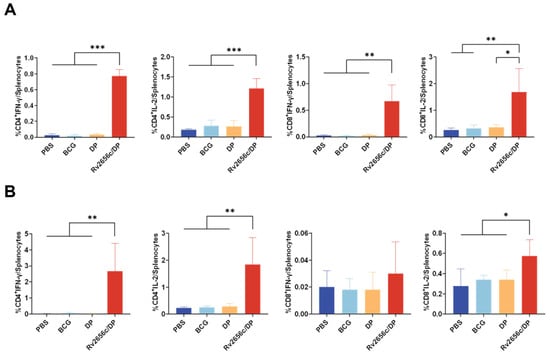
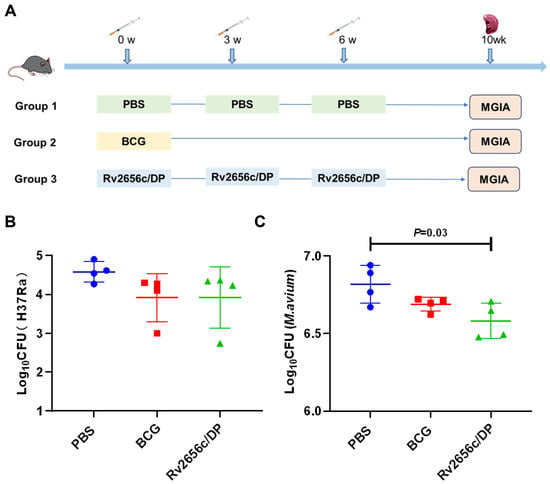
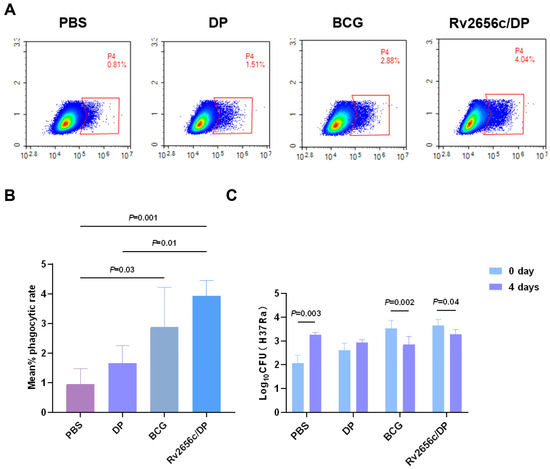
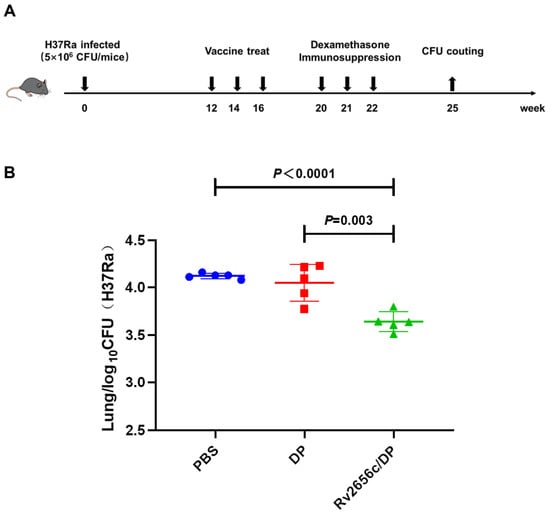
Background/Objectives: Several subunit vaccines for tuberculosis (TB), such as MVA85A and H4:IC31, have not demonstrated ideal protective efficacy in clinical trials, which may be attributed to their limited antigenic profile and lack of effective latency-associated antigens. In this study, we combined bioinformatics with experimental validation to screen for latency-associated antigens that have immune-protective effects. Methods: Highly expressed antigens were identified from models related to latent infections, such as hypoxia and nutritional starvation. Their physicochemical properties and immunogenicity were predicted using online tools such as Expasy-ProParam, IEBD, and VaxiJen. The immunogenicity of these antigens was then evaluated in multiple mycobacterium infection models. Finally, a systematic evaluation of the immune response and protective effects induced by the candidate antigens was performed in a mouse model using intracellular cytokine detection, mycobacterium growth inhibition assays (MGIAs), antibody-dependent cellular phagocytosis (ADCP), and a latent tuberculosis infection (LTBI) mouse model. Results: The antigen Rv2656c is highly expressed in the nutritional starvation model and demonstrates strong immunogenicity in both infected humans and cattle. Moreover, Rv2656c exerted a significant inhibitory effect against Mycobacterium tuberculosis (M. tuberculosis) and Mycobacterium avium (M. avium) infections in MGIA. The humoral immune response elicited by Rv2656c enhanced the phagocytosis and killing of Mycobacteria by macrophages in vitro. Furthermore, in a mouse model of LTBI established using the attenuated M. tuberculosis H37Ra strain, treatment with Rv2656c significantly decreased the bacterial load in the lungs of the mice. Conclusions: Latency-associated Rv2656c may serve as an immune-protective antigen, offering potential for the development of novel multi-stage antigen subunit vaccine against TB.
Full article
(This article belongs to the Special Issue Tuberculosis Diagnosis and Vaccines Research)
►▼
Show Figures

Figure 1
Open AccessArticle
TTV Viremia and Immune Responses Following Vaccination Against Mpox and Dengue Viruses
by
Claudia Minosse, Pietro Giorgio Spezia, Sara Belladonna, Aurora Bettini, Giulia Matusali, Francesca Colavita, Stefania Notari, Linda Petrone, Marta Tiberi, Alessandro Rosario Cavasio, Valentina Mazzotta, Luigi Rosa, Eleonora Cimini, Daniele Focosi, Delia Goletti, Emanuele Nicastri, Andrea Antinori and Fabrizio Maggi
Vaccines 2026, 14(5), 441; https://doi.org/10.3390/vaccines14050441 - 15 May 2026
Abstract
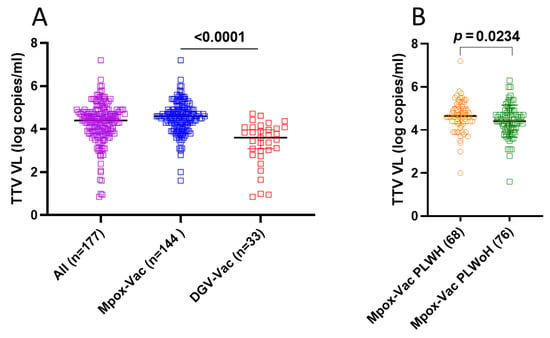
Background: Torquetenovirus (TTV) viremia is increasingly recognized as a biomarker of host immune competence. We assessed the association between baseline TTV DNA levels and immune responses to the Mpox virus (MPXV) and dengue virus (DGV) vaccines in two prospective cohorts. Methods:
[...] Read more.
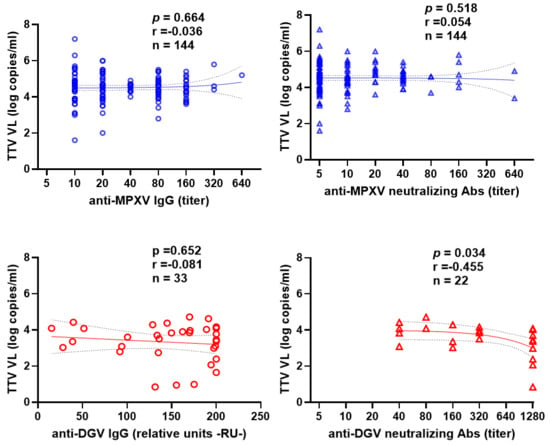
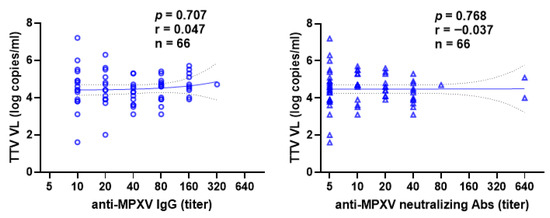
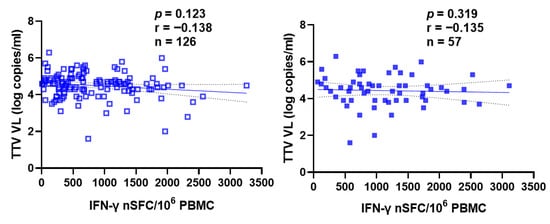
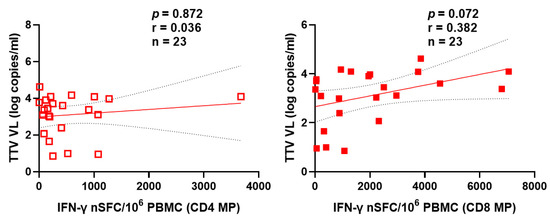
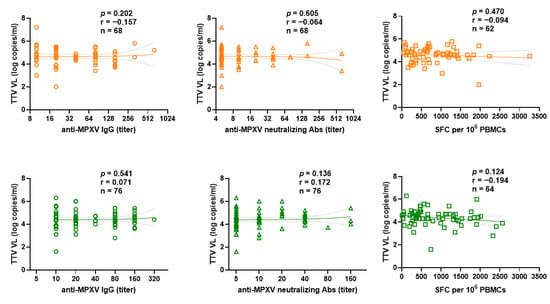
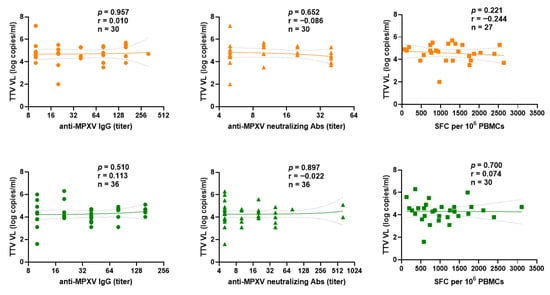
Background: Torquetenovirus (TTV) viremia is increasingly recognized as a biomarker of host immune competence. We assessed the association between baseline TTV DNA levels and immune responses to the Mpox virus (MPXV) and dengue virus (DGV) vaccines in two prospective cohorts. Methods: A total of 248 individuals were enrolled, and TTV DNA was quantified before vaccination. Humoral and cellular responses to MVA-BN (for MPXV) and QDENGA (for DGV) vaccines were measured by using serology, neutralization assays, and interferon-γ ELISpot, and correlations with TTV viremia were investigated. Results: TTV DNA was detected in 81.2% of individuals, with a significantly higher prevalence and viral loads in the Mpox-Vac group than in the DGV-Vac group. Between both groups, the only significant association observed was an inverse correlation between pre-vaccination TTV load and DGV neutralizing antibody titers in the DGV-Vac group and was limited to the subset of TTV-positive individuals; no additional correlations with antibody and T responses were identified. For the Mpox-Vac group, stratified analyses in people living with HIV (PLWH) confirmed this lack of association. Conclusions: TTV viremia does not predict vaccine immunogenicity in immunocompetent or mildly immunosuppressed individuals. These results, which derive from within-cohort analyses and do not rely on direct comparisons between heterogeneous vaccine populations, support the role of TTV as a marker of immune status along a continuum of immunosuppression, with predictive value likely confined to populations with more severe immune impairment.
Full article
(This article belongs to the Special Issue Research on Immune Response and Vaccines: 2nd Edition)
►▼
Show Figures

Figure 1
Open AccessReview
Bacterial Membrane Vesicles as Versatile Platforms for Systemic and Mucosal Vaccines
by
Si Hyun Park and Young Min Son
Vaccines 2026, 14(5), 440; https://doi.org/10.3390/vaccines14050440 - 15 May 2026
Abstract
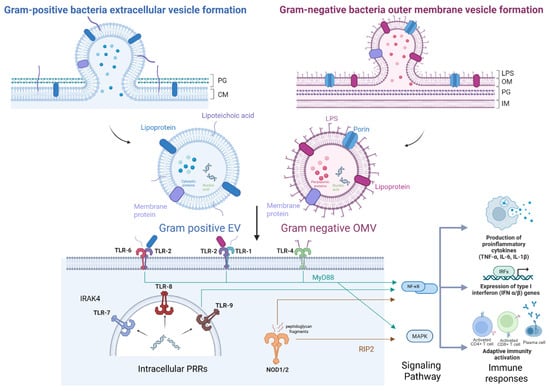
Bacterial membrane vesicles (BMVs), encompassing outer membrane vesicles (OMVs) released from Gram-negative bacteria and extracellular vesicles (EVs) released from Gram-positive bacteria, have emerged as promising vaccine platforms owing to their intrinsic immunostimulatory properties and capacity to deliver a wide range of antigens. Although
[...] Read more.
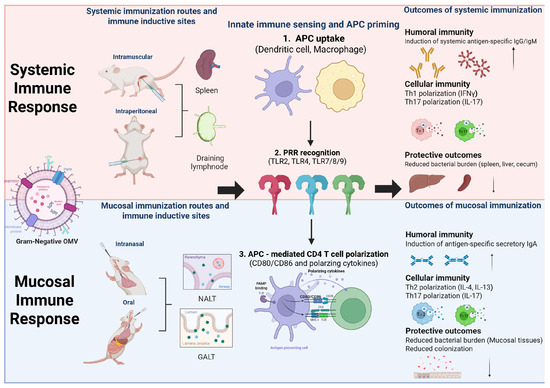
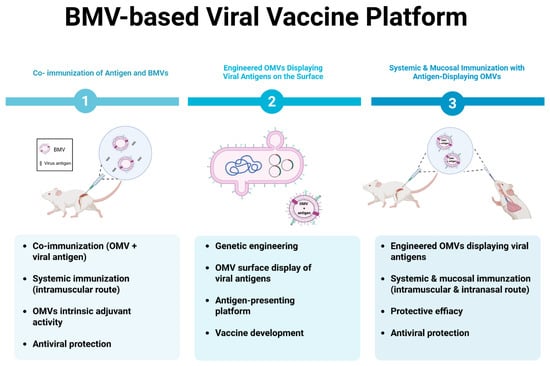
Bacterial membrane vesicles (BMVs), encompassing outer membrane vesicles (OMVs) released from Gram-negative bacteria and extracellular vesicles (EVs) released from Gram-positive bacteria, have emerged as promising vaccine platforms owing to their intrinsic immunostimulatory properties and capacity to deliver a wide range of antigens. Although conventional vaccines effectively prevent infectious diseases, their long-term efficacy is often limited by antigenic variation and reliance on a restricted number of licensed adjuvants. BMVs, as self-adjuvanting systems, enable both antigen delivery and innate immune activation. BMVs are nanoscale lipid bilayer structures enriched with pathogen-associated molecular patterns (PAMPs), facilitating their recognition and uptake by antigen-presenting cells. This leads to the activation of pattern recognition receptors and the induction of pro-inflammatory cytokines, type I interferons, and adaptive immune responses, including antibody production and Th1- and Th17-biased cellular immunity. Recent studies highlight the versatility of BMVs as vaccine platforms across bacterial, fungal, and viral infection models. BMVs induce protective immunity by promoting both systemic and mucosal immune responses, thereby reducing bacterial burden and limiting pathogen colonization across diverse infection models. These properties have supported their application in viral vaccine development, including influenza and SARS-CoV-2, with the potential to enhance mucosal immunity. Despite these advantages, challenges remain in standardization, safety, and antigen-loading efficiency. Engineered BMVs incorporating protein or mRNA antigens may further enhance antigen presentation and CD8+ T cell responses. This review summarizes the biological features, immunological mechanisms, and future potential of BMVs in vaccine development.
Full article
(This article belongs to the Special Issue Vaccine Advancement, Efficacy and Safety: Feature Papers)
►▼
Show Figures

Figure 1
Journal Menu
► ▼ Journal Menu-
- Vaccines Home
- Aims & Scope
- Editorial Board
- Reviewer Board
- Topical Advisory Panel
- Instructions for Authors
- Special Issues
- Topics
- Sections & Collections
- Article Processing Charge
- Indexing & Archiving
- Editor’s Choice Articles
- Most Cited & Viewed
- Journal Statistics
- Journal History
- Journal Awards
- Conferences
- Editorial Office
Journal Browser
► ▼ Journal BrowserHighly Accessed Articles
Latest Books
E-Mail Alert
News
Topics
Topic in
Biomolecules, Cells, IJMS, Pathogens, Vaccines, Biologics, Microorganisms, Biomedicines
Advances in Vaccines and Antimicrobial Therapy—2nd Edition
Topic Editors: Raffaele D’Amelio, Roberto PaganelliDeadline: 30 September 2026
Topic in
Animals, Arthropoda, Insects, Vaccines, Veterinary Sciences, Pathogens
Ticks and Tick-Borne Pathogens: 2nd Edition
Topic Editors: Alina Rodriguez-Mallon, Alejandro Cabezas-CruzDeadline: 31 March 2027
Topic in
Biomedicines, Cancers, IJMS, Vaccines, Viruses, JMP
Advances in HPV-Driven Head and Neck Cancer: Pathogenesis, Treatment, and Prevention
Topic Editors: Shilpi Gupta, Bhudev Chandra Das, Prabhat KumarDeadline: 20 April 2027
Topic in
Animals, Aquaculture Journal, Biology, Fishes, Pathogens, Vaccines, IJMS
Novel Insights and Advanced Research in Aquatic Animal Diseases and Immunology
Topic Editors: Erlong Wang, Zihao YuanDeadline: 30 July 2027
Conferences
Special Issues
Special Issue in
Vaccines
Innovative Vaccines and Technologies to Address Tropical Parasitic Diseases
Guest Editors: Cecilia Maria Perez Brandan, Iván Marcipar, Fernando Sanchez-ValdezDeadline: 30 May 2026
Special Issue in
Vaccines
Innovative Vaccines That Modulate the Immune System to Enhance Cancer Therapy
Guest Editor: Ruchi RoyDeadline: 31 May 2026
Special Issue in
Vaccines
Recent Research on Adenovirus-Vectored Vaccines
Guest Editors: Michael Barry, Vijay ReddyDeadline: 31 May 2026
Special Issue in
Vaccines
Clinical Strategies to Improve Efficacy, Effectiveness, and Safety of Vaccination in Humans
Guest Editor: Kay Choong SeeDeadline: 31 May 2026
Topical Collections
Topical Collection in
Vaccines
Research on Monoclonal Antibodies and Antibody Engineering
Collection Editor: Tatsuya Yamazaki
Topical Collection in
Vaccines
Factors Associated with Vaccine Hesitancy
Collection Editor: Brian D. Poole
Topical Collection in
Vaccines
COVID-19 Vaccine Hesitancy: Correlates and Interventions
Collection Editors: Manoj Sharma, Kavita Batra