

Journal Description
Technologies
Technologies
is an international, peer-reviewed, open access journal singularly focusing on emerging scientific and technological trends, published monthly online by MDPI.
- Open Access— free for readers, with article processing charges (APC) paid by authors or their institutions.
- High Visibility: indexed within ESCI (Web of Science), Scopus, Inspec, Ei Compendex, INSPIRE, and other databases.
- Journal Rank: JCR - Q1 (Engineering, Multidisciplinary) / CiteScore - Q1 (Computer Science (miscellaneous))
- Rapid Publication: manuscripts are peer-reviewed and a first decision is provided to authors approximately 17 days after submission; acceptance to publication is undertaken in 3.6 days (median values for papers published in this journal in the first half of 2026).
- Recognition of Reviewers: reviewers who provide timely, thorough peer-review reports receive vouchers entitling them to a discount on the APC of their next publication in any MDPI journal, in appreciation of the work done.
- Journal Cluster of Mechanical Manufacturing and Automation Control: Aerospace, Automation, Drones, Journal of Manufacturing and Materials Processing, Machines, Robotics and Technologies.
Impact Factor:
5.2 (2025);
5-Year Impact Factor:
5.1 (2025)
Latest Articles
Hybrid DeepMUSIC-Assisted Cooperative Multi-Agent Deep Reinforcement Learning for Intelligent Spectrum Allocation and Interference Management in Multi-UAV 6G Networks
Technologies 2026, 14(9), 552; https://doi.org/10.3390/technologies14090552 - 4 Sep 2026
Abstract
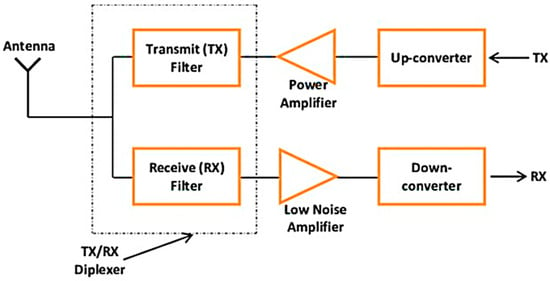
The integration of unmanned aerial vehicles (UAVs) as aerial base stations has emerged as a key enabler for next-generation wireless networks, particularly in disaster recovery, temporary events, and infrastructure-deficient regions. However, multi-UAV deployments introduce severe co-channel interference due to spectrum reuse and overlapping
[...] Read more.
The integration of unmanned aerial vehicles (UAVs) as aerial base stations has emerged as a key enabler for next-generation wireless networks, particularly in disaster recovery, temporary events, and infrastructure-deficient regions. However, multi-UAV deployments introduce severe co-channel interference due to spectrum reuse and overlapping coverage areas, while existing spectrum allocation methods either rely on centralized optimization with limited scalability or on reinforcement learning frameworks that lack spatial awareness of interference sources. To address these challenges, this paper proposes a Hybrid DeepMUSIC-assisted Cooperative Multi-Agent Deep Reinforcement Learning (MADRL) framework for intelligent spectrum allocation and interference management in multi-UAV 6G networks. The proposed framework integrates a hybrid interference localization module, which fuses the classical MUltiple SIgnal Classification (MUSIC) algorithm with a deep neural network to accurately estimate the direction of arrival (DoA) of interference sources, into a DeepMUSIC-enhanced state representation used by cooperative Deep Q-Network (DQN) agents trained under a Centralized Training and Decentralized Execution (CTDE) paradigm, enabling coordinated yet fully distributed spectrum allocation decisions. Extensive simulations demonstrate that the proposed Hybrid DeepMUSIC module reduces the mean DoA estimation error to approximately 0.105°, more than an order of magnitude better than classical MUSIC and standalone DeepMUSIC estimators. Compared with seven baseline algorithms spanning heuristic, optimization-based, single-agent, and cooperative multi-agent reinforcement learning approaches, the proposed framework achieves the highest network throughput, SINR, spectrum efficiency, and energy efficiency, together with the fastest and most stable training convergence, reaching a stable cooperative reward of 76.246 within approximately 371 training epochs. The framework further maintains near-linear computational scaling with the number of UAV agents, confirming its suitability for real-time deployment in dense, AI-native multi-UAV 6G wireless communication systems.
Full article
(This article belongs to the Section Information and Communication Technologies)
►
Show Figures
Open AccessArticle
MC-SlotNet: Multiplicity-Consistent Slot-Based Full-Cell Instance Segmentation for Overlapping Plant Suspension-Culture Microscopy
by
Touseef Ur Rehman, Saba Latif, Muhammad Talha Shabbir, Meijin Guo and Muhammad Rameez Ur Rahman
Technologies 2026, 14(9), 551; https://doi.org/10.3390/technologies14090551 - 4 Sep 2026
Abstract
►▼
Show Figures
Overlapping cells in plant suspension-culture microscopy pose a particular challenge, for instance, segmentation because a single pixel may belong to more than one cell. Most standard instance-segmentation methods are not designed for this setting and tend to treat overlapping objects as mutually exclusive
[...] Read more.
Overlapping cells in plant suspension-culture microscopy pose a particular challenge, for instance, segmentation because a single pixel may belong to more than one cell. Most standard instance-segmentation methods are not designed for this setting and tend to treat overlapping objects as mutually exclusive regions. We instead represent each cell as an independent full-cell instance and introduce MC-SlotNet, an architecture that separates competitive object-slot feature assignment from mask decoding. This allows multiple predicted masks to occupy the same image region. We further introduce a mask-level multiplicity-consistency loss that encourages the predicted number of masks covering a pixel to agree with the underlying cell occupancy. We evaluate MC-SlotNet on a newly annotated dataset of 53 Siraitia grosvenorii suspension-culture micrographs containing 4131 full-cell instances acquired at 4×–40× magnification. Using grouped five-fold cross-validation and an overlap-preserving evaluation protocol, we compare the method with Mask R-CNN, SOLOv2, and Mask2Former. MC-SlotNet achieves the best performance on AP50 (0.800), mAP (0.565), F150 (0.842), all-ground-truth Dice (0.761), AJI+ (0.754), overlap-region Dice (0.705), and overlap-instance recall (0.828). Its AP75 (0.649) is comparable to Mask2Former’s (0.651). MC-SlotNet also has the lowest inference time among the evaluated methods, at 1.113 s/image. These results indicate that decoding full-cell masks independently, rather than enforcing an exclusive partition of image pixels, is well-suited to instance segmentation in plant suspension-culture microscopy images with substantial cell overlap.
Full article

Figure 1
Open AccessArticle
Privacy-Preserving Power System Anomaly Detection via Physics-Guided Sparse Graph Temporal Prediction and Homomorphic Inference
by
Yuxuan Li, Jie Hua, Weidong Huang and Ali Anaissi
Technologies 2026, 14(9), 550; https://doi.org/10.3390/technologies14090550 - 3 Sep 2026
Abstract
Energy systems are crucial to residential life and industrial production. During practical operation, these systems may experience various anomalies that disrupt the stability of system operation. Recent years have witnessed remarkable progress in power system anomaly detection. However, existing methods still suffer from
[...] Read more.
Energy systems are crucial to residential life and industrial production. During practical operation, these systems may experience various anomalies that disrupt the stability of system operation. Recent years have witnessed remarkable progress in power system anomaly detection. However, existing methods still suffer from two limitations. First, detection algorithms neglect privacy protection, although privacy security is also a critical issue in energy systems. Second, existing studies have difficulty characterizing latent dependencies and topology changes, which limits detection performance. To bridge these gaps, we present a power system anomaly detection method that integrates physics-informed sparse graph temporal modeling with homomorphic encryption, enabling anomalous-event identification and anomalous-bus localization under privacy-preserving conditions. Specifically, we construct a sparse graph using the power-grid topology and normal measurement residuals. We then obtain system-state predictions through polynomial graph temporal prediction and physics-guided affine correction and use anomaly scores to diagnose anomalous conditions. Furthermore, we employ homomorphic encryption to perform ciphertext computation for the affine prediction model without exposing historical measurement data, thereby enabling privacy-preserving remote anomaly detection. We conduct experiments on IEEE bus benchmarks to verify the effectiveness of the proposed method under multiple anomaly scenarios.
Full article
(This article belongs to the Section Electrical Technologies)
►▼
Show Figures

Figure 1
Open AccessArticle
Robust Integral Backstepping Speed Control for TSR-Based MPPT in Variable-Speed PMSG Wind Energy Conversion Systems
by
Abdelkrim Adila, Khedidja Kendouci, Nadir Bouchetata, Habib Benbouhenni, Houssam Eddine Ghadbane and Nicu Bizon
Technologies 2026, 14(9), 549; https://doi.org/10.3390/technologies14090549 - 3 Sep 2026
Abstract
Efficient maximum power extraction in variable-speed wind energy conversion systems (WECSs) remains challenging because of nonlinear turbine dynamics, continuously varying wind conditions, measurement disturbances, and mechanical-parameter uncertainties. This study presents a robust nonlinear integral backstepping control (BC) strategy for generator-speed regulation within a
[...] Read more.
Efficient maximum power extraction in variable-speed wind energy conversion systems (WECSs) remains challenging because of nonlinear turbine dynamics, continuously varying wind conditions, measurement disturbances, and mechanical-parameter uncertainties. This study presents a robust nonlinear integral backstepping control (BC) strategy for generator-speed regulation within a Tip-Speed Ratio (TSR)-based Maximum Power Point Tracking (MPPT) framework. The proposed controller combines nonlinear backstepping stabilization with integral compensation to improve reference tracking and reduce persistent tracking errors. The turbine-generator mechanical inertia is explicitly incorporated into the control formulation, providing a physically consistent representation of the mechanical dynamics and enabling systematic evaluation of parameter uncertainty. A comprehensive comparative assessment is conducted in MATLAB/Simulink using four control strategies: proportional-integral (PI), integral-proportional (IP), sliding-mode control (SMC), and the proposed integral BC. The controllers are evaluated under five complementary scenarios: variable wind speed, measurement noise, abrupt stepwise wind-speed variations, ±20% mechanical-inertia uncertainty, and a 10-ms rotor-speed measurement delay. Performance is assessed using the Integral of Squared Error (ISE), Integral of Absolute Error (IAE), and Integral of Time-weighted Absolute Error (ITAE), together with statistical measures across the five scenarios. Under the baseline variable-wind condition, BC achieves ISE = 24.4164, IAE = 1.539, and ITAE = 0.716, outperforming PI, IP, and SMC in all three indices. Under abrupt stepwise wind-speed variations, BC further achieves ISE = 0.00110, IAE = 0.0056, and ITAE = 0.0529, demonstrating rapid transient error suppression. The proposed controller remains stable under ±20% mechanical-inertia variations and a 10-ms measurement delay. Across the five scenarios, BC achieves the lowest mean ISE, IAE, and ITAE values of 19.353, 1.231, and 2.642, respectively, as well as the lowest standard deviations for ISE and IAE. SMC exhibits particularly consistent performance under measurement noise and the lowest standard deviation for ITAE. Overall, the results demonstrate that the proposed integral BC provides the most favorable balance of tracking accuracy, transient performance, and robustness among the investigated strategies. The improved rotor-speed regulation supports operation near the optimal TSR and effective aerodynamic power extraction. The findings highlight the potential of the proposed approach for robust MPPT control of variable-speed WECSs.
Full article
(This article belongs to the Topic Advanced Diagnosis and Control Approaches for Wind Turbine Systems: Challenges, Limitations, and Future Perspectives)
►▼
Show Figures

Figure 1
Open AccessArticle
The Benefit–Risk Paradox of AI and IoT in Smart Hotels: Evidence from Guest Co-Presence Interdependence
by
Tamara Gajić, Dragan Vukolić, Nina Đurica, Marija Krstić, Lazar Krstić, Dejan Sekulić, Andrea Ivanišević, Marijana Dukić Mijatović and Ivan Kosogor
Technologies 2026, 14(9), 548; https://doi.org/10.3390/technologies14090548 - 2 Sep 2026
Abstract
The application of artificial intelligence (AI) and the Internet of Things (IoT) is transforming smart hotel services by simultaneously creating technological benefits and privacy-related concerns. Although previous studies have extensively examined the effects of AI and IoT on tourist experiences, they have predominantly
[...] Read more.
The application of artificial intelligence (AI) and the Internet of Things (IoT) is transforming smart hotel services by simultaneously creating technological benefits and privacy-related concerns. Although previous studies have extensively examined the effects of AI and IoT on tourist experiences, they have predominantly adopted an individual perspective, with limited attention to potential interdependence among co-present guests. This study examines how technological benefits (AI usefulness, IoT convenience, and personalization) and technological risk (perceived privacy risk) are associated with tourists’ satisfaction and electronic word-of-mouth (eWOM) intention, while also investigating whether these outcomes exhibit dependence across social, spatial, and temporal structures of guest co-presence. The study draws on survey data collected from tourists staying in AI-and IoT-enabled hotels in Hungary, Croatia, and Serbia. The findings show that AI usefulness, IoT convenience, and personalization are positively associated with satisfaction and eWOM intention, whereas perceived privacy risk is negatively associated with both outcomes. Furthermore, technological benefit constructs exhibit significant positive indirect associations across guest co-presence structures, whereas privacy risk exhibits less consistently statistically significant indirect associations, particularly for eWOM intention. These findings indicate the coexistence of positive technology evaluations and privacy concerns and reveal different patterns of co-presence-associated interdependence rather than demonstrating that technological benefits statistically dominate privacy risks. These findings contribute to smart hospitality research by extending the benefit–risk perspective beyond exclusively individual-level evaluations and highlighting the importance of considering conditional interdependence among co-present guests when evaluating AI- and IoT-enabled hotel services.
Full article
(This article belongs to the Section Information and Communication Technologies)
►▼
Show Figures

Figure 1
Open AccessArticle
Automated Linguistic-Feature Analysis of Speech Related to Impulsivity Trait in Children and Adolescents
by
Manuela Gómez-Suta, Julian D. Echeverry-Correa and Paula M. Herrera-Gómez
Technologies 2026, 14(9), 547; https://doi.org/10.3390/technologies14090547 - 2 Sep 2026
Abstract
►▼
Show Figures
Impulsivity is a common trait and is understood as a symptom of various disorders such as Attention-Deficit/Hyperactivity Disorder (ADHD). We previously proposed ImpulsivityBank protocol, which is a standardized discourse protocol for retrieving speech samples that enables the identification of the speech features related
[...] Read more.
Impulsivity is a common trait and is understood as a symptom of various disorders such as Attention-Deficit/Hyperactivity Disorder (ADHD). We previously proposed ImpulsivityBank protocol, which is a standardized discourse protocol for retrieving speech samples that enables the identification of the speech features related to the impulsivity trait in children and adolescents. ImpulsivityBank protocol presents three elicitation methods (recall task, storyboard, picture description) and quantifies general language abilities using a battery of linguistic assessments. In this paper, we analyze the current data from the Impulsivity corpus, which is a corpus that consists of speech samples collected using our protocol. We performed an automated linguistic-feature analysis of the Impulsivity corpus to examine speech features related to the impulsivity trait in children and adolescents. We present the results of both the classification and prediction systems considering diverse experimental scenarios. Our results indicate that the speech features from the storyboard consistently yielded the best-performing classification and prediction systems among the evaluated elicitation methods. We conclude that ImpulsivityBank protocol facilitates the collection of speech samples from which a range of linguistic features can be extracted and explored in relation to the impulsivity trait in children and adolescents. The consistency observed across the classification and prediction models suggests that multiple speech features jointly contributed to the fitted models’ outputs. Our main contribution lies in speech analysis, particularly in the extraction and study of speech features that may be associated with impulsivity.
Full article

Figure 1
Open AccessArticle
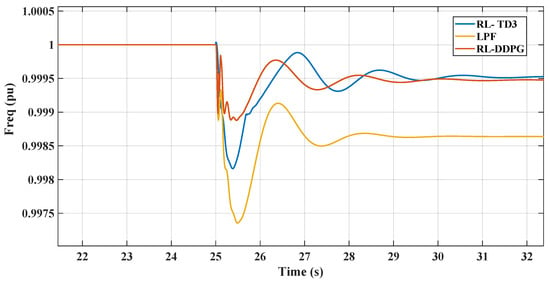
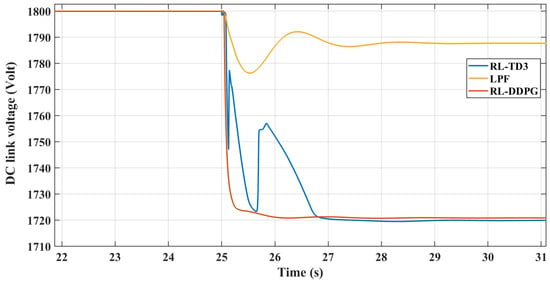
Optimal Frequency Control of Offshore Wind Farms Integrated via MMC-HVDC Based on Available Rotor Kinetic Energy
by
Yongxiang Zhang, Deliang Chen, Quanrui Hao, Zihan Hong and Hengyun Wei
Technologies 2026, 14(9), 546; https://doi.org/10.3390/technologies14090546 - 2 Sep 2026
Abstract
Existing wind power optimization control strategies often lack a qualitative analysis of the relationship between wind power energy and system frequency, which may lead to insufficient or excessive frequency support, thereby reducing the effectiveness of wind power frequency support or triggering a secondary
[...] Read more.
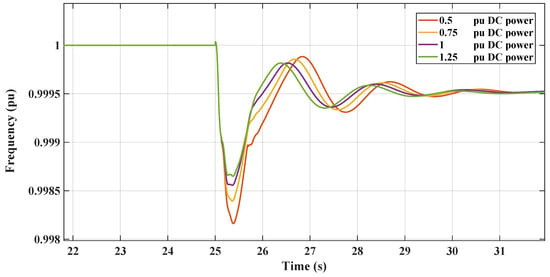
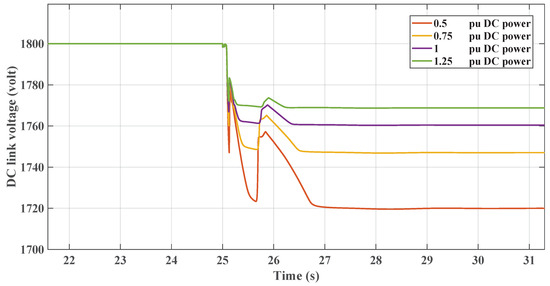
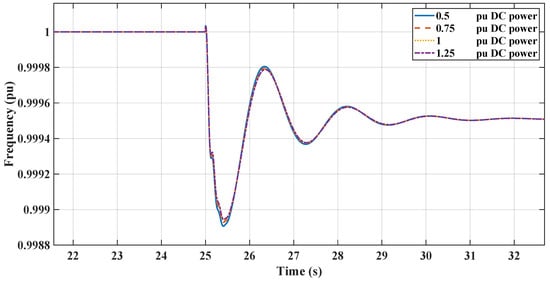
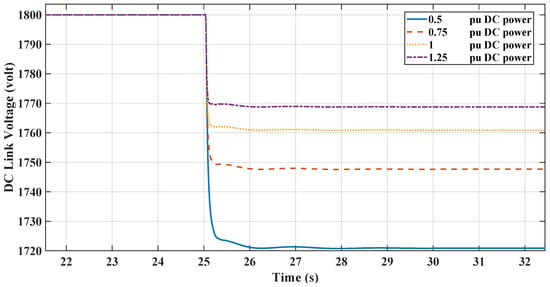
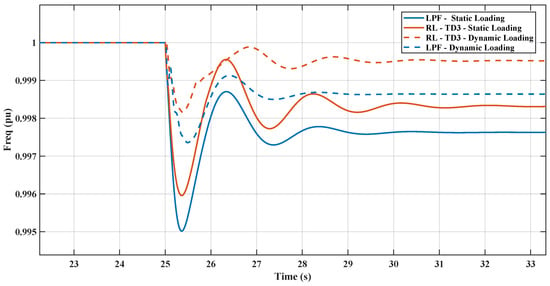
Existing wind power optimization control strategies often lack a qualitative analysis of the relationship between wind power energy and system frequency, which may lead to insufficient or excessive frequency support, thereby reducing the effectiveness of wind power frequency support or triggering a secondary frequency drop. To address this issue, a receiving-end system frequency optimization control strategy based on the available rotor kinetic energy of sending-end wind farms is proposed. First, the mathematical expression of the approximately first-order response in the initial stage of optimized frequency dynamics is clarified. The quantitative relationship between the available rotor kinetic energy of wind farms and the frequency support level is derived, and a target frequency design method is developed by combining a conservative evaluation of effective frequency regulation energy. Second, according to the deviation between the target frequency and the measured frequency, the total frequency regulation demand calculation, the approximate calculation of synchronous generator mechanical power variation, and the wind farms’ frequency regulation command calculation are dynamically executed within each control step. In this way, the outputs of wind farms and synchronous generators are coordinated to regulate the frequency close to the target value. Finally, a simulation model is built in MATLAB/Simulink to verify the effectiveness of the proposed frequency control target design method and control strategy under different operating conditions, as well as their robustness against parameter acquisition errors, communication delays, and power disturbance estimation errors.
Full article
(This article belongs to the Special Issue Next-Generation Distribution System Planning, Operation, and Control—Second Edition)
►▼
Show Figures

Figure 1
Open AccessArticle
STeREx-Net: Diffusion-Residual Evidence Fusion for Explainable Three-Class Synthetic-Media Forensics
by
Areej Matook Alqurashi, Tariq M. Khan and Qazi Emad Ul Haq
Technologies 2026, 14(9), 545; https://doi.org/10.3390/technologies14090545 - 1 Sep 2026
Abstract
AI-generated and locally manipulated images can support impersonation, forged evidence, identity-document abuse, and other forms of digital fraud, making reliable content-authenticity analysis increasingly important. This paper presents STeREx-Net, a three-class forensic framework for distinguishing real, fully synthetic, and locally tampered images using frozen
[...] Read more.
AI-generated and locally manipulated images can support impersonation, forged evidence, identity-document abuse, and other forms of digital fraud, making reliable content-authenticity analysis increasingly important. This paper presents STeREx-Net, a three-class forensic framework for distinguishing real, fully synthetic, and locally tampered images using frozen diffusion-derived residual evidence, spatially aligned RGB features, multi-task prediction heads, and reviewable visual evidence. On the official balanced 60,000-image SID-Set test, the original model achieved 96.24% accuracy, 96.26% macro F1, and a multiclass Matthews correlation coefficient of 0.944. Separate matched three-seed ablations showed that diffusion-residual evidence is materially useful relative to RGB-only input; however, residual-only and simple-fusion controls outperformed the proposed fusion on the clean SID-Set, so fusion superiority is not claimed. Frozen robustness testing further revealed strong condition dependence: SID-Set macro F1 decreased from 0.9655 on clean images to 0.7987 under JPEG Q75 and 0.6330 under JPEG Q50, while generator-stratified AIS-4SD results also varied substantially. Zero-shot transfer to FantasyID failed to detect tampered samples, whereas leakage-safe restricted adaptation partially recovered tampered recall to 0.3447 and reduced the expected calibration error from 0.7815 to 0.2077, at the cost of lower real-image recall. A validation-selected localization intervention increased Dice from 0.2817 to 0.3413 but remained precision-biased and non-uniform across manipulation sizes. Quantitative explanation analysis supported in-domain decision faithfulness and benign-transformation stability, but these properties did not transfer consistently to external data. STeREx-Net should therefore be viewed as a human-supervised forensic research framework with explicitly characterized robustness, localization, and generalization boundaries rather than as a universally robust detector.
Full article
(This article belongs to the Section Information and Communication Technologies)
►▼
Show Figures

Figure 1
Open AccessArticle
Guided Dual-Attention Networks for Compact Driver Drowsiness Detection: Performance, Calibration, and Edge Deployment
by
Yasmeen M. Hussein, Raaed F. Hassan and Raad Farhood Chisab
Technologies 2026, 14(9), 544; https://doi.org/10.3390/technologies14090544 - 1 Sep 2026
Abstract
We present a comprehensive empirical study of attention mechanisms for eye-based driver drowsiness detection, evaluating 13 model variants across accuracy, calibration, cross-dataset generalization, and FPGA edge deployment. We introduce the Guided Dual-Attention Unit (GDAU), which combines position-aware spatial attention with SE channel attention.
[...] Read more.
We present a comprehensive empirical study of attention mechanisms for eye-based driver drowsiness detection, evaluating 13 model variants across accuracy, calibration, cross-dataset generalization, and FPGA edge deployment. We introduce the Guided Dual-Attention Unit (GDAU), which combines position-aware spatial attention with SE channel attention. The data pipeline first splits the full imbalanced dataset (103,803 images, 5.9:1 ratio) into stratified train/validation/test subsets; then, it applies undersampling only to the training set. On the naturally imbalanced test set, no attention mechanism significantly outperforms the others on an identical backbone: Channel attention achieves the highest raw accuracy (83.86%), while CBAM-L achieves the highest balanced accuracy (86.77%) and ROC AUC (0.927). GDAN achieves 82.83% accuracy (85.99% balanced) with only 2.19 M parameters—half of the baseline’s 4.29 M. Component ablation confirms spatial–channel complementarity (+2.37% balanced accuracy over baseline). No single model dominates all calibration metrics. Cross-dataset transfer fails for all architectures (48–57%, near random chance). On the physical Xilinx Kria KV260, DPU-accelerated inference achieves 0.481–1.116 ms (896–2077 FPS), confirming real-time edge deployment feasibility.
Full article
Open AccessReview
Intelligent Digital Technologies in the Monitoring and Control of Construction Projects
by
David José Pereira Ferreira, Jaime Fernandes Teixeira and Ronaldo Moreira Salles
Technologies 2026, 14(9), 543; https://doi.org/10.3390/technologies14090543 - 1 Sep 2026
Abstract
The digital transformation of construction has accelerated the adoption of intelligent digital technologies (IDTs) for project monitoring and control. However, existing evidence remains fragmented across technology-focused studies, with limited attention to how these technologies affect project management control processes. This study consolidates the
[...] Read more.
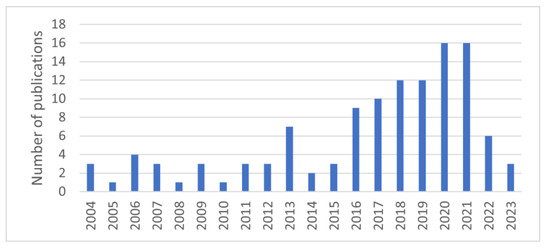
The digital transformation of construction has accelerated the adoption of intelligent digital technologies (IDTs) for project monitoring and control. However, existing evidence remains fragmented across technology-focused studies, with limited attention to how these technologies affect project management control processes. This study consolidates the state of the art through an SLR and a complementary bibliometric analysis. The SLR synthesizes recent evidence on IDTs used in construction monitoring and control by identifying core technology groups, principal applications, benefits, technical limitations, and organizational barriers. The bibliometric analysis of Web of Science publications maps the evolution and intellectual structure of the field, including publication growth, leading journals, thematic clusters, and emerging trends. The findings show that IDTs can substantially improve monitoring accuracy, timeliness, transparency, and decision support, particularly when implemented as interoperable systems rather than isolated tools. The evidence also indicates persistent barriers related to interoperability, data quality, implementation costs, skills shortages, organizational readiness, and resistance to change. Bibliometric and lexical results further suggest a field-wide transition from isolated data acquisition and basic automation toward integrated, intelligence-driven monitoring architectures combining BIM, computer vision, machine learning, and digital twins. This study contributes by proposing an Integrated IDT-Based Monitoring and Control Framework and by outlining future research directions on socio-technical adoption, integration capability, and decision-oriented project control systems in construction.
Full article
(This article belongs to the Section Construction Technologies)
►▼
Show Figures

Figure 1
Open AccessArticle
Impact of Winding Topology on Magnetic Field Quality and Fault Tolerance in Six-Phase Induction Machines
by
Petru Todos, Ghenadie Tertea, Ilie Nucă, Vadim Cazac, Costică Nițucă and Alin Dragomir
Technologies 2026, 14(9), 542; https://doi.org/10.3390/technologies14090542 - 1 Sep 2026
Abstract
The main scope of this research was to complete and validate the analysis of stator winding topologies of six-phase AC machines using the winding quality factor by determining fault tolerance and validating it through experimental tests. This paper proposes a unified and practical
[...] Read more.
The main scope of this research was to complete and validate the analysis of stator winding topologies of six-phase AC machines using the winding quality factor by determining fault tolerance and validating it through experimental tests. This paper proposes a unified and practical methodology for evaluating the performance of stator windings in six-phase induction machines, with emphasis on magnetic field quality and fault-tolerant operation. The approach combines analytical modeling of the magnetomotive force (MMF) with its graphical representation using the MMF polygon, enabling an efficient assessment of harmonic content through a global indicator, referred to as the winding quality factor. Several representative winding topologies are analyzed within a common framework, including single-layer and double-layer configurations with full-pitch and short-pitch coils, suitable for generating homologous series of six-phase machines. The study considers both normal operating conditions and post-fault regimes, particularly operation with a single three-phase set. The results reveal the strong influence of winding topology on harmonic distortion and overall machine performance, highlighting the trade-offs between magnetic field quality and fault tolerance. It is shown that appropriate winding design can reduce spatial harmonics and improve robustness under degraded operating conditions. The theoretical findings are validated through experimental investigations, demonstrating good agreement between analytical predictions and measured data. A parallel analysis was performed between the theoretical findings and experimental data, and the results conform to the authors’ expectations.
Full article
(This article belongs to the Special Issue Sustainable Engineering: Intelligent Diagnostics, Monitoring, and Non-Destructive Techniques for Machinery)
►▼
Show Figures

Figure 1
Open AccessArticle
Fuzzy Control of a Magnetorheological Damper in a Transfemoral Prosthesis: Modeling, Implementation, and Experimental Validation
by
Cesar H. Valencia-Niño, Zuly Alexandra Mora-Pérez, Sebastian Muñoz-Vásquez, Paolo A. Ospina-Henao and Jorge G. Díaz-Rodríguez
Technologies 2026, 14(9), 541; https://doi.org/10.3390/technologies14090541 - 1 Sep 2026
Abstract
Passive and fixed-damping transfemoral prostheses cannot adapt their resistance to the phase-dependent demands of human gait, and microprocessor-controlled commercial knees remain out of reach for most amputees. We present a fuzzy logic controller that modulates a magnetorheological (MR) damper directly from gait phase
[...] Read more.
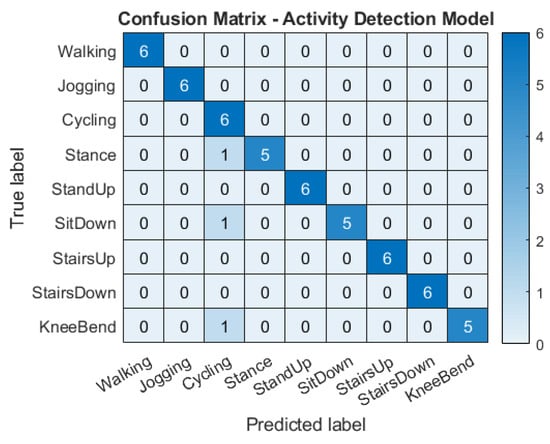
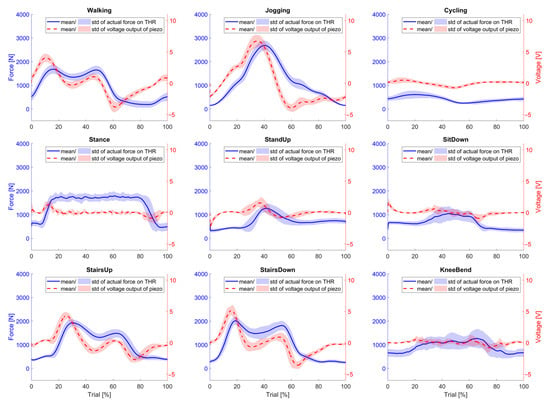
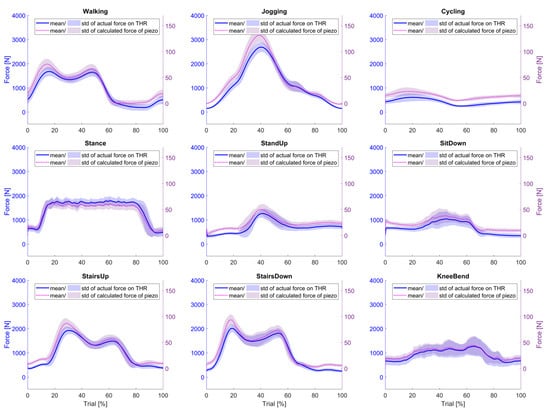
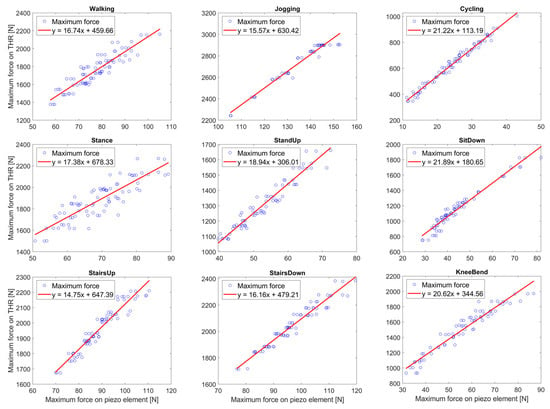
Passive and fixed-damping transfemoral prostheses cannot adapt their resistance to the phase-dependent demands of human gait, and microprocessor-controlled commercial knees remain out of reach for most amputees. We present a fuzzy logic controller that modulates a magnetorheological (MR) damper directly from gait phase and knee joint angle, since linear state-feedback and discrete PI designs are valid only at a single linearization point and require retuning across the gait cycle. The controller is formalized as a fuzzy-basis-function expansion with established coverage and Lipschitz continuity; the universal-approximation property of Mamdani systems grounds fuzzy logic theoretically but does not certify this 8-rule controller’s performance, established empirically instead. A dissipativity-based Lyapunov argument and a numerical sweep establish local closed-loop stability and bounded, rate-limited actuation. The damper couples to the knee through a shaft–bearing–housing assembly sized by free-body and Goodman fatigue analysis and verified by finite-element analysis, with the control pipeline embedded on an ESP32 microcontroller in a 2 kg prototype, corresponding to Technology Readiness Level (TRL) 5–6. In a single-subject case study with one transfemoral amputee, the controller achieved the lowest mean RMSE (0.0557 over three trials) against a non-disabled gait reference among five compared conditions, improving on the best fixed voltage by 20.2% and a passive prosthesis by 6.8×; these are single-subject feasibility results, not a claim of generalizable performance.
Full article
(This article belongs to the Special Issue Advancements in Medical and Assistive Technologies Using Artificial Intelligence and Deep Learning Techniques—2nd Edition)
►▼
Show Figures

Graphical abstract
Open AccessArticle
Gaussian Process Regression-Based Optimization of Helical Gear Tooth Surface Modification for Misalignment Tolerance
by
Maksat Temirkhan, Tolegen Akhmetov and Michael Good
Technologies 2026, 14(9), 540; https://doi.org/10.3390/technologies14090540 - 31 Aug 2026
Abstract
This study presents a data-driven framework for determining the optimal gear tooth surface modification (crowning) to improve tolerance to angular misalignment (in-plane and out-of-plane). A nonlinear tooth contact analysis (TCA) model was employed to accurately predict the contact path evolution of meshing gears
[...] Read more.
This study presents a data-driven framework for determining the optimal gear tooth surface modification (crowning) to improve tolerance to angular misalignment (in-plane and out-of-plane). A nonlinear tooth contact analysis (TCA) model was employed to accurately predict the contact path evolution of meshing gears under different combinations of tooth modification amounts and misalignment angles. An accurate dataset consisting of 530 simulated helical gear meshing configurations was generated. Based on these simulation results, a Gaussian Process Regression (Kriging) surrogate model was developed to establish the relationship between tooth modification, misalignment parameters, and contact behavior. The validated surrogate model enables rapid prediction of gear contact characteristics and interpolation within the design space, thereby supporting efficient surrogate-assisted design exploration without requiring repeated computationally intensive TCA simulations. The proposed framework identifies the minimum modification required to maintain acceptable contact conditions, and provides an efficient tool for improving misalignment tolerance and supporting robust gear design.
Full article
(This article belongs to the Special Issue Fault Diagnosis Technologies for Intelligent Engineering Systems)
►▼
Show Figures

Graphical abstract
Open AccessArticle
Dyad-Specific Multimodal Affective Dynamics: Integrating Temporal Cross-Modal Consistency and Probabilistic Agreement
by
Yernar Seksenbayev, Saule Kudubayeva and Olga Salykova
Technologies 2026, 14(9), 539; https://doi.org/10.3390/technologies14090539 - 31 Aug 2026
Abstract
Repeated dyadic interactions are characterized not only by average multimodal signal levels but also by how cross-modal consistency evolves over time. This study investigated whether the joint temporal organization of within-person face–body cross-modal consistency and probabilistic cross-modal affective agreement, quantified by the Consistency
[...] Read more.
Repeated dyadic interactions are characterized not only by average multimodal signal levels but also by how cross-modal consistency evolves over time. This study investigated whether the joint temporal organization of within-person face–body cross-modal consistency and probabilistic cross-modal affective agreement, quantified by the Consistency Index for Affective Synchrony (CIAS) and the Probabilistic Multimodal Consistency Index (PMCI), yielded reproducible session-level dynamic representations associated with repeated dyadic interaction. The primary analysis included 24 improvised and 17 naturalistic sessions, with 12 dyads in each condition. Time-varying signals from both partners were summarized through dynamic-state occupancy, dwell structure, transition characteristics, and temporal variability and evaluated using relational permutation analysis with shared-participant and technical controls. In naturalistic interaction, repeated sessions of the same dyad were significantly more similar ( = −2.0180, FDR q = 0.0114), with significant dyad-specificity beyond shared-participant similarity ( = −2.4670, q = 0.0033). Representation ablations showed that PMCI provided the dominant state-separation structure, whereas CIAS contributed modest and condition-dependent complementary information. Most notably, frozen participant-disjoint evaluation on 73 naturalistic sessions from six dyads and 11 previously unseen participants retained significant dyad-associated structure and achieved session-weighted nearest-dyad accuracy of 0.8356 and macro-dyad accuracy of 0.8512. Additional robustness analyses showed that the principal pattern persisted across state-count specifications, temporal-window settings, partner-order reversal, and explicit technical-quality adjustment. Overall, the findings support the existence of reproducible session-level multimodal dynamic structure associated with repeated dyadic interaction and its transfer to previously unseen participants, while not implying direct interpersonal synchrony or psychologically defined interaction states.
Full article
(This article belongs to the Section Information and Communication Technologies)
►▼
Show Figures

Graphical abstract
Open AccessArticle
The Synergy Between Industrial Robots and Artificial Intelligence at a Global Level in the Industry 5.0 Era
by
Valentina-Daniela Băjenaru, Roxana-Mariana Nechita, Simona-Elena Istrițeanu, Liviu-Marian Ungureanu and Ionel Petrescu
Technologies 2026, 14(9), 538; https://doi.org/10.3390/technologies14090538 - 31 Aug 2026
Abstract
The transition from Industry 4.0 to Industry 5.0 has led to a rapid increase in scientific publications addressing human–machine collaboration, artificial intelligence and sustainable manufacturing, which makes it difficult to obtain a coherent overview of the main research directions and global collaboration patterns
[...] Read more.
The transition from Industry 4.0 to Industry 5.0 has led to a rapid increase in scientific publications addressing human–machine collaboration, artificial intelligence and sustainable manufacturing, which makes it difficult to obtain a coherent overview of the main research directions and global collaboration patterns in this field. This study aims to clarify the development of Industry 5.0 by combining a conceptual overview of its enabling technologies with a bibliometric analysis of scientific articles indexed in the Web of Science Core Collection. The paper outlines the role of key technologies such as computer vision, machine learning, edge computing and collaborative robots in supporting adaptive, human-centred and resource-efficient production systems. The bibliometric component examines publication trends, country-level research activity and thematic relationships between keywords in order to identify dominant topics and emerging areas of interest. The results indicate a concentration of research output in countries with strong investments in advanced manufacturing and artificial intelligence, as well as a growing association between Industry 5.0 and themes such as human–robot collaboration, predictive maintenance, digital twins and ethical aspects of intelligent systems. The analysis also highlights the appearance of new research clusters related to workforce adaptation, resilient supply chains and sustainable production strategies. By providing both a synthesis of technological developments and a quantitative mapping of the literature, this study offers an updated overview of how Industry 5.0 is currently interpreted within the scientific community and supports the identification of future research directions and industrial implementation priorities.
Full article
(This article belongs to the Special Issue Emerging Paradigms in AI, Autonomous Systems, and Intelligent Technologies—2nd Edition)
►▼
Show Figures

Figure 1
Open AccessArticle
Machine-Learning-Based Localization of Cortical Hyperexcitability Zones from Background EEG Activity in Epilepsy
by
Anton E. Malkov, Albina V. Lebedeva, Artem A. Sharkov, Lev A. Smirnov, Tatiana A. Levanova and Alexander N. Pisarchik
Technologies 2026, 14(9), 537; https://doi.org/10.3390/technologies14090537 - 30 Aug 2026
Abstract
Background rhythmic activity in routine EEG recordings of epilepsy patients contains extensive information about brain function under pathological conditions, far exceeding the duration of epileptiform and interictal discharges. However, clinical interpretation remains predominantly focused on detecting conspicuous pathological patterns, such as seizures and
[...] Read more.
Background rhythmic activity in routine EEG recordings of epilepsy patients contains extensive information about brain function under pathological conditions, far exceeding the duration of epileptiform and interictal discharges. However, clinical interpretation remains predominantly focused on detecting conspicuous pathological patterns, such as seizures and interictal events, which is labor-intensive and requires expert evaluation. Recent advances in rhythmic EEG analysis combined with machine learning (ML) have enabled reliable differentiation between healthy individuals and epilepsy patients. Building on this momentum, the present study introduces a novel ML framework for the automated analysis and localization of cortical hyperexcitability foci, using only background EEG oscillations in the absence of detectable interictal discharges or seizure events. Leveraging publicly available EEG data, we demonstrate that Random Forest and CatBoost algorithms can effectively predict the approximate localization of interictal discharge foci at the level of major cortical regions. In a cohort of 48 patients (782 one-minute background epochs, five localization classes), Random Forest achieved an accuracy of 0.92 with a macro F1-score of 0.90 under patient-wise cross-validation. These findings establish background EEG activity as a promising clinically relevant biomarker for focal epilepsy diagnosis and highlight the feasibility of developing automated, expert-independent localization tools, addressing a critical unmet need in clinical neurophysiology.
Full article
(This article belongs to the Special Issue Advancements in Medical and Assistive Technologies Using Artificial Intelligence and Deep Learning Techniques—2nd Edition)
►▼
Show Figures

Figure 1
Open AccessArticle
Mechanical and Tribological Properties of FFF-Printed TPU 95A with Uniform and Step-Gradient Infill Architectures
by
Andrey P. Vasilev, Igor S. Makarov and Aitalina A. Okhlopkova
Technologies 2026, 14(9), 536; https://doi.org/10.3390/technologies14090536 - 29 Aug 2026
Abstract
This study evaluated the effects of uniform and symmetric step-gradient infill architectures on the density, mechanical properties, Shore D hardness, and dry-sliding coefficient of friction of FFF-printed thermoplastic polyurethane (TPU) 95A. Uniform triangular infills at 50%, 70%, and 90% were compared with a
[...] Read more.
This study evaluated the effects of uniform and symmetric step-gradient infill architectures on the density, mechanical properties, Shore D hardness, and dry-sliding coefficient of friction of FFF-printed thermoplastic polyurethane (TPU) 95A. Uniform triangular infills at 50%, 70%, and 90% were compared with a surface-dense architecture (GI-1: 90–70–50–70–90%) and a core-dense architecture (GI-2: 50–70–90–70–50%). The experimental density of GI-2 (0.988 g/cm3) did not differ significantly from that of the uniform 70% configuration (0.990 g/cm3). GI-2 nevertheless exhibited significantly higher tensile strength (20.3 vs. 18.4 MPa) and a higher work of deformation to failure (48.3 vs. 32.3 MJ/m3). GI-1 had a lower experimental density than the uniform 90% configuration yet higher tensile strength and work of deformation to failure; the two configurations were not density-matched. Both gradient architectures exhibited lower mean compressive stresses at 20% strain than the uniform 70% and 90% specimens. GI-1 displayed a Shore D hardness comparable to the uniform 90% configuration and the lowest mean coefficient of friction (0.50 ± 0.01). Overall, step-gradient infill can improve specific tensile properties while allowing compressive compliance and the contact response of the outer shell to be tailored separately. However, the effects of gradient order and material content could not be fully separated because GI-1 and GI-2 differed in nominal mean infill density.
Full article
(This article belongs to the Section Innovations in Materials Science and Materials Processing)
►▼
Show Figures

Figure 1
Open AccessArticle
Edge-Based Facial Emotion Recognition for Nurse-Assistive Robots Using a Compact CNN
by
Quoc-Cuong Pham, Thanh-Long Le, Huy-Hoang Pham and Huu-Dung Nguyen
Technologies 2026, 14(9), 535; https://doi.org/10.3390/technologies14090535 - 29 Aug 2026
Abstract
Facial emotion recognition (FER) can provide supplementary affective information for human–robot interaction, but deployment on resource-constrained assistive robots requires a balance between recognition performance and computational efficiency. This study presents an edge-based FER framework using a compact CNN operating on 48 × 48
[...] Read more.
Facial emotion recognition (FER) can provide supplementary affective information for human–robot interaction, but deployment on resource-constrained assistive robots requires a balance between recognition performance and computational efficiency. This study presents an edge-based FER framework using a compact CNN operating on 48 × 48 grayscale facial images and retaining all seven FER-2013 expression categories. Square-root-smoothed inverse-frequency weighting is employed to mitigate class imbalance without excessively emphasizing rare classes. On the held-out FER-2013 test set, the proposed model achieves 63.78% Accuracy and 59.32% Macro-F1, achieving higher Accuracy and Macro-F1 than the evaluated ImageNet-pretrained MobileNetV2 and MobileNetV3-Small baselines. INT8 post-training quantization reduces model size by 74.13% relative to FP32, with decreases of only 0.91 and 0.50 percentage points in Accuracy and Macro-F1, respectively. On a Raspberry Pi 3 Model B+, INT8 achieves a mean model-only inference latency of 19.30 ms and a model-only throughput of 51.82 FPS. Using an actor-disjoint RAVDESS protocol comprising 416 videos, EMA stabilization reduces prediction switching by 54.86% on the held-out test actors. These results support the feasibility of compact edge-based FER for assistive robotic interaction while emphasizing that the framework provides supplementary affective cues rather than clinical diagnosis or autonomous decision-making.
Full article
(This article belongs to the Special Issue Advances in Automatics, Robotics & Artificial Intelligence)
►▼
Show Figures

Figure 1
Open AccessArticle
Vis/NIR Spectral Sensing-Based Quality Prediction for Postharvest Sweet Potatoes
by
Maoyuan Yin, Ruihua Zhang, Tianyu Zhu, Tao Sun, Wei Liu and Xinqing Xiao
Technologies 2026, 14(9), 534; https://doi.org/10.3390/technologies14090534 - 29 Aug 2026
Abstract
Rapid and non-destructive assessment of sweet potato quality is important for postharvest management, processing suitability evaluation, and market quality control. In this study, a 12-channel visible/near-infrared (Vis/NIR) spectral sensing system was applied to predict multiple physicochemical quality attributes of postharvest sweet potatoes. Sixty
[...] Read more.
Rapid and non-destructive assessment of sweet potato quality is important for postharvest management, processing suitability evaluation, and market quality control. In this study, a 12-channel visible/near-infrared (Vis/NIR) spectral sensing system was applied to predict multiple physicochemical quality attributes of postharvest sweet potatoes. Sixty independent sweet potato storage roots were measured at three representative positions, producing 180 position-specific observations; measurements from the same root were retained within the same validation group. The measured attributes included dry matter content (DMC), starch content (SC), soluble solids content (SSC), and the CIE 1976 L*a*b* (CIELAB) color coordinates L*, a*, and b*. Four spectral treatment conditions, including original spectra, normalization, standardization, and first-derivative transformation, were combined with partial least squares regression (PLSR), multiple linear regression (MLR), extreme gradient boosting (XGBoost), and random forest (RF), generating 16 prediction strategies for each quality attribute. Root-grouped five-fold cross-validation showed that the optimal models achieved coefficients of determination for cross-validation (R2CV) ranging from 0.9083 to 0.9190 and residual predictive deviation (RPD) values ranging from 3.3112 to 3.5230. Repeated grouped cross-validation produced mean R2CV values of 0.9113–0.9176, and root-block Y-scrambling yielded empirical p values of 0.005 for all six attributes. PLSR provided the highest cross-validated performance for all six quality attributes, although MLR showed comparable performance for several targets. These results provide preliminary evidence that discrete Vis/NIR spectral sensing can support simultaneous non-destructive estimation of multiple sweet potato quality attributes. External multi-batch and multi-cultivar validation is required before the models can be considered robust for practical deployment.
Full article
(This article belongs to the Section Manufacturing Technology)
►▼
Show Figures

Figure 1
Open AccessArticle
Visible-Light-Driven Photocatalytic Degradation of Naproxen in Water by BiOClxI1−x Solid Solutions: Performance, Operational Factors, and Mechanism
by
Kun Fu, Huiping Deng, Pujing Yao, Pengkang Jin, Yuan Liu, Ning Luo and Huan Ma
Technologies 2026, 14(9), 533; https://doi.org/10.3390/technologies14090533 - 28 Aug 2026
Abstract
The continuous release of pharmaceutical contaminants such as naproxen (NPX) into aquatic environments poses substantial ecological risks. In this study, a series of visible-light-responsive bismuth oxychloride-iodide (BiOClxI1−x) solid solutions were synthesized via a simple one-step solvothermal method. XRD analysis
[...] Read more.
The continuous release of pharmaceutical contaminants such as naproxen (NPX) into aquatic environments poses substantial ecological risks. In this study, a series of visible-light-responsive bismuth oxychloride-iodide (BiOClxI1−x) solid solutions were synthesized via a simple one-step solvothermal method. XRD analysis confirmed the formation of a tetragonal matlockite-type solid solution, while SEM and TEM observations revealed three-dimensional flower-like hierarchical microspheres assembled from ultrathin nanosheets. Among the prepared samples, BiOCl0.3I0.7 exhibited the highest visible-light photocatalytic activity toward NPX degradation, achieving a removal efficiency of 87% within 60 min. Its apparent pseudo-first-order rate constant was 0.0740 min−1, the highest among the investigated compositions. Experimental measurements showed composition-dependent band-gap narrowing, while representative DFT calculations indicated that I-for-Cl substitution modifies the valence-band electronic states, providing a qualitative electronic-structure explanation for the enhanced visible-light response. Evaluation of operational parameters showed that NPX degradation was favored at lower initial NPX concentrations and under acidic conditions, whereas humic acid and bicarbonate (HCO3−) inhibited the process. TOC analysis further confirmed partial mineralization of NPX during photocatalysis. Electron paramagnetic resonance (EPR) analysis and reactive-species trapping experiments indicated that photogenerated holes (h+), singlet oxygen (1O2), and superoxide radicals (O2•−) were the dominant reactive species involved in NPX degradation. These findings demonstrate the potential of band-gap-engineered bismuth-based solid solutions for environmental remediation.
Full article
(This article belongs to the Section Environmental Technology)
►▼
Show Figures

Figure 1
Journal Menu
► ▼ Journal Menu-
- Technologies Home
- Aims & Scope
- Editorial Board
- Reviewer Board
- Topical Advisory Panel
- Instructions for Authors
- Special Issues
- Topics
- Sections & Collections
- Article Processing Charge
- Indexing & Archiving
- Editor’s Choice Articles
- Most Cited & Viewed
- Journal Statistics
- Journal History
- Journal Awards
- Conferences
- Editorial Office
Journal Browser
► ▼ Journal BrowserHighly Accessed Articles
Latest Books
E-Mail Alert
News
1 September 2026
MDPI INSIGHTS: The CEO’s Letter #38 – 2 Million Published Articles, Outstanding Reviewers, Michele Parrinello Award, AIS 2026 & WSF-12
26 August 2026
Meet Us at the 6th International Conference on Autonomous Unmanned Systems, 18–20 September 2026, Harbin, China
Topics
Topic in
Computers, Electronics, Future Internet, IoT, Network, Sensors, JSAN, Technologies, BDCC
Challenges and Future Trends of Wireless Networks
Topic Editors: Stefano Scanzio, Ramez Daoud, Jetmir Haxhibeqiri, Pedro SantosDeadline: 30 September 2026
Topic in
Applied Sciences, Remote Sensing, Technologies, Buildings, Sustainability
Recent Advances in Sustainability Practice of Civil and Environmental Engineering in Regions with Challenging Geological and Climatic Conditions
Topic Editors: Xin Huang, Qinghua Lei, Tao Zhao, Liangfu XieDeadline: 25 October 2026
Topic in
Buildings, Smart Cities, Sustainability, CivilEng, Infrastructures, Technologies
Digital Twins and Artificial Intelligence for Advancing Smart Green Building and City Resilience
Topic Editors: Henry Abanda, Michel MbessaDeadline: 30 November 2026
Topic in
Applied Sciences, Computers, JSAN, Technologies, BDCC, Sensors, Telecom, Electronics
Electronic Communications, IOT and Big Data, 2nd Volume
Topic Editors: Teen-Hang Meen, Charles Tijus, Cheng-Chien Kuo, Kuei-Shu Hsu, Jih-Fu TuDeadline: 31 December 2026
Conferences
Special Issues
Special Issue in
Technologies
Assistive Technologies in Care and Rehabilitation: Research, Developments, and International Initiatives—Second Edition
Guest Editor: Daniele GiansantiDeadline: 20 September 2026
Special Issue in
Technologies
Fault Diagnosis Technologies for Intelligent Engineering Systems
Guest Editors: Majdi Mansouri, Mahamadou Abdou-TankariDeadline: 25 September 2026
Special Issue in
Technologies
Intelligent Transportation for Integrated Mobile System: AI-Driven Technologies, Engineering Systems, and Industrial Applications
Guest Editors: Chih-Yu Hsu, Trong-The Nguyen, Goutam ChakrabortyDeadline: 30 September 2026
Special Issue in
Technologies
Disruptive Technologies and Applications on Arts and Cultural Heritage
Guest Editors: Vasileios Komianos, Athanasios Tsipis, Stefania SerafinDeadline: 30 September 2026
Topical Collections
Topical Collection in
Technologies
Technology Advances in IoT Learning and Teaching
Collection Editors: Sergio Martin Gutiérrez, George F. Fragulis
Topical Collection in
Technologies
Electrical Technologies
Collection Editors: Valeri Mladenov, Vasiliki Vita
Topical Collection in
Technologies
Modern Circuits, System Technologies, and Selected Papers from MOCAST
Collection Editors: Spyridon Nikolaidis, Valeri Mladenov, Ronald Tetzlaff, Rodrigo Picos
Topical Collection in
Technologies
Smart Support Systems for Soft Rock Roadway Control
Collection Editors: Zhengzheng Xie, Chongyan Liu, Eugene Wong