- Article

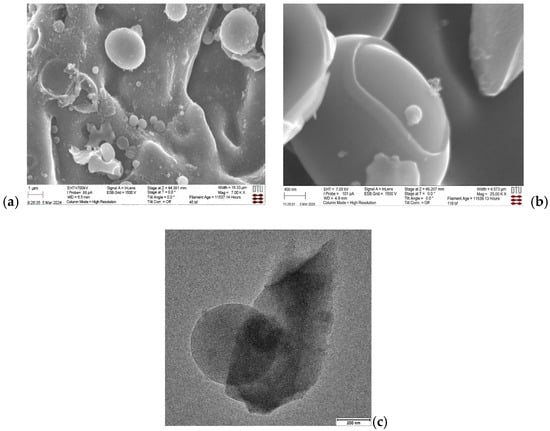
This study investigates the process of selective removal of zirconium cations (Zr4+) from aqueous solutions containing a mixture of cations (Sr2+, Y3+, Zr4+) using hollow balls of oxidized graphene produced by the auto-combustion of saccharide. The physicochemical properties of the synthesized material and the adsorption mechanism were characterized using a range of analytical methods, including SEM/TEM, Raman spectroscopy, FTIR, and X-ray photoelectron spectroscopy (XPS). It has been established that surface oxygen-containing functional groups (-COOH, -OH, epoxy bridges, etc.) play a key role in the adsorption of zirconium. The maximum adsorption capacity for zirconium cations, as measured experimentally, is 232 mg/g. Using inductively coupled plasma mass spectrometry (ICP-MS), it has been demonstrated that in a strongly acidic medium (0.32 M HNO3, pH = 0–1), the adsorbent exhibits almost 100 percent selectivity in the removal of Zr4+ cations from a mixture containing strontium and yttrium, whilst there is no adsorption of Sr2+ whatsoever, and the adsorption of Y3+ does not exceed 23–25 percent. The results confirm the high efficiency of oxidized graphene in radiochemical separation of the isotopes 90Zr, 90Y, and 90Sr, which is essential for medicine and nuclear forensics.
23 November 2026