
Journal Description
Resources
Resources
is an international, peer-reviewed, open access journal on natural resources published monthly online by MDPI.
- Open Access— free for readers, with article processing charges (APC) paid by authors or their institutions.
- High Visibility: indexed within Scopus, ESCI (Web of Science), GEOBASE, GeoRef, PubAg, AGRIS, RePEc, and other databases.
- Journal Rank: JCR - Q2 (Environmental Sciences) / CiteScore - Q1 (Nature and Landscape Conservation)
- Rapid Publication: manuscripts are peer-reviewed and a first decision is provided to authors approximately 20.3 days after submission; acceptance to publication is undertaken in 3.8 days (median values for papers published in this journal in the first half of 2026).
- Recognition of Reviewers: reviewers who provide timely, thorough peer-review reports receive vouchers entitling them to a discount on the APC of their next publication in any MDPI journal, in appreciation of the work done.
- Journal Clusters of Water Resources: Water, Journal of Marine Science and Engineering, Hydrology, Resources, Oceans, Limnological Review, Coasts and Hydropower.
Impact Factor:
4.3 (2025);
5-Year Impact Factor:
4.1 (2025)
Latest Articles
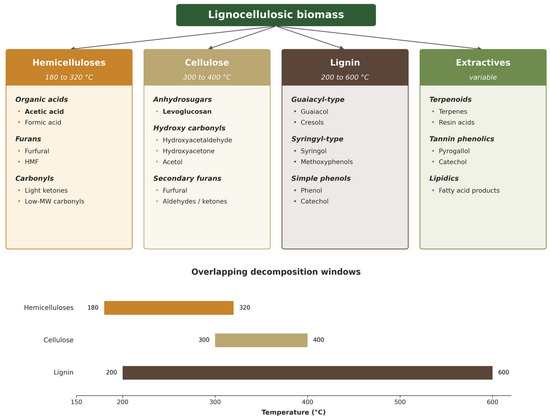
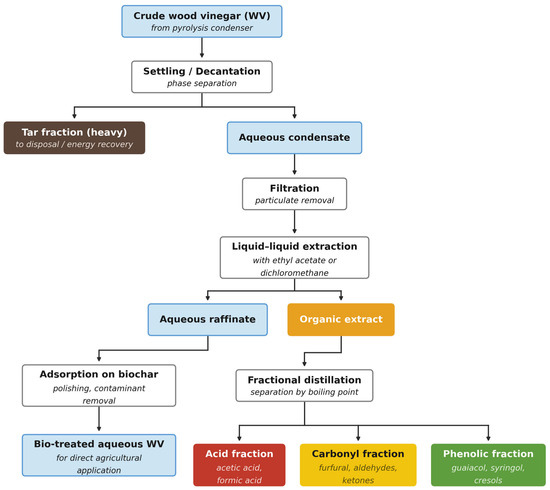
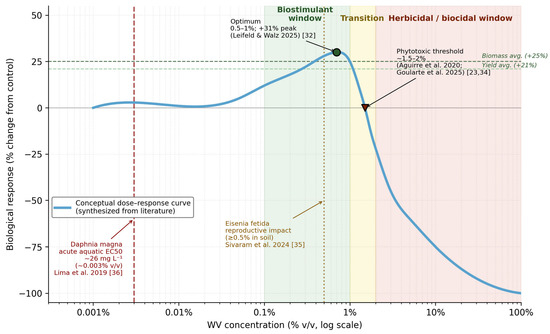
Wood Vinegar from Lignocellulosic Biomass in the Context of Forest Biorefineries: Opportunities, Challenges, and Pathways Toward Standardization
Resources 2026, 15(8), 110; https://doi.org/10.3390/resources15080110 - 21 Aug 2026
Abstract
►
Show Figures
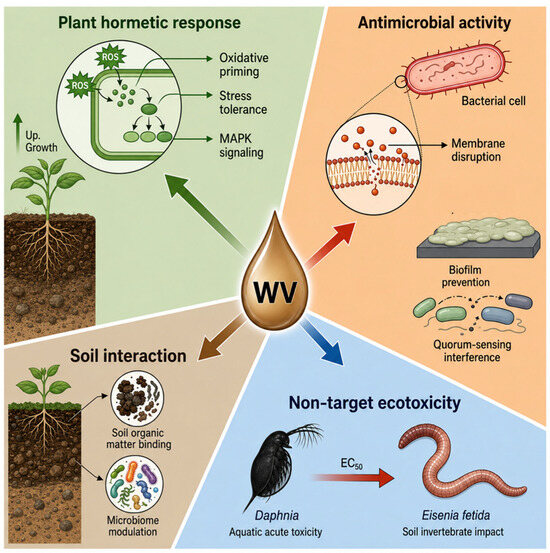
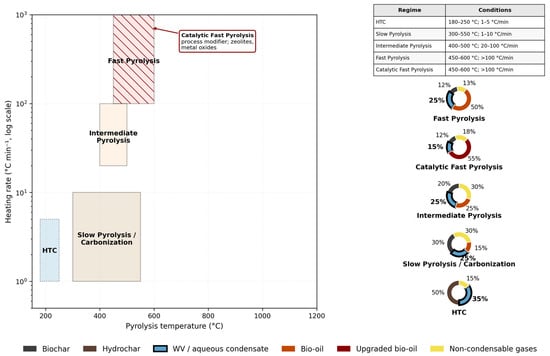
Wood vinegar (WV), also known as pyroligneous acid, is the aqueous condensate produced during lignocellulosic biomass pyrolysis, generated alongside biochar and non-condensable gases. In forest biorefineries, it represents a promising value-added coproduct capable of transforming forestry and agroforestry residues into a multifunctional bioproduct.
[...] Read more.
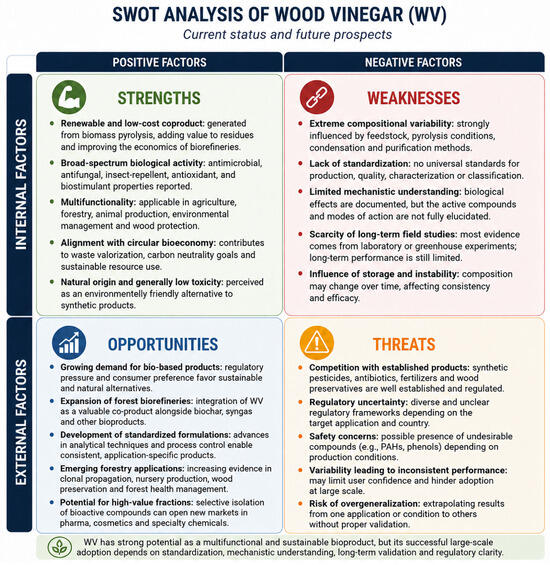
Wood vinegar (WV), also known as pyroligneous acid, is the aqueous condensate produced during lignocellulosic biomass pyrolysis, generated alongside biochar and non-condensable gases. In forest biorefineries, it represents a promising value-added coproduct capable of transforming forestry and agroforestry residues into a multifunctional bioproduct. Its composition, dominated by water, organic acids, phenolic compounds, aldehydes, and ketones, confers antimicrobial, antioxidant, biostimulant, herbicidal, and preservative properties. This review critically examines WV production, chemical composition, purification strategies, mechanisms of action, and applications, explicitly distinguishing evidence-based uses from prospective ones. Current evidence supports applications in agriculture, wood preservation, environmental management, and forestry, including forest nursery production and clonal propagation of Eucalyptus and Pinus. However, the literature remains fragmented by compositional variability, non-standardized terminology, limited mechanistic understanding, and scarce long-term toxicological and techno-economic assessments. WV holds significant potential for sustainable biomass valorization and circular bioeconomy strategies. Realizing this potential requires harmonized analytical protocols, standardized formulations, rigorous mechanistic studies, life-cycle assessments, and regulatory frameworks that support the transition of this heterogeneous pyrolysis byproduct into a reliable commodity within integrated forest biorefineries.
Full article
Open AccessArticle
Accessibility-Associated Forest-Cover Loss and Fragmentation Around Mining Roads and Rural Settlements in the Miombo Woodlands of Southeastern DR Congo
by
Franco Muamba Kalenda Bwandamuka, John Kikuni Tchowa, Heritier Khoji Muteya, Médard Mpanda Mukenza, Dieu-donné N’Tambwe Nghonda, François Malaisse, Jean-François Bastin, Emery Kasongo Lenge Mukonzo, Yannick Useni Sikuzani and Jan Bogaert
Resources 2026, 15(8), 109; https://doi.org/10.3390/resources15080109 - 21 Aug 2026
Abstract
The miombo woodlands of the southeastern Democratic Republic of the Congo (DR Congo) are increasingly exposed to mining expansion and associated land-use changes. However, the spatial association between mining infrastructure, rural settlements, and forest-cover dynamics remains poorly quantified. This study assessed long-term forest-cover
[...] Read more.
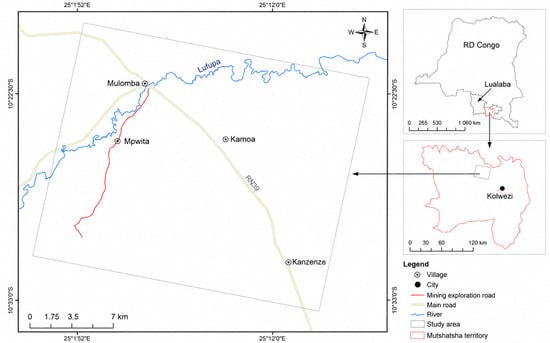
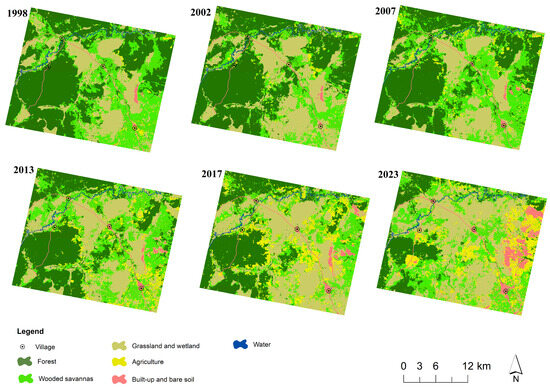
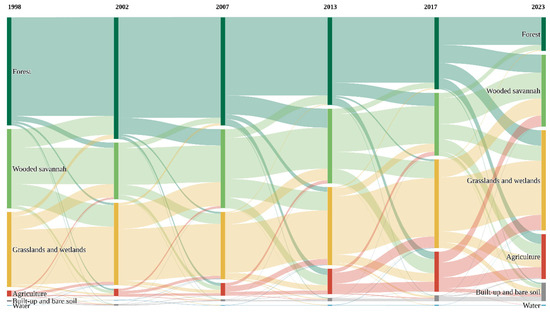
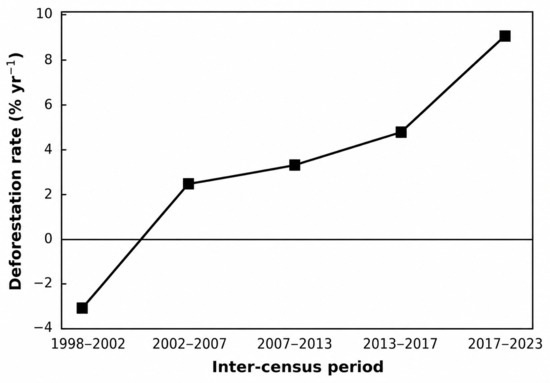
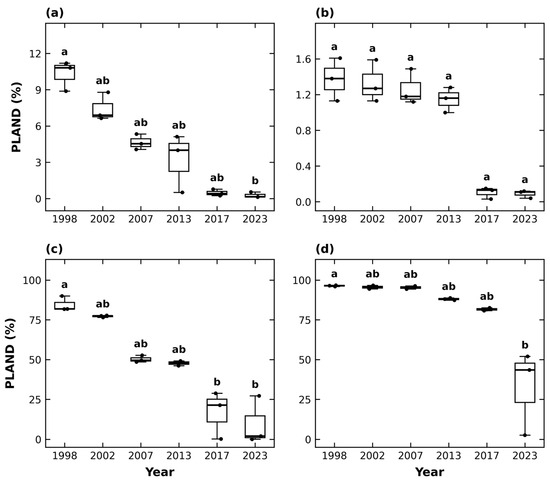
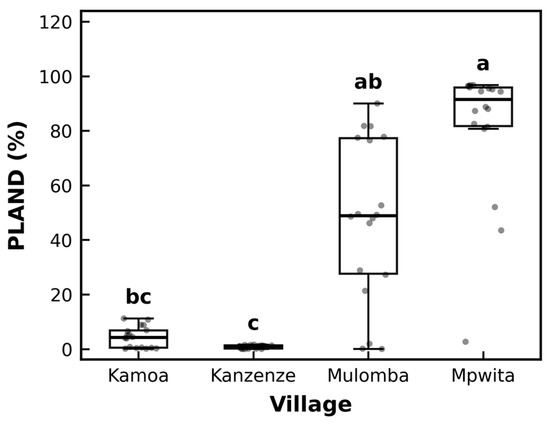
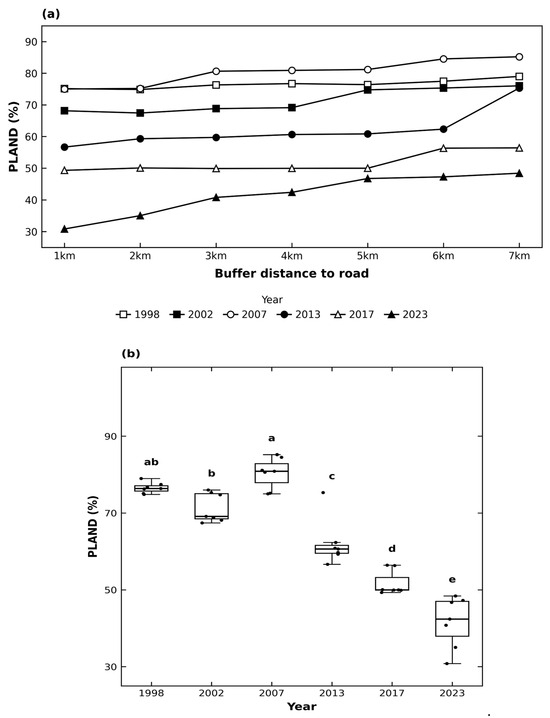
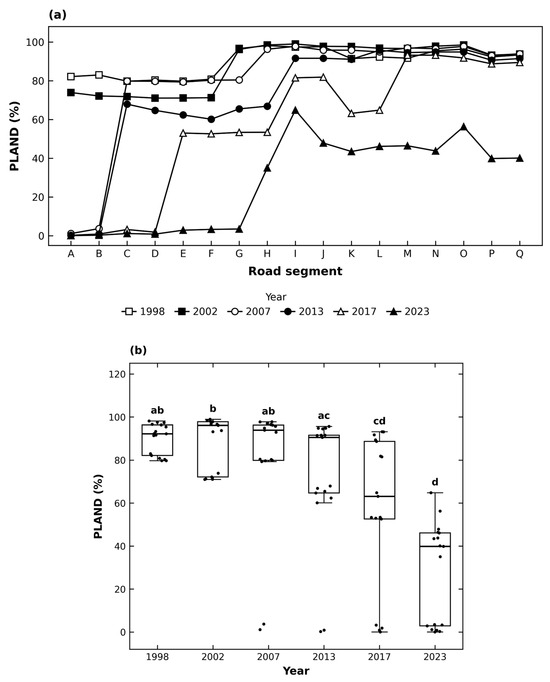
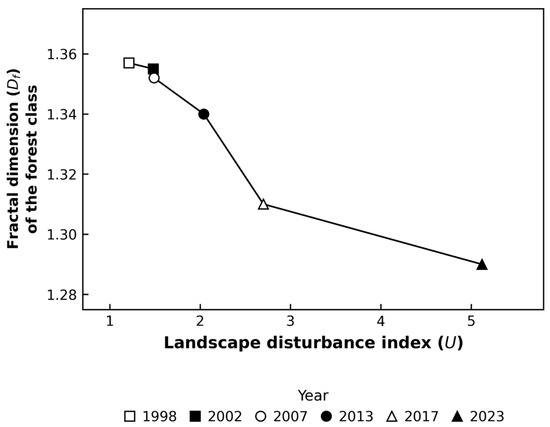
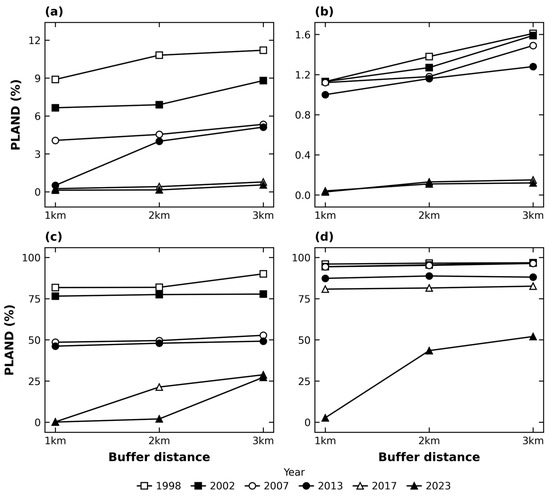
The miombo woodlands of the southeastern Democratic Republic of the Congo (DR Congo) are increasingly exposed to mining expansion and associated land-use changes. However, the spatial association between mining infrastructure, rural settlements, and forest-cover dynamics remains poorly quantified. This study assessed long-term forest-cover change and fragmentation in relation to accessibility gradients around a mining exploration road and four rural settlements in Mutshatsha Territory, a rapidly transforming mining frontier within the Katangese Copperbelt. Land-cover dynamics from 1998 to 2023 were reconstructed from six Landsat observations using Random Forest classification implemented in Google Earth Engine. Landscape metrics were used to quantify changes in forest composition and configuration, while distance-based analyses assessed spatial patterns along accessibility gradients. Forest cover declined from 39.9% in 1998 to 12.5% in 2023, corresponding to an annual forest-cover loss rate of 2.75%, while agricultural and built-up/bare-soil classes expanded. Forest fragmentation increased, as reflected by greater patch subdivision and declining dominance and cohesion of large forest patches. Forest cover generally increased with distance from the mining road after accounting for year, indicating a significant accessibility-associated spatial gradient. Linear regressions showed strong statistical associations between forest cover and road-distance gradients (R2 = 0.71–0.94), while village-distance relationships reached R2 values of up to 0.80. These R2 values represent the proportion of variance accounted for by the fitted spatial relationships and should not be interpreted as causal effects of accessibility. Forest-cover patterns also varied among villages and years, indicating that accessibility-associated gradients occurred within broader temporal and landscape dynamics. Overall, the results demonstrate substantial forest-cover loss and landscape reorganization associated spatially with accessibility gradients around mining infrastructure and rural settlements. These findings support conservation and land-use planning that considers remaining forest patches, landscape connectivity, and accessibility patterns beyond the immediate infrastructure footprint.
Full article
(This article belongs to the Topic Advanced Separation and Environmental Management of Urban and Mining Wastes)
►▼
Show Figures

Figure 1
Open AccessArticle
Economic Modeling of Energy Security of Distributed Power Systems in the Post-Crisis Period: Scenario Analysis and Assessment of Tail Risks
by
Nestor Shpak, Lesia Gnylianska, Maryana Gvozd, Magdalena Majchrzak and Artur Zaporozhets
Resources 2026, 15(8), 108; https://doi.org/10.3390/resources15080108 - 14 Aug 2026
Abstract
►▼
Show Figures
This study investigates the transformation of energy security in distributed energy systems under growing uncertainty, geopolitical shocks, and fuel market volatility. A risk-based multi-objective optimization framework is proposed that integrates economic performance (LCOE, CAPEX, and OPEX), system reliability, and systemic risk measured by
[...] Read more.
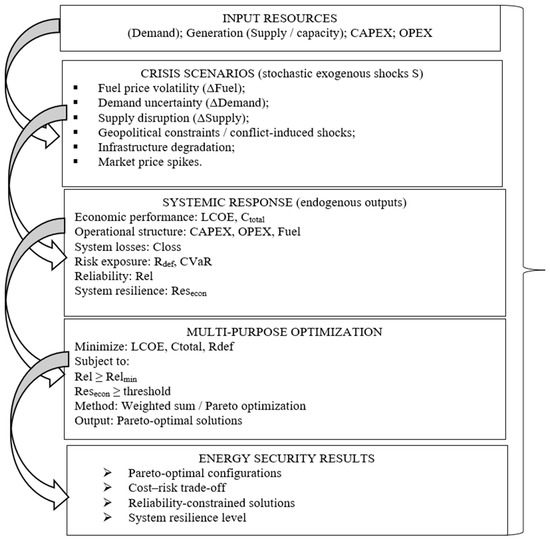
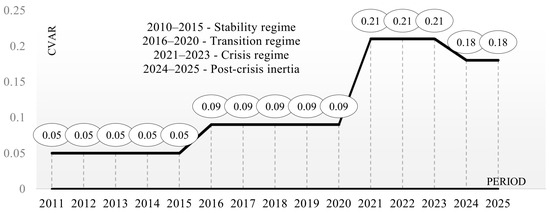
This study investigates the transformation of energy security in distributed energy systems under growing uncertainty, geopolitical shocks, and fuel market volatility. A risk-based multi-objective optimization framework is proposed that integrates economic performance (LCOE, CAPEX, and OPEX), system reliability, and systemic risk measured by Conditional Value-at-Risk (CVaR). The empirical analysis is based on European electricity market data for 2010–2025 and combines historical analysis with stochastic scenario generation and Monte Carlo simulation to evaluate the impacts of exogenous shocks. The results reveal a structural shift in the European electricity market after 2021, characterized by increased sensitivity to fuel price fluctuations and a transition to a more volatile operating regime. Although a higher share of renewable energy improves economic and environmental performance, it does not ensure system resilience without complementary flexibility measures, including energy storage and demand-side management. The proposed framework demonstrates that integrating these measures substantially reduces systemic risk under crisis conditions. The analysis also identifies a persistent post-crisis risk pattern, reflected in elevated CVaR values after market stabilization, which is consistent with the hypothesis of risk hysteresis. Rather than proving hysteresis, the results indicate sustained risk persistence following major external shocks. The proposed framework extends existing approaches to energy security assessment by integrating economic efficiency, reliability, and risk within a unified optimization model. Its modular structure enables adaptation to different electricity markets through recalibration of local parameters, providing a practical decision-support tool for strategic planning under uncertainty.
Full article

Figure 1
Open AccessArticle
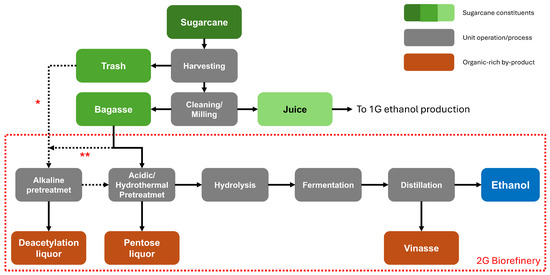
Anaerobic Valorization of Non-Detoxified Pentose Liquor from Sugarcane Bagasse Hydrothermal Pretreatment for Sequential Hydrogen and Methane Recovery
by
Ana Flávia Vieira Pontes, Lucas Tadeu Fuess and Marcelo Zaiat
Resources 2026, 15(8), 107; https://doi.org/10.3390/resources15080107 - 6 Aug 2026
Abstract
►▼
Show Figures
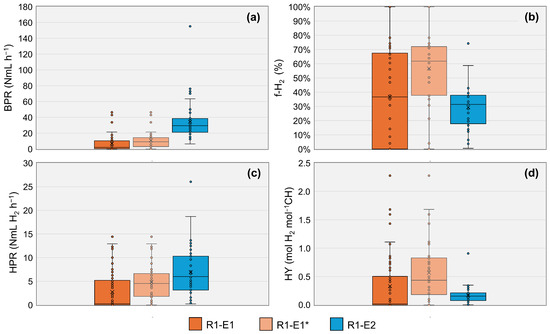
This study evaluated the anaerobic valorization of real, non-detoxified sugarcane bagasse-derived pentose liquor. Direct fermentation without nutrients, co-substrate, or buffering was limited, reaching low-to-moderate (37–54%) carbohydrate conversion efficiency at low organic loading rate (OLR < 5.6 kg COD m−3 d−1)
[...] Read more.
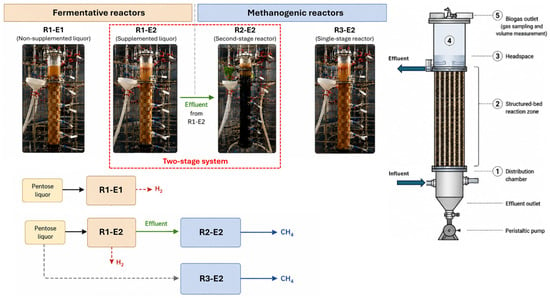
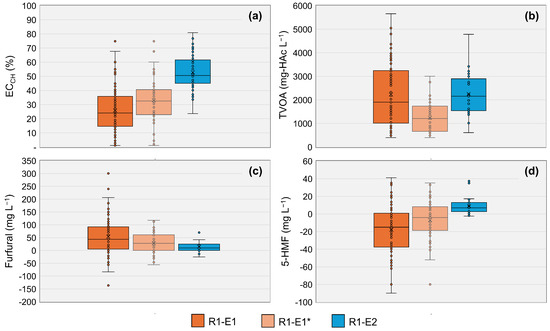
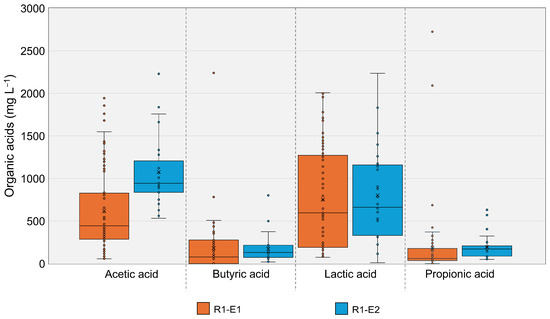
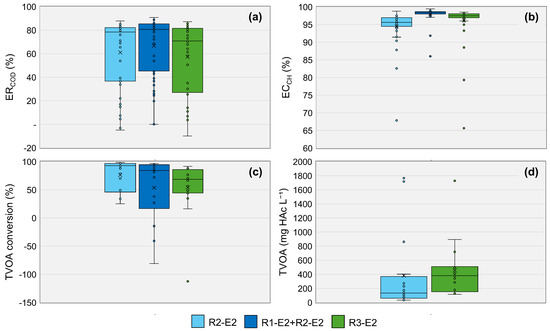
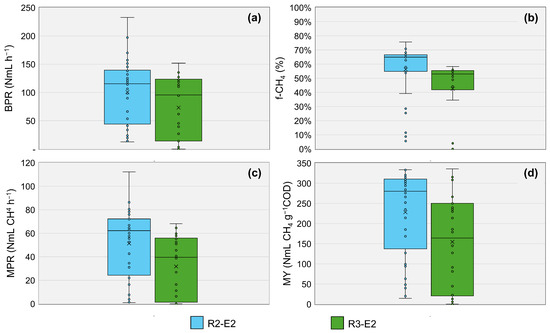
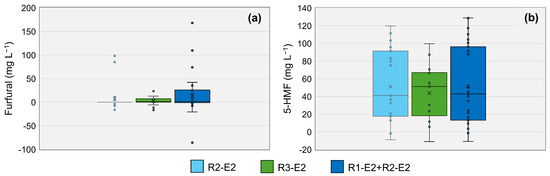
This study evaluated the anaerobic valorization of real, non-detoxified sugarcane bagasse-derived pentose liquor. Direct fermentation without nutrients, co-substrate, or buffering was limited, reaching low-to-moderate (37–54%) carbohydrate conversion efficiency at low organic loading rate (OLR < 5.6 kg COD m−3 d−1) levels. Hydrogen yield (HY) was also low (0.63–0.89 mol H2 mol−1 carbohydrateconverted) under these conditions. Increasing pentose liquor concentration up to 0.8 L L−1 and OLR of 30.2 kg COD m−3 d−1 suppressed hydrogen production, coinciding with lactate accumulation and the occurrence of homoacetogenesis. Enhanced fermentation with sucrose, nutrients, buffering, shorter hydraulic retention time (12 h) and 37 °C improved stability and carbohydrate conversion (50–61%) under higher OLR, although HY considerably decreased (0.14–0.35 mol H2 mol−1). Methanogenesis was effective in both single- and two-stage systems, with carbohydrate conversion usually above 95%, COD removal up to 83.5%, methane fractions above 60%, and methane yields reaching 299.8–301 NmL CH4 g−1 CODremoved. Furfural and 5-HMF showed phase-dependent transformation, indicating partial in situ detoxification during anaerobic conversion. Overall, pentose liquor is better valorized through integrated hydrogen–methane recovery than by fermentation alone. Future studies should focus on both applying more effective strategies to buffer the fermentative stage and adopting more conservative approaches (lower OLR) to start up the methanogenic systems.
Full article

Figure 1
Open AccessArticle
Recycling Iridium and Platinum from End-of-Life Technologies: A 2050 Material-Flow Analysis
by
Abu Shahadat Md Ibrahim and Roderick G. Eggert
Resources 2026, 15(8), 106; https://doi.org/10.3390/resources15080106 - 6 Aug 2026
Abstract
Proton exchange membrane (PEM) electrolyzers and fuel cells could substantially increase demand for iridium (Ir) and platinum (Pt), two platinum-group metals (PGMs) with concentrated primary supply chains. This study evaluates secondary Ir and Pt supply from end-of-life PEM technologies using a scenario-based material-flow
[...] Read more.
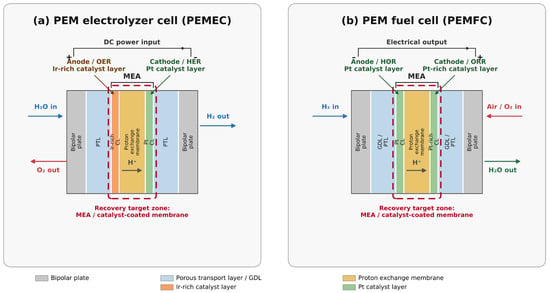
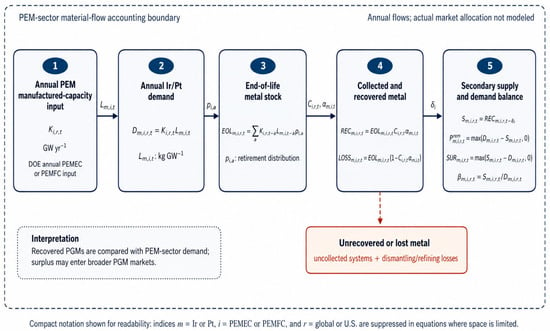
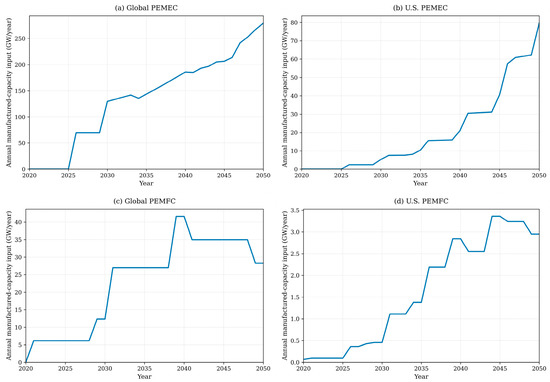
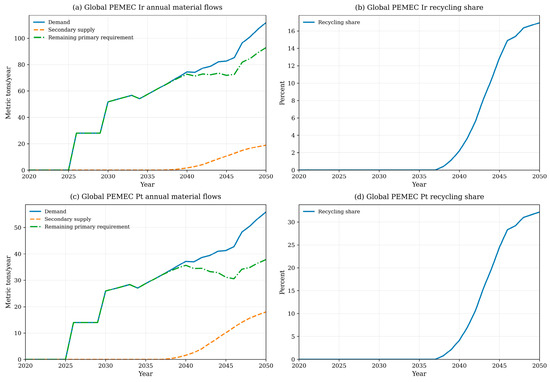
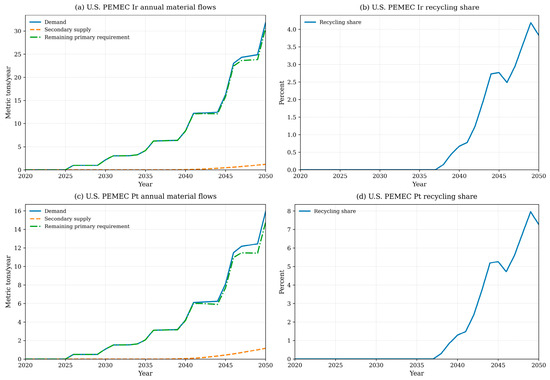
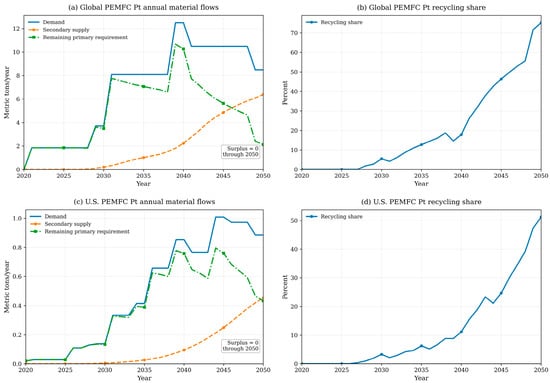
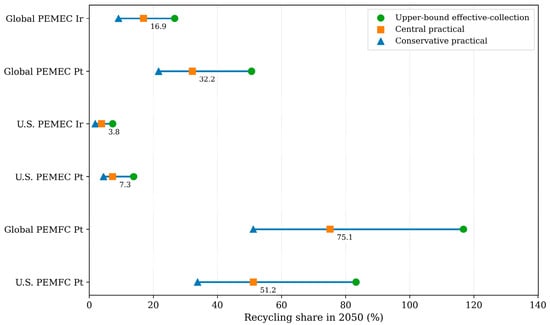
Proton exchange membrane (PEM) electrolyzers and fuel cells could substantially increase demand for iridium (Ir) and platinum (Pt), two platinum-group metals (PGMs) with concentrated primary supply chains. This study evaluates secondary Ir and Pt supply from end-of-life PEM technologies using a scenario-based material-flow analysis for global and U.S. markets from 2020 to 2050. Annual metal demand is estimated from U.S. Department of Energy annual PEM manufactured-capacity inputs, which include new and replacement systems, and from catalyst loading rates. Secondary supply is estimated using distributed lifetimes, collection efficiency, technical recovery efficiency, recycling delay, loss accounting, remaining primary requirement, and surplus. Under the central practical case, recovered Ir supplies 16.9% of global and 3.8% of U.S. PEM electrolyzer Ir demand in 2050. Recovered PEM electrolyzer Pt supplies 32.2% of global and 7.3% of U.S. demand, while recovered PEM fuel-cell Pt supplies 75.1% of global and 51.2% of U.S. demand. Sensitivity and uncertainty results show that recovery outcomes depend strongly on collection performance, recycling delay, technical recovery, catalyst loading, and capacity-input assumptions. PEM recycling can reduce future primary PGM requirements, especially for Pt, but cannot eliminate primary Ir demand during rapid PEM electrolyzer scale-up.
Full article
(This article belongs to the Special Issue Critical Resources and Innovation for a Just and Sustainable Energy Transition)
►▼
Show Figures

Figure 1
Open AccessReview
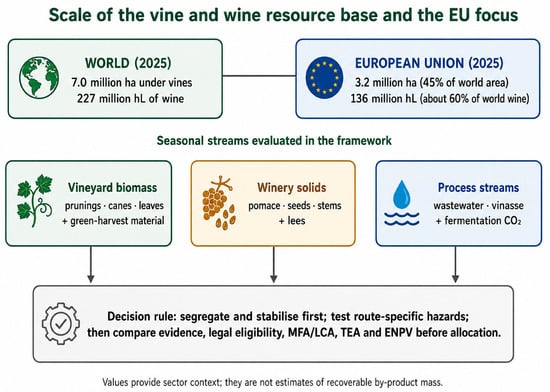
Safety-Gated Valorisation of Vine and Wine By-Products: An EU-Focused Circular Bioeconomy Framework
by
Márta Kreidlmayer, Karl-Johan Fabó, Máté Tóth, Péter Balling, Antal Kneip, Laura Varga, Péter Molnár, Zoltán Szekér, Réka Matolcsi, Adrien Fenyvesi, Mihály Konkoly, Csaba Zsolt Oláh, Barnabás Kovács, István Kiss, Tamás Köpeczi-Bócz and Sándor Némethy
Resources 2026, 15(8), 105; https://doi.org/10.3390/resources15080105 - 6 Aug 2026
Abstract
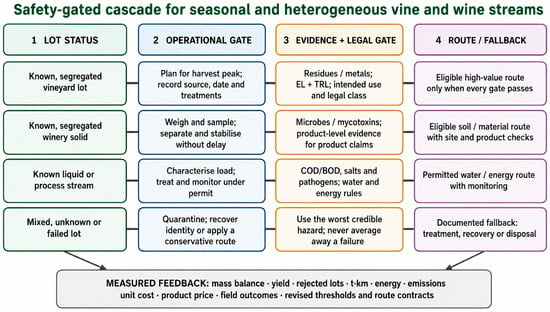
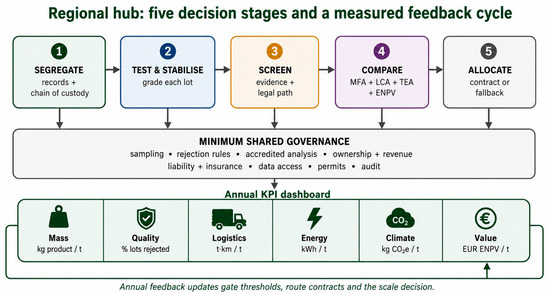
Vineyards and wineries generate seasonal, wet and compositionally variable side-streams whose safe use is constrained by rapid spoilage, contaminants, fragmented regulation and scale. This EU-focused structured narrative review synthesised 90 scientific and official sources and proposes an integrated decision framework rather than another
[...] Read more.
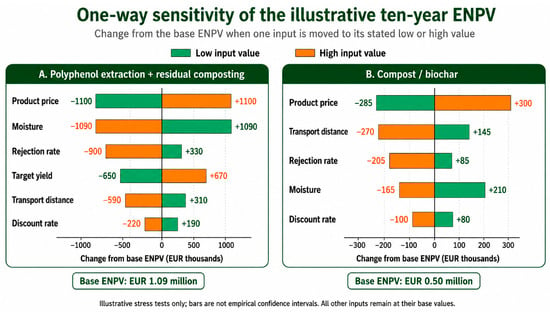
Vineyards and wineries generate seasonal, wet and compositionally variable side-streams whose safe use is constrained by rapid spoilage, contaminants, fragmented regulation and scale. This EU-focused structured narrative review synthesised 90 scientific and official sources and proposes an integrated decision framework rather than another catalogue of valorisation routes. The framework applies a non-compensatory sequence: characterise and stabilise the batch, test route-specific hazards, assign evidence-level and technology readiness, verify legal eligibility, define a safe fallback, and only then compare material flows, environmental burdens and risk-adjusted economics. Current implementation evidence is strongest for controlled composting, conventional wastewater treatment, anaerobic digestion and selected grape-seed oil, polyphenol and heat-integrated biochar operations; clinical, plant-protection and several novel-extract claims remain product- and context-specific. Illustrative ENPV cases show that high-value extraction can offer greater upside but lower robustness than compost/biochar when moisture, transport, rejection and price uncertainty are included. The framework provides an auditable basis for pilot design, regional cooperation and data collection, while explicitly requiring industrial and multi-season validation before investment or product approval.
Full article
(This article belongs to the Topic Advances in Resource Recovery from Waste)
►▼
Show Figures

Figure 1
Open AccessArticle
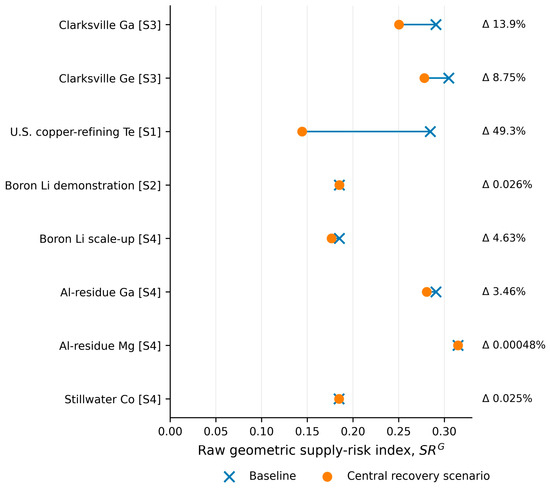
Critical-Material Recovery from U.S. Industrial Byproducts: A Scenario-Based Supply-Risk Analysis
by
Abu Shahadat Md Ibrahim, Maxwell Fleming, Elif Bozkurt, Tom Brady and Ian Lange
Resources 2026, 15(8), 104; https://doi.org/10.3390/resources15080104 - 5 Aug 2026
Abstract
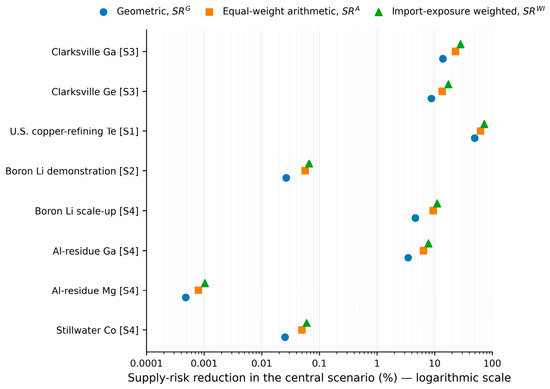
Recovery of critical materials from industrial byproducts is often presented as a near-term United States (U.S.) supply-security strategy, yet contained inventories, pilot output, announced capacity, and commercial production are not equivalent. This study evaluates eight U.S. pathways for gallium, germanium, tellurium, lithium, magnesium,
[...] Read more.
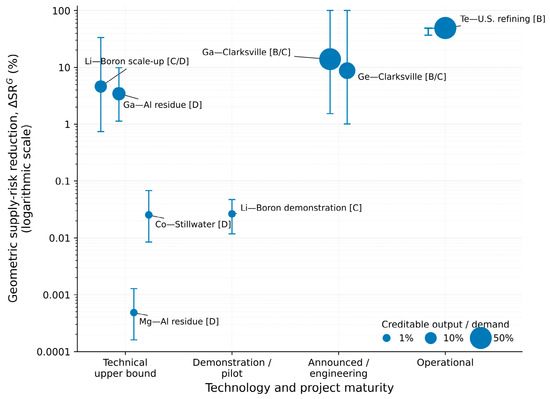
Recovery of critical materials from industrial byproducts is often presented as a near-term United States (U.S.) supply-security strategy, yet contained inventories, pilot output, announced capacity, and commercial production are not equivalent. This study evaluates eight U.S. pathways for gallium, germanium, tellurium, lithium, magnesium, and cobalt, classified as operational, demonstration/pilot, announced target-year, or technical upper-bound cases. Facility- and stream-specific quantities were converted to qualifying domestic output and incorporated into same-stage material balances under explicit assumptions for utilization, eligibility, demand, and import displacement. Supply risk was calculated from the net import dependence and governance-adjusted production and trade concentration using a geometric index, with arithmetic formulations as robustness checks. The operational U.S. copper-refining tellurium pathway yielded the largest central reduction (49.29%). Announced 2030 Clarksville capacity reduced modeled risk by 13.87% for gallium and 8.75% for germanium, conditional on project completion, feed attribution, product qualification, utilization, and demand. All other central cases produced reductions of 4.63% or less; the current lithium demonstration, Stillwater cobalt, and aluminum-residue magnesium cases had negligible national effects. Policy support should therefore be differentiated by qualifying output, market scale, project maturity, and evidence quality rather than by contained material or nameplate capacity alone.
Full article
(This article belongs to the Special Issue Critical Resources and Innovation for a Just and Sustainable Energy Transition)
►▼
Show Figures

Figure 1
Open AccessArticle
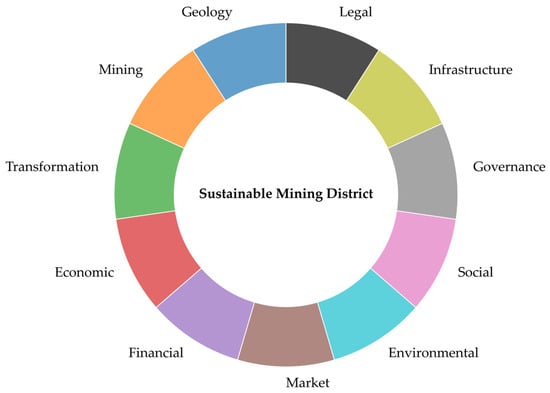
Toward a Multidimensional Conceptual Framework for Sustainable Mining Districts: Advancing Strategic Territorial Planning in Colombia
by
Jheyson Andres Bedoya Londoño, Giovanni Franco Sepúlveda and Fredy Castrillón Galeano
Resources 2026, 15(8), 103; https://doi.org/10.3390/resources15080103 - 4 Aug 2026
Abstract
►▼
Show Figures
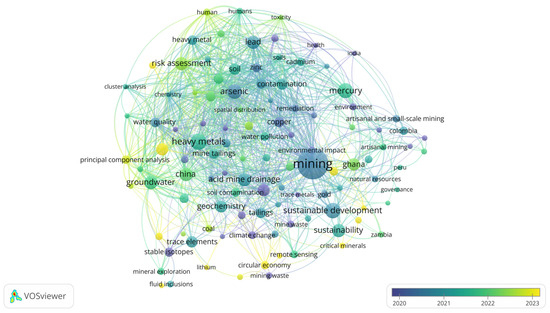
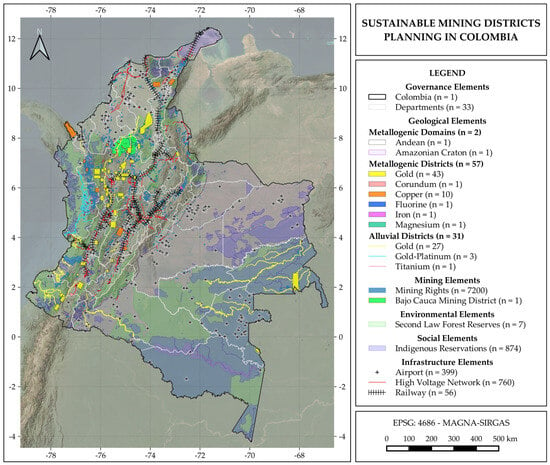
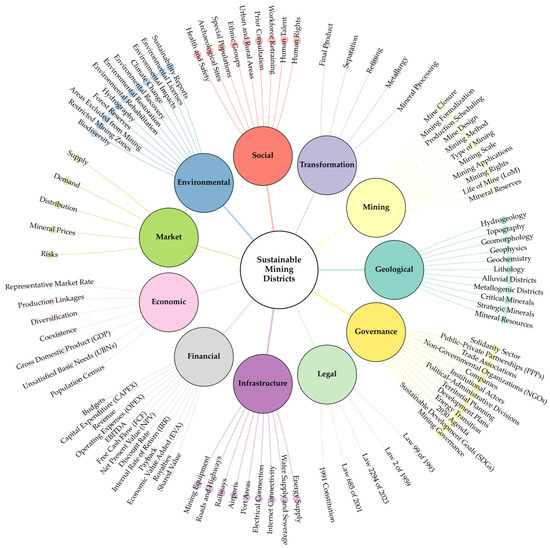
Sustainable Mining Districts (SMDs) have recently emerged as a territorial governance approach for promoting sustainable mining; however, no integrated conceptual framework currently exists to support their strategic planning. This study develops the first multidimensional conceptual framework for SMDs by integrating evidence from the
[...] Read more.
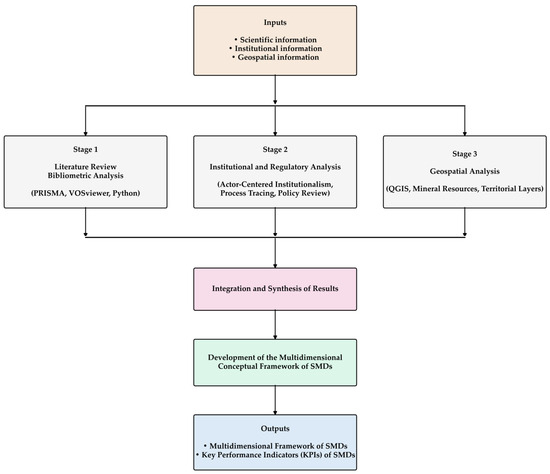
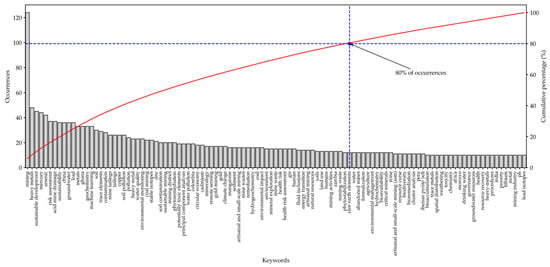
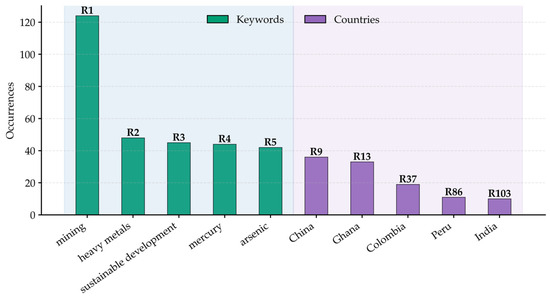
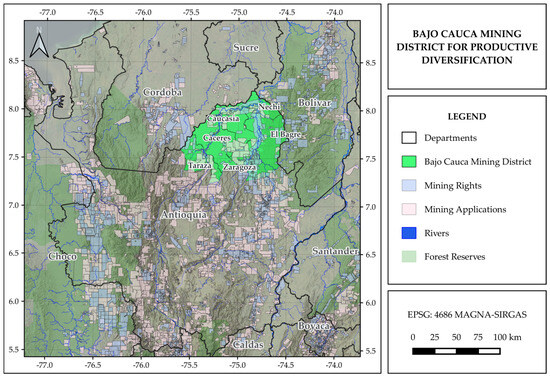
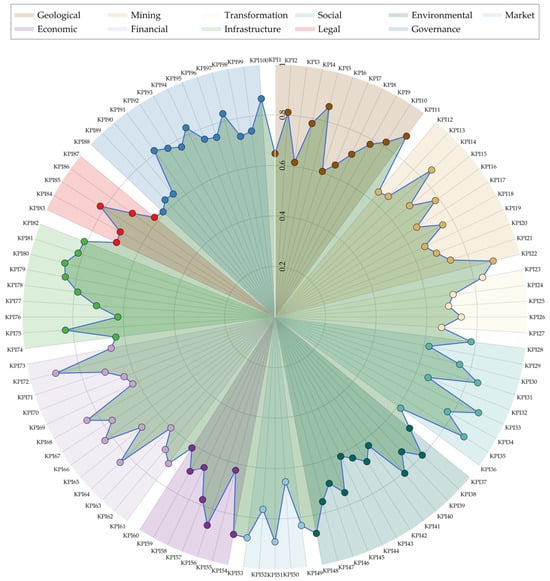
Sustainable Mining Districts (SMDs) have recently emerged as a territorial governance approach for promoting sustainable mining; however, no integrated conceptual framework currently exists to support their strategic planning. This study develops the first multidimensional conceptual framework for SMDs by integrating evidence from the scientific literature, institutional analysis, and territorial characterization, using Colombia as an illustrative case. The results reveal a growing international research emphasis on sustainability, governance, and territorial planning in mining, together with an emerging institutional transition toward district-scale governance. These findings support the identification of eleven complementary planning dimensions—geological, mining, transformation, environmental, social, market, economic, financial, infrastructure, legal, and governance—that collectively characterize SMDs as integrated territorial systems rather than solely geological or administrative units. The proposed framework provides a structured conceptual basis for organizing multidisciplinary information and supporting strategic territorial planning through an illustrative set of key performance indicators (KPIs). Although conceived as a proof of concept requiring future empirical validation, the framework offers a foundation for evidence-informed planning and governance of mining territories in Colombia and other mineral-producing regions.
Full article

Figure 1
Open AccessArticle
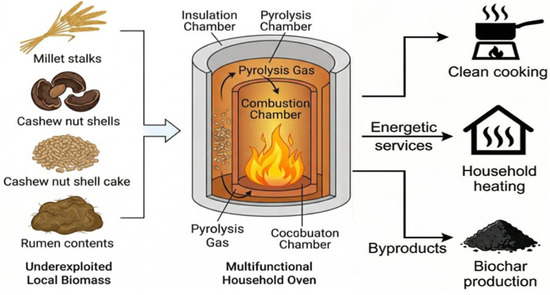
Decentralized Thermochemical Conversion of Local Biomasses: Energy Recovery and Biochar Production in Resource-Limited Arid Regions
by
Karim Zongo, Moussa dit Corneille Tarpilga, Yssa Traoré, Bétaboalé Naon and Hervé Pierre Ravelonandro
Resources 2026, 15(8), 102; https://doi.org/10.3390/resources15080102 - 4 Aug 2026
Abstract
►▼
Show Figures
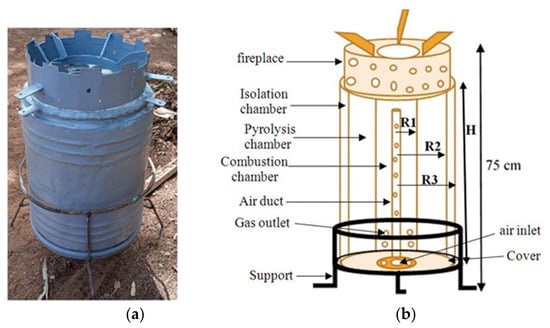
This study explores the utilization of local biomass through slow pyrolysis in a multifunctional domestic reactor, with a view to producing renewable energy and improving soil quality in arid regions. Four underutilized biomass sources were studied: millet stalks, cashew shells, cashew shell meal,
[...] Read more.
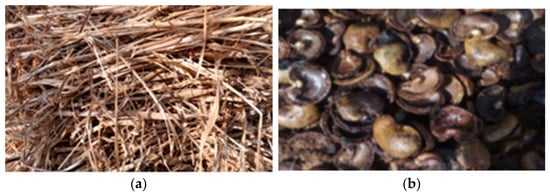
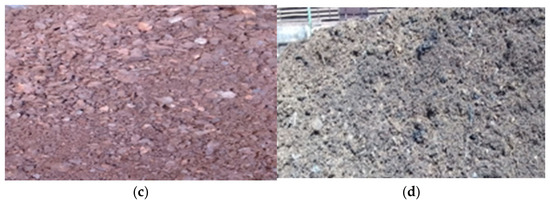
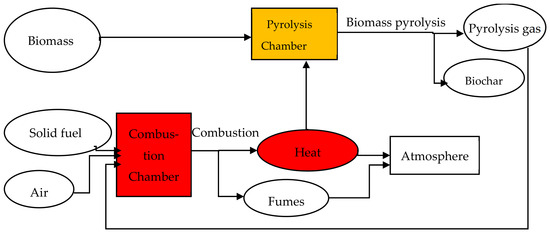
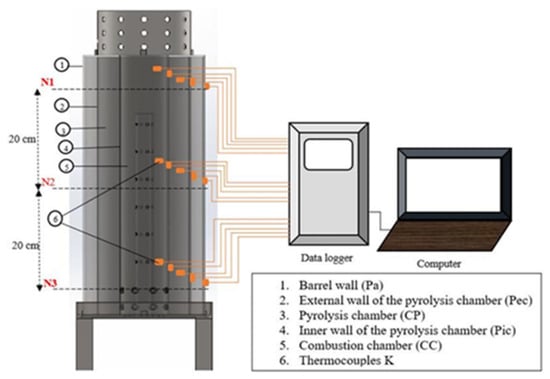
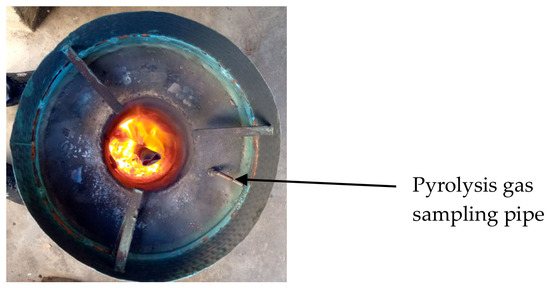
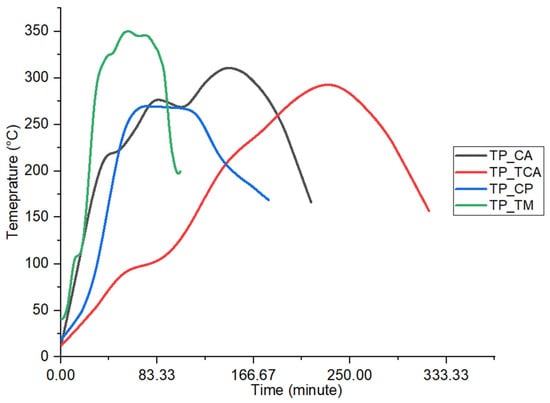
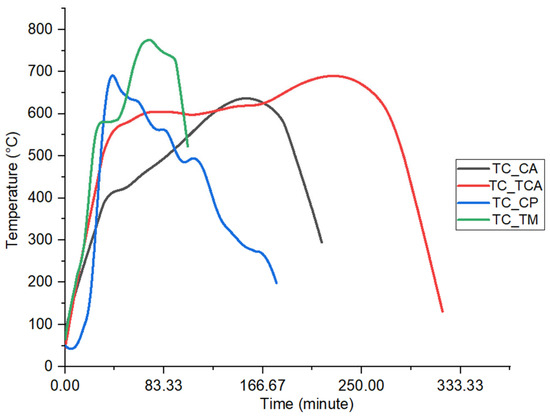
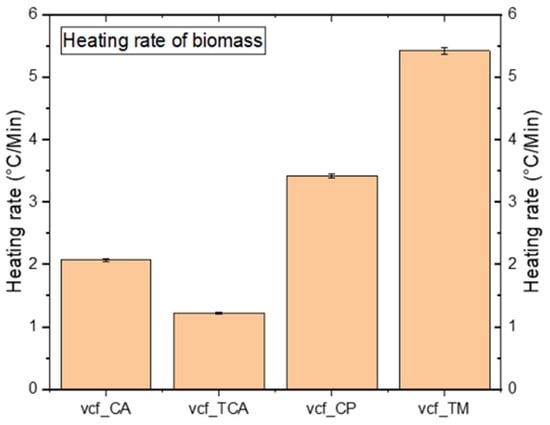
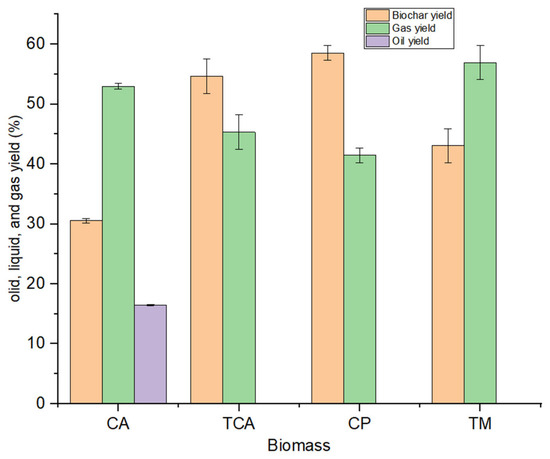
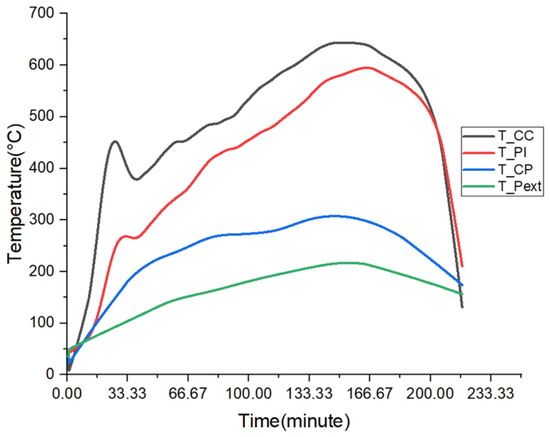
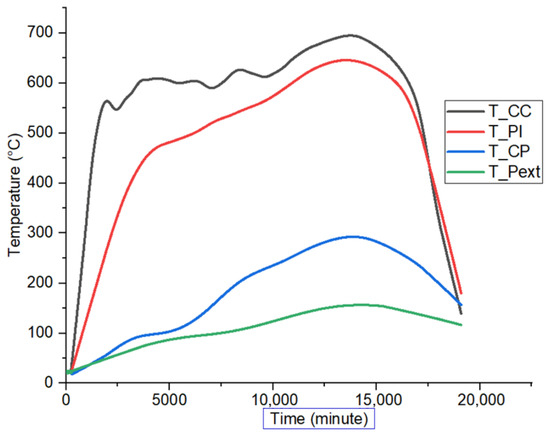
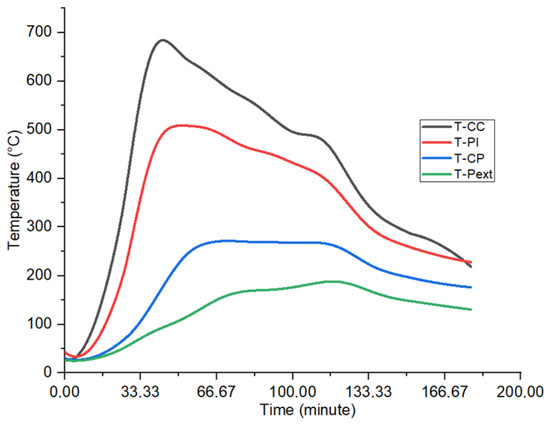
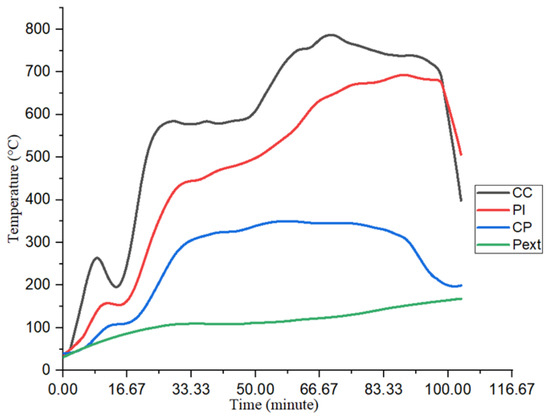
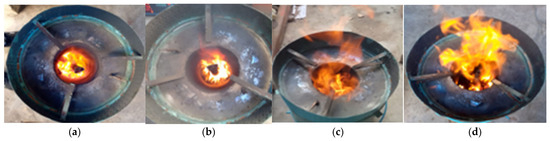
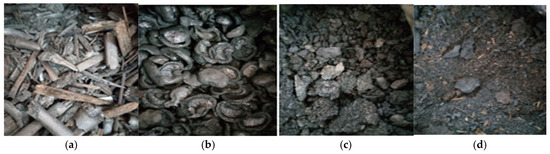
This study explores the utilization of local biomass through slow pyrolysis in a multifunctional domestic reactor, with a view to producing renewable energy and improving soil quality in arid regions. Four underutilized biomass sources were studied: millet stalks, cashew shells, cashew shell meal, and rumen contents. Thermal monitoring using thermocouples showed pyrolysis temperatures ranging from 270 to 350 °C, while the combustion chamber reached up to 800 °C depending on the biomass. Four thermal phases were identified (heating, devolatilization, stabilization, and cooling), confirming stable reactor operation. Gas analyses revealed a predominance of CO (approximately 1000 ppm) as well as variations in O2, H2S, and hydrocarbons, indicating a conversion process dependent on the type of biomass and interactions between chambers. Mass and energy balances show that performance depends heavily on the physicochemical properties of the feedstocks, particularly the content of volatiles, lignin, and ash. Cashew shells exhibited the highest energy efficiency (approximately 42.9%), followed by rumen contents (approximately 34.4%), while cashew shell meal showed lower performance due to prior extraction of volatiles. Biochar yields and energy distribution vary significantly depending on the biomass, highlighting the importance of feedstock selection in decentralized pyrolysis systems. Overall, household pyrolysis enables simultaneous energy recovery and biochar production under realistic, non-optimized conditions. These results provide new insights into biomass–reactor interactions and support the development of decentralized bioenergy solutions tailored to sub-Saharan regions.
Full article

Graphical abstract
Open AccessArticle
Performance and Resource Efficiency of Crushed Brick Aggregate in Micro-Concrete
by
Antonija Ereš, Josip Radić, Dalibor Kramarić, Marijana Hadzima-Nyarko and Ivanka Netinger Grubeša
Resources 2026, 15(8), 101; https://doi.org/10.3390/resources15080101 - 4 Aug 2026
Abstract
►▼
Show Figures
The construction sector relies heavily on virgin mineral resources and produces significant quantities of construction and demolition waste. This study examines crushed brick aggregate (CBA) as a volumetric substitute for natural river sand in micro-concrete at replacement levels of 0%, 25%, 50%, 75%,
[...] Read more.
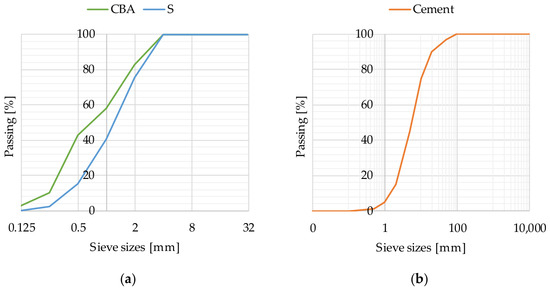
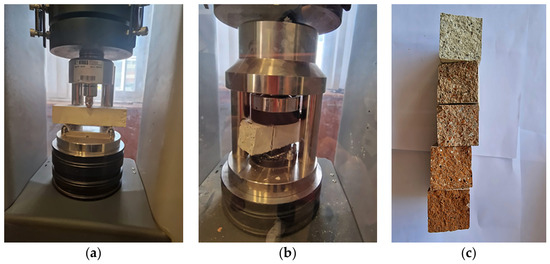
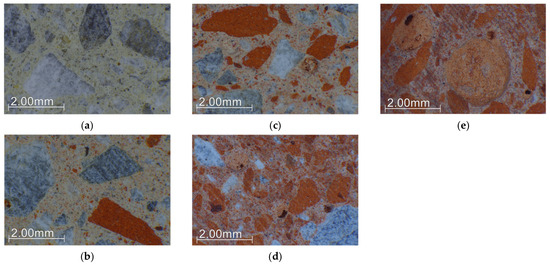
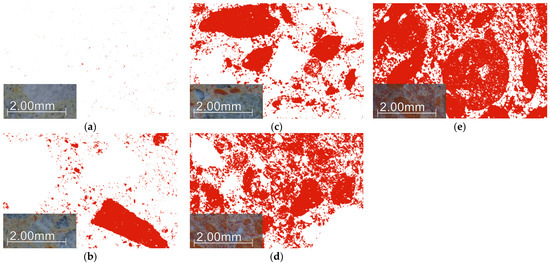
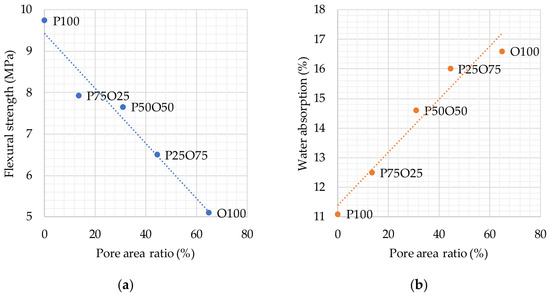
The construction sector relies heavily on virgin mineral resources and produces significant quantities of construction and demolition waste. This study examines crushed brick aggregate (CBA) as a volumetric substitute for natural river sand in micro-concrete at replacement levels of 0%, 25%, 50%, 75%, and 100%. Results show that increasing CBA content decreases consistency and flexural strength while increasing water absorption. However, compressive strength is maintained even at full replacement. One-way ANOVA demonstrated significant overall effects of CBA replacement level on all investigated properties. However, Tukey’s HSD comparisons indicated that not all adjacent replacement levels exhibited significant differences. Specifically, compressive strength at 25% and 50% replacement did not differ significantly from the reference mixture. A nominal resource-efficiency assessment based on the absolute-volume method and literature-derived density values indicates that, at 25% volumetric replacement, the mixture incorporates approximately 286.7 kg/m3 of CBA and saves 362.4 kg/m3 of natural sand while retaining 94.3% of the reference compressive strength. For Croatia’s estimated 8882 t of waste bricks in 2024, a maximum yield scenario suggests production of about 30,985 m3 of this mixture and natural sand savings of approximately 11,231 t. The 25% replacement level offers the most balanced outcome in terms of secondary resource utilisation, consistency, mechanical performance, and water absorption.
Full article

Figure 1
Open AccessSystematic Review
Toward Sustainable Bioenergy Supply Chain Management in Latin America: A Systematic Review of Optimization, Circular Valorisation, Methane Mitigation, and Traceability of Agricultural and Livestock Residues
by
Mario Luna-del Risco, Claudia Janeth Gómez-David, Mauricio González-Palacio, Lisandra Rocha-Meneses, David Ulises Santos-Ballardo, Eber Enrique Orozco Guillen, Esteban Vanegas-Trujillo and Alisson Dahian Patiño-Agudelo
Resources 2026, 15(8), 100; https://doi.org/10.3390/resources15080100 - 3 Aug 2026
Abstract
The agricultural and livestock sectors of Latin America produce a large number of residues that could be converted into energy through bioenergy production processes. However, the bioenergy sector still faces several limitations across the region, including fragmented logistics systems, weak coordination among institutions,
[...] Read more.
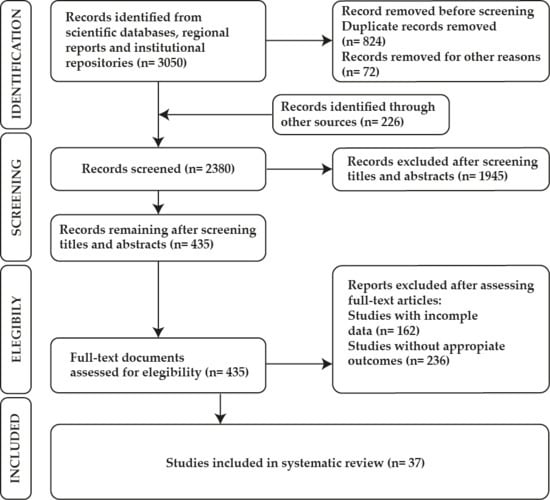
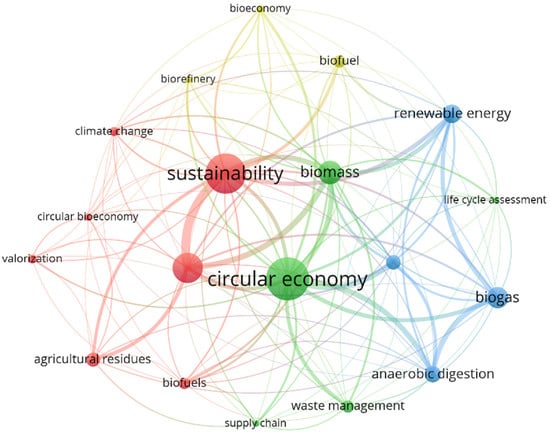
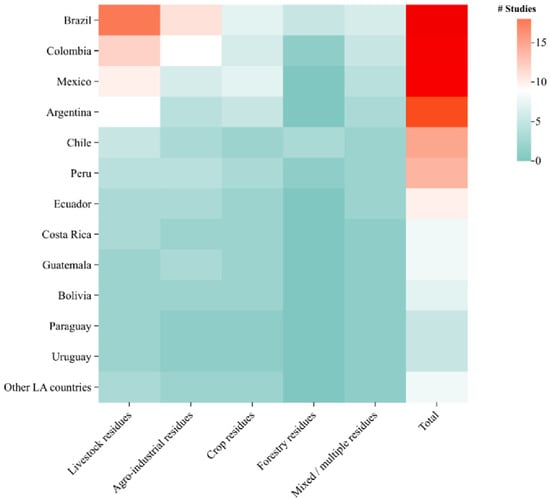
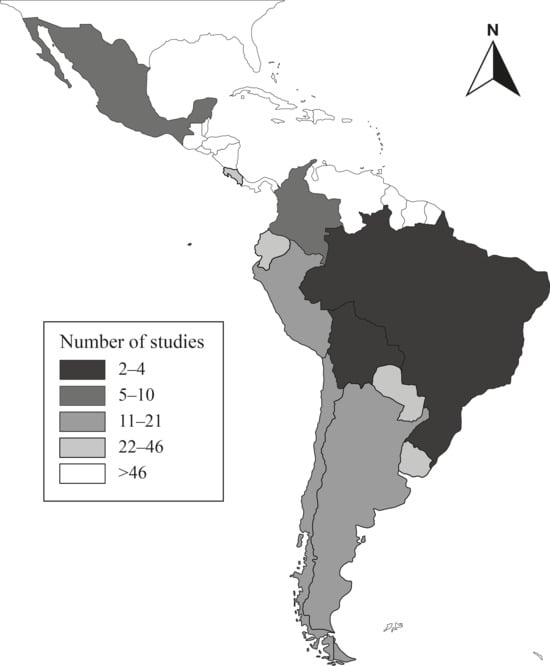
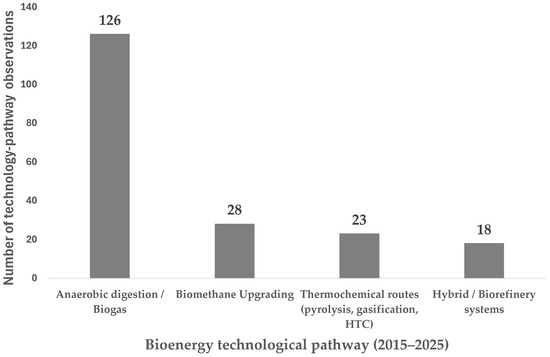
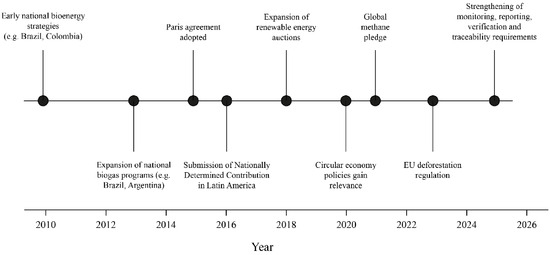
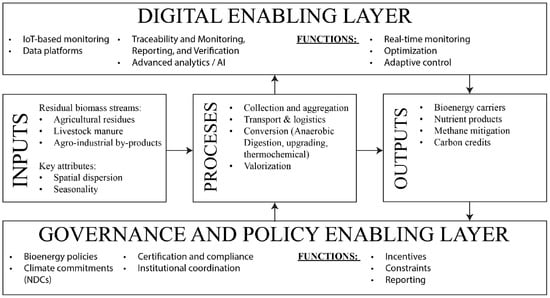
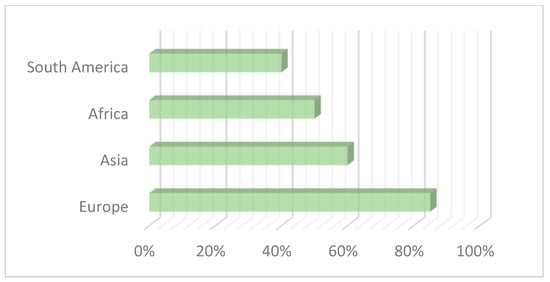
The agricultural and livestock sectors of Latin America produce a large number of residues that could be converted into energy through bioenergy production processes. However, the bioenergy sector still faces several limitations across the region, including fragmented logistics systems, weak coordination among institutions, and limited integration of environmental, digital, and compliance-related performance indicators. This review systematically analyses residue-based bioenergy value chains in Latin America between 2015 and 2025 using the PRISMA methodology to evaluate selected peer-reviewed studies and regional reports indexed in Scopus, ScienceDirect, SpringerLink, and IEEE Xplore, and institutional repositories. The final synthesis included 37 studies and institutional contributions, which were further disaggregated into 208 country–residue observations for the regional and feedstock distribution analysis. The review identified three main research gap categories: the limited integration of collection and logistics systems, the insufficient treatment of uncertainty, circularity, and traceability within optimization models, and the weak incorporation of governance and institutional coordination into bioenergy value-chain design. The analysis includes biogas, biomethane and related residue-based systems, with attention to supply-chain optimization, policy alignment, methane mitigation metrics, and traceability requirements. Results indicate that although technologies such as biomass pretreatment, process intensification, and upgrading processes continue to improve conversion performance, most studies still focus mainly on technical feasibility and biomass potential. Less attention is given to governance constraints, uncertainty analysis, and monitoring systems capable of supporting regulatory compliance. This research introduced the Sustainable Bioenergy Chain Management Framework (SBCMF) to respond to these limitations and bring together different aspects of bioenergy management within one analytical structure. The framework combines supply-chain optimization under spatial and temporal constraints, circular economy valorisation, methane-related climate performance, and digital traceability, while also linking techno-economic system design with governance and monitoring requirements. In this way, it can help support the development of more transparent and low-carbon bioenergy systems across Latin America.
Full article
(This article belongs to the Special Issue Climate, Resources and Circular Economy (KLIREC)—Interdependencies, Synergies and Tradeoffs)
►▼
Show Figures

Figure 1
Open AccessReview
Sustainable Wastewater Sludge Valorization: A Critical Review of Life Cycle Assessment and Techno-Economic Studies
by
Chaimae El Yaacoubi, Mohamed Bensaddik, Nihade Bensitel, Fatima-Zahra Azar, Fouad Dimane, Yahya El Hammoudani and Achraf El Kasmi
Resources 2026, 15(8), 99; https://doi.org/10.3390/resources15080099 - 1 Aug 2026
Abstract
Rapid population growth has led to increasing quantities of wastewater treatment sludge, creating environmental, economic, and public health challenges that require sustainable management strategies. This review critically examines recent advances in wastewater sludge management by evaluating sludge characterization, conventional and emerging valorization technologies,
[...] Read more.
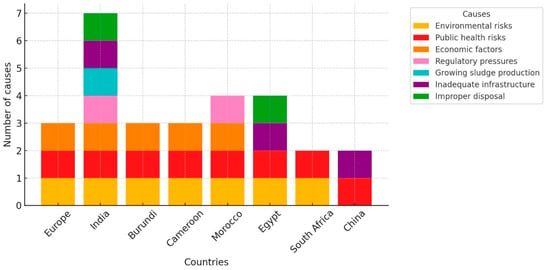
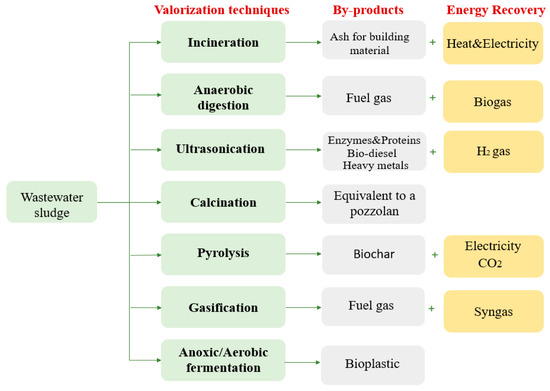
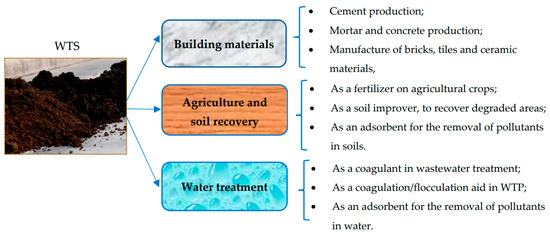
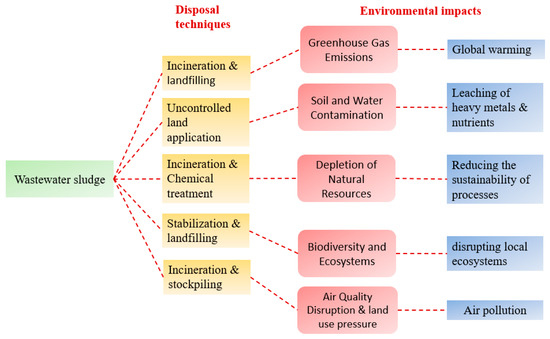
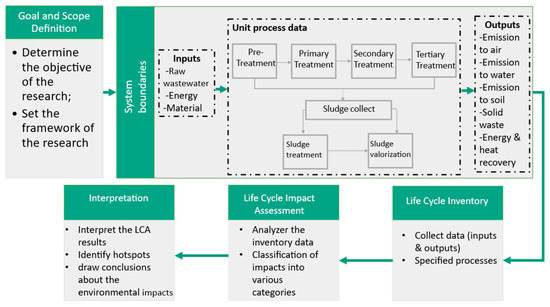
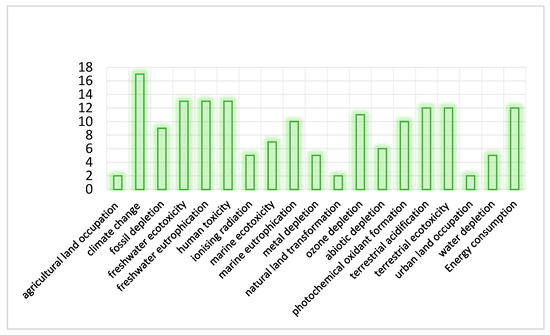
Rapid population growth has led to increasing quantities of wastewater treatment sludge, creating environmental, economic, and public health challenges that require sustainable management strategies. This review critically examines recent advances in wastewater sludge management by evaluating sludge characterization, conventional and emerging valorization technologies, and the application of life cycle assessment (LCA) as a decision-support tool. The analysis shows that sludge can be successfully valorized through agricultural reuse, energy recovery, industrial applications, and resource recovery. However, the suitability of each pathway depends on sludge properties, environmental conditions, regulatory requirements, and economic feasibility. LCA highlights the environmental trade-offs associated with different management scenarios and provides a systematic framework for comparing their environmental and economic performance while supporting circular economy principles. Overall, integrating sludge valorization with comprehensive life cycle assessment enables more informed decision-making and promotes environmentally sustainable and economically viable wastewater sludge management. This review provides practical insights for researchers, policymakers, and industry stakeholders seeking to optimize sludge management strategies and advance sustainable wastewater treatment.
Full article
(This article belongs to the Topic Advances in Resource Recovery from Waste)
►▼
Show Figures

Figure 1
Open AccessReview
Valorisation of Food Processing Wastes into High-Value Platform Chemicals: Industrial Pathways and Circular Bioeconomy Perspectives
by
Sudatta Maity, Priti Pal, Akhilesh Kumar Singh, Anand Prakash, Krystyna Kondratowicz-Maciejewska, Piotr Prus and Prakash Kumar Sarangi
Resources 2026, 15(8), 98; https://doi.org/10.3390/resources15080098 - 1 Aug 2026
Abstract
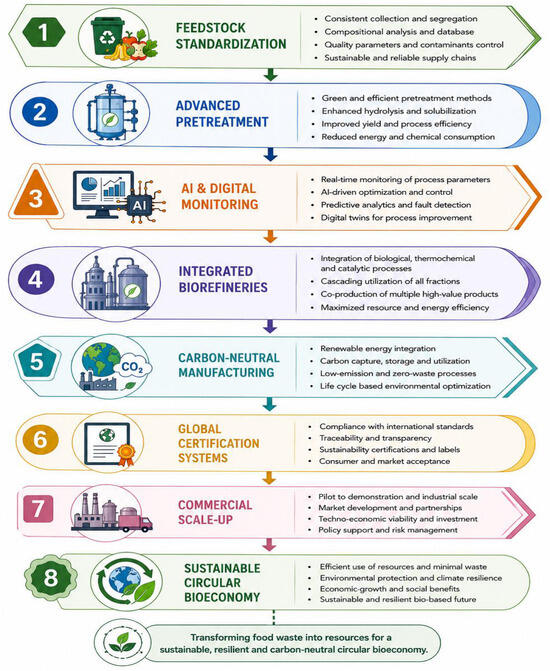
The world’s food industry faces significant obstacles today as it strives to meet the nutritional needs of its rapidly expanding global population while also managing an immense amount of food processing waste (FPW) generated throughout the entire food supply chain. The widespread use
[...] Read more.
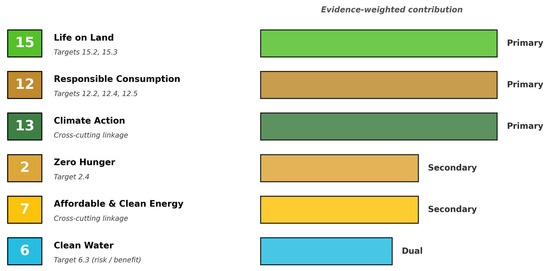
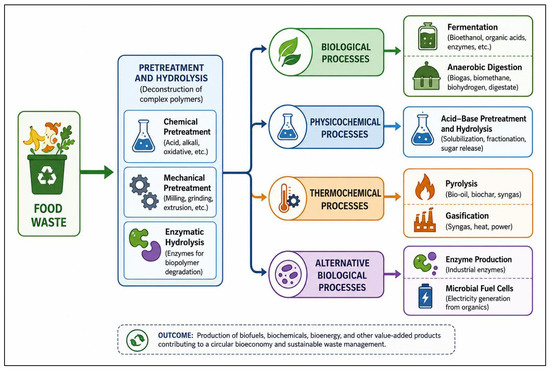
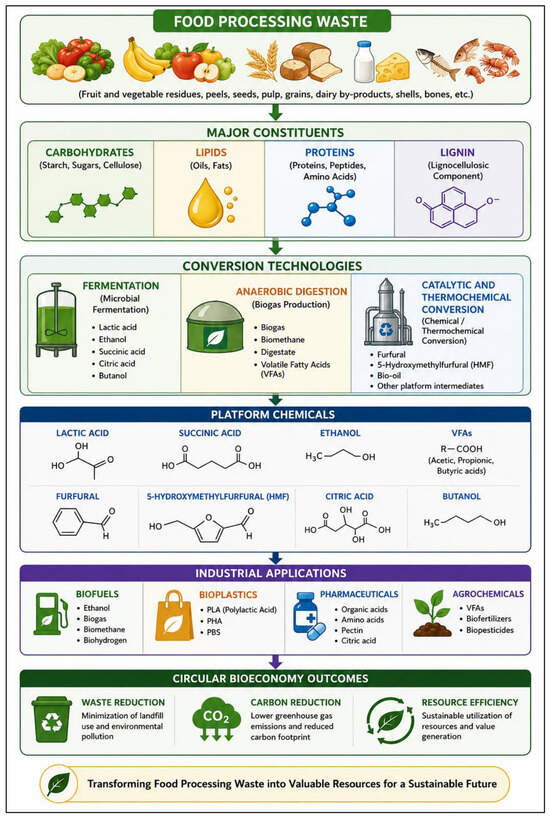
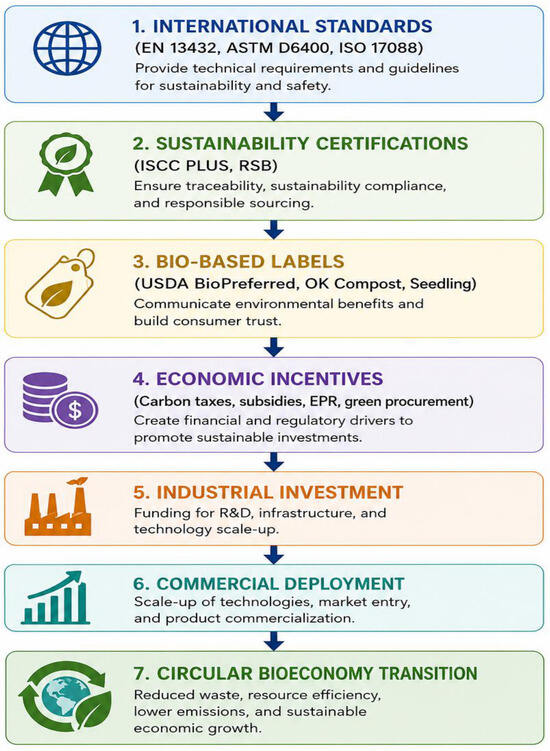
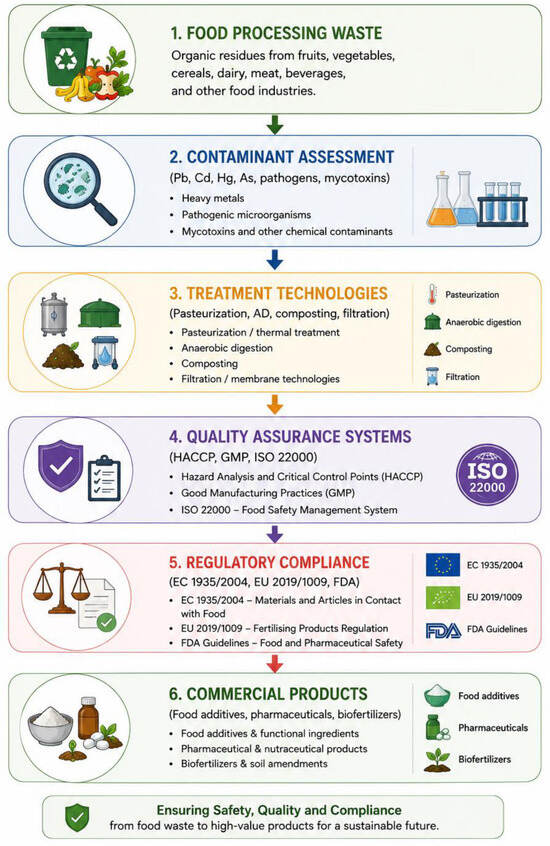
The world’s food industry faces significant obstacles today as it strives to meet the nutritional needs of its rapidly expanding global population while also managing an immense amount of food processing waste (FPW) generated throughout the entire food supply chain. The widespread use of traditional disposal techniques for food waste (landfilling and incineration) regularly faces challenges related to environmental sustainability and economic efficiency. This manuscript reviews the necessary transition from a linear “take-make-dispose” approach to food production to a more circular model that recycles food waste into high-value intermediate chemicals and renewable energy through the development of biorefineries. The manuscript explores the biochemical composition of food waste, with carbohydrates, lipids, proteins, and bioactive materials, making it a suitable feedstock for different multi-stage biorefinery operations. In addition, this review will evaluate a variety of existing conversion technologies for food processing waste, such as biological methods (e.g., anaerobic digestion and fermentation) and thermochemical methods (e.g., pyrolysis, gasification, and hydrothermal liquefaction), to create various platform chemicals, including organic acids, bio-alcohols and volatile fatty acids (VFAs), as well as the production of sustainable biofuels and biopolymers. The review also elucidates the three most determinative constraints on large-scale industrial implementation of food waste valorisation: feedstock variability, techno-economic feasibility, and the need for comprehensive life cycle assessments (LCAs). The alignment of food waste management strategies with the UN SDGs (in particular, SDG 12 ‘Responsible Consumption and Production’ and SDG 13 ‘Climate Action’) reflects the opportunity for food waste to serve as a foundation for a carbon-neutral, sustainable future. This review provides a strategic roadmap for academics, practitioners, and policymakers to tap into the full potential of food waste through a sustainable circular economy model.
Full article
(This article belongs to the Special Issue Alternative Use of Biological Resources: 2nd Edition)
►▼
Show Figures

Figure 1
Open AccessArticle
Hydroclimatic Variability and Water Balance Instability in Semi-Arid Steppe Ecosystems Under Climate Warming
by
Raikhan Beisenova, Ainur Orkeyeva, Anar Rakhmetova, Zhanar Rakhymzhan and Rumiya Tazitdinova
Resources 2026, 15(8), 97; https://doi.org/10.3390/resources15080097 - 23 Jul 2026
Abstract
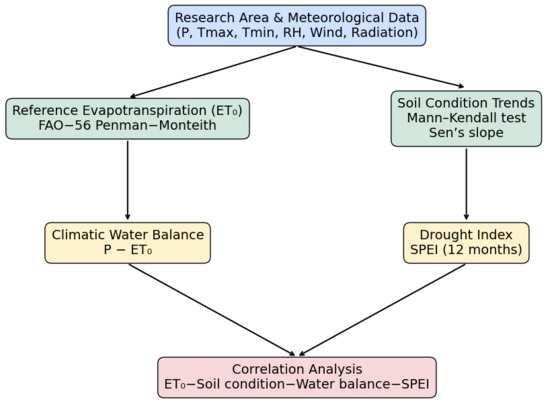
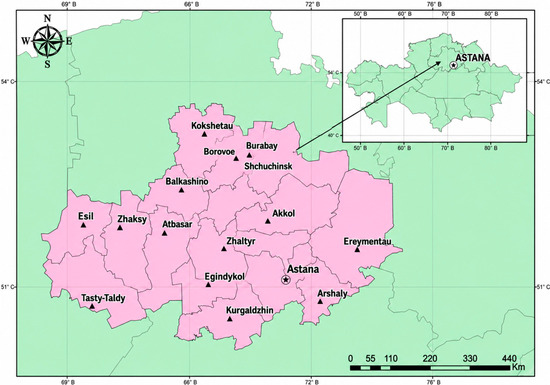
This study investigates hydroclimatic variability and water balance dynamics in the Akmola region during 2003–2023 using observations from 16 meteorological stations. The study evaluates changes in air temperature, precipitation, reference evapotranspiration (ET0), climatic water balance, and drought conditions. Reference evapotranspiration was
[...] Read more.
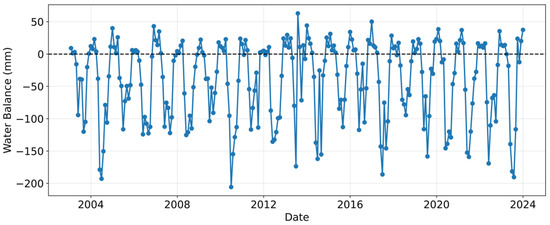
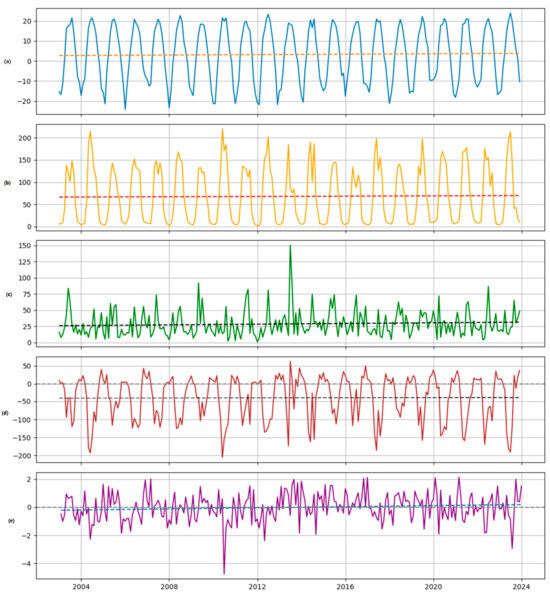
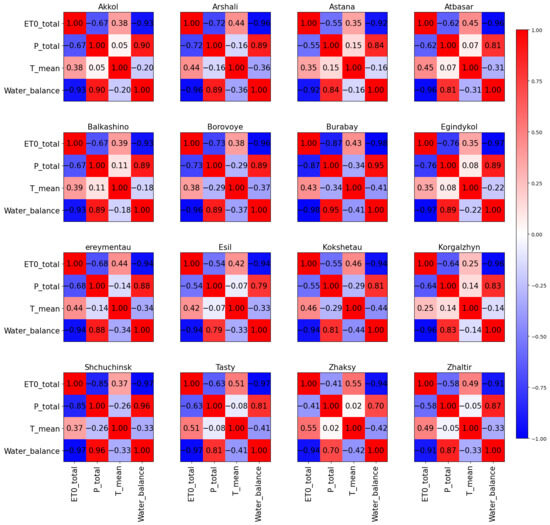
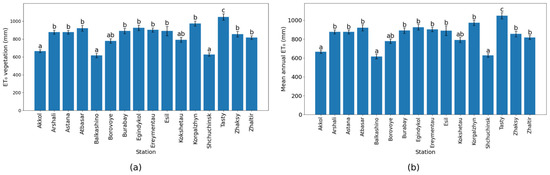
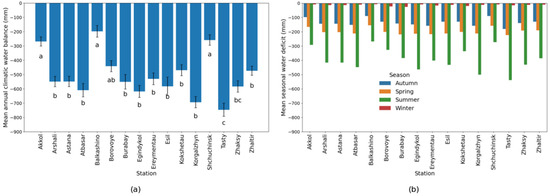
This study investigates hydroclimatic variability and water balance dynamics in the Akmola region during 2003–2023 using observations from 16 meteorological stations. The study evaluates changes in air temperature, precipitation, reference evapotranspiration (ET0), climatic water balance, and drought conditions. Reference evapotranspiration was calculated using the FAO-56 Penman–Monteith method, while drought variability was assessed using the 12-month Standardized Precipitation–Evapotranspiration Index (SPEI-12). Temporal trends were analyzed using the Mann–Kendall test and Sen’s slope estimator. The results revealed significant spatial heterogeneity in hydroclimatic conditions across the region. Air temperature showed a consistent increasing trend at most stations, accompanied by increasing atmospheric evaporative demand. All stations were characterized by a persistently negative climatic water balance, with mean annual values of approximately −750 mm, indicating a regional moisture deficit. Reference evapotranspiration exhibited significant spatial variability, with the highest values observed in the southern and central parts of the region. Precipitation remained the dominant control of water balance variability (r = 0.79–0.96), while increasing temperature intensified moisture deficits through increased evapotranspiration. SPEI-12 indicated recurrent drought episodes and increasing drought vulnerability associated with warming-induced atmospheric water demand. The study demonstrates that increasing evapotranspiration is becoming a major driver of water stress in the Akmola region and highlights the importance of integrating climatic water balance and SPEI indicators for drought monitoring and climate adaptation in semi-arid steppe regions.
Full article
(This article belongs to the Topic Advances in Water and Soil Management Towards Climate Change Adaptation)
►▼
Show Figures

Figure 1
Open AccessArticle
Construction and Demolition Waste as an Urban Mining Resource in Fez, Morocco: A Spatio-Temporal Assessment Coupling Field Surveys, Permit Data, and Material Flow Analysis
by
Yasmine Boukhlouf, Mohammed Benabdelhadi, Hassan Tabyaoui, Abderrahim Lahrach, Abdallah Oulmekki, Maryame El-Yazidi, Zineb El Attar Soufi and Omar Kassou
Resources 2026, 15(7), 96; https://doi.org/10.3390/resources15070096 - 17 Jul 2026
Abstract
►▼
Show Figures
Construction and demolition waste is one of the most voluminous yet poorly managed waste streams in developing cities, and Fez, Morocco, is no exception. With over 1.2 million inhabitants and an expanding construction sector, the city produces large quantities of building debris annually.
[...] Read more.
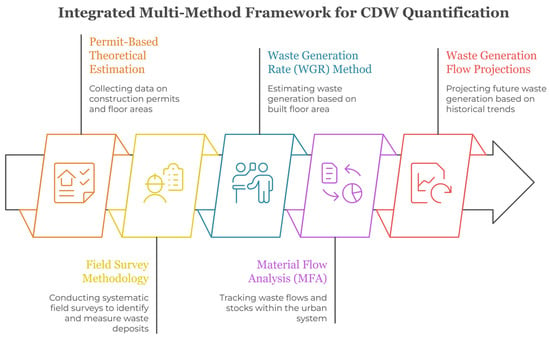
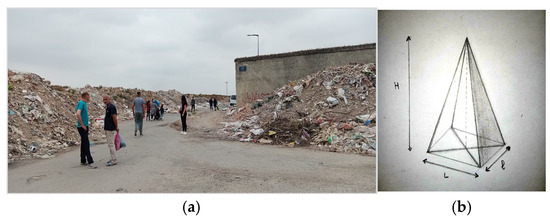
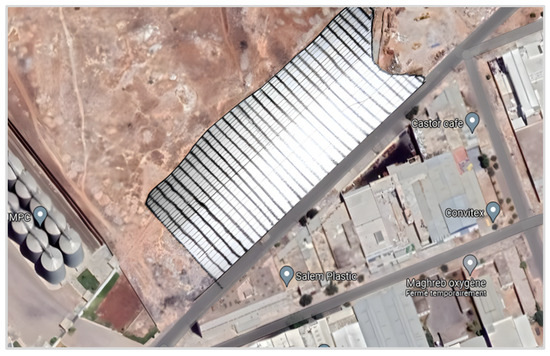
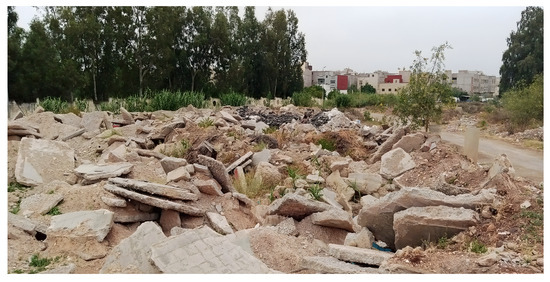
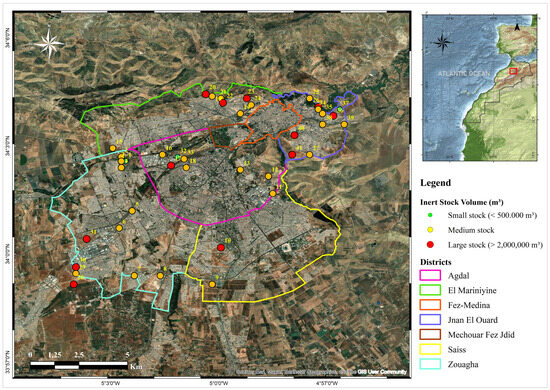
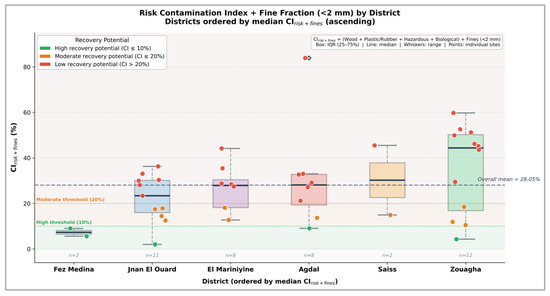
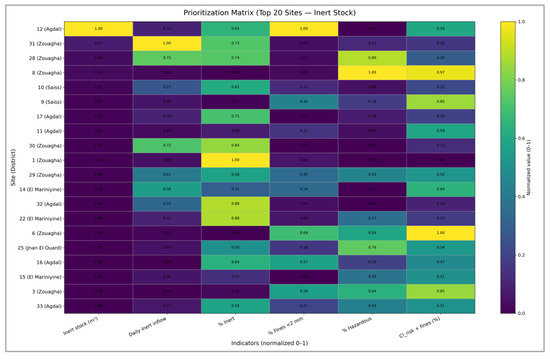
Construction and demolition waste is one of the most voluminous yet poorly managed waste streams in developing cities, and Fez, Morocco, is no exception. With over 1.2 million inhabitants and an expanding construction sector, the city produces large quantities of building debris annually. Until this study, no systematic inventory of illegal dumpsites existed, and municipal documents contained no data on volumes, composition, or spatial distribution. We addressed this gap through three approaches: a field survey of 43 illegal dumpsites, a permit-based Waste Generation Rate (WGR) analysis with projections to 2040, and a Simplified Material Flow Analysis (MFA) integrating field-observed stocks and theoretical generation estimates into a city-scale mass balance. The 43 surveyed sites hold a combined volume of 15,626,019 m3, with an average inert content of 51.60%, below the 65% benchmark, reflecting systematic co-deposition with no sorting. Only 11.6% of sites showed high recovery potential. The waste generation rate estimates a total generation of 419,269–1,426,302 tonnes over 2016–2025, with demolition accounting for 64% of the output. The materiel flow analysis reveals a 2- to 7-fold discrepancy between observed stock levels and theoretical estimates. Without intervention, generation is projected to increase sevenfold by 2040. Fez is caught in an informal disposal trap. Three actions are needed: mandatory traceability, targeted enforcement at high-flow sites, and on-site recycling capacity.
Full article

Figure 1
Open AccessArticle
Decision Support Framework to Improve Mining Productivity: Prioritization of Operational Factors in Medium-Scale Mining
by
Edison Ramírez-Olivares, Catalina Rojas-Rojas, Gillyan Gálvez-Rodríguez and Juan Alfaro Robles
Resources 2026, 15(7), 95; https://doi.org/10.3390/resources15070095 - 17 Jul 2026
Abstract
►▼
Show Figures
The mining industry faces increasing challenges in enhancing productivity within complex operational environments characterized by the interaction of technical, organizational, human, and external factors. Nevertheless, existing studies frequently examine these determinants independently, thereby limiting a comprehensive understanding of their relative importance and combined
[...] Read more.
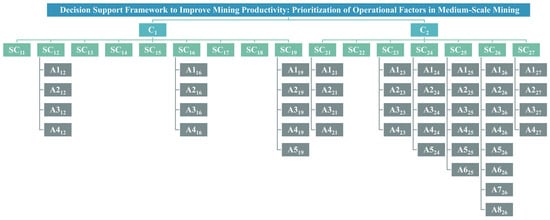
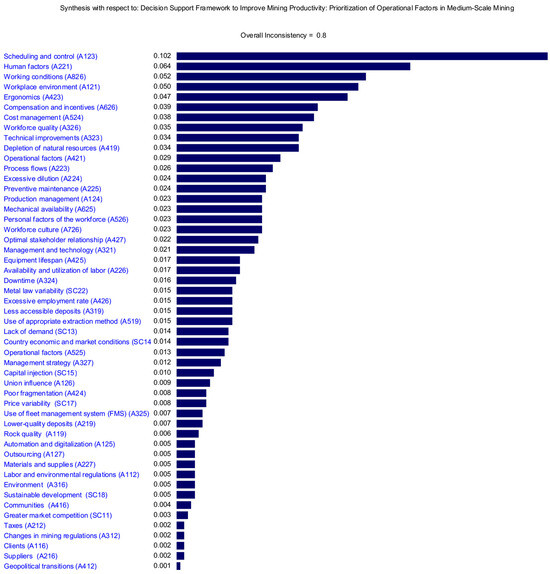
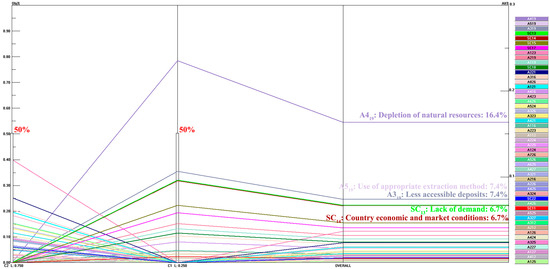
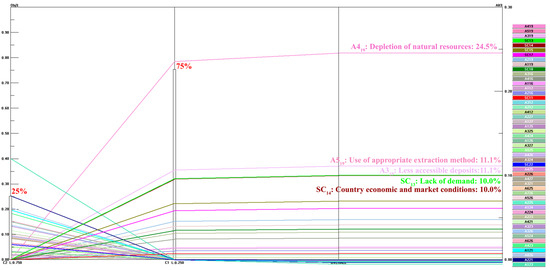
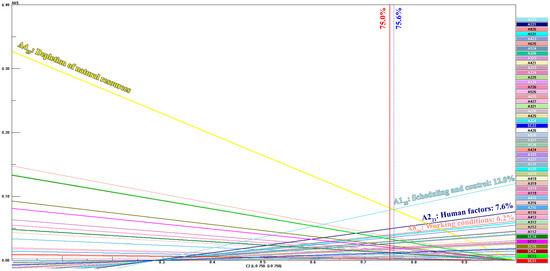
The mining industry faces increasing challenges in enhancing productivity within complex operational environments characterized by the interaction of technical, organizational, human, and external factors. Nevertheless, existing studies frequently examine these determinants independently, thereby limiting a comprehensive understanding of their relative importance and combined influence on operational performance. This study develops a decision framework to identify and prioritize the factors affecting productivity in medium-scale mining in the Coquimbo Region, Chile, through the application of the Analytic Hierarchy Process (AHP) based on expert judgment obtained from active mining operations. The AHP model was structured using two criteria, seven subcriteria, and twenty-three decision factors, whose consistency and reliability were assessed through the consistency ratio (CR) and Cronbach’s alpha coefficient. The results revealed a marked predominance of Internal factors (75.0%) over External factors (25.0%), indicating that productivity is influenced primarily by variables that can be managed at the organizational level. Among the evaluated subcriteria, Work planning achieved the highest priority (32.0%), whereas Scheduling and control (10.2%), Human factors (6.4%), and Working conditions (5.2%) emerged as the most influential decision factors. Furthermore, sensitivity analysis confirmed the robustness and stability of the model. Beyond establishing a prioritization of productivity determinants, this study provides a decision-support framework that can assist mining companies in strengthening productivity management and improving operational performance in medium-scale mining.
Full article

Figure 1
Open AccessArticle
Process Dynamics and Nutrient Transformation During Vermicomposting of Agricultural Waste Using Eisenia fetida
by
Clifftone Wanyonyi Mbuku, Rogerio Borguete Rafael and John Walker Recha
Resources 2026, 15(7), 94; https://doi.org/10.3390/resources15070094 - 16 Jul 2026
Abstract
►▼
Show Figures
The accumulation of agricultural waste poses significant agronomic and environmental challenges in tropical smallholder farming systems where organic wastes remain underutilized. This study evaluated the effectiveness of vermicomposting with Eisenia fetida in enhancing nutrient recovery and improving the quality of organic fertilizers produced
[...] Read more.
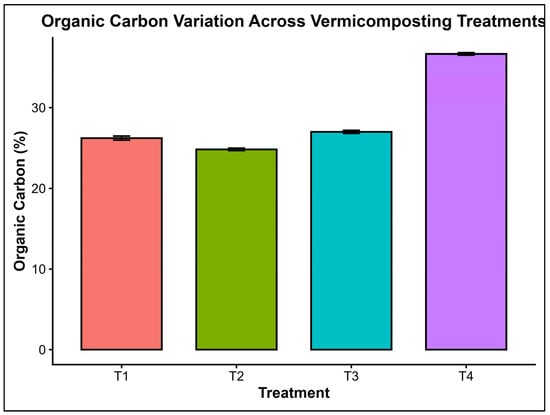
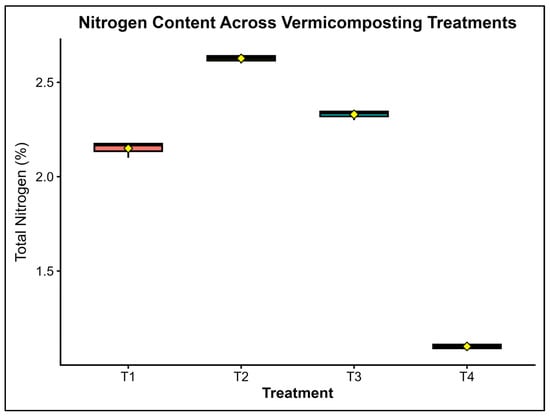
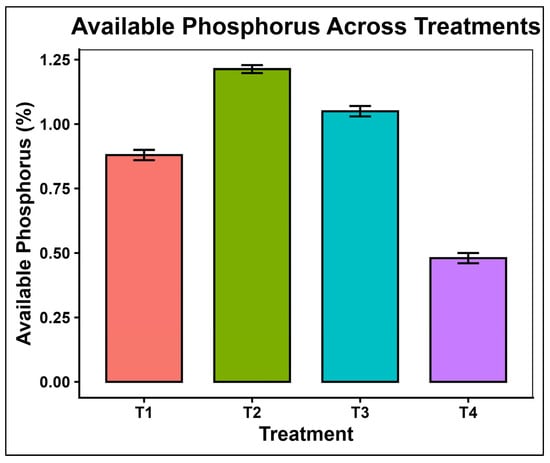
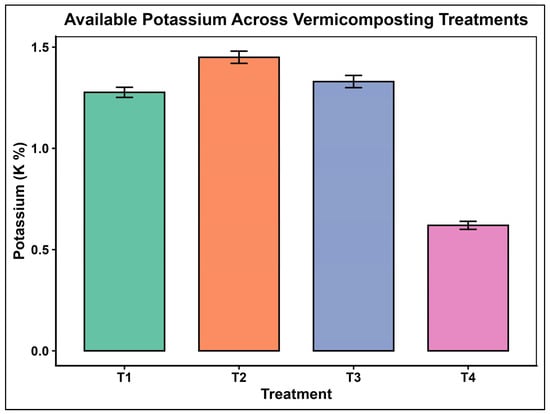
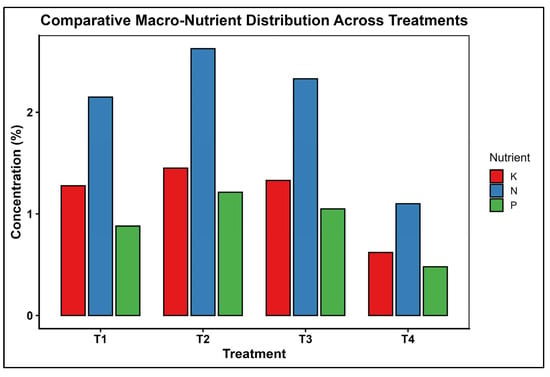
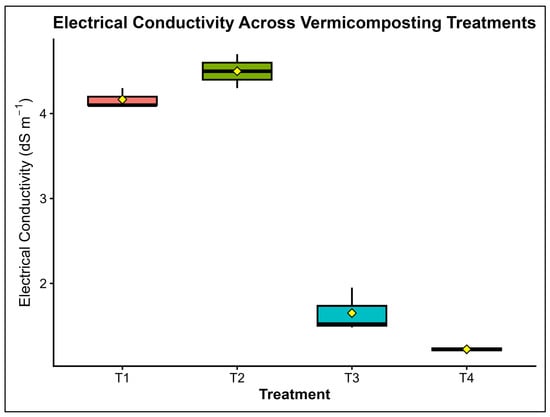
The accumulation of agricultural waste poses significant agronomic and environmental challenges in tropical smallholder farming systems where organic wastes remain underutilized. This study evaluated the effectiveness of vermicomposting with Eisenia fetida in enhancing nutrient recovery and improving the quality of organic fertilizers produced from agricultural waste. Four substrate treatments—poultry manure and vegetable waste (T1), cow dung, chicken manure, and vegetable waste (T2), cow dung and vegetable waste (T3), and a control without earthworms (T4)—were assessed over a period of 60 days. Key physicochemical properties evaluated included bulk density, pH, electrical conductivity, organic carbon, total nitrogen, available phosphorus and potassium, and the C:N ratio. Vermicomposting significantly improved nutrient composition, with the C:N ratio decreasing from 26.43 in the control treatment to 12.23, indicating enhanced compost maturity. Treatment T2 recorded the highest concentrations of total nitrogen (2.63%), phosphorus (1.21%), and potassium (1.45%). A significant reduction in organic carbon also indicated enhanced mineralization during the decomposition process. Compared with traditional composting, vermicomposting improved nutrient availability, compost maturity, and overall compost quality. These findings demonstrate that vermicomposting is an effective resource recovery strategy for converting agricultural waste into nutrient-rich organic fertilizer while supporting sustainable and climate-resilient agricultural systems.
Full article

Figure 1
Open AccessArticle
Assessing Availability of Platinum Group Metals Through a Cumulative Availability Curve
by
Abu Shahadat Md Ibrahim and Roderick G. Eggert
Resources 2026, 15(7), 93; https://doi.org/10.3390/resources15070093 - 14 Jul 2026
Abstract
Platinum group metals (PGM) are essential for clean-energy technologies, including proton exchange membrane (PEM) electrolyzers for hydrogen production and PEM fuel cells for hydrogen use, as well as catalytic, electronic, and advanced industrial applications. However, their supply is exposed to geological concentration, co-product
[...] Read more.
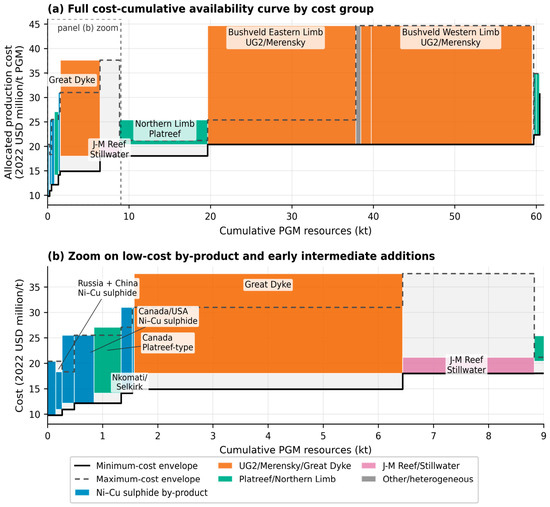
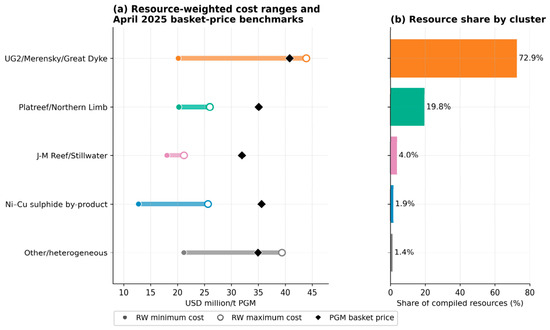
Platinum group metals (PGM) are essential for clean-energy technologies, including proton exchange membrane (PEM) electrolyzers for hydrogen production and PEM fuel cells for hydrogen use, as well as catalytic, electronic, and advanced industrial applications. However, their supply is exposed to geological concentration, co-product dependence, and market volatility. This study evaluates the medium-term cost-based accessibility of known primary PGM resources using a cumulative availability curve. The analysis combines resource estimates and allocated production-cost data for 61 known PGM-bearing deposits and projects, with costs expressed in 2022 USD per metric ton of combined PGM output. Because PGM deposits differ in ore type, processing route, and co-product setting, the results are interpreted by deposit cluster rather than only by country or aggregate cost threshold. The low-cost portion of the curve is dominated by Ni–Cu sulphide by-product systems, but this cluster represents only 1.87% of the compiled resource base. In contrast, UG2/Merensky/Great Dyke reef-type systems account for 72.95%, and Platreef/Northern Limb and Platreef-type systems account for 19.82%. Thus, most known primary PGM resources occur outside the low-cost by-product segment. Cluster-weighted PGM basket-price benchmarks are used instead of individual metal-price comparisons. Several cluster-level cost ranges fall below or near indicative April 2025 basket-price benchmarks, but these comparisons are not project-level profitability tests. Overall, the cumulative availability curve provides a deposit-cluster-based framework for evaluating known primary PGM availability and informing critical-material policy, recycling strategy, supply-chain planning, hydrogen-technology deployment, and responsible resource development.
Full article
(This article belongs to the Special Issue Critical Resources and Innovation for a Just and Sustainable Energy Transition)
►▼
Show Figures

Figure 1
Open AccessArticle
The Role of Country-Level Governance in the Renewable Energy–Carbon Emissions Relationship: Evidence from RECAI-Selected Countries
by
Faozi A. Almaqtari, Najib H. S. Farhan, Abdulhadi Ibrahim, Amal Yamani and Khalid Hamad Alturki
Resources 2026, 15(7), 92; https://doi.org/10.3390/resources15070092 - 13 Jul 2026
Abstract
►▼
Show Figures
This study examines the relationship between renewable energy consumption (REC) and carbon dioxide (CO2) emissions and investigates the moderating role of country-level governance in 39 Renewable Energy Country Attractiveness Index (RECAI) economies over the 1996–2020 period. Drawing on institutional and environmental
[...] Read more.
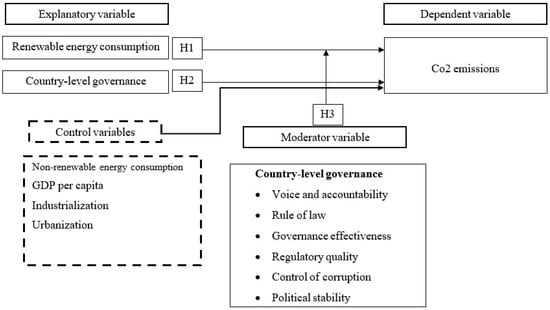
This study examines the relationship between renewable energy consumption (REC) and carbon dioxide (CO2) emissions and investigates the moderating role of country-level governance in 39 Renewable Energy Country Attractiveness Index (RECAI) economies over the 1996–2020 period. Drawing on institutional and environmental governance theories, this study evaluates whether governance strengthens the environmental benefits of renewable-energy consumption. Unlike previous studies that primarily focus on aggregate governance measures, this study separately examines six governance dimensions: control of corruption, political stability, rule of law, government effectiveness, regulatory quality, and voice and accountability. Using panel data from the World Bank, the analysis employs fixed-effects estimation and validates the findings through robust regression, the generalized method of moments (GMM), and panel-corrected standard error (PCSE) approaches. The results indicate that renewable energy consumption significantly reduces both CO2 emissions per capita and total CO2 emissions in the long run. The findings further show that governance significantly moderates the renewable energy–CO2 emissions relationship, with stronger governance enhancing the emission-reducing effect of renewable energy consumption. Governance mitigates the environmental impacts associated with urbanization and industrialization, highlighting the importance of institutional quality in managing the structural drivers of emissions. The robustness analyses confirm the consistency of the main results across the alternative estimation techniques. This study contributes to the literature by providing evidence of the distinct roles of individual governance dimensions in shaping environmental outcomes in economies actively engaged in renewable energy development. These findings suggest that renewable energy expansion and governance reforms should be pursued simultaneously to achieve more effective carbon emission reduction strategies.
Full article

Figure 1
Open AccessArticle
The Paradox of Mineral Downstreaming: Evaluating Copper Ore Reserve Resilience and Structural Industrial Challenges in Indonesia
by
Triswan Suseno, Zulfahmi Zulfahmi, Harta Haryadi, Edwin Akhdiat Daranin, Yuhelda Dahlan, Teuku Ishlah, Eko Widi Santoso, Tatang Padmawidjaja, Purnama Sendjaja, Mustafa Hanafi, Martua Raja Parningotan and Nendaryono Madiutomo
Resources 2026, 15(7), 91; https://doi.org/10.3390/resources15070091 - 10 Jul 2026
Abstract
►▼
Show Figures
This research aims to analyze the resilience of Indonesia’s copper ore reserves in supporting sustainable copper cathode production targets, in line with national downstream policies. Using a quantitative approach, this study evaluates secondary data from national mineral reserve reports and the production capacity
[...] Read more.
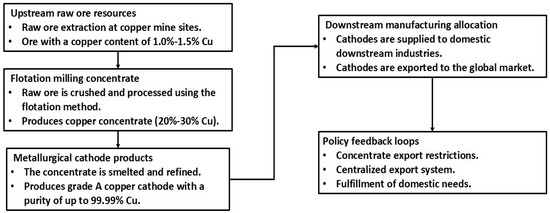
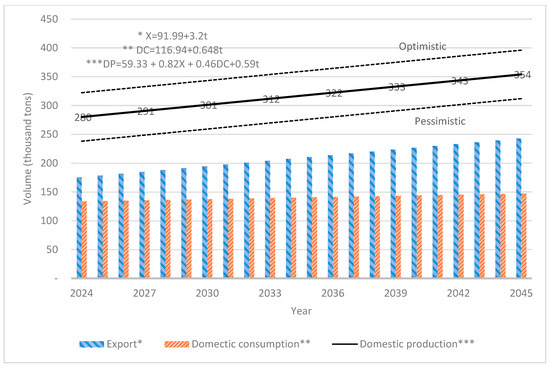
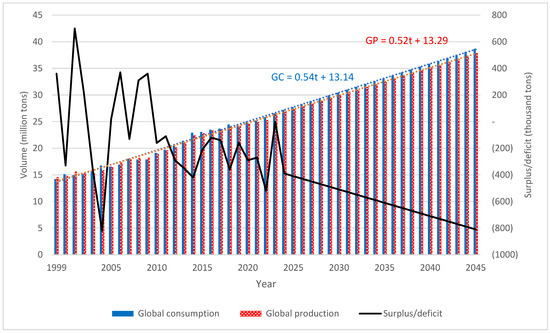
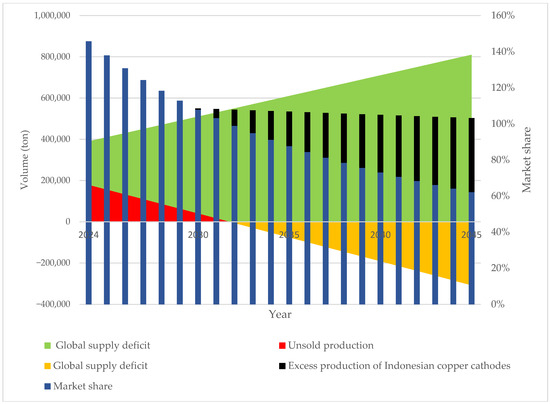
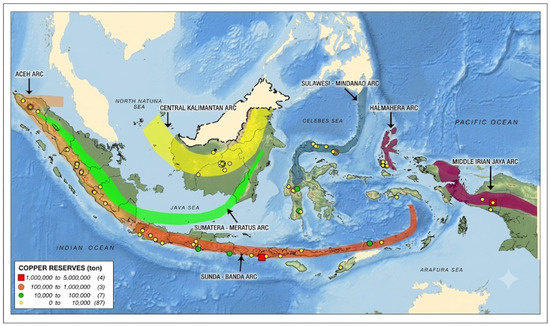
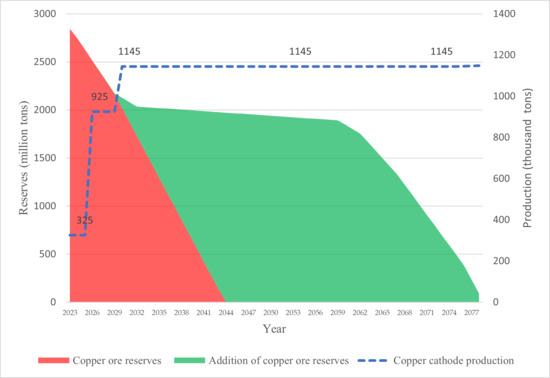
This research aims to analyze the resilience of Indonesia’s copper ore reserves in supporting sustainable copper cathode production targets, in line with national downstream policies. Using a quantitative approach, this study evaluates secondary data from national mineral reserve reports and the production capacity of major smelters. The analysis is conducted by calculating the reserve-to-production ratio to project mine life under three scenarios of increasing domestic refining capacity, including an aggressive scenario of 1.145 million tons per year. The results indicate that based on current reserves, the estimated mine life is approximately 21 years under maximum production capacity. However, with potential resource-to-reserve conversion of approximately 4.318 billion tons and accounting for ore grade decline, the life of Indonesia’s copper ore reserves is projected to extend until 2077. The study also reveals a structural gap, where 70% of cathode production is still export-oriented due to low domestic manufacturing absorption. The uniqueness of this paper lies in the integration of geological reserve aspects with the dynamics of downstream policies and industrial structure theories. Practically, this study provides important implications for the government in formulating strategic reserve management and emphasizes the urgency of integrating upstream smelting with downstream manufacturing to ensure long-term industrial sovereignty.
Full article

Figure 1
Journal Menu
► ▼ Journal Menu-
- Resources Home
- Aims & Scope
- Editorial Board
- Reviewer Board
- Topical Advisory Panel
- Instructions for Authors
- Special Issues
- Topics
- Topical Collections
- Article Processing Charge
- Indexing & Archiving
- Editor’s Choice Articles
- Most Cited & Viewed
- Journal Statistics
- Journal History
- Journal Awards
- Conferences
- Editorial Office
Journal Browser
► ▼ Journal BrowserHighly Accessed Articles
Latest Books
E-Mail Alert
News
Topics
Topic in
Clean Technol., Energies, Environments, Resources, Sustainability, Processes
Decarbonization of Energy Systems and AI-Assisted Optimization in Life Cycle Assessment
Topic Editors: Cristian Dincă, Lu LiuDeadline: 31 August 2026
Topic in
Applied Sciences, Energies, JMSE, Processes, Resources, Gases
Exploitation and Underground Storage of Oil and Gas
Topic Editors: Jianjun Liu, Rui Song, Liuke Huang, Yao Wang, Mingyang Wu, Gang HuiDeadline: 30 September 2026
Topic in
Agriculture, Climate, Sustainability, Water, Resources
Advances in Water and Soil Management Towards Climate Change Adaptation
Topic Editors: Nektarios N. Kourgialas, Ioannis Anastopoulos, Alexandros I. StefanakisDeadline: 31 October 2026
Topic in
Applied Sciences, Energies, Molecules, Processes, Resources, Gases
Petroleum and Gas Engineering, 2nd edition
Topic Editors: Xiaochuan Wang, Yulong ZhaoDeadline: 1 December 2026
Conferences
Special Issues
Special Issue in
Resources
Mineral Resource Management 2025: Assessment, Mining and Processing
Guest Editors: Jian Cao, Wanjia Zhang, Zhitao FengDeadline: 10 September 2026
Special Issue in
Resources
Assessment and Optimization of Energy Efficiency: 2nd Edition
Guest Editors: Silvia Maria Zanoli, Crescenzo PepeDeadline: 21 September 2026
Special Issue in
Resources
New Technologies in Promotion and Conservation of Geoheritage
Guest Editors: Paulo Jorge Silva Pereira, Federico Pasquarè Mariotto, Hara DriniaDeadline: 15 October 2026
Special Issue in
Resources
Critical Resources and Innovation for a Just and Sustainable Energy Transition
Guest Editors: Benjamin McLellan, Damien Giurco, Zhili ZuoDeadline: 20 October 2026
Topical Collections
Topical Collection in
Resources
Management, Environment, Energy and Sustainability under a Circular Economy
Collection Editors: Elena Magaril, Elena Cristina Rada