




-
Risk and Protective Factors of Depressive Symptoms Among Hungarian Adolescents from a Large Cross-Sectional Survey -
When the Body Hurts, the Mind Suffers: Endometriosis and Mental Health -
Misconceptions About Postpartum Depression: A Descriptive Phenomenological Study of Jordanian Women’s Perceptions -
Risk of Self-Harm in Patients with Kleptomania: A Population-Based Cohort Study
Journal Description
Psychiatry International
is an international, peer-reviewed, open access journal on psychiatric research and practice, published bimonthly online by MDPI.
- Open Access— free for readers, with article processing charges (APC) paid by authors or their institutions.
- High Visibility: indexed within ESCI (Web of Science), Scopus, EBSCO, and other databases.
- Rapid Publication: manuscripts are peer-reviewed and a first decision is provided to authors approximately 27.2 days after submission; acceptance to publication is undertaken in 6.3 days (median values for papers published in this journal in the second half of 2025).
- Journal Rank: CiteScore - Q2 (Psychiatric Mental Health)
- Recognition of Reviewers: APC discount vouchers, optional signed peer review, and reviewer names published annually in the journal.
- Journal Cluster of Neurosciences: Brain Sciences, Neurology International, NeuroSci, Clinical and Translational Neuroscience, Neuroglia, Psychiatry International, Clocks & Sleep and Journal of Dementia and Alzheimer's Disease.
Impact Factor:
1.1 (2024);
5-Year Impact Factor:
1.0 (2024)
Latest Articles
Quality of Life and Burden in Caregivers of Patients with OCD: A Scoping Review
Psychiatry Int. 2026, 7(1), 44; https://doi.org/10.3390/psychiatryint7010044 - 17 Feb 2026
Abstract
Aim: This scoping review aimed to synthesize the quality of life (QoL) and perceived burden among caregivers of patients with Obsessive–Compulsive Disorder (OCD). Background: The QoL and burden among caregivers of patients with OCD is an important but under-researched topic, given that OCD
[...] Read more.
Aim: This scoping review aimed to synthesize the quality of life (QoL) and perceived burden among caregivers of patients with Obsessive–Compulsive Disorder (OCD). Background: The QoL and burden among caregivers of patients with OCD is an important but under-researched topic, given that OCD can significantly impair the QoL of both patients diagnosed with OCD and their caregivers. Method: A scoping review approach was used to identify articles published in peer-reviewed journals between the years 2010–2024. The search yielded a total of 511 articles from 5 databases, namely, Science Direct, PsycInfo, PubMed, JSTOR, and Google Scholar. Ten articles that fit the inclusion criteria were selected. All the articles followed a quantitative approach; the mean age of caregivers was approximately 48 years, the number of caregivers ranged from 50 to 120, and the majority of the articles had samples with more female caregivers, mostly spouses/parents of the patient. Results: The four themes derived through the synthesis included caregiver support priorities, illness trajectory and caregiver strain, detrimental caregiver response, and socioeconomic disparities and QoL. Conclusion & Implications: Synthesizing the existing literature can guide the development of evidence-based strategies to alleviate the burden among and enhance the QoL of caregivers.
Full article
Open AccessArticle
Invisible Scars: Psychopathology, Shame and Self-Judgment Following Perinatal Loss—A Cross-Sectional Study
by
Mariana Ribeiro, Paula Saraiva Carvalho, Ana Torres and Dário Ferreira
Psychiatry Int. 2026, 7(1), 43; https://doi.org/10.3390/psychiatryint7010043 - 16 Feb 2026
Abstract
►▼
Show Figures
Perinatal loss affects 23 million pregnancies worldwide each year, representing a painful experience that disrupts expectations and impacts emotional, physical, social, and spiritual well-being. This cross-sectional observational study assessed symptoms of anxiety, depression, self-judgment (self-criticism, isolation, over-identification), and shame in women who experienced
[...] Read more.
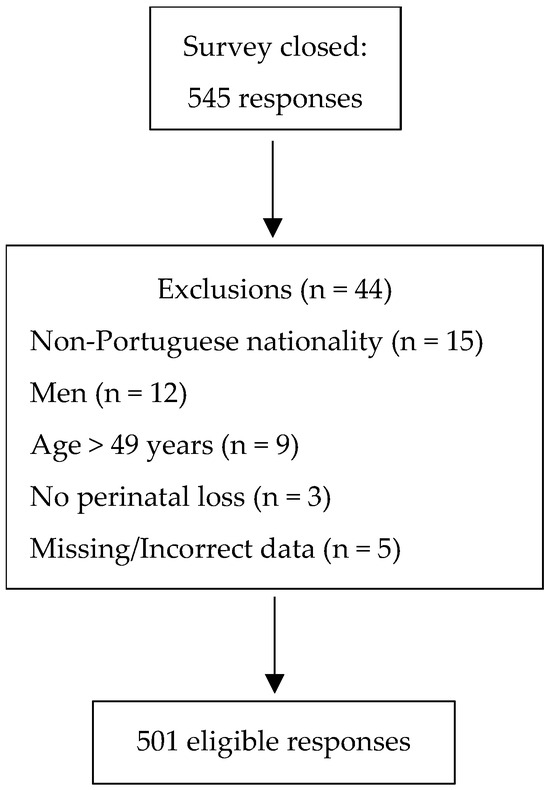
Perinatal loss affects 23 million pregnancies worldwide each year, representing a painful experience that disrupts expectations and impacts emotional, physical, social, and spiritual well-being. This cross-sectional observational study assessed symptoms of anxiety, depression, self-judgment (self-criticism, isolation, over-identification), and shame in women who experienced perinatal loss, as well as their predictive value for psychopathology. Participants were 501 women, divided into five groups according to time since loss: 0–6 months, 7–18 months, 19–30 months, 31–42 months, and more than 43 months. Findings showed that women 7–18 months post-loss reported the highest psychopathology levels, with significant differences in anxiety. Isolation and shame were the strongest predictors of depressive and anxiety symptoms. Although symptoms decreased over time, they remained elevated years after the loss. These results underscore the lasting psychological impact of perinatal loss and the importance of sustained recognition, assessment, and intervention to support women’s mental health.
Full article

Figure 1
Open AccessArticle
Basic Emotions in Clinical Depression During Acute Illness and Inpatient Treatment: Correlations with Change in Emotional Clarity
by
Hasan Ildiz, Markus Quirin, Thomas Suslow, Stephan Köhler and Uta-Susan Donges
Psychiatry Int. 2026, 7(1), 42; https://doi.org/10.3390/psychiatryint7010042 - 14 Feb 2026
Abstract
In our longitudinal study, we examined self-reported or explicit basic emotions, i.e., happiness, sadness, anxiety, and anger, in depressed patients during acute illness and inpatient treatment. For exploratory purposes, we also assessed implicit emotions. We analyzed how changes in emotional clarity relate to
[...] Read more.
In our longitudinal study, we examined self-reported or explicit basic emotions, i.e., happiness, sadness, anxiety, and anger, in depressed patients during acute illness and inpatient treatment. For exploratory purposes, we also assessed implicit emotions. We analyzed how changes in emotional clarity relate to changes in emotions and depressive symptoms. A sample of depressed inpatients (n = 52) was examined at admission and on average after seven weeks of multimodal psychiatric treatment. A healthy control group (n = 52) was tested at the same time interval. Basic emotions were measured via the Differential Emotions Scale and a discrete-emotions variant of the Implicit Positive and Negative Affect Test. Emotional clarity was measured with the WEFG scales. Patients reported lower explicit happiness and heightened explicit sadness, anxiety, and anger compared to healthy controls, regardless of time of measurement. Across groups and time points, implicit happiness was greater than implicit sadness, anxiety, and anger, with no group differences. Patients’ emotional clarity improved and correlated with improvements in depressive symptoms, explicit happiness, sadness, and implicit anger. In summary, depressed patients experience heightened anxiety and anger, suggesting broader alterations of negative emotions beyond sadness. Increased emotional clarity during treatment was found to be correlated with changes in explicit and implicit affectivity.
Full article
Open AccessArticle
Promoting Rights-Based Mental Health Care: Impact of the WHO QualityRights Training on Health Professionals in Brazil
by
Ana Beatriz Zanardo Mion, Emanuele Seicenti de Brito, Igor de Oliveira Reis and Carla Aparecida Arena Ventura
Psychiatry Int. 2026, 7(1), 41; https://doi.org/10.3390/psychiatryint7010041 - 12 Feb 2026
Abstract
The protection and promotion of the human rights of individuals with mental disorders is a critical global priority, and initiatives such as the WHO QualityRights program aim to strengthen rights-based mental health care. We aimed to investigate the impact of the QualityRights core
[...] Read more.
The protection and promotion of the human rights of individuals with mental disorders is a critical global priority, and initiatives such as the WHO QualityRights program aim to strengthen rights-based mental health care. We aimed to investigate the impact of the QualityRights core training on promoting knowledge and practices among healthcare professionals regarding the human rights of individuals with mental disorders, and to assess whether this training can reduce the stigma associated with mental disorders among these professionals. A quasiexperimental pre–post study was conducted with 26 primary healthcare professionals. Of these, 14 provided complete paired data, enabling direct comparison before and after the intervention. Participants completed standardized questionnaires assessing attitudes toward people with mental health conditions and psychosocial disabilities. Data were analyzed using paired statistical tests for pre–post comparisons, followed by multiple linear regression to examine factors associated with changes in scores. The training produced meaningful improvements in several items related to autonomy, legal capacity, coercion, and rights-based practices. Higher educational level was associated with greater attitudinal change. The WHO QualityRights training positively influenced healthcare professionals’ attitudes toward human rights in mental health. Future research should include larger samples and long-term follow-up to strengthen the evidence base and evaluate the sustainability of these changes across diverse care settings.
Full article
Open AccessReview
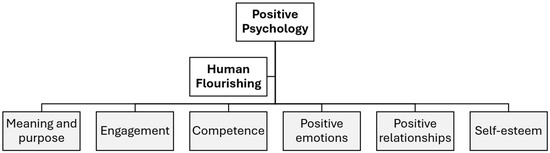
Gratitude and Human Flourishing in Adults: A Narrative Review Moving Beyond the Disease Model of Mental Health
by
Carmen M. Galvez-Sánchez, Julio A. Camacho-Ruiz and Rosa M. Limiñana-Gras
Psychiatry Int. 2026, 7(1), 40; https://doi.org/10.3390/psychiatryint7010040 - 11 Feb 2026
Abstract
►▼
Show Figures
Background: This narrative review examines the relationship between gratitude and flourishing in adults from the perspective of Positive Psychology. It departs from the traditional emphasis of psychology on mental illness, highlighting instead a comprehensive understanding of mental health that includes well-being and personal
[...] Read more.
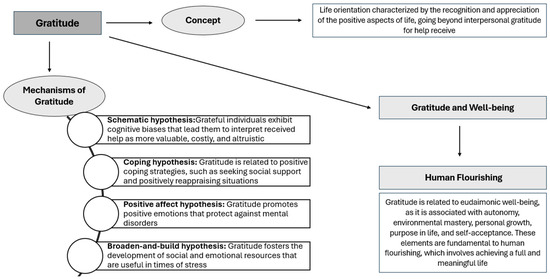
Background: This narrative review examines the relationship between gratitude and flourishing in adults from the perspective of Positive Psychology. It departs from the traditional emphasis of psychology on mental illness, highlighting instead a comprehensive understanding of mental health that includes well-being and personal strengths. Methods: This study provides a narrative review of empirical studies published, integrating the principal theoretical and methodological contributions in this field. Relevant studies were identified through searches in PubMed, Scopus, and Web of Science. Results: The available evidence suggests that gratitude functions as a psychological resource that supports human flourishing by fostering greater life satisfaction, positive affect, and healthier physical and mental functioning. Its association with better outcomes in groups facing significant stressors (e.g., emerging adults, older adults, people with chronic pain, depression, or disabilities, forced migrants, etc.) and the promising results of gratitude-based interventions indicate that it is not only a dispositional trait but also a modifiable target for clinical and preventive programs. In addition, the findings underscore that the empirical literature on the relationship between gratitude and flourishing remains scarce and fragmented. Conclusions: Gratitude is intimately connected to flourishing, as it functions as a positive emotion-focused coping strategy that supports and enhances overall well-being. Further research is required to clarify the mechanisms involved, to examine its long-term effects on flourishing, and to determine how best to integrate gratitude and flourishing into culturally and gender-sensitive, scientific evidence-based clinical practices.
Full article

Figure 1
Open AccessArticle
Mental Well-Being and Emotional Regulation in Preparing for the Master’s Nursing Thesis Defense: An Interpretative Thematic Analysis
by
Carla Nascimento, Eliana Sousa, Helena Martins, Eduardo Santos and Ana Ramos
Psychiatry Int. 2026, 7(1), 39; https://doi.org/10.3390/psychiatryint7010039 - 10 Feb 2026
Abstract
Background: The master’s thesis defense requires students to demonstrate research maturity, a high-stakes phase often causing significant stress. Understanding student challenges and the process of emotional regulation is crucial to improving pedagogical support, promoting academic well-being, and reducing the associated anxiety. Aim: To
[...] Read more.
Background: The master’s thesis defense requires students to demonstrate research maturity, a high-stakes phase often causing significant stress. Understanding student challenges and the process of emotional regulation is crucial to improving pedagogical support, promoting academic well-being, and reducing the associated anxiety. Aim: To explore master’s nursing students’ experiences of the interplay between mental well-being and emotion regulation, during their thesis defense preparation. Methods: A qualitative study, conducted in accordance with COREQ guidelines, explored the perceptions of 29 master’s nursing students (average age of 35.62 years) in Portugal. Data was collected through four face-to-face focus groups, each comprising six to eight students, between October and November 2024, and was analyzed using Braun and Clarke’s systematic thematic analysis. Results: We found three main themes: (i) the pervasive nature of performance anxiety, characterized by significant fear of judgment and cognitive blocks; (ii) preparedness as a central strategy for fostering mental well-being, which included emotional regulation strategies such as researching the jury and practice sessions to manage uncertainty; and (iii) institutional support as a key mediator of well-being, which highlighted a demand for clearer information and formal training in oral communication skills to mitigate anxiety. Conclusions: The findings suggest that relying solely on students’ informal emotional regulation strategies creates vulnerability. To reduce defense-related anxiety and enhance mental well-being, structured institutional support, including clear guidelines, simulated rehearsals, and communication training focused on emotional regulation, is essential to transform the defense process into an opportunity for professional growth and academic well-being.
Full article
Open AccessArticle
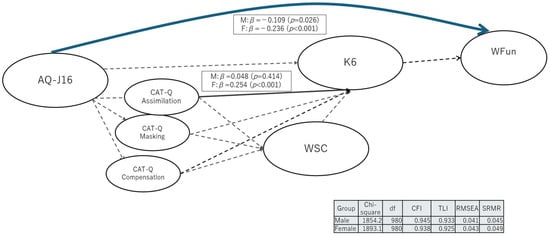
Gender Differences in the Impact of Autism Spectrum Traits and Camouflaging on Mental Health and Work Functioning: A Structural Equation Modeling Approach
by
Tomoko Omiya, Tomoko Sankai, Wakaba Sato, Atsushi Matsunaga, Kumiko Nakano, Yukari Hara, Megumu Iwamoto and Thomas Mayers
Psychiatry Int. 2026, 7(1), 38; https://doi.org/10.3390/psychiatryint7010038 - 10 Feb 2026
Abstract
►▼
Show Figures
In white-collar workplaces, individuals with autism spectrum disorder (ASD) traits may experience psychological strain and reduced productivity. This study examined structural relationships among ASD traits, social camouflaging, psychological distress, and work functioning impairment, with a focus on gender differences using a secondary analysis
[...] Read more.
In white-collar workplaces, individuals with autism spectrum disorder (ASD) traits may experience psychological strain and reduced productivity. This study examined structural relationships among ASD traits, social camouflaging, psychological distress, and work functioning impairment, with a focus on gender differences using a secondary analysis of data from an online survey of 543 Japanese white-collar workers (284 men, 259 women). Validated instruments were used to assess ASD traits, camouflaging, psychological distress, and work functioning impairment. Multi-group structural equation modeling by gender was applied using a NIOSH-inspired model. Men scored higher on the Imagination subscale of ASD traits, whereas women scored higher on Attention Switching and Assimilation. ASD traits were indirectly associated with work impairment through psychological distress, while the direct path between ASD traits and work impairment became negative when distress was controlled, indicating a statistical suppression pattern that was more pronounced among women. Assimilation was significantly associated with psychological distress in women but not in men, although the gender difference was at the trend level. The findings indicate a cross-sectional, context-dependent association between ASD traits and work functioning and highlight the importance of considering both gender and workplace context in non-clinical working populations.
Full article

Figure 1
Open AccessReview
Group Setting and Therapist Responsiveness: A Narrative Review
by
Dario Davì, Claudia Prestano and Nicoletta Vegni
Psychiatry Int. 2026, 7(1), 37; https://doi.org/10.3390/psychiatryint7010037 - 5 Feb 2026
Abstract
Although therapist responsiveness is a crucial factor in the effectiveness of psychotherapy, its role in group settings remains under-explored. This narrative review examines therapist responsiveness in group psychotherapy, exploring its theoretical basis, empirical evidence and practical implications. A narrative literature review was conducted
[...] Read more.
Although therapist responsiveness is a crucial factor in the effectiveness of psychotherapy, its role in group settings remains under-explored. This narrative review examines therapist responsiveness in group psychotherapy, exploring its theoretical basis, empirical evidence and practical implications. A narrative literature review was conducted using major academic databases, including PubMed, ProQuest, APA PsycArticles, ScienceDirect and PMC. The 11 included studies are primarily small-scale qualitative projects, including case studies, clinical vignettes, and thematic analyses. This inevitably limits the generalizability of the results. A cross-cutting thematic synthesis of these studies reveals five dimensions of group therapist responsiveness: empathy; creating a welcoming atmosphere; paying attention to subjective experience; personalizing interventions within the group context; and facilitating reflectivity and mentalization. The main limitations of the present study’s methodology are its unregistered status and the exclusion of grey literature. Future research should focus on developing validated measurement tools, conducting experimental studies, exploring cultural variations, and assessing therapist responsiveness in online group therapy settings. This narrative review emphasizes the importance of responsive therapeutic approaches in psychiatric settings and group psychotherapy, and highlights the need for further empirical research to refine theoretical models and enhance clinical applications.
Full article
Open AccessArticle
Efficacy of a Paradoxical Intervention in the Treatment of Sleep-Onset Insomnia in Women During and After the Climacteric Stage: A Pilot Study
by
José Vicente Viguer, Martha Martín and Amelia Díaz
Psychiatry Int. 2026, 7(1), 36; https://doi.org/10.3390/psychiatryint7010036 - 5 Feb 2026
Abstract
Paradoxical interventions involve asking patients to maintain or exaggerate the symptoms they wish to eliminate, with the aim of reducing them. These techniques received empirical support, particularly in the treatment of sleep-onset insomnia, during the 1980s. However, changes in sleep habits over recent
[...] Read more.
Paradoxical interventions involve asking patients to maintain or exaggerate the symptoms they wish to eliminate, with the aim of reducing them. These techniques received empirical support, particularly in the treatment of sleep-onset insomnia, during the 1980s. However, changes in sleep habits over recent decades warrant further research on their current applicability. This article reports a pilot study involving 26 women (aged 40–70) with significant difficulty initiating sleep, who were randomly assigned to either a paradoxical or a non-paradoxical treatment; a prior waiting period was also used as a waitlist control. Both treatments produced statistically significant improvements in insomnia scores between pre- and post-treatment, with no significant differences between groups. These findings suggest that paradoxical interventions may be effective for the current treatment of sleep-onset insomnia and support the need for randomized clinical trials with larger samples.
Full article
Open AccessArticle
Body Composition, Emotional Dysregulation, and Suicide Risk in College Students
by
Natalia Covili Arevalo, Camilo Aramburú-Navarro, Eduardo Sandoval-Obando, Felipe Caamaño-Navarrete, Carlos Arriagada-Hernández, Paulo Etchegaray-Pezo and Gerardo Fuentes-Vilugrón
Psychiatry Int. 2026, 7(1), 35; https://doi.org/10.3390/psychiatryint7010035 - 5 Feb 2026
Abstract
Introduction: University students often describe their academic years as a period of continuous personal change, which may increase vulnerability to unhealthy lifestyle habits. These habits can influence body composition and are associated with both physical conditions (e.g., overweight, sedentary behavior) and psychological well-being,
[...] Read more.
Introduction: University students often describe their academic years as a period of continuous personal change, which may increase vulnerability to unhealthy lifestyle habits. These habits can influence body composition and are associated with both physical conditions (e.g., overweight, sedentary behavior) and psychological well-being, including suicide risk. Method: A quantitative, non-experimental, cross-sectional, descriptive–comparative–correlational design was employed, using a non-probabilistic intentional sample of 174 university students. Data were collected using the OMRON 514C body composition monitor, the Difficulties in Emotional Regulation Scale (DERS-E), and Plutchik’s Suicide Risk Scale. Statistical analyses included descriptive statistics, independent samples t-tests for gender comparisons, Pearson’s correlation analyses, and multiple linear regression analyses to examine whether the observed bivariate associations remained significant after controlling for gender. Results: Descriptive analyses showed variability in body composition, emotional dysregulation, and suicide risk. Gender comparisons indicated that men presented higher weight, height, skeletal muscle mass, visceral fat level, and basal metabolic rate, whereas women reported higher body fat percentage, greater emotional dysregulation, and higher suicide risk. Correlation analyses revealed that suicide risk was negatively associated with skeletal muscle mass (r = −0.24, p = 0.002), basal metabolic rate (r = −0.21, p = 0.006), height (r = −0.27, p < 0.001), emotional rejection (r = −0.24, p = 0.001), and emotional confusion (r = −0.22, p = 0.004). Multiple regression analyses, controlling for gender, indicated that the associations between body composition indicators (skeletal muscle and basal metabolism) and suicide risk did not remain statistically significant (p > 0.05). In contrast, emotional dysregulation dimensions, particularly emotional rejection, maintained significant associations with suicide risk after adjustment for gender. Additionally, negative associations were found between BMI and emotional dysregulation, and between height and emotional clarity, even after controlling for gender. Discussion: The findings highlight emotional dysregulation as a central and robust factor associated with suicide risk in university students, whereas body composition indicators appear to play a more limited and gender-dependent role. The fact that associations between physical markers (skeletal muscle, basal metabolism) and suicide risk were mediated by gender underscores the importance of considering sociodemographic factors when interpreting body–mental health relationships. These results support the need for integrated biopsychosocial prevention strategies that address emotional regulation within the university context, while considering the differential impact of gender on both physical and psychological risk factors.
Full article
Open AccessArticle
Validity of a New Administrative Measure of Psychiatric Severity in a Prospective Sample of Veterans Applying for PTSD Disability Benefits: The Manifestations of Psychiatric Severity Index (MoPSI)
by
Maureen Murdoch, Barbara Ann Clothier and Siamak Noorbaloochi
Psychiatry Int. 2026, 7(1), 34; https://doi.org/10.3390/psychiatryint7010034 - 4 Feb 2026
Abstract
Background: Administrative data help managers monitor and manage health care enrollees’ health. Of the few available administrative measures of psychiatric illness severity, however, most either commingle sociodemographics and medical comorbidities or lack ordinal properties. Objective: To assess construct, concurrent, and predictive validity of
[...] Read more.
Background: Administrative data help managers monitor and manage health care enrollees’ health. Of the few available administrative measures of psychiatric illness severity, however, most either commingle sociodemographics and medical comorbidities or lack ordinal properties. Objective: To assess construct, concurrent, and predictive validity of a novel, 6-item, administrative measure of psychiatric severity, the Manifestations of Psychiatric Severity Index (MoPSI). Methods: A panel study of 960 gender-stratified, nationally representative, post-9/11 US Veterans with pending disability claims for posttraumatic stress disorder (PTSD). MoPSI scoring was based on the joint probability density (JPD) method and a JPD linear approximation. Results: The JPD MoPSI score and its linear approximated score had a correlation of 0.999. Relative to their counterparts, unmarried Veterans, Veterans with low income, and Veterans with serious mental illness or PTSD had higher MoPSI scores (Ps: <0.0001–0.03). Higher MoPSI scores predicted cigarette and street drug use and PTSD and depression/anxiety symptoms six months later, and disability award approximately 1 year later (Ps: 0.01–0.02). Conclusions: In this sample, the MoPSI had evidence of construct, concurrent, and predictive validity.
Full article
Open AccessArticle
“Thrown in the Deep End” Experiences of Psychiatric Nurses Caring for Mental Health Care Users in the Selected Hospitals of Limpopo Province, South Africa
by
Bumani Solomon Manganye, Lufuno Makhado and Jabu Tsakani Mabunda
Psychiatry Int. 2026, 7(1), 33; https://doi.org/10.3390/psychiatryint7010033 - 4 Feb 2026
Abstract
Background: Management of Mental Health Care Users is a critical component of the overall health care system, yet it is not given the serious attention it deserves due to stigma and discrimination against those living with mental health challenges. These results in mental
[...] Read more.
Background: Management of Mental Health Care Users is a critical component of the overall health care system, yet it is not given the serious attention it deserves due to stigma and discrimination against those living with mental health challenges. These results in mental health care users being readmitted to the hospital frequently, despite the poor resources and overburdened health care system. Aim: The aim of this study was to explore and describe the experiences of Psychiatric Nurses regarding the care of Mental Health Care Users in the selected hospitals in Limpopo Province, South Africa. Methods: A qualitative study was followed, where explorative, descriptive, and contextual designs were used. The researcher purposefully selected thirty-four Psychiatric Nurses who have been working in mental health units. Data was collected through unstructured interviews. Thematic analysis was utilized to analyze the data. Results: The study revealed significant challenges, such as poor mental health structures or no mental health unit at all, and this forces Psychiatric Nurses to mix critically ill medical patients with psychotic patients. Furthermore, there is a shortage of staff and treatment to manage users. Conclusions: In conclusion, the study showed that psychiatric nurses face serious emotional and resource-related challenges in caring for mental health care users. This highlights the urgent need for support from institutions, ongoing training, and better working conditions to improve the quality of mental health care. The success of the care, treatment, and rehabilitation of mental health care users depends on the support of MHCUs by family and management.
Full article
Open AccessArticle
Association of Exposure to Smoke in Households with Childhood Anxiety and Depression in the United States: A Secondary Analysis from a National Dataset
by
Cheila Llorens, Ayden Dunn, Pedro Soto, Avanthi Puvvala, Victoria Reis, Erik Miron, Christine Kamm, Isabella Abraham and Lea Sacca
Psychiatry Int. 2026, 7(1), 32; https://doi.org/10.3390/psychiatryint7010032 - 4 Feb 2026
Abstract
Background: Tobacco smoke exposure in the home remains common among U.S. families and has been increasingly associated with adverse mental health outcomes, including anxiety and depression, among children and adolescents. Rising rates of youth anxiety and depression, coupled with evidence that secondhand smoke
[...] Read more.
Background: Tobacco smoke exposure in the home remains common among U.S. families and has been increasingly associated with adverse mental health outcomes, including anxiety and depression, among children and adolescents. Rising rates of youth anxiety and depression, coupled with evidence that secondhand smoke and related psychosocial stressors may disrupt emotional development, underscore the importance of examining household smoking exposures as a modifiable risk factor for youth mental health. This study examines associations between exposure to smoke in households and the likelihood of caregiver-reported anxiety and depression in US children and adolescents aged 6–17 years, using data from the 2022–2023 National Survey of Children’s Health (NSCH). Methods: A retrospective analysis of NSCH data for two age cohorts, children (6–11 years) and adolescents (12–17 years), for the years 2022–2023 was conducted. Descriptive statistics were generated for the selected sample by frequencies and counts for each of the dependent and independent variables, followed by binary logistic regressions for each measured mental health variable based on current diagnosis, severity levels (not severe, mild, moderate, severe) and household tobacco use. Results: This study found significant associations between parental smoking and increased odds of caregiver-reported anxiety and depression in both children and adolescents. Specifically, children living with parents who smoke had 1.55 times the odds of severe anxiety, while adolescents had 1.38 times the odds of currently experiencing anxiety and 1.31 times the odds of currently experiencing depression. Smoking inside the household was not significantly associated with caregiver-reported anxiety or depression. These findings suggest that parental smoking serves as a marker for broader psychosocial and environmental stressors that contribute to youth mental health outcomes. Conclusions: Parental smoking is a significant, modifiable risk factor for anxiety and depression among US children and adolescents. These results emphasize the need for targeted, evidence-based interventions to reduce parental smoking, improve awareness of associated mental health risks, and address social determinants of health. Policies promoting smoke-free households, integrated cessation support, and culturally tailored education programs are essential to mitigate the impact of parental smoking on child and adolescent mental health.
Full article
Open AccessReview
The Neurocognitive Basis of Oral Health Decline in Schizophrenia: From Functional Impairment to Prevention
by
Simona Manuela Bida, Florin Razvan Curca, Oana Maria Butnaru and Roxana Chirita
Psychiatry Int. 2026, 7(1), 31; https://doi.org/10.3390/psychiatryint7010031 - 3 Feb 2026
Abstract
Background: Schizophrenia is strongly associated with severe oral health deterioration, driven by cognitive deficits, behavioral dysfunction, and medication-related biological changes. Objective: To examine how neurocognitive dysfunction in schizophrenia, particularly cognitive deficits, is associated with poorer oral hygiene control, motivation, and self-regulation, contributes to
[...] Read more.
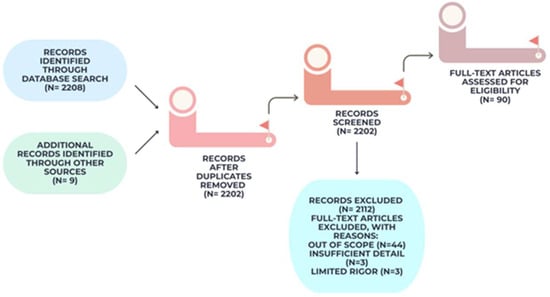
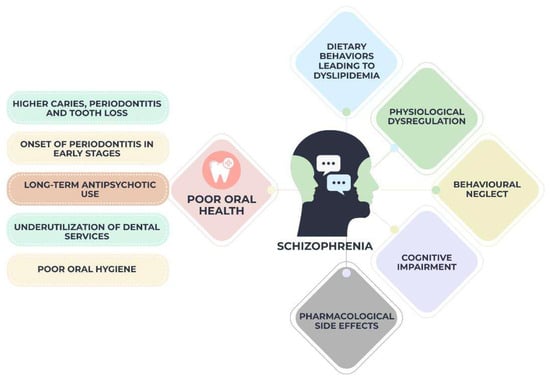
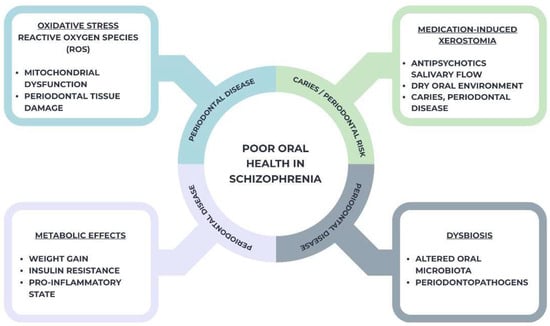
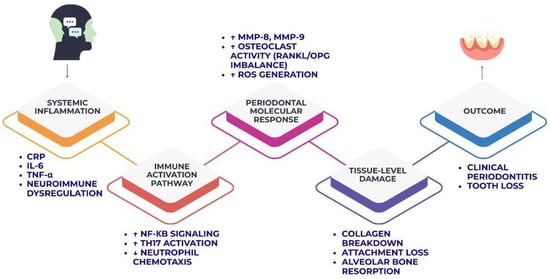
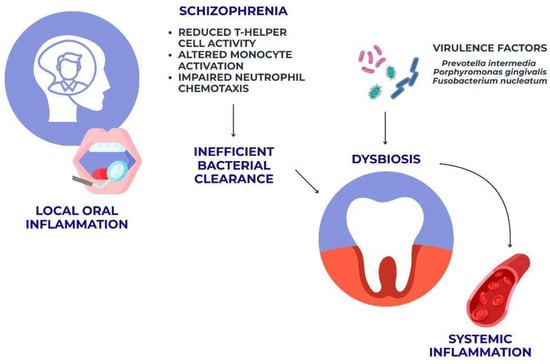
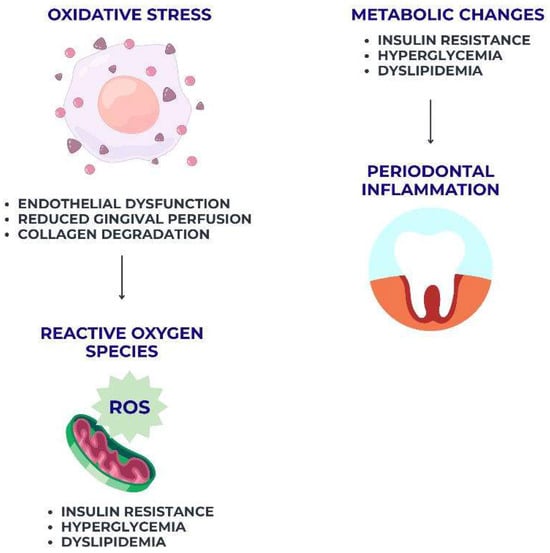
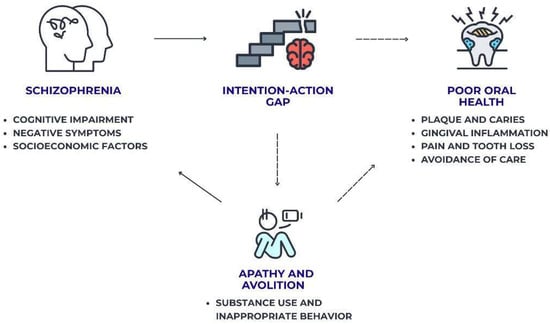
Background: Schizophrenia is strongly associated with severe oral health deterioration, driven by cognitive deficits, behavioral dysfunction, and medication-related biological changes. Objective: To examine how neurocognitive dysfunction in schizophrenia, particularly cognitive deficits, is associated with poorer oral hygiene control, motivation, and self-regulation, contributes to oral health decline by disrupting everyday oral hygiene behaviors and dental care engagement, and to discuss the implications of this framework for interdisciplinary prevention strategies. Methods: This manuscript follows a narrative review design aimed at conceptually integrating evidence on neurocognitive mechanisms underlying oral health decline in schizophrenia. To identify relevant literature, a targeted search of PubMed/MEDLINE, Scopus, and Web of Science was conducted, covering publications from 2000 to 2025. The search strategy was used to support thematic exploration and conceptual synthesis, rather than to perform a systematic study selection or quantitative evidence aggregation. This narrative review summarizes findings from 90 peer-reviewed studies selected from the available literature. Results: Executive dysfunction, attentional deficits, and low motivation impair routine oral hygiene and delay dental care-seeking. Antipsychotic-induced xerostomia, metabolic disturbances, oxidative stress, immune dysregulation, and oral microbiome dysbiosis accelerate periodontal breakdown and caries progression. These interacting processes generate a self-reinforcing cycle of inflammation, tissue destruction, and treatment avoidance. Epidemiological data show markedly elevated DMFT/DMFS indices and up to a three-fold higher risk of edentulism compared with the general population. Emerging evidence suggests that integrated psychiatric–dental care models may be associated with improvements in oral health and care engagement, although current findings are largely preliminary and based on small or heterogeneous study populations, including related neurocognitive disorders. Conclusions: Unlike existing epidemiological syntheses, this review highlights oral health deterioration in schizophrenia as a functionally mediated consequence of neurocognitive impairment, underscoring the need for preventive approaches aligned with patients’ cognitive and motivational capacities.
Full article
(This article belongs to the Special Issue Cognitive Functioning Across Severe Psychiatric Disorders: From Research to Clinical Practice)
►▼
Show Figures

Figure 1
Open AccessArticle
Mental Health Literacy About Depression in Public Security Police Officers: A Descriptive Cross-Sectional Study
by
Luís Loureiro, Joel Araújo, Ana Teresa Pedreiro and Rosa Simões
Psychiatry Int. 2026, 7(1), 30; https://doi.org/10.3390/psychiatryint7010030 - 3 Feb 2026
Abstract
Introduction: Mental health literacy is an emerging topic that has implications for individuals’ health and well-being. Objective: To assess Mental Health Literacy (MHL) regarding depression among Portuguese public security police officers. Methods: Quantitative, descriptive, cross-sectional study using the QualisMental Questionnaire, which includes a
[...] Read more.
Introduction: Mental health literacy is an emerging topic that has implications for individuals’ health and well-being. Objective: To assess Mental Health Literacy (MHL) regarding depression among Portuguese public security police officers. Methods: Quantitative, descriptive, cross-sectional study using the QualisMental Questionnaire, which includes a vignette describing a case of depression, and the Personal Stigma Scale. Results: The sample comprises 253 professionals. Only 36.36% of respondents correctly identified the case as depression (95% CI: 30.40; 42.33). The distress was predominantly classified as “stress” (34.78%) or “anxiety” (32.81%), suggesting a defense mechanism that opts for socially less stigmatizing labels. Although the majority reject the belief that depression is a “personal weakness,” revealing low explicit stigma, the perceived usefulness of hierarchical figures in help-seeking is low (38.7% useful). High confidence is observed in informal networks (friends: 95.7% useful) and in mental health professionals, but there is marked distrust of psychopharmacology (antidepressants: 40.7% harmful). Conclusions: A paradox is observed between low personal stigma and low recognition of depression. MHL interventions should focus on neutralizing organizational stigma and increasing competencies for managing mental health crises arising from first aid, namely direct approaches to topics such as suicide.
Full article
Open AccessArticle
Virtual Reality Radial Arm Maze for the Assessment of Spatial Learning and Memory in Mental Health Disorders
by
Paulo Alejandro Ayón-Delgado, Diana Emilia Martínez-Fernández and David Fernández-Quezada
Psychiatry Int. 2026, 7(1), 29; https://doi.org/10.3390/psychiatryint7010029 - 3 Feb 2026
Abstract
►▼
Show Figures
Virtual reality (VR) has emerged as a powerful tool in neuroscience and psychiatry, providing immersive and ecologically valid environments to investigate human cognition. Stress is known to disrupt core cognitive functions, particularly learning and memory, which are critical for mental health. While classical
[...] Read more.
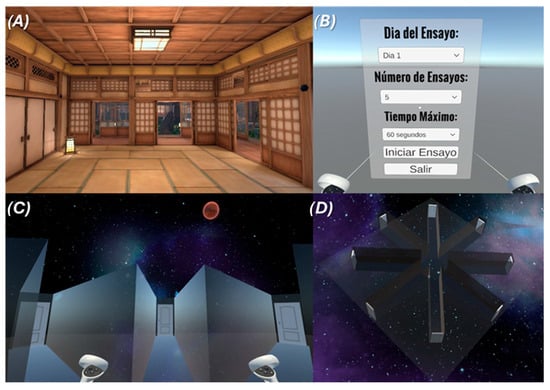
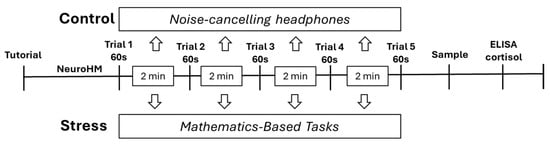
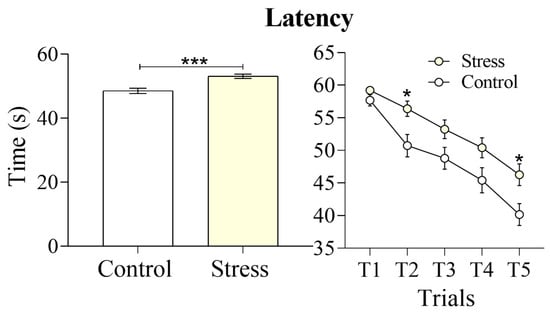
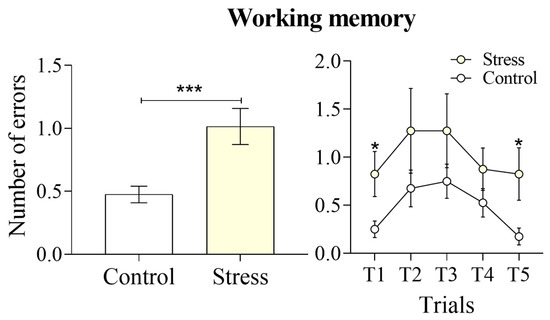
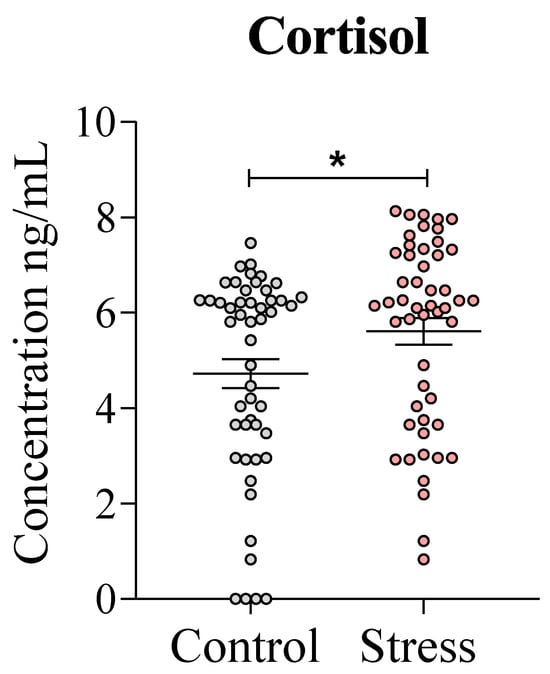
Virtual reality (VR) has emerged as a powerful tool in neuroscience and psychiatry, providing immersive and ecologically valid environments to investigate human cognition. Stress is known to disrupt core cognitive functions, particularly learning and memory, which are critical for mental health. While classical paradigms such as the radial arm maze have yielded fundamental insights into animal research, their application in humans has been limited. The aim of this study was to develop NeuroHM, a VR-based radial arm maze, to evaluate spatial learning and memory in adults under experimentally induced stress. A total of 100 participants were recruited and randomly assigned to either a control group (n = 50) or a stress group (n = 50). Participants navigated the virtual radial arm maze from a first-person perspective, relying on distal planetary landmarks to maintain spatial orientation and recall spatial locations. The primary dependent variables were working memory errors, reference memory errors, and latency. Salivary cortisol levels were collected to validate the stress induction protocol and to examine the relationship between stress and cognitive performance. Participants in the stress group showed increased latency and higher reference memory errors compared to controls, with working memory exhibiting the most pronounced impairment. Our findings show that acute stress significantly disrupts cognition and highlight NeuroHM as a promising tool for cognitive assessment in mental health research.
Full article
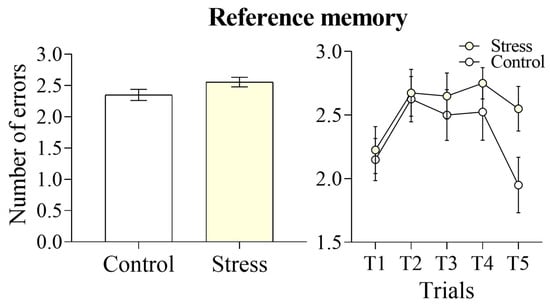
Figure 1
Open AccessArticle
The COMT rs4680 Met Allele Is Associated with High Impulsivity, Hyperactivity and Inattention in Patients with Opioid Use Disorder
by
Johannes Gjerstad, Kristin Klemmetsby Solli, Lars Tanum, Bente Weimand and Ann-Christin Sannes
Psychiatry Int. 2026, 7(1), 28; https://doi.org/10.3390/psychiatryint7010028 - 2 Feb 2026
Abstract
Background: Previous research has linked opioid use disorder (OUD) to neuronal reward systems and impulsivity. The aim of this study was to examine the influence of COMT rs4680 Val158Met polymorphism on impulsivity, hyperactivity and inattention (IHI) in patients with OUD. Methods: Open-label, cross-sectional
[...] Read more.
Background: Previous research has linked opioid use disorder (OUD) to neuronal reward systems and impulsivity. The aim of this study was to examine the influence of COMT rs4680 Val158Met polymorphism on impulsivity, hyperactivity and inattention (IHI) in patients with OUD. Methods: Open-label, cross-sectional cohort study was conducted involving individuals, 18 to 65 years, with OUD who either were included in opioid agonist treatment (OAT)—or same group of individuals who were awaiting induction on extended-release naltrexone (XR-NTX). Adult ADHD Self-Report Scale 18-item version was used to score IHI, and saliva samples were collected for genotyping (TaqMan assays). Logistic regression models were used to analyze the data. Results: The data of the entire cohort (n = 206) showed that carriers of one or two Val alleles had a negative association with IHI compared to Met/Met carriers (Val/Met OR = 0.43, p-value = 0.017, and Val/Val OR = 0.29, p-value = 0.005). Individuals included in OAT not waiting for XR-NTX (n = 120) exhibited the same pattern as observed in the entire cohort (Val/Met OR = 0.33, p-value = 0.019, and Val/Val OR = 0.18, p-value = 0.004), but not those who chose XR-NTX (Val/Met OR = 0.60, p-value = 0.353, and Val/Val OR = 0.47, p-value = 2.779). Conclusions: The present study revealed that individuals with OUD carrying the COMT rs4680 Val allele had lower IHI scores than Met/Met carriers. Hence, in individuals with OUD, the COMT rs4680 Met allele is associated with higher IHI symptom burden.
Full article
Open AccessArticle
Is Borderline Personality Disorder a Precursor of Schizoaffective Psychosis? A Twenty-Year Retrospective Study of More than 400 Patients from a Psychiatric Hospital
by
Joana Henriques-Calado, Martin M. Schumacher and João Gama-Marques
Psychiatry Int. 2026, 7(1), 27; https://doi.org/10.3390/psychiatryint7010027 - 2 Feb 2026
Abstract
Background: Both borderline personality disorder (BPD) and schizoaffective disorder (SAD), as well as their potential connection, remain controversial diagnoses. To explore whether BPD may be part of the spectrum of SAD, we conducted a longitudinal study of a large clinical cohort of patients
[...] Read more.
Background: Both borderline personality disorder (BPD) and schizoaffective disorder (SAD), as well as their potential connection, remain controversial diagnoses. To explore whether BPD may be part of the spectrum of SAD, we conducted a longitudinal study of a large clinical cohort of patients with BPD. Methods: We assessed the diagnostic trajectories of 402 patients with BPD in a 20-year retrospective study based on electronic clinical records from a psychiatric hospital using ICD-9 diagnoses. Data were descriptively examined on concurrent and sequential diagnoses in patients with BPD. For the classification of SAD, a proxy diagnosis was used. Results: The study population showed a high prevalence of affective disorders and a high frequency of concurrent diagnoses of affective–BPD. Together, stable BPD, stable affective disorder sequences and transitions from affective disorders to BPD represented 79% of all longitudinal trajectories. Conclusion: These findings should be considered exploratory and do not allow confirmation or refutation of the hypothesis that BPD serves as a precursor, prodrome, or component within the spectrum of SAD.
Full article
Open AccessArticle
Cognitive-Emotional Teacher Burnout Syndrome: A Comprehensive Behavioral Data Analysis of Risk Factors and Resilience Patterns During Educational Crisis
by
Eleni Troubouni, Hera Antonopoulou, Sofia Kourtidou, Evgenia Gkintoni and Constantinos Halkiopoulos
Psychiatry Int. 2026, 7(1), 26; https://doi.org/10.3390/psychiatryint7010026 - 2 Feb 2026
Cited by 1
Abstract
►▼
Show Figures
Background/Objectives: Teacher burnout represents a complex cognitive-emotional syndrome characterized by the interplay between mental exhaustion and emotional dysregulation, threatening educational sustainability during crisis periods. This study employed comprehensive behavioral data analysis to investigate burnout syndrome patterns among Greek teachers during the COVID-19 educational
[...] Read more.
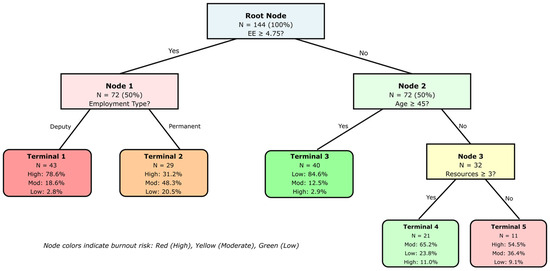
Background/Objectives: Teacher burnout represents a complex cognitive-emotional syndrome characterized by the interplay between mental exhaustion and emotional dysregulation, threatening educational sustainability during crisis periods. This study employed comprehensive behavioral data analysis to investigate burnout syndrome patterns among Greek teachers during the COVID-19 educational crisis, aiming to identify risk factors and resilience patterns through multiple analytical approaches that capture the syndrome’s multidimensional nature. Methods: A cross-sectional study examined primary and secondary school teachers in Western Greece during the autumn of 2021. Stratified random sampling ensured representativeness across school levels, geographic locations, and employment types. Participants completed the Greek-adapted Maslach Burnout Inventory for Educators, which measured emotional exhaustion, depersonalization, and personal accomplishment. Behavioral data analysis integrated traditional statistical methods with advanced pattern recognition techniques, including classification trees for non-linear relationships, association analysis for behavioral patterns, and cluster analysis for profile identification. Results: The majority of teachers experienced high stress with inadequate coping capabilities. Classification analysis achieved high accuracy in predicting burnout severity, identifying emotional exhaustion as the primary predictor. Deputy teachers demonstrated severe cognitive-emotional strain compared to permanent colleagues across all dimensions, with dramatically reduced personal accomplishment and minimal resources. Association analysis revealed that combined low support and high workload more than doubled burnout risk. Three distinct profiles emerged: Resilient teachers, characterized by older age and permanent employment; At-Risk teachers, showing early warning signs; and Burned Out teachers, predominantly young and in precarious employment. Remote teaching, exceeding half of the workload, significantly increased strain. Multiple regression confirmed emotional exhaustion as the dominant syndrome predictor. Conclusions: Behavioral data analysis revealed complex cognitive-emotional patterns constituting burnout syndrome during educational crisis. Employment precarity emerged as the fundamental vulnerability factor, with young deputy teachers facing dramatically higher syndrome probability compared to supported senior permanent teachers. The syndrome manifests through cascading processes where cognitive overload triggers emotional exhaustion, subsequently reducing personal accomplishment. These findings provide an evidence-based framework for early syndrome identification and targeted interventions addressing both cognitive and emotional dimensions of teacher burnout.
Full article
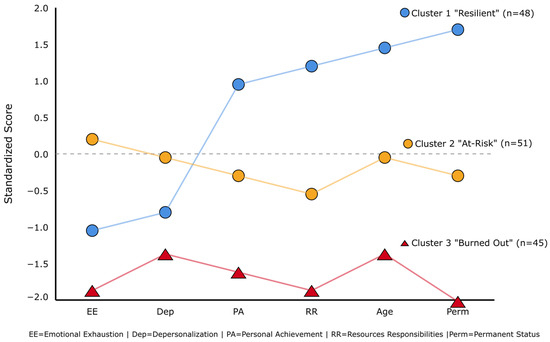
Figure 1
Open AccessArticle
Stigma Toward Mental Illness Among Non-Psychiatrist Doctors in India: A Cross-Sectional Study
by
Seshadri Sekhar Chatterjee, Adesh Agrawal, Soumitra Das, Mallika Roy, Barikar C. Malathesh and Sydney Moirangthem
Psychiatry Int. 2026, 7(1), 25; https://doi.org/10.3390/psychiatryint7010025 - 26 Jan 2026
Abstract
►▼
Show Figures
Background: Mental illness stigma among healthcare professionals can adversely affect patient care and recovery. While attitudes are shifting globally, limited data exist on stigma among non-psychiatrist doctors (NPDs) in India. This study aimed to assess the attitudes of NPDs toward mental illness and
[...] Read more.
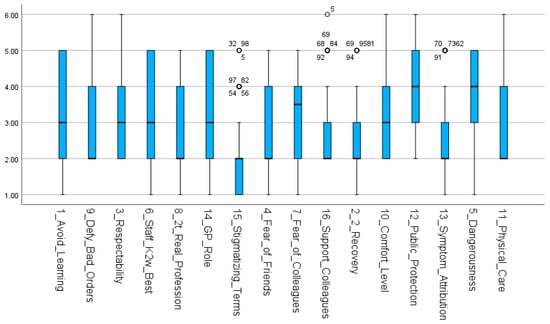
Background: Mental illness stigma among healthcare professionals can adversely affect patient care and recovery. While attitudes are shifting globally, limited data exist on stigma among non-psychiatrist doctors (NPDs) in India. This study aimed to assess the attitudes of NPDs toward mental illness and psychiatry using the Mental Illness Clinicians’ Attitudes Scale (MICA-4), and to explore associated sociodemographic and clinical factors. Methods: A cross-sectional online survey was conducted across India over six months in 2022, following ethics approval. The survey link was distributed via professional social media platforms using convenience and snowball sampling. Non-psychiatrist doctors with at least an MBBS degree were eligible. The MICA-4 scale assessed stigma across five domains. Descriptive statistics, correlation analyses, and multiple regression analysis were conducted. Results: A total of 102 responses were analysed. The mean MICA-4 score was 48.37, indicating moderately positive attitudes. Domain-wise analysis revealed higher stigma in knowledge/misconception and self-disclosure domains, while attitudes towards ethics and patient care were more favourable. No significant differences were found by gender, specialty, or practice setting. Weekly psychiatric caseload was not associated with reduced stigma. Internal consistency of the scale was low (Cronbach’s α = 0.46), raising concerns about cultural fit. The regression model was statistically significant F (5, 96) = 661.95, p < 0.001, explaining 97.18% of the variance in overall attitudes toward mental illness. Among the five domains, Respect for Psychiatry and Knowledge and Misconceptions emerged as the strongest predictors, highlighting their critical role in shaping positive professional attitudes in the public sector. Conclusions: Stigma toward mental illness persists among NPDs, particularly around misconceptions and help-seeking attitudes. These biases are culturally embedded and may not be significantly influenced by clinical exposure alone. While stigma was generally moderate, persistent misconceptions and self-stigma point to the importance of further developing culturally adapted tools and systemic interventions to promote reflective practice and ethical parity in clinical settings.
Full article
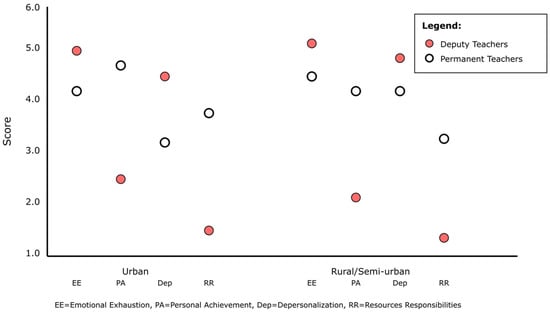
Figure 1
Highly Accessed Articles
Latest Books
E-Mail Alert
News
Topics
Topic in
Behavioral Sciences, Healthcare, Psychiatry International, Adolescents, Social Sciences, Children
Behavioral Addictions and Risk-Taking in the Digital Age: Gambling, Sports Betting, and Emerging Challenges
Topic Editors: André Luiz Monezi Andrade, Denise De MicheliDeadline: 31 August 2026
Topic in
Brain Sciences, Clocks & Sleep, JDAD, Neuroglia, Psychiatry International, NeuroSci, Neurology International, CTN
Advancing Neuroscience and Brain Sciences: Insights from the 5th International Electronic Conference on Brain Sciences & 1st International Electronic Conference on Neurosciences (IECBS-IECNS 2026)
Topic Editors: Stephen D. Meriney, Magda TsolakiDeadline: 11 November 2026
Topic in
Education Sciences, Youth, Behavioral Sciences, Psychiatry International, EJIHPE
Addictive Behaviors and Mental Disorders Among Youth and Adolescents
Topic Editors: Wenchao Wang, Chao SongDeadline: 30 November 2026
Conferences
Special Issues
Special Issue in
Psychiatry International
Precision Psychiatry and Advances in Patient Care: Innovations Transforming the Diagnosis and Treatment of Mental Disorders
Guest Editors: Antonio Del Casale, Paolo Girardi, Carlo Lai, Maurizio Simmaco, Marina BorroDeadline: 7 April 2026
Special Issue in
Psychiatry International
Precision Approaches to Anxiety and Depression: Integrating Digital Technologies in Mental Health Research
Guest Editors: Rossella Suriano, Giorgio Mario GrassoDeadline: 30 November 2026
Special Issue in
Psychiatry International
Cognitive Functioning Across Severe Psychiatric Disorders: From Research to Clinical Practice
Guest Editors: Thiago P. Fernandes, Natanael Antonio dos Santos, Irina Ivanovna Shoshina, Milena OliveiraDeadline: 31 December 2026
Special Issue in
Psychiatry International
The Impact of Social Media on Mental Health
Guest Editor: Malinda DesjarlaisDeadline: 31 December 2026