Article

Risk of Self-Harm in Patients with Kleptomania: A Population-Based Cohort Study

by
Selina Kit Yi Chan
1,
Kelvin K. F. Tsoi
2,3,
Terry Cheuk Fung Yip
4,
Vivien Wei Jun Liew
1 and
Wai Kwong Tang
1,*
1
Department of Psychiatry, The Chinese University of Hong Kong, Shatin, New Territories, Hong Kong SAR, China
2
Jockey Club School of Public Health and Primary Care, The Chinese University of Hong Kong, Shatin, New Territories, Hong Kong SAR, China
3
Stanley Ho Big Data Decision Analytics Research Centre, The Chinese University of Hong Kong, Shatin, New Territories, Hong Kong SAR, China
4
Department of Medicine and Therapeutics, The Chinese University of Hong Kong, Shatin, New Territories, Hong Kong SAR, China
*
Author to whom correspondence should be addressed.
Psychiatry Int. 2026, 7(1), 14; https://doi.org/10.3390/psychiatryint7010014
Submission received: 19 November 2025 / Revised: 8 December 2025 / Accepted: 26 December 2025 / Published: 5 January 2026

Abstract

Background: This study investigated whether individuals with kleptomania (KTM) are at higher risk of engaging in self-harm behaviors than individuals without KTM. Methods: In this matched cohort study, we analyzed the electronic health records of all patients admitted, for any indication, to public hospitals in Hong Kong between 1 January 1993 and 31 December 2022. We selected a KTM cohort consisting of 152 patients and a comparison cohort comprising 152 subjects. Participants were observed until they received a self-harm diagnosis, died from other causes, or reached the end of 2023, whichever occurred first. The Cox proportional hazards regression model was used to calculate the self-harm risk since KTM onset. Results: Over a 30-year study period, the number of individuals who engaged in self-harm in the KTM and comparison groups was ten (6.6%) and eight (5.3%), respectively. Both groups showed similar proportions of individuals who inflicted self-harm (χ2 = 0.49, p = 0.834). The self-harm incidence was 48.4 and 44.5 per 10,000 person-years in the KTM and comparison groups, respectively. The adjusted hazard ratio for self-harm in the KTM group was 0.49 (95% confidence interval, 0.16–1.48) relative to the comparison group. Conclusions: KTM is not associated with an increased self-harm risk. Future studies should replicate our findings and further delineate any distinct risk factors for self-harm in these patients.

1. Introduction

Kleptomania (KTM) is an impulse control disorder marked by a recurrent, irresistible urge to steal without any monetary or material motivation [1]. Even with great effort, the victim is unable to overcome the impulse and will commit theft many times. Theft is not pre-meditated and is neither for personal needs nor for economic value. Stealing is based on easy access of the target and is random. The stolen things are not valuable but rather average daily articles, such as clothes. Perpetrators experience strong excitement and nervousness, and successful theft gives them a sense of relaxation and satisfaction. Patients may self-accuse and feel guilty after committing theft [2].
The term “kleptomania” originates from the Greek words “klepto”, meaning “to steal”, and “mania”, which refers to an intense desire or compulsion. The condition was first described in 1816 by Dr. André Matthey, who introduced the concept of monomania, or an obsession with stealing objects of little value [3,4]. By 1838, French physicians Jean Étienne Esquirol and C.C. Marc formalized the term “kleptomania”. They described it as compulsive shoplifting characterized by involuntary and irresistible urges and distinguished it from ordinary theft motivated by economic gain [1,5]. During the 19th century, French and German psychiatrists primarily studied KTM among upper-class women and associated it with hysteria, imbecility, cerebral defects, and menopause [6]. Wilhelm Stekel later situated KTM within psychoanalytic theory, interpreting it as a manifestation of unconscious conflicts arising from frustrated or repressed sexual desires [6,7].
KTM is currently classified as an impulse control disorder in diagnostic manuals such as the Diagnostic and Statistical Manual of Mental Disorders, Fifth Edition (DSM-5) [8]. The DSM-5 outlines the following diagnostic criteria for KTM: (1) recurrent failure to resist impulses to steal objects that are not needed for personal use or monetary value; (2) an increasing sense of tension before committing the theft; (3) pleasure, gratification, or relief during the act; (4) stealing that is not motivated by anger or vengeance; and (5) behavior that is not better explained by conduct disorder, a manic episode, or antisocial personality disorder [8]. Diagnosis involves clinical interviews, symptom assessments, and ruling out other causes, such as other psychiatric conditions [9].
Epidemiological studies have indicated a female predominance in KTM, with 77–81% of cases reported among women [10,11,12]. The mean age of onset is approximately 17 years; however, up to 35% of individuals report symptoms before 11 years of age [12]. This suggests that KTM typically begins during adolescence but may also emerge in childhood or adulthood, with adult-onset cases being rare [12]. The prevalence of KTM ranges from 0.3% to 0.6% in the general population and from 4% to 24% among shoplifters, with a female-to-male ratio of 3:1 [13,14]. KTM is a chronic condition that develops gradually, is difficult to treat, and often persists for a long period [2]. Psychiatric comorbidities, especially major depressive disorder, bipolar disorder, and anxiety disorders, are common among patients with KTM [12,15,16]. Most patients do not seek treatment specifically for KTM but for comorbid conditions such as depression [12].
Regarding its clinical course, KTM typically follows a chronic, relapsing trajectory characterized by episodes of uncontrollable stealing, followed by remorse or guilt [2]. In one clinical series, 72.5% of individuals described a continuous course marked by persistent symptoms over time [12]. Although remission occurs in rare cases, most individuals experience significant distress, guilt, and impairment in social and occupational functioning [17]. Prognosis depends on early diagnosis and effective treatment [12]. Without intervention, KTM may persist and is often associated with an increased risk of secondary complications (e.g., depression) [18]. Related legal consequences include arrest or incarceration, because theft is a criminal offense regardless of psychiatric context [19,20].
Psychological therapies form the cornerstone of KTM treatment. Psychotherapeutic approaches for KTM have evolved from traditional psychodynamic methods to more evidence-based cognitive behavioral therapy (CBT) and mindfulness interventions. CBT techniques targeting impulse control, cognitive restructuring of stealing-related beliefs and stress management, have demonstrated efficacy in reducing urges and episodes of stealing [21]. Studies have also reported that CBT strategies, including covert sensitization and distress tolerance training, help reduce KTM symptoms and improve quality of life [22,23]. An open trial combining group CBT and mindfulness for KTM demonstrated a significant reduction in both symptom severity and related distress [23].
On the pharmacological front, selective serotonin reuptake inhibitors (e.g., fluoxetine and paroxetine) may reduce the urge to steal by modulating serotonin pathways involved in impulse control [24,25]. Opioid antagonists, such as naltrexone, have also shown efficacy in reducing the severity of KTM symptoms [17,26]. Mood stabilizers (e.g., valproic acid and topiramate) have demonstrated potential benefits in case reports and series [27,28]. To date, no medication has been approved by the United States Food and Drug Administration for KTM, with inconsistent results likely due to the absence of large randomized controlled trials [17,24,29]. However, some individuals may respond to pharmacologic treatment tailored to their symptom profile. Since depression, anxiety, or other impulse-control problems commonly co-occur with KTM, comprehensive management often addresses these overlapping conditions. Integrated approaches combining pharmacotherapy and psychotherapy generally result in favorable outcomes [13,30].
When KTM patients experience major life events or intense work, personal, or emotional stress, their negative emotions (e.g., stress, depression, and anxiety) may lack appropriate outlets. Consequently, their suppressed impulses accumulate and eventually seek expression through maladaptive behaviors. With them, the stealing behavior per se is challenging and exciting, and success in stealing will satisfy their abnormal sense of satisfaction and achievement. Conditions permitting, they will commit theft. Internally driven by such sense of satisfaction, they will uncontrollably repeat the theft, resulting in kleptomania [2]. KTM remains a neglected disorder, with a scarcity of systematic research on its clinical characteristics and evidence-based treatment approaches that could guide standardized management [1]. Treatment of KTM commonly involves psychotherapy, such as cognitive behavioral therapy and drug therapy, namely serotonin reuptake inhibitors [2].
KTM is often linked to significant personal distress, legal consequences, poor psychosocial dysfunction, and overall poor quality of life [31,32]. Individuals with KTM frequently exhibit comorbid major affective disorders [2]. Considering the adverse outcomes linked to KTM and its frequent co-occurrence with major depressive disorder, rates of suicide attempts may be higher in this group.
The association between KTM and self-harm appears to be multifactorial, involving overlapping neurobiological [33,34,35,36], psychological [2,37,38], and psychosocial [13,39,40] mechanisms. Both conditions are characterized by impaired impulse control, affective dysregulation, and maladaptive coping, which may lead to their co-occurrence [2,33,41].
The available literature on suicide attempts or ideation among individuals with KTM remains scarce. In a cross-sectional study involving 37 patients with KTM, recruited by advertising in a newspaper, 12 (32%) had attempted suicide [42]. In another cross-sectional study comprising 107 adolescents and adults with KTM, 24% reported a lifetime suicide attempt [32]. A third cross-sectional study of 157 patients with KTM reported a rate of suicidal attempts between 18% and 32% [43]. The aforementioned studies were subject to several limitations. Subjects were recruited from advertisements and referrals and had participated in other research projects [32,42,43]. Thus, those study results may lack generalizability to community-dwelling individuals with KTM or to particular clinical settings. In addition, the subjects were recruited in the United States, and therefore, the findings may not be applicable to other ethnicities [32,43]. There was no control group in the study. Suicidal attempt data were collected retrospectively, may be subject to recall bias, and may over- or underestimate actual rates [32,42,43]. This study sought to assess whether people with KTM face a greater risk of self-harm behaviors than those without KTM.

2. Materials and Methods

2.1. Data Source

This matched cohort study reviewed admission electronic health records from all Hong Kong public hospitals between 1 January 1993 and 31 December 2022 via the Hong Kong Clinical Data Analysis and Reporting System (CDARS). Previous epidemiological studies have utilized data from CDARS and have demonstrated its reliability [44]. The system includes electronic health records from the Hong Kong Hospital Authority, a statutory organization that oversees all public hospitals serving Hong Kong’s 7.7 million residents. The current healthcare system in Hong Kong provides three tiers of medical care: primary, secondary, and tertiary, through both public and private providers [45]. The Hospital Authority oversees public hospitals and is responsible for delivering public healthcare services. Data from 2017 indicated that the Hospital Authority provides services for approximately 80% of inpatient visits and 30% of outpatient visits [46]. The CDARS encrypts patients’ personal information to protect privacy and provides researchers with anonymous identification numbers. The CDARS database has been shown to be valid and reliable. In a validation study, the positive predictive value of the CDARS diagnosis of fracture was 96.8% [47]. This study was approved by the institutional review board of the Chinese University of Hong Kong (CREC 2020.707).

2.2. KTM Cases

We identified cases as people who had received outpatient, emergency department, or inpatient care with a first-recorded diagnosis of KTM during the study period. For each case, the date of the first KTM diagnosis was defined as the date when the follow-up started. The International Classification of Diseases (ICD)-9 code used to identify KTM was 312.32.

2.3. Non-KTM Comparators

We selected a comparable non-KTM cohort by randomly choosing comparators without a history of KTM and matched them by sex and admission age with the KTM patients. The matching procedure was conducted at the individual level. We set a random month and day and the same index year as the matched patient’s index date. For all comparators, follow-up began on the matched admission date.

2.4. Covariates

In both the KTM and comparison groups, information on ethnicity, residential district, and depression and bipolar disorders (ICD 9 code 296), attention-deficit/hyperactivity disorder (ADHD) (ICD 9 code 314.0, 314.00-01), substance use (ICD 9 code 291–292, 303–305), and personality disorders (ICD 9 code 301.0-9) was also retrieved from the CDARS database.

2.5. Outcome Measurement

All study participants were tracked from enrollment until the first self-harm diagnosis, death due to other causes, or 31 December 2023, whichever came first. As self-harm events are frequently underreported in hospital administrative databases owing to stigma and difficulties in evaluating intent [48], we adopted a more inclusive definition of self-harm that extended beyond conventional ICD-9 criteria. This encompassed all self-injurious acts, intentional or otherwise, irrespective of suicide motive. We employed ICD-9 E950-E959 for self-harm and E980-E989 for cases where intent (intentional or unintentional) remained undetermined. Cases and matched comparators were followed from the date of the KTM diagnosis (or matched admission date for comparators) until the first record of self-harm, death (all cause), or 31 December 2023, whichever occurred first.

2.6. Statistical Analysis

The number and percentage of individuals who harmed themselves were calculated for both cases and comparators. Differences in self-harm proportions between cases and comparators were assessed using the χ2 test. Incidence curves were plotted by applying the Kaplan–Meier method to identify different temporal patterns of self-harm after the first-recorded diagnosis of KTM. The level of statistical significance was based on the log-rank test. The incidence of self-harm was calculated as the number of self-harm events divided by the sum of the follow-up time (per 10,000 person-years). Cox proportional hazards regression models calculated the hazard ratio (HR) and the 95% confidence intervals (CI) for self-harm risk post-KTM-onset, accounting for time at risk. Models are also adjusted for age, sex, ethnicity, residential district, depression and bipolar disorders, ADHD, substance use, and personality disorders. A sensitivity analysis was performed by limiting the event of interest to intentional self-harm (ICD E950–E959).
We used STATA (Release 19, StataCorp, College Station, TX, USA) for all statistical analyses. All p-values < 0.05 were considered to indicate statistical significance.

3. Results

We selected a KTM cohort comprising 152 patients and a comparison cohort comprising 152 subjects (Figure 1).
The distributions of sex (70.4% female) and age (42.3 ± 43.5 years) showed no significant differences between the KTM and comparison groups. The KTM group participants were more likely to be of Chinese ethnicity, live in the New Territories, and have a history of depression/bipolar disorders and personality disorders (Table 1).
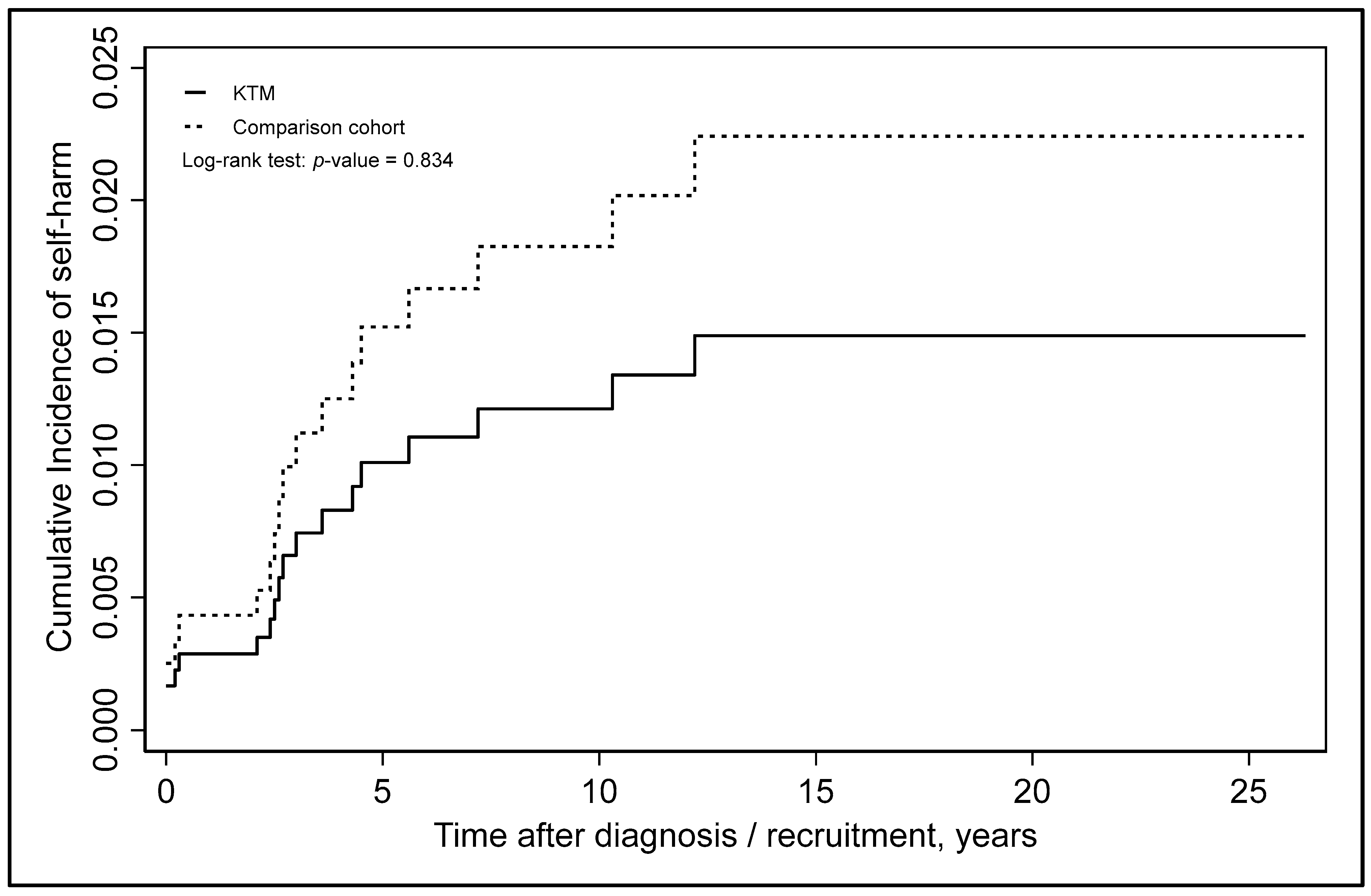
Throughout the 30-year study period, the incidence of self-harm was 48.4 and 44.5 per 10,000 person-years in the KTM and comparison groups, respectively. Kaplan–Meier analysis revealed comparable self-harm incidence rates between the KTM and comparison groups (χ2 = 0.04, p = 0.834; Figure 2).
Compared to the comparison group, the corresponding unadjusted HR for self-harm in the KTM group was 1.03 (95% CI, 0.37–2.84); the HR adjusted for age, sex, ethnicity, residential district, depression and bipolar disorders, ADHD, personality disorders, and substance use disorders in the KTM group was 0.49 (95% CI, 0.16–1.48) relative to the comparison group. The average time to the occurrence of self-harm in the KTM and comparison groups was 4.9 ± 4.0 and 1.8 ± 1.6 years, respectively. After limiting the event of interest to intentional self-harm alone, the adjusted HR in the KTM group was 0.53 (95% CI, 0.17–1.67) relative to the comparison cohort.

4. Discussion

This study represents the first systematic assessment of self-harm risk after an initial KTM diagnosis. No notable differences in self-harm rates emerged between KTM patients and comparators, including after adjustments for comorbid mood disorders.
In this study, self-harm risk for KTM patients closely matched that of the comparators. In contrast, studies on other impulse control disorders have reported an elevated risk of suicide and suicidal attempts in these individuals. Individuals with intermittent explosive disorder (IED) have an increased risk of suicidal attempts, with suicide attempt rates ranging from 8.1% to 12.5% [49]. A large cross-national study found that those with IED were two to three times more likely to report a subsequent suicide attempt [50]. These findings were replicated (odds ratios, OR = 1.5) in a national epidemiological study [51]. In a study of U.S. Army soldiers, IED was associated with increased odds of suicidal attempts (OR = 3.7) [52]. Possible explanations for negative results in the present study include underreporting of self-harm in the KTM group and an elevated self-harm risk in comparators. There are also methodological differences between these studies and our study, namely, a cross-sectional design [52], the inclusion of special populations [52], and reliance on self-reporting psychiatric diagnoses and suicidal attempts [50,51].
In the current study, 6.6% of patients exhibited self-harm; a rate lower than the prevalence of suicidal attempts (24% to 32%) reported in two cross-sectional studies [32,42,43]. This discrepancy may arise from differences in sample composition and self-harm data ascertainment methods. The current analysis drew from a population-based cohort rather than a convenience sample, and all self-harm incidents were identified via electronic medical records instead of self-reports.
Understanding the complex relationship between KTM and self-harm requires consideration of overlapping but non-deterministic mechanisms. Although the present study did not identify a statistically significant increase in self-harm risk among individuals with KTM, the results aligned with prior research on shared neurobiological and psychological vulnerabilities, such as serotonergic/dopaminergic dysregulation, impaired impulse control, and maladaptive coping [2,33,41]. These factors may independently contribute to either behavior without necessarily occurring together [2,33,41]. The absence of a strong association may reflect the influence of moderating factors affecting impulsivity, including resilience, individual differences in emotion regulation, social support, and life stressors [53]. These findings highlight KTM and self-harm as multifactorial and heterogeneous. Personalized assessments and interventions targeting transdiagnostic vulnerabilities are thus essential over assuming direct causation. Addressing common comorbid mood/anxiety disorders in KTM remains essential as they may exacerbate affective dysregulation and lead to maladaptive behaviors, such as self-harm [2,54]. Overall, our results support a nuanced approach to clinical care that acknowledges the complex interplay between intrinsic vulnerabilities and external influences underlying impulse control and self-injurious behaviors.
There is a non-significant trend that the KTM group had a longer time to self-harm. We found that there are two outliers in the KTM group with times to self-harm of 10.3 and 12.2 years. After removing these two outliers, the average time to self-harm was reduced to 3.3 years, and the p-value increased to 0.191. In addition, the total number of self-harm attempts in each group was small. The combination of a small number of self-harm incidents and the presence of outliers may lead to type II errors. Of course, there may be a genuine difference in the time to self-harm between the two groups. In patients with KTM, shoplifting episodes may function as a behavioral substitute for self-harm by fulfilling shared needs for impulsivity-driven affect regulation (e.g., tension relief), thereby pre-empting self-injury in affected individuals. Clinical accounts describe KTM as involving mounting pre-theft tension, which is relieved by gratification or dopamine-mediated pleasure post-act [24,34], paralleling the negative reinforcement (i.e., tension reduction) and positive reinforcement (i.e., distress relief) observed in non-suicidal self-injury (NSSI) within addictive models of self-harming behavior [24,55]. This substitution aligns with evidence of switching between functionally equivalent maladaptive coping strategies, for example, self-mutilation being replaced by suicidal acts [55], or other impulsive behaviors such as substance use [56] in high-urgency individuals. Hence, KTM could occupy a similar niche via dysregulated dopamine systems [24,34]. Although direct empirical tests are lacking, this hypothesis could explain the longer time to self-harm in the KTM group compared to controls.
Our study has several limitations. The study sample was based on medical records from the CDARS. Data from private hospitals and clinics, as well as general outpatient clinic services, were not included. In this context, the lack of an observed association between KTM and self-harm should be interpreted with caution. Our outcome only captures self-harm episodes that resulted in contact with public hospital services and excludes those occurring in other settings or those not receiving medical attention. This differs from many survey-based studies that rely on lifetime self-reports and capture a broader range of behaviors and severities [57,58]. Variations in how self-harm is identified likely contributed to lower observed rates in our dataset and may attenuate the strength of associations. This discrepancy explains the differences between our findings and previous clinical or community studies that reported higher levels of self-harm.
In addition, comparators selected from hospital and outpatient clinic databases likely had a higher self-harm risk than the general population, leading to underestimated HRs. Nevertheless, our age- and sex-matched design has provided an adequate comparison. While matching addressed demographic confounders, and multivariable Cox models adjusted for conditions strongly associated with self-harm (i.e., depression and bipolar disorder) [12,18], the significantly higher prevalence of these disorders in the KTM group may complicate the interpretation of results. Residual confounding may arise from unmeasured factors or incomplete adjustment for psychiatric comorbidity severity, as CDARS records only formally diagnosed disorders without severity indicators, potentially missing milder cases without hospital/medical contact, which is a common limitation of such databases [59,60]. This can lead to biased estimates of the true effect of an exposure, potentially exaggerating or masking a causal link [61]. Even after attempts to control for confounding, the observed association may only provide limited evidence for a causal relationship because of this residual effect [61].
We adopted a comprehensive definition of self-harm that included intentional self-injurious acts with suicidal intent, self-injurious acts lacking suicidal intent, and both deliberate and unintentional self-injurious acts. In a study on self-harm risk among Hong Kong psychiatric patients, sensitivity analysis excluding undetermined self-harm (ICD-9 codes E980–989) showed no marked impact on results [62]. In addition, information on the interventions and treatments given to patients in our dataset was unavailable, which may have influenced the results. Only suicidal actions were captured by the CDARS. The prevalence of suicidal ideation is likely to be even higher than self-harm rates and often underrecognized in clinical practice.
This study sought to explore the link between KTM onset and later self-harm behaviors. However, the absence of clinical records before 1993 prevented verification that the earliest database entry marked the true initial KTM diagnosis. Moreover, self-harm data relied solely on medical records, carrying an inherent underreporting risk.
Finally, self-harm constitutes a multifaceted behavior shaped by diverse influences, such as demographic, social, economic, cultural, psychological, and environmental elements [63]. For instance, the recent literature suggests that suffering from a mental disorder is a risk factor for suicidal behavior, especially major depressive disorder. Other psychiatric diseases implicated include substance use disorders, alcohol abuse, autism spectrum disorder, post-traumatic stress disorder, and anxiety disorder. Several psychopathological and environmental factors have also been implicated in heightened suicidality, including social isolation, complicated grief or bereavement, loneliness, financial strain, and limited access to mental health services [64]. However, the data source constrained our analysis and prevented the inclusion of these risk factors. Ideally, details on sociodemographic variables (e.g., marital and employment status, as well as education level) and potential confounders (e.g., comorbid physical conditions, smoking, and alcohol use) should be accessible for adjustment.
A key strength of this study is its long-term matched cohort design, which includes up to 30 years of follow-up, allowing for a robust assessment of self-harm incidence over time. The use of reliable electronic health records from a large public hospital system further enhances the validity and generalizability of the findings in real-world clinical settings. In addition, the inclusion of a carefully matched comparison group helps control for potential confounding factors.
This study provides valuable clinical insights by demonstrating that KTM is not associated with an increased risk of self-harm compared with matched controls over a long follow-up period. This finding challenges the assumption that impulsive disorders such as KTM inherently elevate self-harm risk [65] and underscores the importance of distinguishing impulsivity related to stealing behaviors from tendencies toward self-injury. Although KTM remains a complex disorder that frequently co-occurs with mood and anxiety conditions linked to self-harm [14], the present results indicate that self-harm prevention strategies should not be universally applied to all KTM patients without individual assessments. Clinicians should continue to conduct comprehensive screening for comorbid psychiatric conditions, including impulse control and mood disorders, to identify patients at a higher risk of self-harm. These findings highlight the importance of personalized clinical evaluations that go beyond diagnostic labels to optimize outcomes in impulse control disorders such as KTM.

5. Conclusions

KTM is not associated with an increased risk of self-harm. Future research is necessary to replicate our findings and more fully elucidate the potential unique risk factors for self-harm in these patients.

Author Contributions

W.K.T.: Conceptualization, Methodology, Data curation, Statistical analysis, Interpretation of data, Writing—original draft, Writing—review and editing; S.K.Y.C.: Writing—original draft, Writing—review and editing; K.K.F.T., T.C.F.Y. and V.W.J.L.: Statistical analysis, Writing—review and editing. All authors have read and agreed to the published version of the manuscript.

Funding

This research received no external funding.

Institutional Review Board Statement

This study was conducted in accordance with the Declaration of Helsinki and was approved by the Joint Chinese University of Hong Kong-New Territories East Cluster Clinical Research Ethics Committee, Hong Kong SAR, China (Reference number: 2020.707; Clinical trial number: not applicable).

Informed Consent Statement

This study used anonymized secondary data from the Clinical Data Analysis and Reporting System (CDARS). No direct contact with individuals occurred, so patient consent was waived.

Data Availability Statement

The data used in this study were obtained from the Clinical Data Analysis and Reporting System (CDARS) managed by the Hospital Authority (HA) in Hong Kong. Due to privacy and legal restrictions, data access is strictly controlled and limited to anonymized datasets, subject to HA approval. Data requests must be made through the HA’s official channels. Requests to access these datasets should be directed to the Hospital Authority at https://www3.ha.org.hk/data/Provision/ApplicationProcedure (accessed on 10 November 2025).

Conflicts of Interest

The authors declare no conflicts of interest.

References

  1. Torales, J.; González, I.; Castaldelli-Maia, J.M.; Ventriglio, A. Kleptomania as a neglected disorder in psychiatry. Int. Rev. Psychiatry 2020, 32, 451–454. [Google Scholar] [CrossRef] [PubMed]
  2. Zhang, Z.H.; Huang, F.R.; Liu, D.H. Kleptomania: Recent advances in symptoms, etiology and treatment. Curr. Med. Sci. 2018, 38, 937–940. [Google Scholar] [CrossRef] [PubMed]
  3. Matthey, A. Nouvelles Recherches sur les Maladies de L’esprit: Précédées de Considérations sur les Difficultés de L’art de Guérir; Paschoud: Geneva, Switzerland, 1816. [Google Scholar]
  4. Fullerton, R.A.; Punj, G.N. Kleptomania: A brief intellectual history. In Proceedings of the Conference on Historical Analysis and Research in Marketing 2003, Detroit, MI, USA, 1–4 May 2003; Volume 11, pp. 201–209. [Google Scholar]
  5. Marc, C.C.; Esquirol, E. Sur un cas de suspicion de folie chez une femme inculpee de vol. Ann. D’Hyg. Publique 1838, 40, 435. [Google Scholar]
  6. Fullerton, R.A. Psychoanalyzing kleptomania. Mark. Theory 2007, 7, 335–352. [Google Scholar] [CrossRef]
  7. Stekel, W.; Van Teslaar, J.S. Peculiarites of Behavior: Wandering Mania, Dipsomania, Cleptomania, Pyromania and Allied Impulsive Acts; H. Liveright: New York, NY, USA, 1924. [Google Scholar]
  8. American Psychiatric Association. Diagnostic and Statistical Manual of Mental Disorders, 5th ed.; American Psychiatric Association: Washington, DC, USA, 2013. [Google Scholar]
  9. Mayo Clinic. Kleptomania. Updated 30 September 2022. Available online: https://www.mayoclinic.org/diseases-conditions/kleptomania/diagnosis-treatment/drc-20364753 (accessed on 5 November 2025).
  10. McElroy, S.L.; Hudson, J.I.; Pope, H.G.; Keck, P.E. Kleptomania: Clinical characteristics and associated psychopathology. Psychol. Med. 1991, 21, 93–108. [Google Scholar] [CrossRef] [PubMed]
  11. Goldman, M.J. Kleptomania: Making sense of the nonsensical. Am. J. Psychiatry 1991, 148, 986–996. [Google Scholar] [CrossRef]
  12. Aboujaoude, E.; Gamel, N.; Koran, L.M. Overview of kleptomania and phenomenological description of 40 patients. Prim. Care Companion J. Clin. Psychiatry 2004, 6, 244. [Google Scholar] [CrossRef]
  13. Talih, F.R. Kleptomania and potential exacerbating factors: A review and case report. Innov. Clin. Neurosci. 2011, 8, 35. [Google Scholar]
  14. Cleveland Clinic. Kleptomania. Updated 15 June 2022. Available online: https://my.clevelandclinic.org/health/diseases/9878-kleptomania (accessed on 7 November 2025).
  15. Presta, S.; Marazziti, D.; Dell’Osso, L.; Pfanner, C.; Pallanti, S.; Cassano, G.B. Kleptomania: Clinical features and comorbidity in an Italian sample. Compr. Psychiatry 2002, 43, 7–12. [Google Scholar] [CrossRef]
  16. McElroy, S.L.; Pope, H.G., Jr.; Hudson, J.I.; Keck, P.E., Jr.; White, K.L. Kleptomania: A report of 20 cases. Am. J. Psychiatry 1991, 148, 652–657. [Google Scholar] [CrossRef]
  17. Grant, J.E.; Odlaug, B.L. Kleptomania: Clinical characteristics and treatment. Braz. J. Psychiatry 2008, 30, S11–S15. [Google Scholar] [CrossRef]
  18. Baylé, F.J.; Caci, H.; Millet, B.; Richa, S.; Olié, J.P. Psychopathology and comorbidity of psychiatric disorders in patients with kleptomania. Am. J. Psychiatry 2003, 160, 1509–1513. [Google Scholar] [CrossRef] [PubMed]
  19. Grant, J.E.; Odlaug, B.L.; Davis, A.A.; Kim, S.W. Legal consequences of kleptomania. Psychiatr. Q. 2009, 80, 251–259. [Google Scholar] [CrossRef] [PubMed]
  20. Blum, A.W.; Odlaug, B.L.; Redden, S.A.; Grant, J.E. Stealing behavior and impulsivity in individuals with kleptomania who have been arrested for shoplifting. Compr. Psychiatry 2018, 80, 186–191. [Google Scholar] [CrossRef]
  21. Biomy, S.R. Cognitive behavioral therapy for kleptomania: A case study. Int. Neuropsychiatr. Dis. J. 2020, 14, 41–50. [Google Scholar] [CrossRef]
  22. Grant, J.E.; Odlaug, B.L. Impulse control disorders. In Cognitive-Behavioral Therapy for Refractory Cases: Turning Failure Into Success; American Psychological Association: Washington, DC, USA, 2010; pp. 231–254. [Google Scholar]
  23. Asami, Y.; Nomura, K.; Shimada, H.; Nakagawa, K.; Sugano, M.; Koshiba, A.; Ohishi, Y.; Ohishi, H.; Ohishi, M. Cognitive behavioural group therapy with mindfulness for kleptomania: An open trial. Cogn. Behav. Ther. 2022, 15, e34. [Google Scholar] [CrossRef]
  24. Grant, J.E. Understanding and treating kleptomania: New models and new treatments. Isr. J. Psychiatry Relat. Sci. 2006, 43, 81. [Google Scholar]
  25. Krakowski, M. Violence and serotonin: Influence of impulse control, affect regulation, and social functioning. J. Neuropsychiatry Clin. Neurosci. 2003, 15, 294–305. [Google Scholar] [CrossRef]
  26. Dannon, P.N.; Iancu, I.; Grunhaus, L. Naltrexone treatment in kleptomanic patients. Hum. Psychopharmacol. Clin. Exp. 1999, 14, 583–585. [Google Scholar] [CrossRef]
  27. Dannon, P.N. Topiramate for the treatment of kleptomania: A case series and review of the literature. Clin. Neuropharmacol. 2003, 26, 1–4. [Google Scholar] [CrossRef]
  28. Kmetz, G.F.; McElroy, S.L.; Collins, D.J. Response to kleptomania and mixed mania to valproate. Am. J. Psychiatry 1997, 154, 580–581. [Google Scholar] [CrossRef]
  29. Dannon, P.N.; Aizer, A.; Lowengrub, K. Kleptomania: Differential diagnosis and treatment modalities. Curr. Psychiatry Rev. 2006, 2, 281–283. [Google Scholar] [CrossRef]
  30. Aizer, A.; Lowengrub, K.; Dannon, P.N. Kleptomania after head trauma: Two case reports and combination treatment strategies. Clin. Neuropharmacol. 2004, 27, 211–215. [Google Scholar] [CrossRef]
  31. Kim, H.S.; Christianini, A.R.; Hodgins, D.C.; Tavares, H. Impairments of kleptomania: What are they? Rev. Bras. Psiquiatr. 2017, 39, 279–280. [Google Scholar] [CrossRef]
  32. Odlaug, B.L.; Grant, J.E.; Kim, S.W. Suicide attempts in 107 adolescents and adults with kleptomania. Arch. Suicide Res. 2012, 16, 348–359. [Google Scholar] [CrossRef]
  33. Mangot, A.G. Kleptomania: Beyond serotonin. J. Neurosci. Rural. Pract. 2014, 5, S105–S106. [Google Scholar] [CrossRef]
  34. Brewer, J.A.; Potenza, M.N. The neurobiology and genetics of impulse control disorders: Relationships to drug addictions. Biochem. Pharmacol. 2008, 75, 63–75. [Google Scholar] [CrossRef]
  35. Seo, D.; Patrick, C.J.; Kennealy, P.J. Role of serotonin and dopamine system interactions in the neurobiology of impulsive aggression and its comorbidity with other clinical disorders. Aggress. Violent Behav. 2008, 13, 383–395. [Google Scholar] [CrossRef] [PubMed]
  36. Van Heeringen, K. The neurobiology of suicide and suicidality. Can. J. Psychiatry 2003, 48, 292–300. [Google Scholar] [CrossRef] [PubMed]
  37. Laporte, N.; Klein Tuente, S.; Ozolins, A.; Westrin, Å.; Westling, S.; Wallinius, M. Emotion regulation and self-harm among forensic psychiatric patients. Front. Psychol. 2021, 12, 710751. [Google Scholar] [CrossRef] [PubMed]
  38. Di Pierro, R.; Sarno, I.; Gallucci, M.; Madeddu, F. Nonsuicidal self-injury as an affect-regulation strategy and the moderating role of impulsivity. Child Adolesc. Ment. Health 2014, 19, 259–264. [Google Scholar] [CrossRef]
  39. Richardson, T.; Egglishaw, A.; Sood, M. Does childhood trauma predict impulsive spending in later life? An analysis of the mediating roles of impulsivity and emotion regulation. J. Child Adolesc. Trauma 2024, 17, 275–281. [Google Scholar] [CrossRef]
  40. Noroozi Homayoon, M.; Gohari, F.; Sadri Damirchi, E. Developing a Self-harm Model Based on Cognitive Emotion Regulation and Childhood Trauma With the Mediating Role of Insecure Attachment Styles in Students of Ardabil City, Iran: A Descriptive Study. Pract. Clin. Psychol. 2025, 13, 239–252. [Google Scholar] [CrossRef]
  41. Munguía, L.; Baenas-Soto, I.; Granero, R.; Fábregas-Balcells, M.; Gaspar-Pérez, A.; Rosinska, M.; Potenza, M.N.; Cuquerella, Á.; Tapia-Martínez, J.; Cabús-Grange, R.M.; et al. Kleptomania on the impulsive–compulsive spectrum. Clinical and therapeutic considerations for women. Sci. Rep. 2025, 15, 7886. [Google Scholar] [CrossRef]
  42. Sarasalo, E.; Bergman, B.; Toth, J. Personality traits and psychiatric and somatic morbidity among kleptomaniacs. Acta Psychiatr. Scand. 1996, 94, 358–364. [Google Scholar] [CrossRef]
  43. Grant, J.E.; Odlaug, B.L.; Medeiros, G.; Christianine, A.R.; Tavares, H. Cross-cultural comparison of compulsive stealing (kleptomania). Ann. Clin. Psychiatry 2015, 27, 150–151. [Google Scholar] [CrossRef]
  44. Chen, V.C.; Wang, T.N.; Liao, Y.T.; Lin, T.C.; Stewart, R.; Lee, C.T. Asthma and self-harm: A population-based cohort study in Taiwan. J. Psychosom. Res. 2014, 77, 462–467. [Google Scholar] [CrossRef] [PubMed]
  45. GovHK. GovHK: Overview of the Health Care System in Hong Kong [Internet]. 2022. Available online: https://www.gov.hk/en/residents/health/hosp/overview.htm (accessed on 1 September 2025).
  46. Hospital Authority. Hospital Authority Annual Report 2020–2021 [Internet]. 2021. Available online: https://www.ha.org.hk/haho/ho/cc/HA_Annual_Report_2020-21_en.pdf (accessed on 1 September 2025).
  47. Sing, C.W.; Woo, Y.C.; Lee, A.; Lam, J.; Chu, J.; Wong, I.C.K.; Cheung, C.L. Validity of major osteoporotic fracture diagnosis codes in the Clinical Data Analysis and Reporting System in Hong Kong. Pharmacoepidemiol. Drug Saf. 2017, 26, 973–976. [Google Scholar] [CrossRef] [PubMed]
  48. Harnod, T.; Lin, C.L.; Kao, C.H. Risk of suicide attempt in poststroke patients: A population-based cohort study. J. Am. Heart Assoc. 2018, 7, e007830. [Google Scholar] [CrossRef]
  49. McCloskey, M.S.; Ammerman, B.A. Suicidal behavior and aggression-related disorders. Curr. Opin. Psychol. 2018, 22, 54–58. [Google Scholar] [CrossRef] [PubMed]
  50. Nock, M.K.; Hwang, I.; Sampson, N.; Kessler, R.C.; Angermeyer, M.; Beautrais, A.; Borges, G.; Bromet, E.; Bruffaerts, R.; De Girolamo, G.; et al. Cross-national analysis of the associations among mental disorders and suicidal behavior: Findings from the WHO World Mental Health Surveys. PLoS Med. 2009, 6, e1000123. [Google Scholar] [CrossRef]
  51. Nock, M.K.; Hwang, I.; Sampson, N.A.; Kessler, R.C. Mental disorders, comorbidity and suicidal behavior: Results from the National Comorbidity Survey Replication. Mol. Psychiatry 2010, 15, 868–876. [Google Scholar] [CrossRef]
  52. Nock, M.K.; Stein, M.B.; Heeringa, S.G.; Ursano, R.J.; Colpe, L.J.; Fullerton, C.S.; Hwang, I.; Naifeh, J.A.; Sampson, N.A.; Schoenbaum, M.; et al. Prevalence and correlates of suicidal behavior among soldiers: Results from the Army Study to Assess Risk and Resilience in Servicemembers (Army STARRS). JAMA Psychiatry 2014, 71, 514–522. [Google Scholar] [CrossRef] [PubMed]
  53. Lockwood, J. Impulsivity and Self-Harm in Adolescence. Ph.D. Thesis, University of Nottingham, Nottingham, UK, 2019. [Google Scholar]
  54. Dannon, P.N.; Lowengrub, K.M.; Iancu, I.; Kotler, M. Kleptomania: Comorbid psychiatric diagnosis in patients and their families. Psychopathology 2004, 37, 76–80. [Google Scholar] [CrossRef]
  55. Blasco-Fontecilla, H.; Fernández-Fernández, R.; Colino, L.; Fajardo, L.; Perteguer-Barrio, R.; De Leon, J. The addictive model of self-harming (non-suicidal and suicidal) behavior. Front. Psychiatry 2016, 7, 8. [Google Scholar] [CrossRef] [PubMed]
  56. Steinhoff, A.; Cavelti, M.; Koenig, J.; Reichl, C.; Kaess, M. Symptom shifting from nonsuicidal self-injury to substance use and borderline personality pathology. JAMA Netw. Open 2024, 7, e2444192. [Google Scholar] [CrossRef]
  57. Martin, G.; Swannell, S.V.; Hazell, P.L.; Harrison, J.E.; Taylor, A.W. Self-injury in Australia: A community survey. Med. J. Aust. 2010, 193, 506–510. [Google Scholar] [CrossRef]
  58. Morey, Y.; Mellon, D.; Dailami, N.; Verne, J.; Tapp, A. Adolescent self-harm in the community: An update on prevalence using a self-report survey of adolescents aged 13–18 in England. J. Public Health 2017, 39, 58–64. [Google Scholar] [CrossRef]
  59. Abrams, T.E.; Vaughan-Sarrazin, M.; Rosenthal, G.E. Variations in the associations between psychiatric comorbidity and hospital mortality according to the method of identifying psychiatric diagnoses. J. Gen. Intern. Med. 2008, 23, 317–322. [Google Scholar] [CrossRef] [PubMed]
  60. Sariaslan, A.; Sharpe, M.; Larsson, H.; Wolf, A.; Lichtenstein, P.; Fazel, S. Psychiatric comorbidity and risk of premature mortality and suicide among those with chronic respiratory diseases, cardiovascular diseases, and diabetes in Sweden: A nationwide matched cohort study of over 1 million patients and their unaffected siblings. PLoS Med. 2022, 19, e1003864. [Google Scholar] [CrossRef]
  61. Assimon, M.M. Confounding in observational studies evaluating the safety and effectiveness of medical treatments. Kidney360 2021, 2, 1156–1159. [Google Scholar] [CrossRef] [PubMed]
  62. Chai, Y.; Luo, H.; Wong, G.H.Y.; Tang, J.Y.M.; Lam, T.C.; Wong, I.C.K.; Yip, P.S.F. Risk of self-harm after the diagnosis of psychiatric disorders in Hong Kong, 2000–2010: A nested case-control study. Lancet Psychiatry 2020, 7, 135–147. [Google Scholar] [CrossRef]
  63. Skegg, K. Self-harm. Lancet 2005, 366, 1471–1483. [Google Scholar] [CrossRef]
  64. Barlattani, T.; D’Amelio, C.; Capelli, F.; Mantenuto, S.; Rossi, R.; Socci, V.; Stratta, P.; Di Stefano, R.; Rossi, A.; Pacitti, F. Suicide and COVID-19: A rapid scoping review. Ann. Gen. Psychiatry 2023, 22, 10. [Google Scholar] [CrossRef]
  65. Chamberlain, S.R.; Redden, S.A.; Grant, J.E. Associations between self-harm and distinct types of impulsivity. Psychiatry Res. 2017, 250, 10–16. [Google Scholar] [CrossRef]
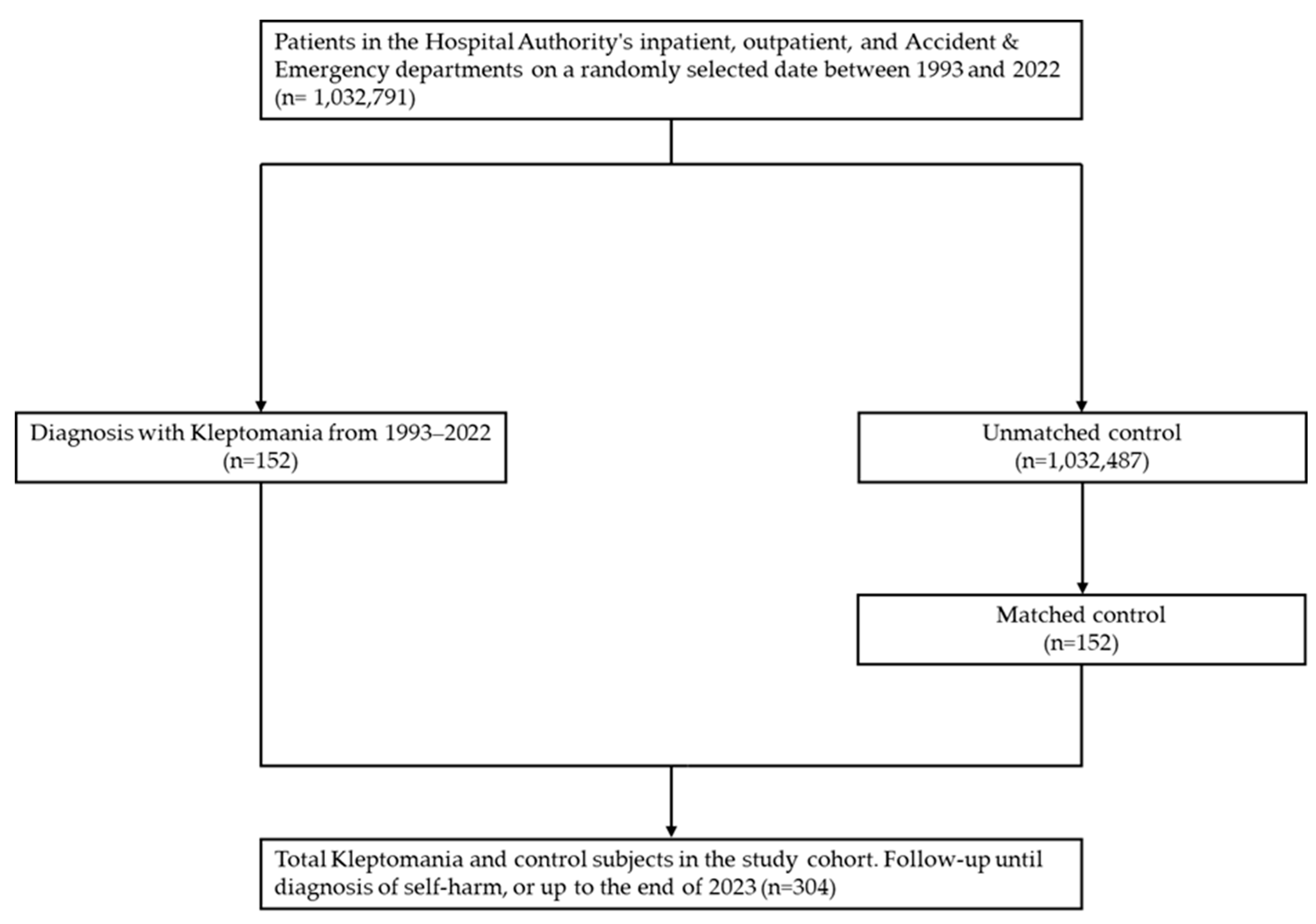
Figure 1. The flowchart of participant selection.
Psychiatryint 07 00014 g001
Figure 2. Cumulative incidence of self-harm, adjusted for age, sex, ethnicity, residential district, depression and bipolar disorders, ADHD, personality disorders, and substance use disorders.
Psychiatryint 07 00014 g002
Table 1. Demographic and clinical characteristics in the study cohort.
Kleptomania (n = 152)Comparison
Cohort (n = 152)
p-Value a
Gender 1.000
Male
Female
45 (29.6)
107 (70.4)
45 (29.6)
107 (70.4)
Age 1.000
</=10
11–20
21–40
41–60
61–80
>/=81
2 (1.3)
9 (5.9)
46 (30.3)
84 (55.3)
11 (7.2)
0 (0)
2 (1.3)
9 (5.9)
46 (30.3)
84 (55.3)
11 (7.2)
0 (0)
Mean age42.3 ± 43.542.3 ± 43.51.000 b
Ethnicity
Chinese
non-Chinese
138 (90.8)
14 (9.2)
147 (96.7)
5 (3.3)
0.033
District
New Territories
Kowloon
Hong Kong Island
Other Island
65 (42.8)
43 (28.3)
43 (28.3)
1 (0.7)
39 (25.7)
43 (28.3)
70 (46.1)
0 (0)
0.002
1.000
0.001
1.000
History of depression/bipolar disorder54 (35.5)12 (7.9)<0.001
History of ADHD1 (0.7)0 (0)1.000
History of personality disorders14 (9.2)3 (2.0)0.010
History of substance use disorders18 (11.8)20 (13.2)0.863
Average time to self-harm (years)4.9 ± 4.01.8 ± 1.60.063 b
a Fisher’s exact test; b t-test.
Disclaimer/Publisher’s Note: The statements, opinions and data contained in all publications are solely those of the individual author(s) and contributor(s) and not of MDPI and/or the editor(s). MDPI and/or the editor(s) disclaim responsibility for any injury to people or property resulting from any ideas, methods, instructions or products referred to in the content.