Journal Description
Journal of Risk and Financial Management
is an international, peer-reviewed, open access journal on risk and financial management, published monthly online by MDPI (since Volume 6, Issue 1 - 2013).
- Open Access— free for readers, with article processing charges (APC) paid by authors or their institutions.
- High Visibility: indexed within Scopus, EconBiz, EconLit, RePEc, and other databases.
- Journal Rank: CiteScore - Q1 (Business, Management and Accounting (miscellaneous))
- Rapid Publication: manuscripts are peer-reviewed and a first decision is provided to authors approximately 18.8 days after submission; acceptance to publication is undertaken in 5.5 days (median values for papers published in this journal in the second half of 2025).
- Recognition of Reviewers: reviewers who provide timely, thorough peer-review reports receive vouchers entitling them to a discount on the APC of their next publication in any MDPI journal, in appreciation of the work done.
Latest Articles
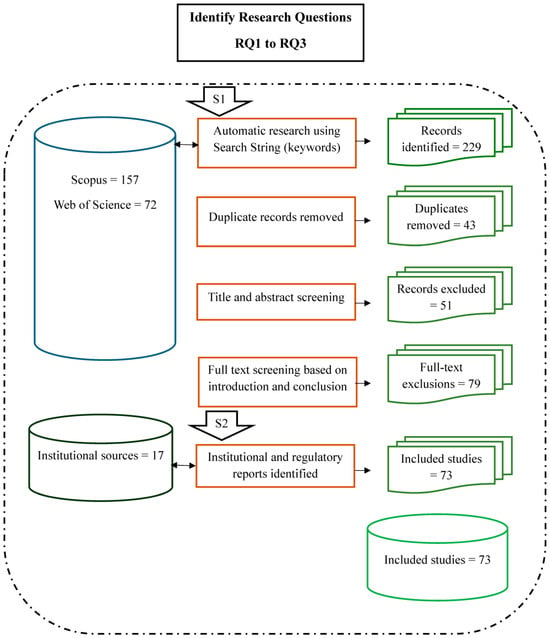
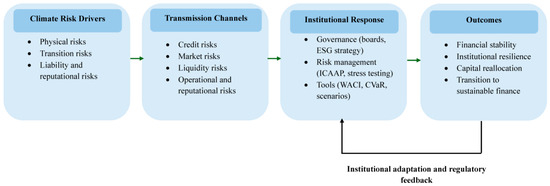
Climate Risk Management and Sustainable Finance: The Role of Financial Institutions in the European Context
J. Risk Financial Manag. 2026, 19(5), 373; https://doi.org/10.3390/jrfm19050373 - 20 May 2026
Abstract
Climate-related financial risks have become a central concern for financial institutions and regulators, particularly within the European financial system. This paper examines how climate-related risks are integrated into governance, risk assessment, and regulatory practices in European financial institutions. Using a structured narrative literature
[...] Read more.
Climate-related financial risks have become a central concern for financial institutions and regulators, particularly within the European financial system. This paper examines how climate-related risks are integrated into governance, risk assessment, and regulatory practices in European financial institutions. Using a structured narrative literature review of academic and institutional sources published between 2015 and 2026, the study synthesizes evidence on physical, transition, and liability risks, as well as the frameworks and tools used to assess them, including climate stress testing, scenario analysis, and climate value-at-risk models. The findings indicate that climate considerations are increasingly embedded within governance structures and supervisory frameworks; however, implementation remains fragmented due to inconsistent data, methodological limitations, and institutional barriers. The review further highlights that existing risk models often struggle to capture the long-term and non-linear nature of climate-related uncertainty. This paper contributes to the literature by linking financial stability theory and institutional theory to explain the persistent gap between regulatory ambition and institutional practice within the European context. The study concludes by discussing implications for supervisory policy, disclosure standardization, and climate-risk integration in financial decision-making.
Full article
(This article belongs to the Section Sustainability and Finance)
►
Show Figures
Open AccessArticle
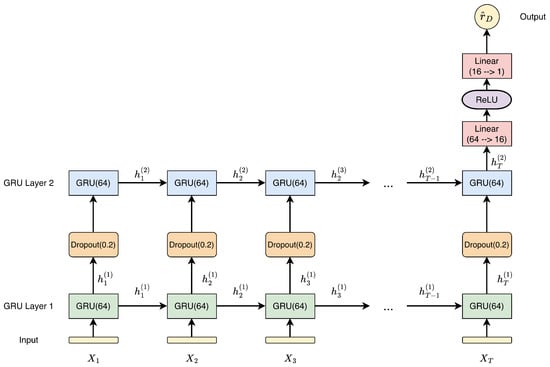
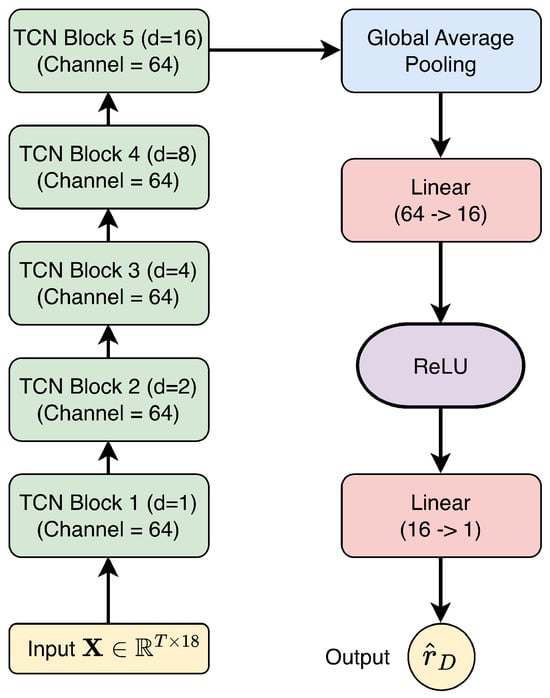
Does CNN-Based Feature Extraction Improve High-Frequency Return Prediction? Evidence from the CSI 300 Index
by
Fan Zhang and Haobing Wang
J. Risk Financial Manag. 2026, 19(5), 371; https://doi.org/10.3390/jrfm19050371 - 20 May 2026
Abstract
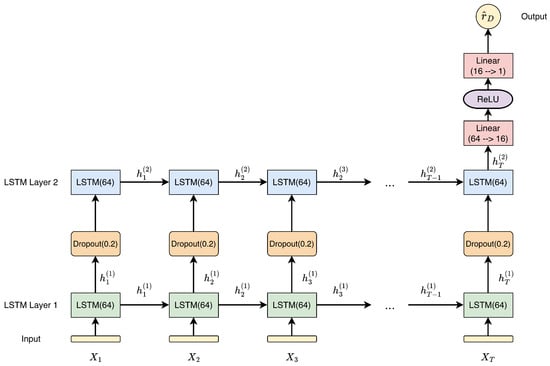
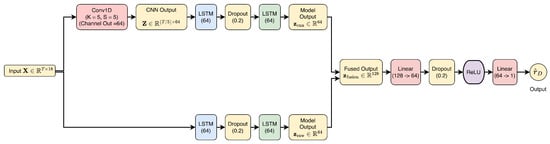
This study investigates whether CNN-based front-end feature extraction improves the predictive performance of deep learning models applied to 1 min intraday CSI 300 index data. Three baseline sequence models, LSTM, GRU, and TCN, are compared against their CNN hybrid and dual-branch fusion variants
[...] Read more.
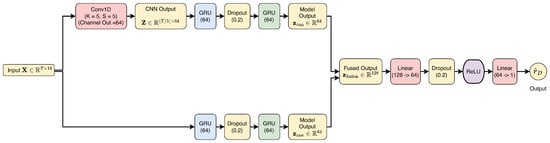
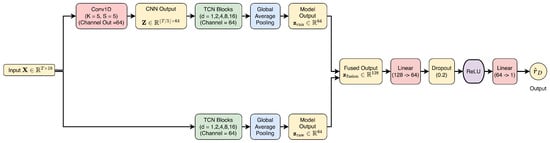
This study investigates whether CNN-based front-end feature extraction improves the predictive performance of deep learning models applied to 1 min intraday CSI 300 index data. Three baseline sequence models, LSTM, GRU, and TCN, are compared against their CNN hybrid and dual-branch fusion variants across five input window sizes, with all comparisons using identical back-end configurations. A total of 45 model configurations are trained and evaluated across 20 independent runs, with performance assessed on four metrics (MAE, RMSE, Directional Accuracy, and Information Coefficient) and statistical significance evaluated by paired t-tests. After standardisation, adding a CNN front-end does not consistently improve performance over the raw baseline and reduces IC for LSTM- and GRU-based models in many cases (e.g., IC of 0.0187 vs. 0.1031 for CNN-LSTM vs. LSTM at ), suggesting that standardised recurrent models can extract useful patterns directly from the raw sequence without CNN preprocessing. The dual-branch fusion architecture, which retains both the raw and CNN-compressed sequence branches, consistently outperforms the pure CNN hybrid on MAE, RMSE, and IC for LSTM- and GRU-based models (e.g., LSTMDualBranchFusion achieves statistically significant MAE reductions over CNN-LSTM at , , , and ), indicating that the raw sequence carries complementary predictive information that the CNN front-end discards. TCN-based models produce near-zero or negative IC values regardless of architecture variant, suggesting a possible limitation of dilated convolutional architectures for return rank-ordering on this dataset and sample period. These findings are consistent across all five window sizes examined.
Full article
(This article belongs to the Special Issue Quantitative Finance in the Era of Big Data and AI)
►▼
Show Figures

Figure 1
Open AccessArticle
Intervening Influence of Financial Development on the Relationship Between Sustainability Practices and Sustainable Development of the Sub-Saharan African Countries
by
James C. N. Mbugua, Ibrahim Tirimba Ondabu and Fred Ochogo Sporta
J. Risk Financial Manag. 2026, 19(5), 370; https://doi.org/10.3390/jrfm19050370 - 20 May 2026
Abstract
The objective of this paper was to explore how financial development affects the relationship between sustainability practices and sustainable development in Sub-Saharan Africa, where poor institutional quality and shallow financial markets may prevent sustainability gains from translating into measurable improvements in human development,
[...] Read more.
The objective of this paper was to explore how financial development affects the relationship between sustainability practices and sustainable development in Sub-Saharan Africa, where poor institutional quality and shallow financial markets may prevent sustainability gains from translating into measurable improvements in human development, poverty reduction, and environmental outcomes. Both descriptive and explanatory components were included in the study, which employed a longitudinal panel design. Using a positivist, longitudinal panel design, this study analyzes data from 49 Sub-Saharan African countries (2000–2023) sourced from the World Bank, United Nations Development Programme, and Sustainable Development Reports. Data analysis was done using regression models and descriptive analysis. The findings show that financial development does not serve as an effective transmission channel through which sustainability practices impact the achievement of sustainable development. The research concluded that policy interventions should include developing sustainable banking regulations, creating green finance incentives, establishing sustainability-linked lending criteria, and strengthening financial inclusion policies that target sustainable development sectors.
Full article
(This article belongs to the Special Issue ESG and Sustainability Finance: Addressing Climate Change and Climate Risk)
Open AccessArticle
Investment Experience and Financial Vulnerability: The Role of Financial Literacy, Gender and Social Context
by
Elisabet Ruiz-Dotras and Josep Llados-Masllorens
J. Risk Financial Manag. 2026, 19(5), 369; https://doi.org/10.3390/jrfm19050369 - 20 May 2026
Abstract
Several studies show that financial vulnerability is not determined solely by low levels of wealth, but also by behavioural and social factors that shape financial behaviour. From this perspective, the social environment and financial knowledge can influence how investors evaluate their investment experiences.
[...] Read more.
Several studies show that financial vulnerability is not determined solely by low levels of wealth, but also by behavioural and social factors that shape financial behaviour. From this perspective, the social environment and financial knowledge can influence how investors evaluate their investment experiences. However, most of the literature has focused on how these aspects affect participation in financial markets, rather than on how they shape perceptions of the investment experience itself. This study explores how interactions with one’s social environment and both objective and subjective levels of financial knowledge contribute to how people evaluate the outcomes of their investments. To do so, we analyse a sample of undergraduate students using multivariate regression and Oaxaca–Blinder decompositions across three social environments—family, workplace, and banking advisors—and three types of financial assets: stocks, investment funds, and pension funds. The results show that perceptions of investment experience are shaped not only by individual factors but also by financial knowledge and the social environment—and these effects differ between men and women. There are also differences across types of financial assets, suggesting varying levels of vulnerability. These findings highlight the importance of personal characteristics, financial knowledge, and social context in explaining investment perceptions and differences in financial vulnerability.
Full article
(This article belongs to the Special Issue From Financial Fragility to Resilience: Households, Investors, and Small Businesses)
Open AccessSystematic Review
Green Finance Transformation and Intellectual Growth: A Systematic Bibliometric Analysis of Thematic Evolution and Geographic Research Disparities (2015–2026)
by
Janah Nada, El Ganich Said, Yahyaoui Taoufiq and Kouchrad Ikhlass
J. Risk Financial Manag. 2026, 19(5), 368; https://doi.org/10.3390/jrfm19050368 - 20 May 2026
Abstract
In this research, the primary aim is to conduct a systematic review of the thematic evolution of green finance, which remains fragmented and unevenly represented in global academic debates. The objective of this analysis is to scientifically map out the scholarly output on
[...] Read more.
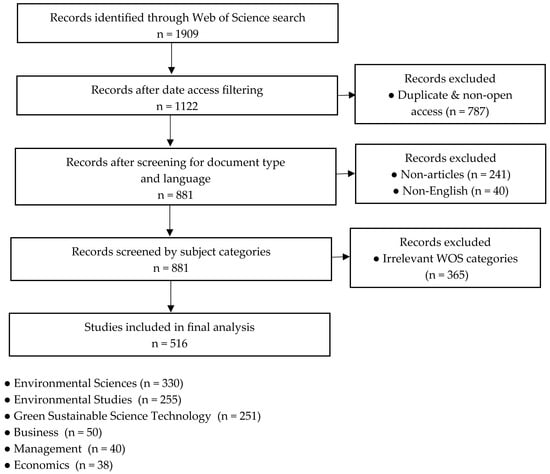
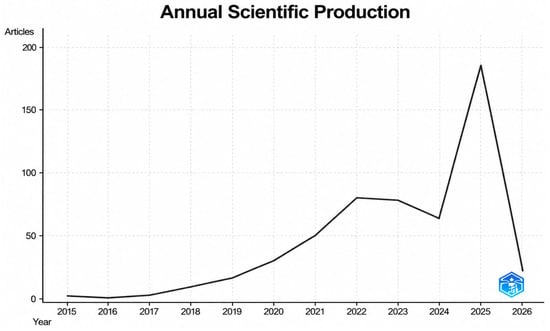
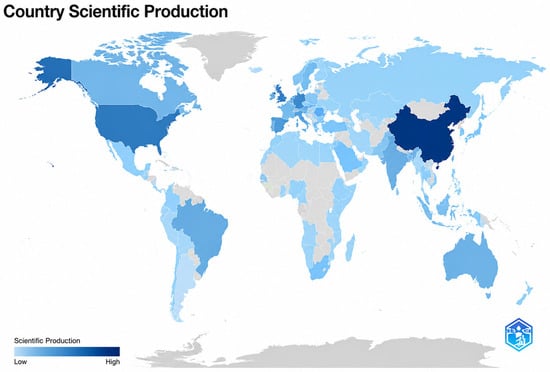
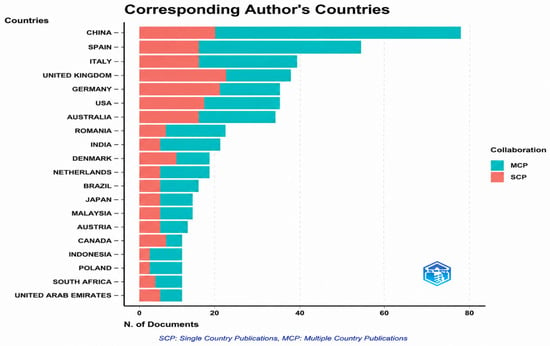
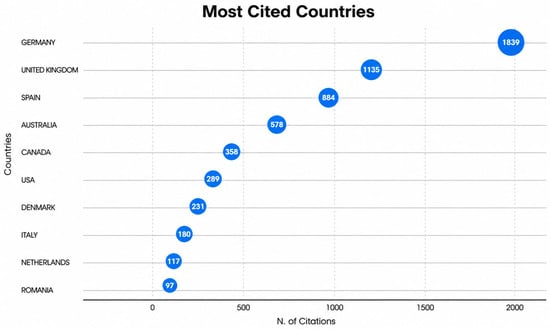
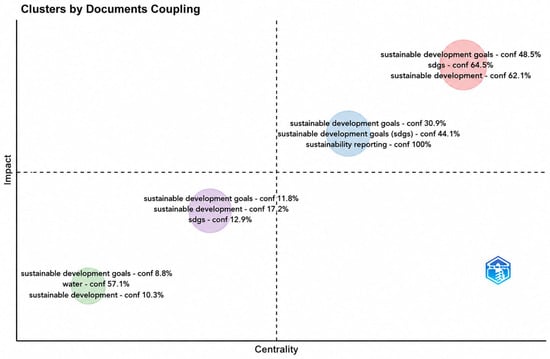
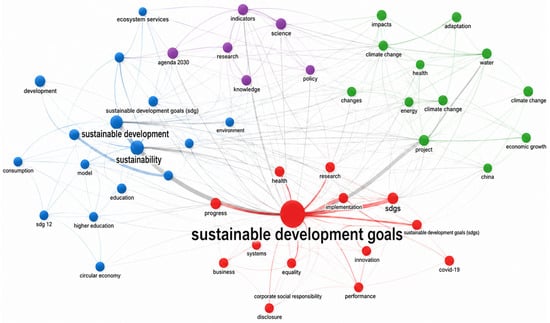
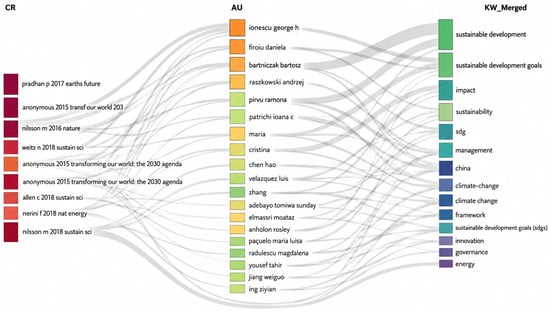
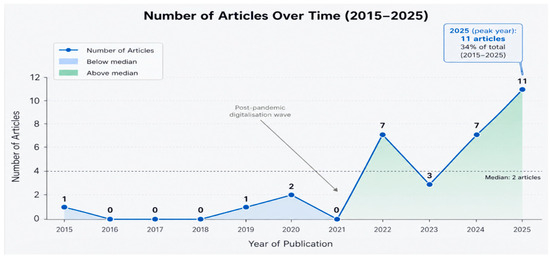
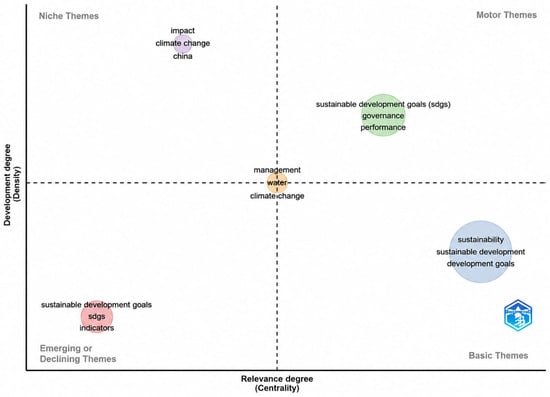
In this research, the primary aim is to conduct a systematic review of the thematic evolution of green finance, which remains fragmented and unevenly represented in global academic debates. The objective of this analysis is to scientifically map out the scholarly output on green finance from 2015 to 2026, detailing its intellectual structure, trends, thematic clusters, and emerging lacunae in the field. Primary data extraction from Web of Science was employed to construct the bibliometric database, whereas the identification, screening, and selection of the final dataset were conducted in accordance with the PRISMA guidelines to ensure the study’s transparency and reliability. The main findings highlighted an increasing scholarly interest in the field’s publications from 2019 onward. Key occurrences and citation maps, using RStudio (version 4.1) and Biblioshiny (version 4.5.2), indicate dispersed clusters comprising sustainability transitions, digital finance, bibliometric methods, and a weak link to governance and behavioral perspectives. The co-authorship and country analyses confirm a pronounced geographic imbalance of green finance-related research in academia, with an overrepresentation in the Global North and an underrepresentation in Africa, Latin America, and the MENA region. The analysis further emphasizes the growing role of institutional and ESG regulatory frameworks in shaping research trajectories, while also identifying a limited integration of emerging technological dimensions such as digital finance and artificial intelligence. Thus, the study’s contribution to the literature relies on its critical understanding and structuring of the field’s evolution. The implications include synthesizing research gaps and the need for outcome-oriented impact assessments and mechanism-based models of green finance to ensure significant inclusivity and resilience in the subject’s future agenda.
Full article
(This article belongs to the Special Issue The Future of Sustainable Finance: Digital and Circular Synergies)
►▼
Show Figures

Figure 1

Open AccessEditorial
Featured Papers in Finance and Society Wellbeing—In Honor of Professors Joe Gani and Chris Heyde
by
Shuangzhe Liu and Svetlozar T. Rachev
J. Risk Financial Manag. 2026, 19(5), 367; https://doi.org/10.3390/jrfm19050367 - 19 May 2026
Abstract
This featured volume is dedicated to the memory of Professor Joe Gani (1924–2016) and Professor Chris Heyde (1939–2008), two outstanding scholars whose research, intellectual leadership, and mentorship had a lasting influence on applied probability, mathematical statistics, stochastic processes, actuarial science, and financial risk
[...] Read more.
This featured volume is dedicated to the memory of Professor Joe Gani (1924–2016) and Professor Chris Heyde (1939–2008), two outstanding scholars whose research, intellectual leadership, and mentorship had a lasting influence on applied probability, mathematical statistics, stochastic processes, actuarial science, and financial risk analysis [...]
Full article
(This article belongs to the Special Issue Featured Papers in Finance and Society Wellbeing—in Honor of Professors Joe Gani and Chris Heyde)
Open AccessArticle
Information Overload in Financial Reporting and Behavioral Decision-Making: Institutional Investors’ Perspectives
by
Adile Aktar and Ömer Tekşen
J. Risk Financial Manag. 2026, 19(5), 366; https://doi.org/10.3390/jrfm19050366 - 18 May 2026
Abstract
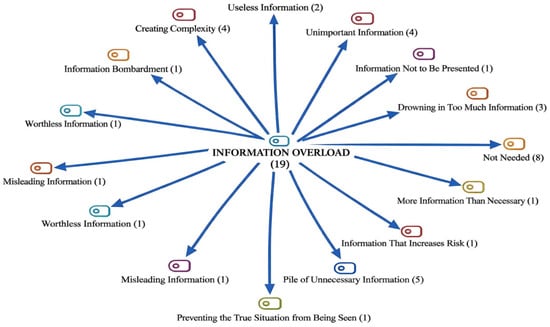
Financial reporting standards aim to increase transparency; however, the expansion in disclosure volume may also create an information overload paradox for investors, an issue that remains underexplored in the context of institutional investors. Excess information beyond mandatory requirements may complicate decision environments and
[...] Read more.
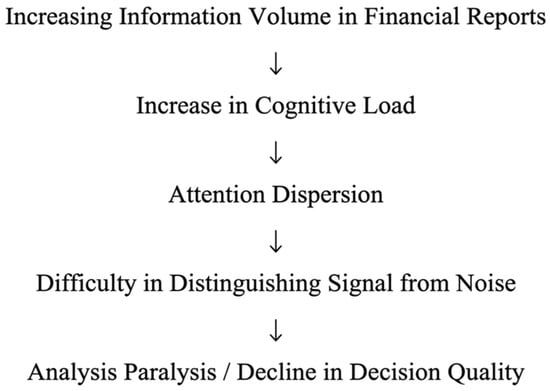
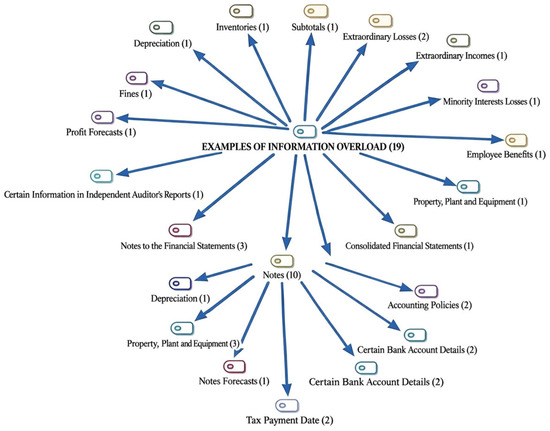
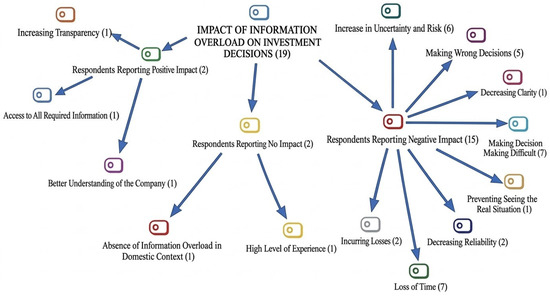
Financial reporting standards aim to increase transparency; however, the expansion in disclosure volume may also create an information overload paradox for investors, an issue that remains underexplored in the context of institutional investors. Excess information beyond mandatory requirements may complicate decision environments and create cognitive burden. When information exceeds cognitive processing capacities, attention may become fragmented, making it more difficult to distinguish signal from noise and potentially leading to analysis paralysis and changes in risk perception. Drawing on bounded rationality and cognitive load theory, this study conceptualizes information overload as a behavioral constraint associated with perceived limitations in decision quality and speed and, accordingly, examines its influence on institutional investors’ decision processes through a phenomenological approach. The study employs thematic analysis based on in-depth interviews with 19 professionals in institutional investment organizations in Türkiye. The findings suggest that information overload is experienced as cognitive strain that may prolong decision processes, may be associated with analysis paralysis and perceived changes in decision quality, and may be associated with increased uncertainty and potential challenges in interpreting risk. These findings provide exploratory insight into how information density may influence risk interpretation and portfolio assessment, and how institutional investors perceive decision-making efficiency.
Full article
(This article belongs to the Special Issue Behaviour in Financial Decision-Making)
►▼
Show Figures

Figure 1
Open AccessArticle
Foreign Exchange Governance and Financial Stability of Multinationals: Cross-Country Evidence
by
Olajumoke Oyewo, Omobolanle Korede Oluwalana, Kolawole Alo and Gbenga Ekundayo
J. Risk Financial Manag. 2026, 19(5), 365; https://doi.org/10.3390/jrfm19050365 - 17 May 2026
Abstract
This study examines the association between foreign exchange (FX) governance and financial stability by analysing empirical evidence from multinational entities. We analyse a 16-year panel (2009–2024) comprising 6613 firm-year observations using OLS regression with industry and year fixed effects. Firm-level data on financial
[...] Read more.
This study examines the association between foreign exchange (FX) governance and financial stability by analysing empirical evidence from multinational entities. We analyse a 16-year panel (2009–2024) comprising 6613 firm-year observations using OLS regression with industry and year fixed effects. Firm-level data on financial sustainability, FX governance, board attributes, and controls are drawn from the London Stock Exchange Group (formerly Refinitiv), while country-level institutional and economic indicators are obtained from the World Bank. The result suggests that FX governance is negatively associated with earnings volatility, implying that FX governance enhances the financial stability of organisations. The baseline result is robustness to endogeneity and selection bias. However, our subsample analysis reveals that the impact of FX governance on financial stability varies based on institutional quality and industry. Whereas FX governance is negatively associated with earnings volatility thus enhancing financial stability in high-institutional-quality settings, the impact is not significant in low-institutional-quality environments. This study contributes to knowledge by empirically validating the relevance of FX governance to financial stability. Our study also contributes to the limited studies on the role of FX governance in diminishing earnings volatility, thus exposing FX management as a strategy for achieving financial sustainability. The international sample analysed in the study contributes to the generalisability of results.
Full article
(This article belongs to the Special Issue Exchange Rate Volatility and Cross-Border Corporate Financial Stability)
Open AccessArticle
Investor Sentiment and Volatility Spillovers Between Socially Responsible and Traditional Funds in South Africa
by
Siseko Mtunzi Merana, Hilary Tinotenda Muguto, Lorraine Muguto and Paul-Francois Muzindutsi
J. Risk Financial Manag. 2026, 19(5), 364; https://doi.org/10.3390/jrfm19050364 - 17 May 2026
Abstract
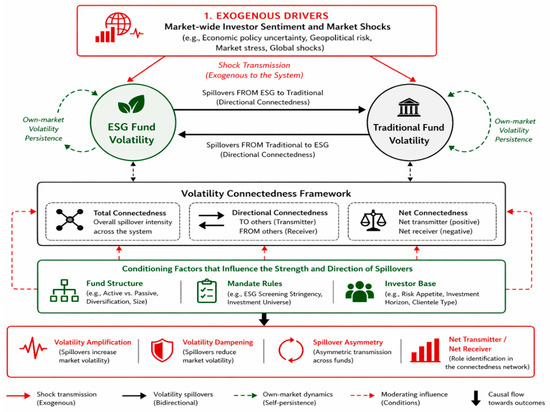
This study examines whether investor sentiment drives volatility spillovers between socially responsible and traditional mutual funds. The rapid growth of responsible investing in emerging markets raises questions about whether higher costs deliver improved risk or diversification benefits, particularly in volatile, behaviourally driven settings.
[...] Read more.
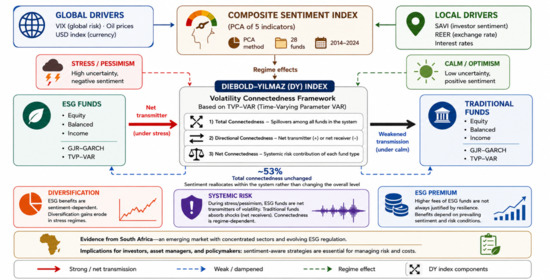
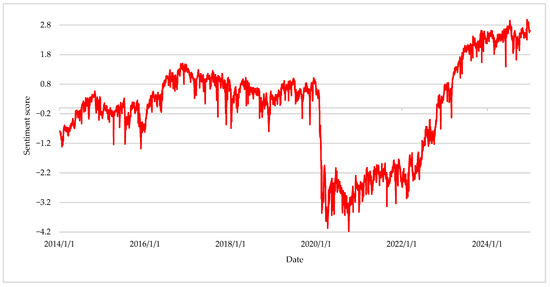
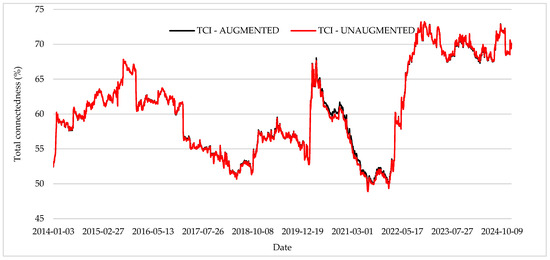
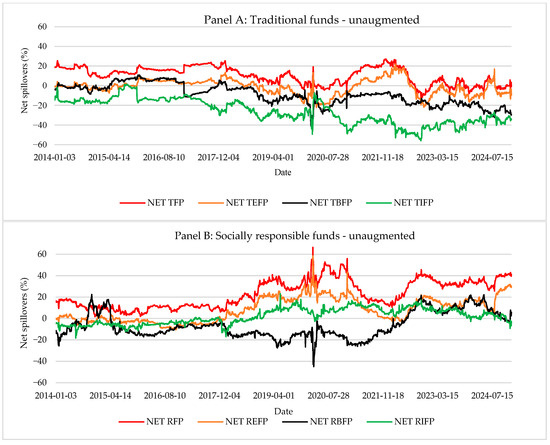
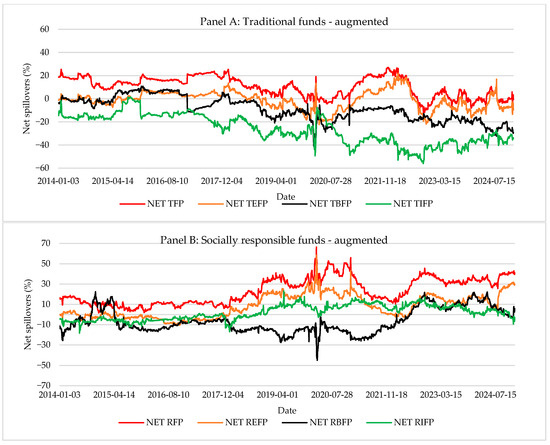
This study examines whether investor sentiment drives volatility spillovers between socially responsible and traditional mutual funds. The rapid growth of responsible investing in emerging markets raises questions about whether higher costs deliver improved risk or diversification benefits, particularly in volatile, behaviourally driven settings. Using a sentiment-augmented Diebold–Yilmaz connectedness framework, a composite sentiment index is constructed from global and local indicators. The results show that spillovers are time-varying and regime-dependent. During periods of stress and pessimism, responsible funds act as net transmitters of volatility, while traditional funds absorb shocks. In bullish conditions, volatility transmission weakens. Overall, connectedness shifts across market states, and socially responsible funds do not consistently provide stabilising or diversification benefits, as these depend on prevailing sentiment and risk conditions. This study provides new evidence on how sentiment-driven volatility spillovers are transmitted between socially responsible and traditional funds in South Africa, with implications for systemic risk and ESG investment costs.
Full article
(This article belongs to the Special Issue Behaviour in Financial Decision-Making)
►▼
Show Figures

Graphical abstract
Open AccessArticle
Asymmetric and Time-Varying Dependence Between Effective Exchange Rate and Stock Return: Evidence from Taiwan
by
Hung-Hsi Huang, Ya-Ting Li and Ching-Ping Wang
J. Risk Financial Manag. 2026, 19(5), 363; https://doi.org/10.3390/jrfm19050363 - 16 May 2026
Abstract
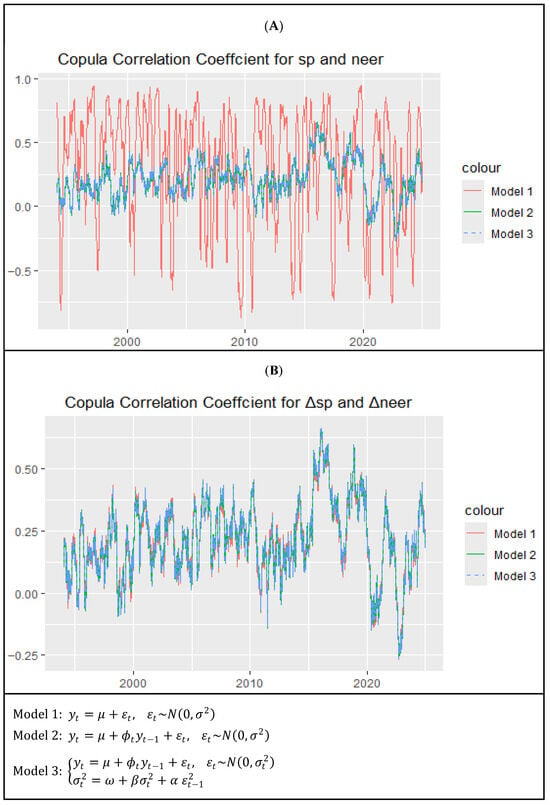
This study examines the dynamic relationship between exchange rates and stock returns in Taiwan, focusing on asymmetry and time-varying dependence. Using monthly and daily data from 1994 to 2024, we employ ARDL, NARDL, and error correction models (ECM), together with a time-varying copula
[...] Read more.
This study examines the dynamic relationship between exchange rates and stock returns in Taiwan, focusing on asymmetry and time-varying dependence. Using monthly and daily data from 1994 to 2024, we employ ARDL, NARDL, and error correction models (ECM), together with a time-varying copula framework. We contribute to the literature in three ways. First, we provide a unified framework that jointly captures long-run equilibrium, short-run dynamics, and nonlinear dependence. Second, we document robust asymmetric effects, showing that currency depreciation stimulates stock returns, whereas appreciation exerts adverse effects, reflecting Taiwan’s export-oriented economic structure. Third, we show that the dependence between exchange rates and stock returns is time-varying and highly persistent. Overall, the findings highlight the importance of nonlinear and time-varying approaches in understanding exchange rate–stock market interactions and offer important implications for investors and policymakers.
Full article
(This article belongs to the Special Issue Econometrics on Economic Dynamics and Financial Markets)
►▼
Show Figures

Figure 1
Open AccessArticle
FinTech Investment, Geopolitical-Economic Uncertainty, and CO2 Emissions in Low- and Middle-Income Countries: Evidence from Dynamic Panel Models
by
Nurcan Kilinc-Ata and Alia Mubarak Al-Fori
J. Risk Financial Manag. 2026, 19(5), 362; https://doi.org/10.3390/jrfm19050362 - 15 May 2026
Abstract
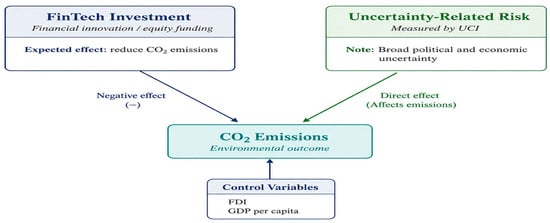
The intersection of financial innovation and environmental sustainability offers important opportunities for low- and middle-income (LMI) countries. This study examines the association between FinTech investment, geopolitical-economic uncertainty, urbanization, economic development, and carbon dioxide (CO2) emissions in LMI countries. CO2 emissions
[...] Read more.
The intersection of financial innovation and environmental sustainability offers important opportunities for low- and middle-income (LMI) countries. This study examines the association between FinTech investment, geopolitical-economic uncertainty, urbanization, economic development, and carbon dioxide (CO2) emissions in LMI countries. CO2 emissions per capita are used as an environmental outcome indicator rather than as a direct measure of green finance. Using a panel dataset covering 2010–2021, the study applies fixed-effects panel regressions as the main empirical approach and reports one-step difference the Generalized Method of Moments (GMM) estimates as exploratory dynamic evidence. The fixed-effects results indicate that GDP per capita is positively and significantly associated with CO2 emissions, while FinTech investment and urbanization do not show consistent significant associations. Geopolitical risk is positively associated with CO2 emissions in some static specifications, but this association becomes insignificant once gross domestic product (GDP) per capita is included. The exploratory GMM results, estimated with collapsed instruments and restricted lag depth, do not provide statistically significant evidence that FinTech investment is associated with lower CO2 emissions. Overall, the findings suggest that FinTech investment may be relevant for environmental outcomes in LMI countries, but its role is neither automatic nor uniform and remains sensitive to model specification. Policy implications emphasize the need to strengthen digital financial infrastructure, regulatory transparency, institutional stability, urban planning, and climate-oriented investment channels to support FinTech-driven environmental performance.
Full article
(This article belongs to the Section Financial Technology and Innovation)
►▼
Show Figures

Figure 1
Open AccessArticle
Deep Learning in Credit Risk Assessment: A Data-Driven Approach to Transforming Financial Decision-Making and Risk Analytics
by
Raja Kamal Ch, K. Meenadevi, Deepak Kumar D and Rakesh Nagaraj
J. Risk Financial Manag. 2026, 19(5), 361; https://doi.org/10.3390/jrfm19050361 - 15 May 2026
Abstract
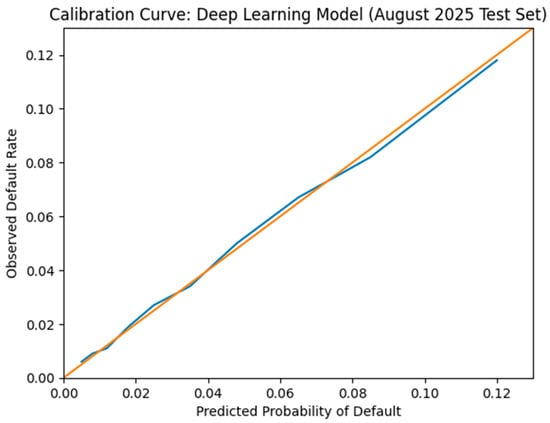
Credit risk evaluation is a key factor in financial intermediation, regulatory capital provision, and risk management in the portfolio. In this study, we compare the deep learning performance for probability-of-default (PD) estimation with a structured financial econometric model using loan-level data of an
[...] Read more.
Credit risk evaluation is a key factor in financial intermediation, regulatory capital provision, and risk management in the portfolio. In this study, we compare the deep learning performance for probability-of-default (PD) estimation with a structured financial econometric model using loan-level data of an Indian non-banking financial agency between May and August 2025. Using the interpretation of PD as a conditional expectation, which is in line with reduced-form default-intensity models, we compare deep learning, logistic regression, and gradient boosting using a pure time-based out-of-sample design. Model assessment focuses on discrimination and calibration, where the area under the precision–recall curve (AUC-PR), Brier score, log-loss, and Hosmer–Lemeshow goodness-of-fit tests are utilized. The findings show that deep learning achieves higher accuracy in terms of calibration but a lower Brier score by about 18; this gap could be reduced by comparing logistic regression with statistically significant improvements in formal tests that compare forecasts. In portfolio back-testing, better probability scaling is translated into an actual loss reduction of about 12–13% for the August 2025 cohort. Although the improvements compared with the advanced ensemble techniques are moderate, the results indicate that deep learning improves the estimation of conditional default probabilities because of the better nonlinear modeling and upper-tail risk perception. This study contributes to the literature via its incorporation of machine learning and credit risk assessment into a formalized risk management and econometric assessment system.
Full article
(This article belongs to the Section Economics and Finance)
►▼
Show Figures

Figure 1

Open AccessReview
When Does ESG Create Value? A Literature Review on Benefits, Credibility, and Enabling Factors
by
Patrizia Gazzola, Stefano Amelio and Vincenza Vota
J. Risk Financial Manag. 2026, 19(5), 360; https://doi.org/10.3390/jrfm19050360 - 15 May 2026
Abstract
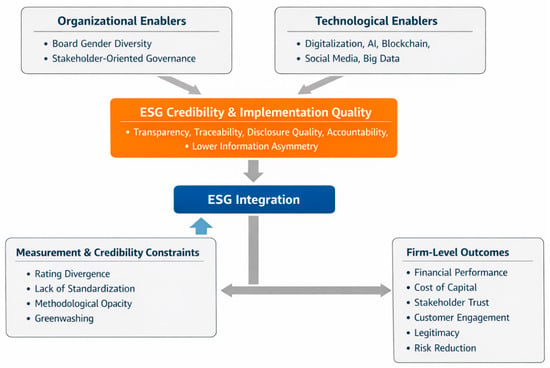
The integration of environmental, social and governance (ESG) criteria into corporate and financial decision-making has become one of the most significant transformations in today’s financial markets. Growing regulatory pressure, stakeholder expectations and increased awareness of sustainability challenges have led companies and investors to
[...] Read more.
The integration of environmental, social and governance (ESG) criteria into corporate and financial decision-making has become one of the most significant transformations in today’s financial markets. Growing regulatory pressure, stakeholder expectations and increased awareness of sustainability challenges have led companies and investors to incorporate ESG considerations into strategic and investment decisions. Despite the rapid spread of ESG practices, the academic literature presents conflicting and sometimes contradictory evidence regarding their economic implications and practical effectiveness. This article provides a review of the literature on the main academic contributions to ESG integration, focusing on three key dimensions: the economic benefits associated with ESG practices, the methodological and credibility challenges relating to ESG measurement, and the organisational and technological factors that enable effective ESG implementation. The findings indicate that ESG integration is generally associated with positive organisational outcomes, including improved financial performance, lower cost of capital, greater stakeholder trust and a reduction in firm-specific risk. However, the realisation of these benefits is not automatic and depends to a large extent on the credibility of ESG practices and information. Rather than endorsing the widely held view that ESG criteria are inherently capable of creating value, the analysis shows that the value-creating effect of ESG criteria depends crucially on the credibility of ESG practices and the quality of their implementation. The literature highlights significant methodological challenges, including rating divergence, the lack of standardised metrics, methodological opacity and the growing risk of greenwashing, which can undermine the reliability of ESG information. This paper proposes an deductive conceptual framework in which ESG effectiveness emerges from the interaction between value creation mechanisms, credibility constraints, and enabling organisational and technological factors.
Full article
(This article belongs to the Special Issue ESG Investments and Risks: Corporate, Financial Institutions and Public Policies)
►▼
Show Figures

Figure 1
Open AccessArticle
Trade Specialization and Export Risk Exposure in Central Asia: A Multi-Index Assessment of Mineral, Chemical, Textile and Metallurgical Sectors (2017–2024)
by
Aina Otarbayeva, Akimzhan Arupov, Madina Abaidullayeva, Azizam Arupova and Valeriy Abramov
J. Risk Financial Manag. 2026, 19(5), 359; https://doi.org/10.3390/jrfm19050359 - 15 May 2026
Abstract
This study assesses export concentration risk in four Central Asian economies (Kazakhstan, Kyrgyzstan, Tajikistan, and Uzbekistan) by examining trade specialization patterns in 31 mineral, chemical, textile, and metallurgical product groups over 2017–2024. Using a multi-index framework based on Revealed Symmetric Comparative Advantage (RSCA),
[...] Read more.
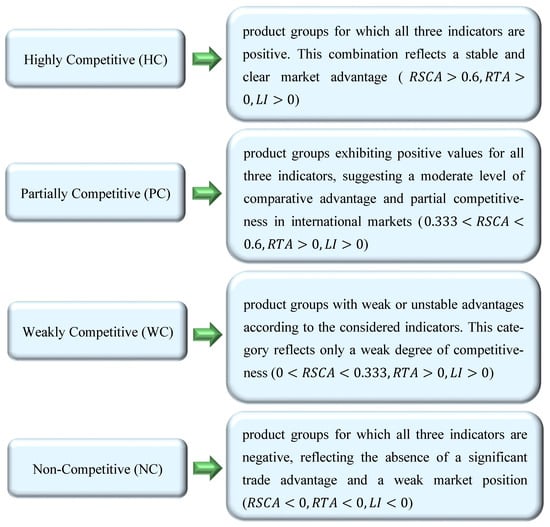
This study assesses export concentration risk in four Central Asian economies (Kazakhstan, Kyrgyzstan, Tajikistan, and Uzbekistan) by examining trade specialization patterns in 31 mineral, chemical, textile, and metallurgical product groups over 2017–2024. Using a multi-index framework based on Revealed Symmetric Comparative Advantage (RSCA), Relative Trade Advantage (RTA), and the Lafay Index (LI), the paper distinguishes structurally embedded competitive advantages from export signals that are weak, import-dependent, or potentially transient. The revised analysis adds explicit data consistency checks, a clarified classification rule, and robustness tests based on sign concordance, majority-index rules, and RSCA-only thresholds. The results show that Central Asia’s risk profile is highly persistent but heterogeneous: Tajikistan is exposed to extreme single-commodity risk in aluminium and cotton-related segments; Kazakhstan remains vulnerable to mineral-fuel concentration and energy-price volatility; Uzbekistan has broader but still labour-intensive textile specialization; and Kyrgyzstan shows ambiguous competitiveness that may partly reflect re-export and transit-related trade. Fully competitive product groups are confined mainly to resource- and labour-intensive activities, while chemicals and technologically complex manufacturing remain non-competitive across the region. The findings support risk-differentiated policy responses, including commodity-price hedging, counter-cyclical stabilization tools, downstream processing, textile upgrading, and regional value-chain development.
Full article
(This article belongs to the Special Issue Impact of Geopolitical Risks (GR) and Economic Policy Uncertainty (EPU) on Financial Strategies)
►▼
Show Figures

Figure 1
Open AccessArticle
Bayesian Logistic Regression for Credit Risk Modelling Among South African Loan Borrowers
by
John Lehlaka Masekoameng, Sizwe Vincent Mbona, Anisha Ananth and Retius Chifurira
J. Risk Financial Manag. 2026, 19(5), 358; https://doi.org/10.3390/jrfm19050358 - 15 May 2026
Abstract
Credit risk management is critical in developing economies where high default rates threaten financial stability. This study compares traditional logistic regression (TLR) and Bayesian logistic regression (BLR) for predicting loan default using anonymized National Credit Regulator (NCR) data from 5000 South African loan
[...] Read more.
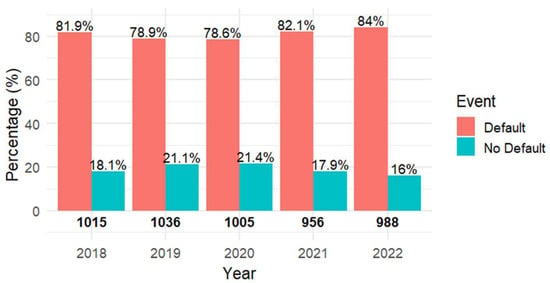
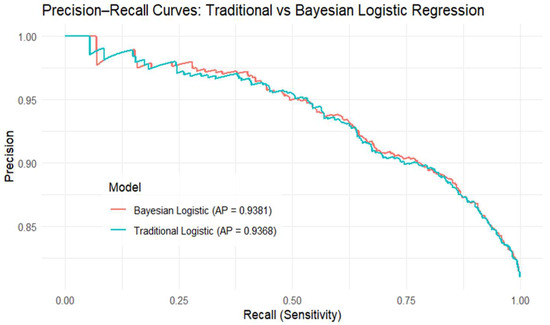
Credit risk management is critical in developing economies where high default rates threaten financial stability. This study compares traditional logistic regression (TLR) and Bayesian logistic regression (BLR) for predicting loan default using anonymized National Credit Regulator (NCR) data from 5000 South African loan borrowers (2018–2022). The NCR data included both bank and non-bank lenders. The findings indicate that the BLR model outperformed TLR, achieving an average precision of 0.94. Loan terms, inflation rates, and income bands of R5000–R10,000 and R20,000–R50,000 were associated with higher default risk, whereas higher credit scores and personal loan products were associated with lower default risk. Model performance improved when focusing on these predictors rather than all variables. Using a 0.5 probability threshold, BLR classified 94.5% of borrowers as high risk. Findings highlight the practical value of BLR for identifying key predictors and improving borrower risk classification. These insights can inform targeted strategies such as enhanced screening for long-term loans, monitoring during inflationary periods, and tailored repayment plans for vulnerable income groups, supporting responsible lending and portfolio stability.
Full article
(This article belongs to the Section Banking and Finance)
►▼
Show Figures

Figure 1

Open AccessArticle
Integrating ENSO Climate Risk into Flood Catastrophe Bonds for Disaster Risk Financing: An Asset-Pricing Framework
by
Riza Andrian Ibrahim, Heru Santoso and Sukono
J. Risk Financial Manag. 2026, 19(5), 357; https://doi.org/10.3390/jrfm19050357 - 13 May 2026
Abstract
Empirical evidence shows that the El Niño-Southern Oscillation (ENSO) influences the frequency–damage relationship for floods. However, ENSO is generally not incorporated into indemnity-trigger modeling of Flood Catastrophe Bonds (FCBs), resulting in an incomplete representation of claim events. Therefore, this study aims to develop
[...] Read more.
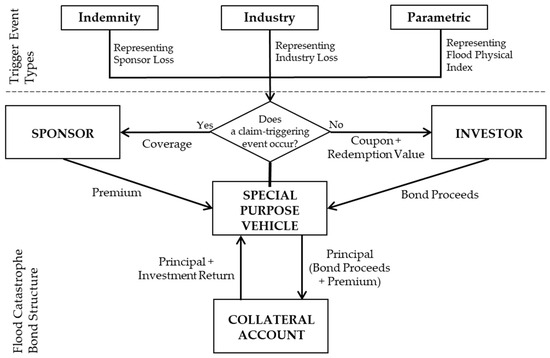
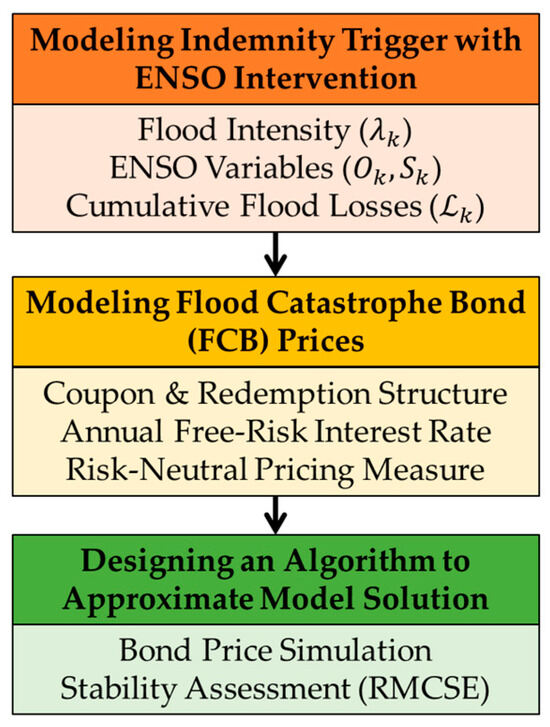
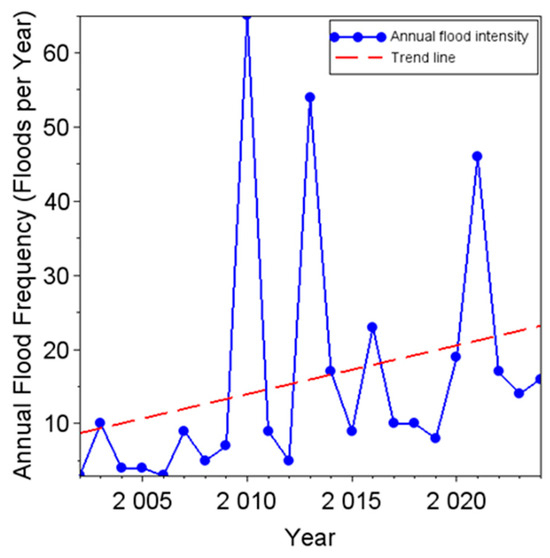
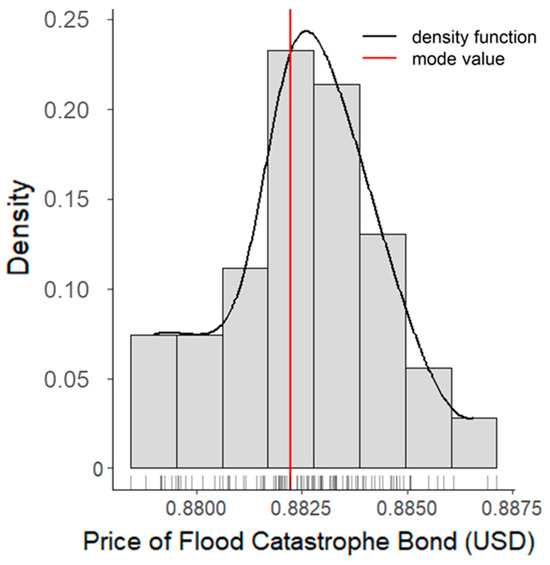
Empirical evidence shows that the El Niño-Southern Oscillation (ENSO) influences the frequency–damage relationship for floods. However, ENSO is generally not incorporated into indemnity-trigger modeling of Flood Catastrophe Bonds (FCBs), resulting in an incomplete representation of claim events. Therefore, this study aims to develop an FCB pricing model that incorporates ENSO as an external systematic risk factor affecting the indemnity trigger. The trigger is formulated as a doubly stochastic compound Poisson process, with its intensity modeled as an autoregressive integrated moving-average with exogenous variables. Bond prices are then derived by integrating the trigger process with the Cox-Ingersoll-Ross model under an arbitrage-free risk-neutral framework. To obtain stable numerical solutions, a Monte Carlo-based algorithm is also developed. Numerical simulations using data from Bandung Regency, Indonesia, show stable estimates under the relative Monte Carlo standard error measure. Then, incorporating ENSO empirically improves flood-intensity forecasting accuracy, as indicated by lower MAPE, MAE, RMSE, and Theil’s U. It also produces statistically significant price differences across all common maturities. This study advances the theoretical and practical pricing of FCBs by directly linking climate-driven flood intensity to indemnity triggers, equipping practitioners to quantify risk better and to set sustainable disaster risk financing, particularly in ENSO-affected regions.
Full article
(This article belongs to the Special Issue Sustainable Finance and Climate Transition)
►▼
Show Figures

Figure 1
Open AccessArticle
Nonlinear Association Between Controlling Shareholders and Financial Reporting Integrity: An Explainable Optuna-Optimized Ensemble Learning Approach in Egypt and Saudi Arabia
by
Gihan M. Ali and Mohammad Zaid Alaskar
J. Risk Financial Manag. 2026, 19(5), 356; https://doi.org/10.3390/jrfm19050356 - 13 May 2026
Abstract
Financial reporting integrity (FRI) plays a critical role in capital market efficiency, yet its determinants remain difficult to model due to nonlinear relationships, heterogeneous firm characteristics, and institutional differences across emerging markets. Prior research largely relies on linear econometric approaches, which may overlook
[...] Read more.
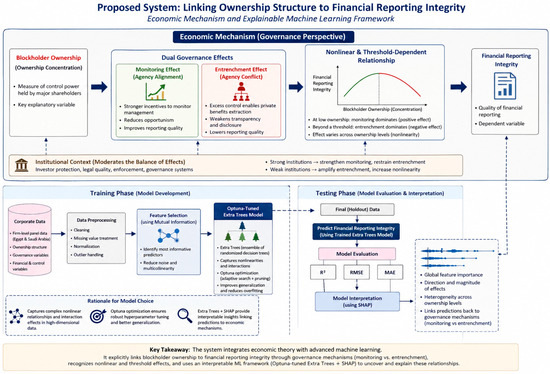
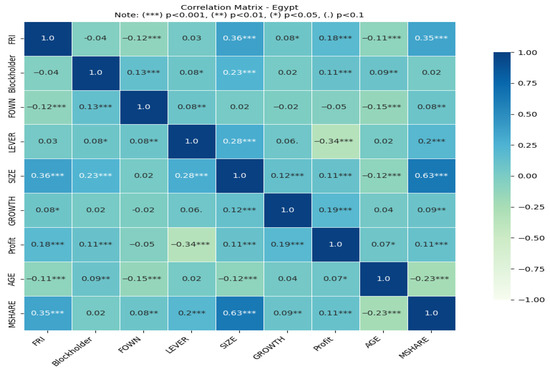
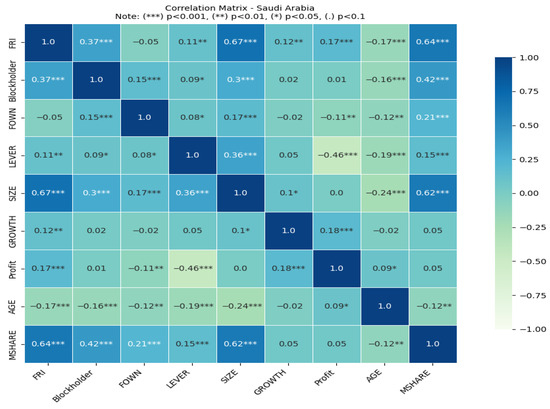
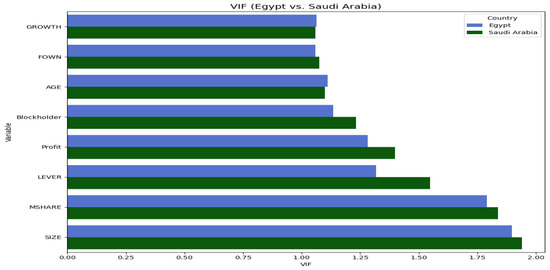
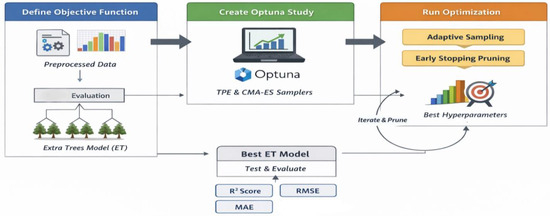
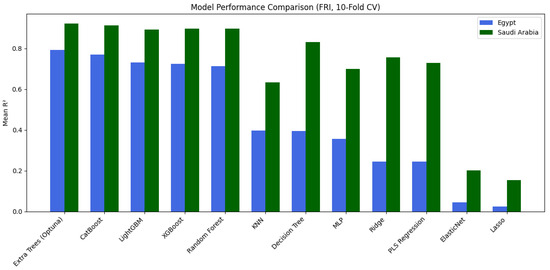
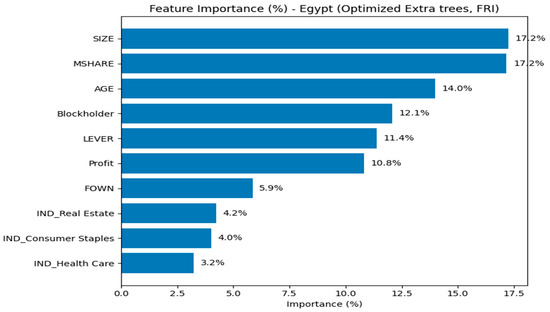
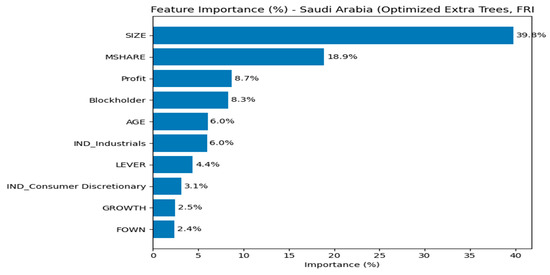
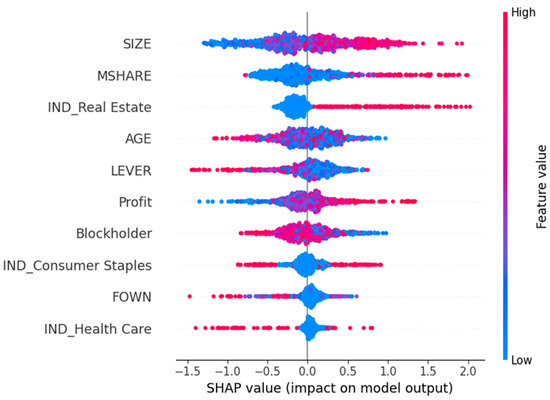
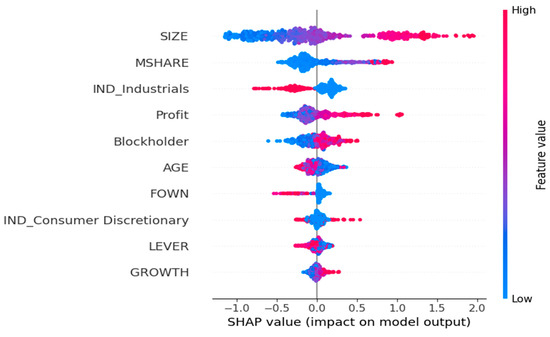
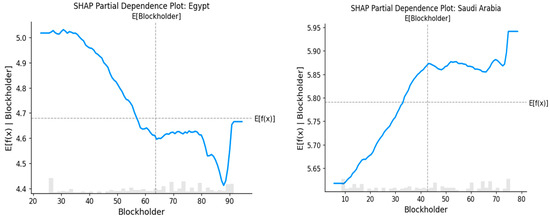
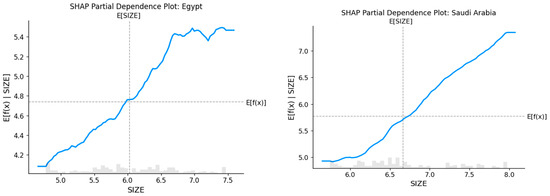
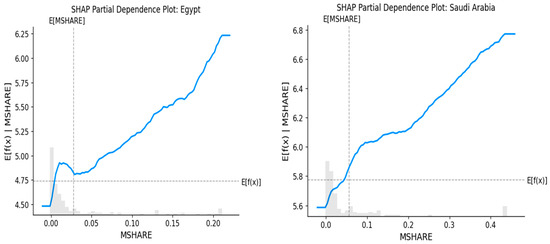
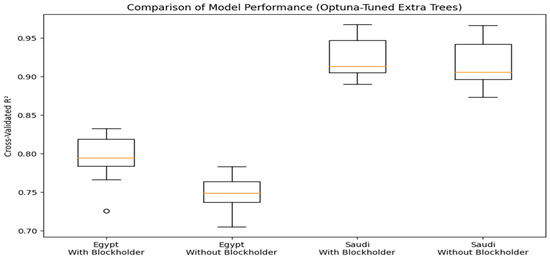
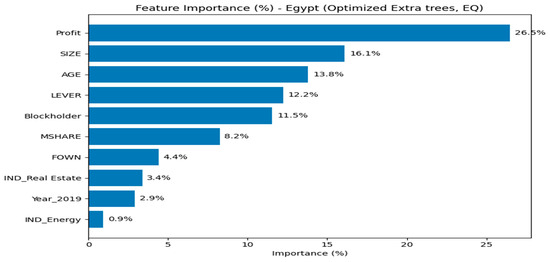
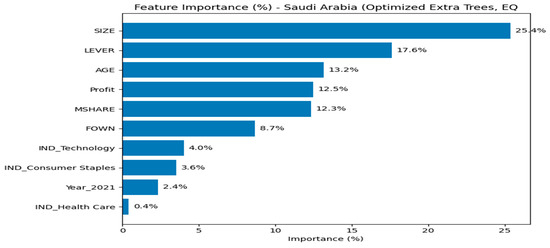
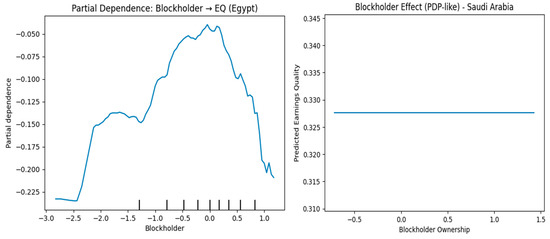
Financial reporting integrity (FRI) plays a critical role in capital market efficiency, yet its determinants remain difficult to model due to nonlinear relationships, heterogeneous firm characteristics, and institutional differences across emerging markets. Prior research largely relies on linear econometric approaches, which may overlook threshold effects and complex governance dynamics. This study develops an explainable Optuna-optimized Extremely randomized trees (ET) ensemble framework to examine the association between controlling shareholders and FRI in Egypt and Saudi Arabia. Using a panel dataset of 1746 firm-year observations over the period 2014–2022, the model incorporates advanced preprocessing and mutual information-based feature selection to enhance predictive accuracy and robustness. The proposed model significantly outperforms regularized linear models, standalone machine learning models, and alternative ensemble techniques, achieving R2 values of 0.7935 in Egypt and 0.9231 in Saudi Arabia, alongside substantial reductions in RMSE and MAE. Diebold–Mariano tests confirm that these performance gains are statistically significant (p < 0.01). Explainability analysis using SHAP reveals that firm size and market share are the dominant drivers of FRI, while blockholder ownership exhibits a nonlinear and context-dependent association. Partial dependence results show a complex, non-monotonic relationship in Egypt—consistent with a monitoring–entrenchment trade-off—contrasted with a predominantly positive and monotonic association in Saudi Arabia. Importantly, these nonlinear patterns are not detected in conventional panel fixed effects models, highlighting the limitations of standard econometric specifications in capturing complex ownership dynamics. The findings highlight the importance of institutional context in shaping governance outcomes and demonstrate how explainable ensemble learning can uncover hidden nonlinearities in financial reporting behavior. This study contributes by identifying nonlinear thresholds and cross-country variation in ownership effects while integrating predictive performance with interpretability, offering a robust framework for analyzing corporate governance mechanisms in emerging markets and supporting more informed decision-making by investors, regulators, and policymakers.
Full article
(This article belongs to the Special Issue Accounting Information and Capital Markets)
►▼
Show Figures

Figure 1

Open AccessArticle
Bivariate Laplace Conditional Distributions for Modeling Non-Linearly Dependent Volatile Price Changes
by
Ashis SenGupta, Barry C. Arnold and Moumita Roy
J. Risk Financial Manag. 2026, 19(5), 355; https://doi.org/10.3390/jrfm19050355 - 13 May 2026
Abstract
In the spirit of the solution of for modeling price changes in high-volatility markets for univariate commodities, here we generalize an approach to the case of modeling price changes jointly for two related commodities. Often, conditional distributions are more easily understood in financial
[...] Read more.
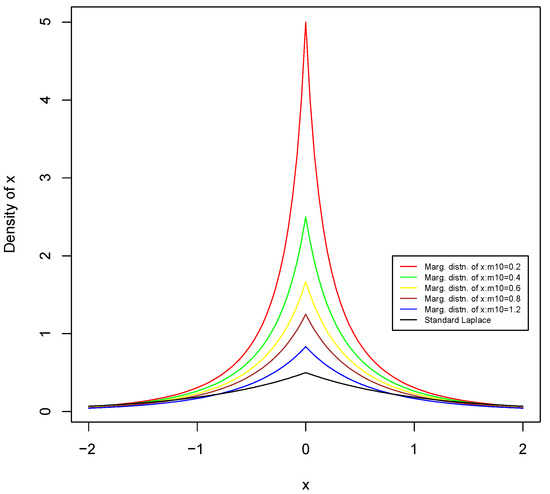
In the spirit of the solution of for modeling price changes in high-volatility markets for univariate commodities, here we generalize an approach to the case of modeling price changes jointly for two related commodities. Often, conditional distributions are more easily understood in financial markets, where the fluctuations in one commodity can shed significant light on the behavior of a related commodity. With this observation, we enhance and characterize the entire family of bivariate joint densities for which both the conditional distributions are specified to be of the Laplace form. Such bivariate distributions will be referred to as bivariate Laplace conditional (BLC) distributions. We study the marginals of the BLC distributions and establish that they are not only sub-Gaussian but also super-Laplacian and, hence, super-Cauchy, i.e., they have heavier tails than Gaussian distributions but lighter tails than the usual Laplace and Cauchy distributions. Distance correlation is suggested as a measure of the association between the two marginal variables, as their product moment correlation is zero but they may be non-linearly dependent. A real-life data set is analyzed to illustrate the use of BCL distributions in practice. We believe that this is the first work using conditional specifications in bivariate financial data analysis.
Full article
(This article belongs to the Special Issue Featured Papers in Finance and Society Wellbeing—in Honor of Professors Joe Gani and Chris Heyde)
►▼
Show Figures

Figure 1

Open AccessSystematic Review
From Predictive Accuracy to Algorithmic Justice: Mapping the Multidimensional Impact of AI in Tax Auditing
by
Anas Azenzoul, Nacer Mahouat, Sophia Vandapuye, Sara Nait Slimane, Mourad Jbene and Khalil Mokhlis
J. Risk Financial Manag. 2026, 19(5), 354; https://doi.org/10.3390/jrfm19050354 - 12 May 2026
Abstract
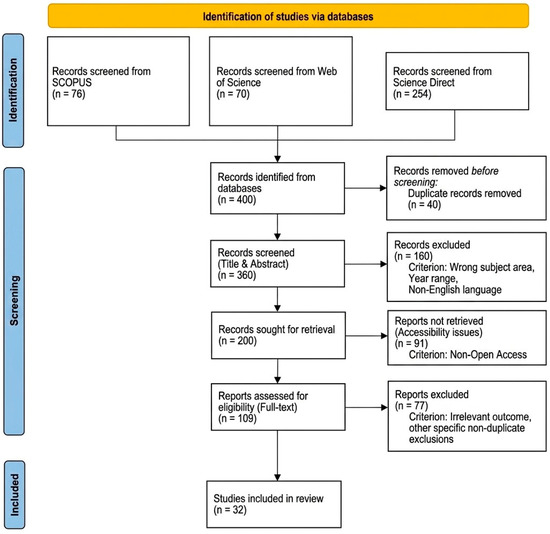
This study examines the transformative impact of artificial intelligence (AI) on tax auditing through a PRISMA-compliant systematic literature review and textometric analysis. By analyzing literature published between 2015 and 2025 using IRAMUTEQ, we uncover a nuanced perspective on AI’s evolving role. The results
[...] Read more.
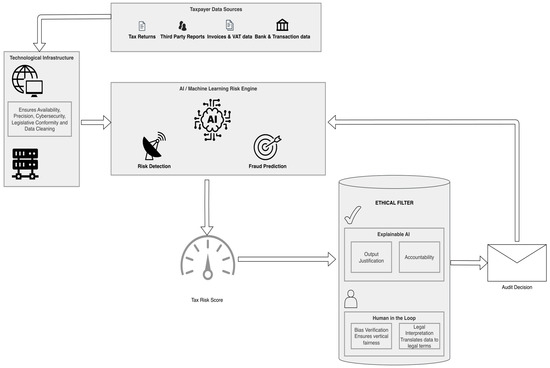
This study examines the transformative impact of artificial intelligence (AI) on tax auditing through a PRISMA-compliant systematic literature review and textometric analysis. By analyzing literature published between 2015 and 2025 using IRAMUTEQ, we uncover a nuanced perspective on AI’s evolving role. The results reveal a scholarly discourse highlighting significant advances in tax fraud prediction and financial risk assessment via deep learning and neural networks. This technological shift extends beyond operational efficiency to broader macroeconomic governance, simultaneously raising challenges regarding taxpayer equity and trust. Our findings underscore a transition in academic focus from purely technical applications to the ethical and psychological dimensions of AI. Finally, we propose the AI-Driven Tax Audit Model (ATAM), a framework designed to guide tax authorities in integrating these technologies by balancing algorithmic efficiency and financial risk mitigation with vertical equity and explainability.
Full article
(This article belongs to the Special Issue Accounting and Auditing in the Age of Sustainability and AI)
►▼
Show Figures

Figure 1

Open AccessArticle
Enhancing Forensic Accounting Practice: A Proactive Risk Management Framework for Chartered Accountant Firms
by
Michael Masunda, Haresh Barot and Jayendrasinh Jadav
J. Risk Financial Manag. 2026, 19(5), 353; https://doi.org/10.3390/jrfm19050353 - 12 May 2026
Abstract
Forensic accounting faces increasing complexity as reactive approaches fail to address escalating risks. This study pioneers a Proactive Risk Intelligence Framework (PRIF) for Chartered Accountant (CA) firms, targeting gaps in risk anticipation, stakeholder communication, and compliance. Employing mixed-method-design interviews with 30 risk advisors,
[...] Read more.
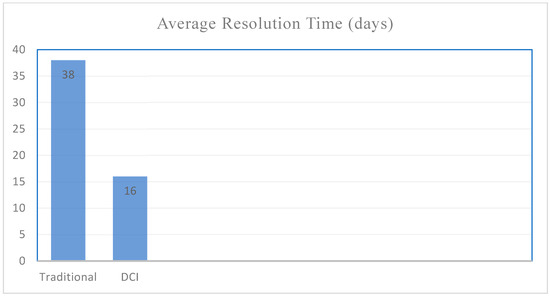
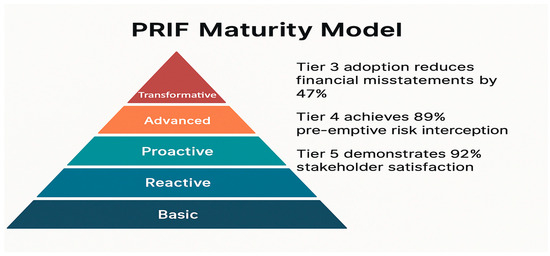
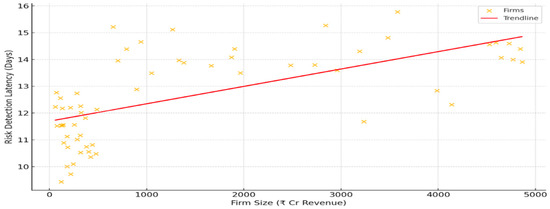
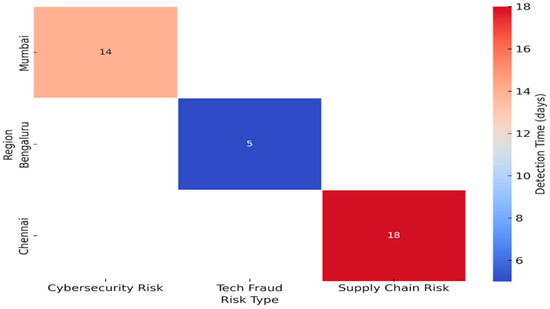
Forensic accounting faces increasing complexity as reactive approaches fail to address escalating risks. This study pioneers a Proactive Risk Intelligence Framework (PRIF) for Chartered Accountant (CA) firms, targeting gaps in risk anticipation, stakeholder communication, and compliance. Employing mixed-method-design interviews with 30 risk advisors, case studies, and analysis of 30 forensic reports, the PRIF was developed and validated using thematic coding, risk metrics, and Delphi panel refinement. Integration of AI and blockchain reduced the risk detection time from 47 days post-event to 9–22 days pre-event, with accuracy increasing from 62% to 89–94%. The Stakeholder Communication Index (SCI) revealed a strong correlation (r = 0.83) between report quality and client retention (91% for high SCI vs. 54% for low SCI). PRIF adoption reduced compliance resolution time by 58% and financial misstatements by 47%, yielding an average ROI of 83%. This integrated framework combines real-time monitoring, stakeholder-centric reporting, and dynamic compliance for CA firms. While the findings are based on India-focused samples, practical benefits include scalable toolkits for firms and policy guidance for regulators with a broader impact on financial governance. PRIF shifts forensic accounting from reactive detection to proactive prevention, advancing stakeholder trust and industry standards.
Full article
(This article belongs to the Special Issue Selected Papers from the 1st International Online Conference on Risk and Financial Management)
►▼
Show Figures

Figure 1
Journal Menu
► ▼ Journal MenuJournal Browser
► ▼ Journal BrowserHighly Accessed Articles
Latest Books
E-Mail Alert
News
Topics
Topic in
Economies, IJFS, JRFM, Risks, Sustainability
Insurance and Risk Management Advances in the 4A Era—AI, Aging, Abruptions, and Adoptions
Topic Editors: Xiaojun Shi, Lingyan Suo, Feng Gao, Baorui DuDeadline: 30 May 2026
Topic in
Economies, JRFM, Risks, Sustainability
The Future of Global Finance and Business: Trends, Policies and Market Evolution
Topic Editors: John Malindretos, Giuliana Andreopoulos, Eleftherios Thalassinos, Ana Cristina SiqueiraDeadline: 31 July 2026
Topic in
Economies, IJFS, Sustainability, Businesses, JRFM
Sustainable and Green Finance
Topic Editors: Otilia Manta, Maria PalazzoDeadline: 31 October 2026
Topic in
Clean Technol., Economies, FinTech, JRFM, Sustainability
Green Technology Innovation and Economic Growth
Topic Editors: David (Xuefeng) Shao, Miaomiao Tao, Selena ShengDeadline: 31 December 2026
Conferences
Special Issues
Special Issue in
JRFM
Financial Reporting Quality and Capital Markets Efficiency
Guest Editors: Sami Keskek, Abdullah KumasDeadline: 31 May 2026
Special Issue in
JRFM
Portfolio Choice and Asset Allocation
Guest Editors: Valentyn Khokhlov, Roy H. KwonDeadline: 31 May 2026
Special Issue in
JRFM
Financial Accounting and Data Analytics
Guest Editors: Valentin Burcă, Ovidiu Constantin BungetDeadline: 31 May 2026
Special Issue in
JRFM
E-Commerce Finance: Technologies, Models, and the Future of Digital Payment
Guest Editors: Razvan Dina, Irina Albastroiu NastaseDeadline: 31 May 2026
Topical Collections
Topical Collection in
JRFM
Quantitative Advances and Risks in Asian Financial Markets
Collection Editors: Svetlozar (Zari) Rachev, Shigeyuki Hamori, Yasushi Hamao, Shuangzhe Liu, Ali Jaffri