Systematic Review

Green Finance Transformation and Intellectual Growth: A Systematic Bibliometric Analysis of Thematic Evolution and Geographic Research Disparities (2015–2026)

1
Laboratory of Research in Economics and Organization Management (LAREMO), National School of Business and Management (ENCG), Sultan Moulay Slimane University (USMS), Beni Mellal 23000, Morocco
2
National School of Business and Management (ENCG), University of Hassan First (UH1), Settat 26000, Morocco
*
Author to whom correspondence should be addressed.
J. Risk Financial Manag. 2026, 19(5), 368; https://doi.org/10.3390/jrfm19050368 (registering DOI)
Submission received: 15 March 2026 / Revised: 30 April 2026 / Accepted: 2 May 2026 / Published: 20 May 2026
(This article belongs to the Special Issue The Future of Sustainable Finance: Digital and Circular Synergies)

Abstract

In this research, the primary aim is to conduct a systematic review of the thematic evolution of green finance, which remains fragmented and unevenly represented in global academic debates. The objective of this analysis is to scientifically map out the scholarly output on green finance from 2015 to 2026, detailing its intellectual structure, trends, thematic clusters, and emerging lacunae in the field. Primary data extraction from Web of Science was employed to construct the bibliometric database, whereas the identification, screening, and selection of the final dataset were conducted in accordance with the PRISMA guidelines to ensure the study’s transparency and reliability. The main findings highlighted an increasing scholarly interest in the field’s publications from 2019 onward. Key occurrences and citation maps, using RStudio (version 4.1) and Biblioshiny (version 4.5.2), indicate dispersed clusters comprising sustainability transitions, digital finance, bibliometric methods, and a weak link to governance and behavioral perspectives. The co-authorship and country analyses confirm a pronounced geographic imbalance of green finance-related research in academia, with an overrepresentation in the Global North and an underrepresentation in Africa, Latin America, and the MENA region. The analysis further emphasizes the growing role of institutional and ESG regulatory frameworks in shaping research trajectories, while also identifying a limited integration of emerging technological dimensions such as digital finance and artificial intelligence. Thus, the study’s contribution to the literature relies on its critical understanding and structuring of the field’s evolution. The implications include synthesizing research gaps and the need for outcome-oriented impact assessments and mechanism-based models of green finance to ensure significant inclusivity and resilience in the subject’s future agenda.

1. Introduction

In academia, green finance has emerged as a major pillar of intersection across disciplines, from environmental sustainability to financial systems and public policy, reflecting a significant need to align capital allocation with global climate and sustainability objectives. As powerful economies transition toward low-carbon development pathways, green finance mechanisms, ranging from green bonds to ESG-driven investment strategies, have attracted growing attention as tools for mobilizing capital toward environmentally responsible projects.
Latest bibliometric studies indicate a substantial increase in the volume of scientific publications on green finance since the 2019 pandemic, with China as the field’s primary publisher (Özbek, 2024). The literature further highlights the structuring of green finance research around core domains such as carbon emissions, green innovation, and renewable energy, while also identifying emerging areas related to ESG frameworks and digital finance (S. C. M. Chandran & Chandran, 2026).
It is also important to highlight green alongside broader sustainability objectives to initiate more environmentally friendly projects and reduce climate-related financial constraints (Krastev & Krasteva-Hristova, 2024). Moreover, the role of green finance lies in its influence on sustainable transition practices and performative economics, as evidenced in several studies, including those on new financial ESG (environmental, social, governance) coverage (Suryantini et al., 2024). In fact, recent empirical evidence confirms the tangible environmental and economic effects of green finance mechanisms. For instance, green investments have significantly improved air quality across both developed and developing European economies (İlbasmış et al., 2023). Additionally, the interaction between green finance, digitalization, and transport technologies has been found to enhance environmental efficiency and load capacity factors in OECD countries (Erdem et al., 2025), while the implementation of green finance with digital economic infrastructure occupies a dominant role in accelerating energy transition incentives, mainly in advanced economies such as the United Kingdom (Ali et al., 2026).
Despite this growing body of green finance literature, recent work has focused on the evolution of themes in academia; however, the research remains unevenly distributed and presents only a global north-centric epistemic frame suited to economies with robust regulatory systems and greater capital market access, while literature from regions such as Africa Latin America, and the MENA region remains peripheral, despite the fact that these continents are currently facing some of the most pressing sustainability and climate challenges, with limited access to financial incentives that could improve capital markets (Offei-Darko & Gandonou, 2025). Moreover, while primary bibliometric studies have mapped the evolution of green finance, they tend to adopt a predominantly descriptive perspective, focusing on publication trends and keyword co-occurrences without sufficiently questioning the structural imbalances and underlying drivers that shape the field’s intellectual development.
Furthermore, the distinctions among green finance, sustainable finance, and ESG-based research are often unclear in the literature. Although these terms are frequently used interchangeably, green finance specifically refers to financial flows directed toward environmentally sustainable projects, whereas ESG frameworks incorporate broader environmental, social, and governance factors into investment decisions. Clarifying these differences is crucial for precise analysis and to prevent conceptual overlaps when examining the field’s development.
Against this backdrop, our study seeks to overcome these limitations by offering a thorough and analytically robust systematic review of green finance research. Unlike previous studies, this work integrates a geographic equity perspective alongside thematic and intellectual mapping to better understand how knowledge creation, collaboration networks, and research priorities vary across regions.
To specifically discuss the identified gap in the global scientific production, the aim of this study is designed to map the intellectual landscape of and structure evolution of green finance for the past 15 years, from 2010 to 2025, and by explicitly interrogating how global north-centric knowledge base circumstances, what is studied, who collaborates, and what approaches are prioritized in different geographical zones. As a result, this research paper contributes to the literature in three ways.
First, it introduces a regional equity lens into bibliometric and systemic mapping to examine the research question: How does the concentration of output and influence in a few countries shape the research frontier?
Second, it advances existing bibliometric approaches by linking thematic clusters to governance and policy frameworks, moving beyond descriptive mapping to elucidate the research question: How standards, disclosure regimes, and financial regulation shape investment behavior?
Third, it bridges the gap between bibliometric evidence and sustainability governance by exploring the question: How can global research patterns inform inclusive and adaptive green-finance strategies, particularly for underrepresented regions and emerging economies?
Finally, it presents a forward-looking agenda that marries digital green finance and impact measurement with Africa-specific policy design (e.g., blended finance for hydric SMEs, adaptation metrics aligned with Agenda 2063). These contributions combined transform the global evidence base into regionally actionable insights for researchers, practitioners, and policymakers.

2. Literature Review

2.1. Conceptual Foundations of Green Finance

As global concern for environmental protection and sustainable development has grown, green finance has expanded from a peripheral topic to a core research pillar of sustainable development discourse (Xin, 2024). This multidisciplinary field integrates economics, finance, environmental science, and policy, highlighting the vital role of financial innovation in tackling urgent global issues such as climate change (Kouwenberg & Zheng, 2023). Green finance generally involves financial flows, mechanisms, and regulations to promote sustainable initiatives, such as investments in renewable energy, climate resilience plans, and carbon-reduction efforts. Although it is often compared to sustainable finance and ESG (environmental, social, and governance) frameworks, green finance is more specifically focused on environmental objectives, whereas ESG frameworks cover a broader range of social and governance criteria.
In prior literature, studies emphasize the pivotal role of green finance in addressing environmental externalities by facilitating capital allocation toward low-carbon, resource-efficient investments (Y. Wang & Zhi, 2016). However, the lack of universally accepted definitions and standardized evaluation metrics remains a persistent challenge, leading to inconsistent measurement and concerns about greenwashing (F. Wang et al., 2019). The existing conceptual disparities showcase the urgent need for clearer analytical frameworks capable of assessing both the scope and effectiveness of green finance practices.

2.2. Evolution and Expansion of Green Finance Researchs

The scope of green finance encompasses a wide range of financial instruments, such as green bonds, green securitization, and sustainability loans, that incorporate environmental, social, and governance (ESG) criteria to facilitate and support funding for resilient projects (Agrawal, 2025). In fact, green finance has gained considerable academic interest since the 2015 Paris Agreement, leading to a surge in related scientific publications. As of 2023, the OECD defines green finance as a system in which financial markets, regulation, and environmental accountability are interconnected, serving as a policy framework that helps align sustainability incentives with measurable outcomes such as ESG standards, green taxonomies, metrics, and green bonds (Tronzano, 2022).
Further bibliometric evidence shows that this expansion is geographically concentrated, with leading contributions originating from China and the United States, indicating significant scientific efforts by institutions, regulatory innovation, and financial market development to improve green credit policy systems (Sukma & Honggowati, 2024). In fact, green finance policies have shown a beneficial impact on companies’ environmentally friendly investments and overall productivity (Guo et al., 2024). For instance, research in China indicates that green finance has increased firms’ total factor productivity, although the effects vary across firm types and regions (Muganyi et al., 2021). Additionally, China’s green finance initiatives have significantly lowered industrial gas emissions. As in any field, this concentration has advanced the field’s scientific maturity but also raised questions about how well existing knowledge represents different regions and their global relevance.

2.3. Financial Instruments, ESG Integration, and Policy Dimensions

Green finance encompasses a diverse set of financial instruments, ranging from green bonds and sustainability-linked loans to green securitization, all of which aim to mobilize capital toward environmentally sustainable projects (Agrawal, 2025). These instruments closely align with ESG criteria, reflecting the growing integration of sustainability considerations into financial decision-making. Empirical work suggests that green finance regulatory frameworks can significantly influence firm behavior by enhancing environmentally responsible investments and improving productivity outcomes (Guo et al., 2024). Additionally, the expansion of ESG disclosure frameworks and sustainability reporting standards has solidified the role of governance and regulatory mechanisms in shaping financial markets (Flammer, 2021; OECD, 2023).
However, the literature also detects multiple structural challenges that limit the inclusivity of green finance, such as restricted access to financing in developing economies, institutional limitations, and insufficient intermediation mechanisms capable of connecting financial institutions with sustainable projects (Taghizadeh-Hesary & Yoshino, 2019).

2.4. Limitations of Existing Literature and Research Gaps

Despite the remarkable concentration of green finance research since 2015 and 2019, several important limitations persist. First, a significant portion of the existing literature reviews, especially bibliometric studies, adopts a predominantly descriptive approach, underrepresenting the analysis of the structural drivers underlying the field’s evolution. Second, the dominance of developed economies in academia raises concerns about the universality of existing findings, leaving a crucial geographical gap in the distribution of research. Third, emerging themes such as digital finance, artificial intelligence, and data-driven sustainability metrics are not yet fully incorporated into the mainstream green finance literature, despite their importance in linking innovative technologies to improvements in green finance. Parallelly, the links between financial instruments and scalable environmental performance outcomes remain somewhat underdeveloped, often relying on proxy indicators rather than direct impact assessments. This highlights a broader structural issue in ESG-focused research, as the definitions and metrics for environmental, social, and governance aspects are inconsistent. The literature uses a wide range of metrics, each based on different theories and reporting standards, making it hard to compare studies and build a cohesive knowledge base. As a result, ESG integration is often discussed in a disjointed way, with little coherence among its parts. Thus, the following table (Table 1) provides a comparative overview of ESG dimensions in green finance research, highlighting their conceptual and methodological differences.
Therefore, the synthesis presented in (Table 1) highlights the extent to which ESG-related assessments remain methodologically fragmented, particularly with regard to scope, measurement, and aggregation approaches (Berg et al., 2022). Combined, these limitations underscore the need for a better understanding of analytically grounded approaches to evaluating and studying the evolution of green finance. In this context, systematic analysis offers a valuable methodological framework not only for mapping the bibliometric coupling networks of the field’s intellectual structure but also for identifying structural imbalances, thematic fragmentation, and emerging research frontiers while ensuring the inclusion, transparency, and reproducibility of the research.

3. Methodology of Research

3.1. Search Strategy

This study employs a systematic bibliometric review following the PRISMA 2020 framework and checklist to guarantee transparency, reproducibility, and methodological rigor in selecting relevant research papers (Page et al., 2021). Unlike conventional meta-analyses that primarily focus on aggregating empirical data statistically, our goal is to explore the intellectual framework, thematic development, and geographical spread of green finance literature. Our dataset for this systematic bibliometric analysis was exclusively and originally extracted from the Web of Science Core Collection (WoS), which is widely recognized for its high-quality indexing of peer-reviewed academic journals and is commonly used in bibliometric research. We focused the search on these key terms like green finance, climate resilience, sustainability, SDG, and green economy, in titles, abstracts, and keywords using a structured Boolean query designed to capture the multidimensional nature of green finance research and to find relevant bibliometric articles; thus, we included only peer-reviewed journal articles and review articles published in English from 2015 to 2026 ensuring consistency with the study’s temporal scope, whereas non-peer-reviewed articles, editorials, book chapters, and conference proceedings were excluded. The search string was defined as follows:
TS = (“green finance” OR “sustainable finance” OR “ESG”) AND TS = (“climate resilience” OR “SDG” OR “green economy”).
All bibliographic files were exported in plain text and subjected to multi-stage data cleaning. Further in the data cleaning process, duplicates and inconsistencies in authors’ names and institutional affiliations were removed using Zotero’s (version 6.0) thesaurus function and manual verification.

3.2. Study Selection Process (PRISMA Framework)

To further guide our systematic analysis of existing bibliometric literature findings and ensure its integrity and reproducibility, the dataset screening process of this study followed a multi-stage selection procedure in accordance with the PRIMSA 2020 Guidelines (Figure 1).
A total of 1909 records were initially identified using the Web of Science database. After applying date and access filters, the dataset was reduced to 1122 records by excluding duplicates and non-open-access documents. Records were then screened by document type and language, which resulted in the exclusion of non-article publications (n = 241) and non-English studies (n = 40), yielding a total of 881 records. A supplementary screening based on subject categories excludes studies not directly related to environmental sciences, sustainability, or finance-related disciplines (n = 365). This process yielded 516 records from the Web of Science database, which were included in the final dataset of the current study.
This structured screening approach ensures that the study adheres to the principles of systematic review methodology, enhancing the transparency and replicability of the research process.

3.3. Data Processing and Bibliometric Analysis Tools

Through advanced research using the Web of Science scholarly data, and after a neat selection of our bibliometrically relevant articles, including full records and cited references, the study comprised two components: first, we conducted a performance evaluation of the systematically selected bibliometric findings to summarize annual publication patterns, citation structures, leading authors, and geographical influences. To this end, the bibliographic dataset was stored and cleaned using Zotero’s thesaurus function combined with manual verification to ensure the removal of duplicates, standardization of author names, and harmonization of institutional affiliations. Consequently, the data were imported into RStudio (version 4.5.2) and analyzed using the Bibliometrix package (version 4.1) to facilitate quantitative analysis of scientometric data related to green finance. Moreover, we performed a comprehensive scientific mapping evaluation using the web-based interface Biblioshiny (version 4.5.2) to statistically visualize and analyze existing bibliographic coupling networks across clusters. Therefore, the study combined performance analysis, scientific mapping networks, and thematic evolution analysis to highlight the structural transformation and intellectual growth of green finance research areas over time (Table 2).

3.4. Methodological Considerations and Limitations

The methodological research model ensures a high degree of reproducibility and data transparency, yet multiple limitations should also be acknowledged. The reliance on the Web of Science database and the application of an open-access filter may introduce selection bias by excluding other relevant studies that are indexed elsewhere or available through subscription-based services. These choices were nonetheless made to ensure data consistency and to maintain a homogeneous, comparable bibliographic dataset. Such consistency is significantly critical in both systematic and bibliometric reviews, where variations in data sources and accessibility can crucially affect network structures, citations, patterns, and thematic clustering results.
Furthermore, as a structured, systematic study of relevant bibliographic findings, the analysis is based on relational data and does not aim to establish causal relationships; hence, the findings should be interpreted as indicative of the identified structural patterns within the literature.

4. Results

4.1. Performance Analysis and Global Geographic Disparity of Green Finance Research

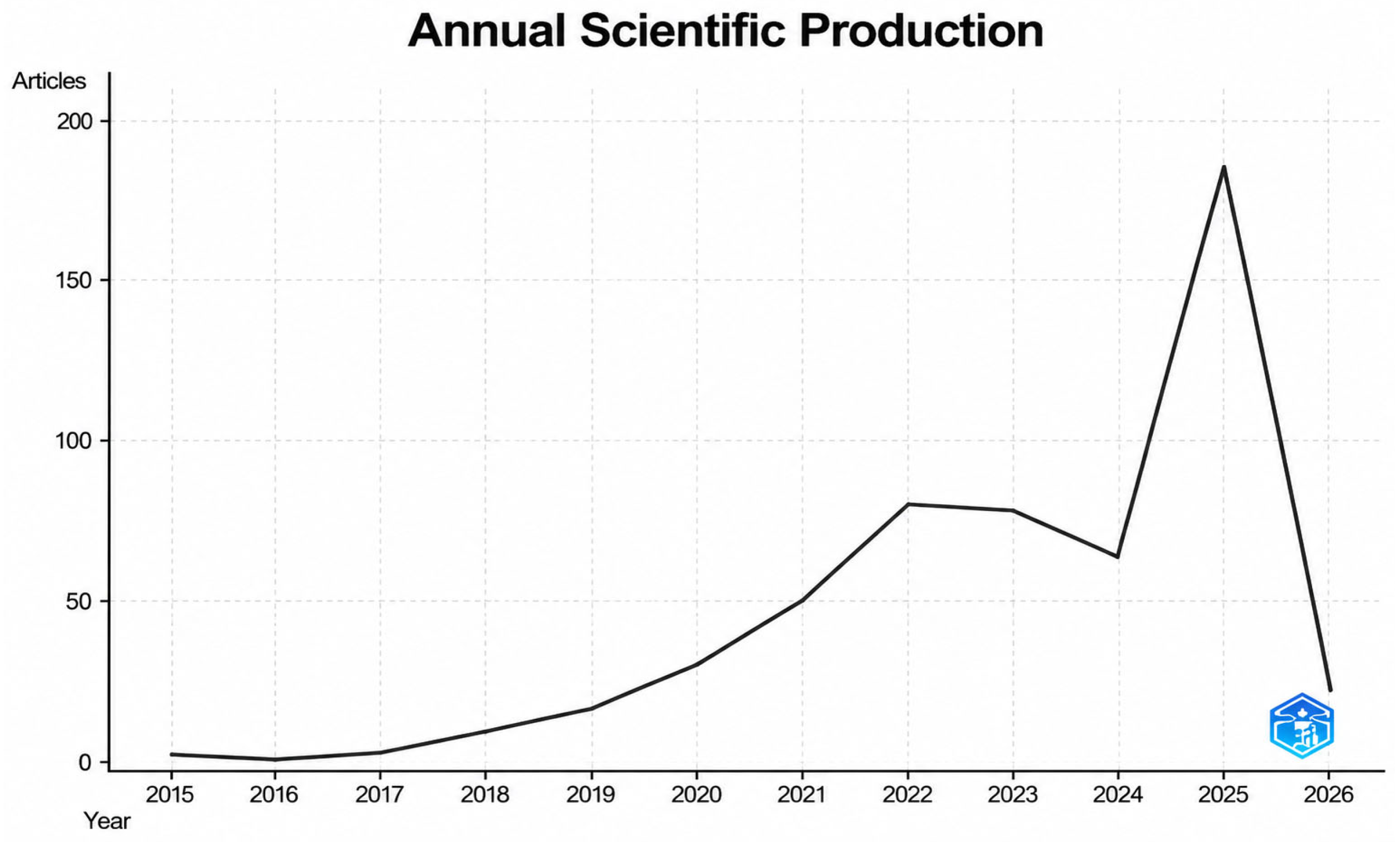
As presented in (Figure 2), research on green finance has experienced spectacular acceleration in terms of publication production between 2015 and 2026, whereas the period from 2015 to 2018 marks a relatively moderate growth phase and transforms into a significant surge in publications after 2019 which can be explained by various structural factors, including the worldwide consolidation of climate-related financial policies resulting from the Paris Agreement (United Nations, 2015b), the EU Sustainable Finance Action Plan (European Commission, 2018), the EU Taxonomy Regulation (European Commission, 2020), and the Task Force on Climate-related Financial Disclosures (TCFD, 2017) have collectively enhanced transparency, standardized ESG reporting, and directed capital toward sustainable initiatives. Simultaneously, international frameworks such as the United Nations Sustainable Development Goals (SDGs) (United Nations, 2015a) provide a normative framework that connects financial systems to broader sustainability goals.
Additionally, the post-2019 period coincides with the COVID-19 pandemic, which further underscored the importance of resilience and sustainable financial systems, thereby significantly boosting scholarly and scientific interest in green finance by accelerating the favorable dynamics for resilience, risk management, and sustainable recovery, positioning our topic as a critical mechanism for addressing systemic vulnerabilities (Broadstock et al., 2021; UNDP, 2020).
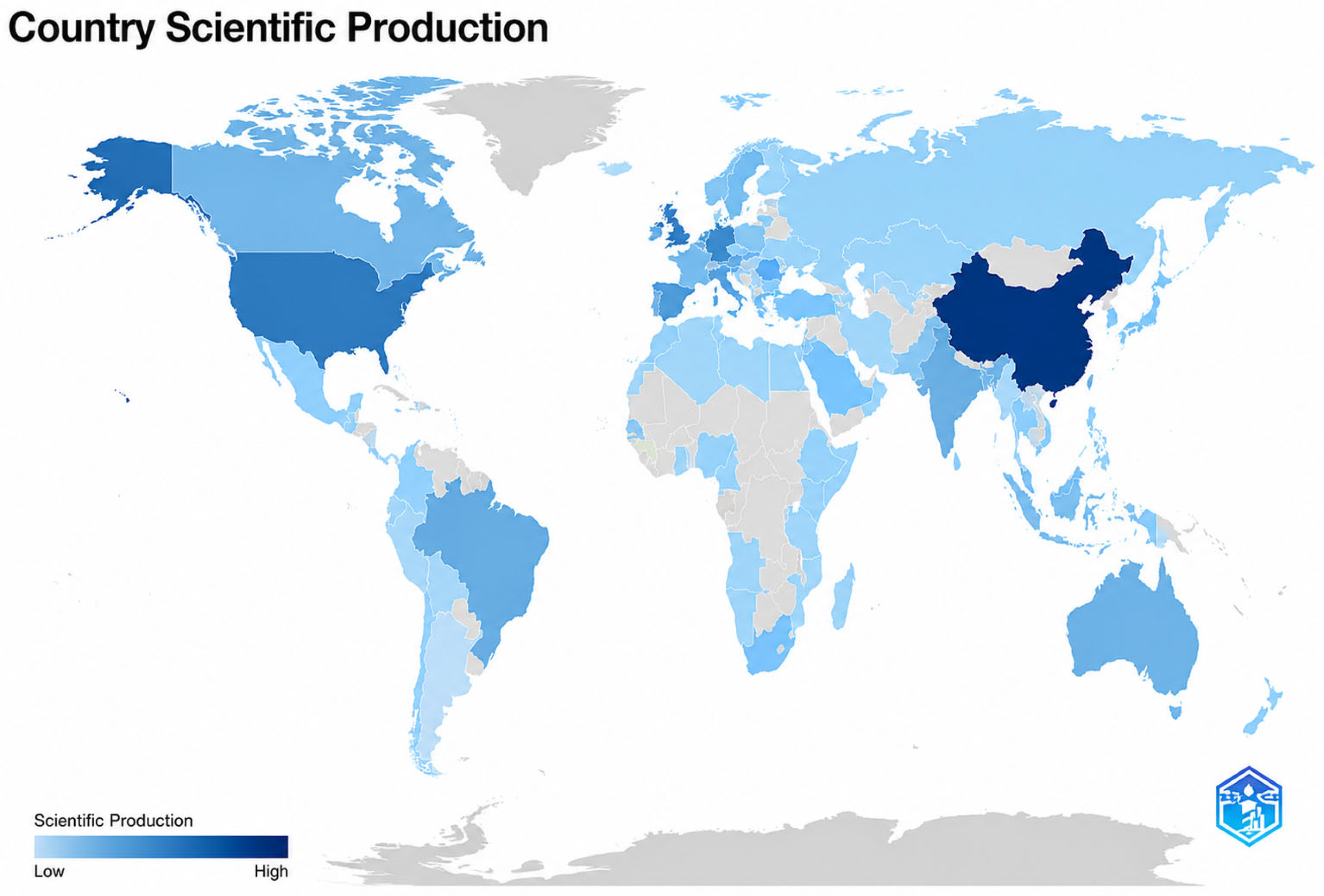
The geographical distribution of publications indicates an important concentration of the green finance research landscape in major economies. The study highlights China as the primary contributor to scholarly production, reflecting its authors’ strong orientation toward and reliability in green credit and carbon-emission initiatives. The country cooperation network solidifies the contributions of Western European countries such as Spain, Italy, and Germany, suggesting their interest in sustainable scientific impact. The United States and the United Kingdom also demonstrate substantial academic productivity, driven by dynamic financial markets and ESG regulatory frameworks.
In contrast, Figure 3 shows that developing economies remain highly underrepresented and marginalized; for instance, Africa, the Middle East, and Latin America remain moderately to completely non-existent.
This geographic concentration can be understood by considering existing differences in regulatory maturity, institutional capacity, and access to financial markets. Countries like China, the United States, and European economies benefit from well-developed sustainability and ESG frameworks that are heavily focused on green finance policies and have robust funding ecosystems. Meanwhile, underrepresented regions, such as Africa and Latin America, exhibit not only limited academic output but also broader constraints, including poor financial infrastructure, limited policy implementation, and limited access to research funding, raising serious concerns about the global applicability of existing findings and underscoring the urgent need for more inclusive research agendas.
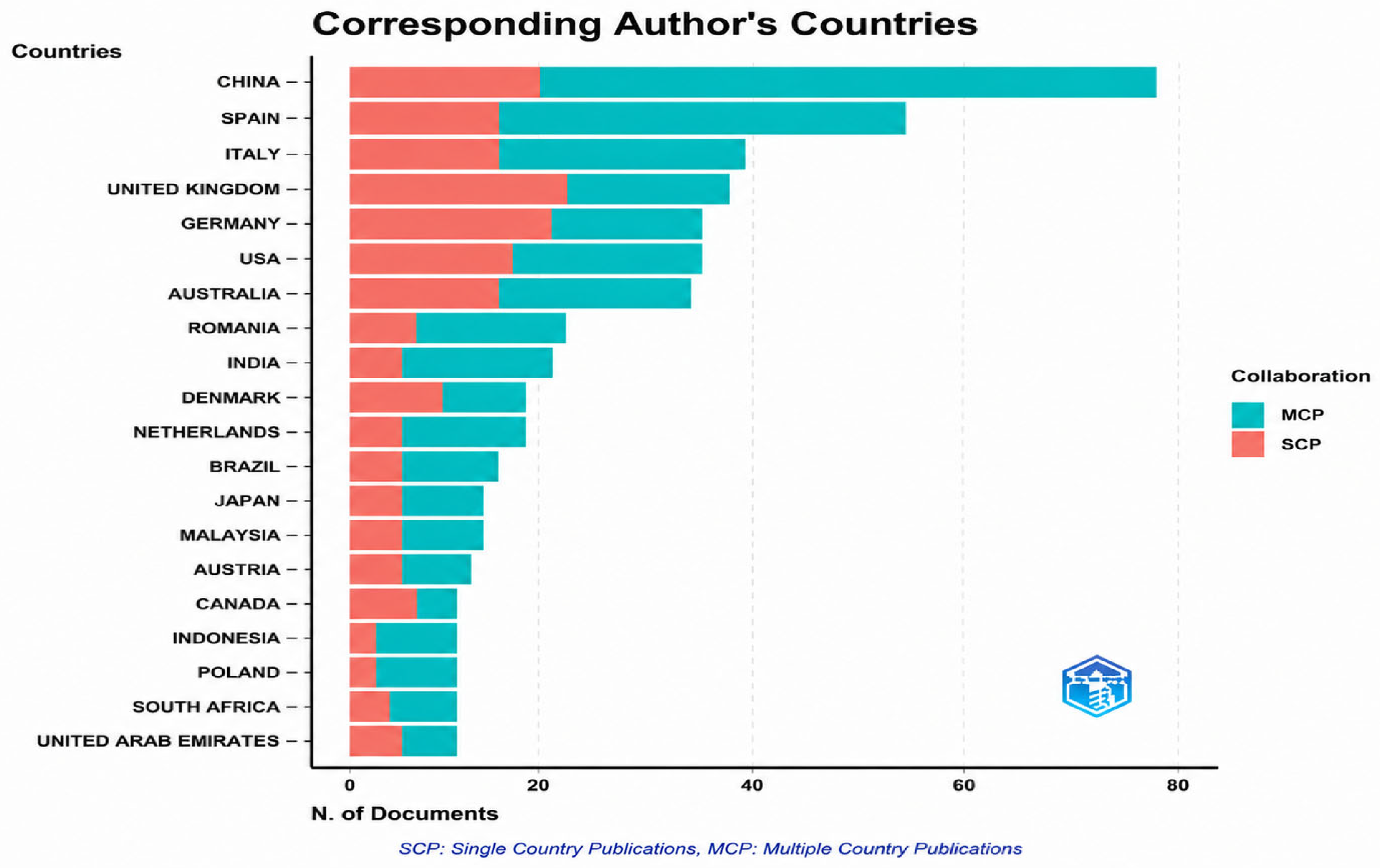
Additionally, to (Figure 3), the distribution of corresponding authors in (Figure 4) explains the balance between single-country publications (SCP) and multiple-country publications (MCP), suggesting that while national research clusters remain strong, the field is increasingly characterized by cross-border scientific collaboration, reinforcing its global and policy-driven nature.
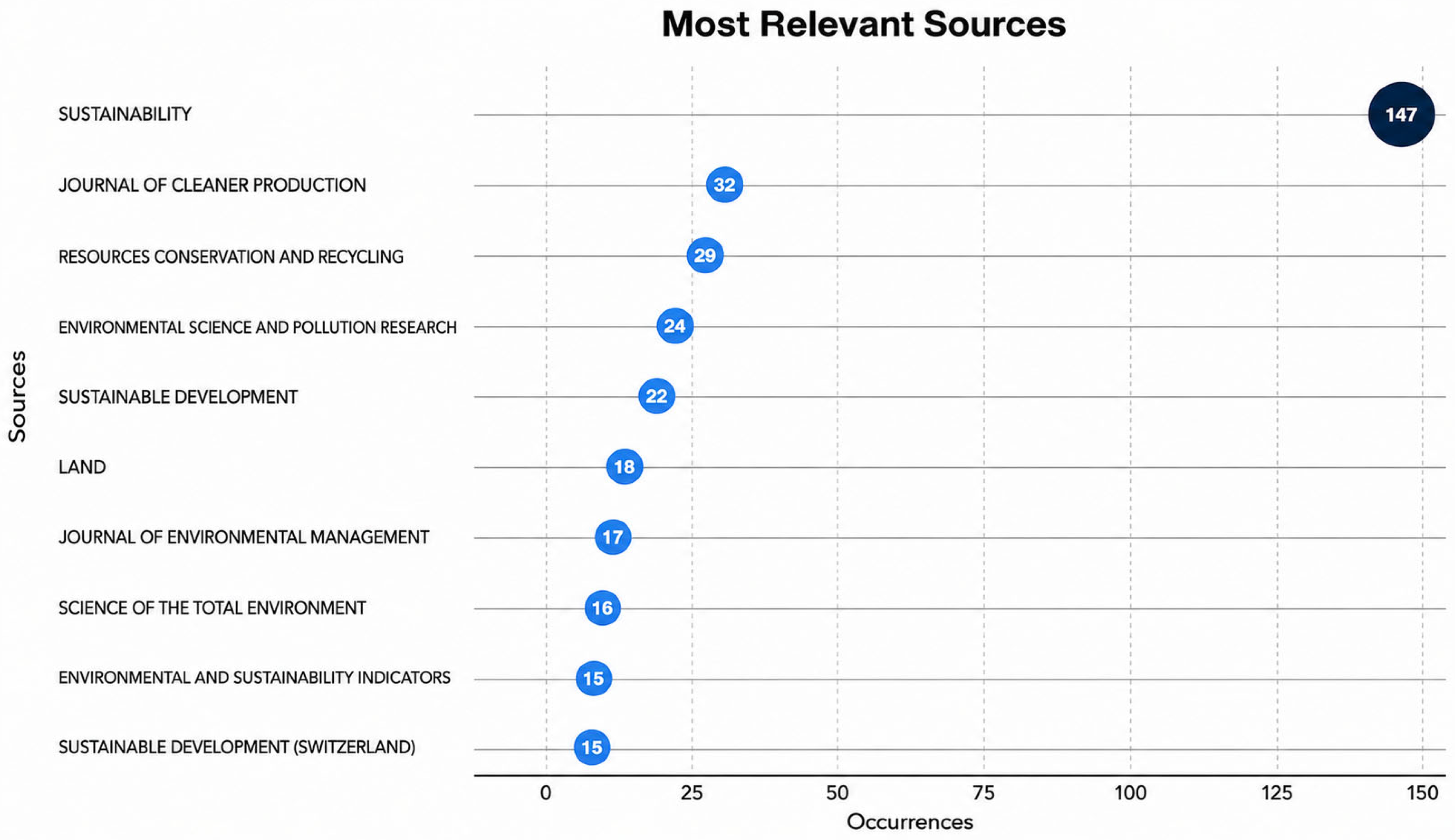
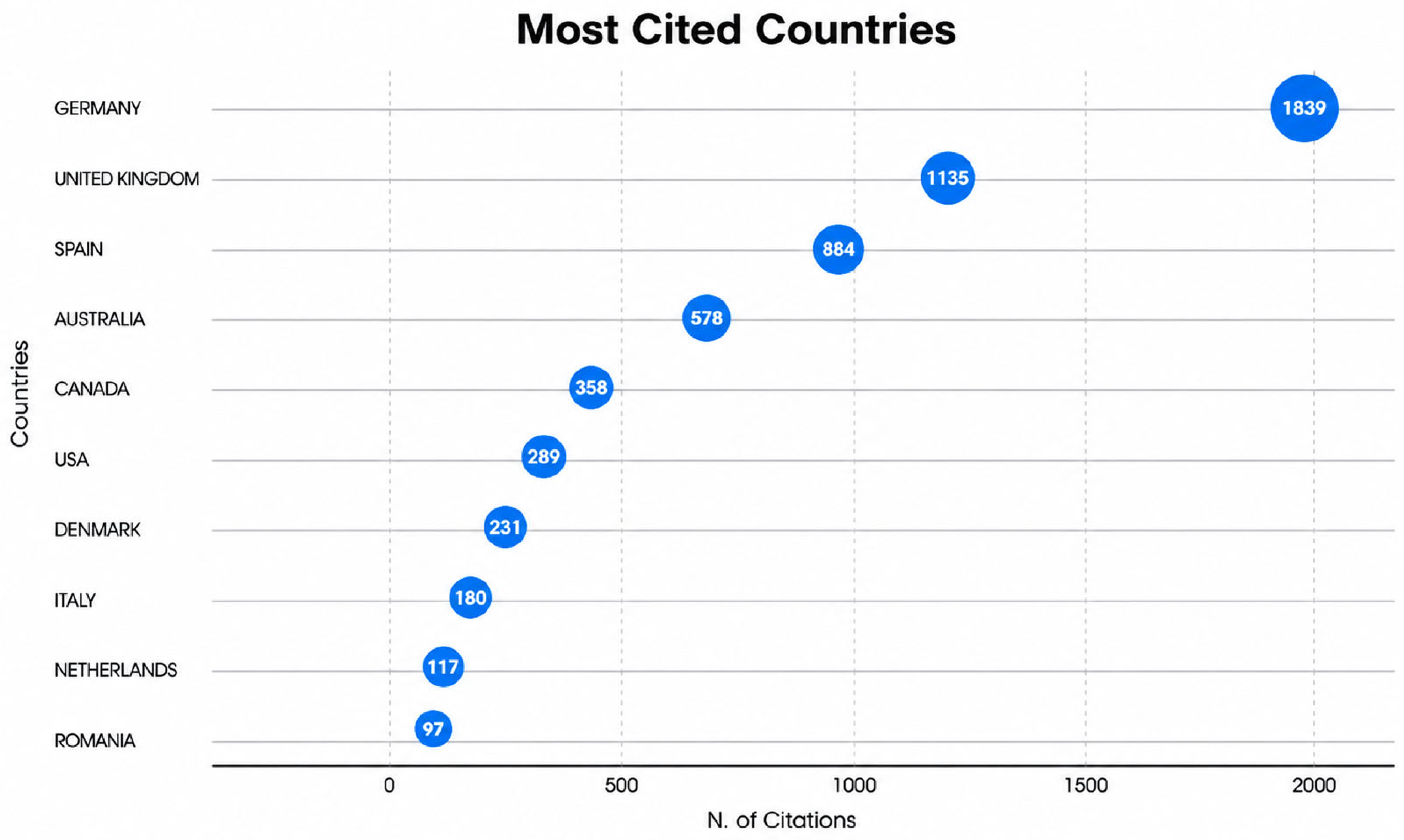
Based on our source analysis from (Figure 5), green finance research is initially published in interdisciplinary journals that span key thematic concepts, such as financial economics and environmental science methods. The main resource outlet is the Sustainability journal, which plays a pivotal role in shaping and sharing research focused on the sustainable-economic hybridity of the field. The study also highlights the geographic distribution of citation patterns in (Figure 6), which indicates significant consolidation in countries such as Germany, the United Kingdom, Spain, Australia, China, and the United States of America. This concentration implies the field’s maturity as a credible and recognizable research domain, combining the intellectual evolution of green finance, ESG integration, and climate risk pricing. This pattern of publication and citation concentration may also explain the field’s structural organization of knowledge production in green finance. In fact, the leading institutions and research networks in these countries likely have better research funding systems, well-developed academic infrastructures, and stronger connections between universities, financial institutions, and government agencies. These conditions encourage the production of high-impact research, which further boosts their visibility in global academic networks. In other words, these regions might have become central hubs of green finance knowledge, shaping key theories, methods, and discussions. Meanwhile, the dominance of these countries in citation networks indicates that the field’s global growth still shows certain inequalities in how knowledge is produced and shared.
Although emerging economies are contributing more to empirical research on sustainability transitions, their presence in highly cited publications and key collaboration networks remains relatively limited. This imbalance stresses the need to promote greater academic inclusion and bolster research capabilities in underrepresented areas, especially in the Global South, where environmental challenges and sustainable finance needs are often most urgent.
Furthermore, the consolidation of research on green finance within leading academic ecosystems indicates the field’s progressive institutionalization. The majority of research on green finance analyzes it in the context of financial economics, environmental policy, corporate governance, and financial innovation. Research in green finance primarily focuses on ESG metrics, green bonds, and sustainable investing. The growing number of publications in green finance and the growing influence of green finance journals indicate that the field is developing into one that can inform both academic and policy studies of sustainable finance. Finally, the concentration of citation networks within a limited number of countries also suggests the existence of epistemic dominance in the field of green finance, meaning that it may influence not only which topics are prioritized but also how sustainability-related issues are conceptualized and discussed, potentially restricting the diversity of perspectives represented in the literature findings.

4.2. Intellectual Structure: Coupling Network Analysis

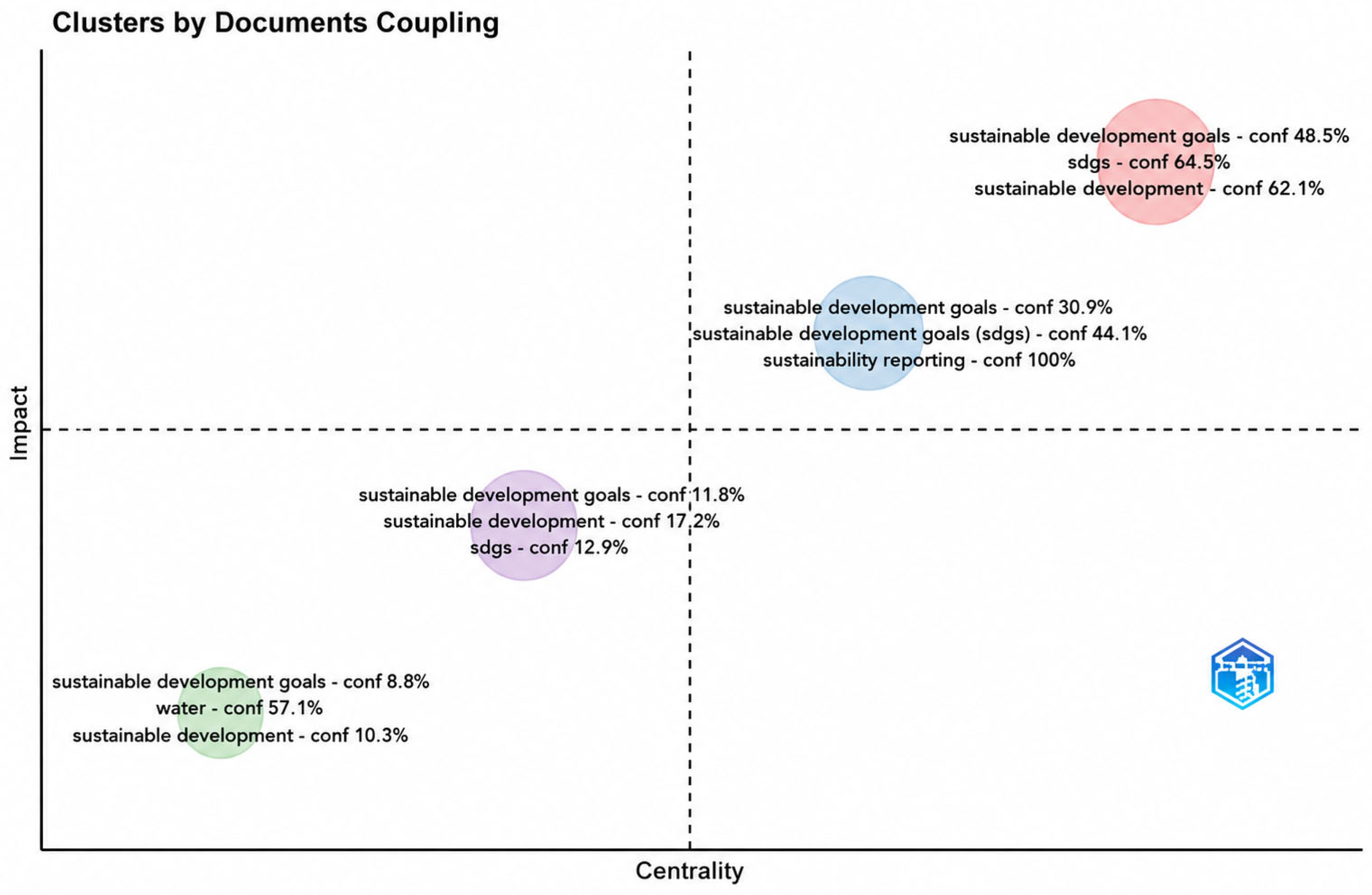
Our analysis of the document-level bibliographic coupling reveals a structured intellectual landscape of the field of green finance. The map is structured by centrality and impact and identifies key clusters that differ in their thematic impact and relevance.
The map in Figure 7 is divided into four main quadrants:
The first one, being the upper-right quadrant, represents a high centrality and impact and consists of SDG and sustainable development-related themes. Therefore, this cluster (red) suggests that global sustainability guidelines constitute the most influential and integrated research path for green finance production rather than a financial sub-discipline. This is the field’s dominant intellectual core. This dominance could be explained by the growing alignment between international sustainability agendas and financial research priorities, supported by institutions, investors, and policymakers’ demand for a clearer, more standardized framework for ESG and SDG-related activities, which confirms the role of governance-based sustainability models in structuring the field of green finance.
In contrast, the central upper cluster consists mainly of themes associated with sustainability reporting and the SDGs, suggesting high impact with moderate centrality in the field of green finance as well as a specialized, yet influential research stream focused on transparency, ESG disclosure, and reporting. Hence, this connection (blue) represents the field-measurement and reporting-oriented stream that operationalizes the SDGs within corporate and institutional contexts. This research stream is significantly influential within knowledge production yet somewhat differentiated from the core nexus of sustainability finance. The influence of this cluster could be interpreted in light of the rapid rise in the prevalence of ESG disclosure and measurement practices, driven by regulatory and market demand for transparency. Yet, the notable partial separation suggests that practices based on reporting are not yet fully incorporated into broader sustainability results.
Our third cluster (purple), positioned in the middle-left of the map, represents a peripheral yet developing body of research that remains weakly integrated into the dominant SDG discourse, likely including context-specific studies, regional analyses, and conceptual discussions that are not well integrated into the core literature. This peripheral position confirms that context-specific and region-based research remains under-integrated, thereby perpetuating structural inequalities in the global production of scientific knowledge. This limits the inclusiveness and homogeneous applicability of existing green finance outlines.
Lastly, the lower-left quadrant (green) identifies the less integrated themes within the field, such as water-based sustainability research. This reveals a somewhat differentiated yet moderately concept-specific research stream, which is less influential and less centrally positioned within the field of green finance. This marginality suggests that sector- and niche-specific applications remain underdeveloped, given the ongoing dominance of macro- and policy-oriented practices in the literature, resulting in a gap in localized, impact-driven financial research.
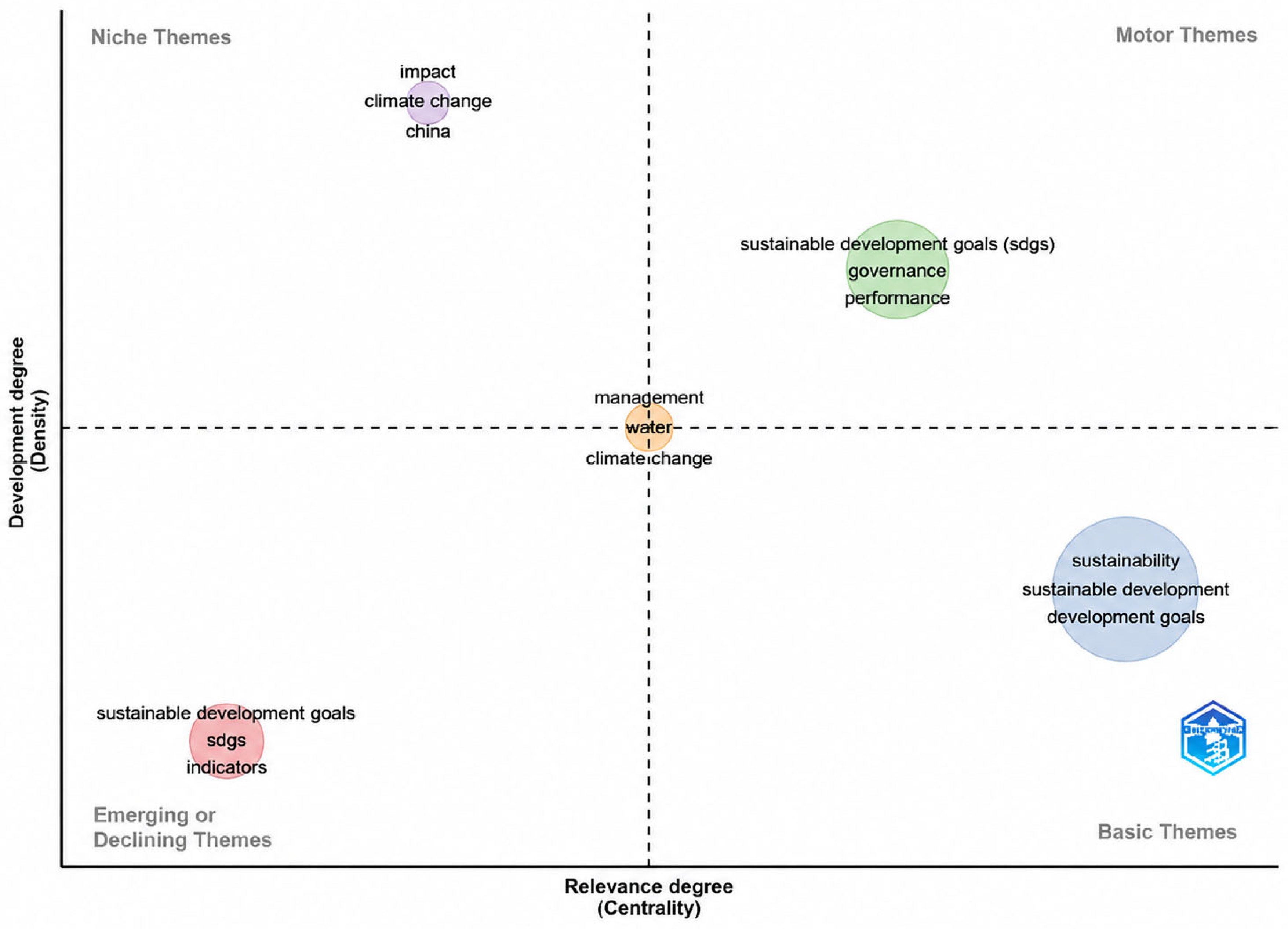
The map in Figure 8 illustrates the field of green finance, differentiating its research areas into 4 main quadrants. First, we have the green quadrant, representing the motor themes (SDGs, governance, and performance), as well as the strategic and governance-oriented consolidation of SDG research. Second, we have the blue cluster, representing the field’s foundational concepts (sustainability, sustainable development, and development goals), which provides greater structure for the research, given the existing lack of solid internal specialization. Third on our map is the purple quadrant, comprising niche themes (climate change, China, impact), revealing a largely detached peripheral specialization from the governance and performance core. The following red cluster shows specialization with low centrality and density, as it combines emerging, fragmented themes that are not yet consolidated in green finance research (SDGs, indicators, and sustainable development goals). Last in our thematic evolution analysis, the yellow-centered cluster reflects the main transitional themes (management, water, and climate change) and acts as a bridging connection between managerial approaches and environmental constraints.
The categorization of themes across the quadrants showcases an uneven organization of the field, where several other areas of the field remain weakly included, and only a limited number of dominant themes concentrate both influence and development which could be explained by the fact that green finance thematic evolution is not only influenced by expansion only, but also by selective consolidation, where certain research streams shape and design the agenda while other struggle to gain centrality.
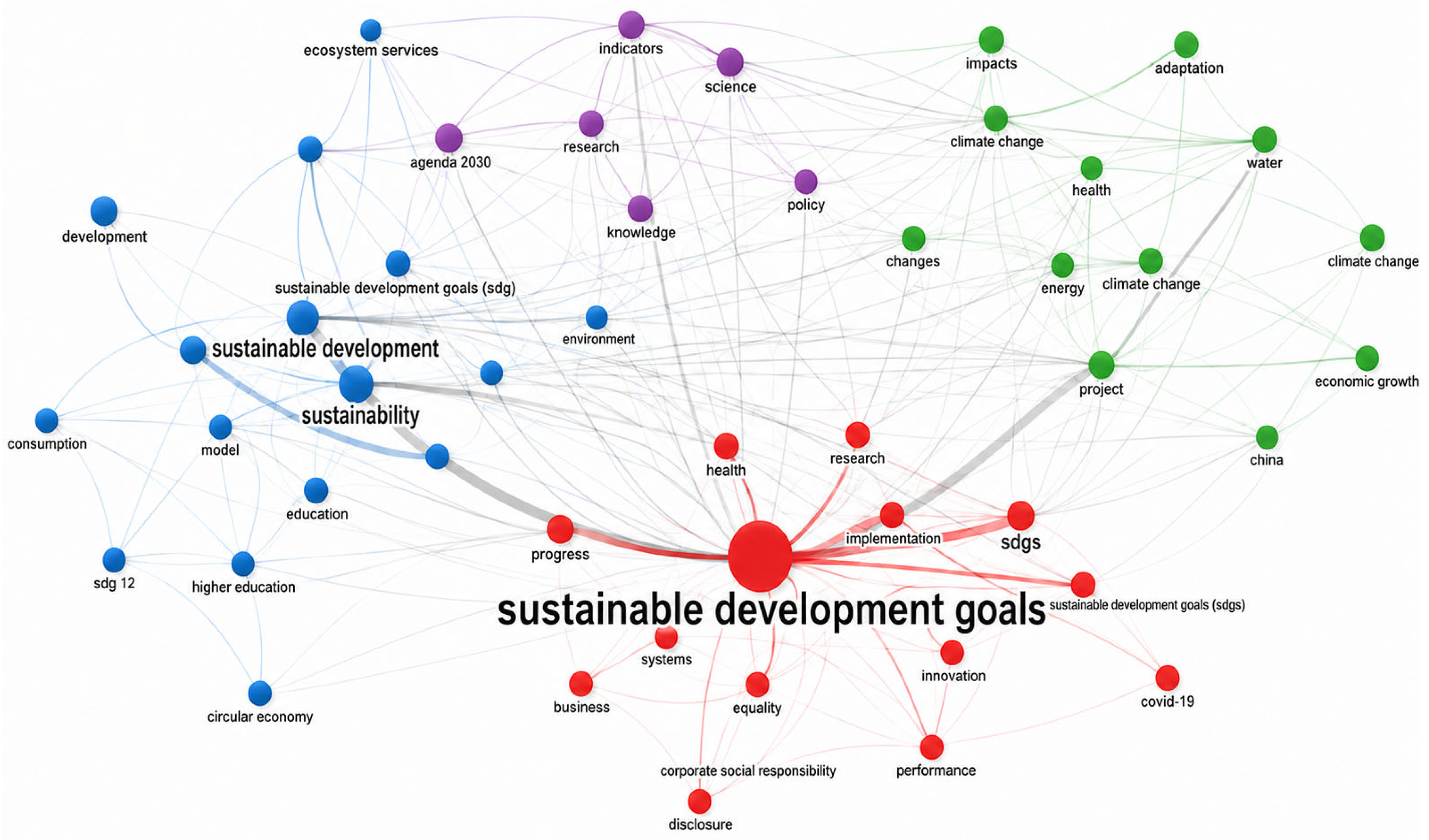
Therefore, to blend our study, we observe in (Figure 9) that the cumulative findings from the co-word and bibliographic coupling analyses indicate a field “sustainable development goals” acting as a bridging node between multiple thematic clusters, rather than simply a core concept, built on strong foundations of sustainability and surrounded by weakly integrated sub-streams of environmental and measurement-oriented research. The strong connectivity of the SDG cluster with terms related to sustainability, governance, and performance suggests that the field is structured around a normative anchor that links conceptual discourse with applied financial and policy frameworks.
Interestingly, the presence of “innovation” within the core cluster suggests that the evolution of green finance is increasingly associated with transformation dynamics. However, the absence of more explicit technological sub-themes, such as artificial intelligence or digital finance, within the network indicates that these dimensions remain implicitly embedded rather than structurally articulated. This implies that innovation in the field is currently conceptualized, while its technological drivers are not yet fully integrated into the core academic discourse. Furthermore, the weaker links to sector-specific themes such as water, energy, and climate (right cluster) exacerbate the unevenness in the operational integration of green finance across environmental domains. Therefore, we understand that the field has achieved conceptual convergence around sustainability objectives, yet its translation into sectoral and application -oriented research remains underdeveloped.

4.3. Thematic Evolution Analysis

In the early period of 2015–2017, the subject area was characterized by overarching, more general sustainability-oriented ideas, such as sustainable development, environmental performance, and corporate responsibility (Berg et al., 2022). The research carried out during this period was mainly exploratory and normative, focusing on the role of finance in supporting environmental goals, without any particular thematic specialization. The intellectual landscape was fragmented, with little thematic integration or cohesion. By contrast, during the 2018–2020 period, the SDGs emerged as the primary framework for the subject area (Schoenmaker, 2019). The shift from more general, overarching ideas of sustainable development and green finance toward more specific, concrete alignment with the SDGs reflects a move toward governance, reporting, and policy integration (Farah et al., 2026). Green finance was no longer analyzed simply as an environmental tool, but rather as an institutional and regulatory tool for governance (Marín-Rodríguez et al., 2024). Lastly, in the most recent period of 2021–2026, the subject area has been characterized by an increasingly sophisticated approach and a performance-oriented focus (Marín-Rodríguez et al., 2024). Issues such as impact assessment, sustainability indicators, climate change, and financial performance are now more dominant, and the research focus has shifted from the legitimacy of green finance to the operationalization of green finance instruments in the context of the SDGs. In particular, the growing demand for standardized sustainability metrics, regulatory reporting frameworks, and ESG-based investment strategies has significantly shifted the field toward a new research perspective focused on performance and implementation. This transition indicates a broader transformation of green finance from a potential conceptual domain into a responsible, policy and impact-driven field.
Throughout the three stages of green finance development, this study demonstrates a clear intellectual and thematic shift that can be summarized as follows: Normative Sustainability Discourse → SDG Institutional Consolidation → Performance and Measurement Orientation. The enduring presence and dominance of the SDGs across these stages indicate not only a growing intellectual convergence and maturity but also a remarkable dependence on globally institutionalized frameworks to structure research agendas, with green finance research becoming more integrated and thematically cohesive.
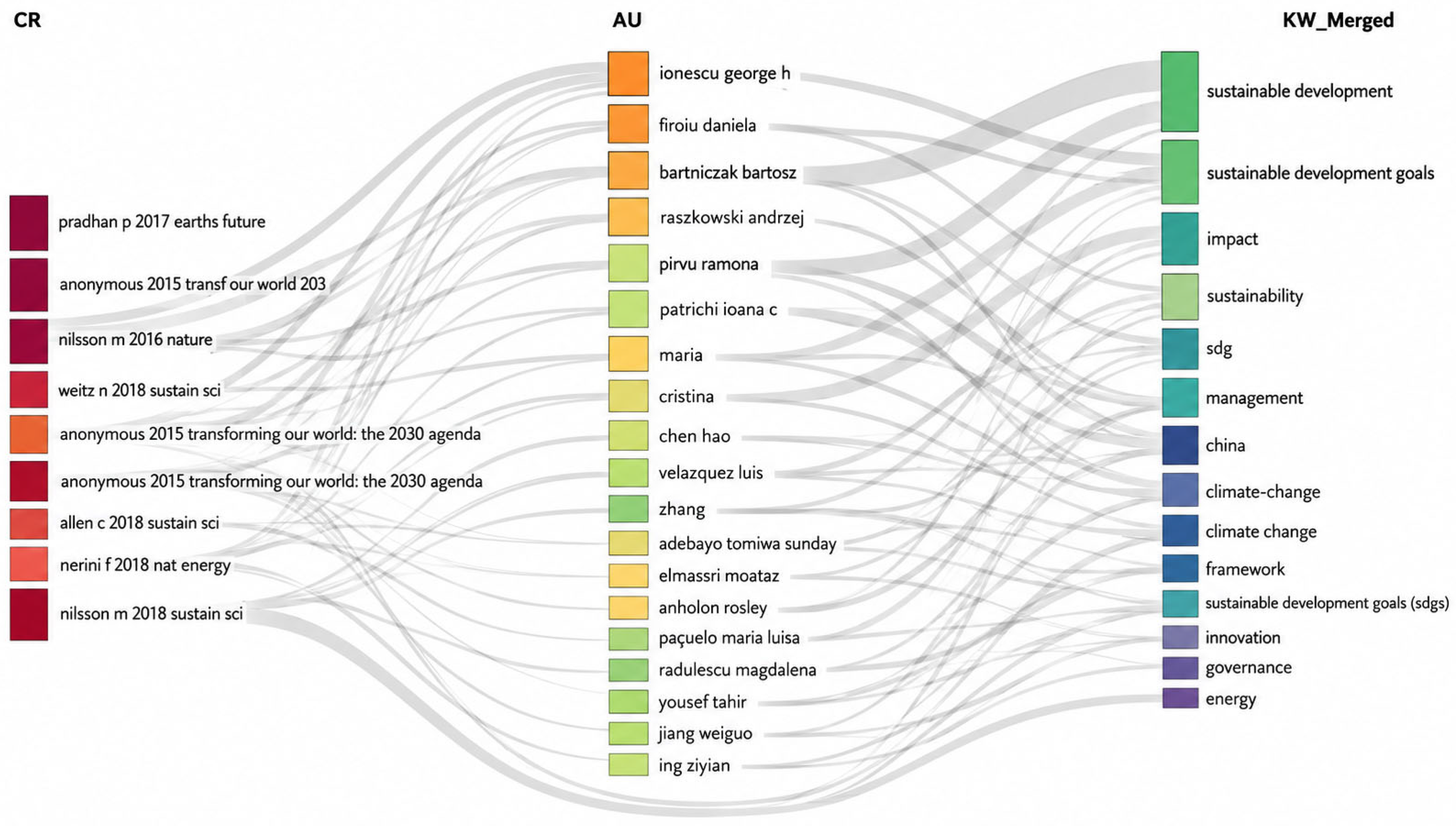
Additionally, the Sankey diagram in (Figure 10) further shows how key references, especially those linked to the 2030 Agenda and sustainability governance, act as intellectual anchors, connecting influential authors with key thematic keywords. This configuration underscores that the field’s development is not solely influenced by internal academic dynamics but is strongly driven by external policy and governance mechanisms.
Over time, the focus shifts from broad sustainability ideas to more applied topics such as management, impact assessment, and innovation. This trend suggests that the field is moving beyond normative discussions towards the empirical evaluation of financial instruments, governance structures, and policies aimed at achieving sustainable development goals, indicating that the research agenda remains closely aligned with established policy narratives, limiting, in other ways, the diversification of alternative or context-specific research trajectories.

5. Discussion

5.1. Key Findings and Knowledge Gap Analysis

Green finance is a central pillar in supporting sustainable economic development and addressing climate change issues. In this context, it is important to distinguish between green finance, which primarily focuses on environmentally oriented financial instruments, ESG frameworks that incorporate broader environmental, social, and governance criteria, and sustainable finance as a more comprehensive umbrella concept. Consequently, the present paper aims to assess the intellectual evolution and structural organization of green finance research from 2015 to 2026. Using a systematic bibliometric analysis, it offers a comprehensive overview of the field’s evolving trends, patterns, and thematic growth.
Recent bibliometric analyses further confirm the structuring of green finance research around core domains such as carbon emissions, green innovation, and renewable energy, while also highlighting emerging dimensions related to ESG frameworks and digital finance (S. C. M. Chandran & Chandran, 2026). Moreover, our results align with the field’s complexity, showing a significant increase in publications accompanied by changes in scientometric features. Key findings suggest the number of publications could reach 1538, indicating steady, ongoing growth and increasing attention from the scientific community (Pham et al., 2025). Several factors explain this trend: the Paris Agreement’s implementation, which set sustainable development goals; rising investments in ESG-compliant assets, which have motivated further research; and the COVID-19 pandemic, which highlighted the importance of green finance and resilient, sustainable financial systems (İlbasmış et al., 2023; Ali et al., 2026).
Overall, the volume of research in green finance seems to be shaped by factors driven by economic and policy uncertainty. While uncertainty might encourage more ESG-focused research, as sustainability becomes a strategic tool for long-term risk management and resilience, it can also cause scholars to shift their focus to other research priorities. This shift influences both the amount and the thematic focus of green finance studies published in academic journals (Campello et al., 2022). This contrast helps explain the observed patterns, especially the simultaneous growth in ESG topics and ongoing fragmentation across less central research areas.
Along with quantitative growth, the findings suggest that green finance research is becoming increasingly consolidated. Specifically, there is a core group of research centered on sustainability and governance. For instance, scholars are increasingly engaging with Sustainable Development Goals (SDGs), highlighting their effort to create an essential framework (R. Chandran & Chandran, 2024). Meanwhile, some topics, such as financial modeling, remain on the periphery and are less closely connected to other areas. (Evolution and impact of green finance: A comprehensive bibliometric analysis, 2025, pp. 1–20). This combination of a strong main focus and scattered thematic clusters indicates that the field is still developing its structure rather than reaching full maturity. The prominence of SDG-related themes reflects the growing institutional emphasis on sustainability within global financial and regulatory systems, framing green finance more as a policy and governance issue than solely a financial discipline (Erdem et al., 2025). Despite this consolidation, the institutional grounding is also reflected in the prominent role of reporting, transparency, and performance measures identified in recent studies. As demonstrated by the increased use of the framework for sustainable development and related concepts, the field tends to develop along lines of accountability, standardization, and operationalization, consistent with the growing awareness of the need for transparency and comparability in the ESG regulatory practices (Dantas, 2021). Furthermore, political and regulatory influences significantly shape the progression of ESG literature, emphasizing its policy-driven nature. While regulatory measures have traditionally fostered the growth of ESG practices, recent research also points to the rise of anti-ESG sentiments and regulatory resistance following the COVID-19 pandemic (Agrawal et al., 2025). This creates a tension in ESG development, where growing institutional interest clashes with political opposition and inconsistent regulations. Consequently, the evolution of green finance research should be viewed as a complex, contested process driven by competing governance forces rather than a straightforward expansion.
Nevertheless, several structural limitations can be observed within the current green finance literature as well. The combination of innovation-related topics in the intellectual structure of research and the lack of explicit technological subdomains, such as artificial intelligence and digital finance, suggests an incongruence between conceptual innovations and emerging technologies in the field. As innovation becomes a core driver of green finance research, its technology-related components are not sufficiently addressed (Ali et al., 2026; Erdem et al., 2025), suggesting a potential gap between innovation and the potential of technology-related research, lagging behind rapid developments in financial technologies and their incorporation into established research frameworks.
The distribution of studies geographically indicates that research on green finance is mainly concentrated in developed nations (Hu & Gan, 2025). This pattern can be attributed to two main reasons. First, it reflects that the growth of knowledge in green finance is uneven, with disparities across regions. For example, some academic and economic frameworks produce more research because of their greater resources, while others lack the necessary funding (Desalegn & Tangl, 2022). In other words, knowledge of green finance is shaped by the priorities and limitations of dominant academic and economic systems. Second, from a policy perspective, this raises important questions about knowledge generation across regions. For instance, many African nations are severely affected by climate change but struggle to produce sufficient research in this field (AERC, 2024). Consequently, policymakers may be unaware of critical issues needing attention, leading to research that may not be universally applicable and potentially reducing the effectiveness of policies.
Taken together, these findings have several important implications. From a theoretical perspective, they suggest that green finance should be viewed not just as a financial innovation but as a policy-driven domain rooted in institutions, marked by uneven progress and partial integration. In practice, the increased focus on performance measurement and ESG reporting highlights the importance of firms and investors implementing more comprehensive, transparent sustainability practices (Teixeira et al., 2026). Policy-wise, the results emphasize the need to develop more inclusive and diverse research efforts, especially by encouraging knowledge creation in underrepresented regions and integrating emerging technological fields.

5.2. Study Limitations

Despite its contributions and findings, our study, however, also indicates the need for further research into the development of integrative evaluation methods that can link financial instruments to quantifiable environmental or sector-specific performance outcomes. In fact, while this research adds to the existing academic knowledge, it must be noted that it is also bound by the limitations of the methodology and database used. First, the dataset used in this analysis is based on the Web of Science database and depends on the keywords selected at the time of data collection. Although care was taken to construct a comprehensive search query, the exclusion of certain relevant terms may have affected the size and composition of the corpus. Second, the bibliometric approach employed in this study is primarily designed to identify structural patterns and thematic relationships within the literature and therefore does not capture causal dynamics between variables. Finally, the results may be influenced by methodological choices, such as keyword configuration and clustering parameters, which can affect the identification and interpretation of research themes.

6. Conclusions

This study offers a systematic analysis of how green finance research is shaped by geographical concentration, regulatory frameworks, and the dynamics of the global sustainability agenda. Bibliometric evidence demonstrates that the research frontier is predominantly influenced by a small group of highly productive countries, notably China, the United States, the United Kingdom, and several European economies (G. Wang et al., 2025). This concentration affects not only the volume of publications but also the research priorities and methodological approaches that define the field (Joaqui-Barandica et al., 2025), resulting in a research stream that largely reflects the characteristics of mature regulatory environments (Hu & Gan, 2025). Consequently, the current landscape may constrain global inclusivity and limit the broader conceptualization of green finance (Taghizadeh-Hesary & Yoshino, 2019).
The findings further underscore the central role of regulatory frameworks, disclosure regimes, and sustainability taxonomies in shaping green finance research. The literature’s strong alignment with global sustainability standards, particularly the Sustainable Development Goals, indicates that financial systems are increasingly governed by institutional and governance mechanisms that drive sustainable outcomes (Ziolo et al., 2021). Simultaneously, the ongoing underrepresentation of emerging and African economies in high-impact publications raises significant concerns about the transferability of existing models. Implementing frameworks developed in advanced economies without contextual adaptation may reduce their effectiveness in addressing local institutional and sectoral conditions. Thus, bibliometric research not only maps the field but also identifies opportunities to advance more inclusive and context-specific approaches to green finance.
By analyzing the interplay among influence concentration, regulatory environments, and global sustainability agendas, this study contributes to a more reflexive and strategically oriented understanding of green finance research. Future research should emphasize contextual inclusivity, rigorous impact evaluation, and the development of integrative policymaking models. The ongoing evolution of green finance research will depend on its ability to incorporate diverse perspectives, address structural imbalances, and meet the growing demand for measurable, impactful sustainability outcomes.


Author Contributions

Conceptualization, J.N.; data curation, J.N.; formal analysis, J.N. and K.I.; funding acquisition, J.N.; investigation, J.N.; methodology, J.N. and K.I.; project administration, J.N., E.G.S. and Y.T.; resources, J.N. and K.I.; software, J.N. and K.I.; supervision, J.N., E.G.S. and Y.T.; validation, J.N., E.G.S., Y.T. and K.I.; visualization, J.N. and K.I.; writing—original draft preparation, J.N. and K.I.; writing—review and editing, J.N. All authors have read and agreed to the published version of the manuscript.

Funding

This research was funded by the National Center for Scientific and Technical Research (CNRST) in Morocco through its PASS scholarship, which supported the study’s academic aspects. The funder was not involved in the study design, data collection, analysis, interpretation of results, or the decision to publish.

Institutional Review Board Statement

Not applicable.

Informed Consent Statement

Not applicable.

Data Availability Statement

The bibliometric data used in this study were retrieved from the Web of Science database core collection and analyzed using RStudio, Bibliometrix, and Biblioshiny. The data is subject to licensing agreements and is available only under certain conditions. However, the processed datasets and results generated during the analysis are available from the author on reasonable request.

Acknowledgments

The authors would like to express their sincere gratitude to the institutions and academic environments that supported the development of this research, such as the National Center for Scientific and Technical Research (CNRST) in Morocco and the Laboratory of Research in Economics and Management of Organizations (LAREMO) of the National Business School of Commerce and Management of Béni Mellal (ENCG). The authors also appreciate the constructive academic exchanges and informal feedback received during the preparation of this study, which contributed to improving the clarity and scientific rigor of the manuscript. Lastly, the authors would like to acknowledge the use of Anara for article summarization, as well as Grammarly (version 1.2.x) and ChatGPT-5.5 (OpenAI) for linguistic and structural support. All content was carefully reviewed, verified, and edited by the authors, who assume full responsibility for the scientific integrity and final version of the manuscript.

Conflicts of Interest

The authors declare no conflicts of interest.

References

  1. African Economic Research Consortium. (2024). AERC annual report 2023/2024. AERC. Available online: https://publication.aercafricalibrary.org/handle/123456789/3901 (accessed on 17 February 2026).
  2. Agrawal, S. (2025). Sustainable finance and ESG integration: Emerging trends and challenges. Journal of Sustainable Finance, 9, 45–62. [Google Scholar]
  3. Agrawal, S., Liu, L. Y., Rajgopal, S., Sridharan, S. A., Yan, Y., & Yohn, T. L. (2025). ESG ratings of ESG index providers (pp. 20–21). Stigler Center for the Study of the Economy and the State, University of Chicago Booth School of Business. Working Paper No. 363. Available online: https://hdl.handle.net/10419/324653 (accessed on 17 February 2026).
  4. Ali, K., Zhang, Q., Bakhsh, S., Ullah, S., & Barut, A. (2026). Green finance and digital economic infrastructure in the UK’s energy transition: Insights from quantile-on-quantile and KRLS methods. Renewable Energy, 263, 125458. [Google Scholar] [CrossRef]
  5. Berg, F., Kölbel, J. F., & Rigobon, R. (2022). Aggregate confusion: The divergence of ESG ratings. Review of Finance, 26(6), 1315–1344. [Google Scholar] [CrossRef]
  6. Broadstock, D. C., Chan, K., Cheng, L. T., & Wang, X. (2021). The role of ESG performance during financial crisis. Finance Research Letters, 38, 101716. [Google Scholar] [CrossRef]
  7. Campello, M., Cortes, G. S., d’Almeida, F., & Kankanhalli, G. (2022). Exporting uncertainty: The impact of Brexit. Journal of Financial and Quantitative Analysis, 57, 3178–3222. [Google Scholar] [CrossRef]
  8. Chandran, R., & Chandran, S. (2024). Green finance and sustainability: Green finance and sustainability: Mapping research development through bibliometric analysis. Discover Sustainability, 5, 339. [Google Scholar] [CrossRef]
  9. Chandran, S. C. M., & Chandran, R. (2026). Evolution and impact of green finance: A comprehensive bibliometric analysis. Sustainable Futures, 11, 101623. [Google Scholar] [CrossRef]
  10. Dantas, M. (2021). Are ESG funds more transparent? SSRN Electronic Journal, 39, 23–24. [Google Scholar] [CrossRef]
  11. Desalegn, G., & Tangl, A. (2022). Developing countries in green finance research. Energies, 15, 4436. [Google Scholar] [CrossRef]
  12. Erdem, A., Demirtaş, N., Cirak, A. N., Barut, A., & Amoozegar, A. (2025). How green finance, digitalization, and transport technologies affect the load capacity factor in Organization for Economic Cooperation and Development countries. Asian Journal of Water, Environment and Pollution, 23(2), 025150110. [Google Scholar] [CrossRef]
  13. European Commission. (2018). Action plan: Financing sustainable growth. Available online: https://eur-lex.europa.eu (accessed on 22 February 2026).
  14. European Commission. (2020). EU taxonomy for sustainable activities. Available online: https://finance.ec.europa.eu (accessed on 22 February 2026).
  15. Farah, A. A., Nor, B. A., & Musse, O. S. (2026). Financial inclusion and green economic growth a systematic review of SCOPUS indexed studies from 2015 to 2025. Discover Environment, 4, 37. [Google Scholar] [CrossRef]
  16. Flammer, C. (2021). Corporate green bonds. Journal of Financial Economics, 142, 499–516. [Google Scholar] [CrossRef]
  17. Guo, Q., Yao, N., Ouyang, Z., & Wang, Y. (2024). Digital development and innovation for environmental sustainability: The role of government support and government intervention. Sustainable Development, 32(4), 3389–3404. [Google Scholar] [CrossRef]
  18. Hu, D., & Gan, C. (2025). Green finance development and its origin, motives, and barriers: An exploratory study. Environment, Development and Sustainability. Advance online publication. [Google Scholar] [CrossRef]
  19. İlbasmış, M., Çitil, M., Demirtaş, F., Ali, M., Barut, A., & Mohsin, M. (2023). Does green investments improve air quality? Evidence for developed and developing European countries. Environmental Science and Pollution Research, 30, 89726–89739. [Google Scholar] [CrossRef]
  20. Joaqui-Barandica, O., Heredia-Carroza, J., López-Estrada, S., & Agheorghiesei, D.-T. (2025). Mapping trends in green finance: A bibliometric and topic modeling analysis. International Journal of Financial Studies, 13(3), 137. [Google Scholar] [CrossRef]
  21. Kouwenberg, R., & Zheng, C. (2023). ESG investing and markets. Journal of Sustainable Finance & Investment, 13, 1234–1256. [Google Scholar]
  22. Krastev, B., & Krasteva-Hristova, R. (2024). Green finance trends. Journal of Risk and Financial Management, 17, 301. [Google Scholar]
  23. Marín-Rodríguez, N. J., González-Ruiz, J. D., & Botero, S. (2024). Green finance as catalyst. Journal of Risk and Financial Management, 17, 507. [Google Scholar]
  24. Muganyi, T., Yan, L., & Sun, H.-P. (2021). Green finance, fintech and environmental protection: Evidence from China. Environmental Science and Ecotechnology, 7, 100107. [Google Scholar] [CrossRef] [PubMed]
  25. OECD. (2023). Green finance and investment. OECD. Available online: https://www.oecd.org/finance/green-finance-and-investment (accessed on 27 February 2026).
  26. Offei-Darko, L., & Gandonou, N. (2025). A Rapid Literature Review of Climate Financing for Youths in Sub-Saharan Africa. African Journal of Climate Change and Resource Sustainability, 4(1), 295–303. [Google Scholar] [CrossRef]
  27. Özbek, A. (2024). Green finance bibliometric analysis. Ekonomi Maliye İşletme Dergisi, 7, 72–86. [Google Scholar] [CrossRef]
  28. Page, M. J., McKenzie, J. E., Bossuyt, P. M., Boutron, I., Hoffmann, T. C., Mulrow, C. D., Shamseer, L., Tetzlaff, J. M., Akl, E. A., Brennan, S. E., Chou, R., Glanville, J., Grimshaw, J. M., Hróbjartsson, A., Lalu, M. M., Li, T., Loder, E. W., Mayo-Wilson, E., McDonald, S., … Moher, D. (2021). The PRISMA 2020 statement: An updated guideline for reporting systematic reviews. BMJ, 372, n71. [Google Scholar] [CrossRef]
  29. Pham, T., Mishra, P., Sant, T. G., & Kumar, K. (2025). A bibliometric analysis of sustainability and organization’s performance. Environment, Development and Sustainability, 27, 26609–26636. [Google Scholar] [CrossRef]
  30. Schoenmaker, D. (2019). A framework for sustainable finance. SSRN Electronic Journal, 1–26. [Google Scholar] [CrossRef]
  31. Sukma, F. O. A., & Honggowati, S. (2024). Evolution of green finance: A bibliometric review using Scopus database. International Student Conference on Business, Education, Economics, Accounting, and Management (ISC-BEAM), 3(1), 2687–2696. [Google Scholar] [CrossRef]
  32. Suryantini, N. P. S., Purnawati, N. K., Dewi, N. W. E. R., Darmayanti, N. P. A., Candraningrat, I. R., & Purnami, N. M. (2024). Does green finance play an important role in sustainability? A bibliometric analysis. E3S Web of Conferences, 488, 01008. [Google Scholar] [CrossRef]
  33. Taghizadeh-Hesary, F., & Yoshino, N. (2019). Private participation in green finance. Finance Research Letters, 31, 98–103. [Google Scholar] [CrossRef]
  34. Task Force on Climate-related Financial Disclosures [TCFD]. (2017). Final report. Task force on climate-related financial disclosures. Available online: https://www.fsb-tcfd.org/publications/final-recommendations-report (accessed on 16 February 2026).
  35. Teixeira, A. A., Silva, R. M., & Costa, J. P. (2026). ESG reporting and performance measurement: Transparency and sustainability practices in firms and investors. Sustainability, 18(5), 2474. [Google Scholar] [CrossRef]
  36. Tronzano, M. (2022). Portfolio allocation and safe haven assets. Journal of Risk and Financial Management, 15, 241. [Google Scholar]
  37. UNDP. (2020). COVID-19 and the SDGs. UNDP. Available online: https://www.undp.org/publications/covid-19-and-sdgs (accessed on 10 February 2026).
  38. United Nations. (2015a). 2030 agenda for sustainable development. United Nations. Available online: https://sdgs.un.org/2030agenda (accessed on 10 February 2026).
  39. United Nations. (2015b). Paris agreement. United Nations. Available online: https://unfccc.int/process-and-meetings/the-paris-agreement (accessed on 10 February 2026).
  40. Wang, F., Li, Y., Gao, J., & Zhang, X. (2019). Greenwashing in sustainability reporting: Definitions, measurement challenges, and implications for corporate transparency. Journal of Cleaner Production, 234, 1062–1072. [Google Scholar] [CrossRef]
  41. Wang, G., Cui, H., & Hausken, K. (2025). Evolution of green finance research. Heliyon, 11, e42161. [Google Scholar] [CrossRef] [PubMed]
  42. Wang, Y., & Zhi, Q. (2016). Green finance and environmental protection. Energy Procedia, 104, 311–316. [Google Scholar] [CrossRef]
  43. Xin, Y. (2024). Green finance and sustainable development. Sustainability, 16, 845. [Google Scholar] [CrossRef]
  44. Ziolo, M., Bak, I., & Cheba, K. (2021). Sustainable finance and SDGs. Technological and Economic Development of Economy, 27, 45–70. [Google Scholar] [CrossRef]
Figure 1. PRISMA flow diagram for data selection. Sources: the author’s elaboration using the PRISMA 2020 guidelines.
Jrfm 19 00368 g001
Figure 2. Annual scientific production of green finance research (2015–2026). Source: Author’s elaboration using WoS data collection and the Biblioshiny interface.
Jrfm 19 00368 g002
Figure 3. Scientific production by country. Source: author’s elaboration using WoS data collection and the Biblioshiny interface.
Jrfm 19 00368 g003
Figure 4. Corresponding author’s countries. Source: Author’s elaboration using WoS data collection and the Biblioshiny interface.
Jrfm 19 00368 g004
Figure 5. Most relevant sources and citation structure. Source: Author’s elaboration using WoS data collection and the Biblioshiny interface.
Jrfm 19 00368 g005
Figure 6. Geographical citation distribution. Source: author’s elaboration using WoS data collection and the Biblioshiny interface.
Jrfm 19 00368 g006
Figure 7. Document-based bibliometric coupling. Source: Author’s elaboration using WoS data collection and the Biblioshiny interface.
Jrfm 19 00368 g007
Figure 8. Thematic map. Source: Author’s elaboration using WoS data collection and the Biblioshiny interface.
Jrfm 19 00368 g008
Figure 9. Co-word network map. Source: Author’s elaboration using WoS data collection and the Biblioshiny interface.
Jrfm 19 00368 g009
Figure 10. Sankey-style thematic evolution matrix. Source: Author’s elaboration using WoS data collection and the Biblioshiny interface.
Jrfm 19 00368 g010
Table 1. Comparative analysis of ESG measurement divergence in green finance research.
DimensionMain FocusMeasurement ApproachKey Source of DivergenceImplication
Environmental (E)Climate risk, emissions, energy transitionCarbon metrics, environmental scoresDifferences in data sources and environmental scope Limits comparability of environmental performance
Social (S)Inclusion, labor, stakeholder welfareSocial indicators, qualitative assessmentsHigh subjectivity and inconsistent definitions across providers Weak empirical consistency and cross-study reliability
Governance (G)Transparency, regulation, corporate accountabilityESG disclosure and governance scoresDivergence in weighting and evaluation criteria Affects robustness of governance-related findings
Integrated ESGOverall sustainability performanceComposite ESG ratingsAggregation bias and methodological opacity Reduces reliability of ESG-based investment decisions
Source: Author’s elaboration based on Berg et al. (2022) and recent ESG synthesis literature.
Table 2. Data extraction synthesis.
ElementDescription
DatabaseWoS Core Collection
Search stringGreen finance (topic) AND sustainability (topic) AND climate resilience (topic) OR SDG (topic) OR green economy (topic)
Period2015–2026
Document typesOpen access articles
WoS Categories Environmental Sciences, Environmental Studies, Green Sustainable Science Technology, Business, Management, Economics
Final sample516 documents
Bibliometric toolsZotero, RStudio 4.5.2, Bibliometrix, Biblioshiny Interface.
Source: Author’s elaboration.
Disclaimer/Publisher’s Note: The statements, opinions and data contained in all publications are solely those of the individual author(s) and contributor(s) and not of MDPI and/or the editor(s). MDPI and/or the editor(s) disclaim responsibility for any injury to people or property resulting from any ideas, methods, instructions or products referred to in the content.