



-
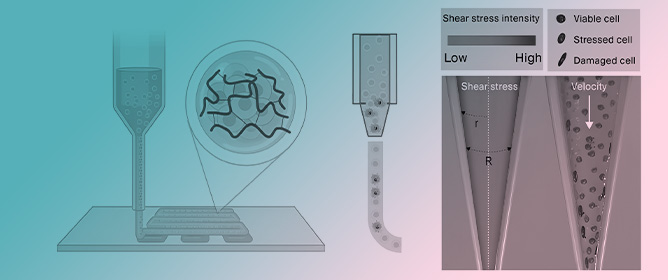
An Overview of 3D Bioprinting Impact on Cell Viability: From Damage Assessment to Protection Solutions -
Physicochemical and Antioxidant Alterations of Modified and Free Epigallocatechin Gallate Under Thermal Treatment in Air and Vacuum -
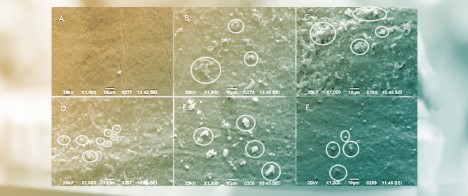
Comparative Assessment of the Remineralization Potential of Five Modern Oral Health Products on Bovine Enamel -
Recent Advances in Silk Fibroin Derived from Bombyx mori for Regenerative Medicine
Journal Description
Journal of Functional Biomaterials
is an international, interdisciplinary, peer-reviewed, open access journal on materials for biomedical use, published monthly online by MDPI.
- Open Access— free for readers, with article processing charges (APC) paid by authors or their institutions.
- High Visibility: indexed within Scopus, SCIE (Web of Science), PubMed, PMC, Embase, Ei Compendex, Inspec, CAPlus / SciFinder, and other databases.
- Journal Rank: JCR - Q1 (Engineering, Biomedical) / CiteScore - Q2 (Biomedical Engineering)
- Rapid Publication: manuscripts are peer-reviewed and a first decision is provided to authors approximately 16.8 days after submission; acceptance to publication is undertaken in 3.5 days (median values for papers published in this journal in the second half of 2025).
- Recognition of Reviewers: reviewers who provide timely, thorough peer-review reports receive vouchers entitling them to a discount on the APC of their next publication in any MDPI journal, in appreciation of the work done.
- Companion journal: Healthcare Materials
Impact Factor:
5.2 (2024);
5-Year Impact Factor:
5.2 (2024)
Latest Articles
Post-Market Non-Controlled Study on the Clinical Safety of a Synthetic Calcium Phosphate Ceramic in Alveolar Bone Regeneration: A 6-Month Prospective Study
J. Funct. Biomater. 2026, 17(5), 229; https://doi.org/10.3390/jfb17050229 (registering DOI) - 6 May 2026
Abstract
This prospective, single-arm post-market study aimed to evaluate the clinical safety and performance of a synthetic calcium phosphate ceramic used in alveolar bone regeneration procedures. Eighty adult patients requiring bone augmentation were treated with β-tricalcium phosphate (β-TCP) under routine clinical indications. Surgical approaches
[...] Read more.
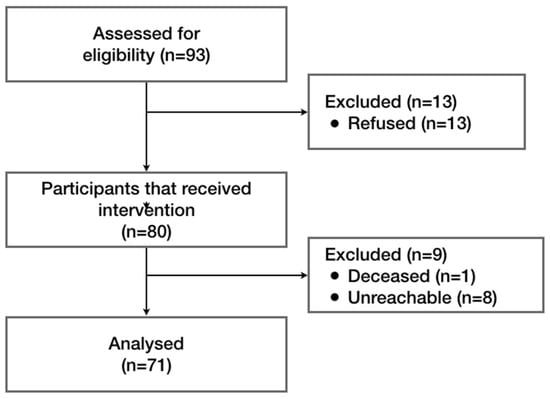
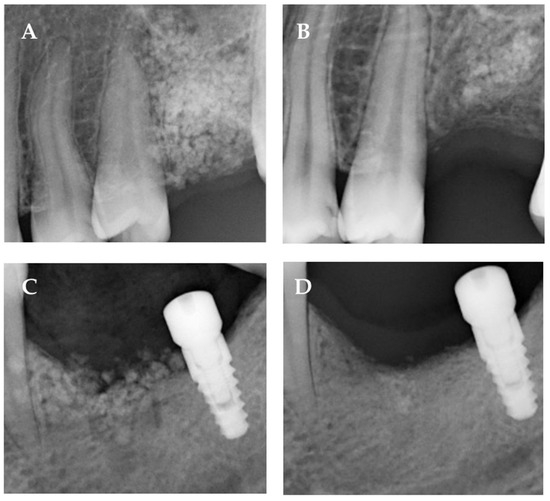
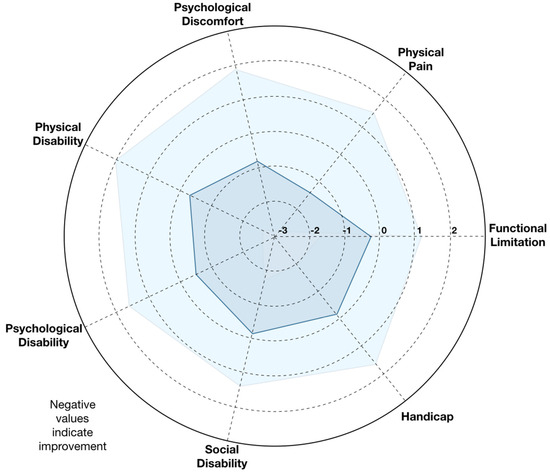
This prospective, single-arm post-market study aimed to evaluate the clinical safety and performance of a synthetic calcium phosphate ceramic used in alveolar bone regeneration procedures. Eighty adult patients requiring bone augmentation were treated with β-tricalcium phosphate (β-TCP) under routine clinical indications. Surgical approaches were adapted to defect morphology. Safety outcomes included adverse events (AEs) and device deficiencies (DDs), while performance outcomes focused on two-dimensional radiographic bone assessment. Radiographic bone consolidation was defined as continuous trabecular radiopacity without radiolucent defects or clinical signs of infection. Patients were followed for six months post-surgery, with clinical and radiographic evaluations, as well as assessment of oral health-related quality of life (OHIP-14). All 80 patients (mean age: 47.2 ± 18.9 years; 51% male) completed the immediate postoperative assessment. Eleven DDs (granule loss) were observed postoperatively (13.8%) and no AEs. At six months, 71 patients (88.8%) completed follow-up. Radiographic bone repair was confirmed in all cases clinically observed and with follow-up X-ray (100%). No AEs or DDs reported (AE-free rate: 100%) at this follow-up. The median OHIP-14 score improved significantly at six months (p = 0.037), indicating better self-reported oral health. Given the observational design, absence of a control group, and partial reliance on non-radiographic follow-up, these findings should be interpreted with caution. Within these limitations, the synthetic calcium phosphate ceramic demonstrated a favorable short-term safety profile and apparent bidimensional radiographic signs of clinical performance under real-world conditions, rather than definitive evidence of effectiveness. Further controlled studies incorporating histological and volumetric analyses are warranted to confirm its regenerative potential.
Full article
(This article belongs to the Special Issue Biomaterials and Strategies for Bone Regeneration and Repair)
►
Show Figures
Open AccessArticle
Therapeutic Efficacy of Dual-Targeting Nanoparticles with Low Immunogenicity in the Treatment of Rheumatoid Arthritis
by
Renjie Miao, Haoyu Wang, Yitian Jin, Changsheng Liu and Hongyan He
J. Funct. Biomater. 2026, 17(5), 228; https://doi.org/10.3390/jfb17050228 - 6 May 2026
Abstract
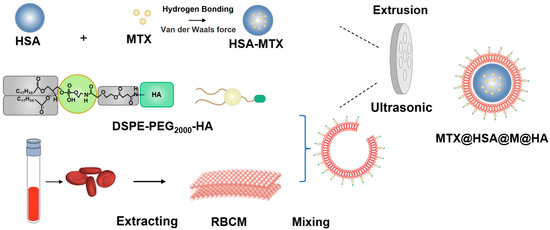
Rheumatoid arthritis (RA) treatment is severely hindered by the systemic toxicity and limited joint accumulation of conventional therapeutics. To overcome these critical clinical challenges, we engineered a biomimetic dual-targeted nanoplatform (MTX@HSA@M@HA NPs) to precisely deliver methotrexate (MTX) to inflamed synovia. The rationally designed
[...] Read more.
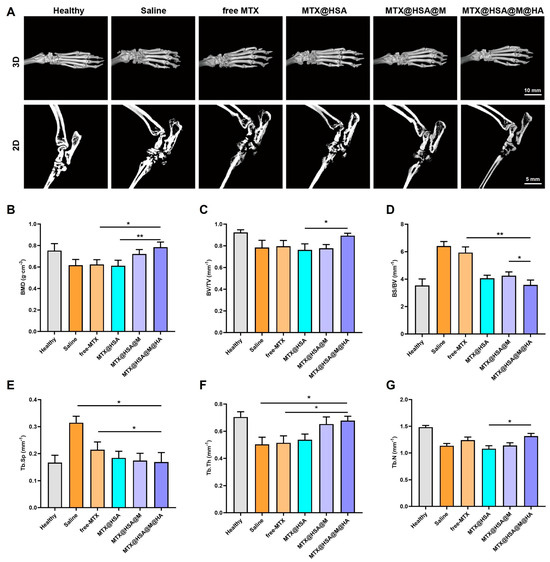
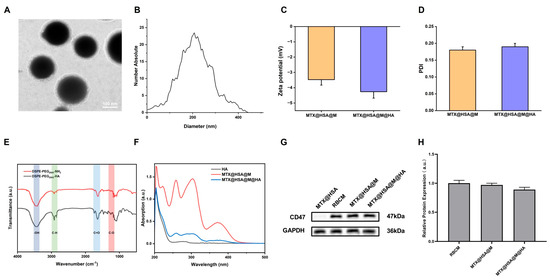
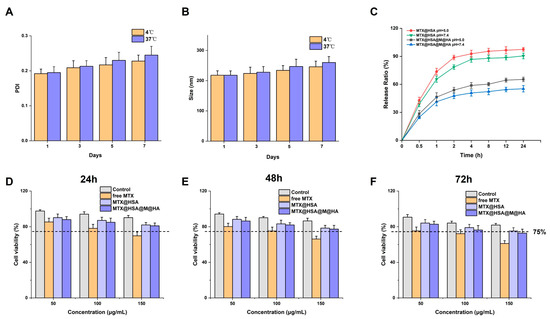
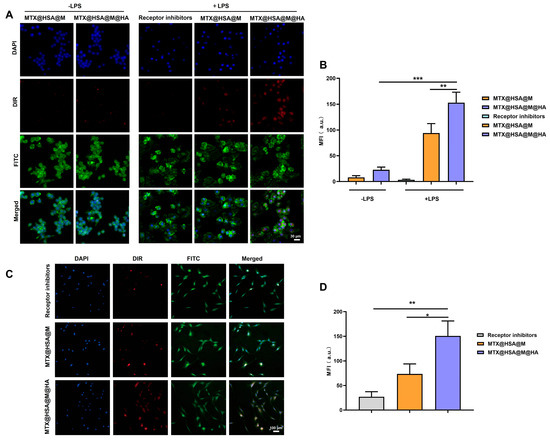
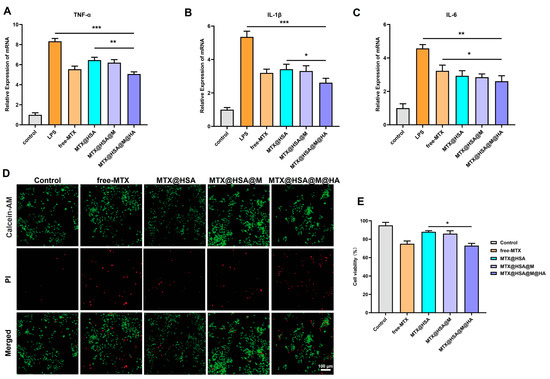
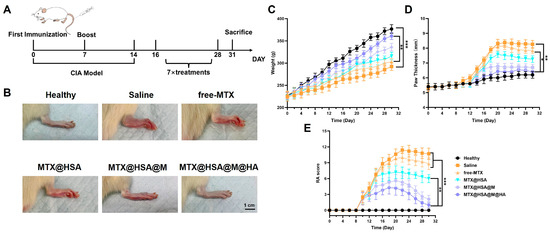
Rheumatoid arthritis (RA) treatment is severely hindered by the systemic toxicity and limited joint accumulation of conventional therapeutics. To overcome these critical clinical challenges, we engineered a biomimetic dual-targeted nanoplatform (MTX@HSA@M@HA NPs) to precisely deliver methotrexate (MTX) to inflamed synovia. The rationally designed system encapsulates MTX within human serum albumin (HSA) nanoparticles, which are subsequently cloaked in red blood cell membranes (RBCMs) for robust immune evasion and prolonged systemic circulation. To achieve active targeting, the nanoparticle surface was functionalized with hyaluronic acid (HA) to selectively bind CD44 receptors, which are heavily overexpressed on RA-driving macrophages and fibroblast-like synoviocytes (FLSs). In vitro evaluations demonstrated significantly enhanced cellular internalization by activating RAW264.7 macrophages and FLS, resulting in the potent suppression of pro-inflammatory cytokines (TNF-α, IL-1β, IL-6) with minimal baseline cytotoxicity. Furthermore, comprehensive in vivo studies using a collagen-induced arthritis (CIA) murine model confirmed that MTX@HSA@M@HA NPs significantly ameliorated joint inflammation, attenuated paw swelling, and rapidly improved functional outcomes compared to free MTX. By synergizing RBCM camouflage with HA-directed active targeting, this nanoplatform maximizes localized therapeutic efficacy while minimizing systemic toxicity, thereby presenting a highly promising and translatable strategy for targeted RA treatment.
Full article
(This article belongs to the Section Bone Biomaterials)
►▼
Show Figures

Figure 1
Open AccessArticle
In Situ Formation of Calcium Zirconate Particles on the Surface of High-Translucent Zirconia: A New Way to Strongly Improve Its Bonding Properties
by
Zhen Yang, Yueming Tian, Jianguo Tan, Ti Zhou, Xuedong Wang, Xinshu Dong, Mingyue Liu and Yanheng Zhou
J. Funct. Biomater. 2026, 17(5), 227; https://doi.org/10.3390/jfb17050227 - 6 May 2026
Abstract
High-translucency zirconia (HTZ) has superior esthetic properties, but its unreliable resin bonding limits minimally invasive anterior restorations. An in situ surface modification was developed to synthesize CaZrO3 particulates on pre-sintered HTZ for enhanced bonding durability. HTZ specimens were randomized into control (Zr-c)
[...] Read more.
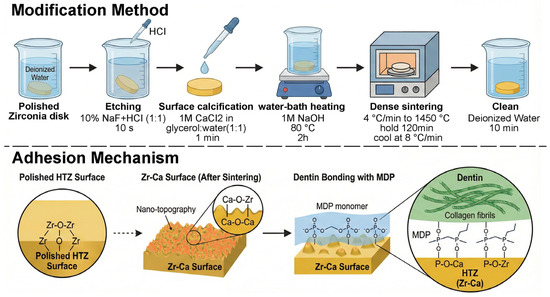
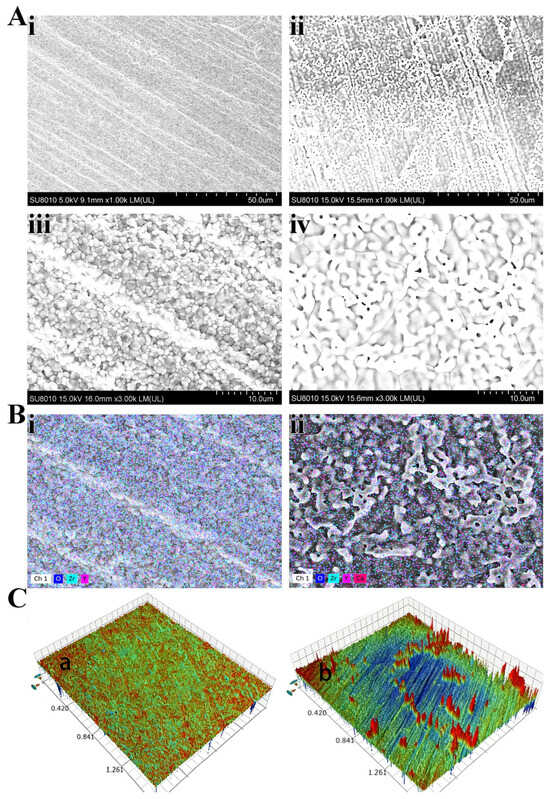
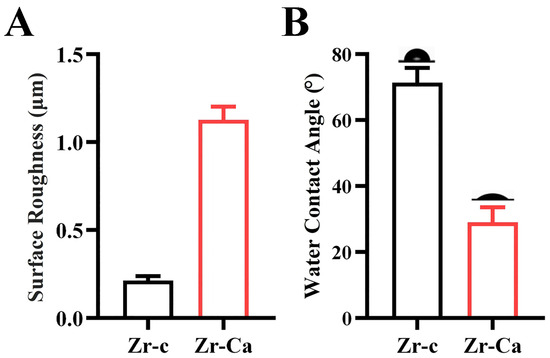
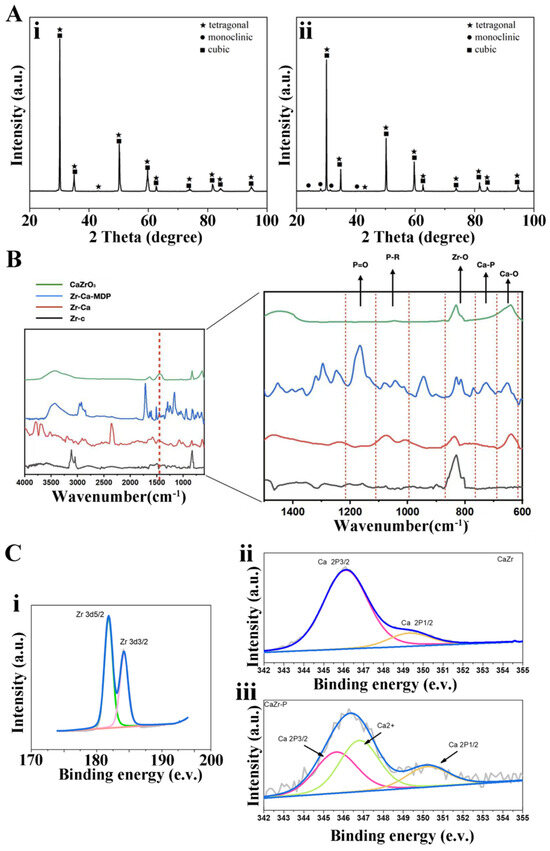
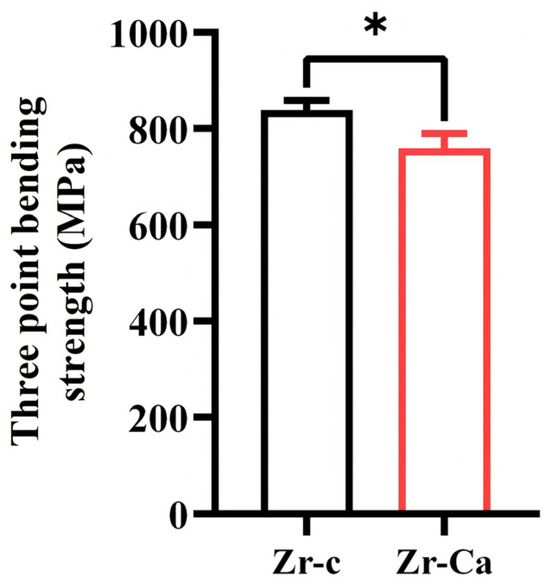
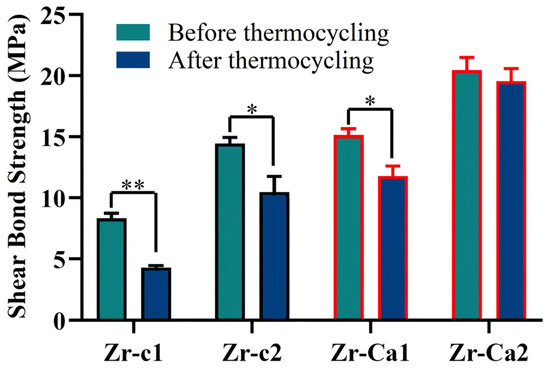
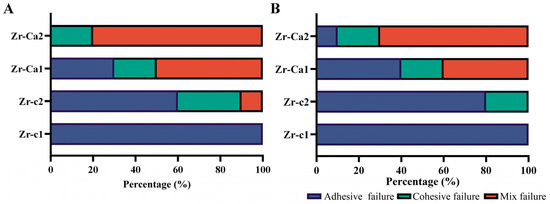
High-translucency zirconia (HTZ) has superior esthetic properties, but its unreliable resin bonding limits minimally invasive anterior restorations. An in situ surface modification was developed to synthesize CaZrO3 particulates on pre-sintered HTZ for enhanced bonding durability. HTZ specimens were randomized into control (Zr-c) and calcium-modified (Zr-Ca) groups; Zr-Ca was treated with NaF/HCl mixture, calcium chloride glycerol solution, NaOH incubation (80 °C, 2 h), and sintering. Surface characteristics were characterized by SEM/EDS, AFM, X-ray diffraction (XRD), X-ray photoelectron spectroscopy (XPS), and FTIR. Flexural strength was tested via three-point bending; shear bond strength (SBS) was evaluated immediately and after 5000 thermocycles with resin cements (with/without 10-MDP). Zr-Ca showed uniform surface particulates, increased roughness, enhanced wettability, and surface Ca; XRD/FTIR/XPS confirmed CaZrO3 and Ca-O-P species (after MDP). Zr-Ca with 10-MDP-containing resin adhesive had significantly higher SBS before/after aging (predominantly mixed failures), with flexural strength within clinical limits. In situ CaZrO3 formation on HTZ strengthens MDP-mediated resin bonding and thermocycling resistance while preserving mechanical integrity, providing a feasible strategy for durable adhesion.
Full article
(This article belongs to the Special Issue Advances in Restorative Dentistry Materials)
►▼
Show Figures

Figure 1

Open AccessArticle
Influence of Restorative Material Properties on Dentin Stress Distribution: A 3D Finite Element Analysis of Bioflx and Zirconia Crowns
by
Enes Bardakci, Guldeste Aydin and Peris Celikel
J. Funct. Biomater. 2026, 17(5), 226; https://doi.org/10.3390/jfb17050226 - 4 May 2026
Abstract
Aim: The aim of this study is to evaluate the effect of restorative crown materials with different elastic moduli on stress distribution in dentin and supporting tissues of pulpotomized primary anterior teeth under multi-directional loading conditions using the three-dimensional finite element analysis method.
[...] Read more.
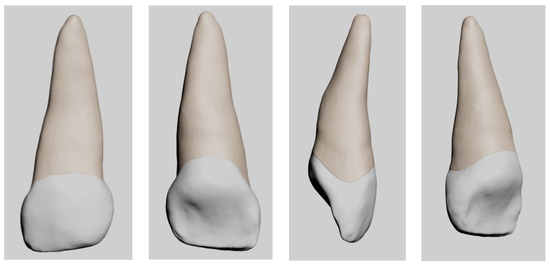
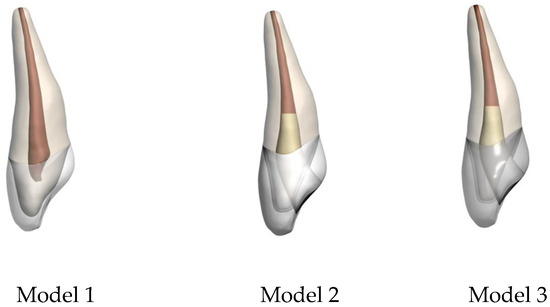
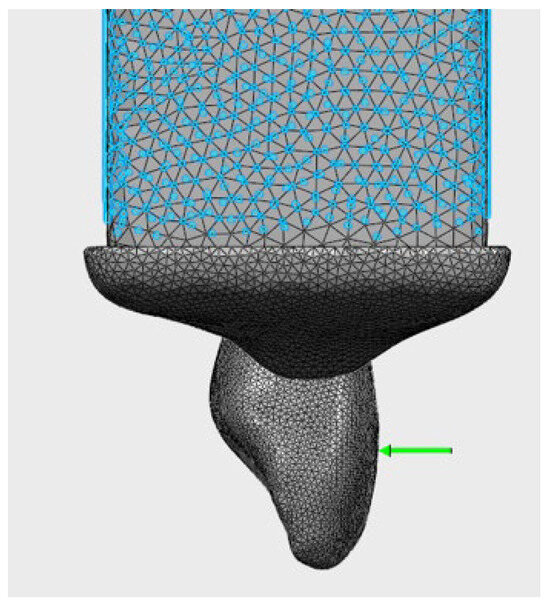
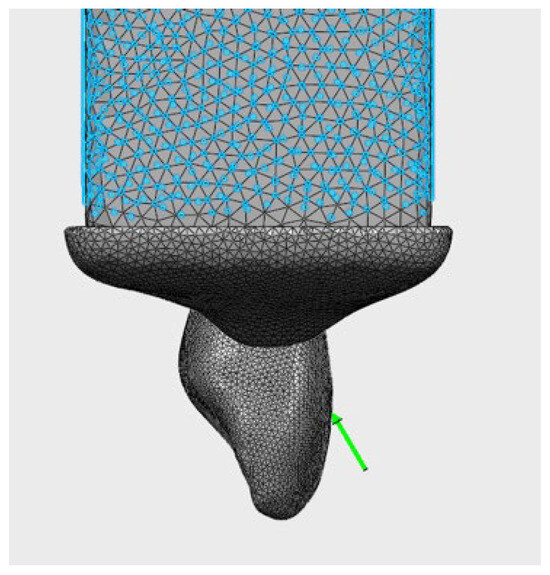
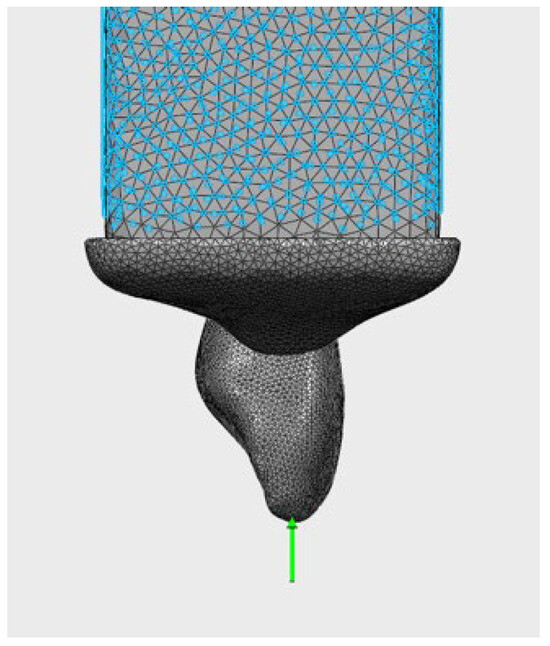
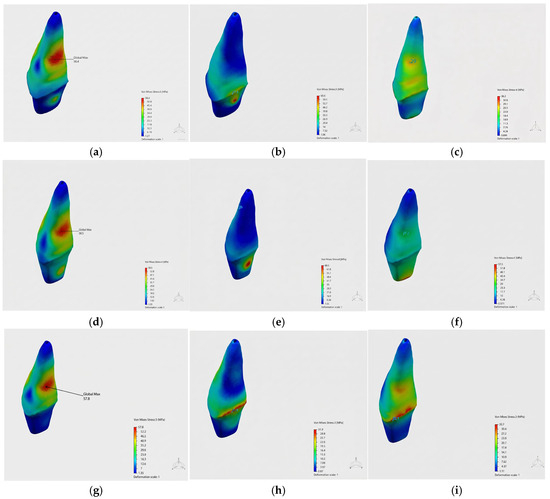
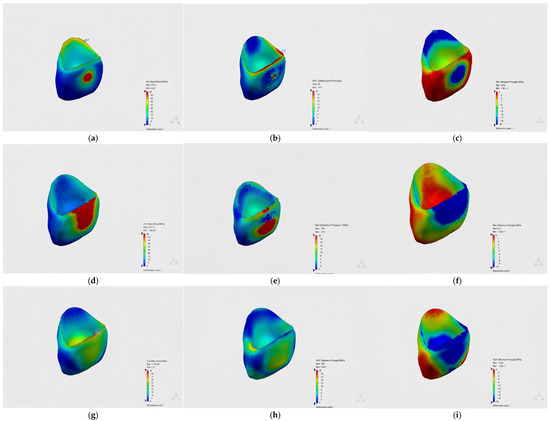
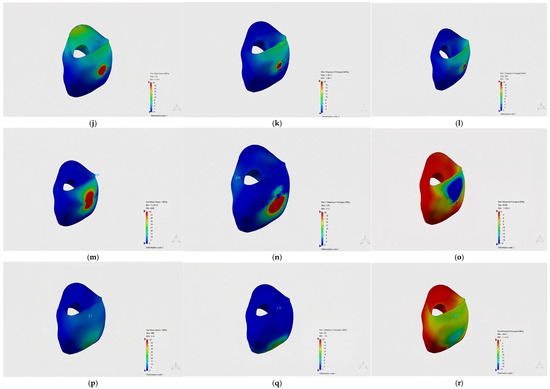
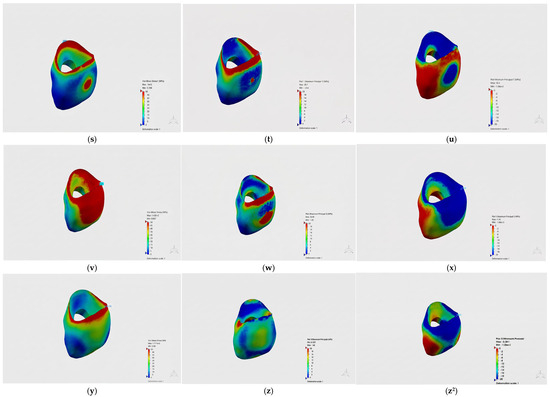
Aim: The aim of this study is to evaluate the effect of restorative crown materials with different elastic moduli on stress distribution in dentin and supporting tissues of pulpotomized primary anterior teeth under multi-directional loading conditions using the three-dimensional finite element analysis method. Materials and Methods: A three-dimensional model of a maxillary primary central incisor was created based on anatomical data. A clinical pulpotomy scenario was simulated using mineral trioxide aggregate (MTA) and resin-modified glass ionomer cement. Three models were analyzed: healthy tooth (control), Bioflx crown, and prefabricated zirconia crown. Frontal, oblique, and vertical loads were applied to represent functional and traumatic conditions. von Mises and principal stress distributions in the crown, dentin, and supporting tissues were evaluated. Results: In the prefabricated zirconia crown group, higher von Mises stress values were observed under all loading conditions, with significant stress concentrations particularly in the cervical region. In contrast, the Bioflx crown group exhibited lower stress values and a more homogeneous stress distribution. While the stress patterns in the Bioflx group were found to be closer to those of the control group, more localized stress accumulation was observed in the zirconia crowns. No significant differences were observed between the groups in the bone tissue. Conclusions: The elastic modulus of restorative materials plays a decisive role in the stress transfer mechanism. It is believed that materials with dentin-like mechanical properties may provide a more balanced and physiological stress distribution. Multi-directional loading analysis highlights the importance of evaluating the biomechanical behavior of restorative materials under more realistic conditions. Further advanced experimental and clinical studies are needed to clinically validate these findings.
Full article
(This article belongs to the Special Issue Property, Evaluation and Development of Dentin Materials)
►▼
Show Figures

Figure 1
Open AccessArticle
Biomimetic Deposition of Zn-Doped Calcium Phosphate Coatings on Surface-Activated Ti6Al4V for Multifunctional Implant Interfaces
by
Yaimi Martín-Santana, Yadira González-Carranza, Leonel Díaz-Tato, Arturo Juárez-Hernández, Edgar Omar García-Sánchez, Myriam Angélica De La Garza-Ramos, Edén Amaral Rodríguez-Castellanos and Marco Antonio Loudovic Hernández-Rodríguez
J. Funct. Biomater. 2026, 17(5), 225; https://doi.org/10.3390/jfb17050225 - 2 May 2026
Abstract
The design of implant surfaces that support bone integration while limiting bacterial colonization remains a central challenge in biomaterials science and engineering. In this work, zinc-doped biomimetic calcium phosphate (CaP-Zn) coatings were fabricated on Ti6Al4V through surface activation followed by deposition in supersaturated
[...] Read more.
The design of implant surfaces that support bone integration while limiting bacterial colonization remains a central challenge in biomaterials science and engineering. In this work, zinc-doped biomimetic calcium phosphate (CaP-Zn) coatings were fabricated on Ti6Al4V through surface activation followed by deposition in supersaturated simulated body fluid (SBF). Acid and alkali–calcium treatments produced a porous, calcium-rich interface that enabled the uniform formation of apatite-like CaP layers. Zinc incorporation was achieved without suppressing the formation of CaP phases and led to systematic changes in coating microstructure and surface chemistry. Spectroscopic and structural analyses indicated Zn incorporation within the CaP matrix, consistent with partial Ca2+ substitution and its association with poorly crystalline domains. These features promoted controlled ionic release and localized dissolution–reprecipitation behavior. Antibacterial testing against Streptococcus mutans revealed a clear Zn-dependent reduction in bacterial viability, while cytocompatibility remained within acceptable limits at moderate Zn levels. Finally, the coatings combine intrinsic bioactivity with ion-mediated antibacterial functionality, offering a multifunctional surface strategy for advanced titanium-based implants.
Full article
(This article belongs to the Special Issue Biomaterials Applied in Dental Sciences)
Open AccessArticle
Does Aging Affect PolyJet™ 3D-Printed Teeth for Endodontics? A Micro-CT Evaluation
by
Cláudia Barbosa, Tiago Reis, José B. Reis, Margarida Franco, Catarina Batista, Rui B. Ruben, Benjamín Martín-Biedma and José Martín-Cruces
J. Funct. Biomater. 2026, 17(5), 224; https://doi.org/10.3390/jfb17050224 - 2 May 2026
Abstract
This study aimed to evaluate the aging effect (6 and 12 months), relative to baseline (0 months), on the dimensional accuracy, morphological stability, and shaping behavior of PolyJet™ 3D-printed teeth (3DPT) produced in two printing orientations (X and Y axes). Specimens (XA0,
[...] Read more.
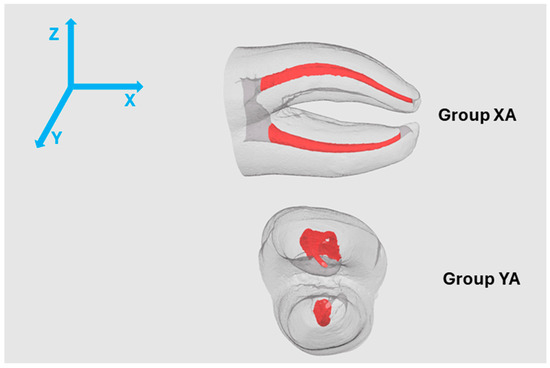
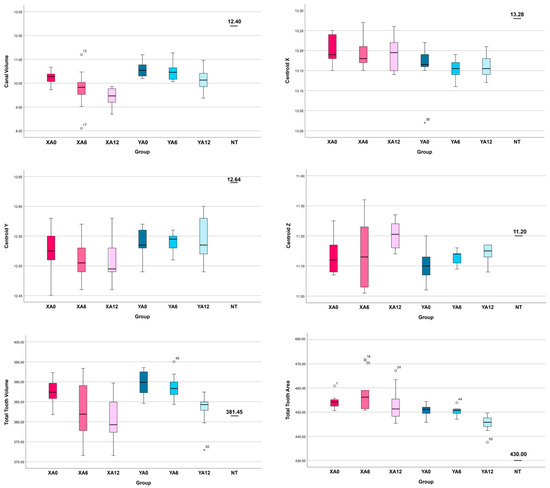
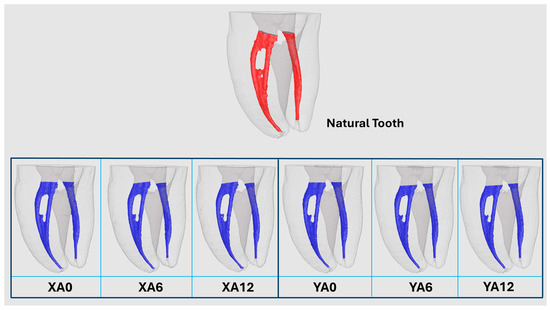
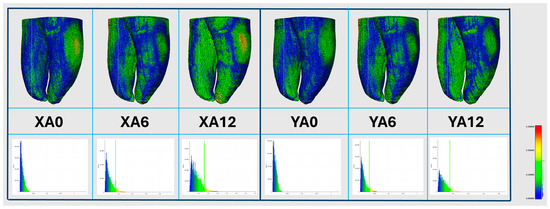
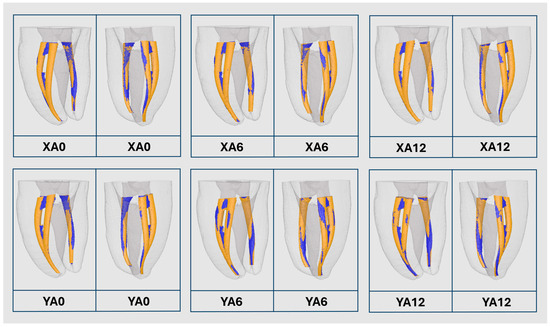
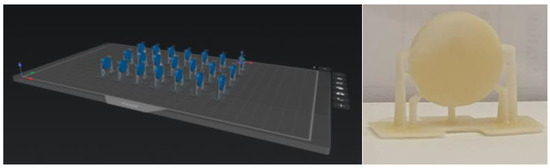
This study aimed to evaluate the aging effect (6 and 12 months), relative to baseline (0 months), on the dimensional accuracy, morphological stability, and shaping behavior of PolyJet™ 3D-printed teeth (3DPT) produced in two printing orientations (X and Y axes). Specimens (XA0, XA6, XA12, YA0, YA6, YA12) were analyzed using microcomputed tomography before and after root canal preparation with the ProTaper Gold® system. Preoperative analysis included canal volume, centroid, total tooth volume, and total tooth area. Aging-related changes were observed, with significant differences between XA0 and XA12 (p < 0.05), whereas no differences were detected among Y-axis groups (p > 0.05). These findings indicate that X-axis specimens are not comparable over time, while Y-axis specimens maintain baseline consistency. Postoperative evaluation revealed significant differences across aging conditions for most endodontic preparation parameters. Within the limitations of this study, aging had a limited effect on dimensional accuracy but influenced the shaping behavior of 3DPT. Based on these findings, future studies using PolyJet™ 3DPT should report the printing batch and the storage time between fabrication and experimental use, as these factors may influence the comparability and reliability of the results.
Full article
(This article belongs to the Special Issue Three-Dimensional Printing and Biomaterials for Medical Applications)
►▼
Show Figures

Figure 1
Open AccessArticle
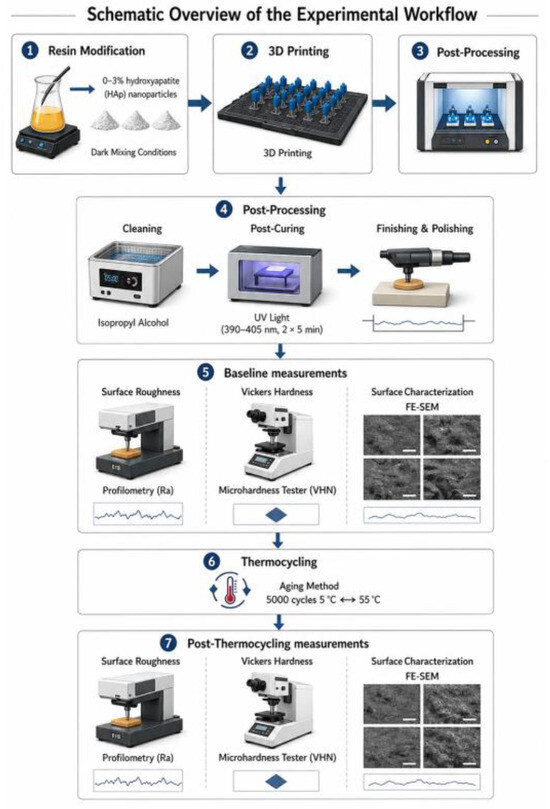
Hydroxyapatite Nanoparticle Modification of 3D-Printed Crown Resin: Effects of Concentration on Surface Roughness and Vickers Hardness After Thermocycling
by
Elif Koç, Dalndushe Abdulai, Oyun-Erdene Batgerel, Oktay Yazıcıoğlu, Raghib Suradi and Mehran Moghbel
J. Funct. Biomater. 2026, 17(5), 223; https://doi.org/10.3390/jfb17050223 - 2 May 2026
Abstract
Background: This in vitro study evaluated the effect of hydroxyapatite nanoparticle (nano-HAp) incorporation on surface roughness and Vickers hardness of a 3D-printed crown resin after thermocycling. Methods: Disk-shaped specimens (N = 84) were modified and fabricated with 0%, 1%, 2%, and 3%
[...] Read more.
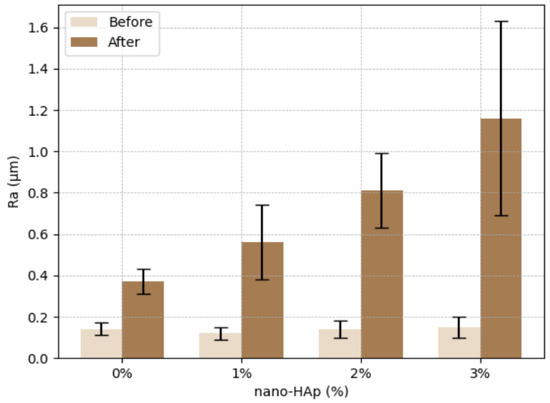
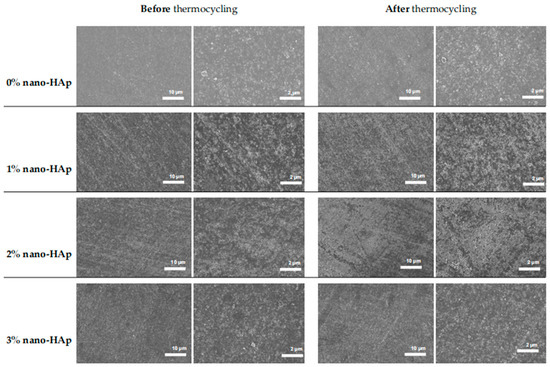
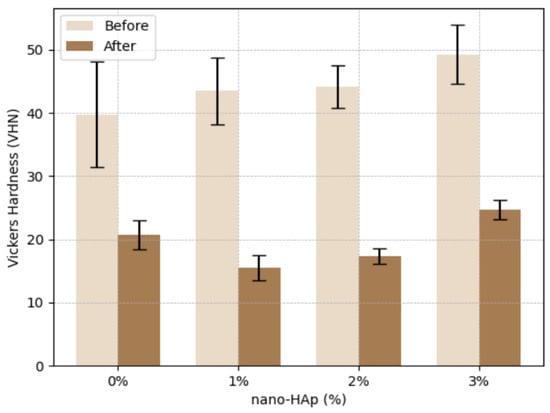
Background: This in vitro study evaluated the effect of hydroxyapatite nanoparticle (nano-HAp) incorporation on surface roughness and Vickers hardness of a 3D-printed crown resin after thermocycling. Methods: Disk-shaped specimens (N = 84) were modified and fabricated with 0%, 1%, 2%, and 3% nano-HAp. Surface roughness (Ra) and Vickers hardness (VHN) were measured before and after thermocycling (5000 cycles). Surface morphology was qualitatively assessed using FE-SEM. Data were analyzed using two-way mixed-design ANOVA (α = 0.05). Results: Thermocycling increased surface roughness and reduced hardness in all groups. Ra values were highest in the 3% nano-HAp group after thermocycling (1.16 ± 0.47 µm). Baseline Vickers hardness differed significantly among nano-HAp concentrations, and hardness decreased after thermocycling in all groups; however, the 3% nano-HAp group exhibited the highest post-thermocycling hardness values (24.66 ± 1.51 VHN), which should be interpreted in the context of its higher baseline hardness. FE-SEM observations suggested increased surface irregularities with higher nano-HAp concentrations after thermocycling. Conclusions: Nano-HAp incorporation influenced both surface and mechanical properties, with 3% concentration showing higher hardness after aging but increased roughness.
Full article
(This article belongs to the Special Issue Surface Analyses, Physicochemical and Mechanical Properties of Dental Biomaterials (2nd Edition))
►▼
Show Figures

Figure 1
Open AccessArticle
Comparative Analysis of XFEM and Phase Field Approaches for Fracture Prediction in Flexible Ti-6Al-4V Thoracic Implants
by
Alejandro Bolaños, Alejandro Yánez, Alberto Cuadrado and María Paula Fiorucci
J. Funct. Biomater. 2026, 17(5), 222; https://doi.org/10.3390/jfb17050222 - 2 May 2026
Abstract
The scientific literature increasingly supports the use of computational models to predict fracture across a wide range of applications, which, when calibrated with experimental data, can yield highly consistent results. Although the extended finite element method (XFEM) is widely used in commercial packages,
[...] Read more.
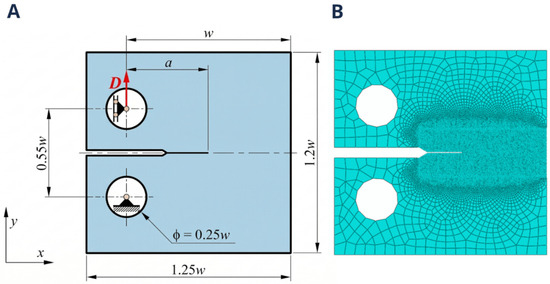
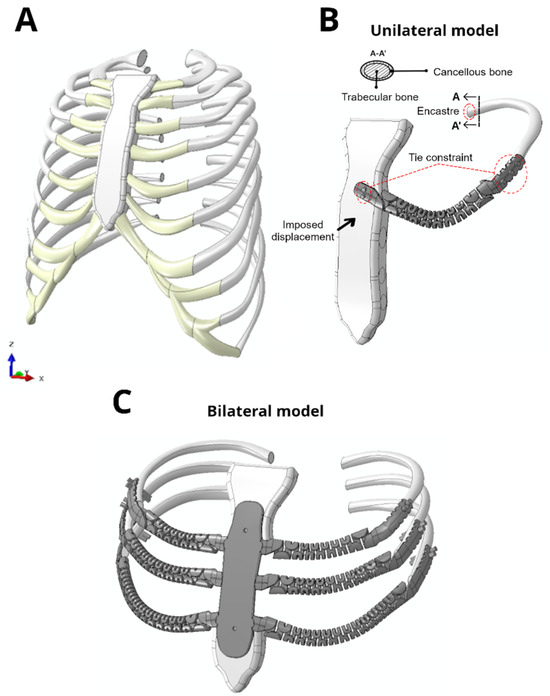
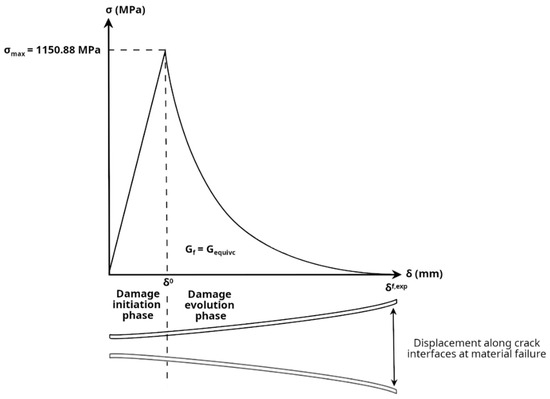
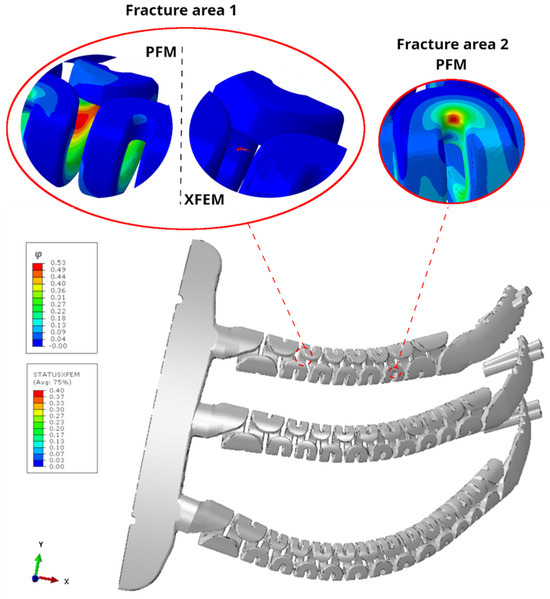
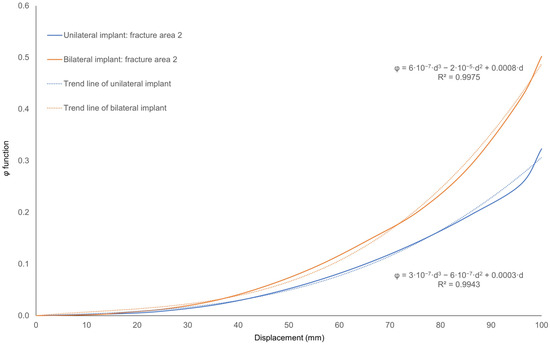
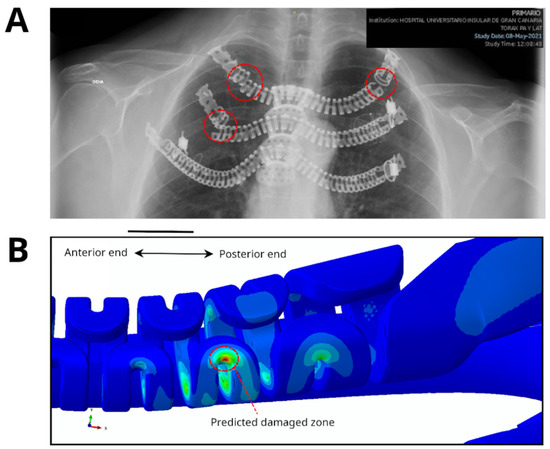
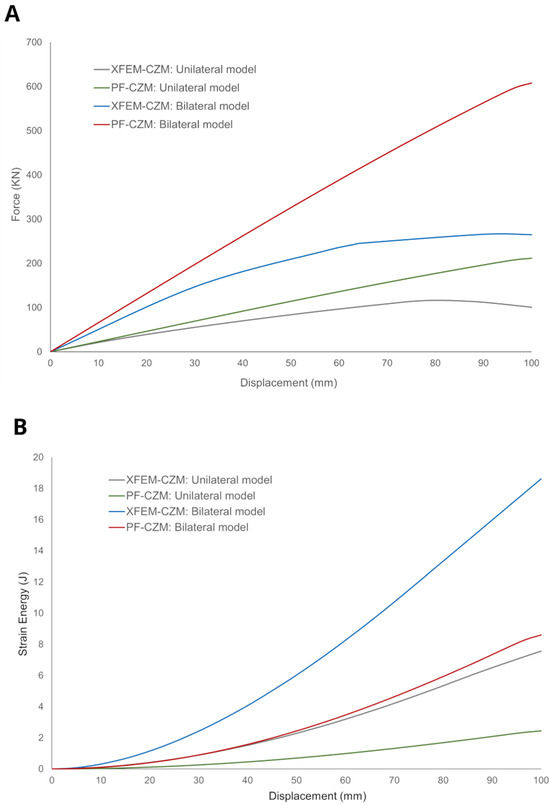
The scientific literature increasingly supports the use of computational models to predict fracture across a wide range of applications, which, when calibrated with experimental data, can yield highly consistent results. Although the extended finite element method (XFEM) is widely used in commercial packages, phase field (PF) methods have emerged as a robust alternative. In this study, a cohesive zone model (CZM) was implemented using both approaches (a PF model with an implicit damage initiation criterion and a standard commercial XFEM solver with an explicit damage initiation criterion) to analyze their robustness and computational efficiency. First, a standardized fracture test of a compact tension (CT) specimen was simulated and compared with experimental data to validate both methods, achieving accurate predictions under plane strain conditions with a dominant mode I fracture behavior. Subsequently, the application of both fracture models was extended to flexible thoracic prostheses across two distinct chest wall reconstruction scenarios: a single-rib unilateral model and a multi-rib bilateral configuration. An extreme-case compressive displacement was assessed to identify critical regions susceptible to fracture initiation and to evaluate the structural limits of the proposed designs. The results showed that the PF approach required a higher computational time, but exhibited more stable convergence. In contrast, the XFEM-based solver required careful mesh calibration to ensure convergence under complex conditions. These results highlight the potential of the PF approach as a practical tool for identifying and improving critical regions of implants, overcoming the limitations of commercial XFEM implementations.
Full article
(This article belongs to the Section Biomaterials and Devices for Healthcare Applications)
►▼
Show Figures

Figure 1

Open AccessArticle
Mechanical Fatigue of Titanium Dental Implants After Implantoplasty: An In Vitro Study Combined with Finite Element Simulations
by
Esteban Padullés-Roig, Pablo Sevilla, Eugenio Velasco-Ortega, Miguel Cerrolaza, Darcio Fonseca, Jeanne Parache, Conrado Aparicio and Javier Gil
J. Funct. Biomater. 2026, 17(5), 221; https://doi.org/10.3390/jfb17050221 - 2 May 2026
Abstract
The increasing prevalence of peri-implantitis has led to a growing clinical use of implantoplasty, a procedure involving intraoral machining of the dental implant surface to remove biofilm. The absence of standardized clinical protocols may contribute to premature fatigue failure of dental implants. The
[...] Read more.
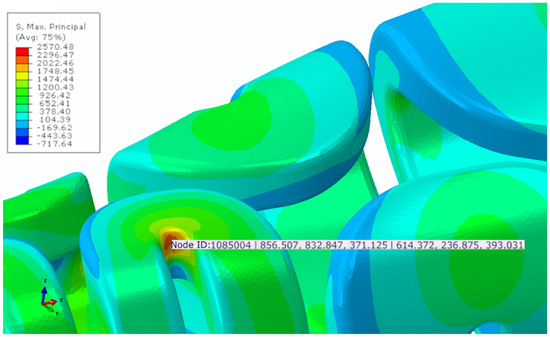
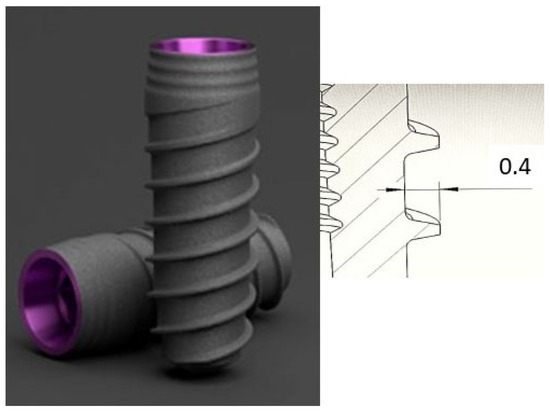
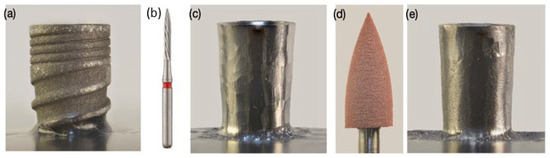
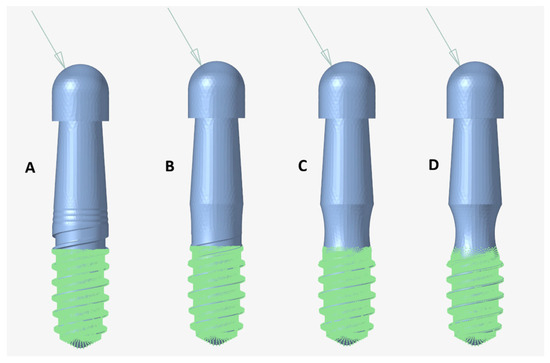
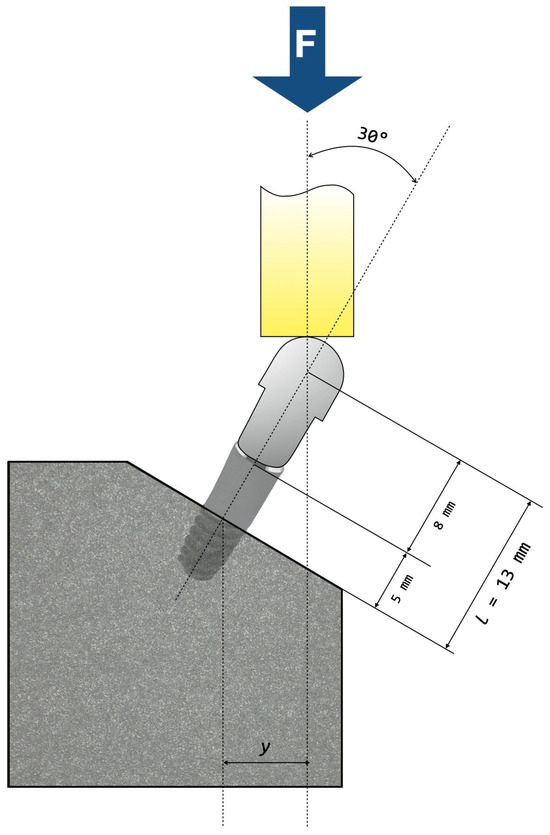
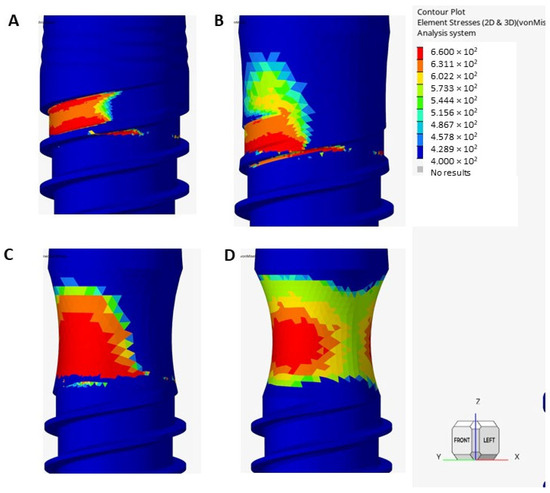
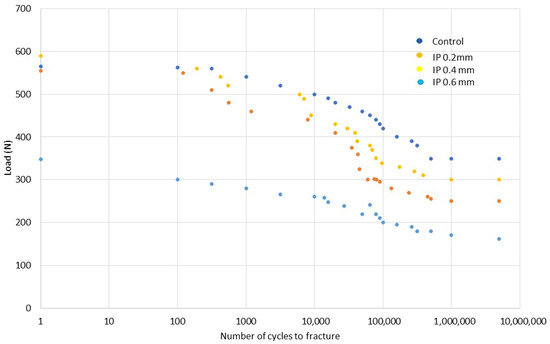
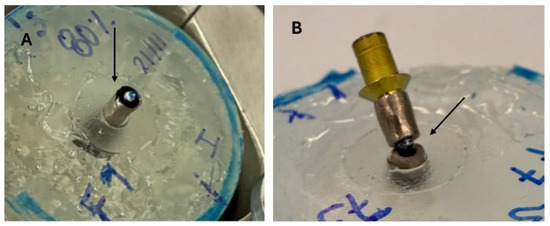
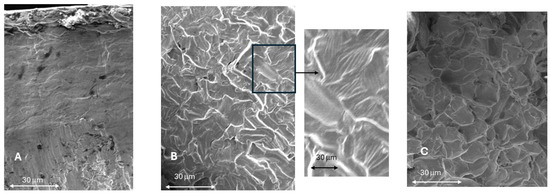
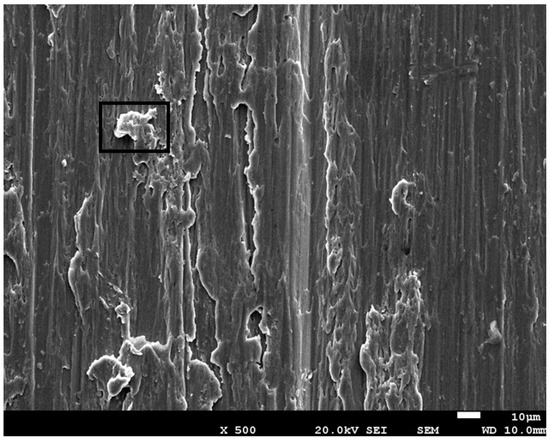
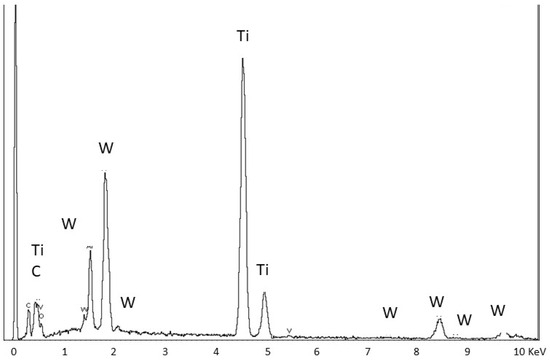
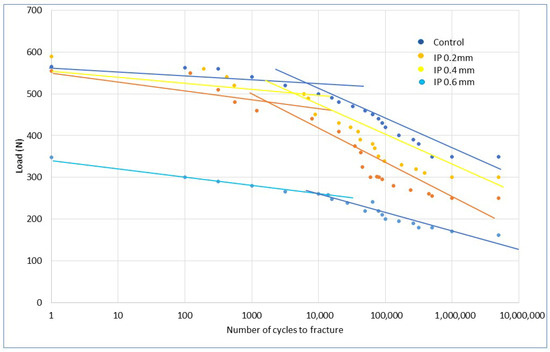
The increasing prevalence of peri-implantitis has led to a growing clinical use of implantoplasty, a procedure involving intraoral machining of the dental implant surface to remove biofilm. The absence of standardized clinical protocols may contribute to premature fatigue failure of dental implants. The present study aimed to evaluate the influence of machining depth on the cyclic mechanical behavior of dental implants. A total of 250 commercially pure grade 4 titanium dental implants were distributed into four groups according to machining depth: untreated (original), 0.2 mm, 0.4 mm, and 0.6 mm wall reduction. The implant system featured an internal connection with a thread height of 0.4 mm. Finite element analysis was performed for each machining depth to evaluate von Mises stress distribution and simulate fatigue behavior. The numerical models were validated through experimental fatigue testing using a servo-hydraulic MTS Bionix testing machine under ISO 14801:2016 conditions, showing a high correlation between simulated and experimental results (correlation coefficients > 0.9). The results indicated that maximum von Mises stresses were concentrated at the junction between the implant thread and the implant body. The fatigue limit of the untreated implants was approximately 351 N. Implants subjected to 0.4 mm machining exhibited a fatigue limit of 301 N, whereas lower fatigue limits were observed for 0.2 mm (255 N) and 0.6 mm (185 N) reductions. These findings suggest a significant mechanical effect of thread removal: 0.4 mm implantoplasty may provide improved fatigue performance compared to 0.2 mm, potentially due to reduced stress concentration at the thread–body junction. At high applied loads, fracture occurred in the coronal region of the implant, whereas at lower loads failure shifted to the implant–abutment connection. Although a good agreement between numerical and experimental results was observed, these findings should be interpreted with caution due to the in vitro testing conditions and the assumptions inherent to the finite element simulations. Therefore, while the results suggest that implantoplasty depth should not exceed the original thread height, further validation under clinically relevant conditions is required to confirm its impact on long-term mechanical reliability.
Full article
(This article belongs to the Topic New Technological and Clinical Advances for Controlling Peri-Implantitis)
►▼
Show Figures

Figure 1
Open AccessArticle
Effect of Powder-to-Liquid Ratio on pH, Calcium Ion Release, and Solubility Behaviors of Endodontic Bioceramics: An In Vitro Study
by
Asuka Aka, Takashi Matsuura and Atsutoshi Yoshimura
J. Funct. Biomater. 2026, 17(5), 220; https://doi.org/10.3390/jfb17050220 - 2 May 2026
Abstract
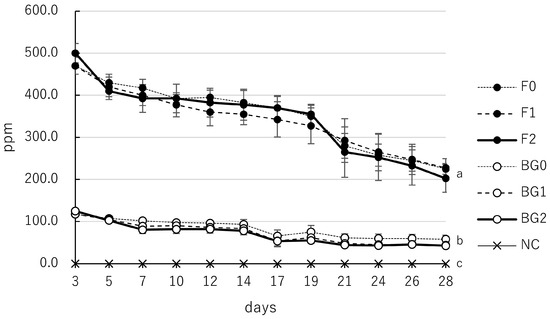
This study investigated the physicochemical properties of three endodontic bioceramics: MTA Flow White (F), MTA Repair HP (HP), and Nishika Canal Sealer BG multi (BG). Disc-shaped samples were immersed in deionized water for 28 days to analyze pH, calcium ion concentration, mass change,
[...] Read more.
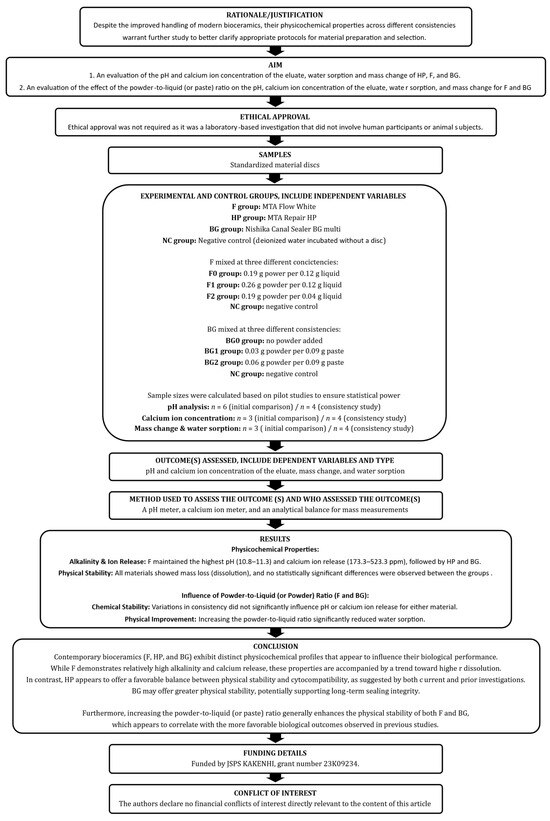
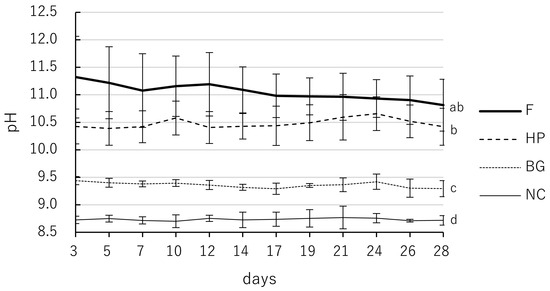
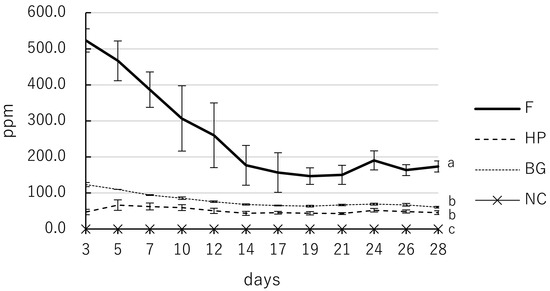
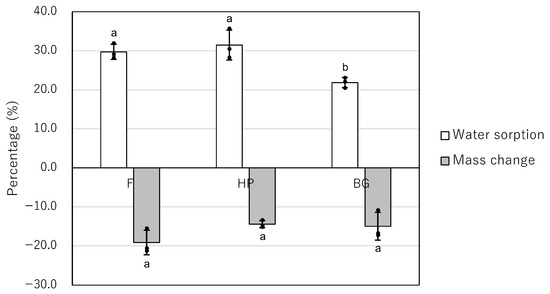
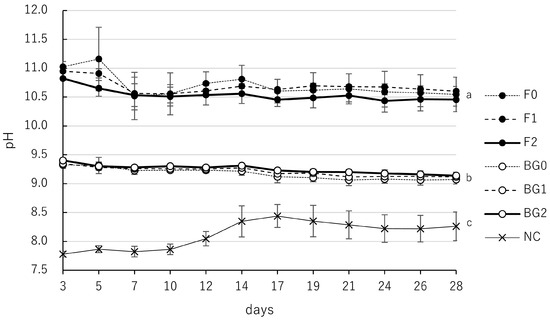
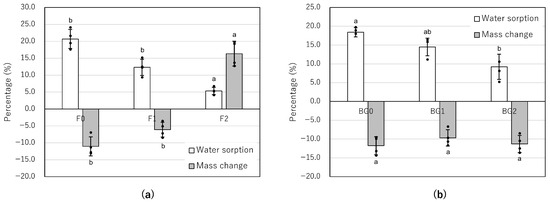
This study investigated the physicochemical properties of three endodontic bioceramics: MTA Flow White (F), MTA Repair HP (HP), and Nishika Canal Sealer BG multi (BG). Disc-shaped samples were immersed in deionized water for 28 days to analyze pH, calcium ion concentration, mass change, and water sorption. Additionally, the effect of varying powder-to-liquid (or paste) ratios was investigated for F and BG. All samples exhibited mass loss due to surface degradation. Results showed that F exhibited the highest alkalinity (pH 10.8–11.3) and significantly greater calcium ion release (173.3–523.3 ppm) than other materials (p < 0.05). HP showed moderate alkalinity (pH 10.4–10.7) with lower calcium release (43.3–66.3 ppm), while BG exhibited the lowest alkalinity (pH 9.3–9.4). Regarding the effect of consistency, variations in the powder-to-liquid (or paste) ratio significantly influenced the physical stability of F and BG—notably shifting F from mass loss to mass gain—but did not significantly affect their pH or calcium ion release kinetics (p > 0.05). Consequently, both null hypotheses were rejected, as significant differences were observed among the materials, and consistency significantly affected mass change and water sorption but not alkalinity or ion release.
Full article
(This article belongs to the Special Issue Advanced Biomaterials and Engineered Systems in Endodontics)
►▼
Show Figures

Figure 1
Open AccessArticle
Effects of Yttria Content and Margin Design on the Fracture Resistance of Monolithic Zirconia Crowns
by
Beyza Güney, Elif Yılmaz Biçer, Dilan Gizem Doğan and Merve Bankoğlu Güngör
J. Funct. Biomater. 2026, 17(5), 219; https://doi.org/10.3390/jfb17050219 - 2 May 2026
Abstract
Background: Zirconia ceramics are generally used in monolithic restorations, and their microstructural, mechanical, and optical properties continue to improve. Several factors affect the mechanical properties of these restorations; however, the combined effects of yttria content and margin design on the fracture resistance remain
[...] Read more.
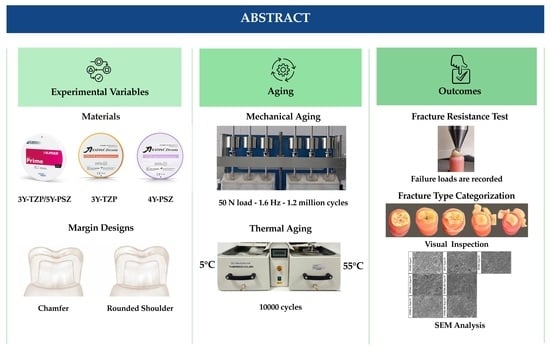
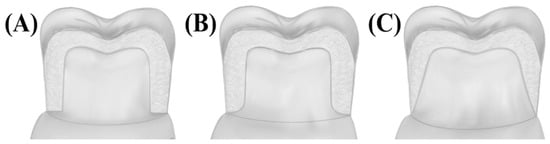
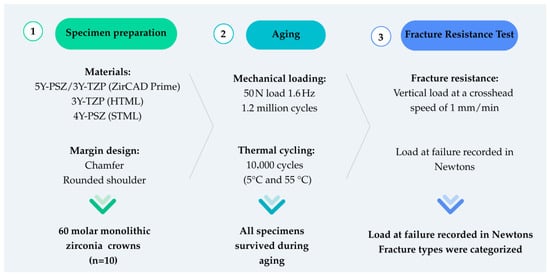
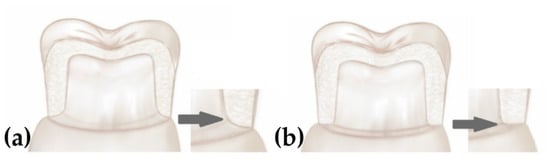
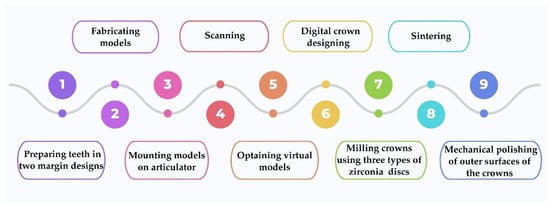
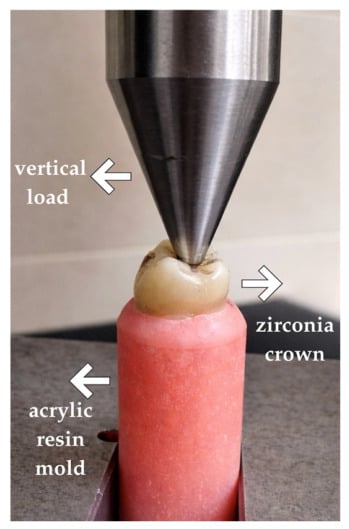
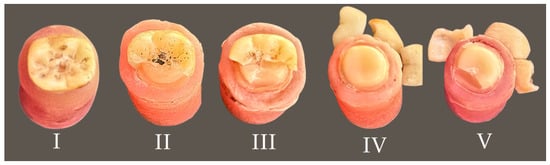
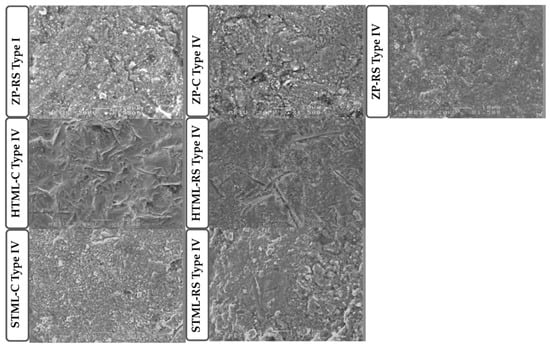
Background: Zirconia ceramics are generally used in monolithic restorations, and their microstructural, mechanical, and optical properties continue to improve. Several factors affect the mechanical properties of these restorations; however, the combined effects of yttria content and margin design on the fracture resistance remain unclear. Methods: Sixty monolithic zirconia crowns were fabricated and assigned to six groups (n = 10) based on three different yttria contents (strength-gradient multilayer zirconia containing 3 mol% yttria tetragonal zirconia polycrystals in the dentin region and 5 mol% yttria-partially stabilized zirconia in the occlusal region: 3Y-TZP/5Y-PSZ [ZP], 3 mol% yttria tetragonal zirconia polycrystals: 3Y-TZP [HTML], and 4 mol% yttria-partially stabilized zirconia: 4Y-PSZ [STML]), and two different margin designs (chamfer and rounded shoulder). Crowns were adhesively bonded to standardized 3-dimensional-printed resin dies and subjected to thermal and mechanical aging (10,000 thermocycles at 5–55 °C, and 1.2 million mechanical cycles at 50 N, 1.6 Hz). Fracture resistance values were recorded in Newtons, and fracture types were evaluated. Data were analyzed using a two-way analysis of variance (ANOVA), and Bonferroni adjustment was used for multiple comparisons (α = 0.05). Results: A significant interaction between yttria content and margin design was found (p = 0.005). In the chamfer margin design groups, ZP (2208.5 ± 501.9 N) and HTML (2069.6 ± 463.3 N) showed significantly higher fracture resistance than STML (1444 ± 303.2 N) (p < 0.05). In the rounded shoulder margin design groups, no significant differences were observed among ZP (1662.8 ± 293.8 N), HTML (1940.9 ± 341.6 N), and STML (1795.6 ± 529.6 N) (p > 0.05). ZP and HTML showed higher fracture resistance values with the chamfer margin design, while STML showed higher fracture resistance with the rounded shoulder margin design. Conclusions: The fracture resistance of zirconia restorations is influenced by both the margin design and the yttria content. Designing the margin geometry based on the type of zirconia to be used can enhance the mechanical properties of the restorations and support clinical decision-making.
Full article
(This article belongs to the Special Issue Digital Design and Biomechanical Analysis of Dental Materials)
►▼
Show Figures

Graphical abstract
Open AccessArticle
Modeling of In Vivo Electrochemical Noise: A Computational Framework to Optimize the Corrosion Monitoring of Biodegradable Magnesium Implants
by
Kirill Makrinsky, Alexey Klyuev and Oleg Batishchev
J. Funct. Biomater. 2026, 17(5), 218; https://doi.org/10.3390/jfb17050218 - 2 May 2026
Abstract
Biodegradable magnesium implants offer significant clinical promise, but their safe use requires reliable real-time in vivo monitoring of coating integrity. Existing methods lack sufficient sensitivity and temporal resolution to detect degradation at early stages, and there are no computational tools able to predict
[...] Read more.
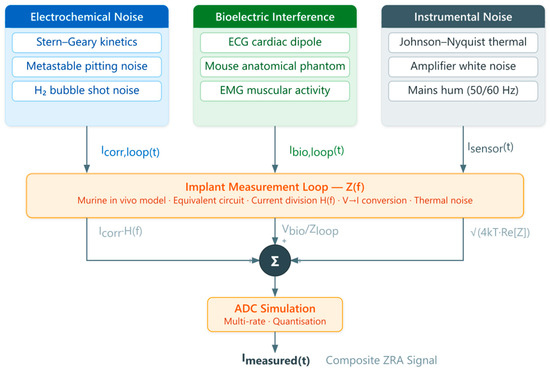
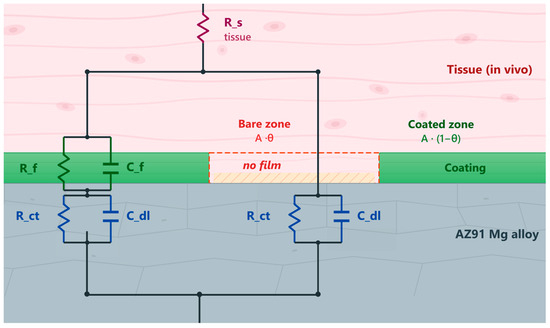
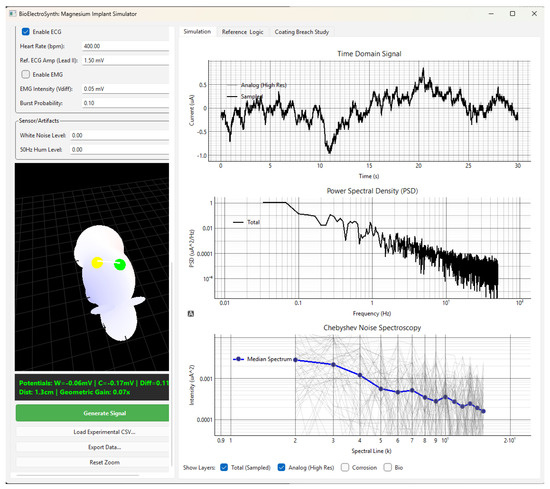
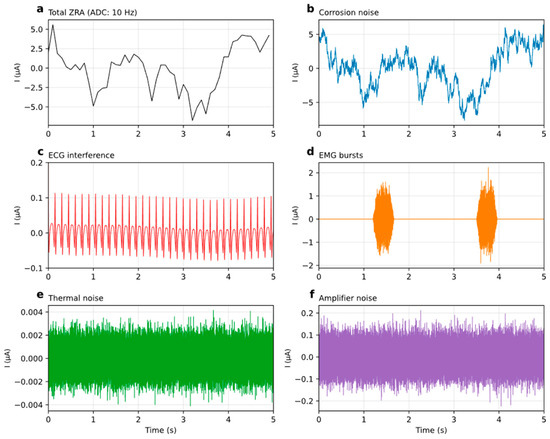
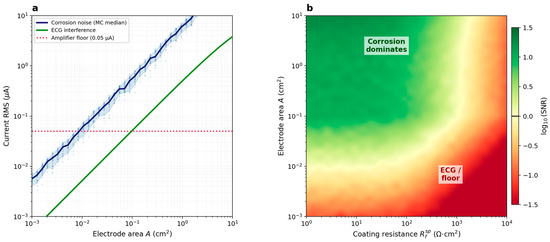
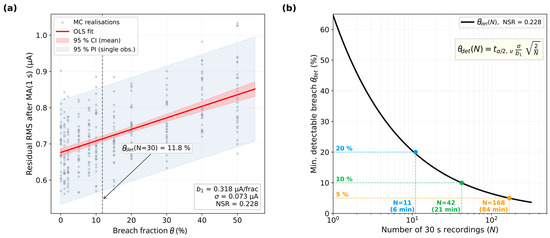
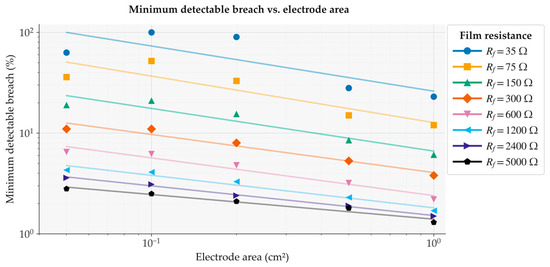
Biodegradable magnesium implants offer significant clinical promise, but their safe use requires reliable real-time in vivo monitoring of coating integrity. Existing methods lack sufficient sensitivity and temporal resolution to detect degradation at early stages, and there are no computational tools able to predict the success of a given sensor design before animal experiments. In the present paper, we present BioElectroSynth—a digital simulator of an implantable zero-resistance ammetry (ZRA) corrosion sensor in a mouse model. The simulator combines electrochemical noise, cardiac and muscular bioelectric interference, and instrumental limitations into a unified model, enabling virtual experiments, which mimic the complexity of the in vivo system. Using Monte Carlo analysis, we establish that a 2% breach in a chitosan coating on an AZ91 magnesium alloy electrode is statistically detectable from approximately 30 recordings of 30 s each, and quantify how electrode area, its location, sampling rate, and coating quality jointly determine detection sensitivity. The framework provides the first quantitative tool for predicting in vivo experiment feasibility from standard in vitro electrochemical data alone. By identifying instrument and design configurations that are statistically underpowered before any animal use, the approach directly supports the 3R principles of humane research.
Full article
(This article belongs to the Section Biomaterials and Devices for Healthcare Applications)
►▼
Show Figures

Figure 1

Open AccessArticle
Influence of Reduced Cortical Bone Compression by Implant Macrogeometry on Peri-Implant Bone Healing: An In Vitro and In Vivo Experimental Study
by
Sergio Alexandre Gehrke, Jaime Aramburú Junior, Tiago Luis Eilers Treichel, Antonio Scarano, Bruno Freitas Mello, Márcio de Carvalho Formiga, Sergio Rexhep Tari, Gustavo Coura and Gustavo Vicentis Oliveira Fernandes
J. Funct. Biomater. 2026, 17(5), 217; https://doi.org/10.3390/jfb17050217 - 1 May 2026
Abstract
Background: Primary stability and long-term osseointegration depend on bone healing surrounding dental implants. Implant macrogeometry is crucial for controlling insertion torque and the biological reaction of peri-implant bone. This study assessed the impact of an implant design meant to lessen cortical bone compression
[...] Read more.
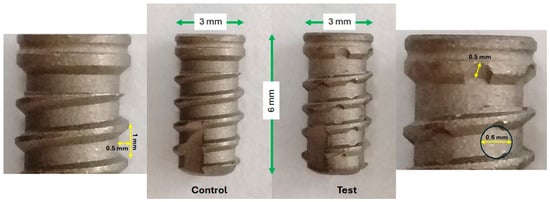
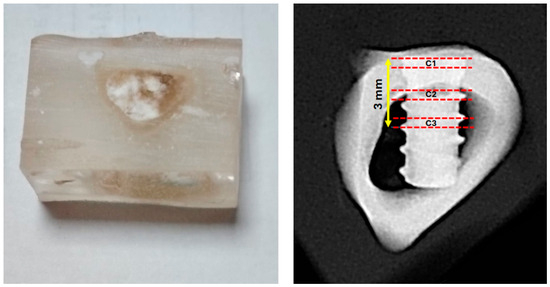
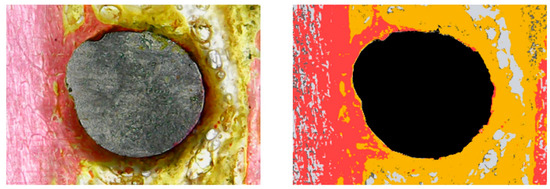
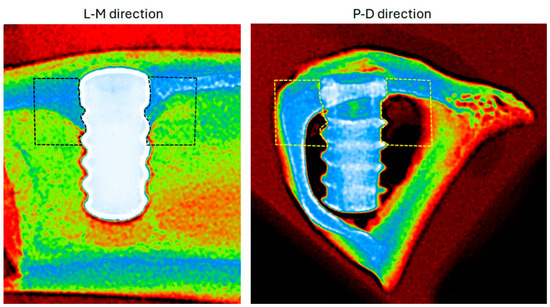
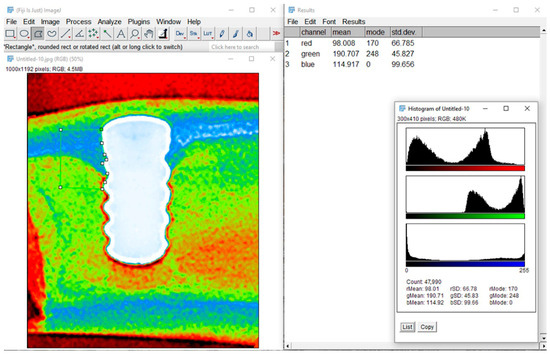
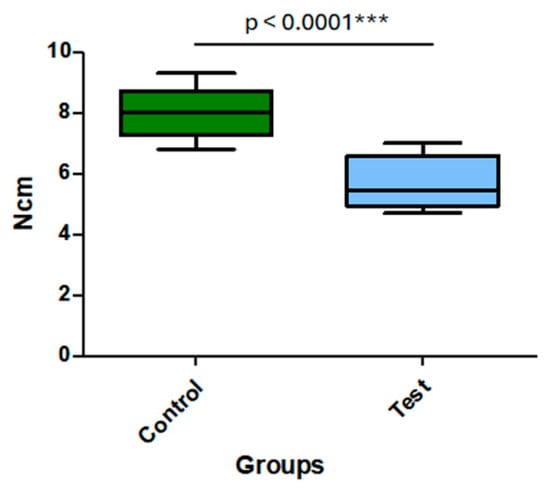
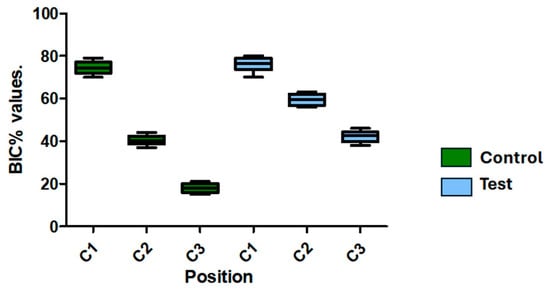
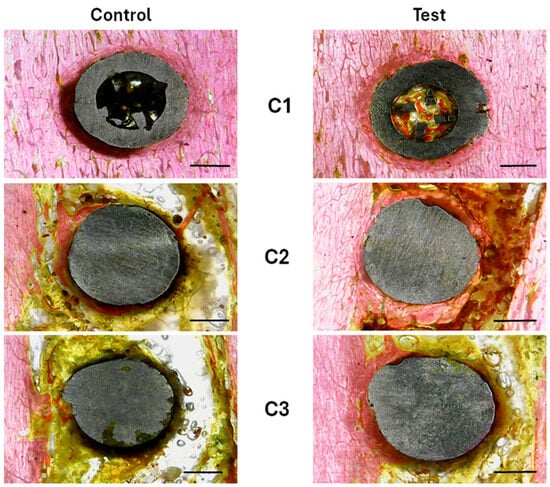
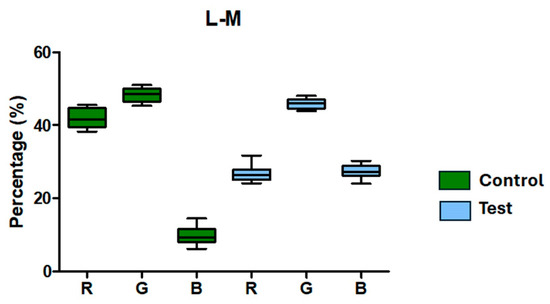
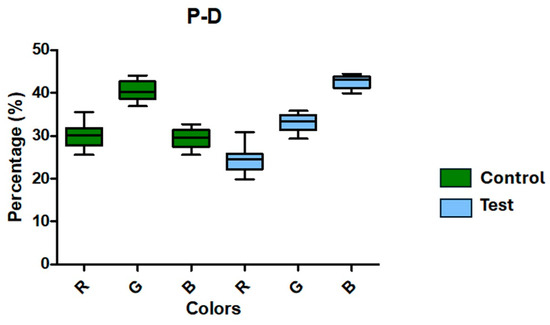
Background: Primary stability and long-term osseointegration depend on bone healing surrounding dental implants. Implant macrogeometry is crucial for controlling insertion torque and the biological reaction of peri-implant bone. This study assessed the impact of an implant design meant to lessen cortical bone compression on early bone healing. Methods: Forty titanium prototype implants (3 × 6 mm) were equally divided into Control (standard macrogeometry) and Test (macrogeometry with healing chambers) groups. Initial insertion torque was measured in vitro using synthetic bone blocks. Subsequently, an in vivo rabbit tibia model was used (n = 10 implants per group) to assess early healing. At 21 days, histological sections were analyzed for bone-to-implant contact (BIC%) at three cervical positions (C1, C2, and C3). Additionally, digital radiographs of the cervical region were evaluated using RGB color mapping, where distinct color channels quantified varying degrees of bone density. Results: The in vitro insertion torque for the Control group was significantly greater than the Test group (8.01 vs. 5.70 Ncm). The in vivo histomorphometric analysis indicated improved integration for the Test design, showing substantially higher BIC% at the C2 (59.30% vs. 40.30%) and C3 (42.10% vs. 17.90%) positions. Furthermore, radiographic RGB analysis revealed that the Test group possessed a higher blue channel contribution, indicating greater mineralized tissue density. Conclusions: These results imply that modifying implant macrogeometry to lower insertion torque and minimize cortical bone compression favorably enhances early cervical bone healing and osseointegration.
Full article
(This article belongs to the Special Issue Biomaterials Applied in Dental Sciences)
►▼
Show Figures

Figure 1
Open AccessSystematic Review
Biogenic Selenium Nanoparticles Functionalized with Natural Polymers or Phytochemicals for Targeted Disruption of Candida spp. Biofilms on Denture Materials: A Systematic Review
by
Zofia Stefanik, Paweł Ścierski, Maciej Dobrzyński, Natalia Stefanik, Magdalena Antonowicz-Hüpsch and Rafał Wiench
J. Funct. Biomater. 2026, 17(5), 216; https://doi.org/10.3390/jfb17050216 - 1 May 2026
Abstract
Background: Denture stomatitis is strongly associated with Candida biofilms on prosthetic surfaces and remains difficult to manage due to biofilm persistence and antifungal resistance. Selenium-based nanomaterials, particularly biogenic selenium nanoparticles (SeNPs) functionalized with natural polymers or phytochemicals, have emerged as potential material-centered strategies
[...] Read more.
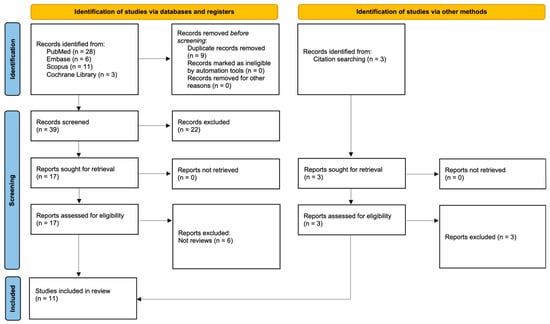
Background: Denture stomatitis is strongly associated with Candida biofilms on prosthetic surfaces and remains difficult to manage due to biofilm persistence and antifungal resistance. Selenium-based nanomaterials, particularly biogenic selenium nanoparticles (SeNPs) functionalized with natural polymers or phytochemicals, have emerged as potential material-centered strategies for biofilm control. Objective: To systematically evaluate the antifungal and antibiofilm effects of selenium-based nanomaterials on Candida biofilms in the context of denture materials. Methods: A systematic review was conducted in accordance with the PRISMA guidelines and registered in PROSPERO. Multiple databases were searched from inception without language restrictions. Eligible studies included experimental investigations of biogenic or functionalized SeNPs or organoselenium compounds targeting Candida biofilms on denture materials or in relevant in vitro models. A qualitative synthesis was performed due to anticipated heterogeneity. Results: Eleven studies met the inclusion criteria. Of these, four studies directly evaluated selenium-based interventions on denture materials, while seven provided supporting mechanistic evidence using in vitro models on non-denture substrates. Across denture-related studies, selenium-based modifications reduced fungal adhesion, biofilm biomass, and colony-forming units, without detrimental effects on material properties. Functionalization with polymers or phytochemicals was associated with enhanced antifungal activity and nanoparticle stability. Mechanistic studies suggested multimodal antifungal effects, including membrane disruption, inhibition of virulence factors, and modulation of biofilm-related pathways. Methodological quality was moderate, with common limitations in reporting and experimental standardization. Conclusions: Functionalized biogenic SeNPs show promising antifungal and antibiofilm activity against Candida in preclinical denture-related models. However, all available evidence is in vitro, with no in vivo or clinical studies identified. Substantial heterogeneity and limited long-term safety data preclude clinical recommendations. Further research should focus on standardized methodologies, clinically relevant in vivo models, and controlled clinical trials to assess translational potential.
Full article
(This article belongs to the Section Dental Biomaterials)
►▼
Show Figures

Figure 1
Open AccessArticle
Biological Effects of Bioactive Glass-Containing Self-Adhesive Resin Cements on Dental Pulp Stem Cells
by
Jiyoung Kwon, Seung Woo Chae and Hyun-Jung Kim
J. Funct. Biomater. 2026, 17(5), 215; https://doi.org/10.3390/jfb17050215 - 1 May 2026
Abstract
The aim of this study was to evaluate the biological effects of bioactive glass-containing self-adhesive resin cements (SARCs) on human dental pulp stem cells (DPSCs), focusing on cytocompatibility, odontogenic differentiation, and mineralization. Experimental SARCs containing 0–5 wt% BAG (BG0–BG5) were compared with two
[...] Read more.
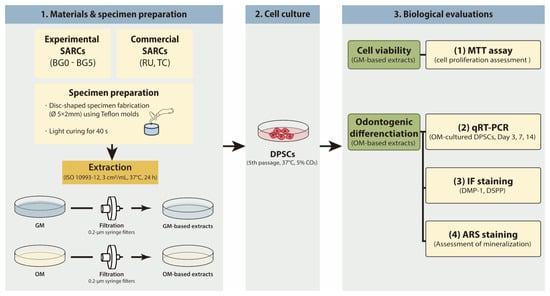
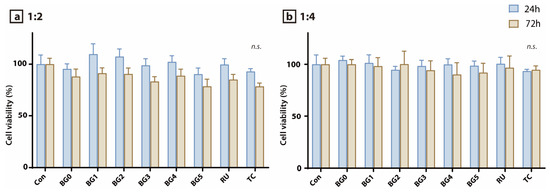
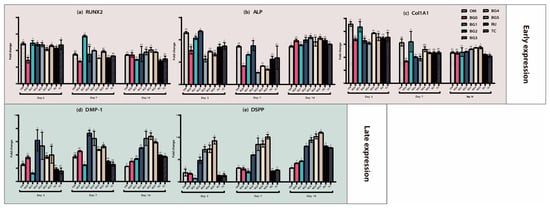
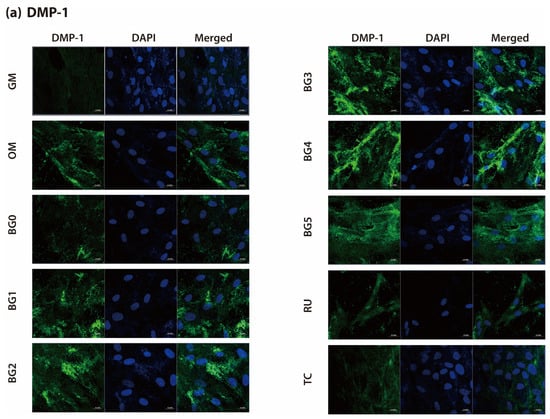
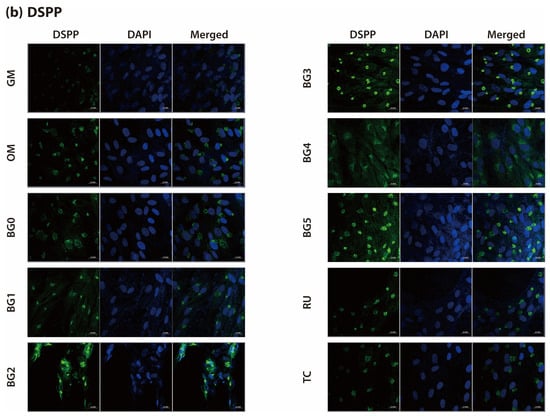
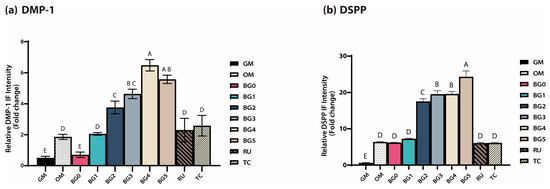
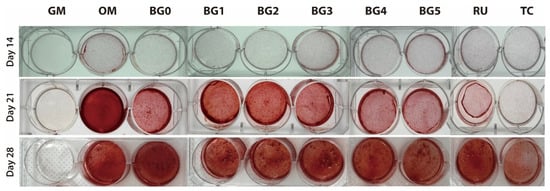
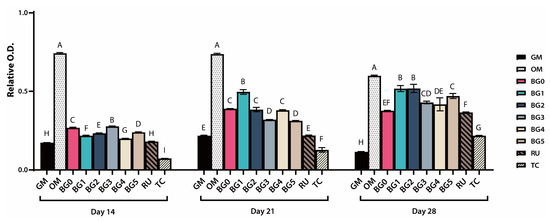
The aim of this study was to evaluate the biological effects of bioactive glass-containing self-adhesive resin cements (SARCs) on human dental pulp stem cells (DPSCs), focusing on cytocompatibility, odontogenic differentiation, and mineralization. Experimental SARCs containing 0–5 wt% BAG (BG0–BG5) were compared with two commercially available SARCs, RelyX U200 and TheraCem. Eluates were prepared and applied to DPSCs for the methylthiazol tetrazolium (MTT) assay, quantitative real-time polymerase chain reaction (qRT-PCR), immunofluorescence (IF) staining, and Alizarin Red S (ARS) staining. The result showed there were no significant differences in cell viability across all groups (p > 0.05), indicating that the addition of BAG did not affect cell viability, while the early odontogenic differentiation markers, such as RUNX2, ALP, and COL1A1, showed no clear trend among the groups. However, late-stage markers (DMP-1 and DSPP) were significantly higher in the BG2–BG5 groups relative to the OM group (p < 0.05). IF staining revealed intense signals in the BG2–BG5 groups (p < 0.05) and also ARS staining showed a time-dependent increase in mineral deposition. Within the limitations of this study, BAG-containing SARCs do not negatively impact cytocompatibility and promote late-stage odontogenic differentiation and mineral deposition.
Full article
(This article belongs to the Special Issue Biomechanical Studies and Biomaterials in Dentistry (2nd Edition))
►▼
Show Figures

Figure 1
Open AccessReview
Biomaterials’ Role in Improving Patient Care from Drug Testing and Delivery to Theragnostics and Regenerative Medicine
by
Sabina Cristiana Badulescu, Emma Adriana Ozon, Adina Magdalena Musuc, Manuela Diana Ene and Rica Boscencu
J. Funct. Biomater. 2026, 17(5), 214; https://doi.org/10.3390/jfb17050214 - 1 May 2026
Abstract
Over the past 200 years (1820–2020), global life expectancy has nearly tripled, increasing from 26 to 72.91 years, due to factors such as poverty reduction and public health initiatives. Today, society faces different challenges than it did centuries ago. In patient care and
[...] Read more.
Over the past 200 years (1820–2020), global life expectancy has nearly tripled, increasing from 26 to 72.91 years, due to factors such as poverty reduction and public health initiatives. Today, society faces different challenges than it did centuries ago. In patient care and healthcare system priorities, the goal is to develop smart, feasible, long-lasting, cost-effective, readily available, adverse-reaction-free, adaptable, and personalized solutions that minimize patient discomfort, reduce caregiver effort, and decrease hospitalization duration and costs. In this context, biomaterials serve as versatile tools capable of performing a wide range of diagnostic, therapeutic, and theragnostic functions. Thanks to their biocompatibility, biodegradability, surface chemistry, and responsiveness, biomaterials are currently addressing issues such as patient compliance (through controlled drug-delivery systems and smart wound dressings), long transplant waiting lists, transplant rejection, non-adaptable prosthetics (artificial organs), oncology treatment efficacy (nano-formulations for theragnostics and multiple tumor targeting), and inconsistent in vitro drug-testing models (organs-on-a-chip). In this review, we focus on biomaterials’ smartness, then explore databases for efficient product design, and finally highlight their applications in the biomedical field, especially in drug delivery, tissue engineering, and regenerative medicine.
Full article
(This article belongs to the Section Biomaterials for Tissue Engineering and Regenerative Medicine)
Open AccessArticle
A 3-Year Split-Mouth Randomized Controlled Clinical Trial of Zirconia and Titanium Implant-Supported Overdentures
by
Kristian Kniha, Lothar Rink, Mark Ooms, Katharina Schaffrath, Stephan Christian Möhlhenrich, Frank Hölzle, Ali Modabber and Marius Heitzer
J. Funct. Biomater. 2026, 17(5), 213; https://doi.org/10.3390/jfb17050213 - 1 May 2026
Abstract
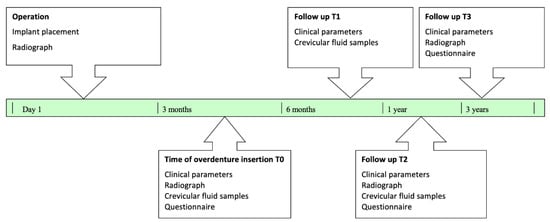
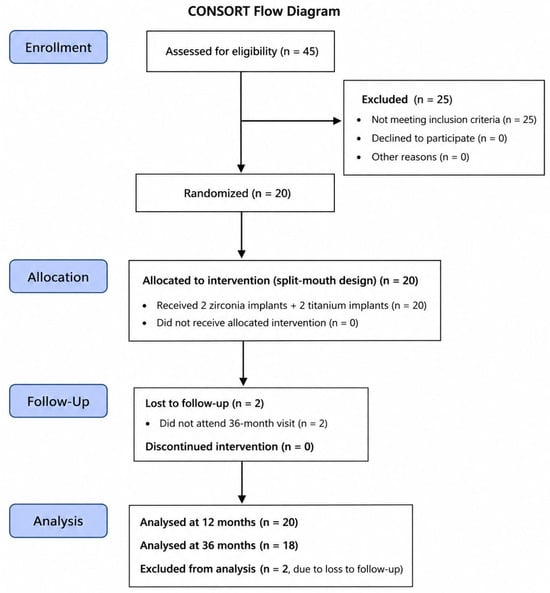
Aim: This study aimed to compare two-piece zirconia and two-piece titanium implants inserted into the anterior mandible for removable overdentures in a 3-year randomized split-mouth clinical trial. Methods: Twenty fully edentulous mandibular patients received two zirconia and two titanium implants allocated by computer-generated
[...] Read more.
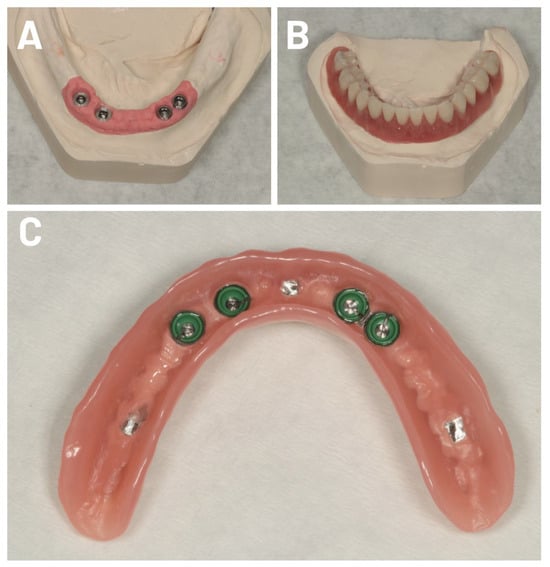
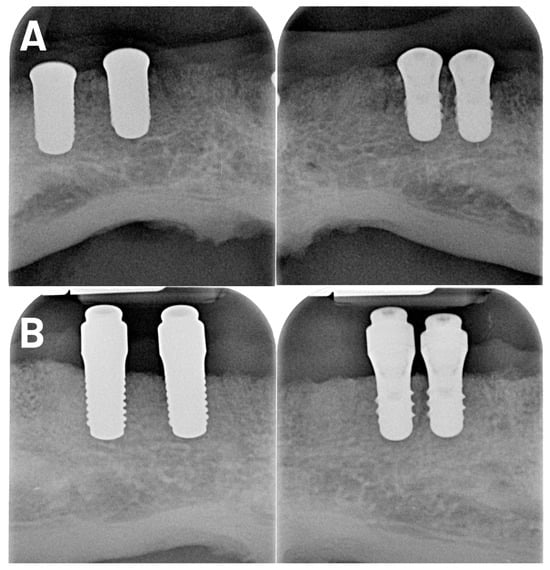
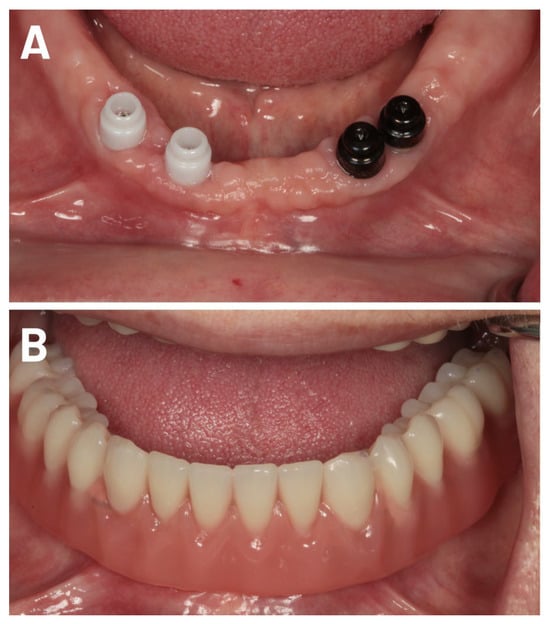
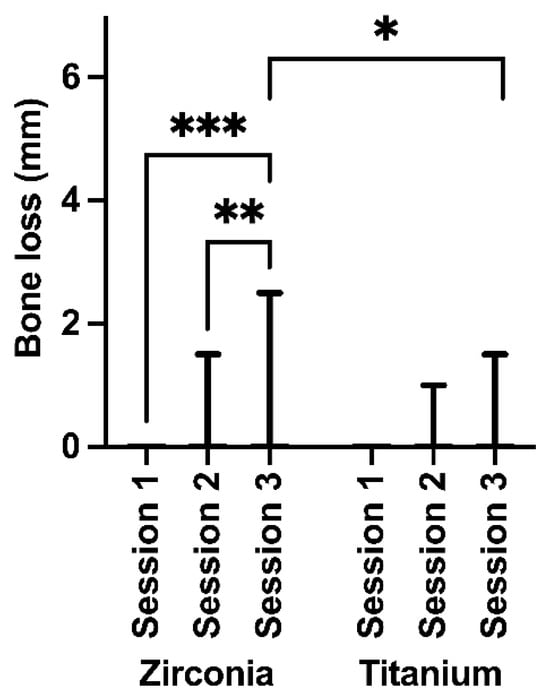
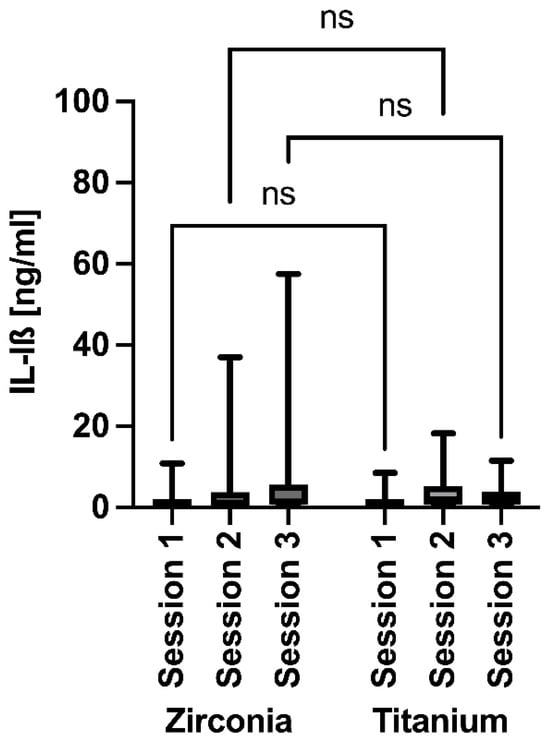
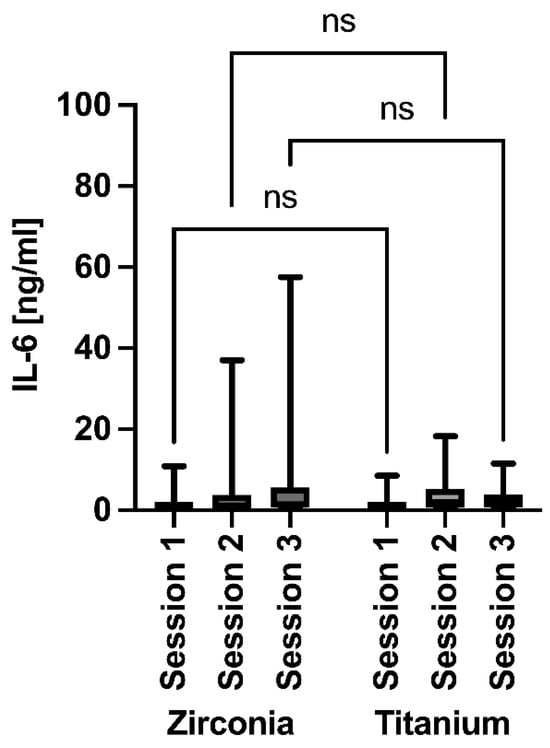
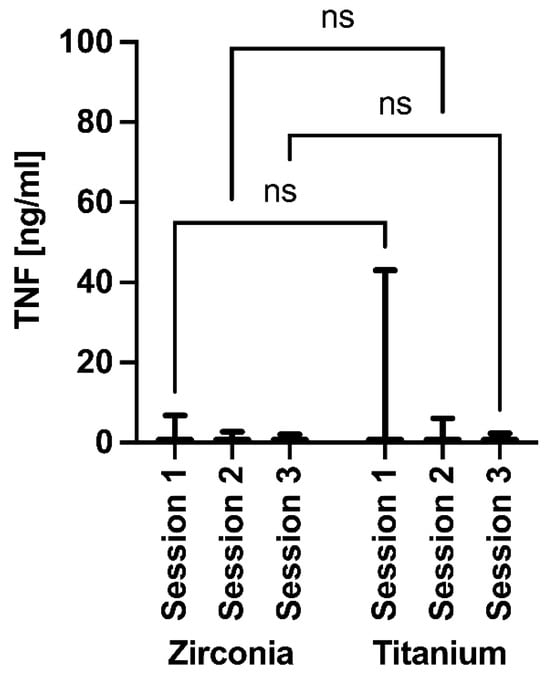
Aim: This study aimed to compare two-piece zirconia and two-piece titanium implants inserted into the anterior mandible for removable overdentures in a 3-year randomized split-mouth clinical trial. Methods: Twenty fully edentulous mandibular patients received two zirconia and two titanium implants allocated by computer-generated randomization. The primary endpoint was bleeding-on-probing (BOP) at 12 months. Secondary outcomes included implant survival and success (Albrektsson criteria), marginal bone level changes, peri-implant cytokines (IL-1β, IL-6, and TNFα), prosthetic complications, and patient-reported outcomes (PROMs). Results: After 3 years, overall survival was 98.61% and overall success was 84.72%. Titanium implants showed higher success compared with zirconia implants (91.70% vs. 77.78%), while survival was 100% and 97.22%, respectively. Marginal bone loss was significantly greater around zirconia implants at 36 months (p < 0.01). No significant differences were observed in IL-1β, IL-6, or TNFα levels up to 12 months. PROMs revealed a trade-off, with zirconia favored for esthetics and cleaning perception, while titanium was rated superior for stability. Conclusions: Within the limitations of this split-mouth RCT, zirconia implants demonstrated reduced success and inferior marginal bone stability compared with titanium implants in overdenture therapy. Careful case selection and close follow-up appear essential when zirconia implants are used in this indication.
Full article
(This article belongs to the Special Issue Advanced Biomaterials for Oral Rehabilitation)
►▼
Show Figures

Figure 1
Open AccessSystematic Review
Universal Adhesive Brands Functional Performance in Non-Carious Cervical Lesions: 18- to 48-Months Systematic Clinical Report
by
Leonardo D’Elia, Lígia Pereira da Silva and Patrícia Manarte-Monteiro
J. Funct. Biomater. 2026, 17(5), 212; https://doi.org/10.3390/jfb17050212 - 1 May 2026
Abstract
Universal adhesives (UAs) exhibit considerable versatility; however, no single commercial product has attained recognition as a clinical gold standard. This study evaluated the functional performance, retention, and marginal integrity of various UA brands in non-carious cervical lesion (NCCL) restorations and examined the effects
[...] Read more.
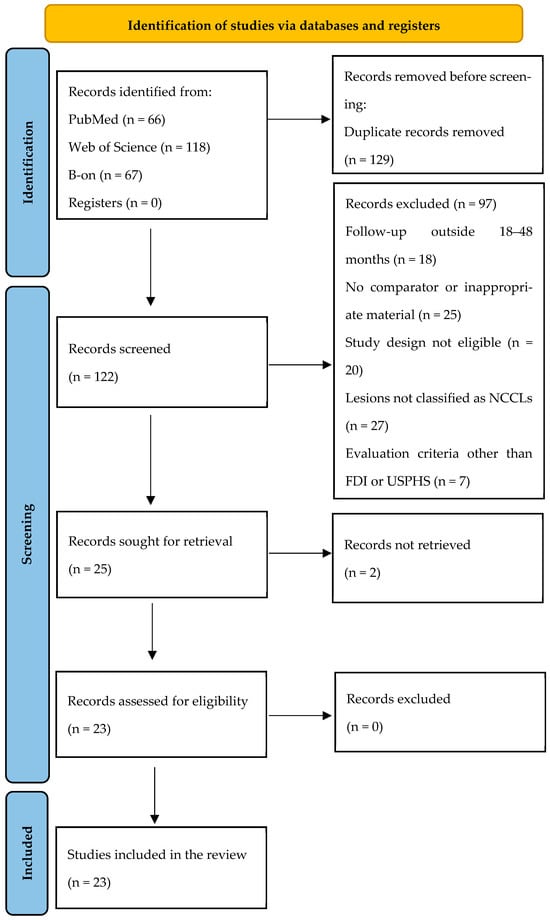
Universal adhesives (UAs) exhibit considerable versatility; however, no single commercial product has attained recognition as a clinical gold standard. This study evaluated the functional performance, retention, and marginal integrity of various UA brands in non-carious cervical lesion (NCCL) restorations and examined the effects of different adhesion strategies. A search of electronic databases was conducted for randomized clinical trials (RCTs) published between 2015 and 2025. Only RCTs that assessed the retention and marginal integrity of UAs with follow-ups of 18–48 months, using the USPHS/FDI criteria, were included. This review was registered with PROSPERO (CRD420251026490) and adhered to PRISMA 2020 and PICOS guidelines. Risk of bias was evaluated using the RoB 2 tool; statistical significance was defined as p < 0.05. Of 251 records screened, 23 met the eligibility criteria, resulting in the inclusion of 21 RCTs. Sixteen UA brands exhibited no clear differences in performance outcomes. Etch-and-rinse (ER) and selective enamel-etching (SEE) strategies achieved higher retention rates (median up to 100%; USPHS, p < 0.001), while the self-etch (SE) approach demonstrated lower and more variable retention (median 87.0%). Marginal integrity remained consistently high across all strategies (median 100%; p > 0.05). Although ER and SEE strategies significantly enhance long-term retention, no UA brand showed consistent superiority to be considered a gold standard.
Full article
(This article belongs to the Section Dental Biomaterials)
►▼
Show Figures

Figure 1
Open AccessArticle
Atmospheric Cold Microwave Argon Plasma for Decontamination of Dental Implant Surfaces: An In Vitro Experimental Study
by
Todor Bogdanov, Nadja Radchenkova, Raya Grozdanova, Dimitar Kosturkov and Todor Uzunov
J. Funct. Biomater. 2026, 17(5), 211; https://doi.org/10.3390/jfb17050211 - 1 May 2026
Abstract
Dental implants are widely used to replace missing teeth, but peri-implantitis remains a major biological complication associated with bacterial biofilm formation on implant surfaces. The increasing incidence of peri-implant infections underscores the need for alternative antimicrobial strategies that effectively decontaminate complex titanium implant
[...] Read more.
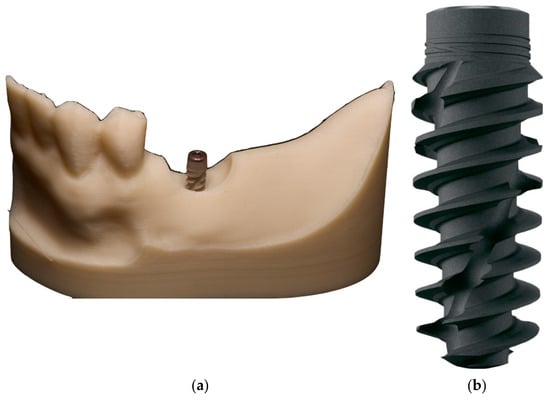
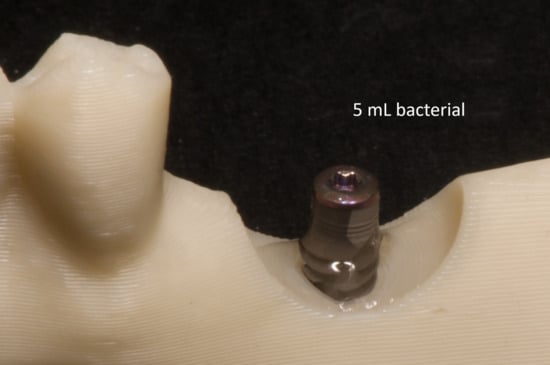
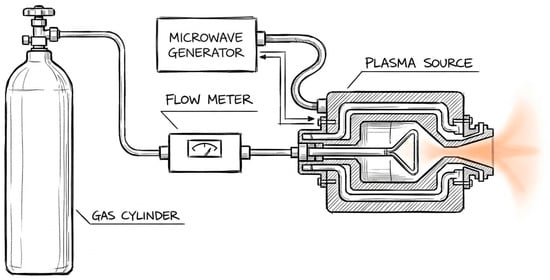
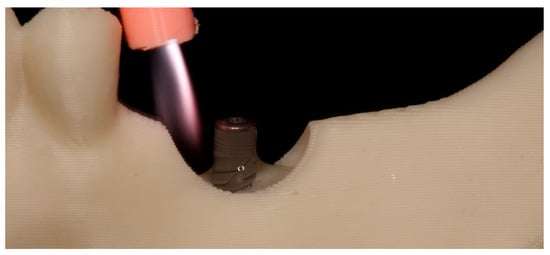
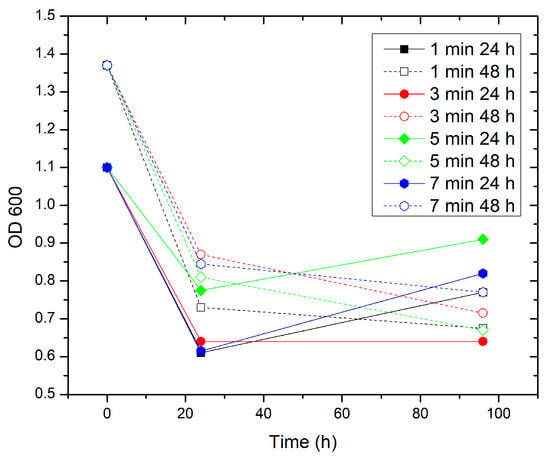
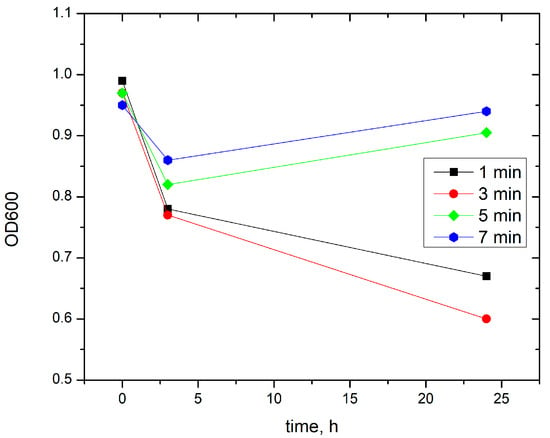
Dental implants are widely used to replace missing teeth, but peri-implantitis remains a major biological complication associated with bacterial biofilm formation on implant surfaces. The increasing incidence of peri-implant infections underscores the need for alternative antimicrobial strategies that effectively decontaminate complex titanium implant surfaces. This study evaluated the inhibitory effect of low-temperature microwave argon plasma on bacteria in an experimental model simulating peri-implant conditions and compared the responses of microorganisms with different biological characteristics. A 3D-printed mandibular bone segment model with an inserted Straumann BLX Roxolid® dental implant was used to reproduce the peri-implant environment. Bacterial suspensions of Streptococcus mutans NBIMCC 1786 and the extremophilic bacterium Chromohalobacter canadensis NBIMCC 9077 have been exposed to a microwave non-equilibrium argon plasma jet (2.45 GHz, atmospheric pressure) for 1–7 min. Optical density measurements and colony growth analysis were used to assess antimicrobial effects. Plasma treatment induced a pronounced reduction in bacterial growth during the early post-treatment period. In C. canadensis, growth inhibition reached a plateau (~47–55% at 24 h) regardless of exposure time. In contrast, S. mutans showed a nonlinear response, with stable inhibition after short exposures (1–3 min) and partial recovery after longer treatments (5–7 min). These findings indicate that microwave argon plasma exhibits significant antimicrobial activity under controlled in vitro conditions, although its effectiveness depends on microorganism-specific biological characteristics. Because the present model was based on simplified single-species systems, direct clinical extrapolation remains limited and should be addressed in future studies using polymicrobial peri-implant biofilm models.
Full article
(This article belongs to the Special Issue Advances in Oral and Maxillofacial Implants)
►▼
Show Figures

Figure 1
Open AccessArticle
Interface-Enhanced Mg/PLA Composite with Superior Mechanical, Biodegradable and Biocompatible Properties for Orthopedic Implants
by
Wencheng Teng, Zhuoyi Wang, Ziyue Xu, Jie Xin, Chao Sun, Yi Shao, Cheng Wang, Chenglin Chu, Feng Xue and Jing Bai
J. Funct. Biomater. 2026, 17(5), 210; https://doi.org/10.3390/jfb17050210 - 1 May 2026
Abstract
Magnesium (Mg) reinforced polylactic acid (PLA) composites have attracted increasing interest for orthopedic implants to solve the insufficient strength of PLA and to utilize the bioactive advantages of Mg ions in promoting bone formation. However, the weak interfacial adhesion between the Mg and
[...] Read more.
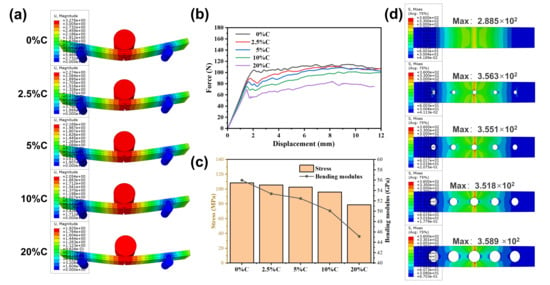
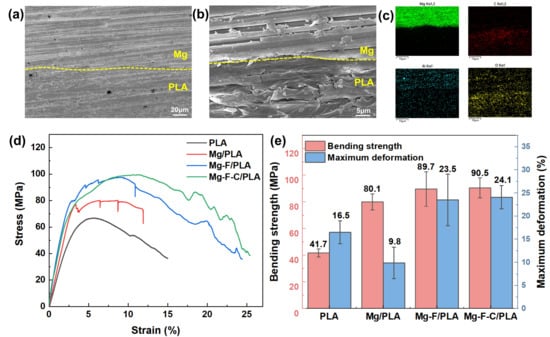
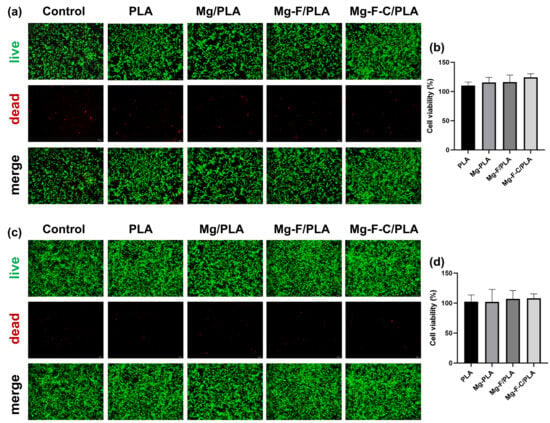
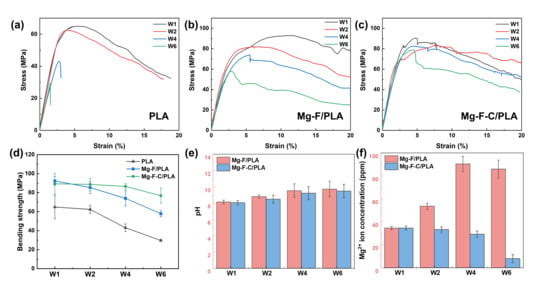
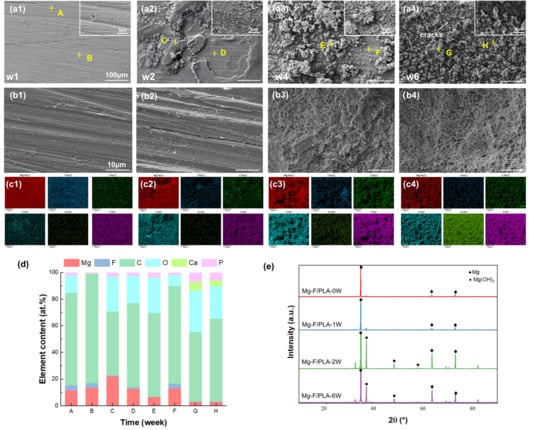
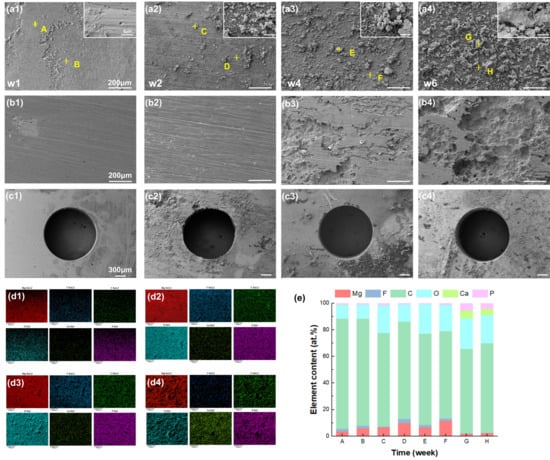
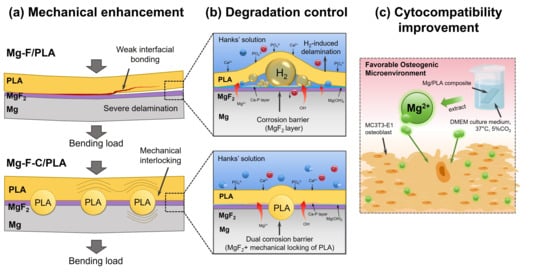
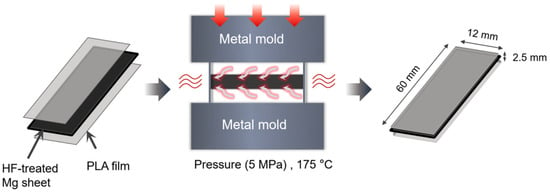
Magnesium (Mg) reinforced polylactic acid (PLA) composites have attracted increasing interest for orthopedic implants to solve the insufficient strength of PLA and to utilize the bioactive advantages of Mg ions in promoting bone formation. However, the weak interfacial adhesion between the Mg and PLA limits the applications of the composite. In this study, a dual interfacial enhancement approach was designed to combine surface fluorination with perforation. During hot pressing, molten PLA infiltrates the pores to form a ‘rivet-like’ mechanical interlocking. This structure significantly alters the load transfer and degradation behaviors of the composite. Compared to pure PLA, the dual treatment significantly elevated the bending strength by 49%, alongside an increase in the bending strain from 15% to 25%. Moreover, in vitro degradation tests revealed that this strategy suppresses H2-induced delamination, and stabilizes both pH and Mg2+ release. Consequently, the bending strength remained at 86% after six weeks of in vitro degradation. In addition, the composite exhibits excellent biocompatibility, with MC3T3-E1 cell viability exceeding 90% in 100% extract. These results demonstrate that the reinforced Mg/PLA composite exhibits excellent mechanical properties, degradation stability, and biocompatibility, showing high potential for load-bearing orthopedic fixation applications.
Full article
(This article belongs to the Special Issue Metals and Alloys for Biomedical Applications (2nd Edition))
►▼
Show Figures

Figure 1
Journal Menu
► ▼ Journal Menu-
- JFB Home
- Aims & Scope
- Editorial Board
- Topical Advisory Panel
- Instructions for Authors
- Special Issues
- Topics
- Sections & Collections
- Article Processing Charge
- Indexing & Archiving
- Editor’s Choice Articles
- Most Cited & Viewed
- Journal Statistics
- Journal History
- Journal Awards
- Conferences
- Editorial Office
Journal Browser
► ▼ Journal BrowserHighly Accessed Articles
Latest Books
E-Mail Alert
News
Topics
Topic in
Coatings, Lubricants, Materials, Surfaces, JFB
Engineered Surfaces and Tribological Performance
Topic Editors: Andrew Naylor, Min LiDeadline: 31 May 2026
Topic in
Applied Nano, Bioengineering, Coatings, JFB, Materials, Surfaces
Functional and Antiseptic Biomedical Surfaces and Interfaces
Topic Editors: Annett Dorner-Reisel, Aneta Zima, Nick Tucker, Tao WangDeadline: 31 August 2026
Topic in
IJMS, JFB, Macromol, Materials, J. Compos. Sci., Polymers
Recent Advances in Composite Biomaterials
Topic Editors: Diego Romano Perinelli, Florentina LupascuDeadline: 30 November 2026
Topic in
JFB, Materials, Prosthesis, IJMS, Oral, JCM
New Technological and Clinical Advances for Controlling Peri-Implantitis
Topic Editors: Javier Gil, Eugenio Velasco-Ortega, Aritza Brizuela-Velasco, Conrado AparicioDeadline: 31 December 2026
Conferences
Special Issues
Special Issue in
JFB
Antibacterial Biomaterials for Medical Applications
Guest Editors: Min Zhou, Yueming WuDeadline: 10 May 2026
Special Issue in
JFB
Biomaterials in Bone Reconstruction
Guest Editor: Liya ZhuDeadline: 10 May 2026
Special Issue in
JFB
Surface Coating, Functionalization, and Characterization of Cell- and Tissue-Based Biomaterials
Guest Editor: Jason K. LeeDeadline: 10 May 2026
Special Issue in
JFB
Biomaterials for Wound Healing and Tissue Repair
Guest Editor: Bouke BoekemaDeadline: 20 May 2026
Topical Collections
Topical Collection in
JFB
Biocements for Medical/Dental Purposes
Collection Editor: James Kit-Hon Tsoi
Topical Collection in
JFB
Feature Papers in Biomaterials for Healthcare Applications
Collection Editor: Dimitrios Karamichos
Topical Collection in
JFB
Feature Papers in Biomaterials for Drug Delivery
Collection Editor: Junjie Li
Topical Collection in
JFB
Feature Papers in Dental Biomaterials
Collection Editor: Gianrico Spagnuolo