

Journal Description
International Journal of Environmental Research and Public Health
(IJERPH) is a transdisciplinary, peer-reviewed, open access journal that covers global health, healthcare sciences, behavioral and mental health, infectious diseases, chronic diseases and disease prevention, exercise and health related quality of life, environmental health and environmental sciences, and is published monthly online by MDPI. The International Society Doctors for the Environment (ISDE), Italian Society of Environmental Medicine (SIMA) and Environmental Health Association of Québec (ASEQ‑EHAQ) are affiliated with IJERPH and their members receive discounts on the article processing charges.
- Open Access— free for readers, with article processing charges (APC) paid by authors or their institutions.
- High Visibility: indexed within Scopus, PubMed, MEDLINE, PMC, Embase, GEOBASE, CAPlus / SciFinder, and other databases.
- Journal Rank: CiteScore - Q1 (Public Health, Environmental and Occupational Health)
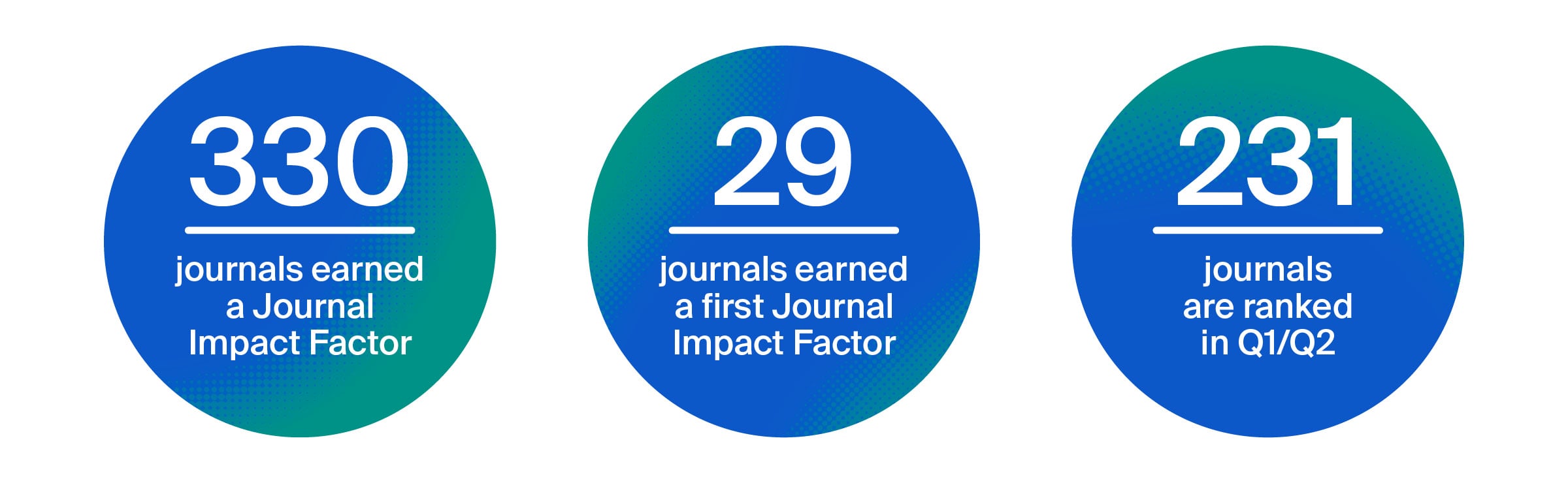
- Rapid Publication: manuscripts are peer-reviewed and a first decision is provided to authors approximately 29.5 days after submission; acceptance to publication is undertaken in 3.9 days (median values for papers published in this journal in the second half of 2025).
- Recognition of Reviewers: reviewers who provide timely, thorough peer-review reports receive vouchers entitling them to a discount on the APC of their next publication in any MDPI journal, in appreciation of the work done.
- Testimonials: See what our editors and authors say about IJERPH.
- Sections: published in 7 topical sections.
- Journal Cluster of Healthcare Sciences and Services: Geriatrics, Journal of Ageing and Longevity, Healthcare, Hospitals, Hygiene, International Journal of Environmental Research and Public Health and Nursing Reports.
Latest Articles
Incorporating a Screening-Level Risk Quotient (RQ_screen) for Assessing Human Health Risk of Pharmaceutical Residues in Consumption Water
Int. J. Environ. Res. Public Health 2026, 23(7), 838; https://doi.org/10.3390/ijerph23070838 (registering DOI) - 25 Jun 2026
Abstract
Pharmaceutical residues are increasingly detected in aquatic environments and are recognized as contaminants of emerging concern. This systematic literature review compiled and evaluated published concentrations of pharmaceutical residues in bottled water, tap water, and surface water in Portugal, applying risk quotient (RQ) and
[...] Read more.
Pharmaceutical residues are increasingly detected in aquatic environments and are recognized as contaminants of emerging concern. This systematic literature review compiled and evaluated published concentrations of pharmaceutical residues in bottled water, tap water, and surface water in Portugal, applying risk quotient (RQ) and screening-level risk quotient (RQ_screen) approaches to evaluate potential human health risks and prioritize contaminants. Assessment based on the compiled literature data across age groups showed bottled and tap water posed low risk, while surface water presented the highest concern, with compounds spanning the full risk spectrum. Key contributors to potential human health risk included hormones (17-alpha-ethinylestradiol, 17-beta-estradiol, estrone), ramipril, betamethasone, citalopram, and amoxicillin. RQ_screen highlighted compounds relevant for ongoing monitoring even in treated waters, such as carbamazepine, diclofenac, salicylic acid, warfarin, fluoxetine, and erythromycin, due to their persistence and toxicological significance. Both RQ and RQ_screen indicated higher risk values for infants and children, reflecting lower body weight and higher water intake per unit mass, underscoring the need for age-specific evaluations. The RQ_screen method proved useful for contaminant prioritization, identifying substances relevant for monitoring despite low concentrations. Overall, this systematic review highlights pharmaceutical residues as an emerging public and environmental health concern in Portugal and emphasizes the importance of targeted monitoring and risk-based management within a One Health framework.
Full article
(This article belongs to the Special Issue Pharmaceutical Pollution in Aquatic Ecosystems: Public Health Risks and Sustainable Solutions)
Open AccessArticle
The CHALO! Study Results of a Randomized Controlled Trial to Reduce Risk of Childhood Dental Caries and Obesity
by
Arundhati Debnath, Karen Bonuck, Qi Gao, Usha Ramachandran, Sunanda Gaur, Christie L. Custodio-Lumsden, Dorota T. Kopycka-Kedzierawski, Mimi Kim and Alison Karasz
Int. J. Environ. Res. Public Health 2026, 23(7), 837; https://doi.org/10.3390/ijerph23070837 (registering DOI) - 25 Jun 2026
Abstract
►▼
Show Figures
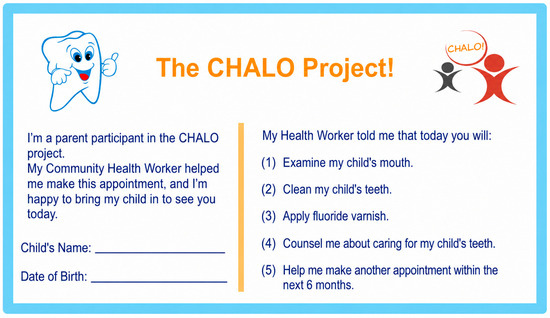
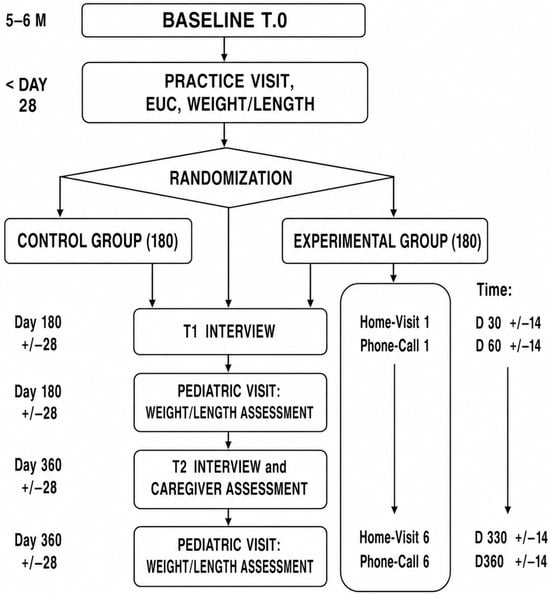
(1) Background: Obesity and dental caries disproportionately affect low-income South Asian (SA) immigrant children in the US. This CHALO! study aimed to reduce the risk of obesity and oral health risk in young SA children in the US. (2) Methods: CHALO! is a
[...] Read more.
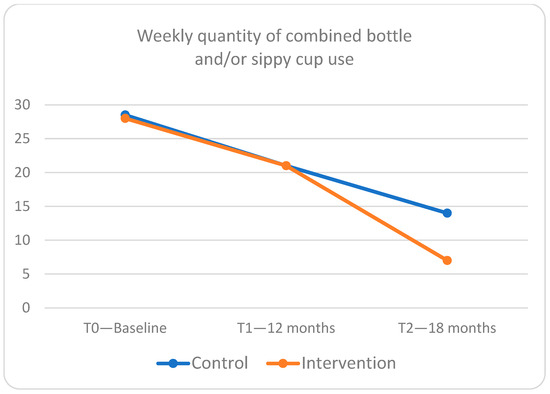
(1) Background: Obesity and dental caries disproportionately affect low-income South Asian (SA) immigrant children in the US. This CHALO! study aimed to reduce the risk of obesity and oral health risk in young SA children in the US. (2) Methods: CHALO! is a randomized controlled trial. A total of 350 low-income Bangladeshi mothers of 6-month-old children were recruited and randomized to intervention or control. Intervention participants received six home visits and six phone calls from trained community health workers who delivered health education and support. The primary outcome was frequency of combined bottle/sippy cup use over 18 months measured via self-report. Secondary outcomes included sugar consumption, maternal feeding practices, oral hygiene practices, and dental utilization measured via self-report. Secondary clinical outcomes included the presence of dental caries at follow-up (12 months post baseline) assessed through intra-oral camera, and obesity risk, measured as weight gain velocity, at each 6-month period. (3) Results: Bottle/sippy-cup use increased less in the intervention group (Poisson rate ratio = 0.36, 95% CI: 0.34–0.39, p < 0.0001) vs. controls (Poisson rate ratio = 0.58, 95% CI: 0.56–0.61), and while consistent results were noted in sugar consumption, oral hygiene practices, dental visits, and other secondary outcomes, no difference was found in caries prevalence or weight gain velocity. (4) Conclusions: The intervention improved self-reported bottle use and child diet in the intervention group. There were no significant changes in caries prevalence or weight gain velocity. Social context, particularly social networks, may act as a barrier to adopting new healthy behaviors, impacting changes in caries and obesity outcomes.
Full article

Figure 1
Open AccessArticle
A Pilot Feasibility Study of Mindful Walking in Older Adults: Exploratory Bayesian Estimates of Psychological Distress and Alexithymia
by
Alessandro Germani, Antonella Lopez, Claudia Mirenghi, Manuela Nicoletta Di Masi and Andrea Bosco
Int. J. Environ. Res. Public Health 2026, 23(7), 836; https://doi.org/10.3390/ijerph23070836 (registering DOI) - 25 Jun 2026
Abstract
Population aging demands accessible interventions for psychological well-being in later life. This work evaluated the feasibility and acceptability of an 8-week mindful walking program in community-dwelling older adults and generated exploratory estimates of within-person change across emotional, psychosomatic, and psychological outcomes. Thirteen community-dwelling
[...] Read more.
Population aging demands accessible interventions for psychological well-being in later life. This work evaluated the feasibility and acceptability of an 8-week mindful walking program in community-dwelling older adults and generated exploratory estimates of within-person change across emotional, psychosomatic, and psychological outcomes. Thirteen community-dwelling older adults participated in a pilot human trial with assessments at baseline, post-intervention, and one-month follow-up. Measures included depression, anxiety, somatic symptoms, mindfulness, mind wandering, alexithymia, quality of life, and attachment style. Primary feasibility outcomes indicated high acceptability and participant satisfaction, good physiological tolerance and full adherence. Secondary exploratory analyses suggested within-person reductions in depressive symptoms and alexithymia, while somatic symptoms decreased notably by follow-up. Mindfulness increased and was maintained over time, while mind wandering displayed a probable long-term decrease. Psychological quality of life improved and remained elevated, whereas physical, social, and environmental quality-of-life domains showed uncertain trends. Trait anxiety decreased post-intervention but returned toward baseline at follow-up, while state anxiety and attachment styles remained stable. Within pilot design limits, mindful walking may be a feasible intervention for older adults, associated with exploratory within-person patterns suggesting possible improvements in certain psychological outcomes, which should be interpreted as preliminary and descriptive signals pending confirmation in controlled trials. These preliminary findings support further investigation in controlled trials to determine effectiveness and to formally test hypothesized mechanisms.
Full article
(This article belongs to the Topic Healthy, Safe and Active Aging, 3rd Edition)
Open AccessArticle
Islands in an Obesogenic Ocean: A Multiscale Spatial Analysis of School Neighborhood Food Environments in Michigan
by
Gang Xu
Int. J. Environ. Res. Public Health 2026, 23(7), 835; https://doi.org/10.3390/ijerph23070835 (registering DOI) - 25 Jun 2026
Abstract
►▼
Show Figures
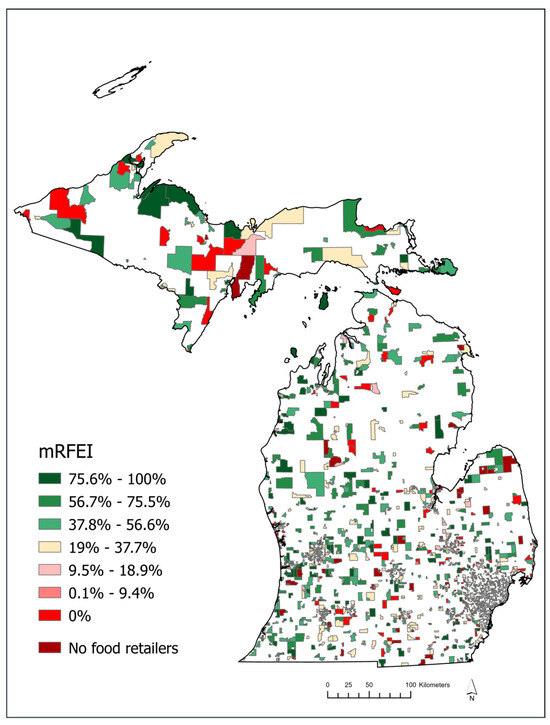
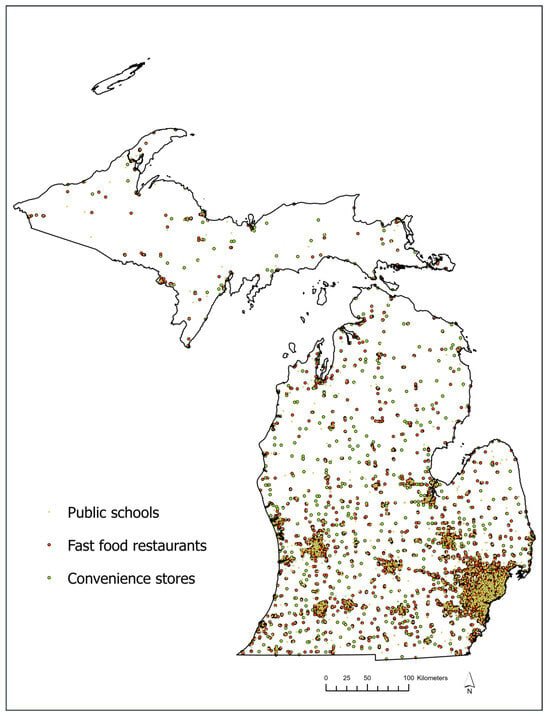
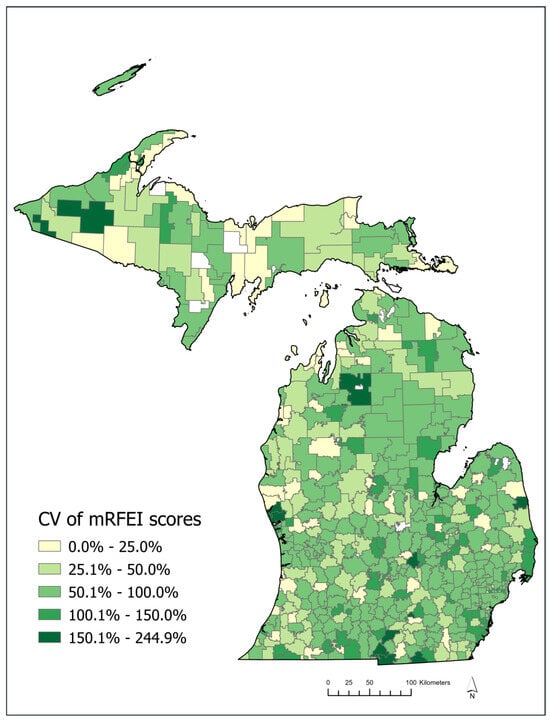
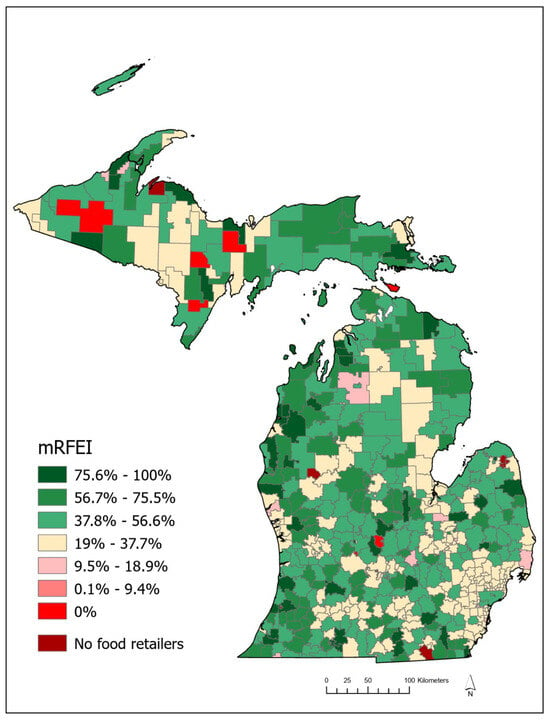
This study examines the retail food environment surrounding public schools in Michigan using a multiscale, multidimensional framework. A cross-sectional spatial analysis integrates relative healthfulness (modified Retail Food Environment Index, mRFEI), availability (outlet counts), and accessibility (network-based walking time) across school districts, census tracts,
[...] Read more.
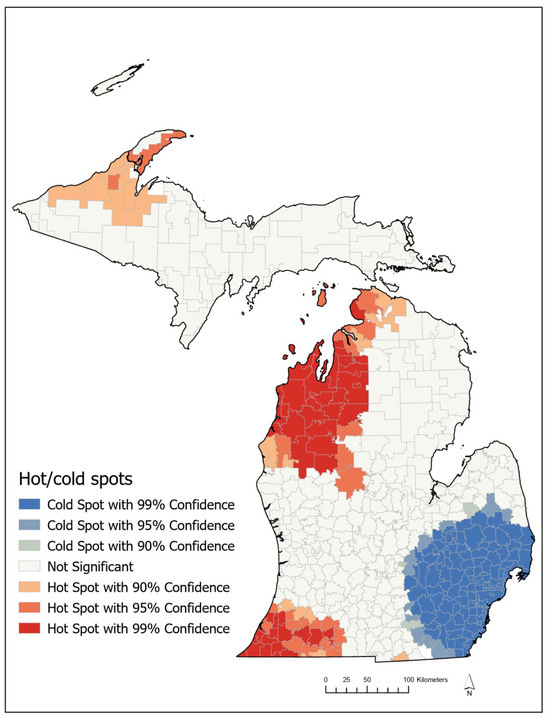
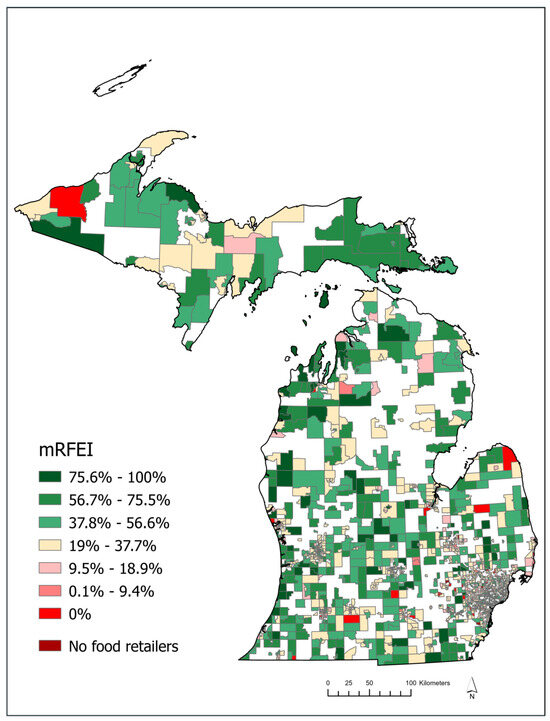
This study examines the retail food environment surrounding public schools in Michigan using a multiscale, multidimensional framework. A cross-sectional spatial analysis integrates relative healthfulness (modified Retail Food Environment Index, mRFEI), availability (outlet counts), and accessibility (network-based walking time) across school districts, census tracts, block groups, and school-centered buffers. The analysis includes 3530 public schools, 7680 fast food restaurants, and 2065 convenience stores. Results show pronounced spatial heterogeneity and clustering of unhealthful outlets (Nearest Neighbor Index = 0.284, p < 0.001), with many located near schools. Approximately 34% of schools are within a 10 min walk of a fast food restaurant, increasing to 65% within a 20 min walk. Urban schools face significantly greater exposure—2.27–2.80 times more fast food outlets and shorter walking times than rural schools (p ≤ 0.002)—with consistent gradients across city, suburban, town, and rural contexts. Overall, school neighborhood food environments are highly structured, obesogenic, and inequitable. By integrating multiple spatial scales and complementary measures of food environments, this study advances food environment research and provides policy-relevant evidence for targeted, place-based interventions to improve access to healthier food around schools.
Full article

Figure 1
Open AccessArticle
Hope and Fear: A Survey of Eco-Emotions and Climate Anxiety, Activism, and Well-Being Among Older Adolescents in Northern California
by
Kelly L. L’Engle, Julianna Sahoo, Gwendolyn M. Hoff Anderson, Elise Brown and Lexi Nutkewicz
Int. J. Environ. Res. Public Health 2026, 23(7), 834; https://doi.org/10.3390/ijerph23070834 (registering DOI) - 25 Jun 2026
Abstract
The purpose of this study is to examine positive and negative emotions about climate change reported by youth living in northern California and explore how these emotions are linked to climate anxiety, activism, and other measures of well-being. We surveyed ethnically diverse first-
[...] Read more.
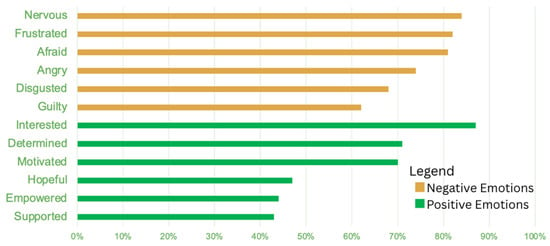
The purpose of this study is to examine positive and negative emotions about climate change reported by youth living in northern California and explore how these emotions are linked to climate anxiety, activism, and other measures of well-being. We surveyed ethnically diverse first- and second-year students (N = 521, mean age = 19) at a Jesuit, urban university in California in Fall 2022. Survey measures assessed climate-related emotions, eco-anxiety, and eco-impairment, along with activism, optimism, and compassion. Bivariate and multivariate models examined positive and negative eco-emotions, controlling for race, gender, and income. Overall, climate anxiety was linked to greater activism and confidence that actions matter. However, experiencing positive climate-related emotions had a stronger relationship to activism and optimism for the present and future, compared to negative emotions which were linked to higher eco-anxiety and greater compassion for others. Climate education and communication should consider inducing and reinforcing positive emotions to encourage youth activism, especially since negative emotions in response to climate change are linked to worse mental health. More research on a range of climate emotions is needed, and future interventions should test how to induce hope without minimizing the seriousness of climate change to support confidence and youth action.
Full article
(This article belongs to the Section Environmental Health)
►▼
Show Figures

Figure 1
Open AccessReview
Assessing Quality of Life in Genetic Cardiomyopathies: A Scoping Review
by
Lucrezia Tomberli, Fausto Barlocco, Annariina Koivu, Jari Hyttinen, Iacopo Olivotto and Enrica Ciucci
Int. J. Environ. Res. Public Health 2026, 23(7), 833; https://doi.org/10.3390/ijerph23070833 (registering DOI) - 25 Jun 2026
Abstract
Genetic cardiomyopathies (GCMs) are chronic heart muscle disorders requiring lifelong monitoring and treatment. Although quality of life (QoL) and health-related quality of life (HRQoL) are increasingly recognized as important outcomes in cardiomyopathy care, their conceptualization and measurement remain inconsistent. This scoping review aims
[...] Read more.
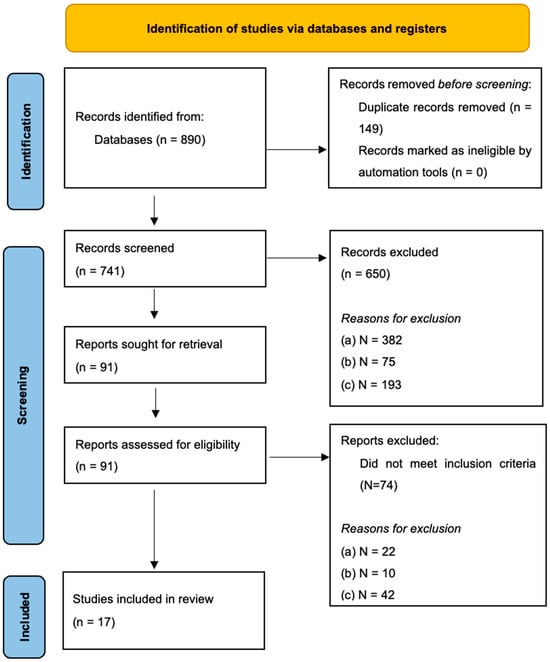
Genetic cardiomyopathies (GCMs) are chronic heart muscle disorders requiring lifelong monitoring and treatment. Although quality of life (QoL) and health-related quality of life (HRQoL) are increasingly recognized as important outcomes in cardiomyopathy care, their conceptualization and measurement remain inconsistent. This scoping review aims to (a) identify the tools most commonly used to assess QoL and HRQoL in adults with genetic cardiomyopathies and (b) map the thematic areas of existing studies, including symptom burden, psychological distress, diagnostic challenges, and the impact of medical and psychological interventions. PubMed, Scopus, and PsycINFO were systematically searched, and the final search was completed in November 2025. Seventeen peer-reviewed studies met the inclusion criteria and were included in this scoping review. The review followed the PRISMA extension for Scoping Reviews and included both quantitative, qualitative and mixed-methods designs. Most studies employed standardized tools such as EQ-5D (N = 5), SF-36/SF36v2 (N = 5), and the Kansas City Cardiomyopathy Questionnaire (N = 3), while others included the Minnesota Living with Heart Failure Questionnaire (N = 2) and disease-specific or ad hoc measures. The most frequently investigated themes included impairments in physical functioning, emotional well-being, symptom burden, psychological distress, and social participation. Several studies showed that patients’ perceived QoL was more closely associated with symptom burden and psychological adjustment than with objective clinical indicators alone. Clinical interventions showed mixed or limited effects on QoL and HRQoL outcomes, even when clinical parameters improved. Qualitative research further emphasized the lived experiences of patients and families, highlighting unmet needs in care. Less commonly addressed findings concerned caregiver perspectives, patient–provider communication, treatment adherence, socioeconomic disadvantage, healthcare costs, productivity loss, and the experiences of patients with rarer cardiomyopathy-related conditions. The results highlight how QoL and HRQoL are central but still inconsistently assessed outcomes in cardiomyopathy research. This review calls for greater conceptual clarity between QoL and HRQoL, greater standardization in measurement tools, broader inclusion of psychosocial variables, and more patient-centred research approaches to better support individuals living with cardiomyopathies.
Full article
(This article belongs to the Section Behavioral and Mental Health)
►▼
Show Figures

Figure 1
Open AccessArticle
Institution-Level and Individual Factors Associated with Student Mental Health in Germany: A Multilevel Analysis of StudiBiFra Data
by
Christiane Stock, Ulrike Grittner, Jennifer Lehnchen, Zita Deptolla, Julia Burian and Katherina Heinrichs
Int. J. Environ. Res. Public Health 2026, 23(7), 832; https://doi.org/10.3390/ijerph23070832 (registering DOI) - 24 Jun 2026
Abstract
While individual determinants of students’ well-being are well established, less is known about the association with the institutional context. This study evaluates institutional-level factors associated with students’ mental health while controlling for individual characteristics. The cross-sectional analysis used data from 12 German institutions
[...] Read more.
While individual determinants of students’ well-being are well established, less is known about the association with the institutional context. This study evaluates institutional-level factors associated with students’ mental health while controlling for individual characteristics. The cross-sectional analysis used data from 12 German institutions (n = 13,715) collected in the StudiBiFra survey on study conditions and student mental health. Individual-level variables included gender, age, study subject group, and four mental health variables (general well-being, depressiveness, cognitive stress, and exhaustion). Institution-level variables comprised institution type, excellence status, multi-campus structure, size, and satisfaction with the quality of health promotion services. Multilevel binary logistic regression models were applied to examine associations between institutional characteristics and mental health outcomes, adjusting for individual factors. Students enrolled at universities of applied sciences showed a lower likelihood of reporting depressiveness and exhaustion. Higher levels of depressiveness and cognitive stress were observed among students at medium-sized institutions compared to small ones. Students not enrolled at institutions with excellence status had lower risks of depressiveness, stress, and exhaustion. Additionally, higher satisfaction with institutional health promotion services was associated with reduced odds of depressiveness. Institutional factors are related to students’ mental health beyond individual characteristics, highlighting the need for a holistic, setting-based approach.
Full article
(This article belongs to the Special Issue Health Behaviors and Mental Health Among College Students)
Open AccessArticle
Weather Information Seeking and Heat-Health Protective Actions During Pregnancy: An Exploratory Study
by
Lisa K. Zottarelli, Robyn Stassen, Yejin Heo, Madeline Navarrete, Shamshad Khan, Thankam Sunil and Andrea Shields
Int. J. Environ. Res. Public Health 2026, 23(7), 831; https://doi.org/10.3390/ijerph23070831 (registering DOI) - 24 Jun 2026
Abstract
Extreme heat poses health risks during pregnancy, but little is known about how pregnant individuals seek weather information to engage in heat-health protective actions. This study examined associations between routine and event-driven weather information seeking and both routine physiological heat-health protective actions (i.e.,
[...] Read more.
Extreme heat poses health risks during pregnancy, but little is known about how pregnant individuals seek weather information to engage in heat-health protective actions. This study examined associations between routine and event-driven weather information seeking and both routine physiological heat-health protective actions (i.e., limiting sun exposure, staying hydrated, and spending time in air conditioning) and higher-threshold adaptive behaviors (i.e., changing plans due to heat). A cross-sectional survey of 195 pregnant individuals in Bexar County, TX, USA, was conducted during the summer and fall of 2024. Descriptive and nonparametric analyses explored relationships across trimesters. Participants demonstrated high routine weather information seeking and greater weather information needs since becoming pregnant. Over half (51.3%) reported increased weather information seeking during excessive heat, with lower increases during the first trimester. During extreme heat, most respondents increased heat-health protective actions. Increased information needs during pregnancy were significantly related to heat-health protective actions. Routine weather checking showed weak or inverse relationships with changing plans, suggesting that routine weather awareness alone may not prompt changing plans. Trimester patterns indicated heightened information seeking and protective actions later in pregnancy. Findings highlight the importance of pregnancy-specific heat risk communication with trimester-specific guidance provided in clinical counseling, public health messaging, and meteorological communication.
Full article
(This article belongs to the Section Environmental Health)
Open AccessArticle
Empowerment and Community Process Diagnosis to Promote Epidemiological Surveillance of Nursing Diagnoses: A MAIEC-Based Study in the Autonomous Region of the Azores, Portugal
by
Pedro Melo, Renata Silva, Flávio Vieira, Susana Barbeitos, Susana Figueiredo and Sandra Silva
Int. J. Environ. Res. Public Health 2026, 23(7), 830; https://doi.org/10.3390/ijerph23070830 (registering DOI) - 24 Jun 2026
Abstract
This study assessed community process and empowerment in a Primary Healthcare Island Unit in the Azores to support the implementation of Epidemiological Surveillance of Nursing Diagnoses (ESND), focusing on three priority areas: tobacco use, drug dependence, and adolescent decision-making related to sexuality and
[...] Read more.
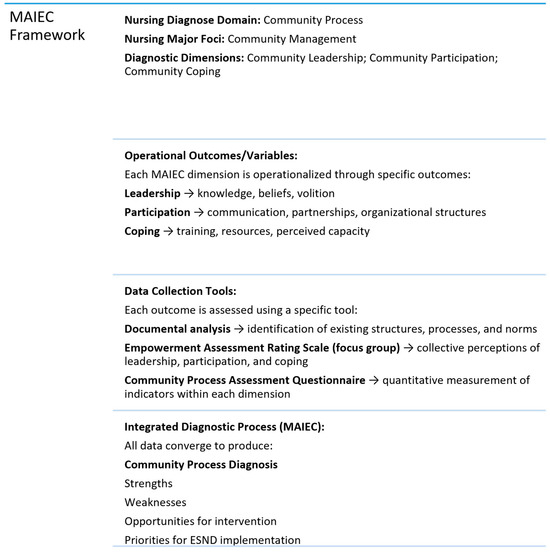
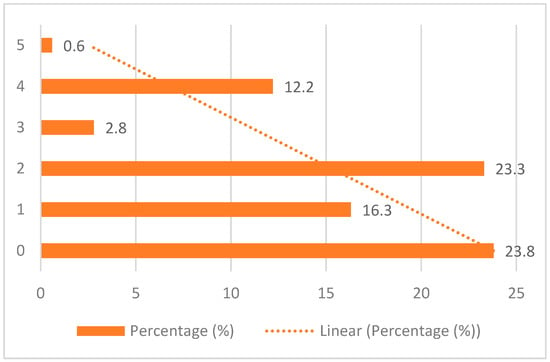
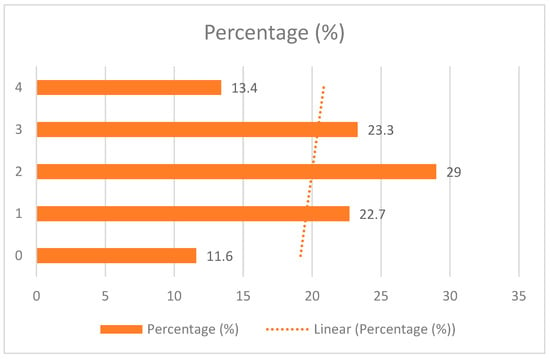
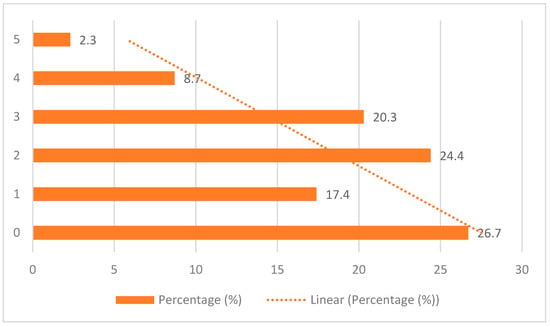
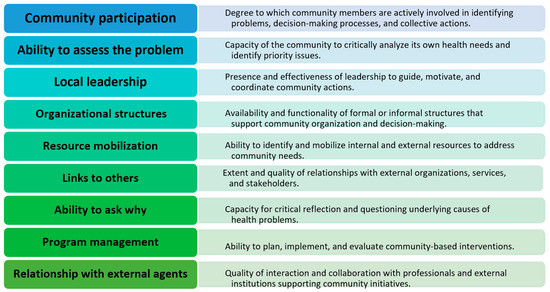
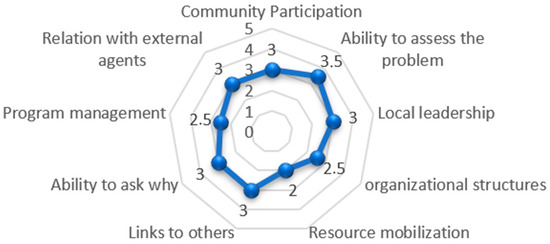
This study assessed community process and empowerment in a Primary Healthcare Island Unit in the Azores to support the implementation of Epidemiological Surveillance of Nursing Diagnoses (ESND), focusing on three priority areas: tobacco use, drug dependence, and adolescent decision-making related to sexuality and life planning. Strengthening the visibility of nursing-sensitive phenomena requires integrating nursing diagnoses into epidemiological surveillance systems. A multimethod descriptive study was conducted between September and November 2025, combining document analysis, a community empowerment assessment, and a structured questionnaire. The total population included 328 nurses, with 172 participants (response rate: 52.4%) using a non-probabilistic sampling approach. Data were analyzed using descriptive statistics (frequencies, percentages, means, and standard deviations). Priority nursing foci were identified according to the ICNP® 2019 classification: tobacco use, drug dependence, and decision-making process related to sexuality and life planning. Results showed that all three dimensions of the MAIEC were weak: community leadership was limited, particularly in knowledge indicators; participation was constrained by unclear organizational structures and insufficient communication; and coping capacity was insufficient due to limited training and experience. Empowerment assessment confirmed structural weaknesses in leadership, organizational support, and resource mobilization. Overall, the community process and empowerment profile indicate that the conditions required to sustain ESND are not yet sufficiently developed. Strengthening leadership, improving communication, and expanding training in ESND and ICNP® documentation are essential to support nurse-centered surveillance and enhance the visibility of nursing contributions to population health.
Full article
(This article belongs to the Special Issue Community Health Nursing and Public Health Approach)
►▼
Show Figures

Figure 1
Open AccessArticle
Acute and Chronic Toxicity of Ketoprofen Active Pharmaceutical Ingredient and Commercial Formulations to the Freshwater Photosynthetic Species Microcystis novacekii and Chlorella vulgaris
by
Gabriel Souza-Silva, Maria I. G. A. Silva, Anna C. B. Miranda, Mariângela Domingos Alcântara, Cléssius R. Souza and Micheline Rosa Silveira
Int. J. Environ. Res. Public Health 2026, 23(7), 829; https://doi.org/10.3390/ijerph23070829 (registering DOI) - 24 Jun 2026
Abstract
Ketoprofen (KET) is a non-steroidal anti-inflammatory drug frequently detected in surface waters and effluents, with the potential to impact trophic base organisms. This study evaluated the toxicity of KET, in its active pharmaceutical ingredient (API) form and in four commercial formulations (KET-1, KET-2,
[...] Read more.
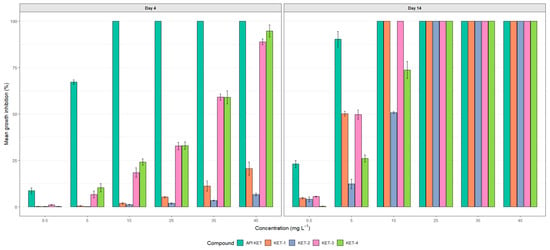
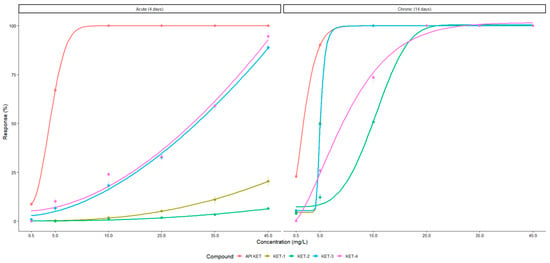
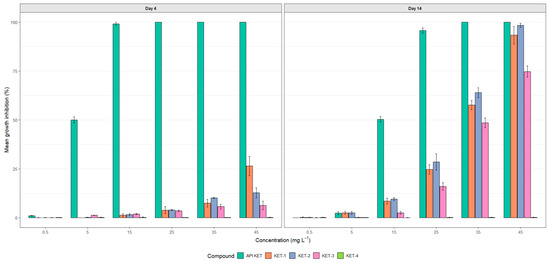
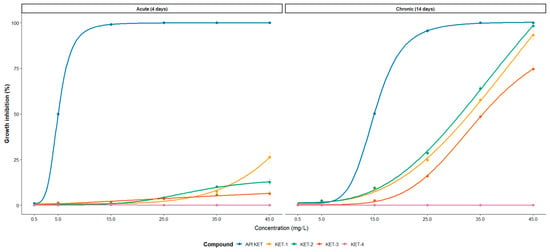
Ketoprofen (KET) is a non-steroidal anti-inflammatory drug frequently detected in surface waters and effluents, with the potential to impact trophic base organisms. This study evaluated the toxicity of KET, in its active pharmaceutical ingredient (API) form and in four commercial formulations (KET-1, KET-2, KET-3, and KET-4), on two freshwater species: the cyanobacterium Microcystis novacekii and the microalga Chlorella vulgaris. Cell growth assays, performed under acute (4 days) and chronic (14 days) conditions, showed that the API KET was the most toxic compound, especially for M. novacekii, with a chronic EC50 of 1.35 mg/L. The commercial formulations presented distinct toxicity profiles, suggesting the influence of excipients and synergistic or antagonistic interactions. For C. vulgaris, low acute toxicity was observed, with increased chronic effects at high concentrations and possible hormetic response at low doses. Risk quotient (RQ) calculations, based on environmental concentrations of KET, indicated low risk in surface and drinking water, but high risk in untreated hospital and wastewater treatment plant effluents, especially for M. novacekii. The results show that the complete formulation, exposure time, and target species are critical factors in the ecotoxicological risk assessment of pharmaceuticals in freshwater environments.
Full article
(This article belongs to the Special Issue Pharmaceutical Pollution in Aquatic Ecosystems: Public Health Risks and Sustainable Solutions)
►▼
Show Figures

Figure 1
Open AccessReview
Life Cycle Assessments in Healthcare: Insights and Standardisation Needs
by
Franziska Zecha, Lena-Marie Hupperich and Tobias Viere
Int. J. Environ. Res. Public Health 2026, 23(7), 828; https://doi.org/10.3390/ijerph23070828 (registering DOI) - 23 Jun 2026
Abstract
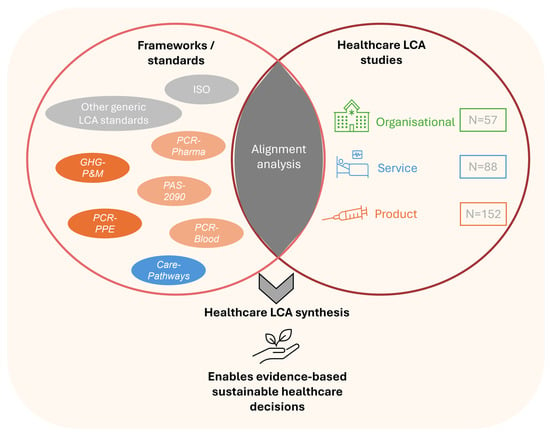
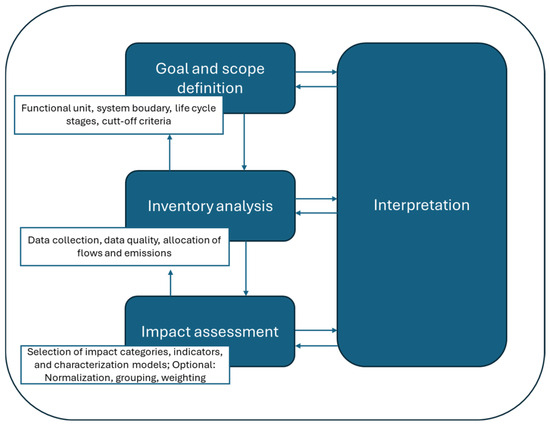
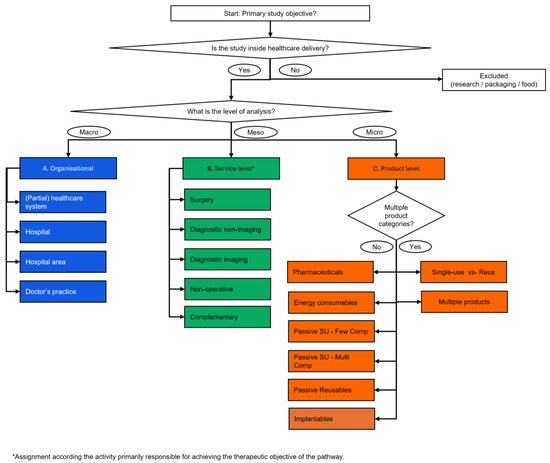
Life cycle assessment is increasingly applied in healthcare, yet the healthcare-specific standardisation landscape and its relation to current practice remain unclear. This study maps existing frameworks and analyses their alignment with published healthcare LCA to identify standardisation gaps. Healthcare-specific standards and product category
[...] Read more.
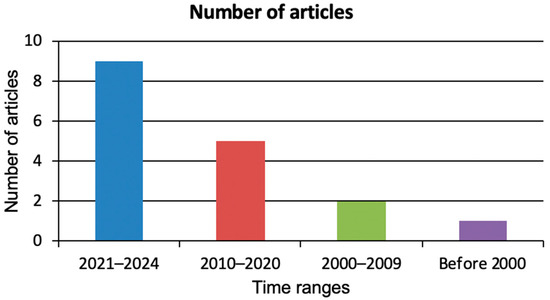
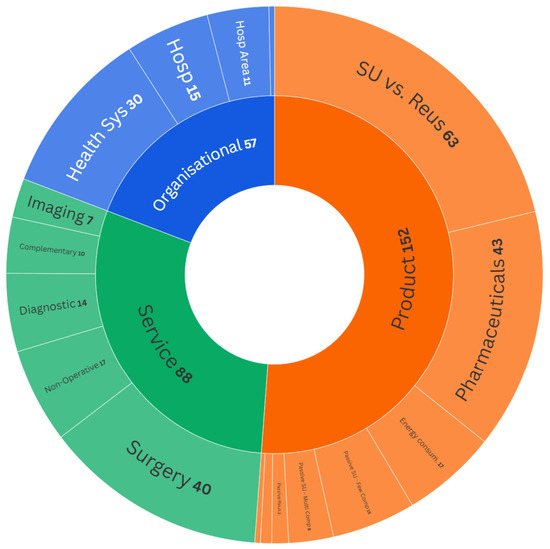
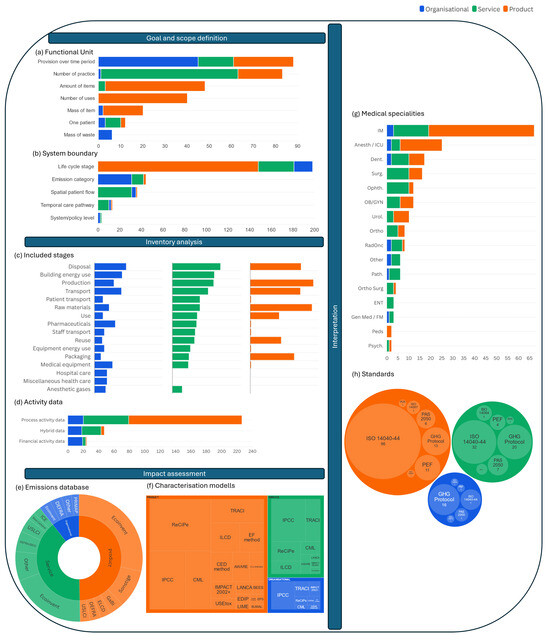
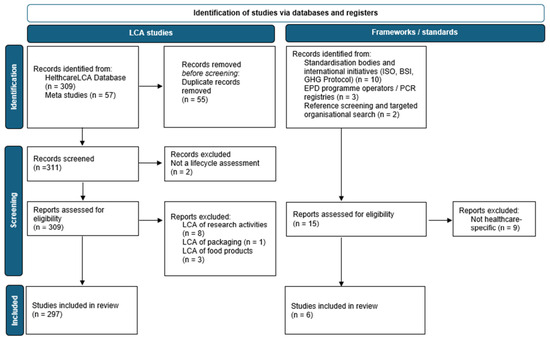
Life cycle assessment is increasingly applied in healthcare, yet the healthcare-specific standardisation landscape and its relation to current practice remain unclear. This study maps existing frameworks and analyses their alignment with published healthcare LCA to identify standardisation gaps. Healthcare-specific standards and product category rules were identified through grey literature searches. Published healthcare LCA studies were quantitatively analysed and compared with the identified frameworks to assess methodological convergence and divergence. Six healthcare-specific frameworks were identified: five address medical products, one addresses services, and none cover organisational assessment. Product-level applications showed strong alignment in structural modelling elements including system boundaries and life cycle stages, while substantial heterogeneity persisted in functional unit definitions and impact assessment approaches. Service and organisational assessments showed broader variability in modelling approaches, functional units, and system boundary conceptualisations, indicating distinct modelling logics of healthcare delivery across assessment levels. Healthcare LCA practice is consistent with ISO-based principles but lacks a shared conceptual modelling logic for healthcare delivery systems. Rather than reflecting a single methodological paradigm, healthcare LCA combines product-, intervention-, pathway-, and organisational-oriented approaches. Standardisation efforts should therefore focus not only on harmonising calculation methods but also on developing healthcare-specific modelling conventions for products, services, and organisational structures.
Full article
(This article belongs to the Section Environmental Sciences)
►▼
Show Figures

Graphical abstract
Open AccessArticle
Bioaccumulation and Human Health Risk Assessment of Potentially Toxic Elements in Commercial Fish Species (Oreochromis niloticus, Clarias gariepinus, Mugil cephalus) from Slaughterhouse Wastewater-Impacted Rivers in Nigeria
by
Onyedikachi Uchechi Bliss, Edene Osemudiamen Anao, Paul Promise Chibuike, Ugorji Chizoba Agatha, Peter Chinedu Agu and Emmanuel Anuoluwapo Oke
Int. J. Environ. Res. Public Health 2026, 23(7), 827; https://doi.org/10.3390/ijerph23070827 (registering DOI) - 23 Jun 2026
Abstract
►▼
Show Figures
Slaughterhouse wastewater introduces potentially toxic elements into aquatic ecosystems, yet bioaccumulation patterns in commercial fish species and associated human health risks remain underexplored in West Africa. This study quantified zinc (Zn), lead (Pb), iron (Fe), magnesium (Mg), chromium (Cr), and cadmium (Cd) in
[...] Read more.
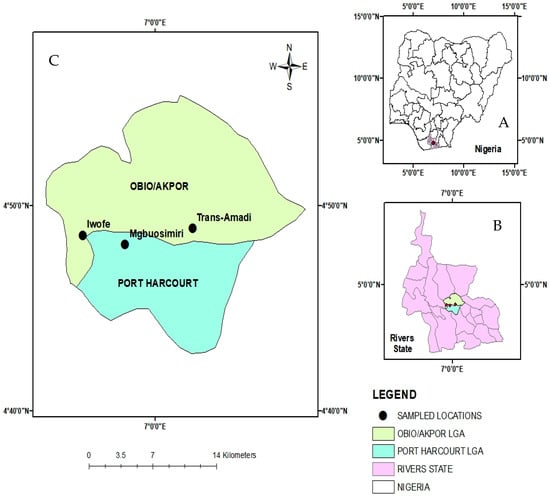
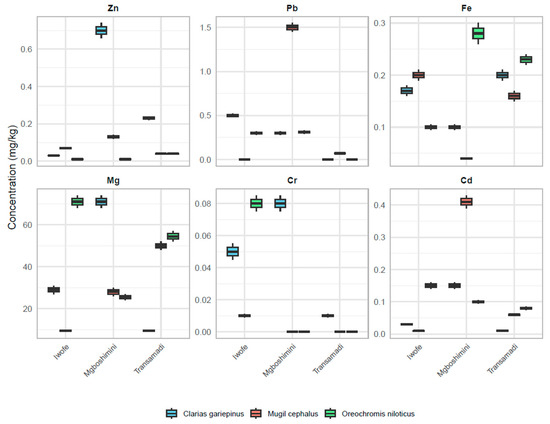
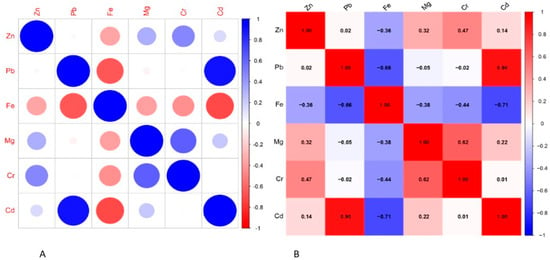
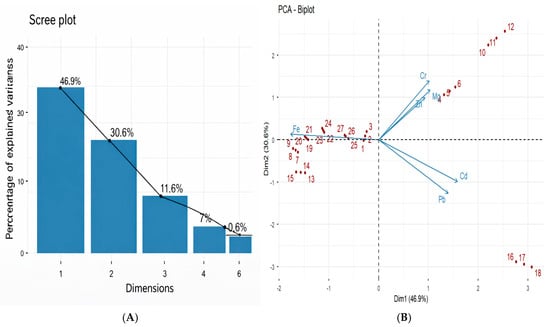
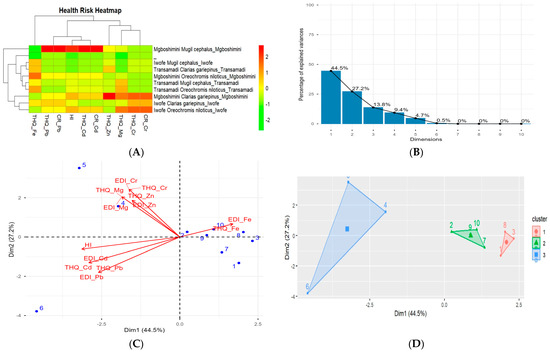
Slaughterhouse wastewater introduces potentially toxic elements into aquatic ecosystems, yet bioaccumulation patterns in commercial fish species and associated human health risks remain underexplored in West Africa. This study quantified zinc (Zn), lead (Pb), iron (Fe), magnesium (Mg), chromium (Cr), and cadmium (Cd) in three ecologically distinct fish species—Oreochromis niloticus (Nile tilapia), Clarias gariepinus (African sharptooth catfish), and Mugil cephalus (Flathead grey mullet)—from two slaughterhouse-impacted rivers (Transamadi and Mgbuosimini) and a control site (Iwofe) in Rivers State, Nigeria. Metal concentrations were measured using atomic absorption spectrophotometry. Two-way ANOVA assessed species and location effects. Principal component analysis (PCA) was performed, with Mg used as a potential geogenic tracer, as its loading pattern was independent of Pb and Cd and consistent with the natural background. A Water Quality Index (WQI) classified Mgboshimini and Iwofe as having poor water quality (WQI > 75), while Transamadi had medium quality. Health risks were evaluated using estimated daily intake (EDI), target hazard quotients (THQ), and hazard indices (HI) following USEPA guidelines. Metal levels varied significantly by species and location (p < 0.001). Flathead grey mullet from Mgbuosimini had the highest Pb (1.50 ± 0.05 mg/kg) and Cd (0.41 ± 0.02 mg/kg), exceeding EU maximum levels for fish muscle (Pb 0.30 mg/kg, Cd 0.05 mg/kg) by 500% and 800%, respectively. PCA explained 77.5% of the variance, with Pb and Cd clustering as anthropogenic sources, while Mg loaded independently. THQ for Pb approached unity in Flathead grey mullet (0.88), and THQ for Cd reached 0.97. HI exceeded 1.0 in all species from Mgbuosimini, peaking at 2.07 in Flathead grey mullet. Uncertainty analysis (using ±SD) gave a HI range of 1.89–2.25 for this species, all above the safety threshold. Carcinogenic risk for Flathead grey mullet (3.97 × 10⁻⁴) approached the upper acceptable limit. Slaughterhouse effluent appears to elevate Pb and Cd burdens in fish, with detritivorous Flathead grey mullet posing the highest health risk. Exceedance of safety thresholds and HI > 1.0 indicate potential non-carcinogenic and carcinogenic risks. We recommend improved wastewater treatment and species-specific consumption advisories.
Full article

Figure 1
Open AccessArticle
Effectiveness of an AI- and Gamification-Based Health Literacy Program for Improving Alcohol-Preventive Behaviors Among Hazardous-Drinking Vocational Students: A Quasi-Experimental Study
by
Potjana Jitjamnong, Chakkrit Ponrachom and Nannapat Ketkosan
Int. J. Environ. Res. Public Health 2026, 23(7), 826; https://doi.org/10.3390/ijerph23070826 (registering DOI) - 23 Jun 2026
Abstract
►▼
Show Figures
Low health literacy is associated with risky alcohol use among young people, particularly those exposed to social and environmental factors that normalize drinking. In digital contexts, innovative and engaging interventions are needed to strengthen alcohol-preventive competencies among hazardous drinkers. This study evaluated the
[...] Read more.
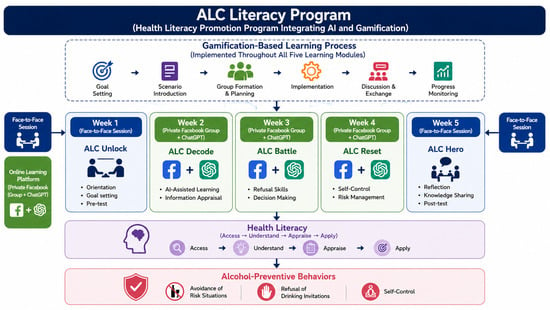
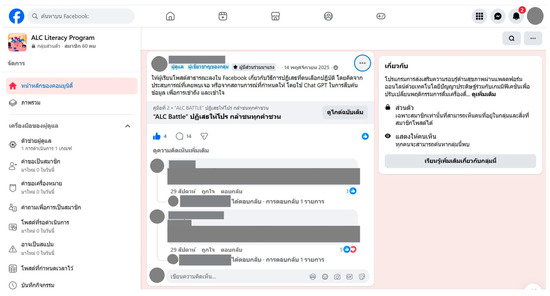
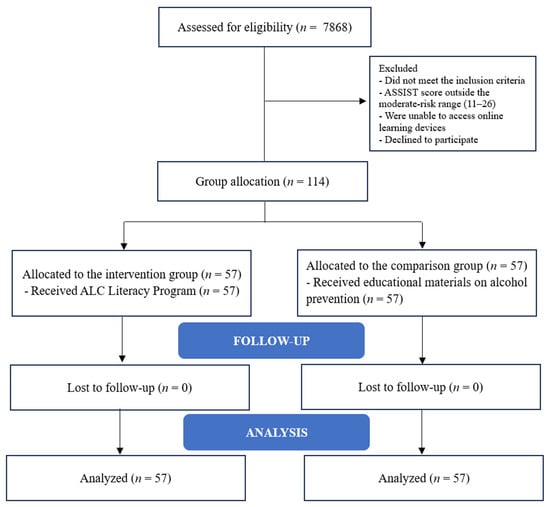
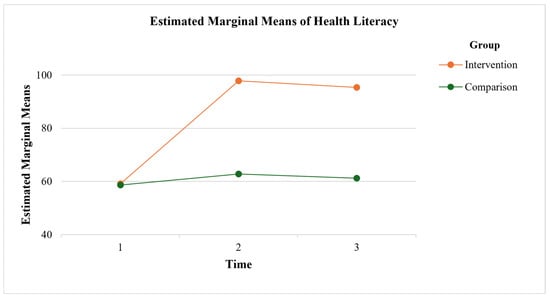
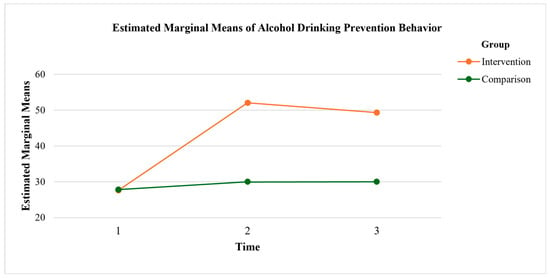
Low health literacy is associated with risky alcohol use among young people, particularly those exposed to social and environmental factors that normalize drinking. In digital contexts, innovative and engaging interventions are needed to strengthen alcohol-preventive competencies among hazardous drinkers. This study evaluated the effectiveness of an online health literacy promotion program integrating artificial intelligence (AI) and gamification in improving health literacy and alcohol-preventive behaviors among hazardous-drinking vocational students. A quasi-experimental two-group pre-test–post-test design with a 1-month follow-up was conducted among 114 first-year Higher Vocational Certificate students aged 18–20 years in Bangkok, Thailand. Participants were assigned to an intervention group (n = 57) or a comparison group (n = 57). The intervention group received the ALC Literacy Program, while the comparison group received standard educational materials on alcohol prevention. Data were analyzed using descriptive statistics, chi-square tests, independent t-tests, and two-way mixed-design repeated-measures ANOVA with Bonferroni post hoc comparisons. At baseline, no significant between-group differences were observed. After the intervention and at 1-month follow-up, the intervention group showed significantly greater improvements in both health literacy and alcohol-preventive behaviors than the comparison group (p < 0.001). Large interaction effect sizes were observed for health literacy (partial η2 = 0.623) and alcohol-preventive behaviors (partial η2 = 0.622). These findings indicate that the ALC Literacy Program was effective in enhancing health literacy and strengthening alcohol-preventive behaviors among hazardous-drinking vocational students. This intervention may represent a potentially useful digital health promotion approach for alcohol prevention in educational settings.
Full article

Figure 1
Open AccessArticle
“Shelter-in-Place” Policies and Changes in Caregiving for Older Adults During the COVID-19 Pandemic
by
Lei Chen and Joanne Spetz
Int. J. Environ. Res. Public Health 2026, 23(7), 825; https://doi.org/10.3390/ijerph23070825 (registering DOI) - 23 Jun 2026
Abstract
During the COVID-19 pandemic, family support for older adults living with disabilities was disrupted due to “Shelter-in-Place (SIP)” orders. This study examined the impact of SIP policies on caregiving changes for people with disabilities who were not married. We used the National Health
[...] Read more.
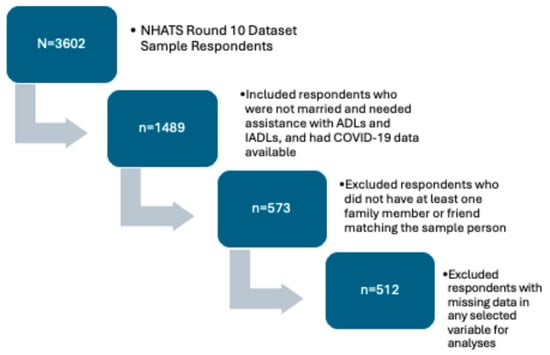
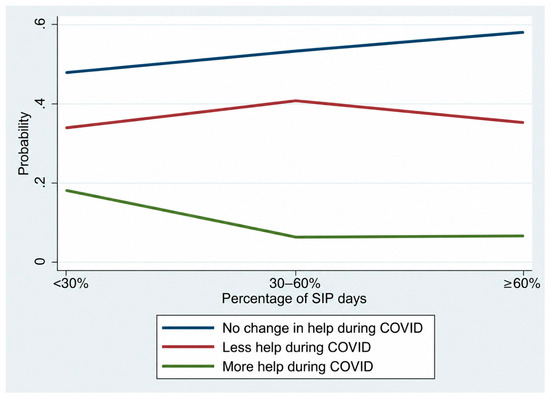
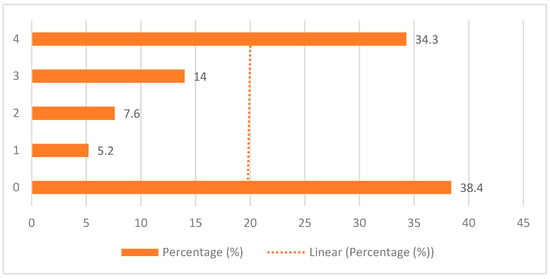
During the COVID-19 pandemic, family support for older adults living with disabilities was disrupted due to “Shelter-in-Place (SIP)” orders. This study examined the impact of SIP policies on caregiving changes for people with disabilities who were not married. We used the National Health and Aging Trends Survey (NHATS) round 10 data and previously published data regarding SIP policies. The study sample included NHATS community-dwelling respondents who needed assistance with activities of daily living (ADLs) or instrumental activities of daily living (IADLs) and who were not married (n = 512). More than half of people (55.1%) reported no change in receiving help, approximately one-third (36.7%) reported receiving less help, and 8.2% reported receiving more help during COVID-19 than before. Compared with people who lived in areas that had fewer than 30%, people living in areas with 30–59% and with 60% or more of SIP days had 12 percentage points lower probability of reporting they received more help during COVID-19 (p = 0.02 for 30–59% and p = 0.03 for ≥60%). It is crucial to address caregiving needs during public health emergencies and to examine how policy disruptions impact support for individuals reliant on family assistance.
Full article
(This article belongs to the Special Issue Long-Term Care and Aging: Evolving Needs, Challenges, and Solutions)
►▼
Show Figures

Figure 1
Open AccessBrief Report
Housing and Stroke Outcomes: Why Aging in Place Needs to Be Equitable
by
Roshanak Mehdipanah, Leanna Delhey, Fatema Shafie Khorassani, Sehee Kim, Xu Shi, Lewis B. Morgenstern, Erin Case and Lynda D. Lisabeth
Int. J. Environ. Res. Public Health 2026, 23(7), 824; https://doi.org/10.3390/ijerph23070824 (registering DOI) - 23 Jun 2026
Abstract
Limited research on the impacts of housing conditions on post-stroke outcomes exists, particularly in minoritized neighborhoods that face greater housing disparities than non-Hispanic White neighborhoods. This is largely due to the unavailability of data that combines residential conditions and post-stroke outcomes in diverse
[...] Read more.
Limited research on the impacts of housing conditions on post-stroke outcomes exists, particularly in minoritized neighborhoods that face greater housing disparities than non-Hispanic White neighborhoods. This is largely due to the unavailability of data that combines residential conditions and post-stroke outcomes in diverse communities. This brief report explored whether neighborhood housing values, a proxy of housing conditions, mediate the association between neighborhood ethnic composition (%Hispanic) and post-stroke outcomes in Nueces County, a bi-ethnic community in south Texas. Linear regression models were used to assess associations adjusted for socio-demographics, pre-stroke factors and stroke severity. A total of 782 ischemic stroke cases in 78 neighborhoods were included. Greater %Hispanic was associated with worse post-stroke outcomes and lower housing values. Higher housing values did not change the association between %Hispanic and post-stroke outcomes. Future studies should consider including individual-level data on housing conditions and the capacity to make modifications in research related to post-stroke recovery.
Full article
(This article belongs to the Special Issue Environmental and Social Determinants of Health in Stroke)
Open AccessArticle
Small-Scale School-Based Cancer Education to Improve Awareness and Risk Reduction Knowledge Among Adolescents: A Pilot Study
by
Nia Imani Bailey, Jenna Bucolo, Katelyn Bucolo, Brittnee Cannon, Samuel Elenwo, Monique Gary, Trudean Haye and Rebecca Kusters
Int. J. Environ. Res. Public Health 2026, 23(7), 823; https://doi.org/10.3390/ijerph23070823 (registering DOI) - 23 Jun 2026
Abstract
Cancer incidence among adolescents is increasing, yet cancer risk reduction education remains largely absent from school-based curricula. This pilot study assessed whether a small-scale early, developmentally appropriate intervention could improve cancer literacy to support long-term risk reduction. This pilot study used a convergent
[...] Read more.
Cancer incidence among adolescents is increasing, yet cancer risk reduction education remains largely absent from school-based curricula. This pilot study assessed whether a small-scale early, developmentally appropriate intervention could improve cancer literacy to support long-term risk reduction. This pilot study used a convergent parallel mixed-methods pre–post design to evaluate two separate, 45 min, school-based cancer education interventions delivered to 24 middle-school students in Pennsylvania. The intervention delivered developmentally appropriate content on cancer biology, modifiable risk factors, genetics, HPV vaccination, and self-advocacy using a low-resource, low-investment model easy for schools to implement. Pre- and post-intervention surveys assessed student knowledge, awareness, and health-related perceptions. Survey data were analyzed both descriptively using frequencies and percentages and thematically. Post-intervention results demonstrated substantial improvements across all domains. Correct definition of cancer increased from 16% to 100%. Awareness of modifiable risk factors increased to 96%, sunscreen knowledge to 90%, genetic testing awareness to 83%, and HPV vaccine understanding from 21% to 57%. Students also reported increased confidence in recognizing symptoms and engaging in health-seeking behaviors. Findings suggest that small-scale, school-based cancer education interventions are feasible and effective in improving adolescent cancer literacy. These results support the need for larger, controlled studies to evaluate long-term knowledge retention and behavioral outcomes.
Full article
Open AccessArticle
Active Aging for L.I.F.E.: An Intergenerational Program to Improve Adolescents’ Aging Attitudes in Rural Communities
by
Xuewei Chen and Emily Roberts
Int. J. Environ. Res. Public Health 2026, 23(7), 822; https://doi.org/10.3390/ijerph23070822 (registering DOI) - 23 Jun 2026
Abstract
Rural adolescents face persistent health inequities driven by limited access to preventive health education, intergenerational engagement, and resources that support lifelong wellness. This study evaluated the effectiveness of Active Aging for L.I.F.E., a school-based intergenerational health literacy program, in improving adolescents’ attitudes toward
[...] Read more.
Rural adolescents face persistent health inequities driven by limited access to preventive health education, intergenerational engagement, and resources that support lifelong wellness. This study evaluated the effectiveness of Active Aging for L.I.F.E., a school-based intergenerational health literacy program, in improving adolescents’ attitudes toward aging and health. The four-session program, delivered through a train-the-trainer model involving older adults and undergraduate students, was implemented in three rural schools during the 2024–2025 academic year. A total of 86 junior high and high school students participated, with 77 completing pre- and post-program surveys assessing attitudes toward aging, health consciousness, and intergenerational engagement. Paired t-tests and multiple regression analyses examined overall program effects and differences by sex/gender and age group. Students demonstrated significant improvements in aging attitudes, perceived relevance of aging topics, enjoyment of intergenerational interaction, and awareness of health-promoting behaviors across the lifespan. Several baseline sex/gender and age-based gaps in health-related perceptions were reduced following participation, with stronger future-oriented attitude shifts observed among younger adolescents. These findings suggest that brief, scalable intergenerational interventions embedded in rural school settings can support early prevention, health literacy, and community capacity building, offering a promising strategy for advancing rural public health outcomes across the life course.
Full article
(This article belongs to the Special Issue Public Health: Rural Health Services Research—2nd Edition)
Open AccessArticle
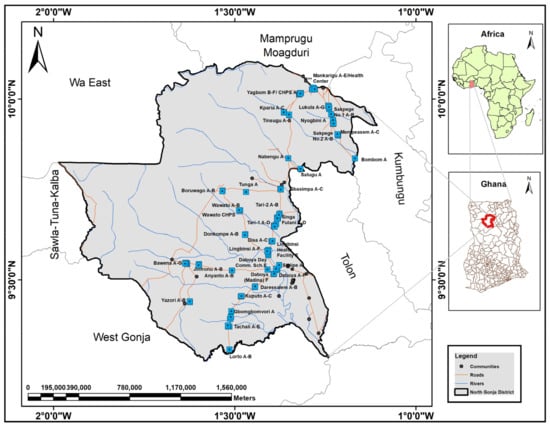
Drinking Water Quality and Health Risk Assessment in Rural Ghana: Evidence from North-East and North Gonja Districts in the Savannah Region
by
Elvis Kichana, Solomon A. Minyila, Braimah Apambire, Collins Gbeti, Abukari Wumbei and Fati Alhassan
Int. J. Environ. Res. Public Health 2026, 23(6), 821; https://doi.org/10.3390/ijerph23060821 (registering DOI) - 22 Jun 2026
Abstract
►▼
Show Figures
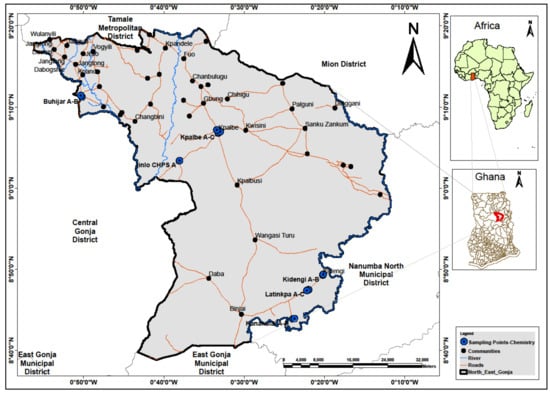
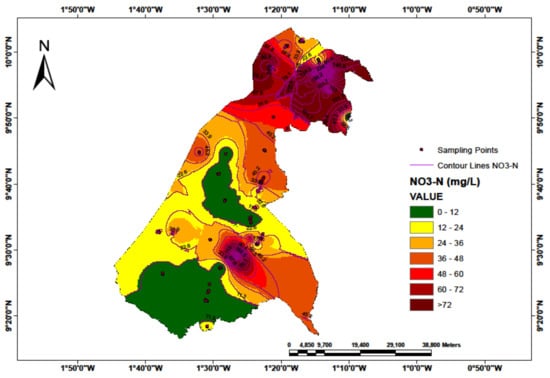
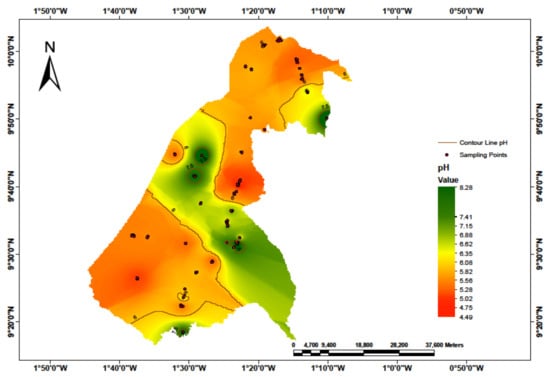
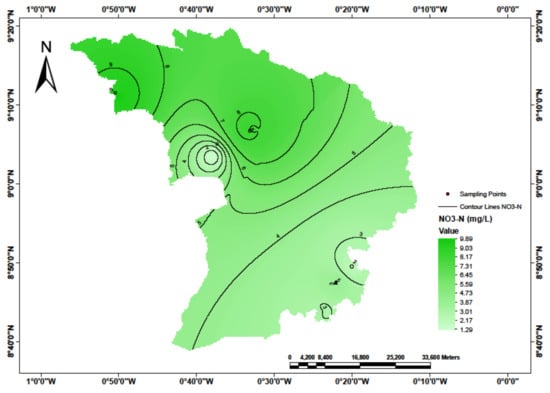
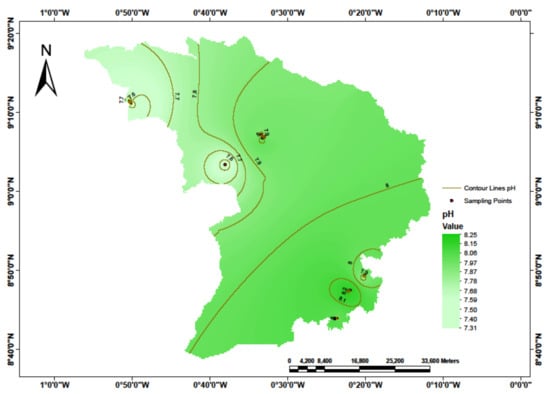
Background: Access to safe drinking water remains a critical public health concern in rural Ghana, particularly in climatically vulnerable and underserved settings. This study assessed the microbiological and chemical quality of drinking water and evaluated nitrate-related health risks in the North Gonja and
[...] Read more.
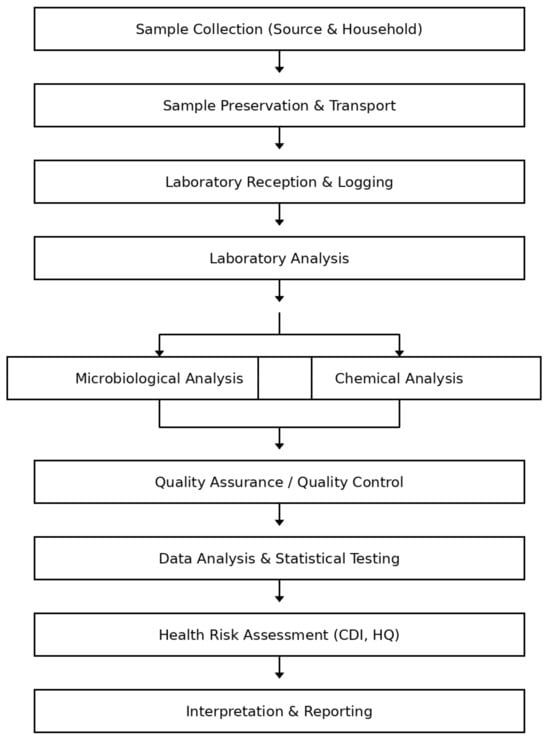
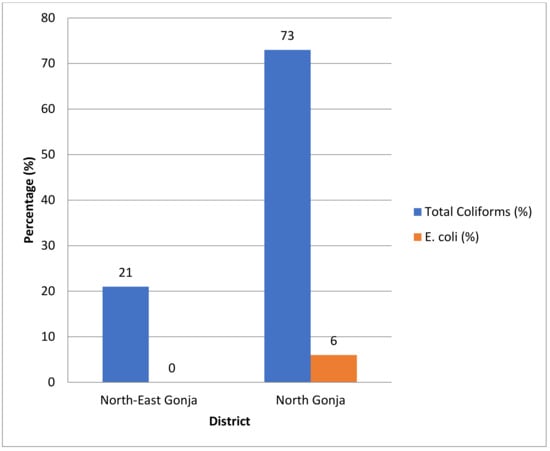
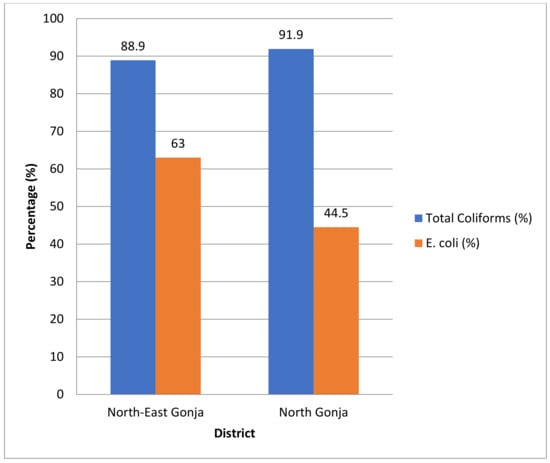
Background: Access to safe drinking water remains a critical public health concern in rural Ghana, particularly in climatically vulnerable and underserved settings. This study assessed the microbiological and chemical quality of drinking water and evaluated nitrate-related health risks in the North Gonja and North-East Gonja Districts of the Savannah Region. Methods: A cross-sectional study was conducted between January and March 2025. A total of 460 water samples were collected from groundwater sources and household storage containers. Microbial analyses targeted total coliforms and Escherichia coli. Physicochemical and chemical parameters included nitrate-nitrogen, pH, residual chlorine, major ions, and trace metals. Data was analyzed using descriptive statistics, chi-square tests, spatial interpolation, and non-carcinogenic health risk assessment based on the hazard quotient (HQ) approach. Results: Widespread microbial contamination was observed, with 91.5% of household water samples positive for total coliforms and 46.6% for E. coli. Contamination of source water was significantly higher in North Gonja than in North-East Gonja. Overall, 49.1% (n = 55) of groundwater sources exceeded the World Health Organization guideline value for nitrate-nitrogen, with exceedances predominantly occurring in North Gonja. Additionally, 67.0% (n = 75) of samples were outside the acceptable pH range (6.5–8.5), including 74 samples below 6.5 and one above 8.5. Residual chlorine was not detected in any of the samples. Health risk assessment indicated potential non-carcinogenic risks associated with nitrate exposure, particularly among infants and children. Conclusions: The study demonstrates significant microbial contamination and nitrate-related health risks in the study area, particularly in North Gonja. Interventions such as improved source protection, routine water quality monitoring, chlorination, household water treatment, and implementation of Water Safety Plans are recommended to enhance drinking water safety and reduce associated public health risks.
Full article

Figure 1
Open AccessArticle
Physical Activity of University Students During COVID-19 Restrictions: Evidence from Poland
by
Piotr Gabryjończyk, Anna Jęczmyk, Monika Wojcieszak-Zbierska, Jarosław Uglis and Jan Zawadka
Int. J. Environ. Res. Public Health 2026, 23(6), 820; https://doi.org/10.3390/ijerph23060820 (registering DOI) - 20 Jun 2026
Abstract
This study aims to empirically analyze the patterns, intensity, and perceived barriers to physical activity among Polish university students during the COVID-19 pandemic. The research utilized a diagnostic survey method, employing a questionnaire. The online survey was conducted from December 2020 to May
[...] Read more.
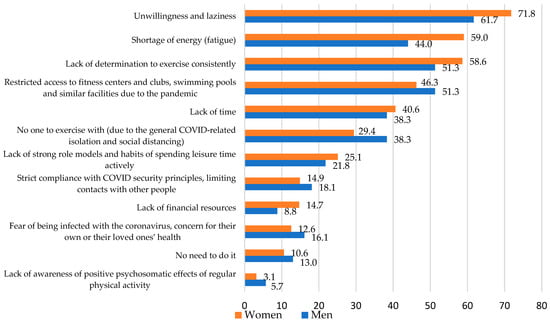
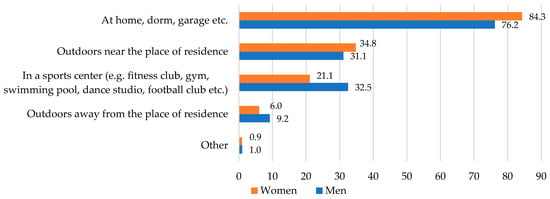
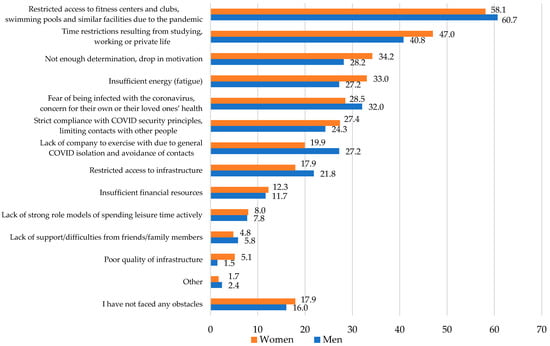
This study aims to empirically analyze the patterns, intensity, and perceived barriers to physical activity among Polish university students during the COVID-19 pandemic. The research utilized a diagnostic survey method, employing a questionnaire. The online survey was conducted from December 2020 to May 2022 via the Webankieta.pl platform. The minimum sample size, calculated using the standard formula for estimating a proportion in a large population, was set at 1100 participants and was exceeded, with 1260 students providing valid responses. The results show that over half (55.8%, mainly women) of the respondents did not participate in regular physical activity during the pandemic. Participants cited lack of desire, fatigue, and low motivation—not pandemic restrictions—as primary reasons. Conversely, 44.2% of respondents, mostly men, reported engaging in regular physical activity. Most engaged in moderate-intensity activities two to five times a week, with vigorous activities performed slightly less often. Women were more likely to do both types, while men favored strength training. The most common activities included walking (61.6%), simple gymnastic exercises (43.1%), strength training with equipment (35.0%), cycling (34.5%), and calisthenics (30.2%). The majority (81.3%) exercised at home or nearby (33.4%). Reported barriers, especially among those who exercised regularly, were pandemic-related, such as limited or closed access to gyms, fitness centers, and pools (59.1%), along with time constraints (44.7%) and low motivation or determination (32.0%). The findings emphasize the importance of targeted interventions to boost physical activity among university students, particularly women and those with fewer financial resources. Universities should consider implementing programs that promote accessible, regular activity and initiatives to enhance motivation and foster long-term, health-promoting habits.
Full article
(This article belongs to the Special Issue Physical Activity and Its Association with Health in University Students)
►▼
Show Figures

Figure 1
Open AccessArticle
Assessment of Occupational Health and Safety Hazards in Mosquito Control Personnel in North Carolina and Virginia, USA
by
Naina Sharma Bastakoti, Stephanie L. Richards, Avian White and Jo Anne Balanay
Int. J. Environ. Res. Public Health 2026, 23(6), 819; https://doi.org/10.3390/ijerph23060819 (registering DOI) - 19 Jun 2026
Abstract
Mosquito control personnel work within health departments, public works, private companies, and other agencies. These essential outdoor workers have highly specialized training and are faced with a variety of potential health and safety hazards (e.g., arthropod bites and stings, exposure to insecticides and
[...] Read more.
Mosquito control personnel work within health departments, public works, private companies, and other agencies. These essential outdoor workers have highly specialized training and are faced with a variety of potential health and safety hazards (e.g., arthropod bites and stings, exposure to insecticides and other chemicals, working with heavy equipment, noise, heat, solar ultraviolet radiation, slips, trips, and/or falls). Mosquito control personnel undergo employer-provided and other types of training on a variety of topics from regulatory updates to new surveillance and control techniques that are required for safety purposes and to maintain their applicator license. Here, an exploratory baseline survey was conducted among members of the North Carolina Mosquito and Vector Control Association (NCMVCA) and the Virginia Mosquito Control Association (VMCA). There was a 28% response rate so results should be interpreted with caution in this pilot study. Most respondents reported utilizing ultra-low volume insecticide application equipment for controlling adult mosquitoes. Backpack sprayers were utilized by less than half of respondents. Those who reported using respirators showed higher concern about insecticide-related health effects than those who did not use respirators. Outdoor workers encounter various potential hazards and utilize several forms of personal protective equipment to reduce risks. This baseline work can be considered a starting point for implementing and strengthening occupational safety and health awareness and preventive measures for mosquito control workers. Knowledge of health and safety hazards can reduce workplace risk.
Full article
Journal Menu
► ▼ Journal Menu-
- IJERPH Home
- Aims & Scope
- Editorial Board
- Reviewer Board
- Topical Advisory Panel
- Instructions for Authors
- Special Issues
- Topics
- Sections & Collections
- Article Processing Charge
- Indexing & Archiving
- Editor’s Choice Articles
- Most Cited & Viewed
- Journal Statistics
- Journal History
- Journal Awards
- Society Collaborations
- Editorial Office
Journal Browser
► ▼ Journal Browser-
arrow_forward_ios
Forthcoming issue
arrow_forward_ios Current issue - Vol. 23 (2026)
- Vol. 22 (2025)
- Vol. 21 (2024)
- Vol. 20 (2023)
- Vol. 19 (2022)
- Vol. 18 (2021)
- Vol. 17 (2020)
- Vol. 16 (2019)
- Vol. 15 (2018)
- Vol. 14 (2017)
- Vol. 13 (2016)
- Vol. 12 (2015)
- Vol. 11 (2014)
- Vol. 10 (2013)
- Vol. 9 (2012)
- Vol. 8 (2011)
- Vol. 7 (2010)
- Vol. 6 (2009)
- Vol. 5 (2008)
- Vol. 4 (2007)
- Vol. 3 (2006)
- Vol. 2 (2005)
- Vol. 1 (2004)
Highly Accessed Articles
Latest Books
E-Mail Alert
News
Topics
Topic in
IJERPH, Microplastics, Polymers, Toxics
Plastic Contamination (Plastamination): An Environmental and Public Health-Related Concern
Topic Editors: Rosaria Meccariello, Antonino Testa, Francesco Cappello, Antonietta SantoroDeadline: 30 June 2026
Topic in
IJERPH, Medicina, Hospitals, Healthcare, Safety, Geriatrics
The Imperative of Patient Safety and Safety Culture in Contemporary Healthcare
Topic Editors: Hana Brborović, Ognjen Brborovic, Reinhard StrametzDeadline: 8 July 2026
Topic in
Behavioral Sciences, Children, Healthcare, IJERPH, JFMK, Obesities
The Effect of Physical Activity on the Population's Health
Topic Editors: Stefania Paduano, Federica ValerianiDeadline: 31 August 2026
Topic in
Behavioral Sciences, Children, EJIHPE, IJERPH, Healthcare
Mental Health and the 2030 Sustainable Development Agenda: Old Problems and New Perspectives
Topic Editors: Carlos Laranjeira, Ana QueridoDeadline: 31 October 2026
Special Issues
Special Issue in
IJERPH
Integration of Cyberspace Behavior and E-Therapy in Mental Health Care
Guest Editors: Jorge Oliveira, Pedro Gamito, Sofia Mateus FranciscoDeadline: 30 June 2026
Special Issue in
IJERPH
Active Health Promotion in Older Age
Guest Editor: Luis Henrique Telles da RosaDeadline: 30 June 2026
Special Issue in
IJERPH
Silent Scars: Violence, Trauma and the Health Equity of Women and Children
Guest Editor: Obasanjo BolarinwaDeadline: 30 June 2026
Special Issue in
IJERPH
Indigenous Foods: Bridging Tradition and Innovation for Global Nutrition and Health
Guest Editors: Hema Kesa, Alex Tchuenchieu KamgainDeadline: 30 June 2026
Topical Collections
Topical Collection in
IJERPH
Bullying, Cyberbullying, Dating Violence, and Cyber Dating Violence in Adolescence
Collection Editor: María-Jesús Cava
Topical Collection in
IJERPH
2nd Edition of Achieving Environmental Health Equity: Great Expectations
Collection Editors: Timothy E. Ford, Margaret J. Eggers