Journal Description
International Journal of Environmental Research and Public Health
(IJERPH) is a transdisciplinary, peer-reviewed, open access journal that covers global health, healthcare sciences, behavioral and mental health, infectious diseases, chronic diseases and disease prevention, exercise and health related quality of life, environmental health and environmental sciences, and is published monthly online by MDPI. The International Society Doctors for the Environment (ISDE), Italian Society of Environmental Medicine (SIMA) and Environmental Health Association of Québec (ASEQ‑EHAQ) are affiliated with IJERPH and their members receive discounts on the article processing charges.
- Open Access— free for readers, with article processing charges (APC) paid by authors or their institutions.
- High Visibility: indexed within Scopus, PubMed, MEDLINE, PMC, Embase, GEOBASE, CAPlus / SciFinder, and other databases.
- Journal Rank: CiteScore - Q1 (Public Health, Environmental and Occupational Health)
- Rapid Publication: manuscripts are peer-reviewed and a first decision is provided to authors approximately 24 days after submission; acceptance to publication is undertaken in 3.8 days (median values for papers published in this journal in the first half of 2026).
- Recognition of Reviewers: Reviewers whose reports are timely and of high quality receive an APC discount voucher for a future publication in an MDPI journal. Become a reviewer.
- Sections: published in 7 topical sections.
- Journal Cluster of Public Health: International Journal of Environmental Research and Public Health, Infectious Disease Reports, Epidemiologia, Occupational Health, International Journal of Environmental Medicine (IJEM), Journal of Market Access & Health Policy (JMAHP), Hygiene, Trends in Public Health, Digital Health and Innovation (DHI), Green Health and Health Economics and Policy.
- Companion journal: Trends in Public Health
Latest Articles
Climate-Related Weather Events, Natural Hazards, Financial Hardship, and Health Outcomes in South Asia: A Scoping Review
Int. J. Environ. Res. Public Health 2026, 23(10), 1278; https://doi.org/10.3390/ijerph23101278 - 30 Sep 2026
Abstract
Background: The increasing frequency and severity of climate-related extreme weather events and natural hazards pose catastrophic risks to rural and financially deprived communities across South Asia. These shocks exacerbate financial hardship and have adverse health consequences, particularly where health systems are poorly resourced.
[...] Read more.
Background: The increasing frequency and severity of climate-related extreme weather events and natural hazards pose catastrophic risks to rural and financially deprived communities across South Asia. These shocks exacerbate financial hardship and have adverse health consequences, particularly where health systems are poorly resourced. Yet these links remain poorly understood. This scoping review examines the relationship between climate shocks and natural hazards, financial hardship, and health outcomes in South Asia. Methods: Following the PRISMA guidelines, peer-reviewed articles published between 2010 and 2026 were searched across PubMed, Environmental Impact, Google Scholar, and UNDP and WHO Southeast Asia e-databases. A total of thirteen studies met the inclusion criteria and were included in this review. Findings: Studies originated predominantly from Bangladesh, India, Nepal, and Pakistan. Climate shocks and hazards drove financial hardship through income loss, asset depletion, and forced displacement, with cascading health consequences, including psychological distress and suicidal ideation, particularly among men, pregnant women, survivors of violence, and elderly women, alongside food insecurity, chronic disease mismanagement, and delayed or foregone healthcare due to affordability barriers. Conclusions: Building on our conceptual framework that shows the links between climate and natural hazards, financial hardship, and adverse health impacts, social protection and financial safety nets in climate-vulnerable regions may help buffer households, particularly for elderly, female-headed households, and reproductive-aged women. We also highlight an important gap: the concentration of findings in Bangladesh warrants more country-specific evidence to inform local health action and policy responses that support health and community resilience.
Full article
(This article belongs to the Special Issue Achieving Health Equity: Overcoming Barriers to Care for Underserved and Systematically Marginalized and Excluded Populations)
Open AccessReview
The Role of Psychiatric Advance Directives in Addressing Mental Health Disparities in Africa: A Scoping Review
by
Miriam Mmamphamo Moagi and David Sidney Mangwegape
Int. J. Environ. Res. Public Health 2026, 23(10), 1277; https://doi.org/10.3390/ijerph23101277 - 30 Sep 2026
Abstract
Background: Psychiatric advance directives are essential for upholding human rights, improving access to mental health care, and ultimately achieving universal health coverage. Despite an emerging body of research, there is no prior synthesis that sought to map the evidence on the roles of
[...] Read more.
Background: Psychiatric advance directives are essential for upholding human rights, improving access to mental health care, and ultimately achieving universal health coverage. Despite an emerging body of research, there is no prior synthesis that sought to map the evidence on the roles of PADs in addressing mental health disparities in Africa. Methods: A scoping review was conducted according to Arksey and O’Malley’s framework and adhered to the Preferred Reporting Items for Systematic Reviews and Meta-Analyses Extension for Scoping Reviews (PRISMA-ScR) reporting standards. Results: A total of 27 publications published between 2008 and 2026 met the inclusion criteria. The following thematic domains emerged: (1) mental health disparities associated with advance directives; (2) mental health acts and legislation that do not align with PADs; (3) barriers to implementation of PADs; (4) the need for advance directives to align with African values; (5) recommendations for improvement. Conclusions: There is a paucity of studies that address the role of psychiatric advance directives in addressing mental health disparities in the African region, indicating the main conclusions or interpretations. Evidence from the study remains limited and heterogeneous which calls for more research on this phenomenon.
Full article
(This article belongs to the Special Issue Role of Social Determinants in Health of Vulnerable Groups)
Open AccessArticle
Household Food Consumption in Kazakhstan 2001–2025: National Observations and Recent Regional and Socioeconomic Contrasts
by
Bolat Sadykov, Altyn Aringazina, Almaz Sharman, Akkumis Salkhanova, Aigul Sharipbayeva, Batyrbek Assembekov, Marat Shoranov and Ildar Fakhradiyev
Int. J. Environ. Res. Public Health 2026, 23(10), 1276; https://doi.org/10.3390/ijerph23101276 - 30 Sep 2026
Abstract
Published household statistics describe food quantities and budget allocation but do not directly measure individual dietary intake. This study examined food-group-specific socioeconomic and household-composition contrasts and food-purchase expenditure distributions in Kazakhstan in 2025. An ecological repeated cross-sectional study used official household survey aggregates.
[...] Read more.
Published household statistics describe food quantities and budget allocation but do not directly measure individual dietary intake. This study examined food-group-specific socioeconomic and household-composition contrasts and food-purchase expenditure distributions in Kazakhstan in 2025. An ecological repeated cross-sectional study used official household survey aggregates. Regional maps reproduced published fruit and fish indicators for 2025. Recent regional urban–rural comparisons covered 2022–2025, with the principal interpretation restricted to 11 oblasts not involved in the 2022 regional splits; six oblasts with estimated 2022 values were displayed separately. The national annual series for 2001–2025 was retained as historical context rather than a fully harmonised estimate of dietary change. In 2025, the highest population decile of per capita income used for consumption had a fish indicator 3.9 times that of the lowest decile; corresponding ratios were approximately 3.3 for meat, milk/dairy products and fruit and 1.5 for bread/cereal products. Per capita indicators were lower across all ten food groups in households with five or more members than in one-person households. Food purchases exceeded 50% of consumer expenditure in 64.0% of households and 71.7% of households with five or more children. Recent regional changes differed by food group and urban–rural category. These descriptive findings identify contrasts in household apparent consumption and expenditure allocation. They do not establish individual dietary adequacy, food-insecurity prevalence, household-level associations between separately tabulated indicators, or independent causal effects.
Full article
(This article belongs to the Special Issue Food Consumption, Nutrition and Public Health in Scarce Resource Communities)
Open AccessArticle
Evaluating the Implementation Strategy of a Labor Integration Intervention Designed to Promote Health Among Highly Educated Migrants in Norway: A Qualitative Study
by
Khadra Yasien Ahmed, Astrid Blystad, Lars Fadnes, Bernadette Kumar, Wegdan Hasha and Esperanza Diaz
Int. J. Environ. Res. Public Health 2026, 23(10), 1275; https://doi.org/10.3390/ijerph23101275 - 30 Sep 2026
Abstract
Background: Health, employment, and professional integration are closely linked for migrant health professionals. However, language barriers and complex accreditation processes often hinder foreign-trained professionals from re-entering their fields in host countries. This study evaluated the implementation strategy of a health-promoting labor integration intervention
[...] Read more.
Background: Health, employment, and professional integration are closely linked for migrant health professionals. However, language barriers and complex accreditation processes often hinder foreign-trained professionals from re-entering their fields in host countries. This study evaluated the implementation strategy of a health-promoting labor integration intervention in Norway that placed highly educated migrant health professionals in academic institutions as assistant teachers, where they worked alongside mentors and gained exposure to Norwegian work culture. Methods: A qualitative implementation evaluation informed by implementation science was conducted, focusing on four predefined implementation outcomes: satisfaction, participation, fidelity, and feasibility. Data were collected in Bergen, Norway, through field observations and midway evaluations during the intervention, and semi-structured interviews with 15 mentees and 11 mentors after its completion. Interviews were transcribed and analyzed using Braun and Clarke’s reflexive thematic analysis. Results: Mentees reported increased confidence, professional growth, and meaningful engagement in academic activities. Mentors generally perceived the intervention as rewarding, although some experienced challenges related to unclear expectations and competing responsibilities. Fidelity varied across sites due to mentor–mentee mismatches and bureaucratic delays. Feasibility was enhanced by personalized support, team-based mentoring, and flexible integration into academic settings. Conclusions: Academic placements may promote the integration and wellbeing of migrant health professionals. Addressing implementation challenges before scale-up is essential. Future larger-scale effectiveness studies should build on both the implementation findings reported here and the pilot outcome findings reported elsewhere to assess intervention effects, sustainability, and scalability:
Full article
(This article belongs to the Special Issue 2nd Edition: Workplace Health and Wellbeing Research and Evaluation)
Open AccessArticle
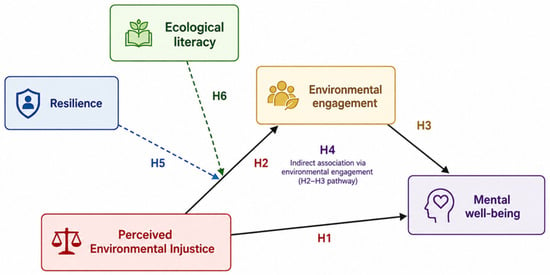
Perceived Environmental Injustice and Mental Well-Being in Southern Nigeria: A Cross-Sectional Structural Equation Model of Environmental Engagement, Resilience, and Ecological Literacy
by
Addah Temple Tamuno-opubo, Oluwafemi Daniel Adebisi, Dare Azeez Fagbenro, Johnson Adedeji Olusola, Korede Victor Ajayi, Kelechi Ikechukwu Ndubueze, Adekemi Fatimah Gbadebo, Damilola Bukola Lawal, Prince Edisemi Ali, David Okanandu Iloma, Atlegang Mputle, Wandile Fundo Tsabedze and Curwyn Mapaling
Int. J. Environ. Res. Public Health 2026, 23(10), 1274; https://doi.org/10.3390/ijerph23101274 - 30 Sep 2026
Abstract
Background: Environmental degradation in Southern Nigeria exposes many communities to pollution, flooding, deforestation, and related ecological stressors, yet the psychosocial links between perceived environmental injustice and mental well-being remain insufficiently examined in African settings. This study investigated the associations among perceived environmental injustice,
[...] Read more.
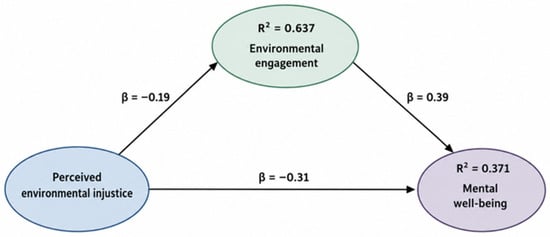
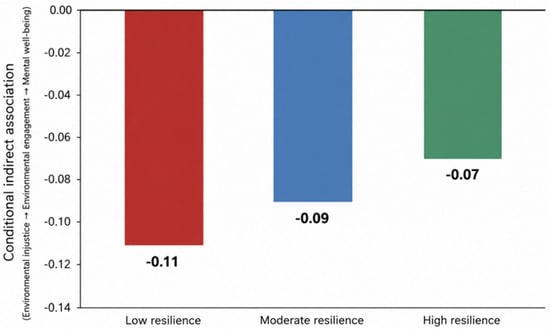
Background: Environmental degradation in Southern Nigeria exposes many communities to pollution, flooding, deforestation, and related ecological stressors, yet the psychosocial links between perceived environmental injustice and mental well-being remain insufficiently examined in African settings. This study investigated the associations among perceived environmental injustice, environmental engagement, resilience, ecological literacy, and mental well-being within a cross-sectional structural model. Methods: A cross-sectional quantitative study was conducted among 2009 adults recruited from selected communities in Southern Nigeria using a multistage, purposive sampling approach. Participants completed measures of mental well-being (WHO-5), perceived environmental injustice, environmental engagement, resilience (CD-RISC-10), ecological literacy, and sociodemographic characteristics. Confirmatory factor analysis and structural equation modelling were conducted in SmartPLS 4. Direct, indirect, and conditional indirect associations were estimated using 5000 bootstrap resamples. Results: Perceived environmental injustice was negatively associated with mental well-being (β = −0.31, p < 0.001) and with environmental engagement in the adjusted structural model (β = −0.19, p < 0.001). Environmental engagement was positively associated with mental well-being (β = 0.39, p < 0.001). The cross-sectional indirect association through environmental engagement was significant (β = −0.07, p < 0.001). The index of the conditional indirect association involving resilience was significant (β = −0.01, p < 0.001), with the negative indirect association stronger at lower resilience levels. In contrast, the index involving ecological literacy was not statistically significant (β = −0.00, p = 0.15). Conclusions/Recommendations: Perceived environmental injustice was associated with poorer mental well-being, while environmental engagement and resilience were relevant to the observed cross-sectional pattern. Responses to environmentally burdened communities should combine environmental governance and remediation with community engagement and psychosocial support. Longitudinal and qualitative research is needed to clarify temporal direction and contextual mechanisms.
Full article
(This article belongs to the Special Issue Climate Minds: Advancing Mental Health, Public Health Policy, and Interventions in a Warming World)
►▼
Show Figures

Figure 1
Open AccessArticle
Factors Associated with Employment, Household Income and Income Satisfaction Following Spinal Cord Injury in South Africa
by
Eugene Nizeyimana, Quinette Louw, Mokgadi Kholofelo Mashola and Conran Joseph
Int. J. Environ. Res. Public Health 2026, 23(10), 1273; https://doi.org/10.3390/ijerph23101273 - 30 Sep 2026
Abstract
Paid employment, household income and income satisfaction are distinct post-SCI socioeconomic outcomes that may reflect not only injury severity but also broader social and system-level influences. This study examined factors associated with these three outcomes among adults living with SCI in South Africa.
[...] Read more.
Paid employment, household income and income satisfaction are distinct post-SCI socioeconomic outcomes that may reflect not only injury severity but also broader social and system-level influences. This study examined factors associated with these three outcomes among adults living with SCI in South Africa. This cross-sectional secondary analysis used data collected during the South African implementation of the second International Spinal Cord Injury (InSCI) Community Survey, which constituted a new round of data collection. Community-dwelling adults aged 18 years or older and at least 12 months post-injury were recruited from four provinces using a pragmatic convenience-sampling approach; 461 participants were included. Hierarchical regression models assessed injury-related, sociodemographic and system/environmental factors, interpreted through a social-determinants-of-health lens. Injury-related factors explained little variance overall, whereas education was consistently associated with all three outcomes. In the final employment model, each additional system/environmental barrier was associated with lower odds of paid employment (OR 0.77, 95% CI 0.66–0.89). The barrier score was not associated with household income but was associated with lower odds of income satisfaction (OR 0.83, 95% CI 0.72–0.95). These cross-sectional findings indicate that post-SCI employment and financial outcomes were associated with factors beyond lesion characteristics alone; they do not establish causal relationships. Sensitivity analysis using the original 1–10 income-satisfaction scale retained the strong education pattern, whereas the barrier-count association was attenuated and did not reach conventional statistical significance (p = 0.076). The cumulative system/environmental barrier count was exploratory and was not a validated psychometric scale. Because recruitment was service-linked and restricted to four purposively selected provinces, the findings should not be interpreted as nationally representative.
Full article
Open AccessCorrection
Correction: Hu et al. A Multistate Study on Housing Factors Influential to Heat-Related Illness in the United States. Int. J. Environ. Res. Public Health 2022, 19, 15762
by
Ming Hu, Kai Zhang, Quynh Camthi Nguyen and Tolga Tasdizen
Int. J. Environ. Res. Public Health 2026, 23(10), 1272; https://doi.org/10.3390/ijerph23101272 - 30 Sep 2026
Abstract
Krupali Uplekar Krusche was removed from the list of authors in the original publication [...]
Full article
Open AccessArticle
Care Plateaus, Peaks, and Loops: Insights on Stress from Family Carers for Older Adults
by
Alexa Carson and Ito Peng
Int. J. Environ. Res. Public Health 2026, 23(10), 1271; https://doi.org/10.3390/ijerph23101271 - 30 Sep 2026
Abstract
With an aging demographic and increasingly stretched care services in many countries, the issue of unpaid care for older adults is a growing concern for families and policy makers alike. Empirical evidence highlights how unpaid caregiving can be a stressful and challenging experience.
[...] Read more.
With an aging demographic and increasingly stretched care services in many countries, the issue of unpaid care for older adults is a growing concern for families and policy makers alike. Empirical evidence highlights how unpaid caregiving can be a stressful and challenging experience. In this paper, we draw from and build on the stress process model, which conceptualizes caregiver well-being and mental health as outcomes of primary and secondary stressors within social context, as well as relational framing from intersectional life course theory and feminist political economics. Based on 57 in-depth interviews with unpaid caregivers for older adults across Canada, we articulate two non-mutually exclusive themes that add nuance to understandings of caregiver stress. First, many caregivers describe their caregiving in “plateaus and peaks,” with minimal stress much of the time and spikes in stress at moments of crisis and transition. However, there are outlier cases of chronically stressed carers, with evidence that gender, socioeconomic status and complex care situations inequitably shape caregiver experiences. Second, some care journeys involve “loops,” with care for one senior ending, followed by care for another beginning shortly thereafter, a novel articulation of multiple care which was found to influence caregiver decisions and meaning-making about care.
Full article
(This article belongs to the Special Issue Long-Term Care and Aging: Evolving Needs, Challenges, and Solutions)
Open AccessArticle
Distribution of Urinary Incontinence Subtypes and Their Associated Factors Among Women Attending a Tertiary Care Centre in the UAE
by
Adhya Miriam Tom, Liju Susan Mathew, Shameema Muhammed, Neena Thomas Eapen, Jayadevan Sreedharan and Jayakumary Muttappallymyalil
Int. J. Environ. Res. Public Health 2026, 23(10), 1270; https://doi.org/10.3390/ijerph23101270 - 30 Sep 2026
Abstract
Urinary incontinence (UI) is a common problem in women and can have negative effects on physical, psychological, social and sexual health. There is limited evidence on its distribution and associated factors in the United Arab Emirates (UAE). The objective of this study was
[...] Read more.
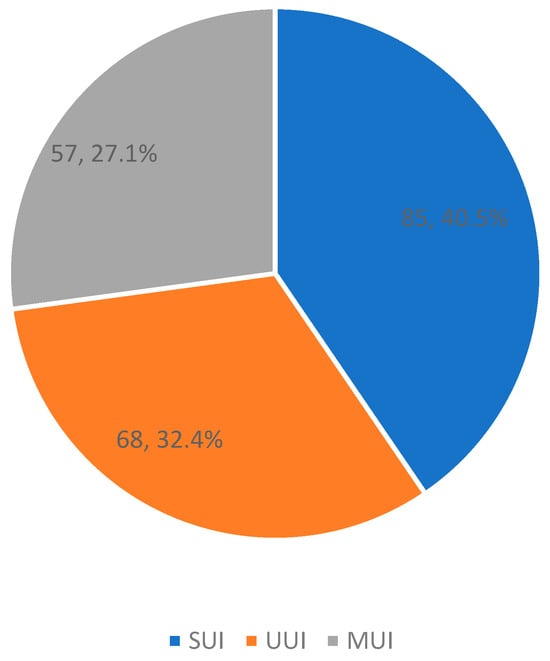
Urinary incontinence (UI) is a common problem in women and can have negative effects on physical, psychological, social and sexual health. There is limited evidence on its distribution and associated factors in the United Arab Emirates (UAE). The objective of this study was to determine the distribution of UI subtypes and to study the association of UI with selected sociodemographic, obstetric and gynaecological factors among women attending a tertiary care center in the UAE. A retrospective observational study was conducted in a tertiary hospital in Ajman, UAE, utilising the medical records of women with documented or reported UI from January 2021 to January 2026. Sociodemographic, anthropometric, obstetric, and gynaecological data were extracted by a structured proforma and reviewed by a specialist. Associations between categorical variables and UI subtype were evaluated using Chi-square or Fisher’s exact tests. Statistical significance was set at p ≤ 0.05. Among the 210 women included, the most common subtype was SUI (40.5%), followed by UUI (32.4%) and MUI (27.1%). Age was significantly associated with UI subtype (p = 0.012). SUI was more common in women aged 30–49 years and MUI in those aged ≥50 years. Subtype was also significantly associated with menopausal status (p = 0.012) and pelvic organ prolapse (p = 0.002). Nationality, BMI, parity, mode of delivery and pelvic surgery were not significantly associated. Early identification and focused evaluation may allow for timely intervention. More generalisable estimates of UAE will require prospective multicentre studies.
Full article
(This article belongs to the Special Issue Public Health Strategies for Epidemiological Interventions in Women and Children)
►▼
Show Figures

Figure 1
Open AccessArticle
Mortality Due to Mental and Behavioral Disorders Before, During, and After the COVID-19 Public Health Emergency in Espírito Santo, Brazil: A Population-Based Ecological Time-Series Study
by
Marcelo Matieli da Silva Filho, Alciéllen Mendes da Silva, Antonio Almeida de Barros Junior, Eduardo Frizzera Meira, Juliana Alvares-Teodoro, Michael Ruberson Ribeiro da Silva and Jéssica Barreto Ribeiro dos Santos
Int. J. Environ. Res. Public Health 2026, 23(10), 1269; https://doi.org/10.3390/ijerph23101269 - 30 Sep 2026
Abstract
Background: Public health crises may disrupt mental health care and alter mortality patterns. We analyzed temporal patterns in mortality from mental and behavioral disorders in Espírito Santo, Brazil, from 2010 to 2024, encompassing the pre-pandemic, COVID-19 emergency, and subsequent periods. Methods: We conducted
[...] Read more.
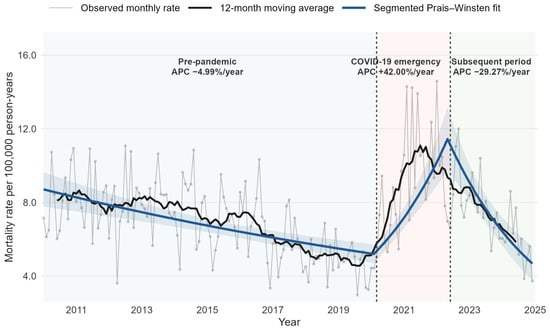
Background: Public health crises may disrupt mental health care and alter mortality patterns. We analyzed temporal patterns in mortality from mental and behavioral disorders in Espírito Santo, Brazil, from 2010 to 2024, encompassing the pre-pandemic, COVID-19 emergency, and subsequent periods. Methods: We conducted a population-based ecological time-series study using data from the Brazilian Mortality Information System from 2010 to 2024. We included deaths among residents of Espírito Santo whose underlying cause was coded as F00–F99 in the International Statistical Classification of Diseases and Related Health Problems, 10th Revision (ICD-10). Monthly mortality rates were analyzed using a continuous segmented Prais–Winsten regression of log10-transformed rates, with prespecified transitions in March 2020 and June 2022 and adjustment for calendar-month seasonality. Segment-specific annual percent changes (APCs) and 95% confidence intervals were estimated. Results: We identified 4256 deaths. Males accounted for 79.0% of deaths, and alcohol dependence syndrome accounted for 68.0% of deaths. Mortality decreased during the pre-pandemic period (APC, −4.99%; 95% CI, −6.63% to −3.32%; p < 0.001), increased markedly during the COVID-19 emergency period (APC, +42.00%; 95% CI, 30.24% to 54.81%; p < 0.001), and decreased during the subsequent period (APC, −29.27%; 95% CI, −36.73% to −20.93%; p < 0.001). Alcohol dependence remained the predominant underlying cause, while disorders related to multiple drug use and cocaine gained relative importance. Conclusions: Mortality from mental and behavioral disorders showed a marked increase during the COVID-19 emergency followed by a subsequent decline. These findings reinforce the importance of continuous mortality surveillance and maintaining access to mental health and substance use disorder care during periods of health-system disruption.
Full article
(This article belongs to the Section Behavioral and Mental Health)
►▼
Show Figures

Figure 1
Open AccessSystematic Review
Are Virtual, Home-Based Models of Care Safe and Effective for Providing Pregnancy Care? A Systematic Review of the Literature from High-Income Countries
by
Sarah Murray, Deborah Fox, Kris Rogers, Helen Konowec and Vanessa Scarf
Int. J. Environ. Res. Public Health 2026, 23(10), 1268; https://doi.org/10.3390/ijerph23101268 - 29 Sep 2026
Abstract
Midwifery philosophy promotes optimising physiological processes for all women. However, when complications arise, women may be offered increased monitoring and/or admission to hospital. Research demonstrates negative experiences associated with this. Virtual care presents the opportunity for more individualised care and has shown higher
[...] Read more.
Midwifery philosophy promotes optimising physiological processes for all women. However, when complications arise, women may be offered increased monitoring and/or admission to hospital. Research demonstrates negative experiences associated with this. Virtual care presents the opportunity for more individualised care and has shown higher satisfaction with comparable outcomes to standard care, at similar or lower cost. Virtual pregnancy care is established in many countries, but implementation has been slow in Australia. The aim of this review is to evaluate the safety and effectiveness of antenatal virtual care models that incorporate telemonitoring of maternal and/or fetal wellbeing. A systematic search of the literature published since 2010 was conducted. Quantitative and mixed-methods studies were reviewed to provide a summary of contemporary evidence. Evidence on virtual care (with telemonitoring) delivered in the antenatal period was synthesised. Postpartum virtual care models were outside the scope of this review. Twenty-five publications were included. Studies examined diverse telemonitoring interventions, often supported by telehealth consultations with health professionals. Compared with standard care, including hospital admission, virtual models were associated with higher maternal satisfaction, reduced costs and service use, and were not associated with increased adverse perinatal outcomes. Further implementation research is needed to support broader adoption and ensure women can access flexible models of care.
Full article
(This article belongs to the Section Health Care Sciences)
Open AccessArticle
Exclusive Breastfeeding, Family Context, and Executive Function in Early Childhood: A Cross-Sectional Study in Khon Kaen, Thailand
by
Kusuma Prommalar Virte and Varisara Luvira
Int. J. Environ. Res. Public Health 2026, 23(10), 1267; https://doi.org/10.3390/ijerph23101267 - 29 Sep 2026
Abstract
Exclusive breastfeeding (EBF) for the first six months of life is recommended by the World Health Organization, but its association with executive function (EF) in early childhood remains uncertain. This study examined whether EBF during the first six months of life and breastfeeding
[...] Read more.
Exclusive breastfeeding (EBF) for the first six months of life is recommended by the World Health Organization, but its association with executive function (EF) in early childhood remains uncertain. This study examined whether EBF during the first six months of life and breastfeeding duration were associated with EF in early childhood and explored relevant child and family characteristics. We conducted an analytical cross-sectional study among 316 children aged 24–35 months attending the Well-Child Clinic, Health Promotion Hospital, Regional Health Promotion Center 7 Khon Kaen, Thailand. EF was assessed using the Minnesota Executive Function Scale (MEFS). The continuous MEFS Standard Score was used as the primary outcome and analyzed using multivariable linear regression. Post hoc exploratory analysis using the 55th percentile threshold and sensitivity analysis using the normative 50th percentile were also conducted. In the primary analysis, EBF was not statistically significantly associated with the MEFS Standard Score (adjusted β = −0.96, 95% CI: −2.13 to 0.21; p = 0.108). Child age was inversely associated with the MEFS Standard Score (adjusted β per 1-month increase = −0.29, 95% CI: −0.46 to −0.11; p = 0.002), whereas maternal education at the bachelor’s degree level or above was positively associated with EF (adjusted β = 2.44, 95% CI: 1.18 to 3.71; p < 0.001). Family functioning was not statistically significantly associated with EF in the primary continuous-score analysis (overall p = 0.319). The absence of a statistically significant association between EBF and EF was consistent across the alternative categorical outcome definitions. In contrast, the association with family functioning was only observed in the post hoc 55th percentile analysis and was not robust across outcome definitions. Breastfeeding duration as a continuous measure was not statistically significantly correlated with the MEFS Standard Score. In the post hoc exploratory analysis using the 55th percentile threshold, breastfeeding for >0 to 6 months was associated with higher odds of higher EF performance compared with no breastfeeding, whereas breastfeeding for >6 months was not. This pattern did not indicate a consistent dose–response association. These findings provide no statistically significant evidence of an association between EBF and EF in this sample, while maternal education was associated with EF performance. The findings regarding family functioning should be regarded as exploratory and hypothesis-generating.
Full article
(This article belongs to the Section Global Health)
Open AccessArticle
A Critique of Conceptual Frameworks and Models Applied in Climate Change-Driven Eco-Anxiety Research Focusing on Young Adults in OECD Countries: Guidelines for a Theoretical Trajectory of Future Eco-Anxiety Research
by
Chandana Rathnasiri Hewege, Chamila Roshani Perera and Balasankar Ganesan
Int. J. Environ. Res. Public Health 2026, 23(10), 1266; https://doi.org/10.3390/ijerph23101266 - 29 Sep 2026
Abstract
Eco-anxiety, commonly known as distress relating to perceived climate and ecological crises, is increasingly reported among young people, particularly in high-income and highly climate-exposed contexts such as Australia and other OECD countries. While empirical research on eco-anxiety has expanded rapidly, the underlying conceptual
[...] Read more.
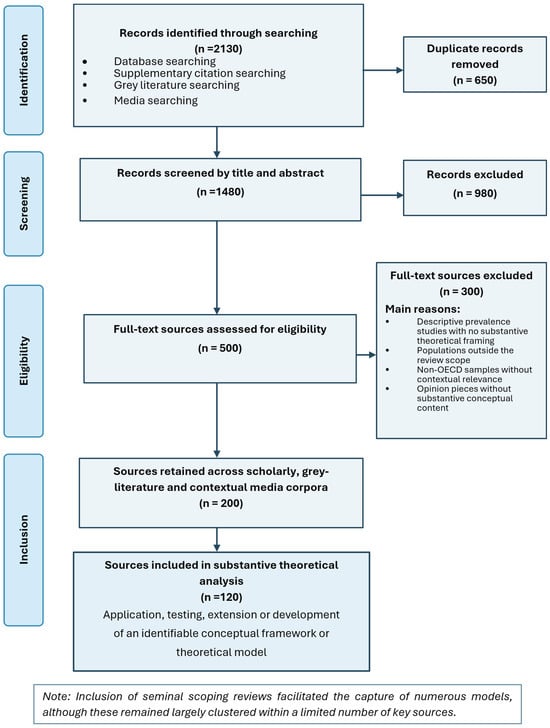
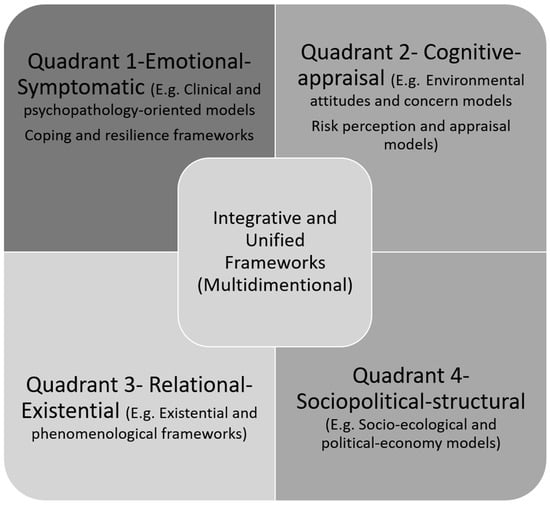
Eco-anxiety, commonly known as distress relating to perceived climate and ecological crises, is increasingly reported among young people, particularly in high-income and highly climate-exposed contexts such as Australia and other OECD countries. While empirical research on eco-anxiety has expanded rapidly, the underlying conceptual and theoretical frameworks remain fragmented, with limited consensus on definitions, mechanisms, and normative implications. This systematic conceptual review synthesises and critically evaluates the theoretical and conceptual models used to study eco-anxiety and related constructs among young adults in Australia and across OECD nations. By conducting a systematic search of multidisciplinary databases, the paper explores English-language studies published up to March 2026 that explicitly applied, developed, or implied conceptual frameworks of eco-anxiety or climate change anxiety in young adult samples. A broad array of models are grouped into a typology of seven families: (1) clinical and psychopathology-oriented models, (2) environmental attitudes and concern models, (3) risk perception and appraisal models, (4) existential and phenomenological frameworks, (5) socio-ecological and political-economy models, (6) coping and resilience frameworks, and (7) integrative and emergent eco-anxiety-specific frameworks. Across these families, eco-anxiety is variously conceptualised as a maladaptive symptom, a rational moral emotion, a driver of climate engagement, or a sociopolitical affect rooted in structural injustice. Major gaps include conflicting definitions, limited attention to developmental specificity in young adulthood, sparse cross-cultural and Indigenous perspectives in the Australian context, and insufficient theorisation of digital media, colonial histories, and policy in shaping eco-anxiety. The paper proposes a novel conceptual typology that locates eco-anxiety at the intersection of emotional, cognitive, relational, and sociopolitical processes. A future research trajectory underpinned by pragmatic theoretical bases that prioritise pluralistic, context-sensitive models and mixed-methods designs is suggested. Implications for measurement, intervention, and climate and mental health policy are discussed, with particular attention to young adults in Australia and OECD settings.
Full article
(This article belongs to the Topic Environmental Exposures, Disasters, and Population Health: Epidemiology and Evaluation)
►▼
Show Figures

Figure 1
Open AccessArticle
Oral Health Monitoring of Homebound Older Adults Using Teledentistry in Primary Health Care: A Pilot Pragmatic Randomized Feasibility Trial
by
Maria Eduarda Pes Basco, Gabriela Bampi, Eva María Rosel Gallardo, Jose Antonio Gil Montoya, Gabriel Schmitt da Cruz and Ana Lúcia Schaefer Ferreira de Mello
Int. J. Environ. Res. Public Health 2026, 23(10), 1265; https://doi.org/10.3390/ijerph23101265 - 29 Sep 2026
Abstract
Population aging increases demand for home-based dental care, but access remains limited for homebound older adults. Although teledentistry can help overcome mobility barriers, its feasibility within routine Primary Health Care (PHC) requires further investigation. This pragmatic pilot trial evaluated a teledentistry protocol for
[...] Read more.
Population aging increases demand for home-based dental care, but access remains limited for homebound older adults. Although teledentistry can help overcome mobility barriers, its feasibility within routine Primary Health Care (PHC) requires further investigation. This pragmatic pilot trial evaluated a teledentistry protocol for monitoring homebound older adults. Six homebound older adults in the Brazilian PHC system were assigned to receive either one remote monitoring visit via a telehealth platform or one conventional home visit over three weeks. Feasibility was assessed using the Acceptability, Adequacy, and Feasibility measures of the intervention (scale 1 to 5), along with diagnostic instruments (OFI-8, OHIP-14, Kihon Checklist). In this small pilot sample, descriptive trends of adequacy (3.5), feasibility (3.3), and acceptability (3.0) were presented, with the acceptability score sitting exactly at the predefined 3.0 progression threshold. Digital literacy barriers may have influenced participation and frequently required caregiver mediation. Remote data collection appeared stable in this pilot setting. The intervention group showed a descriptive worsening of OHIP-14 scores, which future studies can examine. In conclusion, while preliminary observations suggest that remote monitoring could be delivered in this small pilot sample, digital literacy challenges indicate that a hybrid model—combining teledentistry with targeted in-person visits—should be examined in larger, future trials as a potentially more equitable approach.
Full article
(This article belongs to the Special Issue Addressing Oral Health Needs in Vulnerable and Underserved Populations)
Open AccessArticle
Barriers and Facilitators to the Implementation of Midwifery Centers in Low- and Middle-Income Countries: A Scoping Study
by
Mia Amelie Suermann and Eva Pilot
Int. J. Environ. Res. Public Health 2026, 23(10), 1264; https://doi.org/10.3390/ijerph23101264 - 29 Sep 2026
Abstract
Facility-based birth is an important strategy for reducing maternal and neonatal mortality, yet institutionalization has also been associated with overmedicalized and disrespectful care. Midwifery centers (MCs) may offer an alternative, but evidence on their implementation in low- and middle-income countries (LMICs) remains limited.
[...] Read more.
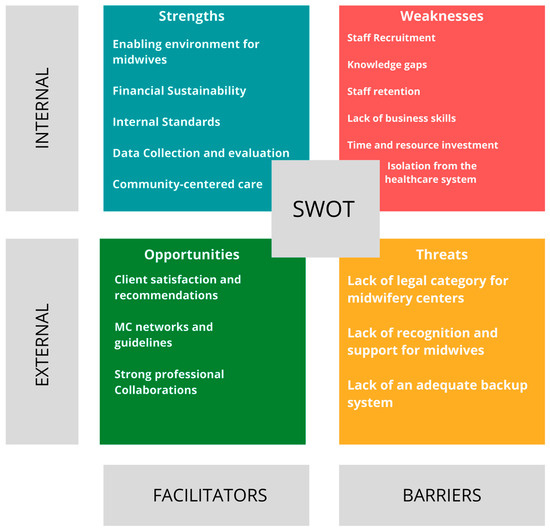
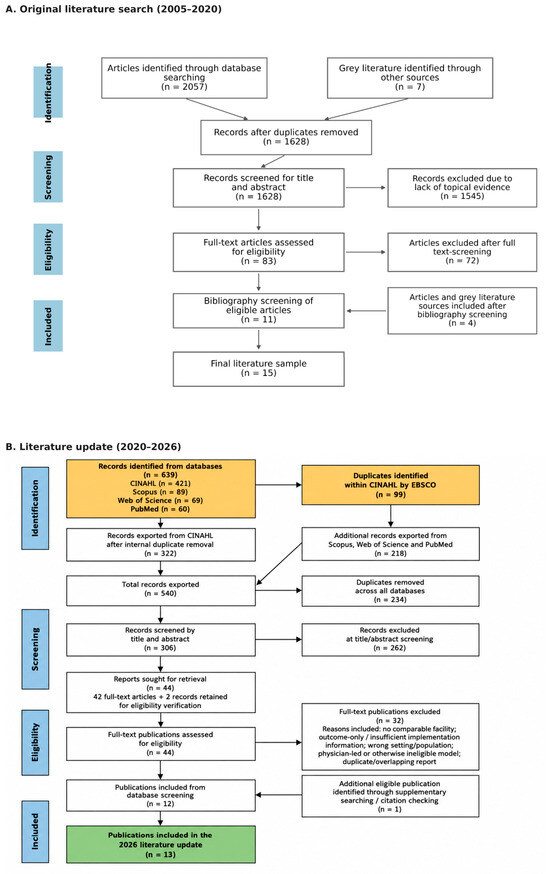
Facility-based birth is an important strategy for reducing maternal and neonatal mortality, yet institutionalization has also been associated with overmedicalized and disrespectful care. Midwifery centers (MCs) may offer an alternative, but evidence on their implementation in low- and middle-income countries (LMICs) remains limited. This study explored barriers and facilitators to MC implementation and functioning in LMICs. A scoping review conducted in 2020 identified 15 publications. Ten key informants were interviewed in 2020 to complement and contextualize the literature findings. Findings were analyzed thematically and organized within a SWOT framework. A literature update conducted in 2026 identified 13 additional publications, resulting in 28 included publications. Facilitators included enabling environments for midwives, internal standards, sustainable financing, community-centered care, and professional collaboration. Barriers included workforce and education gaps, insufficient professional and regulatory recognition, weak health-system integration, and inadequate maternity care infrastructure. Expert insights complemented the literature by highlighting practical implementation challenges. Successful MC implementation requires context-sensitive approaches supported by adequate health-system infrastructure, professional autonomy, and functional referral networks to enable safe and respectful maternity care.
Full article
(This article belongs to the Special Issue Improving the Quality of Maternity Care)
►▼
Show Figures

Figure 1
Open AccessArticle
Minority Stress Among South Asian LGBTQ+ Communities in the United States
by
Ronald E. Bulanda, Debarun Majumdar and Akshay Sharma
Int. J. Environ. Res. Public Health 2026, 23(10), 1263; https://doi.org/10.3390/ijerph23101263 - 29 Sep 2026
Abstract
Although the South Asian population in the United States is one of the country’s most rapidly growing ethnic groups, no known studies have established a portrait of the minority stressors experienced by LGBTQ+ individuals in this demographic. Addressing this gap serves to identify
[...] Read more.
Although the South Asian population in the United States is one of the country’s most rapidly growing ethnic groups, no known studies have established a portrait of the minority stressors experienced by LGBTQ+ individuals in this demographic. Addressing this gap serves to identify if and how their intersectionality is experienced in the form of minority stress, which is an established determinant for their mental health and well-being. Minority stress theory and the subaltern status of sexual and gender minorities common in South Asian cultures offer reasons to expect challenges linked to these specific identities. Using data from a survey of South Asians residing in the United States (n = 101), we examine participants’ range of outness and experiences of discrimination within the LGBTQ+ community and beyond in this descriptive study. Results indicate substantial numbers of South Asian American LGBTQ+ individuals restrict their levels of outness to only close relatives and friends, while most experience challenges due to their sexual/gender identity and their ethnic identity. Perceptions of discrimination based on ethnic identity within and beyond the broader LGBTQ+ community are correlated with more depressive symptoms. We conclude the South Asian American LGBTQ+ population’s experiences reflect a considerable mental health burden, with important clinical implications, requiring future research using representative data at the national level.
Full article
(This article belongs to the Section Behavioral and Mental Health)
Open AccessReview
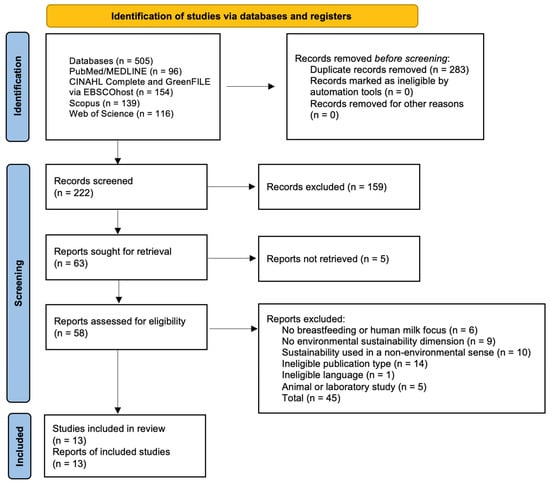
Breastfeeding and Environmental Sustainability Through a Green Midwifery Lens: A Scoping Review of Evidence Relevant to Support and Counselling
by
Meserret Aslan and Ece Nilüfer
Int. J. Environ. Res. Public Health 2026, 23(10), 1262; https://doi.org/10.3390/ijerph23101262 - 28 Sep 2026
Abstract
Breastfeeding is increasingly recognised as relevant to both public and planetary health, yet evidence on how environmental sustainability can be translated into breastfeeding support and counselling remains limited. This scoping review mapped evidence on the environmental sustainability of breastfeeding and its relevance to
[...] Read more.
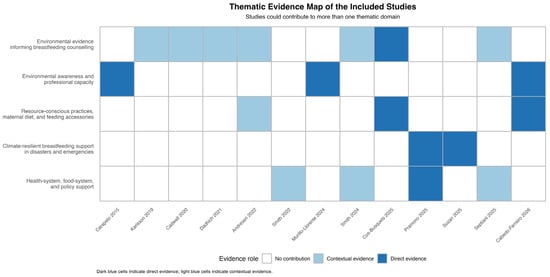
Breastfeeding is increasingly recognised as relevant to both public and planetary health, yet evidence on how environmental sustainability can be translated into breastfeeding support and counselling remains limited. This scoping review mapped evidence on the environmental sustainability of breastfeeding and its relevance to support and counselling through a green midwifery lens. Following JBI guidance and PRISMA-ScR, MEDLINE/PubMed, CINAHL Complete, GreenFILE, Scopus, and Web of Science were searched from inception to 3 July 2026. Two reviewers independently screened records and full texts. Thirteen studies were included and synthesised descriptively and thematically. One study directly evaluated a sustainability-focused professional education approach, four provided evidence relevant to breastfeeding support, practice, or policy, and eight provided contextual environmental or system-level evidence. Five themes were identified: environmental evidence informing counselling; environmental awareness and professional capacity; resource-conscious practices, maternal diet, and feeding accessories; climate-resilient support in disasters and emergencies; and health-system, food-system, and policy support. Breastfeeding generally showed lower environmental impacts than commercial milk formula, although estimates varied by system boundaries, maternal diet, household practices, and equipment use. No included study evaluated a parent-facing sustainability-oriented breastfeeding counselling intervention. Environmental considerations may therefore inform future breastfeeding counselling, but current practice implications should be regarded as evidence-informed directions rather than demonstrated intervention effects.
Full article
(This article belongs to the Special Issue Role of Breastfeeding in Promoting Maternal and Child Health: Global Perspectives)
►▼
Show Figures

Figure 1
Open AccessArticle
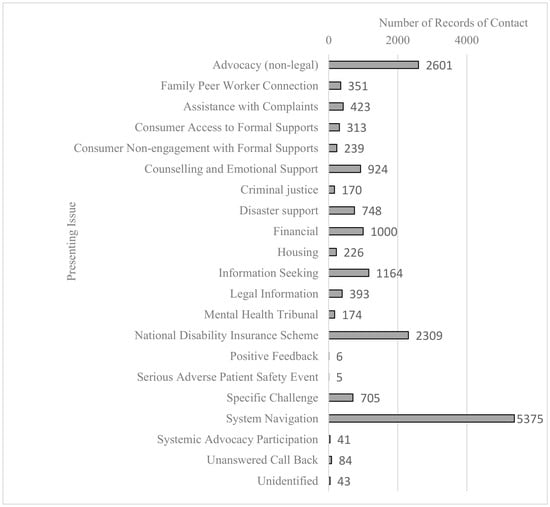
Mental Health Family Carer Needs and Service Navigation Challenges: A Five-Year Retrospective Analysis of Family Peer-Led Telephone Support Records
by
Caroline Walters, Mary Felton, Wendy Ayzit, Joanna Tilkeridis, Jessica Ouchirenko, Marie Piu and Melissa Petrakis
Int. J. Environ. Res. Public Health 2026, 23(10), 1261; https://doi.org/10.3390/ijerph23101261 - 28 Sep 2026
Abstract
Governments, public and mental health initiatives, policies, and guidelines recognise the value of family and informal carers. However, family, carers and supporters experience challenges with service engagement and insufficient support for their psychosocial wellbeing. Tandem Carers, a mental health family carer community advocacy
[...] Read more.
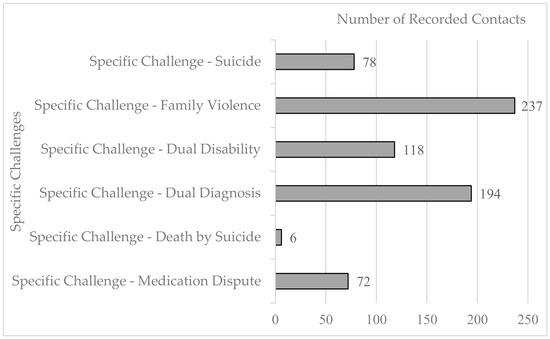
Governments, public and mental health initiatives, policies, and guidelines recognise the value of family and informal carers. However, family, carers and supporters experience challenges with service engagement and insufficient support for their psychosocial wellbeing. Tandem Carers, a mental health family carer community advocacy body in Victoria, Australia, established a carer lived-experience peer worker telephone support service to address psychosocial and practical supports. An exploratory descriptive study retrospectively analysed data from family peer telephone support records, from 1 October 2020 to 30 September 2025. A team of family carer lived-experience workers, policy staff, a data-management officer, and academic researchers undertook descriptive statistical analysis of over 17,000 records. Findings identified service demand, reasons for calling and demographics of callers, including age, location, and identity. Reasons for calling the service included assistance with system navigation, non-legal advocacy support, managing the National Disability Insurance Scheme, seeking information, financial challenges, counselling, and psychosocial support. Alongside understanding needs and systemic gaps, emerging patterns informed learning across the 5-year period to drive advocacy and service and policy change. Family carer co-production principles guided methodological approaches, resulting in practice-informed evidence of demand and the need for future outcome evaluation of the service and development of the model of peer practice.
Full article
(This article belongs to the Section Behavioral and Mental Health)
►▼
Show Figures

Figure 1
Open AccessArticle
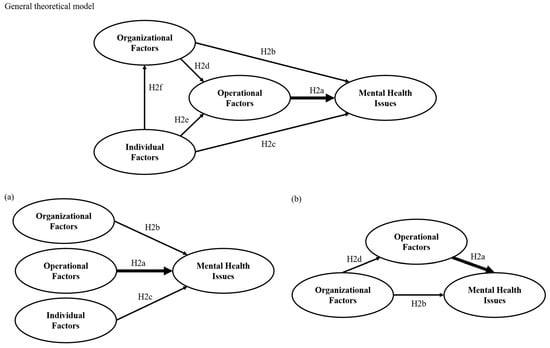
Organizational, Operational and Individual Risk Factors of Mental Health Issues in a Belgian Police Officers’ Sample
by
Emilie Telle, Florian Cornez, Thierry Hoang Pham and Audrey Vicenzutto
Int. J. Environ. Res. Public Health 2026, 23(10), 1260; https://doi.org/10.3390/ijerph23101260 - 27 Sep 2026
Abstract
►▼
Show Figures
This study investigated organizational, operational, and individual risk factors associated with mental health issues among Belgian police officers within a multifactorial framework. A cross-sectional quantitative survey was conducted with 289 French-speaking officers. Participants completed self-report measures assessing post-traumatic stress disorder (PCL-5), burnout (MBI-GS),
[...] Read more.
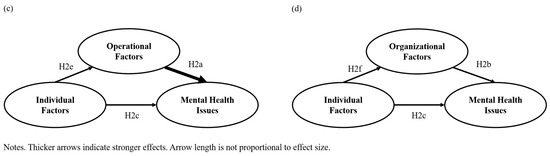
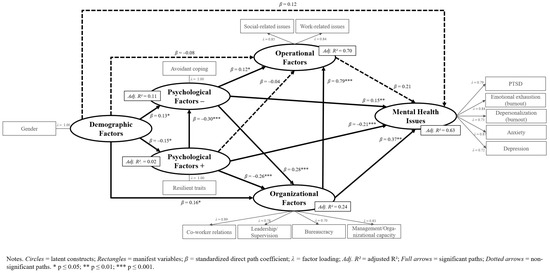
This study investigated organizational, operational, and individual risk factors associated with mental health issues among Belgian police officers within a multifactorial framework. A cross-sectional quantitative survey was conducted with 289 French-speaking officers. Participants completed self-report measures assessing post-traumatic stress disorder (PCL-5), burnout (MBI-GS), psychological distress including anxiety, depression and suicidal ideation (GHQ-28), substance use (ASSIST), police occupational stressors (PSQ), coping strategies (Brief-COPE), and resilience (CD-RISC-10). Results revealed substantial mental health concerns, including probable PTSD (11.42%), burnout (19.38%), and psychological distress (43.94%). Item-level analyses revealed substantial variability within each risk factors domain, with organizational stress mainly driven by administrative and management-related demands, operational stress by fatigue, health consequences, and work–life balance concerns, and individual factors characterized by a predominance of adaptive coping strategies. Partial Least Squares Structural Equation Modeling (PLS-SEM) showed that organizational factors were the most associated with mental health outcomes, with both direct and indirect effects, while operational factors contributed mainly indirectly. Individual factors played a mediating role, with avoidant coping increasing risk and resilience and adaptive coping showing protective effects. These findings highlight the central role of chronic organizational stressors and support the implementation of organization-level prevention strategies.
Full article

Figure 1
Open AccessArticle
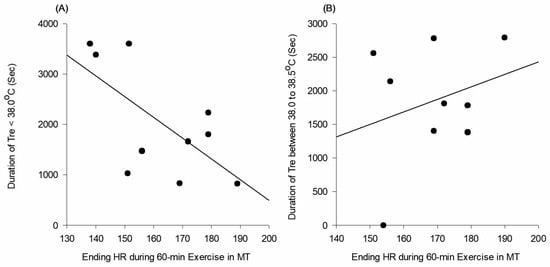
Perceptual Responses to Submaximal and High-Intensity Cycling Exercise in Moderate and Hot Environments
by
Yongsuk Seo, Jeremiah A. Vaughan, Brittany Followay, Adam R. Jajtner and Ellen L. Glickman
Int. J. Environ. Res. Public Health 2026, 23(10), 1259; https://doi.org/10.3390/ijerph23101259 - 26 Sep 2026
Abstract
This randomized, counterbalanced crossover study examined the effects of ambient heat on thermal sensation (TS), thermal comfort (TC), and rating of perceived exertion (RPE) during submaximal and high-intensity cycling. Eleven recreationally active men completed 60 min of cycling at a workload prescribed from
[...] Read more.
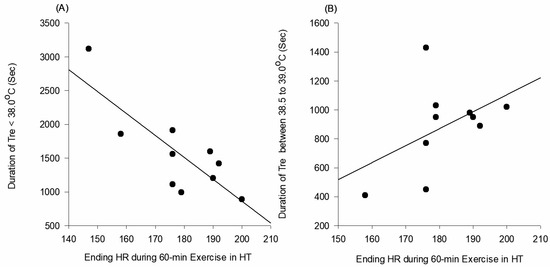
This randomized, counterbalanced crossover study examined the effects of ambient heat on thermal sensation (TS), thermal comfort (TC), and rating of perceived exertion (RPE) during submaximal and high-intensity cycling. Eleven recreationally active men completed 60 min of cycling at a workload prescribed from 60% of VO2max, followed by 15 min of seated recovery and a time to exhaustion (TTE) test at a workload prescribed from 90% of VO2max, in moderate (MT: 22 °C, 45% RH) and hot (HT: 35 °C, 45% RH) conditions. During submaximal exercise, condition by time interactions were observed for TS, TC, and RPE (all p ≤ 0.05), with greater heat sensation, discomfort, and exertion in HT. Achieved oxygen uptake during TTE corresponded to 78.7 ± 1.9% and 85.3 ± 3.8% of VO2max in HT and MT, respectively. At exhaustion, TS, TC, and RPE did not differ significantly between conditions. Perceptual ratings differentiated the environments during prolonged submaximal exercise but not at the end of the high-intensity TTE test. This convergence should be interpreted cautiously because ceiling effects, the small sample, unequal TTE duration, and differences in achieved metabolic intensity may have contributed.
Full article
(This article belongs to the Special Issue Exercise and Active Living in Diverse Environments for Health Promotion)
►▼
Show Figures

Figure 1
Journal Menu
► ▼ Journal Menu-
- IJERPH Home
- Aims & Scope
- Editorial Board
- Reviewer Board
- Topical Advisory Panel
- Early Career Editorial Board
- Instructions for Authors
- Special Issues
- Topics
- Sections & Collections
- Article Processing Charge
- Indexing & Archiving
- Editor’s Choice Articles
- Most Cited & Viewed
- Journal Statistics
- Journal History
- Journal Awards
- Society Collaborations
- Conferences
- Editorial Office
Journal Browser
► ▼ Journal Browser-
arrow_forward_ios
Forthcoming issue
arrow_forward_ios Current issue - Vol. 23 (2026)
- Vol. 22 (2025)
- Vol. 21 (2024)
- Vol. 20 (2023)
- Vol. 19 (2022)
- Vol. 18 (2021)
- Vol. 17 (2020)
- Vol. 16 (2019)
- Vol. 15 (2018)
- Vol. 14 (2017)
- Vol. 13 (2016)
- Vol. 12 (2015)
- Vol. 11 (2014)
- Vol. 10 (2013)
- Vol. 9 (2012)
- Vol. 8 (2011)
- Vol. 7 (2010)
- Vol. 6 (2009)
- Vol. 5 (2008)
- Vol. 4 (2007)
- Vol. 3 (2006)
- Vol. 2 (2005)
- Vol. 1 (2004)
Highly Accessed Articles
Latest Books
E-Mail Alert
News
Topics
Topic in
Behavioral Sciences, Children, EJIHPE, IJERPH, Healthcare
Mental Health and the 2030 Sustainable Development Agenda: Old Problems and New Perspectives
Topic Editors: Carlos Laranjeira, Ana QueridoDeadline: 31 October 2026
Topic in
Behavioral Sciences, Healthcare, IJERPH, Social Sciences, EJIHPE
Mental Health in Trauma Survivors
Topic Editors: Hyojin Im, Asli Cennet Yalim, Gashaye Melaku Tefera, Isok KimDeadline: 30 November 2026
Topic in
Applied Sciences, Toxics, IJERPH, Biology, Cancers, Radiation
Disease Risks from Environmental Radiological Exposure
Topic Editors: Valentina Venuti, Francesco CaridiDeadline: 31 December 2026
Topic in
IJERPH, Microplastics, Polymers, Toxics
Plastic Contamination (Plastamination): An Environmental and Public Health-Related Concern
Topic Editors: Rosaria Meccariello, Antonino Testa, Francesco Cappello, Antonietta SantoroDeadline: 1 January 2027
Conferences
Special Issues
Special Issue in
IJERPH
Unveiling Chronic Pain: Understanding Prevalence, Management, Psychiatric Comorbidity, and Inflammatory Mechanisms
Guest Editors: Nóra Kerekes, Marc Landry, Ana María Sánchez-PérezDeadline: 30 September 2026
Special Issue in
IJERPH
Trends in Chronic Pain Assessment and Treatment: Essential Aspects for Rehabilitation and Clinical Management
Guest Editors: Karen Barros Parron Fernandes, Rosario CarusoDeadline: 30 September 2026
Special Issue in
IJERPH
Promoting Health and Safety in the Workplace
Guest Editors: Marta Regina Cezar-Vaz, Clarice Alves BonowDeadline: 30 September 2026
Special Issue in
IJERPH
Mental Health in Healthcare: Challenges and Perspectives from the Past to the Future
Guest Editor: Érika Oliveira-CardosoDeadline: 30 September 2026
Topical Collections
Topical Collection in
IJERPH
Health Behaviors, Risk Factors, NCDs and Health Promotion
Collection Editor: Stefano Campostrini
Topical Collection in
IJERPH
Bullying, Cyberbullying, Dating Violence, and Cyber Dating Violence in Adolescence
Collection Editor: María-Jesús Cava
Topical Collection in
IJERPH
2nd Edition of Achieving Environmental Health Equity: Great Expectations
Collection Editors: Timothy E. Ford, Margaret J. Eggers