

Journal Description
Hemato
Hemato
- formerly Bloods - is an international, peer-reviewed, open access journal on hematology, published quarterly online by MDPI. The Spanish Society of Hematology and Hemotherapy (SEHH) and the Nuclear Medicine Discovery (Nu.Me.D.) are affiliated with Hemato and their members receive discounts on the article processing charges.
- Open Access— free for readers, with article processing charges (APC) paid by authors or their institutions.
- High Visibility: indexed within ESCI (Web of Science), Scopus, EBSCO, and other databases.
- Rapid Publication: manuscripts are peer-reviewed and a first decision is provided to authors approximately 21.8 days after submission; acceptance to publication is undertaken in 3 days (median values for papers published in this journal in the second half of 2025).
- Recognition of Reviewers: APC discount vouchers, optional signed peer review, and reviewer names published annually in the journal.
- Journal Clusters of Hematology: Hemato, Hematology Reports, Thalassemia Reports and Journal of Clinical Medicine.
Impact Factor:
1.0 (2024)
Latest Articles
Alloimmunization in Pregnancy: A Practical Guide for Transfusion Medicine
Hemato 2026, 7(1), 4; https://doi.org/10.3390/hemato7010004 - 13 Jan 2026
Abstract
Background: Feto-maternal hemorrhages (FMHs) due to placenta disruption and bleeding from fetal maternal circulation can lead to life-threatening fetal anemia. These hemorrhages are more often of small volume and remain unreported. Sensitization to fetal red blood cell (RBC) antigens can occur during pregnancy,
[...] Read more.
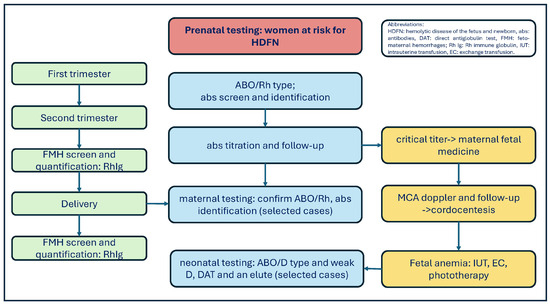
Background: Feto-maternal hemorrhages (FMHs) due to placenta disruption and bleeding from fetal maternal circulation can lead to life-threatening fetal anemia. These hemorrhages are more often of small volume and remain unreported. Sensitization to fetal red blood cell (RBC) antigens can occur during pregnancy, at delivery, or after invasive procedures. The sensitized mother produces IgG antibodies (abs) that cross the placenta and cause the hemolysis of fetal RBCs, release of hemoglobin, and increased levels of unconjugated bilirubin in the fetus or neonate. The result is hemolytic disease of the fetus and newborn (HDFN). Methods: In this study, we aim to provide a structured overview of RBC alloimmunization in pregnancy. A literature search was conducted using PubMed. English articles published from January 2010 to October 2025 were selected by the authors. The contributing manuscripts focused on managing RBC alloimmunization in pregnancy, FMH screening and quantification, antenatal and postnatal testing, Rh immune globulin (Rh Ig or Anti-D) prophylaxis, and national registry data. Results: Frequencies of RBC abs vary among American, Caucasian, and Asian populations because of genetic diversity, different antibody detection and antibody identification methods, and FMH tests. More specifically, the erythrocyte rosette is a simple screening test for FMH. A positive rosette must be quantified by the Kleihauer–Betke (KB) or flow cytometry (FC). The KB results may be overestimated or underestimated. The advantages of FC include high accuracy, specificity, and repeatability. Ultimately, anti-D prophylaxis protocol varies from country to country. Conclusion: Maternal alloimmunization is an uncommon and highly variable event. Although introducing anti-D prophylaxis has decreased the Rh immunization rate, it is still an unmet medical need. In brief, mitigation strategies for RBC alloimmunization risk include accurate maternal and neonatal testing at different time points, adequate Rh immune globulin prophylaxis in D-negative pregnant women, preventing sensitizing events, adopting a conservative transfusion policy, and upfront ABO and Rh (C/c, E/e) and Kell matching in females under 50 years of age.
Full article
(This article belongs to the Section Non Neoplastic Blood Disorders)
►
Show Figures
Open AccessArticle
Serum Oxidized LDL and Interleukin-10 as Biomarkers for Peripheral Artery Disease in Chronic Myeloid Leukemia Patients Receiving Tyrosine Kinase Inhibitor Therapy
by
Hernycane Sosilya, Muhammad Noor Diansyah, Merlyna Savitri, Putu Niken Ayu Amrita, Pradana Zaky Romadhon, Hermina Novida, Nadya Luthfah, Ami Ashariati and Siprianus Ugroseno Yudho Bintoro
Hemato 2026, 7(1), 3; https://doi.org/10.3390/hemato7010003 - 4 Jan 2026
Abstract
►▼
Show Figures
Background/Objectives: Tyrosine kinase inhibitors (TKIs) have transformed the treatment of chronic myeloid leukemia (CML), yet emerging evidence indicates an increased risk of vascular adverse events, particularly peripheral artery disease (PAD). Reliable biomarkers for early detection of TKI-related vascular toxicity are still lacking. Methods:
[...] Read more.
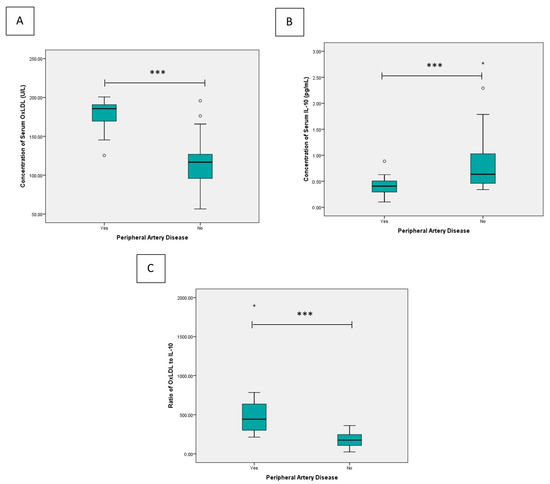
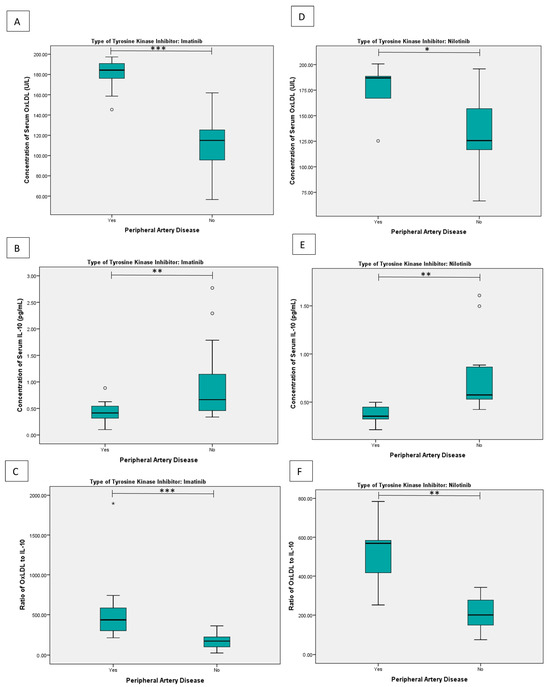
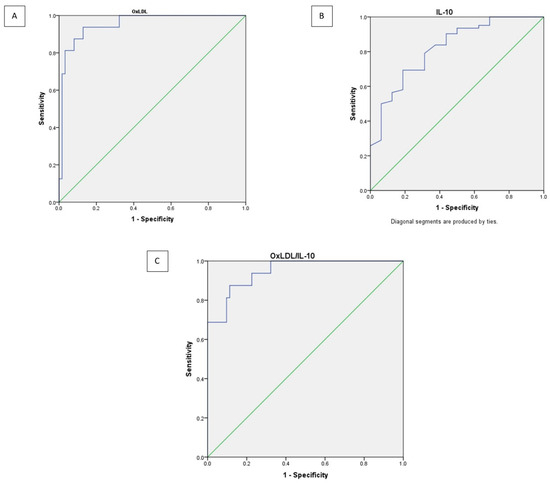
Background/Objectives: Tyrosine kinase inhibitors (TKIs) have transformed the treatment of chronic myeloid leukemia (CML), yet emerging evidence indicates an increased risk of vascular adverse events, particularly peripheral artery disease (PAD). Reliable biomarkers for early detection of TKI-related vascular toxicity are still lacking. Methods: A cross-sectional study was conducted on 78 patients with chronic-phase CML treated at Dr. Soetomo General Hospital, Surabaya. PAD was confirmed using ankle–brachial index. Serum oxidized low-density lipoprotein (OxLDL) and interleukin-10 (IL-10) levels were measured using ELISA. Results: PAD was detected in 20% of subjects. The PAD group showed significantly higher OxLDL, lower IL-10, and a markedly elevated OxLDL/IL-10 ratio (all p < 0.001). OxLDL remained independently associated with PAD after adjustment (adjusted OR = 1.132, 95% CI 1.020–1.255, p = 0.019). OxLDL/IL-10 ratio yielded a good diagnostic value (sensitivity 87.5% and specificity of 88.7%). Conclusions: Elevated OxLDL and an increased OxLDL/IL-10 ratio are associated with PAD in CML patients receiving TKI therapy and demonstrated a good diagnostic performance for early detection of TKI-induced vascular toxicity.
Full article

Figure 1
Open AccessArticle
High-Initial-Dose Accelerated Titration Regimen of Ropeginterferon alfa-2b in Younger Patients with Polycythemia Vera and Essential Thrombocythemia: A Consecutive Case Series Study
by
Sung-Nan Pei, Caleb Gon-Shen Chen, Hsiao-Wen Kao, Huey-En Tzeng, Ming-Lih Huang, Chih-Cheng Chen, Jasmine Hsiang-Wei Wang, Lennex Hsueh-Lin Yu and Hsin-An Hou
Hemato 2026, 7(1), 2; https://doi.org/10.3390/hemato7010002 - 31 Dec 2025
Abstract
Introduction: Ropeginterferon alfa-2b is an emerging treatment for polycythemia vera, with growing interest in its application for essential thrombocythemia and early myelofibrosis due to its extended dosing intervals and favorable tolerability profile. However, real-world evidence regarding its dosing strategies and titration practices remains
[...] Read more.
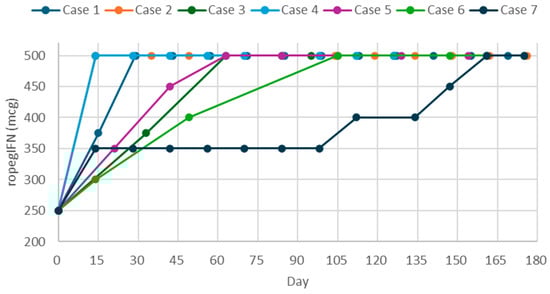
Introduction: Ropeginterferon alfa-2b is an emerging treatment for polycythemia vera, with growing interest in its application for essential thrombocythemia and early myelofibrosis due to its extended dosing intervals and favorable tolerability profile. However, real-world evidence regarding its dosing strategies and titration practices remains limited. Objective: This study examined seven younger patients, all under 60 years of age, who were treated with ropeginterferon alfa-2b. Materials and Methods: This study is a retrospective medical records review of consecutive patients from seven hospitals. Treatment was initiated at a dose of 250 micrograms, with a maintenance dose of 500 micrograms. Results: The regimen demonstrated good safety and tolerability in this real-world setting. Hematological responses were observed, along with a meaningful reduction in JAK2V617F variant allele frequency across the patient cohort. Conclusions: These findings show that the use of high-initial-dose accelerated titration (HIDAT) regimen of ropeginterferon alfa-2b is a safe and effective treatment option for younger patients with myeloproliferative neoplasms.
Full article
(This article belongs to the Special Issue Hematopathology: Rare Hematological Diseases)
►▼
Show Figures

Figure 1
Open AccessCase Report
Therapy-Related Myeloid Neoplasms After CAR-T Therapy: A Case Series with Distinct Cytogenetic Features and Comparison with Autologous Stem Cell Transplantation
by
Pilar Palomo-Moraleda, Sara Alonso-Álvarez, Lucía Morais-Bras, Christian Sordo-Bahamonde, Rocío Granda-Díaz, Joud Zanabili-Al-Sibai, Sofía García-Ferreiro, Marco Moro-García, Estefanía Pérez-López, Marco Hernández-Martín, Ana J. González-Huerta, Soledad González-Muñiz, Ángel Ramírez-Payer, J. María García-Gala, Ariana Fonseca-Mourelle, Segundo González and Ana P. González-Rodríguez
Hemato 2026, 7(1), 1; https://doi.org/10.3390/hemato7010001 - 25 Dec 2025
Abstract
Background: The emergence of therapy-related myelodysplastic syndrome (t-MN) after autologous stem cell transplantation (ASCT) is well documented. However, with the growing use of chimeric antigen receptor (CAR) T-cell therapy for relapsed/refractory B-cell malignancies, concerns about secondary myeloid neoplasms, particularly MN, have arisen. The
[...] Read more.
Background: The emergence of therapy-related myelodysplastic syndrome (t-MN) after autologous stem cell transplantation (ASCT) is well documented. However, with the growing use of chimeric antigen receptor (CAR) T-cell therapy for relapsed/refractory B-cell malignancies, concerns about secondary myeloid neoplasms, particularly MN, have arisen. The mechanisms and cytogenetic features associated with post-CAR-T MN, especially chromosome 7 abnormalities, remain underexplored. Objectives: To compare the incidence, timing, and cytogenetic characteristics of MN developing after CAR-T-cell therapy versus ASCT, and to evaluate the potential association between CAR-T therapy, persistent cytopenias, and these specific alterations. Study Design: This was a retrospective, single-center study of 275 patients with B-cell malignancies treated between 2015 and 2024 at Hospital Universitario Central de Asturias (Spain). Of these, 259 patients underwent ASCT and 16 received CAR-T-cell therapy (axicabtageneciloleucel n = 13, tisagenlecleucel n = 2, brexucabtageneautoleucel n = 1). Clinical, cytogenetic, and laboratory data were collected and analyzed. Incidence rates were compared using Fisher’s exact test, and time-to-event outcomes was evaluated using the Mann–Whitney U test (given the small number of events). Statistical significance was set at p < 0.05. Results: Myeloid neoplasms were diagnosed in 3 of 259 ASCT patients (1.15%) and in 2 of 16 CAR-T-cell patients (12.5%) (p = 0.03). The median time to myeloid neoplasm diagnosis was numerically shorter in the CAR-T group (15.5 vs. 69 months, p = 0.096). All post-CAR-T cases presented persistent cytopenias and cytokine release syndrome (CRS). Cytogenetic analyses revealed de novo monosomy 7 and 7q deletion in both CAR-T-related cases, whereas no chromosome 7 abnormalities were detected in ASCT-related cases. Pre-treatment samples did not show these abnormalities, although limitations in the sensitivity of the assays preclude the definitive exclusion of minor pre-existing clones. Both affected CAR-T patients had prolonged CAR-T cell persistence and required transfusional support due to hematologic toxicity. One patient was diagnosed with high-risk MN with 5q and 7q deletion and the other with Clonal Cytopenia of Uncertain Significance (CCUS) with monosomy 7. Conclusions: CAR-T-cell therapy was associated with a significantly higher and earlier incidence of myeloid neoplasms compared to ASCT in this cohort. The development of post-CAR-T myeloid neoplasm was characterized by persistent cytopenias, prolonged CAR-T cell persistence, and de novo chromosome 7 alterations. While the small sample size necessitates cautious interpretation, these findings may suggest a distinct pathogenesis potentially linked to inflammation, immune toxicity, or the expansion of pre-existing clones. This highlights the need for long-term hematologic monitoring and evaluation for clonal hematopoiesis prior to CAR-T-cell therapy, especially in heavily pretreated patients.
Full article
Open AccessArticle
Phenotypic Frequency of ABO, RH1, and Kell Blood Group Antigens in Blood Donors from Southern Chile
by
María Martínez, Miguel Ángel Muñoz, Camila Riquelme, Paulina Weisser, Claudia Soto-Escobar, Belén Larrañaga, Bernabé Rivas and Sebastián Alarcón
Hemato 2025, 6(4), 44; https://doi.org/10.3390/hemato6040044 - 9 Dec 2025
Abstract
►▼
Show Figures
Background/Objectives: Understanding blood group antigen distribution is essential for transfusion safety and preventing alloimmunization in transfused patients. The ABO, RH1, and Kell blood group systems are among the most clinically significant due to their high immunogenic potential and their role in hemolytic transfusion
[...] Read more.
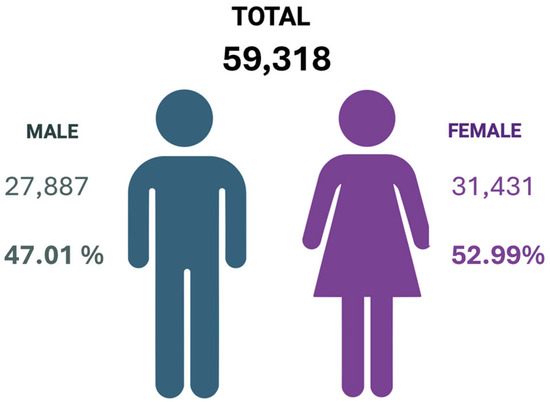
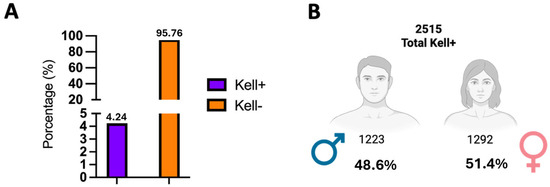
Background/Objectives: Understanding blood group antigen distribution is essential for transfusion safety and preventing alloimmunization in transfused patients. The ABO, RH1, and Kell blood group systems are among the most clinically significant due to their high immunogenic potential and their role in hemolytic transfusion reactions and hemolytic disease of the newborn. Despite their clinical significance, data on the phenotypic frequency of these samples in southern Chile are limited. This study aimed to identify the distribution of ABO, RH1, and Kell blood group systems among blood donors at the Centro de Sangre Concepción, adding regional data to the national transfusion medicine records. Methods: A retrospective, descriptive analysis was conducted using data from 59,318 blood donations collected in 2024 by the Concepción Blood Center, part of the Southern Transfusion Medicine Macronetwork in Chile. Blood typing for the ABO, RH1, and Kell antigen (KEL1) typing was performed in accordance with national regulations established by the Ministry of Health (MINSAL). Results: Blood group O was the most frequent (61.3%), followed by A (27.8%), B (9.0%), and AB (1.9%). RH1 positivity was observed in 94.47% of donors, and Kell positivity in 4.24%. The distribution of Kell phenotypes was comparable between men (4.38%) and women (4.11%), with the highest frequency in donors aged 27–52 years. Conclusions: The phenotypic distribution observed reflects national patterns and shows the genetic makeup of southern Chile. The low but important prevalence of Kell-positive donors emphasizes the need for systematic Kell antigen screening to prevent alloimmunization and improve transfusion safety.
Full article

Figure 1
Open AccessReview
Molecular Diagnostics of Aggressive B-Cell Non-Hodgkin Lymphomas
by
Valeriia Tsekhovska, Pietro Cimatti, Bianca Allegra Govoni, Lynnette Kyokunda and Pier Paolo Piccaluga
Hemato 2025, 6(4), 43; https://doi.org/10.3390/hemato6040043 - 2 Dec 2025
Abstract
Background: Malignant lymphomas are among the most common hematological neoplasms and include a heterogeneous group of entities characterized by distinct morphology, immunophenotype, genetics, and clinical features. Recent advances in molecular diagnostics have significantly improved our understanding of the genetic lesions and mechanisms underlying
[...] Read more.
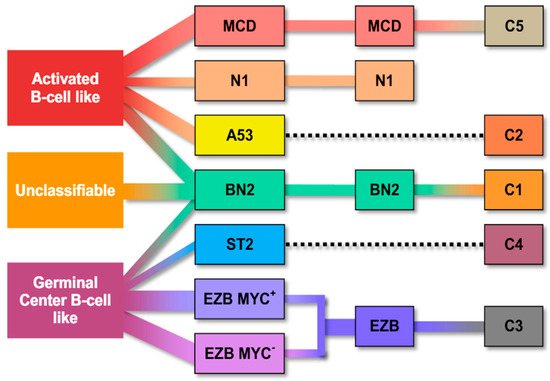
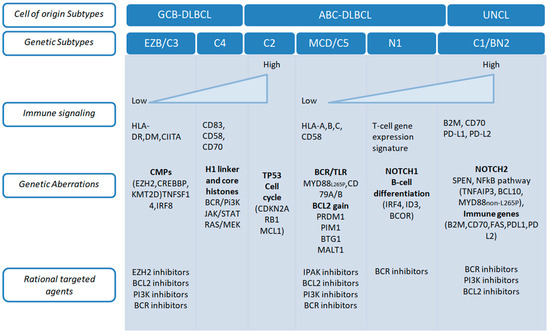
Background: Malignant lymphomas are among the most common hematological neoplasms and include a heterogeneous group of entities characterized by distinct morphology, immunophenotype, genetics, and clinical features. Recent advances in molecular diagnostics have significantly improved our understanding of the genetic lesions and mechanisms underlying lymphomagenesis. Methods: This review summarizes key developments in molecular pathology relevant to B-cell lymphomas, including updates from the World Health Organization classification and recent progress in genomic, immunophenotypic, and clinical assessment. We highlight findings from next-generation sequencing studies and other molecular approaches used in routine and research settings. Results: Many molecular alterations are now routinely incorporated into diagnostic criteria and influence risk stratification, prognosis, and treatment selection. Although not all lesions are evaluated in everyday clinical practice, several changes have demonstrated prognostic significance and therapeutic relevance. Molecular subclassification has refined our ability to predict clinical behavior and response to targeted therapies. Conclusions: Advances in molecular diagnostics continue to reshape the clinical approach to lymphomas. Improved classification, better identification of therapeutic targets, and more accurate prognostic tools collectively enhance personalized treatment strategies. As a result, molecular tools increasingly guide clinical decision-making and contribute to improved outcomes in patients with B-cell lymphomas.
Full article
(This article belongs to the Special Issue Hematopathology: Rare Hematological Diseases)
►▼
Show Figures

Figure 1

Open AccessReview
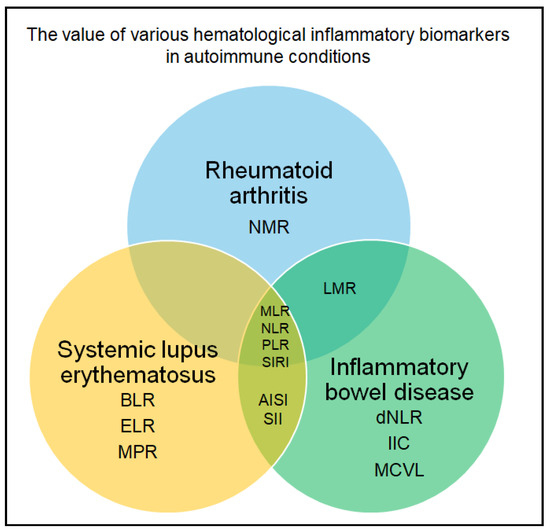
Hematological Inflammatory Markers and Chronic Diseases: Current Evidence and Future Perspectives
by
Monica Dugăeşescu, Iulia Andrei-Bitere, Marina-Raluca Baciu, Eva Dănescu, Alexandru Liţescu, Simina-Teodora Vidroiu, Andrei Manu, Maria Magdalena Constantin, Ioana Roșca, Smaranda Stoleru and Elena Poenaru
Hemato 2025, 6(4), 42; https://doi.org/10.3390/hemato6040042 - 27 Nov 2025
Abstract
►▼
Show Figures
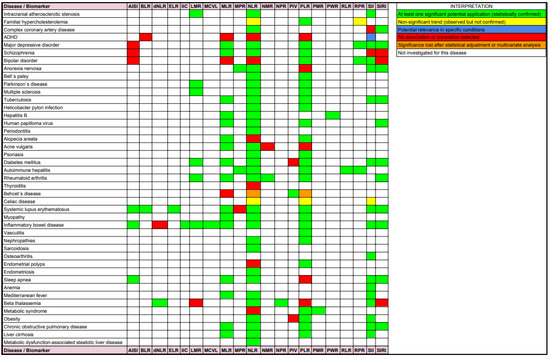
Background/Objectives: Complete blood count (CBC)-derived markers such as the neutrophil-to-lymphocyte ratio (NLR), platelet-to-lymphocyte ratio (PLR), and lymphocyte-to-monocyte ratio (LMR) have gained increasing attention as accessible indicators of systemic inflammation. These parameters, calculated from routine blood tests, are widely available in clinical settings
[...] Read more.
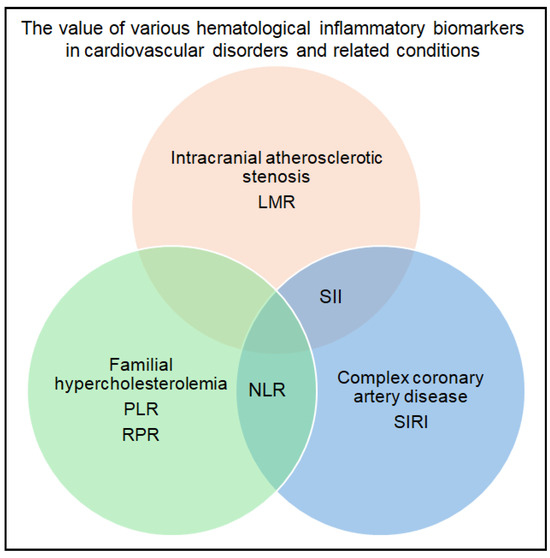
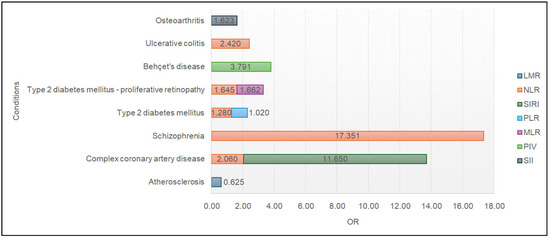
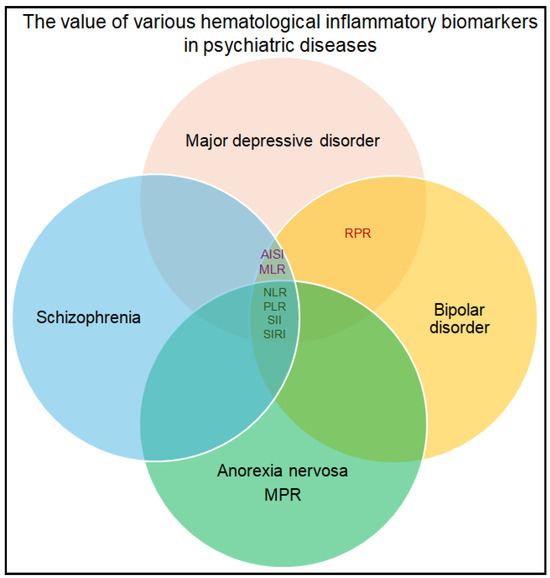
Background/Objectives: Complete blood count (CBC)-derived markers such as the neutrophil-to-lymphocyte ratio (NLR), platelet-to-lymphocyte ratio (PLR), and lymphocyte-to-monocyte ratio (LMR) have gained increasing attention as accessible indicators of systemic inflammation. These parameters, calculated from routine blood tests, are widely available in clinical settings and are potentially relevant for a variety of chronic diseases. This review aims to explore current evidence and highlight potential future directions regarding the use of hematologic inflammatory biomarkers in chronic disease. Methods: We performed an extensive literature search on PubMed to identify full-text original studies published in the past five years, focused on investigating the clinical applications of hematologic inflammatory markers in chronic conditions. Results: CBC-derived inflammatory markers have been studied in a wide range of chronic diseases, including autoimmune diseases, metabolic disorders, chronic kidney disease, chronic infections, psychiatric diseases, and other conditions. These markers have been evaluated for multiple clinical purposes, such as aiding diagnosis, monitoring disease status, assessing disease activity, disease subtype characterization, predicting prognosis, and evaluating associations with disease outcomes. Conclusions: As chronic diseases affect millions of individuals globally, placing a burden for the healthcare system, patients, and their families, simple and cost-efficient tools like CBC-derived inflammatory markers have the potential to improve clinical case management.
Full article

Figure 1
Open AccessArticle
Health Literacy and Disease Knowledge in Adolescents and Young Adults with SCD in Benin
by
Bonaventure G. Ikediashi, Tatiana Baglo-Agbodande, Bernice Quenum and Gisela Michel
Hemato 2025, 6(4), 41; https://doi.org/10.3390/hemato6040041 - 18 Nov 2025
Abstract
►▼
Show Figures
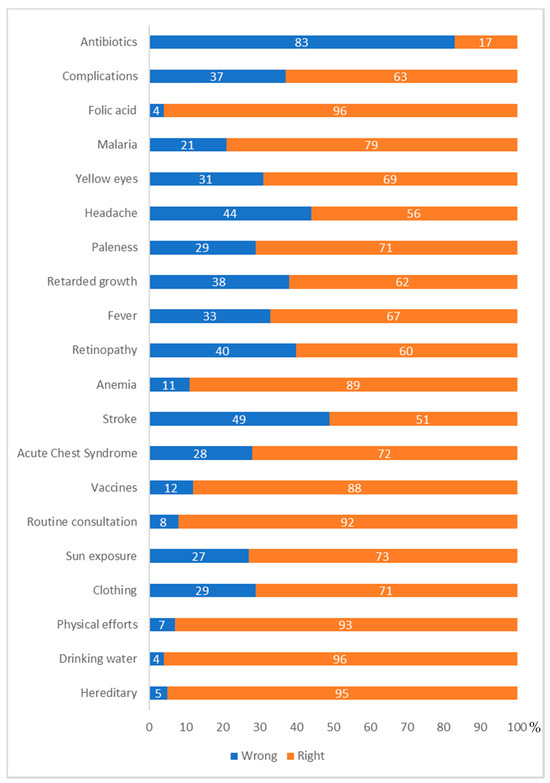
Introduction: Disease knowledge and health literacy are important health competencies that individuals with chronic conditions like Sickle Cell Disease (SCD) need for self-management. This study aimed to: (I) describe and compare SCD knowledge and health literacy levels in adolescents and young adults (AYAs)
[...] Read more.
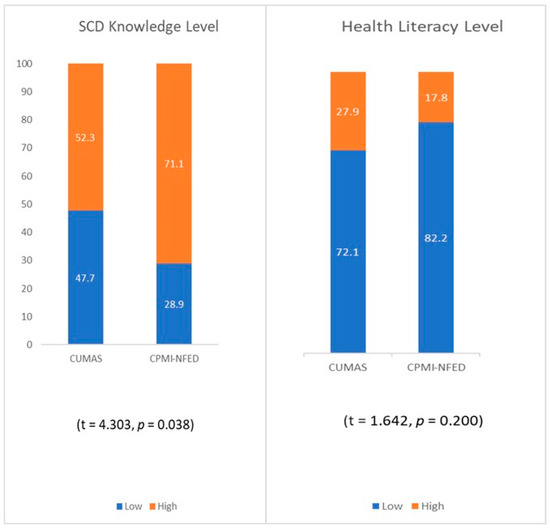
Introduction: Disease knowledge and health literacy are important health competencies that individuals with chronic conditions like Sickle Cell Disease (SCD) need for self-management. This study aimed to: (I) describe and compare SCD knowledge and health literacy levels in adolescents and young adults (AYAs) with SCD in Benin; (II) examine associations between genotype, socio-demographic factors, health literacy, and SCD knowledge; and (III) examine the associations between patients SCD knowledge, health literacy, socio-demographic factors, and (a) frequency of hospitalisations and (b) frequency of occurrence of painful episodes. Methods: AYAs aged 14 to 25 years with SCD attending routine consultations at two Benin clinics—the National Sickle Cell Disease Centre (CPMI-NFED) and the Haematology clinic of the University Teaching Hospital (CUMAS), completed a questionnaire assessing SCD knowledge and health literacy (Health Literacy Measure for Adolescents, HELMA). Results: Most participants had inadequate health literacy: 72.1% at CPMI-NFED and 82.1% at CUMAS, with no significant differences between centres (t = 1.642, p = 0.200). CPMI-NFED participants had higher SCD knowledge than those at CUMAS (t = 4.303, p = 0.038). Higher SCD knowledge (β = 0.466; p < 0.001) and health literacy (β = 5.081; p < 0.001) were associated with older age. Tertiary-level education was associated with higher health literacy (β = 4.286; p = 0.023). Participants with high SCD knowledge experienced fewer painful episodes (IRR = 0.777, p = 0.046), but no significant differences in hospital admissions (IRR = 0.764, p = 0.162). Conclusions: Inadequate health literacy is common in AYAs with SCD in Benin. Having high SCD knowledge may have an impact on the occurrence of painful episodes.
Full article

Figure 1
Open AccessReview
Imatinib in Targeted Therapy: Advances in Biomedical Applications and Drug Delivery Systems
by
Yana Gvozdeva, Petya Georgieva and Plamen Katsarov
Hemato 2025, 6(4), 40; https://doi.org/10.3390/hemato6040040 - 12 Nov 2025
Cited by 1
Abstract
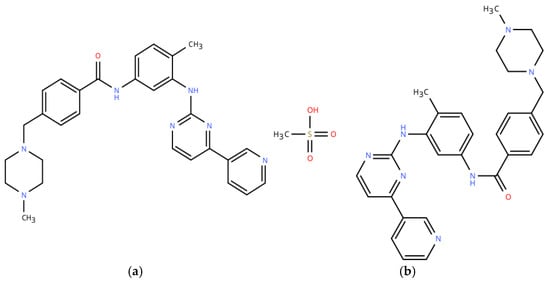
Imatinib (IMT) is a small-molecule tyrosine kinase inhibitor that primarily targets platelet-derived growth factor receptor-β and related kinases. Beyond its established efficacy in chronic myeloid leukemia, IMT has also demonstrated therapeutic benefits in gastrointestinal stromal tumors, dermatofibrosarcoma, acute lymphoblastic leukemia, and as a
[...] Read more.
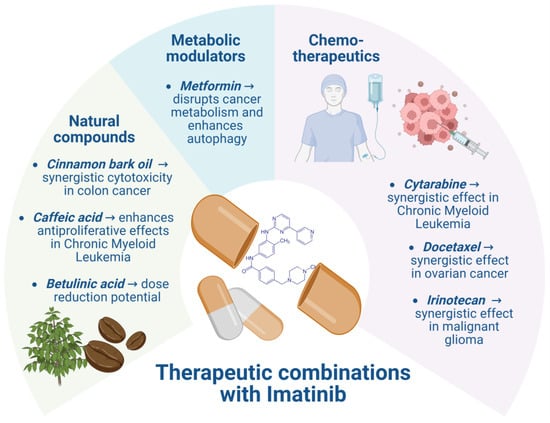
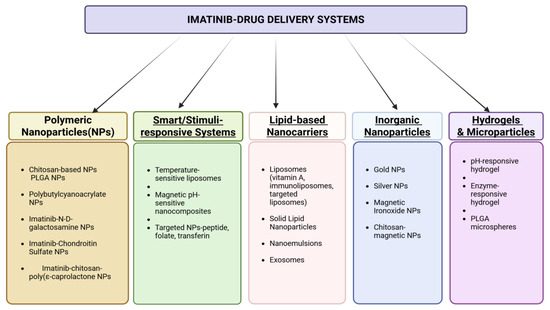
Imatinib (IMT) is a small-molecule tyrosine kinase inhibitor that primarily targets platelet-derived growth factor receptor-β and related kinases. Beyond its established efficacy in chronic myeloid leukemia, IMT has also demonstrated therapeutic benefits in gastrointestinal stromal tumors, dermatofibrosarcoma, acute lymphoblastic leukemia, and as a second-line treatment for aggressive systemic mastocytosis or as an anti-Mycobacterium agent. From a physicochemical perspective, IMT exhibits poor aqueous solubility but high membrane permeability, classifying it as a Biopharmaceutics Classification System Class II compound. Pharmacokinetically, IMT shows variable oral absorption and a prolonged terminal half-life, resulting in dose-dependent systemic exposure. Despite relatively high oral bioavailability, its clinical use requires large doses to achieve therapeutic efficacy, underscoring the need for advanced drug delivery strategies. Nano- and microscale delivery systems offer promising approaches to enhance tumor-specific accumulation through the enhanced permeability and retention effect while mitigating resistance mechanisms. However, achieving high drug loading introduces formulation challenges, such as controlling particle size distribution, polydispersity, and scalability. Moreover, designing carriers capable of controlled release without premature leakage remains crucial for maintaining systemic bioavailability and therapeutic performance. Emerging delivery platforms—including polymeric, lipid-based, carbon-derived, and stimuli-responsive nanocarriers—have shown significant potential in overcoming these limitations. Such systems can enhance IMT’s bioavailability, improve selective tumor targeting, and minimize systemic toxicity, thereby advancing its translational potential. This review aims to highlight the different biomedical applications of IMT and off-label uses, and to discuss current advances in drug delivery to optimize its clinical efficacy and safety profile.
Full article
(This article belongs to the Section Chronic Myeloid Disease)
►▼
Show Figures

Figure 1

Open AccessOpinion
Prognostic and Predictive Factors in Multiple Myeloma: Time for Precision Medicine? Not Yet, but the Gap Is Closing
by
Pieter Sonneveld
Hemato 2025, 6(4), 39; https://doi.org/10.3390/hemato6040039 - 31 Oct 2025
Abstract
This article represents a brief overview of the recent achievements in the treatment of multiple myeloma. New opportunities and treatment challenges are discussed in the context of risk factors regarding outcomes. The options for specific targeted treatments are discussed, and references are made
[...] Read more.
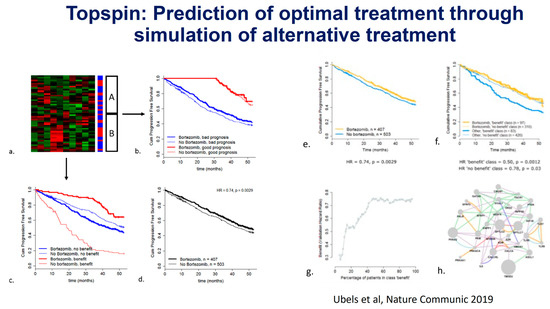
This article represents a brief overview of the recent achievements in the treatment of multiple myeloma. New opportunities and treatment challenges are discussed in the context of risk factors regarding outcomes. The options for specific targeted treatments are discussed, and references are made to recent guidelines on the diagnosis and treatment of multiple myeloma.
Full article
(This article belongs to the Special Issue Controversies in Multiple Myeloma: A Theme Issue in Honor of Prof. Dr. Jesús San Miguel)
►▼
Show Figures

Figure 1
Open AccessCase Report
Leukemia Cutis, a Tricky Diagnosis: A Case Report and Literature Review
by
Valentina De Santis, Sabrina Mariani, Giulia Pileggi, Federica Lubrano Lobianco, Esmeralda Conte, Gianluca Maiorana, Chiara Togni, Monica Piedimonte, Arianna Di Napoli, Severino Persechino, Evelina Rogges and Agostino Tafuri
Hemato 2025, 6(4), 38; https://doi.org/10.3390/hemato6040038 - 21 Oct 2025
Abstract
►▼
Show Figures
T-cell acute lymphoblastic leukemia (T-ALL) is an aggressive hematologic malignancy, typically presenting with systemic symptoms and mediastinal involvement. Leukemia cutis (LC) and renal infiltration are rare, especially at disease onset. A 27-year-old man presented with a solitary scalp lesion without systemic symptoms or
[...] Read more.
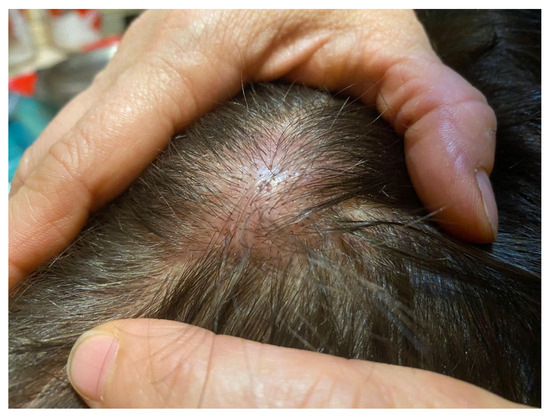
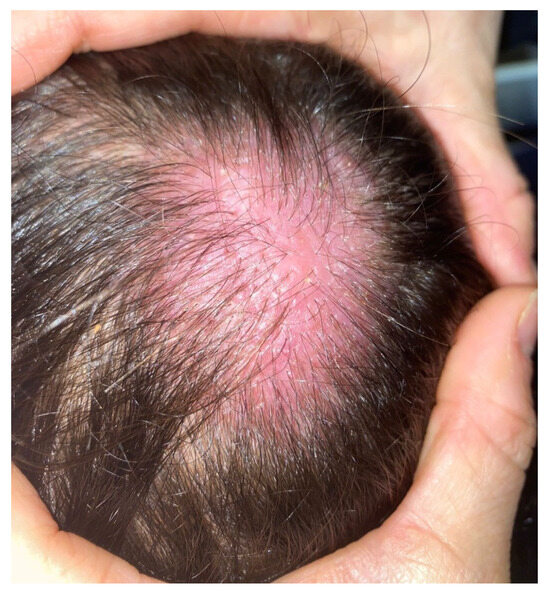
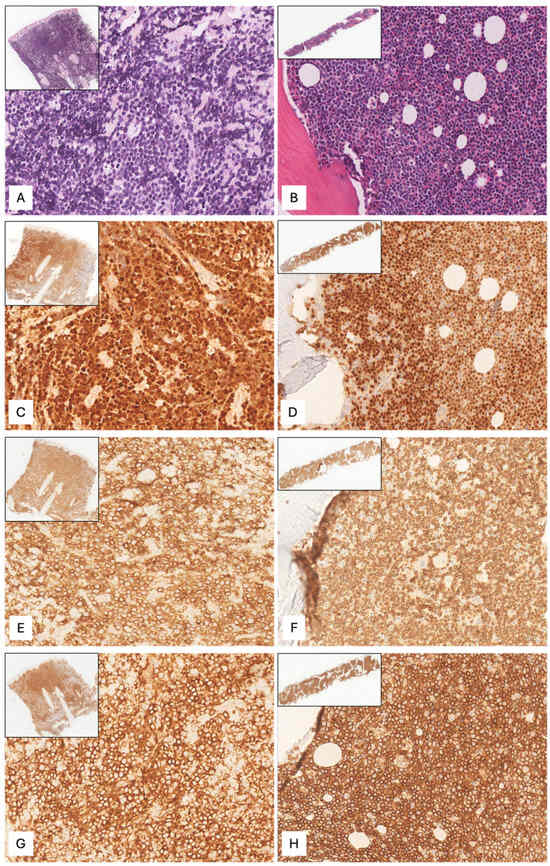
T-cell acute lymphoblastic leukemia (T-ALL) is an aggressive hematologic malignancy, typically presenting with systemic symptoms and mediastinal involvement. Leukemia cutis (LC) and renal infiltration are rare, especially at disease onset. A 27-year-old man presented with a solitary scalp lesion without systemic symptoms or hematologic abnormalities. Histopathology revealed a blastoid lymphoid infiltrate with a T-ALL immunophenotype. Two weeks later, laboratory tests showed leukocytosis, lymphocytosis, and renal dysfunction. Imaging revealed a large mediastinal mass, scalp soft tissue involvement, and bilateral renal infiltration. Bone marrow biopsy confirmed T-ALL with a mature phenotype. FISH identified TRAD:NKX2 rearrangement and CDKN2AB deletion. The patient received three cycles of pediatric-inspired chemotherapy, achieving complete molecular remission and resolution of extramedullary disease. He subsequently underwent allogeneic hematopoietic stem cell transplantation (HSCT) from an HLA-matched sibling. Post-transplant complications included febrile neutropenia and mucositis. On day +100, he remained in minimal residual disease (MRD)-negative remission. This case illustrates a rare presentation of T-ALL with isolated skin involvement and renal infiltration at diagnosis, highlighting the importance of early biopsy and immunophenotyping of atypical skin lesions. Intensive chemotherapy followed by HSCT represents a viable strategy for young adults with high-risk T-ALL and extramedullary disease.
Full article

Figure 1
Open AccessArticle
Epidemiology, Prevalence, and Predictors of Intracranial Hemorrhage with Sickle Cell Anemia
by
Nikhil Vojjala, Raj N. Shah, Lakshmi Kattamuri, Nagaishwarya Moka, Geetha Krishnamoorthy and Vijendra Singh
Hemato 2025, 6(4), 37; https://doi.org/10.3390/hemato6040037 - 21 Oct 2025
Abstract
Introduction: Sickle cell anemia (SCA) is a hereditary hemoglobinopathy caused by a mutation in the beta-globin gene, resulting in the production of hemoglobin S. Intracranial hemorrhage (ICH) is a severe complication for patients with SCA, but there is a paucity of literature
[...] Read more.
Introduction: Sickle cell anemia (SCA) is a hereditary hemoglobinopathy caused by a mutation in the beta-globin gene, resulting in the production of hemoglobin S. Intracranial hemorrhage (ICH) is a severe complication for patients with SCA, but there is a paucity of literature on its epidemiology, risk factors, and clinical outcomes. To address this knowledge gap, we conducted a comprehensive analysis using the Nationwide Inpatient Sample (NIS) database to evaluate the epidemiology, prevalence, predictors, and clinical outcomes of ICH in adults with SCA. Methods: We conducted a retrospective cohort study using the NIS database from 2016 to 2020 to identify hospitalizations with SCA, using the ICD-10-CM (International Classification of Diseases, Tenth Revision, Clinical Modification) codes. Subsequently, we derived the prevalence and predictors of ICH in SCA adults. Results: Out of 468,070 admissions of adult hospitalizations (Aged ≥ 18 years) with SCA between 2016 and 2020 in the United States, 825 (0.17%) had ICH (nontraumatic intraparenchymal and/or subarachnoid bleeding). 410 (49.7%) were males, and 380 (46.0%) belonged to the age group of more than 45 years. The mean length of stay was 14.9 days, and 210 deaths occurred during the index hospitalization, resulting in a 25.4% inpatient mortality rate as compared to 0.6% in SCA-non-ICH patients (p < 0.001). Across all adult SCA hospitalizations during 2016–2020 (n = 468,070), ICH accounted for 210 of 2940 inpatient SCA deaths (7.1%). On multivariate logistic regression analysis, hypertension (OR:2.08, 95% CI: 1.2–3.3), prior history of ischemic stroke (OR: 17.06, 95% CI: 7.5–38.5), and a Charlson comorbidity index of more than one (OR: 2.9, 95% CI: 2.4–3.5) are significant predictors of ICH in adults with SCA. Conclusions: This study highlights the high prevalence of ICH in addition to the well-known thrombotic phenomenon among SCA patients. Stroke prevention and hypertension control are of paramount importance for the prevention of this catastrophic event in patients with SCA.
Full article
Open AccessArticle
Haemoglobinopathies: Integrated Biochemical and Molecular Diagnosis in 5243 Patients
by
Domenico Dell’Edera, Brunilde Persia, Francesco La Rocca and Carmela Centoducati
Hemato 2025, 6(4), 36; https://doi.org/10.3390/hemato6040036 - 14 Oct 2025
Abstract
Background: Haemoglobinopathies are among the most common monogenic disorders worldwide. Early identification of asymptomatic carriers through reliable screening and molecular diagnostics is crucial for prevention programmes, especially in high-prevalence regions such as Southern Italy. Methods: A total of 5243 individuals were analysed between
[...] Read more.
Background: Haemoglobinopathies are among the most common monogenic disorders worldwide. Early identification of asymptomatic carriers through reliable screening and molecular diagnostics is crucial for prevention programmes, especially in high-prevalence regions such as Southern Italy. Methods: A total of 5243 individuals were analysed between 2013 and 2024 using both biochemical and genetic parameters. First-level screening included full blood count, iron status, and high-performance liquid chromatography (HPLC) for haemoglobin variant quantification. Molecular analyses were performed using next-generation sequencing (NGS) for the HBA1, HBA2, and HBB genes. Results: We identified 267 individuals (11.2%) as carriers of α-thalassaemia and 473 individuals (16.7%) as carriers of β-thalassaemia. Among them, 5 were compound heterozygotes and 3 homozygous for the α-3.7 deletion. A rare case of HbG Philadelphia in association with a triplicated α-gene was also observed. The most common β-globin mutations included c.118C>T (β039, 44%), IVS-I-110 (17.7%), IVS-I-6 (12.7%), and IVS-I-1 (12.3%). Among α-globin mutations, the most prevalent were -α3.7 (48%), α2 IVS1 -5nt (15.4%), -20.5 Kb (14.2%), and triplicated α (11%). In total, 18.7% of individuals were found to carry either α- or β-thalassaemia traits. Conclusion: Our findings highlight the limitations of traditional diagnostic methods—such as the osmotic fragility test—and the importance of integrating haematological, biochemical, and molecular data to accurately identify thalassaemia carriers. The variability of genotype–phenotype correlations, especially in the context of immigration and genetic diversity, underscores the need for comprehensive molecular analysis. We propose a three-step diagnostic algorithm combining first-level screening, iron status assessment, and NGS-based sequencing for inconclusive cases.
Full article
(This article belongs to the Section Non Neoplastic Blood Disorders)
Open AccessArticle
Immuno-Hematological Complications of Transfusion in Thalassemia Patients: First Report in the Marrakech Region (Morocco)
by
Hanane Ait Hammou, Najwa Elhidar, Mourad Ouhammou, Wafa Sansar, Samira Fazzani, Touria El Dhimni and Mohamed Sif Essalam
Hemato 2025, 6(4), 35; https://doi.org/10.3390/hemato6040035 - 30 Sep 2025
Abstract
►▼
Show Figures
Background/Objectives: Erythrocyte alloimmunization is a critical complication impacting the efficacy of transfusion therapy in patients with thalassemia. This study seeks to evaluate the prevalence, characterization, and determinants of erythrocyte alloimmunization in multi-transfused thalassemia patients in south of Morocco. Methods: A retrospective
[...] Read more.
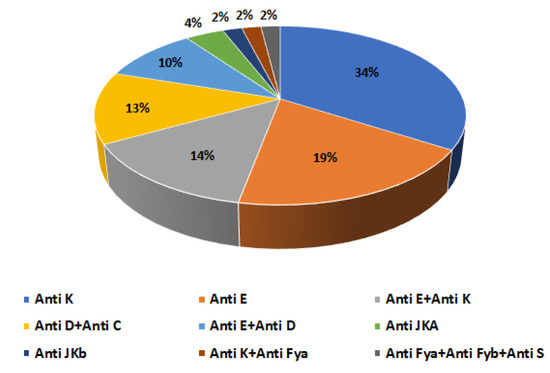
Background/Objectives: Erythrocyte alloimmunization is a critical complication impacting the efficacy of transfusion therapy in patients with thalassemia. This study seeks to evaluate the prevalence, characterization, and determinants of erythrocyte alloimmunization in multi-transfused thalassemia patients in south of Morocco. Methods: A retrospective study was conducted at the Moroccan Blood and Blood Derivatives Agency in Marrakech (Morocco) over 2 years, from June 2022 to June 2024, including 89 patients with beta-thalassemia receiving regular transfusions. The clinical, demographic, and transfusion characteristics of patients who developed alloimmunization were compared with those of non-alloimmunized patients. Results: Analysis of 89 β-thalassemia patients in the Marrakech region, mostly young and suffering from major form (67%), shows a significant male predominance (p = 0.004) and a high frequency of blood group O+ (49.4%). Alloimmunization mainly affects major forms and males and is associated with frequent annual transfusions (over 12 per year), usually resulting in the use of 24 to 60 packed red blood cell units annually. Alloimmunized patients mostly present anti-K and anti-E antibodies, indicating the involvement of the Kell and Rh systems. The direct Coombs test was more often positive in these patients (21.4% vs. 7.9%, p < 0.01). Conclusions: The high prevalence of alloimmunization in thalassemia patients in the Marrakech region highlights the need for a rigorous and personalized transfusion strategy, including molecular genotyping and alternative therapies.
Full article

Figure 1
Open AccessReview
Molecular Complexity of MDS and AML with Aberrations of Chromosome 7
by
Ugo Testa, Elvira Pelosi and Germana Castelli
Hemato 2025, 6(3), 34; https://doi.org/10.3390/hemato6030034 - 18 Sep 2025
Abstract
►▼
Show Figures
Complete or partial deletions of chromosome 7 (-7/del7q) represent the most frequent chromosomal abnormalities observed in myeloid neoplasms (MNs) and are associated with a poor prognosis. -7/del7q is observed in 10–15% of adult patients with myelodysplasia (MDS) or with acute myeloid leukemia (AML).
[...] Read more.
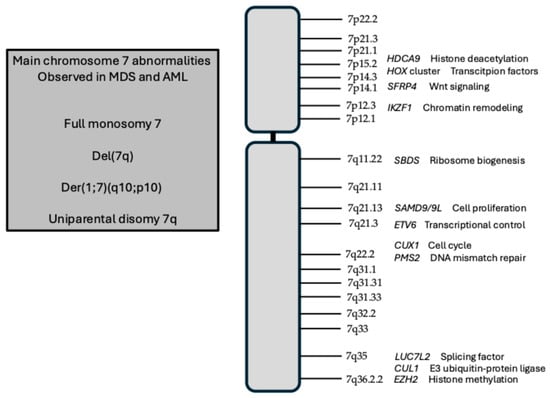
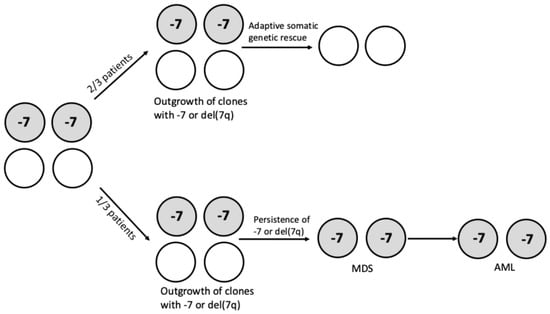
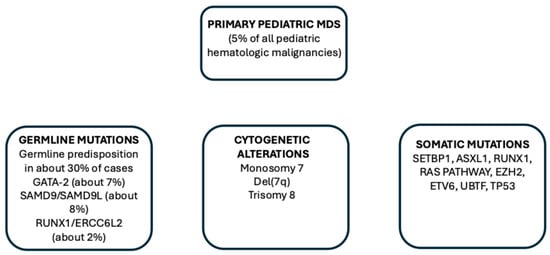
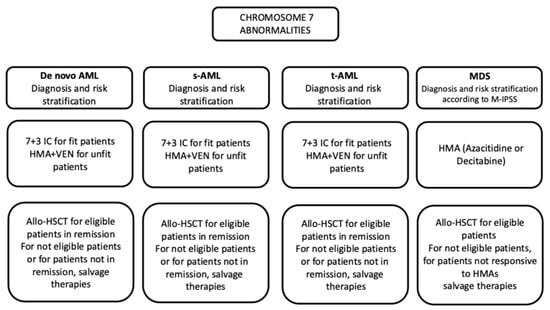
Complete or partial deletions of chromosome 7 (-7/del7q) represent the most frequent chromosomal abnormalities observed in myeloid neoplasms (MNs) and are associated with a poor prognosis. -7/del7q is observed in 10–15% of adult patients with myelodysplasia (MDS) or with acute myeloid leukemia (AML). The occurrence of -7/del7q is particularly frequent in pediatric MDS, often associated with germline mutations of GATA2 or SAMD9/SAMD9L genes. The disease biology of -7/del7q and the genes driving leukemic development have not been completely elucidated, but the haploinsufficiency of tumor suppressor genes located in chromosome 7 deleted regions seems to play a relevant role. The response to standard treatments based either on chemotherapy or hypomethylating agents plus Venetoclax is limited. No approved targeted therapies exist for patients with -7/del7q; however, some recent studies have discovered some vulnerabilities of these myeloid neoplasms than can be efficiently targeted.
Full article

Figure 1
Open AccessReview
Isoform-Specific Roles and Therapeutic Targeting of RUNX1 in Hematopoiesis and Leukemogenesis
by
Seungjun Kim and Kiwon Lee
Hemato 2025, 6(3), 33; https://doi.org/10.3390/hemato6030033 - 17 Sep 2025
Cited by 1
Abstract
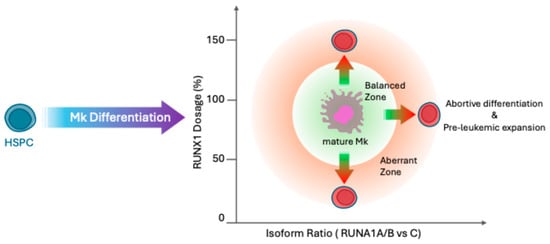
Runt-related transcription factor 1 (RUNX1) is a key transcription factor in hematopoiesis, producing multiple major isoforms, RUNX1A, B, and C, via alternative promoter usage and splicing. These isoforms have distinct roles in hematopoiesis and leukemogenesis. Imbalances in isoform expression, such as RUNX1A overexpression
[...] Read more.
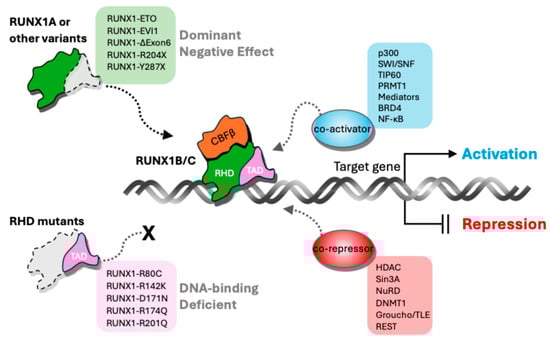
Runt-related transcription factor 1 (RUNX1) is a key transcription factor in hematopoiesis, producing multiple major isoforms, RUNX1A, B, and C, via alternative promoter usage and splicing. These isoforms have distinct roles in hematopoiesis and leukemogenesis. Imbalances in isoform expression, such as RUNX1A overexpression or RUNX1C loss, contribute to leukemogenesis in disorders. RUNX1 isoform expression is regulated by transcriptional, epigenetic, and splicing mechanisms and is further influenced by genome architecture. Pathogenic variants, including truncations and fusion proteins, disrupt isoform homeostasis and transcriptional control for the target genes in hematopoiesis. Recent therapeutic strategies aim to restore isoform balance rather than inhibit RUNX1 globally. Approaches include splice-switching oligonucleotides, CRISPR-based promoter modulation, and enhancer-targeted therapies. Understanding isoform-specific RUNX1 biology offers new opportunities for precision treatment of hematologic malignancies.
Full article
(This article belongs to the Section Leukemias)
►▼
Show Figures

Figure 1
Open AccessArticle
Survival and Prognostic Factors in Patients with Relapsed/Refractory Acute Lymphoblastic Leukemia Receiving Supportive Care
by
Christian Ramos Peñafiel, Álvaro Cabrera García, Adolfo Martínez Tovar, Daniela Pérez Sámano, Isle Mendez Lomeli, Ernesto Villagrán Carpintero, Irma Olarte Carrillo, Sayuri Midori Vargas Peña and Adán Germán Gallardo Rodríguez
Hemato 2025, 6(3), 32; https://doi.org/10.3390/hemato6030032 - 11 Sep 2025
Abstract
►▼
Show Figures
Background/Objectives: Adult acute lymphoblastic leukemia (ALL) often has poor outcomes, especially after relapse or treatment failure. Many patients eventually become ineligible for curative treatment and require only supportive care or low-intensity chemotherapy. However, data on prognosis and predictive factors in this context are
[...] Read more.
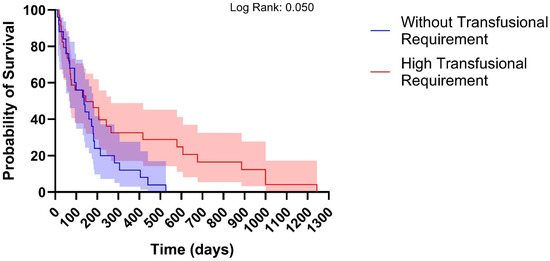
Background/Objectives: Adult acute lymphoblastic leukemia (ALL) often has poor outcomes, especially after relapse or treatment failure. Many patients eventually become ineligible for curative treatment and require only supportive care or low-intensity chemotherapy. However, data on prognosis and predictive factors in this context are limited. The study aim was to evaluate survival and identify prognostic factors in patients with relapsed/refractory ALL receiving supportive care. Methods: We conducted a retrospective observational study of 59 patients at two tertiary hospitals in Mexico. All patients had exhausted curative treatment options. Clinical variables at diagnosis and relapse were analyzed, including age, leukocyte counts, relapse timing, prior treatment lines, transfusion needs, and use of prognostic scores. Kaplan–Meier analysis was used to estimate survival, and multivariate models were applied to identify predictors of overall survival. Results: Fifty-nine patients were included (median age 31 years, balanced gender). Most received two prior high-intensity chemotherapy lines. Median overall survival was 137 days, with transfusion requirements being the only significant prognostic factor; neither the Palliative Prognostic Index nor the Charlson Comorbidity Index demonstrated predictive value. Conclusions: In patients with relapsed/refractory ALL managed with supportive care, survival remains limited. Transfusion dependence is a strong adverse prognostic factor, likely reflecting disease burden and logistical barriers to outpatient care. These findings highlight the need for earlier integration of palliative care and the development of tailored prognostic tools for this population.
Full article

Figure 1
Open AccessArticle
Rare Blood Group Bank in Transfusion Therapy of Patients with Complex Allo-Immunizations: A Single Veneto Center Experience
by
Luca Collodel, Enza Coluccia, Stefania Guaita, Michela Pivetta, Ileana Vaccara and Gianluca Gessoni
Hemato 2025, 6(3), 31; https://doi.org/10.3390/hemato6030031 - 8 Sep 2025
Abstract
Background: Today, in Western countries, patients with allo-antibodies to high-frequency antigens or with complex antibody mixtures represent one of the most significant challenges in transfusion medicine. Another important aspect is the prevention of allo-immunization of patients who lack high-frequency antigens. In these conditions,
[...] Read more.
Background: Today, in Western countries, patients with allo-antibodies to high-frequency antigens or with complex antibody mixtures represent one of the most significant challenges in transfusion medicine. Another important aspect is the prevention of allo-immunization of patients who lack high-frequency antigens. In these conditions, the availability of a bank of a rare red blood cell group, supported by a database of donors subjected to extensive erythrocyte typing (preferably using erythrogenomic study), can constitute a resource of great value. Materials and Methods: Repeat Caucasian blood donors of group A or O, with selected Rh phenotypes (CCDee, ccDEE, ccdee, ccDee), aged under 52 years, were considered for typing. Moreover, we selected all non-Caucasian repeat blood donors for typing. For extended phenotyping and genotyping we adopted commercial methods supplied by Grfols and Werfen, respectively. For cryopreservation, we selected a high glycerol method in −80 °C electric freezer; blood unit processing was performed using a Haemonetics ACP 215 automated cell processor with close circuit devices. Results: We considered the five patients as follows: PA was massively transfused for a road trauma, developed multiple allo-antibodies (anti-D, anti-k), and required compatible blood units for an elective cardiac surgery; PB was a pregnant woman with anti-Coa (a high frequency antigen) monitored during pregnancy and in which it was necessary to proceed with the transfusion of the newborn; PC was a poly-transfused patient with myelo dysplastic syndrome who developed multiple allo-antibodies (anti-k, anti-CW, anti-Lea) and required continuous supportive therapy, including the procurement of compatible units and the implementation of therapeutic actions in an attempt to reduce the transfusion requirement using luspatercept; PD was a patient with sickle cell disease. They had a Fy (null) genotype, making it very difficult to find compatible units; and PE was interesting for the complexity of the immunohematological and erythrogenomic study performed to characterize a recipient with a rare phenotype and thus allow the transfusion of compatible units, preventing allo-immunization. Discussion: In this report, we have maintained a narrative approach. Starting with five patients representing as many clinical situations as possible, we have illustrated the approach followed for the immune-hematological study and the choices made to try to guarantee effective and safe transfusion therapy.
Full article
(This article belongs to the Section Non Neoplastic Blood Disorders)
Open AccessArticle
miR-429 Acts as a Tumor Suppressor in Multiple Myeloma by Regulating Cell Proliferation
by
Mohamed Abdelkarim, Inès Limam, Emna Berred, Rachid Kharrat, Brigitte Sola and Fatma Ben Aissa-Fennira
Hemato 2025, 6(3), 30; https://doi.org/10.3390/hemato6030030 - 26 Aug 2025
Cited by 1
Abstract
Background/Objectives: Multiple myeloma (MM) is a hematologic malignancy characterized by the clonal proliferation of abnormal plasma cells in bone marrow, predominantly affecting individuals over 65 years of age. Despite recent therapeutic advances, MM remains largely incurable due to frequent relapses and the emergence
[...] Read more.
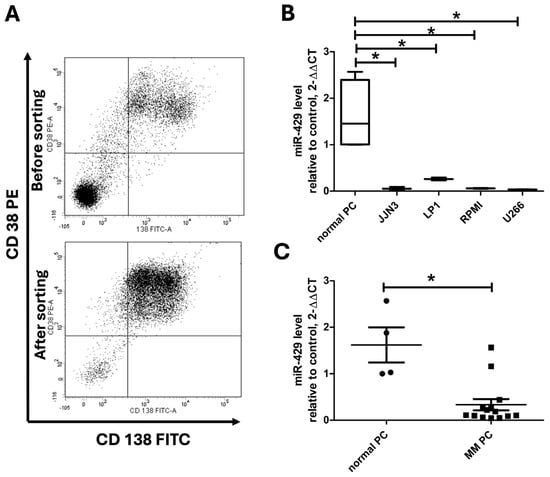
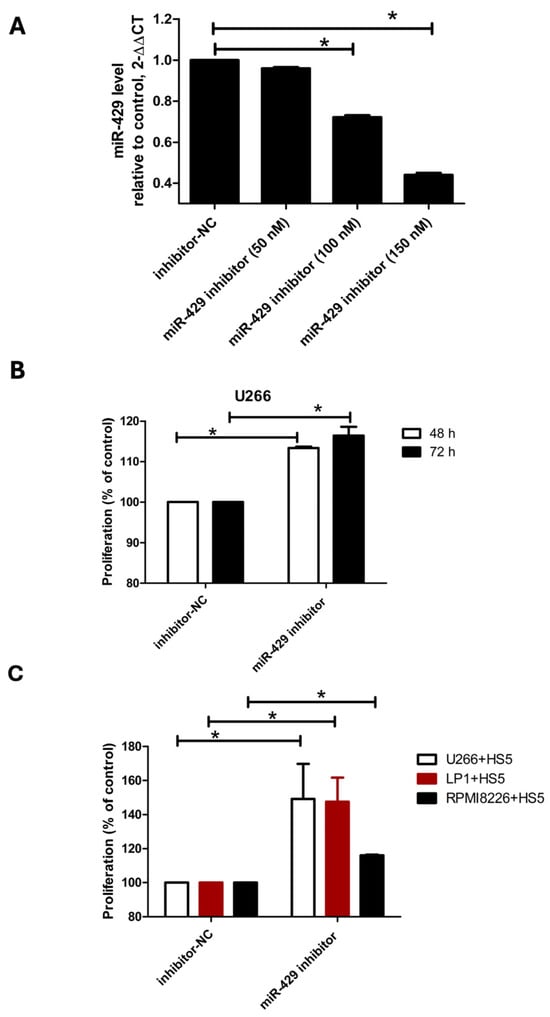
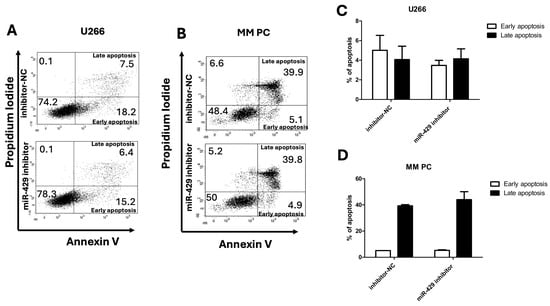
Background/Objectives: Multiple myeloma (MM) is a hematologic malignancy characterized by the clonal proliferation of abnormal plasma cells in bone marrow, predominantly affecting individuals over 65 years of age. Despite recent therapeutic advances, MM remains largely incurable due to frequent relapses and the emergence of drug resistance. MicroRNAs have emerged as key post-transcriptional regulators implicated in cancer progression, with miR-429 exhibiting context-dependent oncogenic or tumor-suppressive roles in various cancers. However, its function in MM has not been thoroughly investigated. Methods: miR-429 expression was evaluated in MM cells and patient samples by qRT-PCR. Functional effects were assessed through inhibition studies, proliferation/apoptosis assays, and co-culture with stromal cells. Results: In this study, we found that miR-429 expression is significantly downregulated in MM cell lines and primary malignant plasma cells compared to normal plasma cells. The functional inhibition of miR-429 in U266 cells led to a significant increase in cell proliferation without affecting spontaneous apoptosis, as confirmed in both MM cell lines and patient-derived plasma cells. Additionally, the inhibition of miR-429 in HS-5 stromal cells enhanced the proliferation of co-cultured MM cells, highlighting the role of the bone marrow microenvironment in disease progression. Conclusions: These findings suggest that miR-429 may act as a tumor suppressor by modulating MM cell proliferation. Although preliminary, our results support the need for further investigation into miR-429 as a potential biomarker or therapeutic target.
Full article
(This article belongs to the Section Plasma Cell Disorders)
►▼
Show Figures

Figure 1
Open AccessReview
Multiple Myeloma and Precursor Plasma Cell Disorders: From Emerging Driver Mutations to Current and Future Therapeutic Strategies
by
Henry Sutanto, Pradana Zaky Romadhon, Vembi Rizky Fatmawati, Alief Waitupu, Bagus Aditya Ansharullah, Betty Rachma, Elisa Elisa, Laras Pratiwi and Galih Januar Adytia
Hemato 2025, 6(3), 29; https://doi.org/10.3390/hemato6030029 - 18 Aug 2025
Abstract
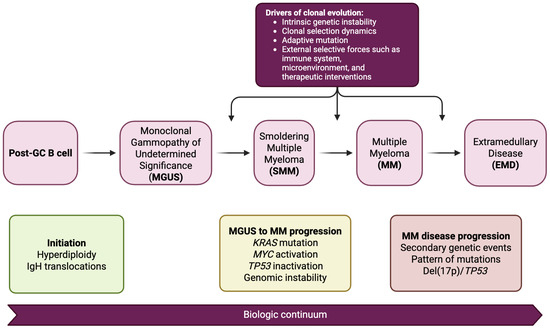
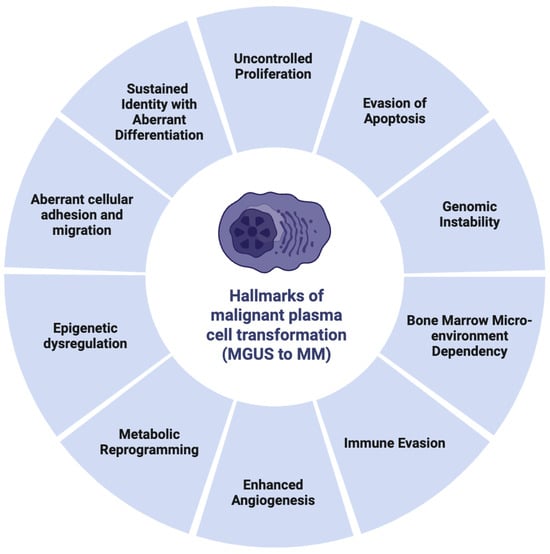
Multiple myeloma (MM) is a malignant plasma cell disorder that evolves from precursor conditions including monoclonal gammopathy of undetermined significance (MGUS) and smoldering multiple myeloma (SMM). Understanding the biological continuum and the molecular drivers of disease progression is crucial for early diagnosis and
[...] Read more.
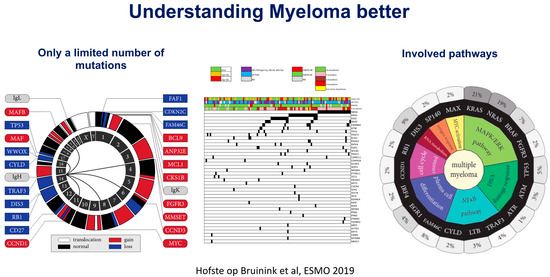
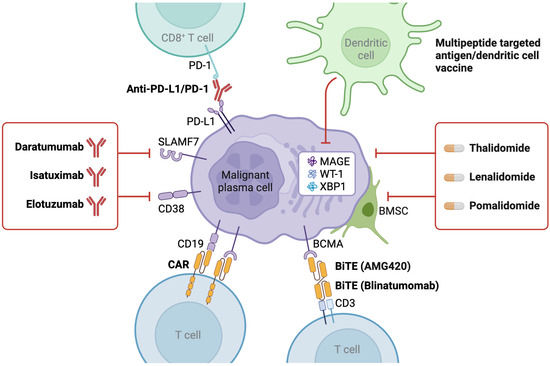
Multiple myeloma (MM) is a malignant plasma cell disorder that evolves from precursor conditions including monoclonal gammopathy of undetermined significance (MGUS) and smoldering multiple myeloma (SMM). Understanding the biological continuum and the molecular drivers of disease progression is crucial for early diagnosis and risk-adapted therapy. Recent advances in next-generation sequencing have identified recurrent mutations in the RAS/MAPK, TP53, and MYC pathways, along with epigenetic alterations that contribute to clonal evolution and therapeutic resistance. Novel diagnostic tools including minimal residual disease (MRD) assessment, gene expression profiling, and advanced imaging have improved risk stratification. Therapeutically, the integration of proteasome inhibitors, immunomodulatory drugs, and anti-CD38 monoclonal antibodies has dramatically improved patient outcomes. In parallel, emerging immunotherapies such as CAR-T cells, bispecific T-cell engagers, and antibody–drug conjugates are expanding treatment options, especially in relapsed or refractory settings. Future directions aim to personalize treatment using genomics, target the tumor microenvironment, and leverage synthetic lethality and epigenetic vulnerabilities. This review highlights the evolving landscape of plasma cell disorders from molecular pathogenesis to cutting-edge therapeutic innovations, emphasizing the need for precision medicine approaches to improve survival and quality of life for patients with MM and its precursors.
Full article
(This article belongs to the Special Issue Hematopathology: Rare Hematological Diseases)
►▼
Show Figures

Figure 1

Journal Menu
► ▼ Journal Menu-
- Hemato Home
- Aims & Scope
- Editorial Board
- Topical Advisory Panel
- Instructions for Authors
- Special Issues
- Topics
- Sections & Collections
- Article Processing Charge
- Indexing & Archiving
- Editor’s Choice Articles
- Most Cited & Viewed
- Journal Statistics
- Journal History
- Journal Awards
- Society Collaborations
- Conferences
- Editorial Office
Journal Browser
► ▼ Journal BrowserHighly Accessed Articles
Latest Books
E-Mail Alert
News
Topics
Topic in
BioMedInformatics, Cancers, Hemato, Hematology Reports
Myeloma and Leukemia—Challenges and Current Treatment Options: 2nd Edition
Topic Editors: Giovanni Martinelli, Claudio CerchioneDeadline: 18 September 2026
Conferences
Special Issues
Special Issue in
Hemato
Memorial Issue Dedicated to Prof. Dr. Michele Baccarani: An Excellent Hematologist on Chronic Myeloid Leukemia
Guest Editors: Domenico Russo, Gianantonio Rosti, Francesco Onida, Jane ApperleyDeadline: 28 February 2026
Special Issue in
Hemato
Hematopathology: Rare Hematological Diseases
Guest Editor: Pier Paolo PiccalugaDeadline: 30 June 2026
Topical Collections
Topical Collection in
Hemato
Exclusive Papers of the Editorial Board Members (EBMs) of Hemato
Collection Editors: Antonino Carbone, Laurent Garderet