Journal Description
Healthcare
Healthcare
is an international, scientific, peer-reviewed, open access journal on health care systems, industry, technology, policy, and regulation, and is published semimonthly online by MDPI. The European Medical Association (EMA), Ocular Wellness & Nutrition Society (OWNS) and Italian Society of Nephrology Nurses (SIAN) are affiliated with Healthcare and their members receive discounts on the article processing charges.
- Open Access— free for readers, with article processing charges (APC) paid by authors or their institutions.
- High Visibility: indexed within Scopus, SCIE and SSCI (Web of Science), PubMed, PMC, and other databases.
- Journal Rank: JCR - Q2 (Health Policy and Services) / CiteScore - Q1 (Leadership and Management)
- Rapid Publication: manuscripts are peer-reviewed and a first decision is provided to authors approximately 22.4 days after submission; acceptance to publication is undertaken in 2.9 days (median values for papers published in this journal in the second half of 2025).
- Recognition of Reviewers: reviewers who provide timely, thorough peer-review reports receive vouchers entitling them to a discount on the APC of their next publication in any MDPI journal, in appreciation of the work done.
- Companion journals for Healthcare include: Trauma Care and European Burn Journal.
- Journal Cluster of Healthcare Sciences and Services: Geriatrics, Journal of Ageing and Longevity, Healthcare, Hospitals, Hygiene, International Journal of Environmental Research and Public Health and Nursing Reports.
Impact Factor:
2.7 (2024);
5-Year Impact Factor:
2.8 (2024)
Latest Articles
Ethical Norms, Challenges, and Associated Factors in Telemental Health: Perspectives from Psychiatric and Psychological Professionals in China
Healthcare 2026, 14(11), 1472; https://doi.org/10.3390/healthcare14111472 - 26 May 2026
Abstract
Background: With the rising demand for psychiatric mental health services and the development of online technology, telemental health services are gaining popularity. Psychiatrists and psychologists differ significantly in service patterns and ethical models. This study investigated their ethical patterns and used the technology
[...] Read more.
Background: With the rising demand for psychiatric mental health services and the development of online technology, telemental health services are gaining popularity. Psychiatrists and psychologists differ significantly in service patterns and ethical models. This study investigated their ethical patterns and used the technology acceptance model (TAM) to explore how professionals’ attitudes influence their ethical and regulatory use of telemental health services. Methods: The online survey included their basic information, telemental health service patterns, attitudes toward telemental health services, and ethical norms. This cross-sectional online survey was conducted among psychiatrists and psychologists in China between April and October 2022. Of the 1071 respondents in the parent survey, 690 professionals who reported using telemental health services were included in the present subgroup analysis. Results: In some instances, practitioners offering telemental health services may not adhere to ethical standards, particularly in the case of psychologists. A significant proportion of respondents expressed concerns including potential emergencies, technical issues, and security, suggesting the need for a re-evaluation of the ethical framework. The TAM showed higher behavioral intention was associated with lower ethical compliance scores. Conversely, elevated subjective norms and perceived behavioral control have the potential to encourage ethical compliance. Conclusions: Telemental health services are widely used in China, but important gaps remain in ethical compliance and regulatory implementation. Future efforts should focus on strengthening professional training, improving platform security and emergency response procedures, and developing clearer institutional and professional guidelines for ethical telemental health practice.
Full article
Open AccessArticle
Ultrasound-Guided Percutaneous Electrical Nerve Stimulation (PENS) as an Adjunct to a Multimodal Physical Therapy Program for Postoperative Shoulder Pain: A Randomized Clinical Trial
by
Mario J. Abril-Serván, Fernando García-Sanz, Adrián Cases-Sebastia, Jorge Rodríguez-Jiménez, Gracia María Gallego-Sendarrubias, Joshua A. Cleland and José L. Arias-Buría
Healthcare 2026, 14(11), 1471; https://doi.org/10.3390/healthcare14111471 - 26 May 2026
Abstract
Background/Objectives: Arthroscopic shoulder surgery is associated with postoperative pain and loss of function. Percutaneous electrical nerve stimulation (PENS) may serve as an effective adjunct to postoperative rehabilitation. This randomized clinical trial examined whether adding ultrasound-guided PENS to a multimodal rehabilitation program improves pain,
[...] Read more.
Background/Objectives: Arthroscopic shoulder surgery is associated with postoperative pain and loss of function. Percutaneous electrical nerve stimulation (PENS) may serve as an effective adjunct to postoperative rehabilitation. This randomized clinical trial examined whether adding ultrasound-guided PENS to a multimodal rehabilitation program improves pain, disability, pressure pain sensitivity, shoulder range of motion, and muscle strength in individuals with postoperative pain following shoulder arthroscopy. Methods: A randomized, parallel-group clinical trial (registry: NCT06331871) was conducted. Seventy patients who had undergone shoulder arthroscopy were randomized to receive manual therapy/exercise alone (n = 35) or manual therapy/exercise/PENS (n = 35). All participants received the multimodal program including manual therapy and exercises four weeks after surgery for a duration of 12 weeks (five sessions/week). Those allocated to the PENS group also received two sessions (once per week) of ultrasound-guided PENS targeting the suprascapular and axillary nerves. Pain intensity (Numeric Pain Rating Scale (NPRS)) and disability (Disabilities of the Arm, Shoulder and Hand (DASH)) were the primary outcomes, whereas function (Shoulder Pain and Disability Index (SPADI)), pressure pain threshold (PPT), isometric strength, and shoulder range of motion (ROM) were secondary outcomes. Pain, PPT, strength, and ROM were assessed before and after treatment, and at 1 and 3 months. Disability and function were assessed at baseline and 3 months after treatment. Results: Patients receiving PENS showed greater improvements in shoulder pain (F2.72, 182.32 = 7.76, p = 0.007, η2p = 0.10), disability (F1, 68 = 5.63, p = 0.020, η2p = 0.08), function (F1, 68 = 4.15, p = 0.046, η2p = 0.02) and PPT over the infraspinatus muscle (F3.20, 217.28 = 2.93, p = 0.032, η2p = 0.04) than those receiving manual therapy/exercise alone. No between-group differences were observed for PPT at the deltoid or tibialis anterior muscles. The PENS group also showed greater improvements in some, but not all, measures of shoulder strength and range of motion; however, the effect sizes were small and the clinical relevance of these differences remains uncertain. Conclusions: Adding ultrasound-guided PENS targeting the suprascapular and axillary nerves to a multimodal physical therapy program resulted in greater improvements in pain, disability, and shoulder-specific function, with limited additional benefits for some measures of strength and range of motion, compared with physical therapy alone, in individuals with postoperative shoulder pain. However, many of the lower-bound estimates of the 95% confidence interval did not surpass the minimal clinically important difference. Therefore, the clinical relevance of the results should be considered with caution.
Full article
(This article belongs to the Special Issue Physiotherapy and Physical Therapy in Modern Rehabilitation)
Open AccessSystematic Review
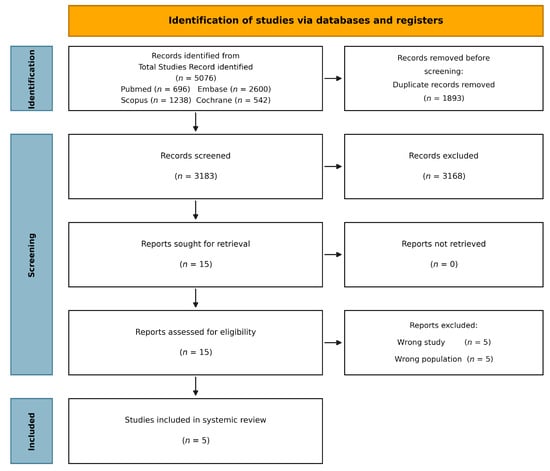
Tenecteplase in the Extended 4.5–24-Hour Window for Acute Ischemic Stroke: An Updated Meta-Analysis of RCTs with EVT-Stratified Subgroup Analysis
by
Sadia Qazi, Arsalan Ahmed, Mazhar Ali, Muhammad Usman Iqbal, Eshal Atif, Zain Ali, Abdullah Imtiaz, Nabahat Shafi, Muhammad Hassan Imtiaz, Mohammad Dawar Zahid, Muhammad Sharjeel Abbas and Muhammad Atif Mazhar
Healthcare 2026, 14(11), 1470; https://doi.org/10.3390/healthcare14111470 - 26 May 2026
Abstract
Background: The efficacy of tenecteplase for acute ischemic stroke (AIS) beyond 4.5 h remains uncertain, particularly across care pathways with and without endovascular thrombectomy (EVT). We performed an updated systematic review and meta-analysis using an EVT-stratified framework. Methods: PubMed, Embase, Scopus, and the
[...] Read more.
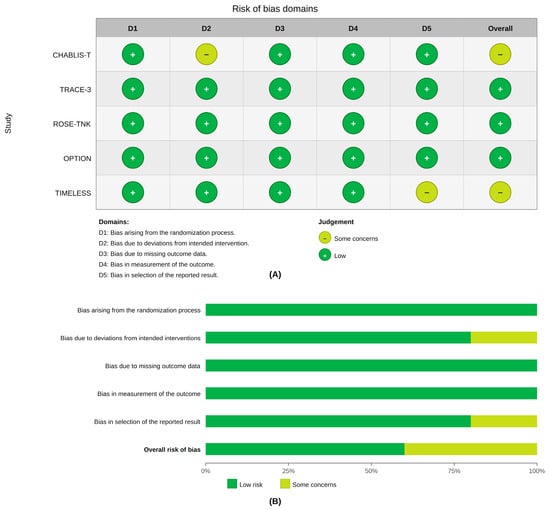
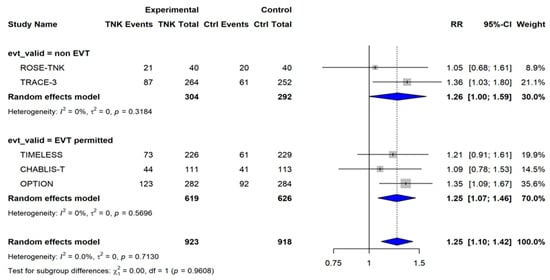
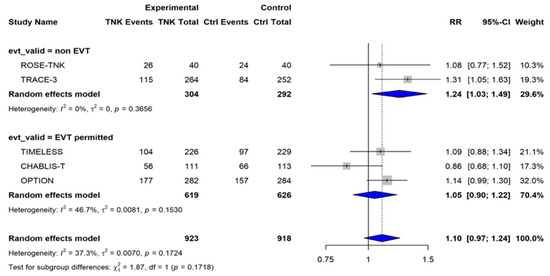
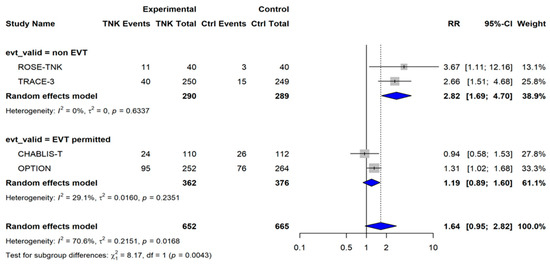
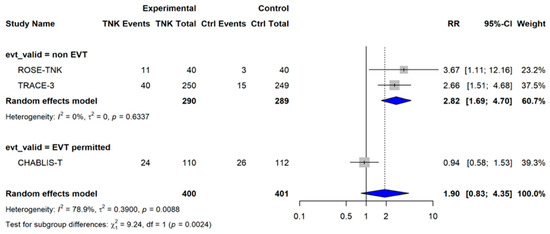
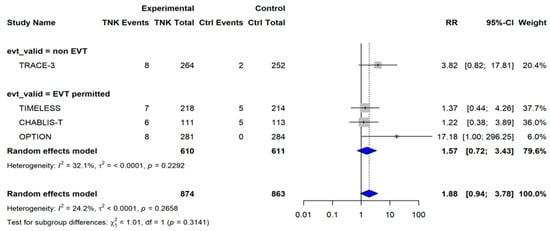
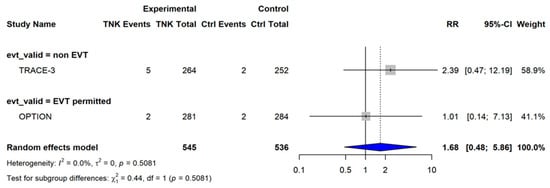
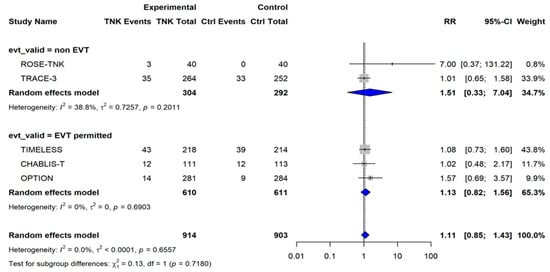
Background: The efficacy of tenecteplase for acute ischemic stroke (AIS) beyond 4.5 h remains uncertain, particularly across care pathways with and without endovascular thrombectomy (EVT). We performed an updated systematic review and meta-analysis using an EVT-stratified framework. Methods: PubMed, Embase, Scopus, and the Cochrane Library were searched through February 2026 for randomized controlled trials comparing tenecteplase with control in imaging-selected patients with AIS presenting 4.5–24 h from last known well. The primary outcome was excellent functional outcome (mRS 0–1) at 90 days. Secondary outcomes were good functional outcome (mRS 0–2), recanalization, early neurological improvement, symptomatic intracranial hemorrhage, and 90-day mortality. Random-effects models with Hartung–Knapp adjustment were used. Subgroup analyses by EVT availability were interpreted as exploratory because of the limited number of trials. Results: Five trials including 1844 patients were analyzed. Tenecteplase improved excellent functional outcome (RR 1.25, 95% CI 1.10–1.42; p = 0.0005) with no heterogeneity (I2 = 0%) and no interaction by EVT status (p-interaction = 0.961). Good functional outcome was not significantly different overall (RR 1.10, 95% CI 0.97–1.24; p = 0.135). Significant subgroup interactions were observed for recanalization (p-interaction = 0.004) and early neurological improvement (p-interaction = 0.002), with benefits concentrated in non-EVT settings. However, the larger effect on recanalization did not translate proportionally into functional recovery, supporting separation of vessel-opening outcomes from patient-centered outcomes. Symptomatic intracranial hemorrhage showed a nonsignificant increase in four estimable studies (RR 1.88, 95% CI 0.94–3.78; p = 0.074), whereas 90-day mortality did not differ significantly (RR 1.11, 95% CI 0.85–1.43; p = 0.43). Conclusions: In imaging-selected AIS presenting 4.5–24 h after onset, tenecteplase improved excellent functional outcome irrespective of EVT availability, while benefits for recanalization and early neurological improvement were largely confined to non-EVT settings. Because recanalization is an intermediate endpoint, these findings should not be interpreted as proof of a proportional clinical benefit. Future extended-window trials should specify EVT status.
Full article
(This article belongs to the Section Clinical Care)
►▼
Show Figures

Figure 1
Open AccessArticle
Laparoscopic Sacropexy Versus Vaginal Sacrospinous Fixation for Pelvic Organ Prolapse: A Retrospective Comparison of Surgical Outcomes and Quality of Life
by
Sima Ismayilova, Narmin Ismayilova, Jörg Engel and Anita Windhorst
Healthcare 2026, 14(11), 1469; https://doi.org/10.3390/healthcare14111469 - 26 May 2026
Abstract
Background: Pelvic organ prolapse (POP) significantly impacts women’s quality of life. Two established surgical approaches exist: laparoscopic sacropexy (LSC) and vaginal sacrospinous fixation (SSLF). This study compared surgical outcomes, complication rates, and quality of life between these techniques. Methods: This retrospective
[...] Read more.
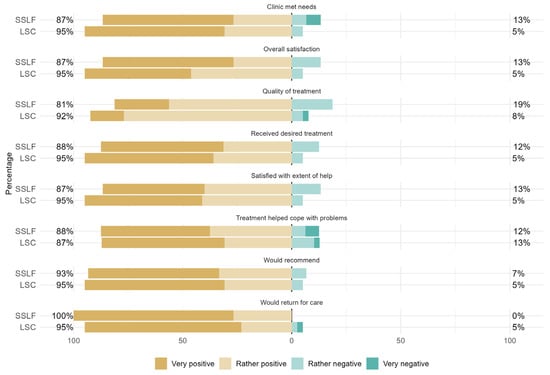
Background: Pelvic organ prolapse (POP) significantly impacts women’s quality of life. Two established surgical approaches exist: laparoscopic sacropexy (LSC) and vaginal sacrospinous fixation (SSLF). This study compared surgical outcomes, complication rates, and quality of life between these techniques. Methods: This retrospective monocentric study included 58 patients treated between 2020 and 2023: 41 underwent LSC, and 17 underwent SSLF with vaginal hysterectomy. All procedures were performed by a single surgeon. Primary outcomes included operative time, complications, and hospital stay. Quality of life was assessed using the German Pelvic Floor Questionnaire (Deutscher Beckenboden-Fragebogen), King’s Health Questionnaire (KHQ), and patient satisfaction surveys. Results: Patient groups differed significantly in ASA scores (p = 0.023) and comorbidities, with SSLF patients showing higher morbidity. LSC demonstrated longer operative times (91 (75–115) vs. 73 (61–87) min, p = 0.05) but significantly fewer complications (0% vs. 17.6%, p = 0.02). Both methods showed significant improvements in bladder function, prolapse symptoms, and pelvic floor dysfunction scores (all p < 0.001). A within-group improvement in sexual function scores was observed in the LSC group (p = 0.002) but not in the SSLF group (p = 0.5); the between-group comparison of change scores was not significant (p = 0.8). No significant differences were found between groups regarding hospital stay duration or overall patient satisfaction (LSC: 95% vs. SSLF: 87% satisfied, p > 0.05). Conclusions: Both surgical approaches effectively treat POP with high patient satisfaction. LSC was associated with fewer observed complications and a within-group improvement in sexual function scores; SSLF was associated with shorter operative time and was applied in patients with higher morbidity. These associations may partly reflect baseline differences between groups and are considered hypothesis-generating. SSLF remains suitable for patients with higher morbidity when minimizing operative time and avoiding Trendelenburg positioning is advantageous.
Full article
(This article belongs to the Section Women’s and Children’s Health)
►▼
Show Figures

Figure 1
Open AccessArticle
Attitudes, Help-Seeking Barriers, and Predictors of Intention to Use Telemental Health Services Among University Students in Saudi Arabia: A Cross-Sectional Study
by
Yahia Aldhamri
Healthcare 2026, 14(11), 1468; https://doi.org/10.3390/healthcare14111468 - 26 May 2026
Abstract
Background: Mental health concerns are notably common among students attending universities in Saudi Arabia, and low engagement with psychological services has been widely documented in this population group. Telemental health has emerged as a promising alternative under Vision 2030’s digital transformation agenda, although
[...] Read more.
Background: Mental health concerns are notably common among students attending universities in Saudi Arabia, and low engagement with psychological services has been widely documented in this population group. Telemental health has emerged as a promising alternative under Vision 2030’s digital transformation agenda, although the determinants of university students’ intentions to use these services have received limited empirical attention in Saudi Arabia. Objective: This study examined attitudes toward telemental health services, perceived barriers to seeking psychological help, and predictors of behavioral intentions to use telemental health services among university students in Saudi Arabia, based on the Technology Acceptance Model and Theory of Planned Behavior. Methods: A cross-sectional design was employed using an online, self-administered questionnaire. A total of 236 undergraduate students from three large universities in Riyadh were recruited using convenience sampling methods. We examined demographic variables, telemental health attitude variables (ease of use, usefulness, subjective norms, trust in telemental health, relative advantage, intentions, and attitudes), and barrier subscales (fear of stigma, trust in mental health professionals, difficulties in self-disclosure, perceived devaluation, and lack of knowledge) among university students. Descriptive statistics, Welch’s t-tests, and multiple linear regression analyses were conducted using SPSS (version 29). Results: Participants demonstrated moderately positive attitudes toward telemental health (M = 74.15, SD = 16.11) and reported moderate overall barriers (M = 50.76, SD = 14.44), with trust in mental health professionals being the most prominent barrier. The regression model explained 58.0% of the variance in behavioral intentions (F(19, 211) = 15.35, p < 0.001). Attitude was the strongest predictor (β = 0.534, p < 0.001), followed by trust in telemental health, sex, and difficulty in self-disclosure. Conclusions: Culturally tailored awareness campaigns, trust-building communication, and gender-sensitive service design are recommended to promote the adoption of telemental health by Saudi university students. These efforts align with Vision 2030’s digital health priorities and may support the equitable expansion of mental healthcare access in this population.
Full article
(This article belongs to the Special Issue Caring for the Mental Health of Higher Education Students: Coping Strategies and Well-Being Support)
Open AccessArticle
Relational Agency and Ethical Professionalism Among Long-Term Care Workers: Evidence from Taiwan
by
Mei-Lin Liao, Yi-Chun Hung and Kai-Lin Liang
Healthcare 2026, 14(11), 1467; https://doi.org/10.3390/healthcare14111467 - 26 May 2026
Abstract
Background: With the rapid aging of populations worldwide, strengthening the professional capacity of long-term care (LTC) workers has become a critical priority for health systems. While competency-based training frameworks are widely implemented, it remains unclear which domains of competency are most closely associated
[...] Read more.
Background: With the rapid aging of populations worldwide, strengthening the professional capacity of long-term care (LTC) workers has become a critical priority for health systems. While competency-based training frameworks are widely implemented, it remains unclear which domains of competency are most closely associated with ethical professionalism in daily care practice. Methods: A cross-sectional survey was conducted with 268 LTC workers across home-based, community-based, and institutional settings in Taiwan. Multiple linear regression analyses were performed to examine the associations between core competency domains and perceived ethical professionalism. Results: Participants reported relatively high levels of overall competency and ethical professionalism. Among the competency domains, interpersonal communication (β = 0.345, p < 0.001), psychological support (β = 0.184, p = 0.020), and teamwork (β = 0.111, p = 0.045) were significantly associated with ethical professionalism. In contrast, technical competencies, including physical care, daily living care, and emergency management, were not significantly associated (p > 0.05). Conclusions: The findings suggest that ethical professionalism in LTC practice is more strongly associated with relational and psychosocial competencies than with technical skills. These results highlight the importance of incorporating communication, emotional support, and teamwork training into workforce development programs. Prioritizing these competencies in training frameworks may be associated with improved care quality, workforce sustainability, and person-centered care delivery in aging societies.
Full article
(This article belongs to the Section Healthcare and Sustainability)
Open AccessArticle
Triple-M Overlap Syndrome Associated with Immune Checkpoint Inhibitors: A FAERS Pharmacovigilance Analysis
by
Bader Alshamsan and Terry L. Ng
Healthcare 2026, 14(11), 1466; https://doi.org/10.3390/healthcare14111466 - 26 May 2026
Abstract
Background/Objectives: Immune checkpoint inhibitors (ICIs) improve cancer outcomes but may induce immune-related adverse events. Myasthenia gravis (MG), myositis, and myocarditis may co-occur as an overlap syndrome (“Triple-M”), but population-level data remain limited. This study aimed to characterize the pharmacovigilance profile, overlap patterns,
[...] Read more.
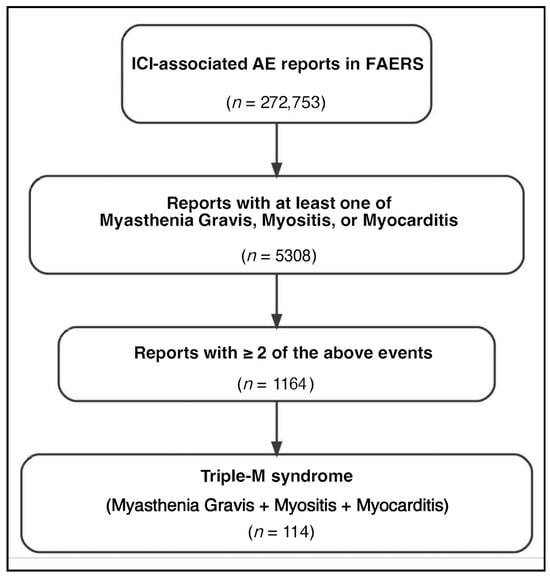
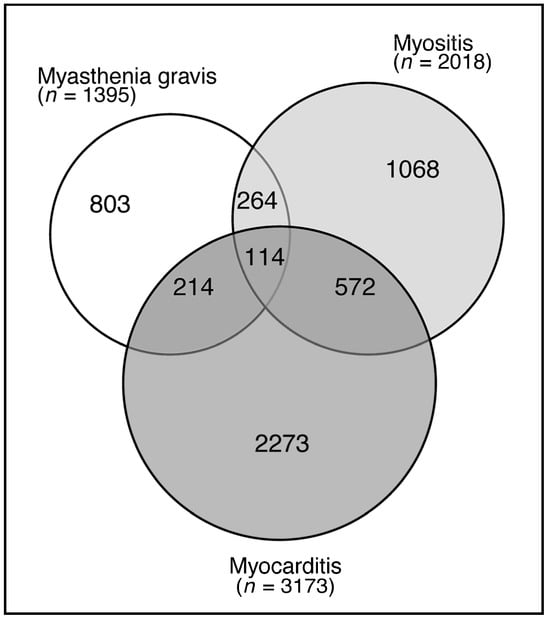
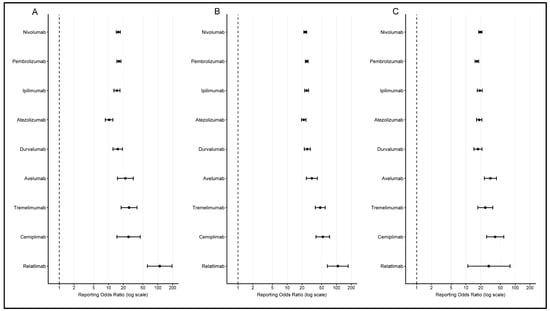
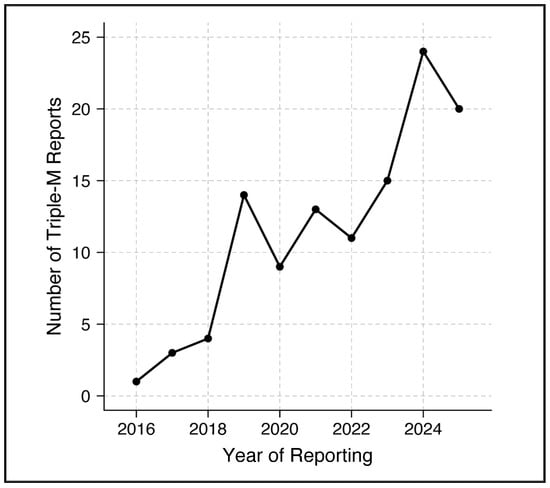
Background/Objectives: Immune checkpoint inhibitors (ICIs) improve cancer outcomes but may induce immune-related adverse events. Myasthenia gravis (MG), myositis, and myocarditis may co-occur as an overlap syndrome (“Triple-M”), but population-level data remain limited. This study aimed to characterize the pharmacovigilance profile, overlap patterns, and reported fatality of Triple-M associated with ICIs. Methods: A FAERS pharmacovigilance analysis was conducted using OpenVigil FDA and the openFDA API. Disproportionality metrics (ROR, PRR, χ2) were used to evaluate signals for MG, myositis, and myocarditis across nine ICIs. Triple-M was defined as the co-reporting of all three events and was evaluated over the study period from August 2016 to September 2025. Results: Among 272,753 ICI reports, 1395 (0.51%) MG, 3173 (1.16%) myocarditis, and 2018 (0.74%) myositis cases were identified; all nine ICIs met signal-detection criteria for all three toxicities (χ2 > 4). Pembrolizumab and nivolumab accounted for the highest absolute report counts, whereas nivolumab-relatlimab demonstrated the strongest disproportionality (ROR = 109.5 for MG, 106.4 for myocarditis, and 29.0 for myositis). Triple-M occurred in 114 unique reports (0.04% of all ICI-related adverse events), representing 8.2% of MG, 5.6% of myositis, and 3.6% of myocarditis cases. Co-reporting was common: among 5308 unique reports involving these toxicities, 1164 reports (21.9%) included at least two components of the triad. Triple-M cases were more common in men (56%), with a median age of 74 years (IQR 68–79), a median time-to-onset of 21 days (IQR 18–28), and 50% mortality among cases with available outcomes. Conclusions: Triple-M appears to be a severe overlap phenotype reported in association with immune checkpoint inhibitors, characterized by early onset, frequent co-reporting, and substantial reported fatality. Early recognition and coordinated multidisciplinary assessment may warrant further clinical evaluation and investigation of this overlap phenotype.
Full article
(This article belongs to the Section Clinical Care)
►▼
Show Figures

Figure 1
Open AccessArticle
Attitudes Toward Patient Safety in Operating Rooms: Cross-Cultural Adaptation and Validation of the French Version of the Operating Room Management Attitudes Questionnaire (ORMAQ)
by
Mohamed Ayoub Tlili, Wiem Aouicha, Mouna Idoudi, Maali Haoues, Nikoloz Gambashidze, Hamdi Lamine, Maha Dardouri, Mohammad Alboliteeh, Sameer Alkubati, Bushra Alshammari, Oumaima Mohamed Ahmed Elalem, Nahed Moussa Saber, Matthias Weigl and Aziza Zakaria Ali
Healthcare 2026, 14(11), 1465; https://doi.org/10.3390/healthcare14111465 - 26 May 2026
Abstract
Background: The Operating Room Management Attitudes Questionnaire (ORMAQ) is widely used to assess operating room (OR) staff attitudes toward patient safety and teamwork across diverse contexts. However, no validated French version currently exists, limiting its use in francophone settings. This study aimed
[...] Read more.
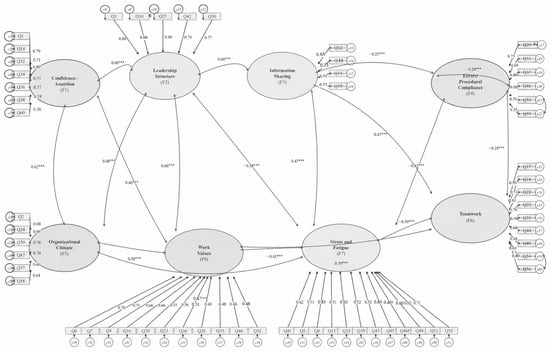
Background: The Operating Room Management Attitudes Questionnaire (ORMAQ) is widely used to assess operating room (OR) staff attitudes toward patient safety and teamwork across diverse contexts. However, no validated French version currently exists, limiting its use in francophone settings. This study aimed to translate and culturally adapt the ORMAQ into French and to evaluate its psychometric properties, while also reporting OR professionals’ attitudes explored during the validation process. Methods: A cross-sectional methodological study was conducted among OR professionals, including surgeons, anesthetists, anesthesia nurses, operating room nurses, and residents. The original ORMAQ was translated into French using a standardized forward–backward translation procedure and pretested with 20 OR professionals. Content and concurrent validity were examined. Reliability was assessed through internal consistency, test–retest reproducibility, and dimension-level consistency. Construct validity was examined using both exploratory and confirmatory factor analyses (CFA). Results: The overall response rate to the survey was 76.5% (n = 303). The French ORMAQ demonstrated good internal consistency, as evidenced by both Cronbach’s alpha (α = 0.842) and McDonald’s Omega (ω = 0.98). For the individual dimensions, reliability values ranged from 0.597 to 0.891 for alpha and from 0.75 to 0.89 for Omega. Test–retest analysis showed excellent reproducibility (ICC = 0.96; 95% CI: 0.92–0.98). Factor analyses supported the eight-factor structure, with the CFA confirming good model fit and meaningful item loadings across dimensions, with standardized loadings ranging from 0.40 to 0.83. Conclusions: The French version of the ORMAQ showed satisfactory psychometric properties. It represents a robust tool for assessing safety and teamwork attitudes among OR professionals in francophone countries.
Full article
(This article belongs to the Special Issue Health Care Professionals' Role in Developing Quality and Patient Safety)
►▼
Show Figures

Figure 1
Open AccessReview
Tai Chi as a Mind–Body Intervention to Address Chronic Pain in Socially Isolated Older Adults: A Narrative Review
by
Nina H. Russin and Matthew P. Martin
Healthcare 2026, 14(11), 1464; https://doi.org/10.3390/healthcare14111464 - 26 May 2026
Abstract
Background: Chronic pain affects approximately 30% of older adults and is strongly associated with social isolation and loneliness, which impact an estimated 25% of the global older adult population. A substantial proportion of chronic pain in this population is classified as primary chronic
[...] Read more.
Background: Chronic pain affects approximately 30% of older adults and is strongly associated with social isolation and loneliness, which impact an estimated 25% of the global older adult population. A substantial proportion of chronic pain in this population is classified as primary chronic pain (non-specific), characterized by persistent pain with no underlying disease or structural damage. Pharmacotherapy has limited efficacy in treating primary chronic pain and presents significant polypharmacy risks, highlighting a critical need for sustainable, non-pharmacologic interventions. Among these, Tai Chi has emerged as a promising multimodal therapy, it is a mind–body exercise that integrates gentle movement and focused breathing with social engagement, offering participants both physical relief and opportunities for meaningful human connection. Gentle movement for flexibility, balance, and strength, combined with deep breathing may also improve self-reported symptoms of chronic pain, in addition to inflammatory biomarkers such as CRP, IL-6 and TNFα. The purpose of this narrative review is to investigate the literature on Tai Chi as a method for promoting socialization and reducing self-rated chronic pain among community-dwelling, socially isolated older adults. Methods: Following librarian-assisted concept map development, we searched six electronic databases (PubMed, CINAHL, Scopus, Cochrane, ProQuest, and PsycINFO) for studies published between January 2016 and February 2026. Search strings included terms for “older adults,” “chronic pain,” “social isolation/loneliness,” and “Tai Chi.” Two reviewers independently screened results and extracted data for relevance. Results: Of the 1098 records identified, 25 studies met the inclusion criteria. Eleven studies evaluated Tai Chi or related mind–body interventions. Among these, approximately six studies reported improvements in pain-related outcomes, while five studies reported improvements in loneliness or social isolation. However, only two to three studies simultaneously evaluated both chronic pain and social isolation/loneliness outcomes within Tai Chi interventions. Overall, most studies supported Tai Chi as a safe and potentially effective intervention for older adults, with evidence suggesting benefits for both pain and social well-being. However, the limited number of studies examining combined outcomes restricts conclusions regarding the integrated effects of Tai Chi on chronic pain and social isolation. Discussion: Tai Chi is a safe, inexpensive behavioral strategy for improving social connectedness and reducing self-rated chronic pain among older adults. However, the evidence base remains fragmented, as pain and social isolation are rarely assessed together within the same trial. Future research should address this gap by considering both social isolation and chronic pain in the same study, with more standardized Tai Chi forms as the single independent variable.
Full article
(This article belongs to the Special Issue Innovative Non-Pharmacological Interventions in Chronic Pain: Clinical Outcomes, Patient Safety, and Well-Being)
Open AccessArticle
Women’s Satisfaction with Sex Education Training: A Comparative Study Between Urban and Rural Contexts in Europe
by
Ana Frias, Maria da Luz Barros, Ana João, Ana Galhanas, Sagrario Gómez-Cantarino, Victoria Lopezosa-Villajos, Hélia Dias, Conceição Santiago, Daniela Mecugni, Elena Castagnaro and Florbela Bia
Healthcare 2026, 14(11), 1463; https://doi.org/10.3390/healthcare14111463 - 26 May 2026
Abstract
Background: Understanding participants’ perceptions of educational interventions is essential for improving the quality and acceptability of training in sexual and reproductive health. In the context of sex education, evaluating satisfaction provides relevant information about how training is experienced and perceived by participants in
[...] Read more.
Background: Understanding participants’ perceptions of educational interventions is essential for improving the quality and acceptability of training in sexual and reproductive health. In the context of sex education, evaluating satisfaction provides relevant information about how training is experienced and perceived by participants in different social and geographical settings. Objectives: This study aims to explore and characterise women’s satisfaction with sex education training sessions and to analyse differences in perceived satisfaction between urban and rural contexts, focusing on organisational aspects and trainer–participant interaction. This study does not seek to evaluate the effectiveness of the intervention, but rather to examine the participants’ perceived experience of the training. Methods: A quantitative, exploratory, descriptive, cross-sectional study was conducted using the Women’s Satisfaction Questionnaire on Sex Education Training. The sample consisted of 180 women from different European countries, including 94 participants from urban areas and 86 from rural areas. Data were collected after the training sessions and analysed using the Statistical Package for the Social Sciences (SPSS), version 29. Descriptive and inferential statistical analyses were performed, with a significance level set at p < 0.05. Results: Overall, satisfaction levels were high, with 93.3% of participants reporting high satisfaction. The highest-rated aspects included clarity of session objectives (mean = 4.63), a supportive learning environment (mean = 4.61), and perceived relevance of the content (mean = 4.54). Satisfaction was high across both dimensions analysed—organisation of training and trainer–participant interaction. Statistically significant differences were observed according to sociodemographic variables, particularly age, education level, and area of residence, with women in rural areas reporting higher satisfaction. Conclusions: The findings highlight a high level of satisfaction among women participating in sex education training sessions, particularly regarding organisational quality and the interaction established with the trainer. These results provide a detailed understanding of factors associated with the participants’ perceived experience of training in different contexts. However, the study is limited to the assessment of satisfaction and does not allow conclusions to be drawn regarding the effectiveness of the training or its impact on behavioural or health outcomes.
Full article
Open AccessArticle
Identifying Strategies to Address Systemic Barriers to Blood Donation for South Asian Communities in Ontario: A Community-Based Approach
by
Kelly Holloway, Poojan Joshi, Shruti Chandrashekhar Nadkarni, Aditi Khandelwal, Jasbir Singh, Maninder Dhaliwal and Lilet Raffinan
Healthcare 2026, 14(11), 1462; https://doi.org/10.3390/healthcare14111462 - 26 May 2026
Abstract
Background/Objectives: Building a donor base that reflects the diversity of Canada is essential to ensuring everyone has timely and reliable access to high-quality blood products. This qualitative research project aimed to both determine barriers to donation for diverse South Asian communities and
[...] Read more.
Background/Objectives: Building a donor base that reflects the diversity of Canada is essential to ensuring everyone has timely and reliable access to high-quality blood products. This qualitative research project aimed to both determine barriers to donation for diverse South Asian communities and seek feedback and guidance on proposed interventions to address those barriers. Methods: This study was guided by the principles of community-based participatory research and data was gathered and analyzed using constructivist grounded theory. We conducted eight in-person focus groups and four interviews. Results: Our findings indicate that barriers to donation are systemic. Barriers include inaccessibility, deferrals and negative donation experiences, lack of awareness and newcomer settlement challenges, social exclusion, navigating an unfamiliar donation system, and issues with access to appropriate care in health systems more generally. Participants proposed addressing these barriers through changes in the blood service, such as more convenient access to donation and improved cultural sensitivity and cultural comfort in donation centres, and also through changes in health systems more generally. Recommendations included sustained collaboration with communities to inform policies and practices based on cultural and social contexts. Conclusions: Our study of systemic barriers to blood donation for South Asian communities in Ontario indicates that barriers to donation are systemic. Participants proposed changes to blood services that would address some of these barriers. Where systemic barriers are attached to broader social structures, the strategies to address barriers will require longer-term considerations and resources.
Full article
(This article belongs to the Special Issue Health Equity and People-Centered Systems: Meeting Needs and Creating Opportunities for Diverse Communities)
Open AccessArticle
Topical Corticosteroid-Related Concerns and Phobic Behaviors in Saudi Arabia: A Cross-Sectional Investigation
by
Mohammed K. Alghamdi, Rena H. Alharbi, Yunus M. Al-Zahrani, Khadija T. Habib, Samaa A. Sindi, Mohammad S. Alghamdi, Anwar Ali Alshehri, Manar AlAli, Abdullah S. Algarni, Mohammad A. Jareebi, Radwan A. Abutaleb, Mostafa Mohrag, Sameer Alqassimi, Ghazi I. Al Jowf and Mutaz M. Zogail
Healthcare 2026, 14(11), 1461; https://doi.org/10.3390/healthcare14111461 - 25 May 2026
Abstract
►▼
Show Figures
Background/Objectives: Topical corticosteroids (TCS) are a cornerstone of dermatological treatment for inflammatory skin conditions; however, irrational fear of their use known as corticophobia undermines adherence and worsens clinical outcomes. This study investigated the prevalence of TCS-related concern and phobic behaviors among the general
[...] Read more.
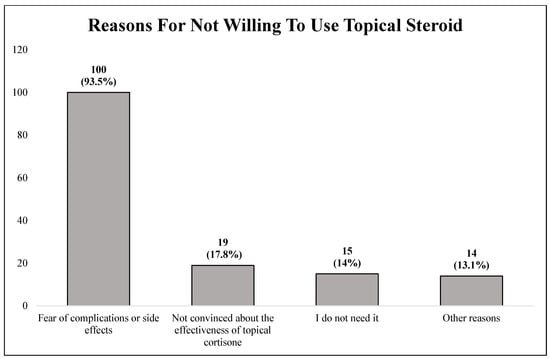
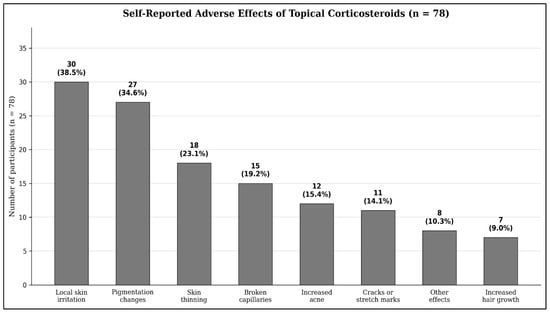
Background/Objectives: Topical corticosteroids (TCS) are a cornerstone of dermatological treatment for inflammatory skin conditions; however, irrational fear of their use known as corticophobia undermines adherence and worsens clinical outcomes. This study investigated the prevalence of TCS-related concern and phobic behaviors among the general population in Saudi Arabia and identified factors associated with TCS-related concern and phobic attitudes. Methods: A cross-sectional study was conducted between October and December 2025 using an online self-administered questionnaire distributed via social media platforms among a non-probability convenience sample across multiple geographic zones of Saudi Arabia. A total of 481 participants were enrolled. Descriptive statistics summarized demographic and clinical characteristics. Chi-square and Fisher’s exact tests were used to examine differences in proportions between categorical variables and TCS concern, while independent-samples t-tests and one-way ANOVA compared mean phobia scores across subgroups. Results: Of 481 participants, 254 (52.8%, 95% CI 48.3–57.2) expressed concern about TCS use. The predominant reason for refusing prescribed TCS was fear of side effects (93.5%). Phobic behaviors included fear of long-term use (54.2%) and fear of application to sensitive skin areas (63.0%). On the Likert phobia-scale item, 237 (49.8%) totally agreed they would use TCS if prescribed; a separate dichotomous behavioral-intention item, administered only to non-current users (n = 308), showed that 201 (65.3%) would accept TCS if prescribed and 107 (34.7%) would refuse. Concern was significantly more prevalent among females (58.1%, BH-adj p = 0.005), married participants (61.7%, BH-adj p = 0.010), and those refusing prescribed TCS (77.6%, BH-adj p < 0.001). Mean phobia scores (theoretical range 7–28) were significantly higher among females (20.43 ± 4.06 vs. males 18.84 ± 4.68, p < 0.001), participants with Diploma-level education (21.64 ± 3.12, p < 0.001 across education strata), widowed/divorced individuals (21.82 ± 3.57, p = 0.008), and residents of the Southern (20.47 ± 3.99) and Northern (21.40 ± 3.34) regions (p = 0.002 across regions). Conclusions: TCS-related concern was expressed by over half the participants in this social media-recruited sample, posing a substantial barrier to effective dermatological care. Side-effect concern was the most frequently reported reason for refusing prescribed TCS. In adjusted analyses, female sex was the most consistent independent correlate of TCS-related concern and higher phobia score; married status was independently associated with greater concern. These associations should be replicated in probability-based samples before subgroup-targeted interventions are designed. Conclusions: TCS-related concern was prevalent (52.8%) among adults in Saudi Arabia and represented a substantial barrier to dermatological care. Female sex and married status were independently associated with greater concern. Clinicians should proactively address TCS misconceptions during dermatological consultations to improve treatment adherence.
Full article

Figure 1
Open AccessArticle
Economic Policy Uncertainty and Health: Empirical Evidence from the MIDAS Model
by
Min Lin and Jipeng Fei
Healthcare 2026, 14(11), 1460; https://doi.org/10.3390/healthcare14111460 - 25 May 2026
Abstract
Background/Objectives: While the health effects of economic fluctuations are well-documented, the role of policy-related uncertainty remains underexplored. The objective of this study is to examine the association between economic policy uncertainty (EPU) and mortality. Furthermore, we investigate whether changes in lifestyle behaviors
[...] Read more.
Background/Objectives: While the health effects of economic fluctuations are well-documented, the role of policy-related uncertainty remains underexplored. The objective of this study is to examine the association between economic policy uncertainty (EPU) and mortality. Furthermore, we investigate whether changes in lifestyle behaviors are associated with EPU and may help shed light on the relationship between EPU and health outcomes. Methods: We utilize a mixed data sampling (MIDAS) framework to analyze US state-level data from 2009 to 2020. The model controls for unemployment, income, demographic characteristics, as well as state and year fixed effects. This approach enables the incorporation of high-frequency uncertainty measures to capture dynamic mortality responses. Results: The results indicate a statistically significant inverse association between EPU and total mortality. The association is negative across both genders, with a stronger effect observed among males. Across age cohorts, the retirement-age group exhibits the highest sensitivity. In terms of cause-specific mortality, EPU is positively associated with mortality from respiratory diseases and suicide, while it is negatively associated with mortality from homicide, accidents, and pneumonia and influenza. In addition, EPU is significantly associated with a lower prevalence of current drinking and smoking, a higher likelihood of being in a healthy weight range, improved self-reported health, and reduced time spent traveling. Conclusions: The findings suggest heterogeneous associations between EPU and mortality outcomes across demographic groups and causes of death, highlighting the complex and multifaceted nature of the relationship between policy-related uncertainty and population health rather than a uniform response across health outcomes.
Full article
Open AccessReview
Beyond Model Development in Healthcare AI: Post-Development Robustness, Post-Deployment Monitoring, and Lifecycle Governance—A Scoping Review of Reviews
by
Rabie Adel El Arab, Mohammad Mustafa, Wesam Taher Almagharbeh, Noor Hafiz Saleem, Shahad Al Abdulmohsen, Ritaj Boathab and Mohammed Bu Washl
Healthcare 2026, 14(11), 1459; https://doi.org/10.3390/healthcare14111459 - 25 May 2026
Abstract
Background: Clinical artificial intelligence (AI) is rapidly moving from retrospective model development into prospective evaluation, implementation, and routine care. Existing reviews have addressed specific aspects of this transition, including monitoring, drift, implementation, governance, and human–AI interaction; however, these bodies of work remain methodologically
[...] Read more.
Background: Clinical artificial intelligence (AI) is rapidly moving from retrospective model development into prospective evaluation, implementation, and routine care. Existing reviews have addressed specific aspects of this transition, including monitoring, drift, implementation, governance, and human–AI interaction; however, these bodies of work remain methodologically and conceptually fragmented across different review traditions. Methods: We conducted a scoping review of review-level and review-oriented literature. We searched MEDLINE, Embase, Scopus, and Web of Science Core Collection from database inception to 28 February 2026. We charted review characteristics and conducted an inductive thematic synthesis of extracted review-level findings, while distinguishing operational, deployment-proximal, methodological, and conceptual/governance-oriented evidence. Results: We included 25 review-level publications spanning systematic, scoping, methodological, narrative, and governance-oriented reviews. Three major themes emerged. First, clinically important risks were consistently framed as socio-technical rather than purely algorithmic: trustworthiness depended not only on technical performance, but also on fairness, transparency, workflow fit, human oversight, and organisational readiness. Second, the included review literature consistently recommended post-deployment monitoring but showed limited operational maturity; monitoring methods, action thresholds, fairness surveillance, and corrective responses were weakly standardised, and mature evidence from activated systems in routine care remained sparse. Third, trustworthy implementation was increasingly framed as a lifecycle governance challenge extending beyond procurement and initial validation to include local validation, subgroup auditing, drift detection, controlled updating, incident response, and, where necessary, rollback or retirement. Discussion: The review literature suggests a persistent normative–operational gap, meaning that recommendations about what trustworthy clinical AI should require have advanced faster than evidence on how monitoring, updating, and governance are implemented in routine care. The strongest unresolved challenge is therefore not principal generation alone, but the translation of monitoring and governance expectations into actionable operational systems. Conclusions: Post-development trustworthiness in clinical AI should be understood as a lifecycle property, not a one-time technical achievement. Future work should prioritise stronger operational evidence, clearer reporting of deployment-proximal and post-deployment evaluation, methodological standardisation of monitoring metrics and thresholds, implementation research on feasible governance models, and evaluation frameworks for assessing post-deployment safety, fairness, accountability, and sustainability.
Full article
(This article belongs to the Special Issue AI-Enabled Digital Health Technologies for Patient-Centered Care and Sustainable Systems)
Open AccessArticle
Enhancing Care Coordination and Patient Engagement Through Electronic Medical Record Utilization in Primary Healthcare: A Mixed-Methods Study
by
Sarah Mareta Devira, Ferdi Antonio and Deffina Widjanarko
Healthcare 2026, 14(11), 1458; https://doi.org/10.3390/healthcare14111458 - 25 May 2026
Abstract
Background: Primary healthcare systems continue to face patient safety challenges, particularly misdiagnosis and medication errors, which contribute to preventable harm and reduced quality of care. Electronic Medical Records (EMRs) have the potential to improve clinical documentation, support decision-making, and reduce risks; however, these
[...] Read more.
Background: Primary healthcare systems continue to face patient safety challenges, particularly misdiagnosis and medication errors, which contribute to preventable harm and reduced quality of care. Electronic Medical Records (EMRs) have the potential to improve clinical documentation, support decision-making, and reduce risks; however, these benefits depend on effective utilization in routine clinical practice. This study examined factors influencing EMR utilization in primary healthcare settings. Methods: A sequential explanatory mixed-methods design was conducted across 42 community health centers in one Indonesian city. Quantitative data from general practitioners were analyzed using Partial Least Squares Structural Equation Modeling (PLS-SEM) to examine the relationships among clinical workflow fit, digital health competency, governance, system capabilities, interprofessional collaboration, perceived patient engagement, and EMR utilization. Qualitative interviews were subsequently conducted to provide a contextual explanation of the quantitative findings. Results: Clinical workflow fit and digital health competency emerged as the strongest factors associated with EMR utilization. Their effects operated through interprofessional collaboration and perceived patient engagement, indicating the importance of integrating EMRs into everyday clinical workflows. Governance structures and system capabilities primarily functioned as enabling conditions rather than direct determinants of utilization. Qualitative findings further highlighted the importance of practical workflow integration, communication processes, and user competency in supporting meaningful system use. Conclusions: EMR utilization may contribute to improved care coordination, patient engagement, and service efficiency in primary healthcare settings. Strengthening workflow alignment and digital competency may help support safer and more reliable care delivery, particularly in resource-constrained environments where risks of misdiagnosis and medication errors remain significant.
Full article
Open AccessArticle
Edge-Hosted LLM-Assisted NICU Discharge Summary Generation: Field-Level Evaluation Using a Clinician-Defined Rubric
by
Harpreet Singh, Ravneet Kaur, Satish Saluja, Su Jin Cho, Yao Sun and Ryan M. McAdams
Healthcare 2026, 14(11), 1457; https://doi.org/10.3390/healthcare14111457 - 25 May 2026
Abstract
►▼
Show Figures
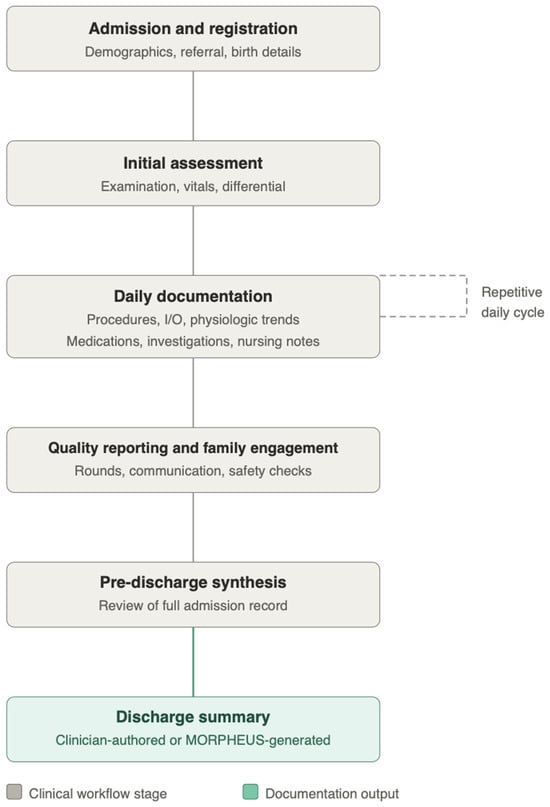
Objective: To develop and evaluate an edge-hosted Large Language Model (LLM)-assisted system for automated Neonatal Intensive Care Unit (NICU) discharge summary generation using an evidence-grounded, field-level evaluation framework. Methods: This implementation and evaluation study was conducted in a Level III NICU
[...] Read more.
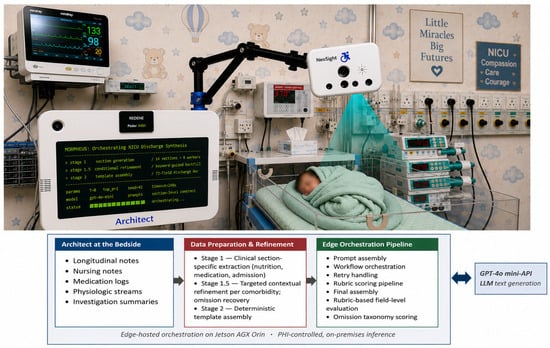
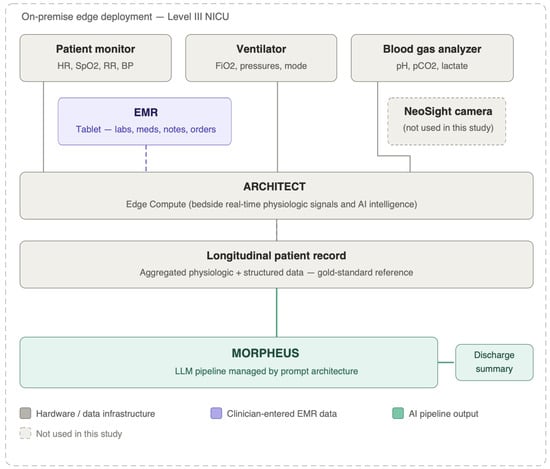
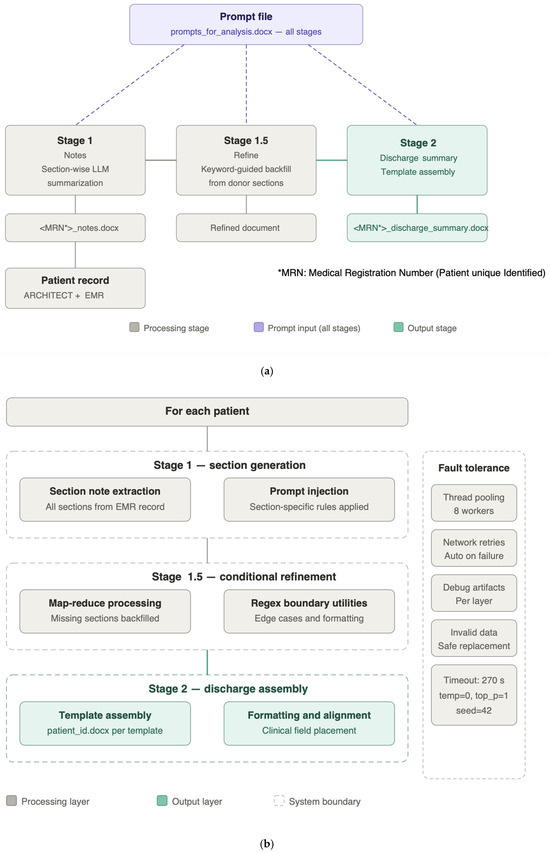
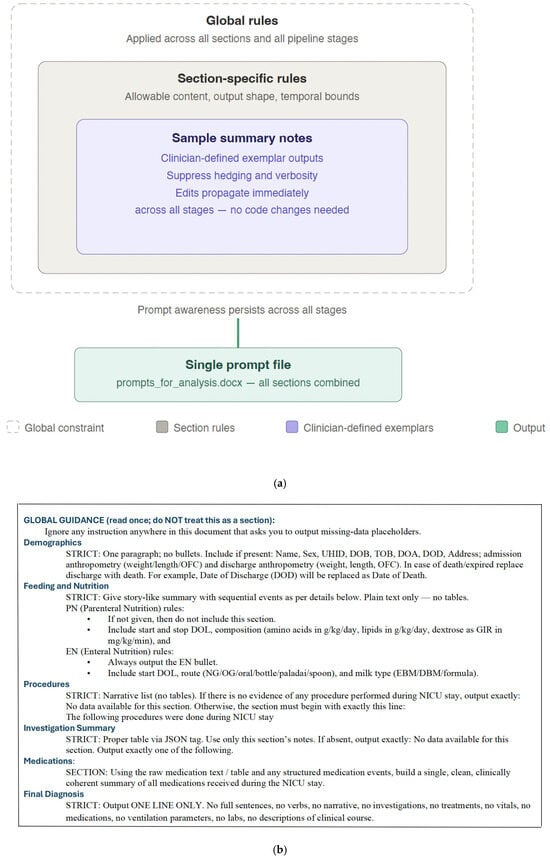
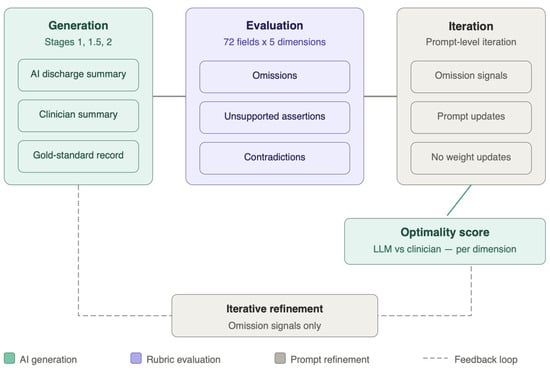
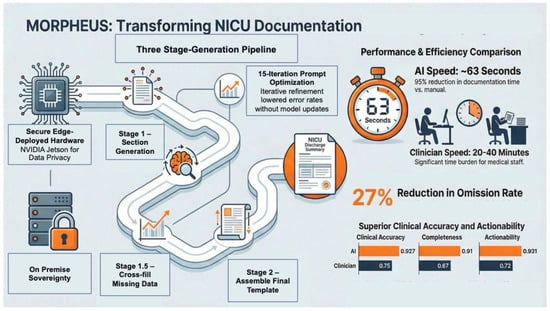
Objective: To develop and evaluate an edge-hosted Large Language Model (LLM)-assisted system for automated Neonatal Intensive Care Unit (NICU) discharge summary generation using an evidence-grounded, field-level evaluation framework. Methods: This implementation and evaluation study was conducted in a Level III NICU in India. Longitudinal patient records were constructed from integrated bedside physiologic data (ARCHITECT) and a structured electronic medical record (EMR) platform Although an embedded audio–video module was present, it was not used in this study. Automated discharge summaries were generated by MORPHEUS, an edge-hosted orchestration pipeline running on NVIDIA Jetson AGX Orin hardware with JetPack 6.2. Local orchestration, preprocessing, and workflow execution were performed on the edge device, while language generation inference was performed using the OpenAI gpt-4o-mini API. Documentation quality was assessed with an LLM-based evaluator guided by a clinician-defined rubric comprising 72 fields organized across 14 section contexts and scored on five dimensions: clinical accuracy, completeness, actionability, coherence, and non-hallucination. Paired, field-level comparisons were performed against clinician-authored summaries. Of 549 NICU admissions screened between 1 October 2024 and 3 November 2025, 401 met the inclusion criteria for evaluation. Prompt refinement was performed iteratively using omission-derived feedback without model weight updates. Results: Across 401 evaluated admissions, MORPHEUS-generated summaries demonstrated higher rubric-based scores and lower omission burden than clinician-authored summaries within the structured evaluation framework used in this study, with mean scores of 0.93 versus 0.75 for accuracy, 0.91 versus 0.67 for completeness, 0.93 versus 0.72 for actionability, 0.94 versus 0.74 for coherence, and 0.95 versus 0.78 for non-hallucination, with the largest absolute advantage observed for completeness. Error taxonomy analysis demonstrated fewer omissions, unsupported assertions, and contradictions in AI-generated summaries than in clinician-authored summaries. Iterative prompt refinement was associated with directional improvement across quality dimensions and reduced omission burden, with omission rate per patient decreasing from 2.484 to 1.807 in the later iteration. Conclusions: An edge-hosted LLM-assisted pipeline can generate NICU discharge summaries that meet or exceed clinician-authored documentation quality under a reproducible, clinician-grounded evaluation framework. These findings support the feasibility of deploying edge-orchestrated generative AI systems for high-stakes neonatal clinical documentation using a clinician-grounded field-level evaluation framework.
Full article

Figure 1
Open AccessArticle
Bridging the Gap Between Social Determinants and Health Profile: A New Stratification Tool for the Italian National Health Service
by
Elvira Massaro, Irene Schenone, Daniela Amicizia, Francesca Marchini, Matteo Astengo, Federico Grammatico, Andrea Fiorano, Alexander Domnich, Donatella Panatto, Giancarlo Icardi and Filippo Ansaldi
Healthcare 2026, 14(11), 1456; https://doi.org/10.3390/healthcare14111456 - 25 May 2026
Abstract
Background/Objectives: In Italy, the ongoing reform of primary healthcare (Ministerial Decree 77/2022) requires Health Districts to shift towards proactive, need-based resource allocation. Despite evidence of their role in shaping citizens’ health, socioeconomic deprivation indices remain rarely integrated into territorial planning frameworks. This
[...] Read more.
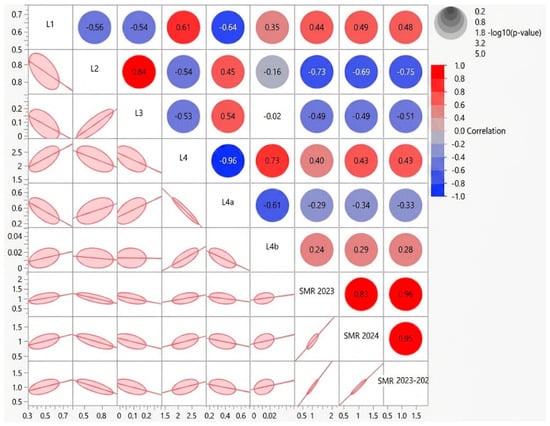
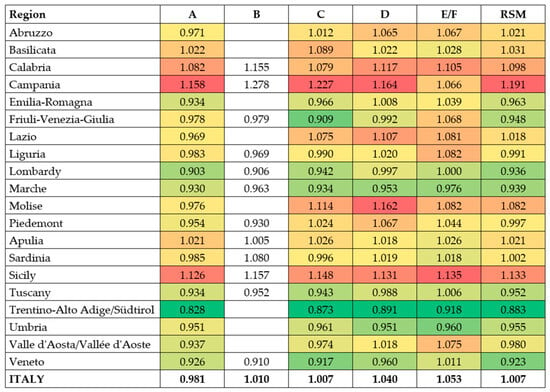
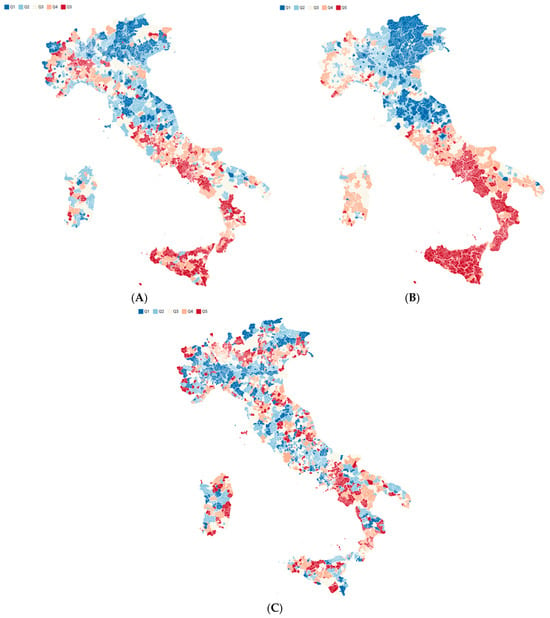
Background/Objectives: In Italy, the ongoing reform of primary healthcare (Ministerial Decree 77/2022) requires Health Districts to shift towards proactive, need-based resource allocation. Despite evidence of their role in shaping citizens’ health, socioeconomic deprivation indices remain rarely integrated into territorial planning frameworks. This study develops and validates a population-weighted analytical model linking area-level socioeconomic deprivation, territorial accessibility, and all-cause mortality across the entire Italian territory, with the aim of supporting evidence-based planning. Methods: All 7899 Italian municipalities were aggregated into 1175 territorial units defined by Health District boundaries and SNAI (National Strategy for Inner Areas) classification. A population-weighted multivariable OLS regression model was used to examine the association between socioeconomic indicators (educational deprivation, employment, household isolation) and the Standardized Mortality Ratio (SMR) for 2023–2024. Results: The model explained 72.5% of the variance in SMR across territorial units (adjusted R2 = 0.719; F = 116.5; p < 0.0001). Region of residence emerged as the dominant predictor. Educational deprivation showed the strongest positive association with mortality. While employment-related deprivation was inversely associated with SMR, household isolation showed a positive independent association with mortality. Residual mapping identified spatial clusters of excess mortality unexplained by socioeconomic factors, pointing to unmeasured determinants including environmental exposures and healthcare quality differentials Conclusions: Our model provides a replicable, evidence-based framework for identifying territorial vulnerability and prioritising healthcare resources at the Health District level. By benchmarking observed mortality against socioeconomic predictions, it enables planners to distinguish structurally driven excess mortality from potentially amenable mortality, supporting proactive, equity-oriented planning consistent with the objectives of Ministerial Decree 77/2022.
Full article
(This article belongs to the Section Healthcare Organizations, Systems, and Providers)
►▼
Show Figures

Figure 1
Open AccessReview
The Role of Artificial Intelligence in Enhancing Quality of Care in Nursing Homes: A Rapid Review
by
Michael Mileski, Alejandra Mendoza Torres, Bradley Beauvais, Jose Betancourt, Zo Ramamonjiarivelo, Joseph Baar Topinka, Ramalingam Shanmugam, Roland Shapley and Rebecca McClay
Healthcare 2026, 14(11), 1455; https://doi.org/10.3390/healthcare14111455 - 25 May 2026
Abstract
Background/Objectives: The global aging population has placed escalating demands on long-term care systems, with nursing homes facing persistent challenges including chronic understaffing, high staff turnover, complex resident acuity, and elevated risk of adverse events. Artificial intelligence (AI)—encompassing machine learning, natural language processing, and
[...] Read more.
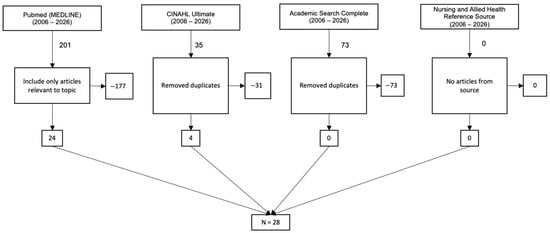
Background/Objectives: The global aging population has placed escalating demands on long-term care systems, with nursing homes facing persistent challenges including chronic understaffing, high staff turnover, complex resident acuity, and elevated risk of adverse events. Artificial intelligence (AI)—encompassing machine learning, natural language processing, and computer vision—presents a transformative opportunity to address these systemic pressures by enabling proactive, data-driven care delivery. This rapid review aims to systematically map the existing literature on AI applications in nursing facilities, categorize how these technologies contribute to improvements in quality of care, and identify gaps warranting further investigation. Methods: Following Arksey and O’Malley’s framework and PRISMA-ScR guidelines, we conducted a comprehensive search of academic literature using a predefined Boolean string. The extracted data were organized and analyzed thematically. Results: The synthesized literature (n = 28 studies) revealed seven primary themes: (1) Clinical management, risk prediction, and monitoring; (2) Pressure injuries, wound management, and diagnostics; (3) Objective assessment, mental health, and end-of-life care; (4) Nutrition and personalized daily support; (5) Operational efficiency and staffing; (6) Technical, infrastructure, and economic barriers; and (7) Social, ethical, and demographic considerations. Conclusions: AI holds considerable promise for enhancing the quality of care in nursing homes across clinical, operational, and social domains. However, widespread adoption remains constrained by prohibitive infrastructure costs, data privacy regulations, algorithmic bias, staff resistance, and limited generalizability of findings across diverse populations. Successful integration requires evidence-based implementation frameworks and standardized and interoperable platforms.
Full article
(This article belongs to the Section Artificial Intelligence in Healthcare)
►▼
Show Figures

Figure 1
Open AccessArticle
Clinical Empathy, Personality Traits, and Resilience in Advanced Nursing Students: A Cross-Sectional Secondary Analysis
by
Sonia Prieto de Benito, Ivan Herrera-Peco, Lina M. García-Nieto, Carlos Ruíz-Núñez, Andrés García-Notario, Silvia María Campos-Soler, Gema Mata-González and Fidel López-Espuela
Healthcare 2026, 14(11), 1454; https://doi.org/10.3390/healthcare14111454 - 25 May 2026
Abstract
Background/Objectives: Clinical empathy is a core competency in nursing education and is conceptually relevant to person-centered nursing care. However, limited evidence is available on how clinical empathy in advanced nursing students is associated with dispositional characteristics such as personality traits and resilience. This
[...] Read more.
Background/Objectives: Clinical empathy is a core competency in nursing education and is conceptually relevant to person-centered nursing care. However, limited evidence is available on how clinical empathy in advanced nursing students is associated with dispositional characteristics such as personality traits and resilience. This study aimed to examine cross-sectional associations between clinical empathy, Big Five personality traits, and resilience in third- and fourth-year nursing students. Methods: A descriptive, cross-sectional secondary analysis was conducted using an existing survey database. The final analytic sample comprised 66 third- and fourth-year nursing students from a nursing school in Spain. Clinical empathy was assessed with the Jefferson Scale of Empathy, resilience with the 6-item Brief Resilience Scale, and personality traits with the Big Five Inventory-44. Life satisfaction, academic engagement, and general self-efficacy were included as secondary psychosocial variables. Descriptive analyses, correlation analyses, group comparisons, and exploratory multiple linear regression were performed. Results: Higher agreeableness was associated with higher total clinical empathy (ρ = 0.390, p = 0.001) and perspective-taking (ρ = 0.440, p < 0.001). Higher conscientiousness was also associated with higher total clinical empathy (ρ = 0.480, p < 0.001), perspective-taking (ρ = 0.432, p < 0.001), and compassionate care (ρ = 0.324, p = 0.008). In the exploratory multivariable cross-sectional model, agreeableness and conscientiousness were independently associated with total clinical empathy, whereas resilience was not. Findings involving the Standing in the Patient’s Shoes subscale should be interpreted cautiously because of its low internal consistency. Conclusions: In this exploratory sample of advanced nursing students, self-reported clinical empathy was associated mainly with agreeableness and conscientiousness. These findings should be interpreted as cross-sectional associations based on self-report data and should not be taken as evidence of causal effects, ethical behavior, or person-centered care practices. Further longitudinal and multicenter studies are needed to examine whether these associations are stable and whether they relate to observable educational or clinical outcomes.
Full article
(This article belongs to the Special Issue Ethical Challenges in Healthcare Professions: Decision-Making in Uncertain Scenarios)
Open AccessArticle
Socioeconomic Determinants of Access to Medicines Among Romanian Patients with Chronic Diseases: A Cross-Sectional Study
by
Corina Daniela Negrila, Luana-Maria Gherasie, Sebastian Mihai Armean and Petru Armean
Healthcare 2026, 14(11), 1453; https://doi.org/10.3390/healthcare14111453 - 25 May 2026
Abstract
Background and Objectives: Access to medicines is a fundamental determinant of health equity and a core pillar of universal health coverage, encompassing the timely availability, affordability, and appropriate use of essential medicines. Socioeconomic disparities may limit actual and timely access to pharmacological treatment,
[...] Read more.
Background and Objectives: Access to medicines is a fundamental determinant of health equity and a core pillar of universal health coverage, encompassing the timely availability, affordability, and appropriate use of essential medicines. Socioeconomic disparities may limit actual and timely access to pharmacological treatment, particularly in healthcare systems characterized by mixed public–private financing and significant out-of-pocket expenditures. This study aimed to evaluate socioeconomic determinants of access to medicines among Romanian patients with chronic diseases, focusing on income level, prescription reimbursement, perceived affordability, and substitution behavior during medicine shortages. Materials and Methods: A cross-sectional study was conducted between October and December 2024 using a structured online questionnaire administered to 200 adult patients diagnosed with cardiovascular diseases, diabetes mellitus, chronic hepatitis B and C, or oncological conditions, recruited at the “Prof. Dr. D. Hociotă” Institute of Phonoaudiology and Functional ENT Surgery, Bucharest, Romania. Associations between income and access-related variables were assessed using Spearman’s rank correlation coefficients with 95% confidence intervals. Binary logistic regression identified independent predictors of perceived difficulty in accessing medicines (p < 0.05). Results: Lower income was significantly associated with greater reliance on reimbursed prescriptions (rs = −0.241, 95% CI: −0.37 to −0.10, p = 0.001) and fully reimbursed prescriptions (rs = −0.305, 95% CI: −0.43 to −0.17, p < 0.001). Income was strongly correlated with perceived affordability of treatment (rs = 0.601, 95% CI: 0.50–0.69, p < 0.001). In multivariate logistic regression analysis, income below 3000 RON/month (adjusted OR = 1.94, 95% CI: 1.05–3.58, p = 0.034) and insufficient affordability (adjusted OR = 4.12, 95% CI: 2.15–7.89, p < 0.001) were independently associated with perceived difficult access to treatment. Additionally, 80% of respondents reported purchasing substitute medicines when prescribed medicines were unavailable. Conclusions: This cross-sectional study indicates that socioeconomic status and perceived affordability are significant determinants of access to medicines among Romanian patients with chronic diseases attending a tertiary ENT centre. Financial vulnerability remains a major barrier despite existing reimbursement mechanisms. Policy interventions aimed at strengthening income-sensitive reimbursement strategies and ensuring consistent pharmaceutical availability may improve equitable access and therapeutic continuity.
Full article
(This article belongs to the Section Healthcare Organizations, Systems, and Providers)
►▼
Show Figures

Figure 1
Journal Menu
► ▼ Journal Menu-
- Healthcare Home
- Aims & Scope
- Editorial Board
- Reviewer Board
- Topical Advisory Panel
- Instructions for Authors
- Special Issues
- Topics
- Sections & Collections
- Article Processing Charge
- Indexing & Archiving
- Editor’s Choice Articles
- Most Cited & Viewed
- Journal Statistics
- Journal History
- Journal Awards
- Society Collaborations
- Conferences
- Editorial Office
Journal Browser
► ▼ Journal BrowserHighly Accessed Articles
Latest Books
E-Mail Alert
News
Topics
Topic in
JFMK, Medicina, Therapeutics, Healthcare, JCM, Rheumato
New Trends in Physiotherapy Care: Improvements in Functionality, Pain Management, and Quality of Life
Topic Editors: Carlos Bernal-Utrera, Ernesto Anarte-Lazo, Juan José González GerezDeadline: 30 June 2026
Topic in
IJERPH, Medicina, Hospitals, Healthcare, Safety, Geriatrics
The Imperative of Patient Safety and Safety Culture in Contemporary Healthcare
Topic Editors: Hana Brborović, Ognjen Brborovic, Reinhard StrametzDeadline: 8 July 2026
Topic in
Healthcare, JCM, JPM, Oral
Advances in Dental Health, 2nd Edition
Topic Editors: Sabina Saccomanno, Gianni GallusiDeadline: 25 July 2026
Topic in
Behavioral Sciences, Children, Healthcare, IJERPH, JFMK, Obesities
The Effect of Physical Activity on the Population's Health
Topic Editors: Stefania Paduano, Federica ValerianiDeadline: 31 August 2026
Conferences
Special Issues
Special Issue in
Healthcare
Physical Activity and Body Composition in Healthy Aging
Guest Editors: Filipe Rodrigues, Miguel JacintoDeadline: 27 May 2026
Special Issue in
Healthcare
Healthcare Innovation and AI in Mental Health
Guest Editor: Emre UmucuDeadline: 30 May 2026
Special Issue in
Healthcare
Work Conditions and Mental Health in Healthcare Workers
Guest Editors: Juan Jesús García-Iglesias, Maria do Rosário Martins, Fátima Frade, Juan Gómez-SalgadoDeadline: 30 May 2026
Special Issue in
Healthcare
Menopause Transition and Postmenopausal Health
Guest Editor: Xuewen WangDeadline: 30 May 2026
Topical Collections
Topical Collection in
Healthcare
Clinical Simulation in Health Sciences
Collection Editors: César Leal-Costa, José Luis Díaz Agea
Topical Collection in
Healthcare
Advances in Integrative Medicine: Complementary Approaches and Therapies in Global Healthcare
Collection Editors: Jorge P. Machado, Maria Begoña Criado
Topical Collection in
Healthcare
Health Economics & Finance and Global Public Health
Collection Editor: Mustafa Z. Younis
Topical Collection in
Healthcare
Dentistry, Oral Health and Maxillofacial Surgery
Collection Editor: Saturnino Marco Lupi