


Special Issue "Diseases of Sheep"

A special issue of Animals (ISSN 2076-2615). This special issue belongs to the section "Small Ruminants".

Deadline for manuscript submissions: closed (31 August 2021).

Special Issue Editor

Dr. Ilektra A. Fragkou
E-Mail Website
Guest Editor
Veterinary Faculty, University of Thessaly, 43100 Karditsa, Greece
Interests: veterinary medicine; mastitis; animal behaviour

Special Issue Information

Dear Colleagues,

In sheep, diseases and health problems contribute to reduced production, meat, milk and wool, thus entailing various adverse financial impacts. Further, they also adversely affect animal welfare and have the potential to raise significant public health issues.

Sheep health management is a recognised veterinary speciality, which includes husbandry, internal medicine, surgery, obstetrics and reproductive management, as they relate to the epidemiology, pathogenesis, diagnosis, therapy, prevention and control of diseases, directly or indirectly affecting sheep.

Research and clinical work in the field of sheep health management and diseases contribute to scientific progress and innovation, aiming to minimize risks and losses, optimize production and improve sheep welfare.

This Special Issue will cover all aspects of sheep diseases and health management, including but not limited to welfare, husbandry, epidemiology, pathogenesis, diagnosis and control aspects. The collection will include systematic and opinionated reviews, as well as original manuscripts describing field, laboratory or animal experimental work.

Dr. Ilektra A. Fragkou
Guest Editor

Manuscript Submission Information

Manuscripts should be submitted online at www.mdpi.com by registering and logging in to this website. Once you are registered, click here to go to the submission form. Manuscripts can be submitted until the deadline. All papers will be peer-reviewed. Accepted papers will be published continuously in the journal (as soon as accepted) and will be listed together on the special issue website. Research articles, review articles as well as short communications are invited. For planned papers, a title and short abstract (about 100 words) can be sent to the Editorial Office for announcement on this website.

Submitted manuscripts should not have been published previously, nor be under consideration for publication elsewhere (except conference proceedings papers). All manuscripts are thoroughly refereed through a single-blind peer-review process. A guide for authors and other relevant information for submission of manuscripts is available on the Instructions for Authors page. Animals is an international peer-reviewed open access monthly journal published by MDPI.

Please visit the Instructions for Authors page before submitting a manuscript. The Article Processing Charge (APC) for publication in this open access journal is 1800 CHF (Swiss Francs). Submitted papers should be well formatted and use good English. Authors may use MDPI's English editing service prior to publication or during author revisions.

Keywords

  • sheep
  • diseases
  • production
  • public health
  • health management
  • welfare

Published Papers (10 papers)

Order results
Result details
Select all
Export citation of selected articles as:

Research

Article
Mortality of Dairy Sheep during the Peri-Parturient Period: Results of a Field Investigation in Greece
Animals 2021, 11(8), 2172; https://doi.org/10.3390/ani11082172 - 22 Jul 2021
Viewed by 789
Abstract
Objectives of the study were (a) to investigate the incidence risk of peri-parturient mortality in dairy flocks in Greece, (b) to study when such mortality occurs in relation to lambing, (c) to identify clinical problems associated with the deaths, and (d) to evaluate [...] Read more.
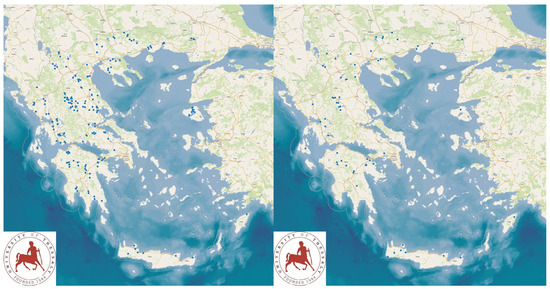
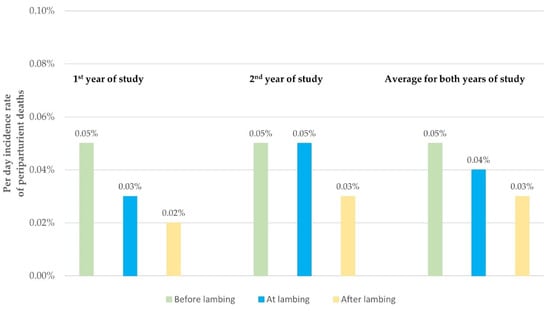
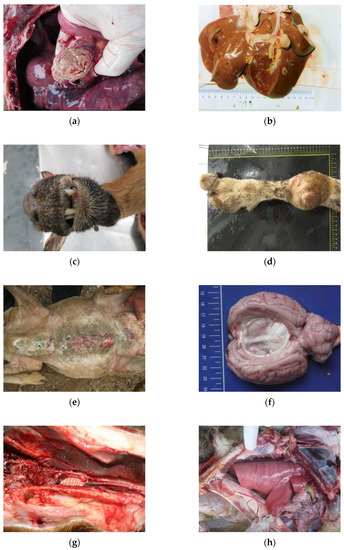
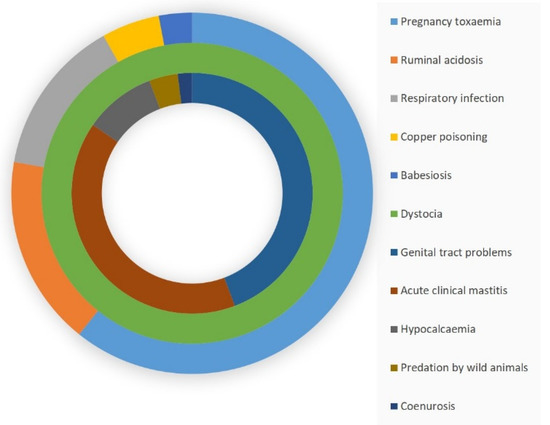
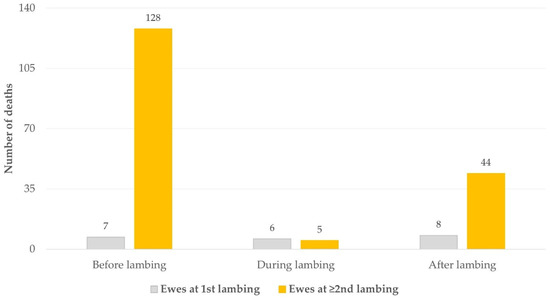
Objectives of the study were (a) to investigate the incidence risk of peri-parturient mortality in dairy flocks in Greece, (b) to study when such mortality occurs in relation to lambing, (c) to identify clinical problems associated with the deaths, and (d) to evaluate potentially associated factors. The deaths of ewes during the peri-parturient period (10 days before to 7 days after lambing) were monitored in 60 flocks over two years. In the ewes that died, detailed post-mortems were performed. The incidence risk of peri-parturient deaths was 0.7%. The daily incidence rate of deaths before, at, and after lambing was 0.05, 0.04, and 0.03%, respectively. Clinical problems most frequently associated with peri-parturient deaths were pregnancy toxaemia, ruminal acidosis and post-partum genital problems. For the occurrence of peri-parturient deaths in flocks, the average lambing rate in the flocks was the only significant factor. Regarding deaths before or after lambing, the season during which lambing took place and the number of animals in the flock, respectively, were found to be significant. Most ewes (54.5%) that died at lambing (dystocia) were primigravidae. Full article
(This article belongs to the Special Issue Diseases of Sheep)
Show Figures

Figure 1
Article
Epidemiological Study Related to the First Outbreak of Ovine Anaplasmosis in Spain
Animals 2021, 11(7), 2036; https://doi.org/10.3390/ani11072036 - 08 Jul 2021
Viewed by 911
Abstract
Ovine anaplasmosis is a vector-borne disease caused by Anaplasma ovis and mainly transmitted through tick bites. In Spain, the first outbreak of ovine anaplasmosis occurred in 2014. An epidemiological study in fifty-one farms was carried out associated with this outbreak in the affected [...] Read more.
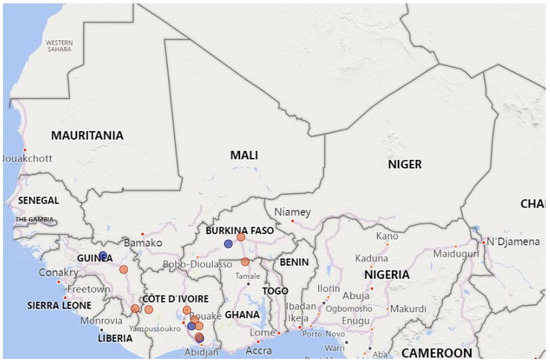
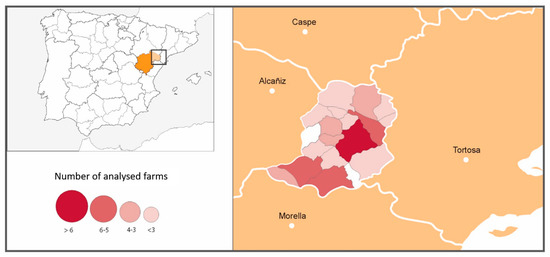
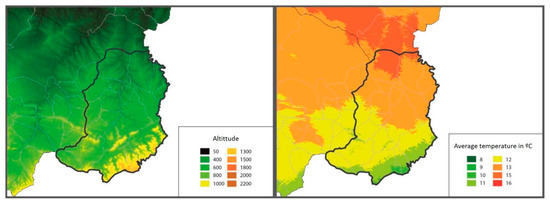
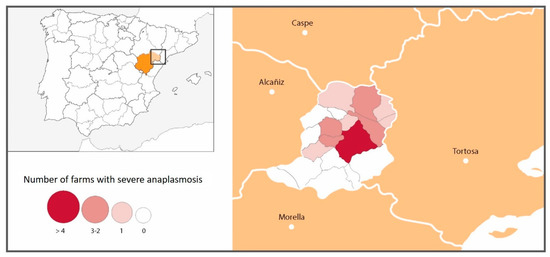
Ovine anaplasmosis is a vector-borne disease caused by Anaplasma ovis and mainly transmitted through tick bites. In Spain, the first outbreak of ovine anaplasmosis occurred in 2014. An epidemiological study in fifty-one farms was carried out associated with this outbreak in the affected geographical area. An epidemiological questionnaire was performed. In addition, whole blood samples were taken for molecular analysis in 47 of these farms to determine the prevalence of infection of Anaplasma ovis. A. ovis was present in 44 out of 47 PCR-analysed farms (93.6%). However, only 40.4% of the studied farms showed severe clinical signs. The clinical signs affected mainly young animals, which showed severe anaemia, weakness, anorexia, cachexia and epiphora. The early culling of young animals was more frequently reported by severely affected farms than the analysed farms without clinical signs (71.4% vs. 12.5%, p < 0.001). The geographical area where the farm is located seems to be relevant for the presence of clinical signs of the disease. Ovine anaplasmosis is an emerging disease in Europe that spreads rapidly through tick bites and is capable of causing significant economic losses when it spreads in a naive area and causes an epidemic. Full article
(This article belongs to the Special Issue Diseases of Sheep)
Show Figures

Figure 1
Article
Flock Management Risk Factors Associated with Q Fever Infection in Sheep in Saudi Arabia
Animals 2021, 11(7), 1948; https://doi.org/10.3390/ani11071948 - 30 Jun 2021
Viewed by 1091
Abstract
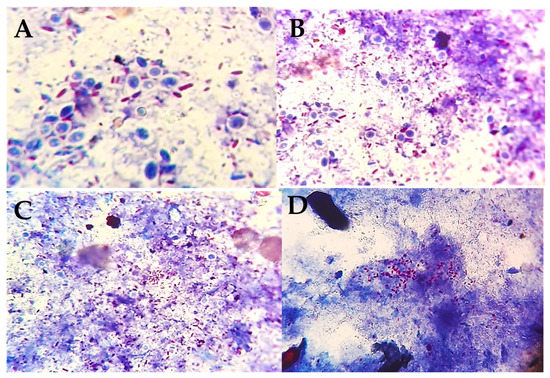
Q fever is a zoonotic disease caused by Coxiella burnetii (C. burnetii), an intracellular, Gram-negative bacterium that infects humans and domestic ruminants. Information on flock management factors associated with Q fever seropositivity in Saudi Arabia is very scarce. Therefore, the objective [...] Read more.
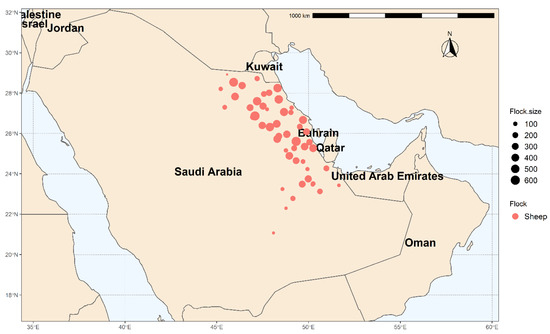
Q fever is a zoonotic disease caused by Coxiella burnetii (C. burnetii), an intracellular, Gram-negative bacterium that infects humans and domestic ruminants. Information on flock management factors associated with Q fever seropositivity in Saudi Arabia is very scarce. Therefore, the objective of this study was to identify the animal and flock management factors associated with Q fever seropositivity. For the assessment of risk factors, a case-control study was carried out. Cases (n = 25) were flocks that had recent abortions within the previous two weeks and were PCR positive for C. burnetii. Control flocks (n = 25) had no history of recent abortion and were PCR negative for C. burnetii. A questionnaire was developed to collect information about the flock management risk factors possibly associated with Q fever exposure in sheep. A total of 2437 sheep serum samples, collected from infected (n = 1610, 10–150 samples/flock) and non-infected (n = 827, 10–65 samples/flock) flocks, were tested for C. burnetii antibodies using a commercial ELISA kit between May 2018 and April 2019. In addition, 521 samples, including 50 aborted materials, 173 vaginal swabs, 134 faecal, and 164 milk samples, were collected for PCR testing. Infected flocks were 100% seropositive (within-flock seroprevalence ranging between 13.8% and 60%) and 100% PCR positive (with animal shedders of C. burnetii through aborted materials and/or vaginal fluids, feces, and milk). However, in non-infected control flocks, 28% were seropositive (within-flock seroprevalence ranging between 6.7% and 20%) and none had C. burnetii shedders. Epidemiological data were analyzed using mixed-effect logistic regression with a random effect for the flock. The results identified three protective factors: flocks with a lambing pen (odds ratio (OR): 0.46; 95% CI: 0.28–0.76), change bedding after removing aborted materials (OR: 0.42; 95% CI: 0.23–0.76), and flocks that isolated aborted ewes (OR: 0.41; 95% CI: 0.25–0.67), as well as two risk factors: flocks infested with ticks (OR: 2.78; 95% CI: 1.65–4.70) and flocks with a history of Q fever (OR: 3.03; 95% CI: 1.42–6.50). These results could be used to improve sheep flock biosecurity measures to prevent the introduction and reduce exposure of sheep and humans to Q fever infection. Full article
(This article belongs to the Special Issue Diseases of Sheep)
Show Figures

Figure 1
Communication
A Case of Concurrent Molybdenosis, Secondary Copper, Cobalt and Selenium Deficiency in a Small Sheep Herd in Northern Germany
Animals 2021, 11(7), 1864; https://doi.org/10.3390/ani11071864 - 23 Jun 2021
Viewed by 379
Abstract
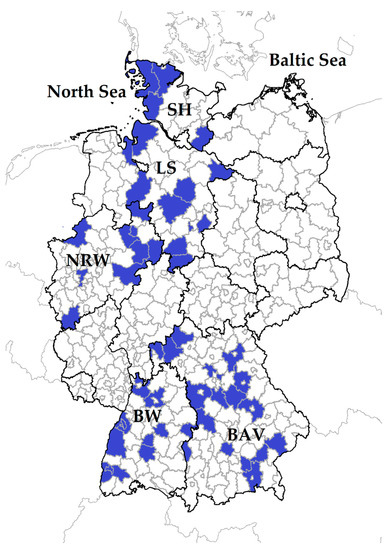
To the author’s knowledge this paper describes the first proven report of a combined primary molybdenosis, secondary copper (Cu) deficiency, Ovine White Liver Disease—Cobalt (Co) deficiency, and selenium (Se) deficiency in a small pedigree herd of White Horned Heath sheep in Germany (8 [...] Read more.
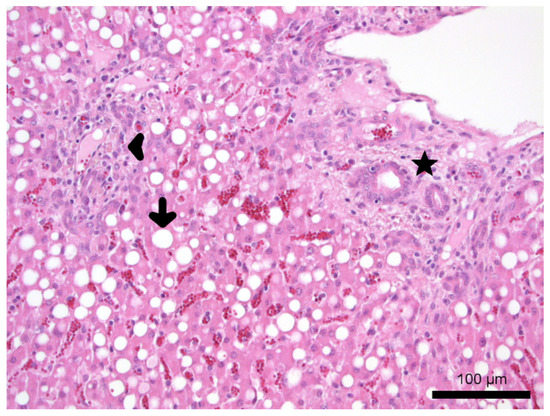
To the author’s knowledge this paper describes the first proven report of a combined primary molybdenosis, secondary copper (Cu) deficiency, Ovine White Liver Disease—Cobalt (Co) deficiency, and selenium (Se) deficiency in a small pedigree herd of White Horned Heath sheep in Germany (8 ewes, 2 rams, 3 yearling ewes, 17 lambs) for decades. Clinical signs associated with these mineral deficiencies in a group of pastured ram lambs included emaciation, conjunctivitis, anaemia, growth retardation, discolouration of the wool and photodermatitis. Morbidities and mortalities arose in 4–6-month-old lambs despite intensive veterinary treatment in the summer of 2014 and 2015 (n = 13, 23% died). Se (3/5), Cu (4/7), and Co (3/3) deficiencies in combination with elevated values for Molybdenum (Mo, 2/2) were found. Hamburg is a large industrial city and an input of heavy metals from surrounding industries and coal-fired power stations in combination with a sandy, non-fertilised soil and monoculture grass species might offer a potential explanation for the severity of mineral deficiencies observed in this herd. Full article
(This article belongs to the Special Issue Diseases of Sheep)
Show Figures

Figure 1

Article
Milk Fatty Acids Composition Changes According to β-Hydroxybutyrate Concentrations in Ewes during Early Lactation
Animals 2021, 11(5), 1371; https://doi.org/10.3390/ani11051371 - 12 May 2021
Viewed by 407
Abstract
Ketosis is a metabolic disease of pregnant and lactating ewes linked to a negative energy balance which can cause different economic losses. The aims of this study were to understand the metabolic status of the early-lactating ewes and to identify biomarkers for early [...] Read more.
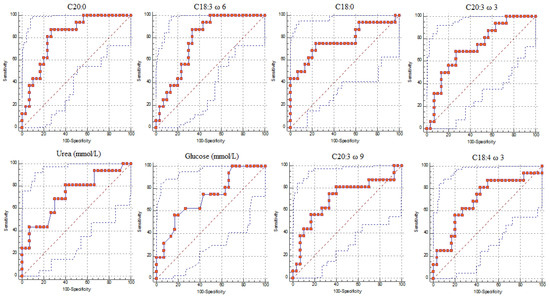
Ketosis is a metabolic disease of pregnant and lactating ewes linked to a negative energy balance which can cause different economic losses. The aims of this study were to understand the metabolic status of the early-lactating ewes and to identify biomarkers for early diagnosis of subclinical ketosis. Forty-six Sarda ewes were selected in the immediate post-partum for the collection of the biological samples. A blood sample from the jugular vein was used to determine β-Hydroxybutyrate (BHB) concentrations. Animals were divided into two groups: BHB 0 or healthy group (n = 28) with BHB concentration < 0.86 mmol/L; and BHB 1 or subclinical ketosis (n = 18) with a BHB concentration ≥ 0.86 mmol/L. Ten mL of pool milk were collected at the morning milking for the analyses. The concentration of 34 milk fatty acids was evaluated using gas chromatography. Two biochemical parameters and 11 milk fatty acids of the total lipid fraction presented a p-value ≤ 0.05. The study revealed different relationships with tricarboxylic acid cycle, blood flows, immune and nervous systems, cell functions, inflammatory response, and oxidative stress status. Eight parameters were significant for the receiver operating characteristic (ROC) analysis with an area under the curve greater than 0.70. Full article
(This article belongs to the Special Issue Diseases of Sheep)
Show Figures

Figure 1
Article
Tick Infestation and Piroplasm Infection in Barbarine and Queue Fine de l’Ouest Autochthonous Sheep Breeds in Tunisia, North Africa
Animals 2021, 11(3), 839; https://doi.org/10.3390/ani11030839 - 16 Mar 2021
Viewed by 498
Abstract
As ticks and tick-borne pathogens affect the productivity of livestock, searching for genetically resistant breeds to infestation by ticks may represent an alternative to the overuse of chemical drugs. The aim of this study was to assess if there is a difference in [...] Read more.
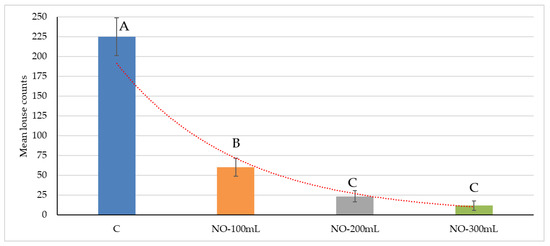
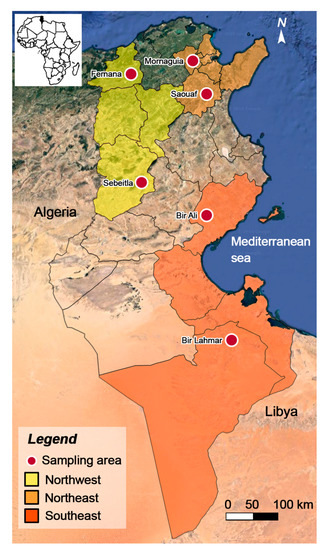
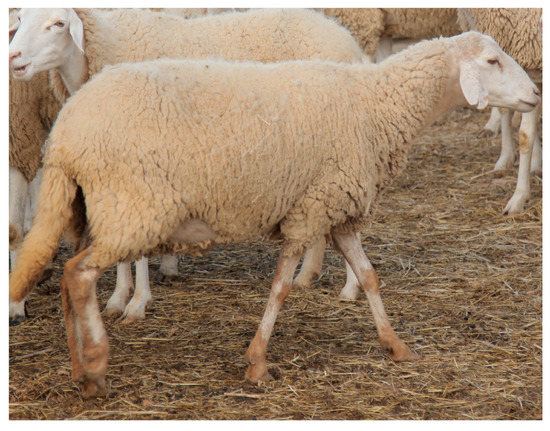
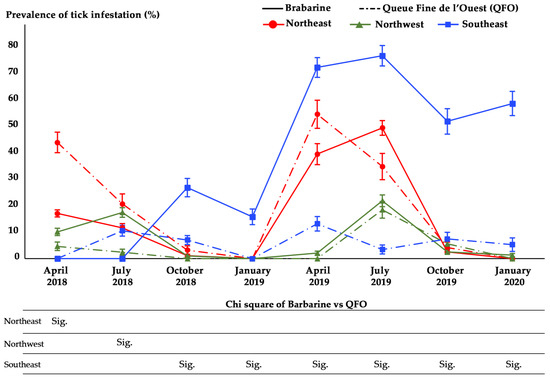
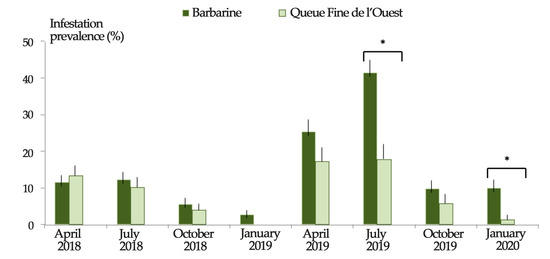
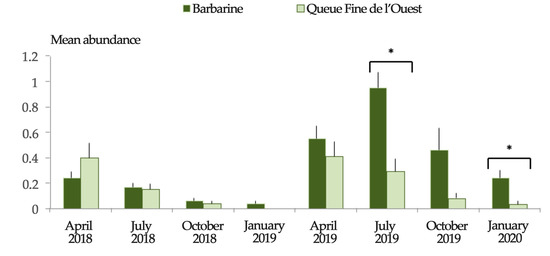
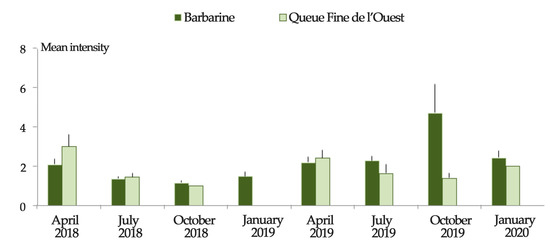
As ticks and tick-borne pathogens affect the productivity of livestock, searching for genetically resistant breeds to infestation by ticks may represent an alternative to the overuse of chemical drugs. The aim of this study was to assess if there is a difference in tick infestation among the main sheep breeds in Tunisia. The study was carried out between April 2018 and January 2020 in 17 small to middle-sized sheep flocks from 3 regions across Tunisia. Four hundred and thirty-nine ear-tagged ewes from Barbarine (n = 288, 65.6%) and Queue Fine de l’Ouest (QFO) (n = 151, 34.4%) breeds were examined and sampled each trimester. Ticks were identified to the species level, and piroplasms were detected using PCR that targets a common sequence ARNr18S to both Babesia and Theileria genera using catch-all primers. Totally, 707 adult ticks were collected from animals; 91.4% (646/707) of them were Rhipicephalus sanguineus s.l. Queue Fine de l’Ouest animals were markedly less infested by ticks, and no one of them was infected by piroplasms compared to the Barbarine breed. Indeed, during the first four seasons, 21 animals, all from the Barbarine breed, were detected positive for piroplasms. This is the first study in Tunisia about the low susceptibility of QFO ewes to infestation by ticks and to infection by piroplasms. The QFO sheep breed could be raised preferably at high-risk areas of tick occurrence and could be considered in concrete control strategies, including a breeding program. Full article
(This article belongs to the Special Issue Diseases of Sheep)
Show Figures

Figure 1
Article
Seroconversion to Brucella spp. and Toxoplasma gondii in Sheep and Goats in Dohuk Province, Iraq and Its Association with Pregnancy Loss
Animals 2021, 11(3), 836; https://doi.org/10.3390/ani11030836 - 16 Mar 2021
Cited by 1 | Viewed by 530
Abstract
In this study, sera from 240 small ruminants (192 sheep and 48 goats) belonging to 12 farms in Dohuk Province, northern Iraq, were collected on two occasions to investigate the incidence risk of seroconversion to Brucella spp. and Toxoplasma gondii. All selected [...] Read more.
In this study, sera from 240 small ruminants (192 sheep and 48 goats) belonging to 12 farms in Dohuk Province, northern Iraq, were collected on two occasions to investigate the incidence risk of seroconversion to Brucella spp. and Toxoplasma gondii. All selected animals were confirmed pregnant (approximately 2 months pregnant) by ultrasound examination at the time of the first blood collection. A second ultrasound examination and blood sampling were undertaken two months after the initial scanning/sampling. Antibodies to Brucella were tested using the Rose Bengal Test (RBT) and an indirect enzyme-linked immunosorbent assay (iELISA), and the results were interpreted in series. The Latex Agglutination Test (LAT) and an indirect enzyme-linked immunosorbent assay (iELISA) were also used in series to confirm the presence of antibodies to T. gondii. The seroprevalence for Brucella and Toxoplasma increased significantly between the two sampling times (p = 0.0003 and 0.03 in first and second sampling, respectively). The incidence risk of seroconversion to Brucella over the two months was 10.6% (95% CI: 6.9–15.3) and 7.3% (95% CI: 4.3–11.6) for Toxoplasma. Animals that seroconverted to Brucella were 2.9 times more likely to lose their pregnancy (95% CI: 1.6–5.5) than animals that remained seronegative; however, seroconversion to Toxoplasma had no significant impact on loss of pregnancy. This study is the first reported investigation on the association of seroconversion to Brucella and Toxoplasma with the reproductive outcome of pregnant sheep and goats in northern Iraq. Brucellosis and toxoplasmosis continue to negatively impact small ruminants’ reproductive performance and compromising food security in Iraq. It is hoped that this study will assist the development of a better-informed economic model to estimate Brucella and Toxoplasma burden in small animals in northern Iraq, and such a model could be used to validate the impact of various potential intervention programs in. Full article
(This article belongs to the Special Issue Diseases of Sheep)
Article
Haemonchosis: A Challenging Parasitic Infection of Sheep and Goats
Animals 2021, 11(2), 363; https://doi.org/10.3390/ani11020363 - 01 Feb 2021
Cited by 4 | Viewed by 1316
Abstract
The paper reviews the challenges about haemonchosis—a significant and common parasitic infection of small ruminants. Haemonchus contortus is a highly pathogenic parasite that localises in the abomasum of affected animals and exerts its pathogenicity by blood-sucking activity, adversely affecting the health and productivity [...] Read more.
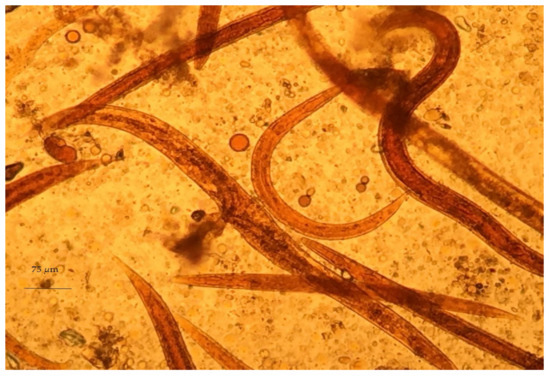
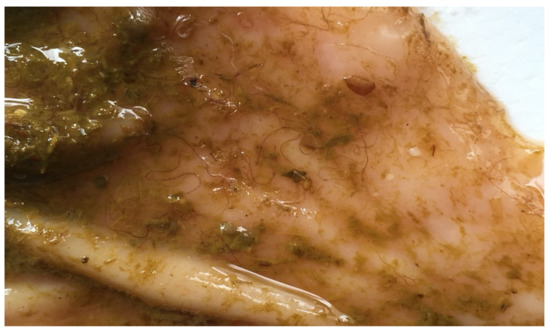
The paper reviews the challenges about haemonchosis—a significant and common parasitic infection of small ruminants. Haemonchus contortus is a highly pathogenic parasite that localises in the abomasum of affected animals and exerts its pathogenicity by blood-sucking activity, adversely affecting the health and productivity of animals. The first challenge is the uneven distribution of the infection globally, this being more prevalent in tropical and subtropical and warm temperate and summer rainfall regions than in cool and cold temperate and arid regions; hence, this leads in differences in the approaches required for its control. Another challenge is the widespread presence of Haemonchus strains resistant to the various anthelmintics available: Benzimidazoles, imidazothiazoles, macrocyclic lactones, closantel and monepantel, which makes the control of the infection difficult. The third challenge refers to the difficulty of diagnosing the disease, given that field evidence can provide suspicion about the infection, which needs to be subsequently confirmed by laboratory tests through parasitological or molecular techniques. The final challenge relates to the difficulties in the control of the infection and the necessity to use pharmaceutical products cautiously and with a planned approach, to avoid further development of anthelmintic resistance, also given that use of a recently licenced vaccine is not widespread. In conclusion, at the moment, we should be concerned, but not worried, about this infection, and apply correctly the appropriate health management plans. Full article
(This article belongs to the Special Issue Diseases of Sheep)
Show Figures

Figure 1
Article
Unveiling the Immunomodulatory Characteristics of Haemonchus contortus Ephrin Domain Containing Protein in the Parasite–Host Interactions
Animals 2020, 10(11), 2137; https://doi.org/10.3390/ani10112137 - 17 Nov 2020
Cited by 1 | Viewed by 514
Abstract
Ephrin domain containing protein (EPH), a significant excreted and secreted product (ESPs) of Haemonchus contortus, has been identified to have antigenic functions. Over the past years, a new subset of CD4 + T named as T helper 9 cells that secrete interleukin-9 [...] Read more.
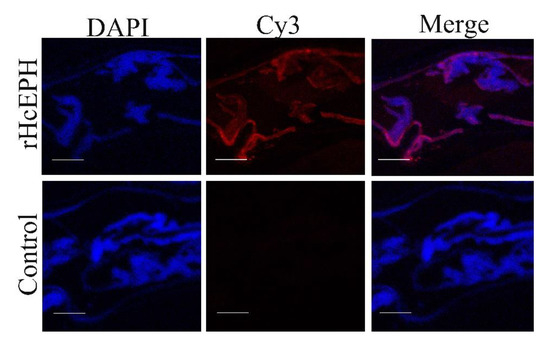
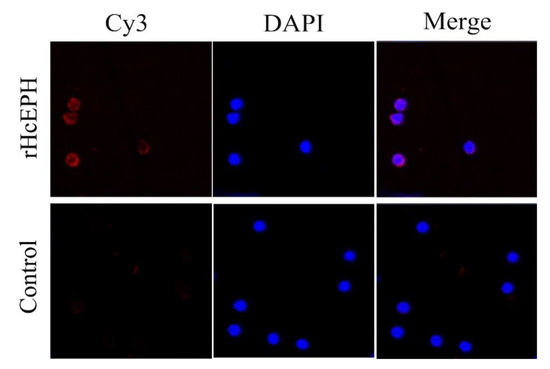
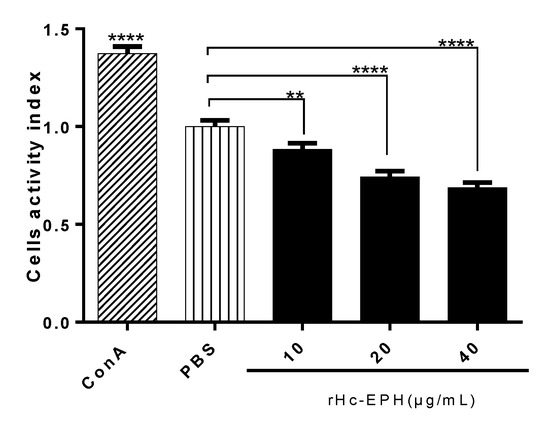
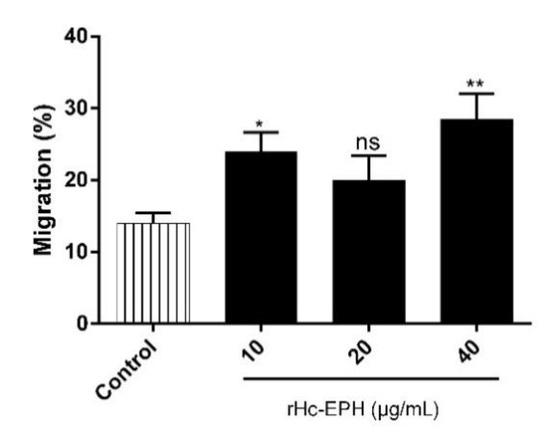
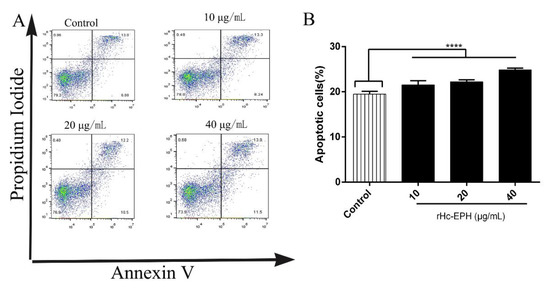
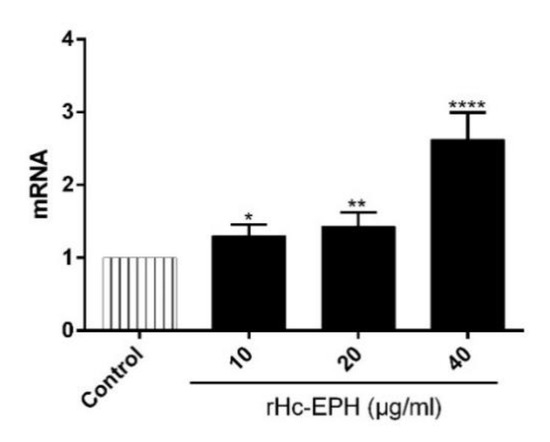
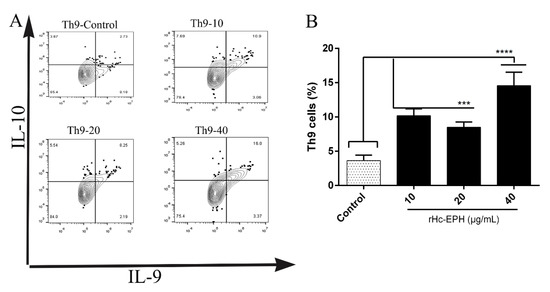
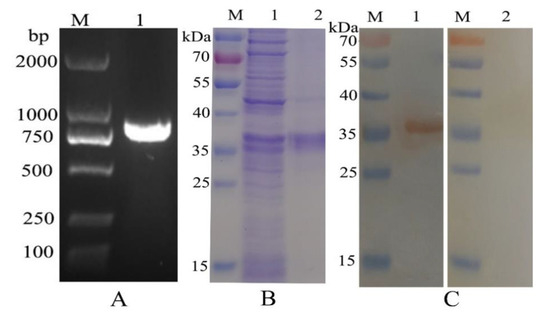
Ephrin domain containing protein (EPH), a significant excreted and secreted product (ESPs) of Haemonchus contortus, has been identified to have antigenic functions. Over the past years, a new subset of CD4 + T named as T helper 9 cells that secrete interleukin-9 (IL-9) as a signature cytokine is associated with tumor immunity and allergy. Nonetheless, the understanding of immunomodulatory roles of EPH on goat Th9 and other immune cells remains limited. Herein, EPH from H. contortus (HcEPH) was cloned and expressed in pET-28a. Immunofluorescence assay (IFA) was carried-out to localize rHcEPH within H. contortus adult worms and to bind with goat peripheral blood mononuclear cells (PBMCs). Besides, the impact of rHcEPH on signature cytokine IL-9 expression in goat PBMCs was evaluated. Flow cytometry was employed to examine Th9 cells production and cell apoptosis. The results revealed success in the expression and localization of rHcEPH in surface of adult H. contortus gut sections. According to IFA analysis, the rHcEPH protein was capable to react precisely with anti-H. contortus antibodies. Further functional analysis showed that correlation between rHcEPH and host PBMCs significantly enhanced Th9 cell differentiation, IL-9 expression, cell apoptosis efficiency, and cell migration, whereas cell proliferation was suppressed significantly depending on the concentration. Our observations indicated that rHcEPH protein is linked to modulate the host immune cells and could enhance protective immunity by inducing Th9 responses. Full article
(This article belongs to the Special Issue Diseases of Sheep)
Show Figures

Figure 1
Article
A Detailed Questionnaire for the Evaluation of Health Management in Dairy Sheep and Goats
Animals 2020, 10(9), 1489; https://doi.org/10.3390/ani10091489 - 24 Aug 2020
Cited by 2 | Viewed by 706
Abstract
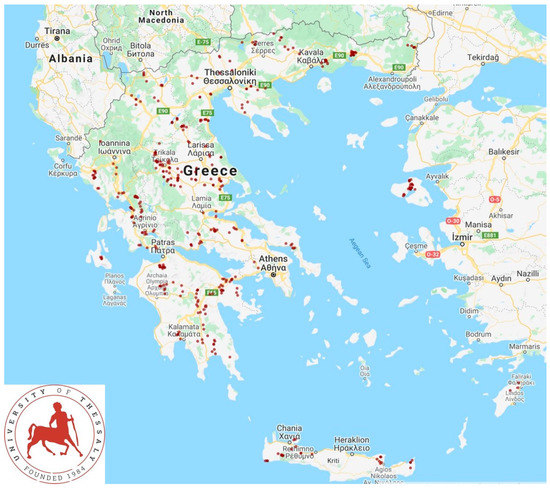
The objective of this work was to develop, use and present a detailed questionnaire for the evaluation of health management in dairy small ruminants; it includes 442 questions organised in seven sections: general, infrastructure, animals, production characteristics, health management, nutrition, human resources. Consistency [...] Read more.
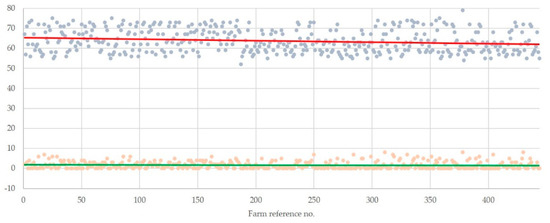
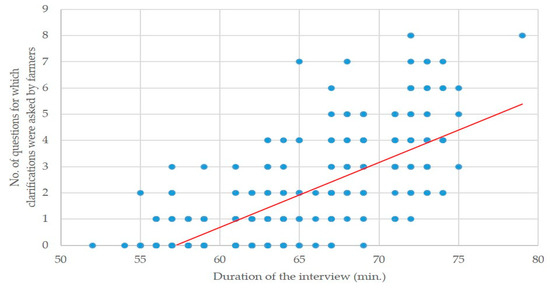
The objective of this work was to develop, use and present a detailed questionnaire for the evaluation of health management in dairy small ruminants; it includes 442 questions organised in seven sections: general, infrastructure, animals, production characteristics, health management, nutrition, human resources. Consistency of replies was evaluated in 27 farmers, interviewed twice. Inconsistent replies were given by all farmers to 30 different questions (Cronbach’s coefficient alpha: 0.987). Then, interviews were performed in 444 farms around Greece. Mean duration of an interview was 63.6 min. Clarifications were requested by 273 farmers to 22 different questions (maximum per farmer: 8). The experience of the investigator, the primary language of farmers and asking clarifications by the farmers affected the duration of the interview. The questionnaire can be used for research work in the field, to record details in the farms under study. In accord with the needs of a particular study, it can be modified, by adding more specific questions or omitting others deemed of less importance. Moreover, it can also be used for routine monitoring purposes, as a useful means to record and maintain details of farms during clinical work. To the best of our knowledge, the questionnaire is the most extensive and detailed one available internationally for dairy small ruminants. Full article
(This article belongs to the Special Issue Diseases of Sheep)
Show Figures

Figure 1
Back to TopTop