

Journal Description
AI
AI
is an international, peer-reviewed, open access journal on artificial intelligence (AI), including broad aspects of cognition and reasoning, perception and planning, machine learning, intelligent robotics, and applications of AI, published monthly online by MDPI.
- Open Access— free for readers, with article processing charges (APC) paid by authors or their institutions.
- High Visibility: indexed within ESCI (Web of Science), Scopus, EBSCO, and other databases.
- Journal Rank: JCR - Q1 (Computer Science, Interdisciplinary Applications) / CiteScore - Q2 (Artificial Intelligence)
- Rapid Publication: manuscripts are peer-reviewed and a first decision is provided to authors approximately 19.2 days after submission; acceptance to publication is undertaken in 3.9 days (median values for papers published in this journal in the second half of 2025).
- Recognition of Reviewers: APC discount vouchers, optional signed peer review, and reviewer names published annually in the journal.
- Journal Cluster of Artificial Intelligence: AI, AI in Medicine, Algorithms, BDCC, MAKE, MTI, Stats, Virtual Worlds and Computers.
Impact Factor:
5.0 (2024);
5-Year Impact Factor:
4.6 (2024)
Latest Articles
Semi-Supervised Generative Adversarial Networks (GANs) for Adhesion Condition Identification in Intelligent and Autonomous Railway Systems
AI 2026, 7(2), 78; https://doi.org/10.3390/ai7020078 - 18 Feb 2026
Abstract
Safe and reliable railway operation forms an integral part of autonomous transport systems and depends on accurate knowledge of the adhesion conditions. Both the underestimation and overestimation of adhesion can compromise real-time decision-making in traction and braking control, leading to accidents or excessive
[...] Read more.
Safe and reliable railway operation forms an integral part of autonomous transport systems and depends on accurate knowledge of the adhesion conditions. Both the underestimation and overestimation of adhesion can compromise real-time decision-making in traction and braking control, leading to accidents or excessive wear at the wheel–rail interface. Although limited research has explored the estimation of adhesion forces using data-driven algorithms, most existing approaches lack self-reliance and fail to adequately capture low adhesion levels, which are critical to identify. Moreover, obtaining labelled experimental data remains a significant challenge in adopting data-driven solutions for domain-specific problems. This study implements self-reliant deep learning (DL) models as perception modules for intelligent railway systems, enabling low adhesion identification by training on raw time sequences. In the second phase, to address the challenge of label acquisition, a semi-supervised generative adversarial network (SGAN) is developed. Compared to the supervised algorithms, the SGAN achieved superior performance, with 98.38% accuracy, 98.42% precision, and 98.28% F1-score in identifying seven different adhesion conditions. In contrast, the MLP and 1D-CNN models achieved accuracy of 91% and 93.88%, respectively. These findings demonstrate the potential of SGAN-based data-driven perception for enhancing autonomy, adaptability, and fault diagnosis in intelligent rail and robotic mobility systems. The proposed approach offers an efficient and scalable solution for real-time railway condition monitoring and fault identification, eliminating the overhead associated with manual data labelling.
Full article
(This article belongs to the Special Issue Development and Design of Autonomous Robot)
Open AccessArticle
Reliability and Performance Stability of Large Language Models in Medical Knowledge Assessment: Evidence from the European Board of Nuclear Medicine Examination
by
Henrik Stelling, Ingo Brink, Gerrit Grieb, Armin Kraus and Ibrahim Güler
AI 2026, 7(2), 77; https://doi.org/10.3390/ai7020077 - 18 Feb 2026
Abstract
Background: Large language models (LLMs) have demonstrated strong performance on general medical examinations. Whether this performance translates to highly specialized, subspecialty-level board examinations remains unclear. This study evaluates the accuracy and inter-run stability of contemporary LLMs using authentic European Board of Nuclear Medicine
[...] Read more.
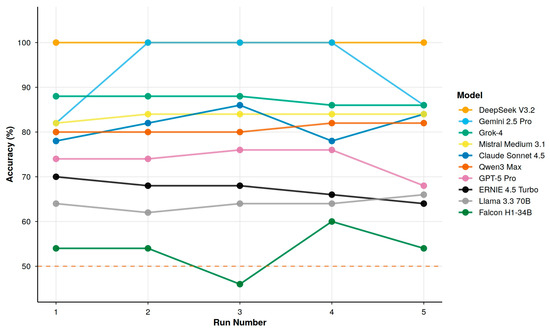
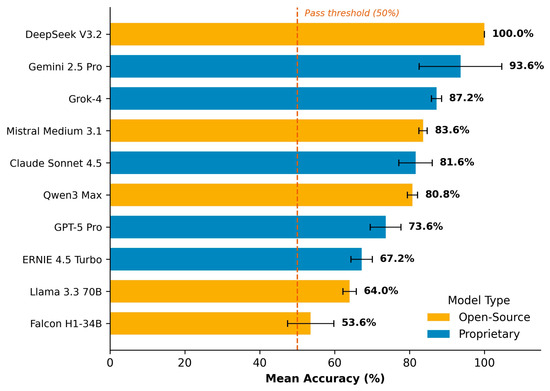
Background: Large language models (LLMs) have demonstrated strong performance on general medical examinations. Whether this performance translates to highly specialized, subspecialty-level board examinations remains unclear. This study evaluates the accuracy and inter-run stability of contemporary LLMs using authentic European Board of Nuclear Medicine (EBNM) Fellowship Examination material. Methods: Ten LLMs (five proprietary, five open-source) completed 50 EBNM multiple-choice questions across five independent zero-shot runs, resulting in 2500 total inferences. Accuracy was calculated per model across runs. Inter-run reliability was assessed using pairwise Cohen’s kappa coefficients. Pairwise model differences were analyzed using McNemar’s test with Bonferroni correction (α = 0.0011). Results: Mean accuracy ranged from 53.6% to 100.0%, with all models exceeding an illustrative 50% pass threshold. Inter-run reliability varied substantially (κ = 0.370–1.000; mean κ = 0.716). High accuracy did not consistently correspond to high reproducibility. Gemini 2.5 Pro achieved high accuracy (93.6%) but showed the lowest reliability (κ = 0.370), whereas DeepSeek V3.2 demonstrated perfect accuracy and agreement across all runs. No significant correlation between accuracy and reliability was observed (Spearman ρ = 0.394, p = 0.26). Conclusions: LLMs demonstrate strong but heterogeneous performance on high-stakes medical knowledge assessments. Differences in reproducibility highlight the need for multi-run evaluation when considering LLMs for educational or clinical knowledge-support applications and for continued validation using non-disclosed examination material.
Full article
(This article belongs to the Section Medical & Healthcare AI)
►▼
Show Figures

Figure 1
Open AccessArticle
Scalable Optimization of Ultra-Dense Heterogeneous Networks Using Stochastic Geometry and Deep Learning Techniques
by
Amna Shabbir, Muhammad Hashir Bin Khalid, Hashim Raza Khan, Kamran Arshad and Khaled Assaleh
AI 2026, 7(2), 76; https://doi.org/10.3390/ai7020076 - 15 Feb 2026
Abstract
Ultra-dense networks (UDNs) enable next-generation wireless systems by providing high capacity through aggressive base-station densification. However, dense deployments increase interference and energy consumption, making Quality-of-Service (QoS) aware performance evaluation and optimization challenging. Stochastic geometry (SG) provides a tractable framework for modeling large-scale UDNs,
[...] Read more.
Ultra-dense networks (UDNs) enable next-generation wireless systems by providing high capacity through aggressive base-station densification. However, dense deployments increase interference and energy consumption, making Quality-of-Service (QoS) aware performance evaluation and optimization challenging. Stochastic geometry (SG) provides a tractable framework for modeling large-scale UDNs, but its use is often limited by simplifying assumptions and simulation requirements. In parallel, Deep Learning (DL) offers scalable tools for capturing complex network behavior from data. This paper proposes a scalable analytical and data-driven framework for performance evaluation and energy efficiency (EE) optimization in UDNs. SG-based analysis is used to derive expressions for key metrics, including coverage probability and EE, under practical QoS constraints such as base-station density, transmit power, activation probability, and SINR thresholds. These results are used to construct a supervised learning dataset, where network parameters and SG derived metrics serve as inputs, and simulation outcomes act as labels. A DL model is trained to capture the nonlinear mapping between network configurations and performance metrics. Results show that the proposed framework predicts coverage probability and EE accurately for unseen UDN scenarios while substantially reducing computational complexity compared to conventional SG-based methods, without violating QoS constraints.
Full article
Open AccessSystematic Review
Lost in Thought: An End-to-End Systematic Review on Imagined Speech Decoding Through Electroencephalographic Readings
by
Luis Felipe Estrella-Ibarra, Luis Roberto García-Noguez, Jesús Carlos Pedraza-Ortega, Juan Manuel Ramos-Arreguín and Saul Tovar-Arriaga
AI 2026, 7(2), 75; https://doi.org/10.3390/ai7020075 - 13 Feb 2026
Abstract
Many fields, including psychology, neuroscience, linguistics, computational modeling, and even philosophy, have been investigating the neuroscience of language for many years. Even so, a lack of comprehensive, interdisciplinary guidelines remains for research projects that aim to decode or model language from brain activity.
[...] Read more.
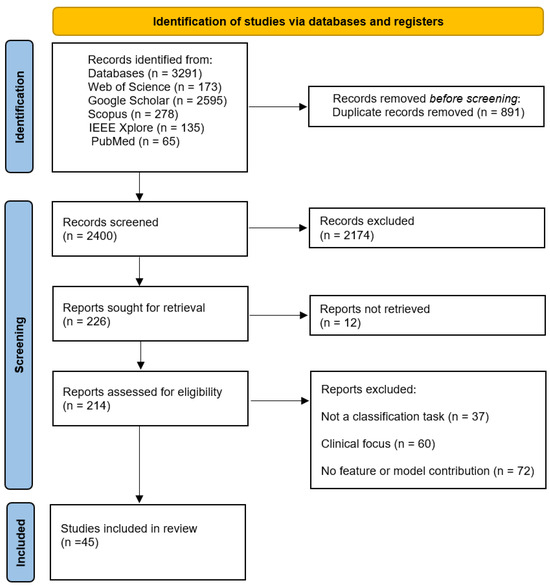
Many fields, including psychology, neuroscience, linguistics, computational modeling, and even philosophy, have been investigating the neuroscience of language for many years. Even so, a lack of comprehensive, interdisciplinary guidelines remains for research projects that aim to decode or model language from brain activity. Electroencephalography (EEG) is unique among neuroimaging methods in that it is a non-invasive technique. This review provides a comprehensive examination of the fundamental elements of imagined speech decoding using EEG, offering a tour of the most recent developments and perspectives in linguistic, neurological, and computational approaches over the past decade. It highlights essential findings such as the consistent involvement of sensory–motor brain regions, the strong influence of language abstraction and selection, and the superior classification performance attained with spectral and temporal features. This study was conducted and reported in accordance with the PRISMA 2020 guidelines for systematic reviews.
Full article
(This article belongs to the Section Medical & Healthcare AI)
►▼
Show Figures

Figure 1
Open AccessArticle
Intelligent Car Park Occupancy Monitoring System Based on Parking Slot and Vehicle Detection Using DJI Mini 3 Aerial Imagery and YOLOv11
by
Juan Peraza-Garzón, Eduardo Huerta-Mora, Mónica Olivarría-González, Yadira Quiñonez, Hector Rubio-Ayala, Jesús Antonio Palacios-Navidad and Alvaro Peraza-Garzón
AI 2026, 7(2), 74; https://doi.org/10.3390/ai7020074 - 13 Feb 2026
Abstract
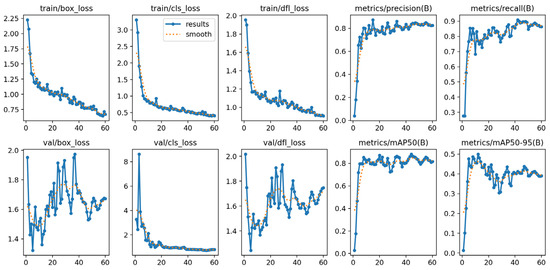
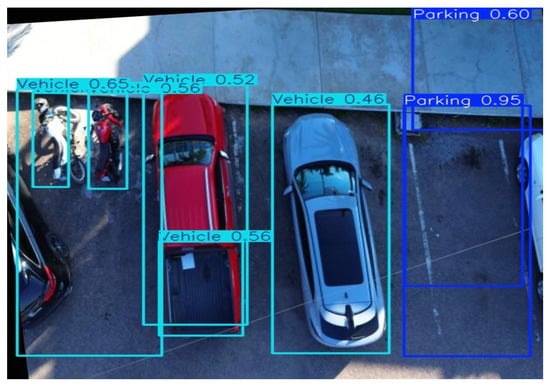
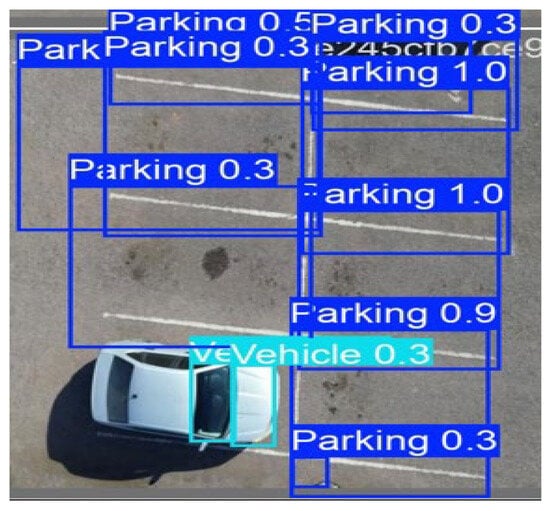
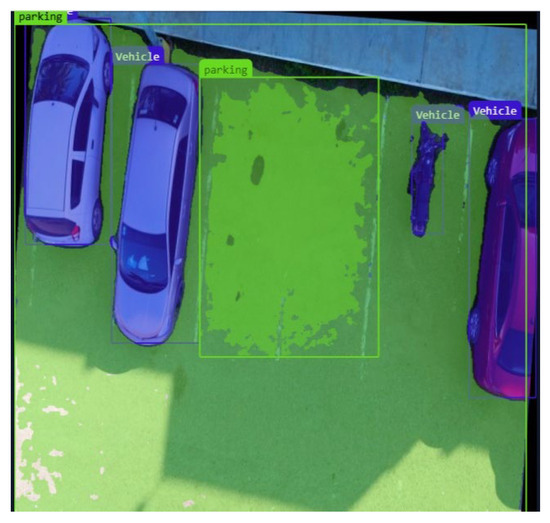
This paper presents an intelligent UAV-based parking occupancy monitoring system using a lightweight DJI Mini 3 UAV platform and the YOLOv11 object-detection model. A proprietary aerial dataset was collected from a university parking lot and augmented to address data scarcity, defining two task-oriented
[...] Read more.
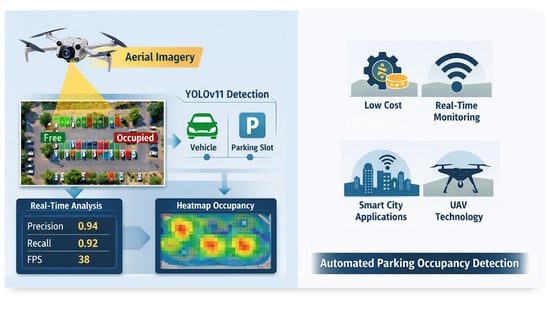
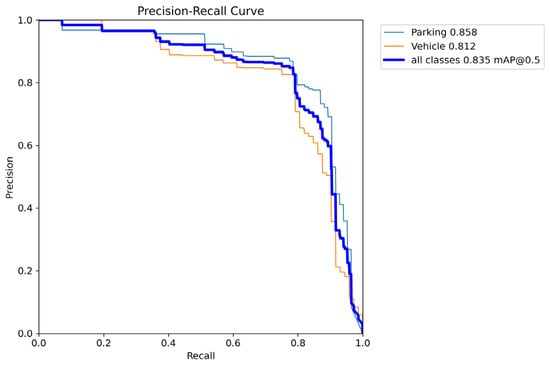
This paper presents an intelligent UAV-based parking occupancy monitoring system using a lightweight DJI Mini 3 UAV platform and the YOLOv11 object-detection model. A proprietary aerial dataset was collected from a university parking lot and augmented to address data scarcity, defining two task-oriented classes: vehicle and parking. The proposed framework integrates UAV data acquisition, annotation, data augmentation, training, real-time inference, and occupancy computation into a deployable end-to-end pipeline. Experimental results demonstrate strong detection performance and stable real-time inference, achieving competitive precision, recall, and mAP (mean Average Precision) metrics while maintaining high frame rates suitable for real-time deployment. Comparative evaluation against YOLOv8 and YOLOv9 highlights deployment-oriented advantages rather than architectural novelty. The study confirms that UAV-based vision systems can provide a scalable, low-infrastructure solution for real-time parking monitoring and urban mobility applications, contributing an applied, system-level framework focused on integration and deployment feasibility.
Full article
(This article belongs to the Section AI in Autonomous Systems)
►▼
Show Figures

Graphical abstract
Open AccessArticle
Breaking the Ceiling: Mitigating Extreme Response Bias in Surveys Using an Open-Ended Adaptive-Testing System and LLM-Based Response Analysis
by
Moshe Gish, Amit Nowominski and Rotem Dror
AI 2026, 7(2), 73; https://doi.org/10.3390/ai7020073 - 13 Feb 2026
Abstract
Assessments of extreme psychological constructs often face a persistent challenge: the ceiling effect, in which a significant proportion of respondents select the highest score on a scale, thus obscuring meaningful variation within the population. This effect may have profound consequences in studies of
[...] Read more.
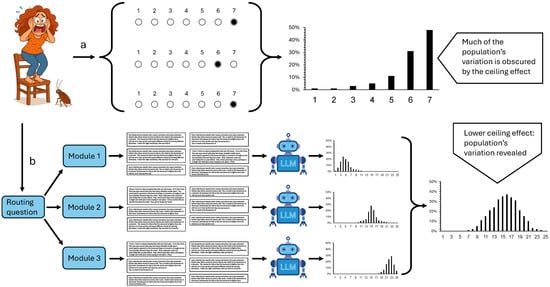
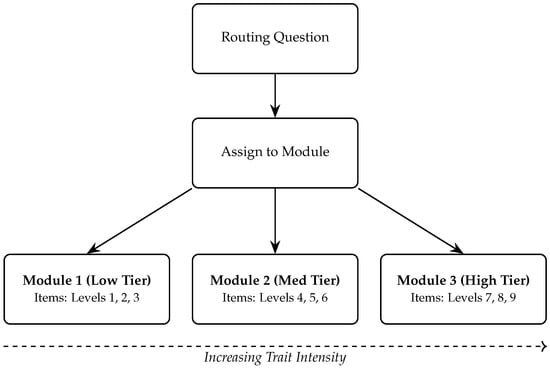
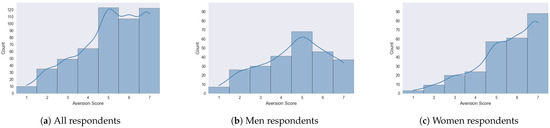
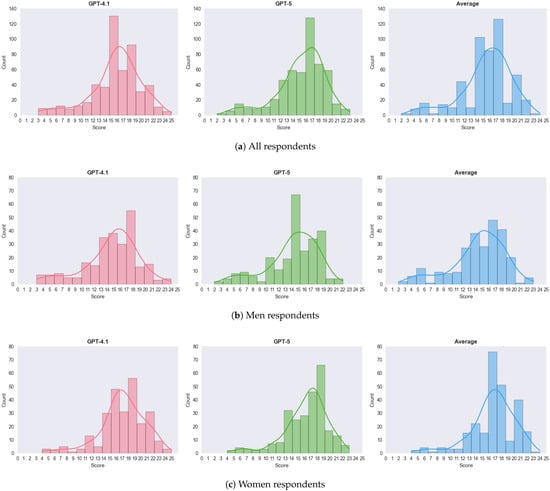
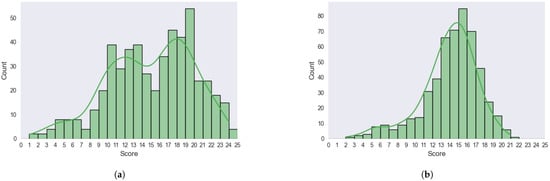
Assessments of extreme psychological constructs often face a persistent challenge: the ceiling effect, in which a significant proportion of respondents select the highest score on a scale, thus obscuring meaningful variation within the population. This effect may have profound consequences in studies of extreme psychological constructs. To address this limitation, we present a novel framework that integrates Multistage Testing (MST) with open-ended questions that are automatically analyzed by large language models (LLMs). This hybrid approach adapts the survey questions to the respondent while leveraging LLMs to efficiently and reliably interpret free-text answers from large-scale online surveys. Using a case study on aversion toward cockroaches, we show how our method can effectively eliminate extreme ceiling effects, revealing hidden data distributions that are often obscured by extreme responses to conventional Likert-type survey questions. We also validate our method by comparing LLM performance to expert human annotations. This demonstrates the consistency and reliability of LLMs in evaluating free-text answers. This framework offers a generalizable methodology that enables more precise and sensitive quantitative measurement of extreme psychological constructs, allowing researchers to study topics that until now were inaccessible due to significant, inherent ceiling effects.
Full article
(This article belongs to the Section AI Systems: Theory and Applications)
►▼
Show Figures

Figure 1
Open AccessArticle
HaDR: Hand Instance Segmentation Using a Synthetic Multimodal Dataset Based on Domain Randomization
by
Stefan Grushko, Aleš Vysocký and Jakub Chlebek
AI 2026, 7(2), 72; https://doi.org/10.3390/ai7020072 - 13 Feb 2026
Abstract
►▼
Show Figures
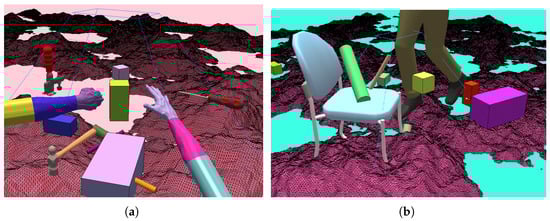
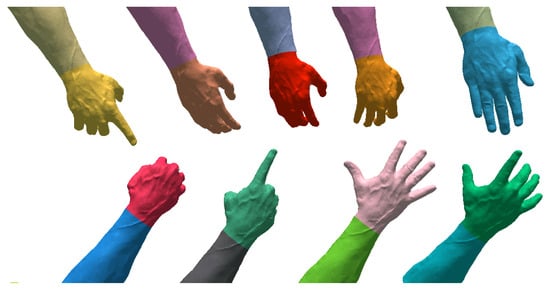
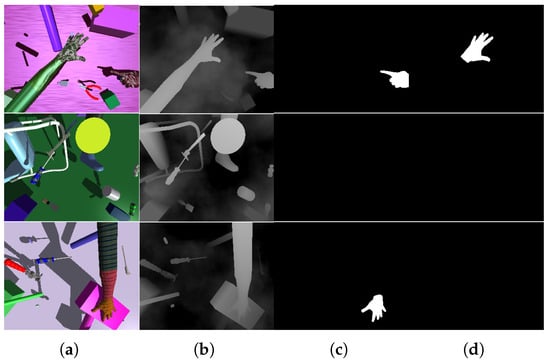
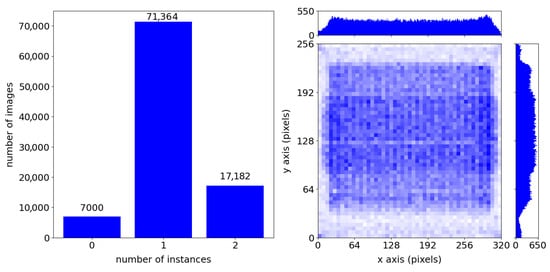
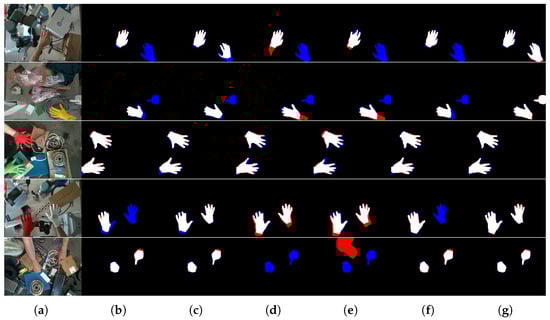
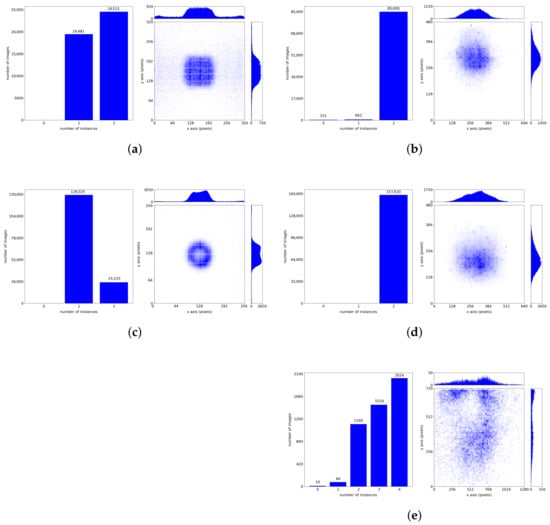
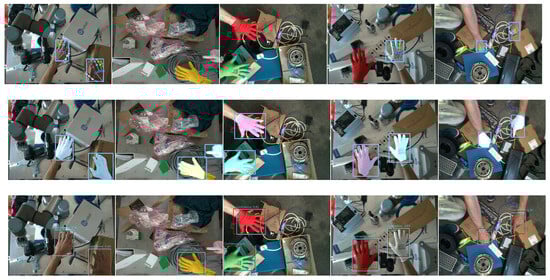
Hand localization in cluttered industrial environments remains challenging due to variations in appearance and the gap between synthetic and real-world data. Domain randomization addresses this “reality gap” by intentionally introducing randomized and unrealistic visual features in simulated scenes, encouraging neural networks to focus
[...] Read more.
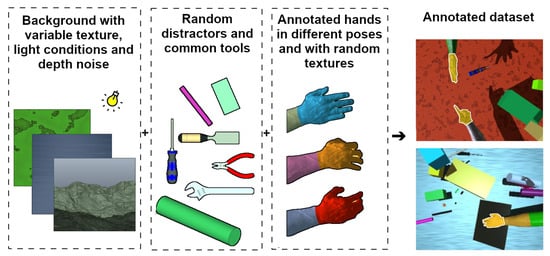
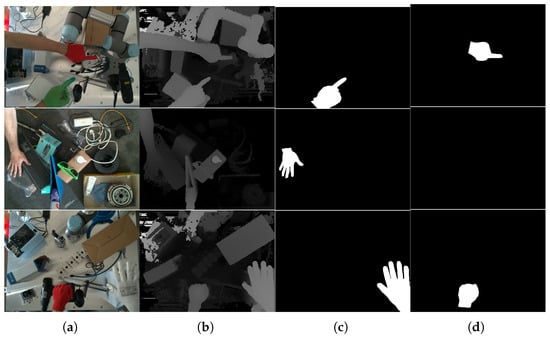
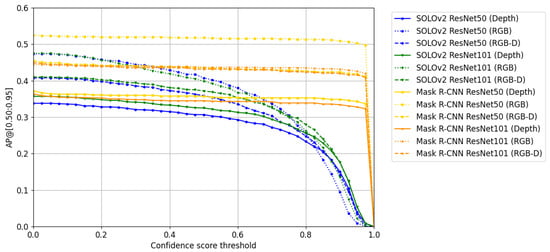
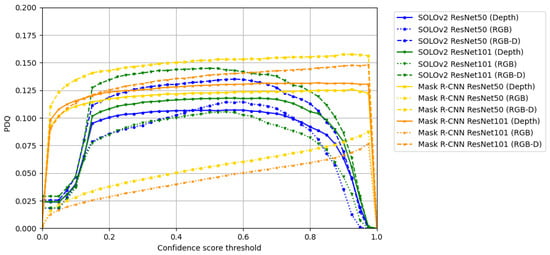
Hand localization in cluttered industrial environments remains challenging due to variations in appearance and the gap between synthetic and real-world data. Domain randomization addresses this “reality gap” by intentionally introducing randomized and unrealistic visual features in simulated scenes, encouraging neural networks to focus on essential domain-invariant cues. In this study, we applied domain randomization to generate a synthetic Red-Green-Blue–Depth (RGB-D) dataset for training multimodal instance segmentation models, with the aim of achieving color-agnostic hand localization in complex industrial settings. We introduce a new synthetic dataset tailored to various hand detection tasks and provide ready-to-use pretrained instance segmentation models. To enhance robustness in unstructured environments, the proposed approach employs multimodal inputs that combine color and depth information. To evaluate the contribution of each modality, we analyzed the individual and combined effects of color and depth on model performance. All evaluated models were trained exclusively on the proposed synthetic dataset. Despite the absence of real-world training data, the results demonstrate that our models outperform corresponding models trained on existing state-of-the-art datasets, achieving higher Average Precision and Probability-Based Detection Quality.
Full article

Figure 1
Open AccessArticle
HiFrAMes: A Framework for Hierarchical Fragmentation and Abstraction of Molecular Graphs
by
Yuncheng Yu, Max A. Smith, Haidong Wang and Jyh-Charn Liu
AI 2026, 7(2), 71; https://doi.org/10.3390/ai7020071 - 13 Feb 2026
Abstract
Recent advances in computational chemistry, machine learning, and large-scale virtual screening have rapidly expanded the accessible chemical space, increasing the need for interpretable molecular representations that capture the hierarchical topological structure of molecules. Existing formats, such as Simplified Molecular Input Line Entry System
[...] Read more.
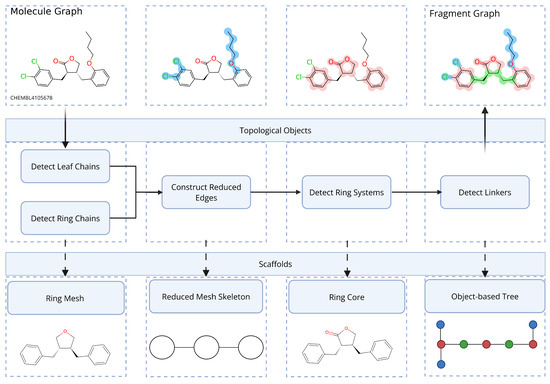
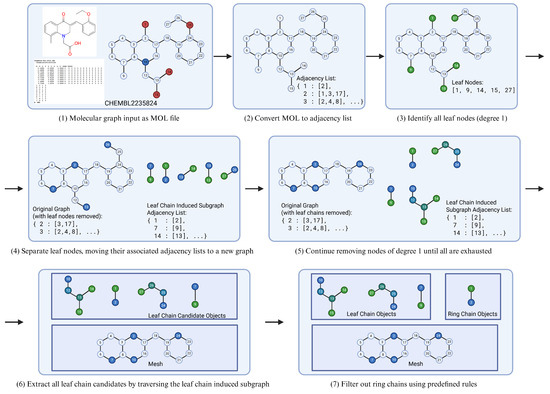
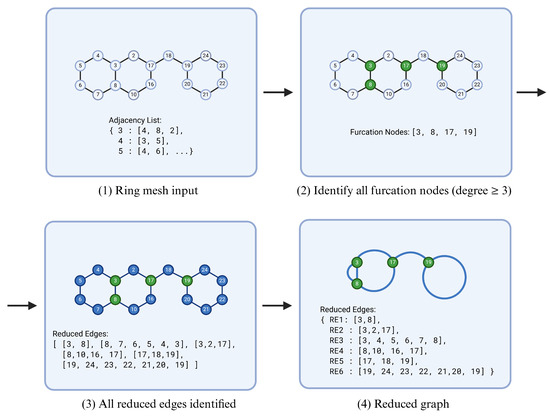
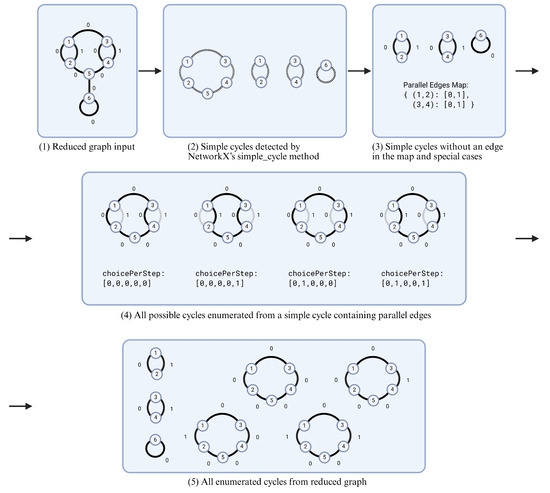
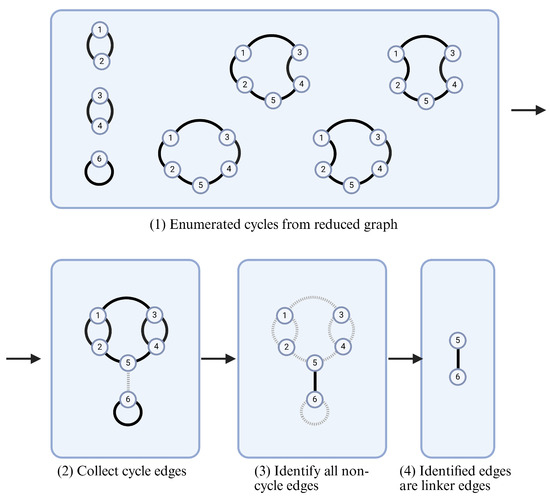
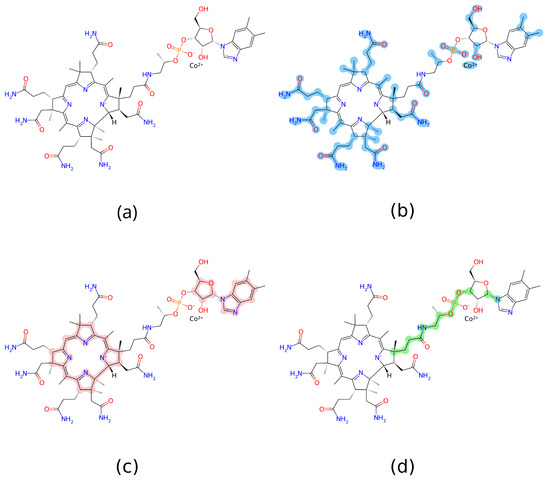
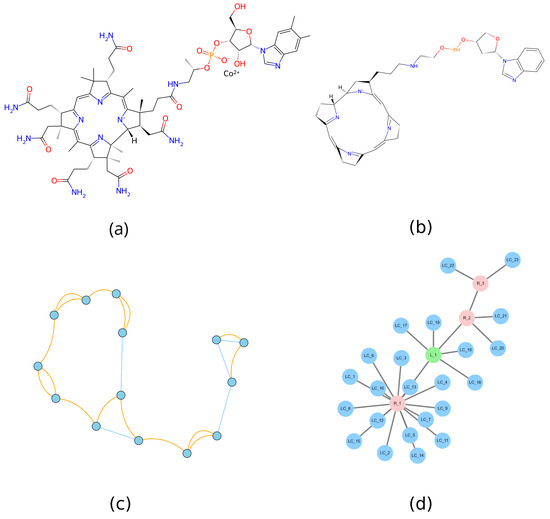
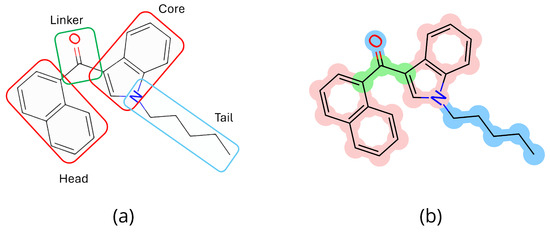
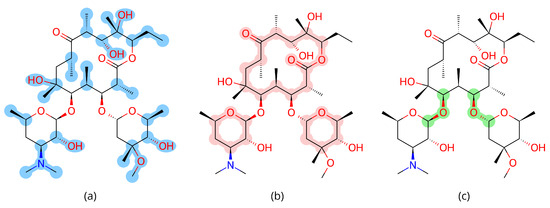
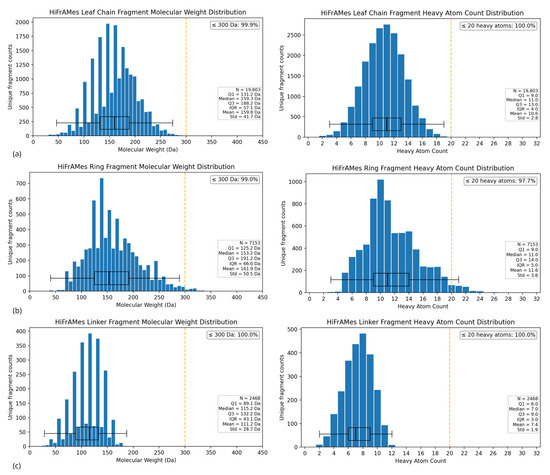
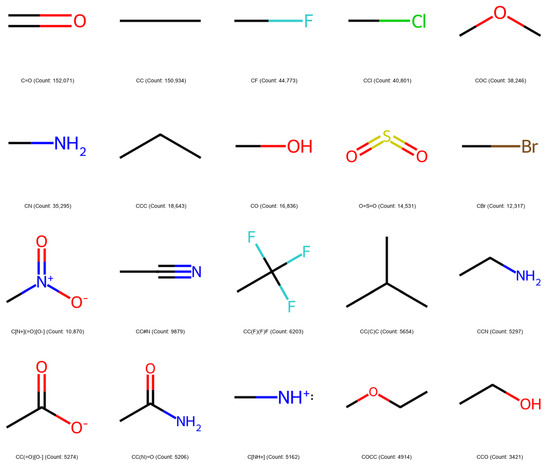
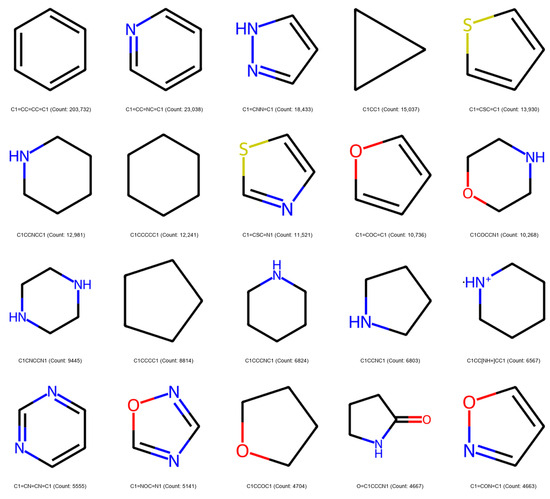
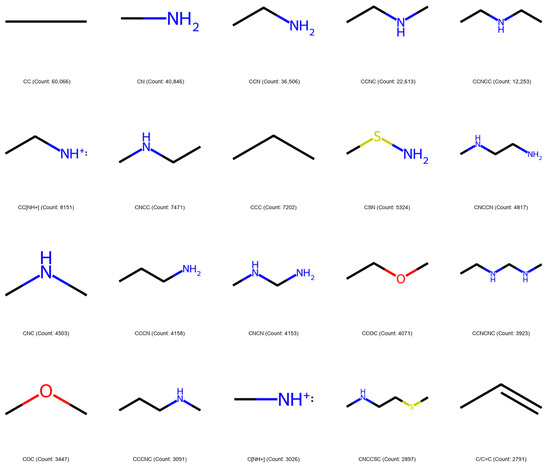
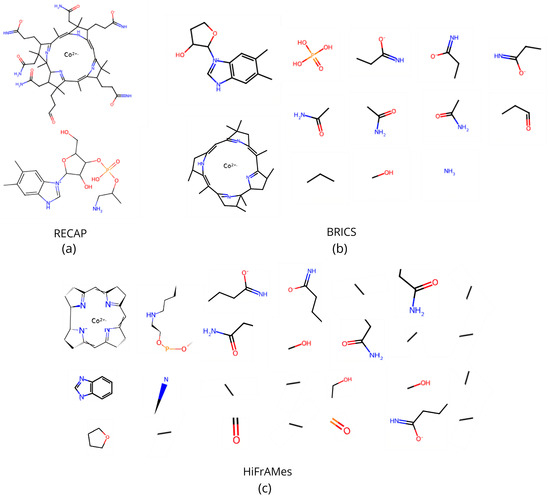
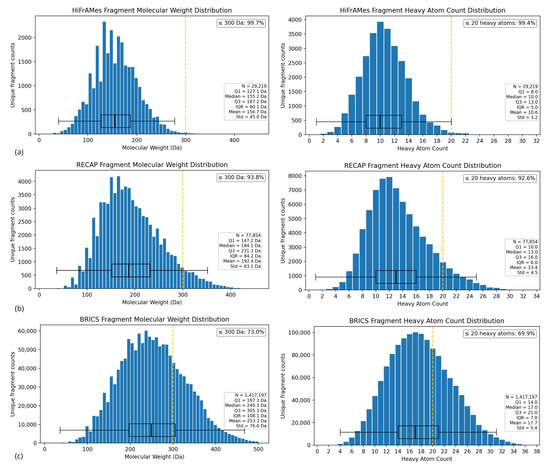
Recent advances in computational chemistry, machine learning, and large-scale virtual screening have rapidly expanded the accessible chemical space, increasing the need for interpretable molecular representations that capture the hierarchical topological structure of molecules. Existing formats, such as Simplified Molecular Input Line Entry System (SMILES) strings and MOL files, effectively encode molecular graphs but provide limited support for representing the multi-level structural information needed for complex downstream tasks. To address these challenges, we introduce HiFrAMes, a novel graph–theoretic hierarchical molecular fragmentation framework that decomposes molecular graphs into chemically meaningful substructures and organizes them into hierarchical scaffold representations. HiFrAMes is implemented as a four-stage pipeline consisting of leaf and ring chain extraction, ring mesh reduction, ring enumeration, and linker detection, which iteratively transforms raw molecular graphs into interpretable abstract objects. The framework decomposes molecules into chains, rings, linkers, and scaffolds while retaining global topological relationships. We apply HiFrAMes to both complex and drug-like molecules to generate molecular fragments and scaffold representations that capture structural motifs at multiple levels of abstraction. The resulting fragments are evaluated using selection criteria established in the fragment-based drug discovery literature and qualitative case studies to demonstrate their suitability for downstream computational tasks.
Full article
(This article belongs to the Special Issue Leveraging Simulation and Deep Learning for Enhanced Health and Safety)
►▼
Show Figures

Figure 1
Open AccessArticle
Reservoir Computing: Foundations, Advances, and Challenges Toward Neuromorphic Intelligence
by
Andrew Liu, Muhammad Farhan Azmine, Chunxiao Lin and Yang Yi
AI 2026, 7(2), 70; https://doi.org/10.3390/ai7020070 - 13 Feb 2026
Abstract
Reservoir computing (RC) has emerged as an energy-efficient paradigm for temporal information processing, offering reduced training complexity by fixing recurrent dynamics and training only a simple readout layer. Among RC models, Echo State Networks (ESNs) and Liquid State Machines (LSMs) represent two distinct
[...] Read more.
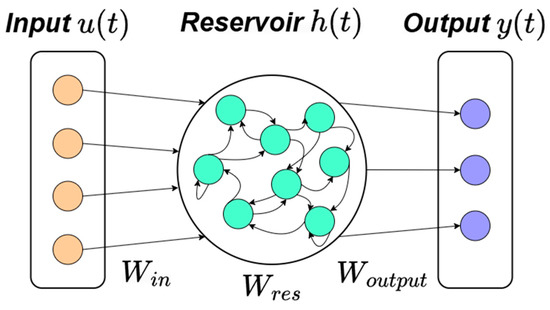
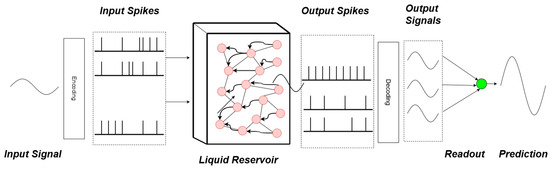
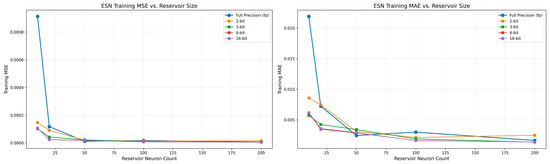
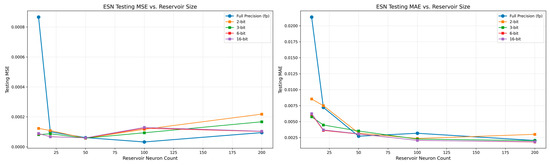
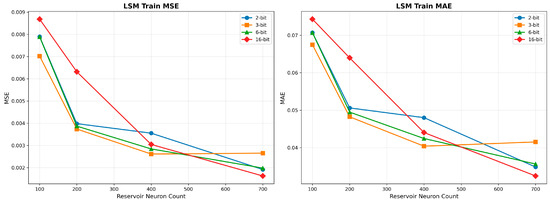
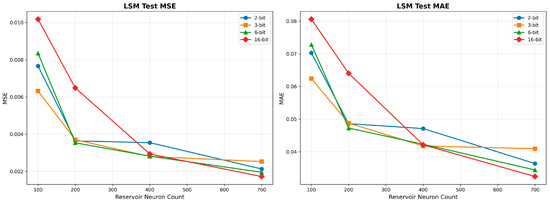
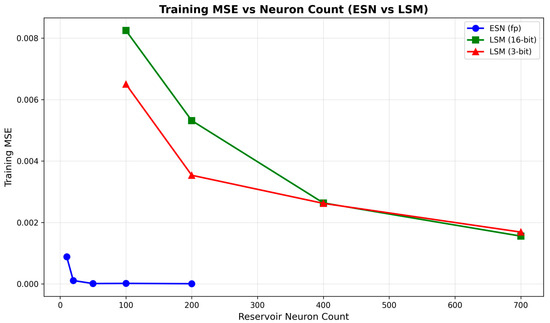
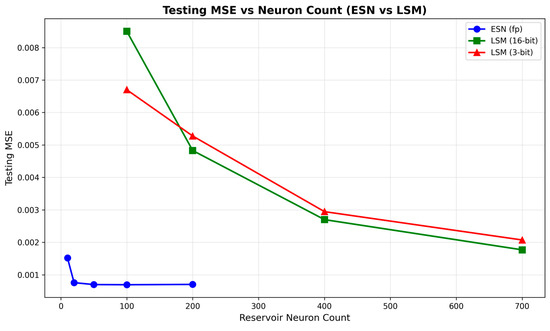
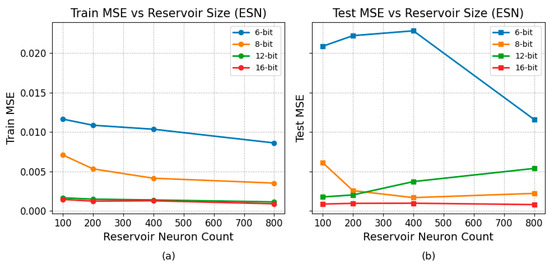
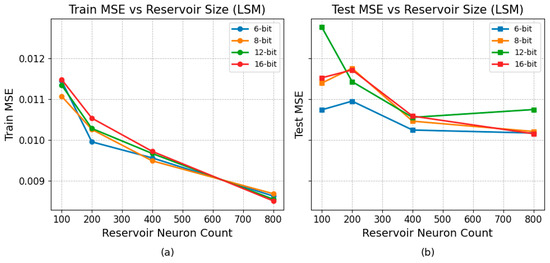
Reservoir computing (RC) has emerged as an energy-efficient paradigm for temporal information processing, offering reduced training complexity by fixing recurrent dynamics and training only a simple readout layer. Among RC models, Echo State Networks (ESNs) and Liquid State Machines (LSMs) represent two distinct approaches based on continuous-valued and spiking neural dynamics, respectively. In this work, we present a comparative evaluation of ESNs and LSMs on the Mackey–Glass chaotic time-series prediction task, with emphasis on scalability, overfitting behavior, and robustness to reduced numerical error precision. Experimental results show that ESNs achieve lower prediction error with relatively small reservoirs but exhibit early performance saturation and signs of overfitting as reservoir size increases. In contrast, LSMs demonstrate more consistent generalization with increasing reservoir size and maintain stable performance under aggressive reservoir quantization. These findings highlight fundamental trade-offs between accuracy and hardware efficiency, and suggest that spiking RC models are well suited for energy-constrained and neuromorphic computing applications.
Full article
(This article belongs to the Special Issue Artificial Intelligence Hardware and Software Co-Design and Neuromorphic Computing)
►▼
Show Figures

Figure 1
Open AccessArticle
Architectural Constraints in LLM-Simulated Cognitive Decline: In Silico Dissociation of Memory Deficits and Generative Language as Candidate Digital Biomarkers
by
Rubén Pérez-Elvira, Javier Oltra-Cucarella, María Agudo Juan, Luis Polo-Ferrero, Manuel Quintana Díaz, Jorge Bosch-Bayard, Alfonso Salgado Ruiz, A. N. M. Mamun Or Rashid and Raúl Juárez-Vela
AI 2026, 7(2), 69; https://doi.org/10.3390/ai7020069 - 12 Feb 2026
Abstract
This study examined whether large language models (LLMs) can generate clinically realistic profiles of cognitive decline and whether simulated deficits reflect architectural constraints rather than superficial role-playing artifacts. Using GPT-4o-mini, we generated synthetic cohorts (n = 10 per group) representing healthy aging, mild
[...] Read more.
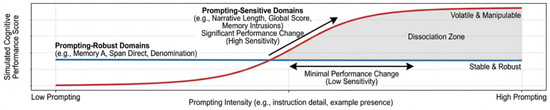
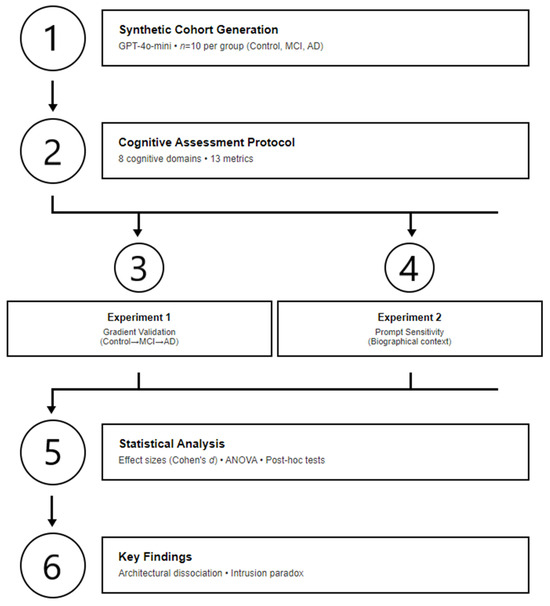
This study examined whether large language models (LLMs) can generate clinically realistic profiles of cognitive decline and whether simulated deficits reflect architectural constraints rather than superficial role-playing artifacts. Using GPT-4o-mini, we generated synthetic cohorts (n = 10 per group) representing healthy aging, mild cognitive impairment (MCI), and Alzheimer’s disease (AD), assessed through a conversational neuropsychological battery covering episodic memory, verbal fluency, narrative production, orientation, naming, and comprehension. Experiment 1 tested whether synthetic subjects exhibited graded cognitive profiles consistent with clinical progression (Control > MCI > AD). Experiment 2 systematically manipulated prompt context in AD subjects (short, rich biographical, and few-shot prompts) to dissociate robust from manipulable deficits. Significant cognitive gradients emerged (p < 0.001) across eight of thirteen domains. AD subjects showed impaired episodic memory (Cohen’s d = 4.71), increased memory intrusions, and reduced narrative length (d = 3.07). Critically, structurally constrained memory tasks (episodic recall, digit span) were invariant to prompting (p > 0.05), whereas generative tasks (narrative length, verbal fluency) showed high sensitivity (F > 100, p < 0.001). Rich biographical prompts paradoxically increased memory intrusions by 343%, indicating semantic interference rather than cognitive rescue. These results demonstrate that LLMs can serve as in silico test benches for exploring candidate digital biomarkers and clinical training protocols, while highlighting architectural constraints that may inform computational hypotheses about memory and language processing.
Full article
(This article belongs to the Special Issue Understanding Transformers and Large Language Models (LLMs) with Natural Language Processing (NLP))
►▼
Show Figures

Figure 1
Open AccessReview
A Comprehensive Review of Deepfake Detection Techniques: From Traditional Machine Learning to Advanced Deep Learning Architectures
by
Ahmad Raza, Abdul Basit, Asjad Amin, Zeeshan Ahmad Arfeen, Muhammad I. Masud, Umar Fayyaz and Touqeer Ahmed Jumani
AI 2026, 7(2), 68; https://doi.org/10.3390/ai7020068 - 11 Feb 2026
Abstract
Deepfake technology is causing unprecedented threats to the authenticity of digital media, and demand is high for reliable digital media detection systems. This systematic review focuses on an analysis of deepfake detection methods using deep learning approaches, machine learning methods, and the classical
[...] Read more.
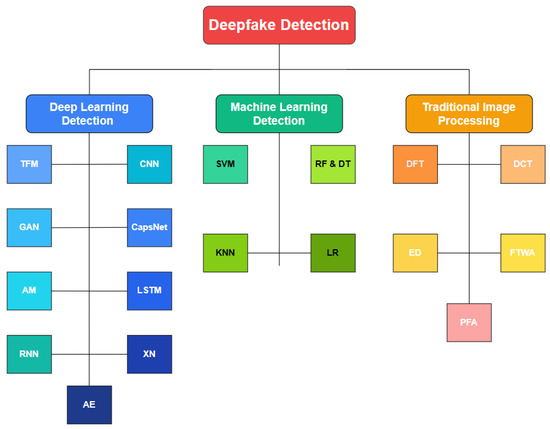
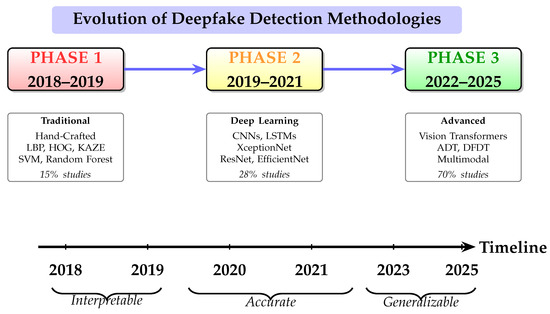
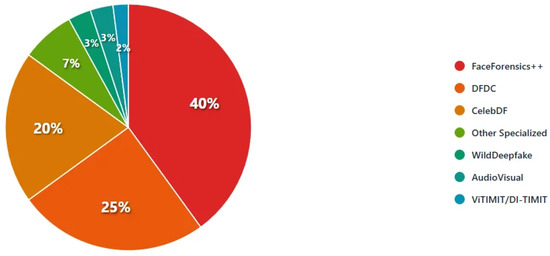
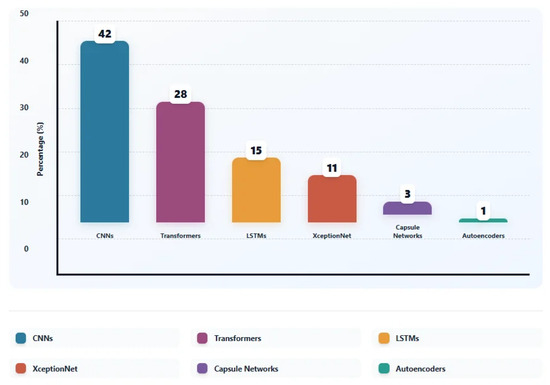
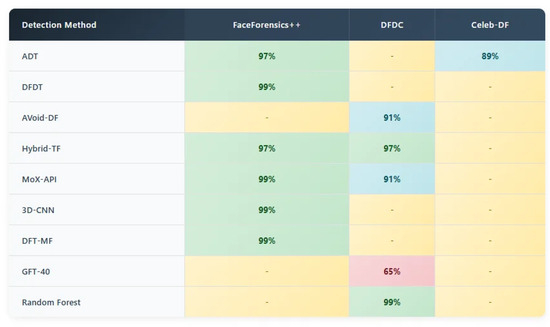
Deepfake technology is causing unprecedented threats to the authenticity of digital media, and demand is high for reliable digital media detection systems. This systematic review focuses on an analysis of deepfake detection methods using deep learning approaches, machine learning methods, and the classical methods of image processing from 2018 to 2025 with a specific focus on the trade-off between accuracy, computing efficiency, and cross-dataset generalization. Through lavish analysis of a robust peer-reviewed studies using three benchmark data sets (FaceForensics++, DFDC, Celeb-DF) we expose important truths to bring some of the field’s prevailing assumptions into question. Our analysis produces three important results that radically change the understanding of detection abilities and limitations. Transformer-based architectures have significantly better cross-dataset generalization (11.33% performance decline) than CNN-based (more than 15% decline), at the expense of computation (3–5× more). To the contrary, there is no strong reason to assume the superiority of deep learning, and the performance of traditional machine learning methods (in our case, Random Forest) is quite comparable (accuracy of 99.64% on the DFDC) with dramatically lower computing needs, which opens up the prospects for their application in resource-constrained deployment scenarios. Most critically, we demonstrate deterioration of performance (10–15% on average) systematically across all methodological classes and we provide empirical support for the fact that current detection systems are, to a high degree, learning dataset specific compression artifacts, rather than deepfake characteristics that are generalizable. These results highlight the importance of moving from an accuracy-focused evaluation approach toward more comprehensive evaluation approaches that balance either generalization capability, computational feasibility, or practical deployment constraints, and therefore further direct future research efforts towards designing systems for detection that could be deployed in practical applications.
Full article
(This article belongs to the Section Medical & Healthcare AI)
►▼
Show Figures

Figure 1
Open AccessArticle
RadonFAN: Intelligent Real-Time Radon Mitigation Through IoT, Rule-Based Logic, and AI Forecasting
by
Lidia Abad, Fernando Ramonet, Margarita González, José Javier Anaya and Sofía Aparicio
AI 2026, 7(2), 67; https://doi.org/10.3390/ai7020067 - 11 Feb 2026
Abstract
►▼
Show Figures
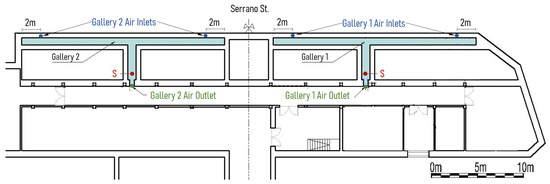
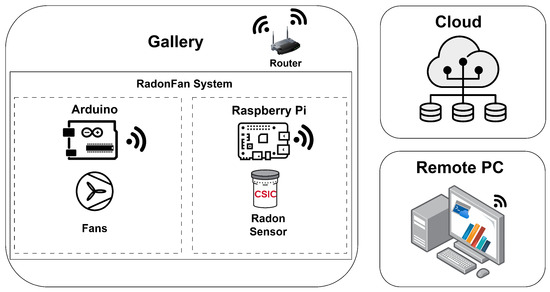
Radon (Rn-222) is a major indoor air pollutant with significant health risks. This work presents RadonFAN, a low-cost IoT system deployed in two galleries at the Institute of Physical and Information Technologies (ITEFI-CSIC, Madrid), integrating distributed sensors, microcontrollers, cloud analytics, and automated fan
[...] Read more.
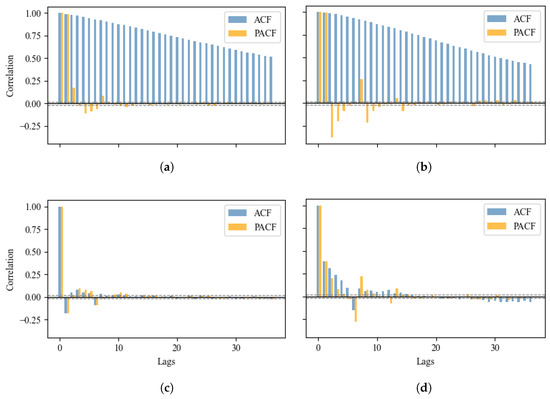
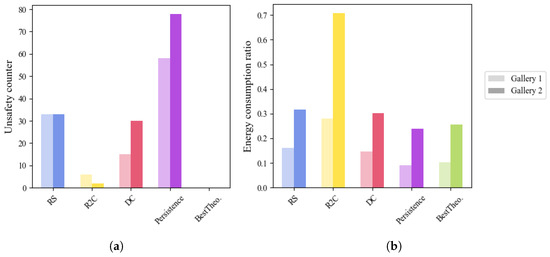
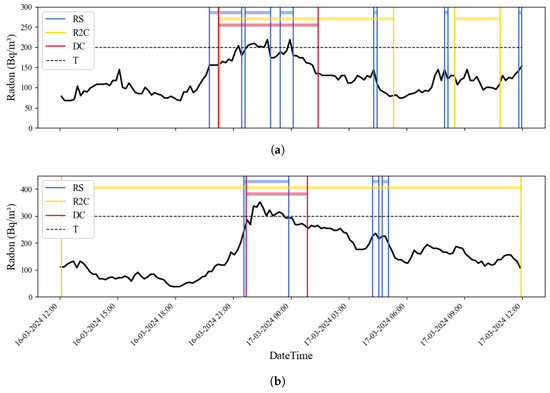
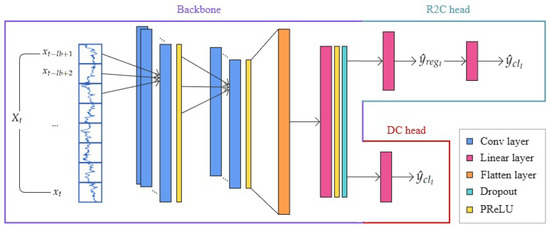
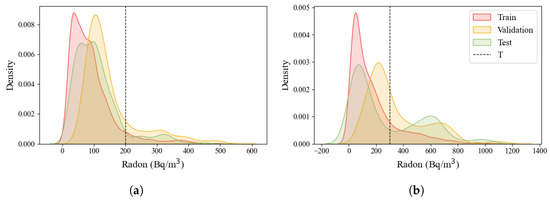
Radon (Rn-222) is a major indoor air pollutant with significant health risks. This work presents RadonFAN, a low-cost IoT system deployed in two galleries at the Institute of Physical and Information Technologies (ITEFI-CSIC, Madrid), integrating distributed sensors, microcontrollers, cloud analytics, and automated fan control to maintain radon concentrations below recommended limits. Initially, ventilation relied on a reactive, rule-based mechanism triggered when thresholds were exceeded. To improve preventive control, two end-to-end deep learning models based on regression-to-classification (R2C) and direct classification (DC) are developed. A quantitative analysis of predictive performance and computational efficiency is reported. While the R2C model is hindered by the inherent behavior of the time series, the DC model achieves high classification performance (recall > 0.975) with low computational cost (<4 million parameters, 7 million FLOPs). Modifications to the DC model are studied to identify potential performance bottlenecks and the most relevant components, showing that most limitations arise from feature richness and time series behavior. When evaluated against the existing rule-based ventilation system, the DC model reduces both unsafe radon exposure events and energy consumption, demonstrating its effectiveness for preventive radon mitigation.
Full article

Figure 1
Open AccessArticle
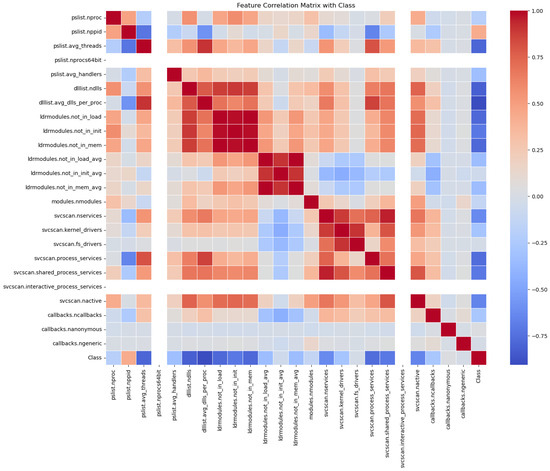
XAI-Driven Malware Detection from Memory Artifacts: An Alert-Driven AI Framework with TabNet and Ensemble Classification
by
Aristeidis Mystakidis, Grigorios Kalogiannnis, Nikolaos Vakakis, Nikolaos Altanis, Konstantina Milousi, Iason Somarakis, Gabriela Mihalachi, Mariana S. Mazi, Dimitris Sotos, Antonis Voulgaridis, Christos Tjortjis, Konstantinos Votis and Dimitrios Tzovaras
AI 2026, 7(2), 66; https://doi.org/10.3390/ai7020066 - 10 Feb 2026
Abstract
►▼
Show Figures
Modern malware presents significant challenges to traditional detection methods, often leveraging fileless techniques, in-memory execution, and process injection to evade antivirus and signature-based systems. To address these challenges, alert-driven memory forensics has emerged as a critical capability for uncovering stealthy, persistent, and zero-day
[...] Read more.
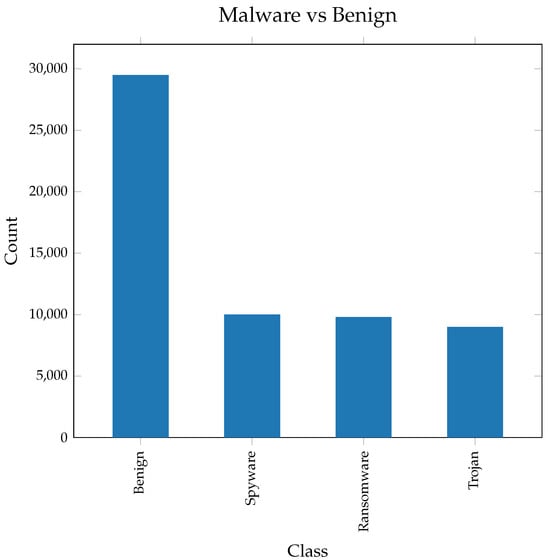
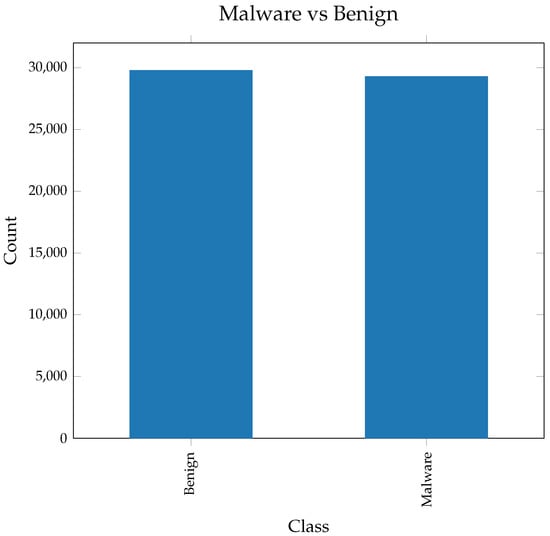
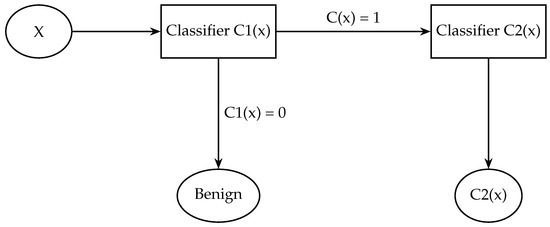
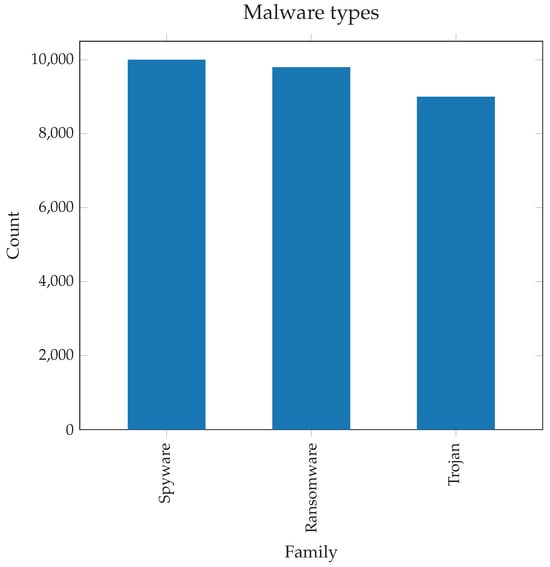
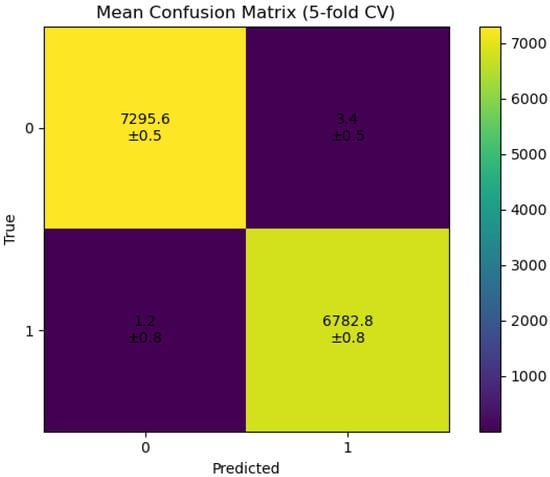
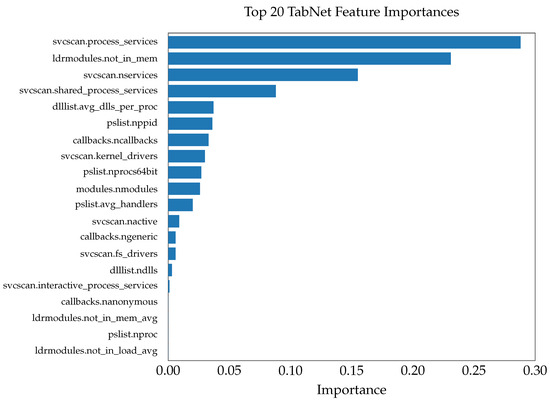
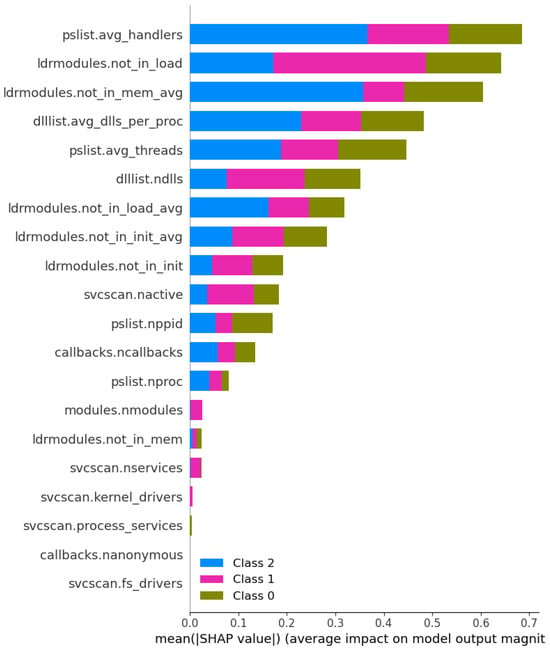
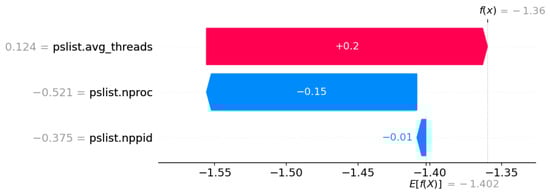
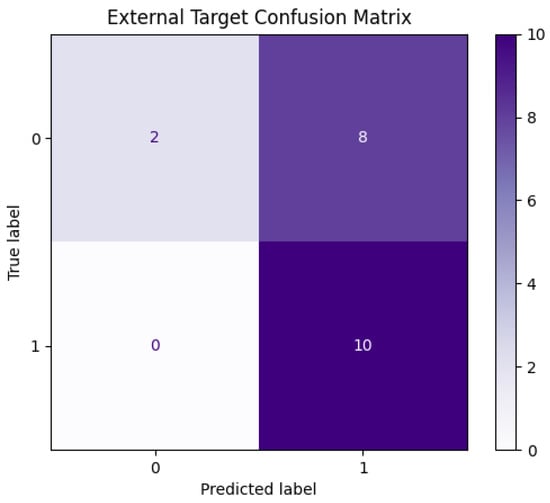
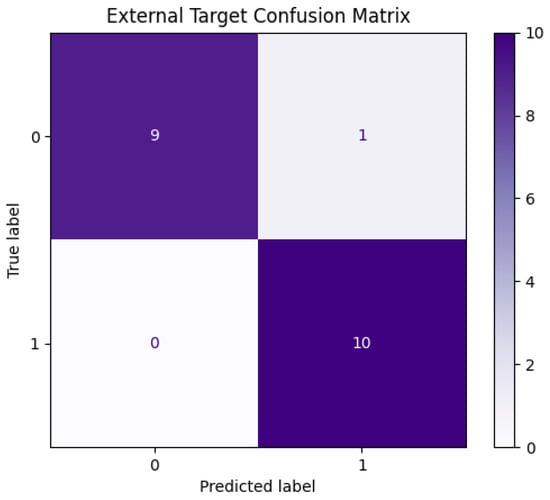
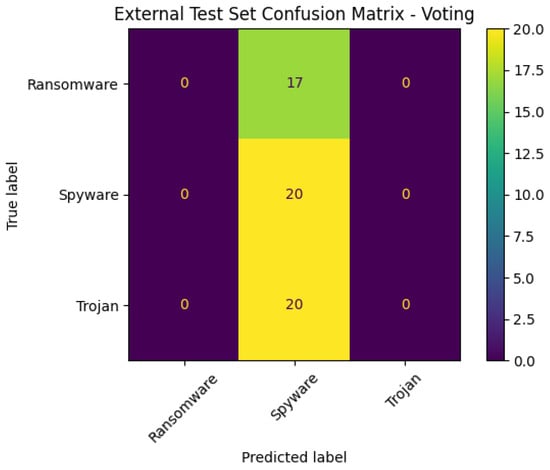
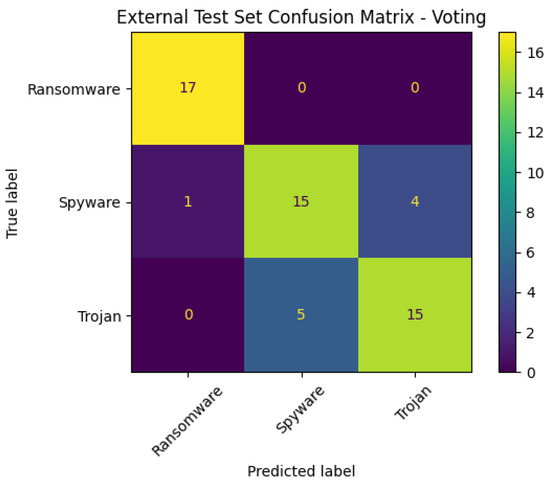
Modern malware presents significant challenges to traditional detection methods, often leveraging fileless techniques, in-memory execution, and process injection to evade antivirus and signature-based systems. To address these challenges, alert-driven memory forensics has emerged as a critical capability for uncovering stealthy, persistent, and zero-day threats. This study presents a two-stage host-based malware detection framework, that integrates memory forensics, explainable machine learning, and ensemble classification, designed as a post-alert asynchronous SOC workflow balancing forensic depth and operational efficiency. Utilizing the MemMal-D2024 dataset—comprising rich memory forensic artifacts from Windows systems infected with malware samples whose creation metadata spans 2006–2021—the system performs malware detection, using features extracted from volatile memory. In the first stage, an Attentive and Interpretable Learning for structured Tabular data (TabNet) model is used for binary classification (benign vs. malware), leveraging its sequential attention mechanism and built-in explainability. In the second stage, a Voting Classifier ensemble, composed of Light Gradient Boosting Machine (LGBM), eXtreme Gradient Boosting (XGB), and Histogram Gradient Boosting (HGB) models, is used to identify the specific malware family (Trojan, Ransomware, Spyware). To reduce memory dump extraction and analysis time without compromising detection performance, only a curated subset of 24 memory features—operationally selected to reduce acquisition/extraction time and validated via redundancy inspection, model explainability (SHAP/TabNet), and training data correlation analysis —was used during training and runtime, identifying the best trade-off between memory analysis and detection accuracy. The pipeline, which is triggered from host-based Wazuh Security Information and Event Management (SIEM) alerts, achieved 99.97% accuracy in binary detection and 70.17% multiclass accuracy, resulting in an overall performance of 87.02%, including both global and local explainability, ensuring operational transparency and forensic interpretability. This approach provides an efficient and interpretable detection solution used in combination with conventional security tools as an extra layer of defense suitable for modern threat landscapes.
Full article

Figure 1
Open AccessArticle
Photonic-Aware Routing in Hybrid Networks-on-Chip via Decentralized Deep Reinforcement Learning
by
Elena Kakoulli
AI 2026, 7(2), 65; https://doi.org/10.3390/ai7020065 - 9 Feb 2026
Abstract
►▼
Show Figures
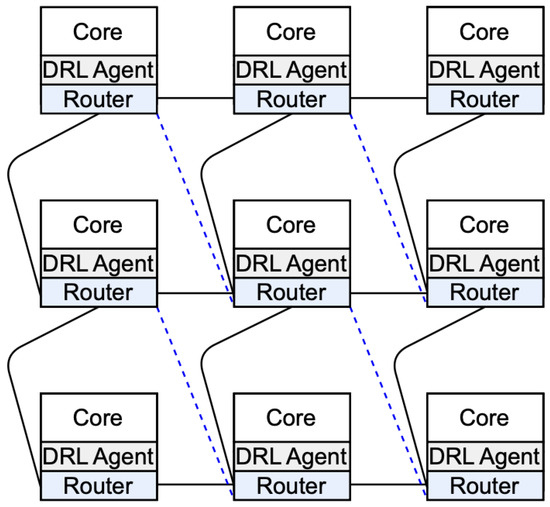
Edge artificial intelligence (AI) workloads generate bursty, heterogeneous traffic on Networks-on-Chip (NoCs) under tight energy and latency constraints. Hybrid NoCs that overlay electronic meshes with silicon photonic express links can reduce long-path latency via wavelength-division multiplexing, but thermal drift and intermittent optical availability
[...] Read more.
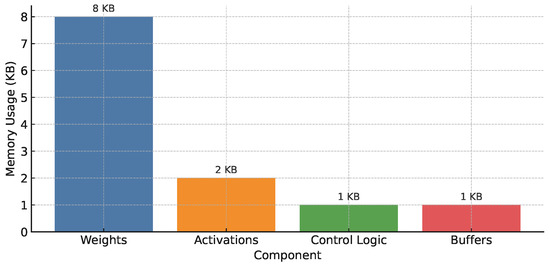
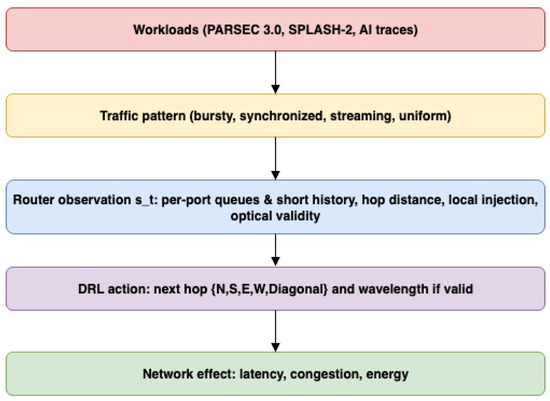
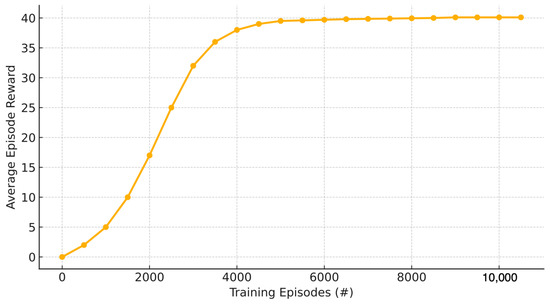
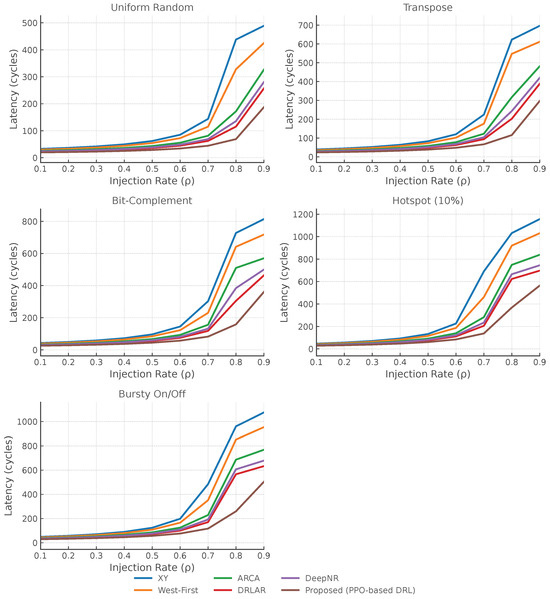
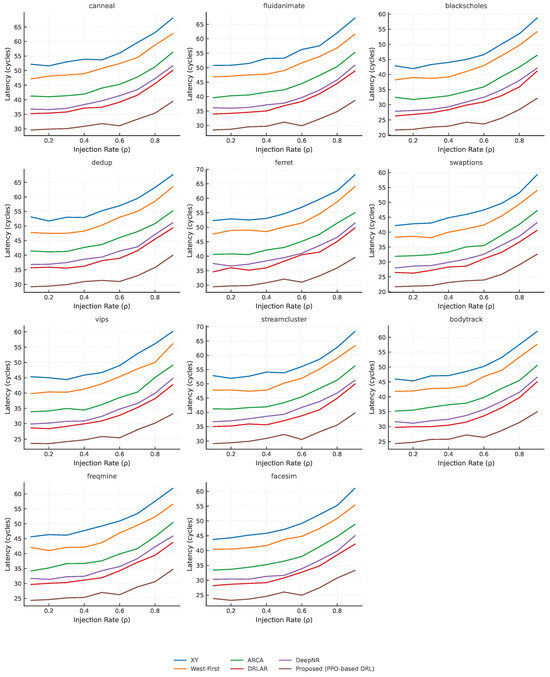
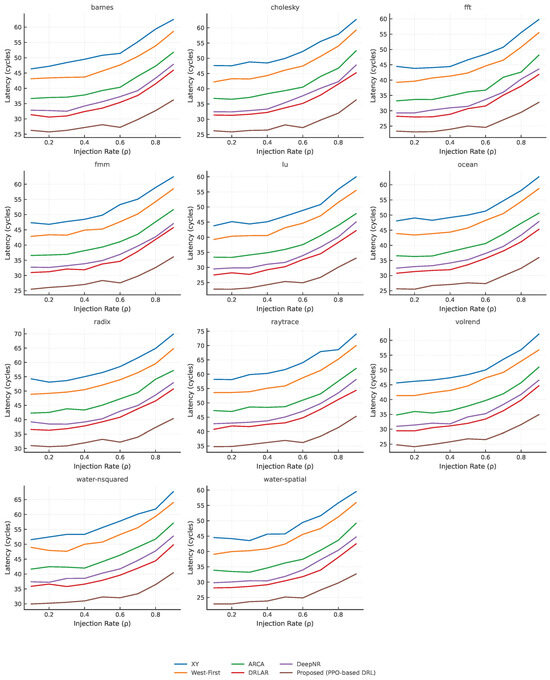
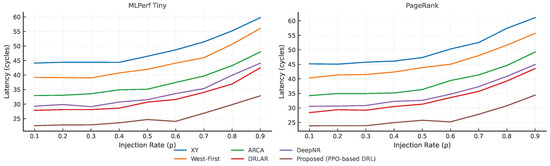
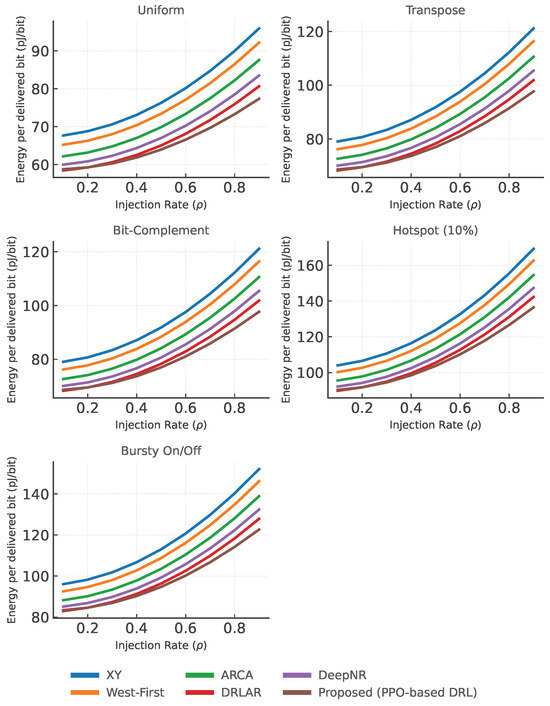
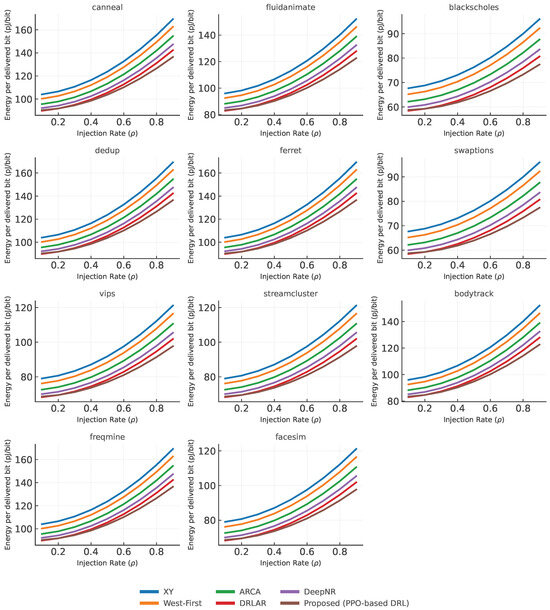
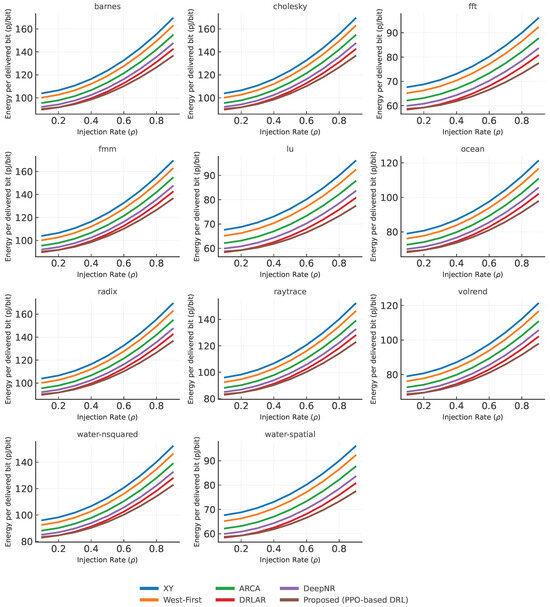
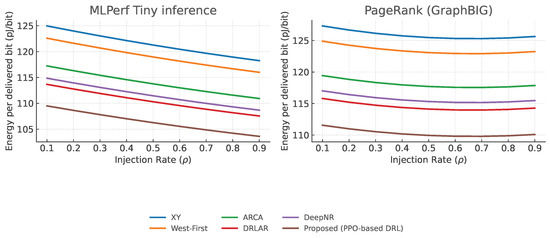
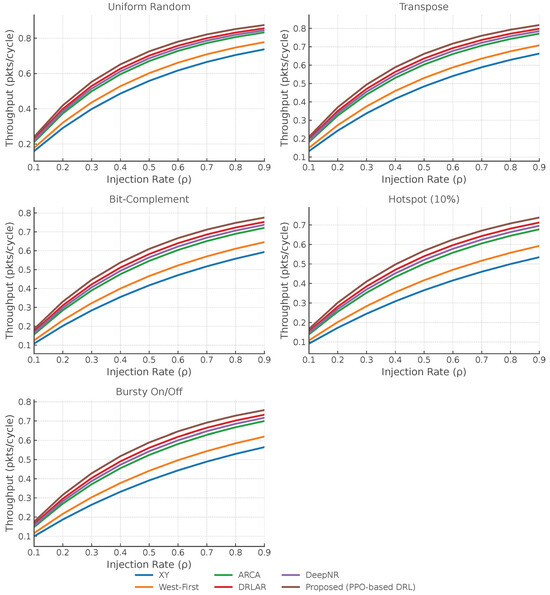
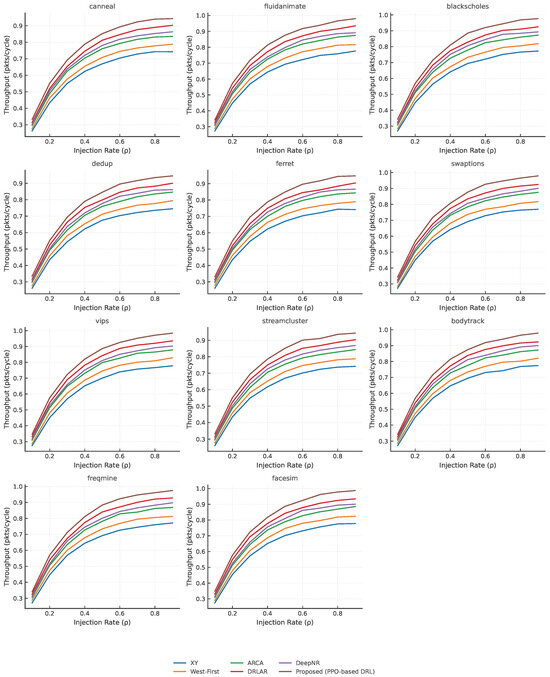
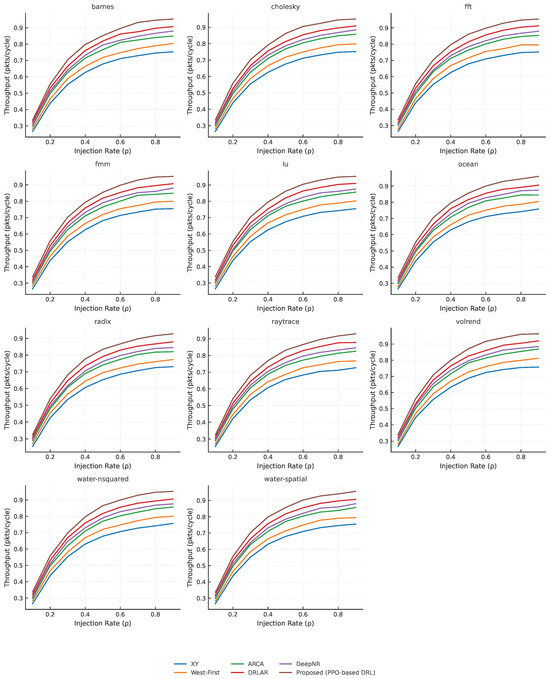
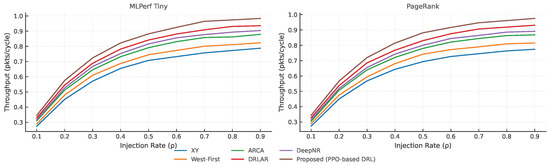
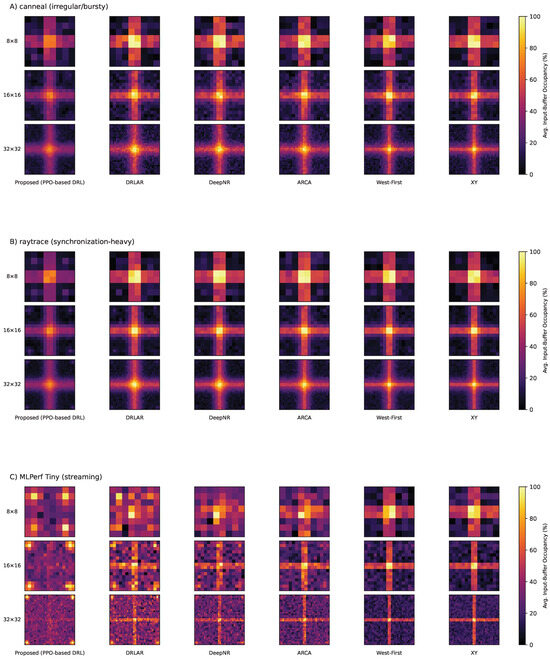
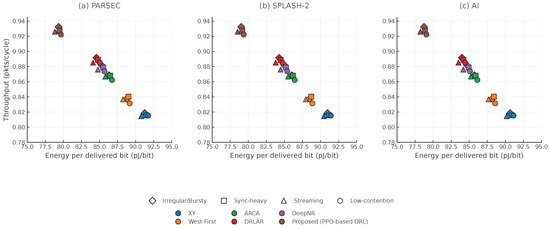
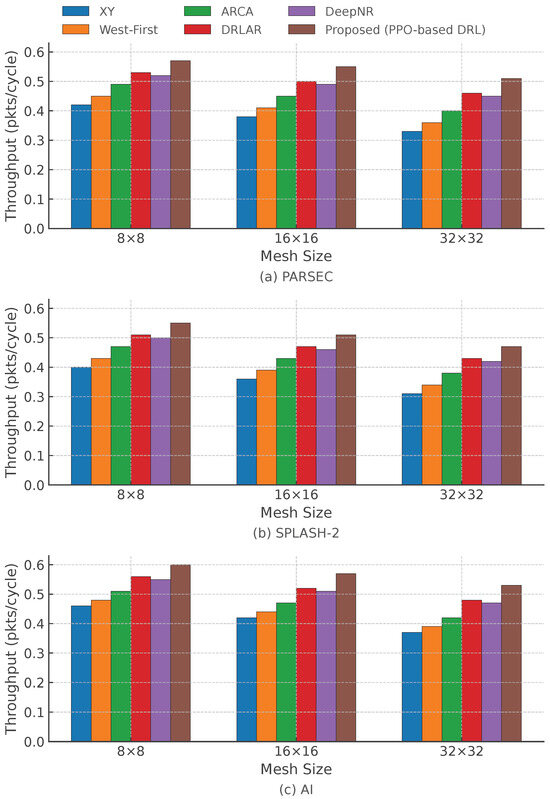
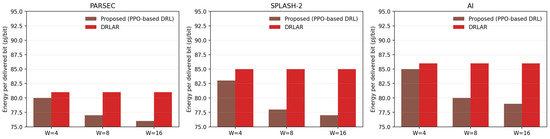
Edge artificial intelligence (AI) workloads generate bursty, heterogeneous traffic on Networks-on-Chip (NoCs) under tight energy and latency constraints. Hybrid NoCs that overlay electronic meshes with silicon photonic express links can reduce long-path latency via wavelength-division multiplexing, but thermal drift and intermittent optical availability complicate routing. This study introduces a decentralized, photonic-aware controller based on Deep Reinforcement Learning (DRL) with Proximal Policy Optimization (PPO). The policy uses router-local observables—per-port buffer occupancy with short histories, hop distance, a local injection estimate, and a per-cycle optical validity signal—and applies action masking so chosen outputs are always feasible; the controller is co-designed with the router pipeline to retain single-cycle decisions and a modest memory footprint. Cycle-accurate simulations with synthetic traffic and benchmark-derived traces evaluate mean packet latency, throughput, and energy per delivered bit against deterministic, adaptive, and recent DRL baselines; ablation studies isolate the roles of optical validity cues and locality. The results show consistent improvements in congestion-forming regimes and on long electronic paths bridged by photonic links, with robustness across mesh sizes and wavelength concurrency. Overall, the evidence indicates that photonic-aware PPO provides a practical, thermally robust control plane for hybrid NoCs and a scalable routing solution for AI-centric manycore and edge systems.
Full article

Figure 1
Open AccessArticle
LLM-Based Geospatial Assistant for WebGIS Public Service Applications
by
Gabriel Ionut Dorobantu and Ana Cornelia Badea
AI 2026, 7(2), 64; https://doi.org/10.3390/ai7020064 - 9 Feb 2026
Abstract
►▼
Show Figures
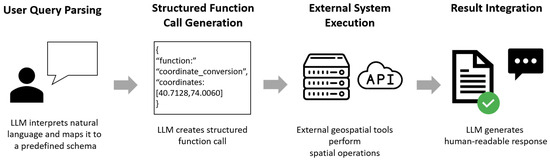
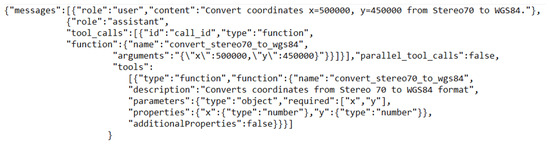
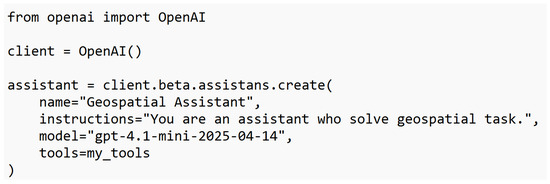
The automation of public services represents a key area of development at the national level, with the main goal of facilitating citizens’ access to comprehensive, integrated and high-quality services in the shortest possible time. National strategies emphasize the need to integrate open geospatial
[...] Read more.
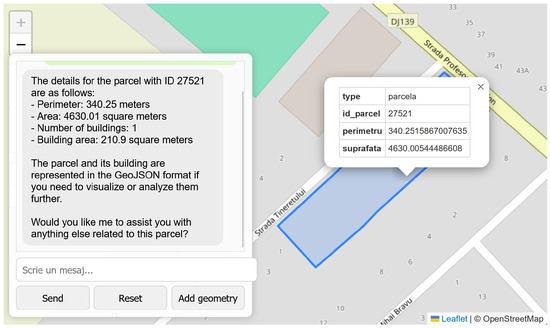
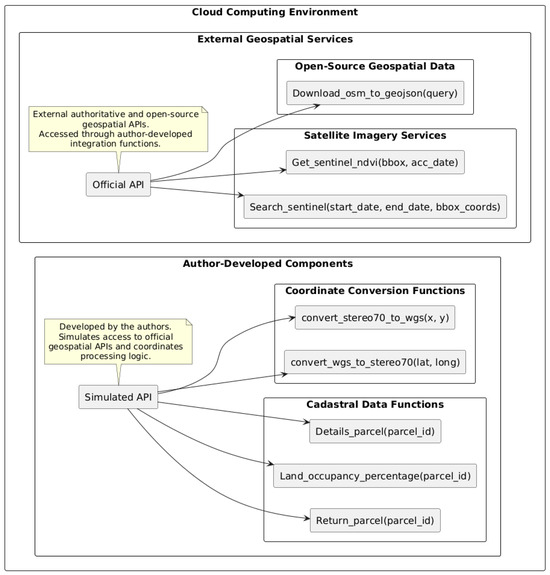
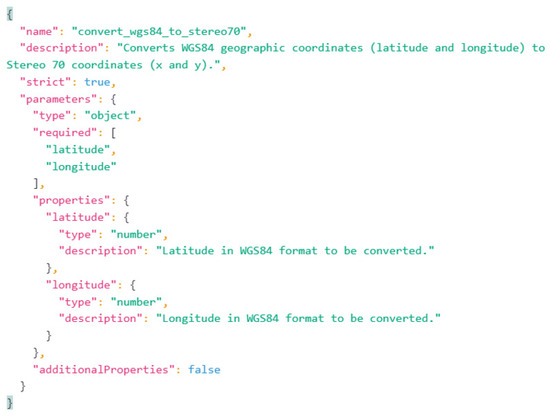
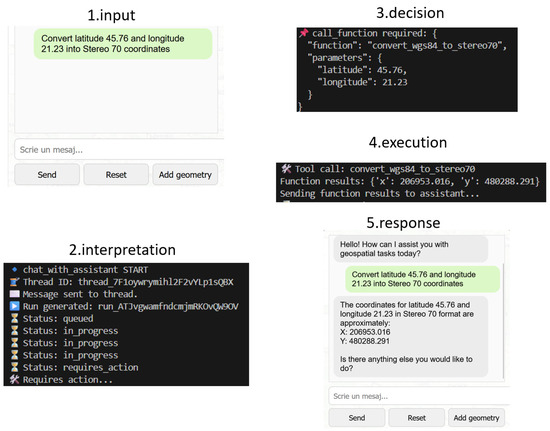
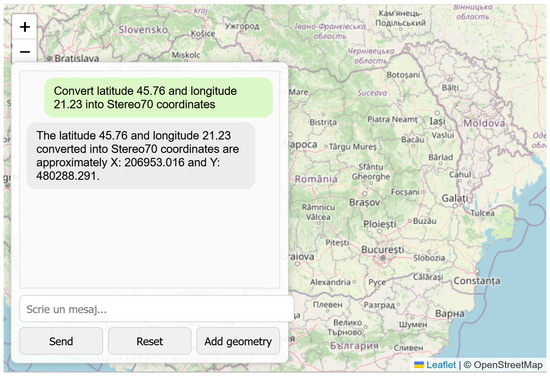
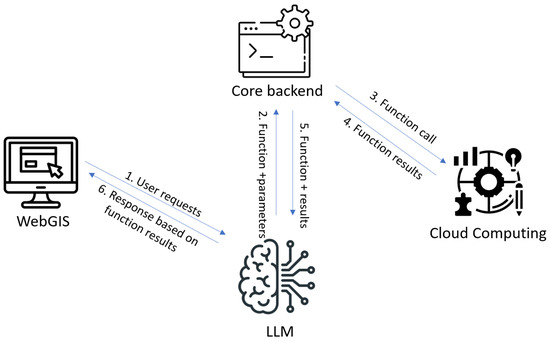
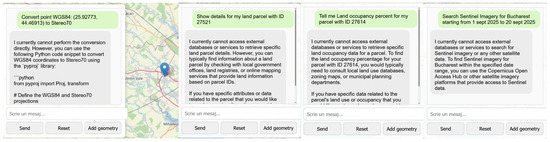
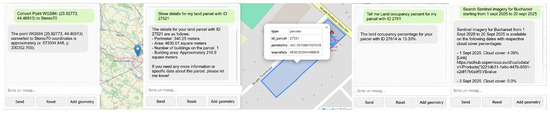
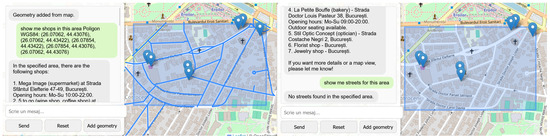
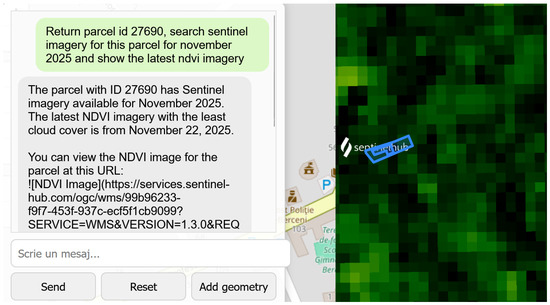
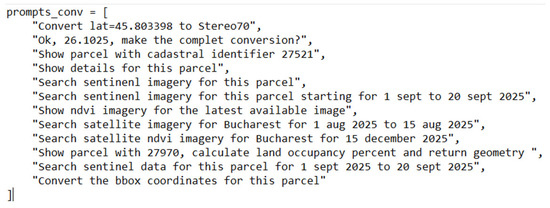
The automation of public services represents a key area of development at the national level, with the main goal of facilitating citizens’ access to comprehensive, integrated and high-quality services in the shortest possible time. National strategies emphasize the need to integrate open geospatial data and artificial intelligence into information, transparency and decision-making processes. The evolution of artificial intelligence, particularly large language models (LLMs), has led to the development of virtual assistants capable of understanding user requirements and providing answers in natural, easy-to-understand language. This paper presents directions for the development and use of large-language-model-based virtual assistants, focusing on their ability to understand and interact with the geospatial domain through an LLM API. Geospatial modeling contributes significantly to the automation of public services, but access to this technology is often limited by technical expertise or dedicated software programs. The development of AI-based virtual assistants removes these barriers, facilitating access, reducing time and ensuring transparency and accuracy of information. The proposed approach is implemented using a commercial large language model API, integrated with domain-specific geospatial functions and authoritative spatial databases. This study highlights practical examples of virtual assistants capable of understanding the geospatial field and contributing to the optimization and automation of public services in the country. In addition, the paper presents comparative analyses, challenges encountered and potential directions for future research.
Full article

Figure 1
Open AccessReview
Multimodal Classification Algorithms for Emotional Stress Analysis with an ECG-Centered Framework: A Comprehensive Review
by
Xinyang Zhang, Haimin Zhang and Min Xu
AI 2026, 7(2), 63; https://doi.org/10.3390/ai7020063 - 9 Feb 2026
Abstract
►▼
Show Figures
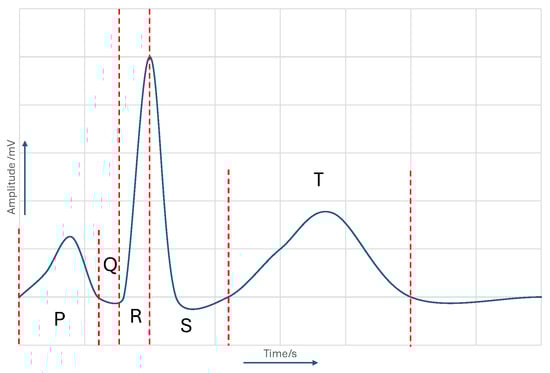
Emotional stress plays a critical role in mental health conditions such as anxiety, depression, and cognitive decline, yet its assessment remains challenging due to the subjective and episodic nature of conventional self-report methods. Multimodal physiological approaches, integrating signals such as electrocardiogram (ECG), electrodermal
[...] Read more.
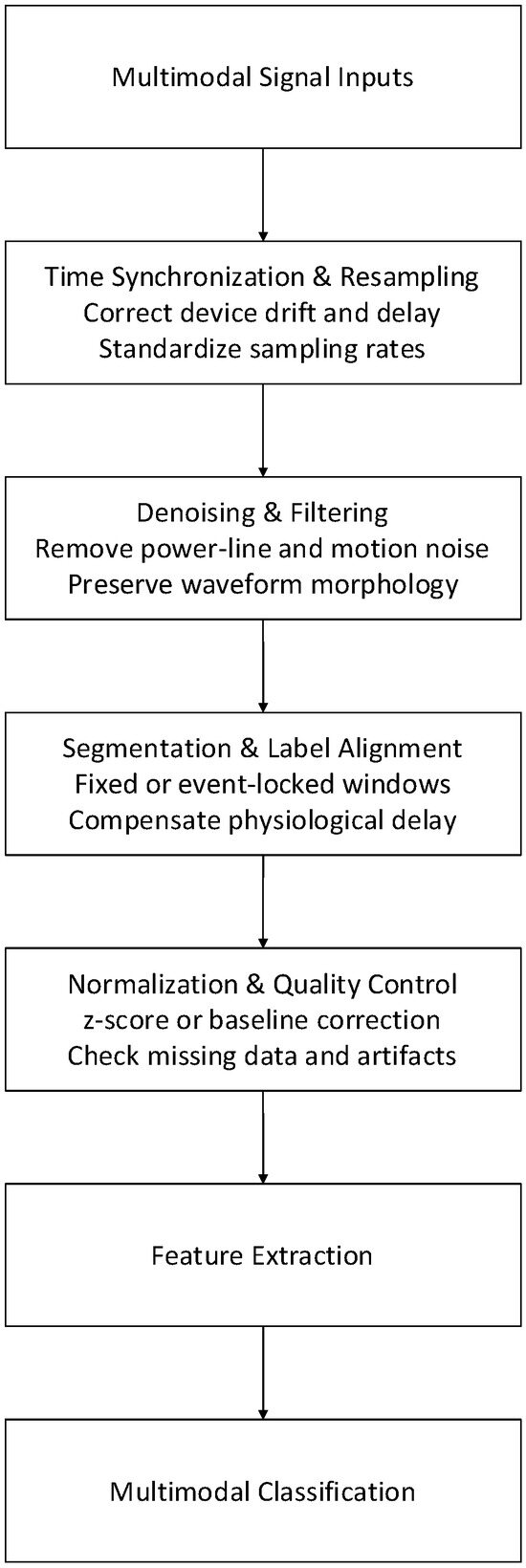
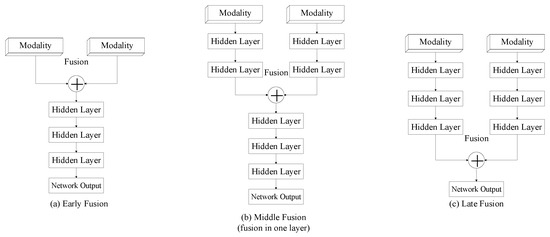
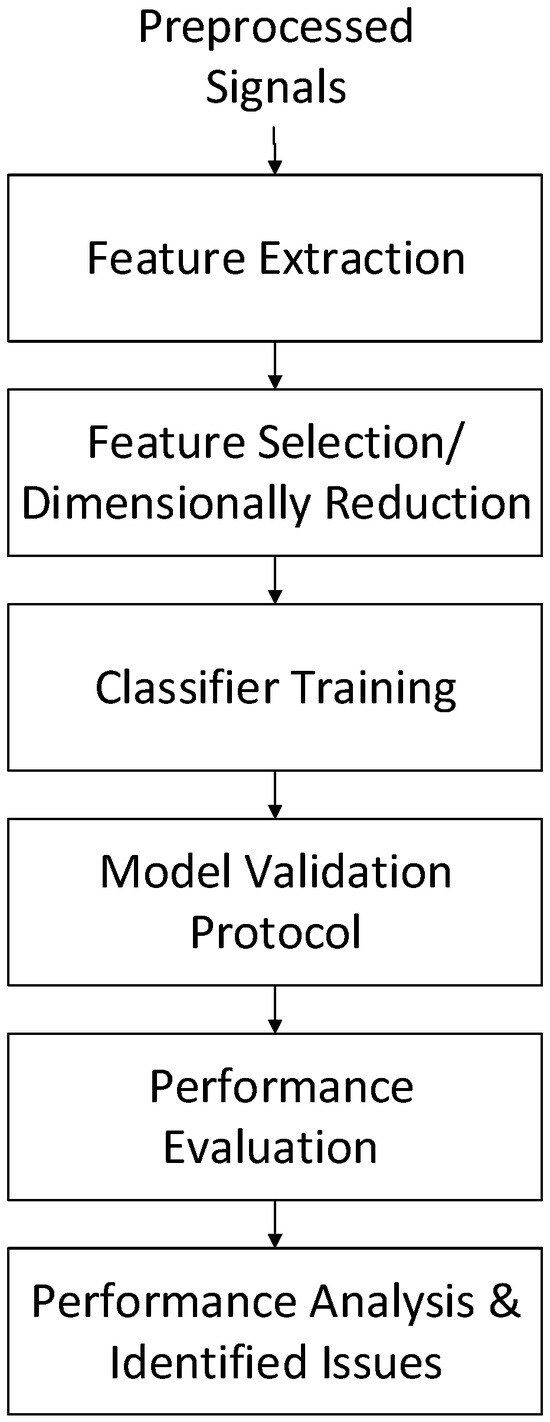
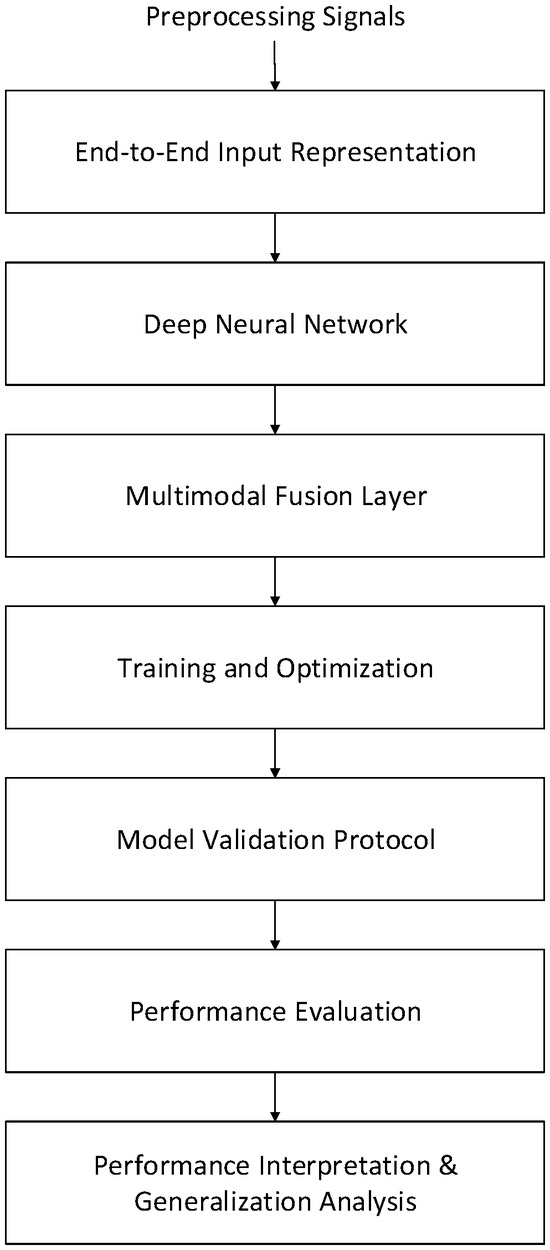
Emotional stress plays a critical role in mental health conditions such as anxiety, depression, and cognitive decline, yet its assessment remains challenging due to the subjective and episodic nature of conventional self-report methods. Multimodal physiological approaches, integrating signals such as electrocardiogram (ECG), electrodermal activity (EDA), and electromyography (EMG), offer a promising alternative by enabling objective, continuous, and complementary characterization of autonomic stress responses. Recent advances in machine learning and artificial intelligence (ML/AI) have become central to this paradigm, as they provide the capacity to model nonlinear dynamics, inter-modality dependencies, and individual variability that cannot be effectively captured by rule-based or single-modality methods. This paper reviews multimodal physiological stress recognition with an emphasis on ECG-centered systems and their integration with EDA and EMG. We summarize stress-related physiological mechanisms, catalog public and self-collected databases, and analyze their ecological validity, synchronization, and annotation practices. We then examine preprocessing pipelines, feature extraction methods, and multimodal fusion strategies across different stages of model design, highlighting how ML/AI techniques address modality heterogeneity and temporal misalignment. Comparative analysis shows that while deep learning models often improve within-dataset performance, their generalization across subjects and datasets remains limited. Finally, we discuss open challenges and future directions, including self-supervised learning, domain adaptation, and standardized evaluation protocols. This review provides practical insights for developing robust, generalizable, and scalable multimodal stress recognition systems for mental health monitoring.
Full article

Figure 1
Open AccessArticle
Multi-Agent Transfer Learning Based on Evolutionary Algorithms and Dynamic Grid Structures for Industrial Applications
by
Marlon Löppenberg, Steve Yuwono and Andreas Schwung
AI 2026, 7(2), 62; https://doi.org/10.3390/ai7020062 - 6 Feb 2026
Abstract
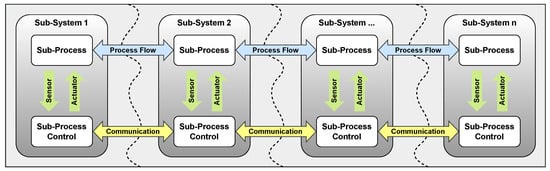
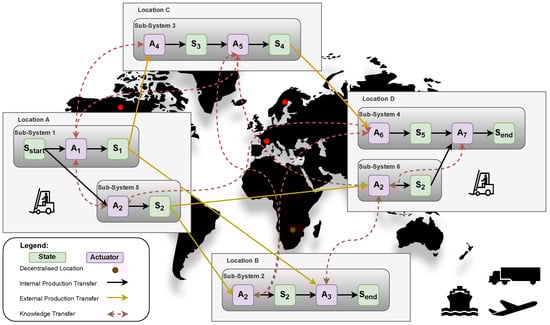
Distributed production systems have to increasingly balance economic goals such as energy efficiency and productivity with critical technical requirements such as flexibility, real-time capability, and reliability. This paper presents a novel approach for distributed optimization by means of Evolutionary State-based Potential Games with
[...] Read more.
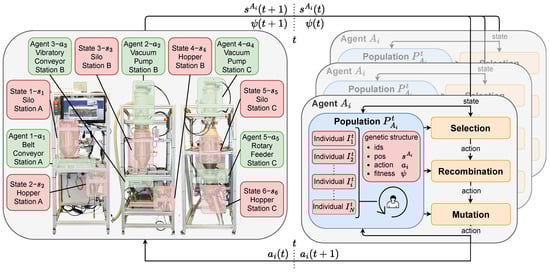
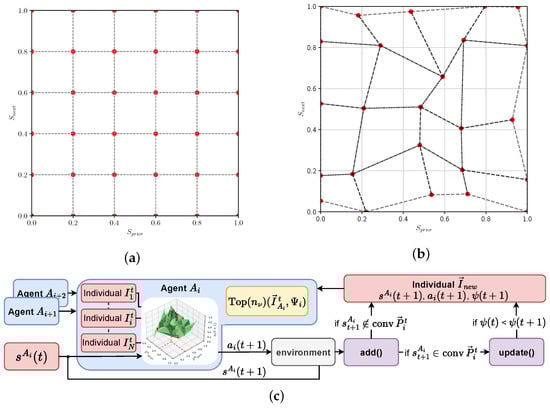
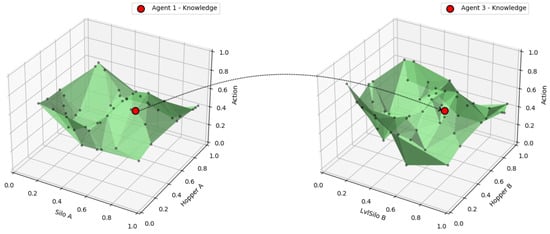
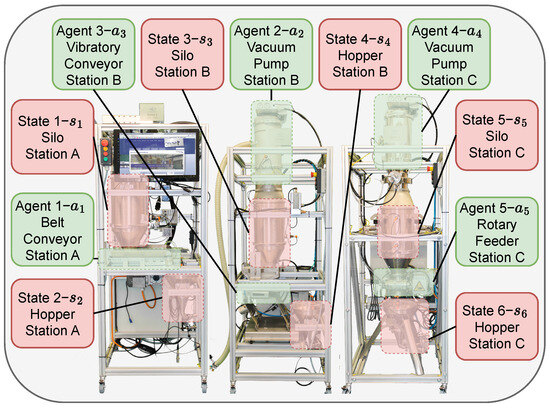
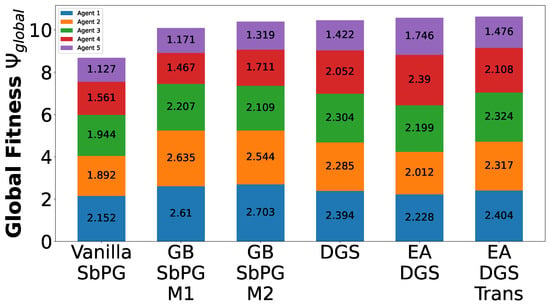
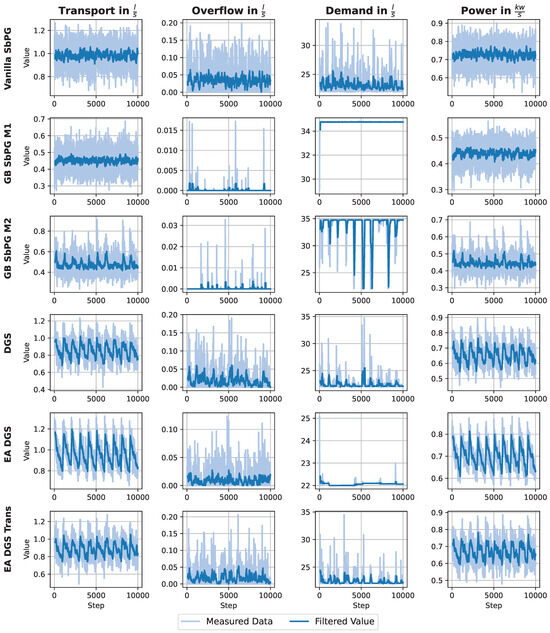
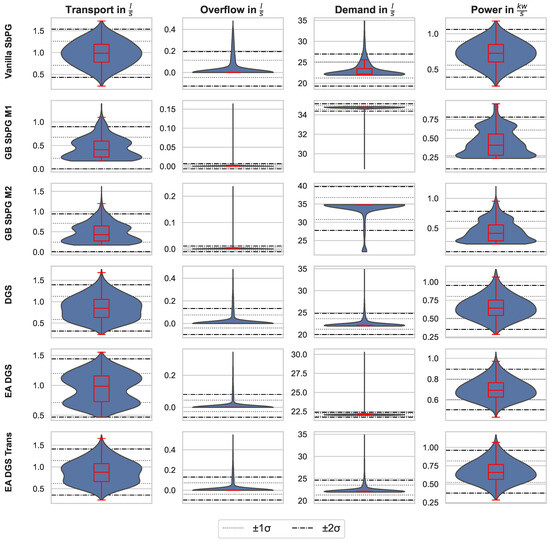
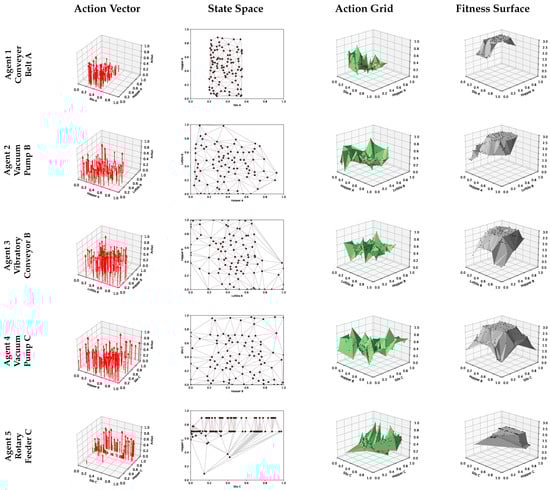
Distributed production systems have to increasingly balance economic goals such as energy efficiency and productivity with critical technical requirements such as flexibility, real-time capability, and reliability. This paper presents a novel approach for distributed optimization by means of Evolutionary State-based Potential Games with dynamic grid structures. More in detail, we leverage the combination of Potential Games which provide rigorous convergence guarantees with population-based optimization to improve the efficiency of the learning process. Specifically, we address challenges of previous approaches including inefficient best response strategies, insufficient coverage of the state–action space and the lack of knowledge transfer among agents. The developed strategies are evaluated on a industrial system of laboratory scale. The results highlight advances in evolutionary state-based knowledge transfer and an improved coverage resulting in efficient control policies. By leveraging dynamic grid structures, Evolutionary State-based Potential Games enable the maximization of weighted production targets while simultaneously eliminating process losses resulting in improvements in the considered metrics compared to state-of-the-art methods.
Full article
(This article belongs to the Special Issue Responsible AI: Alignment, Decentralization, and Optimization in Multi-Agent Systems Across Dynamic Environments)
►▼
Show Figures

Figure 1
Open AccessArticle
Edge-Ready Romanian Language Models: Training, Quantization, and Deployment
by
T. A. Diac, P. F. de Viana, A. F. Neagoe, A. Oprea, M. C. Raportaru and A. Nicolin-Żaczek
AI 2026, 7(2), 61; https://doi.org/10.3390/ai7020061 - 6 Feb 2026
Abstract
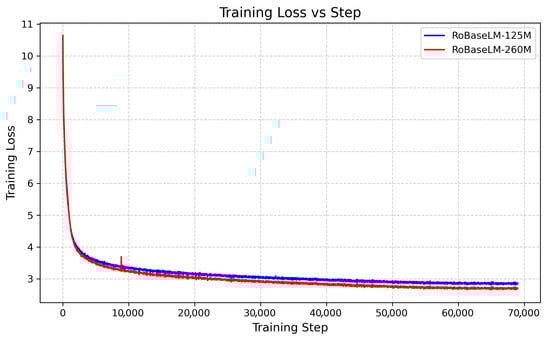
We present RoBaseLM-S (125 M) and RoBaseLM-M (260 M), two compact Romanian decoder-only language models trained from scratch on a 4.3 B-token curated corpus. Architecturally, they follow a modern LLaMA-style recipe with pre-norm RMSNorm, rotary position embeddings, SwiGLU feed-forward blocks, grouped-query attention, and
[...] Read more.
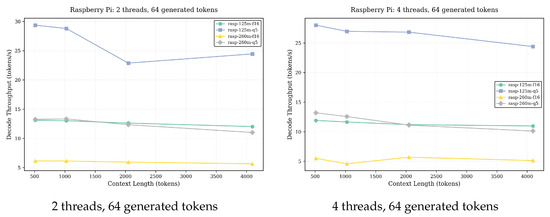
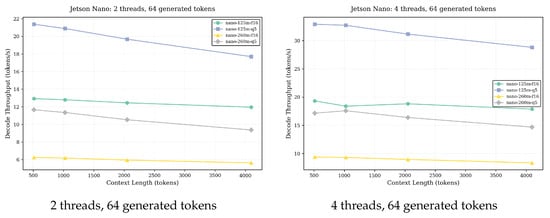
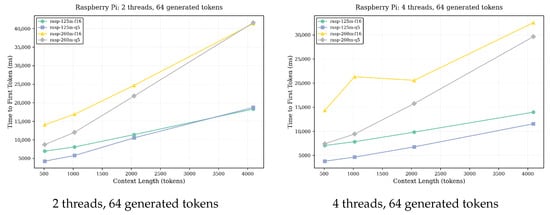
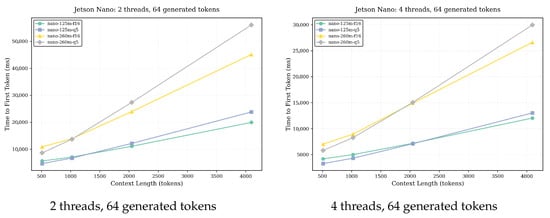
We present RoBaseLM-S (125 M) and RoBaseLM-M (260 M), two compact Romanian decoder-only language models trained from scratch on a 4.3 B-token curated corpus. Architecturally, they follow a modern LLaMA-style recipe with pre-norm RMSNorm, rotary position embeddings, SwiGLU feed-forward blocks, grouped-query attention, and 4 k-token context windows. We release both full-precision (FP16) and post-training 5-bit (Q5_K_M) checkpoints in GGUF format for lightweight local inference. The 5-bit variants fit under 500 MB and generate text in real time on a Jetson Nano 4 GB, enabling fully offline Romanian text generation on consumer-grade edge hardware. We evaluate the models intrinsically (multi-domain perplexity across news, literary prose, poetry, and heterogeneous web text) and extrinsically (LaRoSeDa sentiment classification and RO-STS sentence similarity). Relative to Romanian GPT-2–style baselines at similar parameter scales, RoBaseLM-S and RoBaseLM-M reduce perplexity substantially, e.g., from 30.7 to 15.9 on our held-out news split. The 5-bit post-training quantized checkpoints remain within FP16 performance across all reported tasks. To our knowledge, these are the first Romanian small language models explicitly optimized for long-context inference, post-training quantization, and low-power on-device deployment.
Full article
(This article belongs to the Topic Challenges and Solutions in Large Language Models)
►▼
Show Figures

Figure 1
Open AccessArticle
LFTD: Transformer-Enhanced Diffusion Model for Realistic Financial Time-Series Data Generation
by
Gyumun Choi, Donghyeon Jo, Wonho Song, Hyungjong Na and Hyungjoon Kim
AI 2026, 7(2), 60; https://doi.org/10.3390/ai7020060 - 5 Feb 2026
Abstract
Firm-level financial statement data form multivariate annual time series with strong cross-variable dependencies and temporal dynamics, yet publicly available panels are often short and incomplete, limiting the generalization of predictive models. We present Latent Financial Time-Series Diffusion (LFTD), a structure-aware augmentation framework that
[...] Read more.
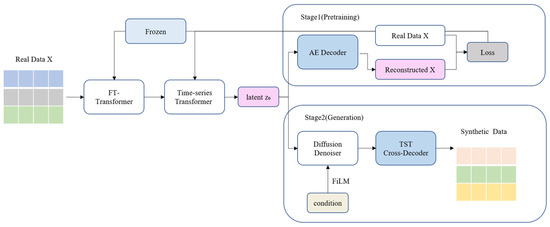
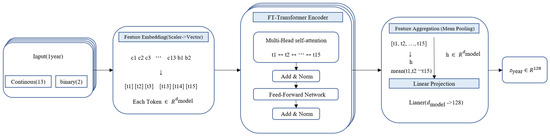
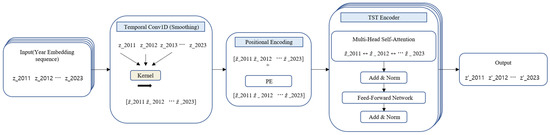
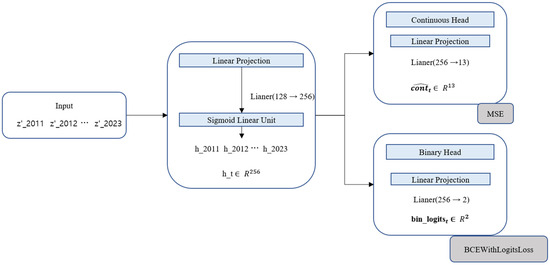
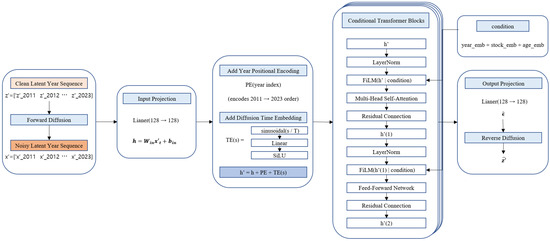
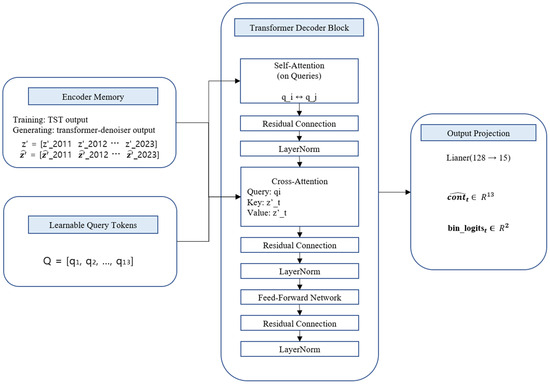
Firm-level financial statement data form multivariate annual time series with strong cross-variable dependencies and temporal dynamics, yet publicly available panels are often short and incomplete, limiting the generalization of predictive models. We present Latent Financial Time-Series Diffusion (LFTD), a structure-aware augmentation framework that synthesizes realistic firm-level financial time series in a compact latent space. LFTD first learns information-preserving representations with a dual encoder: an FT-Transformer that captures within-year interactions across financial variables and a Time Series Transformer (TST) that models long-horizon evolution across years. On this latent sequence, we train a Transformer-based denoising diffusion model whose reverse process is FiLM-conditioned on the diffusion step as well as year, firm identity, and firm age, enabling controllable generation aligned with firm- and time-specific context. A TST-based Cross-Decoder then reconstructs continuous and binary financial variables for each year. Empirical evaluation on Korean listed-firm data from 2011 to 2023 shows that augmenting training sets with LFTD-generated samples consistently improves firm-value prediction for market-to-book and Tobin’s Q under both static (same-year) and dynamic ( → ) forecasting settings and outperforms conventional generative augmentation baselines and ablated variants. These results suggest that domain-conditioned latent diffusion is a practical route to reliable augmentation for firm-level financial time series.
Full article
(This article belongs to the Topic Artificial Intelligence Applications in Financial Technology, 2nd Edition)
►▼
Show Figures

Figure 1
Open AccessArticle
A Multisite Study of an Animated Cinematic Clinical Narrative for Anticoagulant Pharmacology Education
by
Amanda Lee, Kyle DeWitt, Meize Guo and Tyler Bland
AI 2026, 7(2), 59; https://doi.org/10.3390/ai7020059 - 5 Feb 2026
Abstract
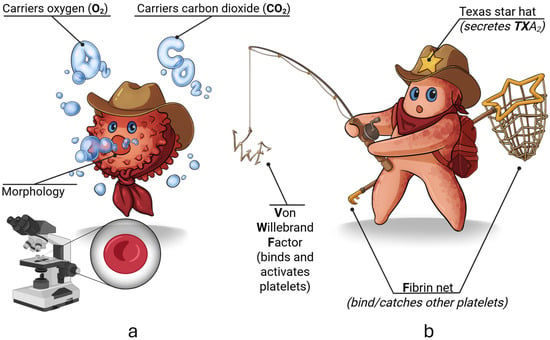
Anticoagulant pharmacology is a cognitively demanding domain in undergraduate medical education, with persistent challenges in learner engagement, retention, and safe clinical application. Cinematic Clinical Narratives (CCNs) offer a theory-informed multimedia approach designed to support learning through narrative structure, visual mnemonics, and affective engagement.
[...] Read more.
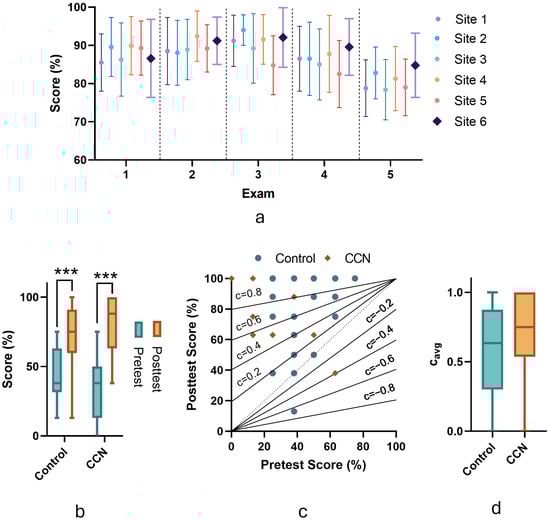
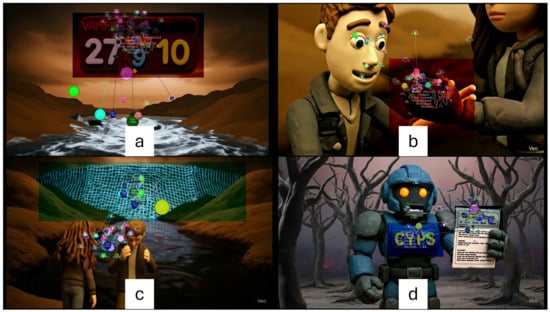
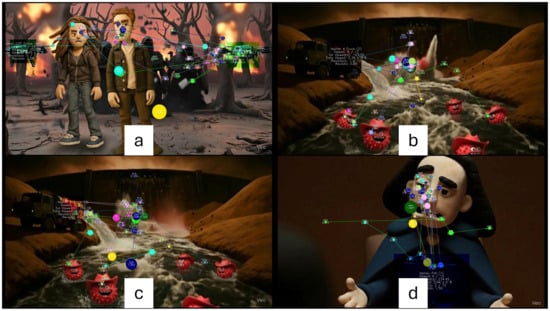
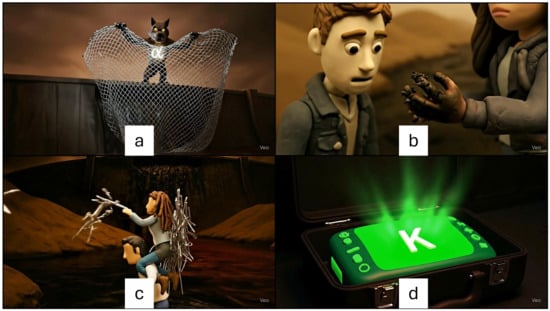
Anticoagulant pharmacology is a cognitively demanding domain in undergraduate medical education, with persistent challenges in learner engagement, retention, and safe clinical application. Cinematic Clinical Narratives (CCNs) offer a theory-informed multimedia approach designed to support learning through narrative structure, visual mnemonics, and affective engagement. We conducted a multi-site quasi-experimental study within a six-week Cancer, Hormones, and Blood course across a distributed medical education program. First-year medical students received either a traditional case-based lecture or an animated CCN (Twilight: Breaking Clots) during a one-hour anticoagulant pharmacology session. Learning outcomes were assessed using pre- and posttests, learner engagement was measured with the Situational Interest Survey for Multimedia (SIS-M), and exploratory eye tracking with second-year medical students was used to assess visual attention to embedded mnemonics. Both instructional groups demonstrated significant learning gains, with fold-change analyses indicating greater relative improvement among students exposed to the CCN. The animated CCN elicited significantly higher triggered situational interest compared with non-animated cases (p = 0.019), while also being preferred by the majority of participants. Qualitative analysis revealed that learners perceived CCNs as particularly effective for initial encoding and memorization, while non-animated cases supported subsequent clinical application. Eye-tracking data demonstrated high visual uptake and sustained attention to key mnemonic elements. Together, these findings support expert-designed, genAI-assisted CCNs as a validated and complementary instructional approach in medical education.
Full article
(This article belongs to the Special Issue How Is AI Transforming Education?)
►▼
Show Figures

Figure 1
Highly Accessed Articles
Latest Books
E-Mail Alert
News
Topics
Topic in
AI, Buildings, Electronics, Symmetry, Smart Cities, Urban Science, Automation
Application of Smart Technologies in Buildings
Topic Editors: Yin Zhang, Limei Peng, Ming TaoDeadline: 28 February 2026
Topic in
AI, Applied Sciences, Bioengineering, Healthcare, IJERPH, JCM, Clinics and Practice, J. Imaging
Artificial Intelligence in Public Health: Current Trends and Future Possibilities, 2nd EditionTopic Editors: Daniele Giansanti, Giovanni CostantiniDeadline: 15 March 2026
Topic in
AI, BDCC, Fire, GeoHazards, Remote Sensing
AI for Natural Disasters Detection, Prediction and Modeling
Topic Editors: Moulay A. Akhloufi, Mozhdeh ShahbaziDeadline: 31 March 2026
Topic in
AI, Applied Sciences, Systems, JTAER, Healthcare
Data Science and Intelligent Management
Topic Editors: Dongxiao Gu, Jiantong Zhang, Jia LiDeadline: 30 April 2026
Conferences
Special Issues
Special Issue in
AI
Privacy-Preserving Deep Learning Techniques for Audio Data: Challenges and Advances
Guest Editors: Carmelo Pino, Massimo Orazio Spata, Francesco Rundo, Angelo Alberto MessinaDeadline: 5 March 2026
Special Issue in
AI
AI Learning for Control of Predictive Vehicle Dynamics
Guest Editor: Domenico BianchiDeadline: 27 March 2026
Special Issue in
AI
AI in the Cloud: Innovative Applications and Practices Across Multiple Fields
Guest Editors: Wenchen Han, Sanshan Sun, Chengjie LiDeadline: 31 March 2026
Special Issue in
AI
Safe and Secure Artificial Intelligence (AI) in Chemical Engineering: Current and Future Developments
Guest Editors: Zaman Sajid, Rajeevan ArunthavanathanDeadline: 31 March 2026