





-
Coronary CT Angiography for PCI Planning and Guidance: A Comprehensive Narrative Review -
Academic Point-of-Care Manufacturing in Oral and Maxillofacial Surgery: A Retrospective Review at Gregorio Marañón University Hospital -
B-Onic Platform for Point-of-Care 3D Printing in Oral and Maxillofacial Surgery: Clinical Implementation and Surgical Impact -
Nutritional Status in Obesity: A Comprehensive Narrative Review of Dysbiosis, Micronutrient Deficiencies and the Effects of Probiotics/Synbiotics -
Intralesional Platelet-Rich Plasma for Treating Chronic Peyronie’s Disease: A Single-Center Retrospective Cohort Study
Journal Description
Medicina
Medicina
is an international, peer-reviewed, open access journal covering all problems related to medicine, published monthly online. It is the official journal of the Lithuanian University of Health Sciences (LUHS). The Lithuanian Medical Association (LMA), Vilnius University, Rīga Stradiņš University, University of Latvia, and University of Tartu are affiliated with Medicina, serving as their official journal. Members of these organizations receive discounts on the article processing charges.
- Open Access— free for readers, with article processing charges (APC) paid by authors or their institutions.
- High Visibility: indexed within Scopus, SCIE (Web of Science), PubMed, MEDLINE, PMC, and other databases.
- Journal Rank: JCR - Q1 (Medicine, General and Internal) / CiteScore - Q1 (General Medicine)
- Rapid Publication: manuscripts are peer-reviewed and a first decision is provided to authors approximately 17.5 days after submission; acceptance to publication is undertaken in 2.6 days (median values for papers published in this journal in the second half of 2025).
- Recognition of Reviewers: reviewers who provide timely, thorough peer-review reports receive vouchers entitling them to a discount on the APC of their next publication in any MDPI journal, in appreciation of the work done.
Impact Factor:
2.9 (2025);
5-Year Impact Factor:
3.0 (2025)
Latest Articles
Prognostic Value of BUN-Based Ratios for Mortality and Prolonged Hospitalization in Acute Upper Gastrointestinal Bleeding: Comparison with Established Risk Scores
Medicina 2026, 62(6), 1210; https://doi.org/10.3390/medicina62061210 (registering DOI) - 22 Jun 2026
Abstract
Background and Objectives: This study investigated the prognostic value of two simple blood urea nitrogen (BUN)-based ratios, BUN/hemoglobin (Hb) and BUN/Albumin, for predicting in-hospital mortality and prolonged hospitalization in patients with acute upper gastrointestinal bleeding (UGIB). Their performance was compared with established
[...] Read more.
Background and Objectives: This study investigated the prognostic value of two simple blood urea nitrogen (BUN)-based ratios, BUN/hemoglobin (Hb) and BUN/Albumin, for predicting in-hospital mortality and prolonged hospitalization in patients with acute upper gastrointestinal bleeding (UGIB). Their performance was compared with established risk scores, including the Glasgow–Blatchford score (GBS), AIMS-65, ABC and Rockall scores. Materials and Methods: This retrospective cohort study included 486 patients evaluated for acute UGIB between March 2023 and February 2026. The diagnostic performance of BUN/Hb and BUN/Albumin ratios was assessed using receiver operating characteristic (ROC) analysis and compared with established risk scores. Associations with clinical outcomes were evaluated using logistic regression analyses. Results: The median age was 67 years, and 292 patients (60.1%) were male. In-hospital mortality occurred in 17 patients (3.5%), while prolonged hospitalization was observed in 207 patients (42.6%). AIMS-65 showed the highest Area Under the Curve (AUC) for mortality prediction (0.799; 95% CI 0.696–0.902), followed by the ABC score (0.731) and the BUN/Albumin ratio (0.711). For prolonged hospitalization, BUN/Hb showed the highest AUC (0.706; 95% CI 0.660–0.752), although differences from established scores were not statistically significant. In multivariable analysis, BUN/Albumin remained associated with mortality, whereas BUN/Hb did not reach statistical significance for prolonged hospitalization. However, mortality-related findings should be interpreted with caution because only 17 in-hospital deaths occurred in the study cohort. Conclusions: Simple BUN-based ratios may provide complementary prognostic information in acute UGIB. BUN/Albumin was associated with in-hospital mortality and showed modest discriminatory ability, but it did not demonstrate statistically significant superiority over established risk scores. BUN/Hb showed the numerically best discrimination for prolonged hospitalization, but without statistically significant superiority or persistent significance in multivariable analysis. Overall, these ratios may serve as supportive tools for early risk assessment rather than replacements for established risk scoring systems.
Full article
(This article belongs to the Section Gastroenterology & Hepatology)
Open AccessArticle
One-Year Comparative Outcomes of Conventional Versus Accelerated Corneal Cross-Linking in Progressive Keratoconus
by
Iva Bešlić, Sania Vidas Pauk, Martina Tomić, Miro Kalauz, Tomislav Kuzman, Sonja Jandroković, Ivan Škegro, Antonela Geber, Lorena Karla Šklebar, Dina Lešin Gaćina, Petar Bešlić and Sanja Masnec
Medicina 2026, 62(6), 1209; https://doi.org/10.3390/medicina62061209 (registering DOI) - 22 Jun 2026
Abstract
Background and Objectives: Corneal collagen cross-linking (CXL) halts keratoconus progression, yet potential differences between conventional and accelerated protocols at one year remain uncertain. We analyzed the completed 12-month follow-up of a previously reported 6-month cohort to compare conventional (3 mW/cm2 ×
[...] Read more.
Background and Objectives: Corneal collagen cross-linking (CXL) halts keratoconus progression, yet potential differences between conventional and accelerated protocols at one year remain uncertain. We analyzed the completed 12-month follow-up of a previously reported 6-month cohort to compare conventional (3 mW/cm2 × 30 min; CXL 30) versus accelerated (9 mW/cm2 × 10 min; CXL 10) CXL, interpreting outcomes within the ABCD framework alongside Kmax and curvature radii. Materials and Methods: In this single-center retrospective longitudinal analysis of prospectively collected routine clinical data, 22 eyes were included, with assessments performed at baseline and at 1, 3, 6, and 12 months of follow-up. Evaluated outcomes comprised ABCD stages (A–D), anterior and posterior radius of curvature (ARC and PRC), Kmax, pachymetric and elevation indices, as well as UDVA and BCVA. Within-group change used Friedman with Wilcoxon post hoc; between-group differences used Mann–Whitney (α = 0.05). Results: Both protocols resulted in significant visual improvement and Kmax reduction at 12 months (overall time effect: CXL 30 p < 0.001; CXL 10 p = 0.026). Median Kmax decreased 56.5 → 52.3 D (CXL 30) and 59.3 → 58.3 D (CXL 10). UDVA improved 0.2 → 0.6 (CXL 30) and 0.2 → 0.3 (CXL 10); BCVA 0.4 → 0.8 (CXL 30) and 0.2 → 0.5 (CXL 10). Tomographic analysis showed predominantly anterior changes, with a significant decrease in A stage in the CXL 30 group and an increase in ARC in both groups, more pronounced in CXL 30. In the late 6 → 12-month window, posterior metrics (PRC and posterior elevation) were largely stable; raw PRC change did not reach significance. Conclusions: Conventional and accelerated CXL both stabilized keratoconus at one year with meaningful functional gains. Beyond 6 months, remodeling was predominantly anterior; within-group findings suggested a more pronounced anterior tomographic response in the CXL 30 group. The 12-month visit may be useful for reassessing stability after CXL, although this study was not designed to determine optimal retreatment timing or optical rehabilitation strategy. Longer-term studies with standardized biomechanical and densitometric endpoints are warranted to assess durability and refine protocol selection.
Full article
(This article belongs to the Special Issue Anterior Eye Segment Advances: Diagnosis and Treatment of Corneal Diseases, Cataracts and Glaucoma)
Open AccessReview
Beyond the Intestinal Mucosa in Long-Standing Inflammatory Bowel Disease: Consequences of Chronic Inflammation and Endoscopic Approaches to Diagnosis and Management
by
Sabina Gabriela Luca, Oana Cristina Petrea, Cristina Muzica, Ana Maria Singeap, Ana Maria Buzuleac, Adriana Dunca, Alexandru Sebastian Cotleț, Simona Stefania Juncu and Anca Trifan
Medicina 2026, 62(6), 1208; https://doi.org/10.3390/medicina62061208 (registering DOI) - 22 Jun 2026
Abstract
Inflammatory bowel disease (IBD) includes Crohn’s disease (CD) and ulcerative colitis (UC), chronic immune-mediated conditions of the gastrointestinal tract characterized by alternating periods of disease activity and remission with a complex multifactorial pathogenesis. Persistent intestinal inflammation in IBD is a key driver of
[...] Read more.
Inflammatory bowel disease (IBD) includes Crohn’s disease (CD) and ulcerative colitis (UC), chronic immune-mediated conditions of the gastrointestinal tract characterized by alternating periods of disease activity and remission with a complex multifactorial pathogenesis. Persistent intestinal inflammation in IBD is a key driver of disease progression and is strongly associated with the development of complications such as dysplasia, colorectal cancer (CRC), intestinal strictures, and fistulas. It may also result in changes in anorectal function, identifiable and classifiable using high-resolution anorectal manometry. Histologic and endoscopic assessments are essential for the evaluation of intestinal inflammation. Cumulative inflammatory burden (CIB) is an important concept that quantifies inflammatory exposure in IBD over time by integrating the severity and duration of histologic inflammation across the disease course, highlighting the importance of long-term inflammatory activity in the development of CRC. Histologic healing may be an important therapeutic target in IBD to reduce the risk of long-term complications. In parallel, emerging precision medicine approaches aim to improve risk stratification and enable early, individualized interventions to reduce disease-related outcomes. Endoscopy also plays a fundamental role in monitoring high-risk patients and guiding treatment decisions. This review aims to characterize the main intestinal complications extending beyond the mucosa that are associated with cumulative chronic inflammation in patients with IBD, including dysplasia, CRC, strictures, fistulas, and anorectal dysfunction in an era increasingly focused on achieving complete mucosal healing. Particular attention is drawn to the significant role of persistent histologic and endoscopic inflammation in disease progression and development of complications, highlighting the specific features and associated risk factors of these disease-related outcomes. Throughout, this review emphasizes the fundamental role of endoscopy in the timely detection, monitoring, and therapeutic management of IBD-related complications, thereby reinforcing its role in comprehensive patient care.
Full article
(This article belongs to the Special Issue Clinical Diagnosis and Treatment of Inflammatory Bowel Disease (IBD))
Open AccessArticle
Biological and Metabolic Correlates of Psychological Resilience in Maintenance Hemodialysis: An Exploratory Gender-Based Study
by
Gloria María Zaragoza Fernández, Avinash Chandu Nanwani, Elena Jiménez Mayor, Celia Rodríguez Tudero, Esperanza Moral Berrio, Alonso González de Gregorio, Marco Vaca Gallardo, Enrique Antonio Florit, José C. De La Flor and Rafael Fernández Castillo
Medicina 2026, 62(6), 1207; https://doi.org/10.3390/medicina62061207 (registering DOI) - 22 Jun 2026
Abstract
Background and Objectives: Psychological resilience is central to emotional adaptation in patients undergoing maintenance hemodialysis (HD). Although psychosocial determinants have been widely studied, the role of routinely monitored biochemical markers remains insufficiently defined. Materials and Methods: This study examined the
[...] Read more.
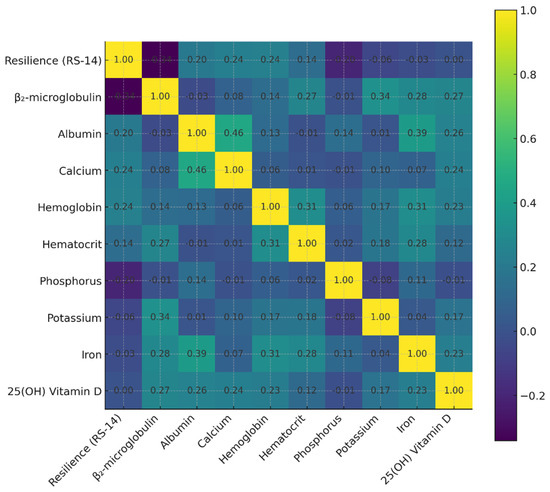
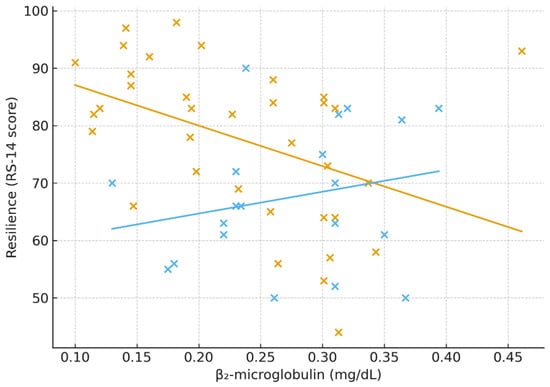
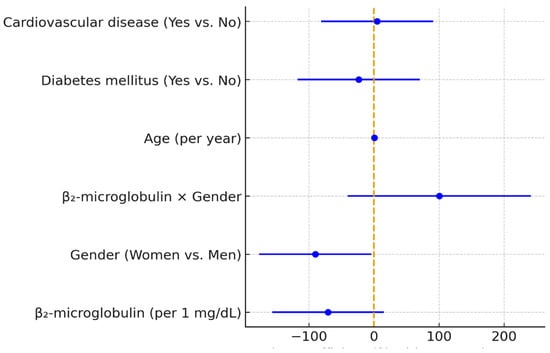
Background and Objectives: Psychological resilience is central to emotional adaptation in patients undergoing maintenance hemodialysis (HD). Although psychosocial determinants have been widely studied, the role of routinely monitored biochemical markers remains insufficiently defined. Materials and Methods: This study examined the associations between selected metabolic–inflammatory biomarkers and psychological resilience in adults receiving maintenance HD and explored potential gender-related differences. Resilience was assessed using the Resilience Scale–14 (RS-14). β2-microglobulin, serum albumin, calcium, and 25-hydroxyvitamin D were analyzed as continuous predictors. Multiple linear regression models with heteroscedasticity-consistent robust standard errors (HC3) were adjusted for age, HD vintage, diabetes, and cardiovascular disease. Two interaction terms (Gender × β2-microglobulin and Gender × albumin) were specified a priori. Model stability was evaluated using nonparametric bootstrap resampling (5000 iterations) and penalized regression with cross-validation. Results: In bivariate analyses, higher β2-microglobulin levels were associated with lower resilience (ρ = −0.24; p = 0.041), whereas serum albumin showed a positive but non-significant association (p = 0.14). These relationships did not remain statistically significant in fully adjusted models (β2-microglobulin: p = 0.107). No Gender × Biomarker interaction reached statistical significance (p = 0.162). Stratified analyses showed consistent directional patterns across gender groups. Conclusions: Metabolic–inflammatory biomarkers, particularly β2-microglobulin and serum albumin, may be associated with psychological resilience in HD. However, gender-specific effects were not supported in adjusted analyses. These findings require validation in larger, longitudinal, multicenter studies.
Full article
(This article belongs to the Section Urology & Nephrology)
►▼
Show Figures

Figure 1
Open AccessArticle
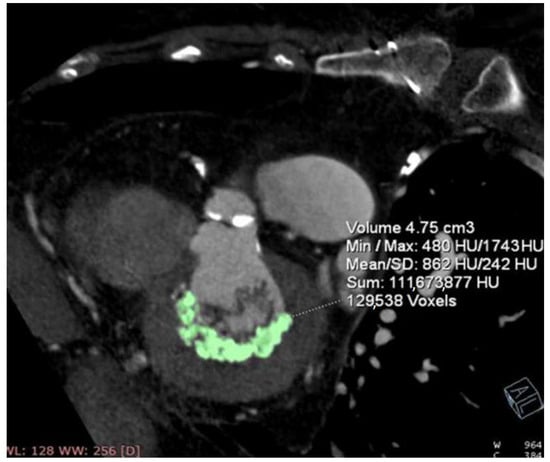
Influence of Mitral Annular Calcification Assessed by Cardiac Computed Tomography on Procedural and Clinical Outcomes of Transcatheter Aortic Valve Implantation
by
Yusuf Ziya Şener, Sadberk Lale Tokgözoğlu, Selin Ardalı Düzgün, Uğur Nadir Karakulak, Ahmet Hakan Ateş, Mehmet Levent Şahiner, Ergün Barış Kaya, Enver Atalar, Necla Özer, Tuncay Hazırolan and Kudret Aytemir
Medicina 2026, 62(6), 1206; https://doi.org/10.3390/medicina62061206 (registering DOI) - 22 Jun 2026
Abstract
►▼
Show Figures
Background and Objectives: Transcatheter aortic valve implantation (TAVI) is the standard therapy for patients with severe aortic stenosis at intermediate or high surgical risk. Mitral annular calcification (MAC) is frequently observed in this population and has been linked to adverse cardiovascular outcomes.
[...] Read more.
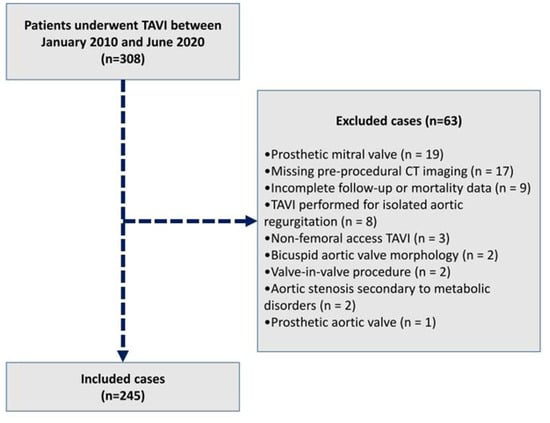
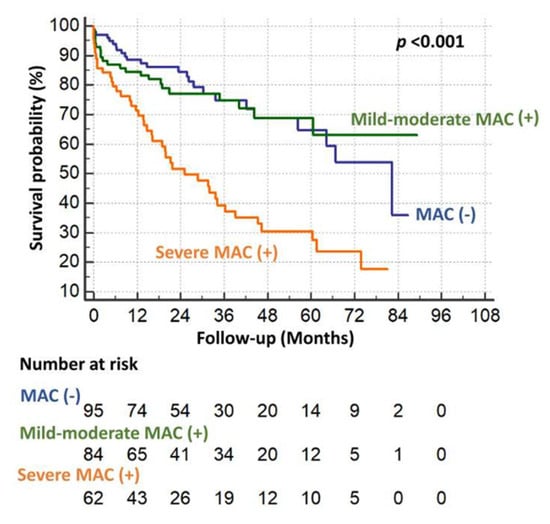
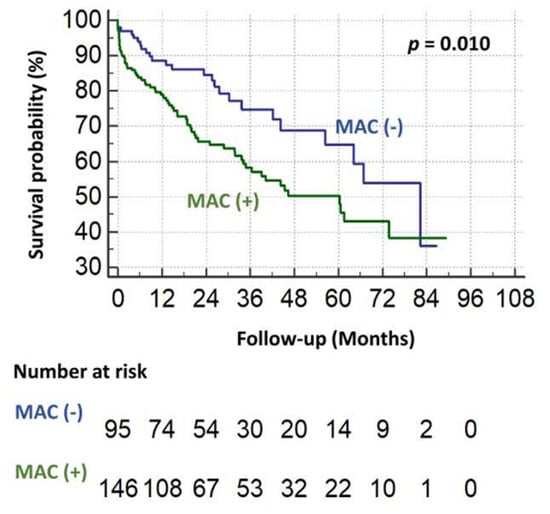
Background and Objectives: Transcatheter aortic valve implantation (TAVI) is the standard therapy for patients with severe aortic stenosis at intermediate or high surgical risk. Mitral annular calcification (MAC) is frequently observed in this population and has been linked to adverse cardiovascular outcomes. This study evaluated the association between MAC and TAVI-related complications and mortality, and identified predictors of all-cause mortality and permanent pacemaker implantation (PPI) following TAVI. Materials and Methods: Patients undergoing self-expanding TAVI between January 2010 and June 2020 were retrospectively analyzed. Outcomes included TAVI-related complications, in-hospital and long-term mortality, and predictors of all-cause mortality and PPI. Results: A total of 245 patients (98 men [40%], mean age 76.3 ± 8.3 years) were included. Mean left ventricular ejection fraction was 54.8 ± 11.4%, and aortic valve area was 0.74 ± 0.14 cm2. MAC was present in 148 patients (60.4%). Pericardial effusion (26.4% vs. 12.4%, p = 0.013) and acute kidney injury (21.6% vs. 7.2%, p = 0.005) were significantly more frequent in patients with MAC. PPI was required in 42 patients (17.8%). In-hospital mortality occurred in 14 patients (5.7%), and all-cause mortality was observed in 89 patients (36.3%) during a median follow-up of 23.1 months (IQR, 11.6–44.3). MAC extension into the left ventricular outflow tract was the only independent predictor of PPI (OR: 3.32, p = 0.002). Independent predictors of all-cause mortality included use of renin–angiotensin–aldosterone system blockers (HR: 0.54, p = 0.012), hemoglobin level (HR: 0.79, p = 0.006), severe MAC (HR: 1.94, p = 0.024), and post-TAVI atrial fibrillation (HR: 2.39, p = 0.002). Conclusions: MAC is common in TAVI patients and is associated with increased procedural complications, including higher rates of pericardial effusion and acute kidney injury. Greater MAC severity independently predicts higher all-cause mortality. In addition, MAC extension into the left ventricular outflow tract is an independent predictor of PPI following self-expanding TAVI, emphasizing the importance of comprehensive pre-procedural imaging.
Full article

Figure 1
Open AccessReview
When Breast Cancer Meets the Uterus: A Quantitative Review of 105 Cases Spanning Four Decades
by
Tiberiu Augustin Georgescu, Antonia Carmen Georgescu and Maria Victoria Olinca
Medicina 2026, 62(6), 1205; https://doi.org/10.3390/medicina62061205 (registering DOI) - 22 Jun 2026
Abstract
Background and Objectives: Uterine metastasis from breast carcinoma is rare but poses substantial diagnostic and therapeutic challenges. Invasive lobular carcinoma (ILC) demonstrates a documented predilection for unusual metastatic patterns including the female genital tract, while tamoxifen-associated endometrial pathology may complicate diagnosis in breast
[...] Read more.
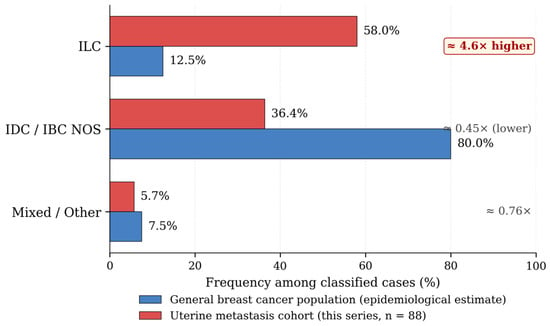
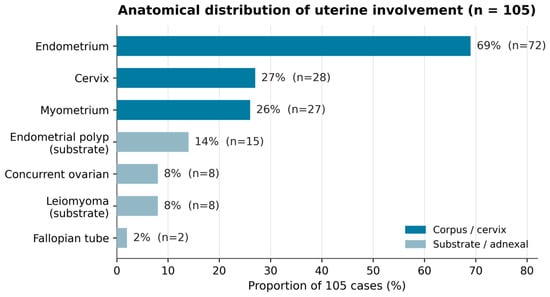
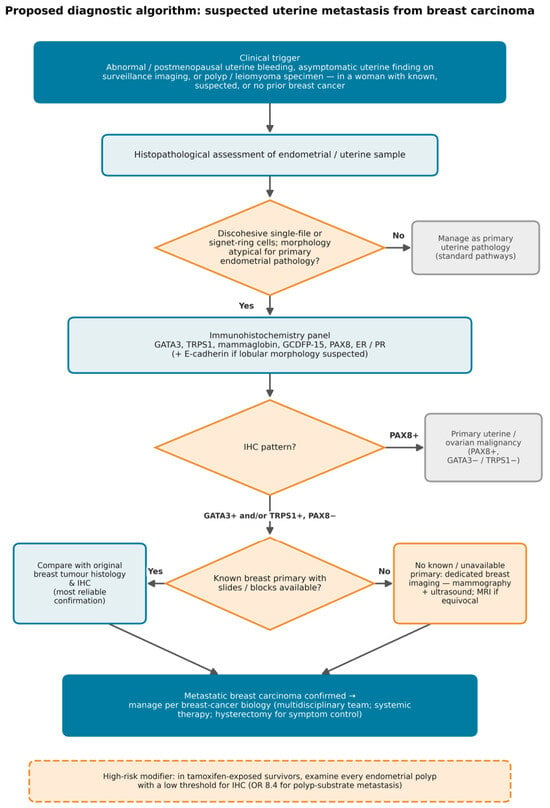
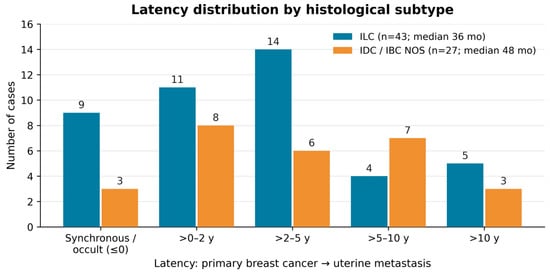
Background and Objectives: Uterine metastasis from breast carcinoma is rare but poses substantial diagnostic and therapeutic challenges. Invasive lobular carcinoma (ILC) demonstrates a documented predilection for unusual metastatic patterns including the female genital tract, while tamoxifen-associated endometrial pathology may complicate diagnosis in breast cancer survivors. Materials and Methods: We performed a structured PubMed/MEDLINE and Google Scholar search (1980–2025) for cases with histologically confirmed breast primary and uterine involvement; a pooled analysis of demographic, histological, molecular, and clinical variables was performed. Results: 105 individual cases were identified. ILC accounted for 58.0% of histologically classified cases despite representing only 10–15% of breast cancers. Endometrial involvement was present in 68.6%, myometrial in 25.7%, and cervical in 26.7%. Tamoxifen exposure was strongly associated with polyp-substrate metastasis (29.3% vs. 4.7%; Fisher’s exact p = 0.0009; OR 8.41, 95% CI 2.20–32.14). Abnormal uterine bleeding was the dominant presentation (68.1%); 19.8% were asymptomatic. Median latency was 36 months (range from 24 months before to 360 months after the breast cancer diagnosis). Conclusions: Uterine metastasis from breast carcinoma is dominated by invasive lobular histology and frequently involves tamoxifen-associated polyps. A combined immunohistochemical panel (GATA3, TRPS1, E-cadherin, hormone receptors, PAX8) is essential for distinguishing metastatic disease from primary uterine pathology. Endometrial sampling should be considered with a low threshold in breast cancer survivors with abnormal uterine bleeding, and breast imaging is warranted when discohesive cells are encountered without a known breast primary. These proportions describe the published case literature rather than population-based prevalence; because the evidence is limited to case reports and small series, they should not be read as the true frequency of uterine involvement among women with breast cancer.
Full article
(This article belongs to the Section Obstetrics and Gynecology)
►▼
Show Figures

Figure 1
Open AccessPerspective
Clinical Use of Infrared Thermography: Where Are We and Where Are We Going
by
Agnieszka Wnuk-Scardaccione and Jan Bilski
Medicina 2026, 62(6), 1204; https://doi.org/10.3390/medicina62061204 (registering DOI) - 22 Jun 2026
Abstract
►▼
Show Figures
Medical infrared thermography, which involves the use of infrared thermal cameras for the non-invasive assessment of skin surface temperature distribution, has gained increasing interest in recent years as a tool supporting diagnosis and treatment monitoring. The aim of this article is to present
[...] Read more.
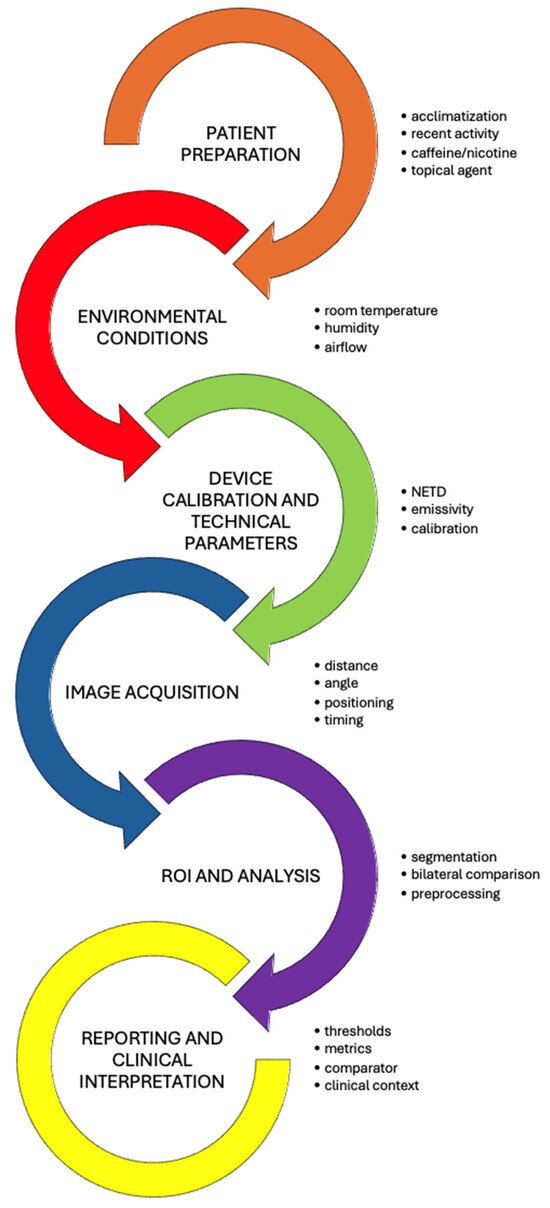
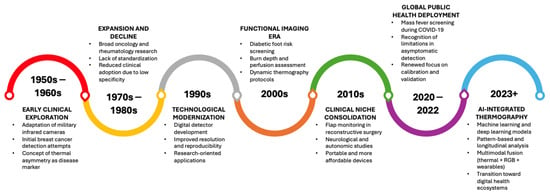
Medical infrared thermography, which involves the use of infrared thermal cameras for the non-invasive assessment of skin surface temperature distribution, has gained increasing interest in recent years as a tool supporting diagnosis and treatment monitoring. The aim of this article is to present the historical background and critically reassess the current role of infrared thermography in medicine, with particular emphasis on standardization as a key determinant of its clinical utility. This Perspective highlights the fundamental impact of methodological variability on diagnostic performance and reproducibility. A structured framework for standardization is proposed, encompassing patient preparation, environmental conditions, device parameters and calibration, image acquisition protocols, region-of-interest definition and analysis, as well as reporting and clinical interpretation. The analysis demonstrates how inconsistencies at each of these levels reduce measurement reliability, limit inter-study comparability, and weaken clinical confidence in infrared thermography. The article also addresses the growing availability of mobile thermal imaging systems and their integration with artificial intelligence, while emphasizing the need for stronger evidence-based support across all methodological domains. The presented analysis suggests that, despite existing limitations, medical infrared thermography holds considerable potential as a supportive clinical tool. However, its broader clinical implementation remains limited by several factors, with the lack of standardized protocols constituting a major and practically addressable translational barrier. Wider adoption will require standardization efforts alongside rigorous validation studies and application-specific interpretative guidelines. Addressing these challenges through technological advances and coordinated international standardization may facilitate meaningful progress over the next decade.
Full article

Figure 1
Open AccessArticle
Bone Defect Regeneration and Donor-Site Morbidity After Bone–Patellar Tendon–Bone Anterior Cruciate Ligament Reconstruction: A Prospective Cohort Study
by
Milan Milinkov, Oliver Dulić, Mile Bjelobrk, Milan Tošić, Branko Baljak, Mihail Mirković and Mirko Obradović
Medicina 2026, 62(6), 1203; https://doi.org/10.3390/medicina62061203 (registering DOI) - 22 Jun 2026
Abstract
Background and Objectives: This prospective cohort study aimed to assess patellar and tibial donor-site bone defect volume and regeneration on MRI at 4 weeks and 12 months after bone–patellar tendon–bone anterior cruciate ligament reconstruction and to determine their association with knee function
[...] Read more.
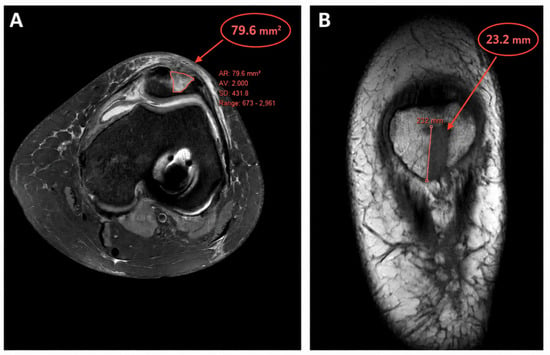
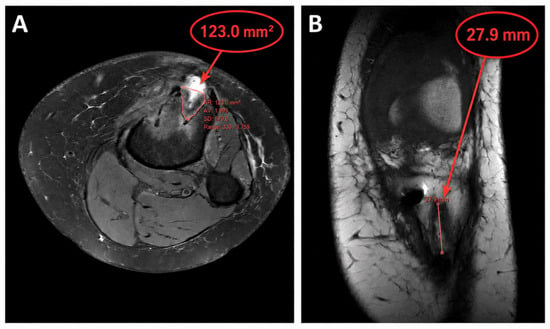
Background and Objectives: This prospective cohort study aimed to assess patellar and tibial donor-site bone defect volume and regeneration on MRI at 4 weeks and 12 months after bone–patellar tendon–bone anterior cruciate ligament reconstruction and to determine their association with knee function and donor-site morbidity at 12 months. Materials and Methods: This single-center prospective observational cohort study included 30 patients who underwent ACL reconstruction with a BTB autograft. Donor-site bone defect volume was estimated on MRI using a triangular prism approximation at 4 weeks and 12 months by two independent evaluators blinded to patient-reported outcome scores. Clinical outcomes were assessed at 12 months using the International Knee Documentation Committee (IKDC) subjective knee form and the Donor Site Morbidity Questionnaire (DSMQ). Associations between MRI-derived parameters and patient-reported outcomes were analyzed using Spearman’s rank correlation coefficient. Results: At 4 weeks, mean donor-site bone defect volume was 2602.4 ± 684.7 mm3 in the patella and 2993.9 ± 714.3 mm3 in the tibia. At 12 months, defect volume decreased to 628.0 ± 279.7 mm3 and 980.8 ± 488.2 mm3, respectively. Tibial defects were significantly larger than patellar defects at both time points, while regeneration was significantly greater in the patella than in the tibia (74.8 ± 11.5% vs. 67.2 ± 15.1%; p = 0.0264). Regeneration was not significantly associated with IKDC or DSMQ scores (all p > 0.05). Larger patellar defect volume at 4 weeks was associated with worse subjective outcomes (both p = 0.0107). Conclusions: After BTB ACL reconstruction, tibial donor-site bone defects were larger, whereas patellar defects showed greater regeneration over time. Larger patellar defect volume at 4 weeks, but not regeneration percentage, was associated with worse subjective outcomes at 12 months.
Full article
(This article belongs to the Section Sports Medicine and Sports Traumatology)
►▼
Show Figures

Figure 1
Open AccessArticle
CYP3A4, CYP3A5, and CYP4F2 Polymorphisms and Bleeding Risk in Ticagrelor-Based Dual Antiplatelet Therapy
by
Sonja Dakić, Zoran Perišić, Svetlana Apostolović, Tomislav Kostić, Goran Koraćević, Tatjana Jevtović, Boris Đinđić, Nikola Stefanović, Danijela Đorđević-Radojković, Bojan Maričić, Dragana Stanojević, Maša Jović, Jelena Perišić and Tamara Filipović
Medicina 2026, 62(6), 1202; https://doi.org/10.3390/medicina62061202 (registering DOI) - 22 Jun 2026
Abstract
Background and Objectives: Ticagrelor reduces ischemic events in acute coronary syndrome (ACS) but increases bleeding risk. Clinical predictors of bleeding are well established; the contribution of cytochrome P450 polymorphisms involved in ticagrelor metabolism remains uncertain, with conflicting reports in the literature. We
[...] Read more.
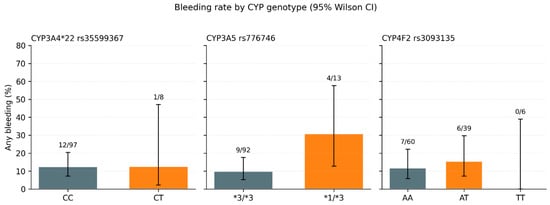
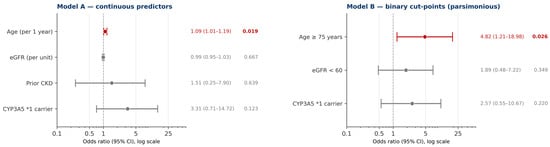
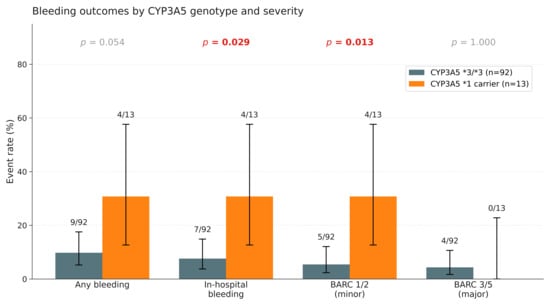
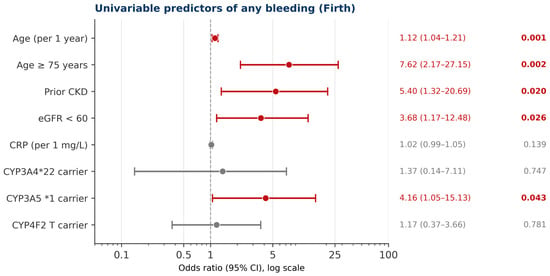
Background and Objectives: Ticagrelor reduces ischemic events in acute coronary syndrome (ACS) but increases bleeding risk. Clinical predictors of bleeding are well established; the contribution of cytochrome P450 polymorphisms involved in ticagrelor metabolism remains uncertain, with conflicting reports in the literature. We examined the association of CYP3A4* 22 (rs 35599367), CYP3A5* 3 (rs 776746), and CYP4F2 (rs3093135) with bleeding in a Serbian ACS cohort. Materials and Methods: This prospective, single- center observational study enrolled 105 consecutive ACS patients undergoing percutaneous coronary intervention (PCI) or medical management after coronary angiography and receiving dual antiplatelet therapy (DAPT) with acetylsalicylic acid and ticagrelor at the University Clinical Center Niš between January 2024 and the end of May 2025. Bleeding events occurring during the index hospitalization and the six-month follow-up were classified according to the Bleeding Academic Research Consortium (BARC) criteria. Genotyping used TaqMan assays. Associations with bleeding were assessed using Firth’s penalized logistic regression, with multivariable adjustment for age and renal function. Severity-stratified analyses and gradient-boosted machine learning (XGBoost with SHAP) were performed as exploratory analyses. Results: Thirteen patients (12.4%) experienced bleeding (nine minor [BARC 1/2], four major [BARC 3/5]). Age ≥ 75 years (univariable OR 7.62, p = 0.001) and eGFR < 60 mL/min/1. 73 m 2 (OR 3.68, p = 0.006) were the strongest predictors. CYP3A5 *1 carrier status was univariably associated with bleeding (OR 4.16, p = 0.043) but did not remain significant after adjustment for age and renal function, and *1 carriers were significantly older and more likely to have impaired renal function. No genotype was associated with major (BARC 3/5) bleeding. The apparent effect was concentrated in minor bleeding (BARC 1/2 rate: 30.8% versus 5.5%), with no major events among *1 carriers. CYP 3 A 4* 22 (OR 1.37, p = 0.109) and CYP 4 F 2 (OR 1.17, p = 0.111) showed no association. Machine-learning analyses confirmed eGFR and age as the dominant predictors. Conclusions: In this Serbian ACS cohort, clinical factors—particularly advanced age and impaired renal function—dominated the prediction of bleeding risk. The CYP3A5 signal was largely explained by baseline imbalances in age and renal function. CYP 3 A 4* 22 and CYP 4 F 2 polymorphisms did not contribute additional predictive information. Preemptive genotyping for these variants is unlikely to materially improve bleeding-risk assessment beyond standard clinical evaluation in patients of this type.
Full article
(This article belongs to the Special Issue Advances in Acute Myocardial Infarction)
►▼
Show Figures

Figure 1
Open AccessArticle
Gender-Specific Trends and Determinants of Daily Smoking in Latvia (2009–2019): A Population-Based Cross-Sectional Study
by
Peteris Apinis, Iveta Bajare, Vilnis Dzerve, Sanda Jegere, Lilian Tzivian, Baiba Kokina, Artis Luguzis, Anda Caksa and Andrejs Erglis
Medicina 2026, 62(6), 1201; https://doi.org/10.3390/medicina62061201 (registering DOI) - 22 Jun 2026
Abstract
Background and Objectives: Cigarette smoking remains a leading modifiable cardiovascular risk factor. This study aimed to analyze decade trends in daily smoking prevalence and its association with education level and physical activity by gender and age groups in Latvia. Materials and Methods
[...] Read more.
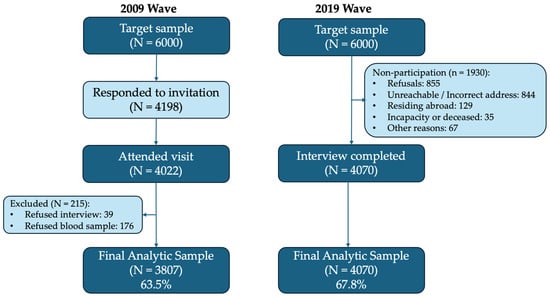
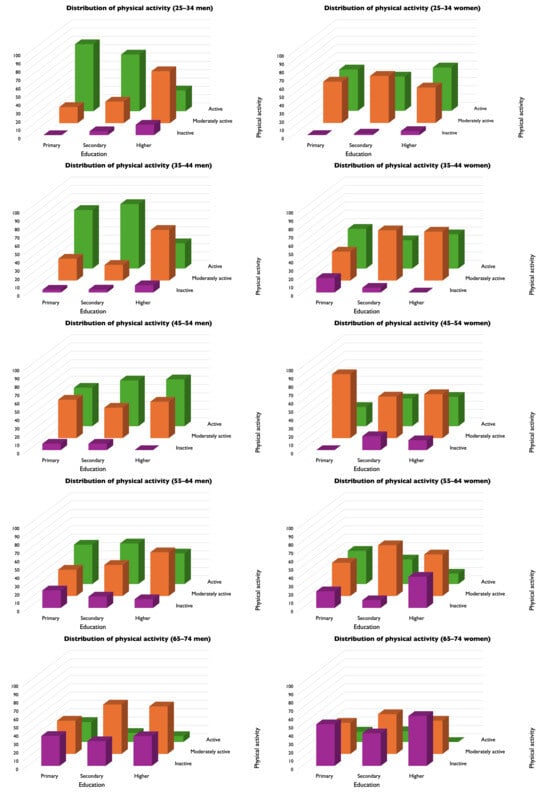
Background and Objectives: Cigarette smoking remains a leading modifiable cardiovascular risk factor. This study aimed to analyze decade trends in daily smoking prevalence and its association with education level and physical activity by gender and age groups in Latvia. Materials and Methods: We analyzed data from two distinct waves of a population-based cross-sectional study conducted in Latvia. The study included a stratified random sample of adults aged 25–74 (N = 3807 in 2009; N = 4070 in 2019). Smoking status and education level were self-reported in both years; physical activity data were collected only in 2019. Multivariable logistic regression identified independent factors associated with smoking. Results: From 2009 to 2019, smoking prevalence decreased among men (from 43.6% to 36.0%, p < 0.01) and increased among women (from 15.0% to 18.1%, p < 0.01). Men and women with higher education were significantly less likely to be daily smokers (2019, Men: odds ratio (OR): 0.48, 95% confidence interval (CI) 0.38–0.59; Women: OR: 0.39, 95% CI 0.29–0.50). Among men, the proportion of daily smokers was higher in physically inactive (39.8%) and active (39.0%) groups compared to the moderately active group (31.4%, p < 0.01). However, physical activity level was not a significant predictor of smoking in the multivariable analysis. Conclusions: Over the decade, daily smoking prevalence decreased in men but increased in women in Latvia, with education level being a strong independent predictor. Although the proportion of smokers among men differed across physical activity groups, this factor was not an independent predictor of smoking. These findings underscore the need for targeted public health interventions in Latvia, specifically focusing on individuals with lower education levels to reduce the long-term cardiovascular burden.
Full article
(This article belongs to the Section Epidemiology & Public Health)
►▼
Show Figures

Figure 1
Open AccessArticle
Pure Nodal Small Lymphocytic Lymphoma: Clinical, Pathologic, and Outcome Features in a Single-Center Cohort
by
Andreea Georgiana Stoica, Mariana Așchie, Miruna Gherase-Cristian, Anca Florentina Mitroi, Georgeta Camelia Cozaru, Mădălina Boșoteanu, Cristina Cioti, Sorin Deacu and Irina Tica
Medicina 2026, 62(6), 1200; https://doi.org/10.3390/medicina62061200 (registering DOI) - 22 Jun 2026
Abstract
Background and Objectives: Small lymphocytic lymphoma (SLL) represents the tissue-based manifestation of chronic lymphocytic leukemia (CLL). Despite their shared biological background, patients with SLL have been underrepresented in CLL-focused clinical trials, and data addressing the clinical behavior of pure nodal SLL remain
[...] Read more.
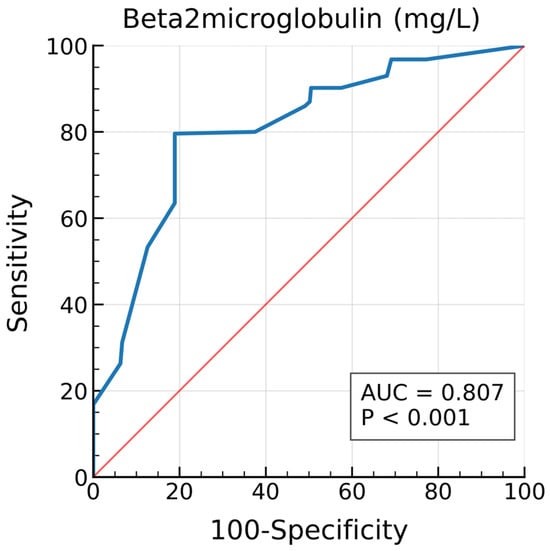
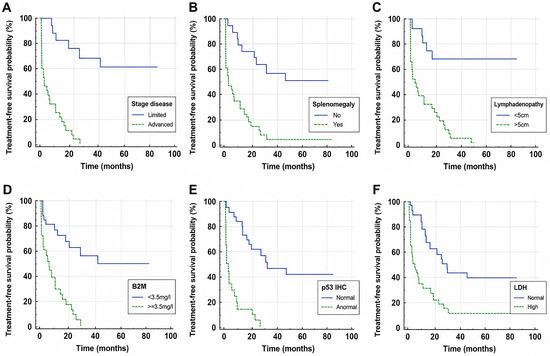
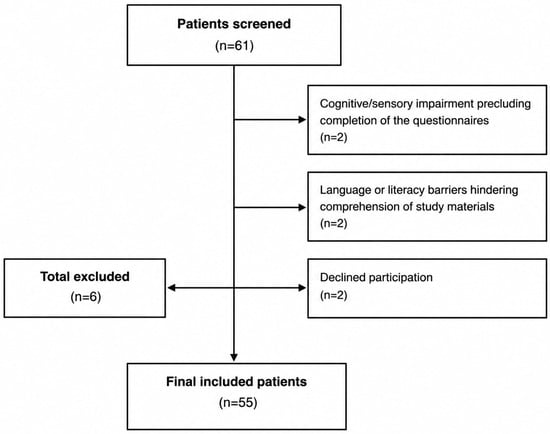
Background and Objectives: Small lymphocytic lymphoma (SLL) represents the tissue-based manifestation of chronic lymphocytic leukemia (CLL). Despite their shared biological background, patients with SLL have been underrepresented in CLL-focused clinical trials, and data addressing the clinical behavior of pure nodal SLL remain scarce. The present study aimed to identify factors associated with time to first treatment (TTFT) and progression-only survival in patients with pure nodal SLL. Materials and Methods: In this prospective observational study, 46 patients with pure nodal SLL were included and followed for a median duration of approximately 5 years. Clinical, laboratory, histopathological, and TP53-related parameters were evaluated for their prognostic impact on TTFT and progression-only survival. Results: On univariable analysis, advanced-stage disease, hemoglobin < 10 g/dL, elevated serum β2M, elevated lactate dehydrogenase, del(17p), and aberrant p53 immunohistochemical expression were significantly associated with shorter TTFT and progression-only survival. Conclusions: Pure nodal SLL is a heterogeneous entity with a variable clinical course. Easily assessable clinical and biological parameters, including TP53 abnormalities, may help predict treatment requirement and disease progression, thereby contributing to better risk stratification and more individualized management. Kaplan–Meier analysis demonstrated significantly shorter time-to-first-treatment (TTFT) among patients with elevated β2M levels (≥3.5 mg/L), bulky lymphadenopathy (≥5 cm), and advanced-stage disease.
Full article
(This article belongs to the Section Hematology and Immunology)
►▼
Show Figures

Figure 1
Open AccessSystematic Review
Hyperbaric Oxygen Therapy Is Associated with Lower Mortality in Patients with Fournier’s Gangrene: A Meta-Analysis
by
Chienhsiu Huang, Lichen Lin and Tiju Tang
Medicina 2026, 62(6), 1199; https://doi.org/10.3390/medicina62061199 (registering DOI) - 22 Jun 2026
Abstract
Background and Objectives: The therapeutic management of Fournier’s gangrene involves the use of broad-spectrum antibiotics and adequate surgical debridement; however, the overall mortality rate remains high globally. Hyperbaric oxygen therapy may serve as an adjunct treatment modality for reducing mortality in patients
[...] Read more.
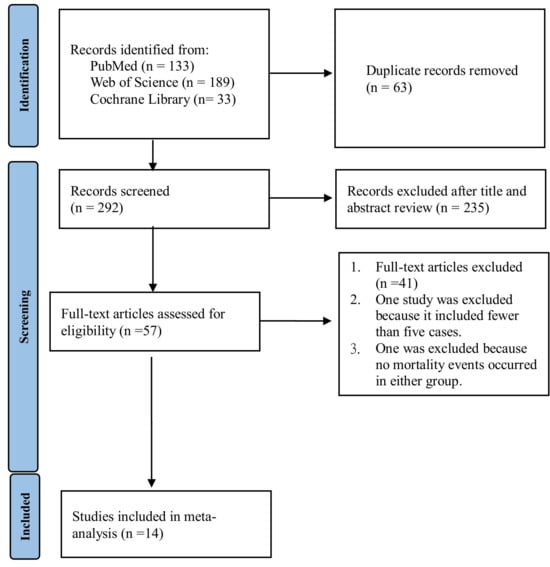
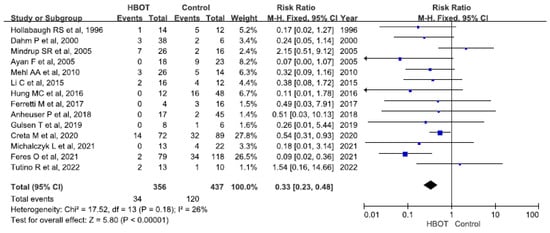
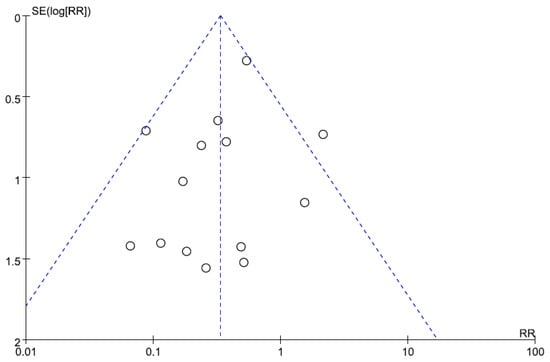
Background and Objectives: The therapeutic management of Fournier’s gangrene involves the use of broad-spectrum antibiotics and adequate surgical debridement; however, the overall mortality rate remains high globally. Hyperbaric oxygen therapy may serve as an adjunct treatment modality for reducing mortality in patients with Fournier’s gangrene, but its efficacy remains debatable. Consequently, this meta-analysis assessed the effect of hyperbaric oxygen therapy on mortality in patients with Fournier’s gangrene. Materials and Methods: To assess the effect of hyperbaric oxygen therapy on patients with Fournier’s gangrene, various databases were meticulously searched by focusing on the study population, intervention, control, and mortality outcomes. Results: Fourteen studies, enrolling a total of 793 patients, including 356 in the hyperbaric oxygen therapy cohort and 437 in the nonhyperbaric oxygen therapy cohort, were included in this meta-analysis. Compared with the mortality rate of 27.45% in the control cohort, the rate in the hyperbaric oxygen therapy cohort was 9.55%. This difference between patients with Fournier’s gangrene who underwent conventional therapy with hyperbaric oxygen therapy and those receiving only conventional therapy was significant (RR = 0.33; 95% CI 0.23–0.48; p < 0.001). Conclusions: Hyperbaric oxygen therapy may serve as an adjunct intervention to mitigate the increased risk of mortality among patients with Fournier’s gangrene. Methodologically rigorous randomized controlled trials must be conducted to determine the appropriate dosage and therapeutic efficacy of hyperbaric oxygen therapy in these patients and identify specific patient cohorts poised to obtain a benefit from this treatment.
Full article
(This article belongs to the Section Urology & Nephrology)
►▼
Show Figures

Figure 1
Open AccessReview
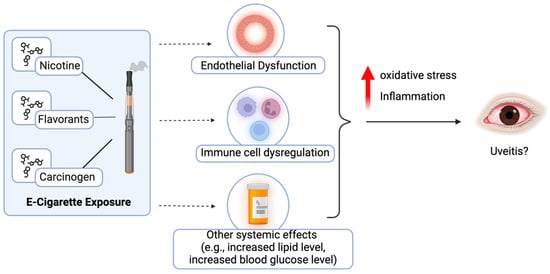
Uveitis Associated with Conventional Cigarette Smoking and E-Cigarette Use: A Narrative Review
by
Alan Y. Hsu, Chun-Ju Lin, Ning-Yi Hsia, Yi-Ching Shao, Chun-Chi Chiang, Chun-Ting Lai, Chia-Yun Chen and Yi-Yu Tsai
Medicina 2026, 62(6), 1198; https://doi.org/10.3390/medicina62061198 (registering DOI) - 22 Jun 2026
Abstract
Background and Objectives: Uveitis is an inflammatory condition of the uveal tract and has been associated with cigarette smoking. However, the relationship between uveitis and electronic cigarette (e-cigarette) use remains poorly understood. This review aims to give a brief overview of the
[...] Read more.
Background and Objectives: Uveitis is an inflammatory condition of the uveal tract and has been associated with cigarette smoking. However, the relationship between uveitis and electronic cigarette (e-cigarette) use remains poorly understood. This review aims to give a brief overview of the current evidence regarding the association between uveitis and both conventional cigarette smoking and e-cigarette use. Materials and Methods: A narrative literature review was conducted using PubMed and Scopus databases. Relevant peer-reviewed publications were identified using the search terms “vaping,” “cigarette,” and “uveitis.” Results: Multiple studies have demonstrated a significant association between cigarette smoking and an increased risk of uveitis. In contrast, evidence examining the relationship between e-cigarette use and uveitis is limited. Conclusions: Uveitis is a potentially vision-threatening ophthalmologic condition, and improved understanding of its risk factors is essential for optimal patient care. While the association between conventional cigarette smoking and uveitis is well established, current evidence regarding e-cigarette use remains insufficient. Further research is needed to clarify the potential role of e-cigarette use in the development of uveitis.
Full article
(This article belongs to the Section Ophthalmology)
►▼
Show Figures

Figure 1
Open AccessArticle
The Role of Lung Volume, Age, and Body Mass Index in Determining Obstructive Sleep Apnea Severity
by
Enes Gul, Ömer Tamer Doğan, Neslihan Taş, Irfan Atik and Ismail Salk
Medicina 2026, 62(6), 1197; https://doi.org/10.3390/medicina62061197 (registering DOI) - 22 Jun 2026
Abstract
Background and Objectives: It is well established that obstructive sleep apnea syndrome (OSAS) is associated with functional lung volumes. The aim of this study was to investigate the relationship between morphological lung volume and the severity of OSAS. Materials and Methods: Adult patients
[...] Read more.
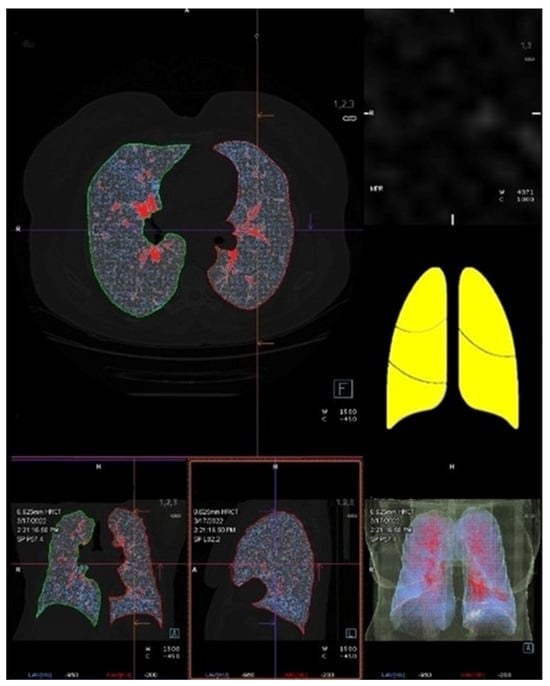
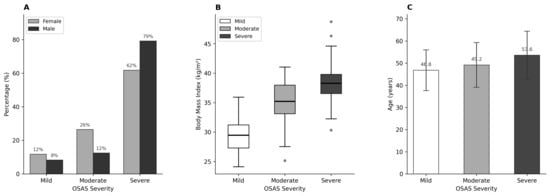
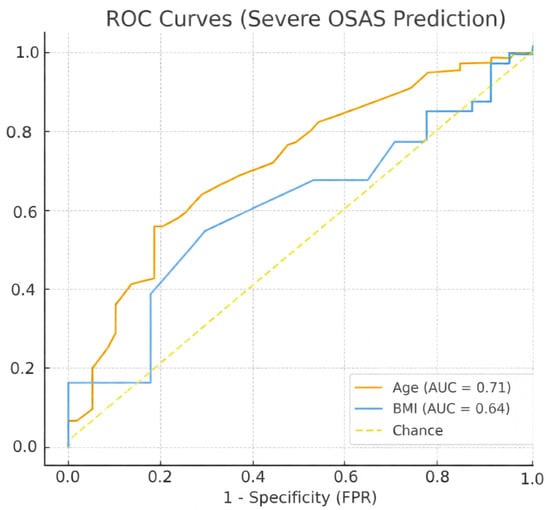
Background and Objectives: It is well established that obstructive sleep apnea syndrome (OSAS) is associated with functional lung volumes. The aim of this study was to investigate the relationship between morphological lung volume and the severity of OSAS. Materials and Methods: Adult patients evaluated for sleep disorders between January 2020 and January 2024 were retrospectively reviewed. Patients with an AHI greater than 5, who underwent both spirometry and thoracic CT within a three-month interval, were included. Spirometric functional volume and morphological CT lung volume were assessed. Associations between OSAS severity and both functional and morphological lung volumes were analyzed. Results: A total of 195 patients were enrolled, of whom 166 had CT scans suitable for lung volume assessment. Among all patients, 20 (10.3%) were in the mild, 39 (20.0%) in the moderate, and 136 (69.7%) in the severe OSAS group. Ordinal regression analysis was performed to evaluate the factors influencing these categories. Age (p < 0.001) and BMI (p < 0.001) were positively correlated with disease severity, whereas female sex was associated with a lower risk of severe disease (p = 0.003). Conclusions: Functional and morphological lung volumes did not affect OSAS severity. Functional and morphological lung volumes were positively correlated with each other. Both morphological and functional lung volumes showed negative correlations with BMI.
Full article
(This article belongs to the Special Issue Obstructive Sleep Apnea: New Insights and Future Directions)
►▼
Show Figures

Figure 1
Open AccessArticle
Health-Related Quality of Life in Breast Cancer Patients Undergoing Chemotherapy: A Cross-Sectional Study in Greece
by
Anastasia Karagiannaki, Vasiliki Michou, Evangelia Antoniou, Menelaos Zafrakas and Panagiotis Eskitzis
Medicina 2026, 62(6), 1196; https://doi.org/10.3390/medicina62061196 (registering DOI) - 21 Jun 2026
Abstract
Background and Objectives: Quality of life (QoL) is an important issue for breast cancer (BC) survivors. The objective of this study was to assess health-related QoL (HRQoL) of BC patients and investigate the impact of different demographic and clinical factors on physical and
[...] Read more.
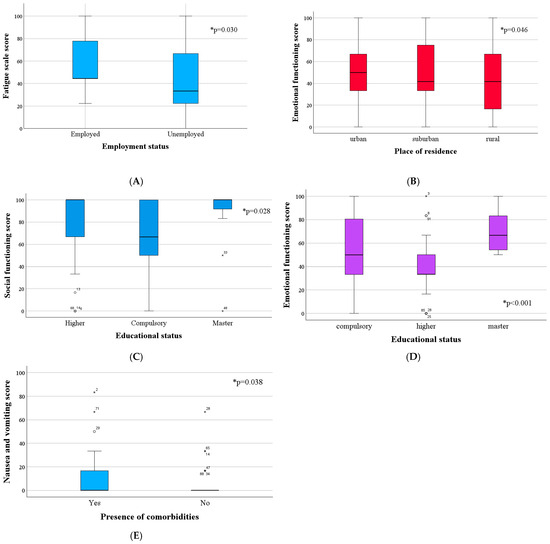
Background and Objectives: Quality of life (QoL) is an important issue for breast cancer (BC) survivors. The objective of this study was to assess health-related QoL (HRQoL) of BC patients and investigate the impact of different demographic and clinical factors on physical and social functioning and BC-related symptoms. Materials and Methods: In this cross-sectional study, 107 BC patients undergoing chemotherapy in Greece completed a questionnaire collecting sociodemographic and clinical information and the European Organization for Research and Treatment of Cancer Quality of Life Questionnaire–Core 30 (EORTC QLQ-C30) in order to assess HRQoL. Descriptive statistics and multiple linear regression analyses were used to identify factors linked to HRQoL outcomes. Results: Overall, participants reported moderate HRQoL, with high physical and social functioning and moderate emotional, cognitive, and role functioning. Fatigue was the most common symptom, whereas other symptoms were generally uncommon. Multiple regression analyses showed that marital status, place of residence, time since diagnosis, and type of surgery were significantly associated with the global QLQ-C30 score (R2 = 0.337, p < 0.001). Physical functioning was associated with comorbidity burden, time since diagnosis, and employment status (R2 = 0.155, p = 0.035), and social functioning with marital status and type of surgery (R2 = 0.171, p = 0.011). Emotional functioning showed exploratory associations with place of residence and type of surgery; however, the overall regression model for emotional functioning did not reach statistical significance. No symptom model reached overall significance, but time since diagnosis, treatment type, and surgery were linked to distinct symptoms. Conclusions: BC patients undergoing chemotherapy in Greece report an overall moderate level of HRQoL, which is significantly influenced by a combination of demographic and clinical factors; physical and social functioning were high, with moderate emotional, cognitive, and role functioning. These findings highlight the importance of individualized supportive care strategies in order to improve QoL of BC patients.
Full article
(This article belongs to the Special Issue New Developments in Diagnosis and Management of Breast Cancer)
►▼
Show Figures

Figure 1
Open AccessArticle
Smartphone-Derived Movement Analysis for Musculoskeletal Assessment: Smartphone-Estimated Relative Vertical Power During the Sit-to-Stand Test as an Accessible Predictor of Knee Extensor Strength in Older Adults
by
Chanon Fapinyo, Weerasak Tapanya, Nitiphoom Sinnathakorn, Pasa Sukson, Warunyou Ngiamphaisan and Noppharath Sangkarit
Medicina 2026, 62(6), 1195; https://doi.org/10.3390/medicina62061195 (registering DOI) - 21 Jun 2026
Abstract
Background and Objectives: Assessing knee extensor (KE) strength is important for detecting muscle weakness in older adults, yet dynamometry is often impractical in community settings. This study examined whether smartphone-derived kinematics during the Five Times Sit-to-Stand Test (FTSST) could predict seated isometric KE
[...] Read more.
Background and Objectives: Assessing knee extensor (KE) strength is important for detecting muscle weakness in older adults, yet dynamometry is often impractical in community settings. This study examined whether smartphone-derived kinematics during the Five Times Sit-to-Stand Test (FTSST) could predict seated isometric KE strength. Materials and Methods: A cross-sectional study included 105 community-dwelling older adults (68.19 ± 5.85 years). A smartphone application extracted rising time, vertical velocity, and smartphone-estimated relative vertical power during the FTSST. KE strength was measured as maximum voluntary isometric contraction (MVIC) using fixed-frame dynamometry with a Lafayette dynamometer head. Bioelectrical impedance-derived body composition variables were reported descriptively but excluded from the primary prediction models to maintain a transparent movement-based model independent of device-specific body-composition estimates. Hierarchical regression models used smartphone-derived variables and transparent non-BIA covariates. Agreement was examined using Bland–Altman analysis. Results: Smartphone-estimated relative vertical power showed the strongest correlation with MVIC (r = 0.787, p < 0.001). The combined model including sex, age, femur length, and smartphone-estimated relative vertical power explained 71.6% of MVIC variance (adjusted R2 = 0.716, SEE = 3.276 kg), outperforming vertical velocity, rising time, and total FTSST time models. Internal validation using repeated 10-fold cross-validation showed CV-R2 = 0.701, CV-adjusted R2 = 0.689, CV-RMSE = 3.343 kg, and CV-MAE = 2.739 kg. Bland–Altman analysis showed minimal mean bias (0.00 kg), 95% limits of agreement from −6.296 to 6.296 kg, and significant proportional bias (slope = −0.172, p = 0.002), indicating overestimation in weaker individuals and underestimation in stronger individuals. Conclusions: Consistent with our hypothesis, smartphone-estimated relative vertical power was the strongest kinematic predictor of seated isometric KE strength among the evaluated FTSST-derived variables. This approach may support community screening and monitoring, but it should not replace standardized dynamometry for precise individual-level strength quantification.
Full article
(This article belongs to the Special Issue Recent Trends in Physical Therapy for Musculoskeletal Disorders)
Open AccessArticle
Factors Associated with Frailty in Patients with Active Inflammatory Bowel Disease: A Single-Center Observational Study
by
Mihaela Topala, Victor Ionescu, Ioana Gabriela Lupescu, Gabriel Becheanu and Cristian Gheorghe
Medicina 2026, 62(6), 1194; https://doi.org/10.3390/medicina62061194 (registering DOI) - 21 Jun 2026
Abstract
Background and Objectives: Frailty is increasingly recognized as a clinically relevant condition in inflammatory bowel disease (IBD), yet available data remain limited and are often derived from indirect assessment methods. This study aimed to assess frailty using a Fried-derived index and to identify
[...] Read more.
Background and Objectives: Frailty is increasingly recognized as a clinically relevant condition in inflammatory bowel disease (IBD), yet available data remain limited and are often derived from indirect assessment methods. This study aimed to assess frailty using a Fried-derived index and to identify factors associated with frailty in adults with active IBD. Materials and Methods: We analyzed baseline data from a prospective, single-center cohort of adult patients hospitalized with active IBD who required initiation of biologic therapy or small molecules. Frailty was assessed using a modified Fried frailty index comprising shrinking, exhaustion, weakness, slowness, and low physical activity. Patients fulfilling ≥3 criteria were classified as frail, while those meeting 1–2 criteria were classified as pre-frail. Clinical, anthropometric, functional, laboratory, and questionnaire-based patient-reported measures were compared between frail and non-frail patients. Multivariate logistic regression was used to identify factors independently associated with frailty. Results: Seventy-five patients were included, of whom 45 (60%) were male and 44 (58.7%) had ulcerative colitis. The median age was 37 years. Frailty was identified in 17 (22.7%) patients, and 47 (62.7%) were pre-frail. Frail patients were younger (p = 0.001) and had a shorter disease duration (p = 0.036), higher disease activity scores (p = 0.005), higher C-reactive protein levels (p = 0.006), lower hemoglobin levels (p = 0.030) and serum albumin concentrations (p < 0.001), and lower body mass index (p < 0.001). In multivariate analysis, shorter disease duration (OR = 0.83, 95% CI: 0.70–0.97, p = 0.021) and lower serum albumin levels (OR = 0.17, 95% CI: 0.05–0.59, p = 0.005) were independently associated with frailty, whereas severe disease (OR = 2.14, 95% CI: 0.52–8.86, p = 0.294) was not significant after adjustment. Conclusions: Frailty and pre-frailty were highly prevalent in this selected cohort of relatively young adults with active IBD. Shorter disease duration and lower albumin levels were independently associated with frailty. Assessing frailty status may help identify vulnerable patients who could benefit from closer monitoring and multidisciplinary interventions.
Full article
(This article belongs to the Special Issue New Advances in Inflammatory Bowel Disease and Diarrheal Disorders)
Open AccessArticle
Unsupervised Clinical Phenotyping Identifies Distinct Risk Profiles in Incisional Hernia Repair
by
Laurențiu Augustus Barbu, Daniel Ioan Mihalache, Liviu Vasile, Stelian-Stefaniță Mogoantă, Tiberiu Stefăniță Țenea Cojan, Nicolae-Dragoș Mărgăritescu and Gabriel Florin Răzvan Mogoș
Medicina 2026, 62(6), 1193; https://doi.org/10.3390/medicina62061193 (registering DOI) - 21 Jun 2026
Abstract
Background and Objectives: Patients undergoing incisional hernia repair constitute a clinically heterogeneous population with variable postoperative outcomes. Conventional risk models based on isolated risk factors may inadequately capture this complexity. This study aimed to identify data-driven clinical phenotypes and evaluate their association
[...] Read more.
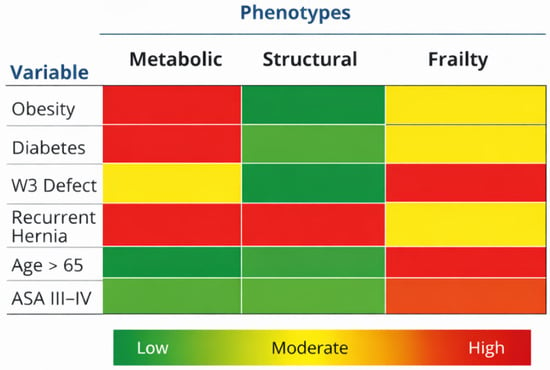
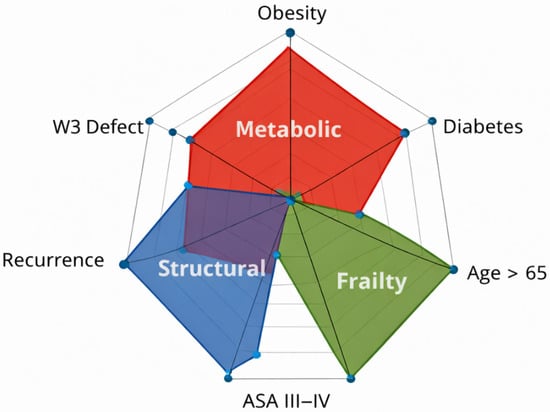
Background and Objectives: Patients undergoing incisional hernia repair constitute a clinically heterogeneous population with variable postoperative outcomes. Conventional risk models based on isolated risk factors may inadequately capture this complexity. This study aimed to identify data-driven clinical phenotypes and evaluate their association with surgical outcomes. Methods and Materials: A retrospective cohort of 1262 patients undergoing retromuscular incisional hernia repair (Rives–Stoppa technique) was analyzed. Unsupervised clinical phenotyping was performed using latent class analysis based on seven preoperative variables. Model selection was guided by Akaike information criterion (AIC), Bayesian information criterion (BIC), entropy, and clinical interpretability. Postoperative outcomes were compared across phenotypes. Results: Three distinct phenotypes were identified: metabolic (34.6%), structural (33.9%), and frailty (31.5%). The structural phenotype showed the highest complication (22.7%) and recurrence rates (8.6%), while the frailty phenotype had the lowest complication burden (14.6%). The metabolic phenotype was characterized by obesity and diabetes, consistent with increased wound-related morbidity. Cluster robustness was supported by internal validation metrics and sensitivity analyses. Conclusions: In this retrospective single-center cohort, distinct clinical phenotypes with different outcome profiles were identified among patients undergoing incisional hernia repair, supporting the concept that this population comprises clinically heterogeneous subgroups with distinct patterns of vulnerability. These findings should be considered preliminary and hypothesis-generating. Further external validation and prospective studies are required to determine the clinical utility of phenotype-based risk stratification.
Full article
(This article belongs to the Special Issue Abdominal Surgery: Clinical Updates and Future Perspectives)
►▼
Show Figures

Figure 1
Open AccessArticle
Reversal of Frailty and Improvement in Quality of Life Following Advanced Therapy Initiation in Patients with Inflammatory Bowel Disease: A Prospective Cohort Study
by
Mihaela Topala, Victor Ionescu, Monica Cojocaru, Razvan Iacob, Liliana Simona Gheorghe, Roxana Vadan and Cristian Gheorghe
Medicina 2026, 62(6), 1192; https://doi.org/10.3390/medicina62061192 (registering DOI) - 21 Jun 2026
Abstract
Background and Objectives: In recent years, frailty has emerged as a prognostic factor in inflammatory bowel diseases (IBD), particularly among patients with active disease. However, evidence regarding its reversibility after treatment optimization remains limited. This study aimed to assess frailty in active
[...] Read more.
Background and Objectives: In recent years, frailty has emerged as a prognostic factor in inflammatory bowel diseases (IBD), particularly among patients with active disease. However, evidence regarding its reversibility after treatment optimization remains limited. This study aimed to assess frailty in active IBD and determine whether frailty status improved after 6 months of clinical management and the achievement of clinical remission. Materials and Methods: This prospective, single-center, observational cohort study included adults with active IBD requiring escalation to advanced therapy who achieved clinical remission at the 6-month follow-up. Patients were evaluated at baseline and after 6 months using a modified Fried frailty phenotype. Quality of life was assessed using the Short Inflammatory Bowel Disease Questionnaire (SIBDQ), and depressive symptoms were assessed using the Center for Epidemiologic Studies Depression (CES-D) scale. Univariate and multivariate logistic regressions were utilized to identify independent factors associated with frailty improvement. Results: The analysis included 54 patients (61.1% male; 42.6% with Crohn’s disease). At baseline, 20.4% were classified as frail, 72.2% as pre-frail, and 7.4% as robust. Following 6 months of clinical management and the achievement of clinical remission, a 100% resolution of frailty was observed, with the robust cohort expanding to 42.6%. Significant improvements occurred across clinical parameters, including handgrip strength, 400 m walk times, and median SIBDQ scores (increasing from 4.4 to 5.9, p < 0.001) alongside a substantial decline in CES-D scores (p = 0.017). Multivariate logistic regression revealed that severe disease at baseline (aOR = 4.51, 95%CI: 1.26–16.18, p = 0.020), anti-TNF therapy initiation (aOR = 3.69, 95%CI: 1.04–13.18, p = 0.044), and higher baseline CES-D scores (aOR = 1.06, 95%CI: 1.00–1.13, p = 0.038) were independently associated with higher odds of frailty improvement. Conclusions: Among patients who achieved clinical remission, frailty and pre-frailty demonstrate substantial short-term improvement following advanced therapy. Functional and psychological recoveries are associated with successful control of baseline disease severity and systemic inflammation.
Full article
(This article belongs to the Special Issue New Advances in Inflammatory Bowel Disease and Diarrheal Disorders)
Open AccessArticle
Buccal Bone Thickness of Maxillary Incisors Adjacent to Palatally Impacted Canines: A Split-Mouth CBCT Study
by
Mehmet Gümüş Kanmaz and Genta Agani Sabah
Medicina 2026, 62(6), 1191; https://doi.org/10.3390/medicina62061191 (registering DOI) - 20 Jun 2026
Abstract
Background and Objectives: To compare the buccal bone thickness of adjacent maxillary incisors between the impacted and contralateral control sides in patients with unilateral palatally impacted canines (PICs) using a split-mouth cone-beam computed tomography (CBCT) design. Materials and Methods: CBCT records
[...] Read more.
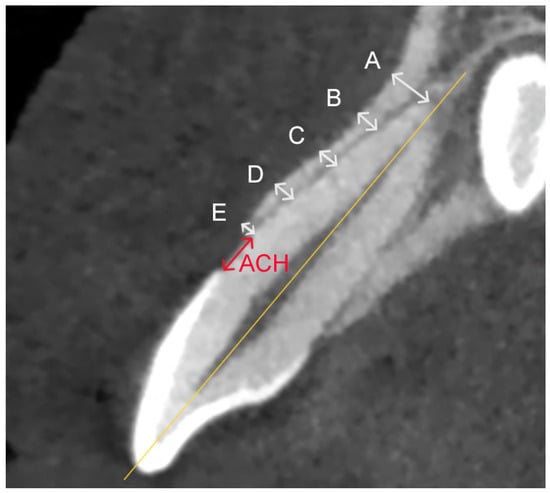
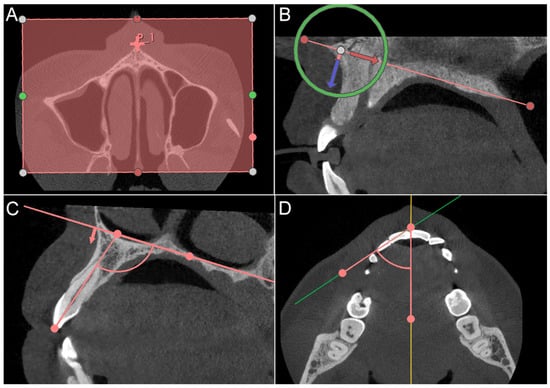
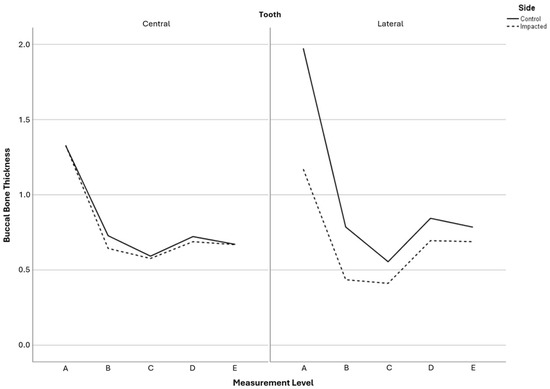
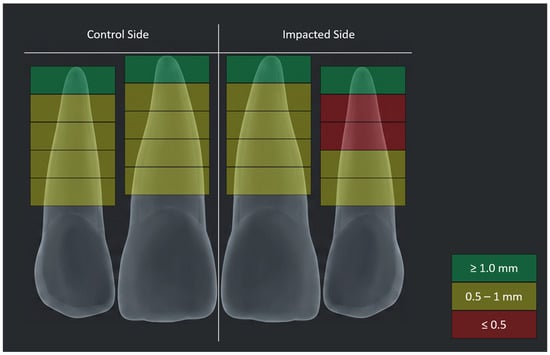
Background and Objectives: To compare the buccal bone thickness of adjacent maxillary incisors between the impacted and contralateral control sides in patients with unilateral palatally impacted canines (PICs) using a split-mouth cone-beam computed tomography (CBCT) design. Materials and Methods: CBCT records of 26 patients with a unilateral PIC (18 females, 8 males; mean age, 17.35 ± 4.58 years) were retrospectively analyzed. Buccal bone thickness was measured at five equally spaced levels from the root apex (Level A) to the buccal alveolar crest (Level E) for the central and lateral incisors. Alveolar crest height, incisor torque and rotation, follicular width, canine localization, canine-to-root proximity, and root resorption were also assessed. Results: The impacted side showed significantly reduced buccal bone thickness at the two most apical levels of the lateral incisor: Level A (−0.81 mm; p < 0.001) and Level B (−0.35 mm; p = 0.004). No side differences were observed at the remaining lateral incisor levels or at any central incisor level. In the orientation-adjusted sensitivity model accounting for incisor torque and rotation, Level A remained significant (−0.75 mm; p < 0.001), whereas Level B was attenuated (p > 0.005). Lateral incisors on the impacted side also showed reduced labial torque (−4.97°; p = 0.001) and greater mesiobuccal rotation (−12.23°; p < 0.001). Conclusions: PICs were associated with localized apical reduction in buccal bone thickness of the adjacent lateral incisor, accompanied by reduced labial torque and greater mesiobuccal rotation. Buccal bone thickness may represent a relevant consideration during CBCT-based treatment planning for PICs.
Full article
(This article belongs to the Section Dentistry and Oral Health)
►▼
Show Figures

Figure 1
Journal Menu
► ▼ Journal Menu-
- Medicina Home
- Aims & Scope
- Editorial Board
- Reviewer Board
- Topical Advisory Panel
- Instructions for Authors
- Special Issues
- Topics
- Sections & Collections
- Article Processing Charge
- Indexing & Archiving
- Editor’s Choice Articles
- Most Cited & Viewed
- Journal Statistics
- Journal History
- Journal Awards
- Society Collaborations
- Conferences
- Editorial Office
Journal Browser
► ▼ Journal BrowserHighly Accessed Articles
Latest Books
E-Mail Alert
News
Topics
Topic in
Biomedicines, IJMS, JCM, Medicina, Neurology International
Advances in Exercise-Induced Neurogenesis, Neuronal and Functional Adaptations in Neurorehabilitation
Topic Editors: Carlos Bernal-Utrera, Cleofas Rodriguez-Blanco, Maria Livia Carrascal MorenoDeadline: 29 June 2026
Topic in
IJERPH, Medicina, Hospitals, Healthcare, Safety, Geriatrics
The Imperative of Patient Safety and Safety Culture in Contemporary Healthcare
Topic Editors: Hana Brborović, Ognjen Brborovic, Reinhard StrametzDeadline: 8 July 2026
Topic in
Dentistry Journal, IJMS, JCM, Medicina, Applied Sciences
Oral Health Management and Disease Treatment
Topic Editors: Christos Rahiotis, Felice Lorusso, Sergio Rexhep TariDeadline: 31 July 2026
Topic in
Healthcare, Hospitals, JCM, Safety, Medicina, Medicines
Drug Use and Patient Safety in Primary and Secondary Care Settings
Topic Editors: Kingston Rajiah, Ashuin Kammar-GarcíaDeadline: 31 October 2026
Conferences
Special Issues
Special Issue in
Medicina
New Advance in Primary and Secondary Immunodeficiencies
Guest Editors: Gary Ira Kleiner, Melissa GansDeadline: 22 June 2026
Special Issue in
Medicina
Sports Cardiology: From Athletes to Advanced Technologies for Cardiovascular Prevention and Exercise Prescription
Guest Editors: Massimiliano Bianco, Fabrizio SollazzoDeadline: 25 June 2026
Special Issue in
Medicina
Liver Surgery: Current Treatment and Future Options
Guest Editor: Suk-Won SuhDeadline: 25 June 2026
Special Issue in
Medicina
Pulmonary Fibrosis: Current Understanding and Future Directions
Guest Editors: Satoshi Okamori, Yusuke NakamuraDeadline: 28 June 2026
Topical Collections
Topical Collection in
Medicina
New Concepts for Dental Treatments and Evaluations
Collection Editors: Cosmin Sinescu, Virgil-Florin Duma
Topical Collection in
Medicina
Interdisciplinary Medicine – The Key For Personalized Medicine
Collection Editor: Camelia Diaconu
Topical Collection in
Medicina
Pain, Bleeding, Trauma and Infections: The 4 Horsemen of the Apocalypse for the Emergency Medicine
Collection Editor: Marcello Candelli
Topical Collection in
Medicina
Advances in Cornea, Cataract, and Refractive Surgery
Collection Editor: Ivo Guber