


Journal Description
ChemEngineering
ChemEngineering
is an international, peer-reviewed, open access journal on the science and technology of chemical engineering, published monthly online by MDPI.
- Open Access— free for readers, with article processing charges (APC) paid by authors or their institutions.
- High Visibility: indexed within Scopus, ESCI (Web of Science), Inspec, CAPlus / SciFinder, and other databases.
- Journal Rank: JCR - Q2 (Engineering, Chemical) / CiteScore - Q1 (General Engineering )
- Rapid Publication: manuscripts are peer-reviewed and a first decision is provided to authors approximately 32.8 days after submission; acceptance to publication is undertaken in 6.6 days (median values for papers published in this journal in the second half of 2025).
- Recognition of Reviewers: reviewers who provide timely, thorough peer-review reports receive vouchers entitling them to a discount on the APC of their next publication in any MDPI journal, in appreciation of the work done.
Impact Factor:
3.4 (2024);
5-Year Impact Factor:
3.1 (2024)
Latest Articles
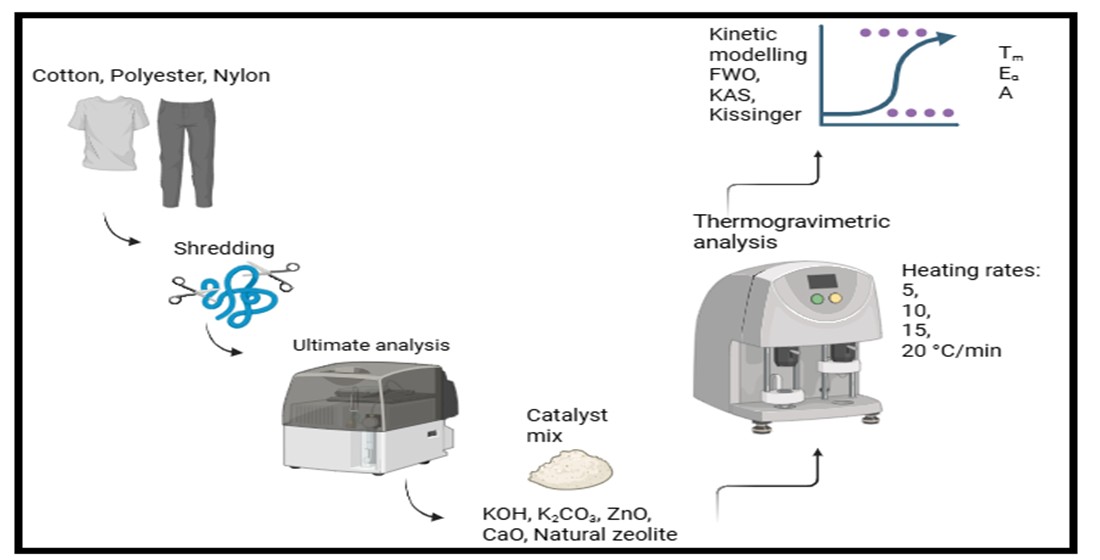
Catalyst Effects on the Pyrolysis Kinetics of Major Textile Wastes: Cotton, Polyester, and Nylon
ChemEngineering 2026, 10(5), 65; https://doi.org/10.3390/chemengineering10050065 (registering DOI) - 13 May 2026
Abstract
►
Show Figures
This study examines how catalysts and operating conditions enhance the pyrolysis of textile wastes, supporting their use as a viable feedstock for waste-to-energy recycling. Pyrolysis of three common textile wastes—cotton, polyester, and nylon—was studied using thermogravimetric analysis (TGA). Experiments were conducted at heating
[...] Read more.
This study examines how catalysts and operating conditions enhance the pyrolysis of textile wastes, supporting their use as a viable feedstock for waste-to-energy recycling. Pyrolysis of three common textile wastes—cotton, polyester, and nylon—was studied using thermogravimetric analysis (TGA). Experiments were conducted at heating rates of 5, 10, 15, and 20 °C/min, both with and without catalysts, including K2CO3, ZnO, KOH, CaO, and natural zeolite. The results showed that cotton decomposes at significantly lower temperatures than polyester and nylon, with a peak decomposition rate at 361.7 °C compared to 437.9 °C for polyester and 459.8 °C for nylon. Reaction kinetics were analyzed using three established models: Kissinger–Akahira–Sunose (KAS), Flynn–Wall–Ozawa (FWO), and Kissinger. Among the materials studied, polyester exhibited the lowest activation energy (184.8 kJ/mol), while cotton and nylon showed higher values (241.1 and 236.2 kJ/mol, respectively). Catalyst performance varied by material. Potassium carbonate was particularly effective for cotton, increasing the weight loss rate and reaction rate constant. ZnO significantly reduced the activation energy for nylon. Although catalysts generally enhanced reaction rates, many also increased activation energy. This increase in activation energy and collision frequency suggests that catalytic pyrolysis becomes more temperature-sensitive while achieving higher reaction turnover frequencies.
Full article
Open AccessArticle
Adsorption Kinetics of CO2 Under Rotation
by
Ramonna I. Kosheleva, Agni Moutzouroglou, Ioanna Tsolakidi, Pigi-Varvara Liouni, Eleni Noula, Eleni Koumlia and Athanasios C. Mitropoulos
ChemEngineering 2026, 10(5), 64; https://doi.org/10.3390/chemengineering10050064 (registering DOI) - 13 May 2026
Abstract
►▼
Show Figures
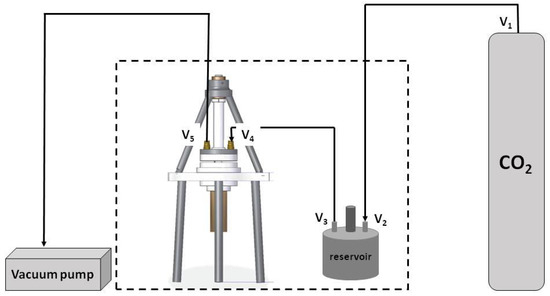
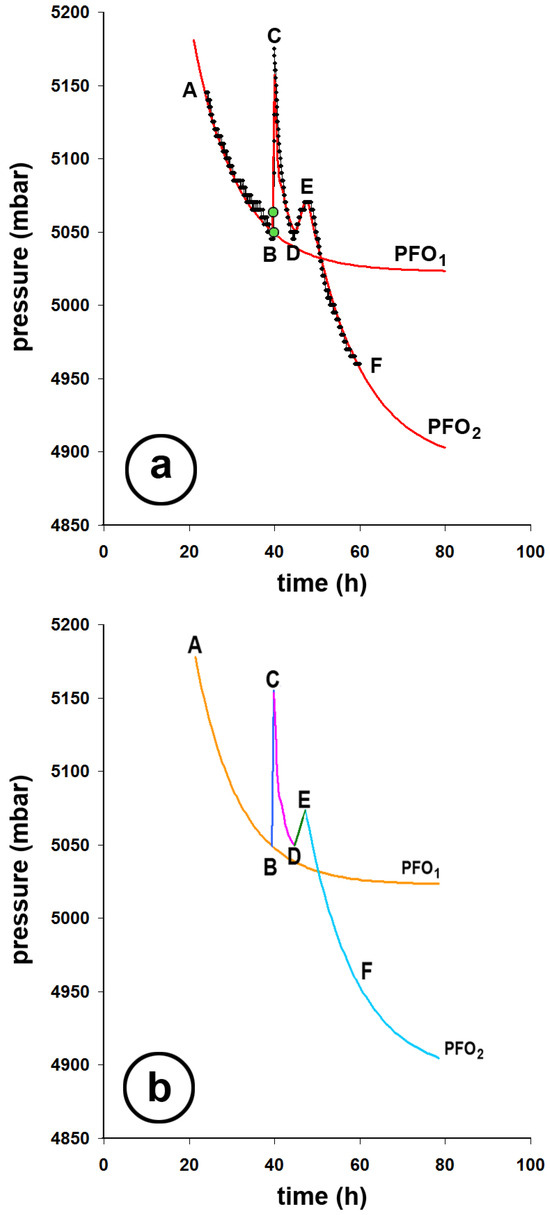
The effect of high-gravity fields, generated by rapid rotation, on CO2 adsorption in activated carbon beds is examined. Adsorption-desorption kinetics is monitored before, during, and after short rotation periods at up to 5000 rpm. Rotation induced a reproducible transient bump in headspace
[...] Read more.
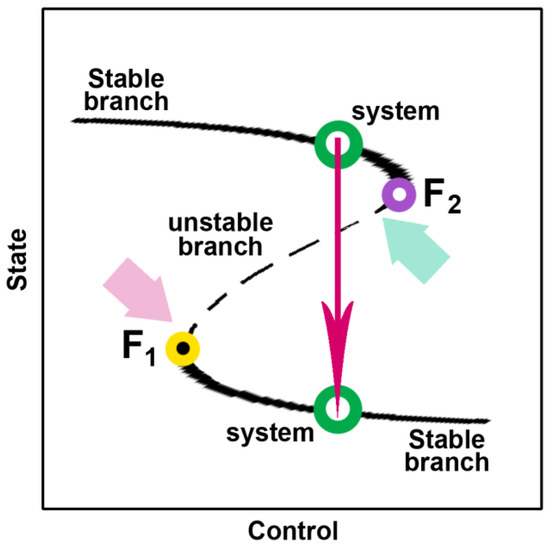
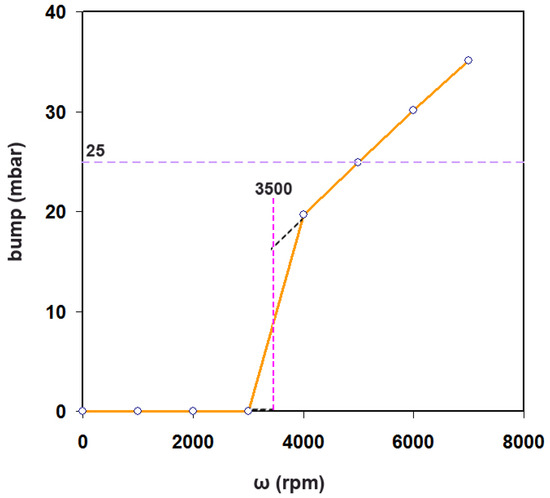
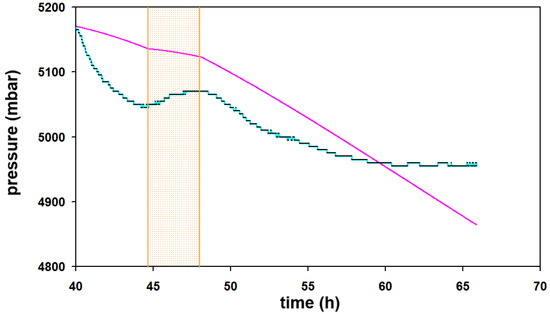
The effect of high-gravity fields, generated by rapid rotation, on CO2 adsorption in activated carbon beds is examined. Adsorption-desorption kinetics is monitored before, during, and after short rotation periods at up to 5000 rpm. Rotation induced a reproducible transient bump in headspace pressure, quantitatively attributed to a centrifugal free energy shift (~12.2 J/mol) that overfilled weak adsorption sites beyond their static equilibrium. The bump mechanism is described by fold catastrophe theory, with a critical angular velocity (ωc = 3500 rpm) triggering a sudden transition to a high-occupancy branch. Post-rotation, constant-rate zero-order desorption from shallow sites overlapped with a slower pseudo-first-order adsorption process as deep, previously inaccessible pores became available, increasing CO2 capacity by 2.5%. Kinetic modeling produced an apparent diffusivity of 1.2 × 10⁻⁵ m2/s and a structural accessibility time constant of ~25 h. Thermodynamic analysis showed that rotation improved the overall free energy of adsorption and altered entropy in a manner consistent with the observed adsorption-desorption sequence. These results demonstrate that rotational fields can enhance CO2 uptake, modify kinetic pathways, and trigger threshold phenomena in porous adsorbents.
Full article

Figure 1
Open AccessArticle
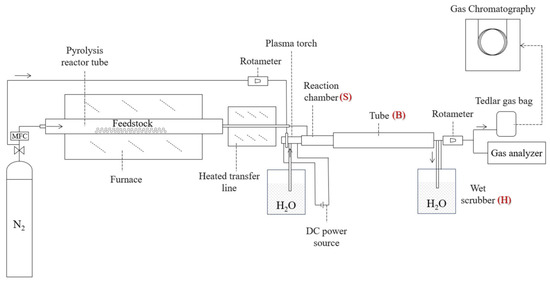
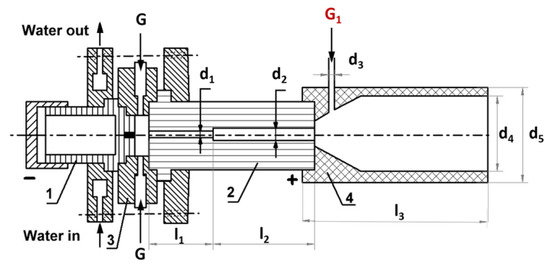
Experimental Investigation of Carbon Black and Hydrogen-Enriched Gas Production from Polypropylene and Polystyrene by a Two-Stage Slow Pyrolysis–Plasma-Assisted Pyrolysis Approach
by
Ieva Kiminaitė, Mindaugas Aikas, Sebastian Wilhelm, Vilmantė Kudelytė, Rita Kriūkienė, Arūnas Baltušnikas, Irena Vaškevičienė and Andrius Tamošiūnas
ChemEngineering 2026, 10(5), 63; https://doi.org/10.3390/chemengineering10050063 (registering DOI) - 12 May 2026
Abstract
►▼
Show Figures
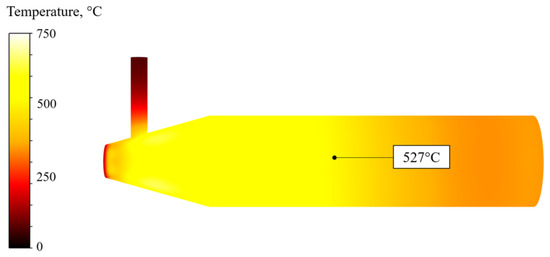
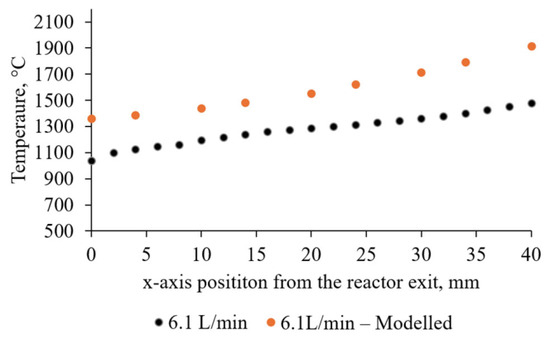
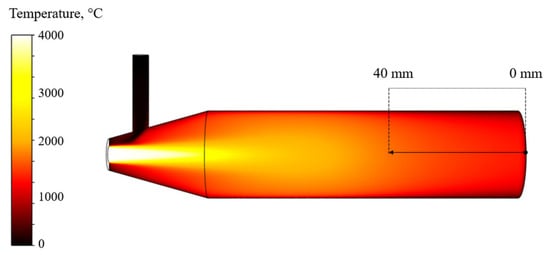
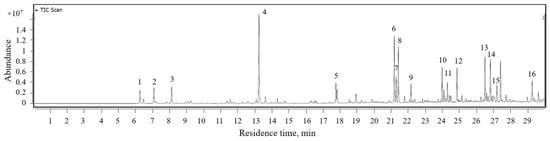
This study investigated the influence of hydrocarbon feedstock composition evolved from slow pyrolysis of polypropylene (PP) and polystyrene (PS) and plasma gas flow rate on the carbon black and hydrogen production yields and quality. The temperature distribution and feedstock flow within the carbon
[...] Read more.
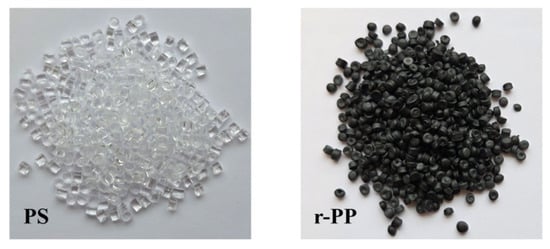
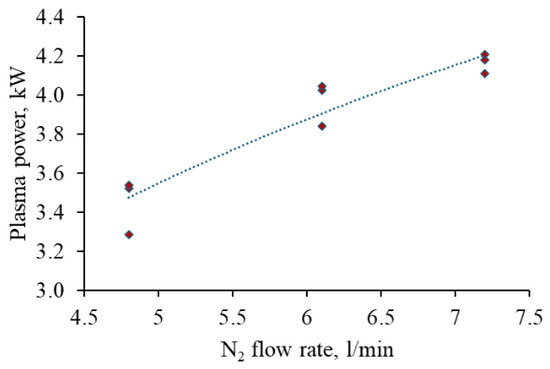
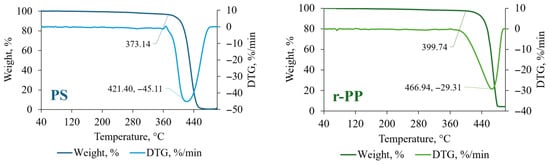
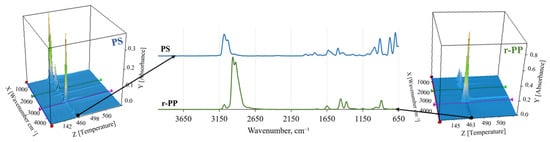
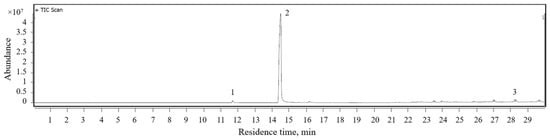
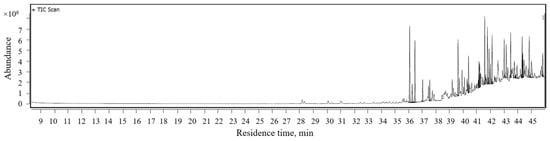
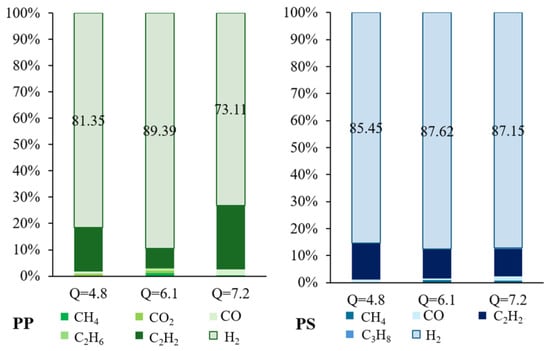
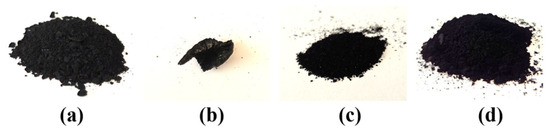
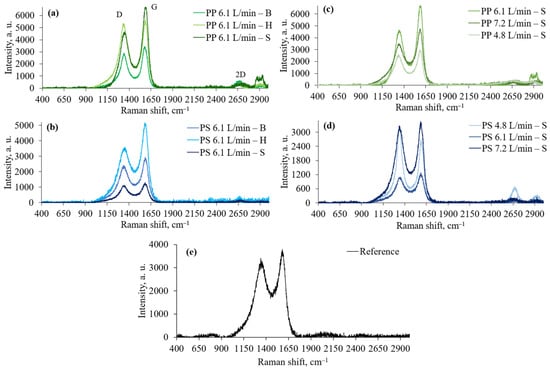
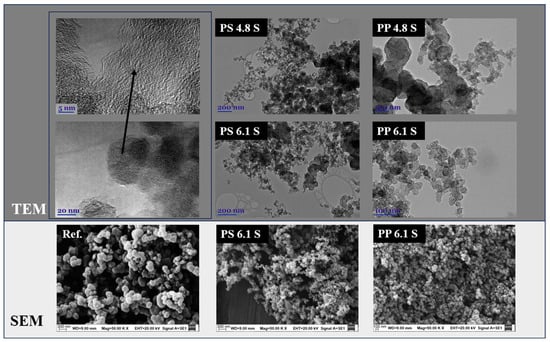
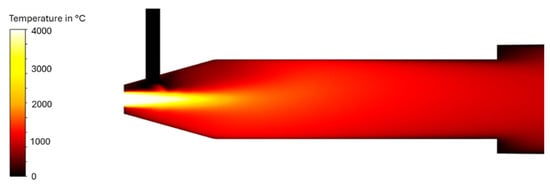
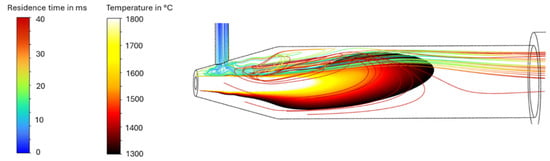
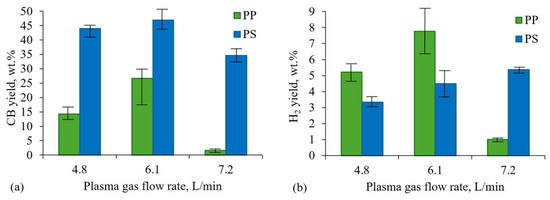
This study investigated the influence of hydrocarbon feedstock composition evolved from slow pyrolysis of polypropylene (PP) and polystyrene (PS) and plasma gas flow rate on the carbon black and hydrogen production yields and quality. The temperature distribution and feedstock flow within the carbon black formation zone with plasma were supplementarily modeled using computational fluid dynamics. TG-FTIR-GC/MS was employed to analyze thermal degradation patterns of plastics and to estimate the composition of volatile intermediates of plastics’ slow pyrolysis. Produced CB was characterized, encompassing physical, structural, and compositional properties using thermogravimetric analysis, CHNS analysis, scanning electron microscopy–energy dispersive spectroscopy, transmission electron microscopy, Brunauer-Emmett-Teller, and Raman spectroscopy. The results revealed that both feedstocks yield CB with comparable structural characteristics; however, PS-derived (aromatic-rich) volatiles produce significantly higher CB yields, whereas PP-derived (aliphatic) volatiles favor hydrogen formation. Differences in carbon structure were also observed, with PP-derived CB exhibiting a higher degree of graphitic ordering compared to the more disordered CB obtained from PS. The optimal flow rate of plasma gas was identified as 6.1 L/min. Increasing the flow rate to 7.2 L/min led to reduced conversion efficiency for PP-derived long-chain hydrocarbons. Overall, the findings demonstrate the potential of this approach for the co-production of high-quality carbon black and hydrogen from plastic waste.
Full article

Figure 1
Open AccessArticle
Steady-State Modeling of a Natural Convection-Driven, Condensing Methanol Reactor
by
Tim van Schagen and Wim Brilman
ChemEngineering 2026, 10(5), 62; https://doi.org/10.3390/chemengineering10050062 (registering DOI) - 12 May 2026
Abstract
►▼
Show Figures
In this paper, a flexible steady-state model of a highly integrated, natural convection-driven condensing methanol reactor was developed. The flowsheet model includes 1D submodels of the different sections of the integrated reactor–condenser and includes a method to estimate the maximum possible natural convection-driven
[...] Read more.
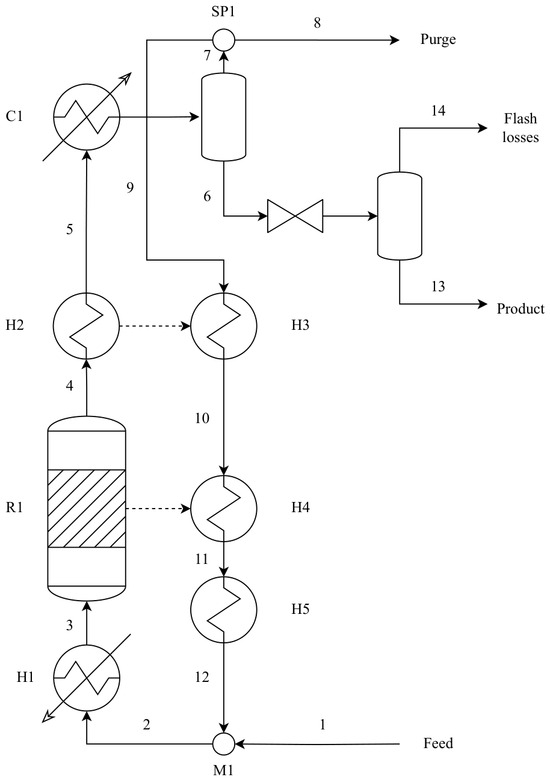
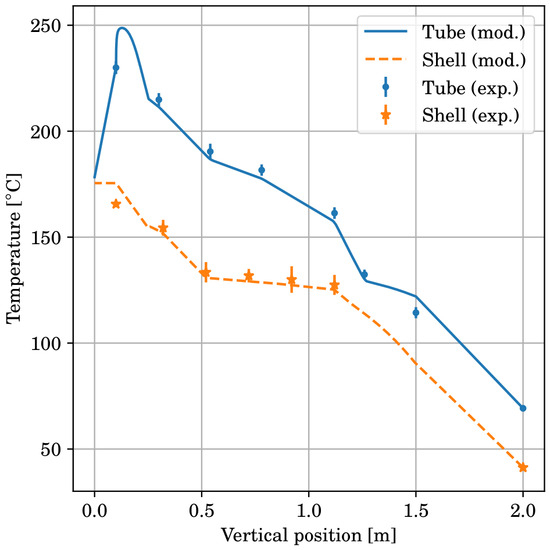
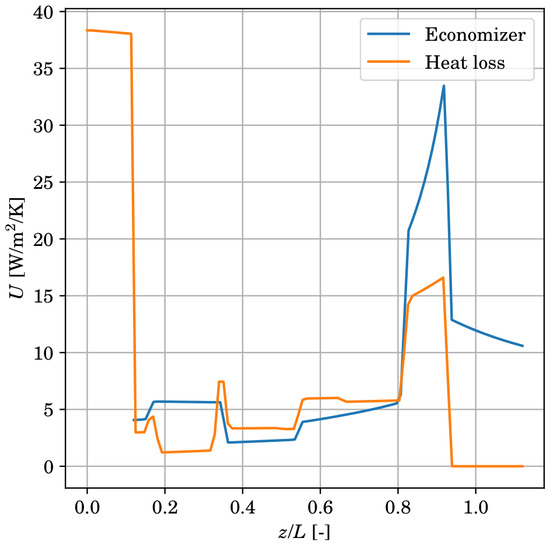
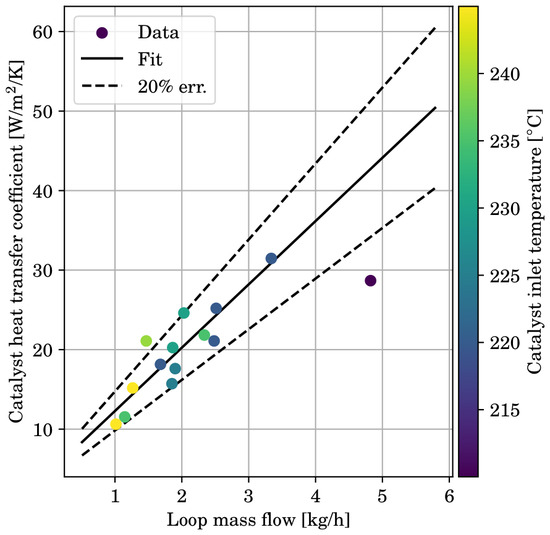
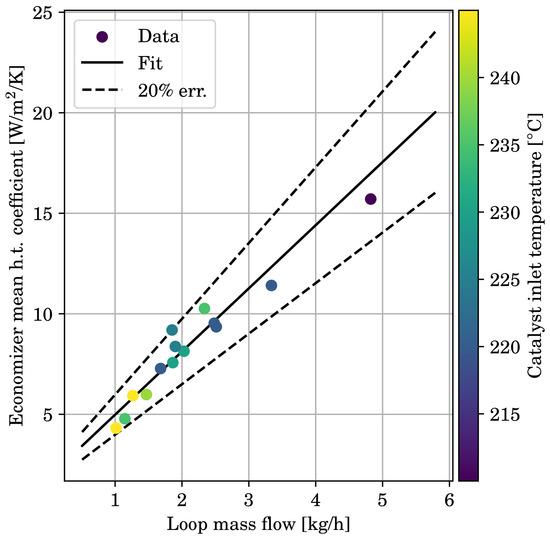
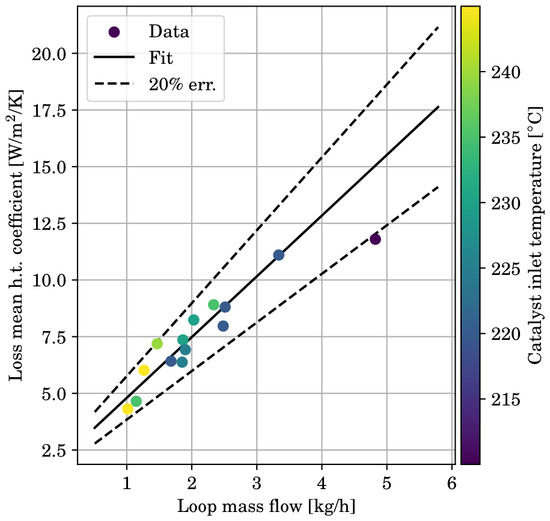
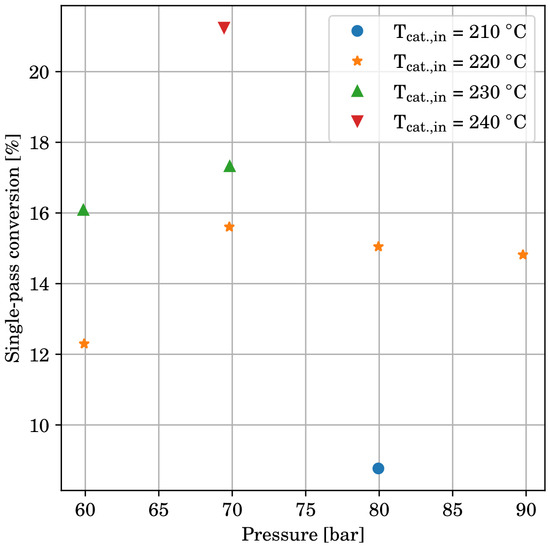
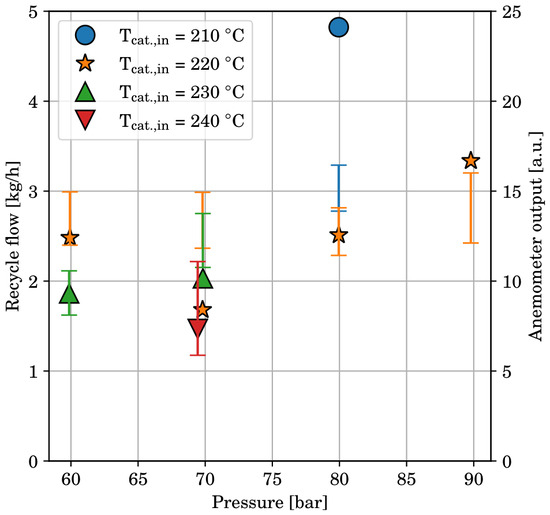
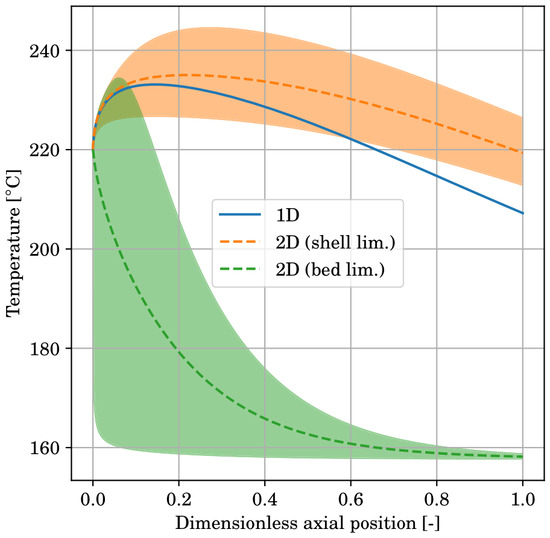
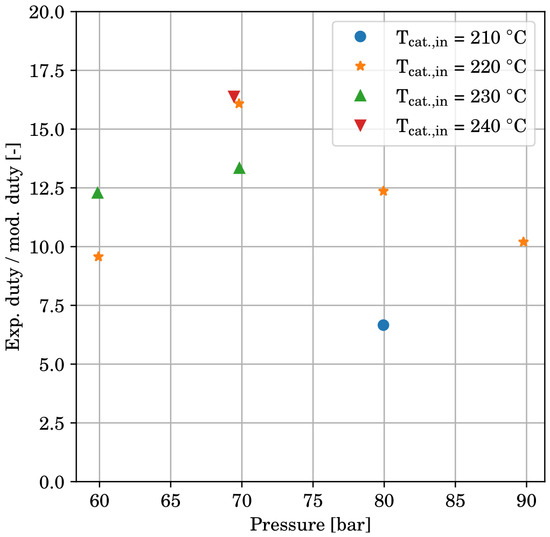
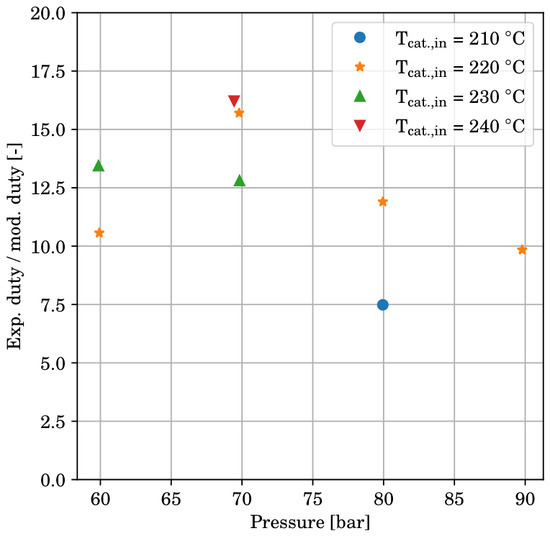
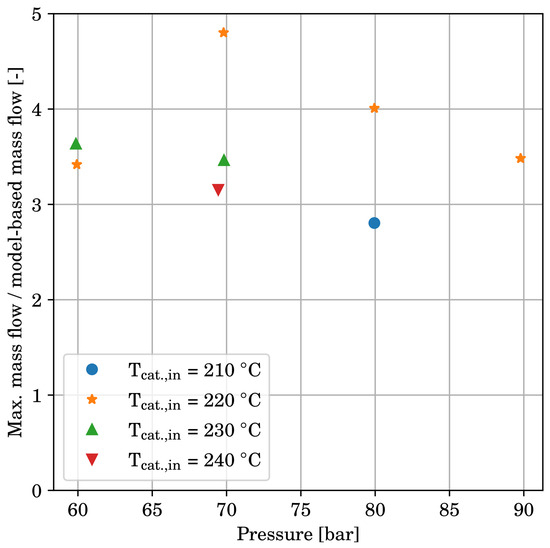
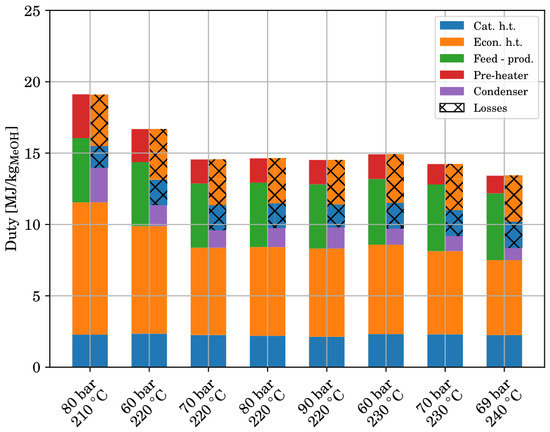
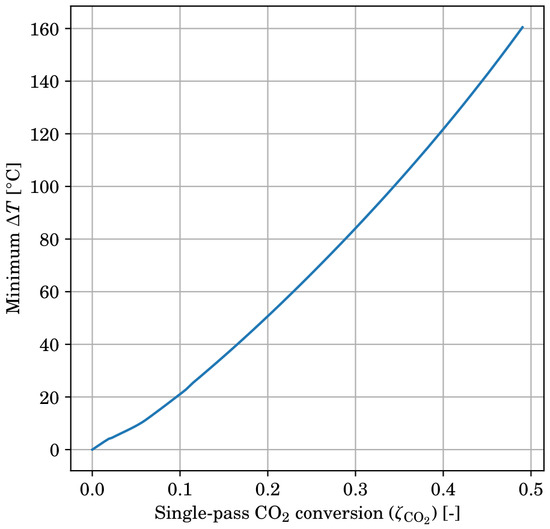
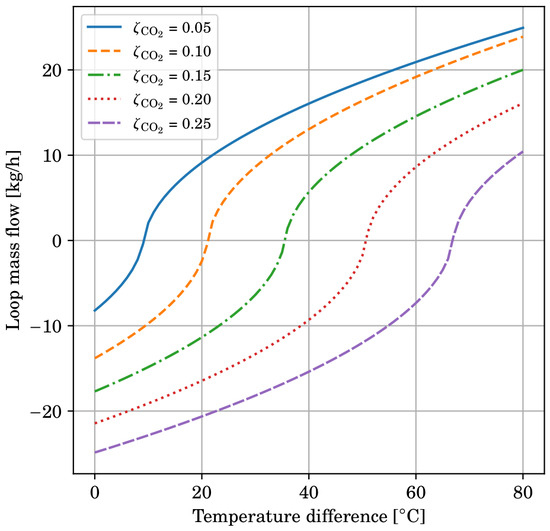
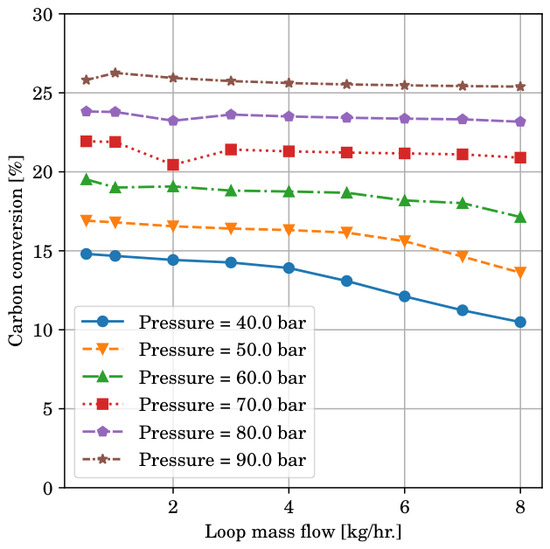
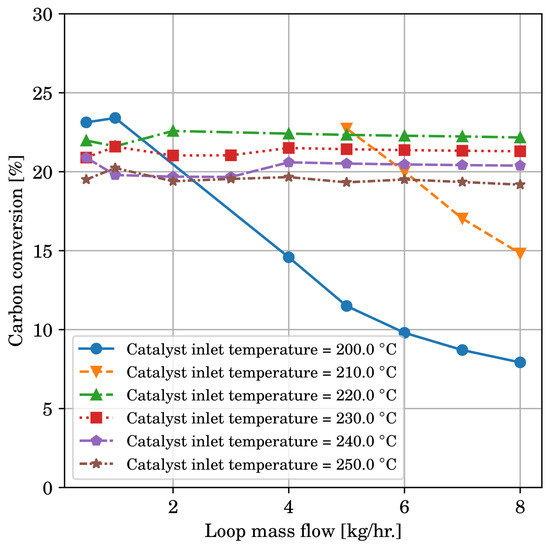
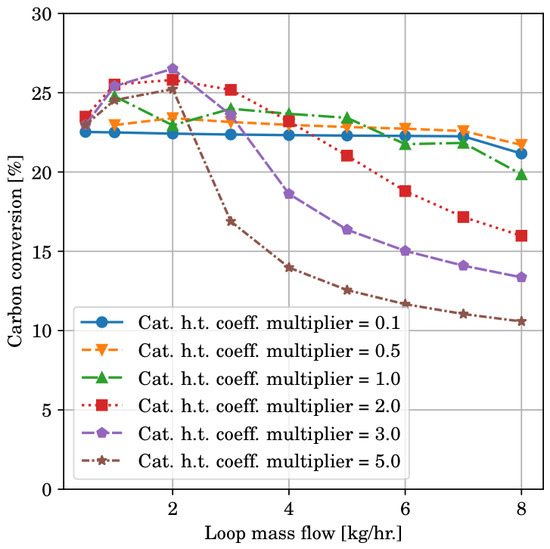
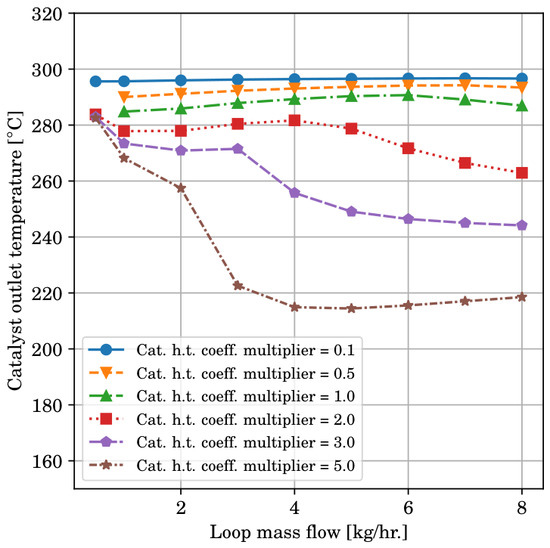
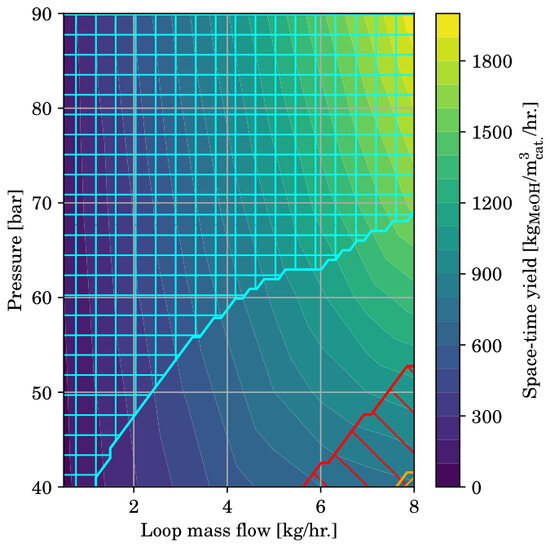
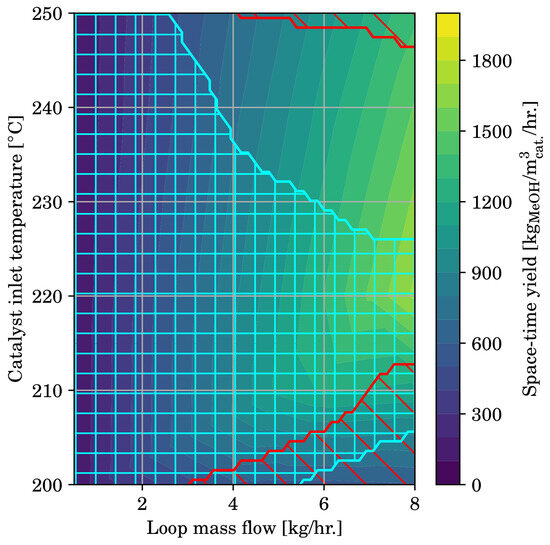
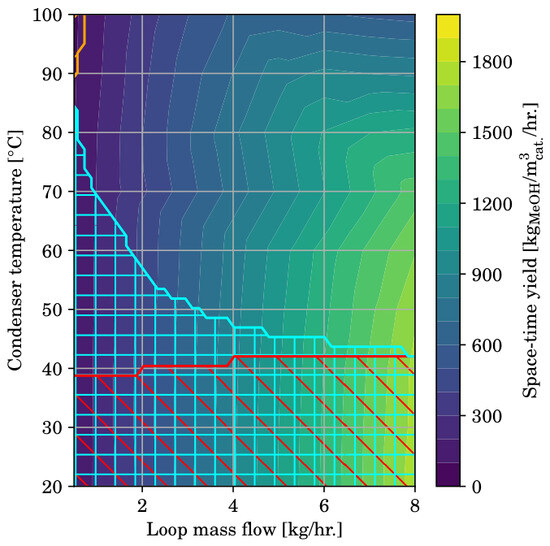
In this paper, a flexible steady-state model of a highly integrated, natural convection-driven condensing methanol reactor was developed. The flowsheet model includes 1D submodels of the different sections of the integrated reactor–condenser and includes a method to estimate the maximum possible natural convection-driven flow. Experimental data are used to create a shortcut description for the heat transfer coefficients in the model. The model results indicate that when heat losses can be mitigated, autothermal operation is possible. The major part of the heat integration takes place in the economizer section; however, a significant amount of heat transfer occurs at the catalyst bed also. The model predicts that the loop mass flow and single-pass conversion strongly depend on the catalyst bed inlet temperature. Experimentally measured catalyst preheater and condenser duties suggest, however, that the model-calculated mass flow is likely too low and that it is less dependent on the catalyst bed inlet temperature than the model predicts. A possible cause for this is the neglect of radial temperature gradients in the catalyst bed in the model, overestimating the conversion. Another possible cause is a measurement error in the bed inlet temperature, causing the actual temperature to be lower than the measured value. Natural convection calculations show that the maximum achievable flow strongly depends on the single-pass conversion and that given a single-pass conversion, a minimum temperature difference is required for flow in the right direction. Sensitivity analyses (neglecting heat losses to the environment) show that with the current heat transfer description, the feasible operating range for autothermal, natural convection-driven flow is sizeable. However, at lower recycle mass flows, heat transfer is too fast, leading to premature condensation in the economizer section. If the heat transfer coefficient is smaller than the currently predicted value, autothermal operation is possible in a wide range of conditions. If heat losses are mitigated, the maximum productivity of 2000 is achievable at high pressure, a moderate catalyst bed inlet temperature and a low condenser temperature.
Full article

Figure 1
Open AccessArticle
Batch and Continuous Flow Method of Separation and Recovery of Co(II) and Ni(II) Using an Analog of Glycine-Betaine Based Ionic Liquid
by
Lamia Boulafrouh, Stéphanie Boudesocque, Aminou Mohamadou and Laurent Dupont
ChemEngineering 2026, 10(5), 61; https://doi.org/10.3390/chemengineering10050061 (registering DOI) - 12 May 2026
Abstract
This study presents an innovative approach for the selective extraction of Co(II) and its separation from Ni(II) using ethyl ester glycine–betaine derivatives, specifically tri(n-pentyl)[2-ethoxy-2-oxoethyl]ammonium dicyanamide, as extractants in combination with continuous-mode liquid–liquid contact. Semi-pilot-scale implementation requires non-equilibrium conditions, characterized by short
[...] Read more.
This study presents an innovative approach for the selective extraction of Co(II) and its separation from Ni(II) using ethyl ester glycine–betaine derivatives, specifically tri(n-pentyl)[2-ethoxy-2-oxoethyl]ammonium dicyanamide, as extractants in combination with continuous-mode liquid–liquid contact. Semi-pilot-scale implementation requires non-equilibrium conditions, characterized by short contact times between effluent and extractant phases. To address this, we propose dissolving analog of glycine–betaine ionic liquid (AGB-IL) in low-viscosity MIBK solvents to enhance mass transfer while reducing dependence on fossil-based solvents. Liquid–liquid extraction and continuous-flow stripping experiments were designed based on prior batch results and conducted in a saline environment, employing a chaotropic electrolyte for extraction and a kosmotropic electrolyte for stripping. Both open and closed systems were tested to compare extractive performance with batch conditions and with scenarios representative of industrial operations. Results indicate that continuous-flow systems achieve performance comparable to batch systems in terms of extraction efficiency, Co/Ni separation coefficients, and recyclability. These findings provide proof of concept for the development of semi-pilot and pilot-scale processes for efficient cobalt recovery.
Full article
Open AccessArticle
Thermodynamic Origin of the Elusive Orthorhombic Phase of PrP5O14: A First-Principles Study
by
M. S. L. Manasa, S. F. León-Luis, A. Muñoz, P. Rodríguez-Hernández, J. Ruiz-Fuertes and V. Monteseguro
ChemEngineering 2026, 10(5), 60; https://doi.org/10.3390/chemengineering10050060 (registering DOI) - 12 May 2026
Abstract
The stability of the competing orthorhombic Pnma and monoclinic P21/c phases of Praseodymium pentaphosphate (PrP5O14) have been studied using density functional theory (DFT). At 0 K, the Pnma structure is found to be preferred over the
[...] Read more.
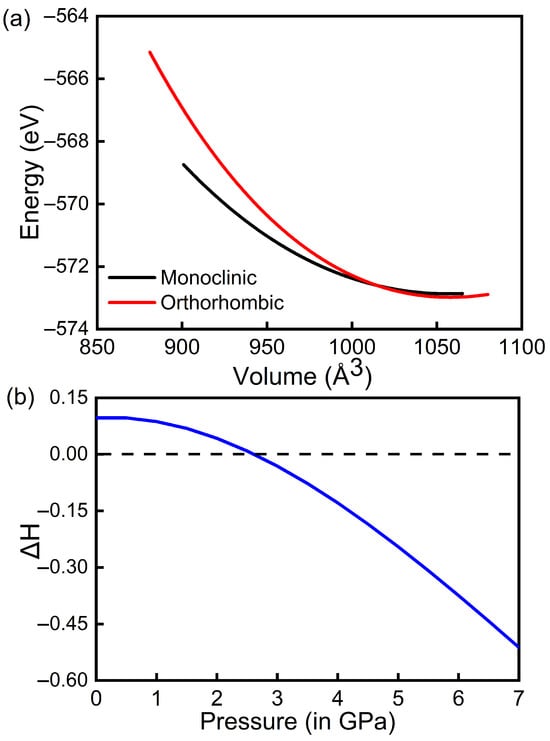
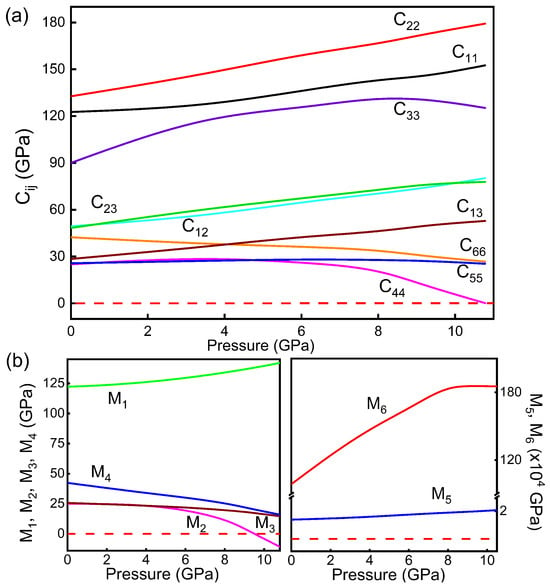
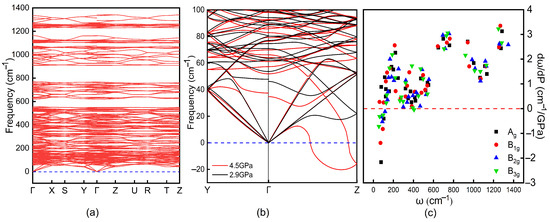
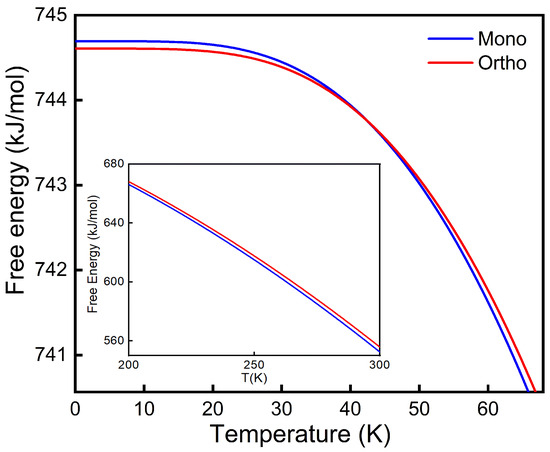
The stability of the competing orthorhombic Pnma and monoclinic P21/c phases of Praseodymium pentaphosphate (PrP5O14) have been studied using density functional theory (DFT). At 0 K, the Pnma structure is found to be preferred over the P21/c one with the enthalpy change with pressure of both phases highlighting a shift in phase preference from Pnma to P21/c at ∼2.5 GPa. Independently of the predicted high-pressure structural phase transition at 0 K, our computed elastic properties and phonon dispersion bands as a function of pressure indicate a phonon instability at ∼4.5 GPa due to the appearance of imaginary frequencies, followed by a dynamical instability at 8.5 GPa due to the violation of the Born criteria on the Pnma structure of PrP5O14. These results eliminate the orthorhombic structure as a possible high-pressure candidate for the monoclinic P21/c polymorph. Furthermore, the relative stability of the orthorhombic and monoclinic polymorphs has been evaluated at ambient pressure and as a function of temperature by means of vibrational free-energy calculations. The results indicate a free-energy crossing at 42 K, with the Pnma phase being energetically favored from 0 K to 42 K, after which the P21/c phase becomes preferred. These results demonstrate why PrP5O14 can only be obtained at ambient pressure in the monoclicnic P21/c polymorph, different to other rare earth pentaphosphates.
Full article
(This article belongs to the Topic Advanced Materials in Chemical Engineering)
►▼
Show Figures

Figure 1
Open AccessArticle
Electrical Conduction Mechanisms in KMnO2 as a Promising Cathode Material for K-Ion Batteries
by
Mansour Boukthir, Narimen Chakchouk, Lahcen Fkhar, Abdelfattah Mahmoud and Abdallah Ben Rhaiem
ChemEngineering 2026, 10(5), 59; https://doi.org/10.3390/chemengineering10050059 - 6 May 2026
Abstract
K-ion batteries (KIB) are considered the future energy storage and conversion technology due to their remarkable performance. In this work, a high-temperature solid-state process was used to effectively synthesize KMnO2, a promising cathode material for KIBs. The materials were examined using
[...] Read more.
K-ion batteries (KIB) are considered the future energy storage and conversion technology due to their remarkable performance. In this work, a high-temperature solid-state process was used to effectively synthesize KMnO2, a promising cathode material for KIBs. The materials were examined using X-ray powder diffraction (XRPD), Raman and infrared spectroscopies, electron microscopy analysis, optical, and impedance spectroscopies. Rietveld refinement of X-ray diffraction data confirmed that the compound crystallizes in the monoclinic system with the P-21/m space group. Fourier transform infrared and Raman spectroscopies revealed the vibrational modes of the KMnO2 compound and proved the existence of the octahedral environment MO6 (M = Mn, K), which affirms structural configuration. The morphological distribution and grain size of the titled compound were examined using SEM studies. A direct band gap of around 3.12 eV was found by optical studies using UV–Vis spectroscopy, confirming the semiconducting nature of KMnO2 and indicating its applicability for optoelectronic and energy-related applications. The characteristics of this material were further examined using impedance spectroscopy at temperatures between 343 and 443 K and a frequency range of 10−1 Hz to 106 Hz. The DC conductivity and relaxation time exhibited Arrhenius behavior, with a significant shift in activation energy at 373 K, suggesting a change in the conduction mechanism. The frequency behavior of AC conductivity, σac, was analyzed using the universal Jonscher law. The findings of the charge transportation study on KMnO2 indicate that this material follows a non-overlapping small polaron tunneling (NSPT) for T < 383 K and correlated barrier hopping (CBH) above for T > 383 K. A correlation between the ionic conductivity and the crystal structure was established and discussed.
Full article
Open AccessReview
Biobased Active Materials Using Plant Secondary Metabolites: Current Advances, Challenges, and Prospects
by
Sarmad Ahmad Qamar, Aneela Basharat, Simona Piccolella and Severina Pacifico
ChemEngineering 2026, 10(5), 58; https://doi.org/10.3390/chemengineering10050058 - 6 May 2026
Abstract
►▼
Show Figures
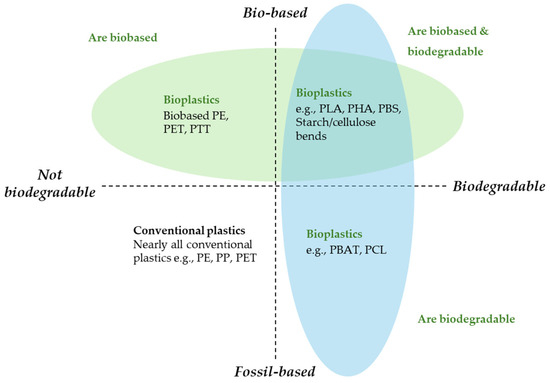
The depletion of natural resources has emerged as a major global concern, accelerating the transition from petroleum-based to renewable materials. The development of biobased ‘active’ materials is emerging especially in food packaging to ensure safety and functionality. Such packaging systems containing bioactive ingredients
[...] Read more.
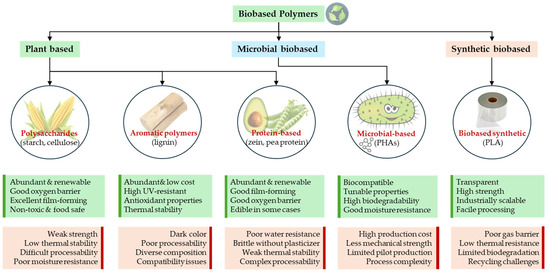
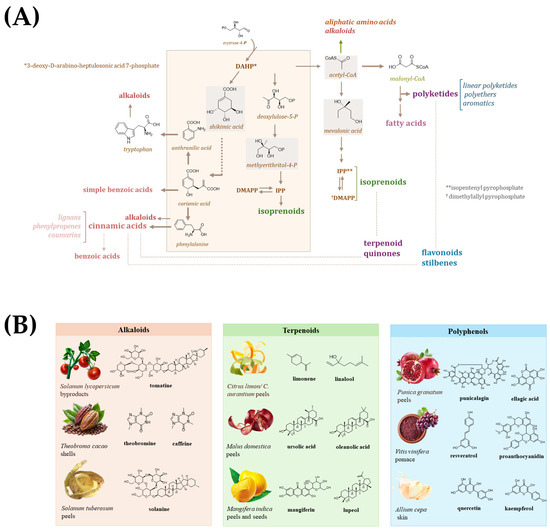
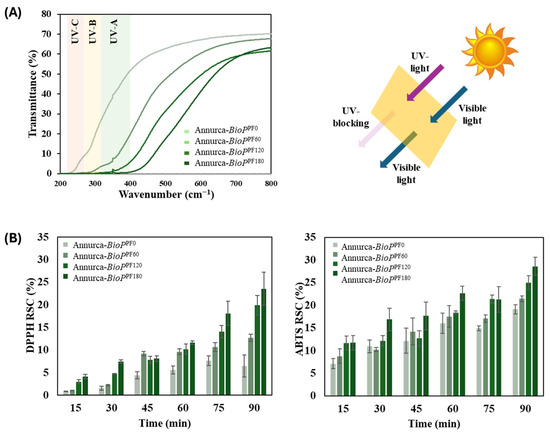
The depletion of natural resources has emerged as a major global concern, accelerating the transition from petroleum-based to renewable materials. The development of biobased ‘active’ materials is emerging especially in food packaging to ensure safety and functionality. Such packaging systems containing bioactive ingredients provide effective antioxidant, antimicrobial, and UV-protective features extending food shelf life. In this context, plant-derived secondary metabolites have gained substantial interest as functional reinforcements. These compounds not only provide food protection but also contribute to environmental safety owing to their inherent biocompatibility, biodegradability, and compostability. However, their high production costs remain a major challenge to large-scale applications. Therefore, the valorization of agro-food byproducts/wastes has been increasingly promoted. This review aims to discuss the combined use of plant secondary metabolites and biopolymers for the development of innovative packaging solutions, highlighting recent advances and functional performance. Furthermore, key challenges limiting their real-world applicability are addressed. In particular, the intrinsic hydrophilicity of many biobased materials compromises their moisture barrier and mechanical stability. To overcome this limitation, the use of biobased hydrophobic ingredients including natural waxes has emerged as a sustainable and effective approach to enhance water resistance while preserving the bioactive functionality of the packaging materials.
Full article

Figure 1
Open AccessArticle
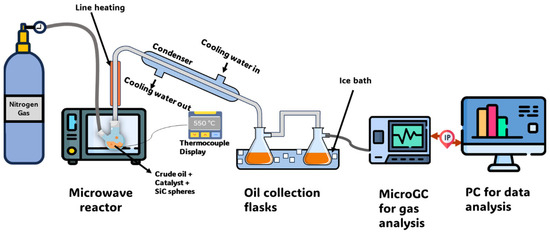
Selective Hydrogen and Olefins Formation via Microwave Assisted Pyrolysis of Crude Oils Using NiO/Al2O3 and NiO/ZSM-5 Catalysts
by
Intisar Ul Hassan, Meshari Ahmed M AlZahrani, Ruaa AlaEldin Ageeb Abakar, Zia Ur Rahman, Aniz Chenampilly Ummer, Usama Ahmed, Mohammad Nahid Siddiqui and Abdul Gani Abdul Jameel
ChemEngineering 2026, 10(5), 57; https://doi.org/10.3390/chemengineering10050057 - 4 May 2026
Abstract
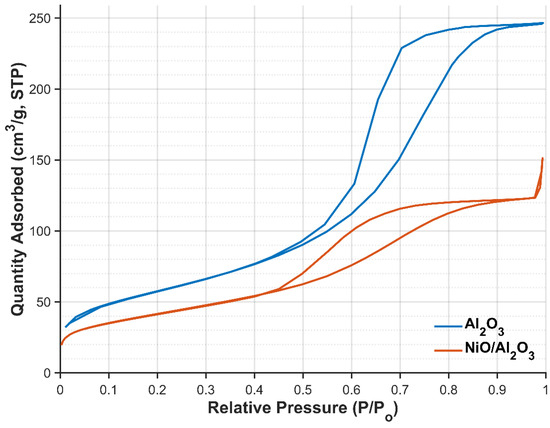
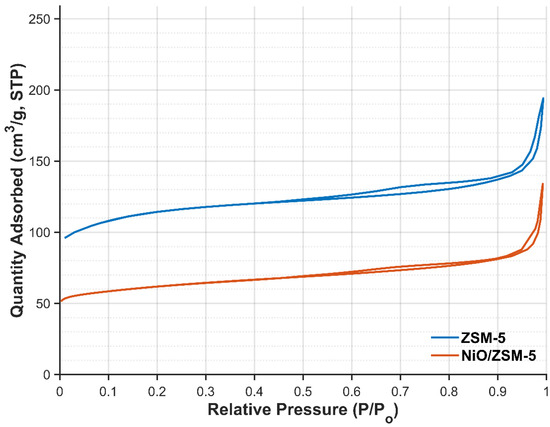
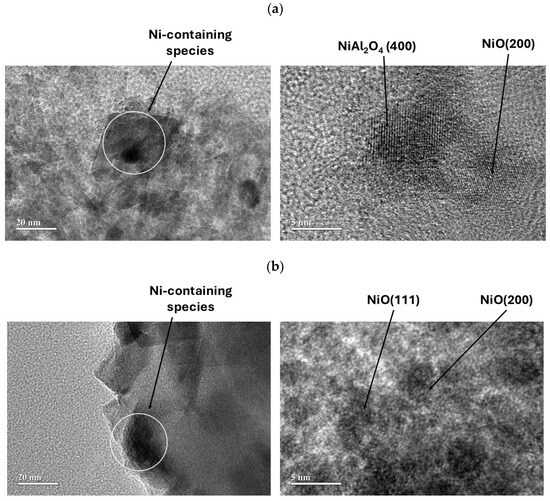
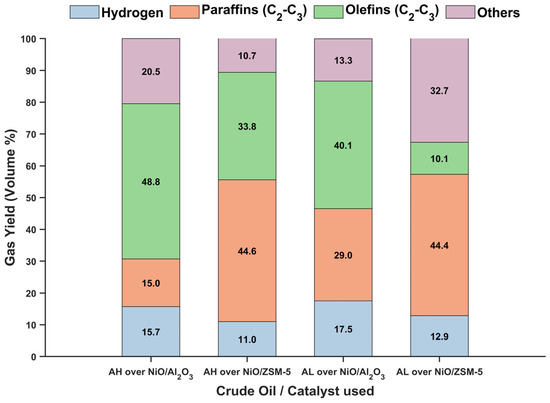
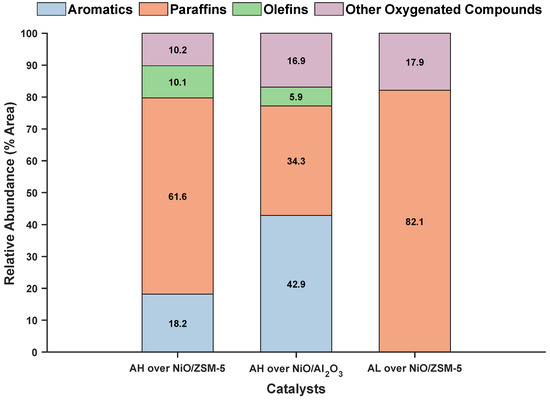
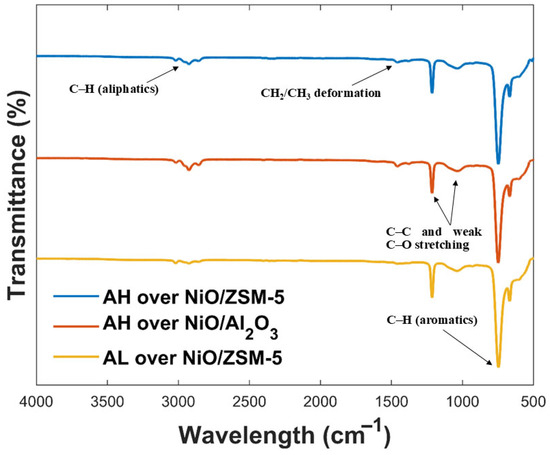
This research systematically investigated the catalytic pyrolysis of Arab Heavy (AH) and Arab Light (AL) crude oils using NiO supported on Al2O3 or ZSM-5 in a microwave-assisted reactor, with particular emphasis on hydrogen (H2) generation and value-added chemicals.
[...] Read more.
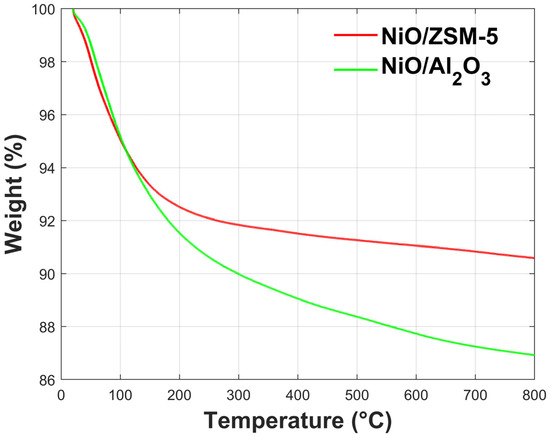
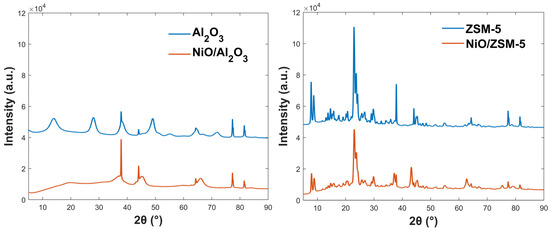
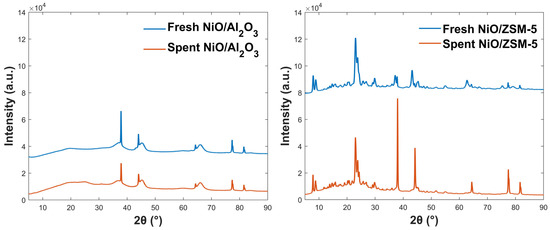
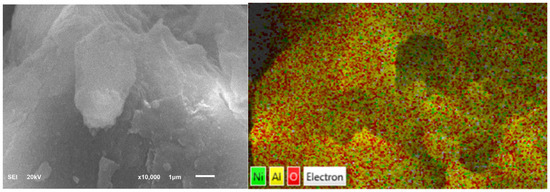
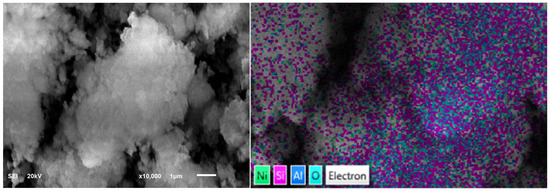
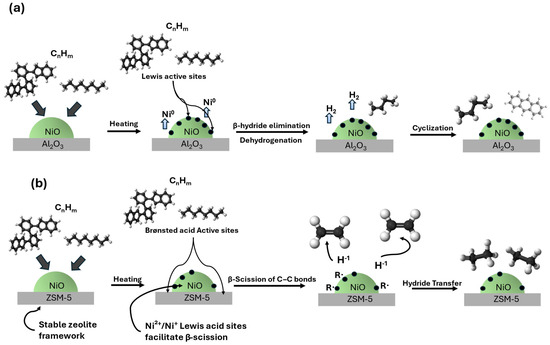
This research systematically investigated the catalytic pyrolysis of Arab Heavy (AH) and Arab Light (AL) crude oils using NiO supported on Al2O3 or ZSM-5 in a microwave-assisted reactor, with particular emphasis on hydrogen (H2) generation and value-added chemicals. To understand how both the catalyst and feedstock affect reaction products, gas and liquid products as well as catalyst activity were carefully examined. The production of H2 and olefins was significantly enhanced by the NiO/Al2O3 catalyst, especially when using AL crude. This is most likely due to favorable metal-support interactions that increase the dehydrogenation activity. However, when paired with lighter feedstock, NiO/ZSM-5 greatly increased paraffin production and encouraged light alkane synthesis in both phases. GC-MS and FTIR spectroscopy confirmed that NiO/Al2O3 produced liquid products richer in aromatics while also containing a significant fraction of paraffins. Remarkably, the AL over NiO/Al2O3 combination showed very little liquid recovery, indicating that gas generation was higher in these reaction conditions. These results showed how H2 selectivity and hydrocarbon routes in NiO/ZSM-5 and NiO/Al2O3 are controlled by various microwave-catalyst interactions. This work further highlights the importance of matching catalyst properties with feedstock type to control product selectivity, with NiO/Al2O3 showing particular promise for H2-focused applications.
Full article
(This article belongs to the Special Issue Fuel Engineering and Technologies)
►▼
Show Figures

Figure 1
Open AccessArticle
Optimizing Chitosan Extraction and Characterization from Shrimp Shells: Deproteinization and Exploratory Machine Learning-Based Similarity Model
by
Ahmed Hosney, Marius Urbonavičius, Šarūnas Varnagiris, Ilja Ignatjev, Johanna Bolaños-Zuñiga, Donata Drapanauskaitė, Sana Ullah and Karolina Barčauskaitė
ChemEngineering 2026, 10(5), 56; https://doi.org/10.3390/chemengineering10050056 - 28 Apr 2026
Abstract
►▼
Show Figures
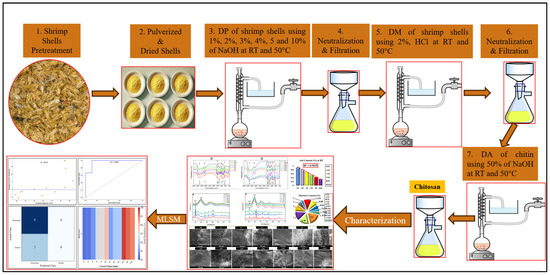
Optimizing chitosan recovery from shrimp shells is one of the most effective measures in shrimp waste management. Incorporating machine learning-based models will significantly impact the optimization process. This research aimed to evaluate the optimization of chitosan extraction from Litopenaeus vannamei shrimp shells using
[...] Read more.
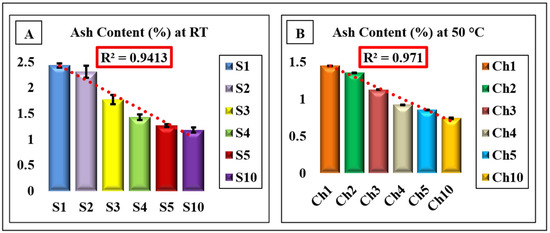
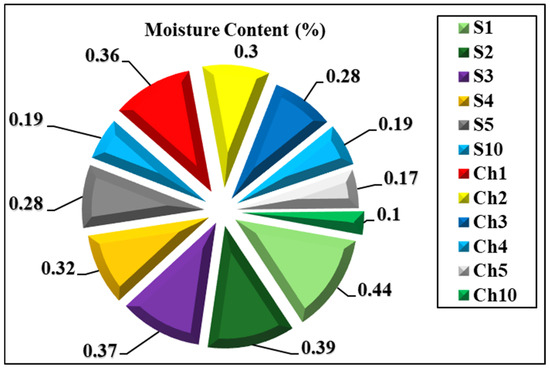
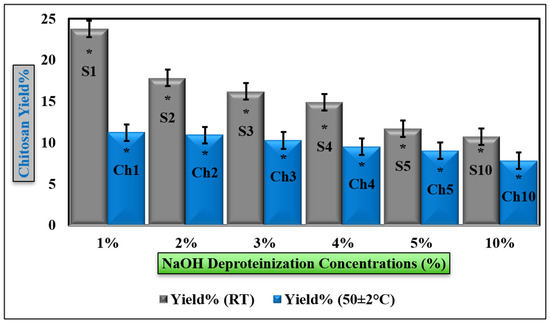
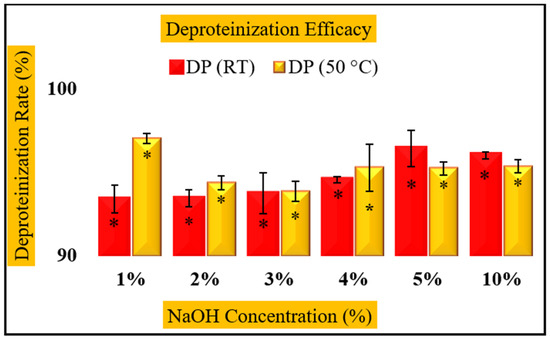
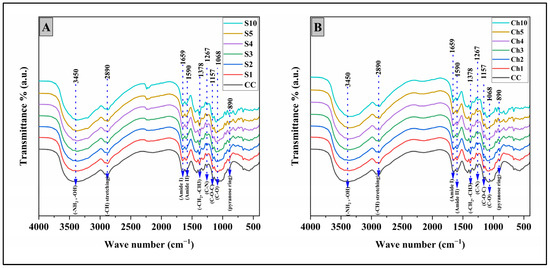
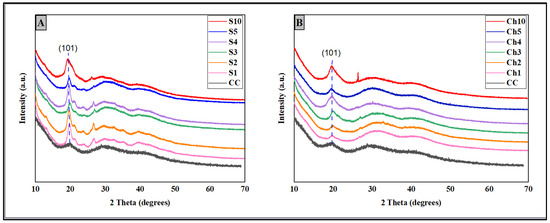
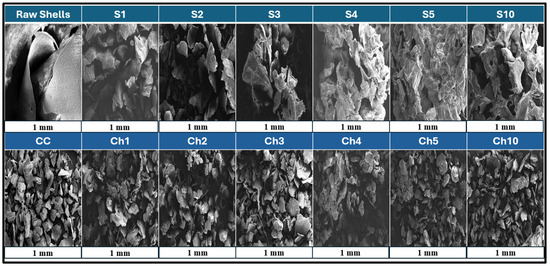
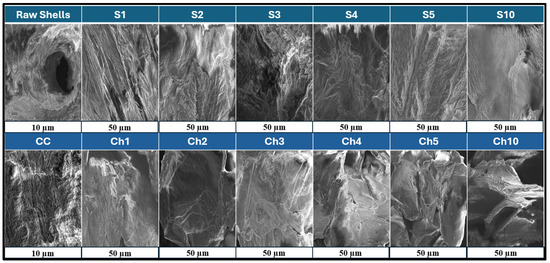
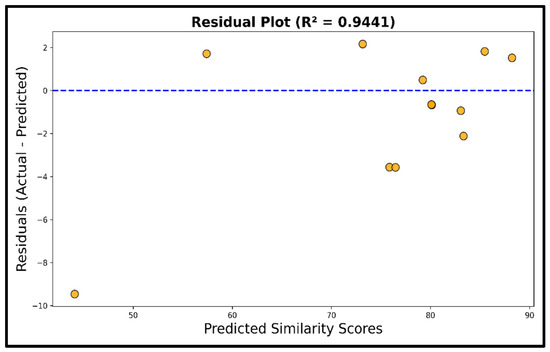
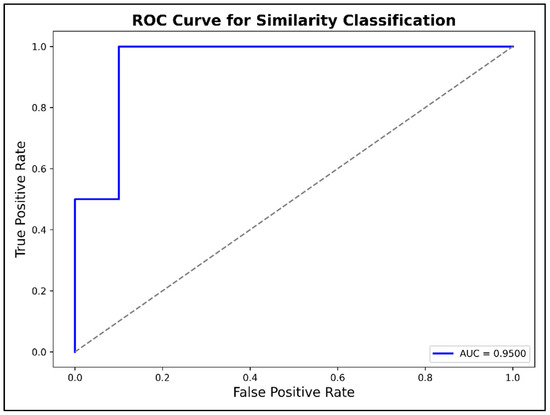
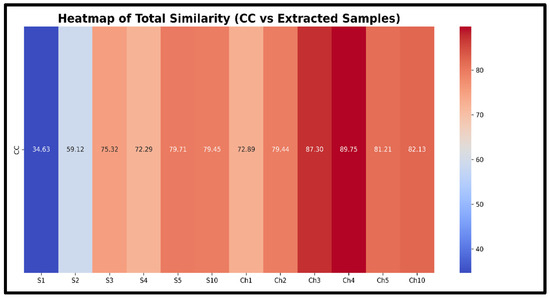
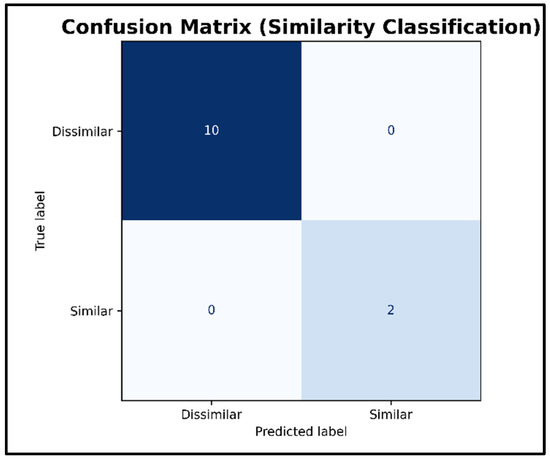
Optimizing chitosan recovery from shrimp shells is one of the most effective measures in shrimp waste management. Incorporating machine learning-based models will significantly impact the optimization process. This research aimed to evaluate the optimization of chitosan extraction from Litopenaeus vannamei shrimp shells using deproteinization and exploratory machine learning-based similarity model approaches. Chitosan extraction from shrimp shells was optimized using a deproteinization method, where various NaOH concentrations (1, 2, 3, 4, 5, and 10%) were applied at room temperature (RT) and 50 ± 2 °C, while maintaining controlled conditions for demineralization and deacetylation. The chitosan products were characterized by ash content, moisture, yield percentage, deproteinization efficiency, FTIR, deacetylation degree (DD), XRD, crystallinity index (CI%), and scanning electron microscopy (SEM). A machine learning random forest regressor model was developed to evaluate the similarities between the laboratory-synthesized and commercial chitosan (CC) samples. The results confirmed the formation of chitosan with semi-complete deacetylation (DD% from 98.84 ± 0.1% to 99.27 ± 0.004%). Deproteinization efficacy was in the range of 93.39 ± 0.083% to 97.0 ± 0.31%. XRD and SEM analyses demonstrated that commercial chitosan (CC) possessed a predominately amorphous structure, whereas the isolated chitosan samples exhibited low crystallinity, with increased amorphism at higher NaOH concentrations and temperatures. The machine learning-based similarity model indicated that Ch3 and Ch4 samples exhibited the highest resemblance degrees to commercial chitosan, while the S1 sample showed the lowest similarity. However, most of the recovered chitosan samples showed low similarity to commercial chitosan; they retained their higher degree of deacetylation (DD%), structural integrity, and quality parameters, indicating the success of the deproteinization route in enhancing chitosan production.
Full article

Figure 1
Open AccessArticle
Effect of Cone Length on Separation Efficiency and Flow Characteristics in a Hydrocyclone
by
Dong-Ham Wu and Rome-Ming Wu
ChemEngineering 2026, 10(4), 55; https://doi.org/10.3390/chemengineering10040055 - 21 Apr 2026
Abstract
►▼
Show Figures
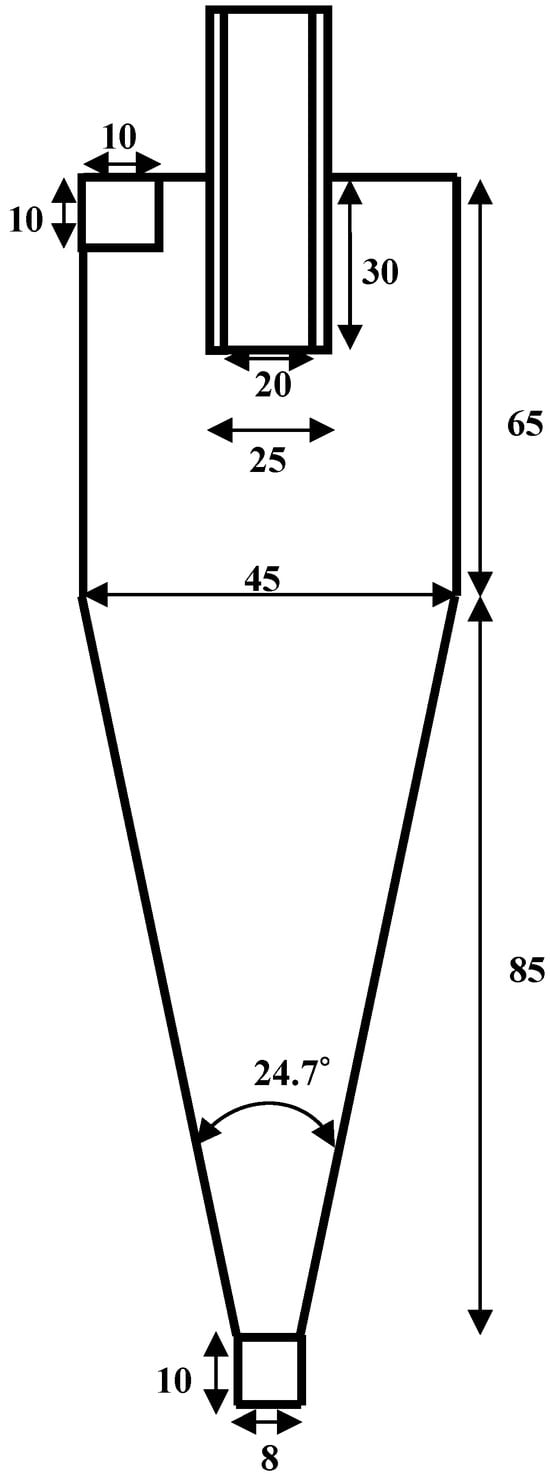
In this work, hydrocyclones with a diameter of 45 mm and cone lengths of 85 mm and 110 mm were employed to investigate the classification behavior of silicon carbide particles. Numerical simulations were carried out using FLUENT based on computational fluid dynamics (CFD).
[...] Read more.
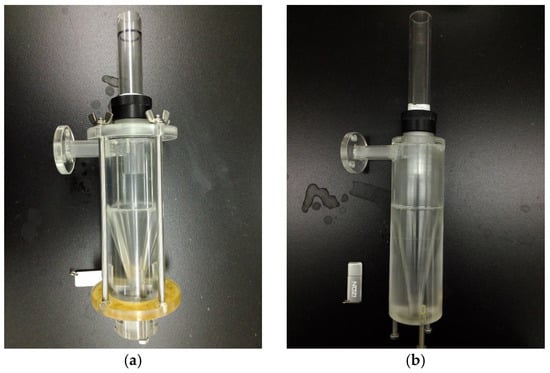
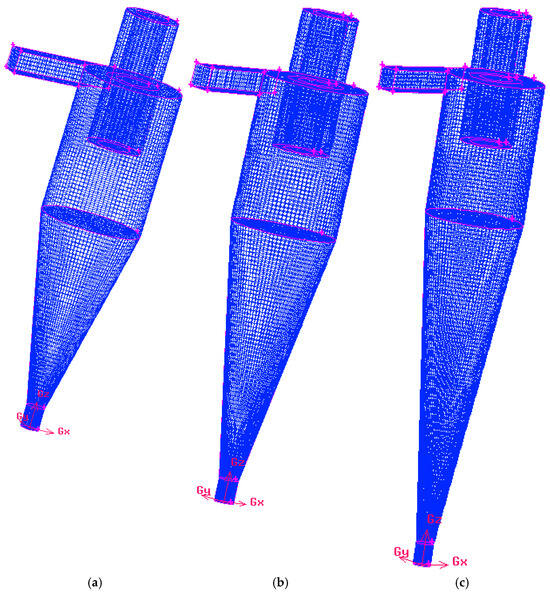
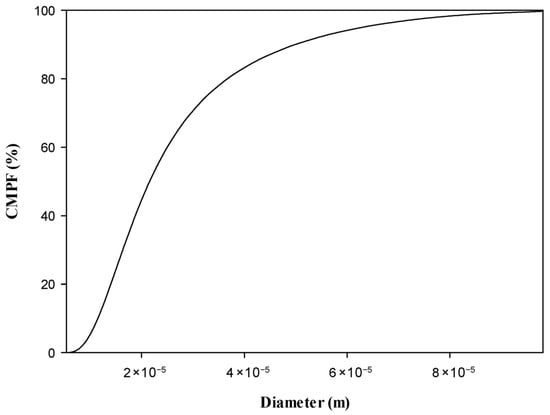
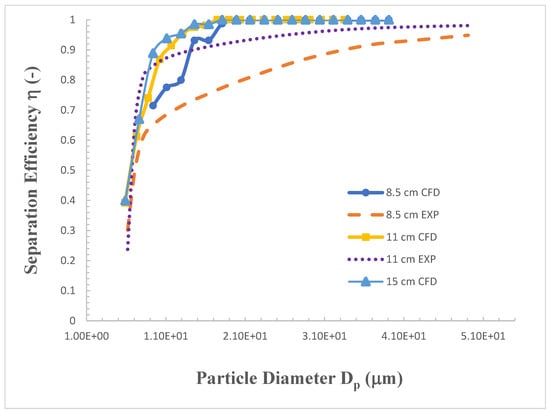
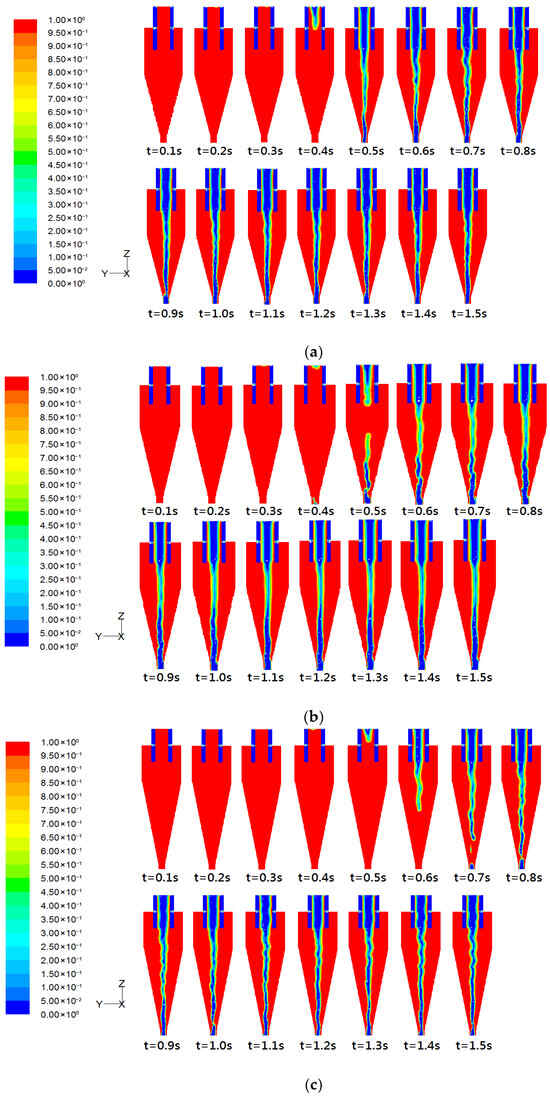
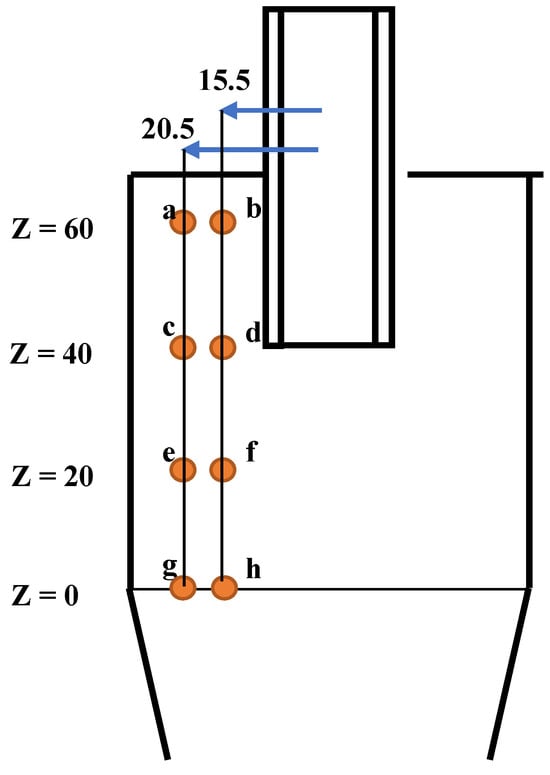
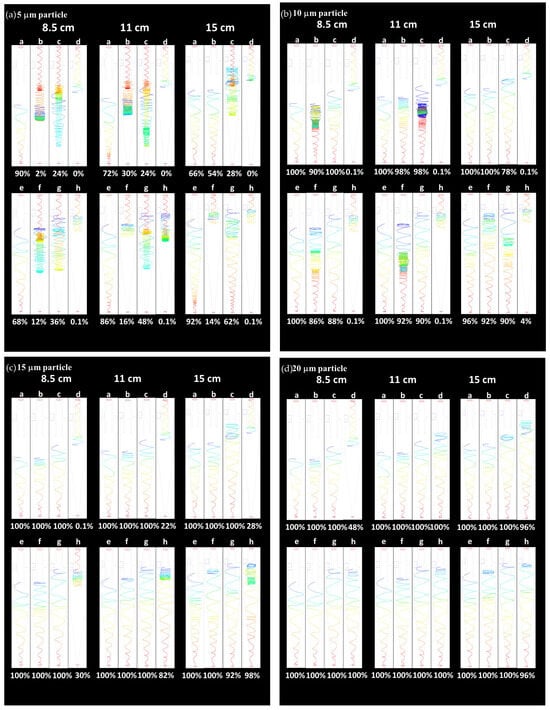
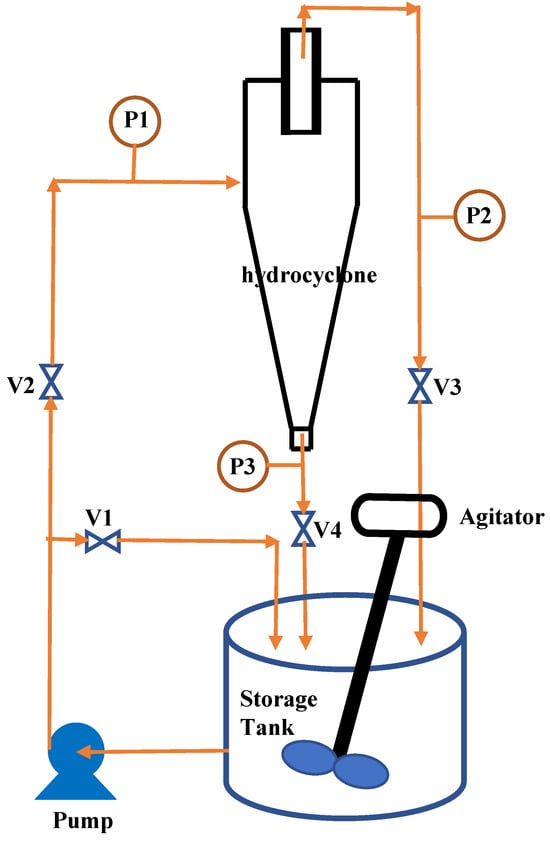
In this work, hydrocyclones with a diameter of 45 mm and cone lengths of 85 mm and 110 mm were employed to investigate the classification behavior of silicon carbide particles. Numerical simulations were carried out using FLUENT based on computational fluid dynamics (CFD). The internal flow characteristics were modeled using the Volume of Fluid (VOF) approach for multiphase flow, coupled with the Large Eddy Simulation (LES) turbulence model. Furthermore, the Discrete Phase Model (DPM) was applied to track particle trajectories and analyze their dynamic behavior within the hydrocyclone. The experimental results showed that, under identical inlet pressure conditions, the hydrocyclone with a cone length of 110 mm achieved superior separation efficiency. Increasing the cone length leads to a reduction in cone angle, which contributes to improved classification performance. However, practical design constraints limit the extent to which the cone length can be increased. To further explore this effect, an extended cone geometry of 150 mm was investigated through numerical simulation. The CFD results indicate that a longer cone structure enhances air core stability, prolongs particle residence time, and decreases the probability of particle misclassification. These findings suggest that optimizing cone length is an effective strategy for improving hydrocyclone performance. The novelty of this study lies in the integration of experimental validation and numerical simulation to systematically evaluate both practical and extended cone designs, thereby providing deeper insights into the relationship between structural parameters and separation efficiency.
Full article

Figure 1
Open AccessPerspective
Integrating the Theory of Inventive Problem Solving with Large Language Models: Enhancing Reasoning for Innovation in Materials Science at the Molecular Scale
by
Sergey Gusarov, Svetlana Sapelnikova, Julio J. Valdes, Anguang Hu and Stanislav R. Stoyanov
ChemEngineering 2026, 10(4), 54; https://doi.org/10.3390/chemengineering10040054 - 21 Apr 2026
Abstract
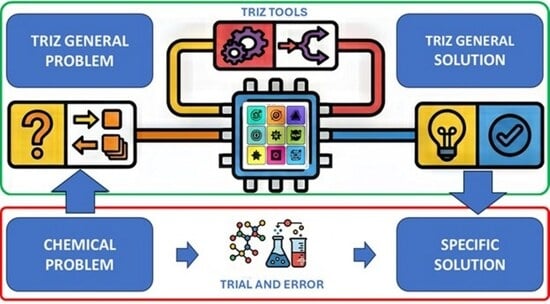
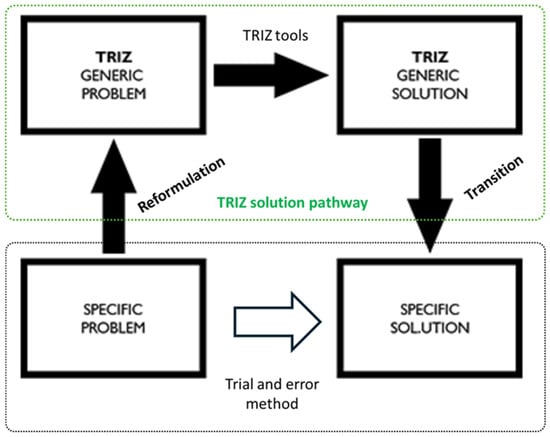
This work proposes a general conceptual framework for integrating TRIZ (Theory of Inventive Problem Solving) structured reasoning into large language model (LLM)-based workflows for chemical and materials science. We argue that persistent AI challenges in this domain—data scarcity, weak scaffold transferability, unphysical predictions,
[...] Read more.
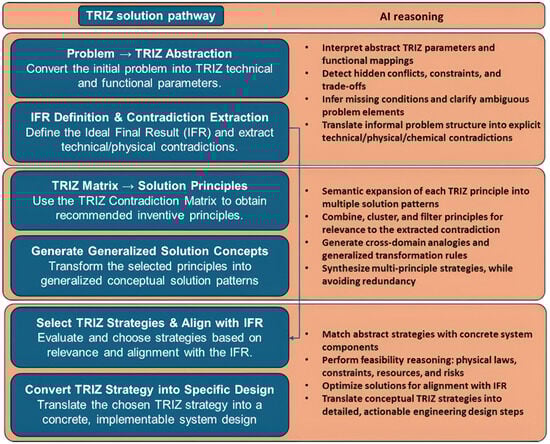
This work proposes a general conceptual framework for integrating TRIZ (Theory of Inventive Problem Solving) structured reasoning into large language model (LLM)-based workflows for chemical and materials science. We argue that persistent AI challenges in this domain—data scarcity, weak scaffold transferability, unphysical predictions, and limited interpretability—are most naturally framed as TRIZ-style contradictions and that embedding contradiction-resolution logic into LLM reasoning can elevate AI from pattern-matching to inventive, researcher-like problem solving. Unlike prior AI–TRIZ integrations such as AutoTRIZ and TRIZ-GPT, which address general engineering tasks, the present framework extends TRIZ tools to physicochemical phenomena and targets local, privacy-preserving deployment. To illustrate the concept and identify directions for further development, we implement and evaluate a simplified three-stage proof-of-concept pipeline on nine local LLMs across eleven chemical problems. Results show that the TRIZ-guided pipeline substantially reduces token consumption—both overall and especially in the solution-generation stage—without an obvious loss in solution quality under the adopted evaluation criteria, suggesting considerable room for further improvement as the framework matures.
Full article
(This article belongs to the Topic Advanced Materials in Chemical Engineering)
►▼
Show Figures

Graphical abstract
Open AccessArticle
Flower-like Stearic Acid/Rosehip Oil Self-Assembled Layers for Copper Corrosion Protection
by
Regina Fuchs-Godec
ChemEngineering 2026, 10(4), 53; https://doi.org/10.3390/chemengineering10040053 - 21 Apr 2026
Abstract
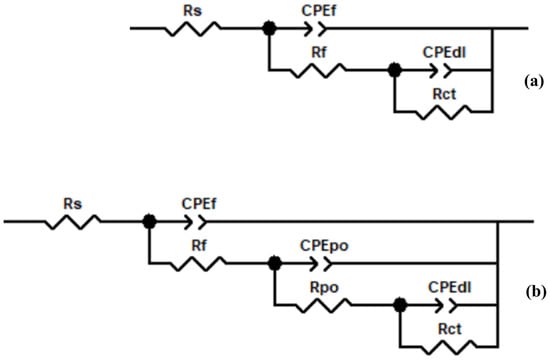
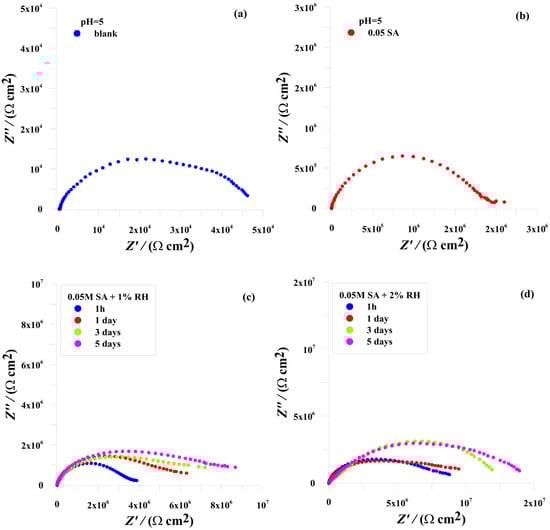
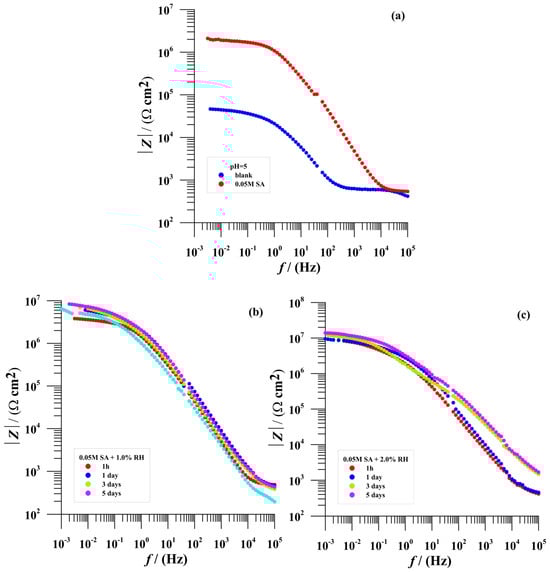
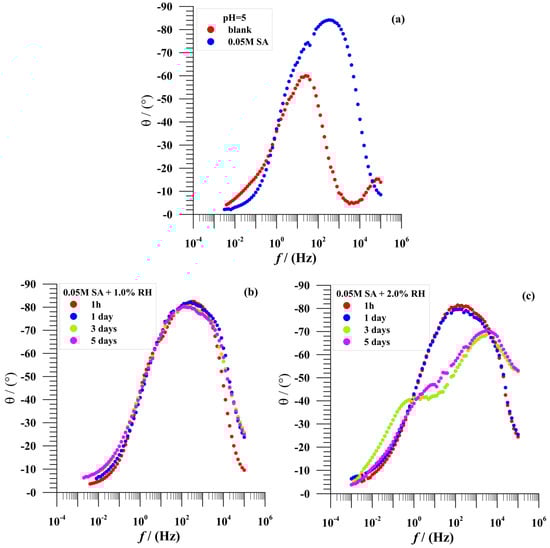
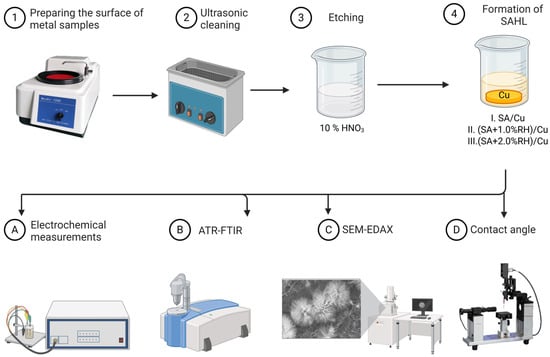
The corrosion protection of copper in acidic urban rain environments was studied using self-assembled hydrophobic layers (SAHLs) based on stearic acid (SA), with and without rosehip seed oil (RH). The limited durability of fatty acid-based self-assembled layers under acidic conditions was addressed by
[...] Read more.
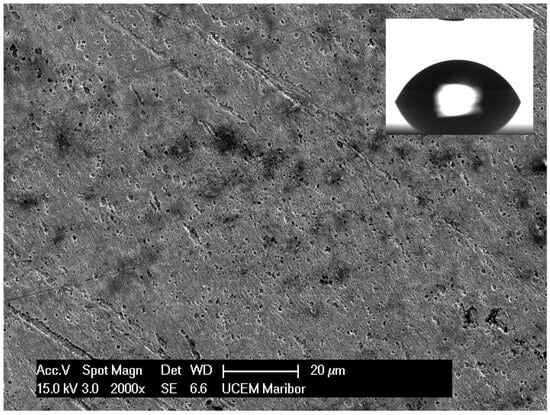
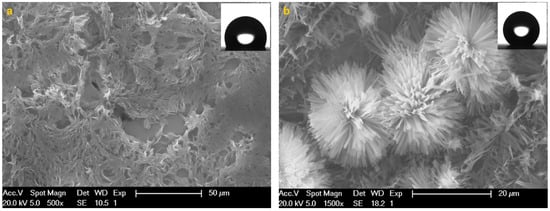
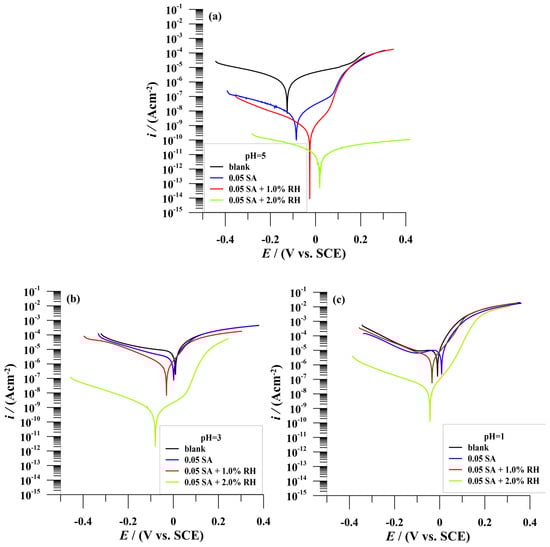
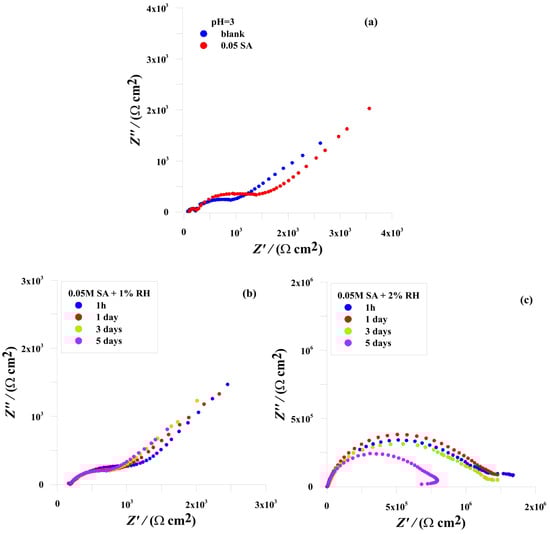
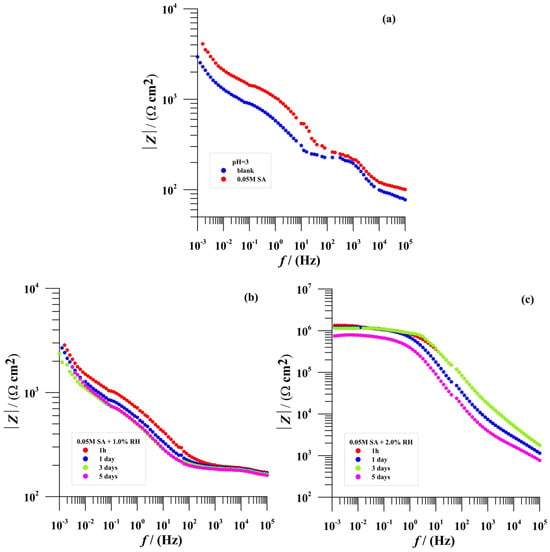
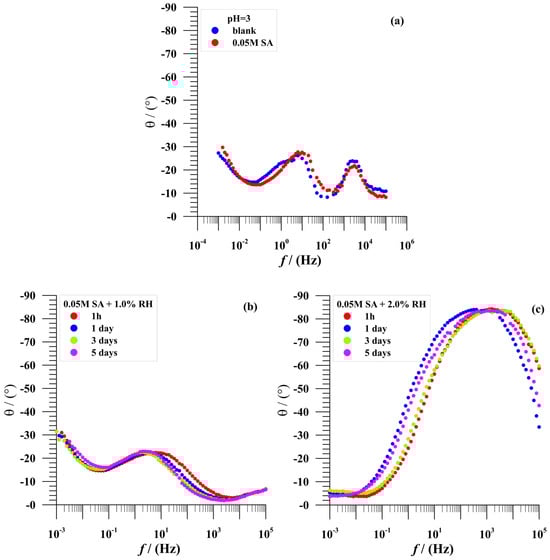
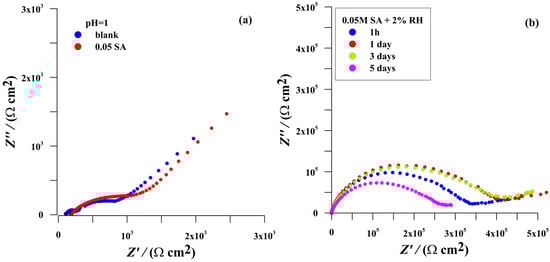
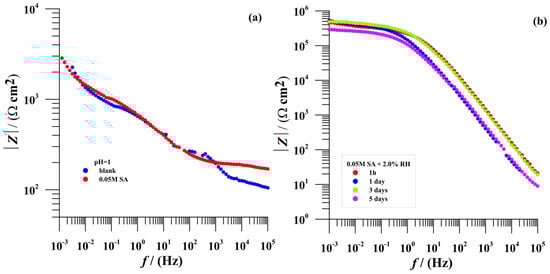
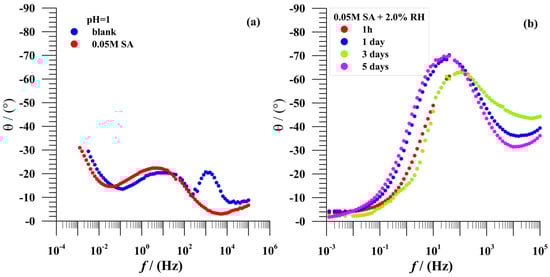
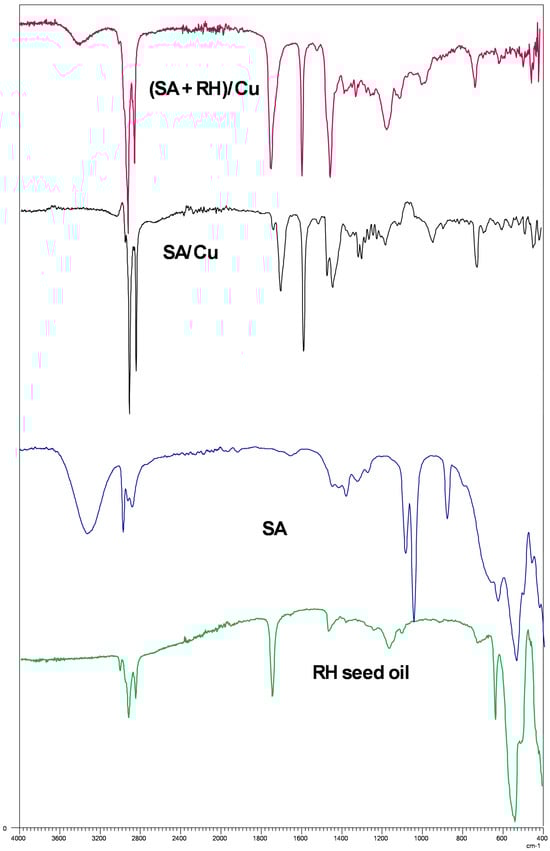
The corrosion protection of copper in acidic urban rain environments was studied using self-assembled hydrophobic layers (SAHLs) based on stearic acid (SA), with and without rosehip seed oil (RH). The limited durability of fatty acid-based self-assembled layers under acidic conditions was addressed by correlating surface wettability, morphology, and electrochemical behaviour. Contact angle and SEM analyses showed that SA alone forms a moderately hydrophobic but structurally irregular layer, whereas the addition of 2.0 wt.% RH produces a hierarchical micro/nanostructure with near-superhydrophobic characteristics (CA ≈ 149°). Electrochemical measurements in simulated acid rain solutions (pH 5, 3, and 1) revealed a strong pH dependence of protective performance. While SA-derived layers provided effective protection at pH 5, they deteriorated at lower pH due to protonation of carboxylate anchoring groups and electrolyte ingress. In contrast, SAHLs containing 2.0 wt.% RH maintained polarisation resistance in the MΩ cm2 range and inhibition efficiencies above 99% at pH 3, and remained effective even at pH 1. Long-term EIS results indicate a predominantly diffusion-controlled, barrier-type inhibition mechanism associated with defects sealing and interfacial reorganisation. Notably, the rosehip seed oil used is a commercially available, bio-based material with expired shelf life, highlighting the potential of waste-derived resources for sustainable corrosion protection.
Full article
(This article belongs to the Special Issue Advances in Sustainable and Green Chemistry)
►▼
Show Figures

Figure 1
Open AccessReview
Discovery and Design of Electroactive Molecules for Aqueous Redox Flow Batteries
by
Qi Zhang, Linlin Zhang, Xinkuan Zhao, Ke Xu, Zili Chen and Yanliang Ji
ChemEngineering 2026, 10(4), 52; https://doi.org/10.3390/chemengineering10040052 - 21 Apr 2026
Abstract
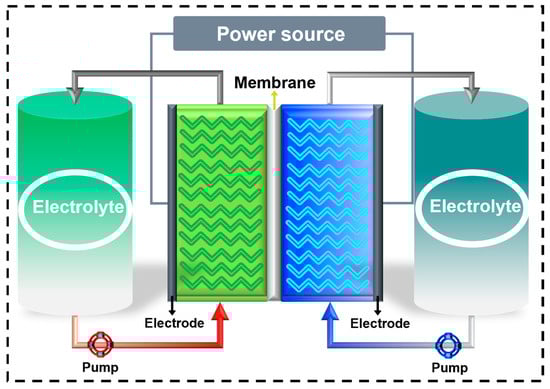
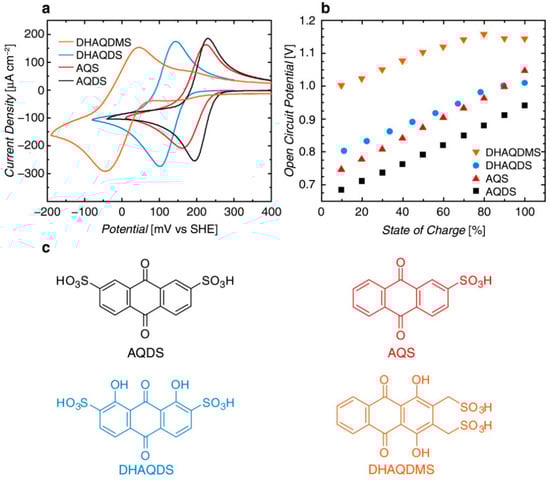
Aqueous organic flow batteries are a promising technology for large-scale energy storage, owing to their safety, low cost, and tunable molecular properties. Battery performance is critically governed by the redox potential, solubility, and stability of organic active species, making molecular design a central
[...] Read more.
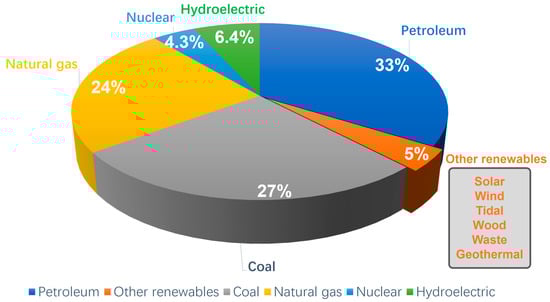
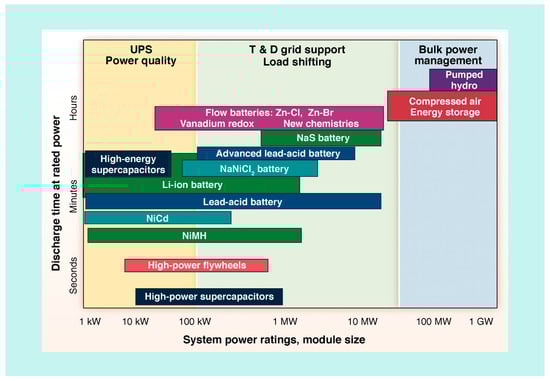
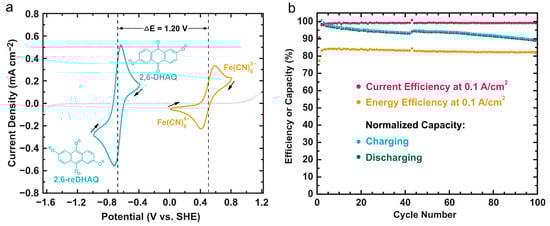
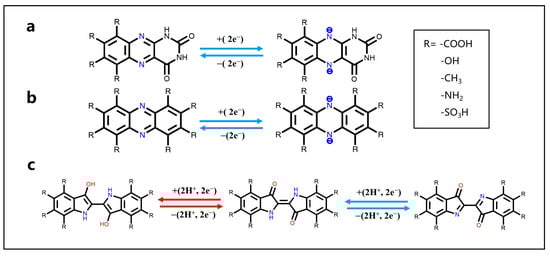
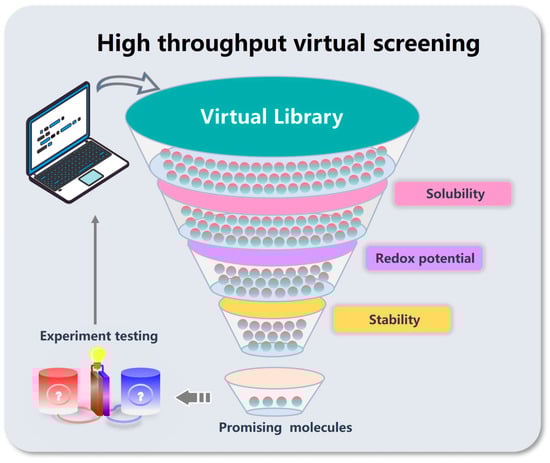
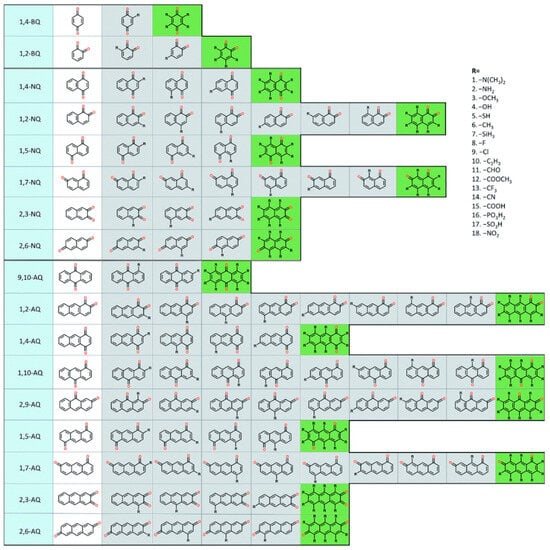
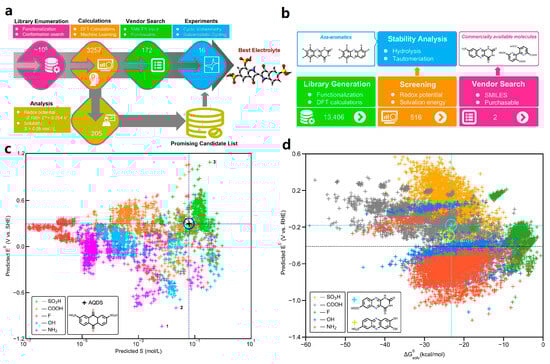
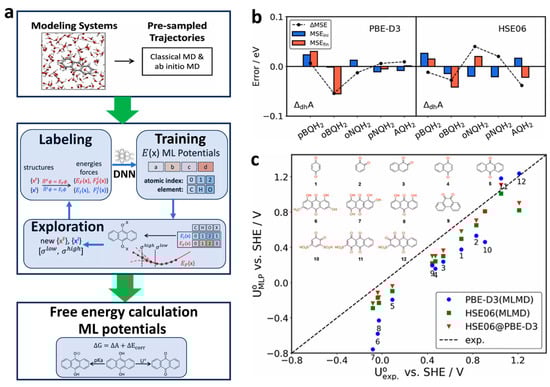
Aqueous organic flow batteries are a promising technology for large-scale energy storage, owing to their safety, low cost, and tunable molecular properties. Battery performance is critically governed by the redox potential, solubility, and stability of organic active species, making molecular design a central research priority. Yet, many current systems still rely on inorganic metal-based materials, which face challenges such as high cost and sluggish kinetics. This review outlines a systematic molecular-engineering framework for designing novel redox species, offering strategies to tailor solubility, redox potential, and molecular size in both organic compounds. Recent advances in mechanistic insight, functionalization, and structure-dependent electrochemical performance are summarized. Computational chemistry and machine learning are highlighted for accelerating high-throughput screening and property prediction, speeding up molecular optimization. Small molecules (1–4 rings), including quinones (C=O), alloxazines, phenazines, and indigo derivatives, which undergo reversible redox reactions involving nitrogen and/or carbonyl groups, have been explored as anolytes and/or catholytes in aqueous redox flow batteries. Key challenges remain, including limited electrochemical stability windows, insufficient solubility, and poor molecular stability, leading to low energy density and cycling degradation. Improving anolyte performance by simultaneously lowering redox potential and enhancing solubility and stability is therefore crucial for advancing both organic and broader redox-active battery systems. Computational and machine learning approaches for identifying and refining electrolyte molecules are also addressed, enabling efficient screening and molecular modification toward high-performance flow batteries.
Full article
(This article belongs to the Special Issue Development of Devices for Electrochemical Energy Storage and Generation)
►▼
Show Figures

Figure 1
Open AccessArticle
Effect of Pre-Coagulation with Hydrolyzed Tannic Acid on Removal of Methylene Blue in a Coagulation–Filtration Process
by
Bartosz Libecki, Regina Wardzyńska, Marzanna Kurzawa and Zuzanna Achcińska
ChemEngineering 2026, 10(4), 51; https://doi.org/10.3390/chemengineering10040051 - 17 Apr 2026
Abstract
►▼
Show Figures
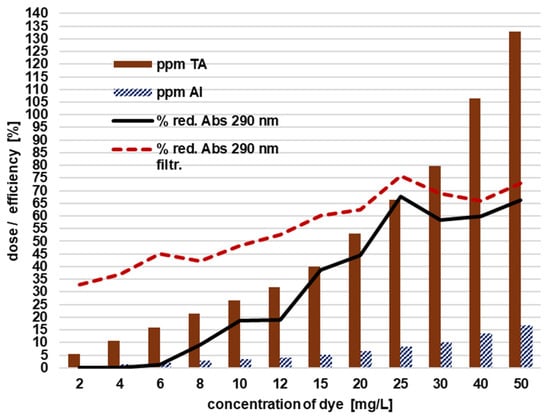
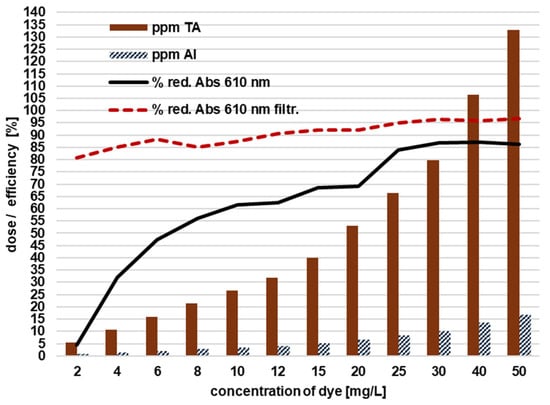
Textile industry wastewater poses a significant environmental challenge due to the presence of persistent dyes. Cationic dyes are characterized by resistance to the conventional coagulation method. The appropriate properties and combination of chemicals guarantee an effective removal process. This study explains the effect
[...] Read more.
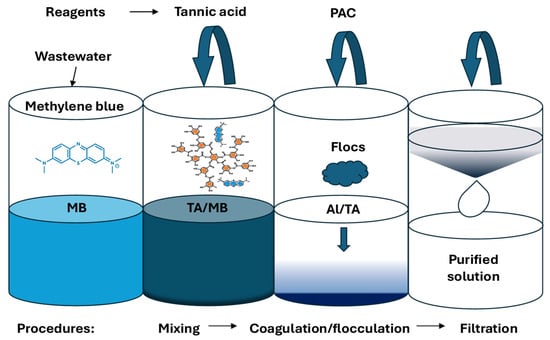
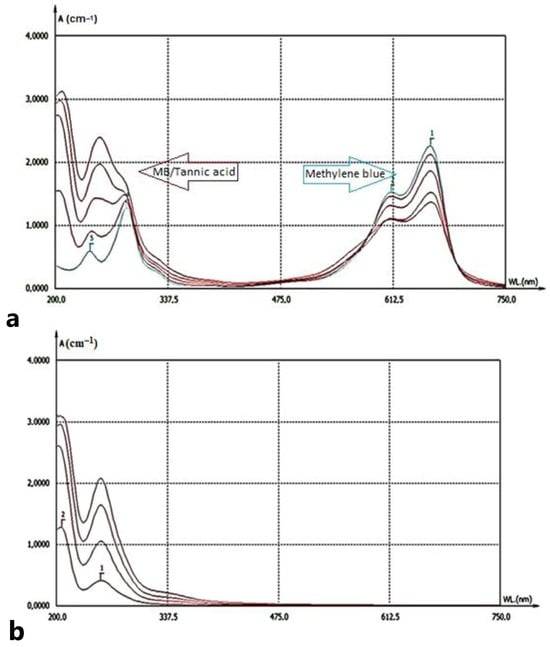
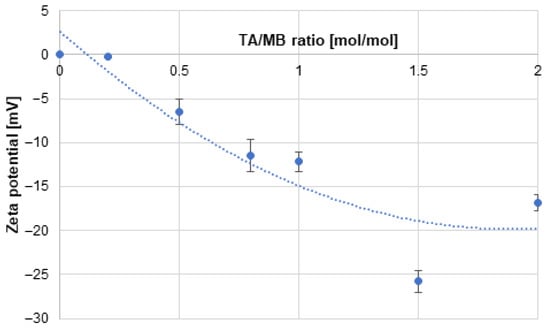
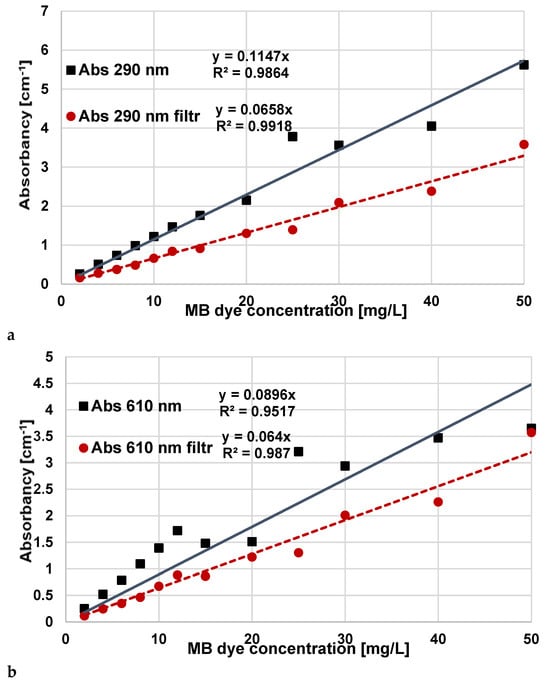
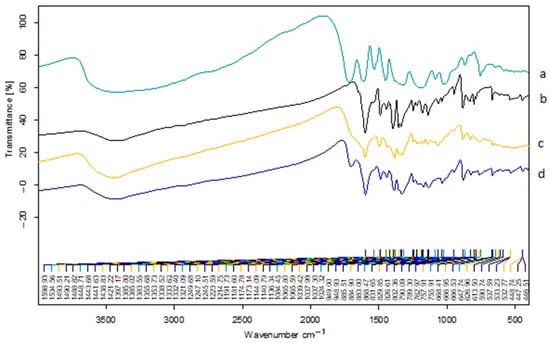
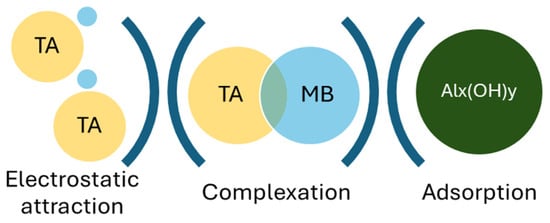
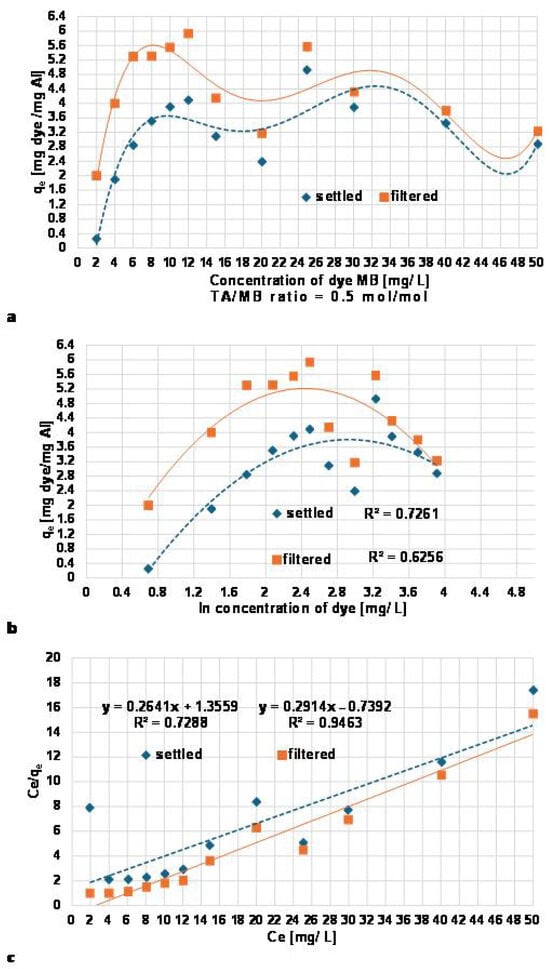
Textile industry wastewater poses a significant environmental challenge due to the presence of persistent dyes. Cationic dyes are characterized by resistance to the conventional coagulation method. The appropriate properties and combination of chemicals guarantee an effective removal process. This study explains the effect of modification of methylene blue solution by the addition of a natural biopolymer—hydrolyzed tannic acid (TA). The study assumed that a combination of tannic acid, methylene blue and polyaluminum chloride would provide a synergistic effect and significantly improve the coagulation and sediment filtration process. Coagulation tests were carried out for a range of methylene blue concentrations. The optimal arrangement of solution components and coagulant doses was selected and tested. Over 95% dye removal efficiency was achieved. The maximum dye removal efficiency was determined to be 5 mg/mg Al at pH = 5.0. Based on the analysis of UV-VIS spectroscopy, FTIR and electrokinetic potential, changes in the solutions of tannin-modified dyes and their effect on the precipitation of flocs and the nature of sorption were determined. The main phenomena affecting the removal mechanism are discussed. The results indicate that tannic acid can serve as a sustainable coagulant aid, supporting the development of technologies for treating cationic-dye-laden wastewater.
Full article

Figure 1
Open AccessArticle
Waste Valorization and Water Remediation via Green Pd, Cu, and Pd–Cu/Hydrochar Nanocatalyst: 4-Nitrophenol Reduction, Antibacterial Activity, and Biofilm Formation
by
Awal Adava Abdulsalam, Ayobamiji Charles Idowu, Sabina Khabdullina, Zhamilya Sairan, Yersain Sarbassov, Madina Pirman, Dilnaz Amrasheva, Elizabeth Arkhangelsky, Tri Thanh Pham and Stavros G. Poulopoulos
ChemEngineering 2026, 10(4), 50; https://doi.org/10.3390/chemengineering10040050 - 17 Apr 2026
Abstract
►▼
Show Figures
In this study, a waste-to-resource route for water remediation is presented by supporting Pd and Cu nanoparticles (NPs) on hydrochar (HC) derived from spent coffee grounds (SCG). Unlike conventional noble-metal catalysts, HC was first produced via hydrothermal carbonization of SCG, followed by a
[...] Read more.
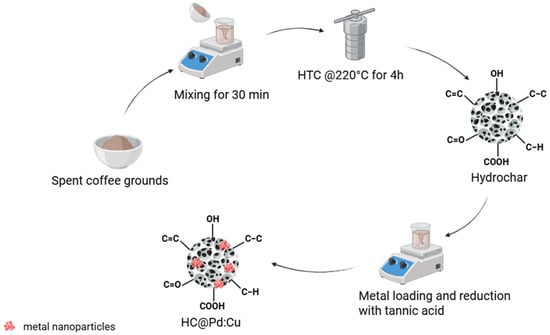
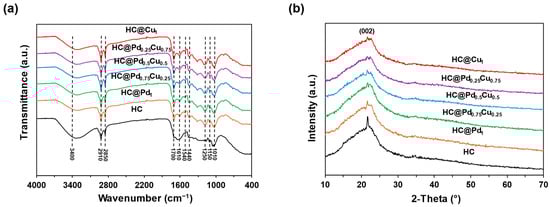
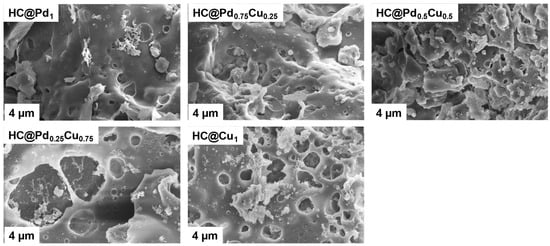
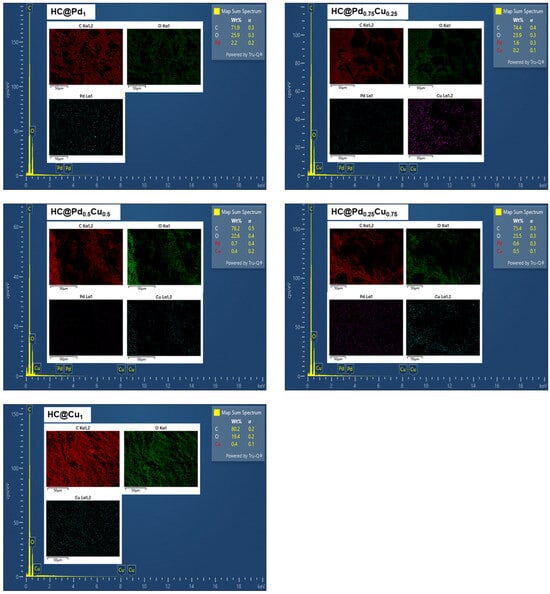
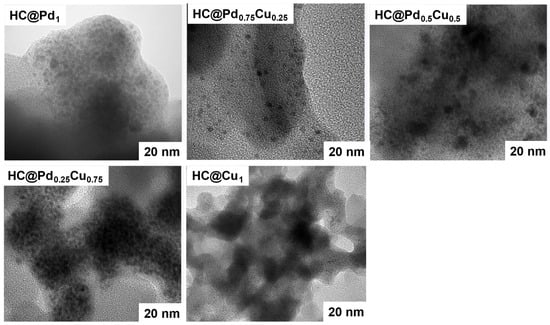
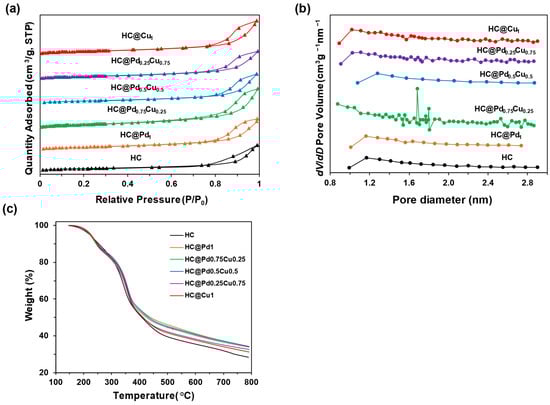
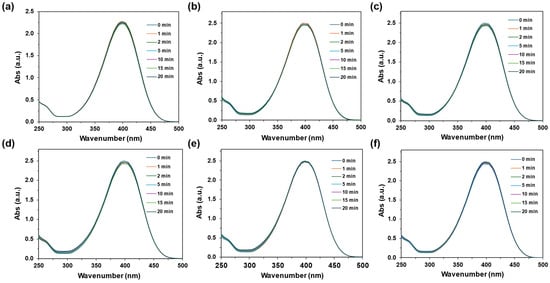
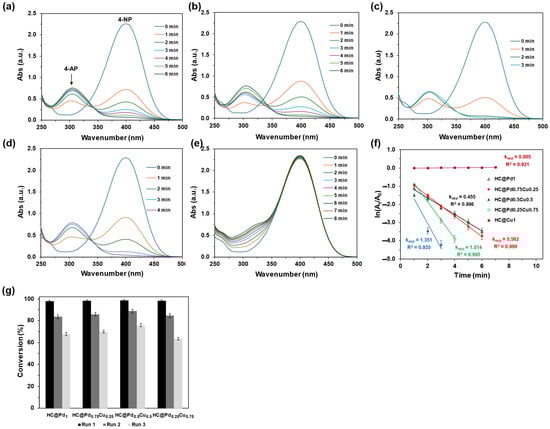
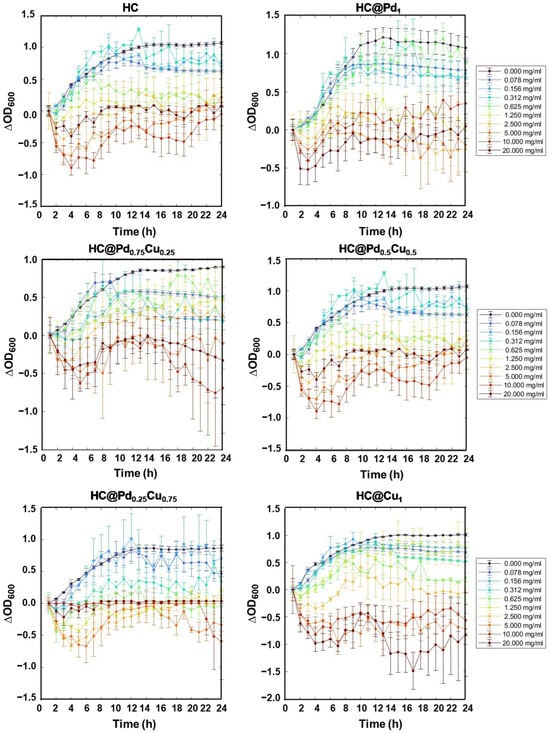
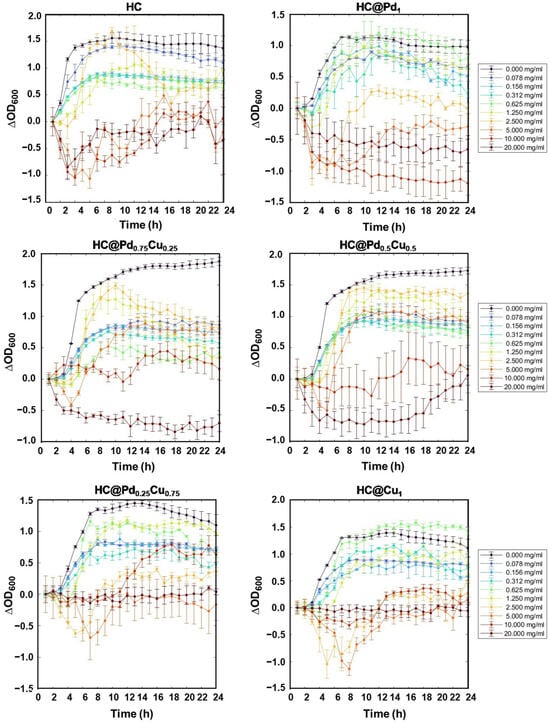
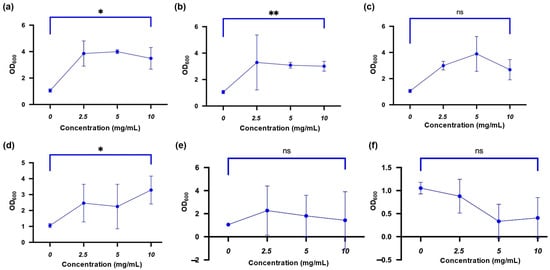
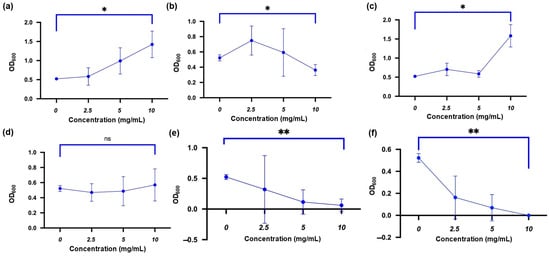
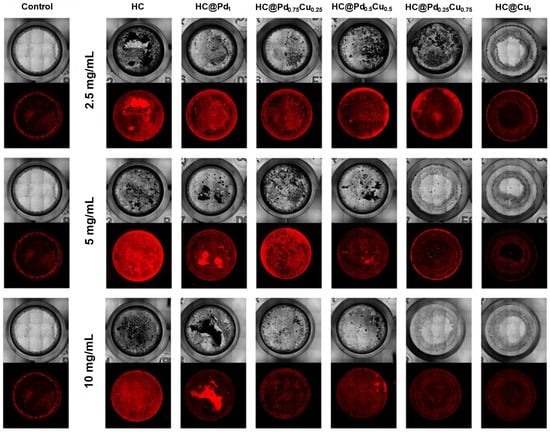
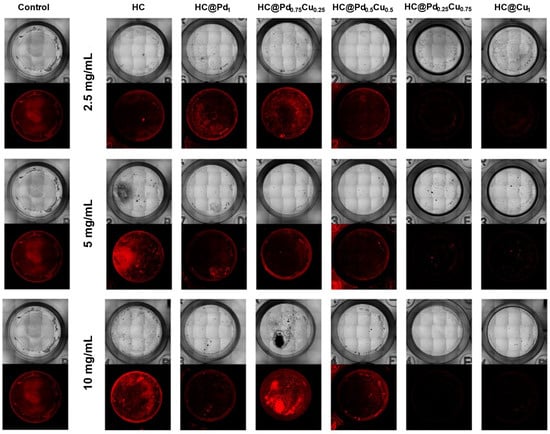
In this study, a waste-to-resource route for water remediation is presented by supporting Pd and Cu nanoparticles (NPs) on hydrochar (HC) derived from spent coffee grounds (SCG). Unlike conventional noble-metal catalysts, HC was first produced via hydrothermal carbonization of SCG, followed by a completely green, tannic acid-assisted reduction step that simultaneously deposits Pd and Cu NPs without toxic reductants or organic solvents. The resulting catalysts were evaluated for catalytic reduction of 4-nitrophenol (4-NP) and for antibacterial activity against Escherichia coli (E. coli; BL21) and Staphylococcus aureus (S. aureus), including biofilm inhibition. Among formulations, the bimetallic catalyst containing approximately equal proportions of Pd and Cu (HC@Pd0.5Cu0.5) achieved the fastest 4-NP reduction, completing the reaction in ~3 min, with an apparent first-order rate constant of 1.35 min−1 and a total turnover frequency of 483.6 h−1. Notably, Cu incorporation enhanced antibacterial performance, with the Cu-rich variant (HC@Pd0.25Cu0.75) achieving the strongest inhibition (MICs of 1.25 mg/mL against E. coli and 2.5 mg/mL against S. aureus) and effective biofilm suppression. This dual-action catalyst, derived entirely from waste through green methods, advances circular-economy principles and green chemistry by simultaneously tackling chemical pollutants and microbial contaminants in water, thereby contributing to SDG 6 (Clean Water and Sanitation).
Full article

Figure 1
Open AccessArticle
Phase-Engineered P2/O3 Biphasic Sodium Cathodes via Mg Doping Without Na-Content Tuning
by
Sungmin Na, Hyunjin An and Kwangjin Park
ChemEngineering 2026, 10(4), 49; https://doi.org/10.3390/chemengineering10040049 - 14 Apr 2026
Abstract
►▼
Show Figures
Layered sodium transition-metal oxides are promising cathode materials for sodium-ion batteries due to their high theoretical capacity; however, their practical application is often limited by sluggish Na+ diffusion kinetics and structural instability during cycling. P2/O3 phase coexistence has been proposed as an
[...] Read more.
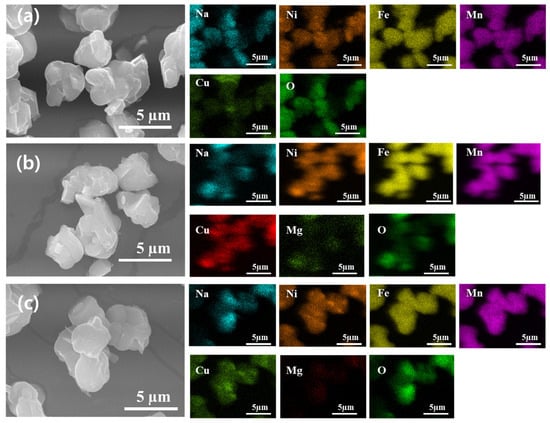
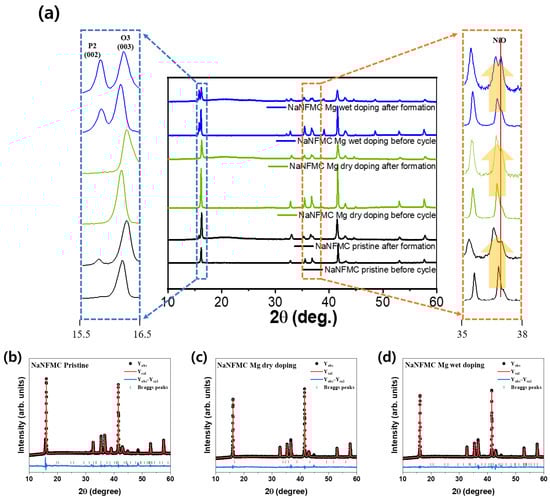
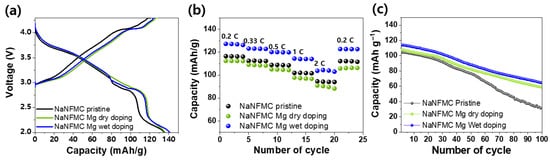
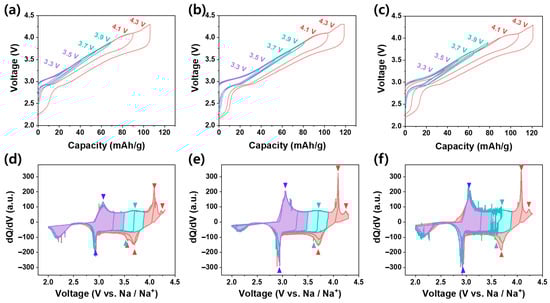
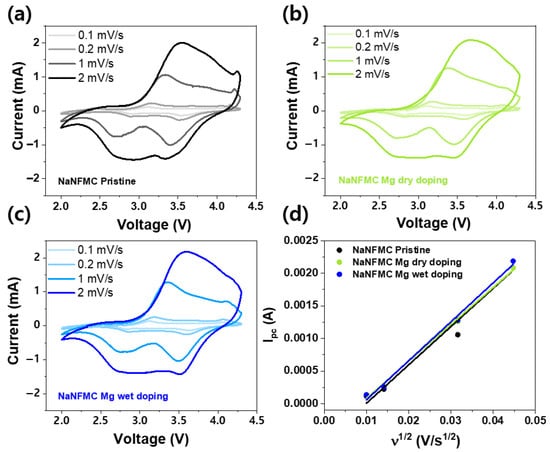
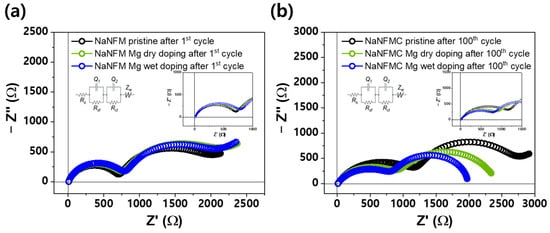
Layered sodium transition-metal oxides are promising cathode materials for sodium-ion batteries due to their high theoretical capacity; however, their practical application is often limited by sluggish Na+ diffusion kinetics and structural instability during cycling. P2/O3 phase coexistence has been proposed as an effective strategy to balance capacity and stability, yet it is typically achieved through precise Na-content tuning or complex synthesis conditions, which restrict compositional flexibility. Herein, we demonstrate a phase-engineering approach that induces stable P2/O3 phase coexistence without adjusting the overall Na stoichiometry by controlling the dopant incorporation pathway. Using Na0.8(Ni0.25Fe0.33Mn0.33Cu0.07)O2 (NaNFMC) as a model system, Mg doping via a wet chemical route enables homogeneous dopant distribution, which triggers local stacking rearrangement and the formation of prismatic Na+ diffusion channels characteristic of the P2 phase. In contrast, dry-doped samples with identical Mg content retain a predominantly O3-type structure, highlighting the decisive role of dopant incorporation in governing phase evolution. As a result of the phase-engineered P2/O3 coexisting framework, the Mg wet-doped cathode exhibits enhanced initial reversibility, superior rate capability, and improved long-term cycling stability compared to pristine and dry-doped counterparts. Voltage-resolved dQ/dV and cyclic voltammetry analyses reveal stabilized redox behavior with reduced polarization, while electrochemical impedance spectroscopy confirms suppressed impedance growth and improved Na+ transport kinetics after cycling. This study establishes that phase engineering through controlled dopant incorporation provides an effective alternative to conventional Na-content tuning strategies for layered sodium cathodes. The findings offer a scalable and versatile design principle for optimizing the electrochemical performance and structural durability of next-generation sodium-ion battery cathode materials.
Full article

Figure 1
Open AccessArticle
Robust Monitoring of 2,3-Butanediol Production Through Standard-Free Calibration Transfer of Partial Least Squares Models
by
Abdoulah Ly, Ndeye Bineta Dia and Mamadou Faye
ChemEngineering 2026, 10(4), 48; https://doi.org/10.3390/chemengineering10040048 - 14 Apr 2026
Abstract
►▼
Show Figures
Fermentation is a promising sustainable and ecofriendly alternative for producing high-added-value chemicals such as 2,3-butanediol (2,3-BDO). The emergence of process analytical technology (PAT) tools, combined with advances in chemometrics, enables real-time process monitoring of product attributes, thereby ensuring quality. The aim of this
[...] Read more.
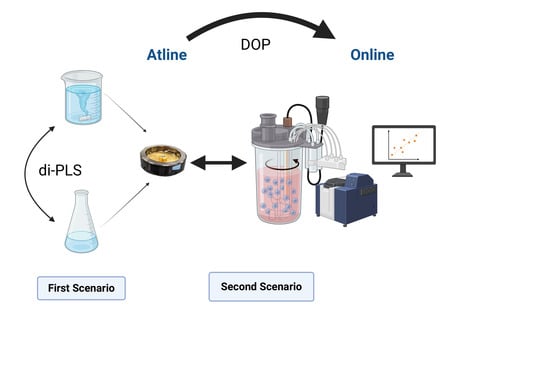
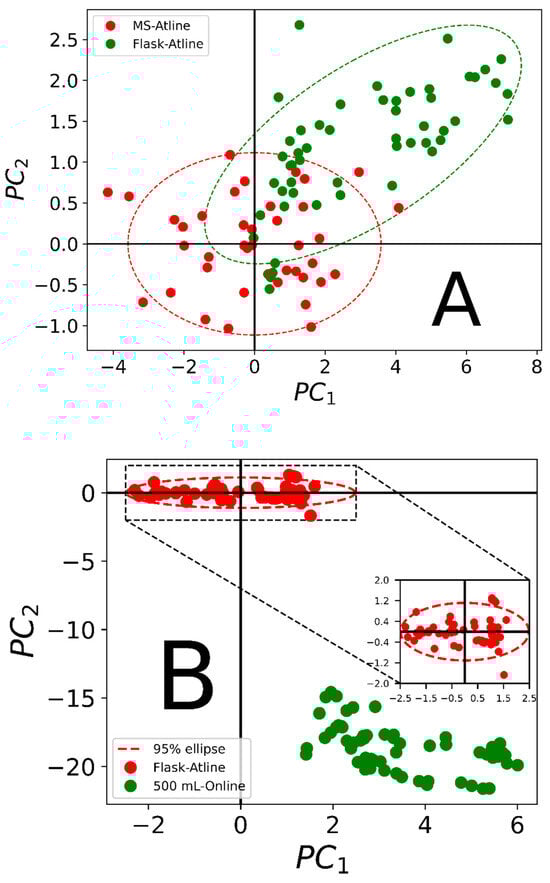
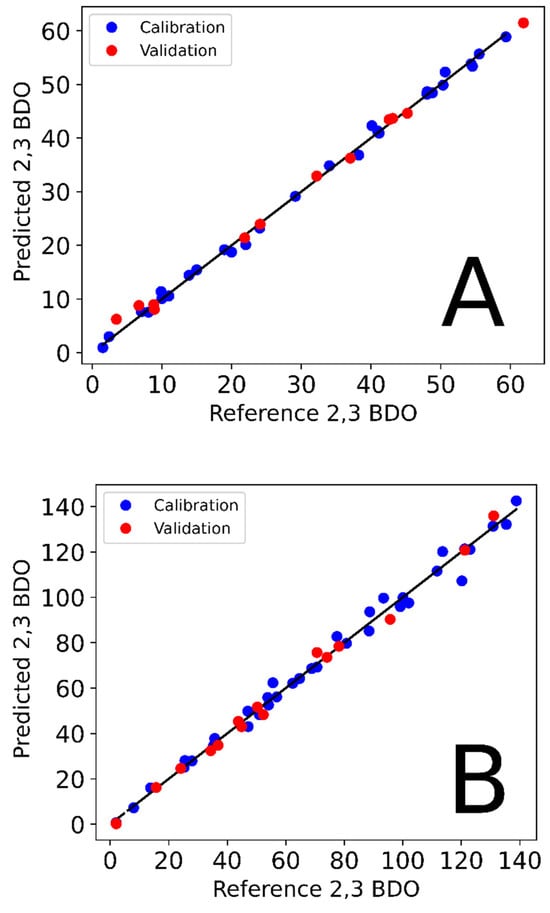
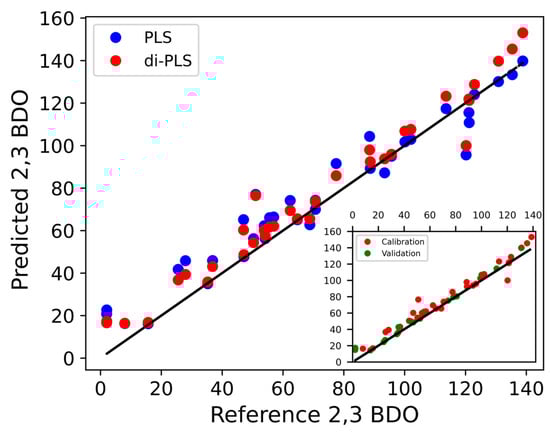
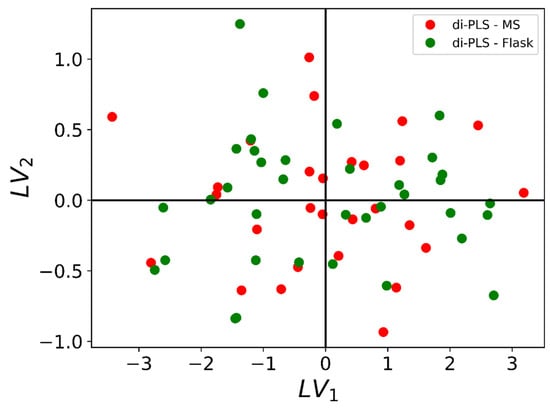
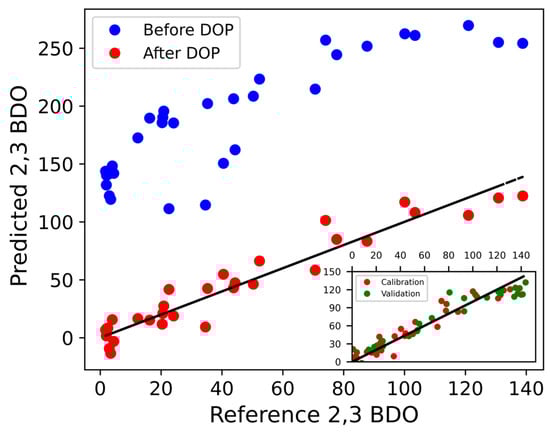
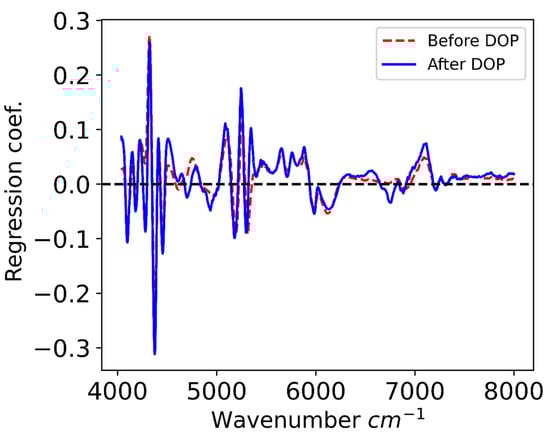
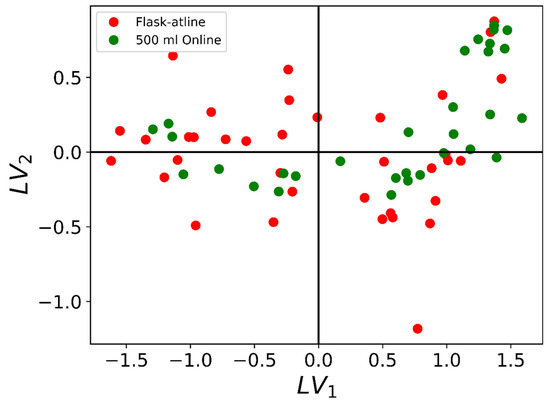
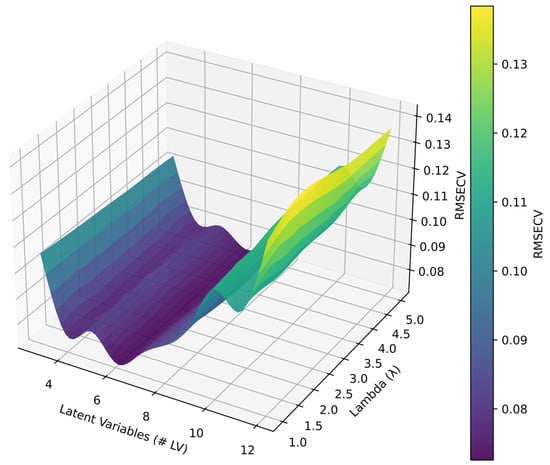
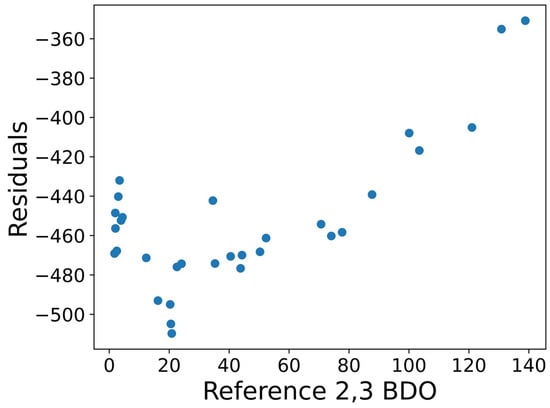
Fermentation is a promising sustainable and ecofriendly alternative for producing high-added-value chemicals such as 2,3-butanediol (2,3-BDO). The emergence of process analytical technology (PAT) tools, combined with advances in chemometrics, enables real-time process monitoring of product attributes, thereby ensuring quality. The aim of this study is to transfer near-infrared (NIR) partial least squares (PLS) models under two scenarios for the monitoring of 2,3-BDO production. PLS regression models initially developed under specific conditions were transferred across domains using dynamic orthogonal projection (DOP) and domain invariant (di)-PLS standard-free calibration transfer (CT) methods. For the 1st scenario involving model transfer from “mock samples” to “flask atline,” di-PLS was able to enhance NIR PLS model performance with improvements in RMSEC and RMSEP of 18 and 25% (2 g/L absolute error), respectively. In the 2nd scenario, however, DOP successfully transferred the model from the “flask atline” domain to the “500 mL bioreactor online” domain, achieving RMSEC and RMSEP values of 12 and 14 g/L, respectively. The feasibility of multivariate model transfer for PAT applications in complex fermentation systems from atline to online configurations using standard-free CT methods is demonstrated. This enhances model adaptability under varying conditions, fostering process scale-up and real-time monitoring.
Full article

Graphical abstract
Open AccessArticle
A Domain-Driven, Physics-Backed, Proximity-Informed AI Model for PVT Predictions—Part I: Constant Composition Expansion
by
Sofianos Panagiotis Fotias, Eirini Maria Kanakaki, Vassilis Gaganis, Anna Samnioti, Jahir Khan, John Nighswander and Afzal Memon
ChemEngineering 2026, 10(4), 47; https://doi.org/10.3390/chemengineering10040047 - 14 Apr 2026
Abstract
►▼
Show Figures
Constant Composition Expansion (CCE) experiments provide critical relative-volume and density information describing the thermodynamic behavior of reservoir oils and gases under varying pressure. These properties are vital inputs for hydrocarbon reservoir engineering, as they impact how oil and gas move through the reservoir
[...] Read more.
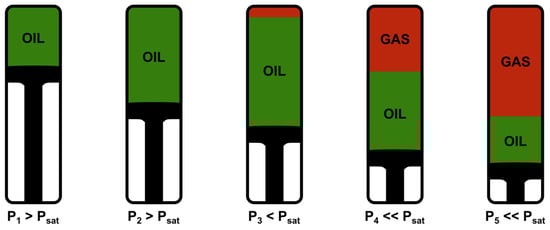
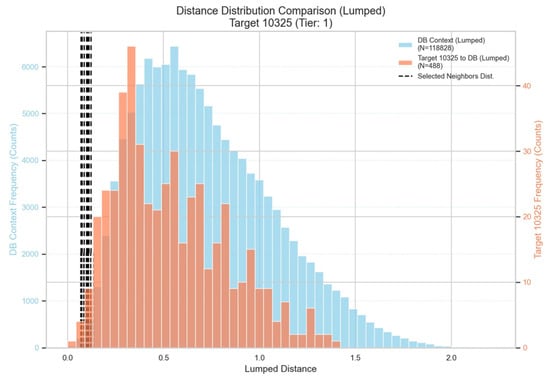
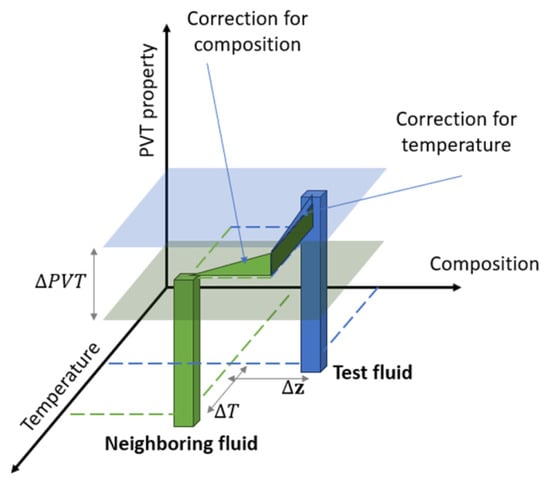
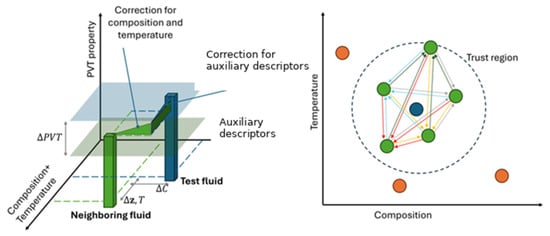
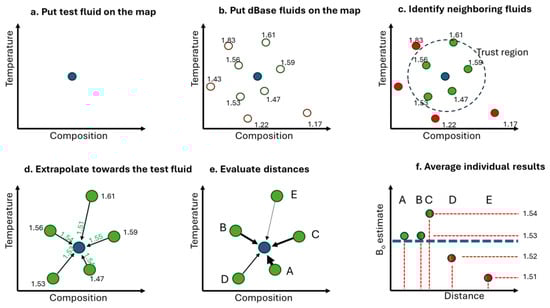
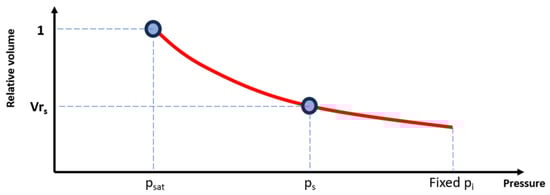
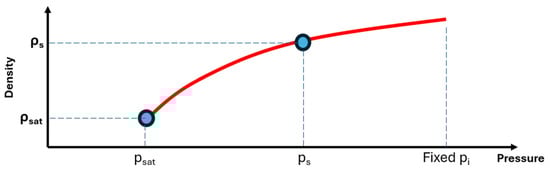
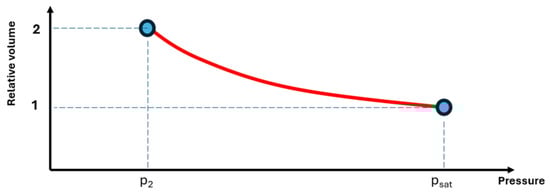
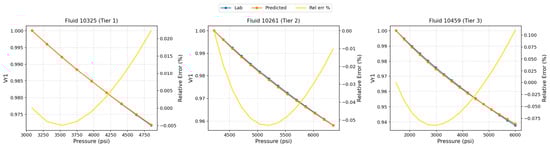
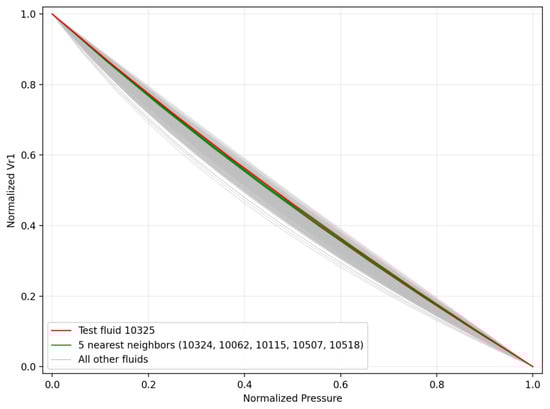
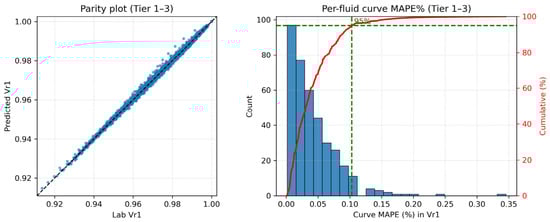
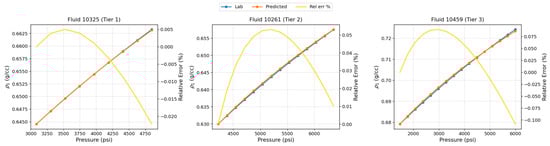
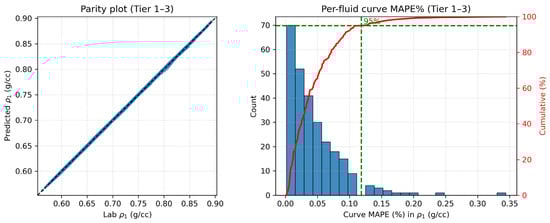
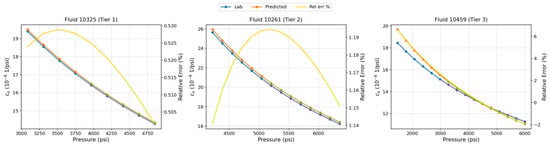
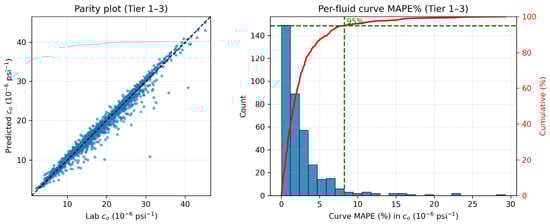
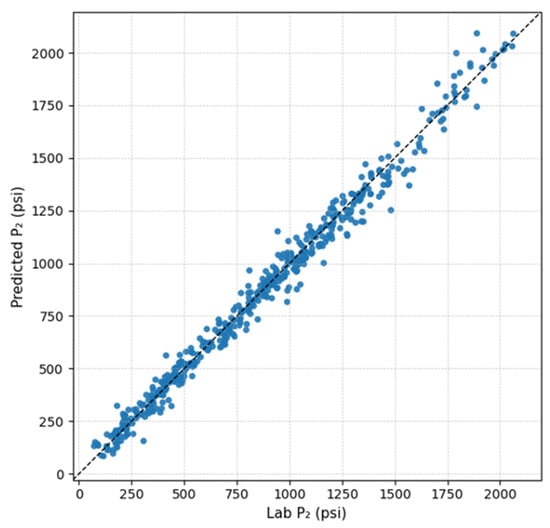
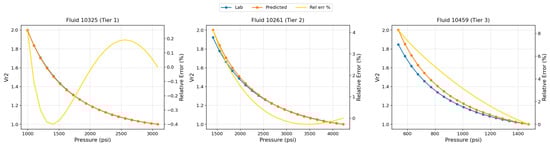
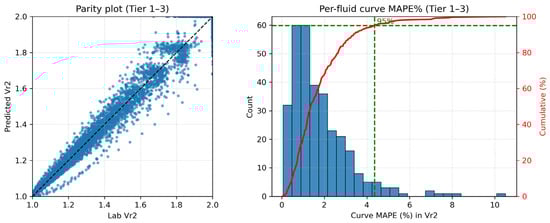
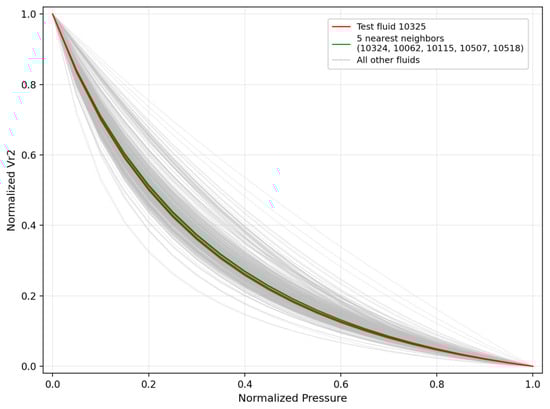
Constant Composition Expansion (CCE) experiments provide critical relative-volume and density information describing the thermodynamic behavior of reservoir oils and gases under varying pressure. These properties are vital inputs for hydrocarbon reservoir engineering, as they impact how oil and gas move through the reservoir during production. However, the need for specialized personnel, high-end equipment and measures taken to ensure safety in handling high pressure fluids often render the CCE experiments expensive and slow. This work introduces a Local Interpolation Method (LIM), a proximity-informed, end-to-end CCE fluid properties prediction Artificial Intelligence (AI) model that leverages domain expertise and synthetic Pressure–Volume–Temperature (PVT) data archives that mimics the actual data. The AI model generates surrogate CCE behavior for new fluids, thereby reducing the need for completing laboratory CCE measurements when sufficiently similar fluids exist in the available archive and neighborhood support is strong. Each new fluid is embedded in a compositional–thermodynamic descriptor space, and its response is inferred from a small neighborhood of thermodynamically similar fluids. Within this locality, the LIM combines hybrid local interpolation for key scalar properties (such as saturation-point quantities and expansion endpoints) with shape-preserving reconstruction of monophasic and diphasic relative-volume curves, enforcing continuity at saturation and consistency between relative volume, density and compressibility. The workflow operates purely at inference time and does not require case-specific retraining. Application to a curated archive of CCE tests shows that LIM reproduces key CCE features with very good agreement to existing data across a range of fluid types, indicating that proximity-based AI modeling can substantially reduce reliance on new CCE experiments while maintaining engineering-useful agreement for compositional simulation workflows. Under leave-one-out evaluation on 488 CCE tests, mean curve-level Mean Absolute Percentage Error (MAPE) is 0.07% for monophasic relative volume and 0.07% for monophasic density. For well-supported neighborhoods (Tiers 1–3, n = 376), mean MAPE is 0.04% for both, with 2.65% for derived compressibility and 1.78% for diphasic relative volume. The workflow is automated in software to facilitate reproducible inference on operator-owned archives and can reduce turnaround time and laboratory burden in well-supported neighborhoods. The proposed AI model uses available experimental data owned by each operator and does not use others’ data while respecting the data privacy and data ownership.
Full article

Figure 1
Open AccessArticle
Tailoring Ni/Beta Zeolite Catalysts for Efficient Dry Methane Reforming: A Study on Pretreatment and Reaction Conditions
by
Gema Gil-Muñoz and Juan Alcañiz-Monge
ChemEngineering 2026, 10(4), 46; https://doi.org/10.3390/chemengineering10040046 - 3 Apr 2026
Abstract
►▼
Show Figures
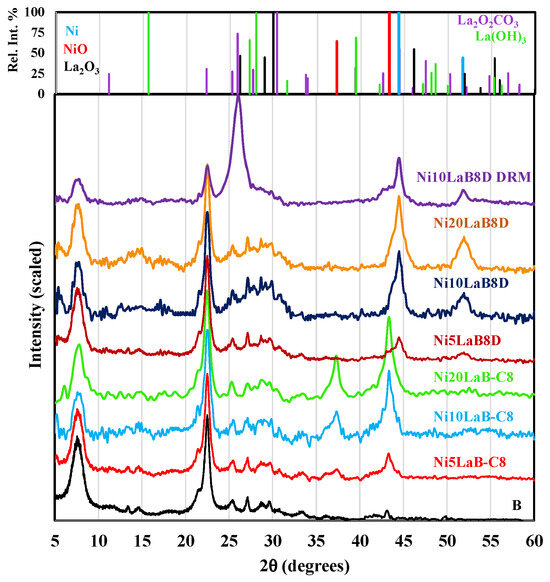
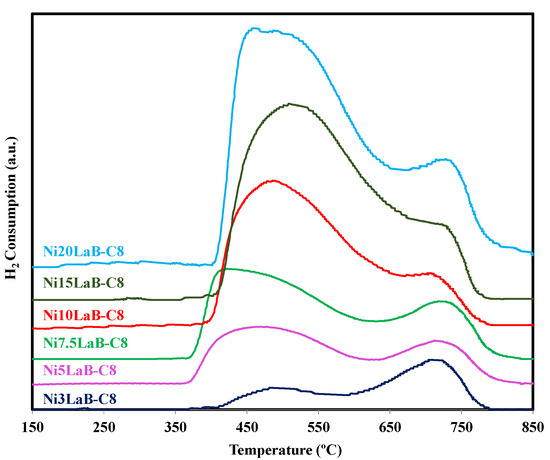
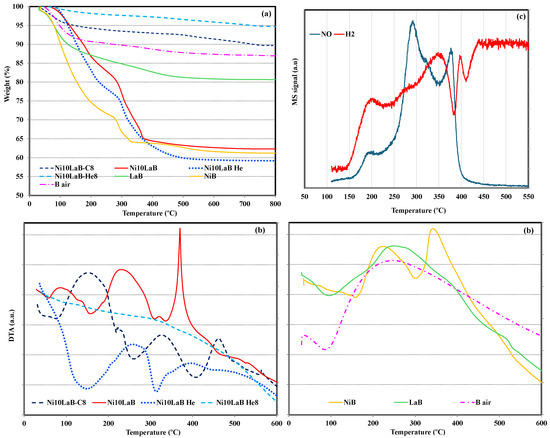
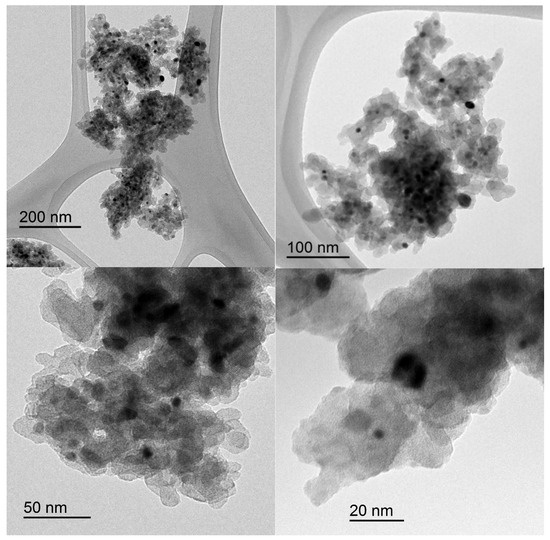
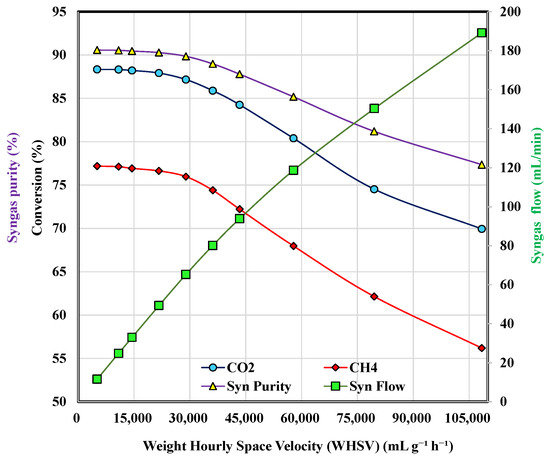
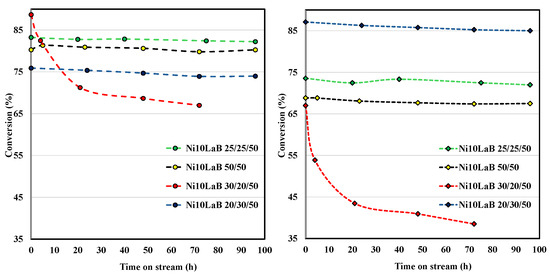
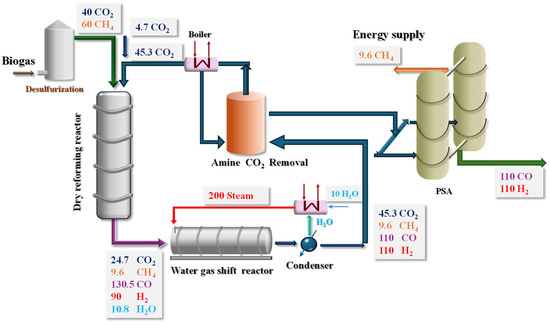
This study evaluates the performance of Ni-La2O3/Beta catalysts for the dry reforming of methane, focusing on the effects of nickel loading, catalyst pretreatment, reaction temperature, and gas composition and flow rate. Catalysts with nickel contents ranging from 3 to
[...] Read more.
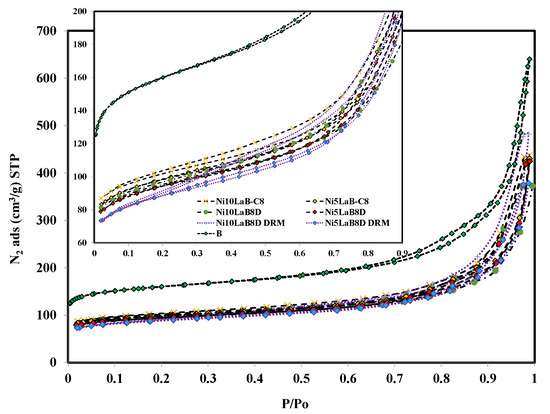
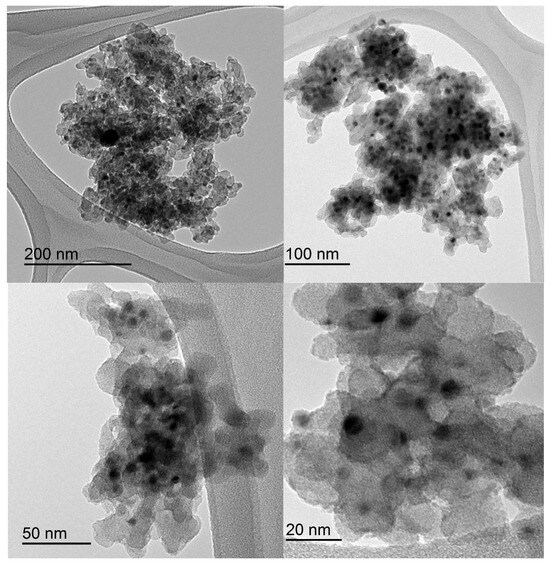
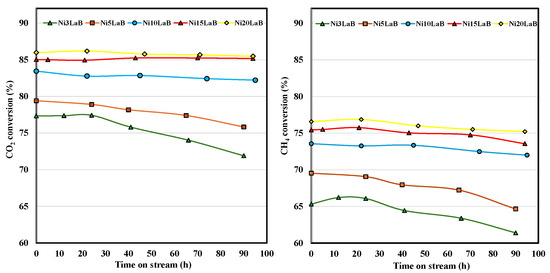
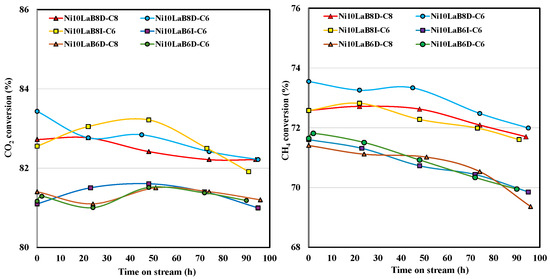
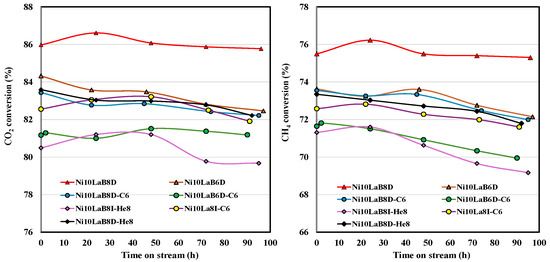
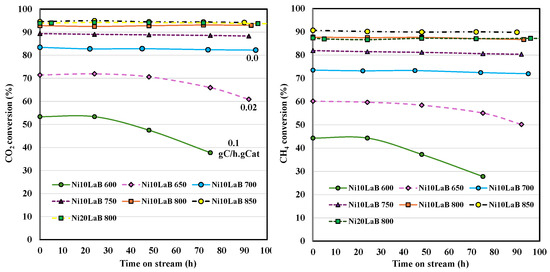
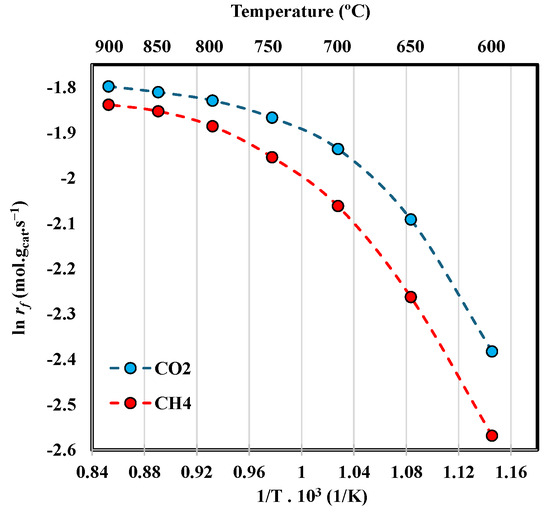
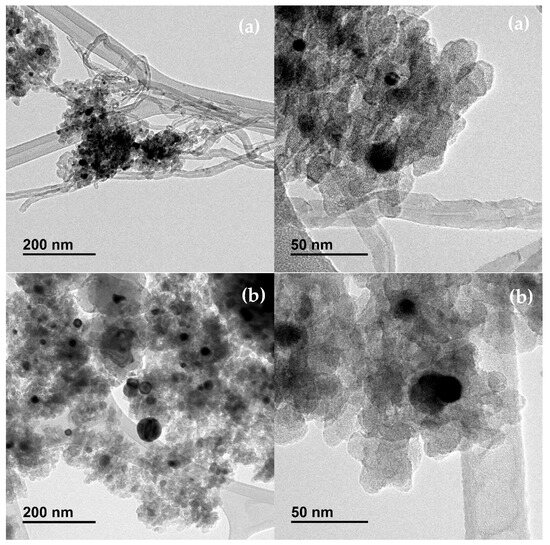
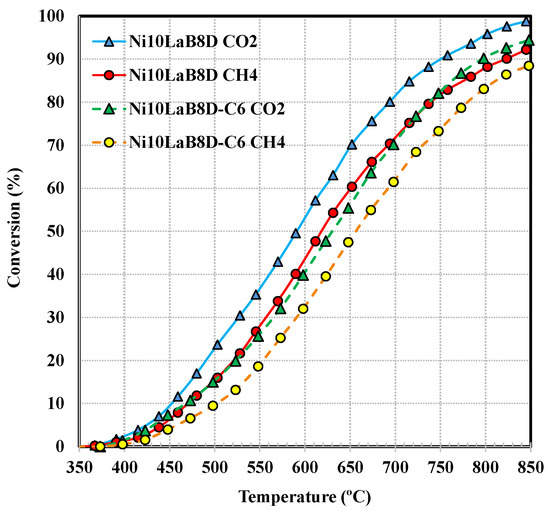
This study evaluates the performance of Ni-La2O3/Beta catalysts for the dry reforming of methane, focusing on the effects of nickel loading, catalyst pretreatment, reaction temperature, and gas composition and flow rate. Catalysts with nickel contents ranging from 3 to 20 percent by weight were prepared via wet impregnation and characterized by gas adsorption, X-ray diffraction, temperature-programmed reduction with hydrogen, thermogravimetric analysis, and transmission electron microscopy. The results indicate that nickel gradually incorporates into the zeolitic support, preferentially occupying the most stable sites. Direct reduction of the impregnated catalyst precursors—omitting the calcination step—yielded materials with slightly higher methane conversion (ca. 3.5%) and enhanced stability. This improved performance is attributed to the reduction occurring during the thermal decomposition of supported nickel nitrate, which promotes finer nickel dispersion and stronger interaction with the La2O3-modified Beta zeolite.
Full article

Figure 1
Highly Accessed Articles
Latest Books
E-Mail Alert
News
Topics
Topic in
ChemEngineering, Materials, Molecules, Nanomaterials, Separations
Porous Materials for Energy and Environment Applications, 2nd Edition
Topic Editors: Yi-Nan Wu, Fei KeDeadline: 31 May 2026
Topic in
ChemEngineering, Chemistry, Energies, Processes, Sustainability, Technologies
Advances in Green Energy and Energy Derivatives
Topic Editors: Muhammad Sajid, Nisar Ali, Muhammad Farooq, Mairui ZhangDeadline: 20 June 2026
Topic in
Catalysts, ChemEngineering, Chemistry, Molecules, Processes, Sustainability
Green and Sustainable Chemical Products and Processes
Topic Editors: Roberto Rosa, Daniele CespiDeadline: 30 June 2026
Topic in
Applied Sciences, ChemEngineering, Molecules, Processes, Reactions, Separations
Processing Design and Intensification in Chemical Engineering
Topic Editors: Yang Yuan, Wenyu Xiang, Haisheng ChenDeadline: 25 August 2026
Special Issues
Special Issue in
ChemEngineering
New Trends in (Bio)chemical Engineering: Biobased Pharmaceutical Processes
Guest Editors: Nicoleta Nicole Radu, Amalia StefaniuDeadline: 24 May 2026
Special Issue in
ChemEngineering
Advances in Chemical Engineering and Wastewater Treatment
Guest Editors: Maria Isabel San Martín Becares, Raúl M. AlonsoDeadline: 31 May 2026
Special Issue in
ChemEngineering
Development of Devices for Electrochemical Energy Storage and Generation
Guest Editor: Maziar JafariDeadline: 26 June 2026
Special Issue in
ChemEngineering
Advanced Process Control and Process Systems Optimization
Guest Editors: Belmiro Duarte, Nuno OliveiraDeadline: 30 June 2026
Topical Collections
Topical Collection in
ChemEngineering
Green and Environmentally Sustainable Chemical Processes
Collection Editors: Roberto Rosa, Anna Ferrari, Consuelo Mugoni
Topical Collection in
ChemEngineering
New Advances in Chemical Engineering
Collection Editors: Iuliana Deleanu, Gabriela Olimpia Isopencu