


Abstract
The depletion of natural resources has emerged as a major global concern, accelerating the transition from petroleum-based to renewable materials. The development of biobased ‘active’ materials is emerging especially in food packaging to ensure safety and functionality. Such packaging systems containing bioactive ingredients provide effective antioxidant, antimicrobial, and UV-protective features extending food shelf life. In this context, plant-derived secondary metabolites have gained substantial interest as functional reinforcements. These compounds not only provide food protection but also contribute to environmental safety owing to their inherent biocompatibility, biodegradability, and compostability. However, their high production costs remain a major challenge to large-scale applications. Therefore, the valorization of agro-food byproducts/wastes has been increasingly promoted. This review aims to discuss the combined use of plant secondary metabolites and biopolymers for the development of innovative packaging solutions, highlighting recent advances and functional performance. Furthermore, key challenges limiting their real-world applicability are addressed. In particular, the intrinsic hydrophilicity of many biobased materials compromises their moisture barrier and mechanical stability. To overcome this limitation, the use of biobased hydrophobic ingredients including natural waxes has emerged as a sustainable and effective approach to enhance water resistance while preserving the bioactive functionality of the packaging materials.
1. Introduction
1.1. Sustainability Overview of Bioplastics
The increasing dependence on synthetic plastics and the accumulation of resulting wastes in landfills and natural habitats have become a major global concern. Their potential bioaccumulation and transfer of hazardous substances along food chains is ultimately affecting human health [1]. In response to these persistent challenges, the transition toward a sustainable economy requires the exploration of renewable alternatives to fossil-derived feedstocks for the chemical and materials industries [2]. Bioplastics, derived from renewable and biobased resources, have emerged as promising alternative to conventional materials, offering sustainable routes with the principles of the green chemistry and circular economy by minimizing environmental impact and resource depletion [3]; therefore, they are often referred to as next-generation plastics [2,4,5]. Unlike conventional plastics, bioplastics are produced from biopolymers obtained from microorganisms and plants [6,7]. Among them, microbial polymers such as polylactic acid (PLA) and polyhydroxyalkanoates (PHAs) have gained significant attention in the biotech industry due to their biocompatibility, biodegradability, and environmentally friendly production routes. Despite their eco-friendly features, their large-scale production faces major techno-economic challenge, including low product yields, costly substrates, and complex downstream processing steps that considerably increase production costs [8]. These limitations have shifted research focus toward plant-based polymers, such as starch, cellulose, pectin, lignin, and hemicellulose, which are abundant, renewable, and can be extracted from agro-industrial by-products. These biopolymers offer several advantages over microbial counterparts, including higher availability, lower processing costs, and a favorable balance between mechanical strength, film-forming capability, and biodegradability [7,9]. Consequently, plant-derived polymers represent a key foundation for the development of bioplastics that combine environmental responsibility with industrial scalability.
However, it is critical to recognize that not all bioplastics are inherently sustainable. The term “bioplastic” describes materials that are either biobased, biodegradable, or both. However, these characteristics are not necessarily correlated. Biodegradability depends on the chemical structure of the polymer rather than its origin [2]. For instance, bio-based polyethylene (bio-PE) and polyethylene terephthalate (bio-PET) are chemically identical to their petrochemical analogues and thus remain non-biodegradable [10]. Conversely, naturally occurring polymers such as starch, cellulose, keratin, and gelatin are intrinsically biodegradable and compostable, regardless of their production pathways. It is also noteworthy that some biobased polymers lose their biodegradability after chemical modification such as the synthesis of Nylon 9 from castor oil monomers [11]. Figure 1 illustrates the classification of plastics according to both their origin and biodegradability. Although biodegradable bioplastics such as PLA and PHA hold promise, they still face techno-economic limitations, including less thermo-mechanical performance relative to conventional plastics [12,13]. Furthermore, plastics generally incorporate various additives, stabilizers, colorants, and processing aids, all of which influence their physical properties and environmental behavior [14,15]. While 100% renewable plastic production remains an unrealized goal, the shift toward maximizing renewable content is both technically and environmentally feasible [4,5,16]. These considerations highlight the need for renewable, non-food, and cost-effective feedstocks capable of supporting the large-scale production of biobased materials. In this context, agro-food byproducts have emerged as one of the most promising and sustainable resource streams.
Figure 1.
Classification of plastics based on origin and biodegradability perspectives. Reproduced from European Bioplastics e.V. (www.european-bioplastics.org accessed on 27 March 2026).
1.2. Agri-Food Residues as Potential Bioresource
Most commercial bioplastics are blends or composites, combining natural and synthetic components to achieve desirable mechanical and barrier properties [17,18]. However, a major concern lies in the dependence on food crops, such as corn, potatoes, and sugarcane, for bioplastic synthesis, which raises issues of food security and competition for arable land [19]. To mitigate these concerns, research is increasingly focused on agro-industrial residues and food supply chain waste as alternative, non-edible, and ethically sound feedstocks [20,21]. These waste streams, often discarded or underutilized, contain high-value biopolymers including starch, cellulose, pectin, hemicellulose, and lignin, which can be recovered and repurposed into bioplastics and other biobased materials [7,22]. By valorizing these residues, bioplastics industry can significantly reduce the environmental footprint of feedstock production while promoting circular economy that transforms waste into value-added bioresources. Moreover, these practices support regional economies, reducing greenhouse gas emission and decreasing landfill dependency. This transition from food-based to byproduct-based bioplastics contributes directly to global sustainability objectives by reducing natural resource depletion and avoiding conflict with food production [23,24]. From a policy standpoint, this approach aligns with key European Union directives, such as the EU Waste Framework Directive (2008/98/EC) [25] and the Circular Economy Action Plan, which emphasize waste prevention, resource reuse, and sustainable product design. Waste utilization therefore represents not only a technical solution for pollution control but also a strategic pathway toward achieving multiple UN Sustainable Development Goals (SDGs), including Good Health and Wellbeing (SDG 3), Responsible Consumption and Production (SDG 12), and Climate Action (SDG 13).
In recent years, approximately 1.05 billion tonnes/year of food waste was generated globally, with households accounting for about 60%, food services for 28%, and retail for 12% [26]. Within EU, more than 59 million tonnes/year of food wastes are produced, equivalent to roughly 132 kg per person and an estimated market value of €132 billion [27]. These wastes represent a largely underexploited renewable resource, rich in organic matter. In particular, lignocellulosic biomasses have gained high interest as a valuable feedstock for sustainable bioplastic production [7]. The abundance of agro-food residues offers an opportunity for their transformation into high-value products, such as bioenergy, biofertilizers, animal feed, and biobased materials, thereby reducing ecological burdens and supporting a circular bioeconomy. By utilizing discarded biomass, we can reduce economic losses, minimize landfill dependence, and mitigate the ecological footprint of current food systems. Building on these premises, one of the most strategic sectors in which waste valorization can generate substantial economic and environmental benefits is food packaging. Conventional packaging accounts for approximately 40% of global plastic demand [28], much of which is discarded after a single use, contributing to environmental pollution and waste accumulation in landfills and natural ecosystems. This scenario has stimulated increasing efforts to develop biodegradable and compostable packaging solutions derived from non-food renewable biomass, particularly agro-food residues. Within this framework, the concept of functional materials has gained significant attention, as it enables the incorporation of specific properties, such as antioxidant, antimicrobial, ultraviolet (UV)-blocking, gas/moisture barrier, and mechanical strength, into biodegradable matrices. Such materials not only fulfill the traditional protective and food preservative functions but also represent the intersection of waste reduction, innovation, and sustainable food systems. As the demand for functional and performance-enhanced biobased materials grows, attention has increasingly shifted from the mere availability of renewable feedstocks to the strategies required to impart specific bio-functional properties to these materials.
1.3. Imparting ‘Bio-Functionality’ in Materials
To meet the demands of ‘active’ and bio-functional packaging systems, biopolymeric building blocks offer a sustainable alternative to conventional plastics. Among these biopolymers, cellulose provides outstanding film-forming and mechanical properties, while lignin contributes hydrophobicity and UV-blocking capacity, and starch enhances processability and biodegradation. On the other hand, these biopolymers also exhibit certain limitations, particularly regarding moisture barrier properties, which necessitate chemical or physical functionalization to improve their performance [29,30]. Various strategies have been adopted to address these limitations, including chemical crosslinking, polymer blending, surface coating, and nano-scale reinforcements (e.g., nano-silica or nanocellulose). Another promising approach involves the incorporation of bioactive compounds, e.g., phenolic compounds, natural antioxidants, and essential oils, to impart bio-active properties [31]. The incorporation of functional additives is strongly dependent on the intended application. For instance, polysaccharide- and protein-based packaging are used for short- to medium-term storage, and such modifications may not always be essential. Although the incorporation of functional additives in the packaging systems can provide significant benefits, their use should be considered in relation to the specific shelf-life and storage requirements.
The inclusion of hydrophobic additives can improve moisture resistance; these may also introduce toxicity or compromised biodegradability. Therefore, recent studies have shifted attention toward the use of natural waxes (e.g., beeswax and carnauba wax), which combine hydrophobicity, renewability, and non-toxicity [32,33]. Such bio-based modifications have enabled the development of multifunctional packaging materials with enhanced antioxidant, antimicrobial, and barrier properties, which are crucial for maintaining food safety and extending product shelf life [4]. This evolving research field establishes the foundations for ‘active’ and ‘intelligent’ packaging systems, representing one of the major frontiers in the context of material circularity and the bioeconomy. Building on the growing demand for sustainable biobased solutions, this review provides a comprehensive overview of recent developments in biobased active materials incorporating plant secondary metabolites. Emphasis is placed on agro-industrial waste streams as renewable feedstocks with untapped potential for both bioactive compounds and biopolymers. Although plant-derived bioactives, natural wax-based hydrophobic strategies, and agro-food residues have been extensively studied, they are often examined as separate research areas [34,35,36]. By bringing these elements together within a single narrative, this review highlights how their interplay is increasingly shaping the development of sustainable active packaging. This integrated perspective offers a broader view of how functionality, renewability, and circularity can converge in emerging material design strategies. Specifically, the review summarizes the development of biobased materials and the functional roles of bioactive compounds, with particular focus on hydrophilicity and moisture-sensitivity challenges. The use of natural waxes for performance enhancement is discussed in detail. Finally, future research directions and technological perspectives are outlined, highlighting knowledge gaps, scale-up challenges, and opportunities for advancing circular bioeconomy-driven functional packaging systems.
2. Current Landscape of Biobased Materials
To contextualize this research area, it is essential to examine the current landscape of biobased materials and their growing role in replacing conventional plastics. Biobased polymers are substances derived entirely or partially from renewable biological resources such as plants, animals, and forestry residues. Their development represents a crucial step toward the reduction of environmental pollution and dependency on fossil-based materials [2,7]. Plant- and animal-derived biopolymers are primarily classified into polysaccharides and proteins, often combined with lipids to produce multifunctional materials suitable for packaging, cosmetics, and pharmaceuticals [37,38]. Figure 2 represents different biopolymer types based on their origin with key advantages and limitations for film-forming applications. The use of unmodified or single-layered biopolymers is typically limited due to their high moisture sensitivity and poor mechanical performance, which restrict their direct use in packaging applications. To overcome these limitations, PLAs and PHAs have emerged as leading candidates, offering superior vapor barrier and mechanical performance compared to agro-based polymers like starch or gluten [2]. Moreover, bilayer/composite materials reinforced with agro-fibers perform better to improve oxygen barrier, thus extending the shelf life of products such as flour or bakery items [39]. In contrast, PET and its composites remain dominant in liquid packaging due to their transparency and durability, although bio-PET variants are now being explored as sustainable alternatives [40,41]. In pharmaceutical and cosmetic sectors, biobased and biodegradable polymers like PLA, PHAs, and polysaccharides are increasingly preferred as sustainable packaging materials for creams, lipsticks, and emulsions [42]. Additives, stabilizers, pigments, and plasticizers are incorporated to enhance UV protection, regulate moisture permeability, and preserve product integrity [2,43].
Figure 2.
Overview of major biobased polymers for packaging applications, classified based on their origin (plant-based, microbial-based, and synthetic biobased). Among plant-based polymers, both polysaccharide-based materials (e.g., starch, cellulose) and lignin-based materials are included. Representative polymer classes also encompass protein-based materials (e.g., zein, pea protein), microbial-based polymers (PHA), and synthetic biobased polymers (PLA). Key advantages and limitations of each class are highlighted (green boxes for advantages, red boxes for limitations).
Among bioplastics, PLA stands out for its compostability, UV-barrier capability, and mechanical rigidity, which can be further improved through copolymerization with polybutylene adipate-co-terephthalate (PBAT) or blending with cellulose acetate, depending on the degree of acetylation [44,45]. Similarly, PHAs possess high durability, biocompatibility, and biodegradability, making them suitable for films, molded goods, adhesives, and coatings [46]. Although PHAs are costlier to produce than PLAs, their biocompatibility, skin safety, and low carbon footprint make them highly suitable for biomedical and cosmetic applications [2,47]. An emerging research direction involves the incorporation of plant-derived secondary metabolites into polymeric matrices to obtain bioactive or ‘intelligent’ materials [48,49]. Such incorporation can significantly enhance mechanical, antioxidant, and UV-shielding properties, broadening the functional range of these materials. For instance, polyphenols from Olea europaea L. improve the UV and antioxidant performance of starch-based films [50], while beetroot extract enhances both antioxidant and pH-responsive characteristics in Na-alginate/carboxymethyl cellulose (CMC) films [49]. Similarly, combining Cedrus deodara needle extract and cellulose nanocrystals with soy protein films decreases water vapor permeability and increases tensile strength [51]. These findings highlight the potential of plant-derived bioactive compounds to enhance functional and physicochemical performance of biobased films. However, the design of efficient formulations remains complex due to the multifactorial interactions among polymer matrix, additives, and bioactive compounds. A deeper understanding of these interactions, spanning physicochemical, mechanical, and sensory parameters, is crucial to guide the development of next-generation bioactive packaging systems, capable of combining sustainability with advanced functionality.
3. Plant-Derived Bioactive Compounds and Their Functional Roles
Secondary metabolites are organic compounds produced by living organisms and play a crucial role in plant defense mechanisms. In the field of biology, Kossel was the first scientist who introduced the concept of secondary metabolites [52]. Similarly, Czapek [53] dedicated an entire volume to secondary metabolites in his Plant Biochemistry book series, which he named “endprodukt”. He proposed that nitrogen metabolism (e.g., deamination) causes the production of these metabolites. Soon after, the secondary metabolites were defined by their low concentration produced by plants, often less than 1% of the total carbon or storage usually occurring in the specialized cells [54]. Secondary metabolism is an essential in metabolism and cell biology, as it does not play a direct role in the growth of organisms. For clarification, we can call it a genetic framework on which the phenomena of mutation and natural selection work together to link beneficial traits via the process of evolution [55]. Secondary metabolites protect plants from biotic and abiotic stress and have high commercial value, being used for different applications such as flavor enhancers, insecticides, scents, herbicides, and biomedical ingredients [56,57], with ongoing cutting-edge innovations in different fields direct scientists towards the identification of different novel compounds. As secondary metabolites are produced in less concentration; therefore, massive harvesting is required to obtain sufficient quantity of the desired compounds with eco-friendly techniques. Further, it is noteworthy to produce secondary metabolites in vitro, to fulfil market demands while preserving endangered plant species. Chemical elicitors and signal molecules improve survival and adaptation of plants to environmental stress with increase in secondary metabolites production [58]. There are several grouping criteria that have been examined for the classification of plant-derived secondary metabolites; however, basic carbon skeleton, and the presence of sugars, aromatic rings, and chemical properties are marked as ideal criteria. Secondary metabolites are biosynthesized by four major pathways: the acetate/malonate pathway, the mevalonate (MVA), methylerythritol phosphate (MEP) pathways, the shikimate pathway, and hybrid pathways that combine elements from these (Figure 3A). Based on chemical structure and properties, plant secondary metabolites are categorized into three groups, namely, alkaloids, terpenoids, and phenolics, which are described below.
Figure 3.
(A) Secondary metabolism in plants, highlighting the main biosynthetic pathways involved in the production of secondary metabolites (Reproduced from [59], Open Access article distributed under creative common attribution CC-BY 4.0 license). (B) Classification of major plant secondary metabolites, alkaloids, terpenoids, and polyphenols, along with representative compound types and common food supply chain biowaste sources.
3.1. Alkaloids
Alkaloids are the third-largest group of plant secondary metabolites, characterized by the presence of one or more nitrogen atoms and primarily isolated from vascular plants [60]. More than 3000 alkaloids have been identified across different plant species, where they are typically localized in actively growing tissues such as the epidermal and vascular regions [61]. These compounds play important physiological and ecological roles in plants, including growth regulation, nitrogen storage, and, most notably, defence against pathogens and herbivores due to their bioactivity and, in some cases, toxicity [62,63]. While alkaloids are often associated with toxic effects, this property is closely linked to their biological activity and functional role. From an application perspective, alkaloids exhibit antimicrobial and antioxidant properties that are particularly relevant for food preservation, although a wide range of pharmacological activities has also been reported [64]. For instance, capsaicinoids have demonstrated antimicrobial and antioxidant effects and have been explored for incorporation into food systems and packaging materials to improve preservation and oxidative stability [65]. Similarly, alkaloids such as berberine have been investigated in biopolymer-based films (e.g., chitosan [66]), where they enhance mechanical, antioxidant, and antimicrobial properties, highlighting their potential in active packaging applications. Therefore, despite concerns related to toxicity, selected alkaloids, when appropriately evaluated and dosed, represent promising natural compounds for the development of bioactive and sustainable active packaging systems., and sustainable active packaging systems aimed at improving food quality and shelf life.
3.2. Terpenoids or Isoprenoids
Terpenoids represent one of the most diverse classes of plant secondary metabolites, derived from the five-carbon precursors isopentenyl pyrophosphate (IPP) and dimethylallyl pyrophosphate (DMAPP). Their biosynthesis involves the condensation of these units into key intermediates such as geranyl, farnesyl, and geranylgeranyl pyrophosphates, which serve as universal precursors for a wide variety of terpenoid structures [67]. Terpene synthases further diversify these molecules into a broad range of compounds. Structurally, terpenes are hydrocarbons built from isoprene units, whereas terpenoids (isoprenoids) are their oxygenated derivatives with more complex functional groups. They are commonly classified based on the number of carbon atoms: monoterpenoids (C10), sesquiterpenoids (C15), diterpenoids (C20), triterpenoids (C30), tetraterpenoids (C40), and polyterpenoids (C>40) [68]. Terpenoids exhibit a wide range of biological activities, including antimicrobial, antifungal, anti-inflammatory, and antioxidant effects, making them highly relevant for both pharmaceutical and food-related applications [69,70]. In plants, they play essential roles such as signaling molecules, pigments, and defense compounds, while in food systems they contribute to aroma, flavor, and preservation. Several terpenoid compounds, such as carotenoids (e.g., β-carotene, lycopene, astaxanthin), are widely used in the food industry for their antioxidant properties and nutritional value [71]. Due to their broad spectrum of bioactivities and volatility, terpenoids are major constituents of essential oils and are increasingly investigated as natural food preservatives. Their ability to inhibit microbial growth and delay oxidative degradation makes them particularly suitable for incorporation into active food packaging systems [72]. In biodegradable matrices, such as cellulose-based films, terpenoids can enhance bioactive performance, contributing to extended shelf life and improved food safety [73,74,75].
3.3. Phenols and Polyphenolic Compounds
Phenolic compounds constitute a broad class of plant secondary metabolites, characterized by the presence of one or more hydroxyl (-OH) groups attached to an aromatic ring. Within this class, polyphenols represent a distinct group of compounds derived primarily from the shikimate and acetate/malonate biosynthetic pathways and are characterized by the presence of at least two aromatic rings connected by specific structural elements. Polyphenols can be further divided into flavonoids, which include flavones, flavonols, flavanones, catechins, anthocyanins, and non-flavonoids, such as stilbenes, lignans, xanthones, and benzophenones [73]. Based on their solubility, phenols and polyphenols can also be classified into two categories. Soluble compounds, including flavonoids, phenylpropanoids, and quinones, are typically stored in the vacuole of plant cells, whereas insoluble compounds, such as lignins, hydroxycinnamic acids, and condensed tannins, are primarily associated with the cell wall [56,74]. Glycosides, esters, and amides of hydroxycinnamic acids, as well as glycosylated flavonoids are commonly present in the leaves of vascular plants.
Flavonoids, as low-molecular-weight polyphenols, are widely recognized for their beneficial biological activities. They play a key role in regulating gene expression during cell proliferation and apoptosis, both in vitro and in vivo, and can interfere with multiple stages of oncogenesis [75,76]. They act as receptor ligands and modulate enzymes involved in signal transduction pathways related to cellular proliferation, inflammation, differentiation, metastasis, apoptosis, angiogenesis, and the reversal of multidrug resistance [77,78]. Beyond their cellular functions, phenols and polyphenols are extensively used for their antioxidative, anti-inflammatory, antimicrobial, antiviral, antitumoral, antipyretic, and analgesic properties [78,79].
Both phenolics and flavonoids are marked as antioxidative bioactive compounds that gain attention due to their therapeutic efficiencies. For example, phytochemicals from medicinal plants are used in different applications in the pharmaceutical and medical field as antioxidants, anticancer, antibacterial, cardioprotective, immunoprotective, and anti-inflammatory effects [80]. Polyphenolic compounds are well-known for their potent antioxidant and antimicrobial properties, which make them highly desired for developing ‘active’ food packaging materials. When incorporated into cellulose-based biopolymer films, phenolics can effectively inhibit microbial growth, reduce oxidative spoilage, and enhance the overall stability and functionality of the packaging. Their natural abundance and compatibility with bioplastics further highlight their value in the development of sustainable and health-promoting food packaging solutions. The classification of major plant secondary metabolites, alkaloids, terpenoids, and phenolics, along with representative compound types and common food supply chain biowaste sources is provided in Figure 3B.
4. Bioactive Materials Using Secondary Metabolites
The application of biobased and biodegradable edible films and coatings has gained significant attention in recent years as an eco-friendly alternative for food preservation and packaging. These materials serve not only as physical barriers against oxygen, moisture, and microbial contamination, but also as active systems capable of prolonging the shelf life of food through the controlled release of bioactive compounds. In particular, the incorporation of natural antimicrobial and antioxidant agents, such as plant-derived polyphenols and essential oils, has proven effective in maintaining food safety, quality, aroma, and texture by inhibiting the growth of spoilage and pathogenic microorganisms [81]. The antimicrobial activity of these compounds depends strongly on their chemical structure. In the case of phenolic compounds, the presence and position of hydroxyl groups play a key role in disrupting bacterial cell membranes, altering pH gradients, and interfering with energy metabolism and electron transfer processes [82]. These mechanisms lead to an extension of the microbial lag phase and a reduction in viable bacterial cells, effectively protecting perishable foods such as fruits, vegetables, dairy products, and meat from spoilage and fungal contamination [83,84].
In modern food packaging, thin edible polymeric coatings are increasingly used on the food surface to provide multifunctional protection. These coatings act as selective barriers to oxygen and water vapor, reduce oxidative reactions, and improve visual properties of the packaged food. The effectiveness of such systems depends on the compatibility between biopolymers and bioactive agents, as well as on the preparation technique, which influences the uniformity, adhesion, and diffusion behavior of the active components [85,86]. Even slight modifications in formulation or process parameters can significantly affect the performance of edible coatings [87]. Among natural polymers, polysaccharides and proteins are the most widely explored biopolymers for film and coating fabrication due to their film-forming ability, renewability, low cost, and biodegradability [88]. Polysaccharides such as alginate, chitosan, cellulose, starch, pectin, and carrageenan have been extensively studied for this purpose [86]. Their versatility allows them to form transparent, flexible, and biodegradable films suitable for direct food contact. The inclusion of plasticizers such as sorbitol or glycerol can improve flexibility and reduce water loss in starch- or cellulose-based formulations, maintaining the mechanical and barrier properties over time [89]. In our recent study, Qamar et al. [5] represented polyphenol-enhanced functional properties of Annurca-CMC-based films using varying concentrations of APPf (Annurca polyphenolic fractions). The potential UV-blocking and antioxidant activities are presented in Figure 4.
Figure 4.
Polyphenolic-enhanced functional properties of packaging films. (A) enhanced UV-blocking capacity and (B) improved antioxidant potential following the incorporation of varying concentrations of Annurca polyphenolic fraction (APPf). The figure is reproduced from [5] with permission from Elsevier B.V.
Depending on the application, both dry coatings (applied as thin polymeric layers) and wet coatings (used in probiotic or oxygen-sensitive systems) have been investigated [90]. Although wet coatings often require additional packaging to prevent contamination, advances in formulation have enabled the development of single-layer bioactive systems, reducing packaging complexity and waste. In this framework, the incorporation of plant secondary metabolites, particularly phenolic compounds, into polysaccharide-based matrices represents a promising strategy for developing functional and sustainable food packaging. These bioactive films combine natural antioxidant and antimicrobial protection with biodegradability, aligning with circular economy principles. Moreover, the valorization of agri-food residues rich in phenolics, such as apple peels, tomato by-products, offers an innovative approach to create high-value bioactive materials from renewable and underutilized biomass sources [5,91].
Starch-based films are among the most extensively studied packaging systems due to their low cost, abundance, and biodegradability. However, their high hydrophilicity limits water resistance and barrier properties (as described in Figure 2). The incorporation of lipids into polysaccharide-based coatings has been shown to effectively reduce water loss and improve gas permeability [92]. Moreover, the addition of essential oils, such as carvacrol, thyme, cinnamon, eugenol, and lemon oil, not only enhances the antimicrobial activity of starch-based coatings but also acts as a natural barrier against bacteria, extending the shelf life of fruits and vegetables while reducing hygroscopicity and material cost [93,94]. Starch films are commonly used in meat packaging, whereas hydroxypropylated starch, rich in amylose, has found applications in protecting bakery products due to its superior film-forming capability and flexibility [95]. The glycosidic bonds, hydrophilic nature, and extensive hydrogen bonding of polysaccharides contribute to their strong cohesive and film-forming properties. Despite these advantages, starch-based materials are primarily suitable for short-term packaging applications, as their mechanical strength and moisture resistance remain lower than that of synthetic polymers.
Proteins also represent valuable biopolymers for edible coatings and films because of their mechanical strength and optical clarity, which can rival conventional plastics like polyvinyl chloride [96]. Common protein-based biopolymers used in the food industry include corn zein, whey protein, and gelatin, all of which are inexpensive and renewable. Gelatin, in particular, is widely employed in foods, nutraceuticals, and pharmaceuticals due to its ability to form thermo-reversible gels with a melting point close to body temperature [97]. Nevertheless, gelatin films often exhibit poor water vapor barrier properties, which can be significantly improved by incorporating antibacterial essential oils, antioxidants, and natural crosslinkers, thereby enhancing bioactivity and mechanical stability [98]. The addition of such functional agents extends the shelf life of coated foods; for example, gelatin-based films containing garlic peel extract extended the freshness of rainbow trout fillets by ten days at 4 °C, delaying oxidation and microbial spoilage [99]. The growing use of natural antioxidants and antimicrobial compounds derived from agri-food byproducts in film formulations highlights the dual benefit of waste valorization and functional enhancement. These plant-derived bioactives contribute to food preservation while adding environmental and economic value to underutilized biomass sources. Table 1 summarizes recent studies illustrating the development of ‘active’ packaging materials through the incorporation of secondary metabolites into biopolymer matrices for sustainable applications.
Table 1.
A few recent studies describing the development of bioactive materials using plant-based secondary metabolites with functional properties and potential applications.
A key functional aspect of bioactive edible films is the controlled release of plant-derived secondary metabolites from the polymer matrix into the food or its surrounding environment. The release profile governs both the duration and intensity of antioxidant or antimicrobial activity, ultimately influencing preservation performance. In hydrophilic matrices such as starch, pectin, or CMC, swelling of the polymer network facilitates rapid diffusion of phenolics and essential oils, often causing an initial burst release. This is particularly advantageous for foods susceptible to early oxidative stress; for instance, starch films enriched with grape pomace polyphenols can significantly reduce enzymatic browning in fresh-cut fruits during the first 24–48 h of storage. In contrast, more hydrophobic or crystalline matrices, such as PLA, zein, or wax-coated cellulose, slow molecular mobility, enabling sustained release over extended periods. Beeswax-coated cellulose films containing thymol or carvacrol, for example, maintain antimicrobial activity for up to two weeks, making them suitable for high-moisture foods such as cheese or poultry. Semi-permeable surface coatings further modulate diffusion, reduce burst release, and stabilize volatile terpenoids, enhancing long-term functionality [73,74]. Understanding and tuning these release mechanisms is critical for designing next-generation active packaging systems that deliver targeted, durable, and safe bioactivity while maintaining material integrity and biodegradability.
The development of functional food packaging relies on a detailed understanding of mass transfer phenomena, which can be quantitatively described using diffusion-based models derived from Fick’s laws [110]. Experimental studies on chitosan–gelatin films incorporated with gallic acid (GA) and trans-cinnamic acid (TCA) highlight the dependence of diffusion coefficients (GA: 216.6 ± 83.8 × 10⁻¹⁵ m2/s; TCA: 696.6 ± 110.6 × 10⁻¹⁵ m2/s) and partitioning (K_F/S GA: 1060 ± 25; TCA: 362 ± 25) on polymer and medium properties, including viscosity, water activity, and solute composition. Increasing medium viscosity from 3.5 to 100 mPa·s can reduce diffusion coefficients by 30–250 times, emphasizing the significant influence of medium resistance [111]. High-viscosity or semi-solid foods introduce boundary layer effects and convective limitations, leading to deviations from ideal Fickian behavior [112]. Polymer characteristics, such as crystallinity, cross-linking density, and hydrophobic coatings, further modulate release profiles: higher crystallinity and cross-linking restrict molecular mobility, while hydrophilic matrices often trigger an initial burst release advantageous for early antioxidant action. Lipid-based coatings selectively retard diffusion of lipophilic compounds, enabling sustained functionality [75,76,77]. Mechanistic modeling, based on conservation laws of mass and energy, employs partial differential equations to describe governing transport processes. Analytical or numerical solutions allow quantification of bioactive release and degradation, such as multi-response kinetic modeling of mustard seeds that elucidates allyl isothiocyanate formation from enzymatic sinigrin hydrolysis, providing essential design parameters for functional packaging [50,71]. However, classical models often assume ideal conditions, including homogeneous matrices, invariant film structure, spontaneous desorption, no degradation, and diffusion as the sole rate-limiting step. In real food systems, swelling, droplet formation on encapsulated surfaces, and microbial activity exceeding bioactive release can compromise efficacy. Moreover, slow diffusion rates, technical limitations, and insufficient analytical sensitivity can further challenge accurate mass transfer [113].
Advanced computational approaches complement mechanistic modeling to address these complexities. Stochastic modeling and artificial intelligence techniques, including Monte Carlo simulations, cellular automata, neural networks, Adaptive Neuro-Fuzzy Inference System (ANFIS), and genetic algorithms, enable prediction of non-linear, stochastic, and multi-factorial interactions in bioactive release [114]. Integrating these tools with experimental data allows accurate simulation under variable environmental conditions, complex food matrices, and diverse film formulations, facilitating tailored bioactive delivery while maintaining mechanical integrity, biodegradability, and regulatory compliance [73,78]. Safety considerations remain essential for bioactive materials intended for food contact. Many secondary metabolites, particularly terpenoids and low-molecular-weight phenolics, exhibit significant volatility. Processing can reduce functional activity via volatilization or thermal degradation, while storage may lead to migration into headspace, potentially altering food sensory properties. Lipophilic compounds preferentially migrate into fatty foods, whereas hydrophilic matrices favor polar molecule release. Wax coatings can reduce diffusion of lipophilic metabolites, whereas polysaccharide-based films generally allow higher mobility of hydrophilic compounds. Regulatory compliance requires rigorous toxicological assessment, as mandated by European Food Safety Authority (EFSA) and Regulations (EC) 1935/2004 and 450/2009 [115,116], including evaluation of oral toxicity, genotoxic potential, thermal stability, degradation products, and absence of adverse sensory effects. The natural origin of a compound does not guarantee safety: certain alkaloids are toxic, some oxidized terpenes can be irritant, and polyphenols may degrade into reactive intermediates. Compliance also requires appropriate labeling, documentation, and declaration of conformity, supported by migration testing and verification that organoleptic properties remain unaffected. Thus, the rational design of controlled-release packaging systems demands an integrated understanding of polymer, bioactive, and medium interactions. Combining mechanistic modeling with advanced computational approaches provides a robust framework for developing next-generation active packaging that extends food shelf life, ensures safety, and maintains functionality and sustainability.
5. Hydrophilicity of Bioplastics: Challenges and Solutions
Biopolymer-based bioplastics, especially derived from plant polysaccharides, e.g., starch and cellulose are gaining increasing attention as sustainable alternative to conventional plastics [2,4,16]. Although the incorporation of plant-derived bioactive compounds has significantly enhanced the functional and preservative performance of biopolymer-based materials, their intrinsic hydrophilicity remains one of the major limitations for large-scale applications, particularly in food packaging. This characteristic strongly influences the barrier performance, moisture resistance, and mechanical stability of bio-based films, especially under humid storage conditions. Hydrophilicity primarily arises from the chemical structure of plant-derived polymers: cellulose and starch, for instance, contain multiple hydroxyl groups capable of forming extensive hydrogen bonds with water molecules. As a result, these polymers exhibit a strong affinity for moisture, leading to swelling, reduced dimensional stability, and compromised mechanical integrity. Moreover, the degree of crystallinity, the presence of hemicellulose and lignin, and the overall microstructure of the material, particularly when extracted from agro-industrial byproducts or food wastes, can further enhance their hydrophilic nature. These factors collectively limit the use of such polymers in applications requiring robust moisture and gas barrier properties.
To address these challenges, various surface modification and functionalization strategies have been developed to improve hydrophobicity while maintaining biodegradability and food safety. Such approaches are generally categorized into chemical, physical, and biological methods. Chemical modification techniques involve covalent alteration of the polymer surface to introduce hydrophobic groups through processes such as silanization, esterification, or grafting. In silanization, organosilane compounds react with hydroxyl groups, forming a hydrophobic siloxane layer [117]. Similarly, acetylation reduces the number of free hydroxyl groups, thereby enhancing dimensional stability and water resistance [118]. These treatments typically yield durable modifications with improved moisture and gas barrier properties; however, they often involve toxic reagents or solvents that can compromise biodegradability and food safety, highlighting the need for more sustainable alternatives [119]. Physical modification methods alter surface energy and chemical reactivity without affecting the bulk properties of the material. Among these, cold plasma treatment has gained attention in food packaging applications as it increases surface roughness and introduces polar groups that improve adhesion to hydrophobic coatings and reduce water vapor permeability [120,121]. Plasma treatment is solvent-free, rapid, and environmentally friendly, preserving the biodegradability of the substrate. It can also serve as a pre-treatment step before applying wax coatings, ensuring improved coating uniformity and adhesion. However, its effects are often temporary and less effective on highly porous or uneven surfaces.
Among all, one of the most practical and sustainable approaches involves the application of hydrophobic coatings, particularly natural waxes such as carnauba and beeswax. These materials are biodegradable, renewable, and generally recognized as safe (GRAS) for food contact applications. Natural waxes applied as a surface-coating layer on cellulose-based bioplastics, substantially reducing water affinity and improving water vapor permeability [4]. Waxes form a continuous hydrophobic barrier that prevents water penetration and swelling of the underlying polymer matrix (Table 2). The advantages of this approach include ease of application (e.g., dip-coating, spraying, or hot-melt coating), compatibility with multilayer systems, and excellent scalability. However, wax coatings may reduce film transparency and require pre-treatment (such as plasma activation) to optimize adhesion. Their thermal sensitivity can also limit applications involving elevated temperatures. In addition to chemical and physical modifications, biological surface functionalization has emerged as an eco-friendly alternative. Enzymatic grafting, using enzymes such as laccase or transglutaminase, can reduce hydrophilicity by binding to free hydroxyl groups while preserving biocompatibility [122,123]. Moreover, immobilizing bioactive agents such as antimicrobial peptides, oxygen scavengers, or essential oils onto the film surface can produce ‘active packaging’ systems capable of extending food shelf life and enhancing safety [124]. Despite their potential, these biological approaches are still limited by high cost and scalability challenges. In conclusion, the ideal surface modification strategy should achieve an optimal balance between hydrophobicity, food safety, scalability, and environmental sustainability.
Among the available techniques, natural wax coatings stand out as a facile, effective, and eco-compatible method to enhance water resistance in cellulose-based bioplastics. However, a critical limitation lies in the intrinsic thermodynamic incompatibility between the two phases as polysaccharides are highly polar, while waxes are non-polar and hydrophobic materials. This phase mismatch leads to high interfacial tension and weak interfacial adhesion of waxes on the polysaccharide surface [31], and therefore, wax-coated systems often exhibit several performance limitations including non-uniform coating, phase separation, and weak mechanical integrity at the interface. These systems are specifically prone to cracking or delamination under mechanical stress or high humidity due to differential swelling behavior of hydrophobic coating and hydrophilic substates. The formation of microcracks can significantly compromise barrier performance of such systems [125]. Therefore, achieving uniform and consistent wax coating for industrial-scale application remains a challenge. The crystallization behavior of wax during cooling may result in structural heterogeneity and surface roughness, further affecting the reproducibility at large scale. To address such limitations, different engineering strategies have been developed to improve coating performance, e.g., emulsion-based systems [4], Chemical-modifications including etherification, esterification, and grafting of hydrophobic moieties onto polysaccharide backbone. In addition, the use of amphiphilic molecules as compatibilizers are also reported [126,127]. The use of multi-layer architectures has also been reported to overcome adhesion challenges, in which intermediate layer with tailored polarity is introduced between both hydrophilic backbone and hydrophobic coating layer [128]. Overall, while wax coating are effective and biobased solutions, their performance is strongly dependent on interfacial engineering; therefore, future research should focus not only on developing hydrophobicity but also addressing interfacial compatibility to ensure durability and scalability for large-scale applications.
Table 2.
A few recent studies reporting fabrication of biobased surfaces using different renewable coating materials with key findings and potential applications.
6. Scientific and Technological Considerations
The translation to industrial-scale production introduces a series of scientific and technological limitations that must be addressed to ensure reproducibility, scalability, and commercial viability. One of the primary issues could be feedstock heterogeneity, which can influence both cellulose crystallinity and polyphenolic composition, ultimately affecting the mechanical, thermal, and functional properties of the end product. Achieving consistent material performance therefore requires robust process standardization and quality assurance protocols. The cellulose extraction route, for instance, may benefit from upgrading to continuous processing systems operating under mild conditions. Such systems, coupled with membrane-based solvent recovery and purification techniques, can minimize chemical losses, reduce energy consumption, and improve overall sustainability. Similarly, the transition from laboratory-scale solution casting to industrial-scale fabrication methods, such as roll-to-roll slot-die coating, extrusion, or blown film systems, will be essential to produce bioplastics at volumes relevant for commercial packaging. However, these processes introduce additional constraints, as the mechanical, thermal, and functional stability of incorporated ingredients, particularly polyphenolics and waxes, must be preserved during processing. Strategies such as low-temperature drying and careful control of processing parameters can help maintain functional integrity and prevent degradation. Further technological challenges include ensuring uniform surface properties, precise thickness control, and effective integration of additives. To address these, systematic formulation optimization is required. Incorporation of micro- and nanostructured reinforcements including cellulose nanocrystals, cellulose nanofibers, nano-lignin, or biochar nanoparticles, can enhance the mechanical, barrier, and thermal performance of bioplastics [138,139,140,141]. Moreover, blending with other biodegradable polymers, such as nano-chitin or chitosan, can further improve functional properties, including oxygen and moisture barrier performance, without compromising biodegradability [141,142]. The use of green plasticizers and compatibilizers allows tailoring of film flexibility and handling characteristics, supporting practical usability while maintaining environmental compatibility [142]. Hydrophobic treatments represent an additional dimension of technological development. Approaches such as enzymatic grafting, cold-plasma treatment, or deposition of nature-based waxy oils can modulate surface wettability, adhesion, and bioactive performance, enabling customization for specific packaging applications. Computational modeling tools, including molecular dynamics and diffusion simulations, provide valuable insights into polymer-polyphenol interactions, bioactive migration behavior, and structure-property relationships, thereby guiding rational design of formulations and predicting performance under different environmental conditions.
Commercial-scale deployment also necessitates strict compliance with food-contact regulations, such as EU Regulation 10/2011 [143]. Key considerations include the migration of small molecules (e.g., residual solvents and extractives), feedstock safety and hygiene, and consistency of composition across production batches. In parallel, adherence to biodegradability and compostability standards (e.g., ASTM D6400 [144], ISO 14855 [145]) is essential for market acceptance. Certification by recognized bodies, such as the Biodegradable Product Institute (https://bpiworld.org/ accessed on 27 March 2026) or TÜV Austria (https://okcert.tuvaustria.com/ accessed on 27 March 2026) viz. ‘OK Compost’, can enhance credibility and facilitate commercial adoption. In summary, successful scale-up of residue-derived bioplastics requires a multi-faceted, integrated approach that combines process engineering, materials science, formulation optimization, and regulatory compliance. By addressing these challenges, it is possible to maintain the functional performance of bioactive and cellulose components, ensure reproducible and high-quality material properties, and ultimately deliver sustainable packaging solutions capable of meeting both industrial and consumer expectations. For truly sustainable food packaging, biodegradability, bioactivity, and barrier performance must coexist within a single, synergistic material system. This calls for innovative approaches capable of simultaneously mitigating moisture sensitivity and incorporating bioactive compounds that can enhance food preservation and safety. Naturally occurring bioactive molecules such as organic acids, terpenoids, flavonoids, and phenolics, abundant plant extracts, and agro-industrial byproducts, represent promising candidates. Their incorporation into biopolymer matrices has demonstrated significant potential in inhibiting microbial growth, reducing oxidative spoilage, and extending the shelf life of perishable foods [108,109]. However, achieving controlled release, stability, and compatibility of these bioactives within polymeric matrices remain challenging, particularly when combined with surface hydrophobization strategies. Conventional modification methods, relying on chemical grafting or energy-intensive treatments, can indeed improve hydrophobicity, but they often lack cost-effectiveness, scalability, and environmental sustainability. In contrast, natural wax-based coatings, such as beeswax and carnauba wax, offer a unique opportunity to address these interlinked challenges. These coatings provide moisture resistance, biodegradability, and food-grade safety, acting not only as hydrophobic barriers but also as carriers for dispersed or encapsulated bioactive compounds, enabling the design of multifunctional “active packaging” systems. The integration of recovered bioactive compounds into cellulose-based films, coupled with the application of natural wax coatings for enhanced hydrophobicity, represents an innovative pathway toward next-generation bioplastics.
7. Industrial Relevance and Market Potential
7.1. Supply Chain Feasibility
Agri-food residues represent one of the most abundant yet underutilized resources in the food processing industry, providing a renewable and low-cost feedstock for the development of functional biomaterials [91]. Global food waste exceeds 1.3 billion tons per year (FAO, 2011 [146]), with a substantial share arising from the processing of fruits, vegetables, and nuts. The supply chain feasibility for their valorization is particularly favorable due to several factors. First, these byproducts are often generated in close proximity to food processing facilities, enabling cost-effective collection, minimizing transport distances, and reducing both logistical complexity and associated carbon footprint. Decentralized processing models can be implemented by situating extraction and biorefinery units near the points of waste generation. This approach not only enhances sustainability but also mitigates variability in feedstock quality, which can arise from differences in seasonal production, variety, or local agronomic practices. Pretreatment strategies, including rapid drying of high-moisture residues, are essential to prevent microbial growth, degradation of bioactive compounds, and loss of functional extractives. Despite these advantages, several challenges must be considered in evaluating supply chain feasibility. Seasonal fluctuations in residue availability can affect continuous production, while compositional heterogeneity requires adaptable processing methods to ensure consistent material quality. Additionally, some residues, due to their perishable nature or high moisture content, demand immediate processing or stabilization to preserve cellulose and polyphenolic fractions. The potential benefits outweigh these challenges through careful planning and integrated valorization of low-cost and underutilized residues can be transformed into high-value functional materials. These byproducts are often geographically co-located with value-adding food processing facilities, enabling opportunities for cost-effective collection, minimal transport, and on-site biorefinery conversion. The integrated extraction and film fabrication units may be established as a decentralized model near waste generation facilities, effectively mitigating logistic carbon footprint and feedstock variability. However, different challenges persist including seasonal availability and compositional heterogeneity of supply chain. Furthermore, moisture and perishability of some supply chain residues demand pretreatment or rapid drying to avoid degradation, microbial growth, and loss of extractives. Despite these challenges, the feedstock sourcing area presents a compelling opportunity to transform low-cost wastes into value-added functional materials. This integrated valorization not only reduce environmental footprint but also offers novel revenue streams for food processing industries.
7.2. Market Demand for Biobased Packaging Solutions
The cascade valorization of these residues into functional materials position them strategically to meet the rapidly growing global demand for sustainable packaging solutions. The packaging sector is undergoing a transformative shift driven by regulatory policies, corporate sustainability initiatives, and rising consumer awareness. The bioplastic packaging market is projected to reach USD28–30 billion by 2033, with an annual growth rate exceeding 15% (http://www.european-bioplastics.org/ accessed on 27 March 2026). Within this context, lignocellulose- and cellulose-derived materials are particularly attractive due to their renewable origin, biodegradability, and potential to replace conventional petroleum-based plastics [2,4,5]. The bioplastics functionalized with plant bioactive compounds occupy a distinctive market niche. They not only function as sustainable alternatives to conventional plastics but also provide additional functionalities, such as antioxidant, UV protection, and enhanced barrier properties via hydrophobic modification. These features make them particularly suitable for packaging freshly prepared or minimally processed foods, where protection from oxygen, light, or moisture is critical for preserving quality and shelf life. Furthermore, these materials can serve as inner layers in multi-layered packaging, reducing reliance on synthetic additives while delivering functional performance. Single-use applications and home biodegradable films represent additional avenues for market deployment, offering consumers environmentally responsible options with enhanced functionality. Regulatory frameworks reinforce this market potential. The European Union’s Single-Use Plastics Directive (2019/904; https://eur-lex.europa.eu/eli/dir/2019/904/oj/eng accessed on 27 March 2026) restricts certain petroleum-derived packaging, while the USDA’s ‘Bio-Preferred’ program promotes biobased material adoption in the United States. Consumer awareness and demand for sustainable packaging continue to grow, favoring brands that can combine performance with circularity, renewability, and a clear environmental value proposition. By linking local agro-industrial residues to market-ready functional materials, this review illustrates a circular bioeconomy model. Agri-food residues that would otherwise pose environmental burdens are transformed into high-value bioplastics, while simultaneously strengthening territorial economies and responding to global sustainability and market trends. The integration of supply chain feasibility, functional material development, and regulatory alignment demonstrates that locally available biomass can support both environmental objectives and commercial competitiveness, creating a virtuous cycle from raw material to end-product.
7.3. Environmental and Economic Benefits
The environmental advantages of biomass-derived films are substantial and multifaceted. Compared with conventional polyethylene, these bioplastics can significantly reduce greenhouse gas emissions throughout their life cycle, while also requiring lower energy inputs than other bioplastics, such as polylactic acid (PLA). By diverting agro-industrial residues from disposal or composting streams, carbon and nutrient emissions associated with waste decomposition are avoided, further enhancing environmental performance [2,4,5,6,91]. Additionally, feedstock costs are inherently low because the raw materials are byproducts or wastes, which in some cases would otherwise incur disposal fees rather than market purchase costs. This creates a unique scenario where both environmental and economic benefits arise directly from the valorization of materials previously considered a burden. However, the realization of these benefits is closely linked to the efficiency and integration of the production process. Final product costs may vary depending on the energy demands for extraction and drying, solvent recovery efficiency, and logistics associated with feedstock collection, transport, and storage. High moisture content and seasonal availability of residues may require additional pretreatment steps, which can influence overall energy consumption and economic viability. To address these challenges, the implementation of a cascade biorefinery model is crucial. By sequentially extracting polyphenols, lignin, and cellulose from the same biomass source, each fraction is valorized for its specific functionality, minimizing waste and maximizing the added value of the entire feedstock [147]. Polyphenolic fractions can provide antioxidant and UV-blocking functionalities, lignin can serve as a bioactive or structural additive, and cellulose can form the basis of high-performance bioplastics. At an industrial scale, the full potential of this approach requires technical integration across multiple units. Continuous extraction systems, efficient solvent recycling, and film fabrication platforms, whether through conventional industrial casting or roll-to-roll processes, are necessary to maintain process efficiency and ensure product consistency. When properly implemented, such integrated biorefineries not only deliver functional biomaterials with superior performance but also generate environmental savings and economic returns that would be impossible to achieve through isolated or small-scale processing. Ultimately, the adoption of a cascade biorefinery approach transforms low-value agricultural residues into high-performance, environmentally responsible bioplastics. This strategy reinforces the concept of a circular bioeconomy, linking local supply chains, efficient resource utilization, and sustainable production with market-ready functional materials. By combining environmental stewardship, cost-effectiveness, and technological innovation, this approach exemplifies how the valorization of agro-industrial residues can create a truly sustainable and economically viable industrial model.
8. Future Perspectives
The global agro-industrial system generates a much wider array of byproducts/wastes, and exploring these additional biomasses can expand feedstock options and improve supply resilience. Future studies should establish predictive models of film performance and develop standardized compositional databases based on feedstock characteristics and evaluate pretreatment methods and storage stability profiles of different supply chain residues. The exploration of green and efficient extraction technologies including ionic liquids (ILs), deep eutectic solvents (DESs), and enzyme-based fractionation can provide efficient recovery of bioactive compounds with minimal chemical/energy input. Further optimization of material properties can be achieved through multi-scale engineering to construct next-generation smart and responsive packaging systems. Emerging consumer demands and technological advancements point to the need of ‘active’ packaging systems embedding control-release, time-temperature indicators, freshness indicators, and biosensing elements. Agri-food waste-derived films with such added functionalities would materially increase value proposition, although scalability, cost, and regulations must be addressed. Research should address migration/safety testing, sensory properties (odor, texture, transparency), and marketing communications of eco-claims to address regulatory compliance and consumer perceptions. Collaborative engagement with brand owners, packaging industries, and consumers will facilitate market translation. At systematic level, embedding byproduct-based bioplastics within broader value-chains requires co-location of refineries with food-processing units, public–private partnerships, extended producer responsibility, and policy incentives (tax credits, bio-content mandates) frameworks. These measures will further accelerate scale-up integration into the circular bioeconomy. Acknowledging these limitations provides a realistic agenda for future development and industrial partnerships. Preliminary life cycle assessment (LCA) estimates indicate that biomass-derived cellulosic bioplastics can reduce greenhouse-gas emissions and consume significantly less energy during the manufacturing process [148]. Additionally, ecological benefits include avoidance of dedicated crop cultivation and diversion of waste biomass from landfill or incineration. Nevertheless, full cradle-to-grave LCAs are required to estimate real-world logistics, solvent recovery, processing energy, transport distance, end-of-life scenarios, and regional factors. Integrated techno-economic and social life-cycle assessment (S-LCA) can comprehensively address sustainability profile of resulting materials. Key opportunities and challenges to future research are summarized in Table 3.
Table 3.
Future research directions with key opportunities and existing challenges.
9. Concluding Remarks
The review provides an integrated perspective on the valorization of low-cost agri-food byproducts, highlighting their potential as sources of both cellulose and polyphenolic fractions for the development of fully biobased functional materials. It outlines how these components can be combined to engineer bioplastics that exhibit both structural and bioactive attributes, while also emphasizing the importance of environmentally benign processing approaches that minimize chemical use and preserve the intrinsic sustainability of the system. By situating biomass-derived bioplastics within a circular and integrated value chain, the review illustrates how such materials can contribute to reducing plastic waste, lowering carbon emissions, supporting regional economies, and advancing sustainable packaging solutions. Overall, this review underscores the transformative potential of agri-food residues as feedstocks for high-value functional materials. Biomass traditionally regarded as low-value or destined for disposal is reframed here as a strategic resource capable of enabling next-generation of packaging systems. In a global context marked by resource depletion and escalating plastic pollution, the approaches discussed in this review represent credible pathways toward a biobased, circular, and climate-resilient materials economy. The valorization strategy outlined reflects key principles of green chemistry, demonstrating how wastes from the food supply chain can be converted into high-performance, value-added materials. By closing the resource loop and diverting biomass from conventional disposal routes, this approach improves both process economics and overall resource efficiency. Furthermore, the decentralized biorefinery concept described, where extraction and film-fabrication units are located near waste-generation sites, helps to reduce logistical burdens, leverage existing food-processing infrastructures, and foster regional economic development. Together, these insights highlight the strategic relevance and future potential of integrating renewable feedstocks, functionalization strategies, and sustainable processing into a unified framework for advanced biobased packaging.
Author Contributions
Conceptualization, S.A.Q. and S.P. (Severina Pacifico); formal analysis, S.A.Q., A.B. and S.P. (Simona Piccolella); data curation, S.A.Q.; writing—original draft preparation, S.A.Q., A.B. and S.P. (Severina Pacifico); writing—review and editing, S.P. (Simona Piccolella) and S.P. (Severina Pacifico); visualization, S.A.Q. and S.P. (Severina Pacifico); supervision, S.P. (Severina Pacifico). All authors have read and agreed to the published version of the manuscript.
Funding
This research received no external funding.
Data Availability Statement
No new data were created or analyzed in this study.
Acknowledgments
The manuscript was written entirely by the authors. ChatGPT Plus (OpenAI) (GPT-5 series) was subsequently used solely to assist with language correction, grammar, and improvement of textual flow. The authors carefully reviewed and proofread the manuscript after AI-assisted editing and take full responsibility for the content of this article.
Conflicts of Interest
The authors declare no conflicts of interest.
References
- Thompson, R.C.; Swan, S.H.; Moore, C.J.; Vom Saal, F.S. Our plastic age. Philos. Trans. R. Soc. B Biol. Sci. 2009, 364, 1973–1976. [Google Scholar] [CrossRef] [Scilit] [PubMed]
- Asgher, M.; Qamar, S.A.; Bilal, M.; Iqbal, H.M. Bio-based active food packaging materials: Sustainable alternative to conventional petrochemical-based packaging materials. Food Res. Int. 2020, 137, 109625. [Google Scholar] [CrossRef] [Scilit]
- Ferreira-Filipe, D.A.; Paço, A.; Duarte, A.C.; Rocha-Santos, T.; Patrício Silva, A.L. Are biobased plastics green alternatives?—A critical review. Int. J. Environ. Res. Public Health 2021, 18, 7729. [Google Scholar] [CrossRef] [Scilit]
- Qamar, S.A.; Piccolella, S.; Ziegler, G.R.; Pacifico, S.; Zhang, Y. Functional bioplastic films from cocoa shell cellulose and natural waxes: Toward sustainable active packaging. Food Packag. Shelf Life 2025, 52, 101595. [Google Scholar] [CrossRef] [Scilit]
- Qamar, S.A.; Comune, L.; Diglio, C.; Petraglia, A.; Rubino, M.; Piccolella, S.; Pacifico, S. Biobased films from ‘Annurca’ apple processing waste: Isolated cellulose and polyphenols combined for functional materials development. Food Res. Int. 2025, 223, 117838. [Google Scholar] [CrossRef] [Scilit] [PubMed]
- Qamar, M.; Basharat, A.; Qamar, S.A.; Bilal, M. Bio-valorization of agroindustrial biomass into microbial exopolysaccharides. In Valorization of Biomass to Bioproducts; Elsevier: Amsterdam, The Netherlands, 2023; pp. 535–552. [Google Scholar]
- Bilal, M.; Qamar, S.A.; Qamar, M.; Yadav, V.; Taherzadeh, M.J.; Lam, S.S.; Iqbal, H.M. Bioprospecting lignin biomass into environmentally friendly polymers—Applied perspective to reconcile sustainable circular bioeconomy. Biomass Convers. Biorefinery 2024, 14, 4457–4483. [Google Scholar] [CrossRef] [Scilit]
- Haque, M.A.; Priya, A.; Hathi, Z.J.; Qin, Z.H.; Mettu, S.; Lin, C.S.K. Advancements and current challenges in the sustainable downstream processing of bacterial polyhydroxyalkanoates. Curr. Opin. Green Sustain. Chem. 2022, 36, 100631. [Google Scholar] [CrossRef] [Scilit]
- Ortega, F.; Versino, F.; López, O.V.; García, M.A. Biobased composites from agro-industrial wastes and by-products. Emergent Mater. 2022, 5, 873–921. [Google Scholar] [CrossRef] [Scilit]
- de Jong, E.; Goumans, I.; Visser, R.; Puente, Á.; Gruter, G.J. The Opportunities and Challenges of Biobased Packaging Solutions. Polymers 2025, 17, 2217. [Google Scholar] [CrossRef] [Scilit]
- Cotarca, L.; Delogu, P.; Nardelli, A.; Maggioni, P.; Bianchini, R.; Sguassero, S.; Goffredi, F. Efficient and scalable methods for ω-functionalized nonanoic acids: Development of a novel process for azelaic and 9-aminononanoic acids (nylon-6, 9 and nylon-9 precursors). Org. Process Res. Dev. 2001, 5, 69–76. [Google Scholar] [CrossRef] [Scilit]
- Moshood, T.D.; Nawanir, G.; Mahmud, F.; Mohamad, F.; Ahmad, M.H.; Abdul Ghani, A. Expanding policy for biodegradable plastic products and market dynamics of bio-based plastics: Challenges and opportunities. Sustainability 2021, 13, 6170. [Google Scholar] [CrossRef] [Scilit]
- Mendes, A.C.; Pedersen, G.A. Perspectives on sustainable food packaging:—Is bio-based plastics a solution? Trends Food Sci. Technol. 2021, 112, 839–846. [Google Scholar] [CrossRef] [Scilit]
- Matarneh, R.; Sotnik, S.; Deineko, Z.; Lyashenko, V. Highlights methodology of time characteristics optimization for plastic products production. Int. J. Eng. Tech. 2018, 7, 165–173. [Google Scholar] [CrossRef] [Scilit]
- Ezeliora, C.D.; Umeh, M.N.; Dilinna, A.M. Investigation and optimization of production variables: A case of plastic manufacturing industry. J. Eng. Res. Rep. 2020, 15, 1–16. [Google Scholar] [CrossRef] [Scilit]
- Mouco, I.D.M.; Qamar, S.A.; Petraglia, A.; Piccolella, S.; Rubino, M.; Laudante, E.; Pacifico, S. Amazonian arouma [Ischnosiphon arouma (Aubl.) Körn] as a novel source for cellulose-based bioplastics. Int. J. Biol. Macromol. 2025, 147221. [Google Scholar] [CrossRef] [Scilit]
- Jawaid, M.H.P.S.; Khalil, H.A. Cellulosic/synthetic fibre reinforced polymer hybrid composites: A review. Carbohydr. Polym. 2011, 86, 1–18. [Google Scholar] [CrossRef] [Scilit]
- Elgharbawy, A.S.; El Demerdash, A.G.M.; Sadik, W.A.; Kasaby, M.A.; Lotfy, A.H.; Osman, A.I. Synthetic degradable polyvinyl alcohol polymer and its blends with starch and cellulose—A comprehensive overview. Polymers 2024, 16, 1356. [Google Scholar] [CrossRef] [Scilit] [PubMed]
- Otoni, C.G.; Azeredo, H.M.; Mattos, B.D.; Beaumont, M.; Correa, D.S.; Rojas, O.J. The food–materials nexus: Next generation bioplastics and advanced materials from agri-food residues. Adv. Mater. 2021, 33, 2102520. [Google Scholar] [CrossRef] [Scilit]
- Tsang, Y.F.; Kumar, V.; Samadar, P.; Yang, Y.; Lee, J.; Ok, Y.S.; Jeon, Y.J. Production of bioplastic through food waste valorization. Environ. Int. 2019, 127, 625–644. [Google Scholar] [CrossRef] [Scilit]
- Synani, K.; Abeliotis, K.; Velonia, K.; Maragkaki, A.; Manios, T.; Lasaridi, K. Environmental impact and sustainability of bioplastic production from food waste. Sustainability 2024, 16, 5529. [Google Scholar] [CrossRef] [Scilit]
- Jahangeer, M.; Rehman, M.U.; Nelofer, R.; Nadeem, M.; Munir, B.; Smułek, W.; Qamar, S.A. Biotransformation of lignocellulosic biomass to value-added bioproducts: Insights into bio-saccharification strategies and potential concerns. Top. Catal. 2025, 68, 929–950. [Google Scholar] [CrossRef] [Scilit]
- Phillip, A. Bioplastics from Waste Biomass: Paving the Way for a Sustainable Future. Int. J. Res. Appl. Sci. Eng. Technol. 2024, 12, 518–533. [Google Scholar] [CrossRef] [Scilit]
- Baranwal, J.; Merino, D. Forefront Strategies for Biomass Valorization: From Deconstruction to Bioplastic Production. ACS Mater. Au 2025, 5, 610–631. [Google Scholar] [CrossRef] [Scilit]
- European Commission. Directive 2008/98/EC on Waste (Waste Framework Directive). Off. J. Eur. Union 2018, L312, 3–30. Available online: https://eur-lex.europa.eu/eli/dir/2008/98/oj/eng (accessed on 16 April 2026).
- Eufic. Food Waste in Europe: Statistics and Facts About the Problem; Eufic: Brussels, Belgium, 2024; Available online: https://www.eufic.org/en/food-safety/article/food-waste-in-europe-statistics-and-facts-about-the-problem (accessed on 16 April 2026).
- Eurostat. Food Waste and Food Waste Prevention—Estimates; Eurostat: Luxembourg, 2024; Available online: https://ec.europa.eu/eurostat/statistics-explained/index.php?title=Food_waste_and_food_waste_prevention_-_estimates (accessed on 16 April 2026).
- Ncube, L.K.; Ude, A.U.; Ogunmuyiwa, E.N.; Zulkifli, R.; Beas, I.N. An overview of plastic waste generation and management in food packaging industries. Recycling 2021, 6, 12. [Google Scholar] [CrossRef] [Scilit]
- Sanchez-Garcia, M.D.; Lopez-Rubio, A.; Lagaron, J.M. Natural micro and nanobiocomposites with enhanced barrier properties and novel functionalities for food biopackaging applications. Trends Food Sci. Technol. 2010, 21, 528–536. [Google Scholar] [CrossRef] [Scilit]
- Jamróz, E.; Kulawik, P.; Kopel, P. The effect of nanofillers on the functional properties of biopolymer-based films: A review. Polymers 2019, 11, 675. [Google Scholar] [CrossRef] [Scilit]
- Perveen, S.; Anwar, M.J.; Ismail, T.; Hameed, A.; Naqvi, S.S.; Mahomoodally, M.F.; Al Jbawi, E. Utilization of biomaterials to develop biodegradable food packaging. Int. J. Food Prop. 2023, 26, 1122–1139. [Google Scholar] [CrossRef] [Scilit]
- Jahangiri, F.; Mohanty, A.; Pal, A.K.; Clemmer, R.; Gregori, S.; Misra, M. Wax coatings for paper packaging applications: Study of the coating effect on surface, mechanical, and barrier Properties. ACS Environ. Au 2024, 5, 165–182. [Google Scholar] [CrossRef] [Scilit]
- Florido-Moreno, P.; Benítez, J.J.; González-Buesa, J.; Porras-Vázquez, J.M.; Hierrezuelo, J.; Grifé-Ruiz, M.; Guzmán-Puyol, S. Plasticized cellulose bioplastics with beeswax for the fabrication of multifunctional, biodegradable active food packaging. Food Hydrocoll. 2025, 162, 110933. [Google Scholar] [CrossRef] [Scilit]
- Westlake, J.R.; Tran, M.W.; Jiang, Y.; Zhang, X.; Burrows, A.D.; Xie, M. Biodegradable biopolymers for active packaging: Demand, development and directions. Sustain. Food Technol. 2023, 1, 50–72. [Google Scholar] [CrossRef] [Scilit]
- Andrade, M.A.; Barbosa, C.H.; Ribeiro-Santos, R.; Tomé, S.; Fernando, A.L.; Silva, A.S.; Vilarinho, F. Emerging trends in active packaging for food: A six-year review. Foods 2025, 14, 2713. [Google Scholar] [CrossRef] [Scilit] [PubMed]
- Abdullahi, A.; Korumilli, T.; Rao, K.J. Revolutionizing food packaging with biobased polymers, active and intelligent materials for enhanced food safety and sustainability. Food Bioprocess Technol. 2025, 18, 6836–6868. [Google Scholar] [CrossRef] [Scilit]
- Nanda, S.; Patra, B.R.; Patel, R.; Bakos, J.; Dalai, A.K. Innovations in applications and prospects of bioplastics and biopolymers: A review. Environ. Chem. Lett. 2022, 20, 379–395. [Google Scholar] [CrossRef] [Scilit]
- Machineni, L.; Anupoju, G.R. Review on valorization of lignocellulosic biomass for green plastics production: Sustainable and cleaner approaches. Sustain. Energy Technol. Assess. 2022, 53, 102698. [Google Scholar] [CrossRef] [Scilit]
- Saha, T.; Hoque, M.E.; Mahbub, T. Biopolymers for sustainable packaging in food, cosmetics, and pharmaceuticals. In Advanced Processing, Properties, and Applications of Starch and Other Bio-Based Polymers; Elsevier: Amsterdam, The Netherlands, 2020; pp. 197–214. [Google Scholar]
- Sousa, A.F.; Patrício, R.; Terzopoulou, Z.; Bikiaris, D.N.; Stern, T.; Wenger, J.; Guigo, N. Recommendations for replacing PET on packaging, fiber, and film materials with biobased counterparts. Green Chem. 2021, 23, 8795–8820. [Google Scholar] [CrossRef] [Scilit]
- Barnett, P.; Hyyppa, R.; Reynolds, G.; Roberton, K. Could a Sustainable Bio-Based Plastics Supply Chain Become a Commercial Reality? Doctoral Dissertation, Duke University, Durham, NC, USA, 2023. [Google Scholar]
- Kusumaningrum, W.B.; Agustina, S.; Sedayu, B.B.; Syamani, F.A. Biomass for Active and Eco-friendly Cosmetic Packaging. In Biomass-Based Cosmetics: Research Trends and Future Outlook; Springer Nature: Singapore, 2024; pp. 515–544. [Google Scholar]
- Ramos, Ó.L.; Pereira, R.N.; Cerqueira, M.A.; Martins, J.; Ron Teixeira, J.A.; Malcata, F.X.; Vicente, A.A. Bio-based nanocomposites for food packaging and their effect in food quality and safety. In Food Packaging and Preservation; Academic Press: Cambridge, MA, USA, 2018; pp. 271–306. [Google Scholar]
- Cinelli, P.; Coltelli, M.B.; Signori, F.; Morganti, P.; Lazzeri, A. Cosmetic packaging to save the environment: Future perspectives. Cosmetics 2019, 6, 26. [Google Scholar] [CrossRef] [Scilit]
- Zhang, C.; Wan, L.; Gu, H.; Hu, Q.; Ding, Y.; Ying, S. Preparation and properties of foamed cellulose acetate/polylactic acid blends. Polym. Eng. Sci. 2021, 61, 3069–3081. [Google Scholar] [CrossRef] [Scilit]
- Pandey, A.; Adama, N.; Adjallé, K.; Blais, J.F. Sustainable applications of polyhydroxyalkanoates in various fields: A critical review. Int. J. Biol. Macromol. 2022, 221, 1184–1201. [Google Scholar] [CrossRef] [Scilit]
- Ortega-Toro, R.; Collazo-Bigliardi, S.; Talens, P.; Chiralt, A. Influence of citric acid on the properties and stability of starch-polycaprolactone based films. J. Appl. Polym. Sci. 2016, 133. [Google Scholar] [CrossRef] [Scilit]
- de Dicastillo, C.L.; Bustos, F.; Guarda, A.; Galotto, M.J. Cross-linked methyl cellulose films with murta fruit extract for antioxidant and antimicrobial active food packaging. Food Hydrocoll. 2016, 60, 335–344. [Google Scholar] [CrossRef] [Scilit]
- Guo, Q.; Yuan, Y.; He, M.; Zhang, X.; Li, L.; Zhang, Y.; Li, B. Development of a multifunctional food packaging for meat products by incorporating carboxylated cellulose nanocrystal and beetroot extract into sodium alginate films. Food Chem. 2023, 415, 135799. [Google Scholar] [CrossRef] [Scilit] [PubMed]
- Mushtaq, H.; Piccolella, S.; Cimmino, G.; Ferrara, E.; Brahmi-Chendouh, N.; Petriccione, M.; Pacifico, S. Polyphenols from Olea europaea L. cv. Caiazzana leaf pruning waste for antioxidant and UV-blocking starch-based plastic films. Food Packag. Shelf Life 2025, 47, 101447. [Google Scholar] [CrossRef] [Scilit]
- Yu, Z.; Sun, L.; Wang, W.; Zeng, W.; Mustapha, A.; Lin, M. Soy protein-based films incorporated with cellulose nanocrystals and pine needle extract for active packaging. Ind. Crop. Prod. 2018, 112, 412–419. [Google Scholar] [CrossRef] [Scilit]
- Kossel, A. Ueber die chemische Zusammensetzung der Zelle. Du Bois-Reymond’s Archiv/Arch. Anat. Physiol. Abt. 1891, 278, 181–186. [Google Scholar]
- Czapek, F. Biochemie der Pflanzen; G. Fischer: Schaffhausen, Switzerland, 1921; p. 3. [Google Scholar]
- Bourgaud, F.; Gravot, A.; Milesi, S.; Gontier, E. Production of plant secondary metabolites: A historical perspective. Plant Sci. 2001, 161, 839–851. [Google Scholar] [CrossRef] [Scilit]
- Roze, L.V.; Chanda, A.; Linz, J.E. Compartmentalization and molecular traffic in secondary metabolism: A new understanding of established cellular processes. Fungal Genet. Biol. 2011, 48, 35–48. [Google Scholar] [CrossRef] [Scilit]
- Bhatla, S.C.; Lal, M.A. Secondary metabolites. In Plant Physiology, Development and Metabolism; Springer Nature: Singapore, 2023; pp. 765–808. [Google Scholar]
- Elshafie, H.S.; Camele, I.; Mohamed, A.A. A comprehensive review on the biological, agricultural and pharmaceutical properties of secondary metabolites based-plant origin. Int. J. Mol. Sci. 2023, 24, 3266. [Google Scholar] [CrossRef] [Scilit]
- González Mera, I.F.; González Falconí, D.E.; Morera Córdova, V. Secondary metabolites in plants: Main classes, phytochemical analysis and pharmacological activities. Bionatura 2019, 4, 1000–1009. [Google Scholar] [CrossRef] [Scilit]
- Khan, H.; Piccolella, S.; Pacifico, S. Harnessing plant extracts for green nanoparticle synthesis: Toward a sustainable future. Mater. Today Sustain. 2025, 31, 101195. [Google Scholar] [CrossRef] [Scilit]
- Wu, C.Y.; Wittick, J.J. Separation of five major alkaloids in gum opium and quantitation of morphine, codeine, and thebaine by isocratic reverse phase high performance liquid chromatography. Anal. Chem. 1977, 49, 359–363. [Google Scholar] [CrossRef] [Scilit] [PubMed]
- Seigler, D.S. Plant Secondary Metabolism; Springer Science & Business Media: Berlin/Heidelberg, Germany, 2012. [Google Scholar]
- Finkelstein, Y.; Aks, S.E.; Hutson, J.R.; Juurlink, D.N.; Nguyen, P.; Dubnov-Raz, G.; Bentur, Y. Colchicine poisoning: The dark side of an ancient drug. Clin. Toxicol. 2010, 48, 407–414. [Google Scholar] [CrossRef] [Scilit]
- Powder-George, Y.L. Alkaloids. In Pharmacognosy; Academic Press: Cambridge, MA, USA, 2024; pp. 167–209. [Google Scholar]
- Kaushik, P.; Ahlawat, P.; Singh, K.; Singh, R. Chemical constituents, pharmacological activities, and uses of common ayurvedic medicinal plants: A future source of new drugs. Adv. Tradit. Med. 2023, 23, 673–714. [Google Scholar] [CrossRef] [Scilit]
- Qiu, X.; Xie, J.; Mei, J. Recent Advances in the Applications and studies of polysaccharide-, protein-, and lipid-based delivery systems in enhancing the bioavailability of capsaicin—A review. Polymers 2025, 17, 1196. [Google Scholar] [CrossRef] [Scilit]
- Öztürk, S.; Kalaycıoğlu, Z.; Torlak, E.; Akın-Evingür, G.; Erim, F.B. Chitosan films incorporated with berberine: Enhanced mechanical, antioxidant, and antimicrobial properties as potential food packaging material. J. Food Meas. Charact. 2025, 19, 264–275. [Google Scholar] [CrossRef] [Scilit]
- Nagel, R.; Schmidt, A.; Peters, R.J. Isoprenyl diphosphate synthases: The chain length determining step in terpene biosynthesis. Planta 2019, 249, 9–20. [Google Scholar] [CrossRef] [Scilit] [PubMed]
- Yang, J.; Xian, M.; Su, S.; Zhao, G.; Nie, Q.; Jiang, X.; Liu, W. Enhancing production of bio-isoprene using hybrid MVA pathway and isoprene synthase in E. coli. PLoS ONE 2012, 7, e33509. [Google Scholar] [CrossRef] [Scilit]
- Yang, W.; Chen, X.; Li, Y.; Guo, S.; Wang, Z.; Yu, X. Advances in pharmacological activities of terpenoids. Nat. Prod. Commun. 2020, 15, 1–13. [Google Scholar] [CrossRef] [Scilit]
- Jahangeer, M.; Fatima, R.; Ashiq, M.; Basharat, A.; Qamar, S.A.; Bilal, M.; Iqbal, H. Therapeutic and Biomedical Potentialities of Terpenoids—A Review. J. Pure Appl. Microbiol. 2021, 15, 471–483. [Google Scholar] [CrossRef] [Scilit]
- Grumezescu, A.M.; Holban, A.M. (Eds.) Natural and Artificial Flavoring Agents and Food Dyes; Academic Press: Cambridge, MA, USA, 2017; p. 7. [Google Scholar]
- Masyita, A.; Sari, R.M.; Astuti, A.D.; Yasir, B.; Rumata, N.R.; Emran, T.B.; Simal-Gandara, J. Terpenes and terpenoids as main bioactive compounds of essential oils, their roles in human health and potential application as natural food preservatives. Food Chem. X 2022, 13, 100217. [Google Scholar] [CrossRef] [Scilit]
- Wachowski, L.; Pietrzak, R. Phenols. In Managing Global Resources and Universal Processes; CRC Press: Boca Raton, FL, USA, 2020; pp. 275–301. [Google Scholar]
- Pereira, D.M.; Valentão, P.; Pereira, J.A.; Andrade, P.B. Phenolics: From chemistry to biology. Molecules 2009, 14, 2202–2211. [Google Scholar] [CrossRef] [Scilit]
- Mutha, R.E.; Tatiya, A.U.; Surana, S.J. Flavonoids as natural phenolic compounds and their role in therapeutics: An overview. Future J. Pharm. Sci. 2021, 7, 25. [Google Scholar] [CrossRef] [Scilit] [PubMed]
- Maheshwari, N.; Sharma, M.C. Anticancer properties of some selected plant phenolic compounds: Future leads for therapeutic development. J. Herb. Med. 2023, 42, 100801. [Google Scholar] [CrossRef] [Scilit]
- Banwo, K.; Olojede, A.O.; Adesulu-Dahunsi, A.T.; Verma, D.K.; Thakur, M.; Tripathy, S.; Utama, G.L. Functional importance of bioactive compounds of foods with Potential Health Benefits: A review on recent trends. Food Biosci. 2021, 43, 101320. [Google Scholar] [CrossRef] [Scilit]
- Sorrenti, V.; Burò, I.; Consoli, V.; Vanella, L. Recent advances in health benefits of bioactive compounds from food wastes and by-products: Biochemical aspects. Int. J. Mol. Sci. 2023, 24, 2019. [Google Scholar] [CrossRef] [Scilit]
- Bhatti, M.Z.; Ismail, H.; Kayani, W.K. Plant secondary metabolites: Therapeutic potential and pharmacological properties. In Secondary Metabolites-Trends and Reviews; IntechOpen: London, UK, 2022. [Google Scholar]
- Salinas-Moreno, Y.; García-Salinas, C.; Ramírez-Díaz, J.L.; Alemán-de la Torre, I. Phenolic compounds in maize grains and its nixtamalized products. In Phenolic Compounds-Natural Sources, Importance and Applications; IntechOpen: London, UK, 2017; Volume 8, pp. 215–232. [Google Scholar]
- Yildirim, S.; Röcker, B.; Pettersen, M.K.; Nilsen-Nygaard, J.; Ayhan, Z.; Rutkaite, R.; Coma, V. Active packaging applications for food. Compr. Rev. Food Sci. Food Saf. 2018, 17, 165–199. [Google Scholar] [CrossRef] [Scilit] [PubMed]
- Xue, J.; Davidson, P.M.; Zhong, Q. Thymol nanoemulsified by whey protein-maltodextrin conjugates: The enhanced emulsifying capacity and antilisterial properties in milk by propylene glycol. J. Agric. Food Chem. 2013, 61, 12720–12726. [Google Scholar] [CrossRef] [Scilit]
- Sung, S.Y.; Sin, L.T.; Tee, T.T.; Bee, S.T.; Rahmat, A.R.; Rahman, W.A.; Vikhraman, M. Antimicrobial agents for food packaging applications. Trends Food Sci. Technol. 2013, 33, 110–123. [Google Scholar] [CrossRef] [Scilit]
- Sofi, S.A.; Singh, J.; Rafiq, S.; Ashraf, U.; Dar, B.N.; Nayik, G.A. A comprehensive review on antimicrobial packaging and its use in food packaging. Curr. Nutr. Food Sci. 2018, 14, 305–312. [Google Scholar] [CrossRef] [Scilit]
- Gao, C.; Pollet, E.; Avérous, L. Properties of glycerol-plasticized alginate films obtained by thermo-mechanical mixing. Food Hydrocoll. 2017, 63, 414–420. [Google Scholar] [CrossRef] [Scilit]
- Santagata, G.; Mallardo, S.; Fasulo, G.; Lavermicocca, P.; Valerio, F.; Di Biase, M.; Volpe, M.G. Pectin-honey coating as novel dehydrating bioactive agent for cut fruit: Enhancement of the functional properties of coated dried fruits. Food Chem. 2018, 258, 104–110. [Google Scholar] [CrossRef] [Scilit]
- Salgado, P.R.; Ortiz, C.M.; Musso, Y.S.; Di Giorgio, L.; Mauri, A.N. Edible films and coatings containing bioactives. Curr. Opin. Food Sci. 2015, 5, 86–92. [Google Scholar] [CrossRef] [Scilit]
- Moghadam, M.; Salami, M.; Mohammadian, M.; Khodadadi, M.; Emam-Djomeh, Z. Development of antioxidant edible films based on mung bean protein enriched with pomegranate peel. Food Hydrocoll. 2020, 104, 105735. [Google Scholar] [CrossRef] [Scilit]
- Nawab, A.; Alam, F.; Hasnain, A. Mango kernel starch as a novel edible coating for enhancing shelf-life of tomato (Solanum lycopersicum) fruit. Int. J. Biol. Macromol. 2017, 103, 581–586. [Google Scholar] [CrossRef] [Scilit] [PubMed]
- Valerio, F.; Volpe, M.G.; Santagata, G.; Boscaino, F.; Barbarisi, C.; Di Biase, M.; Lavermicocca, P. The viability of probiotic Lactobacillus paracasei IMPC2. 1 coating on apple slices during dehydration and simulated gastro-intestinal digestion. Food Biosci. 2020, 34, 100533. [Google Scholar] [CrossRef] [Scilit]
- Qamar, S.A.; Piccolella, S.; Raimondo, R.; Pacifico, S. Upcycling Tomato Harvest and Processing Residues into Polyphenol-Enriched Cellulosic Films with Tunable Antioxidant and UV-Blocking Properties. Foods 2026, 15, 1067. [Google Scholar] [CrossRef] [Scilit] [PubMed]
- Hassan, B.; Chatha, S.A.S.; Hussain, A.I.; Zia, K.M.; Akhtar, N. Recent advances on polysaccharides, lipids and protein based edible films and coatings: A review. Int. J. Biol. Macromol. 2018, 109, 1095–1107. [Google Scholar] [CrossRef] [Scilit]
- Sapper, M.; Chiralt, A. Starch-based coatings for preservation of fruits and vegetables. Coatings 2018, 8, 152. [Google Scholar] [CrossRef] [Scilit]
- Marín, A.; Atarés, L.; Chiralt, A. Improving function of biocontrol agents incorporated in antifungal fruit coatings: A review. Biocontrol Sci. 2017, 27, 1220–1241. [Google Scholar] [CrossRef] [Scilit]
- Galus, S.; Arik Kibar, E.A.; Gniewosz, M.; Kraśniewska, K. Novel materials in the preparation of edible films and coatings—A review. Coatings 2020, 10, 674. [Google Scholar] [CrossRef] [Scilit]
- Ribeiro-Santos, R.; Sanches-Silva, A.; Motta, J.F.G.; Andrade, M.; de Araújo Neves, I.; Teófilo, R.F.; de Melo, N.R. Combined use of essential oils applied to protein base active food packaging: Study in vitro and in a food simulant. Eur. Polym. J. 2017, 93, 75–86. [Google Scholar] [CrossRef] [Scilit]
- Ramos, M.; Valdés, A.; Beltrán, A.; Garrigós, M.C. Gelatin-based films and coatings for food packaging applications. Coatings 2016, 6, 41. [Google Scholar] [CrossRef] [Scilit]
- Ortiz-Zarama, M.A.; Jiménez-Aparicio, A.R.; Solorza-Feria, J. Obtainment and partial characterization of biodegradable gelatin films with tannic acid, bentonite and glycerol. J. Sci. Food Agric. 2016, 96, 3424–3431. [Google Scholar] [CrossRef] [Scilit]
- Uçak, I. Physicochemical and antimicrobial effects of gelatin-based edible films incorporated with garlic peel extract on the rainbow trout fillets. Prog. Nutr. 2019, 21, 232–240. [Google Scholar]
- Nikoomanesh, N.; Zandi, M.; Ganjloo, A. Development of eco-friendly cellulose acetate films incorporated with Burdock (Arctium lappa L.) root extract. Prog. Org. Coat. 2024, 186, 108009. [Google Scholar] [CrossRef] [Scilit]
- Wu, Y.; Li, C. A smart film incorporating anthocyanins and tea polyphenols into sodium carboxymethyl cellulose/polyvinyl alcohol for application in mirror carp. Int. J. Biol. Macromol. 2022, 223, 404–417. [Google Scholar] [CrossRef] [Scilit] [PubMed]
- Xia, G.; Ji, X.; Xu, Z.; Ji, X. Transparent cellulose-based bio-hybrid films with enhanced anti-ultraviolet, antioxidant and antibacterial performance. Carbohydr. Polym. 2022, 298, 120118. [Google Scholar] [CrossRef] [Scilit]
- Shao, H.; Zhang, Y.; Pan, H.; Jiang, Y.; Qi, J.; Xiao, H.; Xie, J. Preparation of flexible and UV-blocking films from lignin-containing cellulose incorporated with tea polyphenol/citric acid. Int. J. Biol. Macromol. 2022, 207, 917–926. [Google Scholar] [CrossRef] [Scilit] [PubMed]
- Huang, X.; Ji, Y.; Guo, L.; Xu, Q.; Jin, L.; Fu, Y.; Wang, Y. Incorporating tannin onto regenerated cellulose film towards sustainable active packaging. Ind. Crop. Prod. 2022, 180, 114710. [Google Scholar] [CrossRef] [Scilit]
- Liu, D.; Ma, J.; Wang, X.; Liu, F. High-strength and high-toughness tannic acid-modified cellulose films for food preservation. J. Mater. Sci. 2024, 59, 17769–17781. [Google Scholar] [CrossRef] [Scilit]
- Riaz, A.; Mostafa, H.; Lawal, K.G.; Sivapragasam, N.; Ramachandran, T.; Hamed, F.; Maqsood, S. A novel source of lignin from date palm leaves as a reinforcing agent for fabrication of carboxymethyl cellulose-based active food packaging film. Food Biophys. 2024, 19, 334–346. [Google Scholar] [CrossRef] [Scilit]
- Wu, C.; Zhang, T.; Ji, B.; Chou, Y.; Du, X. Green synthesis of zinc oxide nanoparticles using Aloe vera leaf extract and evaluation of the antimicrobial and antioxidant properties of the ZnO/regenerated cellulose film. Cellulose 2024, 31, 4849–4864. [Google Scholar] [CrossRef] [Scilit]
- Abdin, M.; Arafa, S.G.; El-Beltagy, A.E.; Naeem, M.A.; Hamed, Y.S.; Ayyash, M. Development of anti-bacterial bio-transfer double sheet layer of polyvinyl alcohol/carboxymethyl cellulose films infused with Astragalus tribuloides leaf extract for beef burgers preservation. Int. J. Biol. Macromol. 2025, 284, 138196. [Google Scholar] [CrossRef] [Scilit]
- Alshehri, A.A.; Hamed, Y.S.; Kamel, R.M.; Shawir, S.M.; Sakr, H.; Ali, M.; Abdin, M. Enhanced physical properties, antioxidant and antibacterial activity of bio-composite films composed from carboxymethyl cellulose and polyvinyl alcohol incorporated with broccoli sprout seed extract for butter packaging. Int. J. Biol. Macromol. 2024, 255, 128346. [Google Scholar] [CrossRef] [Scilit]
- Chung, D.; Papadakis, S.E.; Yam, K.L. Simple models for assessing migration from food-packaging films. Food Addit. Contam. 2002, 19, 611–617. [Google Scholar] [CrossRef] [Scilit]
- Benbettaïeb, N.; Mahfoudh, R.; Moundanga, S.; Brachais, C.H.; Chambin, O.; Debeaufort, F. Modeling of the release kinetics of phenolic acids embedded in gelatin/chitosan bioactive-packaging films: Influence of both water activity and viscosity of the food simulant on the film structure and antioxidant activity. Int. J. Biol. Macromol. 2020, 160, 780–794. [Google Scholar] [CrossRef] [Scilit] [PubMed]
- Gavriil, G.; Kanavouras, A.; Coutelieris, F.A. Can Fick law-based models accurately describe migration within a complete food product life cycle? J. Food Process. Preserv. 2018, 42, e13520. [Google Scholar] [CrossRef] [Scilit]
- Siddiqui, S.A.; Singh, S.; Bahmid, N.A.; Mehany, T.; Shyu, D.J.; Assadpour, E.; Jafari, S.M. Release of encapsulated bioactive compounds from active packaging/coating materials and its modeling: A systematic review. Colloids Interfaces 2023, 7, 25. [Google Scholar] [CrossRef] [Scilit]
- Malekjani, N.; Jafari, S.M. Intelligent and probabilistic models for evaluating the release of food bioactive ingredients from carriers/nanocarriers. Food Bioprocess Technol. 2022, 15, 1495–1516. [Google Scholar] [CrossRef] [Scilit]
- European Parliament and the Council of the European Union. Regulation (EC) No 1935/2004 of the European Parliament and of the Council of 27 October 2004 on Materials and Articles Intended to Come into Contact with Food. Off. J. Eur. Union 2004, L338, 4–17. [Google Scholar]
- European Commission. Commission Regulation (EC) No 450/2009 of 29 May 2009 on Active and Intelligent Materials and Articles Intended to Come into Contact with Food. Off. J. Eur. Union 2009, L135, 3–11. [Google Scholar]
- Surya, I.; Hazwan, C.M.; Abdul Khalil, H.P.S.; Yahya, E.B.; Suriani, A.B.; Danish, M.; Mohamed, A. Hydrophobicity and biodegradability of silane-treated nanocellulose in biopolymer for high-grade packaging applications. Polymers 2022, 14, 4147. [Google Scholar] [CrossRef] [Scilit]
- Salem, K.S.; Debnath, M.; Agate, S.; Arafat, K.M.Y.; Jameel, H.; Lucia, L.; Pal, L. Development of multifunctional sustainable packaging from acetylated cellulose micro-nanofibrils (CMNF). Carbohydr. Polym. Technol. Appl. 2024, 7, 100421. [Google Scholar] [CrossRef] [Scilit]
- Perera, K.Y.; Jaiswal, A.K.; Jaiswal, S. Biopolymer-based sustainable food packaging materials: Challenges, solutions, and applications. Foods 2023, 12, 2422. [Google Scholar] [CrossRef] [Scilit]
- Goiana, M.L.; Mattos, A.L.A.; de Azeredo, H.M.C.; de Freitas Rosa, M.; Fernandes, F.A.N. Influence of dielectric barrier discharge cold plasma treatment on starch, gelatin, and bacterial cellulose biodegradable polymeric films. Polymers 2022, 14, 5215. [Google Scholar] [CrossRef] [Scilit] [PubMed]
- Panaitescu, D.M.; Vizireanu, S.I.; Oprică, G.M.; Uşurelu, C.D.; Stancu, C.; Sătulu, V.; Frone, A.N. Influence of cold plasma treatment on cellulose modification with different oxidizing agents. Materials 2025, 18, 1066. [Google Scholar] [CrossRef] [Scilit] [PubMed]
- Sun, W.; Hu, Y.; Pandi, A.; Yi, G.; Tan, Z. Caffeic acid-integrated biopolymer systems: Advancing sustainable active packaging for food preservation. Food Chem. X 2025, 29, 102763. [Google Scholar] [CrossRef] [Scilit]
- Ballinas-Casarrubias, L.; Villanueva-Solís, L.; Espinoza-Hicks, C.; Camacho-Dávila, A.; Piñón Castillo, H.A.; Pérez, S.B.; González-Sánchez, G. Effect of laccase-mediated biopolymer grafting on Kraft pulp fibers for enhancing paper’s mechanical properties. Polymers 2017, 9, 570. [Google Scholar] [CrossRef] [Scilit] [PubMed]
- Nogueira, G.F.; Oliveira, R.A.D.; Velasco, J.I.; Fakhouri, F.M. Methods of incorporating plant-derived bioactive compounds into films made with agro-based polymers for application as food packaging: A brief review. Polymers 2020, 12, 2518. [Google Scholar] [CrossRef] [Scilit]
- Rungruangkitkrai, N.; Phromphen, P.; Chartvivatpornchai, N.; Srisa, A.; Laorenza, Y.; Wongphan, P.; Harnkarnsujarit, N. Water repellent coating in textile, paper and bioplastic polymers: A comprehensive review. Polymers 2024, 16, 2790. [Google Scholar] [CrossRef] [Scilit]
- Cherian, R.M.; Kargarzadeh, H.; Rosli, N.A.; Jose, C.; Thomas, S. Tuning the Hydrophilic/Hydrophobic Behavior of Biopolymers: Surface Modifications. In Handbook of Biopolymers; Springer Nature: Singapore, 2023; pp. 367–401. [Google Scholar]
- Wang, Z.; Xu, C.; Qi, L.; Chen, C. Chemical modification of polysaccharides for sustainable bioplastics. Trends Chem. 2024, 6, 314–331. [Google Scholar] [CrossRef] [Scilit]
- Pasquier, E.; Mattos, B.D.; Koivula, H.; Khakalo, A.; Belgacem, M.N.; Rojas, O.J.; Bras, J. Multilayers of renewable nanostructured materials with high oxygen and water vapor barriers for food packaging. ACS Appl. Mater. Interface 2022, 14, 30236–30245. [Google Scholar] [CrossRef] [Scilit]
- Cheng, Y.; Wang, W.; Hou, H.; Cui, B. A Highly hydrophobic sustainable starch/gelatin-beeswax biodegradable film: Easy to industrial scale-up, recyclable, and suitable for multiple packaging application scenarios. ACS Sustain. Chem. Eng. 2024, 12, 7351–7362. [Google Scholar] [CrossRef] [Scilit]
- Mastouri, A.; Efhamisisi, D.; Tarmian, A.; Boukherroub, R.; Lexa, M.; Karami, E.; Frigione, M. Sustainable superhydrophobic and self-cleaning wood via wax within Epoxy/PDMS nano-composite coatings: Durability related to surface morphology. Prog. Org. Coat. 2024, 186, 107951. [Google Scholar] [CrossRef] [Scilit]
- Niu, S.; He, W.; Chang, Q.; Deng, X.; Xie, Y. Beeswax-modified starch–cellulose composites with superhydrophobic and self-cleaning capability. Starch/Stärke 2023, 75, 2200285. [Google Scholar] [CrossRef] [Scilit]
- Huang, H.; Huang, C.; Xu, C.; Liu, R. Development and characterization of lotus-leaf-inspired bionic antibacterial adhesion film through beeswax. Food Packag. Shelf Life 2022, 33, 100906. [Google Scholar] [CrossRef] [Scilit]
- Zhu, M.; Ying, D.; Zhang, H.; Xu, X.; Chang, C. Self-healable hydrophobic films fabricated by incorporating natural wax into cellulose matrix. Chem. Eng. J. 2022, 446, 136791. [Google Scholar] [CrossRef] [Scilit]
- Zhang, S.; Li, M.; Wang, R.; Chang, L.; Ju, H.; Lin, W.; Lin, S. Superhydrophobic and antioxidative film based on edible materials for food packaging. Langmuir 2021, 37, 5066–5072. [Google Scholar] [CrossRef] [Scilit]
- Balasubramaniam, S.L.; Patel, A.S.; Nayak, B. Surface modification of cellulose nanofiber film with fatty acids for developing renewable hydrophobic food packaging. Food Packag. Shelf Life 2020, 26, 100587. [Google Scholar] [CrossRef] [Scilit]
- Janesch, J.; Arminger, B.; Gindl-Altmutter, W.; Hansmann, C. Superhydrophobic coatings on wood made of plant oil and natural wax. Prog. Org. Coat. 2020, 148, 105891. [Google Scholar] [CrossRef] [Scilit]
- Li, H.; Yang, J.; Li, P.; Lan, T.; Peng, L. A facile method for preparation superhydrophobic paper with enhanced physical strength and moisture-proofing property. Carbohydr. Polym. 2017, 160, 9–17. [Google Scholar] [CrossRef] [Scilit]
- Blilid, S.; Kędzierska, M.; Miłowska, K.; Wrońska, N.; El Achaby, M.; Katir, N.; El Kadib, A. Phosphorylated micro-and nanocellulose-filled chitosan nanocomposites as fully sustainable, biologically active bioplastics. ACS Sustain. Chem. Eng. 2020, 8, 18354–18365. [Google Scholar] [CrossRef] [Scilit]
- Adam, F.; Othman, N.A.; Yasin, N.H.M.; Cheng, C.K.; Azman, N.A.M. Evaluation of reinforced and green bioplastic from carrageenan seaweed with nanocellulose. Fiber Polym. 2022, 23, 2885–2896. [Google Scholar] [CrossRef] [Scilit]
- Xuan, S.; Guo, J.; Li, M.; Qin, X.; Hou, Y.; Zhan, Q.; Wu, Z. Long-acting antibacterial nanochitin/nanocellulose bioplastic packaging film. Int. J. Biol. Macromol. 2025, 309, 142862. [Google Scholar] [CrossRef] [Scilit]
- Asgher, M.; Nasir, I.; Khalid, N.; Qamar, S.A. Development of biocomposites based on bacterial cellulose reinforced delignified rice husk-PVA plasticized with glycerol. J. Polym. Res. 2020, 27, 347. [Google Scholar] [CrossRef] [Scilit]
- Bouftou, A.; Aghmih, K.; Lakhdar, F.; Abidi, N.; Gmouh, S.; Majid, S. Enhancing cellulose acetate film with green plasticizers for improved performance, biodegradability, and migration study into a food simulant. Meas. Food 2024, 15, 100180. [Google Scholar] [CrossRef] [Scilit]
- European Commission. Commission Regulation (EU) No 10/2011 of 14 January 2011 on Plastic Materials and Articles Intended to Come into Contact with Food. Off. J. Eur. Union 2011, L12, 1–89. [Google Scholar]
- ASTM D6400-21; Standard Specification for Labeling of Plastics Designed to be Aerobically Composted in Municipal or Industrial Facilities. ASTM International: West Conshohocken, PA, USA, 2021.
- ISO 14855-1; Determination of the Ultimate Aerobic Biodegradability of Plastic Materials Under Controlled Composting Conditions—Method by Analysis of Evolved Carbon Dioxide—Part 1: General Method. International Organization for Standardization: Geneva, Switzerland, 2012.
- FAO. Global Food Losses and Food Waste – Extent, Causes and Prevention; Food and Agriculture Organization of the United Nations: Rome, Italy, 2011. [Google Scholar]
- Loaiza, J.M.; Gutiérrez, E.A.; García, J.C.; López, F. Cascade biorefinery approach to obtain hemicelluloses, lignin, cellulose and nanocelluloses from high-yield forest crops (Ulmus minor) for different industrial applications. Ind. Crop. Prod. 2025, 236, 122031. [Google Scholar] [CrossRef] [Scilit]
- Rosenboom, J.G.; Langer, R.; Traverso, G. Bioplastics for a circular economy. Nat. Rev. Mater. 2022, 7, 117–137. [Google Scholar] [CrossRef] [Scilit]
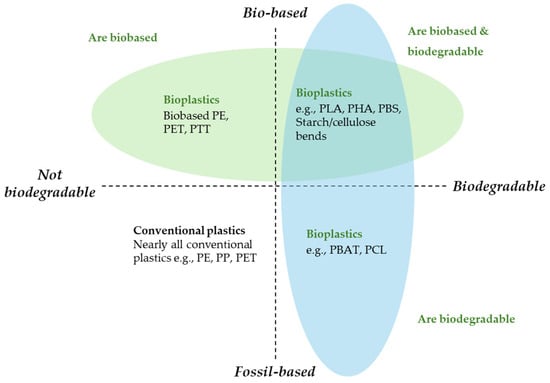
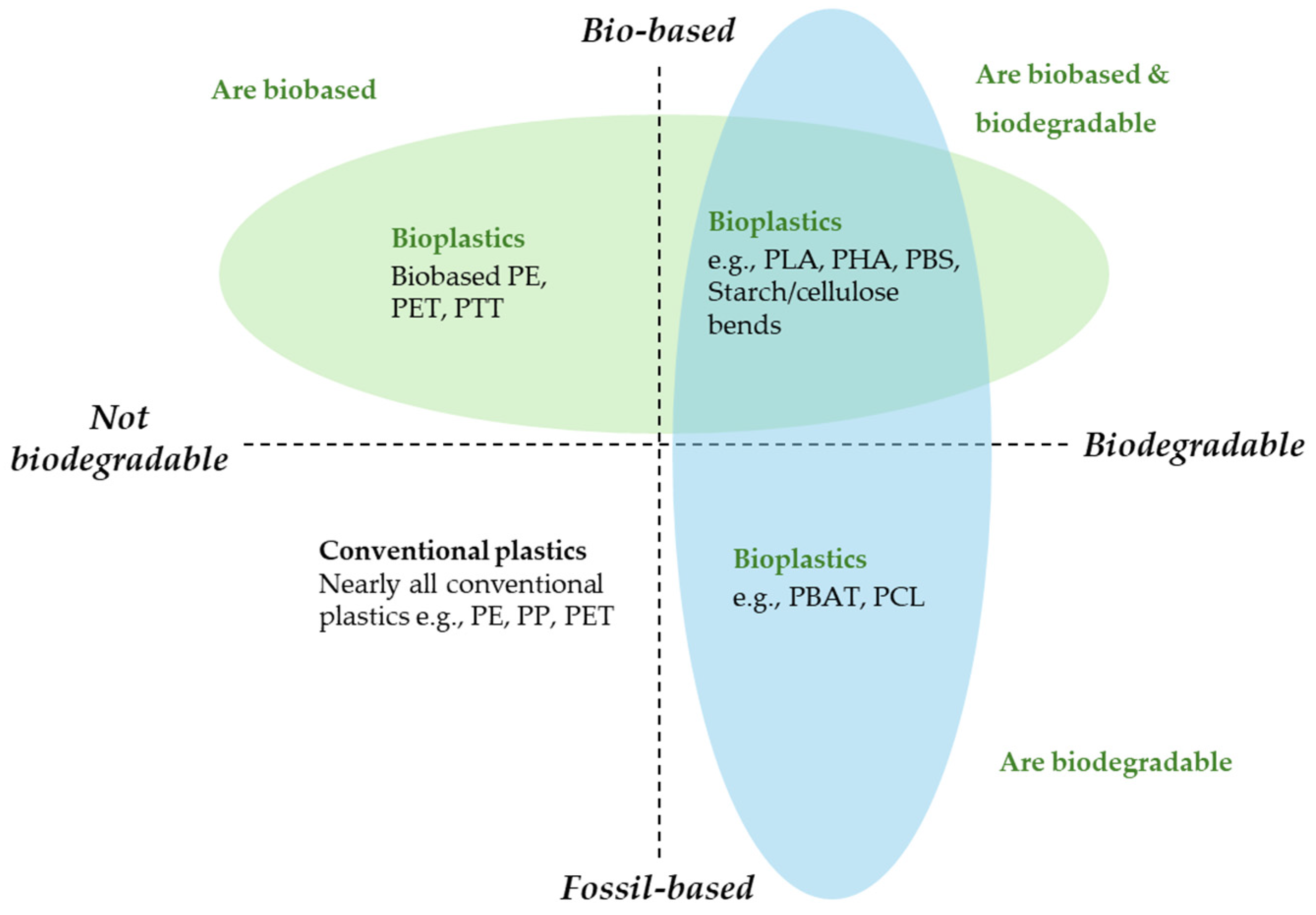
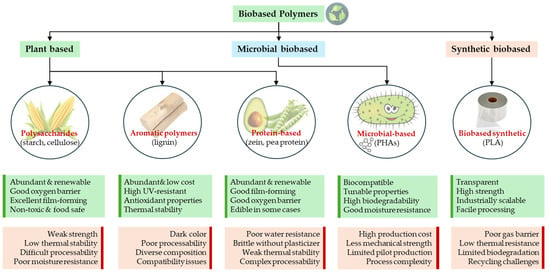
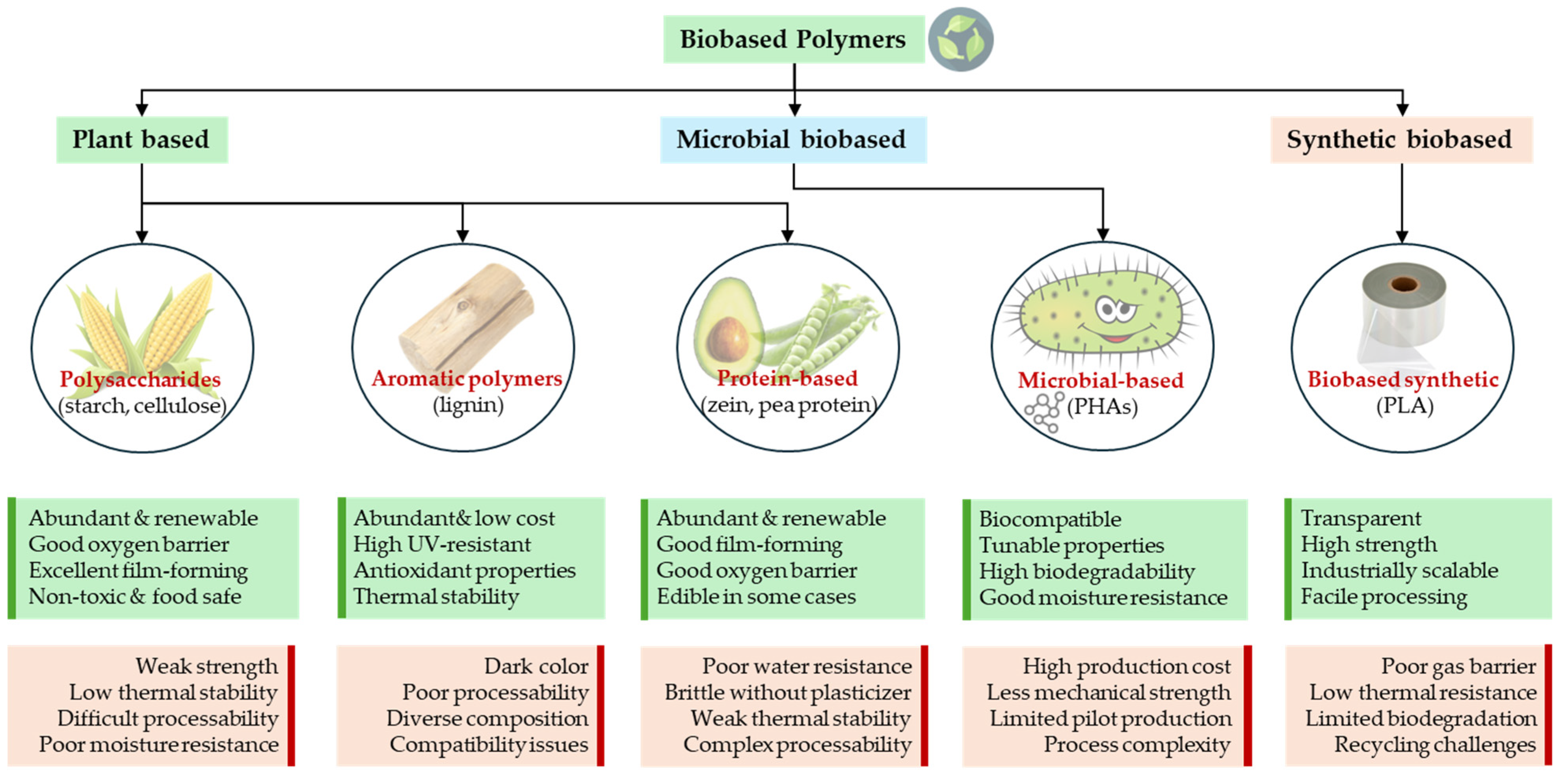
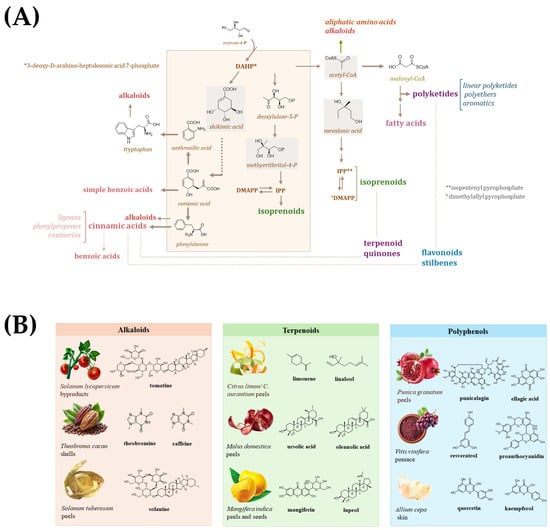
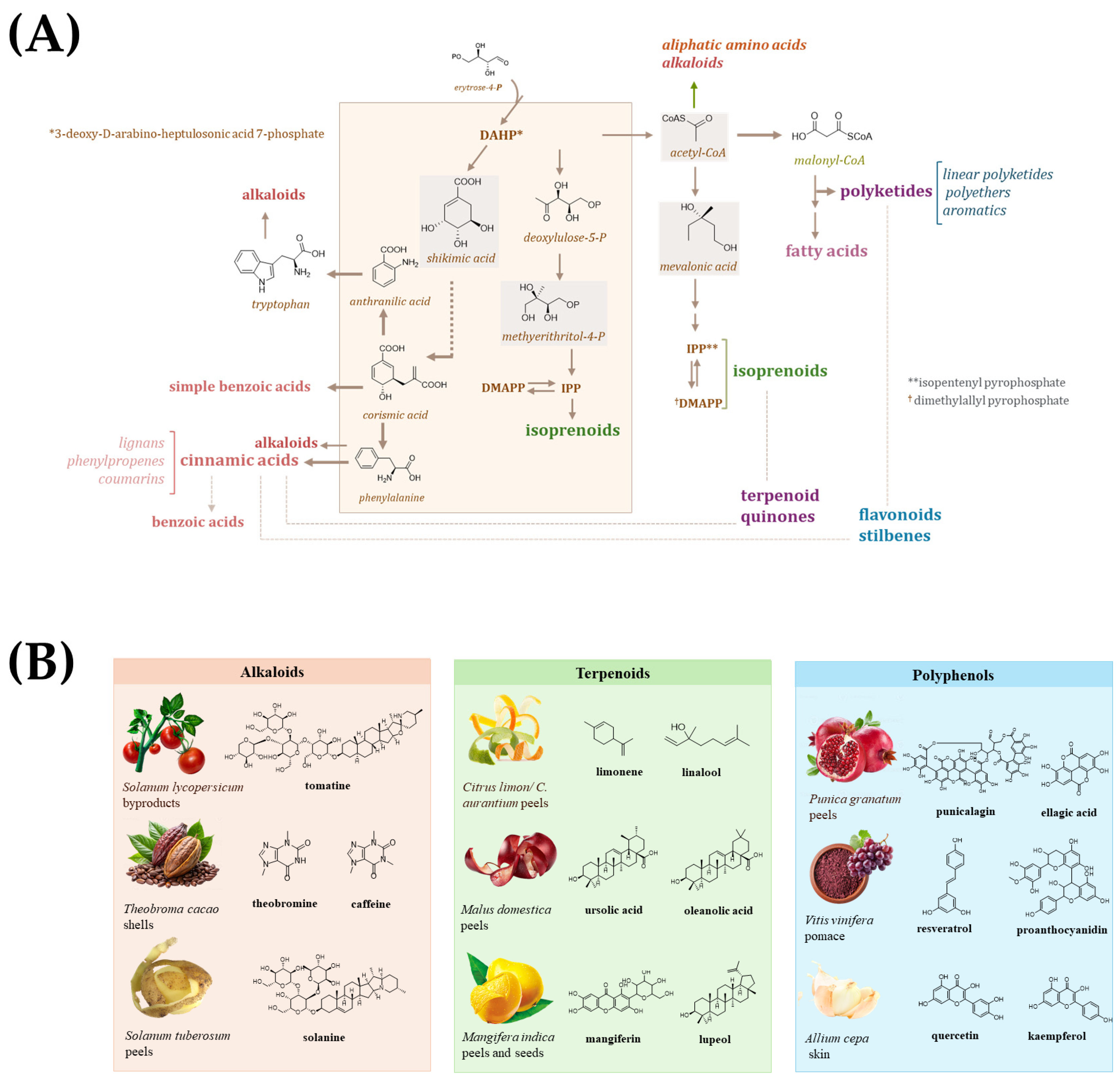
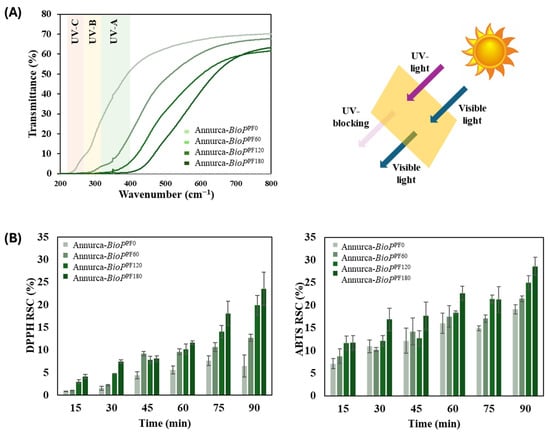
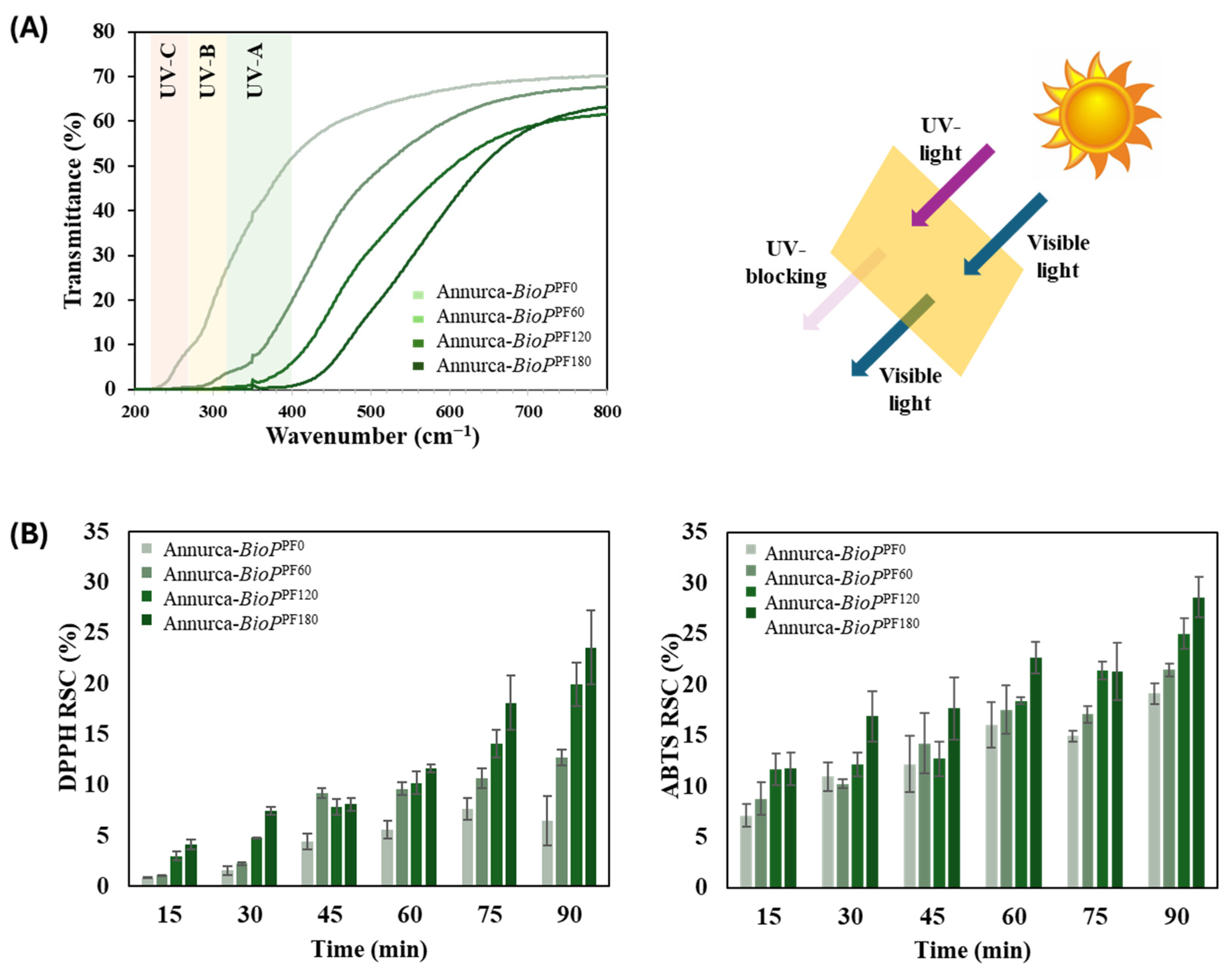

Disclaimer/Publisher’s Note: The statements, opinions and data contained in all publications are solely those of the individual author(s) and contributor(s) and not of MDPI and/or the editor(s). MDPI and/or the editor(s) disclaim responsibility for any injury to people or property resulting from any ideas, methods, instructions or products referred to in the content. |
© 2026 by the authors. Licensee MDPI, Basel, Switzerland. This article is an open access article distributed under the terms and conditions of the Creative Commons Attribution (CC BY) license.