




Children, Volume 13, Issue 1 (January 2026) – 160 articles
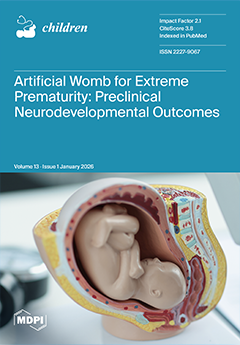
Cover Story (view full-size image):
Neurodevelopmental morbidity accounts for much of the lifelong burden of extreme prematurity (22–24 weeks’ gestation), reflecting the immature brain’s heightened vulnerability to hypoxic-ischemic injury, inflammation, and hemodynamic instability during early extrauterine adaptation. Artificial womb technologies (AWTs) are designed to sustain fetal physiology ex utero by providing low-resistance extracorporeal gas exchange within a sterile, fluid-filled environment to support continued organ maturation during the periviable period. In this narrative review, we summarize the spectrum of neurologic sequelae among extremely preterm infants and review current state-of-the-art preclinical AWT models, emphasizing structural, developmental, and functional neurodevelopmental endpoints relevant to near-term clinical translation. View this paper
- Issues are regarded as officially published after their release is announced to the table of contents alert mailing list.
- You may sign up for e-mail alerts to receive table of contents of newly released issues.
- PDF is the official format for papers published in both, html and pdf forms. To view the papers in pdf format, click on the "PDF Full-text" link, and use the free Adobe Reader to open them.
Previous Issue
Next Issue
