


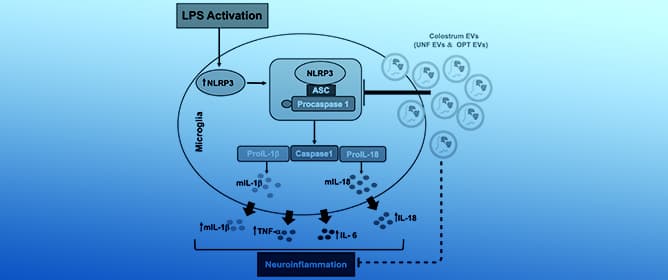
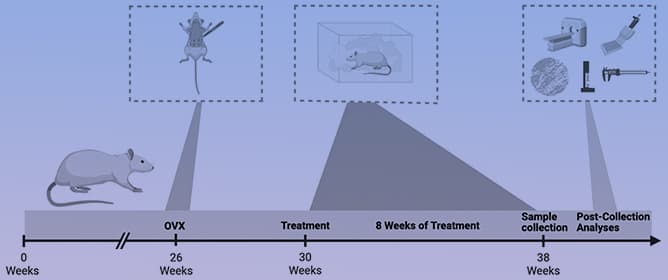
-
Mesenchymal Stem Cell–Derived Exosomes Mitigate Cutaneous Radiation Injury Through Coordinated Modulation of DNA Repair, Stress, and Inflammatory Gene Programs -
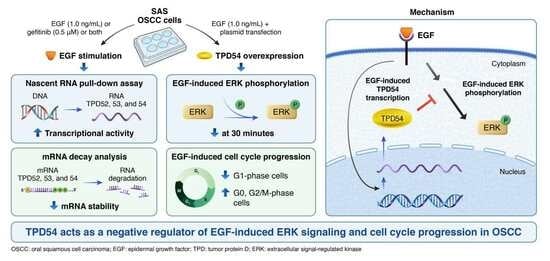
DNA Methylation Dynamics in Development and Disease: Insights from Zebrafish Models -
The Gut–Muscle Axis in Sarcopenia: Mechanisms, Evidence Gaps and Translational Challenges -
3D Virtual Reality Performance Metrics as a Future Fatigue Biomarker in Myalgic Encephalomyelitis/Chronic Fatigue Syndrome (ME/CFS) -
Alpha-Ketoglutarate: A Metabolic Regulator of Cellular Homeostasis and Pathophysiology
Journal Description
Biomedicines
Biomedicines
is an international, peer-reviewed, open access journal on biomedicines published monthly online by MDPI.
- Open Access— free for readers, with article processing charges (APC) paid by authors or their institutions.
- High Visibility: indexed within Scopus, SCIE (Web of Science), PubMed, PMC, CAPlus / SciFinder, and other databases.
- Journal Rank: JCR - Q1 (Pharmacology and Pharmacy) / CiteScore - Q1 (Medicine (miscellaneous))
- Rapid Publication: manuscripts are peer-reviewed and a first decision is provided to authors approximately 21 days after submission; acceptance to publication is undertaken in 2.8 days (median values for papers published in this journal in the second half of 2025).
- Recognition of Reviewers: reviewers who provide timely, thorough peer-review reports receive vouchers entitling them to a discount on the APC of their next publication in any MDPI journal, in appreciation of the work done.
- Companion journals for Biomedicines include: IJTM, BioMed, Anesthesia Research and Emergency Care and Medicine.
Impact Factor:
3.9 (2024);
5-Year Impact Factor:
4.2 (2024)
Latest Articles
Dental Tissue-Derived Mesenchymal Stem Cells Modulate Mitochondrial and OPG/RANKL Signaling in Obesity-Associated Osteoporosis Under Estrogen-Deficient and Intact Conditions
Biomedicines 2026, 14(6), 1320; https://doi.org/10.3390/biomedicines14061320 (registering DOI) - 10 Jun 2026
Abstract
Background/Objectives: Obesity and menopause are major determinants of skeletal deterioration; however, their combined effects on bone remodeling and associated cellular bioenergetics remain incompletely understood. This study aimed to determine whether obesity induces osteoporotic alterations under both estrogen-replete and estrogen-deficient conditions and to
[...] Read more.
Background/Objectives: Obesity and menopause are major determinants of skeletal deterioration; however, their combined effects on bone remodeling and associated cellular bioenergetics remain incompletely understood. This study aimed to determine whether obesity induces osteoporotic alterations under both estrogen-replete and estrogen-deficient conditions and to evaluate the therapeutic potential of dental tissue-derived mesenchymal stem cells (D-MSCs). Methods: Female mice were subjected to ovariectomy (OVX) and/or high-fat diet (HFD) feeding for 16 weeks to establish obesity-associated osteoporosis models. D-MSCs were administered intraperitoneally at defined intervals. Body weight and serum leptin levels were measured to assess metabolic status. Femoral tissues were analyzed by quantitative real-time PCR for estrogen receptors (ERα, ERβ), inflammatory markers (Il-1β, Tnf-α), mitochondrial regulators (Pgc1α, Pgc1β), and the OPG/RANKL ratio. Histological analysis was performed to evaluate bone marrow adiposity. Results: HFD significantly increased body weight and serum leptin levels in both intact and OVX mice. Obesity was associated with reduced expression of ERα and ERβ, decreased Pgc1α levels, and a lower OPG/RANKL ratio, accompanied by increased Il-1β, Tnf-α, and Pgc1β expression. D-MSC administration attenuated body weight gain and reduced leptin levels, particularly in OVX mice. In femoral tissue, D-MSC treatment restored estrogen receptor expression, increased Pgc1α, decreased Pgc1β, and normalized the OPG/RANKL ratio. In addition, inflammatory marker expression and bone marrow adiposity were reduced following MSC administration. Conclusions: Obesity induces bone remodeling dysregulation under both intact and estrogen-deficient conditions, characterized by altered estrogen signaling, inflammatory activation, and mitochondrial imbalance. D-MSC administration was associated with partial restoration of these alterations, suggesting a potential role in modulating metabolic and skeletal homeostasis in obesity-associated bone loss.
Full article
(This article belongs to the Section Gene and Cell Therapy)
►
Show Figures
Open AccessArticle
Prognostic Value of Serum MicroRNA-423-5p Levels for Cardiovascular Events in Patients with Heart Failure
by
Tuong Trong Le Huynh and Son Kim Tran
Biomedicines 2026, 14(6), 1319; https://doi.org/10.3390/biomedicines14061319 (registering DOI) - 10 Jun 2026
Abstract
Background: Patients with heart failure remain at a relatively high risk of cardiovascular events after hospital discharge, adversely affecting survival and quality of life. Recent evidence suggests that serum microRNA-423-5p may serve as a prognostic biomarker; however, data in Vietnamese populations are
[...] Read more.
Background: Patients with heart failure remain at a relatively high risk of cardiovascular events after hospital discharge, adversely affecting survival and quality of life. Recent evidence suggests that serum microRNA-423-5p may serve as a prognostic biomarker; however, data in Vietnamese populations are limited. Objectives: To evaluate the prognostic value of serum microRNA-423-5p for major adverse cardiovascular events (MACE) in patients with heart failure. Materials and Methods: A cross-sectional study with a 6-month follow-up was conducted in 250 heart failure patients at Can Tho Central General Hospital from January 2024 to November 2025. Serum microRNA-423-5p levels were measured, and patients were followed for MACE, including rehospitalization for heart failure, non-fatal myocardial infarction, cardiovascular death, and all-cause mortality. Results: Males accounted for 56.0%. Patients with LVEF < 30% had higher NT-proBNP levels and smoking prevalence compared to those with LVEF ≥ 30% (p < 0.05). At 6 months, 29.6% experienced MACE, most commonly heart failure rehospitalization (23.2%), followed by all-cause mortality (7.6%), cardiovascular death (6.0%), and myocardial infarction (1.6%). Median microRNA-423-5p levels were higher in patients with MACE [4.23 (IQR: 1.82–17.63) vs. 2.50 (IQR: 0.96–5.46), (2−ΔCt); p < 0.05]. A cutoff value of 10.77 (2−ΔCt) demonstrated moderate prognostic performance (AUC = 0.652; 95% CI: 0.574–0.729; p < 0.05). Multivariable analysis identified LVEF <30% (OR = 1.94) and microRNA-423-5p (OR = 1.14) as independent predictors of MACE. Conclusions: Serum microRNA-423-5p is a useful biomarker for predicting 6-month cardiovascular events in patients with heart failure.
Full article
(This article belongs to the Section Molecular and Translational Medicine)
Open AccessReview
Silent Messengers: The Role of Extracellular Vesicle-Associated miRNAs in the Non-Invasive Profiling of Hepatocellular Carcinoma
by
Roxana-Luiza Caragut, Daniela Matei, Horia Stefanescu, Nadim Al Hajjar, Vasile Sandru, Ioana Berindan-Neagoe, Cristina Alexandra Ciocan, Laura Ancuta Pop and Zeno Sparchez
Biomedicines 2026, 14(6), 1318; https://doi.org/10.3390/biomedicines14061318 (registering DOI) - 10 Jun 2026
Abstract
Hepatocellular carcinoma (HCC) remains a major global health burden, characterized by late diagnosis, limited therapeutic options, and high mortality rates. Conventional diagnostic tools such as serum α-fetoprotein testing and imaging lack sufficient sensitivity for early detection. In recent years, liquid biopsy has emerged
[...] Read more.
Hepatocellular carcinoma (HCC) remains a major global health burden, characterized by late diagnosis, limited therapeutic options, and high mortality rates. Conventional diagnostic tools such as serum α-fetoprotein testing and imaging lack sufficient sensitivity for early detection. In recent years, liquid biopsy has emerged as a minimally invasive approach that enables real-time molecular profiling of tumors through the analysis of circulating biomarkers such as nucleic acids, proteins, and extracellular vesicles. Recent advances have underscored exosomes—nano-sized extracellular vesicles (EVs) secreted by nearly all cell types—as pivotal mediators of intercellular communication and dynamic carriers of tumor-derived molecular information, offering exciting prospects for early cancer detection and personalized therapy. In HCC, EV microRNAs (miRNAs) participate in multiple oncogenic processes, including proliferation, angiogenesis, epithelial–mesenchymal transition, and immune modulation. Specific EV-associated miRNAs, such as miR-21, miR-122, miR-224, and miR-221, show distinctive expression profiles in HCC and correlate with tumor stage, metastasis, and patient prognosis. Moreover, panels of circulating EV-associated miRNAs demonstrate superior diagnostic accuracy compared with traditional biomarkers, underscoring their potential as non-invasive tools for early detection and disease monitoring. Their inherent stability in biofluids and resistance to enzymatic degradation further support their application in liquid biopsy approaches. Despite promising results, continued research is essential to validate EV-associated miRNA signatures and to integrate these “silent messengers” into routine clinical practice for precision management of hepatocellular carcinoma.
Full article
(This article belongs to the Special Issue Advances in Liquid Biopsy from Technological Innovation to Therapeutic Intervention)
Open AccessArticle
Extracellular Vesicles as Dynamic Sensors of Redox–Inflammatory Balance: Potential Implications for Aging in Healthy Subjects
by
Irene Martínez de Toda, Rafael Moreno-Gómez-Toledano, Julia Carracedo, Mónica De la Fuente and Rafael Ramírez-Carracedo
Biomedicines 2026, 14(6), 1317; https://doi.org/10.3390/biomedicines14061317 (registering DOI) - 10 Jun 2026
Abstract
Background/Objectives: Chronological age does not fully capture the heterogeneity of physiological aging among healthy individuals. Immune aging and redox imbalance are key hallmarks of biological aging, yet their interaction and relationship with circulating extracellular vesicles (EVs) remain incompletely understood. This study aimed to
[...] Read more.
Background/Objectives: Chronological age does not fully capture the heterogeneity of physiological aging among healthy individuals. Immune aging and redox imbalance are key hallmarks of biological aging, yet their interaction and relationship with circulating extracellular vesicles (EVs) remain incompletely understood. This study aimed to investigate whether endothelial- and platelet-derived EVs are associated with immune and oxidative aging processes in clinically healthy subjects. Methods: Circulating EVs were isolated and characterized by flow cytometry in a cohort of healthy volunteers spanning a wide age range. Endothelial-derived EVs (EeEVs) and platelet-derived EVs (PEVs) were quantified and analyzed in relation to chronological age, immune function parameters, redox biomarkers, ImmunolAge (an immune aging index), and OxyScore (a composite redox index). A normalized EV-Score was developed using an age- and sex-adjusted Z-score approach. Associations were assessed using correlation analyses, non-linear regression models, generalized additive models, and receiver operating characteristic (ROC) curves. Results: Both EeEVs and PEVs increased non-linearly with age, with a pronounced rise during midlife. EV concentrations were positively associated with molecular aging markers and inversely related to multiple immune function parameters. EVs were also linked to redox biomarkers, although oxidative status alone did not explain EV variability. EV-Score was strongly associated with immune aging and showed context-dependent relationships with oxidative status. Notably, high EV-Score values were observed primarily in individuals with accelerated immune aging, whereas subjects with high oxidative status but preserved immune aging exhibited low EV-Score values. ROC analyses demonstrated that the discriminative capacity of EV-Score for immune or oxidative aging depended on the combined immune–redox context. Conclusions: Circulating EVs may reflect the integrated state of immune and redox aging rather than chronological age alone. These findings suggest the potential utility of EVs as dynamic biomarkers of biological aging in healthy individuals and highlight the importance of considering immune and oxidative processes jointly to interpret EV-associated aging signatures.
Full article
(This article belongs to the Special Issue The Aging Metabolism: Diabetes, Obesity, and Lifespan Insights)
►▼
Show Figures

Figure 1
Open AccessArticle
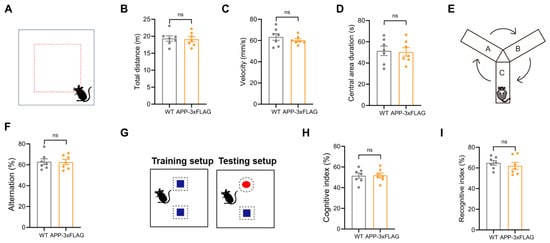
BDNF-Hyaluronic Acid Hydrogel Promotes Neuronal Differentiation of Neural Stem Cells in Aβ-Induced Injury and 5×FAD Mice
by
Kangzhen Chen, Hehang Shi, Yuanyuan Bai, Shengbo Shi, Baoqing Gao, Hongmei Duan, Peng Hao, Wen Zhao, Yudan Gao, Zhaoyang Yang and Xiaoguang Li
Biomedicines 2026, 14(6), 1316; https://doi.org/10.3390/biomedicines14061316 (registering DOI) - 10 Jun 2026
Abstract
Objectives: Alzheimer’s disease (AD) is associated with impaired adult hippocampal neurogenesis (AHN). This study aimed to establish an in vitro model of Aβ1–42 oligomer-damaged neural stem cells (NSCs) and to employ the 5×FAD mouse model of AD in vivo, and to
[...] Read more.
Objectives: Alzheimer’s disease (AD) is associated with impaired adult hippocampal neurogenesis (AHN). This study aimed to establish an in vitro model of Aβ1–42 oligomer-damaged neural stem cells (NSCs) and to employ the 5×FAD mouse model of AD in vivo, and to evaluate the therapeutic effects of brain-derived neurotrophic factor-loaded hyaluronic acid hydrogel (BDNF-HA gel) on AHN. Methods: In vitro, BDNF-HA gel was co-cultured with Aβ1–42 oligomer-impaired NSC spheres and evaluate NSC proliferation, migration, and differentiation. In vivo, BDNF-HA gel was infused intracerebroventricularly into 5×FAD mice. Using BrdU labeling, immunofluorescence, anterograde transsynaptic viral tracing, and behavioral tests, we assessed the effects of BDNF-HA gel on adult neurogenesis, newborn neuron integration into memory circuits, and cognitive function. Results: In vitro, BDNF-HA gel attenuated Aβ1–42-induced NSC apoptosis, restored proliferation and migration, promoted differentiation into neuroblasts, newborn neurons, and oligodendrocytes, and alleviated mitochondrial depolarization and loss of mitochondrial mass. In vivo, despite the absence of significant Aβ plaques reduction in 5×FAD mice, BDNF-HA gel markedly enhanced NSC proliferation and neurogenesis in the subventricular zone (SVZ) and subgranular zone (SGZ). Behavioral tests further revealed significant improvements in object recognition, spatial working memory, and spatial reference memory. Conclusions: BDNF-HA gel can effectively counteract the toxic microenvironment induced by Aβ oligomers, promoting NSC proliferation, migration, and differentiation into neurons. Without altering the Aβ burden, it significantly enhances adult neurogenesis and rescues cognitive deficits in AD mice.
Full article
(This article belongs to the Special Issue Mechanobiology and Extracellular Vesicle-Based Strategies for Osteochondral Regeneration)
►▼
Show Figures

Figure 1
Open AccessArticle
Ibandronate Use in Osteoporotic Vertebral Fractures: A Retrospective Clinical Study Integrated with Exploratory Network Pharmacology and Cross-Cohort Transcriptomic Analysis
by
Mehmet Albayrak, Ersin Guner, Fatih Ugur and Ibrahim Yilmaz
Biomedicines 2026, 14(6), 1315; https://doi.org/10.3390/biomedicines14061315 (registering DOI) - 10 Jun 2026
Abstract
Background: Ibandronate is a nitrogen-containing bisphosphonate used in osteoporosis; however, its relationship with vertebral-fracture-related outcomes, pain trajectories, and broader inflammatory–skeletal signaling remains incompletely characterized. Methods: This retrospective observational study included patients with osteoporosis categorized according to ibandronate exposure. The primary outcome was new
[...] Read more.
Background: Ibandronate is a nitrogen-containing bisphosphonate used in osteoporosis; however, its relationship with vertebral-fracture-related outcomes, pain trajectories, and broader inflammatory–skeletal signaling remains incompletely characterized. Methods: This retrospective observational study included patients with osteoporosis categorized according to ibandronate exposure. The primary outcome was new vertebral fracture occurrence, and the secondary outcome was change in pain severity assessed using the Visual Analog Scale (VAS). Multivariable regression, sensitivity analyses, and exploratory network-pharmacology, transcriptomic, and molecular docking analyses were performed. Results: Forty patients (20 ibandronate, 20 control) were included. Ibandronate use was associated with numerically lower vertebral fracture occurrence, although this did not reach statistical significance in crude or adjusted analyses. Greater pain reduction was observed in unadjusted analyses but was attenuated after multivariable adjustment, and baseline heterogeneity should be considered when interpreting between-group differences. Radiological outcomes did not differ significantly between groups. Exploratory systems-level analyses identified enrichment patterns involving inflammatory signaling, osteoclast differentiation, cytokine-associated pathways, and skeletal regulatory processes; however, these findings should be interpreted as hypothesis-generating and not as evidence of causal biological mechanisms. Conclusions: In this exploratory, hypothesis-generating study, ibandronate use was associated with trends toward lower vertebral fracture occurrence and greater unadjusted pain improvement, although these findings were attenuated after adjustment. The combined clinical, transcriptomic, and computational observations are compatible with the possibility that inflammatory and skeletal regulatory pathways may intersect within a broader systems-level framework relevant to vertebral-fracture-related outcomes in osteoporosis. However, these findings should not be interpreted as direct mechanistic evidence of ibandronate-specific molecular activity or clinical efficacy. Larger prospective studies integrating clinical, radiological, and mechanistic approaches are required to clarify the biological and clinical relevance of these observations.
Full article
(This article belongs to the Special Issue Translational and Precision Medicine in Osteoarthritis, Bone Healing and Musculoskeletal Diseases)
►▼
Show Figures

Figure 1
Open AccessReview
5-ALA in Oncology: Current Clinical Applications, Biological Limitations, and Emerging Translational Strategies
by
Julia Inglot, Dorota Bartusik-Aebisher, Angelika Myśliwiec, Klaudia Dynarowicz, Avijit Paul, Marvin Xavierselvan and David Aebisher
Biomedicines 2026, 14(6), 1314; https://doi.org/10.3390/biomedicines14061314 (registering DOI) - 10 Jun 2026
Abstract
5-Aminolevulinic acid (5-ALA) has emerged as an important theranostic agent in oncology due to its selective intracellular conversion to protoporphyrin IX (PpIX), enabling both photodynamic diagnosis (PDD) and photodynamic therapy (PDT). This narrative review summarizes current knowledge regarding the biological mechanisms underlying 5-ALA
[...] Read more.
5-Aminolevulinic acid (5-ALA) has emerged as an important theranostic agent in oncology due to its selective intracellular conversion to protoporphyrin IX (PpIX), enabling both photodynamic diagnosis (PDD) and photodynamic therapy (PDT). This narrative review summarizes current knowledge regarding the biological mechanisms underlying 5-ALA metabolism, selective tumor accumulation, and the clinical applications of 5-ALA-based approaches across multiple oncological indications. Particular emphasis is placed on glioblastoma, head and neck lesions, dermatological malignancies, urological cancers, gynecological lesions, and emerging translational applications. The review also discusses key biological and technical limitations, including tumor hypoxia, restricted light penetration, heterogeneous PpIX accumulation, resistance mechanisms, and tumor-specific variability. Recent advances in drug delivery systems, nanotechnology, sonodynamic therapy, radiodynamic strategies, and combination immunotherapeutic approaches are also highlighted. Collectively, current evidence indicates that while 5-ALA has established clinical utility in selected indications, many applications remain preclinical or early translational, underscoring the need for further well-designed clinical studies.
Full article
(This article belongs to the Special Issue Photodynamic Therapy (4th Edition))
►▼
Show Figures

Figure 1
Open AccessArticle
Circulating Brain-Derived Neurotrophic Factor (BDNF) and Multimodal Opioid-Based Analgesia in Chronic Pain: Plasma BDNF as an Indicator of Pain Intensity and Neuropathic Pain
by
Urszula Kosciuczuk, Piotr Jakubow and Damian Misiuk
Biomedicines 2026, 14(6), 1313; https://doi.org/10.3390/biomedicines14061313 (registering DOI) - 10 Jun 2026
Abstract
Background: Brain-derived neurotrophic factor (BDNF) is crucial in the nociception and mechanisms underlying chronic and neuropathic pain. The evaluation of circulating BDNF in patients with multimodal analgesia has not been reported previously. We hypothesized that opioid-based multi-analgesia induces changes in BDNF values and
[...] Read more.
Background: Brain-derived neurotrophic factor (BDNF) is crucial in the nociception and mechanisms underlying chronic and neuropathic pain. The evaluation of circulating BDNF in patients with multimodal analgesia has not been reported previously. We hypothesized that opioid-based multi-analgesia induces changes in BDNF values and that BDNF correlates with pain intensity in neuropathic pain. Methods: Adult patients who met low back pain (LBP) criteria and received multimodal opioid-based therapy were included. The control group included patients with LBP who did not receive any pharmacotherapy. Plasma measurements obtained with the ELISA test were analyzed. The study was registered at Clinical Trials.gov (NCT 04227223). Results: Patients with multimodal opioid-based analgesia had significantly higher BDNF values compared to the monotherapy: 3.6 ng/mL vs. 2.7 ng/mL, p = 0.01. No statistical differences were observed compared to the non-pharmacologically treated group: 3.6 ng/mL vs. 5.0 ng/mL, p = 0.75. The median BDNF values were lowest in the mild-pain group, and significant differences were observed between the severe and moderate-pain groups (p = 0.006) and the mild-pain group (p = 0.0001). BDNF was significantly higher in the neuropathic-pain group compared to the group of patients without neuropathic pain (p = 0.0005). A significant correlation was demonstrated between the BDNF and numerical rating pain score (NRS) in the neuropathic-pain component (rho = 0.6, p = 0.001). Conclusions: Multimodal opioid-based analgesia decreases plasma BDNF concentrations less than opioid monotherapy, which offers an opportunity to limit opioid-induced adverse effects. BDNF influences pain intensity and predicts neuropathic pain in multimodal opioid-based analgesia.
Full article
(This article belongs to the Special Issue Biomarkers in Pain: 2nd Edition)
►▼
Show Figures

Figure 1
Open AccessReview
Lynch Syndrome: An Update of Underlying Molecular Mechanisms, Phenotypes and Methods to Classify Variants of Uncertain Significance
by
Pedro Rodrigues, Paulo Matos, João Gonçalves and Peter Jordan
Biomedicines 2026, 14(6), 1312; https://doi.org/10.3390/biomedicines14061312 (registering DOI) - 9 Jun 2026
Abstract
In 2022, colorectal cancer (CRC) was the third most common type of cancer worldwide and the second most common in Europe. CRC ranked as the second leading cause of cancer-related deaths both worldwide and in Europe, with 904,019 and 247,966 deaths, respectively. The
[...] Read more.
In 2022, colorectal cancer (CRC) was the third most common type of cancer worldwide and the second most common in Europe. CRC ranked as the second leading cause of cancer-related deaths both worldwide and in Europe, with 904,019 and 247,966 deaths, respectively. The majority of CRC cases are sporadic (60–75%); however, 10–35% of CRC are estimated to result from the interaction of heritable and environmental factors. Among these, 5–6% are caused by inherited variants in genes that predispose to the development of CRC. Among the known inherited causes, Lynch Syndrome (LS), formerly known as Hereditary Nonpolyposis Colorectal Cancer (HNPCC), is the most frequent and accounts for approximately 3% of all CRC. Here we review and update on multiple aspects of LS in the context of CRC, including its genetic and molecular basis, current guidelines for molecular screening and variant classification. Furthermore, we review functional assays that have been used to determine the biological impact of genetic variants of uncertain significance (VUS) and discuss future perspectives in the field.
Full article
(This article belongs to the Special Issue Cancer Genetics: Bench-to-Bedside Advances)
►▼
Show Figures

Figure 1
Open AccessReview
3D Cell Printing and Manipulation with Magnetic Bioinks
by
Sarah Mishriki, Tamaghna Gupta, Rakesh P. Sahu and Ishwar K. Puri
Biomedicines 2026, 14(6), 1311; https://doi.org/10.3390/biomedicines14061311 (registering DOI) - 9 Jun 2026
Abstract
Three-dimensional (3D) cell culture models more faithfully reproduce native tissue organization and function than conventional two-dimensional systems, yet many existing bioprinting methods depend on scaffolds, complex instrumentation, or limited control over cell positioning. This review examines magnetic bioinks as a versatile platform for
[...] Read more.
Three-dimensional (3D) cell culture models more faithfully reproduce native tissue organization and function than conventional two-dimensional systems, yet many existing bioprinting methods depend on scaffolds, complex instrumentation, or limited control over cell positioning. This review examines magnetic bioinks as a versatile platform for contactless 3D cell manipulation and biofabrication. It first outlines the fundamentals of magnetophoresis and defines magnetic bioinks as combinations of magnetic agents, including magnetic nanoparticles or paramagnetic salts, with biological components such as cells, proteins, or fluids. The review then compares label-based strategies, in which cells are magnetized and guided by positive magnetophoresis, with label-free approaches that exploit magnetic susceptibility differences to position diamagnetic cells through negative magnetophoresis. Across these methods, magnetic bioinks have enabled single-cell sorting, spatial patterning, spheroid and co-culture assembly, multilayer tissue formation, and hydrogel-integrated printing. These capabilities support applications in disease modeling, drug screening, biosensing, regenerative medicine, and emerging biofabrication under microgravity conditions. The paper also highlights key limitations, including nanoparticle biocompatibility, paramagnetic salt toxicity, osmotic stress, and the need for better assay standardization and translational validation. Overall, magnetic bioinks represent a promising scaffold-free approach for rapidly producing physiologically relevant 3D biological constructs for research and clinical innovation.
Full article
(This article belongs to the Special Issue Trends in 3D Printing Processes for Biomedical Field: Opportunities and Challenges (2nd Edition))
►▼
Show Figures

Figure 1
Open AccessArticle
Biophysical and Computational Insights into Alpha-1 Antitrypsin Aggregation and Its Inhibition by Natural Polyphenols
by
Tarique Sarwar, Ahmed Abdur Rehman, Hussain Arif, Wanian M. Alwanian, Hajed Obaid A. Alharbi and Arshad Husain Rahmani
Biomedicines 2026, 14(6), 1310; https://doi.org/10.3390/biomedicines14061310 (registering DOI) - 9 Jun 2026
Abstract
Background/Objectives: Protein misfolding and amyloid fibril formation underlie several degenerative diseases, including Alzheimer’s disease and Parkinson’s disease. Alpha-1 antitrypsin (A1AT), a serpin protein, is particularly prone to misfolding, with polymerization and aggregation implicated in alpha-1 antitrypsin deficiency and associated hepatic and pulmonary
[...] Read more.
Background/Objectives: Protein misfolding and amyloid fibril formation underlie several degenerative diseases, including Alzheimer’s disease and Parkinson’s disease. Alpha-1 antitrypsin (A1AT), a serpin protein, is particularly prone to misfolding, with polymerization and aggregation implicated in alpha-1 antitrypsin deficiency and associated hepatic and pulmonary disorders. In this study, we examined the structural changes in A1AT induced by the fluorinated alcohol, trifluoroethanol (TFE), and assessed the inhibitory effects of two natural polyphenols, amentoflavone (AMF) and theaflavin (TF), on aggregation and fibril formation. Methods: A library of selected phytocompounds was virtually screened against the crystal structure of A1AT (PDB 3NE4) using AutoDock Vina to elucidate their binding affinity towards it. Based on binding affinities, two compounds, AMF and TF, were selected for further studies. Protein aggregation was induced with TFE, and the protective effects of AMF and TF were evaluated using protease inhibitory activity, intrinsic fluorescence, turbidity, Rayleigh scattering, ANS fluorescence, and ThT fluorescence assays. Furthermore, 100 ns molecular dynamics simulation and MM-PBSA calculations were performed to assess the stability and binding interactions of the A1AT–ligand complexes. Results: Pre-treatment of A1AT with AMF or TF significantly inhibited TFE-induced aggregation in a dose-dependent manner, with AMF being consistently more effective. ThT fluorescence analysis revealed a ~60–65% decrease in aggregate formation upon treatment with polyphenols, with IC50 values estimated at ~40 µM for AMF and ~50 µM for TF, both of which are statistically significant. Molecular docking and 100 ns molecular dynamics simulation also revealed stable A1AT–polyphenol interactions, with AMF exhibiting greater binding affinity and greater attenuation of solvent-induced conformational perturbation. Conclusions: Collectively, our findings show that TFE causes A1AT misfolding via a molten globule-like intermediate, resulting in fibril formation at 30–40% TFE, and natural polyphenols AMF and TF inhibited aggregation in a concentration-dependent manner. These observations suggest the potential of AMF and TF as lead scaffolds for anti-aggregation strategies, as modulators of amyloidogenic processes.
Full article
(This article belongs to the Special Issue Exploring Bioactive Metabolites and Immunomodulatory Potential in Natural Products)
►▼
Show Figures

Figure 1
Open AccessArticle
Immunomodulatory and Anti-Inflammatory Effects of Phycocyanin Oligopeptide Combined with Selenium and Zinc in LPS-Induced Mice
by
Kazim Sahin, Mehmet Yabas, Cemal Orhan, Besir Er, Muhammed F. Göktas, Nurhan Sahin, Turkkan O. Kaygusuz, Ibrahim H. Ozercan and James R. Komorowski
Biomedicines 2026, 14(6), 1309; https://doi.org/10.3390/biomedicines14061309 (registering DOI) - 9 Jun 2026
Abstract
Objective: Nutritional modulation of the immune function provides a promising strategy to mitigate systemic inflammation associated with viral and bacterial infections. This study evaluated the immunomodulatory and anti-inflammatory effects of a novel phycocyanin oligopeptide (PC-O) supplement, alone or in combination with selenium (Se)
[...] Read more.
Objective: Nutritional modulation of the immune function provides a promising strategy to mitigate systemic inflammation associated with viral and bacterial infections. This study evaluated the immunomodulatory and anti-inflammatory effects of a novel phycocyanin oligopeptide (PC-O) supplement, alone or in combination with selenium (Se) and zinc (Zn), in a lipopolysaccharide (LPS)-induced murine model of inflammation. Methods: Forty-two male BALB/c mice were pretreated with Se, Zn, PC-O or a combination of these for 14 days, followed by LPS administration to induce systemic inflammation. Serum biochemical markers, tissue oxidative stress parameters, pro-inflammatory cytokines, antioxidant enzyme activities, histopathological alterations, Zn transporter expression, and inflammatory signaling proteins were evaluated. Results: LPS administration induced pronounced hepatic and pulmonary inflammation, characterized by elevated IL-1β, IL-6, and TNF-α levels, increased oxidative stress, and disrupted expression of Zn transporters. While PC-O, Se, or Zn alone partially attenuated these effects, combined supplementation produced the most substantial protective response. Notably, the combination group demonstrated significant reductions in rectal temperature, hepatic enzymes (ALT and AST), lipid peroxidation, and cytokine expression, alongside restored antioxidant enzyme activities and normalized Zn transporter levels. Protein expression analyses revealed marked suppression of NF-κB, cyclooxygenase-2 (COX-2), and inducible nitric oxide synthase (iNOS) in liver and lung tissues. Conclusions: Combined supplementation with PC-O, Se, and Zn provides enhanced protection against LPS-induced inflammation, likely through coordinated antioxidant and anti-inflammatory mechanisms. This nutritional strategy may help strengthen host defense and limit inflammation-driven tissue injury.
Full article
(This article belongs to the Special Issue Exploring Bioactive Metabolites and Immunomodulatory Potential in Natural Products)
Open AccessSystematic Review
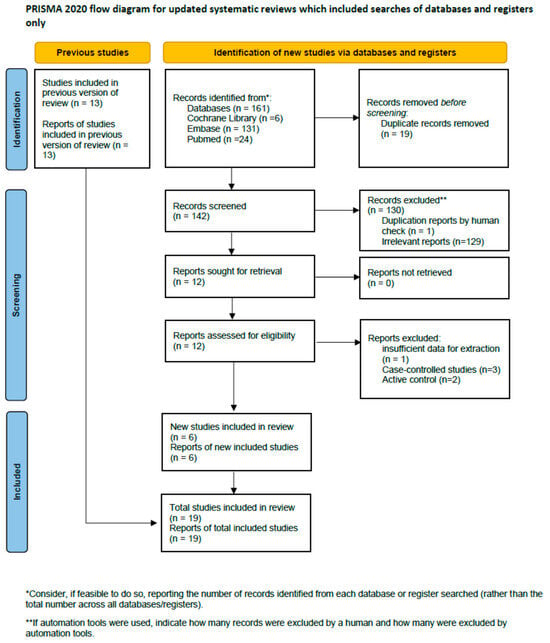
Orthodontic Treatment-Induced Periodontal, Microbiological, and Local Inflammatory Changes: A Systematic Review and Meta-Analysis
by
Dragos-Mihai Gavrilescu, Diana-Maria Mateescu, Andrei Marginean, Cristina Tudoran, Adrian-Cosmin Ilie, Marius Badalica-Petrescu, Dan Alexandru Surducan, Eduard Florescu, Raul Tirinescu, Ioana Cotet, Florin Eugen Constantinescu, Alina Tischer and Camelia-Oana Muresan
Biomedicines 2026, 14(6), 1308; https://doi.org/10.3390/biomedicines14061308 (registering DOI) - 9 Jun 2026
Abstract
Background/Objectives: Orthodontic treatment induces controlled mechanical forces that alter the periodontal environment, including changes in oral microbiota composition and activation of local inflammatory pathways. Despite the widespread and growing use of orthodontic appliances across all age groups, the magnitude, timing, and multi-domain
[...] Read more.
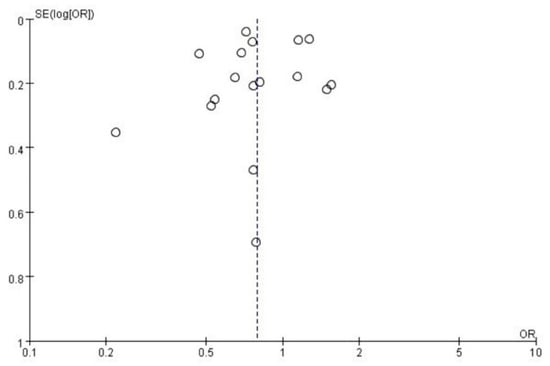
Background/Objectives: Orthodontic treatment induces controlled mechanical forces that alter the periodontal environment, including changes in oral microbiota composition and activation of local inflammatory pathways. Despite the widespread and growing use of orthodontic appliances across all age groups, the magnitude, timing, and multi-domain biological impact of these changes have not been comprehensively quantified in a single systematic synthesis. This systematic review and meta-analysis aimed to synthesize the available evidence on periodontal clinical parameters, oral microbiota composition, and local inflammatory biomarkers associated with orthodontic treatment using fixed appliances and clear aligners, and to provide a structured, GRADE-rated evidence base for clinical practice. Methods: A systematic review and meta-analysis was conducted in accordance with PRISMA 2020 guidelines. PubMed/MEDLINE, Scopus, and Web of Science were searched from inception to March 2026. Prospective cohort studies, longitudinal clinical studies, and randomized controlled trials evaluating periodontal parameters, oral microbiota, and inflammatory biomarkers during orthodontic treatment were included. Quantitative synthesis was performed using mean differences or standardized mean differences with 95% confidence intervals, primarily assessing within-group (pre–post) changes. Results: Eighteen studies (n = 812 patients; follow-up 3–12 months) met inclusion criteria. Fixed orthodontic appliances were consistently associated with transient increases in plaque index (MD 0.45, 95% CI 0.32–0.58; I2 = 62%), gingival index (MD 0.38, 95% CI 0.25–0.51; I2 = 55%), and bleeding on probing (MD 15.2%, 95% CI 10.1–20.3%; I2 = 48%), particularly during early treatment phases. Microbiological analyses demonstrated within-group shifts toward increased prevalence of periodontopathogenic species (Streptococcus mutans OR 2.45, 95% CI 1.89–3.18; Porphyromonas spp. OR 2.14, 95% CI 1.67–2.75) in patients treated with fixed appliances. Local inflammatory responses were characterized by elevated IL-1β (MD 1.2, 95% CI 0.8–1.6) and IL-6 (MD 0.9, 95% CI 0.6–1.2) in gingival crevicular fluid. Certainty of evidence was rated moderate for plaque and gingival indices and low for microbiological and inflammatory outcomes (GRADE). Conclusions: Orthodontic treatment—particularly with fixed appliances—is associated with transient, reversible deterioration of periodontal indices, shifts toward a more dysbiotic oral microbiome, and elevation of local inflammatory mediators in gingival crevicular fluid during active treatment phases. These changes are manageable through structured preventive protocols and regular periodontal monitoring. Future prospective studies with concurrent control groups and standardized multi-domain outcome measures are needed to better define the magnitude and reversibility of these biological responses. PROSPERO: CRD420261336117.
Full article
(This article belongs to the Special Issue Advances in Periodontal Disease and Systemic Disease)
►▼
Show Figures

Figure 1
Open AccessReview
From Prediction to Monitoring: Toward a Translational Framework of Biomarkers in Spinal Cord Stimulation
by
Gustavo Fabregat-Cid, Natalia Escrivá-Matoses and José De Andrés
Biomedicines 2026, 14(6), 1307; https://doi.org/10.3390/biomedicines14061307 (registering DOI) - 9 Jun 2026
Abstract
Spinal cord stimulation (SCS) is an established therapy for chronic pain, yet treatment response remains highly variable and patient selection largely empirical. The identification of biomarkers with the potential to predict and monitor therapeutic response is therefore critical for advancing toward precision neuromodulation.
[...] Read more.
Spinal cord stimulation (SCS) is an established therapy for chronic pain, yet treatment response remains highly variable and patient selection largely empirical. The identification of biomarkers with the potential to predict and monitor therapeutic response is therefore critical for advancing toward precision neuromodulation. This study provides a structured narrative synthesis of current evidence on biomarkers in SCS, focusing on their predictive and monitoring roles and their translational potential. Available studies were analysed across electrophysiological, neuroimaging, autonomic, and molecular domains and conceptually organized into predictive biomarkers—reflecting baseline biological states associated with treatment susceptibility—and monitoring biomarkers, capturing physiological and molecular adaptations following stimulation. Among predictive approaches, intraoperative electroencephalography (EEG) and resting-state functional magnetic resonance imaging (rs-fMRI) have shown promising but exploratory discriminative performance. However, EEG findings are derived from intraoperative settings, limiting their applicability to pre-implantation patient selection. In contrast, monitoring biomarkers—including heart rate variability, metabolic imaging, and immunological parameters—provide objective measures of treatment-induced changes but do not currently support predictive use. Molecular and genomic biomarkers, while mechanistically informative, remain exploratory and lack validated clinical utility. A central limitation of the field is the fragmentation of biomarker research, with most studies evaluating single modalities in isolation. To address this gap, we propose a translational framework integrating predictive and monitoring biomarkers through a two-stage model combining baseline stratification with longitudinal response assessment. Although biomarker research in SCS is rapidly evolving, its clinical application remains limited. The development of multimodal, validated biomarker strategies may support improved patient selection and more objective evaluation of treatment response, enabling a transition toward mechanism-based neuromodulation.
Full article
(This article belongs to the Special Issue Biomarkers in Pain: 2nd Edition)
►▼
Show Figures

Figure 1
Open AccessArticle
Comparative Effects of Donepezil and Tacrine on Recall-Related Exploratory Behavior in a Subacute Lipopolysaccharide-Induced Neuroinflammatory Model of Cognitive Impairment
by
Adrian-Florentin Dragomir, Aurelia Cristiana Barbu, Smaranda Stoleru, Aurelian Zugravu, Maria Carina Dumitrescu, George Bazar, Cristina Isabel Viorica Ghita, Silvia Fratea, Clara Maria Stoleru, Oana Andreia Coman and Ion Fulga
Biomedicines 2026, 14(6), 1306; https://doi.org/10.3390/biomedicines14061306 (registering DOI) - 9 Jun 2026
Abstract
Background/Objectives: Neuroinflammation is increasingly recognized as an important contributor to Alzheimer-like cognitive impairment. Lipopolysaccharide (LPS) is commonly used in experimental models to trigger systemic immune activation and behavioral alterations associated with neuroinflammation. This study aimed to validate a subacute LPS-induced model of recall-phase
[...] Read more.
Background/Objectives: Neuroinflammation is increasingly recognized as an important contributor to Alzheimer-like cognitive impairment. Lipopolysaccharide (LPS) is commonly used in experimental models to trigger systemic immune activation and behavioral alterations associated with neuroinflammation. This study aimed to validate a subacute LPS-induced model of recall-phase impairment and to compare the effects of donepezil and tacrine on recall-related exploratory behavior in rats. Methods: Male Wistar rats were tested in a two-trial Y-maze paradigm consisting of an acquisition trial followed by a recall trial 24 h later. In the validation experiment, rats received saline or LPS 1 mg/kg intraperitoneally for four consecutive days. In the intervention experiment, rats received saline, LPS, or LPS combined with donepezil 1 or 3 mg/kg or tacrine 3 or 5 mg/kg. The primary recall-phase outcome was the unknown/known arm time ratio (U/K time ratio). Additional outcomes included arm times, arm entries, U/K entry ratios, discrimination indices, and mean time per entry. Results: Repeated LPS administration significantly reduced the U/K time ratio, decreased time- and entry-based discrimination indices, reduced time spent in the unknown arm, and decreased unknown-arm entries, without significantly altering acquisition-phase behavior, total entries, or mean time per entry. In the intervention experiment, donepezil 1 mg/kg and tacrine 5 mg/kg significantly increased the U/K time ratio compared with LPS. Discrimination indices and entry-based measures further supported a treatment-related shift toward novelty-directed exploration, while total arm entries and mean time per entry were not significantly changed. Conclusions: Subacute LPS administration produced a measurable recall-phase exploratory impairment in the Y-maze. Donepezil and tacrine attenuated several components of this impairment, with partially distinct dose-related behavioral profiles.
Full article
(This article belongs to the Special Issue Animal Models for Neurological Disease Research)
►▼
Show Figures

Figure 1
Open AccessReview
Adipose Tissue, Natriuretic Peptides, and HFpEF: Clinical Implications of the Obesity Paradox
by
Michał Maksymilian Wilk and Piotr Gajewski
Biomedicines 2026, 14(6), 1305; https://doi.org/10.3390/biomedicines14061305 (registering DOI) - 9 Jun 2026
Abstract
Introduction: Adipose tissue (AT) is increasingly recognized as an active endocrine and immunological organ involved in the pathophysiology of heart failure with preserved ejection fraction (HFpEF). Dysfunctional AT, particularly visceral, promotes chronic low-grade inflammation, endothelial dysfunction, and microvascular damage. At the same
[...] Read more.
Introduction: Adipose tissue (AT) is increasingly recognized as an active endocrine and immunological organ involved in the pathophysiology of heart failure with preserved ejection fraction (HFpEF). Dysfunctional AT, particularly visceral, promotes chronic low-grade inflammation, endothelial dysfunction, and microvascular damage. At the same time, higher body mass is associated with paradoxically lower natriuretic peptide (NP) levels, which may impact diagnostic accuracy in HFpEF. Methods: This narrative review summarizes the current evidence on the interplay between adipose tissue, NPs, and HFpEF, focusing on pathophysiological mechanisms, AT distribution, and clinical implications. Results: Adipokine-mediated inflammation contributes to the myocardial stiffness, fibrosis, and cardiac remodeling characteristic of HFpEF. Visceral adipose tissue, including epicardial fat, exhibits a more proinflammatory profile than subcutaneous fat. Obesity is associated with decreased NP levels due to increased clearance and decreased production. Consequently, lower NP levels may lead to underdiagnosis or misclassification of HFpEF, particularly in diagnostic algorithms such as HFA-PEFF and H2FPEF. Patients with low BMI or cachexia exhibit elevated NP levels, reflecting advanced disease and catabolic states. Conclusions: The obesity-natriuretic paradox poses a key diagnostic challenge in HFpEF. Interpretation of natriuretic peptide levels should take body composition into account, and refinement of biomarker cutoff values may improve diagnostic accuracy.
Full article
(This article belongs to the Special Issue Advances in Cardiovascular Diseases: Pathophysiological Insights, Therapeutic Strategies and Future Directions)
►▼
Show Figures

Figure 1
Open AccessArticle
Frailty-Driven Prediction of Inpatient Obstructive Sleep Apnea and Related Sleep Disorder Diagnoses Using Explainable AI
by
Assiya Boltaboyeva, Bibars Amangeldy, Zhanel Baigarayeva, Baglan Imanbek, Nurdaulet Tasmurzayev, Adilet Kakharov, Sultan Tuleukhanov, Zhanar Omirbekova and Balzhan Makhatova
Biomedicines 2026, 14(6), 1304; https://doi.org/10.3390/biomedicines14061304 (registering DOI) - 8 Jun 2026
Abstract
Background/Objectives: Obstructive sleep apnea (OSA) and related sleep disorders affect a substantial proportion of hospitalized patients, with an estimated 48% pooled prevalence of undiagnosed OSA in cardiac inpatients and up to 80% of moderate-to-severe community OSA cases carrying no formal diagnosis at the
[...] Read more.
Background/Objectives: Obstructive sleep apnea (OSA) and related sleep disorders affect a substantial proportion of hospitalized patients, with an estimated 48% pooled prevalence of undiagnosed OSA in cardiac inpatients and up to 80% of moderate-to-severe community OSA cases carrying no formal diagnosis at the time of hospital admission. In parallel, frailty—a state of heightened physiological vulnerability arising from cumulative multi-system biological decline—is present in 40–80% of inpatients and shares deep, bidirectional neurobiological pathways with sleep-disordered breathing through circadian dysregulation, intermittent hypoxia, hypothalamic–pituitary–adrenal axis activation, and chronic low-grade inflammation. Despite this convergence, no prior study has integrated validated, administratively computable frailty phenotyping with a machine learning framework specifically designed to predict inpatient sleep disorder diagnosis—and OSA in particular—at the point of hospital admission. The present study addresses this gap by developing an admission-time, explainable machine learning framework for the prediction of inpatient sleep disorder diagnoses (ICD-10 G47.x, encompassing OSA G47.3, insomnia G47.0, hypersomnia, and circadian rhythm disorders) and of insomnia specifically (ICD-10 G47.00). Methods: We developed and evaluated a suite of five binary classification models—XGBoost, Random Forest, LightGBM, CatBoost, and Decision Tree—using 9682 balanced hospitalization episodes from the MIMIC-IV (version 2.2) database. The predictor set comprised 23 admission-time structured features across three domains: (i) frailty and comorbidity burden, including the Hospital Frailty Risk Score (HFRS) derived from ICD-10 codes, the Elixhauser comorbidity index, prior admission history, and six binary disease flags (obesity, hypertension, type 2 diabetes, heart failure, COPD, and depression/anxiety); (ii) physiological and laboratory biomarkers from the first 24 h of care, including minimum SpO2, heart rate variability, hemoglobin, creatinine, albumin, and arterial blood gas parameters; and (iii) sociodemographic and administrative variables encompassing age, sex, ethnicity, insurance type, and admission acuity. Model performance was assessed through five-fold stratified cross-validation and bootstrap confidence intervals (n = 1000 iterations), with predictor importance quantified using SHapley Additive exPlanations (SHAP). Results: XGBoost achieved the strongest aggregate performance across all evaluation metrics, attaining an area under the receiver operating characteristic curve (AUC) of 0.871 (95% CI: 0.856–0.887), accuracy of 79.6%, F1-score of 0.820, and sensitivity of 94.9%, correctly identifying 903 of 952 true positive cases in the held-out test set; all gradient boosting frameworks substantially outperformed the Decision Tree baseline (AUC 0.836). SHAP analysis identified the HFRS and Elixhauser index as the two dominant predictors, followed by depression/anxiety, obesity, hypertension, and minimum SpO2—a hierarchy that recapitulates the canonical clinical phenotype of obstructive sleep apnea in frail inpatients rather than that of primary insomnia, indicating that the model is preferentially capturing the OSA–frailty axis within the broader G47.x outcome. The predicted probability outputs were well-calibrated across all risk deciles. Conclusions: Frailty-derived features, in combination with admission-time clinical and physiological data, can predict inpatient sleep disorder diagnoses—predominantly OSA—with high sensitivity and well-calibrated risk estimates. The deployable, interpretable nature of the XGBoost model makes it directly suitable for integration into clinical decision support systems, offering a screening tool that requires no dedicated instrumentation beyond routine admission data. By flagging high-risk patients at the moment of admission, the framework provides a concrete mechanism for accelerating referral for definitive diagnostic confirmation (overnight oximetry, polysomnography) and earlier initiation of CPAP and related therapies, with direct implications for reducing the persistent diagnostic gap, perioperative risk, and preventable adverse outcomes in frail hospitalized populations.
Full article
(This article belongs to the Section Molecular and Translational Medicine)
Open AccessArticle
Chronic Light-Induced Desynchronosis as a Model of Accelerated Metabolic Aging in Rats: Prevention and Correction by Exogenous Melatonin
by
David A. Areshidze, Maria A. Kozlova, Anna I. Anurkina and Valery P. Chernirov
Biomedicines 2026, 14(6), 1303; https://doi.org/10.3390/biomedicines14061303 (registering DOI) - 8 Jun 2026
Abstract
Background: Chronic exposure to artificial light at night (light pollution) causes circadian desynchronosis and melatonin deficiency, which is considered an independent driver of metabolic disorders and accelerated aging. However, the long-term effects of chronic desynchronosis on systemic metabolism and liver structure throughout the
[...] Read more.
Background: Chronic exposure to artificial light at night (light pollution) causes circadian desynchronosis and melatonin deficiency, which is considered an independent driver of metabolic disorders and accelerated aging. However, the long-term effects of chronic desynchronosis on systemic metabolism and liver structure throughout the life cycle, as well as the potential of preventive melatonin administration, remain poorly understood. Objective: To evaluate the effects of chronic dark deprivation and prevention of metabolic disorders by exogenous melatonin on plasma melatonin levels, metabolic profile, liver function, and morphological changes in rats over a 24-month experiment. Methods: A 24-month experiment was conducted on 360 male Wistar rats divided into three groups: control (standard 10:14 h light/dark photoperiod), dark deprivation (DD, constant illumination), and correction (DD+Mel, constant illumination + melatonin 10 mg/kg five times per week). Animals were sacrificed at 6, 12, 18, and 24 months. Plasma melatonin was assessed by ELISA. Biochemical parameters (ALT, AST, LDH, total protein, albumin, bilirubin, glucose, triglycerides, and cholesterol), body weight, liver weight, relative liver weight, and histological parameters (steatosis, fibrosis, nuclear area, nuclear/cytoplasmic ratio, and binucleated hepatocytes) were analyzed. Results: In the DD group, a persistent progressive melatonin deficiency was detected (5.1-fold decrease by 6 months, p < 0.0005), accompanied by hypertriglyceridemia (Cohen’s d = 6.40), hypercholesterolemia (d = 4.59), biphasic dysglycemia (hypoglycemia followed by hyperglycemia), elevated ALT and AST activity (d = 2.60 and 2.46, respectively), hypoproteinemia (d = 5.33), hypoalbuminemia (d = 3.34), and hyperbilirubinemia (d = 3.22–4.37), as well as progressive steatosis (2.8 ± 0.3 points, d = 7.20) and pericellular fibrosis (1.8 ± 0.4 points, d = 4.50). In the DD group, a decrease in relative liver weight during the first 12 months was observed (metabolic disproportion, d = 2.31), reflecting disproportionate body weight gain. In the DD+Mel group, exogenous melatonin restored the biochemical parameters to values that did not differ statistically from the control values (Cohen’s d < 0.2 for most parameters), prevented steatosis (0.8 ± 0.3 points, d = 0.80) and fibrosis (0 points), increased relative liver weight by 24 months (3.83 ± 0.49 vs. 3.27 ± 0.029 in the control, d = 1.60), and increased the hepatocyte nuclear area (58.4 ± 4.1 vs. 48.6 ± 3.8 μm2, d = 2.32). Conclusions: Chronic desynchronosis induced by constant illumination leads to persistent melatonin deficiency and complex metabolic and structural liver disturbances modeling accelerated aging. Exogenous melatonin (10 mg/kg five times per week) exhibits pronounced geroprotective, hepatoprotective, and antifibrotic effects, normalizing all biochemical parameters and preventing age-related liver involution.
Full article
(This article belongs to the Section Endocrinology and Metabolism Research)
►▼
Show Figures

Figure 1
Open AccessArticle
A Magnesium Phosphate-Based Platform Alleviates Bone–Fat Imbalance for the Repair of Age-Related Osteoporotic Bone Defects
by
Xiping Zhang, Yue Luo, Ye Liu, Wenda Liu, Jian Zheng and Changtian Gong
Biomedicines 2026, 14(6), 1302; https://doi.org/10.3390/biomedicines14061302 (registering DOI) - 8 Jun 2026
Abstract
Background/Objectives: Osteoporosis poses significant obstacles as it causes an imbalance between osteoblasts and adipocytes, which results in the disruption of bone homeostasis. Although various magnesium-based scaffolds have been deployed for the treatment of osteoporotic bone defects, whether this can be achieved by
[...] Read more.
Background/Objectives: Osteoporosis poses significant obstacles as it causes an imbalance between osteoblasts and adipocytes, which results in the disruption of bone homeostasis. Although various magnesium-based scaffolds have been deployed for the treatment of osteoporotic bone defects, whether this can be achieved by alleviating bone–fat imbalance still requires further elucidation. Methods: We designed magnesium phosphate-based platforms (GMPCs), based on magnesium photopolymerized methacrylated gelatin (GelMA) and phosphate (K-struvite, MPC), and used them to deliver magnesium ions (Mg2+) for alleviating bone–fat imbalance locally. Results: The in vivo results demonstrated that the GMPCs not only improved osteogenic behavior at the implanted site, but also reduced the proportion of adipose tissues in a femoral defect model in 18-month-old SD rats. Moreover, by promoting the differentiation of bone marrow mesenchymal stem cells (BMSCs) into osteoblasts in a concentration-dependent manner, GMPCs significantly reduced adipogenic differentiation in vitro. Also, 5GMPC demonstrated the best comprehensive biologic properties compared to other platforms. Conclusions: GMPCs have great potential in the treatment of age-related osteoporosis via the effective delivery of Mg2+.
Full article
(This article belongs to the Special Issue New Insights into Bone and Cartilage Biology (2nd Edition))
►▼
Show Figures

Figure 1
Open AccessReview
Multi-Omics and Artificial Intelligence in Cardiovascular Medicine: From Mechanistic Insights to Clinical Translation
by
Ewelina Młynarska, Kinga Bojdo, Oliwia Mazur, Kacper Pawlak, Aleksandra Przybylak, Natalia Kustosik, Katarzyna Krawiranda, Jacek Rysz and Beata Franczyk
Biomedicines 2026, 14(6), 1301; https://doi.org/10.3390/biomedicines14061301 (registering DOI) - 8 Jun 2026
Abstract
Background: Cardiovascular diseases (CVDs) remain the leading global cause of mortality, yet a critical “translational gap” persists: Conventional biomarkers often fail to detect subclinical stages or predict individual disease trajectories. While single-omics studies have proliferated, the field lacks a unified framework synthesizing these
[...] Read more.
Background: Cardiovascular diseases (CVDs) remain the leading global cause of mortality, yet a critical “translational gap” persists: Conventional biomarkers often fail to detect subclinical stages or predict individual disease trajectories. While single-omics studies have proliferated, the field lacks a unified framework synthesizing these molecular layers with advanced computational intelligence. Aim: This review addresses this gap by evaluating the synergistic integration of multi-omics and Artificial Intelligence (AI) to transition from descriptive markers toward predictive precision cardiology. Scope: Evidence from non-coding RNA networks (miRNAs, lncRNAs) and exosomal trafficking is synthesized alongside a critical assessment of Machine Learning (ML) architectures, including supervised, unsupervised, and deep learning (DL) models. Findings: Unlike traditional reviews, this work delineates the specific pipelines required to deconvolute high-dimensional signatures—such as TMAO, acylcarnitines, and cardiac-enriched miRNAs—into actionable risk models for heart failure (HF) and post-infarction outcomes. The primary barrier to clinical translation is identified not as data scarcity but as the lack of standardized bioinformatic workflows and model interpretability. Conclusions: This review distinguishes itself by proposing an integrated molecular–computational framework that prioritizes Explainable AI (XAI) and standardized multi-omic protocols. Such a shift is essential to bridge the gap between high-dimensional biological insights and routine clinical decision-making.
Full article
(This article belongs to the Special Issue Advances in Cardiovascular Diseases: Pathophysiological Insights, Therapeutic Strategies and Future Directions)
►▼
Show Figures

Figure 1
Journal Menu
► ▼ Journal Menu-
- Biomedicines Home
- Aims & Scope
- Editorial Board
- Reviewer Board
- Early Career Editorial Board
- Instructions for Authors
- Special Issues
- Topics
- Sections & Collections
- Article Processing Charge
- Indexing & Archiving
- Editor’s Choice Articles
- Most Cited & Viewed
- Journal Statistics
- Journal History
- Journal Awards
- Conferences
- Editorial Office
Journal Browser
► ▼ Journal BrowserHighly Accessed Articles
Latest Books
E-Mail Alert
News
Topics
Topic in
Biomedicines, IJMS, JCM, Medicina, Neurology International
Advances in Exercise-Induced Neurogenesis, Neuronal and Functional Adaptations in Neurorehabilitation
Topic Editors: Carlos Bernal-Utrera, Cleofas Rodriguez-Blanco, Maria Livia Carrascal MorenoDeadline: 29 June 2026
Topic in
Antioxidants, Biomedicines, IJMS, Life, Oxygen, Cosmetics, Nutraceuticals
Oxidative Stress and Inflammation, 3rd Edition
Topic Editors: Maria Letizia Manca, Amparo Nacher, Matteo Perra, Ines Castangia, Mohamad AllawDeadline: 31 July 2026
Topic in
Biomedicines, Biomolecules, Cancers, Cells, Hematology Reports, IJMS
Advances in Molecular Pathogenesis and Targeted Therapies for Multiple Myeloma
Topic Editors: Chung Hoow Kok, Cindy H. S. Lee, Claudio CerchioneDeadline: 3 August 2026
Topic in
Biomedicines, Cancers, Diagnostics, JCM, Oral
Sustainable Point-of-Care Diagnostics for Early Oral Cancer Detection
Topic Editors: Muy-Teck Teh, Dipak Sapkota, Tami YapDeadline: 30 August 2026
Conferences
Special Issues
Special Issue in
Biomedicines
Neurodegenerative Diseases: Recent Advances and Future Perspectives, 2nd Edition
Guest Editors: Inés López-Cuenca, Rosa De HozDeadline: 25 June 2026
Special Issue in
Biomedicines
Molecular Mechanism in Inflammation and Immunity: 2nd Edition
Guest Editor: Anella SavianoDeadline: 29 June 2026
Special Issue in
Biomedicines
Neutrophils in Immunity and Diseases: 2nd Edition
Guest Editor: Akrivi ChrysanthopoulouDeadline: 29 June 2026
Special Issue in
Biomedicines
Epilepsy: Pathomechanism, Diagnostics, and Novel Treatment Options
Guest Editors: Monika Rudkowska, Karolina Wojtunik-KuleszaDeadline: 30 June 2026
Topical Collections
Topical Collection in
Biomedicines
Feature Papers in Gene and Cell Therapy
Collection Editor: Bernard Lebleu
Topical Collection in
Biomedicines
Feature Papers in Neuromodulation and Brain Stimulation
Collection Editors: Felipe Fregni, Kevin Pacheco-Barrios, Aurore Thibaut
Topical Collection in
Biomedicines
Cardiovascular Disease: From the Pathogenesis to Novel Therapeutic Approaches
Collection Editors: Celestino Sardu, Raffaele Marfella
Topical Collection in
Biomedicines
Feature Papers in Biomedical Materials
Collection Editor: Mike Barbeck