


Abstract
There is a rapidly rising demand for cosmeceutical solutions for skin lightening/brightening due to the growing need for dermatologic applications and consumers’ preference to enhance the brightness of skin. Traditionally, the main ingredients for developing dermatological products were the potentially harmful and controversial hydroquinone compounds; however, in recent years, the research field experienced a transition towards safer antioxidant-based agents. The present review analyzes the application and use of antioxidants in modern cosmetics as an innovative approach, and the chemical and biological mechanisms of their functions that could revolutionize the industrial applications. The most effective ones include competitive inhibition of tyrosinase enzyme, pheomelanin switch through the help of glutathione, protection from reactive oxygen species (ROS) in order to inhibit ultraviolet (UV)-stimulated production of melanin, as well as prevention of the migration of melanosomes using niacinamide. The review identifies and analyzes several components used as ingredients, such as vitamins C, Niacinamide, vitamin E, licorice root, epigallocatechin-3-gallate (EGCG), or resveratrol, among many more. In spite of their high efficiency, there are numerous problems associated with the instability, dermal irritation, and absorption of pure antioxidants. Finally, the legal framework developed by the Food and Drug Administration (FDA) and European Union (EU), potential risks like pro-oxidation damage, and future perspectives such as personalized skincare via machine learning and artificial intelligence (AI) are discussed.
Keywords:
antioxidants; vitamin C; brightening; whitening; glutathione; hydroquinone; extracts; niacinamide; vitamin E; methods 1. Introduction
There is an unparalleled increase in the demand for skin-toning topical formulations within the global cosmeceutical industry due to their ability to influence skin pigmentation [1,2]. The skin tone, based on the population groups and phototypes, are extremely varied [1,2]. Historically and socioculturally, skin color differences hold significant psychological and social meaning in many societies; therefore, they often cause significant problems for individuals with pigmentary disorders [3,4]. From a clinical perspective, patients who seek to treat the condition are characterized by various pathologies, such as melasma, solar lentigines, and post-inflammatory hyperpigmentation, in addition to people who seek increased luminosity and evenness of the skin color [1,2]. Throughout this review, a conceptual distinction is maintained between skin whitening and skin brightening, as these terms describe different therapeutic objectives, biological targets, and regulatory classifications. The practice of skin whitening is normally understood to be the treatment through the depigmentation or the inhibition of the hyperpigmentation skin conditions. These include conditions like melasma, solar lentigines, and post-inflammatory hyperpigmentation. This strategy makes use of inhibitors that either inhibit tyrosinase or melanocytes and are normally available only by prescription. On the other hand, the skin brightening strategy takes a wider approach focusing on improving skin brightness, light reflection from the skin, radiance through antioxidants, and micro-relief smoothness without necessarily decreasing the total amount of melanin. Biological functions of whitening compounds focus mainly on the pathway of melanin formation while those for brighteners focus on oxidative stress, extracellular matrix (ECM) integrity, and epidermal barrier functions. From a regulatory point of view, whitening claims are normally subject to drug regulation (e.g., hydroquinone) while those of brightening are cosmetics. This distinction provides a framework for the subsequent discussion, as many antioxidant ingredients exhibit overlapping whitening and brightening effects depending on their concentration, delivery system, and target tissue [1,2,3,4]. The concept of skin brightener historically implies fragmented approaches, including tyrosinase inhibition, skin peeling, and epidermal barrier reinforcement [3]. This type of treatment has always been associated with major health and ethical controversies. For example, the traditionally used hydroquinone and some other aggressive options are known for the risk of the permanent destruction of melanocytes and ochronosis, leading to cutaneous thickening and discoloration [4]. The abovementioned health concerns have resulted in regulatory bans and restriction to prescription-only status, and therefore, a new research direction in cosmeceutical science has emerged in order to find alternatives. In order to address the drawbacks of the currently available depigmenting agents, antioxidant-based strategies have emerged as a promising solution in dermatology [5,6]. Along with being sacrificial electron donors that prevent ultraviolet damage through reactive oxygen species, antioxidants have complex biological functions in cutaneous microenvironments [6,7]. In particular, during melanogenesis, they influence various physiological checkpoints of the cascade formation [6]. For example, L-ascorbic acid blocks tyrosinase activity temporarily by interfering with its catalytic action via copper ions complexation while at the same time reducing dark dopaquinone intermediates to L-DOPA [8]. At the same time, intracellular glutathione shifts biochemical pathway from dark eumelanin pigment synthesis to light yellow–red pheomelanin [9,10]. Apart from direct interference with enzyme and biochemical pathway activity, natural polyphenols obtained from licorice roots and green tea exert potent non-toxic tyrosinase suppression [11]. Moreover, topical use of antioxidants inhibits ultraviolet-induced inflammatory processes and reduces activation of melanocytes while protecting extracellular matrix structure integrity by blocking matrix metalloproteinases, hence providing optimal reflectivity and dermal density [12,13]. However, efficient delivery of the pure antioxidants into the epidermis faces certain pharmaceutical barriers. Highly potent molecules, such as pure L-ascorbic acid, are structurally unstable and degrade quickly under the effect of atmosphericoxygen, alkaline environment, changes in temperature, and light [14]. Products of oxidation not only lose their effectiveness but can cause oxidative stress and contact dermatitis [14,15]. In order to address those issues, formulation scientists use lipophilic derivatives, such as tetrahexyldecyl ascorbate, and hydrophilic modifications, such as ascorbyl glucoside and magnesium ascorbyl phosphate [16,17] Additionally, use of nanodelivery systems, such as liposomes, solid lipid nanoparticles, and polymeric micelles have become important tools for protection of the active components, improvement of stratum corneum penetration, and controlled delivery of the active molecules to melanocytes [16,17]. A survey of the existing literature reveals a predominance of focus on clinical aspects, such as changes in Melasma Area and Severity Index scores [18,19]. Nevertheless, there is often a lack of attention to formulation technology, chemical stabilities of vehicles, and molecule interactions needed for preservation of the ingredients [18]. This review aims to address this gap through a multi-dimensional approach [20]. This review presents an in-depth critical analysis that links physicochemical properties to state-of-the-art manufacturing processes. The manuscript first examines the structural and chemical properties of core brightening ingredients, comparing conventional extraction with modern green chemistry and bioengineered synthesis. It then provides a critical analysis of cellular mechanisms, including redox signaling, keratinocyte–melanocyte communication, and DNA repair pathways. The existing clinical data is examined to establish an effectiveness ranking and a comparison of the safety profiles of topical and systemic formulations. Lastly, the role of computer modeling for pre-formulation stability prediction and customized skin care is analyzed.
2. Method
This review intends to summarize the scientific literature on antioxidant cosmeceuticals for skin whitening and skin brightening, with emphasis on the synergy between clinical dermatology and formulation science. A literature search was carried out in three scientific databases: PubMed, Web of Science, and Google Scholar up to February 2026. The search process involved using MeSH keywords and Boolean operators in such a way as to include the following keywords: antioxidants, skin whitening, skin brightening, melanogenesis, cosmeceuticals, tyrosinase inhibition, and hyperpigmentation. The selected papers underwent an initial screening by all three authors through multiple reviews of titles and abstracts, then further scrutiny of the full text. Preference was given to original research articles, clinical trials, and review papers in English dealing with molecular mechanisms, physicochemical stability, clinical safety, or formulation design of the antioxidant compounds for skin whitening or brightening. Not included were conference abstracts, preprints, editorials, or scientific papers using uncharacterized plant extract mixtures lacking active components. Because this review is narrative rather than systematic, no formal risk-of-bias tool or meta-analytic protocol was applied; instead, studies were appraised qualitatively and categorized thematically to bridge the gap between clinical dermatology and formulation science. A total of 412 citations were initially identified. After removal of duplicates and screening of titles and abstracts, 194 full-text articles were retrieved for detailed evaluation. Following thematic appraisal, 170 references were ultimately included in the synthesis. The reviewer workflow, search strategy, and inclusion decisions were discussed collaboratively among all authors, and disagreements were resolved by consensus.
3. Dermal Matrix Integrity, Skin Luminosity, and Topography in Cosmeceutical Science
The mechanical stability and physiological properties of human skin are directly connected with the metabolic activity of dermal fibroblasts and extracellular matrix (ECM) organization. Fibroblasts are the major biological cells responsible for biosynthesis and structuring of the major structural proteins such as type I collagen, type III collagen, and elastin. The complicated chain of biochemical reactions associated with the synthesis and formation of collagen fibrils consists of several steps and involves specific bioactive substances like L-ascorbic acid, which is necessary for the activity of prolyl and lysyl hydroxylases. These enzymes catalyze the post-translational hydroxylation of proline and lysine, which stabilizes the collagen triple helix before formation of cross-linked strong fibers. At the same time, tropoelastin biosynthesis and secretion performed by active fibroblasts ensure the formation of elastic fibers maintaining the elasticity of healthy skin [21]. However, the balance between the processes of ECM formation and its degradation is rather fragile state, as it is continuously exposed to the threat of matrix metalloproteinases (MMPs), which are zinc-dependent proteolytic enzymes including MMP-1 (collagenase) and MMP-9 (gelatinase). Under the conditions of normal homeostasis, the activity of these enzymes is limited by tissue inhibitors of metalloproteinases (TIMPs) maintaining the optimal balance. However, during the increased oxidative stress or inflammation the balance may be disturbed as the proteolytic enzymes are highly activated and exceed the inhibitory effect of inhibitors. This results in significant destruction of the dermal matrix, leading to wrinkles, loss of tissue density, and reduced light reflectance [22]. Modern cosmetics designed for prevention of the process are focused on the balance control of MMP and TIMP using the antioxidant niacinamide and botanical polyphenols. The application of these substances considerably decreases the activity of MMP and restores the activity of TIMPs. This mechanism protects the ECM from the destructive processes, improves dermal density, smooths microrelief and increases light reflection of the surface [23].
4. Synthesis and Extraction of Antioxidants
The process of isolation, synthesis, and purification of the antioxidant agents forms the backbone of current cosmeceutical production. With the increasing use of these agents as major components of cosmetic products and their topical application, there is a need for standard molecular purity and efficiency in terms of yield [1].
4.1. Natural Extraction and Green Chemistry
In recent years, there have been many breakthroughs related to extraction of bioactive substances from complex biological matrices [18]. Extraction of natural antioxidants from plants, fruits, and medicinal plants requires specific technologies allowing the retention of structure without modification of basic molecule configuration [24,25]. Industrial technologies use traditional Soxhlet solvent extraction systems. In such classical systems, ethanol is used as an appropriate solvent of cosmetic raw materials because of its good toxicological profile and low levels of operational hazard [26]. Despite the consistency of the output obtained by means of maceration, filtration, and thermal solvent recovery, this technique is increasingly limited by the amount of solvent and long processing time [27,28]. This limitation has driven the adoption of advanced green chemistry approaches. Modern extraction technologies include the minimizing solvent toxicity, energy efficiency, and improved molecular selectivity [28]. Supercritical fluid extraction of heat-sensitive polyphenols from green tea and grape seeds can be achieved with carbon dioxide [29,30]. CO2 becomes a supercritical fluid at moderate pressures and temperature, thus avoiding thermal damage and oxidative reactions. Furthermore, such a process yields high quantities with absolutely no chemical residues [29]. At the same time, modern acoustic and electromagnetic methods have improved processing of raw botanic materials [1]. Acoustic cavitation in ultrasound-assisted extraction involves the formation, growth, and violent collapseof microscopicbubbles in a liquid environment. Such a local mechanical effect causes shockwaves destroying plant cell walls and accelerating the process of mass transfer of active compounds into the solvent [31]. Microwave-assisted extraction utilizes a high frequency electromagnetic field causing rapid rotational movements of water and other polar molecules inside botanic material. Consequently, internal heating results in vapor pressure and quick destruction of plant cell walls and release of desired bioactive compounds [32]. Both approaches reduce energy requirements and amount of solvent, thus ensuring sustainability in modern cosmeceutical ingredient production [24,25].
4.2. Chemical Synthesis and Structural Optimization
Natural extracts are usually characterized by structural alterations caused by seasonal and geographical factors, whereas artificial synthesis is always accompanied by structural uniformity and molecular engineering opportunities. Chemical synthesis provides opportunities for optimizing the solubility and penetrative abilities of reducing agents and their stability. One of the primary ways to accomplish it is the esterification of L-ascorbic acid with palmitic acid, yielding ascorbyl palmitate. The structural alteration produces a lipophilic analog of vitamin C that retains its main properties, which include radical-scavenging activity, yet is characterized by lower vulnerability to atmospheric oxidation when compared with pure L-ascorbic acid. The structural alteration improves the ability of the compound to penetrate the lipophilic stratum corneum matrix [33,34,35,36]. In the case of glutathione analogues, similar strategies are used to protect peptide cores of the compounds from rapid enzymatic degradation, thus prolonging their intracellular life [37,38]. Overall, chemical modification of the molecules results in high standards of the purity and batch-to-batch stability of cosmeceutical compounds [33,34,35,36]. The creation of bioengineered reducing agents can be considered one of the most prominent frontiers in cosmeceuticals production since it implies a combination of modern synthetic chemistry with biotechnology. Current biotechnological tools provide an opportunity to produce complex antioxidants, which cannot be extracted in an efficient way from natural botanically sourced extracts [39]. For instance, resveratrol is produced via the process of microbial fermentation using engineered yeast or bacteria [40,41]. Enzymatic synthesis implies the use of biocatalyst, allowing producing targeted molecules in high yield with minimal production of unwanted stereoisomers. It can be applied for isolation of complex polyphenols and carotenoids, which are difficult to produce in the laboratory conditions [42]. In addition, bioengineered production technologies support the environmentally friendly manufacturing process by significantly reducing the land, water, and chemical usage [39]. Modern cosmeceutical manufacturing processes often involve hybrid matrices combining pure botanical extracts with highly stable synthesized or bioengineered molecules [43]. Such manufacturing processes allow addressing the concerns related to consumers’ demand for organic actives while avoiding the problems related to their instability due to the use of artificial stabilizers [44]. In order to increase the delivery efficiency, formulators also employ specialized delivery systems that allow protecting natural, synthetic, and bioengineered substances from premature degradation. Specialized delivery systems such as liposomes, nanoemulsions, and polymeric micelles protect actives from light, water, and air [45,46]. Liposomes isolate actives in the biomimetic phospholipid bilayer, which resembles the natural epidermal lipid layer to improve the delivery of actives [47]. Nanoemulsions involve actives isolated in the submicron oil droplets stabilized by special surfactants, thus increasing the surface area of the actives and providing rapid absorption after the application [48].
5. Mechanisms of Antioxidants in Skin Whitening and Brightening
5.1. Free Radical Neutralization
The principal pathway by which antioxidant agents modulate cutaneous pigmentation involves the direct scavenging of highly reactive chemical species that act as upstream triggers for melanin biosynthesis [35,49]. These volatile chemical species are categorized into reactive oxygen species (ROSs), reactive nitrogen species (RNSs), and reactive sulfur species (RSSs). The ROS cohort includes the superoxide anion, the hydroxyl radical, hydrogen peroxide, and singlet oxygen, which collectively represent the primary driving force behind localized tissue injury. RNSs form when nitric oxide interacts with superoxide molecules to generate peroxynitrite, which functions as an exceptionally aggressive biological oxidizing agent. Concurrently, RSS development can be seen through the direct interaction of functional sulfhydryl groups with primary reactive oxygen species. These combined oxidative mediators act as primary stimulants for the upregulation of the alpha melanocyte-stimulating hormone. This hormonal cascade initiates a series of reactive intracellular intermediates that systematically disrupt homeostatic cellular pathways, as seen in Figure 1 [35]. The formation of free radicals typically arises from bond homolysis and cellular transport of electrons in metabolic pathways; their levels increase substantially as a result of exposure to external aggressive factors, such as UV rays, environmental pollution, and atmospheric pollutants [7,35]. Once the unstable molecules occur in excess of the physiological antioxidant protective mechanisms of the skin, the process of chronic oxidative stress develops causing the progressivedestruction of lipids of the epidermis, proteins, and DNA [7,50]. The universal cellular damage triggers a defensive response in operational melanocytes. Consequently, increased melanin synthesis occurs as a natural adaptive response to protect damaged tissues from further oxidative stress due to radiation exposure, although with an undesirable side effect of darkening the skin. Eventually, uncontrolled oxidative stress causes persistent hyperpigmentation, dyspigmentation, and substantial reduction of luminosity of the skin surface [50]. Application of antioxidants on the skin surface helps to cope with this problem providing immediate electron donation and thus blocking highly reactive free radicals and destroying the oxidative chains before they can modify organic substances around [49]. With the help of topical cosmetics containing effective natural bioactive components like resveratrol and polyphenols of green tea, it is possible to protect basal melanocytes from oxidative imbalance [51]. Resveratrol, a naturally occurring stilbene in grapes, prevents activation of intracellular signaling pathways of early pigment synthesis [52]. At the same time, epigallocatechin gallate, which is the main active component of catechins in green tea, provides an advanced barrier of photoprotection through interception of free radicals generated by UV rays [53]. Aside from the positive effect, the advantage of systemicneutralization of free radicals allows preventing structural damage of the extracellular matrix (Figure 1). Interception of the free radicals prior to their stimulating effect on destructive enzymes of the matrix protects the integrity of collagen structure [54].
Figure 1.
Cellular mechanics of radical scavenging and upstream signaling interception. This schematic illustrates the complete homolytic and electronic pathways where exogenous reducing networks donate sacrificial electrons directly to neutralize superoxides, hydroxyl radicals, and peroxynitrite intermediates [6,49]. Through inhibition of these highly reactive reactions, the actives prevent further activation of the alpha-melanocyte-stimulating hormone cascade in injured keratinocytes, thus preventing any damage to genomic DNA due to mutations from cyclobutane pyrimidine dimers as well as extracellular lipid matrix due to oxidation [35,55].
5.2. Inhibition of Melanin Synthesis
Melanogenesis represents a very complex biochemical process taking place within the special structures called melanosomes in the cells of epidermal melanocytes and is regulated by the oxidative processes in which tyrosinase plays an important role. The process starts because of genetic predisposition, ultraviolet radiation, and local inflammatory factors leading to increased basal production of melanin which is the pigment used for physiological protection against UV irradiation. Despite the fact that the production of this biopolymer is necessary for skin protection, prolonged hyperproduction leads to hyper-pigmentary diseases such as melasma, solar lentigines, and post-inflammatory hyperpigmentation [56]. The clinical importance of topical application of antioxidants in the treatment of this disease lies in their ability to directly block rate-limiting step of the pathway [57]. Ascorbic acid or vitamin C acts as a very important modifier of enzymatic reaction and its stable derivative such as sodium ascorbyl phosphate can be preserved in the neutral pH range between 6.0 and 7.0. Instead of being a simple competitive inhibitor, ascorbate blocks the activity of this enzyme by interaction with the important copper metal ions found in the active core of the enzyme. As a result of this biochemical action the enzyme becomes inactive preventing the conversion of L-tyrosine to L-DOPA [58]. On the other hand, ascorbate may reduce the active dopaquinone intermediates to L-DOPA, thus reversing the oxidation before the development of the pigment [58]. To achieve clinical efficacy comparable to traditional methods, these actions are usually supplemented by some other skin brightening ingredients creating a synergistic effect on different physiological levels of the pigment regulation [44]. Glutathione, the common intracellular tripeptide thiol, works as a very sophisticated biological regulatory agent by changing the chemical environment of these active processes. Instead of being just a simple antioxidant agent, glutathione creates a change of direction of the metabolic pathway by the interaction of dopaquinone intermediates and the formation of cysteinyldopa (Figure 2 and Figure 3). As a result of this action, the synthesis of lighter and yellower pheomelanin is increased at the expense of dark eumelanin leading to the skin tone alteration without destruction of the cellular structure [9]. In addition, modern dermatology focuses on the action of antioxidants in the downregulation of microphthalmia-associated transcription factor, which is the main regulator of tyrosinase, tyrosinase-related protein 1, and tyrosinase-related protein 2. By blocking the mitogen-activated protein kinase (MAPK) and redox signaling pathways, the transcription of these melanogenic enzymes is inhibited providing a deeper therapeutic effect instead of simple surface inhibition of the enzyme. This approach is preferable to aggressive treatments such as hydroquinone. Although hydroquinone is effective for rapid depigmentation, its use is limited by risks of permanent melanocyte cytotoxicity and exogenous ochronosis, a rare but permanent condition characterized by blue–black pigmentation from long-term, high-concentration use [59].
Figure 2.
Mechanistic cascade model for the action of topical antioxidants in blocking melanogenesis in epidermis. Ultraviolet (UV) radiation induces reactive oxygen species (ROS) formation that triggers signaling through alpha-melanocyte-stimulating hormone (α-MSH) and melanocortin 1 receptor (MC1R), which initiates transduction through mitogen-activated protein kinase/cyclic adenosine monophosphate (MAPK/cAMP) signaling pathway resulting in translocation of microphthalmia-associated transcription factor (MITF) to the nucleus. The actions of antioxidants take place at specific points in this cascade; resveratrol and epigallocatechin gallate (EGCG) block the process of MITF transcription via MAPK; vitamin C and kojic acid sequester catalytic copper (Cu) in tyrosinase and reduce levels of dopaquinones; reduced glutathione (GSH) reacts with dopaquinones, making pigmentation favor the synthesis of pheomelanin; niacinamide blocks transfer of melanosomes from melanocytes to keratinocytes.
Figure 3.
Multi-level enzymatic and transcriptional inhibition of the melanogenesis cascade. Biochemical pathways illustrate the rate-limiting step of the reaction between L-tyrosine and dopaquinone, which focuses on the structural points that control this process with the use of topical antioxidants [56,57]. Ascorbic acids bind copper ions used as the enzyme’s catalyst, thereby temporarily deactivating the tyrosinase, whereas glutathione thiols drive the reaction towards light pheomelanin synthesis [9,58].
5.3. Stimulation of Skin Repair and Collagen Production
Skin luminosity can be achieved not only through direct regulation of the mechanisms of synthesis of melanogenic factors but also due to the physiological characteristics of the physical state and microrelief of the skin. The dense network of the structural matrix, including mainly collagen and elastin fibers, determines the reflectance of skin. Along with the chronological aging process and the influence of external factors, there is a significant decrease in the synthesis of type I and III collagen fibers leading to loss of skin turgor, deepening of furrows, and increase in skin opacity [60]. Topical reducing agents are crucial factors in the processes of regeneration and reinforcement of matrix structure, compensating for defects which interfere with the reflection process. In the process of functioning of the above-described structural matrix, ascorbic acid acts as an obligatory cofactor for the activation of the enzymatic activity of prolyl hydroxylase and lysyl hydroxylase. Such enzymes provide posttranslational modification of proline and lysine residues on the polypeptide chains of procollagen, necessary for formation of a stable triple helix of collagen and its interchain cross-links. Thus, vitamin C stimulates the proliferation of dermal fibroblasts and increases skin elasticity providing smooth skin texture, better optical pore coverage, and increased skin radiance [61,62]. Additionally, modern cosmeceuticals use innovative synergistic compositions able to block the upregulation of matrix-degrading metalloproteinases, enzymes that break down the structural matrix under the influence of environmental oxidative stress. As topical antioxidants continuously neutralize the free radicals causing metalloproteinase transcription, the structural density of the existing collagen matrix is preserved. In combination with anti-inflammatory antioxidant agents, including niacinamide and green tea polyphenols, this approach is especially effective in balancing pigmentation. Niacinamide promotes the synthesis of ceramides and other components of the structural epidermal barrier, optimizing the surface smoothness and light reflectance. This method of inhibition of inflammation on one hand and reinforcement of the main dermal matrix on the other hand is especially beneficial for treatment of photodamaged skin, where microscopic skin irregularities can make hyperpigmentation more noticeable [20]. Modern formulation design increasingly explores the crosstalk between antioxidant networks, biomimetic peptides, and growth factors, though clinical evidence for these hybrid systems remains limited [63].
5.4. Inhibition of Melanosome Transfer
Although the suppression of tyrosinase modulates the foundational synthesis of melanin, the visible hyperpigmentation of the cutaneous surface ultimately depends on the successful structural delivery of mature melanin granules, known as melanosomes, from the basal melanocytes to their neighboring epidermal keratinocytes. This transport of melanosomes occurs through the melanocytic dendrites, which extend long distances and act as a crucial checkpoint throughout the cutaneous pigmentation pathway. There are several targeted reducing substances and active phytocompounds including niacinamide and specialized plant extracts that achieve skin brightening by inhibiting melanosome translocation rather than altering the biosynthesis cycle. Niacinamide plays a vital role by significantly reducing the number of transferred melanosomes by regulating the signaling processes responsible for the interaction of different cells. Niacinamide successfully blocks this transfer, retaining mature melanin granules within the melanocyte cell body rather than allowing their distribution to surrounding keratinocyte layers. This regulatory mechanism is considered valuable for the clinical applications because its action does not involve any inhibition of enzymes but allows for combination with vitamin C and other substances to create a multi-action network [64].
5.5. Modulation of Inflammatory Mediators and PIH
Post-inflammatory hyperpigmentation is one of the current challenges in dermatology, arising from local cutaneous inflammation caused by some pathological processes, such as acne vulgaris, mechanical damage to tissue, or exposure to ultraviolet radiation. Subsequent inflammation triggers the excessive activation of epidermal melanocytes. This pigmentary deposition is driven by inflammatory mediators, including prostaglandins (such as PGE2), leukotrienes, and upstream cytokines like IL-1α. These molecules mediate paracrine interactions between damaged keratinocytes and adjacent melanocytes. Potent antioxidant agents include ferulic acid, silymarin, and some other polyphenols because they inhibit the activation of inflammatory pathways in cells by blocking NF-κB and preventing the transcription of inflammatory genes. These compounds inhibit the production and release of inflammatory mediators; thus, preventing the secondary recruitment and excessive activation of melanocytes in the injured area. This is a necessary approach to achieving uniform skin pigmentation, as it addresses the initial cause of the problem in the cellular microenvironment rather than the secondary process of deposition of melanin in the cells. Additionally, protection of cell membranes from lipid peroxidation prevents the release of arachidonic acid, so further cascades are blocked [65].
5.6. Genomic Protection and DNA Repair Mechanisms
While some antioxidant agents act primarily via classical free-radical scavenging, certain specialized agents exist, such as antioxidant enzymes derived from extremophiles or photolyases, which directly activate the skin’s innate genetic repair mechanisms. Genomic DNA damage caused by UV radiation and specifically cyclobutane pyrimidine dimers (CPDs) is considered the upstream stimulus for activation of downstream facultative melaninogenesis and skin tanning mechanisms. A class of molecules exists that, apart from their inherent activity in repairing damage caused by UV irradiation, have an impressive ability to stimulate the nucleotide excision repair (NER) process, where lesions such as CPDs are located and eliminated before the activation of the primary melanogenic cascade occurs. This activation of natural repair mechanisms of cells prevents them from entering a condition of perpetual pigment overproduction. This represents a novel approach in contemporary photoprotection, shifting the emphasis from mere surface radical scavenging to genomic stabilization to prevent cutaneous photo-aging and hyperpigmentation [55].
5.7. Microbiome-Mediated Biotransformation and Redox Equilibrium
The resident skin microbiota, including Staphylococcus epidermidis and Lactobacillus species, dynamically interact with topically applied antioxidants to modulate the surface redox environment. Specific microbial esterases and glycosidases actively metabolize complex plant polyphenols, arbutin, and glycosylated catechins into their highly active, low-molecular-weight aglycone counterparts directly within the stratum corneum [66]. Furthermore, these microbial populations secrete secondary antioxidant metabolites that actively scavenge reactive oxygen species and contribute to the local baseline redox potential [6]. By regulating this cutaneousmicroenvironment, topical antioxidant matrices inhibit subclinical microbial-induced inflammatory cascades that would otherwise stimulate secondary melanocytic hyperactivation and worsen uneven pigmentary deposition [7,65].
6. Key Antioxidant Ingredients in Skin-Brightening Products
6.1. Vitamin C (Ascorbic Acid)
The L-ascorbic acid molecule represents an important water-soluble nutrient that is considered one of the best studied antioxidants in clinical dermatology. While most animals maintain the capacity to synthesize vitamin C internally from glucose due to the functional presence of the enzyme L-gulono--lactone oxidase within their metabolic pathways, humans lack this capability due to an evolutionary genetic mutation. Consequently, human physiology depends entirely on external nutritional sources, such as citrus fruits, Phyllanthus emblica, and cruciferous vegetables. While internal ingestion supports systemic health and prevents scurvy, its clinical impact on the cutaneous microenvironment cannot be maximized owing to the molecular saturation of active sodium-dependent vitamin C transporters present in the gastrointestinal tract. Topical application is therefore preferred, where the biological reservoir effect allows the active compound to retain its local reducing efficacy within the skin layers for up to three days [67].
With respect to professional formulations, vitamin C functions as a versatile active component that targets hyperpigmentation through multiple biological pathways. This compound acts as a very efficient tyrosinase inhibitor. through the reduction of copper ions required for catalysis in the core of the enzyme, preventing the initial stages of the melanin biosynthesis pathway [68,69]. Vitamin C possesses another important property related to its ability to reduce dark intermediates of oxidative metabolism, like dopaquinone, back to the L-DOPA stage, effectively interrupting further melanin synthesis before the development of pigmented spots [70], (see Figure 4). For these reasons, this substance can be used as a primary cosmetic ingredient in treatment of hard-to-cure conditions like melasma and post-inflammatory hyperpigmentation. Finally, vitamin C acts as a mandatory cofactor in reactions mediated by prolyl hydroxylase and lysyl hydroxylase enzymes responsible for collagen triple helix stabilization, providing even distribution of light through the dermis and maintaining skin luminosity [62]. An evident limitation of pure L-ascorbic acid is its chemical instability. The molecule is readily oxidized in the presence of oxygen dissolved in solution, exposure to light, elevated temperature, and alkaline pH, leading to transformation to inactive dehydroascorbic acid [71]. There are two main methods of overcoming these drawbacks in contemporary drug development. The first one implies the optimization of the carrier by adding high (10% to 20%) concentrations of pure L-ascorbic acid in the acidic aqueous phase (pH < 3.5) making the molecule charge-neutral and capable of diffusing through the lipophilic stratum corneum; however, local erythema and skin irritation may occurand skin irritation due to the acidic medium. The second method is related to chemical modification of stable hydrophilic and lipophilic derivatives [72]. Among various modern formulations, tetrahexyldecyl ascorbate is a prominent representative of an active ingredient in advanced cosmeceutical carriers, overcoming both fast oxidation and irritative properties at low pH. In contrast to pure L-ascorbic acid, which requires an acidic carrier that can compromise the cutaneous barrier, tetrahexyldecyl ascorbate is a non-acidic, lipophilic tetra-ester derivative. Such a molecular structure allows for efficient penetration through the lipid-containing stratum corneum layer without damaging the barrier properties, thus ensuring the percutaneous permeation of the active into lipid bilayersof the epidermis. This molecule remain stable at the physiological pH value between 5.5 and 7.0 and is therefore suitable for individuals who have skin sensitivity and cannot use products with an acidic environment. As a result of penetration into the viable epidermis layers, intracellular esterases hydrolyze the bonds of esters resulting in the generation of L-ascorbic acid, thus stimulating collagen production in fibroblasts and inhibiting tyrosinase activity. However, pharmacokinetic evaluations indicate that while its lipophilic structure enhances transdermal permeation compared to hydrophilic L-ascorbic acid, its intracellular bio-conversion rate remains esterase-dependent, and co-formulation with singlet-oxygen scavengers is required to prevent light-induced degradation during topical exposure [73]. Advanced delivery systems, including liposomal vesicles and solid lipid nanoparticles, further protect the active molecule and provide controlled release to basal melanocytes [45,46]. The combination of vitamin C with vitamin E and ferulic acid creates a redox recycling network that enhances photoprotection and accelerates restoration of photoaged tissue [74,75]. A critical limitation of the vitamin C literature is that many clinical studies employ small sample sizes and short evaluation windows (typically 8–12 weeks), and the reliance on split-face designs without blinded placebo controls limits the strength of efficacy conclusions.
Figure 4.
Fibroblast proliferation and extracellular matrix degradation containment. This molecular diagram traces the obligate role of L-ascorbic acid as a functional cofactor for prolyl and lysyl hydroxylase enzymes during the post-translational modification of procollagen polypeptide chains [21,61]. The diagram illustrates how the neutralization of reactive species prevents the nuclear translocation of NF-kB, effectively blocking the upstream transcription and hyperactivation of matrix metalloproteinases to preserve collagen structural density and maintain uniform surface light reflectance [22,65].
6.2. Glutathione
Glutathione is a primary intracellular antioxidants in living cells. It is a ubiquitous tripeptide thiol containing glutamic acid, cysteine, and glycine residues in eukaryotic organisms. Moreover, it plays a crucial role in protecting the cell from oxidative and electrophilic toxins [76]. At present, there has been a growing number of studies on this compound in the field of dermatology aimed at the development of new skin lightening techniques due to its involvement in regulation of various processes related to melanogenesis [77,78]. Notably, the mechanism of glutathione activity as a skin whitening agent is multifaceted and works through different stages of melanin synthesis. Contrary to traditional reducing agents, which reduce pigmentation primarily via free-radical scavenging during early stages of synthesis, glutathione is able to modify the metabolic pathway of pigment formation. Being a powerful nucleophile, reduced glutathione forms complexes with active dopaquinone intermediates of tyrosine oxidation. This leads to the shift in the course of melanogenic metabolism from dark brown eumelanin formation to yellow–red pheomelanin generation producing a more even skin coloration [79]. Glutathione may affect some of the enzymes which take part in this process. As a powerful chelator, it inhibits the activity of tyrosinase by interacting with copper ions which constitute its catalytic active site. The topical formulations of reduced glutathione are frequently formulated in sub-micron emulsions in order to regulate local skin pigmentation characteristics; however, there are still some issues concerning systemic application of the substance which are remain a subject of safety debates [10,78]. Systemic administration of glutathione, particularly via intravenous infusion, bypasses natural metabolic safeguards and carries serious risks including renal failure, hepatotoxicity, and Stevens-Johnson syndrome [10,80]. Major regulatory authorities classify this route as uncontrolled and hazardous due to the absence of comprehensive safety data [81,82]. Non-invasive approaches use lipophilic prodrug derivatives (e.g., S-acetyl glutathione) or phospholipid nanovesicles to protect the peptide core from degradation, enabling safe topical delivery [77,78]. The stability of topical glutathione is enhanced by co-administration with vitamin C, which serves as an electron donor to maintain its reduced state [81,83].
6.3. Vitamin E (Tocopherol and Tocotrienols)
Vitamin E represents a set of eight structurally distinct fat-soluble molecules comprising four tocopherols and four tocotrienols. α-Tocopherol is the most bioactive and abundant isoformfor human cutaneous tissue. In contrast to vitamin C, which acts as the main antioxidant in aqueous cellular compartments, vitamin E acts as the main lipophilic antioxidant localized in phospholipid bilayers of cell membranes and extracellular matrix of the stratum corneum. Professional skin-brightening formulations do not use vitamin E alone as an active compound; however, its clinical significance is based on its powerful synergistic interaction with other antioxidants and its ability to stop oxidative events which cause hyperpigmentation.
Vitamin E contributes to skin brightness primarily through the glutathione–ascorbate–tocopherol redox cycling network. After neutralizing lipid peroxyl radicals, the resulting tocopheroxyl radical is regenerated by vitamin C and glutathione, maintaining cellular redox homeostasis and preventing oxidative stress-induced melanocytic activation [84]. Along with the role in the recycling of active radical scavenger, vitamin E exerts a direct physical effecton the brightness of the skin. One of the factors causing the darkness and yellowness of the skin is the oxidative destruction of sebum and epidermal structural lipids. Vitamin E prevents these processes thus protecting the skin from loss of optical clarity and accumulation of dark lipofuscin-like pigments. Moreover, this molecule has significant anti-inflammatory effect, which blocks the synthesis of pro-inflammatory cytokines, such as PGE2 and nitric oxide. This anti-inflammatory effect is crucial to prevent post-inflammatory hyperpigmentation, especially for individuals with Fitzpatrick phototype IV, in whom minor inflammation can readily trigger chronic pigment deposition [84]. In formulation, tocopheryl acetate is widely used for its shelf stability, whereas free vitamin E offers superior radical-scavenging activity but is unstable in the presence of light and oxygen. For these reasons, high-performance skin brightening formulas include free vitamin E in combination with vitamin C and ferulic acid. This combination was well-documented to provide an eightfold enhancement of photoprotection of the skin, thus creating the biological shield mitigating genomic damage and oxidative stress resulting in facultative tanning and solar lentigo [85]. Contrary to decades-long focus on the use of alpha-tocopherol, nowadays there are growing evidence demonstrates of the biological advantages of tocotrienols and the unsaturated analogs of vitamin E in enhancing photoprotection and controlling pigmentation. The structural features of tocotrienols possess an unsaturated isoprenoid or farnesyl side chain with three double bonds. Such molecular structure provides fast partitioning of tocotrienols into lipid-rich membranes of epidermal keratinocytes and basal melanocytes resulting in 40 to 60 times more effective radical scavenging against lipid peroxyl radicals than standard tocopherols [86].
Concerning direct depigmentation mechanisms, tocotrienols have a strong regulatory effect on intracellular tyrosinase expression. The peculiarity of this mechanism is the regulation of the MITF signaling pathway suppressing the transcription required for melanogenesis of melanin production. Moreover, the ability of tocotrienols to reduce total content of the melanin increases because of its higher ability to penetrate into the membrane of melanosomes. Formulating with full-spectrum vitamin E, which will contain both tocotrienols and tocopherols in one formulation, the formulator can create a synergistic protective shield against ultraviolet damage of the skin and consequently reduce local inflammatory cascades responsible for chronic hyperpigmentation [87].
6.4. Niacinamide (Vitamin B3)
One of the active forms of vitamin B3, niacinamide, has achieved indispensable importance in cosmeceuticals due to its multiple functional capabilities. Niacinamide is widely incorporated into skin-brightening formulations due to its high environmental stability along with its unique pathway of modulating cutaneous hyperpigmentation. Unlike traditional depigmenting ingredients like hydroquinone and kojic acid that directly bind and inhibit the tyrosinase enzyme, niacinamide modulating intercellular communication [88,89]. Specifically, it reduces the paracrine signaling cross-talk between keratinocytes and basal melanocytes, thereby suppressing the physical translocation of mature melanosomes across cellular junctions [90]. It is important to note that niacinamide does not arrest intracellular melanin synthesis in the melanocyte but instead causes sequestering mature melanosomes within the melanocytic soma. Because its mechanism avoids cellular cytotoxicity and direct enzymatic interference, the biological activity of niacinamide is exceptionally safe and non-irritating, making it an ideal compound for long-term clinical maintenance regimens [91]. Beyond its depigmenting effects, niacinamide works as a necessary ingredient for biosynthesis of nicotinamide adenine dinucleotide (NAD) and phosphorylated analogue NADP+ that are important cofactors for downstream energy metabolism, mitochondrial stability, and genomic DNA repair processes. With the help of these reactions, niacinamide accelerates production of structural epidermal sphingolipids (mainly ceramides) and barrier proteins (filaggrin, involucrin) in stratified layers of skin. Such changes increase resistance of the epidermis due to reinforcement of the protective skin barrier, thus leading to reduction of transepidermal water loss and increase of protection against xenobiotics, physical irritants, and chemical allergens that may cause damage to the barrier. The inherent anti-inflammatory properties of niacinamide additionally improve the effect of brightening by decreasing hyperactivity of inflammation pathways and subsequent secretion of pro-inflammatory cytokines causing pigment deposition [92]. From a pharmaceutical formulation perspective, niacinamide shows good molecular compatibility. The molecule is stable in a wide range of pH values with the optimal stability at neutral or slightly acidic pH value around 6.0. The molecule easily interacts with different hydrophilic and lipophilic brightening compounds without being destroyed. In many skin care formulations, niacinamide is used in combination with L-ascorbic acid or active retinoids to minimize vehicle-associated irritation while providing additional benefits like increased dermal firmness, reduction of pore size, and skin radiance [93,94]. Of all the ingredients analyzed, niacinamide is among those that have strong clinical evidence, with several vehicle-controlled studies proving its efficacy in reducing hyperpigmentation irrespective of different phototypes. However, standardized consensus regarding optimal clinical concentration thresholds remains lacking.
6.5. Green Tea Polyphenols (Epigallocatechin-3-Gallate)
Botanical extracts derived from the green tea extract obtained from Camellia sinensis is considered to be one of the most effective interventions in the current paradigm of skin brightening due to extremely high levels of functional catechins contained in it. In contemporary cosmeceuticals, one of the catechins, epigallocatechin-3-gallate (EGCG), has gained significant attention owing to its ability not only to serve as a direct free-radical scavenger but also to regulate biological signals in a complex manner. The basic mechanisms through which EGCG acts as an effective anti-pigmenting agent include direct downregulation of the microphthalmia-associated transcription factor (MITF), which is the main genetic regulator of enzymatic transcription of melanogenesis pathways [95,96], as shown in Figure 5 and Figure 6. In addition to modulating melanogenesis, EGCG is capable of providing the necessary structure-related protection to the skin through the inhibition of activity of matrix metalloproteinases (MMPs), which break down different components of the extracellular matrix. UV exposure induces a rapid secretion of these proteases, including MMP-1 (collagenase) and MMP-9 (gelatinase), which cause gradual degradation of the structural matrix of the skin and compromising skin elasticity, structural integrity, and firmness. Neutralization of the upstream reactive oxygen species and the inhibition of the NF-κB signaling pathway, which EGCG provides, protects the collagen scaffold from degradation, thereby maintaining translucency, density, and reflection of light [97]. In order to overcome the natural oxidative instability and relatively short shelf life of pure unesterified catechins, contemporary biotechnology has developed a new a glucosylated derivative, α-glucosyl epigallocatechin gallate (EGCG-G1). According to clinical tests, this new form of catechin demonstrates much higher epidermal permeability and higher stability compared to vitamin C, which allows it to improve skin homogeneity and decrease the level of solar lentigines [98]. EGCG also modulates the cutaneous microbiota, stimulating beneficial Lactobacillus species that produce secondary metabolites with brightening effects, representing an emerging area for multi-active cosmeceutical design [66].
Figure 5.
Suppression of the melanogenesis pathway through transcription by botanical polyphenols. When cells are exposed to Ultraviolet (UV) rays or α-melanocyte-stimulating hormone (α-MSH), the MAPK (mitogen-activated protein kinases; which include p38, ERK, and JNK) pathway gets activated inside the cell. This results in increased transcription and activation of microphthalmia-associated transcription factor (MITF). Botanical polyphenols such as EGCG (epigallocatechin gallate) and resveratrol suppress the MAPK pathway, and this leads to decreased MITF transcription and reduced tyrosinase synthesis. [59,95].
Figure 6.
Preservation of dermal matrix and extracellular matrix (ECM) protection mechanism. Oxidative stress and inflammation activate nuclear factor-kappa B (NF-κB), leading to overproduction of zinc-dependent matrix metalloproteinases (MMP-1 and MMP-9) that cause degradation of collagen fibers of types I and III. EGCG and natural polyphenols inhibit NF-κB signaling and downregulation of MMPs, thus protecting the matrix, while Vitamin C (ascorbic acid) is required as a cofactor for prolyl and lysyl hydroxylases in collagen production by fibroblasts to ensure triple helix formation and restoration of dermal thickness.
6.6. Licorice Root Extract
Extraction of the roots from the perennial plant Glycyrrhiza glabra stands as one of the most widely researched natural products used in managing conditions characterized by abnormal hyperpigmentation of the skin. Aside from being utilized in various clinical applications as an anti-inflammatory and demulcent, licorice functions as a significant cosmeceutical botanical due to the specific biological activity of its polyphenols, which exert double regulation of the physiological process of melanogenesis. The most important component in this matrix is glabridin, a polyphenolic isoflavone, possessing a unique ability to inhibit tyrosinase kinetics without causing any cytotoxic effects in the epidermal keratinocytes and basal melanocytes. Based on comparative enzymatic studies, glabridin is demonstrated to be able to effectively inhibit key catalytic steps in melanogenesis (tyrosinase, tyrosinase-related protein 1, and tyrosinase-related protein 2)), producing higher pigment reduction in vitro in comparison with standard hydroquinone, which causes systemic toxicities, and aggressive phenolic skin lighteners, posing risks for cellular toxicity [99,100]. Thus, the extraction of licorice root becomes effective in the reduction of excessive production of melanin in the epidermis while retaining the complete viability of the melanocytes, therefore becoming the powerful but non-cytotoxic depigmenting strategy. In combination with another specific flavonoid contained in licorice, liquiritin, the matrix becomes more effective due to the complementary mechanism of action. Contrary to glabridin, the liquiritin does not affect the initial biosynthesis of pigments; it accelerates the physical dispersion and clearance of epidermal melanin and physical dispersal of the epidermal chromophores, providing immediate visible improvement of the condition of the dark spots. The pigment-dispersing property of the combined extract makes it an excellent tool for the development of the multi-functional treatment, addressing the existing dark patches and preventing future discolorations of the skin, thanks to isoliquiritigenin, which inhibits both monophenolase and diphenolase activities in the upstream biosynthetic cascade [100,101]. In addition to the interactions with the active chromophores of the skin, the licorice root extract possesses strong anti-inflammatory properties due to active scavenging of the reactive superoxide anions and cyclooxygenase pathways leading to post-inflammatory hyperpigmentation. Such comprehensive suppression of the inflammatory signaling cascades provides simultaneous decrease of both visible hyperpigmentation and erythema in the local areas of the skin. As a result, the specific safety profile of this extract makes it the perfect choice for individuals with sensitive skin phototypes who develop post-acne blemishes but unable to use aggressive chemical exfoliating or peeling products. Chemically, the flavonoids of the licorice have great compatibility with the universal reducing agents, including vitamins C and niacinamide, and contemporary research focuses on development of new lipophilic delivery vehicles to improve bioavailability of the hydrophobic fractions [102,103].
6.7. Resveratrol
Resveratrol is a natural polyphenolic stilbenoid found in grapes and berries and is also extracted commercially from Polygonum cuspidatum. This plant-based phytoalexin operates as a multi-purpose biological signal modulator, counteracting both photoaging and cutaneous dyspigmentation beyond superficial enzymatic inhibition [104,105]. Mechanistically, the compound stimulates endogenous protection mechanisms in the epidermis through the Nrf2-Keap1 cascade, leading to the upregulation of antioxidant response elements and endogenous production of superoxide dismutase and glutathione peroxidase, and thus preventing accumulation of reactive oxygen species responsible for cellular inflammation. However, current research suggests that while the anti-aging action of resveratrol is linked to the activation of sirtuin 1, its ability to depigment is linked to the induction of forkhead box O3 expression that prevents transcriptional activity of microphthalmia-associated transcription factor and hence decreases expression of tyrosinase, tyrosinase-related protein 1, and tyrosinase-related protein 2 [106]. While the biological activities of the compound have been widely demonstrated in in vitro and in vivo models, raw resveratrol presents certain clinical limitations due to photosensitivity and low aqueous solubility. In the topical formulations, the compound exists in an equilibrium between the bioactive trans-isomer and the less active cis-isomer, which undergo fast degradation under the influence of ambient ultraviolet rays and thermal shifts [107]. Modern formulation techniques ensure the stability of the functional isomer through use of sophisticated anhydrous carriers and advanced drug delivery systems” or “nanocarriers, such as nanoemulsions and liposomal entrapment. Moreover, the compound has proven to be a powerful chemical stabilizer and thus can provide additional protection for the cosmeceutical mixtures; co-formulating it with 0.5% ferulic acid and other polyphenols like baicalin provides reliable stabilization for the vehicle [108]. Clinically relevant approaches to maximize the potential of the compound imply synchronization of the resveratrol application with circadian rhythms of the skin. The daytime application serves to counteract exogenous reactive oxygen species formed under UV impact, while the evening phase corresponds to the intensive repair and recovery of DNA, mitochondria function, and increased cell turnover [109]. Resveratrol can be used for the targeted evening application because of its ability to activate sirtuin 1 and forkhead box O3 network during the repair phase and stimulate deacetylation of the enzymes involved in the repair of the genome and thus remove cyclobutane pyrimidine dimers and other photoproducts without inducing facultative melanogenesis and tanning [110]. At the same time, the nighttime changes in the properties of the skin barrier allow for utilization of this time frame to enhance topical treatment with resveratrol. The skin barrier becomes permeable and shows enhanced microvascular blood flow during the night, allowing for deeper penetration of the lipophilic compound into the stratum basale [111]. As a result, the compound demonstrates more efficient suppression of tyrosinase activity and hence reduction of the formation of melanin. Thus, resveratrol not only inhibits inflammatory processes involved in dyspigmentation but also stimulates regeneration of the skin by means of neocollagenesis [112].
6.8. Hydroquinone (Benzene-1,4-Diol)
Hydroquinone is one of the ingredients used in the cosmetic products for skin brightening, classified by some regulatory bodies as a cosmetic and by others as a pharmaceutical drug. The biochemical mechanism of action of hydroquinone is realized via direct binding with the catalytic active site of tyrosinase, thereby prevents the enzymatic conversion of L-tyrosine and L-3,4-dihydroxyphenylalanine (L-DOPA) and systematically blocking the downstream melanogenesis cascade. In addition to competitive enzymatic inhibition, hydroquinone displays a distinct physiological property known as selective melanotoxicity, which disrupts the functional properties, organelle integrity, and metabolic function of active melanocytes. When melanocytes respond to stimulation by alpha-melanocyte stimulating hormone in the presence of this phenolic compound, it triggers membranous fragmentation and structural destruction of operational melanosomes within hyperpigmented cell populations [113,114]. Although hydroquinone has been proven to be effective in the treatment of hyperpigmentation, safety issues related to hydroquinone still pose many challenges. The excessive or unregulated application of the compound can induce exogenous ochronosis, which is a difficult to treat skin condition that manifests itself through dark blue–black pigmentation along with thickened skin. The cause of this disease is the inhibition of homogentisic acid oxidase activity within the organism that leads to homogentisic acid accumulation within the dermis [115,116]. The use of hydroquinone in cosmetics available for sale to consumers was completely banned within the entire European Union due to the health dangers and toxicity associated with it, under Regulation (EC) No 1223/2009 [115]. Similarly, the regulatory landscape within the United States underwent a major shift following the passage of the CARES Act, under which the Food and Drug Administration officially reclassified all over-the-counter topical hydroquinone formulations as unapproved new drugs, removing them from open retail markets and restricting their clinical distribution strictly to prescription-only pathways under medical monitoring [81,82]. Triple combination therapy (Kligman’s formula: 4% hydroquinone, 0.05% tretinoin, and 0.01% fluocinolone acetonide) is widely used to maximize efficacy while mitigating irritation [117,118]. Antioxidant co-formulation with ascorbic acid or tocopherol protects hydroquinone from atmospheric oxidation. To establish a safer, long-term maintenance alternative for clinical dermatology, research focuses heavily on arbutin, a naturally occurring α- or ß-D-glucopyranoside derivative that functions as a bioregulated prodrug, gradually liberating functional hydroquinone fractions at sub-toxic concentrations sufficient to suppress tyrosinase activity without crossing the threshold of melanocyte cytotoxicity [119]. Nevertheless, for highly refractory or severe pigmentary disorders, hydroquinone retains its status as the clinical gold standard intervention, provided its therapeutic administration is strictly confined to short, pulsed courses separated by mandatory treatment-free structural intervals.
6.9. Arbutin
Arbutin is a natural -D-glucopyranoside conjugate of hydroquinone found in bearberry, pear, and wheat plants. Currently, arbutin is considered a controlled release depigmenting agent with two different isomers including naturally occurring -arbutin and enzyme-derived alpha-arbutin. Skin brightening properties have been demonstrated for both isomers; however, alpha-arbutin is widely used in high performance cosmetics due to high stability and exhibiting approximately 10-fold higher tyrosinase-inhibitory potency compared to -arbutin. Arbutin demonstrates a depigmenting effect by the competitive inhibition of tyrosinase enzyme and preventing rate limiting oxidation processes of melanin synthesis. Unlike raw hydroquinone, which exhibits direct cytotoxicity and can cause permanent melanocyte damage, arbutin interacts reversibly with the catalytic active site of the enzyme preventing oxidation of L-tyrosine and L-DOPA and maintaining cell vitality [120]. Biochemically, arbutin is a highly regulated hydroquinone prodrug. After the percutaneous penetration through the stratum corneum, it slowly releases free hydroquinone fractions under enzymatic hydrolysis performed by microflora and intracellular -glucosidases. Microenvironmental cleavage prevents any possible irritation of tissues caused by excessive concentration of phenolic substance and minimizes the possibility of developing exogenous ochronosis related to long-term application of unmodified phenolic compounds [121]. To overcome physical barriers associated with its high hydrophilicity and low penetrability, modern pharmaceutical compositions use advanced technologies of the topical delivery of the drug. To increase lipophilicity and stability and to allow deeper penetration of the substance into the skin, arbutin is used in combination with micellar delivery systems, lipid-core nanocapsules, and structural ester modifications. Globally, these concentrations of the drug are strictly regulated. According to the SCCS final opinion, concentrations up to 2% of α-arbutin and up to 0.5% of -arbutin are considered safe for functional body lotions, and facial creams can contain up to 7% of beta isomer [122]. Furthermore, the clinical efficacy of arbutin is highly optimized when integrated into multi-active networks alongside universal agents like vitamin C and niacinamide. Within these formulation matrices, vitamin C prevents the secondary oxidation of intermediates, while niacinamide blocks the downstream translocation of mature melanosomes into surrounding keratinocytes, creating a multi-level biological screen that yields exceptional safety and performance profiles in the management of solar lentigines for patients with highly photosensitive skin types [123].
6.10. Azelaic Acid
Azelaic acid is a naturally occurring saturated dicarboxylic acid produced metabolically by the yeast species Malassezia furfur and commercially extracted from cereal grains such as wheat, rye, and barley. Compared with alternative skin-brightening substances, azelaic acid exhibits a remarkable degree of cellular selectivity and broad-spectrum anti-inflammatory action. In contrast with aggressive phenolic compounds, azelaic acid preferentially targets hyperactive and abnormally functioning melanocytes without exerting any significant cytotoxic effect or unwanted lightening on normally pigmented surrounding skin. This high level of tissue selectivity is mediated by the capacity of azelaic acid to systematically inhibit thioredoxin reductase and mitochondrial oxidoreductase enzymes, thereby disrupting mitochondrial respiration and DNA synthesis specifically within hyperactive cells. Furthermore, it exerts direct competitive inhibiting action on the tyrosinase enzyme, inhibiting the conversion of L-tyrosine to L-3,4-dihydroxyphenylalanine (L-DOPA) and arresting the initiation of the downstream melanogenesis cascade without triggering halo hypopigmentation [124]. A major clinical advantage of azelaic acid is its powerful capacity to downregulate cutaneous inflammatory mediators within the epidermal microenvironment. Azelaic acid directly activates peroxisome proliferator activated receptor-γ, which subsequently suppresses the downstream phosphorylation of p38 mitogen activated protein kinase pathways. This molecular containment prevents the nuclear translocation of nuclear factor B, resulting in the suppressed genetic transcription of major pro inflammatory cytokines, specifically interleukin 1(IL-1ß) and tumor necrosis factor alpha (TNF-α), which are heavily involved in the paracrine hyperactivation of epidermal melanocytes. Consequently, azelaic acid serves as a primary therapeutic method for post inflammatory hyperpigmentation and melasma management in patients presenting with co-existing inflammatory pathologies, such as acne vulgaris and rosacea [125]. As indicated by clinical meta-analyses, a topically applied 20% concentration of azelaic acid is established to be as effective as and often superior to 2% to 4% hydroquinone reference standards regarding objective MASI score reduction. More importantly, azelaic acid demonstrates a significantly more favorable long term safety profile than traditional depigmenting agents, fully avoiding the risk of tissue atrophy or ochronosis [126]. Historically, the high melting point and low water solubility of azelaic acid resulted in gritty textures; modern formulations use nanoparticles, polymeric micelles, and ethosomal systems to improve solubility and delivery [127]. Azelaic acid is frequently combined with vitamin C and niacinamide for a multi-target approach to hyperpigmentation. As azelaic acid does not have any teratogenic effects and is well tolerated systemically, azelaic acid is the preferred agent for depigmentation therapy for very sensitive skin phototypes and pregnant women [128].
6.11. Kojic Acid (5-Hydroxy-2-Hydroxymethyl-4-Pyrone)
Kojic acid is an environmentally friendly, water-soluble metabolite generated through the process of biosynthesis in certain fungal strains, mainly belonging to the genus Aspergillus and Penicillium, used in sake fermentation. As a depigmenting agent in cosmeceuticals, kojic acid is distinguished by its structural ability to act as an excellent bidentate chelator of metal ions. The unique molecular structure of the substance featuring the γ-pyrone ring system allows for efficient binding to both copper ions of the dinuclear catalytic center of the tyrosinase enzyme. This prevents the oxidation of tyrosine to further produce melanin precursors and thus achieves skin brightening [129]. The high effectiveness of the depigmenting agent notwithstanding, application of unmodified kojic acid in advanced formulations poses several limitations due to its poor chemical stability. In fact, the natural compound is very sensitive to UV light and heat, reacting readily with oxygen when exposed to such stimuli and producing an undesired brown hue of the product. Modern cosmeceutical science makes use of more stable derivatives, mainly kojic acid dipalmitate. In comparison with the parent compound, this lipophilic diester modification demonstrates increased chemical resistance to extremes of pH and light and higher percutaneous absorption via stratum corneum lipid bilayers before enzymatic hydrolysis with esterases and subsequent liberation of active kojic acid [130]. Current safety recommendations and clinical guidelines regarding kojic acid are much stricter than those applicable to other skin whitening compounds due to recent accumulation of new toxicological evidence. Effective in its depigmenting action, the raw compound is a well-known skin sensitizer able to cause allergic contact dermatitis, erythema, and irritation upon prolonged application. Apart from this, the Scientific Committee on Consumer Safety (SCCS) released comprehensive safety evaluations of the substance emphasizing possible adverse effects of systemic percutaneous absorption and known endocrine-disrupting properties. As a result, EU cosmetics legislation now prescribes the limit of 1% maximum concentration of kojic acid in facial and hand products [131]. To enhance efficacy within regulatory limits, kojic acid is often combined with α-hydroxy acids (to improve penetration) and vitamin C (to reinforce melanogenesis inhibition), allowing lower kojic acid concentrations and reduced sensitization risk.
6.12. Ferulic Acid
Ferulic acid is a widely occurring phytochemical and hydroxycinnamic acid derivative, whose efficacy in cosmeceutical dermatology for skin-brightening and aging treatments has received much attention in recent years. Its significant biological role in relation to human epidermis is associated with the two-fold functional mechanism of action, in which ferulic acid functions as both a lipophilic and hydrophilic antioxidant and a direct modulator of the melanogenesis process. As such, it comprises an electron-rich phenolic group along with a conjugated side chain, conferring high hydrogen-donating capacity. Thus, it is able to neutralize reactive free radicals and inhibit the oxidative stress pathways induced by UV rays and contributing to the formation of hyperpigmentation [132,133]. Beyond its free-radical scavenging capacity, ferulic acid serves as a depigmenting agent by directly interfering with the rate-limiting steps of melanin synthesis via competing with the tyrosinase enzyme. Owing to its structural homology with the native substrate L-tyrosine, this phytochemical is capable of docking at the active site of the enzyme and thus preventing its interaction with L-DOPA, thereby inhibiting further polymerization of eumelanin pigments. Furthermore, the skin-brightening effects of ferulic acid can be substantially enhanced by using the synergistic combination of various actives in cosmeceutical products. For instance, the ceutical triad of L-ascorbic acid, α-tocopherol, and ferulic acid enhances the chemical stabilization of the highly unstable L-ascorbic acid against atmospheric degradation, improved photoprotective effects of the vehicle, and increased delivery of reducing agents to the epidermis [85,134]. Apart from interfering with the enzymatic processes, ferulic acid provides an important protective effect by blocking the pathways of localized inflammation and matrix degradation. In this regard, it inhibits the production of pro-inflammatory cytokines and limits the upregulation of matrix metalloproteinases in order to reduce the possibility of post-inflammatory hyperpigmentation and preserve the integrity of the extracellular matrix of the dermis. Encapsulation systems (niosomal vesicles, nanoemulsions, solid lipid nanoparticles) improve the stability and percutaneous delivery of ferulic acid [135].
6.13. Phenylethyl Resorcinol
Phenylethyl resorcinol represents a highly potent synthetic crystalline compound inspired directly by the natural polyphenolic radical scavengers isolated from the bark of Pinus sylvestris [93]. In modern cosmeceuticals, the compound is described as an advanced and nontoxic tyrosinase inhibitor with competitive binding that exceeds the inhibitory potency of benchmark agents such as kojic acid and arbutin [58,93]. The biochemical effect of the molecule acts on two levels: the electron-rich structure of resorcinol quickly neutralizes the lipid peroxyl radicals within the cell membrane of epidermal cells, while its unique structure interacts with the dinuclear copper active site of tyrosinase to prevent oxidation of L-tyrosine [6,68]. Phenylethyl resorcinol in various concentrations from 0.1% to 0.5% is used during clinical trials and is proven to be effective in the reduction of the visibility of solar lentigines and hyperpigmentation induced by UV light [2,93]. Furthermore, since the mechanism of action of the molecule does not include the death of the melanocyte cells, it has excellent skin tolerability properties without any possibility of exogenous ochronosis and cell death [59,114].
6.14. Bakuchiol
Bakuchiol is a meroterpene phenol derived from the seeds of Psoralea corylifolia known as a photostable substitute for conventional retinoids that does not cause irritation [63]. Apart from stimulating the synthesis of an extracellular matrix due to the upregulation of retinoid receptor pathways, bakuchiol is a powerful lipophilic antioxidant in the microenvironment of the epidermis [7,60]. The compound protects the epidermal surface from becoming dull as it stops lipid peroxidation that leads to destruction of sebum and consequently to the appearance of the chromophores [84]. Bakuchiol inhibits melanogenesis due to suppressing the α-melanocyte-stimulating hormone (α-MSH) signaling pathway and the downregulation of microphthalmia-associated transcription factor (MITF) expression [56,95], Table 1. At concentrations of 0.5% to 1% in topical formulations, bakuchiol exhibits both anti-aging and skin-lightening activity; the compound provides a stable protective barrier, which keeps collagen structure intact and avoids post-inflammatory hyperpigmentation, unlike conventional retinoids which lead to peeling of the barrier and erythema formation [15,65].
Table 1.
Key antioxidants in skin whitening and brightening products-mechanisms, benefits, formulation challenges, recommended concentrations, and notes.
7. Benefits of Antioxidants in Skin Whitening and Brightening Products
7.1. Enhanced Skin Tone and Uniformity
Skin pigmentation regulation depends heavily on the targeted action of exogenous antioxidants, which systematically counter the biochemical triggers responsible for uneven cutaneous melanin deposition. At the cellular level, these reducing agents decrease the absolute rate of melanogenesis, which consequently leads to suppressing localized pigment production and accelerating the clearance of hyperpigmented macules, thereby restoring cutaneous tone uniformity of skin tone. The main molecular mechanism of this effect is associated with the rapid and efficient scavenging of reactive oxygen species, which effectively breaks the intracellular signaling cascades connecting UV radiation-induced oxidative stress with gene expression in the epidermal melanocytes [136]. Additionally, antioxidant agents including ascorbic acid and glutathione exert direct enzymatic inhibition at the molecular level of the melanogenic pathway by competitive binding of their active centers and thus blocking the conversion of L-tyrosine to the chromophore structures [137]. Aside from acting through enzymatic inhibition, antioxidant application topically serves as an effective shield against chronic photodamage, which is a leading cause of hyperpigmentation, by serving as a protective layer against UV damage to the epidermal cells [138]. Beyond direct radical scavenging, the advanced botanical antioxidants, like resveratrol and epigallocatechin gallate extracted from green tea, enhance this effect through their physical ability to absorb the incidental ultraviolet radiation and modulate the intracellular transcription parameters ensuring the substantial homogeneity of skin tone [139]. Overall reduction of the active synthesis of melanin is the critical parameter for the effective treatment of refractory pigmentation disorders, including facial melasma, solar lentigines, and post-inflammatory hyperpigmentation [69]. However, it should be noted that much of the supporting evidence derives from small-scale clinical studies with short follow-up periods, and inconsistencies in vehicle composition and patient adherence to photoprotection protocols complicate direct comparisons across studies.
7.2. Anti-Aging Effects and Support for Collagen Integrity
Antioxidants play a crucial role in combating the visible symptoms of cutaneous aging, which are usually accompanied by structural abnormalities and pigmentation problems. Both intrinsic and extrinsic photoaging are characterized by the gradual degeneration of the extracellular matrix of the dermis, manifesting itself in tissue sagging, the appearance of wrinkles, and an increasingly rough surface microarchitecture [23]. Topical reducing agents, such as L-ascorbic acid and resveratrol, stimulate endogenous collagen synthesis and facilitate structural fiber stabilization by enabling the enzymatic hydroxylation required for inter- and intramolecular collagen cross-linking. For example, ascorbic acid is required as an obligate co-factor of post-translational prolyl and lysyl hydroxylase enzymes and results in stable cross-linked collagen fibrils forming a dense dermal matrix, ensuring the skin’s tensile strength and even surface light scattering [62]. On the other hand, antioxidants are potent regulators of the catabolic pathways and prevent the excessive activation of matrix metalloproteinases (MMPs), which are destructive proteolytic enzymes responsible for the degradation of structural collagen and elastin fibrils in response to oxidative stress. By inhibiting reactive oxygen species (ROS), antioxidants disrupt the signal cascade leading to MMP synthesis, thus stopping the rapid degradation of dermal matrix [140]. Consequently, structural protection is achieved through the simultaneous neutralization of free radicals and the prevention of extracellular matrix degradation. In turn, By simultaneously preventing structural protein degradation and inhibiting aberrant melanogenesis, advanced antioxidant formulations offer a dual-action therapeutic approach in skin care products intended to achieve anti-aging and skin brightening effects [59,65]. Nevertheless, the evidence base for these combined benefits remains heterogeneous, with many studies relying on subjective visual grading scales rather than objective instrument-based measurements, and the long-term cumulative effects of multi-antioxidant regimens have not been systematically evaluated.
7.3. Photoprotection and Defense Against Environmental Stressors
Antioxidant molecules demonstrate well-known and scientifically proven photoprotective effects that improve their ability to protect the skin tissues from external damaging agents, including ultraviolet rays that have been established as the main exogenous factor of hyperpigmentation and aging. Unlike traditional inorganic or organic sunscreen filters, which protect against ultraviolet radiation via physical reflection or surface absorption, antioxidants mitigate the oxidative damage caused by ultraviolet light to key cellular structures by eliminating reactive oxygen species generated during ultraviolet exposure. Phytochemical fractions, such as resveratrol, green tea polyphenols, and ferulic acid are known for their strong antioxidant abilities and can be considered an additional biological defense line that scavenging reactive oxygen species that penetrate conventional UV filters [141]. Thus, antioxidants are effective skin protectants due to the fact that they reduce oxidative stress at the cellular level. The use of antioxidants in skincare routine reduces the physiological potential for formation of photodamage-induced pigmentation and prevents the appearance of chronic conditions such as solar lentigines and facial melasma. Moreover, antioxidants provide protection against airborne particles and heavy metals as well as other environmental factors that cause irritations and stimulate production of inflammatory mediators. Air pollution increases peroxidation of structural lipids in the extracellular matrix of the stratum corneum and causes the disruption of the epidermal barrier function resulting in increased susceptibility of the tissue to external damage and post-inflammatory hyperpigmentation. Antioxidants support the structure of lipid layer, significantly reducing the rate of transepidermal water loss and preserving skin moisturization that is crucial for healthy skin tone [142]. The continuous use of multi-active antioxidants protects the skin from exogenous environmental stressors. Therefore, reducing agents have a comprehensive defensive function and are not only skin lightening agents but rather are an integral part of the whole protective mechanism. However, the degree to which topical antioxidants augment conventional sunscreen protection in real-world settings remains debated, as most supporting trials employ controlled laboratory conditions that may not reflect typical consumer behavior.
7.4. Long-Term Skin Health and Resilience
Antioxidants play an important role in sustaining structural integrity and metabolic efficiency of cutaneous cells by activating intracellular self-repair mechanisms inside cells, which help to cope with regular damage caused by oxidative stress in the environment. Regular topical application of these reducing agents enhances epidermal resilience against environmental triggers by upregulatingthe activity of natural protection systems inside cells, yielding an epidermis that is markedly more resilient, healthy, and radiant [142]. Functional ingredients such as niacinamide and green tea polyphenols possess not only direct depigmenting properties but also stimulate biosynthesis of structural lipids and proteins of the stratum corneum, which helps mitigate transepidermal water loss (TEWL) and microvascular reactivity [143]. Furthermore, recent research demonstrates that the use of antioxidants is crucial for cutaneous longevity because of their ability to control continuous subclinical inflammation that causes chronic hyperpigmentation disorders. Chronic subclinical inflammation results in accelerated degradation of structural collagen networks and activation of paracrine signaling pathways that lead to melanocyte hyperactivation and development of abnormal melanin synthesis. The unique polyphenols and reducing agents contained in licorice root extract, vitamin C, and vitamin E successfully inhibit the signaling loops of pro-inflammatory cytokines and at the same time reduce oxidative stress and excessive activity of enzymes inside melanocytes causing abnormal melanin production [144,145]. Importantly, whether continuous exogenous antioxidant supplementation might downregulate endogenous defense mechanisms (such as superoxide dismutase and catalase) remains an unresolved controversy, and longitudinal studies addressing this question are currently lacking.
8. Potential Risks and Safety Concerns
8.1. Skin Sensitivity and Irritation
While known to be efficient photoprotectors and major inhibitors of cutaneous melanogenesis, topically applied antioxidants have been widely associated with documented adverse effects regarding skin tolerance and barrier compatibility [146]. The primary challenge of applying these reducing agents in the dermatological practice is associated with the development of local skin irritation and contact dermatitis caused by elevated concentrations or strongly acidic vehicles used to ensure molecular stability. For instance, natural L-ascorbic acid requires the use of a strongly acidic vehicle with pH below 3.5 to penetrate the stratum corneum, thus making this agent considerably more irritating and damaging for the epidermal barrier than its non-acidic analogs. At the same time, despite being a powerful inhibitor of melanogenesis and an obligatory activator of collagen synthesis, ascorbic acid needs to be combined with a chemical buffering system to precisely adjust the pH level of the vehicle to avoid local irritation and ensure its transdermal availability. Furthermore, some antioxidants can turn into pro-oxidants in particular environmental conditions, particularly during prolonged exposure to UV and atmospheric oxygen. If unstable forms of vitamin C undergo premature environmental oxidation, they can act as catalysts for local oxidative stress instead of eliminating it, thereby inducing localized inflammation and epidermal cytotoxicity. To overcome these formulation constraints of antioxidants, modern formulations increasingly incorporate stable derivatives, such as ascorbyl glucoside and lipophilic tetrahexyldecyl ascorbate, although the efficiency of these agents and the ratio of their conversion compared to the pure ascorbic acid are still actively researched by dermatologists. Therefore, understanding microenvironmental oxidation kinetics, optimal pH ranges, and therapeutic concentrations is critical. Modern advanced formulations need to be developed with the help of sophisticated techniques to incorporate such potent substances in the topical vehicle without causing any inflammatory reactions, as well as using new lipid-based encapsulating technologies, nanoemulsions, and gradual delivery systems. Individuals with reactive or compromised skin barriers frequently experience transient side effects, underscoring the necessity of personalizing cosmeceutical regimens based on individual skin tolerance. Patch testing and implementation of a stepwise approach in the clinical setting may effectively prevent unwanted side effects and ensure patient compliance [147,148].
8.2. Photosensitivity and Pro-Oxidative Potential
Traditionally, antioxidants used in dermatology have been classified and utilized on the premise of their ability to prevent oxidative stress. Certain specialized reducing agents, however, exhibit photosensitivity or even adopt a pro-oxidant status depending on particular microenvironmental conditions. This phenomenon is typically associated with the molecular instability of certain compounds, which decompose rapidly upon exposure to ultraviolet radiation. Thus, the structure of pure ascorbic acid is physicochemical instability, undergoing rapid photolytic and thermal degradation. As a result, during the process of percutaneous absorption, the oxidation of such substances leads to the emergence of additional free radicals, inducing localized epidermal cytotoxicity and increasing the risk of developing pigmentary problems. These structural vulnerabilities must be carefully considered during formulation design of cosmetics. In order to increase the stability of molecular substances and preserve the activity of the product, the use of special stabilizers (for example, ferulic acid or vitamin E) and opaque/airless packaging should be included into the composition of products. Due to the high sensitivity to ultraviolet radiation of pure vitamin C, its transition into a pro-oxidant state can lead to the breakdown of the structure of the skin barrier and thus increase the risk of skin injury caused by UV. Consequently, co-application of. of potent antioxidants and sunscreens in combination is recommended by medical guides. Nevertheless, patient compliance regarding the simultaneous use of antioxidants and broad-spectrum sunscreens remains suboptimal, even though their combined effectiveness has already been proved. This gap in patient behavior carries clinical implications, as individuals frequently overlook the risks associated with photoreactive reducing agents that can paradoxically exacerbate oxidative stress [149]. Additionally, the topical use of powerful antioxidants may also change the native redox balance of the skin, causing negative physiological effects when these substances are applied in high concentrations and incompatibly mixed with some other chemicals. For example, the excessive concentrations of alpha-lipoic acid can disrupt intracellular redox equilibrium due to high biochemical potency. Further research in advanced dermatology is required to establish precise potency thresholds for these substances and to refine sustained-release delivery technologies. Such targeted formulation strategies are essential to minimize the risk of adverse physiological effects arising from multi-active antioxidant networks [150].
8.3. Stability Concerns and Formulation Challenges
One of the major obstacles in modern cosmeceutical formulation is their inherent chemical instability. Governed by specific thermodynamic profiles, strong reducing agents are prone to rapid deterioration when exposed to atmospheric oxygen, ultraviolet radiation, and temperature changes. Such rapid deterioration significantly reduces the biological efficiency of the components and, moreover, may lead to the formation of secondary degradation products, causing localized adverse effects for patients [151,152]. For instance, unesterified L-ascorbic acid quickly decomposes when exposed to water and air and thus loses its medicinal properties. The non-enzymatic oxidation of ascorbic acid yields temporary intermediates such as dehydroascorbic acid and subsequent breakdown products like diketogulonic acid, which act as local sensitizers triggering contact dermatitis and skin irritation rather than contributing to therapeutic depigmentation [151,152]. In order to effectively overcome these persistent stability limitations, the contemporary pharmaceutical and cosmetic systems employ advanced formulation strategies, such as molecular derivatization, encapsulation systems, and percutaneous delivery mechanisms. One of the key strategies in this regard includes the physical protection of the sensitive antioxidant within the liposome vesicles, solid lipid nanoparticles, and polymer-based nanomaterials. This approach shields the labile active component from the negative impact of the environment and provides an opportunity for the controlled release kinetics in the deep layers of the epidermis. Thus, for instance, encapsulating hydrophilic vitamin C within multi-lamellar liposomes maintains its structural stability and improves its permeation into the basal layer of the skin. Nevertheless, such encapsulation strategies increase manufacturing complexity, introducing risks of physical incompatibility between the protected antioxidant and the base formulation, alongside the high production costs associated with nanoliposomal synthesis [71,151]. Furthermore, different antioxidants have very specific and, moreover, incompatible pH microenvironments and solubility conditions. If the microenvironmental pH of a topically applied substance deviates from its narrow stability window, the compound rapidly deteriorates and becomes unstable and inactive. Mechanistically, raw vitamin C requires a highly acidic solvent with the pH less than 3.5 in order to stay in the non-ionized form. Niacinamide, a popular skin brightening ingredient, on the other hand, demonstrates the best stability and performance when used near pH 6.0; outside this range, it is prone to hazardous hydrolysis, converting into irritating nicotinic acid. Therefore, combining these complementary antioxidants within a single formulation necessitates advanced stabilization measures, such as multi-phase emulsion formulation or molecular modification should be applied. Finally, packaging design plays a crucial role in extending the shelf life a prolonged shelf life of the cosmeceutical formulation. For this purpose, the industry is relying exclusively on airless pump systems, opaque bottle walls, and amber glass containers in order to protect light- and oxygen-sensitive formulations [71,153].
8.4. Long-Term Use and Lack of Standardization
The primary clinical issue associated with the incorporation of high-performance antioxidants into long-term daily skincare regimens involves the physiological impact of their continuous, multi-year application. While the scientific literature contains sufficient evidence that topical antioxidant combinations provide significant short-term skin brightening and photoprotective benefits, long-term safety data regarding continuous use spanning multiple decades remains scarce. An important unresolved question is whether the continuous application of potent exogenous reducing agents triggers a negative feedback loop that suppresses endogenous antioxidant activity and downregulates the internal production of vital enzymes like superoxide dismutase (SOD) and catalase [21,145,153]. Furthermore, the modern cosmeceutical industry lacks uniform regulatory standards regarding active antioxidant concentrations in commercial formulations. Without such standardization, competing products exhibit vast variability in active ingredient concentrations, which can range widely from sub-therapeutic levels to high-potency 20% concentrations. In addition to this, the current level of clinical understanding about the optimal concentration levels of the specific skin types is inadequate. Thus, the development of effective formulations depends heavily on measures to mitigate any risks in the long run and the use of multi-active sustained-release antioxidant systems [154,155]. It becomes necessary to conduct extensive multi-center clinical trials in order to arrive at the evidence-based guidelines regarding the chronic usage of these strong compounds by dermatologists. In the absence of harmonized global standards, clinicians must adopt a vigilant, individualized approach when prescribing long-term antioxidant regimens.
9. Regulatory Standards and Guidelines for the Use of Antioxidants in Cosmetics
Regulatory authorities around the globe, such as the United States Food and Drug Administration (FDA), the European Union (EU), and the World Health Organization (WHO), have developed detailed regulations for the incorporation of antioxidants in cosmetic products. The coordination of regulation is aimed at providing consumer safety, product efficacy, and marketing transparency in the production of antioxidant-based cosmeceuticals. Major areas of regulation include the development of maximum limits for reducing agents, standardizing of product label terminology, and regulation of structural and functional claims. In the United States, the regulation of commercially available cosmetic products is based on the Federal Food, Drug, and Cosmetic Act (FD&C Act) and Fair Packaging and Labeling Act. While FDA approval is not usually necessary for the marketing of cosmetic products, the producers themselves are responsible for the information about product safety and proper labeling. When antioxidants are used for the purpose of skin brightening or anti-aging, the regulatory framework becomes more sophisticated. The active networks of antioxidants in cosmetics cannot be sold with claims of therapeutic nature, including depigmenting action or anti-aging effects, as it would turn the topical product into an unapproved drug with the need for clinical trials. Aggressive depigmenting substances are subject to many restrictions, such as the prohibition of hydroquinone in over-the-counter (OTC) drugs because of established risk, and new antioxidants have to be proven to comply with federal standards [156,157]. The EU imposes very high requirements for safety assessment and registration according to the Regulation (EC) No 1223/2009. According to the regulation, all active substances and antioxidant networks should be subjected to a thorough safety evaluation concerning percutaneous absorption and skin bioavailability. For instance, while certain amount of some phenolic compounds can be allowed in certain jurisdictions, the use of unmodified hydroquinone is prohibited in the EU as an ingredient of cosmetic products. Furthermore, common reducing agents, such as pure ascorbic acid, are regulated by the maximum limits of concentration and obligatory labeling warning because of the possible barrier dysfunction. The EU legislation also requires that any claims of functionality of product should be backed up by the scientific data proving that the product is capable of neutralizing oxidative stress or scavenging free radicals. The market transparency also requires disclosing the percentage and features of active antioxidants both in commercial and consumer documentation [157,158]. At the international level, the World Health Organization (WHO) publishes public health guidance targeting hazardous cosmetic ingredients (e.g., heavy metals and unmonitored skin-lightening agents), while standardized nomenclature is governed globally via International Nomenclature of Cosmetic Ingredients (INCI) designations administered by the Personal Care Products Council (PCPC). The Good Manufacturing Practice (GMP) is viewed as an essential requirement for safety and stability of antioxidant formulas, which are unstable by nature. The international guidelines also suggest disclosing precise percentage of active antioxidants in product labeling. Furthermore, the WHO encourages the conducting of extensive toxicological and botanical research to develop an internationally accepted safety database for natural antioxidants in order to encourage using environmentally friendly ingredients, especially in developing countries, which use native botanical extracts in cosmetics. Safety assessment is an obligatory procedure according to labeling guidelines for all the antioxidant-based formulas [159,160].
10. Future Directions
Modern strategies of advanced formulation approaches, multi-active synergisms, and validated digital dermatology are defining the future direction of antioxidants for skin-brightening cosmeceuticals. Research focuses heavily on the development of advanced delivery systems to solve issues of thermodynamic instability, poor percutaneous permeability, and low bioavailability of raw materials. Thermodynamic instability of labile L-ascorbic acid and the poor percutaneous permeability of high molecular weight-reducing agents like glutathione can be overcome by means of advanced encapsulation (Table 2). Current formulative technology applies nanotechnology to produce nanoemulsions, multi-lamellar liposomes, solid lipid nanoparticles (SLNs), and nanostructured lipid carriers (NLCs). This protects sensitive compounds from external factors which lead to degradation [161]. Such protection helps to ensure a gradual release into the live layers of epidermis improving the depigmenting effect and reducing irritation on reactive or sensitive skin types. However, widespread adoption remains constrained by high manufacturing costs of producing nanoliposomes, potential physical incompatibility of the encapsulated antioxidants and the base formulations and the need for development of regulatory frameworks for nanomaterial safety profile assessment. At the same time, the development of biocompatible, biodegradable, and eco-friendly encapsulation matrices will be required to meet changing global safety standards [162].
Another trend of high-performing formulation is multi-functionality. Unlike monofunctional active agents, multi-functional formulations use potent antioxidants along with biomolecules such as peptides, retinoids, and cross-linked hyaluronic acid (HA) which provide synergistic cascades of reactions leading to skin brightening, rejuvenation, and deep hydration. A typical example of such formulations is a combination of vitamins C and E with ferulic acid. It increases significantly the photoprotective and radical-scavenging effects in a single stable vehicle. Thus, satisfying consumer demand for streamlined regimens while maximizing therapeutic potency. The more complicated the multi-functional formulation architectures are, the more scientific research is required in terms of chemical compatibility, emulsion stability, and optimization of component concentrations to achieve high efficiency and safe skin tolerance. Presently, computational approaches and artificial intelligence have found application in cosmeceuticals in two evidence-supported areas of pre-formulation molecular modeling and standardized clinical image analysis. Machine learning models and quantitative structure–property relationship (QSPR) help researchers to model pre-formulation molecular stability and predict interactions with the stratum corneum lipid bilayer reducing development time [163,164]. In clinical evaluation, image-processing algorithms are used to measure objective parameters like MASI score and regional melanin density using cross-polarized photography. However, there are also limitations in using of current digital applications. They are prone to interference from ambient light conditions, black-box modeling, and lack of validation data sets for different phototypes. For reaching the goal of personalization of skincare, it is required to move from the unvalidated consumer app to the evidence-supported modular vehicle system when clinicians are able to customize the concentration of active agents based on real non-invasive measurements of the skin condition and inflammation. Cosmeceutical science is enriched with plant-derived phytochemicals and bioengineered antioxidant fractions. Although natural botanical extracts, such as those derived from turmeric (Curcuma longa) and pomegranate (Punica granatum) are appreciated for their polyphenols content and anti-inflammatory effects, the problem of their industrial application is connected with supply chain sustainability and seasonal yield fluctuations. Modern bioengineering offers an innovative approach for producing identical active fractions obtained from plants using liquid-suspension bioreactor. Such innovations directly meet the needs of the global market of ethical sourcing and nature-identical ingredients. Ultimately, multi-center randomized controlled trials are needed to study the effect of prolonged antioxidant exposure and create evidence-based guidelines and validate predictions made using computational models.
Table 2.
Potential risks, safety concerns, and future directions for antioxidant-based skin brightening products.
11. Critical Evaluation of Clinical Efficacy and Evidence Quality
One of the major challenges in current cosmeceutical research concerns the large discrepancy between effective in vitro metrics of enzymatic inhibition and in vivo results in real-life application across various human phototypes [14]. While competitive tyrosinase inhibitors, including water-soluble L-ascorbic acid or kojic acid, show excellent depigmenting kinetic rates on isolated cell culture models, their efficiency within topical formulations is severely restricted by transdermal permeability barriers and the rapid oxidation of active components [14,71]. For example, an aqueous solution of pure 20% ascorbic acid requires extremely acidic conditions (below pH 3.5) to pass through the stratum corneum, which frequently leads to barrier irritation, local burning sensations, and secondary hyperpigmentation caused by inflammation in sensitive human phototypes [72,147]. Conversely, lipophilic derivatives, such as tetrahexyldecyl ascorbate and specialized lipid carriers, demonstrate superior clinical results in double-blind, split-face trials due to their ability to cross the lipophilic extracellular matrix under neutral pH conditions before undergoing intracellular enzymatic conversion into bioactive substances via cellular esterases [16,73]. Analysis of the existing scientific literature points to important methodological gaps that make it difficult to draw strong clinical conclusions. Many existing clinical trials suffer from the following methodological weaknesses: small size, limited observation periods (usually 8–12 weeks and less), insufficient blinding of the placebo control, and use of subjective visual grading scale in preference to the objective instrument-based measurements (colorimetry, Mexameter index, or hyperspectral imaging) [168]. In addition, persistent discrepancies in published data are often caused by the unstandardized composition of the vehicles, insufficient stabilization of batches, and uncontrolled external variables like patient adherence to photoprotection. Such methodological weaknesses lead to unresolved controversies related to dose-response and long-term safety profile of the products. Contrary to the common belief that more concentrated products are more effective, dose-response research demonstrates that increased concentrations do not improve skin lightening effectiveness but increase tissue cytotoxicity, paradoxical pro-oxidant activity, and contact dermatitis. The above-mentioned risk/benefit issue becomes particularly obvious in case of hydroquinone which rapidly eliminates melasma at a 4% concentration but can cause selective melanocyte toxicity, exogenous ochronosis, and dermal changes during extended treatment without clinical monitoring [169]. A summary of these parameters, trial designs, and evidence levels for core brighteners is systematized in Table 3. Dose-response studies indicate that increasing the concentration of an active antioxidant does not necessarily enhance skin-brightening efficacy; instead, it frequently increases tissue toxicity [113,168]. This limitation is exemplified by hydroquinone, which rapidly clears severe melasma spots at a 4% concentration but can also induce selective melanocyte cytotoxicity and exogenous ochronosis during prolonged use without clinical monitoring [115,116]. To maintain an optimal balance between potency and tolerability, modern dermatology relies on multi-active combinations rather than single high-concentration agents [44,93]. Synergistic matrices, such as the complex of vitamin C, vitamin E, and ferulic acid, can increase photoprotective potential eightfold through continuous redox recycling loops [74,85]. Similarly, combining the melanosome transfer inhibitor niacinamide with an enzyme inhibitor like arbutin achieves a significantly greater objective decrease in the Melasma Area and Severity Index (MASI) score than single-substance therapy [94,117]. This combinatorial strategy addresses pigmentation correction across multiple levels of the epidermis simultaneously [64,123].
Table 3.
Summary of clinical trial metrics and evidence quality for core brightening actives.
12. Conclusions
The importance of antioxidants for modern dermatological regimens aimed at skin care and brightening is based on their various modes of action, including regulation of melanin production, photoprotection, and structural anti-aging features reinforcement. In comparison to conventional monomechanistic depigmenting ingredients, the reducing agents improve the cutaneous physiology through different mechanisms such as competitive inhibition of tyrosinase, ROS neutralization, and collagen synthesis post-translational activation. Some key cosmeceutical actives including L-ascorbic acid, the tripeptide glutathione, niacinamide, green tea polyphenols, and resveratrol have various molecular properties that improve skin tone and reduce the appearance of fine linesthrough the reduction of local hyperpigmentation and environmental stress. At the same time, there are significant drawbacks associated with these potent active ingredients that need to be considered carefully in order to ensure their optimal therapeutic effect. The chemical instability, light sensitivity, and incompatibility with the skin barrier create significant restrictions that decrease the product efficiency and may harm the epidermis. Raw reducing agents including unmodified vitamin C require complex vehicle structures to remain stable and bioavailable, whereas some compounds are able to become pro-oxidants under the influence of ultraviolet radiation. Thus, intensive pharmaceutical research and strict product development strategy are needed to reach an optimal ratio between the maximal therapeutic effect and cutaneous tolerability. Facing the increasing global interest in safer and ethically produced skin-brightening agents, cosmeceuticals industry should develop standardized approaches and regulation of these products. Globally harmonized restrictions on the maximum concentration of actives, standardization of the stability testing procedures, and structure-function claim validation are necessary in order to increase the consumer trust and facilitate evidence-based choices of dermatologists and formulators. Looking ahead, image-based personalization tools and computational methods demonstrate significant potential in cosmeceutical applications; however, further clinical validation among various ethnic groups is required for widespread implementation. Thus, there are significant prospects for antioxidants to revolutionize the skin-brightening therapy as safe and multi-functional treatment of complex dermatological conditions. Further research of longitudinal effects of the sub-micron delivery systems and multi-active synergies, the advancement of precision medicine techniques, as well as the plant tissue culture bioengineering technologies will continue to increase the efficiency of antioxidants.
Author Contributions
Conceptualization, S.M.M.; methodology, S.M.M.; software, S.M.M. and N.A.A.B.A.G.; validation, S.M.M., N.A.A.B.A.G. and F.A.S.; formal analysis, S.M.M.; investigation, S.M.M., N.A.A.B.A.G. and F.A.S.; resources, S.M.M., N.A.A.B.A.G. and F.A.S.; data curation, S.M.M., N.A.A.B.A.G. and F.A.S.; writing—original draft preparation, S.M.M. and N.A.A.B.A.G.; writing—review and editing, S.M.M., N.A.A.B.A.G. and F.A.S.; visualization, S.M.M. and N.A.A.B.A.G.; supervision, S.M.M.; project administration, S.M.M.; funding acquisition, S.M.M. All authors have read and agreed to the published version of the manuscript.
Funding
This research received no external funding.
Institutional Review Board Statement
Not applicable.
Informed Consent Statement
Not applicable.
Data Availability Statement
No new data were created or analyzed in this study. Data sharing is not applicable to this article.
Acknowledgments
During the preparation of this manuscript the authors used Quillbot for the purposes of text editing (e.g., grammar, structure, spelling, punctuation, and formatting). The authors have reviewed and edited the output and take full responsibility for the content of this publication. The authors gratefully acknowledge the Research Management Centre (RMC), Management and Science University (MSU), for supporting the publication of this article by covering the article processing charges (APC).
Conflicts of Interest
The authors declare no conflicts of interest.
Abbreviations
The following abbreviations are used in this manuscript:
| Abbreviation | Full Term |
| ARE | Antioxidant Response Element |
| CO2 | Carbon Dioxide |
| CPDs | Cyclobutane Pyrimidine Dimers |
| ECM | Extracellular Matrix |
| EGCG | Epigallocatechin-3-Gallate |
| EGCG-G1 | Glucosylated Epigallocatechin-3-Gallate |
| EU | European Union |
| FA | Ferulic Acid |
| FDA | Food and Drug Administration (US) |
| FD&C Act | Federal Food, Drug, and Cosmetic Act |
| FOXO3a | Forkhead box O3 |
| FPLA | Fair Packaging and Labeling Act |
| GSH | Glutathione (Reduced form) |
| GSSG | Glutathione (Oxidized form) |
| IL-1-α/ß | Interleukin-1 α/ß |
| KAD | Kojic Acid Dipalmitate |
| L-DOPA | L-3,4-dihydroxyphenylalanine |
| MAE | Microwave-Assisted Extraction |
| MAP | Magnesium Ascorbyl Phosphate |
| MAPK | Mitogen-Activated Protein Kinase |
| MASI | Melasma Area and Severity Index |
| MITF | Microphthalmia-associated Transcription Factor |
| MMPs | Matrix Metalloproteinases |
| MMP-1 | Matrix Metalloproteinase-1 (Collagenase) |
| MMP-9 | Matrix Metalloproteinase-9 (Gelatinase) |
| NAD+ | Nicotinamide Adenine Dinucleotide |
| NADP+ | Nicotinamide Adenine Dinucleotide Phosphate |
| NER | Nucleotide Excision Repair |
| NF-κB | Nuclear Factor-kappa B |
| Nrf2-Keap1 | Nuclear factor erythroid 2-related factor 2-Kelch-like ECH-associated protein 1 |
| OTC | Over-the-counter |
| PGE2 | Prostaglandin E2 |
| pH | Potential of Hydrogen |
| PIH | Post-Inflammatory Hyperpigmentation |
| PPAR-γ | Peroxisome Proliferator-Activated Receptor gamma |
| RNS | Reactive Nitrogen Species |
| ROS | Reactive Oxygen Species |
| RSS | Reactive Sulfur Species |
| SCCS | Scientific Committee on Consumer Safety (EU) |
| SFEx/SFE | Supercritical Fluid Extraction |
| SIRT1 | Sirtuin-1 |
| TCT | Triple Combination Therapy |
| TEWL | Trans-Epidermal Water Loss |
| THDA | Tetrahexyldecyl Ascorbate |
| TIMPs | Tissue Inhibitors of Metalloproteinases |
| TNF-α | Tumor Necrosis Factor alpha |
| TRP-1/TRP-2 | Tyrosinase-Related Protein 1/2 |
| UAE | Ultrasound-Assisted Extraction |
| UV | Ultraviolet |
| WHO | World Health Organization |
| Zn2+ | Zinc (ion) |
References
- Al-Sarraf, A. Skin Lightening as an Image Enhancing Phenomenon: Investigating Risks, Motivations, and Underlying Psychological Factors. Ph.D. Thesis, University of Hertfordshire, Hertfordshire, AL, USA, 2022. [Google Scholar]
- Nautiyal, A.; Wairkar, S. Management of hyperpigmentation: Current treatments and emerging therapies. Pigment Cell Melanoma Res. 2021, 34, 1000–1014. [Google Scholar] [CrossRef] [Scilit] [PubMed]
- Thomas, L.M. Beneath the Surface: A Transnational History of Skin Lighteners; Duke University Press: Durham, NC, USA, 2020. [Google Scholar]
- Pollock, S.; Taylor, S.; Oyerinde, O.; Nurmohamed, S.; Dlova, N.; Sarkar, R.; Galadari, H.; Manela-Azulay, M.; Chung, H.S.; Handog, E.; et al. The dark side of skin lightening: An international collaboration and review of a public health issue affecting dermatology. Int. J. Women’s Dermatol. 2021, 7, 158–164. [Google Scholar] [CrossRef] [Scilit] [PubMed]
- Hanafi, I.S.C.; Saravanan, C.; Mydin, R.B.S.M.N. Oxidative Stress: Insights into Nutrition, Psychological Stress, Environmental Exposure, and Antioxidants Roles. J. Angiother. 2024, 8, 1–5. [Google Scholar] [CrossRef] [Scilit]
- Fu, W.; Wu, Z.; Zheng, R.; Yin, N.; Han, F.; Zhao, Z.; Dai, M.; Han, D.; Wang, W.; Niu, L. Inhibition mechanism of melanin formation based on antioxidant scavenging of reactive oxygen species. Analyst 2022, 147, 2703–2711. [Google Scholar] [CrossRef] [Scilit] [PubMed]
- Pourzand, C.; Albieri-Borges, A.; Raczek, N.N. Shedding a new light on skin aging, iron-and redox-homeostasis and emerging natural antioxidants. Antioxidants 2022, 11, 471. [Google Scholar] [CrossRef] [Scilit] [PubMed]
- Pouchieu, C.; Pourtau, L.; Gaudout, D.; Gille, I.; Chalothorn, K.; Perin, F. Effect of an Oral Formulation on Skin Lightening: Results from In Vitro Tyrosinase Inhibition to a Double-Blind Randomized Placebo-Controlled Clinical Study in Healthy Asian Participants. Cosmetics 2023, 10, 143. [Google Scholar] [CrossRef] [Scilit]
- Duperray, J.; Sergheraert, R.; Chalothorn, K.; Tachalerdmanee, P.; Perin, F. The effects of the oral supplementation of L-Cystine associated with reduced L-Glutathione-GSH on human skin pigmentation: A randomized, double-blinded, benchmark-and placebo-controlled clinical trial. J. Cosmet. Dermatol. 2022, 21, 802–813. [Google Scholar] [CrossRef] [Scilit] [PubMed]
- Sitohang, I.B.S.; Ninditya, S. Systemic glutathione as a skin-whitening agent in adult. Dermatol. Res. Pract. 2020, 2020, 8547960. [Google Scholar] [CrossRef] [Scilit] [PubMed]
- Popaniya, H.S.; Vaja, P.N.; Tank, C.J. Tyrosinase Inhibition: A Potent Mechanism of Action of Plants used in Treatment of Melasma. Asian J. Pharm. Res. 2024, 14, 289–294. [Google Scholar] [CrossRef] [Scilit]
- Michalak, M. Plant-derived antioxidants: Significance in skin health and the ageing process. Int. J. Mol. Sci. 2022, 23, 585. [Google Scholar] [CrossRef] [Scilit] [PubMed]
- Chan, S.A.; Whitehead, S.; de Bacq Rose, D.; Parys, A.; Wong, V. The Skin. In Decision Making in Aesthetic Practice; CRC Press: Boca Raton, FL, USA, 2021; pp. 11–38. [Google Scholar]
- Yan, B.; Davachi, S.M.; Ravanfar, R.; Dadmohammadi, Y.; Deisenroth, T.W.; Van Pho, T.; Odorisio, P.A.; Darji, R.H.; Abbaspourrad, A. Improvement of vitamin C stability in vitamin gummies by encapsulation in casein gel. Food Hydrocoll. 2021, 113, 106414. [Google Scholar] [CrossRef] [Scilit]
- Markiewicz-Tomczyk, A.; Budzisz, E.; Erkiert-Polguj, A. Clinical evaluation of anti-aging effects of combined therapy—Azelaic acid, phytic acid, and vitamin C applied layer by layer in females with Fitzpatrick skin types II and III. J. Cosmet. Dermatol. 2022, 21, 6830–6839. [Google Scholar] [CrossRef] [Scilit] [PubMed]
- Stolić Jovanović, A.; Tadić, V.M.; Martinović, M.; Žugić, A.; Nešić, I.; Blagojević, S.; Jasnić, N.; Tosti, T. Liposomal Encapsulation of Ascorbyl Palmitate: Influence on Skin Performance. Pharmaceutics 2024, 16, 962. [Google Scholar] [CrossRef] [Scilit] [PubMed]
- Butwong, N.; Kunawong, T.; Luong, J.H.T. Simultaneous analysis of hydroquinone, arbutin, and ascorbyl glucoside using a nanocomposite of Ag@ AgCl nanoparticles, Ag2S nanoparticles, multiwall carbon nanotubes, and chitosan. Nanomaterials 2020, 10, 1583. [Google Scholar] [CrossRef] [Scilit] [PubMed]
- Sarkar, R.; Sahu, A. Role of Antioxidants in Melasma: A Systematic Review. Indian J. Dermatol. 2025, 70, 125–134. [Google Scholar] [CrossRef] [Scilit] [PubMed]
- Speeckaert, R.; Bulat, V.; Speeckaert, M.M.; van Geel, N. The impact of antioxidants on vitiligo and melasma: A scoping review and meta-analysis. Antioxidants 2023, 12, 2082. [Google Scholar] [CrossRef] [Scilit] [PubMed]
- Hoang, H.T.; Moon, J.Y.; Lee, Y.C. Natural antioxidants from plant extracts in skincare cosmetics: Recent applications, challenges and perspectives. Cosmetics 2021, 8, 106. [Google Scholar] [CrossRef] [Scilit]
- Pullar, J.M.; Carr, A.C.; Vissers, M. The roles of vitamin C in skin health. Nutrients 2017, 9, 866. [Google Scholar] [CrossRef] [Scilit] [PubMed]
- Pittayapruek, P.; Meephansan, J.; Prapapan, O.; Komine, M.; Ohtsuki, M. Role of matrix metalloproteinases in photoaging and photocarcinogenesis. Int. J. Mol. Sci. 2016, 17, 868. [Google Scholar] [CrossRef] [Scilit] [PubMed]
- Mohiuddin, A.K. Skin aging & modern age anti-aging strategies. Int. J. Clin. Dermatol. Res. 2019, 7, 209–240. [Google Scholar] [CrossRef] [Scilit]
- Selvamuthukumaran, M.; Shi, J. Recent advances in extraction of antioxidants from plant by-products processing industries. Food Qual. Saf. 2017, 1, 61–81. [Google Scholar] [CrossRef]
- Shi, L.; Zhao, W.; Yang, Z.; Subbiah, V.; Suleria, H.A.R. Extraction and characterization of phenolic compounds and their potential antioxidant activities. Environ. Sci. Pollut. Res. 2022, 29, 81112–81129. [Google Scholar] [CrossRef] [Scilit] [PubMed]
- Chemat, F.; Abert Vian, M.; Ravi, H.K.; Khadhraoui, B.; Hilali, S.; Perino, S.; Fabiano Tixier, A.-S. Review of alternative solvents for green extraction of food and natural products: Panorama, principles, applications and prospects. Molecules 2019, 24, 3007. [Google Scholar] [CrossRef] [Scilit] [PubMed]
- Lezoul, N.E.H.; Belkadi, M.; Habibi, F.; Guillén, F. Extraction processes with several solvents on total bioactive compounds in different organs of three medicinal plants. Molecules 2020, 25, 4672. [Google Scholar] [CrossRef] [Scilit] [PubMed]
- Chemat, F.; Abert-Vian, M.; Fabiano-Tixier, A.S.; Strube, J.; Uhlenbrock, L.; Gunjevic, V.; Cravotto, G. Green extraction of natural products. Origins, current status, and future challenges. TrAC Trends Anal. Chem. 2019, 118, 248–263. [Google Scholar] [CrossRef] [Scilit]
- Soh, S.H.; Jain, A.; Lee, L.Y.; Jayaraman, S. Optimized extraction of patchouli essential oil from Pogostemon cablin Benth. with supercritical carbon dioxide. J. Appl. Res. Med. Aromat. Plants 2020, 19, 100272. [Google Scholar] [CrossRef] [Scilit]
- Dutta, S.; Priyadarshini, S.R.; Moses, J.A.; Anandharamakrishnan, C. Supercritical Fluid and Ultrasound-assisted Green Extraction Technologies for Catechin Recovery. ChemBioEng Rev. 2021, 8, 654–664. [Google Scholar] [CrossRef] [Scilit]
- Wen, C.; Zhang, J.; Zhang, H.; Dzah, C.S.; Zandile, M.; Duan, Y.; Ma, H.; Luo, X. Advances in ultrasound assisted extraction of bioactive compounds from cash crops—A review. Ultrason. Sonochem. 2018, 48, 538–549. [Google Scholar] [CrossRef] [Scilit] [PubMed]
- Destandau, E.; Michel, T.; Elfakir, C. Microwave-assisted extraction. In Natural Product Extraction: Principles and Applications; The Royal Society of Chemistry: London, UK, 2022. [Google Scholar]
- Hussain, H.H.; Babic, G.; Durst, T.; Wright, J.S.; Flueraru, M.; Chichirau, A.; Chepelev, L.L. Development of novel antioxidants: Design, synthesis, and reactivity. J. Org. Chem. 2003, 68, 7023–7032. [Google Scholar] [CrossRef] [Scilit] [PubMed]
- Augustyniak, A.; Bartosz, G.; Cipak, A.; Duburs, G.; Horáková, L.; Luczaj, W.; Majekova, M.; Odysseos, A.D.; Rackova, L.; Skrzydlewska, E.; et al. Natural and synthetic antioxidants: An updated overview. Free Radic. Res. 2010, 44, 1216–1262. [Google Scholar] [CrossRef] [Scilit] [PubMed]
- Atta, E.M.; Mohamed, N.H.; Abdelgawad, A.A.M. Antioxidants: An overview on the natural and synthetic types. Eur. Chem. Bull. 2017, 6, 365–375. [Google Scholar] [CrossRef] [Scilit]
- Humeau, C.; Girardin, M.; Rovel, B.; Miclo, A. Enzymatic synthesis of fatty acid ascorbyl esters. J. Mol. Catal. B Enzym. 1998, 5, 19–23. [Google Scholar] [CrossRef] [Scilit]
- Imran, M.; Titilayo, B.; Adil, M.; Mehmood, Q.; Mustafa, S.H.; Shen, Q. Ascorbyl palmitate: A comprehensive review on its characteristics, synthesis, encapsulation and applications. Process Biochem. 2024, 142, 68–80. [Google Scholar] [CrossRef] [Scilit]
- Hellou, J.; Ross, N.W.; Moon, T.W. Glutathione, glutathione S-transferase, and glutathione conjugates, complementary markers of oxidative stress in aquatic biota. Environ. Sci. Pollut. Res. 2012, 19, 2007–2023. [Google Scholar] [CrossRef] [Scilit] [PubMed]
- Griffin, D.M.; Bitner, B.R.; Criss Ii, Z.; Marcano, D.; Berlin, J.M.; Kent, T.A.; Tour, J.M.; Samson, S.L.; Pautler, R.G. Use of a bioengineered antioxidant in mouse models of metabolic syndrome. Expert. Opin. Investig. Drugs 2020, 29, 209–219. [Google Scholar] [CrossRef] [Scilit] [PubMed]
- Ibrahim, G.G.; Yan, J.; Xu, L.; Yang, M.; Yan, Y. Resveratrol production in yeast hosts: Current status and perspectives. Biomolecules 2021, 11, 830. [Google Scholar] [CrossRef] [Scilit] [PubMed]
- Braga, A.; Ferreira, P.; Oliveira, J.; Rocha, I.; Faria, N. Heterologous production of resveratrol in bacterial hosts: Current status and perspectives. World J. Microbiol. Biotechnol. 2018, 34, 122. [Google Scholar] [CrossRef] [Scilit] [PubMed]
- Sarkar, P.; Abedin, M.M.; Singh, S.P.; Pandey, A.; Rai, A.K. Microbial production and transformation of polyphenols. In Current Developments in Biotechnology and Bioengineering; Elsevier: Amsterdam, The Netherlands, 2022; pp. 189–208. [Google Scholar]
- Anwar, H.; Hussain, G.; Mustafa, I. Antioxidants from natural sources. In Antioxidants in Foods and Its Applications; InTech: London, UK, 2018; Volume 3. [Google Scholar]
- Doert, M.; Jaworska, K.; Moersel, J.T.; Kroh, L.W. Synergistic effect of lecithins for tocopherols: Lecithin-based regeneration of α-tocopherol. Eur. Food Res. Technol. 2012, 235, 915–928. [Google Scholar] [CrossRef] [Scilit]
- Maqsoudlou, A.; Assadpour, E.; Mohebodini, H.; Jafari, S.M. Improving the efficiency of natural antioxidant compounds via different nanocarriers. Adv. Colloid. Interface Sci. 2020, 278, 102122. [Google Scholar] [CrossRef] [Scilit] [PubMed]
- Pulit-Prociak, J.; Kabat, M.; Węgrzyn, E.; Zielina, M.; Banach, M. Encapsulation of antioxidant compounds in biopolymer micelles. Chem. Eng. Commun. 2020, 207, 393–412. [Google Scholar] [CrossRef] [Scilit]
- Van Tran, V.; Moon, J.Y.; Lee, Y.C. Liposomes for delivery of antioxidants in cosmeceuticals: Challenges and development strategies. J. Control Release 2019, 300, 114–140. [Google Scholar] [CrossRef] [Scilit] [PubMed]
- Nikolić, I.; Gledović, A.; Tamburić, S.; Major, T.; Savić, S. Nanoemulsions as carriers for natural antioxidants: Formulation development and optimisation. In Emulsion-Based Encapsulation of Antioxidants; Springer: Cham, Switzerland, 2020; pp. 149–195. [Google Scholar]
- Sisein, E.A. Biochemistry of free radicals and antioxidants. Sch. Acad. J. Biosci. 2014, 2, 110–118. [Google Scholar]
- Cho, H.; Yang, J.; Kang, J.Y.; Kim, K.E. Inhibitory Effects of Fermented Sprouted Oat Extracts on Oxidative Stress and Melanin Overproduction. Antioxidants 2024, 13, 544. [Google Scholar] [CrossRef] [Scilit] [PubMed]
- Bharadvaja, N.; Gautam, S.; Singh, H. Natural polyphenols: A promising bioactive compounds for skin care and cosmetics. Mol. Biol. Rep. 2023, 50, 1817–1828. [Google Scholar] [CrossRef] [Scilit] [PubMed]
- Na, J.I.; Shin, J.W.; Choi, H.R.; Kwon, S.H.; Park, K.C. Resveratrol as a multifunctional topical hypopigmenting agent. Int. J. Mol. Sci. 2019, 20, 956. [Google Scholar] [CrossRef] [Scilit] [PubMed]
- Frasheri, L.; Schielein, M.C.; Tizek, L.; Mikschl, P.; Biedermann, T.; Zink, A. Great green tea ingredient? A narrative literature review on epigallocatechin gallate and its biophysical properties for topical use in dermatology. Phyther. Res. 2020, 34, 2170–2179. [Google Scholar] [CrossRef] [Scilit] [PubMed]
- Martín-Martínez, A.; Sánchez-Marzo, N.; Martínez-Casanova, D.; Abarquero-Cerezo, M.; Herranz-López, M.; Barrajón-Catalán, E.; Matabuena-Yzaguirre, M. High global antioxidant protection and stimulation of the collagen synthesis of new anti-aging product containing an optimized active mix. J. Cosmet. Dermatol. 2022, 21, 3993–4000. [Google Scholar] [CrossRef] [Scilit] [PubMed]
- Bickers, D.R.; Athar, M. Oxidative stress in the pathogenesis of skin disease. J. Investig. Dermatol. 2006, 126, 2565–2575. [Google Scholar] [CrossRef] [Scilit] [PubMed]
- Wang, F.; Ma, W.; Fan, D.; Hu, J.; An, X.; Wang, Z. The biochemistry of melanogenesis: An insight into the function and mechanism of melanogenesis-related proteins. Front. Mol. Biosci. 2024, 11, 1440187. [Google Scholar] [CrossRef] [Scilit] [PubMed]
- Solano, F. Photoprotection and skin pigmentation: Melanin-related molecules and some other new agents obtained from natural sources. Molecules 2020, 25, 1537. [Google Scholar] [CrossRef] [Scilit] [PubMed]
- Obaid, R.J.; Mughal, E.U.; Naeem, N.; Sadiq, A.; Alsantali, R.I.; Jassas, R.S.; Moussa, Z.; Ahmed, S.A. Natural and synthetic flavonoid derivatives as new potential tyrosinase inhibitors: A systematic review. RSC Adv. 2021, 11, 22159–22198. [Google Scholar] [CrossRef] [Scilit] [PubMed]
- Obagi, M.D.; Zein, E. The Art of Skin Health Restoration and Rejuvenation; CRC Press: Boca Raton, FL, USA, 2014. [Google Scholar]
- Shenoy, M.; Abdul, N.S.; Qamar, Z.; Al Bahri, B.M.; Al Ghalayini, K.Z.K.; Kakti, A. Collagen structure, synthesis, and its applications: A systematic review. Cureus 2022, 14, e24856. [Google Scholar] [CrossRef] [Scilit] [PubMed]
- Tokudome, Y.; Nakamura, K.; Kage, M.; Todo, H.; Sugibayashi, K.; Hashimoto, F. Effects of soybean peptide and collagen peptide on collagen synthesis in normal human dermal fibroblasts. Int. J. Food Sci. Nutr. 2012, 63, 689–695. [Google Scholar] [CrossRef] [Scilit] [PubMed]
- Boo, Y.C. Ascorbic acid (vitamin C) as a cosmeceutical to increase dermal collagen for skin antiaging purposes: Emerging combination therapies. Antioxidants 2022, 11, 1663. [Google Scholar] [CrossRef] [Scilit] [PubMed]
- Choi, H.Y.; Lee, Y.J.; Kim, C.M.; Lee, Y.M. Revolutionizing Cosmetic Ingredients: Harnessing the Power of Antioxidants, Probiotics, Plant Extracts, and Peptides in Personal and Skin Care Products. Cosmetics 2024, 11, 157. [Google Scholar] [CrossRef] [Scilit]
- Hakozaki, T.; Minwalla, L.; Zhuang, J.; Chhoa, M.; Matsubara, A.; Miyamoto, K.; Greatens, A.; Hillebrand, G.G.; Bissett, D.L.; Boissy, R.E. The effect of niacinamide on reducing cutaneous pigmentation and suppression of melanosome transfer. Br. J. Dermatol. 2002, 147, 20–31. [Google Scholar] [CrossRef] [Scilit] [PubMed]
- Masaki, H. Role of antioxidants in the skin: Anti-aging effects. J. Dermatol. Sci. 2010, 58, 85–90. [Google Scholar] [CrossRef] [Scilit] [PubMed]
- Kothapalli, L.; Bhosale, K.; Thomas, A.; Sawant, P. Potential of Herbal Extracts as Sunscreens and Antihyperpigmentation Treatment. Curr. Drug Ther. 2023, 18, 377–390. [Google Scholar] [CrossRef] [Scilit]
- Farris, P.K. Cosmeceutical vitamins: Vitamin C. Cosmeceuticals E-b Proced. Cosmet. Dermatol. Ser. 2014, 37, 11–31. [Google Scholar]
- Kim, H.D.; Choi, H.; Abekura, F.; Park, J.Y.; Yang, W.S.; Yang, S.H.; Kim, C.H. Naturally-occurring tyrosinase inhibitors classified by enzyme kinetics and copper chelation. Int. J. Mol. Sci. 2023, 24, 8226. [Google Scholar] [CrossRef] [Scilit] [PubMed]
- Mohiuddin, A.K. Skin lightening & management of hyperpigmentation. Pharma Sci. Anal. Res. J. 2019, 2, 180020–180068. [Google Scholar]
- Lyebyedyeva, T.; Poticha, N.; Kiełtyka-Dadasiewicz, A. Removal of hyperpigmentation. Evaluation of the efficacy of treatments with tranexamic acid and vitamin C-case report. Arch. Physiother. Glob. Res. 2019, 23, 21. [Google Scholar] [CrossRef] [PubMed]
- Sheraz, M.A.; Khan, M.F.; Ahmed, S.; Kazi, S.H.; Ahmad, I. Stability and stabilization of ascorbic acid. Househ. Pers. Care Today 2015, 10, 22–25. [Google Scholar]
- Sasidharan, O.; Gholap, A.; Rastogi, R. A Review of Clinical Efficacy of Topical Vitamin C and Its Derivatives. Sci. Technol. 2023, 7, 20–26. [Google Scholar] [CrossRef] [Scilit]
- Swindell, W.R.; Randhawa, M.; Quijas, G.; Bojanowski, K.; Chaudhuri, R.K. Tetrahexyldecyl ascorbate (THDC) degrades rapidly under oxidative stress but can be stabilized by acetyl zingerone to enhance collagen production and antioxidant effects. Int. J. Mol. Sci. 2021, 22, 8756. [Google Scholar] [CrossRef] [Scilit] [PubMed]
- Burke, K.E. Interaction of vitamins C and E as better cosmeceuticals. Dermatol. Ther. 2007, 20, 314–321. [Google Scholar] [CrossRef] [Scilit] [PubMed]
- Caritá, A.C.; Fonseca-Santos, B.; Shultz, J.D.; Michniak-Kohn, B.; Chorilli, M.; Leonardi, G.R. Vitamin C: One compound, several uses. Advances for delivery, efficiency and stability. Nanomed. Nanotechnol. Biol. Med. 2020, 24, 102117. [Google Scholar] [CrossRef] [Scilit] [PubMed]
- Dabaibeh, R. Study and analysis of L-methionine and L-cysteine complexes. J. Med. Pharm. Chem. Res. 2024, 6, 1683–1692. [Google Scholar]
- Gandhi, G.; Malhotra, S.K.; Kaur, T.; Tyagi, S.; Bassan, R.L. Glutathione: The master antioxidant–Beyond skin lightening agent. Pigment Int. 2021, 8, 144–152. [Google Scholar]
- Sarkar, R.; Yadav, V.; Yadav, T.; P, J.; Mandal, I. Glutathione as a skin-lightening agent and in melasma: A systematic review. Int. J. Dermatol. 2025, 64, 992–1004. [Google Scholar] [CrossRef] [Scilit] [PubMed]
- Ding, Q.; Luo, L.; Yu, L.; Huang, S.L.; Wang, X.Q.; Zhang, B. The critical role of glutathione redox homeostasis towards oxidation in ermanin-induced melanogenesis. Free Radic. Biol. Med. 2021, 176, 392–405. [Google Scholar] [CrossRef] [Scilit] [PubMed]
- Sonthalia, S.; Daulatabad, D.; Sarkar, R. Glutathione as a skin whitening agent: Facts, myths, evidence and controversies. Indian J. Dermatol. Venereol. Leprol. 2016, 82, 262. [Google Scholar] [CrossRef] [Scilit] [PubMed]
- U.S. Food & Drug Administration. FDA Works to Protect Consumers from Potentially Harmful OTC Skin Lightening Products [Internet]. 2022. Available online: https://www.fda.gov/drugs/drug-safety-communications/fda-works-protect-consumers-potentially-harmful-otc-skin-lightening-products (accessed on 3 December 2024).
- FDAU. Over-the-Counter (OTC) Drug Review|OTC Monograph Reform in the CARES Act. Available online: https://www.fda.gov/drugs/over-counter-otc-nonprescription-drugs/over-counter-otc-drug-review-otc-monograph-reform-cares-act (accessed on 12 April 2026).
- Sitohang, I.B.S.; Anwar, A.I.; Jusuf, N.K.; Arimuko, A.; Norawati, L.; Veronica, S. Evaluating oral glutathione plus ascorbic acid, alpha-lipoic acid, and zinc aspartate as a skin-lightening agent: An Indonesian multicenter, randomized, controlled trial. J. Clin. Aesthet. Dermatol. 2021, 14, E53. [Google Scholar] [PubMed]
- Thiele, J.J.; Ekanayake-Mudiyanselage, S. Vitamin E in human skin: Organ-specific physiology and considerations for its use in dermatology. Mol. Asp. Med. 2007, 28, 646–667. [Google Scholar] [CrossRef] [Scilit] [PubMed]
- Lin, F.H.; Lin, J.Y.; Gupta, R.D.; Tournas, J.A.; Burch, J.A.; Selim, M.A.; Monteiro-Riviere, N.A.; Grichnik, J.M.; Zielinski, J.; Pinnell, S.R. Ferulic acid stabilizes a solution of vitamins C and E and doubles its photoprotection of skin. J. Investig. Dermatol. 2005, 125, 826–832. [Google Scholar] [CrossRef] [Scilit] [PubMed]
- Yap, W.N.; Chang, P.N.; Han, H.Y.; Lee, D.T.; Ling, M.T.; Wong, Y.C.; Yap, Y.L. γ-Tocotrienol suppresses prostate cancer cell proliferation and invasion through multiple-signalling pathways. Br. J. Cancer 2008, 99, 1832–1841. [Google Scholar] [CrossRef] [Scilit] [PubMed]
- Ghazali, N.I.; Mohd Rais, R.Z.; Makpol, S.; Chin, K.Y.; Yap, W.N.; Goon, J.A. Effects of tocotrienol on aging skin: A systematic review. Front. Pharmacol. 2022, 13, 1006198. [Google Scholar] [CrossRef] [Scilit] [PubMed]
- Ong, R.R.; Goh, C.F. Niacinamide: A review on dermal delivery strategies and clinical evidence. Drug Deliv. Transl. Res. 2024, 14, 3512–3548. [Google Scholar] [CrossRef] [Scilit] [PubMed]
- Bissett, D.L.; Oblong, J.E.; Berge, C.A. Niacinamide: AB vitamin that improves aging facial skin appearance. Dermatol. Surg. 2005, 31, 860–866. [Google Scholar] [PubMed]
- Damodaran, A.; Nair, N. Skin Pigmentation and Cosmetic Considerations for Even Skin Tone. In Pigmentation Disorders-Etiology and Recent Advances in Treatments; IntechOpen: London, UK, 2022. [Google Scholar]
- Madaan, P.; Sikka, P.; Malik, D.S. Cosmeceutical aptitudes of niacinamide: A review. Recent Adv. Anti-Infect. Drug Discov. 2021, 16, 196–208. [Google Scholar] [CrossRef] [Scilit] [PubMed]
- Permatasari, N.J.; Tan, S.T. Efficacy of Topical Niacinamide on Skin Hydration of Adolescents with Acne Vulgaris: An Experimental Study on the Adolescent Community in Jakarta, Indonesia. Biosci. Med. J. Biomed. Transl. Res. 2024, 8, 4987–4995. [Google Scholar] [CrossRef] [Scilit]
- Shariff, R.; Du, Y.; Dutta, M.; Kumar, S., 5th; Thimmaiah, S.; Doraiswamy, C.; Kumari, A.; Kale, V.; Nair, N.; Zhang, S.; et al. Superior even skin tone and anti-ageing benefit of a combination of 4-hexylresorcinol and niacinamide. Int. J. Cosmet. Sci. 2022, 44, 103–117. [Google Scholar] [CrossRef] [Scilit] [PubMed]
- Reti Hindritiani, F.N.; Octavia, N.; Rizqandaru, T.; Puspitosari, D.; Ruchiatan, K. A Split-Face Comparative Study in Efficacy and Safety between the Combination of 4% Niacinamide and 4% Kojic Acid Cream versus 4% Hydroquinone Cream for Epidermal Melasma. Berk. Ilmu Kesehat. Kulit Dan Kelamin 2023, 35, 93–99. [Google Scholar] [CrossRef] [Scilit]
- Zhang, X.; Li, J.; Li, Y.; Liu, Z.; Lin, Y.; Huang, J.A. Anti-melanogenic effects of epigallocatechin-3-gallate (EGCG), epicatechin-3-gallate (ECG) and gallocatechin-3-gallate (GCG) via down-regulation of cAMP/CREB/MITF signaling pathway in B16F10 melanoma cells. Fitoterapia 2020, 145, 104634. [Google Scholar] [CrossRef] [Scilit] [PubMed]
- Wang, W.; Di, T.; Wang, W.; Jiang, H. EGCG, GCG, TFDG, or TSA inhibiting melanin synthesis by downregulating MC1R expression. Int. J. Mol. Sci. 2023, 24, 11017. [Google Scholar] [CrossRef] [Scilit] [PubMed]
- Lio, P.A.; Patel, T.; Peters, N.T.; Kasprowicz, S. Handbook of Integrative Dermatology: An Evidence-Based Approach; Springer: Berlin/Heidelberg, Germany, 2015. [Google Scholar]
- Jeong, G.H.; Kim, D.H.; Jo, C.; Park, S.; Kim, S.B.; Kim, T.H. Efficient dimerization of (−)-epigallocatechin gallate using nonthermal plasma as potent melanogenesis inhibitors. J. Phys. D Appl. Phys. 2020, 53, 274005. [Google Scholar] [CrossRef] [Scilit]
- Sharma, D.; Namdeo, P.; Singh, P. Phytochemistry & pharmacological studies of glycyrrhiza glabra: A medicinal plant review. Int. J. Pharm. Sci. Rev. Res. 2021, 67, 187–194. [Google Scholar] [CrossRef] [Scilit]
- Cerulli, A.; Masullo, M.; Montoro, P.; Piacente, S. Licorice (Glycyrrhiza glabra, G. uralensis, and G. inflata) and their constituents as active cosmeceutical ingredients. Cosmetics 2022, 9, 7. [Google Scholar] [CrossRef] [Scilit]
- Du, Q.; Liu, Q. ROS-responsive hollow mesoporous silica nanoparticles loaded with Glabridin for anti-pigmentation properties. Microporous Mesoporous Mater. 2021, 327, 111429. [Google Scholar] [CrossRef] [Scilit]
- Yang, R.; Yuan, B.C.; Ma, Y.S.; Zhou, S.; Liu, Y. The anti-inflammatory activity of licorice, a widely used Chinese herb. Pharm. Biol. 2017, 55, 5–18. [Google Scholar] [CrossRef] [Scilit] [PubMed]
- Noor, S.U.; Faridah, F.; Michico, M. Formulation of liquorice root extract (Glycyrrhiza glabra L.) as skin whitening cream. Indones. J. Plant Med. 2016, 9, 93–99. [Google Scholar] [CrossRef] [Scilit]
- Ispiryan, A.; Kraujutiene, I.; Viskelis, J. Retaining Resveratrol Content in Berries and Berry Products with Agricultural and Processing Techniques. Processes 2024, 12, 1216. [Google Scholar] [CrossRef] [Scilit]
- Monmai, C.; Kim, J.S.; Baek, S.H. Resveratrol-Enriched Rice Callus Extract Inhibits Oxidative and Cellular Melanogenic Activities in Melan-A Cells. Antioxidants 2024, 13, 625. [Google Scholar] [CrossRef] [Scilit] [PubMed]
- Mascarenhas-Melo, F.; Araújo, A.R.T.S.; Rodrigues, M.; Mathur, A.; Gonçalves, M.B.S.; Tanwar, K.; Heidarizadeh, F.; Nejaddehbashi, F.; Rahdar, A.; Mazzola, P.G.; et al. Dermatological bioactivities of resveratrol and nanotechnology strategies to boost its efficacy—An updated review. Cosmetics 2023, 10, 68. [Google Scholar] [CrossRef] [Scilit]
- Cui, B.; Wang, Y.; Jin, J.; Yang, Z.; Guo, R.; Li, X.; Yang, L.; Li, Z. Resveratrol treats UVB-induced photoaging by anti-MMP expression, through anti-inflammatory, antioxidant, and antiapoptotic properties, and treats photoaging by upregulating VEGF-B expression. Oxid. Med. Cell Longev. 2022, 2022, 6037303. [Google Scholar] [CrossRef] [Scilit]
- Turcov, D.; Barna, S.; Profire, L.; Iacob, A.T.; Lisa, G.; Puitel, A.; Zbranca, A.; Șuteu, D. Physico-chemical characterization of the antioxidant mixture resveratrol-ferulic acid for applications in dermato-cosmetic products. Farmacia 2022, 70, 410–416. [Google Scholar] [CrossRef] [Scilit]
- Lyons, A.B.; Moy, L.; Moy, R.; Tung, R. Circadian rhythm and the skin: A review of the literature. J. Clin. Aesthet. Dermatol. 2019, 12, 42. [Google Scholar] [PubMed]
- Ndiaye, M.; Philippe, C.; Mukhtar, H.; Ahmad, N. The grape antioxidant resveratrol for skin disorders: Promise, prospects, and challenges. Arch. Biochem. Biophys. 2011, 508, 164–170. [Google Scholar] [CrossRef] [Scilit] [PubMed]
- Le Fur, I.; Reinberg, A.; Lopez, S.; Morizot, F.; Mechkouri, M.; Tschachler, E. Analysis of circadian and ultradian rhythms of skin surface properties of face and forearm of healthy women. J. Investig. Dermatol. 2001, 117, 718–724. [Google Scholar] [CrossRef] [Scilit] [PubMed]
- Sarma, A.; Yim, S. LB1044 Investigating the effect of blue light on circadian genes in epidermal keratinocytes and its impact on skin health. J. Investig. Dermatol. 2024, 144, S186. [Google Scholar] [CrossRef] [Scilit]
- Owolabi, J.O.; Fabiyi, O.S.; Adelakin, L.A.; Ekwerike, M.C. Effects of skin lightening cream agents–hydroquinone and kojic acid, on the skin of adult female experimental rats. Clin. Cosmet. Investig. Dermatol. 2020, 13, 283–289. [Google Scholar] [CrossRef] [Scilit] [PubMed]
- Charoo, N.A. Hyperpigmentation: Looking beyond hydroquinone. J. Cosmet. Dermatol. 2022, 21, 4133–4145. [Google Scholar] [CrossRef] [Scilit] [PubMed]
- Irfan, M.; Shafeeq, A.; Siddiq, U.; Bashir, F.; Ahmad, T.; Athar, M.; Butt, M.T.; Ullah, S.; Mukhtar, A.; Hussien, M.; et al. A mechanistic approach for toxicity and risk assessment of heavy metals, hydroquinone and microorganisms in cosmetic creams. J. Hazard. Mater. 2022, 433, 128806. [Google Scholar] [CrossRef] [Scilit] [PubMed]
- Sunkara, H.P.; Kilaru, K.R.; Kumar, A.P.; Ramineni, H.B.; Krishna, P.R. A case report on hydroquinone induced exogenous ochronosis. Int. J. Adv. Med. 2020, 7, 337. [Google Scholar] [CrossRef] [Scilit]
- Kalasho, B.D.; Minokadeh, A.; Zhang-Nunes, S.; Zoumalan, R.A.; Shemirani, N.L.; Waldman, A.R.; Pletzer, V.; Zoumalan, C.I. Evaluating the safety and efficacy of a topical formulation containing epidermal growth factor, tranexamic acid, vitamin C, arbutin, niacinamide and other ingredients as hydroquinone 4% alternatives to improve hyperpigmentation: A prospective, randomized. J. Cosmet. Sci. 2020, 71, 263–290. [Google Scholar] [PubMed]
- Khairy, M.A.; Hamad, A.; Hamed, M.; Locatelli, M.; Mansour, F.R. A stability indicating RP-HPLC-UV assay method for the simultaneous determination of hydroquinone, tretinoin, hydrocortisone, butylated hydroxytoluene and parabens in pharmaceutical creams. J. Pharm. Biomed. Anal. 2024, 242, 116021. [Google Scholar] [CrossRef] [Scilit] [PubMed]
- Chandorkar, N.; Tambe, S.; Amin, P.; Madankar, C. Alpha Arbutin as a Skin Lightening Agent: A Review. Int. J. Pharm. Res. 2021, 13, 3502–3510. [Google Scholar] [CrossRef] [Scilit]
- Boo, Y.C. Arbutin as a skin depigmenting agent with antimelanogenic and antioxidant properties. Antioxidants 2021, 10, 1129. [Google Scholar] [CrossRef] [Scilit] [PubMed]
- Shu, P.; Wang, Y.; Zhang, L. The effect of α-arbutin on UVB-induced damage and its underlying mechanism. Molecules 2024, 29, 1921. [Google Scholar] [CrossRef] [Scilit] [PubMed]
- Bernauer, U.; Bodin, L.; Chaudhry, Q.; Coenraads, P.J.; Dusinska, M.; Ezendam, J.; Gaffet, E.; Galli, C.L.; Granum, B.; Panteri, E.; et al. SCCS OPINION on the Safety of Alpha-Arbutin and Beta-Arbutin in Cosmetic Products-SCCS/1642/22–Final Opinion; European Commission: Brussels, Belgium, 2023. [Google Scholar]
- Aung, N.N.; Aung, N.N.; Opanasopit, P. Development of Alpha-Arbutin and Resveratrol-Loaded Dissolving Microneedles for Skin Depigmentation. Ph.D. Thesis, Silpakorn University, Bangkok, Thailand, 2021. [Google Scholar]
- Schulte, B.C.; Wu, W.; Rosen, T. Azelaic acid: Evidence-based update on mechanism of action and clinical application. J. Drugs Dermatol. JDD 2015, 14, 964–968. [Google Scholar] [PubMed]
- Feng, X.; Shang, J.; Gu, Z.; Gong, J.; Chen, Y.; Liu, Y. Azelaic acid: Mechanisms of action and clinical applications. Clin. Cosmet. Investig. Dermatol. 2024, 17, 2359–2371. [Google Scholar] [CrossRef] [Scilit] [PubMed]
- Albzea, W.; AlRashidi, R.; Alkandari, D.; Sadan, M.; Alkandari, A.; Alkanderi, J.J.; AlHajri, M.T.; Almutairi, S.N.; Alenzi, A.; Alanazi, S.; et al. Azelaic acid versus hydroquinone for managing patients with melasma: Systematic review and meta-analysis of randomized controlled trials. Cureus 2023, 15, e41796. [Google Scholar] [CrossRef] [Scilit] [PubMed]
- Nautiyal, A.; Wairkar, S. A reduced dose of Azelaic acid-loaded solid lipid nanoparticles for treatment of hyperpigmentation: In vitro characterization and cell line studies. J. Drug Deliv. Sci. Technol. 2023, 80, 104158. [Google Scholar] [CrossRef] [Scilit]
- Mistry, A.; Ravikumar, P. Development and evaluation of azelaic acid based ethosomes for topical delivery for the treatment of acne. Indian J. Pharm. Educ. Res. 2016, 50, S232–S243. [Google Scholar] [CrossRef] [Scilit]
- Saeedi, M.; Eslamifar, M.; Khezri, K. Kojic acid applications in cosmetic and pharmaceutical preparations. Biomed. Pharmacother. 2019, 110, 582–593. [Google Scholar] [CrossRef] [Scilit] [PubMed]
- Lajis, A.F.B.; Hamid, M.; Ariff, A.B. Depigmenting effect of kojic acid esters in hyperpigmented B16F1 melanoma cells. Biomed. Res. Int. 2012, 2012, 952452. [Google Scholar] [CrossRef] [Scilit] [PubMed]
- Bernauer, U.; Bodin, L.; Chaudhry, Q.; Coenraads, P.J.; Dusinska, M.; Ezendam, J.; Gaffet, E.; Galli, C.L.; Granum, B.; Panderi, I.; et al. SCCS Opinion on Kojic Acid–SCCS/1637/21–Final Version and Corrigendum; Scientific Committee for Consumer Safety (European Commission): Brussels, Belgium, 2023. [Google Scholar]
- Srinivasan, M.; Sudheer, A.R.; Menon, V.P. Ferulic acid: Therapeutic potential through its antioxidant property. J. Clin. Biochem. Nutr. 2007, 40, 92–100. [Google Scholar] [CrossRef] [Scilit] [PubMed]
- Zduńska, K.; Dana, A.; Kolodziejczak, A.; Rotsztejn, H. Antioxidant properties of ferulic acid and its possible application. Skin Pharmacol. Physiol. 2018, 31, 332–336. [Google Scholar] [CrossRef] [Scilit] [PubMed]
- Saija, A.; Tomaino, A.; Trombetta, D.; De Pasquale, A.; Uccella, N.; Barbuzzi, T.; Paolino, D.; Bonina, F. In vitro and in vivo evaluation of caffeic and ferulic acids as topical photoprotective agents. Int. J. Pharm. 2000, 199, 39–47. [Google Scholar] [CrossRef] [Scilit] [PubMed]
- Montenegro, L. Nanocarriers for skin delivery of cosmetic antioxidants. J. Pharm. Pharmacogn. Res. 2014, 2, 73–92. [Google Scholar] [CrossRef] [Scilit]
- Panich, U. Antioxidant defense and UV-induced melanogenesis: Implications for melanoma prevention. In Current Management of Malignant Melanoma; IntechOpen: London, UK, 2011. [Google Scholar]
- Nappi, A.J.; Vass, E. Chromatographic analyses of the effects of glutathione, cysteine and ascorbic acid on the monophenol and diphenol oxidase activities of tyrosinase. J. Liq. Chromatogr. Relat. Technol. 1994, 17, 793–815. [Google Scholar] [CrossRef] [Scilit]
- Petruk, G.; Del Giudice, R.; Rigano, M.M.; Monti, D.M. Antioxidants from plants protect against skin photoaging. Oxid. Med. Cell Longev. 2018, 2018, 1454936. [Google Scholar] [CrossRef] [Scilit] [PubMed]
- Denis, K.; Miner, J.H.; Jahnsen, F. Role of fatty acid transporters in epidermis: Implications for health and disease. Clin. Dermatol. 2011, 3, 53–61. [Google Scholar]
- Crascì, L.; Lauro, M.R.; Puglisi, G.; Panico, A. Natural antioxidant polyphenols on inflammation management: Anti-glycation activity vs metalloproteinases inhibition. Crit. Rev. Food Sci. Nutr. 2018, 58, 893–904. [Google Scholar] [CrossRef] [Scilit] [PubMed]
- Devasagayam, T.P.A.; Tilak, J.C.; Boloor, K.K.; Sane, K.S.; Ghaskadbi, S.S.; Lele, R.D. Free radicals and antioxidants in human health: Current status and future prospects. Japi 2004, 52, 4. [Google Scholar]
- Burke, K.E. Mechanisms of aging and development—A new understanding of environmental damage to the skin and prevention with topical antioxidants. Mech. Ageing Dev. 2018, 172, 123–130. [Google Scholar] [CrossRef] [Scilit] [PubMed]
- Lorencini, M.; Brohem, C.A.; Dieamant, G.C.; Zanchin, N.I.T.; Maibach, H.I. Active ingredients against human epidermal aging. Ageing Res. Rev. 2014, 15, 100–115. [Google Scholar] [CrossRef] [Scilit] [PubMed]
- Raoufinejad, K.; Rajabi, M.; Sarafian, G. Licorice in the treatment of acne vulgaris and Postinflammatory hyperpigmentation: A review. J. Pharm. Care 2020, 8, 186–195. [Google Scholar] [CrossRef] [Scilit]
- Rattanawiwatpong, P.; Wanitphakdeedecha, R.; Bumrungpert, A.; Maiprasert, M. Anti-aging and brightening effects of a topical treatment containing vitamin C, vitamin E, and raspberry leaf cell culture extract: A split-face, randomized controlled trial. J. Cosmet. Dermatol. 2020, 19, 671–676. [Google Scholar] [CrossRef] [Scilit] [PubMed]
- Oresajo, C.; Pillai, S.; Manco, M.; Yatskayer, M.; McDaniel, D. Antioxidants and the skin: Understanding formulation and efficacy. Dermatol. Ther. 2012, 25, 252–259. [Google Scholar] [CrossRef] [Scilit] [PubMed]
- Al-Niaimi, F.; Chiang, N.Y.Z. Topical vitamin C and the skin: Mechanisms of action and clinical applications. J. Clin. Aesthet. Dermatol. 2017, 10, 14. [Google Scholar] [PubMed]
- Duarte, I.; Silveira, J.E.P.S.; Hafner Mde, F.S.; Toyota, R.; Pedroso, D.M.M. Sensitive skin: Review of an ascending concept. An. Bras. Dermatol. 2017, 92, 521–525. [Google Scholar] [CrossRef] [Scilit] [PubMed]
- Frantz, M.; Rozot, R.; Marrot, L. NRF2 in dermo-cosmetic: From scientific knowledge to skin care products. BioFactors 2023, 49, 32–61. [Google Scholar] [CrossRef] [Scilit] [PubMed]
- Vasile, C.; Baican, M. Progresses in food packaging, food quality, and safety—Controlled-release antioxidant and/or antimicrobial packaging. Molecules 2021, 26, 1263. [Google Scholar] [CrossRef] [Scilit] [PubMed]
- Yin, X.; Chen, K.; Cheng, H.; Chen, X.; Feng, S.; Song, Y.; Liang, L. Chemical stability of ascorbic acid integrated into commercial products: A review on bioactivity and delivery technology. Antioxidants 2022, 11, 153. [Google Scholar] [CrossRef] [Scilit] [PubMed]
- Zazuli, Z.; Hartati, R.; Rowa, C.R.; Asyarie, S.; Satrialdi. The potential application of nanocarriers in delivering topical antioxidants. Pharmaceuticals 2025, 18, 56. [Google Scholar] [CrossRef] [Scilit] [PubMed]
- Pinnell, S.R.; Yang, H.; Omar, M.; Monteiro-Riviere, N.; DeBuys, H.V.; Walker, L.C.; Wang, Y.; Levine, M. Topical L-ascorbic acid: Percutaneous absorption studies. Dermatol. Surg. 2001, 27, 137–142. [Google Scholar] [CrossRef] [Scilit] [PubMed]
- Salehi, B.; Mishra, A.P.; Nigam, M.; Sener, B.; Kilic, M.; Sharifi-Rad, M.; Fokou, P.V.T.; Martins, N.; Sharifi-Rad, J. Resveratrol: A double-edged sword in health benefits. Biomedicines 2018, 6, 91. [Google Scholar] [CrossRef] [Scilit] [PubMed]
- Bates, M. The role of the skin microbiome in health and disease. IEEE Pulse 2022, 13, 8–13. [Google Scholar] [CrossRef] [Scilit] [PubMed]
- Lionetti, N.; Rigano, L. Labeling of cosmetic products. Cosmetics 2018, 5, 22. [Google Scholar] [CrossRef] [Scilit]
- Johnson, W.; Boyer, I.; Bergfeld, W.F.; Belsito, D.V. Safety Assessment of Ascorbic Acid and Ascorbates as Used in Cosmetics. Int. J. Toxicol. 2024, 41, 10915818221093545. [Google Scholar] [CrossRef] [Scilit] [PubMed]
- Ferreira, M.; Matos, A.; Couras, A.; Marto, J.; Ribeiro, H. Overview of cosmetic regulatory frameworks around the world. Cosmetics 2022, 9, 72. [Google Scholar] [CrossRef] [Scilit]
- Mawazi, S.M.; Ann, T.J.; Widodo, R.T. Application of Niosomes in Cosmetics: A Systematic Review. Cosmetics 2022, 9, 127. [Google Scholar] [CrossRef] [Scilit]
- World Health Organization (WHO). WHO Guidelines on Good Manufacturing Practices (GMP) for Herbal Medicines; World Health Organization: Geneva, Switzerland, 2007. [Google Scholar]
- Wu, R.; Yang, M.; Wu, T.; Li, R.; Wang, Y.; Xu, X. Using deep learning to predict tyrosinase inhibitors for treating hyperpigmentation disorders. PeerJ 2026, 14, e20845. [Google Scholar] [CrossRef] [Scilit]
- Aloenida, Y.P.; Dewi, M.K.; Muhaimin, M.; Chaerunisaa, A.Y. Nanoparticles as a Promising Approach for Improving Skin Anti-Aging Activity. Nanotechnol. Sci. Appl. 2026, 19, 571010. [Google Scholar] [PubMed]
- Hash, M.G.; Forsyth, A.; Coleman, B.A.; Li, V.; Vinagolu-Baur, J.; Frasier, K.M. Artificial intelligence in the evolution of customized skincare regimens. Cureus 2025, 17, e82510. [Google Scholar] [CrossRef] [Scilit] [PubMed]
- Sobolieva, H.; Ivanova, A. The personalisation revolution: How artificial intelligence is transforming the cosmetics industry, making consumers the source of innovation. Three Seas Econ. J. 2025, 6, 69–75. [Google Scholar] [CrossRef] [Scilit] [PubMed]
- de Oliveira, A.C.; Morocho-Jacome, A.L.; Martins, T.E.A.; de Oliveira Pinto, C.A.S.; Baby, A.R.; Velasco, M.V.R. New discoveries of the action of L-ascorbic acid (vitamin C)-Enhanced efficacy in formulations. Braz. J. Pharm. Sci. 2025, 61, e24274. [Google Scholar] [CrossRef] [Scilit]
- Mawazi, S.M.; Ann, J.; Othman, N.; Khan, J.; Alolayan, S.O.; Al thagfan, S.S.; Kaleemullah, M. A review of moisturizers; history, preparation, characterization and applications. Cosmetics 2022, 9, 61. [Google Scholar] [CrossRef] [Scilit]
- Mawazi, S.M.; Azreen Redzal, N.A.B.; Othman, N.; Alolayan, S.O. Lipsticks History, Formulations, and Production: A Narrative Review. Cosmetics 2022, 9, 25. [Google Scholar] [CrossRef] [Scilit]
- Addor, F.A.S. Antioxidants in dermatology. An. Bras. Dermatol. 2017, 92, 356–362. [Google Scholar] [CrossRef] [Scilit] [PubMed]
- Lazar, M.; De La Garza, H.; Vashi, N.A. Exogenous ochronosis: Characterizing a rare disorder in skin of color. J. Clin. Med. 2023, 12, 4341. [Google Scholar] [CrossRef] [Scilit] [PubMed]
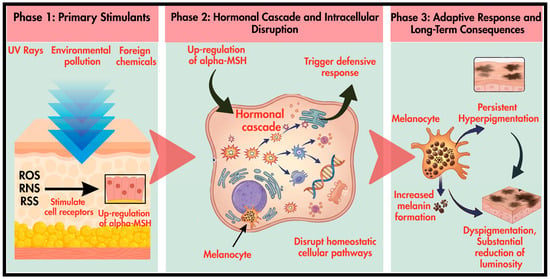
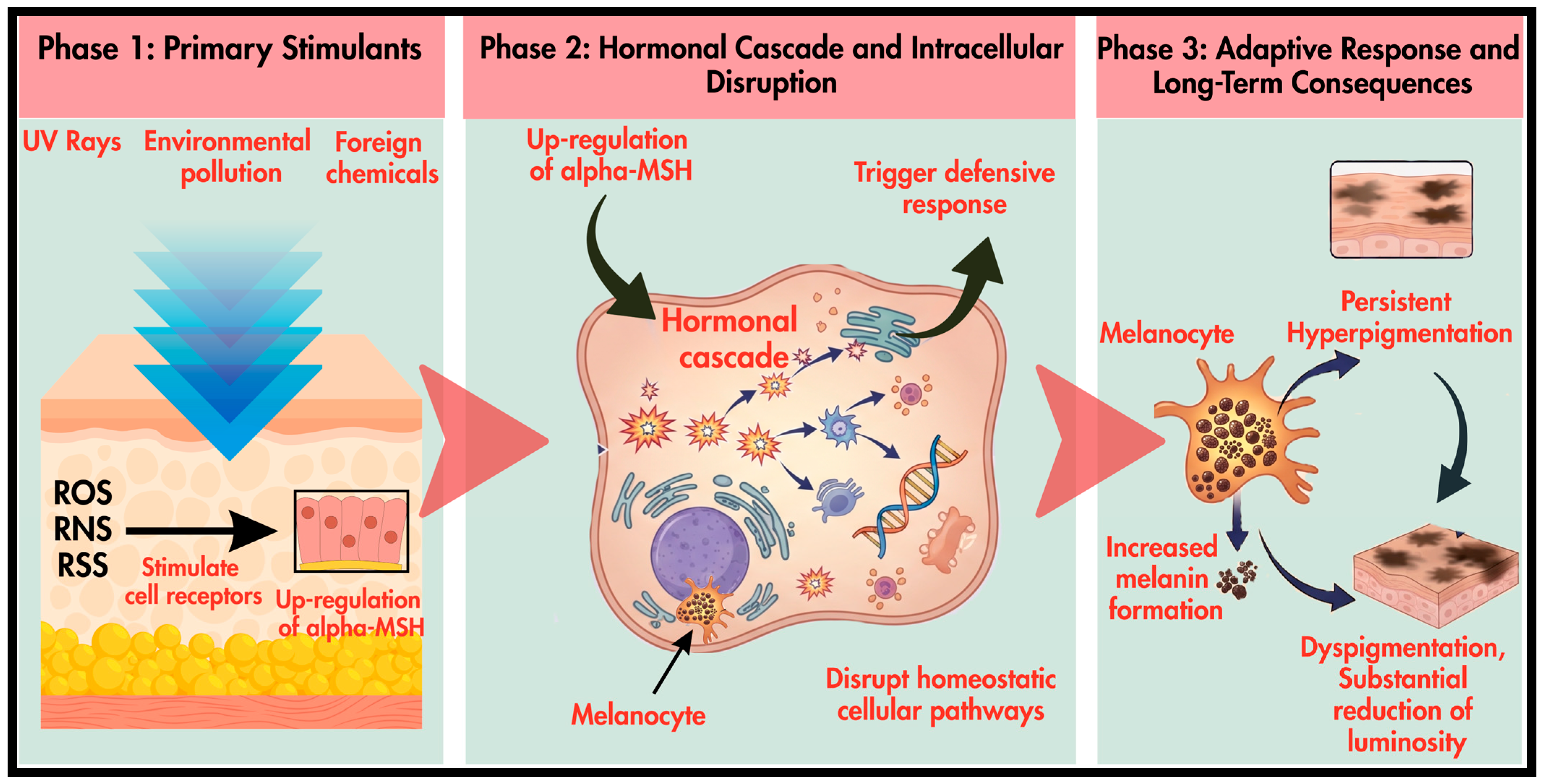
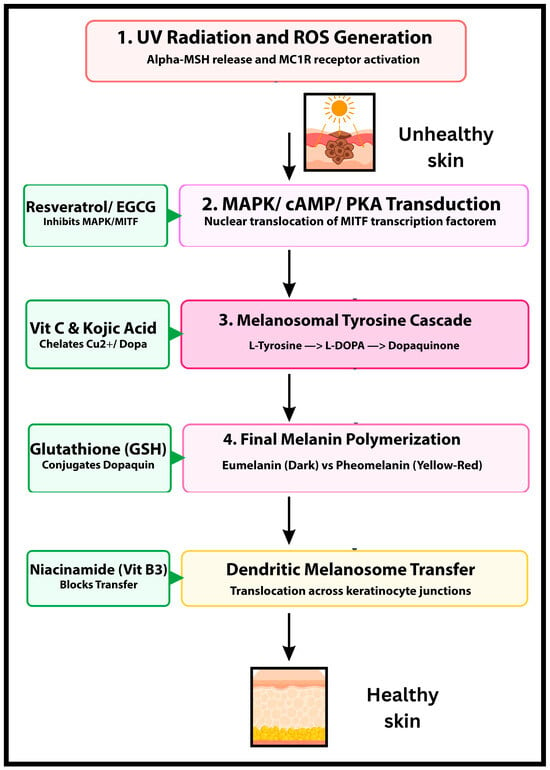
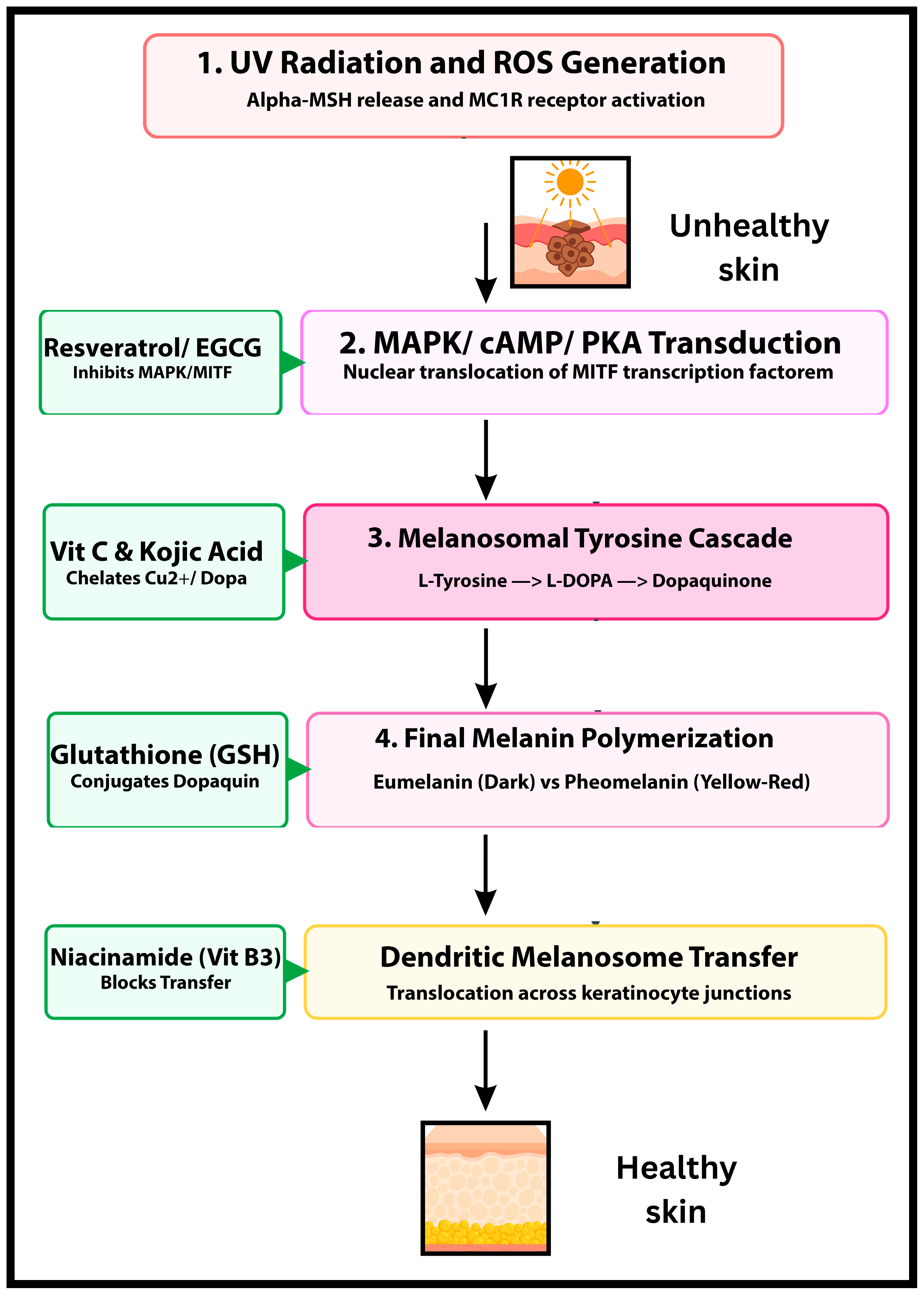
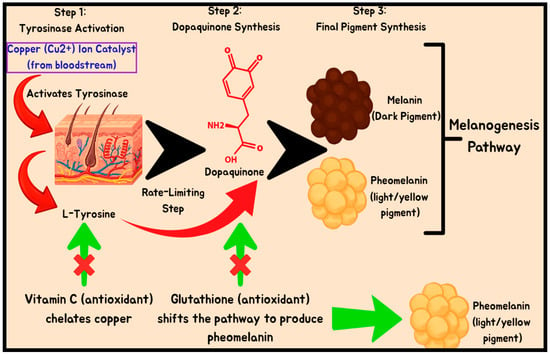
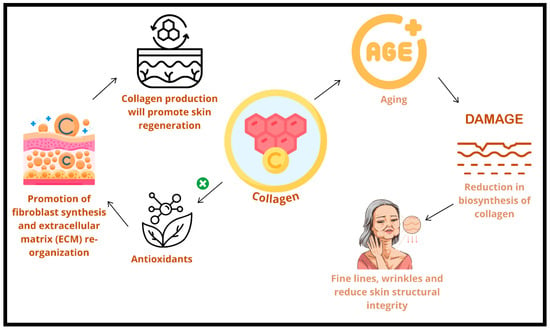
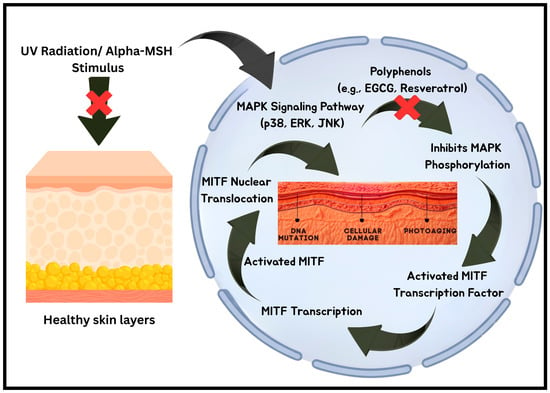
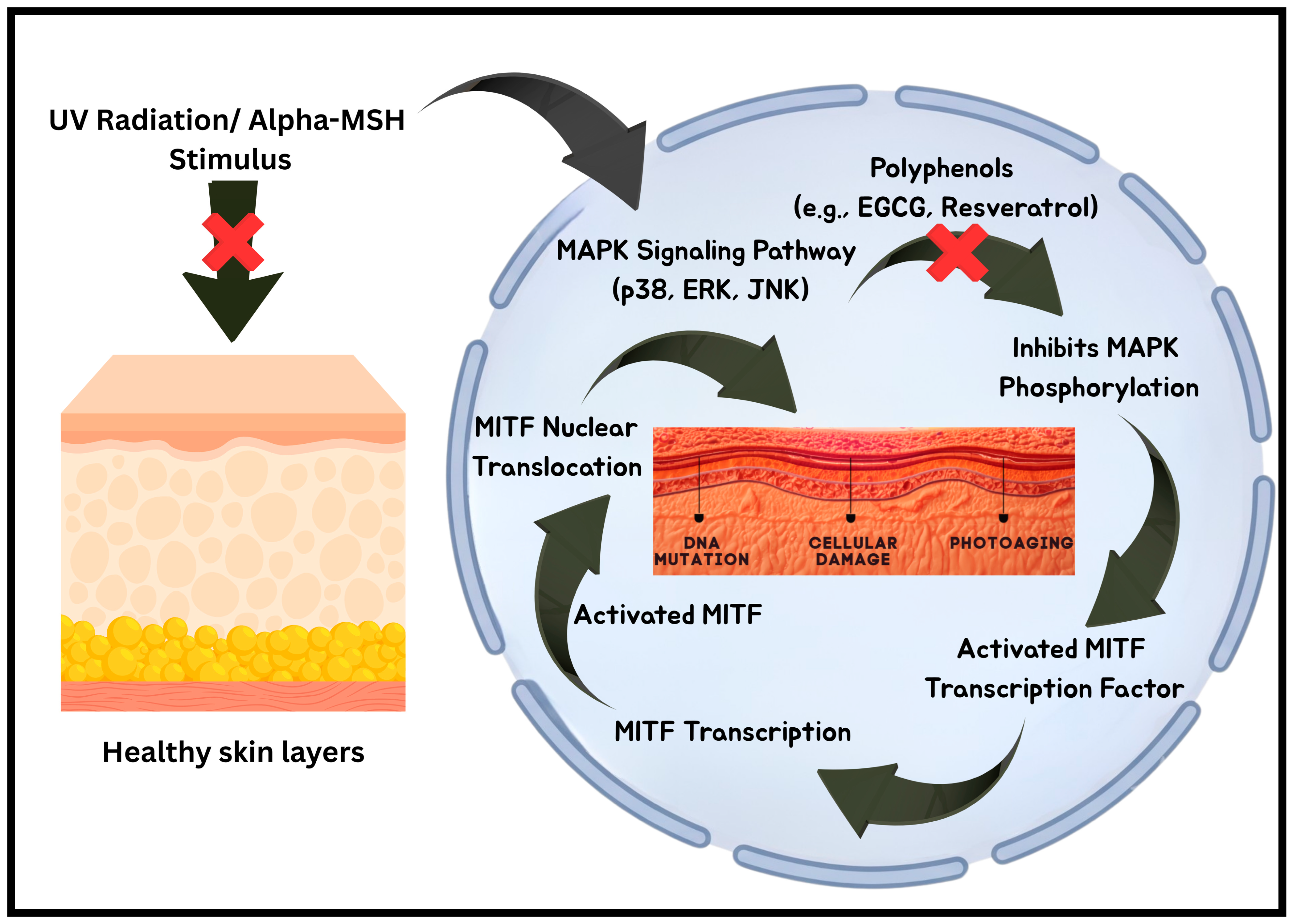
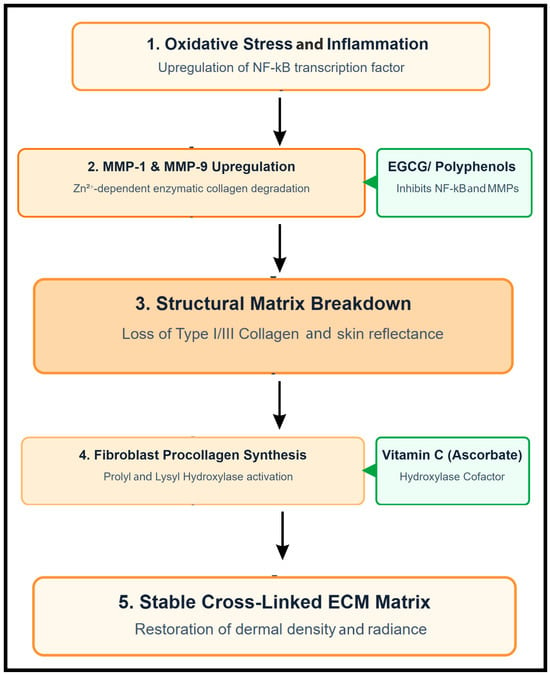
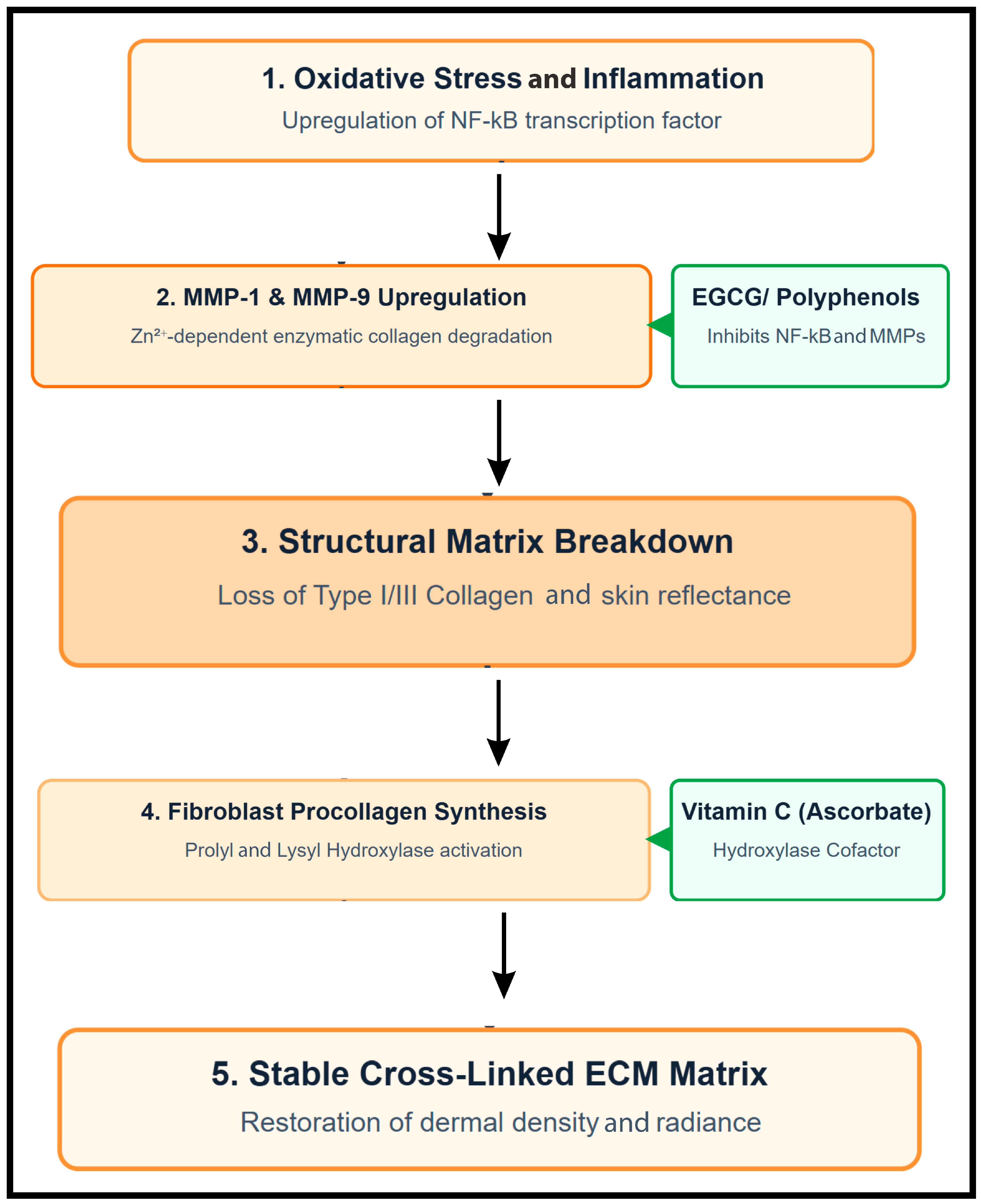

Disclaimer/Publisher’s Note: The statements, opinions and data contained in all publications are solely those of the individual author(s) and contributor(s) and not of MDPI and/or the editor(s). MDPI and/or the editor(s) disclaim responsibility for any injury to people or property resulting from any ideas, methods, instructions or products referred to in the content. |
© 2026 by the authors. Licensee MDPI, Basel, Switzerland. This article is an open access article distributed under the terms and conditions of the Creative Commons Attribution (CC BY) license.