


Abstract
To address the challenge of simultaneously maintaining structural durability and pollutant-removal functionality of concrete structures used in agricultural drainage channels in cold regions, a functional porous concrete with surface-loaded nano-TiO2 was developed. The effects of target porosity, TiO2 mass fraction and spraying dosage, and polypropylene fiber content on the mechanical properties, pollutant-removal performance, and freeze–thaw durability were systematically investigated. X-ray computed tomography (X-CT), scanning electron microscopy coupled with energy-dispersive spectroscopy (SEM–EDS), and X-ray photoelectron spectroscopy (XPS) were further employed to characterize the pore structure and near-surface characteristics. The results showed that increasing the target porosity from 6% to 10% reduced the 28-day compressive strength by approximately 24% while generally improving the removal performance for total nitrogen (TN), total phosphorus (TP), and chemical oxygen demand (COD), indicating the dual influence of pore structure on load-bearing capacity and purification functionality. At a TiO2 mass fraction of 10% and a spraying dosage of 300 g/m2, the material exhibited a favorable overall pollutant-removal performance, with TN, TP, and COD removal efficiencies reaching 27.5%, 59.0%, and 31.7%, respectively, after 120 min of UV irradiation. Additional control experiments further indicated that UV-activated TiO2 provided an additional contribution to overall pollutant removal. Incorporating 0.05 vol.% polypropylene fiber improved freeze–thaw durability. After 200 freeze–thaw cycles, compared with the fiber-free specimens, the mass loss rate decreased by approximately 0.5 percentage points, the relative dynamic elastic modulus increased by approximately 6 percentage points, and the compressive strength loss rate decreased by approximately 10 percentage points. Nevertheless, the pollutant-removal function was more sensitive to freeze–thaw damage, with the TN, TP, and COD removal capacities decreasing by approximately 69%, 70%, and 63%, respectively, relative to their initial values after 200 cycles. These results demonstrate that the design of functional porous concrete for cold-region applications should comprehensively balance pore structure, TiO2 loading, mechanical performance, and freeze–thaw durability to achieve both structural serviceability and long-term water purification.
1. Introduction
With the excessive application of chemical fertilizers and pesticides driven by the pursuit of sustained high agricultural productivity in China, agricultural non-point source pollution has become increasingly severe, posing persistent challenges to the sustainable development of agricultural and rural environments [1]. Integrating the interception and purification of nitrogen, phosphorus, organic matter, and other pollutants in agricultural drainage with the structural function of concrete drainage channels in large- and medium-sized irrigation districts provides a promising engineering approach for pollution control. By functionally modifying channel linings or prefabricated components using photocatalytic technology, continuous pollutant removal can be achieved along the transport pathway without compromising the hydraulic conveyance and drainage capacity of the channels. This strategy integrates water purification with the channel structure, aligns with the principles of green and sustainable engineering, and provides a structurally functional technical pathway for the control of agricultural non-point source pollution.
Modern photocatalysis is generally considered to have originated from the landmark work of Fujishima and Honda in 1972, who demonstrated the photoelectrochemical splitting of water on a TiO2 semiconductor electrode under ultraviolet irradiation. This study provided early evidence that semiconductor materials can undergo light-driven redox reactions and established TiO2 as a representative photocatalyst [2]. In 1976, Carey et al. investigated polychlorinated biphenyls (PCBs) as representative environmental pollutants and demonstrated the feasibility of TiO2 photocatalysis for environmental remediation [3]. In 1977, Frank and Bard introduced the concept of photoelectrosynthesis and further developed the TiO2-based photocatalytic oxidation system, highlighting its potential for environmental applications [4]. In 1987, Matthews immobilized TiO2 on porous concrete or glass surfaces using dip-coating and spray-coating techniques, providing an important basis for the transition of photocatalytic materials from laboratory studies to engineering applications [5]. In 1995, Hoffmann et al. systematically summarized the fundamental principles and applications of semiconductor photocatalysis for the removal of organic and inorganic contaminants from water and identified it as an effective and relatively low-cost treatment technology [6]. With the rapid development of nanomaterials science in the 1990s, photocatalytic technology entered a new stage. Nano-TiO2 became one of the most widely used photocatalysts because of its chemical stability, low toxicity, and moderate cost [7]. Its development and application prospects were subsequently reviewed by Hashimoto et al. [8] and Chen et al. [9]. However, nano-TiO2 is limited by its relatively wide band gap, predominant response to ultraviolet light, and high recombination rate of photogenerated charge carriers. In 2001, Asahi et al. achieved visible-light-responsive TiO2 through nitrogen doping, which stimulated extensive research on non-metal doping and co-doping strategies [10] and promoted the development of visible-light-responsive photocatalysts [9].
In recent years, the integration of photocatalytic technologies with construction materials has attracted increasing research attention. Mills and Le Hunte [11] provided an early systematic overview of the potential engineering applications of semiconductor photocatalytic materials, while Fujishima et al. [12] further elucidated the mechanisms governing photocatalytic reactions on TiO2 surfaces. Poon et al. [13] subsequently introduced photocatalytic technology into road and pavement materials, providing an important foundation for the engineering application of photocatalytic concrete. Owing to its high specific surface area and high permeability, porous concrete can provide abundant solid–liquid contact interfaces for photocatalytic reactions and therefore serves as a favorable substrate for photocatalyst immobilization [14,15]. In addition, studies by Tennis et al. [16], Lian et al. [17], and Yang et al. [18] demonstrated that the pore structure of porous concrete not only governs its permeability but also directly affects its specific surface area and interfacial reaction capacity, thereby providing a theoretical basis for its application as a photocatalyst-supporting material.
In 2006, Han et al. introduced the cold-spray technique into the field of photocatalysis, providing a novel low-temperature route for the fabrication of TiO2 photocatalytic coatings with high activity and strong adhesion [19]. Liang et al. incorporated nano-TiO2 into porous concrete and evaluated its removal performance toward three representative pollutants, namely methylene blue, total phosphorus (TP), and ammonia nitrogen (NH3-N). Pollutant removal efficiencies of 60–90% were achieved, while zebrafish embryo toxicity tests showed a hatching rate of 91.7%, suggesting relatively limited adverse effects on the aquatic environment and organisms [20]. Zhang et al. applied nano-TiO2 to the surface of porous concrete by spraying and investigated its water-purification performance, reporting removal efficiencies of approximately 50% for COD, 60% for TP, and 40% for NH3-N [21]. In addition, Ruotolo et al. [22], Guo et al. [23], Chen et al. [24], and Ballari et al. [25] demonstrated the potential of photocatalytic cement-based materials for environmental remediation from the perspectives of pollutant-removal mechanisms, TiO2 immobilization strategies, and engineering applications. Collectively, these studies indicate that photocatalytic porous concrete can provide effective removal of organic pollutants from water while exerting relatively limited adverse effects on the aquatic environment. Liu et al. developed an in situ photocatalytic oxidation system for the treatment of phosphorus pollution in river water and applied TiO2 to wastewater treatment in the Fen River Basin. After optimization of the operating parameters, an overall phosphorus removal efficiency of 97% was achieved [26]. Qiu et al. investigated the treatment of organic pollutants in water from Xihu Reservoir in Yunnan Province using nano-TiO2 and reported reductions of 71.8% in ammonia nitrogen, 45.5% in TP, and 27.3% in COD, together with a 109.0% increase in water transparency [27].
However, existing studies have primarily focused on the pollutant degradation efficiency of photocatalytic porous concrete under ambient-temperature conditions, whereas research on its service performance in drainage channels located in the cold regions of northern China remains limited. In cold regions, prolonged low temperatures during winter expose channel concrete to persistent moisture retention, frost-induced pressure, and repeated freeze–thaw cycles. Although a porous structure is favorable for increasing the specific surface area and photocatalyst loading capacity, excessive porosity can weaken the paste–aggregate interfacial bond and provide additional pathways and spaces for water ingress and freezing expansion, thereby leading to strength loss, surface scaling, and deterioration in durability [28,29,30,31,32,33]. The hydraulic pressure theory of freeze–thaw damage proposed by Powers [34], the systematic investigations of concrete durability in cold regions by Pigeon et al. [35], and Setzer’s studies on micro-ice formation in porous materials [36] further clarified the fundamental mechanisms underlying freeze–thaw deterioration. For impermeable photocatalytic porous concrete, the primary objective is not simply to maximize permeability, but rather to develop appropriate surface roughness, effective pore structures, and interconnected interfaces while maintaining sufficient frost resistance and erosion resistance of the channel structure, thereby facilitating stable photocatalyst loading and adequate pollutant–catalyst contact [15,37,38,39]. Consequently, photocatalytic porous concrete for drainage channels in cold regions faces an inherent conflict between the requirement for reduced pore connectivity to improve freeze–thaw durability and the need for sufficient porosity and specific surface area to enhance photocatalyst loading and reaction efficiency. Previous studies have shown that optimization of aggregate gradation, water-to-binder ratio, paste coating thickness, air-entrainment systems, and polymer or mineral admixtures can improve the pore structure of porous concrete to some extent and enhance its strength retention and surface integrity after freeze–thaw cycling [28,29,30,31,32,33]. Zhang et al. [40] and Wang et al. [41] further reported that reinforcing materials such as polypropylene fibers can inhibit crack propagation through a bridging effect and improve the freeze–thaw durability of porous concrete. Although spraying, dip-coating, and surface immobilization techniques can effectively improve the utilization efficiency of TiO2 on concrete surfaces [42], and porous structures can increase the available photocatalytic reaction interface and pollutant transport pathways [43], repeated freeze–thaw action in cold environments may promote microcrack propagation along pore walls, weaken interfacial bonding, and induce local deterioration or detachment of the photocatalytic layer, thereby reducing long-term purification performance. Therefore, achieving an appropriate balance between photocatalytic activity and freeze–thaw durability has become an important research objective for photocatalytic porous concrete used in cold regions. Current studies have generally focused on the independent optimization of either frost resistance or photocatalytic performance, while their coupled relationship remains insufficiently understood. In particular, systematic investigations into the interactions among photocatalyst loading capacity, freeze–thaw durability, and pollutant removal efficiency under different porosity levels are still lacking. Sugrañez et al. [44] and Ganesh [45] indicated that low-temperature conditions can simultaneously affect photocatalytic reaction kinetics and material surface activity, while the long-term service performance of photocatalytic materials in cold environments remains an important research issue. Moreover, relatively few studies have addressed the combined effects of long-term freeze–thaw cycling and continuous pollutant-laden water scouring under agricultural drainage-channel conditions, which continues to limit the engineering application and wider implementation of such functional materials.
In recent years, the integration of TiO2 with cement-based construction materials has emerged as an important research direction in the development of functional building materials. Folli et al. [46] reported that incorporating TiO2 into cement-based materials can impart self-cleaning and pollutant-degradation capabilities, while the resulting photocatalytic performance is closely related to the TiO2 loading method, substrate surface characteristics, and interfacial bonding conditions. Maury Ramirez [47] and Aslani [38] further indicated that TiO2 functionalization can provide environmental purification functions while preserving the fundamental engineering properties of cement-based materials; however, photocatalytic efficiency is also influenced by material microstructure, TiO2 dispersion, and the available surface area for photocatalytic reactions. Recent systematic reviews have shown that TiO2-based cementitious materials are gradually evolving from materials designed primarily for self-cleaning toward multifunctional construction materials capable of air purification, pollutant degradation, and broader environmental remediation applications [15,48].
In the field of pervious and porous concrete, the incorporation of TiO2 has further expanded the environmental purification functions of construction materials. Shen et al. [37] investigated the effects of different TiO2 loading methods on the photocatalytic and engineering performance of pervious concrete. Their results showed that TiO2 enhanced pollutant removal, while different loading strategies also affected the permeability and durability of the material. Xu et al. [49] investigated the mix design and photocatalytic performance of pervious concrete containing TiO2-loaded recycled aggregates and found that the internal pores of recycled aggregates could enhance TiO2 loading capacity, while optimization of the mixture proportions could help balance mechanical strength and photocatalytic performance. Luo et al. [43] further functionalized pervious concrete with nano-TiO2, demonstrating the feasibility of surface-loadedTiO2 for pollutant removal by porous concrete. Wu et al. [50] examined the effects of different TiO2 contents on the photocatalytic and mechanical properties of pervious concrete and found that, although increasing the TiO2 content could enhance pollutant degradation, excessive dosages reduced both material strength and TiO2 utilization efficiency. Beyond pervious concrete, TiO2 has also been increasingly incorporated into cellular and other porous cement-based materials. De Andrade et al. [51] prepared TiO2/autoclaved aerated concrete composites by immobilizing TiO2 on a porous cementitious substrate, thereby demonstrating the feasibility of such materials as photocatalyst supports. In subsequent work, TiO2–graphene composites were immobilized on autoclaved aerated concrete, showing that this porous cement-based material could effectively immobilize photocatalysts and degrade organic pollutants [52]. In addition, Shcherban’ et al. [53] investigated the effects of TiO2 and Al2O3 nanoparticles on the properties of variatropic concrete, extending the application of nano-TiO2 to concrete systems characterized by non-uniform properties across their cross-section. Their study further demonstrated the potential of nanomaterials for regulating the structure and performance of cement-based materials at different structural levels, thereby broadening the application of TiO2 in functional and gradient-structured construction materials. Nevertheless, most existing studies have focused on TiO2 loading methods, pollutant degradation efficiency, and initial material performance, while relatively limited attention has been given to the long-term stability of TiO2 functional layers and the coupled evolution of structural and functional performance under service conditions. Previous studies have indicated that the long-term performance of TiO2-based cementitious materials may be affected by changes in surface microstructure, pollutant mass transfer, and environmental exposure [15]. Recent studies have further suggested that the long-term performance of TiO2-functionalized pervious concrete is closely associated with the interfacial bonding between the TiO2 coating and the cementitious substrate. Bersch et al. [39] systematically reviewed the efficiency and durability of TiO2-based photocatalytic coatings applied to mortar surfaces and identified coating adhesion and the retention of photocatalytic activity after aging as important indicators of long-term performance; they also noted that substrate characteristics, TiO2 dispersion, and environmental exposure conditions can substantially influence functional-layer durability. Therefore, for impermeable photocatalytic porous concrete intended for agricultural drainage channels in cold regions, the relationships among pore structure, interfacial damage, and TiO2 functional-layer stability under freeze–thaw action remain insufficiently understood. Accordingly, systematic understanding of the coupled relationships among pore structure, interfacial deterioration, and TiO2 functional-layer stability under freeze–thaw conditions is still lacking for impermeable photocatalytic porous concrete used in agricultural drainage channels in cold regions.
To address the challenge of simultaneously maintaining freeze–thaw durability and photocatalytic purification functionality during the long-term service of concrete structures in agricultural drainage channels in cold regions, this study investigates nano-TiO2-functionalized impermeable porous concrete. The principal scientific issue is that, although a porous structure is beneficial for increasing TiO2 loading and enlarging the pollutant–catalyst contact interface, increasing porosity may compromise the mechanical properties and freeze–thaw durability of the material. Moreover, changes in pore structure and interfacial characteristics induced by freeze–thaw damage may further affect the stability of the TiO2 functional layer and its long-term photocatalytic performance. Accordingly, this study aims to balance the structural performance, freeze–thaw durability, and photocatalytic functionality of porous concrete and to clarify their coupled evolution under freeze–thaw action. Different target porosities (P = 6%, 8%, and 10%), TiO2 spraying dosages (200, 300, and 500 g/m2), and polypropylene fiber volume fractions (Vf = 0.00%, 0.05%, and 0.10%) were investigated to evaluate the effects of pore structure, photocatalyst loading, and fiber reinforcement on the mechanical properties, photocatalytic performance, and freeze–thaw durability of the material. In addition, SEM, EDS, X-CT, and XPS analyses were employed to characterize the evolution of pore structure, interfacial damage, and the TiO2 functional layer during freeze–thaw cycling. Unlike previous studies that have mainly focused on the initial photocatalytic performance of TiO2-based cementitious materials or on individual durability indicators, the present study integrates pore-structure regulation, polypropylene-fiber reinforcement, TiO2 surface loading, and freeze–thaw action within a unified research framework. Particular emphasis is placed on the interactions and trade-offs among load-bearing performance, freeze–thaw durability, and long-term photocatalytic purification functionality, while the structural and interfacial mechanisms responsible for the freeze–thaw-induced deterioration of photocatalytic performance are further examined. The findings are intended to provide a theoretical basis for the material design and long-term service-performance assessment of functional concrete for agricultural drainage channels in cold regions.
2. Materials and Methods
2.1. Experimental Materials
The raw materials for photocatalytic porous concrete include natural coarse aggregate, river sand, cement, silica fume, polypropylene fibers, water, water-reducing agents, air-entraining agents, and nano-TiO2 powder.
The coarse aggregate used in this test was natural aggregate; its basic physical properties are shown in Table 1. River sand with a fineness modulus of 2.8 was selected. Cementitious materials: Dinglu brand PO42.5 ordinary Portland cement (Jilin Yatai Cement Co., Ltd., Changchun, China) was selected (see Table 2 for detailed technical specifications); the silica fume content was 8% of the cementitious materials (see Table 3 for detailed technical specifications). Admixtures: The test used a polycarboxylic acid-based high-efficiency water-reducing agent with a water-reduction rate of 25% and a dosage of 1% of the cementitious material; the air-entraining agent dosage was 0.1%; polypropylene fibers were selected, with basic physical properties shown in Table 4; the photocatalyst was P25 nano-TiO2 powder produced by Degussa of Germany, with basic specifications shown in Table 5; all water used in the tests was laboratory-grade water.
Table 1.
Basic Parameters of Coarse Aggregate.
Table 2.
Key Technical Specifications for Cement.
Table 3.
Physical Properties of Silica Fume.
Table 4.
Basic Technical Specifications for Polypropylene Fibers.
Table 5.
Technical Specifications of Nano-TiO2.
P25 nano-TiO2 was selected as the functional component because of its well-established application in cement-based materials. Polypropylene fibers, characterized by their low density and crack-bridging capability, were incorporated to enhance the structural stability of porous concrete under freeze–thaw conditions. Silica fume was used to improve paste coating and the characteristics of the aggregate–paste interfacial zone. Accordingly, the raw material system adopted in this study was determined based on material functionality, preliminary experimental results, and the service requirements of drainage channels in cold regions.
2.2. Preparation of Photocatalytic Porous Concrete
Experimental Mix Proportion Design
The mix proportion of porous concrete directly determines the amounts of its constituent materials and has an important influence on both permeability and compressive strength [54]. Therefore, the mix design of porous concrete should comprehensively consider the water-to-binder ratio, target porosity, aggregate gradation, and paste coating thickness to achieve an appropriate balance between mechanical performance and pore structure. Based on preliminary experimental results and engineering application requirements, a water-to-binder ratio of 0.30 was selected as the reference value in this study. To investigate the effects of porosity on the performance of porous concrete and its photocatalyst-loading characteristics, three target porosities of 6%, 8%, and 10% were adopted for mix proportion design and specimen preparation. The detailed mix proportions are presented in Table 6 and Table 7.
Table 6.
Mix Proportions for Ordinary Porous Concrete.
Table 7.
Mix Proportions for Fiber-Reinforced Porous Concrete.
The mix design of porous concrete was based on the principle of uniformly coating the aggregates with cementitious paste to achieve the required consistency. The specific preparation procedure is shown in Figure 1.
Figure 1.
Flowchart of ordinary porous concrete (a) and flowchart of fiber-reinforced porous concrete (b).
Two types of specimens were prepared. Cubic specimens measuring 100 mm × 100 mm × 100 mm were used for compressive strength and photocatalytic performance tests, while prismatic specimens measuring 100 mm × 100 mm × 400 mm were used for freeze–thaw cycling tests. During specimen casting, a combination of rodding and vibration was employed to improve the uniformity of paste coating and the structural stability of the specimens. Immediately after casting, the specimens were covered with plastic film to minimize moisture loss and were left to cure at room temperature for approximately 3 d before demolding.
In this experiment, a physical dispersion method was used to prepare a spray coating containing nanoscale photocatalysts. TiO2 powder was added to water and stirred to mix. To improve the dispersion stability of the nanoscale TiO2 particles in the aqueous phase, the prepared TiO2 suspension was subjected to high-shear emulsification followed by ultrasonic dispersion. The operating speed of the high-shear emulsifier (FJ500-SH, Anhui Yanxin Biotechnology Co., Ltd., Anhui, China) (Figure 2) was set to 9300 r/min, with a processing time of 10 min; subsequently, an ultrasonic disperser(KQ5200DE, Kunshan Ultrasonic Instrument Co., Ltd., Kunshan, China) (Figure 3) was used at full power for an additional 30 min of dispersion to reduce nanoparticle agglomeration and obtain a more uniform TiO2 suspension. This was done to improve particle dispersion uniformity and reduce agglomeration [55,56], ultimately yielding a spray-coating-ready nanophotocatalyst.
Figure 2.
High-Speed Shear Emulsifier.
Figure 3.
Ultrasonic Cleaner.
In this experiment, the concentration of nano-TiO2 was set at 8%, 10%, and 12% (by mass) for spraying onto the concrete surface. The application rates were 200 g/m2, 300 g/m2, and 500 g/m2. The nano-photocatalytic coating was evenly applied to the demolded porous concrete using a spray bottle in multiple passes. After spraying, the photocatalytic concrete (Figure 4) was allowed to air-dry naturally for 24 h, then placed in standard curing conditions for 24 days (RH > 95%, 20 °C ± 2 °C).
Figure 4.
Photocatalytic porous concrete (left) and ordinary concrete (right).
2.3. Performance Testing and Characterization Methods
2.3.1. Mechanical Property Testing
Compressive strength was tested in accordance with GB/T 50081-2019 [57], *Standard for Test Methods of Concrete Physical and Mechanical Properties*. A WAW-2000 universal testing machine (Changchun Keda Testing Machine Manufacturing Co., Ltd., Changchun, China) was used, and cubic specimens with dimensions of 100 mm × 100 mm × 100 mm were prepared, with three replicate specimens for each group. At the specified curing age, the specimens were removed from the standard curing environment and surface moisture was wiped off. The molded side faces were used as the loading surfaces, and each specimen was positioned centrally in the testing machine. The load was then applied continuously in accordance with the standard until failure. The ultimate load was recorded and the 28 d compressive strength was calculated.
Three target porosities of 6%, 8%, and 10% were investigated to evaluate the influence of pore-structure design parameters on the compressive performance of porous concrete. In addition, the compressive strength of specimens with different TiO2 spraying dosages per unit surface area was compared to assess the effect of surface TiO2 functionalization on the mechanical properties of the concrete substrate.
2.3.2. Pollutant Removal Performance Testing
To evaluate the effects of TiO2 suspension mass fraction and spraying dosage per unit surface area on the pollutant removal performance of functional porous concrete, simulated Class V agricultural drainage water was used as the test solution, with initial COD, TN, and TP concentrations of 40 mg/L, 2.0 mg/L, and 0.4 mg/L, respectively. TheTiO2 suspension mass fractions were set at 8%, 10%, and 12%. Based on the screening results, three TiO2 spraying dosages of 200, 300, and 500 g/m2 were further investigated to assess the influence of TiO2 loading parameters on the removal of TN, TP, and COD.
Four 8 W ultraviolet lamps (Model UV, 220 V, 50/60 Hz) with a wavelength of 365 nm were used as the irradiation source. The spacing between adjacent lamps was 5 cm, and the distance between the lamps and the water surface was maintained at 8 cm (Figure 5). The UV irradiance within the reaction zone was controlled at (15 ± 0.5) W/m2 and verified using a UV irradiance meter (LH-127, Shenzhen Lianhuicheng Technology Co., Ltd., Shenzhen, China). After 28 d of standard curing, the specimens were immersed in the simulated drainage water and subjected to continuous irradiation for 120 min. Water samples were collected at 20 min intervals to determine the concentrations of TN, TP, and COD. Pollutant removal efficiencies were calculated from the initial concentrations and the concentrations measured at each reaction time. Three independent replicate specimens were tested under each experimental condition. The pollutant-removal results were expressed as mean ± standard deviation (SD) based on three independent replicate specimens (n = 3).
Figure 5.
UV Irradiation Test Setup.
To distinguish the contributions of adsorption by the porous concrete substrate, UV irradiation, and TiO2-related photochemical processes to overall pollutant removal, additional control experiments were conducted at aTiO2 mass fraction of 10% and a spraying dosage of 300 g/m2. Four reaction conditions were established: UV + TiO2, Dark + TiO2, UV + no TiO2, and Dark + no TiO2. Except for the irradiation condition and TiO2 loading state, all other experimental conditions were kept identical. The reaction duration was 120 min for all groups, and variations in TN, TP, and COD concentrations were determined simultaneously.
TN, TP, and COD were measured in accordance with HJ 636—2012 [58], *Water Quality—Determination of Total Nitrogen—Alkaline Potassium Persulfate Digestion UV Spectrophotometric Method*; GB 11893—1989 [59], *Water Quality—Determination of Total Phosphorus—Ammonium Molybdate Spectrophotometric Method*; and HJ/T 399—2007 [60], *Water Quality—Determination of the Chemical Oxygen Demand—Fast Digestion-Spectrophotometric Method*, respectively. Blank samples were used for instrument calibration during testing, and the cuvettes were rinsed with purified water before each measurement to ensure the repeatability of the test results.
2.3.3. Freeze–Thaw Performance Testing
Freeze–thaw durability of the functional porous concrete was evaluated using the rapid freeze–thaw method in accordance with GB/T 50082-2024 [61], *Standard for Test Methods of Long-Term Performance and Durability of Ordinary Concrete*. After 24 d of standard curing, the specimens were immersed in water at (20 ± 2) ℃ for 4 d. At an age of 28 d, the initial mass and transverse fundamental frequency of each specimen were measured.
Each freeze–thaw cycle lasted 8 h, including 4 h of freezing and 4 h of thawing. At the end of the freezing and thawing stages, the specimen-center temperatures were controlled at (−18 ± 2) ℃ and (5 ± 2) ℃, respectively, and the transition time between freezing and thawing did not exceed 10 min. A total of 200 freeze–thaw cycles were conducted, with corresponding performance measurements performed at intervals of 25 cycles.
Polypropylene fiber volume fractions of 0.00%, 0.05%, and 0.10% were investigated, corresponding to specimen groups PC1, F1PC1, and F2PC1, respectively. Prismatic specimens with dimensions of 100 mm × 100 mm × 400 mm were used for continuous measurements of mass and transverse fundamental frequency, whereas cubic specimens measuring 100 mm × 100 mm × 100 mm were used for compressive strength testing. Because compressive strength testing is destructive, independent cubic specimens were prepared for each freeze–thaw stage at 0, 25, 50, 75, 100, 125, 150, 175, and 200 cycles. At each stage, three independent specimens were tested for each group, and the arithmetic mean of the three measurements was taken as the representative compressive strength value. Specimens tested at one stage were not reused in subsequent freeze–thaw cycles, thereby eliminating the influence of destructive testing on later measurements.
For pollutant-removal testing after freeze–thaw exposure, three independent specimens (n = 3) were assigned to each prescribed freeze–thaw stage. Specimens tested at a given stage were not reused in subsequent freeze–thaw cycles, ensuring that the functional-retention results obtained at different freeze–thaw stages were based on independent specimens.
Freeze–thaw durability was primarily evaluated in terms of mass loss rate, relative dynamic modulus of elasticity, and compressive strength loss rate. These indicators were further analyzed together with the corresponding pollutant removal performance to assess the effects of freeze–thaw cycling on both structural performance and functional retention of the material.
2.3.4. X-CT, SEM–EDS, and XPS Characterization
To compare the internal pore structures of porous concrete before and after the incorporation of polypropylene fibers, X-ray computed tomography (X-CT) (nanoVoxel-4000, Sanying Precision Instruments Co., Ltd., Tianjin, China) was employed for three-dimensional pore characterization. One representative specimen of ordinary porous concrete and one representative specimen of fiber-reinforced porous concrete, both with a target porosity of 6%, were selected, resulting in a total of two specimens for CT analysis. Because only one representative specimen was tested for each material type, the CT results were used primarily for representative comparison of the three-dimensional pore structures and were not subjected to statistical significance analysis between groups.
CT scanning was performed using a NanoVoxel 4000 system (Sanying Precision Instruments Co., Ltd., Tianjin, China). The prepared specimens were fixed on the scanning platform. The scanning voltage and current were set to 285 kV and 600 μA, respectively, with a spatial resolution of 59.5 μm and a single-frame exposure time of 0.7 s. During scanning, each specimen was rotated through 360°, and a total of 1440 projection images were acquired.
The acquired projection images were imported into VoxelStudio Recon (version 2.5.1.25, Sanying Precision Instruments Co., Ltd., Tianjin, China) for noise filtering and X-ray attenuation correction, followed by reconstruction to obtain three-dimensional raw volumetric datasets. Image processing and pore-structure analysis were subsequently performed using Avizo 2020 (FEI Visualization Sciences Group, Hillsboro, OR, USA). A cubic region of interest (ROI) measuring 1600 × 1600 × 1600 voxels was selected within each specimen. The solid and pore phases were separated using grayscale threshold segmentation, and the three-dimensional pore structure was then extracted.
Based on the reconstructed three-dimensional datasets, the pore structure within the ROI was quantitatively analyzed. The main parameters included equivalent pore diameter (EqDiameter3D), pore volume (Volume3D), pore surface area (Area3D), connectivity (Axis Connectivity), and CT-derived apparent porosity. The CT-derived apparent porosity was calculated using the volume fraction, defined as the ratio of pore-voxel volume to the total voxel volume of the solid and pore phases within the ROI.
It should be noted that grayscale threshold segmentation was used to extract the pore phase during the original CT image analysis; however, the specific threshold values were not separately retained and therefore cannot be reported retrospectively. To avoid introducing unsupported methodological details, only the traceable scanning parameters, ROI dimensions, and pore-analysis indices are reported herein. This limitation may affect the reproducibility of the quantitative CT results. Therefore, the CT data are interpreted as a structural comparison between the two representative specimens rather than as a basis for statistical inference at the population level.
To characterize the near-surface microstructural features of porous concrete after TiO2 surface functionalization and freeze–thaw exposure, SEM–EDS analyses were conducted on specimens without TiO2 coating and on specimens with a TiO2 spraying dosage of 300 g/m2. Particular attention was paid to the aggregate–paste interface, pore walls, and local microcracks, while EDS was used to identify the presence of Ti in the near-surface region. The EDS results were used only to confirm the local presence of Ti and were not used to evaluate the overall dispersion uniformity, coating stability, or photocatalytic activity of TiO2.
XPS depth profiling was further performed on specimens with a TiO2 spraying dosage of 300 g/m2. Al Kα radiation was used as the excitation source, together with Ar+ ion sputtering. Seven analysis points were collected over an etching period of approximately 0–150 s. Variations in Ti atomic concentration and the high-resolution Ti 2p spectra were analyzed to characterize the depth distribution and chemical state of Ti-related species. The XPS results were not used to directly evaluate the mechanical adhesion strength between the TiO2 functional layer and the cementitious substrate.
2.3.5. Statistical Analysis
Macroscopic performance tests were conducted using replicate specimens. For compressive strength, three independent specimens were tested for each group, and the results were expressed as mean ± standard deviation (SD), together with 95% confidence intervals. The effect of target porosity on compressive strength was evaluated using one-way analysis of variance (ANOVA). When significant differences were detected, Tukey’s multiple-comparison test was applied, with the significance level set at p < 0.05.
For pollutant-removal tests, three independent replicate specimens were tested under each experimental condition. The removal efficiencies of TN, TP, and COD were expressed as mean ± standard deviation (SD), and 95% confidence intervals were calculated. The effects of TiO2 mass fraction, TiO2 spraying dosage, and control condition on pollutant-removal efficiency were evaluated separately using one-way analysis of variance (ANOVA). When significant differences were detected, Tukey’s multiple-comparison test was performed, with statistical significance defined as p < 0.05.
For compressive strength after freeze–thaw cycling, three independent cubic specimens were tested at each prescribed cycle interval, and the arithmetic mean was taken as the representative value for that stage. Because different specimens were used at different freeze–thaw stages, the results at each cycle interval were treated as independent samples.
For X-CT analysis, one representative specimen was tested for ordinary porous concrete and one for fiber-reinforced porous concrete. Therefore, no statistical significance test was performed for the CT-derived pore parameters. Similarly, SEM–EDS and XPS were used as representative microstructural characterization techniques to support the interpretation of macroscopic performance changes, without statistical inference.
3. Results and Discussion
3.1. Effect of Target Porosity on Compressive Strength
Table 8 presents the compressive strength results of porous concrete with different target porosities and TiO2 spraying conditions. For specimens without TiO2 coating, the 28 d compressive strengths of PC1, PC2, and PC3 were 31.47 ± 0.25 MPa, 26.40 ± 0.26 MPa, and 23.87 ± 0.15 MPa, respectively. As the target porosity increased from 6% to 10%, the compressive strength continuously decreased. Compared with PC1, the compressive strengths of PC2 and PC3 decreased by approximately 16.2% and 24.1%, respectively.
Table 8.
Test Results for the Compressive Strength of Porous Concrete at Different Porosity Levels.
One-way ANOVA indicated that target porosity had a significant effect on compressive strength (F(2,6) = 860.26, p < 0.001). Tukey’s multiple-comparison test further showed significant differences among the 6%, 8%, and 10% target-porosity groups (p < 0.05).
Yu et al. [62] reported that porosity, pore size, and spatial pore distribution are important structural parameters governing the macroscopic mechanical properties of porous concrete. Sha et al. [63] further demonstrated that compressive strength decreases markedly with increasing porosity, mainly because of reductions in the effective load-bearing area and continuity of the load-bearing skeleton. The results obtained in the present study are generally consistent with these findings.
The primary load-bearing skeleton of porous concrete is formed by aggregates coated and bonded by cementitious paste. Internal pores not only reduce the effective load-bearing area but also act as local stress-concentration zones. As the target porosity increases, the effective pore-wall thickness and continuity of the load-bearing skeleton decrease, facilitating crack initiation at pore boundaries and subsequent crack propagation under compression, ultimately leading to failure. Previous studies using acoustic emission and discrete-element analyses have shown that the compressive failure of porous concrete is closely associated with crack initiation, propagation, and eventual coalescence around pores [64].
Therefore, target porosity is an important design parameter governing the structural load-bearing capacity of functional porous concrete, and an appropriate balance between pore-structure requirements and mechanical performance should be achieved during material design.
To further characterize the relationship between target porosity and 28 d compressive strength, trend fitting was performed using the three target porosity levels adopted in the mix design (6%, 8%, and 10%), as shown in Figure 6. The porosity values used in the fitting therefore represent target porosity rather than measured or CT-derived apparent porosity. Because only three target-porosity levels were investigated, the fitted relationship is used only to describe the variation trend within the investigated range and should not be regarded as an engineering predictive model.
Figure 6.
Relationship between Target Porosity and 28 d Compressive Strength.
3.2. Effect of TiO2 Loading Parameters on Pollutant Removal Performance
Figure 7 presents the removal efficiencies of TN, TP, and COD at different TiO2 suspension mass fractions, whereas Figure 8 shows the effects of different TiO2 spraying dosages on pollutant removal. When the TiO2 mass fraction increased from 8% to 10%, the removal efficiencies of TN, TP, and COD increased from 24.9%, 55.5%, and 29.0% to 27.45%, 59.0%, and 31.73%, respectively. However, when the TiO2 mass fraction was further increased to 12%, the corresponding removal efficiencies decreased to 23.5%, 49.8%, and 25.0%, respectively.
Figure 7.
Effect of TiO2 Mass Fraction on the Removal Efficiencies of TN, TP, and COD.
Figure 8.
Effect of TiO2 Spraying Dosage on the Removal Efficiencies of TN, TP, and COD.
These results indicate that increasing the TiO2 mass fraction from 8% to 10% improved the overall pollutant removal performance under the present experimental conditions, whereas a further increase to 12% resulted in a decline in removal efficiency. This behavior may be attributed to local particle agglomeration and light-shielding effects at higher TiO2 concentrations, which reduce the proportion of particles effectively participating in interfacial reactions. Previous studies on TiO2-functionalized concrete have shown that photocatalytic efficiency depends not only on catalyst loading but also on particle dispersion, material structure, and the effective reaction interface; excessive TiO2 content may reduce its utilization efficiency because of particle agglomeration [65]. Therefore, a TiO2 mass fraction of 10% exhibited favorable overall performance within the investigated range.
At a TiO2 mass fraction of 10%, the effect of spraying dosage per unit surface area was further evaluated. As shown in Figure 8, increasing the spraying dosage from 300 to 500 g/m2 increased the TN, COD, and TP removal efficiencies from 27.5%, 31.7%, and 59.0% to 30.5%, 34.5%, and 60.3%, corresponding to relative increases of 10.9%, 8.8%, and 2.2%, respectively. Although the absolute removal efficiencies at 500 g/m2 were slightly higher, the TiO2 dosage increased by approximately 66.7%, substantially exceeding the corresponding improvement in pollutant removal performance.
Bersch et al. reported that the practical efficiency of TiO2-based functional coatings is jointly influenced by particle dispersion, substrate surface characteristics, and pollutant type [39]. Therefore, increasing the spraying dosage does not necessarily produce a proportional improvement in performance. Based on the present results, 300 g/m2 should not be regarded as the dosage yielding the absolute maximum removal efficiency, but rather as the recommended dosage within the investigated range considering pollutant removal performance, TiO2 utilization efficiency, and material consumption.
Yang et al. showed that the purification of liquid-phase pollutants by TiO2-functionalized pervious concrete is also influenced by solid–liquid interfacial adsorption, diffusion, and mass-transfer processes [66]. Accordingly, the observed variations in TN, TP, and COD concentrations in this study may result from the combined contributions of surface-related processes, UV irradiation, and TiO2-associated interfacial reactions.
The additional control-test results are presented in Table 9. The experimental condition significantly affected the removal efficiencies of TN (F(3,8) = 15,110.12, p < 0.001), TP (F(3,8) = 46,398.22, p < 0.001), and COD (F(3,8) = 23,103.77, p < 0.001). Tukey’s multiple-comparison test showed that the UV + TiO2 group exhibited significantly higher pollutant-removal efficiencies than the corresponding dark and TiO2-free control groups. These results indicate that non-photochemical processes, such as substrate adsorption, contributed to pollutant removal, while UV-activated TiO2-related photochemical processes provided an additional contribution to the overall purification performance. It should also be noted that the present study employed a 365 nm artificial UV source under controlled laboratory conditions. Under actual agricultural drainage-channel conditions, variations in solar irradiation, sediment deposition, organic matter accumulation, and biofilm coverage may further affect the effective TiO2 reaction area and pollutant mass transfer. Therefore, the long-term purification performance of the material under field conditions requires further validation through outdoor exposure and engineering-scale operation tests.
Table 9.
Pollutant Removal Efficiencies after 120 min under Different Control Conditions.
Figure 7 and Figure 8 show the effects of TiO2 mass fraction and spraying dosage on pollutant removal. At TiO2 mass fractions of 8%, 10%, and 12%, the TN removal efficiencies were 24.90 ± 0.28%, 27.45 ± 0.23%, and 23.50 ± 0.29%; TP removal efficiencies were 55.50 ± 0.47%, 59.00 ± 0.41%, and 49.80 ± 0.43%; and COD removal efficiencies were 29.00 ± 0.31%, 31.73 ± 0.26%, and 25.00 ± 0.27%, respectively. At spraying dosages of 200, 300, and 500 g/m2, the corresponding TN removal efficiencies were 25.00 ± 0.26%, 27.50 ±0.24%, and 30.50 ± 0.31%; TP removal efficiencies were 55.00 ± 0.44%, 59.00 ± 0.41%, and 60.30 ± 0.46%; and COD removal efficiencies were 30.00 ± 0.29%, 31.70 ± 0.26%, and 34.50 ± 0.33%. One-way ANOVA showed significant effects of both TiO2 mass fraction and spraying dosage on TN, TP, and COD removal efficiencies (all p < 0.001), and Tukey’s test confirmed significant differences among the investigated groups (p < 0.05).
Values are presented as mean ± SD based on three independent replicate specimens (n = 3), and differences among experimental conditions were evaluated using one-way ANOVA followed by Tukey’s multiple-comparison test, with p < 0.05 considered statistically significant.
3.3. Freeze–Thaw Durability and Functional Retention Performance
After 200 freeze–thaw cycles, compared with the fiber-free PC1 group, the F1PC1 group exhibited an approximately 0.5 percentage-point reduction in mass loss rate (Figure 9), a 6 percentage-point increase in relative dynamic modulus of elasticity (Figure 10), and a 10 percentage-point reduction in compressive strength loss rate (Figure 11). These results indicate that incorporation of 0.05% polypropylene fiber can improve the freeze–thaw durability of porous concrete to a certain extent.
Figure 9.
Curve Showing Changes in the Mass Loss Rate.
Figure 10.
Curve Showing Changes in the Relative Dynamic Elastic Modulus.
Figure 11.
Curve Showing Changes in Compressive Strength Loss Rate.
An appropriate amount of polypropylene fiber can restrict further propagation of microcracks under frost-induced stress through crack-bridging and energy-dissipation effects. When the fiber content was increased to 0.10%, no further improvement in freeze–thaw resistance was observed, which may be related to reduced fiber dispersion and local agglomeration, resulting in greater interfacial heterogeneity.
Compared with conventional durability indicators, including mass loss rate, relative dynamic modulus of elasticity, and compressive strength, pollutant removal performance exhibited a more pronounced deterioration during freeze–thaw cycling (Figure 12). The removal capacities for TN, TP, and COD decreased progressively with increasing freeze–thaw cycles, with a more rapid decline observed after 100 cycles. After 200 freeze–thaw cycles, the TN, TP, and COD removal capacities of F1PC1 decreased by approximately 69%, 70%, and 63%, respectively, relative to the unfrozen condition.
Figure 12.
Effect of Freeze–Thaw Cycles on the Removal Efficiencies of TN, TP, and COD.
During freeze–thaw cycling, repeated freezing and thawing of pore water generates cyclic stresses that promote microcrack initiation and propagation and induce near-surface structural damage. Changes in the pore and crack networks may also alter diffusion and mass-transfer conditions for pollutants within the near-surface region, thereby affecting long-term purification performance.
Jia et al. reported that freeze–thaw cycling progressively deteriorated the pore structure of nano-TiO2 concrete and was accompanied by a decline in NOx photocatalytic performance [67]. Zhao et al. similarly found that the photocatalytic performance of TiO2 concrete decreased with increasing freeze–thaw cycles and was associated with changes in pore structure [68]. The overall decreasing trend in pollutant removal performance observed in the present study is generally consistent with these findings.
It should be emphasized that the total TiO2 loading and Ti loss before and after freeze–thaw cycling were not quantitatively measured in this study. Therefore, TiO2 loss cannot be identified as the primary cause of the observed decline in pollutant removal performance. Based on the combined macroscopic and microstructural observations, freeze–thaw-induced damage to the pore structure and near-surface region may alter the effective exposure of Ti-related species and pollutant mass-transfer conditions. The relative contribution of these mechanisms requires further verification through quantitative measurements of Ti content before and after freeze–thaw exposure or Ti concentration in the freeze–thaw medium.
In addition, freeze–thaw test media, cycling regimes, and evaluation criteria vary among different standards. Therefore, the results obtained after 200 rapid freeze–thaw cycles should be interpreted primarily as indicators of durability changes under the present experimental conditions and should not be directly converted into actual engineering service life.
3.4. X-CT Pore Structure Analysis
To compare the pore structures of porous concrete before and after the incorporation of polypropylene fibers, one representative specimen of ordinary porous concrete and one representative specimen of fiber-reinforced porous concrete, both with a target porosity of 6%, were selected for X-CT three-dimensional reconstruction, as shown in Figure 13 and Figure 14. A total of two specimens were tested. CT scanning was performed using a NanoVoxel 4000 system with a spatial resolution of 59.5 μm. A region of interest (ROI) of 1600 × 1600 × 1600 voxels was selected within each specimen for pore-structure analysis. The acquired images were reconstructed using VoxelStudio Recon, followed by pore-phase extraction and three-dimensional quantitative analysis using Avizo 2020.
Figure 13.
Three-Dimensional Pore Structure Analysis of Porous Concrete.
Figure 14.
Connected, Closed, and Open Pores in Porous Concrete.
It should be noted that the 6% porosity specified in this study represents the target porosity adopted during mix proportion design, whereas the CT-derived values of 21.58% and 23.04% represent the apparent porosity determined under the specific scanning resolution, ROI selection, and image-segmentation conditions. The target porosity is a mix-design parameter, while the CT-derived apparent porosity represents the proportion of identifiable pore voxels within the selected three-dimensional region. Because the two parameters differ in statistical scale, detectable pore-size range, and calculation method, they should not be considered directly equivalent [69,70,71].
The CT-derived apparent porosities of ordinary porous concrete and fiber-reinforced porous concrete were 21.58% and 23.04%, respectively, while the corresponding connected-pore fractions were 98.44% and 97.37%. The mean pore diameters were 371.59 μm and 364.29 μm, and the total pore surface areas were 2.52 × 1011 μm2 and 3.09 × 1011 μm2, respectively. Detailed parameters are presented in Table 10. These results indicate that the incorporation of polypropylene fibers altered several three-dimensional pore-structure parameters. Specifically, the mean pore diameter and connected-pore fraction decreased slightly, whereas the CT-derived apparent porosity and total pore surface area increased.
Table 10.
Comparison of Pore Volumes in Test Specimens.
These results suggest that the incorporation of polypropylene fibers may affect the internal pore morphology and connectivity of porous concrete. However, because only one representative specimen was tested for each of the ordinary and fiber-reinforced groups, the CT results do not provide information on within-group variability and therefore cannot demonstrate a statistically significant improvement in the overall pore structure. Moreover, a complete pore-size distribution was not obtained. The fiber-reinforced specimen showed a slightly smaller mean pore diameter and a larger total pore surface area, indicating only that some three-dimensional pore-structure parameters of this representative specimen were altered. Combined with the macroscopic freeze–thaw results, an appropriate fiber content may contribute to maintaining structural integrity. Nevertheless, the quantitative effect of polypropylene fibers on pore-structure regulation should be further verified using additional CT replicates and more comprehensive pore-size distribution analysis.
3.5. SEM–EDS and XPS Analysis
SEM observations showed that both the uncoated and TiO2-coated specimens exhibited typical microstructural characteristics of porous concrete, as shown in Figure 15 and Figure 16. Pores were mainly distributed within the cement paste and along the aggregate–paste interfacial regions, while local microcracks and relatively loose areas were also observed. After freeze–thaw cycling, crack propagation and near-surface structural changes were evident in some interfacial regions, indicating that repeated freeze–thaw action induced a certain degree of microstructural deterioration.
Figure 15.
SEM Image of Porous Concrete without TiO2 Coating.
Figure 16.
SEM Image of Porous Concrete with a TiO2 Spraying Dosage of 300 g/m2.
Granular coverage regions were observed in the near-surface area of the TiO2-coated specimens, and their local morphology differed from that of the uncoated specimens. However, SEM images represent only localized and representative microstructural features within limited observation areas. Therefore, the observed local morphology alone cannot be used to conclude that TiO2 treatment significantly improves the overall interfacial compactness or freeze–thaw resistance of the material.
As shown in Figure 17, the EDS results revealed distinct Ti characteristic peaks within the analyzed region, with Ti Kα and Ti Kβ located at approximately 4.51 keV and 4.93 keV, respectively, confirming the local presence of Ti. Nevertheless, EDS analysis can only verify the presence of Ti within the selected region and cannot directly determine TiO2 purity, particle dispersion uniformity, coating stability, or photocatalytic activity. Therefore, the EDS peak intensity was not interpreted as direct evidence of a “high dispersion density” or “stable immobilization” of TiO2.
Figure 17.
EDS Analysis Results of Ti Element.
As shown in Figure 18, XPS depth profiling revealed that Ti was continuously detected throughout the sputtering process, with its atomic concentration increasing from 25.60 at.% at the surface to 69.15 at.%. The Ti 2p3/2 binding energy remained at approximately 458 eV, corresponding to the Ti4+ oxidation state, indicating that Ti in the analyzed region was predominantly present in TiO2-related chemical states. The continuous detection of Ti at different sputtering stages further indicates that Ti-related species were distributed not only on the outermost surface but also within the near-surface region of the cementitious matrix.
Figure 18.
XPS Analysis Results of the Surface of Photocatalytic Porous Concrete.
Jiang et al. reported that the long-term photocatalytic durability of TiO2-functionalized high-strength pervious concrete is closely associated with the condition of the functional layer and the near-surface microstructure of the cementitious substrate [72]. Combined with the XPS results obtained in this study, Ti-related species can be considered to exhibit a certain depth distribution within the near-surface region of the cement-based material. It should be emphasized, however, that XPS depth profiling reflects variations in elemental composition and chemical states during sputtering and cannot directly quantify the mechanical adhesion strength between the TiO2 functional layer and the cementitious substrate.
Taken together, the X-CT, SEM–EDS, and XPS results suggest that changes in long-term pollutant removal performance may be associated with pore-structure evolution, freeze–thaw-induced near-surface damage, and the distribution state of Ti-related species. Microcracking and surface structural deterioration caused by freeze–thaw action may alter pollutant mass-transfer conditions in the near-surface region as well as the effective exposure of TiO2, thereby contributing to the deterioration of functional performance.
However, because the total TiO2 loading and the extent of Ti loss before and after freeze–thaw cycling were not quantitatively determined in this study, changes in the effective loading state of TiO2 can only be regarded as a possible mechanism. TiO2 detachment cannot therefore be identified as a directly verified dominant mechanism.
3.6. Integrated Performance and Engineering Applicability Analysis
The engineering application of functional porous concrete requires a comprehensive consideration of structural load-bearing capacity, pollutant removal performance, freeze–thaw durability, and TiO2 utilization efficiency. In this study, when the target porosity increased from 6% to 10%, the 28 d compressive strength decreased from 31.47 ±0.25 MPa to 23.87 ± 0.15 MPa, whereas the removal performance for TN, TP, and COD generally increased with increasing porosity. This indicates that a higher porosity can improve the contact conditions between pollutants and the material surface, but at the expense of load-bearing capacity. Therefore, porosity should be designed by balancing structural performance and environmental functionality.
With respect to TiO2 loading, increasing the spraying dosage from 300 g/m2 to 500 g/m2 increased the removal efficiencies of TN, COD, and TP from 27.5%, 31.7%, and 59.0% to 30.5%, 34.5%, and 60.3%, respectively, while the TiO2 dosage per unit area increased by 66.7%. Therefore, within the investigated parameter range, 300 g/m2 provides a relatively reasonable balance between removal performance and material consumption and may be considered a recommended dosage for further engineering-scale testing rather than an absolute optimum. To further clarify the differences between the present study and previous investigations of TiO2-functionalized cement-based materials in terms of application scenarios, functional evaluation, and durability conditions, a comparison is provided in Table 11.
Table 11.
Comparison between the Present Study and Previous Studies on TiO2-Functionalized Cement-Based Materials.
As shown in Table 11, previous studies have mainly focused on the initial photocatalytic performance of TiO2-based cementitious materials under conventional environmental conditions, whereas relatively few studies have addressed the simultaneous retention of structural performance and purification functionality under freeze–thaw service conditions relevant to channel structures in cold regions. In the present study, target porosity, TiO2 surface loading, polypropylene-fiber reinforcement, and freeze–thaw durability were incorporated into a unified evaluation framework, thereby more closely reflecting the long-term service requirements of agricultural drainage channels in cold regions.
The freeze–thaw results showed that the incorporation of 0.05% polypropylene fiber improved the frost resistance of porous concrete to a certain extent. After 200 freeze–thaw cycles, compared with the fiber-free specimens, the mass loss rate decreased by approximately 0.5 percentage points, the relative dynamic modulus of elasticity increased by approximately 6 percentage points, and the compressive strength loss rate decreased by approximately 10 percentage points. Nevertheless, pollutant removal performance still declined markedly, indicating that the environmental functionality of the material is more sensitive to long-term freeze–thaw damage.
From an engineering perspective, surface TiO2 functionalization does not require substantial modification of the main channel structure, providing a certain degree of construction adaptability while enabling conventional agricultural drainage channels to perform both water conveyance and pollutant reduction functions. However, the present study employed a 365 nm artificial UV source and a laboratory rapid freeze–thaw regime and did not systematically account for factors such as the visible-light fraction of natural solar radiation, seasonal variations in irradiance, long-term surface fouling, or aging of the TiO2 functional layer. Because freeze–thaw test systems differ in temperature boundaries, freezing media, and evaluation criteria, the present results should not be directly converted into freeze–thaw grades under other standards or into actual engineering service life. For other cold or seasonally freezing regions, the material parameters should be revalidated according to local irradiation conditions, freeze–thaw regimes, and channel hydraulic environments. In addition, the recommended TiO2 spraying dosage of 300 g/m2 was determined primarily from the balance between pollutant removal performance and material consumption; long-term coating wear and life-cycle economic performance were not evaluated. Practical applications should therefore also consider surface cleaning, maintenance of the functional layer, and possible recoating. Overall, the design of functional porous concrete for cold-region applications should simultaneously consider structural load-bearing capacity, pollutant removal performance, freeze–thaw durability, and long-term functional retention rather than relying on a single indicator such as compressive strength or pollutant removal efficiency.
4. Conclusions
This study addressed the combined requirements of structural load-bearing capacity, pollutant purification, and freeze–thaw durability for agricultural drainage channels in cold regions. The effects of target porosity, TiO2 surface-loading parameters, and polypropylene fiber content on the performance of functional porous concrete were investigated, and its structural characteristics were further analyzed using X-CT, SEM–EDS, and XPS. The main conclusions are as follows:
- (1)
- Target porosity exhibited opposite effects on mechanical performance and pollutant removal. When the target porosity increased from 6% to 10%, the 28 d compressive strength decreased from 31.47 ± 0.25 MPa to 23.87 ± 0.15 MPa, corresponding to a reduction of approximately 24%, whereas the removal performance for TN, TP, and COD generally increased. These results indicate that pore-structure design requires an appropriate balance between structural load-bearing capacity and the interfacial contact requirements for pollutant removal.
- (2)
- Surface spraying of nano-TiO2 effectively enhanced the pollutant removal performance of porous concrete for agricultural drainage water. Under the present experimental conditions, a TiO2 mass fraction of 10% and a spraying dosage of 300 g/m2 provided favorable overall performance. After 120 min of UV irradiation, the TN, TP, and COD removal efficiencies reached 27.5%, 59.0%, and 31.7%, respectively. Additional control experiments indicated that pollutant removal involved contributions from both non-photochemical processes, such as substrate adsorption, and TiO2-related photochemical processes, with UV activation of TiO2 providing an additional contribution to overall pollutant removal. Further increases in TiO2 concentration and spraying dosage resulted in only limited performance gains, indicating that catalyst utilization may be affected by particle agglomeration and the effective loading state of the surface layer.
- (3)
- An appropriate polypropylene fiber content improved the freeze–thaw durability of porous concrete but could not completely prevent functional deterioration. After 200 freeze–thaw cycles, specimens containing 0.05% polypropylene fiber exhibited an approximately 0.5 percentage-point reduction in mass loss rate, a 6 percentage-point increase in relative dynamic modulus of elasticity, and a 10 percentage-point reduction in compressive strength loss rate compared with fiber-free specimens. Meanwhile, the TN, TP, and COD removal capacities decreased by approximately 69%, 70%, and 63%, respectively, relative to the unfrozen condition, indicating that pollutant purification functionality is relatively sensitive to prolonged freeze–thaw exposure.
- (4)
- Multiscale characterization showed that the incorporation of fibers altered several representative pore-structure parameters, while the near-surface structural condition and Ti distribution after freeze–thaw exposure may be associated with functional deterioration. X-CT results showed slight reductions in mean pore diameter and connected-pore fraction in the fiber-reinforced specimen, together with increases in CT-derived apparent porosity and total pore surface area. SEM–EDS confirmed the presence of Ti in the near-surface region, while XPS further indicated that Ti-related species were distributed on the material surface and within the near-surface region. Because only one representative CT specimen was tested for each material type, and the total TiO2 loading and Ti loss before and after freeze–thaw cycling were not quantitatively determined, these microstructural observations are used primarily to support the interpretation of macroscopic performance changes. TiO2 loss or interfacial damage therefore cannot be identified as the sole or dominant mechanism responsible for functional deterioration.
Overall, the design of functional porous concrete for cold-region applications should simultaneously consider structural load-bearing capacity, pollutant removal performance, freeze–thaw durability, and long-term functional retention. The present results primarily reflect material behavior under controlled laboratory UV irradiation and rapid freeze–thaw conditions. Its practical engineering applicability should therefore be further validated through long-term field exposure, hydraulic scouring tests, and durability evaluation of the functional layer.
Author Contributions
Conceptualization, X.C., Z.Y. and K.Z.; methodology, X.C., Z.Y., K.Z. and G.P.; software, K.Z., G.P. and P.C.; validation, X.C., Z.Y., K.Z., G.P., P.C. and D.L.; formal analysis, X.C., K.Z. and G.P.; investigation, X.C., K.Z., P.C. and D.L.; resources, Z.Y. and K.Z.; data curation, X.C., P.C. and D.L.; writing—original draft, X.C. and K.Z.; writing—review & editing, Z.Y. and K.Z.; visualization, X.C. and D.L.; supervision, Z.Y. and K.Z.; project administration, Z.Y.; funding acquisition, Z.Y. All authors have read and agreed to the published version of the manuscript.
Funding
This project was supported by the General Program of the Jilin Provincial Natural Science Foundation, “Study on the Performance and Mechanism of Synergistic Removal of Pollutants from Farmland Runoff via Concrete Adsorption and Photocatalysis” (20260102072JC).
Data Availability Statement
The original contributions presented in this study are included in the article. Further inquiries can be directed to the corresponding author.
Conflicts of Interest
The authors declare no conflicts of interest.
References
- Wilkes, A.; Zhang, L.Y. Stepping Stones Towards Sustainable Agriculture in China; IIED: London, UK, 2016. [Google Scholar]
- Fujishima, A.; Honda, K. Electrochemical photolysis of water at a semiconductor electrode. Nature 1972, 238, 37–38. [Google Scholar] [CrossRef] [Scilit] [PubMed]
- Carey, J.H.; Lawrence, J.; Tosine, H.M. Photodechlorination of PCB’s in the presence of titanium dioxide in aqueous suspensions. Bull. Environ. Contam. Toxicol. 1976, 16, 697–701. [Google Scholar] [CrossRef] [Scilit] [PubMed]
- Frank, S.N.; Bard, A.J. Semiconductor electrodes. 12. Photoassisted oxidations and photoelectrosynthesis at polycrystalline titanium dioxide electrodes. J. Am. Chem. Soc. 1977, 99, 4667–4675. [Google Scholar] [CrossRef] [Scilit]
- Matthews, R.W. Photooxidation of organic impurities in water using thin films of titanium dioxide. J. Phys. Chem. 1987, 91, 3328–3333. [Google Scholar] [CrossRef] [Scilit]
- Hoffmann, M.R.; Martin, S.T.; Choi, W.Y.; Bahnemann, D.W. Environmental applications of semiconductor photocatalysis. Chem. Rev. 1995, 95, 69–96. [Google Scholar] [CrossRef] [Scilit]
- Schneider, J.; Matsuoka, M.; Takeuchi, M.; Zhang, J.; Horiuchi, Y.; Anpo, M.; Bahnemann, D.W. Understanding TiO2 photocatalysis: Mechanisms and materials. Chem. Rev. 2014, 114, 9919–9986. [Google Scholar] [CrossRef] [Scilit] [PubMed]
- Hashimoto, K.; Irie, H.; Fujishima, A. TiO2 photocatalysis: A historical overview and future prospects. Jpn. J. Appl. Phys. 2005, 44, 8269–8285. [Google Scholar] [CrossRef] [Scilit]
- Chen, X.; Mao, S.S. Titanium dioxide nanomaterials: Synthesis, properties, modifications and applications. Chem. Rev. 2007, 107, 2891–2959. [Google Scholar] [CrossRef] [Scilit] [PubMed]
- Asahi, R.; Morikawa, T.; Ohwaki, T.; Aoki, K.; Taga, Y. Visible-light photocatalysis in nitrogen-doped titanium oxides. Science 2001, 293, 269–271. [Google Scholar] [CrossRef] [Scilit] [PubMed]
- Mills, A.; Le Hunte, S. An overview of semiconductor photocatalysis. J. Photochem. Photobiol. A Chem. 1997, 108, 1–35. [Google Scholar] [CrossRef] [Scilit]
- Fujishima, A.; Zhang, X.T.; Tryk, D.A. TiO2 photocatalysis and related surface phenomena. Surf. Sci. Rep. 2008, 63, 515–582. [Google Scholar] [CrossRef] [Scilit]
- Poon, C.S.; Cheung, E. NO removal efficiency of photocatalytic paving blocks prepared with recycled materials. Constr. Build. Mater. 2007, 21, 1746–1753. [Google Scholar] [CrossRef] [Scilit]
- Wang, F.; Yang, L.; Sun, G.; Guan, L.; Hu, S. The hierarchical porous structure of substrate enhanced photocatalytic activity of TiO2/cementitious materials. Constr. Build. Mater. 2014, 64, 488–495. [Google Scholar] [CrossRef] [Scilit]
- Hamdany, A.H.; Satyanaga, A.; Zhang, D.; Kim, Y.; Kim, J.R. Photocatalytic cementitious material for eco-efficient construction—A systematic literature review. Appl. Sci. 2022, 12, 8741. [Google Scholar] [CrossRef] [Scilit]
- Tennis, P.D.; Leming, M.L.; Akers, D.J. Pervious Concrete Pavements; Portland Cement Association: Skokie, IL, USA, 2004. [Google Scholar]
- Lian, C.Q.; Zhuge, Y. Optimum mix design of enhanced permeable concrete—An experimental investigation. Constr. Build. Mater. 2010, 24, 2664–2671. [Google Scholar] [CrossRef] [Scilit]
- Yang, J.; Jiang, G. Experimental study on properties of pervious concrete pavement materials. Cem. Concr. Res. 2003, 33, 381–386. [Google Scholar] [CrossRef] [Scilit]
- Han, J.H.; Lee, S.W.; Lee, E.A.; Xiong, T.Y.; Bao, Z.; Du, H. Photocatalytic properties of TiO2 coatings prepared by cold spray process. Mater. Sci. Forum 2006, 510–511, 130–133. [Google Scholar]
- Liang, X.; Cui, S.H.; Li, H.; Abdelhady, A.; Wang, H.; Zhou, H. Removal effect on stormwater runoff pollution of porous concrete treated with nanometer titanium dioxide. Transp. Res. Part D Transp. Environ. 2019, 73, 34–45. [Google Scholar] [CrossRef] [Scilit]
- Zhang, X.; Li, H.; Harvey, J.T.; Liang, X.; Xie, N.; Jia, M. Purification effect on runoff pollution of porous concrete with nano-TiO2 photocatalytic coating. Transp. Res. Part D Transp. Environ. 2021, 101, 103101. [Google Scholar] [CrossRef] [Scilit]
- Ruotolo, L.A.M.; Alfano, O.M.; Cassano, A.E. Photocatalytic cementitious materials for environmental remediation: Opportunities and limitations. Catal. Today 2013, 206, 18–27. [Google Scholar]
- Guo, M.Z.; Ling, T.C.; Poon, C.S. Photocatalytic NOx removal of concrete surface layers intermixed with TiO2. Build. Environ. 2017, 124, 388–396. [Google Scholar]
- Chen, J.; Kou, S.C.; Poon, C.S. Photocatalytic cement-based materials: Comparison of coating and incorporation methods. Mater. Struct. 2011, 44, 1813–1821. [Google Scholar]
- Ballari, M.M.; Hunger, M.; Hüsken, G.; Brouwers, H.J.H. Application of photocatalytic concrete for air purification. Build. Environ. 2010, 45, 1473–1480. [Google Scholar] [CrossRef] [Scilit]
- Liu, L.G.; Dang, J.H.; Han, W.H. Study on photocatalytic oxidation technology for in situ treatment of phosphorus pollution in rivers. Shanxi Chem. Ind. 2023, 43, 191–194. [Google Scholar]
- Qiu, J.; Zhu, H.; Li, G.P.; Pang, Z.; Geng, B.; Chen, B.; Yuan, Y.D.; Liu, X.H.; Xu, L.; Zhang, L.; et al. Verification study of photocatalytic functional materials for improving water environmental quality in lakes and reservoirs. J. Environ. Eng. Technol. 2022, 12, 55–61. [Google Scholar]
- Schaefer, V.R.; Wang, K.; Suleiman, M.T.; Schaefer, V.R. Mix Design Development for Pervious Concrete in Cold Weather Climates; National Concrete Pavement Technology Center, Iowa State University: Ames, IA, USA, 2006. [Google Scholar]
- Kevern, J.T.; Schaefer, V.R.; Wang, K. Freeze-Thaw Durability of Pervious Concrete. J. ASTM Int. 2008, 5, 1–12. [Google Scholar] [CrossRef] [Scilit]
- Kevern, J.T.; Wang, K.; Schaefer, V.R. Effect of Coarse Aggregate on the Freeze-Thaw Durability of Pervious Concrete. J. Mater. Civ. Eng. 2010, 22, 469–475. [Google Scholar] [CrossRef] [Scilit]
- Liu, H.; Luo, G.; Wei, H.; Yu, H. Strength, Permeability, and Freeze-Thaw Durability of Pervious Concrete with Different Aggregate Sizes, Porosities, and Water-Binder Ratios. Appl. Sci. 2018, 8, 1217. [Google Scholar] [CrossRef] [Scilit]
- Liu, R.; Chi, Y.; Jiang, Q.; Meng, X.; Wu, K.; Li, S. Influence of pore structure characteristics on the mechanical and durability behavior of pervious concrete material based on image analysis. Int. J. Concr. Struct. Mater. 2020, 14, 29. [Google Scholar] [CrossRef] [Scilit]
- Lund, M.S.M.; Kevern, J.T.; Schaefer, V.R.; Hansen, K.K. Mix design for improved strength and freeze-thaw durability of pervious concrete fill in pearl-chain bridges. Mater. Struct. 2017, 50, 42. [Google Scholar] [CrossRef] [Scilit]
- Powers, T.C. The air requirement of frost-resistant concrete. Proc. Highw. Res. Board 1949, 29, 184–211. [Google Scholar]
- Pigeon, M.; Pleau, R. Durability of Concrete in Cold Climates; CRC Press: London, UK, 1995. [Google Scholar]
- Setzer, M.J. Micro-ice-lens formation in porous solid. J. Colloid Interface Sci. 2001, 243, 193–201. [Google Scholar] [CrossRef] [Scilit]
- Shen, S.; Burton, M.; Jobson, B.; Haselbach, L. Pervious concrete with titanium dioxide as a photocatalyst compound for a greener urban road environment. Constr. Build. Mater. 2012, 35, 874–883. [Google Scholar] [CrossRef] [Scilit]
- Hamidi, F.; Aslani, F. TiO2-based photocatalytic cementitious composites: Materials, properties, influential parameters, and assessment techniques. Nanomaterials 2019, 9, 1444. [Google Scholar] [CrossRef] [Scilit] [PubMed]
- Bersch, J.D.; Flores-Colen, I.; Masuero, A.B.; Dal Molin, D.C.C. Photocatalytic TiO2-based coatings for mortars on facades: A review. Buildings 2023, 13, 186. [Google Scholar] [CrossRef] [Scilit]
- Zhang, J.; Cong, P.J.; Ji, Z.; Peng, G.; Liu, G.; Xu, G.; Li, Y. Study on frost durability of fibre porous concrete. ce/papers 2025, 8, 92–100. [Google Scholar] [CrossRef] [Scilit]
- Wang, K.; Nelsen, D.E.; Nixon, W.A. Damaging effects of freeze-thaw cycles on fiber reinforced pervious concrete. J. Mater. Civ. Eng. 2006, 18, 564–571. [Google Scholar]
- Tang, S.; Mu, B.; Li, Y.; Tian, J.; Li, Y.; Cao, Y.; Bahnemann, D.W.; Pan, J. Advances in TiO2-enhanced photocatalytic building materials: Applications in cement and asphalt for environmental purification. Low Carbon Mater. Green Constr. 2024, 2, 9140002. [Google Scholar] [CrossRef] [Scilit]
- Luo, G.; Liu, H.; Li, W.; Lyu, X. Automobile exhaust removal performance of pervious concrete with nano-TiO2 under photocatalysis. Nanomaterials 2020, 10, 2088. [Google Scholar] [CrossRef] [Scilit] [PubMed]
- Sugrañez, R.; Álvarez, J.I.; Cruz-Yusta, M.; Mármol, I.; Morales, J.; Sánchez, L. Enhanced photocatalytic degradation of pollutants under cold climate environmental conditions. Appl. Catal. B Environ. 2013, 129, 80–87. [Google Scholar]
- Ganesh, I. Photocatalysis and nanostructured materials in environmental remediation under extreme climate conditions: A review. Renew. Sustain. Energy Rev. 2017, 75, 1308–1325. [Google Scholar]
- Folli, A.; Pade, C.; Hansen, T.B.; De Marco, T.; Macphee, D.E. TiO2 photocatalysis in cementitious systems: Insights into self-cleaning and depollution chemistry. Cem. Concr. Res. 2012, 42, 539–548. [Google Scholar] [CrossRef] [Scilit]
- Maury Ramirez, A.; Demeestere, K.; De Belie, N.; Mäntylä, T.; Levänen, E. Titanium dioxide coated cementitious materials for air purifying purposes: Preparation, characterization and toluene removal potential. Build. Environ. 2010, 45, 832–838. [Google Scholar]
- Janczarek, M.; Klapiszewski, Ł.; Jędrzejczak, P.; Klapiszewska, I.; Ślosarczyk, A.; Jesionowski, T. Progress of functionalized TiO2-based nanomaterials in the construction industry: A comprehensive review. Chem. Eng. J. 2022, 430, 132062. [Google Scholar] [CrossRef] [Scilit]
- Xu, Y.; Jin, R.; Hu, L.; Li, B.; Chen, W.; Shen, J.; Wu, P.; Fang, J. Studying the mix design and investigating the photocatalytic performance of pervious concrete containing TiO2-soaked recycled aggregates. J. Clean. Prod. 2020, 248, 119281. [Google Scholar] [CrossRef] [Scilit]
- Wu, L.; Mei, M.; Li, Z.; Liu, S.; Wang, X. Study on photocatalytic and mechanical properties of TiO2 modified pervious concrete. Case Stud. Constr. Mater. 2022, 17, e01606. [Google Scholar] [CrossRef] [Scilit]
- De Andrade, F.V.; De Lima, G.R.; Augusti, R.; da Silva, J.; Coelho, M.; Paniago, R.; Machado, I. A novel TiO2/autoclaved cellular concrete composite: From a precast building material to a new floating photocatalyst for degradation of organic water contaminants. J. Water Process Eng. 2015, 7, 27–35. [Google Scholar] [CrossRef] [Scilit]
- Suave, J.; Amorim, S.M.; Moreira, R.F. TiO2-graphene nanocomposite supported on floating autoclaved cellular concrete for photocatalytic removal of organic compounds. J. Environ. Chem. Eng. 2017, 5, 3215–3223. [Google Scholar] [CrossRef] [Scilit]
- Shcherban’, E.M.; Stel’makh, S.A.; Beskopylny, A.N.; Mailyan, L.R.; Shakhalieva, D.M.; Chernil’Nik, A.; Matua, V.P.; Nikolenko, D.A. Study of TiO2 and Al2O3 nanoparticles’ influence on the variatropic concrete properties. Materials 2026, 19, 1081. [Google Scholar] [CrossRef] [Scilit] [PubMed]
- Yan, X.B. Preparation and Properties of Porous Ecological Concrete. Master’s Thesis, University of Jinan, Jinan, China, 2013. [Google Scholar]
- Kuang, Y.C.; Zhang, Z.H.; Ji, X.Y.; Zhang, X.X. Study on the dispersion process and technology of anatase nano-TiO2 materials. J. Hefei Univ. Technol. Nat. Sci. 2017, 40, 1478–1482. [Google Scholar]
- Li, J.; Jiang, S.H.; Gu, Q.Y. Effect of physical dispersion methods on the dispersibility of nano-SiC in aqueous systems. Electroplat. Finish. 2011, 30, 21–23. [Google Scholar]
- GB/T 50081-2019; Standard for Test Methods of Concrete Physical and Mechanical Properties. China Architecture & Building Press: Beijing, China, 2019.
- HJ 636-2012; Water Quality—Determination of Total Nitrogen—Alkaline Potassium Persulfate Digestion UV Spectrophotometric Method. China Environmental Science Press: Beijing, China, 2012.
- GB/T 11893-1989; Water Quality—Determination of Total Phosphorus—Ammonium Molybdate Spectrophoto-Metric Method. China Standards Press: Beijing, China, 1989.
- HJ/T 399-2007; Water Quality—Determination of the Chemical Oxygen Demand—Fast Digestion-Spectrophotometric Method. China Environmental Science Press: Beijing, China, 2007.
- GB/T 50082-2024; Standard for Test Methods of Long-Term Performance and Durability of Concrete. China Architecture Publishing & Media Co., Ltd.: Beijing, China, 2024.
- Yu, F.; Guo, J.; Liu, J.; Cai, H.; Huang, Y. A review of the pore structure of pervious concrete: Analyzing method, characterization parameters and the effect on performance. Constr. Build. Mater. 2023, 365, 129971. [Google Scholar] [CrossRef] [Scilit]
- Sha, F.; Zhang, S.; Sun, X.; Fan, G.X.; Diao, Y.; Duan, X.F.; Qiao, A.L.; Wang, H. Mechanical performance and pore characteristics of pervious concrete. Case Stud. Constr. Mater. 2024, 21, e03674. [Google Scholar] [CrossRef] [Scilit]
- Xie, C.; Yuan, L.J.; Zhao, M.; Jia, Y. Study on failure mechanism of porous concrete based on acoustic emission and discrete element method. Constr. Build. Mater. 2020, 235, 117409. [Google Scholar] [CrossRef] [Scilit]
- Zhang, Y.; Zhou, Y.; Dong, X.; Xi, X.; Dong, P. Recent advances in TiO2-based photocatalytic concrete: Synthesis strategies, structure characteristics, multifunctional applications, and CFD simulation. Chem. Eng. J. 2024, 496, 154186. [Google Scholar] [CrossRef] [Scilit]
- Yang, Z.; Xu, Y.; Cai, X.; Wu, J.; Wang, J. Studying properties of pervious concrete containing recycled aggregate loaded with TiO2/LDHs and its liquid pollutant purification. Constr. Build. Mater. 2023, 406, 133398. [Google Scholar] [CrossRef] [Scilit]
- Jia, Z.; Zhao, Y.; Niu, H. Damage evolution and NOx photocatalytic degradation performance of nano-TiO2 concrete under freeze-thaw cycles. Buildings 2024, 14, 3763. [Google Scholar] [CrossRef] [Scilit]
- Zhao, Y.; Liu, X.; Guan, H.; Zhang, J. Study on photocatalytic performance of TiO2 concrete after single-sided freeze-thaw. J. Funct. Mater. 2025, 56, 9092–9102. [Google Scholar]
- Du Plessis, A.; Boshoff, W.P. A review of X-ray computed tomography of concrete and asphalt construction materials. Constr. Build. Mater. 2019, 199, 637–651. [Google Scholar] [CrossRef] [Scilit]
- Brisard, S.; Serdar, M.; Monteiro, P.J.M. Multiscale X-ray tomography of cementitious materials: A review. Cem. Concr. Res. 2020, 128, 105824. [Google Scholar] [CrossRef] [Scilit]
- Lu, S.; Landis, E.N.; Keane, D.T. X-ray microtomographic studies of pore structure and permeability in Portland cement concrete. Mater. Struct. 2006, 39, 611–620. [Google Scholar] [CrossRef] [Scilit]
- Jiang, X.; Lu, J.X.; Luo, X.; Leng, Z.; Poon, C.S. Enhancing photocatalytic durability of high strength pervious concrete: Micro-mechanical and microscopic mechanisms. Cem. Concr. Compos. 2025, 160, 106020. [Google Scholar] [CrossRef] [Scilit]
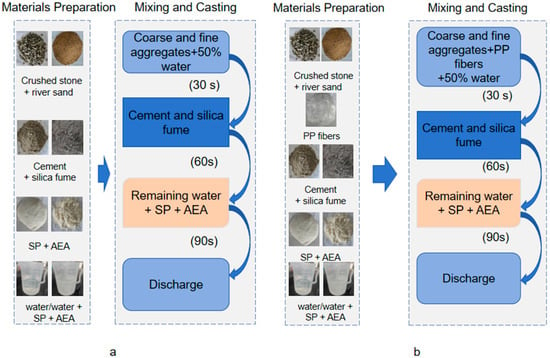
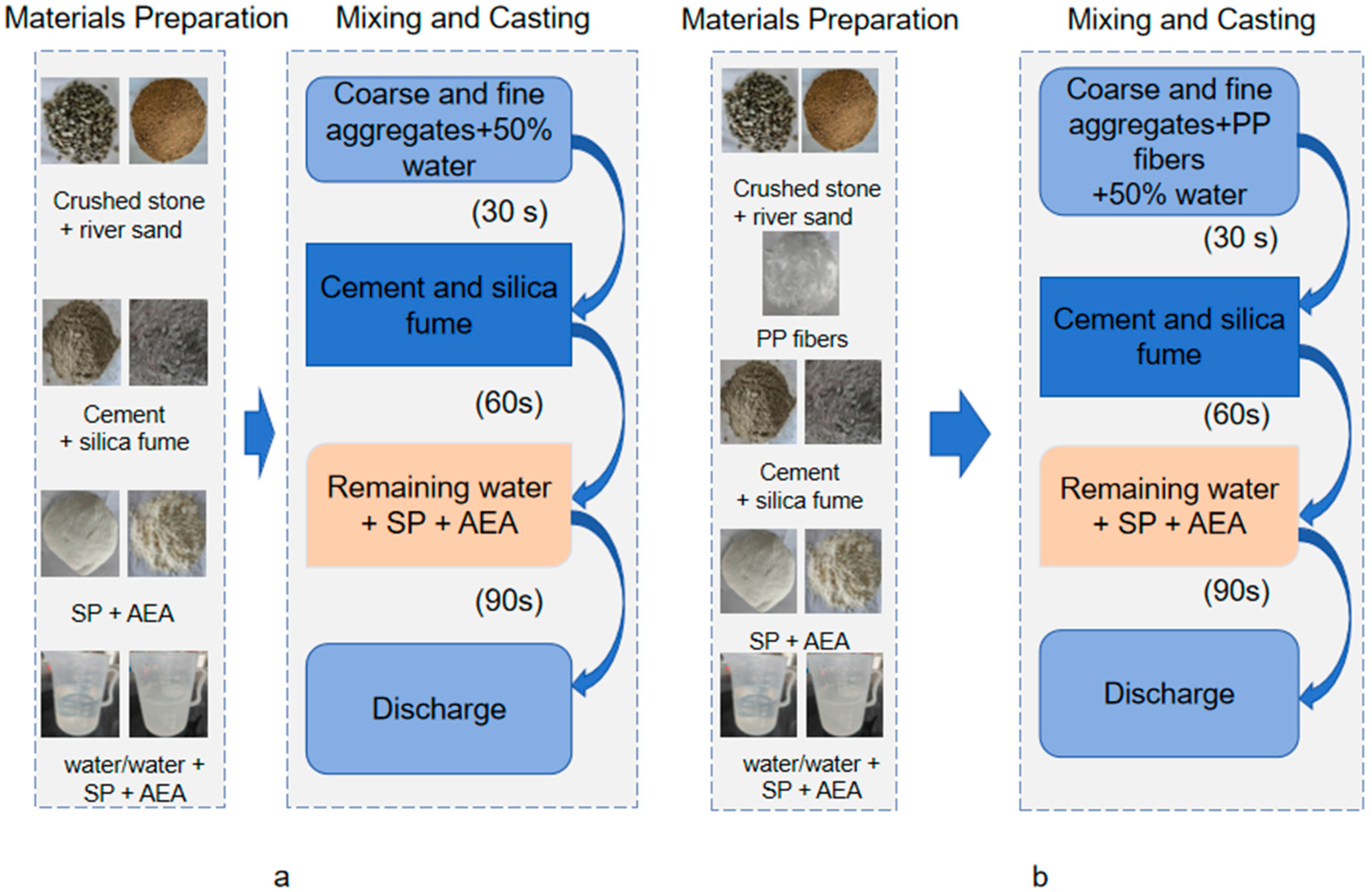
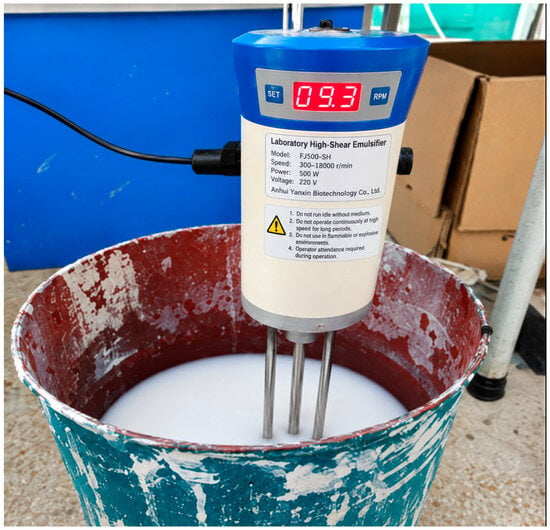
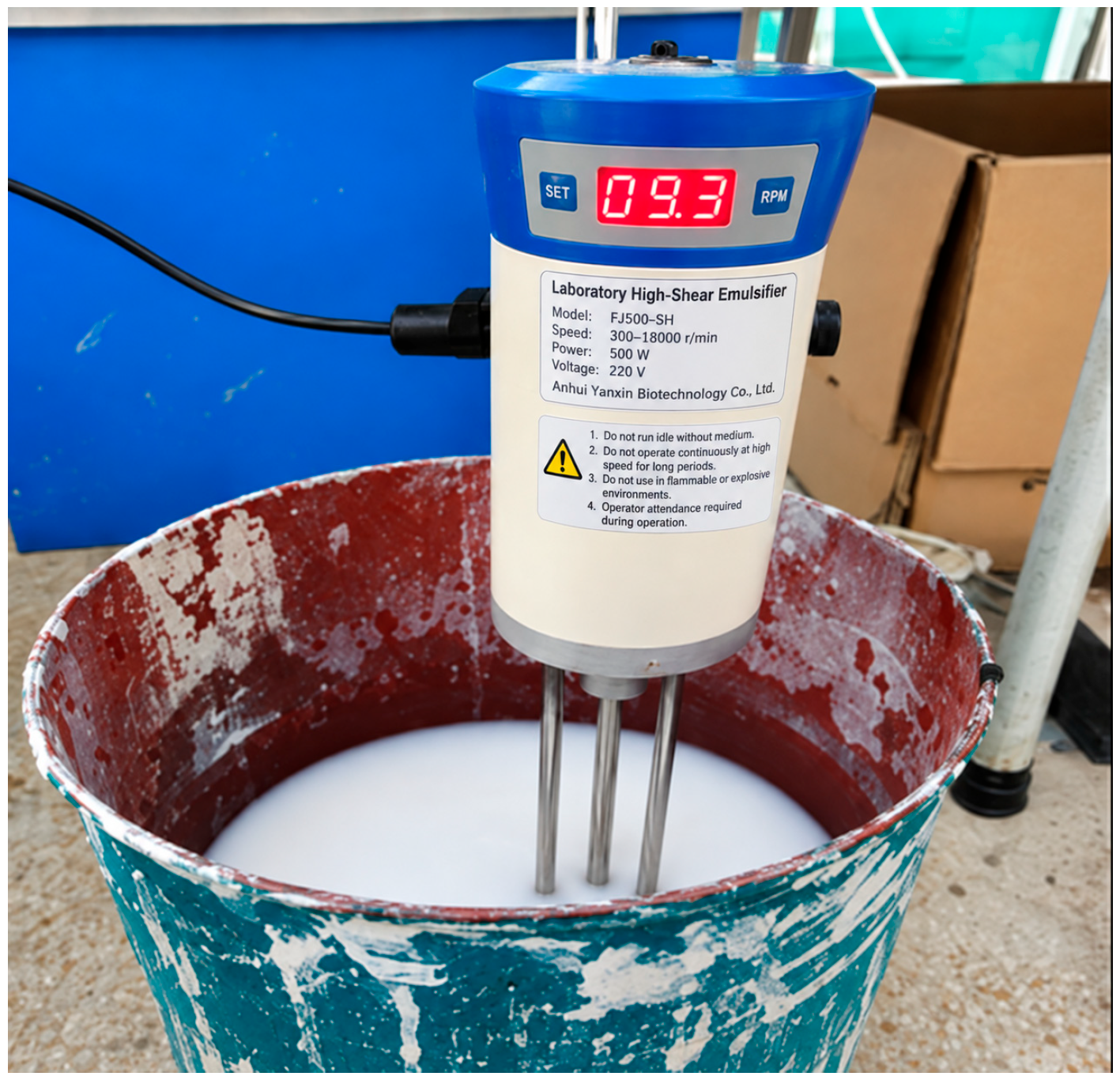
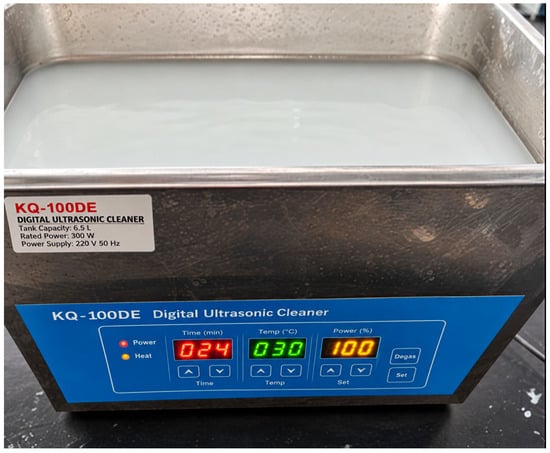
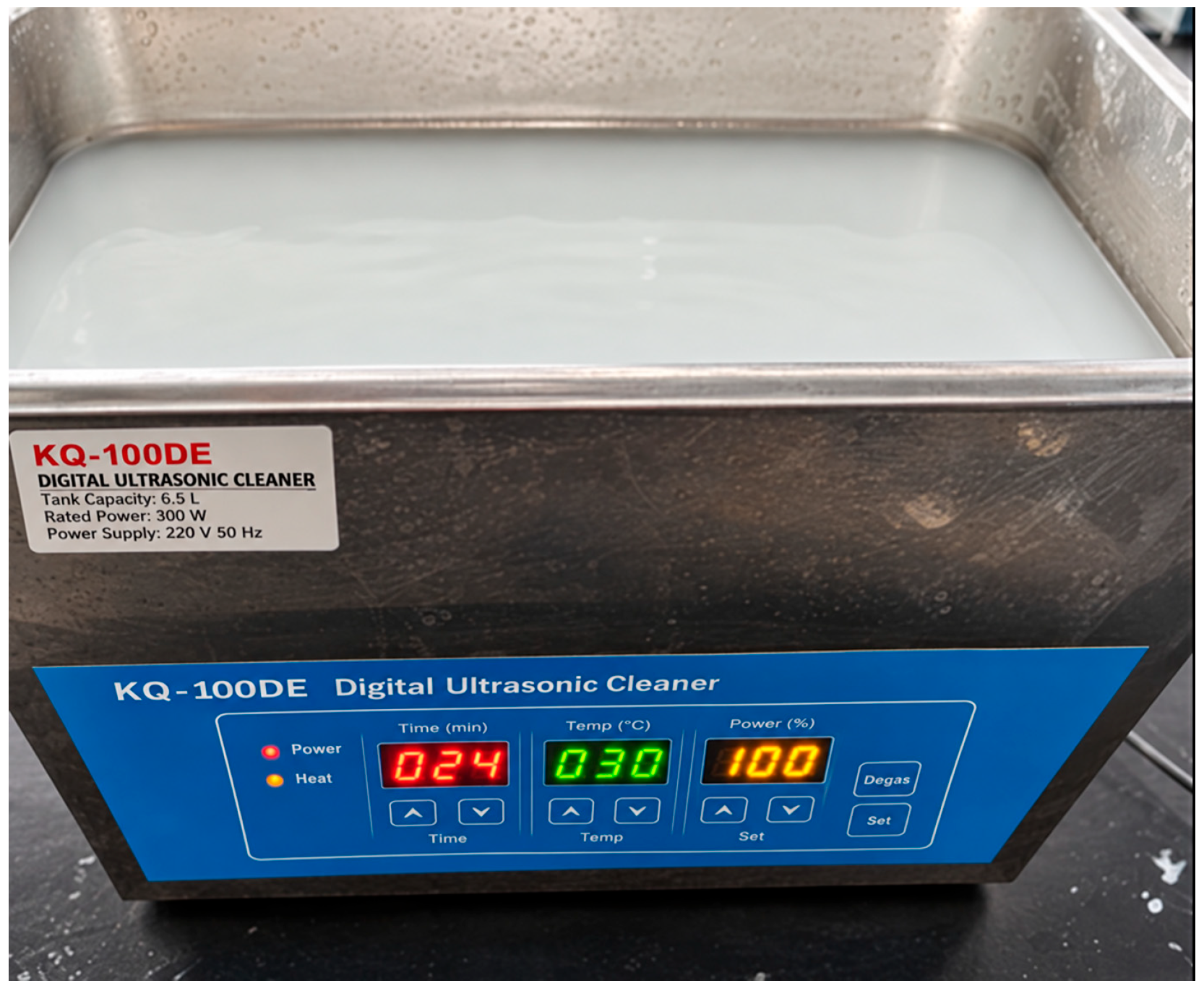
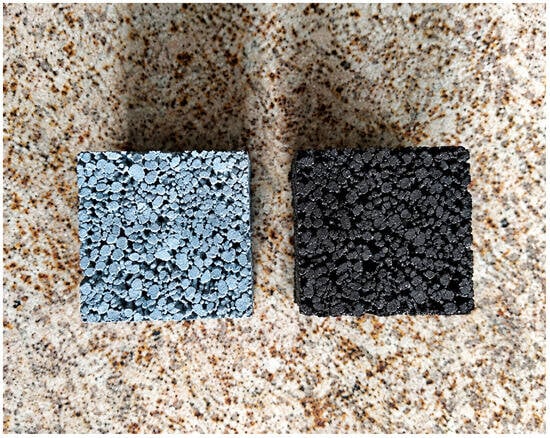
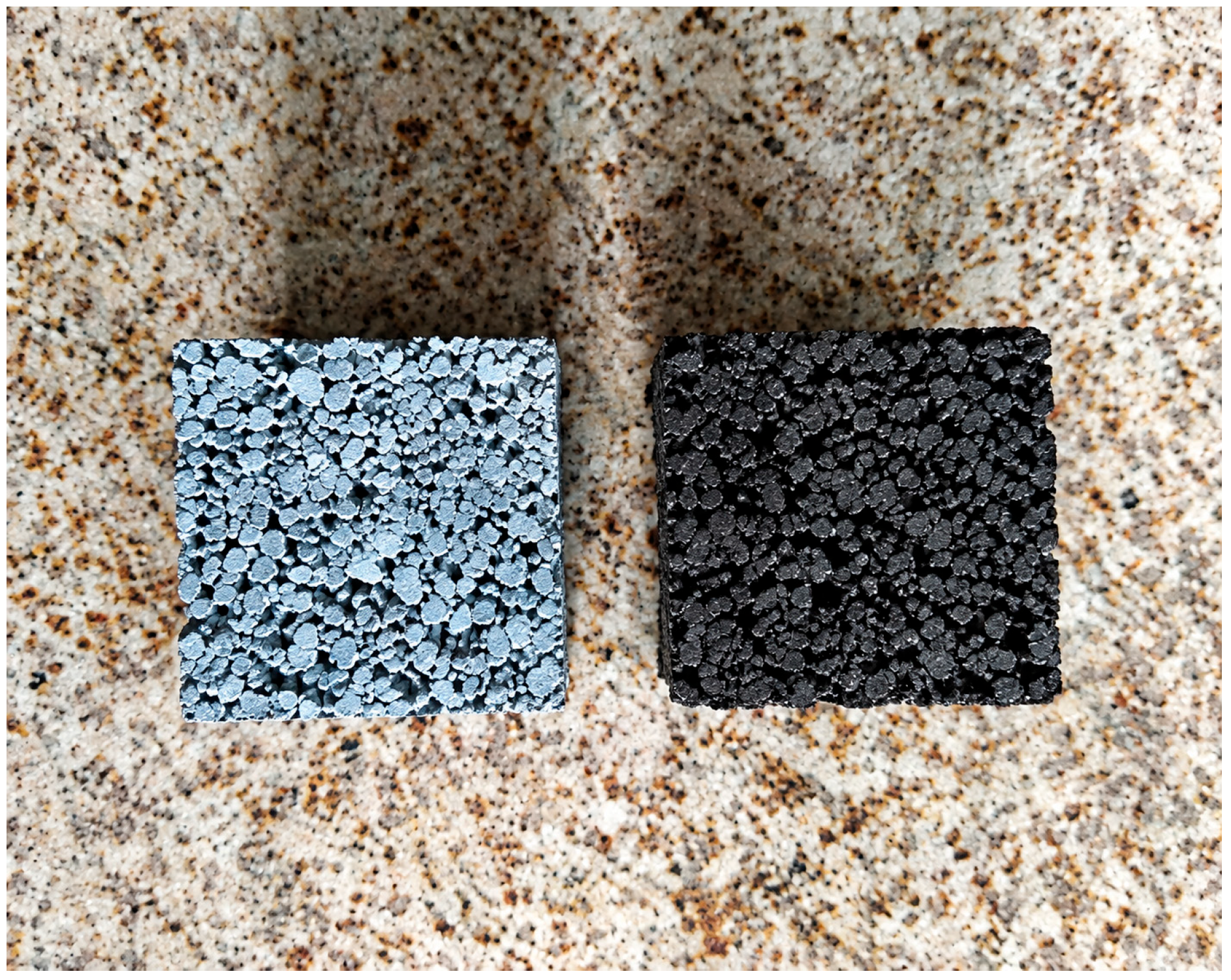
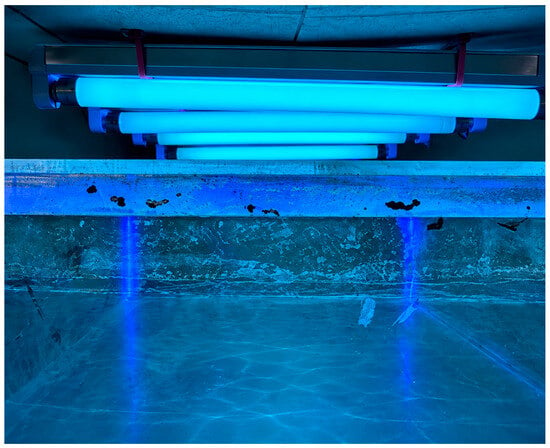
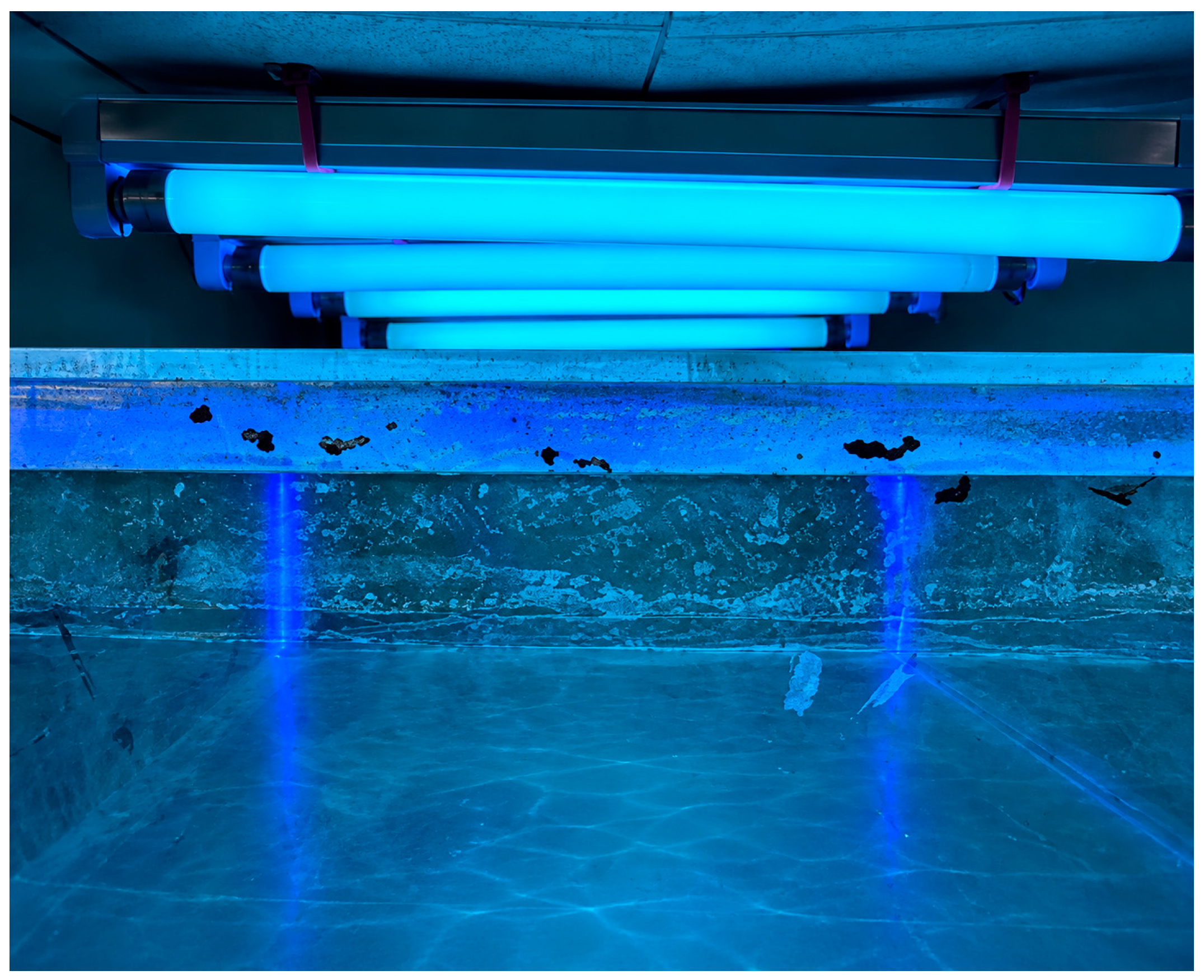
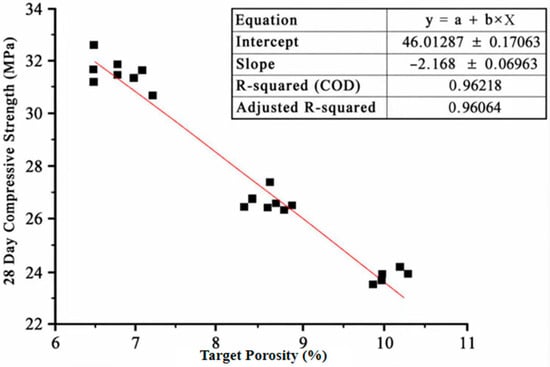
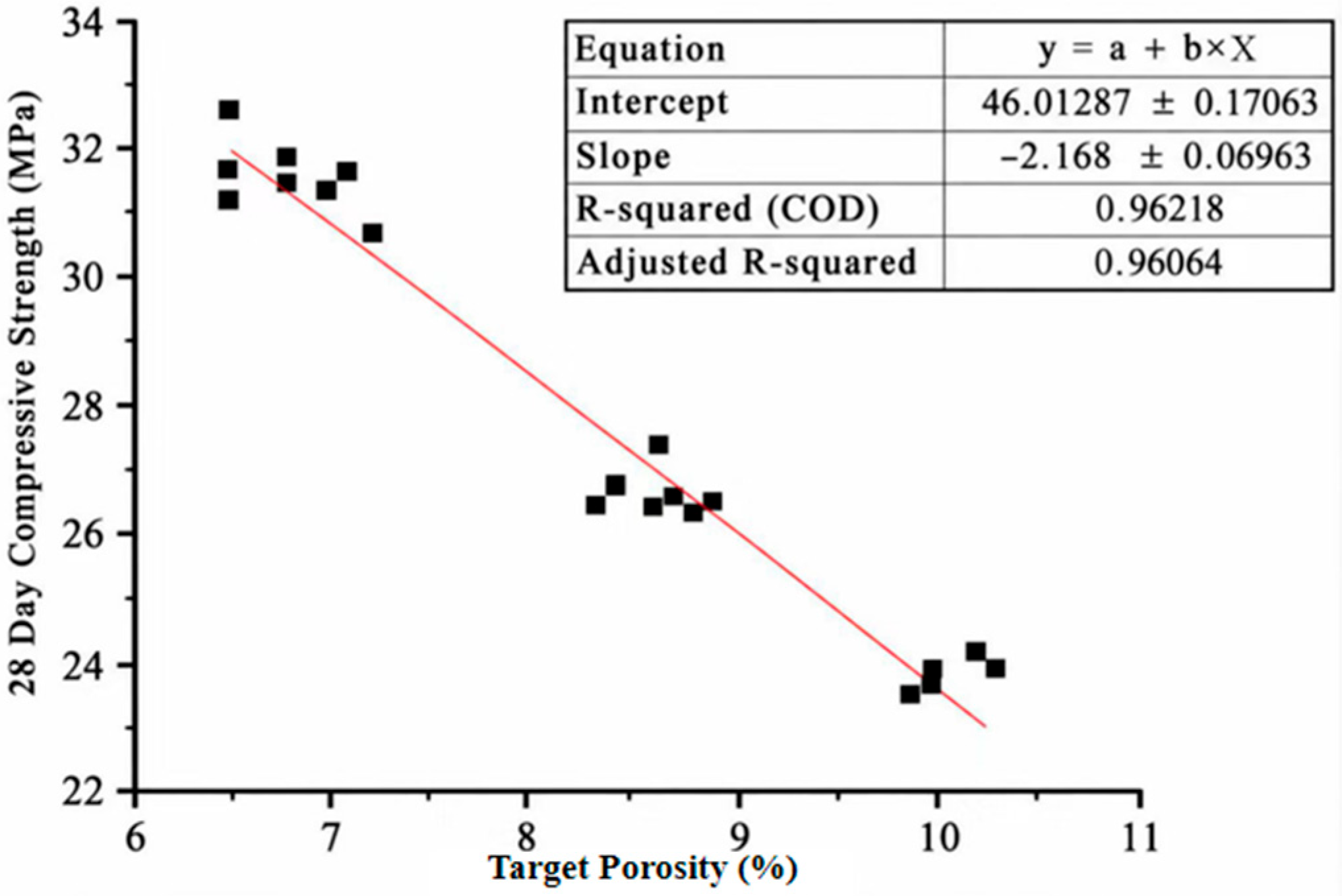
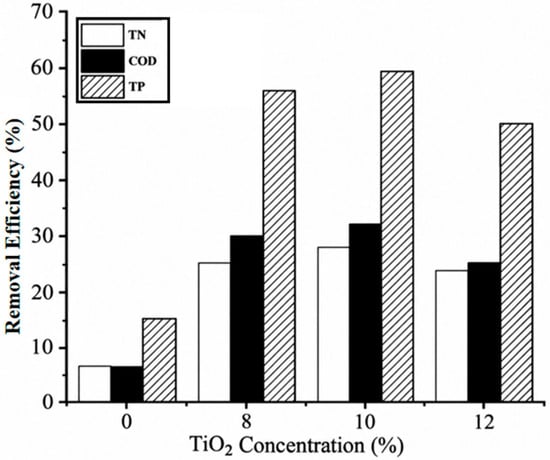
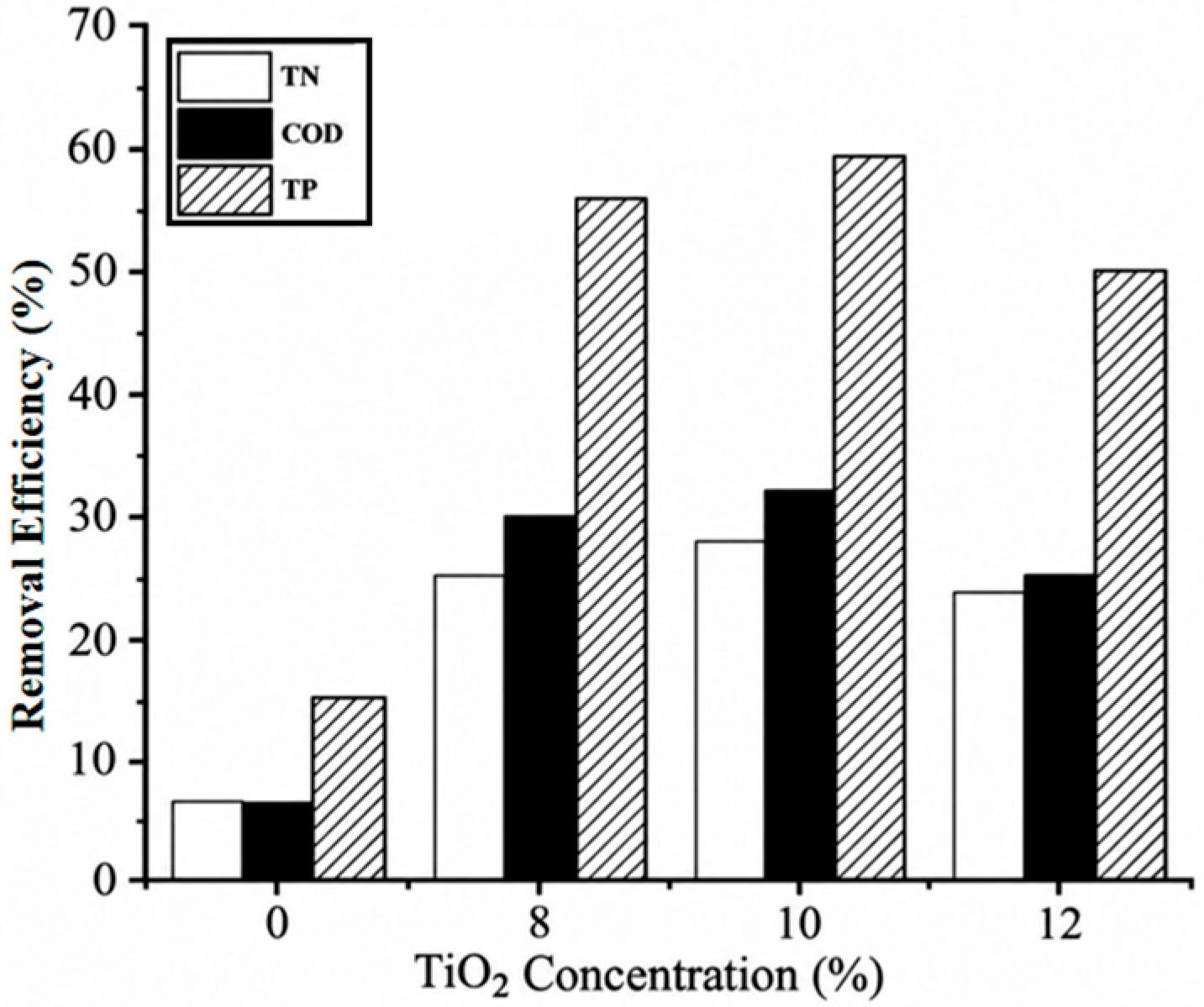
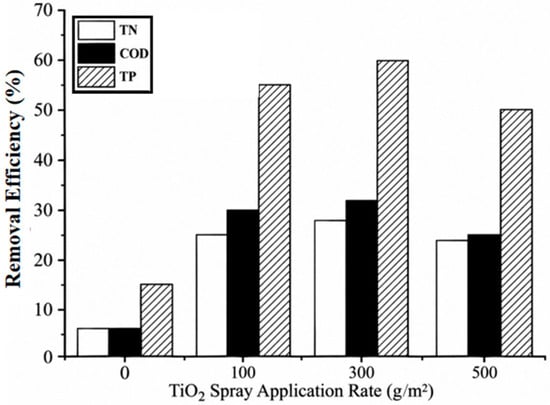
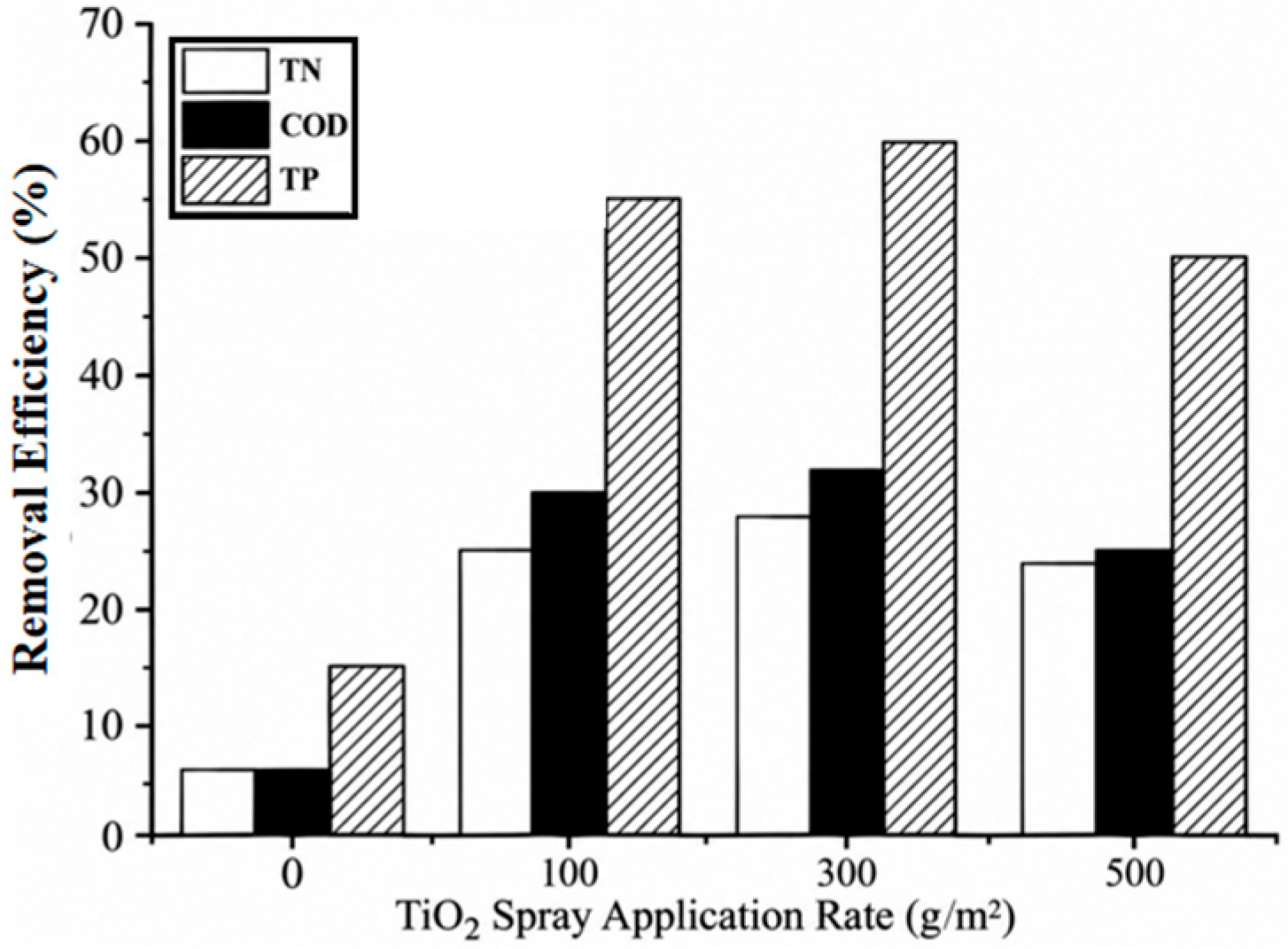
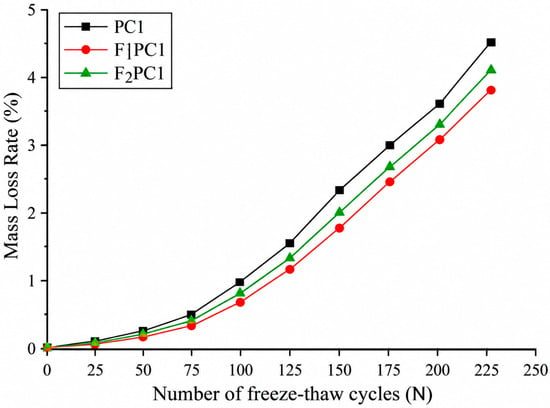
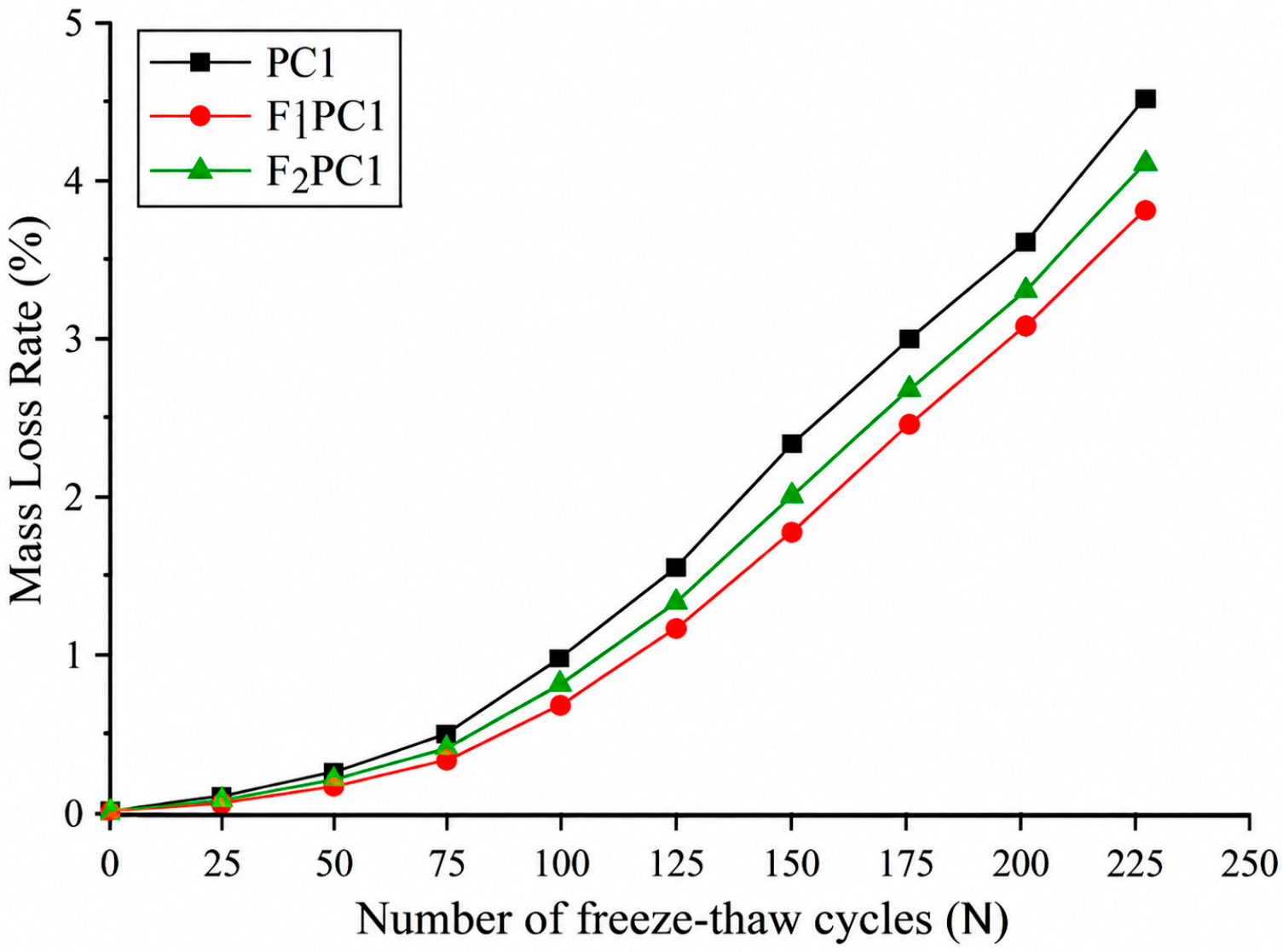
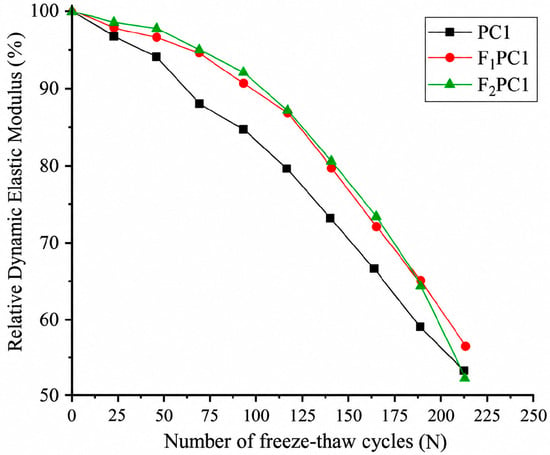
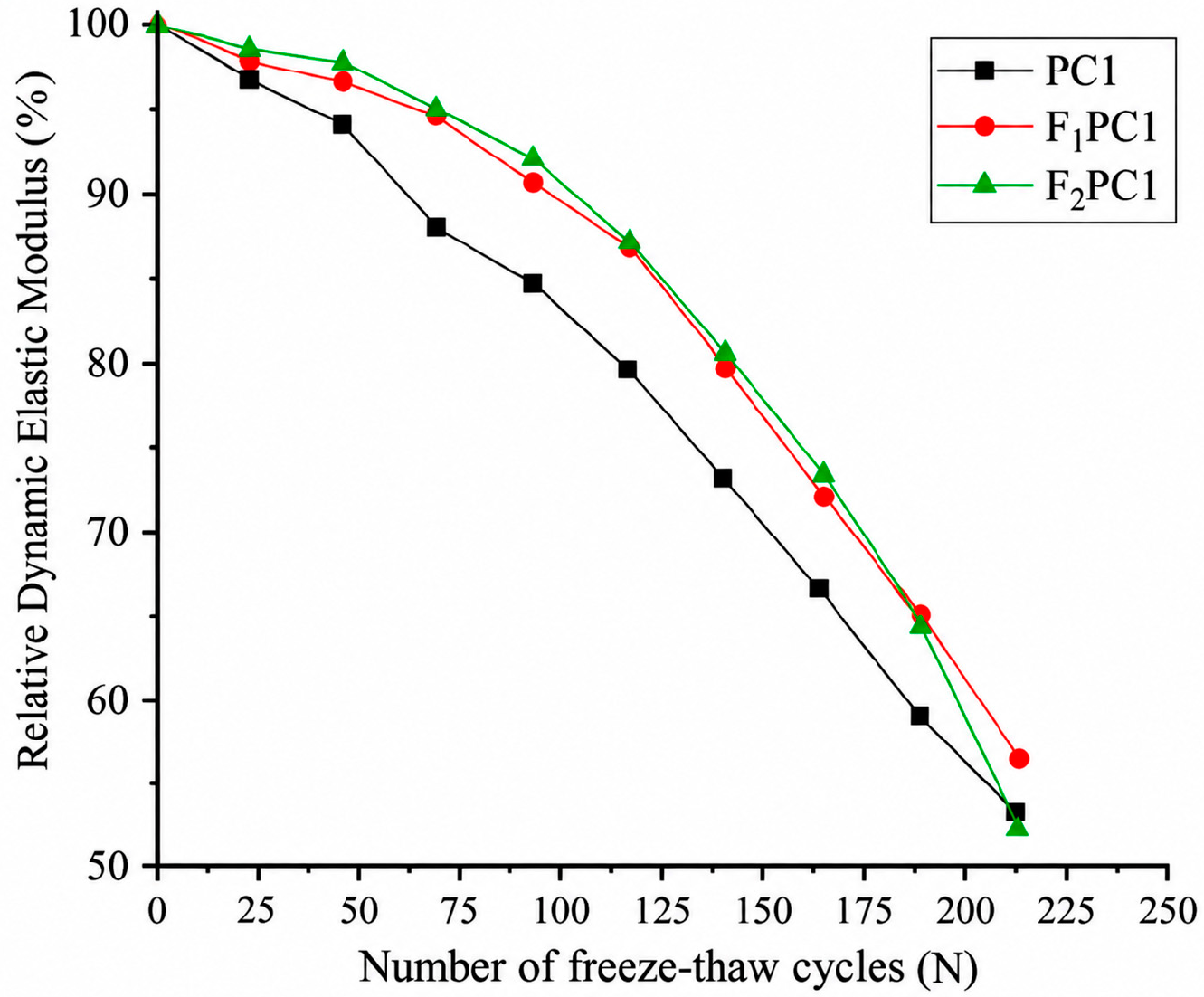
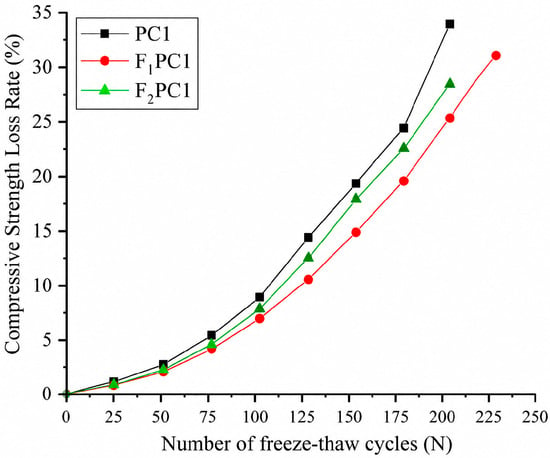
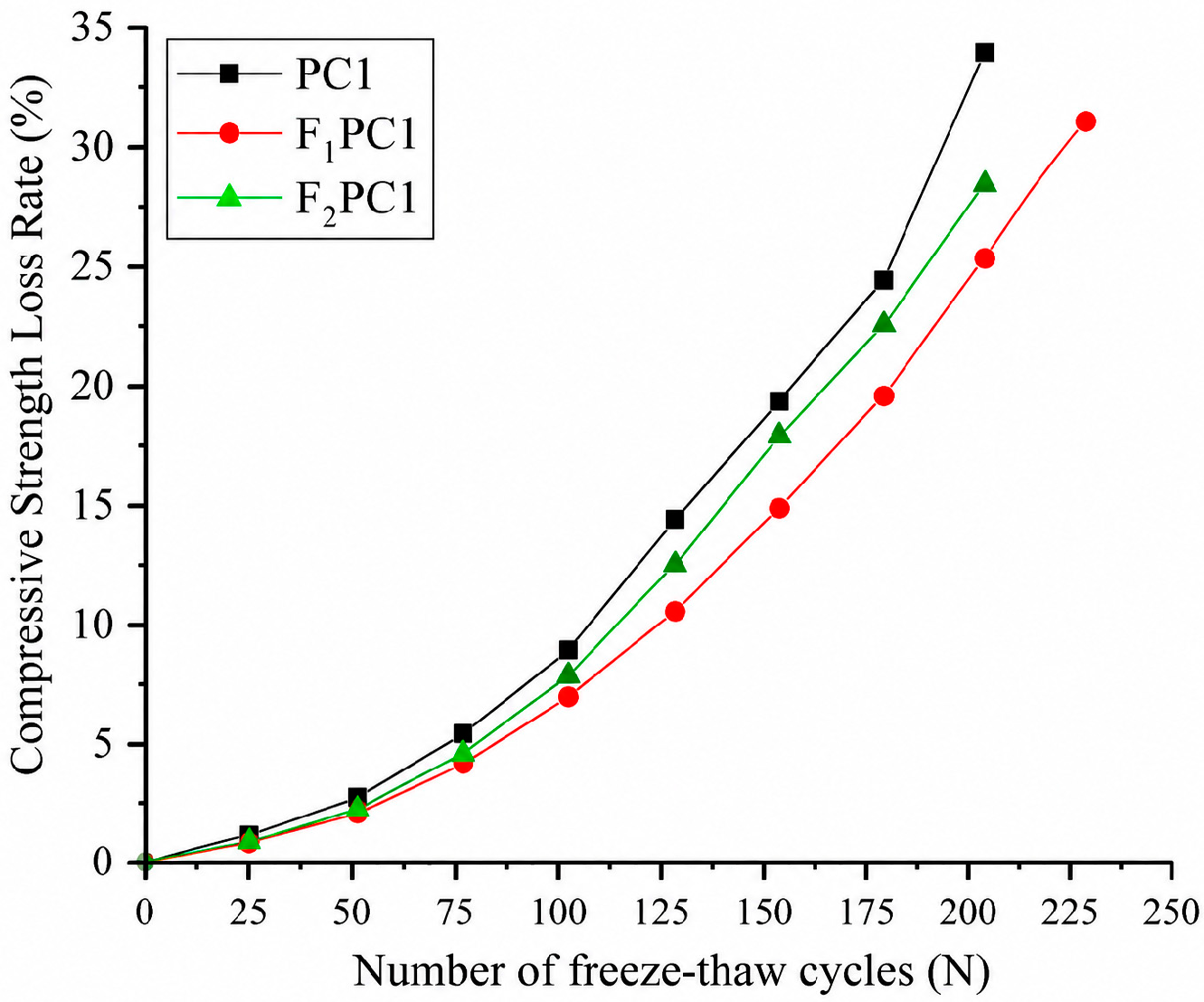
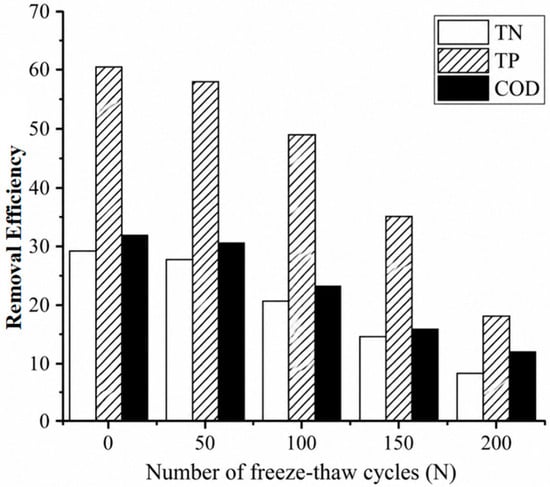
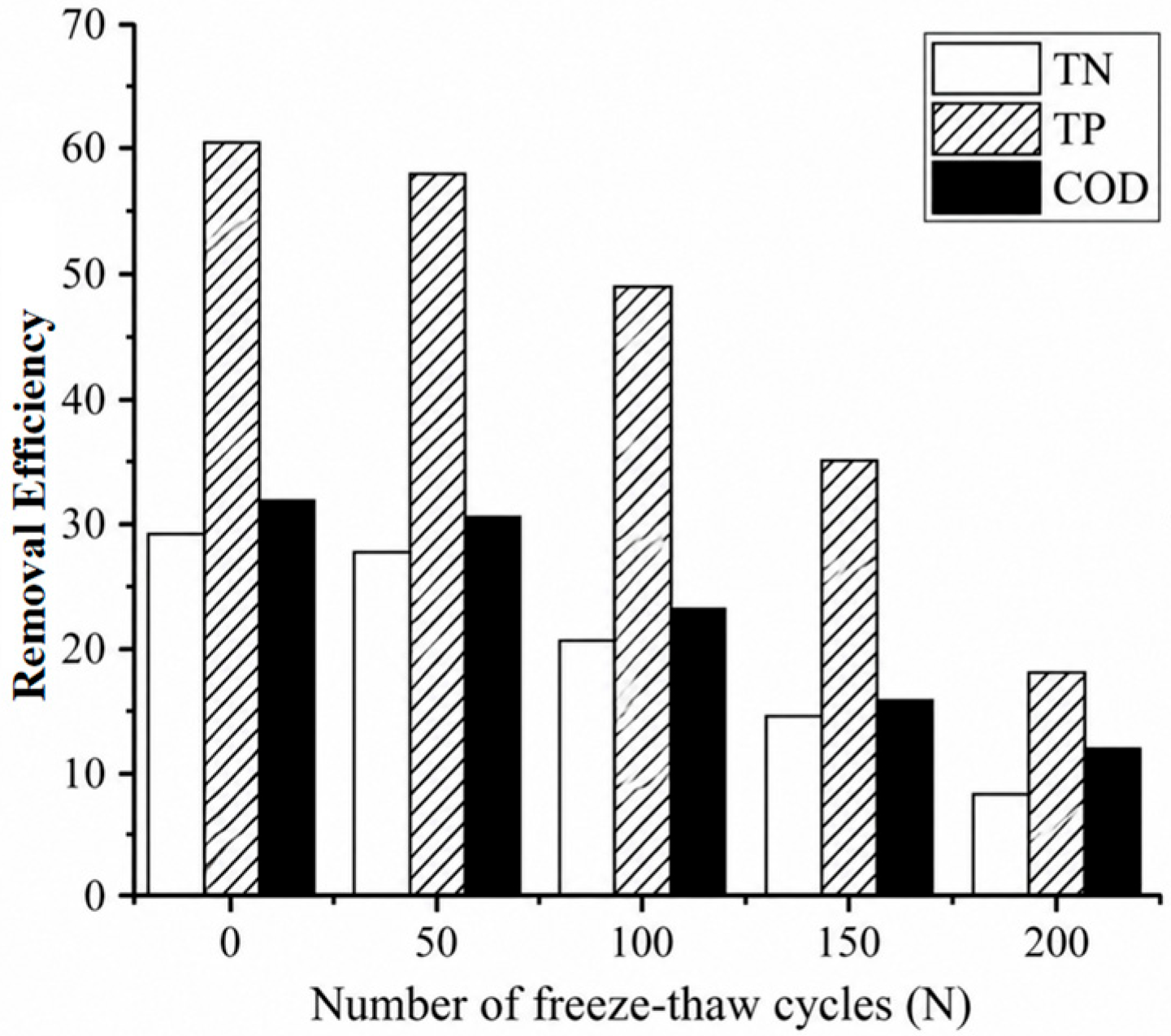
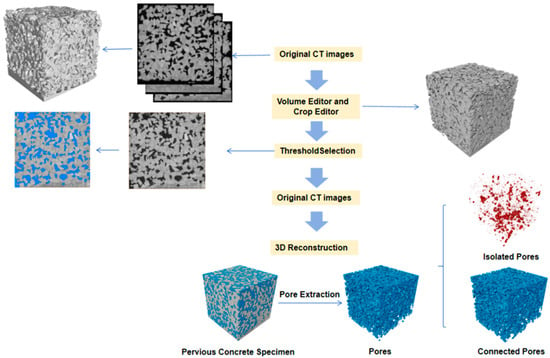
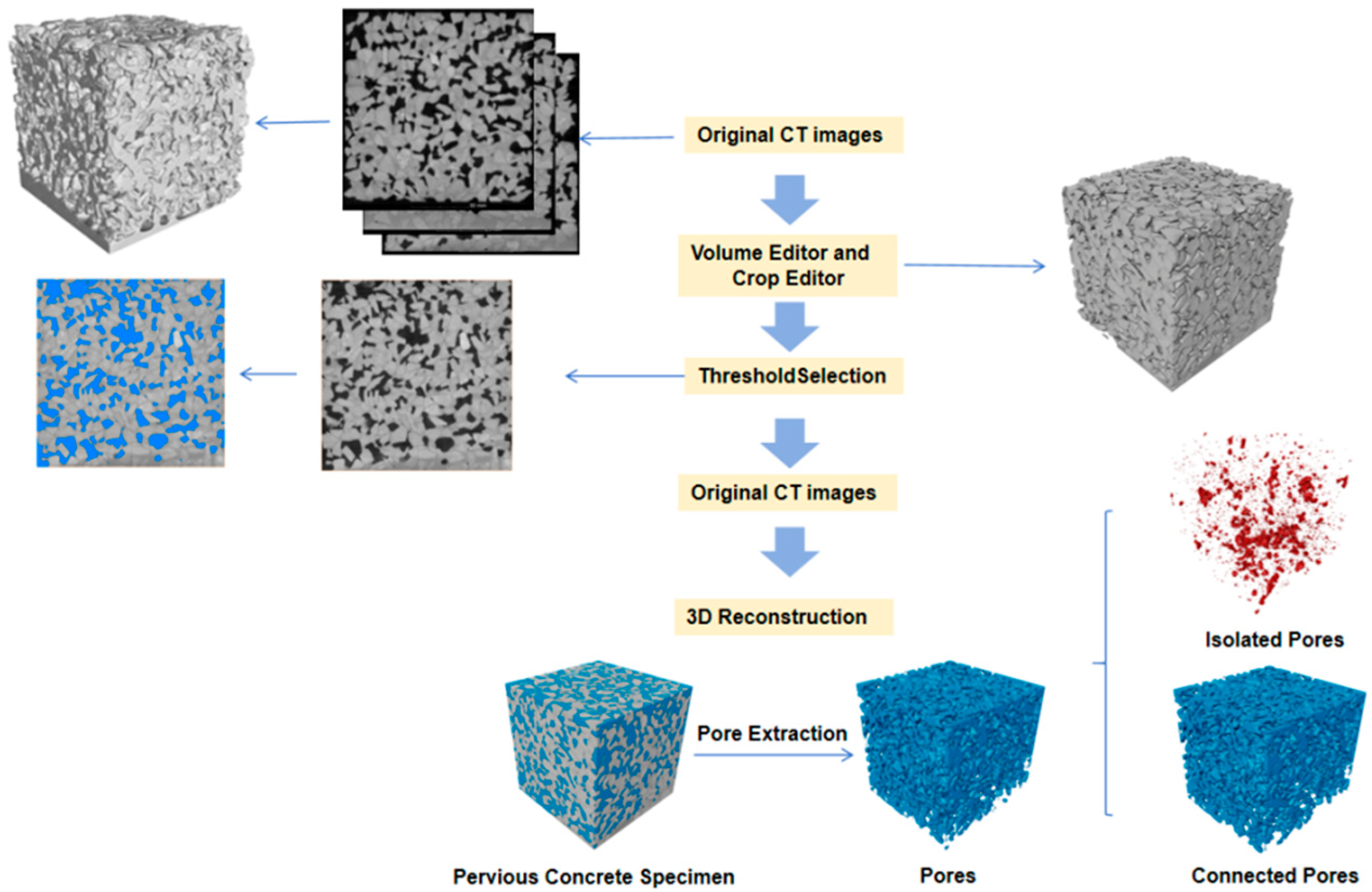
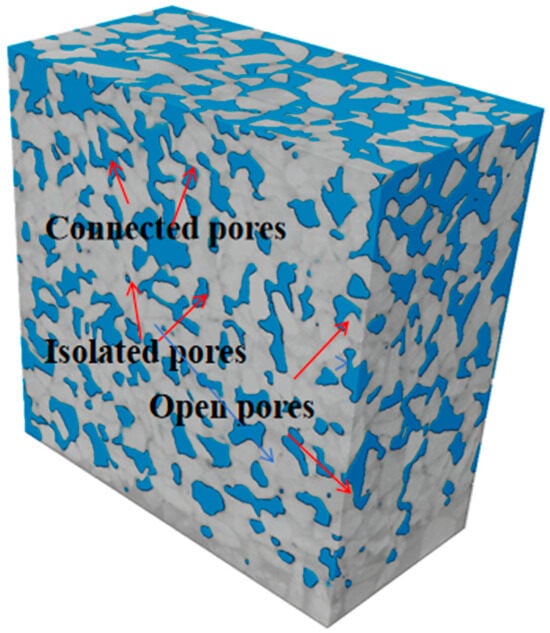
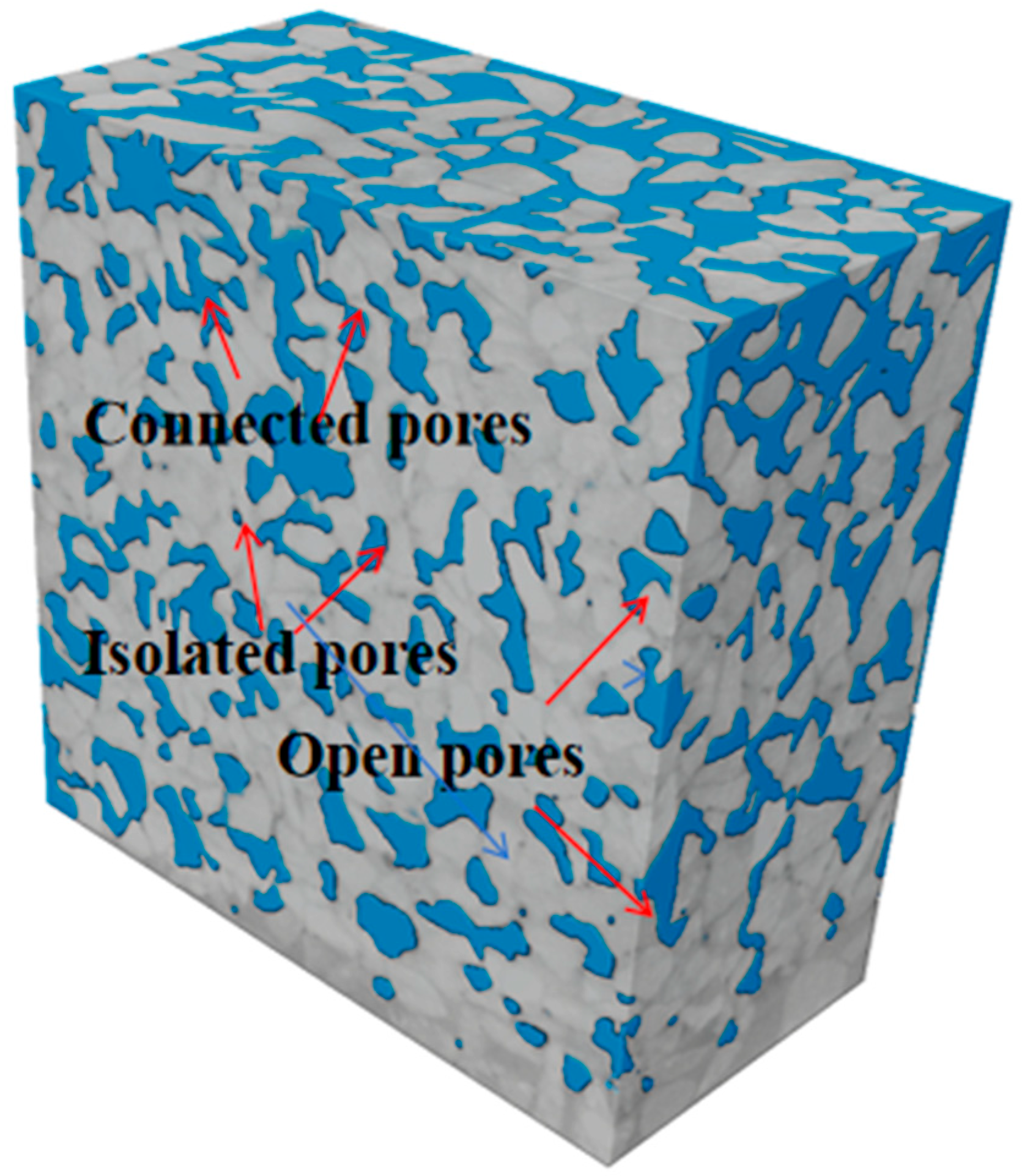
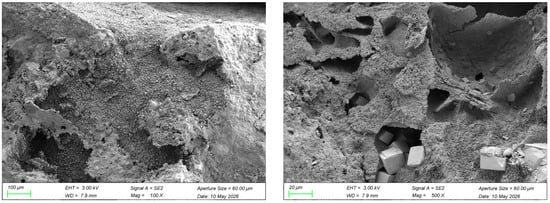
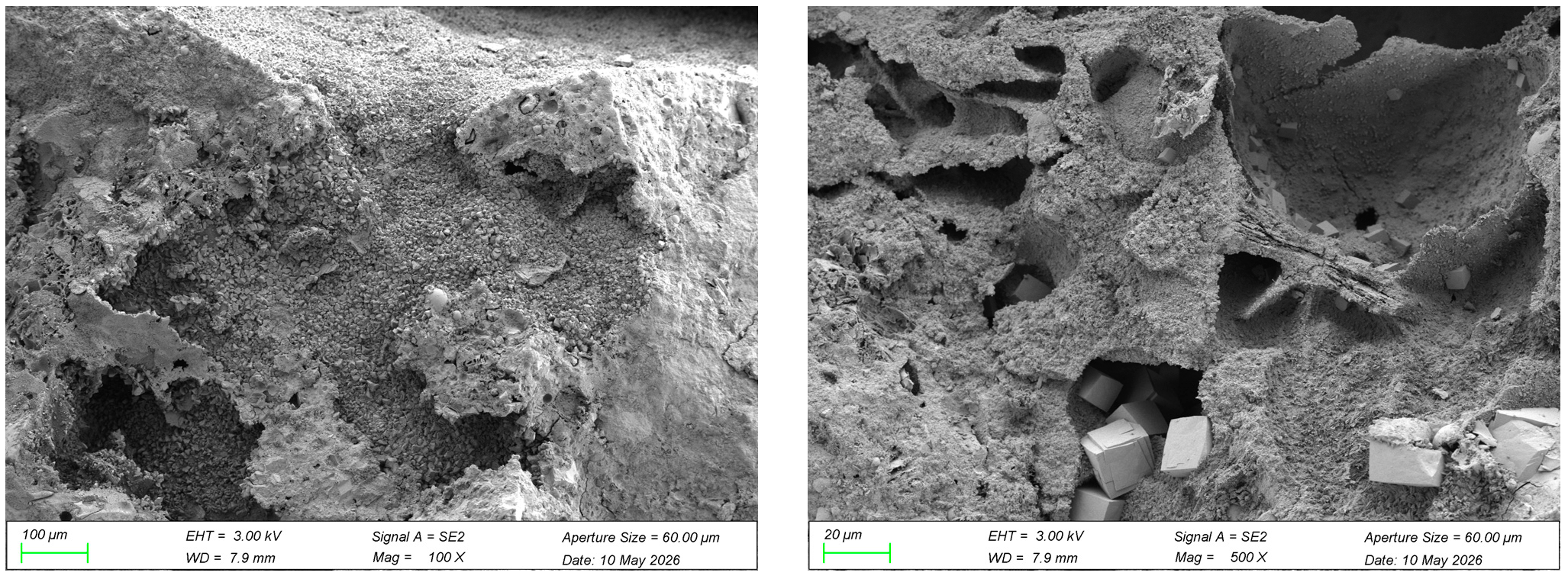
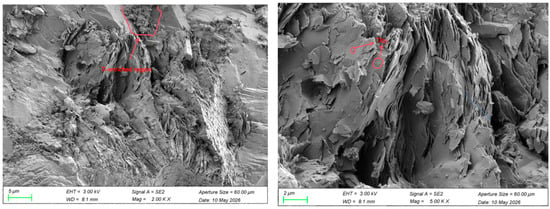
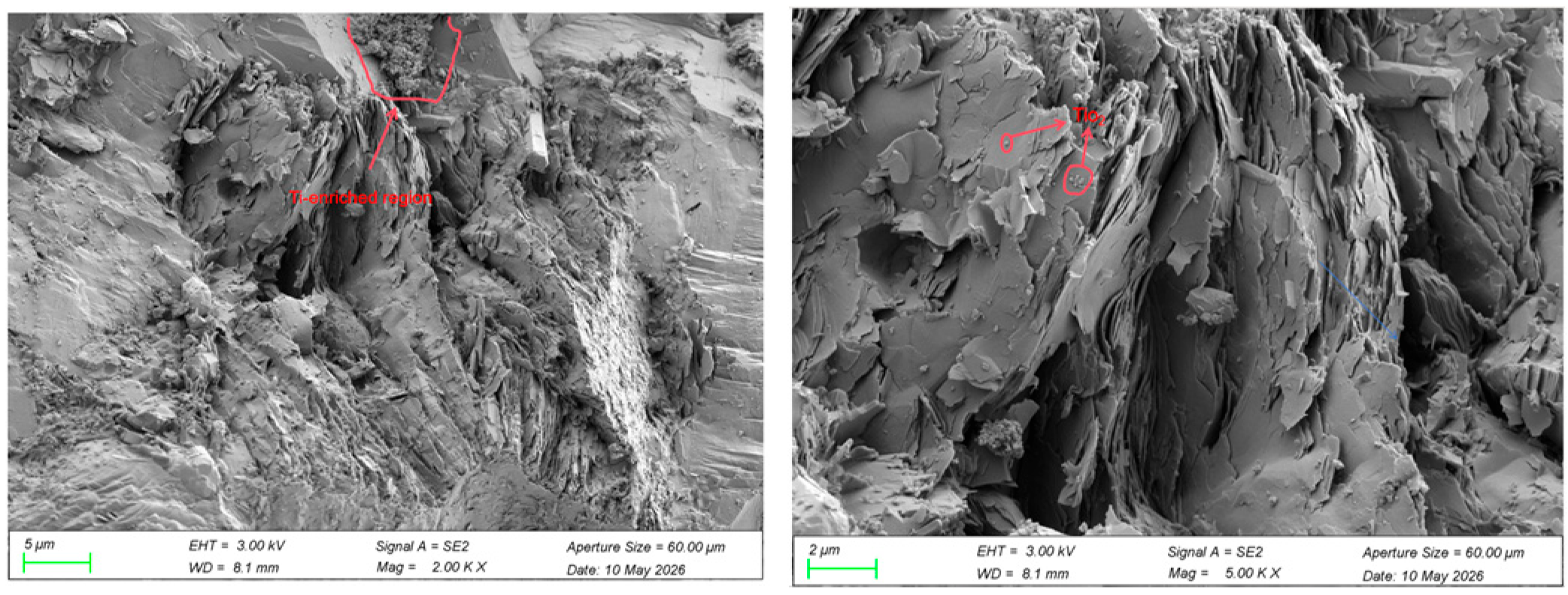
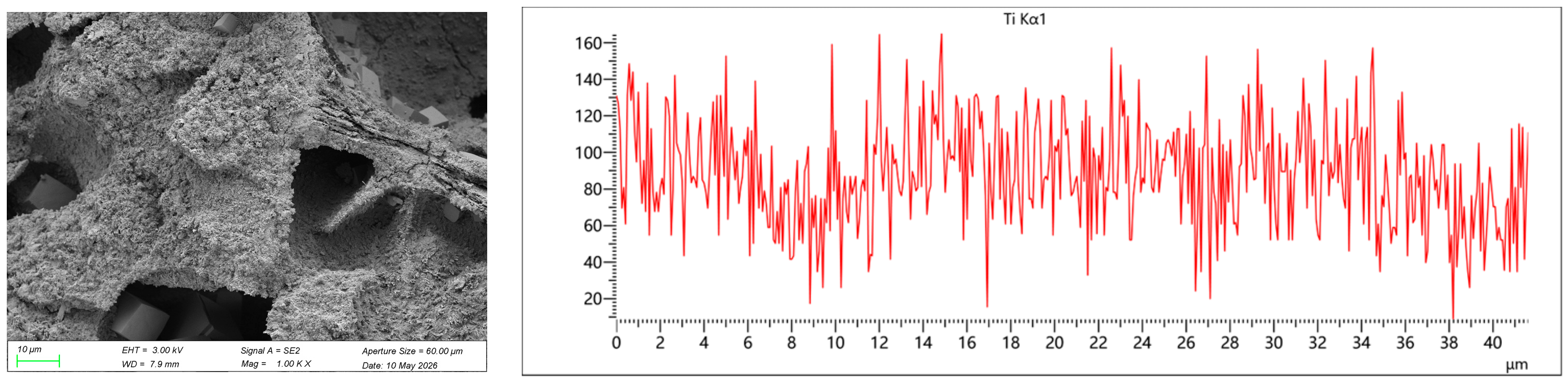
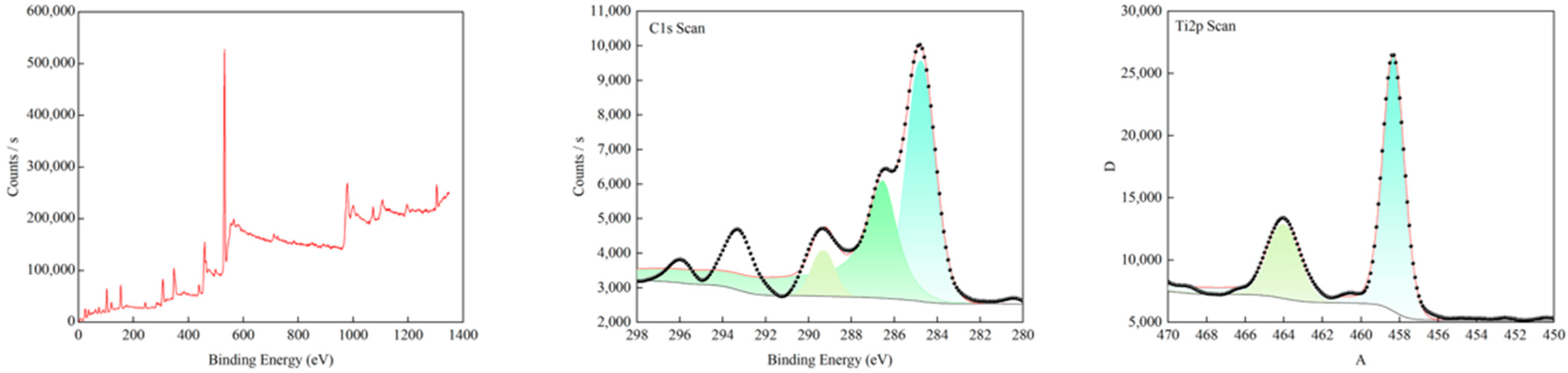

Disclaimer/Publisher’s Note: The statements, opinions and data contained in all publications are solely those of the individual author(s) and contributor(s) and not of MDPI and/or the editor(s). MDPI and/or the editor(s) disclaim responsibility for any injury to people or property resulting from any ideas, methods, instructions or products referred to in the content. |
© 2026 by the authors. Licensee MDPI, Basel, Switzerland. This article is an open access article distributed under the terms and conditions of the Creative Commons Attribution (CC BY) license.