

Journal Description
Technologies
Technologies
is an international, peer-reviewed, open access journal singularly focusing on emerging scientific and technological trends, published monthly online by MDPI.
- Open Access— free for readers, with article processing charges (APC) paid by authors or their institutions.
- High Visibility: indexed within ESCI (Web of Science), Scopus, Inspec, Ei Compendex, INSPIRE, and other databases.
- Journal Rank: JCR - Q1 (Engineering, Multidisciplinary) / CiteScore - Q1 (Computer Science (miscellaneous))
- Rapid Publication: manuscripts are peer-reviewed and a first decision is provided to authors approximately 19.1 days after submission; acceptance to publication is undertaken in 3.6 days (median values for papers published in this journal in the second half of 2025).
- Recognition of Reviewers: reviewers who provide timely, thorough peer-review reports receive vouchers entitling them to a discount on the APC of their next publication in any MDPI journal, in appreciation of the work done.
- Testimonials: See what our editors and authors say about Technologies.
- Journal Cluster of Mechanical Manufacturing and Automation Control: Aerospace, Automation, Drones, Journal of Manufacturing and Materials Processing, Machines, Robotics and Technologies.
Impact Factor:
3.6 (2024);
5-Year Impact Factor:
4.2 (2024)
Latest Articles
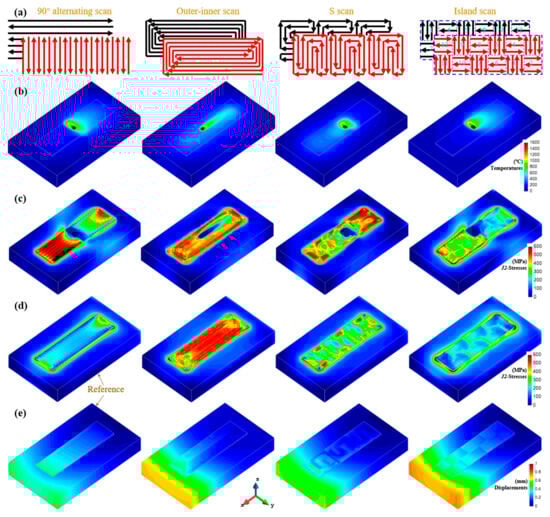
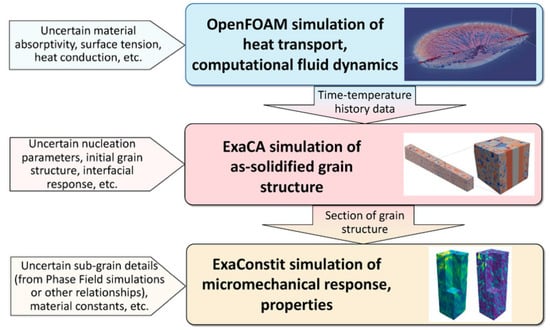
From Mechanics to Machine Learning in Additive Manufacturing: A Review of Deformation, Fatigue, and Fracture
Technologies 2026, 14(4), 218; https://doi.org/10.3390/technologies14040218 - 9 Apr 2026
Abstract
Additive manufacturing (AM) enables a level of design flexibility that is difficult to achieve with conventional techniques, yet it inherently yields materials marked by significant variability, anisotropy, and sensitivity to defects that challenge classical mechanics-of-materials assumptions. Process-driven microstructural heterogeneity, stochastic defect populations, and
[...] Read more.
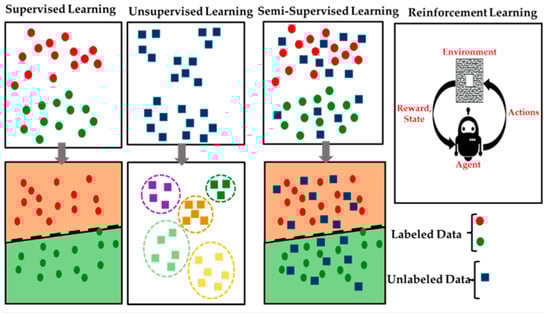
Additive manufacturing (AM) enables a level of design flexibility that is difficult to achieve with conventional techniques, yet it inherently yields materials marked by significant variability, anisotropy, and sensitivity to defects that challenge classical mechanics-of-materials assumptions. Process-driven microstructural heterogeneity, stochastic defect populations, and residual stresses strongly influence deformation, fatigue, and fracture behavior, often outweighing nominal material properties and constraining the predictive capability of traditional constitutive and fracture mechanics models. Machine learning (ML) has emerged as a powerful means of handling the complexity of AM data; however, many current approaches depend on black-box models that lack physical transparency, extrapolate poorly, and treat uncertainty inadequately. This review contends that ML should augment—rather than replace—mechanics-based modeling, and that dependable prediction of AM material behavior requires mechanics-informed ML frameworks. We critically analyze the central mechanics challenges in AM and evaluate established modeling strategies alongside emerging ML methods relevant to deformation, damage, fatigue, and fracture. Particular emphasis is given to physics-informed and hybrid ML approaches that explicitly incorporate anisotropy, defect sensitivity, residual stress effects, and uncertainty quantification within learning architectures. Recent progress in ML-assisted constitutive modeling, fatigue and fracture prediction, and digital twin development is synthesized, and the implications for qualification, certification, and structural deployment of AM components are discussed.
Full article
(This article belongs to the Collection Review Papers Collection for Advanced Technologies)
►
Show Figures
Open AccessArticle
Memory Cueing and Augmented Sensory Feedback in Virtual Reality as an Assistive Technology for Enhancing Hand Motor Performance
by
Zachary Marvin, Sophie Dewil, Yu Shi, Noam Y. Harel and Raviraj Nataraj
Technologies 2026, 14(4), 217; https://doi.org/10.3390/technologies14040217 - 8 Apr 2026
Abstract
Neurological injuries and disorders affecting hand motor control can severely impair the ability to perform activities of daily living and substantially reduce quality of life. Technologies such as virtual reality (VR) are increasingly used to address fundamental challenges in therapy, including motivation and
[...] Read more.
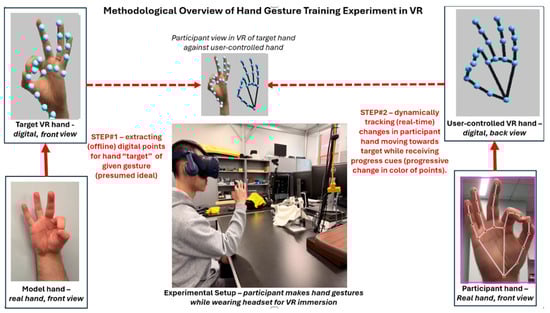
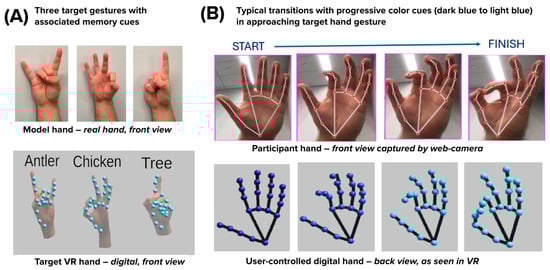
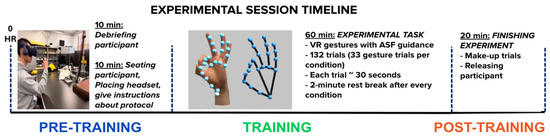
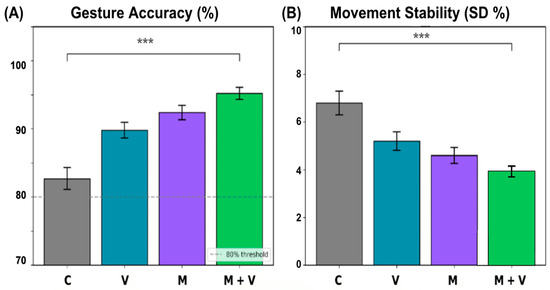
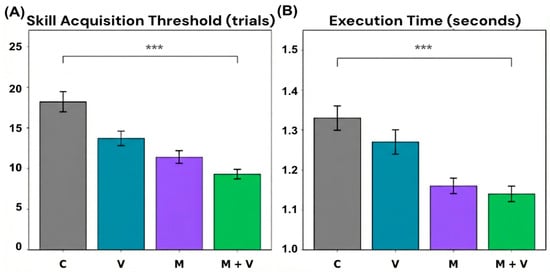
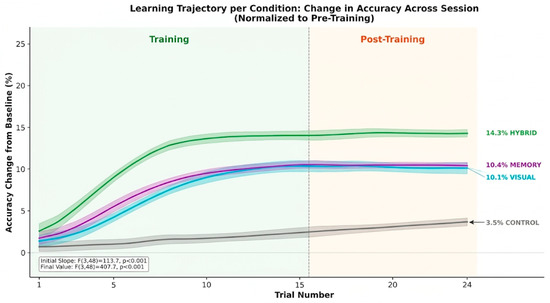
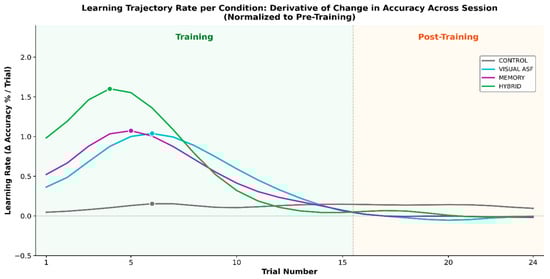
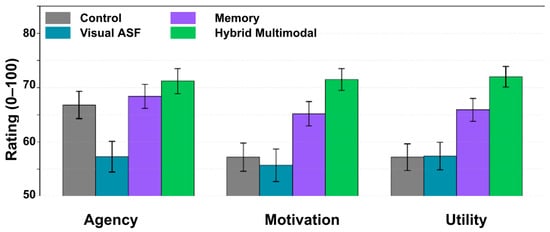
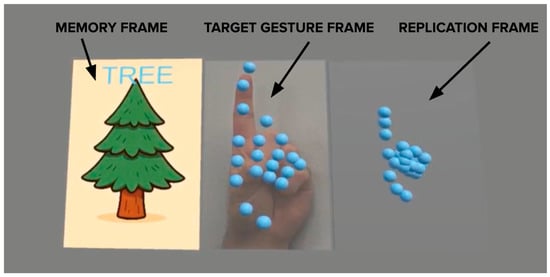
Neurological injuries and disorders affecting hand motor control can severely impair the ability to perform activities of daily living and substantially reduce quality of life. Technologies such as virtual reality (VR) are increasingly used to address fundamental challenges in therapy, including motivation and engagement; further, programmable features of digital interfaces offer additional opportunities to personalize and optimize motor training. In this proof-of-concept study, we developed and evaluated a novel VR-based training framework to support improved dexterity and hand function using physiological (sensory-driven) and cognitive (memory) cues designed to promote greater task-relevant neural engagement. The proposed approach leverages the integration of augmented sensory feedback (ASF) with memory-anchored cues for motor learning of target hand gestures. Using a within-subjects design, thirteen neurotypical adults completed four training conditions: (1) control (baseline gesture-matching in VR), (2) visual ASF (enhanced visualization and feedback of gesture accuracy), (3) memory-anchored cues (associating gestures with semantically meaningful entities, loosely analogous to American Sign Language), and (4) hybrid multimodal (visual ASF + memory-anchored cues). Training with the hybrid condition produced the fastest skill acquisition (9.3 trials to reach an 80% accuracy threshold) and the steepest initial learning slope (1.86 ± 0.12%/trial), with all conditions differing significantly in initial slope (all p < 0.002). Post-training assessment showed that the hybrid condition achieved the highest gesture accuracy (95.2%), greatest normalized post-training accuracy gain (14.3% above baseline), fastest execution time to target gesture (1.14 s), and lowest variability in gestural kinematics (SD = 3.9%). Both ASF and memory-anchored cue conditions each also independently outperformed the control condition on gesture accuracy (both p ≤ 0.002), with omnibus ANOVAs indicating significant condition effects across metrics. Together, these findings suggest that pairing ASF cues with memory-based cognitive scaffolding can yield additive benefits for motor skill acquisition and stability. Pending validation in clinical populations, such approaches may inform the design of VR-based motor training frameworks for rehabilitation.
Full article
(This article belongs to the Special Issue Assistive Technologies in Care and Rehabilitation: Research, Developments, and International Initiatives—Second Edition)
►▼
Show Figures

Figure 1
Open AccessArticle
Numerical Simulation Study on Region Tracking of Jet Formation and Armor-Piercing Process of Zirconium Alloy Shaped Charge Liner
by
Yan Wang, Yifan Du, Xingwei Liu and Jinxu Liu
Technologies 2026, 14(4), 216; https://doi.org/10.3390/technologies14040216 - 8 Apr 2026
Abstract
►▼
Show Figures
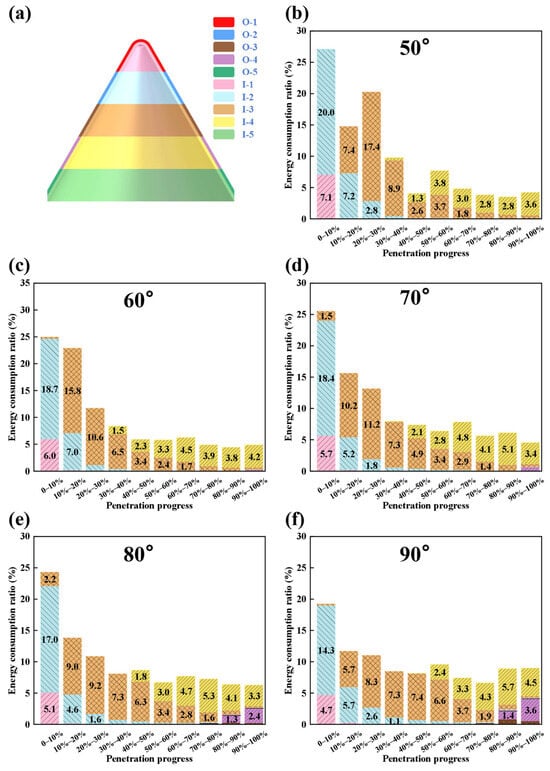
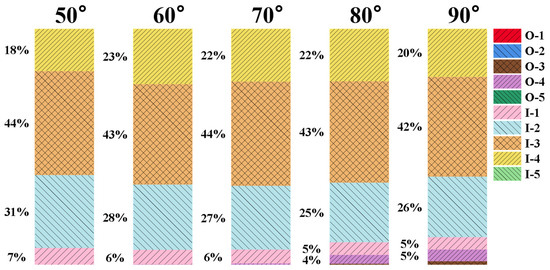
Zr alloy-shaped charge liners (SCLs) offer broad application prospects due to their multiple post-penetration damage effects. However, research on these liners is still in its early stages. The mechanisms of jet formation and penetration for Zr alloys SCL remain unclear, and the specific
[...] Read more.
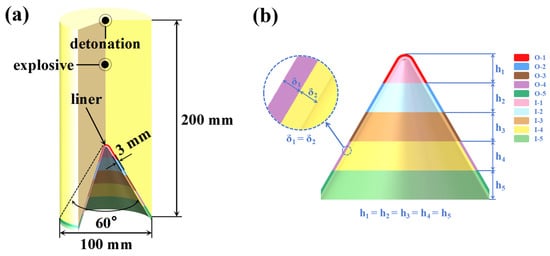
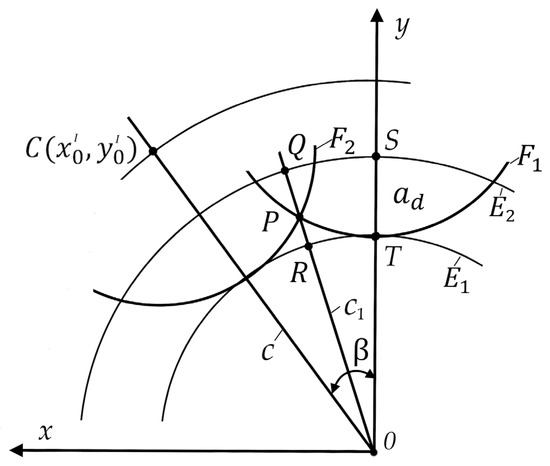
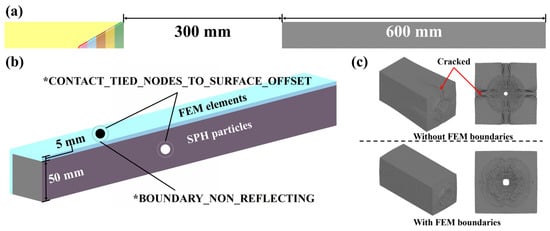
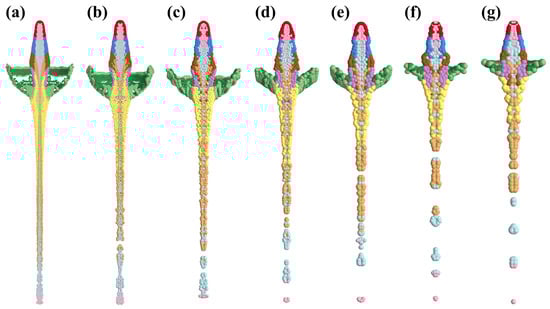
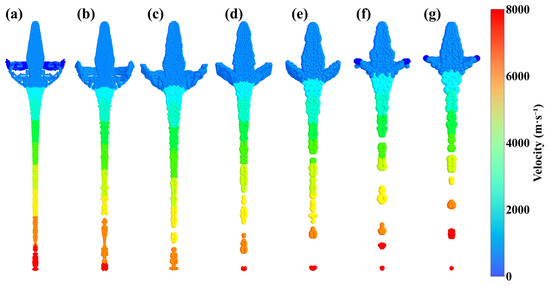
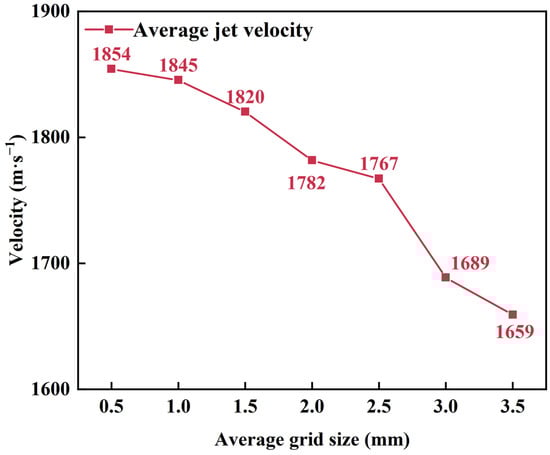
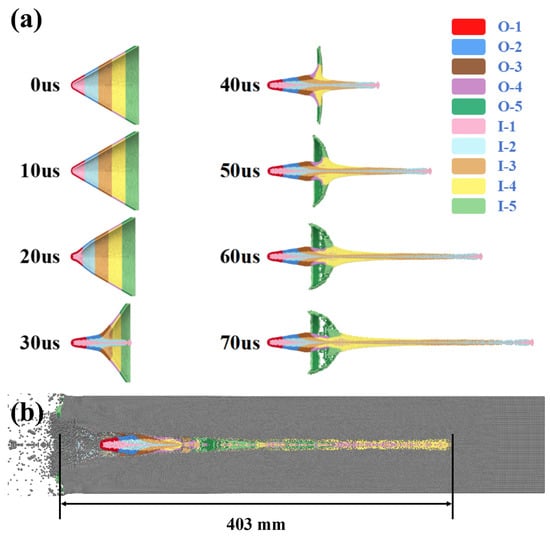
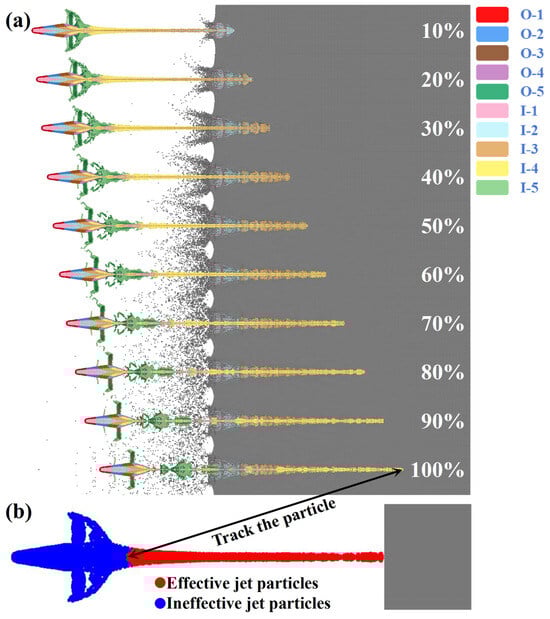
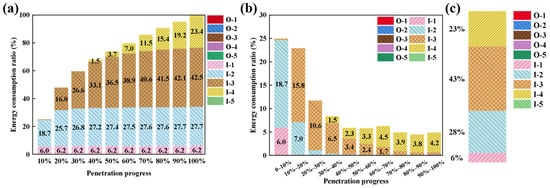
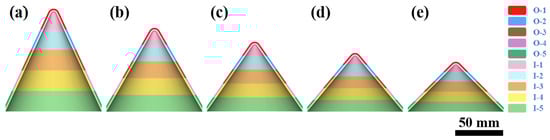
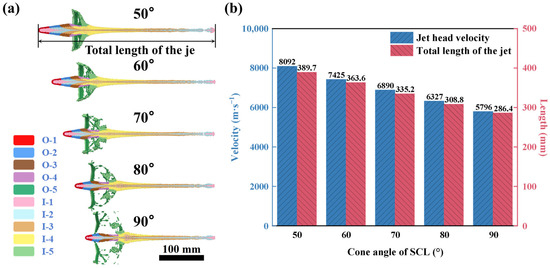
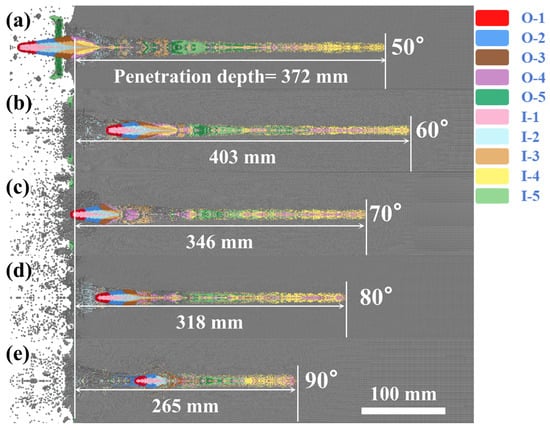
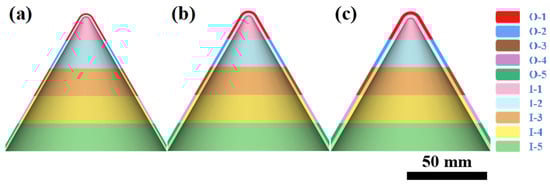
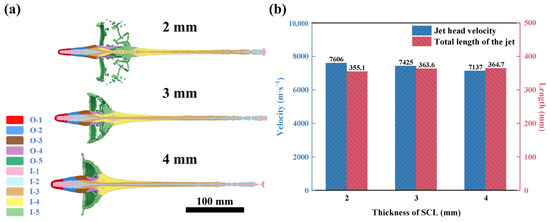
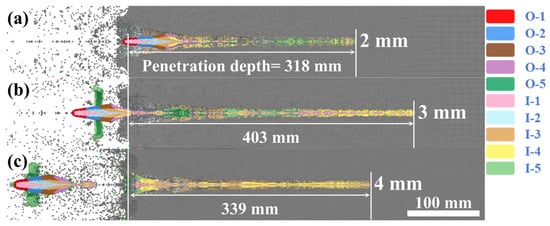
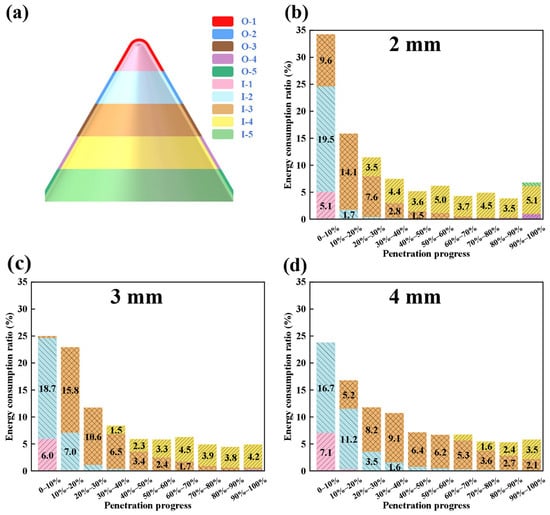
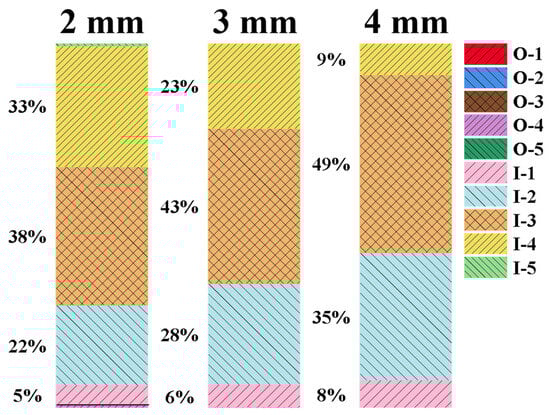
Zr alloy-shaped charge liners (SCLs) offer broad application prospects due to their multiple post-penetration damage effects. However, research on these liners is still in its early stages. The mechanisms of jet formation and penetration for Zr alloys SCL remain unclear, and the specific contribution of different liner regions to the penetration process is not yet understood. This gap in knowledge has limited their structural design to a black-box correlation between global structural parameters and macroscopic penetration efficiency. To address this gap, a region-tracing Smoothed Particle Hydrodynamics (SPH) simulation was employed. Following a strategy of “wall thickness layering + axial segmentation,” the Zr alloy liner was partitioned into ten characteristic regions. This methodology facilitated the tracking of material transport from each region during jet formation and penetration into an AISI 1045 steel target. The contribution of each region to the penetration depth was then quantitatively assessed via post-processing. For the first time, the “critical region” contributing most to penetration depth was identified, and the influence of the liner’s cone angle and wall thickness on the contribution of each region was revealed. This study enhances the theoretical framework for understanding the damage effects of Zr alloy shaped charge liners. It not only advances the fundamental understanding of jet penetration mechanisms but also provides a theoretical basis for the refined design and performance optimization of these liners.
Full article

Figure 1
Open AccessArticle
TinyML for Sustainable Edge Intelligence: Practical Optimization Under Extreme Resource Constraints
by
Mohamed Echchidmi and Anas Bouayad
Technologies 2026, 14(4), 215; https://doi.org/10.3390/technologies14040215 - 7 Apr 2026
Abstract
Deep learning has emerged as an effective tool for automatic waste classification, supporting cleaner cities and more sustainable recycling systems. Because environmental protection is central to the United Nations Sustainable Development Goals (SDGs), improving the sorting and processing of everyday waste is a
[...] Read more.
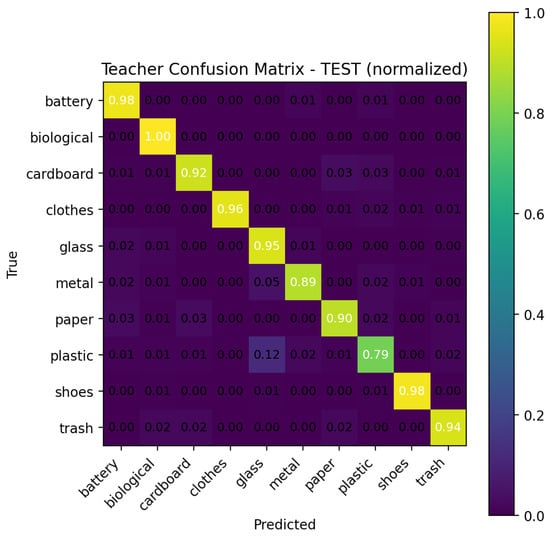
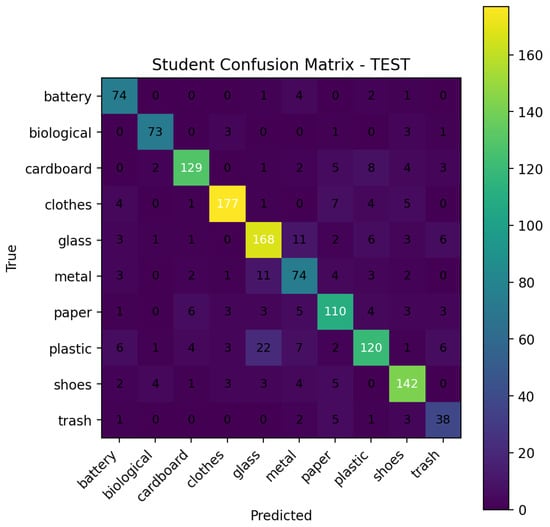
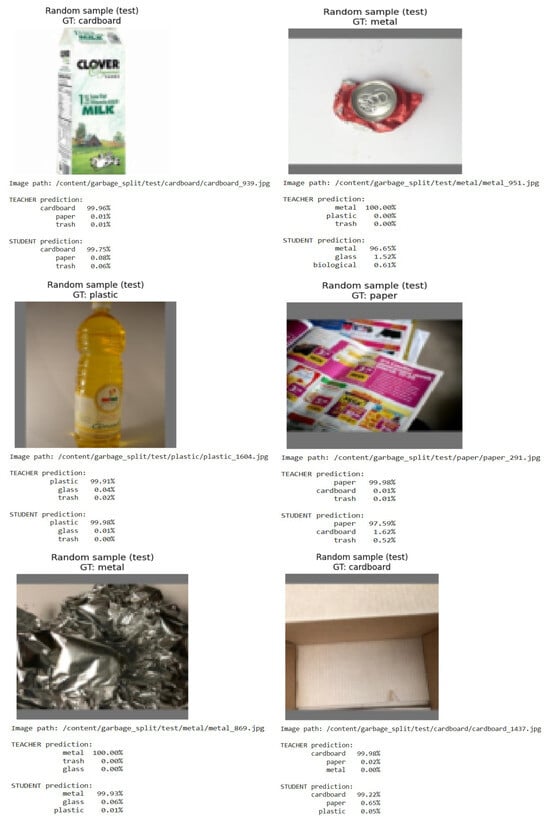
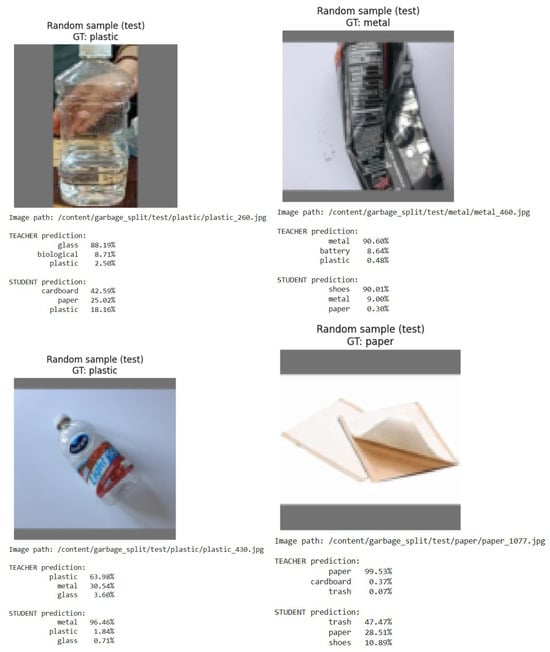
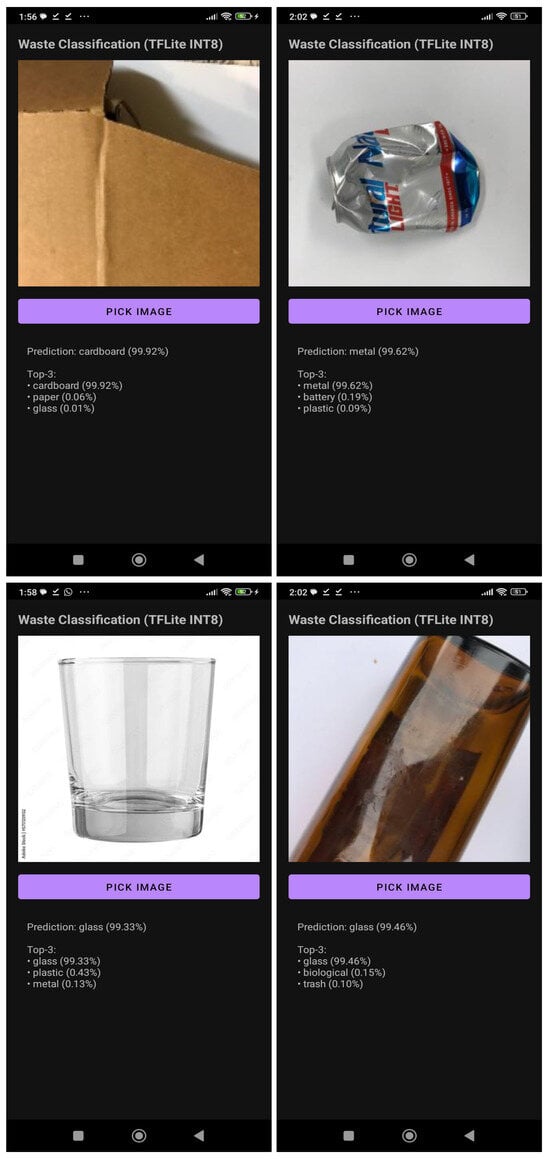
Deep learning has emerged as an effective tool for automatic waste classification, supporting cleaner cities and more sustainable recycling systems. Because environmental protection is central to the United Nations Sustainable Development Goals (SDGs), improving the sorting and processing of everyday waste is a practical step toward this broader objective. In many real-world settings, however, waste is still sorted manually, which is slow, labor-intensive, and prone to human error. Although convolutional neural networks (CNNs) can automate this task with high accuracy, many state-of-the-art models remain too large and computationally demanding for low-cost edge devices intended for deployment in homes, schools, and small recycling facilities. In this work, we investigate lightweight waste-classification models suitable for TinyML deployment while preserving competitive accuracy. We first benchmark multiple CNN architectures to establish a strong baseline, then apply complementary compression strategies including quantization, pruning, singular value decomposition (SVD) low-rank approximation, and knowledge distillation. In addition, we evaluate an RL-guided multi-teacher selection benchmark that adaptively chooses one teacher per minibatch during distillation to improve student training stability, achieving up to 85% accuracy with only 0.496 M parameters (FP32 ≈ 1.89 MB; INT8 ≈ 0.47 MB). Across all experiments, the best accuracy–size trade-off is obtained by combining knowledge distillation with post-training quantization, reducing the model footprint from approximately 16 MB to 281 KB while maintaining 82% accuracy. The resulting model is feasible for deployment on mobile applications and resource-constrained embedded devices based on model size and TensorFlow Lite Micro compatibility.
Full article
(This article belongs to the Special Issue Emerging Technologies and Intelligent Systems for Sustainable Development)
►▼
Show Figures

Figure 1
Open AccessArticle
Novel Technologies for Diagnosis of Conveyor Belt Looseness via Motor Current Signature Analysis
by
Len Gelman, Debanjan Mondal and Dean Wright
Technologies 2026, 14(4), 214; https://doi.org/10.3390/technologies14040214 - 7 Apr 2026
Abstract
This paper proposes and investigates two novel worldwide non-invasive, low-cost, online automatic diagnostic technologies for conveyor belt looseness by motor current signature analysis. Belt looseness causes impulsive transient spikes due to intermittent belt–motor engagement, which are captured and essentially enhanced using spectral kurtosis
[...] Read more.
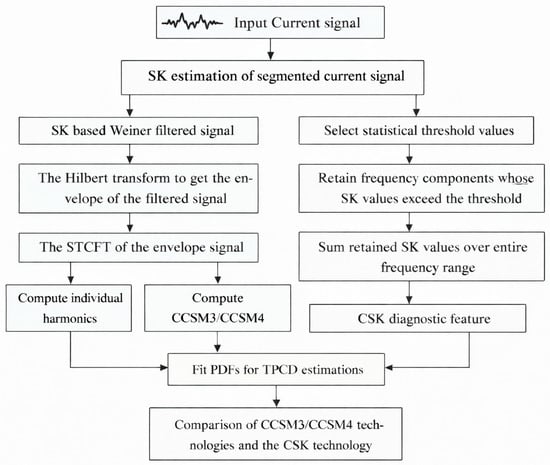
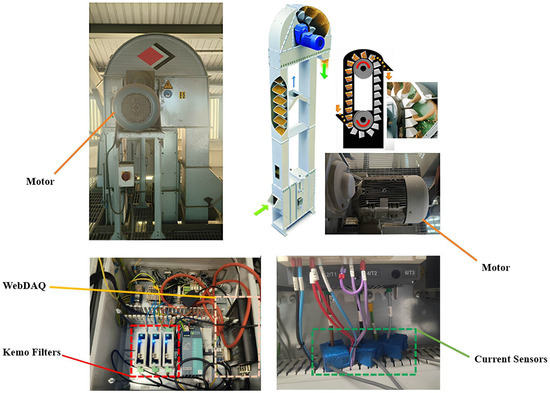
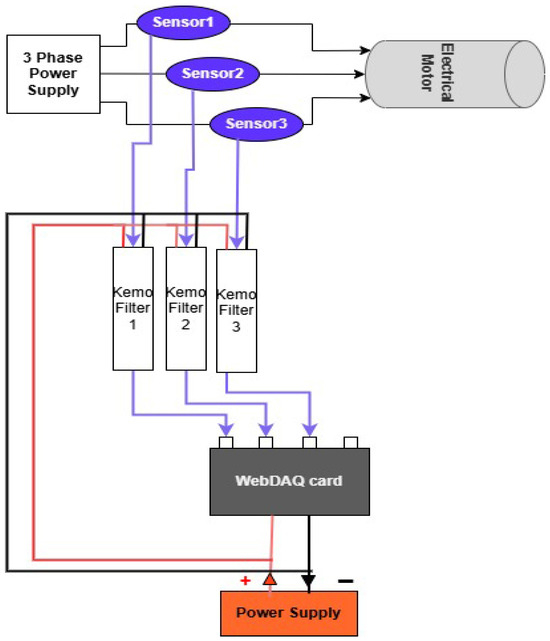
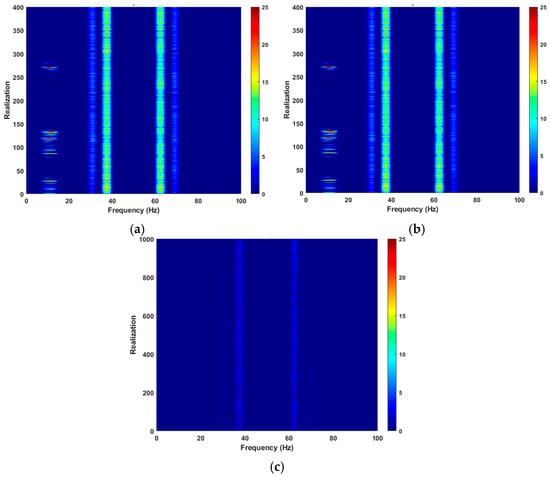
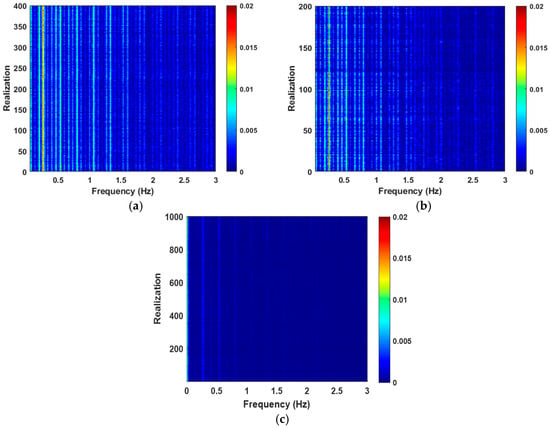
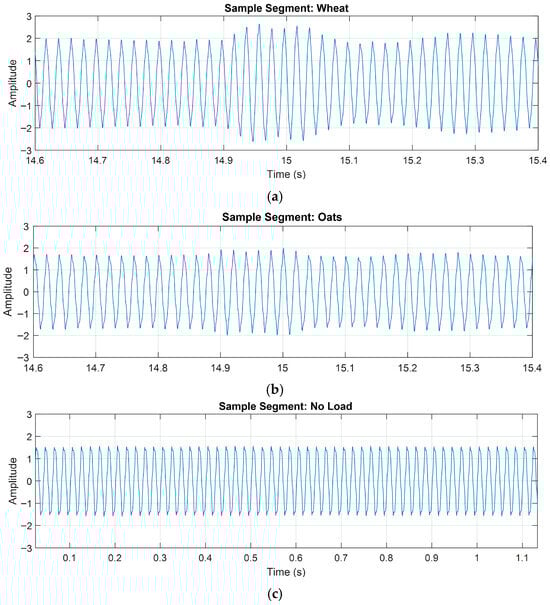
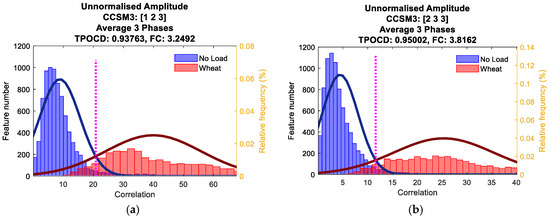
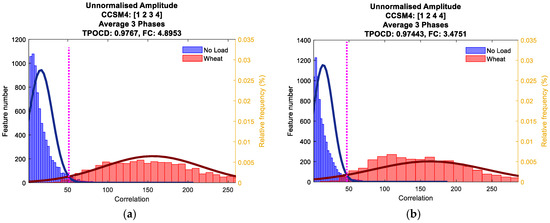
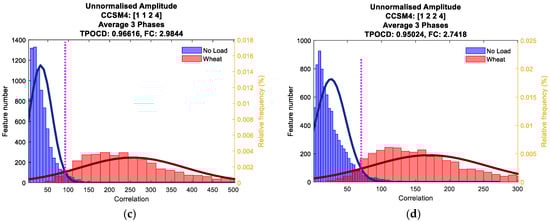
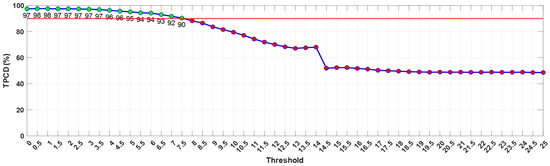
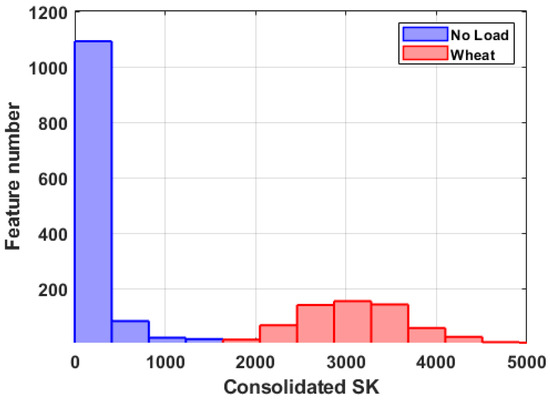
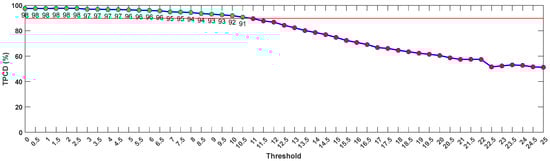
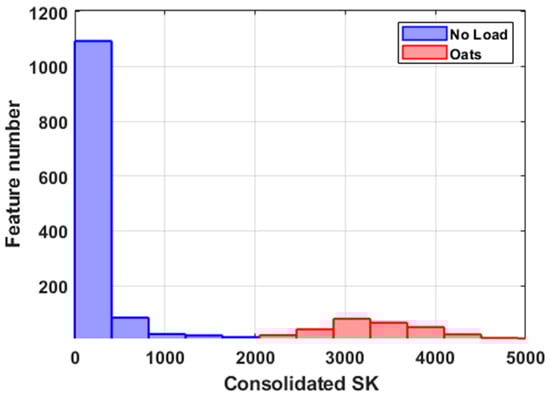
This paper proposes and investigates two novel worldwide non-invasive, low-cost, online automatic diagnostic technologies for conveyor belt looseness by motor current signature analysis. Belt looseness causes impulsive transient spikes due to intermittent belt–motor engagement, which are captured and essentially enhanced using spectral kurtosis (SK). Two diagnostic technologies are as follows: Cross-Correlations of Spectral Moduli of orders three and four to extract supply frequency harmonic cross-correlations from SK-filtered current signals, and Consolidated Spectral Kurtosis, a band-independent technology, which enables effective diagnosis by summing essential spectral kurtosis values across the entire frequency range. Comprehensive experimental trials on an industrial grain belt conveyor system demonstrate that the proposed technologies are effective for conveyor belt looseness diagnosis. The Cross-Correlations of Spectral Moduli technologies achieved a maximum total probability of correct diagnosis value of 98%. The Consolidated Spectral Kurtosis technology captures overall impulsive energy across the whole frequency range, achieving a maximum total probability of correct diagnosis value of 99.6%. This study highlights the diagnostic effectiveness and computational efficiency of the proposed technologies for the reliable diagnosis of conveyor belt looseness. Experimental comparison of the proposed technologies is undertaken.
Full article
(This article belongs to the Collection Modern Circuits, System Technologies, and Selected Papers from MOCAST)
►▼
Show Figures

Figure 1
Open AccessArticle
Vibration Response Analysis Method for an Underground Pedestrian Passage Crossing a Subway Tunnel and Orthogonally Sharing a Slab with a Vehicle Tunnel
by
Shuquan Peng, Yue Li, Ling Fan, Zangnan Yu, Feixiang Xie and Yan Zhou
Technologies 2026, 14(4), 213; https://doi.org/10.3390/technologies14040213 - 5 Apr 2026
Abstract
With the rapid urbanization in China, the spatial interaction between newly constructed underground structures and existing transportation tunnels has become increasingly frequent and complex. However, studies on the dynamic response characteristics of underground pedestrian passages subjected to the combined effects of metro- and
[...] Read more.
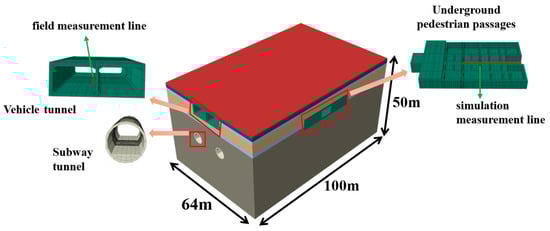
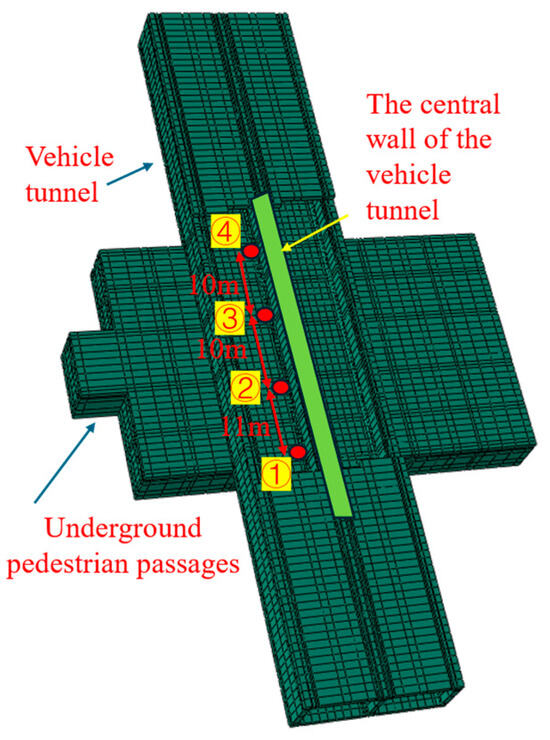
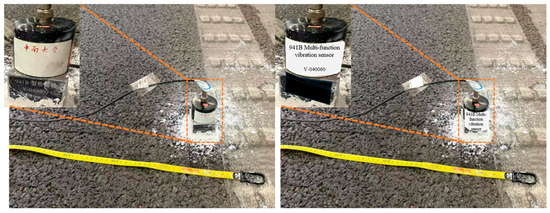
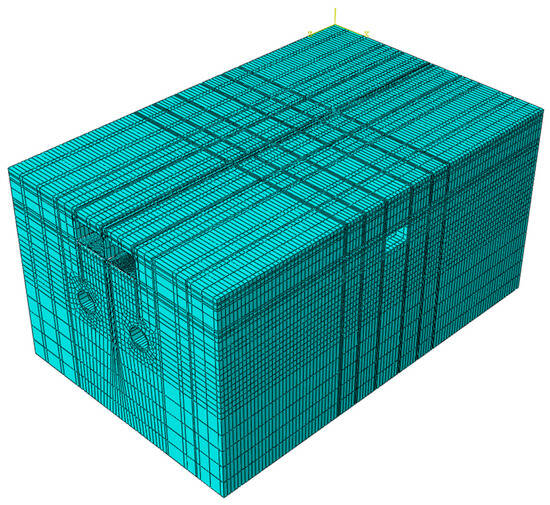
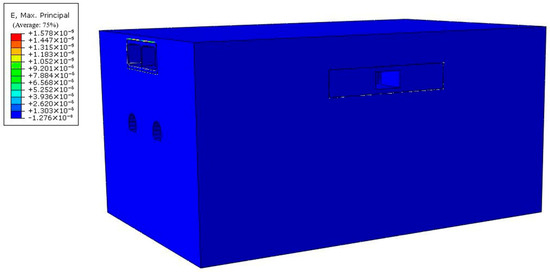
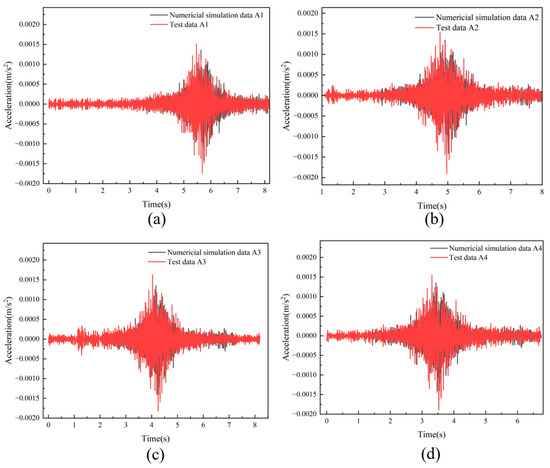
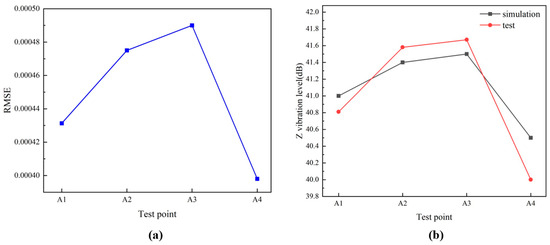
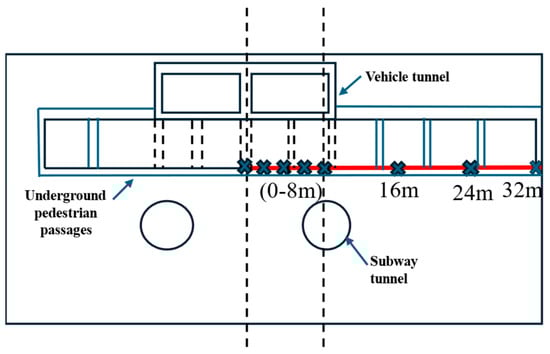
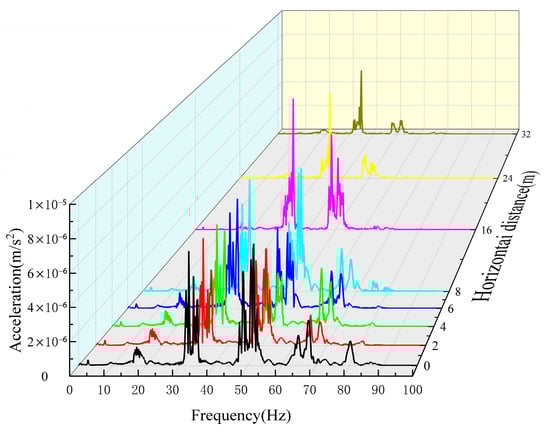
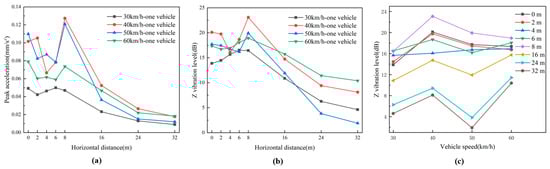
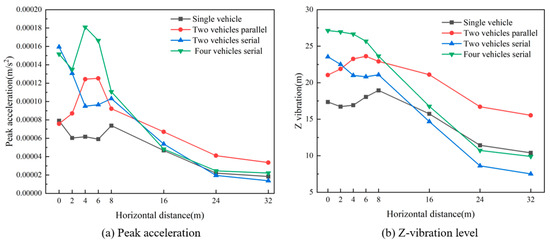
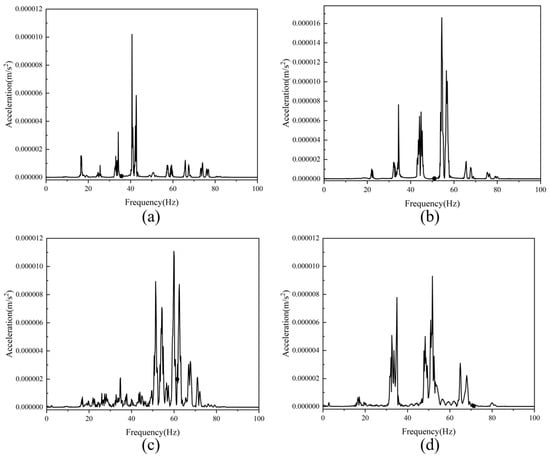
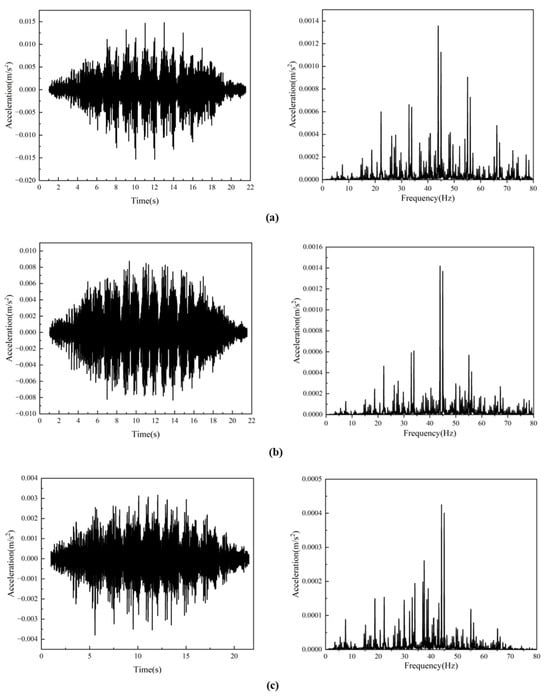
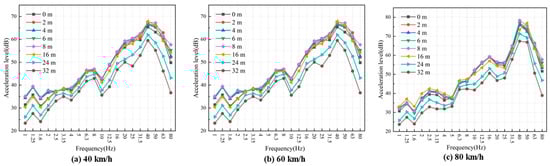
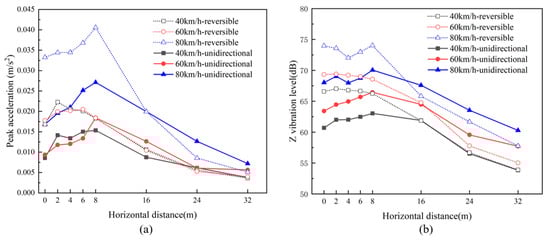
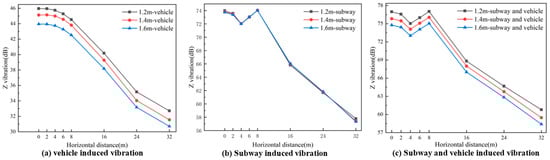
With the rapid urbanization in China, the spatial interaction between newly constructed underground structures and existing transportation tunnels has become increasingly frequent and complex. However, studies on the dynamic response characteristics of underground pedestrian passages subjected to the combined effects of metro- and vehicle-induced vibrations remain relatively limited. This study takes the newly constructed underground pedestrian passage at Want Want Hospital in Hunan Province as the engineering background. The pedestrian passage features a unique structural configuration, in which it is jointly constructed with an overlying vehicular tunnel through a shared slab and simultaneously crosses above an existing metro tunnel. To explore the vibration research methods for this unique structure, a three-dimensional finite element model was developed using ABAQUS and validated through in situ vibration measurements. Based on the validated model, the dynamic response of the pedestrian passage was systematically investigated from two perspectives: traffic loading conditions and shared slab thickness. The results show that metro-induced loads dominate the vibration response of the pedestrian passage. Bidirectional (reversible) train operation produces significantly greater vibration levels than unidirectional operation, and the Z-direction vibration level increases with train speed, with local exceedances occurring at 80 km/h. Under vehicle loading, the vibration response of the passage exhibits a non-monotonic trend, first increasing and then decreasing within the speed range of 30–40 km/h. When metro and vehicle loads act simultaneously, the vibration level is further amplified and exceeds the allowable limit. In addition, a pronounced vibration energy concentration zone is identified on the pedestrian passage bottom slab directly beneath the tunnel sidewalls, highlighting the necessity for targeted vibration mitigation in this region. Parametric analysis demonstrates that appropriately increasing the thickness of the vehicular tunnel bottom slab does not effectively reduce the vibration response. The findings of this study provide a reliable numerical analysis framework and practical design guidance for vibration control of complex overlapping underground structures in urban environments.
Full article
(This article belongs to the Section Construction Technologies)
►▼
Show Figures

Figure 1

Open AccessArticle
Integrating Model Explainability and Uncertainty Quantification for Trustworthy Fraud Detection
by
Tebogo Forster Mapaila and Makhamisa Senekane
Technologies 2026, 14(4), 212; https://doi.org/10.3390/technologies14040212 - 3 Apr 2026
Abstract
Financial fraud and money laundering continue to challenge financial stability and regulatory oversight, motivating the widespread adoption of machine learning models for transaction monitoring. Although ensemble models such as Random Forest and XGBoost achieve strong predictive performance, their deployment in high-stakes financial environments
[...] Read more.
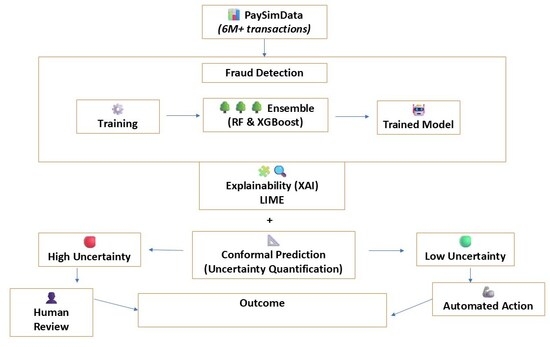
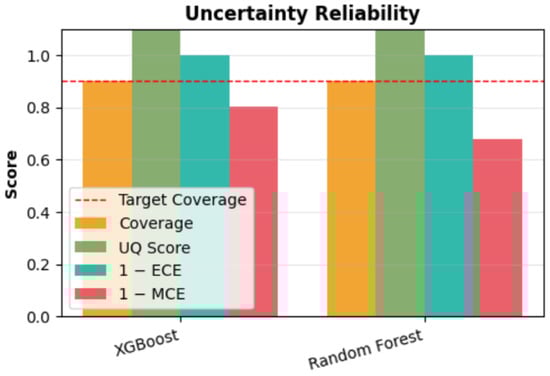
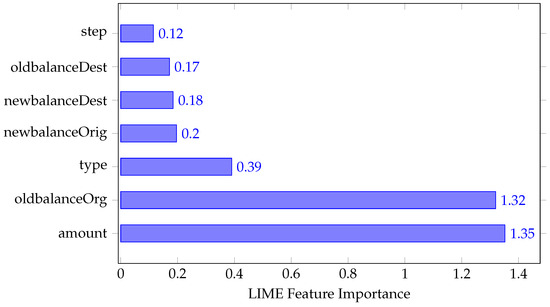
Financial fraud and money laundering continue to challenge financial stability and regulatory oversight, motivating the widespread adoption of machine learning models for transaction monitoring. Although ensemble models such as Random Forest and XGBoost achieve strong predictive performance, their deployment in high-stakes financial environments is constrained by limited interpretability, overconfident predictions, and the absence of principled mechanisms for expressing decision uncertainty. Emerging regulatory expectations increasingly emphasise transparency, accountability, and operational reliability, underscoring the need for evaluation frameworks that extend beyond predictive accuracy. This study proposes the Integrated Transparency and Confidence Framework (ITCF), a deployment-oriented approach that unifies model explainability, statistically valid uncertainty quantification, and operational decision support for fraud detection. ITCF combines instance-level explanations generated via Local Interpretable Model-Agnostic Explanations (LIME) with distribution-free uncertainty estimation using split conformal prediction. The framework incorporates selective explainability, abstention-based routing, and uncertainty-driven triage to support human-in-the-loop review. Using the PaySim dataset of 6,362,620 mobile-money transactions, Random Forest and XGBoost models are evaluated under extreme class imbalance using F1-score, AUC–ROC, and Matthews Correlation Coefficient (MCC). At a target coverage level of 90% ( ), both models achieve empirical coverage close to the target level, with XGBoost producing smaller prediction sets and superior recall, MCC, and latency. ITCF provides transaction-level explanations for uncertain cases and specifies an auditable workflow that is intended to support transparency, traceability, and risk-aware human review, thereby enabling defensible human decision-making in regulated environments. Overall, this study illustrates how explainability and uncertainty quantification can be combined in a deployment-oriented evaluation workflow while noting that real-world validation remains a future endeavour.
Full article
(This article belongs to the Special Issue Privacy-Preserving and Trustworthy AI for Industrial 4.0 and Beyond)
►▼
Show Figures

Graphical abstract
Open AccessArticle
A Lightweight Python Recovery Tool for Waveform Gap Recovery in Seismic–Volcanic Monitoring Networks
by
Santiago Arrais, Paola Nazate-Burgos, Nathaly Orozco Garzón, Ángel Leonardo Valdivieso Caraguay and Luis Urquiza-Aguiar
Technologies 2026, 14(4), 211; https://doi.org/10.3390/technologies14040211 - 2 Apr 2026
Abstract
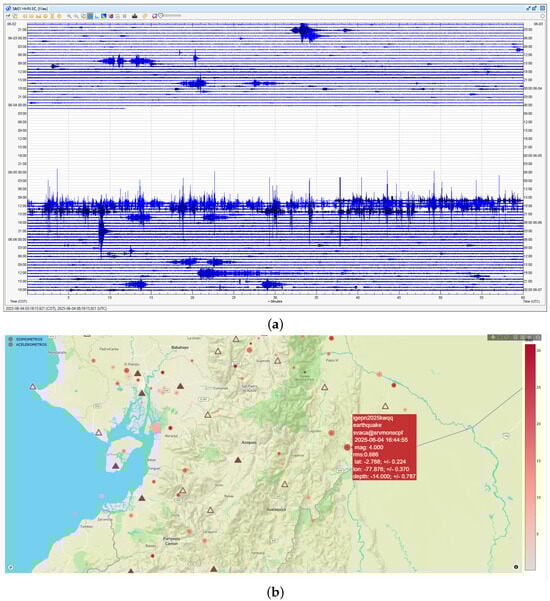
Seismic–volcanic monitoring networks often operate in remote areas over heterogeneous links (e.g., microwave radio and cellular). During event-driven seismic episodes, sustained multi-station waveform streams can stress both last-mile connectivity and data acquisition systems, yielding discontinuities in center-side archives even when stations keep recording
[...] Read more.
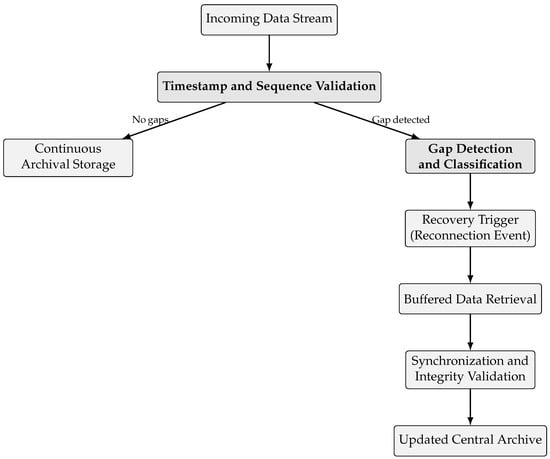
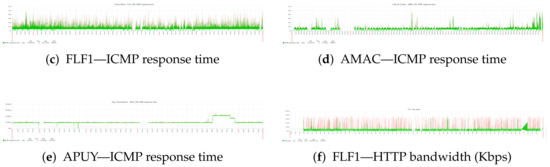
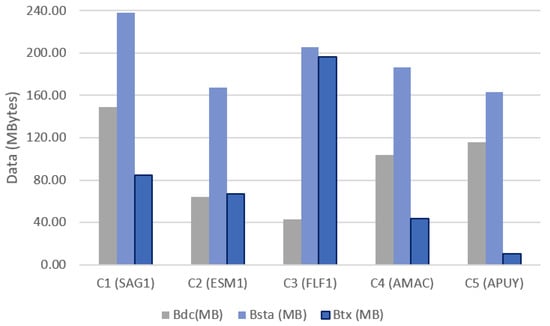
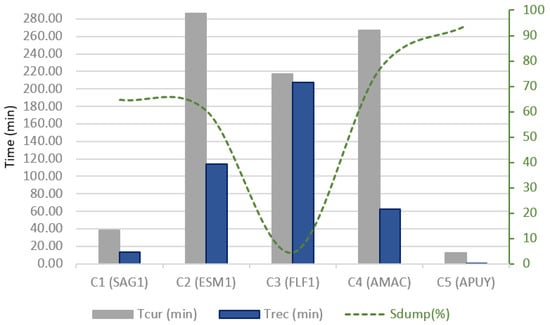
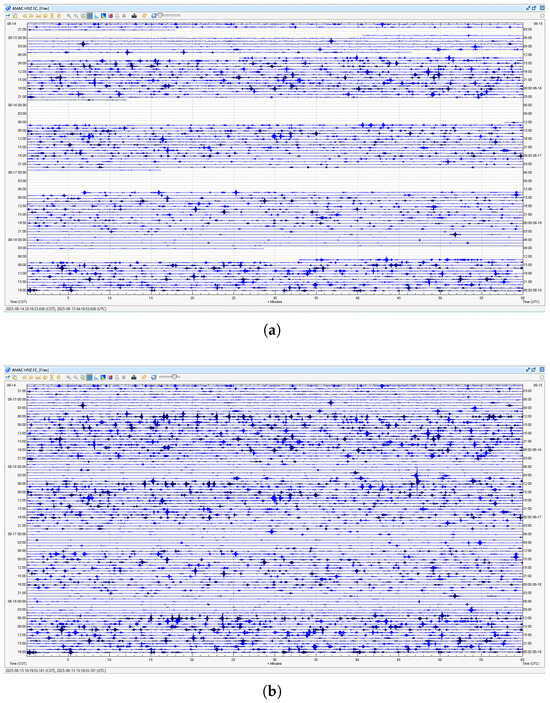
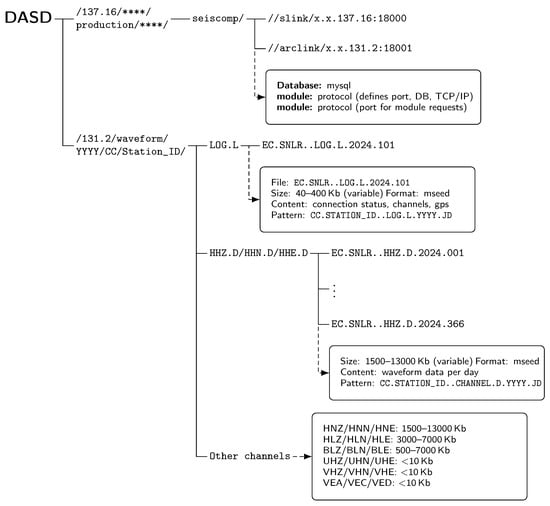
Seismic–volcanic monitoring networks often operate in remote areas over heterogeneous links (e.g., microwave radio and cellular). During event-driven seismic episodes, sustained multi-station waveform streams can stress both last-mile connectivity and data acquisition systems, yielding discontinuities in center-side archives even when stations keep recording locally. This paper presents the Python Recovery Tool (PRT), a lightweight command-line artifact that retrieves buffered waveform files after reconnection and rebuilds daily archives that can be ingested by the monitoring center without hardware upgrades. PRT detects archive gaps from daily (Julian day) file partitions and embedded timestamps, and reduces recovery traffic by selectively fetching only the files needed to backfill missing intervals. We evaluated PRT on five event-driven recovery cases using operational file-based evidence from station and center listings complemented with a simple bandwidth-based recovery-time model. Across the cases, PRT restored archive continuity while reducing download volume by 4.43–93.75% relative to naive bulk retrieval, with modeled catch-up times ranging from 0.79 to 207.59 min, depending on station-side packaging granularity and bottleneck link capacity. These results support a practical retrofit path to improve archive completeness under constrained links and heterogeneous deployments.
Full article
(This article belongs to the Section Information and Communication Technologies)
►▼
Show Figures

Figure 1
Open AccessArticle
Motion Planning and Control of Mobile Manipulators for Grasping-on-the-Move Tasks
by
Zegang Sun, Shanlin Zuo, Qiang Jiang, Peng Zhang and Jiping Yu
Technologies 2026, 14(4), 210; https://doi.org/10.3390/technologies14040210 - 2 Apr 2026
Abstract
Currently, most mobile manipulators employ a “Stop-and-Grasp” strategy, where the base of the manipulator stops before the arm executes the grasp. However, achieving “Grasping-on-the-Move” actions—where the robot grasps a target while the base is in motion—remains a significant challenge due to the coupling
[...] Read more.
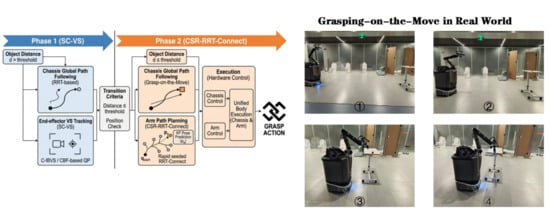
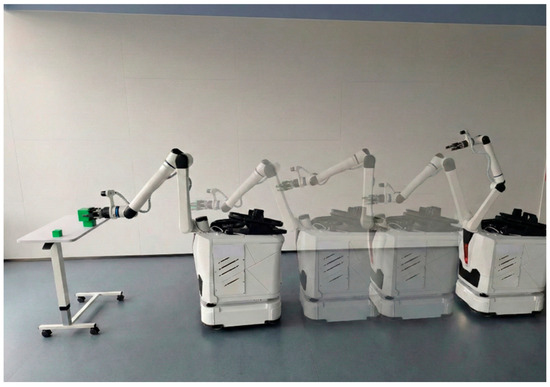
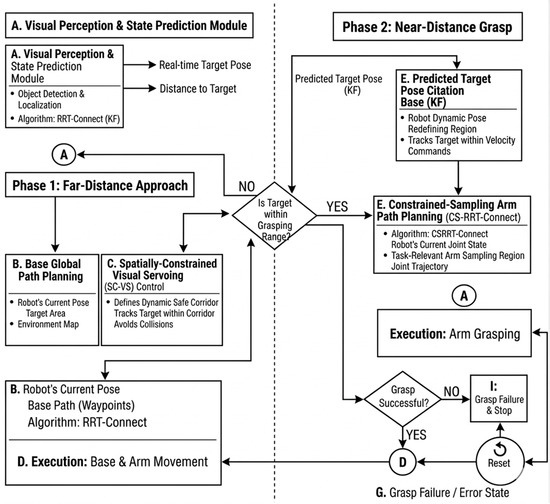
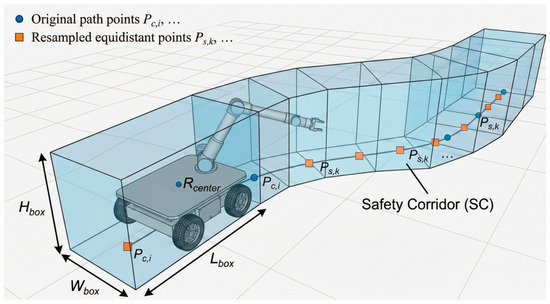
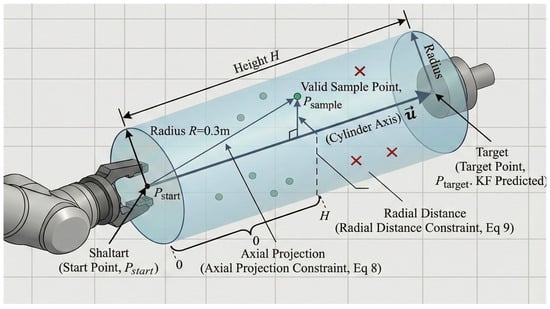
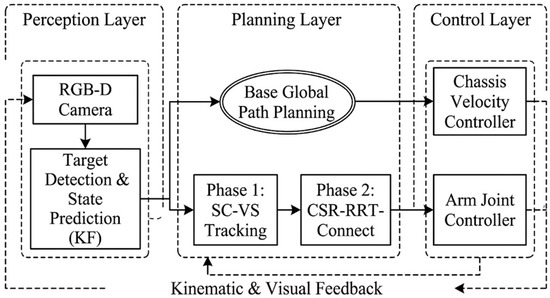
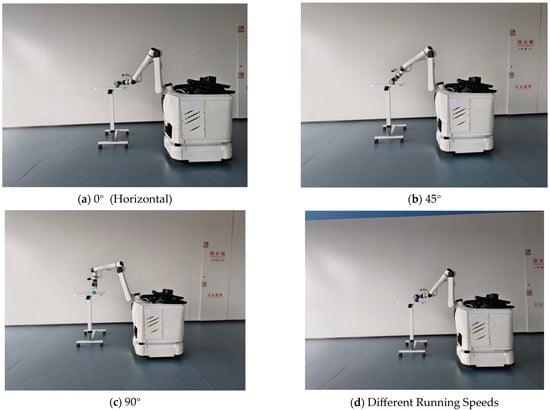
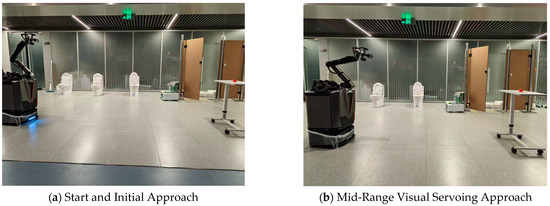
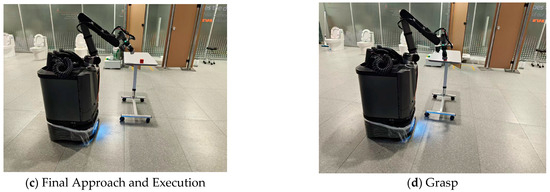
Currently, most mobile manipulators employ a “Stop-and-Grasp” strategy, where the base of the manipulator stops before the arm executes the grasp. However, achieving “Grasping-on-the-Move” actions—where the robot grasps a target while the base is in motion—remains a significant challenge due to the coupling of base and arm dynamics. To address this, we propose a two-phase collaborative motion planning framework. In the first phase (long-range approach), we introduce a spatially constrained visual servoing (SC-VS) method. By establishing a dynamic safety corridor based on the chassis path, this method ensures robust target tracking and obstacle avoidance for the arm during base motion. In the second phase (close-range grasping), to seize the brief grasping opportunity, we propose a Constrained-Sampling RRT-Connect (CSR-RRT-Connect) algorithm. By restricting the sampling region based on target prediction, this algorithm significantly reduces planning time. Comparative experiments demonstrate that our method achieves a 92% success rate at a base speed of 0.3 m/s, significantly outperforming the 46% success rate of baseline methods, while exhibiting superior robustness against dynamic operational disturbances and perception noise.
Full article
(This article belongs to the Topic New Trends in Robotics: Automation and Autonomous Systems)
►▼
Show Figures

Graphical abstract
Open AccessArticle
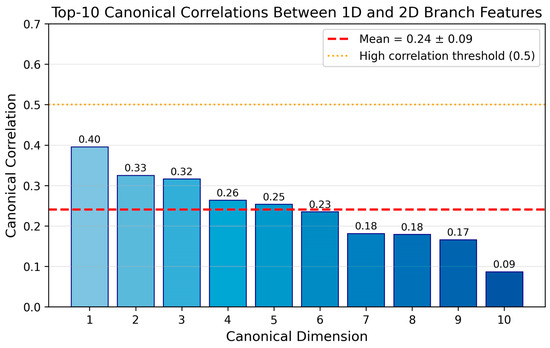
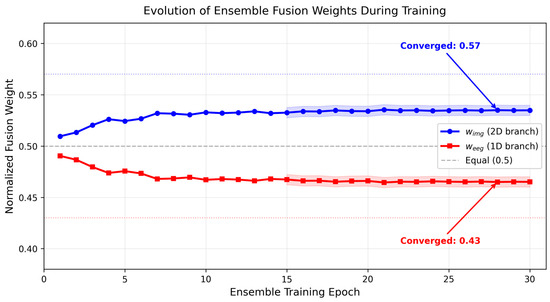
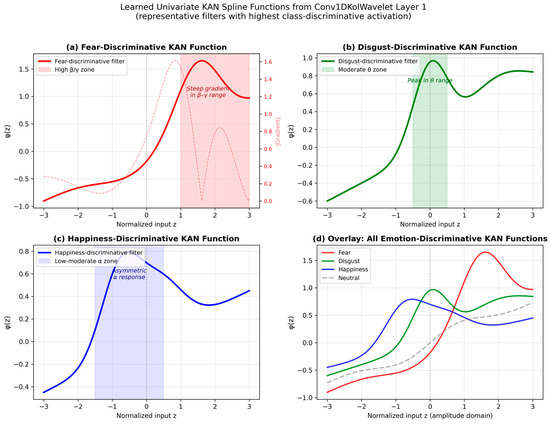
EEG-Based Emotion Dynamics Recognition Using Hybrid AI Models for Cybersecurity
by
Ekaterina Pleshakova, Aleksey Osipov, Alexander Yudin and Sergey Gataullin
Technologies 2026, 14(4), 209; https://doi.org/10.3390/technologies14040209 - 31 Mar 2026
Abstract
►▼
Show Figures
The effectiveness of social engineering schemes, such as phishing, depends significantly on the victim’s emotional state, which is intentionally moved by the attacker toward fear, sadness, and disgust through time pressure, threats, or messages about potential losses, which weaken cognitive control. EEG datasets
[...] Read more.
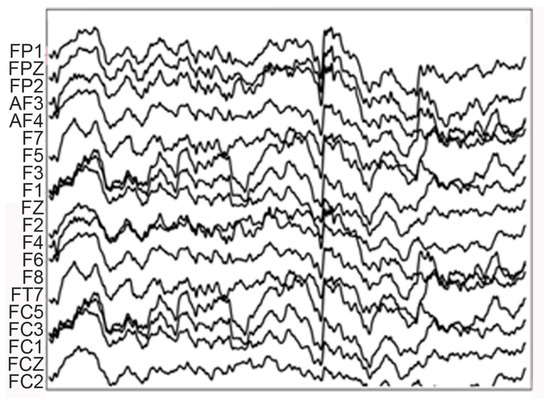
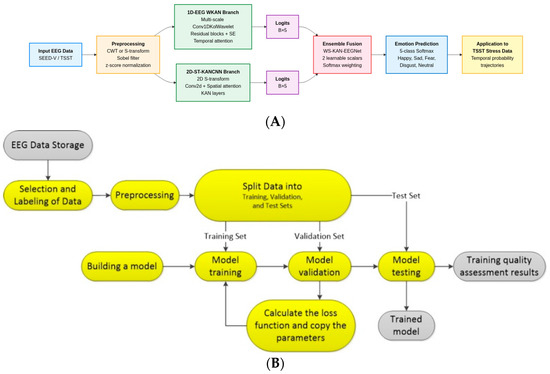
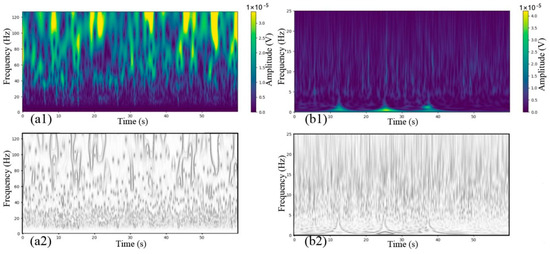
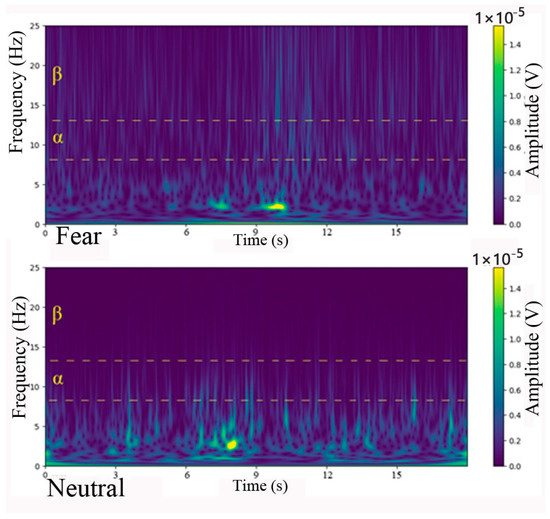
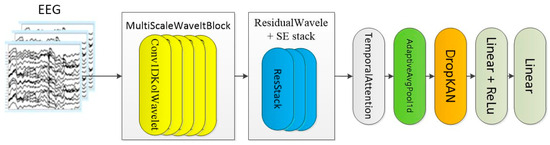
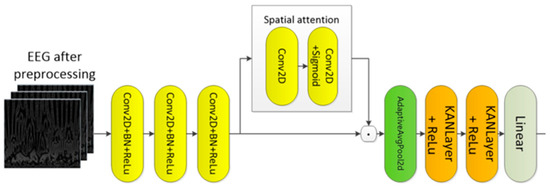
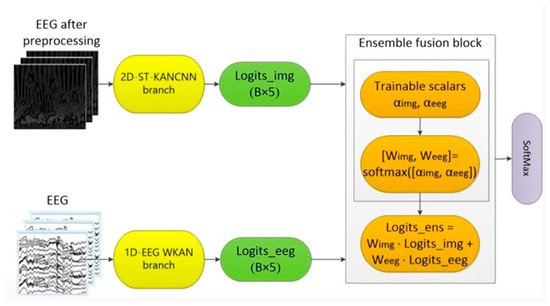
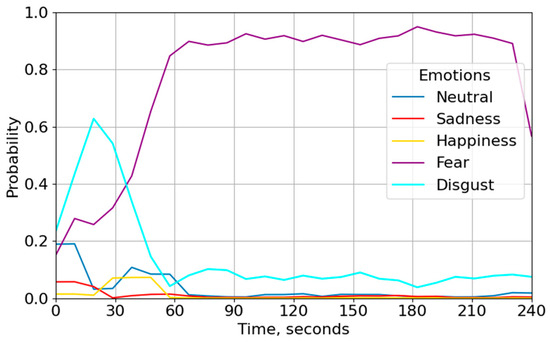
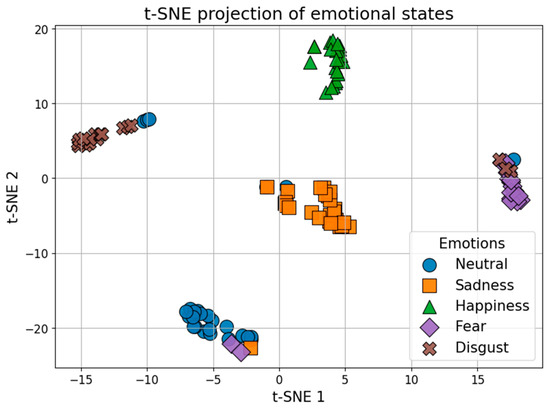
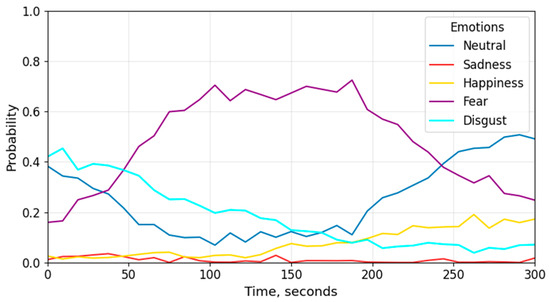
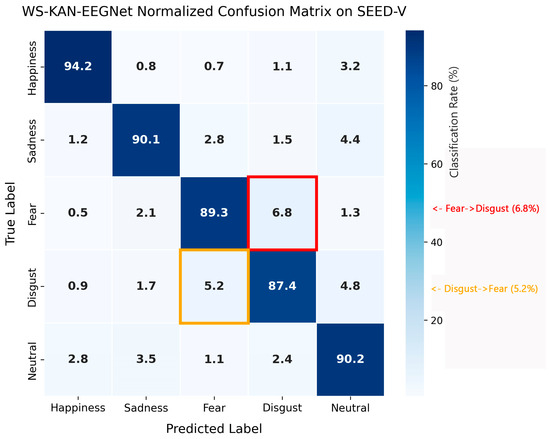
The effectiveness of social engineering schemes, such as phishing, depends significantly on the victim’s emotional state, which is intentionally moved by the attacker toward fear, sadness, and disgust through time pressure, threats, or messages about potential losses, which weaken cognitive control. EEG datasets that simultaneously contain basic emotions and realistic phishing scenarios are lacking. Therefore, in some cases, stress-based biophysiological datasets obtained using the Trier Social Stress Test (TSST) are used for neurophishing modeling. The TSST exhibits phasic dynamics: a transition from a neutral state to a peak in fear, followed by an increase in sadness and a partial recovery to a neutral state, highlighting fear and sadness as key components of social stress. The interval of maximum fear probability is interpreted as the window of greatest vulnerability to phishing, when it is critical to consciously pause, verify information across independent channels, and avoid impulsive actions. The suggested hybrid neural network model, WS-KAN-EEGNet, is trained on five emotions and applied to these recordings, generating temporal trajectories of state probabilities with high accuracy, forming a reliable basis for future industrial solutions to ensure a secure digital space.
Full article

Figure 1
Open AccessArticle
Optimization of the Diamond Roller Dressing Parameters of Grinding Wheels to Improve the Ground Surface Quality
by
Irina Aleksandrova and Hristian Mitev
Technologies 2026, 14(4), 208; https://doi.org/10.3390/technologies14040208 - 31 Mar 2026
Abstract
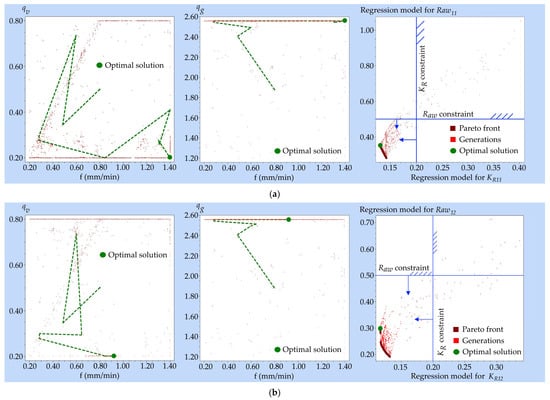
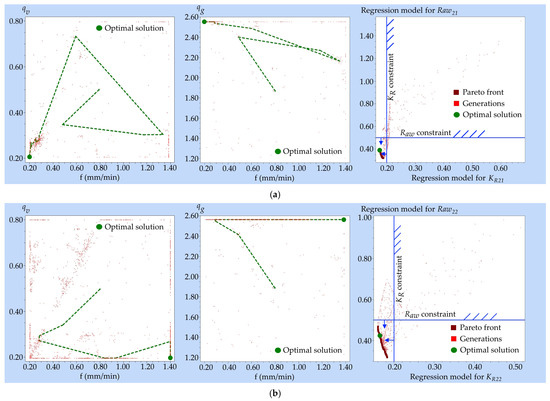
The quality of ground surfaces depends largely on the topography of the active surface of the grinding wheel, which, in turn, is determined both by the structure of the grinding wheel and by the conditions of the dressing process. This article proposes a
[...] Read more.
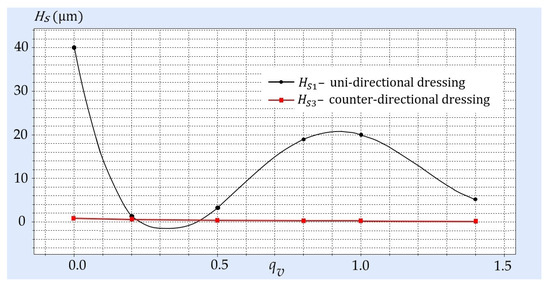
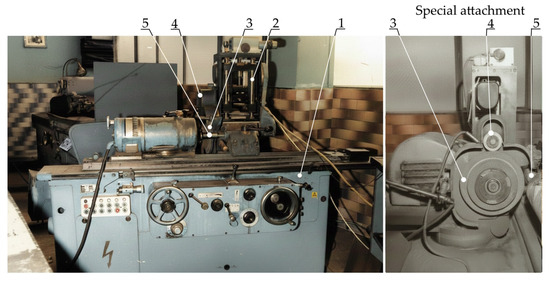
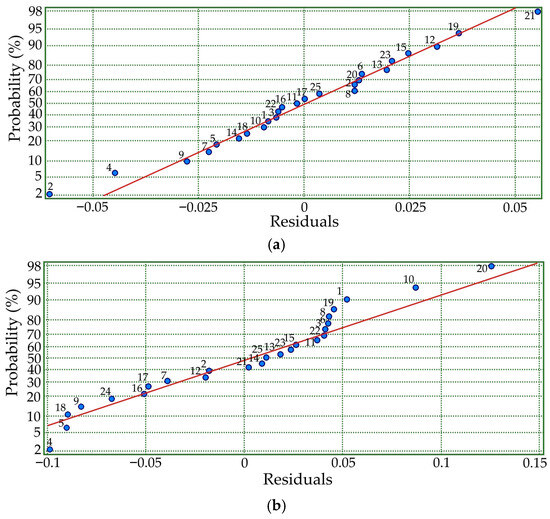
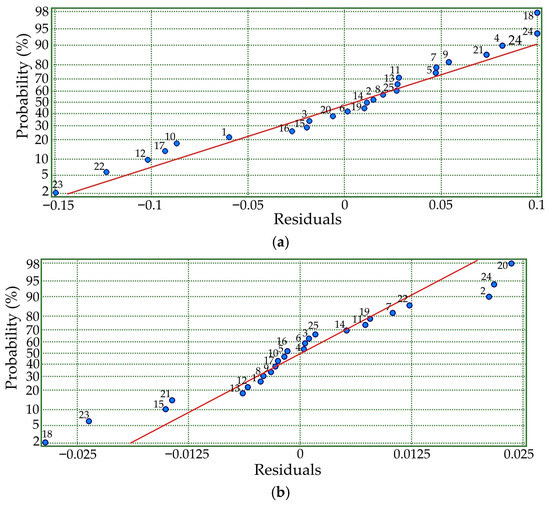
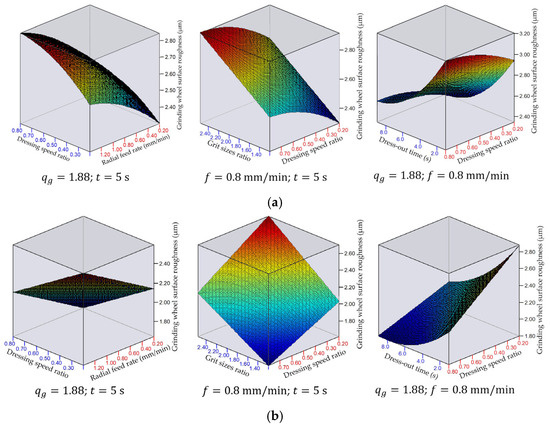
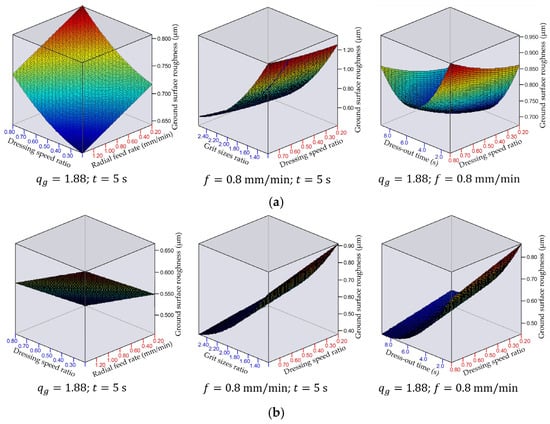
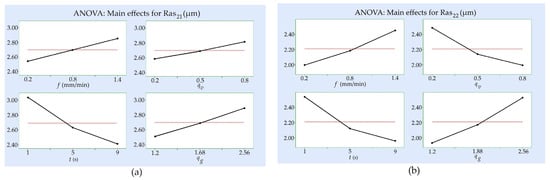
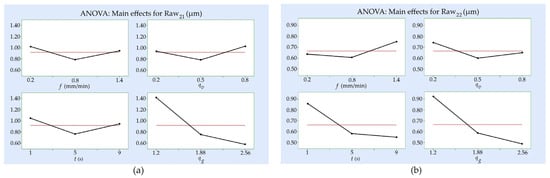
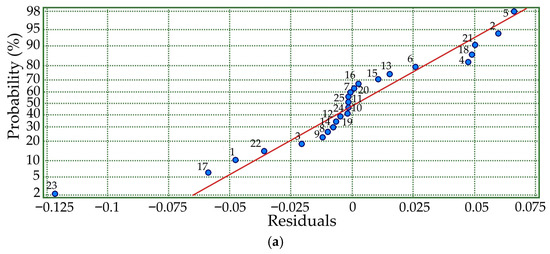
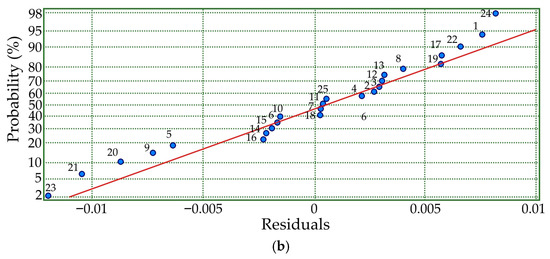
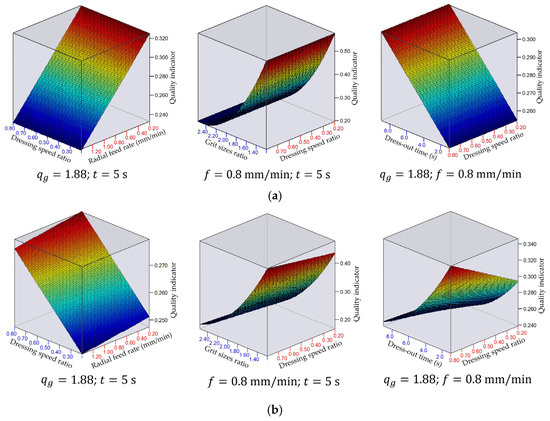
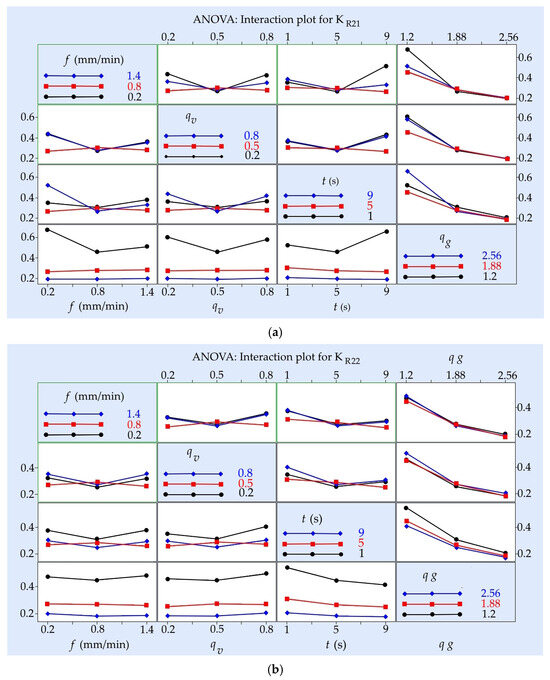
The quality of ground surfaces depends largely on the topography of the active surface of the grinding wheel, which, in turn, is determined both by the structure of the grinding wheel and by the conditions of the dressing process. This article proposes a new approach to improving the quality of ground surfaces by optimizing the dressing conditions with diamond rollers, based on the correlation between the roughness of the ground surfaces, the roughness of the cutting surface of the grinding wheel, and the parameters of the dressing process. A comprehensive theoretical–experimental study and modeling of the microgeometry of electrocorundum grinding wheels and the roughness of ground surfaces, depending on the dressing conditions with diamond dressing rolls made of medium- and high-strength synthetic diamonds with a mixed grit size, has been carried out. A complex quality indicator has been defined, determined as the ratio between the roughness of the ground surfaces and the roughness of the cutting surface of the grinding wheels, and models have been constructed for its determination, depending on the dressing conditions. By applying a genetic algorithm, optimal conditions for uni-directional and counter-directional dressing (dressing speed ratio, radial feed rate, the dress-out time and the ratio between the grit sizes of the diamond roller dresser and grinding wheel) have been determined, which ensure a minimum value of the complex quality indicator in combination with minimum roughness of the ground surfaces.
Full article
(This article belongs to the Section Manufacturing Technology)
►▼
Show Figures

Figure 1

Open AccessArticle
A Lightweight Feature-Grouped Gated Fusion Network for Parkinson’s Disease Gait Screening Using Force-Plate GRFs
by
Jinxuan Wang, Hua Huo and Chen Zhang
Technologies 2026, 14(4), 207; https://doi.org/10.3390/technologies14040207 - 31 Mar 2026
Abstract
►▼
Show Figures
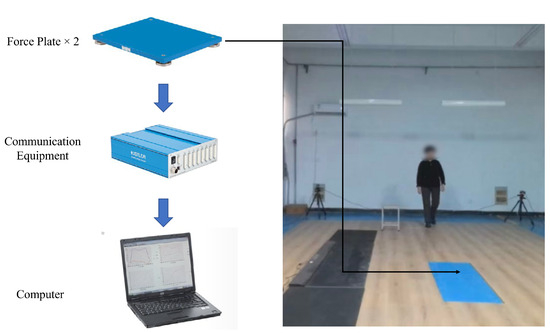
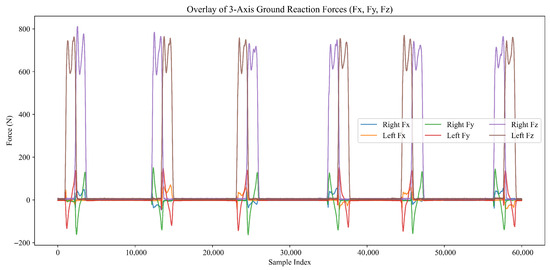
Parkinson’s disease (PD) is associated with characteristic gait impairment, motivating objective screening methods based on biomechanical signals. This study presents a lightweight, physics-informed framework for PD gait screening using ground reaction force (GRF) signals acquired from force plates, together with a prototype acquisition-and-analysis
[...] Read more.
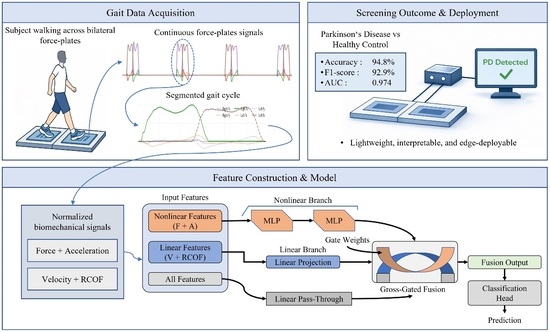
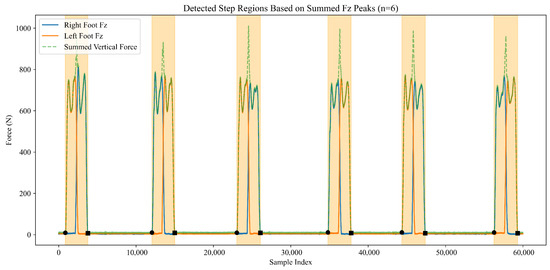
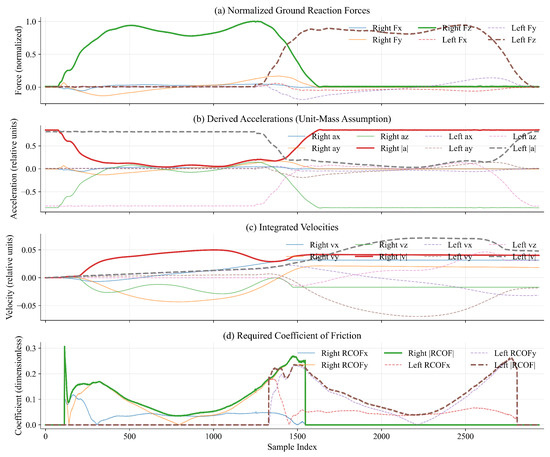
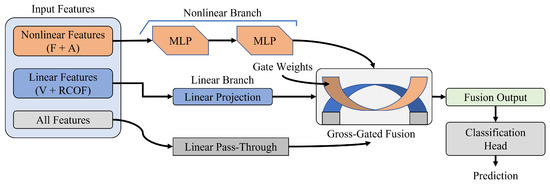
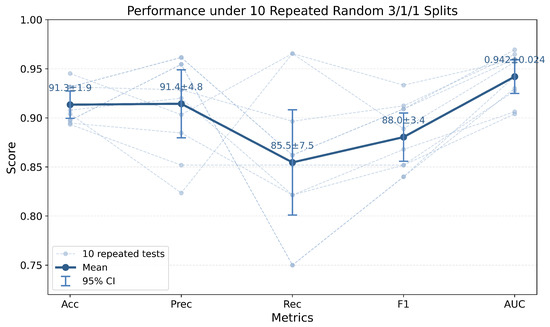
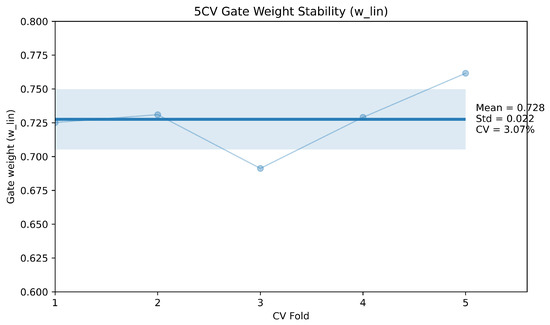
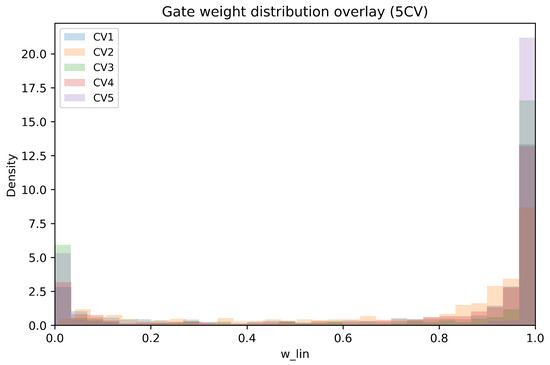
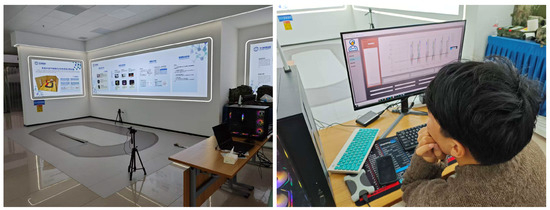
Parkinson’s disease (PD) is associated with characteristic gait impairment, motivating objective screening methods based on biomechanical signals. This study presents a lightweight, physics-informed framework for PD gait screening using ground reaction force (GRF) signals acquired from force plates, together with a prototype acquisition-and-analysis system for practical screening workflows. Continuous GRF recordings are segmented into complete gait cycles, from which bilateral physics-informed features are constructed, including normalized force, dynamics-derived acceleration and velocity, and friction-related descriptors. The resulting feature tensor is then standardized and used as input to a Feature-Grouped Gated Fusion Network (FGGF-Net). The proposed model separately encodes force–acceleration features and velocity–ratio features using low-order nonlinear and linear pathways, respectively, and integrates them via gated fusion with a residual baseline pathway. Under subject-wise five-fold cross-validation, FGGF-Net achieves strong subject-level performance, reaching 94.8% accuracy, 92.9% F1-score, and 0.974 AUC, while consistently outperforming representative baselines. Ablation studies further verify the effectiveness of feature grouping and gated fusion. In addition, the trained model remains compact (1.09 M parameters, 4.16 MB) and supports millisecond-level CPU inference, making the proposed framework promising for practical force-plate screening workflows.
Full article

Graphical abstract
Open AccessArticle
Use of Machine Learning for Solar Power Generation Prediction in the Field of Alternative Renewable Energy Sources
by
Juan D. Parra-Quintero, Daniel Ovalle-Cerquera, Edwin Chica and Ainhoa Rubio-Clemente
Technologies 2026, 14(4), 206; https://doi.org/10.3390/technologies14040206 - 31 Mar 2026
Abstract
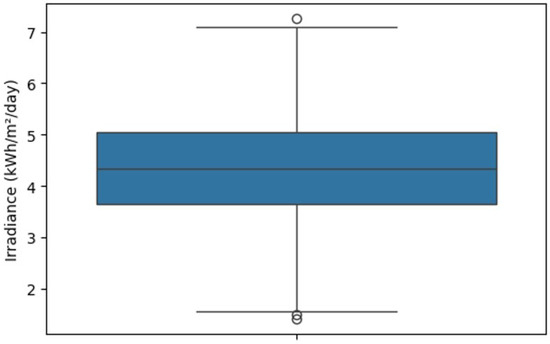
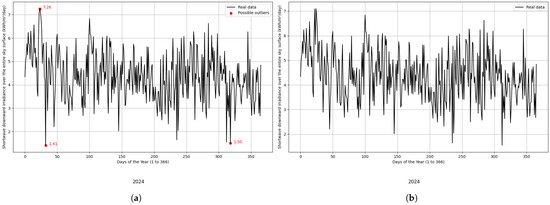
This study focused on the application of supervised learning in the field of renewable energy, specifically for predicting daily solar irradiance in Neiva, department of Huila, Colombia. To this end, decision tree and artificial neural network (DT and ANN, respectively) models were trained
[...] Read more.
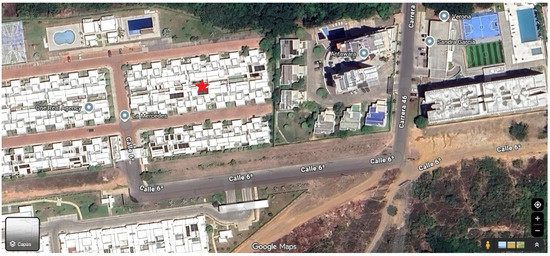
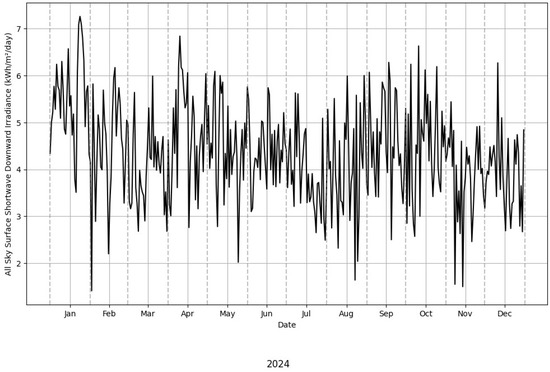
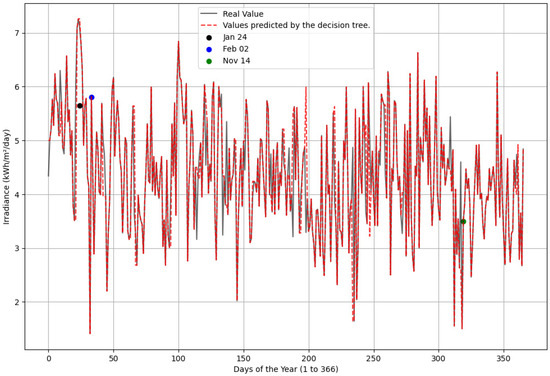
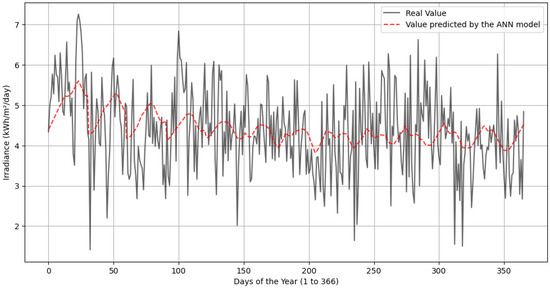
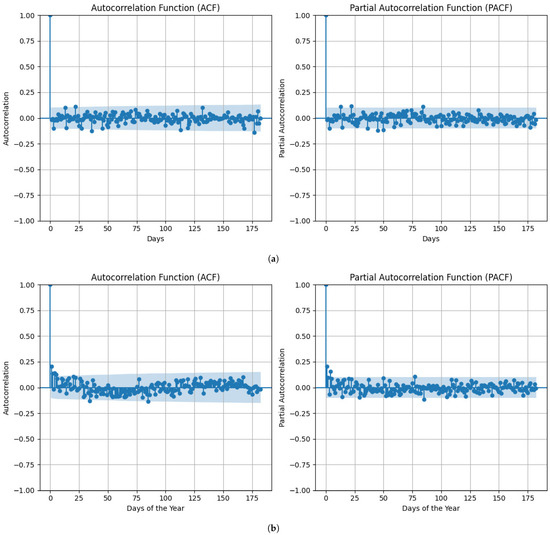
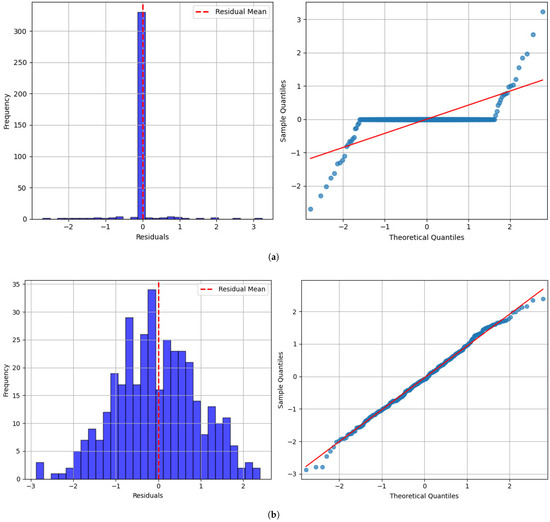
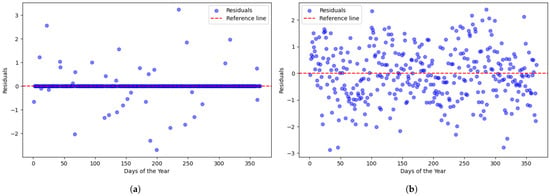
This study focused on the application of supervised learning in the field of renewable energy, specifically for predicting daily solar irradiance in Neiva, department of Huila, Colombia. To this end, decision tree and artificial neural network (DT and ANN, respectively) models were trained and tested using the online tool Google Colab. The main objective was based on the need to optimize energy planning processes at local and regional levels, motivated by the increase in demand for the integration of non-conventional energy sources and the spatial–temporal variability in solar resources in the country. A dataset consisting of 366 daily records for the year 2024 was obtained from the NASA POWER database at the geographic coordinates (2.930079, −75.255650) and used for training and evaluating the proposed models. Statistical and cleaning techniques were used, including the treatment of outliers using the moving-window median for the latter. Metrics, such as mean absolute error ( ), root mean square error ( ), and coefficient of determination ( ), were used to evaluate the models. Data inclusion and exclusion criteria were applied to ensure the quality and validity of the observations. Model performance was evaluated using a randomized Hold-Out validation strategy (90% training and 10% testing), which was repeated across multiple iterations. The performance metrics reported corresponded to the 10th iteration of the validation process after outlier treatment. Under this configuration, the DT model achieved a higher predictive performance ( = 0.8882) compared with the ANN model ( = 0.7679), demonstrating its effectiveness as a reliable approach for estimating daily solar irradiance under the studied conditions. This result was also confirmed by the decreased and for the DT model, which indicated that this model performed better in predicting the real values than the ANN model. Finally, the added value of the study is to consolidate national evidence and open access tools to facilitate the development of sustainable energy policies in intermediate cities such as Neiva.
Full article
(This article belongs to the Special Issue Artificial Intelligence for Energy Integration and Efficiency in Photovoltaic and Thermal Solar Systems)
►▼
Show Figures

Figure 1

Open AccessArticle
Comparative Analysis of Spectrogram-Based Transformations for Acoustic Classification of SMAW Weld Quality Using Machine Learning
by
Alejandro García Rodríguez, Sergio Eduardo Lara Munevar, Héctor Fabio Montaño Morales and Christian Camilo Barriga Castellanos
Technologies 2026, 14(4), 205; https://doi.org/10.3390/technologies14040205 - 31 Mar 2026
Abstract
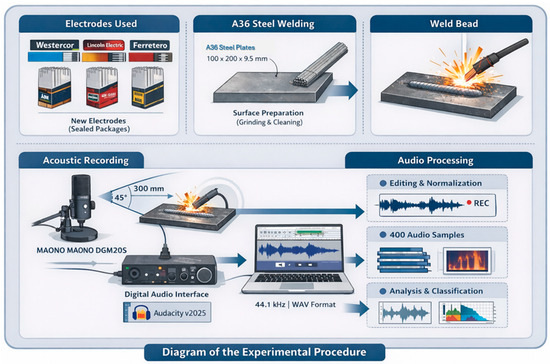
This study evaluates the feasibility of acoustic signal analysis using different spectrographic transformation methods as a tool for assessing the quality of welding beads produced through the Shielded Metal Arc Welding (SMAW) process. Acoustic emissions were recorded during manual welding operations under controlled
[...] Read more.
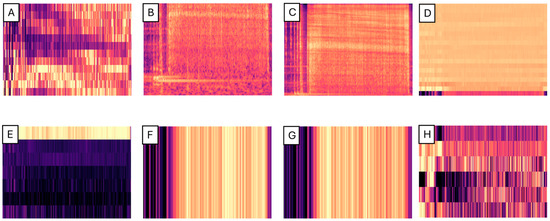
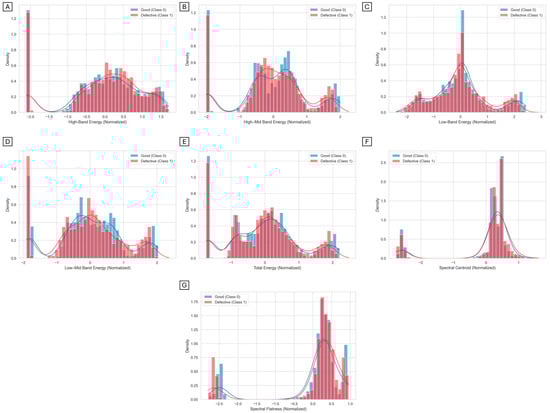
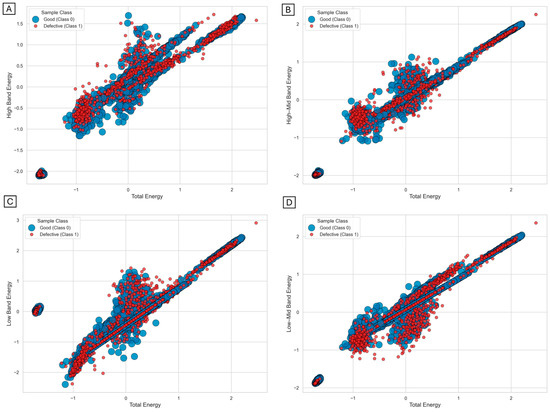
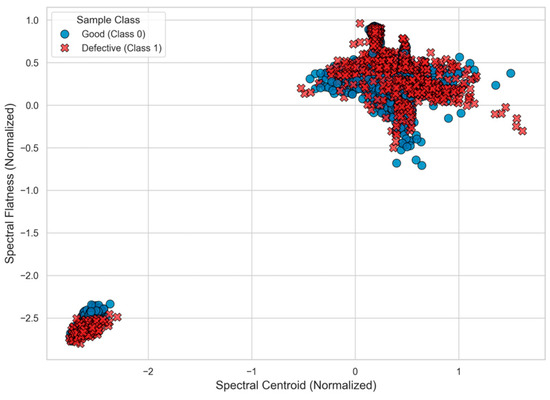
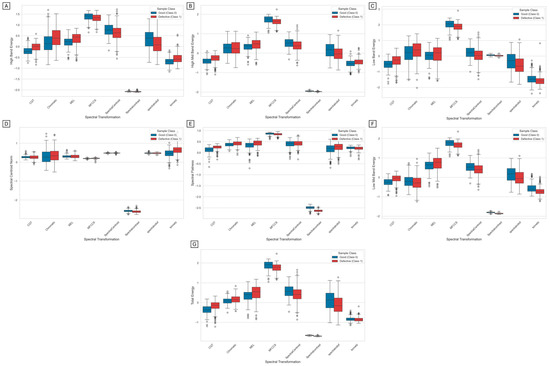
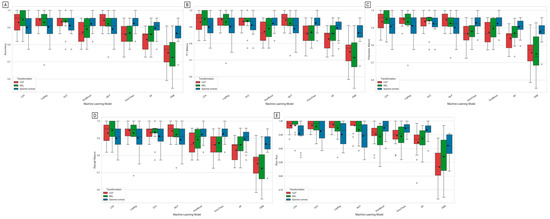
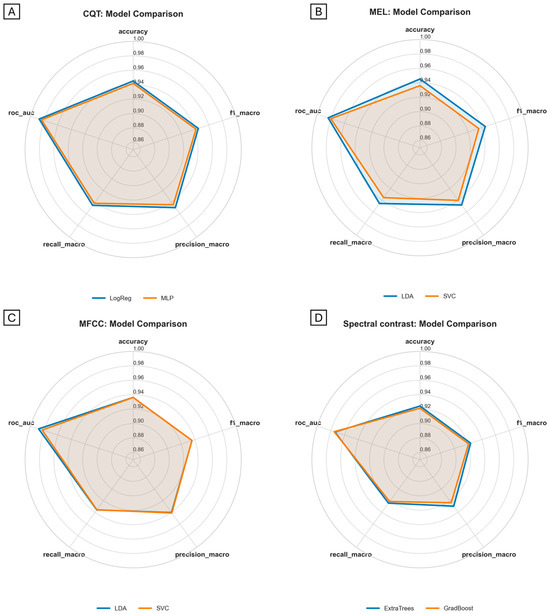
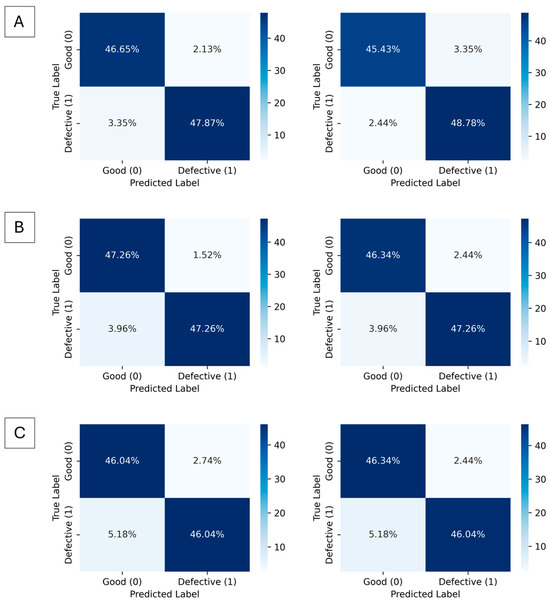
This study evaluates the feasibility of acoustic signal analysis using different spectrographic transformation methods as a tool for assessing the quality of welding beads produced through the Shielded Metal Arc Welding (SMAW) process. Acoustic emissions were recorded during manual welding operations under controlled experimental conditions, using E6013 electrodes on A36 carbon steel plates. From the acoustic recordings of 400 welding samples, previously classified as accepted or rejected, two fundamental acoustic descriptors were extracted: the fundamental frequency (F0) and the harmonic-to-noise ratio (HNR). These were analysed using parametric and non-parametric metrics to evaluate their discriminative capability. In addition, multiple supervised classifiers were trained and validated using stratified eight-fold cross-validation. The proposed framework enables a systematic comparison of different signal transformations and classification models for the evaluation of SMAW welding quality. Among the evaluated models (SVC, Gradient Boosting, and Extra Trees), precision rates of 90–95% were observed using Spectral Contrast, MEL, and CQT transformations. The results demonstrate that the implementation of various acoustic signal-based models and transformations for welding inspection offers a scalable and cost-effective solution for industrial quality control.
Full article
(This article belongs to the Section Innovations in Materials Science and Materials Processing)
►▼
Show Figures

Figure 1

Open AccessArticle
Operational Management of Multi-Vendor Wi Fi Networks in Smart Campus Environments
by
Weerapatr Ta-Armart and Charuay Savithi
Technologies 2026, 14(4), 204; https://doi.org/10.3390/technologies14040204 - 30 Mar 2026
Abstract
Digital transformation in higher education increasingly hinges on the robustness and governability of Information and Communication Technology (ICT) infrastructures, with campus Wi-Fi networks serving as the operational backbone of digital learning, research collaboration, and administrative services. In large universities, these networks typically evolve
[...] Read more.
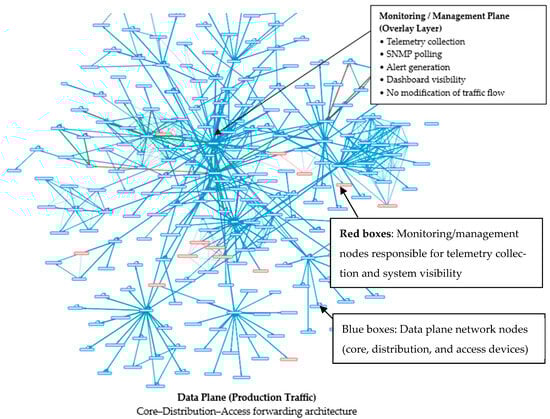
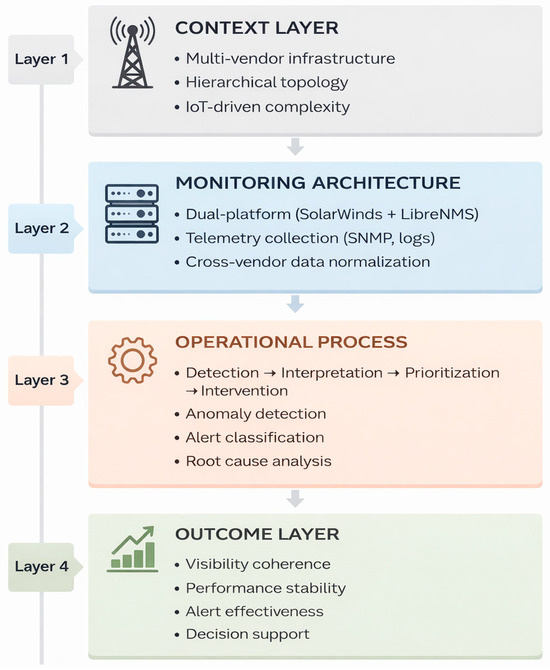
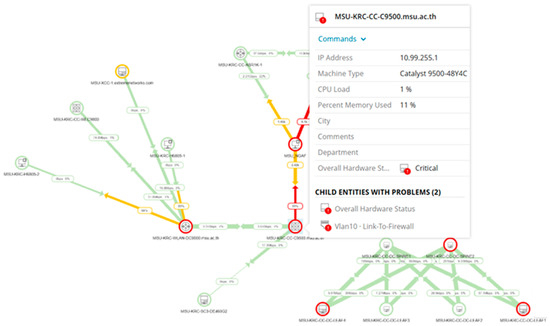
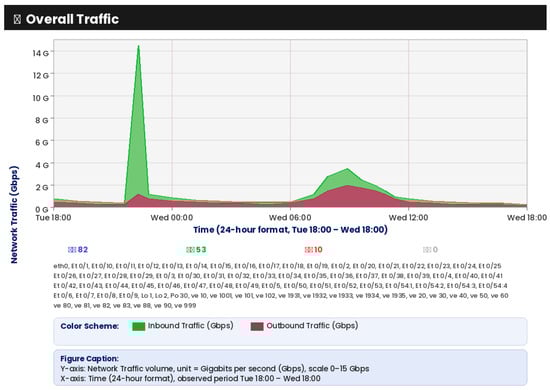
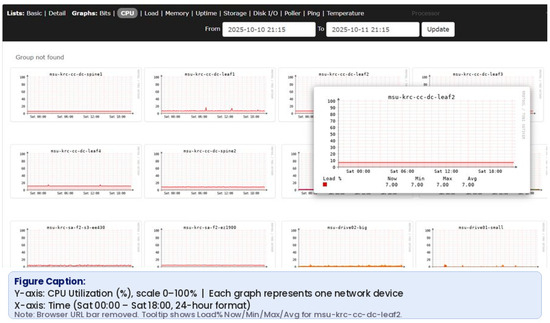
Digital transformation in higher education increasingly hinges on the robustness and governability of Information and Communication Technology (ICT) infrastructures, with campus Wi-Fi networks serving as the operational backbone of digital learning, research collaboration, and administrative services. In large universities, these networks typically evolve into heterogeneous, multi-vendor environments, introducing ongoing challenges in monitoring coherence, configuration governance, and cross-platform performance diagnosis. Despite the centrality of these issues, smart campus scholarship has paid limited attention to day-to-day operational management. This study examines the design and operational performance of a dual-platform Wi-Fi network management architecture implemented at Mahasarakham University, Thailand. The architecture strategically integrates SolarWinds and LibreNMS to combine centralized network-wide visibility with fine-grained, device-level diagnostics across a multi-vendor infrastructure. An engineering-oriented mixed-method approach was employed, drawing on production monitoring logs and semi-structured interviews with campus network engineers. Findings indicate that SolarWinds strengthens configuration oversight and campus-level situational awareness, whereas LibreNMS enhances detailed performance analytics and accelerates fault isolation. Their coordinated deployment improves operational stability, diagnostic clarity, and long-term maintainability of campus Wi-Fi systems. The study provides practical architectural guidance for managing heterogeneous ICT infrastructures in smart campus and enterprise-scale environments.
Full article
(This article belongs to the Section Information and Communication Technologies)
►▼
Show Figures

Figure 1
Open AccessArticle
Engineering Optimisation of Combined Soil Preparation for Ridge-Based Peanut Production and Residue Biodegradation
by
Farmon M. Mamatov, Fakhriddin U. Karshiev, Nargiza B. Ravshanova, Sanjar Zh. Toshtemirov, Uchkun Kodirov, Nurbek Sh. Rashidov, Golib D. Shodmonov, Nodir I. Saidov, Mokhichekhra F. Begimkulova and Allamurod Ismatov
Technologies 2026, 14(4), 203; https://doi.org/10.3390/technologies14040203 - 29 Mar 2026
Abstract
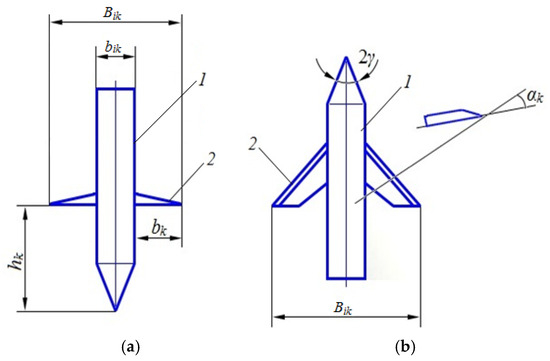
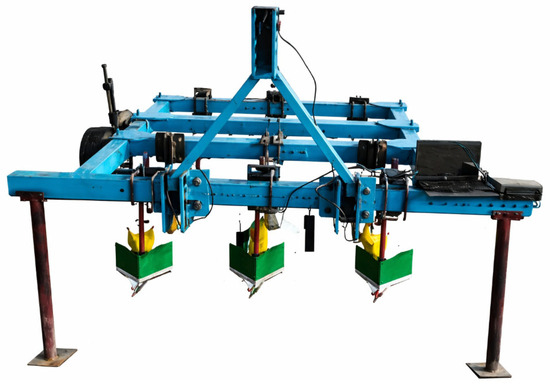
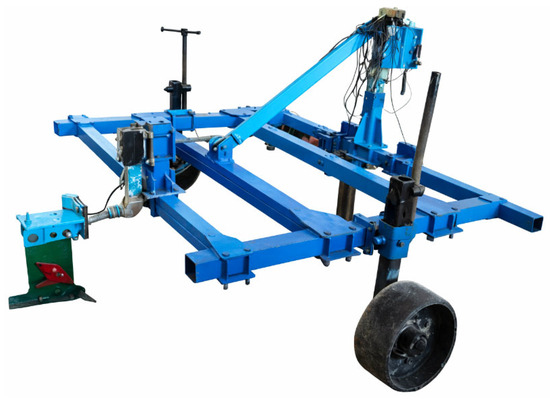
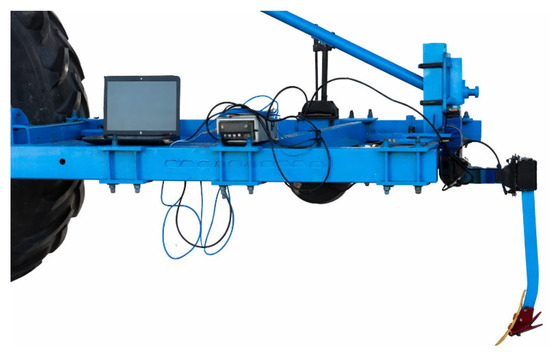
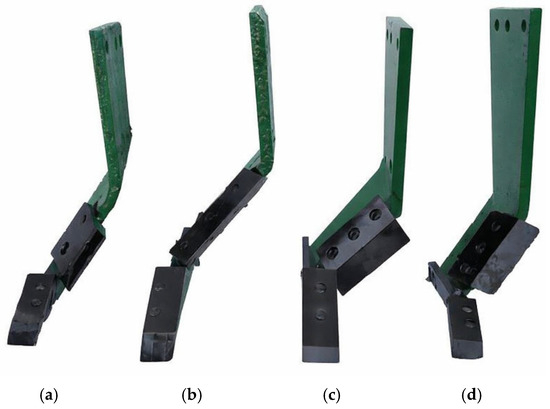
Sustainable ridge-based peanut production following winter wheat requires soil preparation technologies capable of simultaneously ensuring precise ridge formation, reduced energy consumption and efficient in situ utilisation of crop residues. This study aimed to develop and experimentally validate a combined soil preparation technology integrating
[...] Read more.
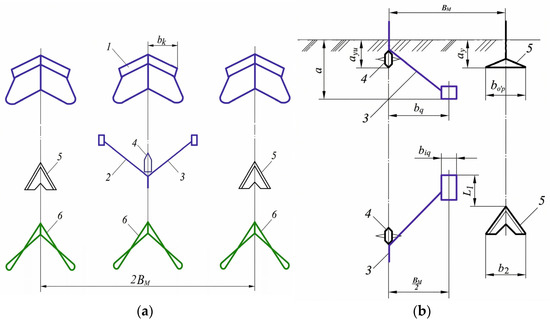
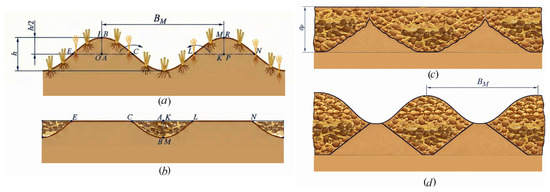
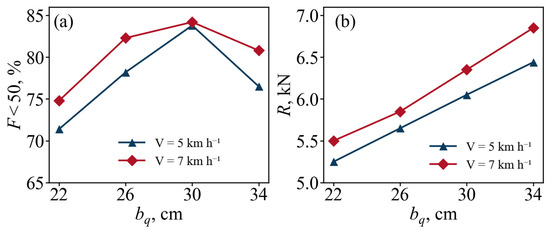
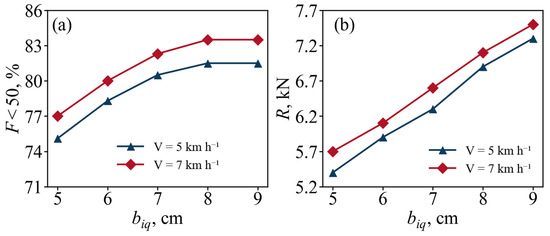
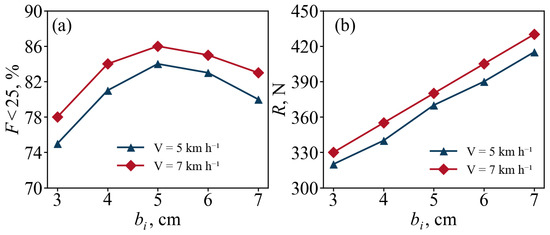
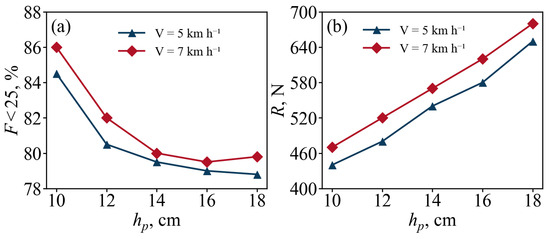
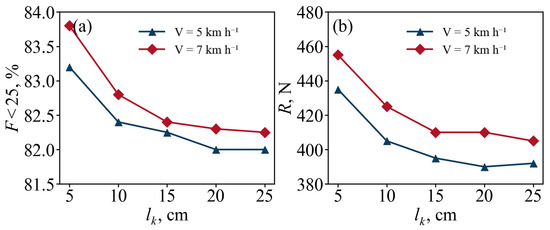
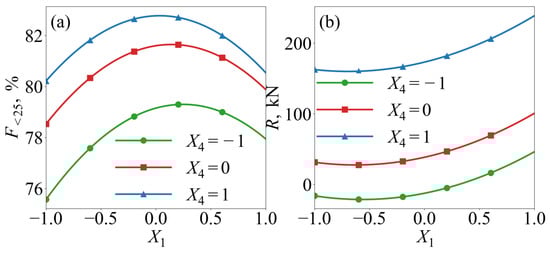
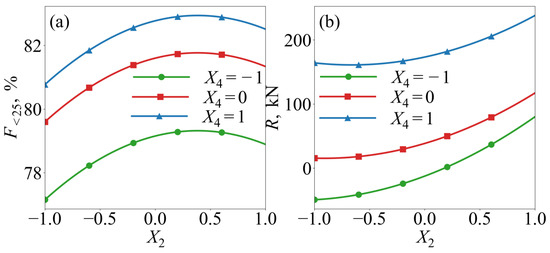
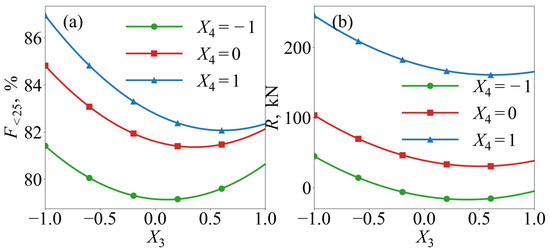
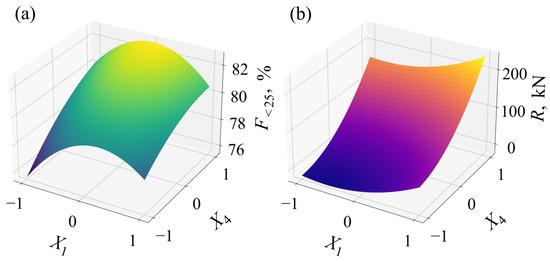
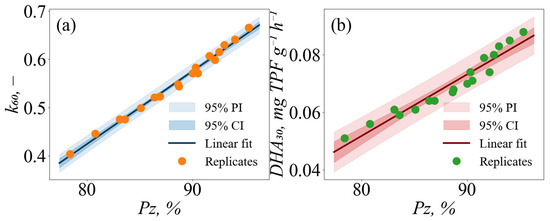
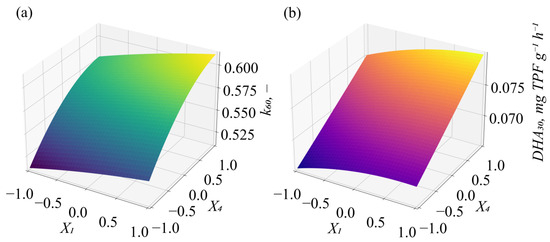
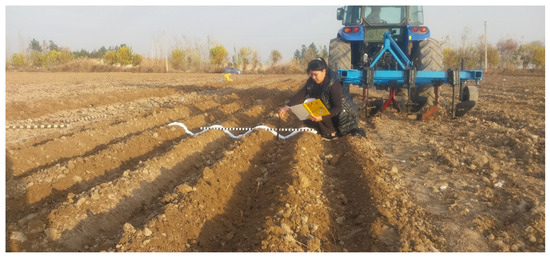
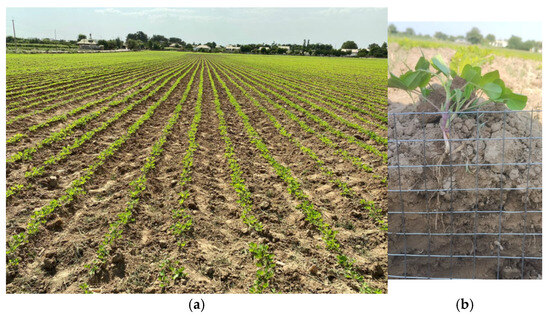
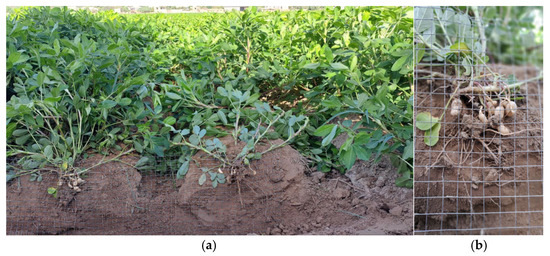
Sustainable ridge-based peanut production following winter wheat requires soil preparation technologies capable of simultaneously ensuring precise ridge formation, reduced energy consumption and efficient in situ utilisation of crop residues. This study aimed to develop and experimentally validate a combined soil preparation technology integrating shallow tillage, deep loosening and ridge formation within a single field pass, and to quantify its technological and biological performance. Field experiments were conducted using a prototype combined machine with analytically justified geometric parameters of the working tools, followed by multifactor optimisation and statistical modelling. Technological performance was assessed by soil fragmentation degree and draft resistance, while biological effects were evaluated using residue incorporation (Pz), biodegradation coefficient after 60 days (k60) and dehydrogenase activity after 30 days (DHA30). The results showed statistically significant nonlinear relationships between tool parameters and technological responses, with coefficients of determination exceeding 0.94 for soil fragmentation and 0.97 for draft resistance. The proposed technology increased residue incorporation efficiency by 15–20%, enhanced biodegradation intensity (k60) by up to 18%, and reduced energy consumption due to single-pass operation compared with conventional multi-pass systems. A strong relationship between Pz and biological indicators confirmed the key role of residue placement in controlling microbial processes. These findings demonstrate that integrated control of soil processing and residue placement enables energy-efficient single-pass technologies for ridge-based peanut production systems.
Full article
(This article belongs to the Special Issue Sustainable Technologies and Waste Valorisation Technologies)
►▼
Show Figures

Figure 1

Open AccessArticle
Benchmarking MARL for UAV-Assisted Mobile Edge Computing Under Realistic 3D Collision Avoidance Navigation Constraints for Periodic Task Offloading
by
Jiacheng Gu, Qingxu Meng, Qiurui Sun, Bing Zhu, Songnan Zhao and Shaode Yu
Technologies 2026, 14(4), 202; https://doi.org/10.3390/technologies14040202 - 27 Mar 2026
Abstract
►▼
Show Figures
The rapid growth of Internet of Things (IoT) and Industrial IoT applications has intensified the demand for low-latency and reliable computation support for deadline-constrained periodic real-time tasks. While unmanned aerial vehicles (UAVs) enabling mobile edge computing (MEC) can reduce latency by bringing compute
[...] Read more.
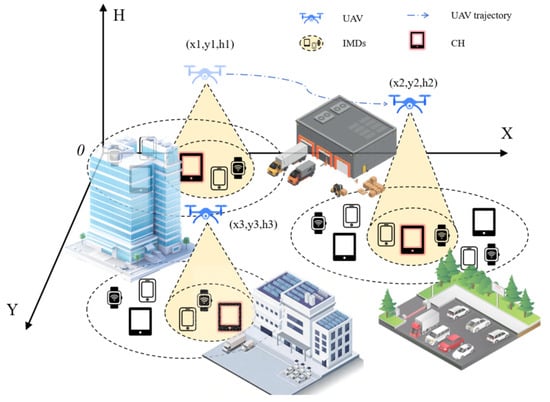
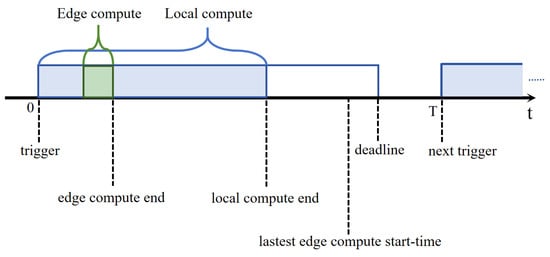
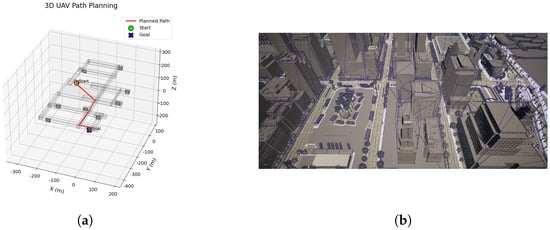
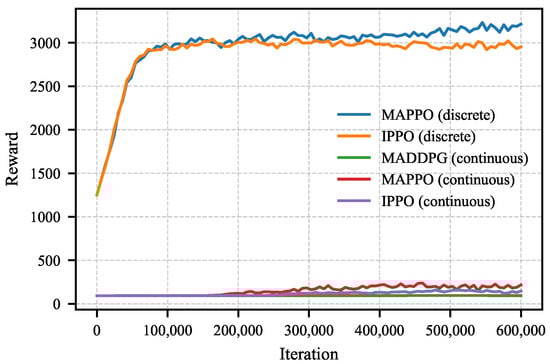
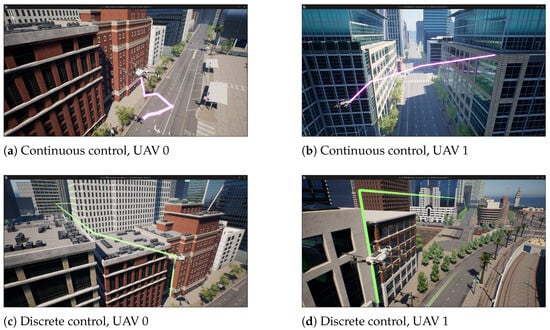
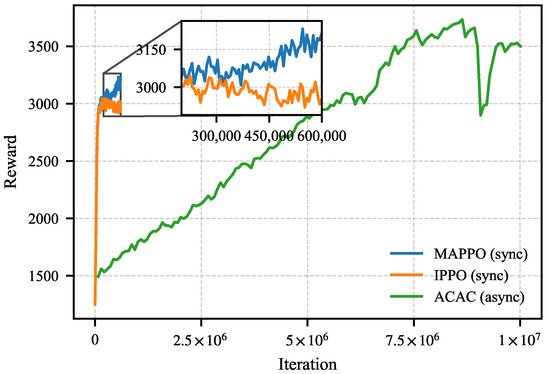
The rapid growth of Internet of Things (IoT) and Industrial IoT applications has intensified the demand for low-latency and reliable computation support for deadline-constrained periodic real-time tasks. While unmanned aerial vehicles (UAVs) enabling mobile edge computing (MEC) can reduce latency by bringing compute closer to data sources, terrestrial MEC deployments often suffer from limited coverage and poor adaptability to spatially heterogeneous demand. In this paper, we study a multiple-UAV-assisted MEC system serving cluster-based IoT networks, where cluster heads generate deadline-constrained periodic tasks for offloading under strict deadlines. To ensure practical feasibility in dense urban environments, we benchmark UAV mobility using a realistic 3D collision avoidance navigation graph with shortest-path execution, rather than assuming unconstrained continuous UAV motion in free space. On top of this benchmark, we systematically compare three multi-agent reinforcement learning (MARL) paradigms for joint navigation and periodic task offloading: (i) continuous 3D control MARL that outputs motion commands directly; (ii) discrete graph-based MARL that selects collision-free shortest paths; and (iii) asynchronous macro-action MARL. Using a high-fidelity 3D digital twin of San Francisco, we evaluate these paradigms under a unified protocol in terms of offloading success, end-to-end latency, and energy consumption. The results reveal clear performance trade-offs induced by realistic 3D collision avoidance constraints and provide actionable insights for designing UAV-assisted MEC systems supporting periodic real-time task offloading.
Full article

Figure 1
Open AccessArticle
Dual-Polarized Beam-Steerable Filtering Patch Antenna
by
Tian-Gui Huang, Zheng Gan, Kai-Ran Xiang, Wen-Feng Zeng and Fu-Chang Chen
Technologies 2026, 14(4), 201; https://doi.org/10.3390/technologies14040201 - 27 Mar 2026
Abstract
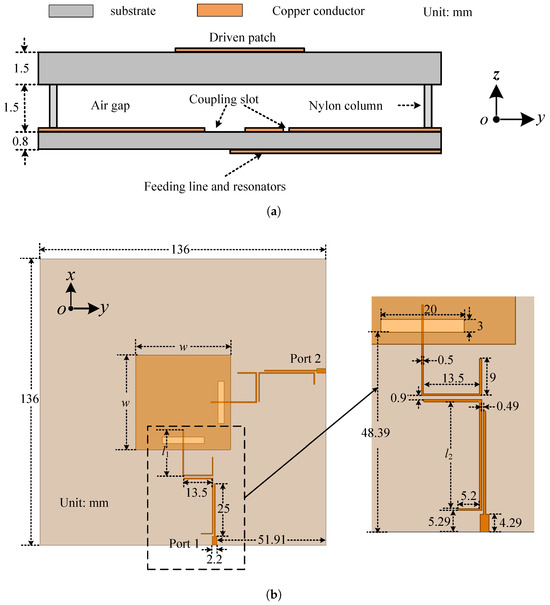
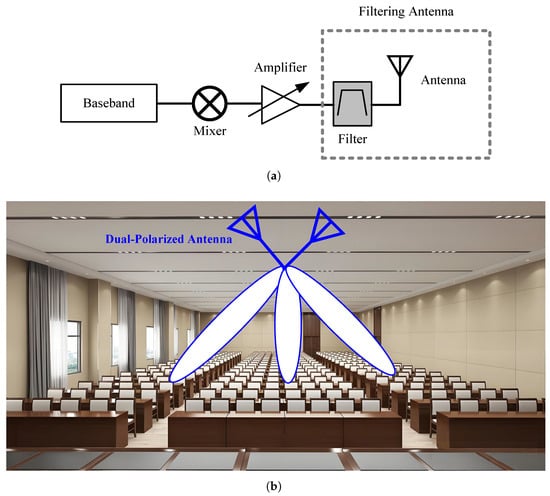
A compact dual-polarized beam-steerable patch antennas with filtering characteristics is proposed in this paper. By digging two orthogonal coupling slots on the ground plate, dual polarization is achieved while ensuring the isolation between the ports. By constructing properly arranged parallel microstrip resonators and
[...] Read more.
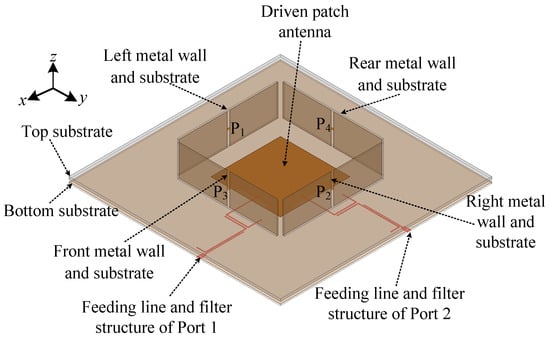
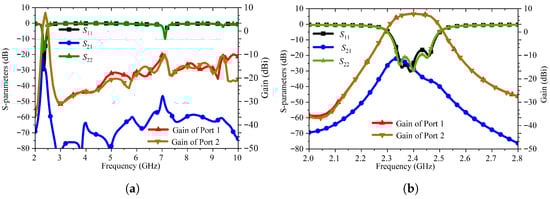
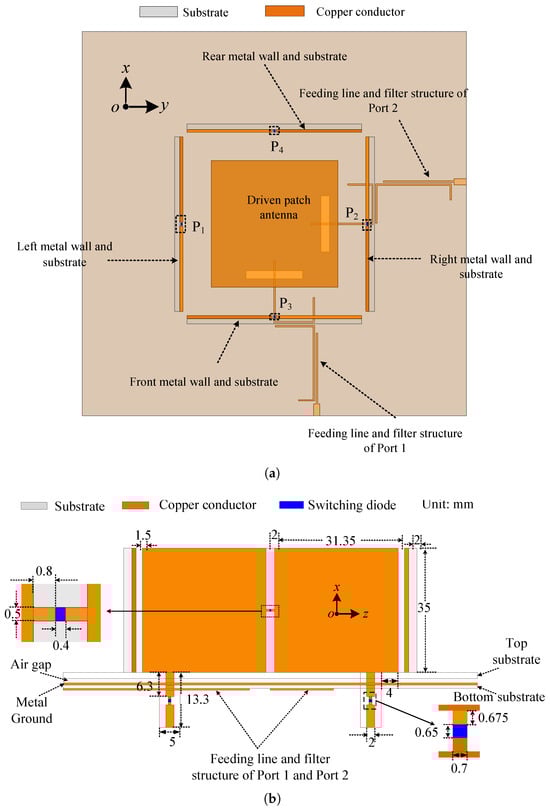
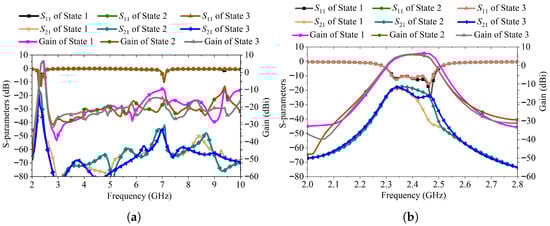
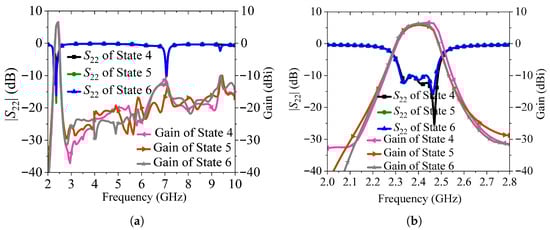
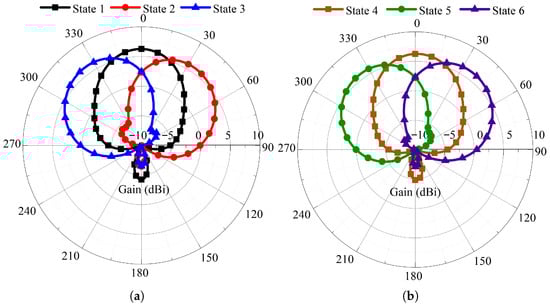
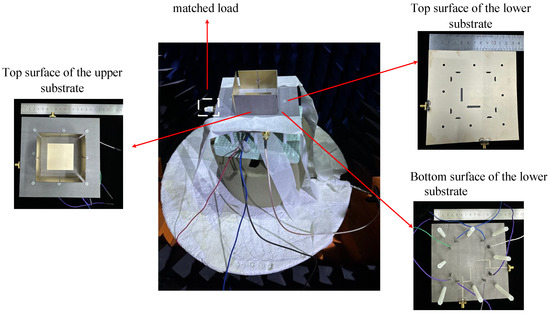
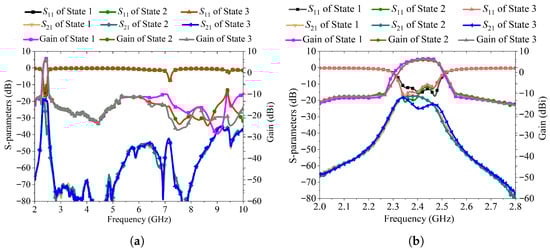
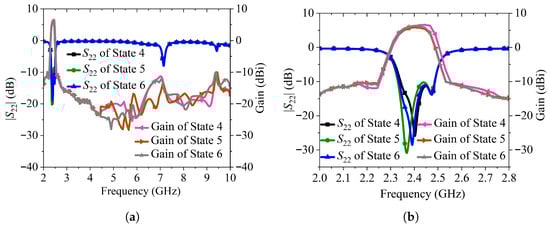
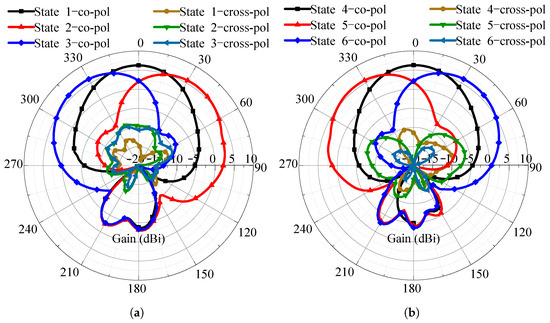
A compact dual-polarized beam-steerable patch antennas with filtering characteristics is proposed in this paper. By digging two orthogonal coupling slots on the ground plate, dual polarization is achieved while ensuring the isolation between the ports. By constructing properly arranged parallel microstrip resonators and open-circuited stubs, the effect of suppressing a broad stopband is produced. The beam steering characteristic is accomplished through the integration of a driven patch antenna with two dual-element metallic walls, each incorporating PIN diodes for electronic tuning. A prototype antenna has been fabricated to substantiate the efficacy of the proposed methodology. The simulated and measured results agree well, demonstrating good performance in terms of impedance bandwidth, stopband suppression, isolation and beam-steering capability. Under six radiation states, the proposed antenna operates from 2.3 GHz to 2.5 GHz with isolation exceeding 20 dB. Additionally, the antenna gain remains below −10 dBi over the 2.6 GHz to 10 GHz band, achieving out-of-band suppression greater than 15.8 dB within the wide stopband. When port 1 is excited, the antenna generates three distinct radiation patterns, enabling beam scanning at 0° and ±30° in the yoz plane. Similarly, exciting port 2 yields three radiation patterns, allowing beam scanning at 0° and ±30° in the xoz plane. This work presents the first integration of dual-polarized, beam-steering, and filtering characteristics into a single compact antenna.
Full article
(This article belongs to the Special Issue Antenna and RF Circuit Advances for Next-Generation Wireless Systems)
►▼
Show Figures

Figure 1

Open AccessSystematic Review
Intelligent and Automated Technologies for Textile Recycling Pre-Processing: A Systematic Literature Review
by
Daniel Lopes, Eduardo J. Solteiro Pires, Vítor Filipe, Manuel F. Silva and Luís F. Rocha
Technologies 2026, 14(4), 200; https://doi.org/10.3390/technologies14040200 - 27 Mar 2026
Abstract
►▼
Show Figures
Textile-to-textile recycling is strongly constrained by upstream pre-processing, where post-consumer clothing must be identified, separated, and prepared under high variability in materials, appearance, and contamination. This paper presents a Preferred Reporting Items for Systematic Reviews and Meta-Analyses (PRISMA)-guided systematic literature review of intelligent
[...] Read more.
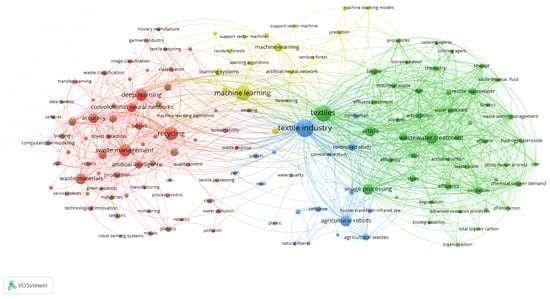
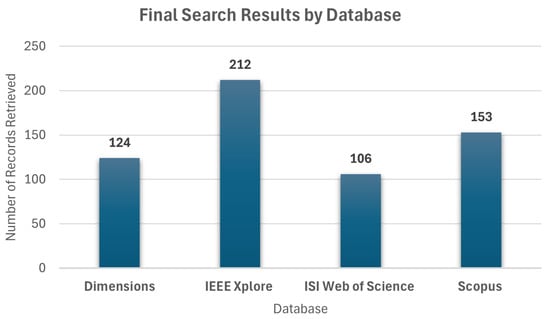
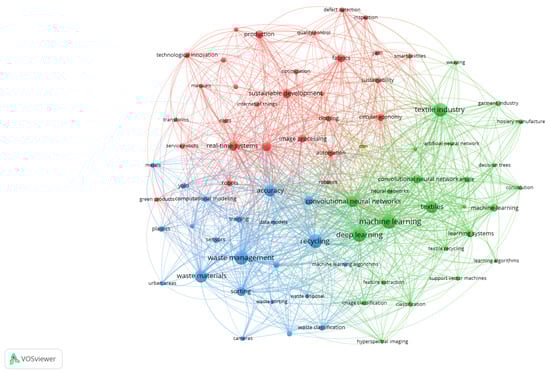
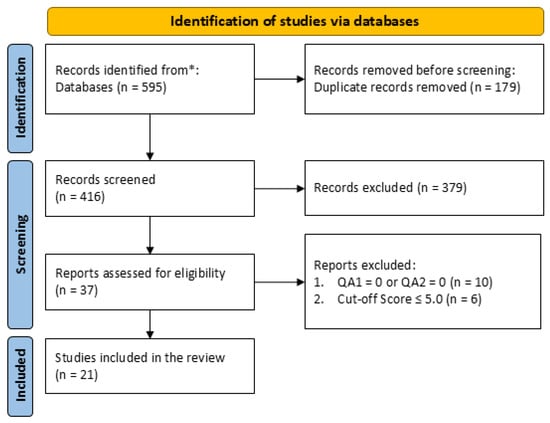
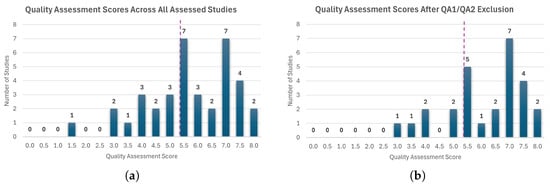
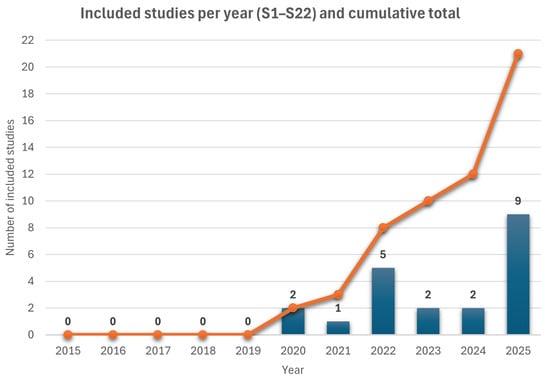
Textile-to-textile recycling is strongly constrained by upstream pre-processing, where post-consumer clothing must be identified, separated, and prepared under high variability in materials, appearance, and contamination. This paper presents a Preferred Reporting Items for Systematic Reviews and Meta-Analyses (PRISMA)-guided systematic literature review of intelligent and automated technologies for textile recycling pre-processing covering the interval between 2015 to 2025. After screening and quality assessment, 21 primary studies published between 2020 and 2025 were included. The literature is synthesized across three task families: (i) identificationof fiber/material, composition, or color; (ii) sorting, considered only when explicit separation strategies are defined to operationalize identification outcomes into routing actions or output streams; and (iii) contaminant detection and/or removal, targeting non-recyclable items. Results show that identification dominates the field (19/21 studies), supported by Red–Green–Blue (RGB) and red–green–blue plus depth (RGB-D) imaging and material-signature sensing, including near-infrared (NIR) spectroscopy, hyperspectral imaging (HSI), and Raman spectroscopy. In contrast, sorting as a defined separation stage is less frequent (4/21), and contaminant-related automation remains sparse (3/21). Most studies are validated in laboratory conditions, with limited semi-industrial evidence, highlighting a persistent perception-to-action gap. Overall, the review indicates that robust separation strategies, representative datasets, and end-to-end system integration remain key bottlenecks for scalable automated textile recycling pre-processing.
Full article

Figure 1
Open AccessArticle
A Bi-LSTM Attention Mechanism for Monitoring Seismic Events—Solving the Issue of Noise & Interpretability
by
Nimra Iqbal, Izzatdin Bin Abdul Aziz and Muhammad Faisal Raza
Technologies 2026, 14(4), 199; https://doi.org/10.3390/technologies14040199 - 26 Mar 2026
Abstract
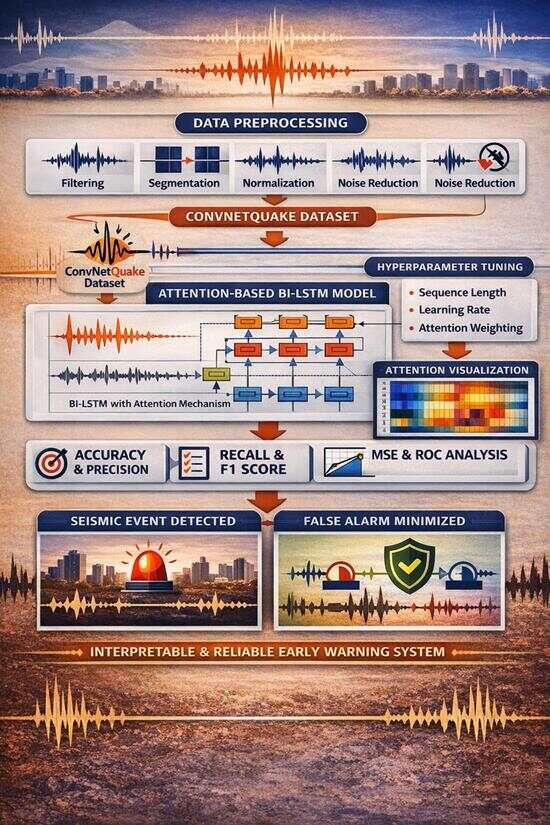
The nonlinearity and the extreme variability of seismic signals makes the detection of earthquakes difficult. Although the conventional deep-learning models can be used to extract useful features, they cannot be used in early-warning systems due to their non-interpretability. In this study, a Bidirectional
[...] Read more.
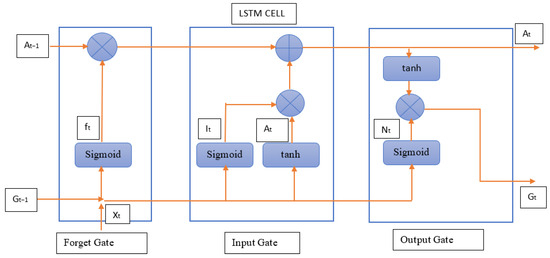
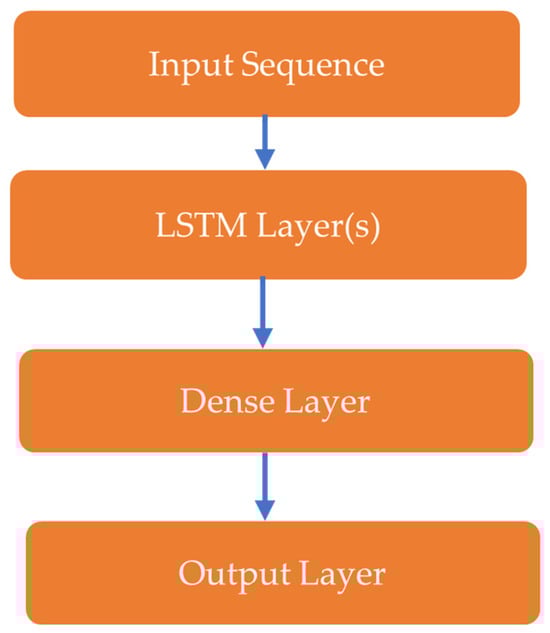
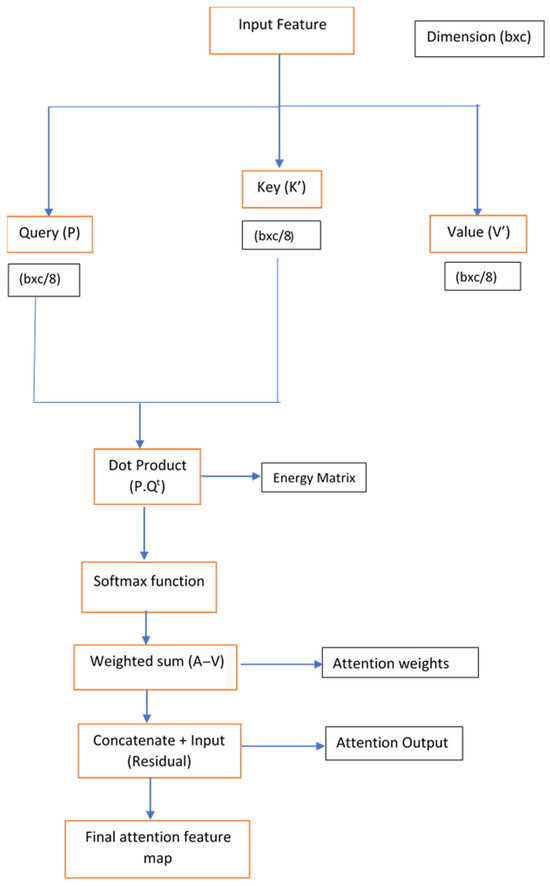
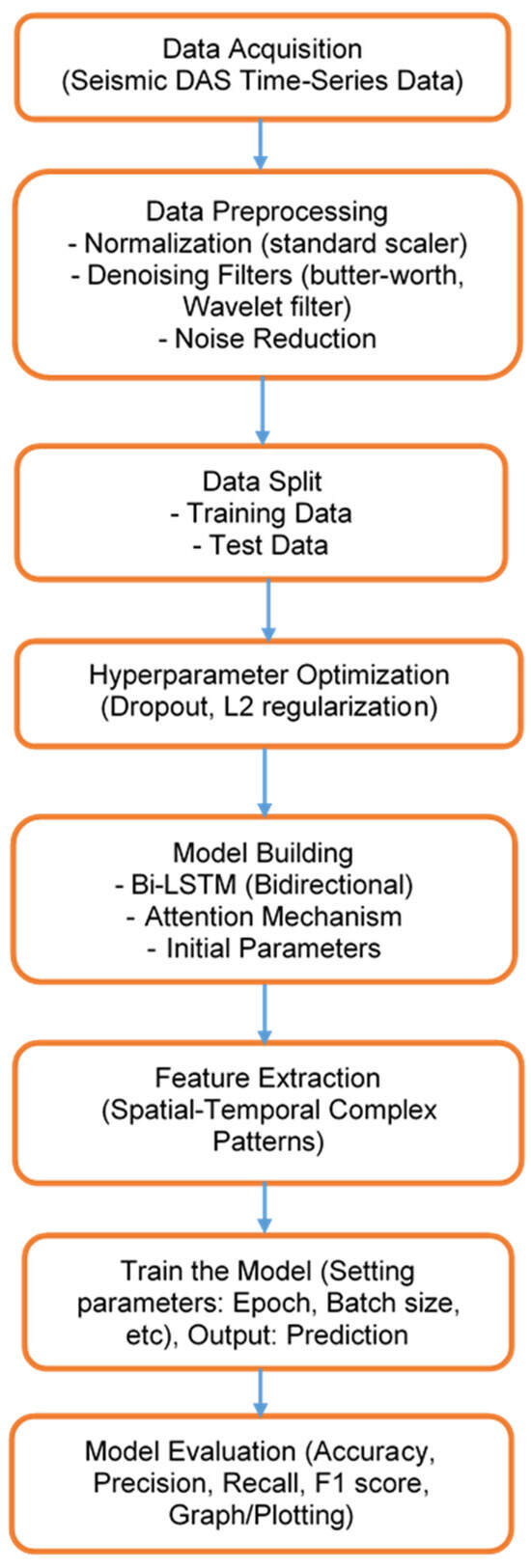
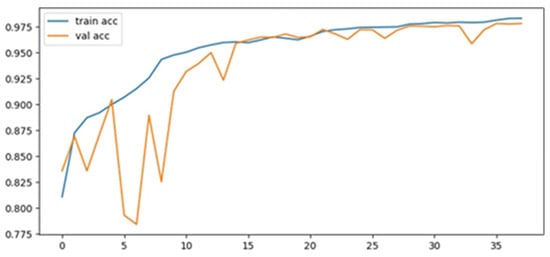
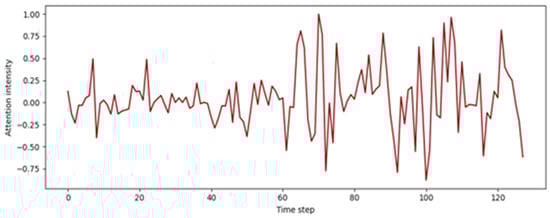
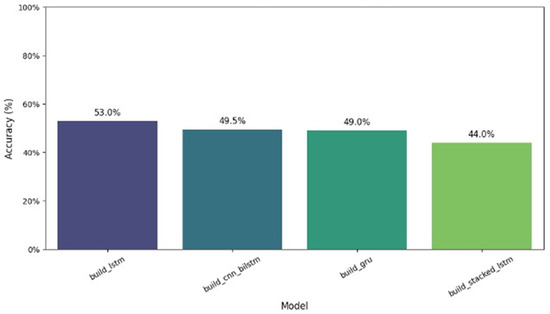
The nonlinearity and the extreme variability of seismic signals makes the detection of earthquakes difficult. Although the conventional deep-learning models can be used to extract useful features, they cannot be used in early-warning systems due to their non-interpretability. In this study, a Bidirectional Long Short-Memory network with an attention system (Bi-LSTM-Attn) is proposed to detect seismic events using the ConvNetQuake dataset. To improve the quality of data, the entire preprocessing pipeline, such as signal filtering, segmentation, normalization, and noise reduction is employed. The model was optimized using hyperparameter tuning of sequence length, learning rates, and attention weighting to achieve the best number of true-positive detections and a minimum number of false alarms. The accuracy, precision and recall, F1-score, MSE, and ROC curves were used to assess the performance and the attention weight visualization allowed interpreting the model. It is proven through experiments that the Bi-LSTM-Attn model provides more credible and comprehensible forecasting in relation to baseline LSTM and GRU models. Making the high-accuracy classification and the transparent decision behavior, the approach will increase the level of trust to the automated seismic surveillance, as well as help to build the reliable global networks of earthquake early-warnings.
Full article
(This article belongs to the Special Issue Application and Development of Distributed Acoustic Sensing (DAS) Technology)
►▼
Show Figures

Graphical abstract
Journal Menu
► ▼ Journal Menu-
- Technologies Home
- Aims & Scope
- Editorial Board
- Reviewer Board
- Topical Advisory Panel
- Instructions for Authors
- Special Issues
- Topics
- Sections & Collections
- Article Processing Charge
- Indexing & Archiving
- Editor’s Choice Articles
- Most Cited & Viewed
- Journal Statistics
- Journal History
- Journal Awards
- Conferences
- Editorial Office
Journal Browser
► ▼ Journal BrowserHighly Accessed Articles
Latest Books
E-Mail Alert
News
Topics
Topic in
Applied Sciences, Information, Systems, Technologies, Electronics, AI
Challenges and Opportunities of Integrating Service Science with Data Science and Artificial Intelligence
Topic Editors: Dickson K. W. Chiu, Stuart SoDeadline: 30 April 2026
Topic in
Applied Sciences, Architecture, Buildings, Infrastructures, Materials, Technologies
Advances in Structural Engineering Using AI and Sustainable Materials
Topic Editors: Ehsan Harirchian, Viviana NovelliDeadline: 20 May 2026
Topic in
Electronics, Future Internet, Technologies, Telecom, Network, Microwave, Information, Signals
Advanced Propagation Channel Estimation Techniques for Sixth-Generation (6G) Wireless Communications
Topic Editors: Han Wang, Fangqing Wen, Xianpeng WangDeadline: 31 May 2026
Topic in
ChemEngineering, Chemistry, Energies, Processes, Sustainability, Technologies
Advances in Green Energy and Energy Derivatives
Topic Editors: Muhammad Sajid, Nisar Ali, Muhammad Farooq, Mairui ZhangDeadline: 20 June 2026
Conferences
Special Issues
Special Issue in
Technologies
Application and Development of Distributed Acoustic Sensing (DAS) Technology
Guest Editors: Zhipeng Wu, Daniel Asante OtchereDeadline: 30 April 2026
Special Issue in
Technologies
Intelligent Vision Systems for Remote Sensing and Environmental Monitoring
Guest Editors: Junchao Zhang, Zhengliang ZhuDeadline: 30 April 2026
Special Issue in
Technologies
Optimization Technologies for Digital Signal Processing
Guest Editor: Jiajun ZhangDeadline: 30 April 2026
Special Issue in
Technologies
AI-Driven Optimization in Robotics and Precision Agriculture
Guest Editors: Dimitris Ziouzios, Minas DasygenisDeadline: 30 April 2026
Topical Collections
Topical Collection in
Technologies
Technology Advances in IoT Learning and Teaching
Collection Editors: Sergio Martin Gutiérrez, George F. Fragulis
Topical Collection in
Technologies
Electrical Technologies
Collection Editors: Valeri Mladenov, Vasiliki Vita
Topical Collection in
Technologies
Review Papers Collection for Advanced Technologies
Collection Editor: Manoj Gupta
Topical Collection in
Technologies
Modern Circuits, System Technologies, and Selected Papers from MOCAST
Collection Editors: Spyridon Nikolaidis, Valeri Mladenov, Ronald Tetzlaff, Rodrigo Picos