Journal Description
Social Sciences
Social Sciences
is an international, open access journal with rapid peer-review, which publishes works from a wide range of fields, including anthropology, criminology, economics, education, geography, history, law, linguistics, political science, psychology, social policy, social work, sociology and more, and is published monthly online by MDPI.
- Open Access— free for readers, with article processing charges (APC) paid by authors or their institutions.
- High visibility: indexed within Scopus, ESCI (Web of Science), RePEc, and other databases.
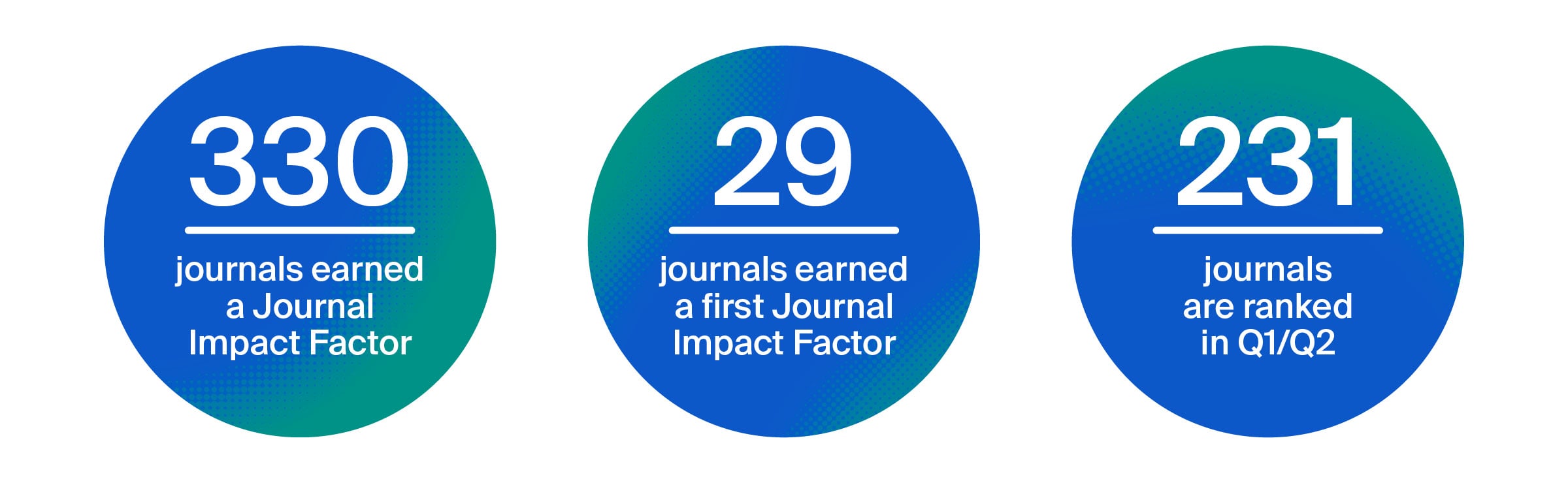
- Journal Rank: JCR - Q1 (Social Sciences, Interdisciplinary) / CiteScore - Q1 (General Social Sciences)
- Rapid Publication: manuscripts are peer-reviewed and a first decision is provided to authors approximately 30.3 days after submission; acceptance to publication is undertaken in 4.8 days (median values for papers published in this journal in the first half of 2026).
- Recognition of Reviewers: reviewers who provide timely, thorough peer-review reports receive vouchers entitling them to a discount on the APC of their next publication in any MDPI journal, in appreciation of the work done.
- MDPI’s Journal Cluster of Social Studies: Challenges-Journal of Planetary Health, Disabilities, Genealogy, Laws, Sexes, Social Sciences and Societies.
Impact Factor:
2.0 (2025);
5-Year Impact Factor:
2.1 (2025)
Latest Articles
Algorithmic Othering and the Distribution of Voice in Online Discourse
Soc. Sci. 2026, 15(7), 444; https://doi.org/10.3390/socsci15070444 (registering DOI) - 4 Jul 2026
Abstract
Social media platforms play a central role in shaping whose voices gain visibility during moments of crisis. This study examines how platform-mediated dynamics influence the distribution of voice in online discourse, focusing on racialized and migrant communities in Canada during the COVID-19 pandemic.
[...] Read more.
Social media platforms play a central role in shaping whose voices gain visibility during moments of crisis. This study examines how platform-mediated dynamics influence the distribution of voice in online discourse, focusing on racialized and migrant communities in Canada during the COVID-19 pandemic. Using a large-scale computational analysis of X (formerly Twitter) data, we analyze participation patterns, dominant narratives, and how attention is distributed across actors. We identify four established forms of Othering—hostile, cultural, sympathetic, and silencing—and introduce a fifth: algorithmic Othering. We define algorithmic Othering as the platform-mediated structuring of visibility through which institutional and elite actors disproportionately shape discourse, while marginalized users remain comparatively under-amplified. Our findings show that even when racialized and migrant users actively participate in online discussions, their visibility is systematically constrained by engagement-driven amplification systems. As a result, marginalized communities are more often spoken about than heard directly. These findings suggest that social media platforms do not simply reflect existing inequalities but actively organize them through the distribution of attention and visibility. By identifying a structural mechanism through which voice is unevenly amplified, this study contributes to broader understandings of inequality, representation, and participation in digital environments.
Full article
Open AccessArticle
A Trauma-Informed Analysis of Resettlement Policies for LGBTQI+ Refugees and Asylees in the United States
by
Rashmi Gangamma, John Segui, Erica Hartwell, Chichun Lin and Benjamin Kukor
Soc. Sci. 2026, 15(7), 443; https://doi.org/10.3390/socsci15070443 - 3 Jul 2026
Abstract
Background: LGBTQI+ refugees and asylees often face unique challenges of exclusion and the threat of persecution across multiple stages of migration and resettlement. In this study, we investigated the current refugee resettlement policies in the United States through a trauma-informed policy analysis lens
[...] Read more.
Background: LGBTQI+ refugees and asylees often face unique challenges of exclusion and the threat of persecution across multiple stages of migration and resettlement. In this study, we investigated the current refugee resettlement policies in the United States through a trauma-informed policy analysis lens and compared them with those of three, similar high-income resettlement countries: Canada, the United Kingdom, and Australia. Methods: We collected data from policy documents from government and resettlement agency websites, as well as peer-reviewed journal articles discussing resettlement policies specific to LGBTQI+ refugees and asylees. A document analysis method was used to examine these materials within a trauma-informed framework. Results: Findings indicated that current United States policies for LGBTQI+ refugees and asylees lack many considerations from a trauma-informed framework. In comparison, while policies in the United Kingdom reflected similar limitations, recent developments in Canada and Australia demonstrated greater recognition of the unique challenges faced by LGBTQI+ communities, along with multiple pathways to support safer spaces in resettlement. Conclusions: These findings highlight the need for substantial policy development in the United States to better support LGBTQI+ refugees and asylees from an inclusive, trauma-informed framework.
Full article
(This article belongs to the Special Issue Inclusion and Integration Issues Among Forced and Voluntary Migrants in Social Work)
Open AccessArticle
Perceived Educational Marketing Mix and Student Satisfaction in Higher Education: An Empirical Analysis in a Latin American Emerging Economy
by
Fabricio Miguel Moreno-Menéndez, Nataly Gabriela Solis-Tapia, José Antonio Cuadros-Espinoza, Karina Rosario Olivera-Bordaes, Isabel Liz Peña-Ricapa, Vicente González-Prida, Joseph Mendoza-Herrera and Angela Maria Rivera-Paucarpura
Soc. Sci. 2026, 15(7), 442; https://doi.org/10.3390/socsci15070442 - 3 Jul 2026
Abstract
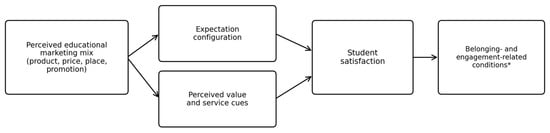
Universities increasingly compete through value propositions, service processes, and communication ecosystems rather than through program supply alone. Yet evidence remains limited on how students’ perceptions of the educational marketing mix are associated with satisfaction in non-metropolitan higher education settings in Latin America. This
[...] Read more.
Universities increasingly compete through value propositions, service processes, and communication ecosystems rather than through program supply alone. Yet evidence remains limited on how students’ perceptions of the educational marketing mix are associated with satisfaction in non-metropolitan higher education settings in Latin America. This study examines a private university branch campus in a Latin American emerging economy using a quantitative, cross-sectional, non-experimental design and a probabilistic stratified sample of 287 complete student responses. Educational marketing was operationalized as students’ perceived evaluation of the educational marketing mix—product, price, place, and promotion—whereas satisfaction was measured with SERVQUAL-informed, performance-oriented service-evaluation items. The findings show a strong positive association between the perceived educational marketing mix and student satisfaction, with promotional communication emerging as the most closely related dimension. Descriptively, both constructs were concentrated at intermediate levels, indicating an acceptable but non-distinctive institutional experience and pointing to service weaknesses in security, empathy, and responsiveness. The article contributes by problematizing the use of marketing-mix logic in higher education, clarifying that satisfaction is not a proxy for educational quality or belonging, and showing how perceived value communication and service delivery are connected with students’ satisfaction judgments in an emerging-economy context.
Full article
(This article belongs to the Special Issue Belonging and Engagement of Students in Higher Education)
►▼
Show Figures

Figure 1
Open AccessArticle
From Augmentation to Innovation: Examining the Role of AI Tools in Student-Centered Creative Learning in Egypt
by
Norainy Abdul Razak, Mohamad Izani Zainal Abidin, Aishah Abdul Razak, Amr Assad and Hanan Elgendi
Soc. Sci. 2026, 15(7), 441; https://doi.org/10.3390/socsci15070441 - 3 Jul 2026
Abstract
This study examines university students’ perceptions of how artificial intelligence (AI) tools influence creativity in Digital Media coursework at an Egyptian university, addressing the underrepresentation of non-Western and non-STEM contexts in AI-in-education research. A convergent mixed-methods design was used with 103 undergraduate students
[...] Read more.
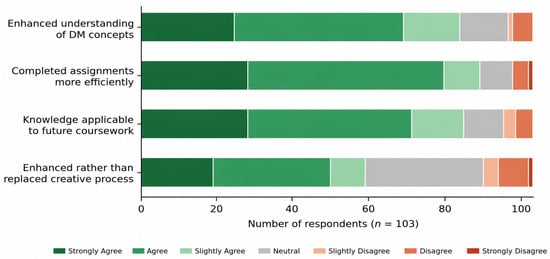
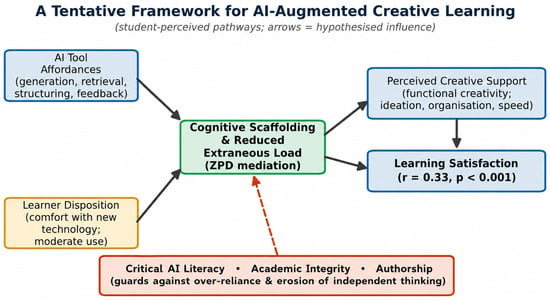
This study examines university students’ perceptions of how artificial intelligence (AI) tools influence creativity in Digital Media coursework at an Egyptian university, addressing the underrepresentation of non-Western and non-STEM contexts in AI-in-education research. A convergent mixed-methods design was used with 103 undergraduate students enrolled in a Visual Communication course. Data were collected through an online questionnaire comprising a 24-item Likert-scale battery (Cronbach’s α = 0.94) and four open-ended prompts. Because creativity was measured through perception rather than objective performance, the findings are interpreted as students’ subjective appraisals rather than as evidence about the originality or quality of their creative products. A four-item Perceived Creative Support subscale (α = 0.82) was positively associated with overall learning satisfaction (r = 0.33, p < 0.001), while remaining independent of prior AI familiarity. However, it was significantly related to comfort with new technology (r = 0.35, p < 0.001) and moderate AI use intensity. Reflexive thematic analysis identified five themes: task efficiency, academic support, creative stimulation, information access, and concerns about overreliance and authenticity. Students mainly framed creativity in functional terms, including ideation structure, speed, and organization. The study positions AI as a perceived cognitive scaffold and discusses implications for pedagogy, assessment design, and academic integrity in creative disciplines.
Full article
(This article belongs to the Special Issue Communication, Language, Education and Society in a Digital Age: Emerging Interdisciplinary Perspectives from DIFCON-CLESS 2026)
►▼
Show Figures

Figure 1
Open AccessArticle
Open Justice and Hidden Harm: The Experiences of Children and Families Impacted by Parental Imprisonment When Parental Crime Is Reported
by
Lorna Brookes, Fran Yeoman and Thomas McCooey
Soc. Sci. 2026, 15(7), 440; https://doi.org/10.3390/socsci15070440 - 2 Jul 2026
Abstract
Children of imprisoned parents, who are often described as ‘orphans of justice’, suffer a multitude of disadvantages when a parent is sent to prison. Whilst their experiences of loss, stigma, and social exclusion are well documented, one area that remains critically under-examined is
[...] Read more.
Children of imprisoned parents, who are often described as ‘orphans of justice’, suffer a multitude of disadvantages when a parent is sent to prison. Whilst their experiences of loss, stigma, and social exclusion are well documented, one area that remains critically under-examined is how court reporting processes may further exacerbate these harms. This study explores the lived experience of children 11–17 yrs (n = 6) who had experienced parental imprisonment, and non-offending adults (parents, caregivers, and adult children of offenders/n = 6) in relation to their experiences of parental crime reported in the press. This study also integrates views from individual interviews conducted with journalists and press regulators (n = 5), as well as data from a content analysis of three regional and two national newspapers across a three-week period. Findings indicate that current court reporting practices can be, for some children and family members, a contributing factor to their difficulties. Participating children and family members assert that publishing partial home addresses and references to family relationships heightens their visibility in the community, which they say contributes to community backlash and negatively affects their physical and mental wellbeing. The content analysis (n = 186 custody related news reports) showed selective disclosure of offenders’ personal and family details. Interviewed journalists strongly defended the principle of open justice and felt legally unable to add the wider context families often wished to share. However, they expressed genuine sympathy for the children, and while resistant to new legal restrictions, were open to developing voluntary guidance to help reduce harm where possible. This study proposes an integrated framework to strengthen ethical journalism and better protect children impacted by parental imprisonment, calling for improved public information, trauma-informed education, participatory research and practitioner tools that centre children’s rights. It argues that open justice must be balanced with relational accountability, ensuring open justice does not come at the expense of children’s wellbeing.
Full article
(This article belongs to the Special Issue The Role of Support in Mitigating the Impact of Family Imprisonment on Children and Families)
Open AccessArticle
Navigating Early Childhood Special Education: An Analysis of School Counselors’ Professional Development Needs
by
Ibrahim Halil Diken, Derya Atik Kara, Ramazan Akdogan, Melike Kurtulus Uzlu, Osman Yasar, Gizem Turkoglu Boyvat, Gozde Tomris, Secil Celik Demirtas, Ozlem Diken, Ozlem Toper, Ozcan Ozgur Dursun and Cem Cuhadar
Soc. Sci. 2026, 15(7), 439; https://doi.org/10.3390/socsci15070439 - 1 Jul 2026
Abstract
School counselors working in preschool special education institutions undertake multidimensional responsibilities involving support for children with developmental disabilities, family guidance, interdisciplinary collaboration, and participation in individualized education program (IEP) processes. Despite the complexity of these responsibilities, limited research has specifically examined the professional
[...] Read more.
School counselors working in preschool special education institutions undertake multidimensional responsibilities involving support for children with developmental disabilities, family guidance, interdisciplinary collaboration, and participation in individualized education program (IEP) processes. Despite the complexity of these responsibilities, limited research has specifically examined the professional development needs of counselors employed in early childhood special education settings. This study aimed to determine the professional development needs of school counselors working in preschool special education institutions and to explore the professional challenges they experience in practice. The study was conducted using a qualitative research design. Participants consisted of 19 school counselors working in preschool special education institutions across different regions of Türkiye. Data were collected through semi-structured interviews and analyzed using thematic analysis. The findings indicated that school counselors experienced substantial professional development needs related to autism spectrum disorder, behavioral intervention strategies, family counseling, crisis intervention, interdisciplinary teamwork, assessment procedures, and individualized education planning. School counselors also emphasized inadequacies in preservice education and reported a strong need for applied, field-specific in-service training opportunities. Furthermore, role ambiguity, institutional limitations, and insufficient supervision emerged as significant factors negatively influencing professional competence perceptions. The findings suggest that counselor education curricula and professional development policies should be restructured to address the unique demands of preschool special education settings more effectively. This study contributes to the literature by highlighting the necessity of specialized professional preparation for school counselors supporting young children with special needs and their families.
Full article
(This article belongs to the Special Issue Educational Innovation and Child Participation in Early Childhood Education)
Open AccessArticle
Perceived Gender Fairness, Perceived Social Mobility, and Life Satisfaction Among South Korean Wage Workers: Cross-Sectional Evidence from a Moderated Mediation Model
by
Yoonjin Lee
Soc. Sci. 2026, 15(7), 438; https://doi.org/10.3390/socsci15070438 - 1 Jul 2026
Abstract
This study examines cross-sectional relations among perceived gender fairness, perceived social mobility, and life satisfaction in 4381 South Korean wage workers from the 2024 Social Integration Survey. Drawing on equity theory, the prospect of upward mobility hypothesis, and relative deprivation theory, I estimate
[...] Read more.
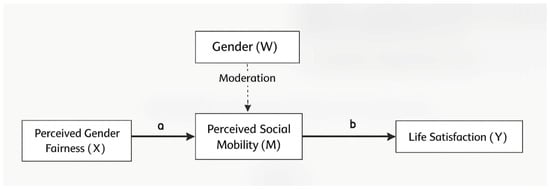
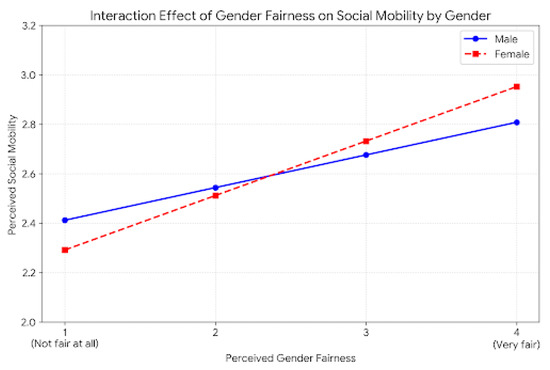
This study examines cross-sectional relations among perceived gender fairness, perceived social mobility, and life satisfaction in 4381 South Korean wage workers from the 2024 Social Integration Survey. Drawing on equity theory, the prospect of upward mobility hypothesis, and relative deprivation theory, I estimate a moderated mediation model in which perceived social mobility mediates between perceived gender fairness and life satisfaction, with gender as a first-stage moderator. Three observations emerge. First, the indirect statistical association between perceived gender fairness and life satisfaction via perceived social mobility is reliable (ab = 0.051, 95% CI [0.038, 0.066]). Second, the slope of perceived social mobility on perceived gender fairness is descriptively steeper for women (B = 0.219) than for men (B = 0.131), with the moderated mediation index reliably non-zero (Index = 0.026, 95% CI [0.007, 0.048]). Third, exploratory subgroup analyses indicate that the gender-conditional pattern is statistically reliable in the 20–39 subgroup but not in the 40+ subgroup, although the formal three-way interaction is not statistically significant. Given the directional ambiguity of the single-item fairness measure, the present design cannot adjudicate among alternative readings of the gender-conditional pattern. I treat all findings as descriptive patterns of statistical association in this sample.
Full article
(This article belongs to the Section Social Policy and Welfare)
►▼
Show Figures

Figure 1
Open AccessArticle
Territorial Governance and Technological Convergence: Toward a Methodological Framework for Social Innovation Based on Artificial Intelligence and the Multi-Helix Model from the Global South
by
Emilio Ricci
Soc. Sci. 2026, 15(7), 437; https://doi.org/10.3390/socsci15070437 - 1 Jul 2026
Abstract
Social Innovation (SI) has emerged as a strategic paradigm for addressing systemic challenges in highly uncertain environments. However, its practice still reveals epistemological fragmentation that risks reducing SI to welfare-oriented approaches. This article presents a critical and constructive analysis aimed at mitigating the
[...] Read more.
Social Innovation (SI) has emerged as a strategic paradigm for addressing systemic challenges in highly uncertain environments. However, its practice still reveals epistemological fragmentation that risks reducing SI to welfare-oriented approaches. This article presents a critical and constructive analysis aimed at mitigating the “methodological myopia” that persists in social impact assessment. Through a systematic literature review and a qualitative case study in the Antofagasta Region (Chile), the article argues that the scientific validity of SI depends on longitudinal, multidimensional, and territorially grounded evaluative frameworks. The study examines the relationship between SI and Artificial Intelligence (AI) as a source of methodological rigor, improving traceability and auditability while supporting the scaling of interventions. In response to techno-utopian forms of determinism, the article proposes an ethical and participatory governance framework based on the Multi-Helix model, integrating academia, the public sector, private enterprise, and civil society in the co-creation of public value. The findings suggest that the institutionalization of SI through AI must move beyond procedural efficiency to foster structural transformation. In Antofagasta, this AI-supported certification architecture is already operational within the Regional Innovation Strategy (ERI) 2022–2028 through the executed FIC-R 2023 project on Social Innovation Certification. The Antofagasta experience is therefore presented as an illustrative case of territorial governance, offering transferable principles for other Global South contexts rather than a directly replicable model.
Full article
(This article belongs to the Special Issue Social Innovation: Local Solutions to Global Challenges)
Open AccessArticle
Psychosociological Study of the Economic System Justification, Religion and Spirituality in Argentina
by
Julia Evangelina Velisone, Hugo Simkin, Luis Donatello and Luis Jaume
Soc. Sci. 2026, 15(7), 436; https://doi.org/10.3390/socsci15070436 - 1 Jul 2026
Abstract
This article studies the relationship between social dominance orientation, right-wing authoritarianism, spirituality, religiosity, and economic system justification in the general population of the Autonomous City of Buenos Aires, Argentina, in a sample of 843 participants (52% men and 48% women) aged 18 to
[...] Read more.
This article studies the relationship between social dominance orientation, right-wing authoritarianism, spirituality, religiosity, and economic system justification in the general population of the Autonomous City of Buenos Aires, Argentina, in a sample of 843 participants (52% men and 48% women) aged 18 to 88 years (Mage = 46; SD = 15.78). The study contextualizes social psychological approaches to system justification through a review of sociological literature on domination, religion, and legitimacy. According to the results, system justification is positively associated with social dominance orientation (r = 0.40), right-wing authoritarianism (r = 0.56) and dimensions of religiosity, particularly extrinsic religious orientation (0.12 ≤ r ≤ 0.21). Regression analyses indicated that social dominance orientation, right-wing authoritarianism, and extrinsic religious orientation were the variables most strongly associated with economic system justification.
Full article
(This article belongs to the Section Contemporary Politics and Society)
Open AccessArticle
Collective Bargaining Coverage in Greece: A Fragile Predominance of the Sector Level
by
Ioannis Zisimopoulos and Kostas Kappos
Soc. Sci. 2026, 15(7), 435; https://doi.org/10.3390/socsci15070435 - 1 Jul 2026
Abstract
This study examines collective bargaining coverage in Greece in 2024, analyzing its distribution across economic sectors and enterprise size classes. The empirical analysis draws primarily on administrative data. Through a content analysis of 1118 enterprise and sectoral/occupational collective agreements, this study calculates the
[...] Read more.
This study examines collective bargaining coverage in Greece in 2024, analyzing its distribution across economic sectors and enterprise size classes. The empirical analysis draws primarily on administrative data. Through a content analysis of 1118 enterprise and sectoral/occupational collective agreements, this study calculates the collective bargaining coverage rate at the national, sectoral, and enterprise levels. The findings indicate that the coverage rate in Greece is among the lowest in the European Union. The results further reveal a fragile predominance of sectoral bargaining over enterprise-level bargaining within a generally weak collective bargaining system, and an uneven distribution of coverage by collective agreements across different economic sectors and enterprise sizes.
Full article
(This article belongs to the Special Issue Contemporary Dynamics of Unions, Organizing, Bargaining and Labor Relations)
Open AccessArticle
The Intersection of Work, Career, and Parenthood: A Qualitative Exploration of Fertility Intentions in the Italian Context
by
Monica Molino, Alessandra Sacchi, Francesco Vaccargiu, Chiara Ghislieri and Michela Vignoli
Soc. Sci. 2026, 15(7), 434; https://doi.org/10.3390/socsci15070434 - 1 Jul 2026
Abstract
In recent decades, low birth rates, delayed parenthood, and a decline in the average number of children per couple have become prevalent issues, sparking growing scientific interest in understanding their causes. While cultural, social, and gender-related factors have been widely examined, work-related dimensions
[...] Read more.
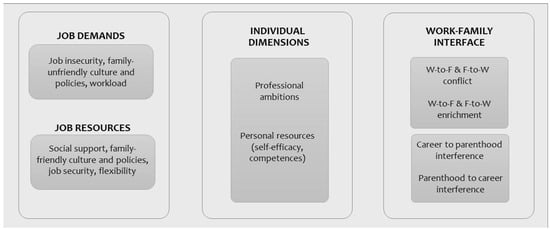
In recent decades, low birth rates, delayed parenthood, and a decline in the average number of children per couple have become prevalent issues, sparking growing scientific interest in understanding their causes. While cultural, social, and gender-related factors have been widely examined, work-related dimensions remain underexplored within work and organizational psychology. This qualitative study explores how individuals make sense of the interplay between perceived work-related factors (specifically, working conditions, organizational culture, the work-family interface, and career ambitions) and declared fertility intentions. Semi-structured interviews were conducted with 33 participants (22 women; 19 without children, 14 with one child; aged 24–45). A subtle realist positioning was adopted, and template analysis was employed to examine the data. The findings highlight how participants interpret multiple work-related dimensions as relevant to their fertility intentions, including high job demands, job insecurity, and family-unfriendly organizational cultures. Concerns about work-family conflict also emerged as central. At the personal level, career ambitions and self-efficacy were identified as key dimensions. Notably, the perception of career-parenthood interference is often associated with limited or postponed decisions about having children. This study contributes to a better understanding of the work-related dimensions that can contribute to shaping fertility intentions and offers practical recommendations for interventions.
Full article
(This article belongs to the Section Work, Employment and the Labor Market)
►▼
Show Figures

Figure 1
Open AccessArticle
Epistemic Trust in Generative AI as an Information Source: Development and Validation of the Trust in AI-Epistemic Scale (TAI-E)
by
László Balázs
Soc. Sci. 2026, 15(7), 433; https://doi.org/10.3390/socsci15070433 - 1 Jul 2026
Abstract
As generative AI increasingly mediates everyday information, users must judge not only whether a claim is true but whether the system conveying it is a legitimate source of belief. This article develops and validates the Trust in AI-Epistemic Scale (TAI-E), measuring epistemic trust
[...] Read more.
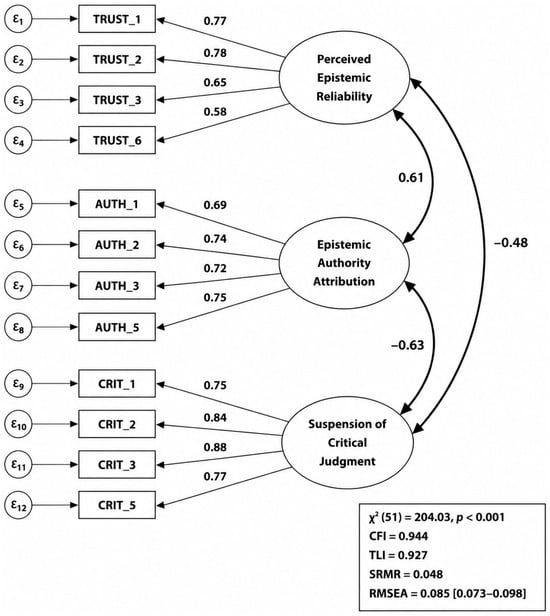
As generative AI increasingly mediates everyday information, users must judge not only whether a claim is true but whether the system conveying it is a legitimate source of belief. This article develops and validates the Trust in AI-Epistemic Scale (TAI-E), measuring epistemic trust in generative AI across three dimensions: attribution of epistemic authority, perceived epistemic reliability, and suspension of critical judgment. In a survey of part-time higher-education students (N = 412; ages 18–63), the three-factor structure was replicated across a calibration–validation split (CFI = 0.944; RMSEA = 0.085; subscale α = 0.84–0.87). Granting a system epistemic authority and suspending critical judgment toward it behaved as partly opposing stances, so the scale captures a configuration rather than a single trust score. Self-reported reflective processing accompanied higher authority and reliability attributions together with greater critical engagement. Most strikingly, self-reported reflectiveness barely tracked behavioural cognitive reflection (r = 0.14), and only the self-report predicted trust—suggesting it reflects epistemic self-image as much as reflective capacity. Relations among constructs are reported as construct-validity associations rather than causal effects. The TAI-E provides a psychometrically grounded tool for studying epistemic trust, AI literacy, and well-founded reliance on AI.
Full article
(This article belongs to the Special Issue Communication, Language, Education and Society in a Digital Age: Emerging Interdisciplinary Perspectives from DIFCON-CLESS 2026)
►▼
Show Figures

Figure 1
Open AccessArticle
Perceived Inequalities in Access to Healthcare in Hungary: A Population-Based Analysis by Socioeconomic and Demographic Factors
by
Anita Rusinné Fedor, György Jóna and Amr Sayed Ghanem
Soc. Sci. 2026, 15(7), 432; https://doi.org/10.3390/socsci15070432 - 1 Jul 2026
Abstract
This study examined perceived inequalities in access to healthcare in Hungary using data from the 2021 International Social Survey Programme Health and Health Care II module (ISSP; N = 1008). The aim was to identify sociodemographic, behavioral, health-related, and attitudinal factors associated with
[...] Read more.
This study examined perceived inequalities in access to healthcare in Hungary using data from the 2021 International Social Survey Programme Health and Health Care II module (ISSP; N = 1008). The aim was to identify sociodemographic, behavioral, health-related, and attitudinal factors associated with perceived healthcare-access disparities and expectations of receiving the best available treatment if seriously ill. Cross-sectional analyses were performed using chi-squared tests, Fisher’s exact tests, multivariable ordinal logistic regression, and binary logistic regression. In adjusted ordinal models, urban residence was associated with the rich–poor healthcare-access comparison (OR = 1.72, 95% CI: 1.04–2.83, p = 0.033), while daily fruit and vegetable consumption showed an inverse association in the same model (OR = 0.40, 95% CI: 0.22–0.75, p = 0.004). Neutral trust in doctors was associated with the citizens–non-citizens access comparison (OR = 1.86, 95% CI: 1.26–2.77, p = 0.002). Expectation of receiving This study examined perceived inequalities in access to healthcare in Hungary using data from the 2021 International Social Survey Programme Health and Health Care II module (ISSP; N = 1008). The aim was to identify sociodemographic, behavioral, health-related, and attitudinal factors associated with perceived healthcare-access disparities and expectations of receiving the best available treatment if seriously ill. Cross-sectional analyses were performed using chi-squared tests, Fisher’s exact tests, multivariable ordinal logistic regression, and binary logistic regression. In adjusted ordinal models, urban residence was associated with the rich–poor healthcare-access comparison (OR = 1.72, 95% CI: 1.04–2.83, p = 0.033), while daily fruit and vegetable consumption showed an inverse association in the same model (OR = 0.40, 95% CI: 0.22–0.75, p = 0.004). Neutral trust in doctors was associated with the citizens–non-citizens access comparison (OR = 1.86, 95% CI: 1.26–2.77, p = 0.002). Expectation of receiving the best available treatment was positively associated with secondary education compared with primary education (OR = 2.47, 95% CI: 1.44–4.24, p = 0.001) and daily fruit and vegetable consumption (OR = 2.18, 95% CI: 1.10–4.31, p = 0.025), and negatively associated with low confidence in the healthcare system (OR = 0.11, 95% CI: 0.04–0.27, p < 0.001) and disagreement that doctors can be trusted (OR = 0.17, 95% CI: 0.04–0.66, p = 0.010). These findings suggest that perceived healthcare-access inequalities in Hungary are shaped not only by structural socioeconomic position but also by institutional trust and health-related behaviors.
Full article
(This article belongs to the Special Issue Population Studies and Human Health Inequalities from a Socio-Demographic Perspective)
Open AccessArticle
Co-Creating Authentic VR Stories with Young Adults with Disabilities: Why Does This Matter in Transformative Research?
by
Nicole McKillop, Lisa Stafford, Samantha Abbato, Isaac Tye and Ana Pike
Soc. Sci. 2026, 15(7), 431; https://doi.org/10.3390/socsci15070431 - 30 Jun 2026
Abstract
Background: The use of creative methods, including immersive digital media such as virtual reality (VR), has grown in popularity over the past decade. At the same time, the power of co-creation within transformative research has also strengthened. Together, co-creation and digital immersive methods
[...] Read more.
Background: The use of creative methods, including immersive digital media such as virtual reality (VR), has grown in popularity over the past decade. At the same time, the power of co-creation within transformative research has also strengthened. Together, co-creation and digital immersive methods offer the potential for the intended audience, including decision-makers, to deeply engage with the information communicated through focused immersion in people’s stories and familiar local settings. Method/Reflections: In this article, the process of co-creation through a digital VR storytelling approach is discussed and reflected upon from the perspectives of co-creators from regional cities and towns across Australia. Our team included three young adults with disabilities, an academic researcher with a disability, and an independent researcher. This includes 1. presenting an overview of co-creation itself as both an ethos and method; 2. describing our experiences of co-creation using online storyboarding and script-writing workshops to portray the reality of local community experiences, and re-imagining what an inclusive community would look like; 3. reflecting on our completed stories made into VR short films and their potential to impact decision-making to improve urban and regional planning and design; and 4. discussing reflections and insights into the challenges, benefits, and key considerations for applying co-creation and VR storytelling in research and public planning engagement.
Full article
(This article belongs to the Special Issue Planning Inclusive Communities: Applying Transformative Research Methods)
Open AccessArticle
Why the EU’s Technosolutionist Focus on AI and Media ‘Literacy’ Empowers Big Tech: Centering Structural Approaches to Counter the Undemocratic Political Economy of Surveillance Capitalism
by
Alvaro Oleart and Alejandro Flores Moleón
Soc. Sci. 2026, 15(7), 430; https://doi.org/10.3390/socsci15070430 - 29 Jun 2026
Abstract
The emergence of digital technologies during the last two decades has placed strain on democracies globally. From disinformation to artificial intelligence (AI), policy-makers have struggled to address the authoritarian and anti-democratic tendencies that Big Tech companies have been pushing. A dominant response from
[...] Read more.
The emergence of digital technologies during the last two decades has placed strain on democracies globally. From disinformation to artificial intelligence (AI), policy-makers have struggled to address the authoritarian and anti-democratic tendencies that Big Tech companies have been pushing. A dominant response from European Union (EU) policy-makers has been to promote ‘literacy’: media literacy to address disinformation, and ‘AI literacy’ to foster constructive uses of AI. We ask: what does it mean for the EU to use media literacy and AI literacy as a response to disinformation and the risks of AI? More broadly, what kind of policy and model of democracy is being constructed when the EU suggests that the solution to disinformation and AI depends on citizens becoming more “literate”? We empirically examine the usage of ‘literacy’ in EU policy documents in the context of disinformation and AI, and argue that it shifts responsibility from platforms to individual citizens. In doing so, it moves attention away from a structural approach into the political economy of Big Tech companies, hence empowering them and their ‘surveillance capitalist’ business model. This article argues instead that literacy needs to be rethought beyond individual skills, as a way of making visible the structural and infrastructural power of privately owned digital systems shaping contemporary public spheres. Therefore, reclaiming democracy requires moving beyond individual adaptation, and instead towards addressing the underlying systemic structures of Big Tech power.
Full article
(This article belongs to the Special Issue Journalism, Disinformation, and Artificial Intelligence: Ethical, Political, and Social Challenges)
Open AccessArticle
“I Was Everything What I Never Wanted to Be”—Exploring Moral Injury Within Forensic Healthcare Settings
by
Fiona Sweeney, Rahmanara Chowdhury, Iram Shah and Belinda Winder
Soc. Sci. 2026, 15(7), 429; https://doi.org/10.3390/socsci15070429 - 29 Jun 2026
Abstract
►▼
Show Figures
Moral injury has been gaining increasing prominence as a means of understanding psychological suffering in response to moral transgressions. Despite repeated evidence of exposure to moral transgressions among those detained in forensic services, moral injury as a construct within this population has not
[...] Read more.
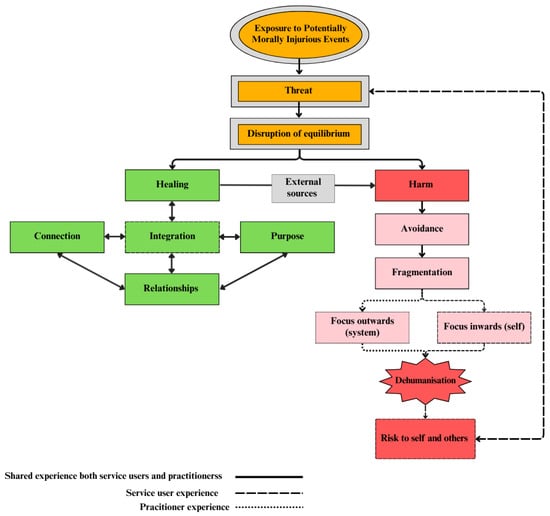
Moral injury has been gaining increasing prominence as a means of understanding psychological suffering in response to moral transgressions. Despite repeated evidence of exposure to moral transgressions among those detained in forensic services, moral injury as a construct within this population has not been widely explored. This research aimed to explore the lived experience of moral injury in service users detained in a forensic healthcare setting. Interviews with six service users and eight practitioners were conducted. Three themes were identified using multi-perspective interpretive phenomenological analysis: the mutuality of moral injury, pathways to harm, and a road to healing. Findings identified a complex trajectory towards moral injury, which significantly affected service users’ cognitive and emotional processes. Results also highlighted the impact of moral injury on risk to self and others. Implications for practice and policy are considered. These include: the need for wider recognition of moral injury and its effects within formulations and assessments, collective responsibility to reduce feelings of shame, and greater opportunities to seek forgiveness and generate a sense of purpose.
Full article

Figure 1
Open AccessArticle
Exploring Ethnicity and Gender Bias in TED Talks: A Study of Audience Online Reactions
by
Meriem El-Yamri, Miguel Ángel Violán and Borja Manero
Soc. Sci. 2026, 15(7), 428; https://doi.org/10.3390/socsci15070428 - 29 Jun 2026
Abstract
►▼
Show Figures
Audience reactions to oral communication are shaped by both communicative practices and broader social contexts. While elements such as message content, delivery style, and vocal expression can be developed through training, other factors—such as gender and ethnicity—reflect social identities that are often associated
[...] Read more.
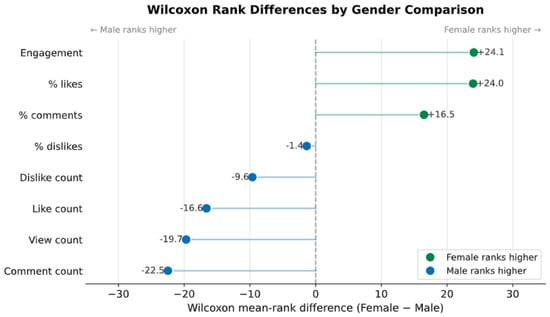
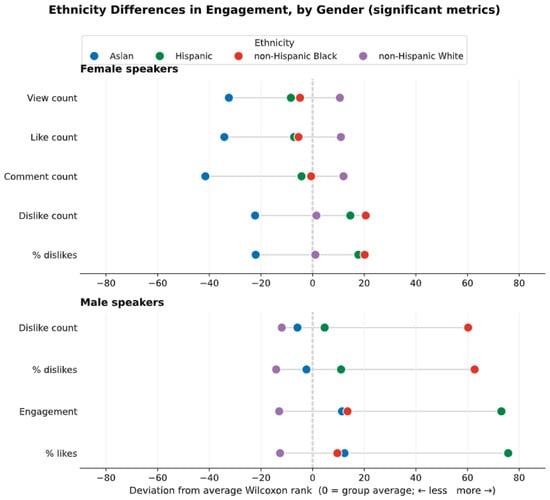
Audience reactions to oral communication are shaped by both communicative practices and broader social contexts. While elements such as message content, delivery style, and vocal expression can be developed through training, other factors—such as gender and ethnicity—reflect social identities that are often associated with how speakers are perceived and evaluated. This study examines how these contextual attributes are associated with audience engagement in digital public speaking environments. Drawing on an initial dataset of 977 TEDx talks, resulting in two high-confidence subsamples of 610 speakers for gender and 387 for ethnicity, curated through a combination of computational methods with a communication perspective. We analyzed the relationship between the two factors with engagement indicators—including likes, dislikes and interaction rates. The analysis explores whether patterns of audience response differ across demographic groups and at the intersection of gender and ethnicity. The findings reveal that neither gender nor ethnicity, considered on its own, was significantly associated with audience engagement; differences emerged only at the intersection of the two. Specifically, non-Hispanic Black speakers were associated with higher levels of negative feedback in both genders, Hispanic male speakers received more positive engagement than other male speakers, and Asian female speakers showed lower interaction levels—fewer views, likes, and comments—than non-Hispanic White female speakers. These patterns suggest that disparities in how audiences respond to speakers’ social identities in mediated contexts are intersectional, becoming visible only when gender and ethnicity are considered jointly. By providing empirical evidence from a diverse digital corpus, this study contributes to ongoing debates on digital inequalities, representation, and participation in contemporary media environments, highlighting the importance of considering social context in analyses of audience behavior.
Full article

Figure 1
Open AccessArticle
Housing Fragility: Wealth Position, Portfolio Composition, and Education Among Homeowners
by
Lisa A. Keister
Soc. Sci. 2026, 15(7), 427; https://doi.org/10.3390/socsci15070427 - 29 Jun 2026
Abstract
Homeownership is considered an important indicator of financial stability, but the economic security it provides varies substantially across households. In this paper, I examine housing fragility among U.S. homeowners and ask how vulnerability to housing- and credit-market disruptions is organized across wealth position,
[...] Read more.
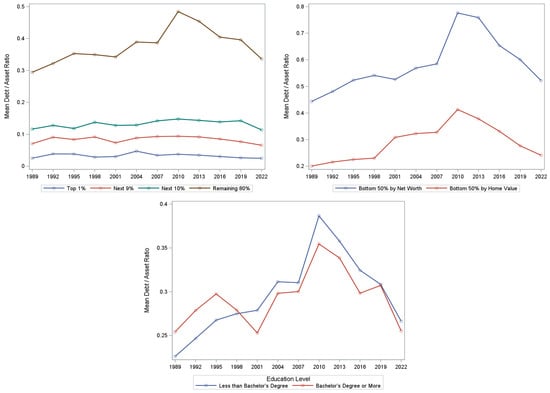
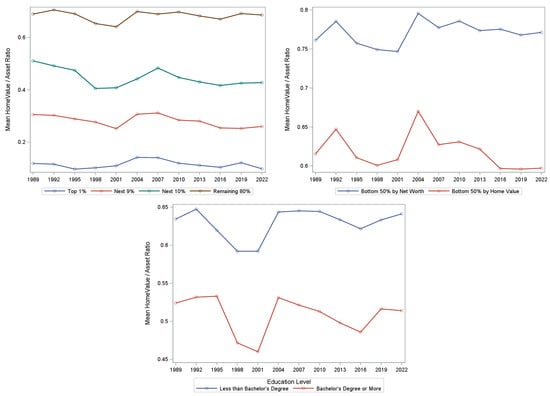
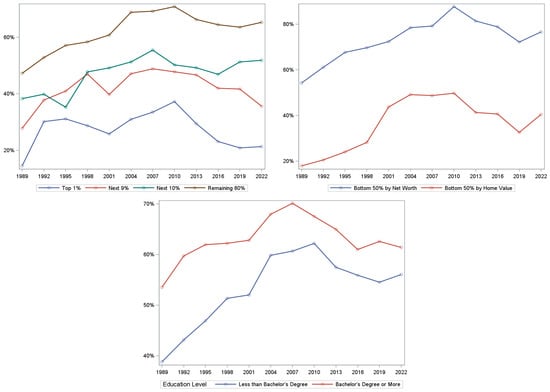
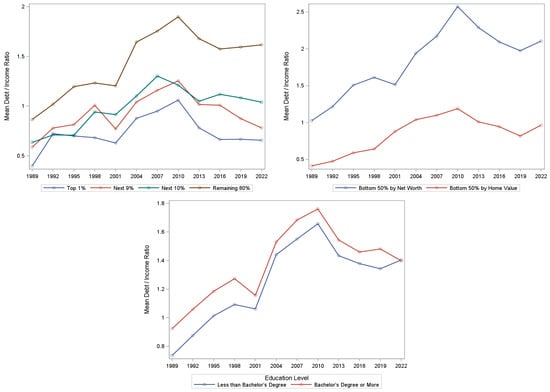
Homeownership is considered an important indicator of financial stability, but the economic security it provides varies substantially across households. In this paper, I examine housing fragility among U.S. homeowners and ask how vulnerability to housing- and credit-market disruptions is organized across wealth position, portfolio composition, and educational attainment. Drawing on perspectives emphasizing financialization and action under uncertainty, I conceptualize housing fragility as a multidimensional condition rooted in the organization of household balance sheets and in unequal capacities to navigate financial institutions and market risk. Using pooled cross-sectional data from the 1989–2022 Survey of Consumer Finances, I analyze six indicators capturing leverage, repayment strain, portfolio concentration, and housing cost burdens among homeowners. Findings show that housing fragility is systematically stratified across the wealth distribution, with lower-wealth homeowners consistently exhibiting higher leverage, greater repayment burdens, and more severe housing cost strain. Fragility is also more strongly associated with overall net worth than with housing values alone, indicating that broader balance-sheet resources shape households’ capacity to sustain ownership under changing market conditions. In addition, less-educated homeowners experience persistently higher levels of fragility, particularly in measures tied to repayment obligations and ongoing financial strain. The findings show that homeownership amplifies existing wealth inequalities by exposing lower-wealth households to disproportionate financial risk embedded in contemporary housing and credit markets.
Full article
(This article belongs to the Section Social Stratification and Inequality)
►▼
Show Figures

Figure 1
Open AccessArticle
Digital Leadership as a Networked Social Process: Evidence from Twitter (X) Leadership Communities
by
HaeJung Maria Kim, Sua Jeon and Christy Crutsinger
Soc. Sci. 2026, 15(7), 426; https://doi.org/10.3390/socsci15070426 - 28 Jun 2026
Abstract
►▼
Show Figures
This study investigates digital leadership as a networked social process by analyzing how influential actors operating across professional and institutional domains construct leadership discourse and draw on transformational leadership (TFL) principles within Twitter (X) networks, with particular attention to the skill-transfer gaps that
[...] Read more.
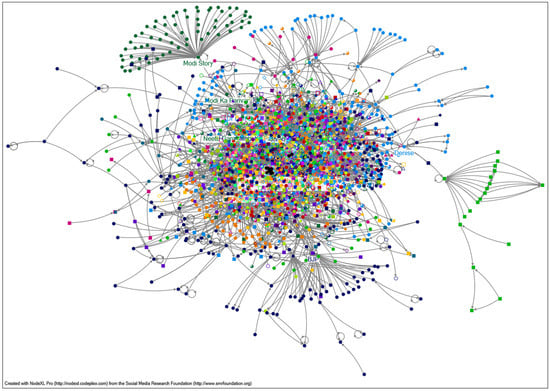
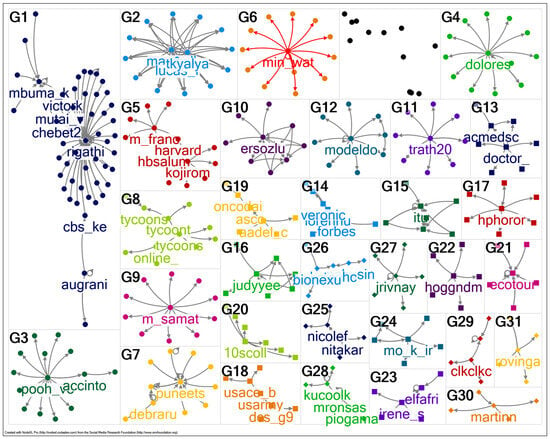
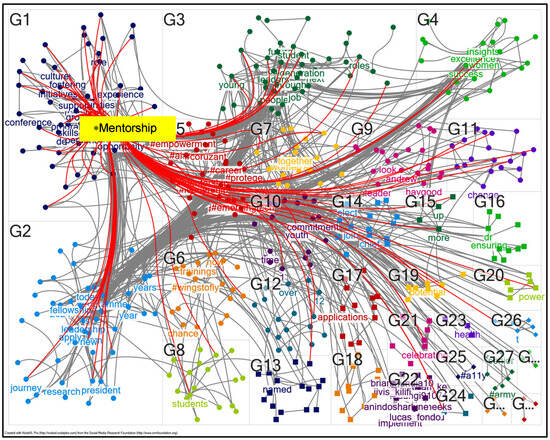
This study investigates digital leadership as a networked social process by analyzing how influential actors operating across professional and institutional domains construct leadership discourse and draw on transformational leadership (TFL) principles within Twitter (X) networks, with particular attention to the skill-transfer gaps that persist between formal academic preparation and workforce demands. Social Network Analysis (SNA) using the NodeXL program was used to examine the relational structure of that discourse across a dataset of 1186 Twitter accounts and 1362 relational ties. The analysis identified 27 prominent actors operating within a distinct community cluster whose discourse spanned politics, health, technology, media, and education, with thematically diverse but uneven engagement with leadership topics. Combining semantic cluster analyses, inductive thematic mapping, and a supplementary exploratory factor analysis (EFA), the study finds that the four TFL principles (individualized consideration, intellectual stimulation, inspirational motivation, and idealized influence) are unevenly represented in this discourse. The EFA condensed the co-occurrence structure into three platform-shaped factors, with the strongest support for individualized consideration and no coherent factor for idealized influence, indicating partial rather than comprehensive alignment with the four-dimensional TFL model. The findings position digital leadership as a relational and iterative social process, sustained through repeated interactions, endorsements, and positional recognition within platform-based publics that extend across academic, industry, and socio-political boundaries. The study highlights social media as a networked yet uneven environment for leadership development and the broader social negotiation of skill-transfer challenges across digital professional contexts.
Full article
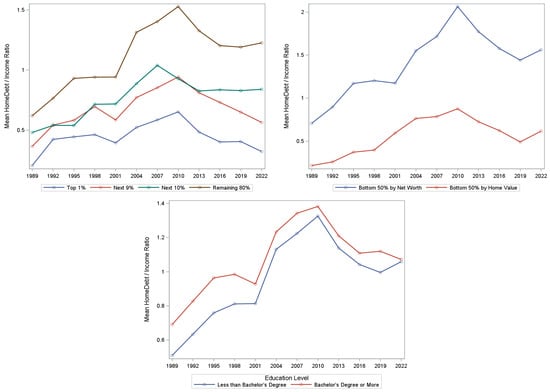
Figure 1
Open AccessArticle
Ethics as Situated Practice: Ethical Conflicts and Structural Tensions in Occupational Therapy Practice in Spain
by
Daniel Emeric-Méaulle, Pablo A. Cantero-Garlito and Ana A. Laborda-Soriano
Soc. Sci. 2026, 15(7), 425; https://doi.org/10.3390/socsci15070425 - 26 Jun 2026
Abstract
►▼
Show Figures
Ethical conflicts are an inherent—yet often invisible—dimension of occupational therapy practice. Most available evidence remains qualitative or conceptual, and the empirical articulation of ethical conflicts in Spain is still limited. This study examines the nature, distribution, co-occurrence patterns, and meanings of ethical conflicts
[...] Read more.
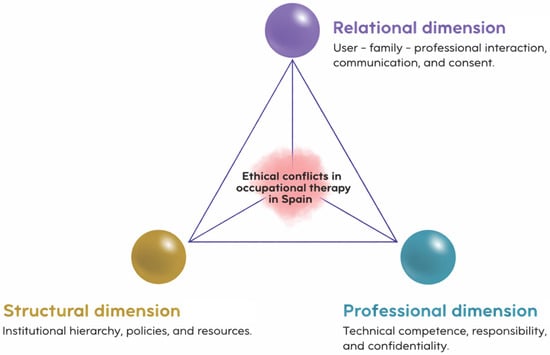
Ethical conflicts are an inherent—yet often invisible—dimension of occupational therapy practice. Most available evidence remains qualitative or conceptual, and the empirical articulation of ethical conflicts in Spain is still limited. This study examines the nature, distribution, co-occurrence patterns, and meanings of ethical conflicts reported by occupational therapists in Spain. A concurrent convergent mixed-methods design was used. From a broader national sample of 596 valid responses, the analytical sample consisted of 160 practitioners (84.4% women, reflecting the gender composition of the profession in Spain) who reported having experienced ethical conflicts and provided open-text information. Data were collected via an online questionnaire combining closed items and open-ended narratives. Quantitative analyses included descriptive statistics and Jaccard-based co-occurrence estimates derived from a non-mutually exclusive thematic coding matrix. Narratives were analyzed inductively with a descriptive phenomenological orientation (Giorgi), using thematic procedures as an analytic scaffold (Braun and Clarke). Findings were integrated through joint displays and meta-inference. The most frequently selected primary conflict categories concerned professional competence and practice (19.4%), relationships with family members/caregivers (14.4%), and the user–therapist relationship (12.5%). Co-occurrence analysis indicated that conflicts rarely occurred in isolation and tended to cluster across relational, structural, and professional domains. Integration of quantitative patterns and narrative meanings supported a preliminary interpretive three-dimensional framework (relational, structural, professional) for understanding ethical tensions in practice. Across narratives, participants described experiences interpreted as consistent with moral distress, economic and workload pressures, limited professional recognition, and normative gaps. Ethical conflicts in occupational therapy practice in Spain are best understood as recurrent, situated tensions shaped by relational dynamics and organizational conditions, rather than isolated dilemmas. Supporting moral agency requires organizational supports, spaces for collective ethical deliberation, and context-sensitive ethics education.
Full article
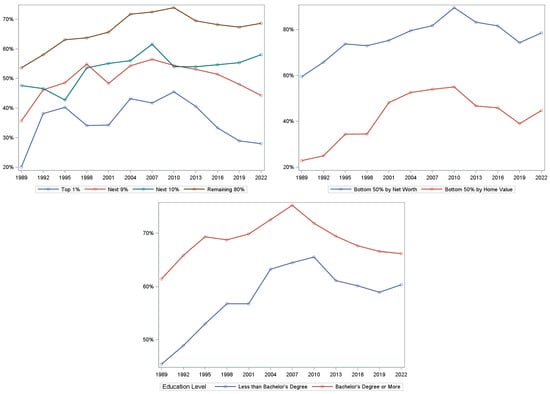
Figure 1
Journal Menu
► ▼ Journal Menu-
- Social Sciences Home
- Aims & Scope
- Editorial Board
- Reviewer Board
- Topical Advisory Panel
- Instructions for Authors
- Special Issues
- Topics
- Sections & Collections
- Article Processing Charge
- Indexing & Archiving
- Editor’s Choice Articles
- Most Cited & Viewed
- Journal Statistics
- Journal History
- Journal Awards
- Conferences
- Editorial Office
Journal Browser
► ▼ Journal BrowserHighly Accessed Articles
Latest Books
E-Mail Alert
News
Topics
Topic in
Behavioral Sciences, Healthcare, Psychiatry International, Adolescents, Social Sciences, Children
Behavioral Addictions and Risk-Taking in the Digital Age: Gambling, Sports Betting, and Emerging Challenges
Topic Editors: André Luiz Monezi Andrade, Denise De MicheliDeadline: 31 August 2026
Topic in
AI, Nutrients, Social Sciences, Behavioral Sciences, Future Internet
The Synthetic Society: Processes and Products
Topic Editors: Francesco La Barbera, Roberta RiversoDeadline: 30 September 2026
Topic in
Economies, Energies, Social Sciences, Sustainability
Energy Transition: Balancing Economic, Political, and Social Realities
Topic Editors: Kentaka Aruga, Raymond Li, Honorata Nyga-ŁukaszewskaDeadline: 16 November 2026
Topic in
Behavioral Sciences, Education Sciences, EJIHPE, Social Sciences, Sustainability
Well-Being and Coping Strategies in Educational Psychology
Topic Editors: Francisco Manuel Morales Rodríguez, Juan Pedro Martínez-RamónDeadline: 30 November 2026
Conferences
Special Issues
Special Issue in
Social Sciences
Social Work Education in the Context of Globalization: Perceptions, Challenges and Innovations
Guest Editor: Denise MacDermottDeadline: 31 July 2026
Special Issue in
Social Sciences
Parenthood in the Contemporary Foster Care System
Guest Editor: Lieselot De WildeDeadline: 31 July 2026
Special Issue in
Social Sciences
Sexual Violence in the Media: Exploring the Role of Journalism in Reflecting, Mediating and (de)Constructing Perceptions and Imageries of Sexual Violence
Guest Editors: Sofia José Santos, Júlia GarraioDeadline: 31 July 2026
Special Issue in
Social Sciences
Emerging Trends in Family and Marriage Behaviors and Values
Guest Editor: Xiaoling ShuDeadline: 31 July 2026
Topical Collections
Topical Collection in
Social Sciences
Justice in Sexual and Reproductive Health: An Intersectional Approach
Collection Editors: Violeta Alarcão, Sónia Cardoso Pintassilgo, Pedro Candeias
Topical Collection in
Social Sciences
Human Face of the COVID-19 Pandemic: Implications for Social Policy
Collection Editors: Christian Aspalter, Johnston Wong
Topical Collection in
Social Sciences
Tackling Organized Crime and Human Trafficking
Collection Editor: James O. Finckenauer
Topical Collection in
Social Sciences
Imposed Identities—What Damage Do They Cause?
Collection Editors: Belinda Winder, Rahmanara Chowdhury, Blerina Kellezi, Iram Shah, Beth Jones