


Abstract
School counselors working in preschool special education institutions undertake multidimensional responsibilities involving support for children with developmental disabilities, family guidance, interdisciplinary collaboration, and participation in individualized education program (IEP) processes. Despite the complexity of these responsibilities, limited research has specifically examined the professional development needs of counselors employed in early childhood special education settings. This study aimed to determine the professional development needs of school counselors working in preschool special education institutions and to explore the professional challenges they experience in practice. The study was conducted using a qualitative research design. Participants consisted of 19 school counselors working in preschool special education institutions across different regions of Türkiye. Data were collected through semi-structured interviews and analyzed using thematic analysis. The findings indicated that school counselors experienced substantial professional development needs related to autism spectrum disorder, behavioral intervention strategies, family counseling, crisis intervention, interdisciplinary teamwork, assessment procedures, and individualized education planning. School counselors also emphasized inadequacies in preservice education and reported a strong need for applied, field-specific in-service training opportunities. Furthermore, role ambiguity, institutional limitations, and insufficient supervision emerged as significant factors negatively influencing professional competence perceptions. The findings suggest that counselor education curricula and professional development policies should be restructured to address the unique demands of preschool special education settings more effectively. This study contributes to the literature by highlighting the necessity of specialized professional preparation for school counselors supporting young children with special needs and their families.
1. Introduction
It is well established that the psychological counseling and guidance services implemented in schools providing special education during the preschool period differ significantly from practices carried out at other levels of formal education. In this context, working with a child in early childhood who has developmental disabilities or is considered at risk may evolve into a form of traumatic crisis management that also encompasses the family’s adaptation process (Ar et al. 2022; Seligman and Darling 2007). While early childhood represents a critically important stage for child development (Turhan and Özbay 2016; Akdağ 2015), it can also be regarded as a particularly significant period for school counselors (guidance counselors) in terms of supporting family systems in regaining balance and adapting to having a child with special needs. In this regard, school counselors working in special education preschools serve as a bridge that helps families—who often experience fluctuating emotions such as shock, denial, anger, depression, and acceptance following medical diagnosis—confront reality and gain access to early intervention and educational opportunities as soon as possible (Güler 2021).
School counselors (also referred to as guidance counselors in Türkiye) are professionals responsible for delivering developmental, preventive, remedial, and consultative psychological services aimed at supporting students’ academic, social, emotional, and career development. According to the Turkish Ministry of National Education (Ministry of National Education 2020), school counselors participate in assessment procedures, contribute to Individualized Education Program (IEP) processes, provide counseling and consultation services to families and teachers, and facilitate collaboration among educational and health professionals. In preschool special education settings, these responsibilities become more complex because counselors support young children with developmental disabilities and their families during critical periods of adaptation, diagnosis, and intervention.
In accordance with national regulations, school counselors/guidance counselors in special education preschools participate in the development processes of Individualized Education Programs (IEPs), conduct parent-oriented informational activities, and take an active role in planning interventions that support the development of children with special needs (Ministry of National Education 2020, 2021). In addition, school counselors work across different school settings and with various age groups, including special education preschools; therefore, they are expected to adapt their knowledge and skills effectively to the characteristics and needs of the populations they serve (Nurkan et al. 2023). Nevertheless, psychological counseling and guidance services provided to individuals with special needs may, in some cases, require in-depth knowledge and specialized expertise regarding these individuals’ developmental characteristics and unique needs (Şahin and Sarı 2025). Particularly in special education preschools, educational and support services are implemented through the collaboration of special education teachers, preschool teachers, administrators, school counselors, and various support personnel (Ministry of National Education 2021). Within this multi-stakeholder structure, school counselors’ perceptions of professional competence are considered a critical factor influencing both the quality of the services provided and the overall effectiveness of the process (Nurkan et al. 2023)
Within the framework of the Regulation on Guidance and Psychological Counseling Services, the roles of school counselors encompass a multidimensional structure that includes student-centered developmental, preventive, and remedial interventions as well as support services (Ministry of National Education 2020). In fact, international standards emphasize that school counselors should assume dynamic and inclusive roles that involve advocacy for individuals with special needs and the promotion of collaboration among families and other stakeholders (American School Counselor Association 2022; Johnson et al. 2020). Accordingly, school counselors and guidance teachers working in these institutions are expected not only to possess the professional competencies acquired through their formal training, but also to demonstrate a strong command of special education terminology and the psychology of disabilities (Bayar and Doğan 2021; Sola-Özgüç and Altın 2021). Practicing school counselors have reported experiencing deficiencies in their knowledge, particularly regarding Individualized Education Programs (IEPs) and the vocational guidance of students with special needs, and have emphasized the need for more practice-oriented professional training opportunities (Acar 2021). Moreover, within the context of special education services in Türkiye, there appears to be considerable ambiguity regarding the exact roles and professional boundaries of school counselors (Sola-Özgüç and Altın 2021; Cimsir and Hunt 2018). While these professional uncertainties and knowledge gaps are important concerns from the educators’ perspective, the psychological needs of families—who constitute another essential dimension of special education—are also closely associated with the developmental outcomes of children with special needs.
For parents to take an active role in their children’s educational processes, they must maintain physical, emotional, and psychological well-being (Vural Yüzbaşı 2019). Therefore, supporting parents’ psychological well-being emerges as another essential component of the educational process. Psychological well-being refers to a multidimensional construct encompassing individuals’ overall happiness, life satisfaction, and mental-emotional health, while also reflecting the ability to maintain harmony among mind, body, and spirit in pursuit of a meaningful life (Dhanabhakyam and Sarath 2023; Ryff 1989). Studies on this topic have demonstrated that mothers of children with Autism Spectrum Disorder (ASD) tend to report lower levels of psychological well-being (Cox et al. 2015). Similarly, Eser Ektaş (2017) found that psychological well-being among mothers of children diagnosed with ASD was strengthened through the ability to organize daily life, access psychological support, and indirectly benefit from available support resources. In a similar vein, Bora and Özkardeş (2021) reported that psychological well-being among parents of children with ASD and Down syndrome was positively associated with perceived social support.
Accordingly, enhancing parents’ psychological well-being within the framework of school–counselor–family collaboration is of critical importance in terms of providing families with appropriate support resources and increasing their access to social support networks (Özdoğru 2021). In addition, psychological support services offered to parents should be planned in ways that ensure accessibility and diversity of support options (Turan et al. 2023). Therefore, within special education preschools—which constitute the first and most critical stage of special education services—school counselors and guidance teachers occupy a pivotal role in the process of empowering families.
When studies focusing specifically on school counselors and guidance teachers working in special education preschools are examined, it becomes evident that the body of research in this area remains limited (Gönen et al. 2024). Existing studies have largely addressed issues within the scope of special education guidance services (Karataş and Taymaz-Sarı 2024; Sargın and Hamurcu 2010; Sola-Özgüç and Altın 2021) or inclusive education practices (Akalın 2014; Demirbilek and Levent 2020; Koçyiğit 2015). Similarly, the literature indicates that the challenges experienced by different professional groups—such as special education teachers, preschool teachers, and school counselors—are often not clearly differentiated, thereby highlighting the need for more role-specific research and professional training opportunities (Gönen et al. 2024; İnce 2025; Karataş and Taymaz-Sarı 2024; Nurkan et al. 2023; Özdoğru 2021; Sola-Özgüç and Altın 2021). Furthermore, despite the coursework received during undergraduate education, school counselors have been reported to experience knowledge deficiencies in the field of special education (Bayar and Doğan 2021; Sola-Özgüç and Altın 2021). The literature suggests that these inadequacies contribute to insufficient professional preparation and intensify the challenges encountered in practice (Deniz 2016; Derin Kılıç and Er 2021; Sargın and Hamurcu 2010; Tuzgöl-Dost and Keklik 2012). Although self-efficacy perceptions may improve with professional experience (Aksoy and Diken 2009), the persistence of knowledge gaps and professional difficulties necessitates the development of professional development programs that eliminate geographical barriers and provide access to both practical and theoretical knowledge in a timely and effective manner.
Previous studies have highlighted that school counselors’ effectiveness in supporting families is influenced not only by individual competencies but also by institutional, systemic, and interagency factors. Role ambiguity, inadequate collaboration between schools and health services, limited family engagement, and insufficient organizational support have been identified as barriers affecting service delivery (Cimsir and Hunt 2018; Nurkan et al. 2023; Sola-Özgüç and Altın 2021). However, these factors have rarely been examined specifically within preschool special education settings. Understanding these contextual influences is essential for explaining how counselors support families and for identifying barriers that may limit the effectiveness of counseling services.
Based on these fundamental needs, the present study pursued four objectives: (a) to examine school counselors’ perspectives on the challenges experienced by parents of children with special needs; (b) to explore the approaches employed by school counselors in supporting these parents; (c) to identify the institutional and contextual factors that influence the delivery of counseling services; and (d) to determine school counselors’ professional development needs related to promoting parents’ psychological well-being. In line with these objectives, the study seeks to answer the following research questions regarding school counselors’ views:
- What are school counselors’ views regarding the problems experienced by parents of students with special needs?
- What are school counselors’ approaches toward parents of students with special needs?
- What factors influence the services provided by school counselors to parents of students with special needs?
- What are school counselors’ professional development needs in supporting the psychological well-being of parents of students with special needs?
2. Method
The study employed a qualitative descriptive design (Sandelowski 2000, 2010). Unlike phenomenology, which seeks to understand the essence of lived experience, qualitative descriptive research aims to provide a comprehensive summary of events and experiences using language that remains close to school counselors’ own expressions. Because the purpose of this study was to describe school counselors’ experiences and professional needs rather than develop a theory or uncover the essence of a phenomenon, a qualitative descriptive approach was considered most appropriate.
Participants
During the 2024–2025 academic year, special education preschool services in Türkiye were provided through public institutions affiliated with the Ministry of National Education and distributed across different provinces. Participants in this study were recruited from schools located in various regions of the country. Although qualitative research does not seek statistical representativeness, the inclusion of counselors from diverse institutional settings and varying professional experiences aimed to maximize variation and provide rich descriptions of the phenomenon. The participants of the study consisted of 19 school counselors/guidance counselors working in special education preschools in Türkiye. A homogeneous purposive sampling strategy was employed. This method enabled participants who shared similar professional environments and experiences to come together during the focus group interviews and contributed to the richness and quality of the data by increasing participant interaction (Patton 2014). Participants were recruited through criterion-based convenience procedures. Inclusion criteria required participants to (a) work in preschool special education institutions and (b) have experience providing support to parents of children with special needs. Participants were contacted via telephone and e-mail, informed about the study, and invited to participate on a voluntary basis. During the research process, two participants withdrew from the study due to time constraints and personal reasons; therefore, new participants were recruited through the same procedures. Prior to the study, no hierarchical, professional, or personal relationship existed between the researchers and the participants. Before the interviews, participants were provided with detailed information regarding the purpose and procedures of the study, and the researchers’ academic backgrounds as well as the study’s aim of supporting the professional development of school counselors were clearly explained. Demographic characteristics of participants are presented in Table 1.
Table 1.
Demographic Characteristics of the School Counselors Participating in the Focus Group Interviews.
Of the participants, 12 were female and 7 were male. Their professional seniority and experience in supporting parents ranged from 1 to 29 years, while their experience working with children with special needs ranged from 6 months to 6 years. Among the participants, 15 held bachelor’s degrees, 3 held master’s degrees, and 1 held a doctoral degree. Sixteen participants graduated from Guidance and Psychological Counseling programs, two from Psychology, and one from Philosophy. Additionally, 11 of the school counselors had received training related to providing psychological support to parents (see Table 1).
3. Data Collection Procedure
Data were collected through focus group interviews, which enable groups of 6 to 10 participants to share their experiences and/or views on a particular topic within a social context under the guidance of a moderator (Patton 2014). Since the participants included in the study group were working in different regions of the country, the interviews were conducted online, synchronously using Zoom®), (Version: 7.0.5), a secure online video conferencing platform widely used for educational and research purposes. Password-protected meetings and waiting-room functions were used to ensure privacy and confidentiality, and the size of the groups was limited to 4–6 participants. Although there are varying perspectives regarding the ideal number of participants in focus groups, it has been emphasized that smaller group sizes in online interviews enhance the quality of interaction and ensure that participants are provided with sufficient opportunities to speak. Conversely, groups exceeding six participants may create challenges such as increased time requirements and the need for greater moderator intervention (de Souza et al. 2024). In addition, to manage potential technical or procedural issues during online meetings and to ensure the effective implementation of the interview process, both a moderator and an assistant moderator were present during the sessions. No individuals other than the participants and the researchers were present during the interviews.
A semi-structured interview form developed based on the literature review and expert opinions was used during the interviews. The form was structured around themes such as the experiences of school counselors working in special education preschools with parents, the support strategies they employ, the challenges they encounter, and their professional development needs. The focus group interviews were conducted under the supervision of a researcher working in the field of educational sciences with expertise in qualitative research, together with three researchers who had between five and six years of experience in the field of special education. In order to ensure that the interviews were conducted in a standardized and consistent manner, a detailed guideline was prepared outlining the roles of the moderator and assistant moderator, time management procedures, strategies for facilitating participant interaction, and methods for addressing potential challenges. The guideline also included procedures to be followed before, during, and after the interviews; ensuring equal speaking opportunities for all participants; requiring participants’ names to be visible during online meetings; the use of checklists; note-taking procedures; and precautions for potential technical difficulties. The first interview was conducted as a pilot study and subsequently evaluated by the research team. Written notes were prepared regarding issues identified during the pilot interview, including time management, clarity of the interview questions, balancing participant interaction, and distribution of speaking opportunities. Following consultation with a field expert, the interview questions were finalized. In addition, moderator intervention strategies and the time-management protocol were reviewed in order to improve the effectiveness of subsequent interviews.
Prior to the interviews, participants were sent an online demographic information form and informed consent was obtained. To determine participants’ availability, surveys were distributed via WhatsApp, and multiple scheduling options were offered in consideration of their working conditions. After a total of four focus group interviews, the data collection process was concluded when participant experiences began to recur, the identified challenges and professional needs became evident, and data saturation was achieved.
Participants were assigned to interview sessions that best matched their individual schedules. All interviews were conducted via online video conferencing and lasted a total of 291 min. With participants’ written and verbal consent, all interviews were audio- and video-recorded. During the interviews, the moderator and assistant moderator took field notes regarding the implementation of the process. These notes were archived together with the researchers’ reflective journals in the session folders. The audio recordings of the interviews were transcribed by the moderator, and the accuracy of the transcripts was checked by the assistant moderator. To enhance trustworthiness, the research team engaged in prolonged discussions, maintained an audit trail, and conducted consensus meetings with a subject-area expert. Because of the interactive and collective nature of focus group interviews, participant transcript review was not implemented, and interpretations were instead verified through researcher triangulation and consensus procedures.
4. Data Analysis
The data analysis process was conducted in accordance with the principles of the qualitative descriptive research design, prioritizing the presentation of participants’ experiences as directly and accurately as possible while avoiding excessive interpretation (Sandelowski 2000). The data were analyzed using MAXQDA 2022 (version 2022), developed by VERBI Software GmbH, Berlin, Germany and followed Saldaña’s (2021) two-cycle coding approach. During the coding process, the researcher who coordinated the interview procedures independently coded the data, after which the accuracy and appropriateness of the codes were reviewed collaboratively with the researchers who conducted the interviews. Upon completion of the data analysis, two rounds of consensus meetings were held with a researcher who was an expert in the field of Guidance and Psychological Counseling in order to reach agreement on the codes and categories. An example illustrating the revisions made as a result of the consensus meetings is presented in Table 2.
Table 2.
Example of Consensus in the Data Analysis Process.
In the first cycle of the data analysis process, coding focused on participants’ experiences expressed in their own words, as well as their views regarding the problems experienced by parents and the needs they identified. During the second cycle of coding, an inductive approach was adopted; the codes derived from participant statements were grouped according to their semantic relationships, leading to the formation of categories. After the completion of the second coding cycle, the categories were organized under themes aligned with the research questions. An example illustrating the progression from raw data to themes is presented in Table 3.
Table 3.
Example of the Two-Cycle Analysis Process.
To create the visual illustrations of the thematic maps presented in this manuscript, Canva, developed by Canva Pty Ltd., Sydney, Australia, was used solely. All figures were developed by the researchers using Canva and did not involve the generation or analysis of research data. At no stage were interview transcripts, identifiable participant information, or any confidential research data uploaded to or processed by AI-based systems. All data coding, theme development, interpretation, and analysis were conducted exclusively by the research team. The authors adhered to ethical principles governing the use of artificial intelligence by limiting its use to graphic design purposes and ensuring that no sensitive or confidential research data were processed using AI-based tools.
5. Trustworthiness and Ethics of the Study
In this study, the criteria of credibility, transferability, dependability, and confirmability proposed by Lincoln and Guba (1985) were adopted to ensure trustworthiness in qualitative research. In addition, the study was reported in accordance with the Consolidated Criteria for Reporting Qualitative Research (COREQ) standards (Tong et al. 2007).
Credibility refers to the extent to which the findings accurately reflect the views shared by the participants (Lincoln and Guba 1985). To ensure credibility, a sufficient number of focus group interviews were conducted to achieve data saturation, and interview durations were maintained at a length that allowed participants to express themselves comfortably and in depth. In the findings section, direct quotations from participants were included to support the themes, and each quotation was identified according to the focus group and participant code. A coding system was used when presenting participant statements. For example, the code “FG1-P3” refers to the third participant in the first focus group interview.
Transferability, defined as the applicability of research findings to similar contexts (Lincoln and Guba 1985; Shenton 2004), was addressed by including participants with diverse levels of professional seniority, gender, educational backgrounds, and geographical regions. In addition, participants’ demographic characteristics and working contexts were reported in detail in order to enable readers to assess the applicability of the findings to their own contexts. Given the nature of qualitative research, dependability is associated with the systematic and traceable reporting of the research process (Lincoln and Guba 1985). Accordingly, the process through which raw data were transformed into codes, categories, and themes was clearly described (Elo et al. 2014). Decisions made during the data collection and analysis processes, along with the forms used and coding maps developed, were systematically archived in order to establish an audit trail (Lincoln and Guba 1985).
To ensure confirmability, efforts were made to prevent researchers’ personal views and assumptions from influencing the data collection and analysis processes. The research team’s diverse areas of expertise—including special education, psychological counseling, educational sciences, and qualitative research—supported a more objective and balanced approach throughout the study. In addition, the findings were supported through the inclusion of direct quotations and by explicitly linking interpretations to their corresponding raw data sources (Shenton 2004).
Beyond these commonly used criteria for ensuring trustworthiness in qualitative research, additional factors related to the online focus group format—such as participant interaction, technical difficulties arising from the virtual environment, group cohesion, and maintaining a balanced level of moderator control—were also taken into consideration (de Souza et al. 2024). Accordingly, potential challenges were monitored during the pilot interview process, and necessary precautions were implemented. The presence of assistant moderators in each session facilitated the management of interaction and technical issues during the interviews, thereby making the process more manageable for both moderators and participants. Furthermore, participants were encouraged to interact with one another by relating their views to previous comments or responding within the context of the ongoing discussion, while efforts were made to minimize the tendency toward sequential, turn-by-turn responses. A blank version of the informed consent form used in the study is provided as Supplementary File S1. Written informed consent was obtained from all participants prior to data collection. The study was conducted with the approval of the Ethics Committee of Anadolu University, granted by decision number 733896 dated 28 May 2024.
6. Findings
The findings obtained through the analysis of the focus group interview data conducted with school counselors were presented under four main themes: Parenting Context, School Counselors’ Approaches Toward Parents, Services and Support Systems for Parents, and Professional Development Needs (Figure 1). In order to provide a detailed representation of school counselors’ experiences, direct quotations were included throughout the findings section.
Figure 1.
School Counselors’/Guidance Counselors’ Views on the Process of Working with Parents.
6.1. Parenting Context
When the Parenting Context theme, which represents school counselors’ experiences regarding the problems experienced by parents and the reflections of these problems, was examined, school counselors’ views were found to be grouped under three subthemes (Figure 2).
Figure 2.
Thematic Map of the Parenting Context.
Among school counselors’ observations regarding the common psychological problems and symptoms experienced by parents were trauma responses, depression and suicidal ideation, helplessness and hopelessness, anxiety, sensitivity, and anger reactions.
Counselors described the traumatic impact experienced by parents, along with their feelings of helplessness and hopelessness, through statements such as: “Having a child with a disability or a child in special education is not an easy experience. It is a very serious trauma. Especially during the period when the condition is first recognized, it can lead to profound devastation” (FG1-P1), and “Unfortunately, progress does not occur as quickly as parents expect. Parents may then think, ‘I took my child there and here as well, but there was no improvement or development at all,’ which causes them to feel even more helpless” (FG4-P4).
The anxiety experienced by parents regarding the process and concerns about their children’s future was illustrated by FG3-P2, who stated: “What will happen to my child? This is the question I hear most often. That is why they are extremely anxious. They constantly live with uncertainty. At least from what I observe, they are highly anxious.”
Emphasizing the severity of the difficulties faced by parents, FG1-P1 shared observations regarding depression and suicidal ideation by stating: “Sometimes the father wants to run away, or is ready to run away; sometimes the mother is ready to run away… And let me also say this: there are even those who attempt suicide. I mean, it is by no means an easy process. Why would a person want to end their own life? They become so overwhelmed that they may even consider that.”
Counselors also associated parents’ sensitivity and anger-related problems with their children’s condition, unmet expectations, and feelings of disappointment. One participant explained this as follows: “When parents themselves are unable to manage the process, they may project the negativity they experience onto others and become unable to control their anger” (FG2-P2).
When counselors’ views regarding the unique psychological experiences of parents were examined, several counselors’ statements were found to cluster around issues such as difficulty accepting the child with special needs, unrealistic expectations regarding the child’s development, fear of stigmatization, anxiety about leaving the child alone after death, tendencies to conceal the child’s disability, and unhealthy/overprotective attachment patterns among mothers. The inability to accept the child with special needs or the child’s condition was among the most strongly emphasized issues across all focus groups. Explaining this issue as a grieving process, FG3-P3 stated: “I definitely think that the first major problem is acceptance. … I define this as a grieving process, and I believe we are still at the very beginning of it.” Similarly, FG1-P6 highlighted the difficulty of the acceptance process with the following statement: “They do not see the child as deserving enough… if I may put it that way… ‘This is my child; things could have been better,’ or ‘My child could have been attending a private school instead of a special education preschool.’ Some parents may approach the situation in this manner.”
Parents’ expectations regarding their children’s development were also described by counselors as unrealistic, and attention was drawn to the negative impact of these expectations on parents themselves. FG3-P1 explained this issue as follows: “We often encounter expectations such as wanting the child to improve immediately. Parents tend to expect rapid progress from the child, and when the child cannot meet these expectations, stress and anxiety begin to emerge within the family.” Parents’ tendency to avoid social environments due to fear of stigmatization was explained by FG1-P3 as follows: “They avoid socializing. They are anxious about taking their children outside. In fact, it is not that they are worried about their children socializing or that they want to prevent them from socializing. They are not ill-intentioned or uncaring parents, of course. I think they avoid socializing their children because they fear facing a greater burden and negative reactions from others.”
Another unique psychological issue experienced by parents of children with special needs was identified as the tendency to conceal the child’s disability. FG1-P3 stated that they understood this tendency from expressions frequently used by parents, such as “Our neighbors do not know that my son/daughter attends this school,” indicating that families often hide both the child’s condition and the fact that the child attends a special education institution from relatives or their immediate social environment. The anxiety experienced particularly by mothers regarding leaving their child alone after death was also emphasized by FG4-P4. In addition, unhealthy attachment patterns—associated with mothers taking a more active role in the caregiving process while often receiving insufficient support—were described by FG2-P3 as follows: “There is a kind of symbiotic relationship, an inability to separate… The child and the mother become almost one entity. You can even observe this in their everyday language. For example, they say, ‘We are hungry,’ or ‘We have education/training today,’ as if they and the child were the same body, the same person.”
Parents’ family structures and family dynamics were also discussed as sources of challenges. According to counselors across all four focus groups, differences in parents’ experiences emerged depending on both the type of disability the child had and the educational level at which the child was enrolled. Explaining the effect of educational level, FG4-P1 stated: “Before this, I worked at the second and third educational levels. Compared with preschool, I can say that parents at those levels have generally accepted the situation and become more aware of what their children are capable of achieving.” Similarly, when discussing differences based on disability type, FG1-P3 explained: “Families of children with visual impairments do not really have the opportunity to deny the condition. They can openly say, ‘Our child cannot see.’ However, in the case of autism—although many parents are very aware and informed—because the disability is not always visibly apparent in a physical sense, unfortunately there is such a perception. Some parents may assume that their child is developing typically. In my opinion, this accelerates the denial process while delaying the acceptance process.”
In terms of family integrity, school counselors reported that divorced families were more prevalent compared to families in general education settings. Conflict between mothers and fathers was illustrated by FG4-P3, who stated: “Because parents perceive their child’s existing potential or disability as a problem, they sometimes attribute this problem to one another. They may say, ‘This happened because of you,’ or ‘It is your fault,’ attempting to place the burden entirely on one person.”
Another important issue related to parental conflict was explained through the absence of the father figure and the mother assuming nearly all responsibilities. FG1-P5 described this situation as follows: “There is the issue of the father figure: generally, the father becomes the one who ‘abandons the ship.’ We cannot reach the fathers. Their involvement is extremely limited. I work with nearly 80 families, and I can say that only about 8 to 10 fathers have ever come here in person.” Similarly, emphasizing conflicts between parents, FG3-P1 stated: “One of the main issues is the difference in acceptance levels between mothers and fathers. For example, the mother is often much more involved, whereas the father may not devote enough time, and this creates conflict between the parents themselves.”
Family resilience was also identified by several counselors as an important factor. Counselors across all four focus groups emphasized that the process progressed more positively when spouses supported one another and experienced the challenges together, whereas significant problems emerged in the absence of such support. FG2-P3, describing a mother’s struggle to cope, stated: “I know that the mother has a psychiatric disorder. Because of her own condition, she cannot sustain the process. She is unable not only to organize the child’s life, but also her own.” This statement highlights that, even when parents are willing to cope, they may still be unable to find effective solutions. Providing examples of parents who supported one another throughout the process, FG3-P1 emphasized: “I believe this is extremely important for parents to manage the process in a healthy way.” On the other hand, the economic losses experienced by families during the processes of diagnosis and the initiation of educational services were also identified as significant sources of stress. FG1-P3 stated that economic difficulties were among the issues most frequently expressed by families during counseling sessions.
6.2. School Counselors’ Approaches Toward Parents
As noted above, counselors across all four focus groups frequently emphasized the importance of family psychological resilience in relation to the challenges experienced by parents. Consistent with these views, they reported implementing various practices aimed at strengthening parents’ psychological resilience, such as creating opportunities for parents to devote time to themselves, sharing children’s achievements with families, and conducting individual counseling sessions (Figure 3). For example, FG4-P1 stated: “In addition to informing parents about their children, we also need to provide them with psychological support. In this regard, we place particular emphasis on individual counseling sessions.” Similarly, FG1-P1 explained that supporting children could simultaneously function as a form of psychological support for parents: “This is actually one of the greatest sources of psychological support for families. More projects should really be developed for special education schools by the Ministry of Youth and Sports. Many of our students participate in national and European judo championships and similar sports competitions, and when they achieve success, the families are literally overjoyed.”
Figure 3.
Thematic Map of Counselors’ Approaches to Parents.
Some counselors also emphasized supporting parents through empathic approaches. FG4-P3 explained that parents were able to express themselves more comfortably when they felt understood and emotionally supported, stating: “When parents come to school or meet with us, and they feel that they are approached empathically, they begin to feel much better and less alone.” They also reported using informal support strategies to help parents cope with their difficulties, including brief meetings referred to as “coffee breaks,” WhatsApp messaging, and telephone conversations. FG2-P3 illustrated this practice as follows: “One of the things I implemented with parents was something we planned every Tuesday, which we called a ‘coffee break.’ That was actually our slogan. We would get together, drink coffee, chat, and conduct something similar to a small group counseling session where we discussed a different topic each week.”
Another approach emphasized by school counselors was fostering a sense of group solidarity among parents. Several counselors indicated that encouraging parents to support one another was particularly effective. For example, FG3-P4 stated: “When we pair parents together and help them connect with one another, we can often find solutions through the interaction of two parents. They are able to support each other.” Similarly, FG1-P3 explained: “I believe that group sessions are highly effective in providing psychological support for parents. This is one of my main recommendations, because I think parents are able to share their concerns more comfortably with individuals who experience similar problems.” These statements illustrate both the implementation of group-based activities and their perceived benefits.
6.3. Services and Support Systems for Parents
The ways in which school counselors implemented support services for parents, as well as the challenges they encountered throughout these processes, were examined under the theme Services and Support Systems for Parents (Figure 4).
Figure 4.
Thematic Map of Services and Support Systems for Parents.
Based on views of school counselors across all four focus groups, the services provided to parents included parent education and seminars, introducing the guidance and counseling service, consultation services involving information about different specialists and intervention processes, home visits, small-group guidance activities, individual counseling sessions, and participation in Individualized Education Program (IEP) meetings. In addition, the findings revealed that school counselors responsible for planning and implementing these services encountered various challenges originating both from parents and from institutional or systemic factors.
Family-related challenges were described by school counselors as parental unwillingness, problems related to trust and adaptation, and resistance toward receiving professional support. Although different reasons were identified for parents’ reluctance—such as lack of involvement with the child, transportation difficulties, and exhaustion—this issue emerged as one of the most frequently encountered challenges. FG3-P4 described the situation as follows: “Last year, we organized parent meetings twice, and out of a parent group of 40 people, only three parents attended each time. The same thing happened on both occasions.” Similarly, FG1-P2 provided another explanation for this situation: “Some parents perceive the school as a kind of social assistance institution. There are parents who say, ‘I do not want to participate in the educational activities; I only want financial support.’ It is as if they say, ‘If there is material support, I am involved; otherwise, I am not.’”
The issue of trust and adaptation experienced by parents was explained by FG4-P4 as follows: “I would say that trust is actually the main issue. Especially during the adaptation process at the beginning of the school year, parents were extremely anxious about why they should trust this school and the teachers working here. Unfortunately, we experienced that adaptation problem for quite a long time.”
Counselors across all four focus groups also reported that parents often showed resistance toward seeking professional support, particularly in situations where solutions could not be found within the school setting, and that this resistance further complicated the child’s educational process. Addressing both resistance to professional support and the conflicts that emerged between parents regarding this issue, FG2-P2 explained the situation through the example of one of her students: “The child demonstrates extremely stubborn behaviors. He really wants to come to school, but he has developed an obsession with getting off the school bus, and this has turned into oppositional behavior. When I tried to guide the parent regarding this issue, the mother explained that her husband did not want to take the child to a psychologist or psychiatrist, believing that it was only a temporary condition… Meanwhile, the mother has actually been struggling with this problem for nearly two, three, even four months.”
Institutional- or system-related factors that complicated the provision of support to parents were identified by school counselors as the invisibility of special education services, transportation difficulties related to accessing schools, role confusion between rehabilitation centers and schools, and the lack of coordination between hospitals and schools. In addition to the inherent challenges of working in the field of special education, the existence of such systemic issues was reported to create further professional strain for school counselors. One participant expressed both the invisibility experienced within the field of special education and the difficulties faced by professionals working in this area through the following statement: “We are alone, honestly—our schools, I mean. We are trying to struggle on our own. In this regard, we do not receive sufficient support either morally or theoretically. Our greatest supporters are the special education teachers in our schools. We benefit from them the most. The more competent and qualified they are, the better it is for us as well. I truly believe that the state needs to develop much more comprehensive policies regarding this issue, because special education will always be a part of our lives and will continue to be so.” (FG4-P3)
Some school counselors also emphasized that transportation-based education systems and reliance on school bus services created additional challenges by complicating planning processes and limiting communication with parents. FG1-P2 explained this issue by stating: “Because of the transportation-based education system, our parents cannot participate in the process.” Similarly, FG3-P2 noted that they attempted to increase parental participation by arranging activities according to transportation schedules, stating: “I schedule the training sessions during morning hours when parents are able to come by school transportation.” School counselors further reported that coordination problems with external institutions, hospitals, and rehabilitation centers particularly complicated communication with parents.
6.4. Professional Development Needs
Based on school counselors’ observations regarding the problems experienced by parents of children with special needs, the sources of these problems, the support services provided to parents, and the challenges encountered throughout these processes, the findings revealed professional development needs in two main areas: parent-support competencies and special education field knowledge (Figure 5).
Figure 5.
Thematic Map of Professional Development Needs.
Within the context of parent-support competencies, school counselors across all four focus groups expressed training needs in areas such as developing systematic support methods, acquiring trauma and grief management skills, and developing group counseling skills, particularly through examples specifically related to special education settings.
School counselors emphasized their need for knowledge regarding structured tools and intervention methods specifically designed for parents of children with special needs. FG1-P4 stated, “A model or roadmap for a psychological counseling process specifically designed for working with individuals in special education could be developed,” expressing the need to better understand counseling processes within the context of special education. Similarly, FG4-P2, who had two years of professional experience, emphasized feelings of inadequacy in supporting parents of children with special needs by stating: “Honestly, I feel inadequate in this area, unfortunately. Yes, we try to understand them, but at some point we remain insufficient either in truly understanding them or in supporting them effectively.”
School counselors also reported deficiencies in trauma and grief management. They emphasized wanting to possess sufficient knowledge both to provide more effective support within the scope of their own professional expertise and to make appropriate referrals to psychiatrists or other specialists when necessary. FG3-P4 expressed this need as follows: “…At least we could provide small but meaningful interventions for parents and realize, ‘Yes, I really can help them.’ We could recognize that there are certain approaches from the early stages of psychotherapy that may be beneficial for them. Then we could more effectively refer them to a psychiatrist or another qualified specialist.” Particularly emphasizing the grief process, FG4-P4 explained the reason for this need by stating: “Because this is ultimately a grieving process, and perhaps it never truly ends. Some parents may never fully reach the stage of acceptance. What are we supposed to do to help parents through this process? I would really like to have more knowledge about that.” FG4-P4 also expressed a desire to conduct group counseling sessions, explaining that although no structured group program currently existed, there was a clear need for guidance regarding how such sessions could be organized in order to support parents throughout the acceptance process.
Counselors across all four focus groups reached a consensus that the skills they could utilize in psychological counseling processes should be supported through examples specifically related to special education. In addition to this, they also expressed direct professional development needs concerning the field of special education itself. Counselors reported that the special education courses they had received during their Guidance and Psychological Counseling training were insufficient, and they emphasized the need for further education regarding developmental disabilities, the characteristics of children with special needs, and the fundamental concepts of the field in order to better understand both children and their parents. FG3-P1, who expressed a desire to gain knowledge about special education methods, stated: “Behavior analysis or similar intervention techniques… Yes, these are forms of knowledge, but they are not techniques that we directly implement or regularly use. However, I think they could still be very useful for us when communicating with parents.” FG3-P1 emphasized that this knowledge was needed not necessarily to apply the interventions directly, but rather to communicate more effectively with parents. Similarly, FG2-P3 highlighted a need for training related to sexual education for students with special needs in order to provide accurate guidance to parents: “Sexual education for students in special education… For example, parents ask us questions about this topic, and we also need to be sufficiently knowledgeable in order to provide accurate information and guidance.” FG3-P1 also shared experiences regarding difficulties in understanding the behaviors of children with special needs, stating: “I realized that I could not fully understand the behaviors of these children. Perhaps we could be strengthened more in this area. I believe that training focused on understanding children with autism, Down syndrome, or other special educational needs—and understanding their behaviors—would be very beneficial.”
FG4-P3, who explained that they attempted to support parents regarding the rights of individuals with disabilities, described feelings of inadequacy in this process as follows: “Parents are not as informed as we are. We provide them with information, but if we ourselves do not possess sufficient knowledge, how much information can we actually provide? … One of my favorite informational activities is disability rights education. Parents are very interested in this topic because they learn about concrete benefits and positive opportunities related to disability rights. In fact, participation in disability rights training sessions at my school is quite high. However, when it comes to understanding disabilities themselves, I constantly question whether I am truly competent enough.”
Several counselors also stated that they needed clearer information regarding the roles and responsibilities of school counselors working in special education institutions. FG2-P4 described this issue based on personal experience as follows: “In general, some issues related to special education are perceived as if they fall entirely within our responsibilities. At this point, perhaps training or informational sessions could be provided regarding setting boundaries and clarifying these issues. This is actually an area where I struggle. Especially when parents and teachers feel helpless regarding behavior management problems, they tend to turn to us for solutions.” FG2-P4 emphasized experiencing uncertainty regarding the extent of their role and how much support they were expected to provide. In contrast, FG2-P2 explained that special education teachers sometimes imposed boundaries on counselors regarding student-related matters: “Our colleagues in special education often believe they are highly competent in their own field, so they tend to establish stricter boundaries. However, when there are problems involving parents, they generally refer them to me.” While many school counselors expressed a desire to gain more field-specific knowledge, others emphasized the necessity of clearly defining professional boundaries. FG3-P2 stated: “I believe everyone should do their own job. … After all, we are not doctors. We are not teachers either; we are school counselors. … Therefore, everyone should know their own boundaries and professional responsibilities.” Despite differing opinions regarding how the desired knowledge should be utilized, the findings suggest that clearly defining professional boundaries, roles, and responsibilities would provide important support for school counselors working in special education settings.
7. Discussion
This study was conducted to understand the experiences of school counselors working in special education preschools during the process of supporting parents of children with special needs and, accordingly, to identify their professional development needs. The research constitutes the needs analysis phase for school counselors within a professional development program to be designed as part of a comprehensive project aimed at strengthening educational personnel working in special education preschools.
The experiences shared by school counselors demonstrate that parents of children with special needs struggle not only with numerous challenges throughout the process, but also with various psychological difficulties. Feelings of helplessness, difficulty accepting the diagnosis, denial, expectations that their child will eventually become a “typical” child, and fear of stigmatization indicate that parents experience significant difficulties both in confronting their child’s condition and in maintaining a sense of belonging within society. The existence of these problems and the similarities in parents’ experiences have also been documented in the literature (Acar 2021; Akalın 2014). Families are reported to experience stages of grief such as shock, anger, denial, and depression upon learning that their child has special needs (Seligman and Darling 2007).
Consistent with the experiences reported by several school counselors (e.g., FG1-P2, FG2-P4, FG3-P1), and in line with previous studies (Nurkan et al. 2023; Sola-Özgüç and Altın 2021), it may therefore be argued that parents of children attending special education preschools are generally in the early stages of the grieving process, have difficulty accepting their child’s condition, and may develop unrealistic expectations from schools and teachers, such as expecting them to “cure” or “normalize” their children. Similar findings have been reported in previous studies (Koçyiğit 2025; Özdoğru 2021). School counselors working at later educational levels have also indicated that parents of older children appear to have progressed further through this adjustment process. Accordingly, it may be suggested that the psychological reactions and difficulties experienced by parents are closely associated with being at the initial stages of the diagnosis and adaptation process. These findings clearly highlight the importance of providing psychological support to parents at the very beginning of this challenging journey.
Family dynamics also play a critical role in both the child’s educational process and the psychological well-being of parents. Situations such as searching for someone to blame within the family regarding the child’s condition, experiencing intra-family conflict, and parents progressing through the acceptance process at different rates are likely to negatively affect the overall adjustment process. Indeed, when family unity cannot be maintained—and particularly when the father becomes what one school counselor described as the person who “abandons the ship”—mothers are often left carrying a substantial psychological burden on their own. Seligman and Darling (2007) similarly note that fathers’ withdrawal during such processes may disrupt the balance of the family system. On the other hand, school counselors’ observations that the process progresses more positively when spouses act together also support findings indicating a relationship between family functioning and psychological well-being (Bora and Özkardeş 2021; Turan et al. 2023). In this respect, while it remains important for school counselors to continue providing support primarily directed toward mothers, it may also be argued that they should develop support mechanisms that encourage fathers’ active participation in the process. Strengthening school counselors through training focused on these and other family-support mechanisms is important not only in terms of individual family well-being, but also indirectly for improving the effectiveness of the education provided to children with special needs.
When the services provided to parents are examined, it is evident that school counselors attempt to support parents through a wide range of approaches while simultaneously adopting a collaborative attitude that emphasizes accompanying and supporting families throughout the process. The literature similarly reports that school counselors undertake various roles and responsibilities in providing support to parents (Bayar and Doğan 2021; Koçyiğit 2015). However, it is noteworthy that practices related to advocacy—identified as one of the core responsibilities of school counselors within the standards of the American School Counselor Association (ASCA)—were not commonly emphasized among school counselors. Supporting this interpretation, the study conducted by Bayar and Doğan (2021) also highlights that school counselors require greater awareness regarding their responsibilities related to advocacy.
Factors that complicate school counselors’ efforts to provide support to parents stem both from parents themselves and from institutional or systemic conditions. From the parents’ perspective, reluctance to engage in the process, resistance to support efforts, and trust-related difficulties were frequently observed. In particular, parents who have not yet fully accepted their children’s condition may develop unrealistic or excessively high expectations regarding their children (Demirbilek and Levent 2020; Koçyiğit 2015). When these expectations are not met, problems related to trust and adaptation may emerge.
At the institutional and systemic level, findings point to issues also emphasized in previous studies, including the lack of guidance resources and materials specifically designed for special education settings (Karataş and Taymaz-Sarı 2024), the difficulty of reaching parents due to transportation-based education systems, and the perception that special education remains largely invisible within society and institutional structures. In this regard, it may be argued that school counselors cannot rely solely on technical knowledge when interacting with parents; rather, being aware of the field-specific challenges and approaching parents with patience and empathy are likely to be decisive factors in overcoming these difficulties.
The findings indicate that school counselors attempt to develop communication with parents based on empathy, unconditional acceptance, and patience when working with parents of students with special needs. This suggests that school counselors assume the role of “empathetic listeners” who avoid being judgmental during parents’ grieving processes and instead strive to understand situations from the parents’ perspectives (Seligman and Darling 2007; Turnbull et al. 2015). Furthermore, practices such as “coffee break” conversations or efforts to create group solidarity among families may be regarded as innovative and informal examples of the “parent-to-parent” approaches frequently discussed in the literature (Bray et al. 2017; Santelli et al. 1997). Indeed, research has shown that parent support groups can function as powerful sources of social support by helping parents realize that they are not alone through social activities that strengthen communication and collaboration (Karataş and Taymaz-Sarı 2024; Turan et al. 2023; Bora and Özkardeş 2021).
Similarly, school counselors’ use of communication channels such as telephone calls or WhatsApp to maintain contact with parents may be considered practical communication tools for families who avoid coming to the institution directly (Seligman and Darling 2007).
The findings of the present study revealed that school counselors experience professional development needs in two main areas: competencies related to supporting parents and field-specific knowledge in special education. These needs converge around school counselors’ feelings of inadequacy regarding the field of special education. Difficulties arising from insufficient preparation in special education during undergraduate education have also been emphasized in previous studies (Acar 2021; Sola-Özgüç and Altın 2021; Sargın and Hamurcu 2010). Similarly, Emir-Öksüz et al. (2024) demonstrated that counselor education programs contain important deficiencies regarding work with individuals with disabilities, particularly in terms of practical skills. Counselors across all four focus groups in the current study also reported challenges related to understanding developmental disabilities, interpreting the behaviors of children with special needs, and defining their professional role boundaries. Such inadequacies may make it difficult for school counselors to provide meaningful support to parents and establish trust-based relationships when they are unable to adequately understand the child’s characteristics and the underlying causes of behaviors. Beyond insufficient pre-service education, it appears inevitable that school counselors who begin working in special education settings without adequate ongoing training and professional support may also experience difficulties related to their own professional development and psychological well-being.
One of the most critical needs identified in relation to supporting parents concerns trauma and grief management skills. School counselors openly expressed feelings of inadequacy when faced with challenging cases and the intense depressive burden experienced by parents, particularly in relation to a grief process they described as “never-ending.” Brown (2025) similarly found that school psychologists and counselors often lack sufficient training to support students and families experiencing trauma. In the present study, counselors across all four focus groups also reported insufficient knowledge not only regarding trauma and grief management, but also concerning structured group counseling skills aimed at supporting parents throughout the acceptance process. School counselors’ uncertainty regarding how to approach the trauma experienced by parents of children with special needs may result not only in inadequate support for parents, but also in difficulties protecting their own well-being and increased vulnerability to burnout.
A study conducted by Kim et al. (2021) demonstrated that professionals working with traumatized individuals may themselves experience secondary traumatic stress, compassion fatigue, and burnout, emphasizing the importance of strengthening professional resilience through training opportunities and organizational support mechanisms. Similarly, Bardhoshi and Um (2021) found that workload and lack of organizational support significantly predicted burnout among school counselors, highlighting the importance of institutional support and strengthening professional self-efficacy. Furthermore, Delima et al. (2025) reported that continuous and practice-oriented professional development activities were more effective in improving the self-efficacy of special education teachers than pre-service training programs that merely provide foundational theoretical knowledge.
Early childhood, which is regarded as a critical developmental period for children with special needs, requires not only support for the child’s development but also the promotion of family psychological well-being. Such support can be effectively provided through school counselors/guidance counselors who perceive themselves as competent and professionally equipped (Aksoy and Diken 2009). In this respect, the findings highlight the importance of comprehensive, systematic, and case-based professional development programs aimed at strengthening school counselors working in special education preschools.
Although the Parenting Context theme predominantly reflected psychological difficulties and stressors experienced by families, this emphasis should not be interpreted as suggesting that family experiences are exclusively deficit-based. The focus group questions largely centered on problems encountered by parents and on counselors’ support experiences, which naturally directed school counselors toward describing challenges. Nevertheless, counselors across all four focus groups also emphasized family resilience, mutual spousal support, adaptation, and positive coping capacities. These findings suggest that families possess strengths and protective factors that warrant greater attention in future studies employing strengths-based and family-centered perspectives.
7.1. Implications for Policy and Practice
Findings indicate that preservice counselor education programs may not adequately prepare school counselors for the unique demands of preschool special education settings. Therefore, undergraduate counseling curricula should include practice-oriented coursework focusing on developmental disabilities, family systems, grief and trauma, interdisciplinary collaboration, and parent counseling. In-service professional development should move beyond seminar-based approaches and incorporate mentoring, case discussions, supervision, and communities of practice. Such approaches may provide school counselors with opportunities to translate theoretical knowledge into practical competencies. Greater coordination among schools, rehabilitation centers, and healthcare systems is needed to support families more effectively. National policies should clarify counselors’ roles and establish mechanisms facilitating interdisciplinary collaboration. Given transportation barriers and low family participation, hybrid and technology-supported parent counseling programs may represent promising alternatives.
7.2. Limitations
Several limitations should be considered when interpreting the findings. First, the sample consisted of 19 school counselors working in special education preschools in Türkiye; therefore, the transferability of findings to other educational contexts may be limited. Second, the study relied solely on counselors’ perspectives and did not include parents, teachers, or administrators. Third, the data were collected through online focus groups, which may have influenced participant interaction and limited observation of nonverbal behaviors. Finally, because the study employed a qualitative design, the findings are intended to provide in-depth understanding rather than statistical generalization.
7.3. Directions for Future Research
Future studies should adopt multi-informant approaches by incorporating the perspectives of parents, teachers, administrators, and healthcare professionals. Quantitative studies examining predictors of counselor competence and professional development needs would complement the present findings. Longitudinal research exploring changes in counselors’ competencies across professional experience levels may further enhance understanding. In addition, intervention studies evaluating mentoring, supervision, and technology-supported professional development programs could provide evidence regarding effective approaches for strengthening counseling services in preschool special education settings.
8. Conclusions
The present study aimed to provide an in-depth understanding of the experiences of school counselors working in special education preschools during the process of supporting parents and to make visible the complex and multidimensional nature of the professional challenges they encounter, while also identifying their professional development needs. In supporting parents, it is important that school counselors possess not only expertise in psychological counseling, but also a perspective that enables them to understand the field of special education. Considering the critical importance of early childhood in terms of children’s and families’ adaptation to the process, strengthening the professional competencies of school counselors working at this level should be regarded as a necessity. By making visible the professional development needs of school counselors working in special education preschools, this study aims to contribute both to the development of future professional development programs in this field and to the strengthening of organizational support mechanisms by school administrators and educational policymakers.
Supplementary Materials
The following supporting information can be downloaded at: https://www.mdpi.com/article/10.3390/socsci15070439/s1, File S1: A blank version of the informed consent form used in the study.
Author Contributions
Conceptualization, I.H.D. and O.D.; methodology, I.H.D., O.D., R.A., G.T., O.T., S.C.D., D.A.K., G.T.B., O.Y., M.K.U., O.O.D. and C.C.; formal analysis, I.H.D., D.A.K., R.A., G.T., O.T., S.C.D., O.D., G.T.B., O.Y., M.K.U., O.O.D. and C.C.; investigation, I.H.D. and O.D.; resources, I.H.D., O.D., R.A., D.A.K., O.T., C.C. and O.O.D.; data curation, I.H.D., D.A.K., O.T., R.A., G.T., S.C.D., G.T.B., O.Y. and M.K.U.; writing—original draft preparation, I.H.D., D.A.K., R.A., G.T.B., O.Y., M.K.U., S.C.D. and G.T.; writing—review and editing, O.D., R.A., G.T., O.T., S.C.D., D.A.K., G.T.B., O.Y., M.K.U., O.O.D. and C.C. All authors have read and agreed to the published version of the manuscript.
Funding
This study was supported by the Scientific and Technological Research Council of Türkiye (TÜBİTAK) within the scope of the 1001 Scientific and Technological Research Projects Funding Program, “Special Call for the 100th Anniversary of Republic of Türkiye” (Project Number: 323K349).
Institutional Review Board Statement
The study was conducted in accordance with the Declaration of Helsinki, and approved by the Anadolu University Social and Human Sciences Scientific Research and Publication Ethics Committee (Protocol No: 733896, Approval Date: 28 May 2024).
Informed Consent Statement
Informed consent was obtained from all subjects involved in the study.
Data Availability Statement
The data presented in this study are available on request fom the corresponding author. The data are not publicly available due to ethical restrictions.
Acknowledgments
We owe a sincere thanks to the participants who took part in this study.
Conflicts of Interest
The authors declare no conflicts of interest. The funding sponsors had no role in the design of the study; in the collection, analyses, or interpretation of data; in the writing of the manuscript, and in the decision to publish the results.
References
- Acar, Sinem. 2021. Okul psikolojik danışmanlarının özel eğitim alanında hizmet içi eğitim gereksinimlerinin belirlenmesi [Determining the in-service training needs of school counselors in the field of special education]. Trakya Eğitim Dergisi 11: 1498–515. [Google Scholar] [CrossRef] [Scilit]
- Akalın, Selma. 2014. Okul öncesi eğitim kurumlarında çalışan rehber öğretmenlerin kaynaştırma uygulamalarına ilişkin gereksinimleri [Needs of preschool counselors about inclusive practices]. International Journal of Early Childhood Special Education 6: 115–42. [Google Scholar] [CrossRef] [Scilit]
- Akdağ, Füsun. 2015. Çocukta beyin gelişimi ve erken müdahale [Brain development and early intervention in children]. Hacettepe University Faculty of Health Sciences Journal 1: 2. Available online: https://dergipark.org.tr/tr/pub/husbfd/article/103876 (accessed on 12 January 2026).
- Aksoy, Veysel, and İbrahim H. Diken. 2009. Rehber öğretmenlerin özel eğitimde psikolojik danışma ve rehberliğe ilişkin öz yeterlik algılarının incelenmesi [Examining school counselors’ self-efficacy perceptions regarding guidance and counseling services in special education]. İlköğretim Online 8: 709–20. [Google Scholar]
- American School Counselor Association. 2022. ASCA Ethical Standards for School Counselors. Alexandria: American School Counselor Association. Available online: https://www.schoolcounselor.org/getmedia/44f30280-ffe8-4b41-9ad8-f15909c3d164/EthicalStandards.pdf (accessed on 12 January 2026).
- Ar, Ömer Faruk, Müge Şen, and Meral Melekoğlu. 2022. Erken çocuklukta özel eğitimde ailenin rolü [The role of the family in early childhood special education]. Trakya Eğitim Dergisi 12: 637–46. [Google Scholar] [CrossRef] [Scilit]
- Bardhoshi, Gerta, and Byeolbee Um. 2021. The effects of job demands and resources on school counselor burnout: Self-efficacy as a mediator. Journal of Counseling & Development 99: 289–301. [Google Scholar] [CrossRef] [Scilit]
- Bayar, Öznur, and Türkan Doğan. 2021. Okul psikolojik danışmanı adaylarının özel eğitim öz-yeterlik algıları ve yeterlilik düzeyleri: Bir karma yöntem çalışması [Special education self-efficacy perceptions and competency levels of prospective school counselors: A mixed-method study]. Ankara Üniversitesi Eğitim Bilimleri Fakültesi Özel Eğitim Dergisi 22: 369–94. [Google Scholar] [CrossRef] [Scilit]
- Bora, Sibel, and Oya Özkardeş. 2021. The effect of social support perception and family functioning on psychological well-being in families with children with autism and Down syndrome. Sosyal Bilimler Araştırmaları Dergisi 10: 580–93. Available online: https://socialsciencesresearchjournal.com/index.php/ssrj/article/view/344/306 (accessed on 12 January 2026). [CrossRef] [Scilit]
- Bray, Lucy, Bernie Carter, Caroline Sanders, Lucy Blake, and Kimberley Keegan. 2017. Parent-to-parent peer support for parents of children with a disability: A mixed method study. Patient Education and Counseling 100: 1537–43. [Google Scholar] [CrossRef] [Scilit] [PubMed]
- Brown, Meegan. 2025. School counsellor perspectives: Training to lead and implement trauma-informed practices. Journal of Psychologists and Counsellors in Schools 35: 5–25. [Google Scholar] [CrossRef] [Scilit]
- Cimsir, Elif, and Brandon Hunt. 2018. Students with disabilities: Practical information for school counselors in Turkey. International Journal for the Advancement of Counselling 40: 122–32. [Google Scholar] [CrossRef] [Scilit]
- Cox, Cathy R., Sara Eaton, Naomi V. Ekas, and Erin A. Van Enkevort. 2015. Death concerns and psychological well-being in mothers of children with autism spectrum disorder. Research in Developmental Disabilities 45–46: 229–38. [Google Scholar] [CrossRef] [Scilit] [PubMed]
- Delima, Frenyelle Zy, Kristine Charles Dela Cerna, Domari Del Monte, Roselyn Budadong, and Hazel Jade Huliganga. 2025. Influence of Preservice Training and In-Service Development Activities on the Self-Efficacy of Special Education Teachers. Psychology and Education: A Multidisciplinary Journal 46: 89–102. [Google Scholar] [CrossRef] [Scilit]
- Demirbilek, Mesut, and Faruk Levent. 2020. Kaynaştırma sınıflarında özel eğitim alan öğrencilere yönelik öğretmen davranışlarına ilişkin rehberlik öğretmenlerinin görüşleri [School counselors’ views on teachers’ behaviors toward students receiving special education in inclusive classrooms]. Ankara Üniversitesi Eğitim Bilimleri Fakültesi Özel Eğitim Dergisi 21: 479–511. [Google Scholar] [CrossRef] [Scilit]
- Deniz, Sabahattin. 2016. Rehber öğretmen adaylarının özel eğitime yönelik özyeterlik algılarının incelenmesi. Sosyal ve Beşerî Bilimler Araştırmaları Dergisi (Journal of Social Sciences and Humanities Researches) 17: 154–75. Available online: https://dergipark.org.tr/tr/download/article-file/453752 (accessed on 12 January 2026).
- Derin Kılıç, Asil, and Emine Er. 2021. Rehber öğretmenleri ile rehber öğretmen adaylarının özel eğitimde rehberlik ve psikolojik danışma hizmetlerine ilişkin öz-yeterlik algı düzeylerinin incelenmesi [An examination of the self-efficacy perceptions of school counselors and prospective school counselors regarding guidance and psychological counseling services in special education]. Akdeniz Üniversitesi Eğitim Fakültesi Dergisi 4: 26–44. Available online: https://dergipark.org.tr/tr/pub/akuned/article/929437 (accessed on 12 January 2026). [CrossRef] [Scilit]
- de Souza, Joanna, Karen Gillett, Yakubu Salifu, and Catherine Walshe. 2024. Changes in participant interactions: Using focus group analysis methodology to explore the impact on participant interactions of face-to-face versus online video data collection methods. International Journal of Qualitative Methods 23: 1–14. [Google Scholar] [CrossRef] [Scilit]
- Dhanabhakyam, M., and M. Sarath. 2023. Psychological well-being: A systematic literature review. International Journal of Advanced Research in Science, Communication and Technology 3: 603–7. Available online: https://www.researchgate.net/publication/368527847_Psychological_Wellbeing_A_systematic_Literature_Review (accessed on 12 January 2026). [CrossRef] [Scilit]
- Elo, Satu, Maria Kääriäinen, Outi Kanste, Tarja Pölkki, Kati Utriainen, and Helvi Kyngäs. 2014. Qualitative content analysis: A focus on trustworthiness. SAGE Open 4: 1–10. [Google Scholar] [CrossRef] [Scilit]
- Emir-Öksüz, Elif, Michael Brubaker, and Deniz Aydemir-Döke. 2024. Disability training and programme conduciveness in counselor education: A preliminary assessment. International Journal of Disability, Development and Education 72: 1391–405. [Google Scholar] [CrossRef] [Scilit]
- Eser Ektaş, Eda. 2017. Otizm tanısı almış çocukların annelerinin psikolojik dayanıklılık, öz duyarlılık ve psikolojik iyi oluşları arasındaki ilişkinin incelenmesi [Study of the Relationship Among Resilience, Self-Compassion and Psychological Well-Being for Autistic Children’s Mothers]. Master’s thesis, Maltepe Üniversitesi, Istanbul, Turkey. [Google Scholar]
- Gönen, Akın, Kevser Kılıç, and Fatih Koçak. 2024. Özel eğitim anaokullarında çalışmakta olan öğretmenlerin yaşadıkları güçlüklerin belirlenmesi [Identifying the challenges experienced by teachers working in special education preschools]. İnönü Üniversitesi Eğitim Fakültesi Dergisi 25: 969–90. [Google Scholar] [CrossRef] [Scilit]
- Güler, M. 2021. Guidance and psychological counseling services for parents of children with disabilities [Engelli çocuğa sahip ebeveynlere yönelik rehberlik ve psikolojik danışma hizmetleri]. In Education & Science 2021. Edited by A. Kızılkaya Namlı. Istanbul: Efe Akademi, pp. 25–41. [Google Scholar]
- İnce, Zeynep Şeyma. 2025. Özel eğitim anaokulunda çalışan okul öncesi öğretmenlerinin özel eğitimde çalışma deneyimlerinin incelenmesi [Examination of the Working Experiences of Preschool Teachers Working in Special Education Kindergarten]. Master’s thesis, Karamanoğlu Mehmetbey Üniversitesi, Karaman, Turkey. [Google Scholar]
- Johnson, Kaprea F., T’Airra W. Belcher, Betsy Zimmerman, and Jeanel Franklin. 2020. Interprofessional partnerships involving school counsellors for children with special needs: A broad based systematic review using the PRISMA framework. Support for Learning 35: 43–67. [Google Scholar] [CrossRef] [Scilit]
- Karataş, Esin, and Oktay Taymaz-Sarı. 2024. Özel eğitim okullarında psikolojik danışma ve rehberlik hizmetlerinin incelenmesi: Psikolojik danışmanlar örneği [An examination of psychological counseling and guidance services in special education schools: The case of school counselors]. Trakya Eğitim Dergisi 14: 761–84. [Google Scholar] [CrossRef] [Scilit]
- Kim, Jeongsuk, Brittney Chesworth, Hannabeth Franchino-Olsen, and Rebecca J. Macy. 2021. A scoping review of vicarious trauma interventions for service providers working with people who have experienced traumatic events. Trauma, Violence & Abuse 23: 1437–60. [Google Scholar] [CrossRef] [Scilit] [PubMed]
- Koçyiğit, Sinan. 2015. Anasınıflarında kaynaştırma eğitimi uygulamalarına ilişkin öğretmen, rehber öğretmen ve ebeveyn görüşleri [Teachers’, school counselors’, and parents’ views on inclusive education practices in preschool classrooms]. Uluslararası Türkçe Edebiyat Kültür Eğitim (TEKE) Dergisi 4: 391–415. [Google Scholar] [CrossRef] [Scilit]
- Lincoln, Yvonna S., and Egon G. Guba. 1985. Naturalistic Inquiry. Thousand Oaks: Sage Publications. [Google Scholar]
- Ministry of National Education. 2020. Regulation on Guidance and Psychological Counseling Services [Rehberlik ve Psikolojik Danışma Hizmetleri Yönetmeliği]. Official Gazette (No. 31213). Available online: https://www.resmigazete.gov.tr/eskiler/2020/08/20200814-2.htm (accessed on 12 January 2026).
- Ministry of National Education. 2021. Special Education Services Regulation [Özel eğitim hizmetleri yönetmeliği]. Available online: https://orgm.meb.gov.tr/meb_iys_dosyalar/2021_09/13145613_Ozel_EYitim_Hizmetleri_YonetmeliYi_son.pdf (accessed on 12 January 2026).
- Nurkan, İlKnur, Yeşim Güleç Aslan, and Özcan Erkan Akgün. 2023. Psikolojik danışmanların özel eğitim öz yeterlik algıları ve özel gereksinimi olan bireylere yönelik tutumları [School counselors’ self-efficacy perceptions regarding special education and their attitudes toward individuals with special needs]. Dokuz Eylül Üniversitesi Buca Eğitim Fakültesi Dergisi 57: 2102–26. [Google Scholar] [CrossRef] [Scilit]
- Özdoğru, Mehmet. 2021. Özel gereksinimli öğrencilerin okul öncesi eğitiminde karşılaşılan sorunlar [Challenges encountered in the preschool education of students with special needs]. Temel Eğitim 11: 6–16. [Google Scholar] [CrossRef] [Scilit]
- Patton, Michael Quinn. 2014. Nitel araştırma ve değerlendirme yöntemleri [Qualitative Research and Evaluation Methods]. Edited and Translated by Mesut Bütün, and Selçuk Beşir Demir. Ankara: Pegem Akademi. [Google Scholar]
- Ryff, Carol D. 1989. Happiness is everything, or is it? Explorations on the meaning of psychological well-being. Journal of Personality and Social Psychology 57: 1069–81. [Google Scholar] [CrossRef]
- Saldaña, Johnny. 2021. The Coding Manual for Qualitative Researchers, 4th ed. Thousand Oaks: Sage Publications. [Google Scholar]
- Sandelowski, Margarete. 2000. Whatever happened to qualitative description? Research in Nursing & Health 23: 334–40. [Google Scholar] [CrossRef] [Scilit]
- Sandelowski, Margarete. 2010. What’s in a name? Qualitative description revisited. Research in Nursing & Health 33: 77–84. [Google Scholar] [CrossRef] [Scilit] [PubMed]
- Santelli, Betsy, Ann Turnbull, Janet Marquis, and Esther Lerner. 1997. Parent-to-parent programs: A resource for parents and professionals. Journal of Early Intervention 21: 73–83. [Google Scholar] [CrossRef] [Scilit]
- Sargın, Nurten, and Habib Hamurcu. 2010. Özel özel eğitim kurumlarında çalışan rehber öğretmenlerin sorunlarına ve beklentilerine yönelik bir çalışma [A study of the problems and expectations of school counselors working in private special education institutions]. Selçuk Üniversitesi Sosyal Bilimler Enstitüsü Dergisi 24: 323–9. Available online: https://dergipark.org.tr/tr/download/article-file/1724578 (accessed on 12 January 2026).
- Seligman, Milton, and Rosalyn Benjamin Darling. 2007. Ordinary Families, Special Children: A Systems Approach to Childhood Disability. New York: Guilford Publications. [Google Scholar]
- Shenton, Andrew K. 2004. Strategies for ensuring trustworthiness in qualitative research projects. Education for Information 22: 63–75. [Google Scholar] [CrossRef] [Scilit]
- Sola-Özgüç, Canan, and Damla Altın. 2021. Özel eğitim okullarında görev yapan rehber öğretmenlerin deneyimlerinin belirlenmesi [Exploring the experiences of school counselors working in special education schools]. Ondokuz Mayıs Üniversitesi Eğitim Fakültesi Dergisi 40: 763–808. Available online: https://izlik.org/JA28KC95SF (accessed on 12 January 2026).
- Şahin, Mustafa, and Mustafa Sarı. 2025. Psychological counseling and guidance in special education [Özel eğitimde psikolojik danışma ve rehberlik]. In Psychological Counseling and Guidance. Edited by Cengiz Şahin. Ankara: Pegem Akademi, pp. 283–307. [Google Scholar]
- Tong, Allison, Peter Sainsbury, and Jonathan Craig. 2007. Consolidated criteria for reporting qualitative research (COREQ): A 32-item checklist for interviews and focus groups. International Journal for Quality in Health Care 19: 349–57. [Google Scholar] [CrossRef] [Scilit] [PubMed]
- Turan, Rana, Kübra Saygı, Melike Doğan, and Fikret Konca. 2023. Kolaylaştırıcı düzenlemelere veri olarak: Özel gereksinimli çocuğu olan ailelerin karşılaştıkları zorluklar ve ihtiyaçları [Challenges and needs encountered by families of children with special needs: Evidence for reasonable accommodations]. Social Sciences Research Journal 12: 118–37. [Google Scholar]
- Turhan, Begümhan, and Yaşar Özbay. 2016. Erken çocukluk eğitimi ve nöroplastisite [Early childhood education and neuroplasticity]. Uluslararası Erken Çocukluk Eğitimi Çalışmaları Dergisi 1: 54–63. Available online: https://izlik.org/JA29YS25AL (accessed on 12 January 2026). [CrossRef] [Scilit]
- Turnbull, Ann, H. Rutherford Turnbull, Elizabeth J. Erwin, and Karrie A. Shogren. 2015. Families, Professionals, and Exceptionality: Positive Outcomes Through Partnerships and Trust. London: Pearson. [Google Scholar]
- Tuzgöl-Dost, Meliha, and İbrahim Keklik. 2012. Alanda çalışanların gözünden psikolojik danışma ve rehberlik alanının sorunları [Problems in the field of psychological counseling and guidance from the perspectives of practitioners]. Mehmet Akif Ersoy University Journal of Education Faculty 1: 389–407. Available online: https://dergipark.org.tr/tr/pub/maeuefd/article/206064 (accessed on 12 January 2026). [CrossRef] [Scilit]
- Vural Yüzbaşı, Demet. 2019. Zihinsel engelli çocuğa sahip annelerin iyi oluşlarının başa çıkma tarzları, aile gereksinimleri ve sosyal destek değişkenleriyle modellenmesi. Manisa Celal Bayar Üniversitesi Sosyal Bilimler Dergisi 17: 107–34. [Google Scholar] [CrossRef] [Scilit]
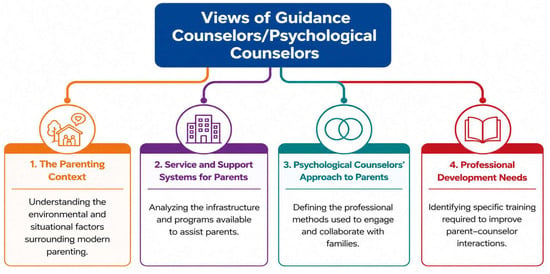
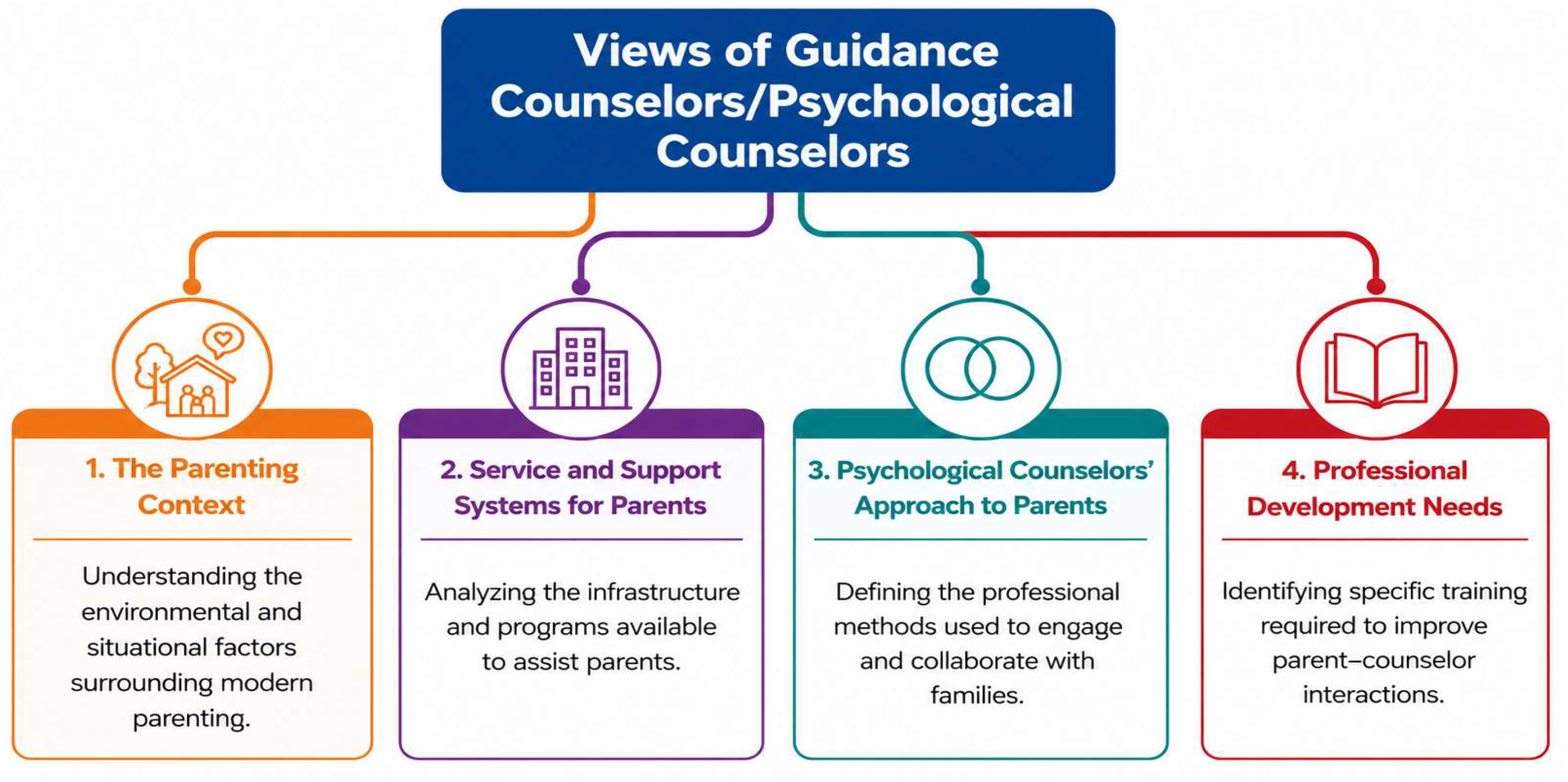
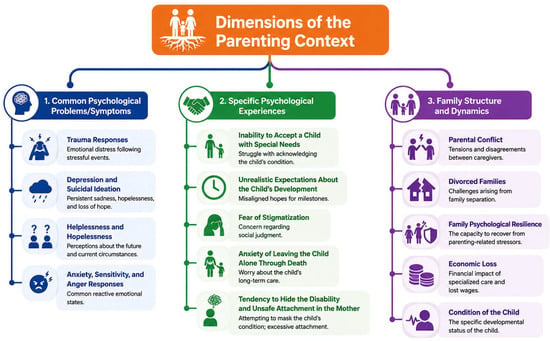
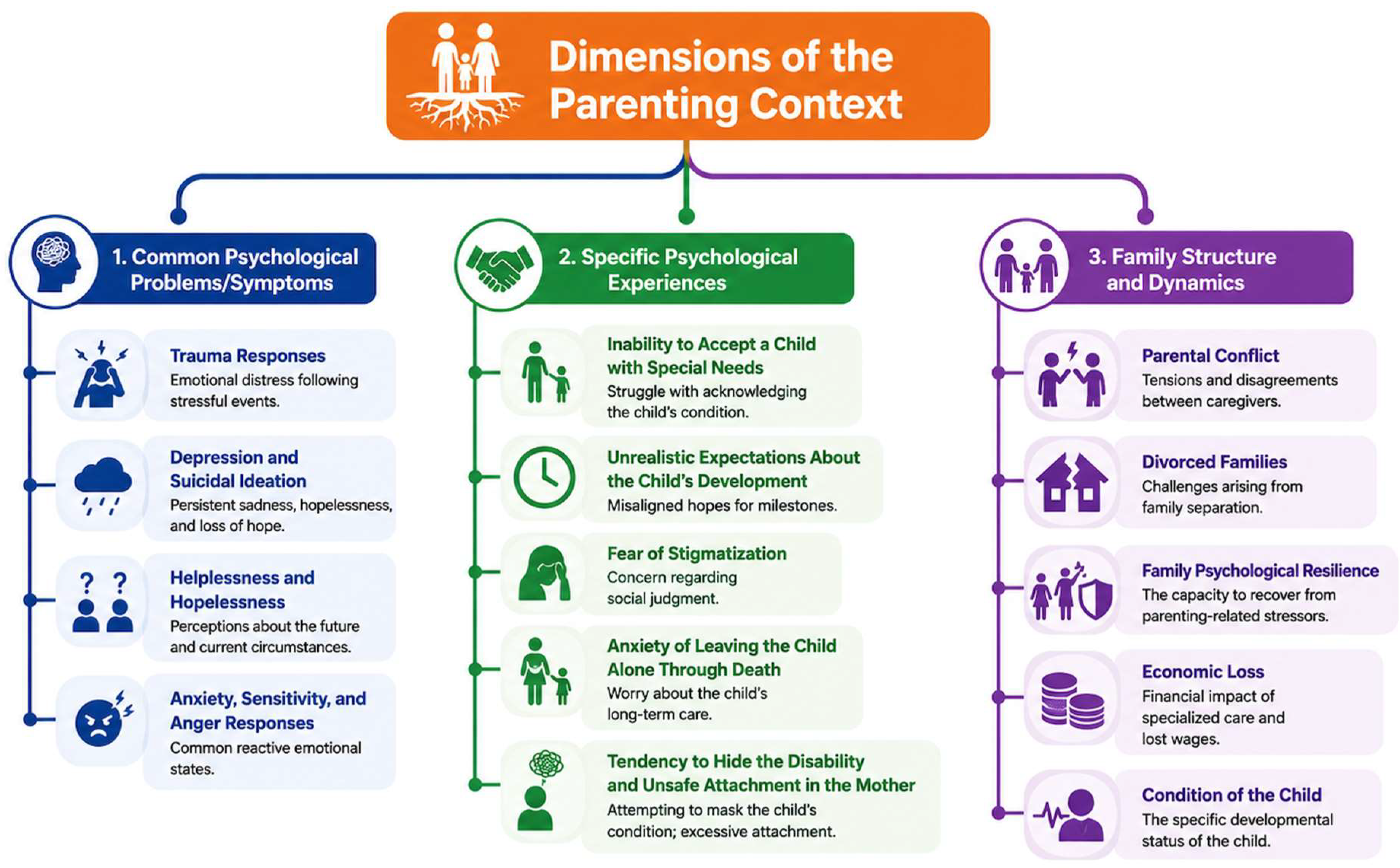
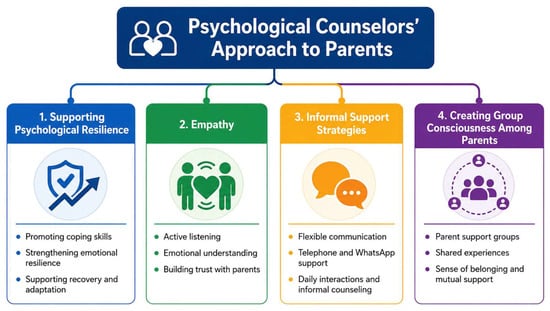
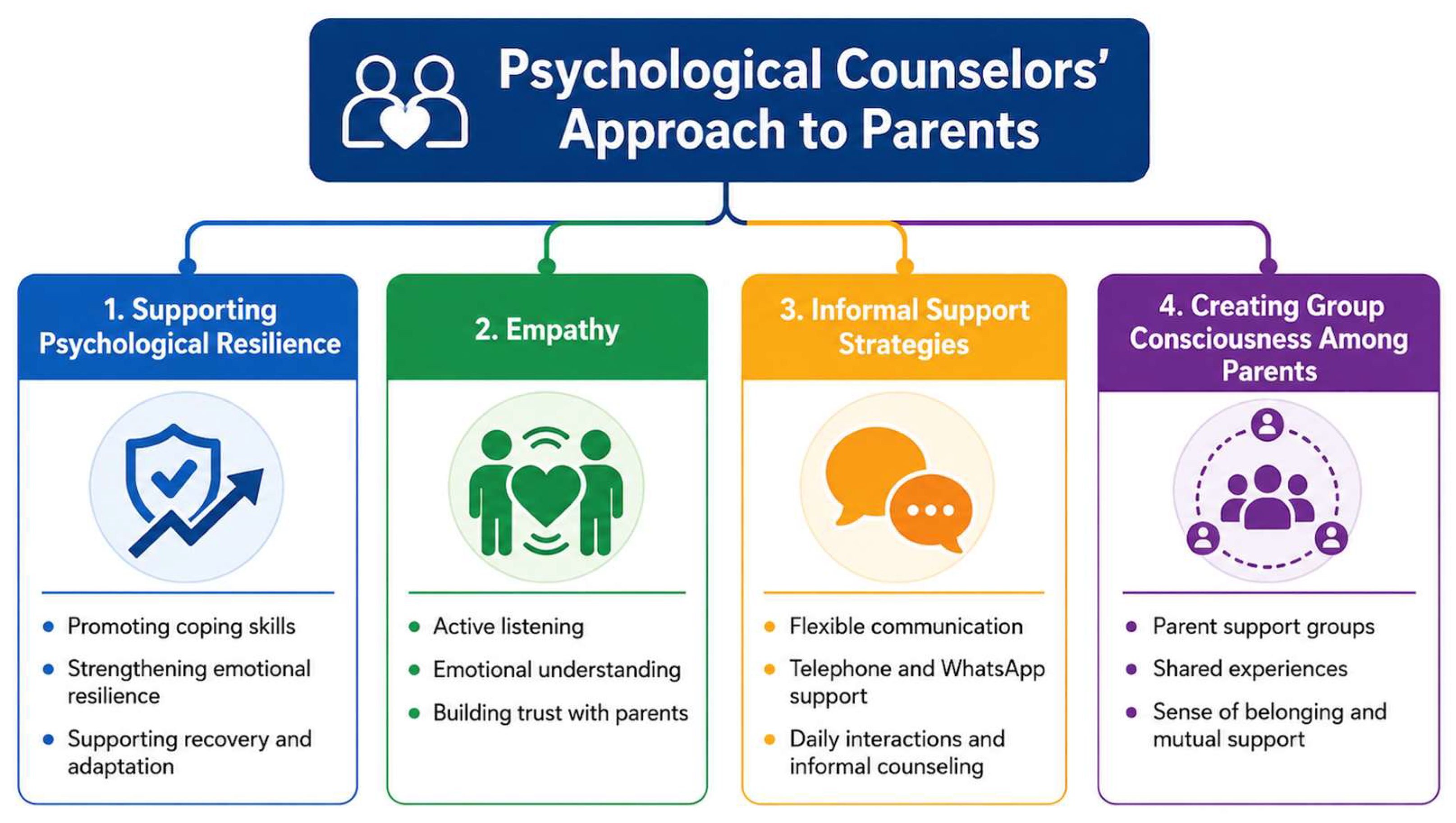
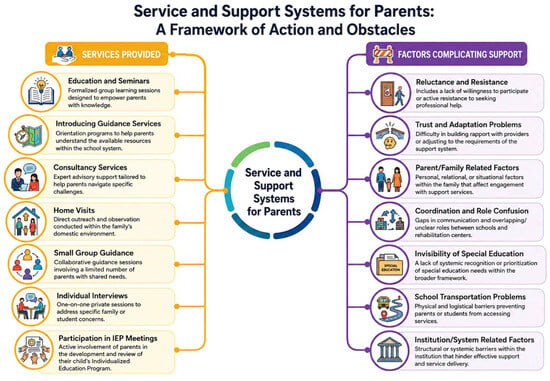
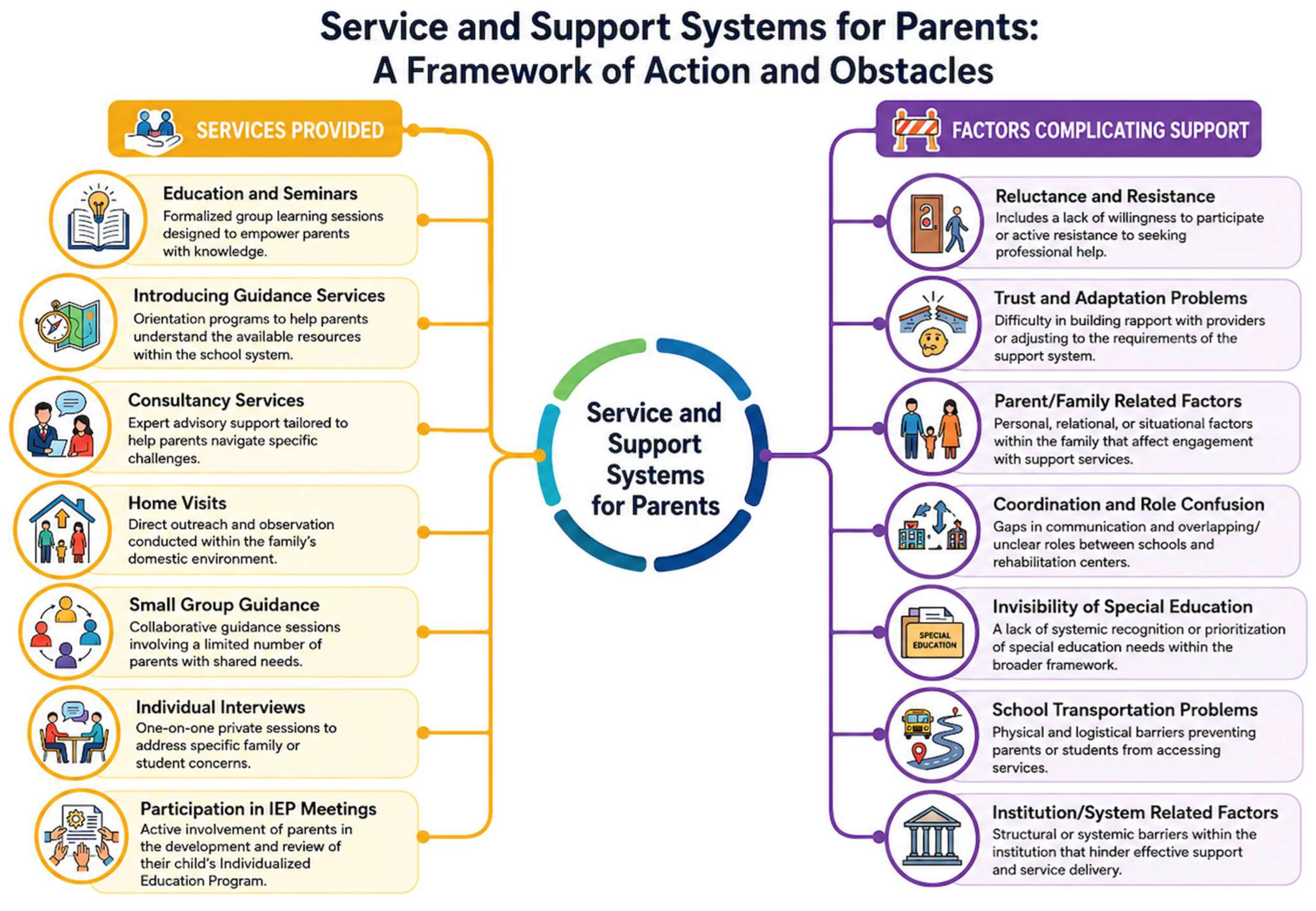
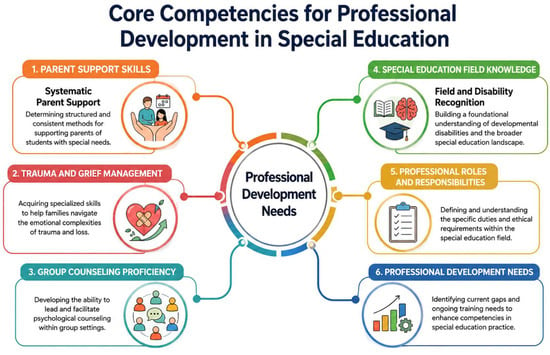
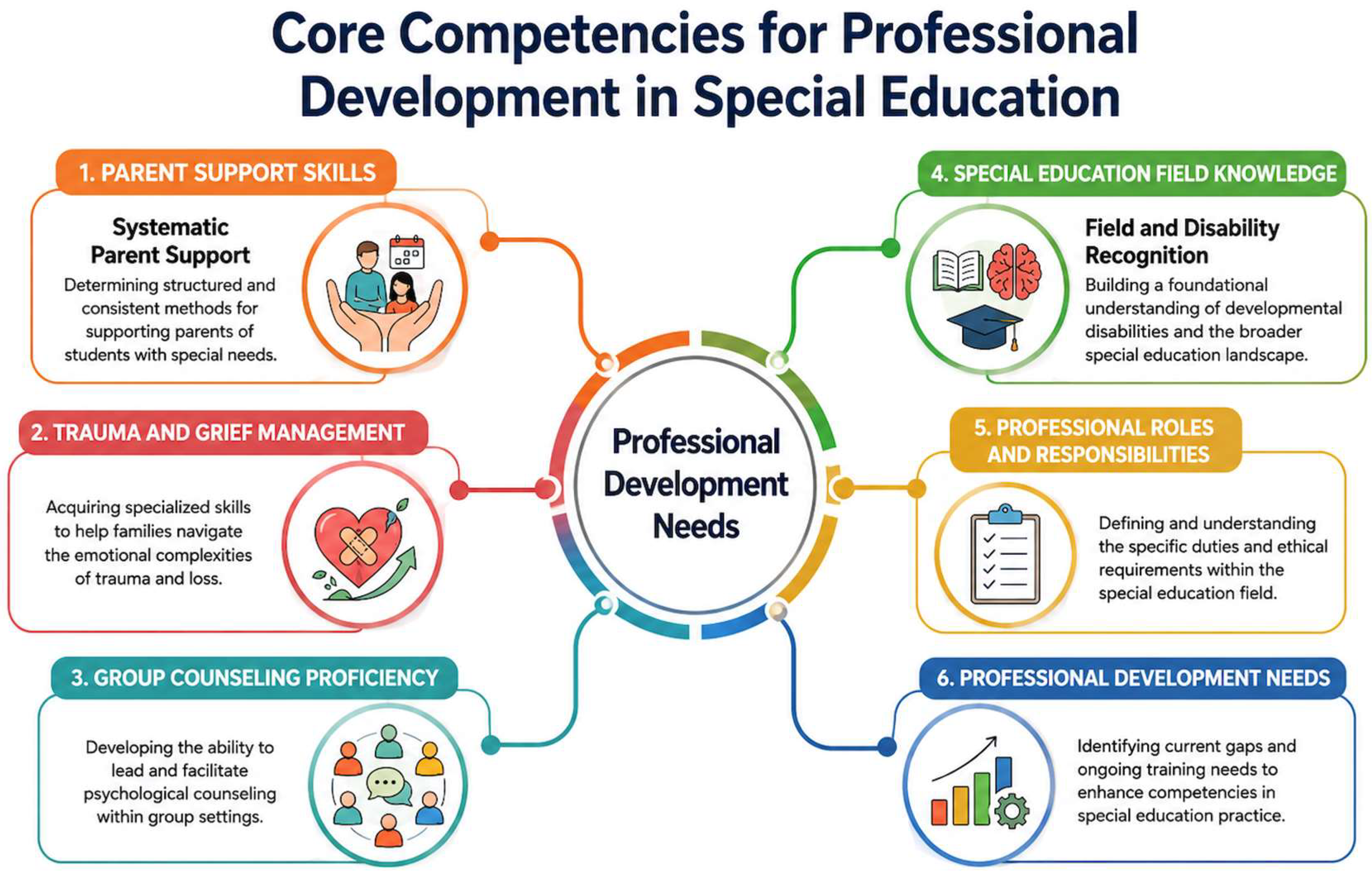

Disclaimer/Publisher’s Note: The statements, opinions and data contained in all publications are solely those of the individual author(s) and contributor(s) and not of MDPI and/or the editor(s). MDPI and/or the editor(s) disclaim responsibility for any injury to people or property resulting from any ideas, methods, instructions or products referred to in the content. |
© 2026 by the authors. Licensee MDPI, Basel, Switzerland. This article is an open access article distributed under the terms and conditions of the Creative Commons Attribution (CC BY) license.