


Journal Description
Polymers
Polymers
is an international, peer-reviewed, open access journal of polymer science published semimonthly online by MDPI. Belgian Polymer Group (BPG), European Colloid & Interface Society (ECIS), National Interuniversity Consortium of Materials Science and Technology (INSTM) and North American Thermal Analysis Society (NATAS) are affiliated with Polymers and their members receive a discount on the article processing charges.
- Open Access— free for readers, with article processing charges (APC) paid by authors or their institutions.
- High Visibility: indexed within Scopus, SCIE (Web of Science), Ei Compendex, PubMed, PMC, FSTA, CAPlus / SciFinder, Inspec, and other databases.
- Journal Rank: JCR - Q1 (Polymer Science) / CiteScore - Q1 (Polymers and Plastics)
- Rapid Publication: manuscripts are peer-reviewed and a first decision is provided to authors approximately 13.4 days after submission; acceptance to publication is undertaken in 2.7 days (median values for papers published in this journal in the first half of 2026).
- Recognition of Reviewers: reviewers who provide timely, thorough peer-review reports receive vouchers entitling them to a discount on the APC of their next publication in MDPI journals, in appreciation of the work.
- Testimonials: See what our authors and editors say about Polymers.
- Journal Cluster of Polymer and Macromolecular Science: Polymers, Membranes, Gels, Polysaccharides, Textiles, Macromol, Microplastics and Adhesives.
Impact Factor:
5.8 (2025);
5-Year Impact Factor:
6.1 (2025)
Latest Articles
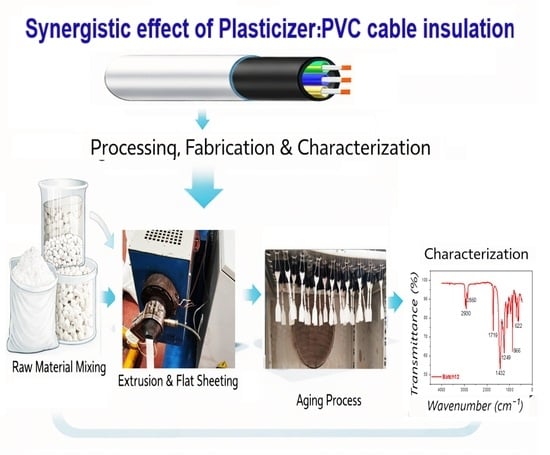
Synergistic Effects of Plasticizer Types on the Mechanical, Thermal, and Morphological Properties of PVC Compounds for Cable Application
Polymers 2026, 18(16), 2015; https://doi.org/10.3390/polym18162015 - 19 Aug 2026
Abstract
Poly (vinyl chloride) (PVC) is widely used in many products due to its increased flexibility and processability. It is preferred in many industrial applications, especially in the plasticized PVC cable industry due to its excellent insulation properties. PVC is quite hard and can
[...] Read more.
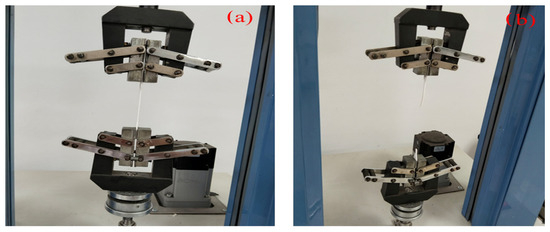
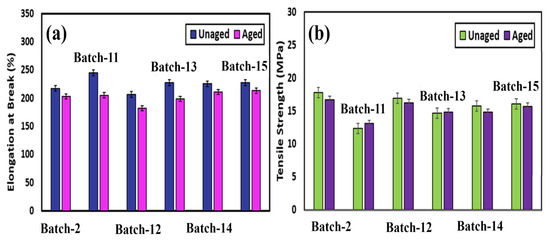
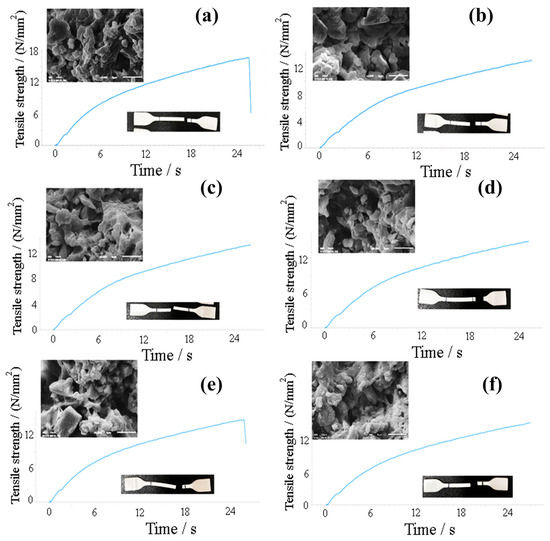
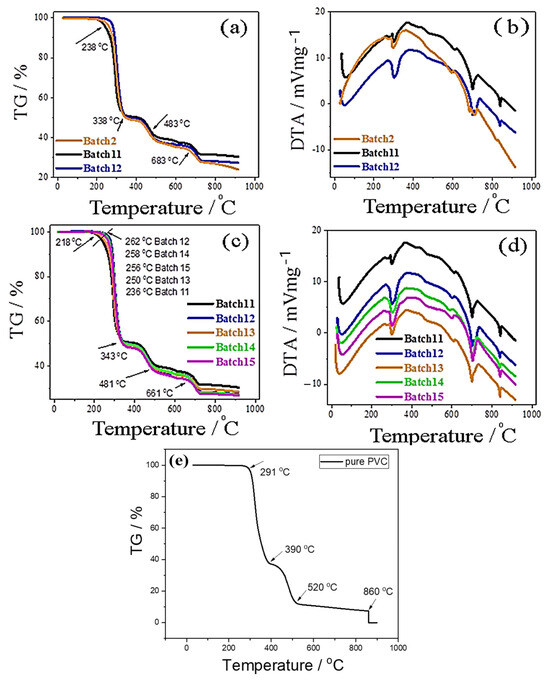
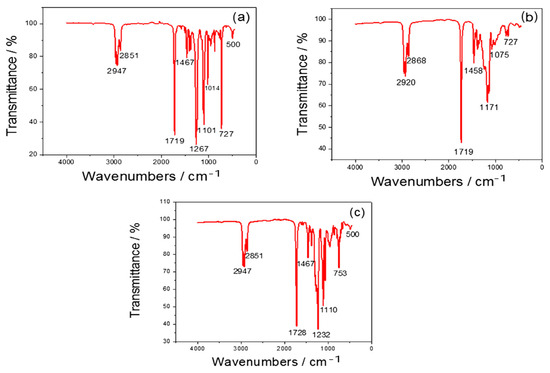
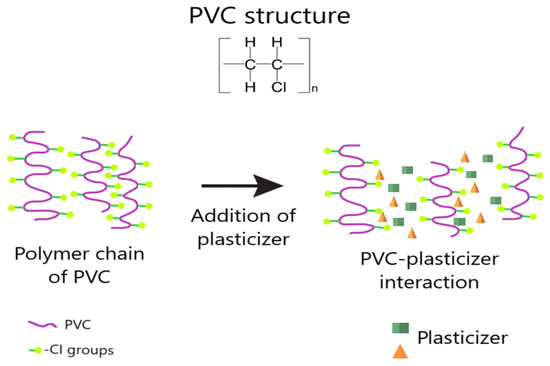
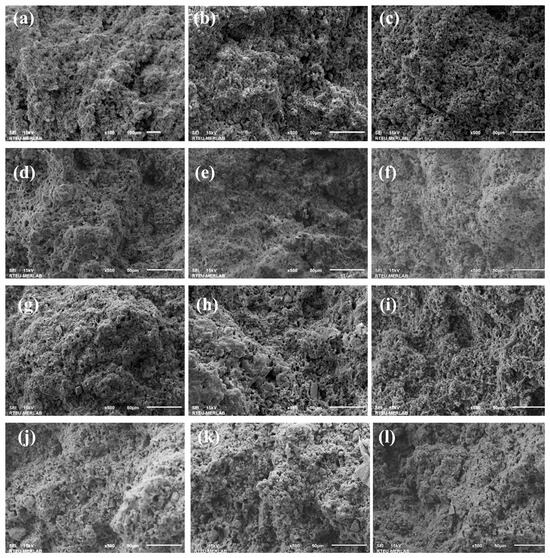
Poly (vinyl chloride) (PVC) is widely used in many products due to its increased flexibility and processability. It is preferred in many industrial applications, especially in the plasticized PVC cable industry due to its excellent insulation properties. PVC is quite hard and can be difficult to process. Therefore, it requires additives such as plasticizers. Plasticizers typically reduce the glass transition temperature (Tg) and provide flexibility by reducing the workable temperature level. In the PVC compound production industry, phthalate-based plasticizers are preferred due to their low cost. Commonly used plasticizers are adipates, azelates, trimethylates, phthalates, benzoates, and chlorinated paraffins. The aim of the study was to investigate the plasticizer changes in PVC compounds used in cable insulation applications by synergistic effects of adipate, trimellitate, and phthalate-based plasticizers such as dioctyl terephthalate (DOTP), 2-ethyl hexyl adipate (DOA), and tris(2-ethylhexyl) benzene-1,2,4-tricarboxylate (TOTM). In this study, the effects of plasticizer additives were investigated on the structural, morphological, thermal, and mechanical properties of PVC compounds in the cable industry. Fabricated test products were characterized using characterization methods such as Fourier transform infrared-attenuated total reflectance (FTIR-ATR), scanning electron microscope–energy-dispersive X-ray (SEM-EDX) spectroscopy, thermal gravimetric analysis (TGA), tensile test, and density test. Successfully fabricated samples were tested before and after aging. The highest elongation at break of PVC flat sheet (244.96%) was obtained with the use of DOA plasticizer. The highest tensile strength was measured as 17.85 MPa for the sample containing 50 phr DOTP. Furthermore, no significant mass loss was observed up to 238 °C, while substantial decomposition occurred in the samples containing 50 phr DOTP, 50 phr DOA, and 50 phr TOTM between 238–338 °C, followed by gradual degradation at 483 °C and 683 °C. As a result, it has been determined that the use of DOA plasticizer in PVC compounds used in the cable industry is more effective than DOTP and TOTM plasticizers.
Full article
(This article belongs to the Special Issue Polymer Manufacturing Processes)
►
Show Figures
Open AccessArticle
The Effect of Natural Pozzolanic Coated Waste Tire Aggregates on the Mechanical, Transport and Durability Properties of Fiber-Reinforced and One-Part Hybrid Geopolymer Composites
by
Wiam Abdelmagid Taher Elabade, Oğuzhan Yavuz Bayraktar, Halil Oğuzhan Kara, İhsan Kasım Karataş, Mehmet Uğur Yilmazoğlu, Adem Ahiskali, Mohamed A. Salem Elmekahal and Gökhan Kaplan
Polymers 2026, 18(16), 2014; https://doi.org/10.3390/polym18162014 - 19 Aug 2026
Abstract
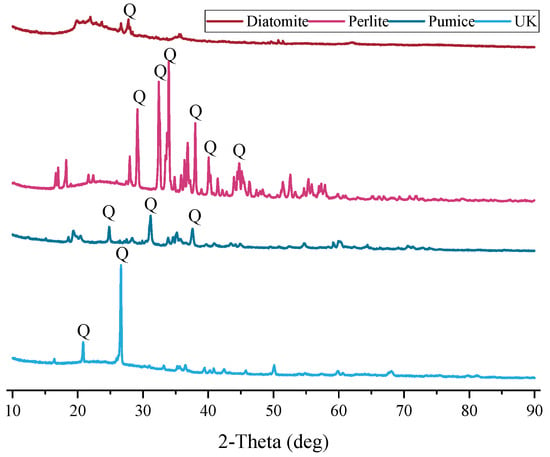
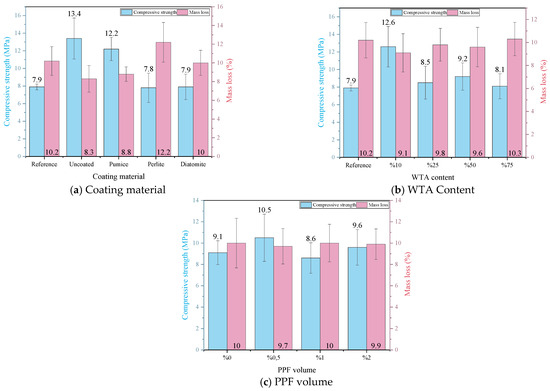
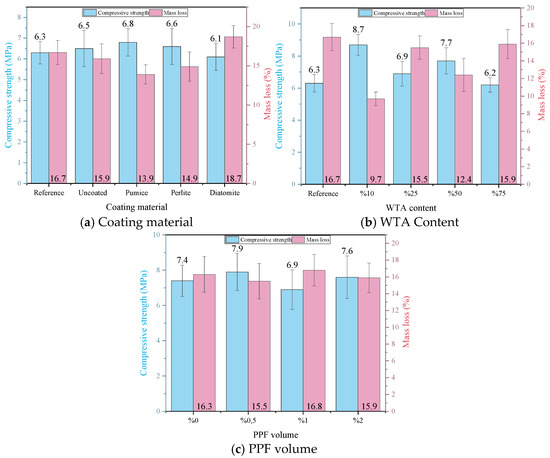
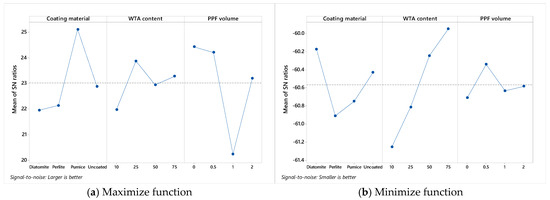
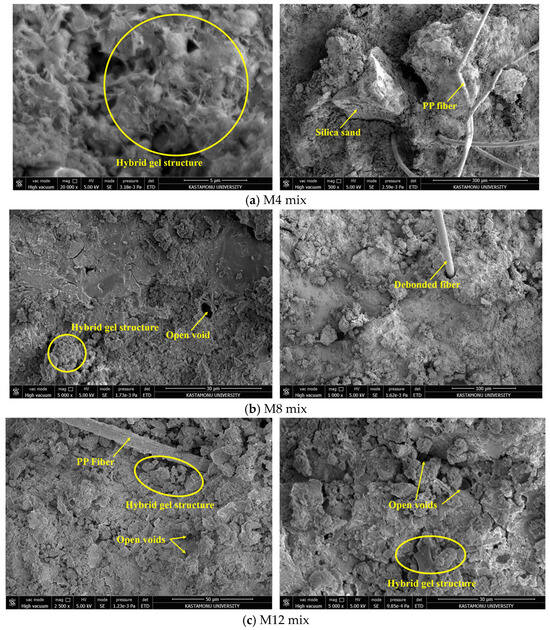
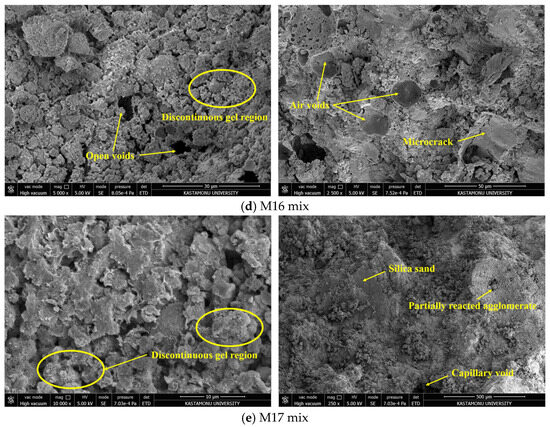
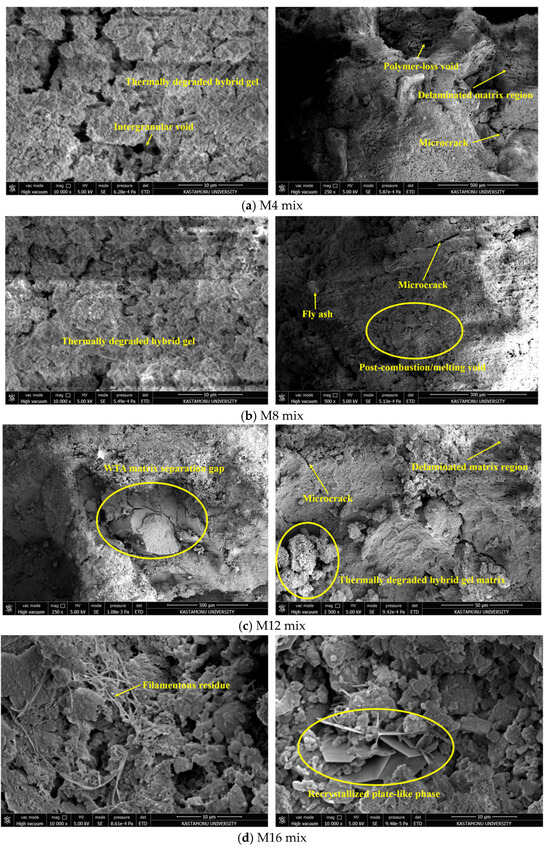
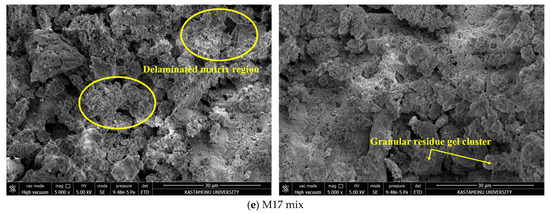
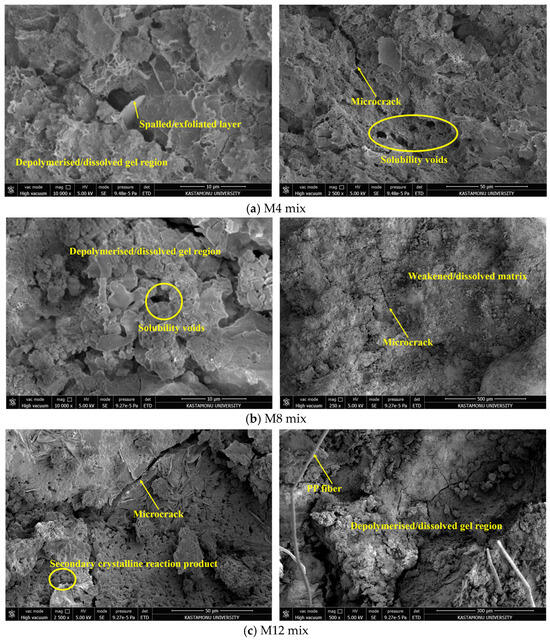
This study examined the effects of coating waste tire aggregates (WTAs) with pumice, perlite, or diatomite, combined with polypropylene (PP) fiber addition, on the fresh, mechanical, transport, and durability properties of one-part hybrid geopolymer composites. Sixteen mixtures were produced using a Taguchi L16
[...] Read more.
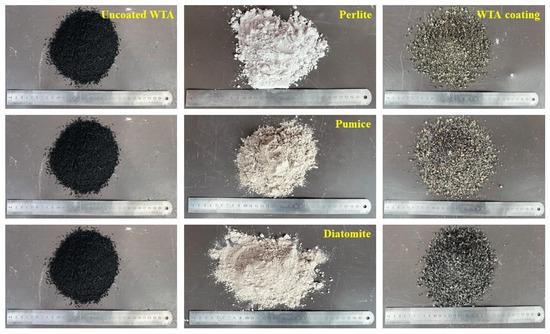
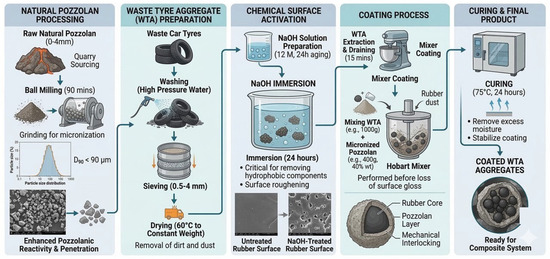
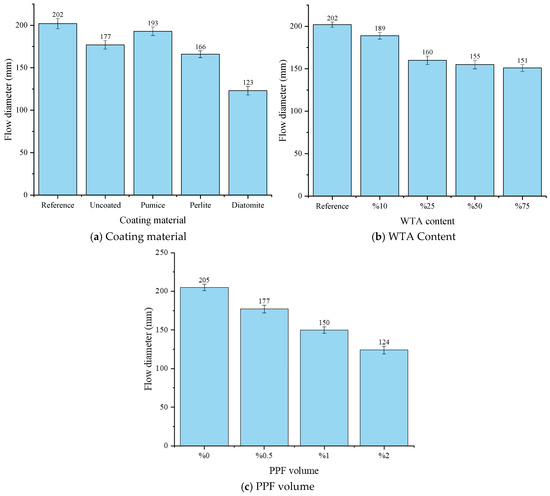
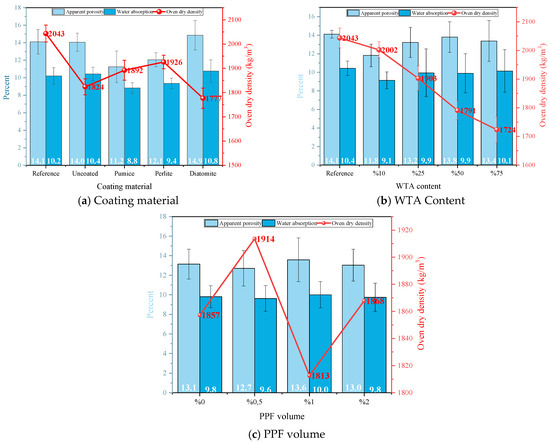
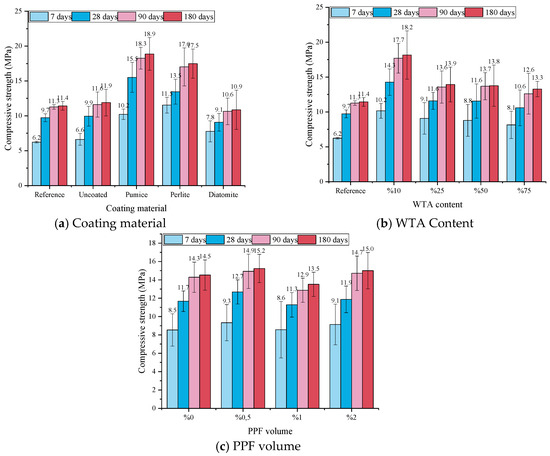
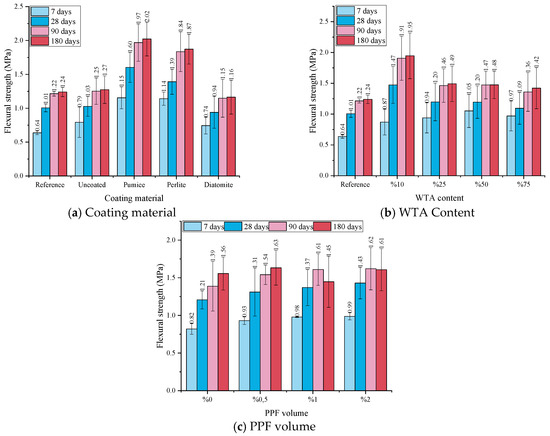
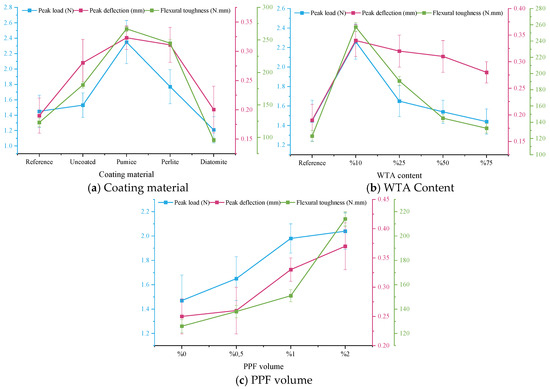
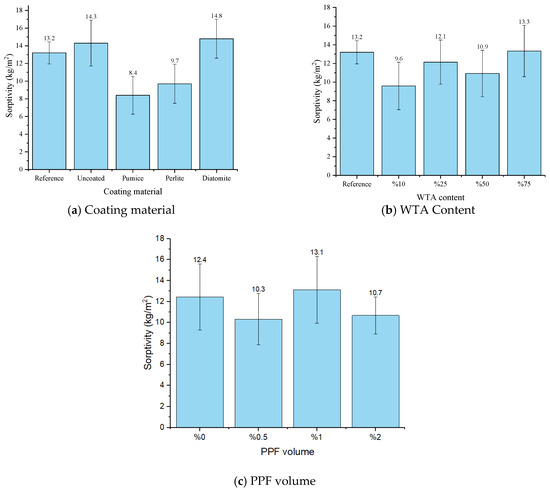
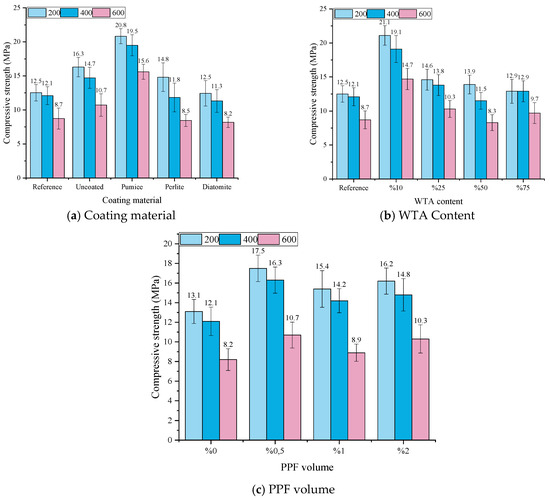
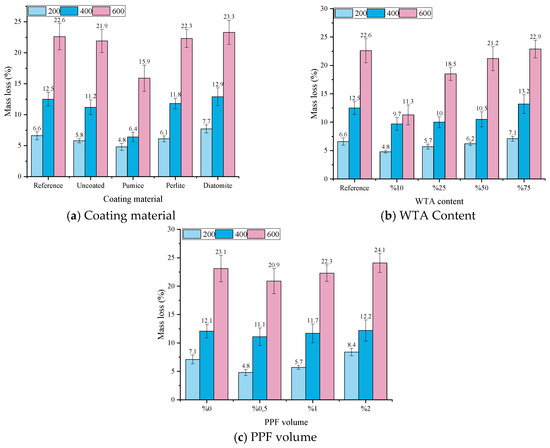
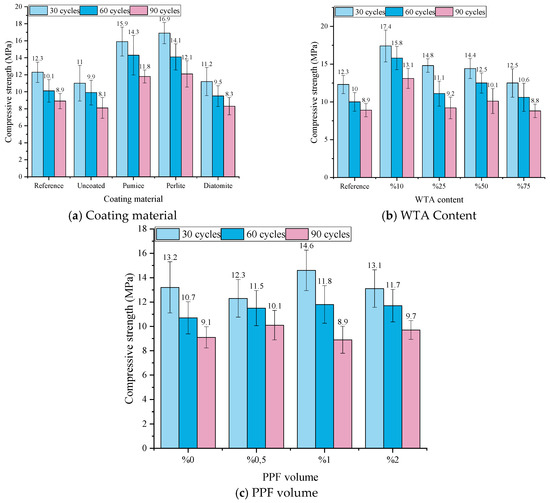
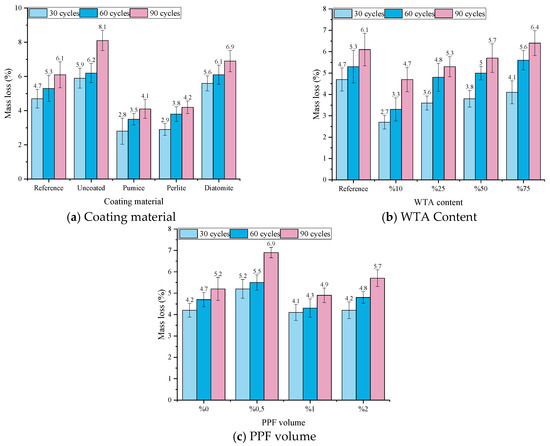
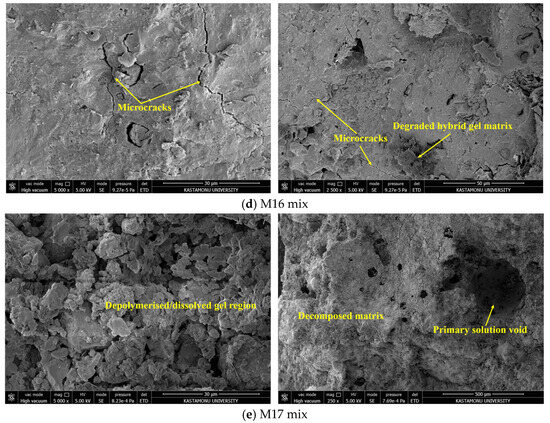
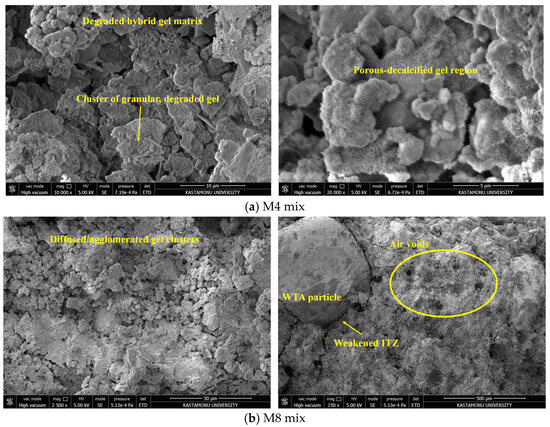
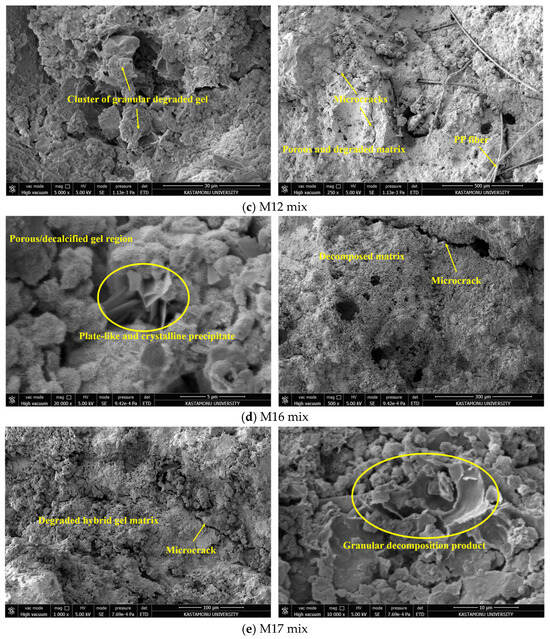
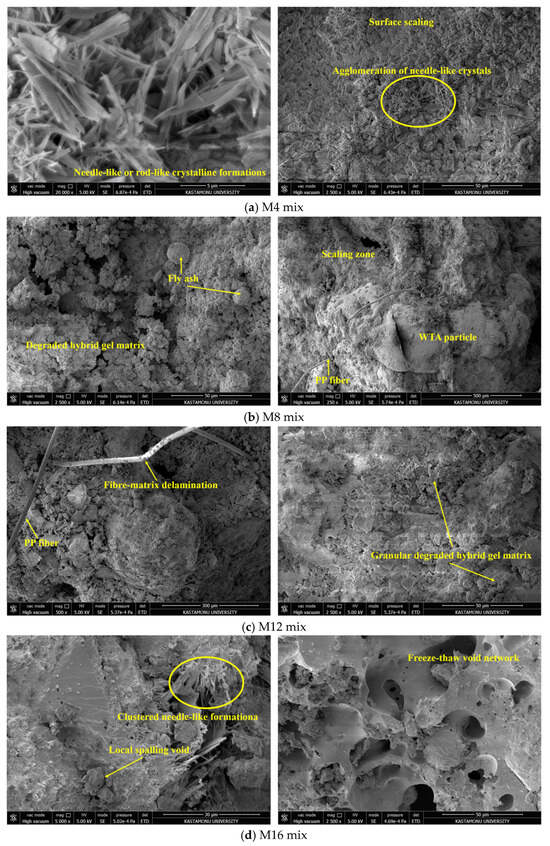
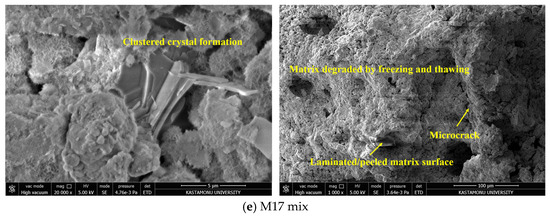
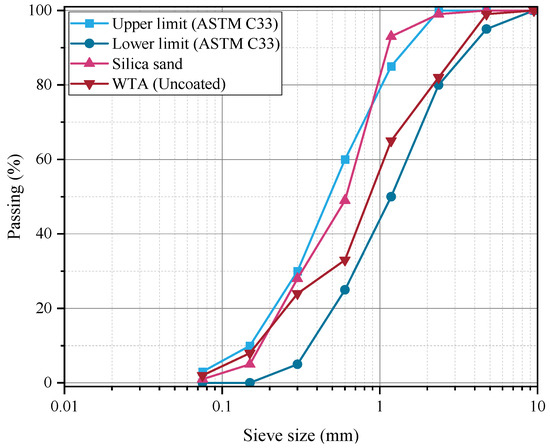
This study examined the effects of coating waste tire aggregates (WTAs) with pumice, perlite, or diatomite, combined with polypropylene (PP) fiber addition, on the fresh, mechanical, transport, and durability properties of one-part hybrid geopolymer composites. Sixteen mixtures were produced using a Taguchi L16 design with a binder system of fly ash, CEM II/B-S cement, and sodium metasilicate powder. Coating type, WTA ratio, and PP fiber content were the key performance factors. Pumice coating performed best overall by improving the interfacial transition zone: 28-day compressive strength reached 15.5 MPa and flexural strength 1.60 MPa, while porosity and capillary water absorption decreased significantly. Among the studied WTA levels, 10% WTA yielded the most positive direct responses in compressive strength, flexural strength, toughness, and capillary water absorption, whereas higher contents weakened matrix continuity. The effect of PP fiber was response-dependent: 0.5% fiber maximized compressive strength and durability-related responses, while 2% fiber gave the greatest flexural strength and toughness; no single dosage was universally optimal. The pumice-coated series was also the most stable under high temperature, freeze–thaw, MgSO4, and H2SO4 exposure. Overall, waste tire aggregates can be technically incorporated into one-part hybrid geopolymer composites; a dedicated life-cycle assessment is nevertheless required to quantify the net environmental benefit.
Full article
(This article belongs to the Special Issue Research Progress on Mechanical Behavior of Polymers, 2nd Edition)
►▼
Show Figures

Figure 1
Open AccessReview
PEEK in Harsh Oil and Gas Environments: Applications and Chemical Aging Response
by
Wael Badeghaish, Ahmed Wagih and G. Lubineau
Polymers 2026, 18(16), 2013; https://doi.org/10.3390/polym18162013 - 19 Aug 2026
Abstract
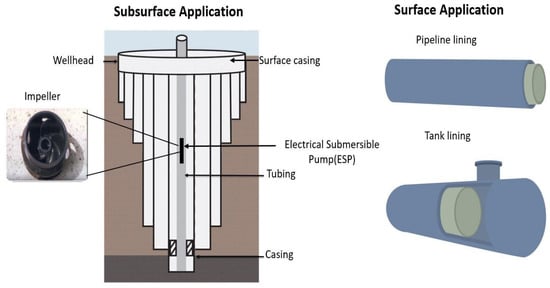
The oil and gas (O&G) industry is increasingly adopting non-metallic materials for pipelines and downhole components to mitigate corrosion, reduce maintenance costs, and improve performance in harsh service environments. Among high-performance polymers, polyether-ether-ketone (PEEK) has attracted significant attention owing to its excellent mechanical
[...] Read more.
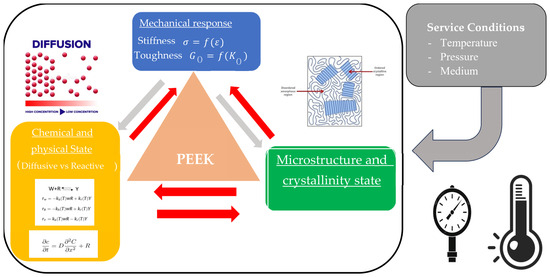
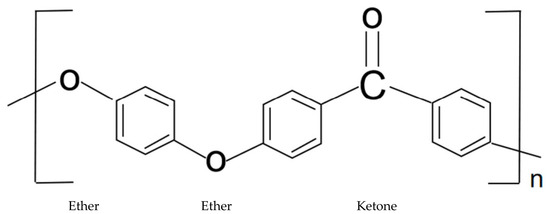
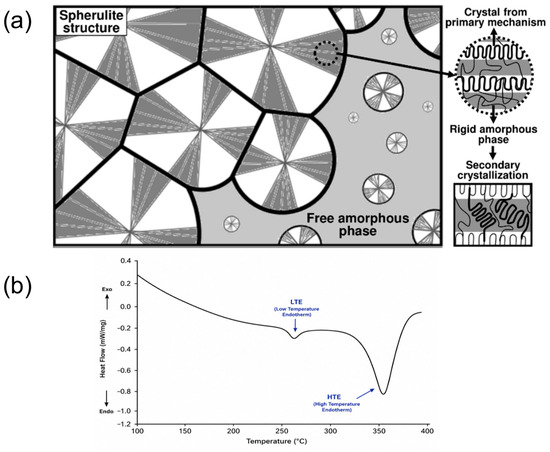
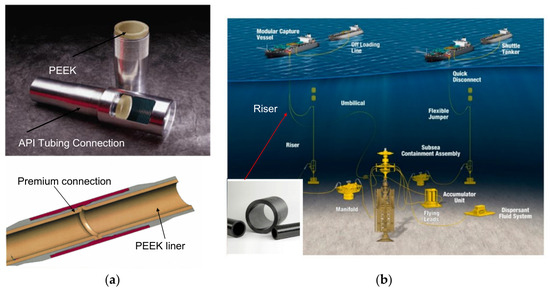
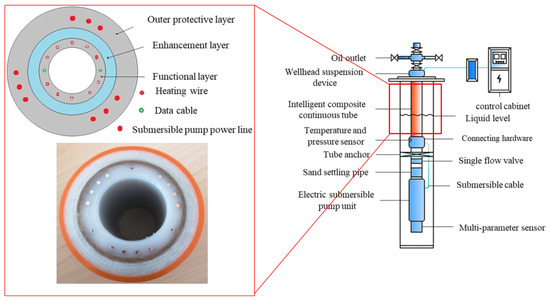
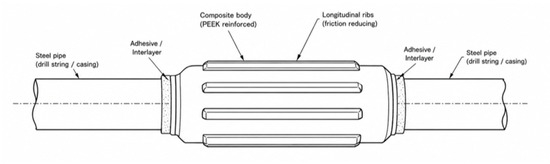
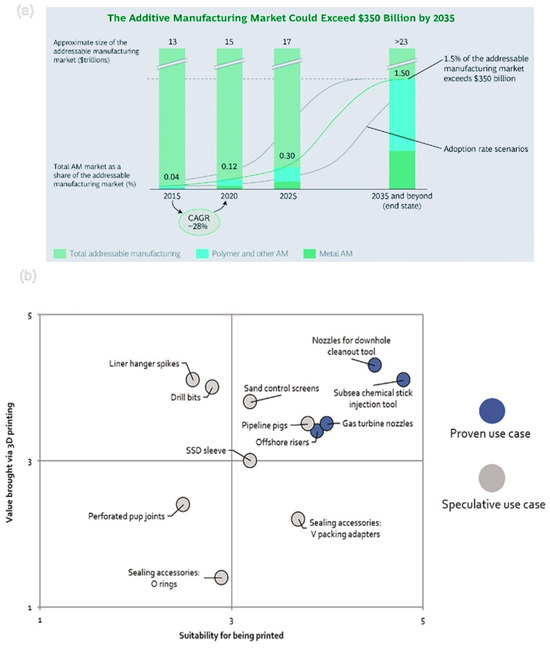
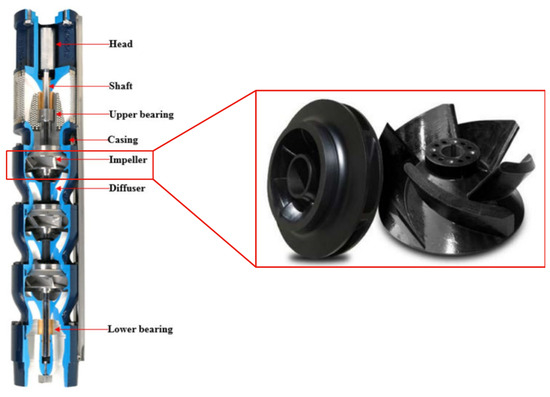
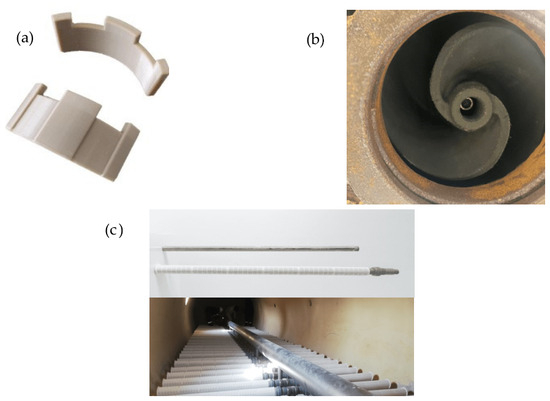
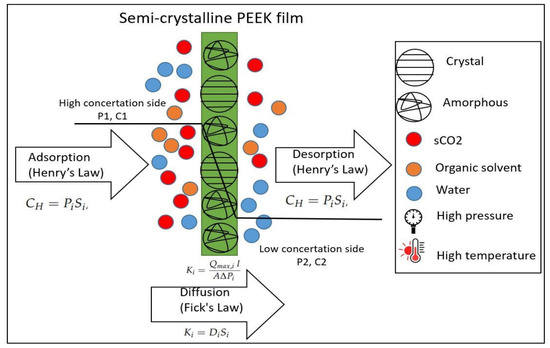
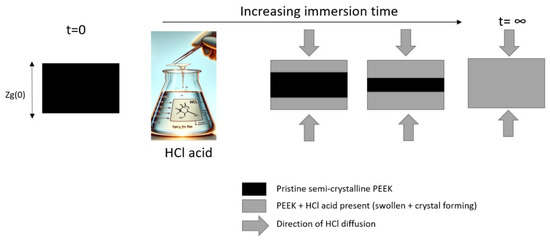
The oil and gas (O&G) industry is increasingly adopting non-metallic materials for pipelines and downhole components to mitigate corrosion, reduce maintenance costs, and improve performance in harsh service environments. Among high-performance polymers, polyether-ether-ketone (PEEK) has attracted significant attention owing to its excellent mechanical properties, thermal stability, and chemical resistance, making it a promising candidate for aggressive downhole applications. However, exposure to acids, hydrocarbons, water, CO2, and supercritical CO2 under high-pressure/high-temperature conditions can alter its microstructure and mechanical performance, necessitating a comprehensive understanding of its long-term behavior. This review summarizes the microstructure, properties, and current applications of PEEK in the O&G industry, including its emerging use in additive manufacturing. It further examines the fundamental mechanisms of gas and liquid diffusion, aging processes (physical, chemical, and thermal), and their effects on the morphology, thermal behavior, and mechanical properties of PEEK. By consolidating findings from studies conducted under representative O&G environments, this review identifies current knowledge gaps and future research priorities, providing guidance for the selection, qualification, and design of PEEK components for demanding oil and gas applications.
Full article
(This article belongs to the Section Polymer Applications)
►▼
Show Figures

Figure 1
Open AccessArticle
Photo-Initiated Main-Chain Scission of Poly(methyl methacrylate) in Solution at Room Temperature
by
Xiao Wang, Xiangze Meng, Zhiping Xu and Rui Yang
Polymers 2026, 18(16), 2012; https://doi.org/10.3390/polym18162012 - 18 Aug 2026
Abstract
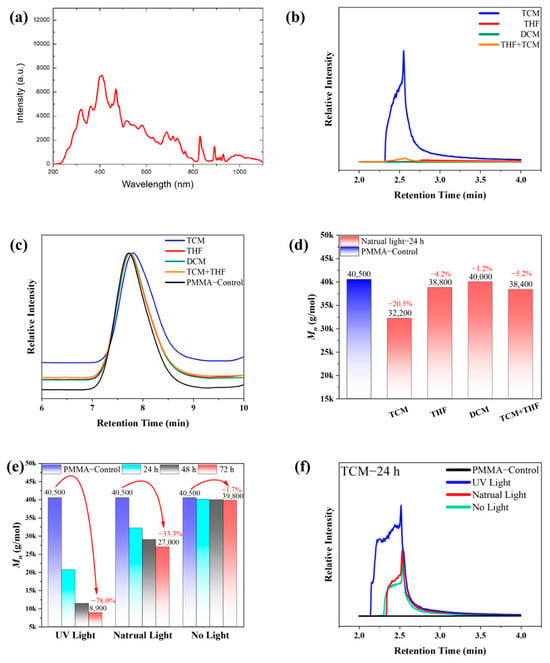
Poly(methyl methacrylate) (PMMA), as a widely used transparent polymer material, is highly stable because of its all-carbon backbone, which makes its chain cleavage under mild conditions challenging. In this work, we report a photo-initiated solution reaction that induces main-chain scission of PMMA at
[...] Read more.
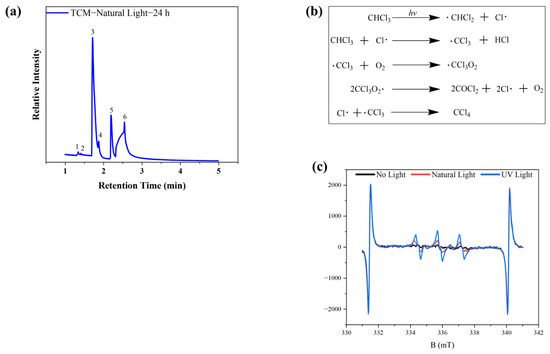
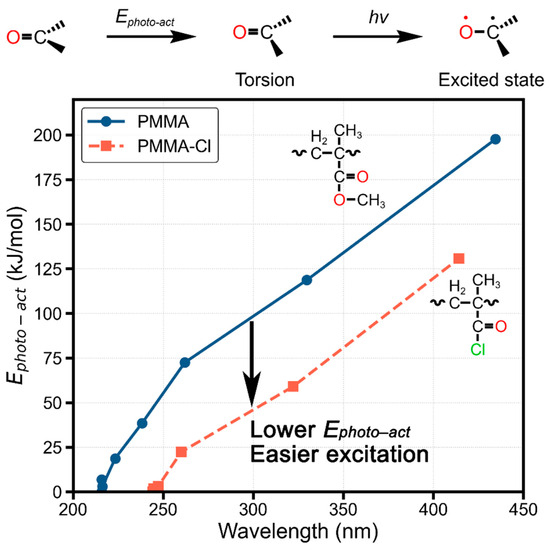
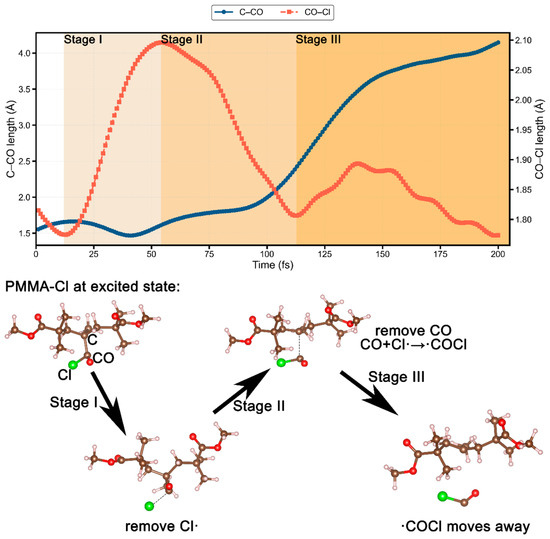
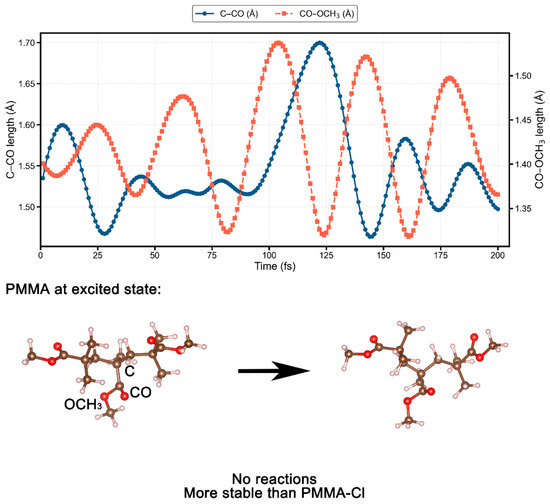
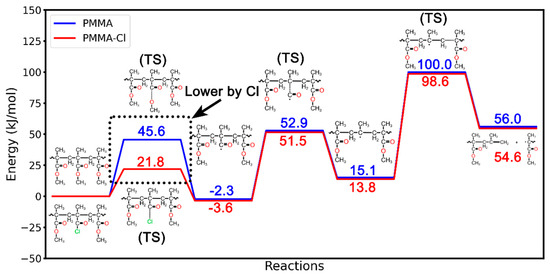
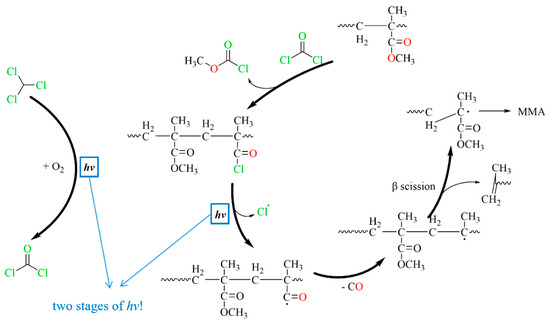
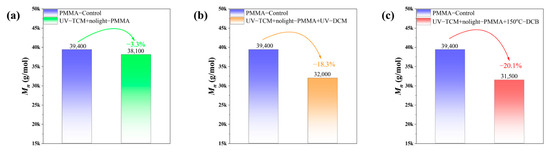
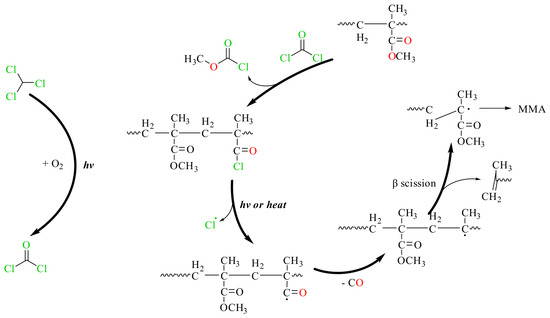
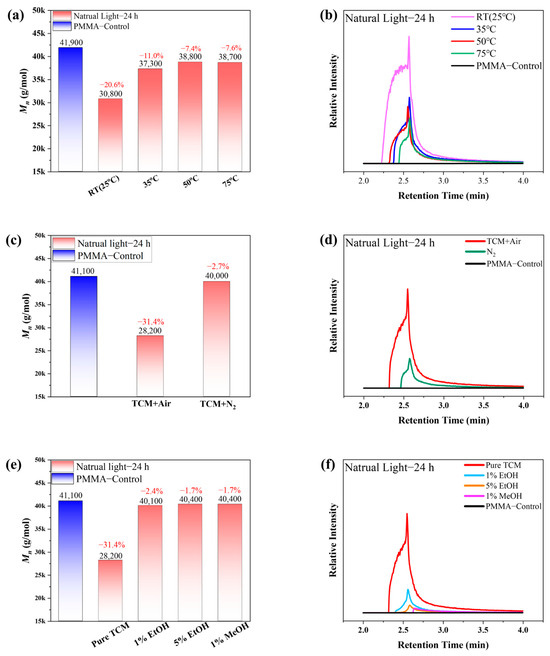
Poly(methyl methacrylate) (PMMA), as a widely used transparent polymer material, is highly stable because of its all-carbon backbone, which makes its chain cleavage under mild conditions challenging. In this work, we report a photo-initiated solution reaction that induces main-chain scission of PMMA at room temperature, leading mainly to molecular-weight reduction and oligomer formation. This method requires no catalysts and does not need pre-introduction of specific groups. The degradation mechanism proposed according to DFT calculations involves the photolysis of trichloromethane to produce phosgene, which then reacts with ester groups on the side chains of PMMA to form acyl chloride groups. These acyl chloride groups further cleave under light or heat, generating radicals that trigger β-scission of the PMMA main chain through a side-chain-initiated pathway. The degradation mechanism was demonstrated experimentally, and the extent of chain scission can be regulated by temperature, O2 and an alcohol stabilizer.
Full article
(This article belongs to the Special Issue Aging, Degradation, and Lifetime Engineering of Advanced Polymeric Materials)
►▼
Show Figures

Figure 1
Open AccessSystematic Review
Systematic Mapping of the Literature on Dextran Hydrogels Produced by Leuconostoc sp. for Agrobiotechnological Purposes
by
M. De La Cruz-Noriega, Segundo Rojas-Flores, Moisés Gallozzo Cardenas, Luis Cabanillas-Chirinos, Waldo Salvatierra Espinola, Elena Hernández-del Amo and Olga Sánchez
Polymers 2026, 18(16), 2011; https://doi.org/10.3390/polym18162011 - 18 Aug 2026
Abstract
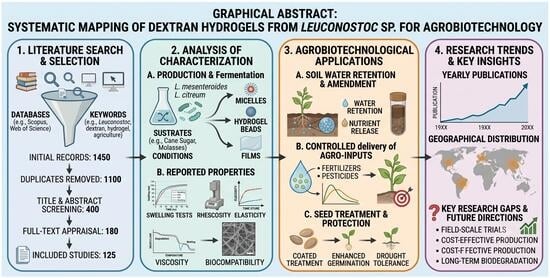
Agriculture faces the challenge of transitioning toward sustainable practices, driving the use of plant growth-promoting bacteria (PGPB). However, these bacteria suffer critical losses in viability due to environmental stress and drying processes. Although synthetic hydrogels offer protection, their low biodegradability and toxicity pose
[...] Read more.
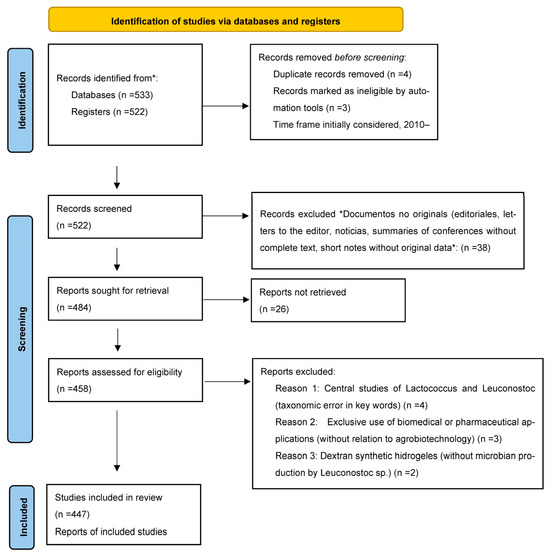
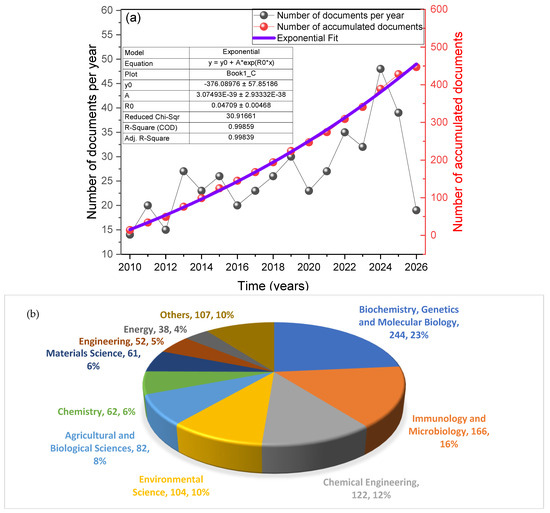
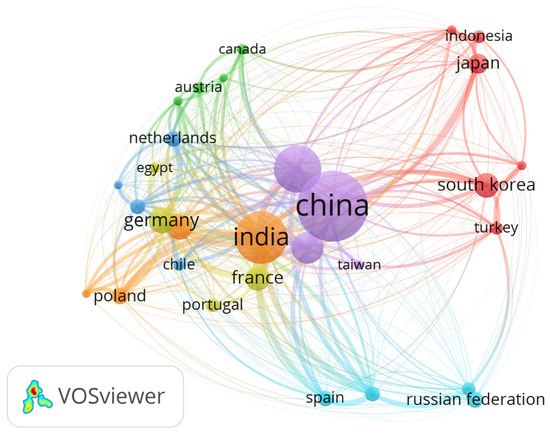
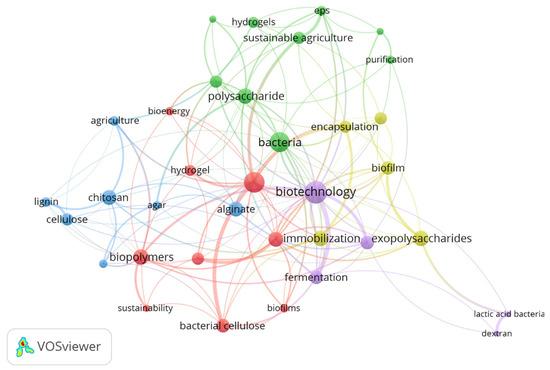
Agriculture faces the challenge of transitioning toward sustainable practices, driving the use of plant growth-promoting bacteria (PGPB). However, these bacteria suffer critical losses in viability due to environmental stress and drying processes. Although synthetic hydrogels offer protection, their low biodegradability and toxicity pose ecological risks, positioning dextran hydrogels produced by Leuconostoc sp. as a biocompatible biotechnological alternative, despite challenges related to their mechanical stability. The methodology employed consisted of systematic literature mapping in the Scopus database for the period 2010–2026. The search was conducted on 2 May 2026, using a defined search equation, and 447 documents were processed using RStudio (Bibliometrix), VOSviewer, and Plotly Studio to analyze trends and collaboration networks. The results of the systematic mapping reveal an exponentially growing field (R2 = 0.998), led by Agricultural Sciences (23.5%) and Biochemistry (16%). China and India dominate scientific output in terms of volume, while Italy and the United States lead in qualitative impact, with researchers such as Cimini, Schiraldi, and Pandey as key references. An evolution is confirmed from the basic characterization of Leuconostoc sp. toward the development of matrices for immobilizing PGPB, reducing viability losses from 6 log to manageable levels of 4 log CFU. Cluster analysis shows a clear trend toward nanotechnology and “smart hydrogels” responsive to multiple stimuli. Finally, strategic gaps were identified in the creation of predictive release models, as well as an urgent need to democratize the technology through low-cost processes, essential aspects for consolidating sustainable precision agriculture.
Full article
(This article belongs to the Special Issue Polymers in the Face of Sustainable Development)
►▼
Show Figures

Graphical abstract
Open AccessArticle
Assessing the Biodegradation of Lignin/PBAT Composites: A Comparative Study of Weight Loss and Mineralization
by
Yanyan Dong, Shaochuang Su, Hong Yang, Zixi Han, Dan Huang, Xiaoshuai Han, Mingqiang Zhu and Fangda Zhang
Polymers 2026, 18(16), 2010; https://doi.org/10.3390/polym18162010 - 18 Aug 2026
Abstract
►▼
Show Figures
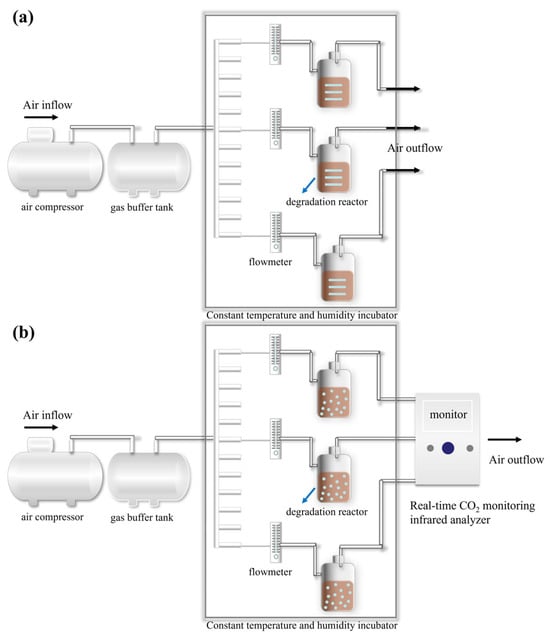
Lignin is a promising bio-based filler for poly(butylene adipate-co-terephthalate) (PBAT), yet its true contribution to biodegradation remains unclear—most studies rely on weight loss alone, neglecting CO2 mineralization and lignin’s antibacterial activity. Here, lignin/PBAT composites with 1 wt% (LP-1) and 3 wt% (LP-2)
[...] Read more.
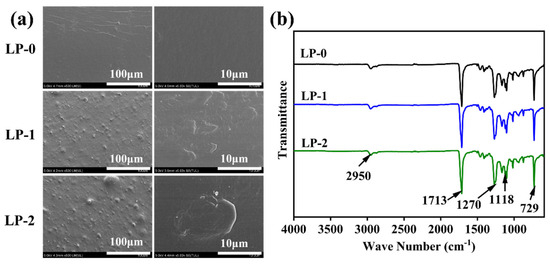
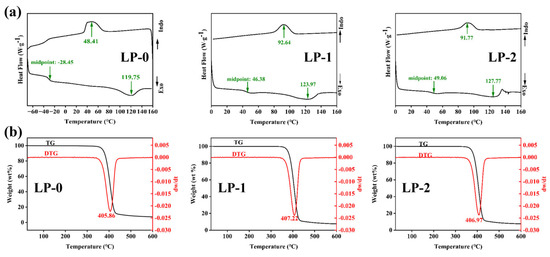
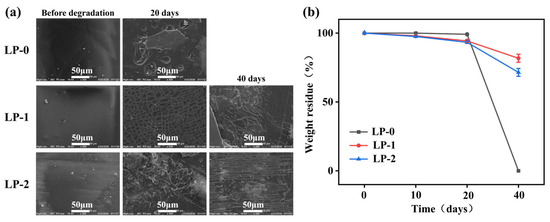
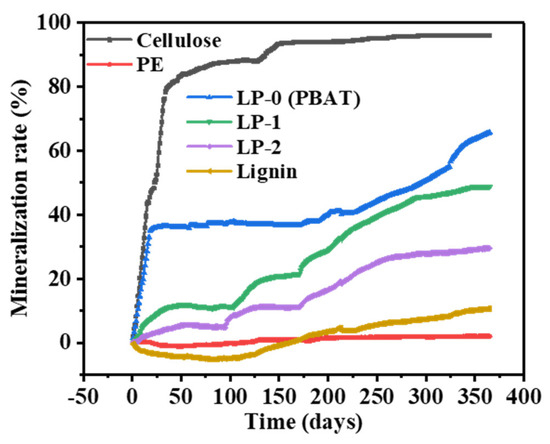
Lignin is a promising bio-based filler for poly(butylene adipate-co-terephthalate) (PBAT), yet its true contribution to biodegradation remains unclear—most studies rely on weight loss alone, neglecting CO2 mineralization and lignin’s antibacterial activity. Here, lignin/PBAT composites with 1 wt% (LP-1) and 3 wt% (LP-2) lignin are assessed under composting conditions using both weight loss and mineralization rate. Lignin exhibits a dual role: it promotes hydrolytic weight loss (18.3% and 28.6% for LP-1 and LP-2 at 40 days), but significantly inhibits ultimate mineralization (one-year mineralization: 65.71% for pure PBAT vs. 48.74% and 29.53% for LP-1 and LP-2). A negative initial mineralization rate suggests transient antibacterial activity from released phenolic compounds. Lignin increases crystallization temperature (48.4 → 92.6 °C) and Tg (−28.5 → 49.1 °C), with 1% loading largely preserving mechanical properties. These findings demonstrate that weight loss alone is insufficient to assess degradation; mineralization must be included. Appropriate lignin loading enables balanced performance and degradation controllability, offering new insights into lifecycle assessment of green composites.
Full article

Figure 1
Open AccessArticle
Chemometric Organization and Structure–Property Relationships in an Industrial Polypropylene Product Portfolio
by
Joaquín Hernández-Fernández, Juan Lopez-Martinez and Jhojan Salcedo-Castellar
Polymers 2026, 18(16), 2009; https://doi.org/10.3390/polym18162009 - 18 Aug 2026
Abstract
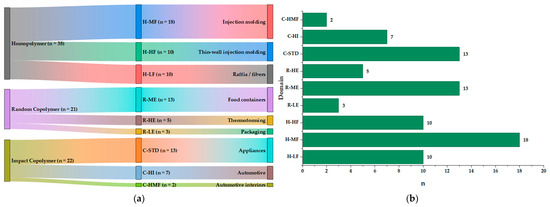
Industrial polypropylene portfolios comprise multiple commercial grades differentiated by molecular architecture, phase morphology, processability, and performance. In this study, 81 industrial polypropylene grades, including 38 homopolymers, 21 random copolymers, and 22 impact copolymers, were analyzed to evaluate the chemometric organization and structure–property relationships
[...] Read more.
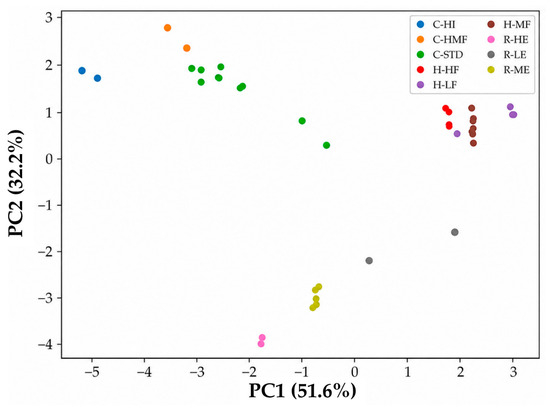
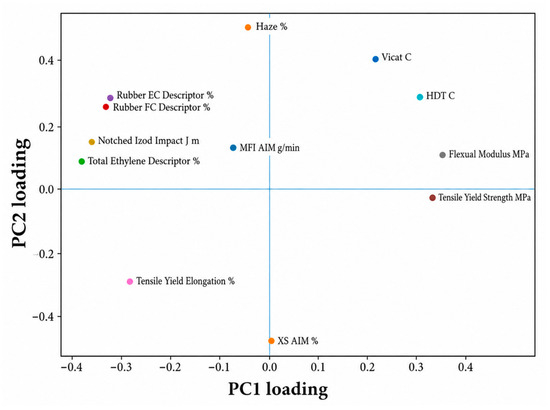
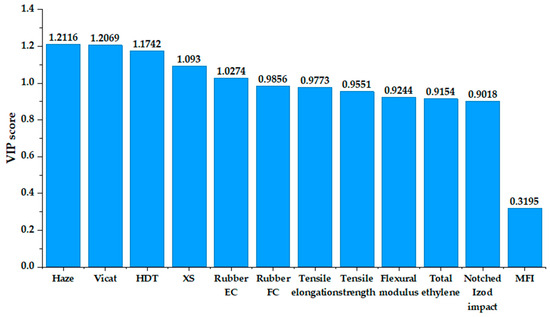
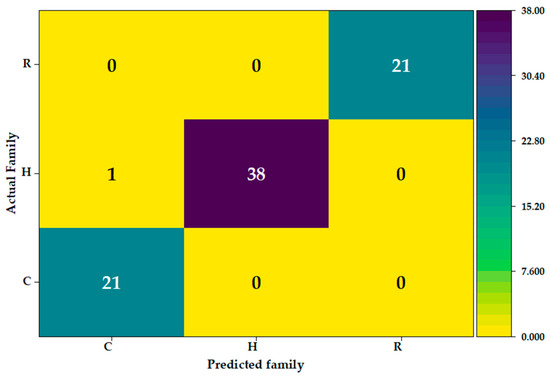
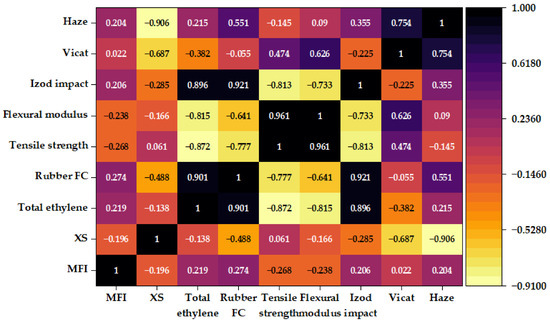
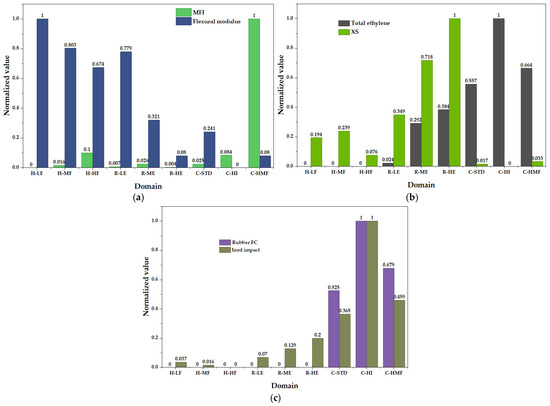
Industrial polypropylene portfolios comprise multiple commercial grades differentiated by molecular architecture, phase morphology, processability, and performance. In this study, 81 industrial polypropylene grades, including 38 homopolymers, 21 random copolymers, and 22 impact copolymers, were analyzed to evaluate the chemometric organization and structure–property relationships of a complete commercial portfolio. The dataset integrated melt flow index, xylene-soluble fraction, total ethylene content, ethylene content of the rubber phase, rubber-phase fraction, and mechanical, thermal, and optical performance variables obtained from routine industrial quality-control and product-certification activities. Principal component analysis, partial least squares discriminant analysis, and variable importance in projection analysis were used to examine portfolio organization, evaluate consistency with the predefined polypropylene families, and identify the descriptors contributing most strongly to family-level discrimination. The first two principal components explained 83.8% of the total variance. They revealed a low-dimensional organization consistent with the molecular and morphological differences among homopolymer, random copolymer, and impact copolymer grades. The full-descriptor PLS-DA model achieved 98.8% cross-validated accuracy and correctly classified 80 of the 81 grades using two latent variables. This performance reflects the internal consistency between the descriptor matrix and the existing industrial family classification rather than independently validated predictive capability for unknown grades. Homopolymer differentiation was mainly associated with molecular-weight-related flow behavior, random copolymer organization with ethylene-induced modification of crystallinity, and impact copolymer differentiation with heterophasic rubber-phase characteristics. The results provide a portfolio-specific chemometric workflow for grade organization and structure–property interpretation. However, the numerical domain boundaries and their transferability require validation using independent polypropylene portfolios from other producers.
Full article
(This article belongs to the Section Polymer Processing and Engineering)
►▼
Show Figures

Figure 1
Open AccessArticle
Long-Term Thermo-Oil Conditioning of PA66-GF25: Non-Monotonic Tensile Response Under Combined Thermal and Lubricant Exposure
by
Ronald Bastovansky, Robert Kohar, Rudolf Madaj and Peter Weis
Polymers 2026, 18(16), 2008; https://doi.org/10.3390/polym18162008 - 18 Aug 2026
Abstract
Polyamide 66 reinforced with 25 wt.% short glass fibres (PA66-GF25) is widely used in engineering applications requiring long-term operation under combined thermal and lubricated conditions, including polymer bearing cage applications. However, the long-term evolution of its mechanical behaviour under thermo-oil exposure remains insufficiently
[...] Read more.
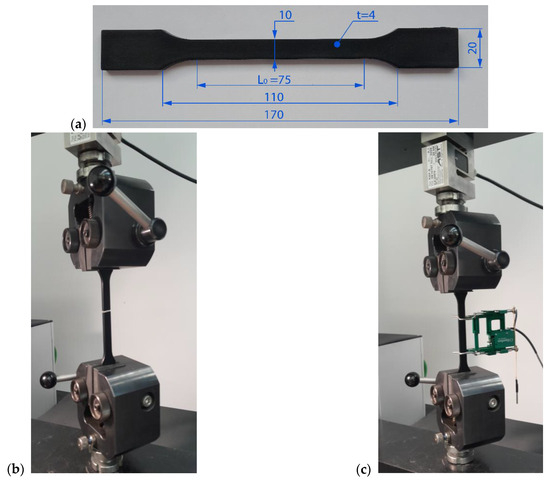
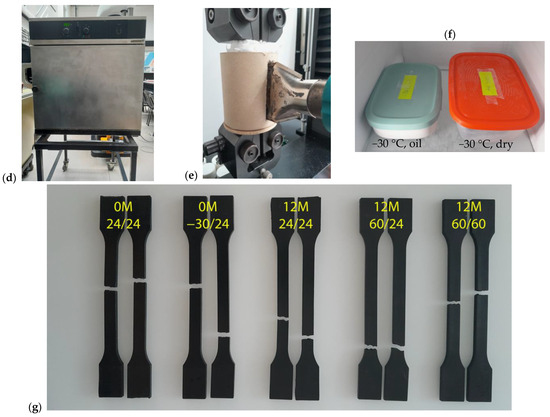
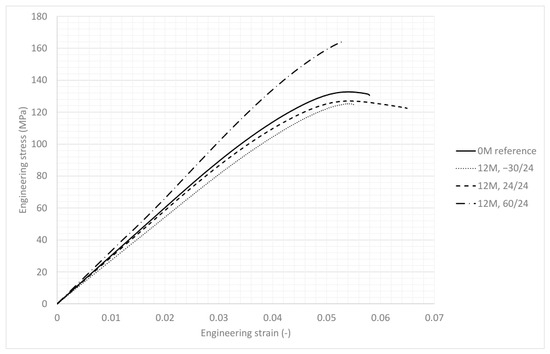
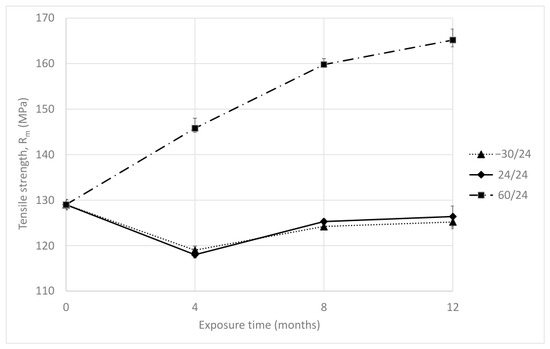
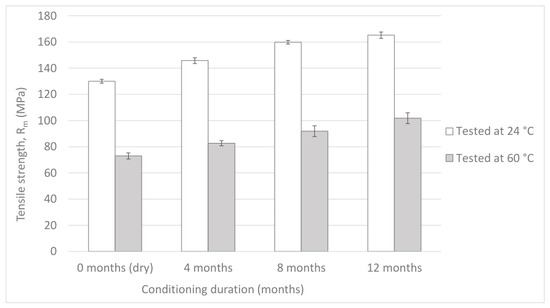
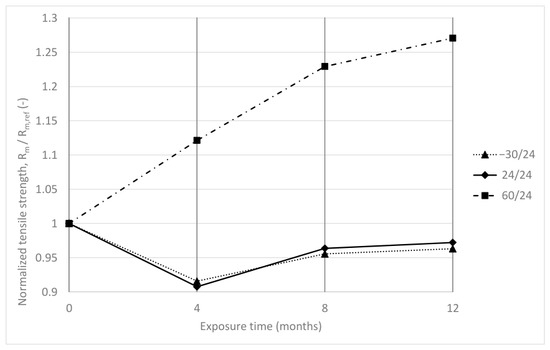
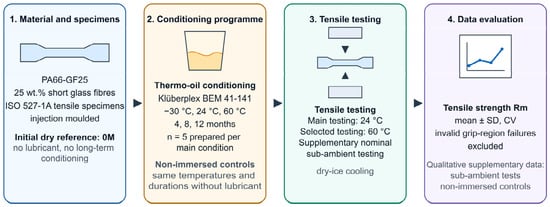
Polyamide 66 reinforced with 25 wt.% short glass fibres (PA66-GF25) is widely used in engineering applications requiring long-term operation under combined thermal and lubricated conditions, including polymer bearing cage applications. However, the long-term evolution of its mechanical behaviour under thermo-oil exposure remains insufficiently documented, particularly over extended exposure periods relevant for service-oriented durability assessment. This study investigates the tensile behaviour of PA66-GF25 after immersion in an industrial bearing lubricant for up to 12 months at conditioning temperatures of −30 °C, 24 °C, and 60 °C. Tensile tests were primarily performed at 24 °C to evaluate the influence of conditioning history, while selected specimens were additionally tested at 60 °C to assess the effect of testing temperature. The results indicate that conditioning temperature strongly influences the evolution of tensile behaviour. Specimens thermo-oil-conditioned at 24 °C and −30 °C exhibited a non-monotonic evolution of tensile strength, characterised by an initial reduction after 4 months followed by recovery and an apparent tendency towards stabilisation at longer exposure durations. In contrast, specimens thermo-oil-conditioned at 60 °C exhibited a continuous increase in tensile strength throughout the investigated period. Although elevated testing temperatures reduced the absolute tensile strength, the relative trends associated with thermo-oil conditioning remained observable. The findings indicate that long-term thermo-oil exposure of PA66-GF25 does not necessarily lead to continuous degradation of tensile performance under the investigated conditions. Instead, the material exhibits a transient response at intermediate exposure durations followed by recovery or an apparent tendency towards stabilisation of tensile performance. These results provide a long-term experimental tensile dataset for PA66-GF25 under combined thermal and lubricant exposure conditions and highlight the importance of extended conditioning when evaluating material performance for lubricated engineering applications. The findings show that intermediate exposure data may not be sufficient for assessing long-term tensile behaviour. However, the mechanisms responsible for the observed tensile strength evolution require further verification using complementary physicochemical and microstructural analyses.
Full article
(This article belongs to the Section Polymer Composites and Nanocomposites)
►▼
Show Figures

Figure 1
Open AccessArticle
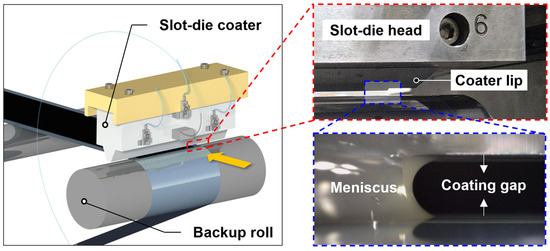
Meniscus Morphology-Based Prediction of Backup Roll Eccentricity for Stable Slot-Die Coating on Polymer Films
by
Mingi Kim, Chanwoo Kim, Jeongdai Jo, Byungho Park and Changwoo Lee
Polymers 2026, 18(16), 2007; https://doi.org/10.3390/polym18162007 - 17 Aug 2026
Abstract
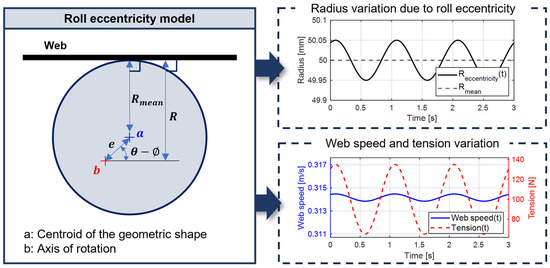
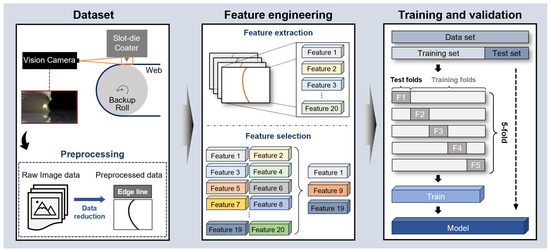
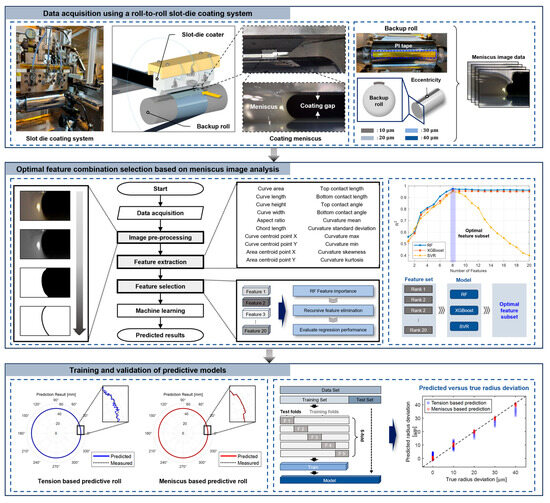
In roll-to-roll slot-die coating systems, backup roll eccentricity induces periodic fluctuations in key process parameters, leading to coating defects. Therefore, accurate prediction of backup roll eccentricity during operation is essential for maintaining stable coating quality. However, conventional methods based on web tension signals
[...] Read more.
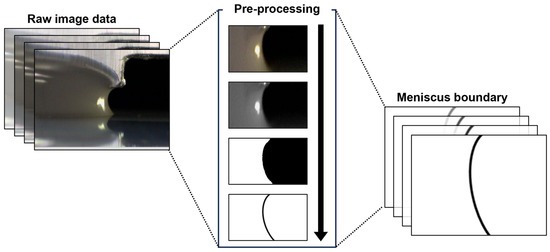
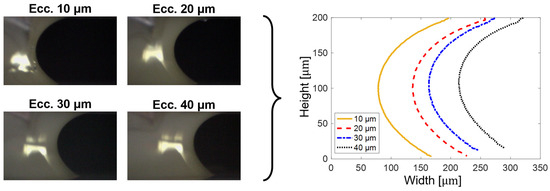
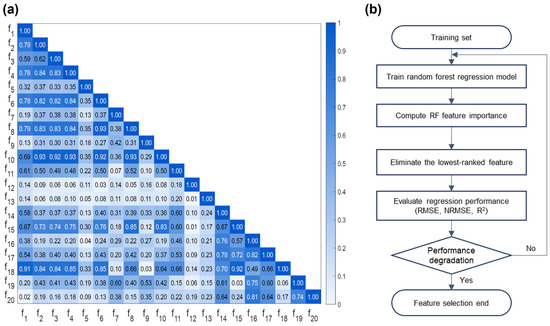
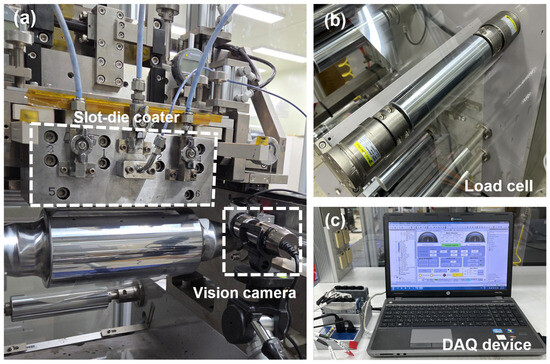
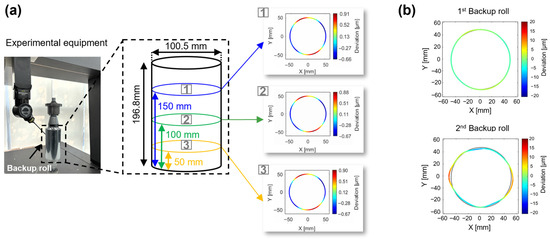
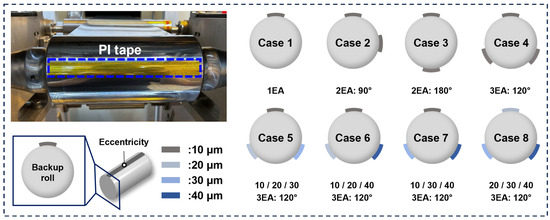
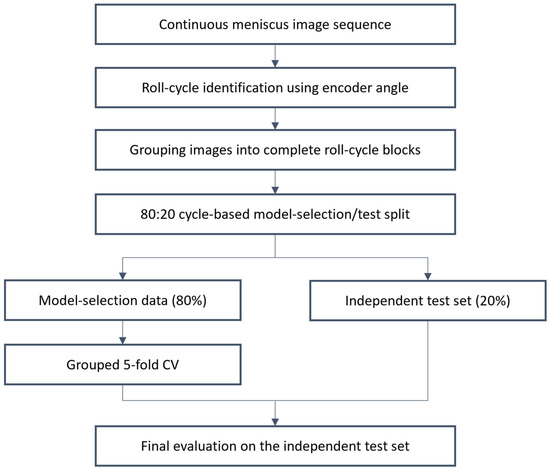
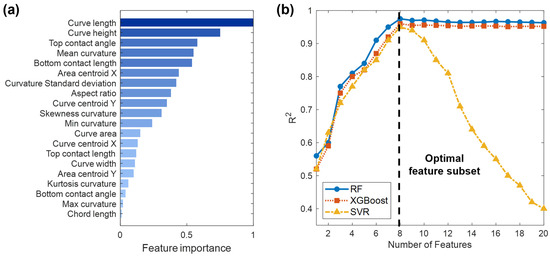
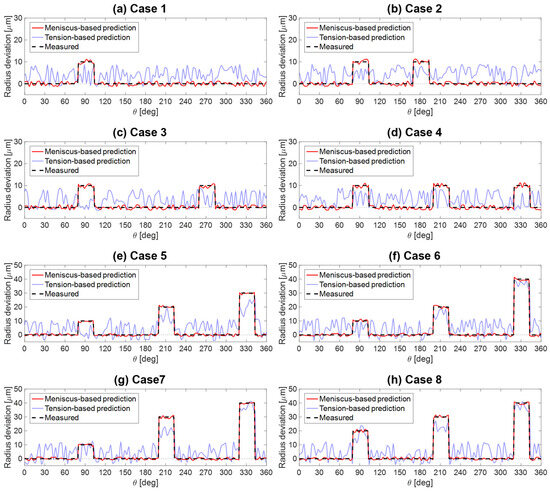
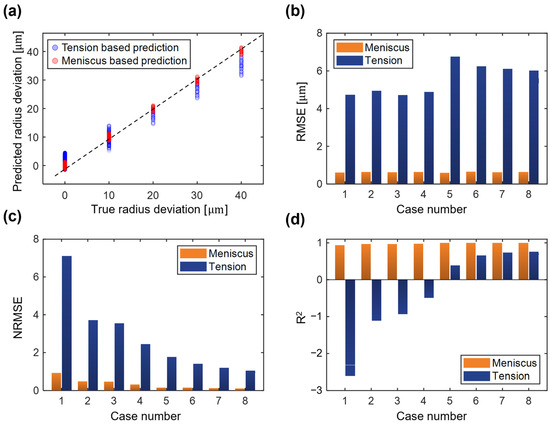
In roll-to-roll slot-die coating systems, backup roll eccentricity induces periodic fluctuations in key process parameters, leading to coating defects. Therefore, accurate prediction of backup roll eccentricity during operation is essential for maintaining stable coating quality. However, conventional methods based on web tension signals have limitations in clearly distinguishing and quantitatively evaluating subtle eccentricities. To address this issue, this study proposes a data-driven framework for predicting backup roll eccentricity using meniscus image information. Representative morphological features are defined to describe the global shape, local shape, and curvature characteristics of the meniscus. Since these features are sensitive to eccentricity-induced process variations, they can serve as effective indicators for eccentricity prediction. The defined features are used to train regression models, and the model with the highest predictive accuracy is selected. Experimental results confirm that the proposed meniscus-based approach significantly outperforms conventional tension-based methods. The proposed method achieves an average Root Mean Square Error (RMSE) of approximately 0.63 μm, an average Normalized Root Mean Square Error (NRMSE) of approximately 0.34, and a coefficient of determination (R2) greater than 0.93 across all test cases. These results demonstrate the feasibility of robust process monitoring using a simple vision sensor configuration.
Full article
(This article belongs to the Special Issue Polymer-Based Coatings: Principles, Development and Applications)
►▼
Show Figures

Graphical abstract
Open AccessArticle
The Influence of Xanthan Gum and Guar Gum Biopolymers on the Geotechnical Properties of Three Different Soils
by
Çiğdem Ceylan
Polymers 2026, 18(16), 2006; https://doi.org/10.3390/polym18162006 - 17 Aug 2026
Abstract
This study investigates the macromolecular interaction mechanisms between linear-anionic xanthan gum (XG) and branched-nonionic guar gum (GG) biopolymers in three mineralogically distinct soils: Bentonite Clay (BC), Zeolite Silty Soil (ZS), and Red Clay (RC). Mıxtures were prepared by dry mixing of soil powders
[...] Read more.
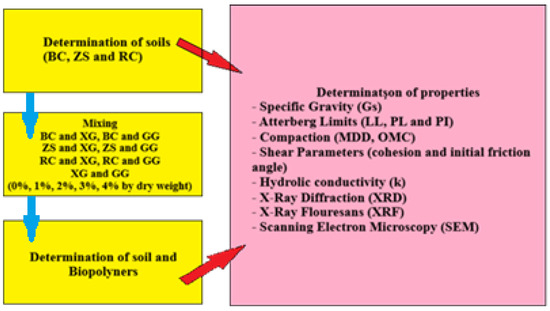
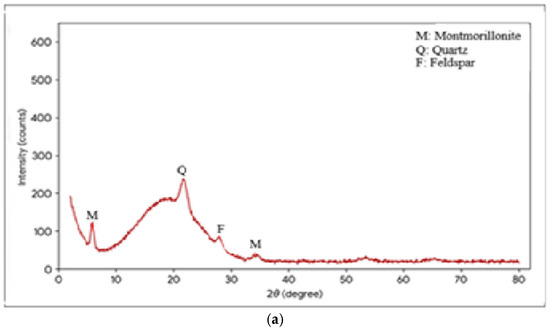
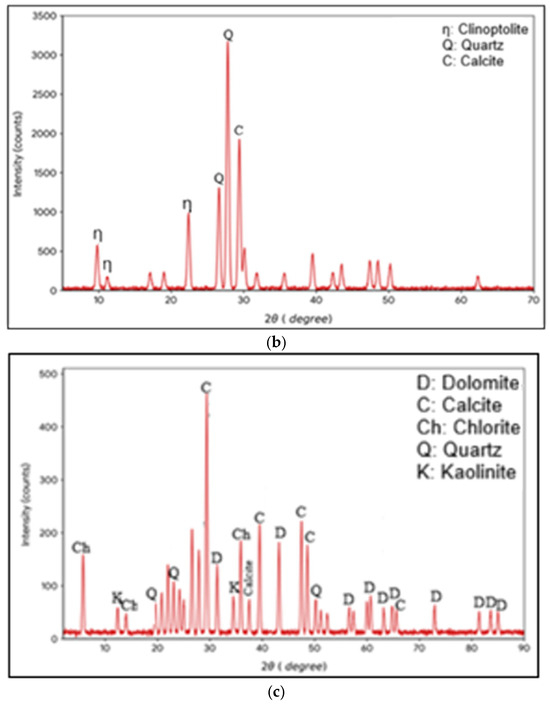
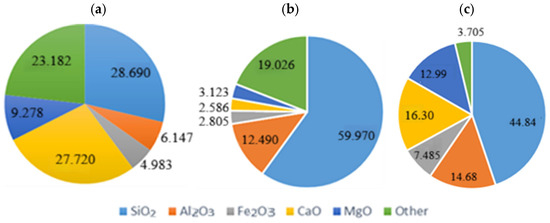
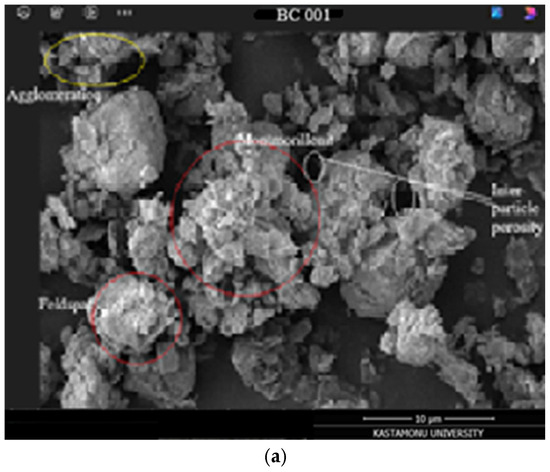
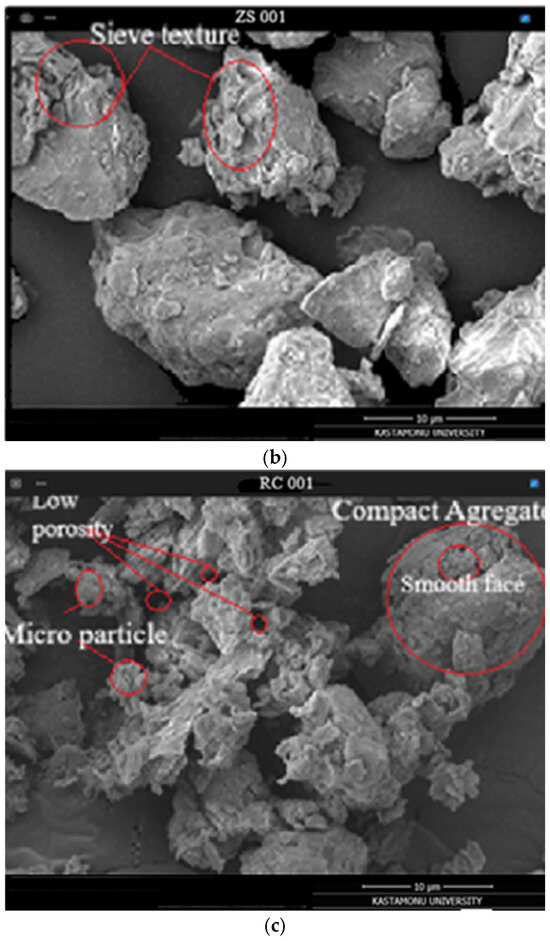
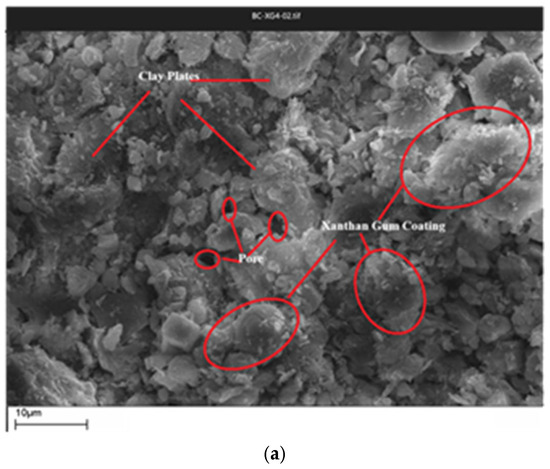
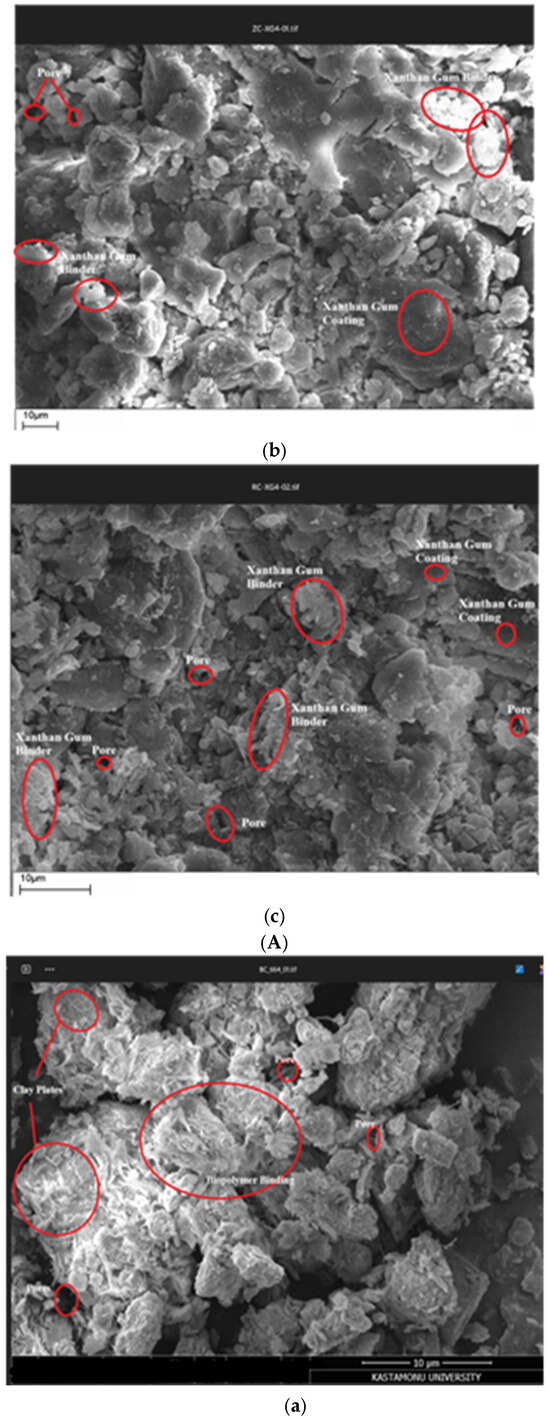
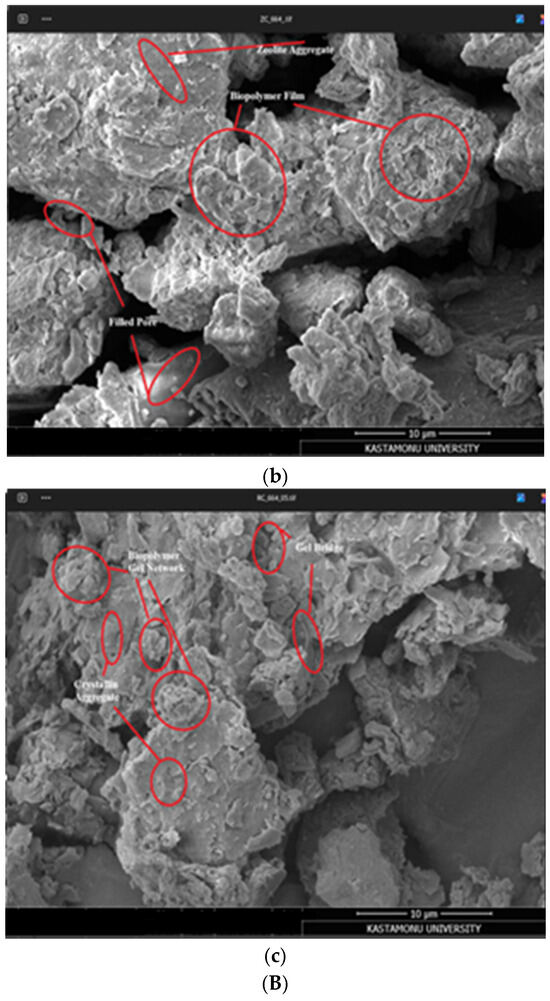
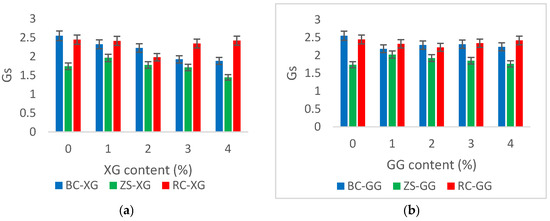
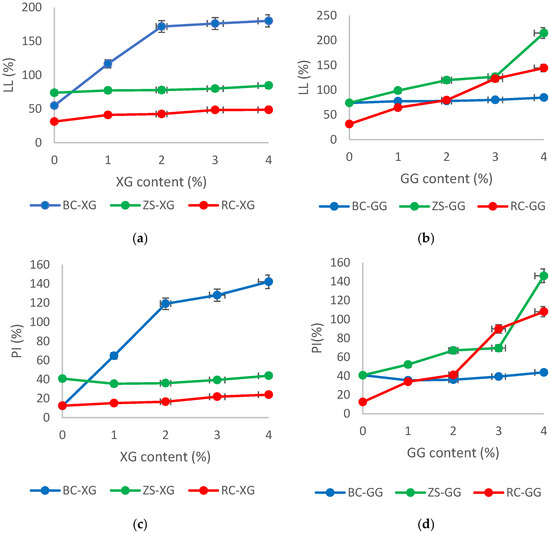
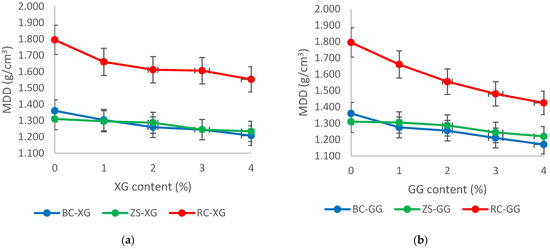
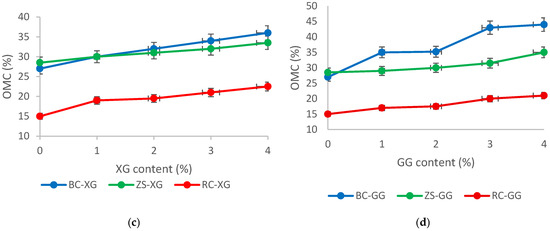
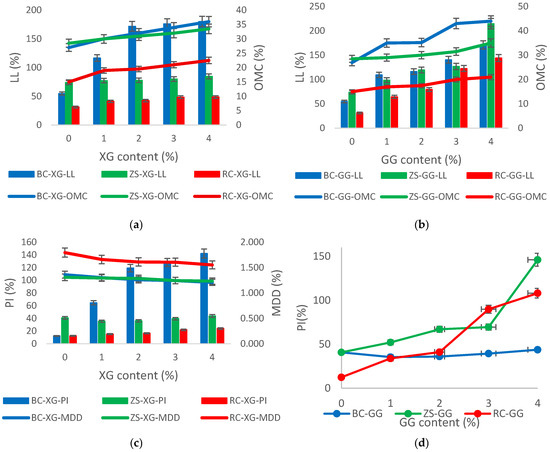
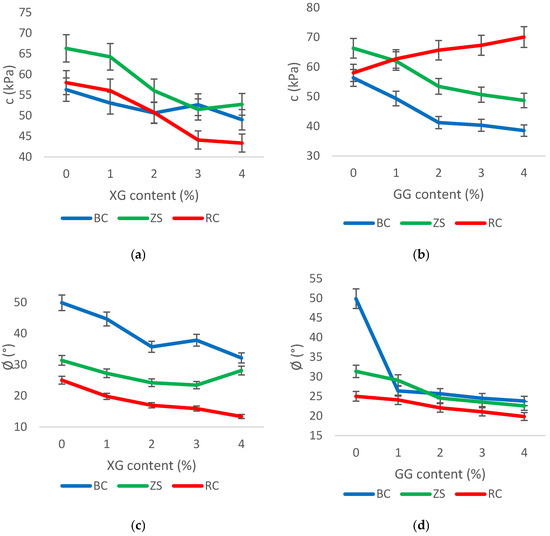
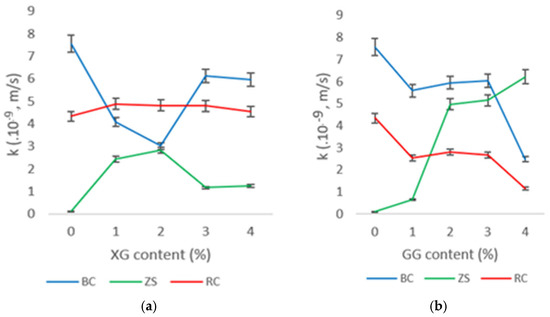
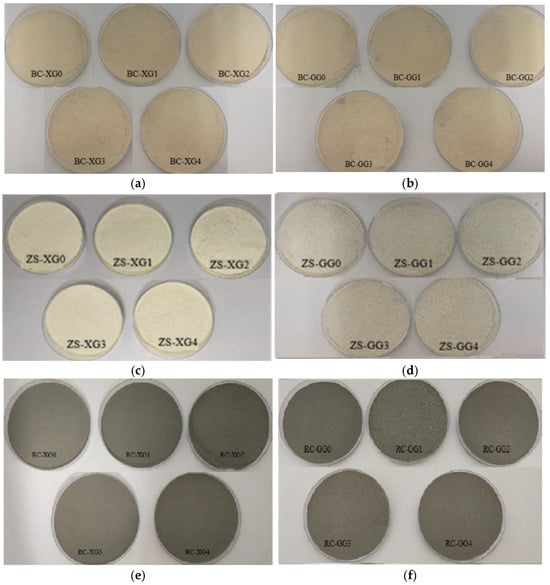
This study investigates the macromolecular interaction mechanisms between linear-anionic xanthan gum (XG) and branched-nonionic guar gum (GG) biopolymers in three mineralogically distinct soils: Bentonite Clay (BC), Zeolite Silty Soil (ZS), and Red Clay (RC). Mıxtures were prepared by dry mixing of soil powders with biopolymer powders at designated ratios (0%, 1%, 2%, 3%, and 4% by dry weight). The prepared mixtures were characterized using X-Ray Diffraction (XRD), X-Ray Fluorescence (XRF), Scanning Electron Microscopy (SEM), and standard compaction and shear strength tests. The results show that geotechnical macro-behavior is primarily influenced by polymer chain conformation and mineral interfacial reactions. In ZS-XG mixture, hydraulic conductivity increased approximately 26-fold (from 0.107 × 10⁻⁹ to 2.83 × 10⁻⁹ m/s), a phenomenon attributed to the Donnan electrostatic exclusion effect, where linear anionic XG chains repel zeolite surfaces and generate low-friction macro-flow paths. Conversely, the addition of GG to RC formed a strongly interconnected hydrogel network through hydrogen bonding with trivalent iron and magnesium oxides, resulting in a 20.8% increase in cohesion (up to 70.05 kPa). In contrast, GG addition decreased cohesion in BC and ZS. These findings confirm that sustainable biopolymer-based soil remediation depends on customizing the polymer morphology according to the properties of the soil. In engineering applications, ZS-XG mixtures should be evaluated for drainage projects requiring high permeability, whereas the RC-GG4 mixture should be considered a primary option for infiltration barriers (e.g., landfill liners) requiring low permeability and high cohesion.
Full article
(This article belongs to the Section Biobased and Biodegradable Polymers)
►▼
Show Figures

Figure 1
Open AccessArticle
Structure–Property Relationships in Metakaolin Geopolymers Modified with Shell-Derived Calcium Particles for Multifunctional Wastewater Treatment
by
Adriana-Gabriela Schiopu, Mihai Oproescu, Paul Mereuță, Sorin Georgian Moga, Ecaterina Magdalena Modan, Miruna-Adriana Ioța, Alexandru Berevoianu, Ștefan Mira, Marian-Cătălin Ducu, Elena Andreea Vijan, Daniela Istrate and Yasmin Loriana Teodora Grigore
Polymers 2026, 18(16), 2005; https://doi.org/10.3390/polym18162005 - 17 Aug 2026
Abstract
The sustainable valorization of marine shell waste as functional additives for geopolymer materials represents a promising strategy for developing multifunctional materials for environmental remediation. In this study, metakaolin-based geopolymers were modified with calcium-rich particles obtained by calcination of five marine shell species (
[...] Read more.
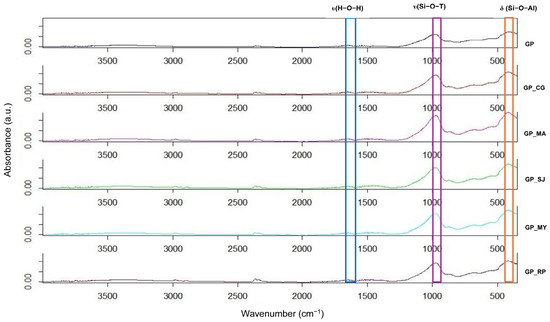
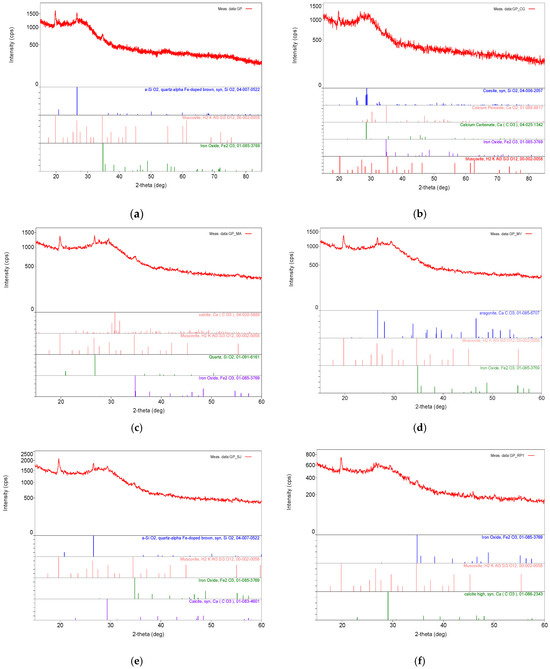
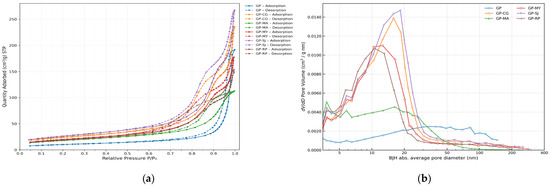
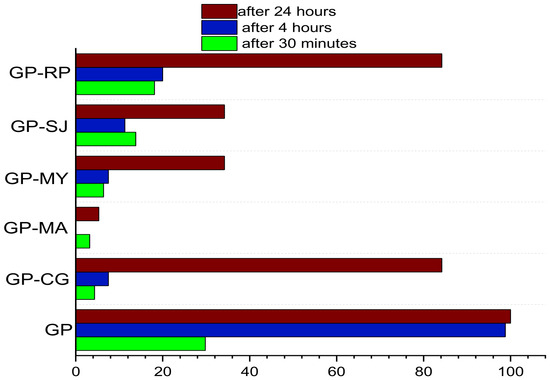
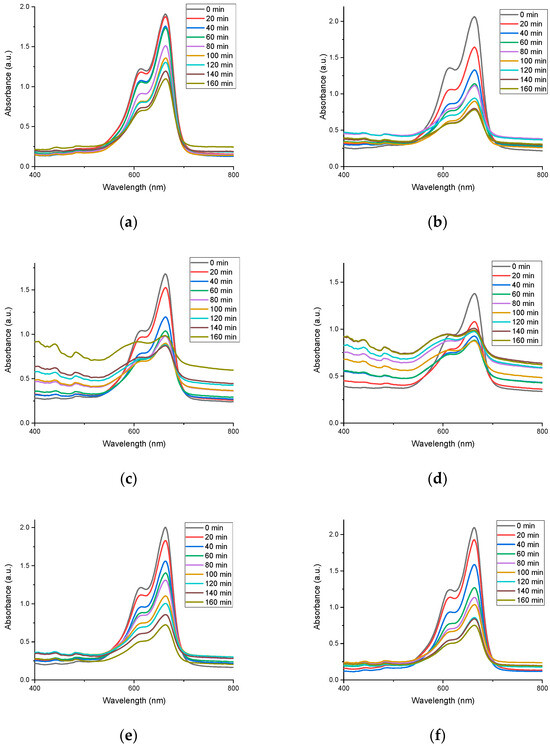
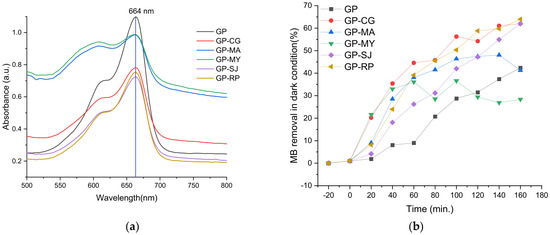
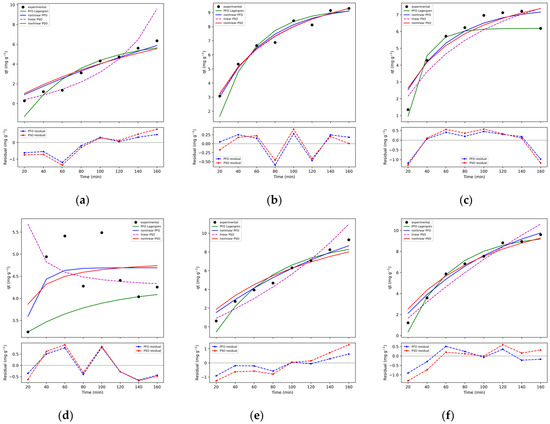
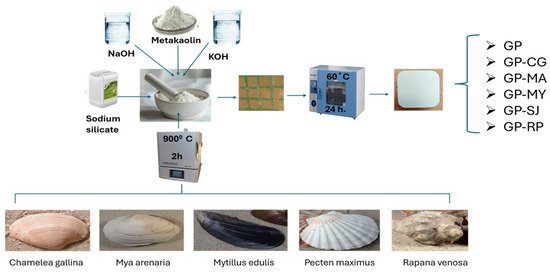
The sustainable valorization of marine shell waste as functional additives for geopolymer materials represents a promising strategy for developing multifunctional materials for environmental remediation. In this study, metakaolin-based geopolymers were modified with calcium-rich particles obtained by calcination of five marine shell species (Chamelea gallina, Mya arenaria, Mytilus edulis, Pecten maximus, and Rapana venosa) under identical synthesis conditions to evaluate the influence of shell mineralogy on the structural, textural, adsorption, and antibacterial properties of the resulting composites. The materials were comprehensively characterized by Fourier transform infrared spectroscopy in attenuated total reflectance (ATR-FTIR), X-ray diffraction (XRD), scanning electron microscopy (SEM), and nitrogen adsorption–desorption (BET/BJH) analyses. Functional performance was assessed through methylene blue (MB) adsorption experiments, adsorption kinetic modeling, and antibacterial tests against Escherichia coli (E. coli). ATR-FTIR and XRD analyses confirmed the formation of a stable amorphous geopolymer network containing residual crystalline phases together with shell-derived calcium carbonate, predominantly as calcite or aragonite depending on shell origin. The incorporation of shell-derived particles modified the pore architecture of the geopolymers. GP-SJ exhibited the highest BET specific surface area (94.30 m2 g−1) and the most developed mesoporous structure. Among the investigated formulations, GP-RP showed the most favorable overall combination of functional properties under the investigated conditions, exhibiting the highest methylene blue removal efficiency (63.97%) and experimental adsorption capacity at 160 min (9.60 mg g−1), together with a comparatively high reduction in recoverable E. coli colonies during preliminary antibacterial screening. The combined structural and functional analyses demonstrate that the environmental performance of shell-modified geopolymers cannot be predicted from a single parameter such as BET surface area or calcium content alone, but results from the synergistic interaction between mineralogical composition, particle dispersion, pore accessibility, and matrix compactness. Under the investigated conditions, these findings provide evidence for proposed structure–property correlations under the investigated conditions and suggests that shell-derived calcium particles act as microstructural regulators of geopolymer matrices, providing a basis for the further development of sustainable multifunctional materials for simultaneous dye removal and bacterial reduction in wastewater treatment.
Full article
(This article belongs to the Special Issue Advanced Polymeric Materials for Water Purification)
►▼
Show Figures

Figure 1
Open AccessArticle
Multifunctional PBAT/Curcumin Bioactive Composite Films with Colorimetric Properties for Packaging
by
Yujie Guo, Hong Yu, Shunlin Yang, Yanziwen Zhang, Xiucheng Zhao, Lihua Zhang and Haibo Xie
Polymers 2026, 18(16), 2004; https://doi.org/10.3390/polym18162004 - 17 Aug 2026
Abstract
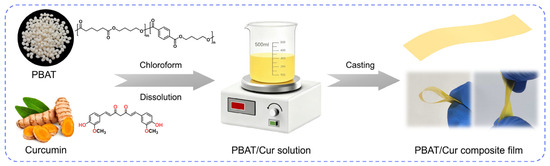
The extensive use of common petroleum-based plastics in food packaging has raised serious environmental concerns, accelerating the search for biodegradable and functional alternatives. In this study, poly(butylene adipate-co-terephthalate)/curcumin (PBAT/Cur) bioactive composite films with colorimetric sensing properties were successfully prepared via solution casting. A
[...] Read more.
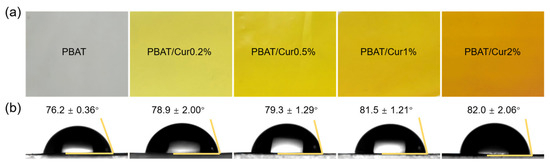
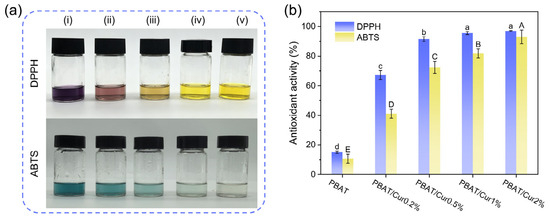
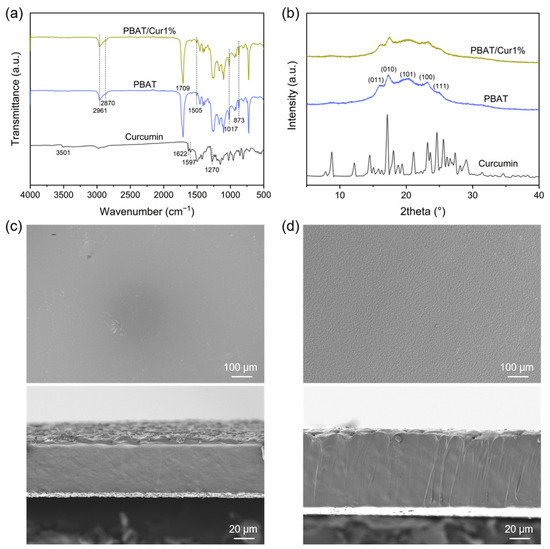
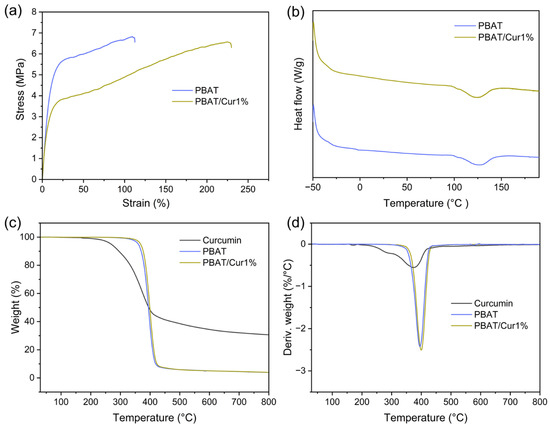
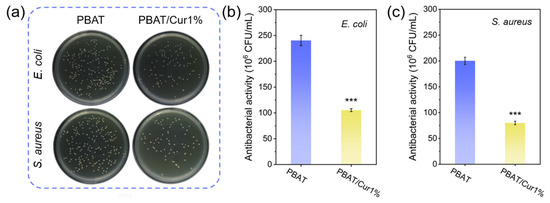
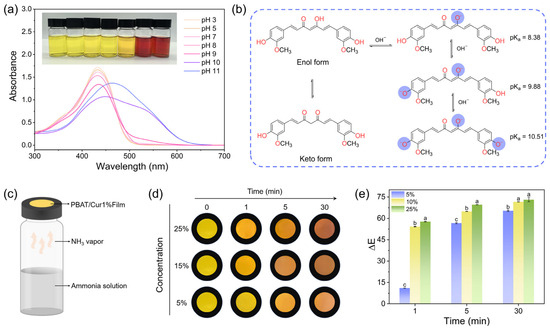
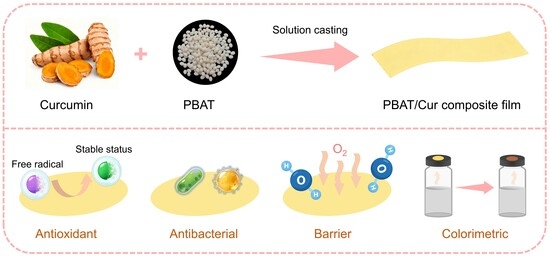
The extensive use of common petroleum-based plastics in food packaging has raised serious environmental concerns, accelerating the search for biodegradable and functional alternatives. In this study, poly(butylene adipate-co-terephthalate)/curcumin (PBAT/Cur) bioactive composite films with colorimetric sensing properties were successfully prepared via solution casting. A systematic characterization was conducted on the structural, morphological, barrier, antioxidant, antibacterial, and colorimetric properties of the films. The optimal PBAT/Cur1% films exhibited potent antioxidant activity (DPPH scavenging up to 95.6%) and moderate antibacterial activity against E. coli and S. aureus. Additionally, curcumin incorporation not only increased the water contact angle of the PBAT/Cur1% films, indicating enhanced surface hydrophobicity, but also concurrently improved the barrier properties, as evidenced by a reduced water vapor permeability (WVP of 14.58 g·mm/m2·day·kPa) and a lower oxygen transmission rate (OTR of 7.533 × 10⁻³ cm3/m2·day·Pa) compared to the neat PBAT films. Notably, the films displayed a distinct and rapid color change from yellow to reddish-brown upon exposure to ammonia vapor, suggesting their promise for on-package visual freshness indication. These findings highlight PBAT/Cur composite films as a sustainable option for active and intelligent food packaging, with combined antioxidant, antibacterial, and colorimetric properties, making them promising for packaging protein-rich foods (e.g., meat and seafood).
Full article
(This article belongs to the Section Polymer Composites and Nanocomposites)
►▼
Show Figures

Graphical abstract
Open AccessArticle
Flexural Response of Dense Polymeric BCC Lattice Beams: Experimental Benchmark and Limits of Homogenized Beam Descriptions
by
Gastón Sal-Anglada, Marta Moure Cuadrado, Javier Paz and Matías Braun
Polymers 2026, 18(16), 2003; https://doi.org/10.3390/polym18162003 - 17 Aug 2026
Abstract
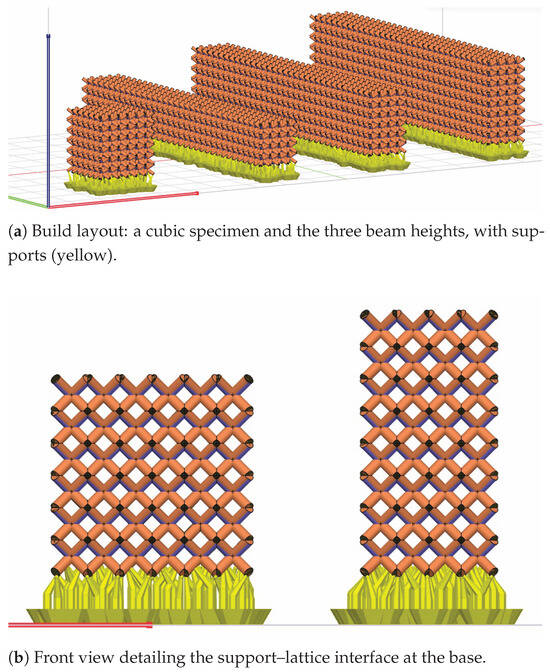
The flexural behaviour of body-centred cubic (BCC) lattice beams fabricated by stereolithography remains supported by limited experimental evidence, and available homogenized beam models are rarely confronted with data in the combined regime of high relative density, non-slender struts, and low span-to-depth ratios. This
[...] Read more.
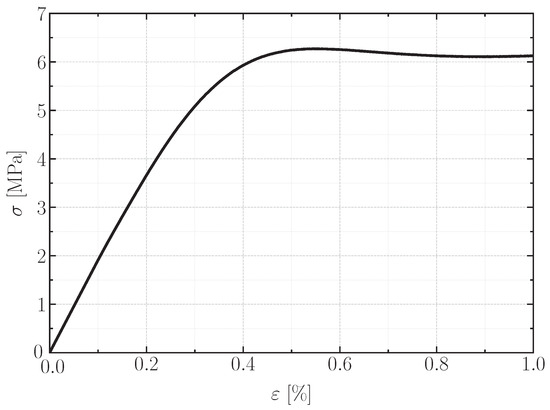
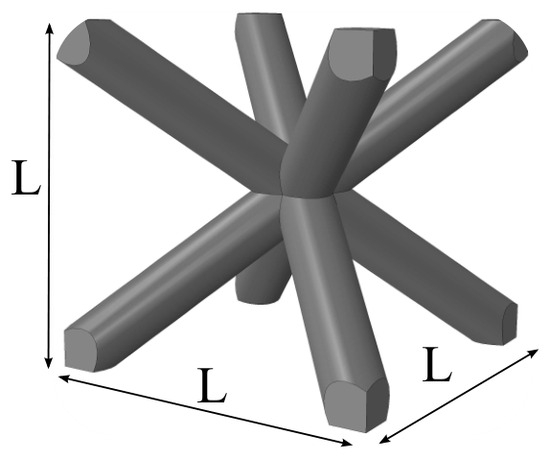
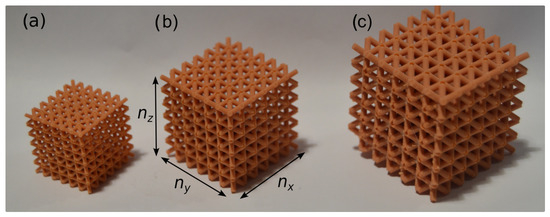
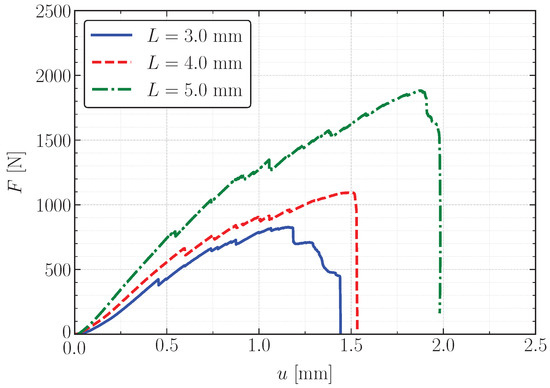
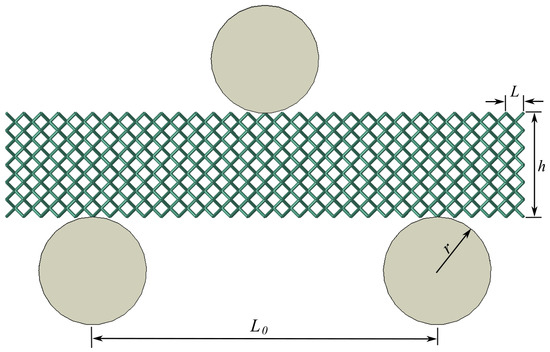
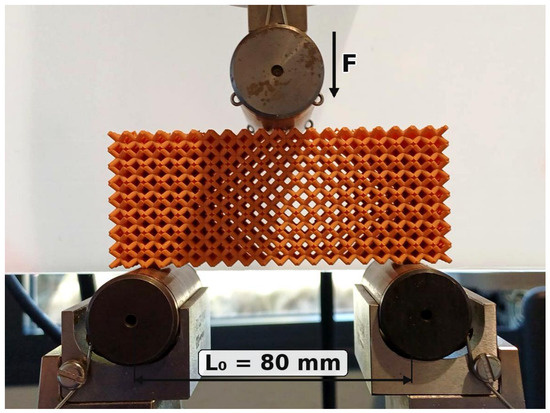
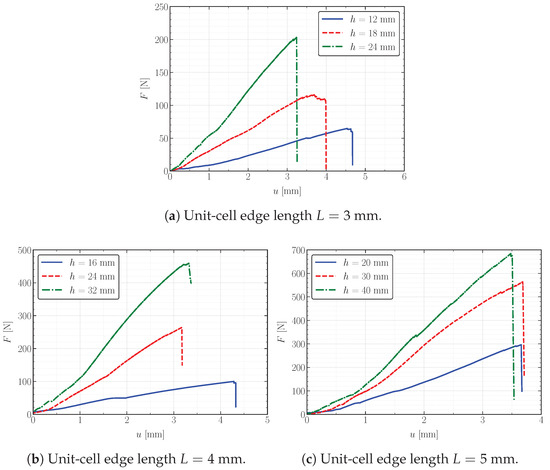
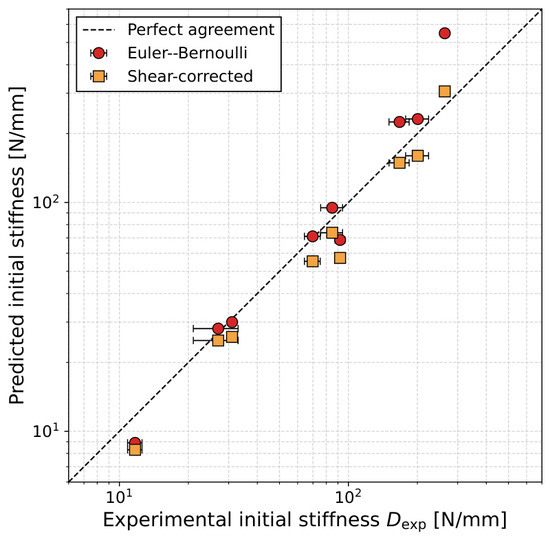
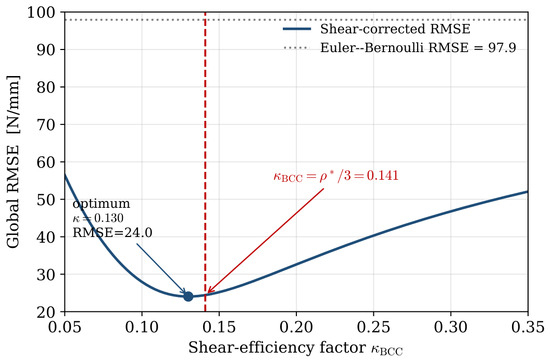
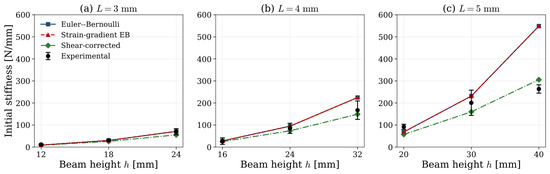
The flexural behaviour of body-centred cubic (BCC) lattice beams fabricated by stereolithography remains supported by limited experimental evidence, and available homogenized beam models are rarely confronted with data in the combined regime of high relative density, non-slender struts, and low span-to-depth ratios. This work presents an experimental campaign on polymeric BCC lattice beams with three unit-cell edge lengths ( , 4, and 5 mm) and a constant strut-to-cell ratio , yielding a relative density . Specimens were tested under uniaxial compression and three-point bending for nine combinations of geometry. The experimental data are compared with three analytical frameworks: a classical Euler–Bernoulli homogenized beam model and a BCC-specific shear-corrected formulation at the structural level, both evaluated without calibration to the bending tests, together with a strain-gradient extension whose intrinsic length scale is calibrated against them. For the effective Young’s modulus, the closed-form expression of Lee et al. reproduces the compression data within 10%, whereas the Tancogne-Dejean and Mohr model remains markedly stiffer even after the strut-level Timoshenko correction is included. In bending, none of the models proves adequate over the full geometric range: the Euler–Bernoulli model is accurate for several configurations (errors below 16% in five of nine cases) but overestimates the stiffness by up to 108% for the deepest specimen; the shear-corrected model reduces the global root mean square error from 97.94 to 24.44 N/mm (approximately a factor of four), but introduces excessive flexibility in some slender and intermediate configurations; and the strain-gradient correction, being strictly stiffening, yields no appreciable improvement. To avoid assigning the discrepancy to a single mechanism, the bending data are further analysed through an experimental compliance decomposition. The additional compliance relative to Euler–Bernoulli theory is small or negative in several cases, showing that shear flexibility alone cannot explain the full dataset, but becomes dominant for the deepest beams. The results therefore delineate the range of validity of simple homogenized beam models for dense finite BCC lattice structures and identify the combined influence of structural shear, non-slender struts, nodal-region morphology, finite-cell and boundary effects, local roller-contact compliance, and the discrete distribution of struts across the cross-section as the main mechanisms requiring more refined descriptions. These findings correspond to a single relative density ( ) and a single strut-to-cell ratio ( ), so the resulting span-to-depth indicator ( ) should be regarded as indicative for this class of dense lattices rather than as a general design rule.
Full article
(This article belongs to the Section Polymer Analysis and Characterization)
►▼
Show Figures

Figure 1
Open AccessArticle
Effect of Arctic Service Conditions on the Mechanical Properties and Damage Behavior of Glass Fiber and Carbon/Glass Hybrid-Reinforced Vinyl Ester Composites for Marine Applications
by
Lijun Wang, Yueming Zhou, Weiping He, Xin Fu, Zhiyong Zhao, Xingyue Zhen, Bin Yang, Jihui Wang and Aiqing Ni
Polymers 2026, 18(16), 2002; https://doi.org/10.3390/polym18162002 - 17 Aug 2026
Abstract
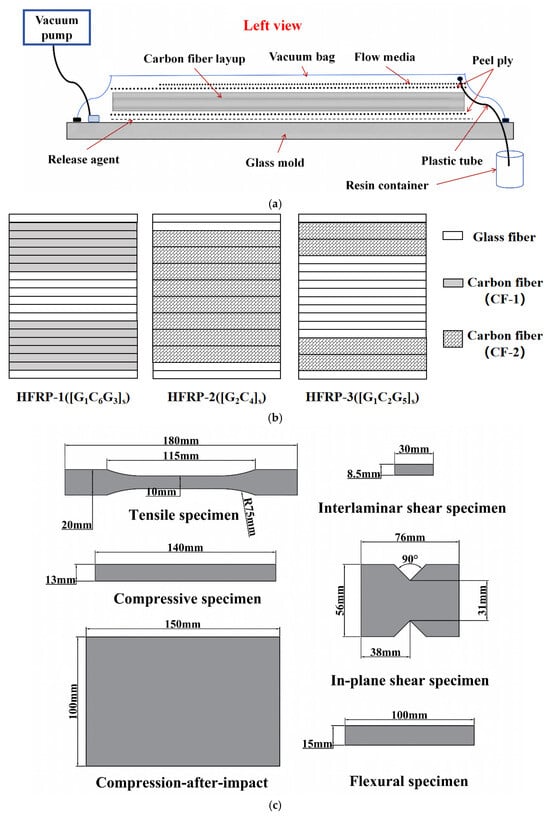
Glass fiber-reinforced polymer (GFRP) and carbon/glass hybrid fiber-reinforced polymer (HFRP) laminates with two vinyl ester resin systems were investigated to evaluate their early environmental response, residual mechanical performance, and damage behavior after moisture-assisted low-temperature exposure and freeze–thaw cycling (FTC). After 150 days of
[...] Read more.
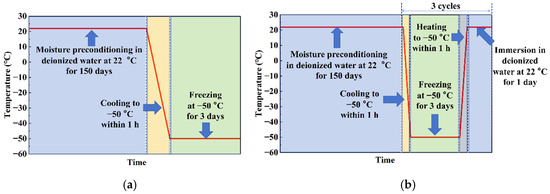
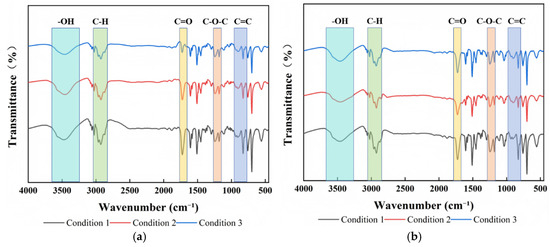
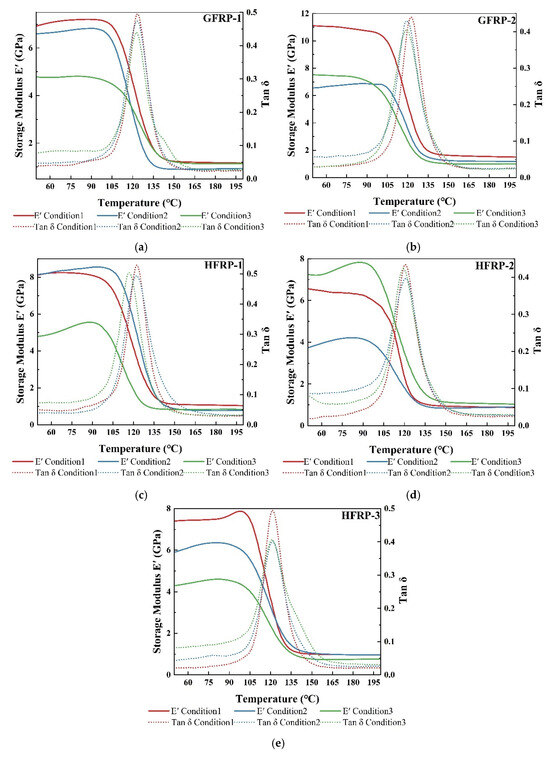
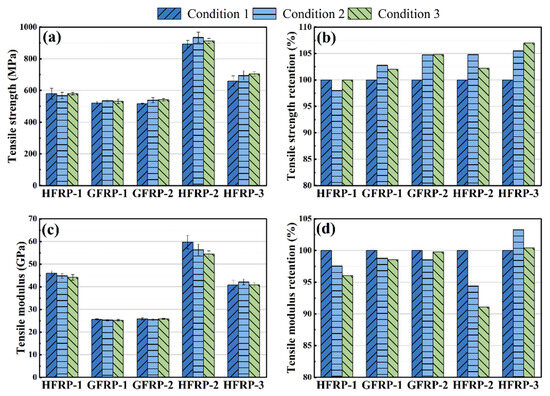
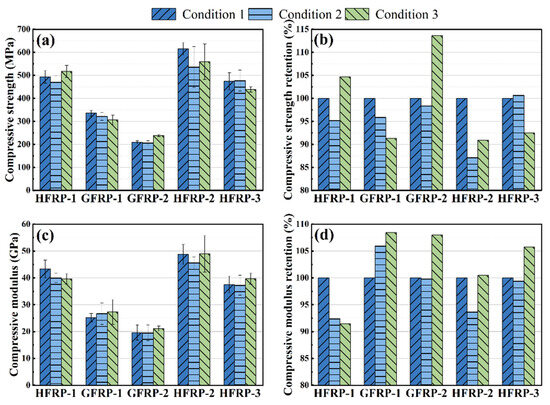
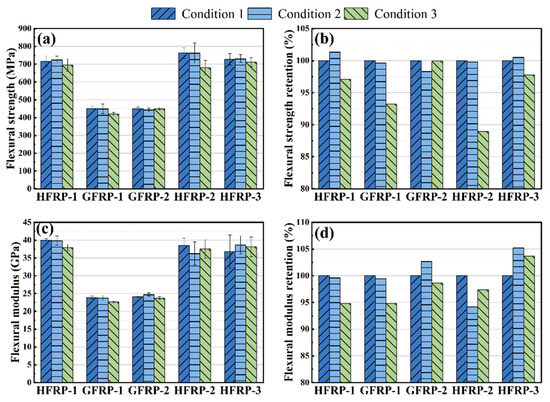
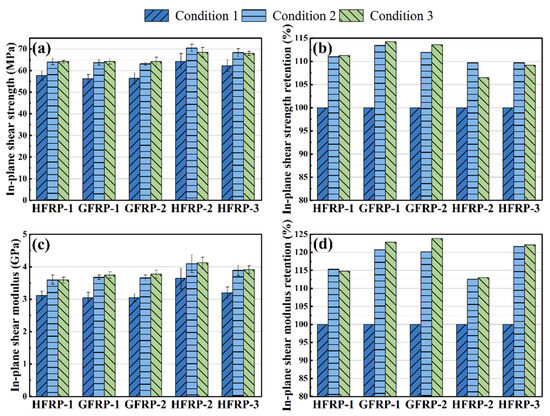
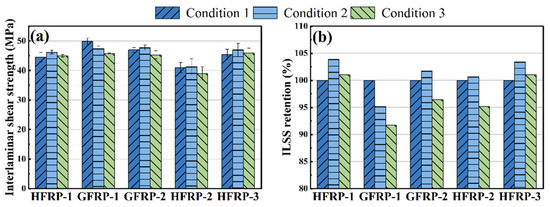
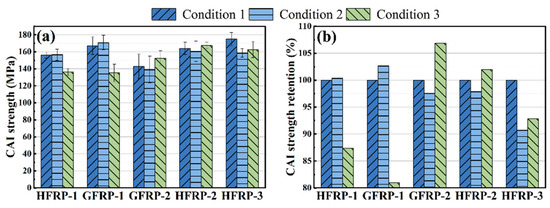
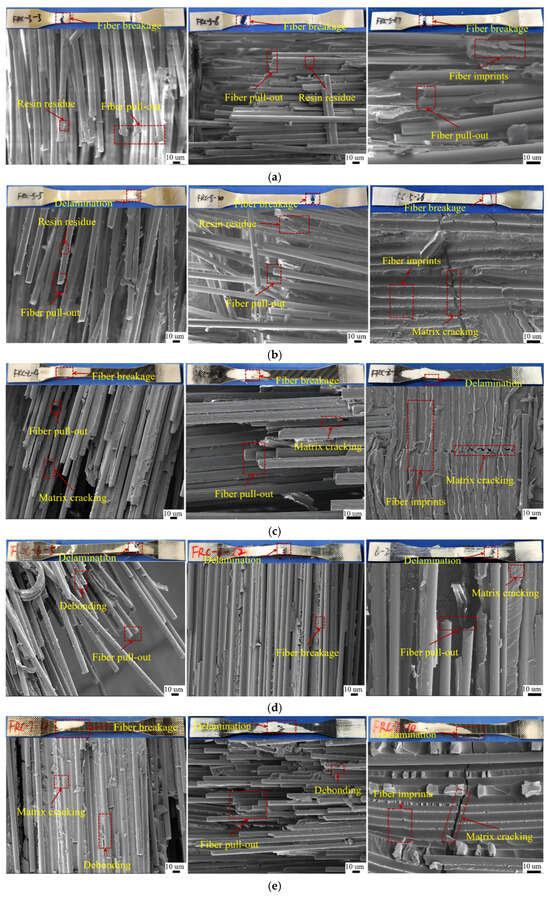
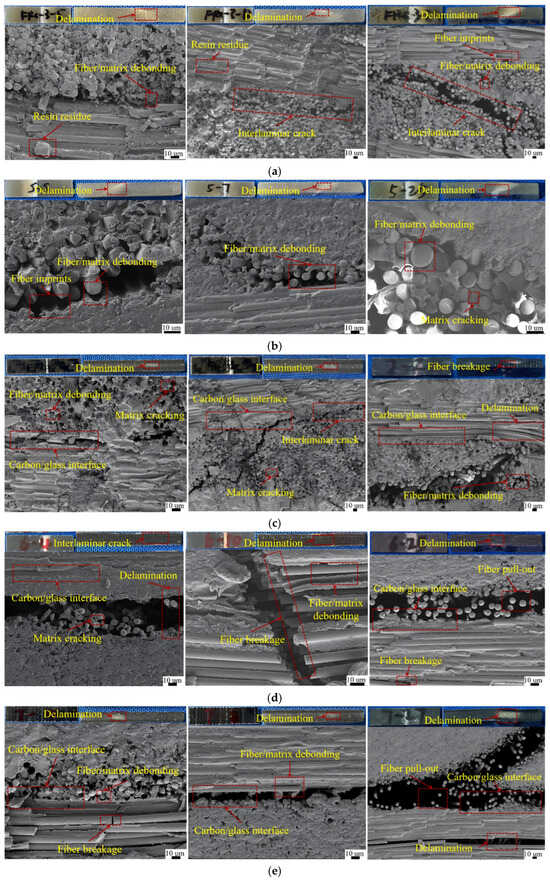
Glass fiber-reinforced polymer (GFRP) and carbon/glass hybrid fiber-reinforced polymer (HFRP) laminates with two vinyl ester resin systems were investigated to evaluate their early environmental response, residual mechanical performance, and damage behavior after moisture-assisted low-temperature exposure and freeze–thaw cycling (FTC). After 150 days of moisture preconditioning, the conditioned specimens were exposed to −50 °C or subjected to FTC between −50 °C and 22 °C. Tensile, compressive, flexural, in-plane shear, interlaminar shear, and compression-after-impact (CAI) tests were conducted. Fourier transform infrared spectroscopy (FTIR), dynamic mechanical analysis (DMA), and scanning electron microscopy (SEM) were used to examine chemical structure, thermomechanical response, and damage morphology. FTIR spectra showed no obvious changes in the characteristic absorption bands of the vinyl ester matrix. DMA showed condition-dependent changes in thermomechanical behavior, with the largest decrease in glass transition temperature reaching 5.5 °C after Condition 3. Tensile and in-plane shear properties were largely retained, whereas compressive, flexural, interlaminar shear, and CAI properties were more sensitive; the largest CAI strength loss was 19.1%. Hybrid stacking affected the property retention and damage tolerance of the laminates under the designed FTC condition. SEM observations identified interfacial debonding, matrix microcracking, and interlaminar crack growth as the main damage features.
Full article
(This article belongs to the Section Polymer Composites and Nanocomposites)
►▼
Show Figures

Figure 1
Open AccessArticle
Surface-Exposed Hydroxyapatite Microparticles in Electrospun PLLA Scaffolds: Mechanical Reinforcement and Osteogenic Response
by
Arsalan D. Badaraev, Mikhail A. Buldakov, Vladislav R. Bukal, Evgeny L. Choinzonov, Sven Rutkowski, Xiaojun Han and Sergei I. Tverdokhlebov
Polymers 2026, 18(16), 2001; https://doi.org/10.3390/polym18162001 - 17 Aug 2026
Abstract
The addition of hydroxyapatite (HAP) to electrospun poly-L-lactide (PLLA) scaffolds promotes cell adhesion and differentiation but generally leads to a significant deterioration in mechanical properties due to particle agglomeration. Moreover, the encapsulation of HAP particles within a polymer layer makes them inaccessible to
[...] Read more.
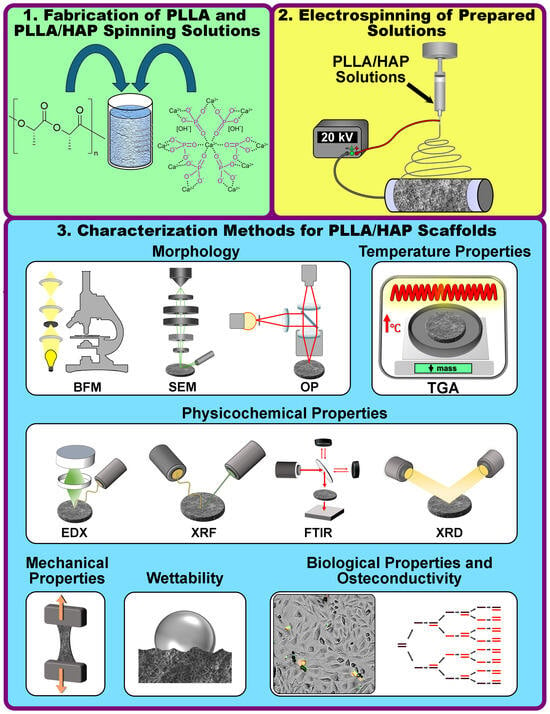
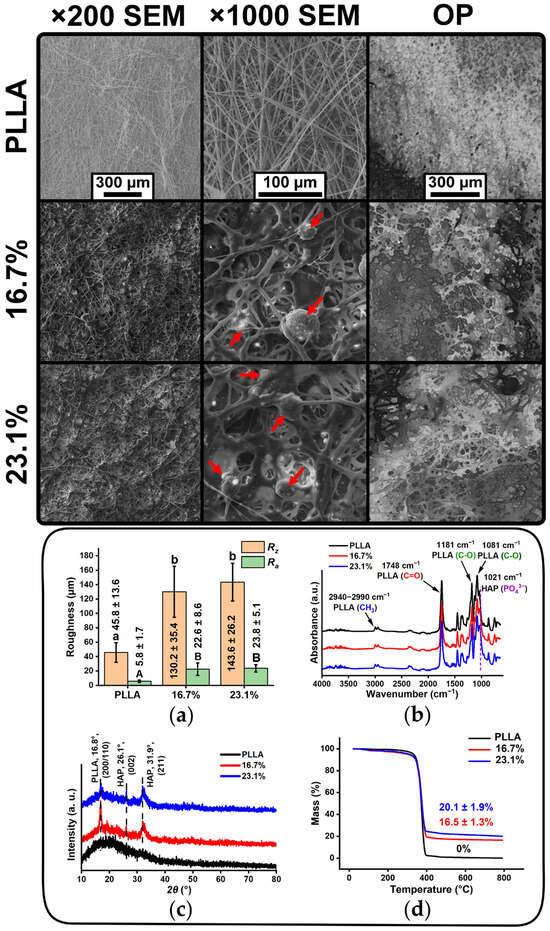
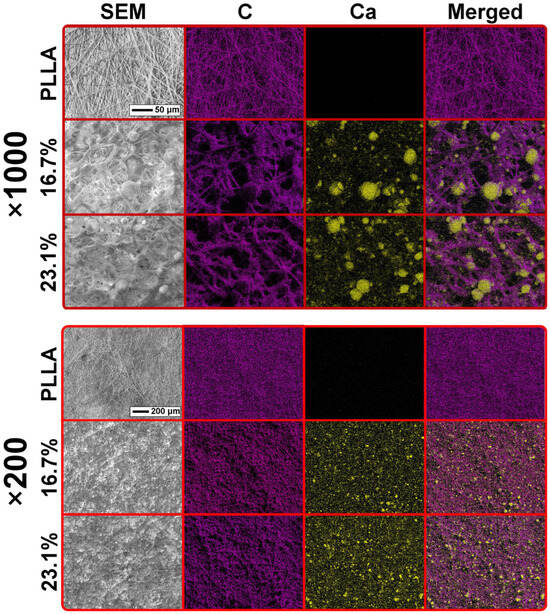
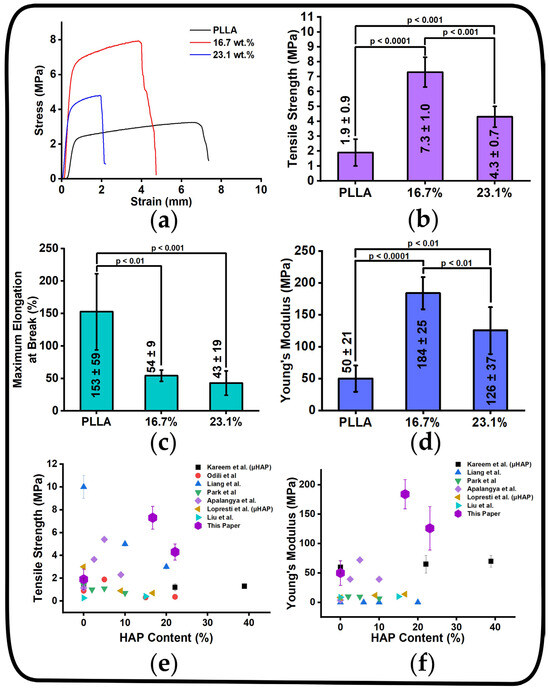
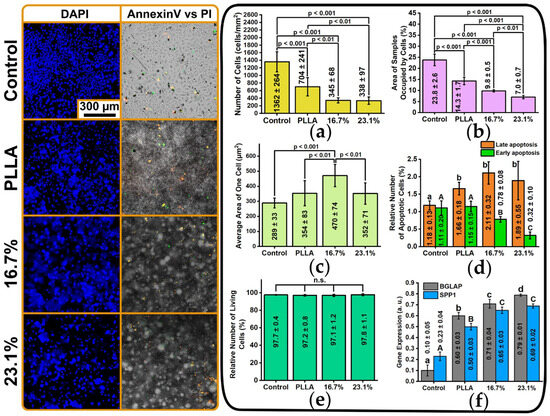
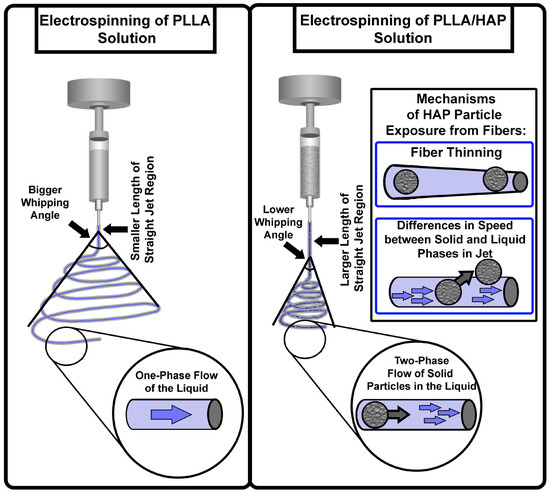
The addition of hydroxyapatite (HAP) to electrospun poly-L-lactide (PLLA) scaffolds promotes cell adhesion and differentiation but generally leads to a significant deterioration in mechanical properties due to particle agglomeration. Moreover, the encapsulation of HAP particles within a polymer layer makes them inaccessible to body fluids and cells, thereby limiting the bioactivity of the resulting composite scaffold. In this work, HAP microparticles with median size of 26.3 µm were used to obtain exposed HAP particles on the surface of electrospun PLLA fibers. SEM images and EDX maps revealed that individual particles, particularly the larger ones, were exposed from the polymer scaffold surface. The addition of HAP particles significantly altered the scaffold morphology and structure, increasing the fiber diameter and surface roughness by 2.8–4.1-fold, promoting the formation of fused fiber junctions, and inducing the appearance of semicrystalline PLLA domains. These structural changes significantly improved the mechanical properties of the scaffolds. Specifically, the tensile strength and Young’s modulus of the prepared scaffolds are increased by 2.3–3.8-fold following HAP incorporation. Compared with neat PLLA scaffolds, HAP-containing scaffolds exhibited 1.2–1.4-fold higher osteocalcin and osteopontin expression by human adipose-derived mesenchymal stromal cells (hADSCs). Compared to tissue culture plastic, the expressions of osteocalcin and osteopontin on the composite scaffolds were 7.1–7.9-fold and 2.8–3.0-fold higher, respectively.
Full article
(This article belongs to the Special Issue Polymeric Composites: Manufacturing, Processing and Applications)
►▼
Show Figures

Figure 1
Open AccessArticle
Structural and Compositional Effects of Essential Oils on Silica-Rich Gel Materials for Novel Dental Applications
by
Hanne Bulut, Osman Arslan and Chi Ching Lee
Polymers 2026, 18(16), 2000; https://doi.org/10.3390/polym18162000 - 17 Aug 2026
Abstract
Particle-containing gels were functionalized with clove, peppermint, tea tree, sage, coconut, lemon, and eucalyptus oils to obtain a novel material for dental applications with improved cell interactions and antibacterial applications. Dried samples, SEM imaging, and elemental mapping revealed a homogeneous distribution of inorganic
[...] Read more.
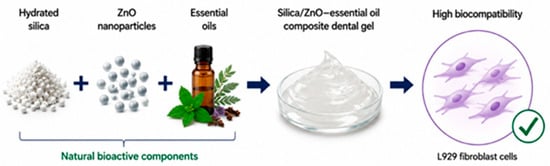
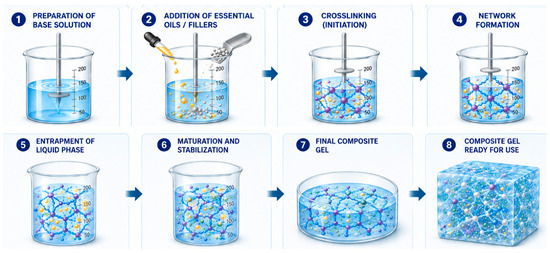
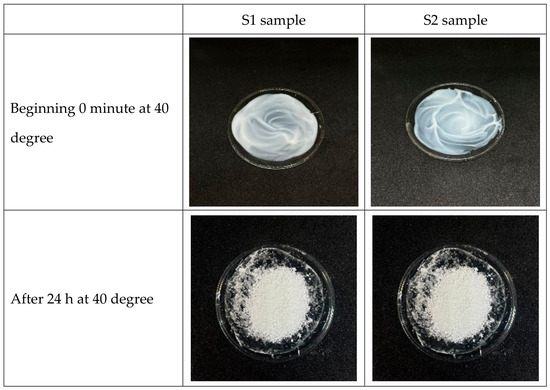
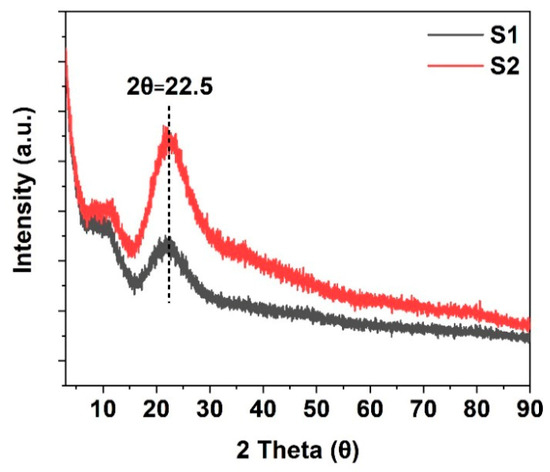
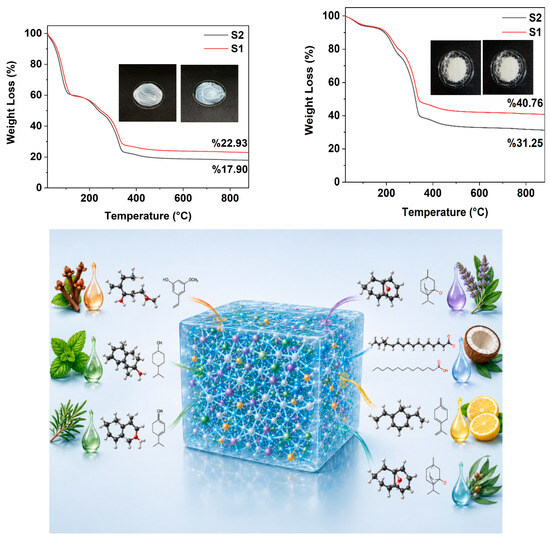
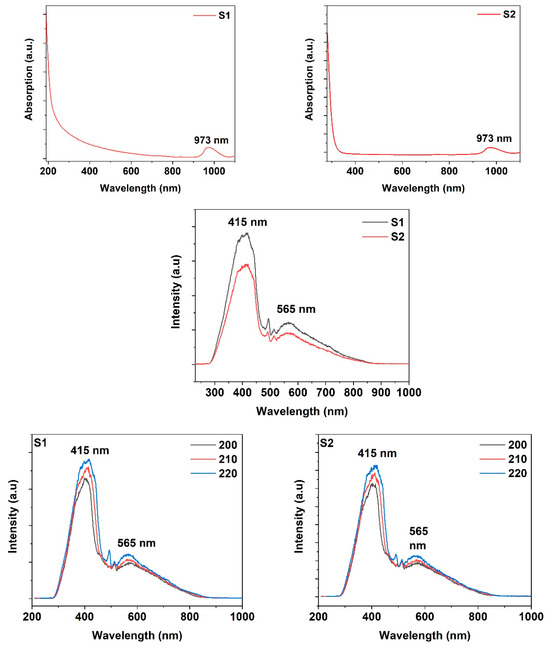
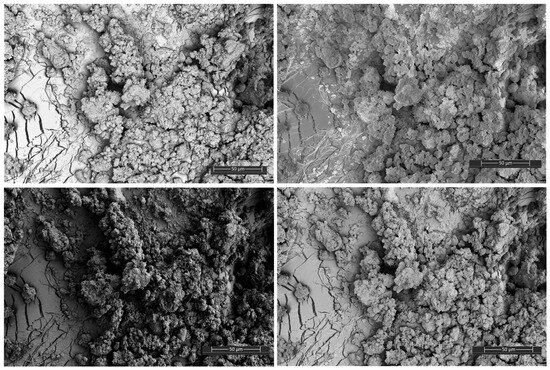
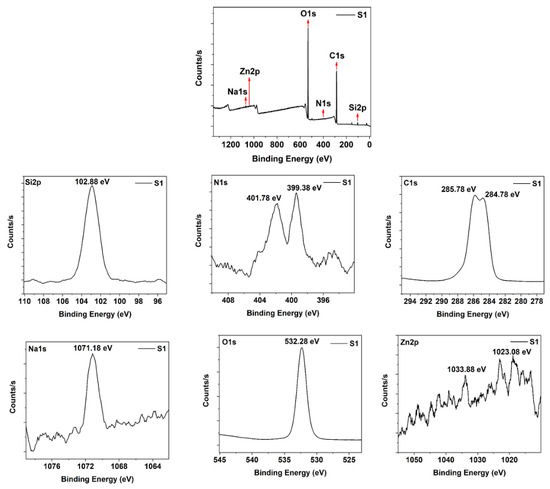
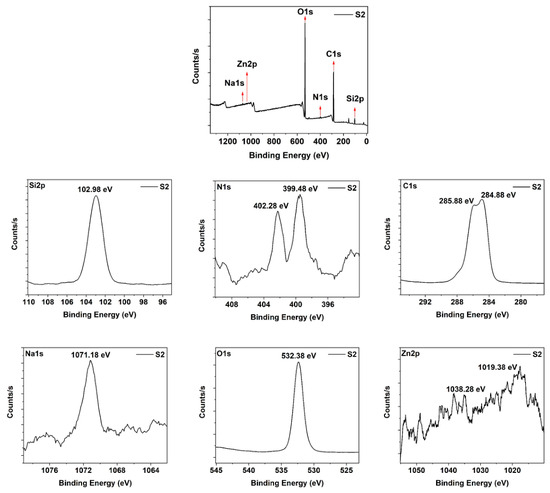
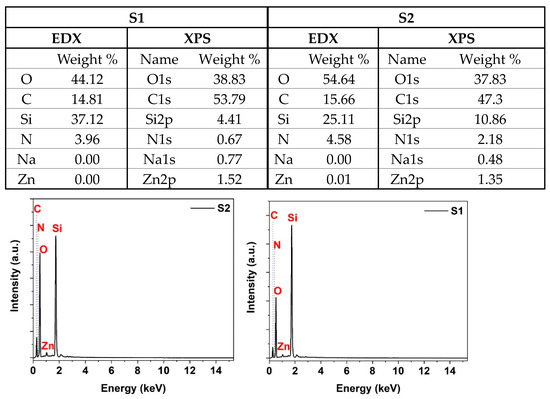
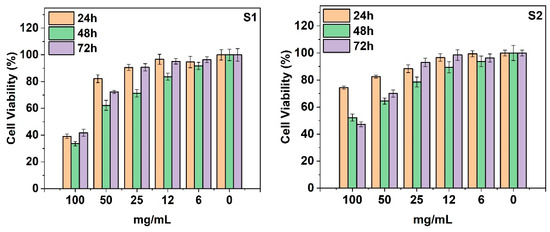
Particle-containing gels were functionalized with clove, peppermint, tea tree, sage, coconut, lemon, and eucalyptus oils to obtain a novel material for dental applications with improved cell interactions and antibacterial applications. Dried samples, SEM imaging, and elemental mapping revealed a homogeneous distribution of inorganic and organic components throughout the gel matrix. EDX and XPS investigations revealed changes in elemental composition and surface chemistry following the addition of essential oil. Also, FTIR spectroscopy revealed characteristic interactions between the silica-rich network and bioactive oil constituents through slight modifications. In contrast, UV–Vis and PL investigations showed differences in the optical behavior of the formulations. TG-DTA measurements with decomposition analysis revealed a noticeable increase in essential oils, which broadly influenced the chemical composition. Biological evaluation using L929 fibroblasts demonstrated >73% cell viability after 72 h in essential oil-containing structures, confirming proper cytocompatibility. The compatibility between the silica-based formulation and essential oils resulted in better cellular effects without compromising compatibility. Therefore, the promising potential of these multifunctional formulations for advanced oral care applications has been experimentally demonstrated and reported.
Full article
(This article belongs to the Special Issue Advanced Polymers for Biomedical Applications: Preparation and Application)
►▼
Show Figures

Graphical abstract
Open AccessArticle
Magnetic Poly(VPA-co-EGDMA)-TiO2 Polymeric Microspheres as Supports for Acetylcholinesterase Immobilization: Kinetic Behavior, Stability, and Reusability
by
Şahin Özel
Polymers 2026, 18(16), 1999; https://doi.org/10.3390/polym18161999 - 17 Aug 2026
Abstract
Magnetic poly(vinylphosphonic acid-co-ethylene glycol dimethacrylate)-TiO2 [m-poly(VPA-co-EGDMA)-TiO2] microspheres were synthesized by suspension polymerization and evaluated as supports for direct acetylcholinesterase (AChE) immobilization. The microspheres were characterized by SEM, FT-IR, BET, XRD, XPS, VSM, and zeta potential analyses and exhibited porous morphology,
[...] Read more.
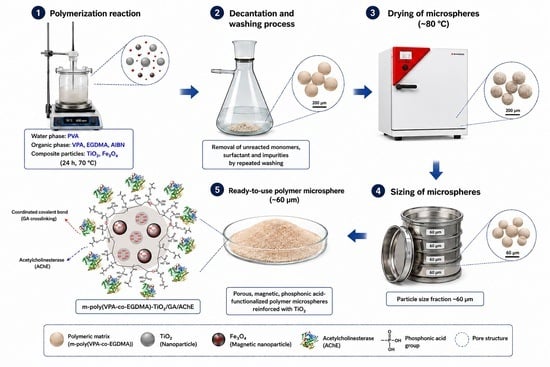
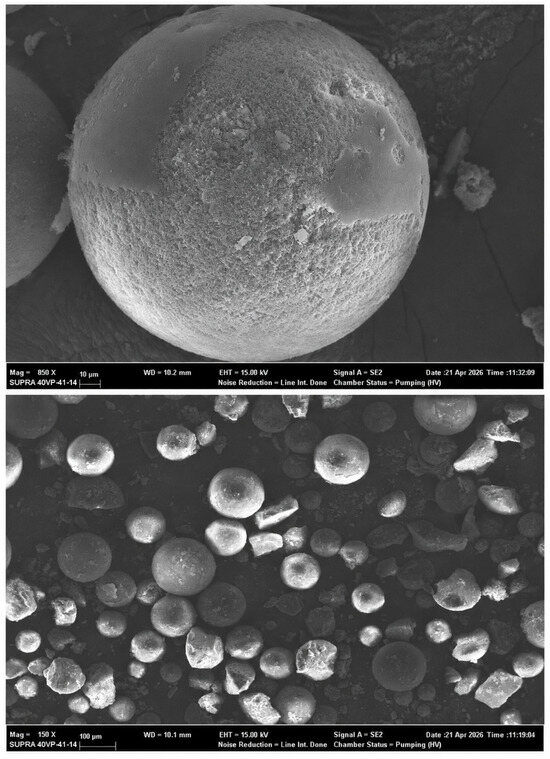
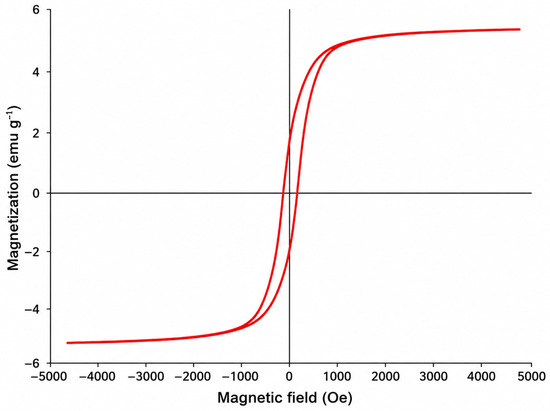
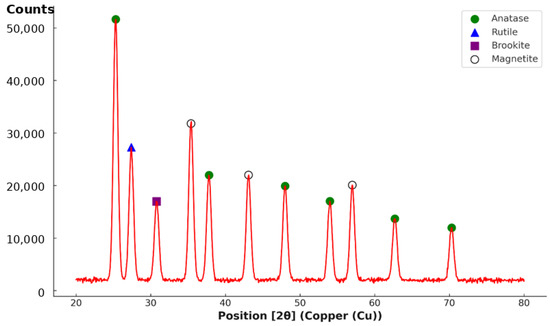
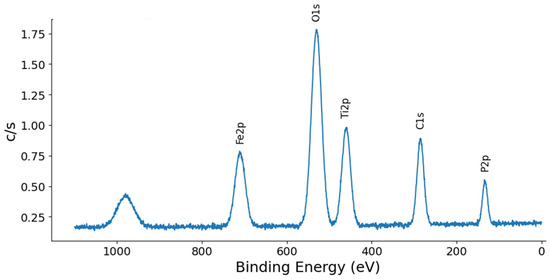
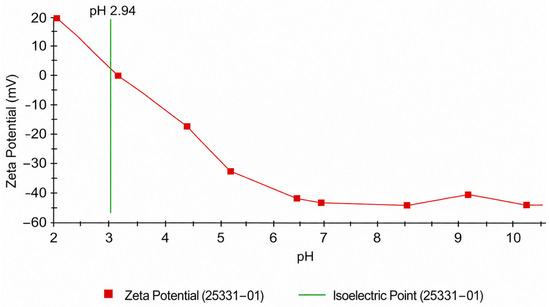
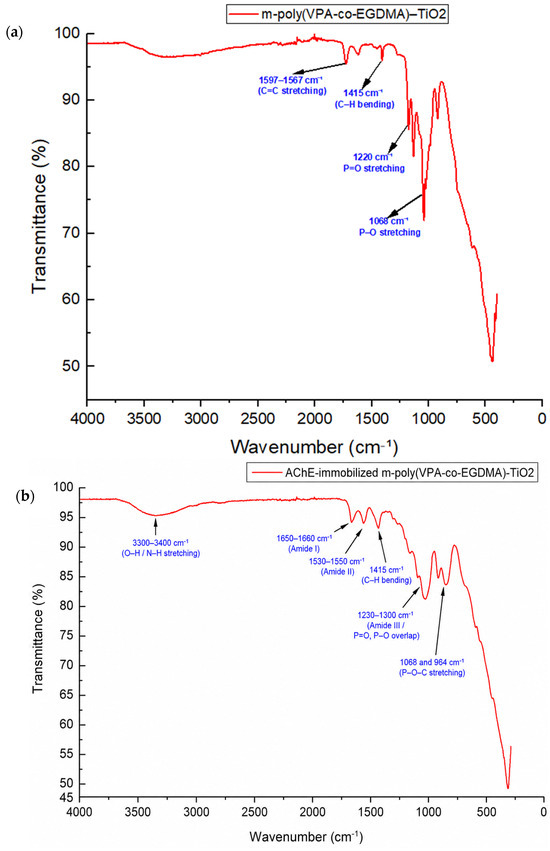
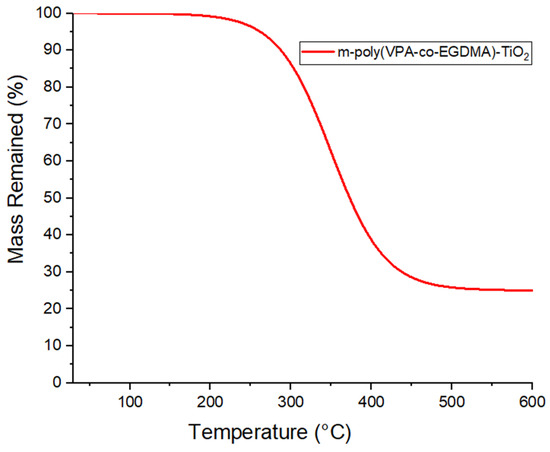
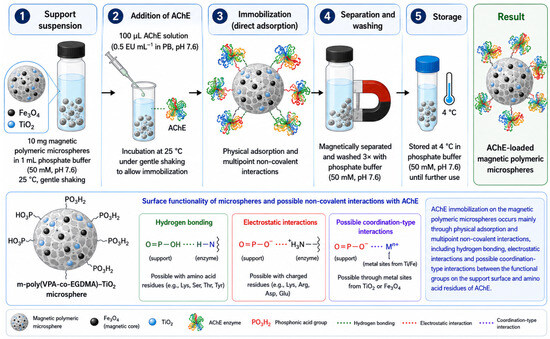
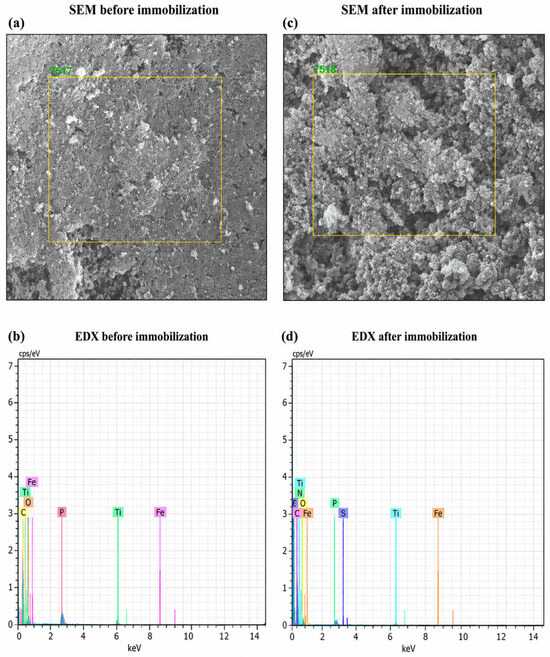
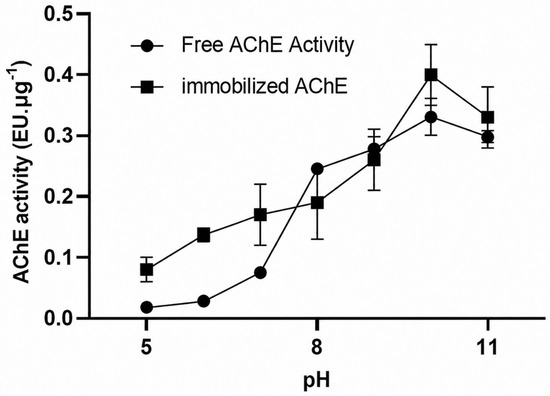
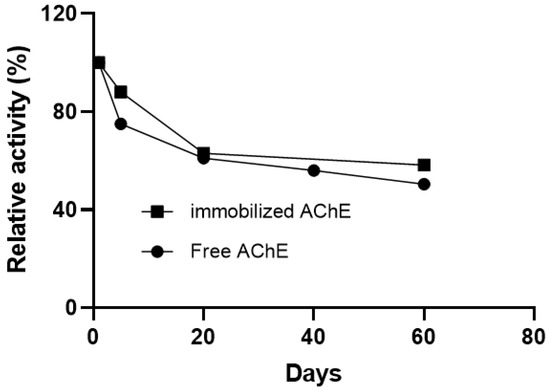
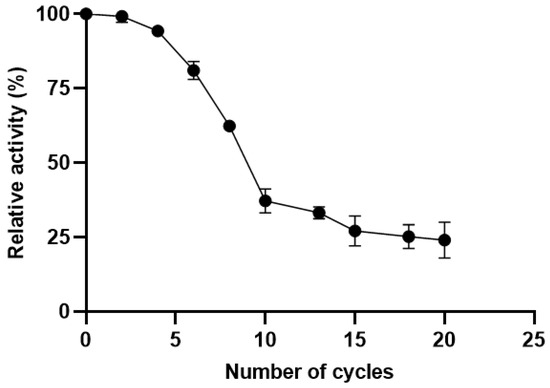
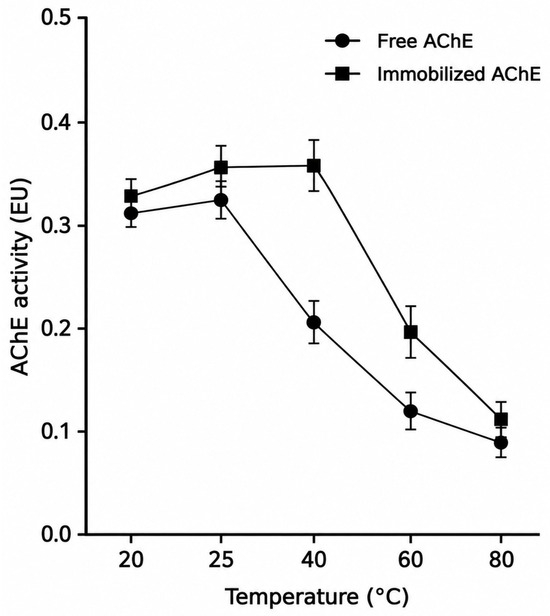
Magnetic poly(vinylphosphonic acid-co-ethylene glycol dimethacrylate)-TiO2 [m-poly(VPA-co-EGDMA)-TiO2] microspheres were synthesized by suspension polymerization and evaluated as supports for direct acetylcholinesterase (AChE) immobilization. The microspheres were characterized by SEM, FT-IR, BET, XRD, XPS, VSM, and zeta potential analyses and exhibited porous morphology, magnetic responsiveness, a specific surface area of 195 m2 g−1, and a swelling ratio of 40.19%. AChE was immobilized mainly through physical adsorption and multipoint non-covalent enzyme–support interactions. The optimum pH was pH 10 for both free and immobilized AChE. Under the tested assay conditions, immobilized AChE showed apparent kinetic parameters of Km = 0.028 mM and Vmax = 0.132 EU.mL−1. Immobilized AChE retained 58.2% of its initial activity after 60 days at 4 °C and 24% after 20 reuse cycles. Overall, the microspheres offer a magnetically recoverable support for AChE immobilization, although further optimization is required to improve kinetic performance and long-term operational stability.
Full article
(This article belongs to the Special Issue Polymer Composites for Adsorption Applications)
►▼
Show Figures

Graphical abstract
Open AccessArticle
Experimental and Statistical Evaluation of Infill Density Effects on the Mechanical Properties of FDM-Printed PLA, ABS, PC, and PETG Engineering Materials
by
Dilşad Akgümüş
Polymers 2026, 18(16), 1998; https://doi.org/10.3390/polym18161998 - 17 Aug 2026
Abstract
Additive manufacturing (AM) has become prominent among advanced manufacturing technologies in recent years due to the advantages it offers in design flexibility, low material waste, and digitalization of the manufacturing process in cases where complex geometries are difficult or costly to produce with
[...] Read more.
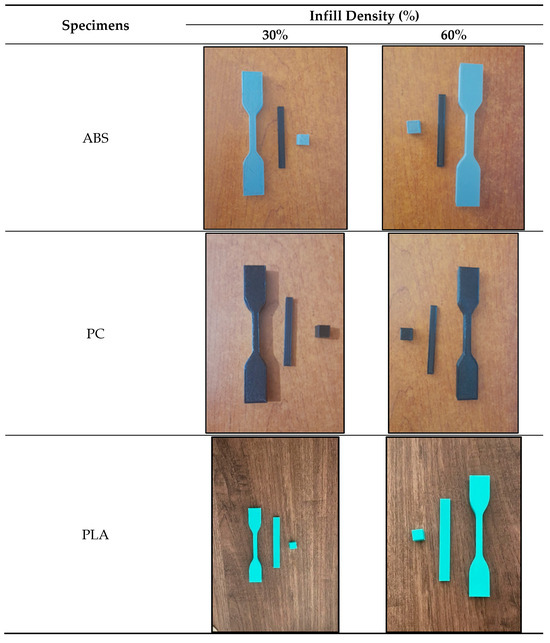
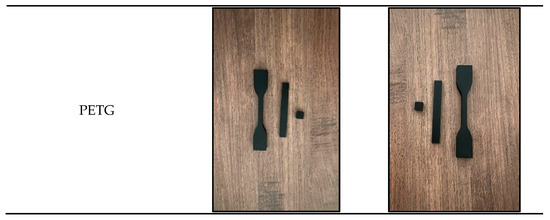
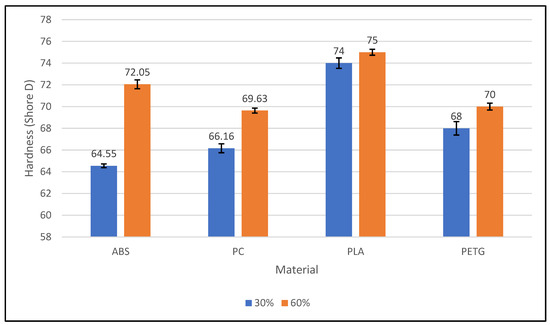
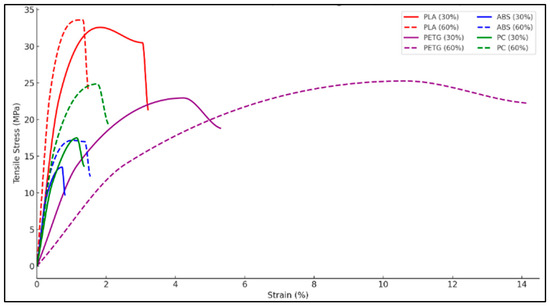
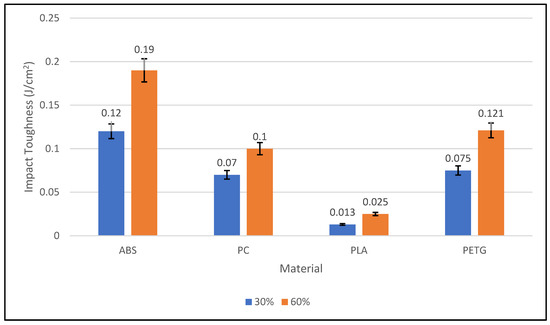
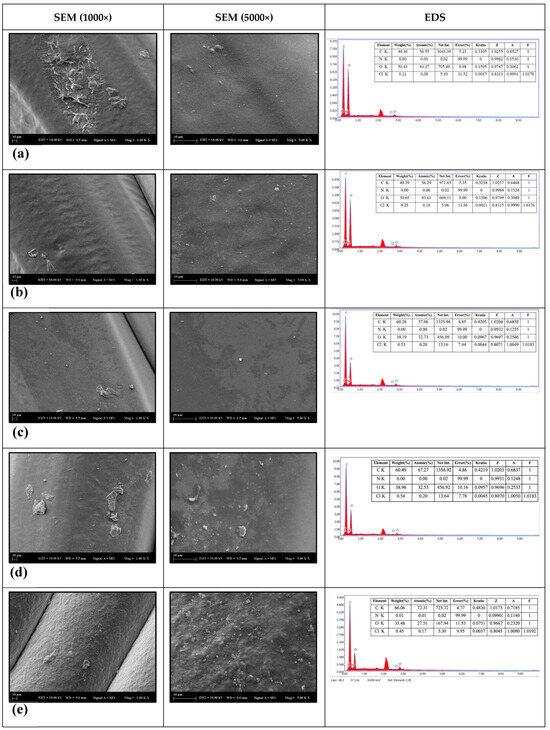
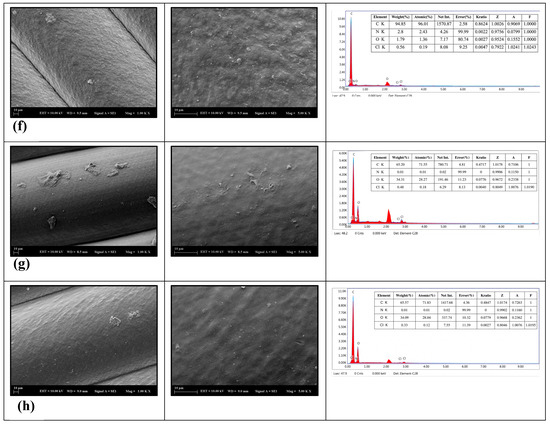
Additive manufacturing (AM) has become prominent among advanced manufacturing technologies in recent years due to the advantages it offers in design flexibility, low material waste, and digitalization of the manufacturing process in cases where complex geometries are difficult or costly to produce with traditional methods. Fused deposition modeling (FDM) technology, which is based on the modeling of thermoplastic polymers by melting them layer by layer in a controlled manner, has become widespread in both industrial and academic applications due to its simplicity of process, low equipment cost, wide material compatibility, and sustainable manufacturing approach, and is effectively used in many areas from rapid prototyping to functional final products. In this study, the mechanical performances of different engineering polymers (ABS, PC, PLA, and PETG) produced with the FDM method at 30% and 60% infill densities were evaluated comparatively. The produced specimens were subjected to tensile, Charpy impact, hardness, and SEM analyses; structural strength and microstructure properties of the materials were examined. The results revealed that each material exhibited unique mechanical properties suitable for different applications. ABS was found suitable for applications requiring energy absorption with its superior impact absorption capacity and ductility. PC attracted attention with its highest strength and rigidity values, indicating that it can be preferred in structural parts where mechanical strength is critical. While PLA, one of the sustainable materials, stands out for biomedical components with its high ductility and flexibility properties, PETG provides advantages for carrier structures thanks to its better impact resistance and dimensional stability. The findings reveal that FDM technology can optimize mechanical properties through parameters such as material type and infill density, thereby providing a useful basis for material selection and design optimization in engineering applications.
Full article
(This article belongs to the Special Issue 3D Printing Polymers: Design and Applications)
►▼
Show Figures

Figure 1
Open AccessArticle
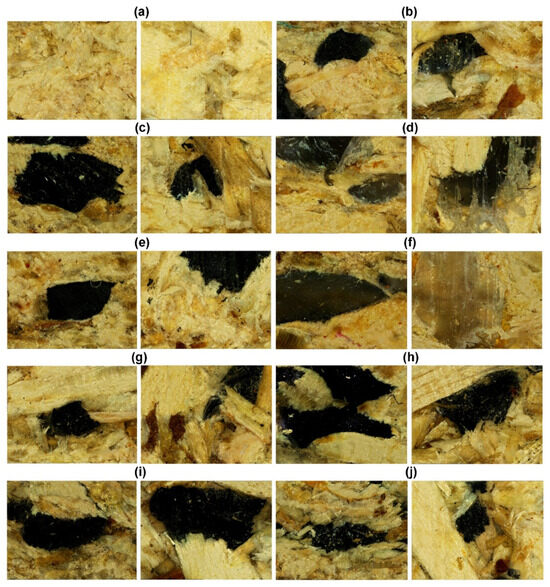
Recycled Automotive and Construction Wastes in Three-Layer Particleboards: Thermophysical Properties, Sound Absorption, and Radiant-Heat Mass-Loss Behavior
by
Rupali Tiwari, Anna Darabošová, Iveta Čabalová, Miroslav Němec, Martin Zachar, Tereza Jurczyková and Lubos Kristak
Polymers 2026, 18(16), 1997; https://doi.org/10.3390/polym18161997 - 17 Aug 2026
Abstract
Recycled polymer-rich residues can alter several functions of wood-based panels, but claims of multifunctionality require property-specific evidence and transparent treatment of replication. Three-layer spruce particleboards were therefore prepared with 10 wt.% painted or unpainted polypropylene bumper granules, high-density polyethylene fuel-tank granules, tire rubber,
[...] Read more.
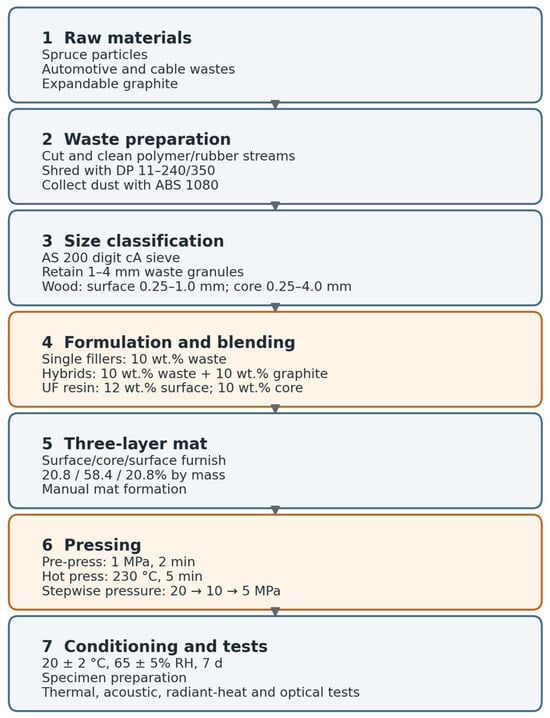
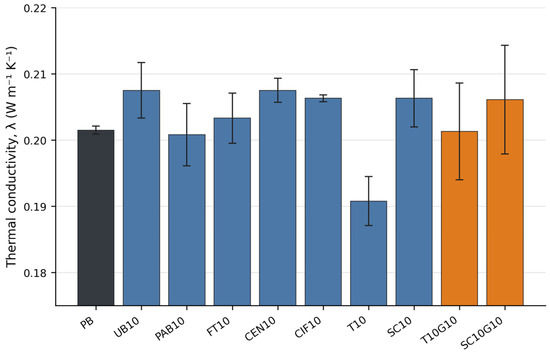
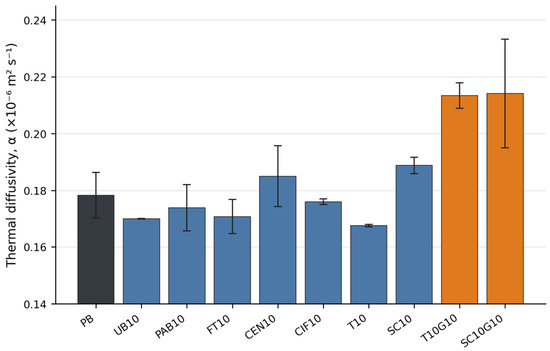
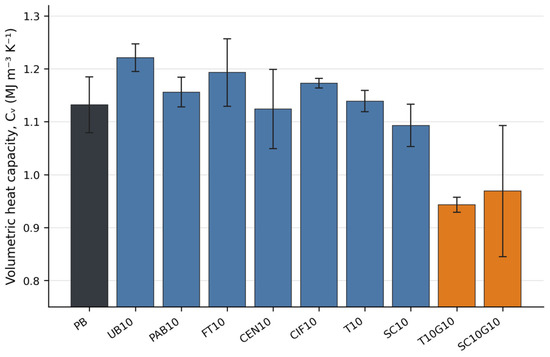
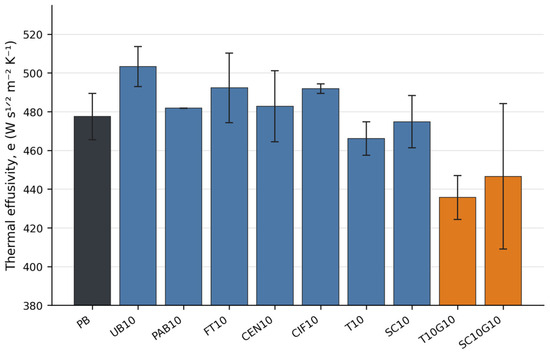
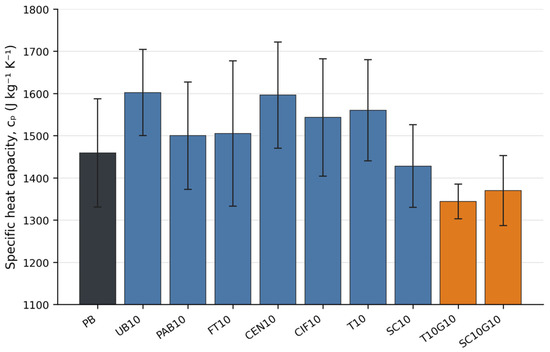
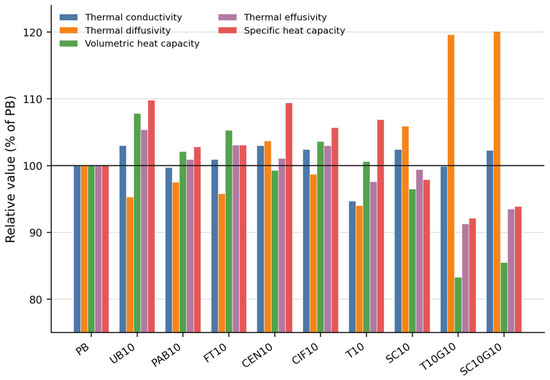
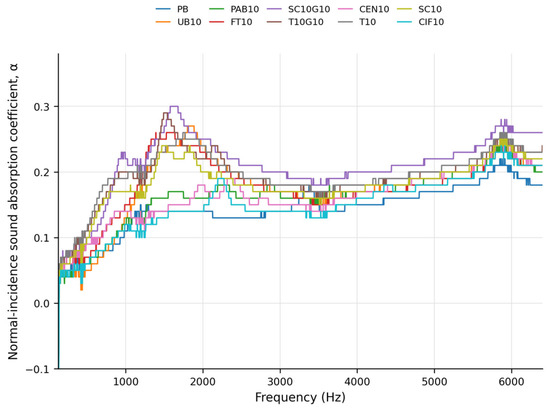
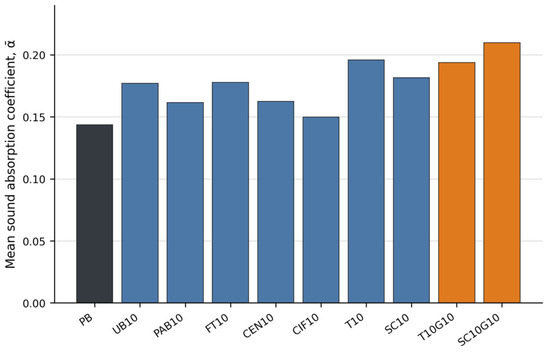
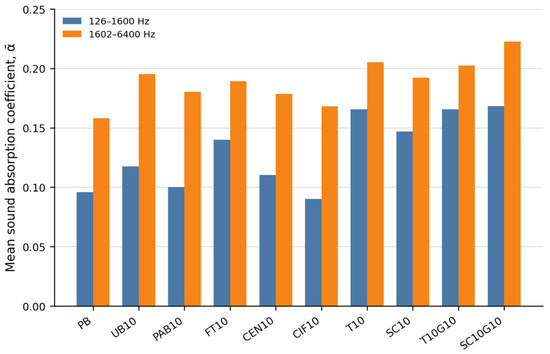
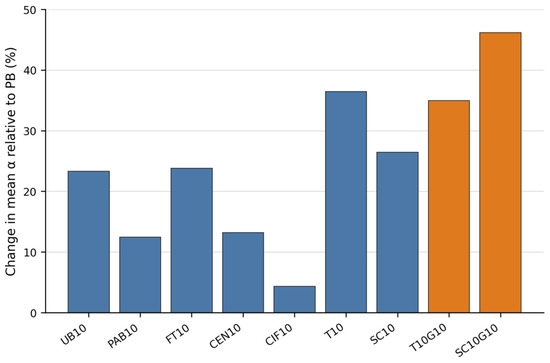
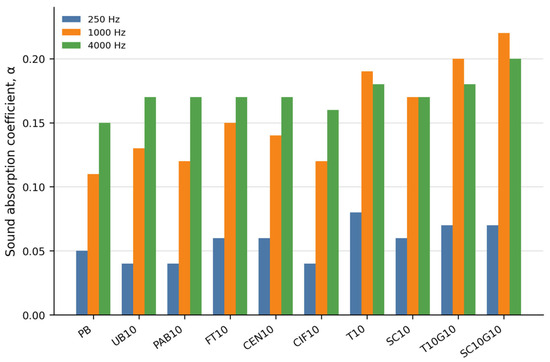
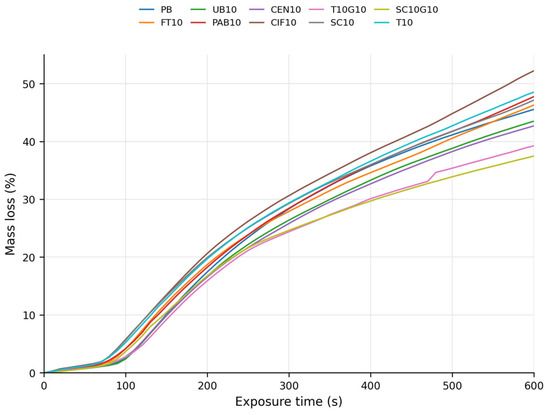
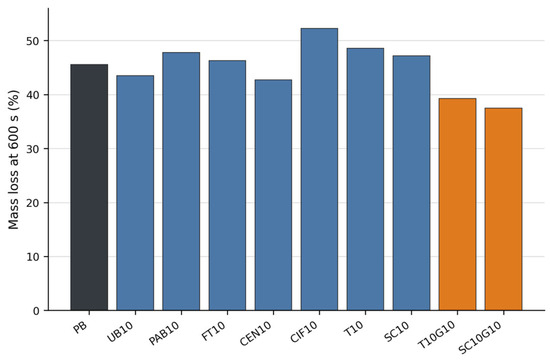
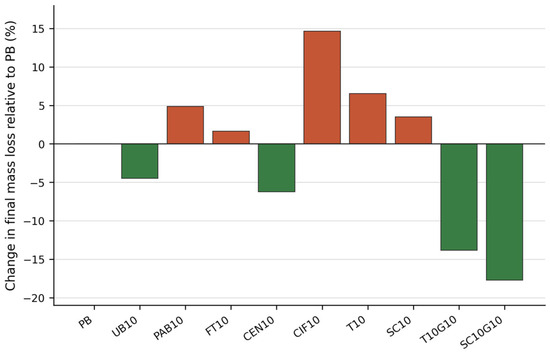
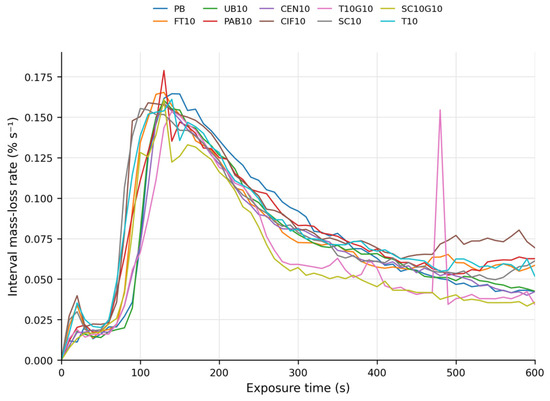
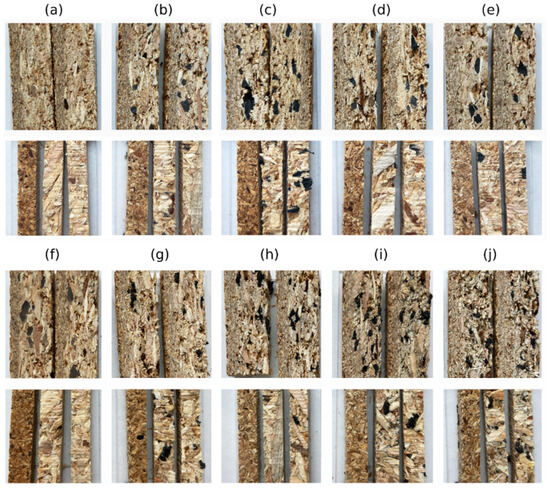
Recycled polymer-rich residues can alter several functions of wood-based panels, but claims of multifunctionality require property-specific evidence and transparent treatment of replication. Three-layer spruce particleboards were therefore prepared with 10 wt.% painted or unpainted polypropylene bumper granules, high-density polyethylene fuel-tank granules, tire rubber, seal-and-carpet residues, or electrical-cable fractions in the core layer. Two hybrid formulations contained 10 wt.% recycled rubber-rich filler plus 10 wt.% expandable graphite. Transient plane source measurements were evaluated at the specimen-pair level (two pairs per formulation); normal-incidence sound absorption and radiant-heat mass loss were complementary descriptive screens because the archived datasets contained one spectrum or one exposed specimen per formulation. Mean thermal conductivity varied only from 0.1908 to 0.2075 W m−1 K−1 (−5.3% to +3.0% relative to the reference). The graphite hybrids showed the clearest change in transient response: thermal diffusivity increased by 19.6–20.1%, whereas volumetric heat capacity decreased by 14.5–16.7% and thermal effusivity by 6.5–8.7%. SC10G10 had the highest mean absorption coefficient over 126–6400 Hz (0.210; +46.2%) and the lowest mass loss after 600 s at 30 kW m−2 (37.48%; −17.72%). Macroscopic and polarizing optical images showed formulation-dependent filler distribution and visible interfacial spaces, but they did not establish bonding mechanisms or quantify porosity. The results identify promising formulation-dependent responses while also defining the replication and structural measurements needed before application-level claims can be made.
Full article
(This article belongs to the Special Issue Application and Characterization of Cellulose-Based Polymers)
►▼
Show Figures

Figure 1
Open AccessArticle
Void Content and Mechanical Properties of Carbon Fiber/Epoxy Composites with Different Stacking Sequences by Double-Vacuum-Bag Process
by
Liangliang Ren, Yuze Kang and Yang Zhang
Polymers 2026, 18(16), 1996; https://doi.org/10.3390/polym18161996 - 16 Aug 2026
Abstract
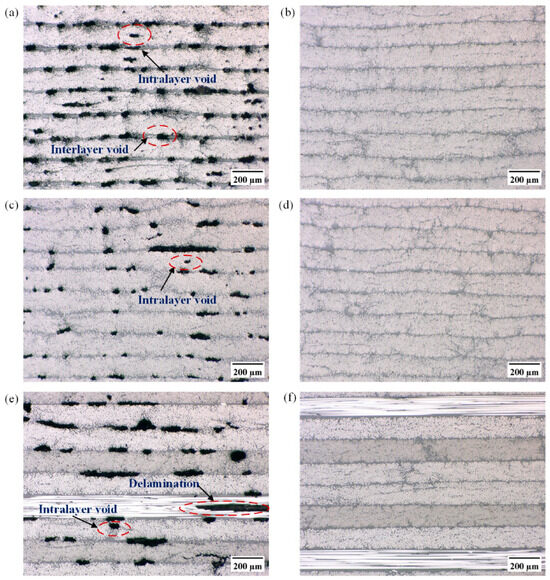
In the manufacturing of carbon fiber/epoxy composites, different stacking sequences have different effects on the void inside materials. In this paper, the double-vacuum-bag (DVB) process was utilized to fabricate laminates with different stacking sequences, including different angles, different thicknesses and plain weave prepregs,
[...] Read more.
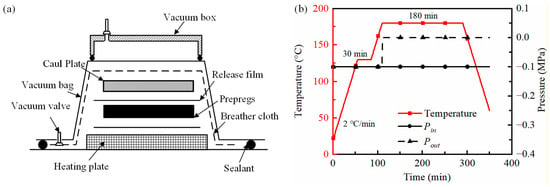
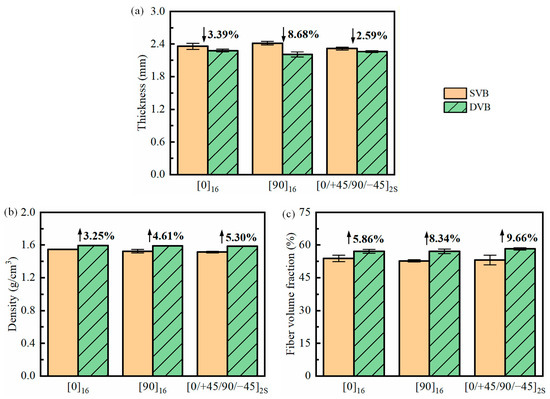
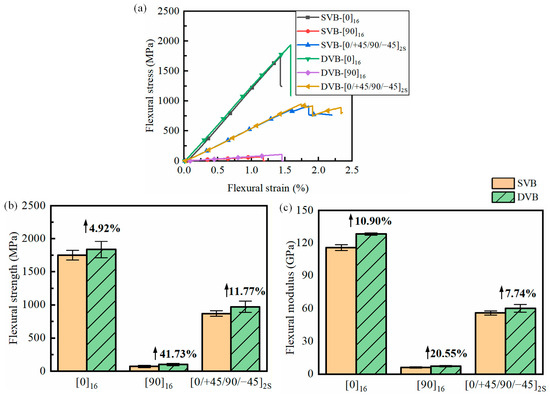
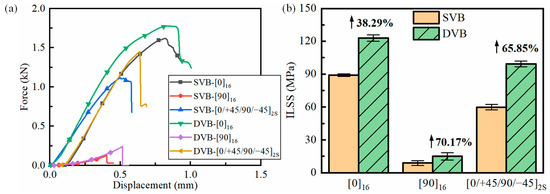
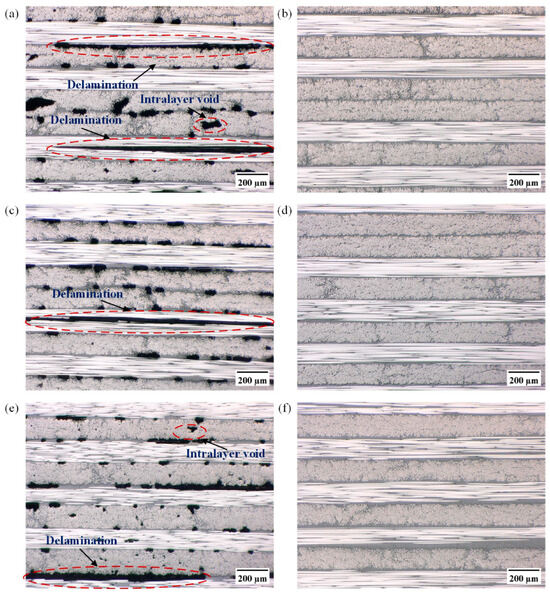
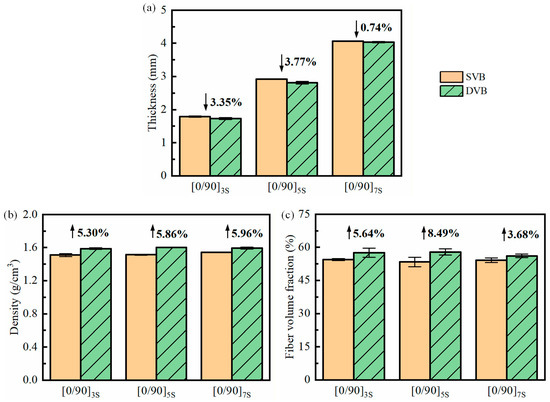
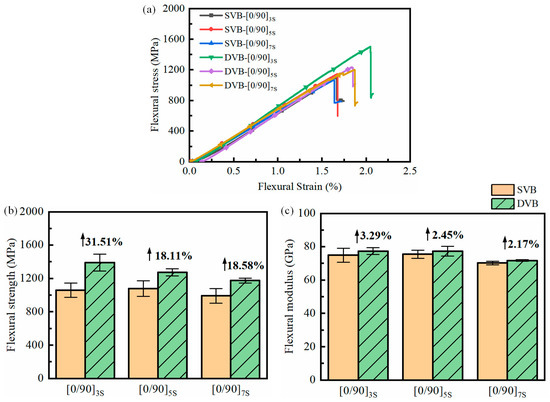
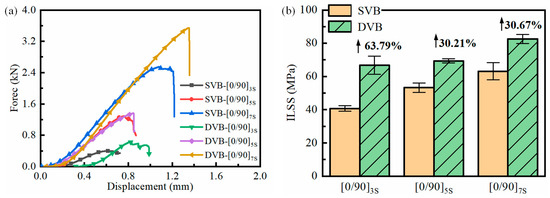
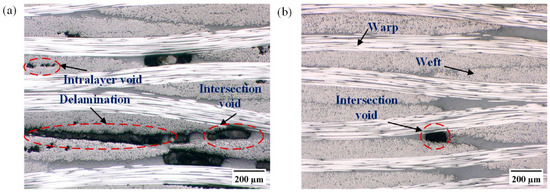
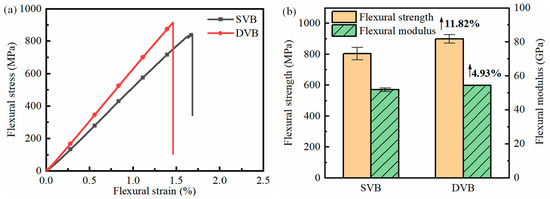
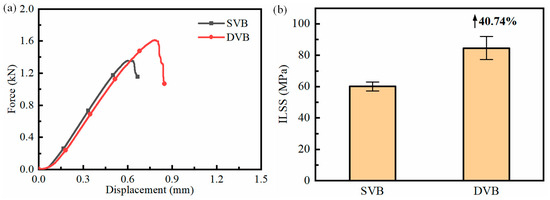
In the manufacturing of carbon fiber/epoxy composites, different stacking sequences have different effects on the void inside materials. In this paper, the double-vacuum-bag (DVB) process was utilized to fabricate laminates with different stacking sequences, including different angles, different thicknesses and plain weave prepregs, and the single-vacuum-bag (SVB) process was set as the control group. The void content of different laminates in the cross-section was counted by image analysis software, and material thickness, density, and fiber volume fraction were measured by experiments. Three-point bending and short-beam-shear tests were conducted to evaluate the material mechanical properties. The results show that the void contents of laminates prepared by the DVB process are all less than 1% with different stacking sequences, while the laminates manufactured by the SVB process contain a large number of voids inside. The density and fiber volume fraction of the DVB process are higher than those of the SVB process. In terms of mechanical properties, the flexural strength and interlayer-shear-strength (ILSS) of the DVB process are higher than those of the SVB process. The results of this paper expand the application of the DVB process and provide a reference for low-cost manufacturing of composite materials.
Full article
(This article belongs to the Section Polymer Composites and Nanocomposites)
►▼
Show Figures

Figure 1
Journal Menu
► ▼ Journal Menu-
- Polymers Home
- Aims & Scope
- Editorial Board
- Reviewer Board
- Topical Advisory Panel
- Early Career Editorial Board
- Instructions for Authors
- Special Issues
- Topics
- Sections & Collections
- Article Processing Charge
- Indexing & Archiving
- Editor’s Choice Articles
- Most Cited & Viewed
- Journal Statistics
- Journal History
- Journal Awards
- Society Collaborations
- Conferences
- Editorial Office
Journal Browser
► ▼ Journal BrowserHighly Accessed Articles
Latest Books
E-Mail Alert
News
19 August 2026
The 2nd International Conference on Bioengineering: Bioengineering in an Era of AI (BIOENG 2026) Announces Distinguished Speakers Lineup and Late-Breaking Poster Submission Opportunity
Topics
Topic in
Applied Mechanics, Applied Sciences, Materials, Polymers, Solids, Metals
Multi-scale Modeling and Optimisation of Materials
Topic Editors: Mustafa Awd, Frank WaltherDeadline: 31 August 2026
Topic in
Clean Technol., Polymers, Recycling, Resources, Sustainability
Advances and Innovations in Waste Management
Topic Editors: Francesco Todaro, Michele Notarnicola, Eggo Ulphard Thoden van Velzen, Andrea Petrella, Giusy Santomasi, Giovanni GadaletaDeadline: 28 September 2026
Topic in
Applied Nano, Coatings, Nanomaterials, Polymers, Materials
Nanocomposites: Properties and Applications in Health and Environmental Care
Topic Editors: Christian J. Cabello-Alvarado, Carlos Alberto Avila-Orta, Gregorio Cadenas-PliegoDeadline: 31 October 2026
Topic in
Chemistry, Membranes, Molecules, Processes, Separations, Polymers
Membranes for Contaminant Separation in Fluids
Topic Editors: Jing Wang, Guoliang YangDeadline: 30 November 2026
Conferences
Special Issues
Special Issue in
Polymers
Functional Polymers for Wastewater Treatment
Guest Editor: Zeynep CiğeroğluDeadline: 20 August 2026
Special Issue in
Polymers
Polymers for Enhanced Oil Recovery Application
Guest Editor: Xiang ChenDeadline: 25 August 2026
Special Issue in
Polymers
Advanced Polymer Aerogels and Hydrogels for Environmental Remediation
Guest Editors: Nurul Ekmi Binti Rabat, Khairiraihanna JohariDeadline: 27 August 2026
Special Issue in
Polymers
Advances in Bio-Based Elastomers and Polymeric Composites
Guest Editor: Anna Sowińska-BaranowskaDeadline: 30 August 2026
Topical Collections
Topical Collection in
Polymers
Advances in Polymer Blends and Composites: Chemistry and Technology
Collection Editors: Suguna Perumal, Francesca Lionetto, Pietro Russo, Andrea Zille, Ana María Díez-Pascual
Topical Collection in
Polymers
Electrospun Nanofibers
Collection Editors: Andreea-Teodora Iacob, Lenuta Profire
Topical Collection in
Polymers
Advances in Screw Processing and Rheology of Polymeric Materials—In Memory of Professor James Lindsay White
Collection Editors: Krzysztof Wilczyński, Andrzej Nastaj, Adrian Lewandowski, Krzysztof J. Wilczyński, Kamila Buziak