
Journal Description
Magnetochemistry
Magnetochemistry
is an international, peer-reviewed, open access journal on all areas of magnetism and magnetic materials published monthly online by MDPI.
- Open Access— free for readers, with article processing charges (APC) paid by authors or their institutions.
- High Visibility: indexed within Scopus, SCIE (Web of Science), Inspec, CAPlus / SciFinder, and other databases.
- Journal Rank: JCR - Q2 (Chemistry, Inorganic and Nuclear) / CiteScore - Q2 (Electronic, Optical and Magnetic Materials)
- Rapid Publication: manuscripts are peer-reviewed and a first decision is provided to authors approximately 17.9 days after submission; acceptance to publication is undertaken in 5.5 days (median values for papers published in this journal in the first half of 2026).
- Recognition of Reviewers: reviewers who provide timely, thorough peer-review reports receive vouchers entitling them to a discount on the APC of their next publication in any MDPI journal, in appreciation of the work done.
Impact Factor:
2.8 (2025);
5-Year Impact Factor:
2.9 (2025)
Latest Articles
Validity of the Quasi-Static Approximation in Low-Field NMR Signal Modeling for Petroleum-Bearing Porous Media
Magnetochemistry 2026, 12(8), 88; https://doi.org/10.3390/magnetochemistry12080088 - 6 Aug 2026
Abstract
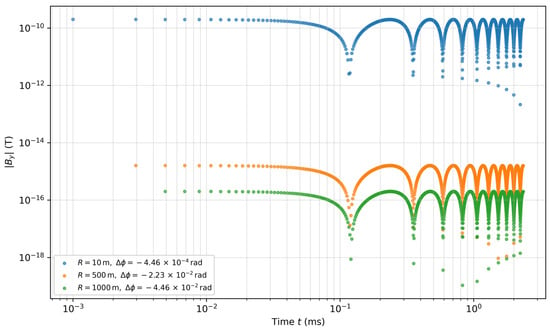
Low-field nuclear magnetic resonance (NMR) is widely used for nondestructive characterization of petroleum-related porous media, including pore-structure evaluation, fluid identification, relaxation analysis, wettability assessment, and displacement monitoring. Conventional NMR signal models usually rely on the quasi-static approximation, in which the detected magnetic field
[...] Read more.
Low-field nuclear magnetic resonance (NMR) is widely used for nondestructive characterization of petroleum-related porous media, including pore-structure evaluation, fluid identification, relaxation analysis, wettability assessment, and displacement monitoring. Conventional NMR signal models usually rely on the quasi-static approximation, in which the detected magnetic field is assumed to respond instantaneously to Bloch-governed nuclear magnetization. However, classical electrodynamics requires electromagnetic fields generated by time-dependent magnetization sources to depend on the source state at a retarded time. In this study, a retarded magnetic-dipole formulation is developed to evaluate finite-propagation-time effects in low-field NMR signal modeling. The analysis shows that the correction appears mainly as a phase shift governed by the dimensionless parameter , where is the Larmor angular frequency, is the characteristic source–receiver distance, and is the effective electromagnetic propagation velocity, with in free space. Relaxation-induced amplitude corrections are generally smaller. Numerical examples demonstrate that the quasi-static approximation is well justified when , as typically satisfied in laboratory core NMR. For extended-scale configurations, including unilateral, borehole, underground, and surface NMR, larger propagation paths and medium-dependent electromagnetic properties may increase \epsilon and produce systematic phase deviations. This work provides a theoretical criterion for assessing the validity range of the quasi-static approximation in low-field NMR applications for petroleum-related porous media.
Full article
(This article belongs to the Special Issue Nuclear Magnetic Resonance (NMR) in the Petroleum Industry and Porous Media)
►
Show Figures
Open AccessArticle
Study on the Effect of Particle Size on NMR Pore Characterization of Cuttings
by
Mingjing Gui, Xuewen Shi, Maojie Liao, Dongjun Zhang, Yingying Ma and Gong Zhang
Magnetochemistry 2026, 12(8), 87; https://doi.org/10.3390/magnetochemistry12080087 - 4 Aug 2026
Abstract
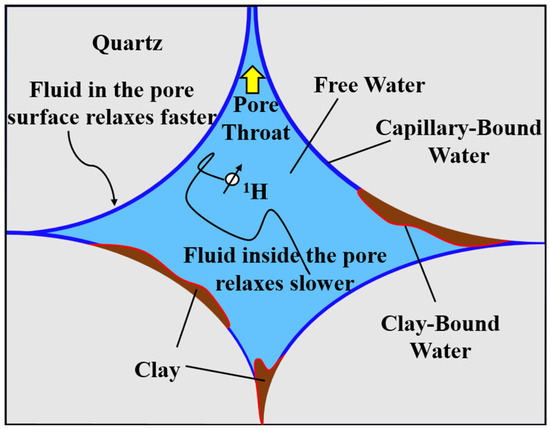
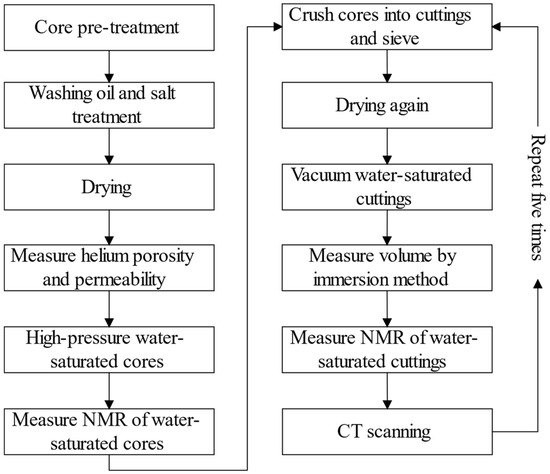
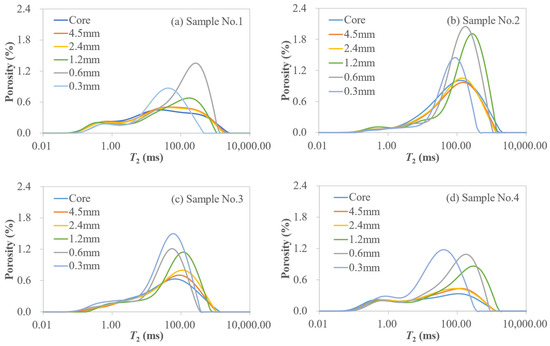
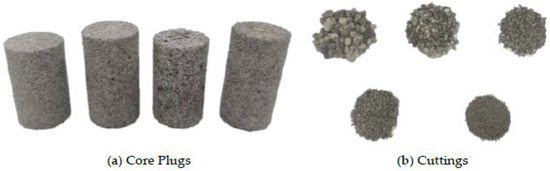
To study the effect of particle size on nuclear magnetic resonance (NMR) pore characterization of sandstone, core samples were gradually crushed into five particle sizes and the transverse relaxation time (T2) spectrum and NMR response characteristics of the crushed samples
[...] Read more.
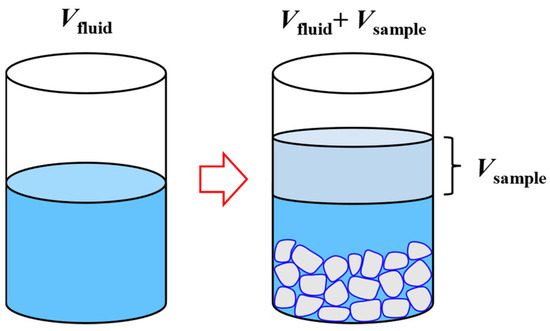
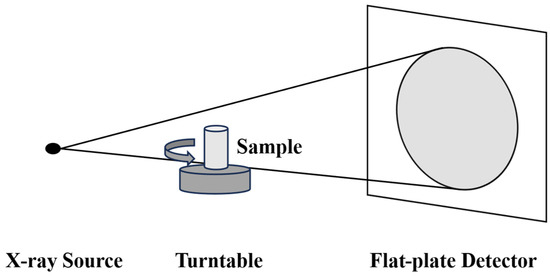
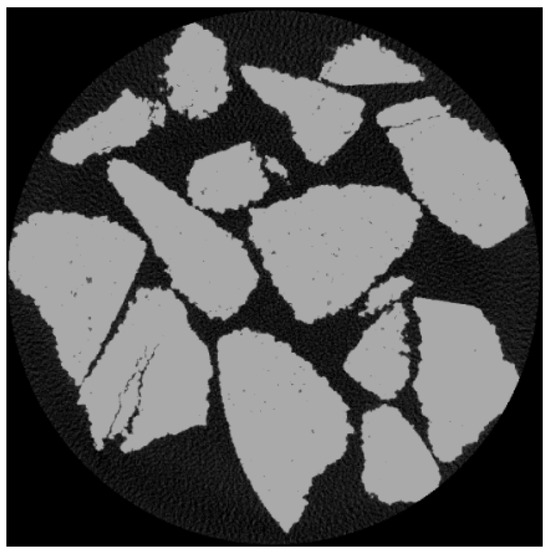
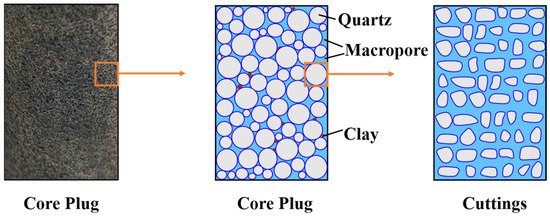
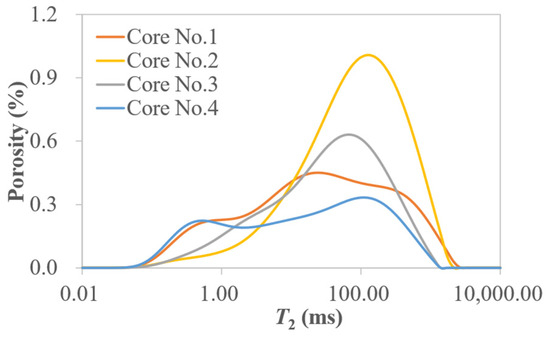
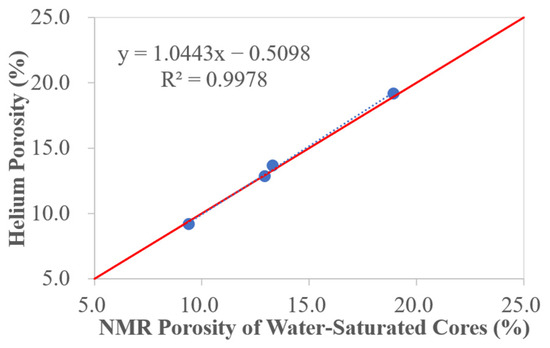
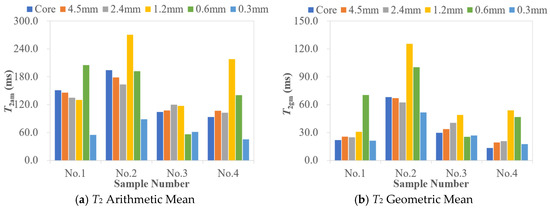
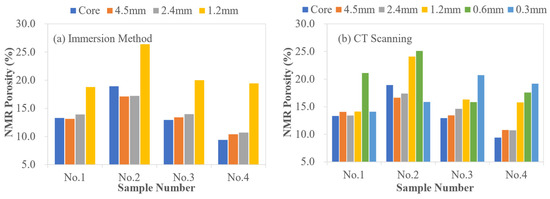
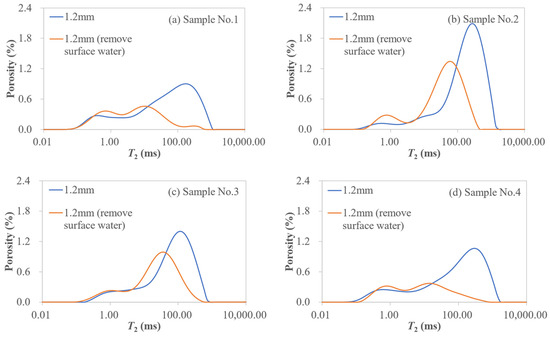
To study the effect of particle size on nuclear magnetic resonance (NMR) pore characterization of sandstone, core samples were gradually crushed into five particle sizes and the transverse relaxation time (T2) spectrum and NMR response characteristics of the crushed samples were measured. The experimental results show that within the particle size range of 2.4 mm, the T2 spectrum position, T2 mean value, and NMR porosity of sandstone cuttings are basically consistent with the core samples. When the particle size is 1.2 mm, the right peak amplitude of the T2 spectrum increases significantly, and the T2 mean value representing the T2 spectrum characteristics becomes larger, which is presumed to be related to the increase in particle surface water. A comparative analysis suggests that cuttings with particle sizes larger than 2.4 mm can accurately characterize the NMR response characteristics of core samples.
Full article
(This article belongs to the Special Issue Nuclear Magnetic Resonance (NMR) in the Petroleum Industry and Porous Media)
►▼
Show Figures

Figure 1
Open AccessArticle
Low-Cost, Biodegradable, and Magnetic Biocomposite of Luffa cylindrica Fruit and Natural Magnetite by Removal of Microplastics
by
Roberta Sorhaia Samayara Sousa Rocha de França, Rosangela Maria Ferreira da Costa e Silva, Ângela Leão Andrade, Daniel de Lima Silva, Rubens Lucas de Freitas Filho, Vinicius Veríssimo de Carvalho, Guilherme Oliveira Siqueira, Guilherme Jorge Brigolini Silva, Thiago Maturana Ribeiro, Diana Quintão Lima, José Agenor Carvalho Junior, Claudia Andrea Lima Cardoso, Vinicius de Oliveira Ribeiro, Leila Cristina Konradt-Moraes and Rozanna Marques Muzzi
Magnetochemistry 2026, 12(8), 86; https://doi.org/10.3390/magnetochemistry12080086 - 3 Aug 2026
Abstract
Techniques such as adsorption have been widely adopted to remove residual microplastics (MPs) because they are efficient at removing contaminants from aqueous environments. In this study, we report a novel, low-cost, biodegradable, and scalable biocomposite (LCMAG NaOH) derived from Luffa cylindrica fruit (LC)
[...] Read more.
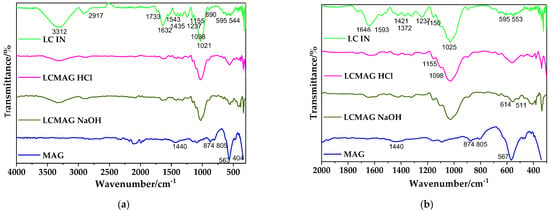
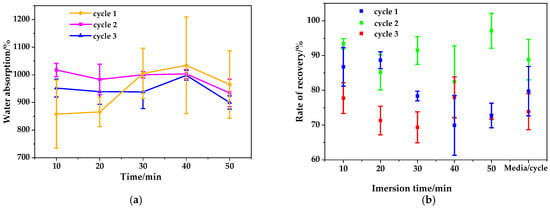
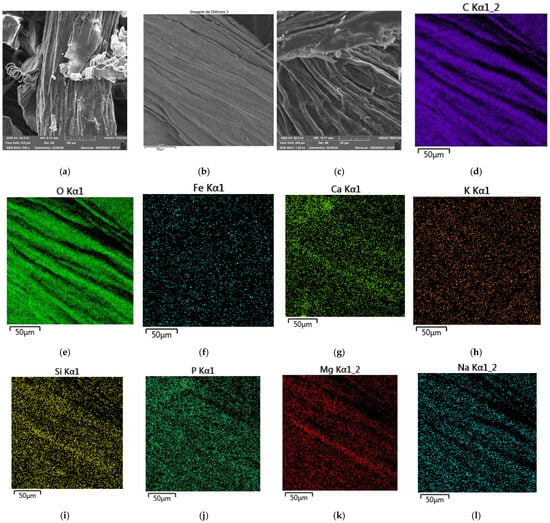
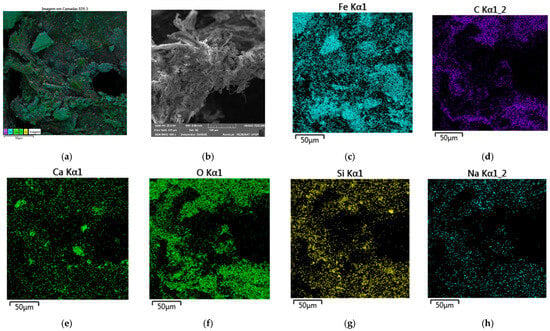
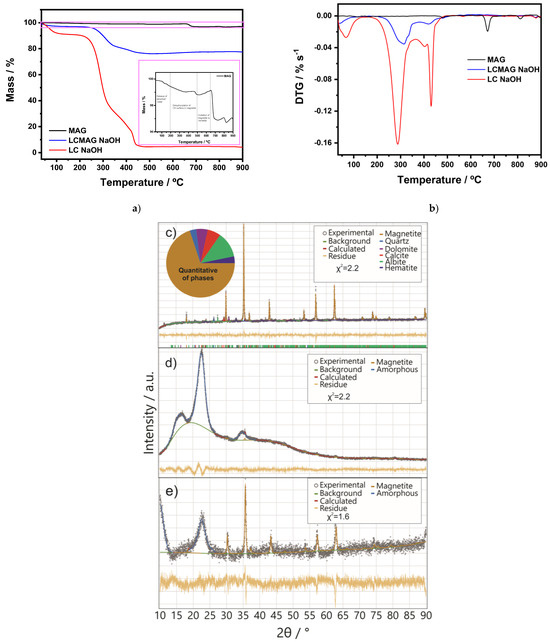
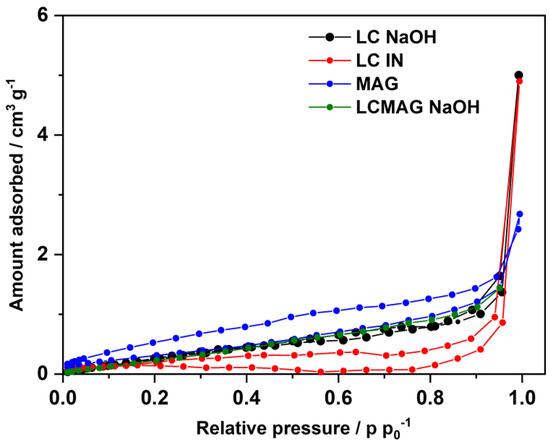
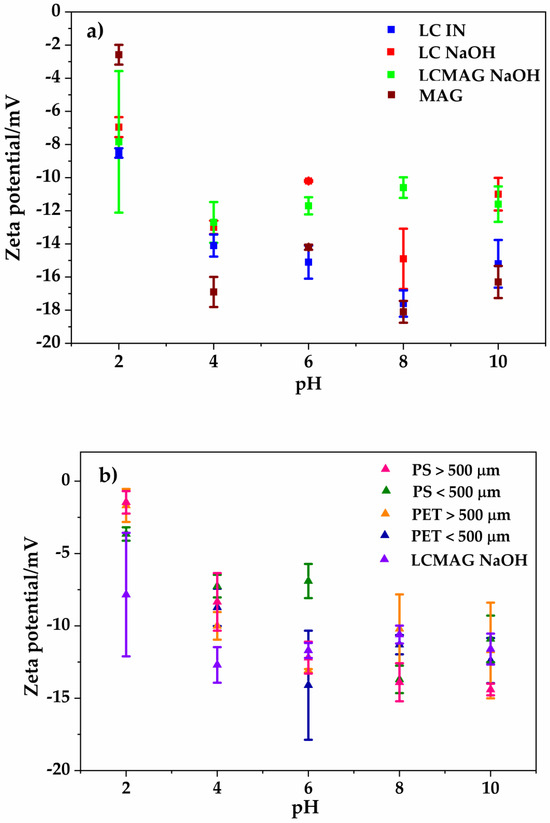
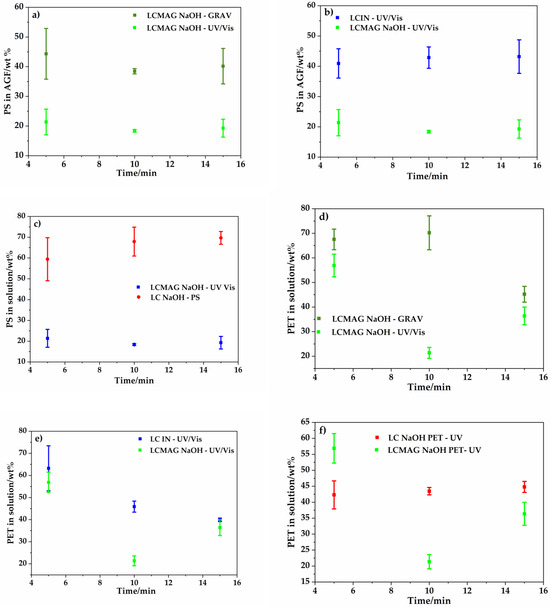
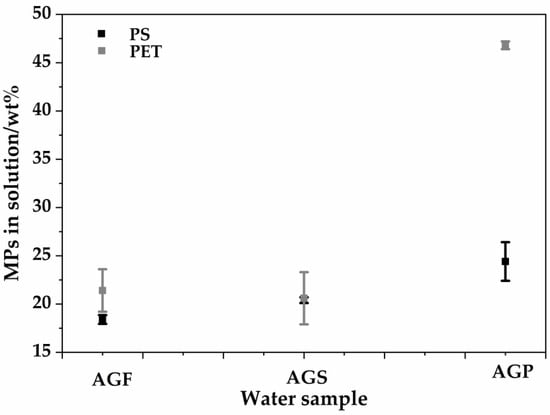
Techniques such as adsorption have been widely adopted to remove residual microplastics (MPs) because they are efficient at removing contaminants from aqueous environments. In this study, we report a novel, low-cost, biodegradable, and scalable biocomposite (LCMAG NaOH) derived from Luffa cylindrica fruit (LC) and micrometric natural magnetite (MAG), prepared without organic solvents, for the removal of MPs. The performance of LCMAG NaOH was evaluated for the removal of polystyrene (PS) and polyethylene terephthalate (PET) MPs, with particle sizes ranging from 75 to 600 µm in three distinct aqueous media: drinking water, simulated seawater, and water collected from the eutrophic lake of Dourados, MS, Brazil. The material was also evaluated for capture capacity and for reutilization in drinking water over three cycles, using a neodymium magnet. The biocomposite exhibited maximum removal capacities of 163 mg g−1 and 158 mg g−1 for PS and PET, respectively, in drinking water. Additionally, it demonstrated high magnetic recovery efficiency (>90% of the initial mass) and good reusability after immersion (10 and 20 min) and a dry step during the first cycle.
Full article
(This article belongs to the Special Issue Magnetic Nano- and Microparticles in Biotechnology)
►▼
Show Figures

Figure 1
Open AccessArticle
Liquid-Film Temperature Regulates (222) Texture and Permeability–Frequency Response in Spin-Sprayed NiZn Ferrite Thin Films
by
Hai Liu, Jinhua Zhu, Xinglian Song, Wenju Liao, Yu Liu and Ke Sun
Magnetochemistry 2026, 12(8), 85; https://doi.org/10.3390/magnetochemistry12080085 - 3 Aug 2026
Abstract
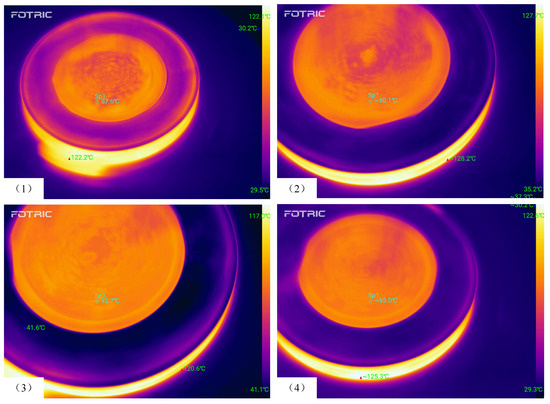
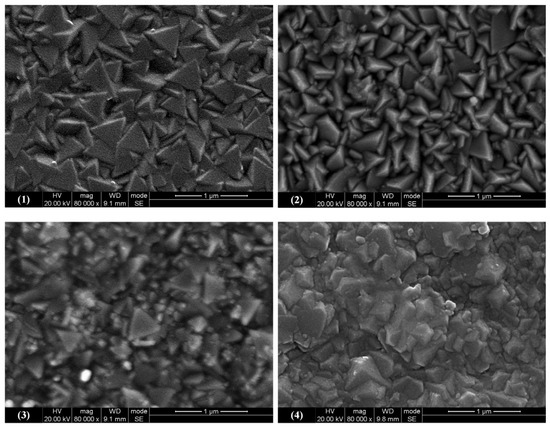
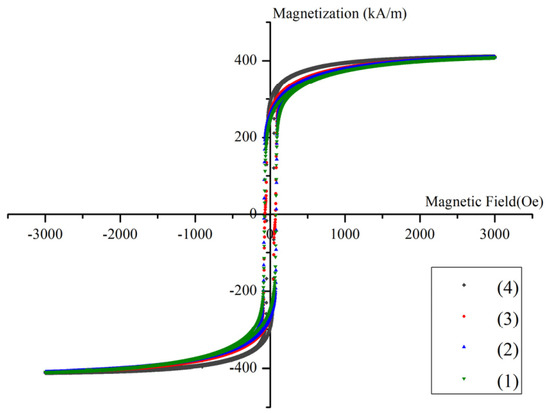
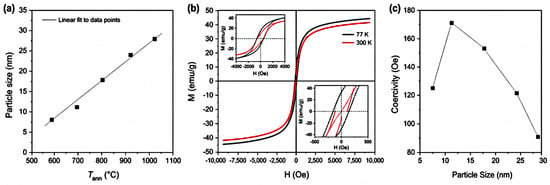
Spin-spray deposition is a low-temperature route for preparing crystalline ferrite films, but the actual liquid-film temperature has not been isolated from the nominal heater temperature. NiZn ferrite films were deposited at liquid-film temperatures of 87.6, 90.1, 92.7, and 95.0 °C. As the temperature
[...] Read more.
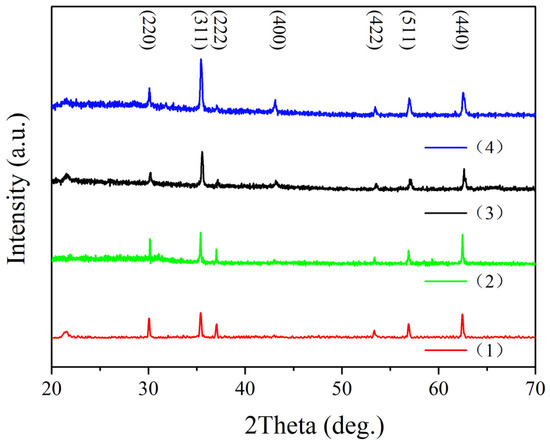
Spin-spray deposition is a low-temperature route for preparing crystalline ferrite films, but the actual liquid-film temperature has not been isolated from the nominal heater temperature. NiZn ferrite films were deposited at liquid-film temperatures of 87.6, 90.1, 92.7, and 95.0 °C. As the temperature increased, the (222) Lotgering factor fL decreased from 0.32 to 0.01, the triangular morphology weakened, and the growth rate declined. Ms remained nearly constant at 429–442 kA m−1, whereas μ′max increased from 44 to 83 and fr decreased from 465 to 260 MHz. The structural and magnetic trends are consistent with a shift from surface-confined (222)-oriented growth toward less-oriented growth and a corresponding permeability–frequency trade-off. Unlike our previous studies of substrate and oxidant effects, this work isolates the measured liquid-film temperature and establishes its quantitative relationship with texture and dynamic magnetic response. This parameter provides a practical means of selecting the operating window of spin-sprayed NiZn ferrite cores for integrated high-frequency inductors.
Full article
(This article belongs to the Special Issue Advances in Soft Magnetic Materials—2nd Edition)
►▼
Show Figures

Figure 1
Open AccessArticle
Effect of Stress on Magnetic Property of the SiO2-Added MnZn Ferrites
by
Yao Ying, Yihao Zhu, Jingwu Zheng, Jing Yu, Liang Qiao, Juan Li, Naoki Wakiya and Shenglei Che
Magnetochemistry 2026, 12(8), 84; https://doi.org/10.3390/magnetochemistry12080084 - 3 Aug 2026
Abstract
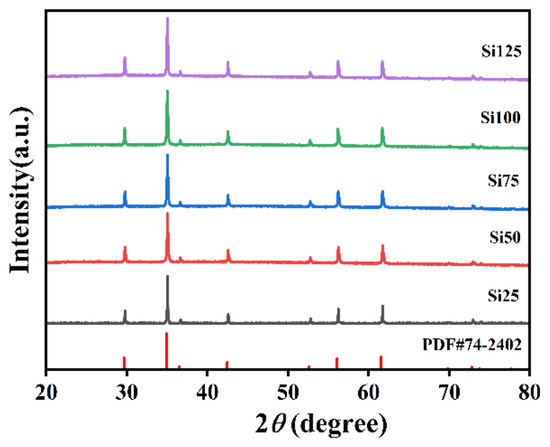
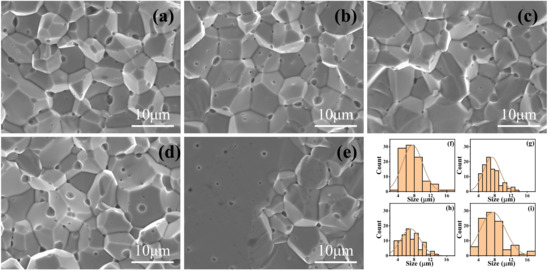
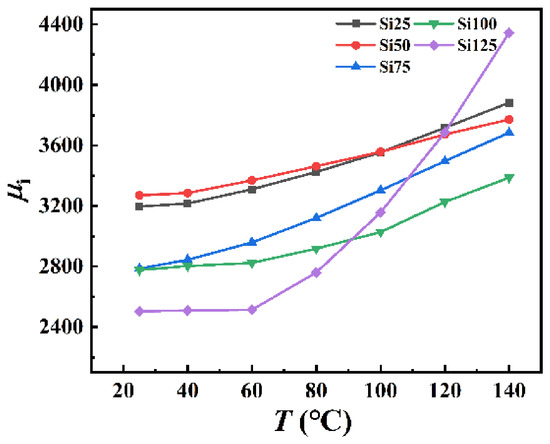
In this work, the SiO2-added MnZn power ferrites have been prepared by the conventional ceramic method, and the effect of stress on initial permeability and power loss has been investigated. With increasing SiO2 content, initial permeability firstly increases and then
[...] Read more.
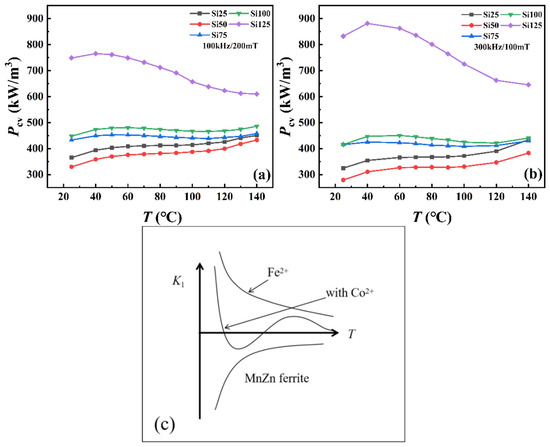
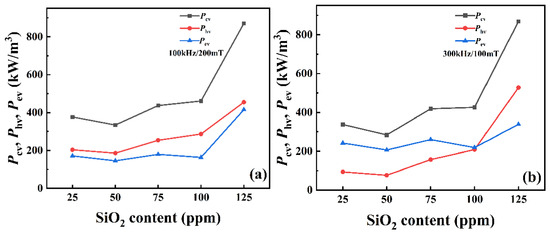
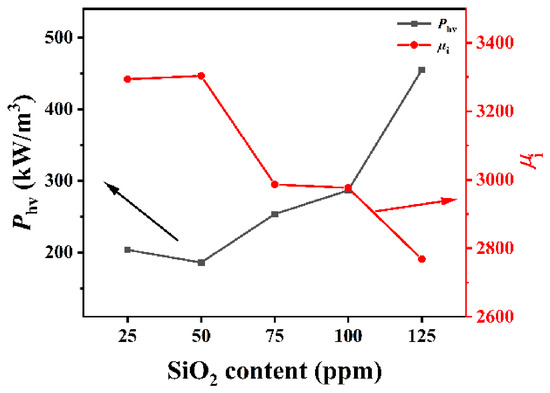
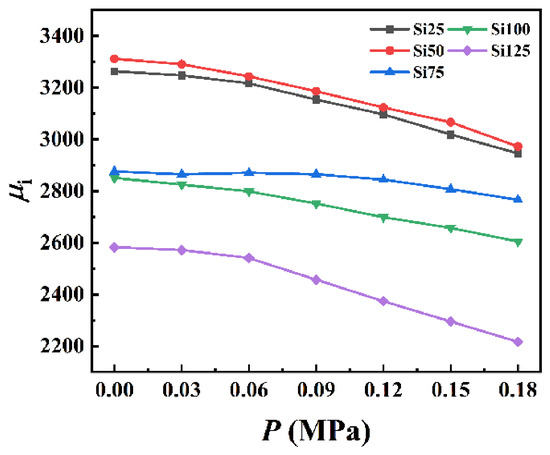
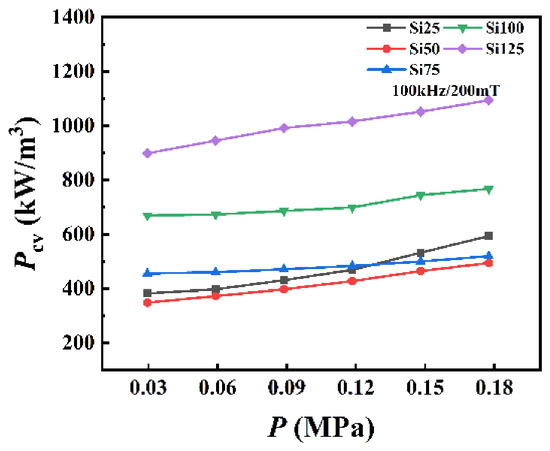
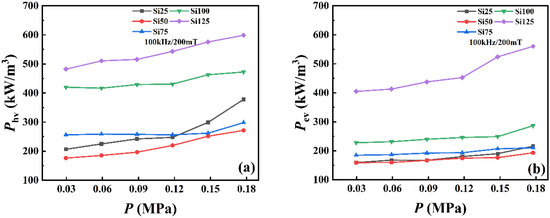
In this work, the SiO2-added MnZn power ferrites have been prepared by the conventional ceramic method, and the effect of stress on initial permeability and power loss has been investigated. With increasing SiO2 content, initial permeability firstly increases and then decreases, whereas power loss firstly decreases and then increases. The sample with 50 ppm SiO2 additive exhibits optimal magnetic performance, including the highest initial permeability and the lowest power loss. This optimal sample also exhibits the wide-temperature characteristics of power loss. Initial permeability decreases and power loss increases under the applied stress. The sample with 75 ppm SiO2 additive exhibits the best stress insensitivity of initial permeability and power loss. Through the loss separation method, it is revealed that magnetic hysteresis loss is more sensitive whereas eddy current loss remains almost unchanged with stress. An appropriate addition of SiO2 reduces the stress sensitivity of the initial permeability and power loss of MnZn ferrites.
Full article
(This article belongs to the Special Issue Magnetic Materials: From Fundamentals to Cutting-Edge Applications)
►▼
Show Figures

Figure 1

Open AccessArticle
From NMR Signals to Fracture Size: Capillary-Controlled Conversion for Shale
by
Xu Dong, Wenqi Shi, Xueying Shi, Peidong Liu, Jiahui Zhang, Zhiyuan Chen and Jingjie Zhang
Magnetochemistry 2026, 12(8), 83; https://doi.org/10.3390/magnetochemistry12080083 - 1 Aug 2026
Abstract
Fracture size governs fluid mobility in shale, yet its direct quantification remains challenging. Nuclear Magnetic Resonance (NMR) transverse relaxation time (T2) offers a unique, non-destructive probe of fracture size distributions; however, a physically grounded conversion from transverse relaxation time to
[...] Read more.
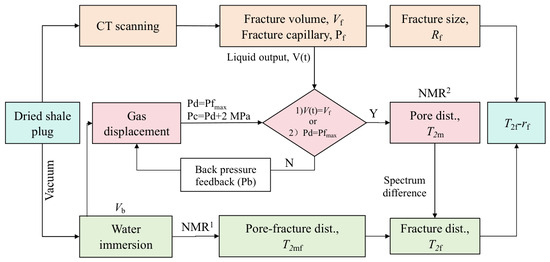
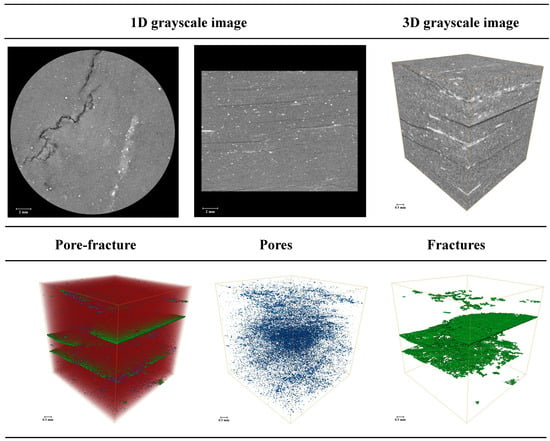
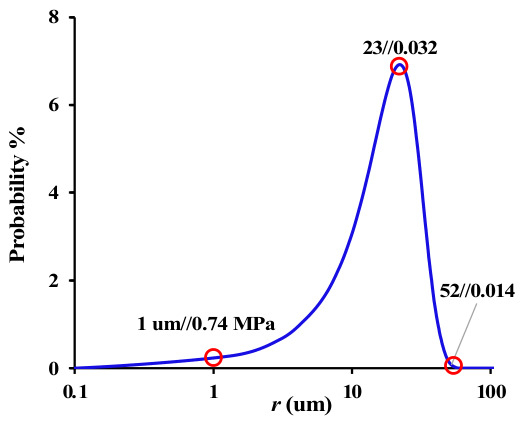
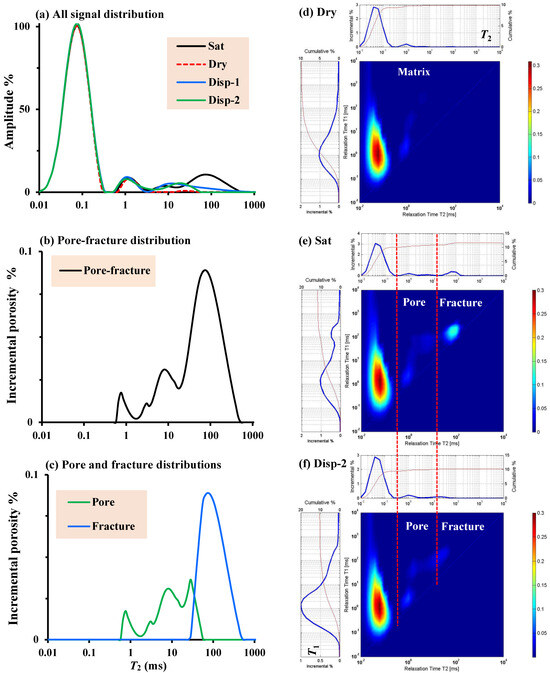
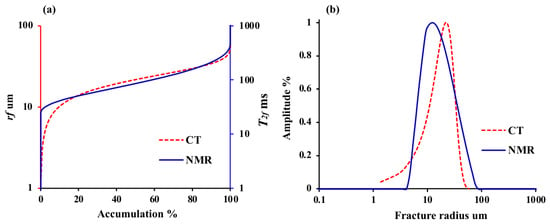
Fracture size governs fluid mobility in shale, yet its direct quantification remains challenging. Nuclear Magnetic Resonance (NMR) transverse relaxation time (T2) offers a unique, non-destructive probe of fracture size distributions; however, a physically grounded conversion from transverse relaxation time to pore radius r (T2−r) is essential to translate NMR signals into quantitative geometric constraints on fluid mobility. This study introduces a capillary-constrained experimental method for T2−r transformation into shale fractures. The workflow uses computed tomography (CT) scanning to extract fracture geometry. The gas-displacing-water process is precisely controlled by integrating the pore capillary pressure and back-pressure feedback algorithm. The NMR-CT conversion method performed in this study differs significantly from the T2−r transformation based on conventional MICP. Differential spectral analysis isolates fracture-specific T2 responses, and least-squares fitting derives the T2−r conversion. Constraining displacement pressure and controlling segmental pressure are effective methods for ensuring the accuracy of fracture displacement. By emphasizing the governing role of capillary pressure during displacement, this method achieves accurate fracture-targeted displacement and reliable T2−r mapping. The results significantly advance the use of NMR for quantifying fracture size and evaluating fluid transport in shale.
Full article
(This article belongs to the Special Issue Nuclear Magnetic Resonance (NMR) in the Petroleum Industry and Porous Media)
►▼
Show Figures

Figure 1
Open AccessArticle
Local Structural Distortions and Frustrated Magnetism in Slag-Derived Lithium Borate Glasses
by
Kawtar Khattab, Abdellah El Boukili, Lahcen Boudad, Jacem Zidani, Naji AlDahoudi, Arash Jamali, Mimoun El Marssi, Mohamed Saadi, M’hamed Taibi and Abdelilah Lahmar
Magnetochemistry 2026, 12(8), 82; https://doi.org/10.3390/magnetochemistry12080082 - 30 Jul 2026
Abstract
►▼
Show Figures
This study analyzes the structural and magnetic properties of a new composite material with a lithium borate glass matrix loaded with electric arc furnace slag, with a composition of 50Li2O-50B2O3-80 wt.% slag. The amorphous nature of the
[...] Read more.
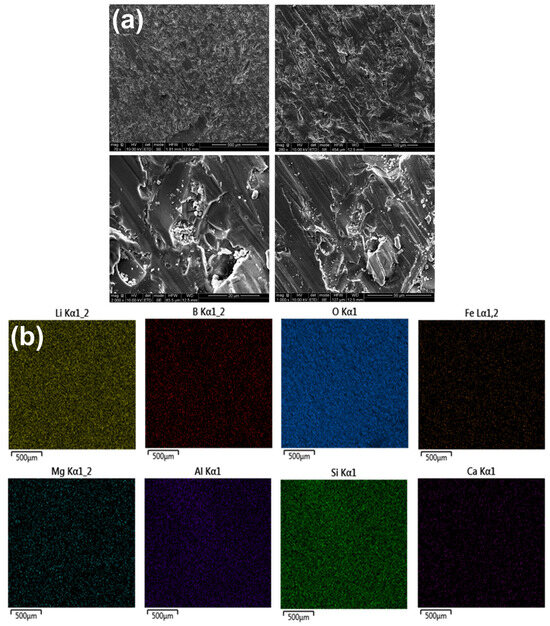
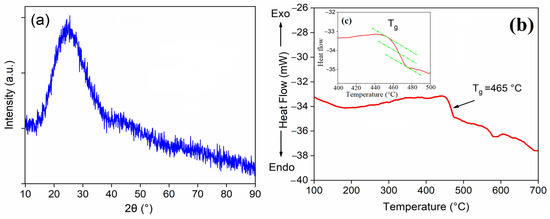
This study analyzes the structural and magnetic properties of a new composite material with a lithium borate glass matrix loaded with electric arc furnace slag, with a composition of 50Li2O-50B2O3-80 wt.% slag. The amorphous nature of the obtained glass is confirmed by X-ray diffraction analysis (XRD). Differential scanning calorimetry (DSC) indicates that the material has an extremely high thermal stability as evidenced by its high glass transition temperature which is due to the reinforcing role of the slag metallic oxides. Additionally, magnetic studies reveal a highly frustrated magnetic state in the disordered system. The significant addition of mixed-valence iron ions (Fe2+/Fe3+) in the slag forms antiferromagnetic interactions in the system. These factors result in the stabilization of the spin-glass-like state. The incorporation of slag within the lithium borate matrix is a promising route to valorize this industrial by-product and to develop new functional materials.
Full article

Figure 1
Open AccessArticle
The Zeta-Minimizer Theorem as a Deductive Variational Foundation for HOR and ORR Kinetics in Proton Exchange Membrane Fuel Cells
by
Muhamad Fouad
Magnetochemistry 2026, 12(8), 81; https://doi.org/10.3390/magnetochemistry12080081 - 26 Jul 2026
Abstract
►▼
Show Figures
The Zeta-Minimizer Theorem provides a fully deductive variational foundation for the hydrogen oxidation reaction (HOR) and oxygen reduction reaction (ORR) in proton exchange membrane fuel cells. Starting from three primitive thermodynamic axioms and the helical geometry of the phase functional, a multi-extent dynamical
[...] Read more.
The Zeta-Minimizer Theorem provides a fully deductive variational foundation for the hydrogen oxidation reaction (HOR) and oxygen reduction reaction (ORR) in proton exchange membrane fuel cells. Starting from three primitive thermodynamic axioms and the helical geometry of the phase functional, a multi-extent dynamical system is constructed that simultaneously treats the electrochemical reaction coordinates and the adsorption extents of the participating species at the solid–electrolyte interface. The combined Hessian of the phase functional yields a complete spectrum of relaxation rates whose eigenvalues and eigenvectors emerge directly from the solid blackbox constants and the helical partition functions of the reactive species. Adiabatic elimination of the fast surface modes produces an effective single-extent description in which voltage (or overpotential) appears as the conjugate variable, exactly analogous to the role of pressure in the corresponding gas-phase ammonia synthesis framework. The resulting nonlinear rate law is thermodynamically consistent at all conditions, recovers the Butler–Volmer and Tafel forms as well-defined limiting cases, and incorporates the effects of temperature, dilution, and catalyst-specific interface constants without empirical activation energies or adjustable reaction orders. The framework therefore unifies equilibrium, kinetics, and modal dynamics of HOR and ORR within a single variational structure, offering a parameter-light, first-principles alternative to classical empirical electrocatalytic rate expressions while preserving transparent contact with established limiting laws.
Full article

Figure 1
Open AccessArticle
Enhanced Ferrosphere Recovery from High-Calcium Fly Ash: SEM-EDS, XRD, Magnetic Force Microscopy Characterization
by
Elena V. Fomenko, Yuriy V. Knyazev, Galina V. Akimochkina, Leonid A. Solovyov, Natalia N. Anshits, Sergey V. Semenov, Andrey A. Dubrovskiy, Anna V. Lukyanenko, Andrey V. Tsarenko, Elena V. Mazurova, Ekaterina D. Smorodina and Oleg A. Bayukov
Magnetochemistry 2026, 12(7), 80; https://doi.org/10.3390/magnetochemistry12070080 - 16 Jul 2026
Abstract
►▼
Show Figures
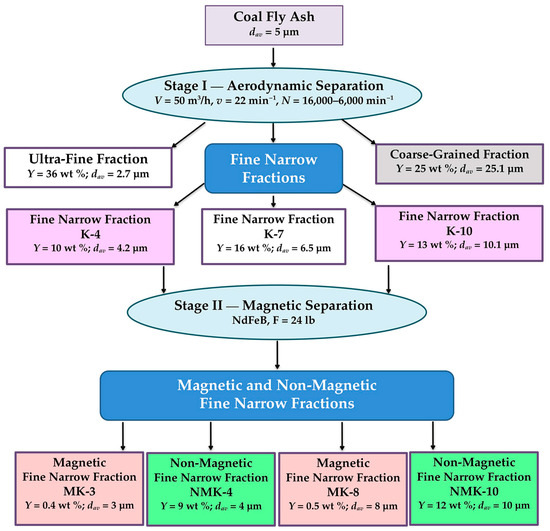
Dispersed ferrospheres (FSs) are a valuable component of coal fly ash, whose application potential is determined by their microspherical design, fine particle size, and high concentration of magnetic iron compounds. This study proposes an efficient technological scheme for extracting dispersed FSs from high-calcium
[...] Read more.
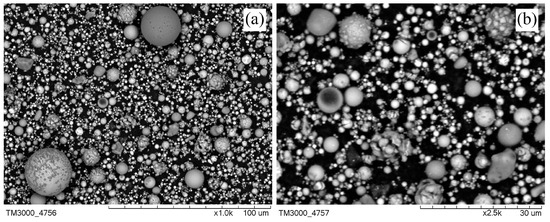
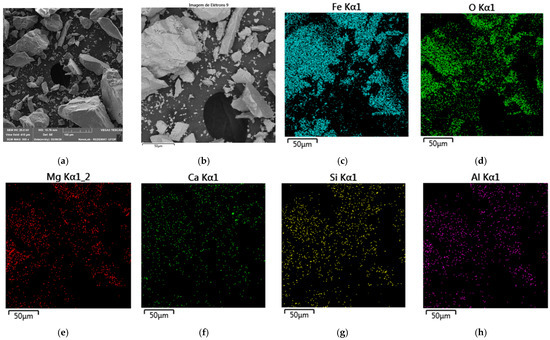
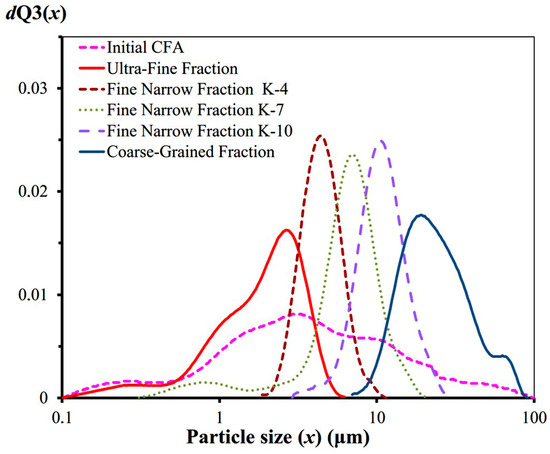
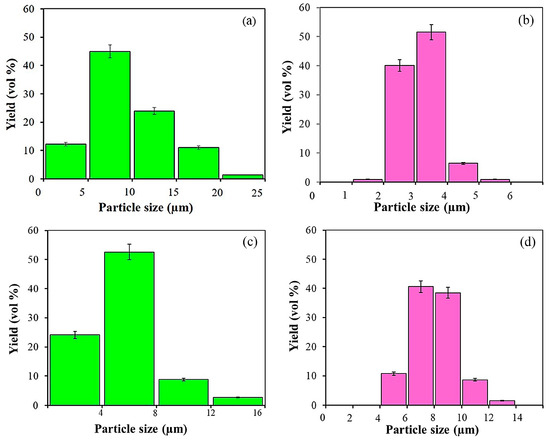
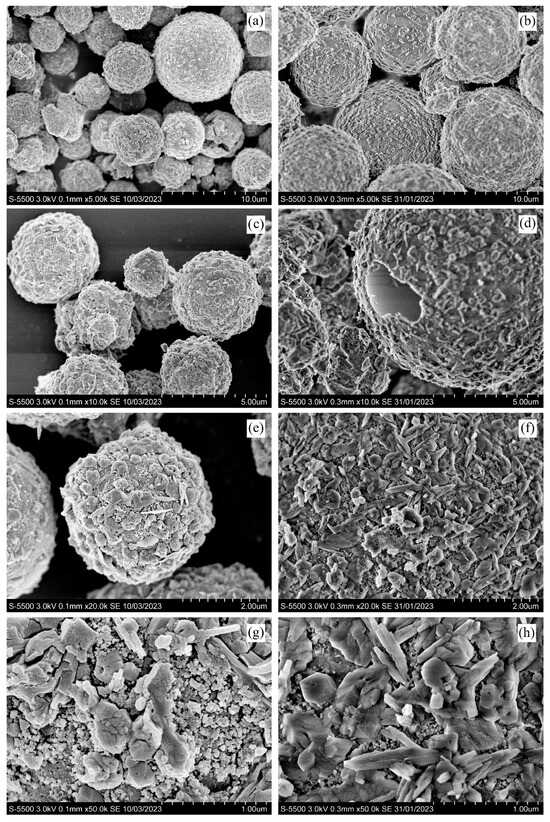
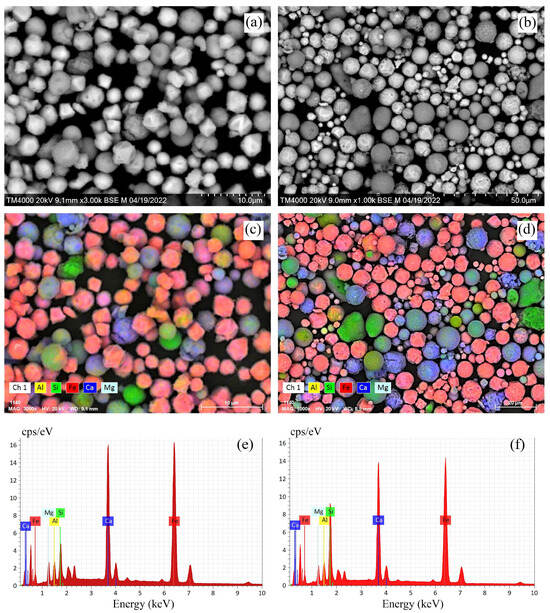
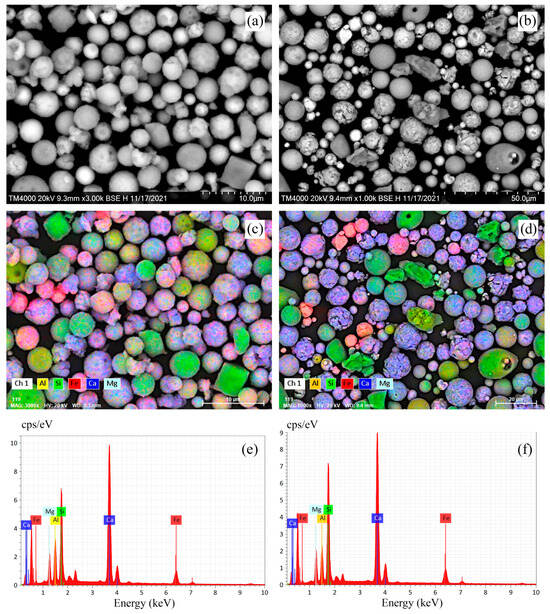
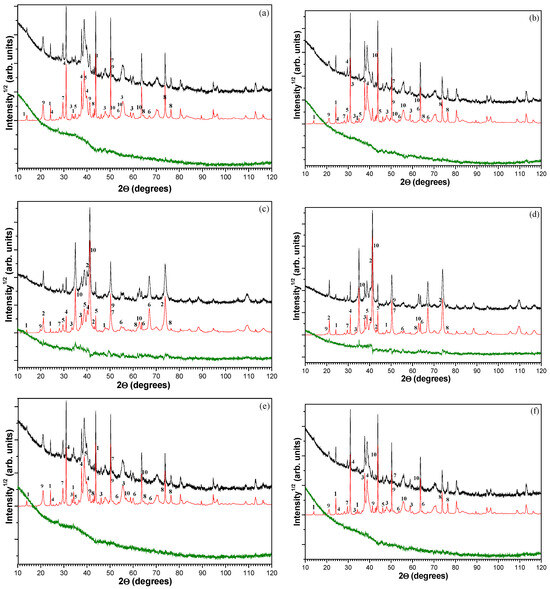
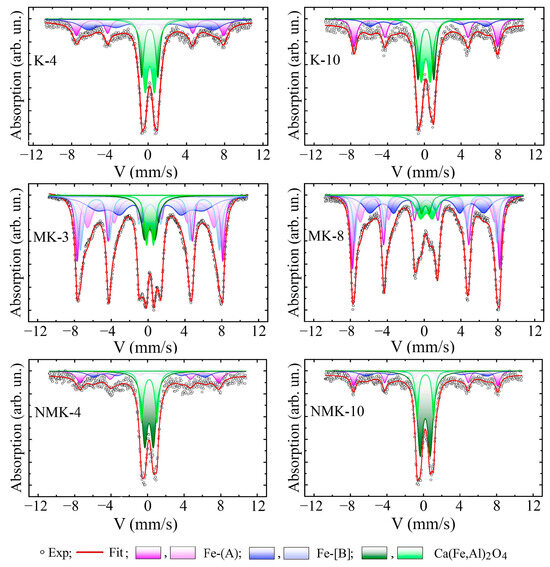
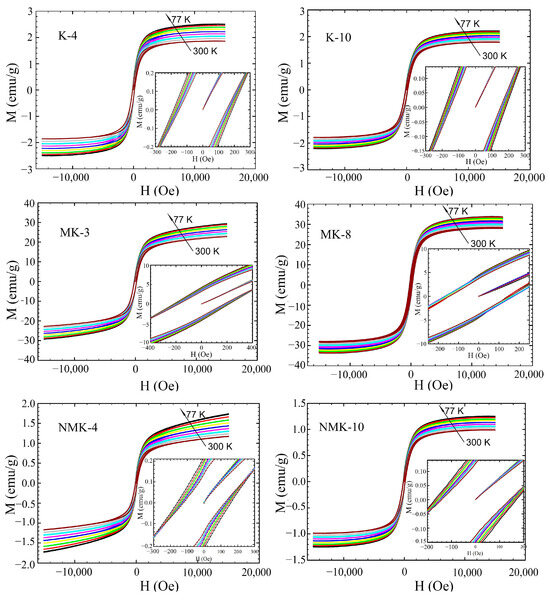
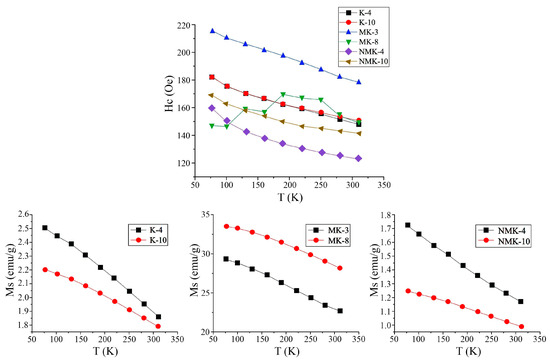
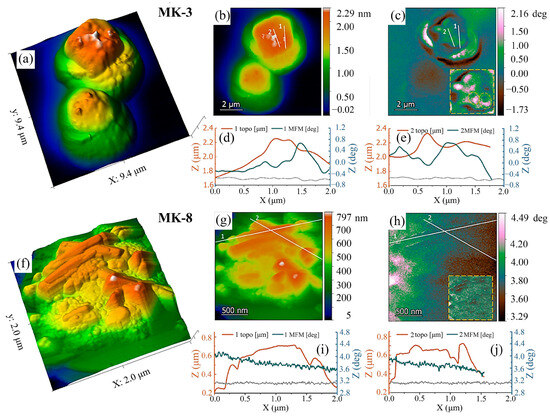
Dispersed ferrospheres (FSs) are a valuable component of coal fly ash, whose application potential is determined by their microspherical design, fine particle size, and high concentration of magnetic iron compounds. This study proposes an efficient technological scheme for extracting dispersed FSs from high-calcium fly ash, comprising (i) aerodynamic classification and (ii) dry magnetic separation. The isolated fractions were characterized, including determination of the particle-size distribution, morphology, chemical and phase composition, Mössbauer parameters, magnetic properties, and surface distribution of magnetic phases. It was shown that the average particle diameters of the FS narrow fractions are 3 and 8 µm. The major chemical components are FeO, CaO, and SiO2, whose total content amounts to 81–83 wt %. Regarding the phase composition, Fe-spinel and calcium ferrites are predominant, accounting for 38–46 and 13–16 wt %, respectively. The efficiency of the proposed process for extracting FSs reaches the level achieved by conventional wet magnetic separation. The saturation magnetization of the dispersed FS samples increases by more than an order of magnitude (up to 23–28 emu/g) compared to the initial fly-ash fractions (1.7–1.8 emu/g). For the first time, magnetic topography investigation of single microspheres directly demonstrates that the surface of the aluminosilicate matrix is enriched with magnetic microcrystals formed during coal combustion. The obtained results may prove useful in the design of functional materials with magnetically active surfaces for advanced applications.
Full article

Figure 1
Open AccessArticle
Temperature-Dependent Magnetic Properties of Pr6O11 Oxides Refined with the Wet Ball-Milling Method
by
Jiawen Xu, Yanlu Hu, Juan Li, Jie-Xiang Yu and Rujun Tang
Magnetochemistry 2026, 12(7), 79; https://doi.org/10.3390/magnetochemistry12070079 - 13 Jul 2026
Abstract
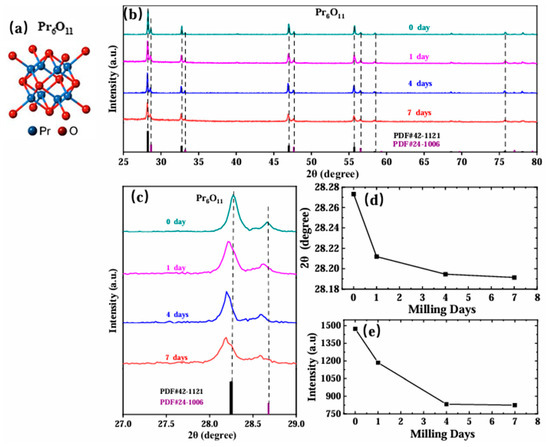
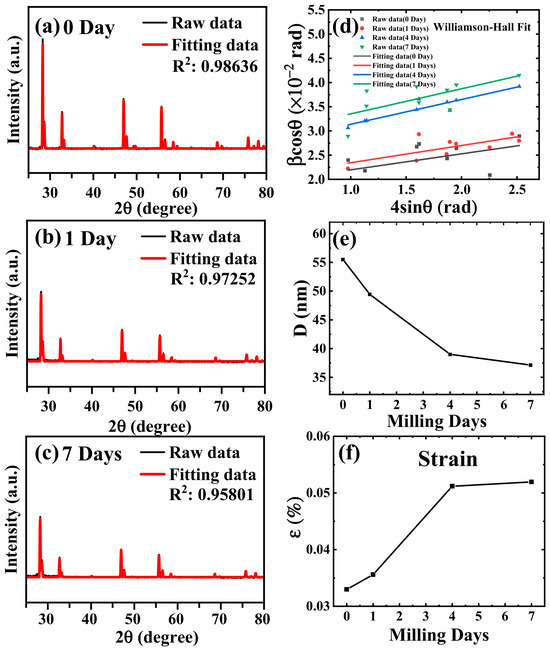
In this work, gradient-sized Pr6O11 powders were fabricated via a wet ball-milling method with variable milling durations. The microstructural evolution and temperature-dependent magnetic properties of different Pr6O11 powders were systematically investigated. The results reveal that wet ball-milling
[...] Read more.
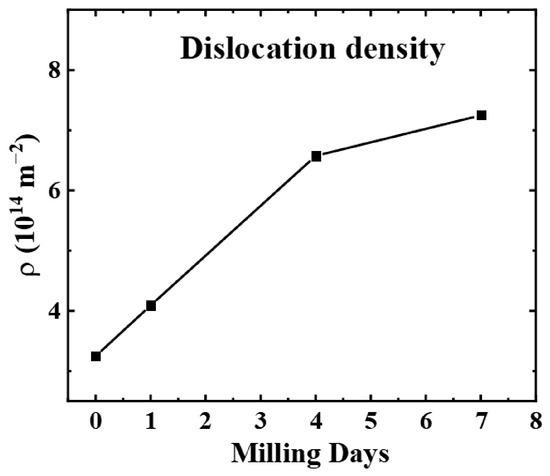
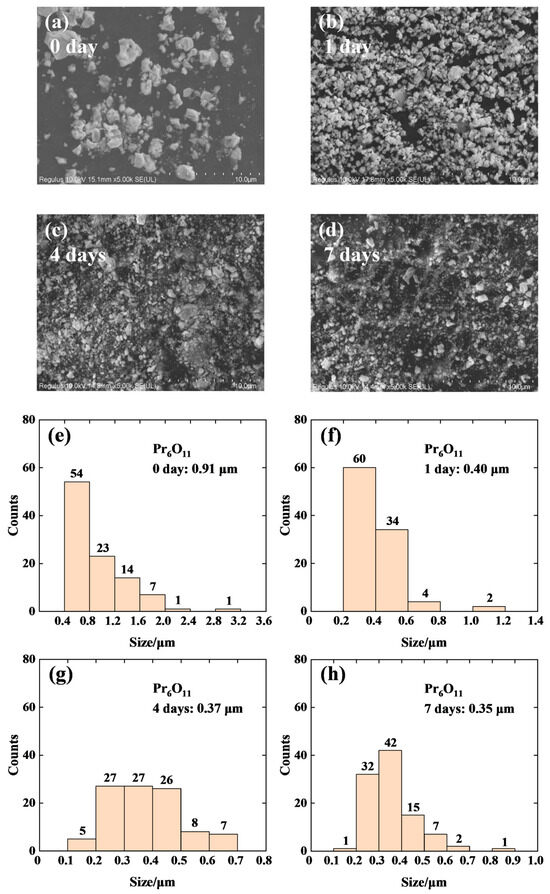
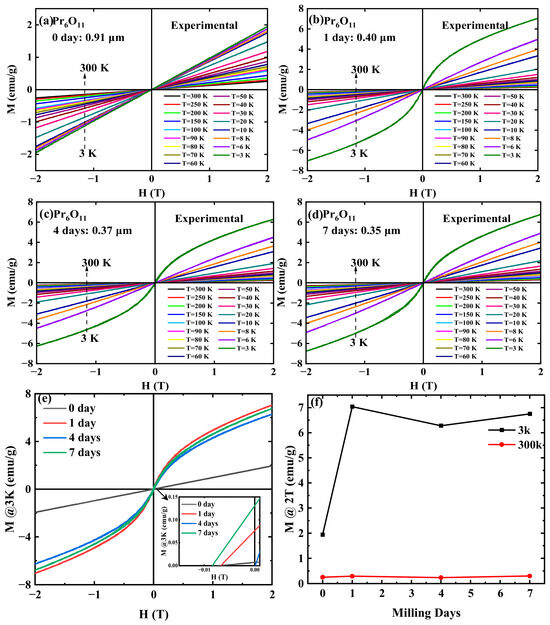
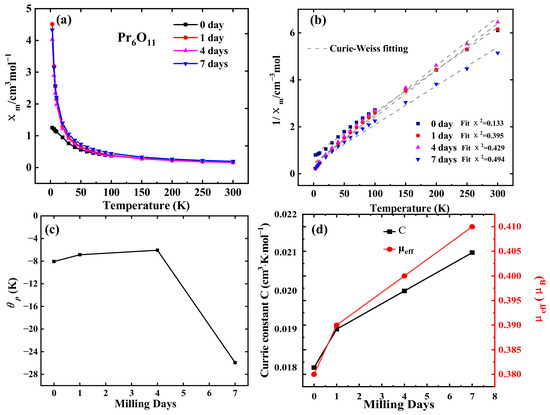
In this work, gradient-sized Pr6O11 powders were fabricated via a wet ball-milling method with variable milling durations. The microstructural evolution and temperature-dependent magnetic properties of different Pr6O11 powders were systematically investigated. The results reveal that wet ball-milling effectively refines powder particle size and introduces controllable lattice defects without altering the intrinsic crystal structure. Magnetic measurements over a temperature range of 3–300 K demonstrate that the unmilled powder exhibits typical paramagnetic behavior. However, milling-induced particle refinement significantly enhances the low-temperature magnetic moments of Pr6O11, accompanied by characteristic superparamagnetic hysteresis at 3 K. Furthermore, the fitted paramagnetic Curie temperature and Curie constant C confirm that the magnetic regulation is milling-affected and dependent on milling time. Prolonged milling above 1 day cannot continuously increase low-temperature magnetic moments. The above temperature-dependent magnetic properties of milled Pr6O11 can possibly be attributed to milling-induced grain refinement and lattice distortion, as supported by the microstructure analysis. This work provides valuable physical insights into the low-temperature magnetic properties of Pr6O11 and offers guidance for its magnetic functional applications.
Full article
(This article belongs to the Special Issue Magnetic Materials: From Fundamentals to Cutting-Edge Applications)
►▼
Show Figures

Figure 1

Open AccessArticle
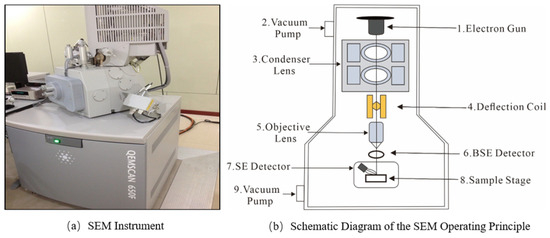
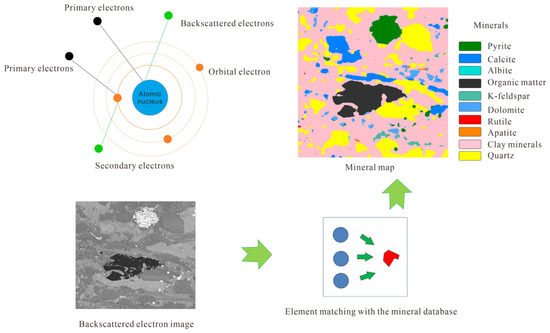
Whole-Rock Mineral Component Identification in Shale SEM Images Using a DAM-Transformer and Analysis of NMR Response Characteristics
by
Xu Dong, Yu Zeng, Jiawei Tang, Xueying Shi, Wenqi Shi and Wenting Liu
Magnetochemistry 2026, 12(7), 78; https://doi.org/10.3390/magnetochemistry12070078 - 13 Jul 2026
Cited by 1
Abstract
Pixel-level identification of whole-rock mineral components in shale scanning electron microscopy (SEM) images is essential for characterizing shale-reservoir microstructures and quantifying mineral contents. Existing mineral identification algorithms generally cannot identify all whole-rock mineral components within a unified framework. Their overall accuracy is also
[...] Read more.
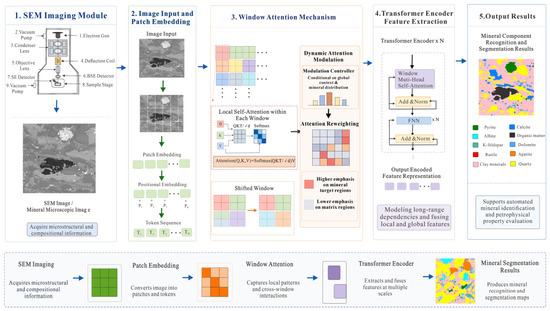
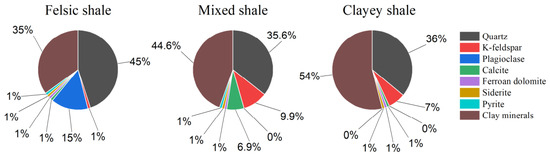
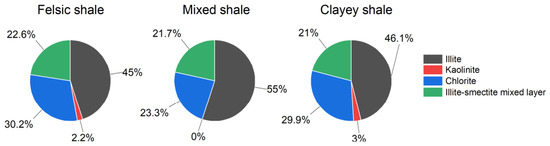
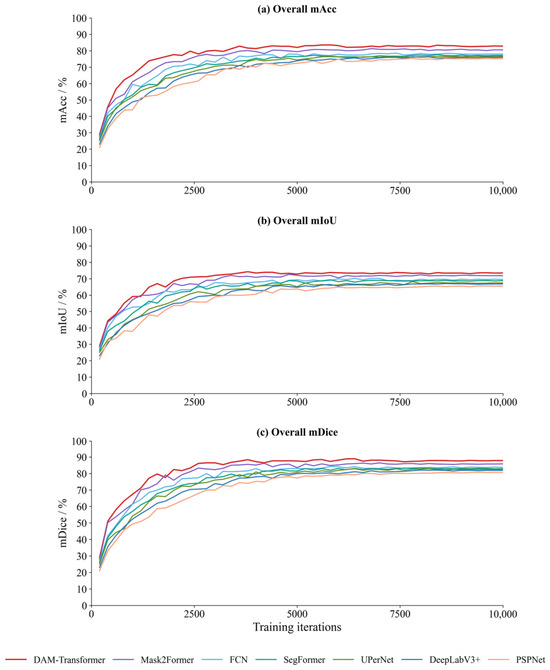
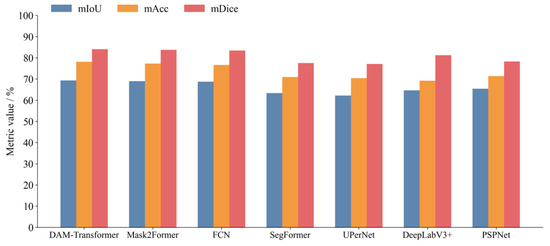
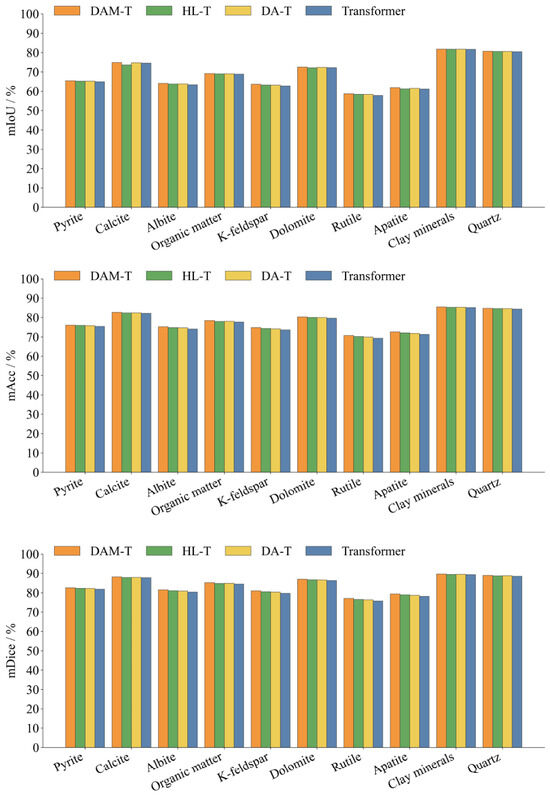
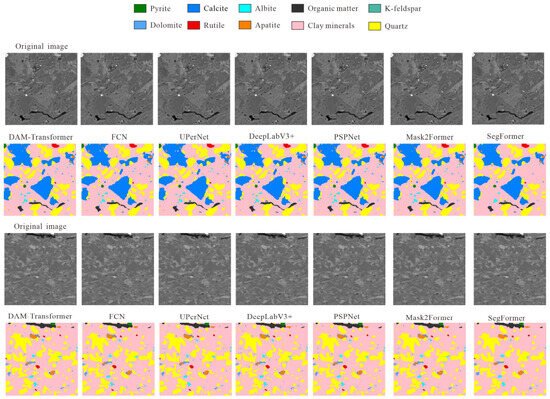
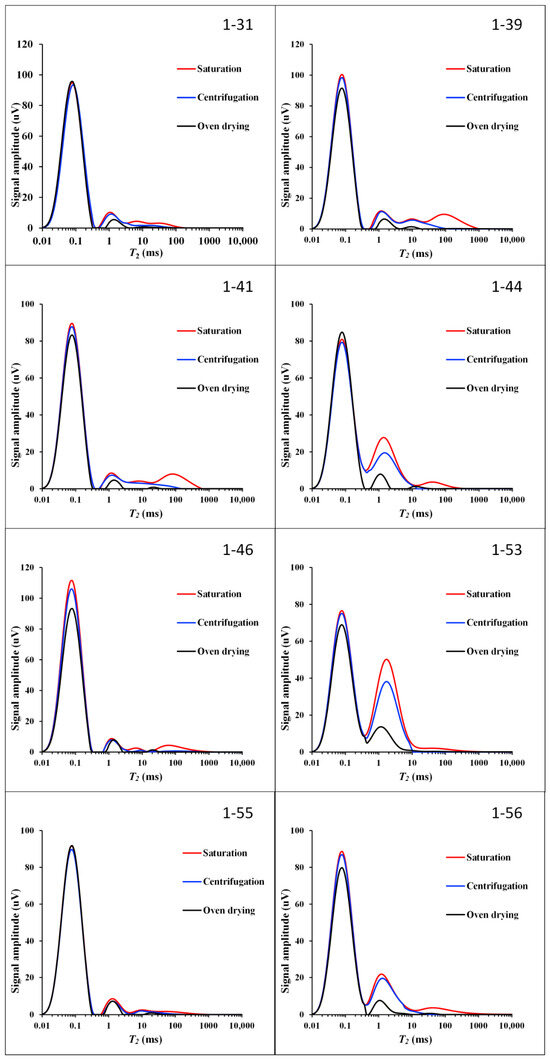
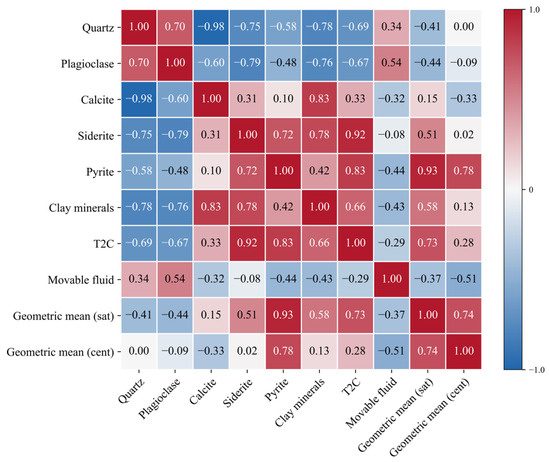
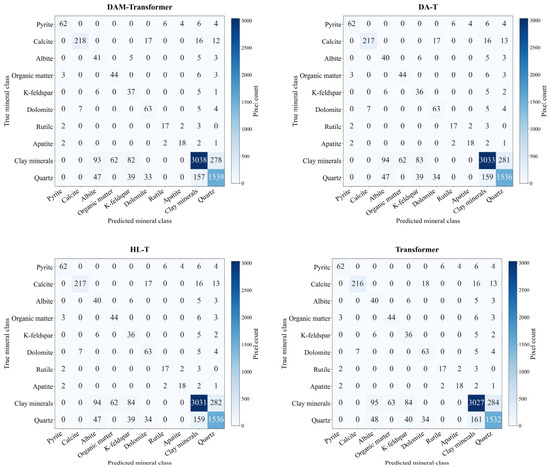
Pixel-level identification of whole-rock mineral components in shale scanning electron microscopy (SEM) images is essential for characterizing shale-reservoir microstructures and quantifying mineral contents. Existing mineral identification algorithms generally cannot identify all whole-rock mineral components within a unified framework. Their overall accuracy is also limited by class imbalance, and fine-grained minerals and mineral boundaries remain difficult to segment in complex lithological backgrounds. To address these limitations, shale samples from the Lianggaoshan Formation in the Sichuan Basin were investigated, and a dynamic attention Transformer (DAM-Transformer) was developed for whole-rock mineral component identification in shale SEM images. The proposed method (1) integrates the matrix and associated minerals into a unified segmentation framework; (2) employs a hybrid loss function tailored to the feature distribution of shale SEM images to mitigate class imbalance and improve training stability and model generalizability; and (3) introduces a dynamic attention mechanism that adaptively optimizes window attention weights, focuses on mineral target regions, enhances boundary detail features, and suppresses background noise. The DAM-Transformer achieved a pixel-level mean accuracy (mAcc) of 78.12% across ten mineral classes, outperforming Mask2Former, FCN, UPerNet, DeepLabV3+, and other benchmark methods by 1.51–8.92%. Visual comparisons further demonstrated that the proposed method preserves the continuity of major mineral regions and substantially improves the identification of fine-grained minerals and complex mineral boundaries. In addition, application analysis of shale plug samples showed that the mineral contents identified by the DAM-Transformer exhibited clear response relationships with saturation–centrifugation NMR parameters, providing quantitative support for interpreting shale pore structure, fluid occurrence, and reservoir properties.
Full article
(This article belongs to the Special Issue Nuclear Magnetic Resonance (NMR) in the Petroleum Industry and Porous Media)
►▼
Show Figures

Figure 1
Open AccessArticle
Research on the Composite DIW 3D Printing of Magnetic and Non-Magnetic Materials for Deformable Smart Structures
by
Haitian Xu, Yutong Chi, Hujun Wang, Shengjie Zhang, Jiahao Dong, Yijian Wei, Hongchao Cui, Yanwen Li and Zhenkun Li
Magnetochemistry 2026, 12(7), 77; https://doi.org/10.3390/magnetochemistry12070077 - 12 Jul 2026
Abstract
►▼
Show Figures
Integrating the “programmable” characteristics of smart materials with 3D printing technology enables the integration of structural design and manufacturing, showing broad application prospects in flexible electronics, aerospace, biomedicine, and other fields. Magnetically controlled smart fluids are characterized by flexible solid–liquid conversion, high driving
[...] Read more.
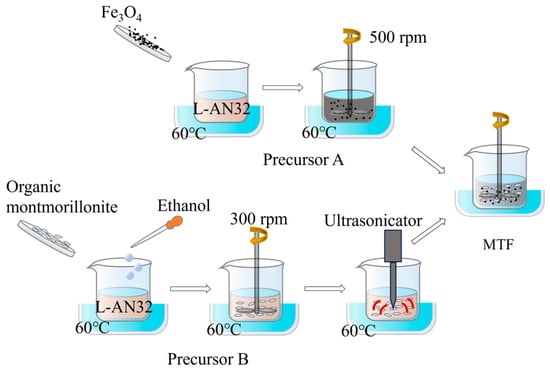
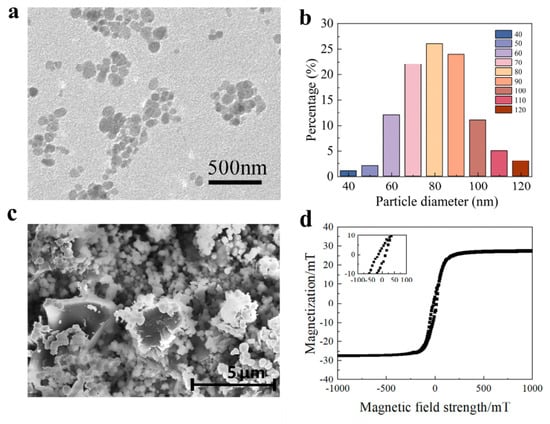
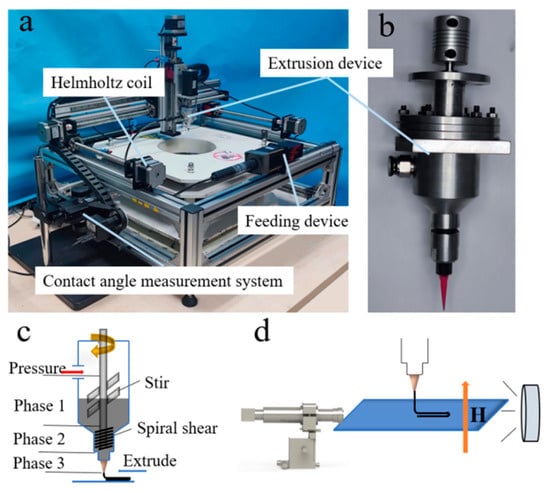
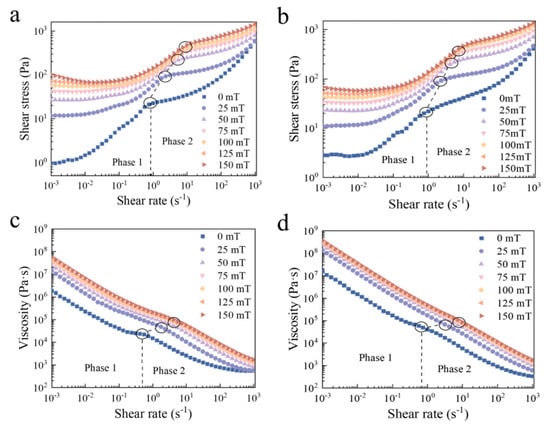
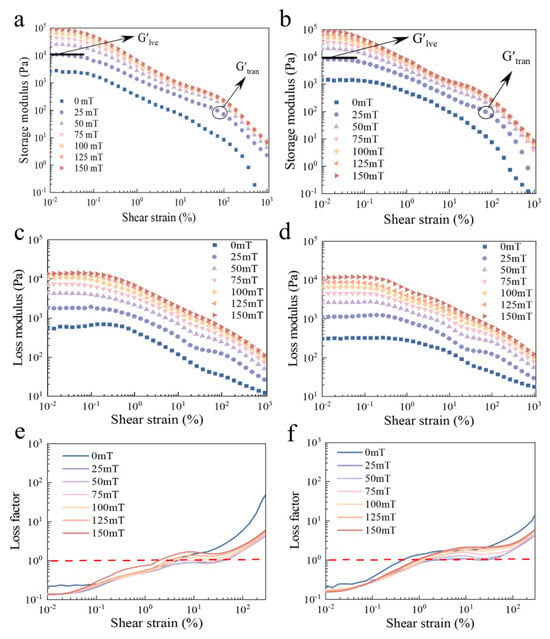
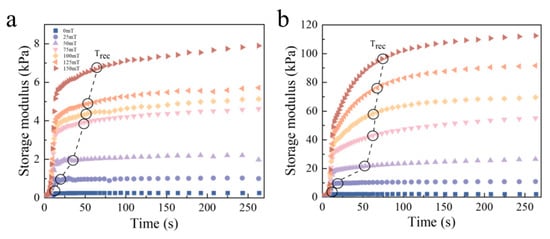
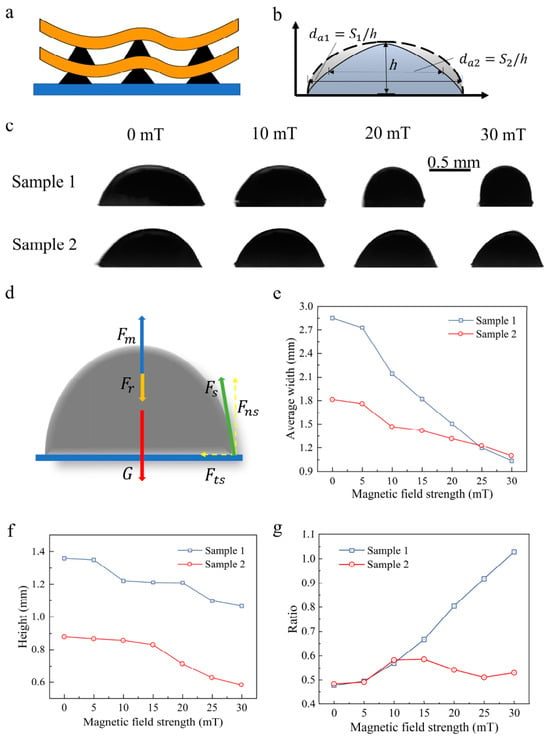
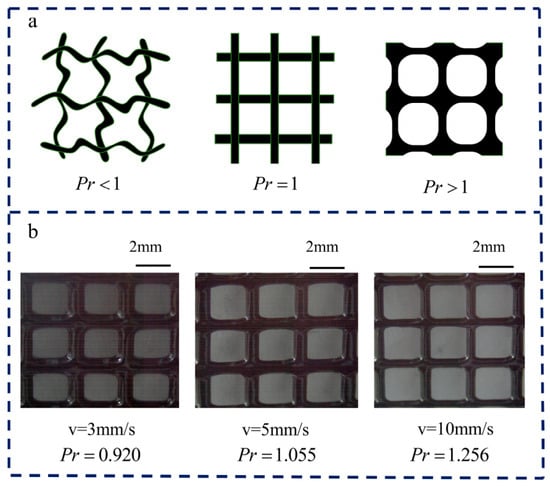
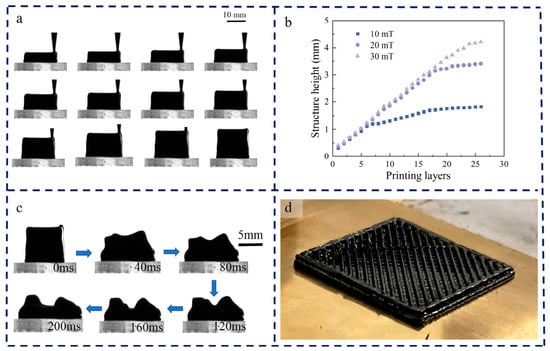
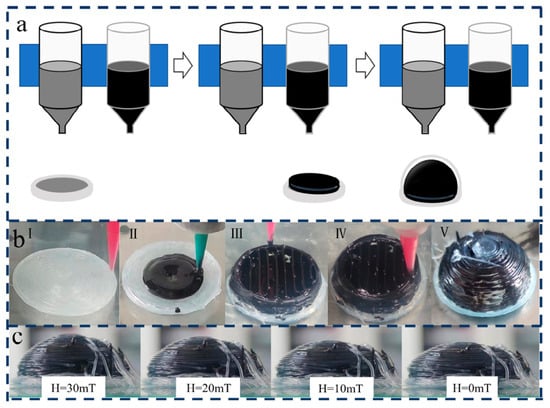
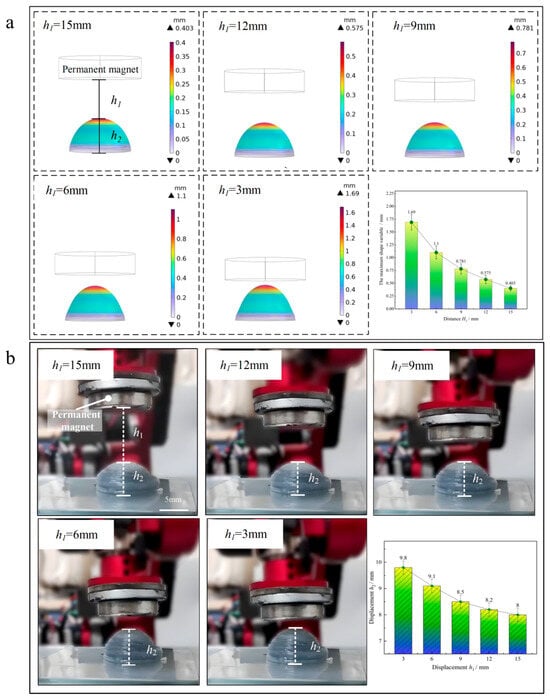
Integrating the “programmable” characteristics of smart materials with 3D printing technology enables the integration of structural design and manufacturing, showing broad application prospects in flexible electronics, aerospace, biomedicine, and other fields. Magnetically controlled smart fluids are characterized by flexible solid–liquid conversion, high driving efficiency, and high safety. By harnessing the distinctive characteristics of this material, manufacturing and actuation approaches for intelligent structures can be further diversified. Inspired by the sol–gel transformation mechanism of protoplasm, this paper proposes a composite 3D printing method for magnetic and non-magnetic materials. A magnetically controllable binary suspension system with strong thixotropic properties was constructed, and its microscopic self-assembly structure was characterized. The yield behavior, linear viscoelastic properties, and thixotropic recovery performance of the magnetic thixotropic fluid (MTF) were investigated through steady and dynamic rheological measurements, and the optimal rheological parameters for printing were determined. A 3D printing platform with coordinated control of a magnetic field and a motion system was built to further study and optimize the printing process. The supporting characteristics of the MTF on a silicone film and the deformation of the printed composite structure under a gradient magnetic field were studied. The composite 3D printing and its application in soft robotics may provide new insights for space exploration, biomedicine, military reconnaissance, and many other fields.
Full article

Figure 1
Open AccessArticle
Polycrystalline NiCuZnCoMnFe-O Memristors with Low-Voltage Operation for Neuromorphic Synapses
by
Ruyun Ding, Jiayu Qin, Weihan Wang, Shijie Yang, Rui Wu, Hui Zheng and Liang Zheng
Magnetochemistry 2026, 12(7), 76; https://doi.org/10.3390/magnetochemistry12070076 - 10 Jul 2026
Abstract
Multicomponent ferrite oxides with mixed valence states and tunable oxygen-defect chemistry are promising active materials for low-power memristive synapses. In this work, Ag/Ni0.3Cu0.2Zn0.5Co0.005Mn0.005Fe1.99O/Ag memristors were fabricated by pulsed laser deposition, and
[...] Read more.
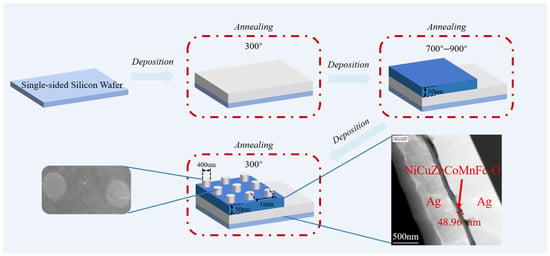
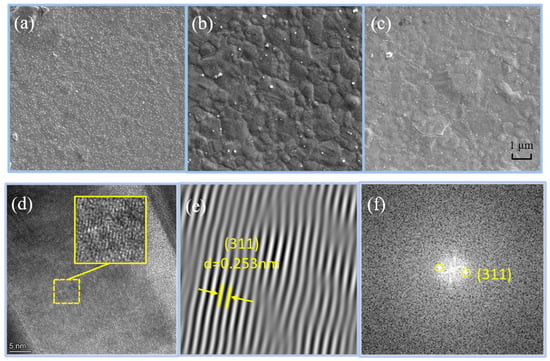
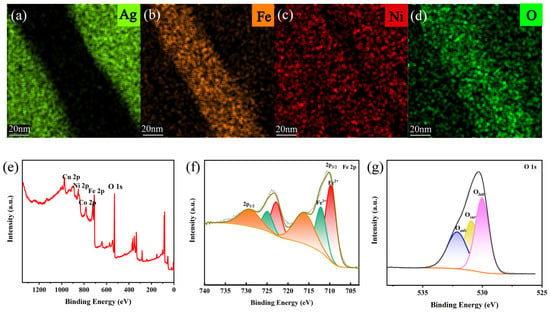
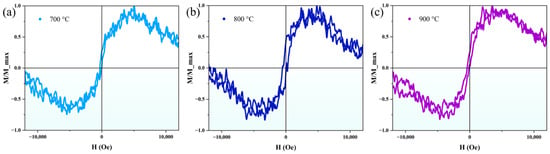
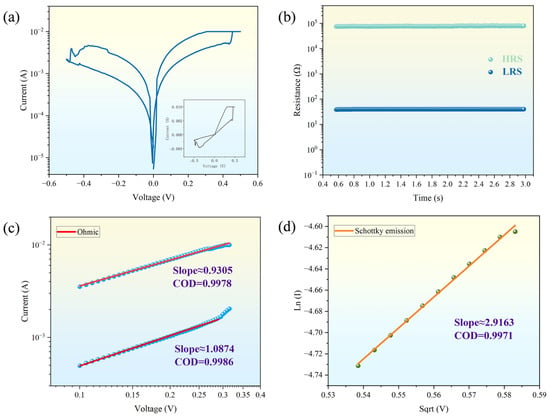
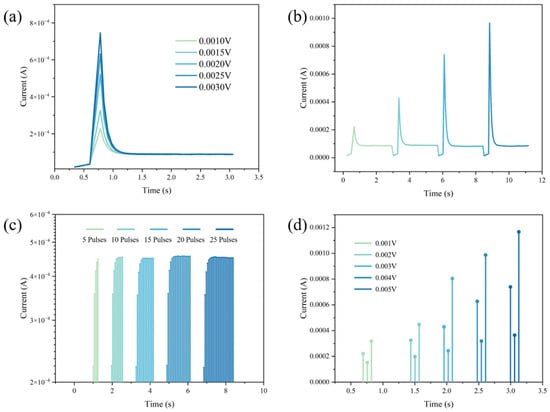
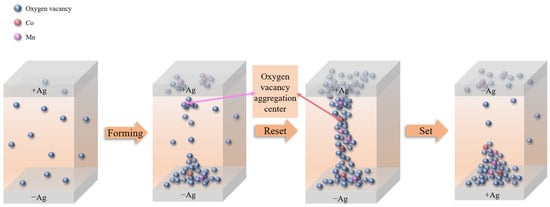
Multicomponent ferrite oxides with mixed valence states and tunable oxygen-defect chemistry are promising active materials for low-power memristive synapses. In this work, Ag/Ni0.3Cu0.2Zn0.5Co0.005Mn0.005Fe1.99O/Ag memristors were fabricated by pulsed laser deposition, and the effects of post-deposition annealing at 700–900 °C on film structure, chemical states, magnetic behavior, resistive switching, and synaptic performance were investigated. The film annealed at 800 °C exhibited a dense surface morphology, improved crystallinity, and uniform elemental distribution. X-ray photoelectron spectroscopy confirmed the coexistence of Fe2+/Fe3+ states and oxygen-related defect components, indicating the presence of oxygen vacancies. Room-temperature magnetic hysteresis measurements revealed ferrite-type magnetic behavior in the annealed films, with the 800-annealed sample showing a relatively well-defined normalized hysteresis response. The optimized device exhibited representative bipolar resistive switching within ±0.5 V, distinguishable high- and low-resistance states, Ohmic conduction in the low-resistance state, and Schottky-emission-dominated transport in the high-resistance state. These results suggest that reversible oxygen-vacancy migration and interfacial barrier modulation govern the switching process. The device showed preliminary synaptic-like transient current responses. Further systematic reliability and conductance-modulation measurements are still required to fully evaluate endurance, reproducibility, and synaptic weight-update behavior. This study demonstrates that annealing-controlled multicomponent ferrite oxides offer a feasible route for energy-efficient memristive synaptic devices.
Full article
(This article belongs to the Special Issue Emerging Topics in Magnetic Materials and Devices)
►▼
Show Figures

Figure 1

Open AccessArticle
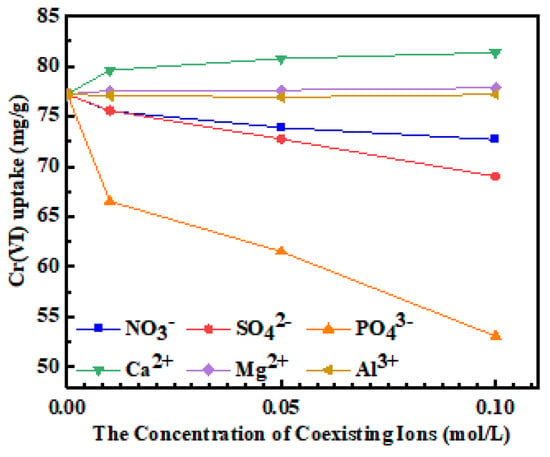
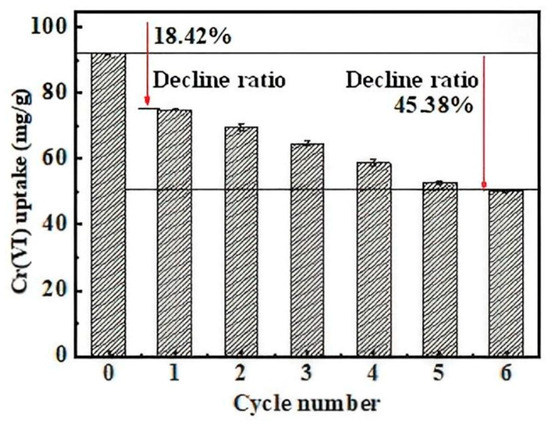
Fe0/Fe3O4 Co-Modified Magnetic Nanocomposite: Fabrication and Cr(VI) Removal from Aqueous Solution
by
Xiaohan Duan, Junkai Zheng, Xuebai Guo, Yongkui Wang, Qianqian Xie, Qiuyue Yin, Muyao Chen and Jingxi Tie
Magnetochemistry 2026, 12(7), 75; https://doi.org/10.3390/magnetochemistry12070075 - 7 Jul 2026
Abstract
Cr(VI) has become an urgent environmental concern due to its high toxicity. Adsorption is regarded as an effective technique for Cr(VI) removal, and high-performance adsorbents remain in great demand. In this study, waste-derived magnetic biochar (Fe0-Fe3O4 MB) was
[...] Read more.
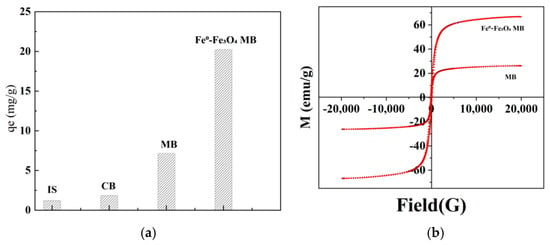
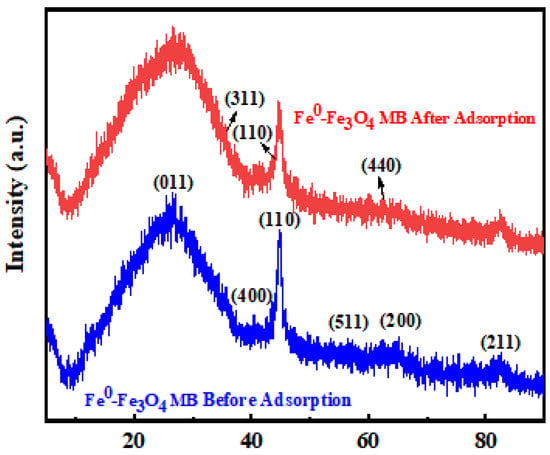
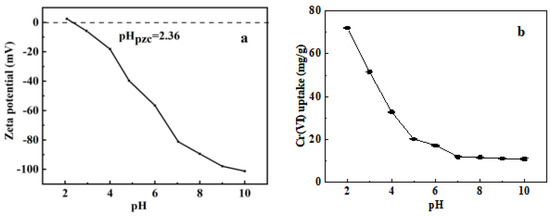
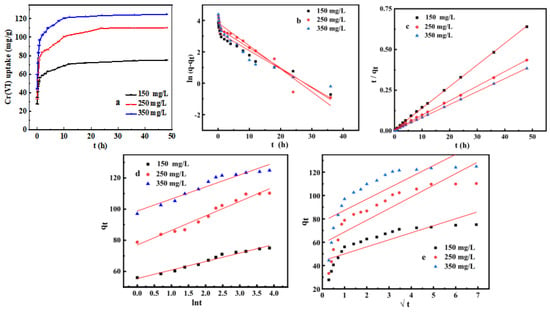
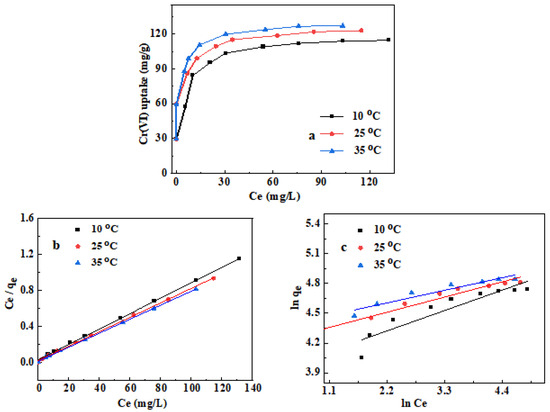
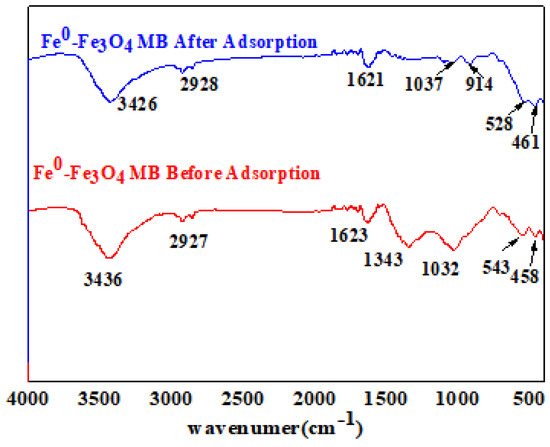
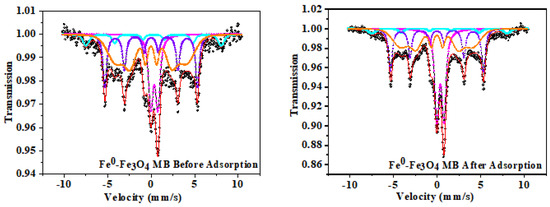
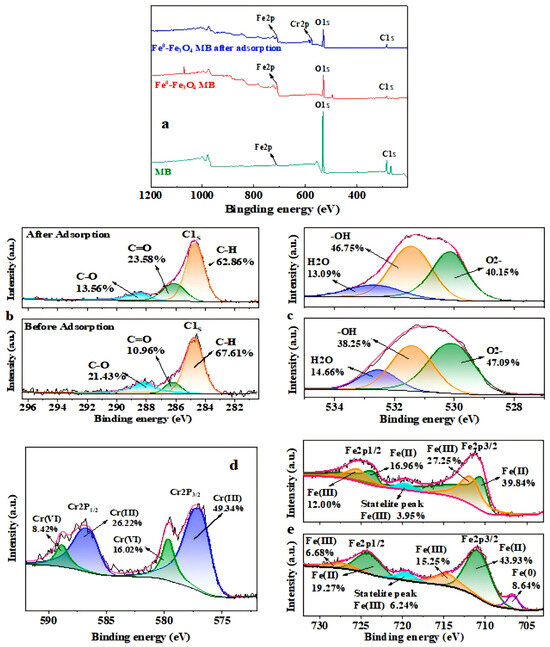
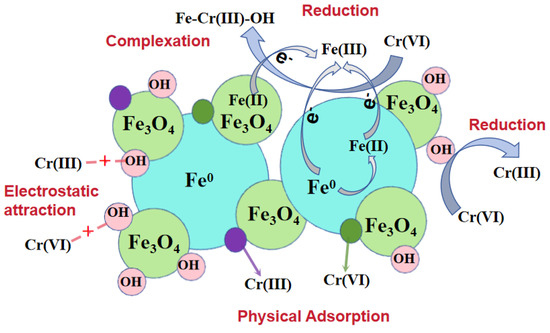
Cr(VI) has become an urgent environmental concern due to its high toxicity. Adsorption is regarded as an effective technique for Cr(VI) removal, and high-performance adsorbents remain in great demand. In this study, waste-derived magnetic biochar (Fe0-Fe3O4 MB) was synthesized via synchronous pyrolysis combined with liquid-phase reduction, using Chinese medicinal residue as biomass feedstock and iron-based sludge as the sole iron source instead of traditional chemical agents. Mössbauer spectroscopy (MS) results confirmed the feasibility and high efficiency of synthesizing Fe0 using iron sludge as the iron source; meanwhile, in situ generated Fe3O4 and biochar effectively restrained particle aggregation and the surface passivation of Fe0. Cr(VI) adsorption fitted well with pseudo-second-order kinetics and Langmuir isotherm models, which suggests a predominant monolayer chemisorption process. The Fe0-Fe3O4 MB possessed excellent superparamagnetism, with a saturation magnetization of 66.74 emu/g. Rapid Cr(VI) adsorption was achieved within 30 min at pH 2 and 35 °C, with a maximum adsorption capacity of 128.36 mg/g. The main adsorption mechanisms may involve multiple pathways, including physical adsorption, electrostatic attraction, chemical reduction, and surface complexation. This study provides a feasible strategy for solid waste resource utilization and the fabrication of stabilized functional zero-valent iron materials, realizing the efficient adsorption treatment of Cr(VI)-containing wastewater.
Full article
(This article belongs to the Section Applications of Magnetism and Magnetic Materials)
►▼
Show Figures

Figure 1
Open AccessArticle
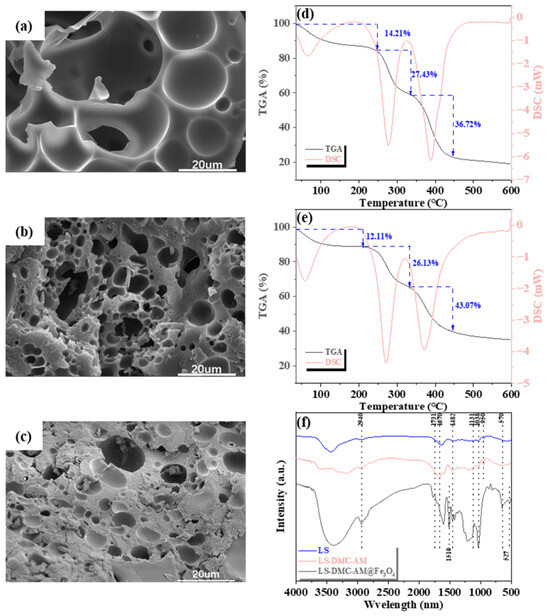
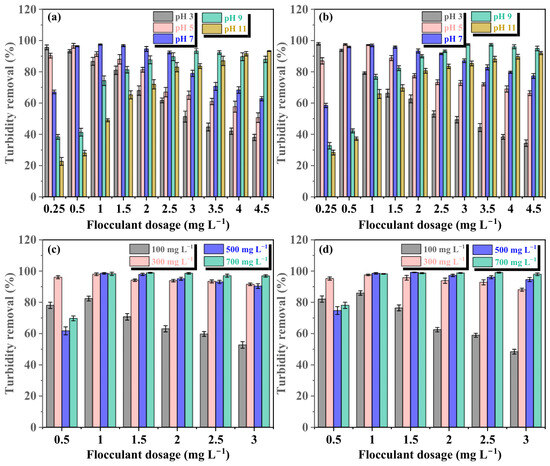
A Magnetic Lignin-Based Flocculant (LS-DMC-AM@Fe3O4) Integrating Flocculation, Sterilization, and Rapid Magnetic Separation via Synergistic Quaternary Ammonium Contact-Killing and Fe3O4 Nanoparticle-Induced ROS Oxidative Stress
by
Bin Chen, Ge Gao, Yuhua Liu, Wei Ding and Hong Li
Magnetochemistry 2026, 12(7), 74; https://doi.org/10.3390/magnetochemistry12070074 - 7 Jul 2026
Abstract
Conventional water treatment relies on sequential flocculation and disinfection, which inflates infrastructure costs and heightens the risk of disinfection byproduct formation. Here, we report a magnetic lignin-based flocculant (LS-DMC-AM@Fe3O4) that integrates flocculation, sterilization, and rapid magnetic separation within a
[...] Read more.
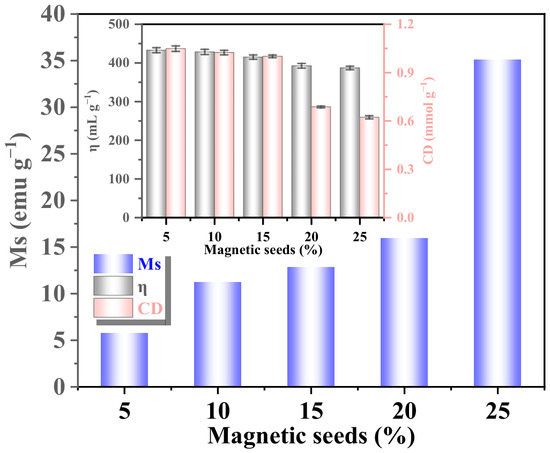
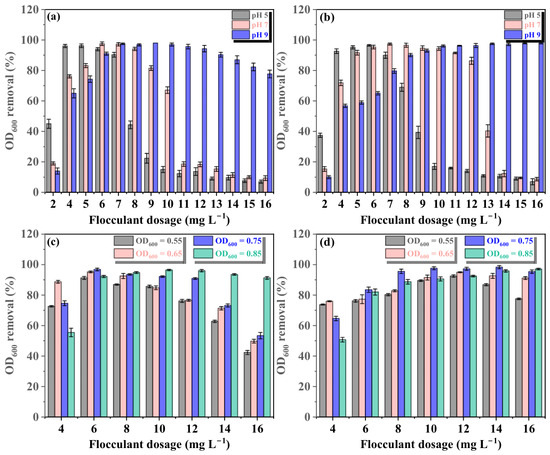
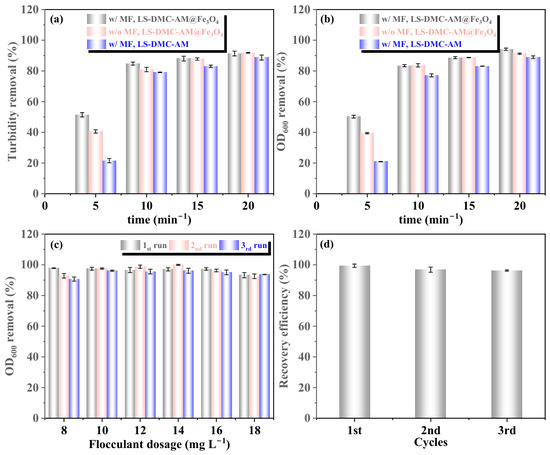
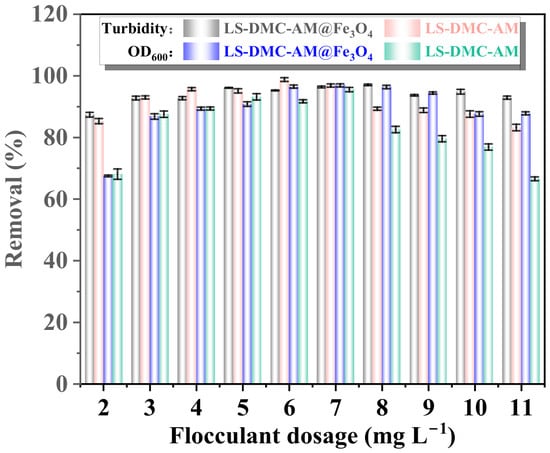
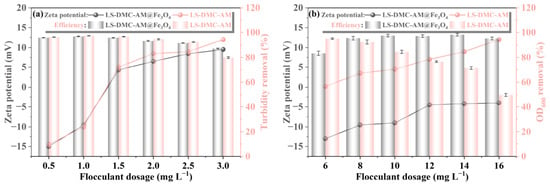
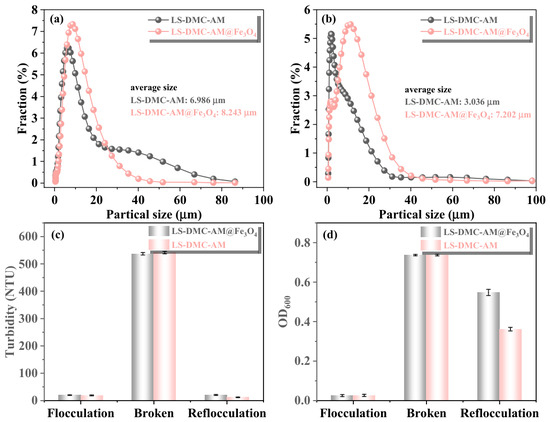
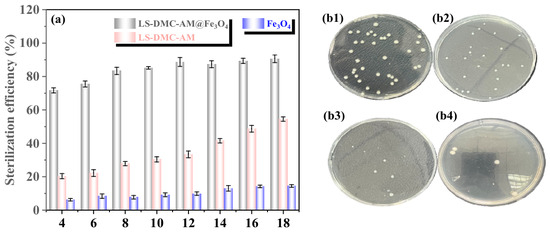
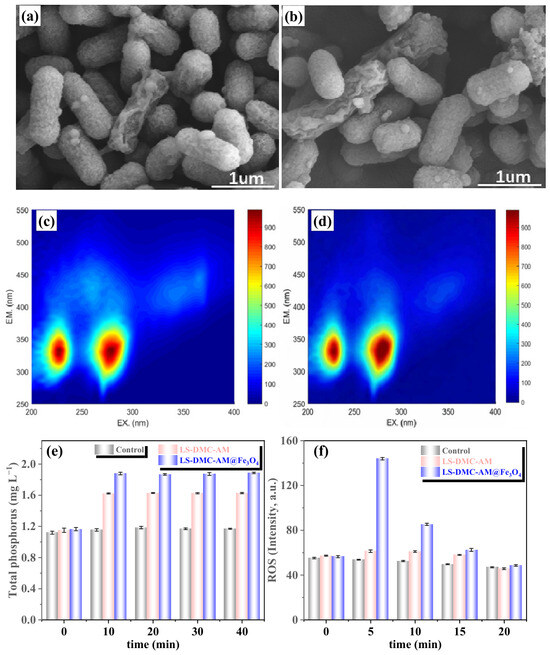
Conventional water treatment relies on sequential flocculation and disinfection, which inflates infrastructure costs and heightens the risk of disinfection byproduct formation. Here, we report a magnetic lignin-based flocculant (LS-DMC-AM@Fe3O4) that integrates flocculation, sterilization, and rapid magnetic separation within a single material. The composite was synthesized by thermally initiated graft copolymerization of methacryloyloxyethyl trimethylammonium chloride (DMC) and acrylamide (AM) onto sodium lignosulfonate (LS), followed by incorporation of Fe3O4 nanoparticles (NPs) at 15 wt% loading; the product exhibited a saturation magnetization of 12.8 emu g−1. LS-DMC-AM@Fe3O4 achieved 98.2% kaolin turbidity removal at 1 mg L−1 and 98.6% E. coli removal at 8 mg L−1, and displayed a markedly broader effective dosage window than its non-magnetic analog. We attribute this broadened window to Fe3O4-enhanced membrane disruption, which liberates anionic intracellular contents that buffer excess cationic charge and thereby suppress restabilization. The bactericidal efficiency reached 90% at 18 mg L−1, 1.6-fold higher than LS-DMC-AM, governed by a synergistic dual mechanism: quaternary ammonium contact-killing coupled with Fe3O4 NP-induced intracellular reactive oxygen species (ROS) accumulation. Under an external magnetic field, flocs underwent rapid phase separation and displayed enhanced shear-regrowth capacity (E. coli floc recovery factor: 53% vs. 26%); Fe3O4 NPs were recovered at >95% efficiency over two cycles. Despite higher unit production costs, LS-DMC-AM@Fe3O4 delivers competitive per-unit-volume treatment economics through its ultralow effective dosage and magnetic seed recyclability. These results establish a viable strategy for engineering multifunctional, recyclable flocculants from industrial lignin waste.
Full article
(This article belongs to the Special Issue Applications of Magnetic Materials in Water Treatment—2nd Edition)
►▼
Show Figures

Figure 1

Open AccessArticle
Microstructural Control Through Precipitation Engineering in Fe-Pd-Ga Ferromagnetic Shape Memory Ribbons: Martensitic Transformation Behavior, Magnetoelastic and Magnetic Response
by
Mihaela Sofronie and Monica Enculescu
Magnetochemistry 2026, 12(7), 73; https://doi.org/10.3390/magnetochemistry12070073 - 3 Jul 2026
Abstract
Melt-spun Fe70−xPd30Gax ribbons (x = 1 and 3 at.% Ga) were heat-treated at 1223 K for 1 h and 2 h and characterized by X-ray diffraction, scanning electron microscopy, differential scanning calorimetry, magnetometry, and magnetoelastic measurements. Increasing Ga
[...] Read more.
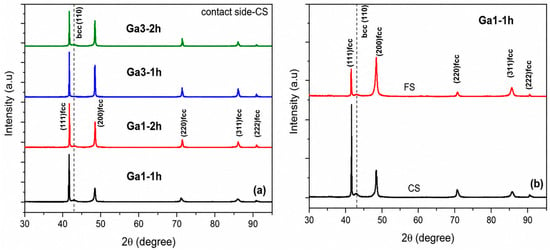
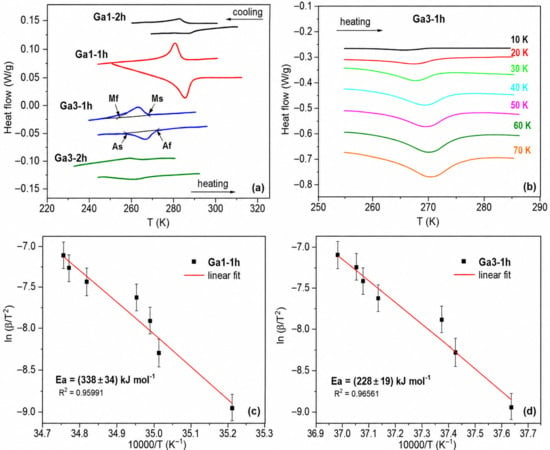
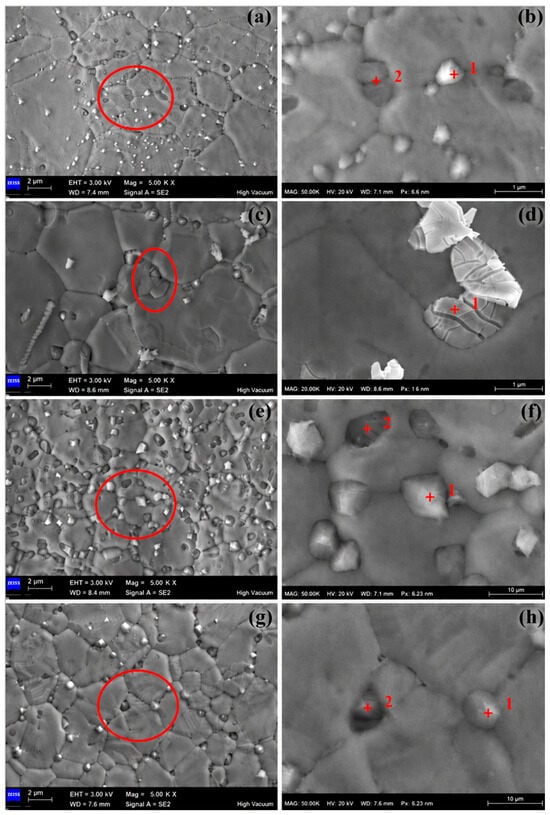
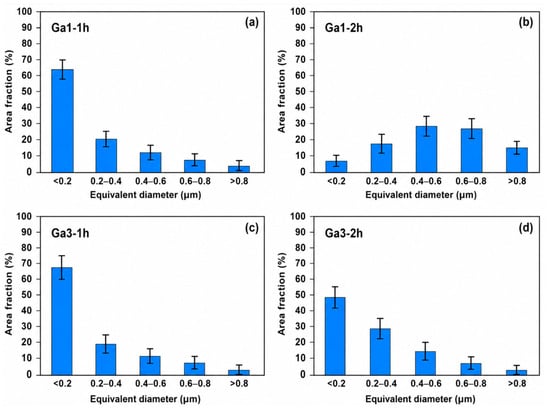
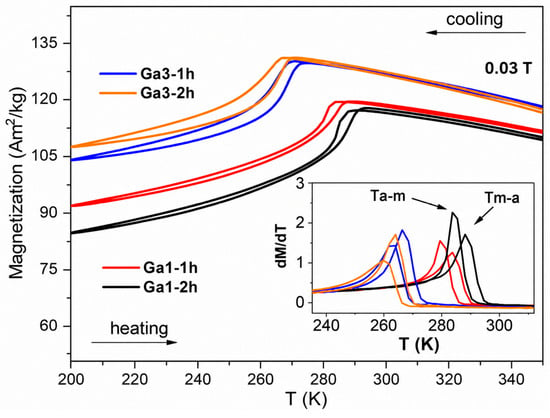
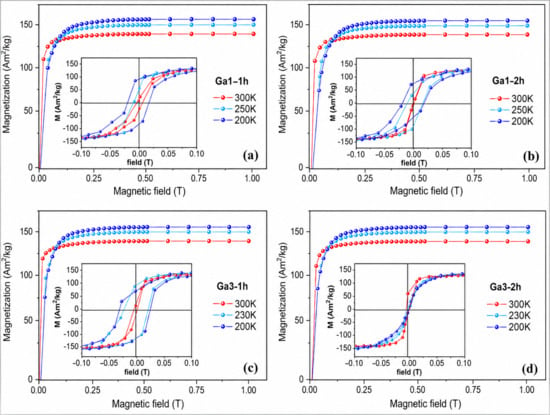
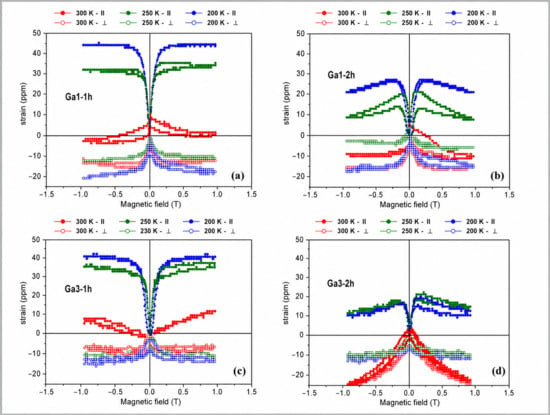
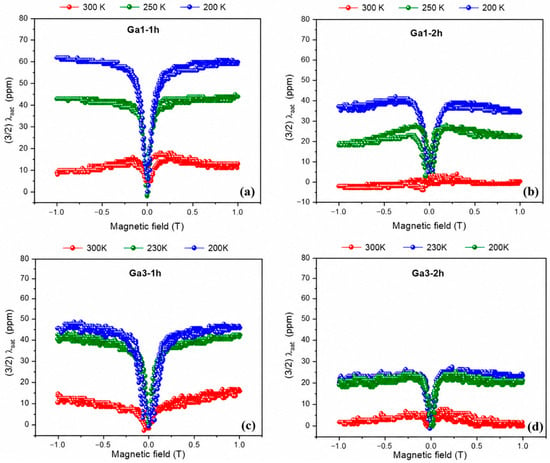
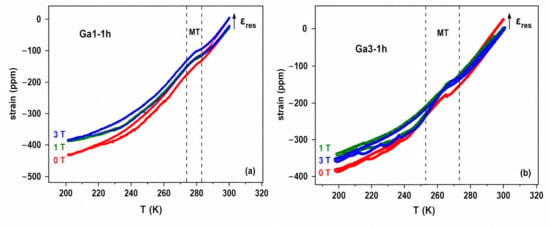
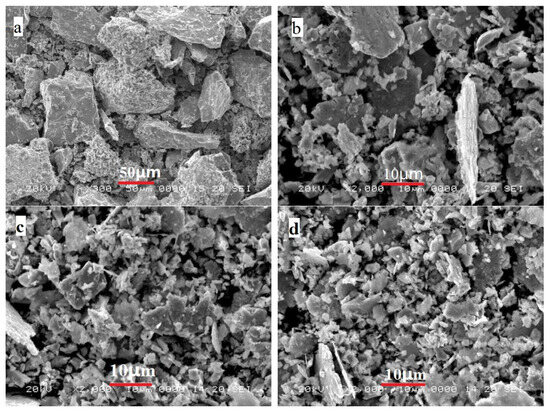
Melt-spun Fe70−xPd30Gax ribbons (x = 1 and 3 at.% Ga) were heat-treated at 1223 K for 1 h and 2 h and characterized by X-ray diffraction, scanning electron microscopy, differential scanning calorimetry, magnetometry, and magnetoelastic measurements. Increasing Ga content decreases thermodynamic equilibrium temperature from 292.0 K (1 at.% Ga) to 283.5 K (3 at.% Ga) in as-prepared ribbons. Extended heat treatment then shifts it to 288.0 K and 264.5 K, respectively, and promotes Fe-rich precipitation. Fine precipitates at 1 h preserve a large transformable matrix fraction and introduce microstructural heterogeneity that governs variant mobility and domain-wall pinning; prolonged annealing triggers coalescence, depleting the matrix and reducing both the transformation heat and the magnetoelastic response. Kissinger analysis yields apparent activation energies of 338 kJmol−1 (1 at.% Ga) and 228 kJmol−1 (3 at.% Ga), confirming that higher Ga content lowers the transformation energy barrier. The magnetostrictive response depends on annealing: 1 h-annealed samples exhibit field-induced variant reorientation and saturation magnetostriction of ~60 ppm at 200 K, whereas 2 h-annealed samples approach volume-conserving behavior. Coercivity scales with precipitate density, with Ga3-2h showing anomalously soft magnetic behavior following coalescence. Thermally induced precipitation thus emerges as a route to simultaneously control microstructure, transformation kinetics, magnetoelastic response, and magnetic behavior in ferromagnetic shape memory alloys.
Full article
(This article belongs to the Special Issue 10th Anniversary of Magnetochemistry: Past, Present and Future)
►▼
Show Figures

Figure 1
Open AccessArticle
Structural Modification and Electromagnetic Response of Ball-Milled Nd-Fe-C Alloys
by
Ziqiang Qiao, Juan Liu and Zhenzhong Wang
Magnetochemistry 2026, 12(7), 72; https://doi.org/10.3390/magnetochemistry12070072 - 1 Jul 2026
Abstract
With the rapid development of communication technologies, electromagnetic pollution has become increasingly serious, driving the urgent demand for high-performance low-frequency microwave absorbers. This work focuses on Nd-Fe-C powders prepared by high-energy ball milling, aiming to explore low-cost, mass-producible absorbing materials with excellent low-frequency
[...] Read more.
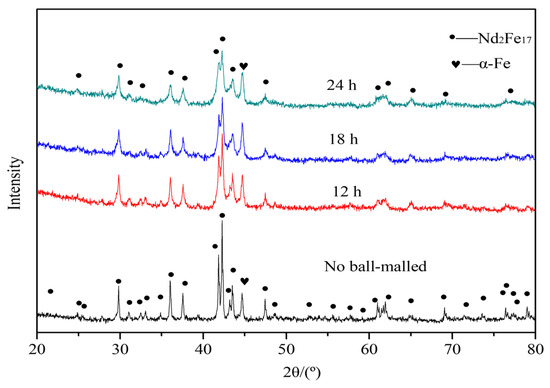
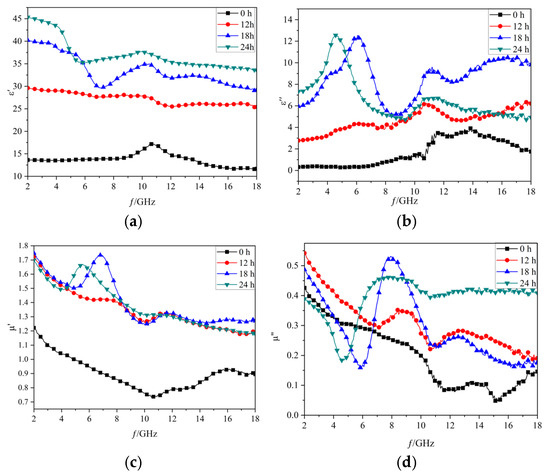
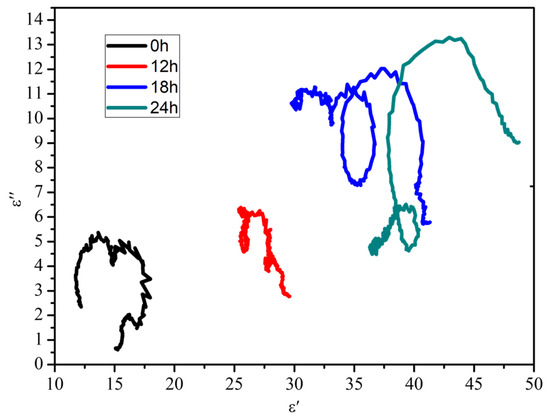
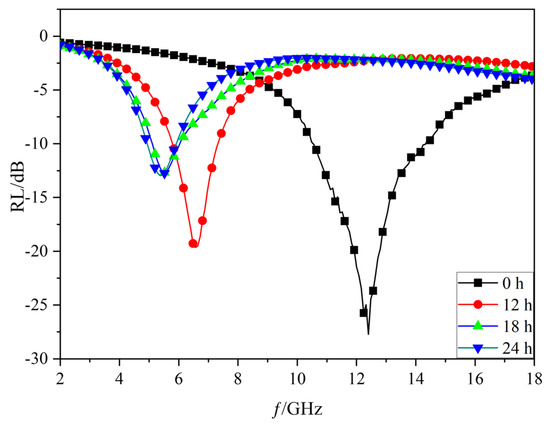
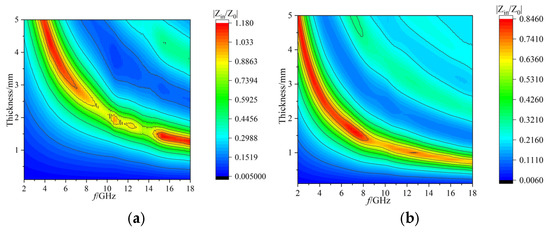
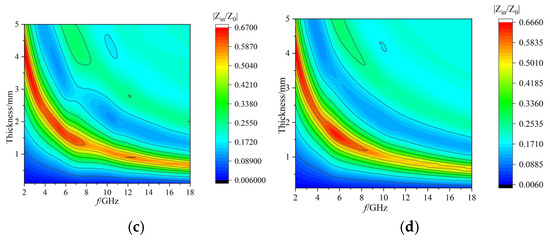
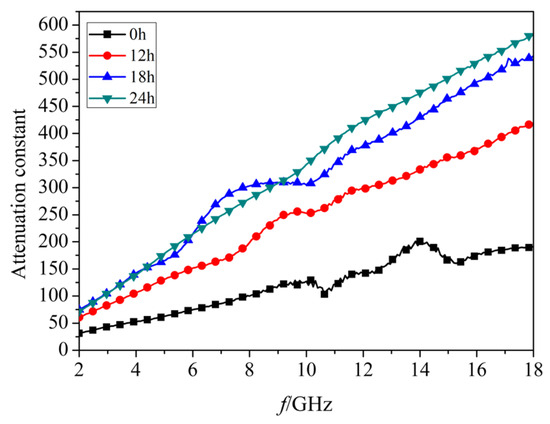
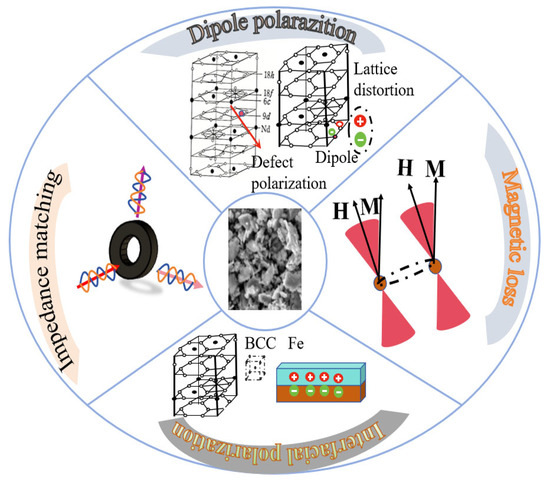
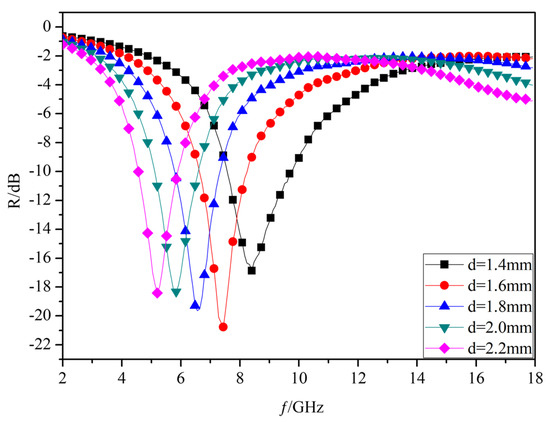
With the rapid development of communication technologies, electromagnetic pollution has become increasingly serious, driving the urgent demand for high-performance low-frequency microwave absorbers. This work focuses on Nd-Fe-C powders prepared by high-energy ball milling, aiming to explore low-cost, mass-producible absorbing materials with excellent low-frequency microwave absorption performance. The Nd10.2Fe84.6C5.2 alloy was synthesized via arc melting, and its powders were subsequently fabricated by high-energy ball milling for different milling durations. X-ray diffraction, scanning electron microscopy, and vector network analysis were employed to investigate the effect of high-energy ball milling on the microwave absorption properties of the Nd10.2Fe84.6C5.2 alloy. As the ball milling time increased, the particle size decreased, and the minimum reflection loss shifted to a lower frequency. Additionally, increasing the thickness of the absorbing coating also moved the minimum reflection loss toward the low-frequency region. The Nd10.2Fe84.6C5.2 alloy after 12 h of ball milling had good performance in the C (4.0–8.0 GHz) band when the coating thickness was in the range from 1.4 to 2.2 mm. A minimum reflection loss of −19.2 dB was achieved at 5.2 GHz, and the effective absorption bandwidth (RL < −10 dB, corresponding to a microwave absorption efficiency of 90%) reached 1.8 GHz at a matching thickness of 2.2 mm.
Full article
(This article belongs to the Special Issue Magnetic Materials and Composites: Synthesis, Properties, and Applications)
►▼
Show Figures

Figure 1
Open AccessArticle
Low-Loss Fe@BN Magnetic Powder Cores Enabled by Thiol-Functionalised Boron Nitride Interfacial Coating
by
Hui Peng, Yutong Xie, Daode Zhu, Longqin Wang, Leihao Han and Yumeng Cai
Magnetochemistry 2026, 12(7), 71; https://doi.org/10.3390/magnetochemistry12070071 - 1 Jul 2026
Abstract
Iron powder cores are widely used in cost-sensitive low- to medium-frequency applications because of their high saturation magnetisation, low cost and favourable formability. However, the low electrical resistivity of iron powders favours continuous conductive pathways between adjacent particles, leading to high-frequency eddy-current loss
[...] Read more.
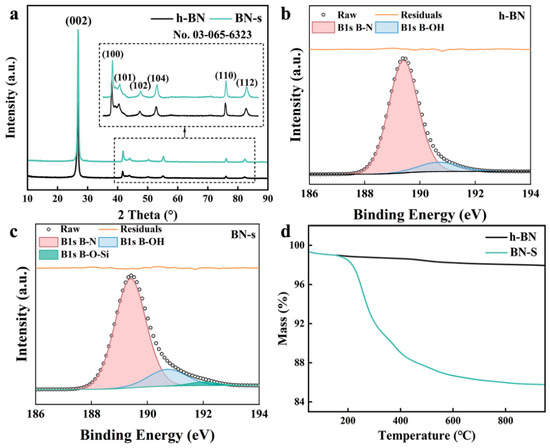
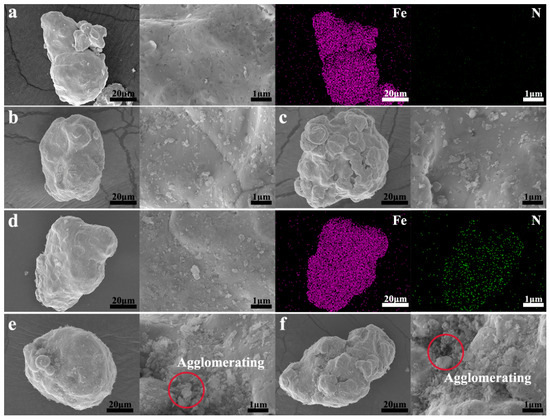
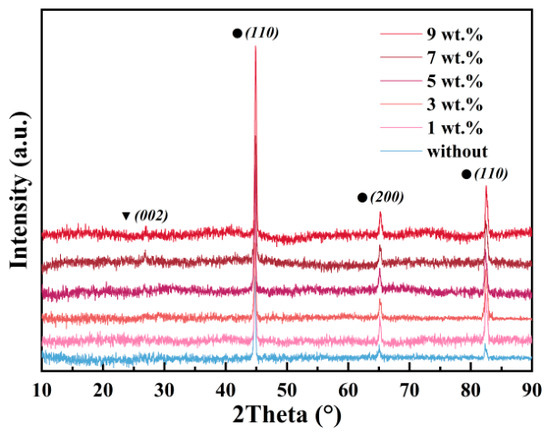
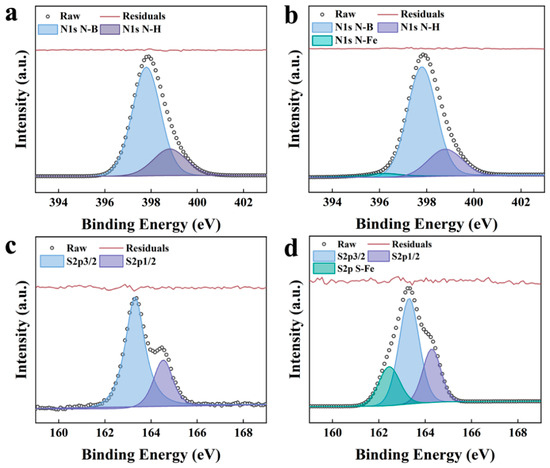
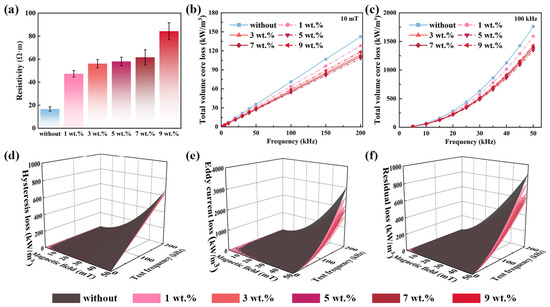
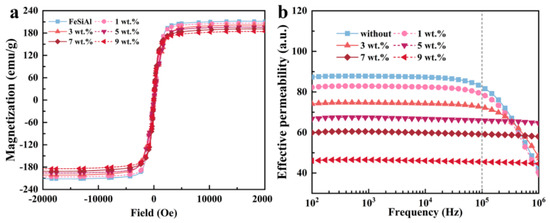
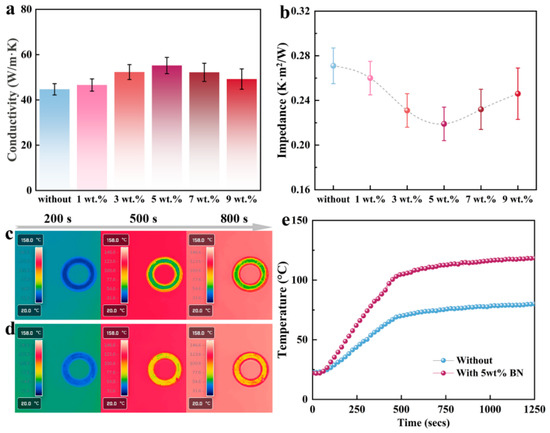
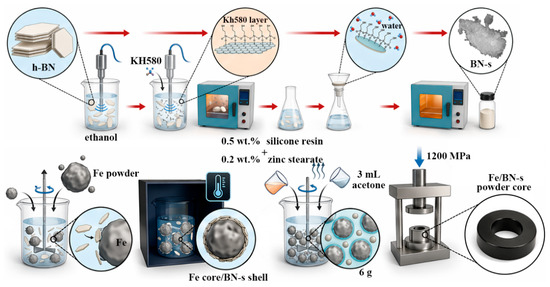
Iron powder cores are widely used in cost-sensitive low- to medium-frequency applications because of their high saturation magnetisation, low cost and favourable formability. However, the low electrical resistivity of iron powders favours continuous conductive pathways between adjacent particles, leading to high-frequency eddy-current loss and heat accumulation. To combine electrical insulation, interfacial stability, magnetic-property retention and thermal diffusion in a single coating, a synergistic insulation/thermal-conduction coating based on thiol-functionalised boron nitride was designed for iron-based magnetic powder cores. Hexagonal boron nitride was surface-modified through ultrasonic activation followed by grafting with a mercaptosilane coupling agent, forming covalent linkages on the boron nitride surface. The resulting functionalised nanosheets were deposited onto water-atomised iron powders through interfacial interactions between nitrogen- and sulfur-containing functional groups and the iron surface. A coating content of 5 wt.% produced a relatively continuous and uniform interfacial layer with limited agglomeration, enabling the magnetic powder cores to combine interparticle insulation, loss reduction, magnetic-property retention and thermal transport. The optimised core exhibited a volume resistivity of 58.7 Ω·m and a total core loss of 81.2 kW/m3 at 10 mT and 100 kHz, corresponding to a 20.8% reduction relative to the pure iron core. The sample retained a saturation magnetisation of 201.4 emu/g and an effective permeability of 67.5 at 100 kHz, while achieving a thermal conductivity of 55.2 W/(m·K) and a thermal impedance of 0.215 K·m2/W. Loss-separation analysis indicates that the continuous insulating layer restricts interparticle induced-current pathways and suppresses high-frequency eddy-current loss, while the two-dimensional boron nitride framework promotes internal thermal diffusion.
Full article
(This article belongs to the Special Issue Advances in Soft Magnetic Materials—2nd Edition)
►▼
Show Figures

Figure 1
Open AccessReview
Artificial Intelligence-Assisted Low-Field Benchtop NMR Spectroscopy: Analytical Applications, Challenges, and Perspectives
by
Gayoung Seo, Yeon Ju Shin and Sangdoo Ahn
Magnetochemistry 2026, 12(7), 70; https://doi.org/10.3390/magnetochemistry12070070 - 24 Jun 2026
Abstract
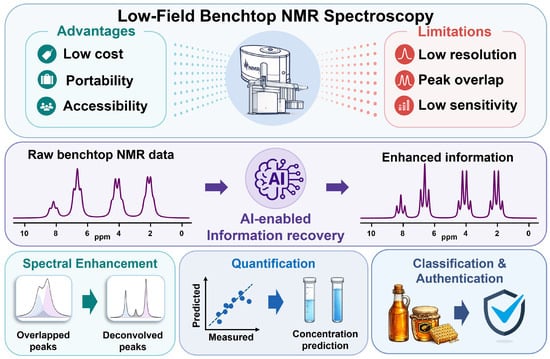
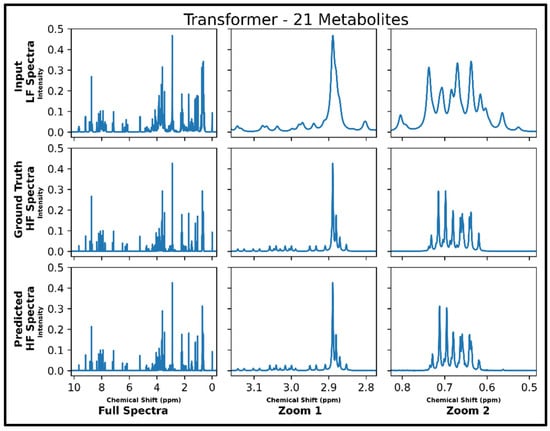
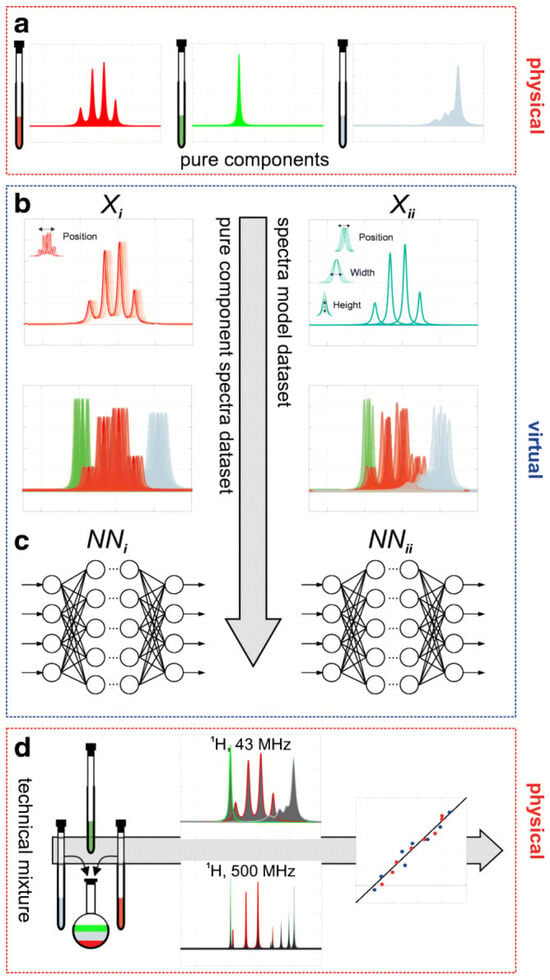
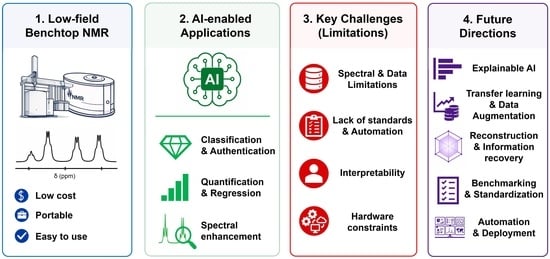
Low-field benchtop nuclear magnetic resonance (NMR) spectroscopy has emerged as an accessible analytical platform for rapid, routine, and application-oriented analysis. However, its broader analytical adoption remains constrained by intrinsic limitations, including reduced spectral resolution, severe signal overlap, and lower sensitivity compared with conventional
[...] Read more.
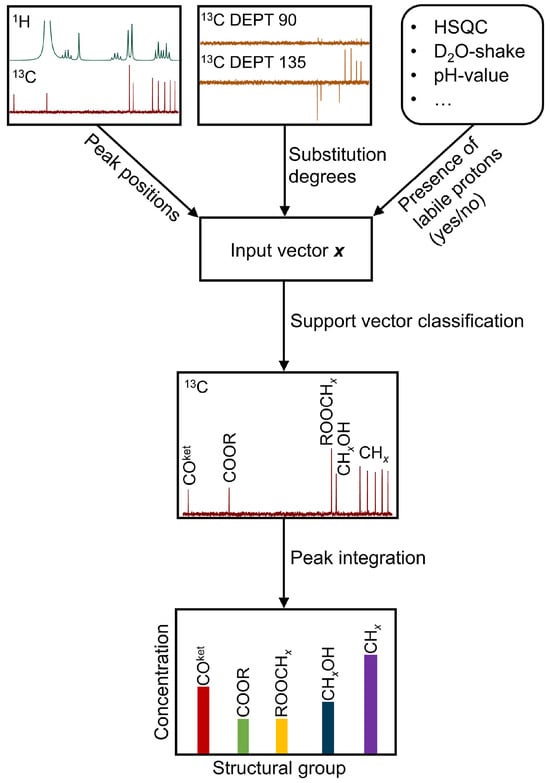
Low-field benchtop nuclear magnetic resonance (NMR) spectroscopy has emerged as an accessible analytical platform for rapid, routine, and application-oriented analysis. However, its broader analytical adoption remains constrained by intrinsic limitations, including reduced spectral resolution, severe signal overlap, and lower sensitivity compared with conventional high-field instruments. To address these limitations, artificial intelligence (AI), including machine learning and deep learning approaches, has increasingly been explored alongside conventional chemometric strategies to enhance information extraction from low-field spectral data. This review examines recent developments in AI-assisted benchtop NMR across three major application domains: classification and authentication, quantitative analysis, and spectral processing or automated interpretation. Current evidence suggests that classification and authentication currently represent the most mature application area, whereas quantitative analysis shows promising but often condition-dependent performance. In contrast, spectral reconstruction and automated interpretation remain comparatively early-stage and exploratory, despite their potential long-term relevance for addressing intrinsic information limitations. Key challenges, including limited dataset diversity, poor model transferability, validation pitfalls, limited interpretability, and the lack of benchmarking and standardized workflows, are critically discussed. Future progress will likely depend not only on advances in AI algorithms, but also on the development of robust, reproducible, and analytically meaningful workflows. Overall, AI-assisted benchtop NMR is evolving from proof-of-concept applications toward a more structured analytical framework for extracting chemically meaningful information from spectrally constrained low-field data.
Full article
(This article belongs to the Section Magnetic Resonances)
►▼
Show Figures

Graphical abstract
Open AccessReview
Dimensionality-Controlled Structure and Magnetism in Nickel Ferrite (NiFe2O4): A Novelty-Oriented Theoretical Review
by
Mahmoud AlGharram, Tariq AlZoubi, Yahia Makableh and Jestin Mandumpal
Magnetochemistry 2026, 12(6), 69; https://doi.org/10.3390/magnetochemistry12060069 - 16 Jun 2026
Abstract
►▼
Show Figures
Nickel ferrite (NiFe2O4) is one of the most studied inverse-spinel ferrites because it combines moderate saturation magnetization, comparatively high electrical resistivity, chemical stability, and broad synthesis flexibility. Yet the literature shows that the measured structure and magnetism of NiFe
[...] Read more.
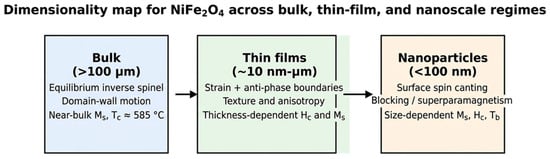
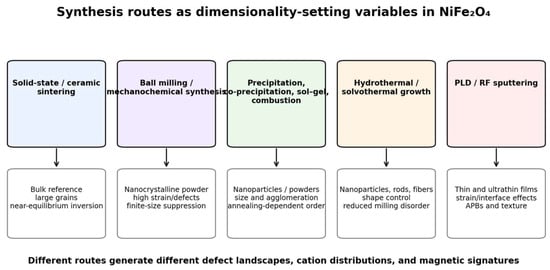
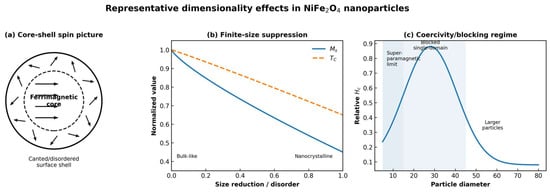
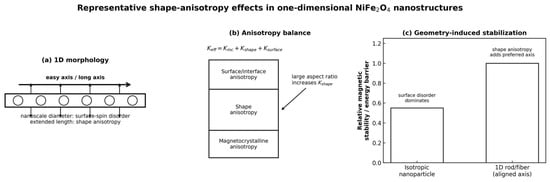
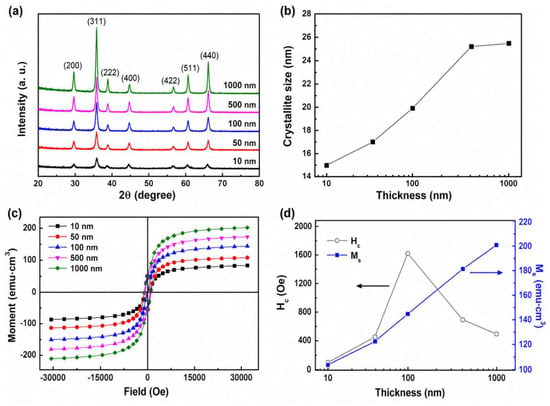
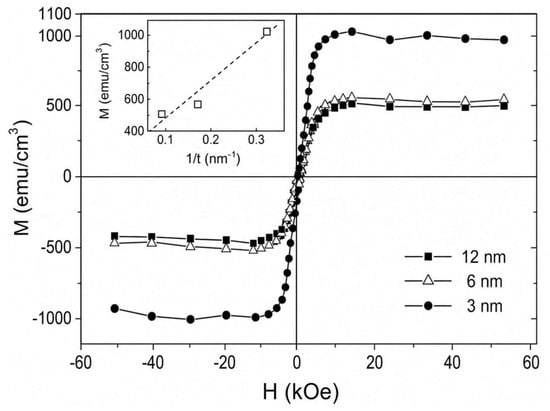
Nickel ferrite (NiFe2O4) is one of the most studied inverse-spinel ferrites because it combines moderate saturation magnetization, comparatively high electrical resistivity, chemical stability, and broad synthesis flexibility. Yet the literature shows that the measured structure and magnetism of NiFe2O4 are not intrinsic constants; they evolve strongly with dimensionality, size, thickness, strain state, cation distribution, surface spin disorder, and synthesis pathway. This review develops a unified theoretical and literature-based interpretation of how dimensionality reshapes the structural and magnetic behavior of NiFe2O4 across bulk ceramics, nanoparticles, one-dimensional nanostructures, polycrystalline thin films, and ultrathin epitaxial films. The review is anchored in the two uploaded nickel ferrite attachments and expanded using internet-sourced journal literature on spinel inversion, surface effects, mechanochemical synthesis, sputtered and pulsed laser deposited thin films, and epitaxial ultrathin-film anomalies. The central novelty of this article is the formulation of a dimensionality-dependent framework in which the observed magnetic response is governed by a competition among three coupled factors: (i) the cation-distribution function, which controls the A–B superexchange balance and therefore the net ferrimagnetic moment; (ii) the microstructural coherence function, which measures how crystallinity, strain, defects, and anti-phase boundaries preserve or degrade exchange continuity; and (iii) the surface/interface spin-order parameter, which quantifies the loss or reconfiguration of magnetic order at free surfaces and buried interfaces. Within this framework, bulk NiFe2O4 behaves as a near-equilibrium inverse spinel with relatively stable magnetization, whereas nanoscale NiFe2O4 experiences strong spin canting and finite-size suppression due to the growing fraction of disordered surface spins. Thin films introduce a distinct regime in which strain, texture, anti-phase boundaries, substrate mismatch, and growth kinetics determine both anisotropy and magnetization. In ultrathin epitaxial films, off-equilibrium cation redistribution and interface-controlled electronic reconstruction may even generate magnetization values far above bulk expectations. The review also compares major synthesis routes—solid-state reaction, sol–gel, co-precipitation, hydrothermal growth, reactive milling, combustion, pulsed laser deposition, and radio-frequency sputtering—and explains why each route biases the final dimensionality-dependent properties differently. A set of word-style equations is provided to formalize spinel inversion, finite-size suppression, anisotropy scaling, coercivity trends, and superparamagnetic crossover. Beyond summarizing the field, the review proposes a regime map linking dimensionality to characteristic structural defects and magnetic signatures, and it identifies unresolved questions concerning the true origin of enhanced magnetization in ultrathin NiFe2O4, the interplay between anti-phase boundaries and strain, and the distinction between intrinsic inversion changes and extrinsic substrate artifacts. The resulting article offers a submission-ready, originality-focused review that positions dimensionality as the master variable governing structure–magnetism correlations in nickel ferrite.
Full article

Figure 1
Journal Menu
► ▼ Journal Menu-
- Magnetochemistry Home
- Aims & Scope
- Editorial Board
- Reviewer Board
- Topical Advisory Panel
- Instructions for Authors
- Special Issues
- Topics
- Sections
- Article Processing Charge
- Indexing & Archiving
- Editor’s Choice Articles
- Most Cited & Viewed
- Journal Statistics
- Journal History
- Journal Awards
- Editorial Office
Journal Browser
► ▼ Journal BrowserHighly Accessed Articles
Latest Books
E-Mail Alert
News
5 August 2026
MDPI INSIGHTS: The CEO’s Letter #37 – Canada Summit, Sciforum Relaunch, 30 Years of Impactful Research & ISPRS 2026
5 August 2026
Meet Us at the 12th International Conference on f-Elements (ICfE-12), 6–10 September 2026, Manchester, UK
Topics
Topic in
Electronic Materials, IJMS, Magnetochemistry, Materials, Nanomaterials
Magnetic Nanoparticles and Thin Films
Topic Editors: Renat F. Sabirianov, Ahmad AlsaadDeadline: 31 December 2026
Topic in
Biology, Cancers, Magnetism, Magnetochemistry, Antioxidants, Cells, Biophysica
Magnetic Biology and Bioelectromagnetic Technology
Topic Editors: Chao Song, Lin ChenDeadline: 31 December 2027
Special Issues
Special Issue in
Magnetochemistry
Ferrofluids: Electromagnetic Properties and Applications
Guest Editor: Catalin Nicolae MarinDeadline: 30 August 2026
Special Issue in
Magnetochemistry
Fundamentals and Applications of Novel Functional Magnetic Materials
Guest Editor: Mohamed SalaheldeenDeadline: 30 August 2026
Special Issue in
Magnetochemistry
Structure, Magnetic and Thermal Properties of Nanocrystalline Materials
Guest Editors: Safia Alleg, Joan-Josep SuñolDeadline: 30 August 2026
Special Issue in
Magnetochemistry
Molecular Spin Crossover Materials: Recent Trends, Emerging Properties and Applications—2nd Edition
Guest Editor: Zoi LadaDeadline: 31 August 2026